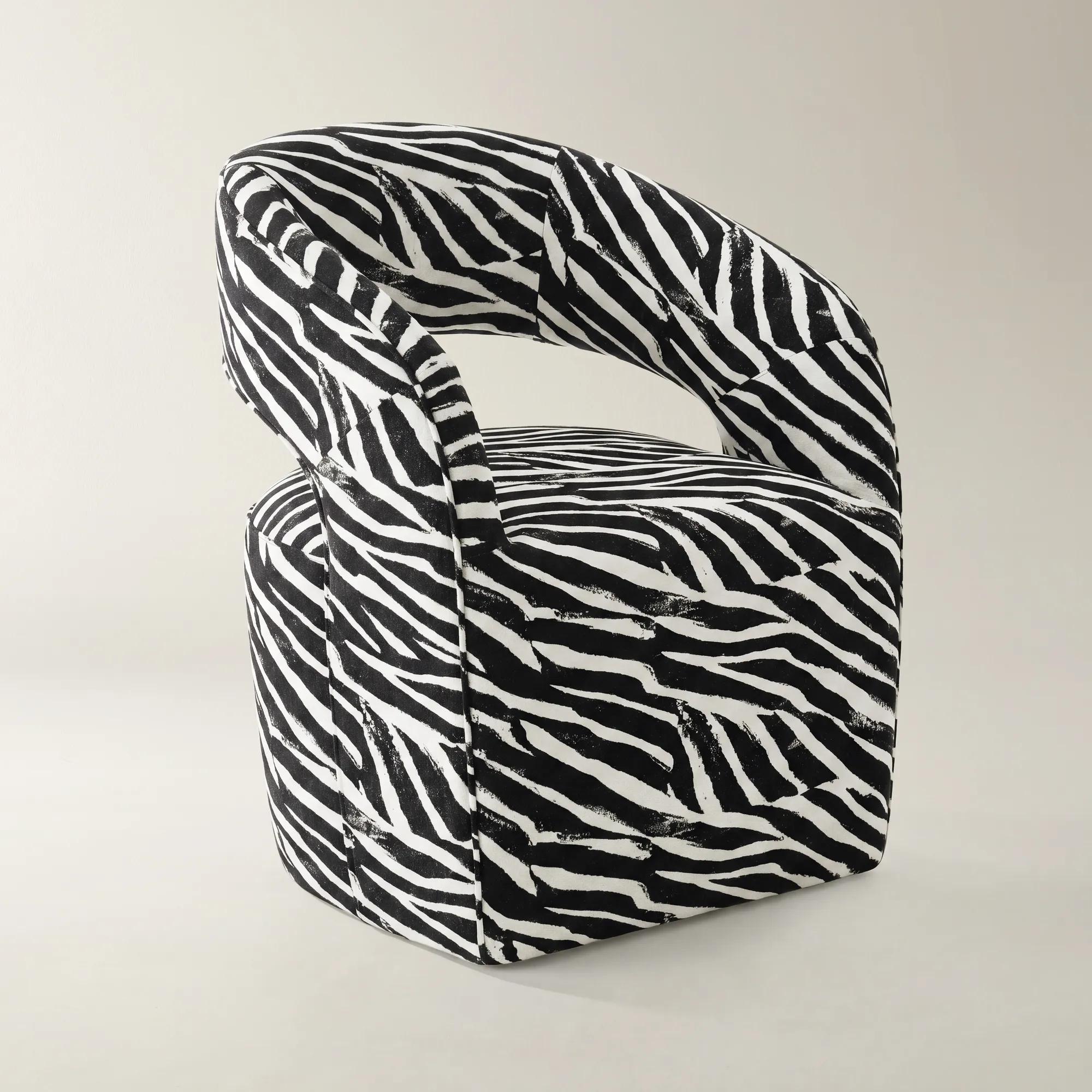
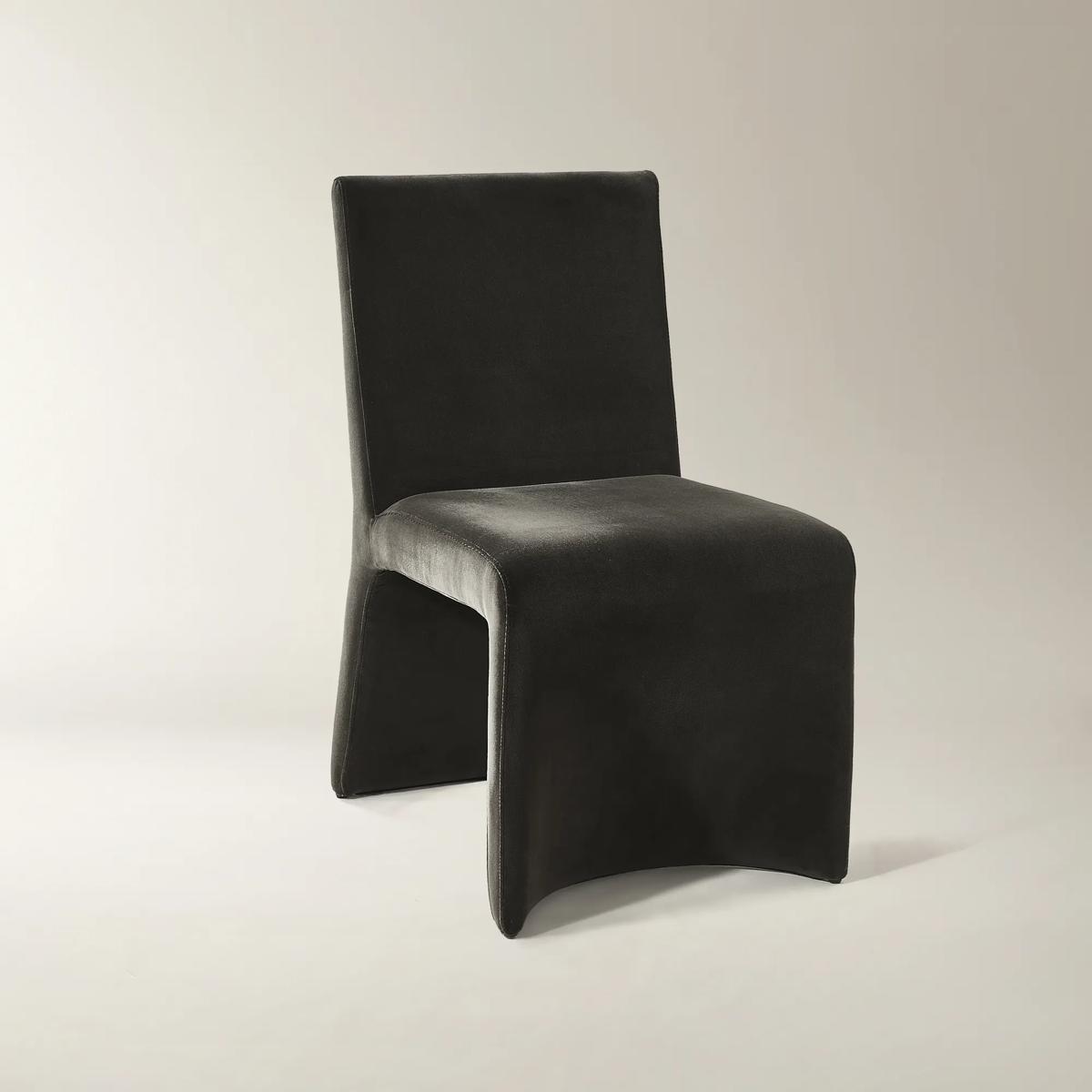
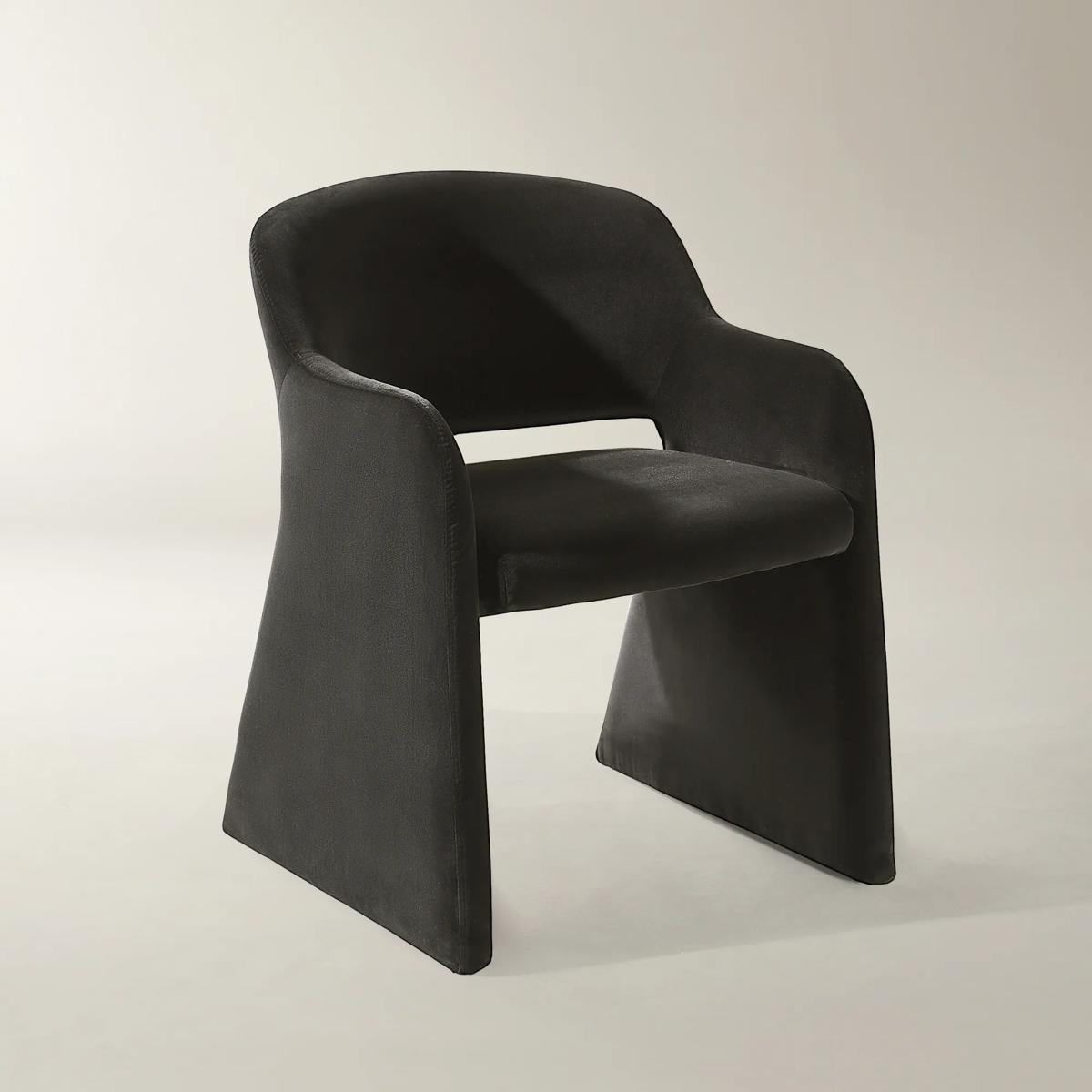
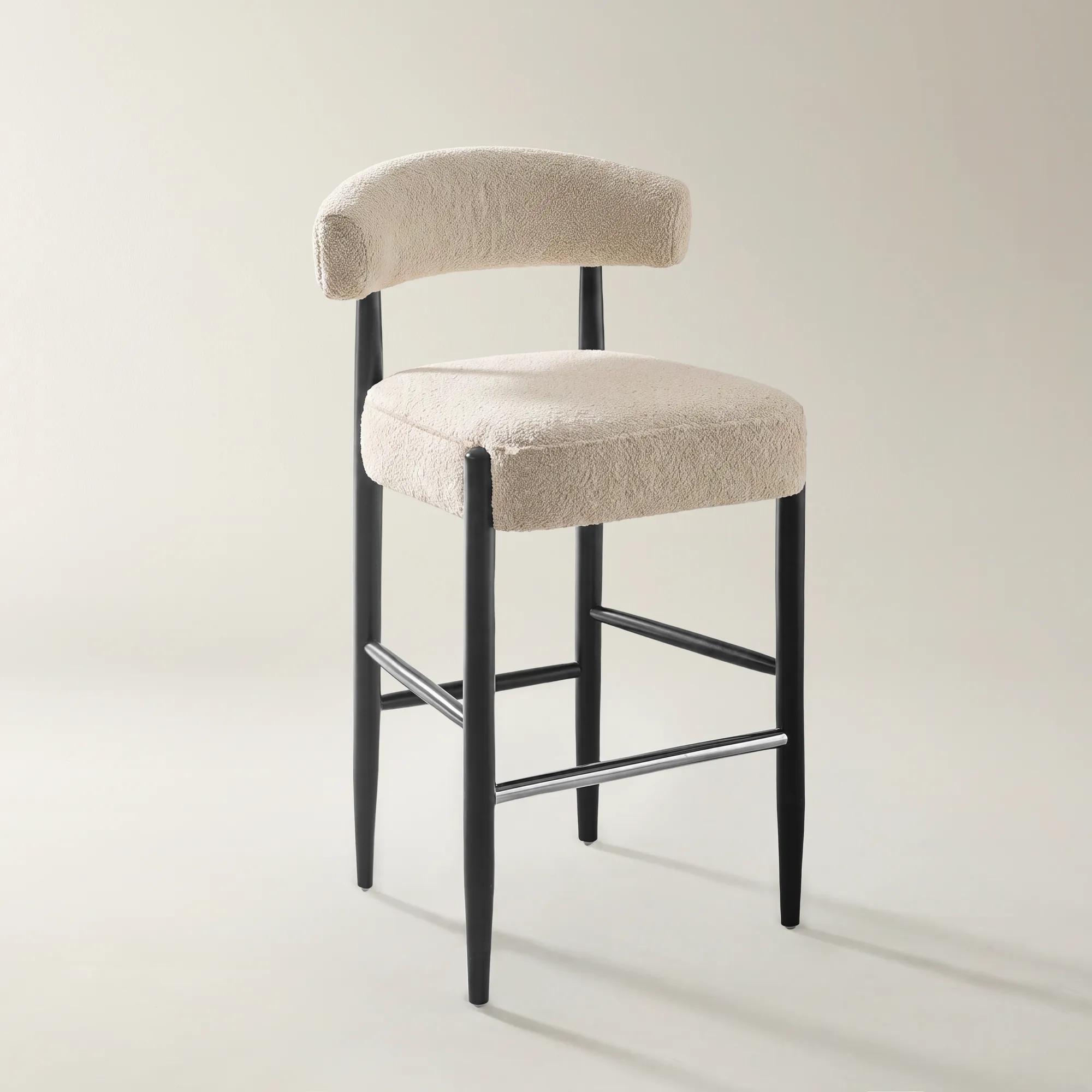
Curved Velvet Dining Chairs
Curved Velvet Dining Chairs
-
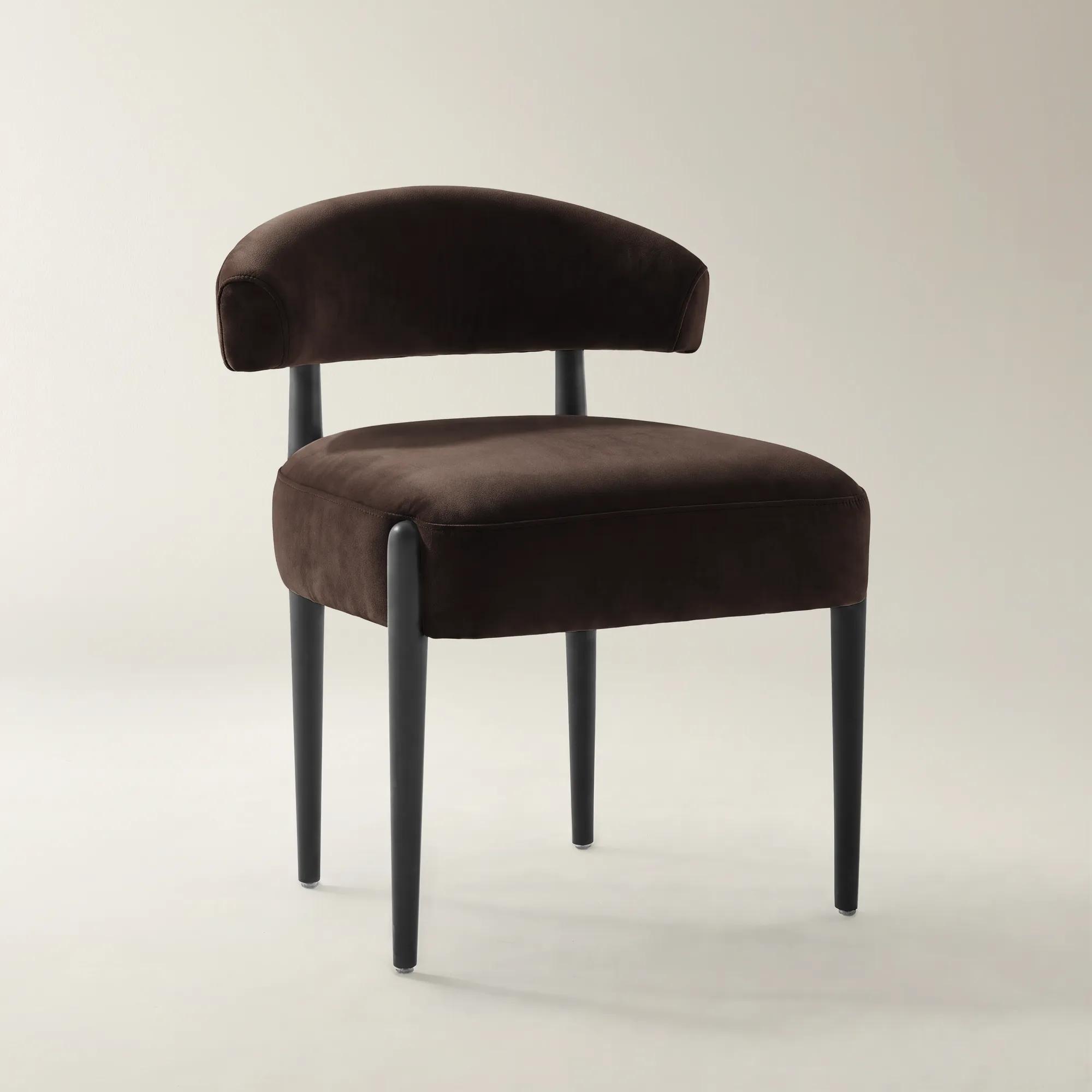
 Anna Dark Chocolate Velvet Dining Chair Set of 2$699
A dark chocolate velvet dining chair set featuring an arched back, high-density foam, and solid wood construction.
Add To Cart -
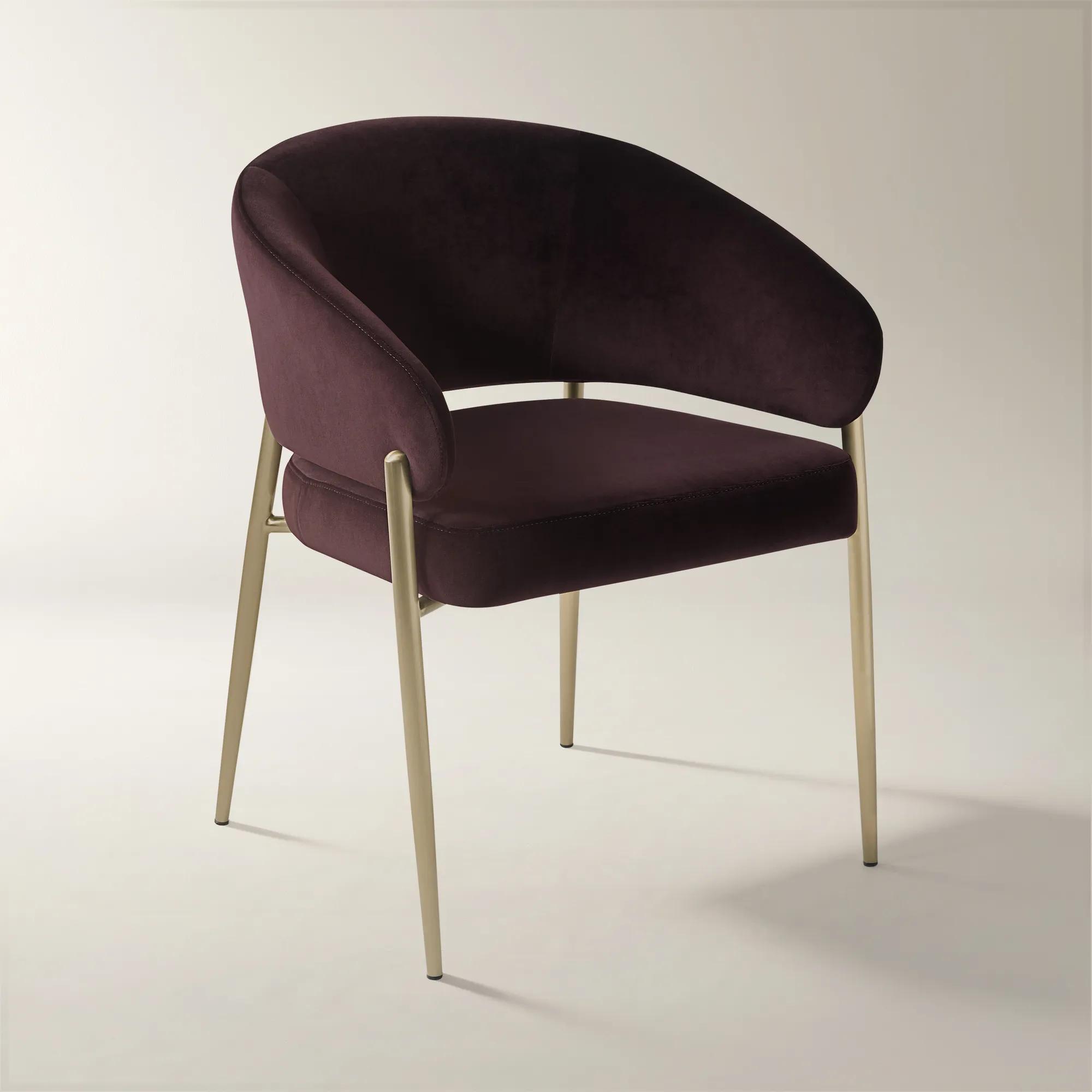 Nara Fig Velvet Dining Chair Set Of 2$599
A set of two dining chairs featuring plush fig velvet upholstery and brushed brass stainless-steel legs.
Add To Cart -
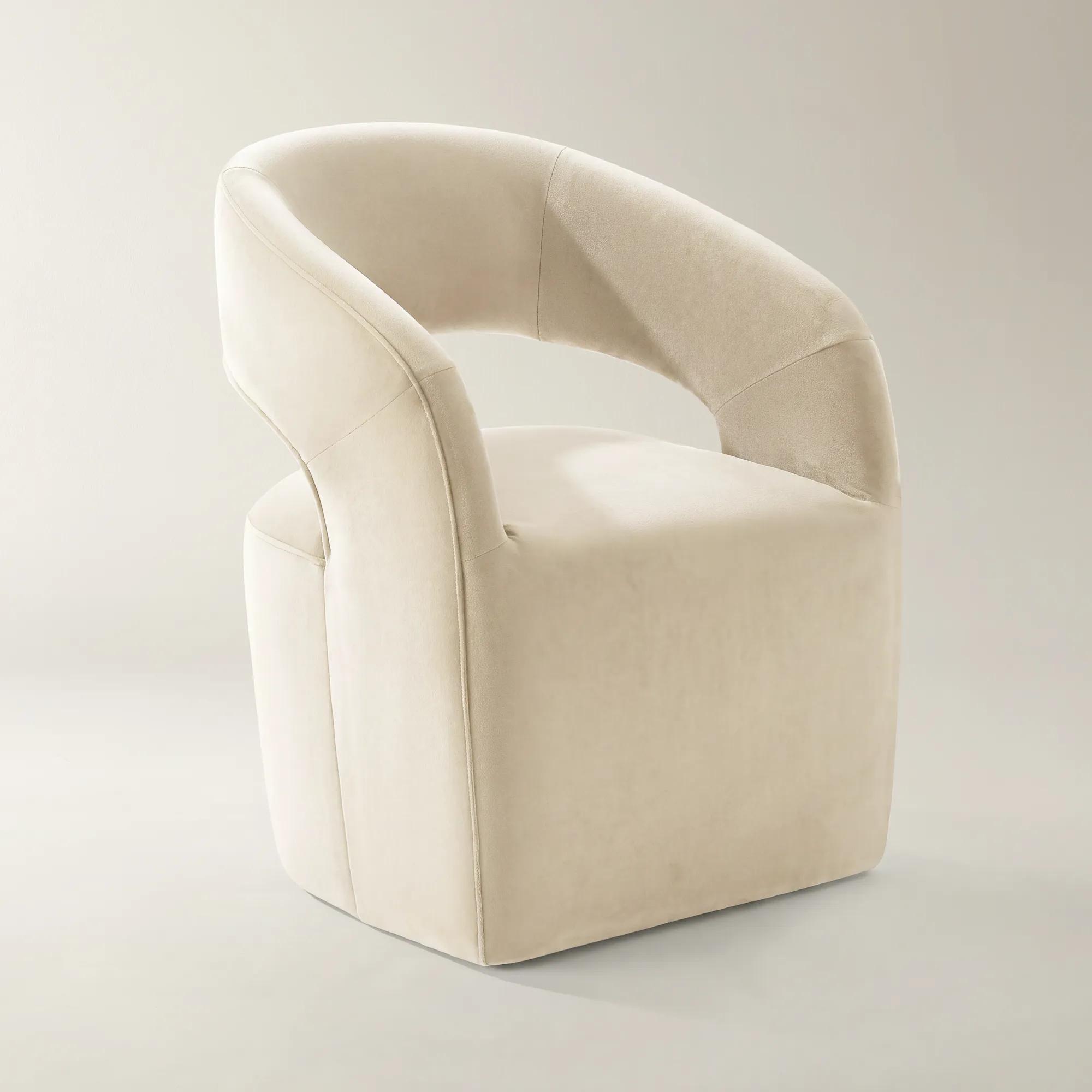
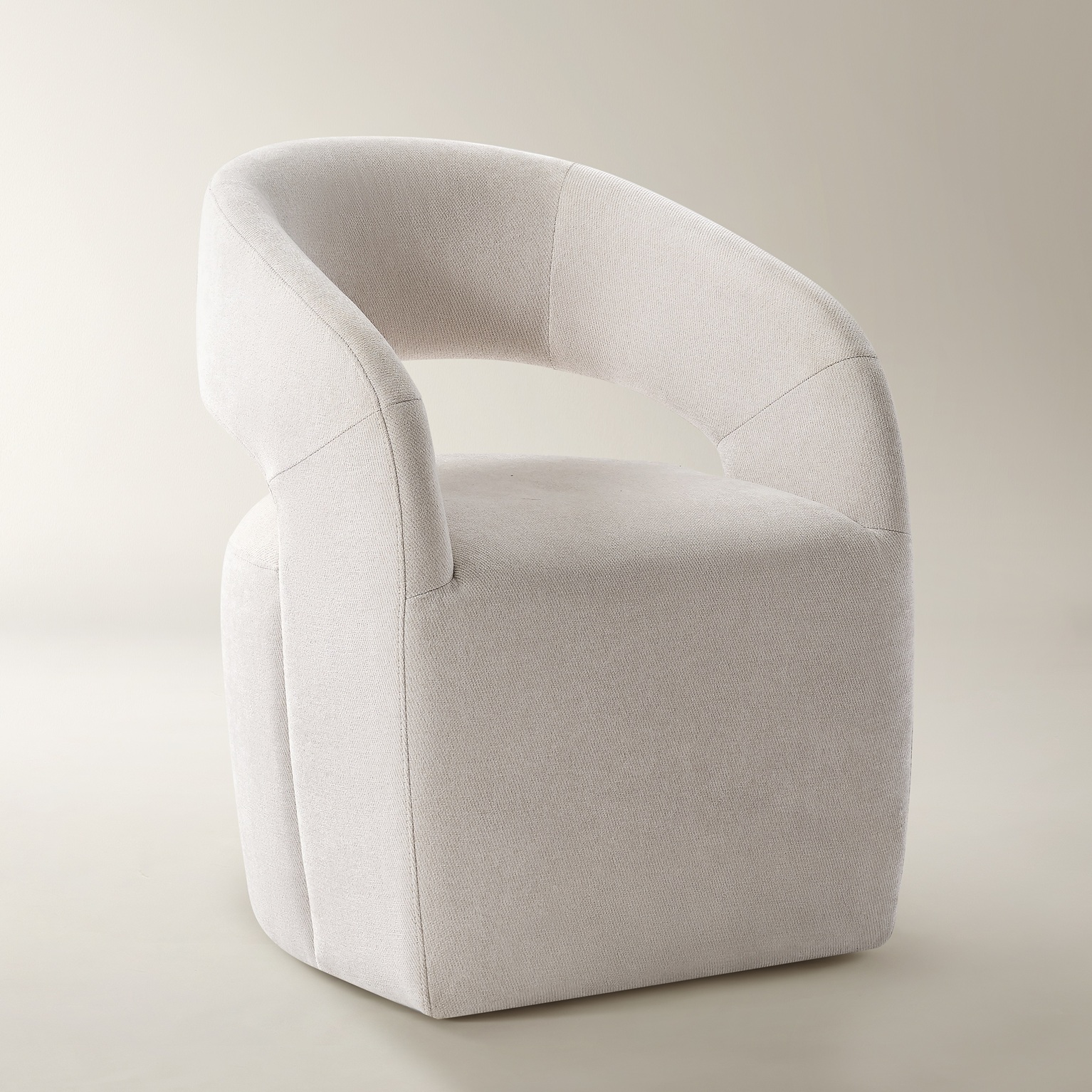 Harrison Oatmeal Velvet Dining Chair$499
A sculptural dining chair upholstered in oatmeal velvet with a curved back, feather-blend seat, and integrated arms.
Add To Cart -
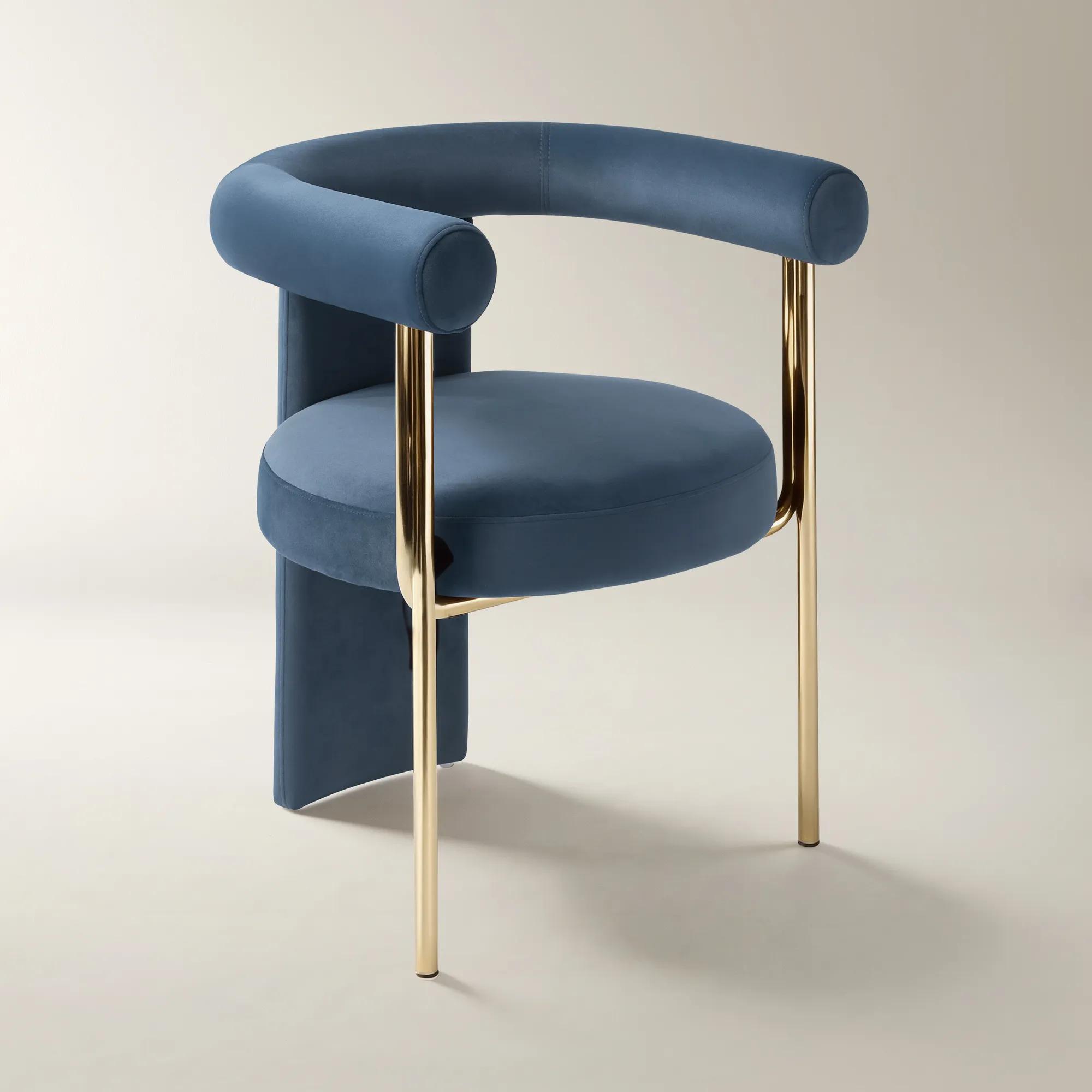 Davina Dusty Blue Velvet Dining Chair Set Of 2$899
A set of two dining chairs featuring dusty blue velvet upholstery and a polished gold metal frame.
Add To Cart -
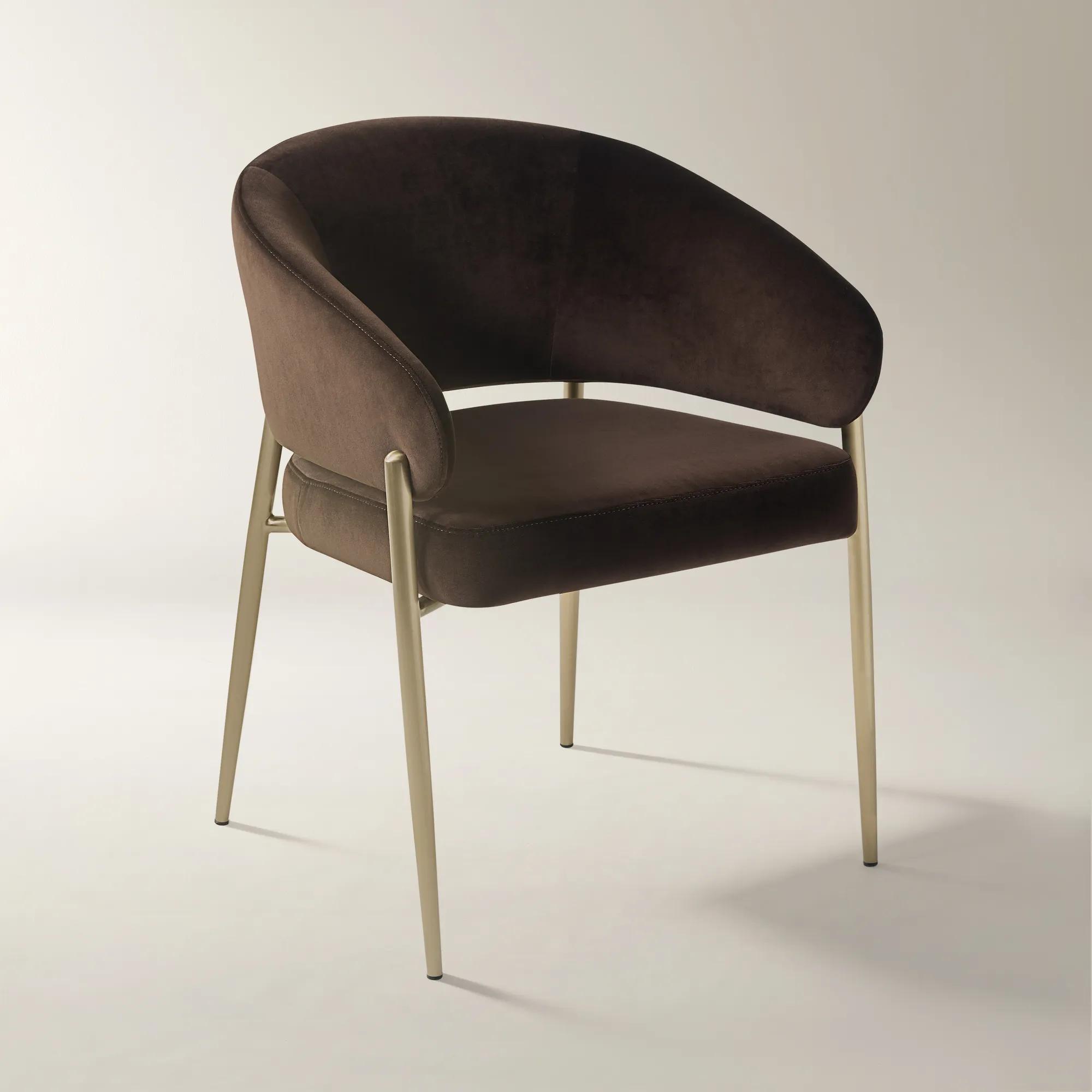 Nara Dark Chocolate Velvet Dining Chair Set Of 2$599
A pair of dark chocolate velvet chairs with curved backs and brushed brass stainless-steel legs for modern elegance.
Add To Cart -
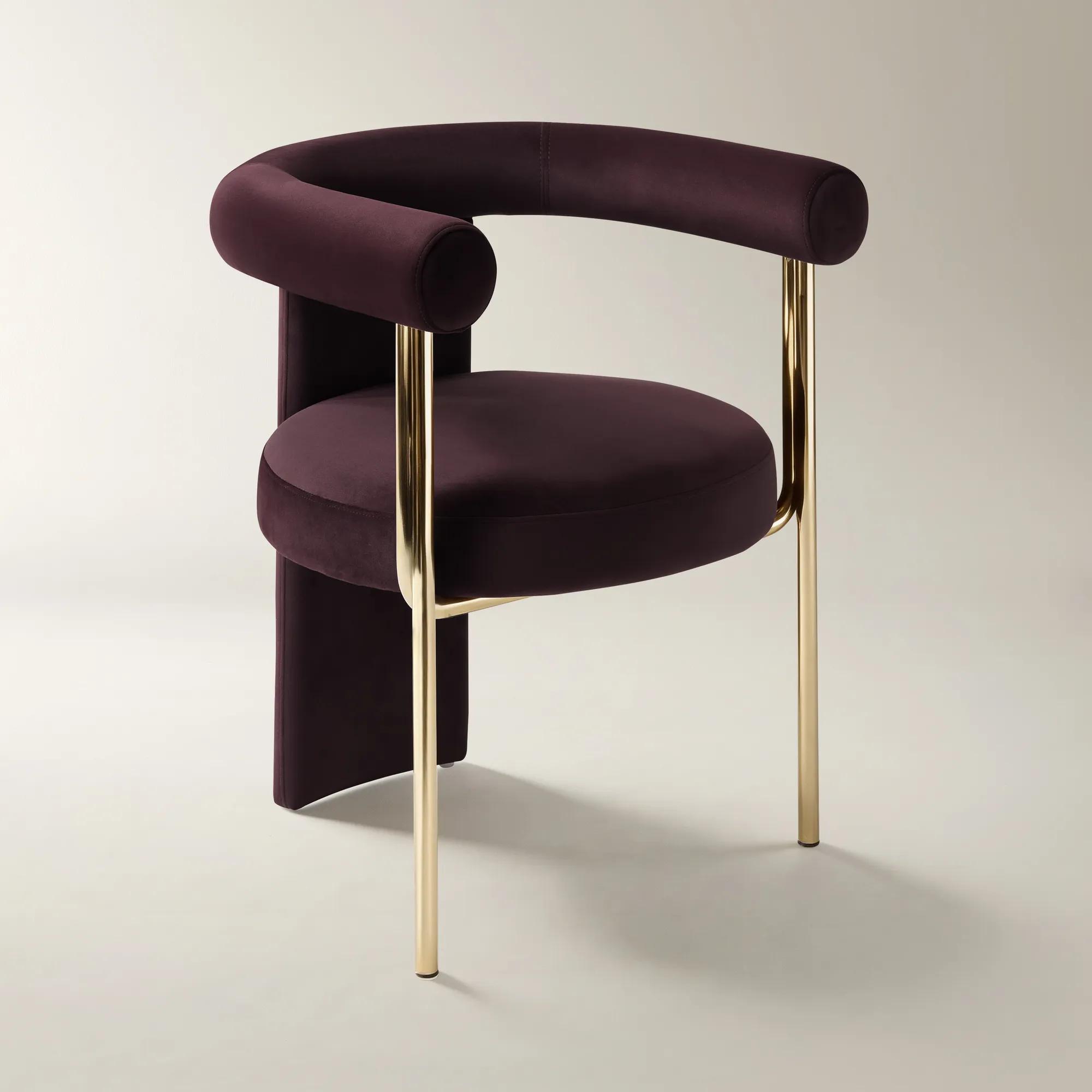 Davina Fig Velvet Dining Chair Set Of 2$899
A set of two dining chairs featuring plush fig velvet upholstery and a sleek gold-finished metal frame.
Add To Cart -
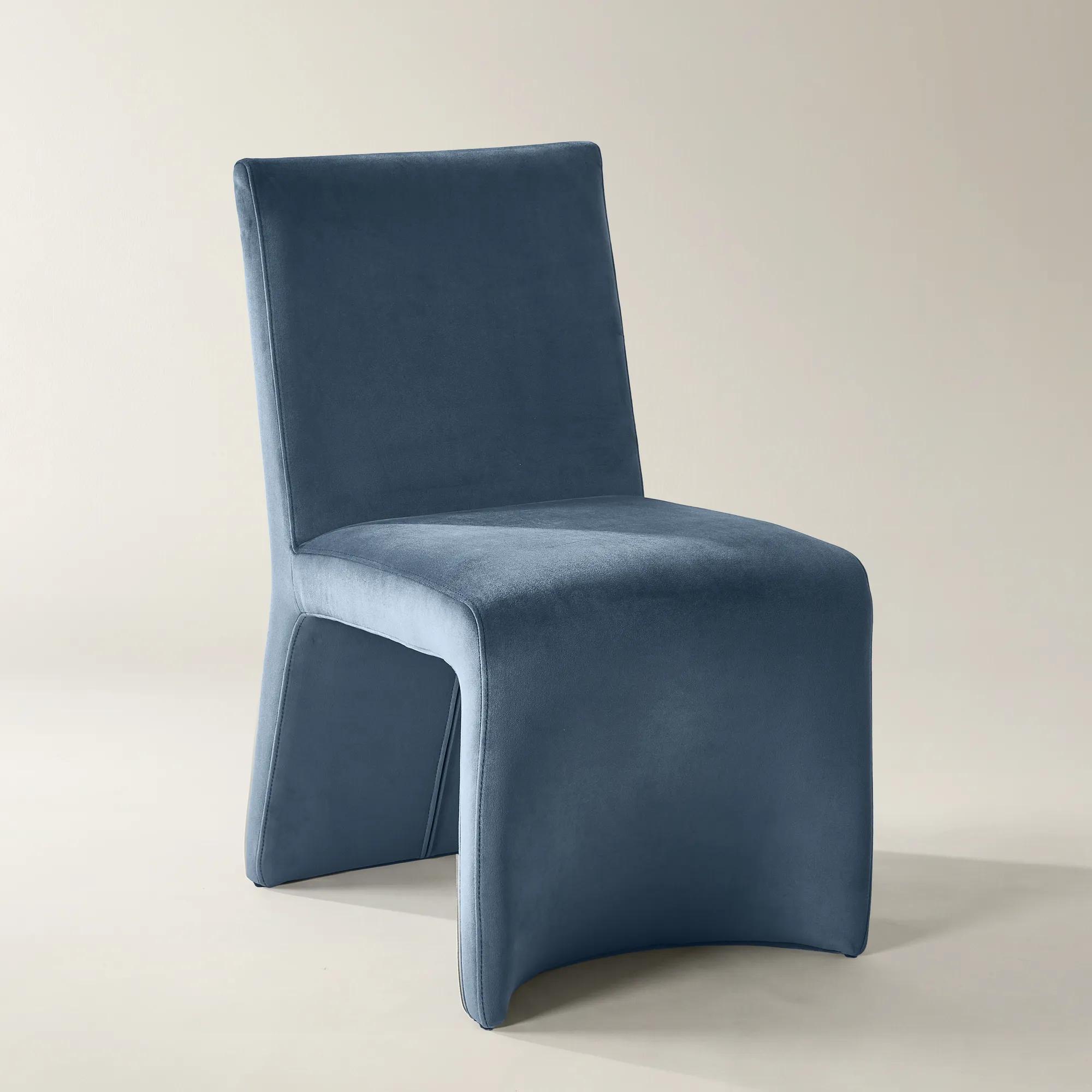 Elara Dusty Blue Velvet Dining Chair Set Of 2$799
A set of two dining chairs featuring plush dusty blue velvet upholstery and a seamless, artful silhouette.
Add To Cart -
 Stria Roasted Pecan Velvet Swivel Dining Chair With Oak Base$699
A velvet swivel dining chair with a sculpted curved profile and warm solid oak base.
Add To Cart -
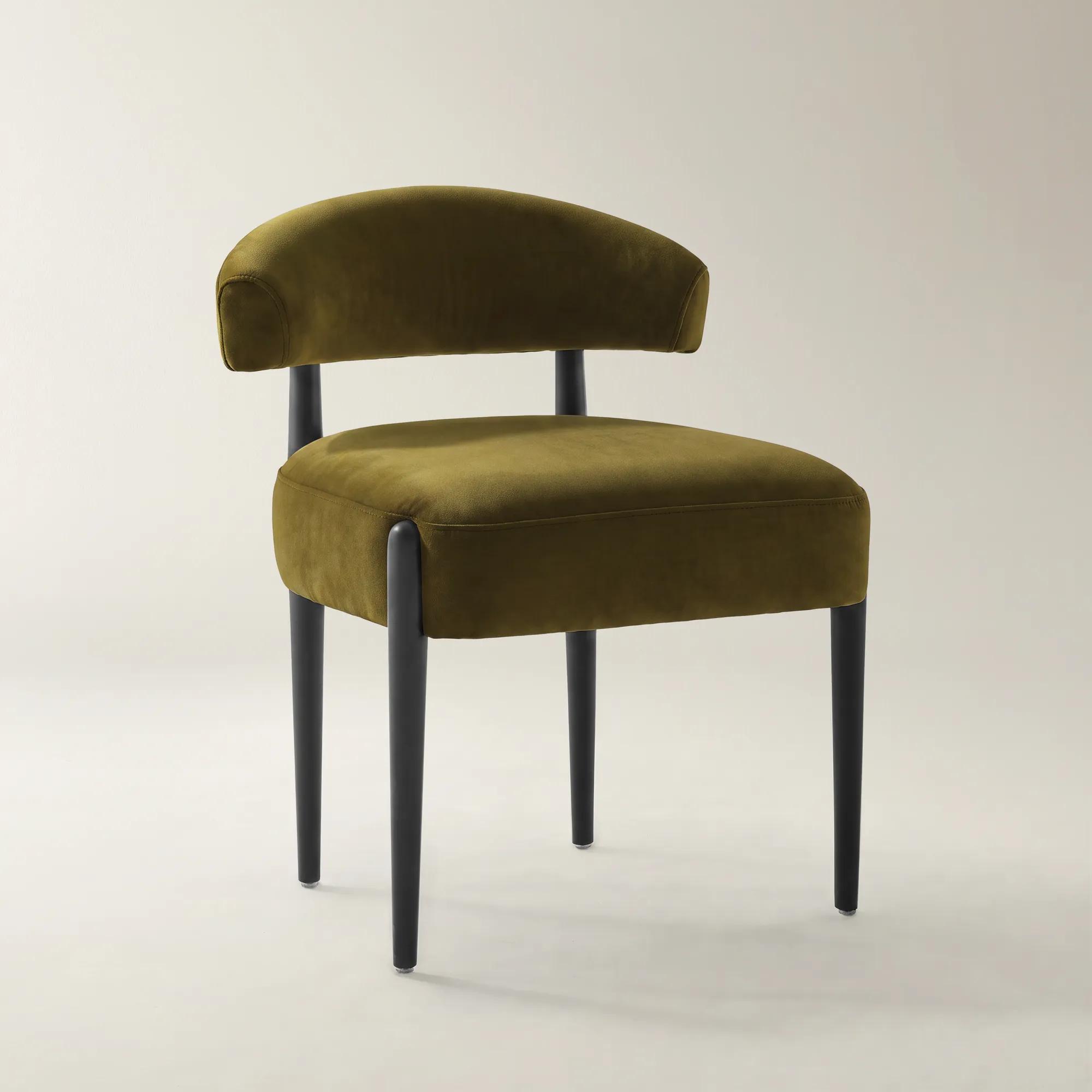 Anna Deep Olive Velvet Dining Chair Set of 2$699
A deep olive velvet dining chair with a tailored curved back, high-density cushioning, and solid rubberwood legs.
Add To Cart -
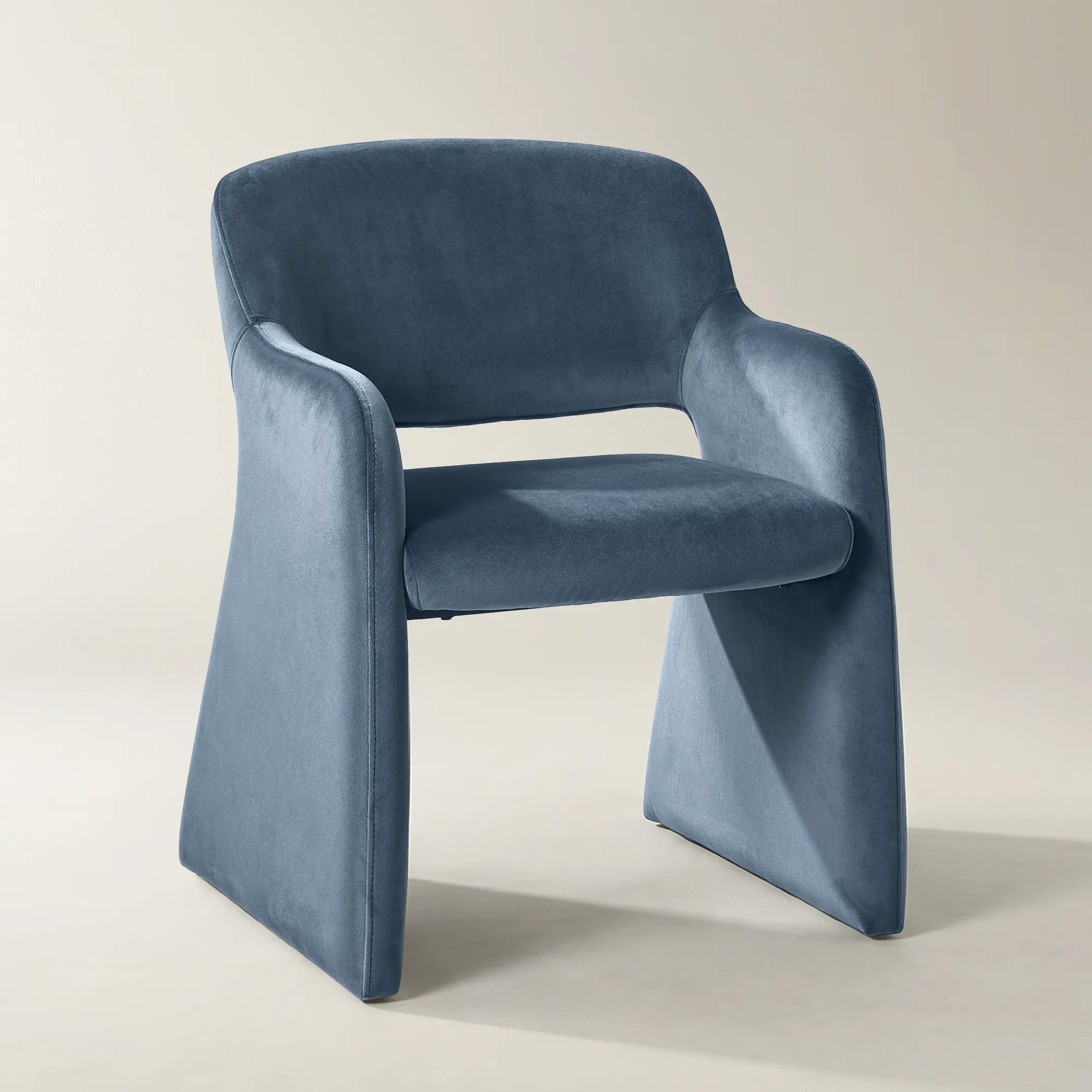 Elara Dusty Blue Velvet Dining Chair$449
A graceful dining chair featuring dusty blue velvet upholstery, integrated arms, and a seamless cantilevered silhouette.
Add To Cart -
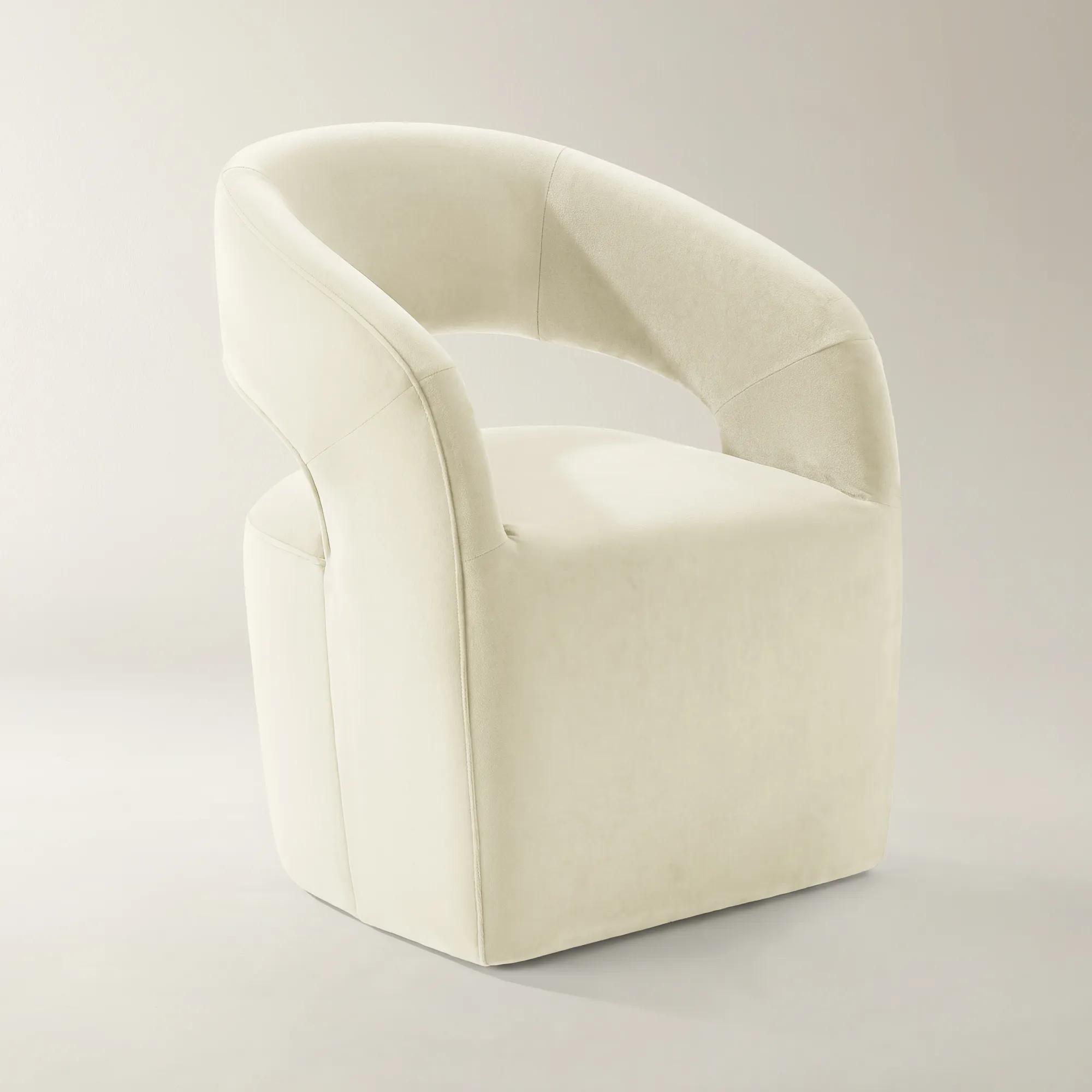 Harrison Cloud Velvet Dining Chair$499
A sculptural dining chair featuring cloud velvet upholstery, feather-blend cushioning, and a continuous curved back.
Add To Cart -
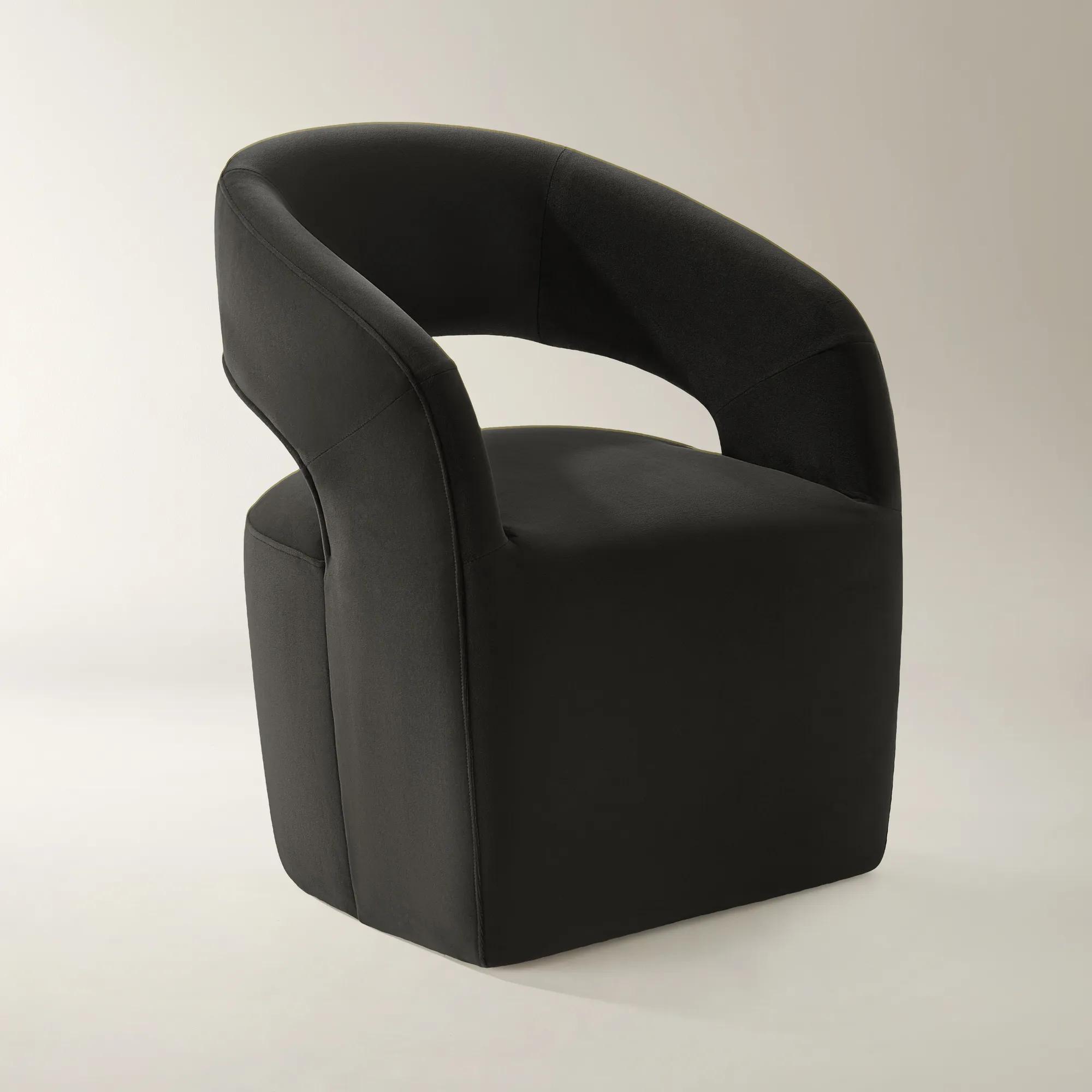 Harrison Charcoal Velvet Dining Chair$499
A sculptural dining chair upholstered in charcoal velvet with a continuous curved back and feather-blend comfort.
Add To Cart -
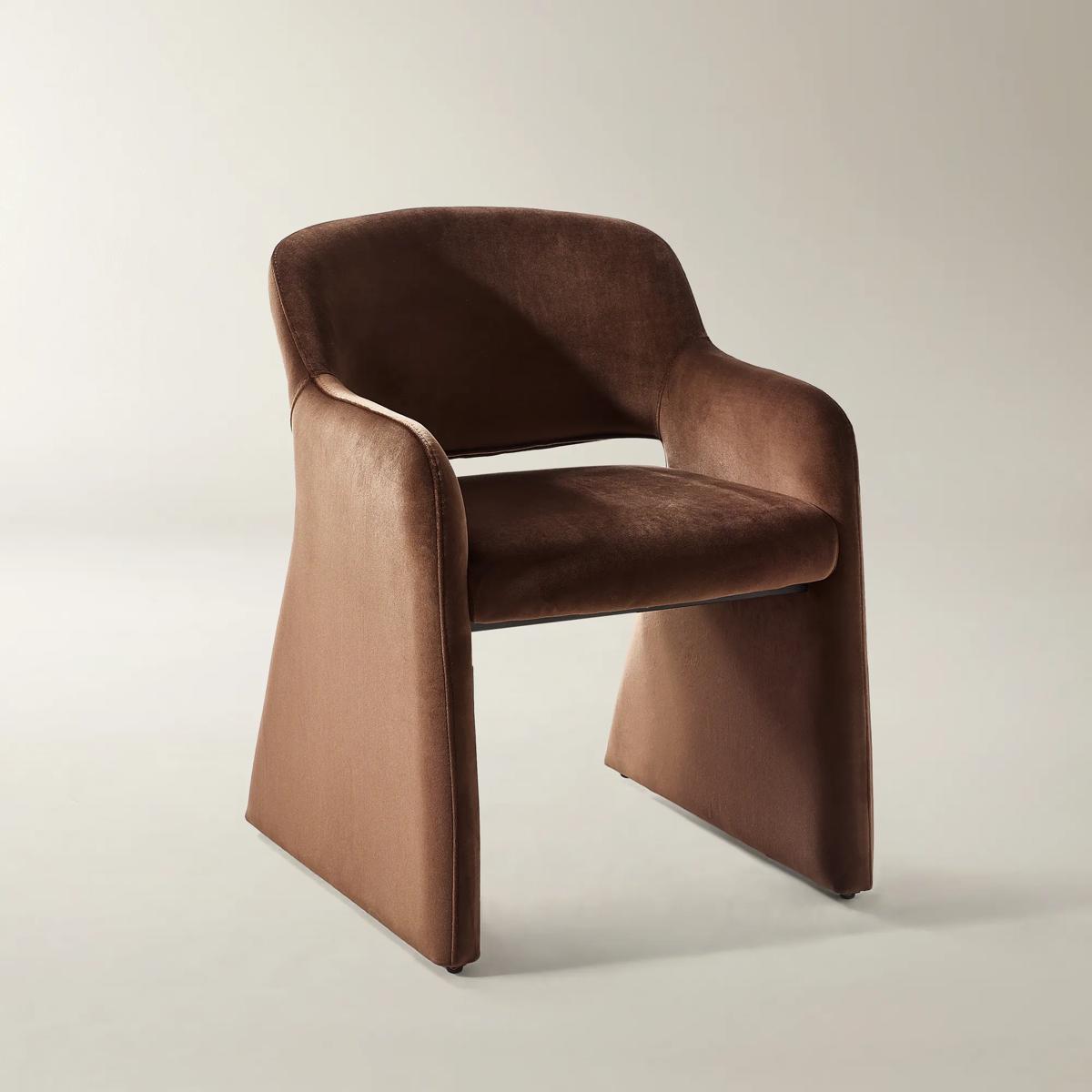
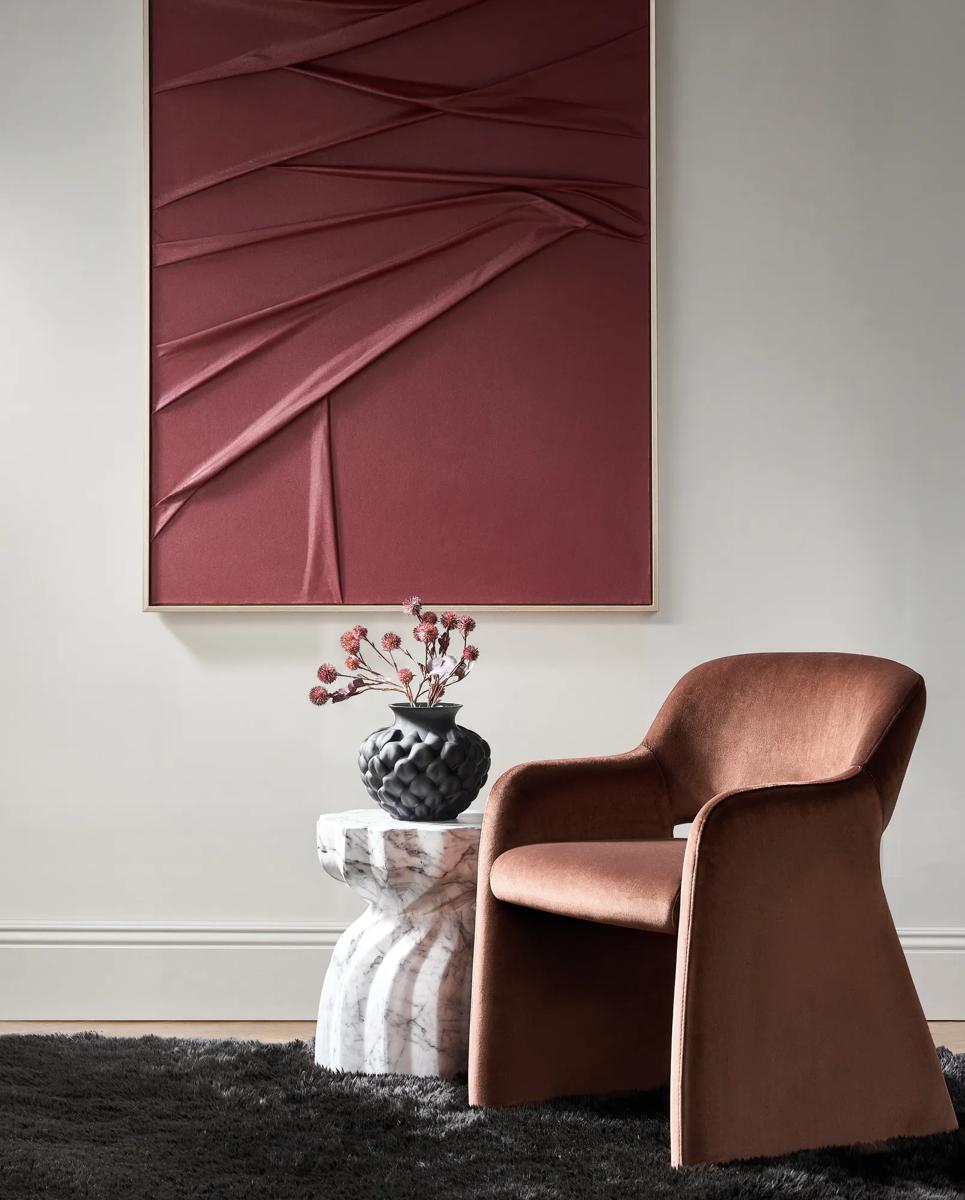 Elara Burnt Umber Velvet Dining Chair$449
A plush brown velvet armchair with sinuous curves, ergonomic support, and hand-crafted, reinforced details.
Add To Cart -
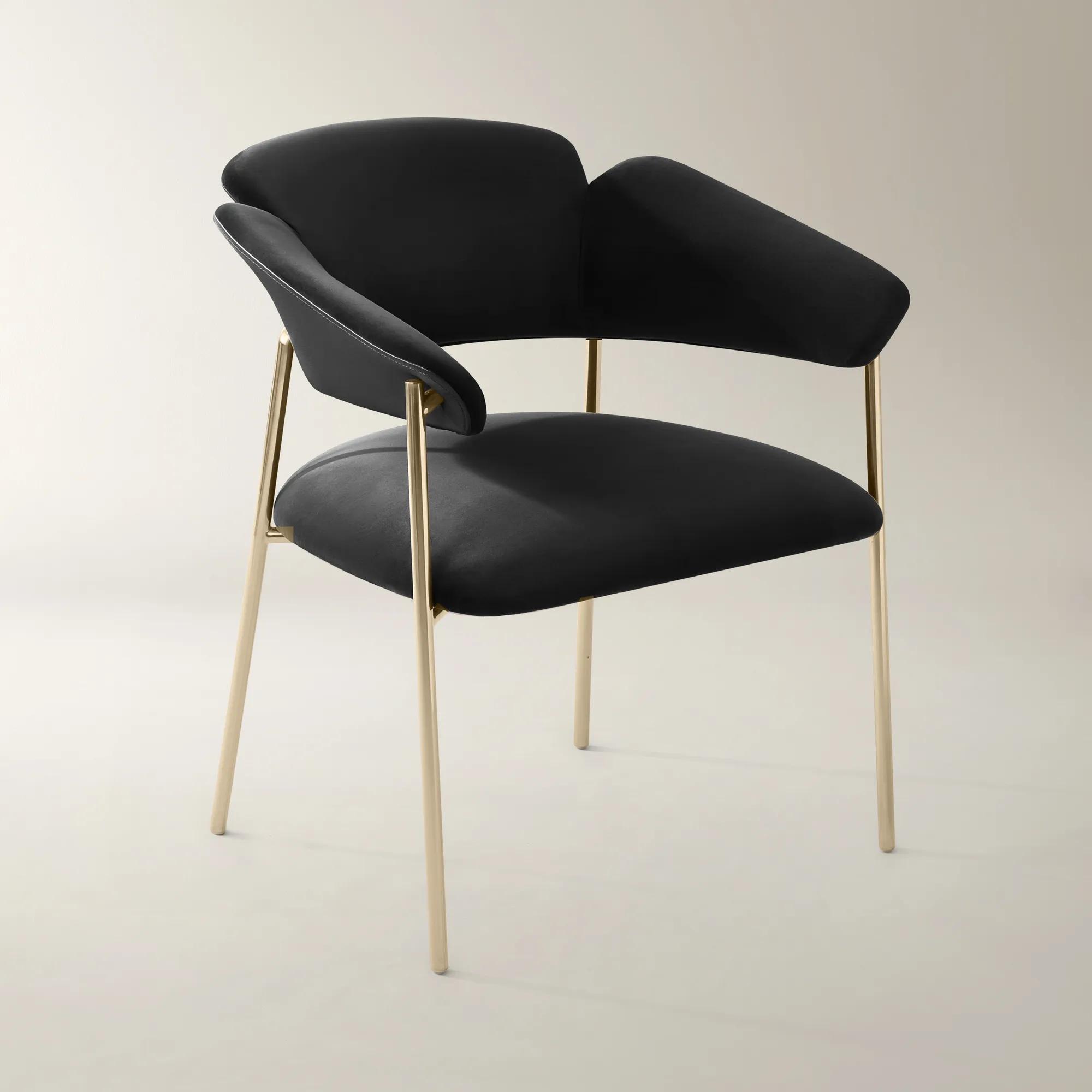 Odette Charcoal Velvet Dining Chair$499
A charcoal velvet chair featuring a wraparound open-back design, tonal faux leather accents, and gold metal legs.
Add To Cart -
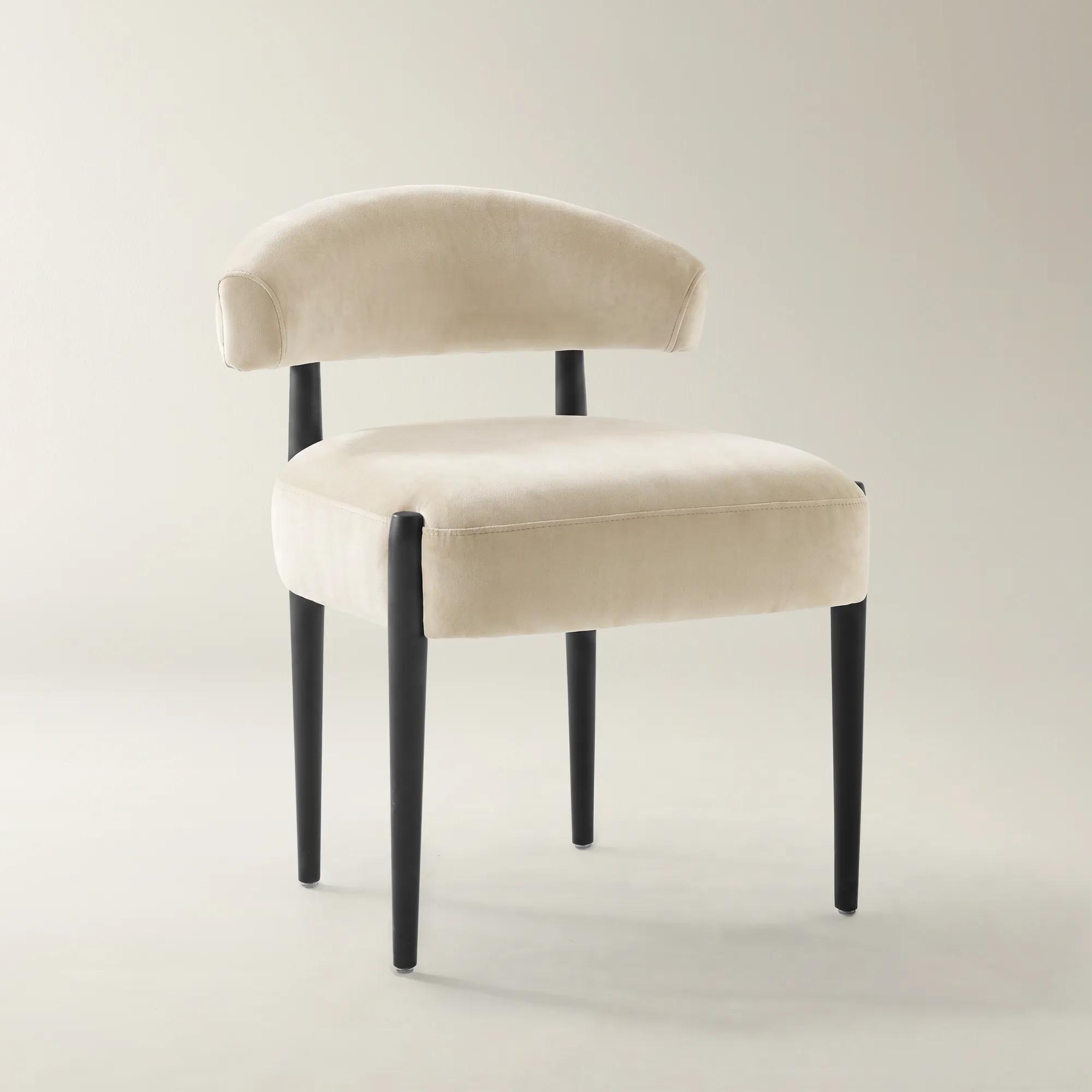 Anna Oatmeal Velvet Dining Chair Set of 2$699
A pair of oatmeal velvet dining chairs with arched backs, supportive foam cushioning, and rubberwood legs.
Add To Cart -
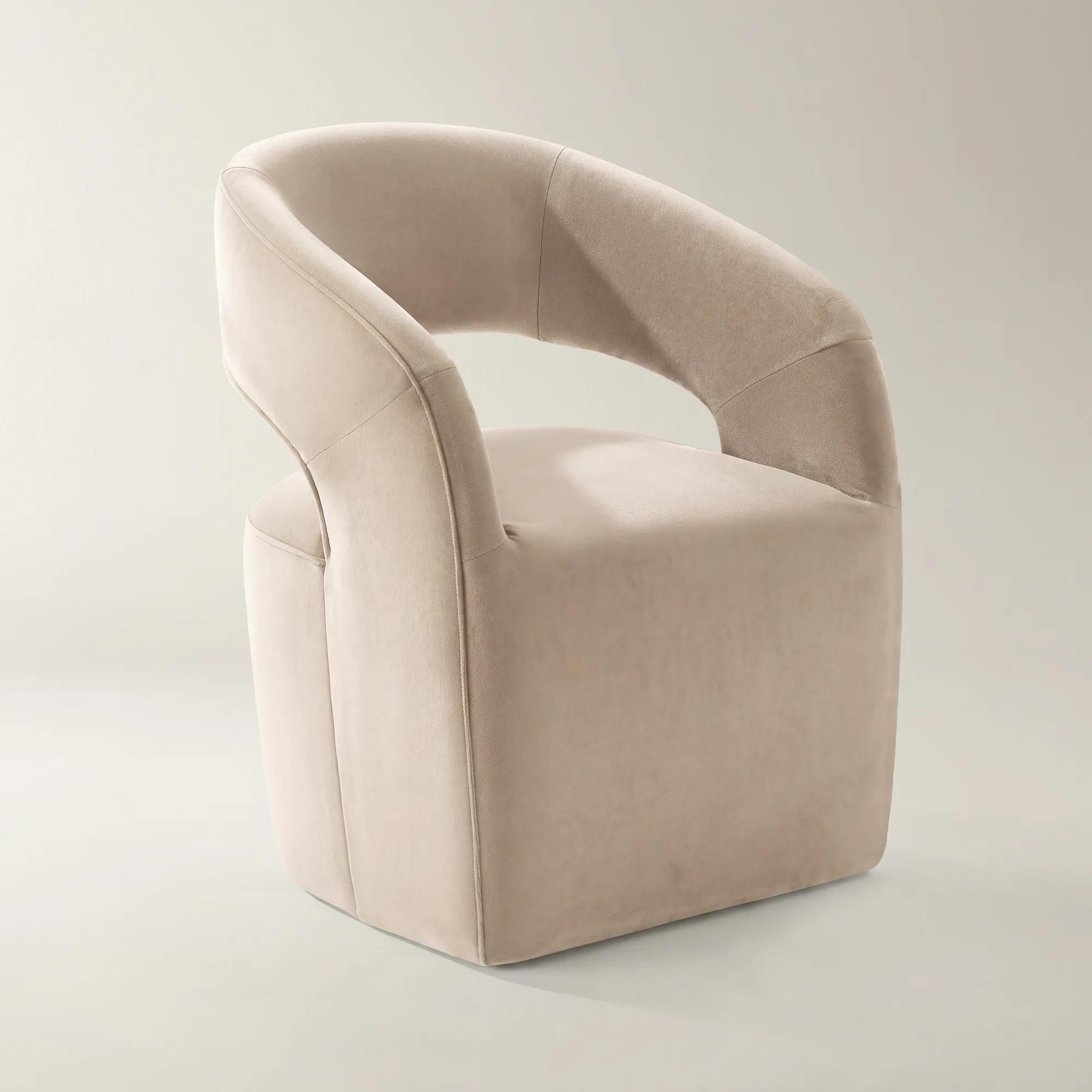 Harrison Simply Taupe Velvet Dining Chair$499
A sculptural dining chair in simply taupe velvet with a curved back, feather-blend seat, and modern elegance.
Add To Cart -
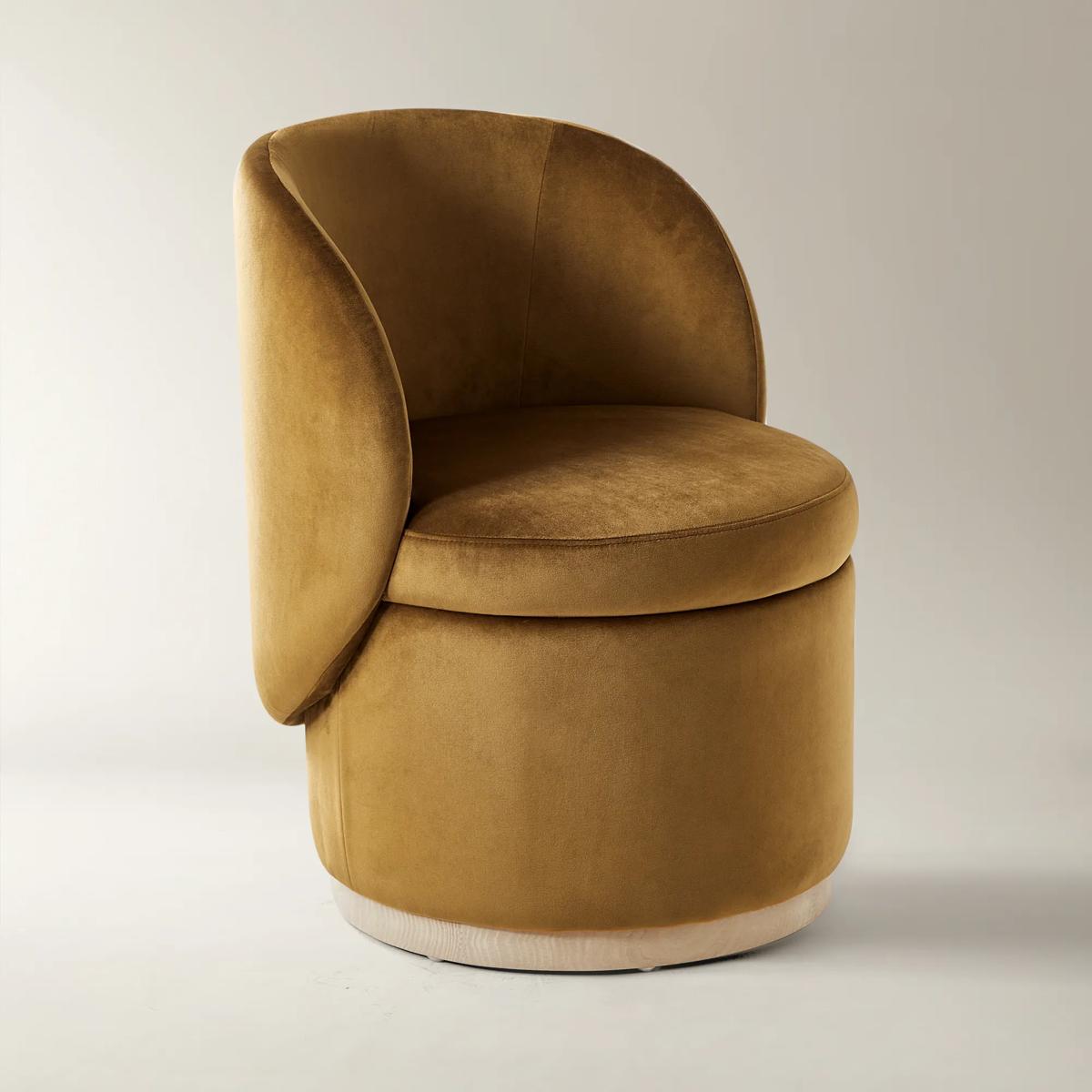
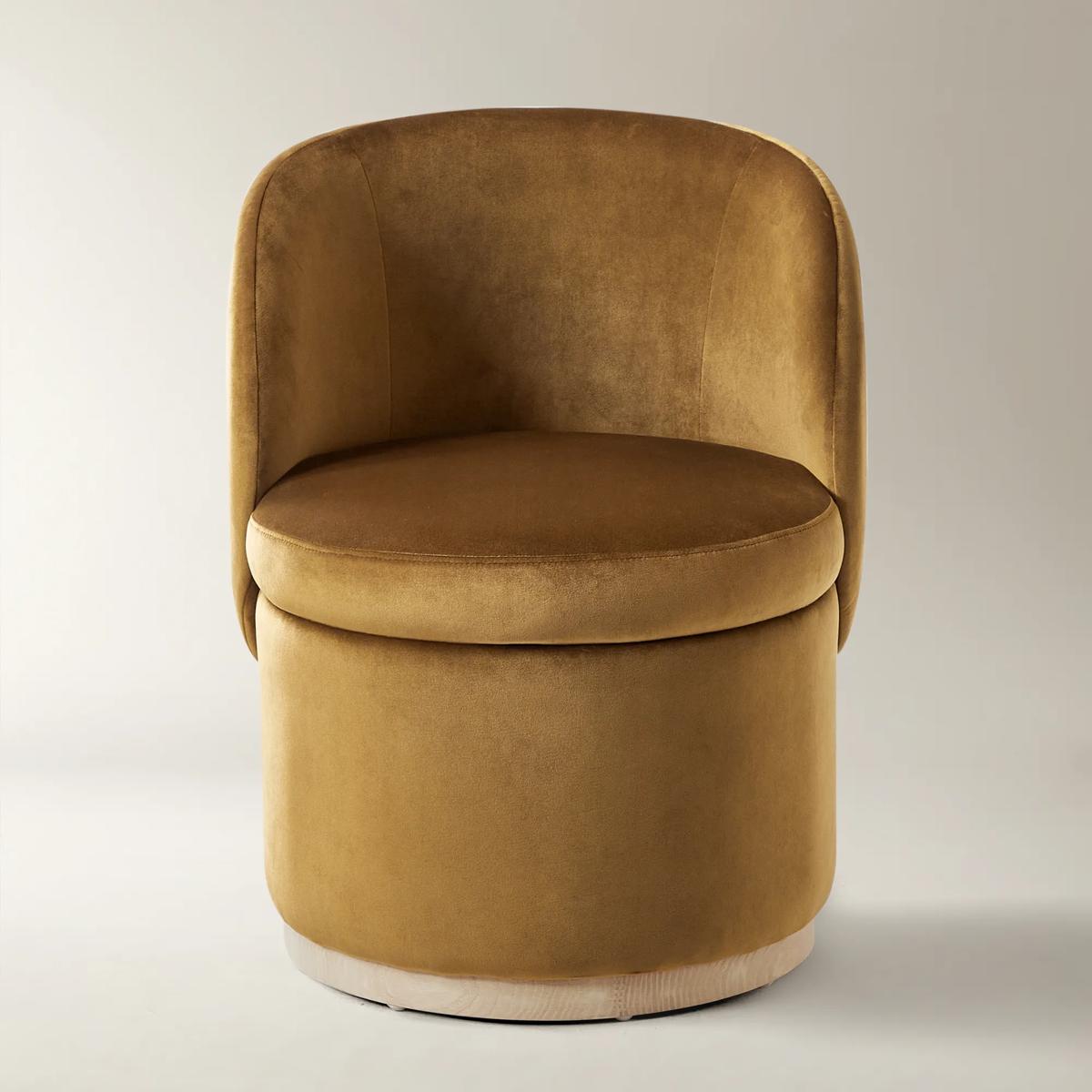 Stria Roasted Pecan Velvet Dining Chair With Oak Base$599
A khaki chenille chair featuring cozy upholstery and a handcrafted solid oak base for organic warmth.
Add To Cart -
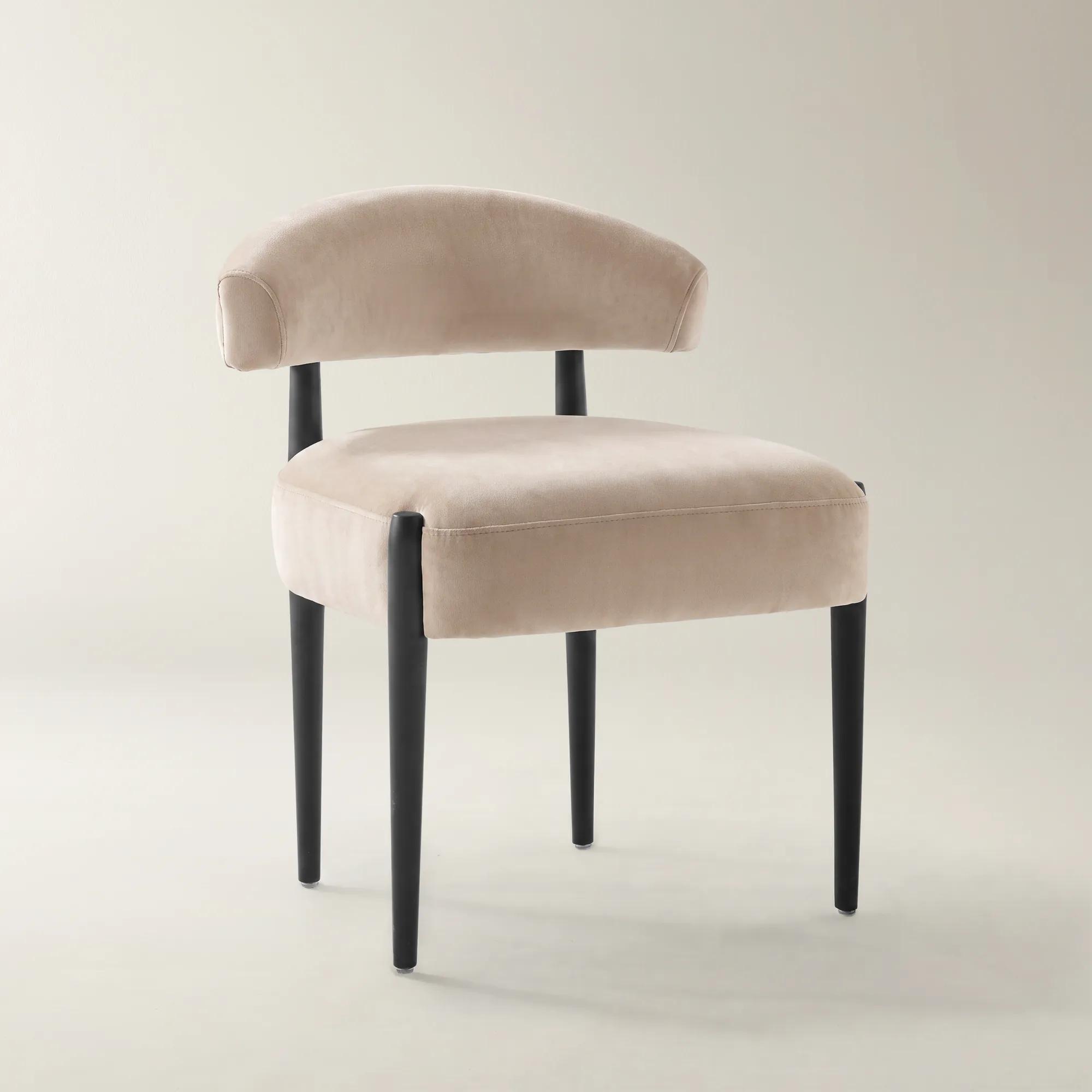 Anna Simply Taupe Velvet Dining Chair Set of 2$699
A taupe velvet dining chair featuring a tailored arched back, high-density foam cushioning, and rubberwood legs.
Add To Cart -
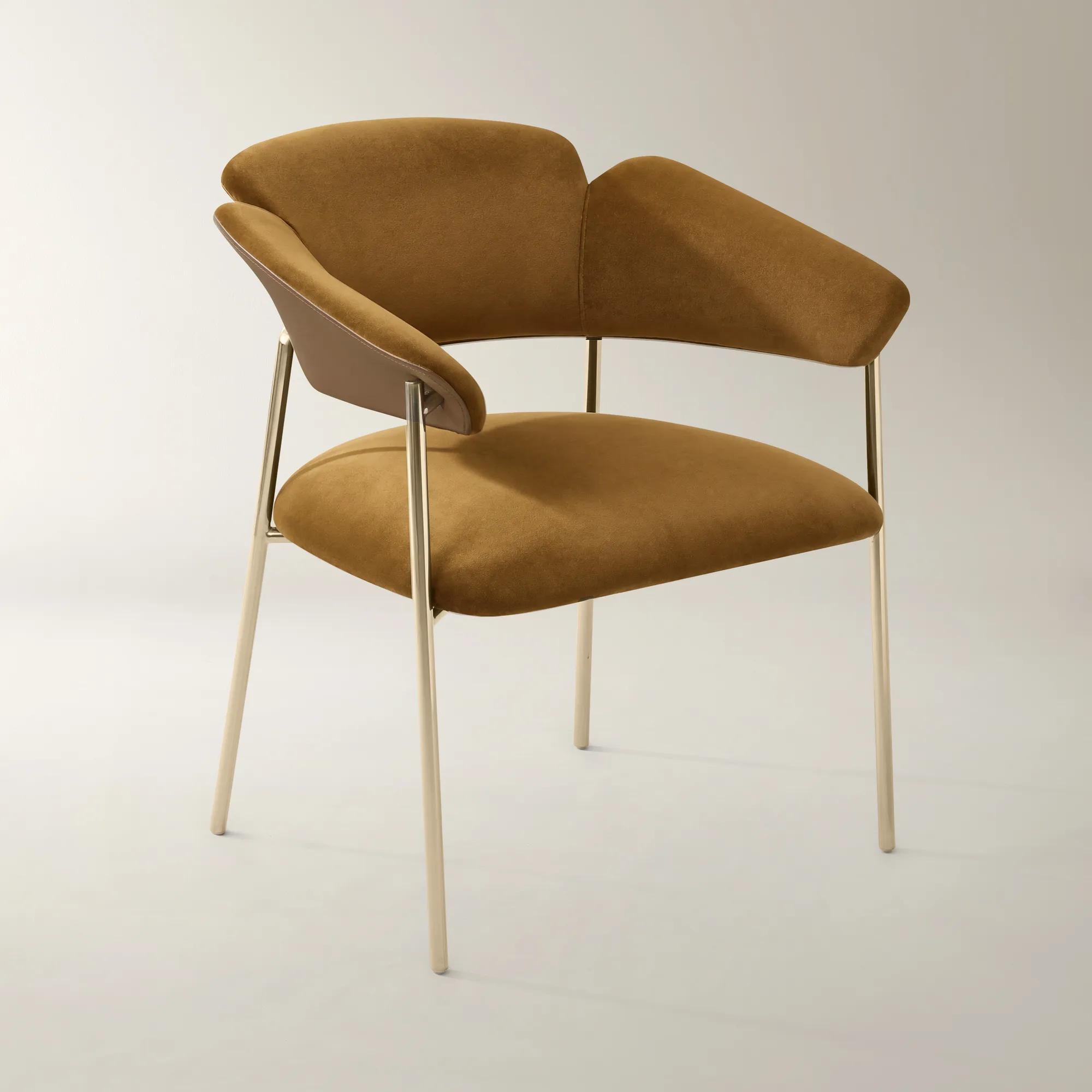 Odette Roasted Pecan Velvet Dining Chair$499
A sculptural dining chair featuring roasted pecan velvet, tonal faux leather accents, and gold stainless steel legs.
Add To Cart -
 Elara Burnt Umber Velvet Dining Chair Set Of 2$799
A pair of brown velvet chairs with sinuous curves, ergonomic support, and hand-crafted, sculptural design.
Add To Cart -
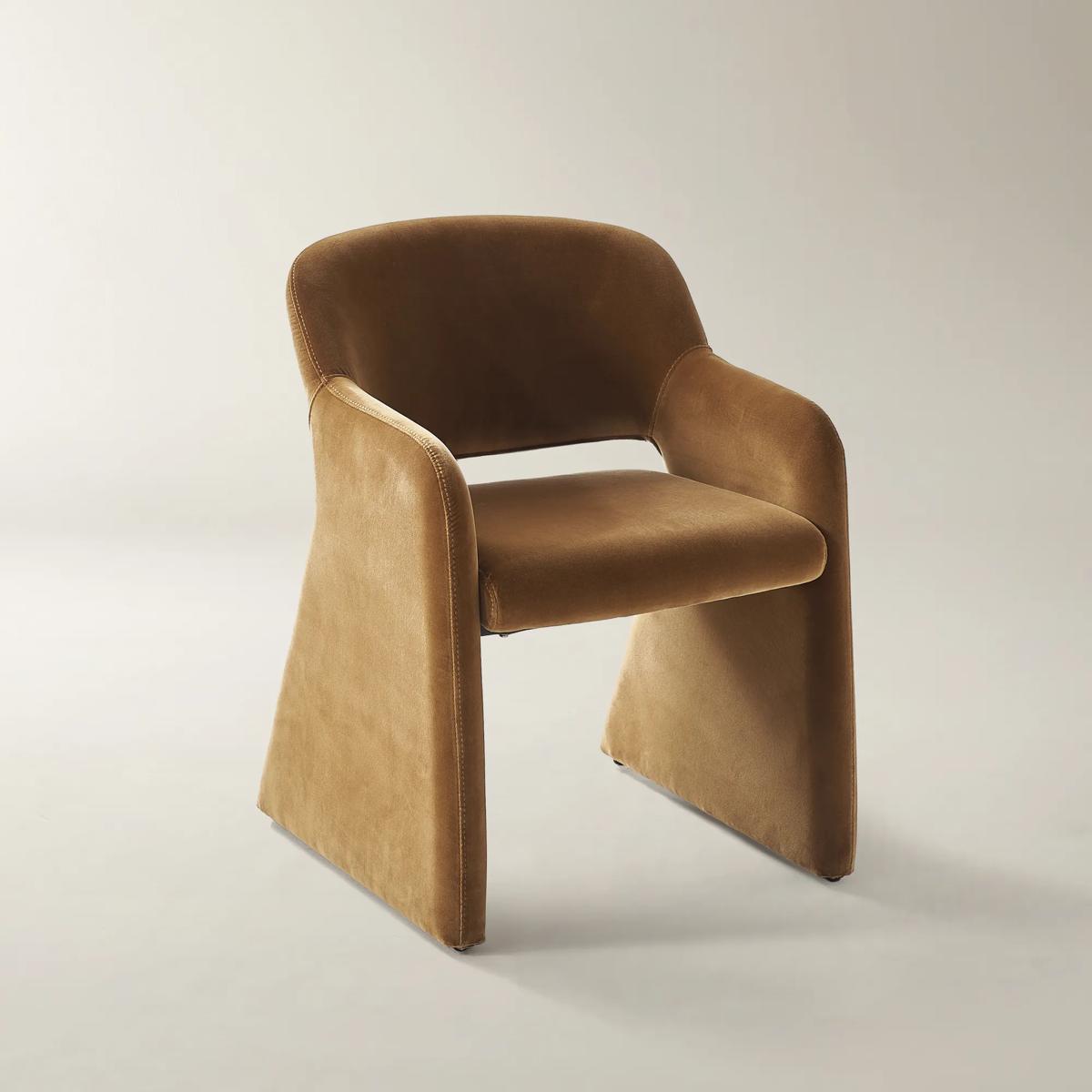
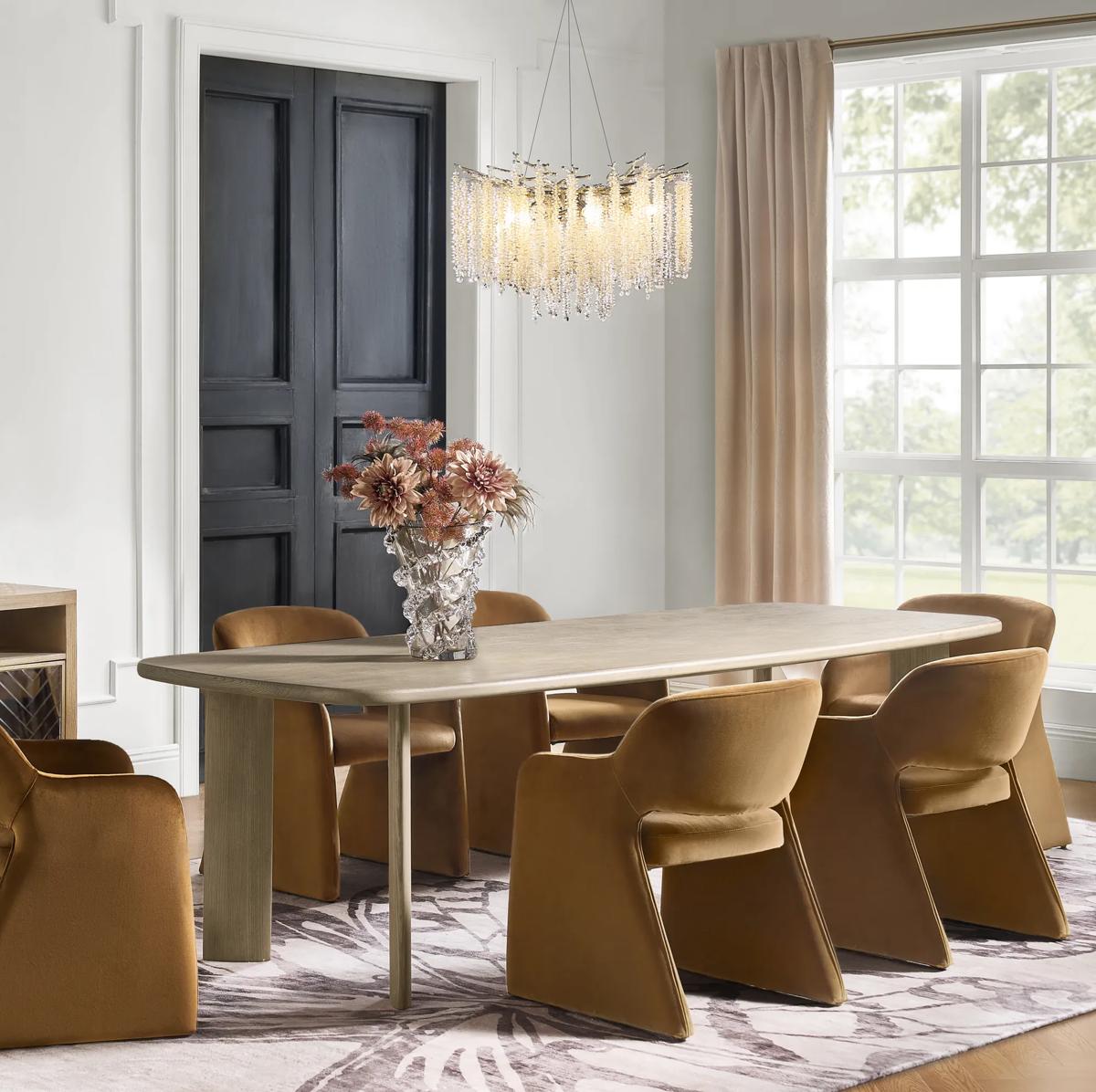 Elara Roasted Pecan Velvet Dining Chair$449
A sculptural armchair in mustard velvet with ergonomic curves, metal frame, and hand-crafted detailing.
Add To Cart -
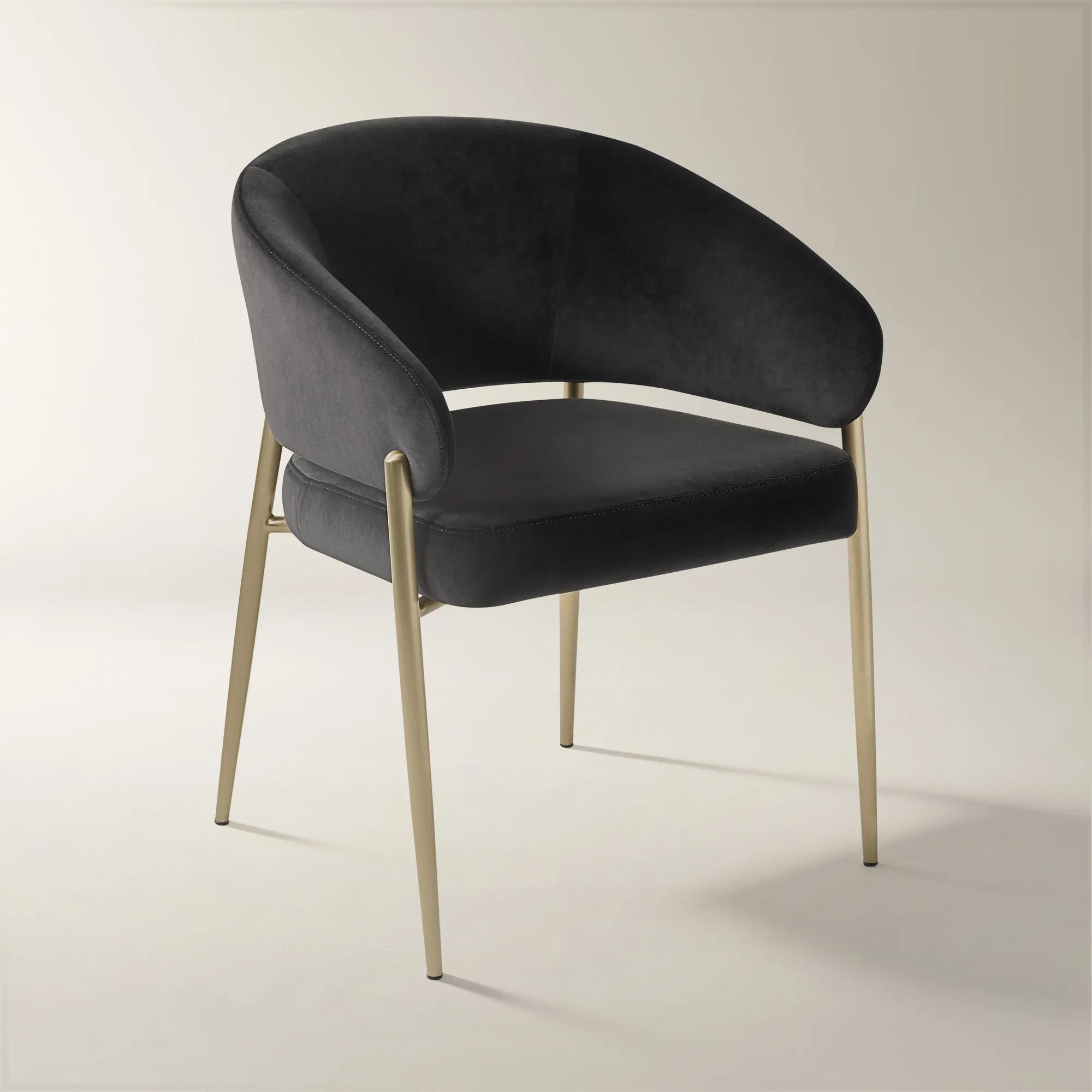 Nara Charcoal Velvet Dining Chair Set Of 2$599
A set of two charcoal velvet chairs featuring curved backs, plush upholstery, and brushed brass metal legs.
Add To Cart -
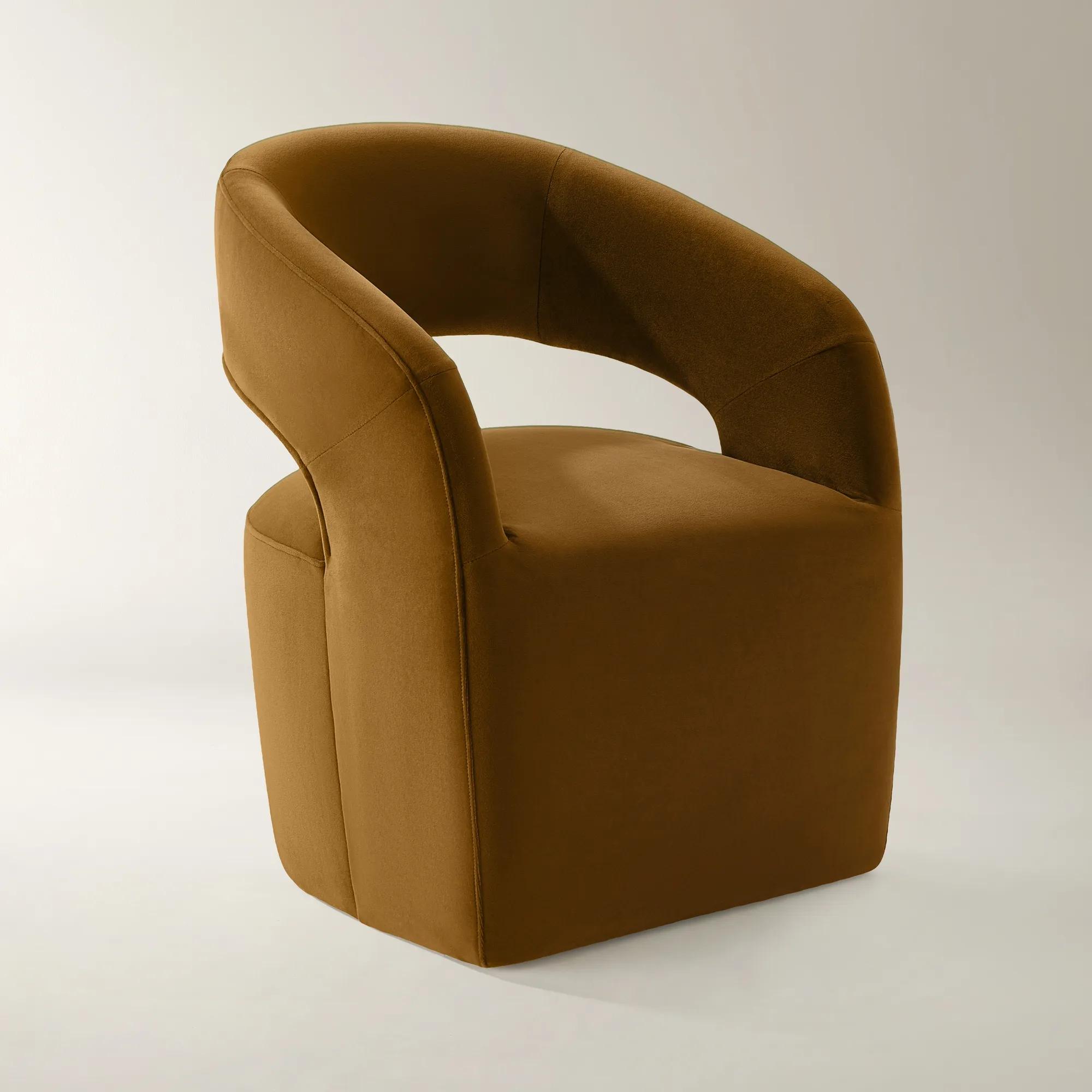 Harrison Roasted Pecan Velvet Dining Chair$499
A sculptural dining chair upholstered in roasted pecan velvet with feather-blend cushioning and integrated arms.
Add To Cart -
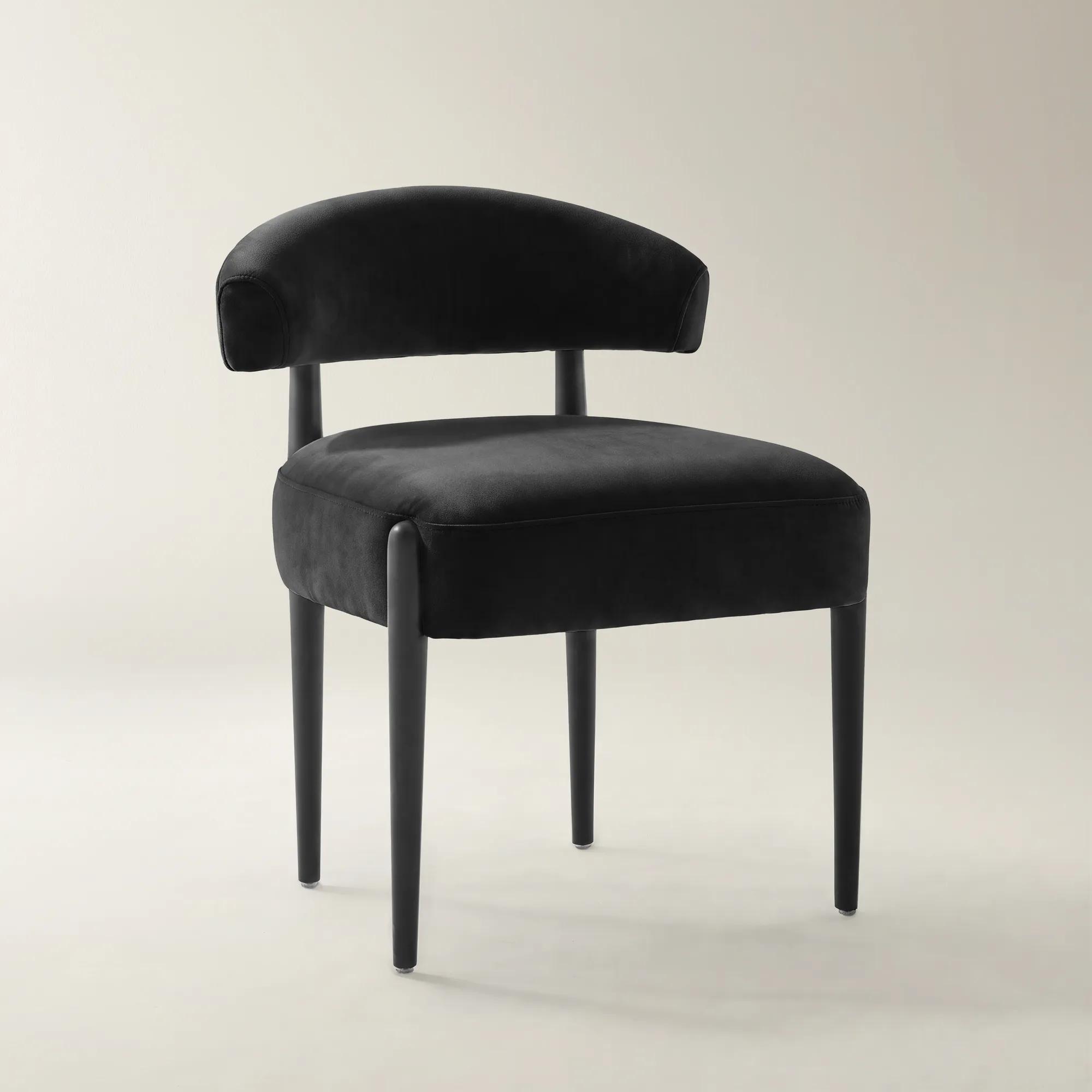 Anna Charcoal Velvet Dining Chair Set of 2$699
A charcoal velvet dining chair with an arched back, supportive foam cushioning, and solid rubberwood legs.
Add To Cart

Curved Velvet Dining Chairs
Explore curved velvet dining chairs that bring sculptural lines and sumptuous texture to your dining space. Look for a silhouette that complements your table, and compare seat height, chair width, and overall depth to create a setting with room to sit comfortably and move around the table.
Curved velvet dining chairs pair rounded backs and sculptural lines with plush upholstery, bringing a softer silhouette and a richly textured finish to the dining room. Their appeal begins with contrast: a sweeping back against a crisp tabletop, a luminous fabric beside dark wood, a generously upholstered seat balanced by slender legs. Velvet’s directional pile catches light differently across its surface, giving even a single color subtle depth and movement. A curved back may form a gentle crescent, wrap around the sitter, or flow into integrated arms; each interpretation creates a distinct presence at the table. Some profiles feel tailored and architectural, while others introduce a more enveloping, lounge-inspired mood. For households that gather over leisurely dinners, conversation, or an unhurried breakfast, that balance of visual drama and inviting softness gives everyday dining a more considered setting. Rounded upholstery can temper the severity of a rectangular table, echo the sweep of a circular pedestal, or introduce a graceful counterpoint to angular cabinetry. Jewel tones create a saturated focal point, while ivory, taupe, and silvery gray allow shape and texture to take the lead. Deep charcoal and black can feel particularly striking against pale stone or gleaming metal. The effect depends as much on the surrounding finishes as on the chair itself: velvet beside polished marble reads differently from velvet beside richly grained wood. A coordinated arrangement creates a composed, gallery-like rhythm, while curved chairs at the ends of a table can add emphasis without requiring every seat to share the same silhouette. Within the broader range of velvet upholstered dining chairs, rounded forms offer a distinctive way to bring softness into a room defined by hard surfaces. They suit intimate dining nooks, expressive open-plan interiors, and formal rooms where seating should feel as memorable as the table setting. Their sculptural backs also reward placement where the chairs are seen from several angles, allowing the dining arrangement to contribute to the room even between meals.
Proportion gives curved velvet dining chairs their most convincing presence. A chair can look beautifully poised on its own yet feel crowded beneath a table if its widest point, arm height, or overall depth has not been considered. Curved backs sometimes extend beyond the seat, so overall dimensions matter more than seat width alone. Many dining tables stand approximately 28 to 30 inches high, with dining chair seats commonly around 18 to 20 inches high; roughly 10 to 12 inches between the seat and tabletop is a useful starting point for comfortable proportions. A substantial table apron reduces usable clearance, and upholstered arms need enough room to slide underneath without rubbing against the edge. Seat height, cushion compression, and the sitter’s proportions all affect how that relationship feels in practice. Around the table, approximately 24 inches of width per place setting is a common starting point, though broad, wraparound chairs often need more room for relaxed movement. Leaving about 36 inches between the table edge and a wall or nearby furnishing generally allows space to pull a chair out, with additional clearance helpful along frequently used walkways. In a compact dining area, an armless curved silhouette can preserve visual openness while still delivering the softness of an upholstered back. In a larger room, a fuller profile can hold its own beside a substantial tabletop or dramatic overhead lighting. Comfort also comes from details that photographs cannot fully convey: the angle of the back, the depth of the seat, the firmness of the cushioning, and where an armrest meets the body. A deeply cushioned chair may invite lingering, but it should still support a natural dining posture rather than feel like a low lounge seat. Wood frames can lend warmth and a grounded character, while metal bases can introduce a more graphic, reflective accent. Frame construction, joinery, upholstery quality, and the manufacturer’s stated weight capacity deserve attention alongside the silhouette, particularly for seating used every day.
Velvet brings unmistakable richness to dining furniture, but its performance depends on the fiber, weave, backing, and finish rather than appearance alone. Cotton velvet can offer a soft hand and nuanced color, while polyester velvet and blended fabrics may provide different levels of abrasion resistance, stain resistance, and maintenance ease. A performance designation should be supported by specific care and testing information; it does not automatically mean a fabric is stainproof, suitable for every cleaner, or immune to wear. For a dining space shared with children, pets, or frequent guests, tightly upholstered curves, accessible seams, and clearly documented cleaning instructions can be as valuable as an arresting color. Pale velvet creates a luminous setting but may show spills and transferred dye more readily, while darker shades can make lint and pet hair more visible. The pile may also develop pressure marks or changes in shading where hands, clothing, and regular use repeatedly brush the surface. These characteristics are worth distinguishing from actual damage: velvet naturally shifts in appearance as its fibers change direction. Routine care usually begins with gentle vacuuming using an upholstery attachment, following the fabric’s instructions and avoiding aggressive brushing. Fresh spills should be blotted promptly with a clean, absorbent cloth rather than rubbed into the pile. Any cleaning solution should match the upholstery’s care code and be tested in an inconspicuous area; excessive moisture or unapproved steam can affect the fabric, backing, or cushioning. Strong, prolonged sunlight may fade upholstery, making thoughtful placement helpful for preserving color. Felt pads or suitable floor protectors beneath chair legs can reduce scuffing, while lifting rather than dragging helps protect both the flooring and the frame. With materials, proportions, and care requirements suited to the household, curved velvet dining chairs can deliver more than a striking first impression. Their lasting appeal lies in the relationship between expressive form and daily ritual: a softly rounded back, a tactile seat, and a dining space that feels deliberately, beautifully composed.
FAQs
Curved velvet dining chairs pair rounded silhouettes with the rich texture of velvet upholstery. Their flowing lines soften the geometry of a dining room, while velvet’s shifting sheen adds depth and drama—an expressive choice for interiors that celebrate sculptural design.
A pedestal dining table echoes the chairs’ sculptural character, while an angular table creates striking contrast. Glass offers a visually airy counterpoint to plush upholstery; wood introduces warmth, and marble brings expressive veining into the composition.
Let the chairs establish the mood, then build a deliberate mix of luminous and textured accents. A statement chandelier, reflective centerpiece, and richly layered table linens can amplify velvet’s opulence. Keep the tabletop arrangement edited so the chairs’ curved profiles remain part of the room’s visual story.
For jewel-toned velvet, consider a backdrop of warm neutrals with metallic accents that give the color room to command attention. Neutral velvet works beautifully with tonal layers or a dramatic dark wall. Repeat the upholstery color subtly through artwork or table linens for a cohesive, expressive setting.
Follow the upholstery care instructions provided with your chairs, since cleaning requirements vary by fabric composition and finish. For routine upkeep, use a soft upholstery brush or vacuum attachment only as directed. Blot spills rather than rubbing, and consult the recommended cleaning method before applying any upholstery treatment.