
Curtains For Tall Windows
Curtains For Tall Windows
-
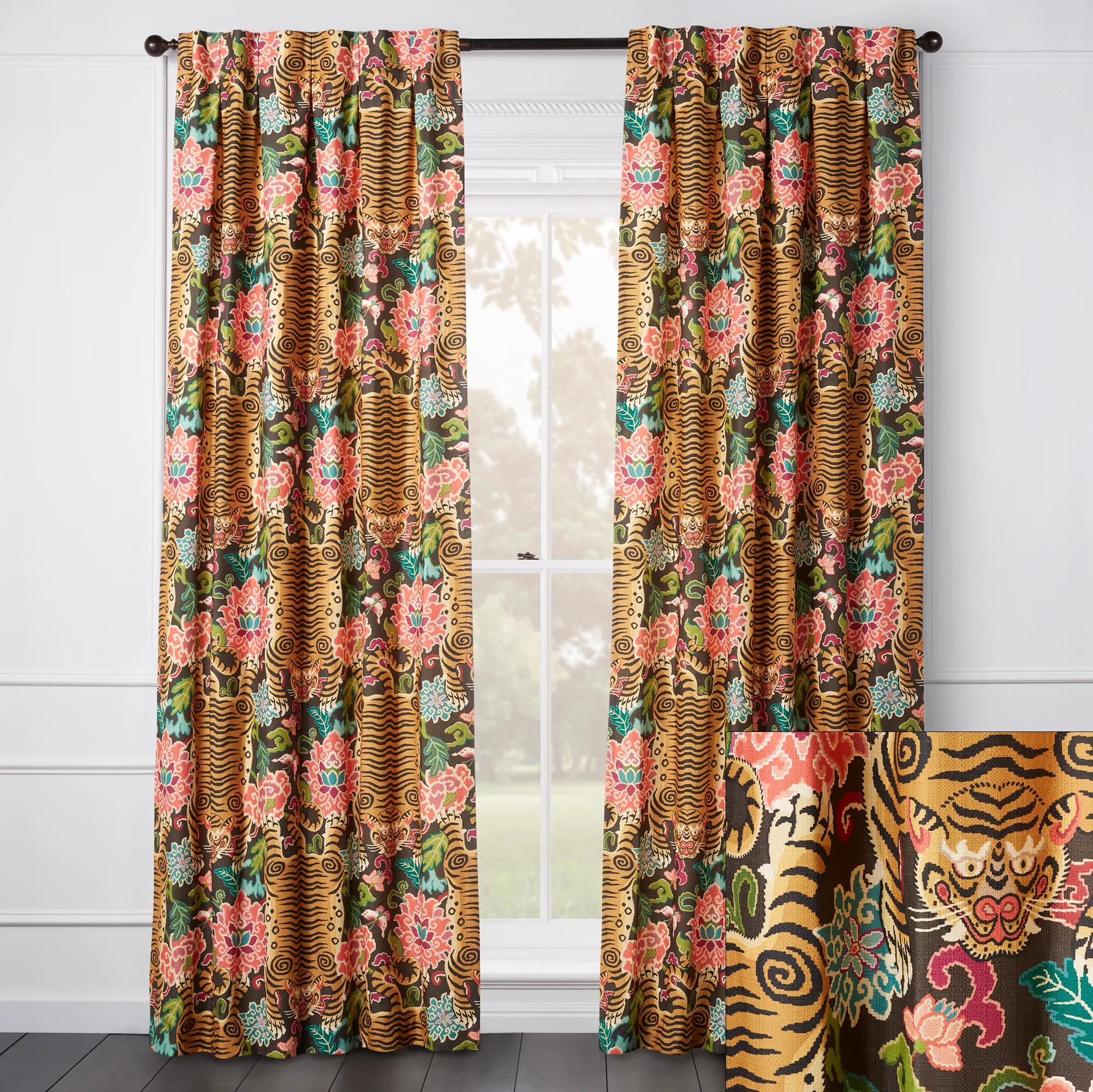
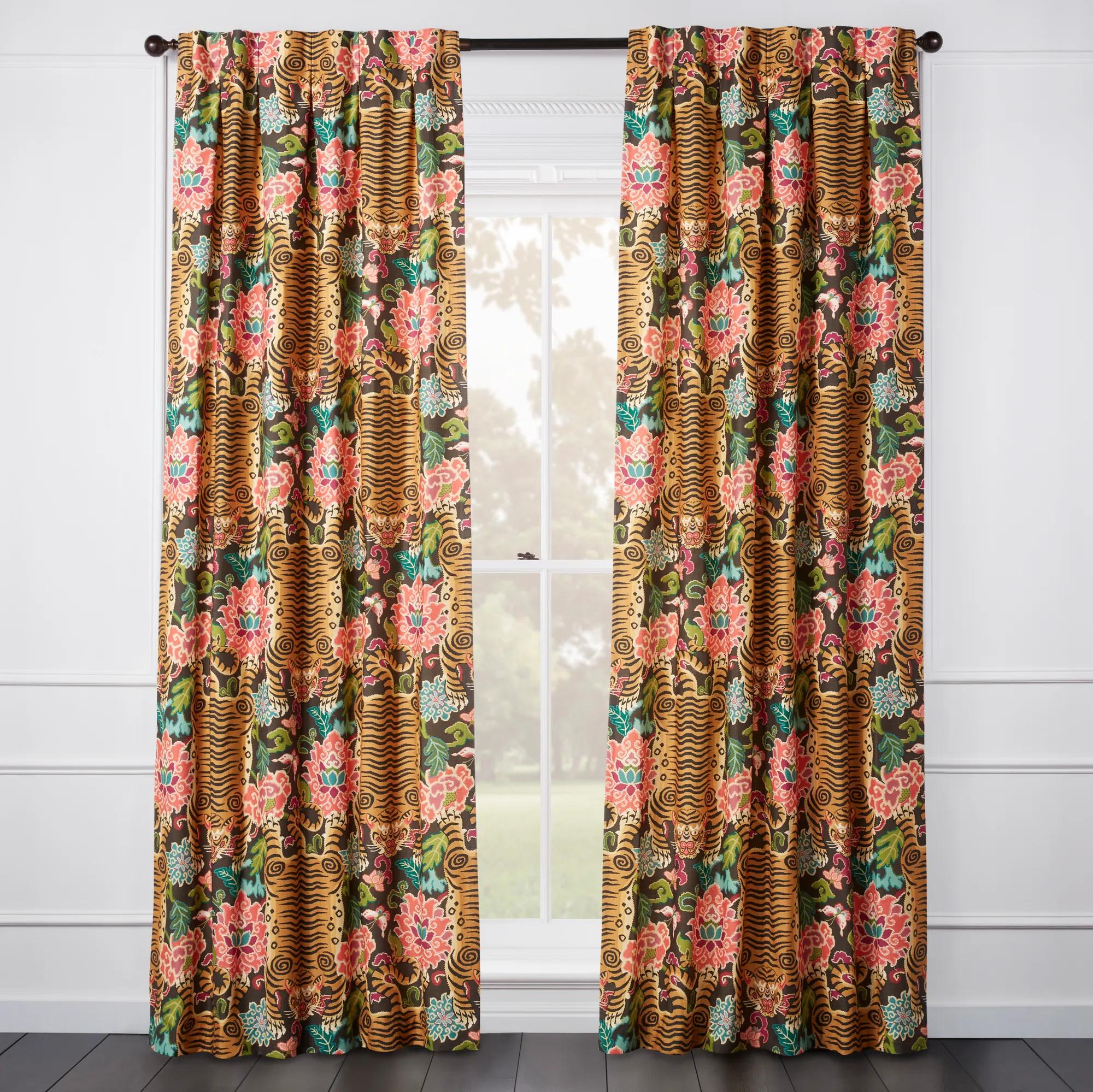 Nimer Gold/Multi Printed Slubbed Cotton Window Curtain Panel$299
A lively gold and multi-colored cotton curtain featuring a bold tiger print and customizable hanging options.
Add To Cart -
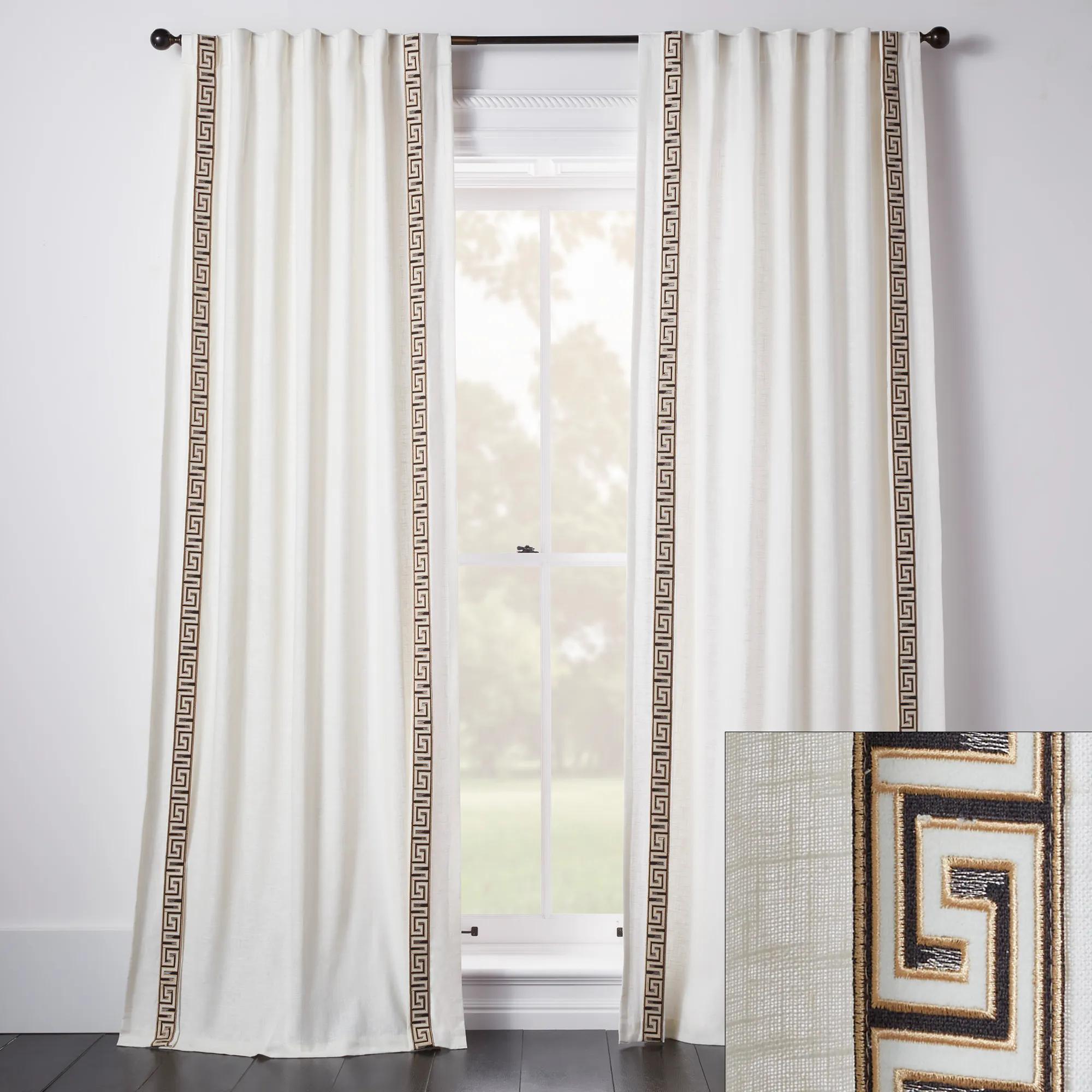 Chole Greek Key Border Velvet Widow Curtain Panels Custom$349
A white linen-blend curtain with black and gold velvet Greek key border and customizable hanging options.
Add To Cart -
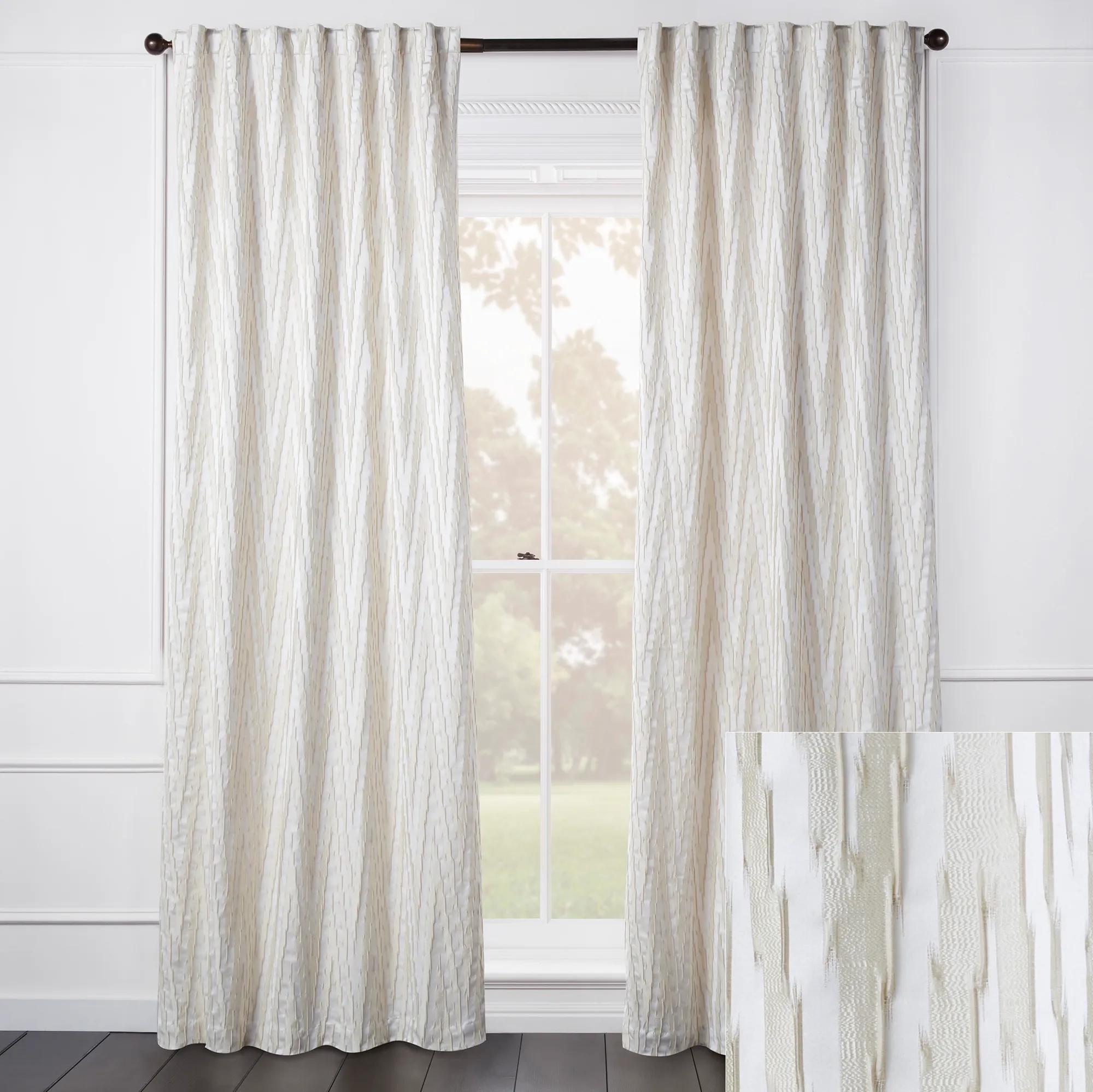
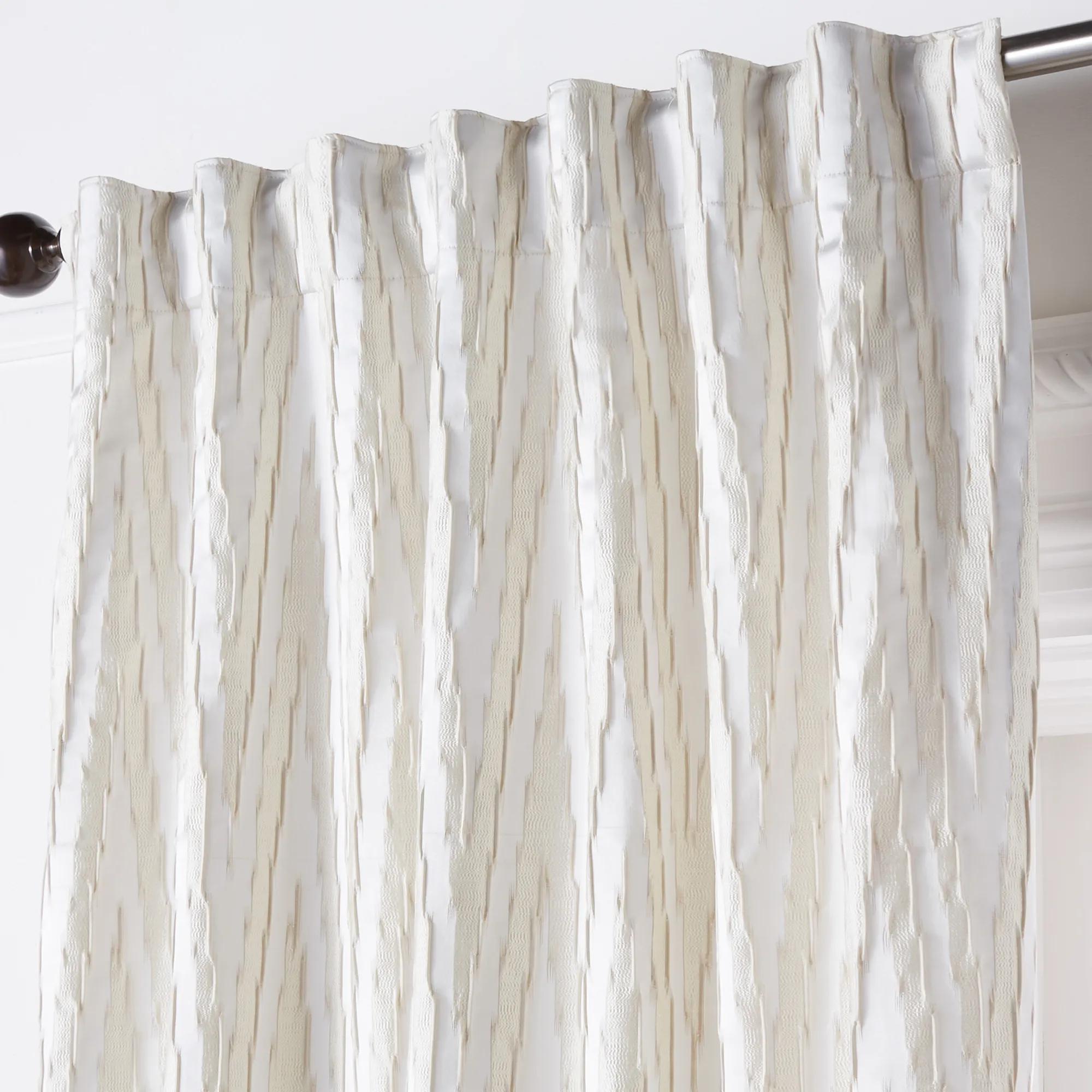 Minka Jacquard Pearl Window Curtain Panel Custom$239
A highly textured chevron curtain panel in pearl, grey, or natural, crafted from soft polyester blend.
Add To Cart -
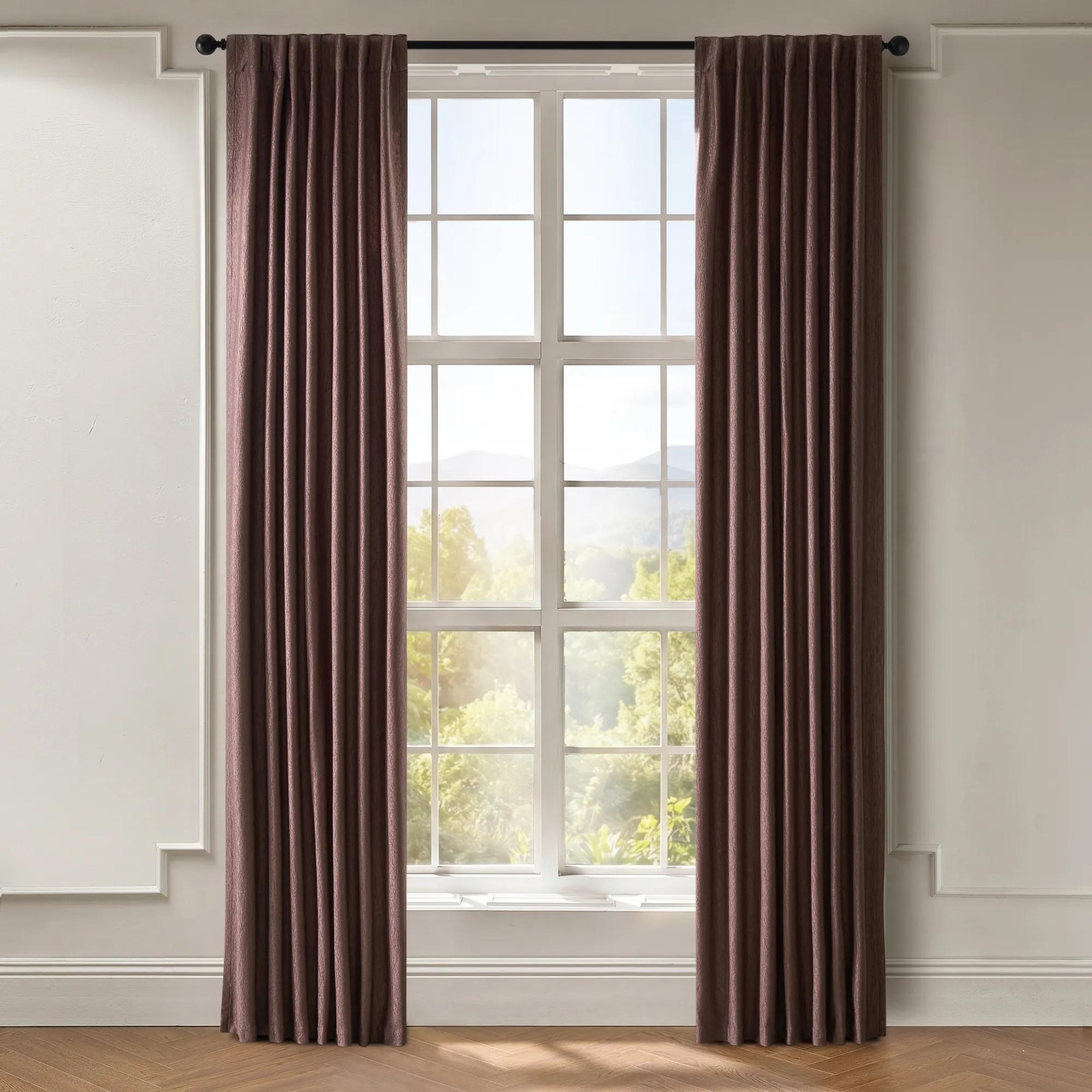
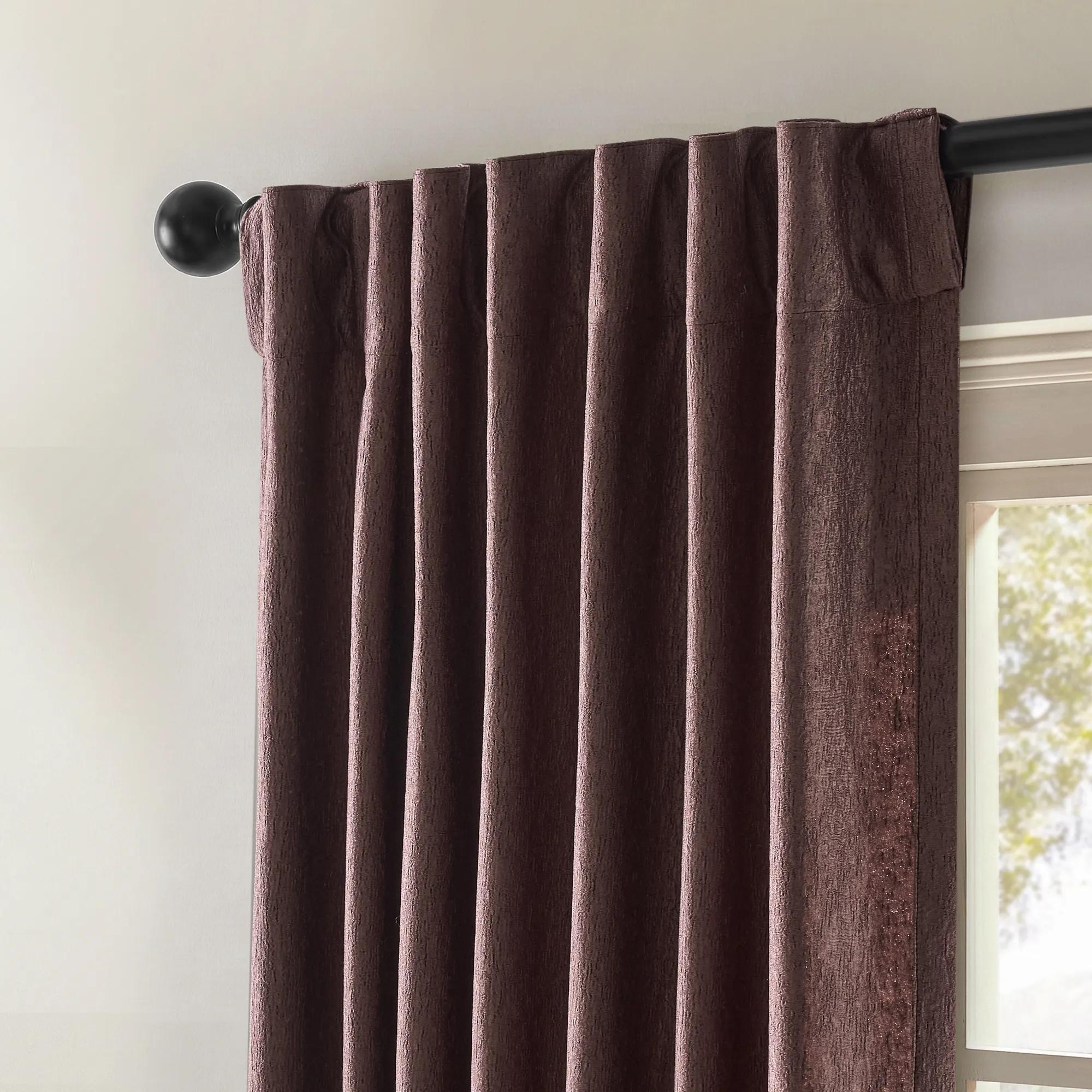 Anson Fig Textured Window Curtain Panel$109
A room-darkening fig curtain panel with a crushed sheen texture and versatile dual hanging options.
Add To Cart -
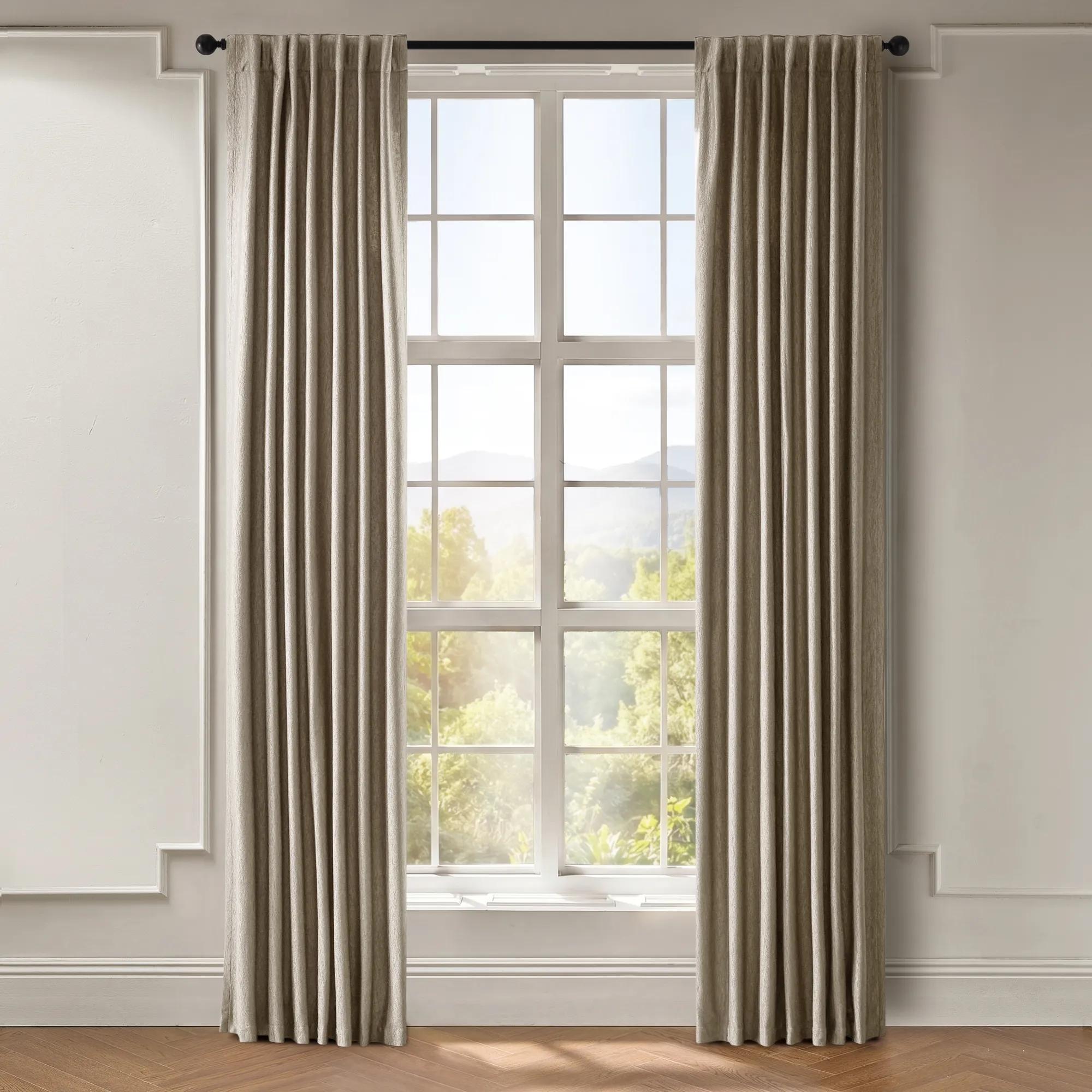
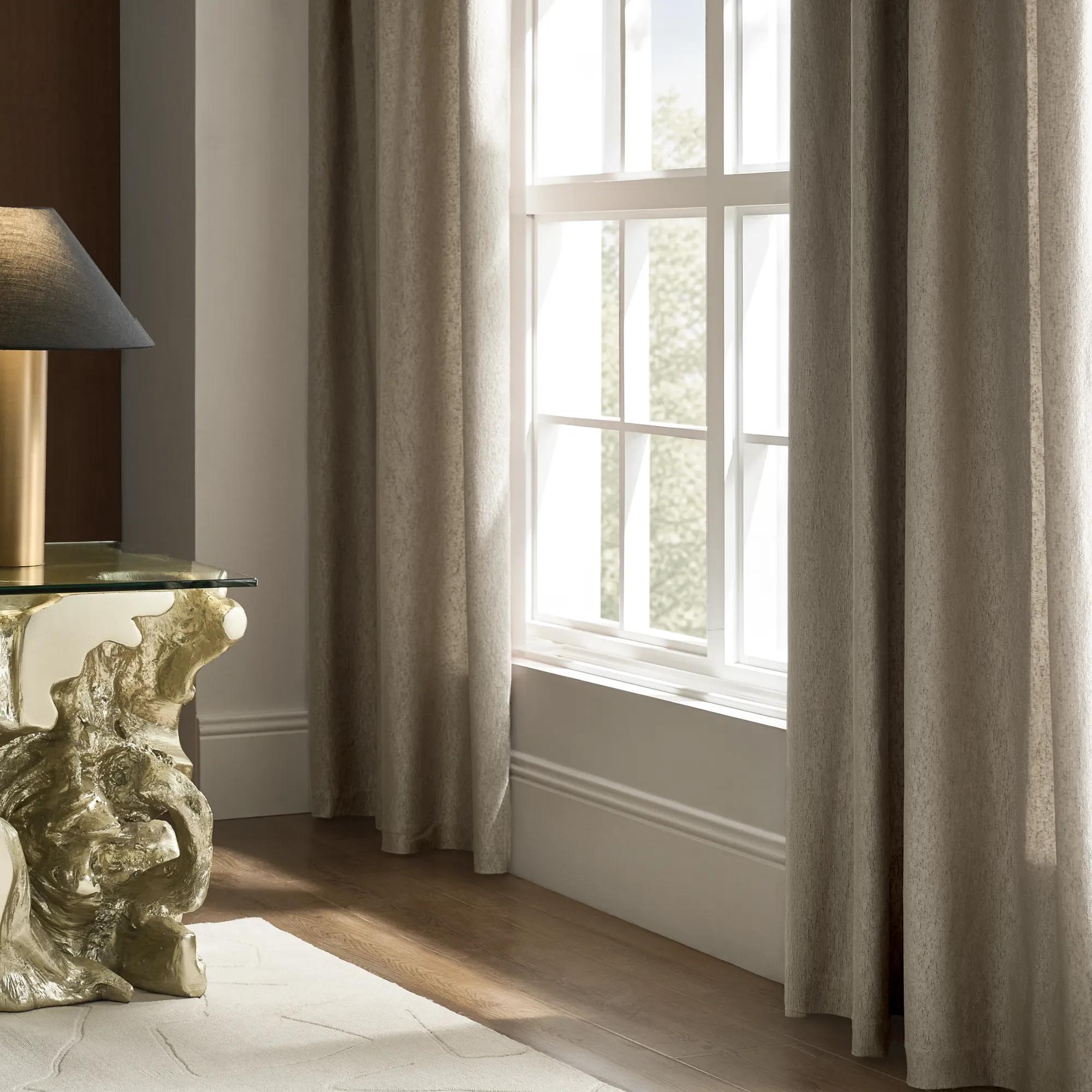 Anson Taupe Textured Window Curtain Panel$89
A taupe polyester curtain panel featuring a crushed sheen texture and room-darkening, dual hanging design.
Add To Cart -

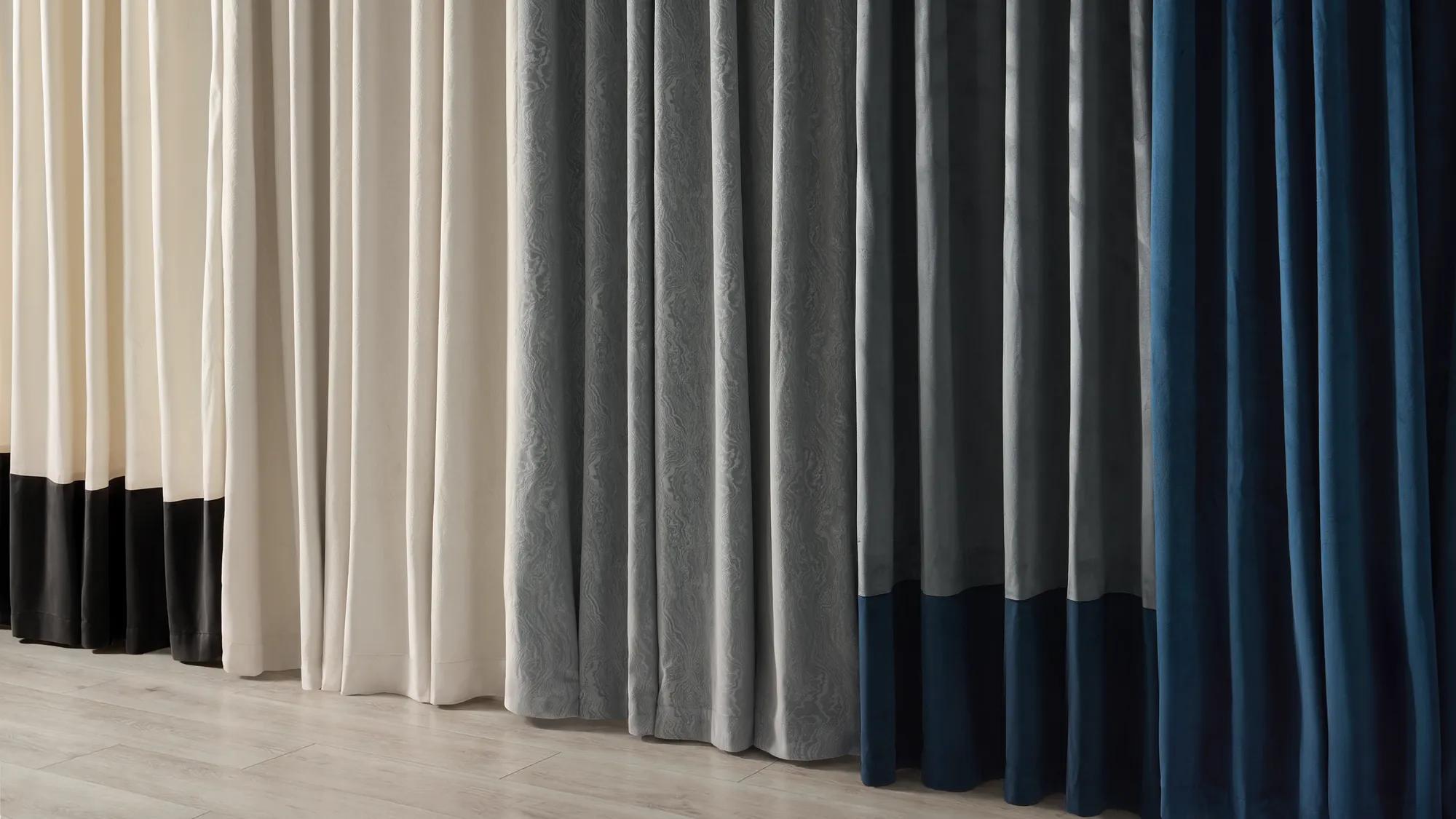 Mabel Velvet Swirl Curtain - Grey Blue$109
A grey blue velvet curtain featuring a tonal swirl pattern and versatile dual hanging options.
Add To Cart -
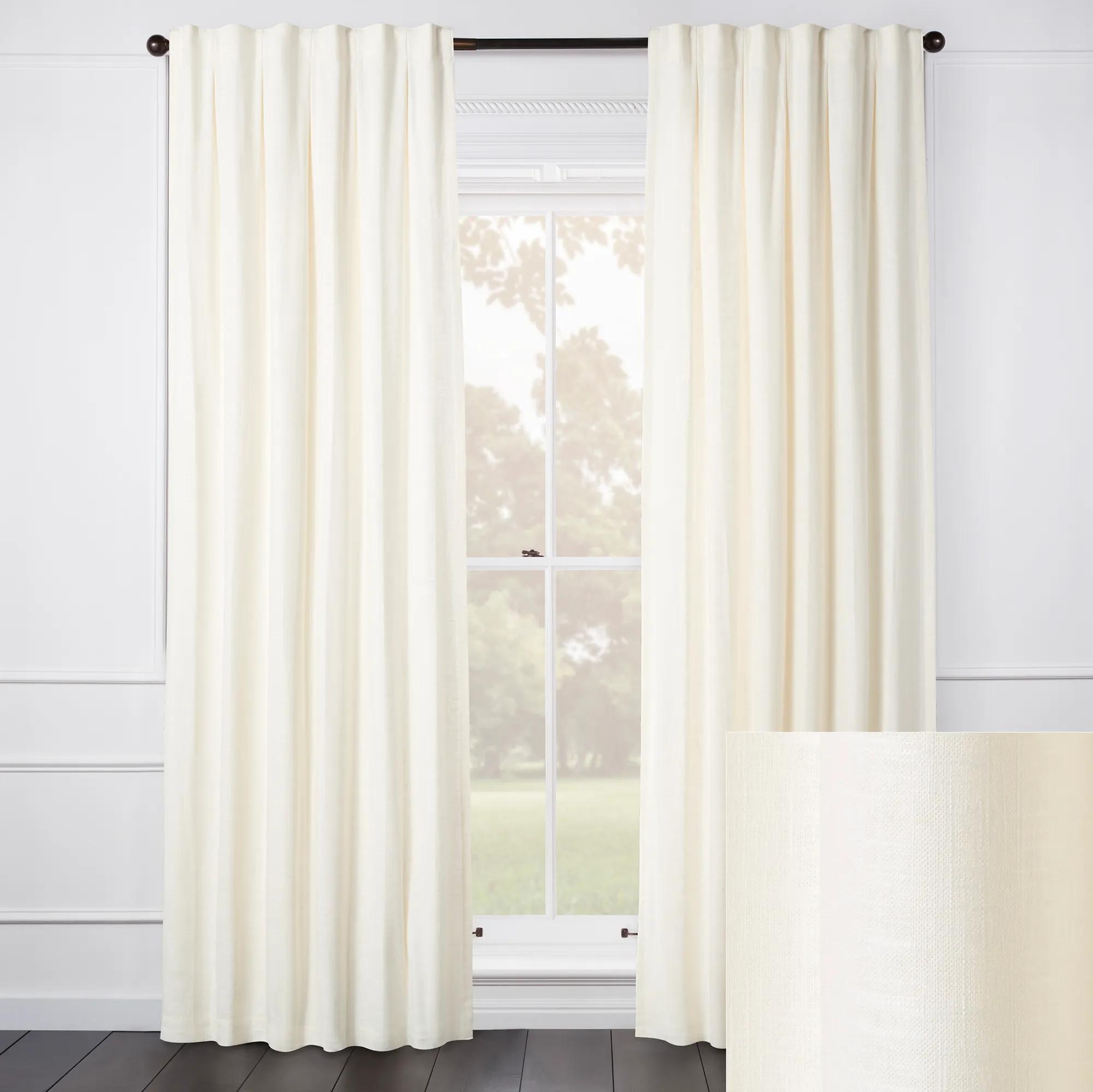
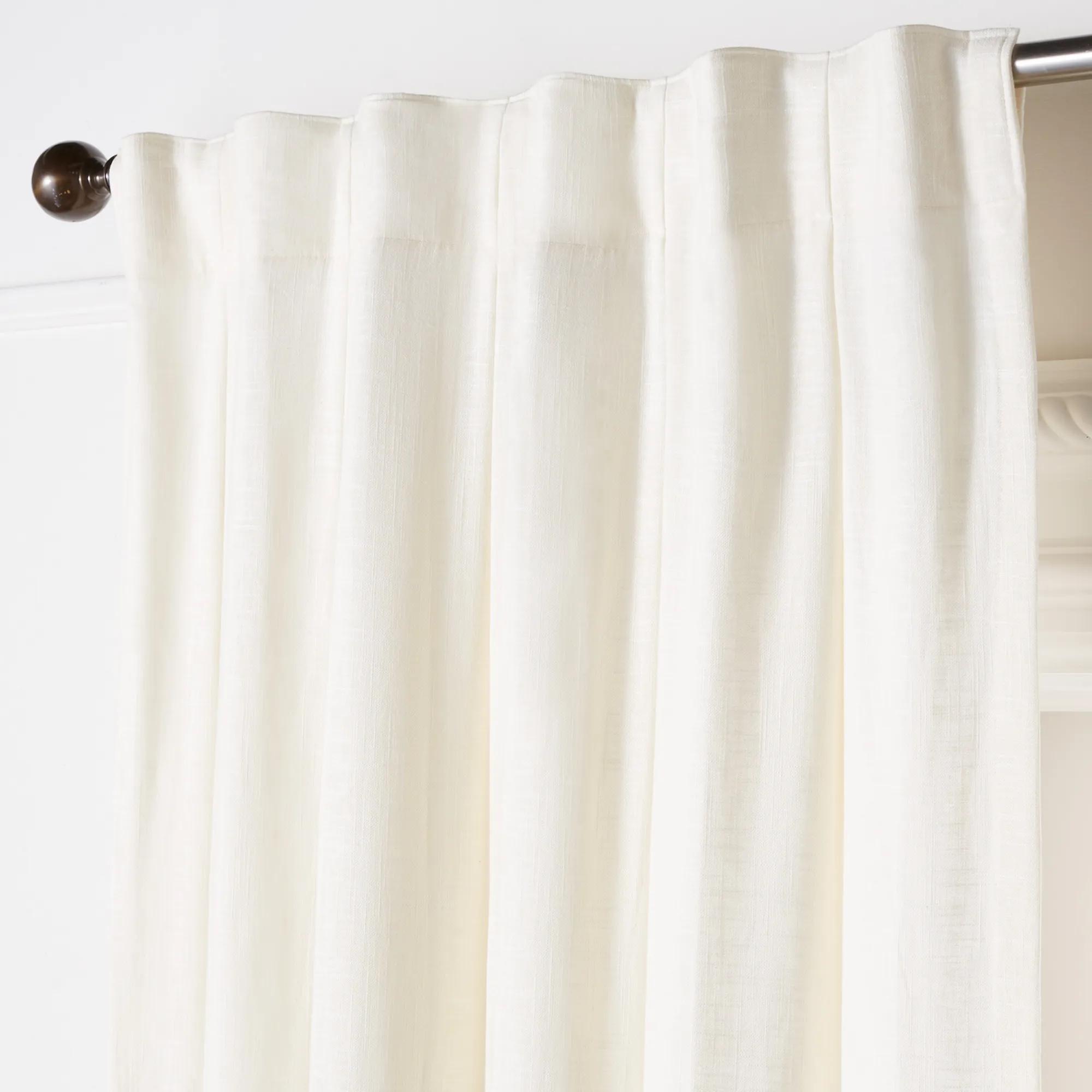 Audrey Linen Ivory Curtain - Custom$269
An ivory linen-blend curtain panel with lining, offering customizable lengths and two elegant header styles.
Add To Cart -
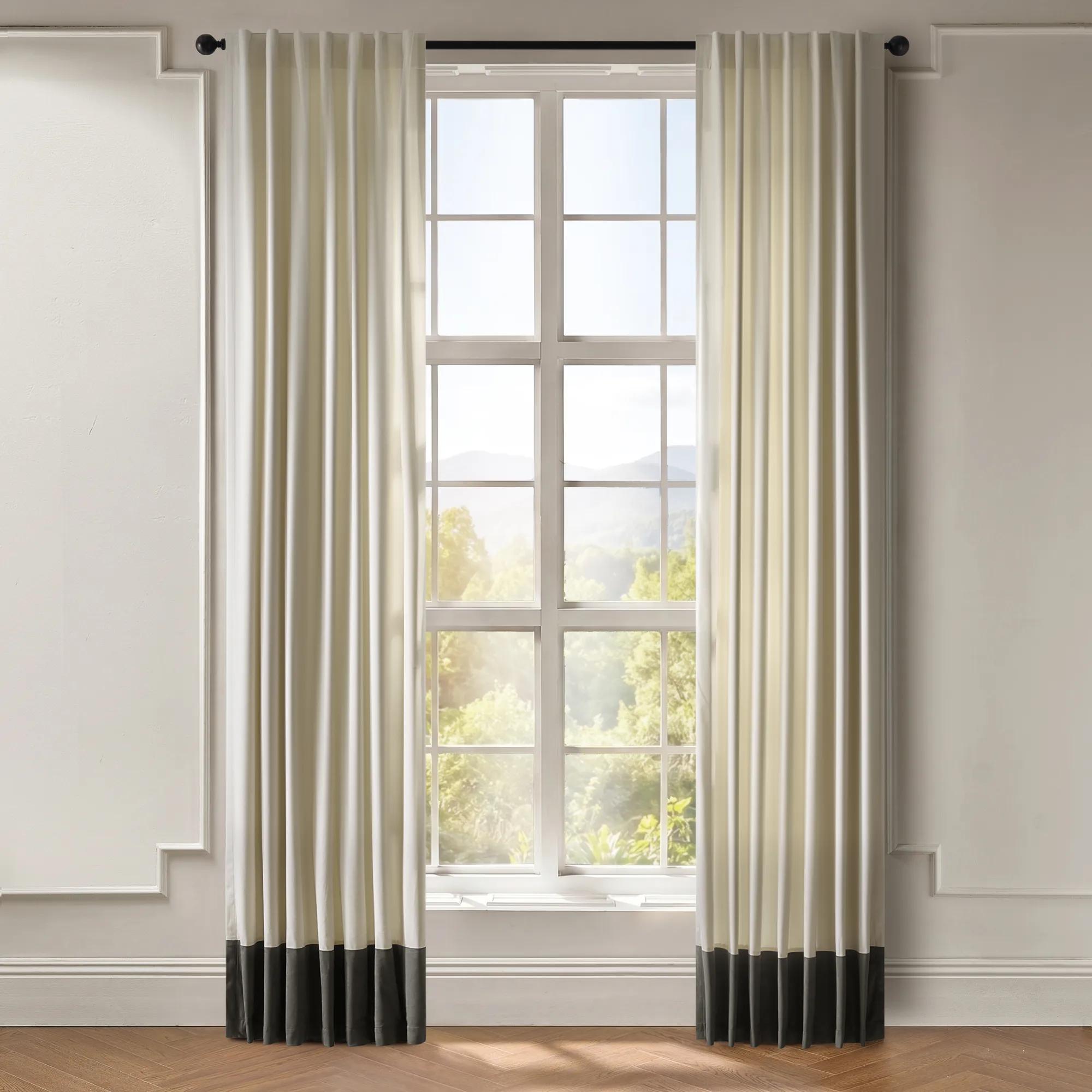
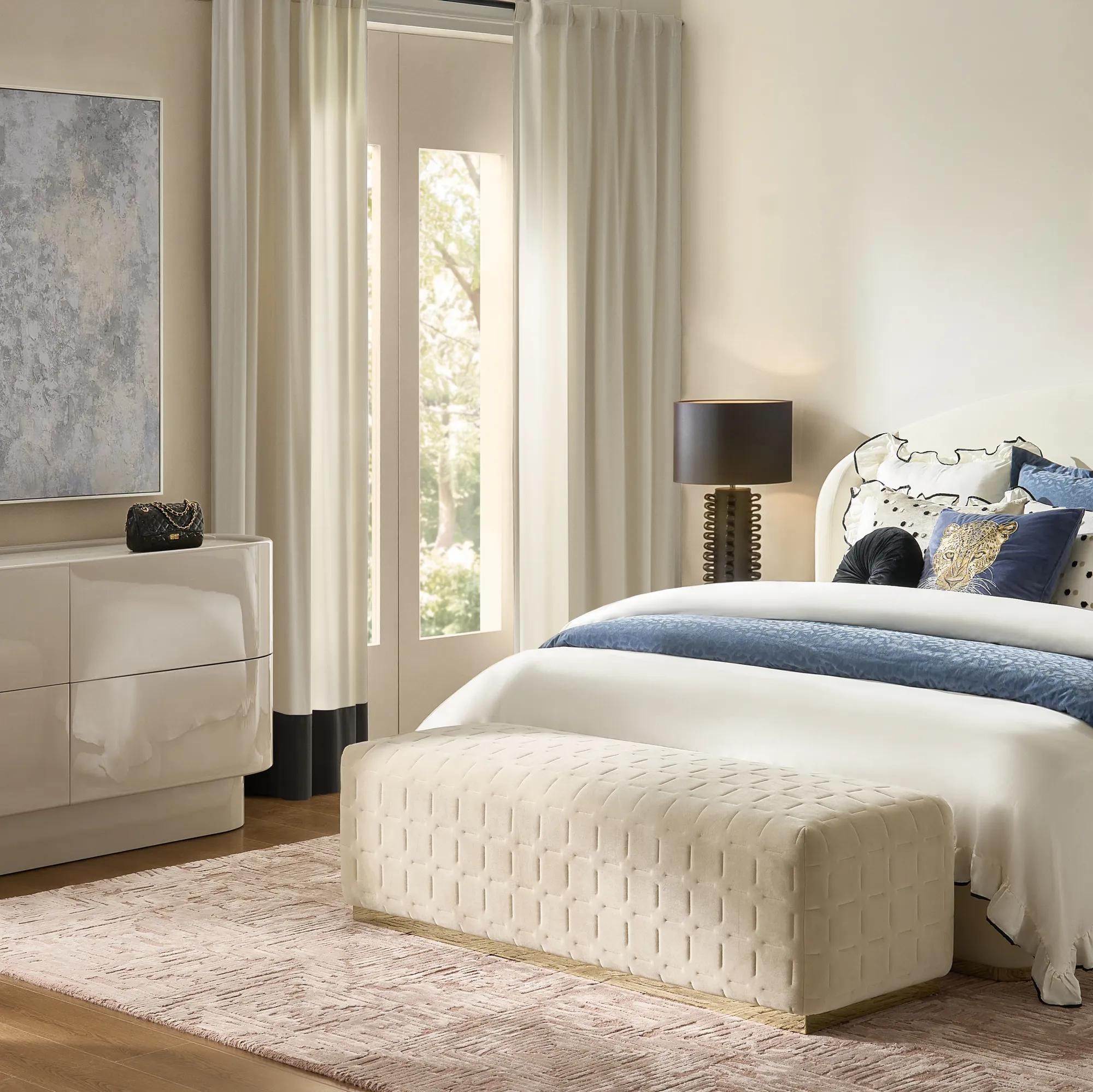 Bastien Ivory/Graphite Velvet Border Window Curtain Panel$99
A two-tone ivory and graphite velvet curtain panel with room-darkening design and versatile hanging options.
Add To Cart -
 Anson Mocha Rose Textured Window Curtain Panel$89
A light mocha rose curtain panel with crushed sheen texture and room-darkening, dual hanging design.
Add To Cart -
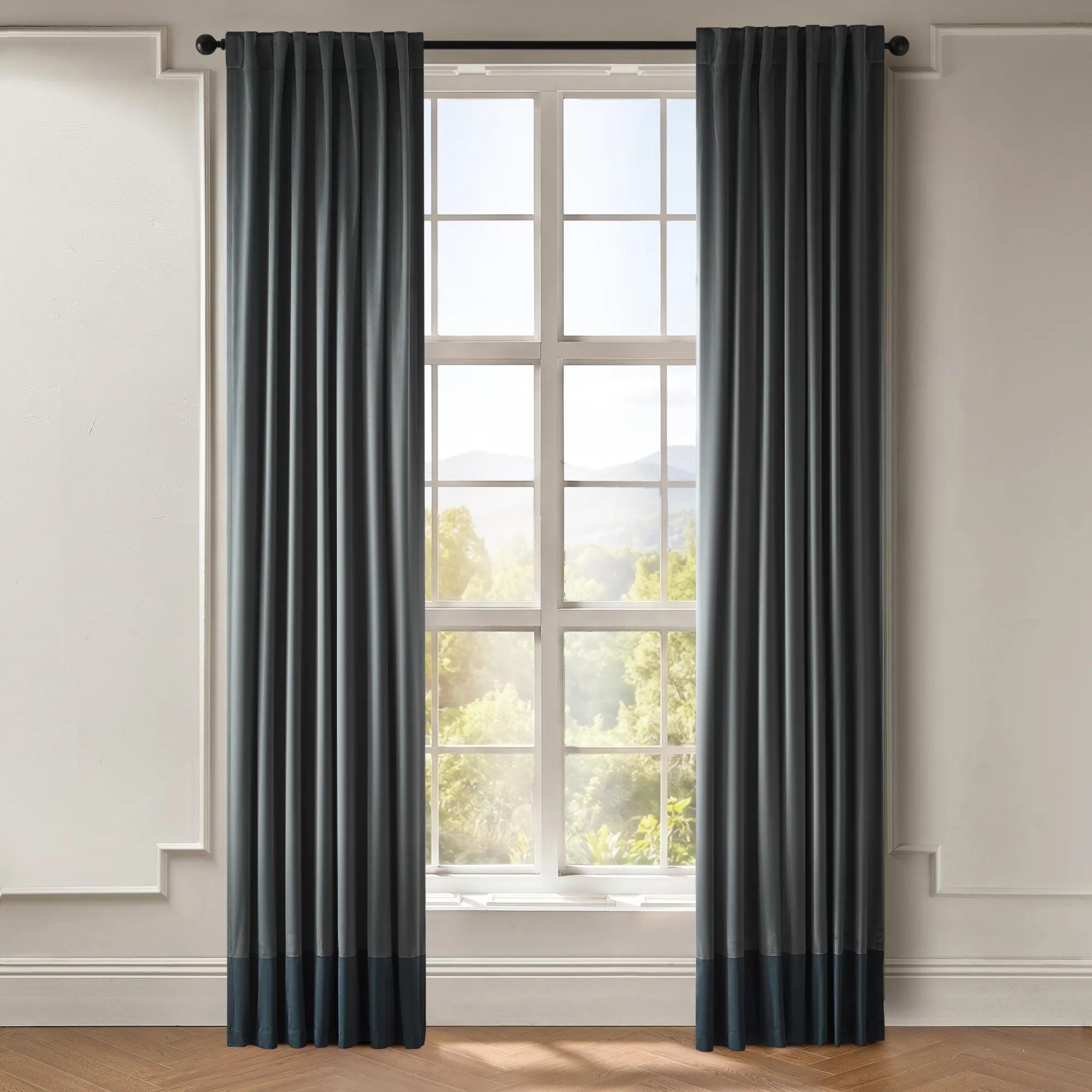
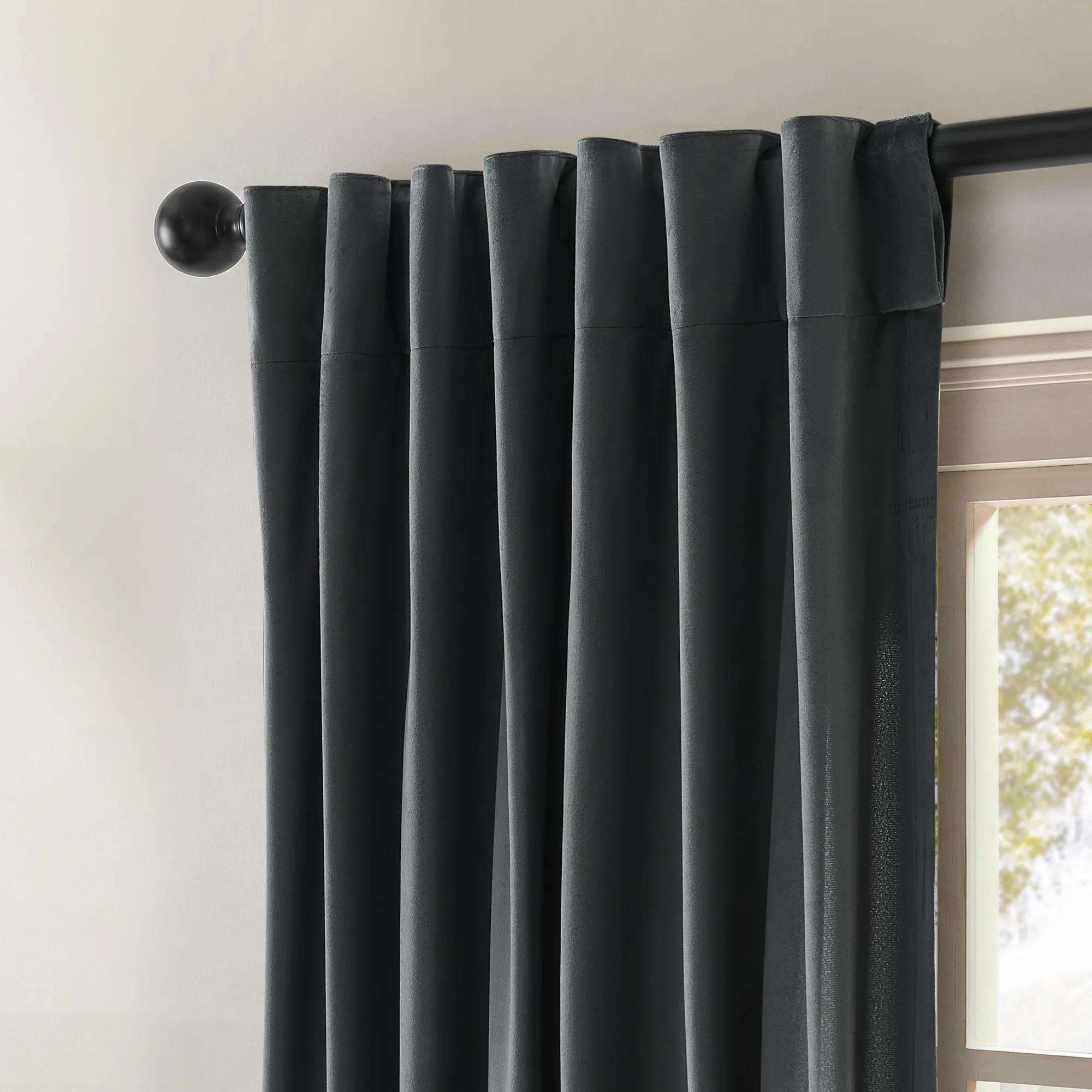 Bastien Blue/Midnight Velvet Border Window Curtain Panel$89
A two-tone dusty and midnight blue velvet curtain panel with a Deco-inspired border and room-darkening design.
Add To Cart -

 Adair Sand Solid Velvet Window Curtain Panel$69
A sand-colored velvet curtain offering room-darkening privacy and versatile hanging options for refined interiors.
Add To Cart -
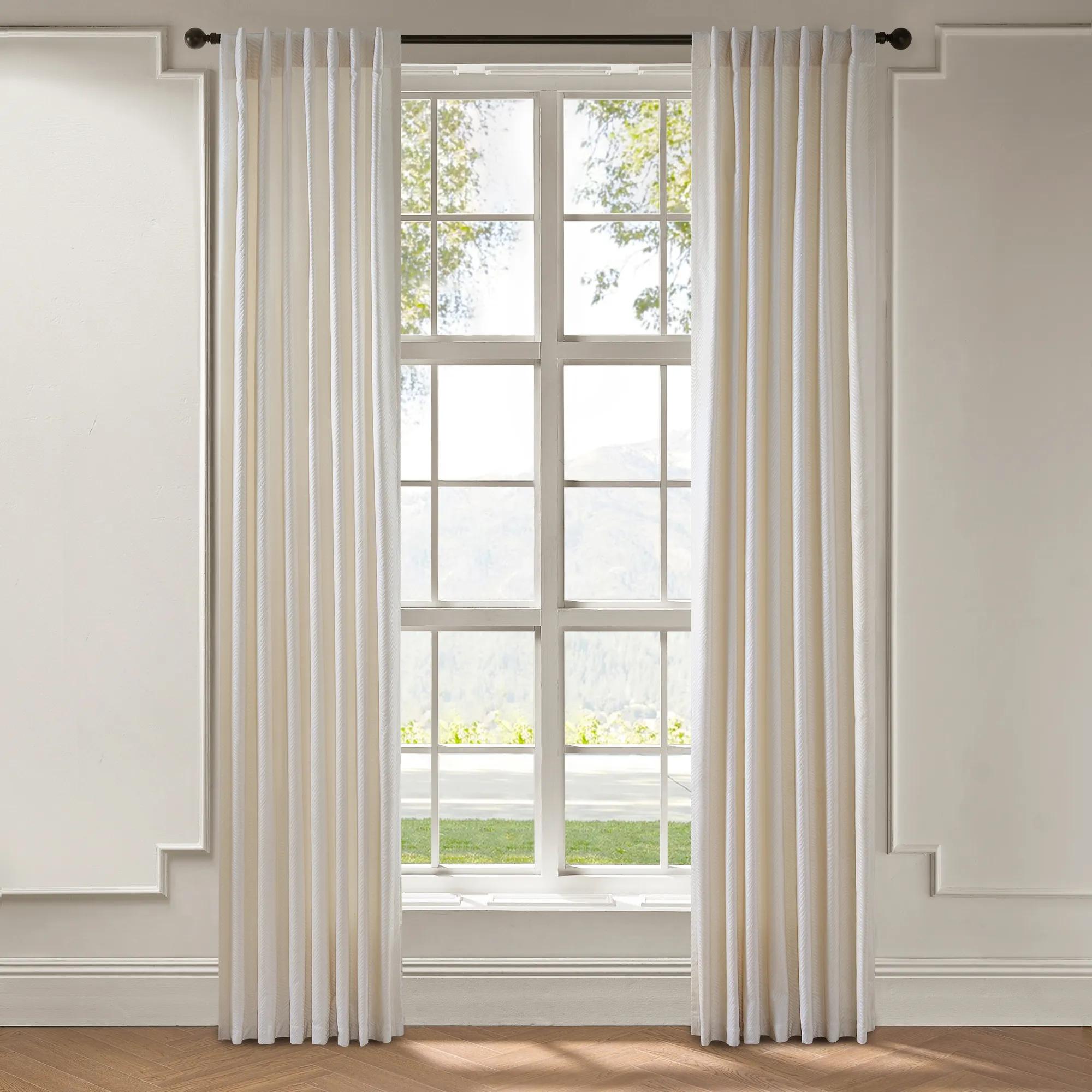
 Kenzo Chenille Curtain - White$119
A white chenille jacquard curtain featuring a subtle high-contrast pattern and soft, room-darkening texture.
Add To Cart -

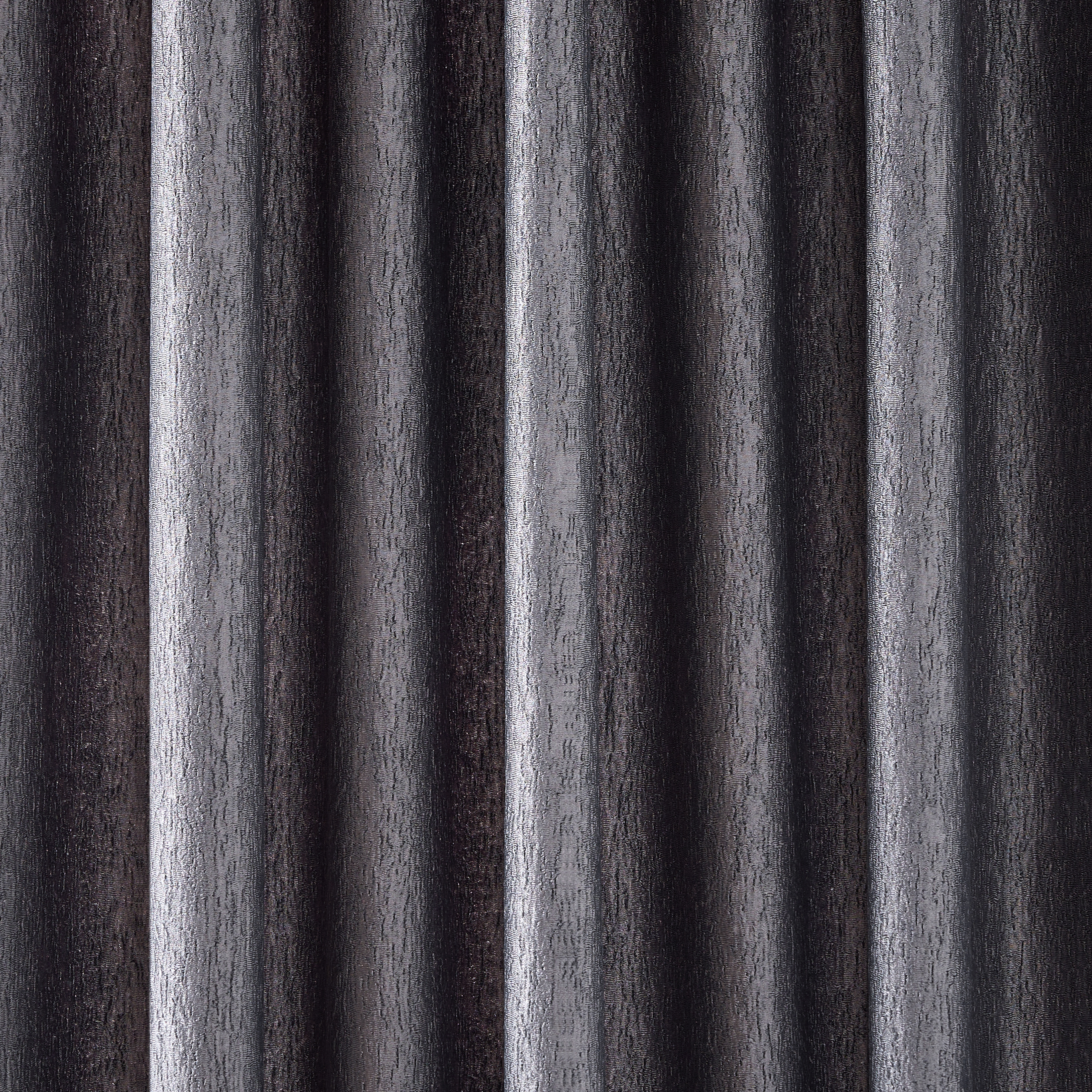 Anson Charcoal Textured Window Curtain Panel$109
A moody charcoal curtain with crushed polyester texture and subtle sheen for stylish, room-darkening appeal.
Add To Cart -
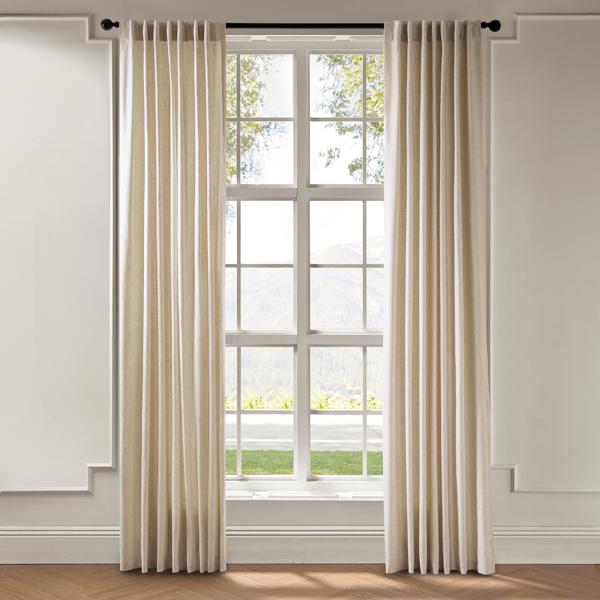
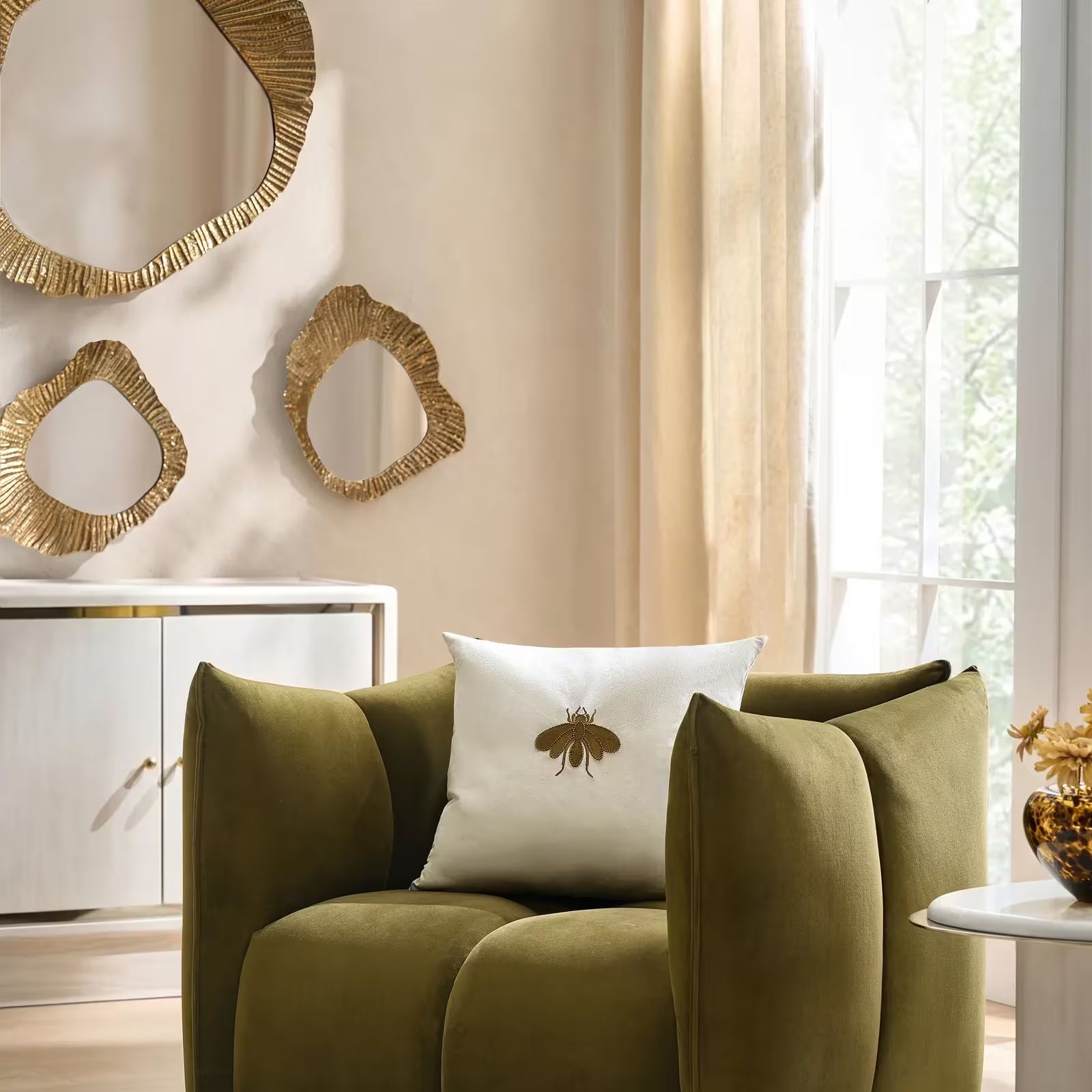 Anson Ivory Textured Window Curtain Panel$89
An ivory polyester curtain with a crushed, light-reflective texture for elegant, room-darkening style.
Add To Cart -

 Adair Midnight Blue Solid Velvet Window Curtain Panel$69
A sumptuous midnight blue velvet curtain that adds elegance, depth, and room-darkening style to any space.
Add To Cart -
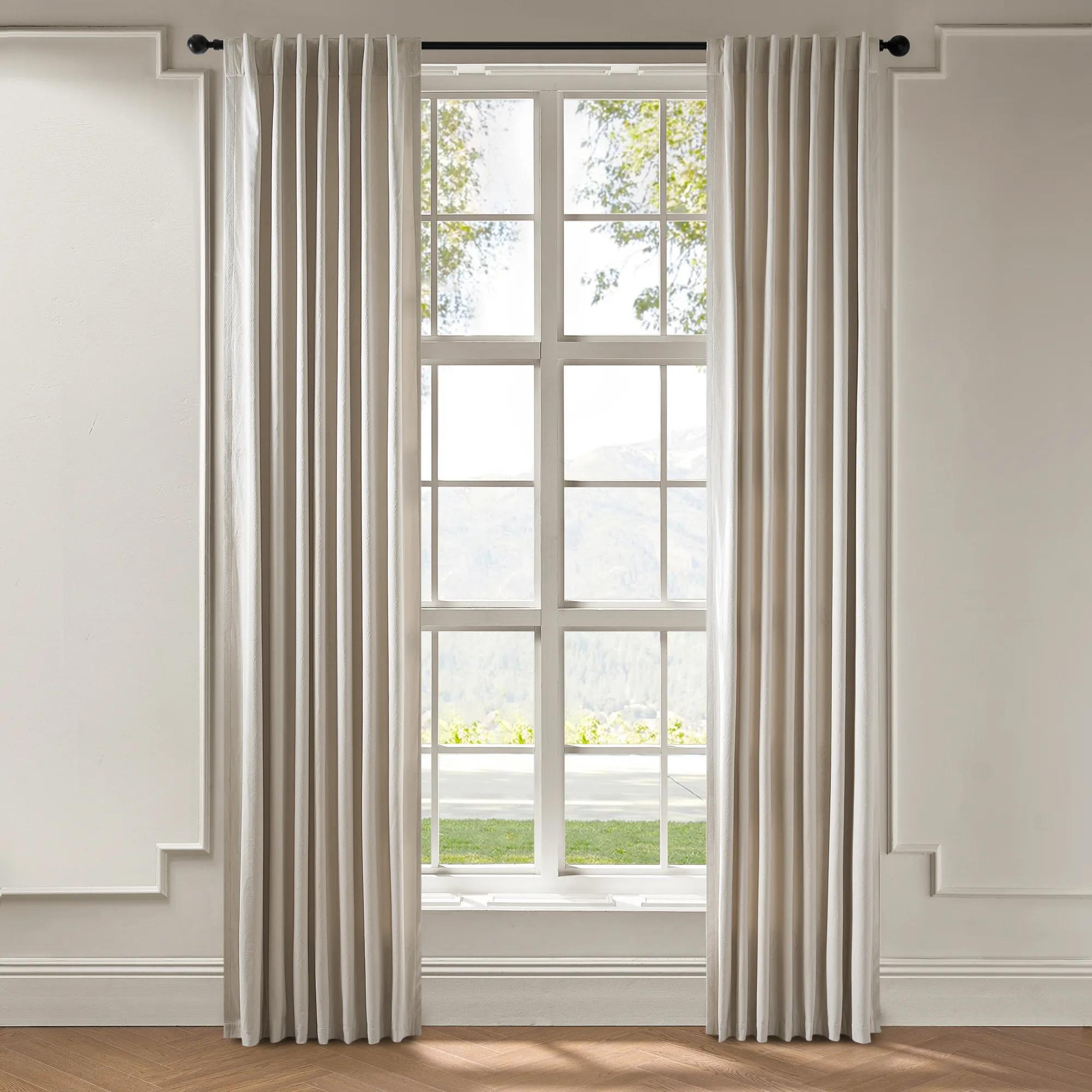
 Mabel White Velvet Swirl Window Curtain Panel$89
A crisp white velvet curtain featuring a tonal swirl texture and versatile dual hanging options.
Add To Cart -

 Mabel Natural Velvet Swirl Window Curtain Panel$109
A warm neutral velvet curtain with a tonal swirl pattern and room-darkening, dual hanging options.
Add To Cart -
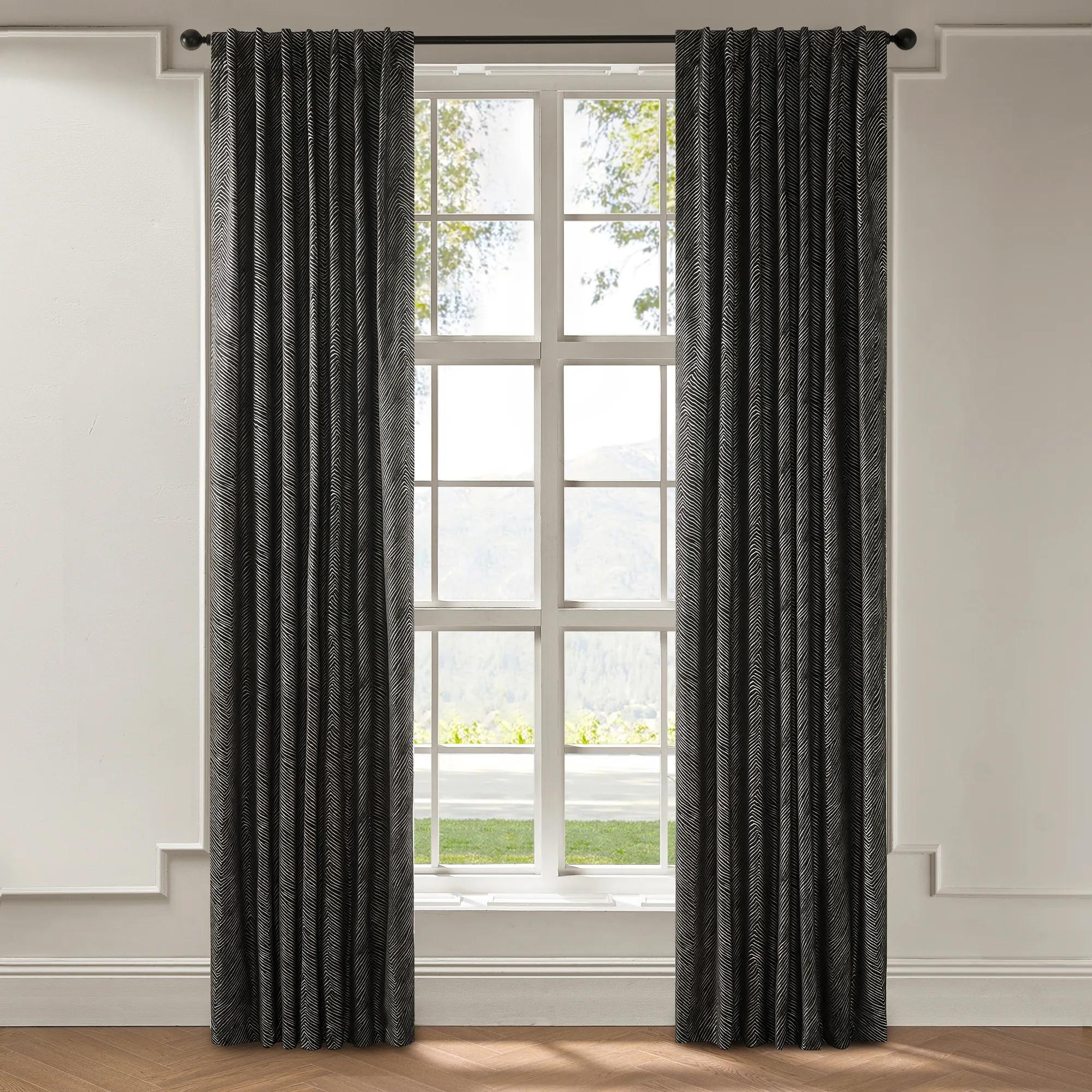
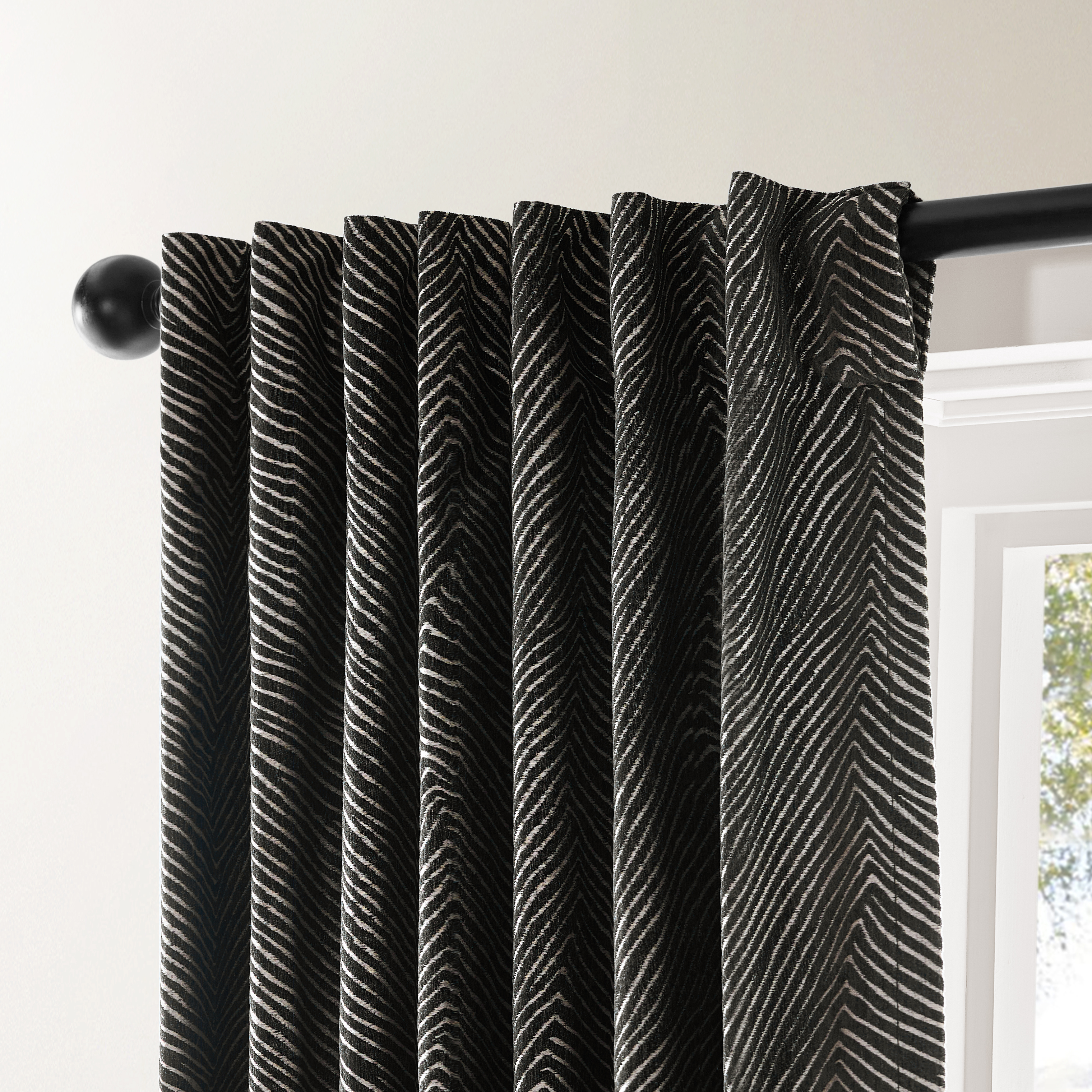 Kenzo Black Chenille Window Curtain Panel$119
A black chenille jacquard curtain with a luxe sheen and versatile dual hanging options for modern spaces.
Add To Cart -
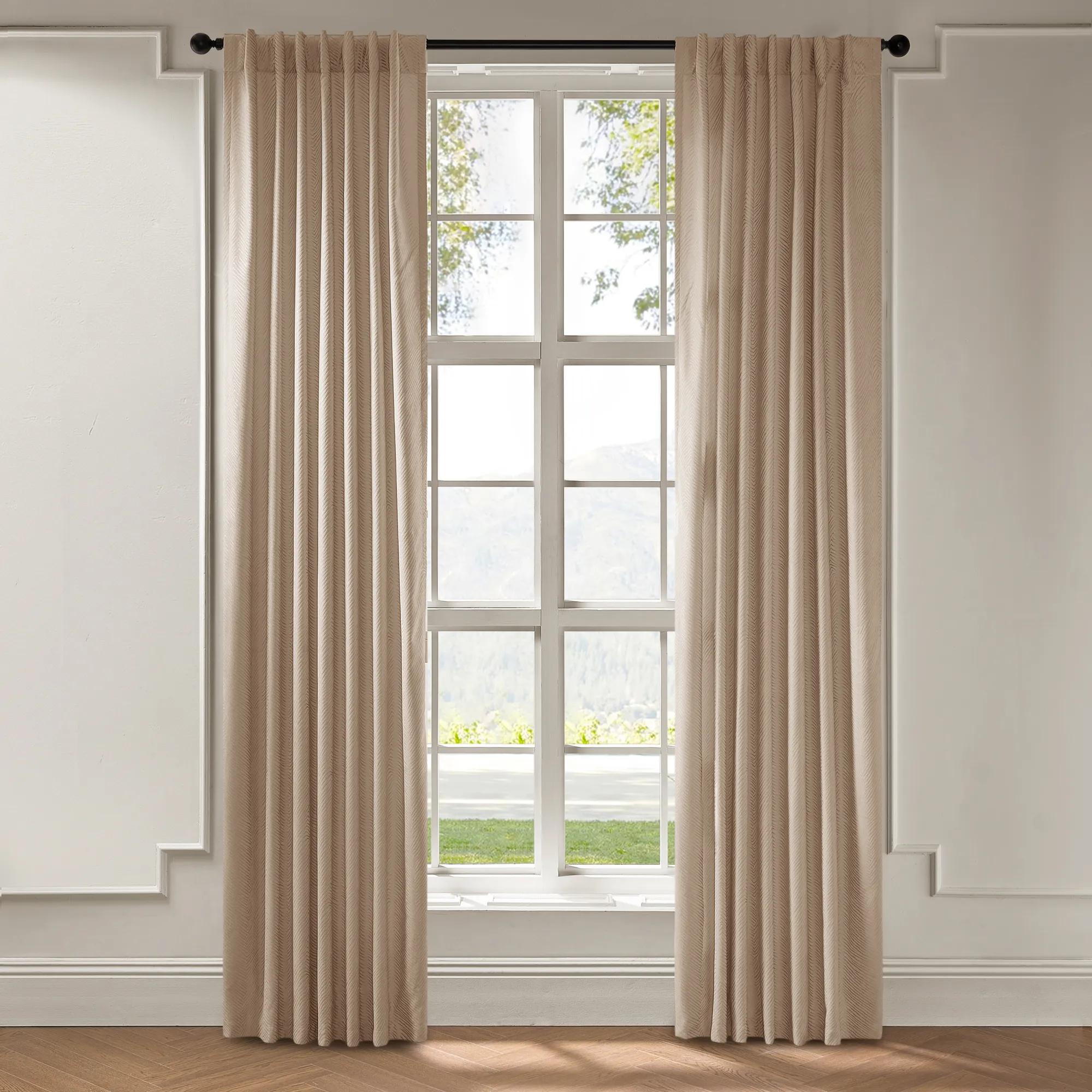 Kenzo Jacquard Beige Chenille Window Curtain Panel$129
A warm beige chenille jacquard curtain with a subtle sheen and versatile rod pocket or back tab hanging.
Add To Cart

Curtains For Tall Windows
Curtains for Tall Windows transform grand proportions into breathtaking statements, framing every inch of vertical space with elegance and intention. In rooms where ceilings soar and light pours in, the right drapery becomes more than a finishing touch—it’s a dramatic flourish that draws the eye upward and sets the tone for the entire space. Whether you envision sweeping panels that cascade to the floor or tailored layers that evoke modern sophistication, discover how curtains for tall windows can turn architectural height into an artful moment, infusing your home with depth, drama, and undeniable allure.
Curtains for tall windows give soaring glass a beautifully finished silhouette, balancing architectural height with softness, privacy, and control over natural light. Extra-long panels draw the eye through the full height of a room, while generous folds introduce texture that bare glass cannot provide. In a double-height living room, they can frame a striking view without competing with it; in a bedroom with elevated ceilings, they bring intimacy to an otherwise expansive space. The most flattering proportions depend on panel length, total fabric width, mounting height, and how the material falls. Floor-length curtains create a continuous vertical line, while panels that stop noticeably short of the floor can interrupt that effect. Fabric establishes the mood just as decisively. Velvet lends depth and a sumptuous, sculptural drape, making it especially expressive beside polished metal, lacquered furniture, and richly textured upholstery. Linen and linen blends offer a more relaxed movement, with subtle variations in the weave that keep a large sweep of fabric visually interesting. Woven fabrics with a lustrous surface catch light across their folds, bringing dimension to neutral colors without requiring a bold pattern. Sheer curtains soften the appearance of tall glass and diffuse daylight, although their privacy benefits diminish when interior lights are brighter than the outdoors. Light-filtering fabrics offer a balance of illumination and coverage, while room-darkening or blackout-lined panels suit bedrooms, media rooms, and other spaces where greater light control matters. Those labels are not interchangeable: blackout performance depends on the fabric construction and installation, and light can still enter around uncovered edges. A layered arrangement pairs the airy presence of sheers with the substance of an outer curtain, allowing the room to move from luminous and open to more secluded. For anyone furnishing a loft, a formal sitting room, or a home with dramatic ceiling heights, these textiles make architectural scale feel personal rather than imposing.
The elegance of extra-long curtains rests on fit as much as fabric. Finished panel length should relate to the actual hanging point, accounting for the way rings, hooks, tabs, or grommets position the cloth beneath the rod or track. A rod mounted above the window frame can emphasize height, but the placement should remain proportionate to the wall, ceiling, and available panel length. In a room with ornate crown molding, leaving visual breathing room around that detail preserves its character; beneath a clean ceiling line, a discreet ceiling-mounted track can create an uninterrupted fall. Panels that hover just above the floor offer a tailored finish and move easily during daily opening and closing. A slight break at the floor feels softer, while a deliberate puddle creates a more theatrical effect best reserved for panels that remain largely stationary and away from busy walkways. Tall windows also need sufficient width: a useful starting point for many curtain styles is a combined flat panel width of roughly one and a half to two times the rod span, with the appropriate fullness varying by fabric and heading construction. Sheer fabrics often benefit from additional fullness, while structured pleats require dimensions suited to their finished coverage. When a broad window looks underdressed despite adequate length, insufficient fabric width is often the reason. Rod extension matters, too. Space beyond each side of the frame allows open panels to gather away from the glass, preserving more of the view and daylight. The amount of stacking space depends on fabric thickness, lining, and heading style; plush velvet occupies more room than a lightweight sheer. Hardware must support the combined weight of the curtains and any lining, with suitable brackets, anchors, and center supports where required. For especially high installations, a compatible traverse system or professionally installed motorized track can make substantial panels easier to operate without repeatedly pulling on the fabric.
Color and pattern determine whether tall curtains become the room’s focal point or a refined architectural backdrop. Ivory, champagne, and soft taupe can create luminous columns against similarly toned walls, letting texture and shadow supply the detail. Deep charcoal, midnight blue, or jewel-toned fabric frames the view with greater contrast, giving a spacious room a more enveloping presence. A large-scale pattern has room to unfold across extra-long panels, but its repeat and placement deserve attention so adjacent lengths read as a considered composition rather than disconnected pieces. Subtle woven motifs can be equally compelling, revealing their detail as light moves across the folds. In connected living spaces, Curtains For Large Windows can carry the same palette and fabric character across wider openings, creating continuity without requiring every window to have identical proportions. Daily use deserves equal consideration. A frequently opened curtain benefits from dependable stitching, a secure heading, and a fabric weight that works comfortably with its hardware. In rooms shared with children or pets, floor-clearing hems reduce fabric gathering underfoot, while cord-free operation avoids accessible dangling cords. Substantial fabric is not automatically more durable; fiber content, weave, construction, and care requirements all influence how gracefully a panel wears. Lining can give curtains a more substantial body and help shield the decorative face fabric from direct light, though prolonged sun exposure can still affect color. Maintenance should follow the sewn-in care label, particularly for velvet, embellished fabrics, and lined constructions that may require professional cleaning. Washable panels need enough machine capacity for the fabric to move freely, and inappropriate heat can cause shrinkage that is especially noticeable along a long hem. Gentle dust removal with an appropriate vacuum attachment helps preserve the appearance between cleanings. With thoughtful proportions and materials suited to the room’s routines, tall-window curtains become more than a finishing layer: they frame the architecture, shape the light, and give the entire space a richer sense of presence.
FAQs
For tall windows, luxurious fabrics such as velvet, silk, and linen are especially well-suited. Velvet lends a sense of drama and warmth, silk offers a luminous, elegant drape, and linen provides a breezy, organic look. Layering sheers with heavier drapes can create depth and flexibility in light control, allowing you to tailor the atmosphere throughout the day.
Curtains for tall windows serve as both a functional and decorative element, framing the architecture while introducing color, texture, and movement. They can elongate the visual lines of a space, create a striking focal point, and set the mood—whether you’re aiming for opulent drama or serene minimalism. The right curtains can completely transform the ambiance of a room, making it feel more curated and expressive.
Absolutely. Consider layering sheer and opaque panels for versatility, or adding decorative trims and bold tiebacks for a couture-inspired finish. Experiment with pleated headers or metallic hardware to introduce visual interest. For a gallery-like effect, coordinate curtain colors with artwork, rugs, or accent furniture to achieve a cohesive and intentional look.
Curtains for tall windows make an inspired gift for design enthusiasts, new homeowners, or anyone embarking on a home refresh. They’re ideal for those who value expressive interiors and appreciate the transformative impact of thoughtful details. Gifting beautiful drapery can offer a loved one the chance to personalize their space with artistry and flair.
Seasonal shifts can inspire a change in curtain fabrics and colors. In cooler months, heavier materials like velvet or lined drapes add warmth and coziness, while lighter fabrics such as linen or sheer panels allow for breezy, sunlit interiors during spring and summer. Rotating curtains seasonally is a stylish way to refresh your space and reflect the changing mood of your home.


