Curtains For High Ceilings
Curtains For High Ceilings
-
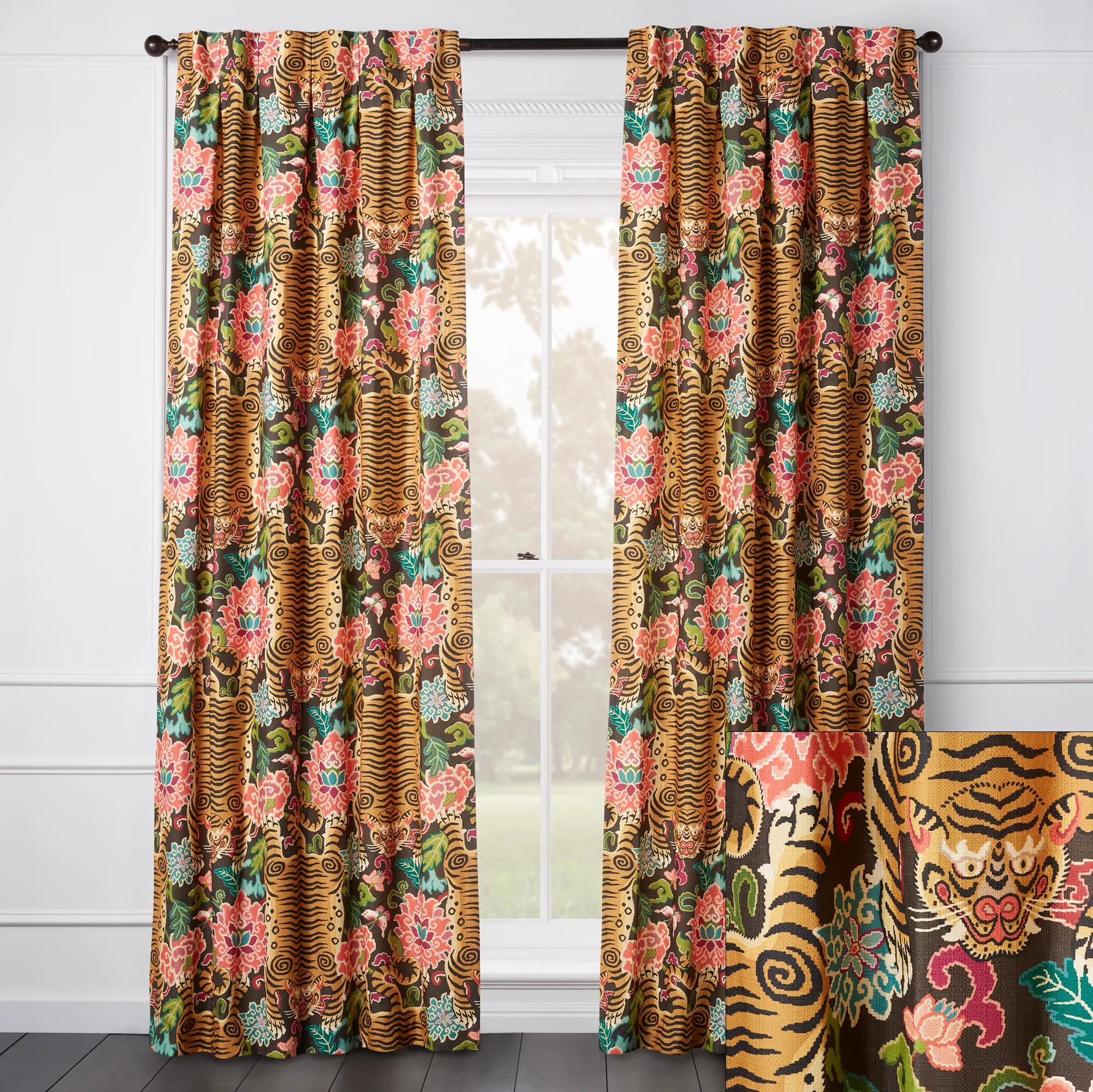
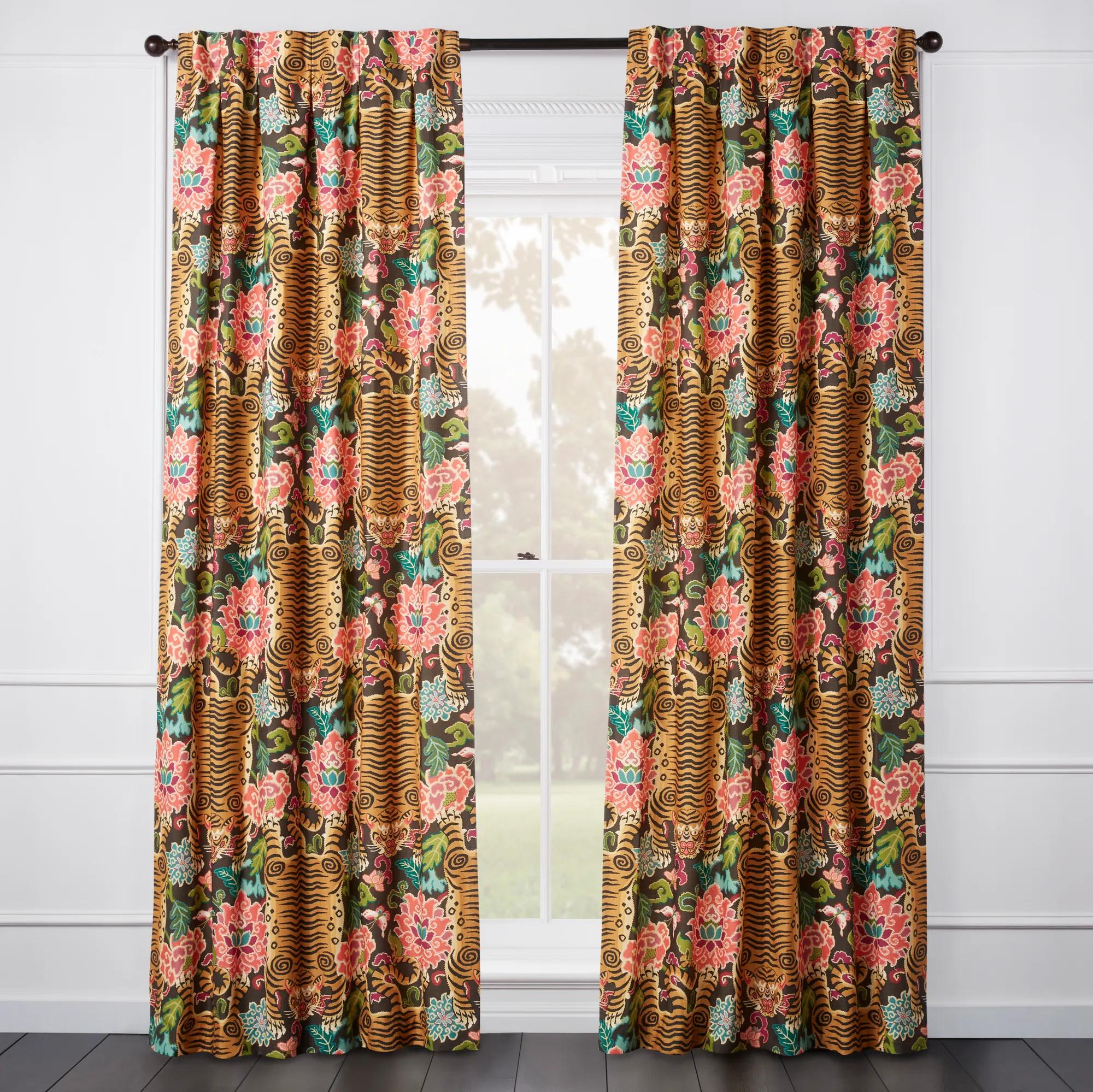 Nimer Gold/Multi Printed Slubbed Cotton Window Curtain Panel$299
A lively gold and multi-colored cotton curtain featuring a bold tiger print and customizable hanging options.
Add To Cart -
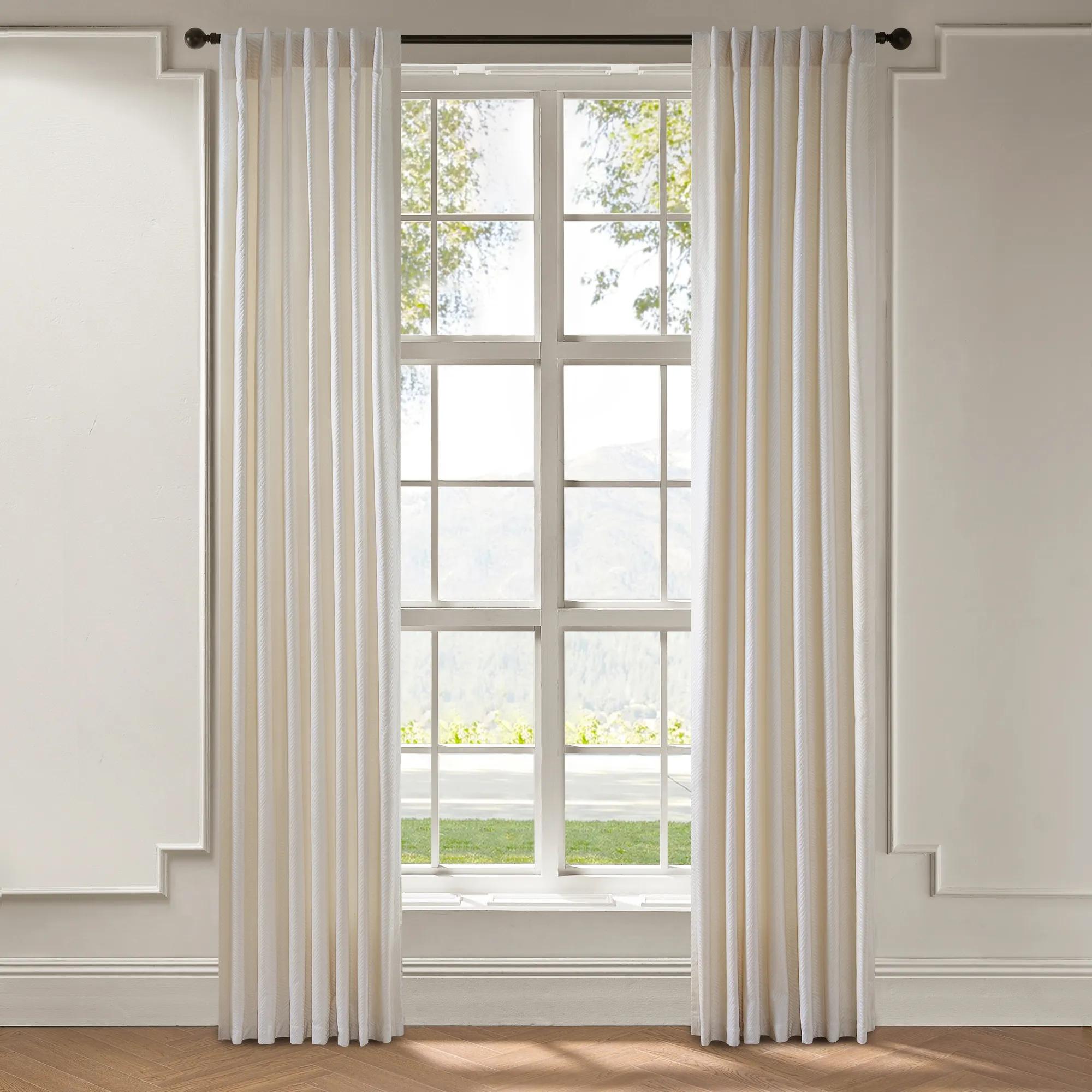
 Kenzo Chenille Curtain - White$139
A luxe white chenille jacquard curtain featuring a subtle high-contrast pattern and versatile dual construction.
Add To Cart -
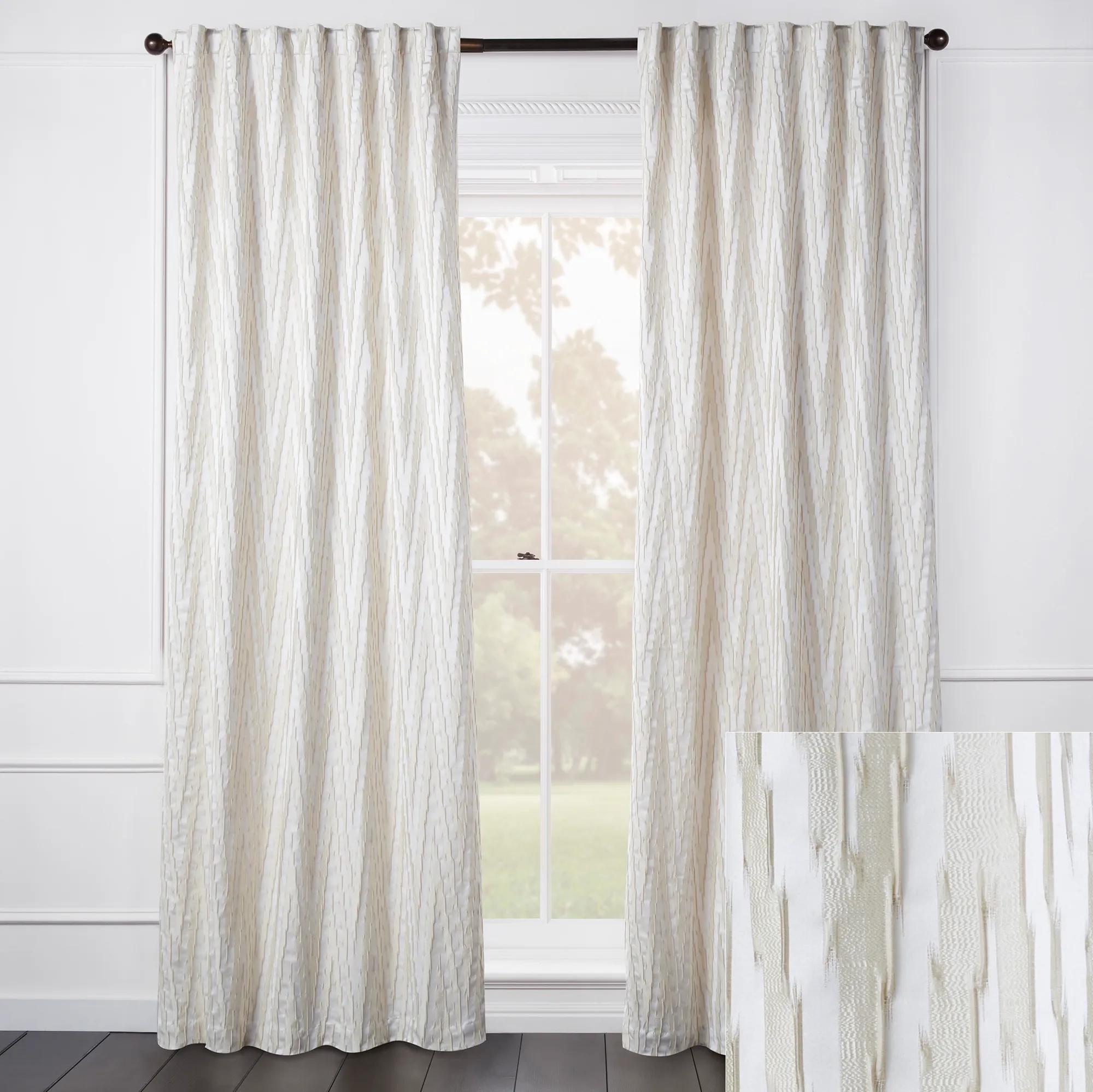
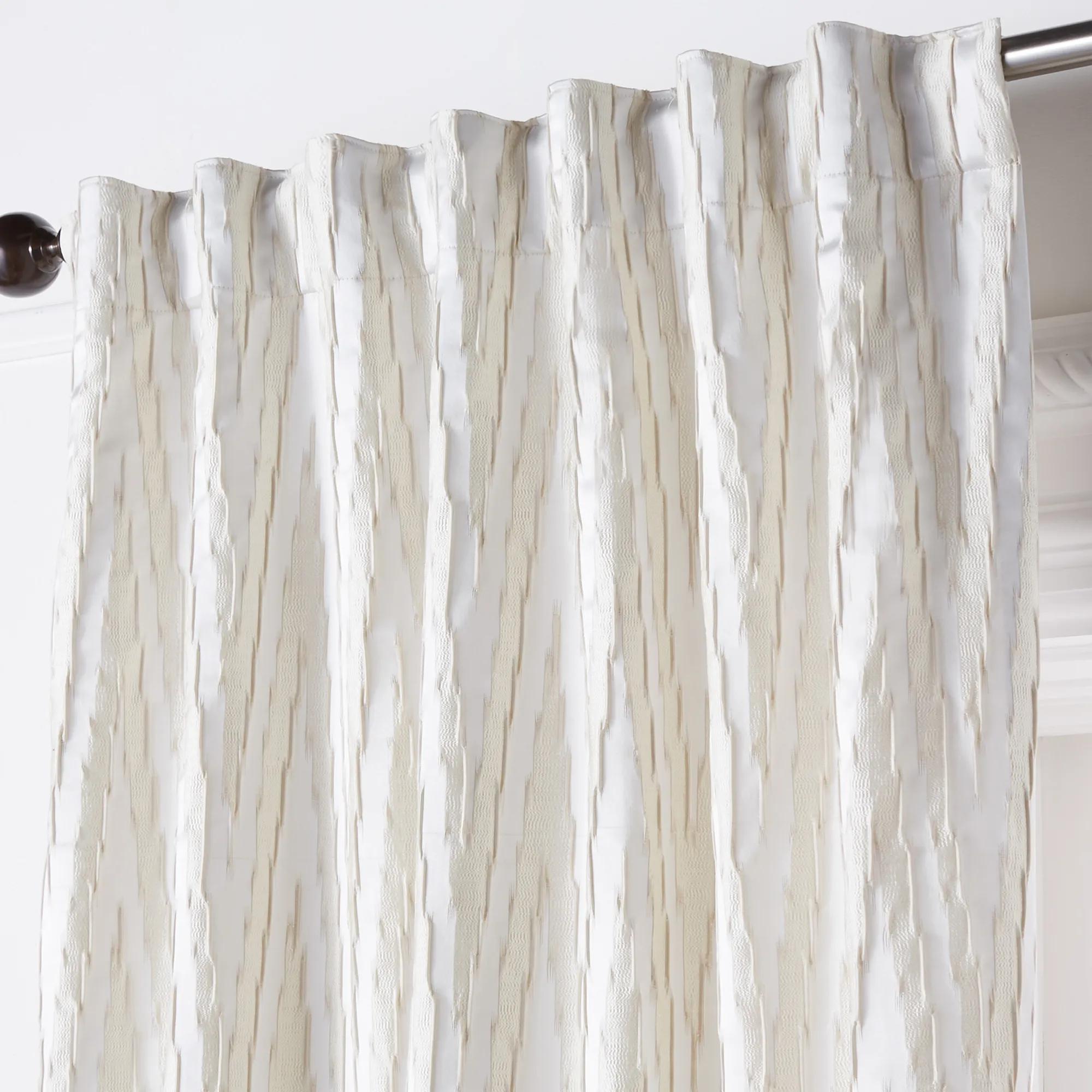 Minka Jacquard Pearl Window Curtain Panel Custom$299
A highly textured chevron curtain panel in pearl, crafted from polyester with customizable hanging options.
Add To Cart -
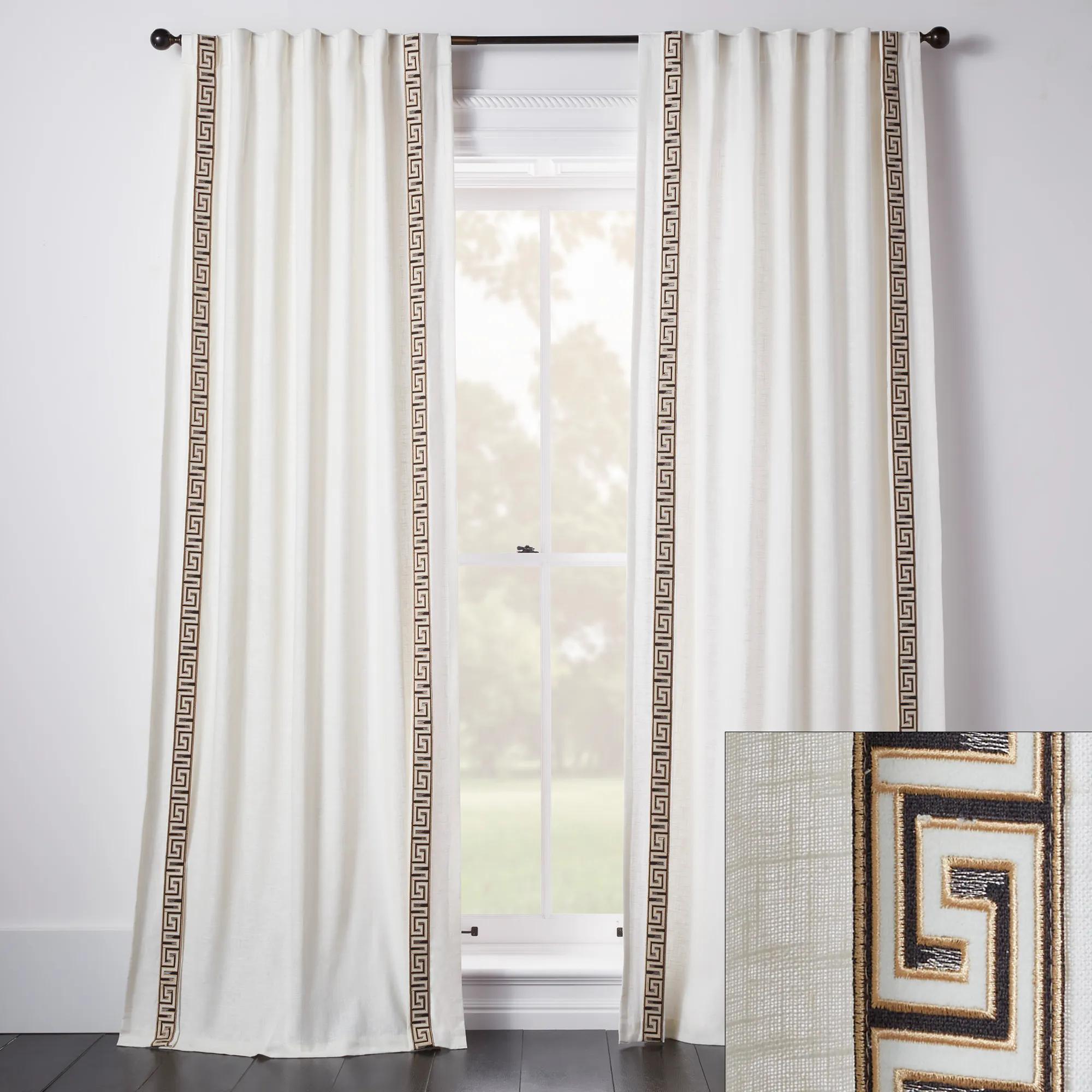 Chole Greek Key Border Velvet Widow Curtain Panels Custom$379
A linen-blend curtain panel with black and gold velvet Greek key border and customizable hanging options.
Add To Cart -
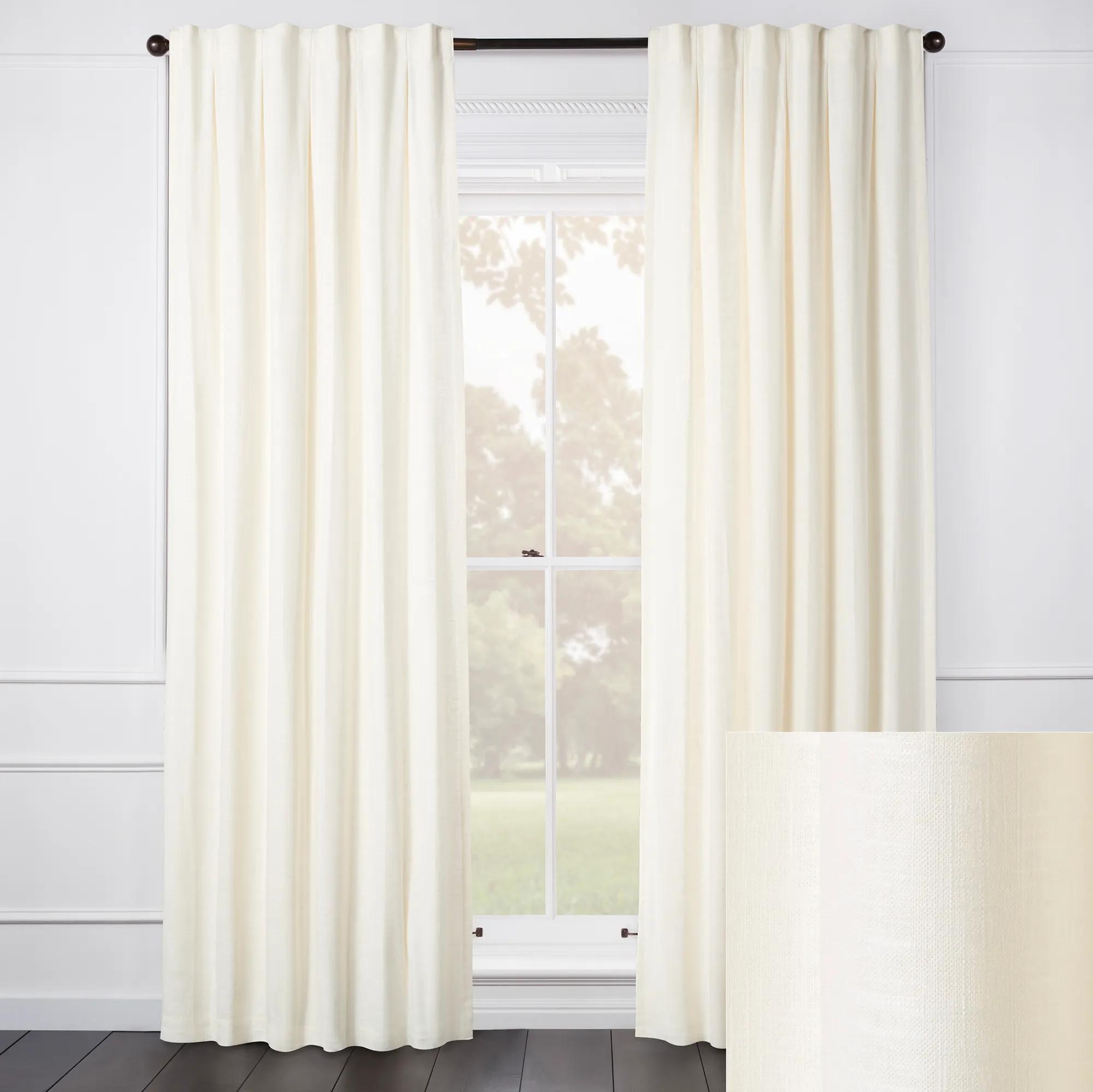
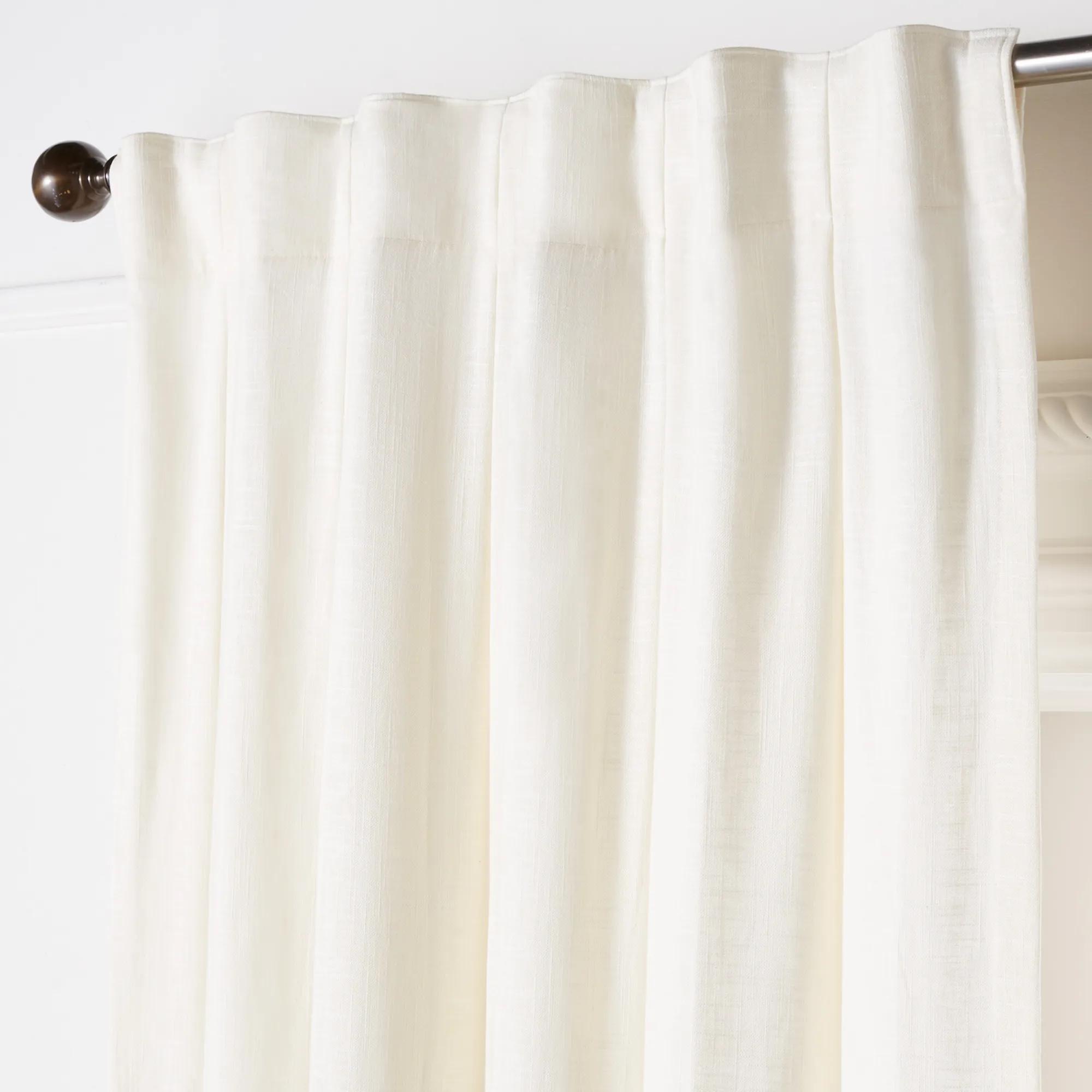 Audrey Linen Ivory Curtain - Custom$269
An ivory linen-blend curtain panel with lining, offering customizable lengths and two elegant header styles.
Add To Cart -
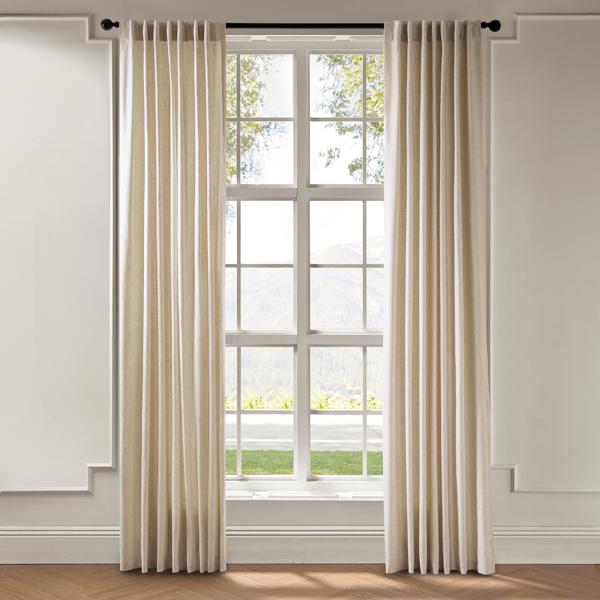
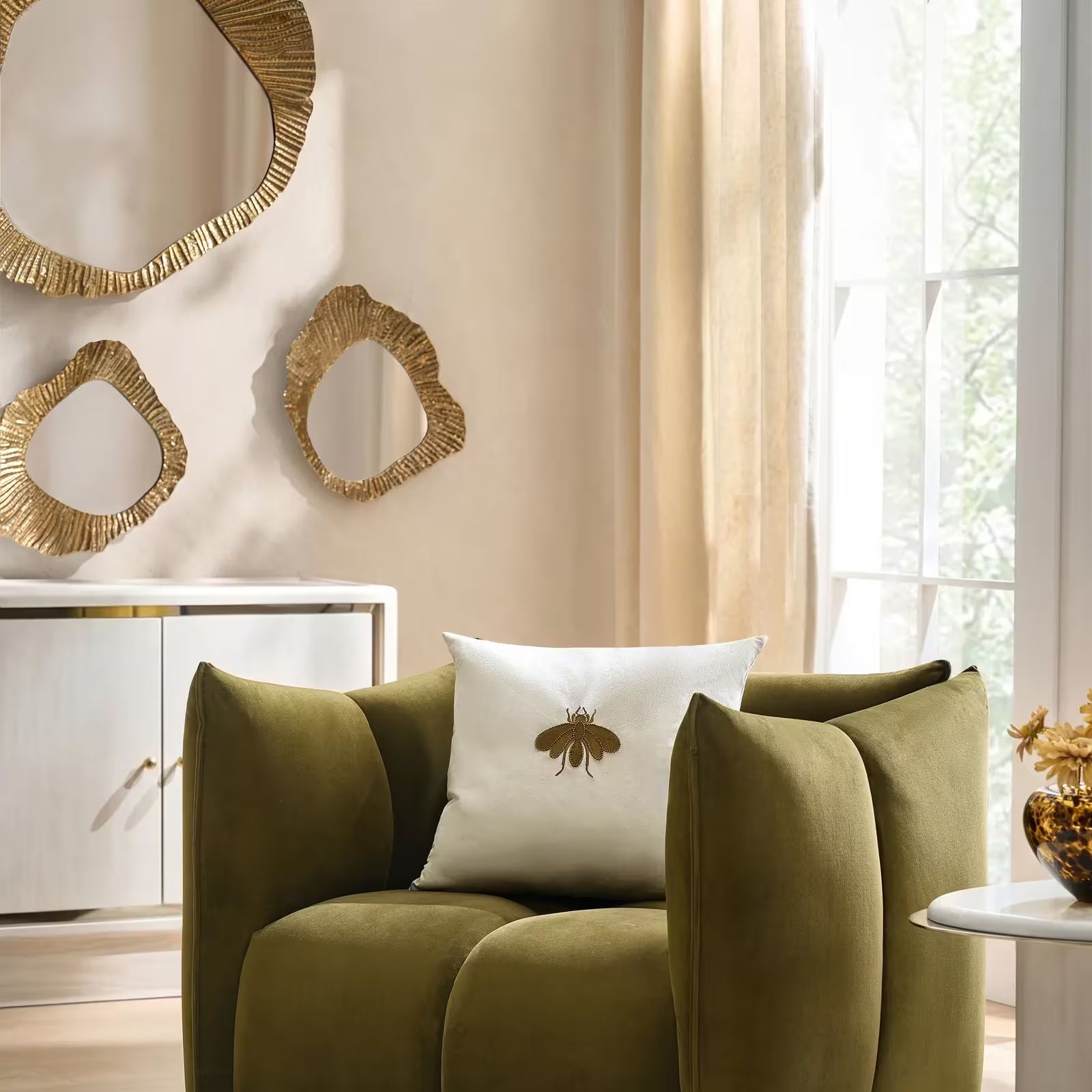 Anson Ivory Textured Window Curtain Panel$109
An elegant ivory curtain with a crushed, light-reflective texture and versatile dual hanging options.
Add To Cart -

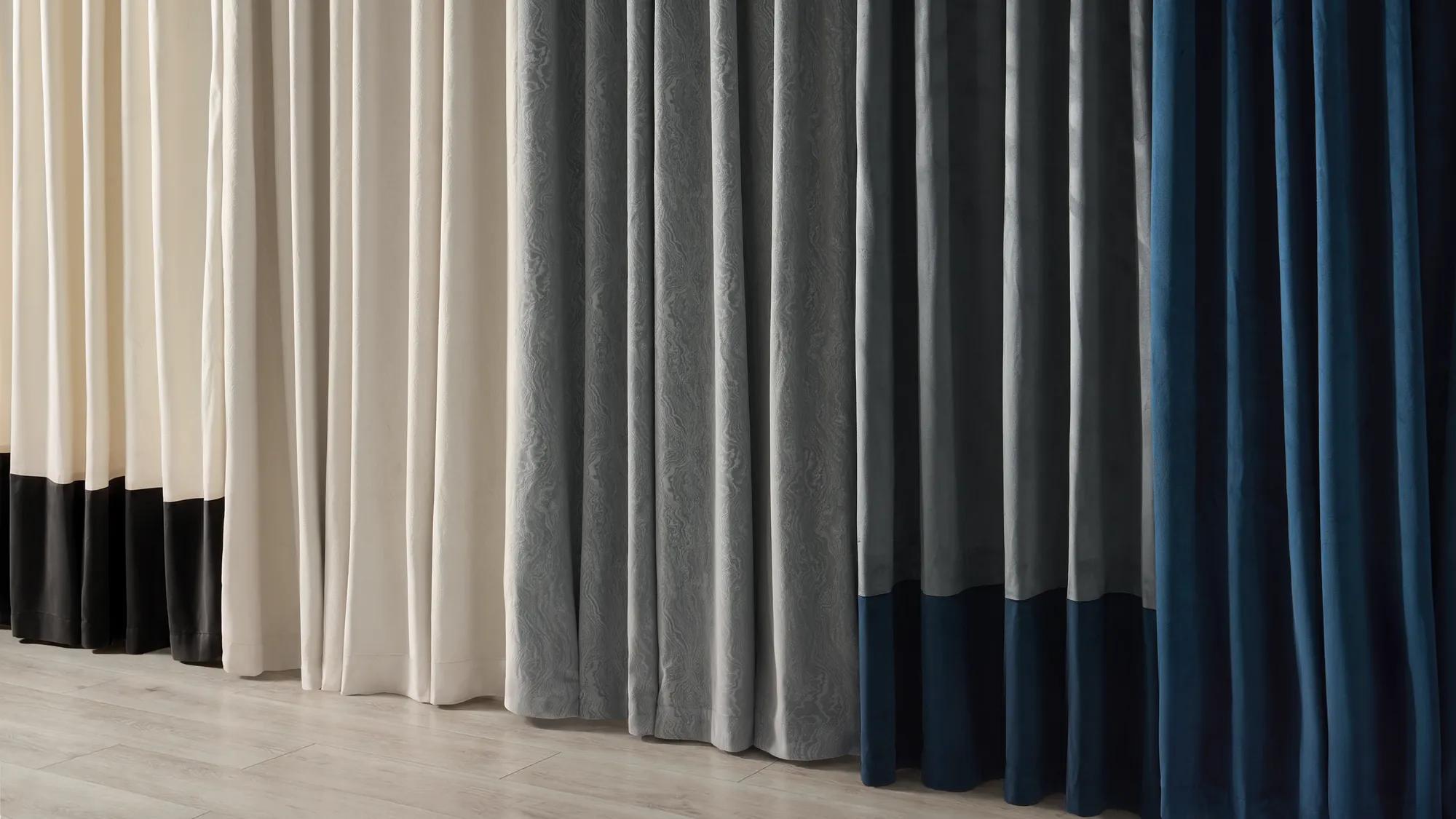 Mabel Velvet Swirl Curtain - Grey Blue$99
A grey blue velvet curtain featuring a tonal swirl pattern and versatile dual hanging options.
Add To Cart -

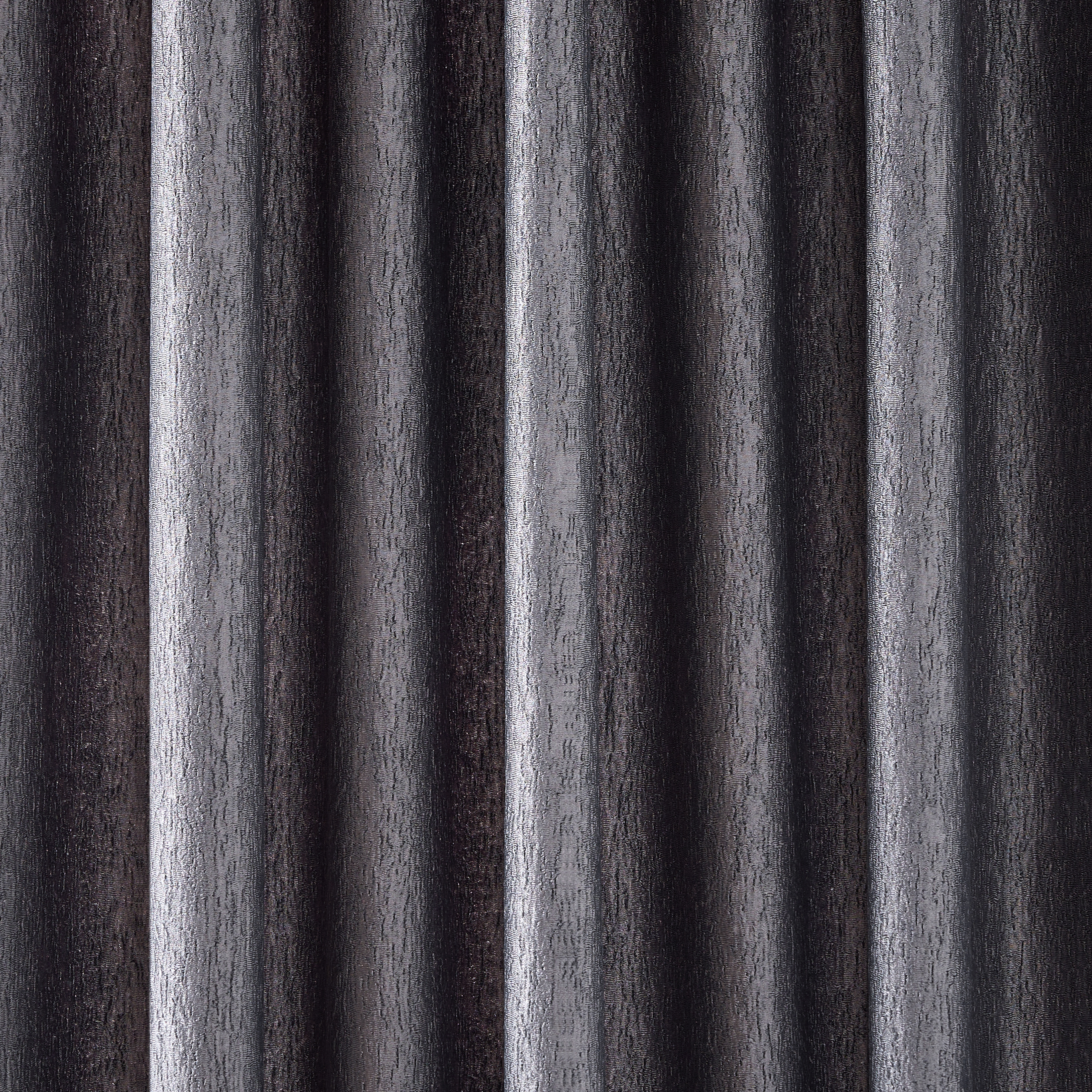 Anson Charcoal Textured Window Curtain Panel$89
A moody charcoal curtain with crushed polyester texture and subtle sheen for stylish, room-darkening appeal.
Add To Cart -
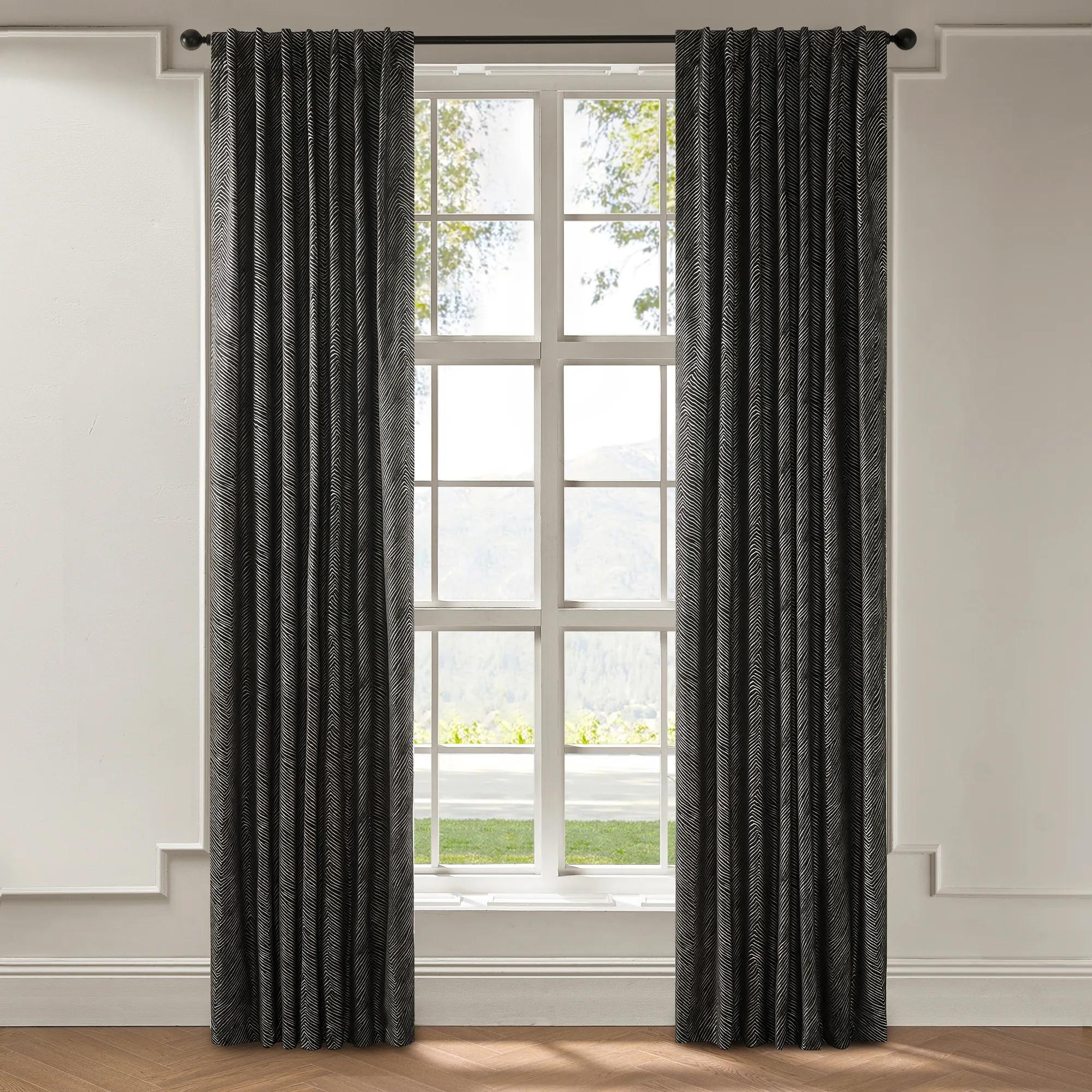
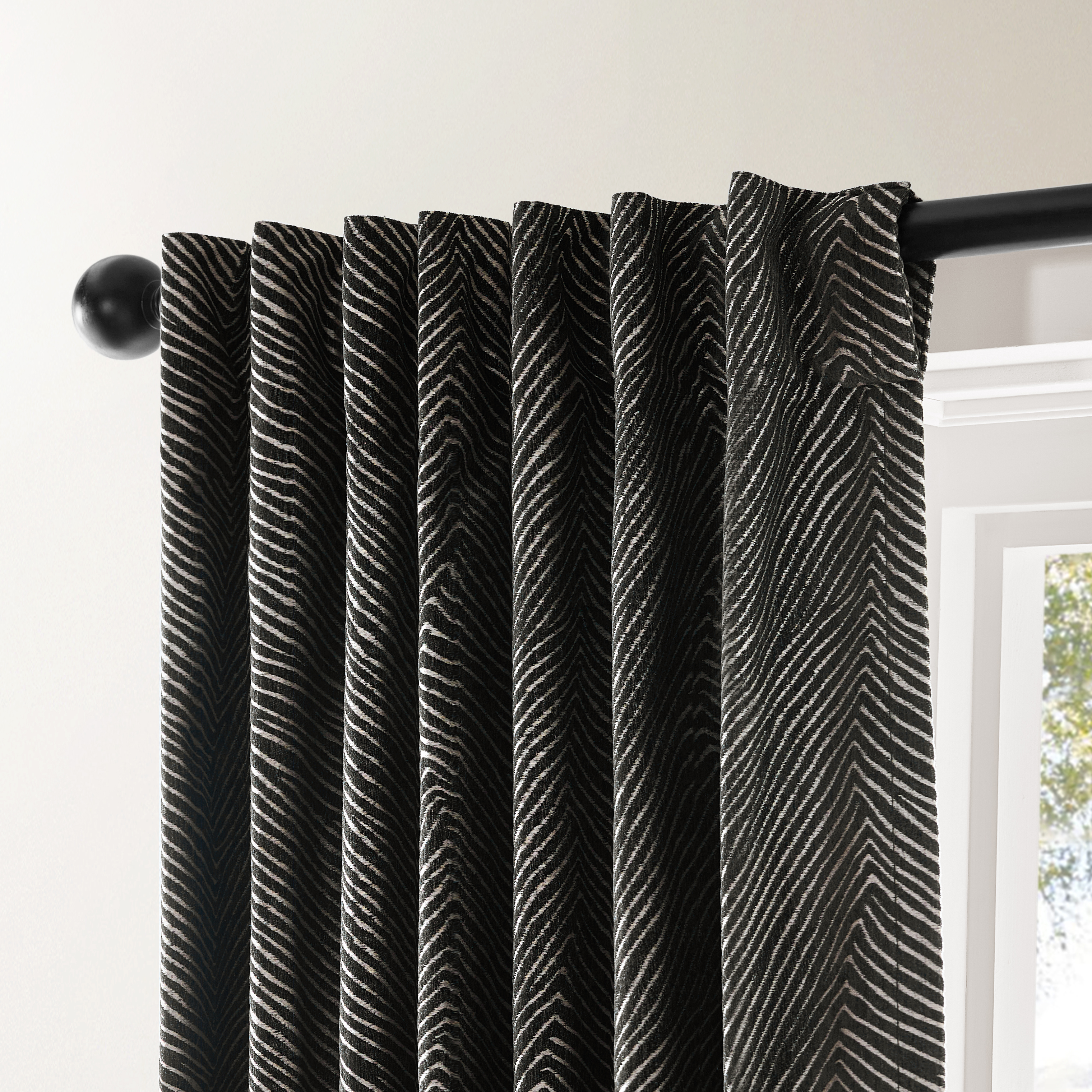 Kenzo Black Chenille Window Curtain Panel$119
A black chenille jacquard curtain with a luxe sheen and versatile dual hanging options for modern spaces.
Add To Cart -
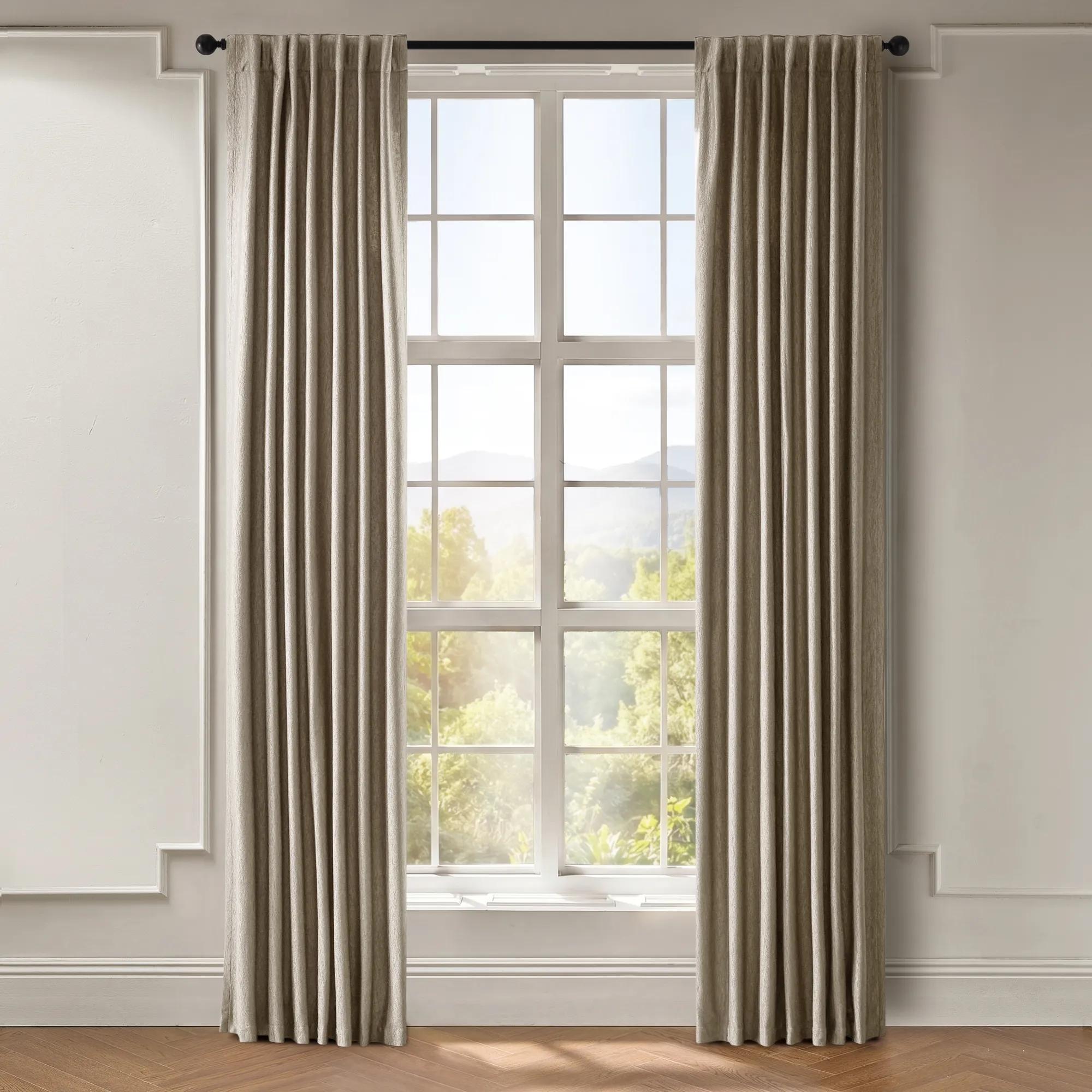
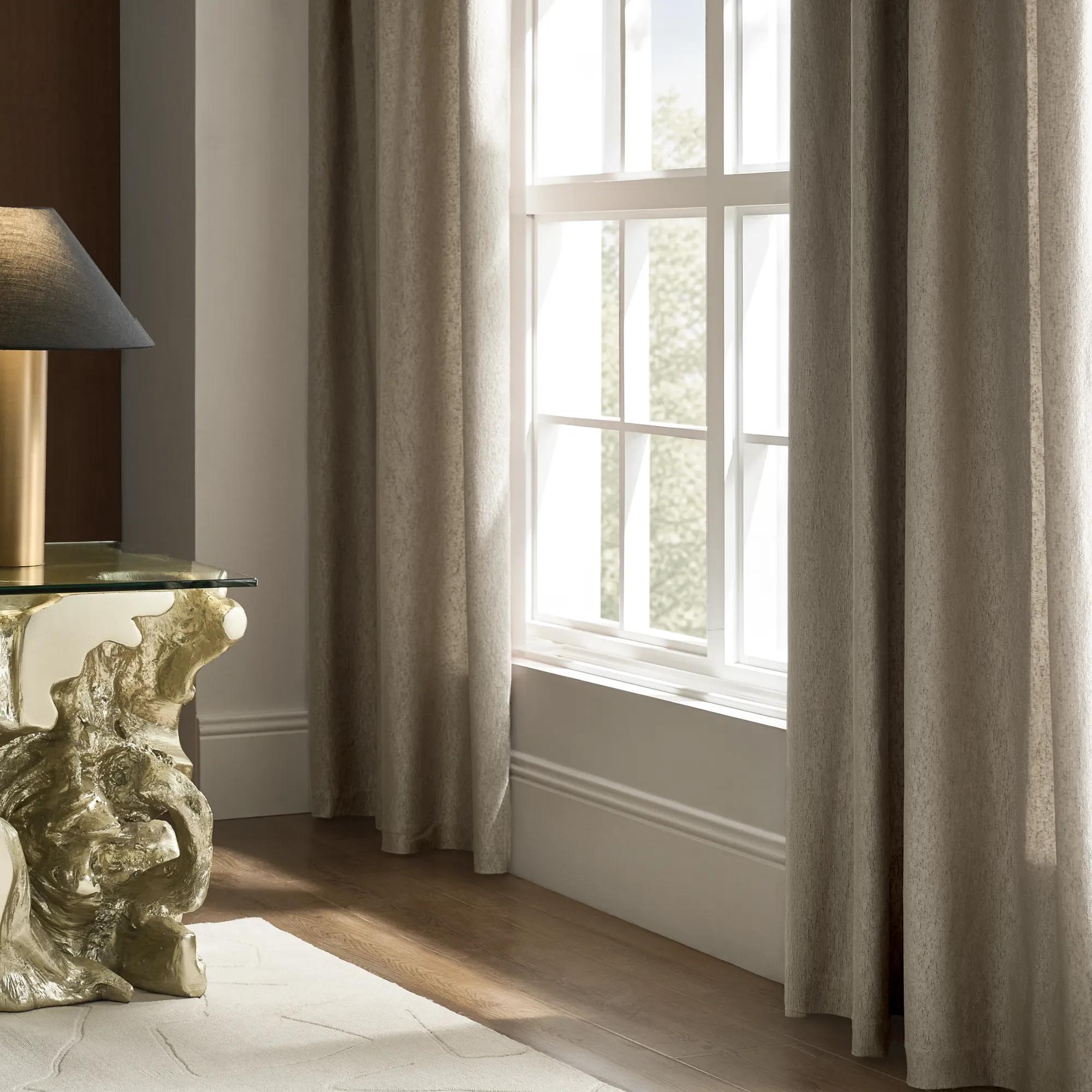 Anson Taupe Textured Window Curtain Panel$109
A taupe curtain panel featuring a crushed sheen texture and room-darkening, dual hanging design in 100% polyester.
Add To Cart -
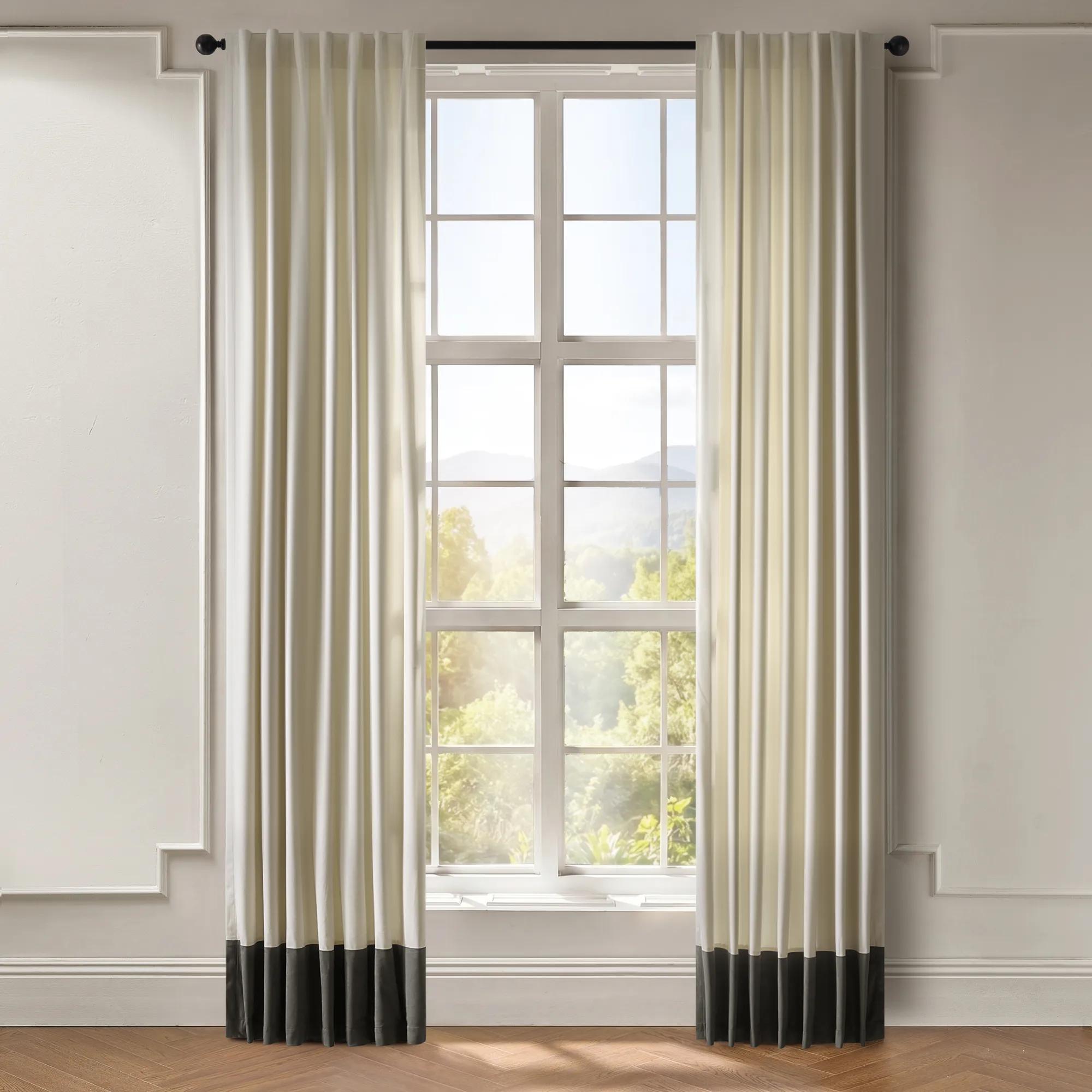
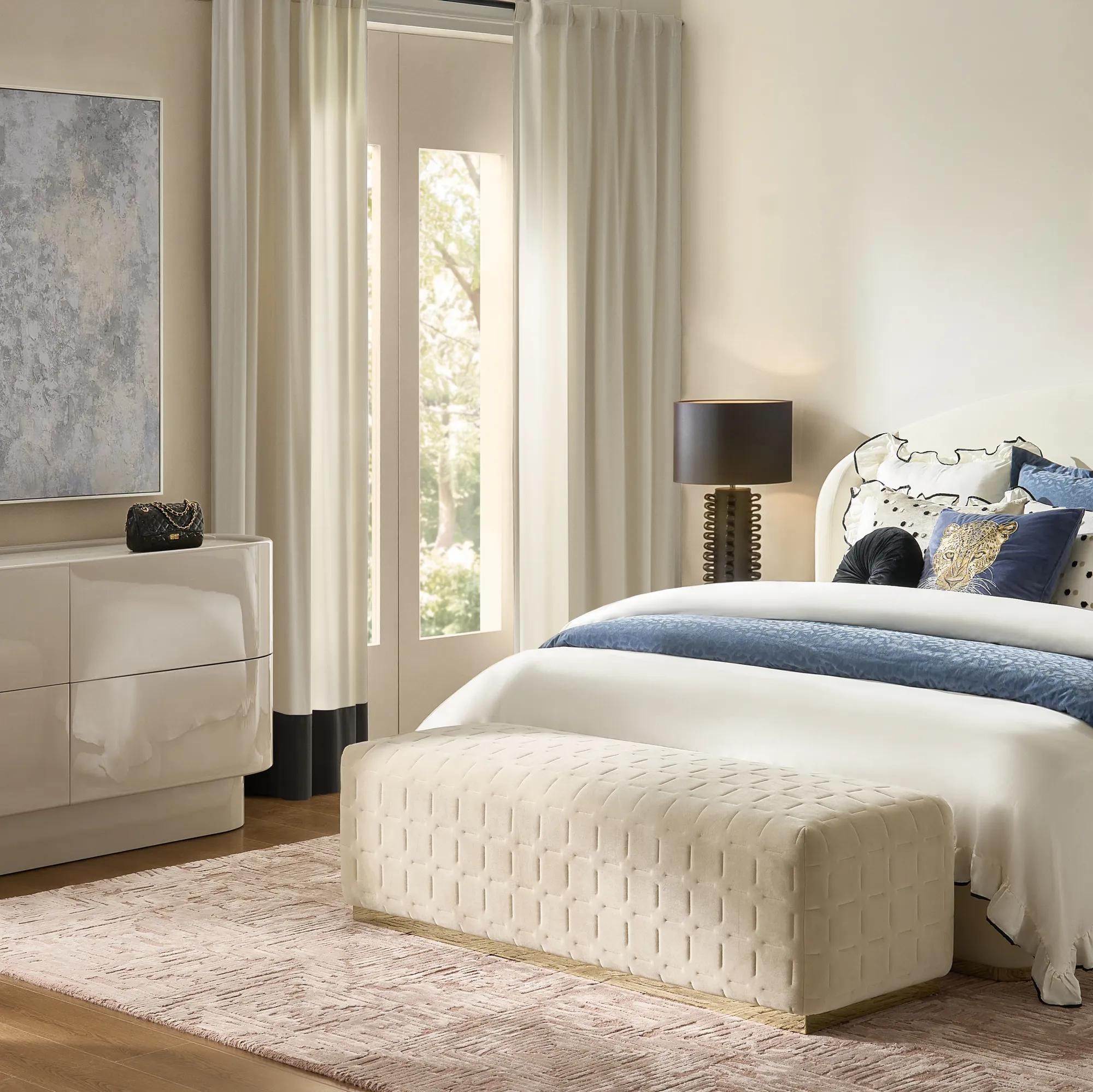 Bastien Ivory/Graphite Velvet Border Window Curtain Panel$109
A two-tone ivory and graphite velvet curtain panel with a Deco-inspired border and room-darkening design.
Add To Cart -
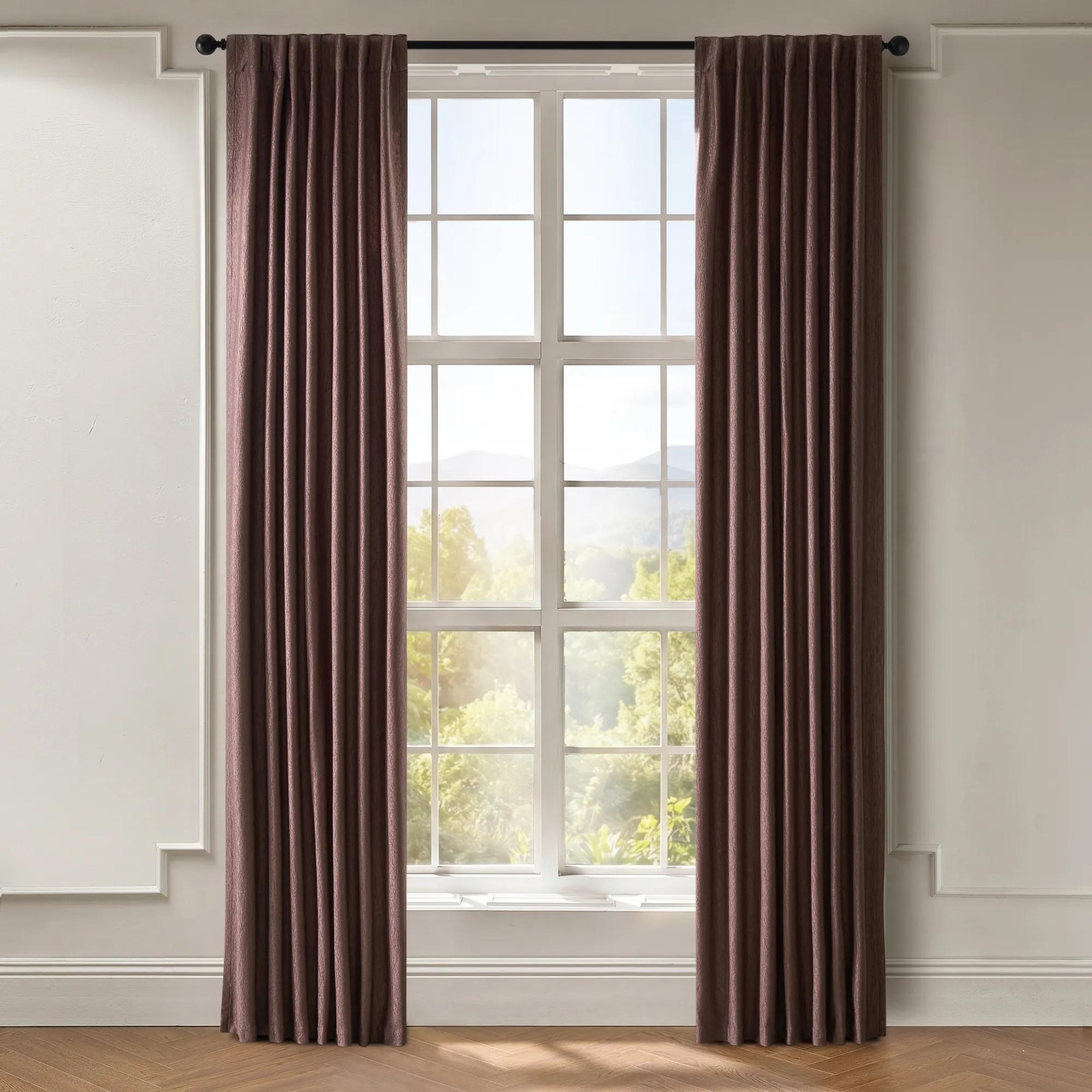
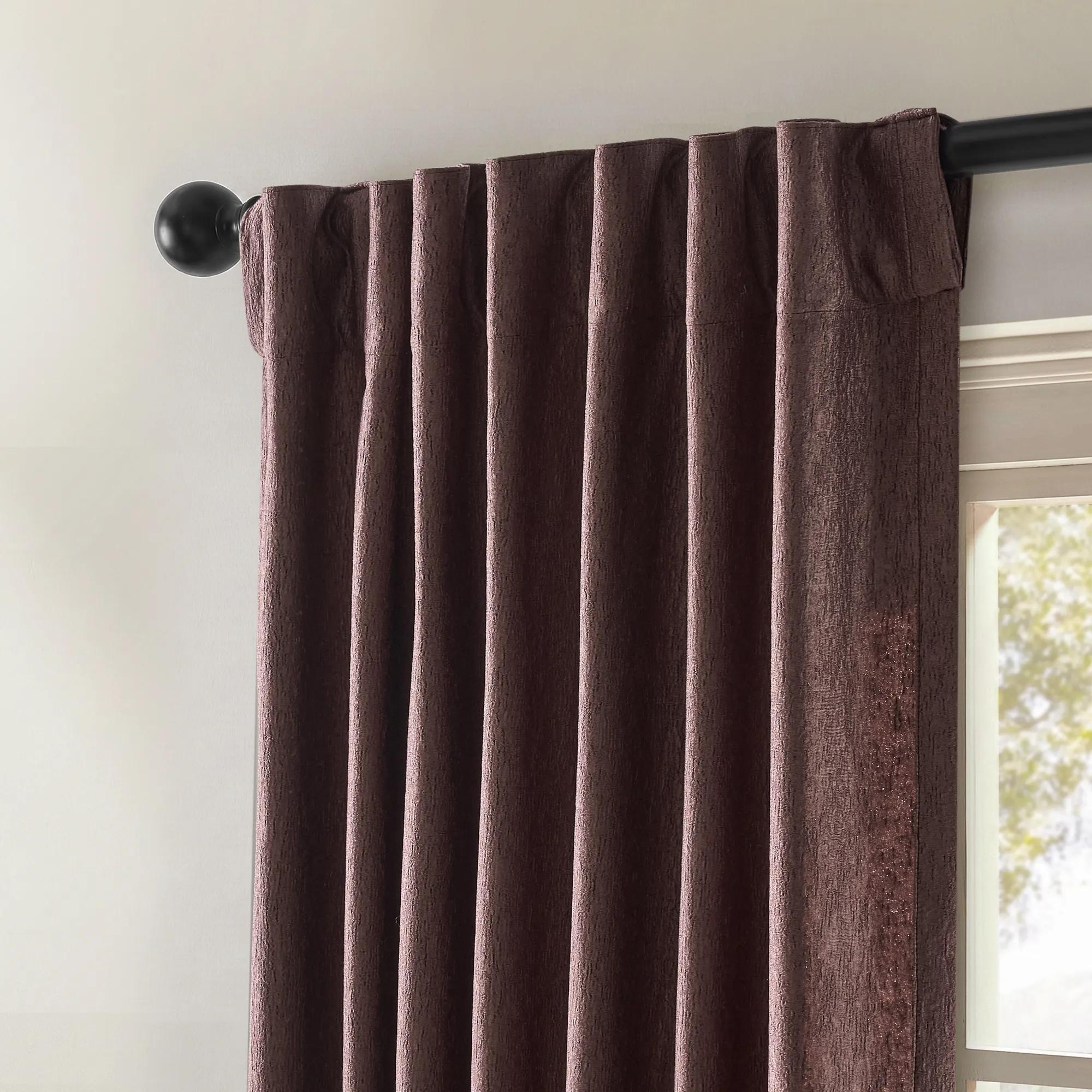 Anson Fig Textured Window Curtain Panel$99
A deep fig curtain panel in crushed, subtly sheened polyester with room-darkening and dual hanging options.
Add To Cart -
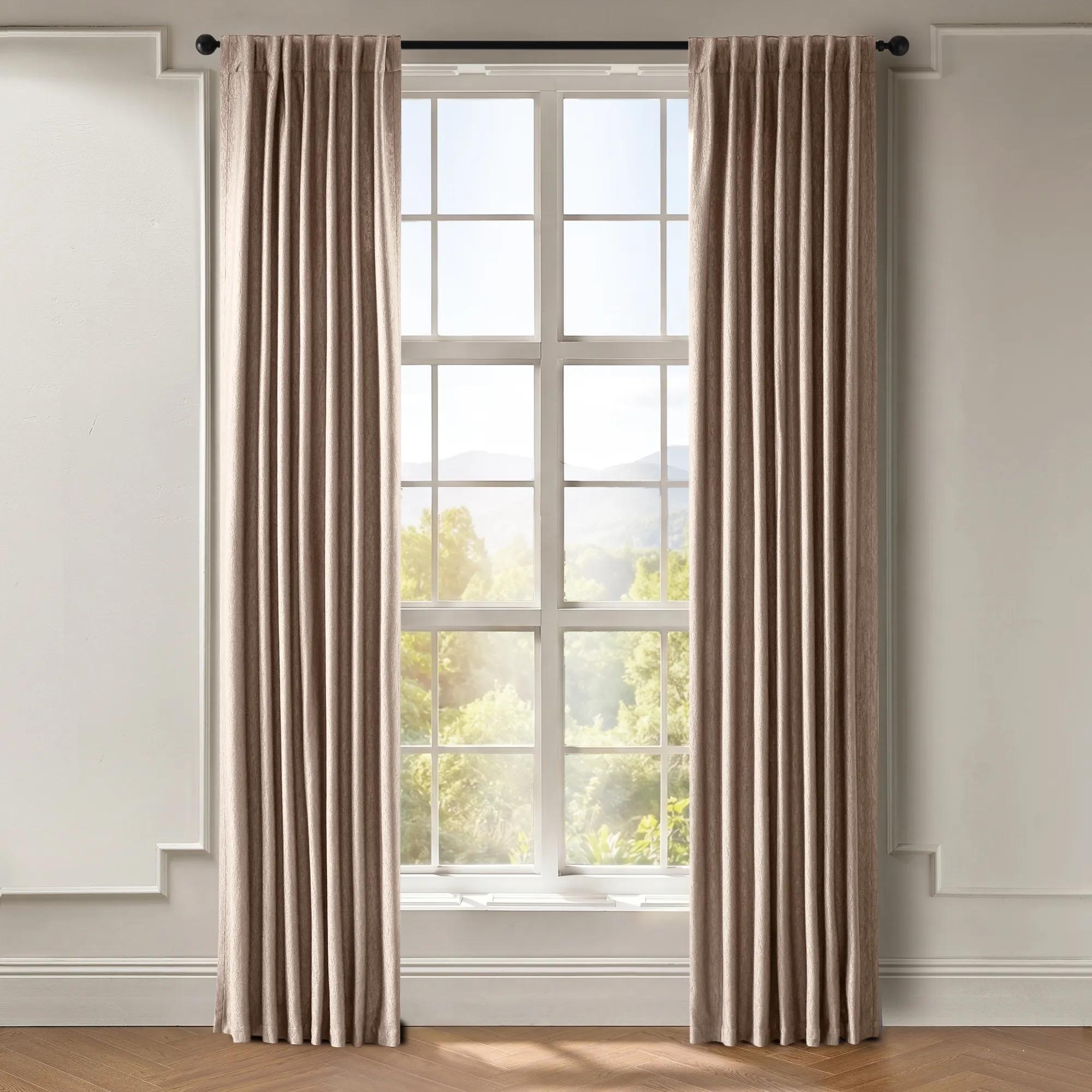
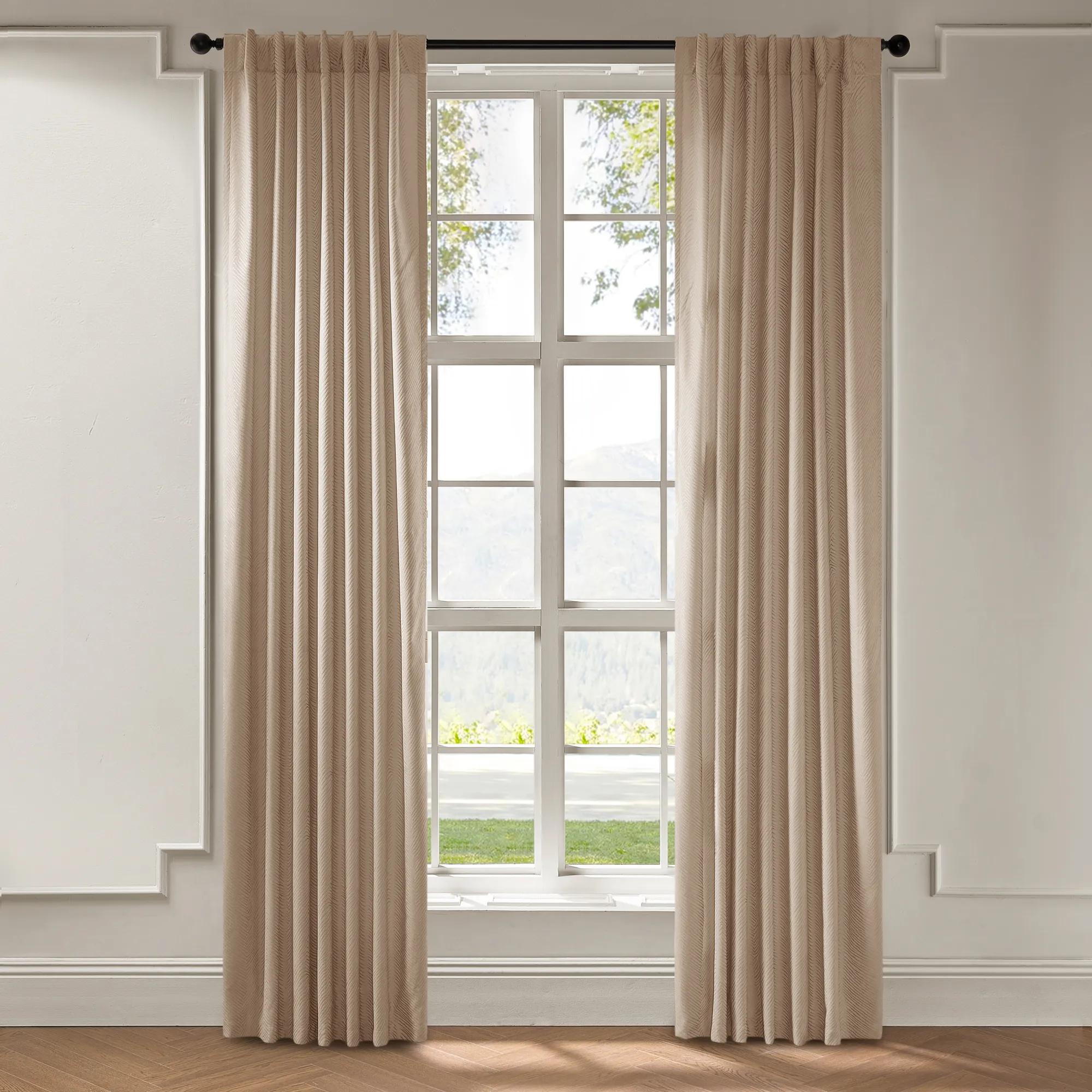 Kenzo Jacquard Beige Chenille Window Curtain Panel$129
A warm beige chenille jacquard curtain with a subtle sheen and versatile rod pocket or back tab hanging.
Add To Cart -
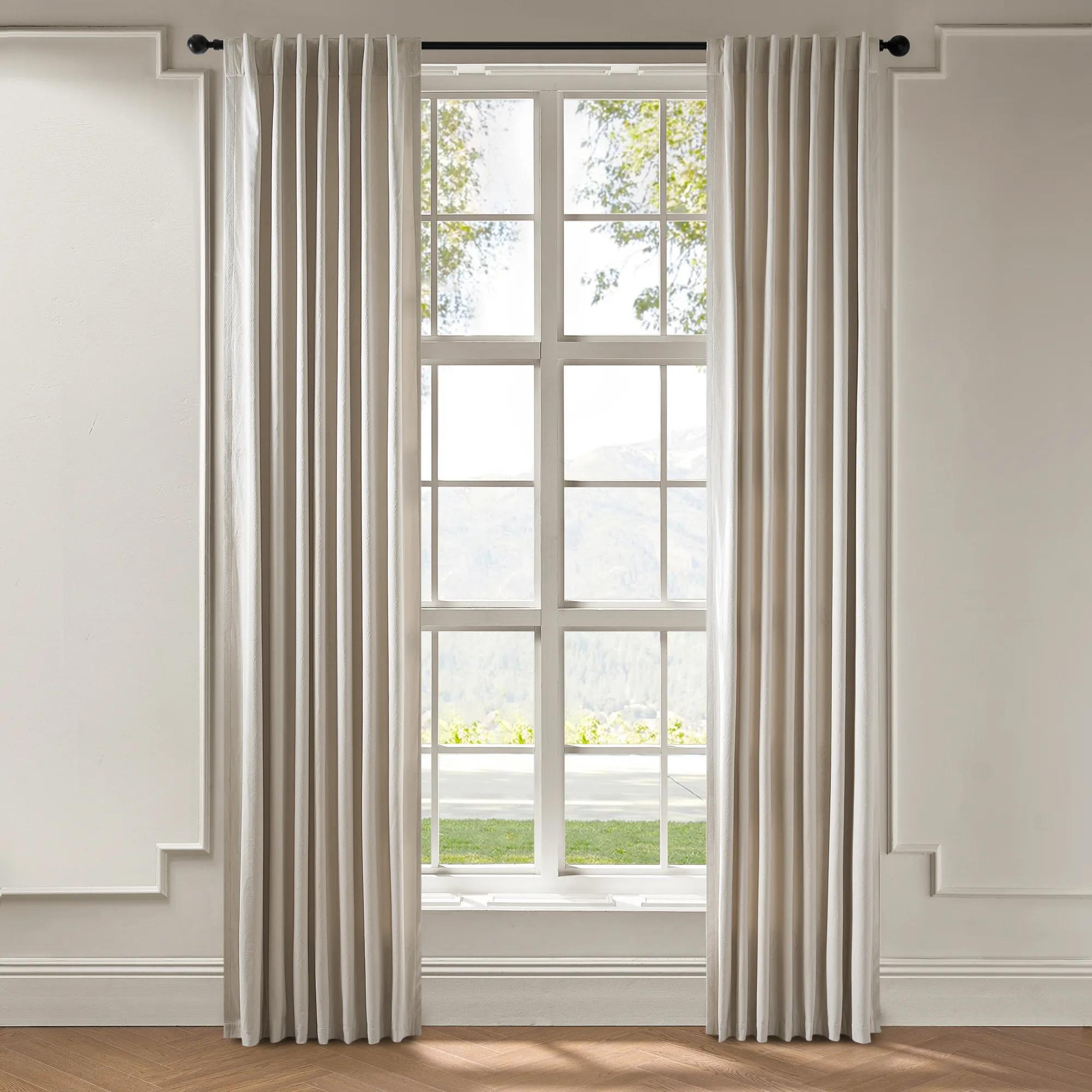
 Mabel White Velvet Swirl Window Curtain Panel$99
A crisp white velvet curtain featuring a tonal swirl texture and versatile dual hanging options.
Add To Cart -

 Mabel Natural Velvet Swirl Window Curtain Panel$109
A warm neutral velvet curtain with a tonal swirl pattern and room-darkening, dual hanging options.
Add To Cart -
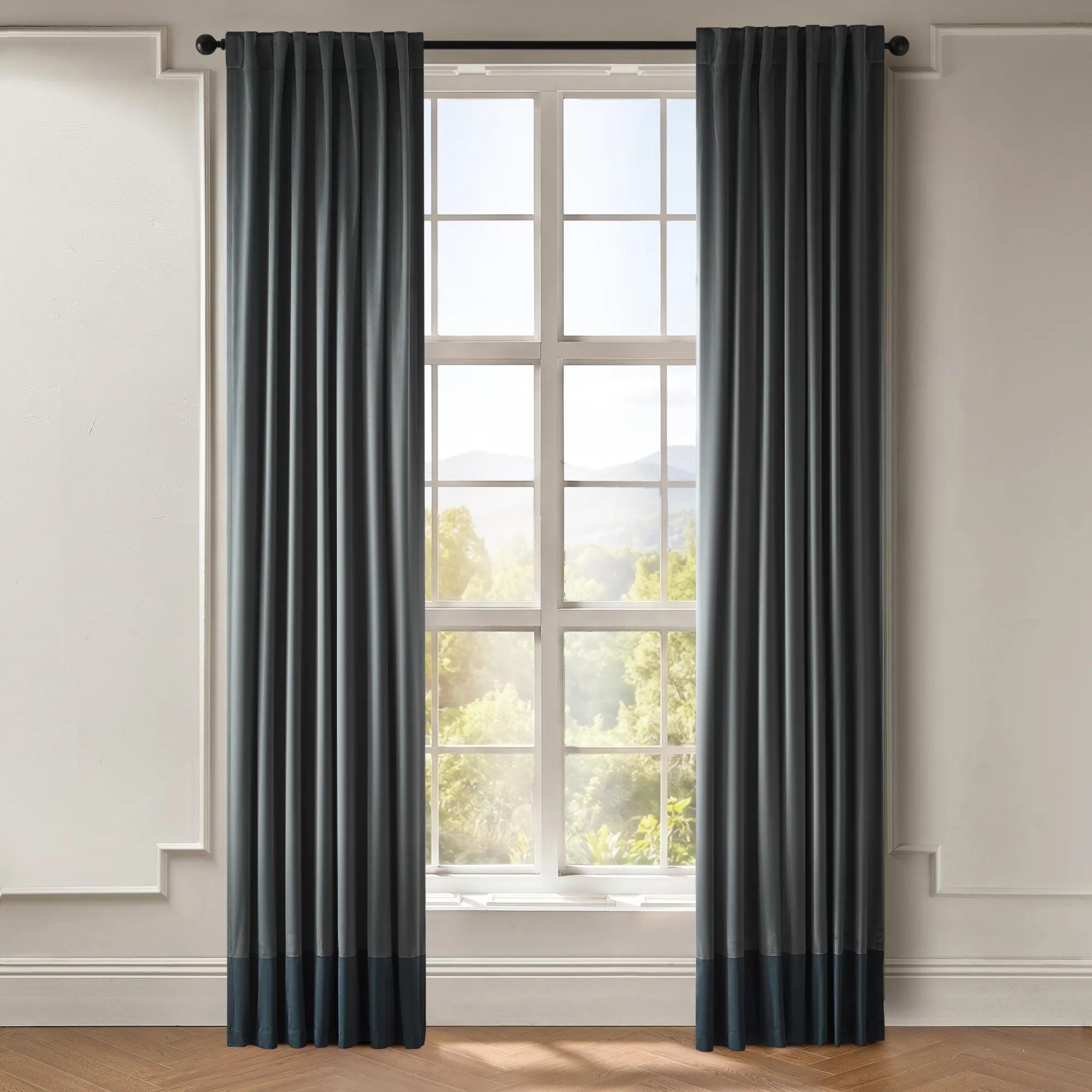
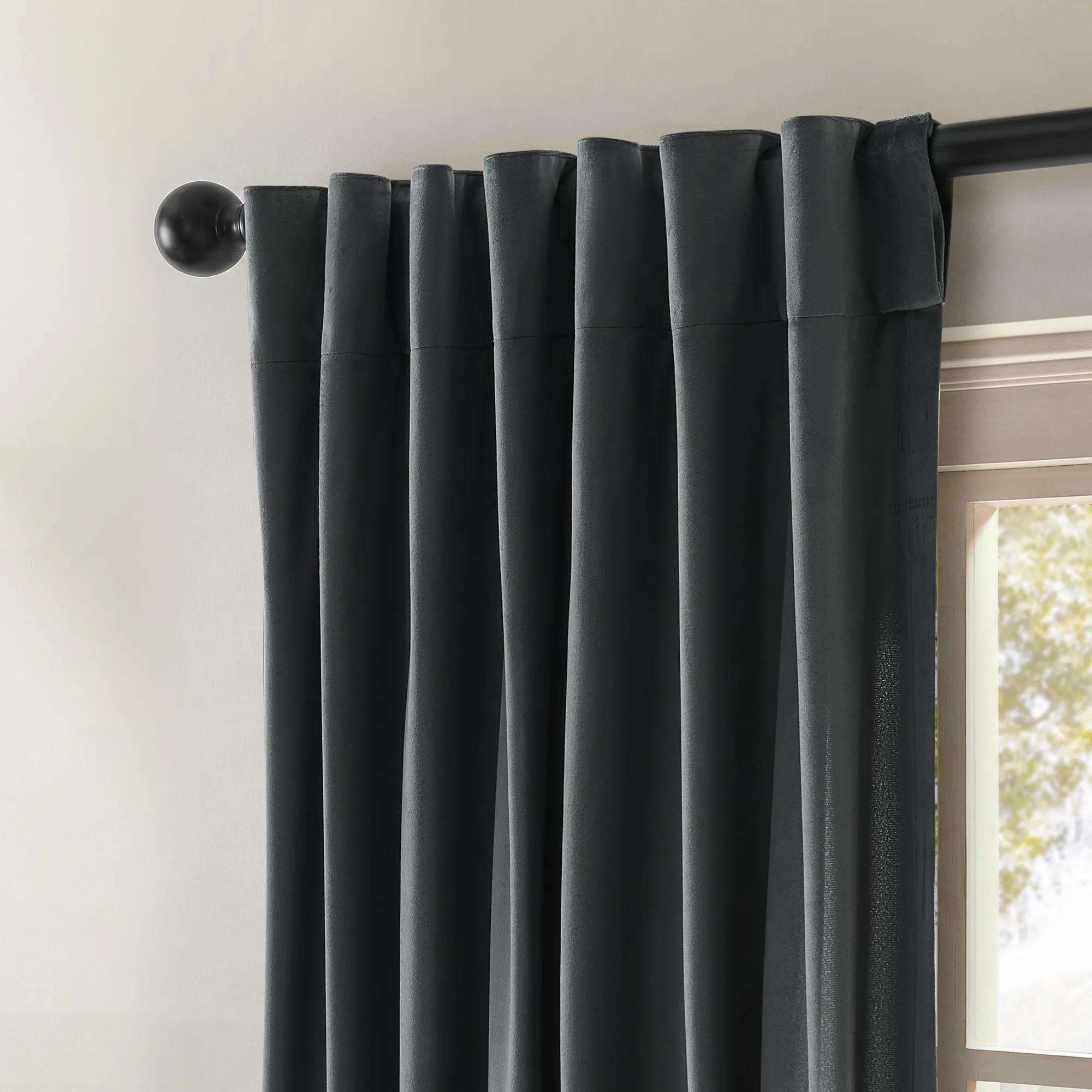 Bastien Blue/Midnight Velvet Border Window Curtain Panel$99
A two-tone dusty and midnight blue velvet curtain panel with a Deco-inspired border and room-darkening design.
Add To Cart -
 Anson Mocha Rose Textured Window Curtain Panel$89
A light mocha rose curtain panel with crushed sheen texture and room-darkening, dual hanging design.
Add To Cart -

 Adair Midnight Blue Solid Velvet Window Curtain Panel$89
A sumptuous midnight blue velvet curtain that adds elegance, depth, and room-darkening style to any space.
Add To Cart -

 Adair Sand Solid Velvet Window Curtain Panel$89
A sand-colored velvet curtain offering room-darkening privacy and versatile hanging options for refined interiors.
Add To Cart

Curtains For High Ceilings
Curtains for High Ceilings are more than mere window dressings—they are the finishing flourish that transforms vertical space into a breathtaking statement. With every sumptuous fold and dramatic sweep, these curtains invite the eye upward, amplifying grandeur and imbuing your interiors with a sense of soaring elegance. Whether cascading in silken waves or framing sunlight with artful precision, they create an atmosphere where luxury lingers in the air and every moment feels elevated. Discover how Curtains for High Ceilings can turn towering walls into a canvas of sophisticated style, infusing your home with drama, depth, and undeniable allure.
Curtains for high ceilings are extra-long window treatments that bring proportion, softness, and visual continuity to tall rooms. Hung near the ceiling or just below crown molding, they draw the eye upward while connecting expansive walls to the furnishings below. The effect can be quietly elegant or unapologetically dramatic: ivory panels falling in generous folds beside a sculptural sofa, charcoal drapery framing a broad bank of windows, or luminous fabric catching the light above a polished console. In a double-height living room, long curtains give soaring architecture a more intimate scale without concealing its grandeur. In a bedroom with tall windows, they create a beautifully defined backdrop for an upholstered bed. The right curtain length depends on the distance from the actual hanging point to the floor, not ceiling height alone. A room with a 10-foot ceiling may need panels around 108 to 120 inches long, depending on hardware placement and how the curtain attaches; a near-ceiling installation beneath a 12-foot ceiling can require a finished drop approaching 144 inches. Taller spaces may call for custom-length drapery, particularly when windows span more than one story. These measurements are reference points rather than universal sizing rules, since rings, tabs, grommets, and tracks each affect where the fabric begins. Panels that hover about half an inch above the floor offer a crisp finish and easier clearance for cleaning, while a floor-skimming hem creates a tailored, continuous line. A slight break at the floor introduces softness; a more generous puddle delivers theatrical elegance but needs space away from foot traffic. Width matters just as much as length. Combined panel widths totaling roughly two to two-and-a-half times the rod or track width typically create substantial folds, although the ideal fullness varies with fabric weight and heading style. Tall walls benefit from that depth: fabric should frame the architecture with presence, not stretch flat across it.
Material gives extra-long curtains their character, influencing everything from the shape of a fold to the quality of light in the room. Velvet brings a dense, sumptuous surface that feels especially expressive beside gleaming metal, glass, and richly textured upholstery. Its weight creates substantial vertical folds, though heavier panels require hardware designed to support them. Linen and linen blends offer a more relaxed kind of refinement, with visible texture that gives pale neutrals dimension across a large expanse of fabric. Natural linen may crease and develop subtle variations in its drape; blended constructions can offer a different balance of texture, stability, and care requirements. Lustrous woven fabrics lend tall windows a polished finish, while sheer panels soften the view and allow daylight to remain part of the composition. Sheers are particularly striking across broad windows, where their translucent folds create movement without visually crowding the wall. They generally do not provide dependable nighttime privacy when interior lights are on, making a second layer valuable in bedrooms or street-facing spaces. Light-filtering curtains temper brightness while retaining a luminous atmosphere, whereas blackout curtains are intended to reduce incoming light more substantially. Actual darkening depends on the fabric or lining as well as coverage at the top, sides, and center opening; a blackout label alone does not eliminate light around the edges. Layered sheers and lined drapery allow a room to move between an airy daytime setting and a more enclosed, private retreat. Care deserves equal consideration, especially when panels are long or heavy enough to be cumbersome to remove. Follow the fabric’s care label rather than assuming every curtain is machine washable. Some materials require professional cleaning, and washable fabrics may need careful drying to limit shrinkage. Gentle vacuuming with an appropriate upholstery attachment can help lift settled dust between cleanings. In strongly sunlit rooms, suitable lining can help protect decorative fabric, although prolonged exposure may still affect color over time.
The most compelling curtains for tall windows belong to the whole room, not just the window opening. A warm ivory fabric can echo the veining in a stone tabletop, while smoky gray panels can lend definition to pale upholstery and reflective accessories. Tonal curtains let molding, artwork, and sculptural furniture command attention; a deeper contrasting shade turns the window wall into an architectural focal point. Large-scale patterns can hold their own against generous ceiling heights, though their placement and repeat deserve consideration when multiple panels meet. For a cohesive composition, connect the fabric’s color or texture with a few deliberate accents rather than repeating it on every surface. The broader selection of Home Decor for High Ceilings can complement that vertical emphasis through pieces that give tall rooms depth and balance. Curtain hardware also contributes to the finished expression. A substantial rod with restrained finials can frame lush fabric beautifully, while a ceiling-mounted track creates a more seamless line that keeps attention on the drape itself. Rings encourage visible, rhythmic folds; pleated headings give panels a tailored structure; grommet headings introduce a more graphic detail at the top. Hardware must suit the curtain heading, total fabric weight, and mounting surface, with adequate brackets, anchors, or structural support. Wide expanses may require intermediate supports or a track system that allows panels to travel without obstruction. In especially tall rooms, professional measuring and installation can help address difficult access, uneven floors, and substantial fabric weight. Everyday use should feel as considered as the silhouette. Panels need enough room to stack beside the glass without blocking doors, crowding furniture, or interfering with vents. Operable drapery should be practical to open and close, whether through an accessible wand or a compatible motorized system. For households with children or pets, a floor-clearing hem avoids excess fabric underfoot. Thoughtful proportions, expressive texture, and well-supported construction give high-ceiling curtains their lasting appeal: architectural drama that remains comfortable to live with.
FAQs
For high ceilings curtains, opt for fabrics that exude opulence and drape beautifully, such as velvet, silk, or heavyweight linen. These materials not only accentuate the vertical expanse of your space but also add depth, texture, and a sense of grandeur. Velvet offers a rich, dramatic presence, silk brings a subtle shimmer and sophistication, while linen provides an airy, organic elegance that softens architectural lines.
High ceilings curtains have the power to transform the mood and ambiance of a room by emphasizing height, diffusing natural light, and introducing rich color or pattern. They can make a grand room feel more intimate, frame stunning views, and serve as a statement piece that anchors your overall design vision. Layering curtains with sheers or decorative panels further elevates the sense of artistry and drama.
Absolutely. High ceilings curtains make an inspired and thoughtful gift for housewarmings, weddings, or milestone celebrations. They are especially meaningful for someone who has recently moved into a new home or loves to entertain in grand spaces, offering both functional beauty and a touch of everyday luxury.
When selecting hardware for high ceilings curtains, consider bold, oversized rods in metallic or lacquered finishes, sculptural finials, and custom tiebacks that complement the scale and style of your room. The right hardware not only supports the weight and length of dramatic curtains but also acts as a decorative accent that enhances the overall visual impact.
Seasonal shifts offer an opportunity to refresh your space with different curtain fabrics and colors. In winter, opt for heavier, insulating materials like velvet to create a warm, cocooning effect. Lighter fabrics such as linen or silk are ideal for spring and summer, allowing gentle breezes and sunlight to filter through while maintaining an elegant aesthetic.