Comfortable Bar Seating Stools
Comfortable Bar Seating Stools
-
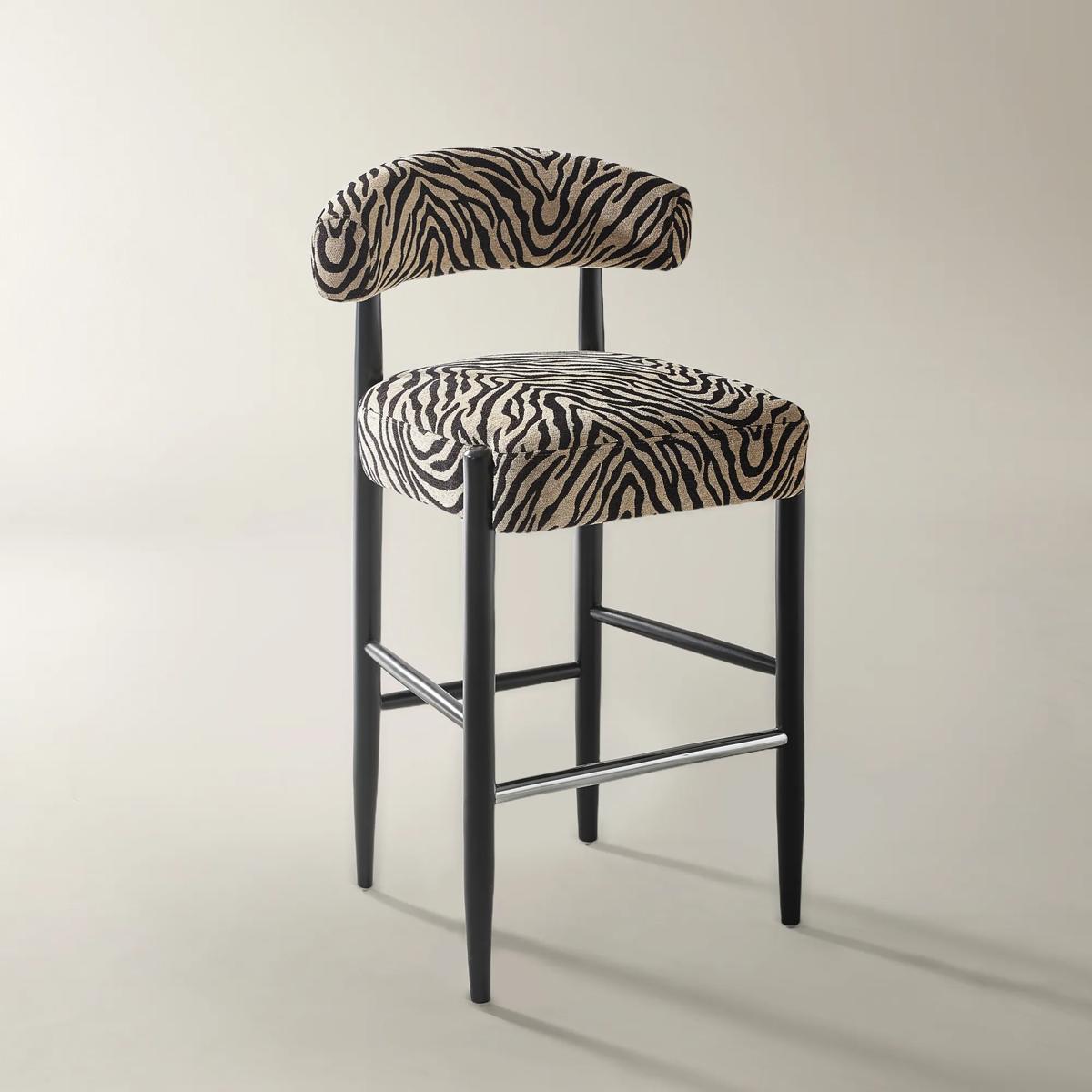
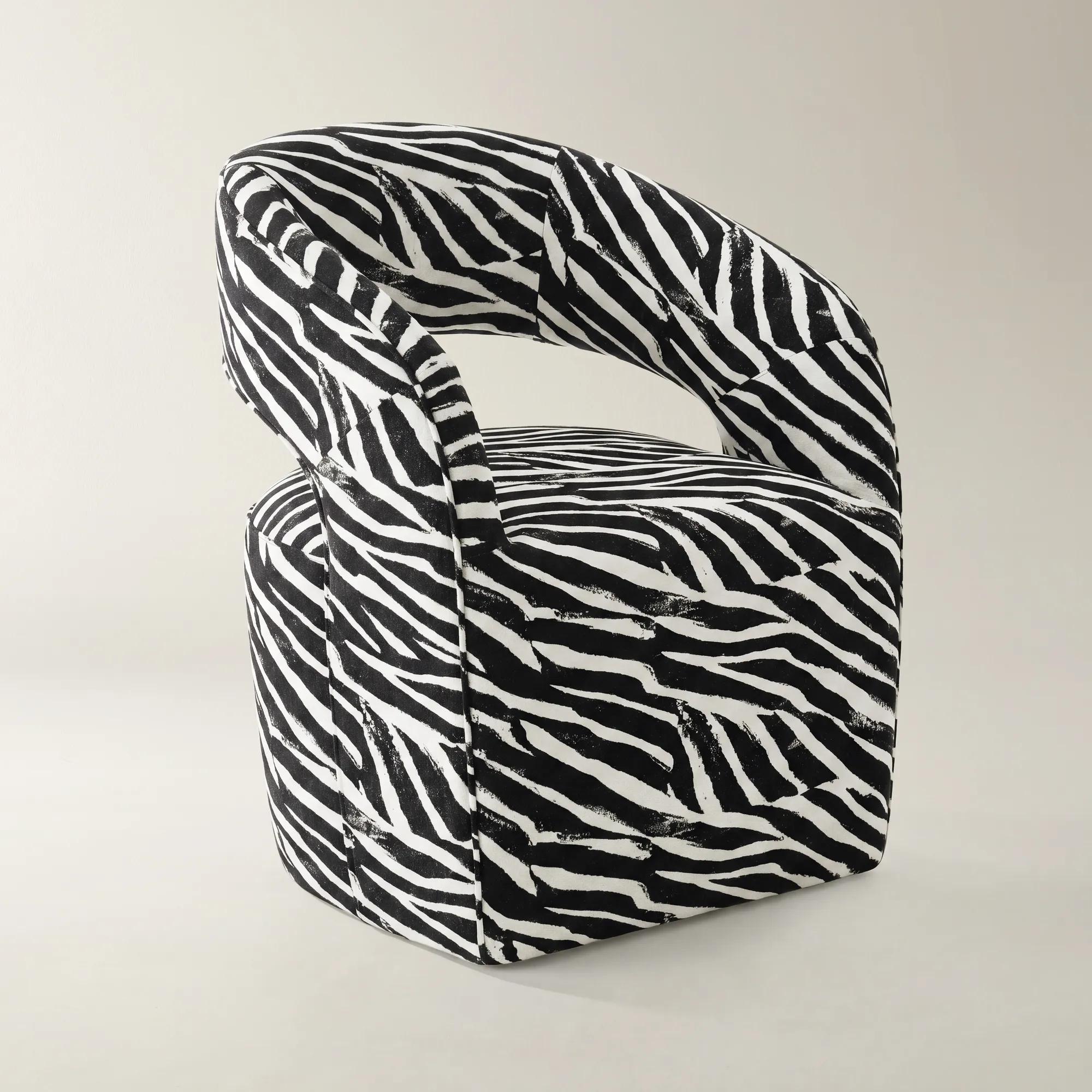
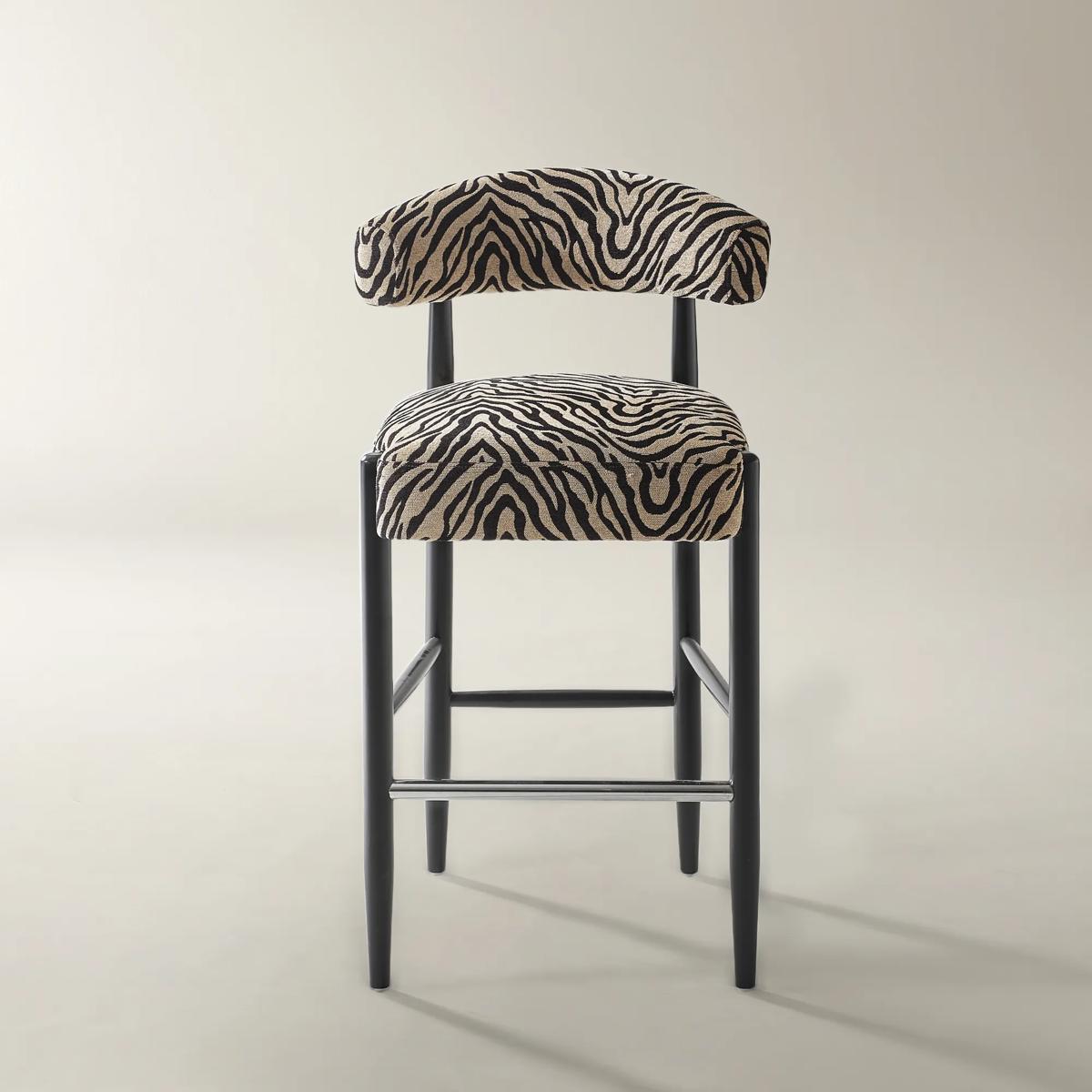 Anna Zebra Chenille Bar/Counter Stool$449
A bar stool with zebra-patterned chenille upholstery, sculpted padding, and tapered solid-rubberwood legs.
Add To Cart -
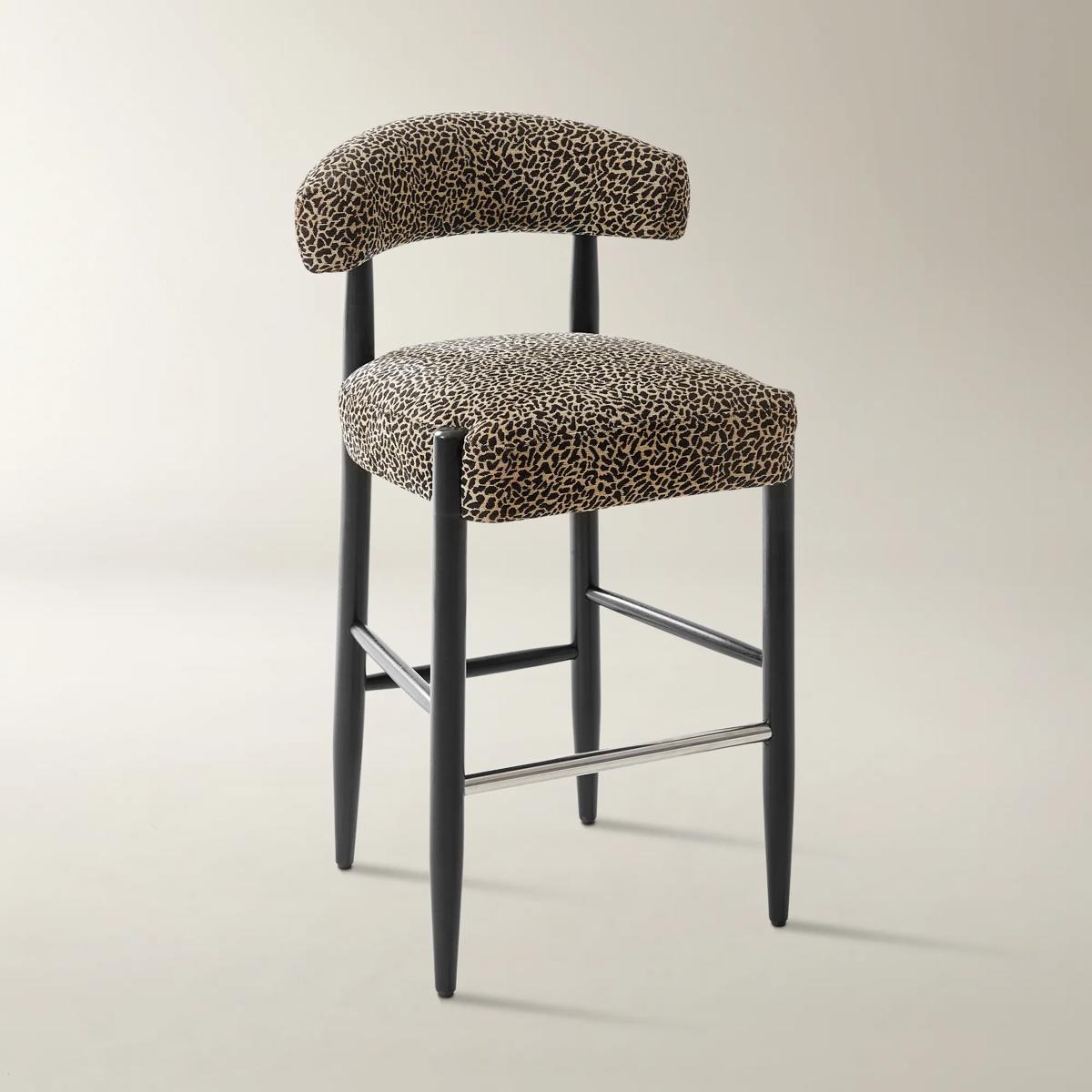
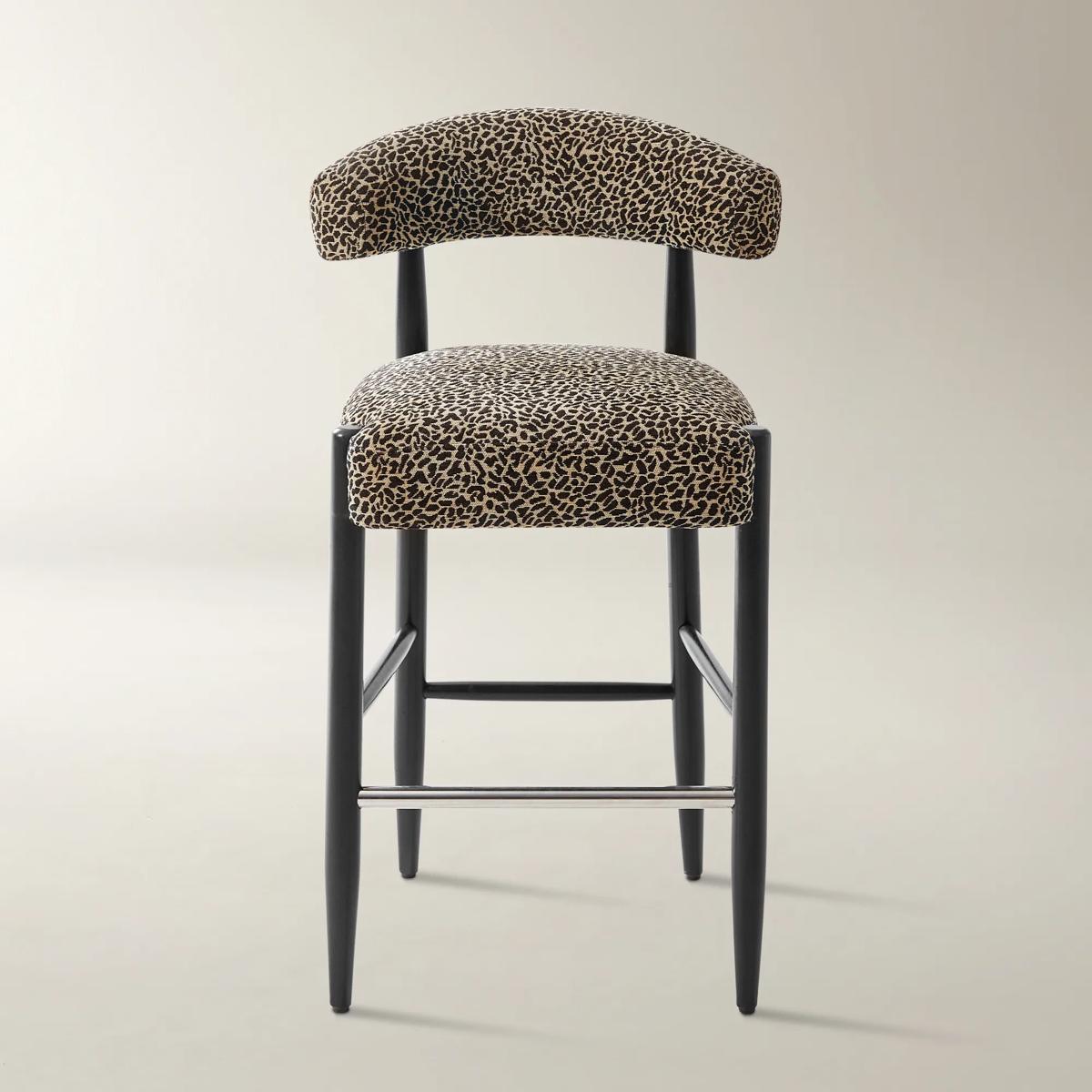 Anna Leopard Chenille Bar/Counter Stool$449
A leopard-patterned chenille bar stool with sculpted padded support and tapered solid rubberwood legs.
Add To Cart -
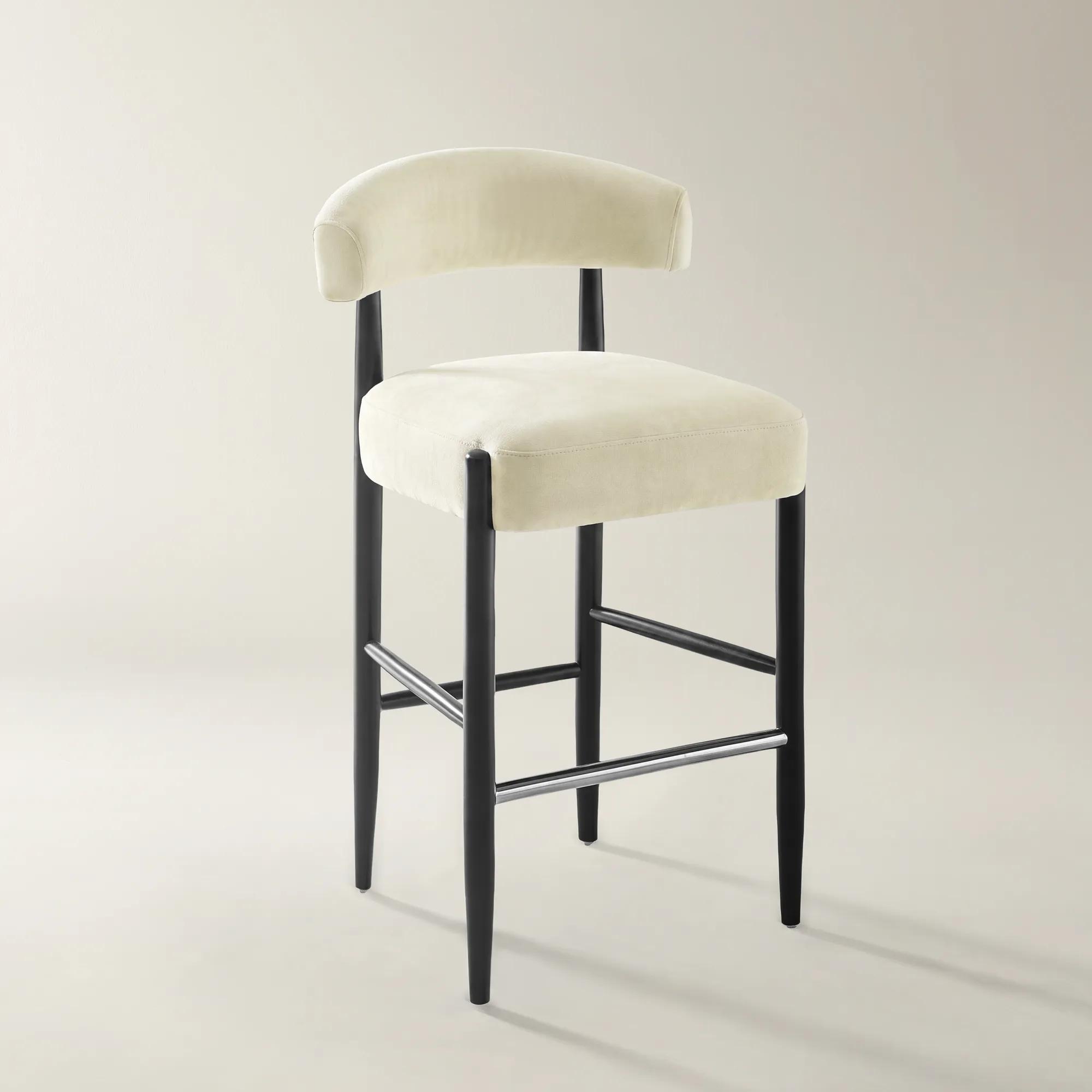 Anna Cloud Velvet Bar/Counter Stool$449
A cloud velvet counter stool with sculpted padded support and tapered solid-rubberwood legs.
Add To Cart -
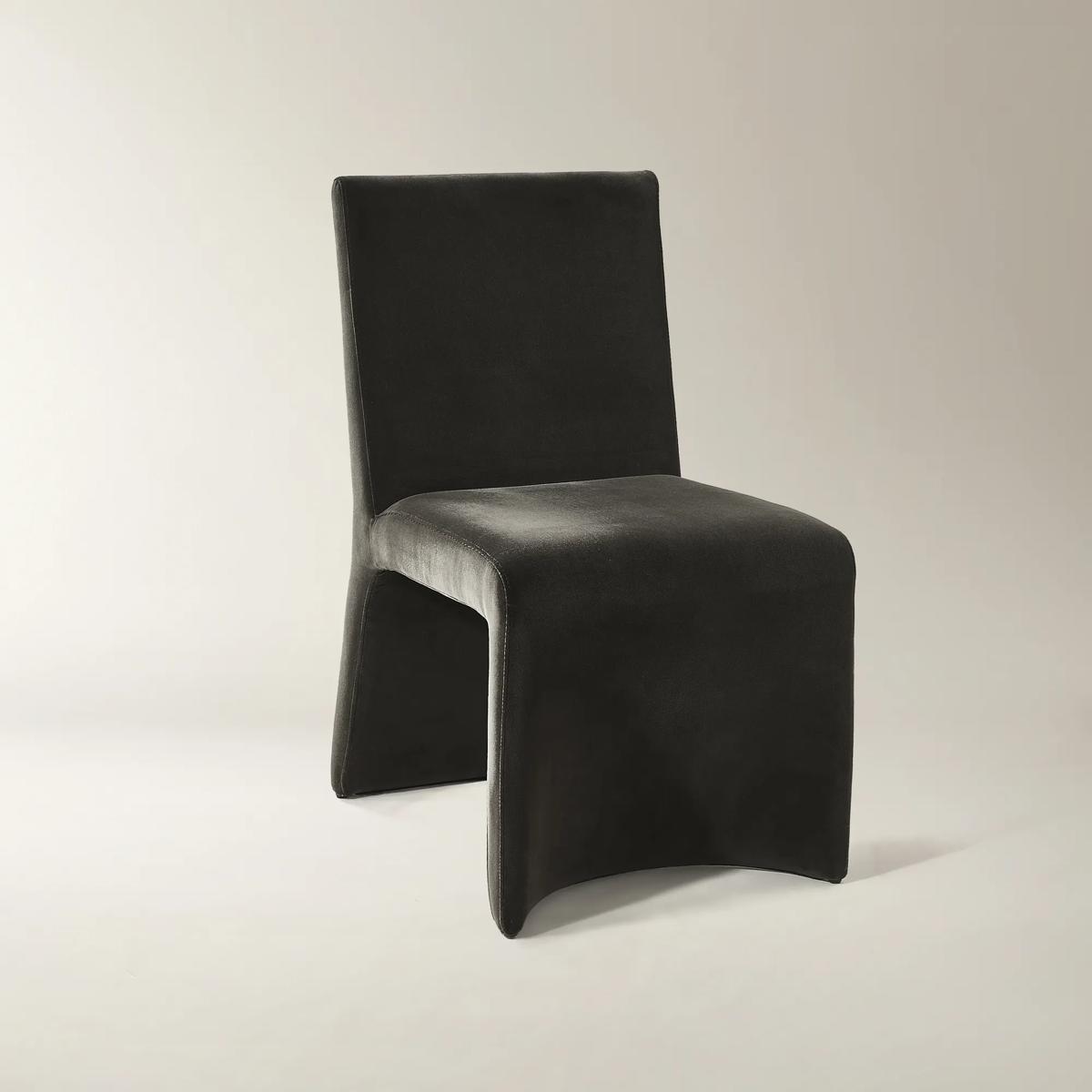
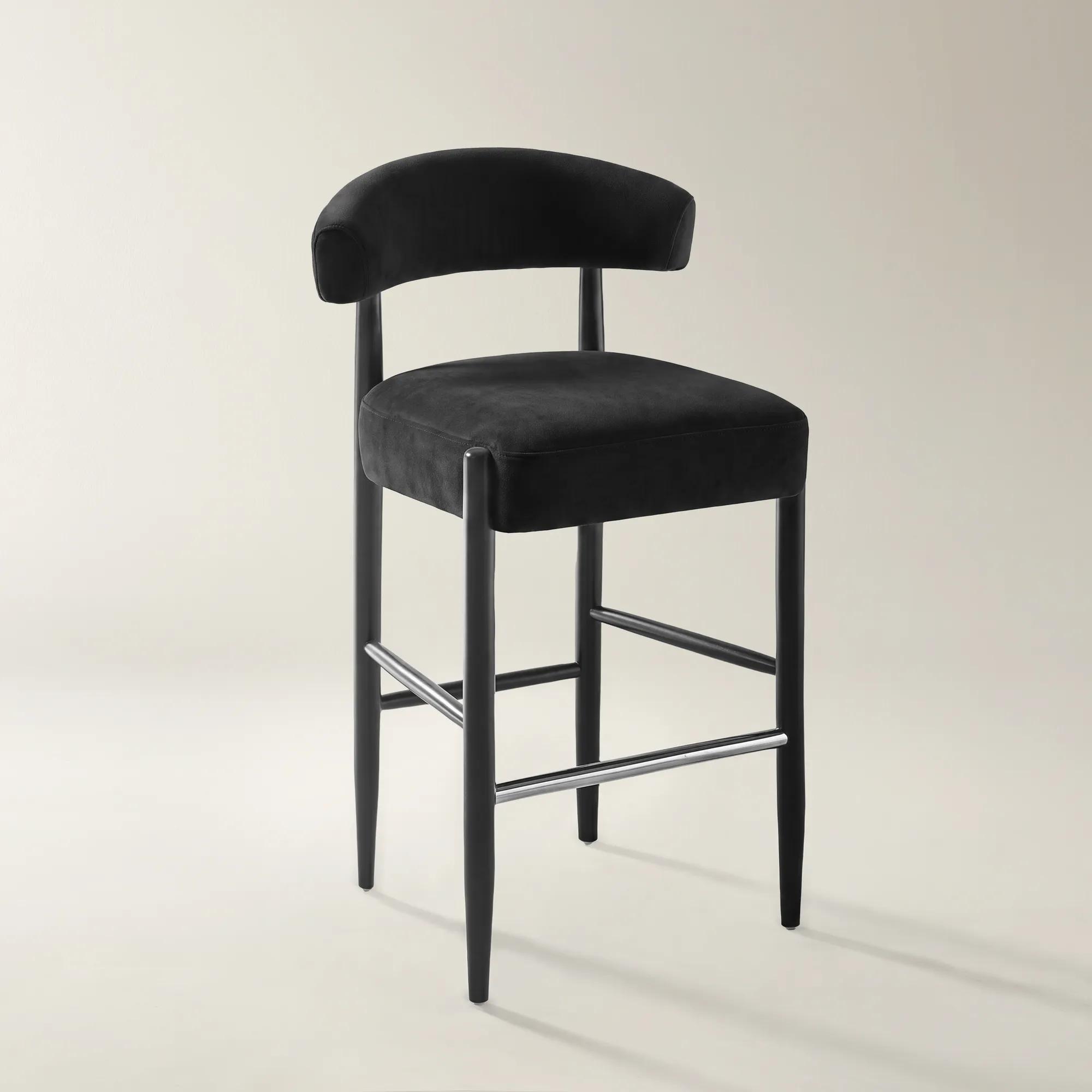 Anna Charcoal Velvet Bar/Counter Stool$449
A charcoal velvet bar stool with a sculpted padded seat and solid rubberwood legs.
Add To Cart -
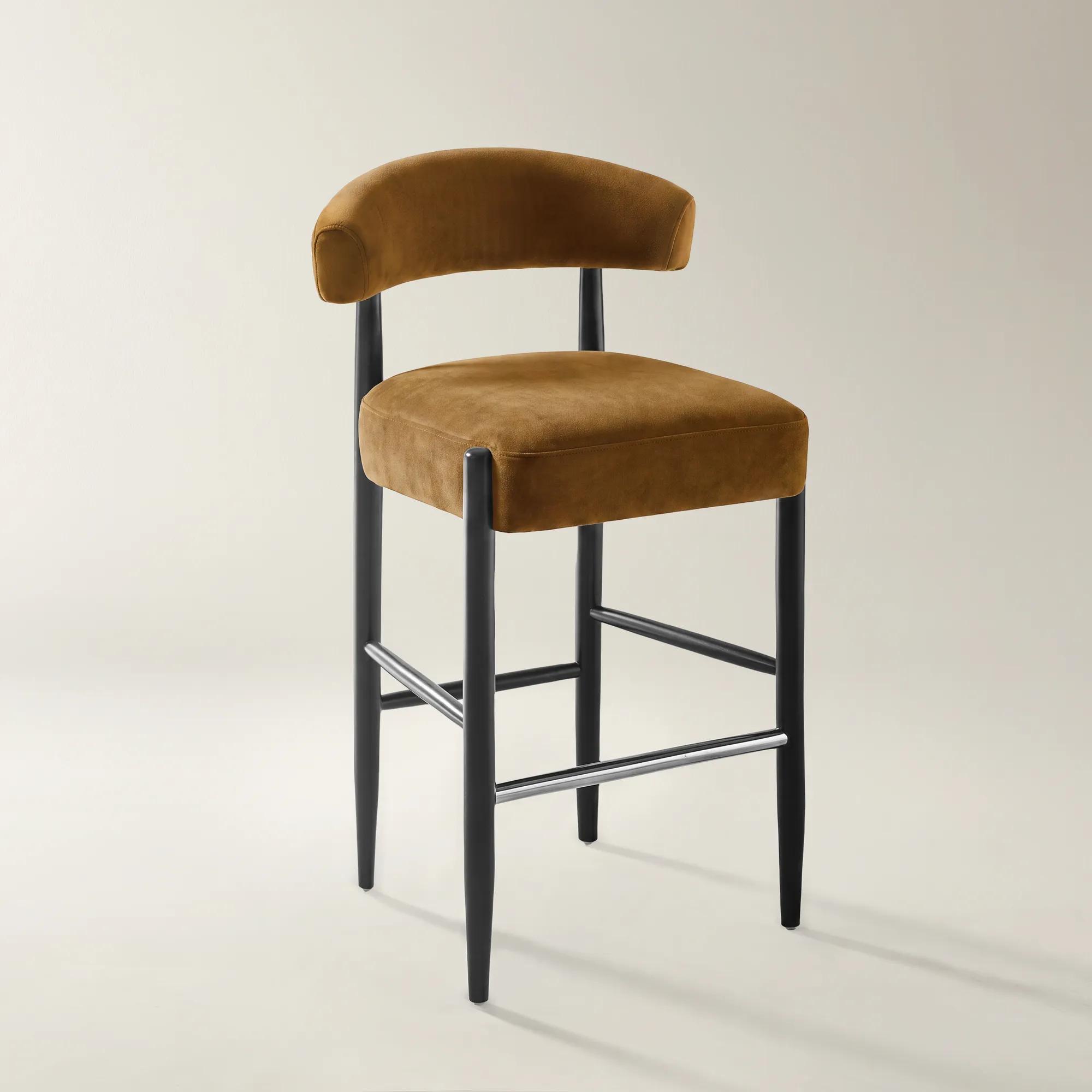 Anna Roasted Pecan Velvet Bar/Counter Stool$449
A roasted pecan velvet bar stool with a sculpted padded back, custom upholstery, and tapered solid-rubberwood legs.
Add To Cart -
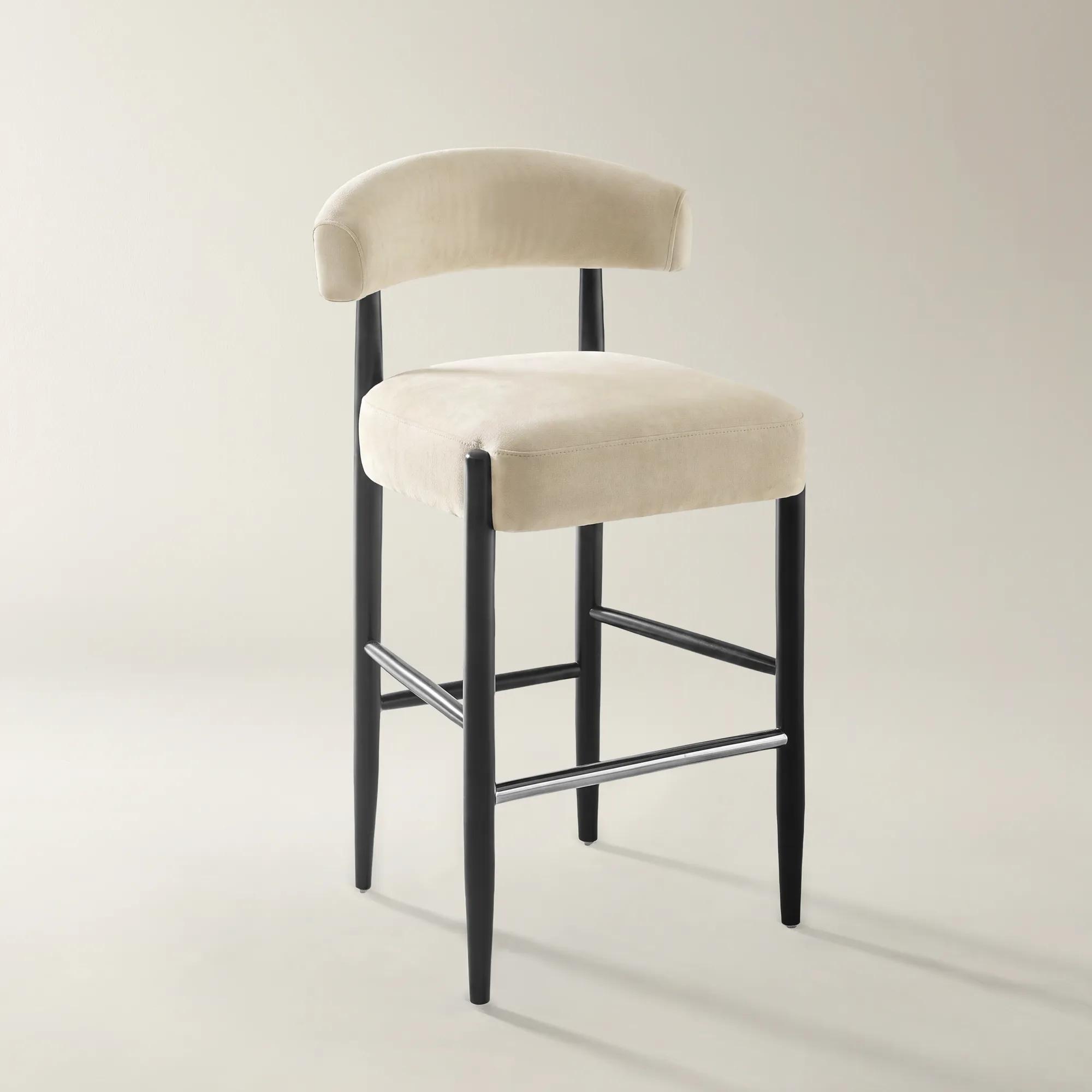 Anna Oatmeal Velvet Bar/Counter Stool$449
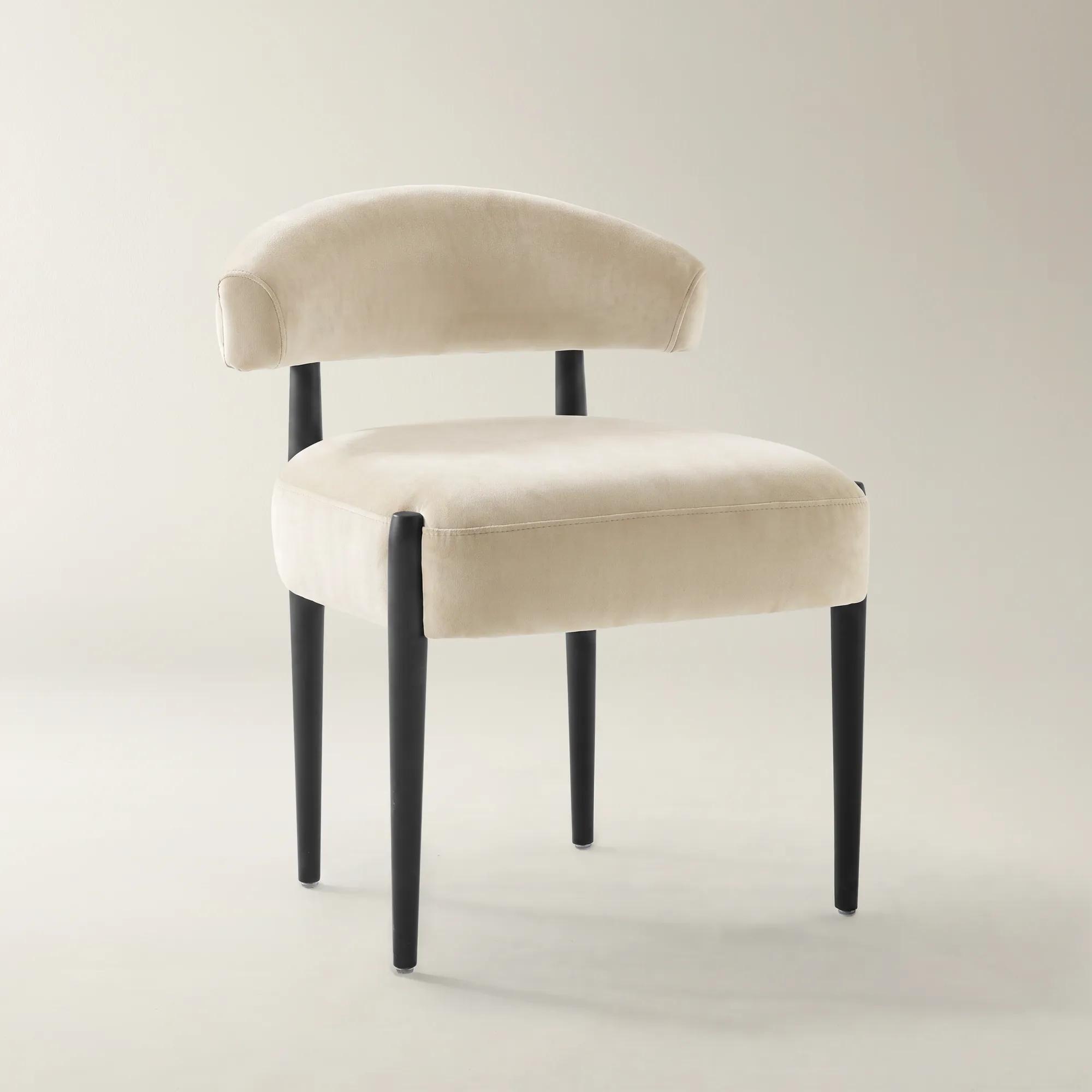
A counter stool with oatmeal velvet upholstery, sculpted back, padded seat, and solid rubberwood legs.
Add To Cart -
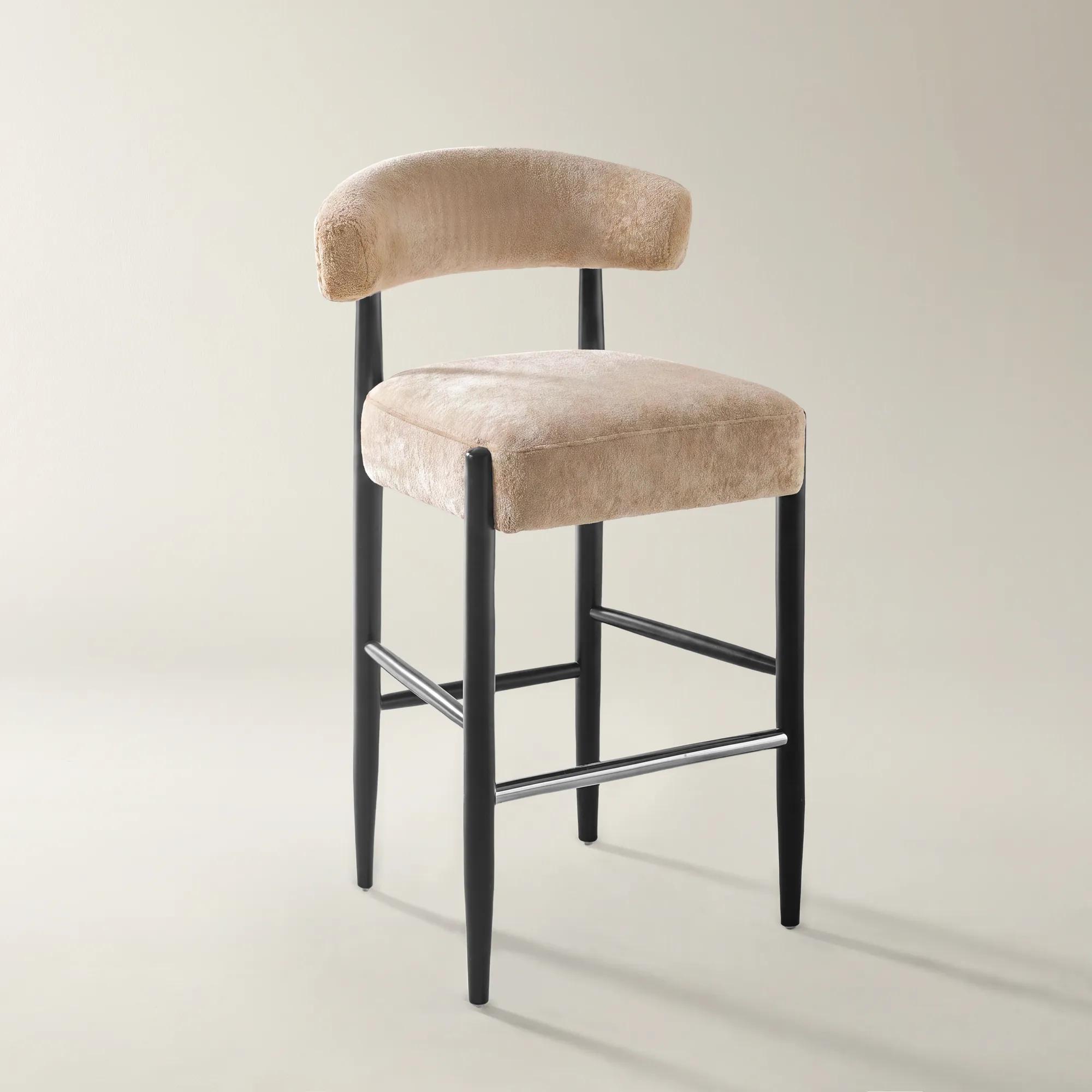 Anna Light Brown Chenille Bar/Counter Stool$449
A brown chenille counter stool with a sculpted back, padded seat, and tapered solid-rubberwood legs.
Add To Cart -
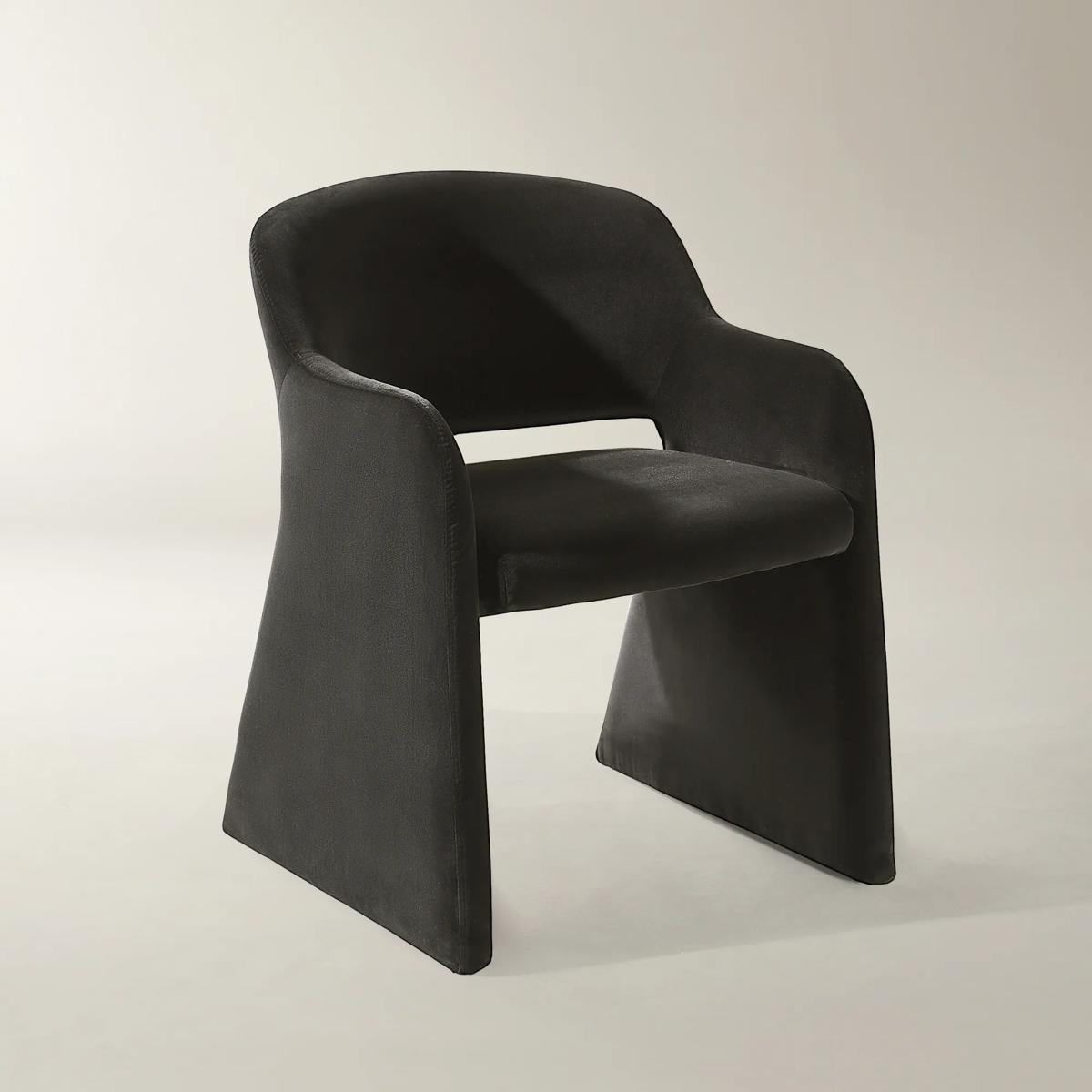
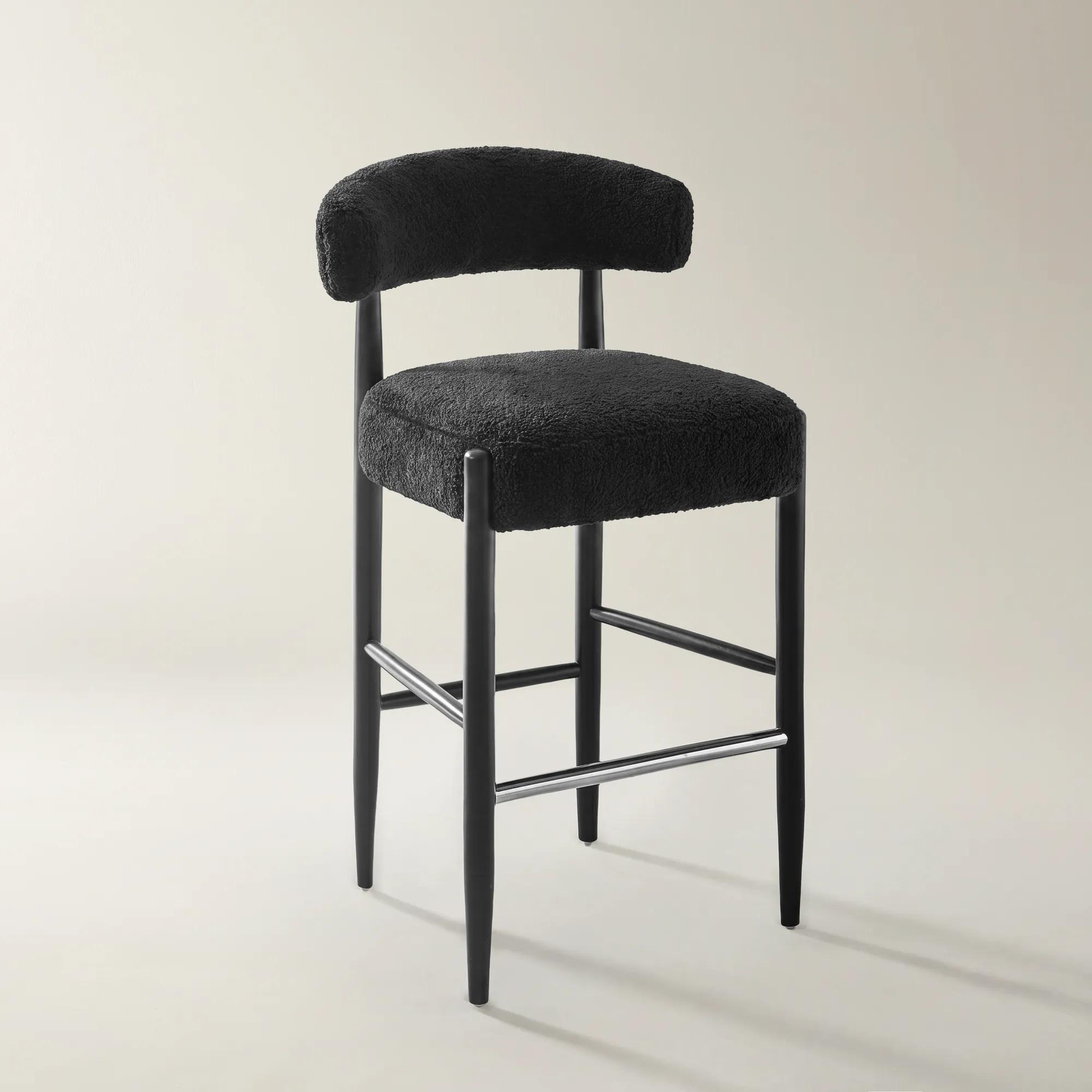 Anna Black Chenille Bar/Counter Stool$449
A black chenille counter stool with a sculpted padded seat and solid rubberwood legs.
Add To Cart -
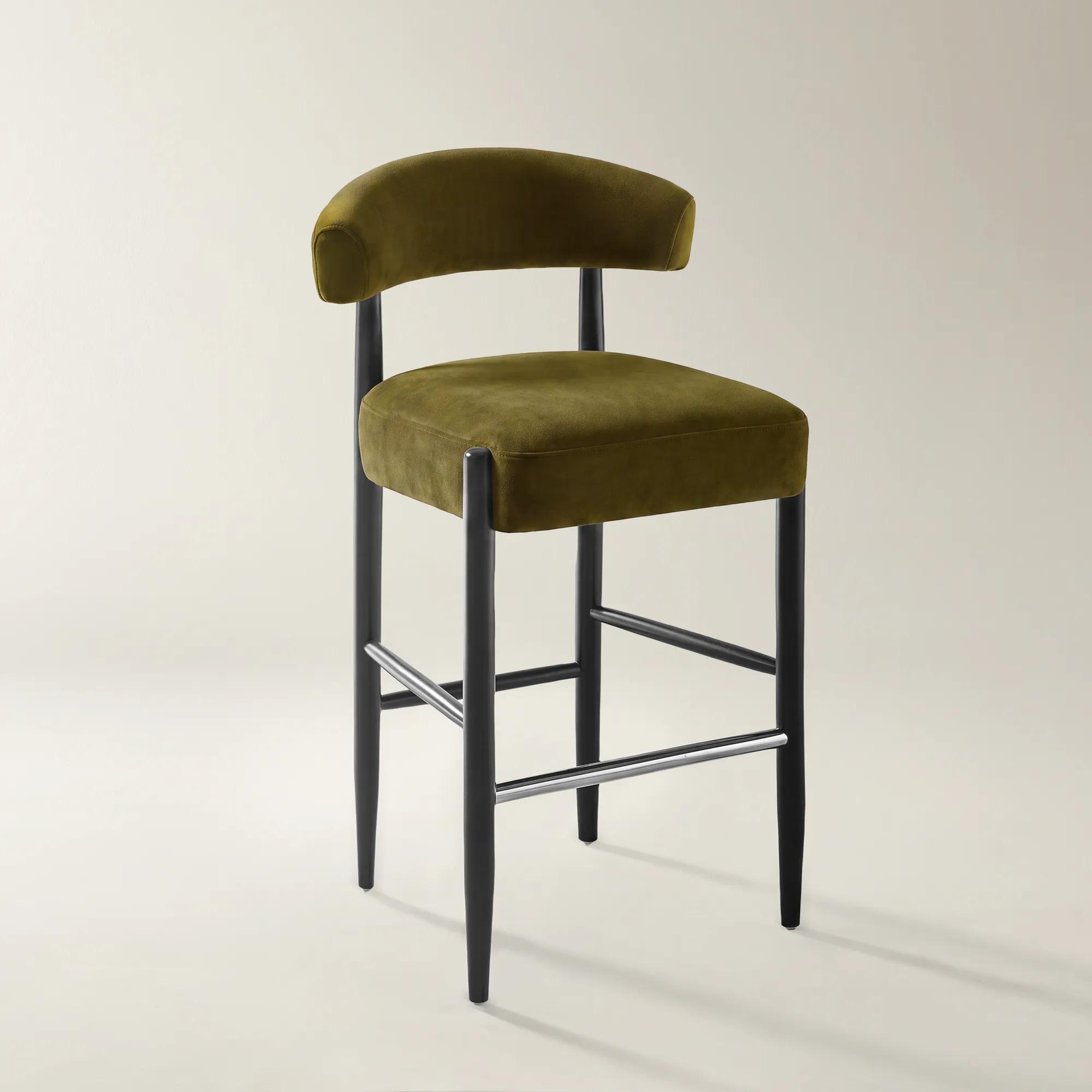 Anna Deep Olive Velvet Bar/Counter Stool$449
A green velvet bar stool with a sculpted padded seat, tailored upholstery, and tapered solid-rubberwood legs.
Add To Cart -
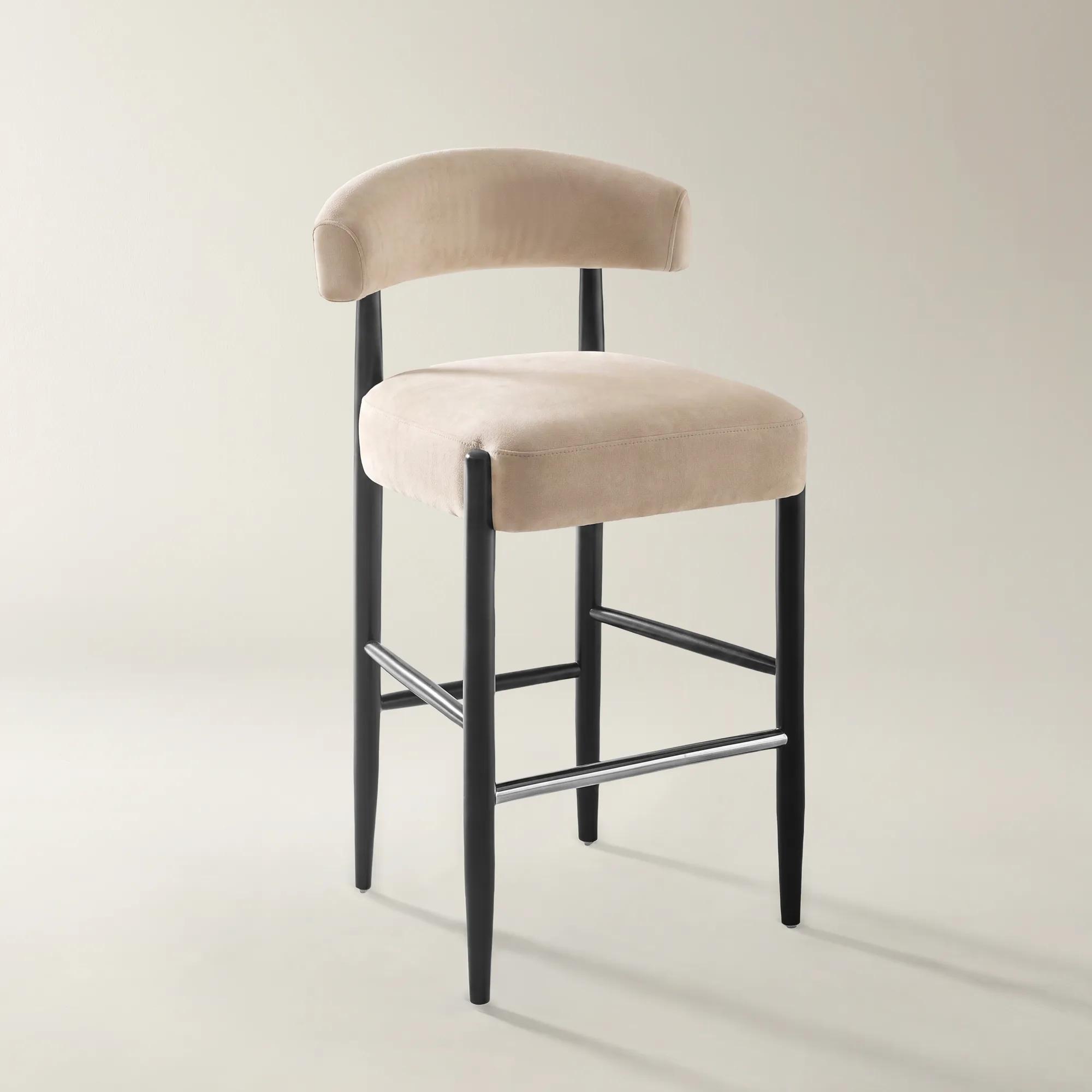 Anna Simply Taupe Velvet Bar/Counter Stool$449
A taupe velvet counter stool with a sculpted back, padded seat, and tapered solid-rubberwood base.
Add To Cart -
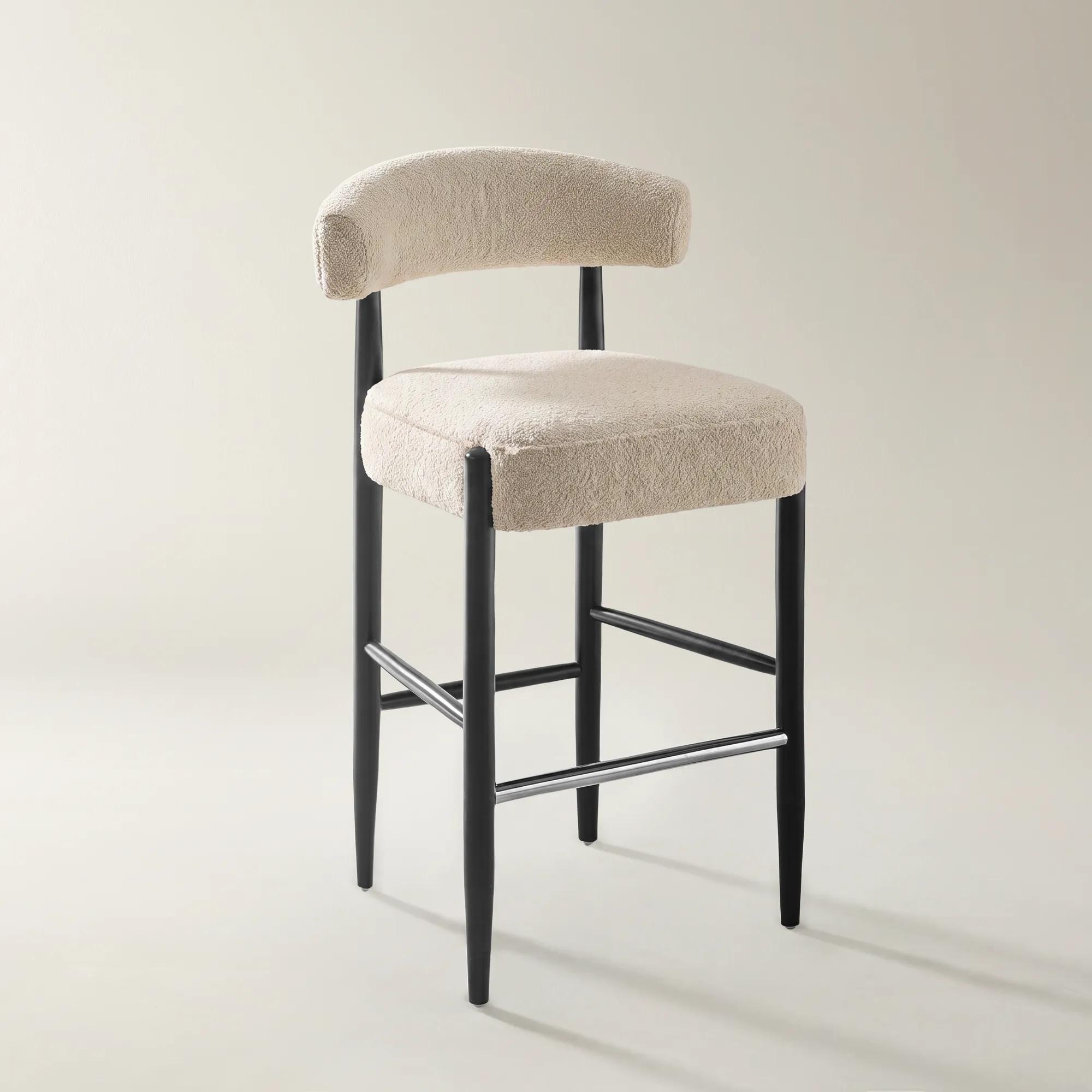 Anna Utopia Sand Chenille Bar/Counter Stool$449
A chenille bar stool with a sculpted padded seat, kiln-dried hardwood frame, and solid rubberwood legs.
Add To Cart -
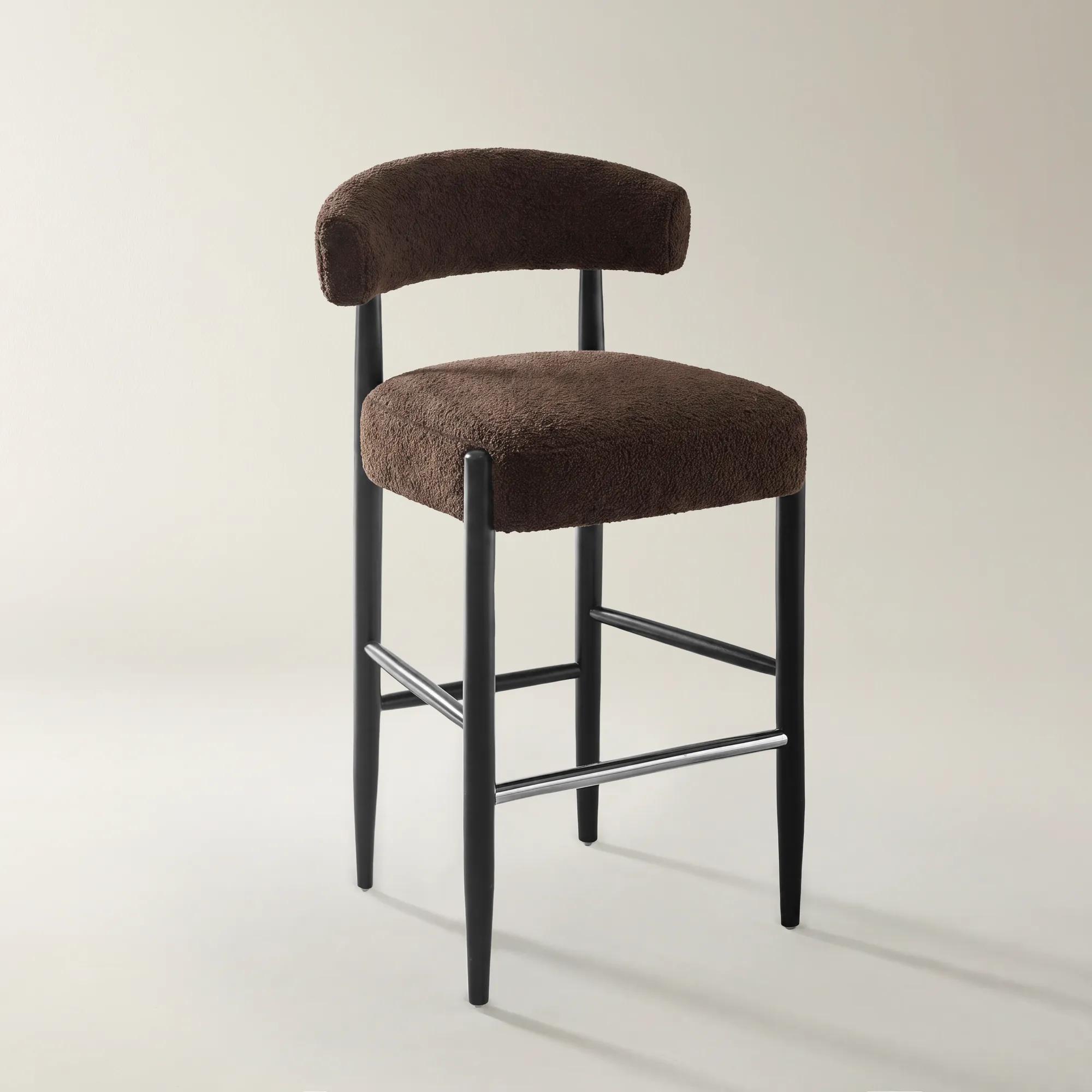 Anna Dark Chocolate Chenille Bar/Counter Stool$449
A dark chocolate chenille counter stool with a sculpted padded seat and solid rubberwood legs.
Add To Cart -
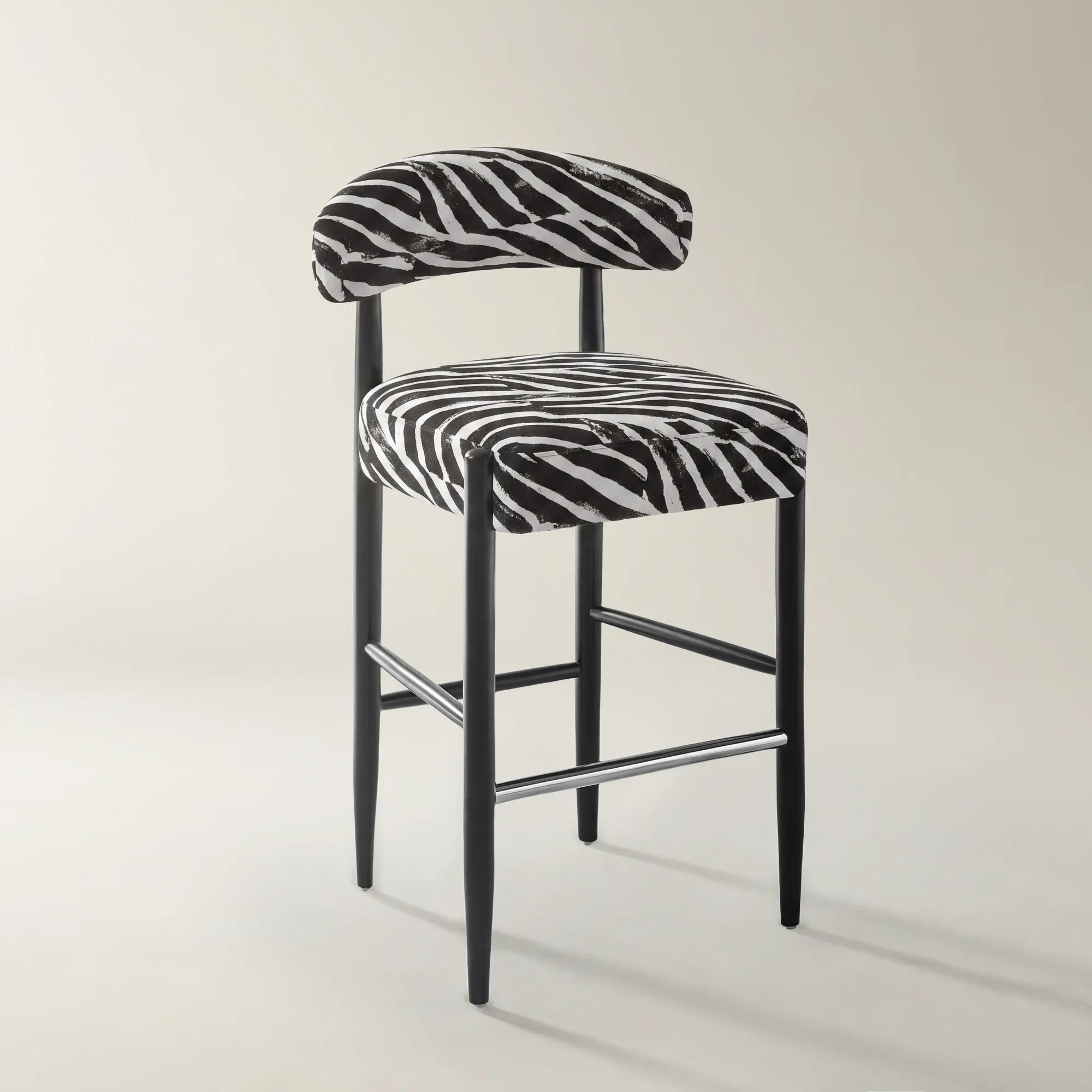 Anna White/Black Performance Chenille Bar/Counter Stool$449
A black-and-white chenille bar stool with a sculpted back, padded seat, and tapered solid rubberwood legs.
Add To Cart -
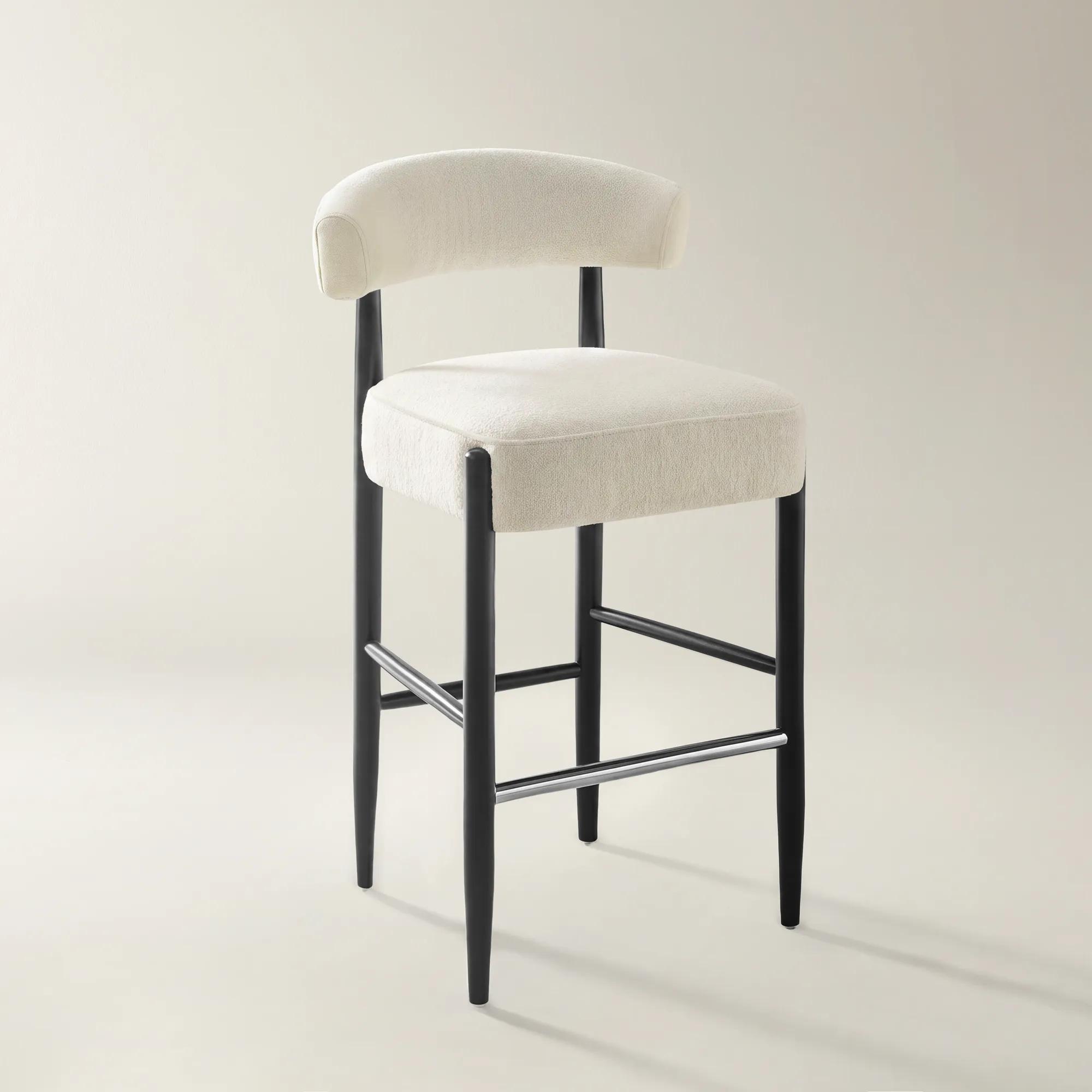 Anna Ivory Performance Chenille Bar/Counter Stool$449
An ivory performance-chenille bar stool with a sculpted back, padded seat, and tapered solid-rubberwood legs.
Add To Cart -
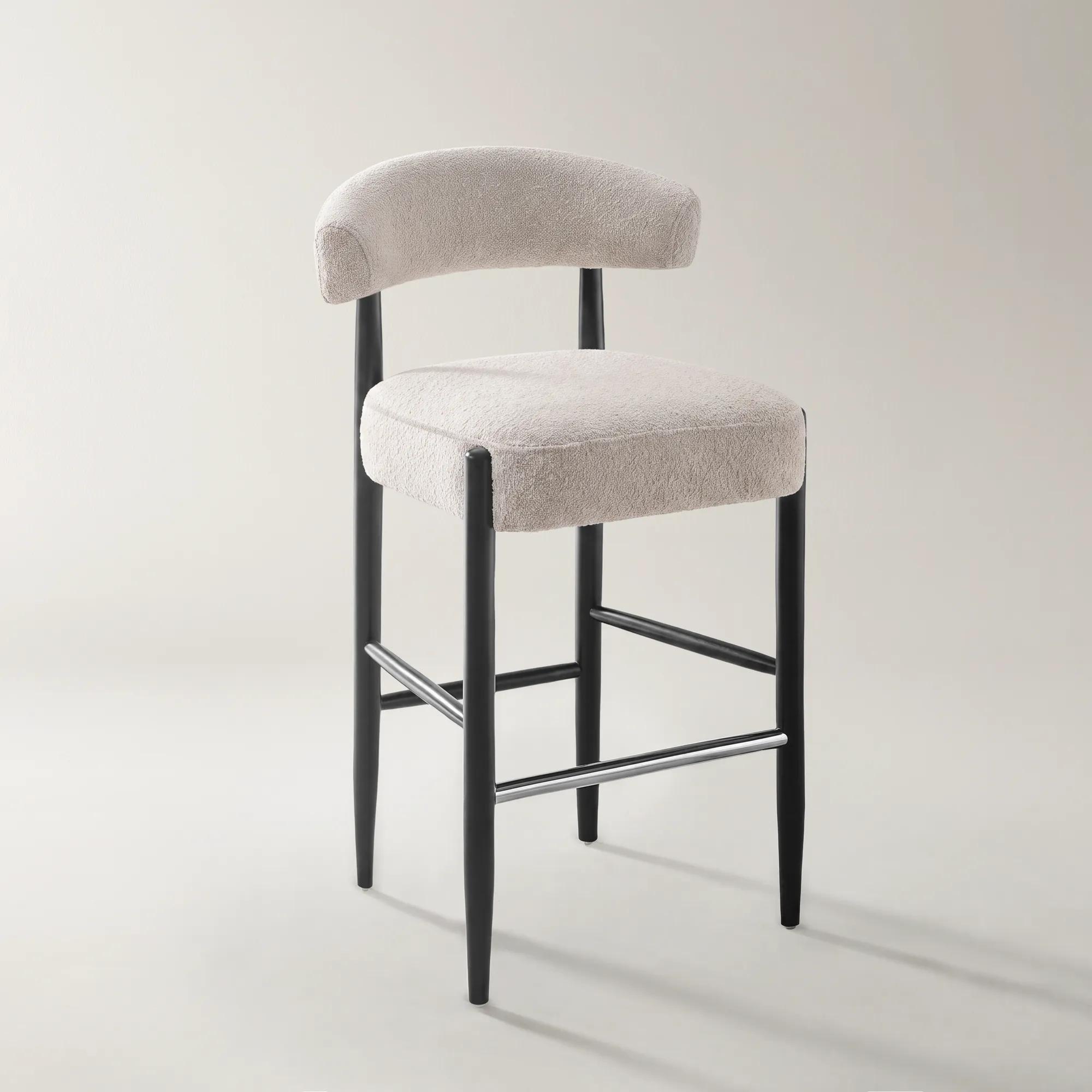 Anna Ivory Performance Boucle Bar/Counter Stool$449
An ivory performance-bouclé bar stool with sculpted padded support and tapered solid-rubberwood legs.
Add To Cart -
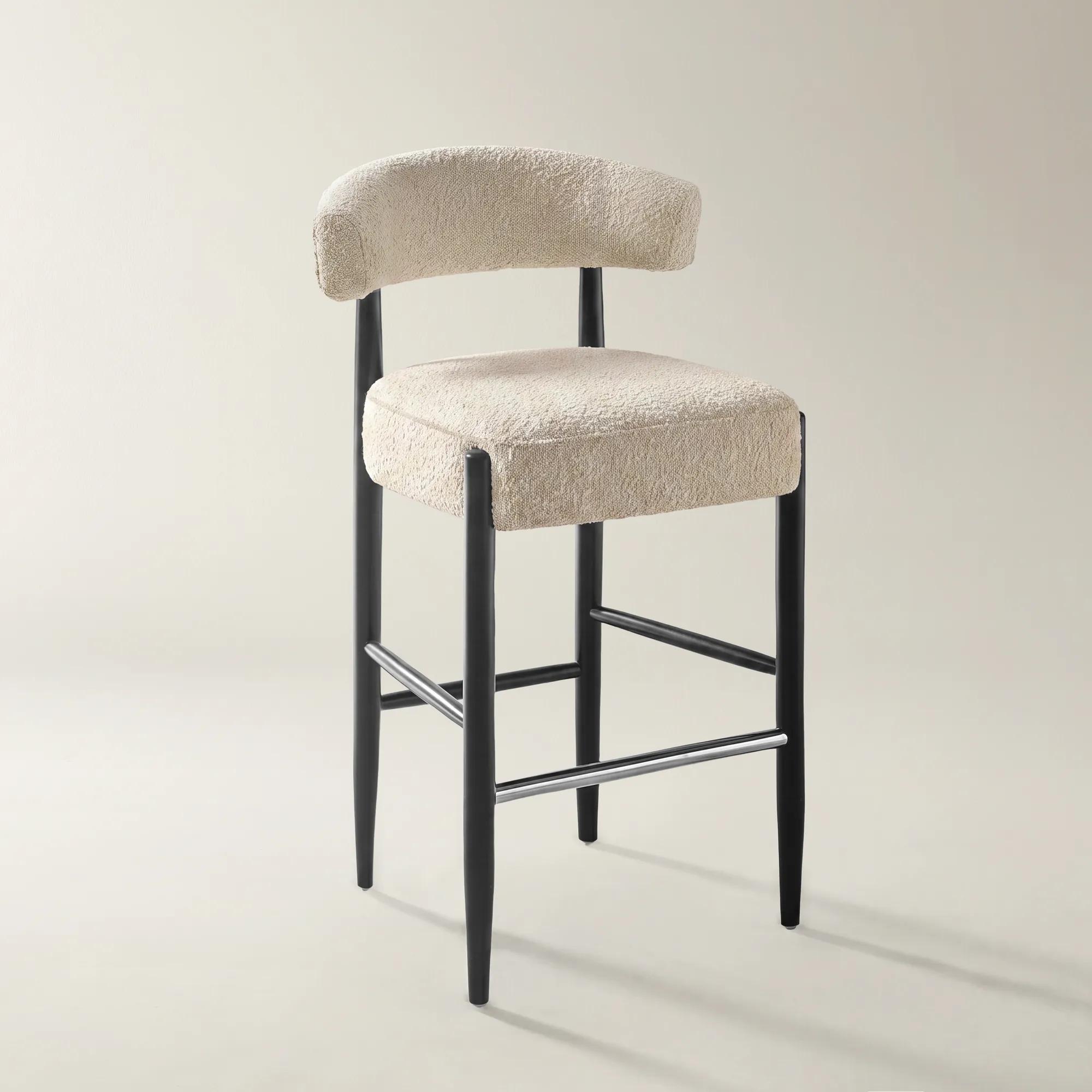 Anna Ivory Performance Boucle Bar/Counter Stool$449
A counter stool with ivory performance boucle upholstery, sculpted support, and tapered solid rubberwood legs.
Add To Cart -
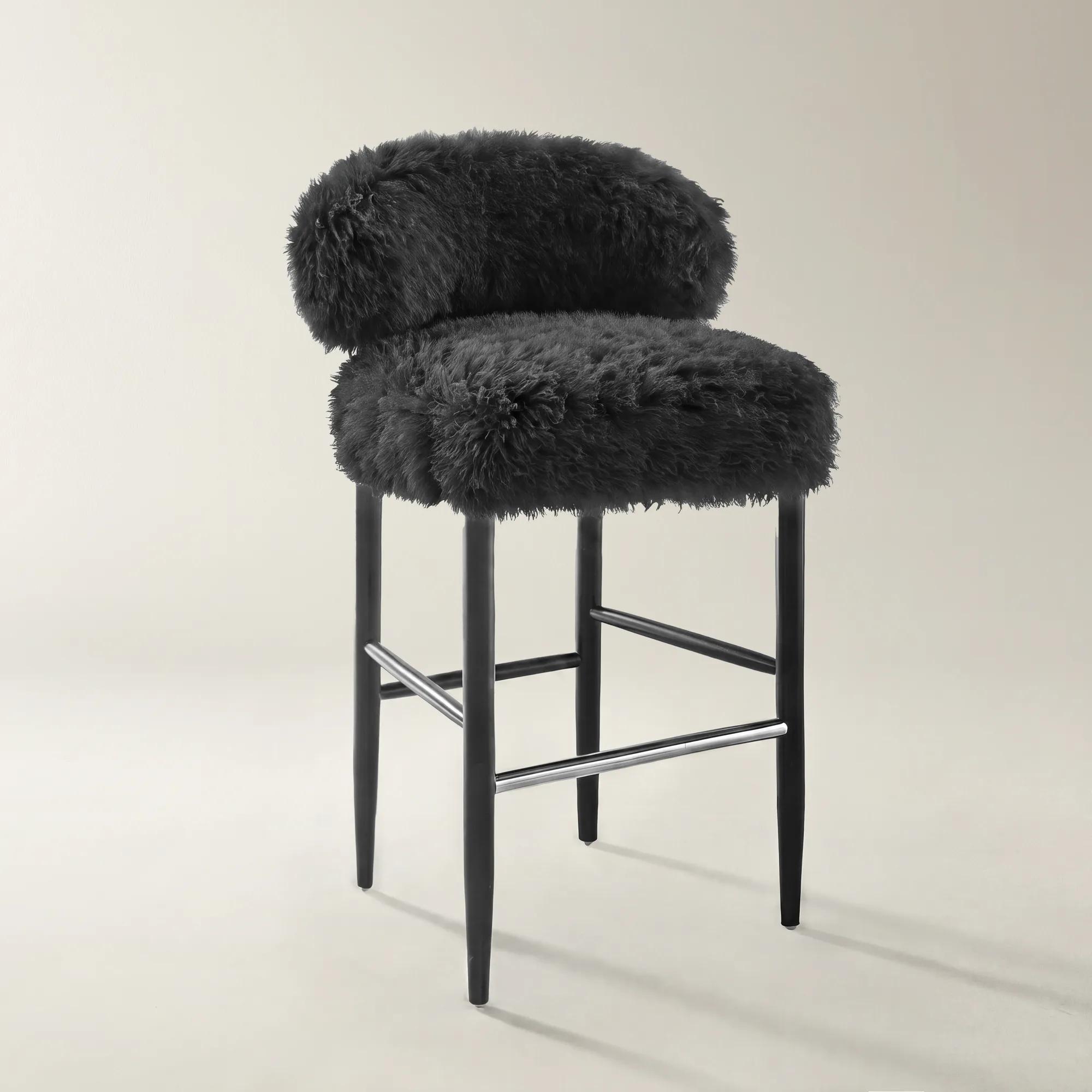 Anna Black Faux Fur Bar/Counter Stool$549
A black faux-fur bar stool with a sculpted back, padded seat, and solid rubberwood legs.
Add To Cart -
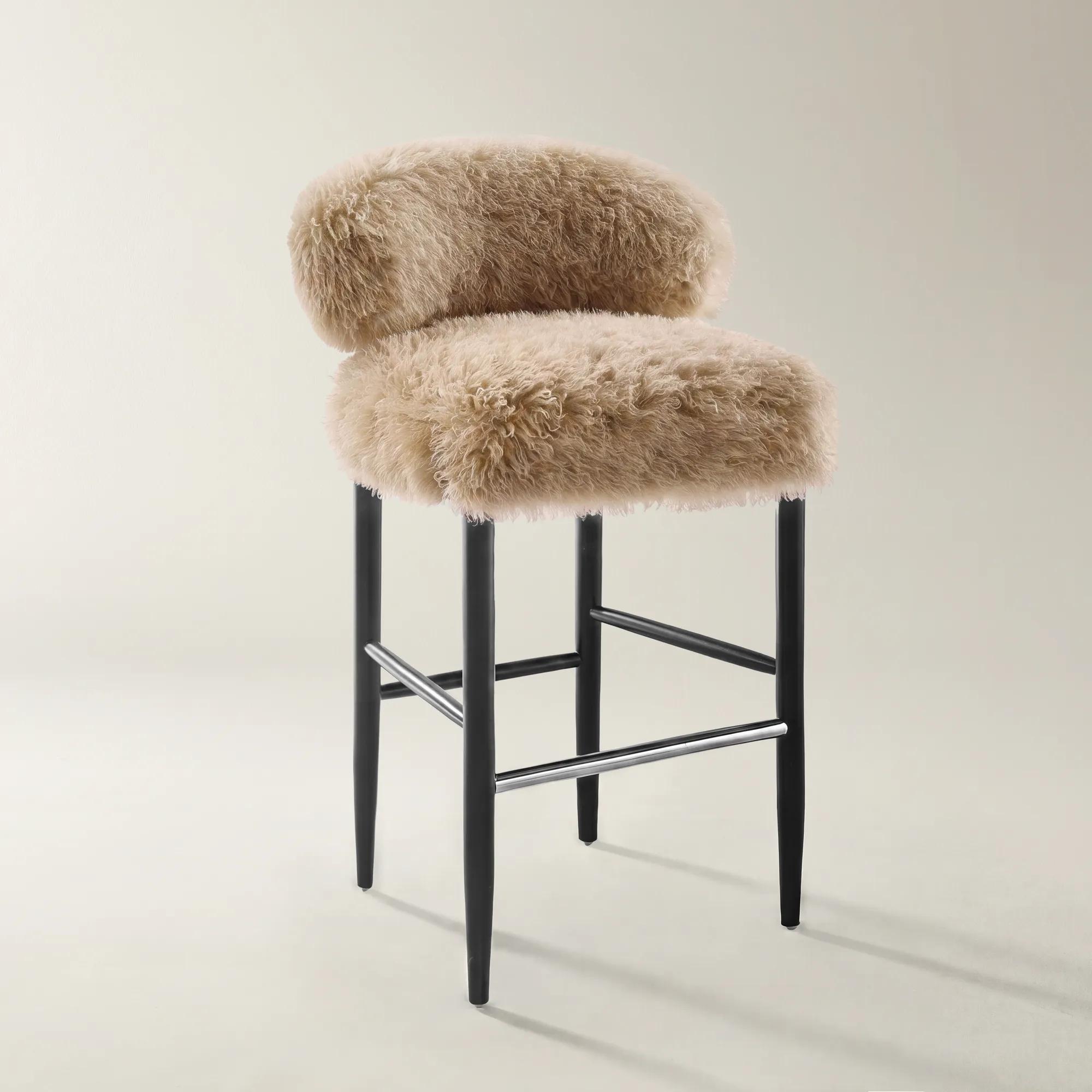 Anna Tan Faux Fur Bar/Counter Stool$549
A tan faux-fur bar stool with a sculpted padded seat and tapered solid-rubberwood legs.
Add To Cart -
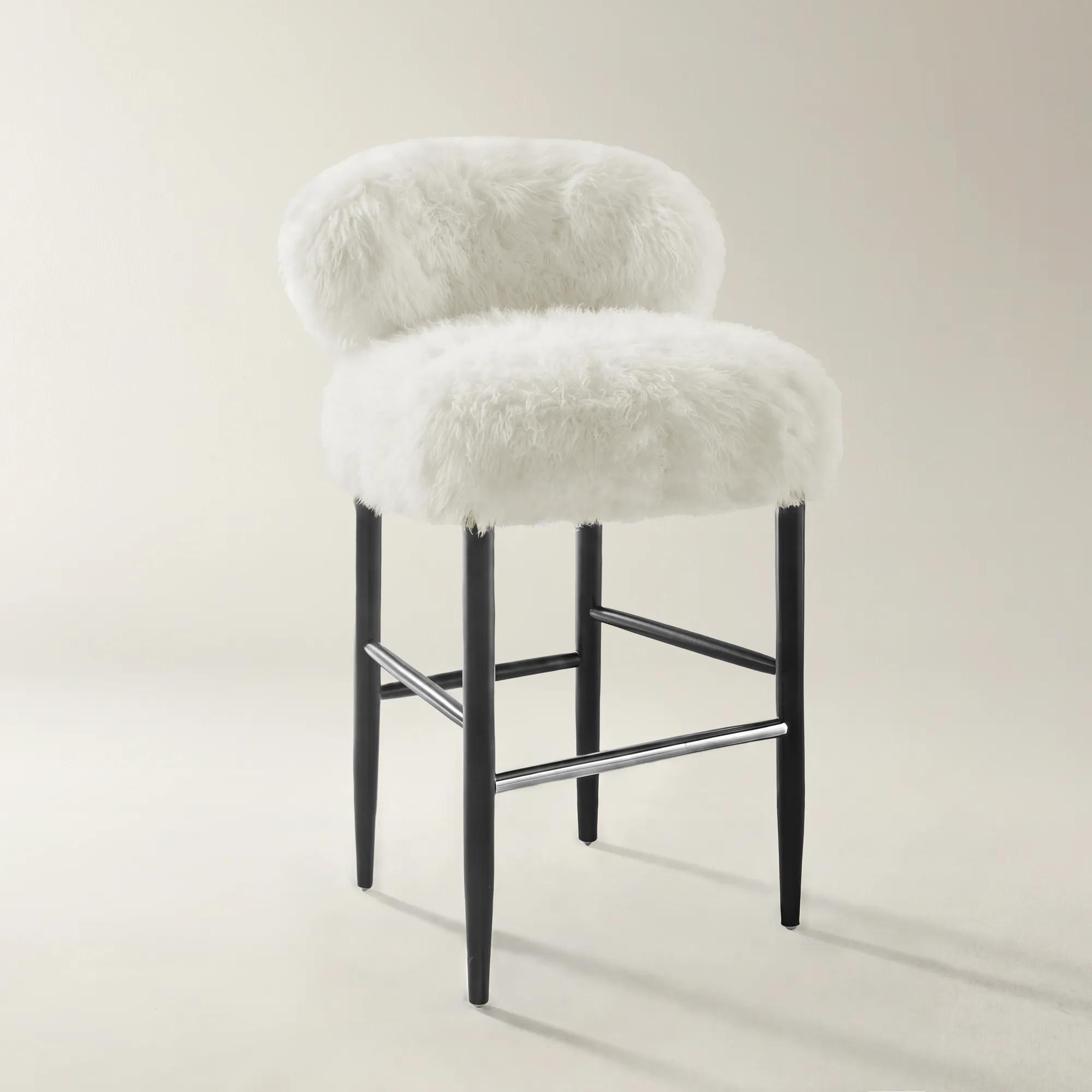 Anna Ivory Faux Fur Bar/Counter Stool$549
An ivory faux-fur counter stool with sculpted support, padded seating, and tapered solid-rubberwood legs.
Add To Cart -
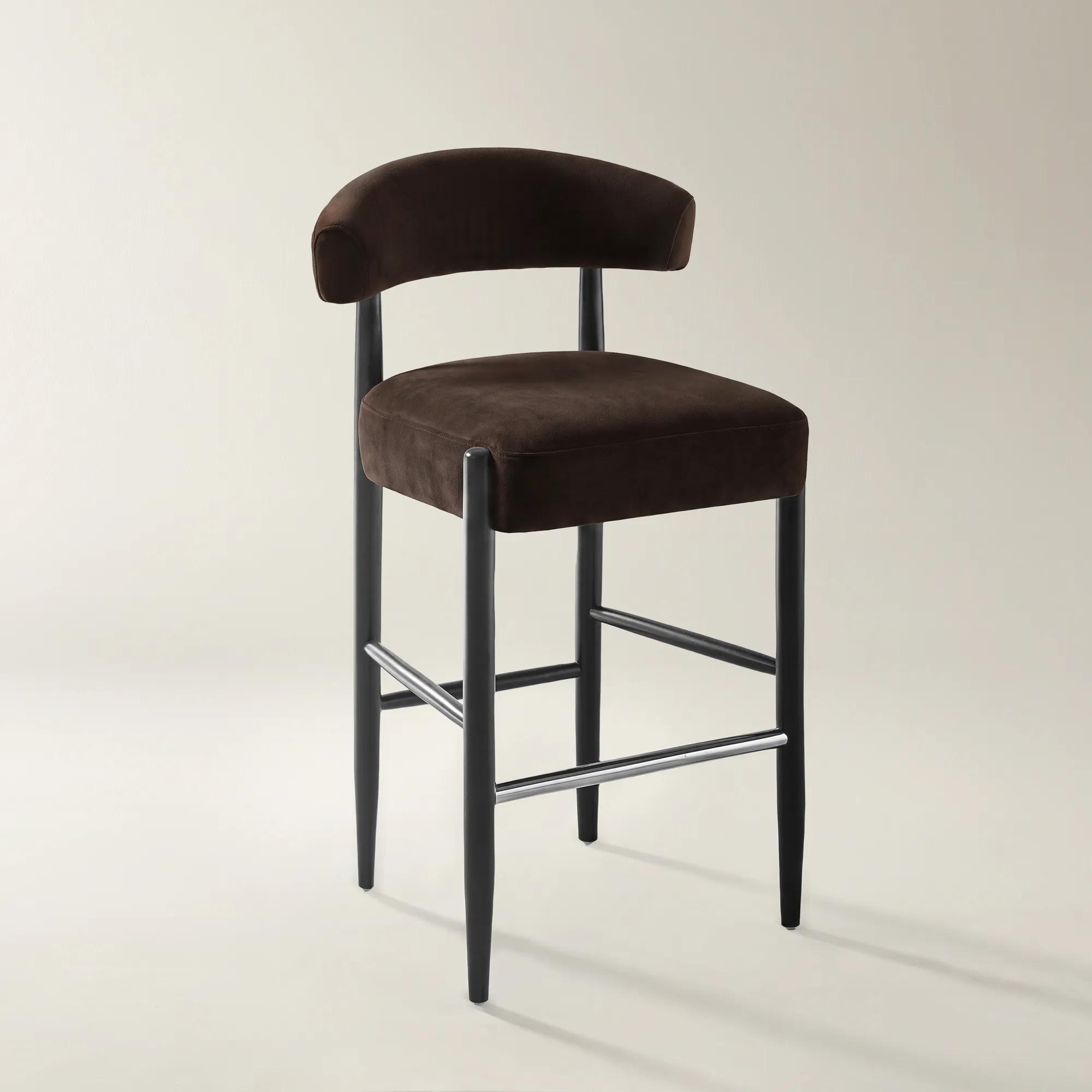 Anna Dark Chocolate Velvet Bar/Counter Stool$449
A dark chocolate velvet counter stool with a sculpted back, padded seat, and tapered solid-rubberwood legs.
Add To Cart -
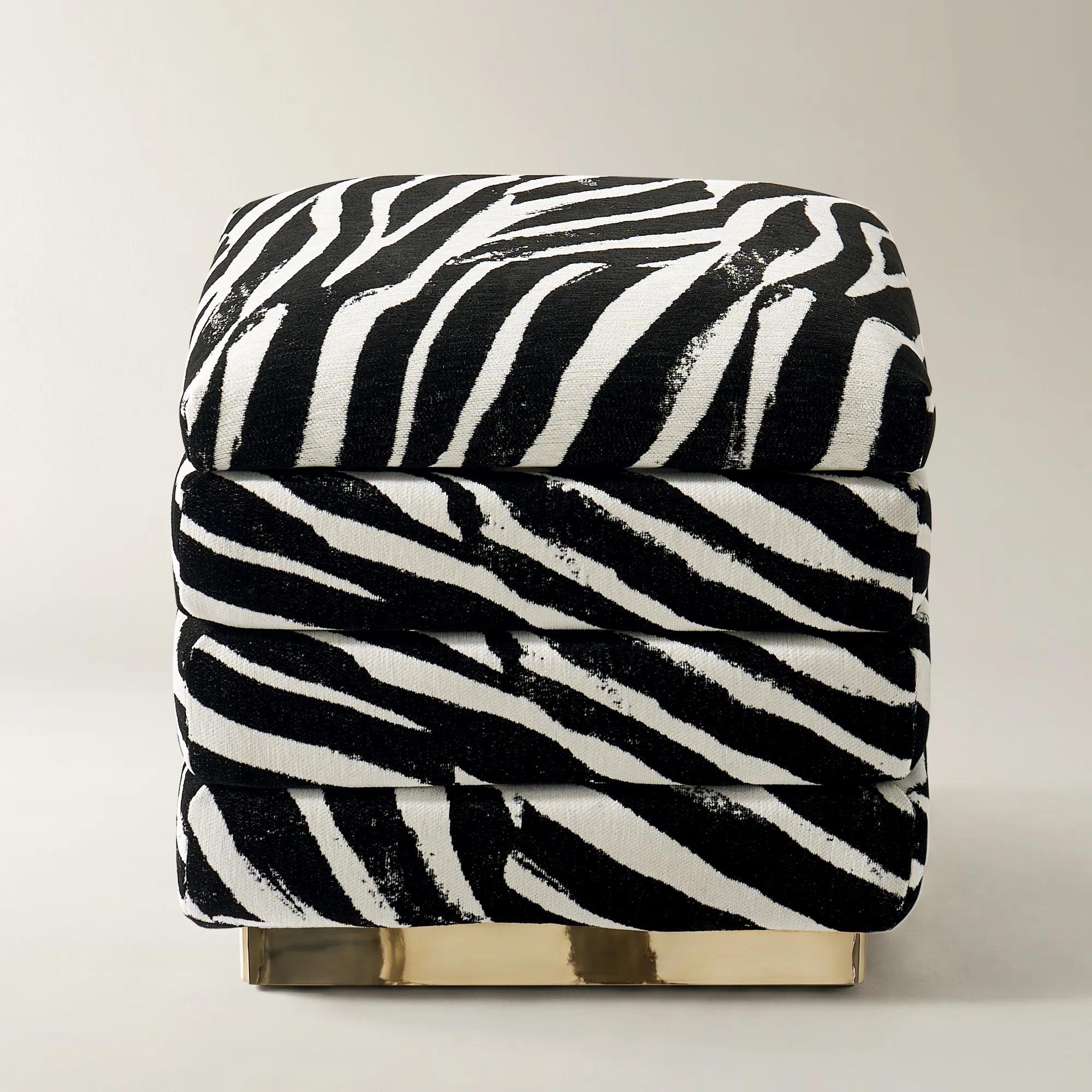
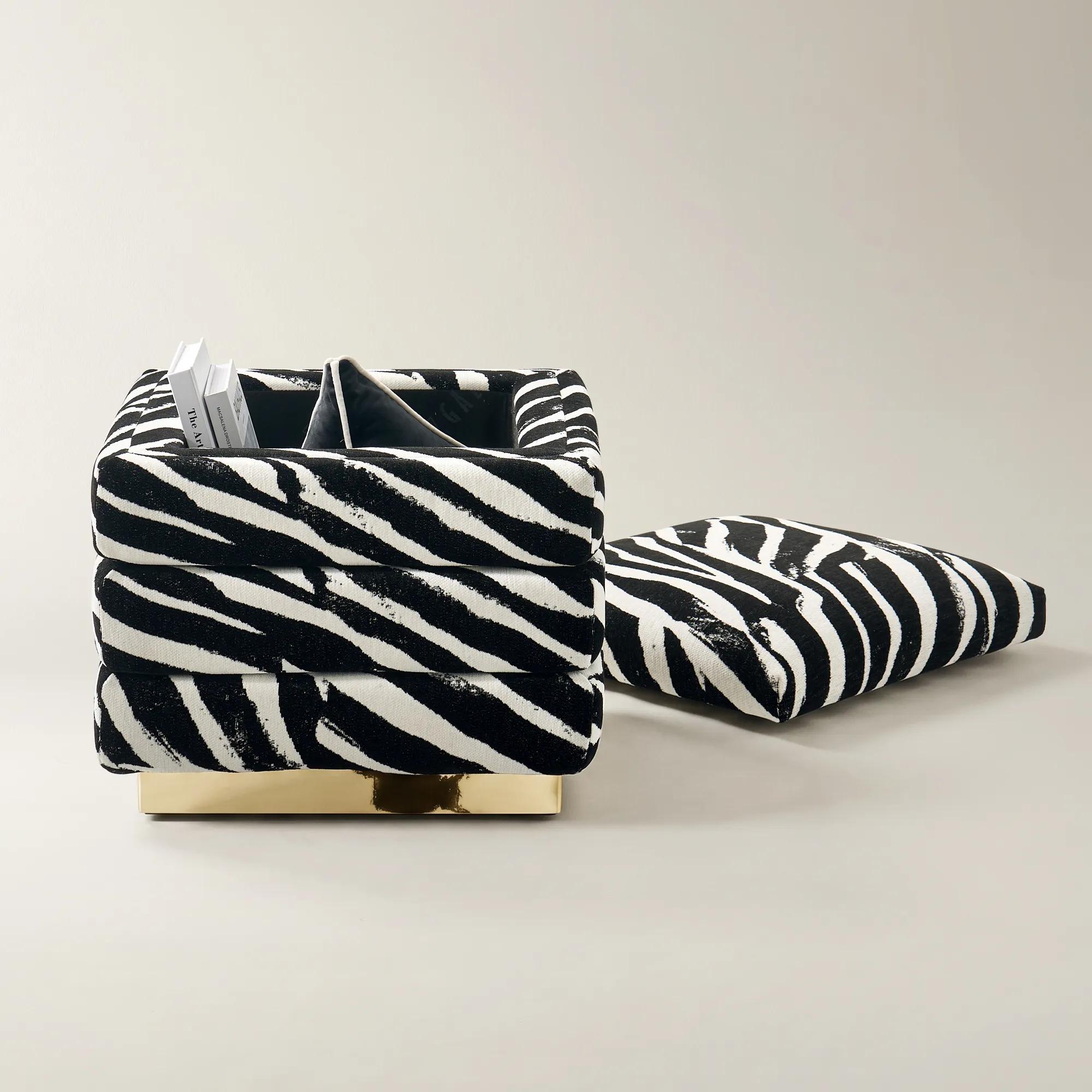 Gable White/Black Performance Chenille Stool$399
A plush white and black chenille stool with hidden storage and a polished gold stainless steel base.
Add To Cart -
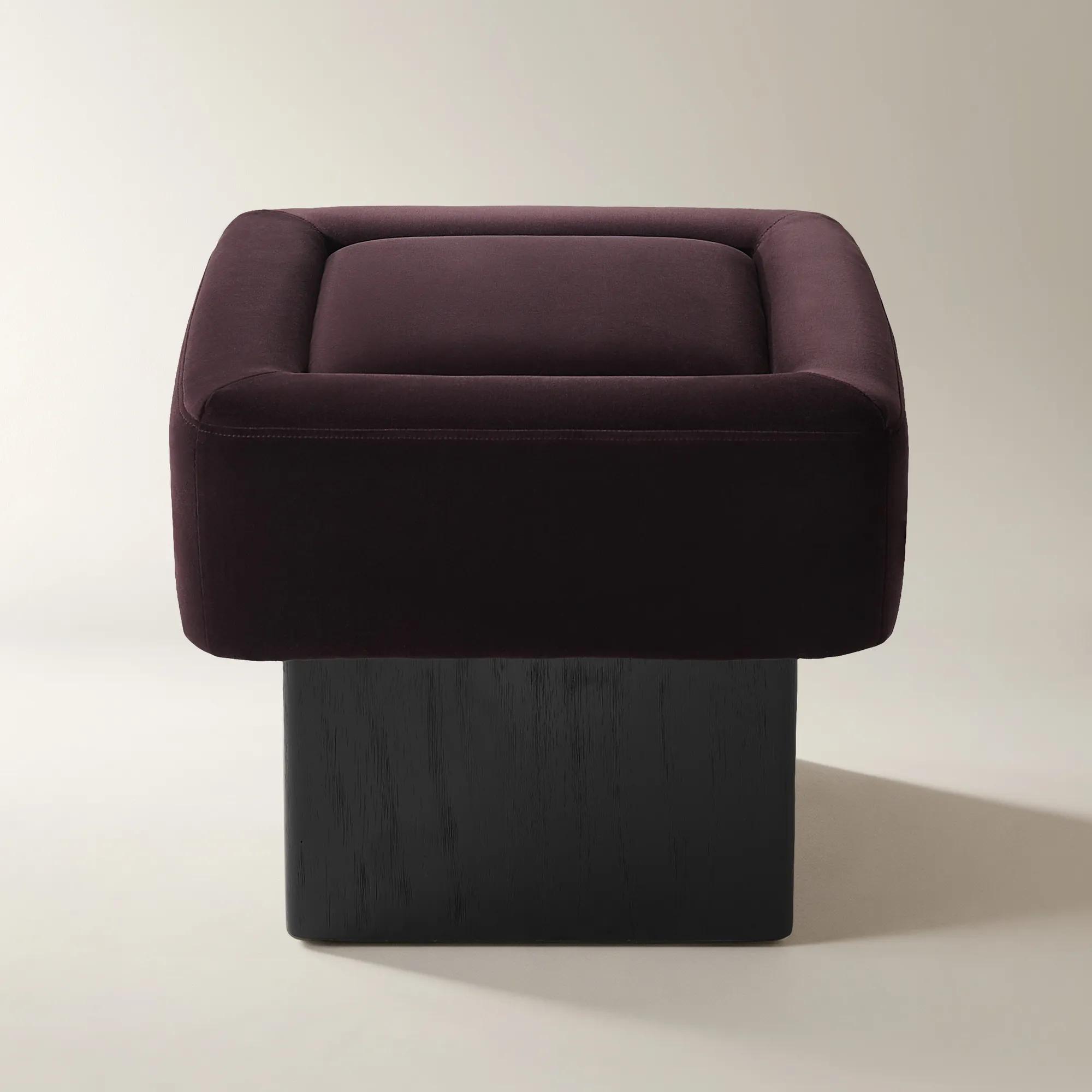 Reims Fig Velvet Stool$399
A plush fig-colored velvet stool featuring a sculpted cushion and a solid rubberwood base for modern contrast.
Add To Cart -
 Valerie Natural Outdoor Counter Stool$659
A natural-finished outdoor stool offering stylish counter-height seating.
Add To Cart -
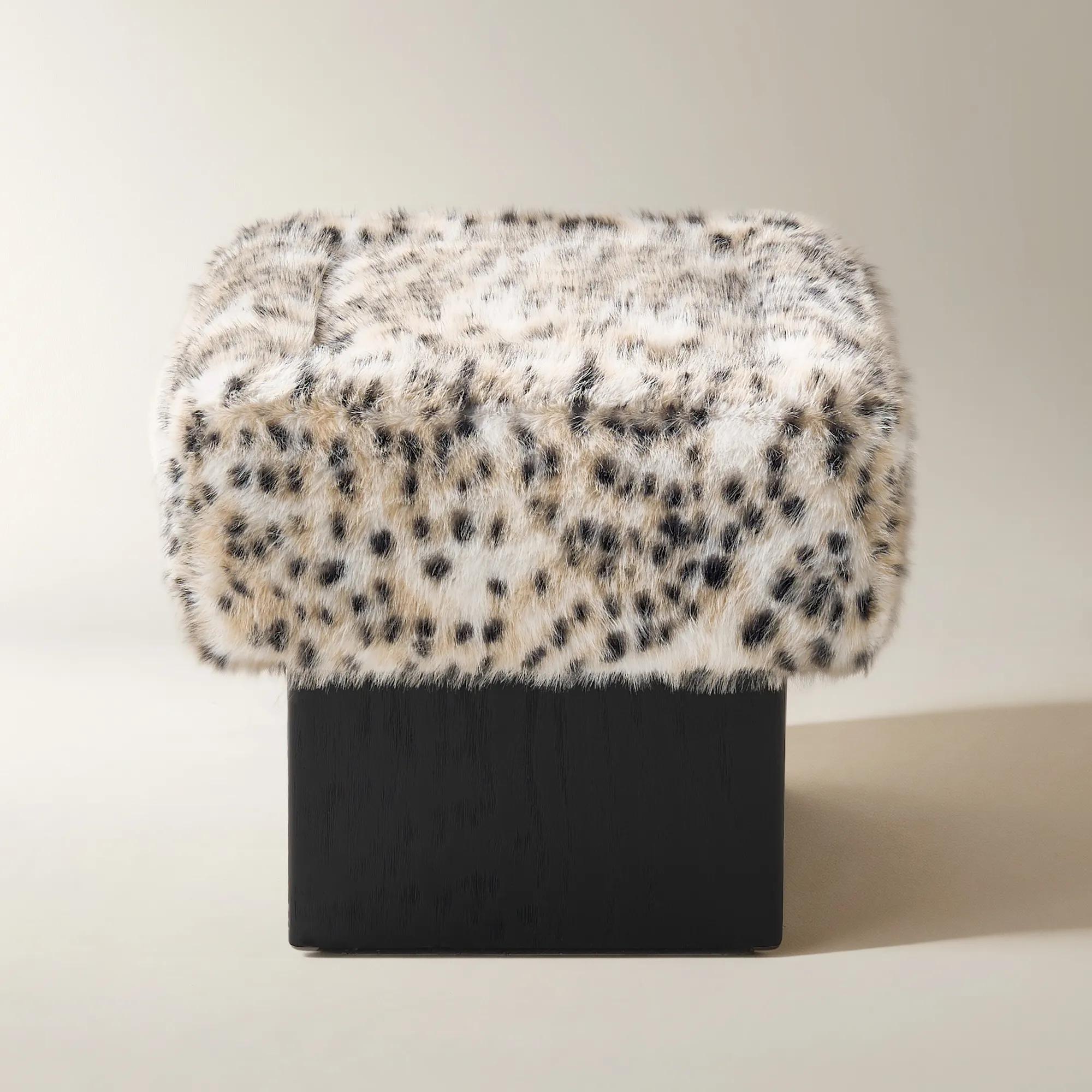 Reims Spotted Faux Fur Stool$399
A plush spotted faux fur stool with a sculpted cushion and solid rubberwood base for modern contrast.
Add To Cart

Comfortable Bar Seating Stools
Elevate your entertaining with comfortable bar seating stools that invite guests to linger and luxuriate. Each piece is designed to transform your gathering space into a scene of effortless glamour, where every conversation sparkles and every moment feels indulgent. Whether perched at a marble-topped island or framing a dramatic home bar, these stools promise more than just a place to sit—they set the stage for evenings filled with laughter, style, and unforgettable ambiance. Embrace sculptural silhouettes, plush finishes, and bold details that turn functional seating into an artful experience. With comfortable bar seating stools, comfort and sophistication are never mutually exclusive—they are the very essence of your signature space.
Comfortable bar seating stools combine a supportive seat, a well-positioned backrest, a usable footrest, and proportions that suit both the person sitting and the surface in front of them. Plush upholstery adds invitation, but lasting comfort comes from the entire silhouette: enough seat depth to feel supported, an edge that does not press sharply behind the knees, and a frame that feels steady when sitting down or getting up. At a kitchen island, these details turn a quick breakfast into a leisurely conversation. Beside a home bar, they give guests a place to settle while glassware catches the light and the evening unfolds. Upholstered bar stools with backs are especially appealing for relaxed dining and lingering over conversation, while lower-backed designs preserve open sightlines across a dramatic kitchen. A gently curved back can create an enveloping feel without the visual weight of a tall chair. Armrests offer another point of support, although their height and width need to work with the counter and surrounding seats. Backless stools create a sculptural rhythm beneath an island and can tuck away neatly, but they provide less support for extended sitting. Cushioning deserves equal attention: a deeply padded seat may feel sumptuous at first, yet firmer, resilient padding can offer a more supported experience over a longer meal. Seat shape matters as much as thickness, particularly when comparing a broad, gently contoured seat with a narrow, sharply edged profile. For households where the island serves as a breakfast table, conversation spot, and occasional laptop perch, comfortable counter stools should accommodate those different moments without crowding the room. They can make a brief work session more inviting, though they are not a substitute for an adjustable desk chair during a full workday. The most compelling designs balance that practical ease with expressive materials—velvety texture against gleaming metal, richly grained wood beneath tailored upholstery, or a sweeping back that looks as considered from the living room as it does from the kitchen.
The distinction between counter-height and bar-height seating is essential to a comfortable fit. Counter-height stools commonly have seats approximately 24 to 26 inches high and pair with surfaces around 34 to 36 inches high. Bar-height stools generally have seats approximately 28 to 30 inches high and suit surfaces around 40 to 42 inches high. These are common ranges rather than universal specifications; the actual measurements of the stool and the surface should determine the pairing. Allow roughly 10 to 12 inches between the seat and the underside of the counter or bar for legroom, checking for aprons, brackets, or other obstructions that reduce usable clearance. A substantial countertop edge can make the opening smaller than the overall surface height suggests. Measure armrests separately if the stools need to slide beneath an overhang, and consider whether the overhang is deep enough to accommodate knees without forcing someone to sit sideways. Along the counter, allow approximately 6 to 8 inches between seat edges as a starting point, with more room for generous arms, wide silhouettes, or swivel movement. A row of oversized seats may look beautifully upholstered yet feel cramped if elbows compete for space at every meal. Behind the stools, preserve enough room to pull out a seat, stand comfortably, and pass through the surrounding area; an occupied stool takes up more space than one tucked beneath the counter. Swivel bar stools can make joining a conversation easier, especially where seating faces both the kitchen and an adjoining living area, but the rotating seat and arms need clearance from neighboring stools and cabinetry. Adjustable-height designs offer flexibility for different users and surfaces, provided their adjustment range suits the intended setting. Check the stated weight capacity, base dimensions, and assembly requirements rather than judging stability by appearance alone. For anyone who benefits from a steadier transfer into a seat, a fixed frame may feel more reassuring than a freely rotating design. A footrest should be comfortably reachable so feet are supported rather than left dangling, particularly during a longer meal.
Materials establish both the mood of comfortable bar stools and the attention they need over time. Velvet brings dimensional color and a luminous surface that changes with the direction of its pile, lending even a compact breakfast area a more theatrical presence. Woven upholstery introduces texture, while leather offers a distinctive surface whose care depends on its finish. Performance fabrics may be useful around frequently served food and drinks, but their resistance to stains, abrasion, or moisture varies; the fabric specifications matter more than the label alone. No upholstery should be assumed to be stainproof. For a richly detailed interpretation, Comfortable Tufted Bar Stools bring dimensional upholstery into focus, with recessed detailing that gives the back or seat a tailored, decorative character. Tufting also creates crevices where crumbs can collect, making gentle, regular vacuuming with an appropriate attachment especially worthwhile. Blot spills promptly rather than rubbing, and follow the upholstery care code before applying water, solvent, or a cleaning product. Wood frames contribute warmth and visible grain; metal frames can introduce a crisp outline or reflective accent. Neither material alone guarantees durability: sound joinery, secure hardware, suitable floor glides, and the construction of the seat all influence everyday performance. Inspect connections periodically according to the assembly instructions, and replace worn protective glides before they mark flooring. Use finish-appropriate cleaning methods, avoiding abrasive products that can dull polished surfaces or damage protective coatings. For an island that hosts frequent meals, accessible seams and a less intricate seat can simplify routine care; for a dedicated entertaining area, deeper texture and elaborate upholstery may be well worth the extra attention. Visually, repeat a finish already present in lighting or cabinet hardware, or introduce contrast with a dark frame beneath pale upholstery. Leave enough breathing room for each silhouette to register. Comfortable seating feels most luxurious when the details work together: shoulders can relax, feet have support, conversation flows easily, and the room retains its sense of drama.
FAQs
Comfortable bar seating stools often feature plush upholstery in performance fabrics, velvet, or genuine leather, paired with sturdy frames crafted from wood, metal, or a blend of both. These materials are chosen for their durability, tactile allure, and ability to elevate a space with a touch of glamour.
Padded bar stools bring an immediate sense of luxury and warmth to gathering spaces. Their sumptuous cushioning invites guests to linger, fostering relaxed conversation and transforming everyday meals or celebrations into memorable experiences filled with comfort and style.
Absolutely. Well-designed bar stools make exceptional gifts for housewarmings, weddings, or milestone celebrations, offering recipients a blend of function and artistry that elevates their entertaining spaces and adds a personal touch to their home décor.
To achieve maximum comfort, seek out stools with generous seat padding, supportive backrests, and integrated footrests. Swivel mechanisms and armrests can also enhance the seating experience, making it easy to relax and engage with guests from every angle.
Select bar stools that echo the color palette, textures, and materials already present in your space. Whether you prefer bold tufted upholstery or sleek metallic finishes, the right stool will harmonize with your existing décor while adding a dramatic, inviting focal point.