Build Your Own Living Room Furniture
Build Your Own Living Room Furniture
-
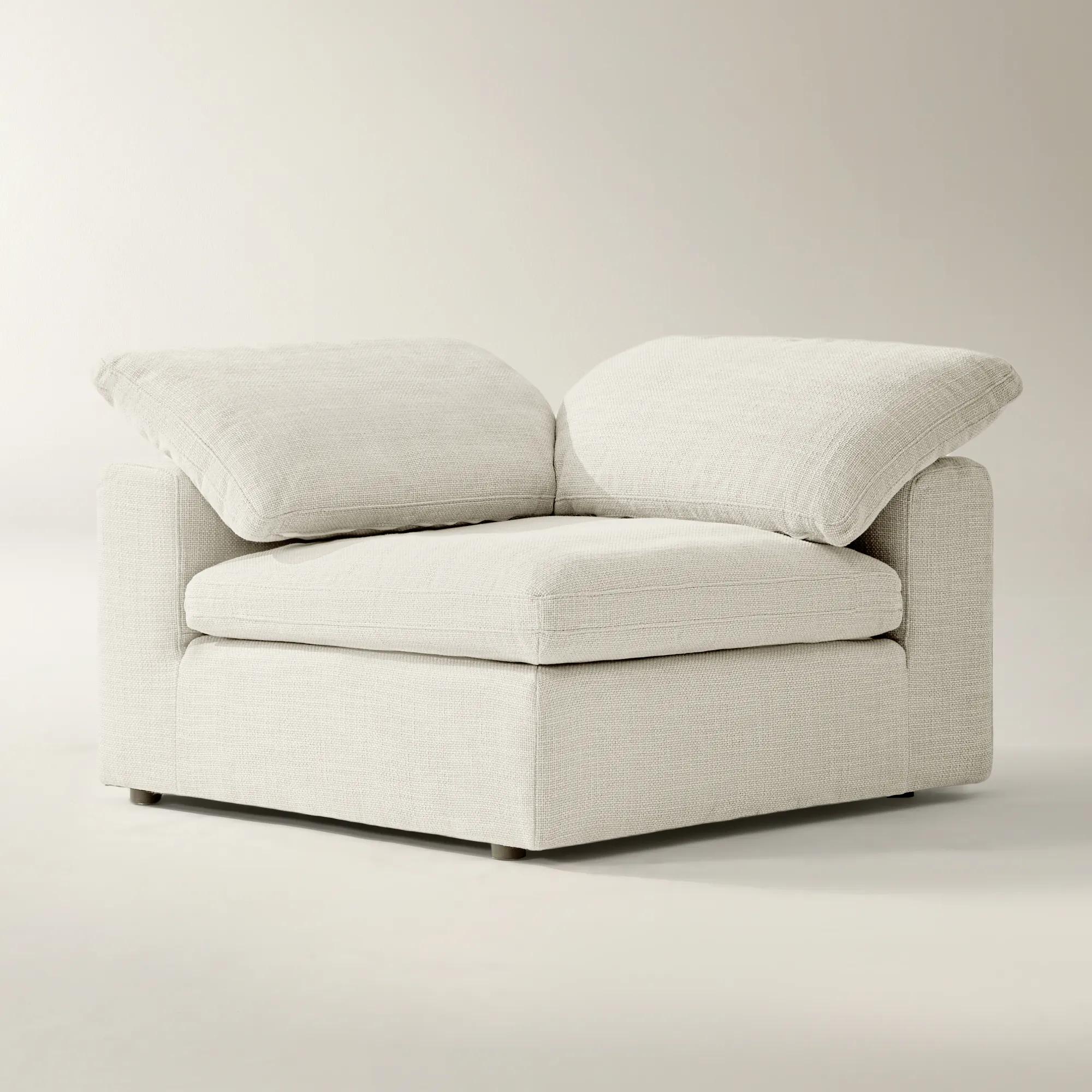
 Milo Ivory Performance Fabric Corner Chair$1099
A corner chair in ivory performance fabric with plush feather-blend cushioning and independent power reclining.
Add To Cart -
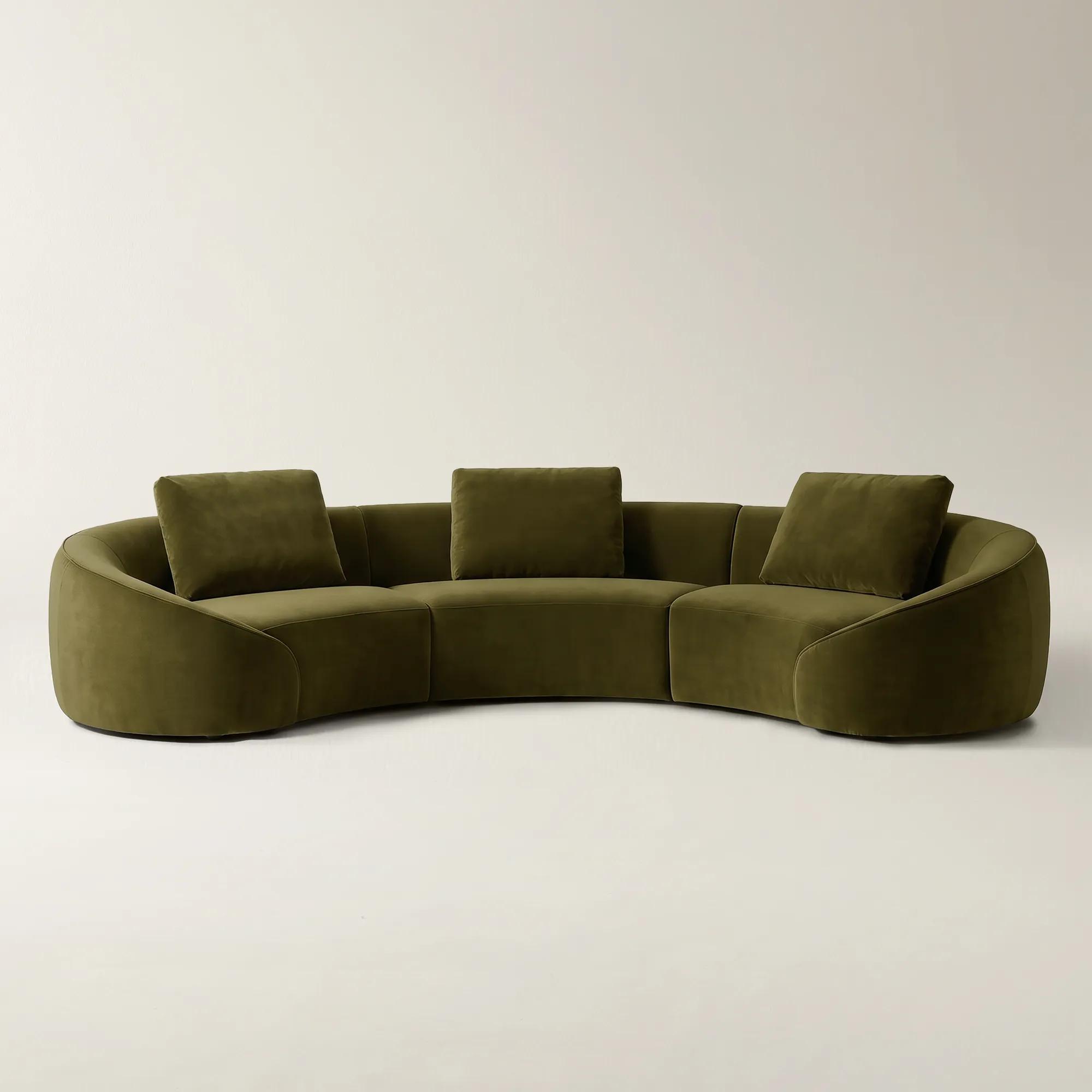
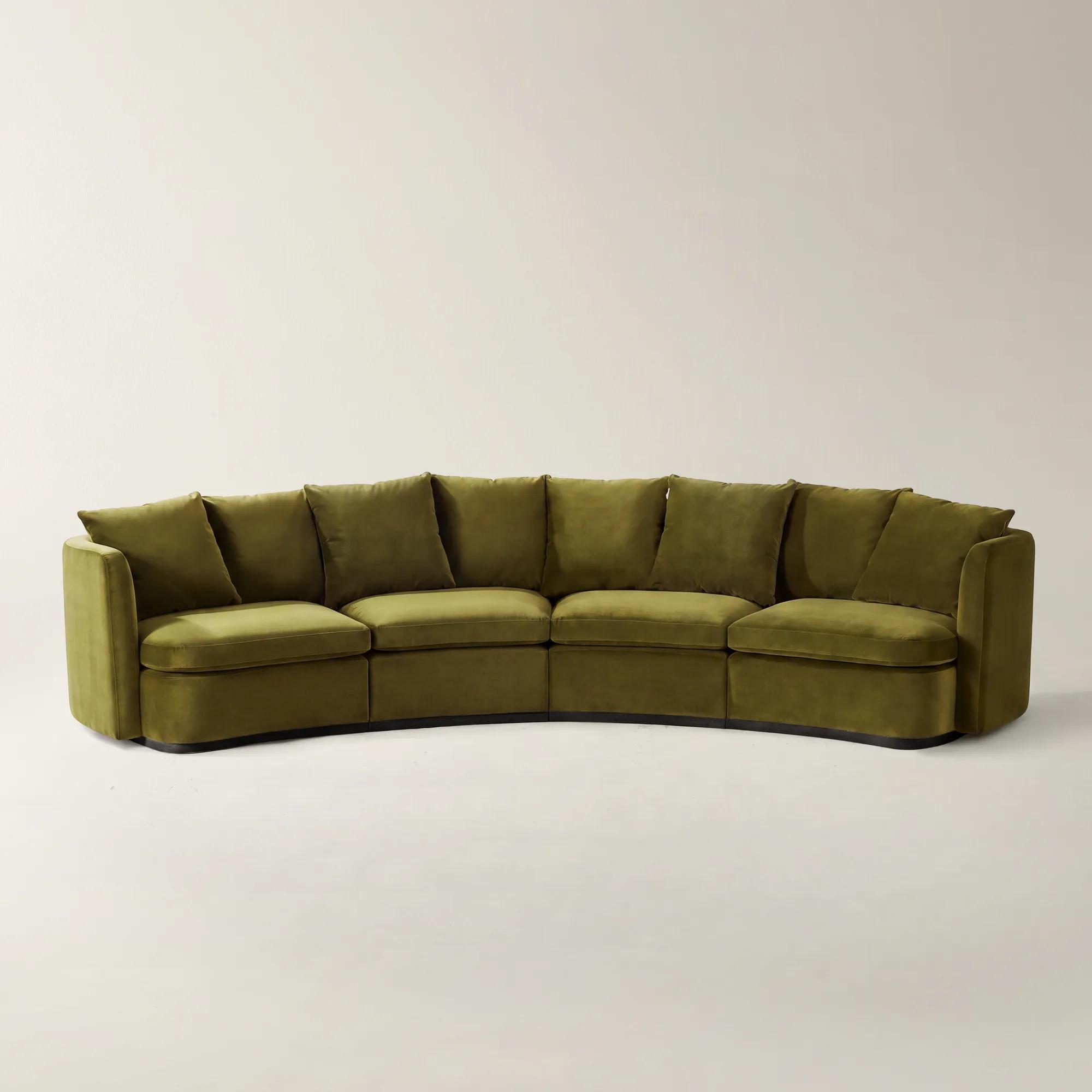
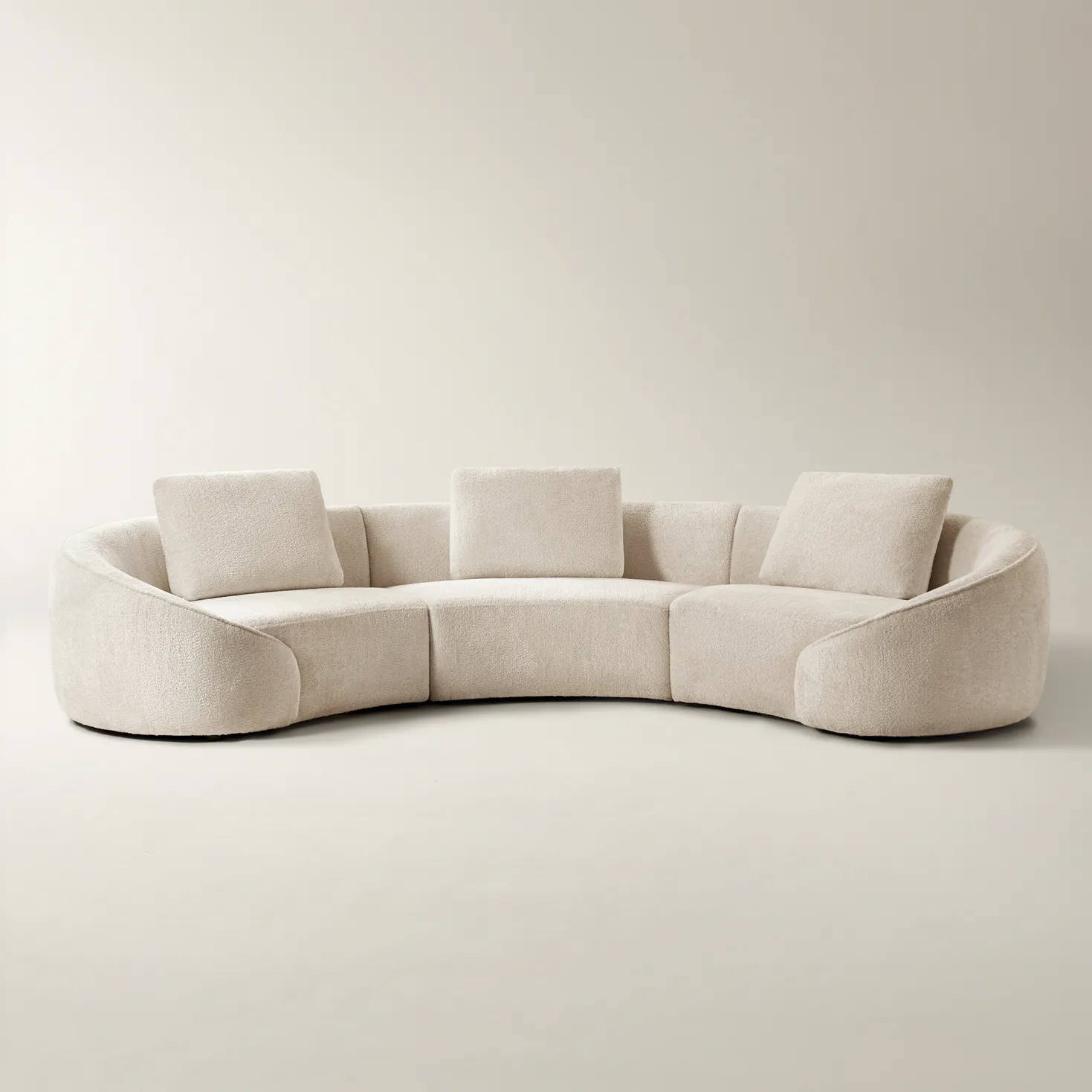 Irene 3-Piece Deep Olive Velvet Sectional Sofa$3899
A sculptural deep olive velvet sectional featuring high-resiliency foam cushions and hand-finished artisan detailing.
Add To Cart -
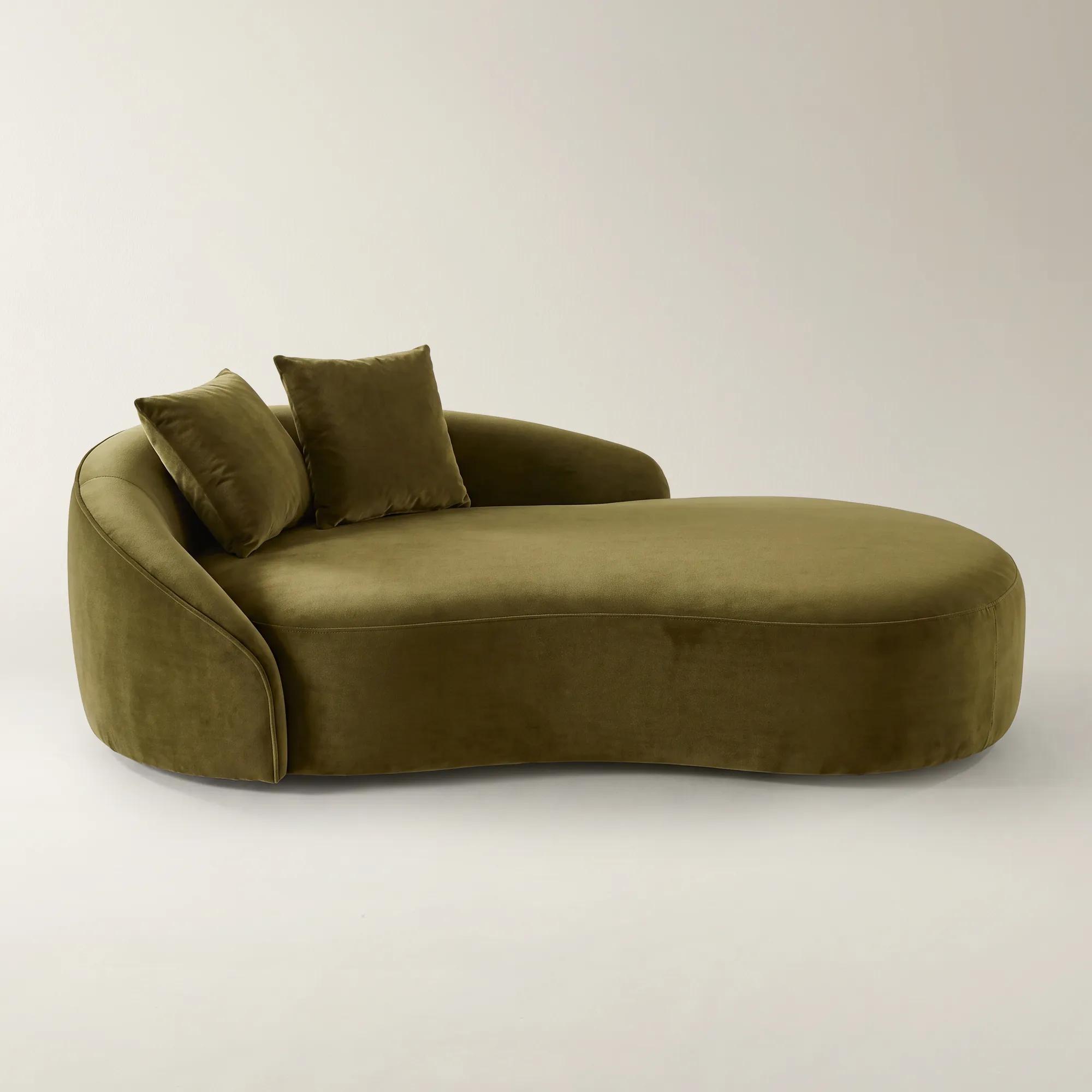
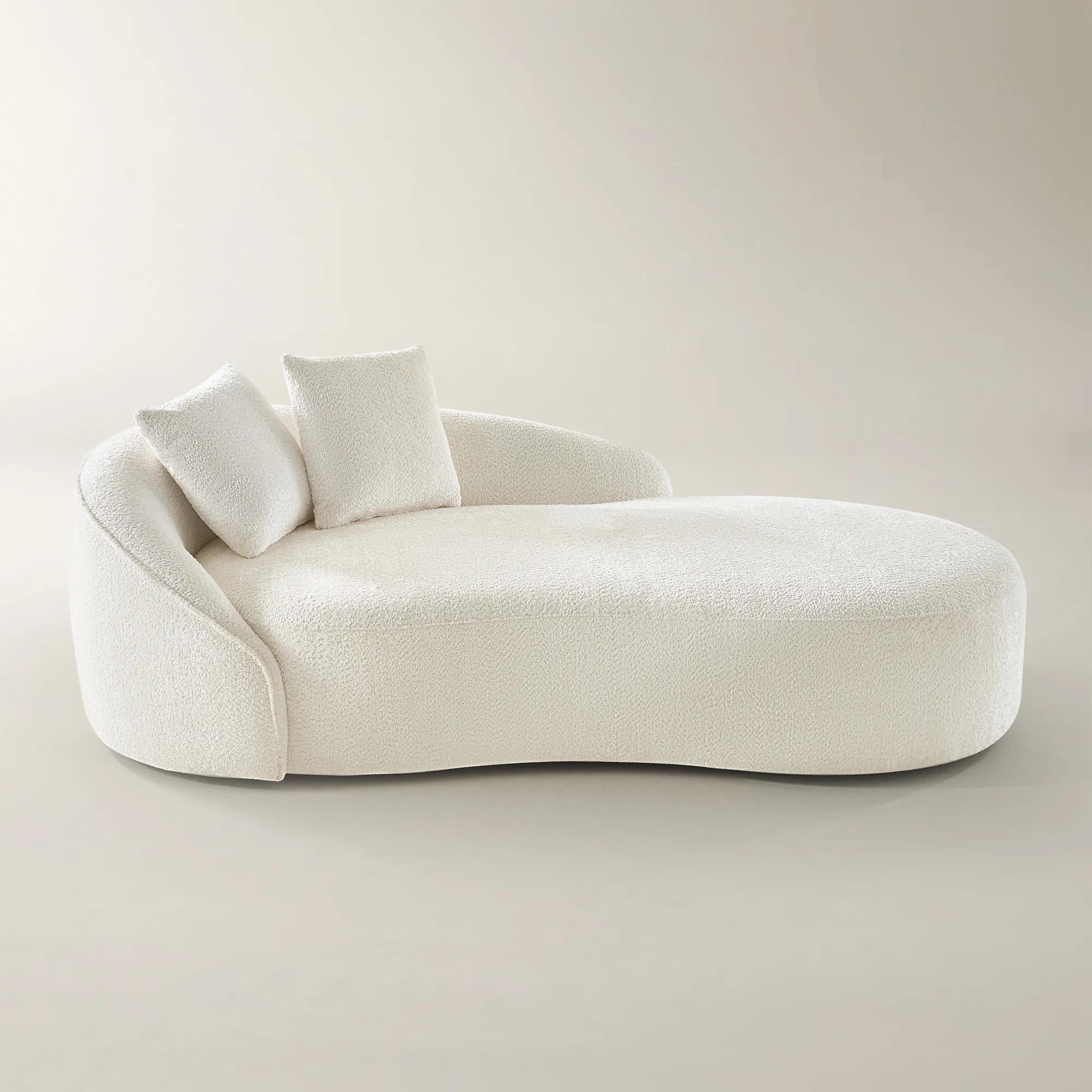 Irene Deep Olive Velvet Chaise$1899
A sculptural deep olive velvet chaise featuring high-resiliency foam cushions and artisan hand-finished upholstery.
Add To Cart -
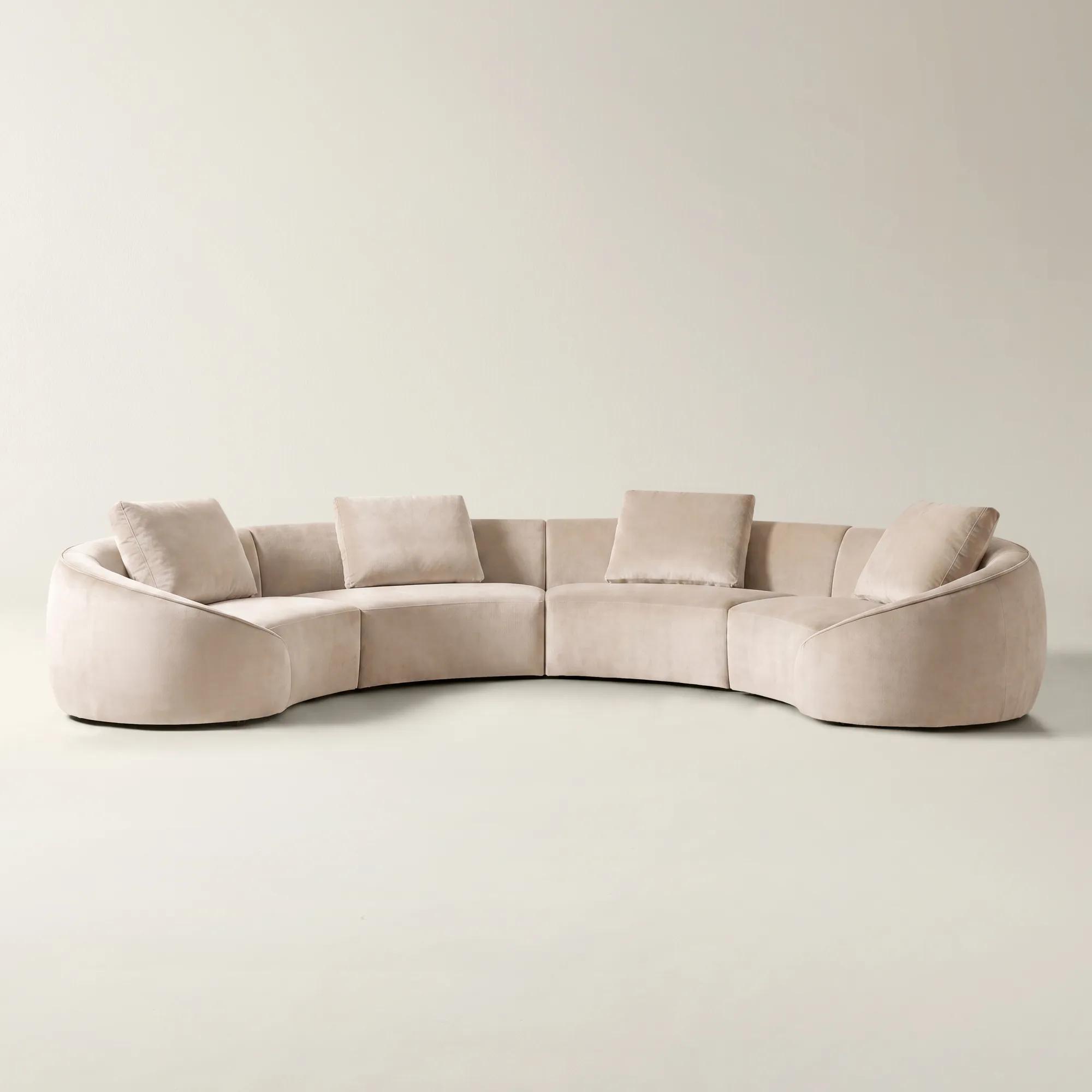 Irene 4-Piece Simply Taupe Velvet Sectional Sofa$4999
A sculptural taupe velvet sectional featuring high-resiliency foam cushions and hand-finished artisan upholstery.
Add To Cart -
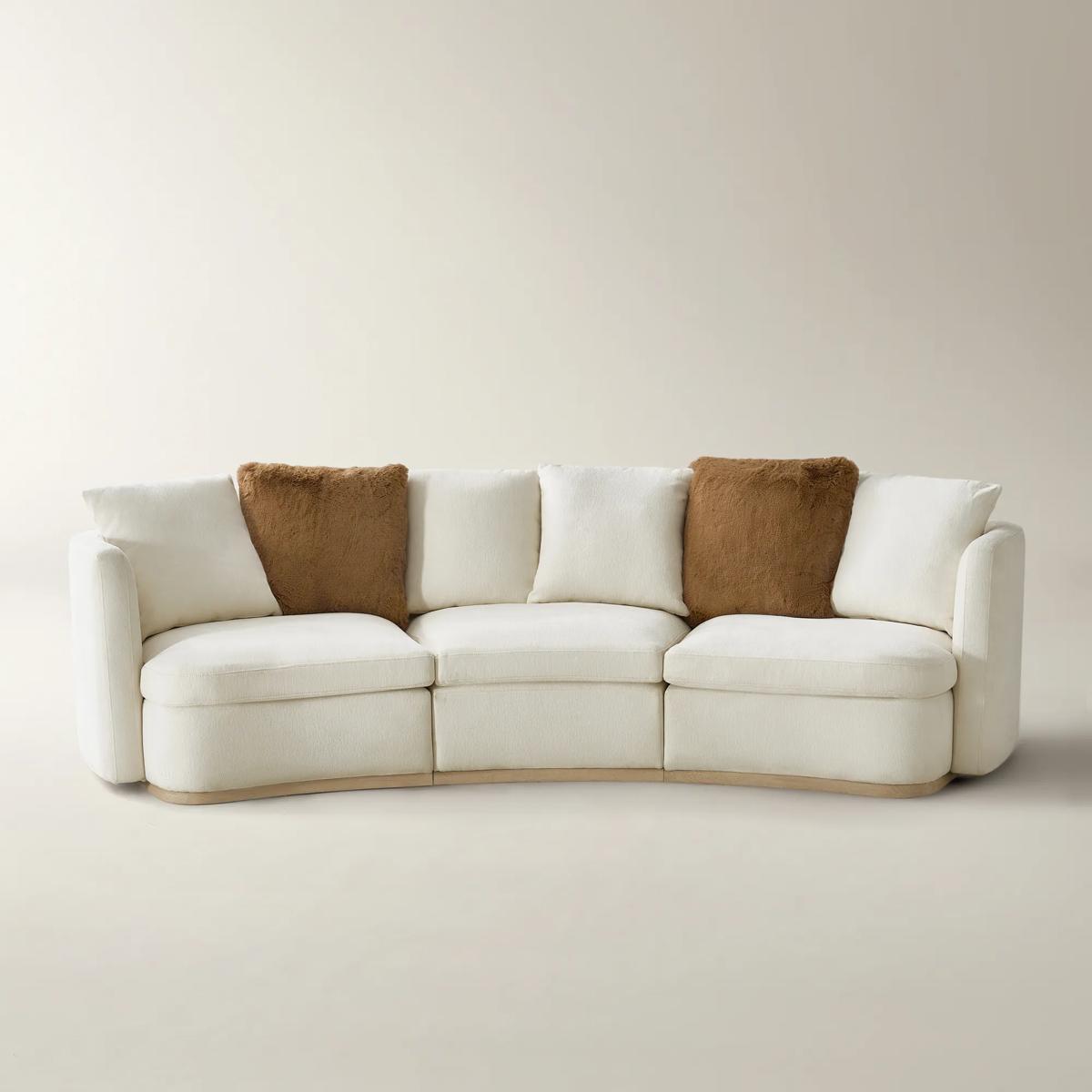 Stria 3-Piece Ivory Chenille Sectional Sofa$3399
An ivory chenille sofa featuring a sculptural curved design, triple-layer cushioning, and a kiln-dried oak frame.
Add To Cart -
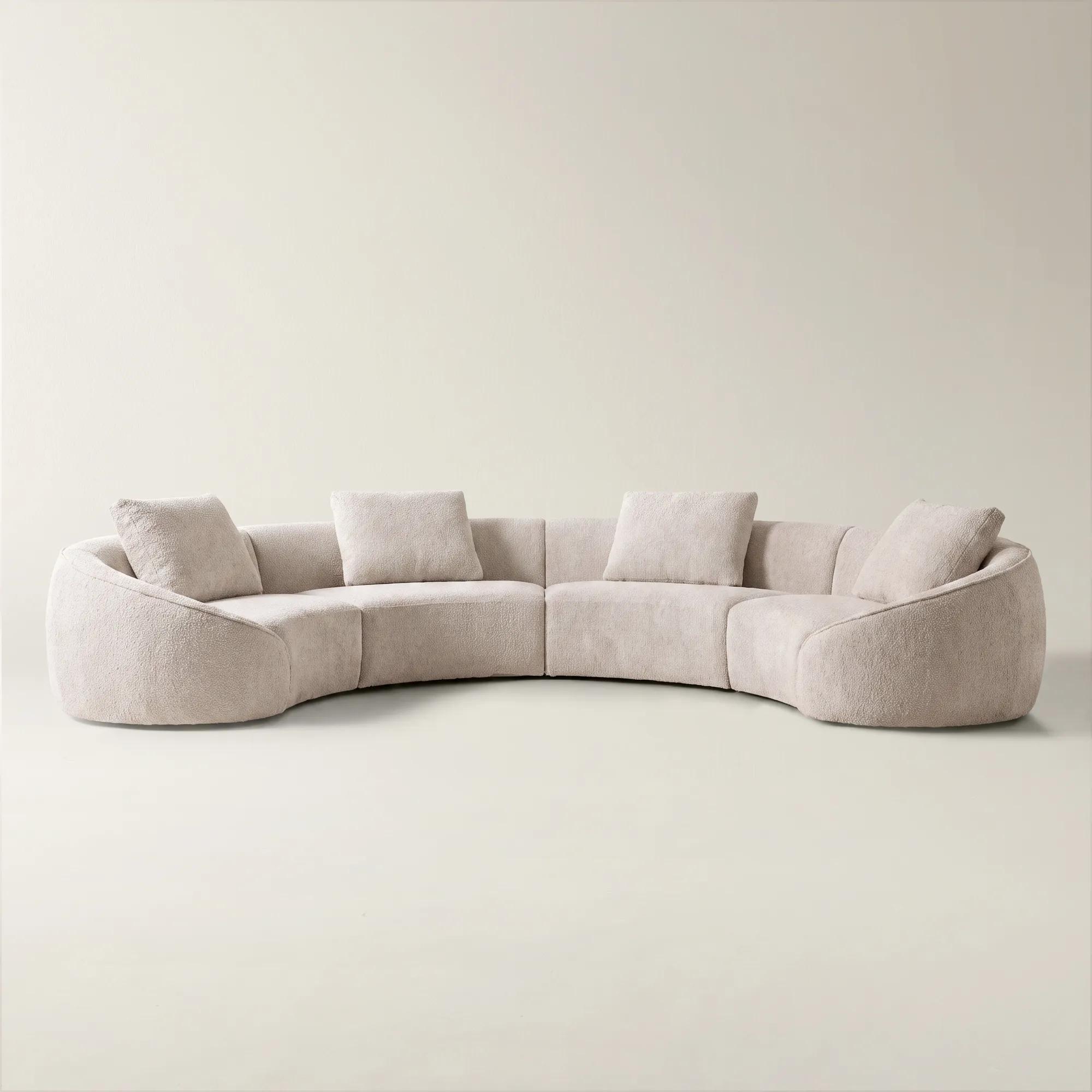
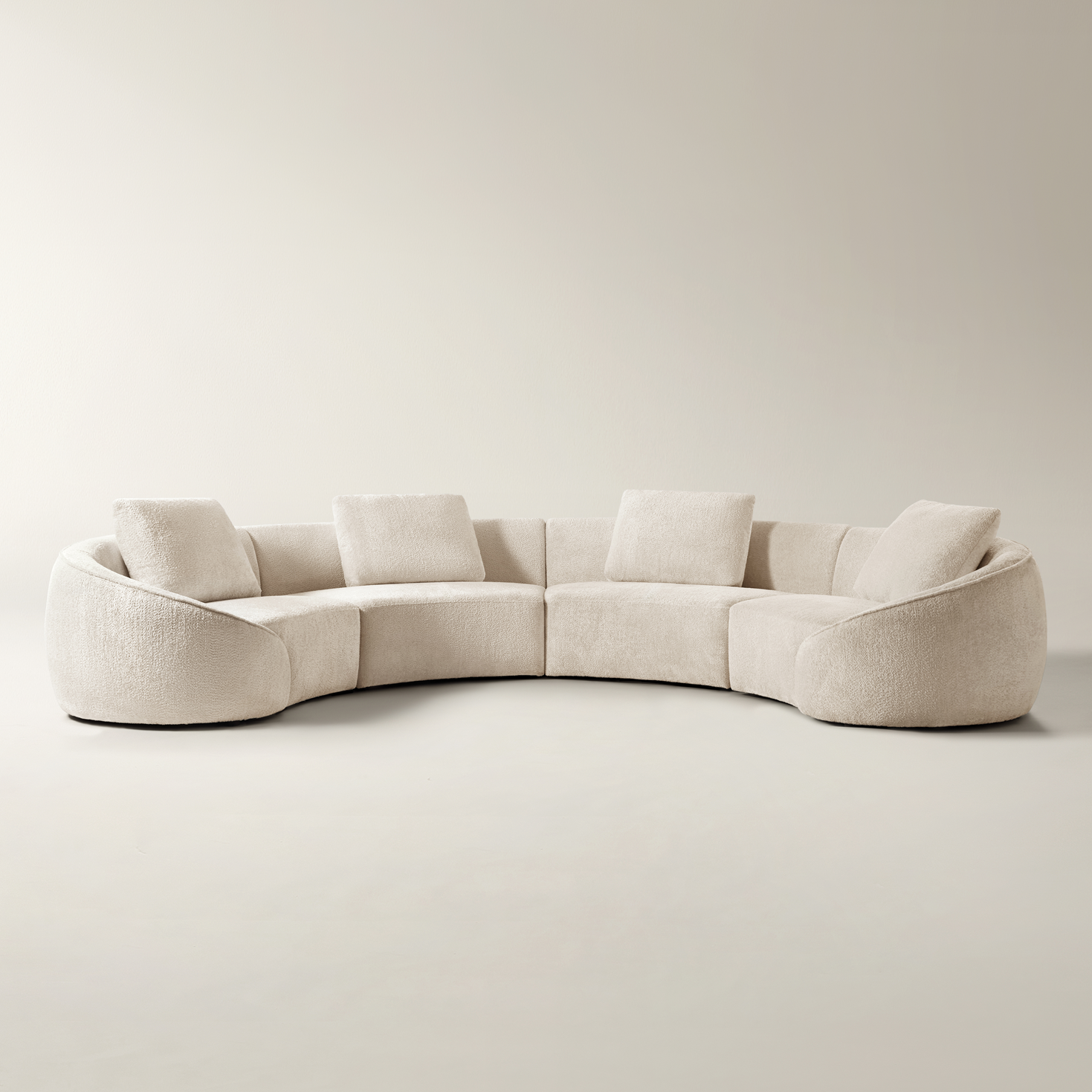 Irene 4-Piece Ivory Performance Boucle Sectional Sofa$5199
An inviting ivory performance boucle sectional featuring sculptural curves, high-resiliency foam, and artisan hand-finished upholstery.
Add To Cart -

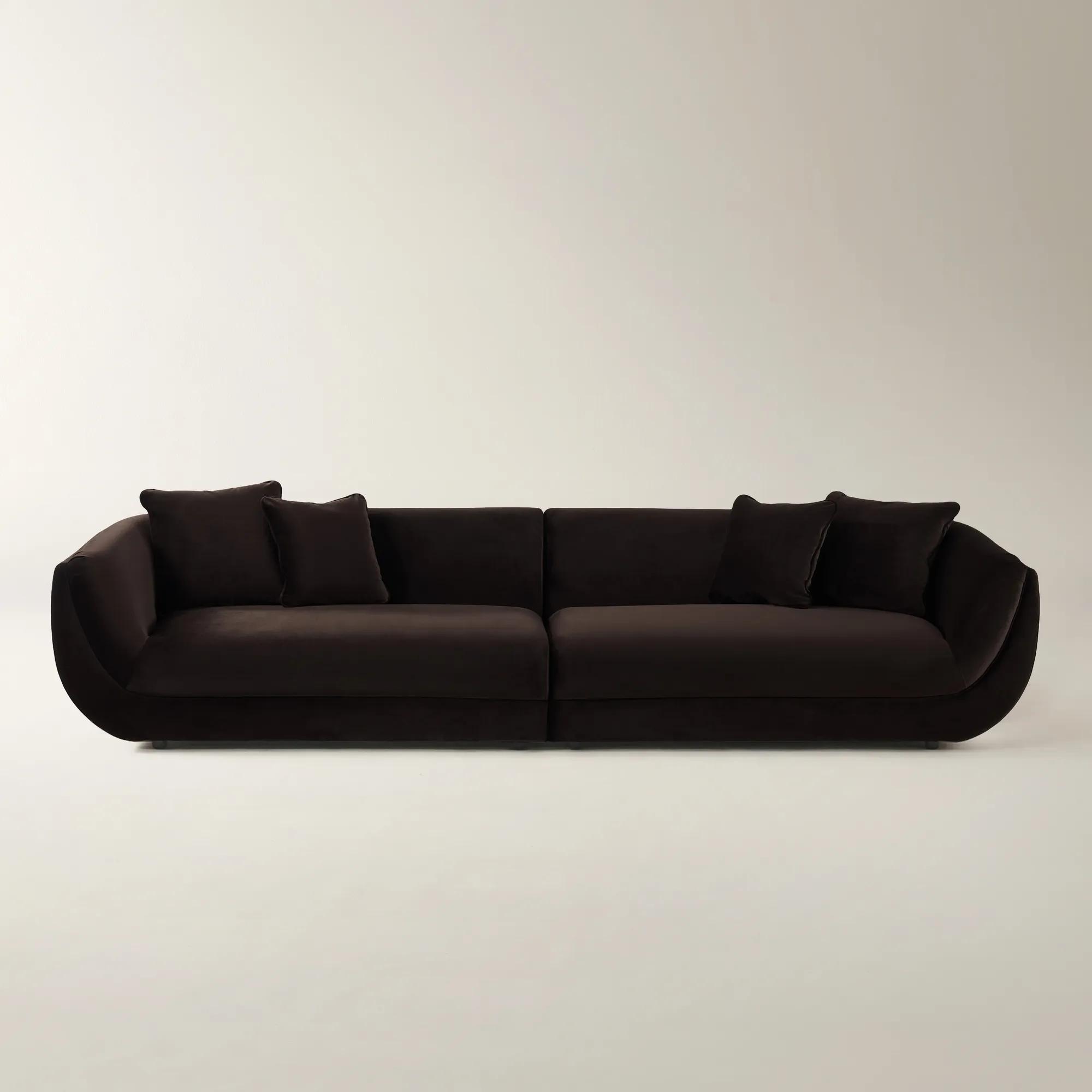
 Curvia 2-Piece Dark Chocolate Velvet Grand Sectional Sofa$2899
A modular sectional wrapped in dark chocolate velvet, featuring sculptural curves and deep, plush lounge seating.
Add To Cart -
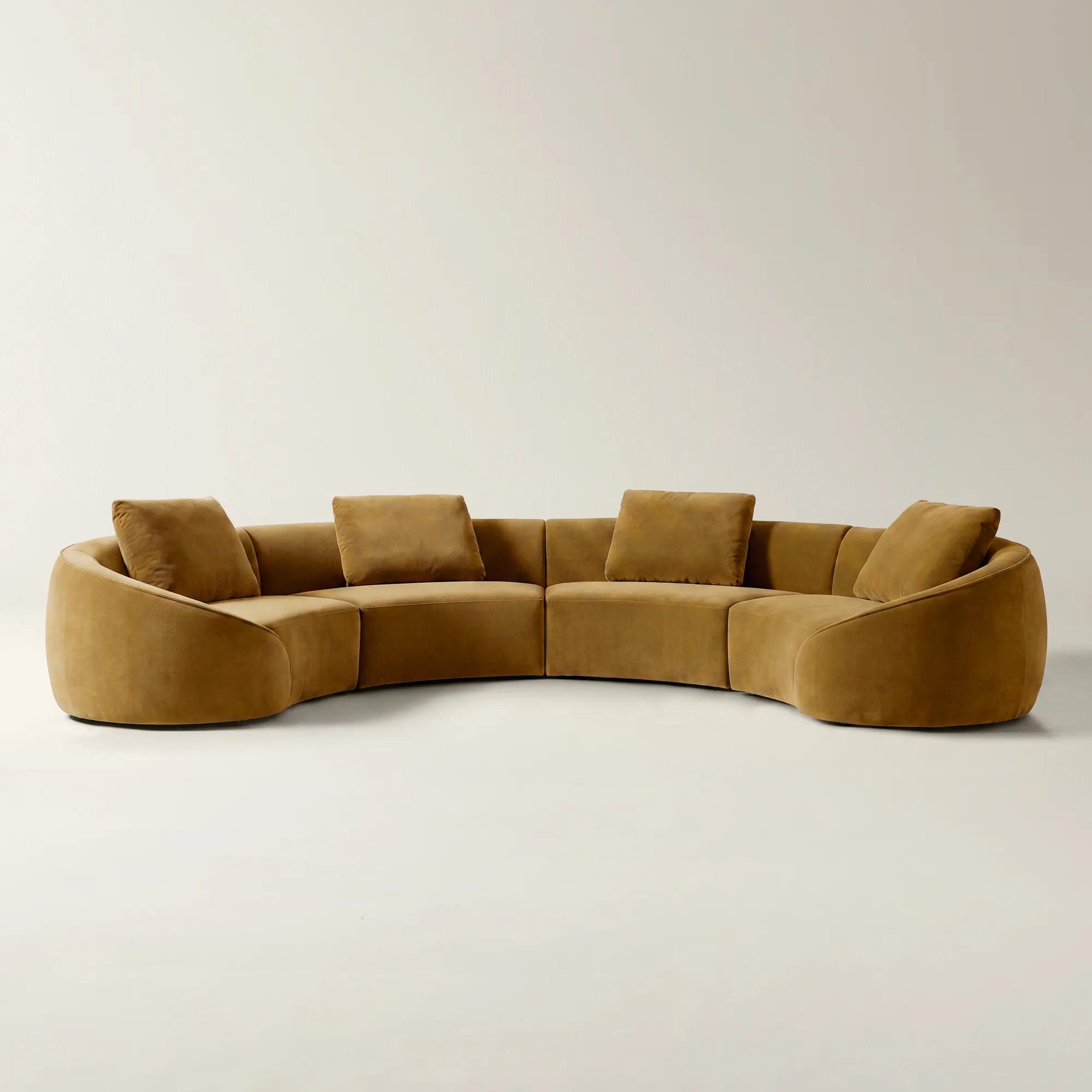 Irene 4-Piece Roasted Pecan Velvet Sectional Sofa$4999
A sculptural, hand-finished sectional sofa upholstered in roasted pecan velvet with high-resiliency foam cushions.
Add To Cart -
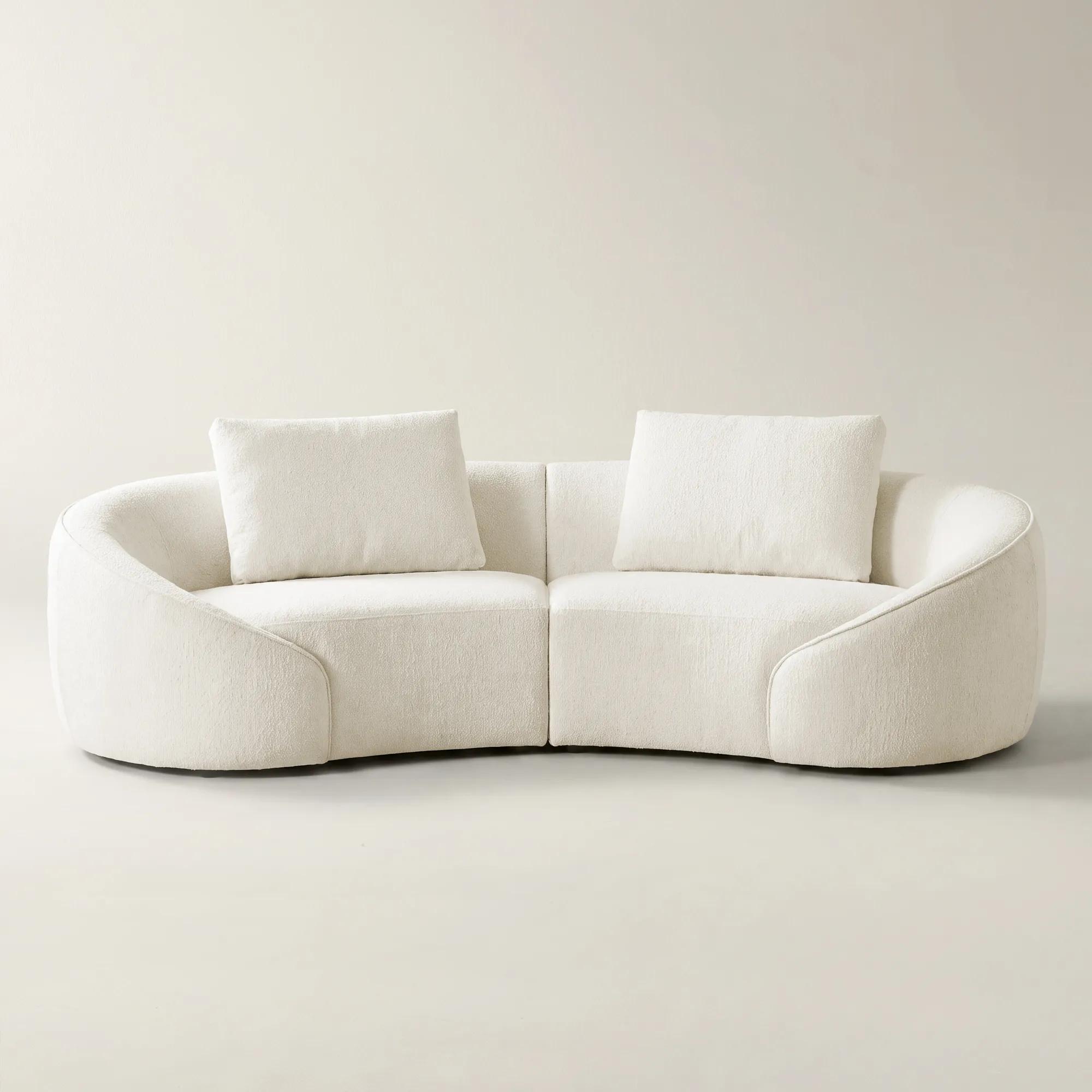
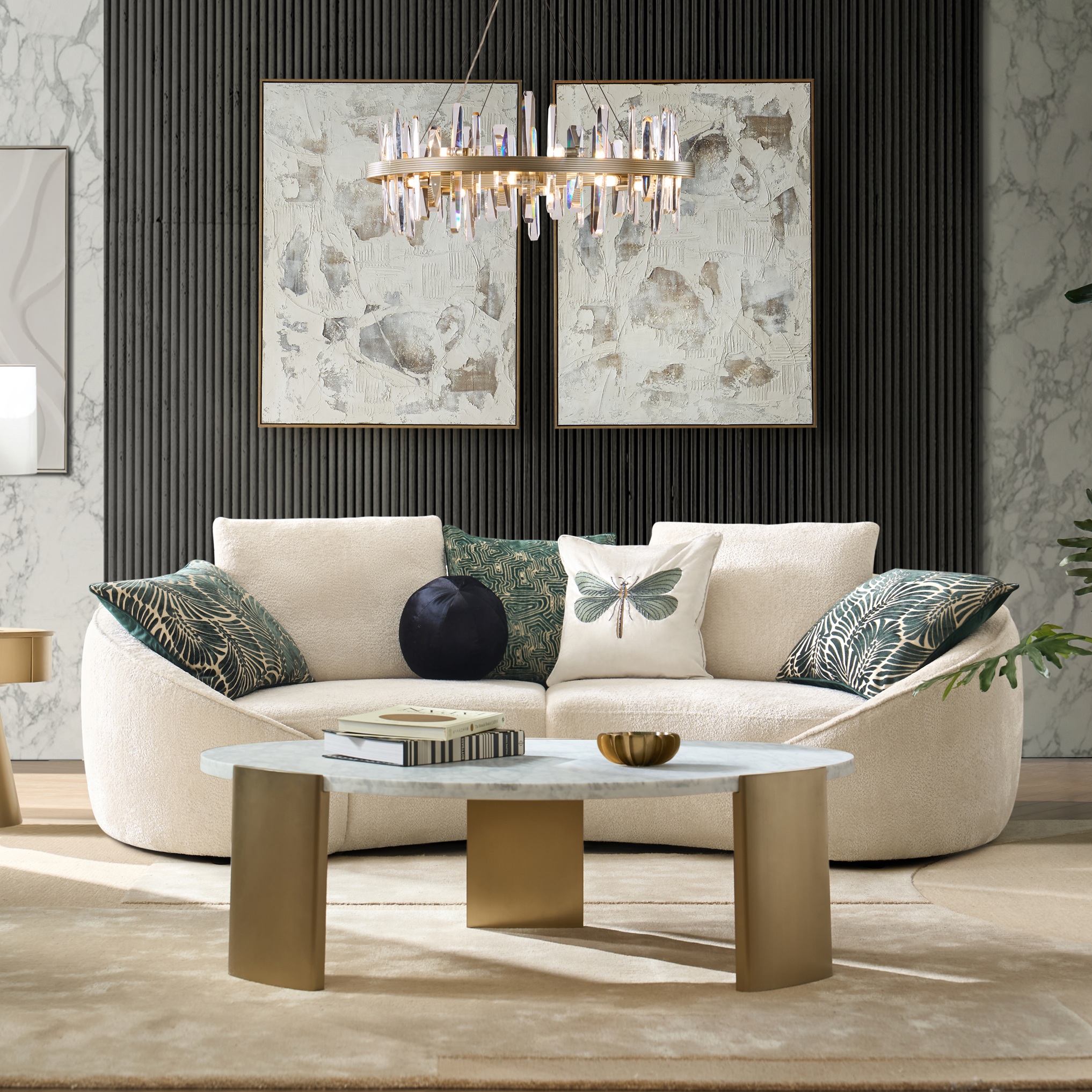 Irene 2-Piece Ivory Performance Chenille Sectional Sofa$2899
A sculptural ivory chenille sectional featuring performance upholstery, high-resiliency foam cushions, and artisan detailing.
Add To Cart -
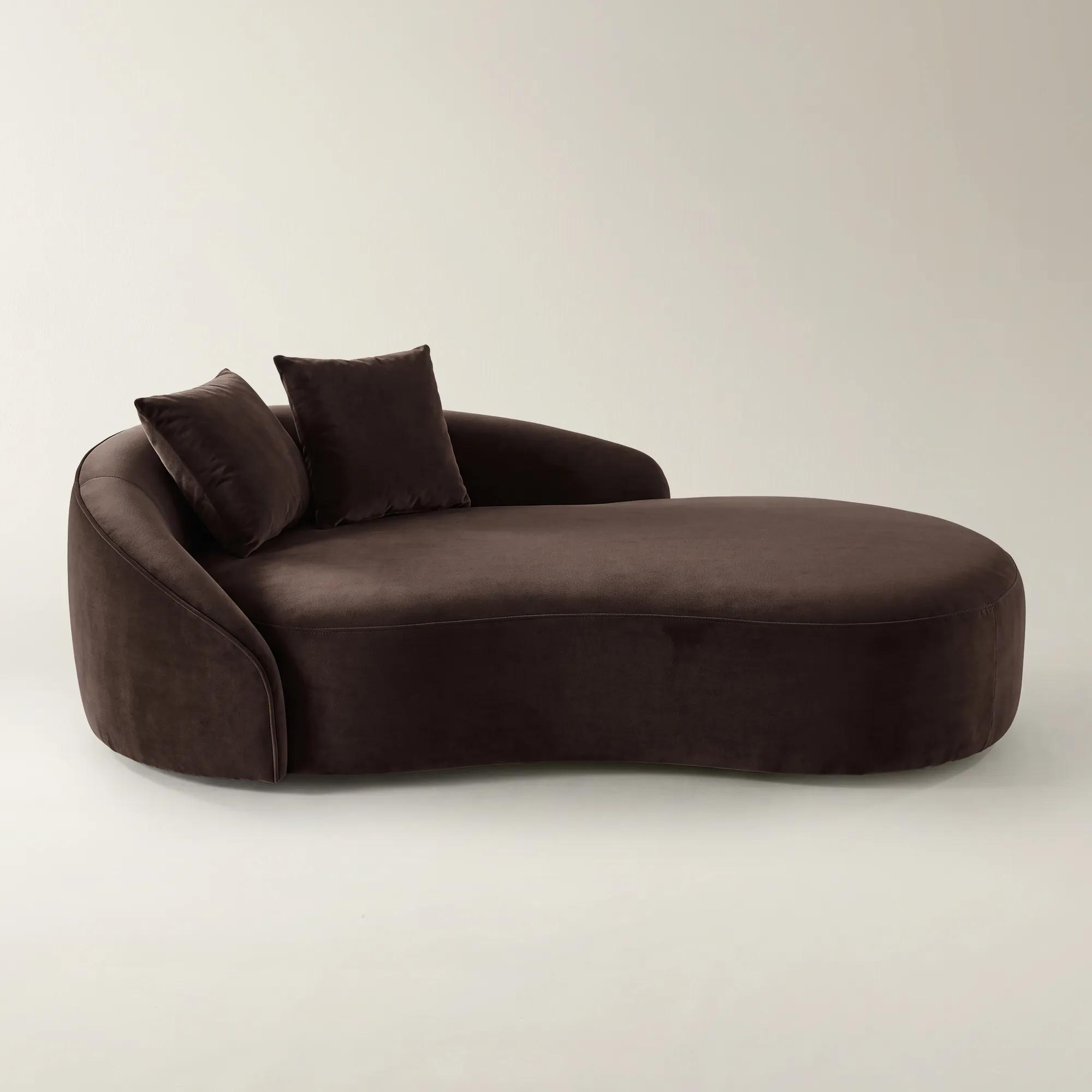 Irene Dark Chocolate Velvet Chaise$1899
A sculptural chaise in dark chocolate velvet with high-resiliency foam cushions and artisan hand-finished upholstery.
Add To Cart -

 Reina 3-Piece Tufted Oatmeal Velvet Sectional Sofa$2499
A plush oatmeal velvet sectional featuring channel tufting, deep seating, and an architectural winged silhouette.
Add To Cart -
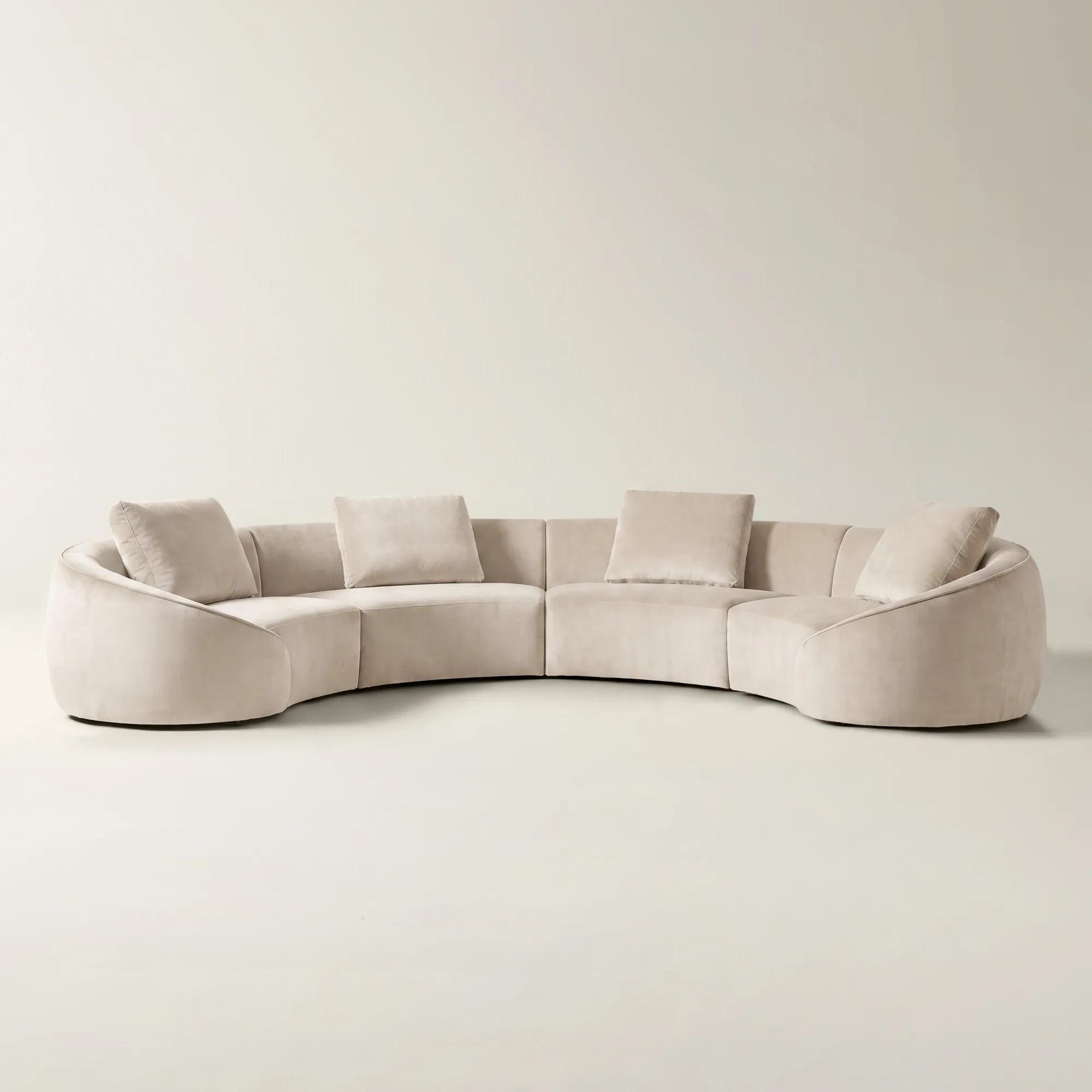 Irene 4-Piece Oatmeal Velvet Sectional Sofa$4999
A sculptural oatmeal velvet sectional featuring hand-finished upholstery, high-resiliency foam cushions, and modular design.
Add To Cart -
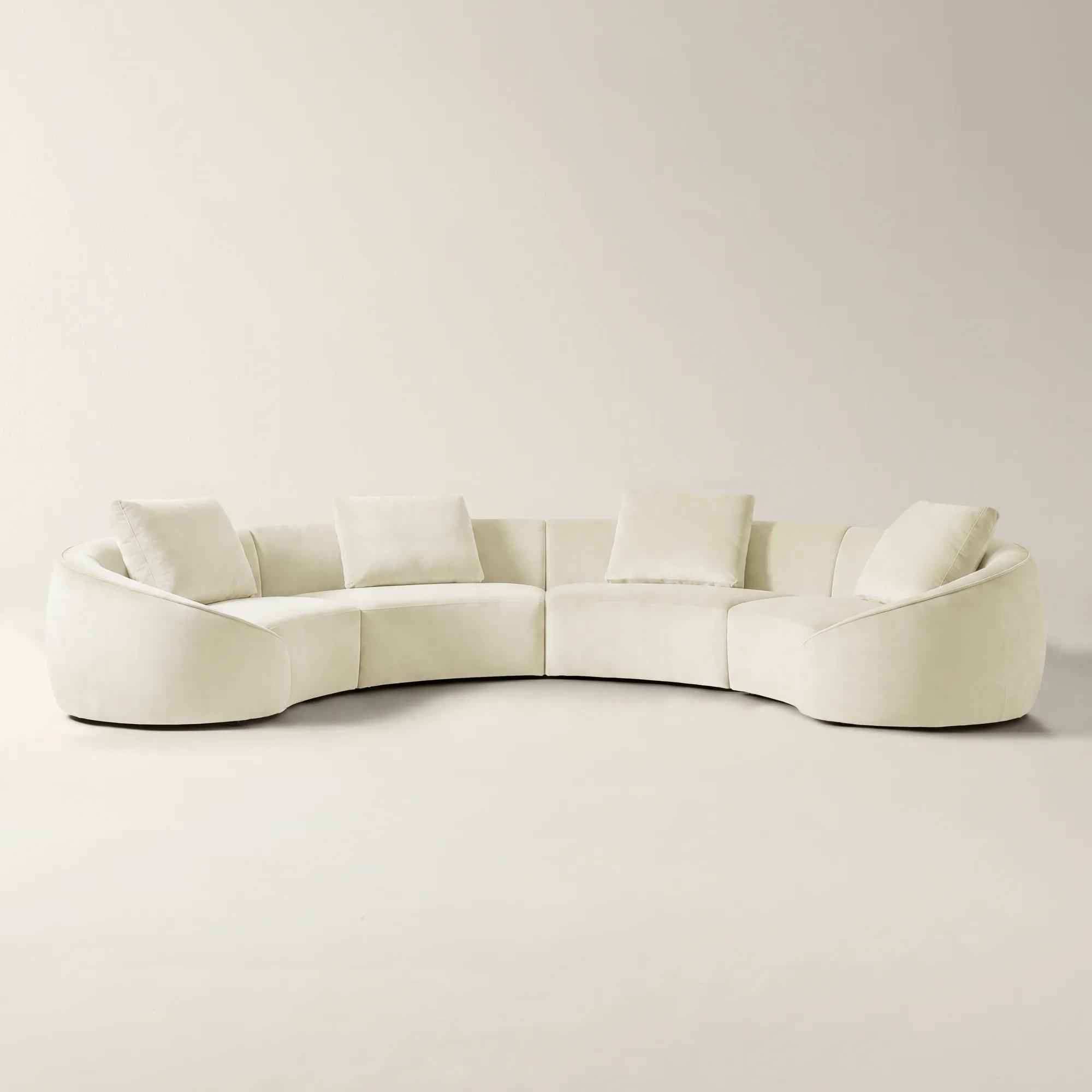 Irene 4-Piece Cloud Velvet Sectional Sofa$4999
A sculptural, hand-finished velvet sectional featuring high-resiliency foam cushions and customizable upholstery options.
Add To Cart -
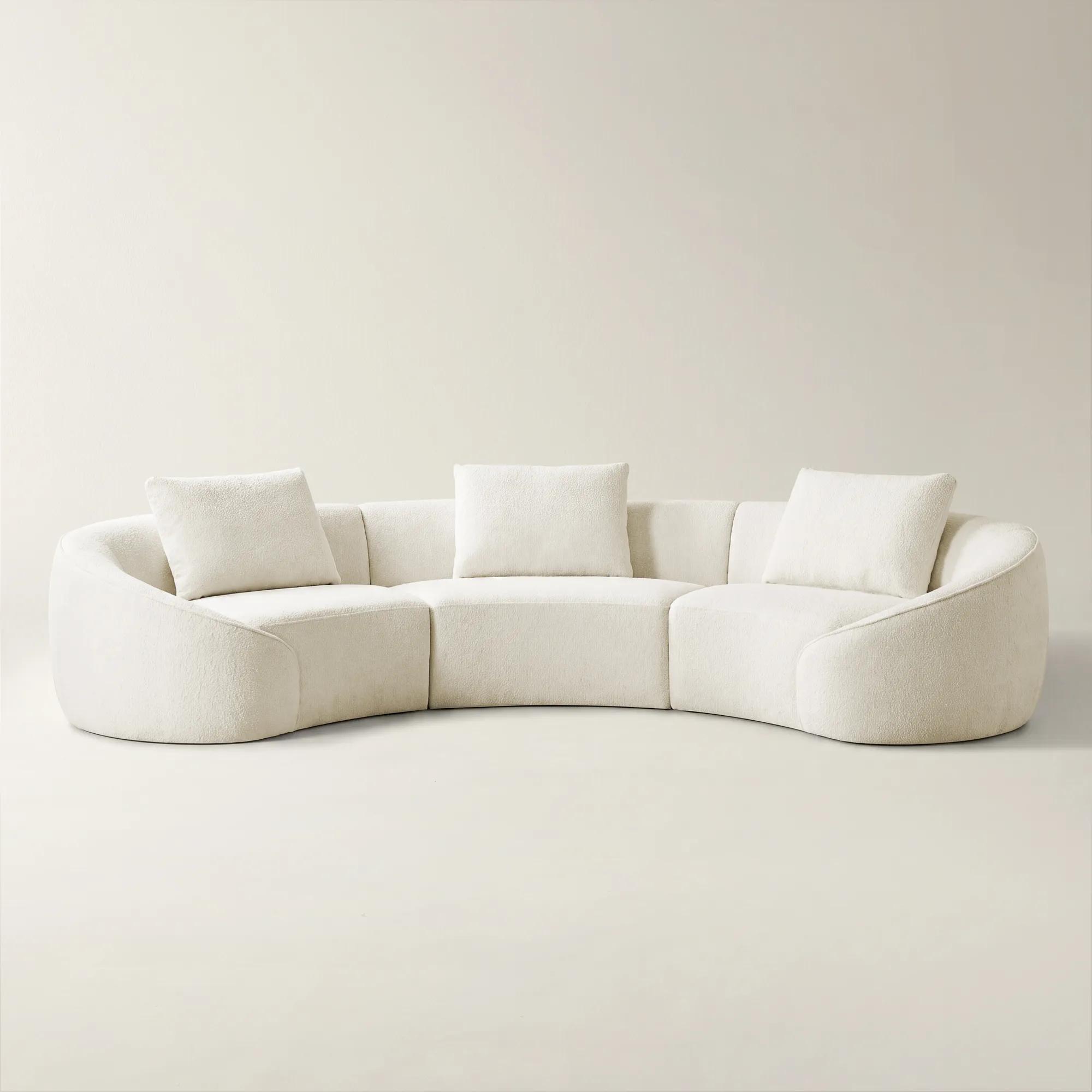 Irene 3-Piece Ivory Performance Chenille Sectional Sofa$4099
An inviting ivory chenille sectional featuring sculptural curves, performance upholstery, and high-resiliency foam cushions.
Add To Cart -
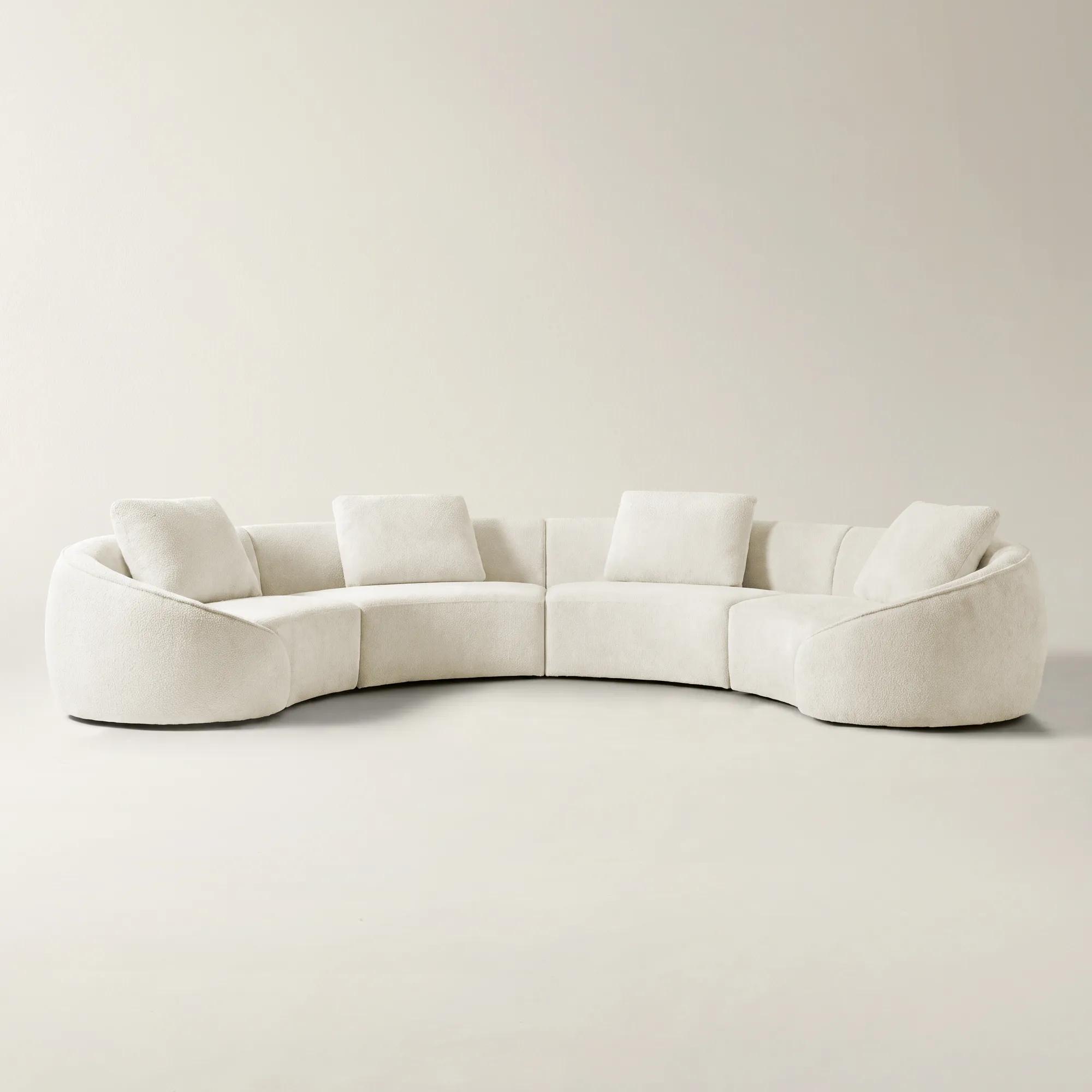 Irene 4-Piece Ivory Performance Chenille Sectional Sofa$5199
An inviting ivory chenille sectional featuring sculptural curves, performance upholstery, and artisan-crafted detailing.
Add To Cart -
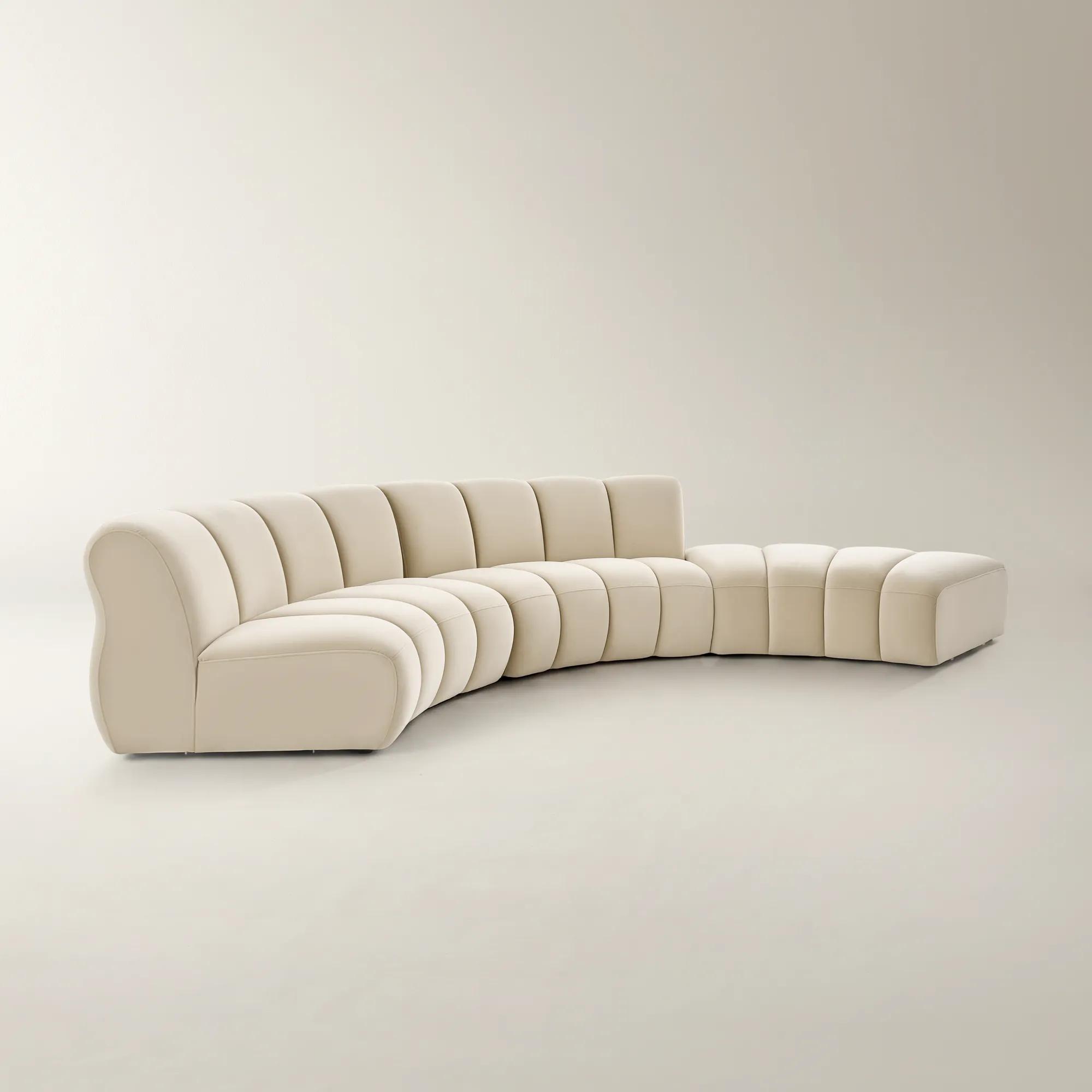 Jocelyn 3-Piece Channel-Tufted Oatmeal Velvet Sectional Sofa With Ottoman$3699
An oatmeal velvet sectional with deep channel tufting, curved silhouette, and modular design for versatile lounging.
Add To Cart -
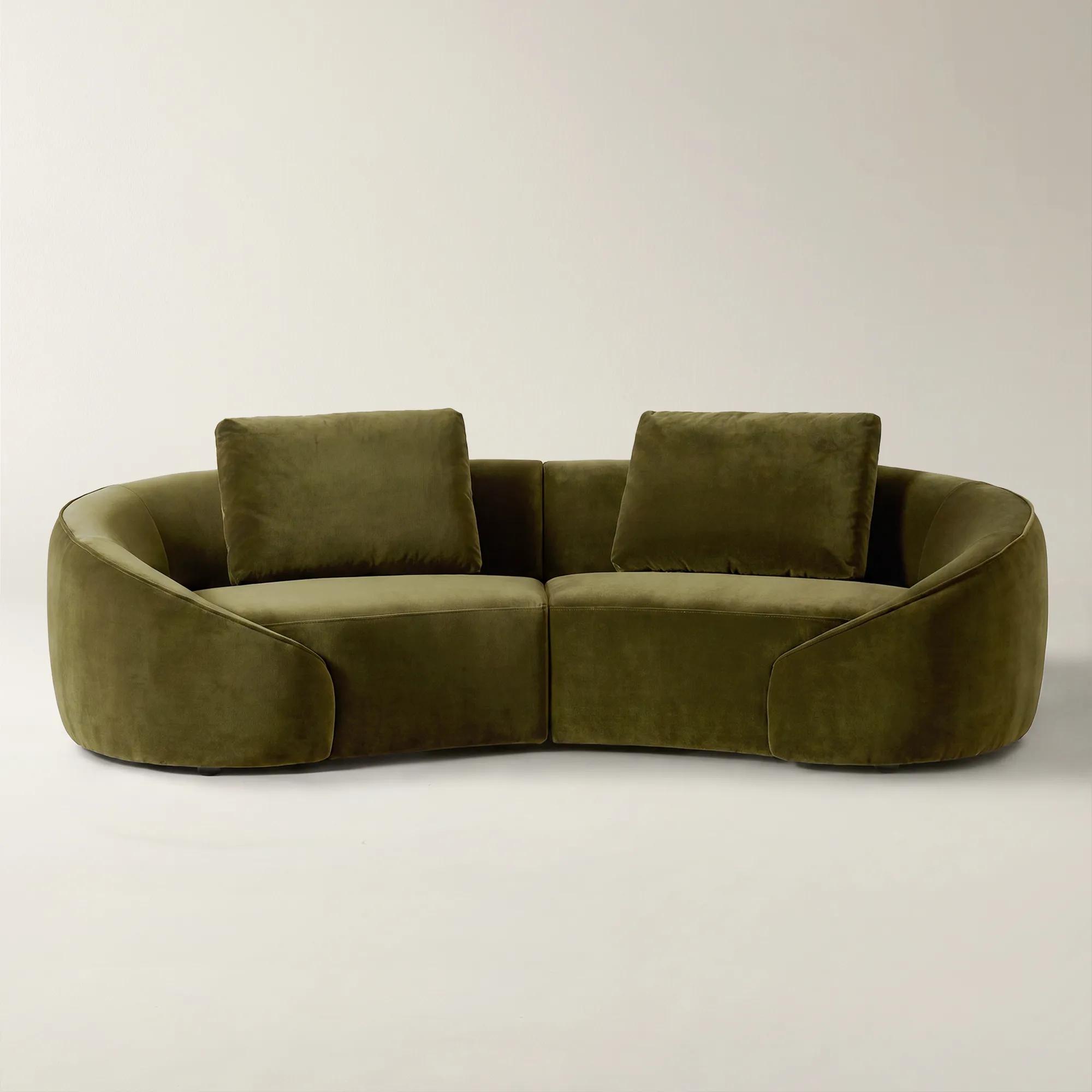
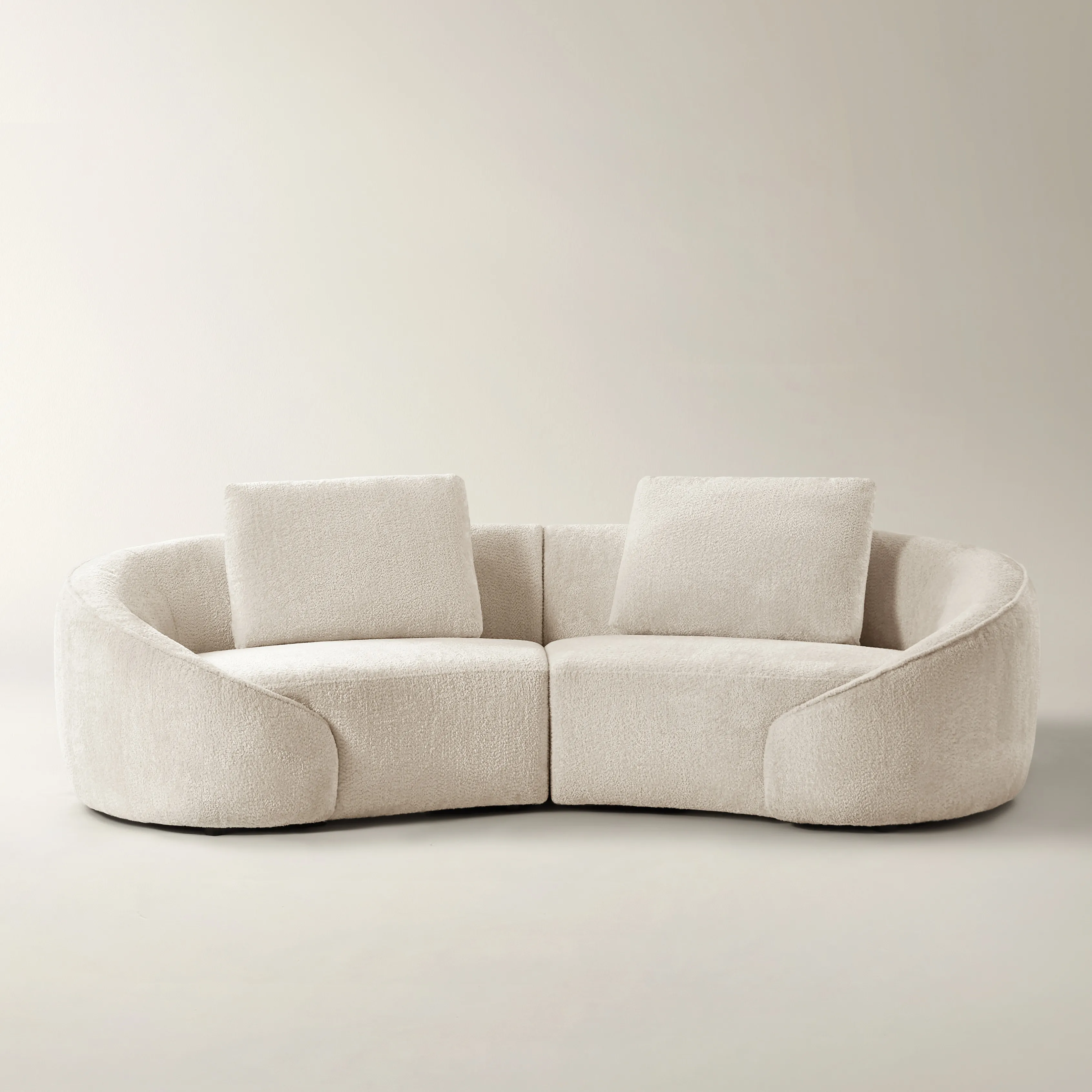 Irene 2-Piece Deep Olive Velvet Sectional Sofa$2699
A sculptural deep olive velvet sectional featuring high-resiliency foam cushions and artisan hand-finished upholstery.
Add To Cart -
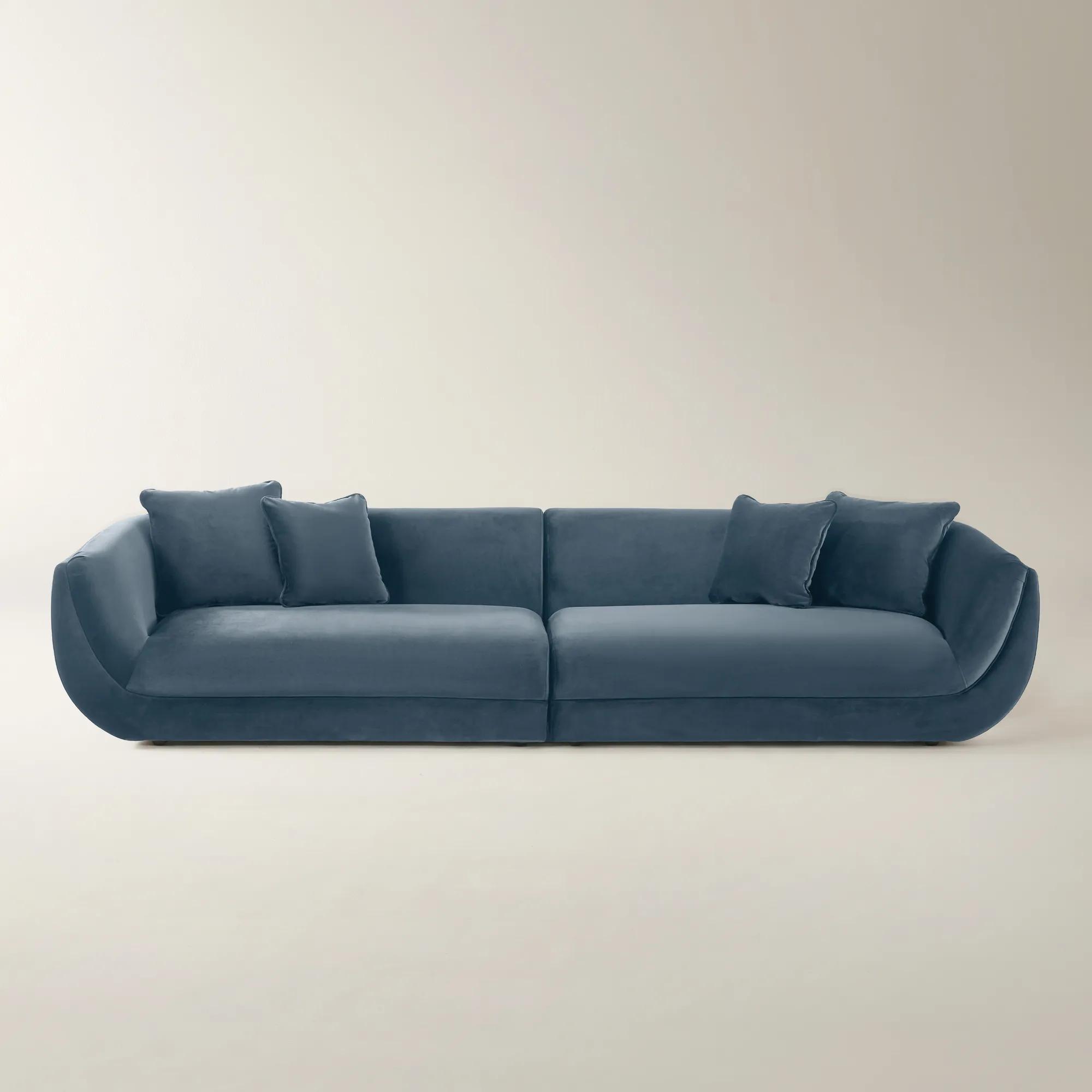
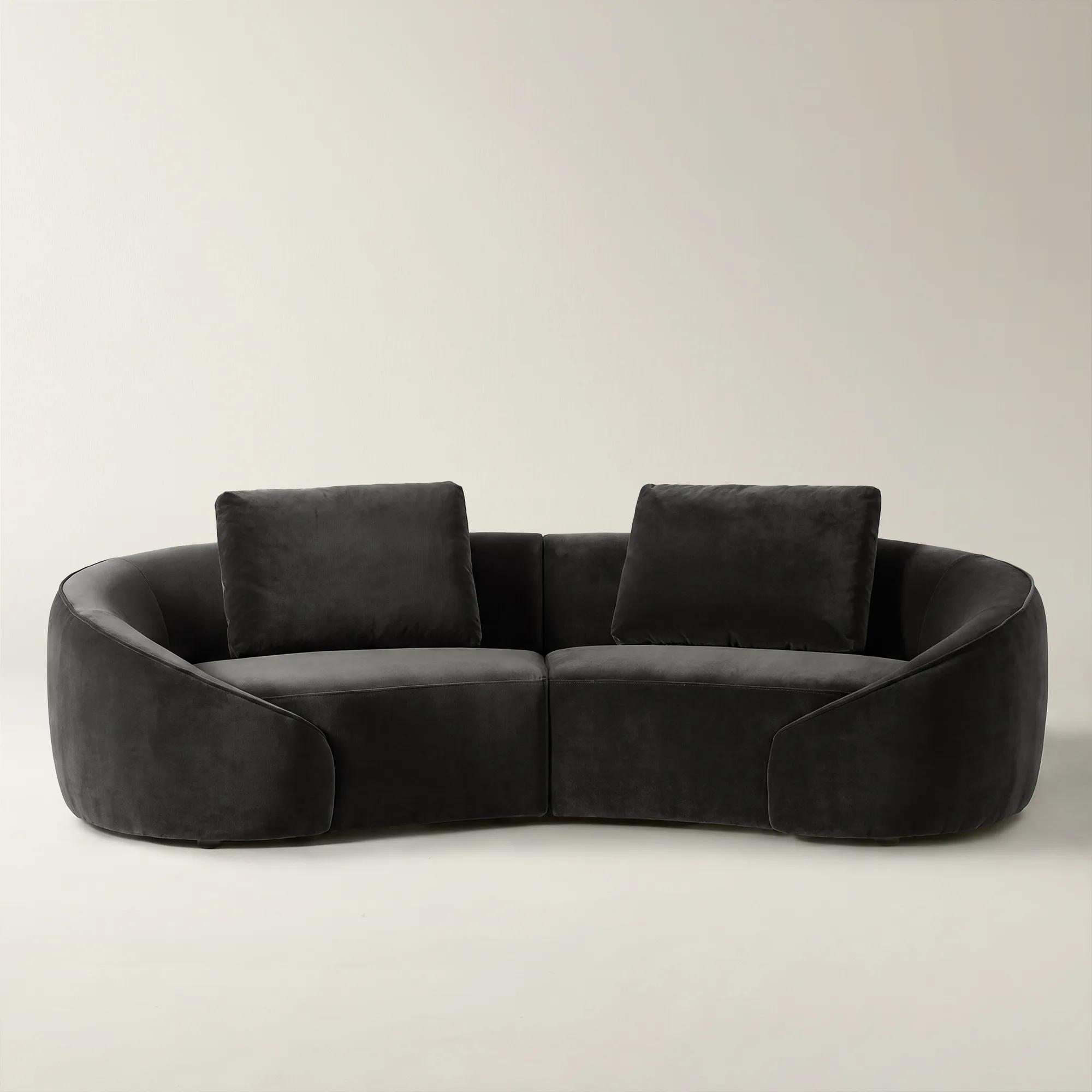 Irene 2-Piece Charcoal Velvet Sectional Sofa$2699
A sculptural charcoal velvet sectional with high-resiliency foam cushions and artisan hand-finished upholstery.
Add To Cart -
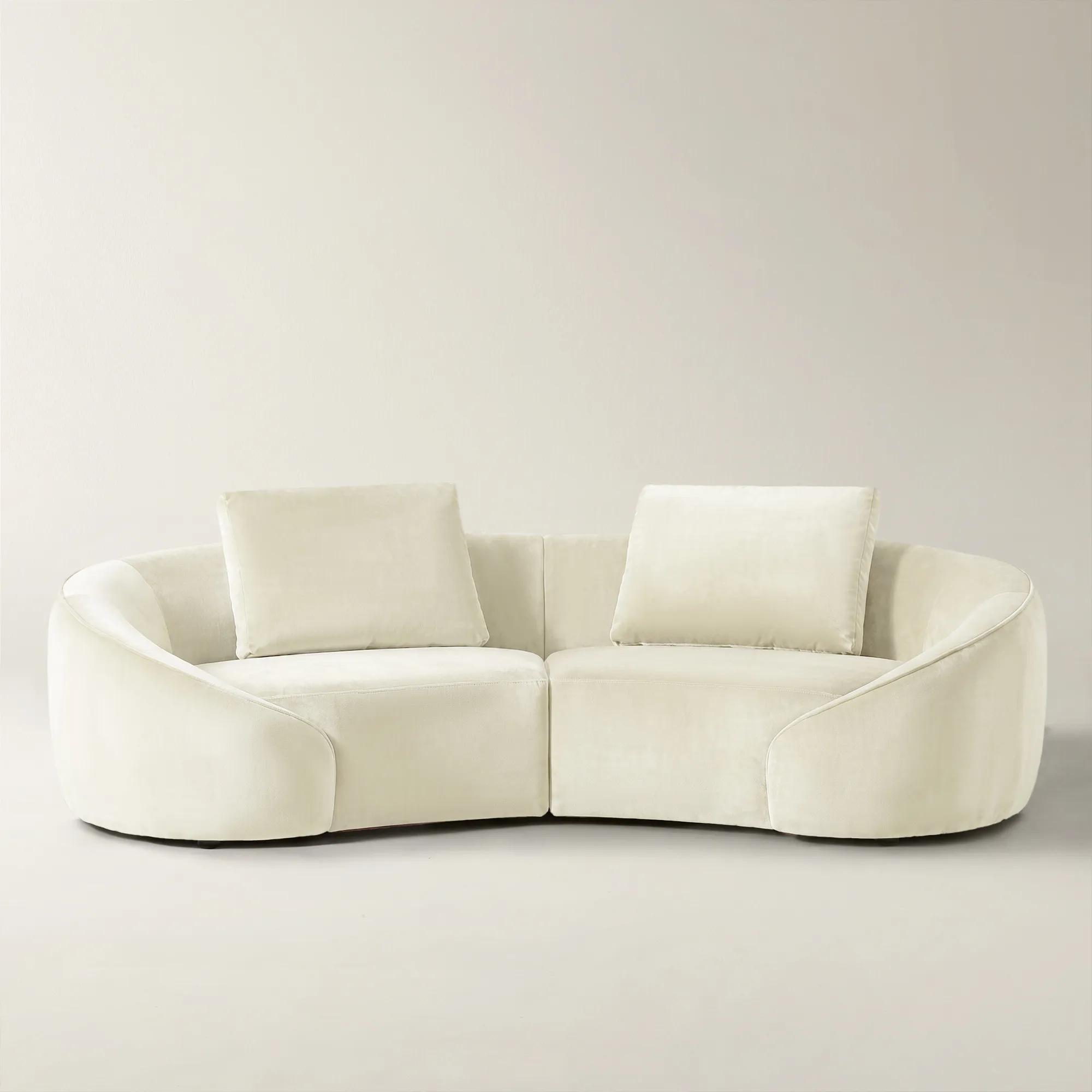 Irene 2-Piece Cloud Velvet Sectional Sofa$2699
A sculptural, curved sectional upholstered in plush velvet with high-resiliency foam cushions and artisan detailing.
Add To Cart -
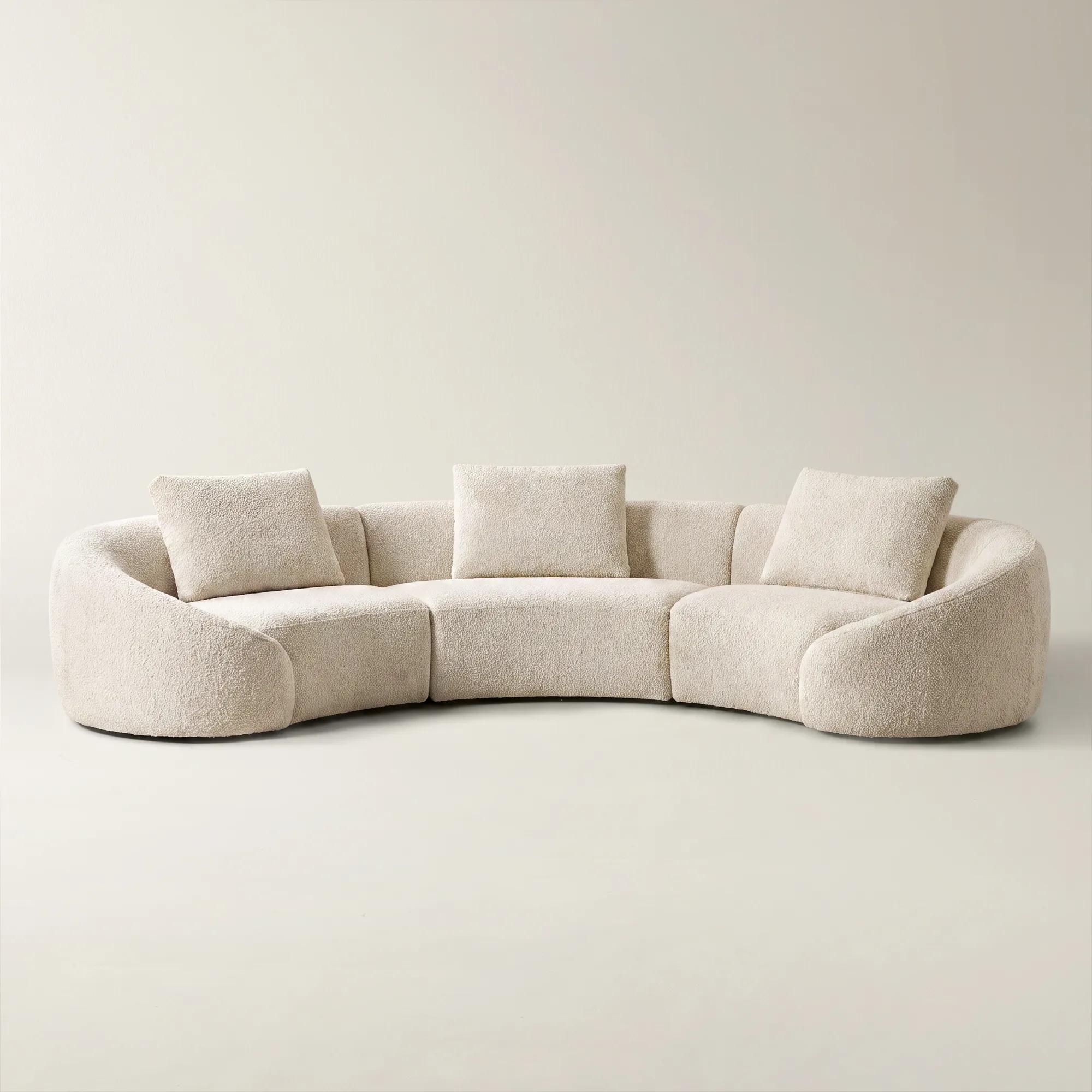 Irene 3-Piece Ivory Performance Boucle Sectional Sofa$4099
An inviting ivory performance boucle sectional featuring sculptural curves, high-resiliency foam, and artisan hand-finished upholstery.
Add To Cart -
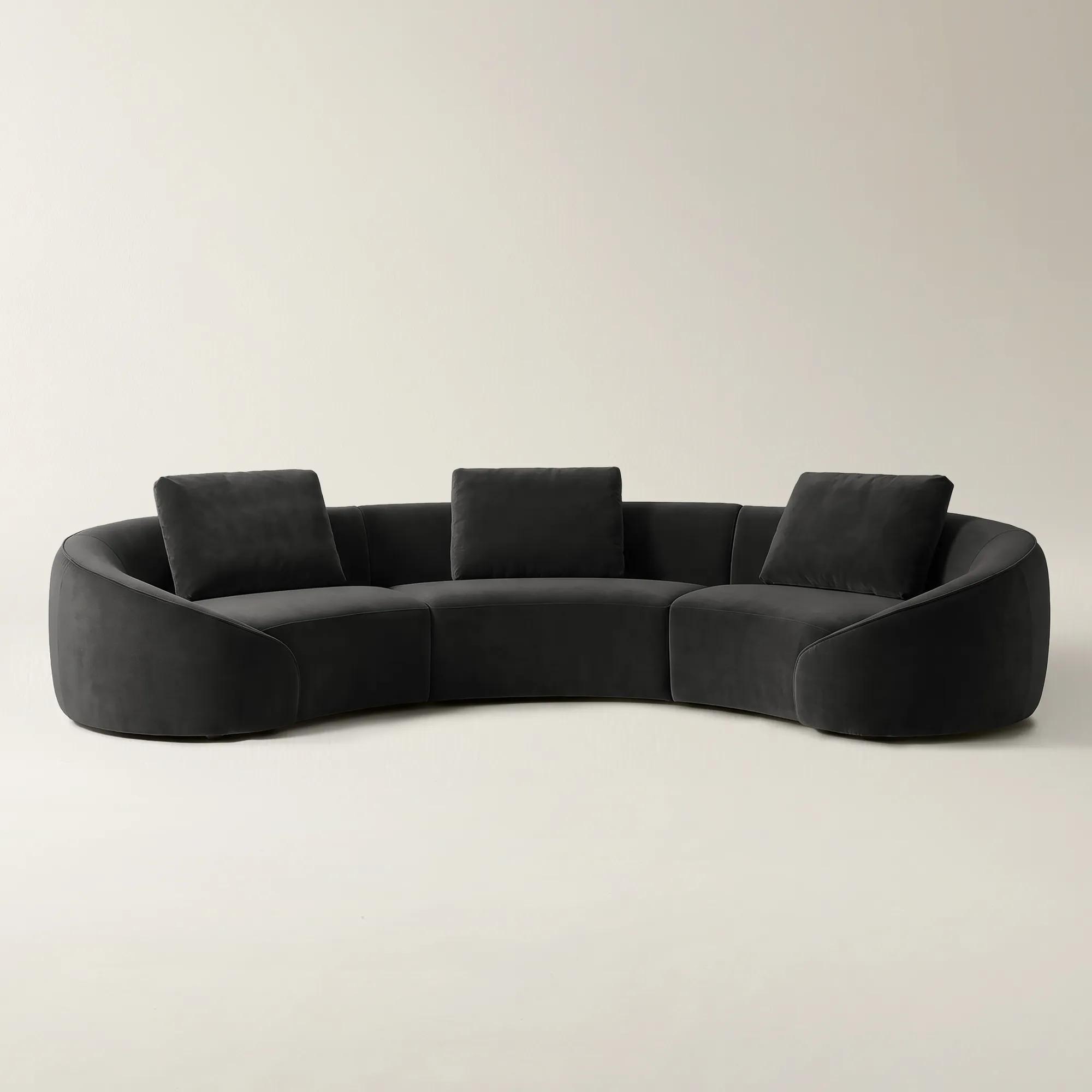 Irene 3-Piece Charcoal Velvet Sectional Sofa$3899
A sculptural charcoal velvet sectional featuring high-resiliency foam cushions and hand-finished artisan upholstery.
Add To Cart -
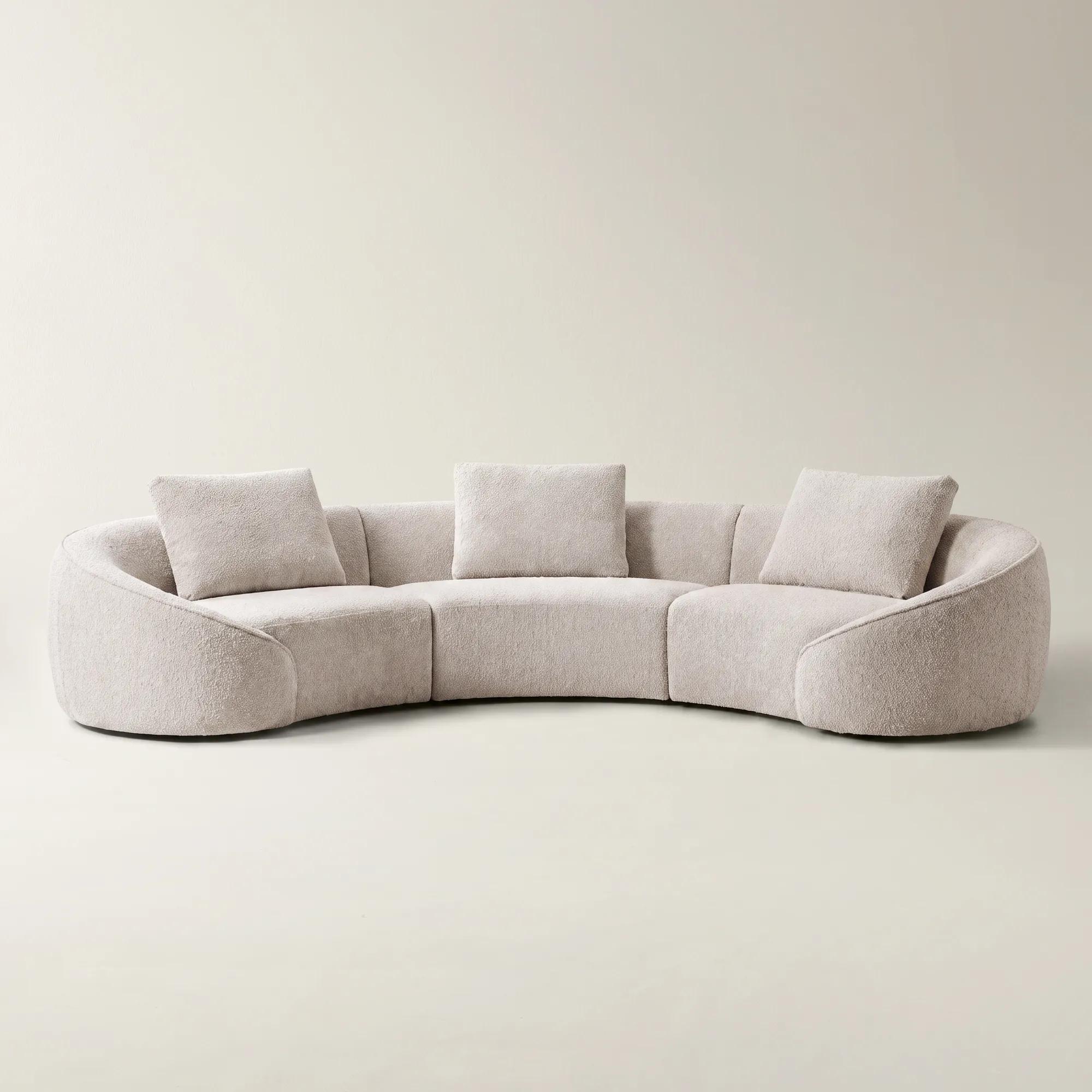 Irene 3-Piece Ivory Performance Boucle Sectional Sofa$4099
A sculptural ivory boucle sectional featuring performance upholstery, high-resiliency foam cushions, and artisan hand-finished details.
Add To Cart -
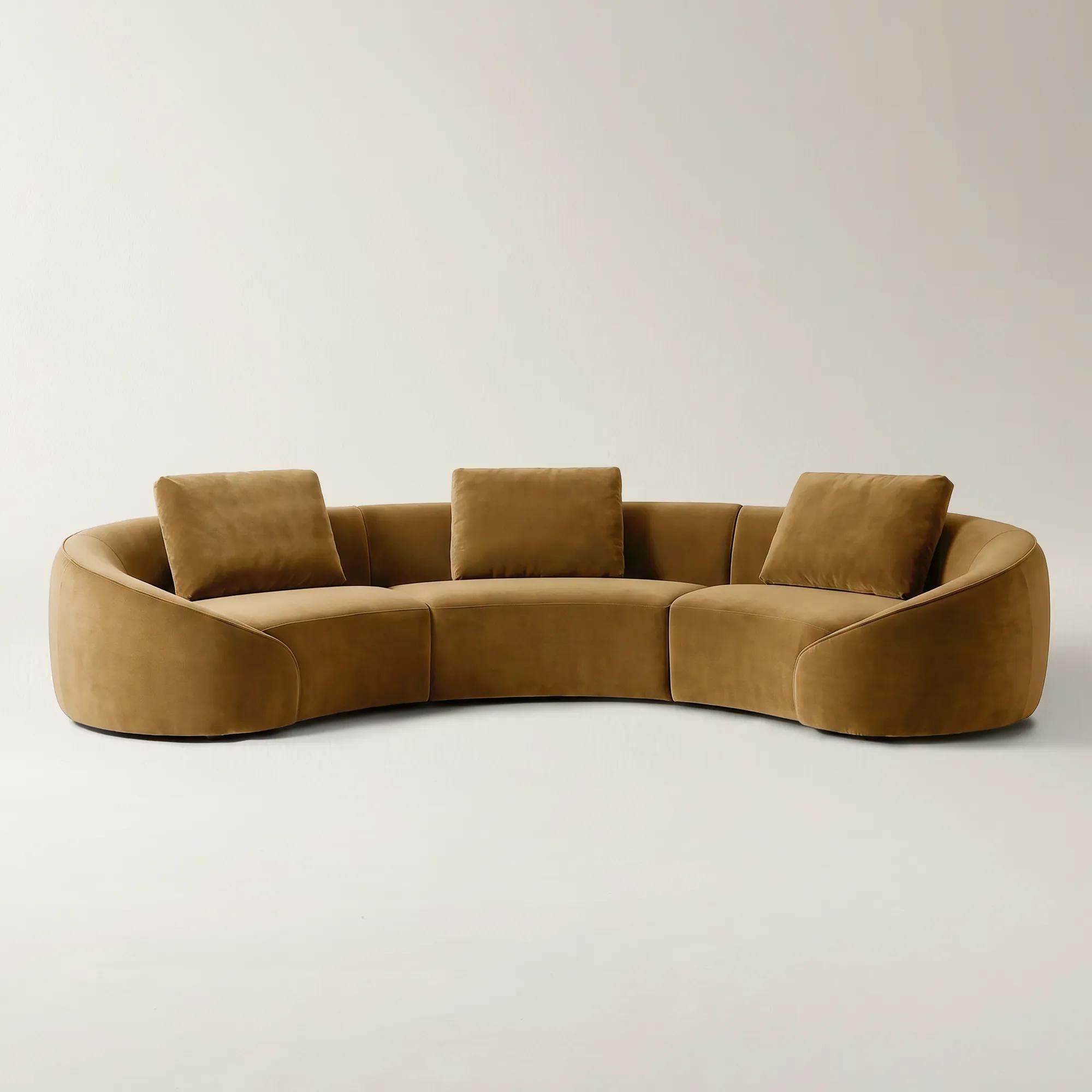 Irene 3-Piece Roasted Pecan Velvet Sectional Sofa$3899
A sculptural, hand-finished sectional in roasted pecan velvet with high-resiliency foam cushions and artisan detailing.
Add To Cart -
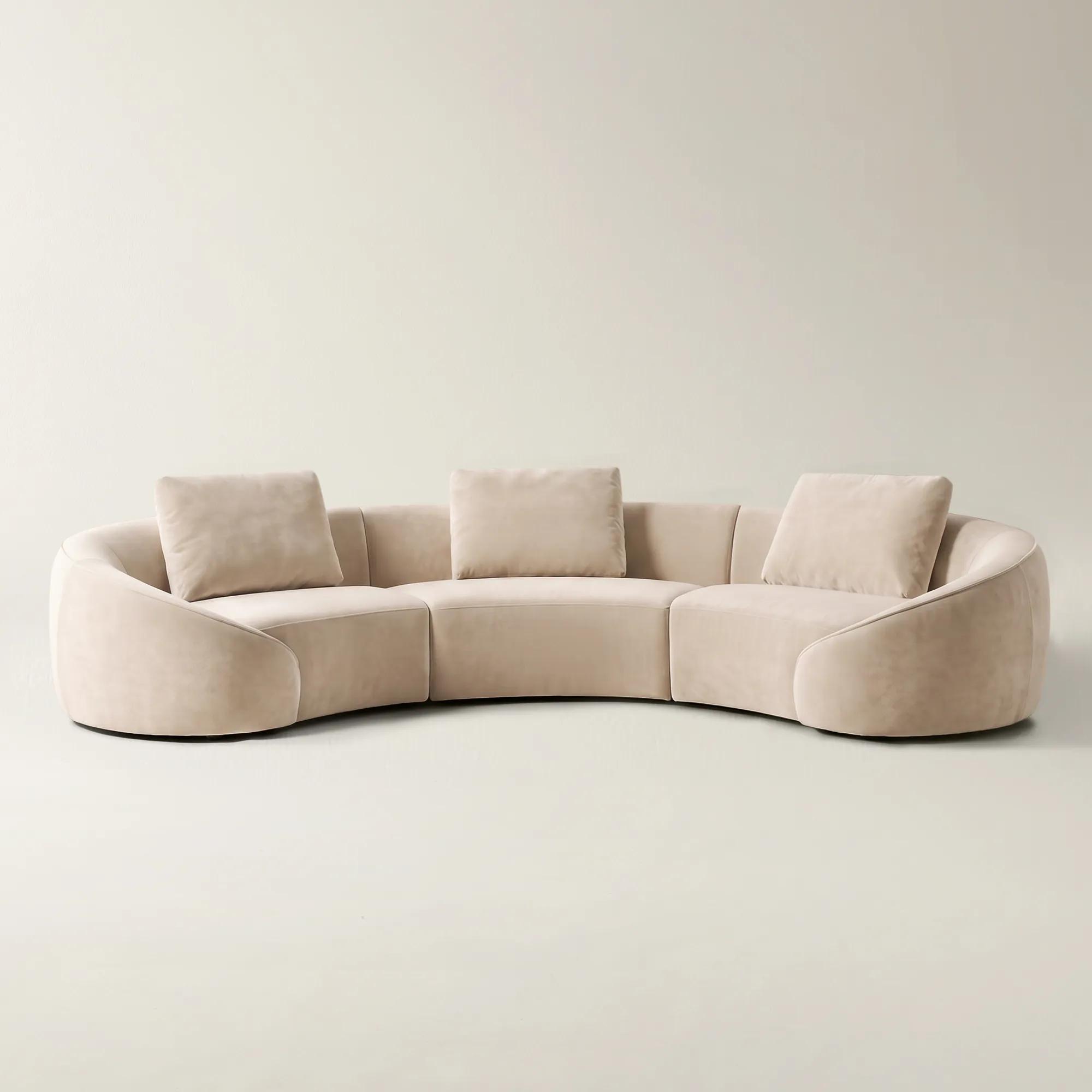 Irene 3-Piece Simply Taupe Velvet Sectional Sofa$3899
A sculptural, hand-finished sectional in simply taupe velvet with high-resiliency foam cushions and accent pillows.
Add To Cart

Build Your Own Living Room Furniture
Build your own living room with furniture chosen to suit your space and express your style. Explore the selection for a coordinated look or an artfully layered mix, considering each piece’s scale and how it complements your existing decor. Plan around seating needs, comfortable walkways, and a striking focal point to create a room that invites conversation.
Build-your-own living room furniture turns a seating arrangement into a personal composition, with the proportions, comfort, and visual presence that make a room distinctly yours. In modular furniture, “build your own” means combining compatible, finished components into a complete arrangement rather than constructing furniture from raw materials. Armless seats, corner sections, chaise components, and ottomans can create anything from an intimate conversation area to an expansive sectional, depending on the collection’s configuration options. The appeal lies in having a say in how the room lives: a generous chaise for stretching out with a novel, an L-shaped arrangement that defines an open floor plan, or a balanced grouping that keeps guests comfortably facing one another. A sculptural silhouette can bring architectural drama to an otherwise quiet space, while deeply upholstered seating creates an inviting counterpoint to glass, metal, and polished stone. Scale gives that drama its elegance. Overall width and depth matter, but so do seat height, cushion depth, arm thickness, and the space needed to move between furniture. A sofa with broad arms occupies its footprint differently from a streamlined design, and a deep seat feels different to someone who prefers sitting upright than to someone who loves to lounge. In a narrow living room, a thoughtfully proportioned sectional may preserve a more graceful walkway than several separate seats. In a larger space, distinct seating zones can keep the arrangement connected without placing every piece against a wall. Doorways, stair turns, elevator dimensions, and individual component measurements also influence whether an arrangement fits the home beyond its final position. Modular pieces are not universally interchangeable, so connection systems, component orientation, and collection compatibility deserve attention. Left-facing and right-facing descriptions should follow the manufacturer’s diagrams rather than assumptions about the room. That precision allows the finished arrangement to feel composed, not simply assembled, with each section contributing to both the silhouette and the way people gather.
Materials give living room furniture its tactile character, while construction determines how convincingly that beauty supports everyday life. Velvet brings a rich, light-responsive surface that can make a curved back or generous cushion look almost sculpted; its nap may reveal shifts in tone and touch marks that are part of the fabric’s character. Textured woven upholstery offers a different expression, introducing dimension that can soften a bold outline or lend depth to a restrained color palette. Leather, where specified, contributes its own distinctive hand and surface character, with care requirements that vary by finish. No upholstery category is automatically stainproof, scratchproof, or maintenance-free, and performance claims are most useful when tied to the particular fabric’s specifications. For households with children, pets, or frequent guests, cleanability, abrasion resistance, seam construction, and cushion recovery can matter as much as color. Removable cushion covers should not be assumed to be machine washable; the stated care instructions remain the authority. Beneath the upholstery, frame materials, reinforced joints, suspension, and cushion composition work together to shape support and durability. A firmer seat can suit conversation and getting up easily, while a softer cushion may deliver the enveloping comfort associated with extended lounging. Foam, fiber, feather, and down blends each behave differently, and some cushions require regular fluffing or rotation where their construction permits. Fabric swatches help reveal undertones and texture beside flooring, wall color, and existing furnishings, especially because upholstery can appear different under daylight and interior lighting. Gentle vacuuming with an appropriate attachment helps manage dust, while prompt blotting and manufacturer-approved cleaning methods help protect the finish of the fabric. Strong sunlight can affect upholstery and wood finishes over time, and harsh cleaners may compromise surfaces intended to look beautifully refined. A considered material choice balances the sensory pleasure of the piece with the attention it will realistically receive, allowing the living room to remain both expressive and comfortably lived in.
A complete living room composition extends beyond the seating, bringing tables, storage, lighting, and decorative accents into a deliberate relationship. The strongest arrangements give each element a purpose without making every surface compete for attention. A substantial upholstered sectional might find its counterpoint in a visually lighter table with an open base, while a tailored sofa can hold its own beside a richly textured ottoman or a sculptural accent chair. Rounded table edges can soften the geometry of an angular seating group, and a rectangular profile can echo the length of a sofa while keeping refreshments within comfortable reach. Table height, legroom, and clearance around a chaise influence daily comfort just as much as the finish. Glass introduces transparency and reflection but reveals fingerprints; wood adds grain and warmth but benefits from protection against moisture and heat. Stone surfaces vary in porosity and care requirements, making material-specific instructions especially important. Storage pieces bring another layer of intention, concealing remotes and everyday necessities so that a striking vessel or artful object has room to command attention. An arrangement centered on Artisan Crafted Living Room Sofas can establish a strong visual anchor, with surrounding furniture chosen to complement rather than imitate its lines. Repeating a finish sparingly, carrying an upholstery tone into a rug, or contrasting a matte textile with a gleaming accent gives the space continuity without a rigidly matched appearance. For an apartment, flexibility may mean an ottoman that serves as an extra perch; for a dedicated entertaining room, it may mean several comfortable seats arranged around a shared focal point. Compatible modular components can support future changes when their design allows, although moving sections still requires attention to connectors and layout. The result is living room furniture with a sense of authorship: luxurious in detail, purposeful in proportion, and ready for the conversations, quiet rituals, and memorable gatherings that give a beautiful room its meaning.
FAQs
Begin with the mood you want to create: polished glamour, sculptural drama, or an artful blend of both. Choose a sofa as your visual anchor, then introduce accent chairs and tables that develop that story. A recurring color, silhouette, or finish gives individually selected pieces a beautifully composed feel.
Look for a shared design detail rather than an exact match. A curved sofa can find its counterpart in chairs with rounded arms, while tailored seating pairs elegantly with more expressive silhouettes. Repeat a color or finish to establish continuity, then let contrasting details give your living room its personality.
Choose a foundation you love, then layer in contrast with intention. Ivory, charcoal, or warm neutral tones can set the stage for jewel-toned accents and luminous finishes. For a more dramatic composition, build around a richly saturated hue and repeat it selectively across furniture, artwork, and decorative accessories.
Treat your living room tables as a chance to introduce a new design note. Angular forms bring definition to curved seating, while rounded silhouettes soften tailored lines. Coordinate one element, such as finish or shape, across your tables without making every piece identical. The result feels collected rather than prescribed.
Give the room a distinct point of view with expressive artwork, sculptural lighting, and thoughtfully arranged decorative objects. Echo colors from your furniture through pillows and accents, then introduce contrasting textures for depth. Let a few statement pieces lead the composition so every detail contributes to the room’s story.