
Custom Bedroom Furniture
Custom Bedroom Furniture
-
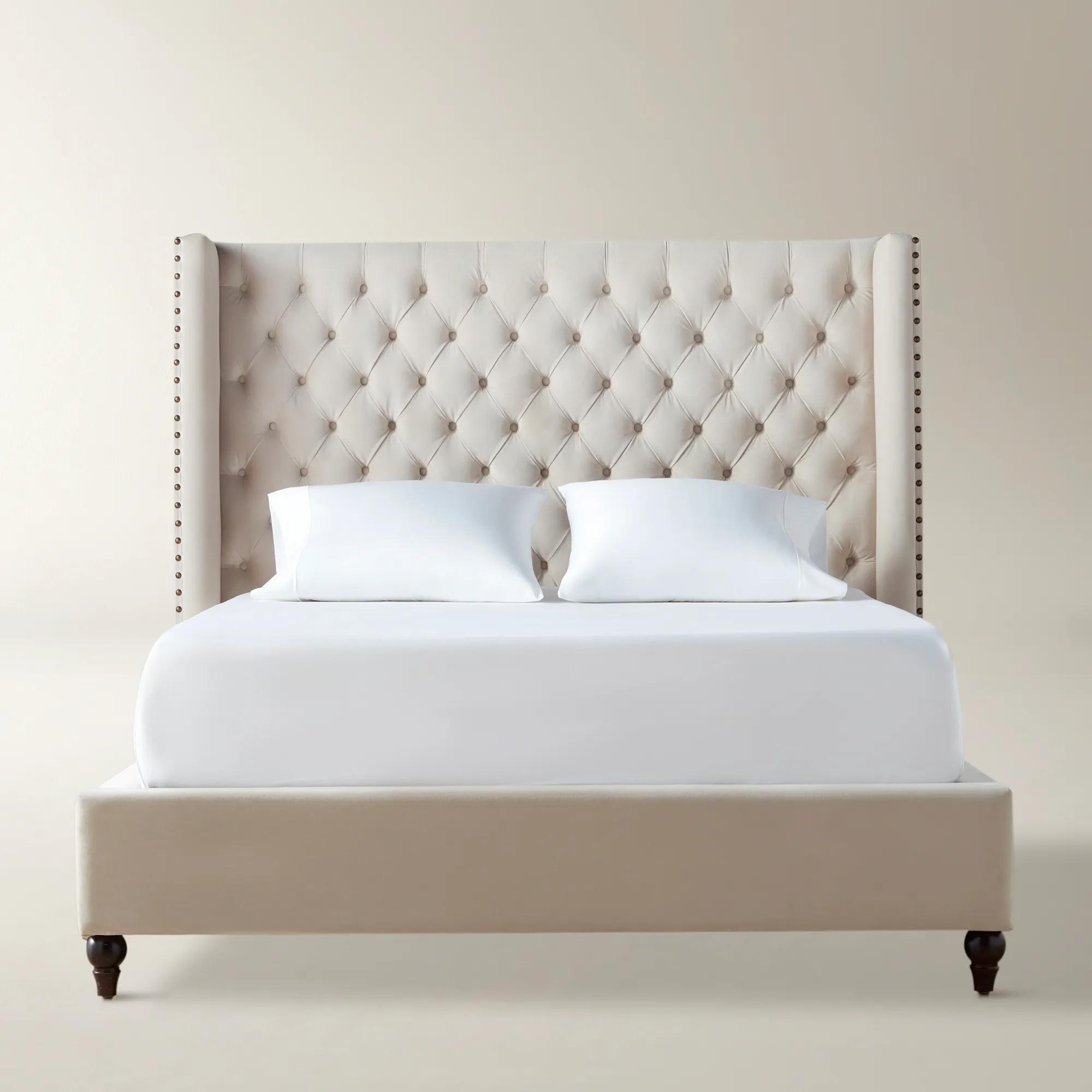
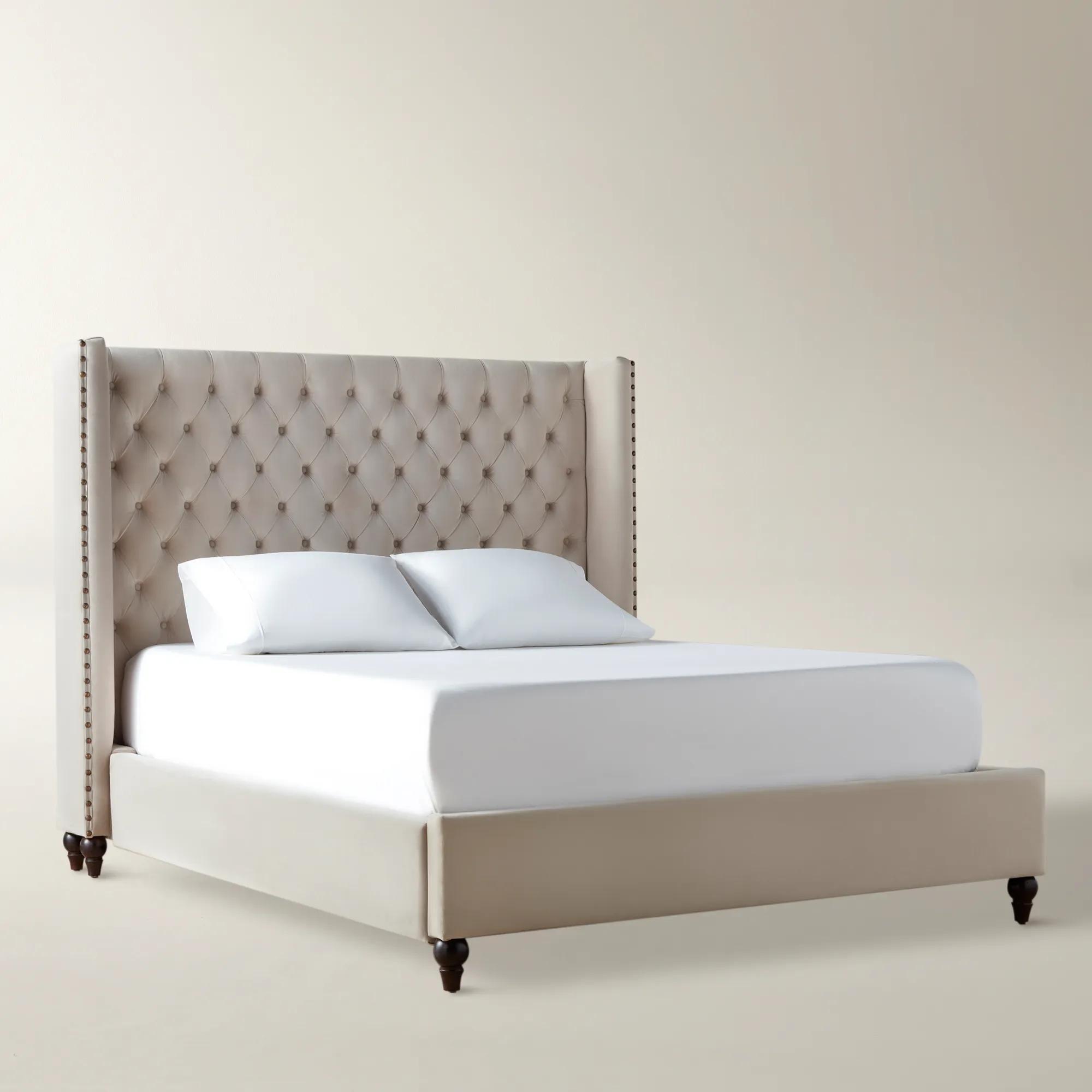 Roberto Bed$2149
A stately bed featuring diamond tufting, hand-applied nailheads, and plush Bella Velvet Pearl upholstery.
Add To Cart -
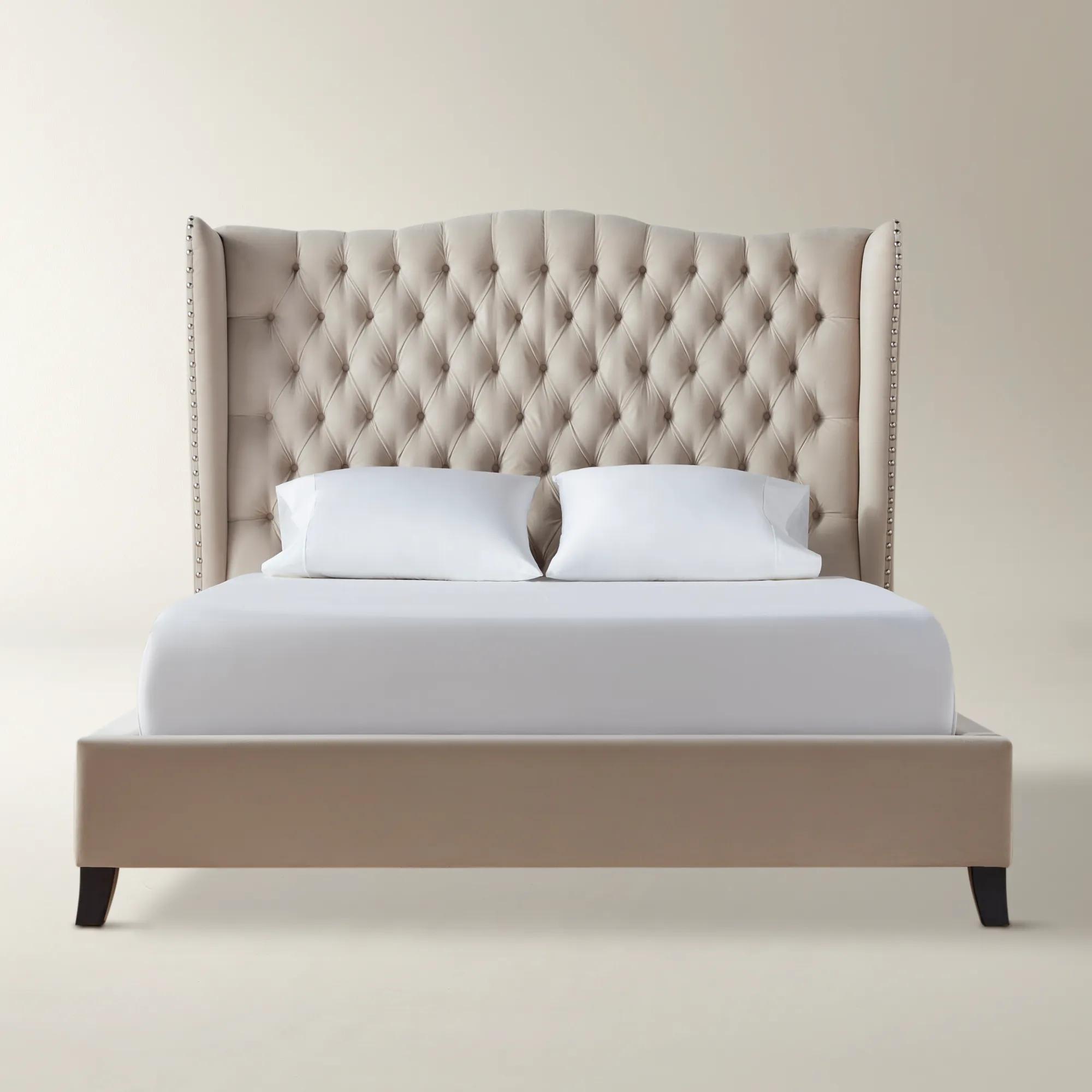
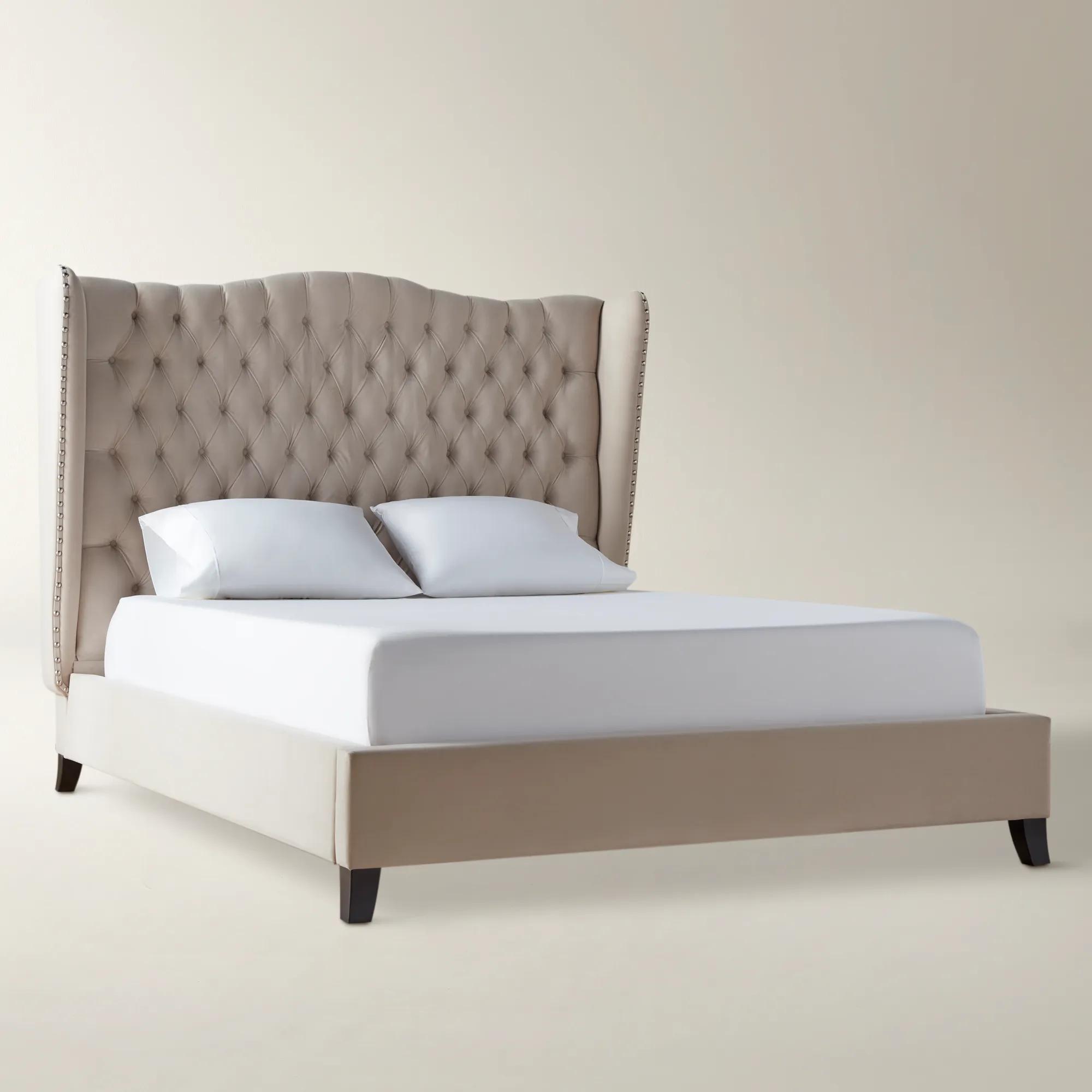 Jameson Bed$1699
A plush velvet bed with a camelback silhouette, hand-applied tufting, and decorative brushed silver nailheads.
Add To Cart -
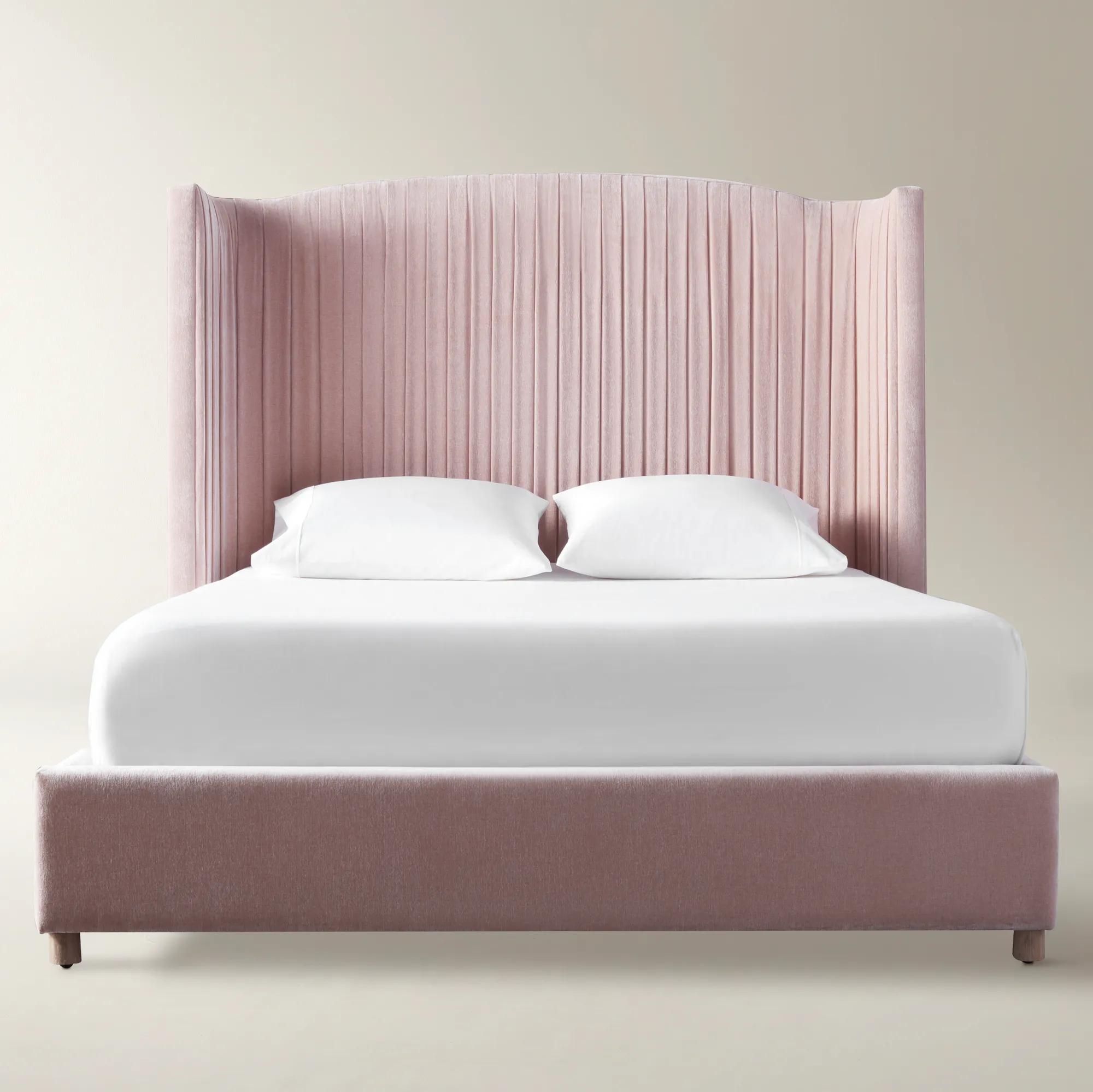
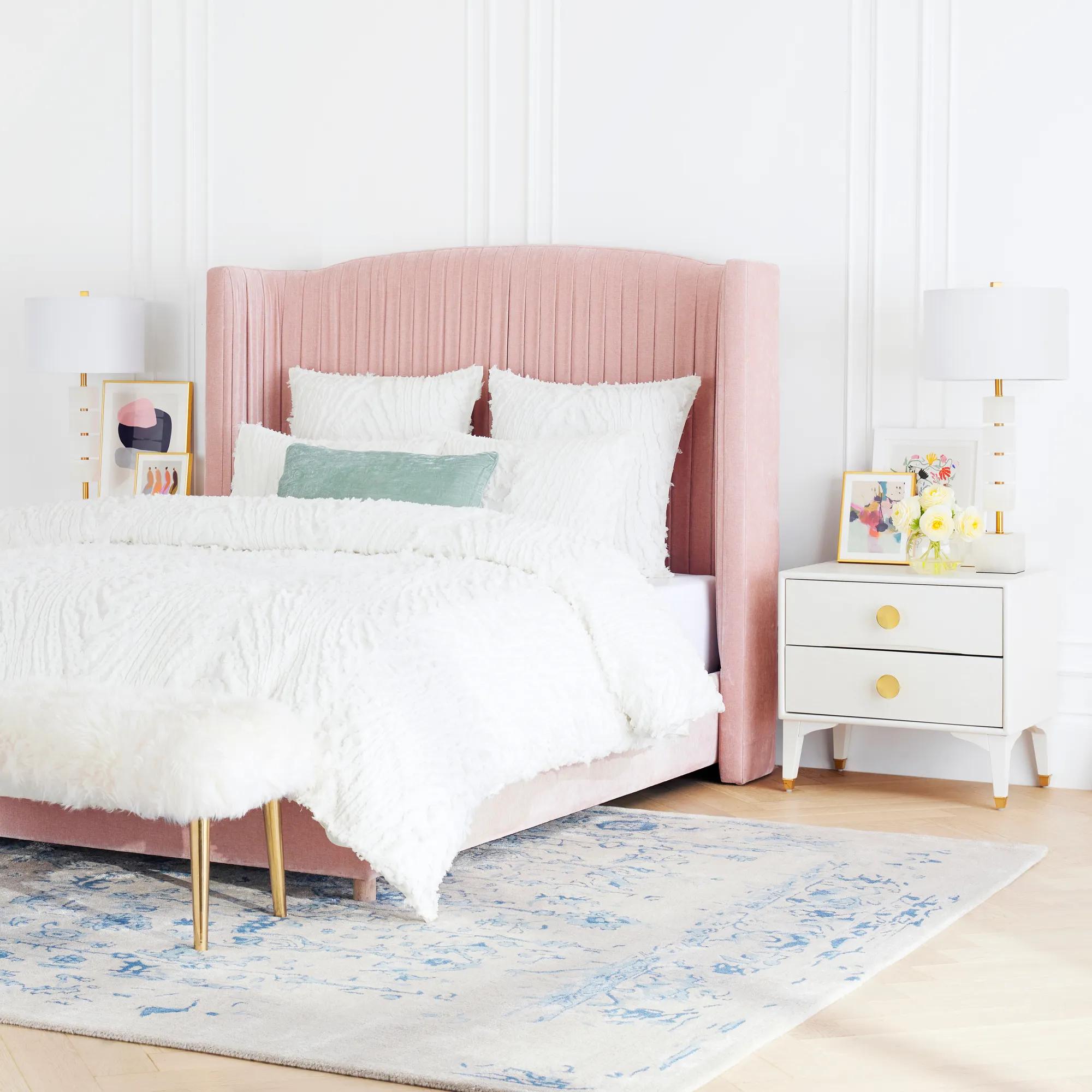 Larissa Platform Bed$2699
An elegantly curved wingback bed with hand-pleated chenille upholstery and a sturdy kiln-dried hardwood frame.
Add To Cart -
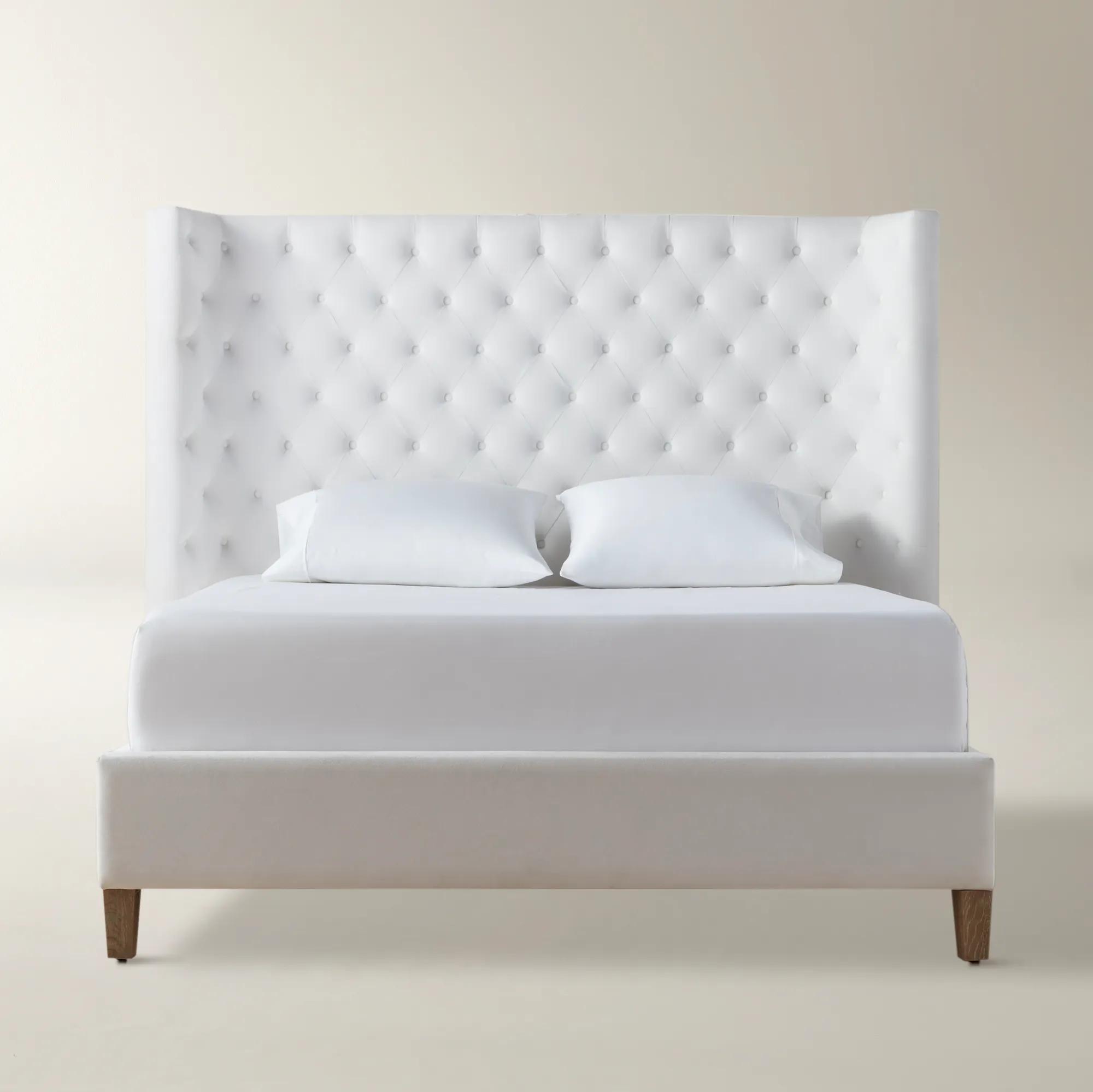 Jen Bed$2399
A glamorous wingback bed with hand-applied diamond button tufting and plush velvet upholstery in white.
Add To Cart -
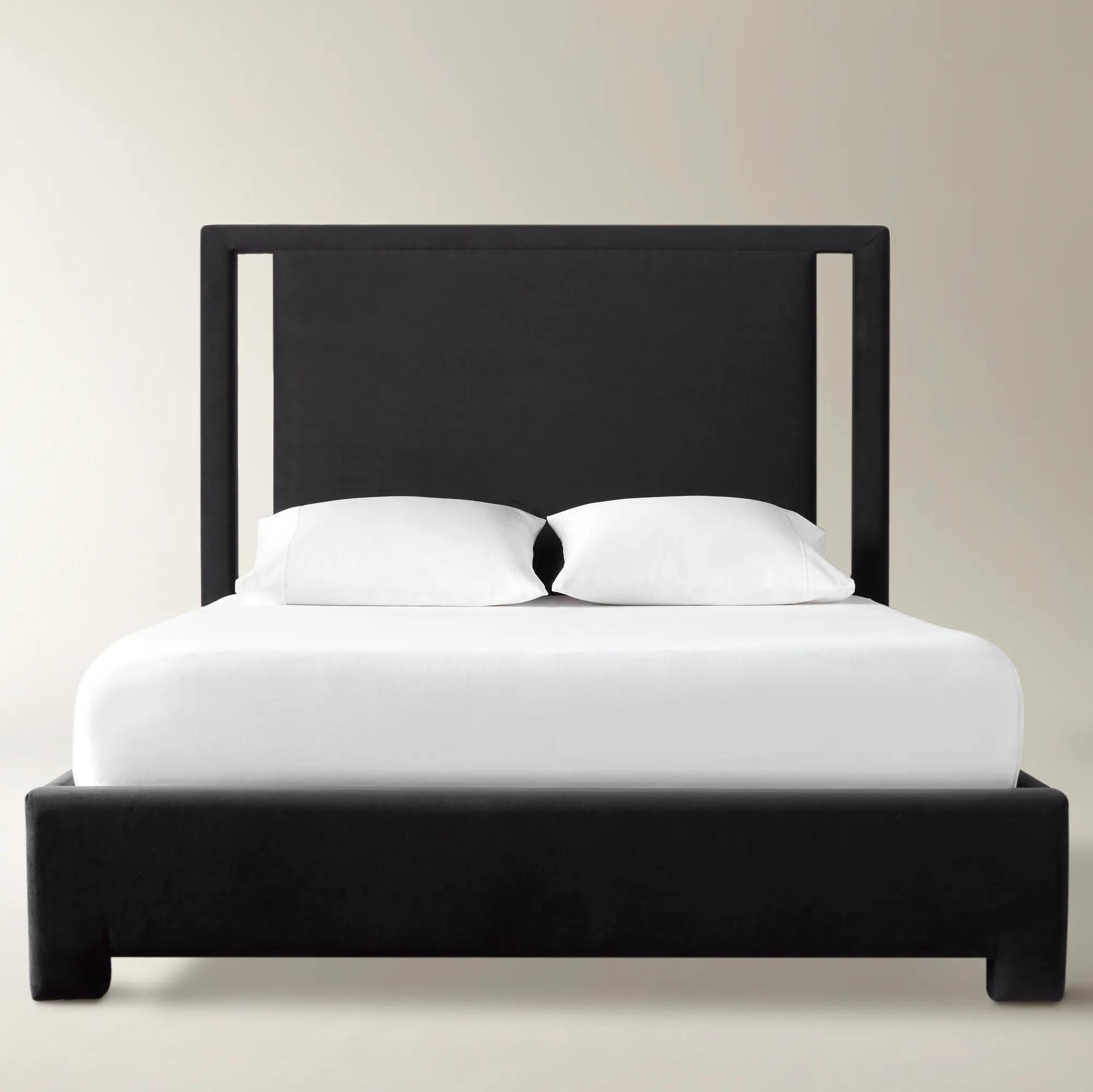
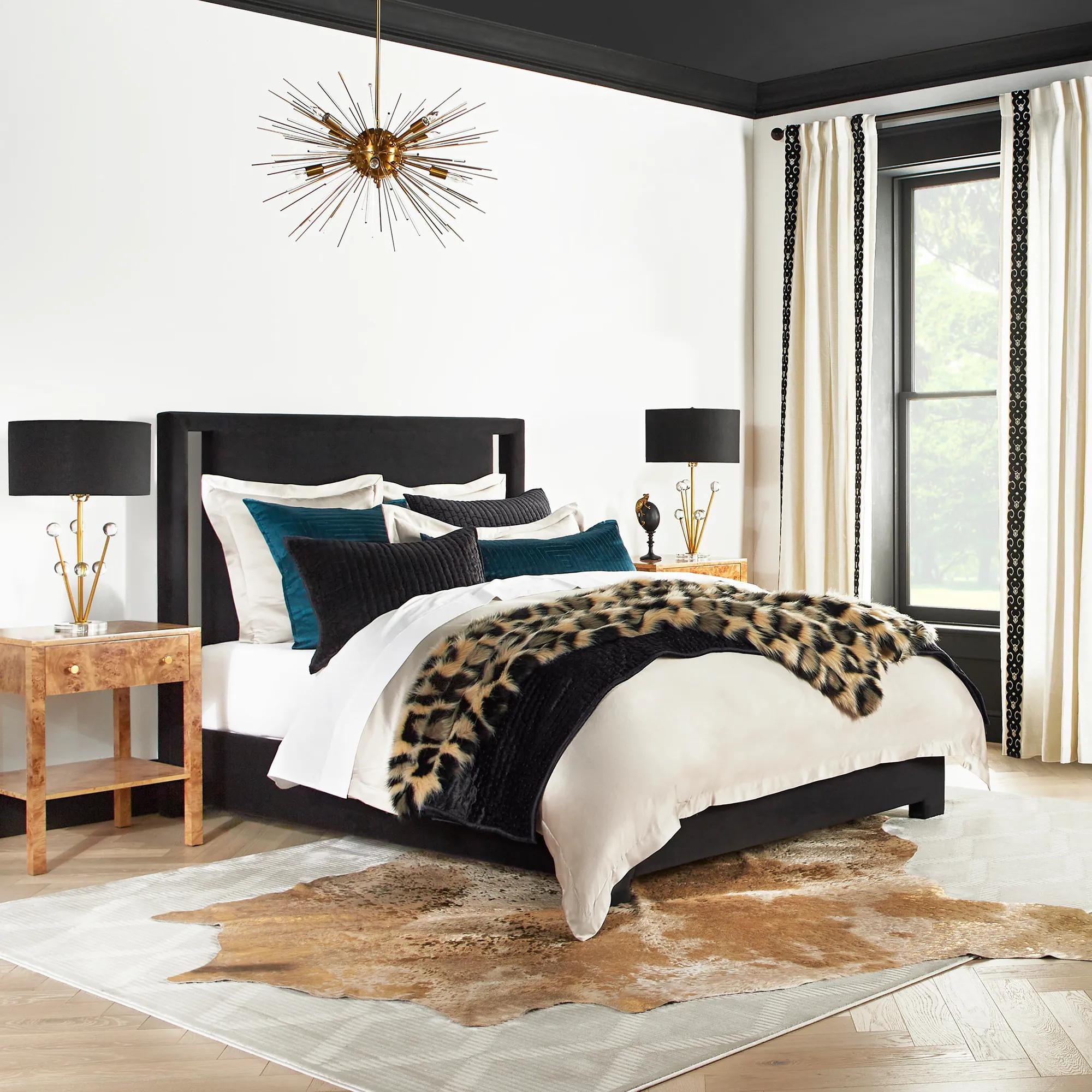 Roya Platform Bed$1949
An elegant platform bed with kiln-dried hardwood frame, hand-upholstered in plush Bella Velvet Black fabric.
Add To Cart -
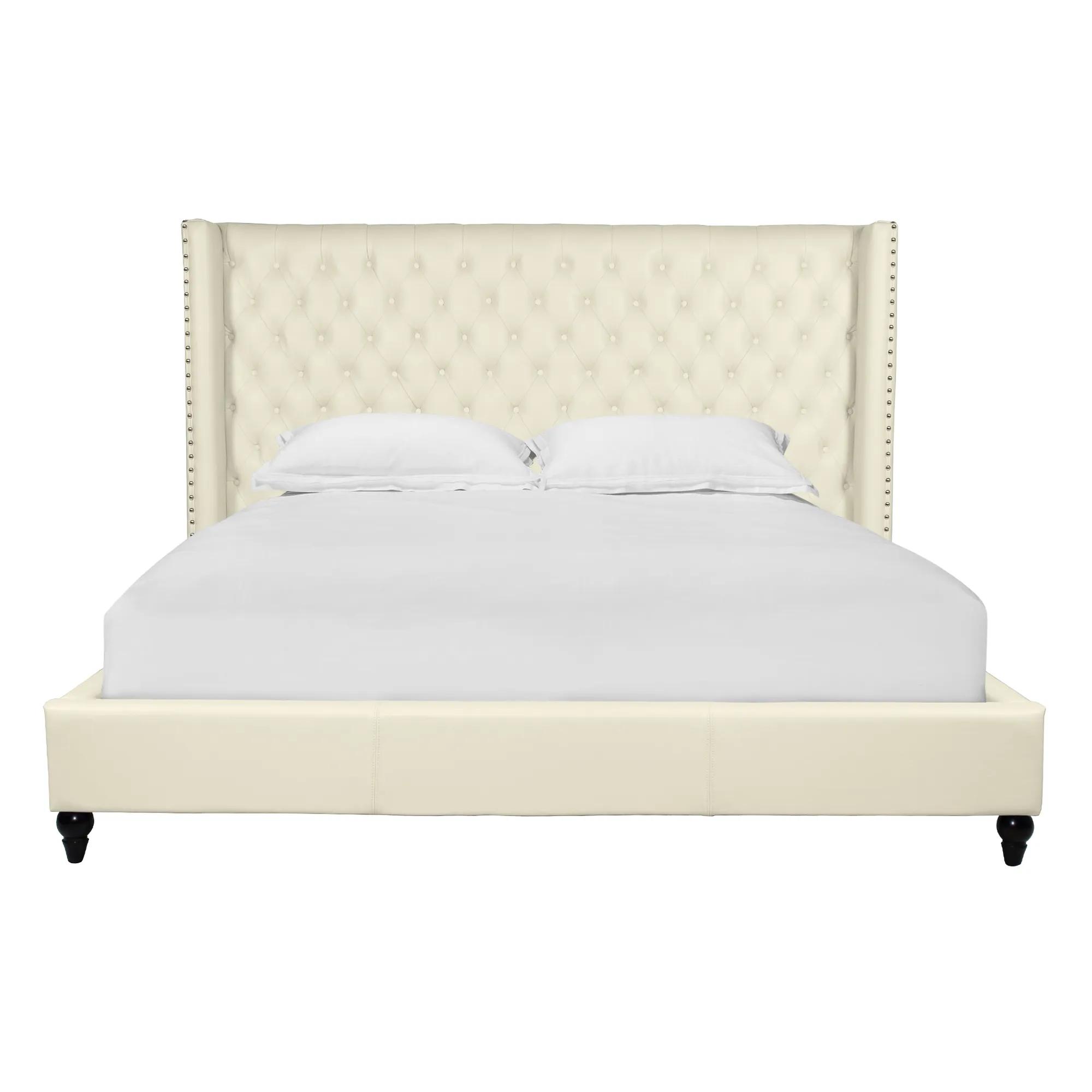
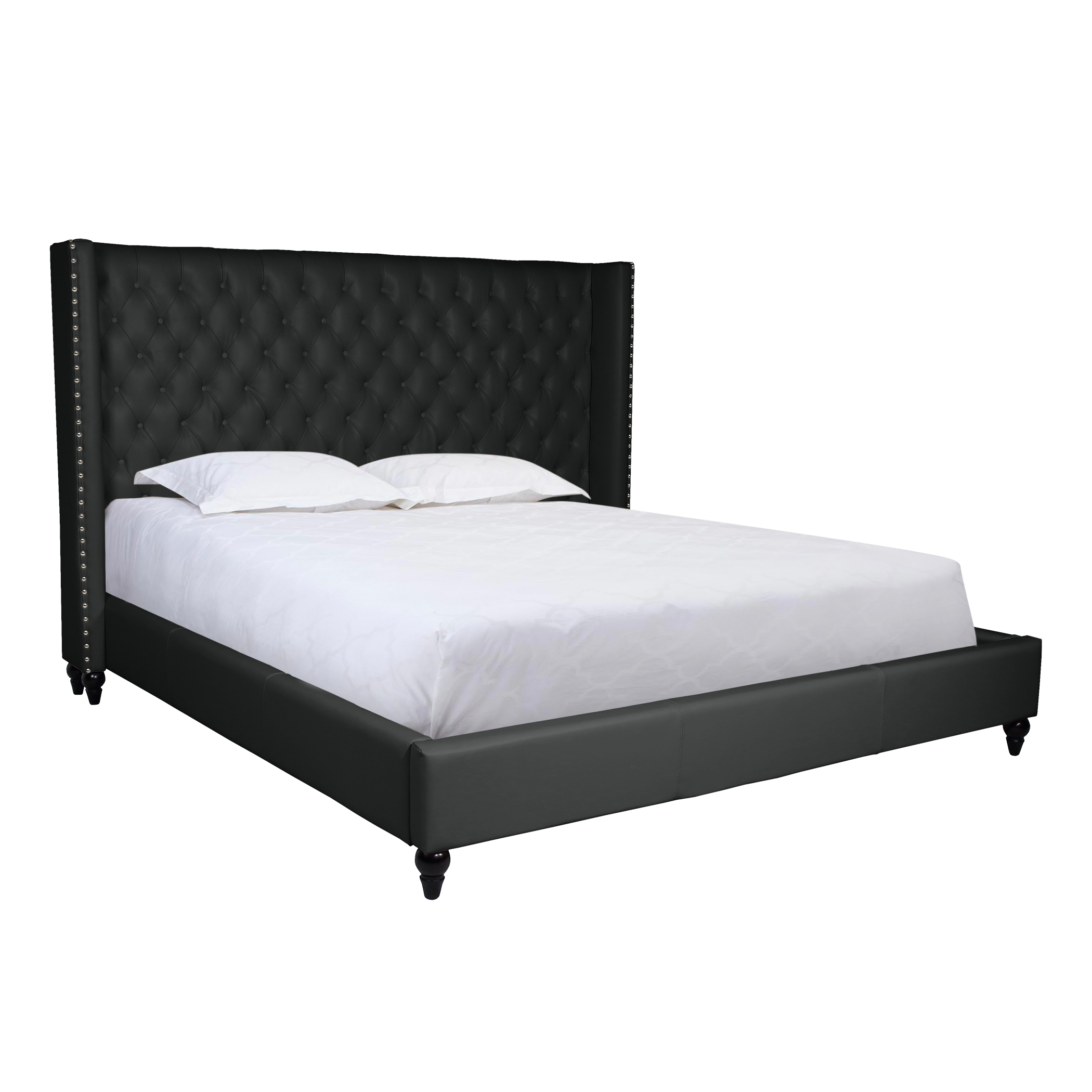 Roberto Leather Bed$3749
A stately bed featuring diamond tufted white top-grain leather, kiln-dried hardwood, and bright nickel nailheads.
Add To Cart -
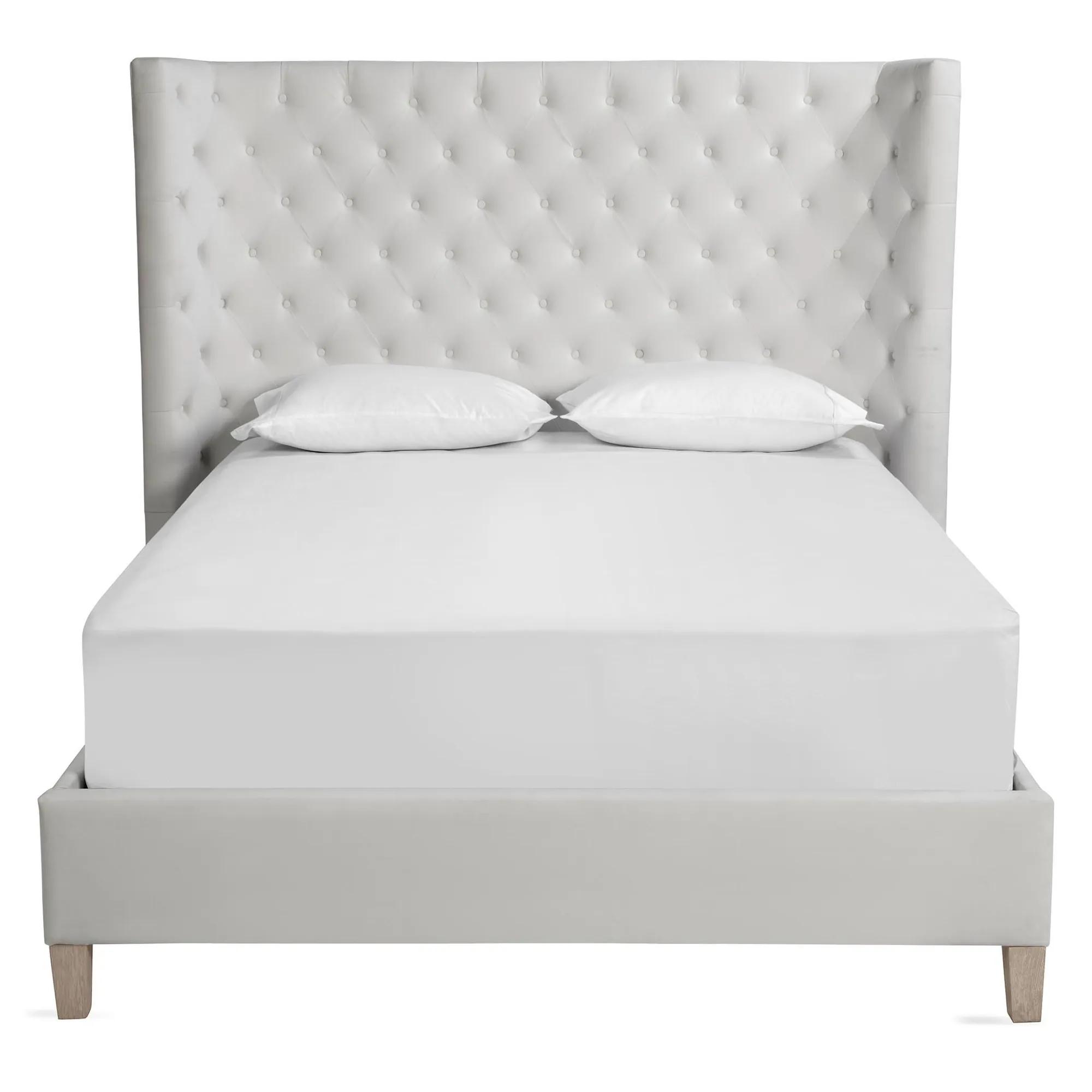
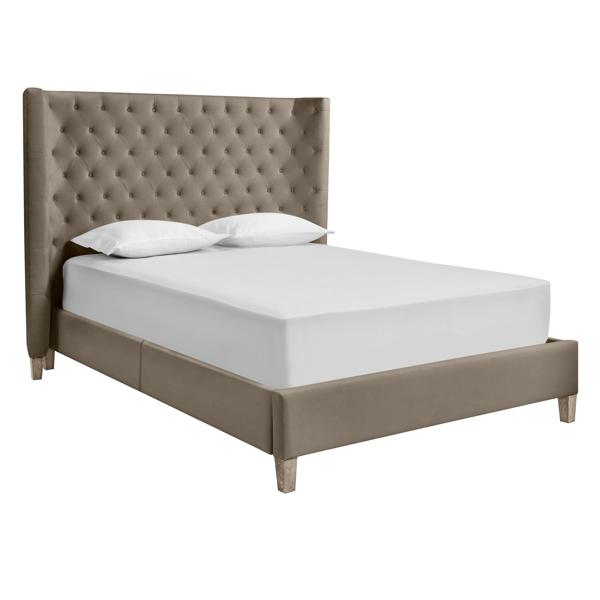 Jen Storage Bed$3699
A glamorous platform bed with a curved wingback headboard, hand-tufted velvet upholstery, and four storage drawers.
Add To Cart -
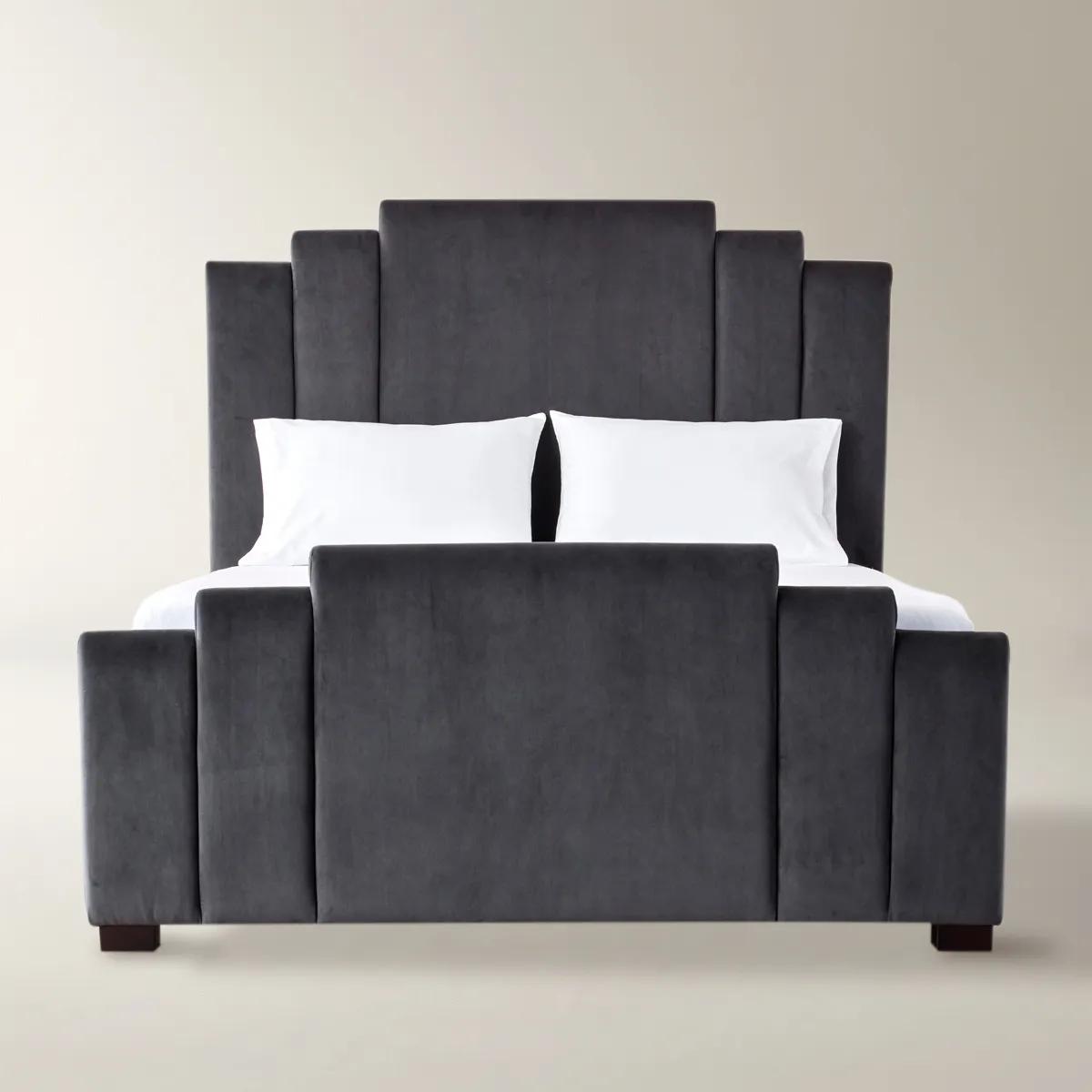 Marlow Bed$2549
A dramatic bed handcrafted from kiln-dried hardwood, upholstered in plush gunmetal velvet with channel detailing.
Add To Cart -
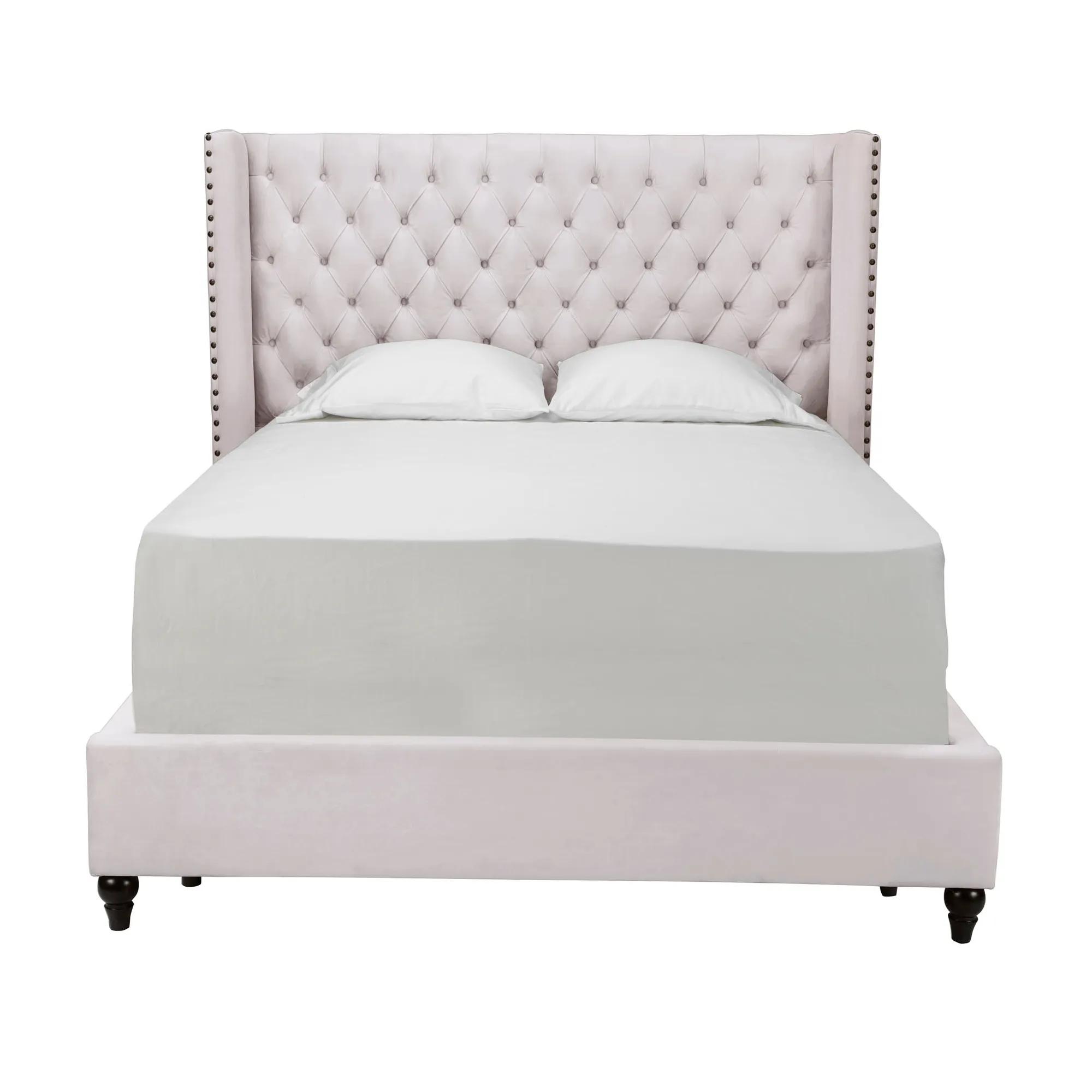
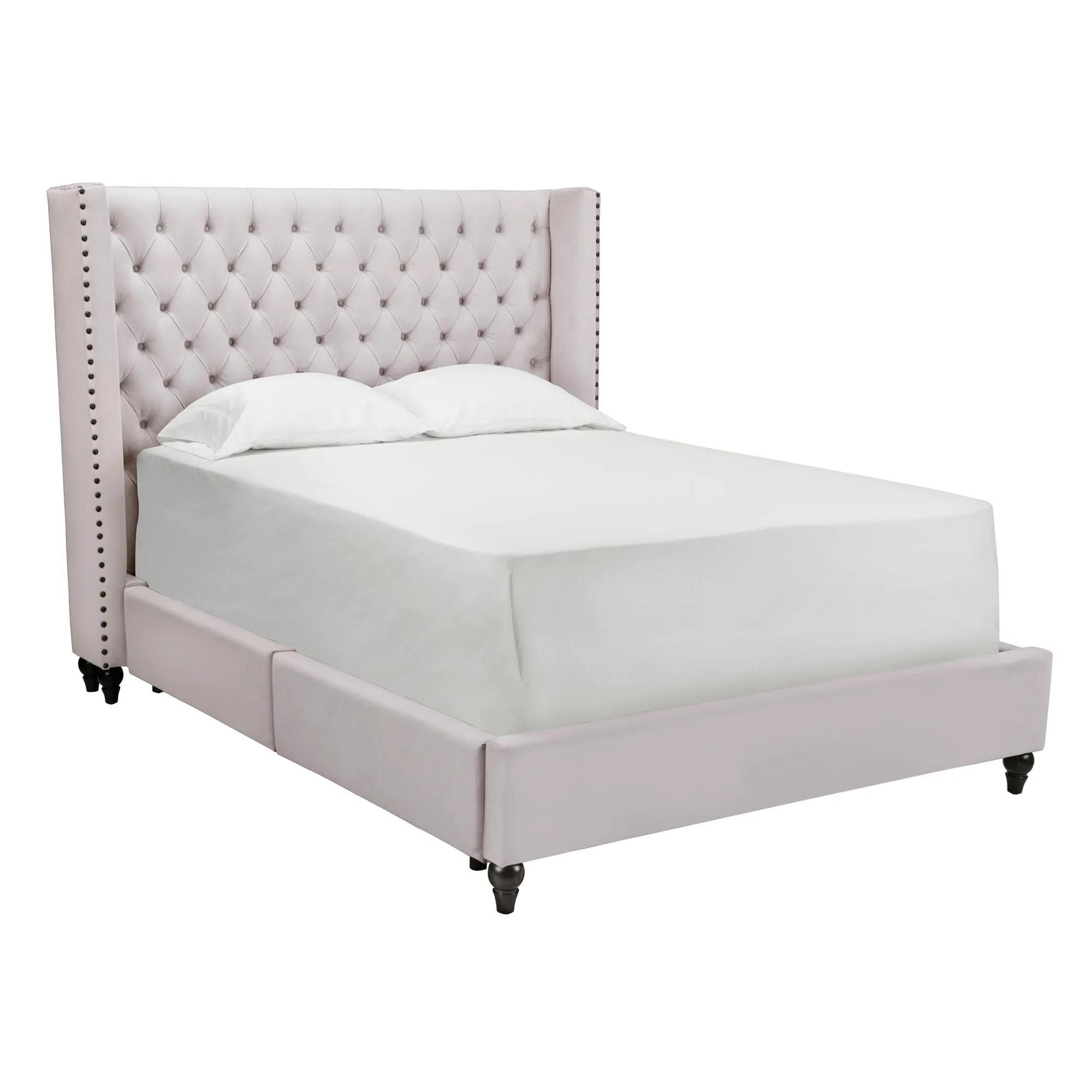 Roberto Storage Bed$3249
A handcrafted velvet-upholstered storage bed featuring diamond tufting, turned legs, and hand-applied antique brass nailheads.
Add To Cart -
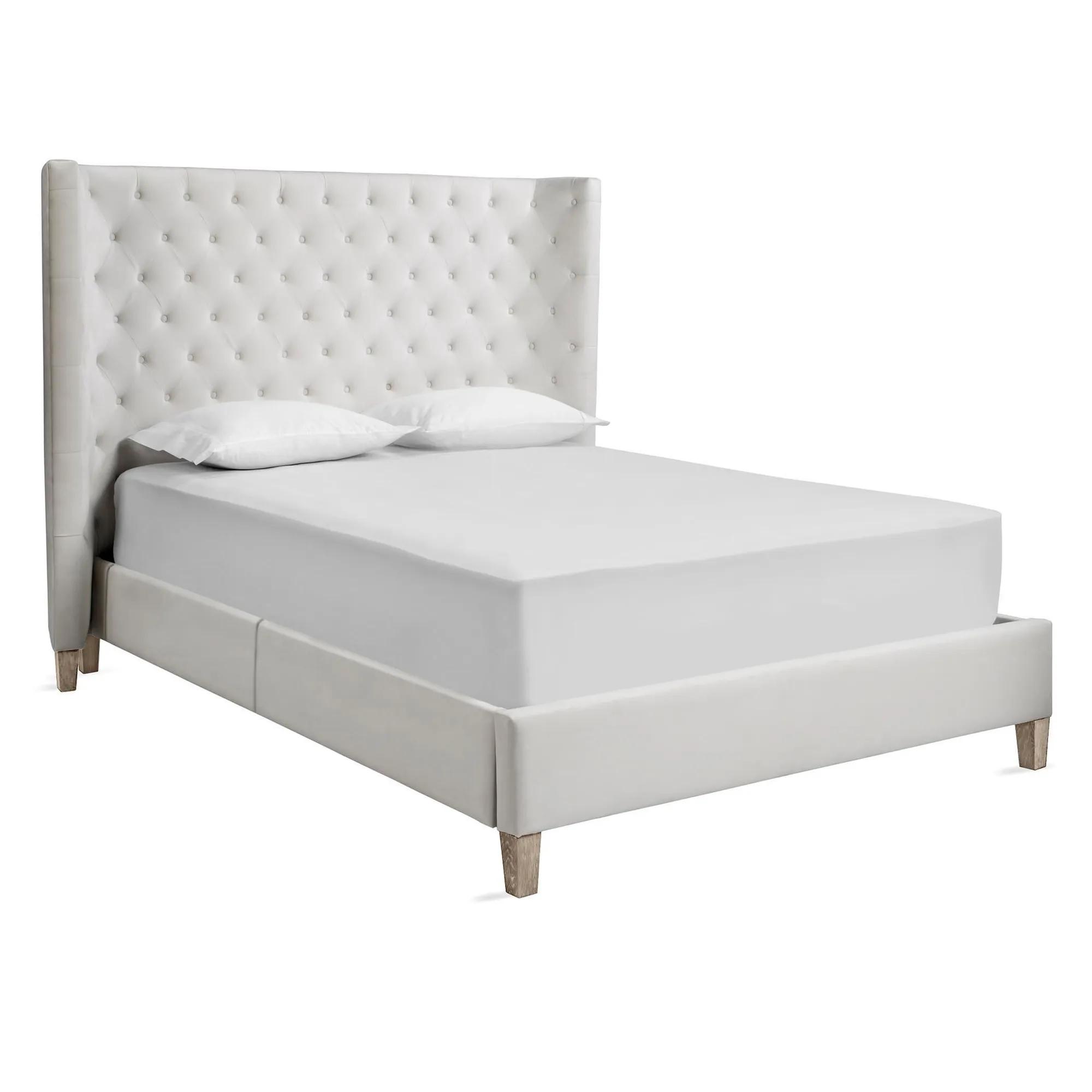 Jen Storage Bed$3399
A glamorous platform bed with a curved wingback headboard, hand-tufted velvet upholstery, and four storage drawers.
Add To Cart -
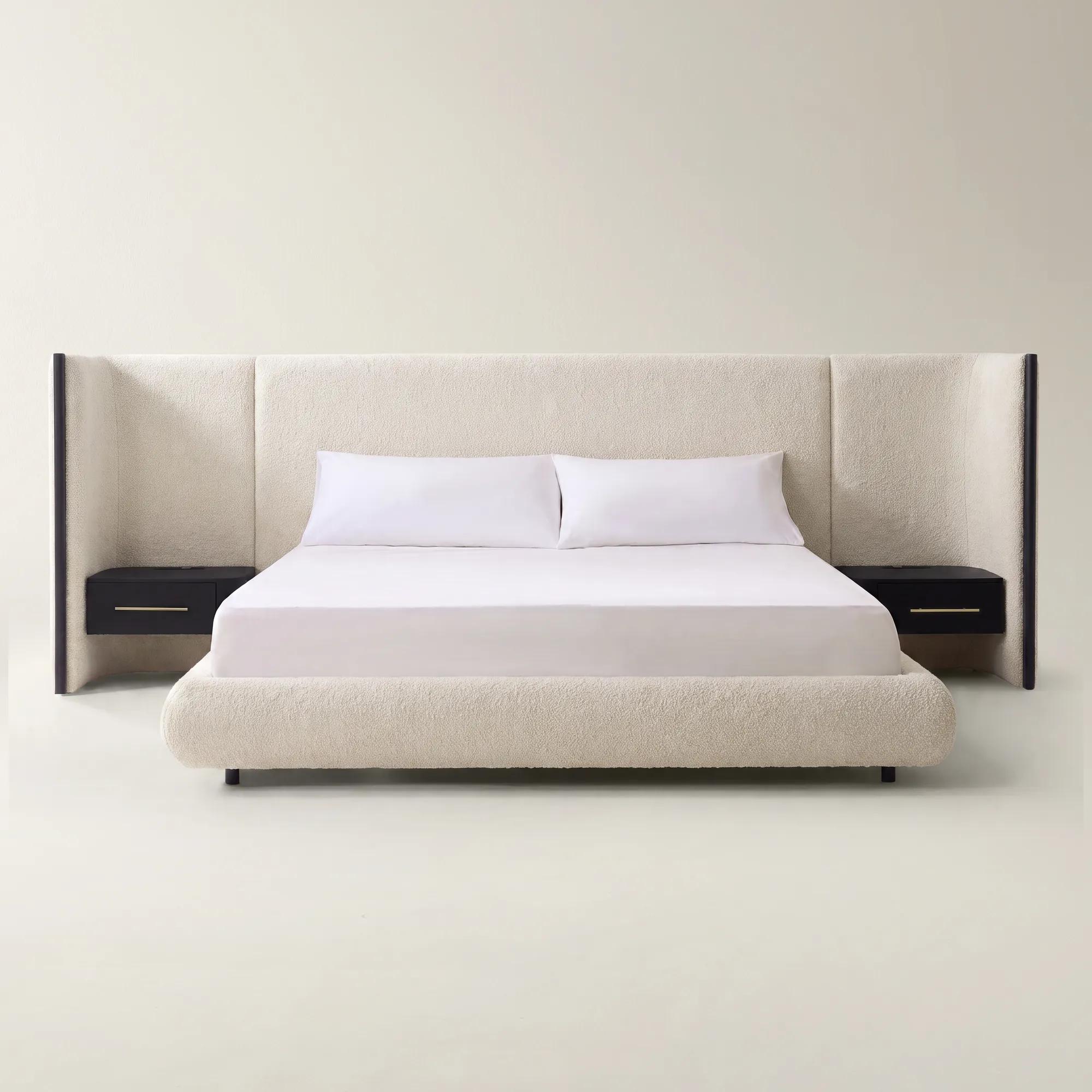 Sierra Utopia Sand Chenille Upholstered Queen Bed With Nightstands$2799
A beige chenille upholstered platform bed with an extended headboard, floating nightstands, and integrated power access.
Add To Cart -
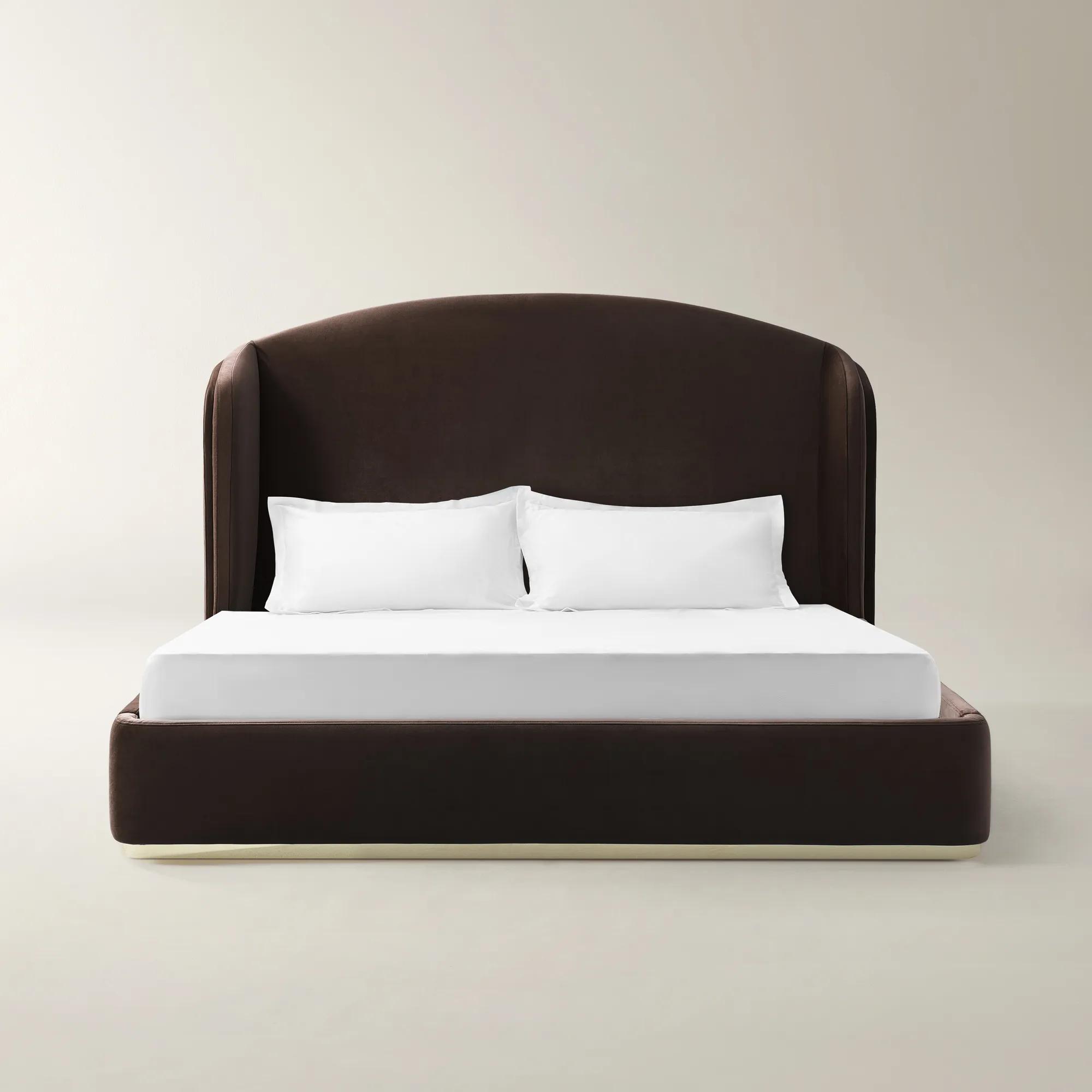
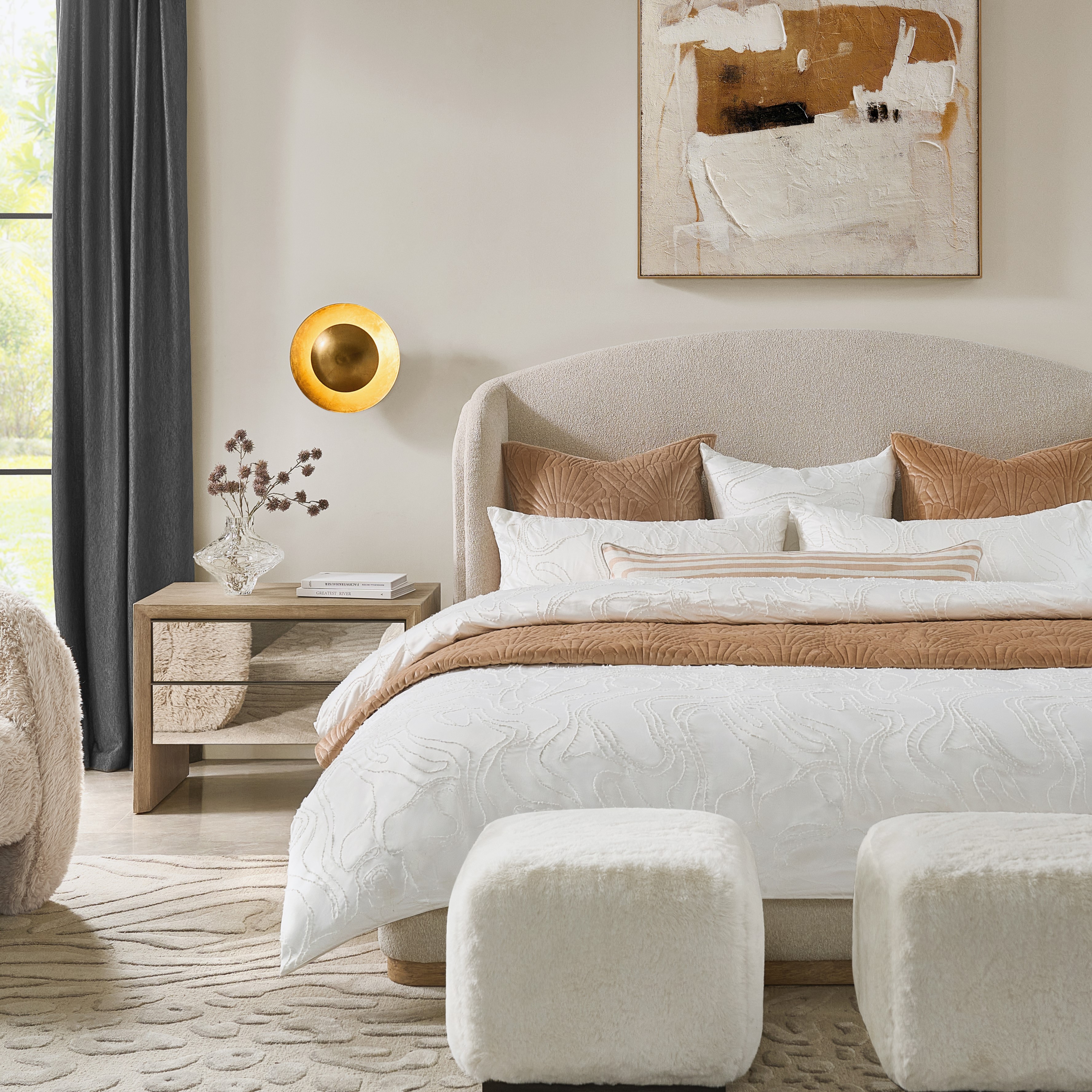 Glimmer Dark Chocolate Velvet Upholstered Queen Platform Bed$2099
A brown velvet platform bed with a sculptural double-layered headboard and solid rubberwood base.
Add To Cart -
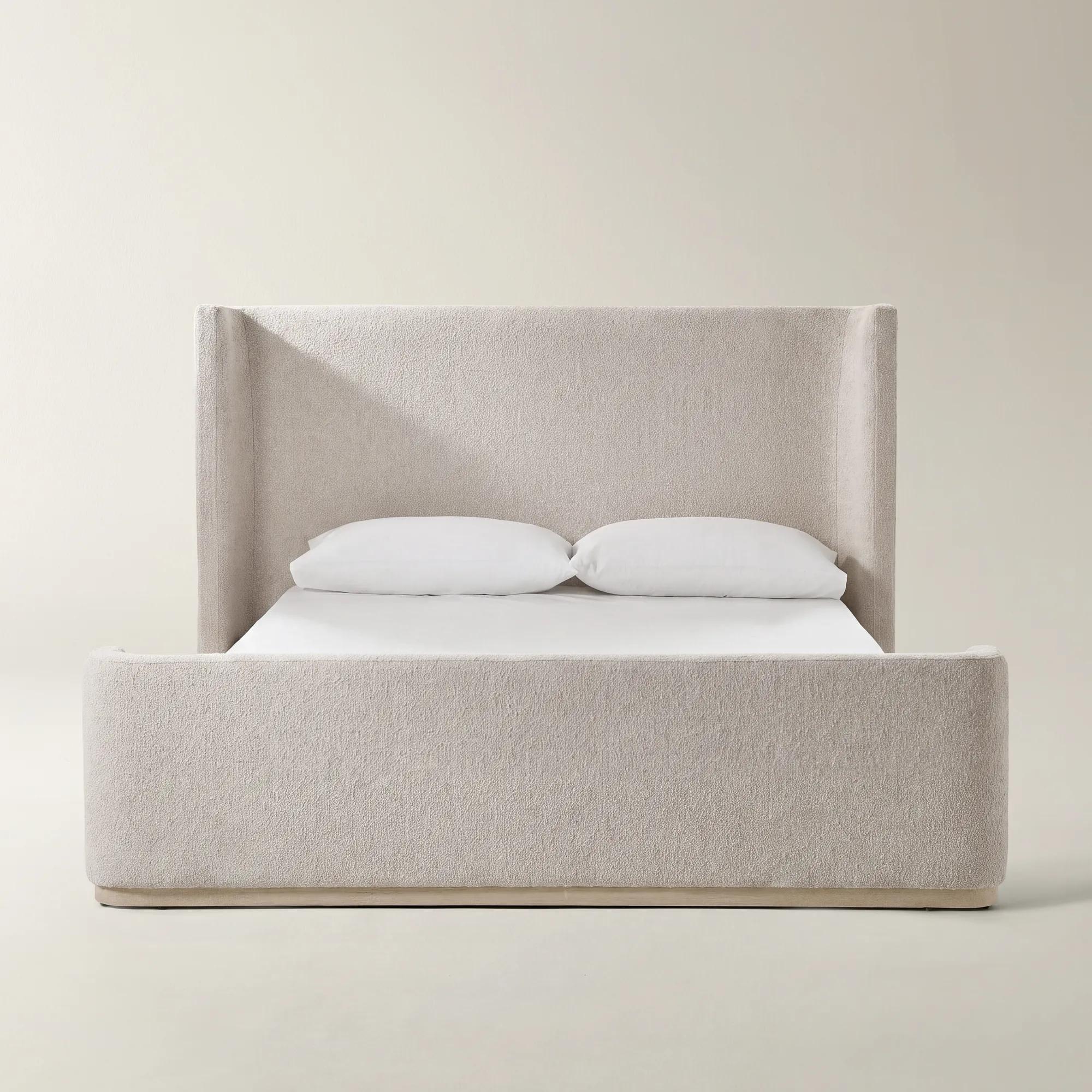
 Stria Ivory Performance Boucle Upholstered King Platform Bed$2599
An upholstered platform bed in ivory performance boucle with a wingback headboard and FSC-certified oak base.
Add To Cart -
Sierra Utopia Sand Chenille Upholstered King Bed With Nightstands$2999
A beige chenille upholstered bed with an extended headboard, floating nightstands, and integrated power access.
Add To Cart -
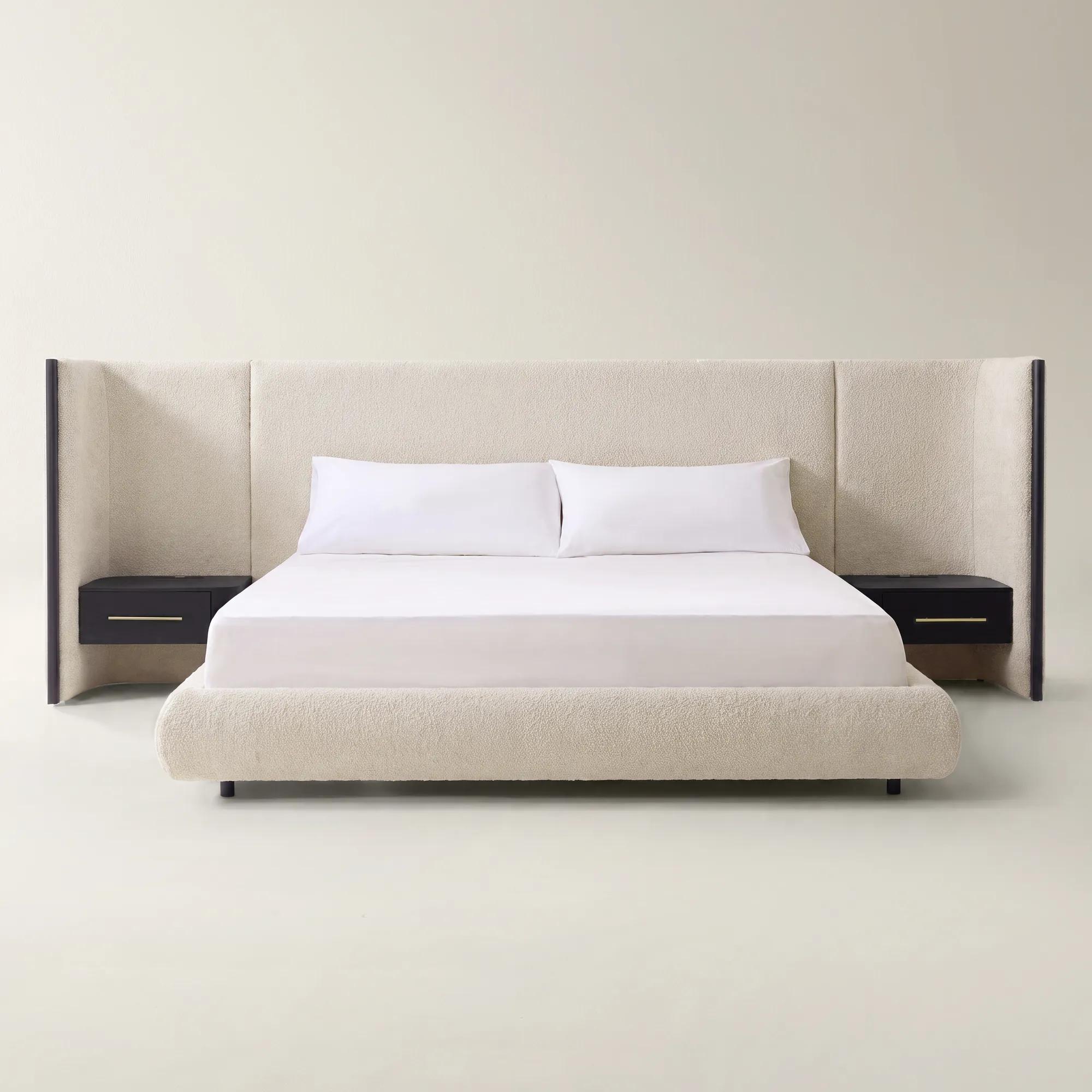
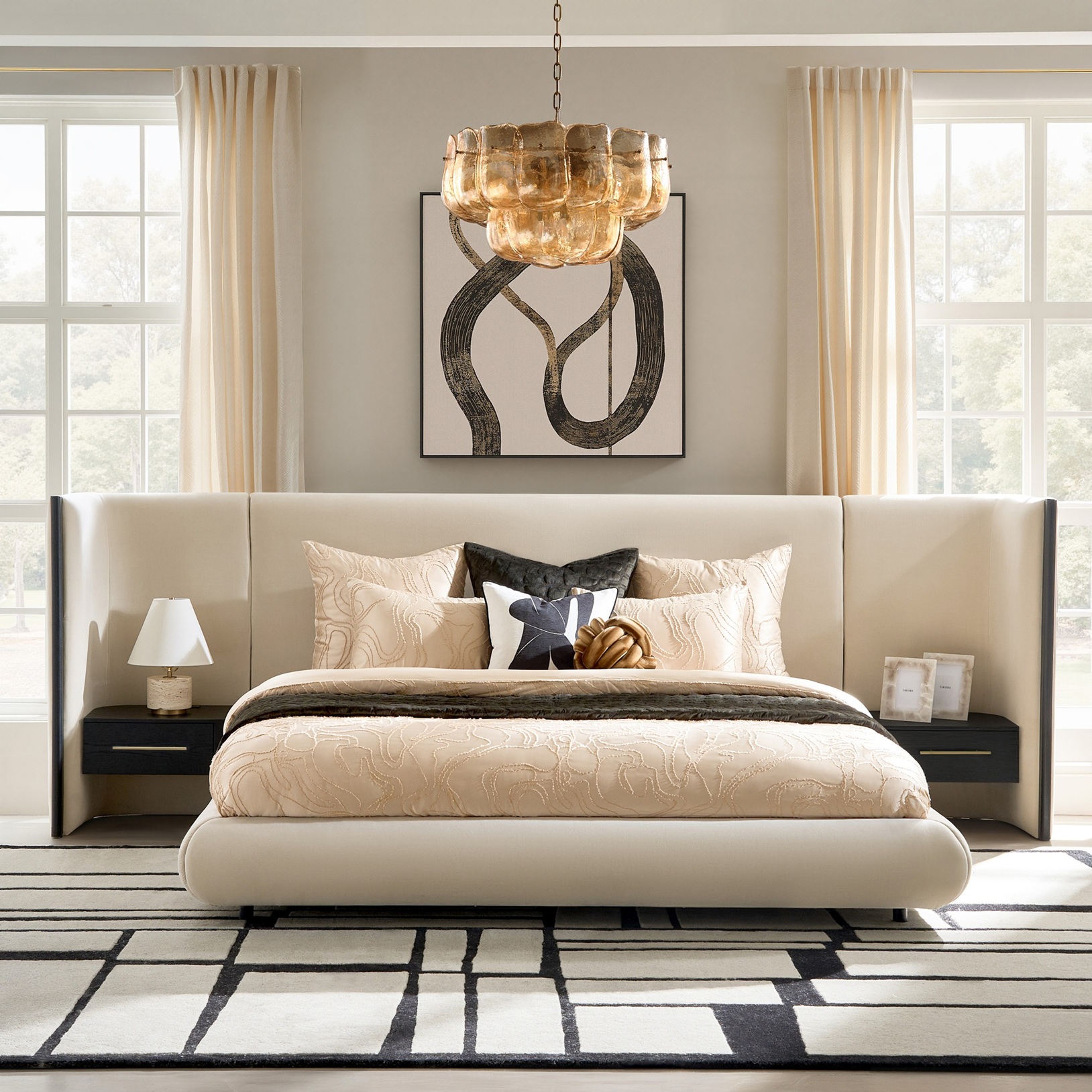 Sierra Ivory Performance Boucle Upholstered Queen Bed With Nightstands$2799
A white boucle upholstered bed with an extended headboard, floating nightstands, and contrasting black trim.
Add To Cart -
Stria Ivory Performance Boucle Upholstered Queen Platform Bed$2399
A white boucle platform bed with a tall wingback headboard and FSC-certified oak base.
Add To Cart -
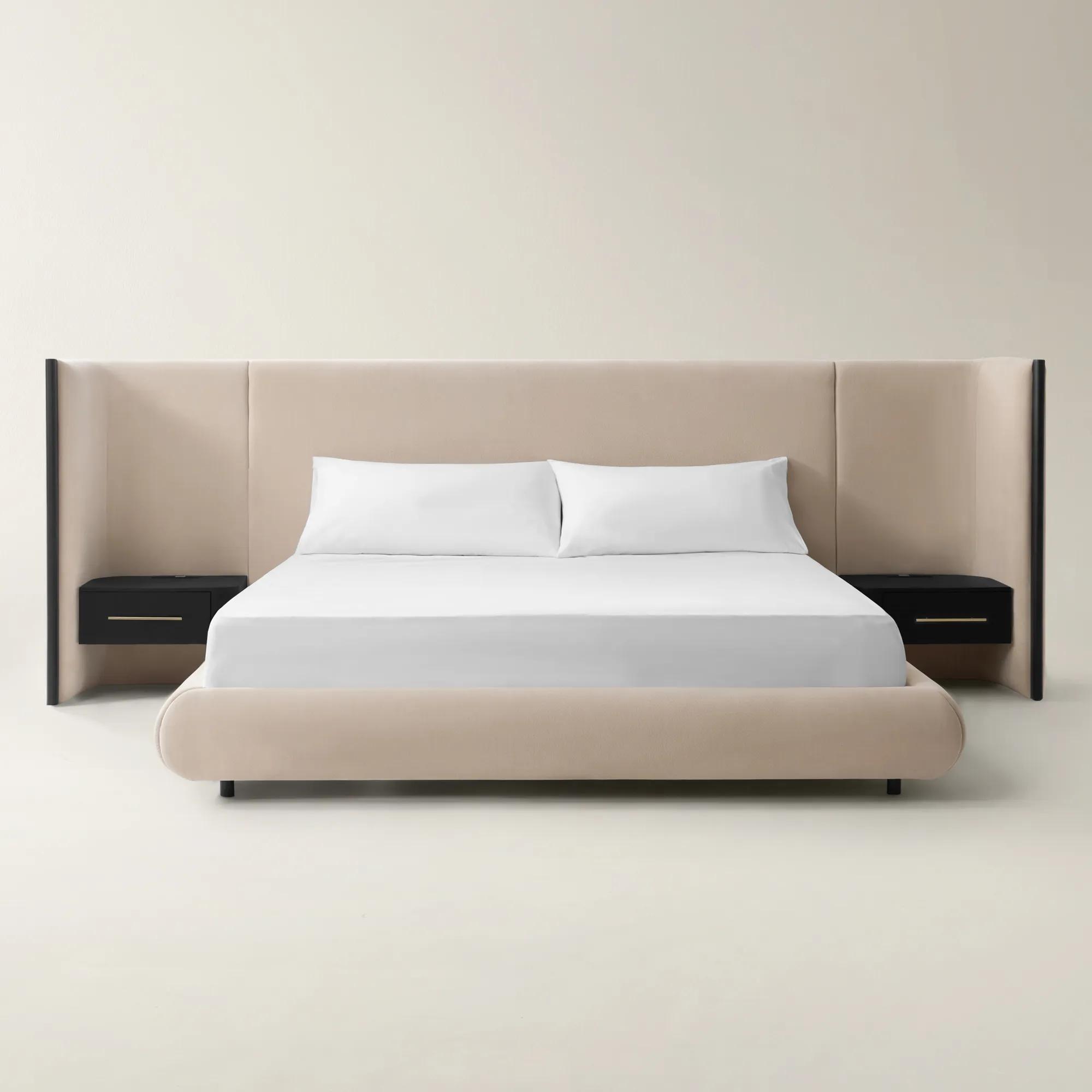
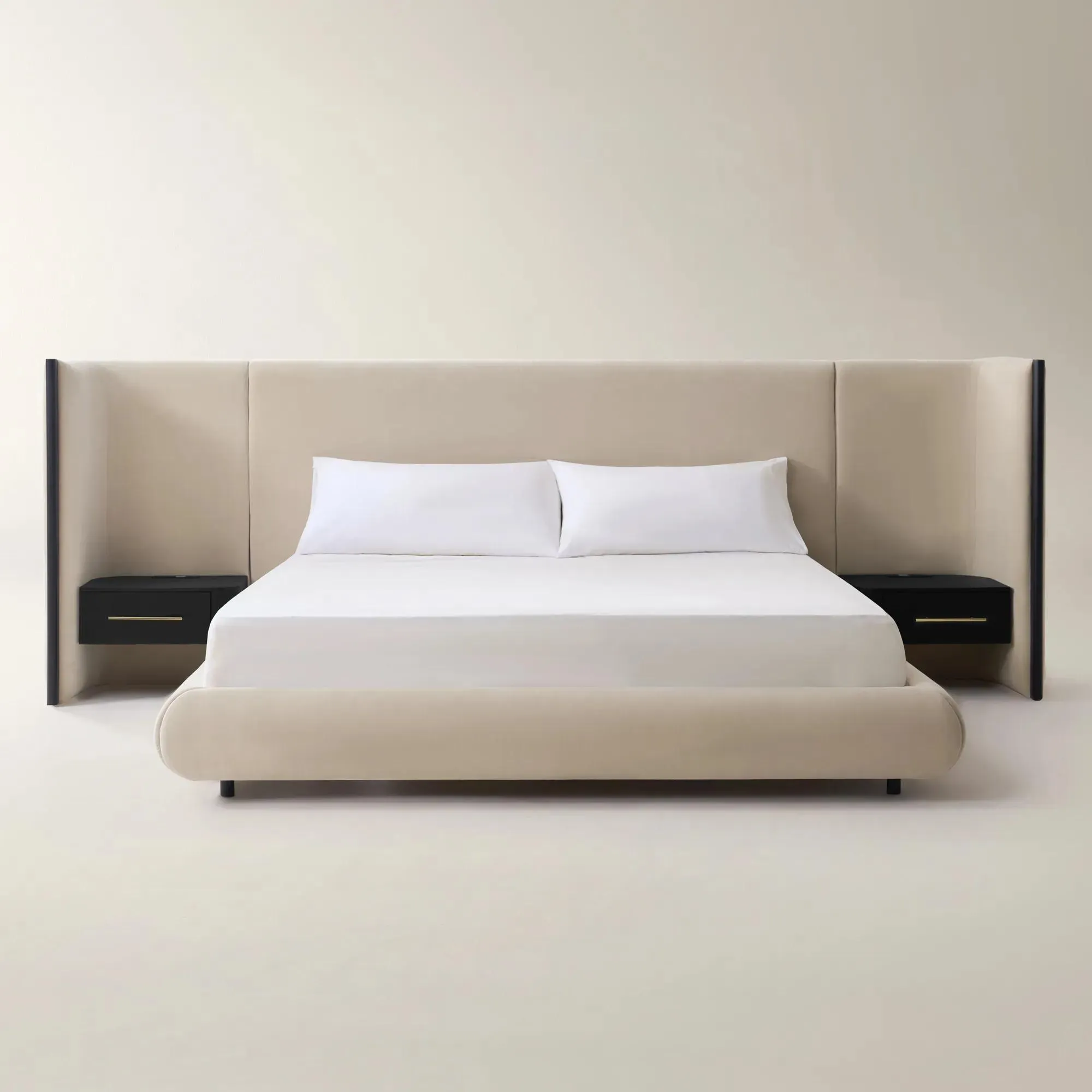 Sierra Simply Taupe Velvet Upholstered King Bed With Nightstands$2899
A taupe velvet platform bed with extended headboard, floating nightstands, black trim, and integrated power access.
Add To Cart -
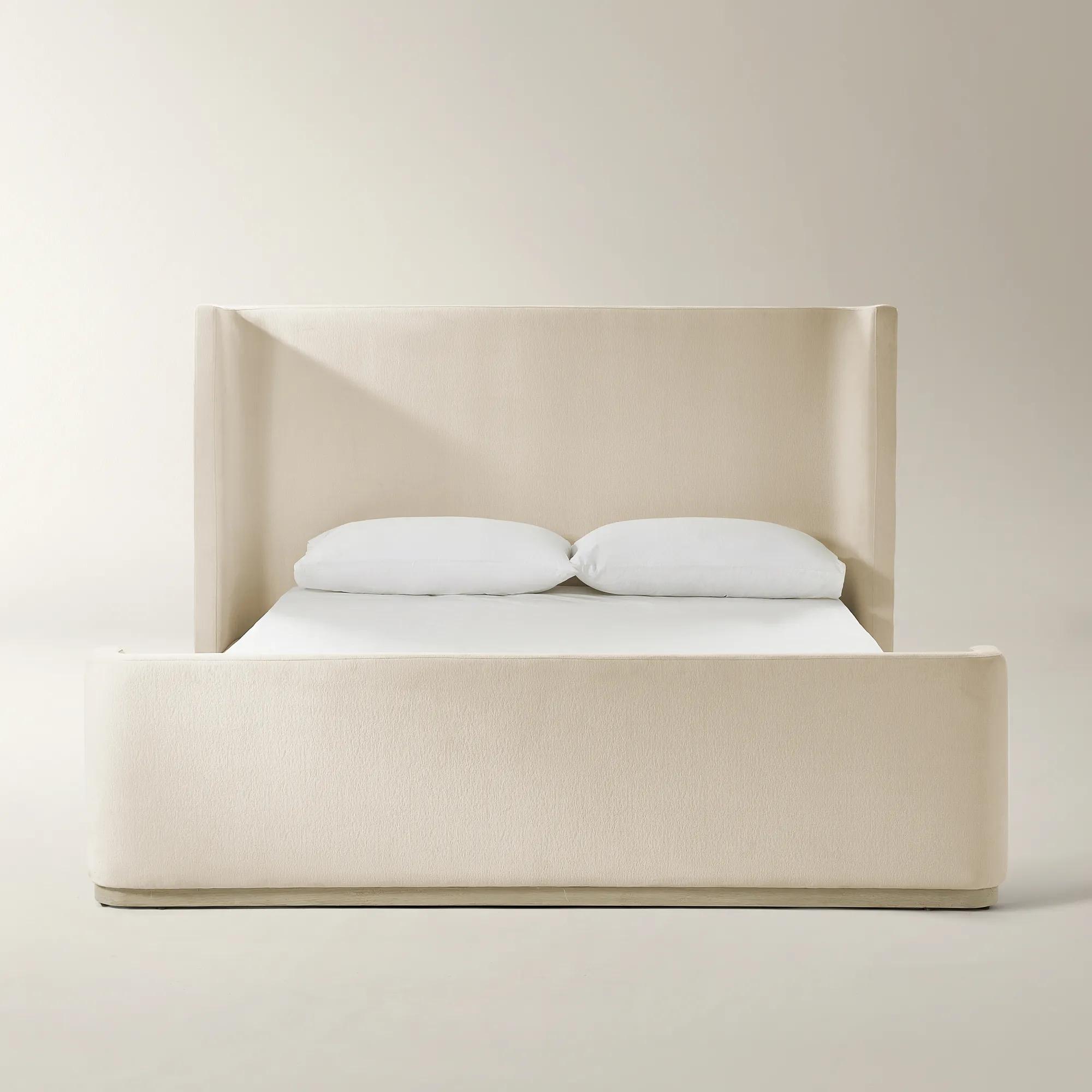 Stria Oatmeal Velvet Upholstered Queen Platform Bed$2299
A beige velvet platform bed with a sculptural wingback headboard and FSC-certified solid oak base.
Add To Cart -
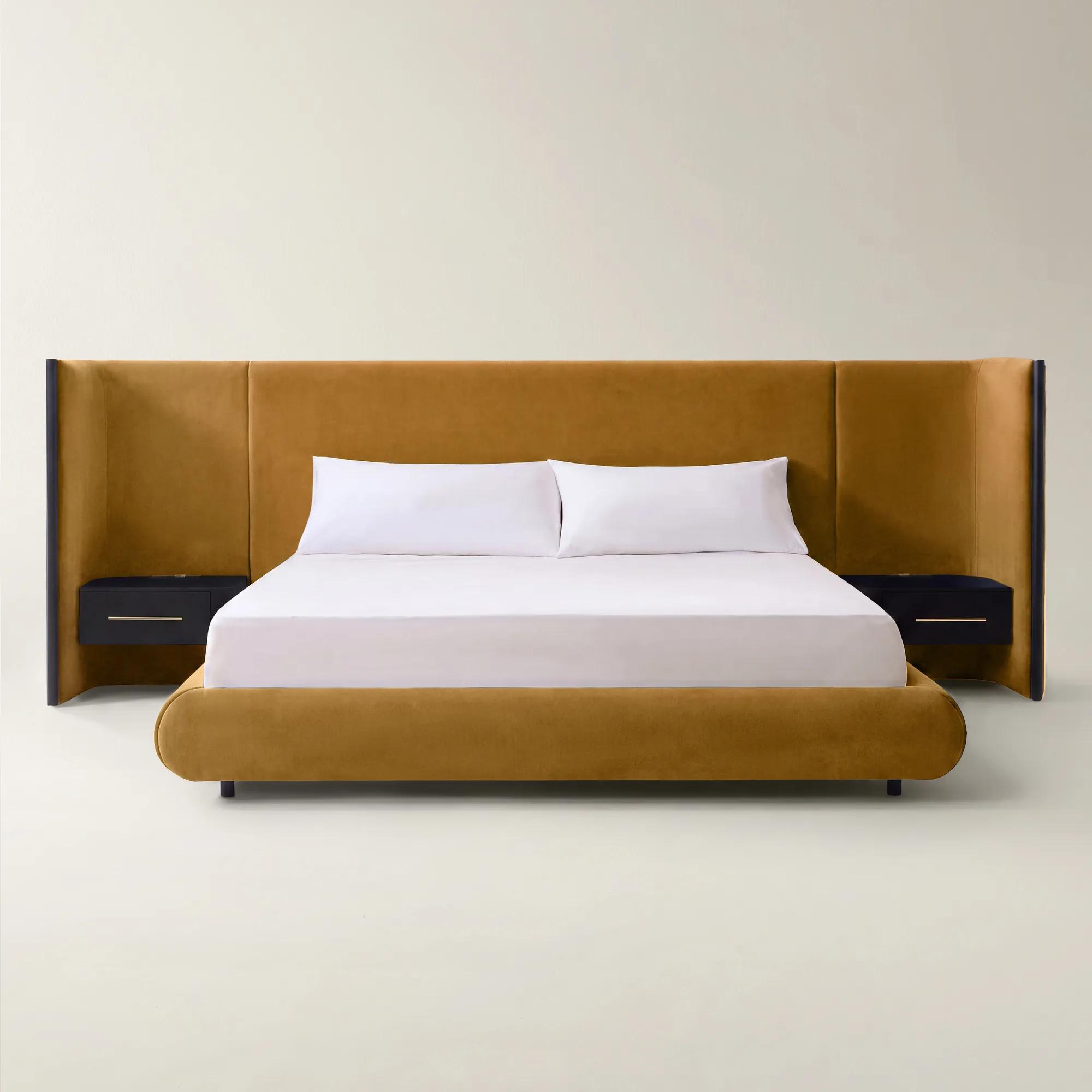 Sierra Roasted Pecan Velvet Upholstered Queen Bed With Nightstands$2699
A brown velvet upholstered platform bed with an extended headboard, floating nightstands, and integrated power access.
Add To Cart -
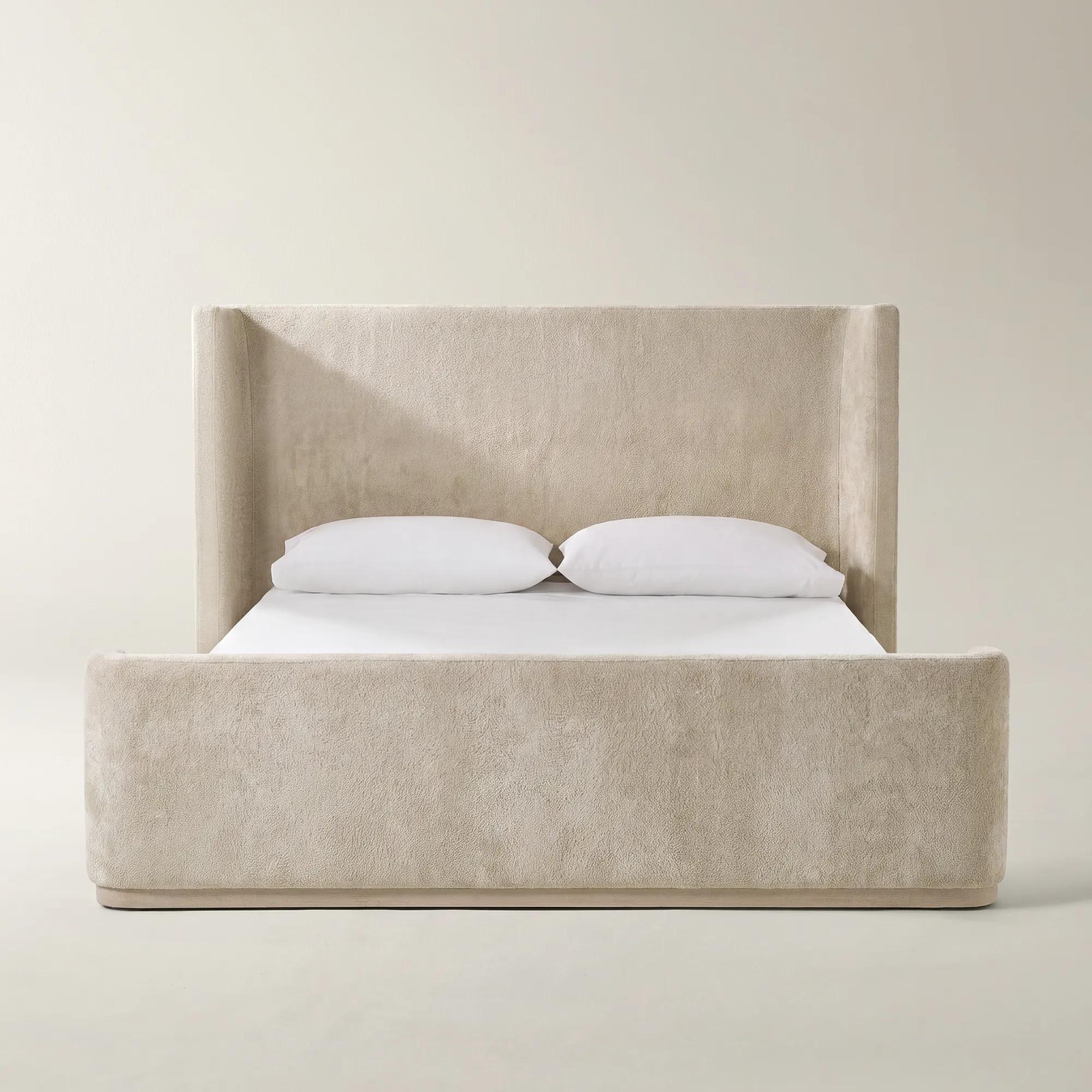 Stria Light Brown Chenille Upholstered Queen Platform Bed$2299
A queen platform bed with brown chenille upholstery, a wingback headboard, and an FSC-certified oak base.
Add To Cart -
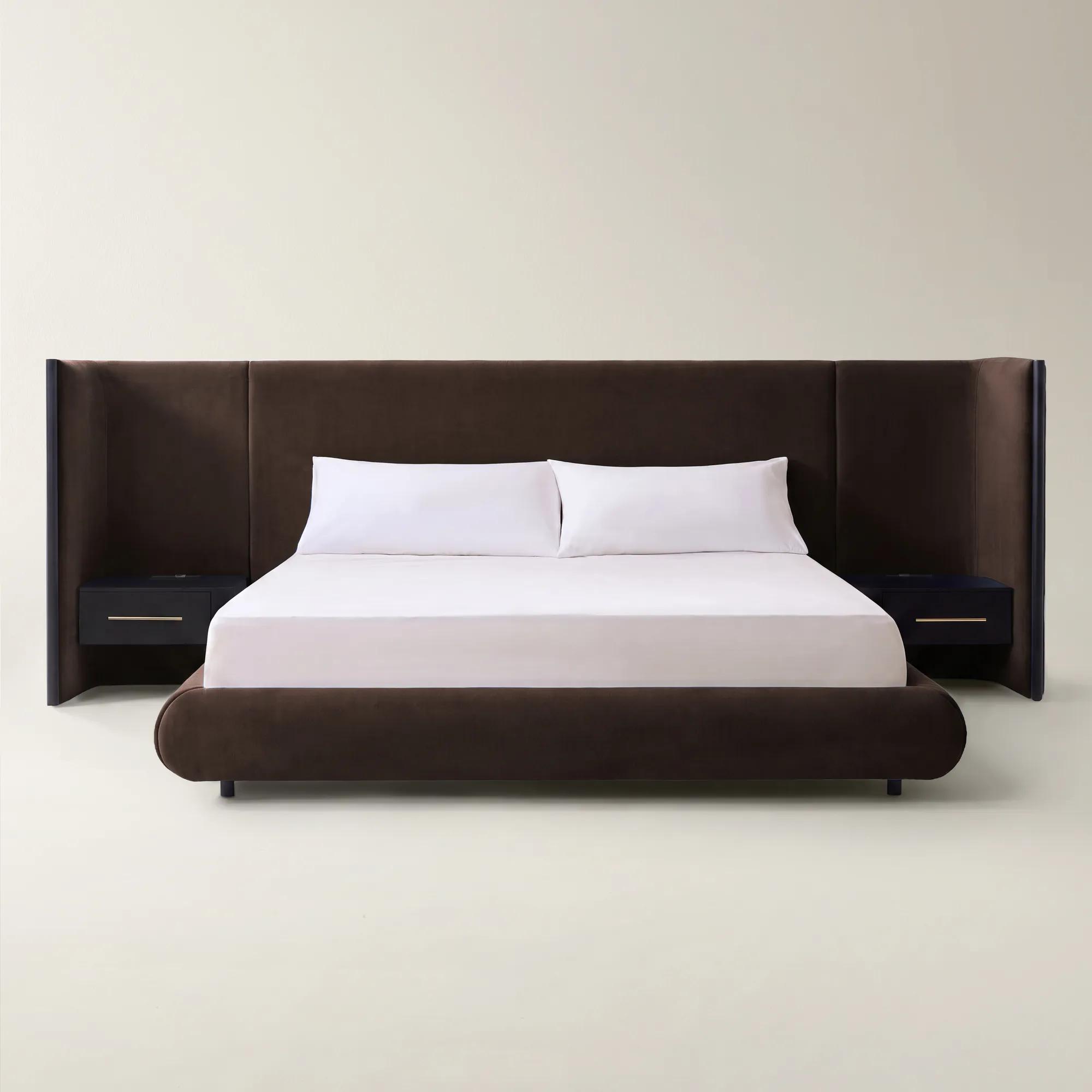 Sierra Dark Chocolate Velvet Upholstered King Bed With Nightstands$2899
A dark chocolate velvet platform bed with an extended headboard, floating nightstands, and integrated power access.
Add To Cart -
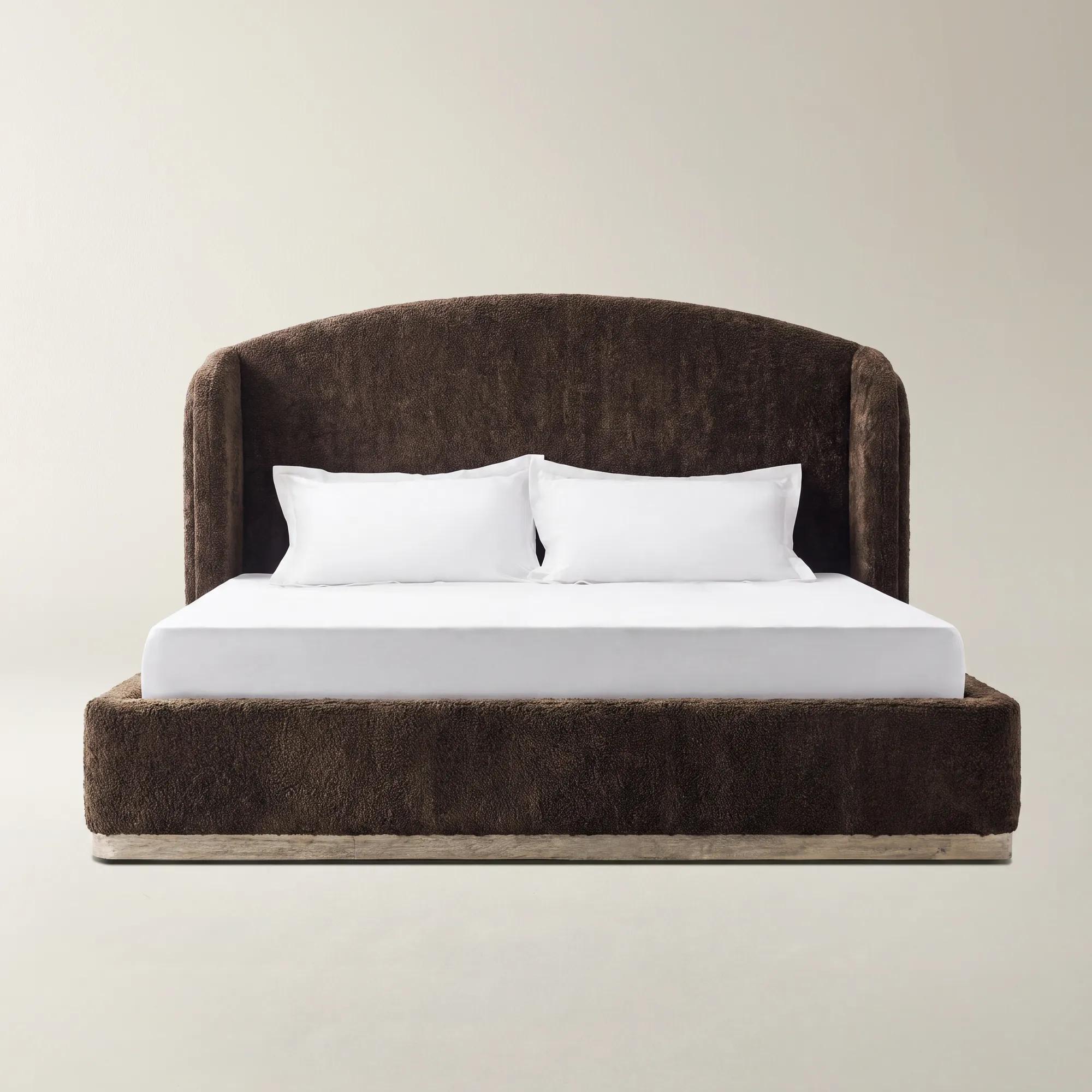
 Glimmer Dark Chocolate Chenille Upholstered Queen Platform Bed$2099
A platform bed in dark chocolate chenille with a sculpted double-layer headboard and solid rubberwood base.
Add To Cart -
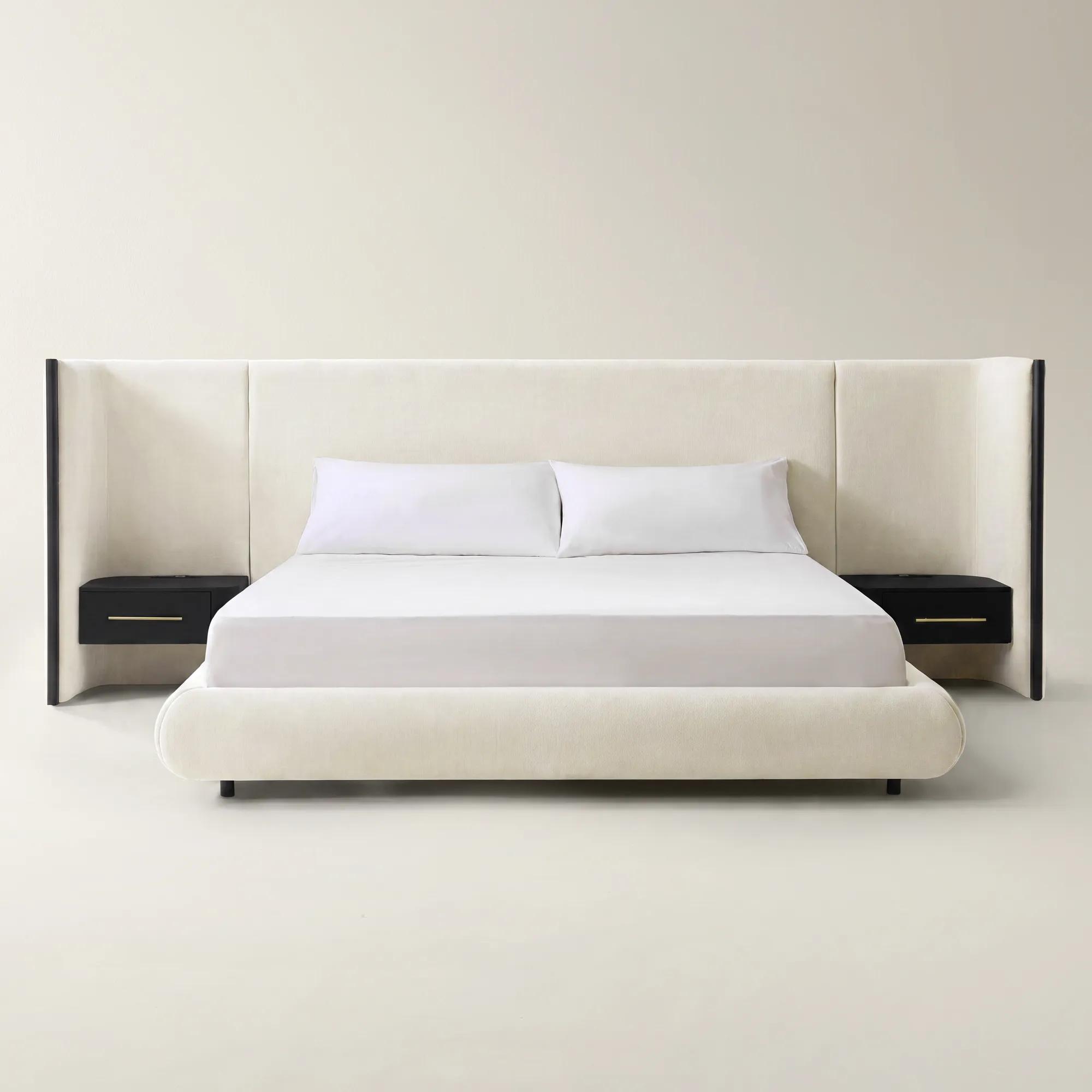 Sierra Ivory Performance Chenille Upholstered Queen Bed With Nightstands$2799
An ivory chenille upholstered bed with an extended headboard, floating nightstands, and integrated power access.
Add To Cart -
Stria Oatmeal Velvet Upholstered King Platform Bed$2499
A beige velvet platform bed with a tall wingback headboard and FSC-certified oak base.
Add To Cart

Custom Bedroom Furniture
Explore custom bedroom furniture for a retreat with a distinctly personal point of view. As you browse the selection, consider each design’s dimensions, proportions, and relationship to your existing decor to bring individual pieces together in a bedroom that feels cohesive, expressive, and unmistakably yours.
Custom bedroom furniture brings a personal point of view to the room’s largest silhouettes, turning the place reserved for rest into an expression of individual taste. A sweeping upholstered headboard can introduce the drama of a private suite, while tailored proportions and a restrained palette create an atmosphere that feels composed without becoming quiet. The distinction lies in the relationship between shape, texture, and scale: the soft sheen of upholstery against a richly grained surface, a sculptural bedside profile beside generous bedding, or a gleaming accent that catches the light across the room. Depending on the design, custom options may include upholstery fabrics, colors, finishes, dimensions, or decorative details; the available choices should be confirmed for each piece rather than assumed. These details allow a bedroom to reflect the person who lives there, whether that means jewel-toned glamour, luminous neutrals, or a richly layered combination of both. For a focal point with presence, refined custom bedroom beds establish the visual foundation around which storage, lighting, and textiles can take shape. A tall, enveloping headboard lends architectural weight to an otherwise simple room, while a lower profile leaves more room for expressive artwork above the bed. Upholstered edges soften the composition; framed or paneled forms introduce sharper definition. The surrounding furniture does not need to match every detail to feel intentional. Repeating a finish, an undertone, or a curved line can connect distinct silhouettes while preserving the character of each. In a primary bedroom, that approach creates a retreat with depth and personality. In a guest bedroom, it offers visitors an equally thoughtful welcome. For partners furnishing a shared space, a common palette can unite different preferences, allowing one person’s love of sculptural form and another’s preference for sumptuous texture to coexist beautifully. Fabric and finish samples, when offered, are particularly useful for understanding how those choices relate to existing flooring, wall color, and the room’s lighting.
The most compelling bedroom furniture balances its visual impact with a comfortable fit, both within the floor plan and within daily routines. Overall dimensions matter more than a familiar size designation alone: a bed frame can extend beyond the mattress at the sides and foot, and an upholstered headboard may be considerably wider than the sleeping surface. Those extra inches can be the difference between a generous passage and a tight route to the closet. A dramatic headboard also deserves attention in relation to windows, wall molding, ceiling height, and electrical outlets. Its proportions should feel deliberate from the doorway, not merely impressive in isolation. Bedside furniture works best when the surface is comfortably reachable from the mattress, with space for a lamp, a glass, and the objects that make an evening feel settled. In a compact room, a narrower profile can preserve breathing room without sacrificing a strong silhouette. In a larger suite, more substantial bedside pieces can hold their own against a broad bed and expansive walls. Storage deserves the same consideration. Drawer fronts need room to open fully, cabinet doors need a clear swing, and upholstered benches should leave a comfortable path around the foot of the bed. A dresser chosen for folded clothing has different practical demands from a chest intended for jewelry, small accessories, and treasured keepsakes. Interior dimensions, drawer configuration, and the action of the hardware help determine how useful that storage will feel after the room is styled. Mattress compatibility is another essential detail, including the recommended support system, permitted mattress dimensions, and whether a foundation is required. The height of the complete bed should suit the people using it, especially anyone who prefers an easier transition between sitting and standing. Doorways, stair turns, elevators, and assembly requirements also influence whether a substantial piece can reach its intended place. Thoughtful proportions leave room for everyday movement while allowing the furniture’s artistry to command attention.
Materials give custom bedroom furniture its tactile richness, but their beauty is best understood alongside construction, intended use, and care. Velvet can bring depth and shifting highlights to an upholstered silhouette, with the direction of the pile creating subtle variations in color. Woven fabrics introduce a different rhythm, from a finely textured surface to a more pronounced pattern that becomes part of the room’s composition. Fiber content, weave, backing, and any documented performance properties matter more than appearance alone when selecting upholstery for a frequently used headboard or a bench where someone sits to dress each morning. A household with pets may prioritize a closely woven surface and clear cleaning instructions, while a guest room may allow more emphasis on decorative texture. No fabric should be assumed to resist stains, scratching, or fading unless its specifications support that expectation. Wood and wood veneers offer their own expressive possibilities, with grain direction and finish contributing warmth, contrast, or a polished architectural effect. Solid wood and veneer construction can both play a role in furniture design; joinery, supporting materials, finish quality, and appropriate care provide a more useful picture than a material label alone. Mirrored and metal accents introduce brilliance, although reflective surfaces can reveal fingerprints and benefit from careful handling. Durable daily use also depends on details that are less visible: stable support, securely fitted components, and hardware suited to repeated opening and closing. Manufacturer instructions should guide assembly, weight limits, mattress support, and any required anti-tip anchoring for storage furniture. Care is most effective when it respects the material. Gentle dusting, prompt attention to spills, and coasters beneath drinks help preserve a finished surface, while upholstery should be cleaned according to its designated method rather than with an all-purpose treatment. Prolonged direct sunlight can affect some fabrics and finishes, making placement and window coverings worth considering. With these practical details resolved, the room can carry a more expressive vision: a graceful curve echoed in the bedside lighting, a luminous finish set against matte textiles, and a bed that feels as inviting at the end of the day as it looks from the threshold.
FAQs
Custom bedroom furniture is created or adapted to reflect your design preferences rather than a fixed aesthetic. Depending on the maker, customization may involve finishes, upholstery, or decorative details. The result is a more personal expression of your style, with furniture that helps shape the room’s mood and character.
Begin with the atmosphere you want to create: serene and sculptural, richly layered, or unapologetically glamorous. Gather inspiration around silhouettes, color, and texture, then identify the elements that draw you in repeatedly. A clear creative direction gives custom bedroom furniture a cohesive point of view without making every piece look alike.
Yes. Let a favorite piece establish a visual connection, such as a recurring curve, finish tone, or decorative motif. Carry that detail into your custom furniture while allowing other elements to contrast. This approach creates a collected bedroom with depth and personality, rather than a room where every piece repeats the same design.
Expressive silhouettes, thoughtful proportions, tailored upholstery, and distinctive hardware can each bring character to bedroom furniture. Where customization is offered, choose details that reinforce your overall vision. A sculptural outline can create drama, while a restrained finish lets the form take center stage.
Give your custom bedroom furniture a leading role, then build a supporting composition with bedding, lighting, artwork, and decorative accents. Echo a color or shape from the furniture to create continuity, and introduce contrasting textures for depth. Leave visual breathing room around distinctive details so their artistry remains part of the story.


