Custom Upholstered Beds
Custom Upholstered Beds
-
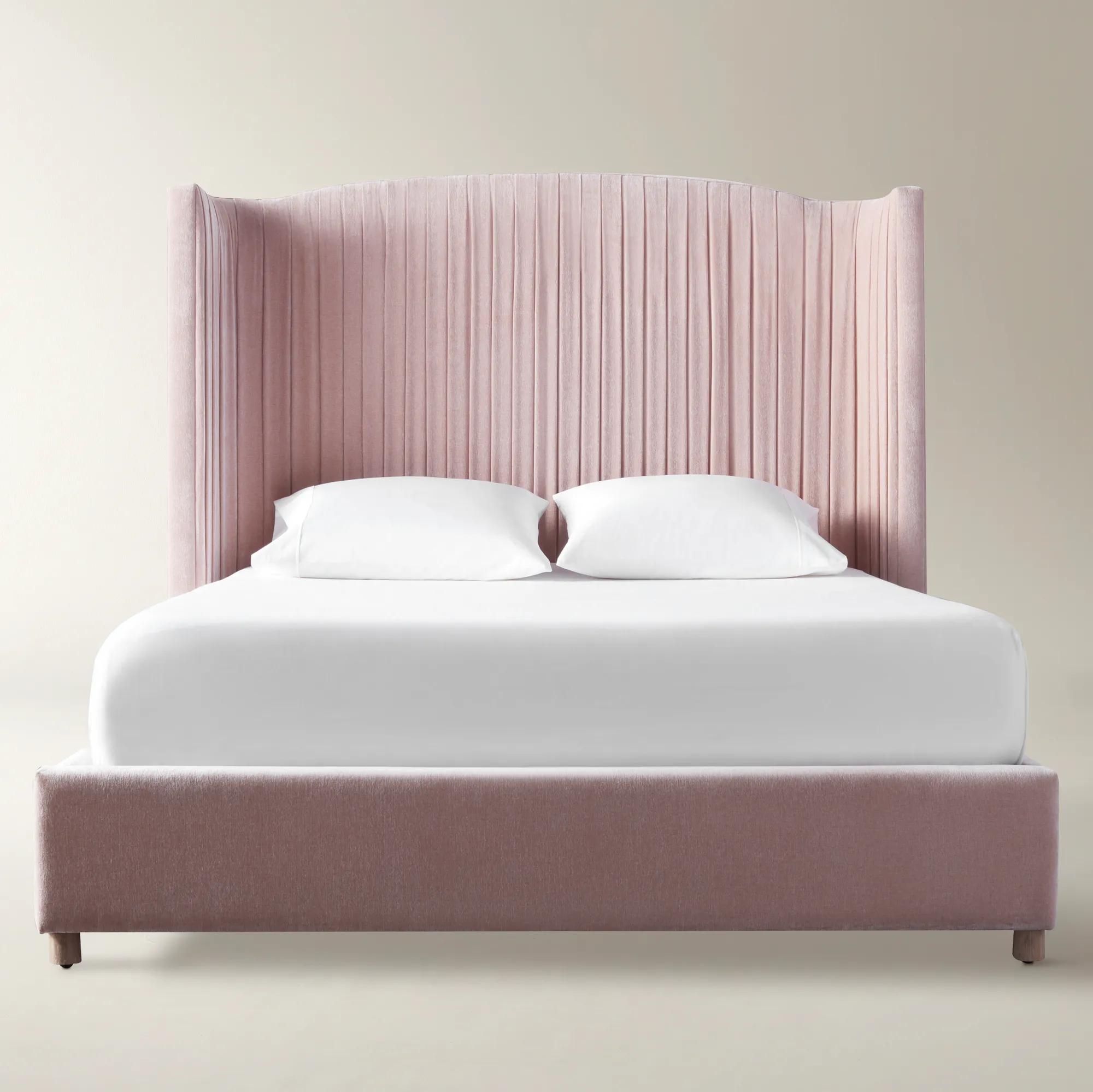
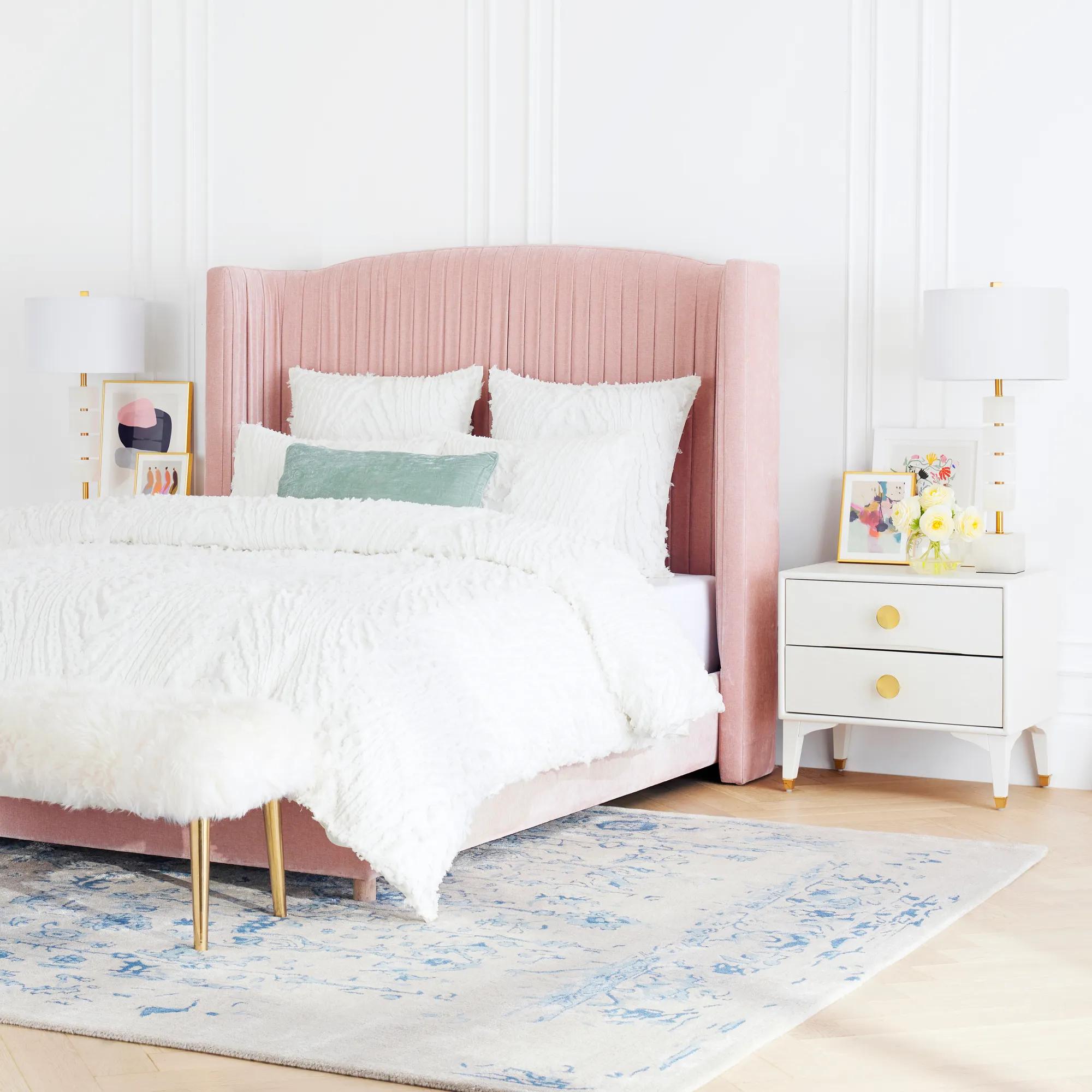 Larissa Platform Bed$2549
An elegantly curved wingback bed with hand-pleated chenille upholstery and a kiln-dried hardwood frame.
Add To Cart -
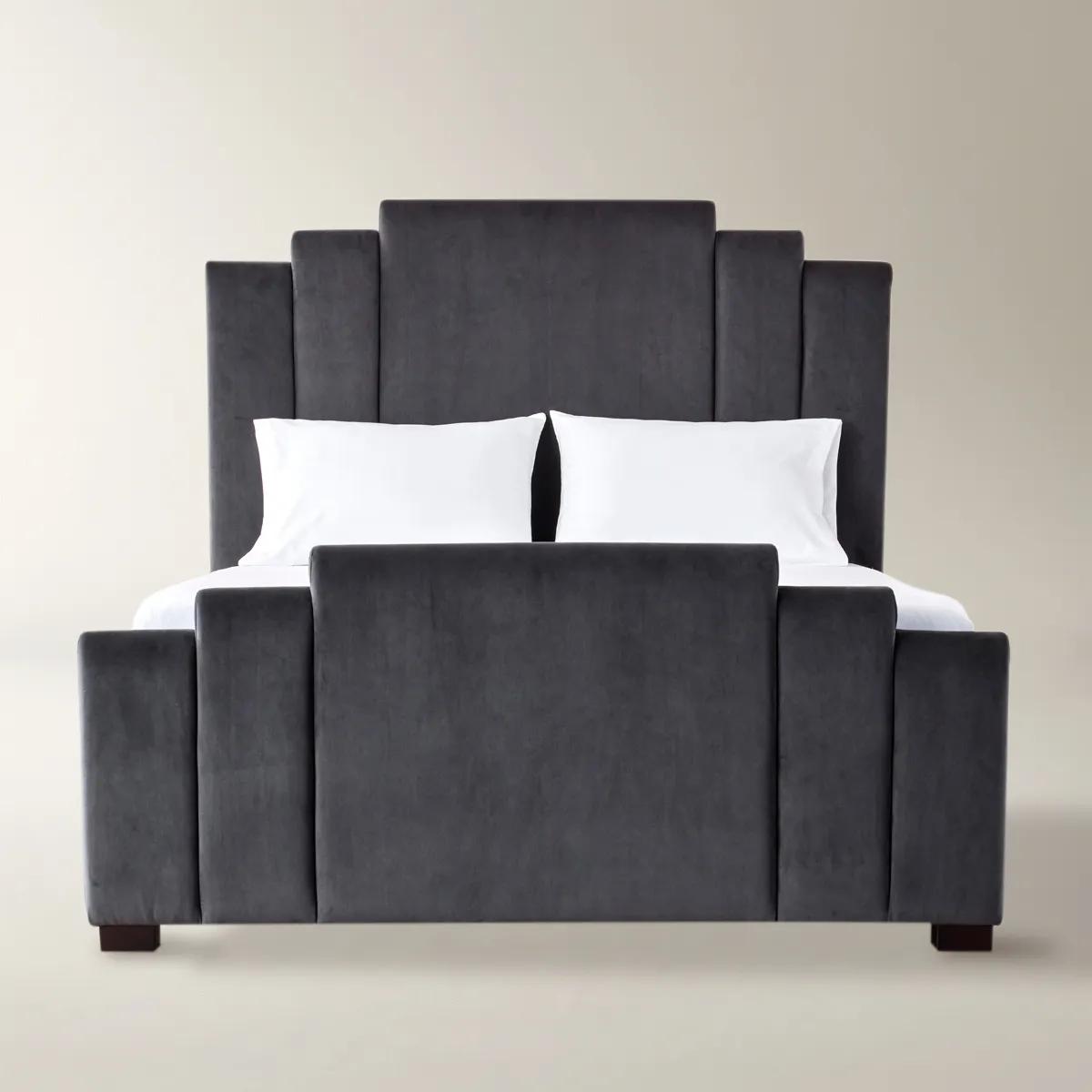 Marlow Bed$2549
A dramatic bed handcrafted from kiln-dried hardwood and plush gunmetal velvet with dimensional channel detailing.
Add To Cart -
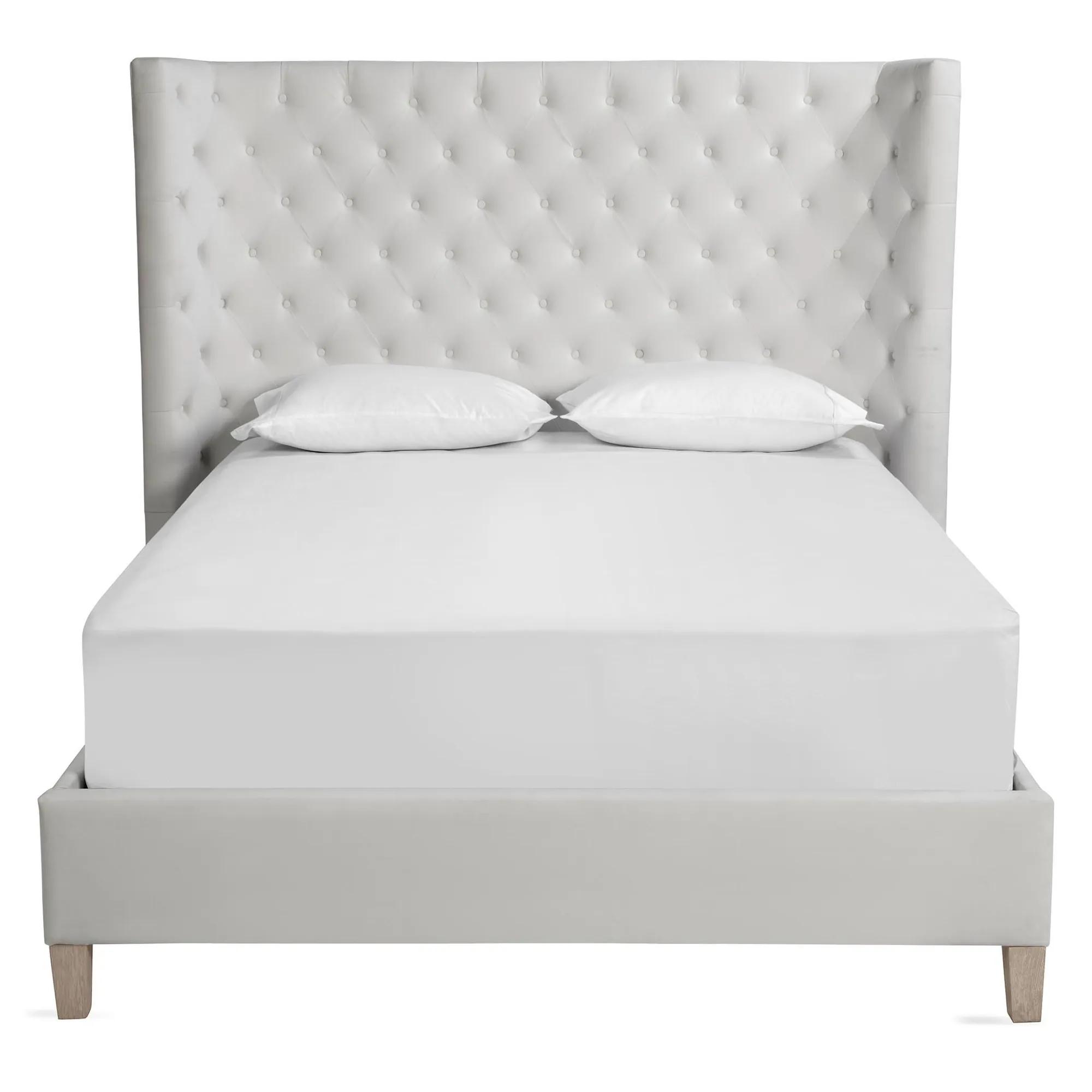
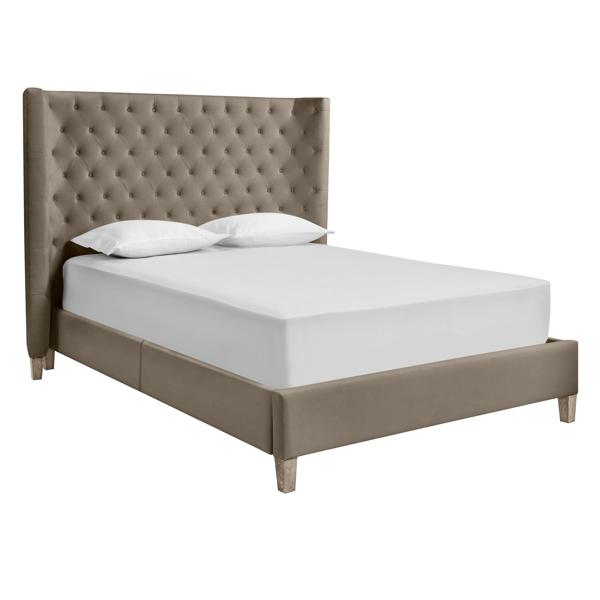 Jen Storage Bed$3699
A glamorous platform bed with hand-tufted velvet upholstery, wingback headboard, and four fully upholstered storage drawers.
Add To Cart -
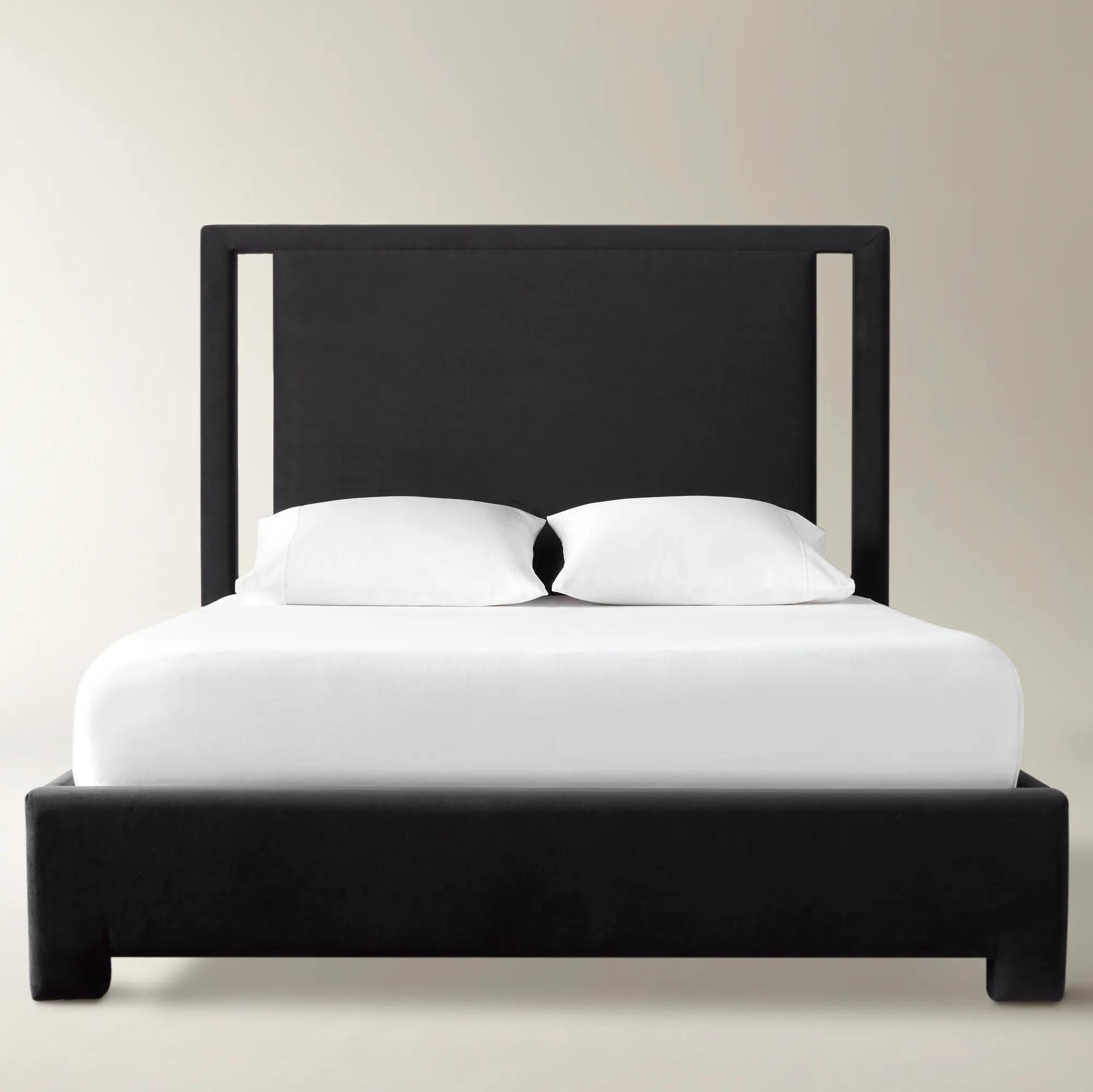
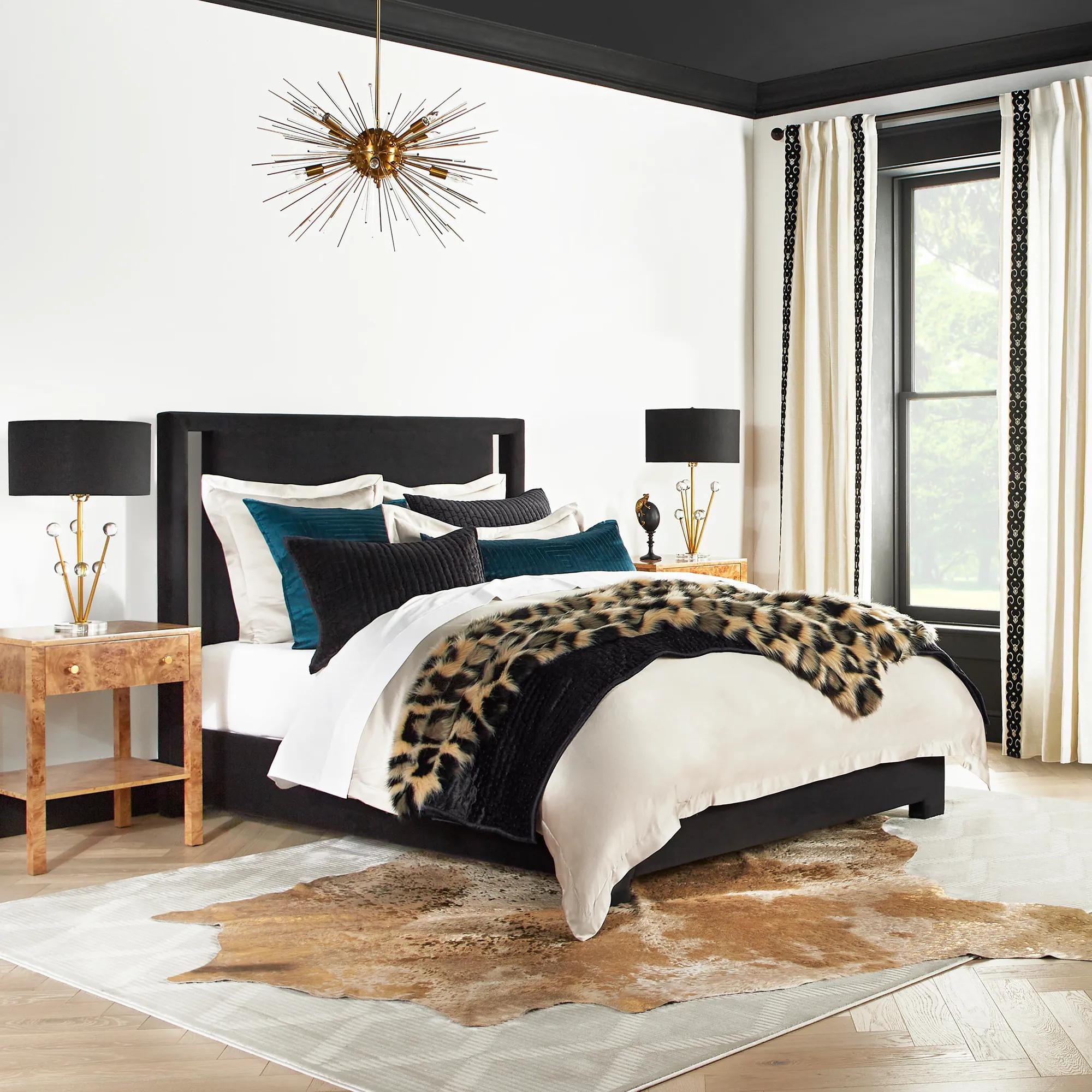 Roya Platform Bed$1749
An elegant platform bed with kiln-dried hardwood frame, hand-upholstered in plush black velvet with dramatic headboard cutouts.
Add To Cart -
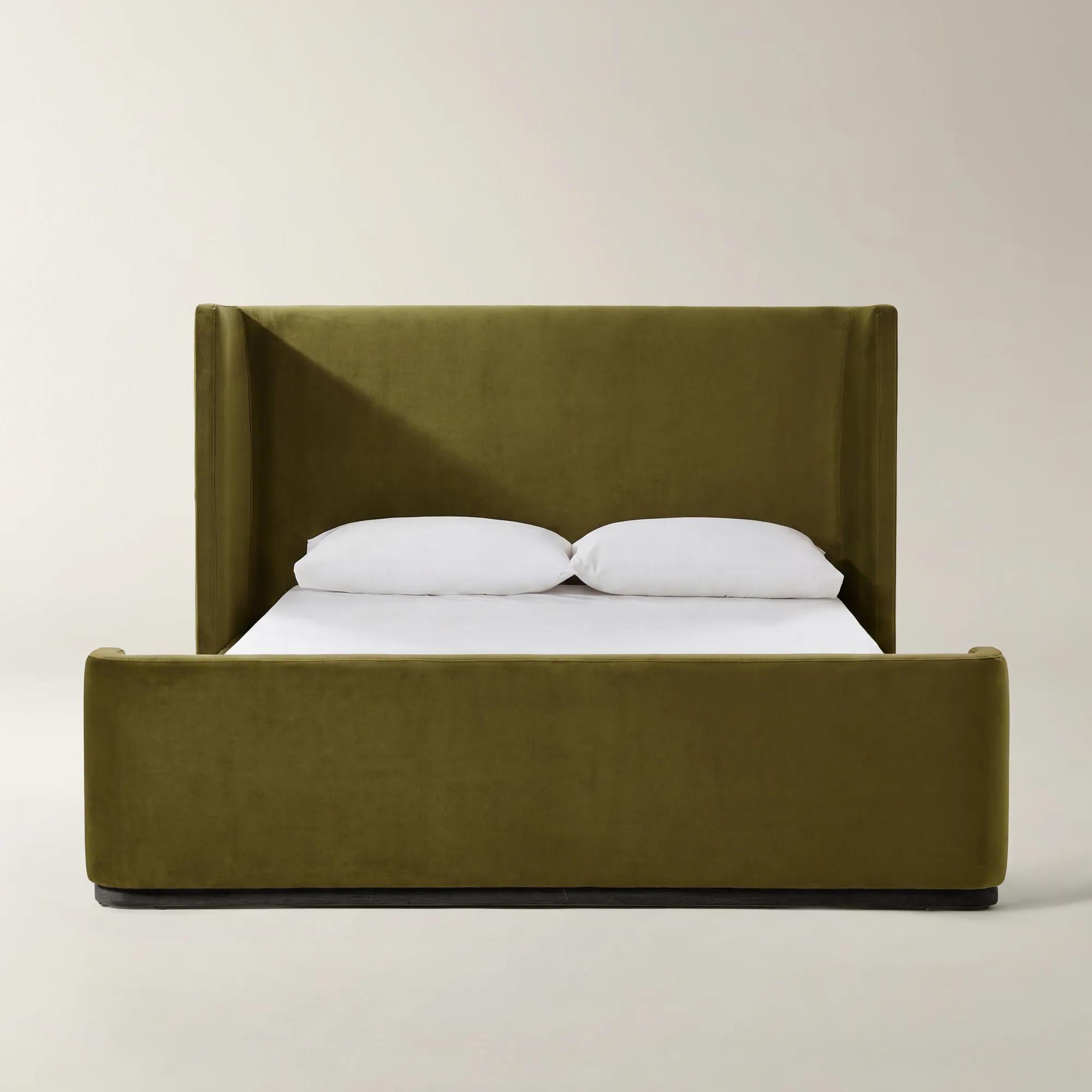
 Stria Deep Olive Velvet Upholstered King Platform Bed$2499
A green velvet platform bed featuring a tall wingback headboard, FSC-certified oak base, and supportive slat construction.
Add To Cart -
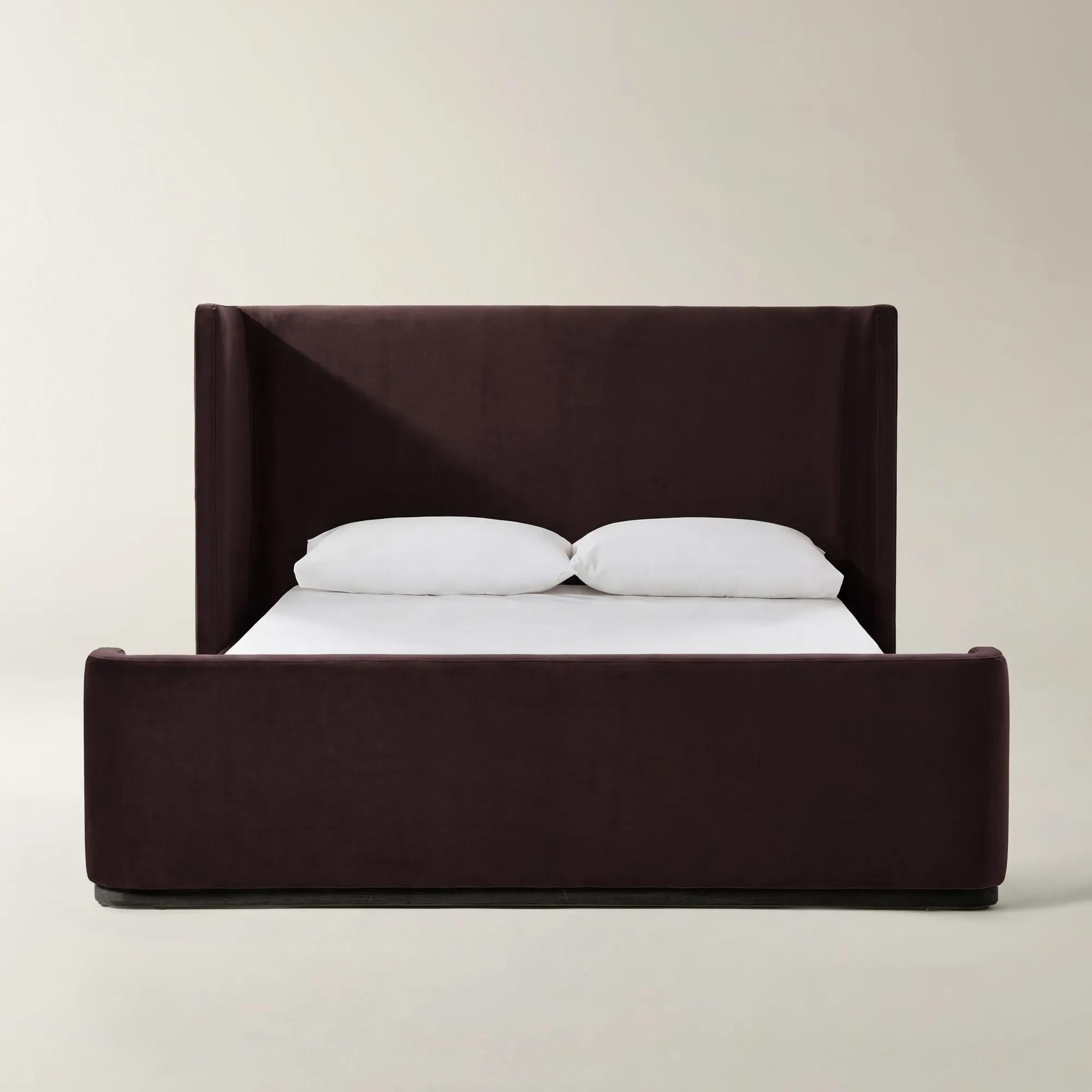
 Stria Fig Velvet Upholstered King Platform Bed$2499
A red velvet platform bed with a tall wingback headboard and FSC-certified oak base.
Add To Cart -
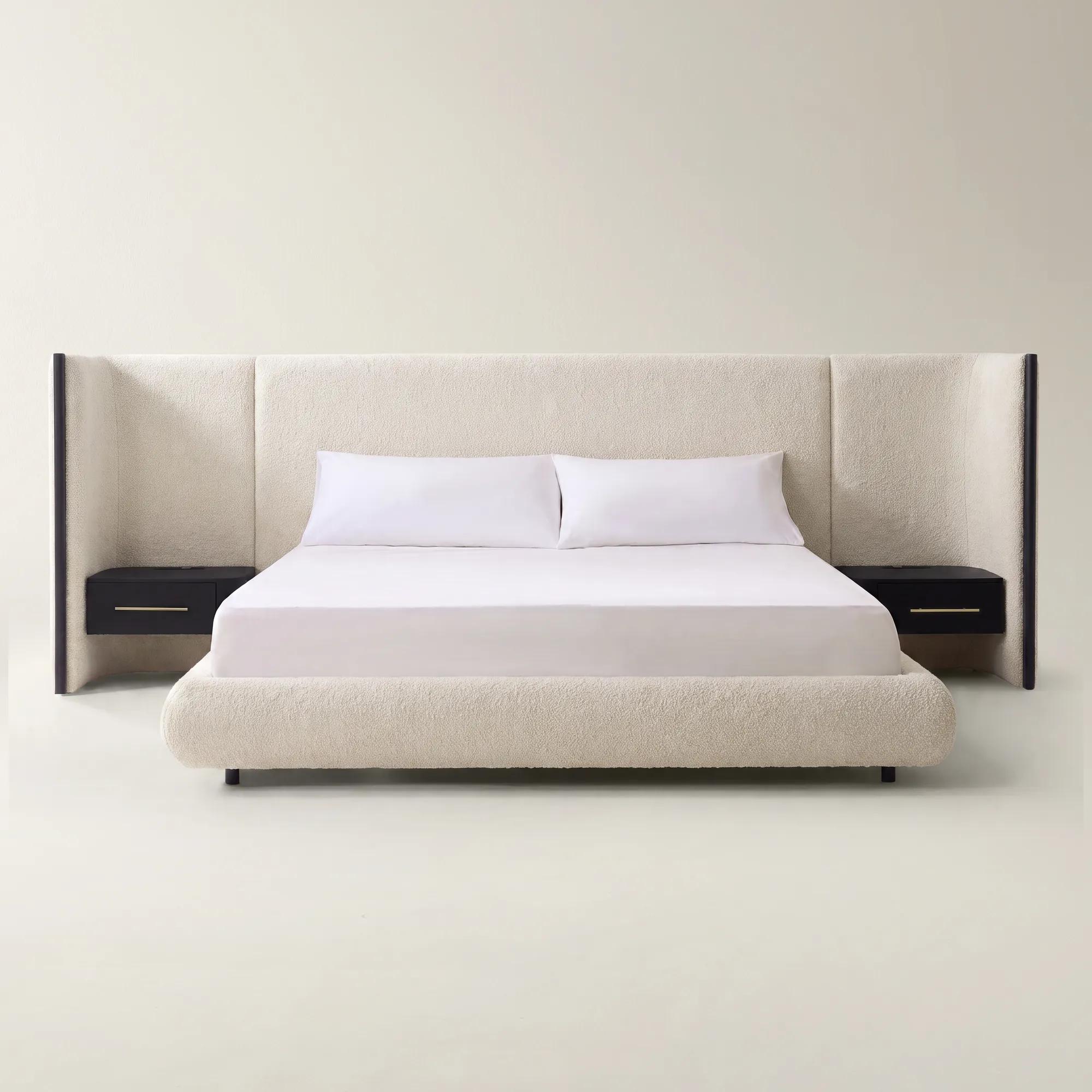 Sierra Utopia Sand Chenille Upholstered Queen Bed With Nightstands$2799
A beige chenille upholstered platform bed with an extended headboard, floating nightstands, and integrated power access.
Add To Cart -
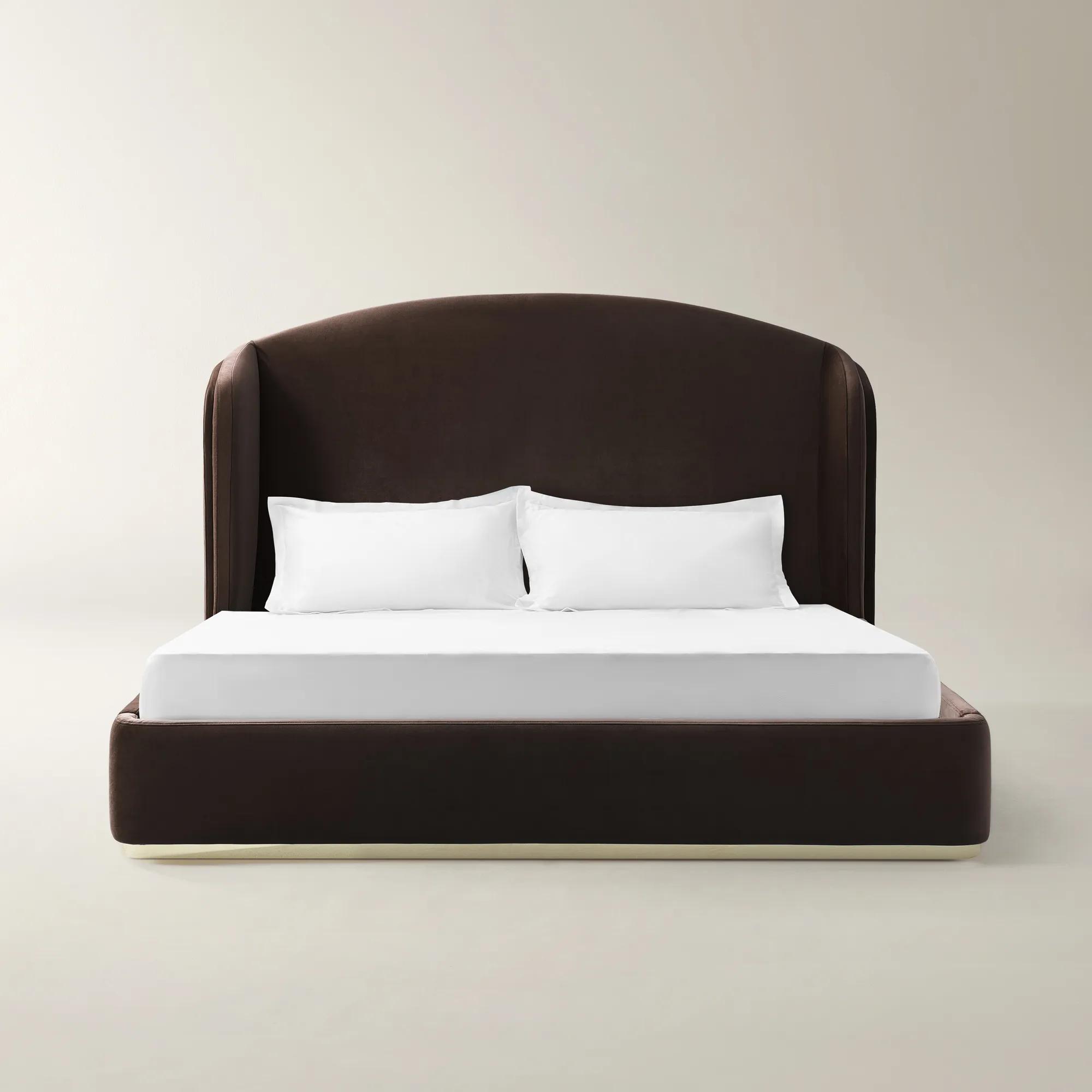
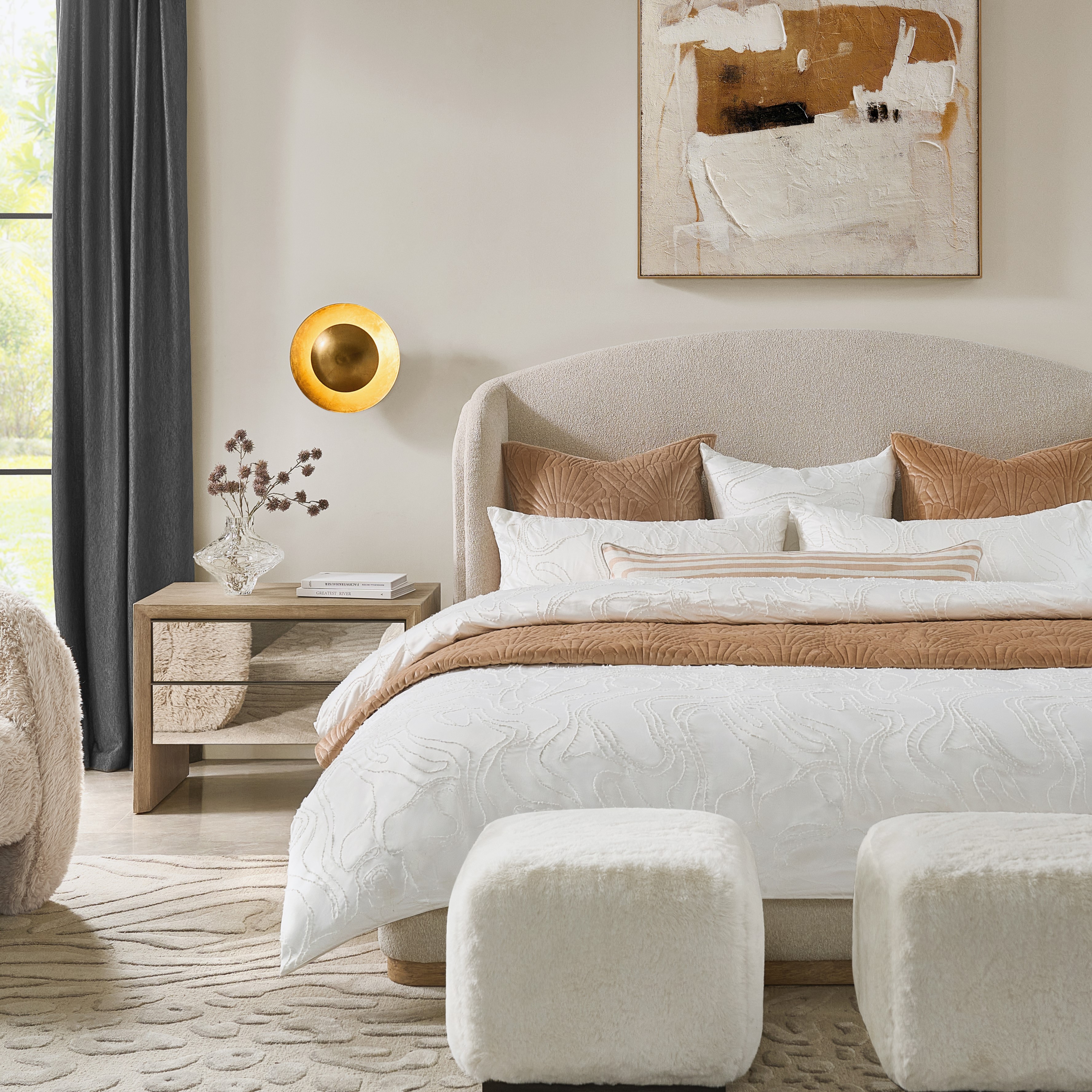 Glimmer Dark Chocolate Velvet Upholstered Queen Platform Bed$2099
A brown velvet platform bed with a sculptural double-layered headboard and solid rubberwood base.
Add To Cart -
Stria Fig Velvet Upholstered Queen Platform Bed$2299
A red velvet platform bed with a tall wingback headboard and FSC-certified solid oak base.
Add To Cart -
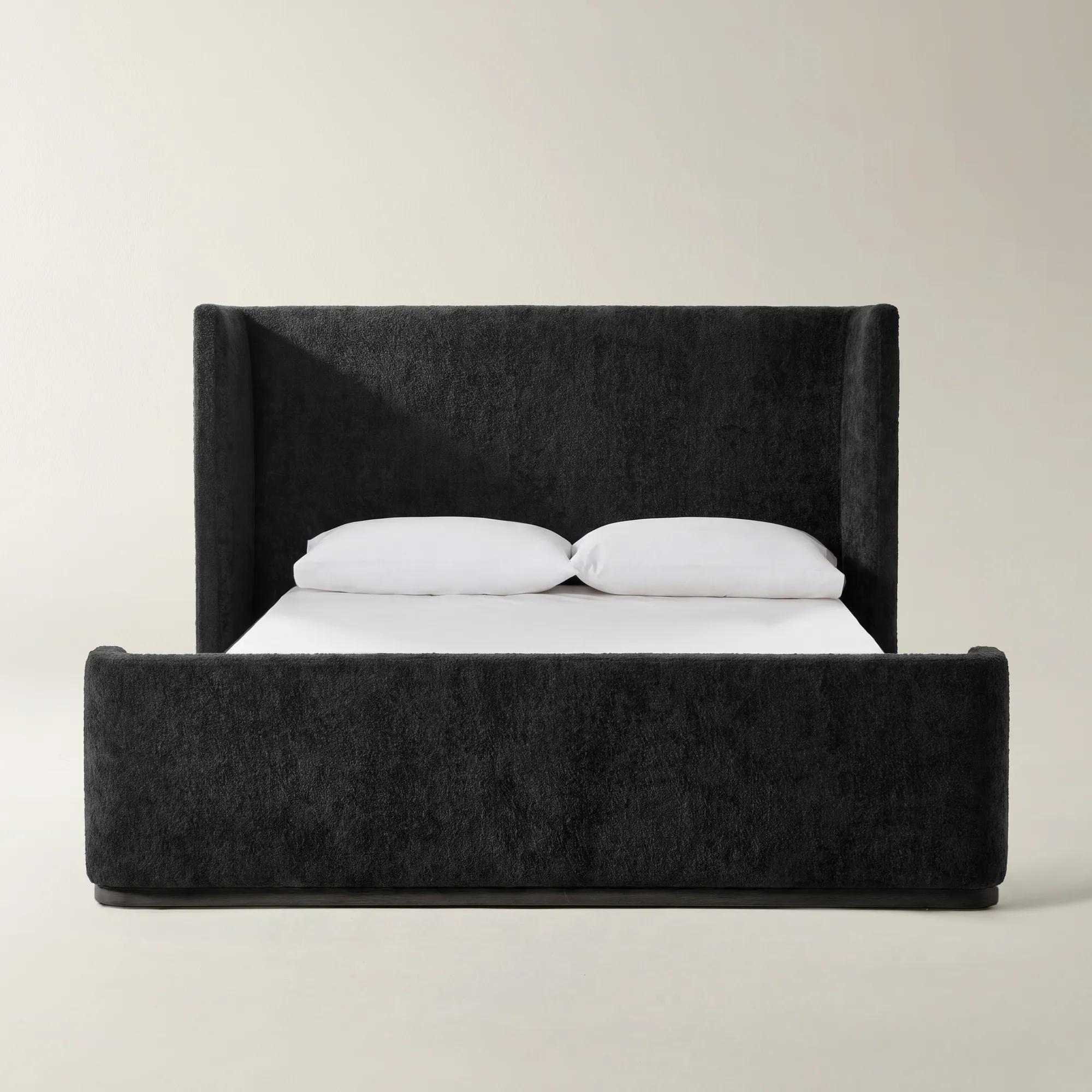 Stria Black Chenille Upholstered King Platform Bed$2499
A black chenille platform bed with a tall wingback headboard and FSC-certified solid oak base.
Add To Cart -
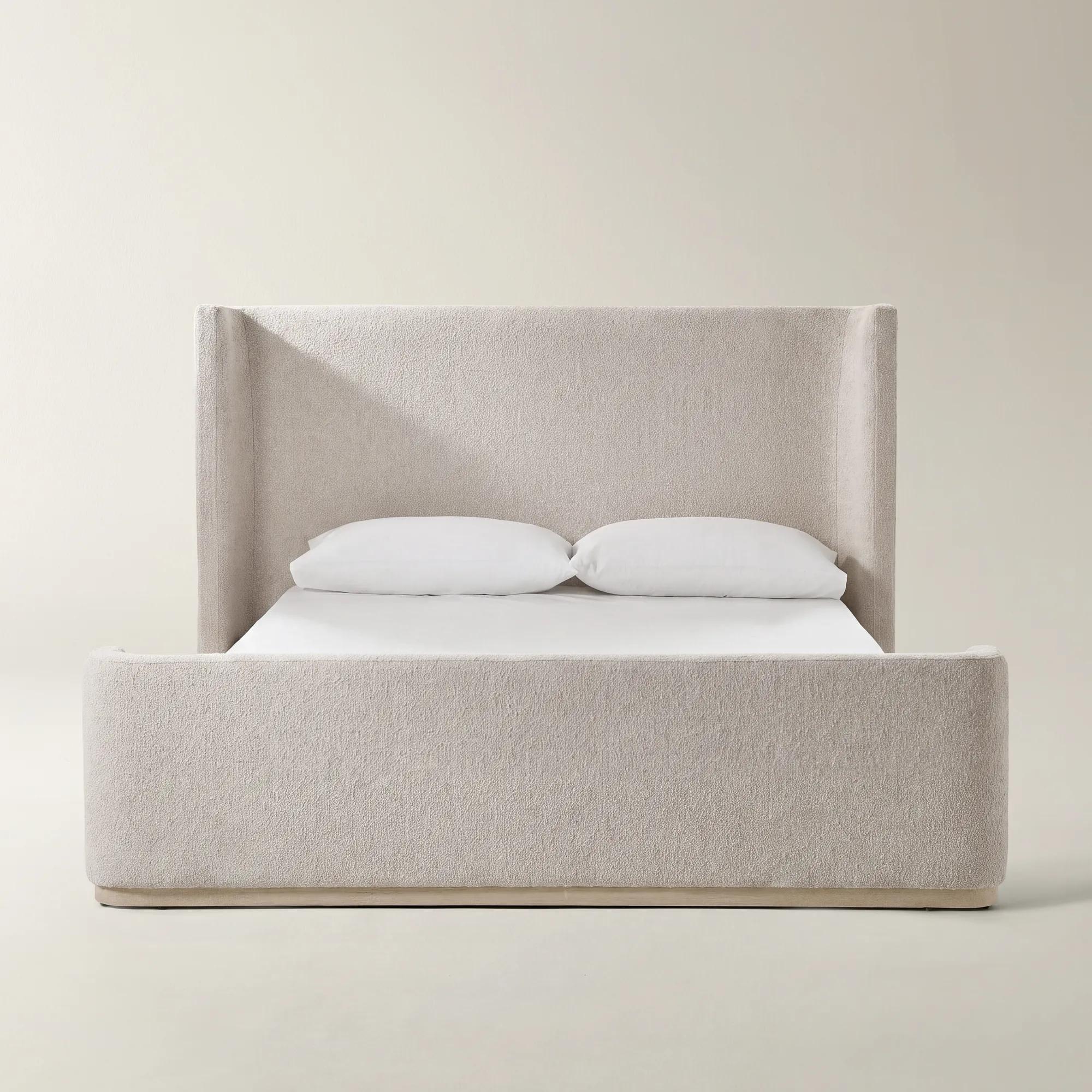 Stria Ivory Performance Boucle Upholstered King Platform Bed$2599
An upholstered platform bed in ivory performance boucle with a wingback headboard and FSC-certified oak base.
Add To Cart -
Sierra Utopia Sand Chenille Upholstered King Bed With Nightstands$2999
A beige chenille upholstered bed with an extended headboard, floating nightstands, and integrated power access.
Add To Cart -
Stria Ivory Performance Boucle Upholstered Queen Platform Bed$2399
A white boucle platform bed with a tall wingback headboard and FSC-certified oak base.
Add To Cart -
Stria Black Chenille Upholstered Queen Platform Bed$2299
A black chenille upholstered platform bed with a sculptural wingback headboard and FSC-certified oak base.
Add To Cart -
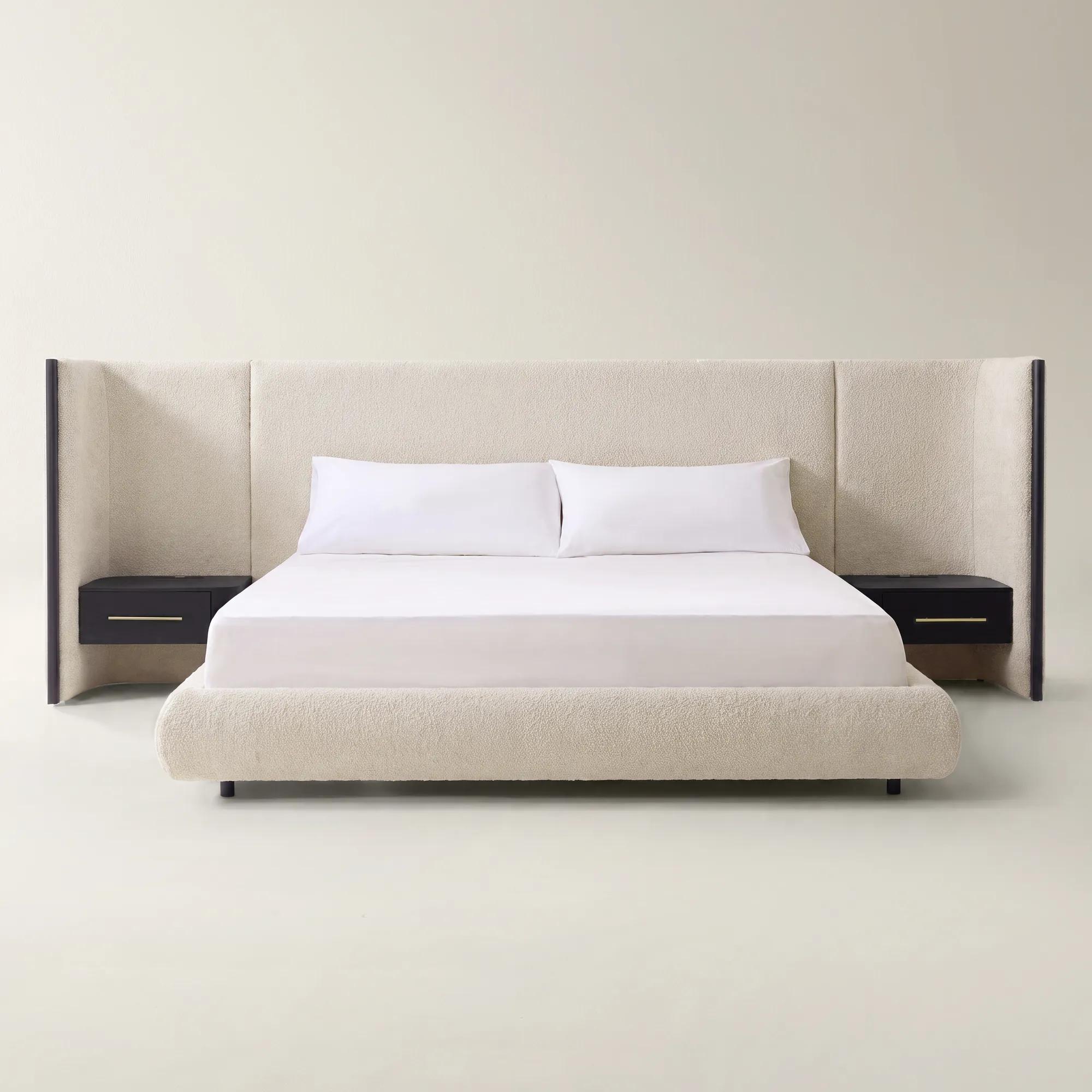
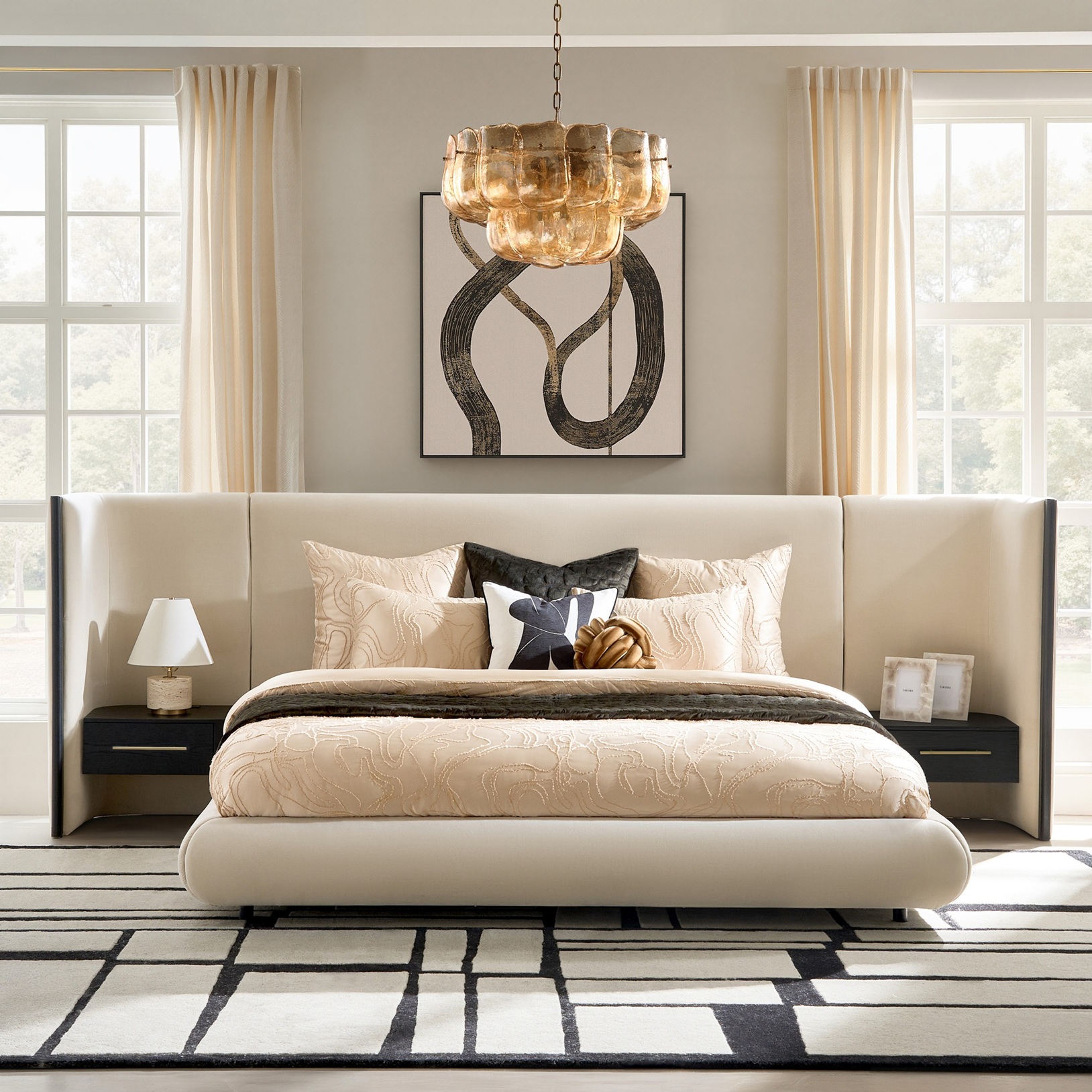 Sierra Ivory Performance Boucle Upholstered Queen Bed With Nightstands$2799
A white boucle upholstered bed with an extended headboard, floating nightstands, and contrasting black trim.
Add To Cart -
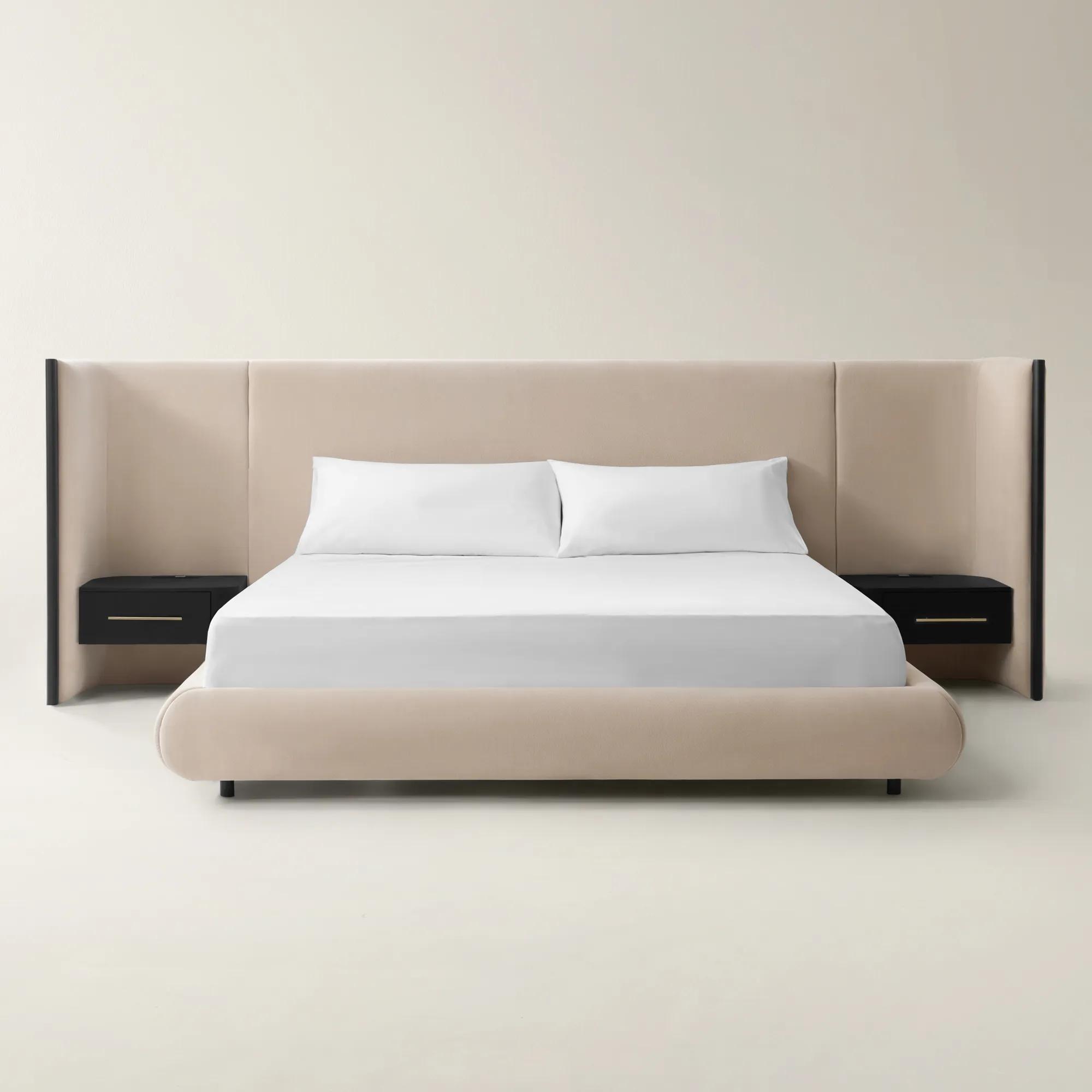
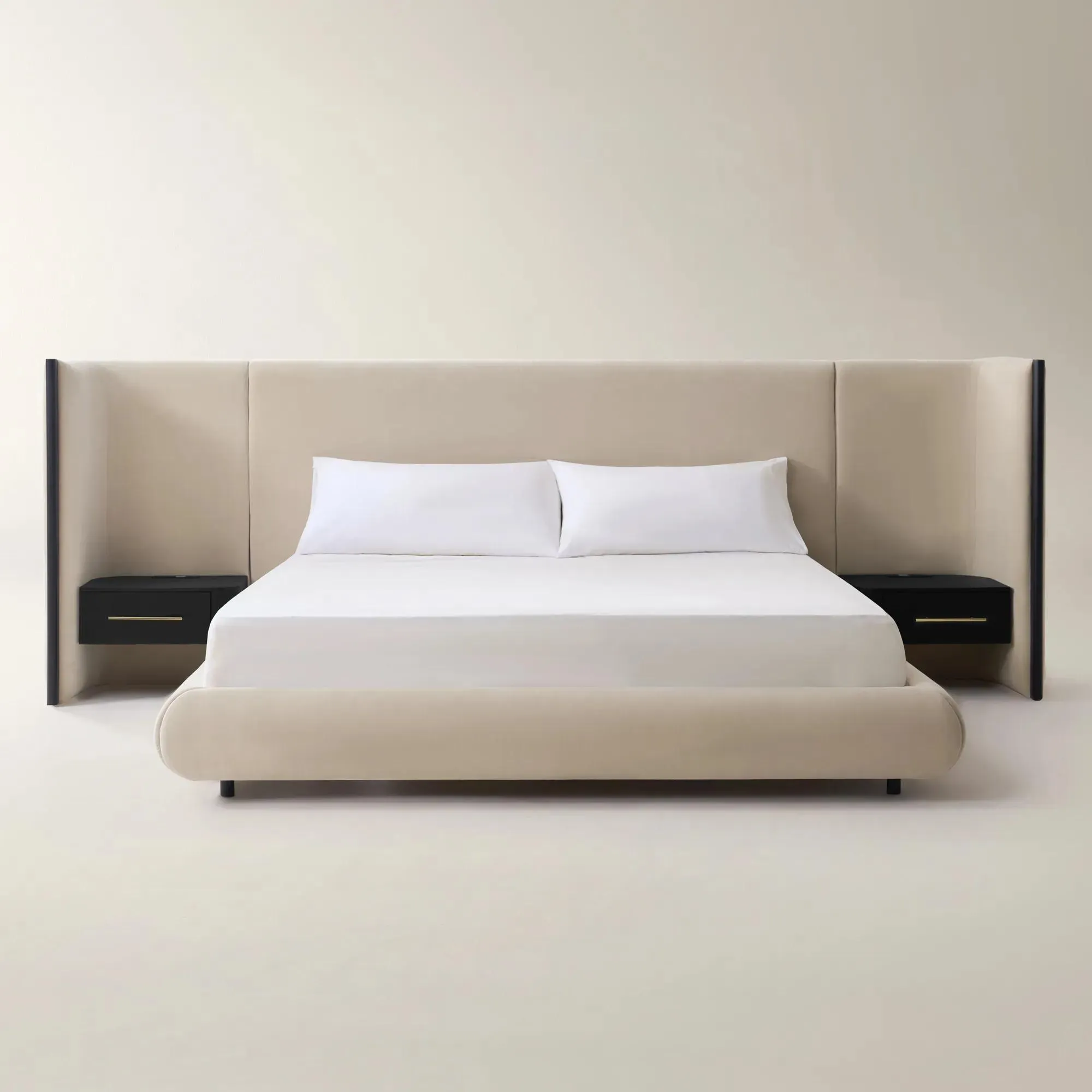 Sierra Simply Taupe Velvet Upholstered King Bed With Nightstands$2899
A taupe velvet platform bed with extended headboard, floating nightstands, black trim, and integrated power access.
Add To Cart -
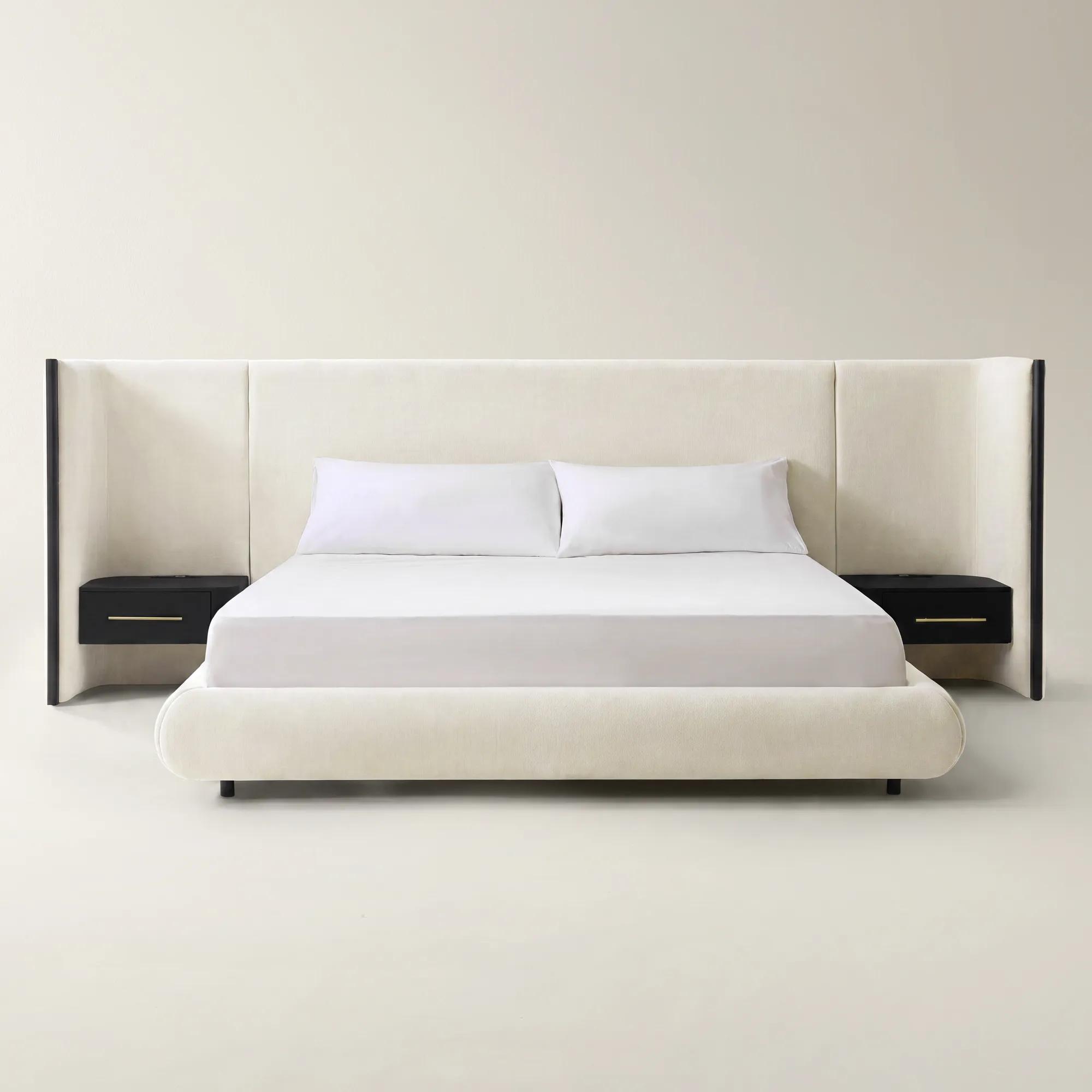 Sierra Ivory Performance Chenille Upholstered King Bed With Nightstands$2999
An ivory chenille upholstered bed featuring an extended headboard, floating nightstands, black trim, and integrated power.
Add To Cart -
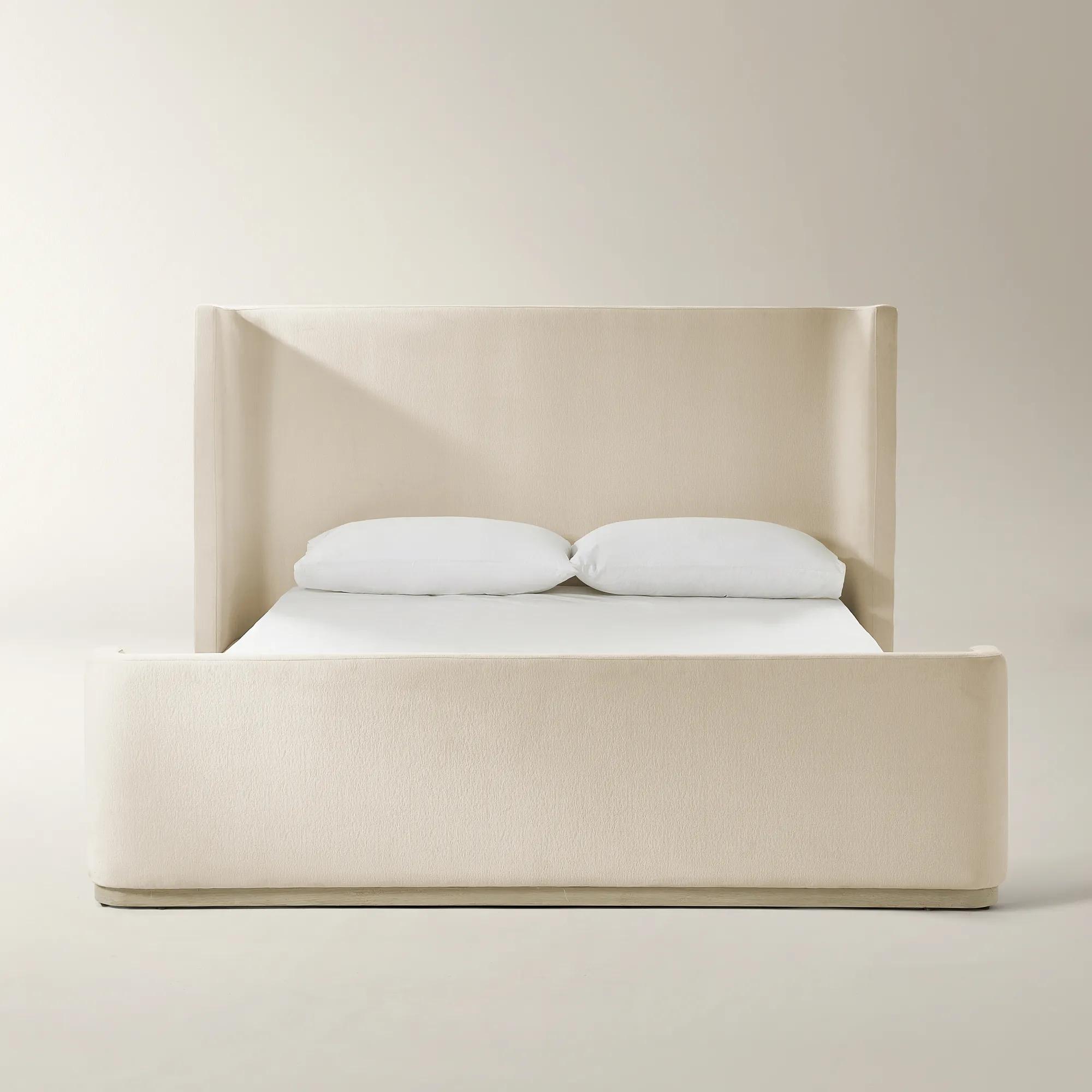 Stria Oatmeal Velvet Upholstered Queen Platform Bed$2299
A beige velvet platform bed with a sculptural wingback headboard and FSC-certified solid oak base.
Add To Cart -
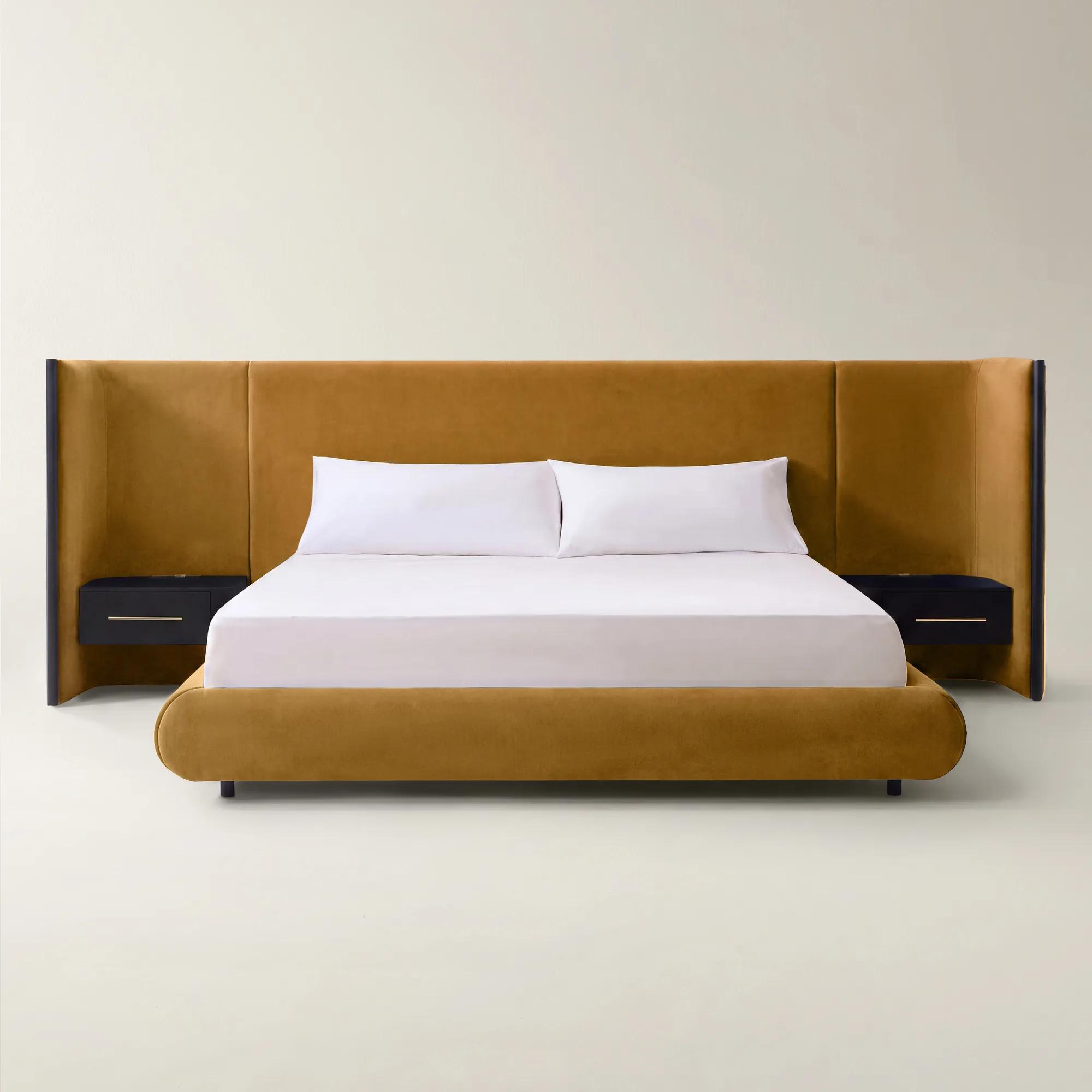 Sierra Roasted Pecan Velvet Upholstered Queen Bed With Nightstands$2699
A brown velvet upholstered platform bed with an extended headboard, floating nightstands, and integrated power access.
Add To Cart -
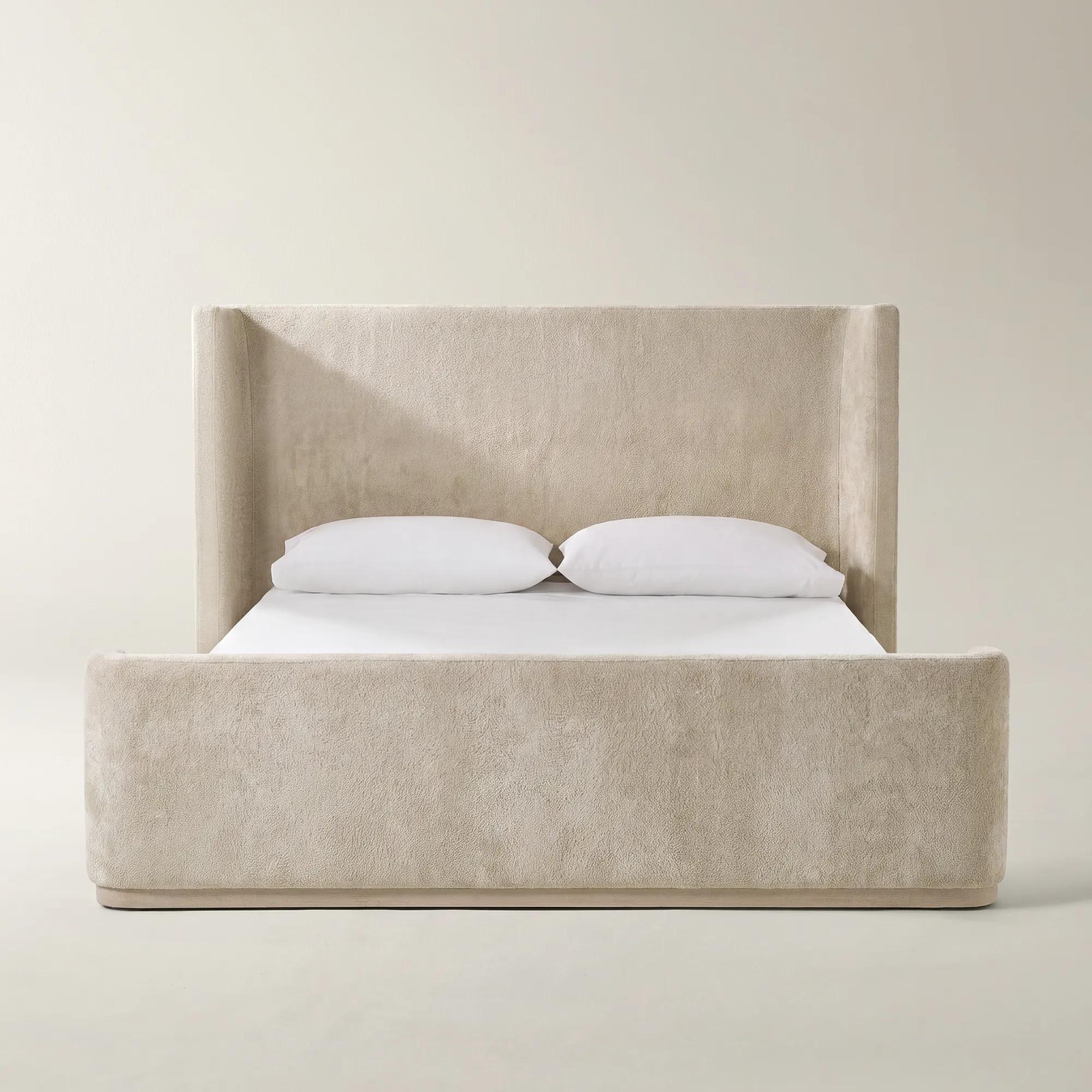 Stria Light Brown Chenille Upholstered Queen Platform Bed$2299
A queen platform bed with brown chenille upholstery, a wingback headboard, and an FSC-certified oak base.
Add To Cart -
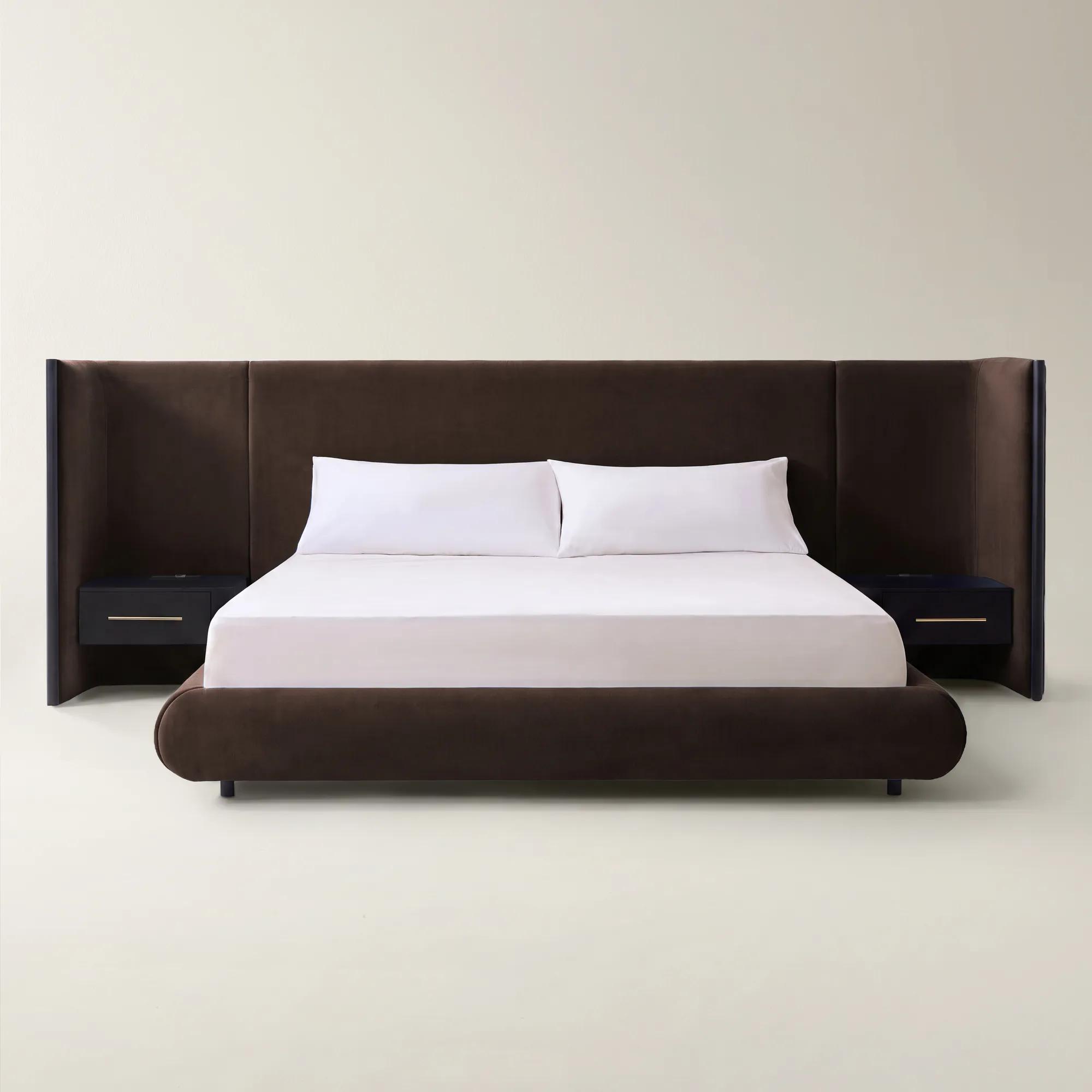 Sierra Dark Chocolate Velvet Upholstered King Bed With Nightstands$2899
A dark chocolate velvet platform bed with an extended headboard, floating nightstands, and integrated power access.
Add To Cart -
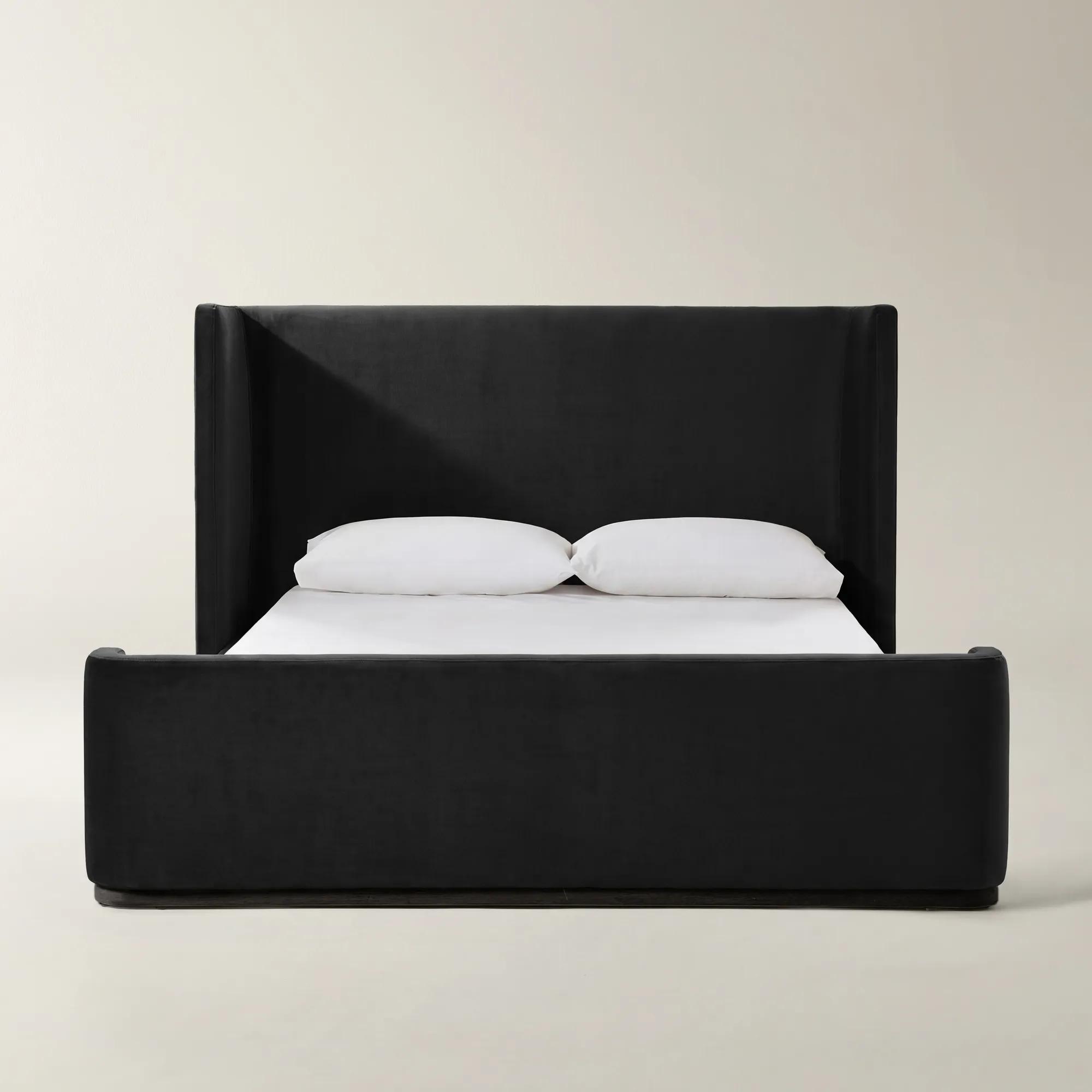 Stria Charcoal Velvet Upholstered Queen Platform Bed$2299
A charcoal velvet platform bed with a tall wingback headboard and FSC-certified oak base.
Add To Cart -
Sierra Ivory Performance Boucle Upholstered King Bed With Nightstands$2999
A white boucle upholstered bed with an extended headboard, floating nightstands, and integrated power access.
Add To Cart -
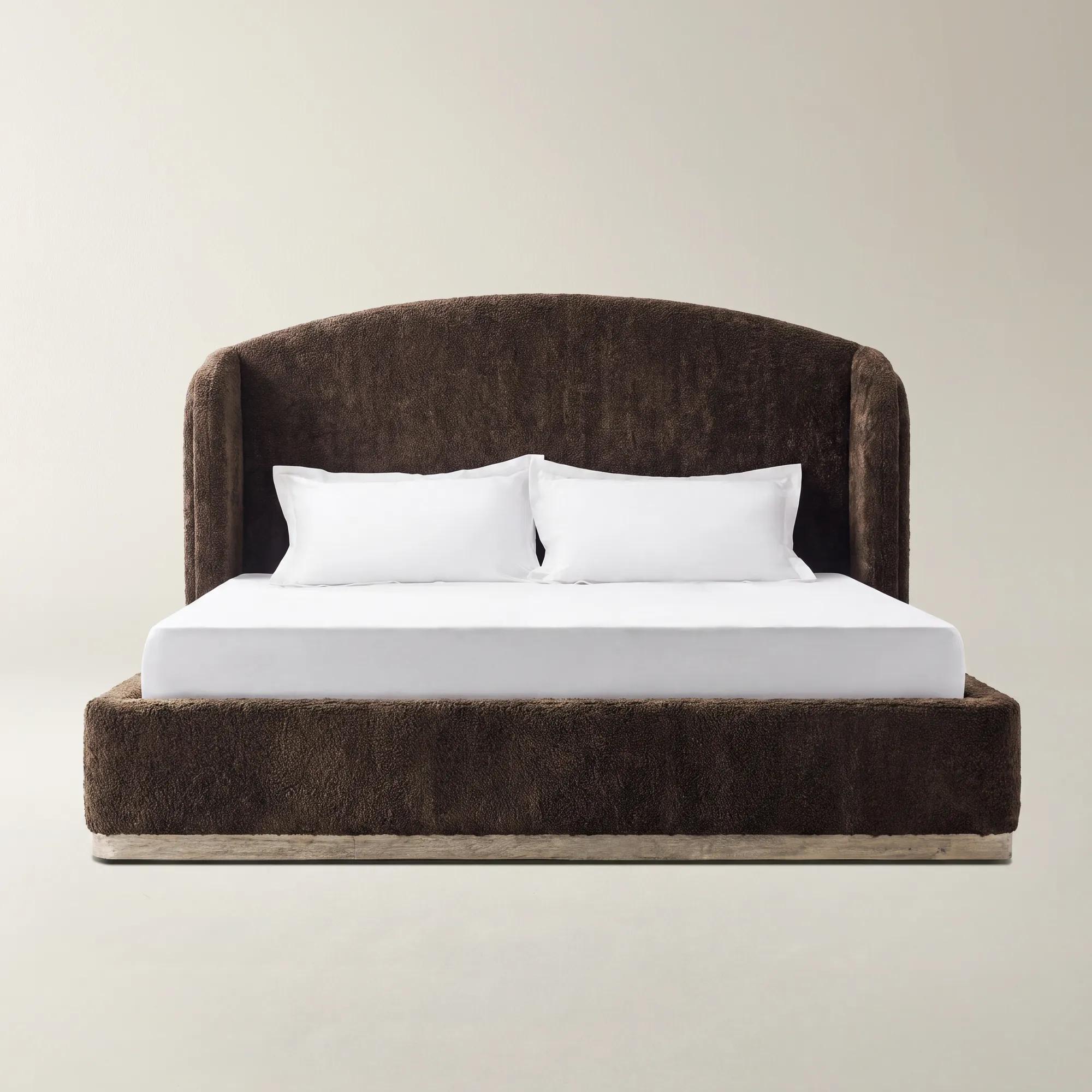
 Glimmer Dark Chocolate Chenille Upholstered Queen Platform Bed$2099
A platform bed in dark chocolate chenille with a sculpted double-layer headboard and solid rubberwood base.
Add To Cart

Custom Upholstered Beds
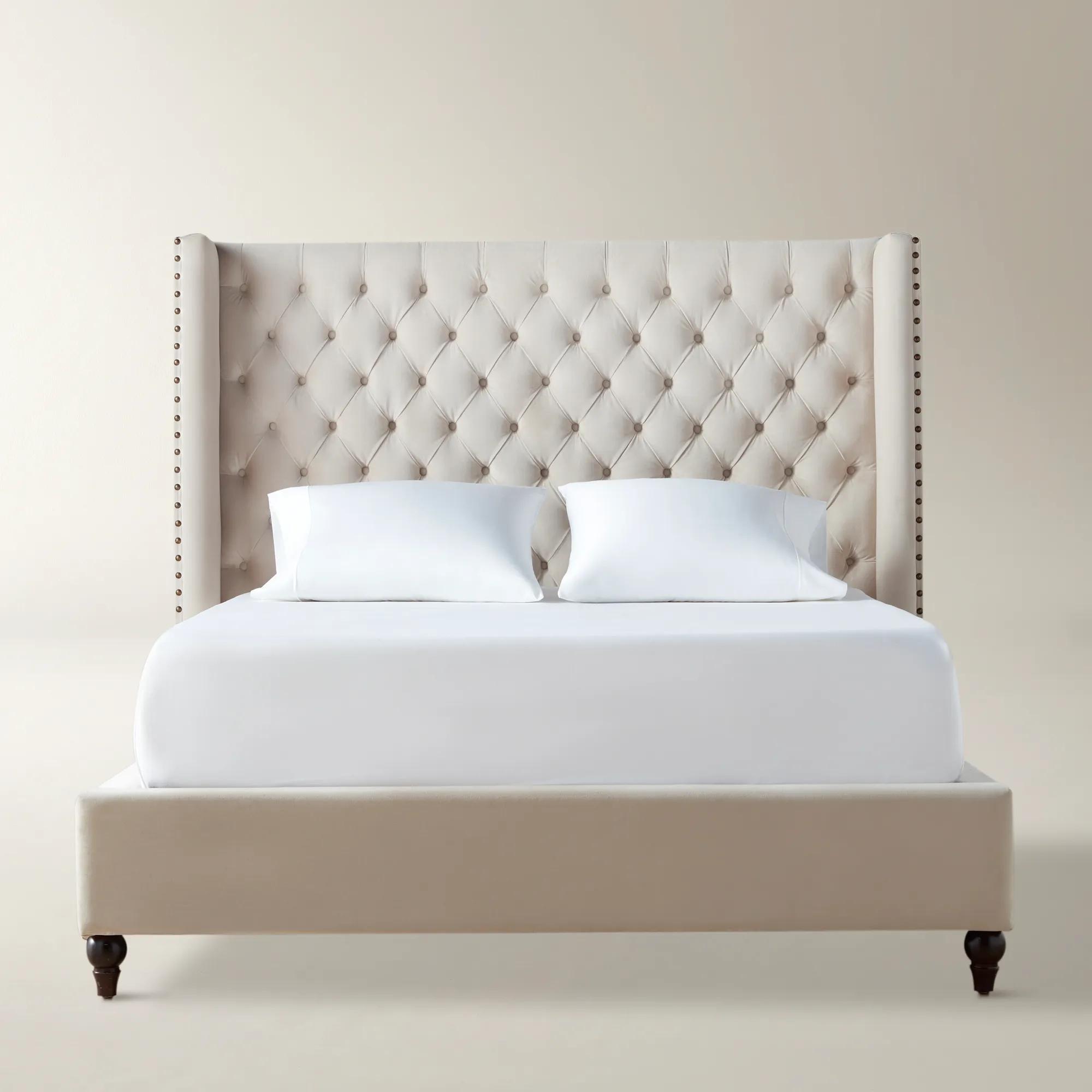
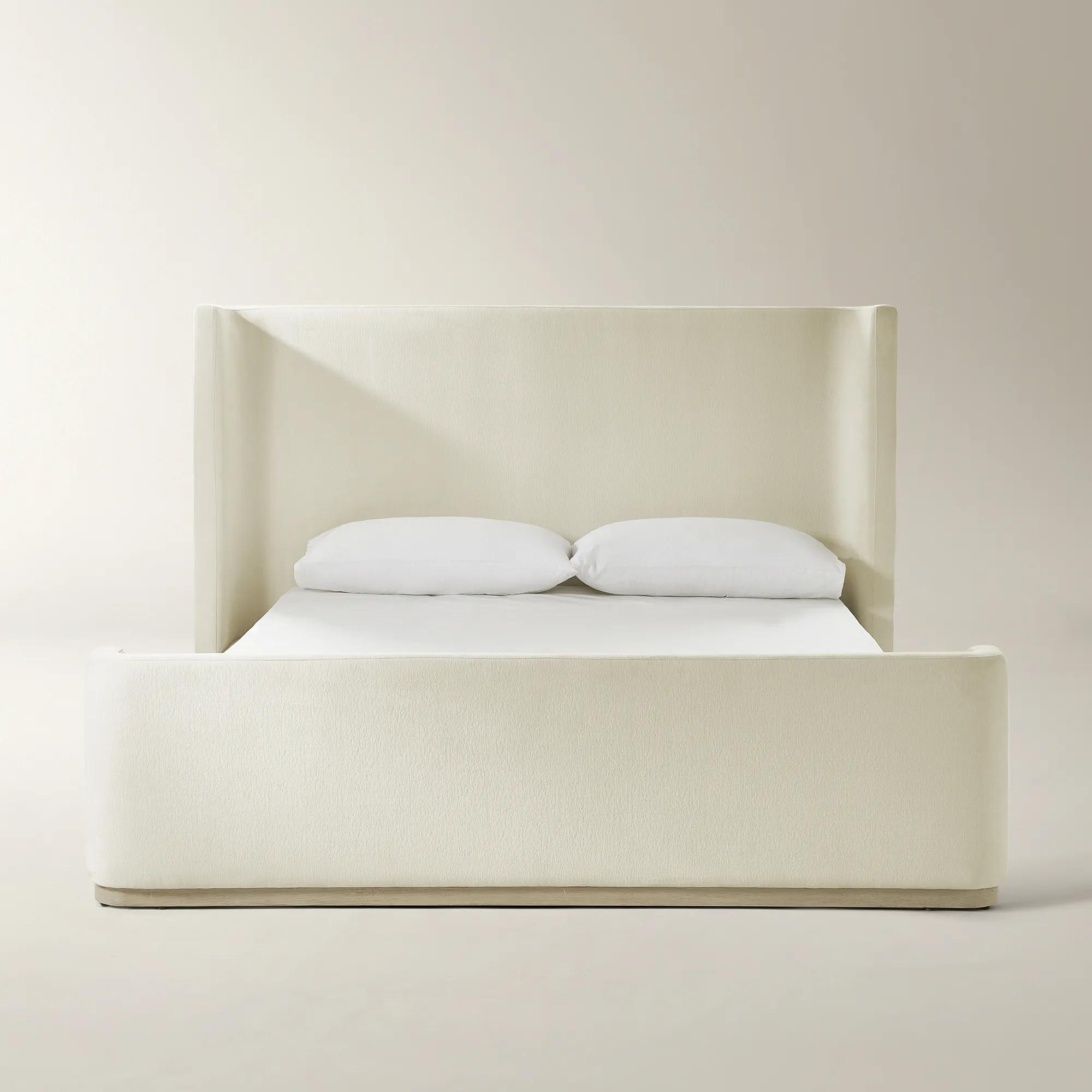
Explore custom upholstered beds for a bedroom centerpiece that reflects your personal style. Consider overall dimensions, headboard silhouette, and available upholstery options to find a design that complements your space and sets the tone for a richly layered retreat.
Custom upholstered beds bring a personal point of view to the bedroom, pairing a fabric-covered headboard and, in many designs, upholstered side rails and a footboard with a silhouette chosen to complement the space. Depending on the design, customization may include upholstery fabric, color, bed size, headboard shape or height, decorative detailing, and exposed wood or metal finishes. The result is more than a place to position a mattress: it is an architectural focal point that gives the room its character. A tall, generously padded headboard introduces a sense of grandeur, while a sweeping curved profile softens the lines of surrounding furniture. Deep button tufting creates shadows and dimension; vertical channels establish a more tailored rhythm. A smooth upholstered surface lets the texture and color of the fabric take the lead. These distinctions are especially expressive in a bedroom, where the bed occupies substantial visual space and sets the mood for everything around it. Ivory upholstery can lend luminosity to a room with dark walls, while charcoal or a saturated jewel tone creates a dramatic foundation for crisp bedding and gleaming accents. Customization is also an opportunity to balance individual preferences within a shared bedroom: a restrained silhouette in a sumptuous fabric can feel both composed and indulgent. For a primary suite, that balance might mean a commanding headboard with understated stitching. In a guest bedroom, a softly rounded profile and a versatile neutral can create a polished welcome without overwhelming the room. Not every design offers every configuration, so the distinction between selectable options and fixed construction details matters. Fabric samples are particularly valuable because a color seen on a screen may look different beside existing flooring, wall finishes, and bedding. Viewed upright and in the room’s own lighting, a sample reveals undertones, sheen, and texture that help an upholstered bed feel deliberately connected to its surroundings.
The most successful custom upholstered bed has presence without compromising the way the bedroom functions. Mattress size is only the beginning of its footprint: padded rails, projecting wings, a substantial footboard, or a deeply cushioned headboard can extend well beyond the sleeping surface. Overall exterior dimensions determine how comfortably the bed sits between nightstands and how much room remains for walking, opening drawers, and moving around a bench at the foot. In a compact bedroom, a streamlined upholstered frame can preserve visual breathing room while still delivering a luxurious focal point. In a larger suite, a broad or taller headboard can hold its own against expansive walls and generously scaled furnishings. Headboard height deserves particular attention when the bed sits beneath a window, near wall-mounted lighting, or below artwork. The combined height of the frame, required foundation, and mattress also changes how much upholstery remains visible above a stack of pillows. For someone who enjoys reading before sleep, a padded headboard can provide a more inviting surface to lean against than an exposed hard frame, though its shape and cushioning influence that experience. The appeal of comfortable upholstered beds lies in this meeting of tactile softness, supportive construction, and thoughtful proportions. Upholstery alone does not determine sleep comfort; the mattress and its compatible support system remain essential. Some bed frames require a separate foundation, while others use a platform or slat system, and compatibility with an adjustable base should be confirmed rather than assumed. Frame materials, sound joinery, properly secured hardware, and the specified center supports all contribute to everyday stability. Delivery dimensions matter, too. A dramatic headboard must pass through doorways, stairwells, and tight turns before it can anchor the room. Confirming component dimensions and assembly requirements helps preserve the intended effect without discovering that a beautifully proportioned bed cannot reach its destination.
Fabric gives an upholstered bed much of its personality, but its suitability depends on how the bedroom is lived in. Velvet offers depth and a light-responsive surface that can make a headboard appear almost sculpted; its pile may also show shading, pressure marks, or changes in direction. A textured woven fabric brings a different kind of richness, with visible variation that can soften a broad expanse of upholstery. Linen and linen-blend fabrics often have a relaxed, nuanced surface, while certain synthetic blends are selected for qualities such as abrasion resistance or easier maintenance. Fiber content alone does not tell the whole story, and a performance designation does not mean a fabric is immune to stains, snagging, or wear. Households with pets may prefer a tighter weave over a loose, looped texture that can catch claws. A frequently used primary bedroom may call for different upholstery priorities than a guest room used occasionally. Light colors create an airy, luminous effect but can make transferred dye or everyday marks more noticeable; deeper colors can provide visual drama while showing pale lint or pet hair. These practical distinctions need not diminish the design. They help create a bedroom that remains as inviting in daily use as it appears when freshly styled. Care should follow the fabric’s specified cleaning instructions, since water-based cleaners, solvents, and household treatments are not interchangeable across upholstery types. Gentle vacuuming with an appropriate upholstery attachment helps remove dust along seams, tufting, and rails, while prompt blotting rather than rubbing can help limit the spread of an accidental spill. Persistent marks may call for a professional upholstery cleaner. Protecting fabric from prolonged direct sunlight can help reduce uneven fading, and keeping upholstered rails clear of repeated shoe contact helps preserve their finish. Layered with generous pillows, a beautifully draped coverlet, and lighting that reveals the fabric’s dimension, a custom upholstered bed becomes a deeply personal centerpiece—expressive in silhouette, considered in construction, and made for the intimate rituals of the bedroom.
FAQs
A custom upholstered bed is designed around selected upholstery and decorative details, giving your bedroom a more personal expression. Color, texture, and silhouette work together to create a distinctive focal point—one that sets the mood for everything from layered bedding to the art above your nightstands.
Begin with the atmosphere you want to create. Pale neutrals lend quiet sophistication, deep tones introduce richness, and saturated color makes the bed an expressive centerpiece. Consider your wall color, rug, and artwork together, choosing upholstery that either echoes the palette or creates a deliberate, dramatic contrast.
Texture gives color dimension and shapes the visual character of an upholstered bed. A smooth surface creates a polished impression, while a pronounced weave adds depth and tactile interest. For a richly layered bedroom, contrast the upholstery’s texture with your bedding, window treatments, and decorative accents.
Let the headboard establish your design direction. Tufting creates rhythmic depth, tailored seams emphasize clean lines, and curved contours introduce a sculptural note. Consider how those details relate to the room’s architecture and furnishings, whether you want a crisp composition or a more expressive, glamorous retreat.
Let the upholstery lead, then build a considered composition around it. Pair detailed upholstery with restrained bedding, or bring patterned layers to a simpler silhouette. Sculptural lamps, luminous accents, and expressive artwork add dimension; repeating a color or finish across a few elements gives the room a cohesive point of view.