Upholstered Bedroom Furniture
Upholstered Bedroom Furniture
-
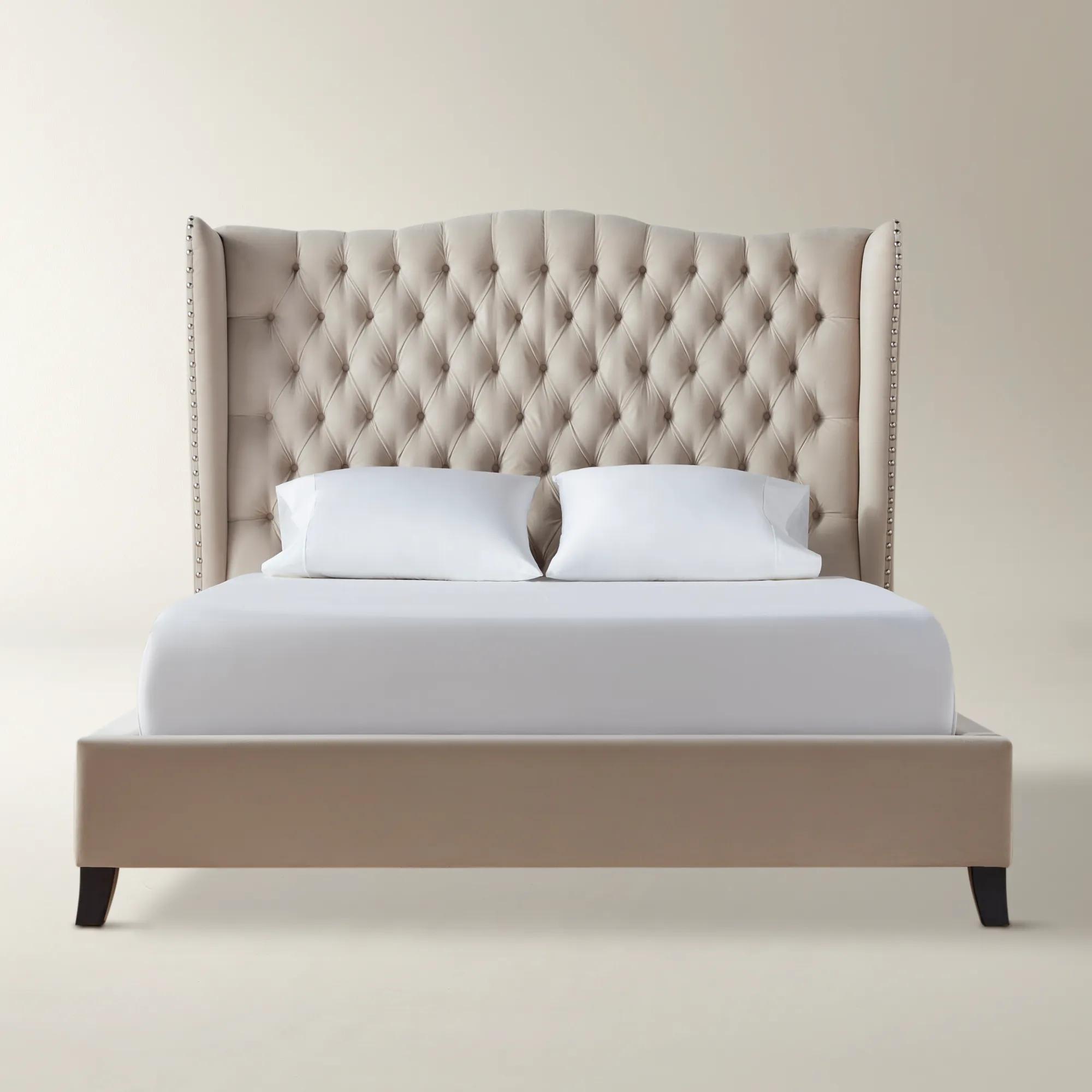
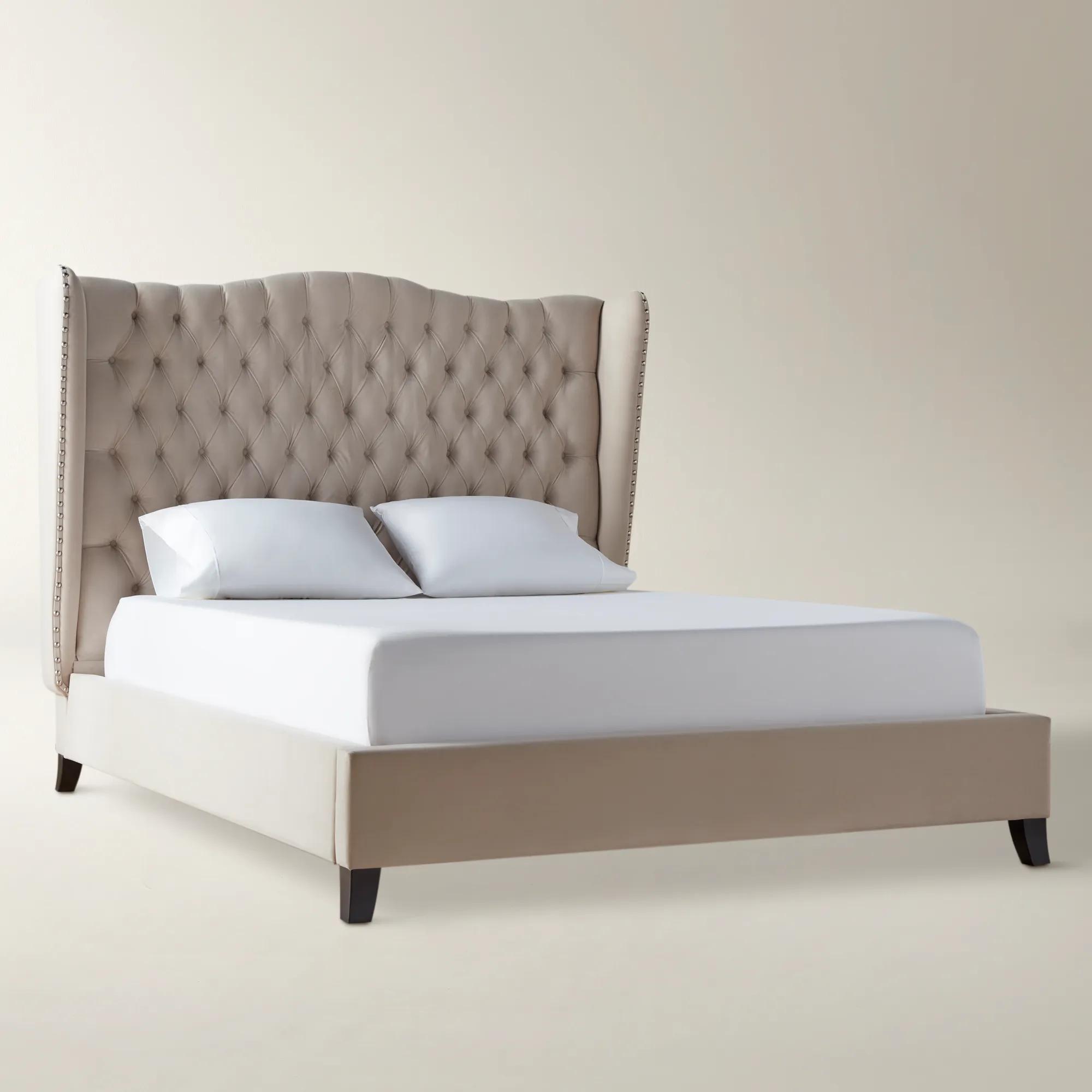 Jameson Bed$1899
A plush, camelback bed upholstered in Bella Velvet Pearl with hand-applied button tufting and brushed silver nailheads.
Add To Cart -
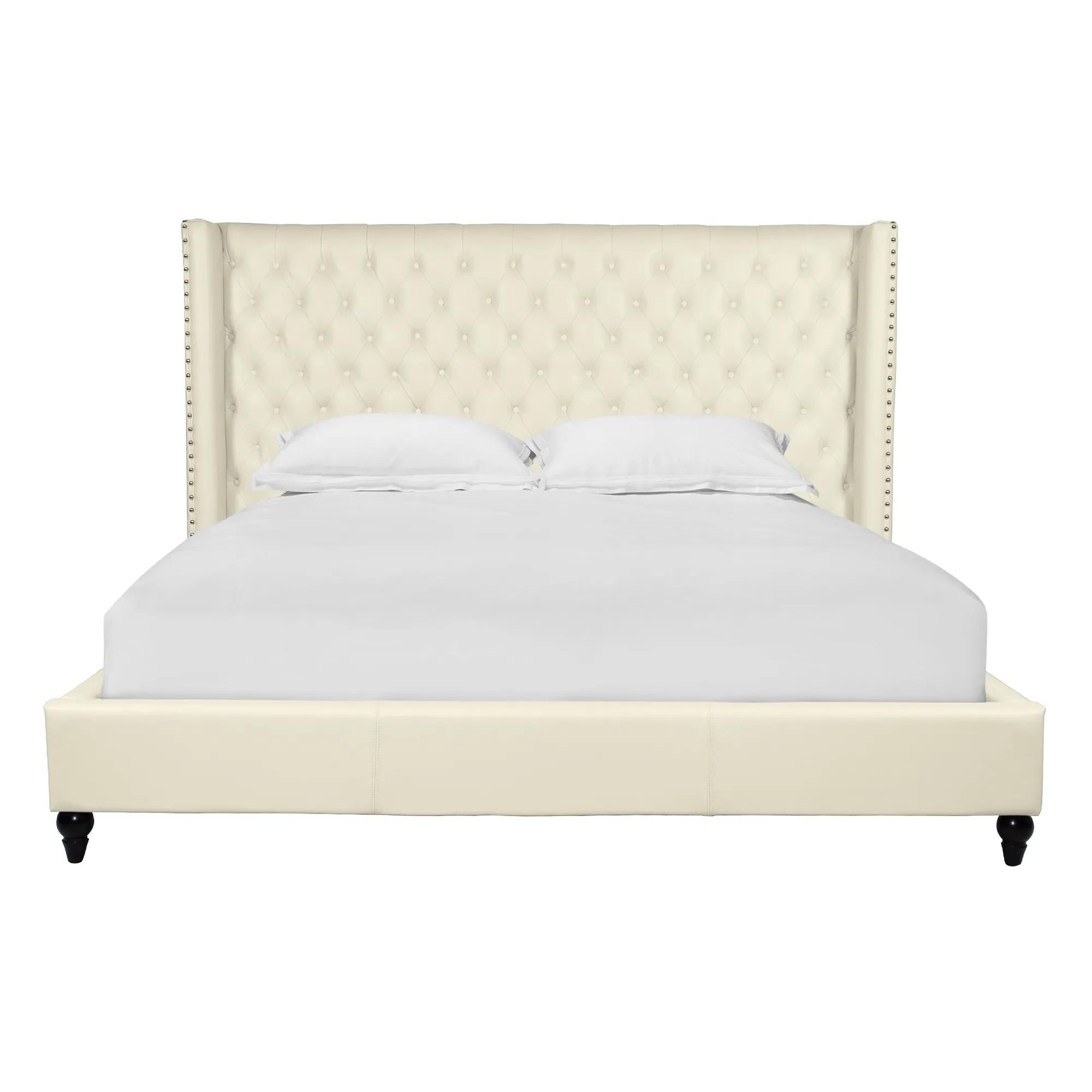
 Stria Ivory Performance Chenille Upholstered King Platform Bed$2499
An ivory chenille wingback bed with plush upholstery and a hand-finished solid oak base for modern comfort.
Add To Cart -
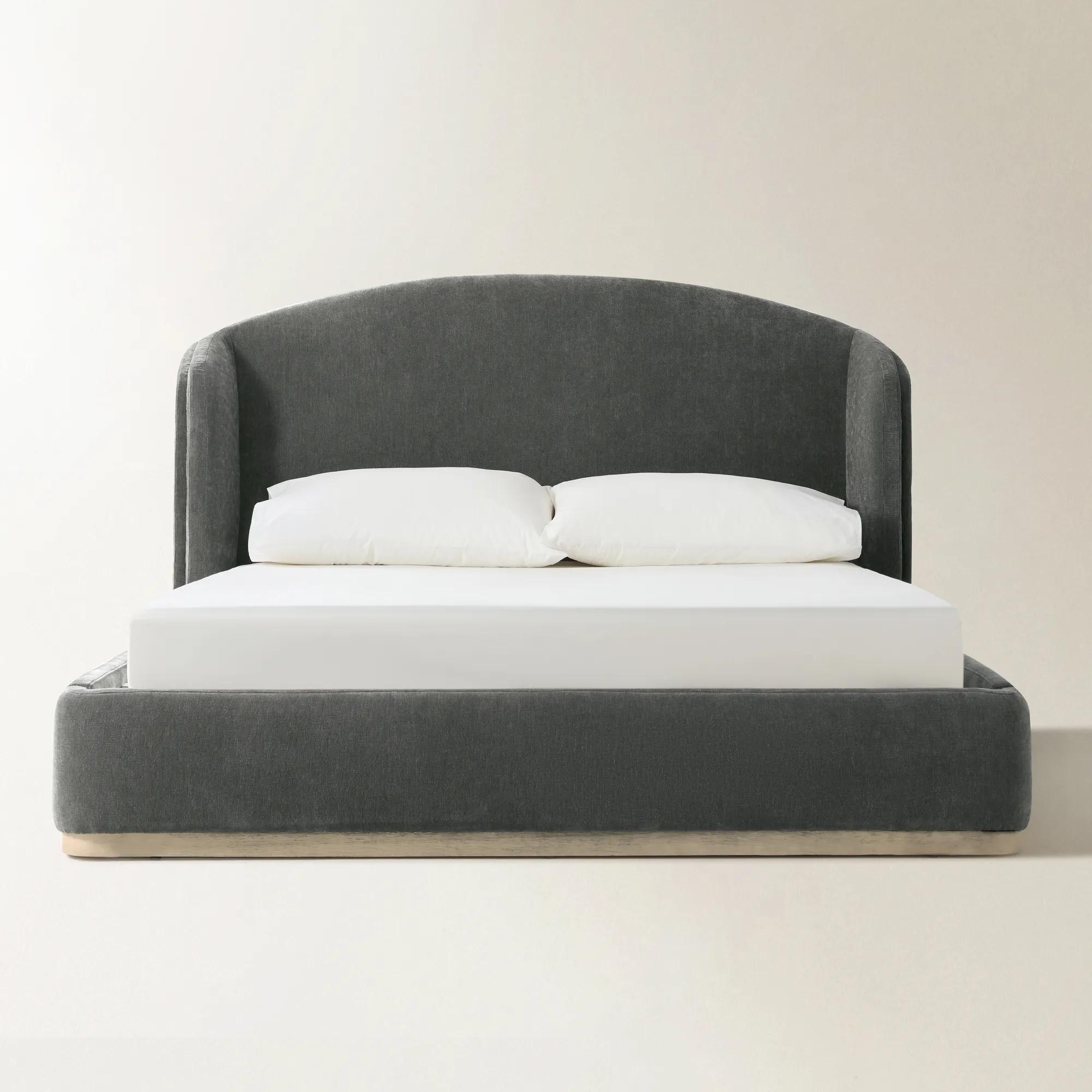 Glimmer Grey Performance Chenille Upholstered King Platform Bed$2299
A plush boucle-upholstered bed in soft beige or grey with a curved, double-layered handcrafted headboard.
Add To Cart -
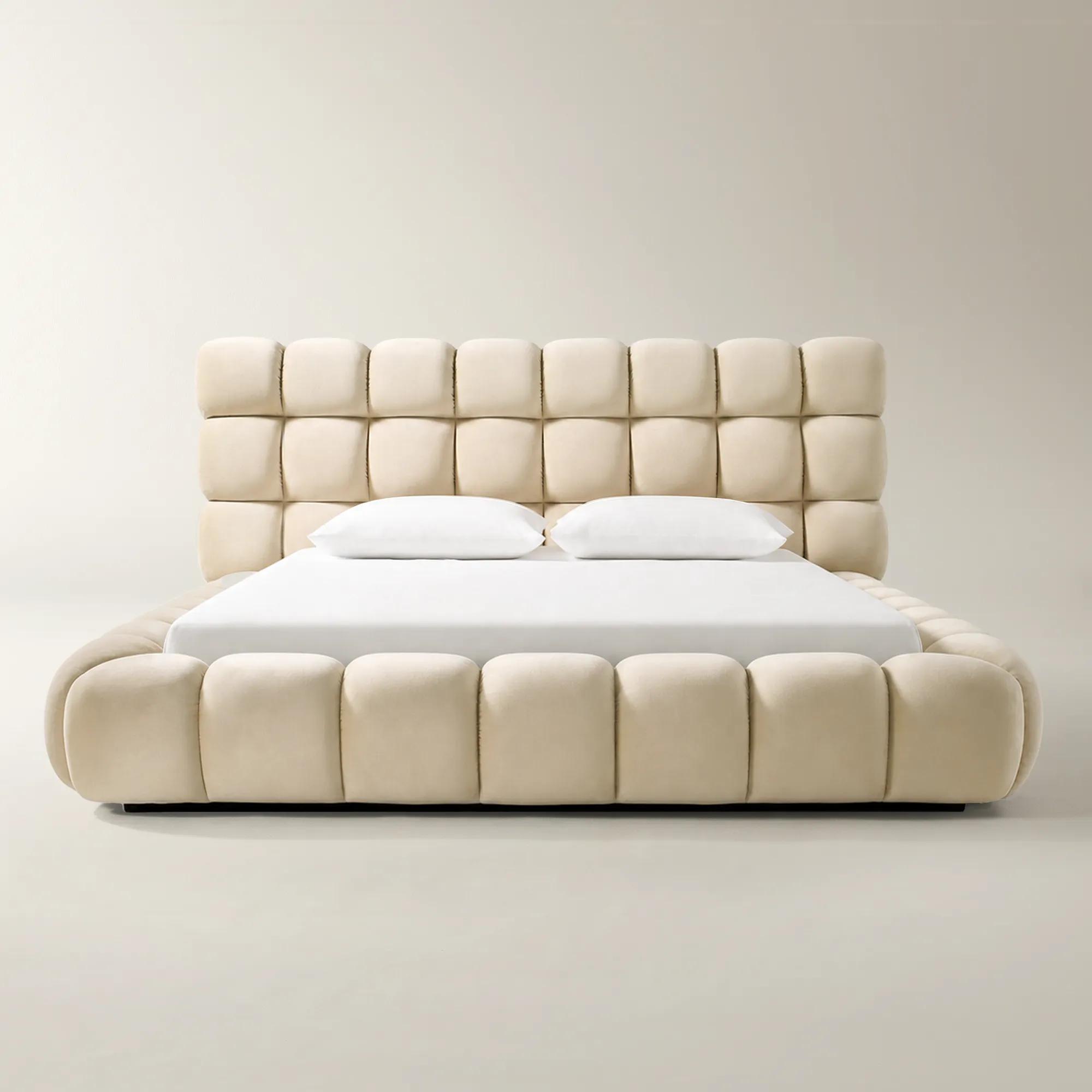 Paloma Tufted Oatmeal Velvet Upholstered King Platform Bed$2599
A sculptural platform bed upholstered in oatmeal velvet with plush tufted blocks and fully wrapped design.
Add To Cart -
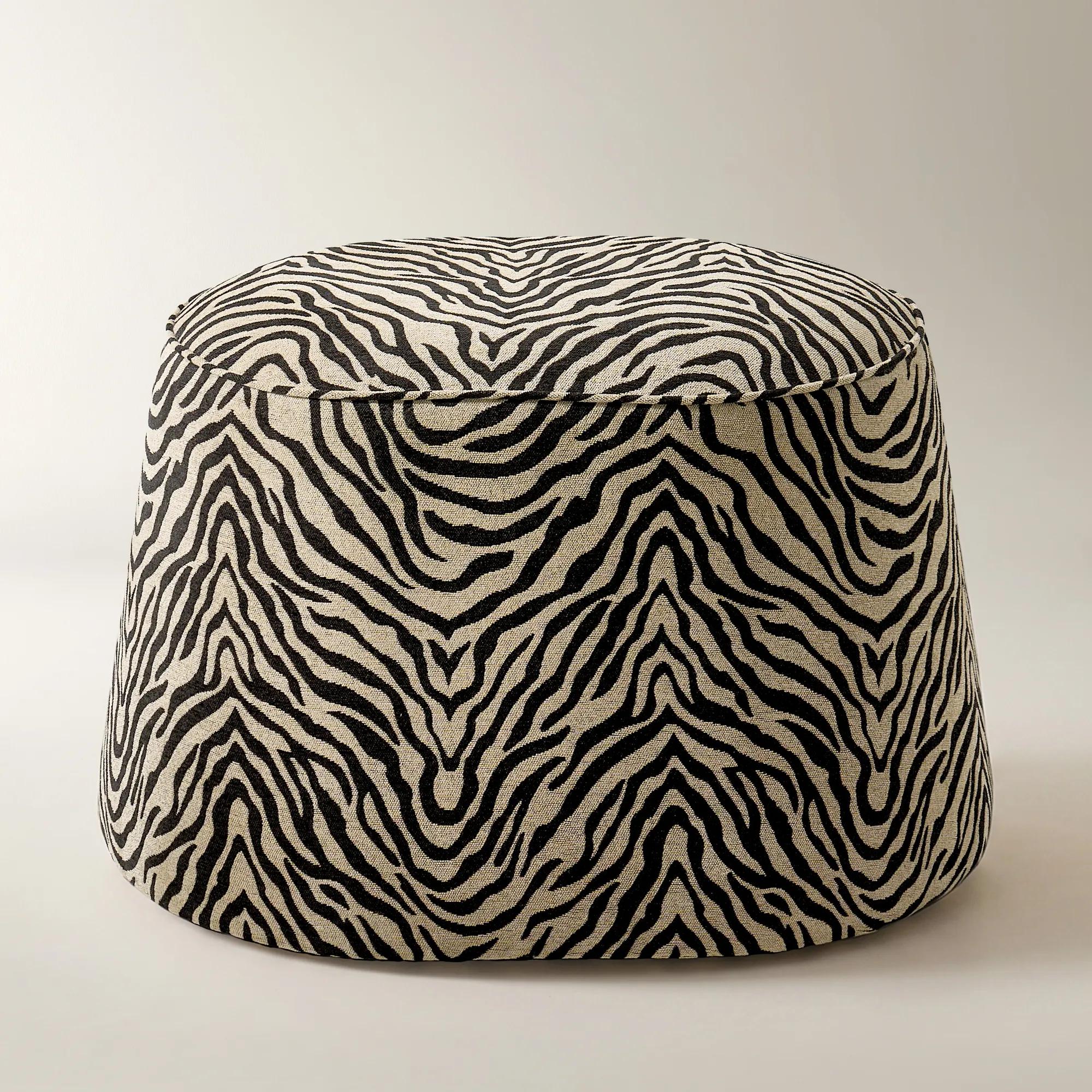 Avery Zebra Performance Chenille Stool$399
A sculpted drum-shaped accent stool upholstered in zebra-patterned performance chenille for bold, modern style.
Add To Cart -
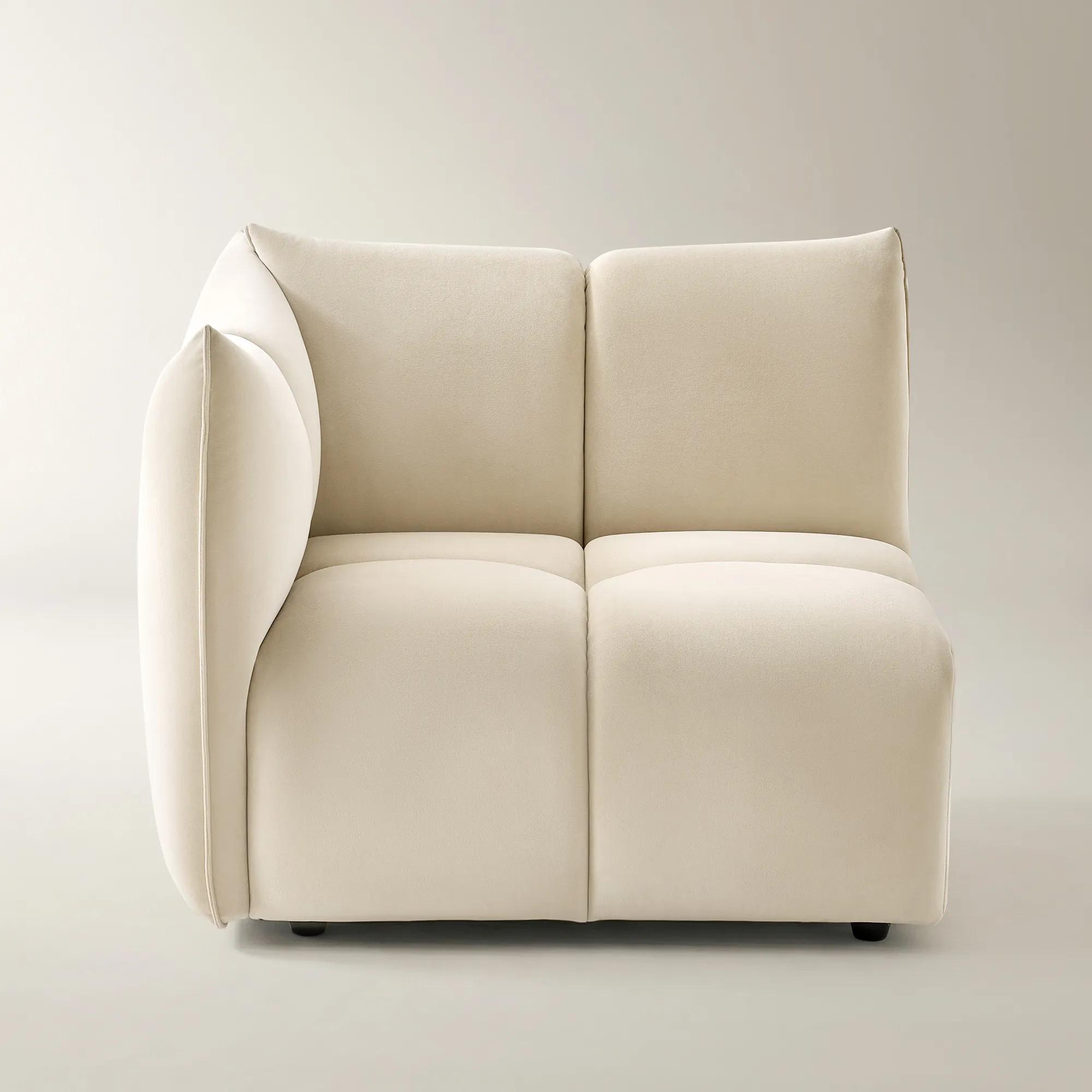 Reina Tufted Oatmeal Velvet Left-Arm Chair$899
A left-arm chair in oatmeal velvet featuring channel tufting, deep seating, and an architectural winged profile.
Add To Cart -
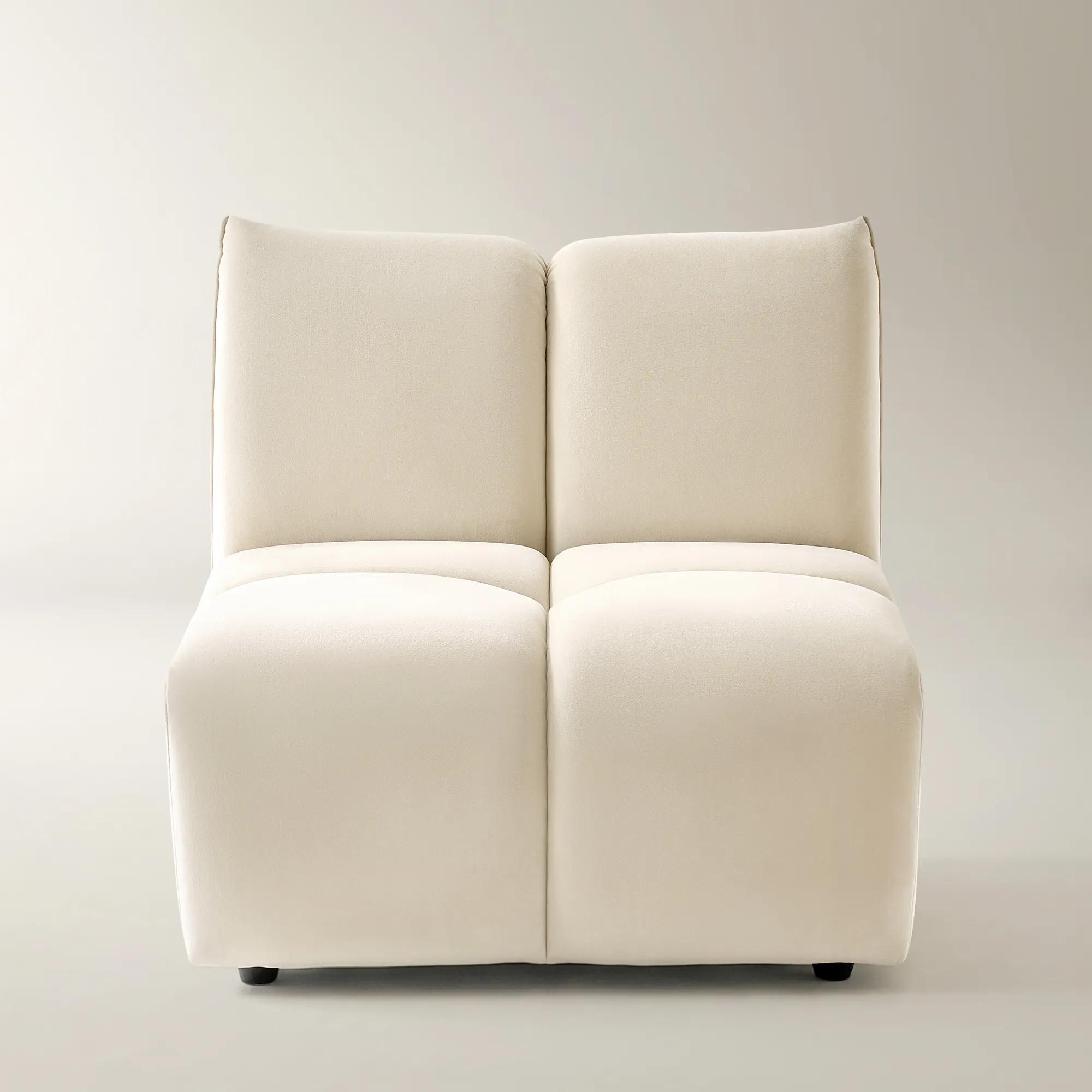
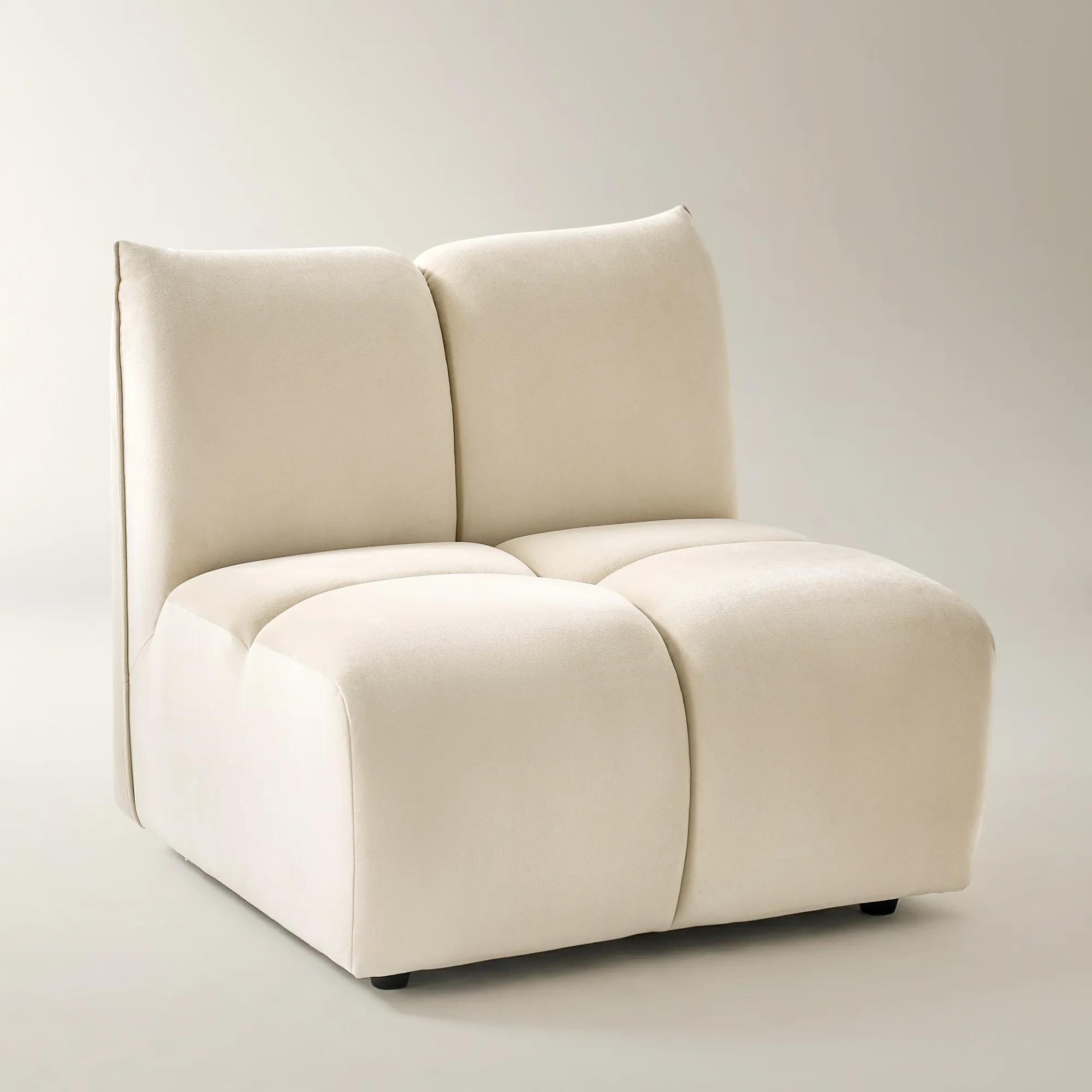 Reina Tufted Oatmeal Velvet Armless Chair$799
A plush oatmeal velvet armless chair featuring channel tufting, deep seating, and an architectural winged profile.
Add To Cart -
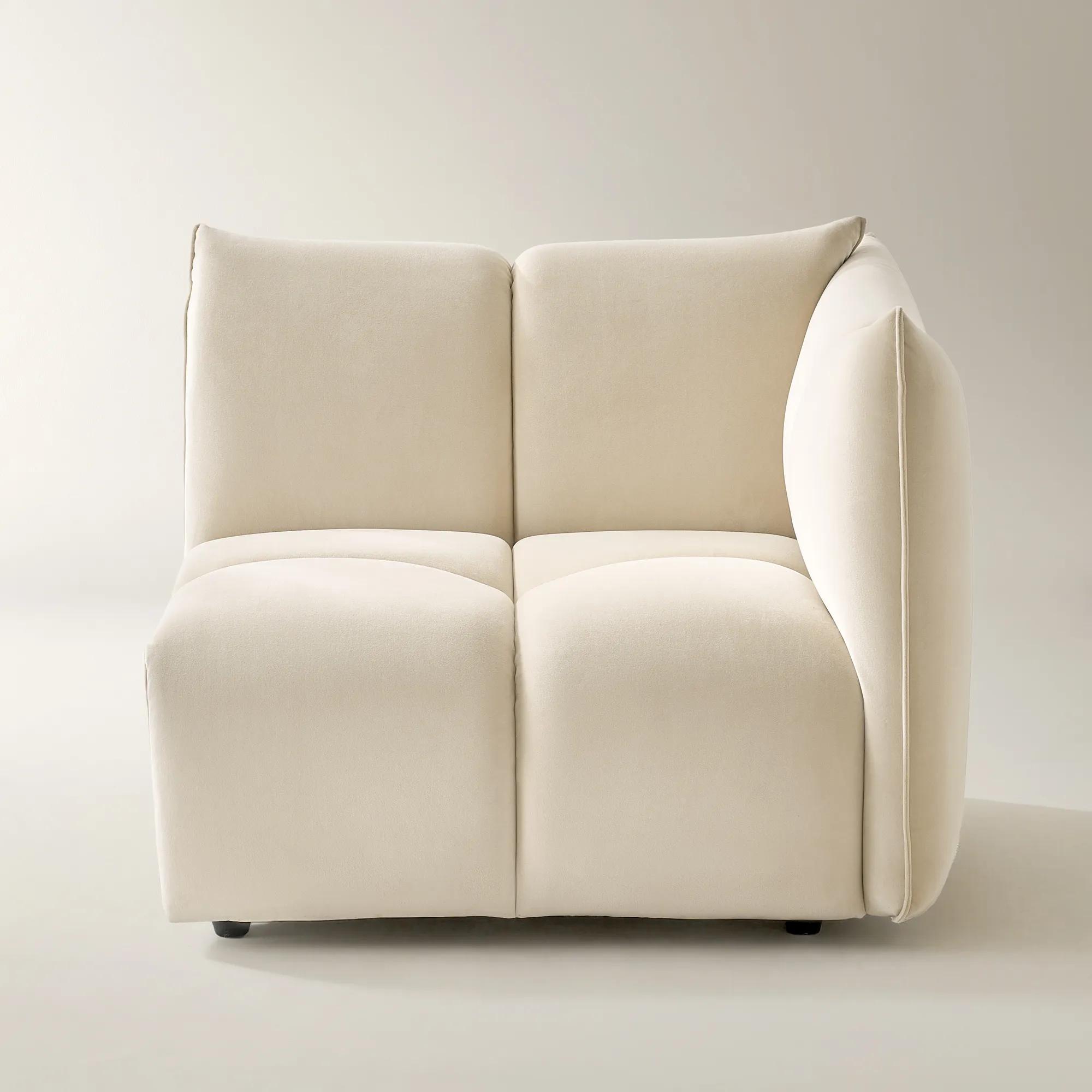
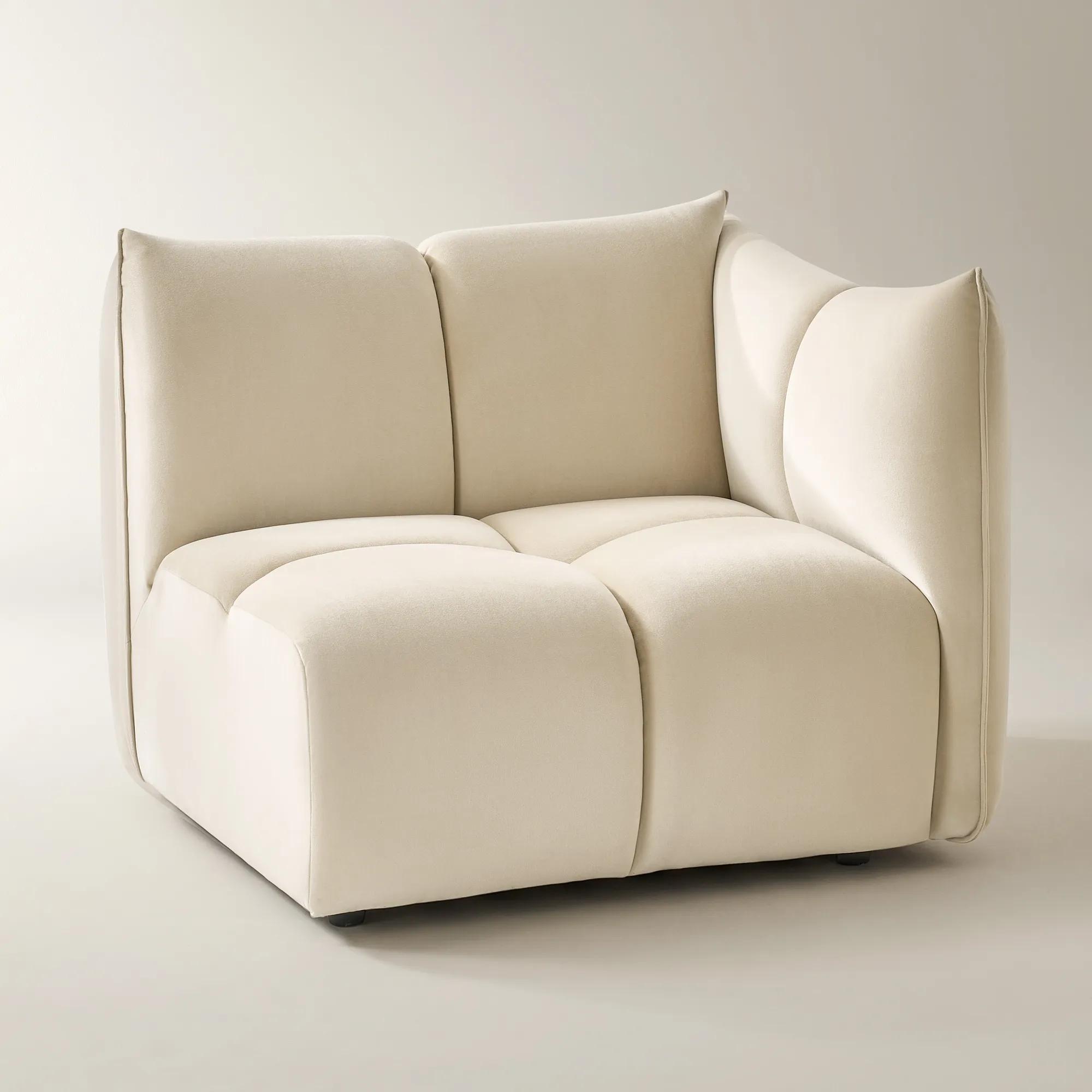 Reina Tufted Oatmeal Velvet Right-Arm Chair$899
A right-arm chair in oatmeal velvet featuring channel tufting, winged sides, and deep, plush seating.
Add To Cart -
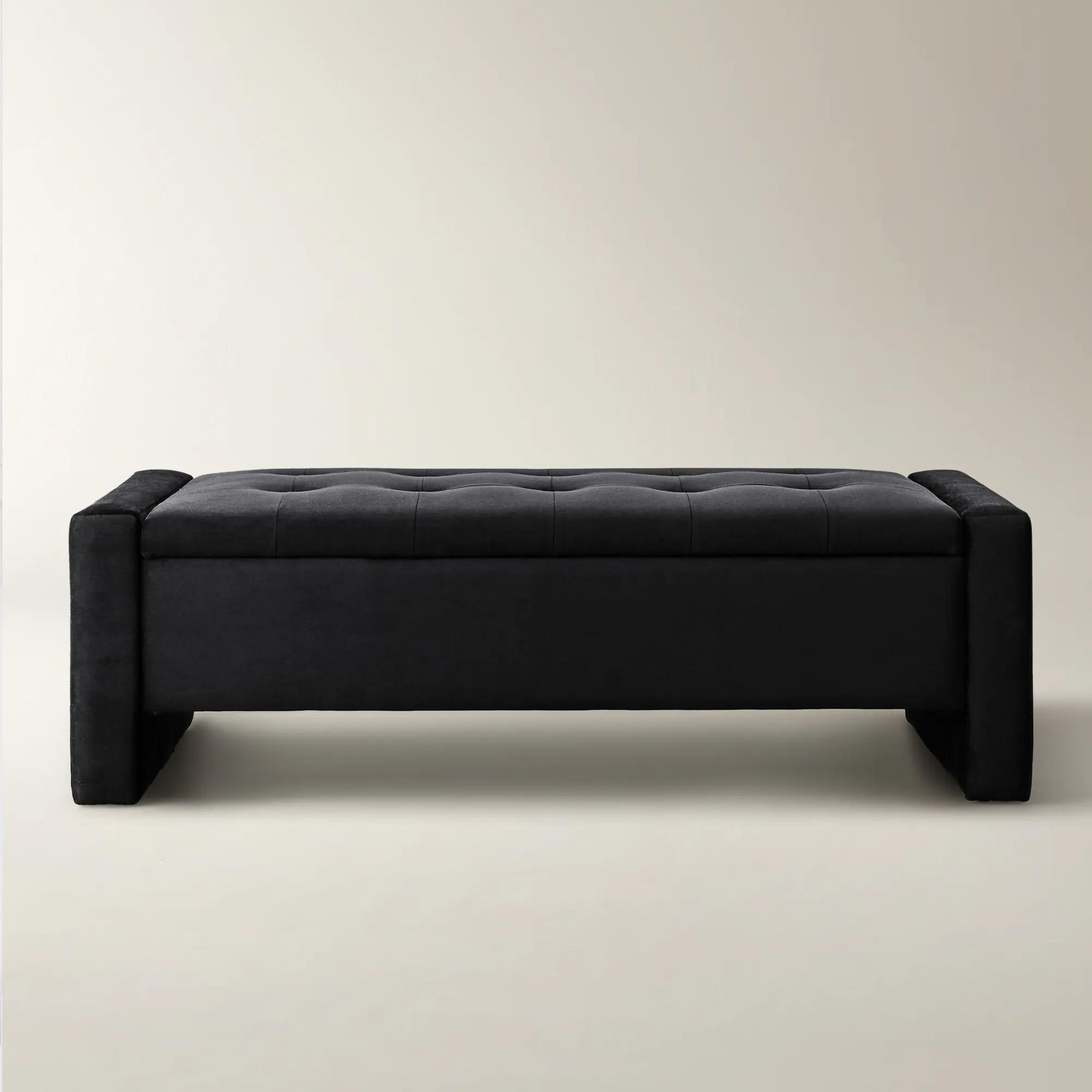
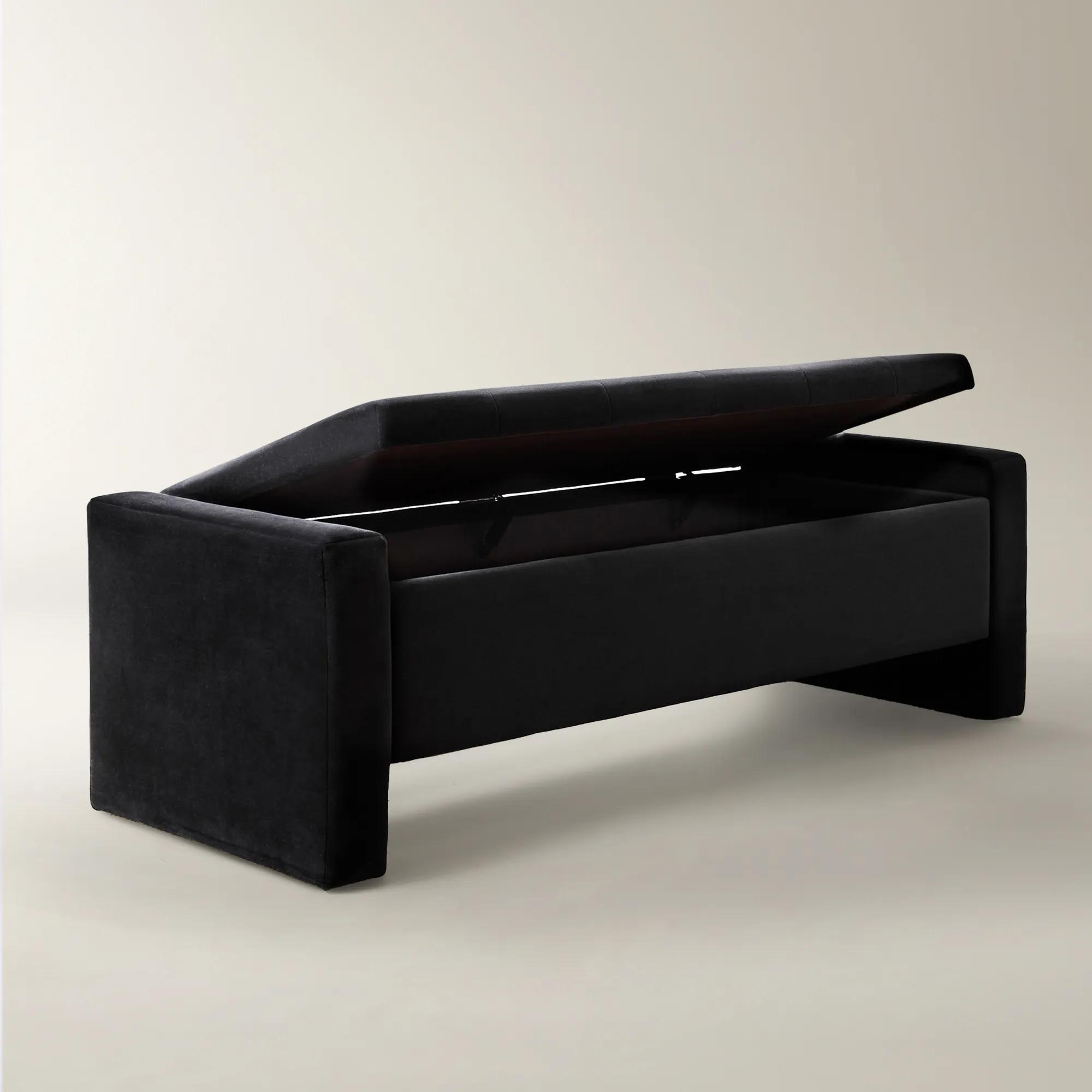 Maeve Storage Bench$899
A modern velvet-upholstered bench with hidden storage, sturdy kiln-dried hardwood frame, and soft-closing glides.
Add To Cart -
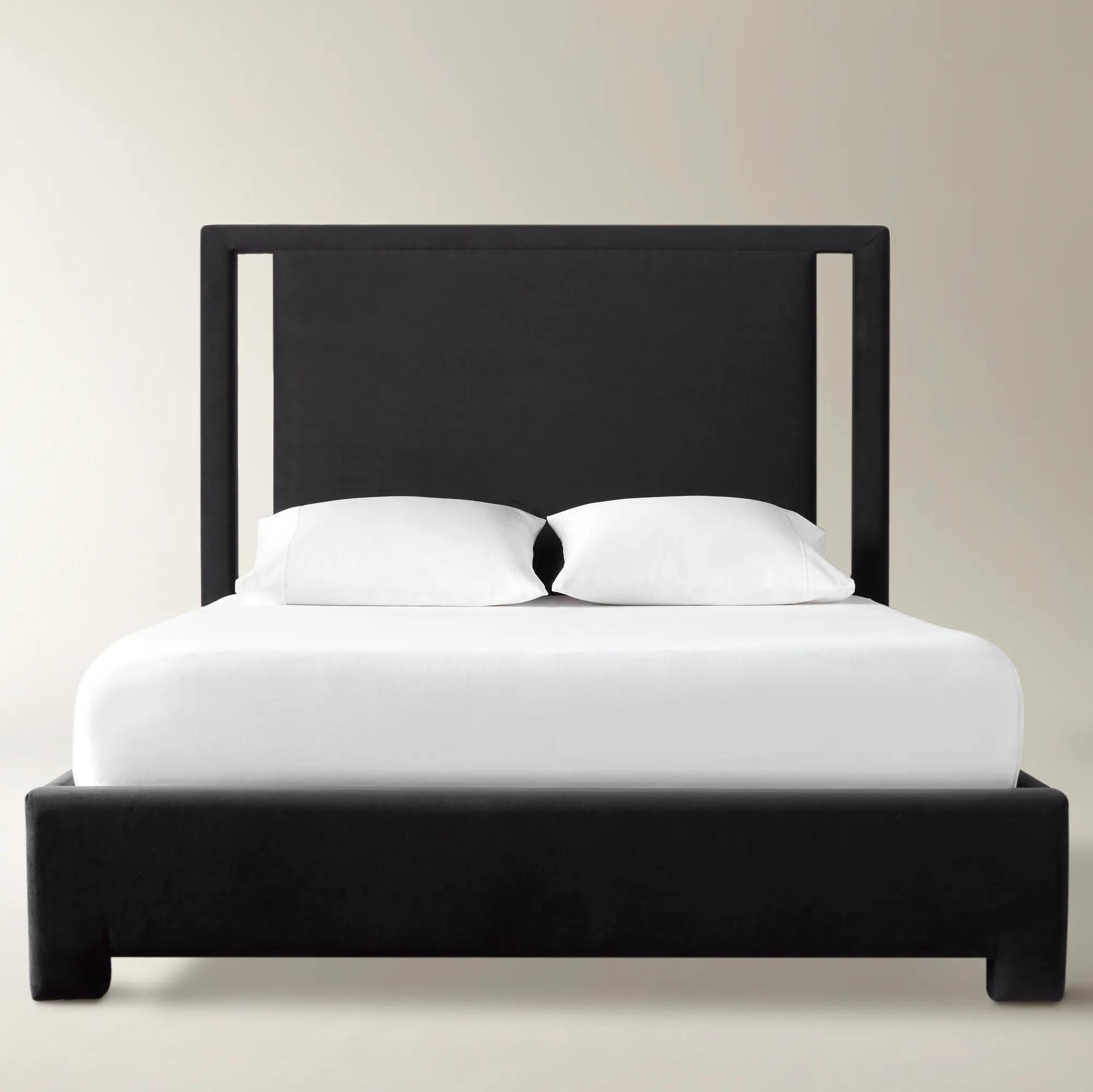
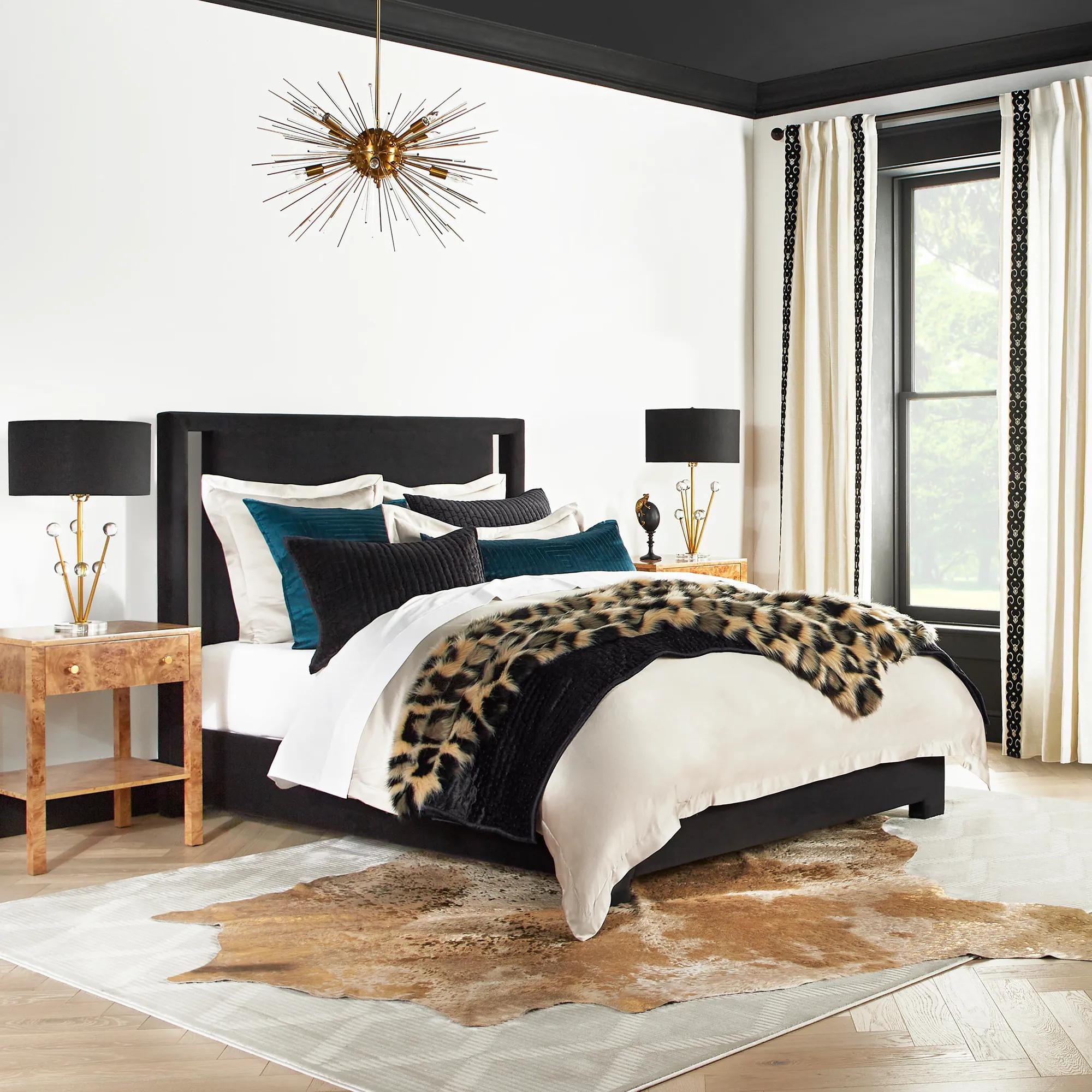 Roya Platform Bed$1949
An elegant platform bed with kiln-dried hardwood frame, hand-upholstered in plush Bella Velvet Black fabric.
Add To Cart -
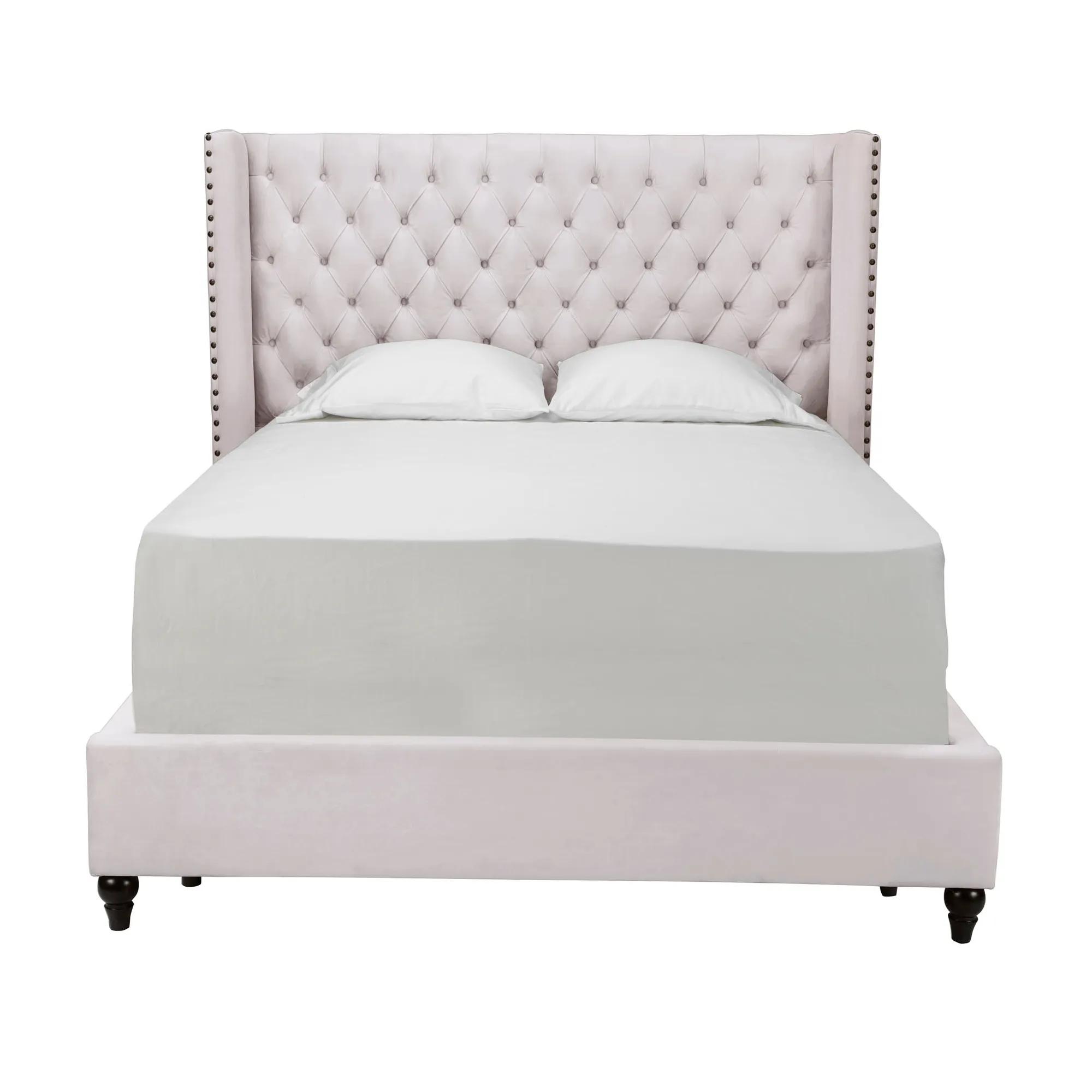
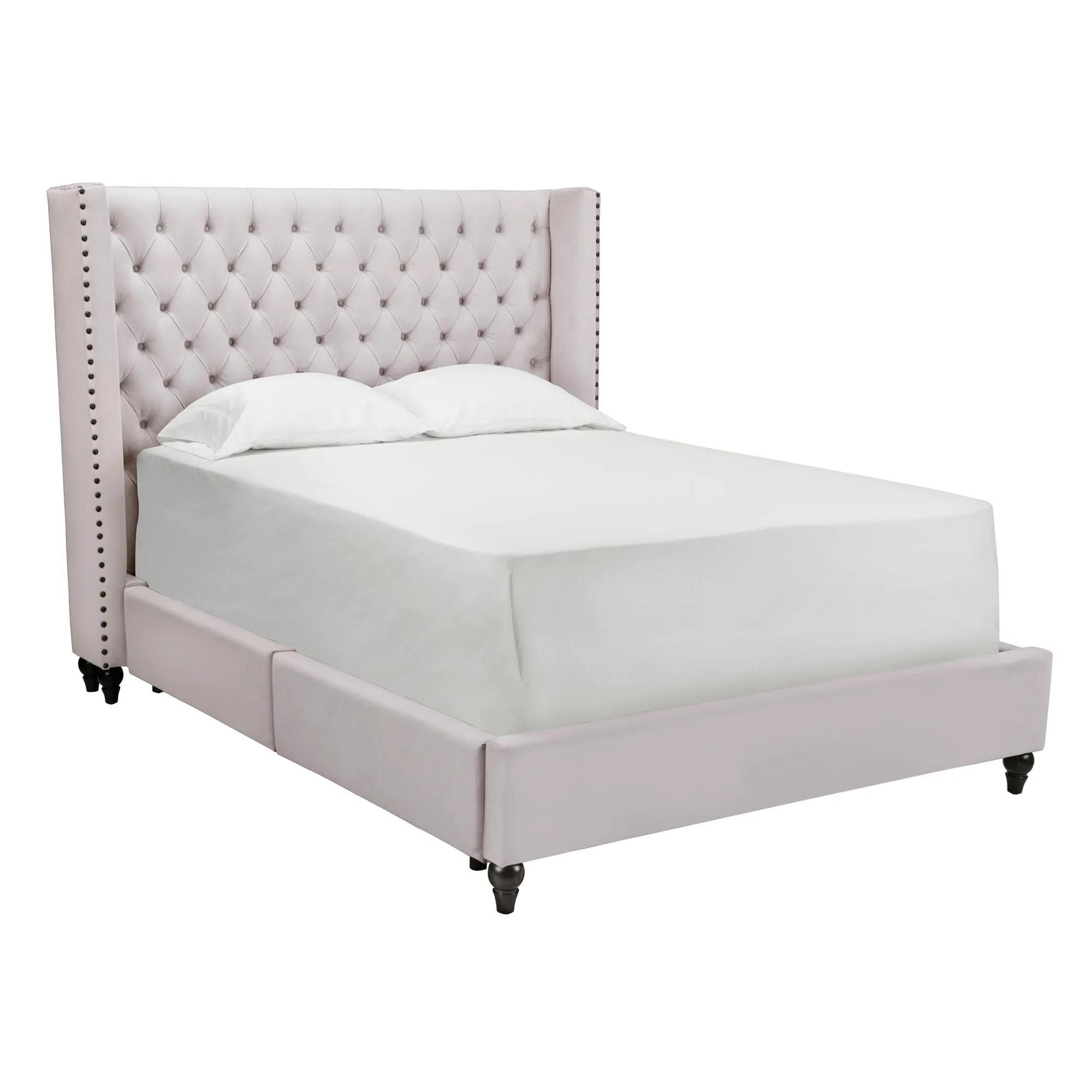 Roberto Storage Bed$3249
A handcrafted velvet-upholstered storage bed featuring diamond tufting, turned legs, and hand-applied antique brass nailheads.
Add To Cart -

 Nia Lacquered Turtle Dove Faux Fur Accent Chair$899
A sculptural accent chair featuring a high-gloss sand-toned fiberglass frame and plush turtle dove faux fur upholstery.
Add To Cart -
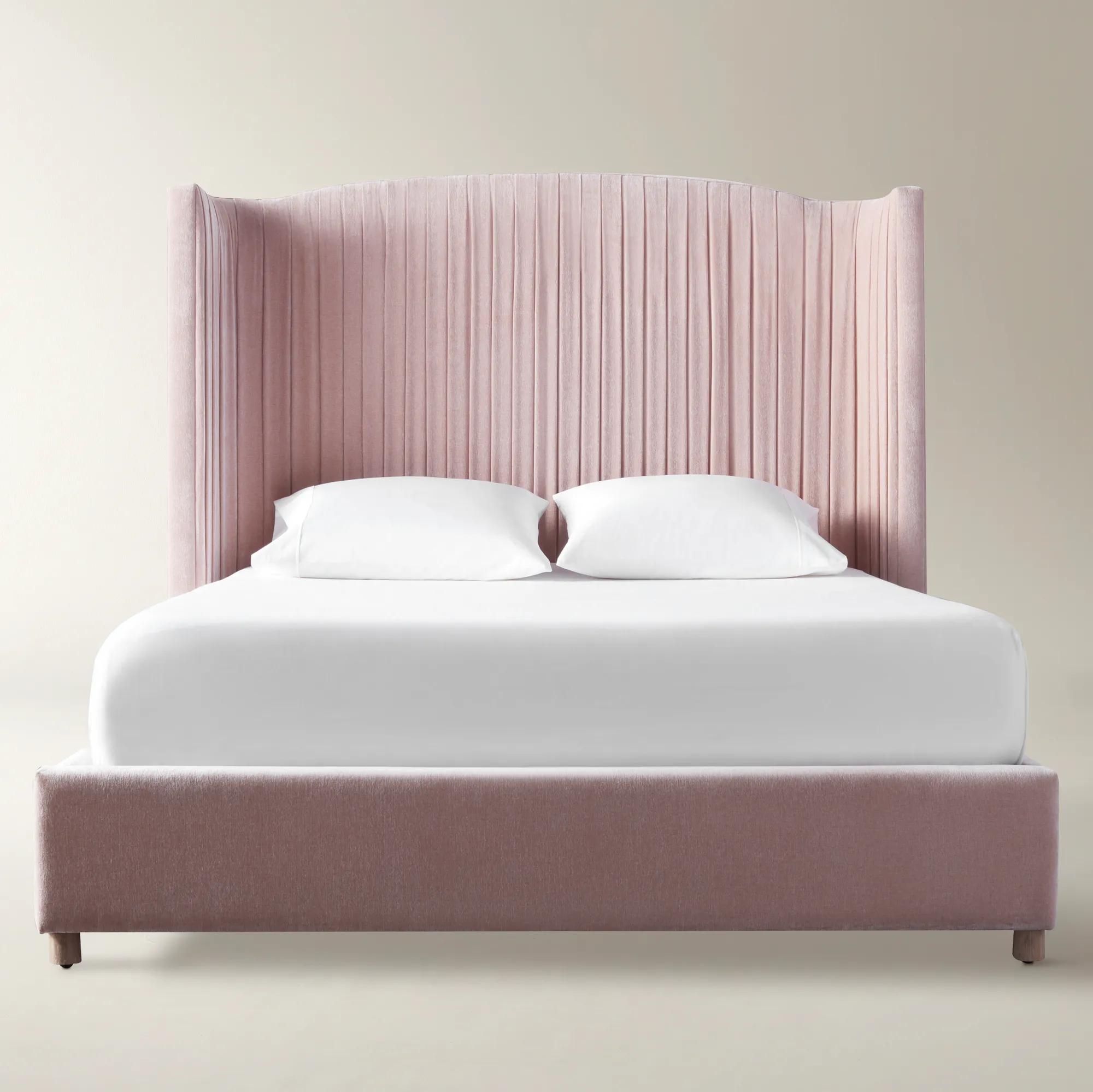
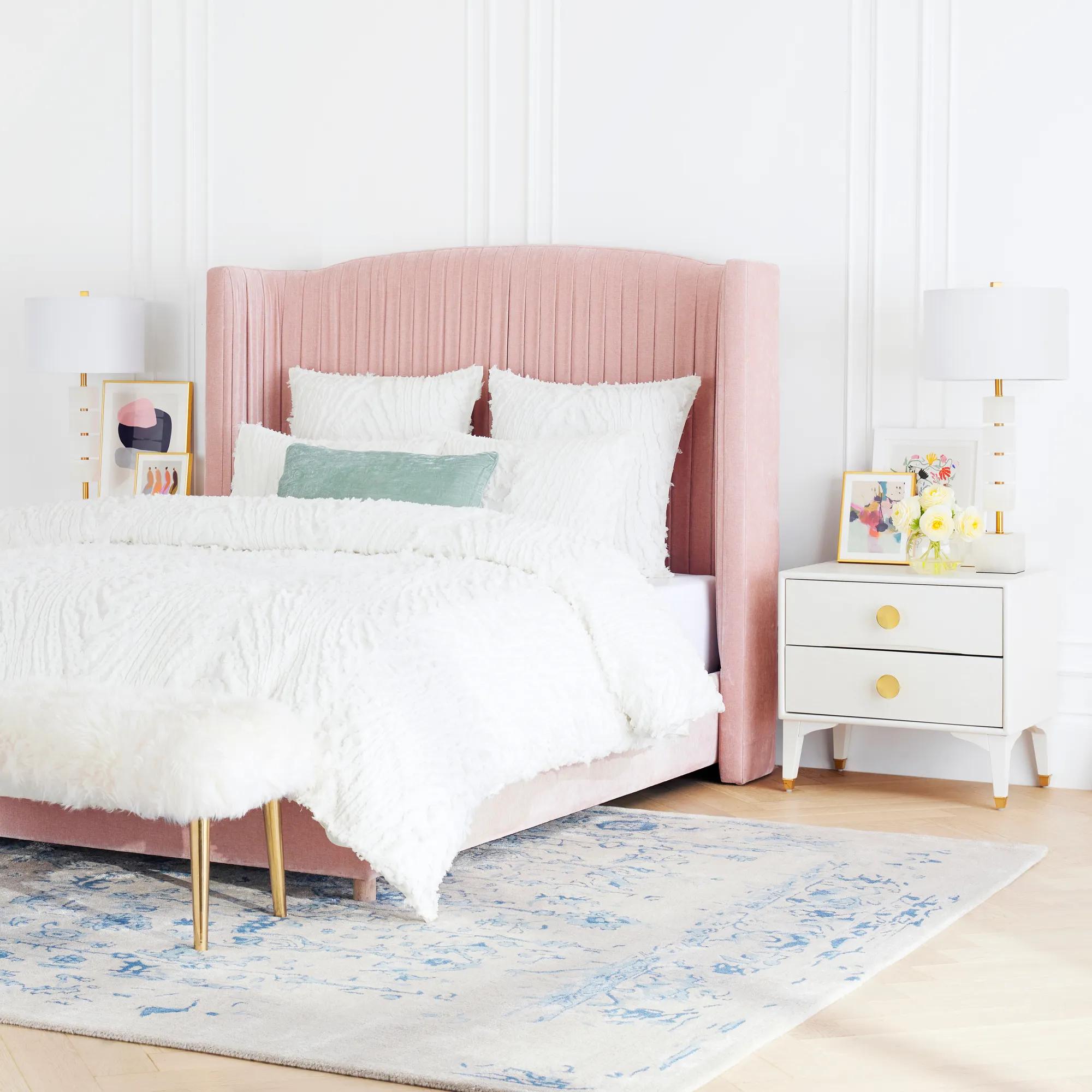 Larissa Platform Bed$2249
An elegantly curved, wingback bed with hand-pleated chenille upholstery and a kiln-dried hardwood frame.
Add To Cart -
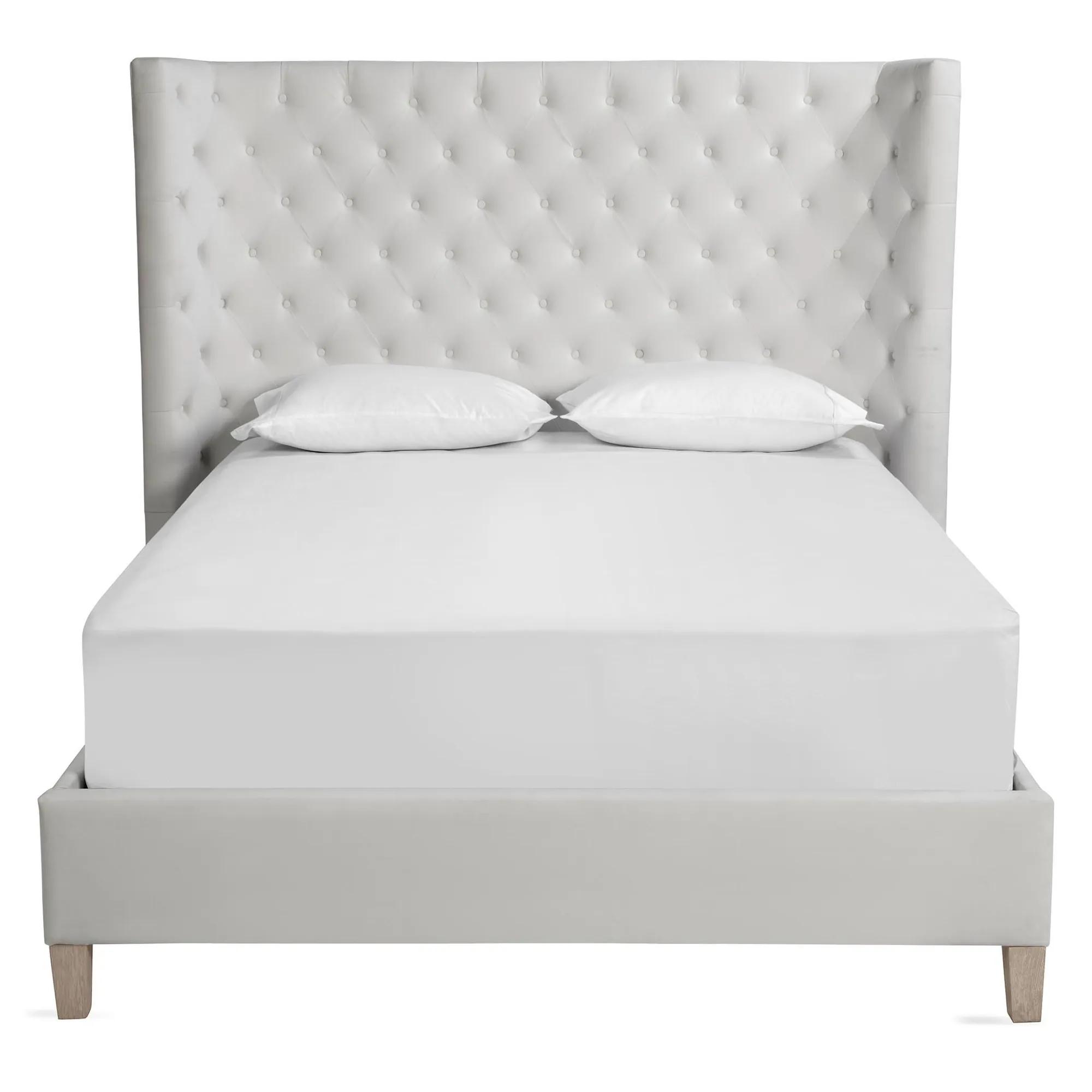
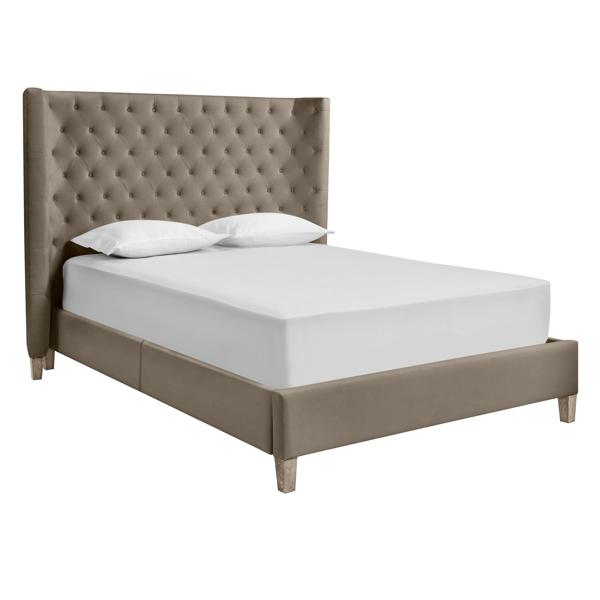 Jen Storage Bed$3399
A glamorous platform bed with a curved wingback headboard, hand-tufted velvet upholstery, and four storage drawers.
Add To Cart -
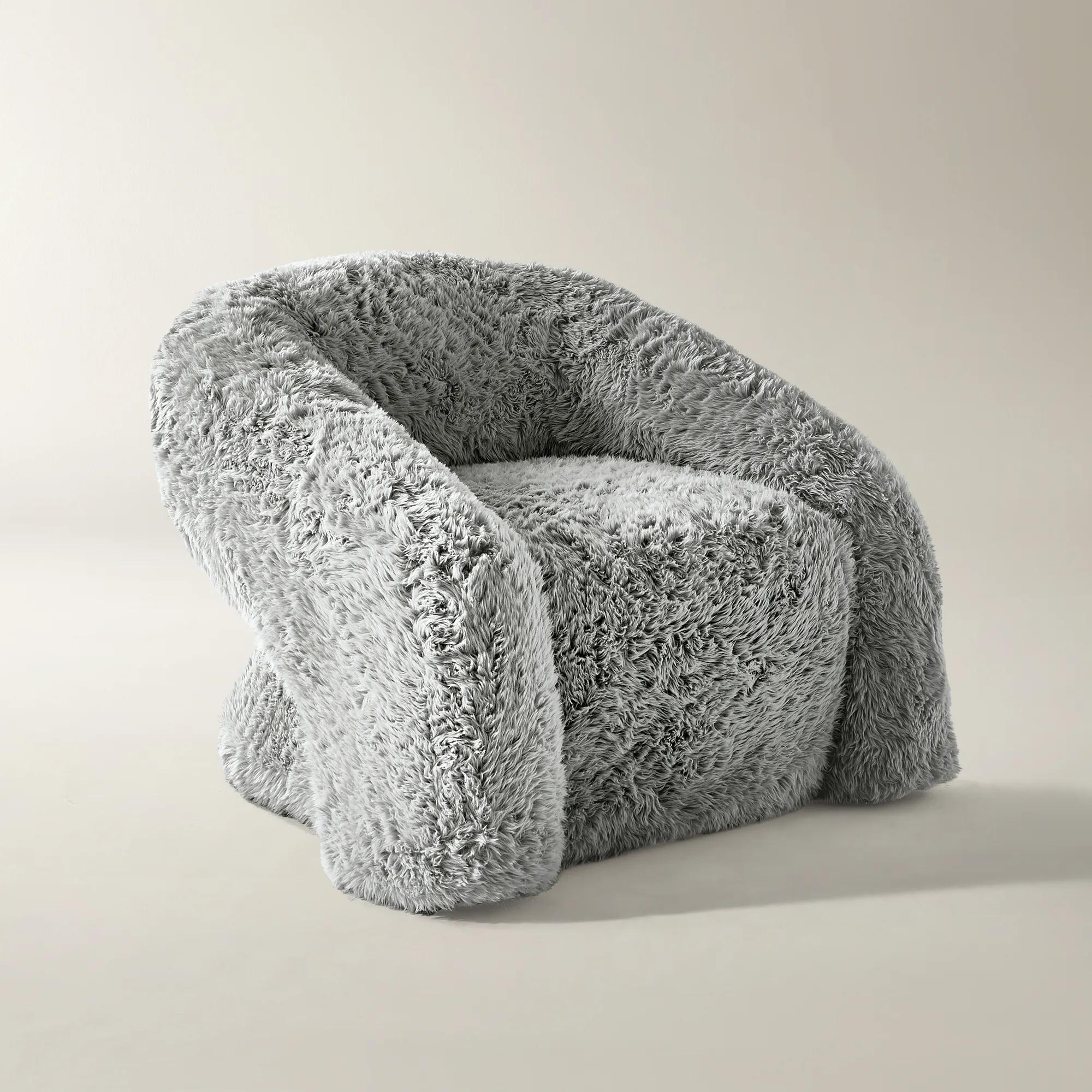
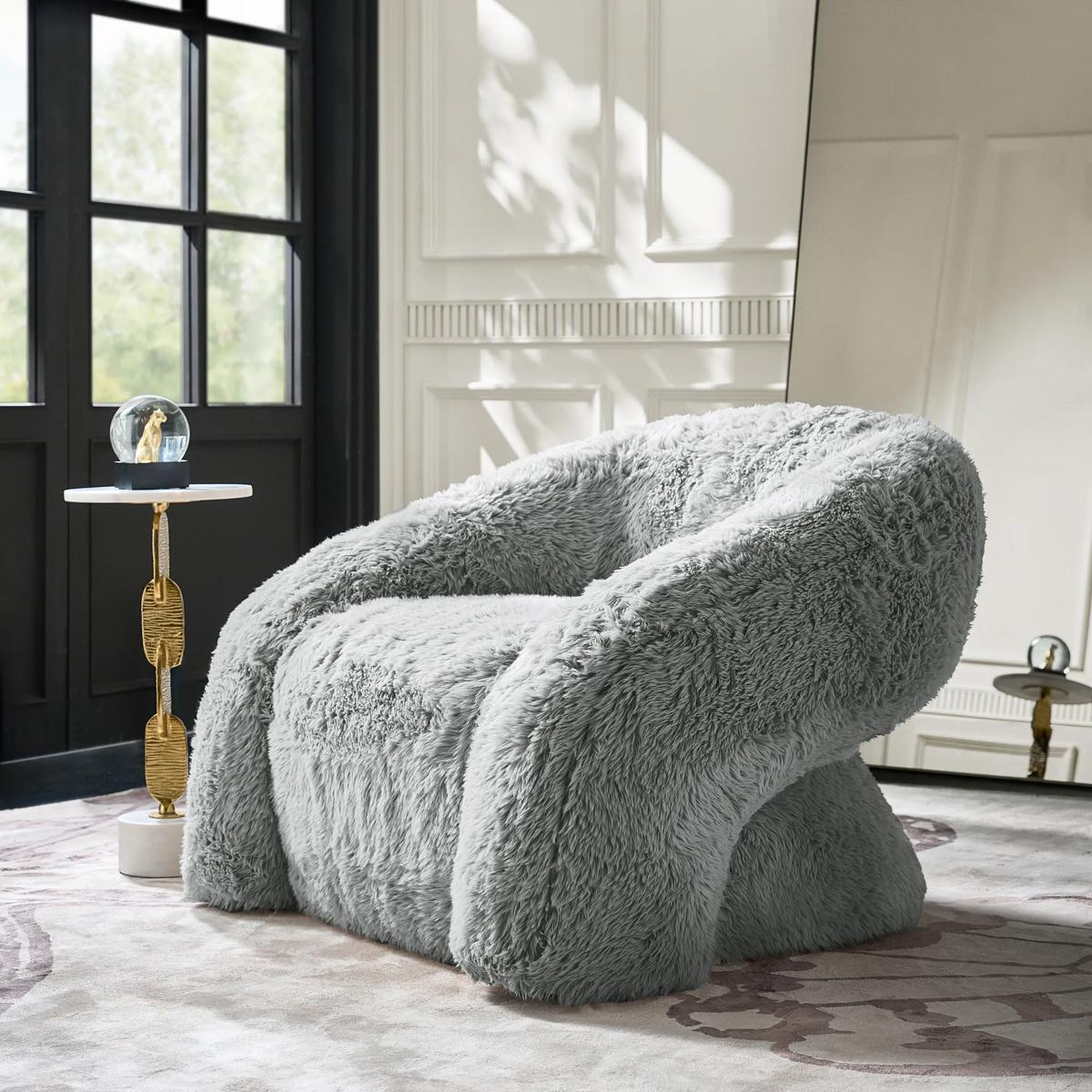 Misha Shadow Faux Fur Accent Chair$799
A cozy gray faux fur chair featuring high-resiliency foam and a sculptural, low-profile silhouette.
Add To Cart -
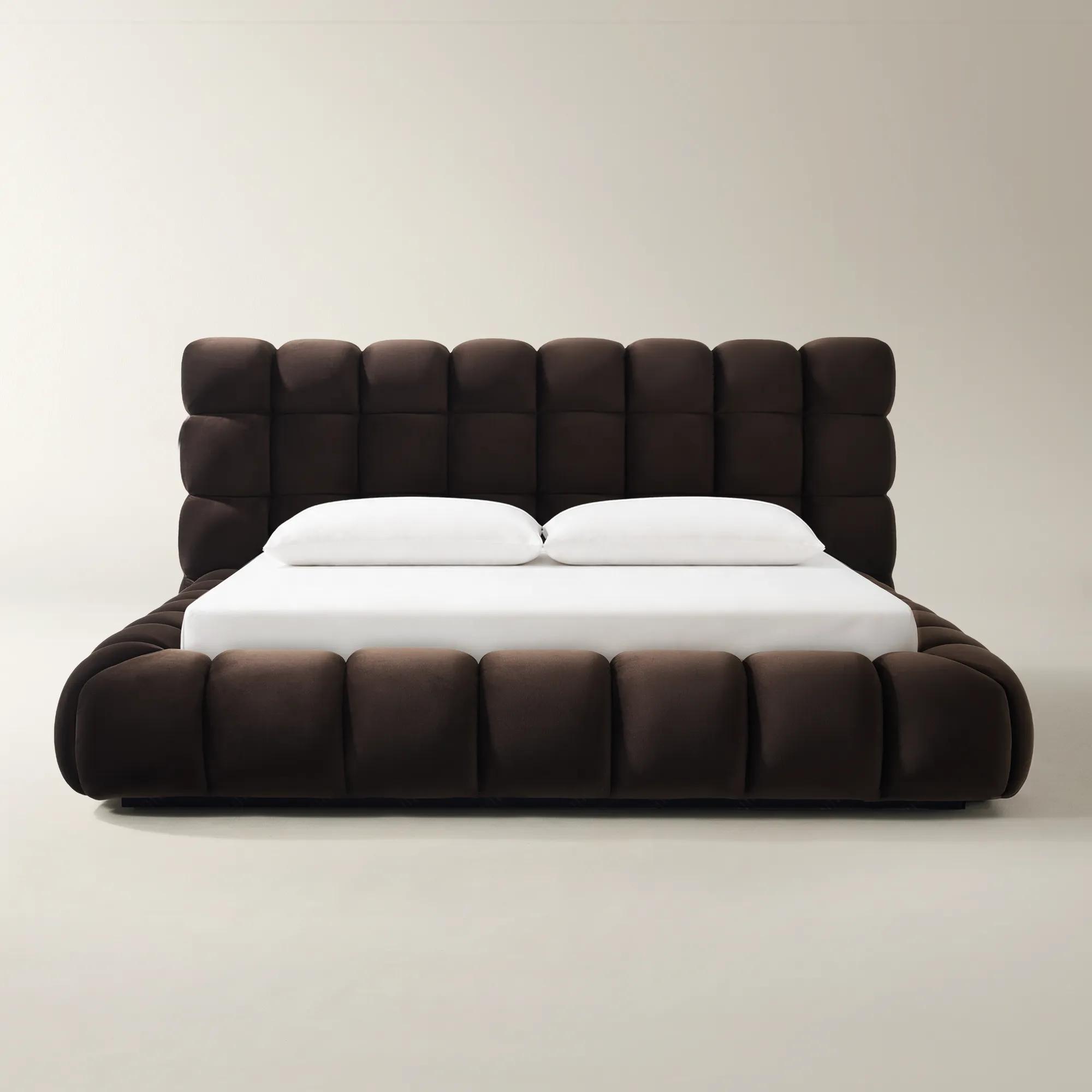 Paloma Tufted Dark Chocolate Velvet Upholstered King Platform Bed$2599
A sculptural platform bed wrapped in dark chocolate velvet with plush tufted blocks and solid wood construction.
Add To Cart -
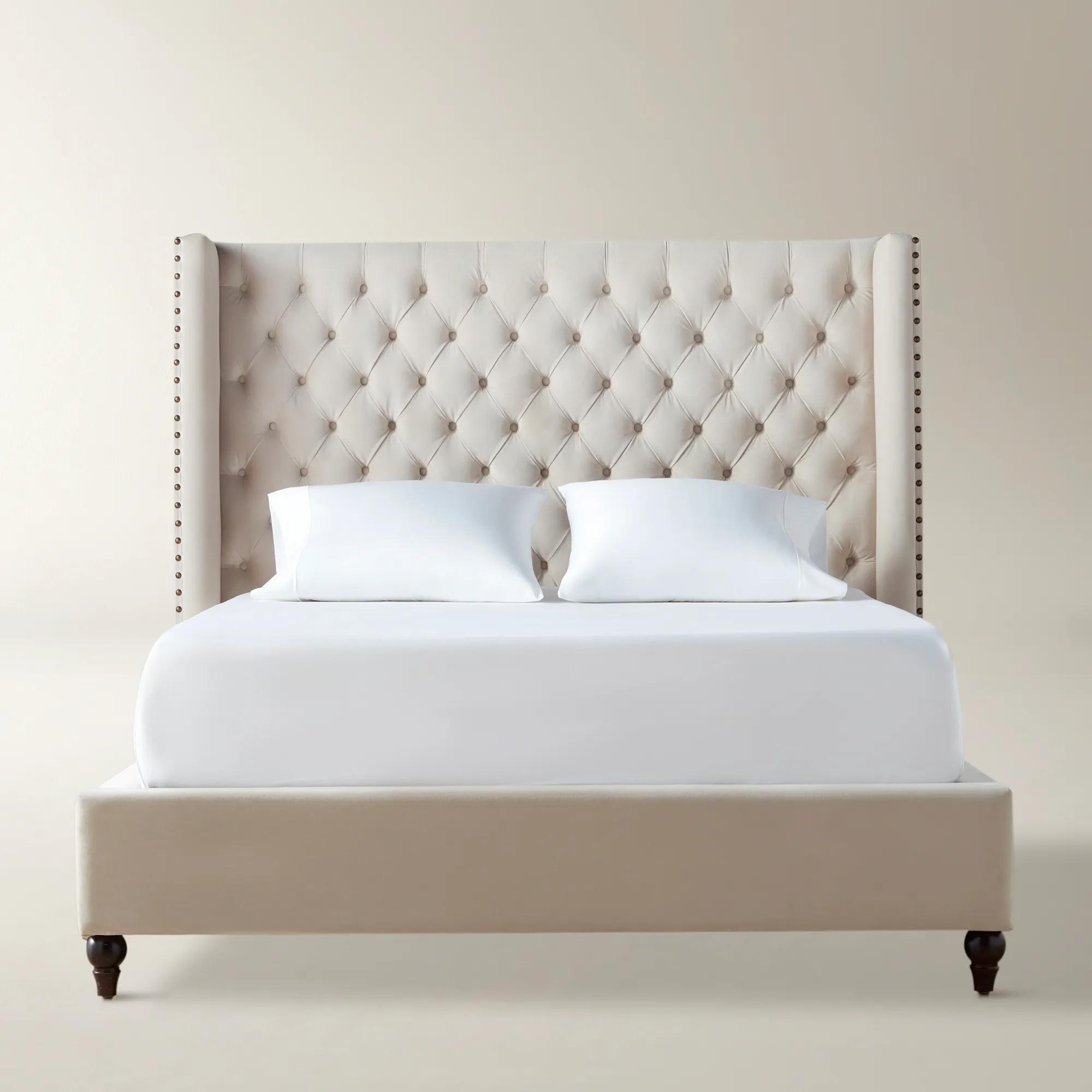
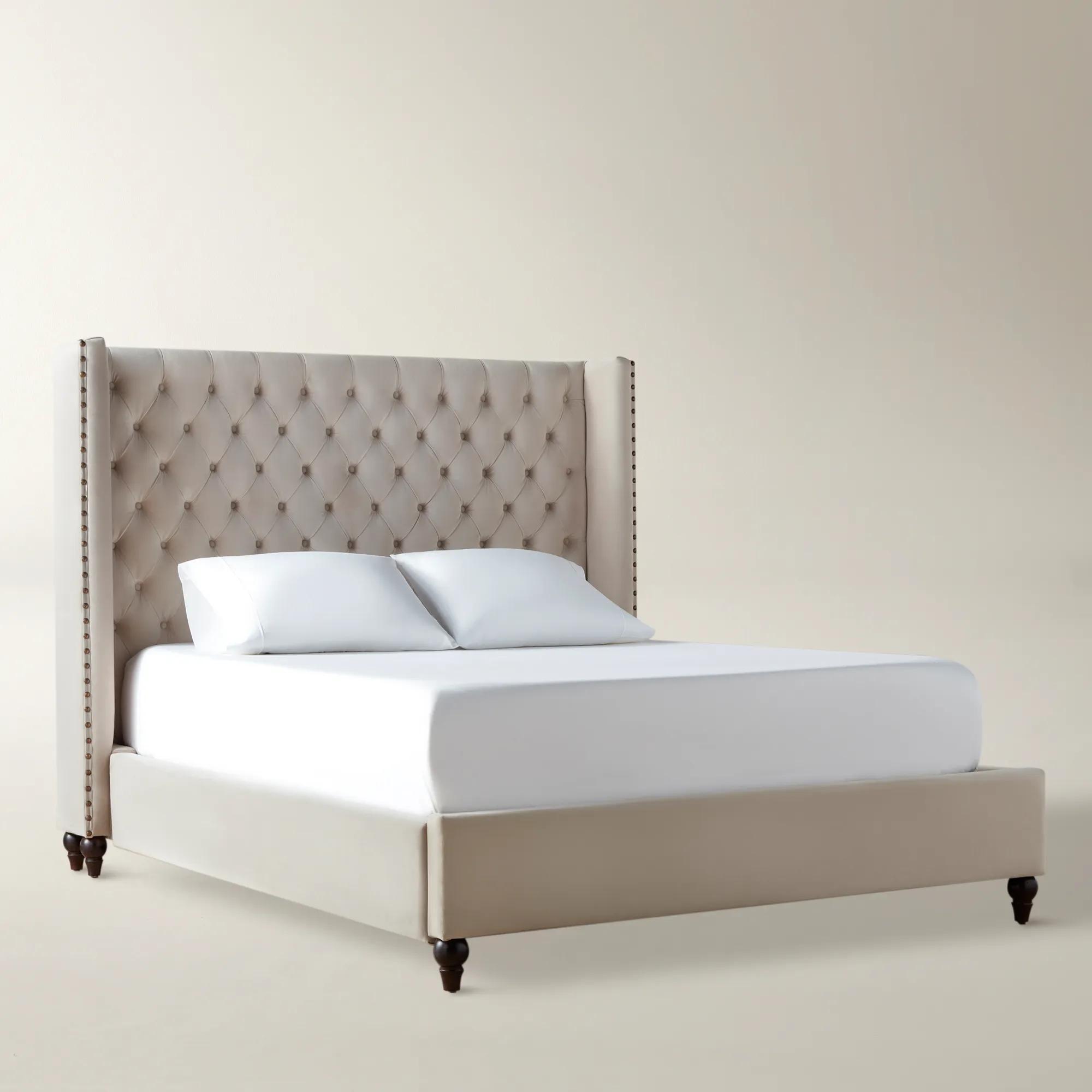 Roberto Bed$2299
A stately bed featuring diamond tufting, hand-applied nailheads, and plush Bella Velvet Pearl upholstery.
Add To Cart -
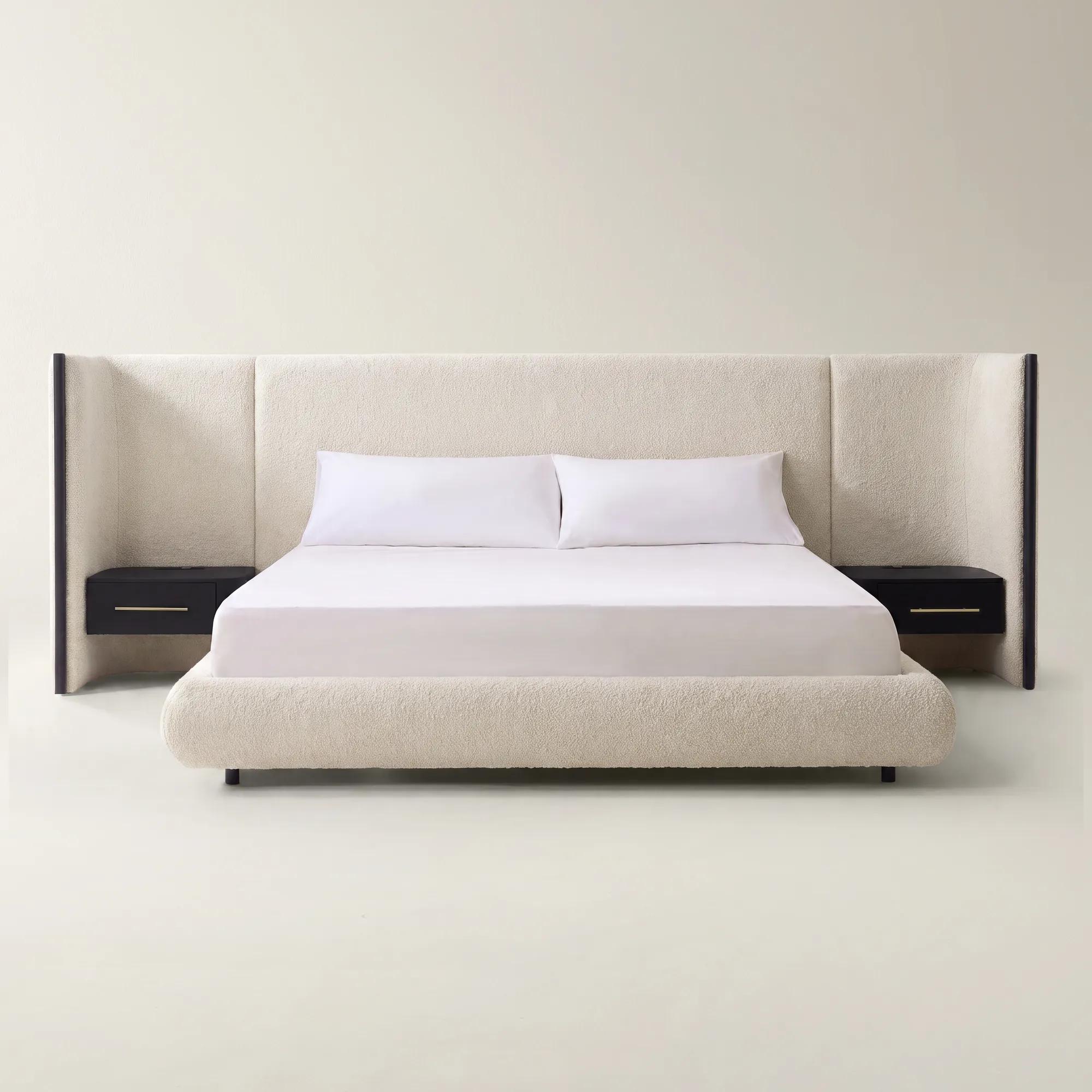 Sierra Utopia Sand Chenille Upholstered King Bed With Nightstands$2899
A sand chenille upholstered platform bed featuring an extended headboard with floating nightstands and black wood trim.
Add To Cart -
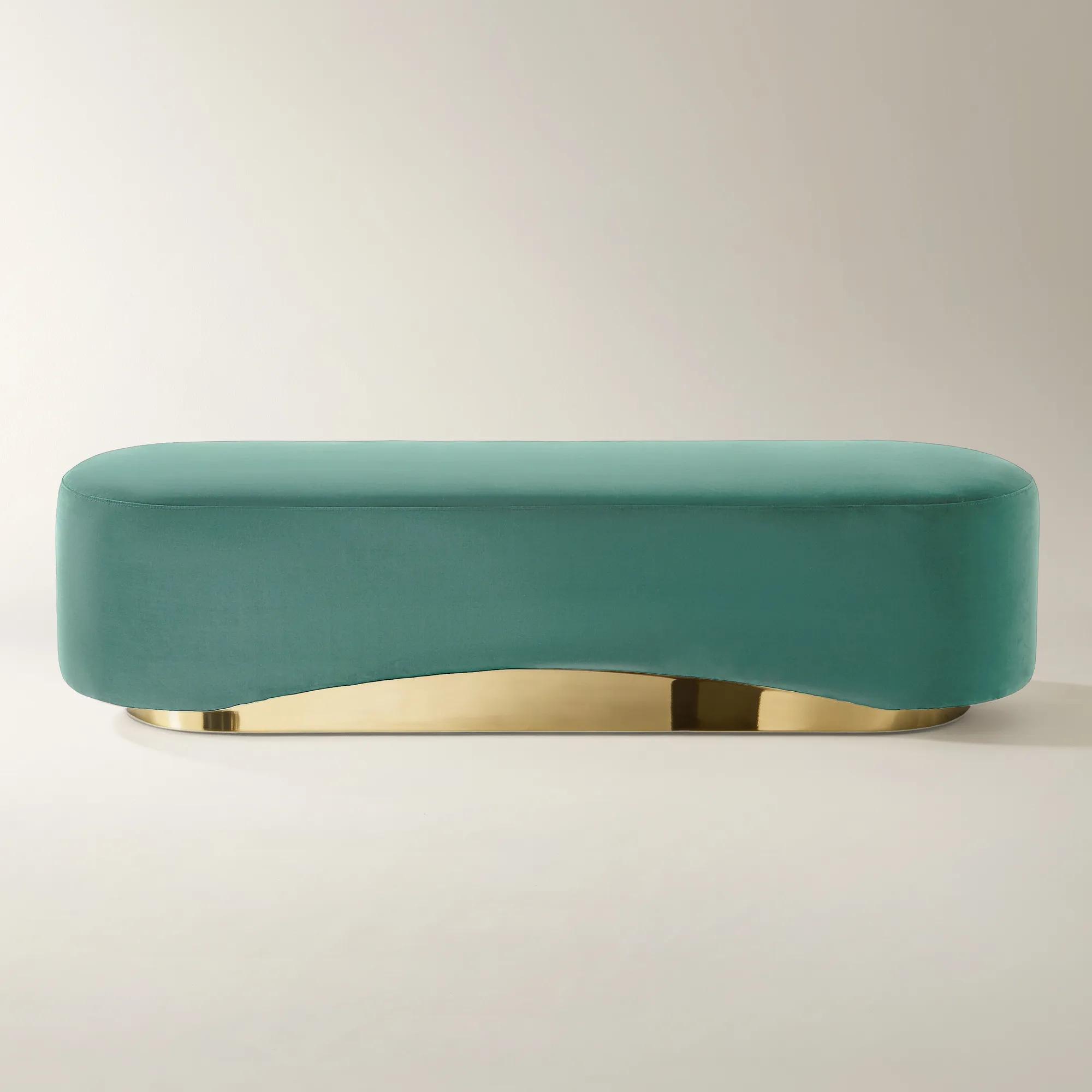 Kendra Ocean Teal Velvet Bench (70.47")$799
An elongated oval bench in ocean teal velvet with a plush seat and polished gold stainless steel base.
Add To Cart -
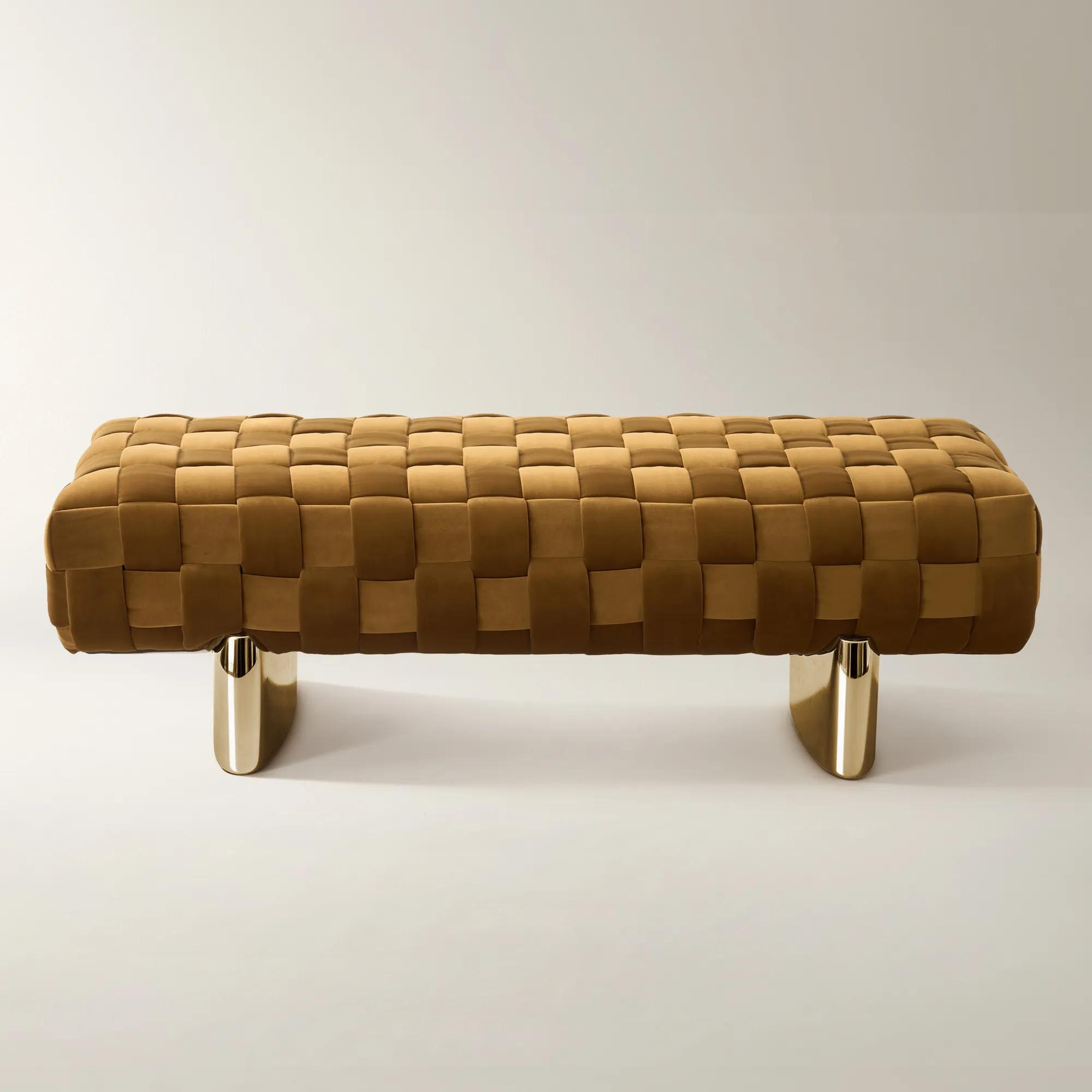
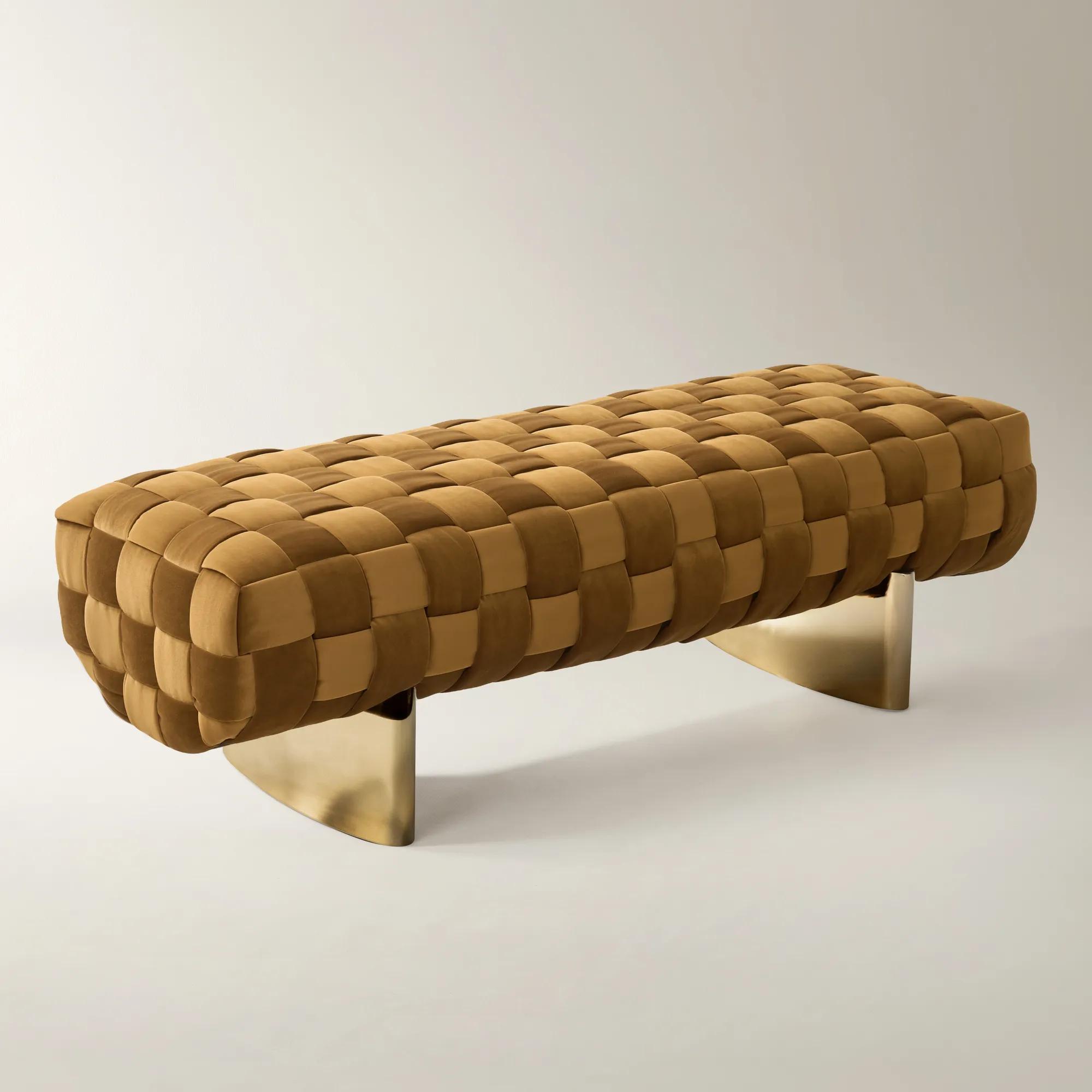 Dexter Woven Roasted Pecan Velvet Bench (64.2")$999
A woven roasted pecan velvet bench featuring plush upholstery and polished gold stainless steel legs for modern elegance.
Add To Cart -

 Tenley Bed$2599
A modern bed with a kiln-dried hardwood frame and plush, high-density foam headboard in oyster linen.
Add To Cart -
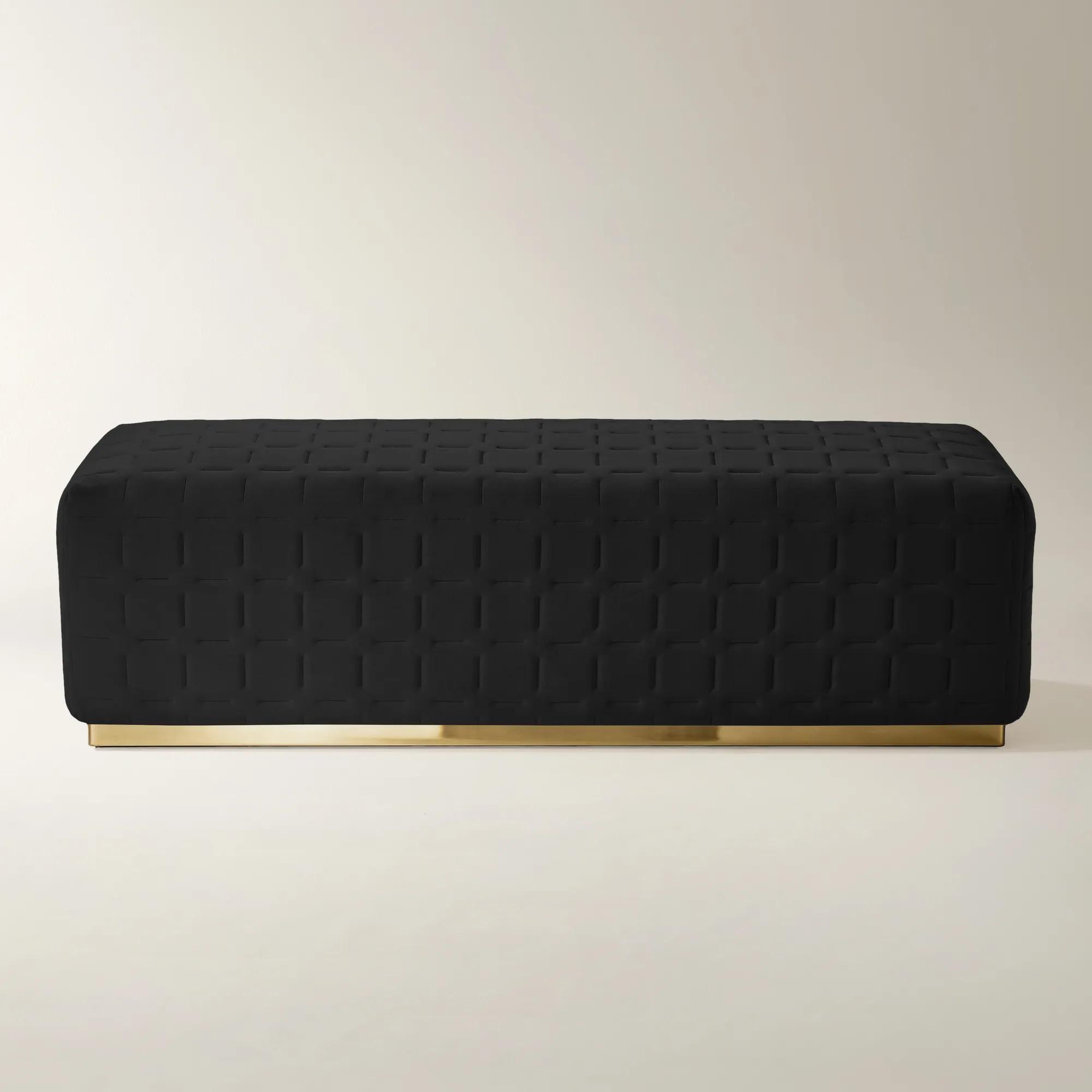 Vanta Quilted Charcoal Velvet Bench (64.6")$899
A charcoal velvet bench featuring checker quilted tufting and a gold stainless steel base for modern elegance.
Add To Cart -
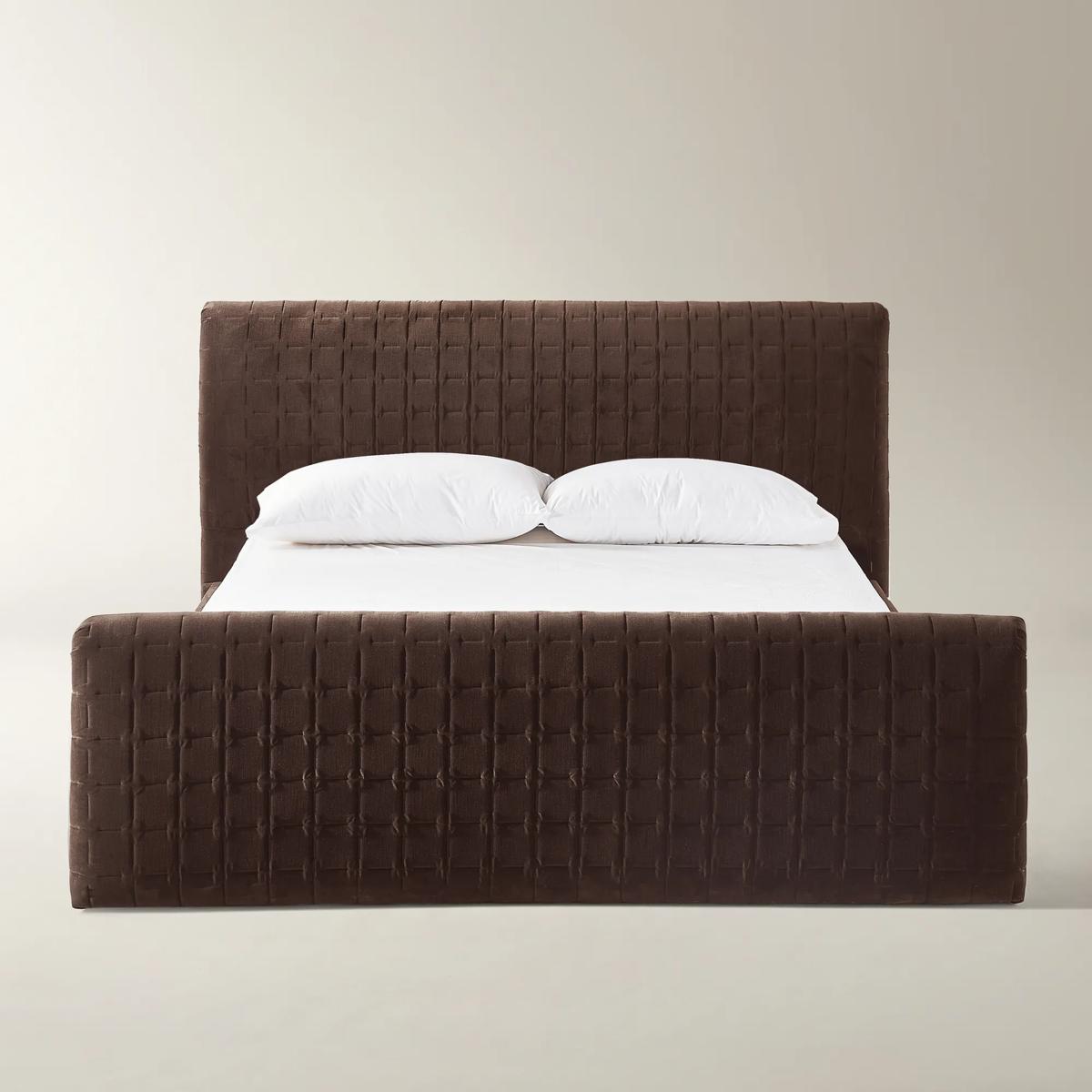
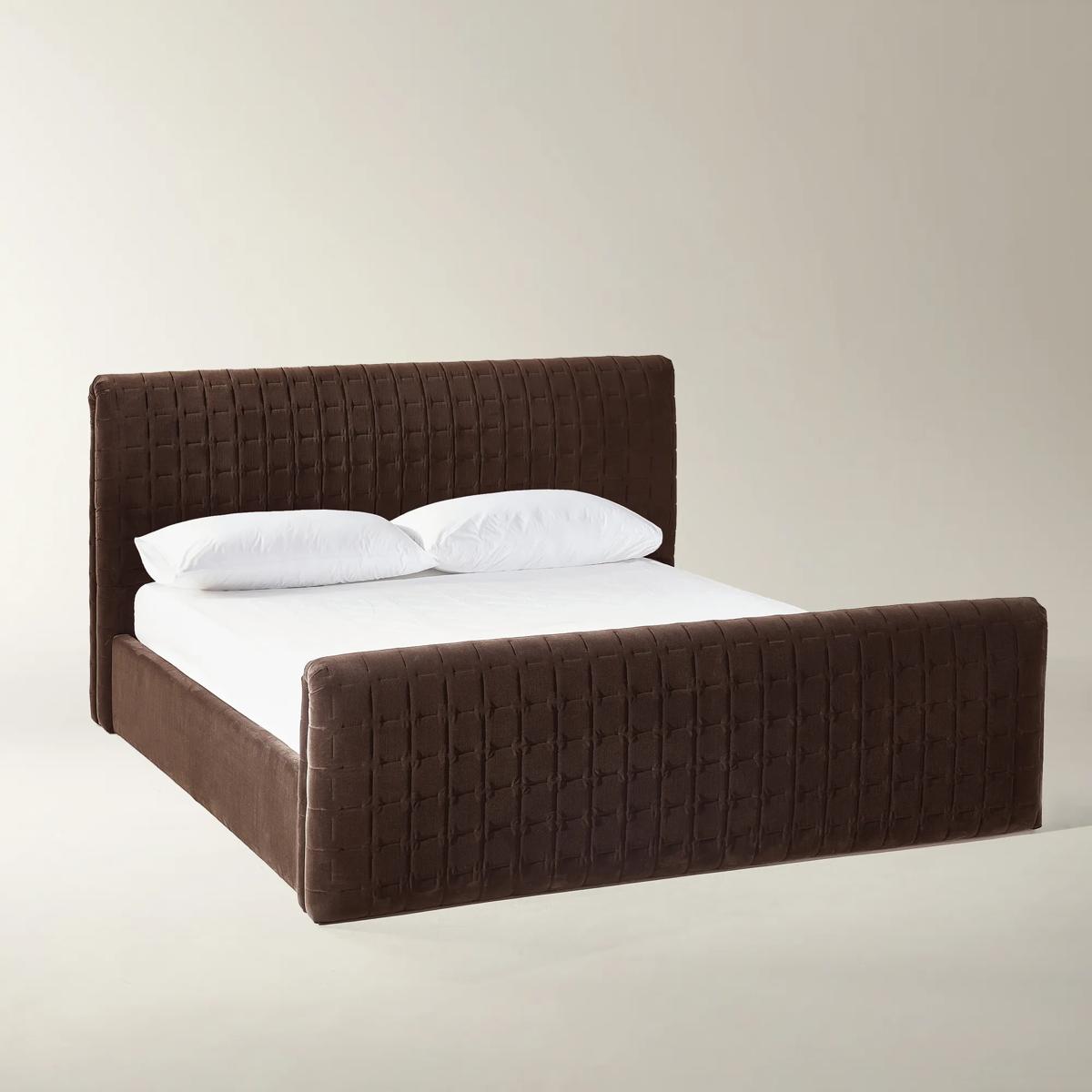 Vanta Burnt Umber Velvet Upholstered Queen Platform Bed$2299
A chocolate velvet bed with hand-tufted checker quilting and brushed stainless steel inlays for modern elegance.
Add To Cart -
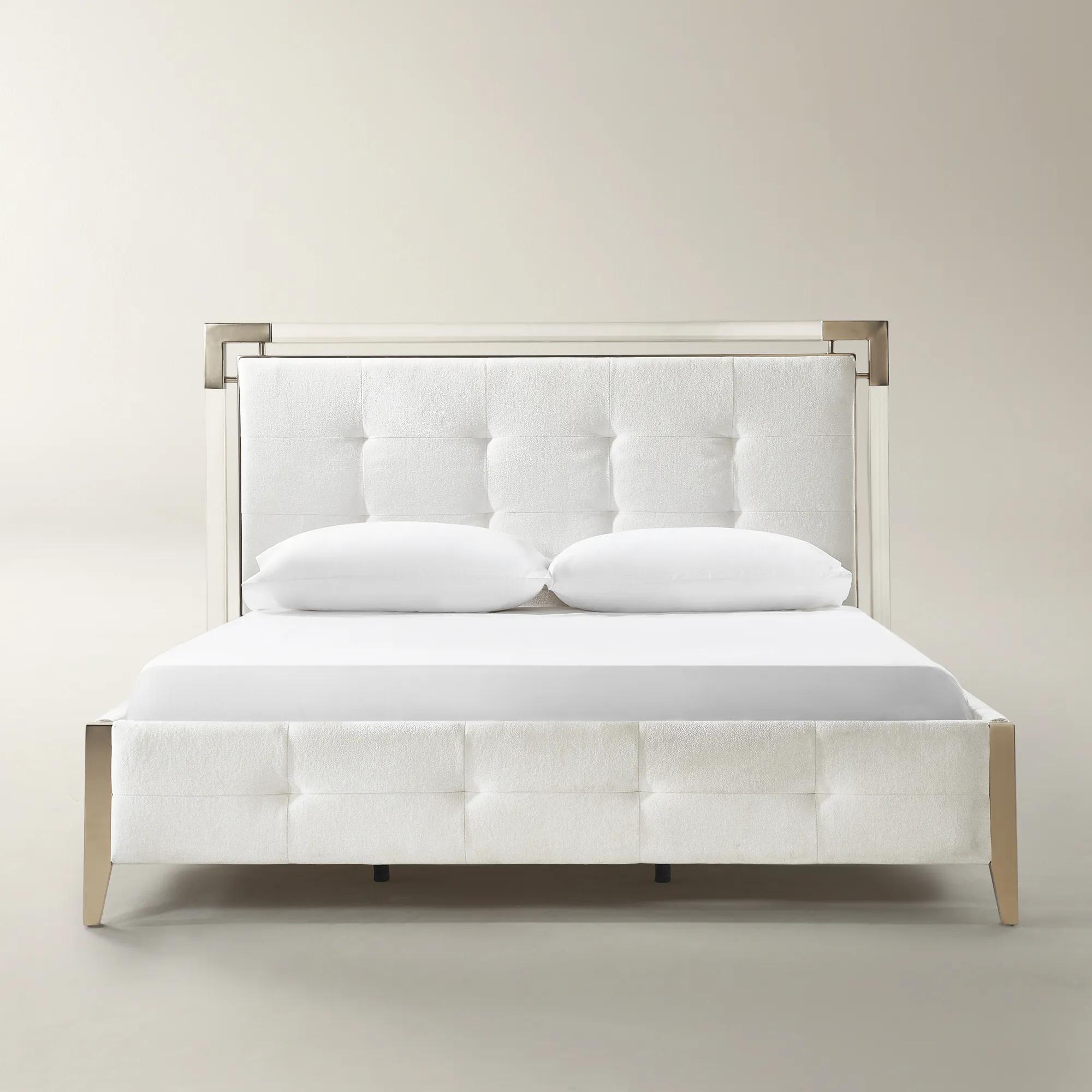
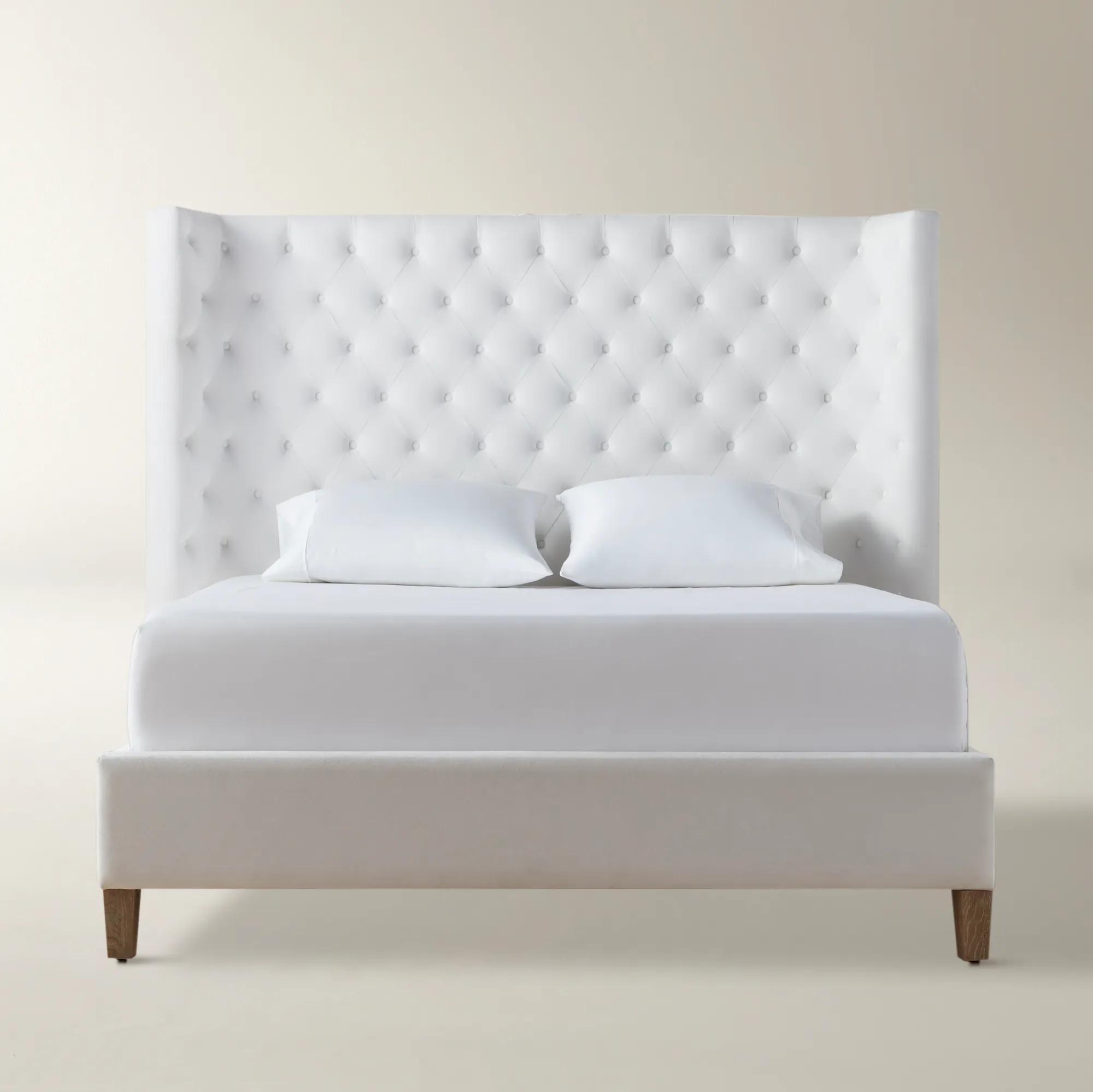
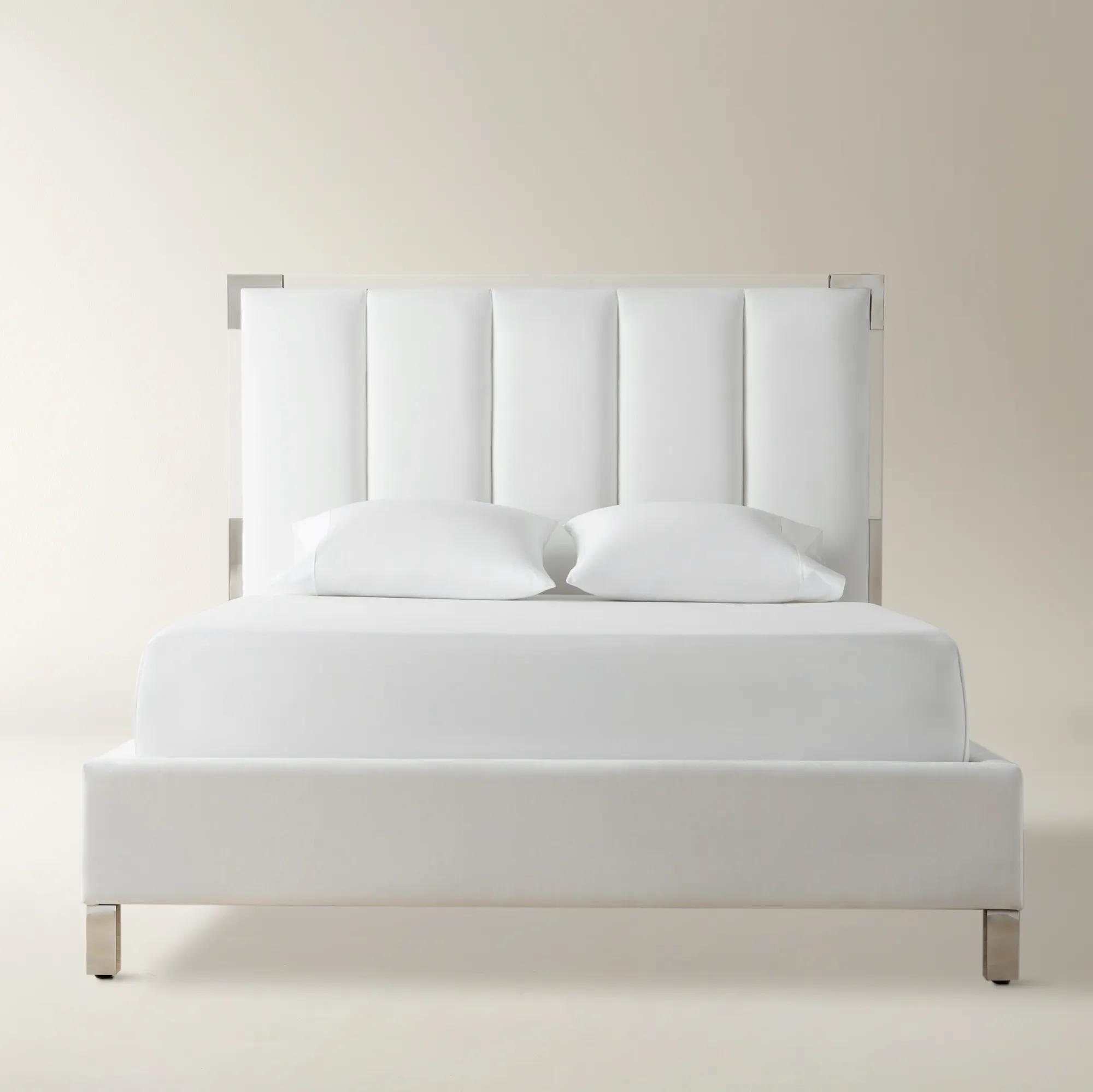
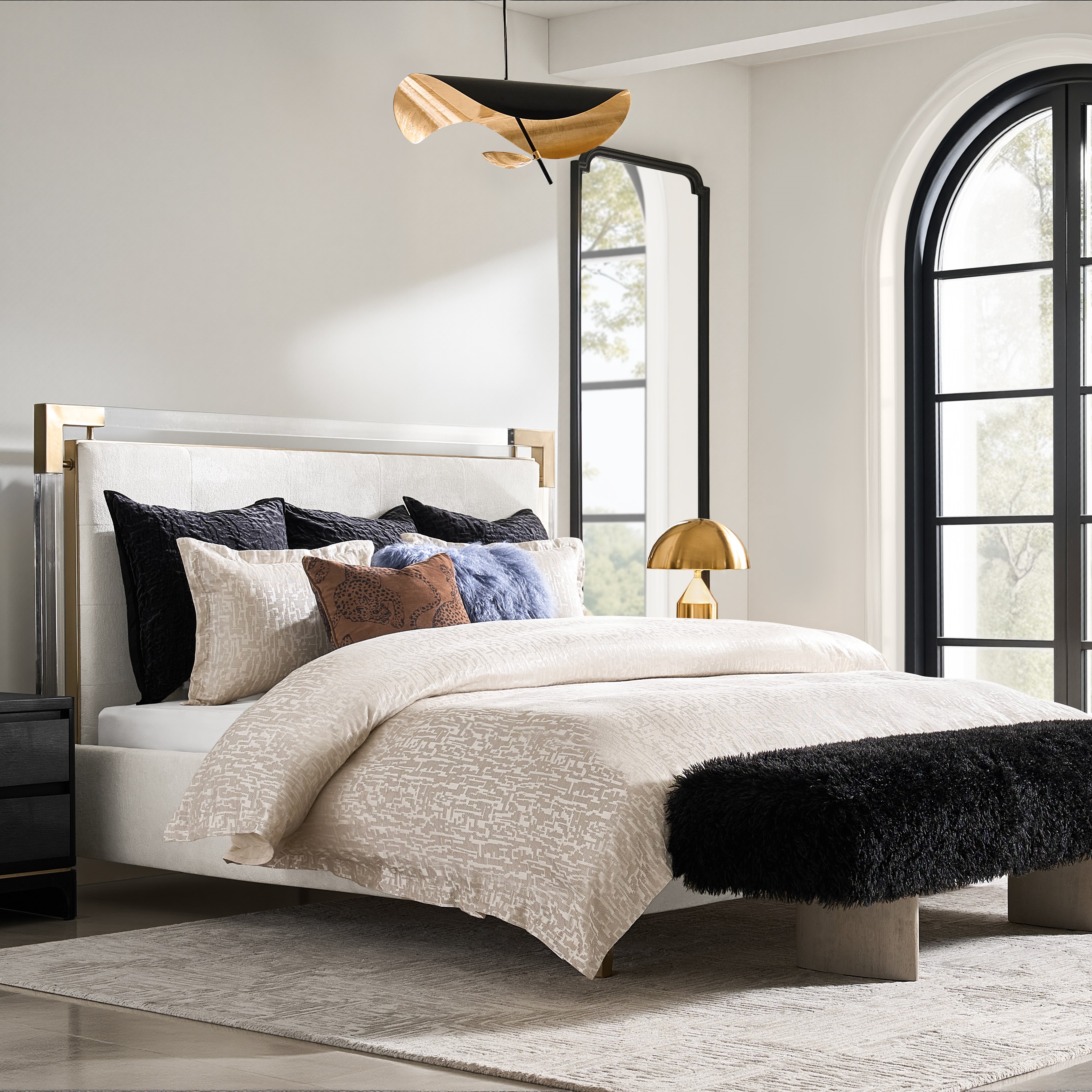 Vitrina Box-Tufted Ivory Velvet Upholstered King Platform Bed$2999
An ivory velvet upholstered bed featuring grid-tufted details, acrylic accents, and champagne-finished stainless steel trim.
Add To Cart

Upholstered Bedroom Furniture
Explore upholstered bedroom furniture that brings inviting texture and sculptural presence to your retreat. Look for silhouettes that complement your room’s proportions, and consider how the upholstery’s color and texture will pair with your bedding and existing furnishings to create a cohesive, expressive space.
Upholstered bedroom furniture brings a distinctive softness to a room without surrendering its sense of drama. Fabric-covered silhouettes turn the bed into an architectural centerpiece, while padded benches, accent chairs, and ottomans introduce texture at a more intimate scale. A generously proportioned headboard can frame crisp bedding like a work of art; a low, upholstered bench can lend definition to the foot of the bed without interrupting the view across the room. The appeal lies in that interplay between structure and touch: tailored edges against sumptuous fabric, sculptural curves beside clean-lined case goods, and subtle stitching that becomes more expressive as light moves across it. Deep tufting creates dimensional shadows and a richly layered presence, while channel detailing draws the eye along rhythmic lines. Smooth upholstery offers a quieter backdrop for patterned bedding, statement lighting, or oversized artwork. Material choice shapes both the mood and the experience of living with the furniture. Velvet has a luminous pile that can make a single color appear shaded and nuanced, particularly across a broad headboard. Woven upholstery brings visible texture and can feel more restrained, while bouclé introduces a nubby surface with sculptural depth. Leather lends a different kind of richness, with a surface and character that vary according to its finish. Fiber content, weave, backing, and finishing treatments matter as much as appearance, so texture alone should not be treated as a measure of durability. Pale upholstery can create an expansive, tonal composition; charcoal, espresso, and saturated jewel tones give the room a more enveloping presence. For a primary bedroom, these pieces establish a setting that feels personal and composed. In a guest room, an upholstered headboard and thoughtfully placed seating can make even a compact space feel considered. For someone who reads before sleep or enjoys a leisurely morning with a book, a padded headboard may also provide a comfortable surface for leaning back, depending on its shape and cushioning.
The most compelling bedroom arrangements balance expressive proportions with room to move. Upholstered bed frames often extend beyond the mattress itself, particularly when they have thick side rails, a substantial footboard, or a headboard that projects outward. Overall dimensions, rather than mattress size alone, reveal how much space the finished bed will occupy. In a smaller bedroom, a broad winged headboard may compete with nearby nightstands or conceal outlets, while a slimmer profile can preserve space for bedside storage and lighting. In a larger room, a tall headboard can give the bed enough visual weight to hold its own against expansive walls. Ceiling height, window placement, and the scale of surrounding furniture all influence whether the effect feels poised or overpowering. Mattress thickness also changes the composition: a deep mattress can obscure decorative upholstery, while a lower mattress may reveal more of the headboard than expected. Bed construction deserves equal attention, including the support system, permitted mattress types, weight limits, and any requirement for a foundation or box spring. Those details vary by design and should be confirmed before choosing a configuration. Upholstered benches and chairs introduce another layer of function, whether as a place to sit while dressing, arrange a throw, or enjoy a quiet reading corner. Their placement works best when closet doors, dresser drawers, and walking routes remain unobstructed. A bench should relate to the width and height of the bed without crowding the footboard, and seating height should suit its intended use. Delivery access matters, too, especially in homes with narrow staircases, elevators, or tight turns between rooms. Coordinating through Modern Upholstered Bedroom Sets can establish a unified foundation, with related silhouettes and finishes lending continuity to the space. That cohesion still leaves room for individuality: mirrored accents can sharpen soft upholstery, warm wood can temper its formality, and distinctive artwork can keep a coordinated bedroom from feeling overly matched.
Long-term satisfaction depends on choosing upholstery that suits everyday routines as beautifully as it suits the room. A decorative bench used occasionally has different demands than a chair occupied every evening, and a bed shared with pets may call for closer attention to snag resistance, cleaning requirements, and the visibility of hair. Tightly woven fabrics can be worth considering for frequent use, but no weave is automatically impervious to claws, spills, or abrasion. Performance treatments may improve resistance to certain stains, yet they do not eliminate the need for prompt care or make every cleaning method appropriate. Manufacturer information about fabric composition, testing, and recommended maintenance provides a more useful basis for comparison than appearance alone. Construction beneath the upholstery matters just as much: frame materials, joints, cushion support, and attachment hardware all contribute to how a piece holds its shape and handles repeated use. Decorative buttons, seams, and piping deserve attention because these details help define the silhouette and may experience friction at frequently touched edges. Care should follow the instructions for the particular upholstery, including its cleaning code where provided. Gentle vacuuming with an appropriate upholstery attachment can remove dust before it settles into seams, while spills generally call for prompt blotting rather than vigorous rubbing. Any permitted cleaner should first be tested in an inconspicuous area; soaking fabric or applying an unsuitable treatment can leave marks or affect the underlying padding. Velvet may show shading, pressure marks, or changes in pile direction that are distinct from staining, and leather requires care suited to its specific finish. Extended direct sunlight can alter some upholstery colors, making furniture placement and window coverings part of preserving the room’s intended palette. With thoughtful selection and consistent care, upholstered bedroom furniture can remain the tactile heart of the space: a strong silhouette softened by fabric, a comfortable place to pause, and a richly textured foundation for bedding, lighting, and art that express a distinctly personal point of view.
FAQs
Upholstered bedroom furniture features fabric or leather coverings over padded frames, bringing softness and visual richness to beds, headboards, benches, and accent chairs. From a sumptuous velvet bed to a tailored bouclé bench, these pieces introduce texture and turn the bedroom into a deeply personal design statement.
Velvet, linen, bouclé, and chenille each bring a distinct character to upholstered bedroom furniture. Velvet catches the light with a luminous sheen, while linen offers a refined, natural texture. Bouclé creates sculptural interest with its looped surface, and chenille adds plush depth. Choose a fabric that echoes the atmosphere you want to create, from serene sophistication to expressive glamour.
Let an upholstered bed establish the mood, then introduce contrasting materials for a layered composition. Mirrored nightstands bring radiance beside richly textured upholstery, while wood dressers lend warmth and polished metal accents add definition. Carry a fabric tone into your artwork or bedding to connect the room without making every piece match.
Tufting, channeling, curved silhouettes, and tailored seams give upholstered bedroom furniture its distinctive personality. Deep button tufting evokes classic glamour, while vertical channels create an architectural rhythm. Sweeping headboards and rounded benches offer sculptural drama; crisp seams and smooth upholstery express a more restrained sophistication.
Follow the furniture’s care label and fabric cleaning code to preserve its distinctive texture and finish. Where permitted, gently vacuum with an upholstery attachment to remove surface dust. Blot spills promptly rather than rubbing, and use only cleaning methods approved for the upholstery. Position pieces away from prolonged direct sunlight to help maintain their rich color.