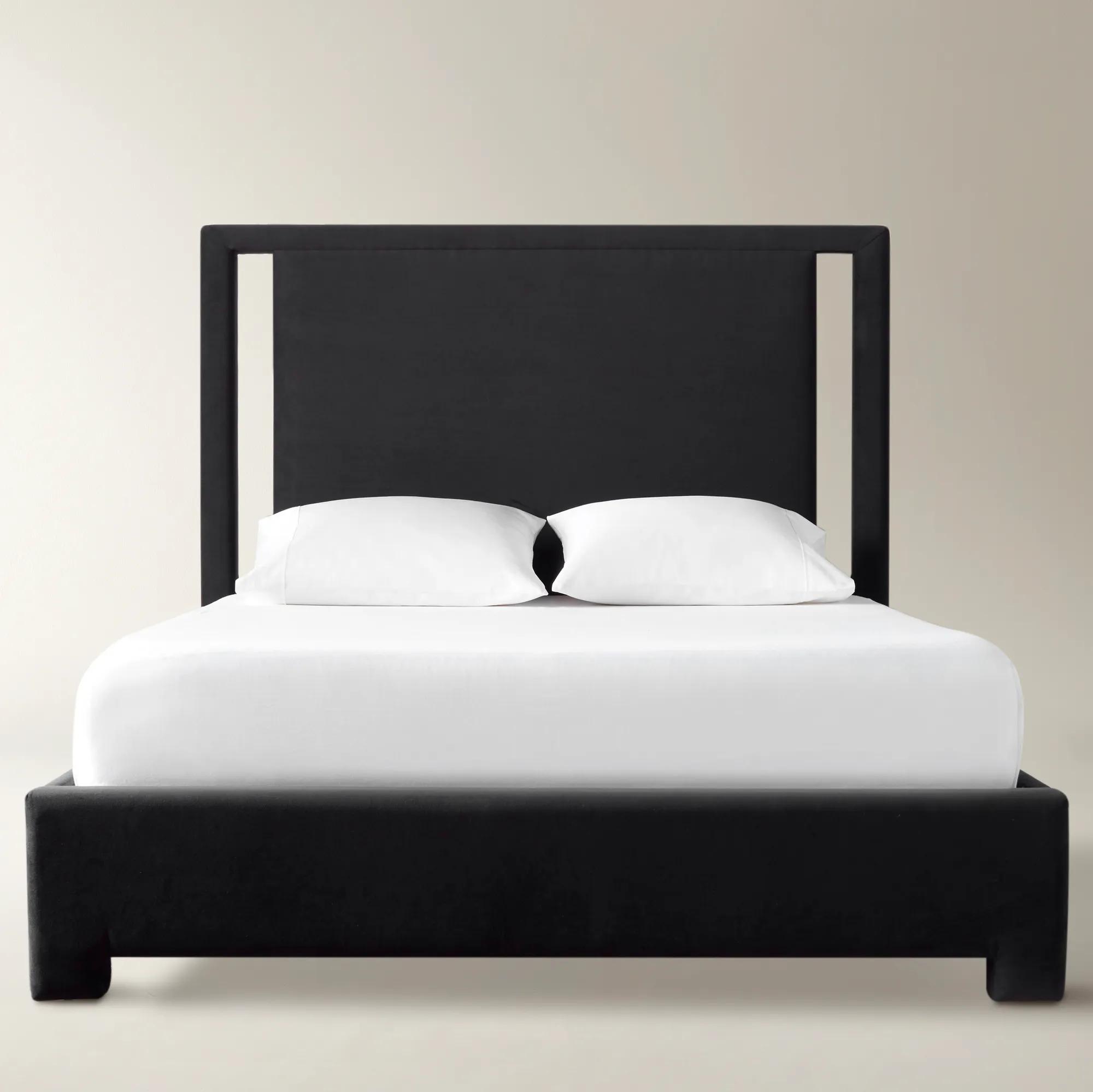
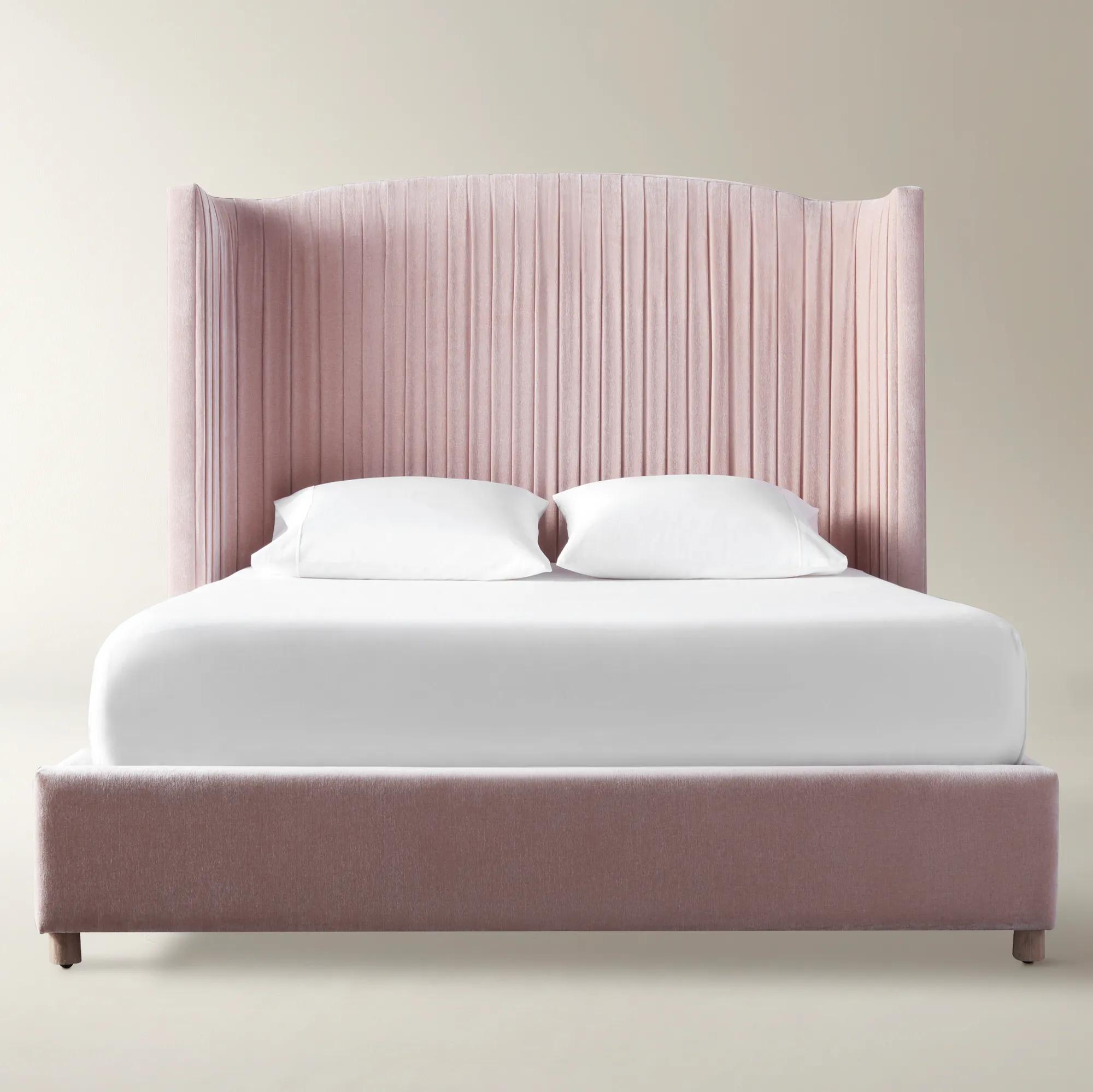
Tufted Bedroom Furniture
Tufted Bedroom Furniture
-
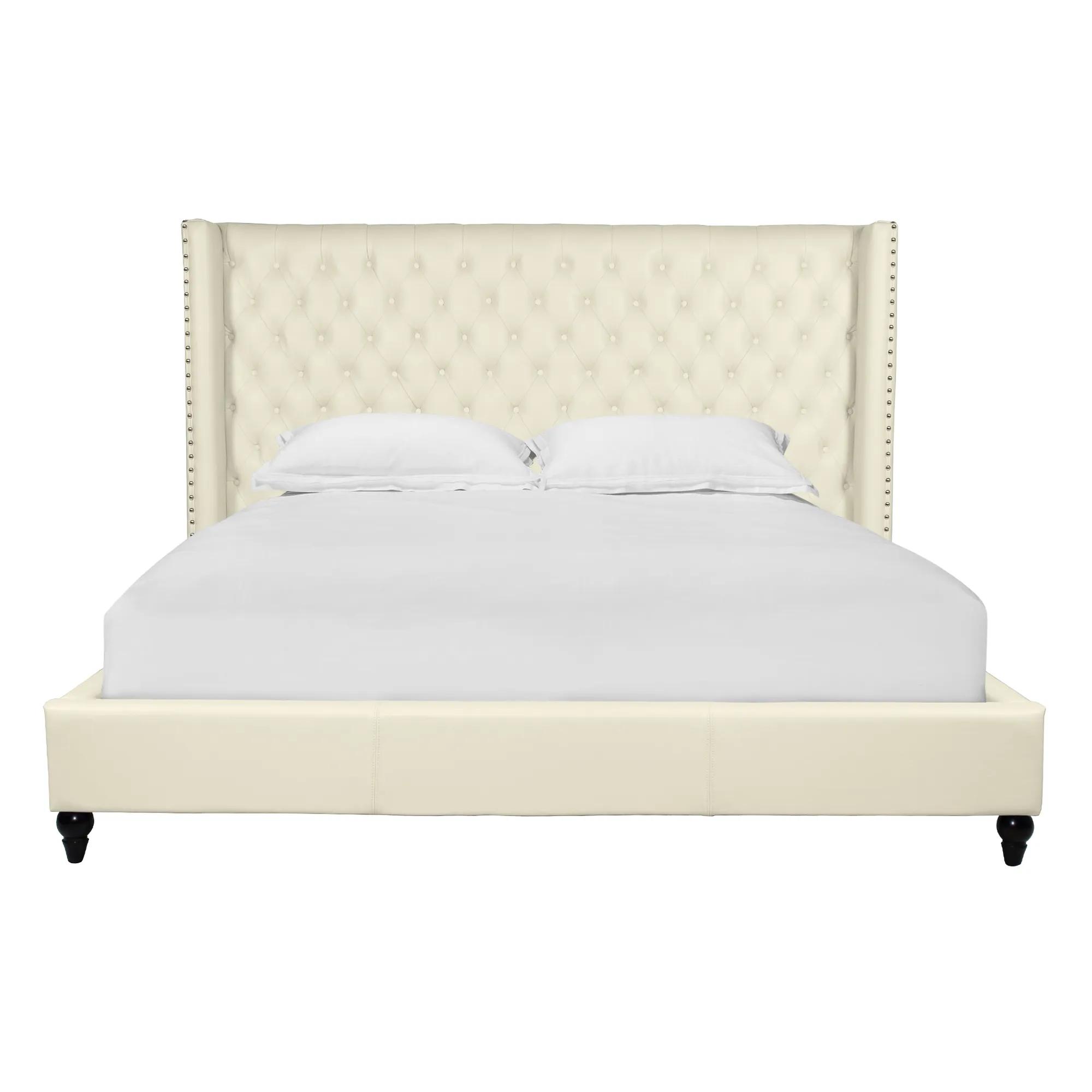
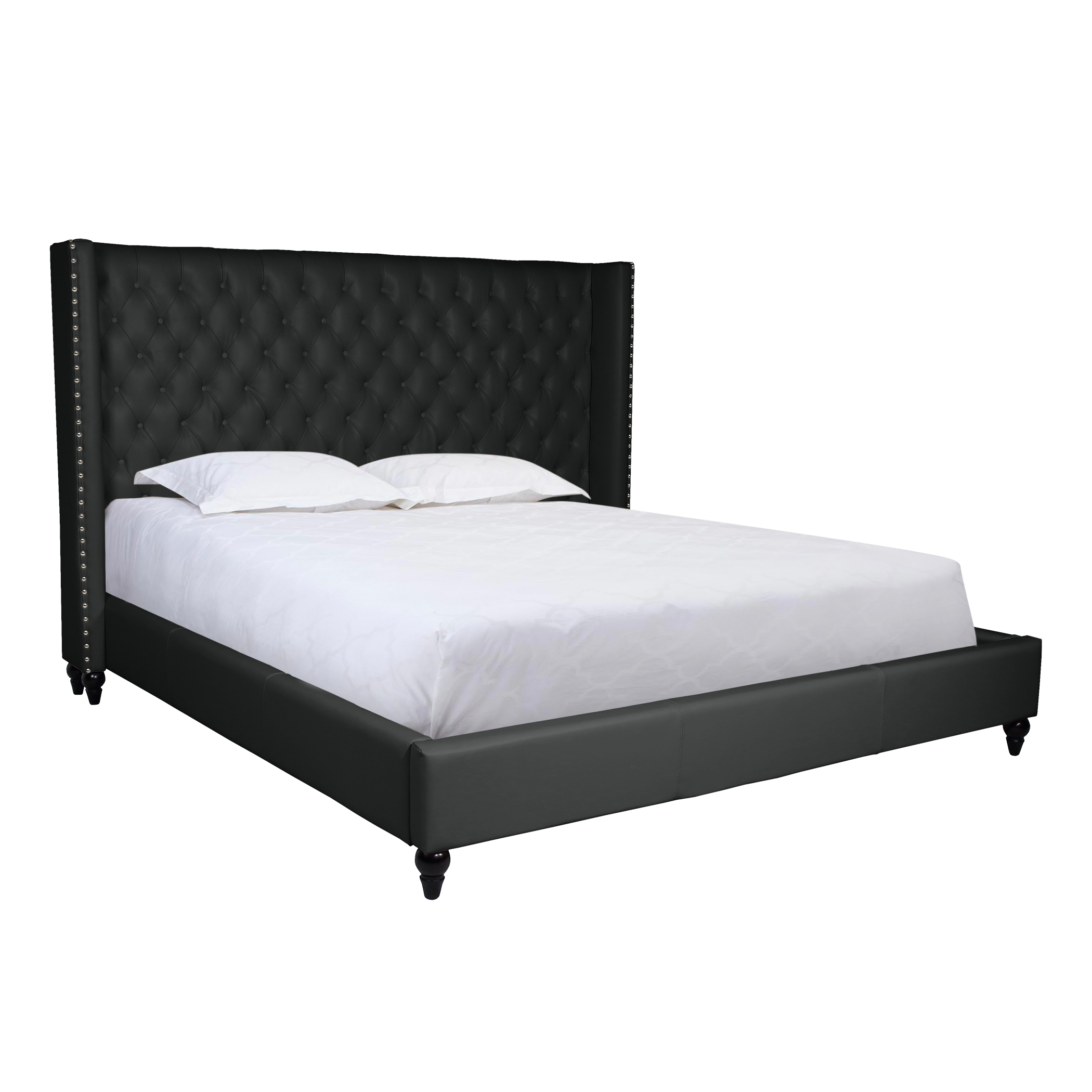 Roberto Leather Bed$3749
A stately bed featuring diamond tufted white top grain leather, hand-applied nickel nailheads, and kiln-dried hardwood.
Add To Cart -
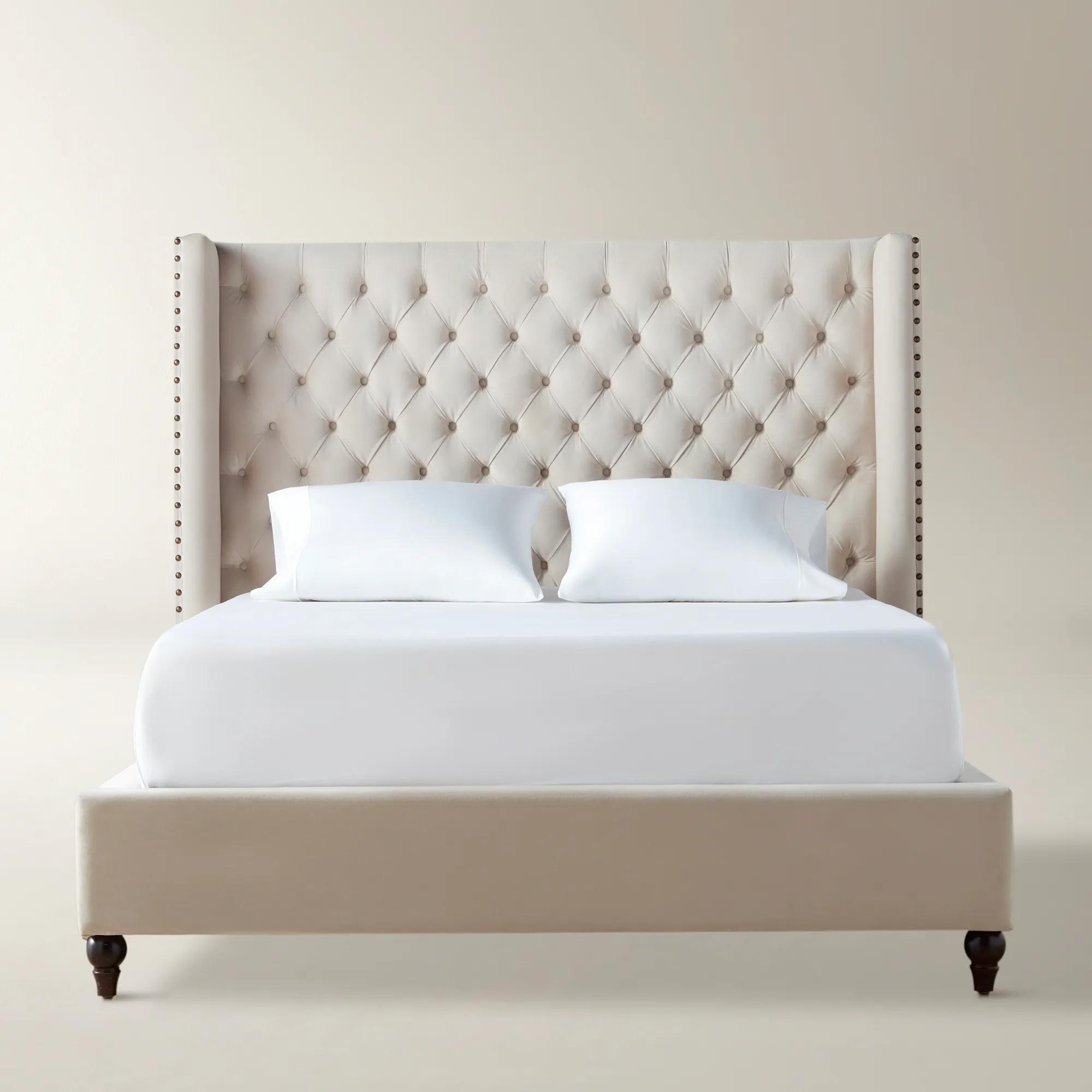
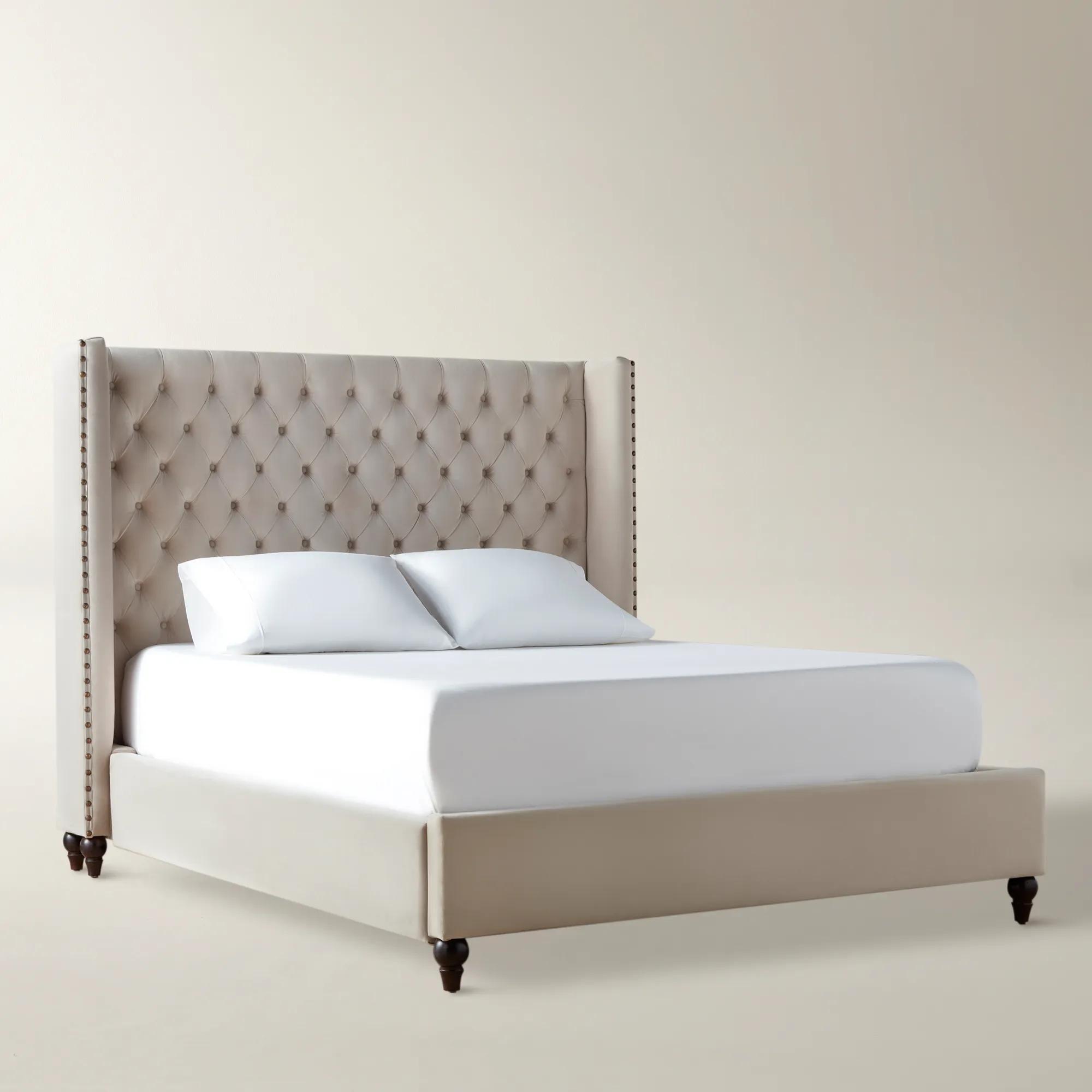 Roberto Bed$1799
A stately bed featuring diamond tufted velvet upholstery, kiln-dried hardwood frame, and hand-applied nailhead trim.
Add To Cart -
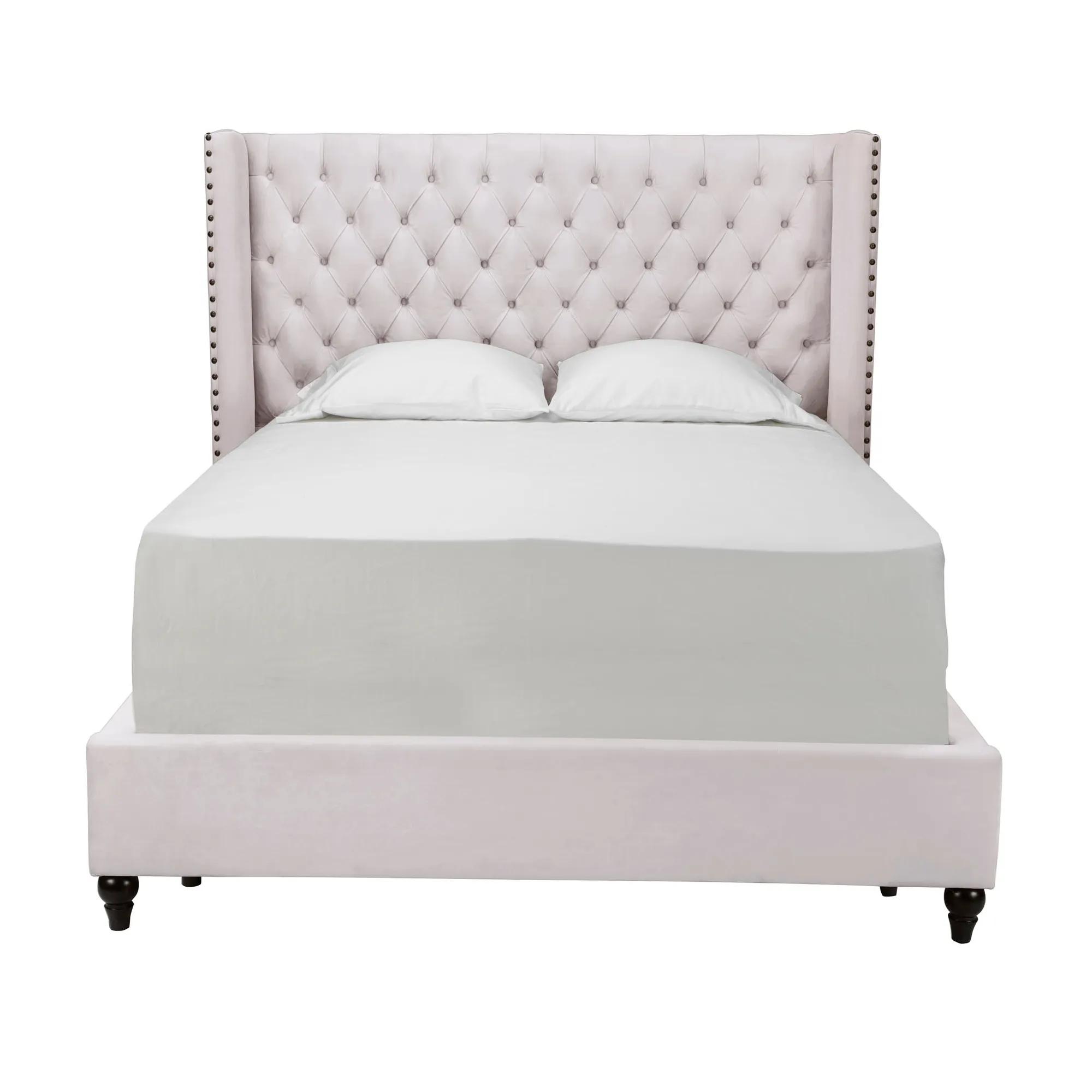
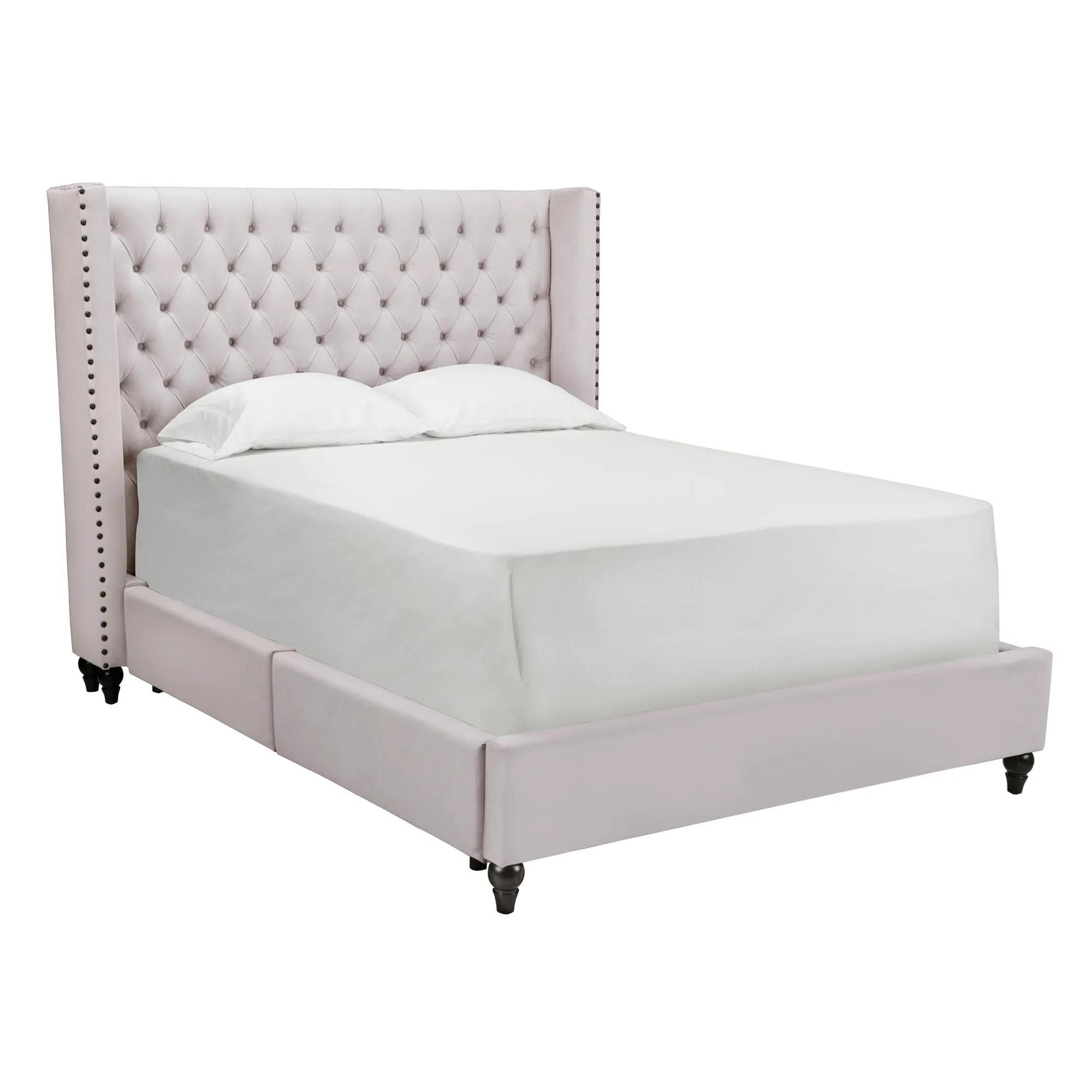 Roberto Storage Bed$3199
A handcrafted velvet-upholstered storage bed featuring diamond tufting, turned legs, and hand-applied antique brass nailheads.
Add To Cart -
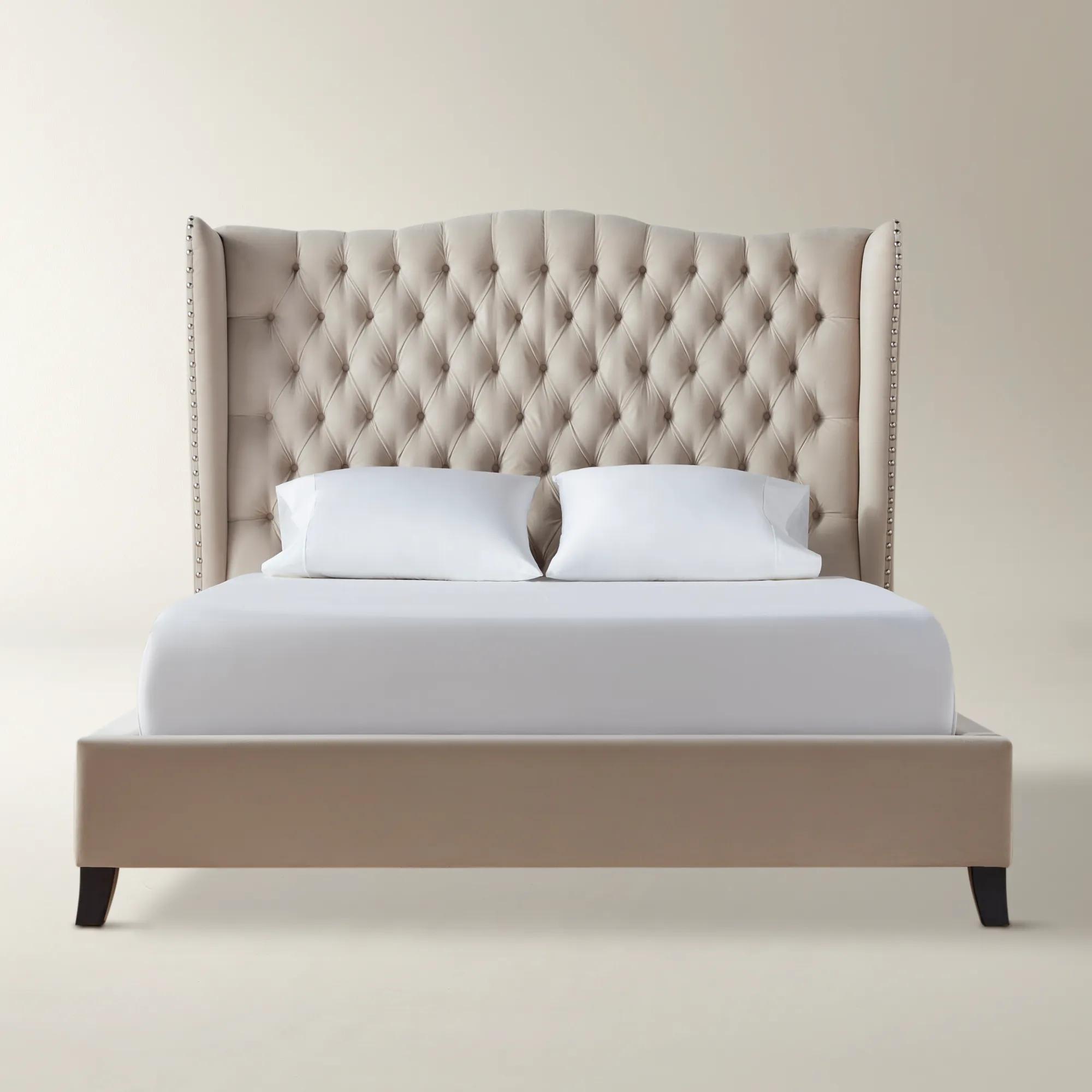
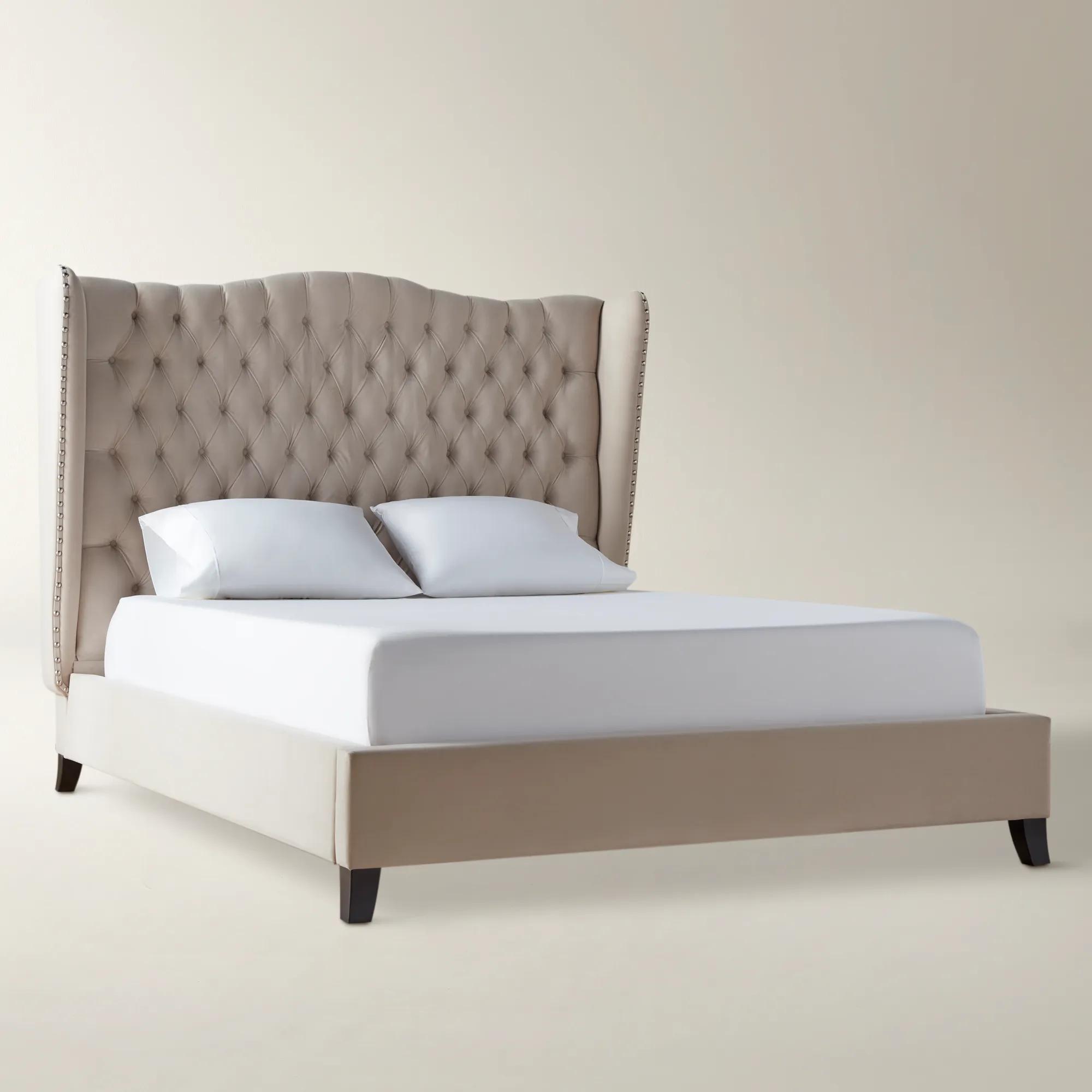 Jameson Bed$2499
A plush velvet bed with a camelback silhouette, hand-applied button tufting, and decorative nailhead trim.
Add To Cart -
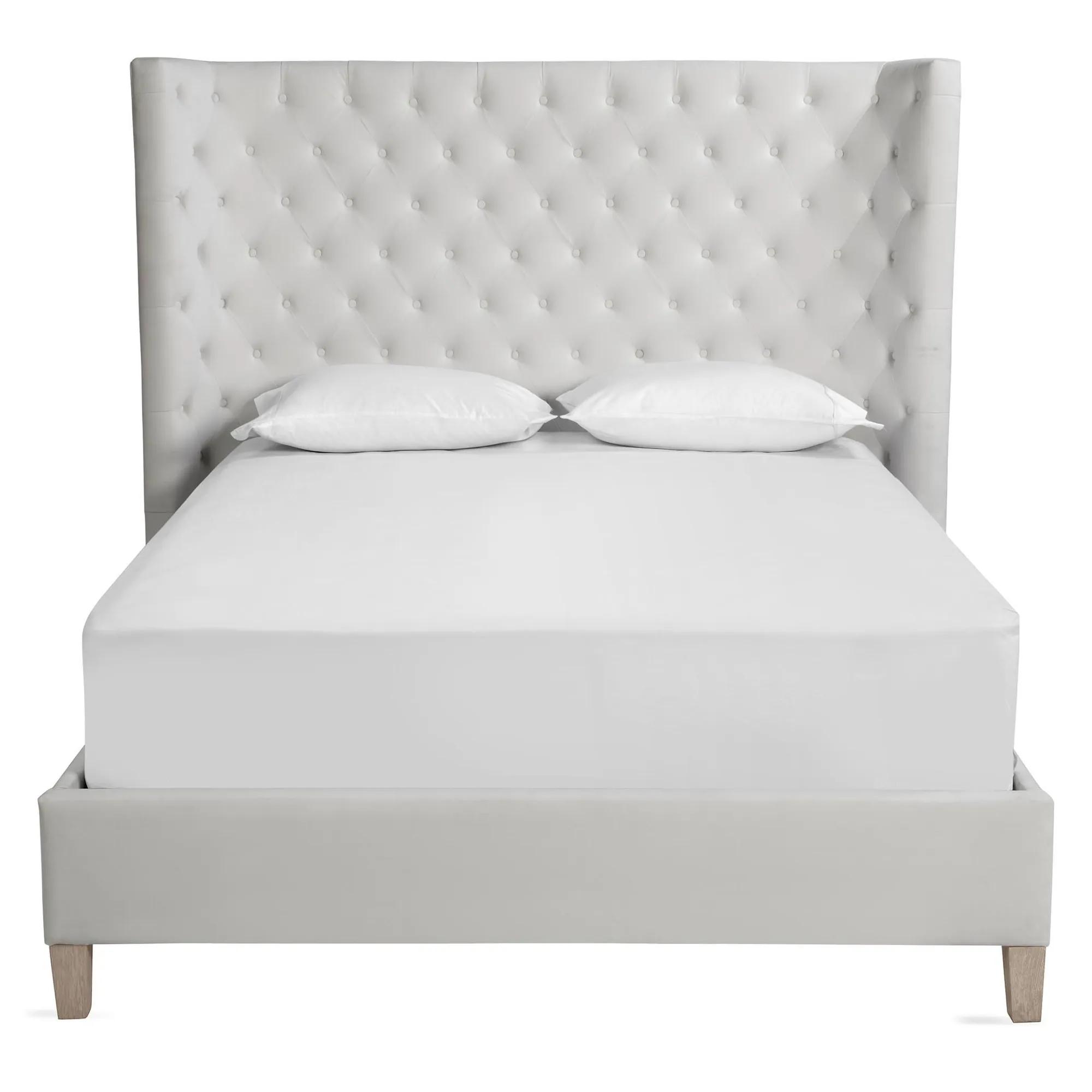
 Jen Storage Bed$3399
A glamorous platform bed with a curved wingback headboard, hand-tufted velvet upholstery, and four storage drawers.
Add To Cart -
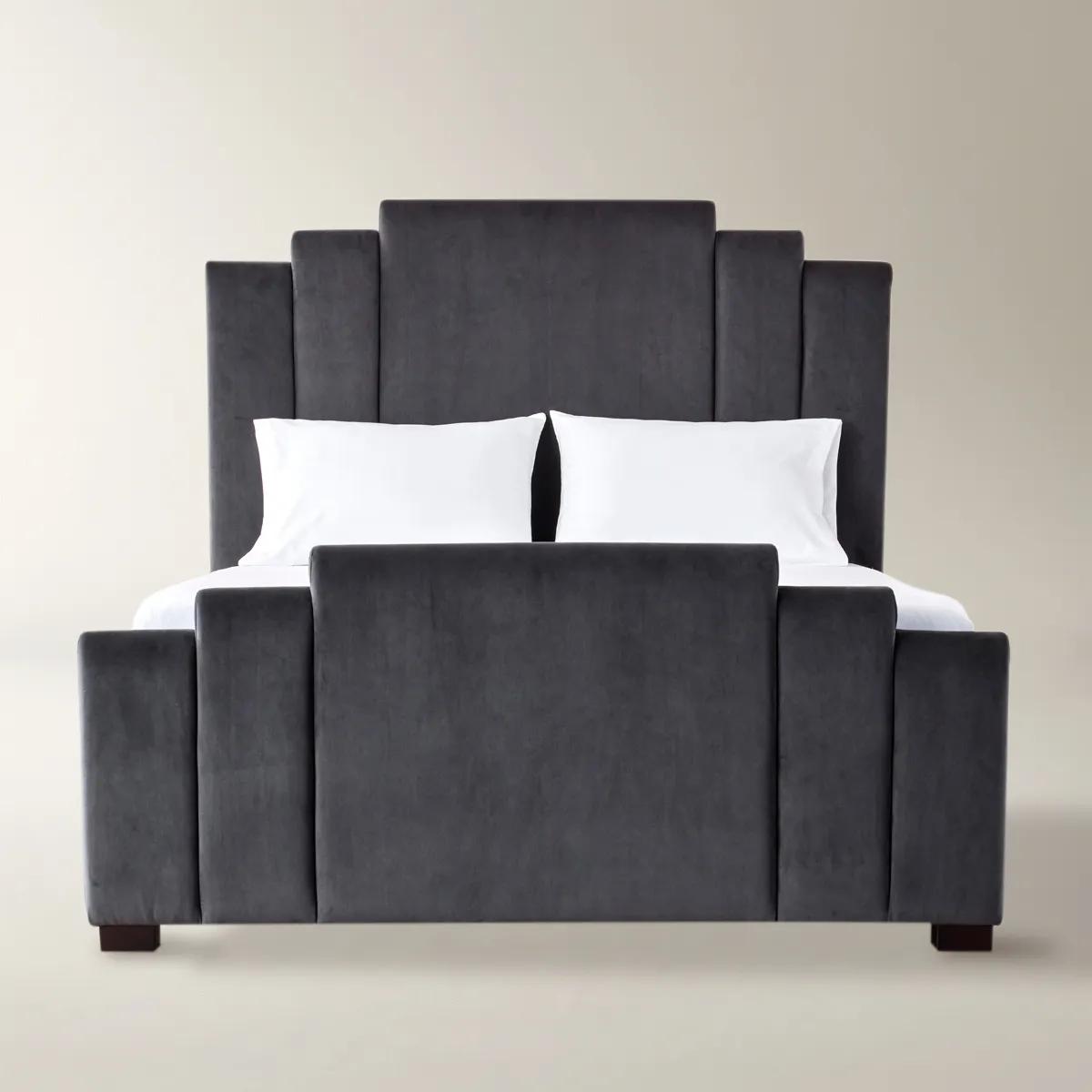 Marlow Bed$2549
A dramatic bed handcrafted from kiln-dried hardwood and plush gunmetal velvet with dimensional channel detailing.
Add To Cart -
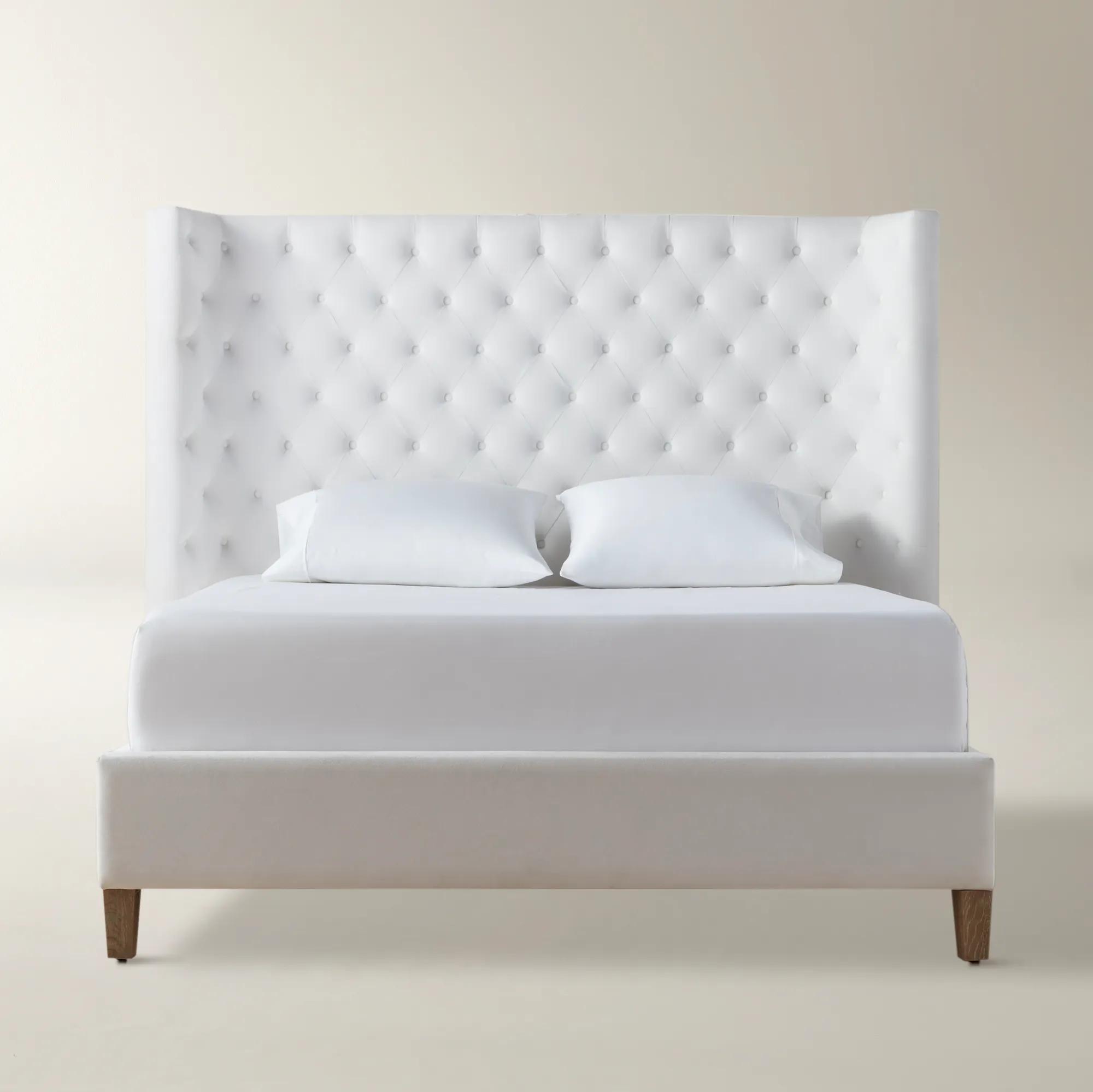 Jen Bed$1899
A glamorous wingback bed with hand-applied diamond button tufting and plush velvet upholstery in multiple colors.
Add To Cart -
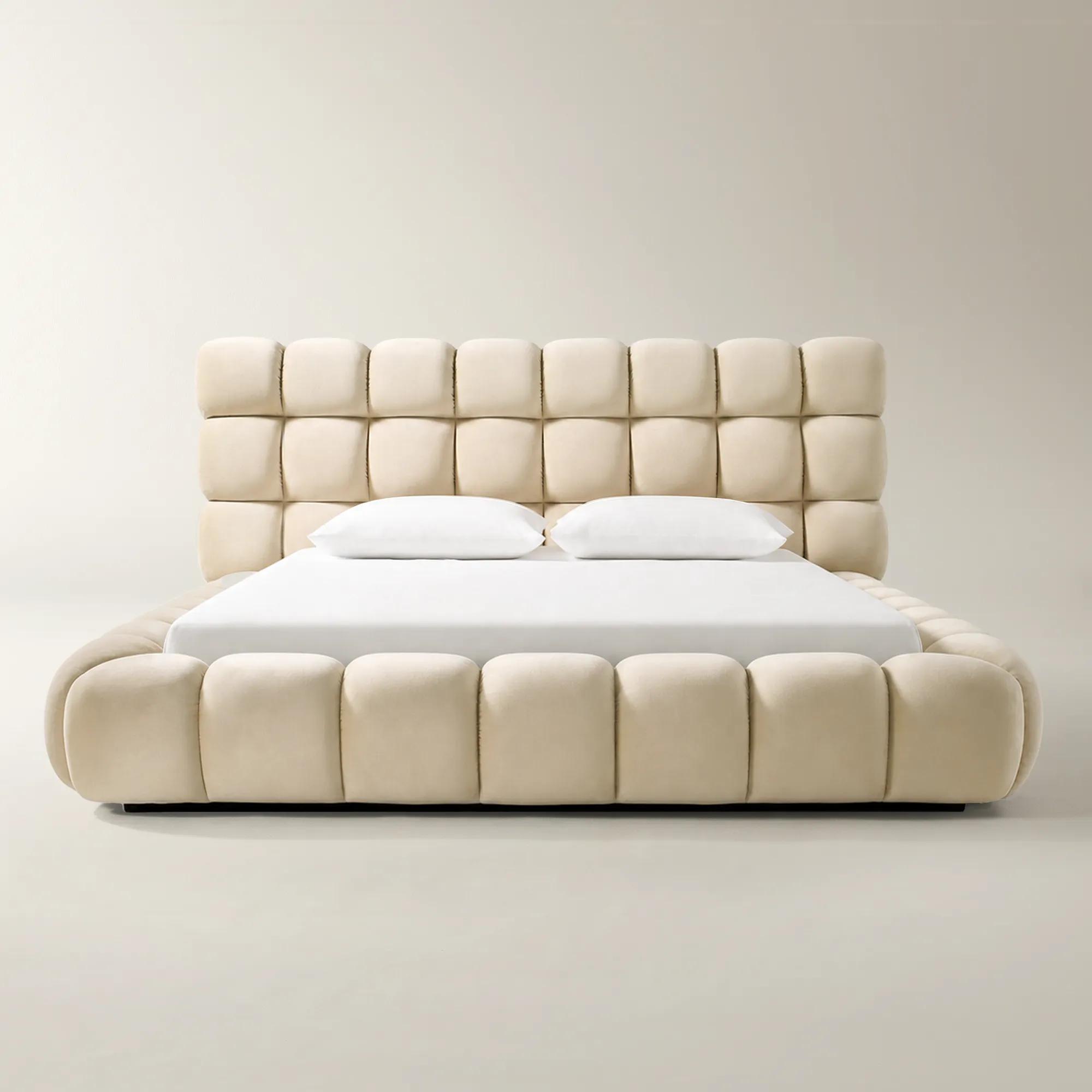 Paloma Tufted Oatmeal Velvet Upholstered Queen Platform Bed$2399
A beige velvet platform bed with oversized sculpted blocks, plush padding, and a fully wrapped modern silhouette.
Add To Cart -
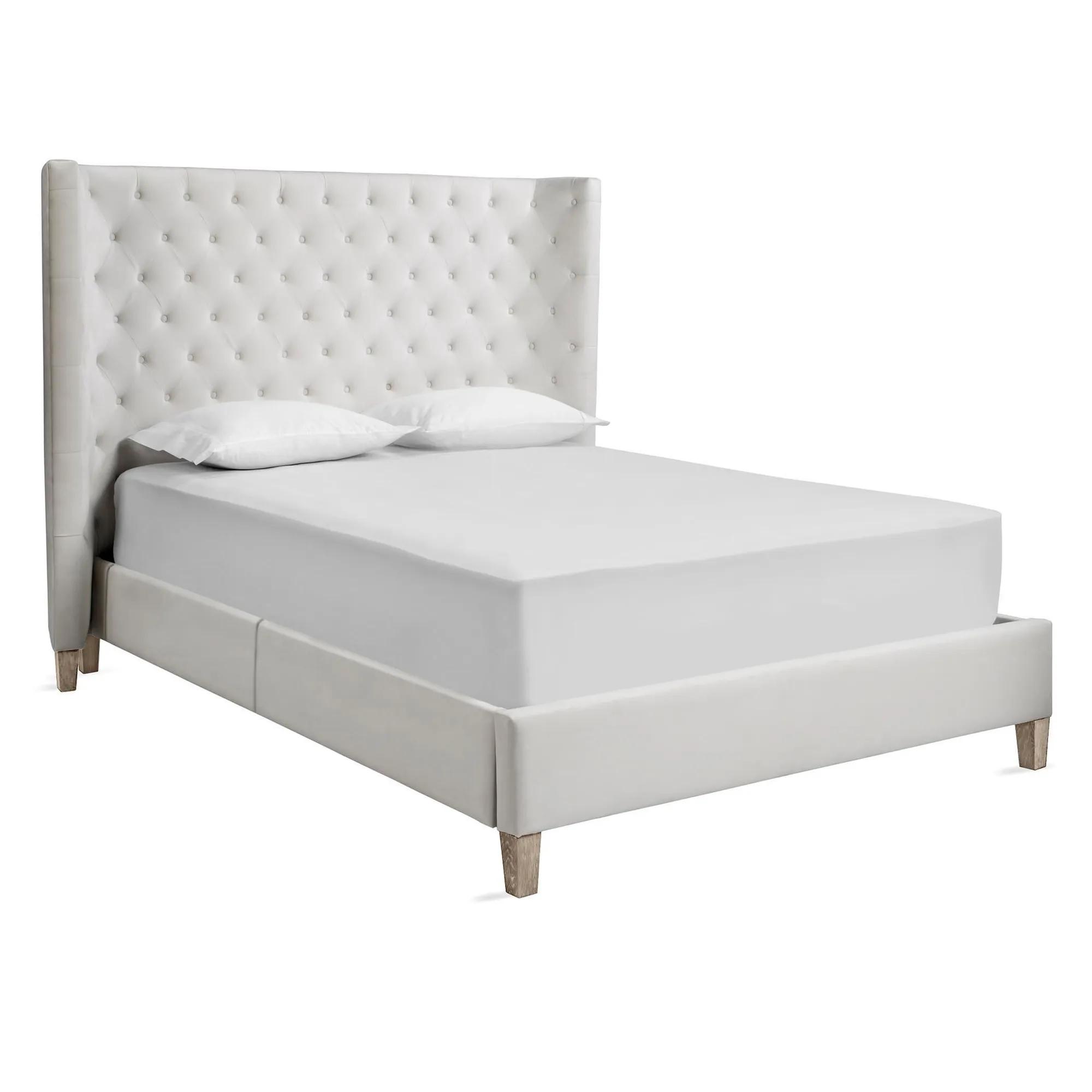 Jen Storage Bed$3399
A glamorous platform bed with a curved wingback headboard, hand-tufted velvet upholstery, and four storage drawers.
Add To Cart -
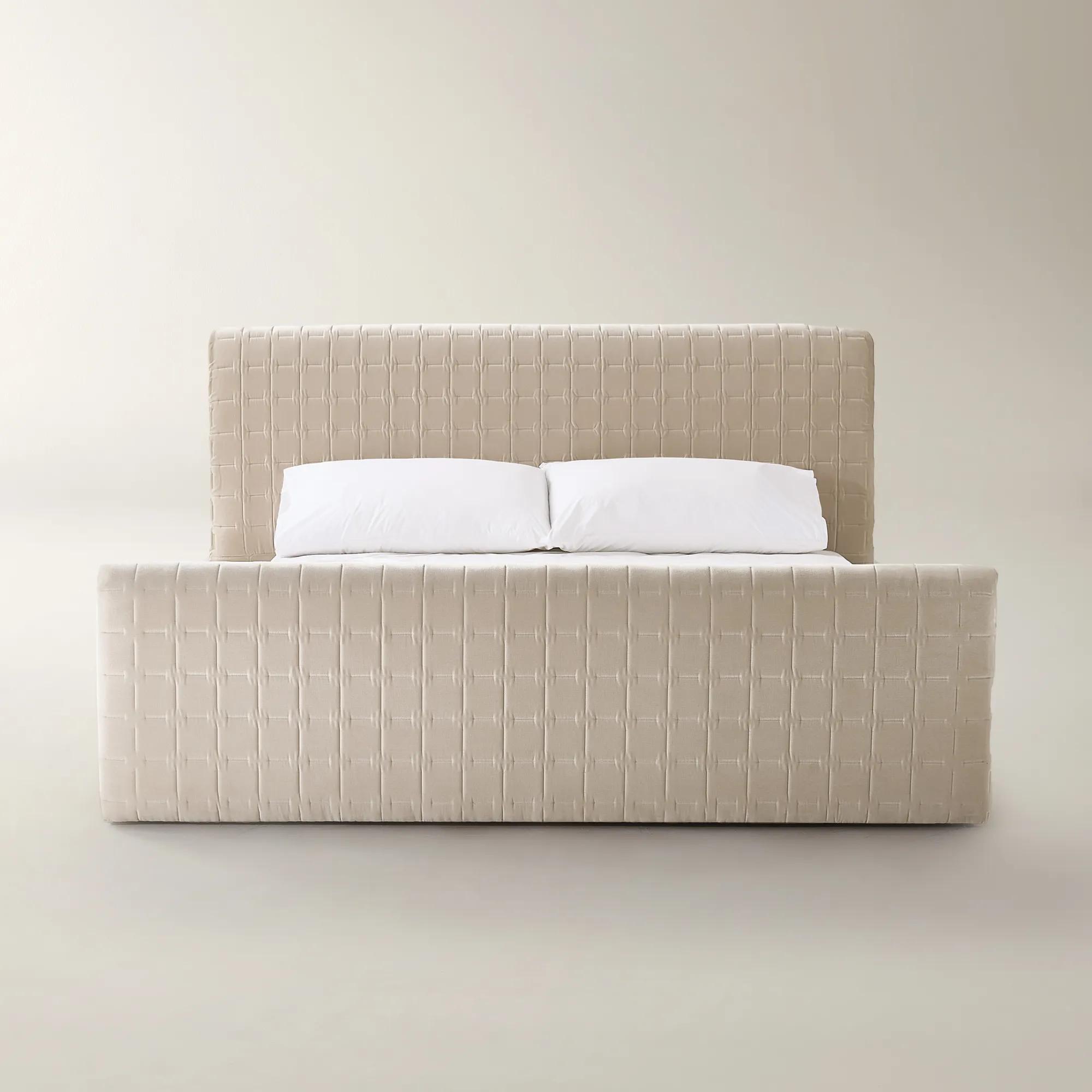
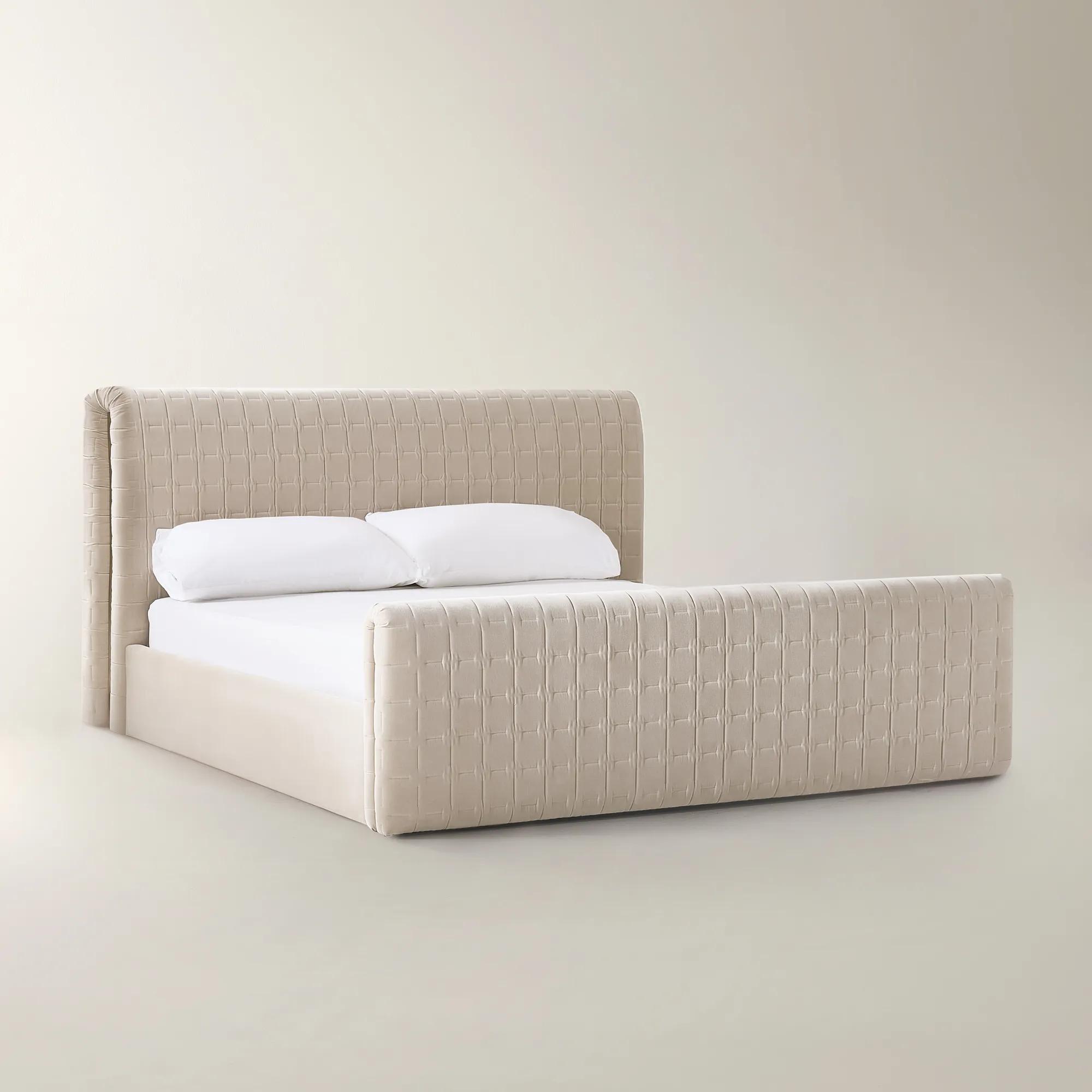 Vanta Oatmeal Velvet Upholstered King Platform Bed$2499
An oatmeal velvet-upholstered bed featuring a checker-quilted headboard and elegant gold-toned metal inlays.
Add To Cart -
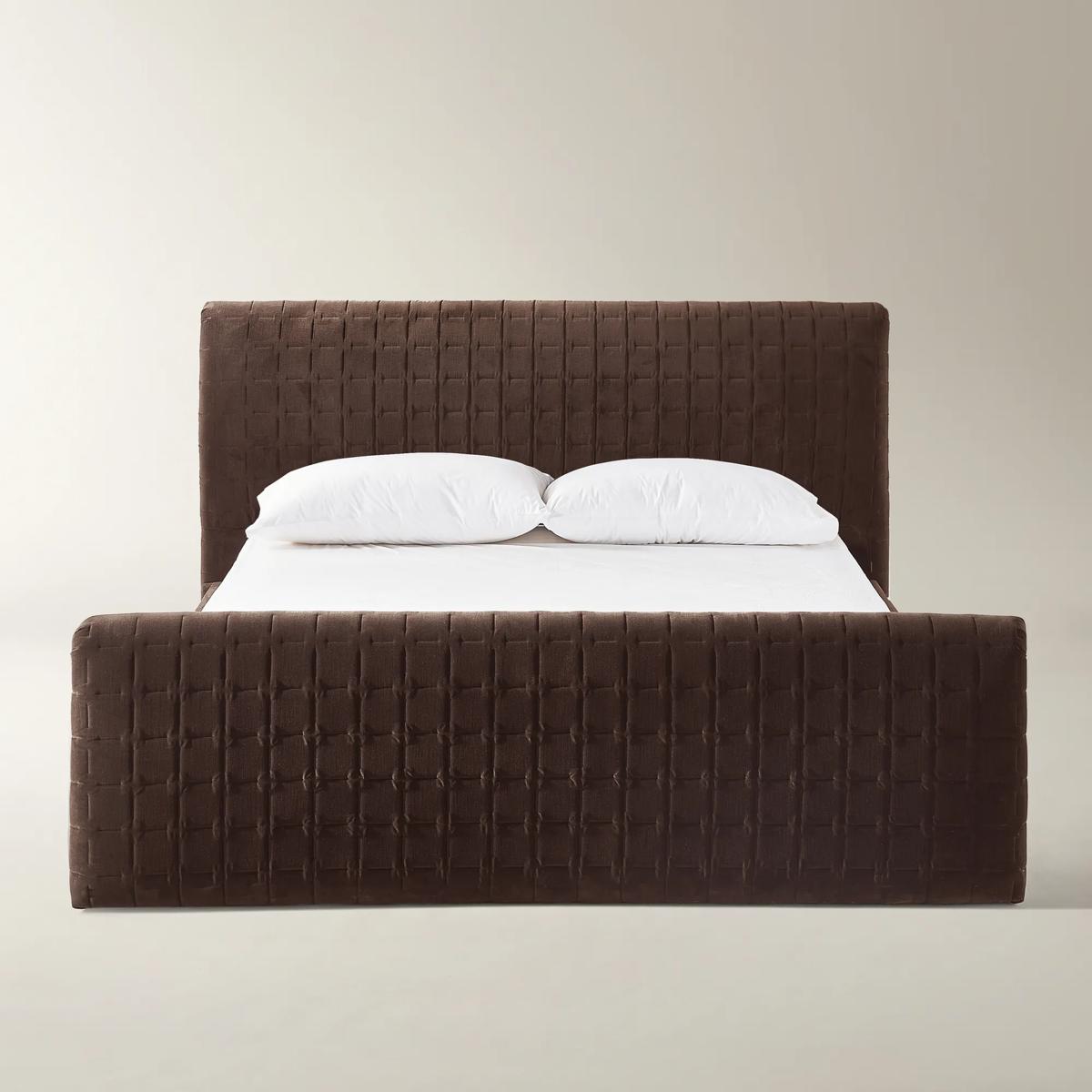
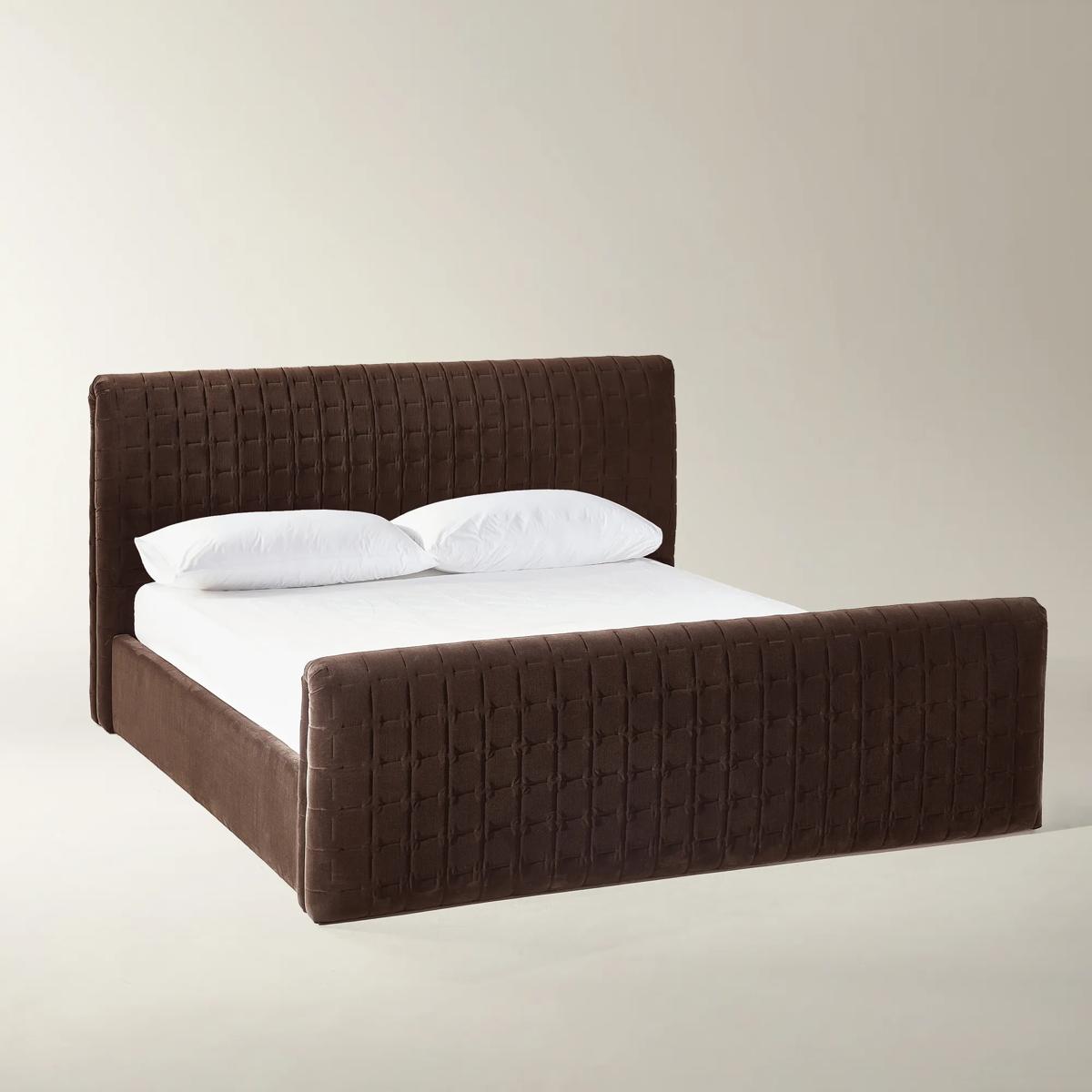 Vanta Burnt Umber Velvet Upholstered California King Platform Bed$2499
A California King platform bed in burnt umber velvet with checker-quilted upholstery and elegant gold-toned inlays.
Add To Cart -
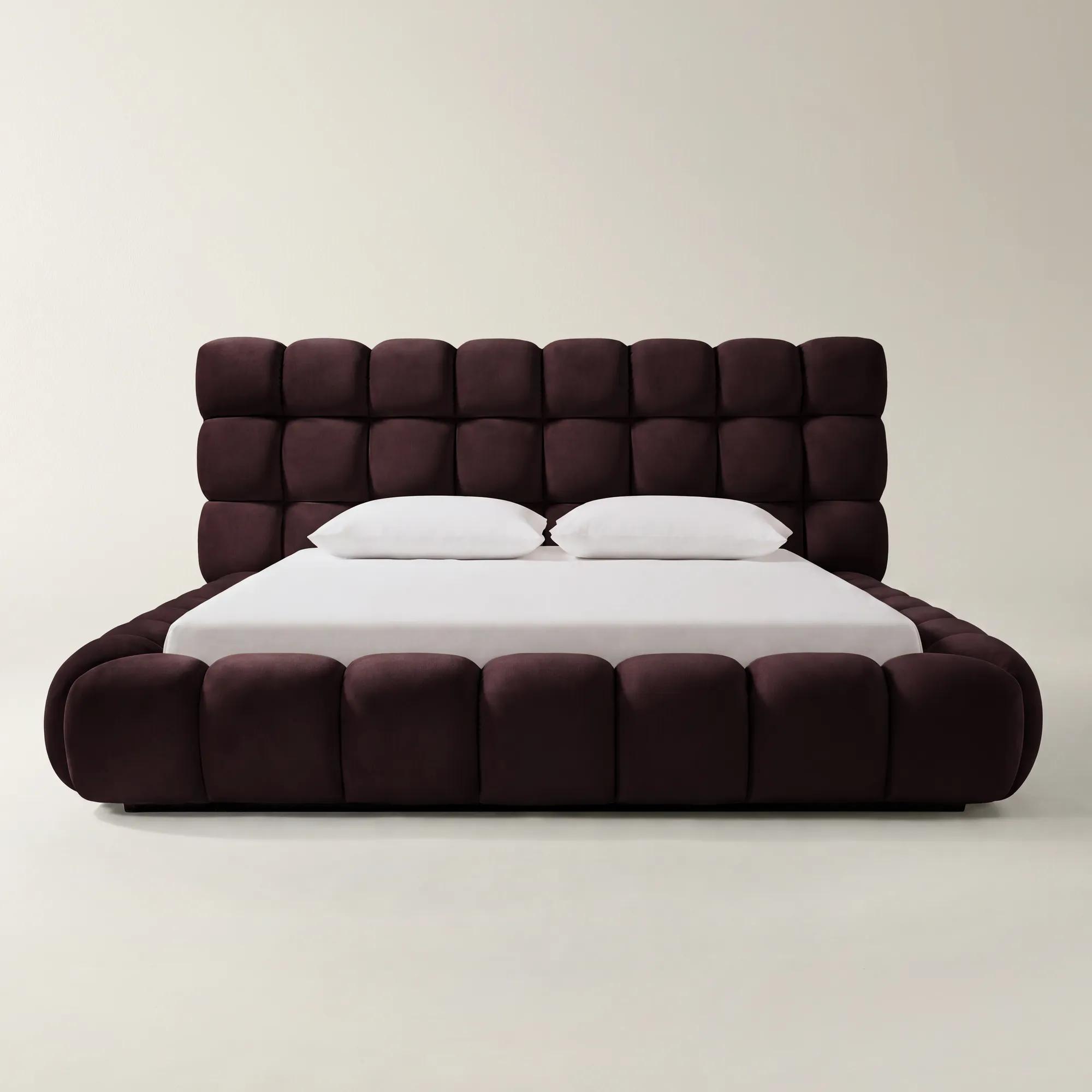 Paloma Tufted Fig Velvet Upholstered King Platform Bed$2599
A red velvet platform bed with sculpted blocks, plush padding, and a fully wrapped modern silhouette.
Add To Cart -
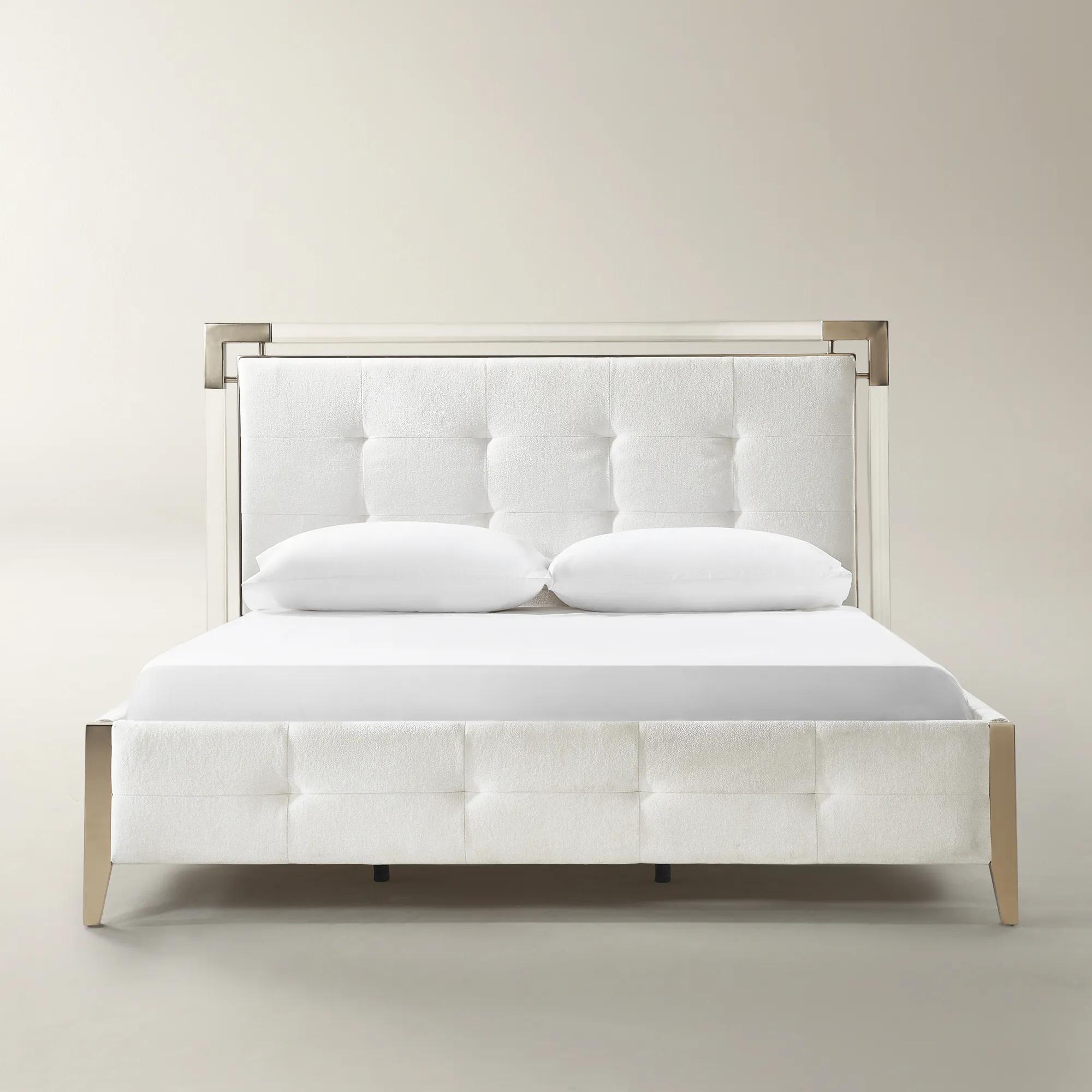
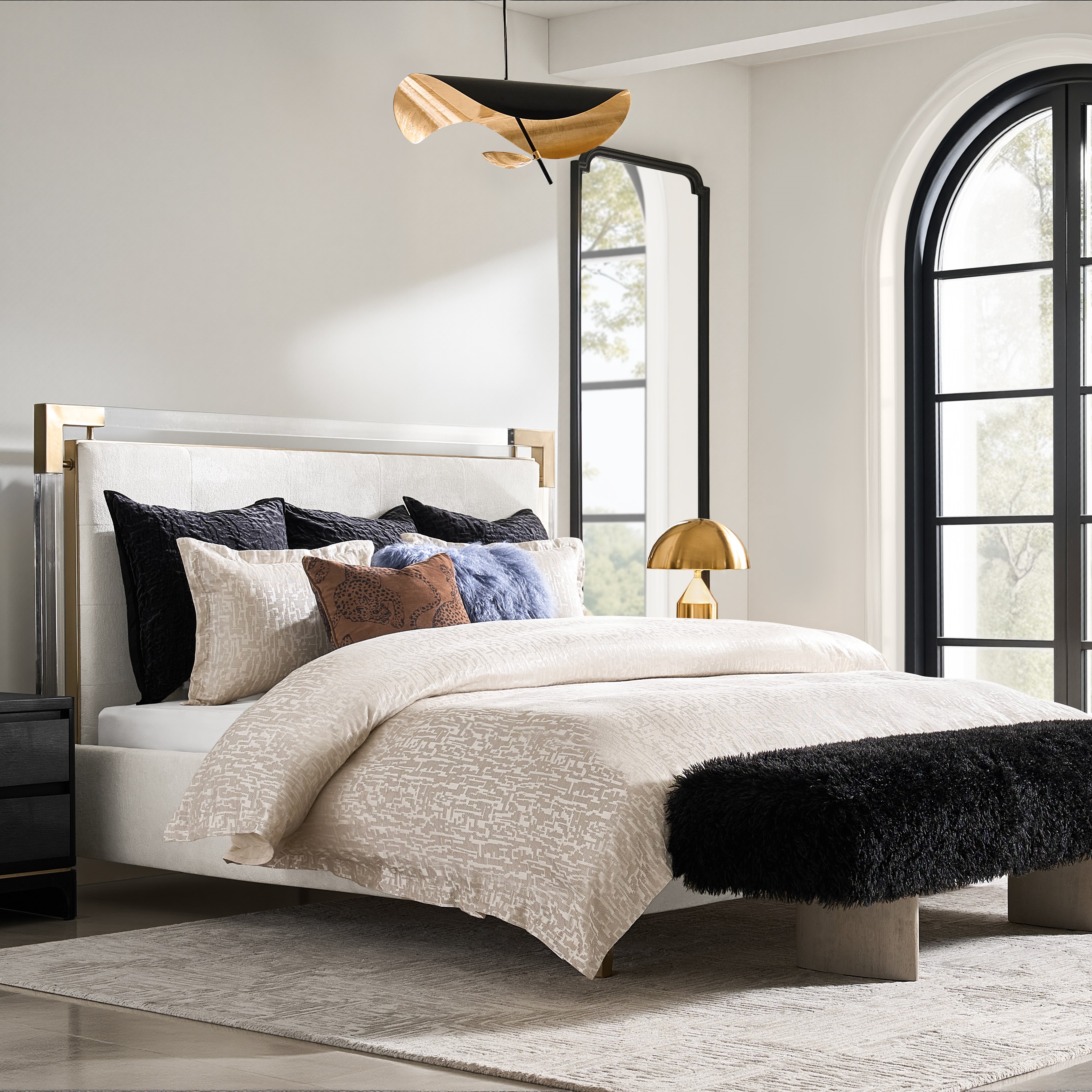 Vitrina Box-Tufted Ivory Velvet Upholstered Queen Platform Bed$2799
An ivory velvet platform bed with grid tufting, acrylic and champagne-finished steel accents, plus box-spring-free support.
Add To Cart -
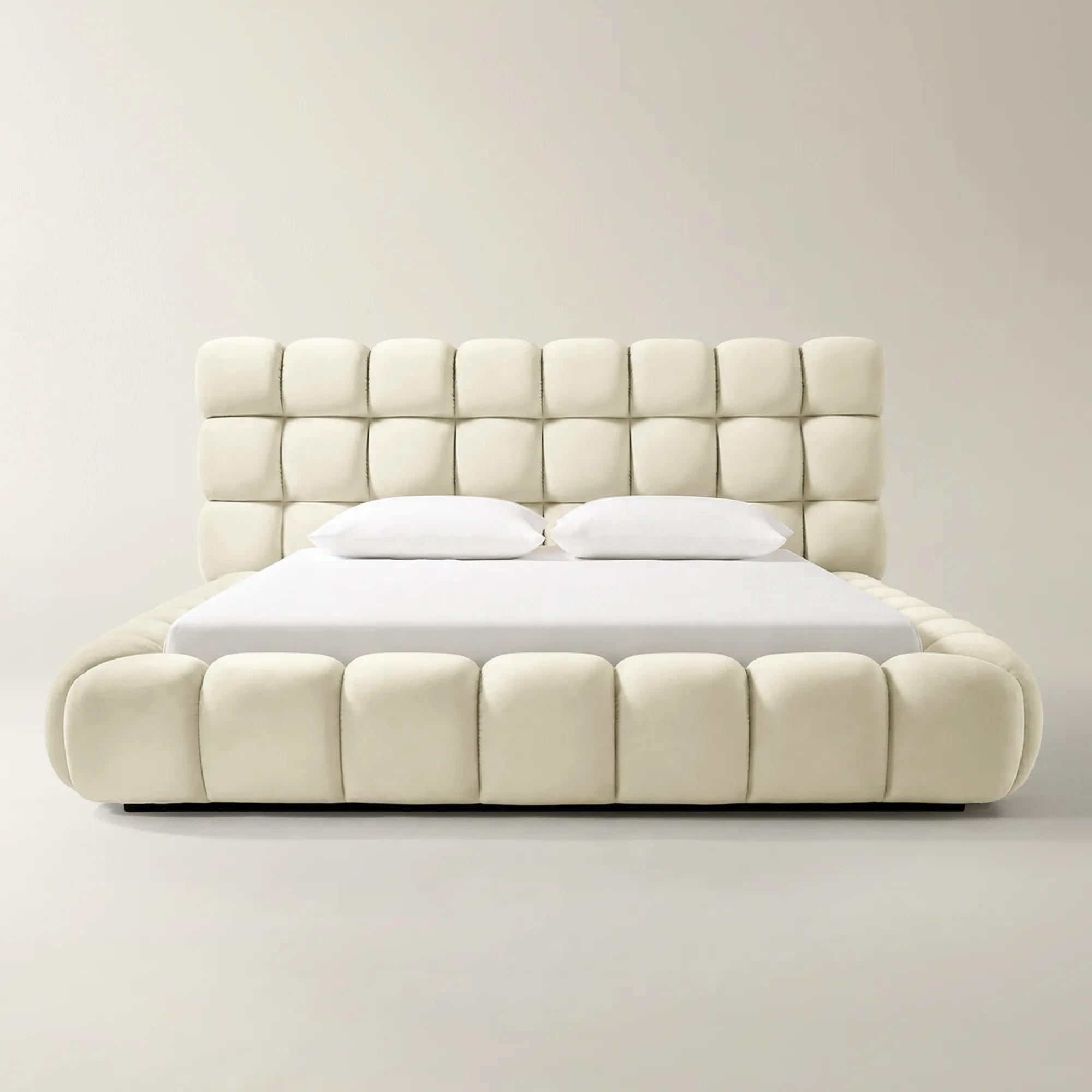 Paloma Tufted Cloud Velvet Upholstered Queen Platform Bed$2399
A white velvet platform bed with sculpted upholstered blocks, plush padding, and a dramatic modern silhouette.
Add To Cart -
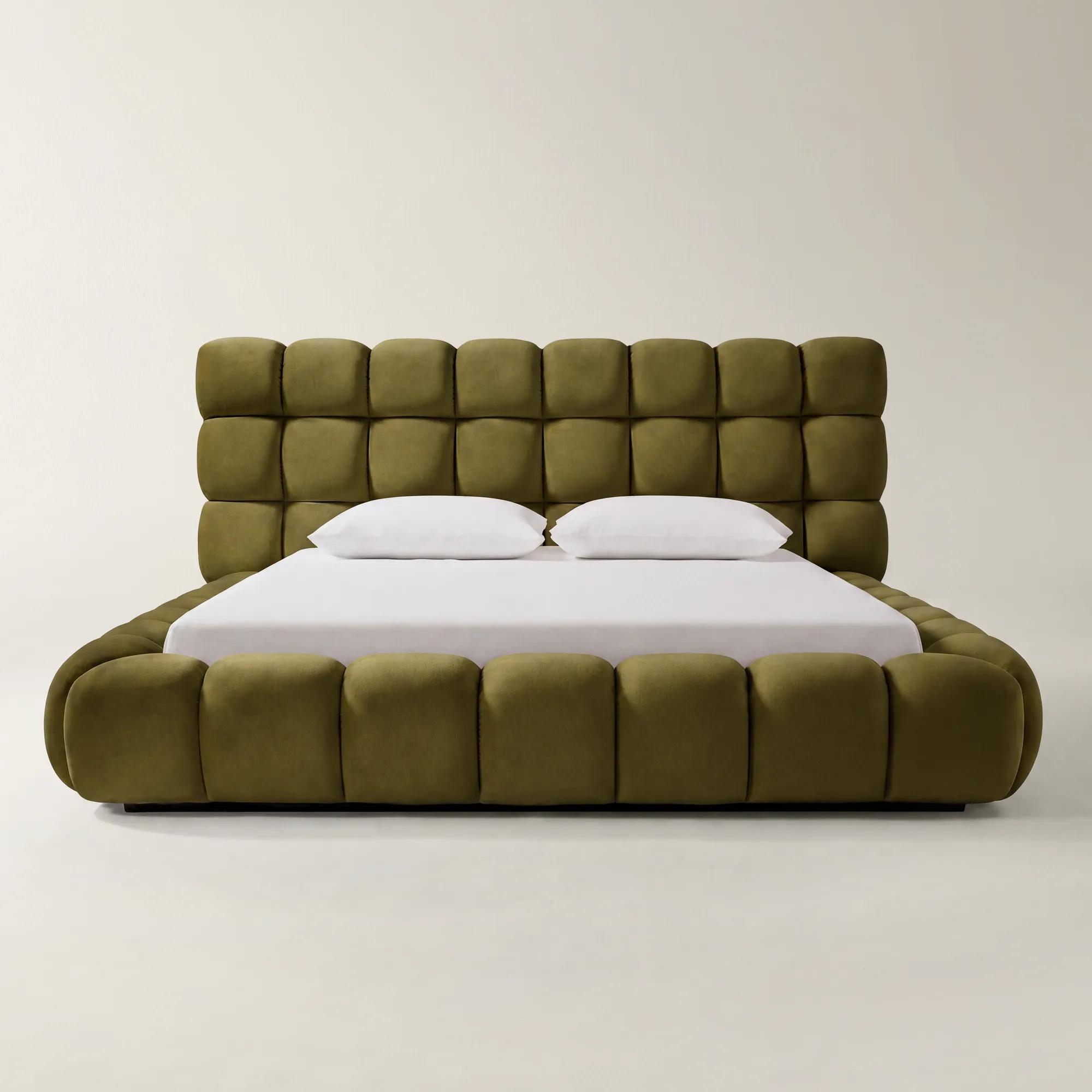 Paloma Tufted Deep Olive Velvet Upholstered King Platform Bed$2599
A deep olive velvet platform bed with sculpted blocks and plush, fully wrapped upholstery.
Add To Cart -
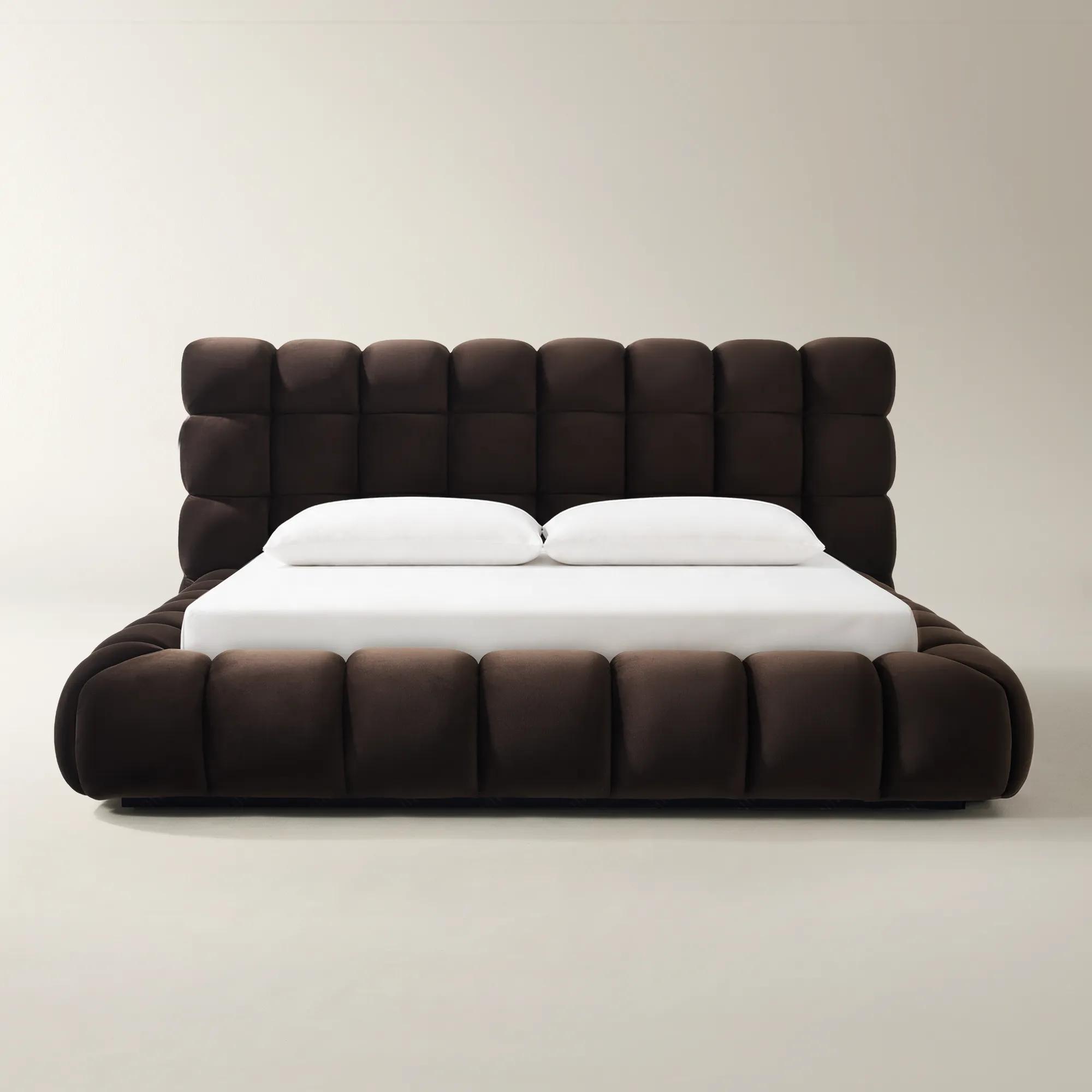 Paloma Tufted Dark Chocolate Velvet Upholstered Queen Platform Bed$2399
A dark chocolate velvet platform bed with sculpted blocks, plush padding, and a fully wrapped design.
Add To Cart -
Vitrina Box-Tufted Ivory Velvet Upholstered King Platform Bed$2999
A king platform bed with ivory velvet, hand-tufted grid detailing, clear acrylic accents, and box-spring-free support.
Add To Cart -
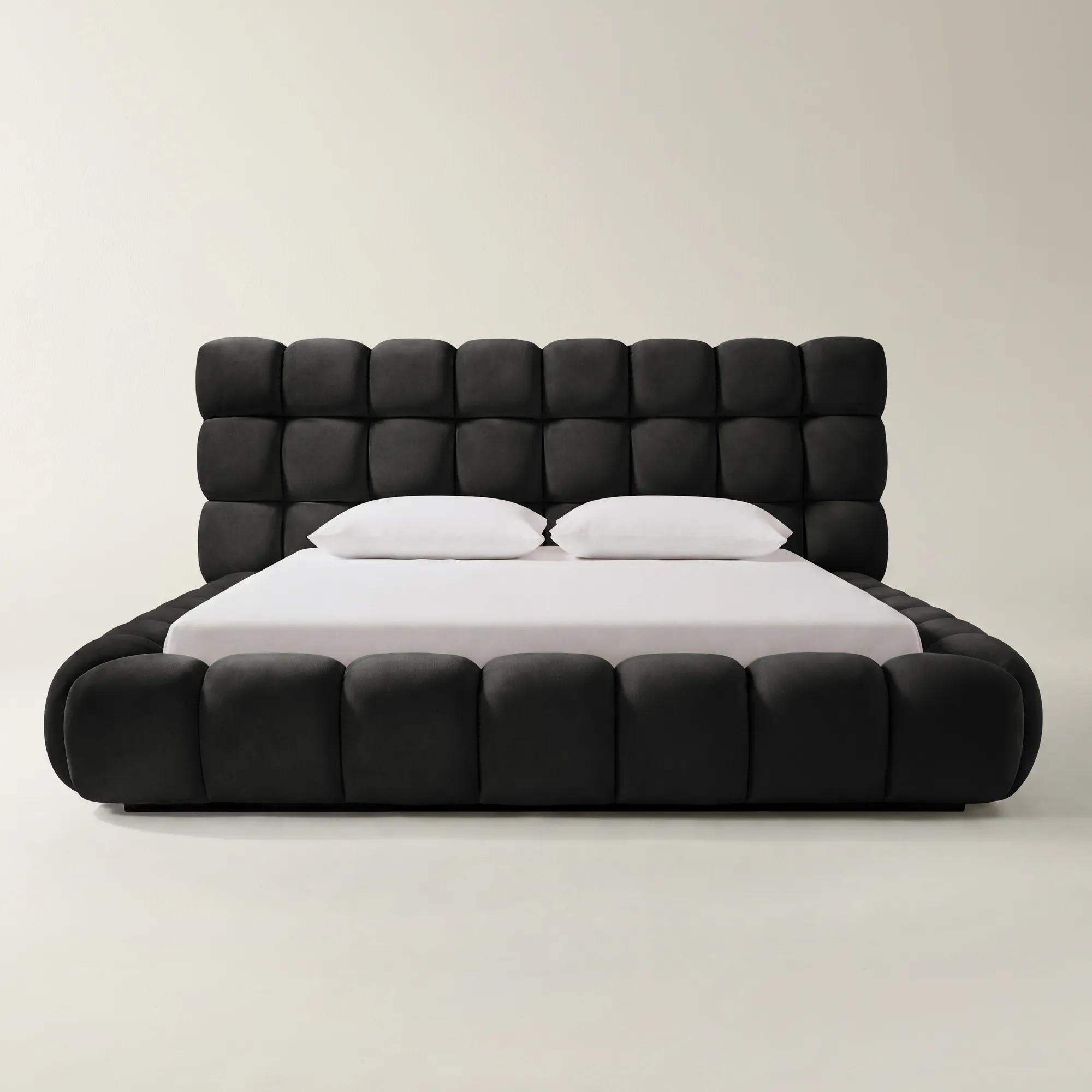 Paloma Tufted Charcoal Velvet Upholstered Queen Platform Bed$2399
A platform bed with sculpted block silhouette, fully wrapped charcoal velvet upholstery, and plush supportive padding.
Add To Cart -
Paloma Tufted Dark Chocolate Velvet Upholstered King Platform Bed$2599
A king platform bed in dark chocolate velvet with sculpted blocks, plush padding, and wrapped upholstery.
Add To Cart -
Paloma Tufted Cloud Velvet Upholstered King Platform Bed$2599
A white velvet platform bed featuring a fully wrapped sculpted block silhouette and plush, supportive cushioning.
Add To Cart -
Paloma Tufted Deep Olive Velvet Upholstered Queen Platform Bed$2399
A deep olive velvet platform bed with sculpted upholstered blocks and plush, fully wrapped cushioning.
Add To Cart -
Paloma Tufted Charcoal Velvet Upholstered King Platform Bed$2599
A charcoal velvet platform bed with sculpted block upholstery, plush cushioning, and a fully wrapped silhouette.
Add To Cart -
Vanta Burnt Umber Velvet Upholstered King Platform Bed$2499
A burnt umber velvet platform bed with a checker-quilted headboard and elegant gold-finished metal inlays.
Add To Cart -
Paloma Tufted Fig Velvet Upholstered Queen Platform Bed$2399
A red velvet platform bed with sculpted block upholstery, plush padding, and a fully wrapped silhouette.
Add To Cart

Tufted Bedroom Furniture
Explore tufted bedroom furniture for a look that pairs dimensional texture with tailored elegance. Consider each design’s silhouette, tufting detail, and overall proportions to find a piece that complements your room’s layout while bringing a distinct sense of drama.
Tufted bedroom furniture gives a private retreat a distinctly expressive point of view, pairing the softness of upholstery with the sculptural depth of carefully placed folds. A tufted headboard can command a room without relying on elaborate ornament: light catches the raised fabric, shadows settle into the recesses, and even a restrained silhouette takes on dimension. Diamond tufting often feels romantic and richly layered, while square patterns and shallower buttonless treatments can bring a more architectural presence to a modern bedroom. The surrounding shape matters just as much. A tall, winged profile creates a cocooning backdrop for the bed; a lower, clean-lined frame lets artwork and wall treatments share the attention. For a closer look at this focal point, Tufted Beds For Modern Bedrooms explores the relationship between plush detailing and contemporary silhouettes. The appeal extends beyond the bed itself. A tufted bench at the foot of the mattress introduces a graceful place to sit while dressing, while an upholstered ottoman or bedroom chair can bring texture to an otherwise overlooked corner. These pieces suit primary bedrooms with a layered, personal aesthetic, guest rooms intended to feel thoughtfully appointed, and dressing areas where seating deserves as much consideration as storage. There is no need for every upholstered surface to match. A deeply tufted bed can feel more distinctive beside a streamlined bench, especially when the two share a subtle connection through color, fabric, or leg finish. Pale upholstery emphasizes the play of shadow across the tufting; saturated jewel tones give those same folds a more theatrical quality. Against smooth lacquer, gleaming metal, or richly grained wood, the upholstered surface creates contrast that feels deliberate rather than crowded. The result is a bedroom with softness and presence, where furniture offers everyday comfort while giving the room a memorable visual identity. A single commanding tufted piece is often enough to establish that mood, leaving the remaining furnishings room to breathe.
The proportions of tufted bedroom furniture shape how comfortably that drama lives in the room. Upholstered bed frames may extend beyond the mattress on all sides, and generous wings, padded rails, or a substantial footboard can make the overall footprint noticeably larger than the sleeping surface. Overall furniture dimensions, rather than mattress size alone, are the useful starting point for imagining the finished arrangement. In a bedroom with closely spaced doorways or a dresser opposite the bed, a slimmer upholstered profile can preserve an easier path through the space. A broader frame may feel beautifully balanced in a larger room, particularly when paired with nightstands that have enough scale to hold their own. Headboard height deserves similar attention. A tall mattress and a generous stack of pillows can conceal much of a tufted design, while a lower mattress may reveal more upholstery than expected. Window placement, bedside sconces, outlets, and artwork also influence how the headboard sits against the wall. For benches, the relationship to the mattress is both visual and practical: a seat that is narrower than the bed usually leaves the composition feeling composed, while sufficient clearance beyond it keeps the route to a closet or bathroom comfortable. The piece should also suit its intended use. A bedroom bench designed for sitting serves a different purpose from an accent ottoman intended primarily as a footrest, and any storage feature needs enough room to open without obstruction. Beneath the upholstery, frame construction, secure connections, and the specified mattress support system matter as much as the decorative finish. Some beds require a foundation, while others are designed for a mattress directly on a support platform; compatibility should be confirmed rather than assumed. Adjustable bases can introduce additional clearance and attachment requirements. Thoughtful attention to these details allows the furniture’s generous texture to feel effortless in daily life, whether the room is used for reading before bed, getting dressed for an evening out, or welcoming overnight guests.
Fabric gives tufting much of its character, and its suitability depends on how the bedroom is lived in. Velvet creates especially pronounced shifts in light and shade, giving curves and folds a lustrous depth. Its pile can also show changes in direction or pressure marks, a characteristic worth understanding when a consistently uniform surface is the preference. Woven upholstery offers a different expression, from fine, tailored textures to more tactile surfaces that soften a sharply architectural room. Light colors can make a substantial upholstered bed feel airy, but they may also reveal everyday contact from hands, hair products, or clothing more readily. Darker fabrics bring intensity without necessarily concealing lint or pet hair, so color alone is not a reliable measure of easy care. For bedrooms shared with pets or used frequently by visiting family, tightly woven fabrics and upholstery with documented performance properties may be practical considerations; stain resistance, cleaning methods, and durability should always be assessed through the stated fabric specifications. Tufted recesses naturally collect dust, making gentle, regular attention important to preserving their definition. Where the manufacturer permits, a soft upholstery attachment and low suction can help lift debris without pulling at buttons or disturbing decorative folds. Spills call for prompt blotting rather than rubbing, followed by the fabric’s approved cleaning method. Saturating upholstery or applying an unapproved cleaner can affect its color, texture, or underlying cushioning. Beyond care, the finishing layers determine whether tufting feels sumptuous or visually overwhelming. Crisp bedding gives a deeply upholstered headboard a clean counterpoint; a patterned pillow can introduce movement without competing with every fold. A smooth bedside table offers contrast, while a rug adds another texture underfoot without repeating the same detailing. Bedrooms with several tufted pieces benefit from variation in scale and silhouette, allowing one element to lead. With balanced proportions, appropriate upholstery, and considered care, tufted bedroom furniture brings enduring dimension to a room designed for rest, personal ritual, and expressive style.
FAQs
Tufted bedroom furniture features upholstery drawn inward at intervals and secured with stitching or buttons, creating a dimensional surface. Often associated with upholstered beds, headboards, and bedroom benches, tufting brings sculptural texture and a tailored sense of luxury to a bedroom.
Diamond tufting creates an intricate, geometric pattern with deep folds, while biscuit tufting forms a more orderly grid of squares. Channel tufting uses elongated, stitched sections for a streamlined architectural effect. Each treatment gives upholstered bedroom furniture a distinct personality, from richly romantic to boldly contemporary.
Tufted bedroom furniture can bring depth and softness to a modern bedroom without sacrificing its polished edge. Pair a tufted headboard with clean-lined nightstands and abstract artwork, letting the upholstery provide the drama. A restrained mix of decorative accents keeps the composition intentional while allowing the tufting to command attention.
Let the headboard’s dimensional pattern guide your bedding. Smooth layers offer a crisp contrast to intricate tufting, while a textured throw adds another note of indulgence. Arrange pillows so the upholstery remains visible, and repeat a color from the headboard in an accent pillow for a cohesive, expressive finish.
Build your palette around the upholstery’s undertones. Warm neutrals pair beautifully with golden accents, while cooler hues feel polished alongside silver-toned or mirrored finishes. For a more dramatic bedroom, contrast pale tufted upholstery with deep wall colors, or frame darker upholstery with luminous accents that draw attention to its sculpted texture.