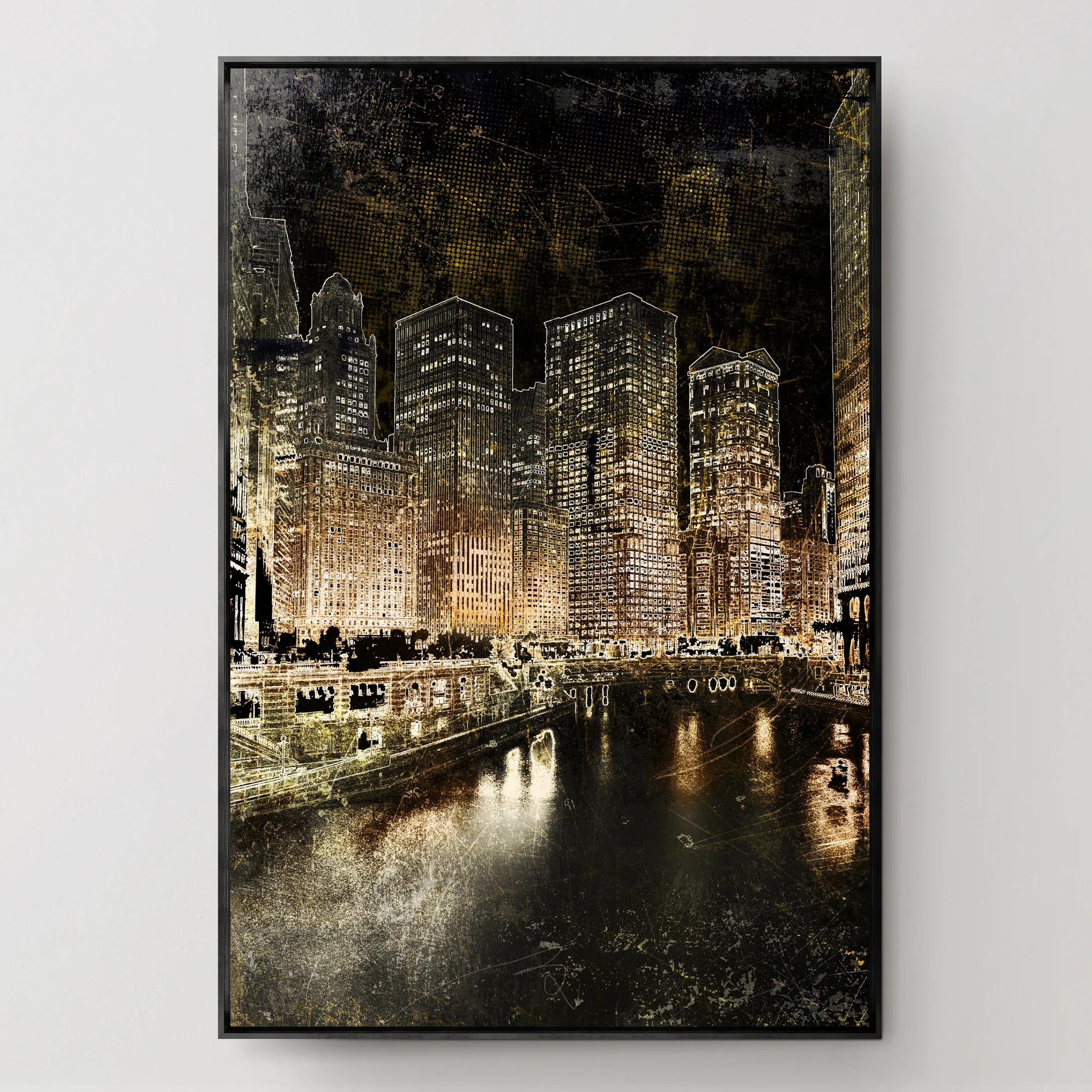
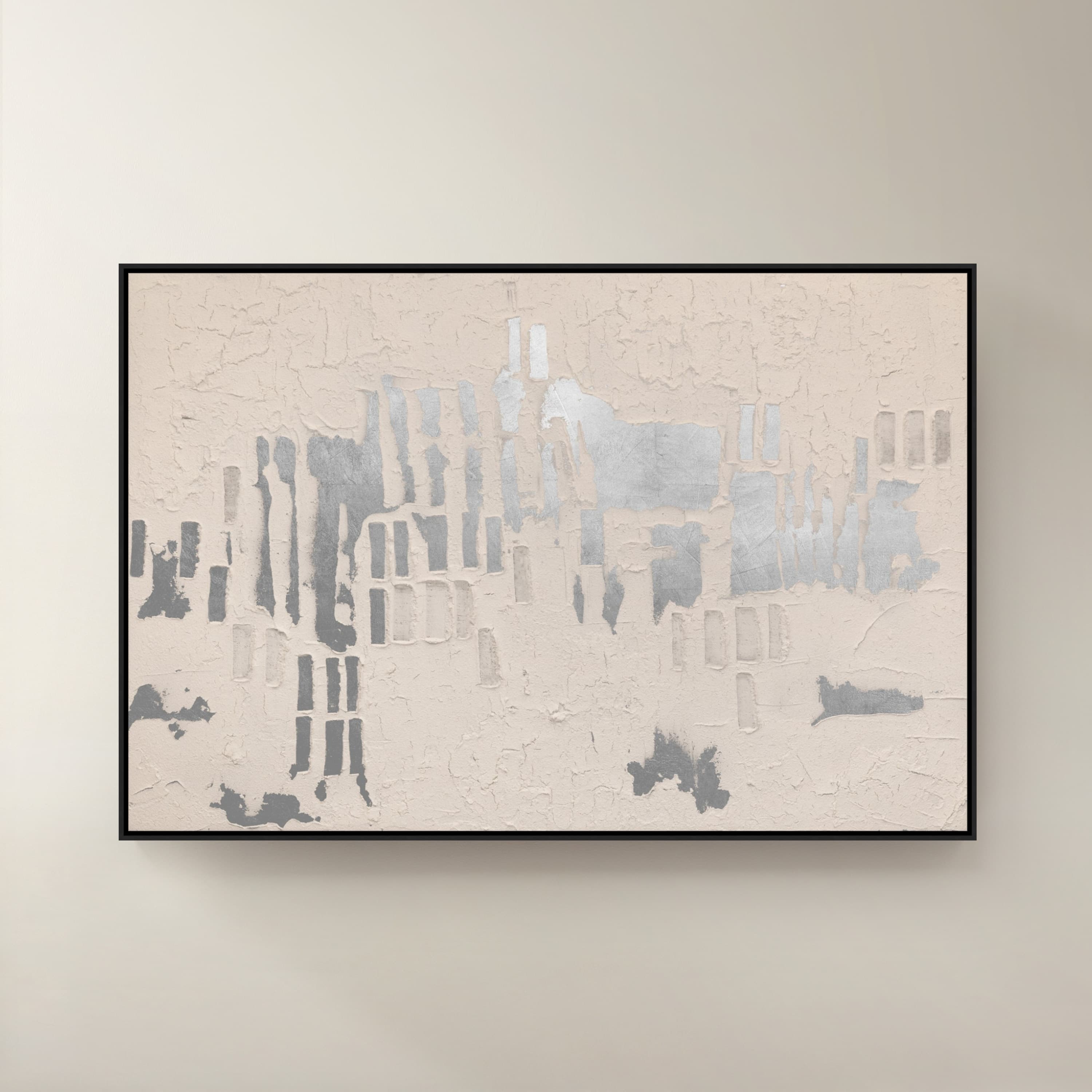
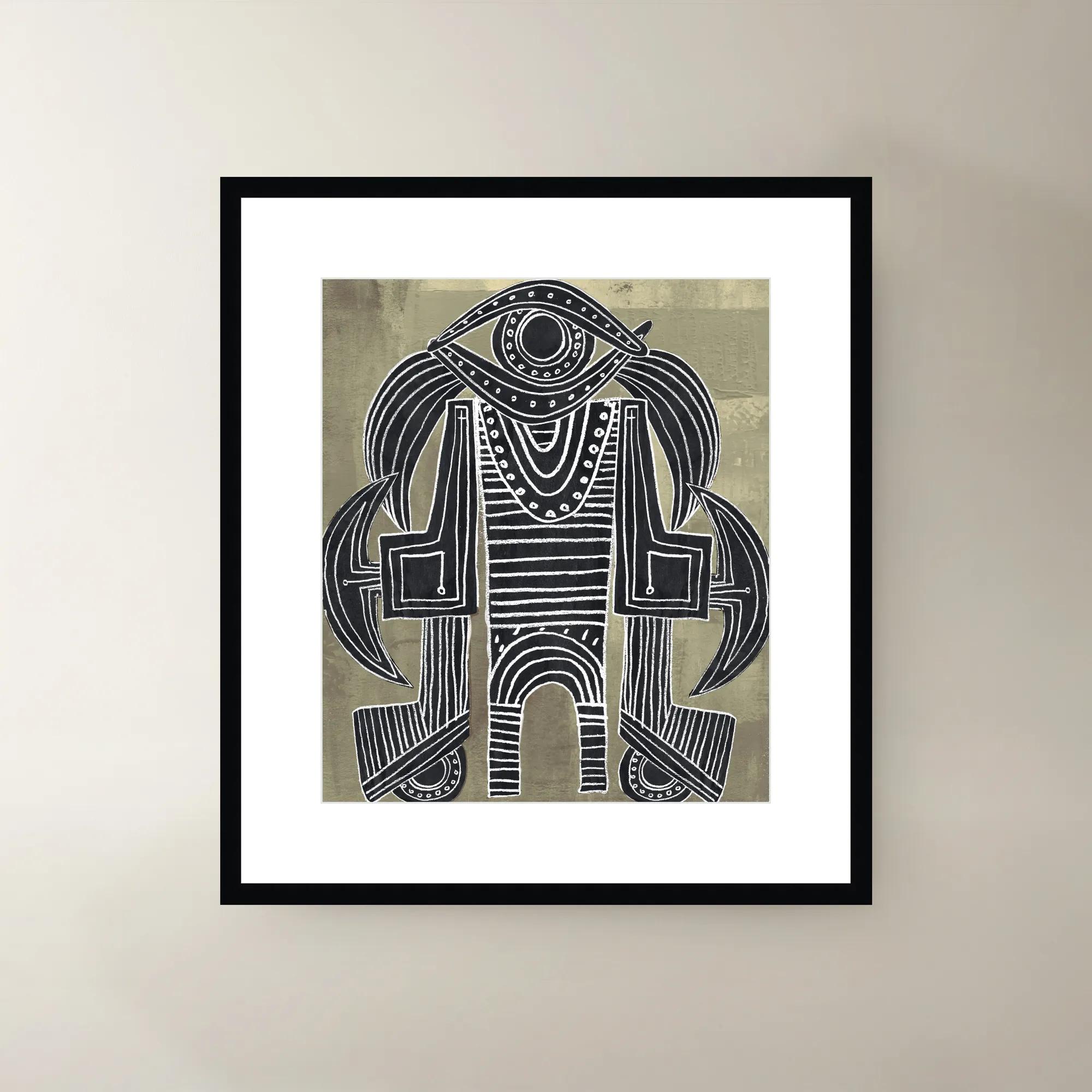
Blue Figurative Canvas Wall Art
Blue Figurative Canvas Wall Art
-
 The Fight Between Two Creatures Framed Wall Art 30" x 40"$699
A dramatic blue and purple canvas artwork presented in an elegant frame.
Add To Cart -
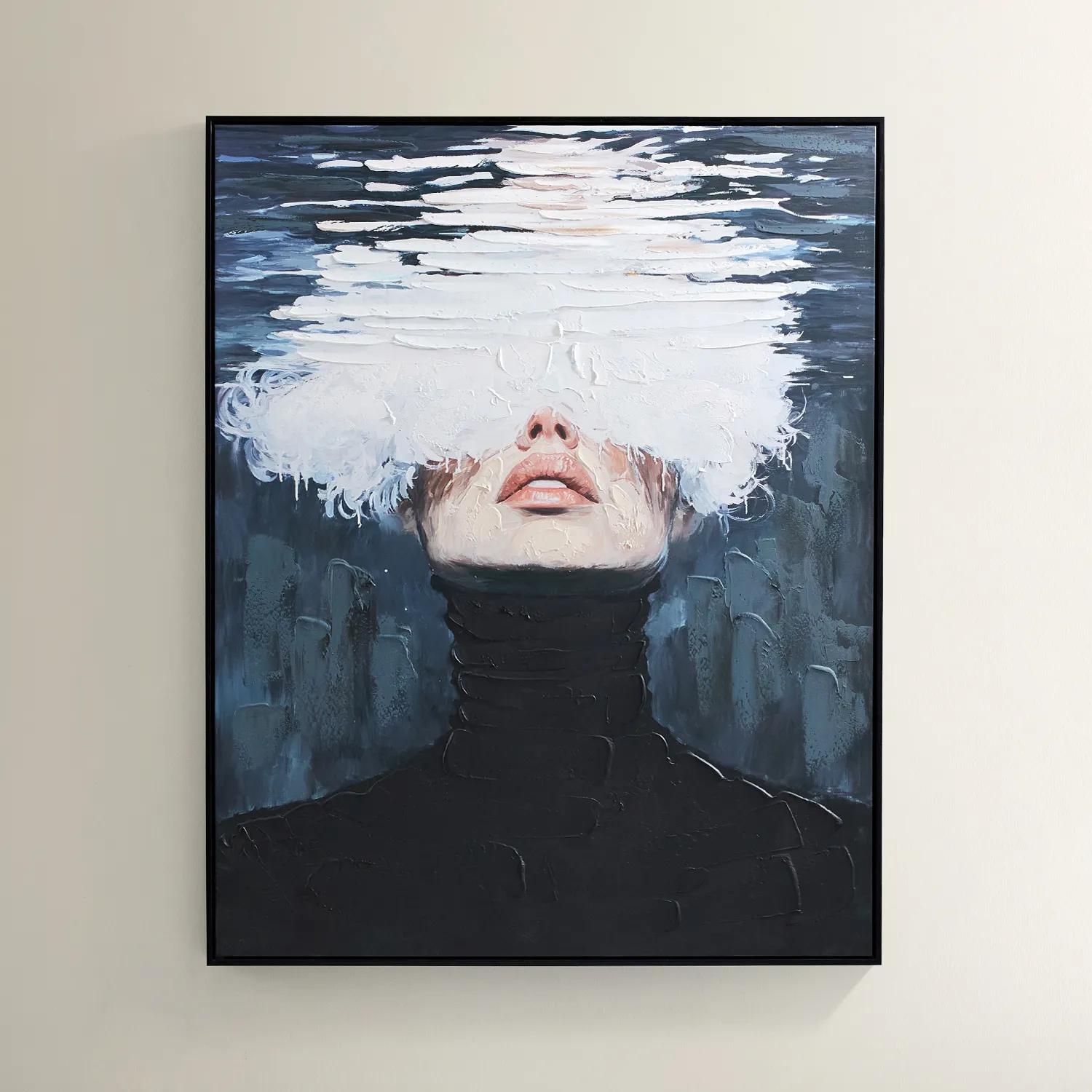
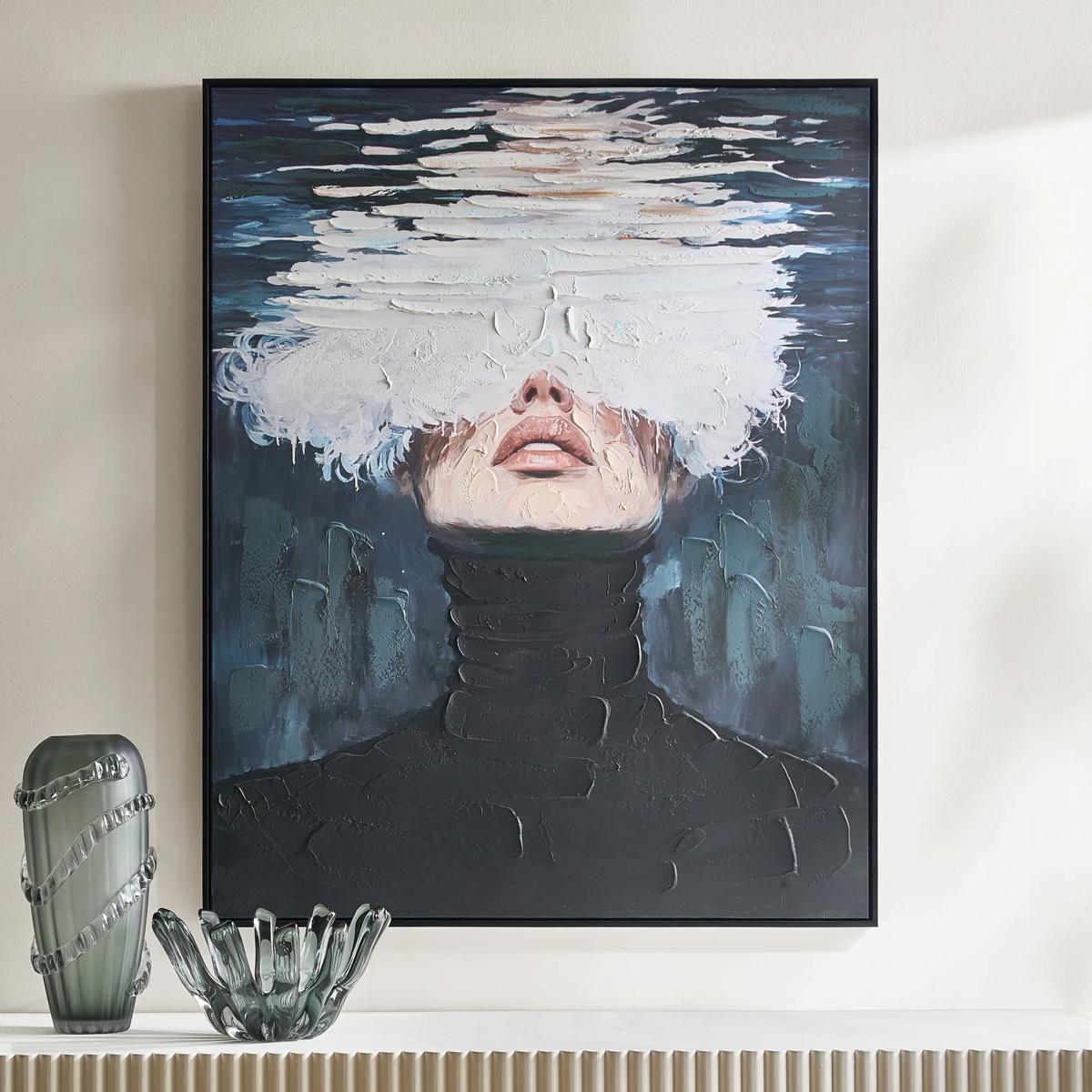 Submerged Framed Painted Wall Art 40" x 50"$599
A hand-painted canvas featuring a surreal portrait in black, blue, and white with a black floater frame.
Add To Cart -
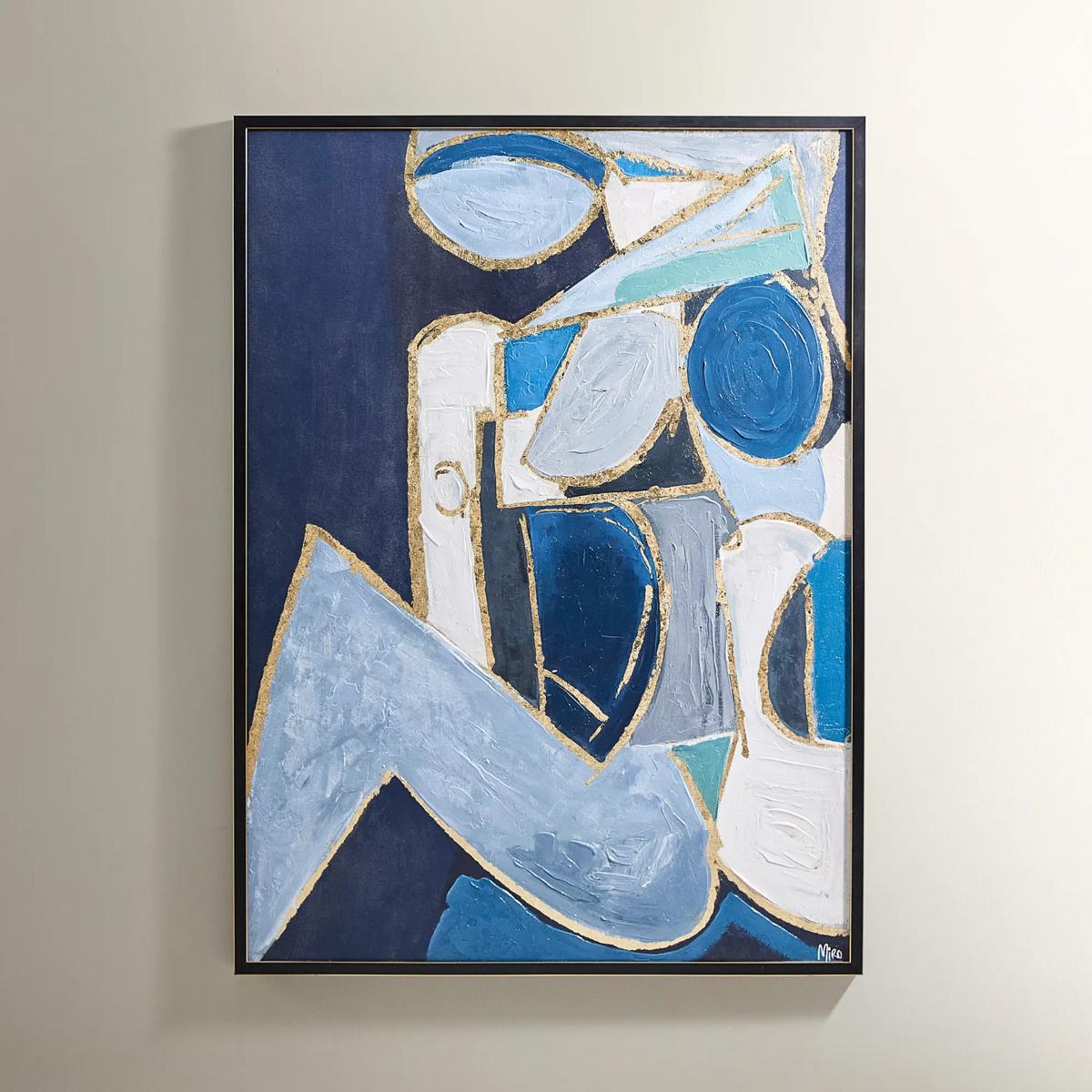
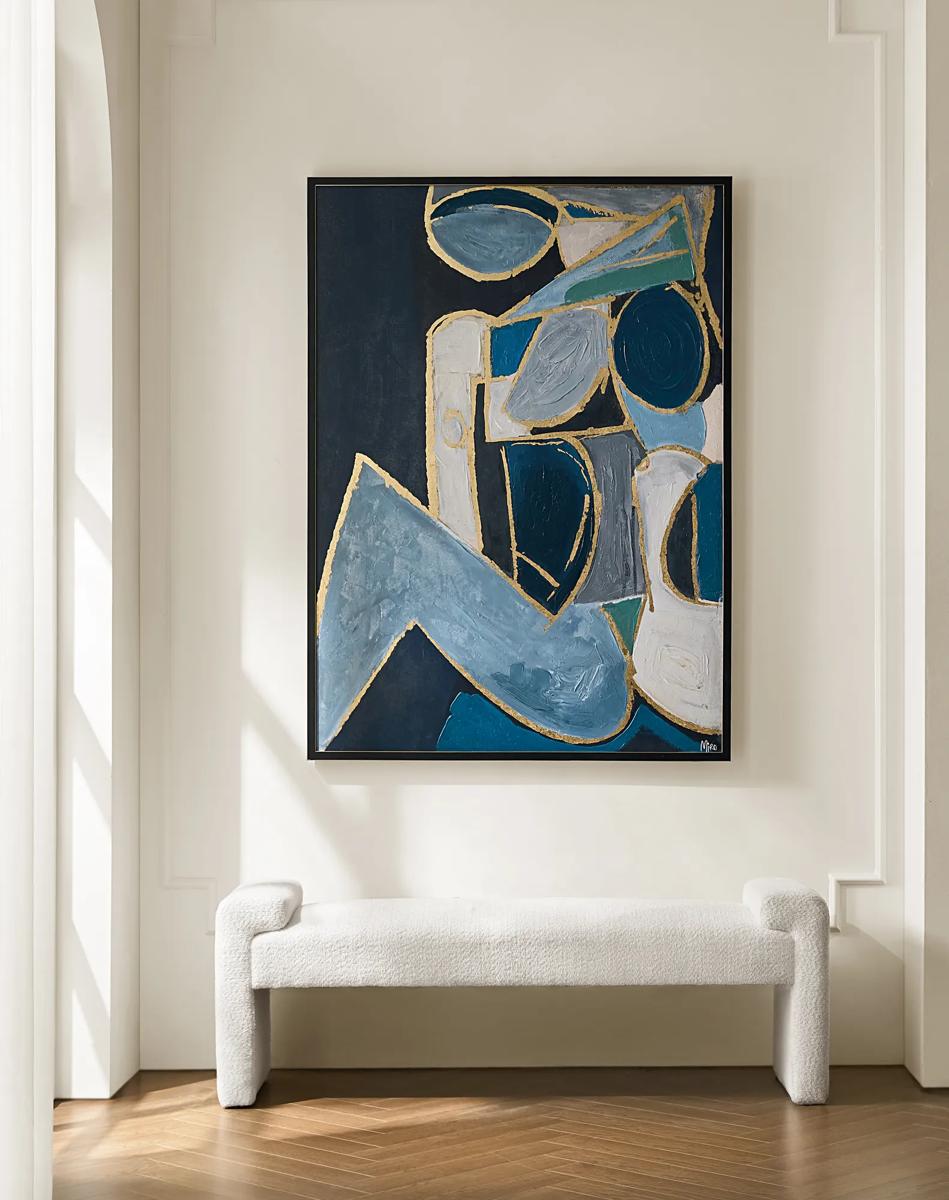 Figure in Cubism Painting$599
A hand-embellished canvas artwork featuring blue, gold, and white hues with elegant silver foil accents.
Add To Cart -
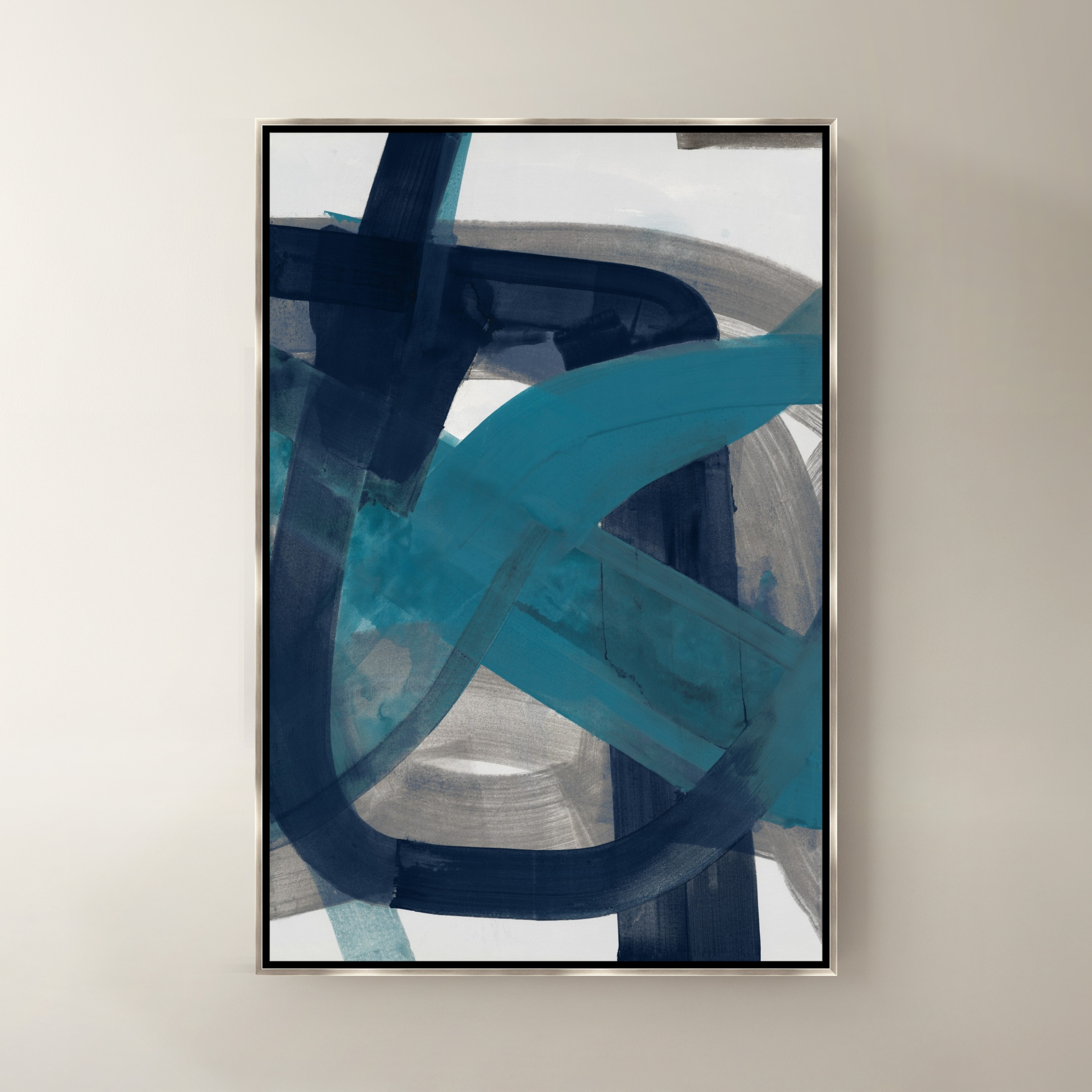
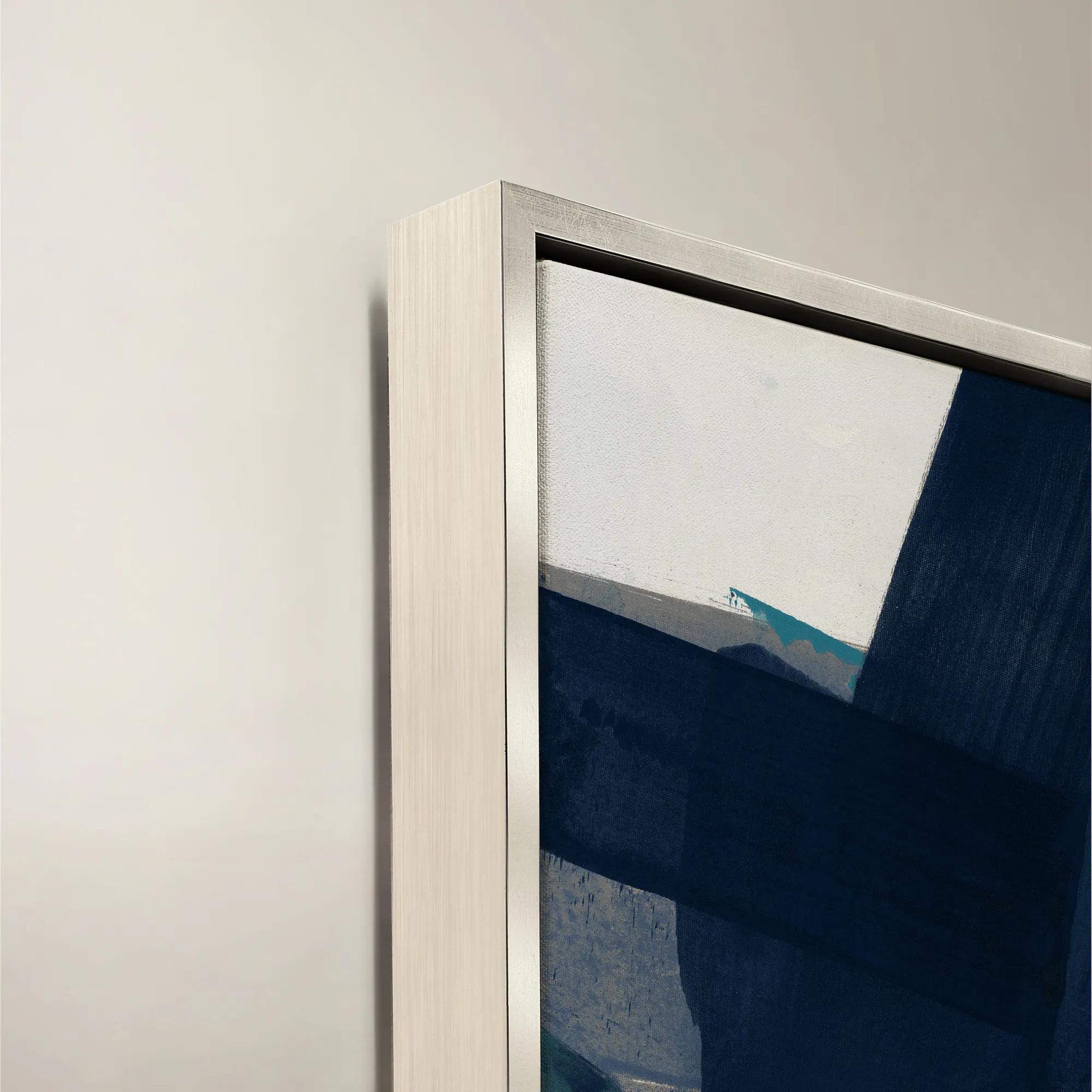 Fractured Currents II Framed Wall Art 24" x 36"$499
A framed canvas wall artwork featuring dynamic blue and purple tones for a modern, expressive accent.
Add To Cart -
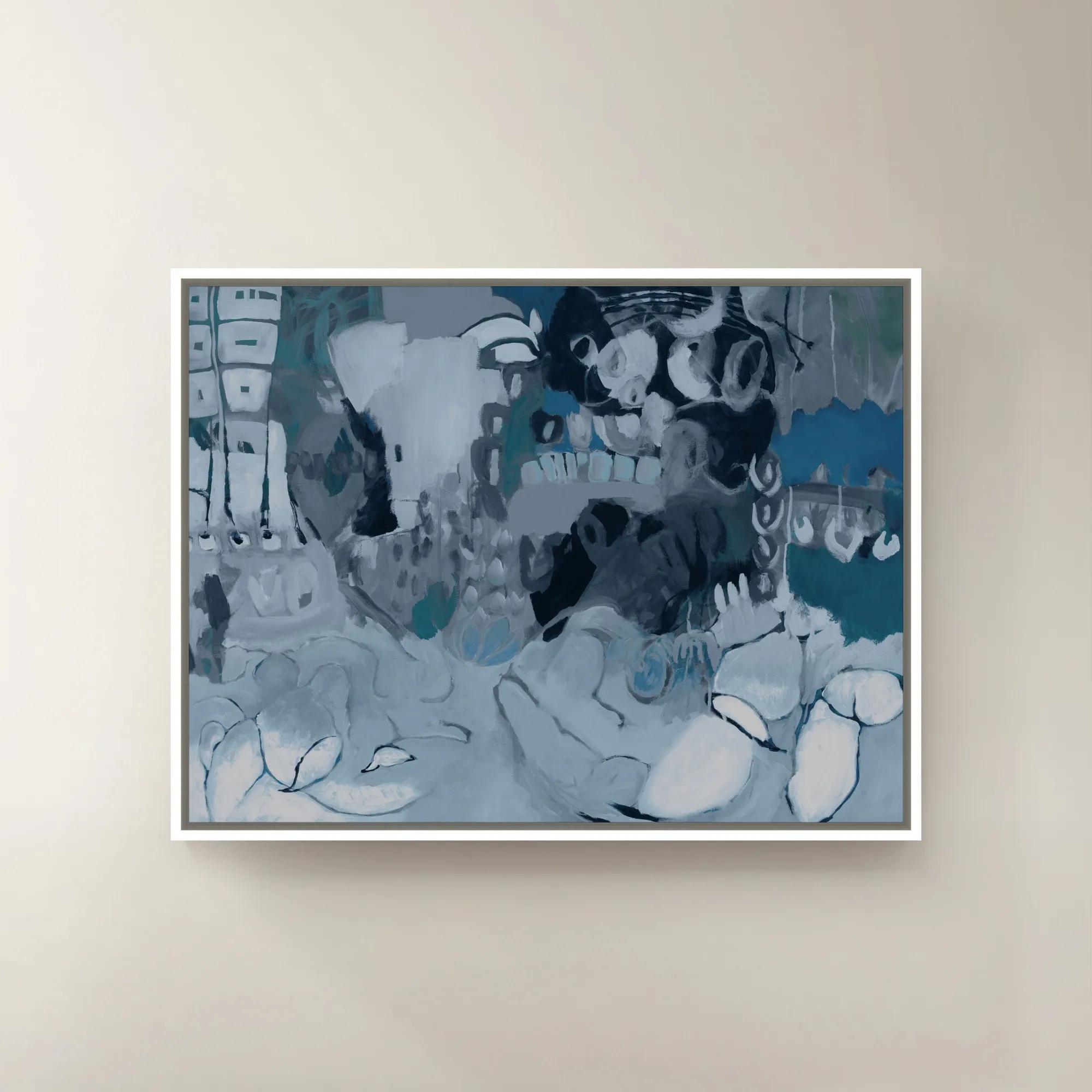
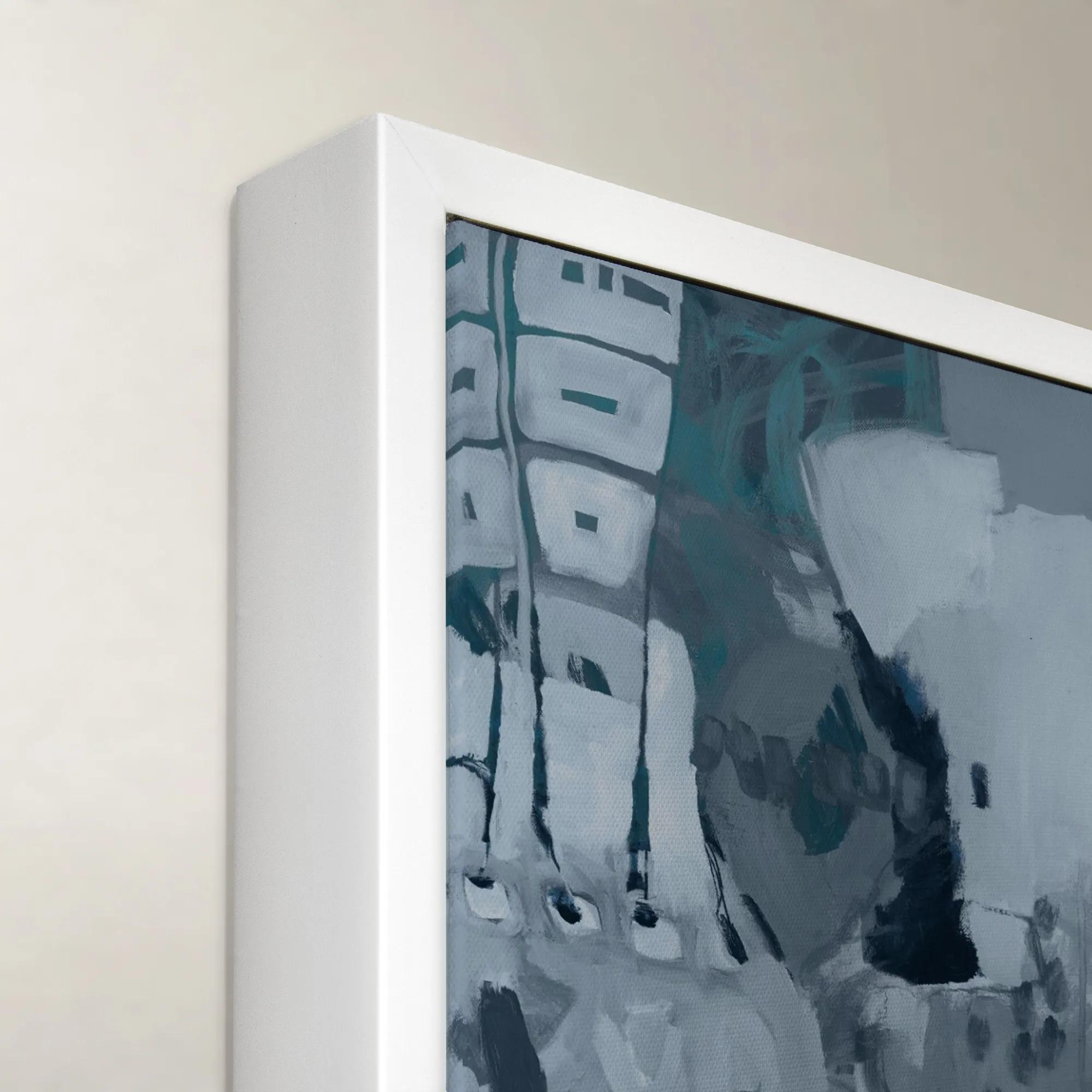 Wrap me in Forever II Framed Wall Art 40" x 30"$699
A striking blue and purple canvas wall art piece presented in a refined frame.
Add To Cart -
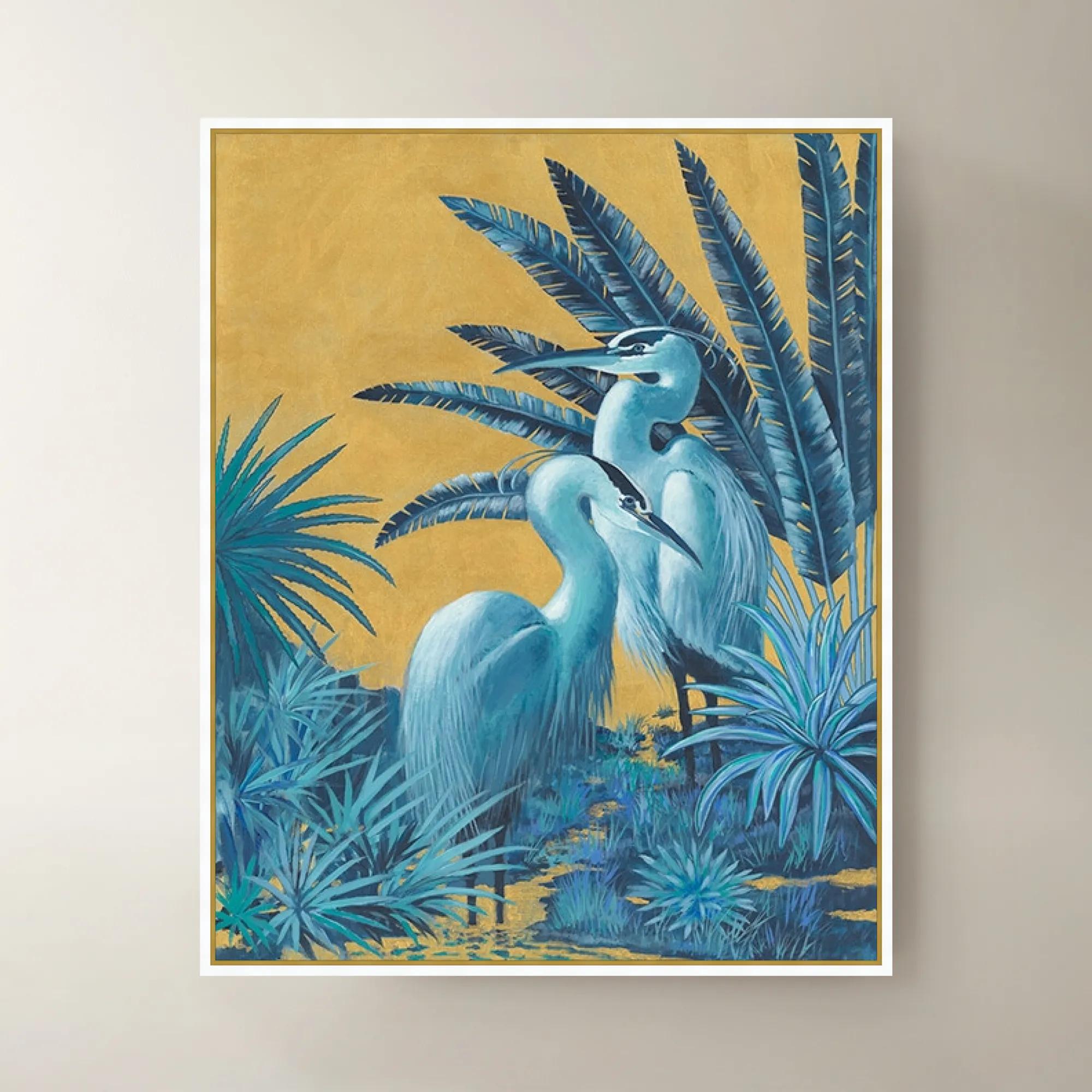
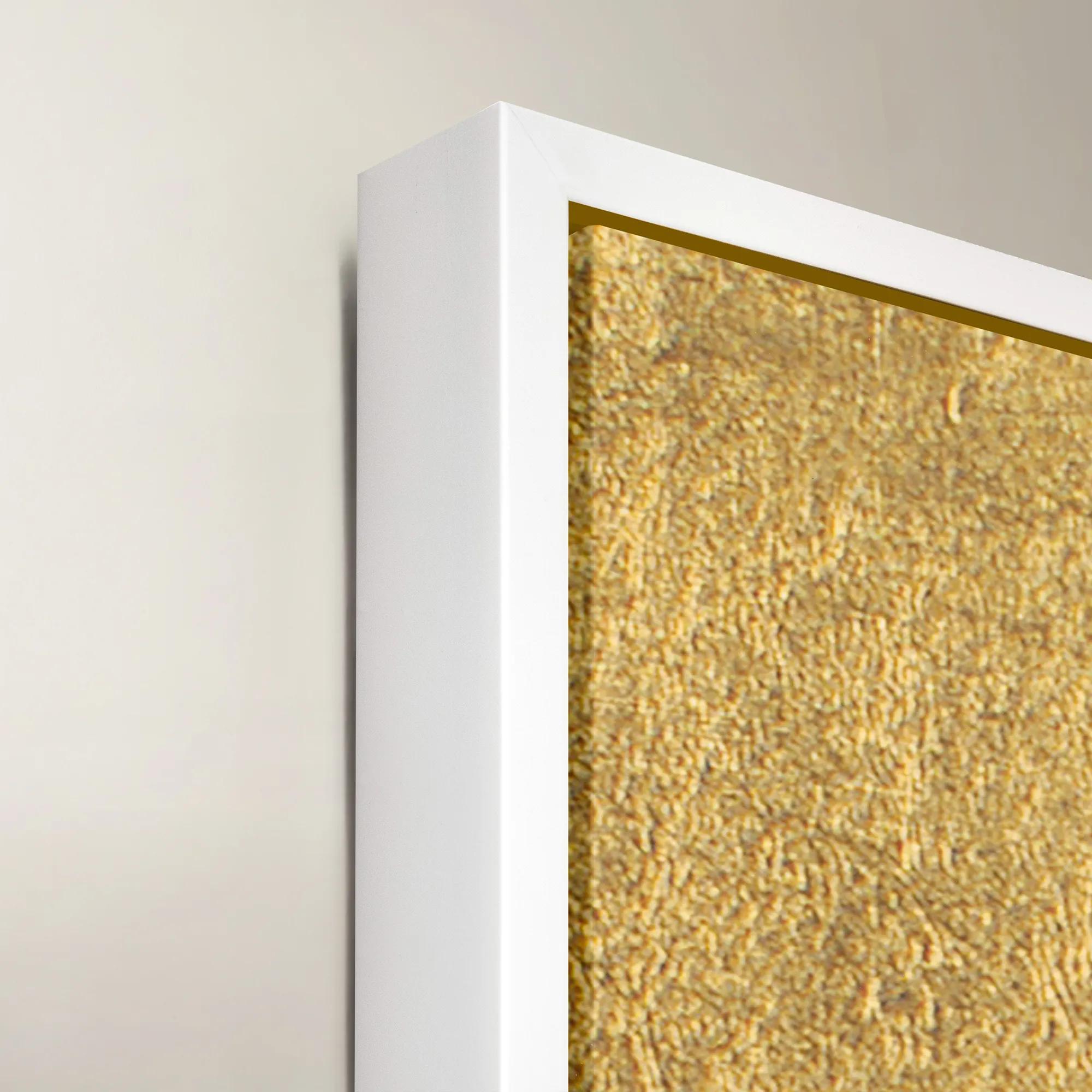 Blue Gold Herons Framed Wall Art 40" x 50"$1199
A striking blue and gold framed canvas artwork featuring elegant herons for sophisticated wall display.
Add To Cart -
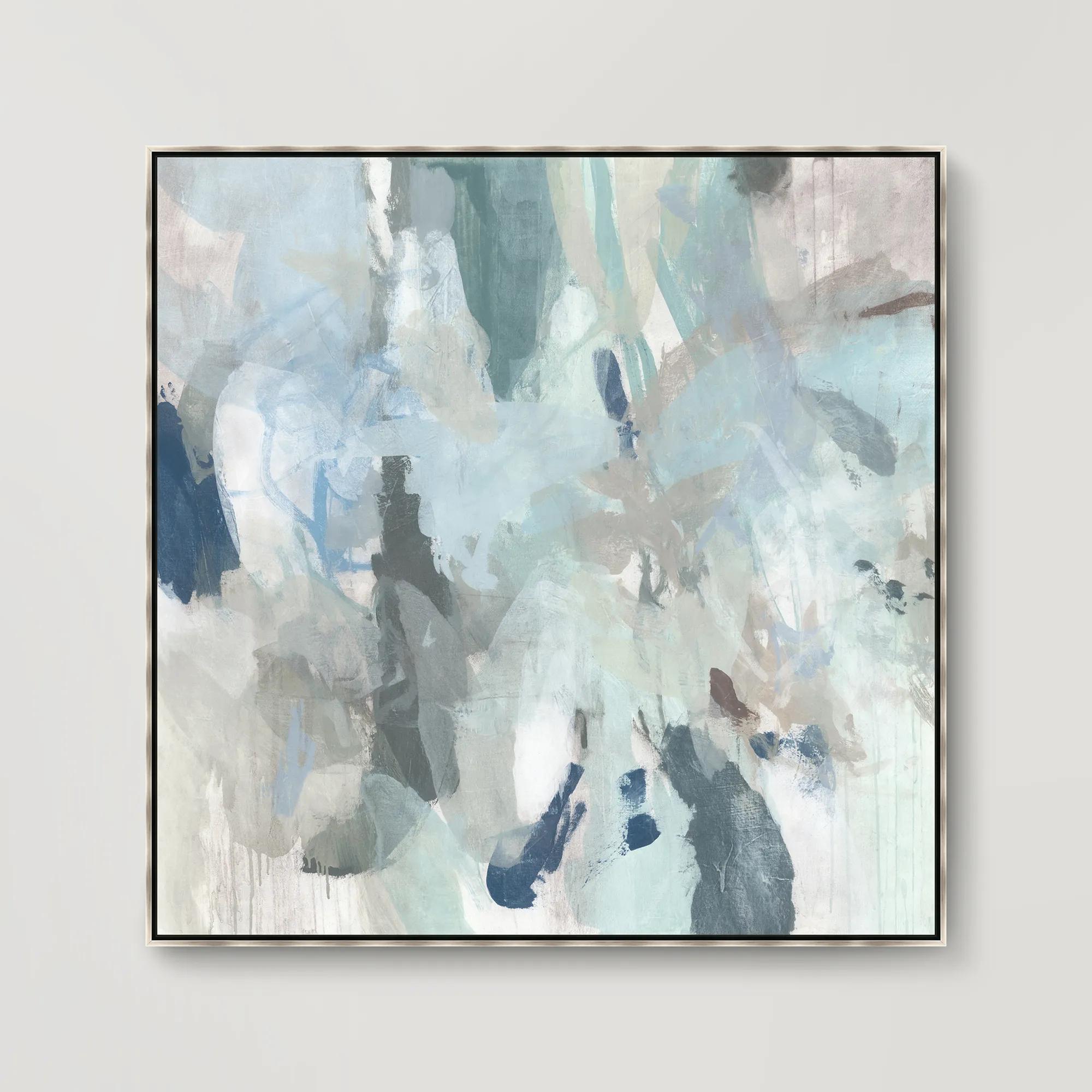
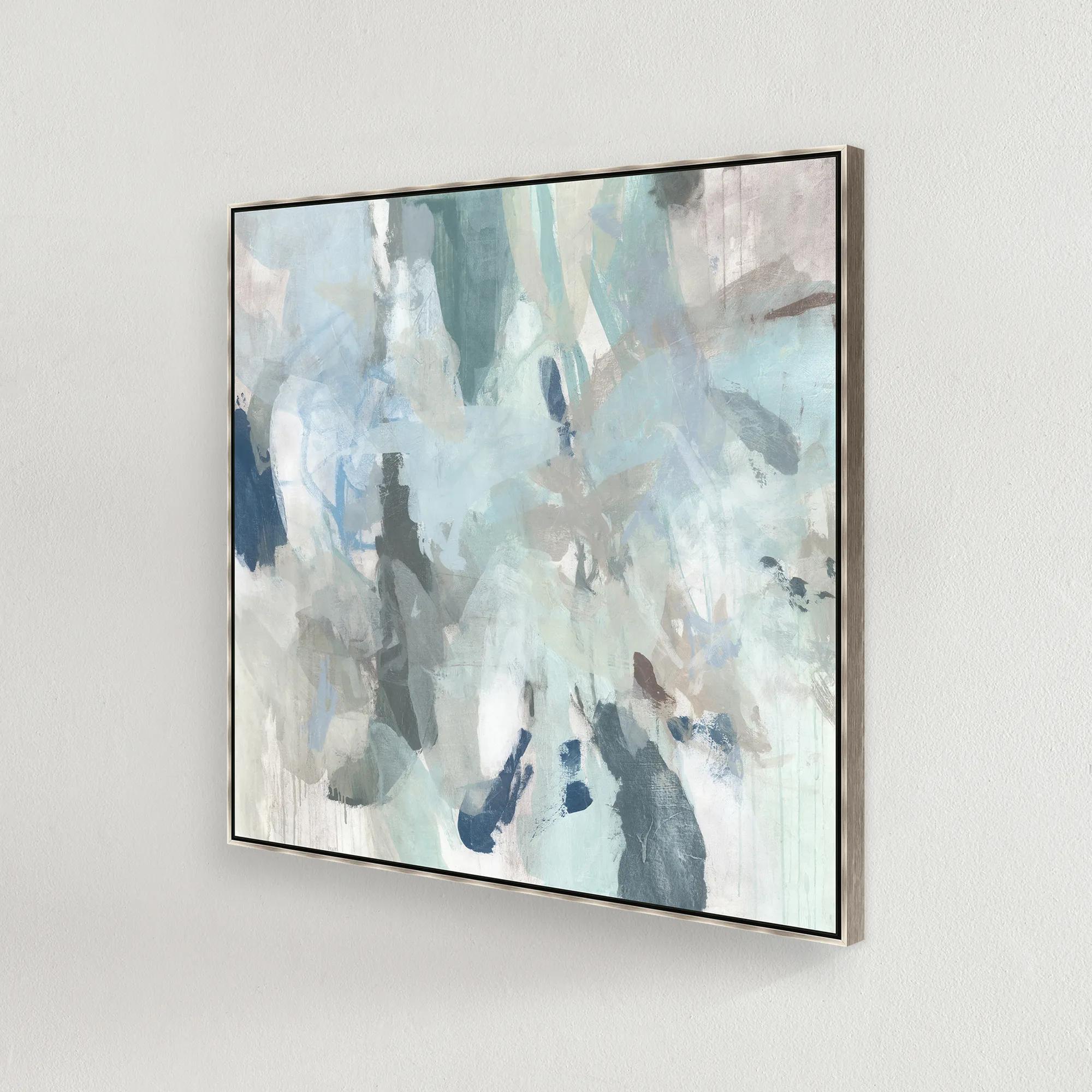 Sage Honey Dew I Framed Wall Art 41.5" x 41.5"$749
A gallery-wrapped abstract canvas featuring hand-applied gel finish in a silver floater frame.
Add To Cart -
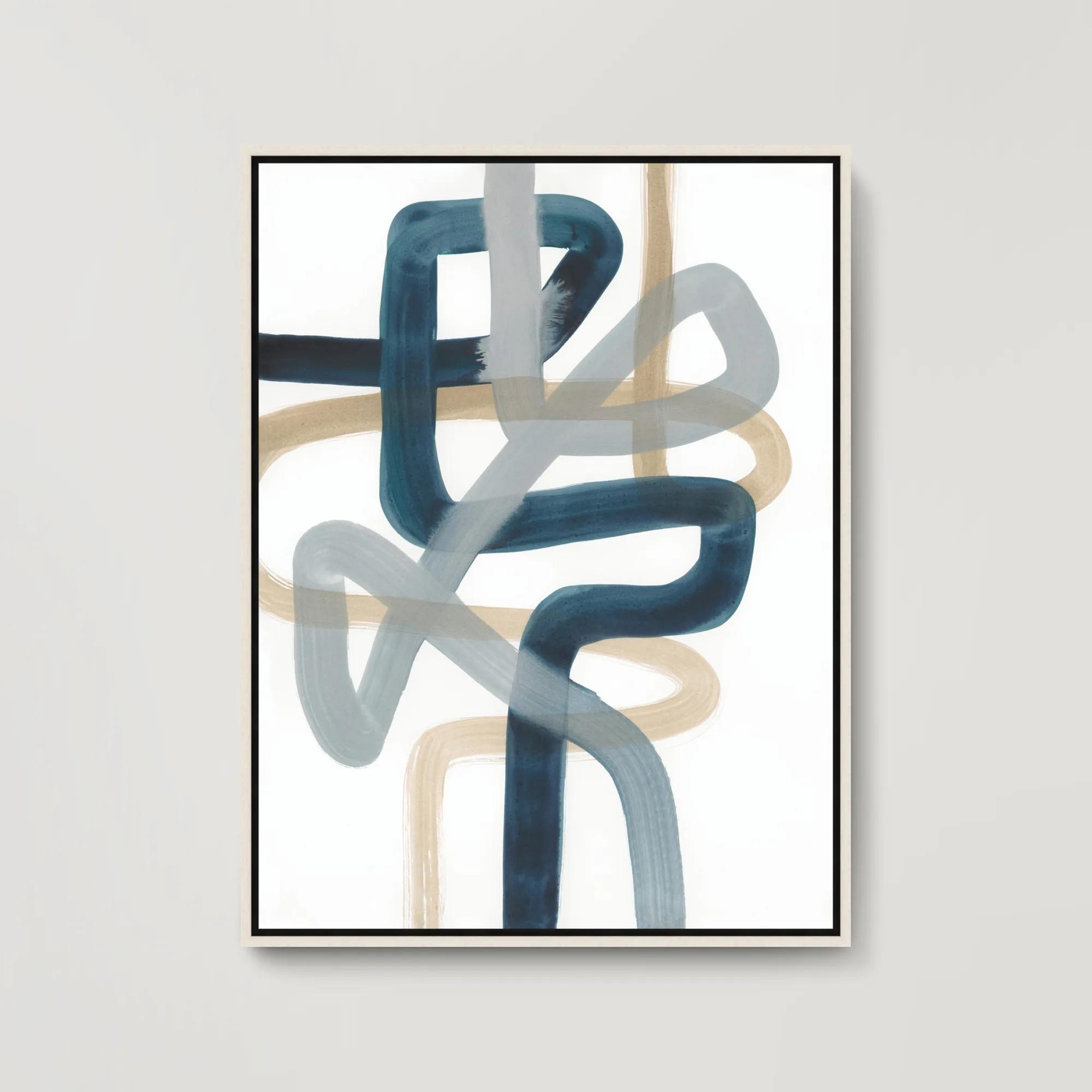
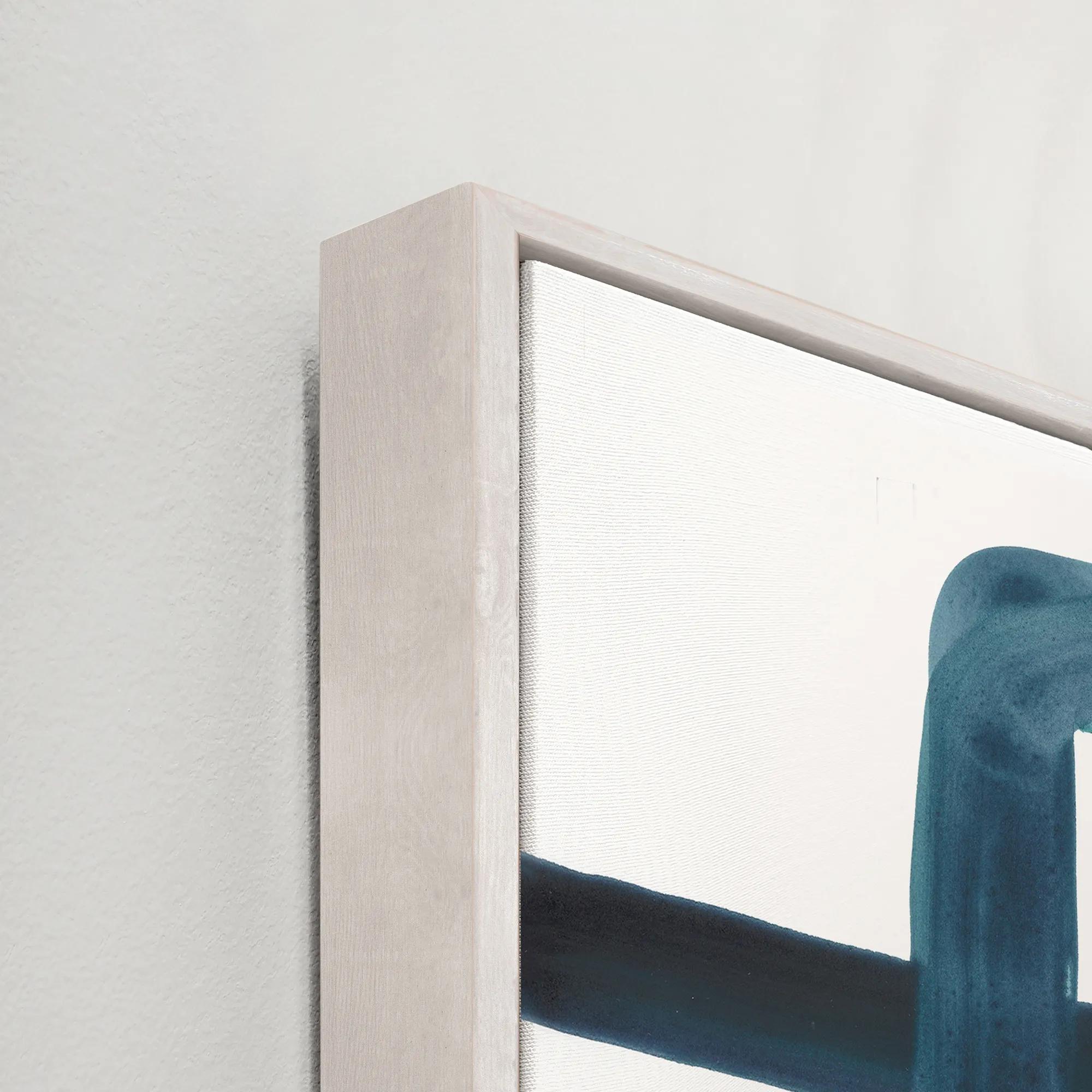 Looped In I Framed Wall Art 31.5" x 41.5"$699
A gallery-wrapped abstract canvas featuring hand-applied brush gel and a sleek white floater frame.
Add To Cart -
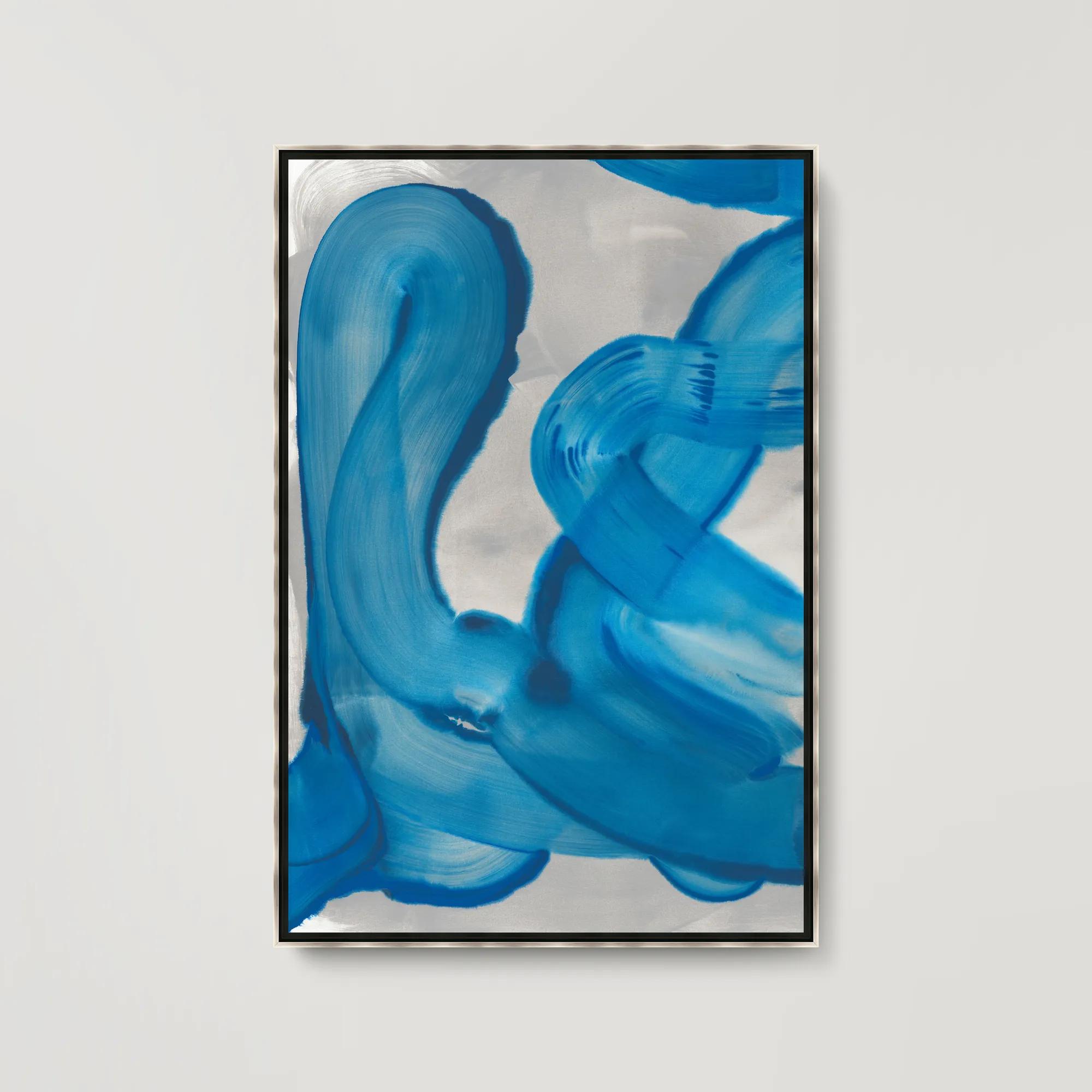 Royal Waves I Framed Wall Art 31.5" x 46.5"$699
A gallery-wrapped abstract canvas featuring hand-applied brush gel and set in a sleek silver floater frame.
Add To Cart -
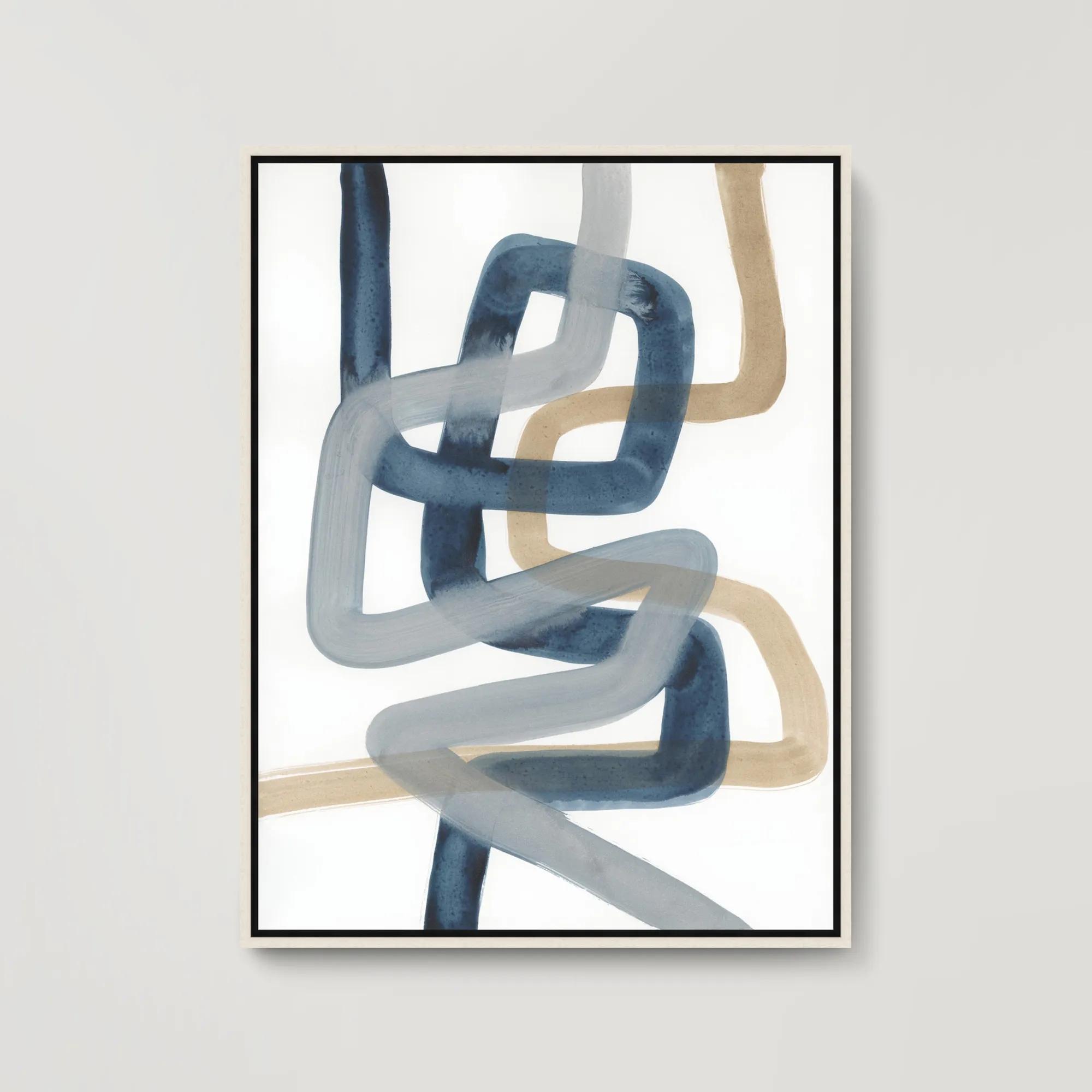 Looped In II Framed Wall Art 31.5" x 41.5"$699
A gallery-wrapped abstract canvas with hand-applied brush gel finish, set in a sleek white floater frame.
Add To Cart -
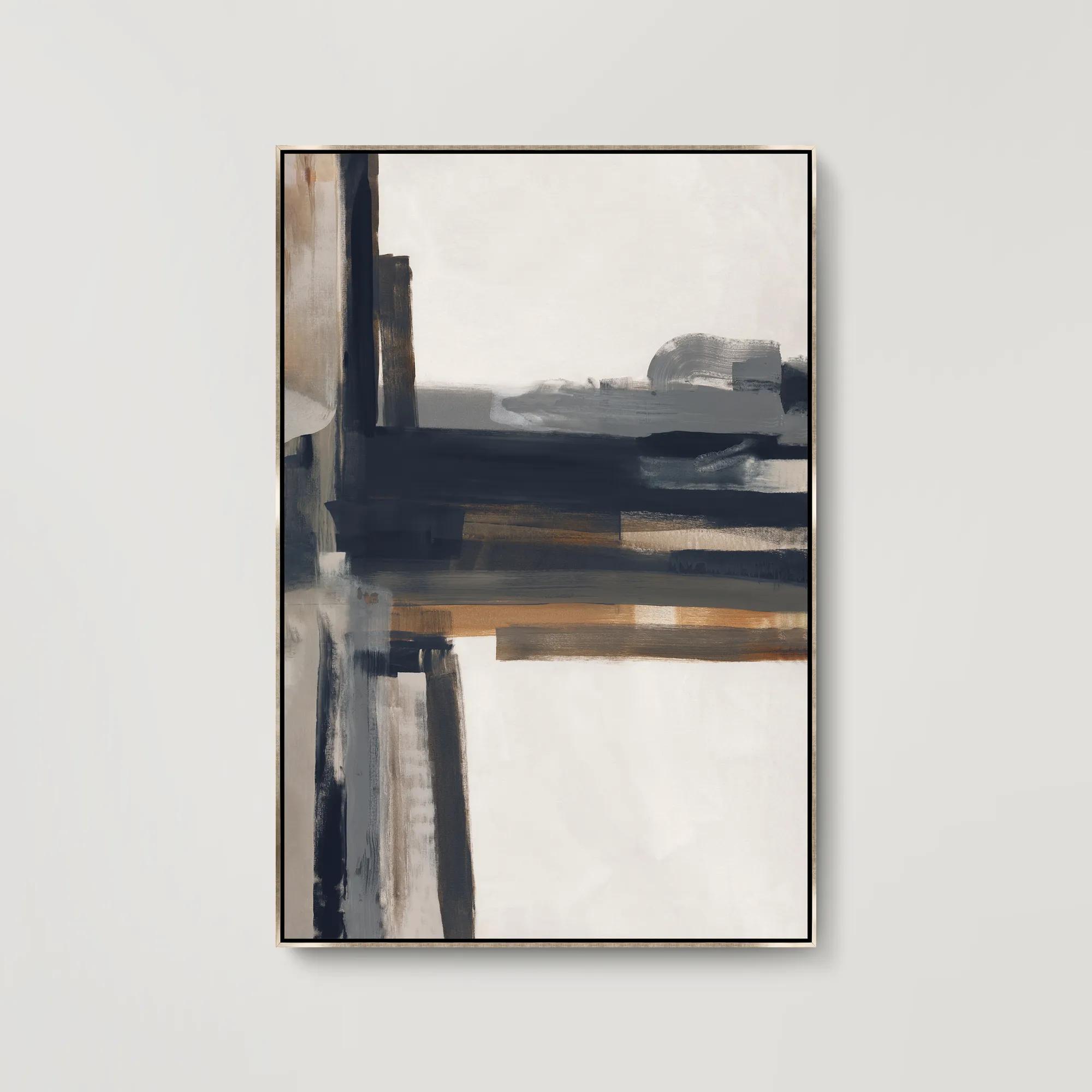
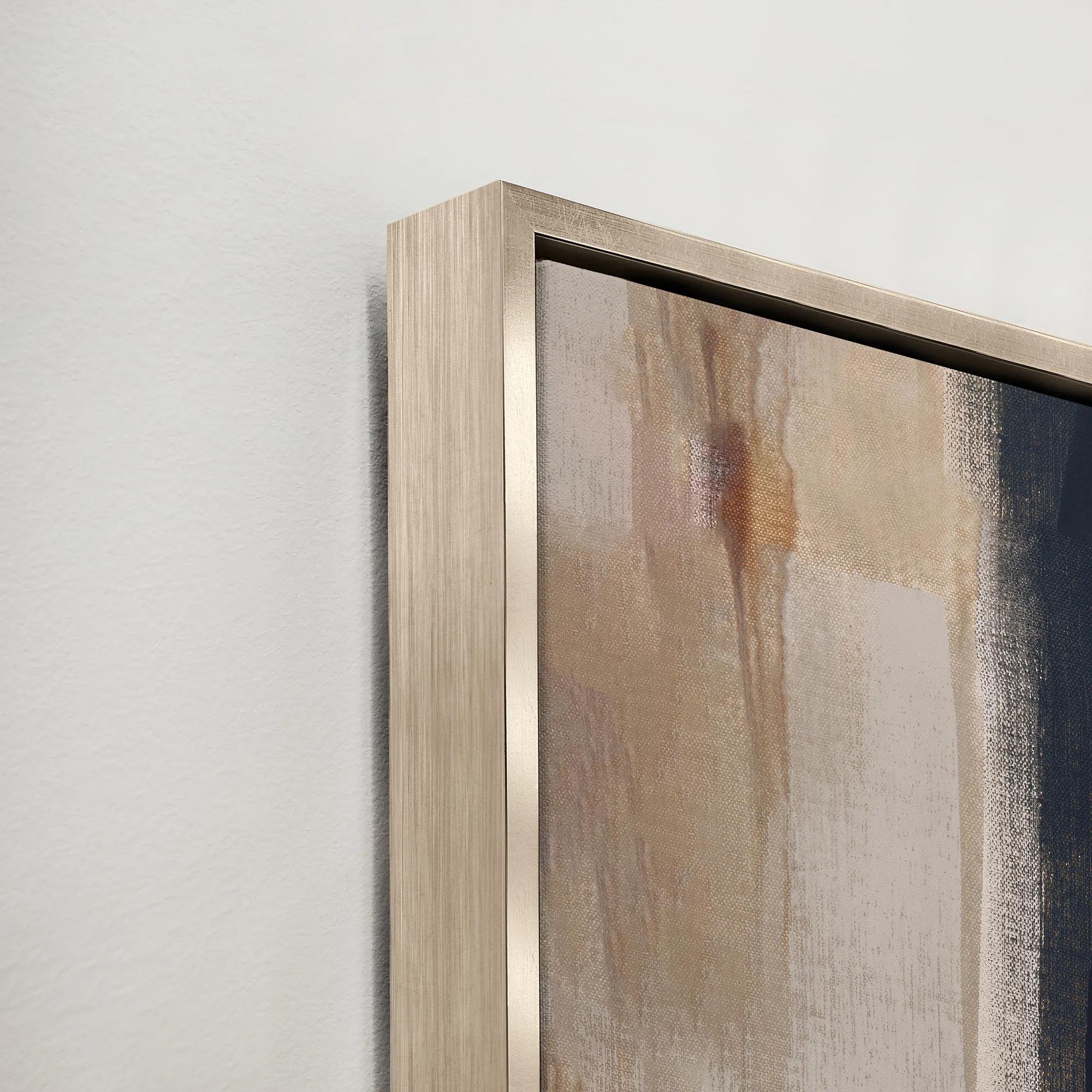 Imposing Construct I Framed Wall Art 41.5" x 61.5"$949
A gallery-wrapped abstract canvas featuring hand-applied brush gel and set in a sleek silver floater frame.
Add To Cart -
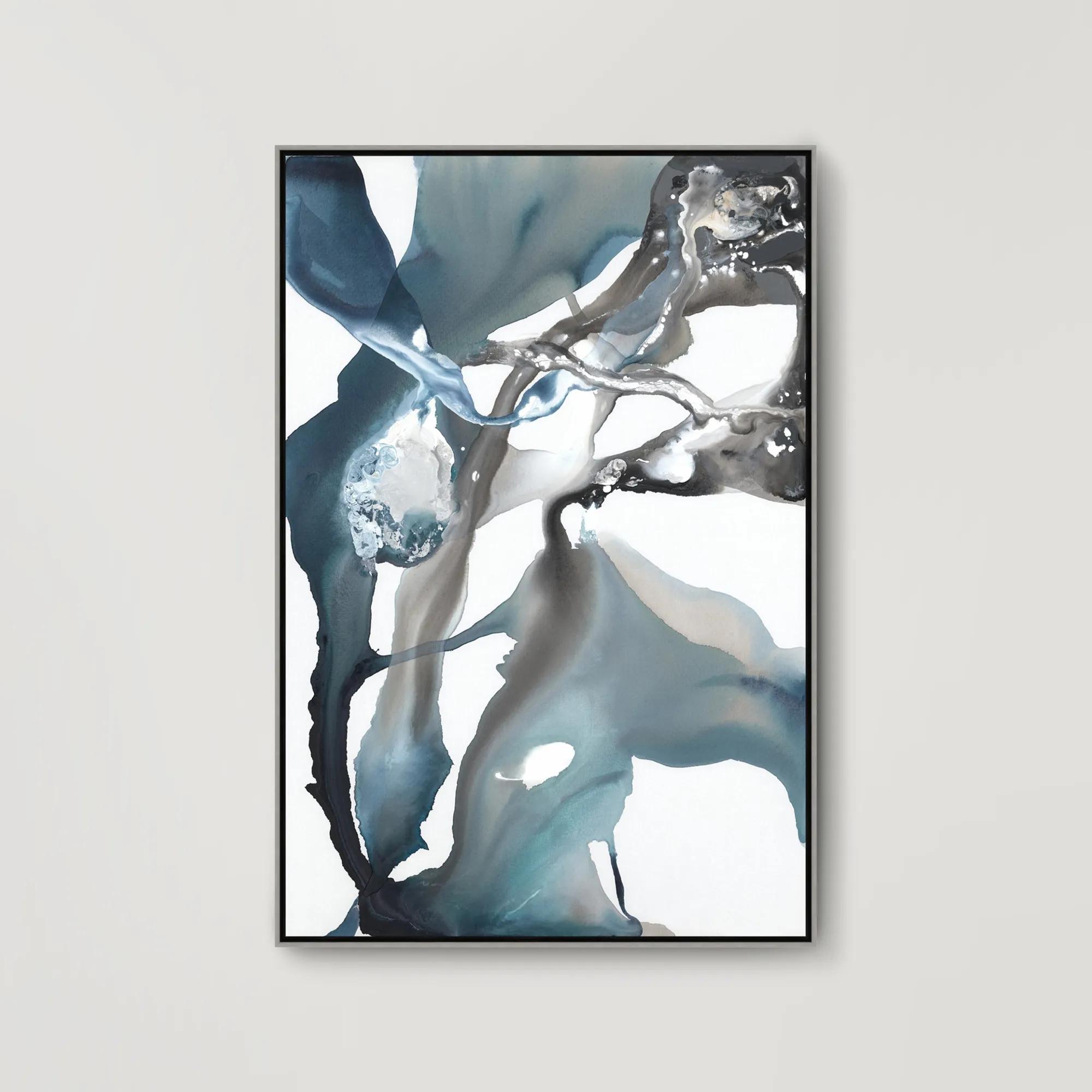
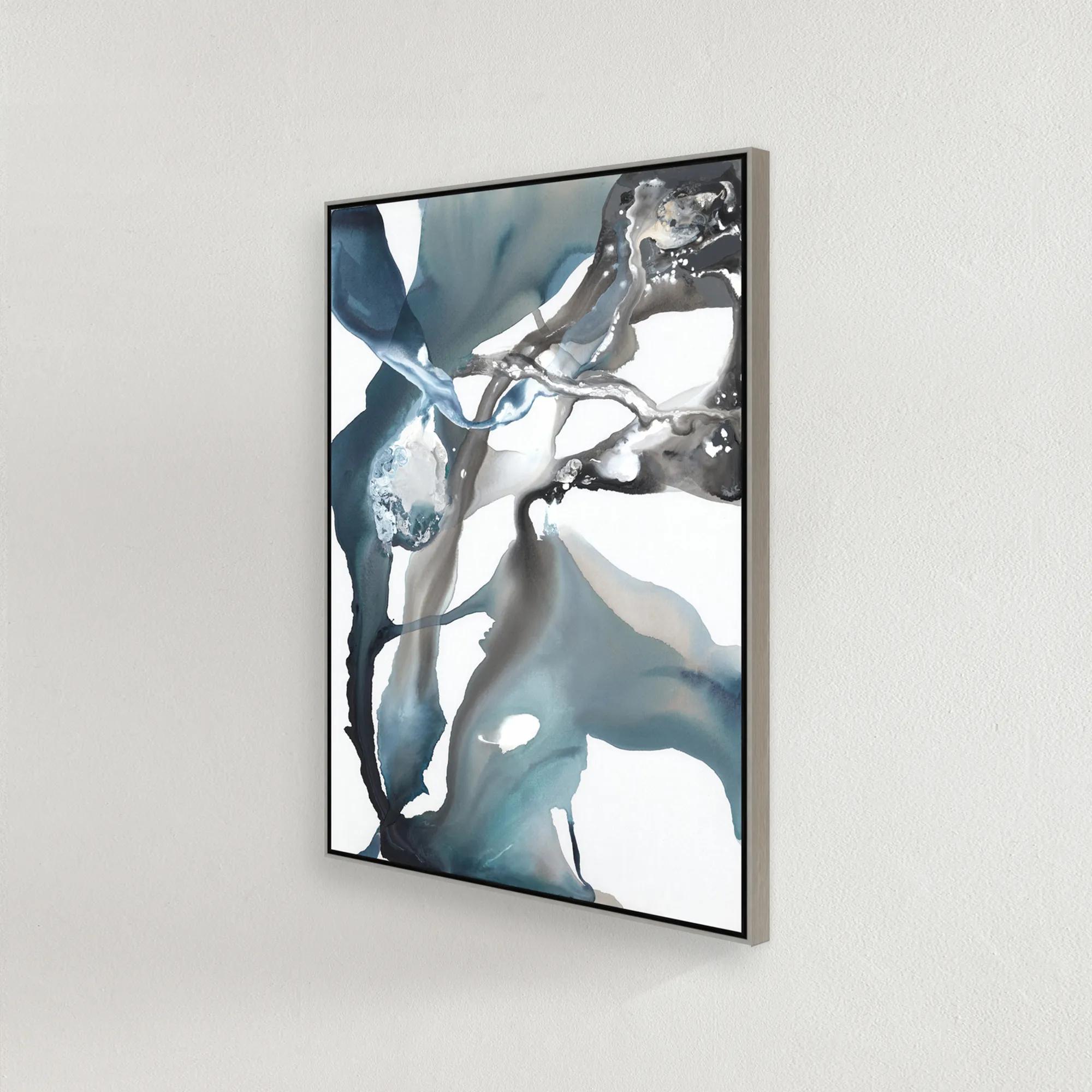 Cool Cascade Framed Wall Art 37.5" x 55.5"$849
A gallery-wrapped canvas artwork featuring expressive colors, hand-applied brush gel, and a gunmetal floater frame.
Add To Cart -
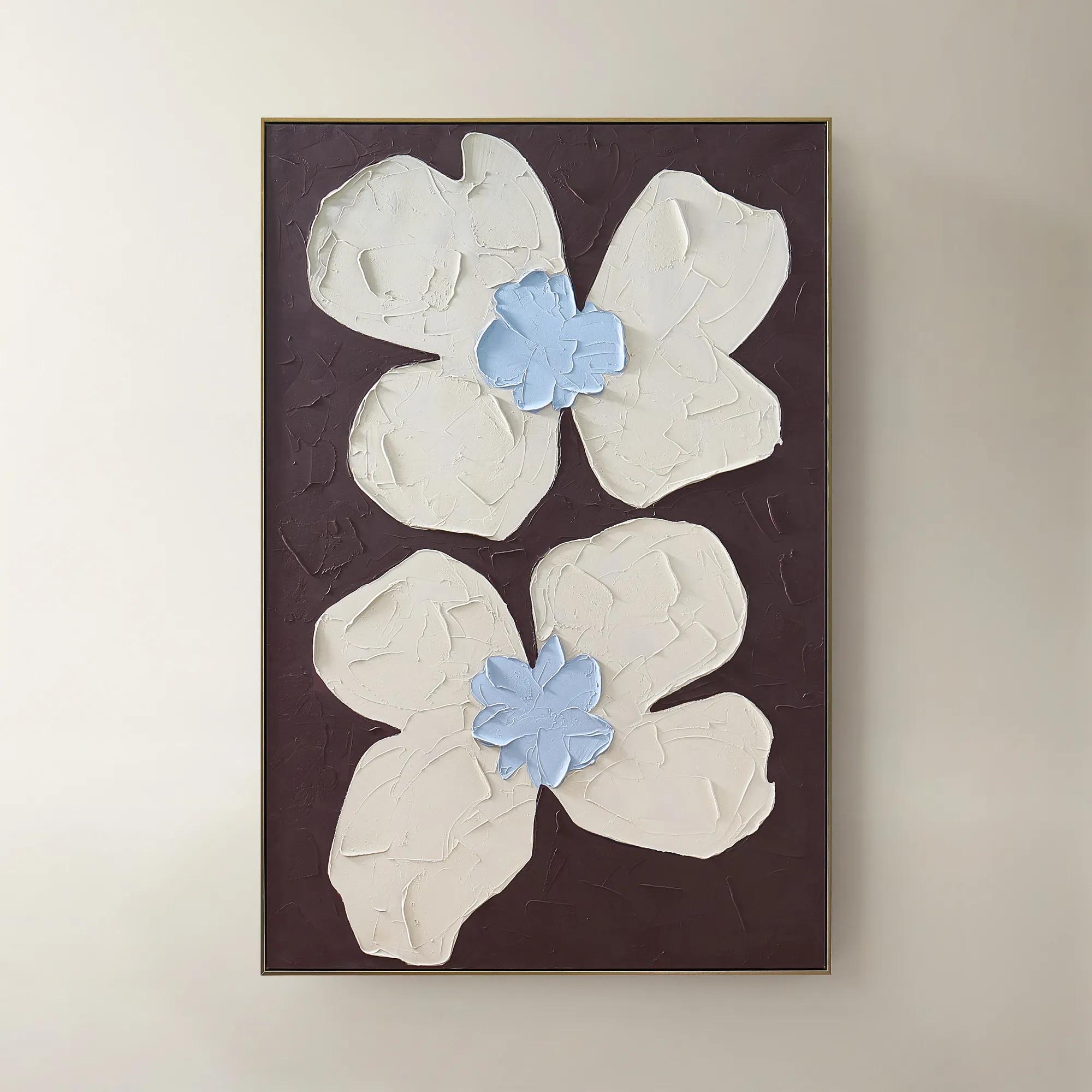
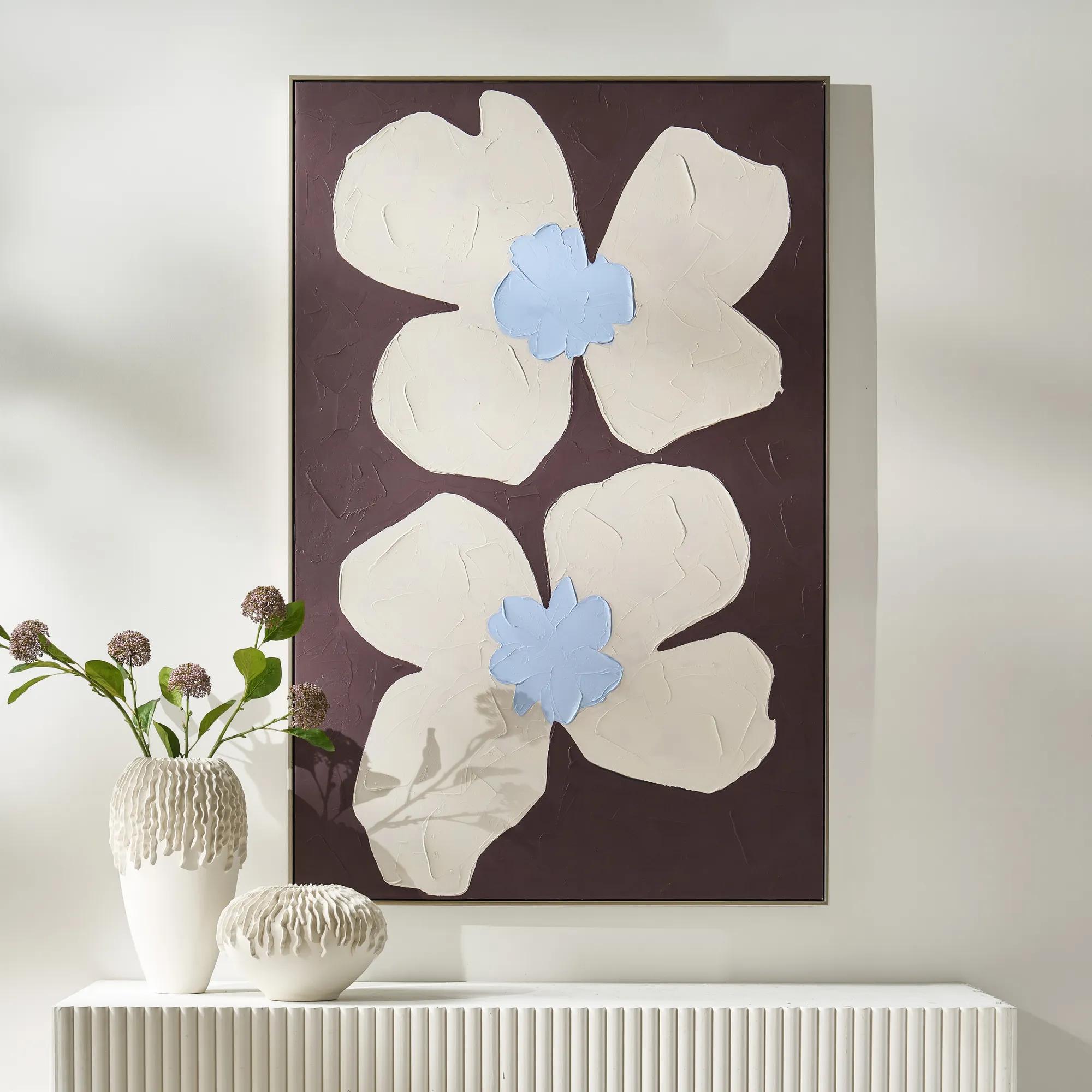 Cosmic Blooms Framed Painted Wall Art 40" x 60"$399
A framed painted canvas artwork featuring a cosmic floral composition in rich blue and purple hues.
Add To Cart -
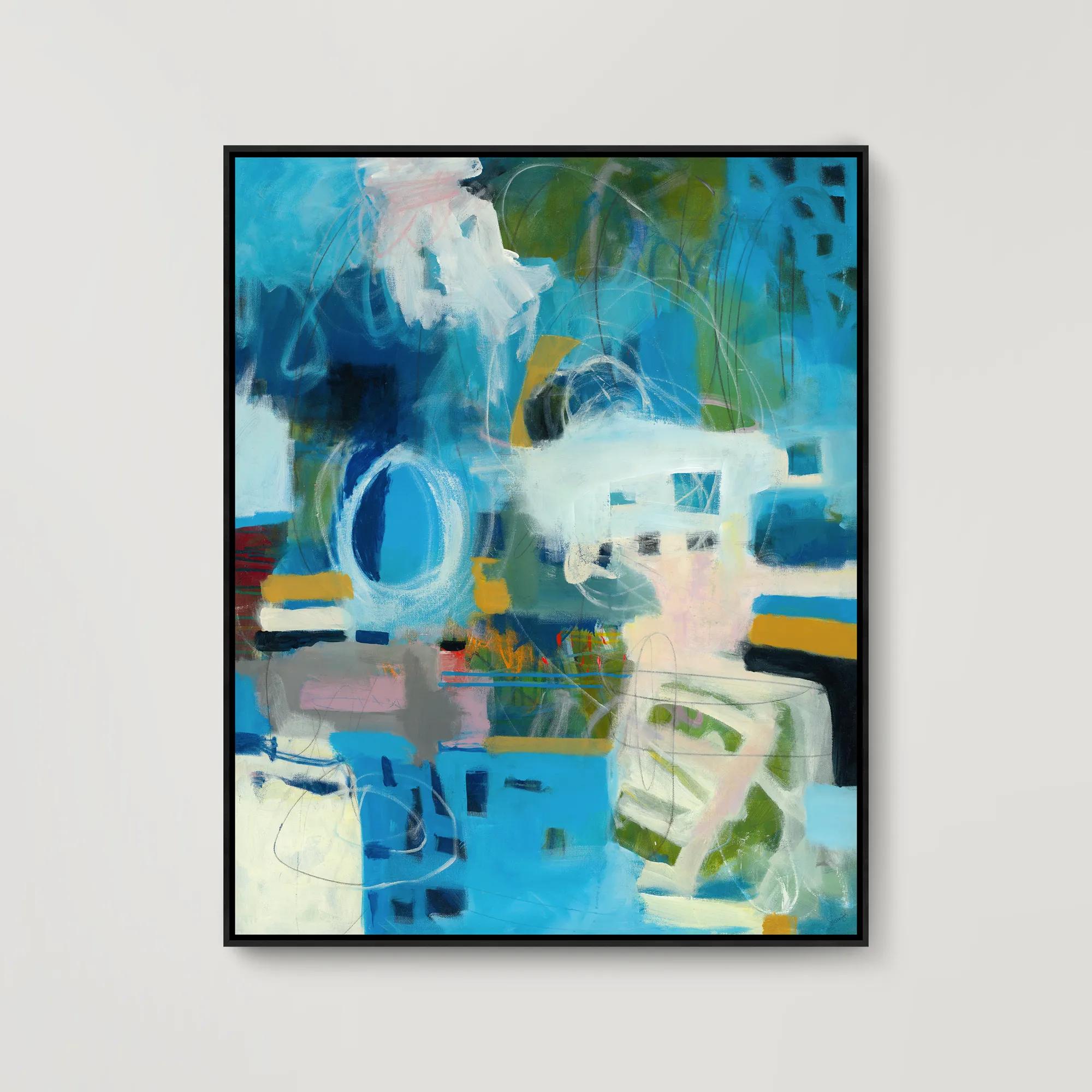
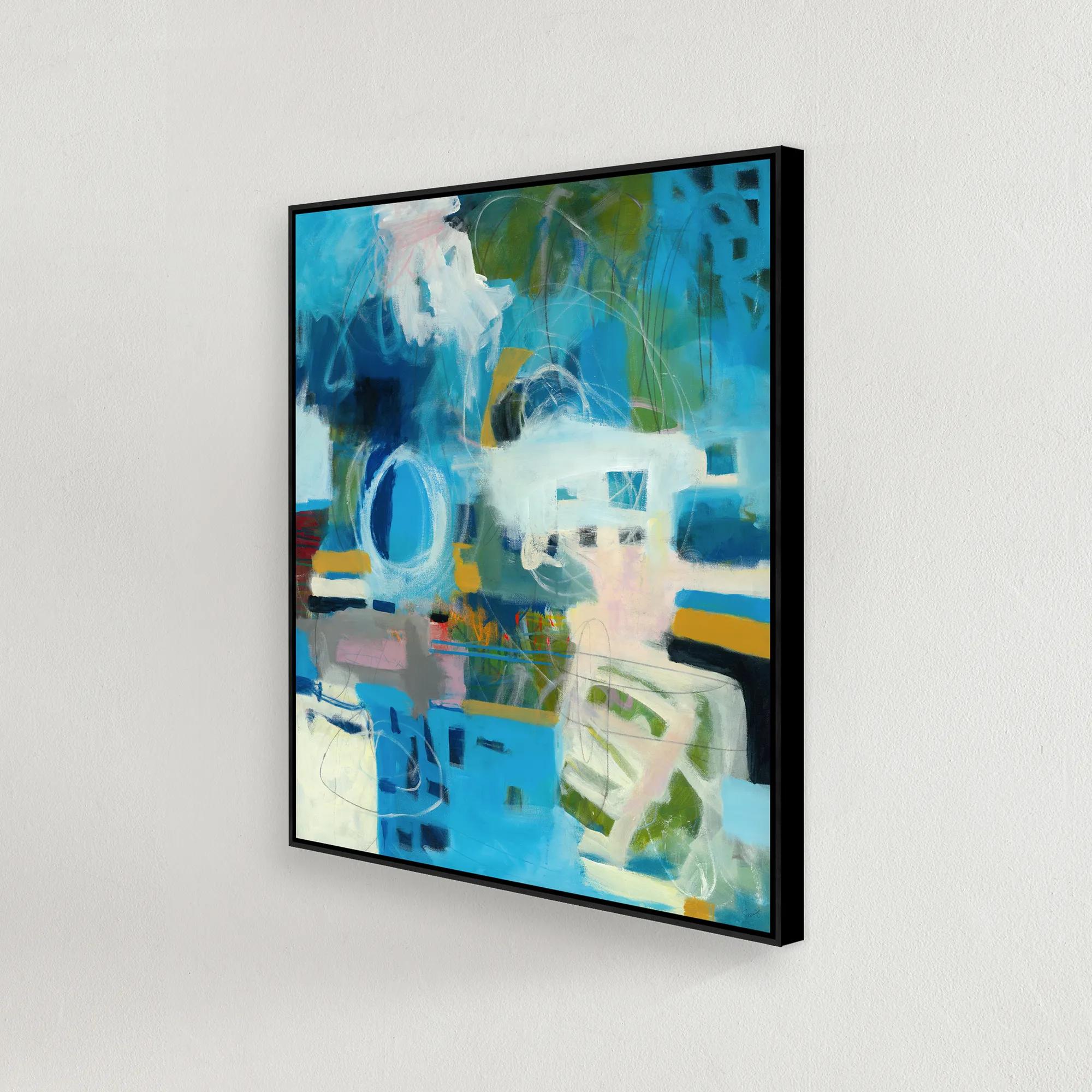 Just Across the Boarder Framed Wall Art 37.5" x 46.5"$749
A gallery-wrapped canvas artwork with hand-applied gel finish, set in a sleek black floater frame.
Add To Cart -
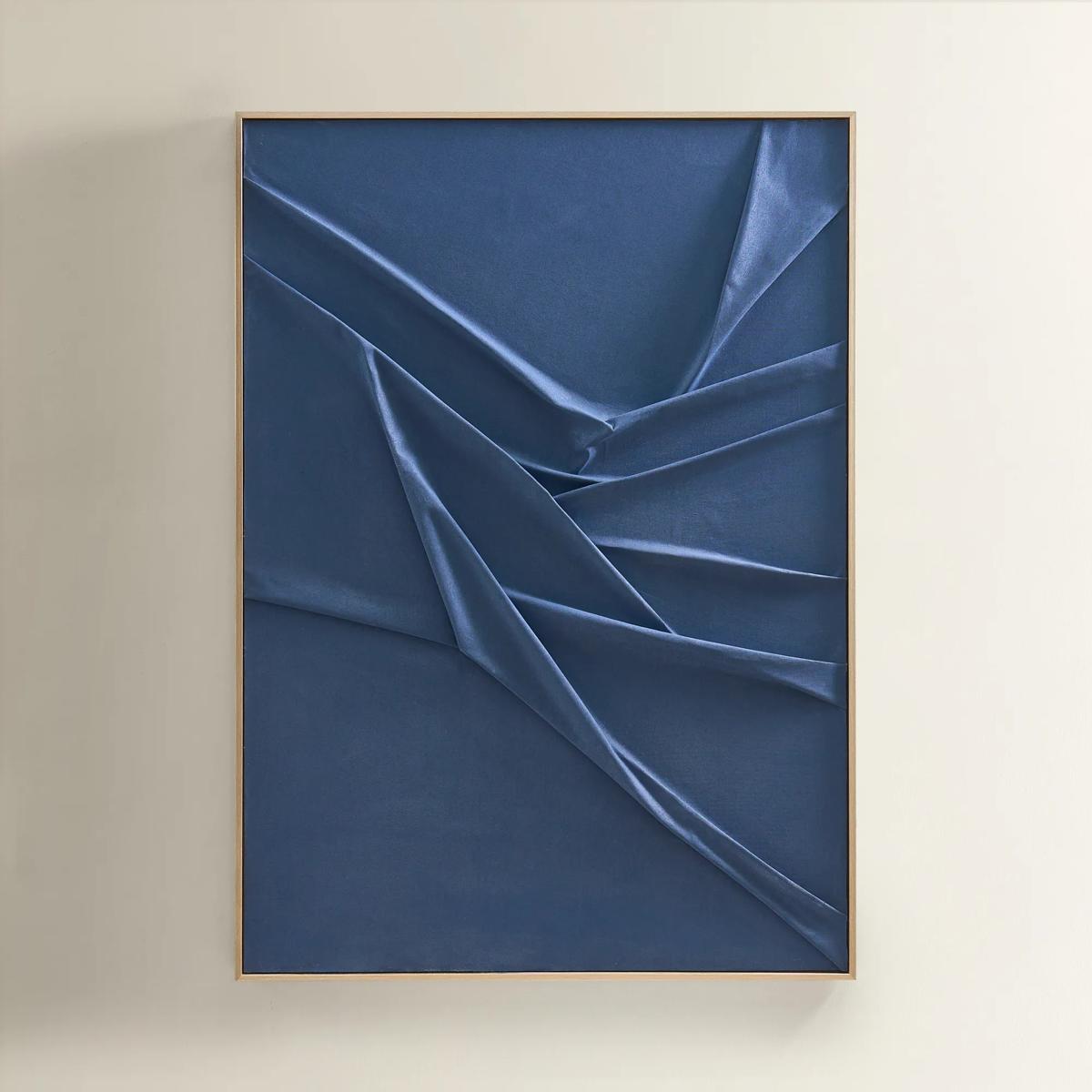 Deep Sea Painting$599
A hand-sculpted navy canvas with dimensional folds, framed in soft champagne for modern, serene elegance.
Add To Cart -
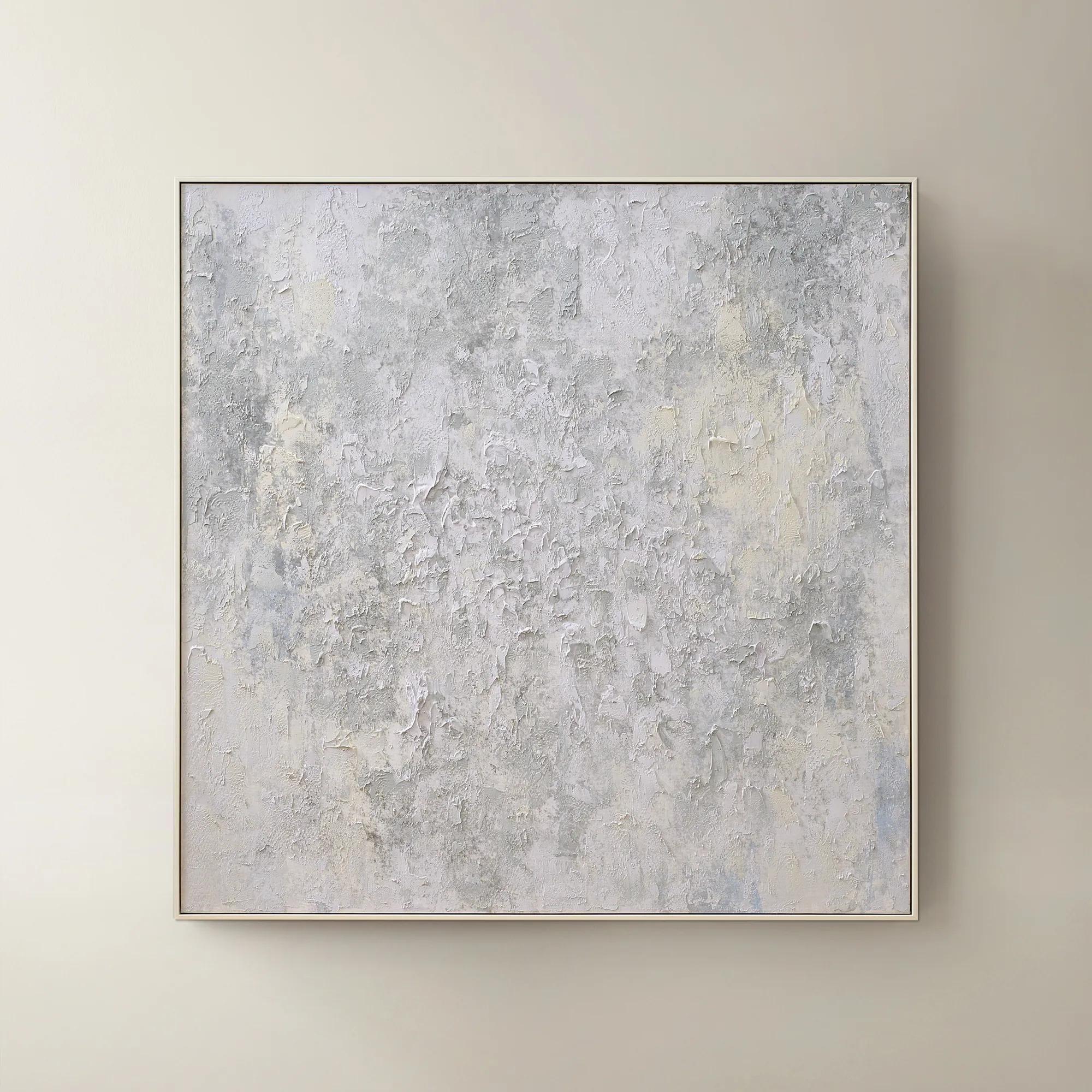 Breathe of Fresh Air Framed Painted Wall Art 50" x 50"$499
A hand-painted abstract canvas in dusty blue hues, elegantly framed in white for a serene, modern accent.
Add To Cart -
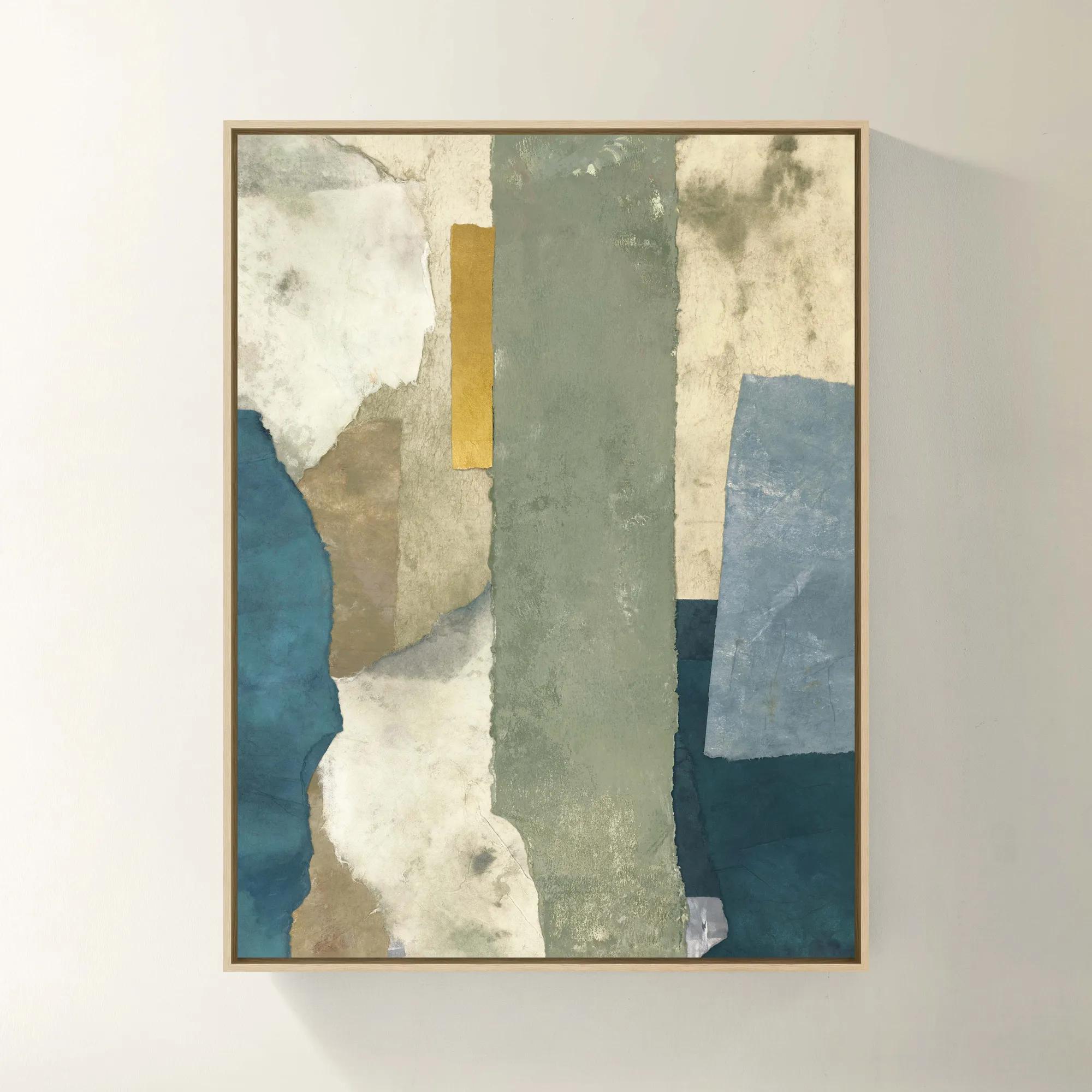 Earth Fragments II Framed Wall Art 30" x 40"$799
A gallery-wrapped canvas featuring gild accents and hand-applied gel, set in a natural floater frame.
Add To Cart -

 Blooming in Her Own Time Framed Wall Art 40" x 50"$1029
A vibrant multicolored canvas wall artwork featuring an expressive botanical-inspired design in a framed presentation.
Add To Cart -

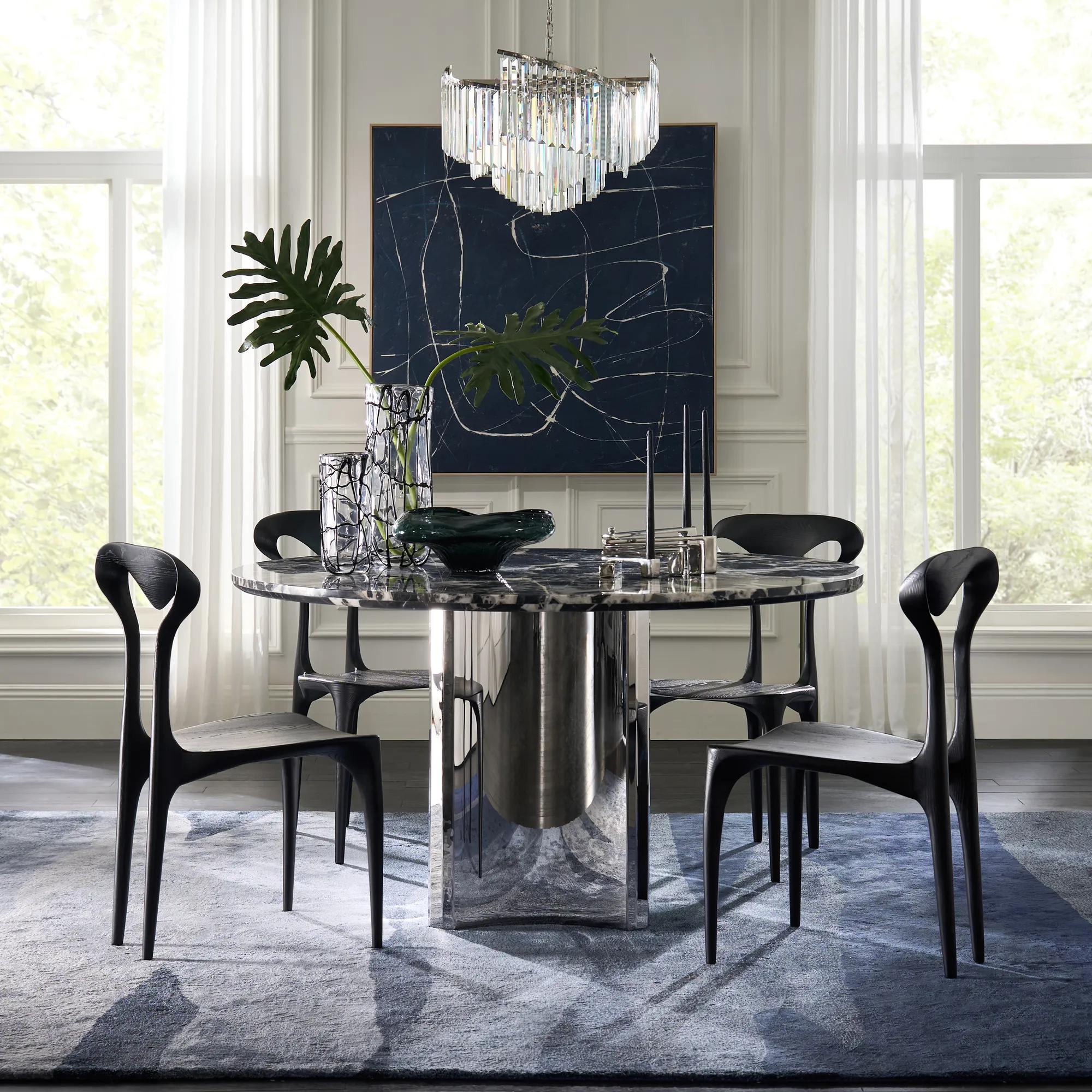 Almost Midnight Painting - Blue$439
A hand-painted canvas featuring bold blue and black tones with delicate white lines in a light wood frame.
Add To Cart -
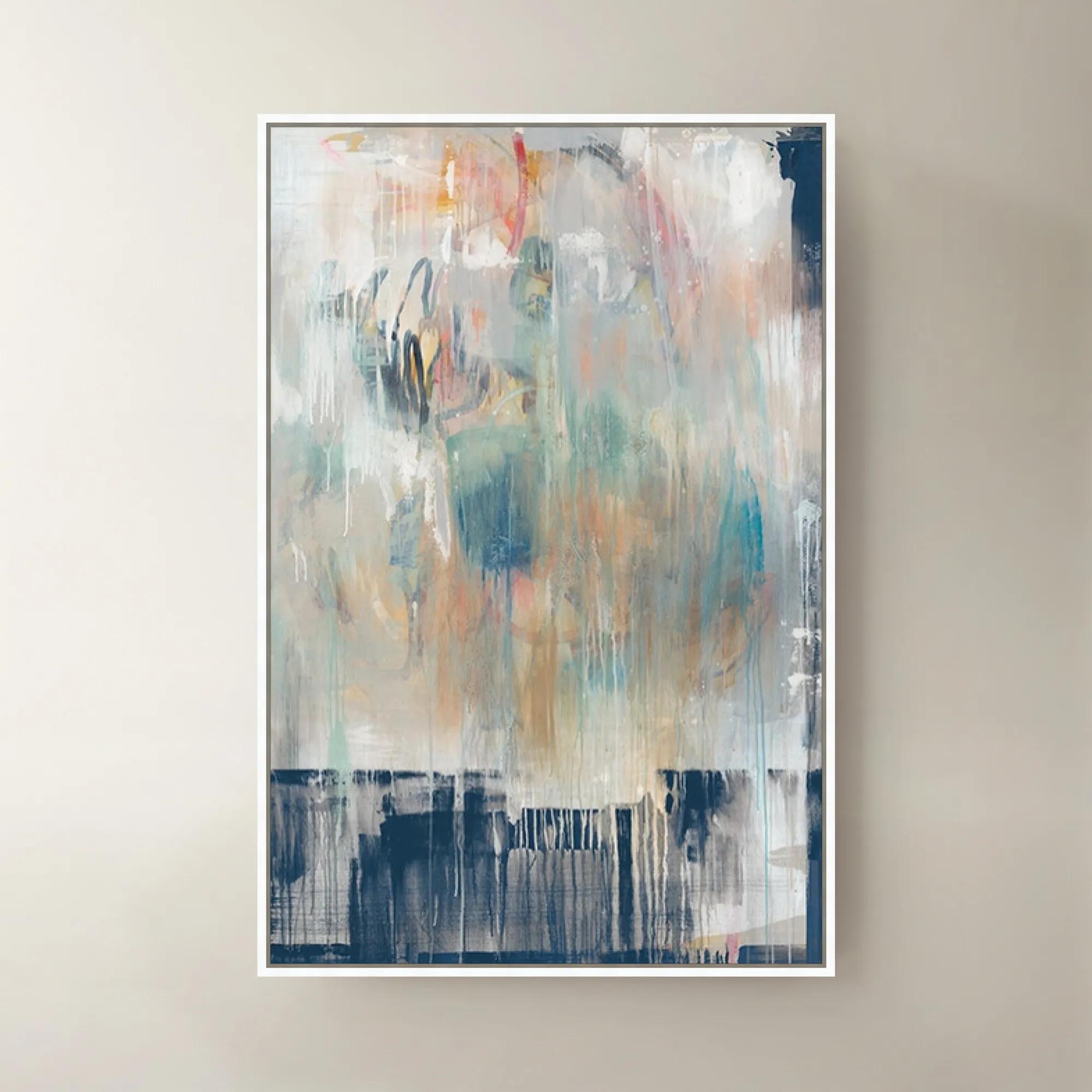
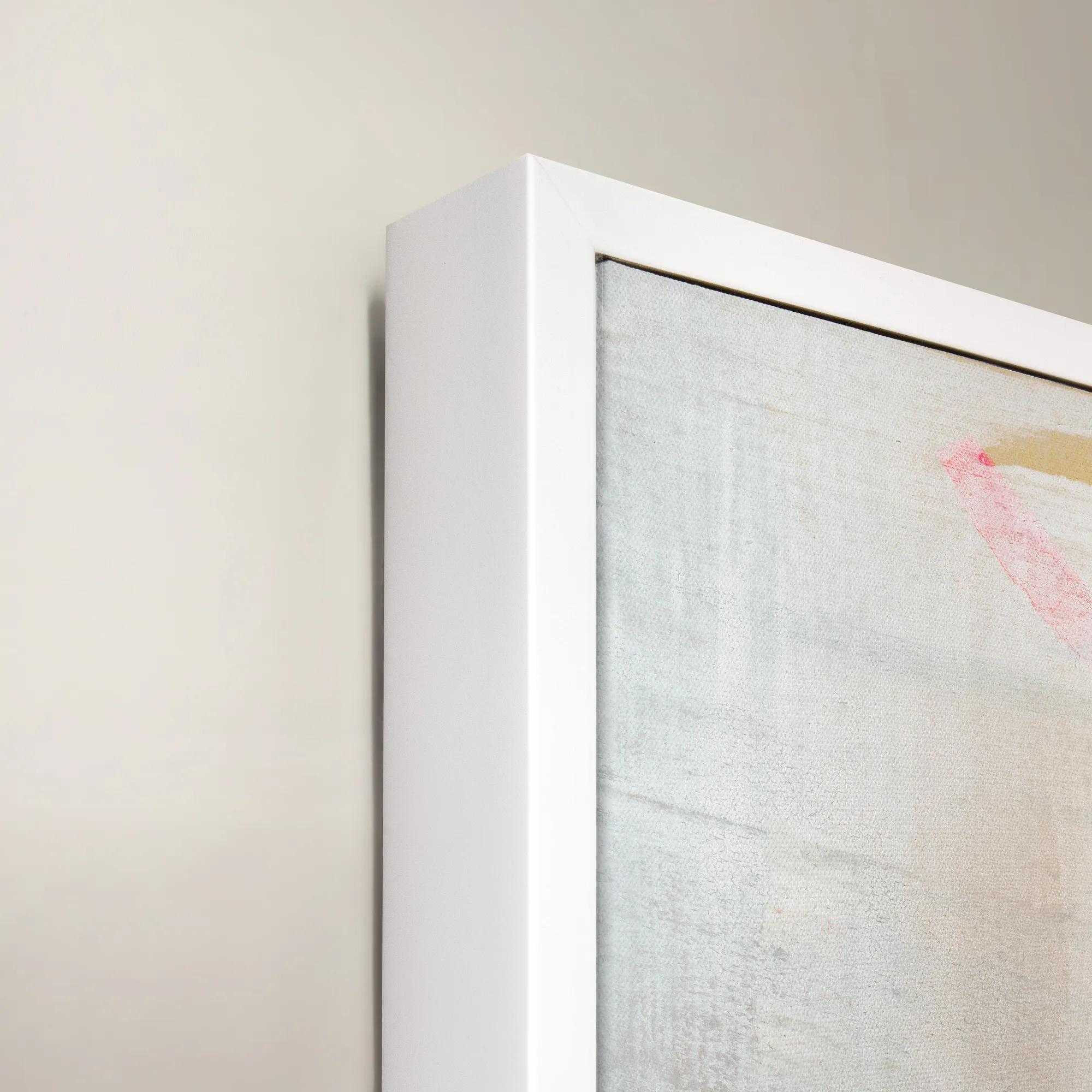 Disrepair III Framed Wall Art 40" x 60"$1099
A multicolored canvas wall artwork in a framed presentation, bringing expressive contemporary character to interiors.
Add To Cart -
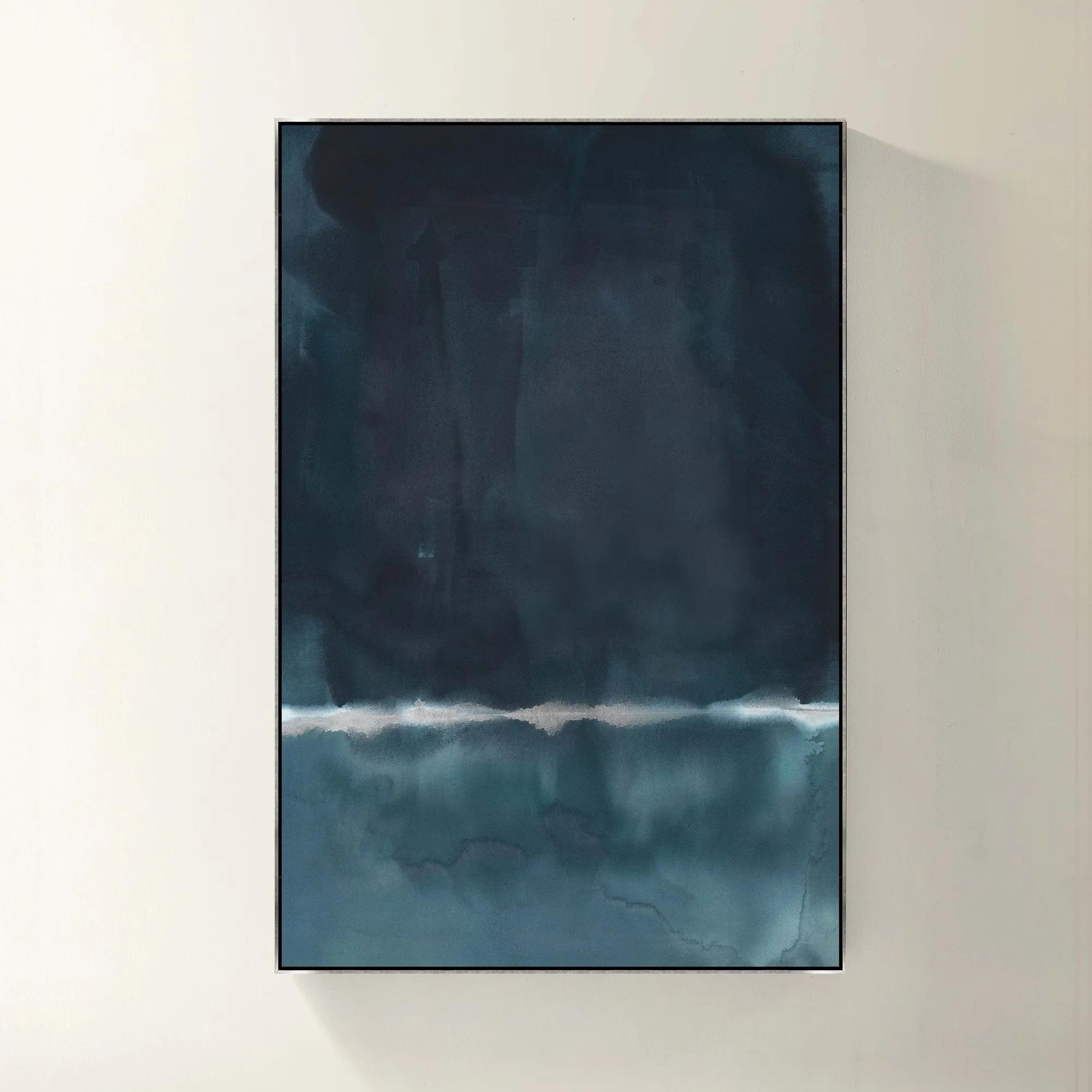 Blue Monday Framed Wall Art 40" x 60"$1119
A gallery-wrapped blue canvas with hand-embellished silver accents in a sleek silver floater frame.
Add To Cart -

 Twin Abstract 1 Framed Wall Art 30" x 45"$699
A captivating abstract canvas artwork featuring layered blue and purple tones in a sophisticated framed presentation.
Add To Cart -

 Escape Path III Framed Wall Art 30" x 50"$799
A captivating blue and purple canvas artwork adding contemporary movement and layered dimension to your walls.
Add To Cart -
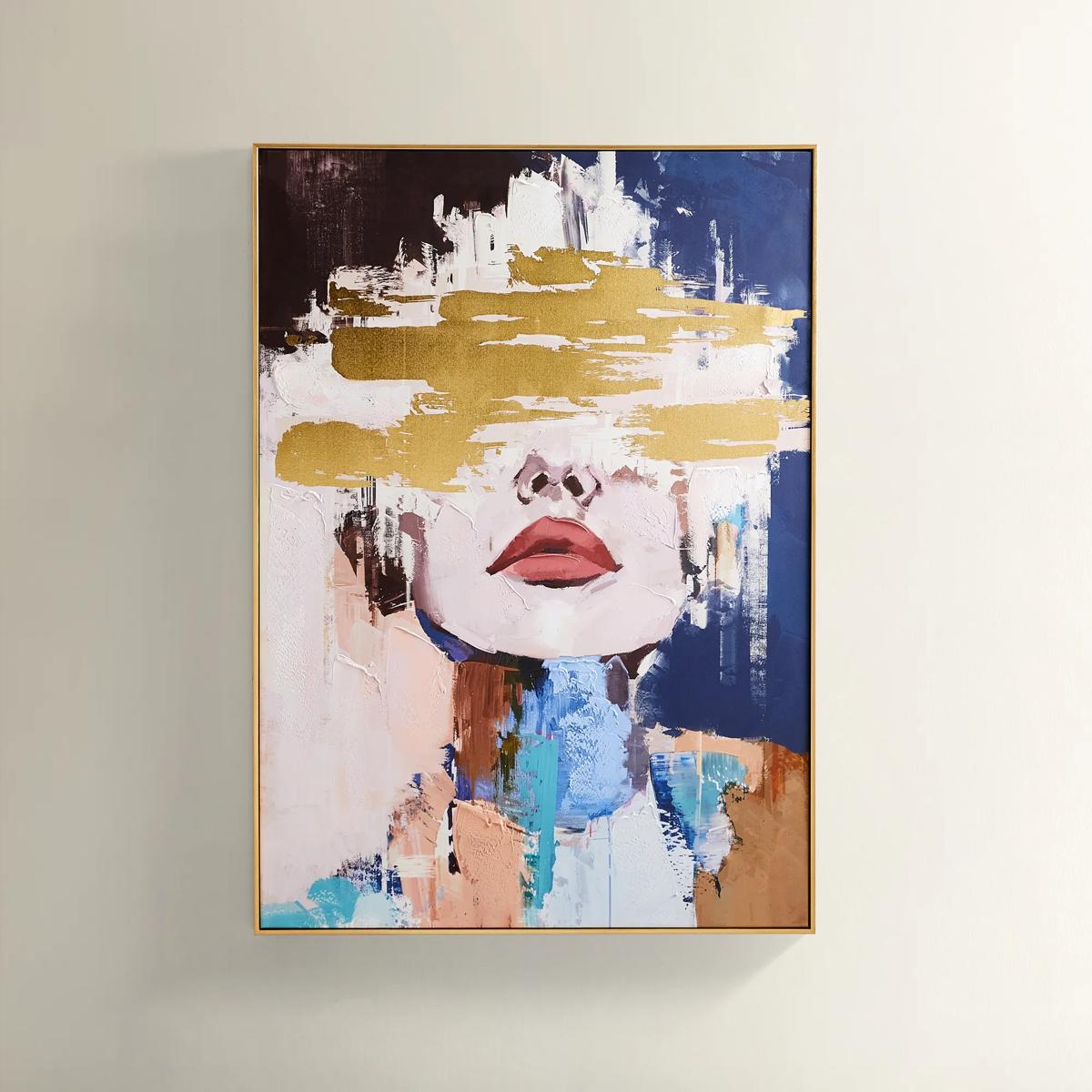
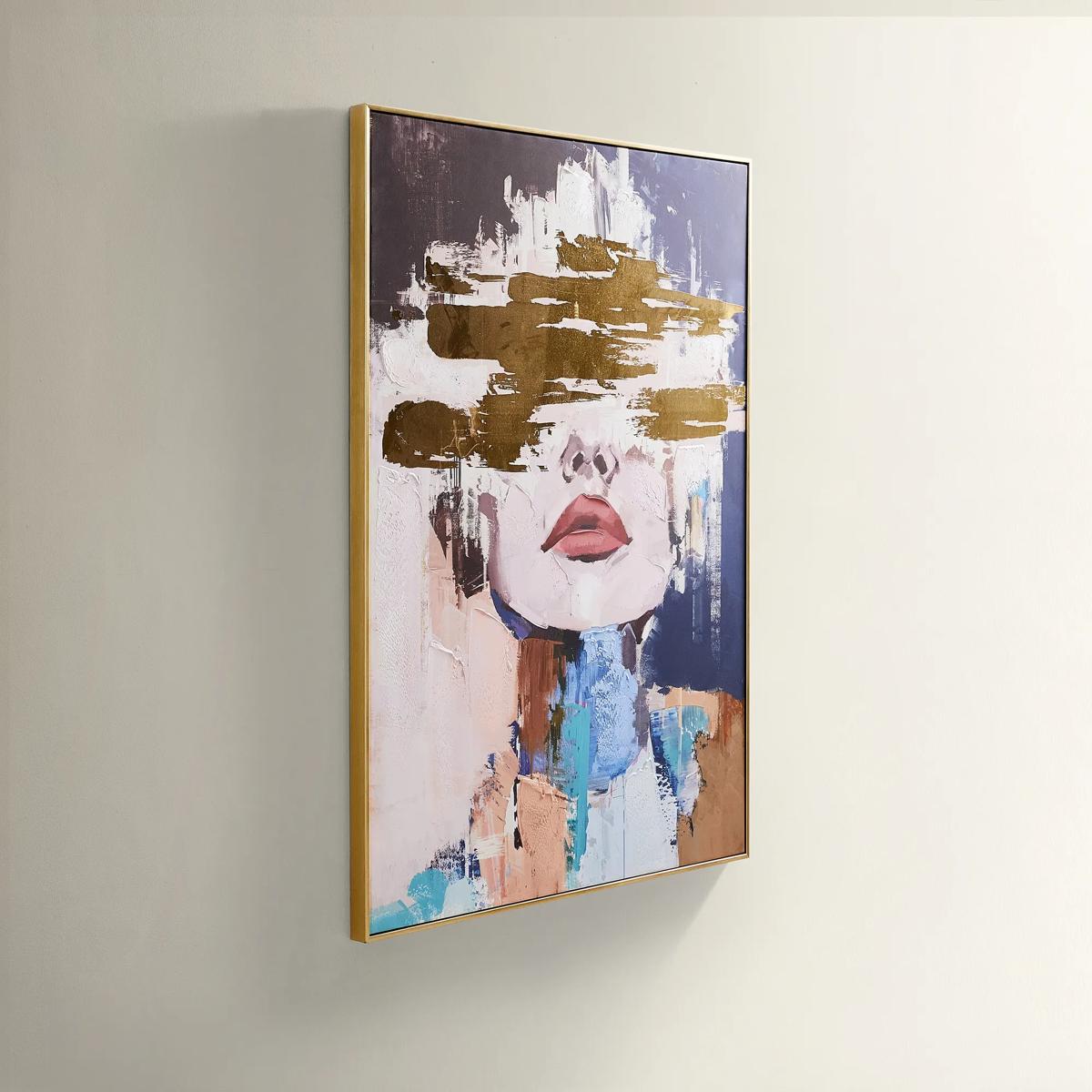 Waiting in Color Gold Foil Painted Wall Art 39.25" x 55"$499
A hand-painted abstract portrait in vivid blue, blush, and gold foil, framed in luxe gold.
Add To Cart

Blue Figurative Canvas Wall Art
Blue Figurative Canvas Wall Art transforms any room into a gallery of imagination and allure. Each piece is a masterstroke—where fluid lines and evocative silhouettes dance in mesmerizing shades of blue, conjuring an atmosphere that is at once serene and striking. Let your walls become the backdrop for artistry and expression, as these captivating canvases invite both contemplation and conversation. With Blue Figurative Canvas Wall Art, every glance becomes an escape, every detail a story waiting to unfold. Elevate your home with artwork that doesn’t just decorate—it defines.
Blue figurative canvas wall art pairs recognizable faces, bodies, and gestures with a palette that ranges from misty powder blue to saturated cobalt and midnight navy. Its appeal lies in that meeting of human expression and atmospheric color: a loosely drawn profile can feel contemplative, while a sweeping figure rendered in deep blue can bring striking energy to a room. Unlike purely abstract artwork, figurative compositions retain a connection to the visible world, even when features dissolve into brushwork or a silhouette emerges from layered color. This gives the art an emotional presence without requiring a literal narrative. Abstract portraits, gestural figure studies, and dreamlike scenes that weave human forms into botanical surroundings all offer different interpretations of the theme. Some place a single subject against an open background, allowing the curve of a shoulder or the tilt of a head to command attention. Others build a denser composition with overlapping shapes, tonal washes, and expressive marks. On canvas, these images gain a subtle woven texture that can soften crisp outlines and lend printed brushwork a more tactile appearance. The result suits interiors that favor artistry over anonymity, whether the surrounding furniture is sculptural and contemporary or upholstered in sumptuous, traditional fabrics. Pale blue and gray compositions often create an airy, reflective mood, while indigo and black can feel intimate and cinematic. Turquoise introduces a brighter note; cobalt delivers a more assertive focal point. Neither the subject nor the palette needs to match every finish in the room. A blue portrait above an ivory sofa, for example, can establish the room’s character with just one repeated blue accent nearby. For a collector drawn to faces, movement, or the expressive possibilities of the human form, figurative canvas art offers something especially compelling: an image that holds attention from across the room and rewards a closer look at its contours, contrasts, and quieter details.
The presence of blue figurative wall art depends as much on proportion and placement as on color. A generous horizontal composition can visually anchor a living room seating area, while a tall, narrow figure can emphasize the architecture of an entryway or the height of a bedroom wall. Above a console, a portrait with ample negative space leaves room for the silhouettes of a lamp, vase, or sculptural bowl without making the arrangement feel crowded. In a dining room, a dramatic navy composition can bring depth to pale walls and gleaming metal finishes; in a home office, a softer blue study can offer visual interest without competing with a busy workspace. Scale is worth considering in relation to the furniture beneath the artwork rather than the wall alone. An overall art width around two-thirds to three-quarters of a sofa or console is a useful starting point, although an intentionally oversized canvas or a closely grouped pair can create a different effect. The outer frame dimensions matter here, especially in alcoves, between windows, or above furniture with tall decorative objects. Leaving breathing room around the canvas helps the figure remain legible and gives the composition its own stage. At typical viewing distance, bold silhouettes tend to read immediately, while delicate facial details invite more intimate placement. Color relationships bring another layer of distinction. Blue against warm white, oatmeal, or soft beige feels balanced and luminous; blue alongside charcoal becomes more enveloping. Brass accents can warm a cool palette, while polished silver echoes its clarity. A restrained touch of rust, ocher, or cognac can create contrast without distracting from the subject. Repeating the artwork’s exact shade throughout the room is unnecessary; related tones in a rug or velvet cushion can establish continuity with greater subtlety. For an adjoining space or a complementary arrangement, Modern Blue Canvas Wall Arts offers a related direction beyond figure-centered compositions. Together, figurative and nonfigurative imagery can create a layered art collection, connected by color rather than identical subjects. During the cooler months, blue artwork also provides a poised counterpoint to plush throws, rich upholstery, and warm ambient light, retaining its distinction as textiles and decorative accents change.
Materials and construction shape how figurative canvas artwork looks up close and how it performs over time. Canvas may be made from cotton, polyester, or a blend, and its weave influences the visible surface beneath the image. A canvas print reproduces an artwork using ink, while an original painting carries directly applied pigment; some works combine printed imagery with hand-applied accents or texture. These are different treatments, so details about the medium help set expectations for dimensional brushwork, surface variation, and finish. Stretched canvas is secured over an internal support, while a gallery-wrapped presentation carries the canvas around deeper edges for a finished appearance without a conventional outer frame. A floating frame adds a narrow visual gap around the canvas, giving the artwork a more architectural outline. Dark frames can sharpen pale blue imagery, and warm metallic finishes can introduce a note of glamour without overwhelming a restrained portrait. Construction details such as secure corners, even canvas tension, and appropriate hanging hardware matter for lasting presentation. Larger pieces require particular attention to weight, wall material, and suitable anchors; the correct installation depends on the artwork and the surface supporting it. Canvas is generally best suited to dry indoor spaces away from persistent moisture, direct heat, and strong sunlight, all of which can affect the image or support over time. A bedroom, living room, hallway, or dedicated office is typically a more suitable setting than a steamy bathroom or an area exposed to cooking splashes. Gentle dusting with a clean, soft, dry cloth is often sufficient, but the artwork’s care instructions should take precedence, particularly for embellished or painted surfaces. Avoid household cleaners, abrasive materials, and pressure against the canvas. Lighting deserves similar care: diffused illumination can reveal tonal depth without washing out pale details, while a harsh spotlight may exaggerate surface sheen. For gifting, blue figurative canvas art can be a thoughtful choice for a housewarming, wedding, or meaningful personal milestone when the recipient’s taste and wall space are known. A graceful profile might resonate with someone who favors quiet elegance; a vivid, gestural figure may suit a home filled with expressive shapes and confident color. The most personal choice connects the subject’s mood with the way its owner wants a room to feel.
FAQs
Blue figurative canvas wall art infuses a room with a sense of calm confidence and artistic flair. The expressive use of blue tones—ranging from tranquil sky to dramatic indigo—can evoke serenity, depth, or even a touch of mystery, depending on the artwork. These pieces add visual interest and a sophisticated narrative, making them ideal for spaces where you want to inspire relaxation or spark conversation.
Blue figurative canvas wall art is remarkably versatile, complementing a range of aesthetics from modern glam to classic elegance and even eclectic bohemian. The cool undertones of blue harmonize beautifully with metallic accents, rich velvets, and natural woods, allowing you to layer these artworks into both bold, maximalist settings and more understated, curated environments.
Absolutely. Blue figurative canvas wall art makes a memorable and meaningful gift for housewarmings, weddings, anniversaries, or milestone celebrations. Its expressive style and timeless palette resonate with art lovers and design enthusiasts alike, offering a personal touch that can elevate any new space or mark a significant life chapter.
To achieve a cohesive look, consider echoing the blue hues from your artwork in accent pieces such as pillows, rugs, or vases. Layering textures and finishes—like pairing a glossy canvas with matte ceramics or metallic frames—adds depth and dimension. For gallery walls, vary the scale and orientation of each piece while keeping a consistent color story for a curated, harmonious effect.
The combination of classic blue tones and expressive figurative forms ensures these pieces remain relevant year after year. Blue is universally calming and endlessly adaptable, while figurative art adds a personal, emotional element. Together, they create artworks that transcend trends, offering enduring beauty and artistic intrigue in any setting.