Black Rugs For High Traffic Areas
Black Rugs For High Traffic Areas
-
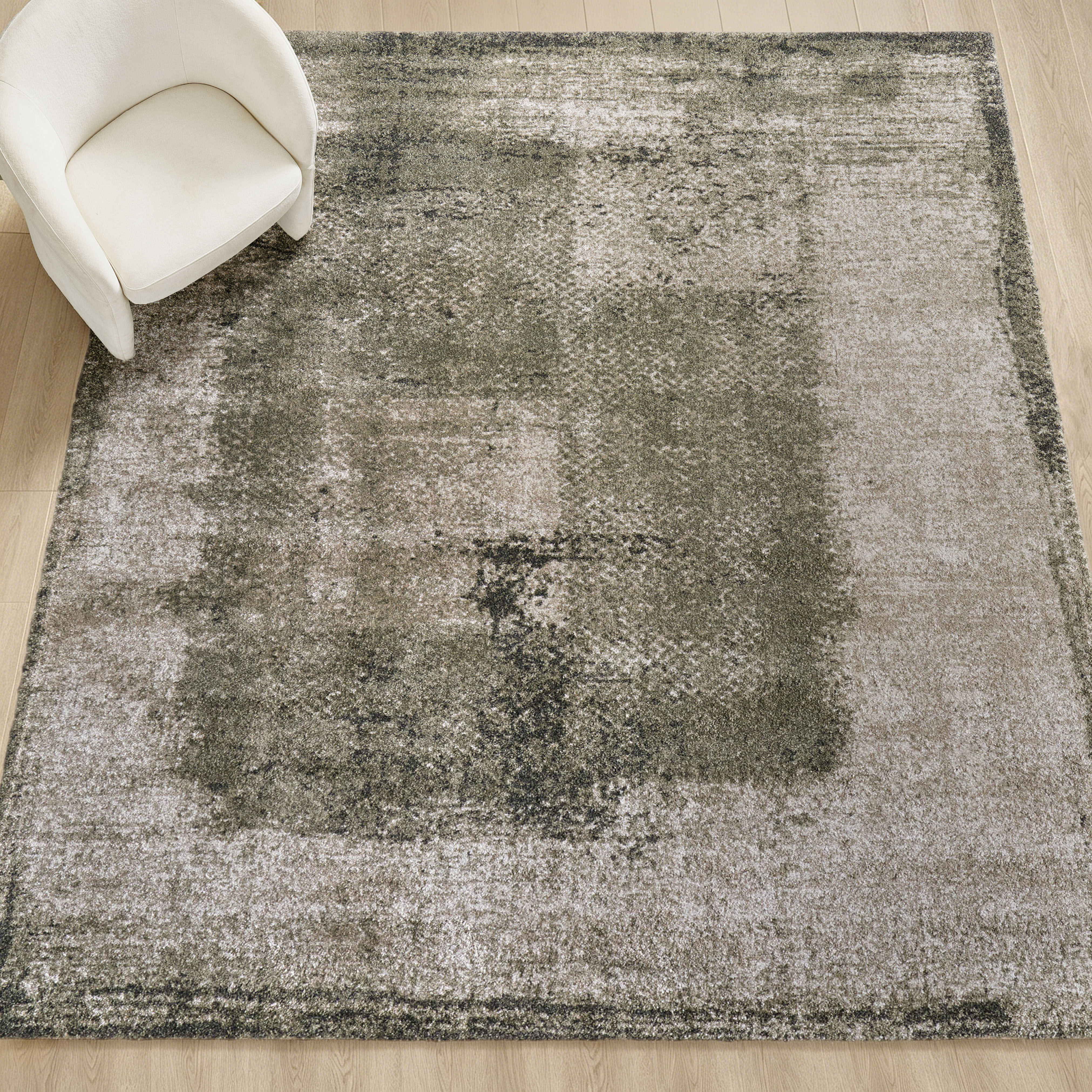
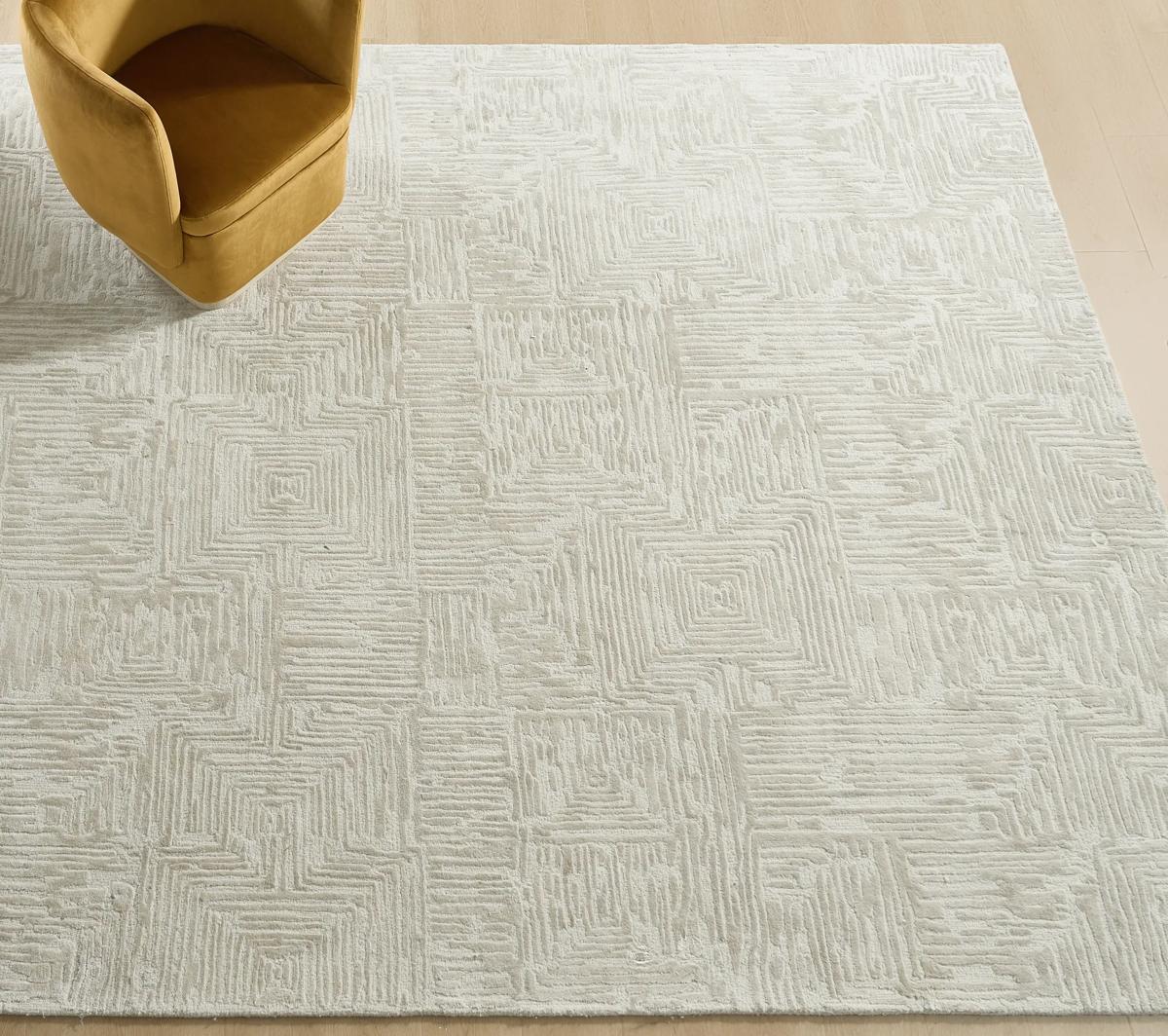
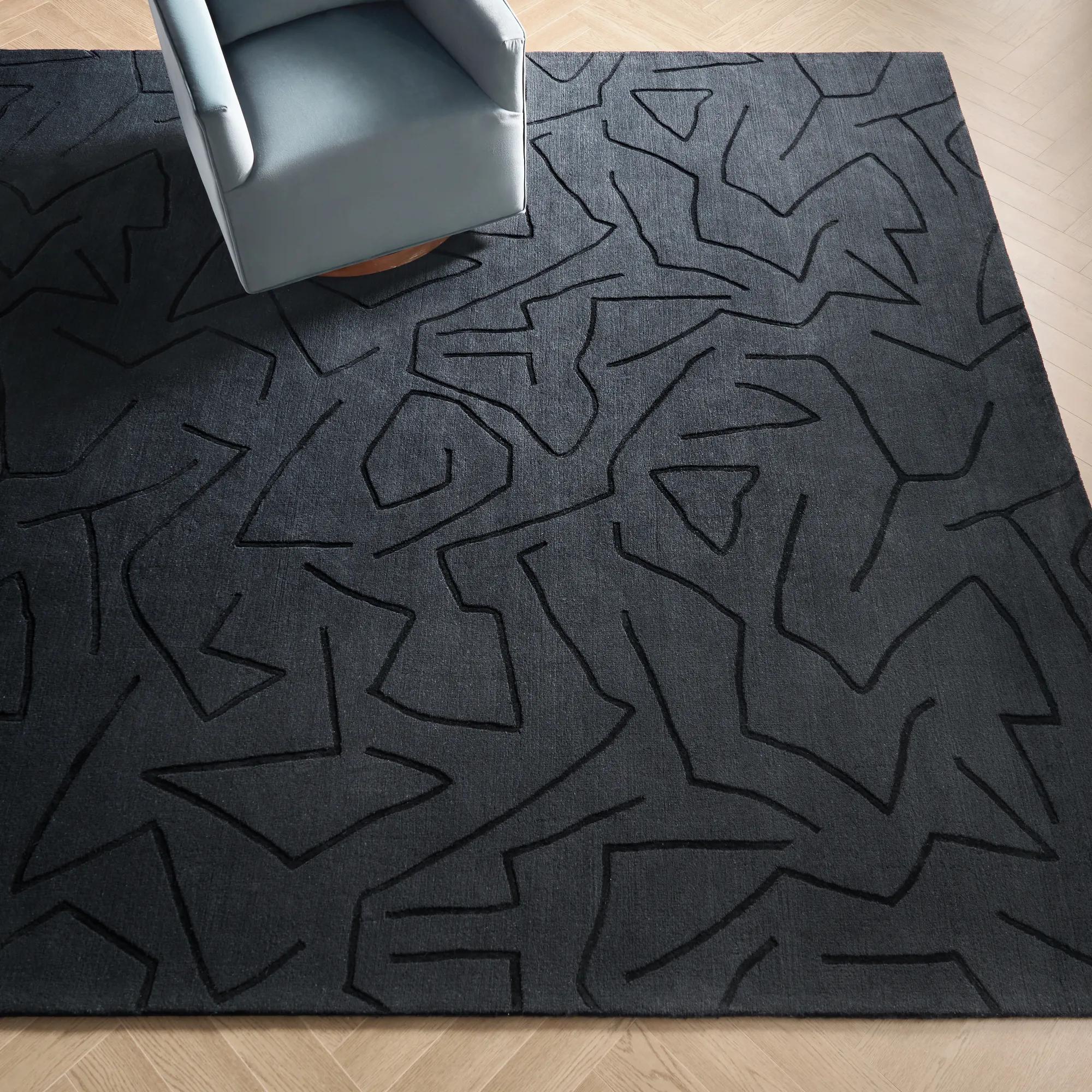 Carved Maze Rug$699
A hand-loomed black rug crafted from wool and viscose, featuring a carved maze design for added texture.
Add To Cart -
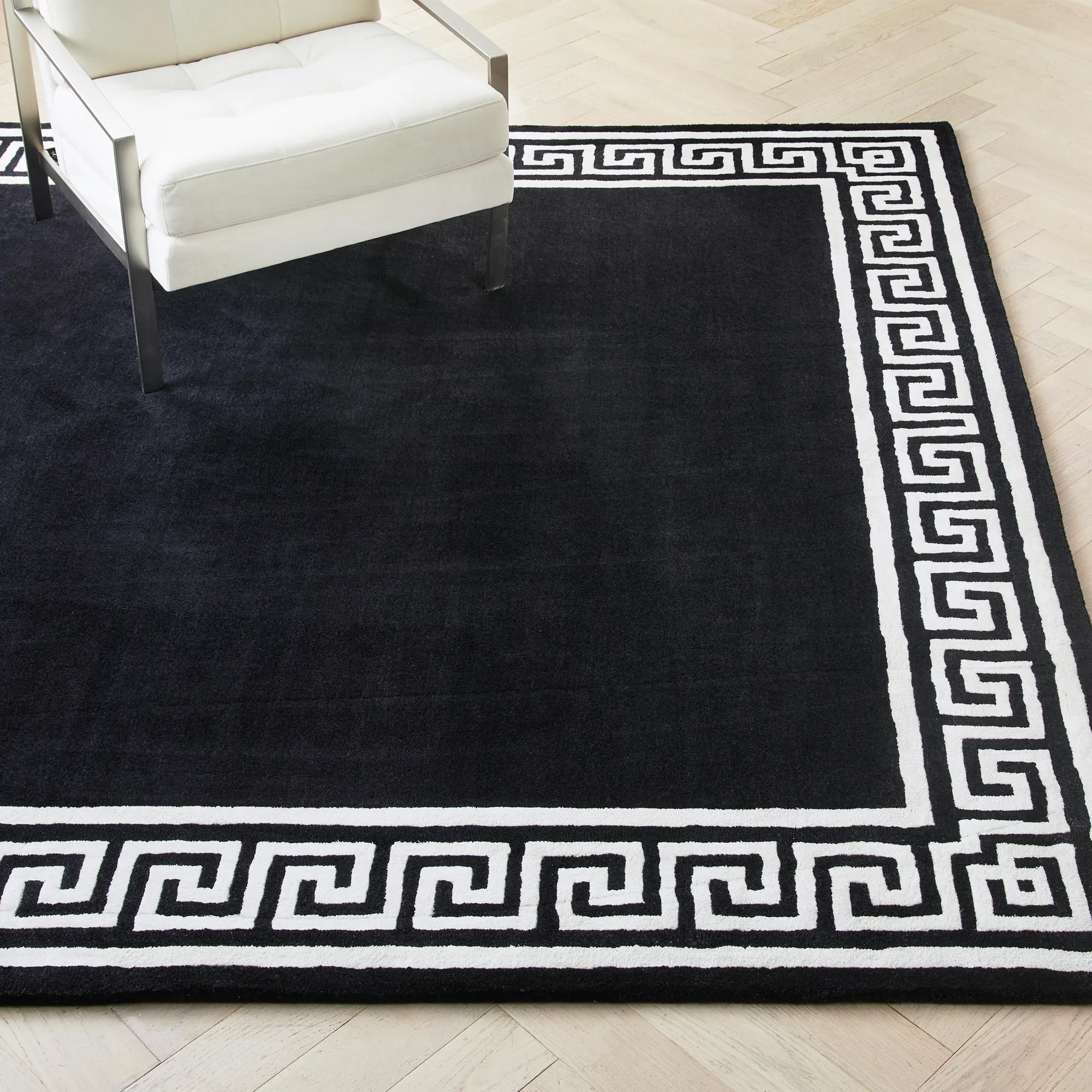
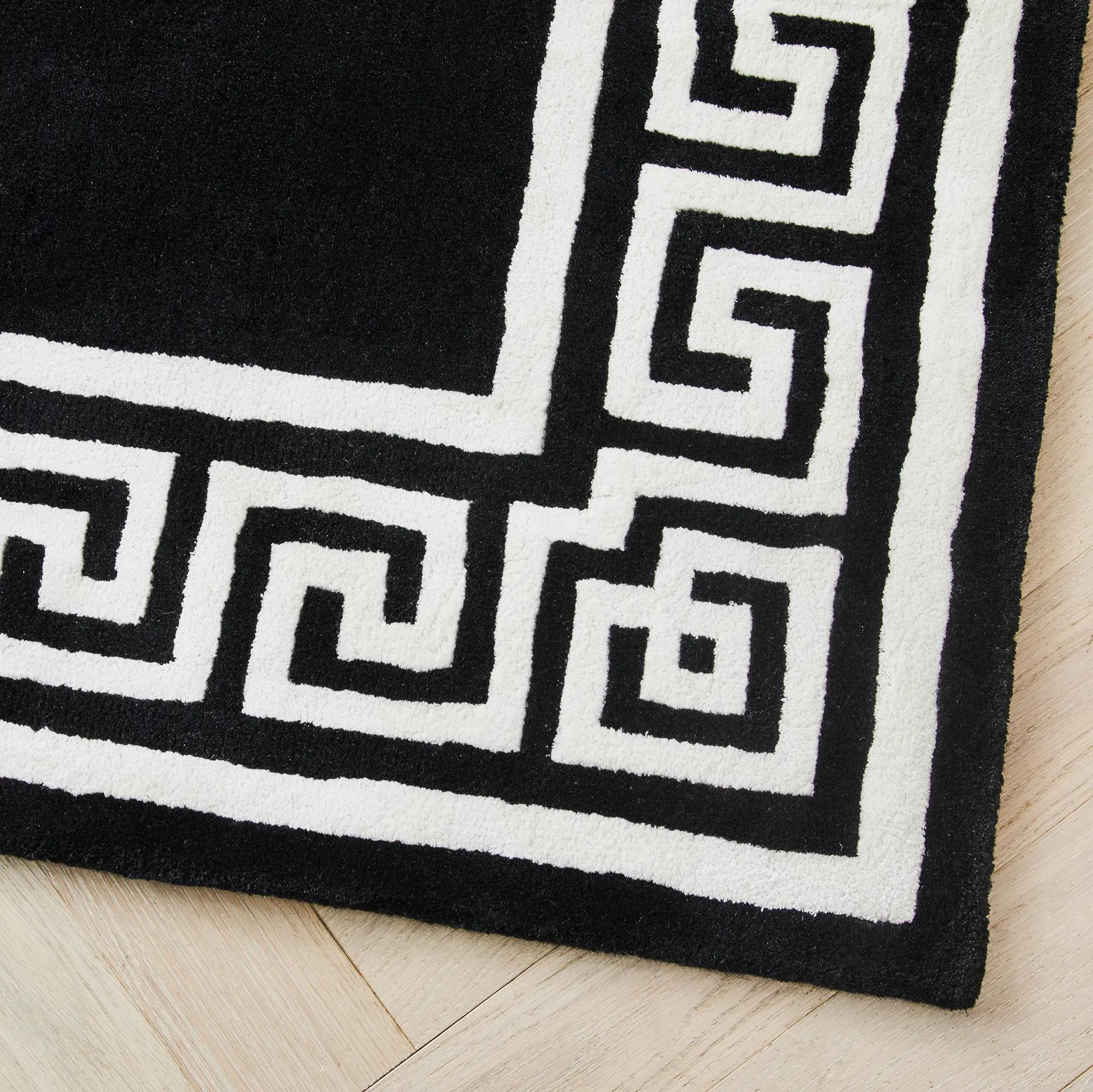 Greek Key Rug - Black/Ivory$1199
A hand-tufted black and ivory rug featuring a classic Greek key pattern in wool and viscose.
Add To Cart -
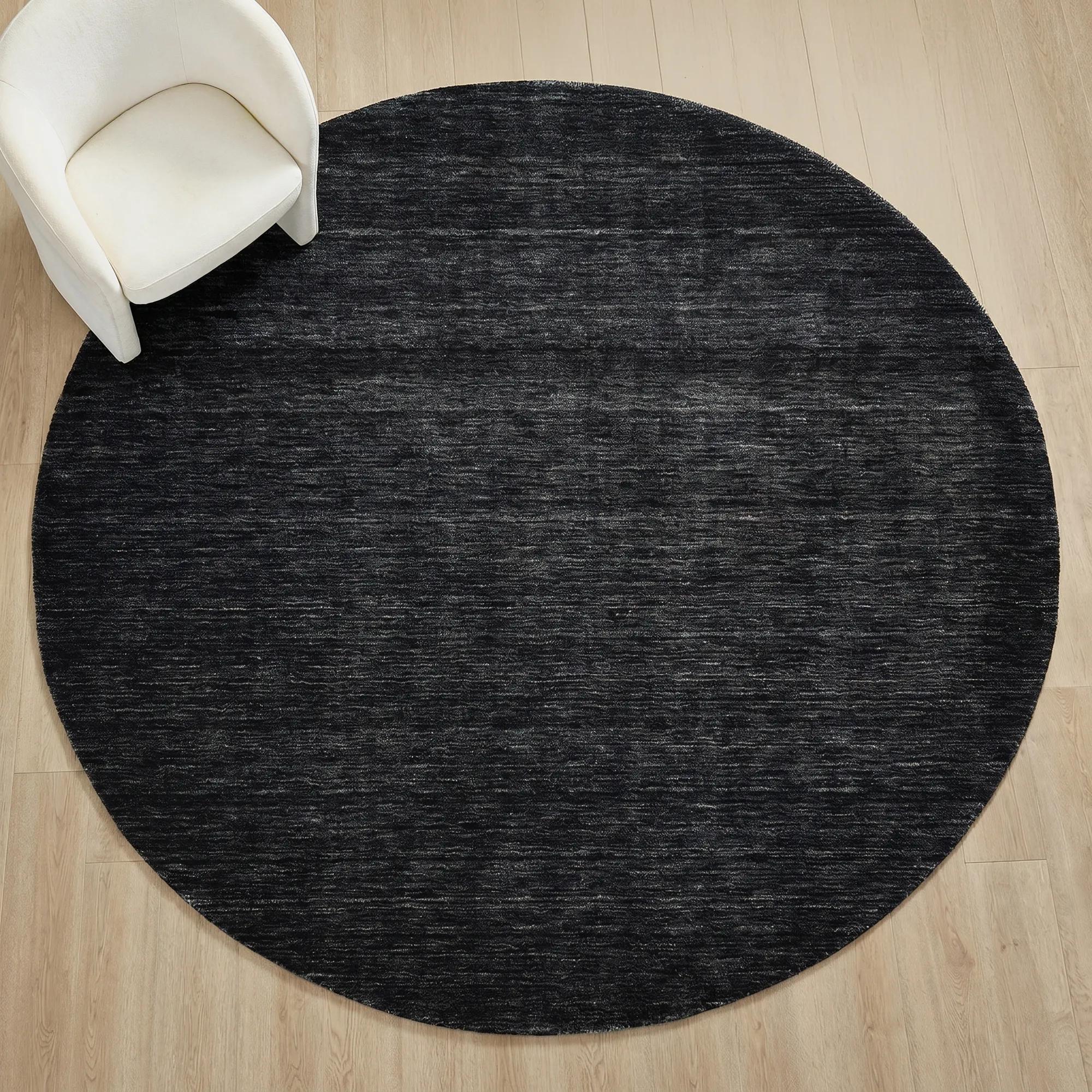 Juni Hand Woven Heathered Black Rug$799
A handwoven round wool rug in heathered black, offering durable texture and moody, contemporary style.
Add To Cart -
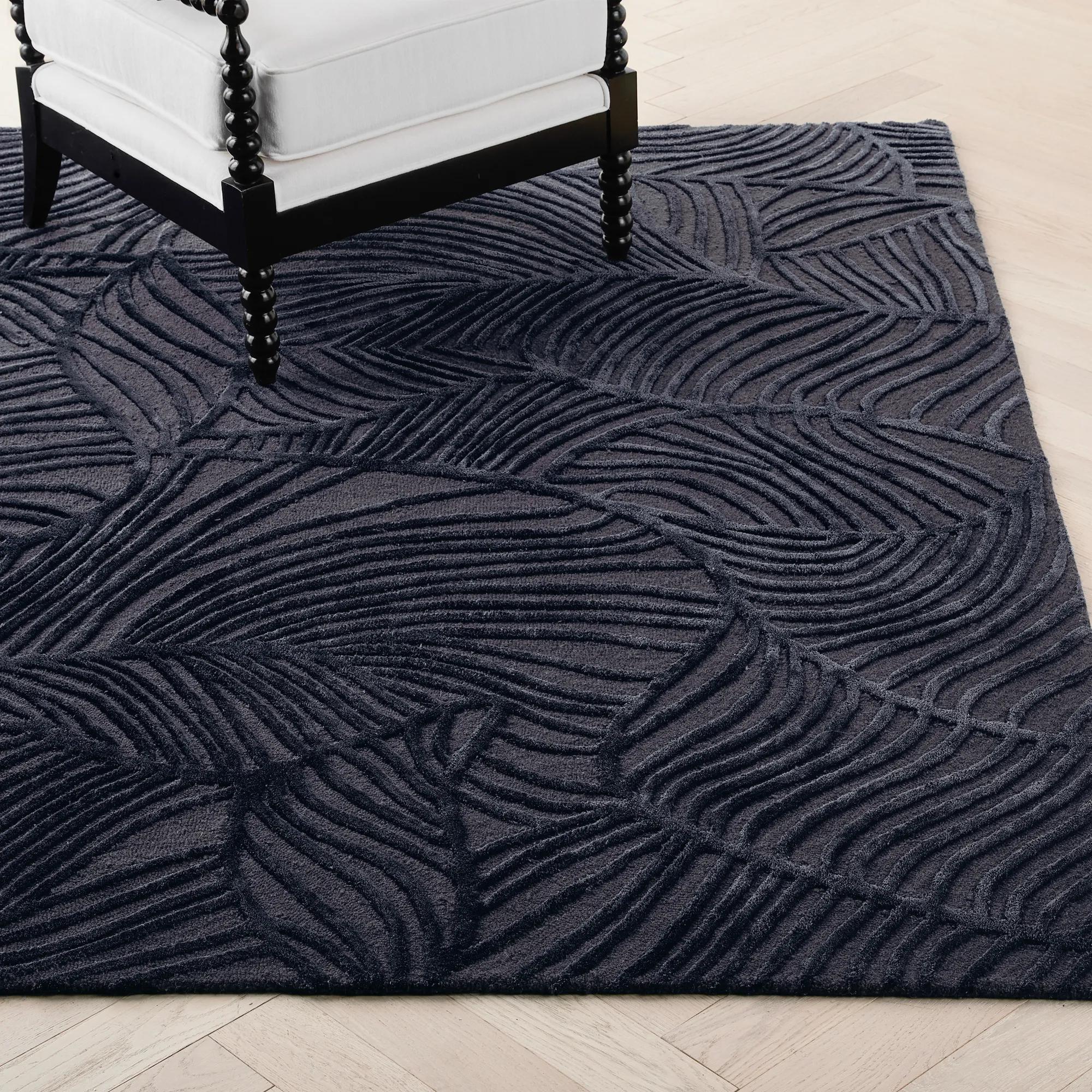
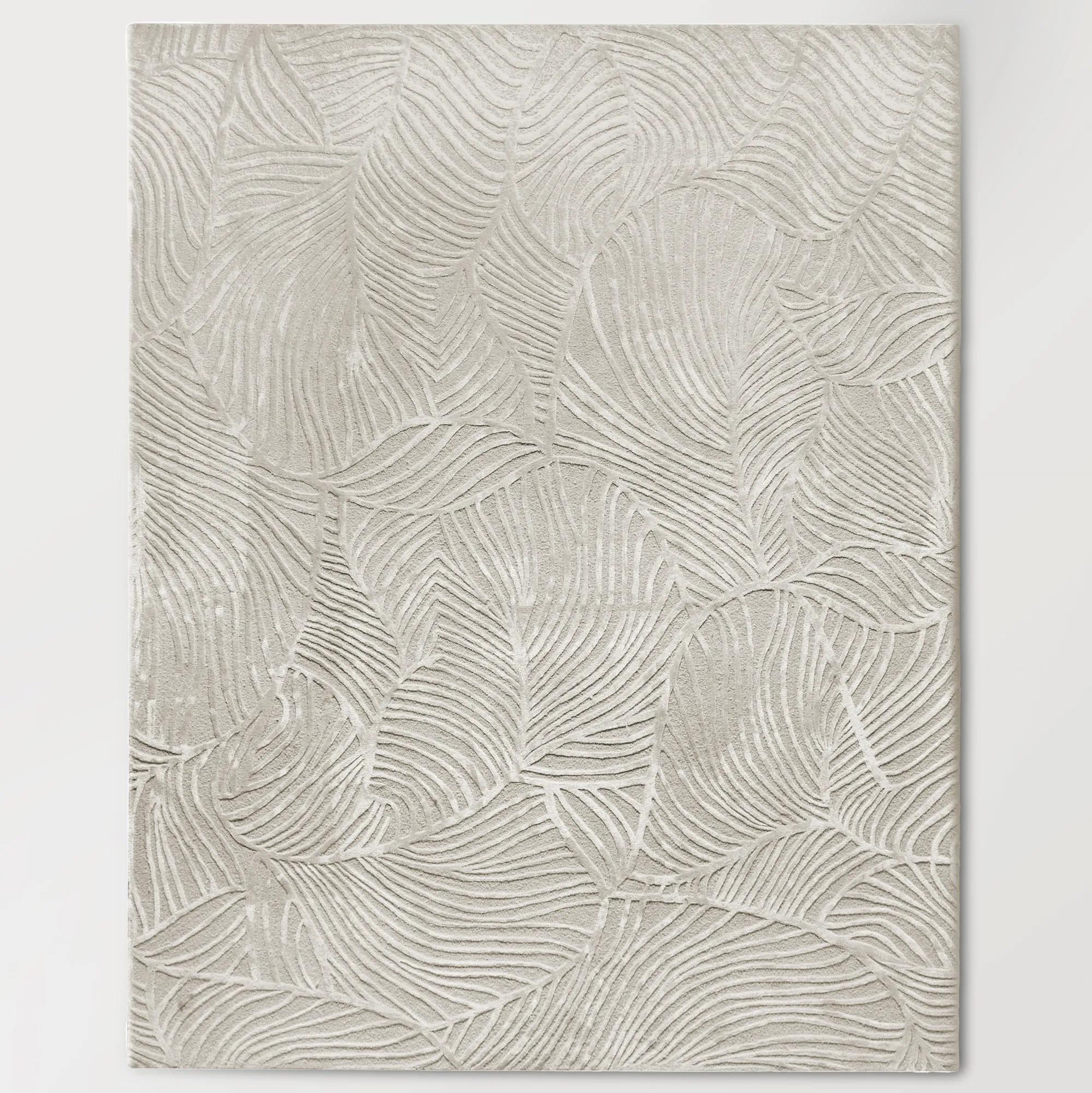
 Palm Rug - Charcoal$1499
A charcoal rug featuring a dynamic palm-leaf design with a textured high-low viscose and wool pile.
Add To Cart -
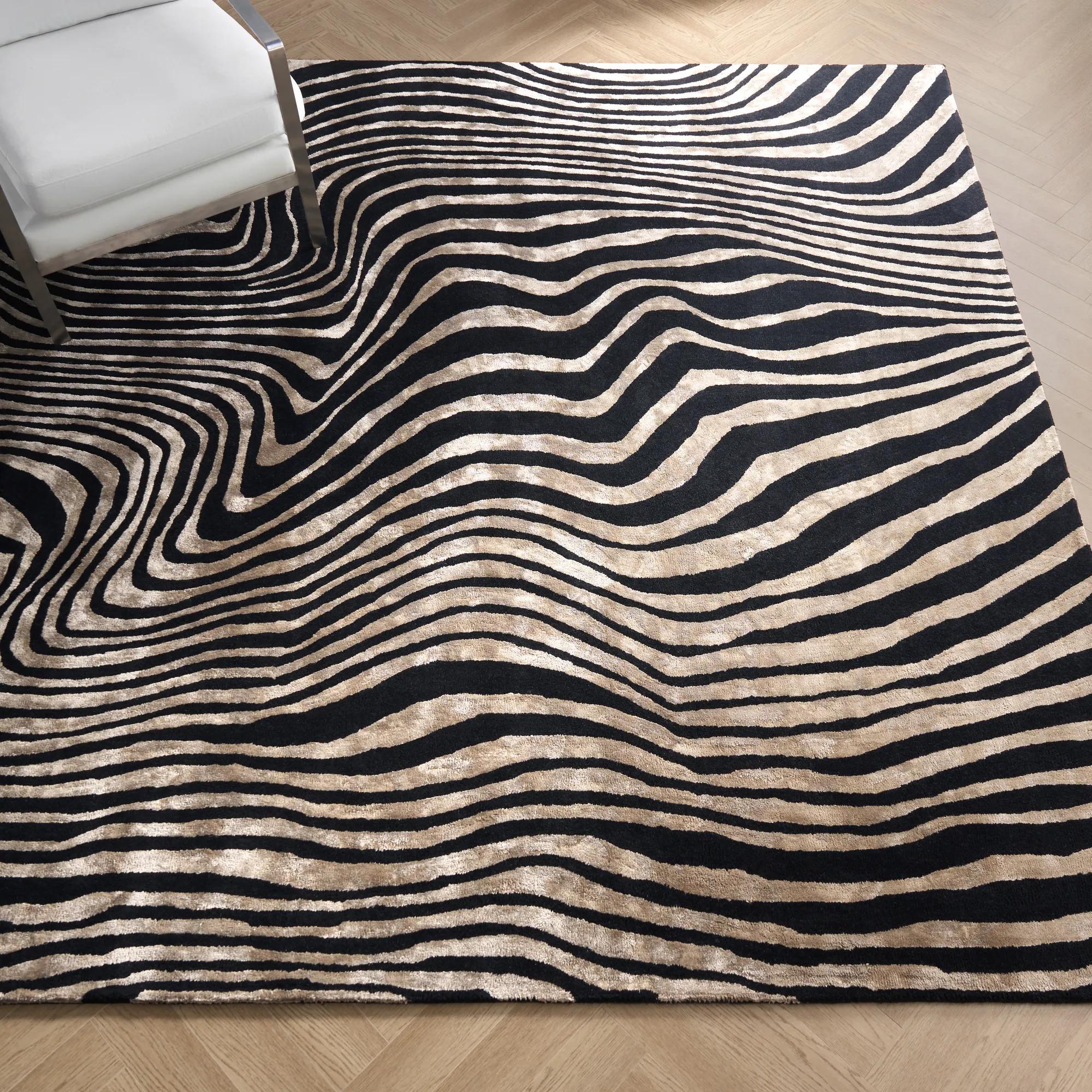
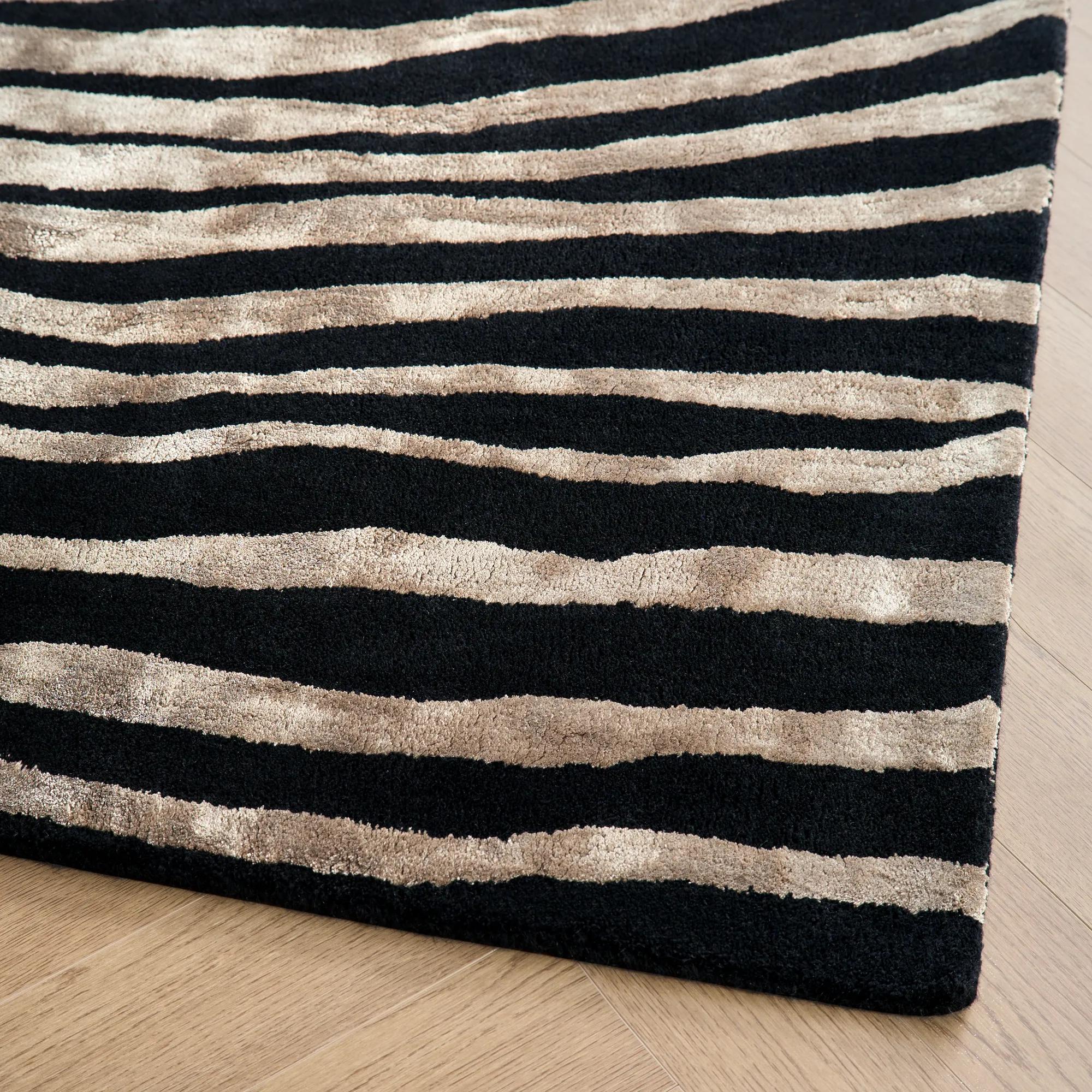 Abstract Zebra Hand-Tufted Black/Taupe Wool Blend Rug$1599
An artisan hand-tufted rug in black and taupe wool-viscose, featuring a striking abstract zebra pattern.
Add To Cart

Black Rugs For High Traffic Areas
Black rugs for high-traffic areas are the secret ingredient to creating a foundation of drama and durability in any space. Their deep, saturated hues command attention while artfully concealing the bustle of daily life, transforming entryways, living rooms, and corridors into galleries of modern sophistication. Whether you crave a bold contrast or a grounding anchor for your décor, these statement pieces invite you to paint your home with confidence and flair. Let every step be an experience as black rugs for high traffic areas set the stage for luxurious living that never fades into the background.
Black rugs for high-traffic areas create a striking foundation for the rooms that see the most movement, combining a dramatic palette with everyday practicality. Deep charcoal, ink, and true black can help camouflage dark soil and minor marks between cleanings, making these rugs appealing for entryways, hallways, living rooms, and other frequently used spaces. Color alone does not determine performance, however: fiber, construction, pile height, and care requirements all influence how a rug handles repeated footsteps. Black also makes pale lint, light-colored pet hair, and fine dust more noticeable, so a subtly patterned surface can offer a more forgiving look than an uninterrupted field of solid color. Tonal geometry, distressed effects, and finely mottled designs introduce visual depth while helping soften the appearance of everyday debris. The result is a floor covering with presence rather than visual heaviness. Against pale oak, a black rug creates crisp contrast; beside walnut furniture, it establishes a rich, layered composition. Ivory upholstery gains definition, brushed brass takes on a warmer glow, and sculptural furnishings feel deliberately framed. In an open living space, a generous dark rug can distinguish the seating area without interrupting the architecture. Along a hallway, an elongated black runner gives the eye a clear path while adding rhythm beneath artwork or a series of light fixtures. For busy households, frequent hosts, and anyone drawn to expressive interiors, this balance of polish and practicality is especially compelling. Within the broader category of High Traffic Area Rugs, black designs offer a particularly confident way to anchor a room, whether the surrounding palette is restrained or richly layered. Their appeal lies as much in atmosphere as in utility: a dark foundation gives decorative details room to shine while making a well-used space feel composed.
The most suitable materials for a high-traffic black rug depend on where it will live and the demands placed on it. Wool is valued for its natural resilience, which helps fibers recover from compression, and its substantial texture brings warmth and dimension to a dark palette. It still requires prompt attention to spills, and some wool rugs shed loose fibers, particularly early in their use. Nylon is another resilient option for active spaces, while polypropylene is often chosen for its moisture resistance and relatively straightforward upkeep. Polyester can offer softness and rich coloration, although its ability to resist flattening varies with the fiber and construction. These distinctions matter more than a broad promise of durability: a densely constructed, low-pile rug will generally behave differently from a loose, lofty style, even when both share the same fiber content. Low pile allows doors to clear more easily and tends to simplify routine vacuuming, making it useful near entrances and through connecting spaces. A flatwoven surface offers a tailored profile with little pile to compress, while a tightly constructed cut pile can deliver a more cushioned feel beneath a living room arrangement. In either case, secure edges and sound backing contribute to lasting performance. Texture deserves equal consideration. A lustrous black surface may reveal directional shading, furniture impressions, or vacuum tracks more readily than a matte, varied finish. That movement can be visually beautiful, but it creates a different effect from a consistent, softly textured ground. Households with pets may also prefer to assess loop size and construction, since claws can catch in some looped weaves. For dining areas, a low, even surface helps chairs move more freely; for a lounge where people gather daily, resilience and comfort carry greater weight. The strongest choice pairs the desired visual effect with a construction suited to the room, rather than relying on dark color to do all the work.
Proportion gives a black area rug its architectural effect. In a living room, a size that accommodates at least the front legs of the main seating pieces helps connect the arrangement, allowing the rug to read as a foundation rather than an isolated accent. Beneath a dining table, enough coverage should extend beyond the tabletop for chairs to remain on the rug when pulled out for use; approximately 24 to 30 inches on each side is a common starting point, adjusted to the furniture and room. A hallway runner benefits from an even border of exposed flooring and clear access to doorways, while an entry rug needs enough clearance for the door to swing freely over both the rug and its pad. Measuring the full placement, including nearby furniture and turning points, helps preserve comfortable movement through the space. An appropriately sized rug pad, selected for the flooring and rug construction, can help reduce shifting, add cushioning, and limit friction beneath the rug; floor-finish compatibility is important, particularly on wood and other sensitive surfaces. Care then becomes part of maintaining the design. Regular vacuuming removes gritty particles that can work into the fibers, with suction and brush settings chosen according to the manufacturer’s instructions. Black rugs benefit from this attention even when tracked-in soil is not immediately visible. Blot spills promptly with a clean, absorbent cloth rather than rubbing, and use only cleaning methods approved for the material, testing any permitted cleaner in an inconspicuous area first. Washable construction should never be assumed from fiber content alone, and deeper cleaning should follow the care label. Where the layout permits, occasional rotation can help distribute wear from favorite seats and repeated walking routes. Protective furniture cups may also be appropriate beneath concentrated weight, depending on the rug and flooring. With thoughtful placement and consistent care, black rugs bring depth to the busiest parts of a home: a defined welcome at the entrance, a tailored passage between rooms, or a richly grounded setting for conversation. The effect is expressive and assured, with daily function woven into the composition.
FAQs
For high-traffic areas, black rugs crafted from resilient materials such as low-pile wool, polypropylene, and nylon are highly desirable. These fibers offer exceptional durability, resist staining, and maintain their sumptuous texture even through the busiest days. Synthetic blends are also favored for their easy-care qualities, making them a sophisticated yet practical choice for bustling homes.
A black rug instantly infuses a room with a sense of drama and depth, grounding bold vignettes with its rich, enigmatic hue. It sets a sophisticated stage for both modern and eclectic interiors, allowing colorful furnishings and metallic accents to gleam against its backdrop. The result is a space that feels curated, confident, and undeniably chic.
Black rugs make a remarkable gift for housewarmings, weddings, or milestone celebrations, especially for recipients who appreciate expressive design and crave a touch of luxury in their everyday surroundings. Gifting a black rug is akin to offering a statement piece—one that transforms a room and becomes an enduring part of someone’s home story.
Patterns and accents—whether in shades of charcoal, gray, or ivory—add layers of artistry to black rugs, elevating their visual intrigue while cleverly camouflaging daily wear. These nuanced details create movement and light within the rug, making it as captivating as it is functional, and ensuring it remains a focal point in any high-traffic setting.
Absolutely. Black rugs possess a timeless versatility that allows them to harmonize with both contemporary and traditional decor. In modern settings, they anchor sleek lines and metallic finishes; in more classic spaces, they provide a dramatic counterpoint to ornate furnishings and rich wood tones. Their adaptability ensures they remain a sophisticated foundation, no matter the style.