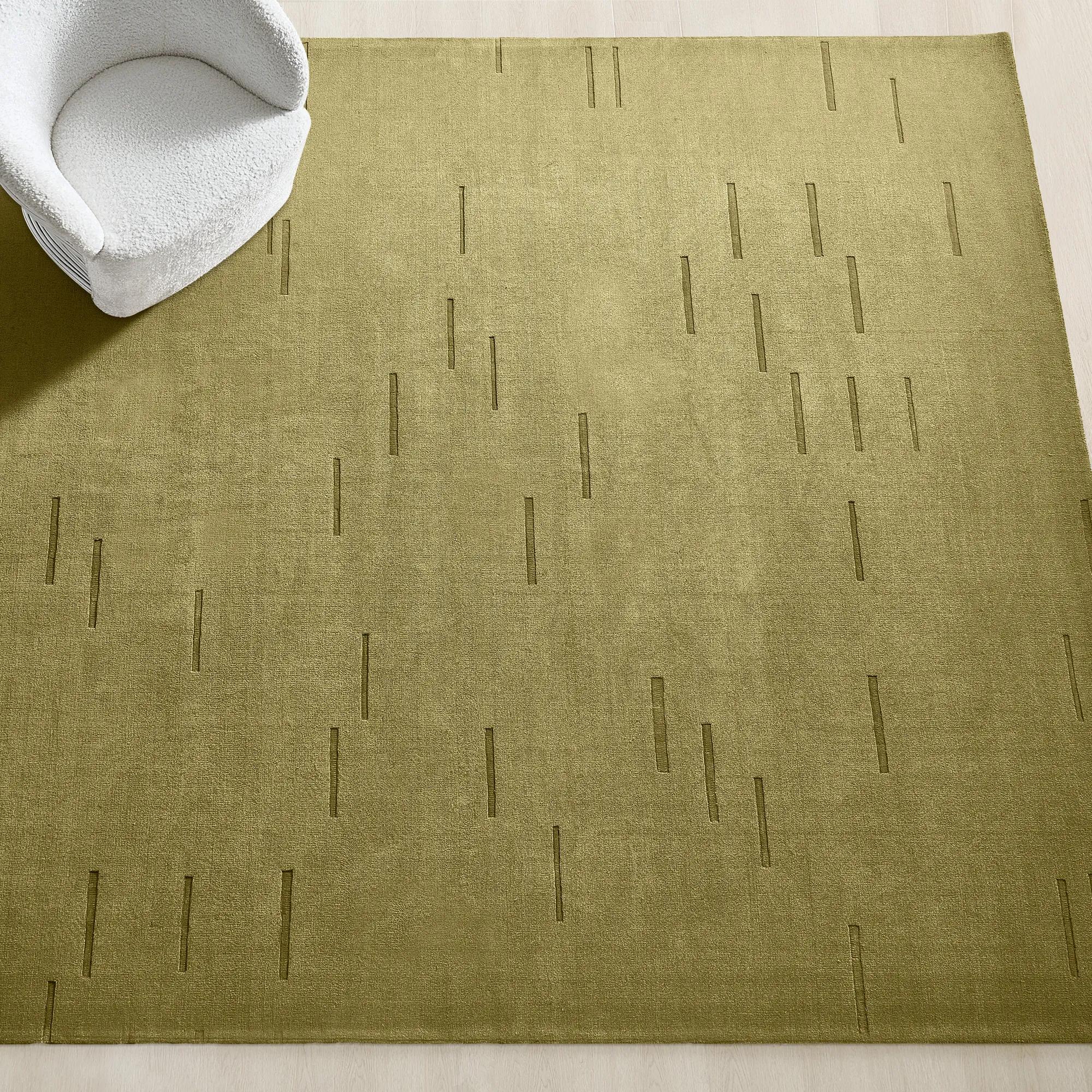
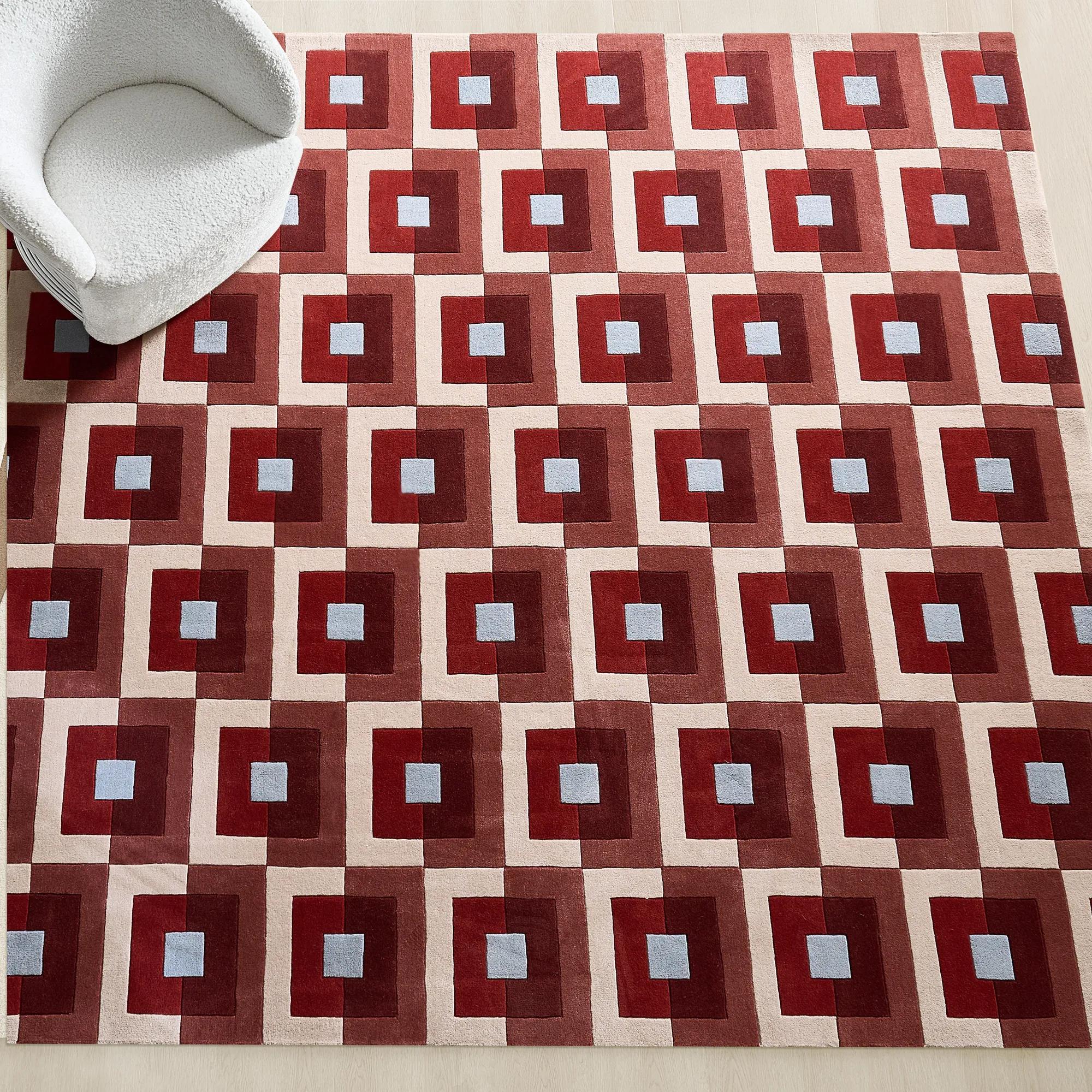
High Traffic Hallway Rugs
High Traffic Hallway Rugs
-
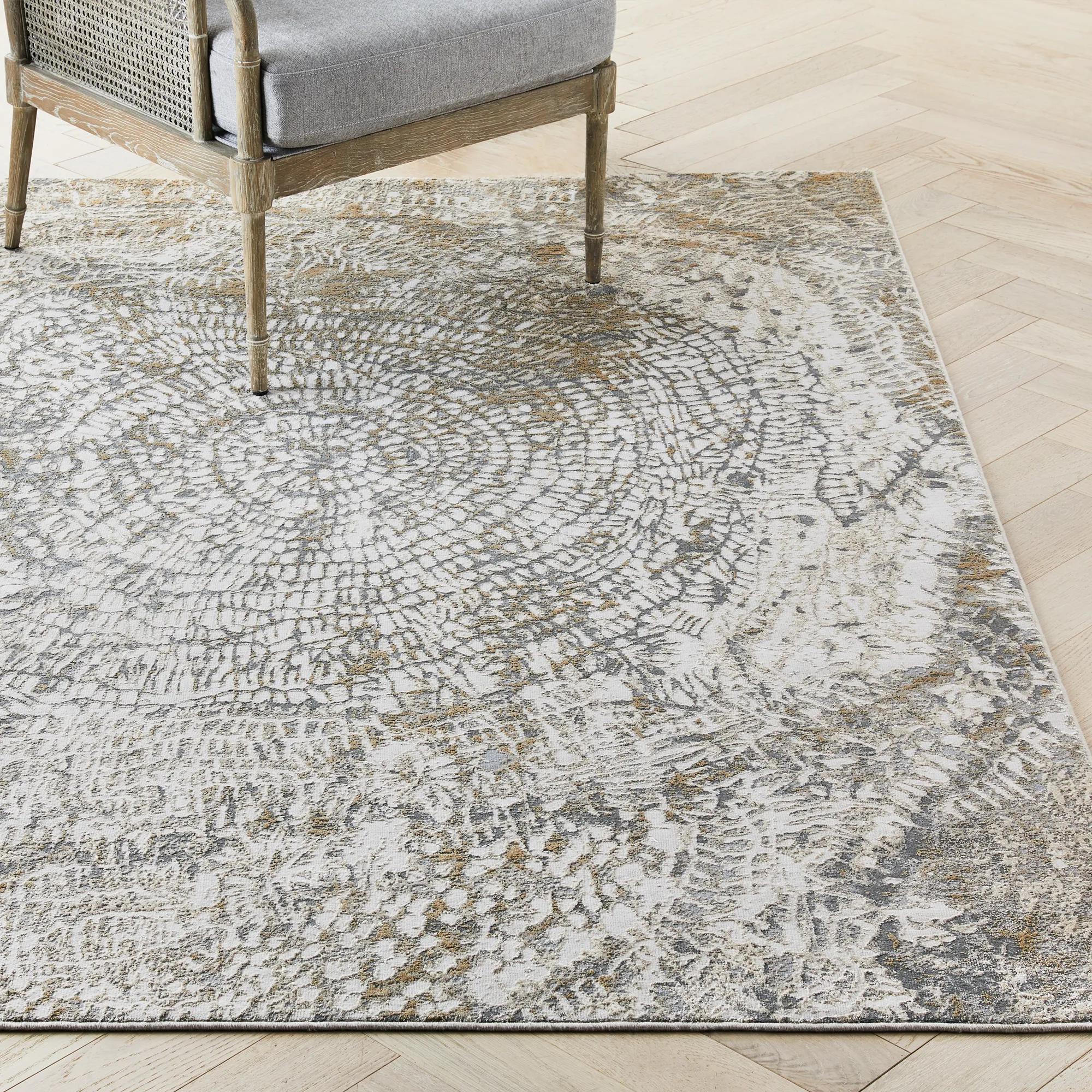 Nautilus Power-Loomed Silver/Grey/Natural Rug$999
A machine-woven ivory rug featuring subtle tonal variations and a durable polypropylene blend construction.
Add To Cart -
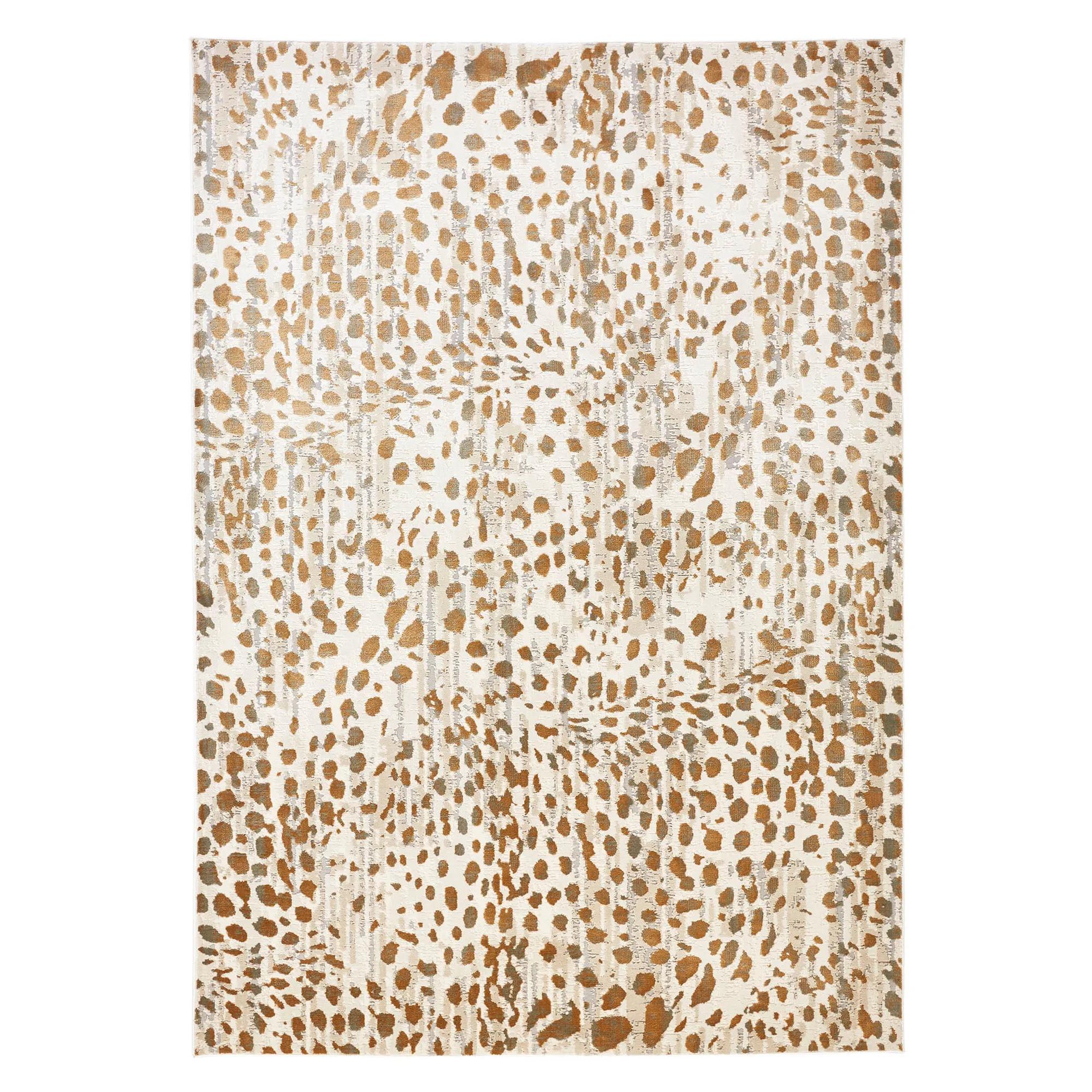
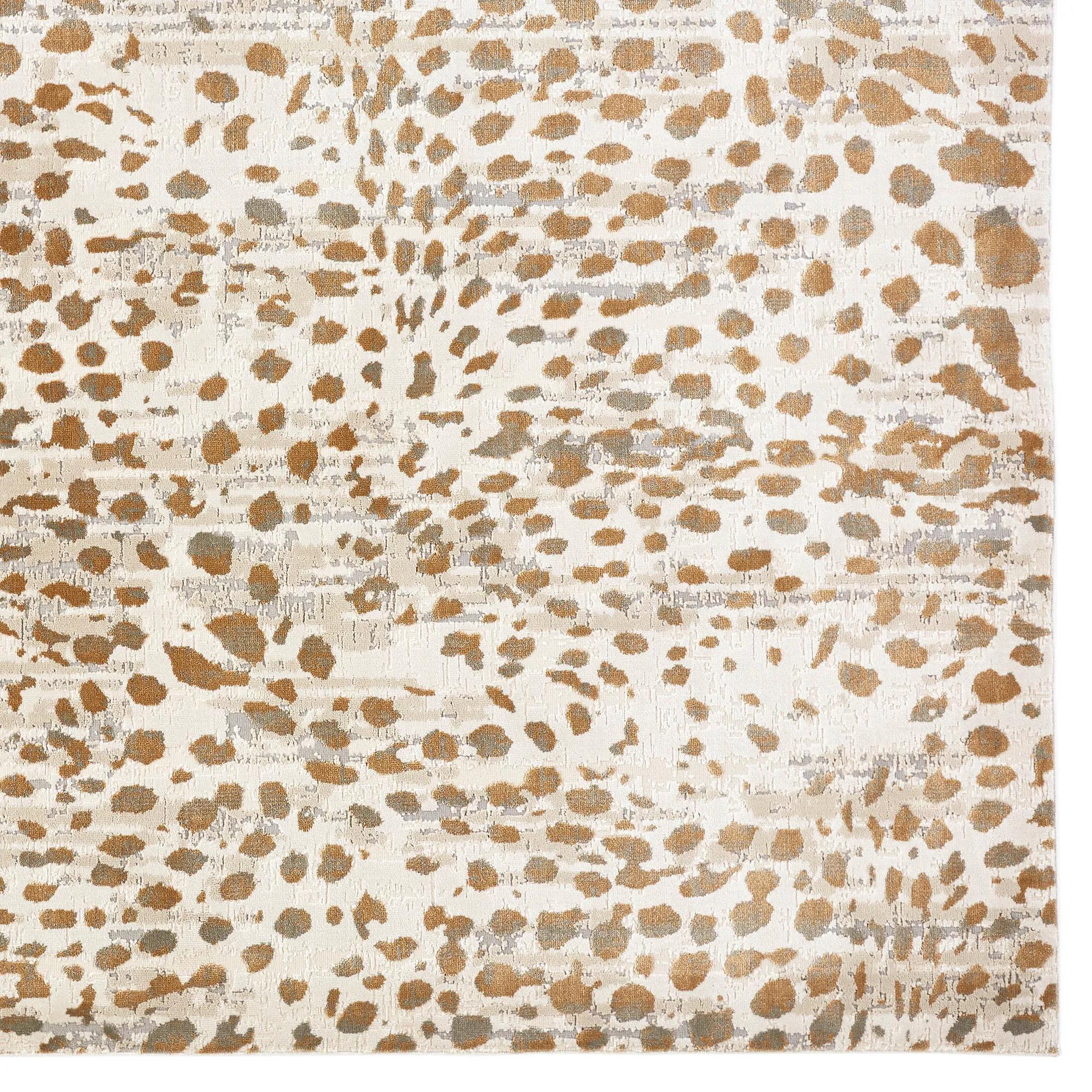 Amur Ivory/Natural Animal Print Power-Loomed Rug$399
A hand-tufted wool and viscose rug featuring a gold chain link design on neutral grey.
Add To Cart -
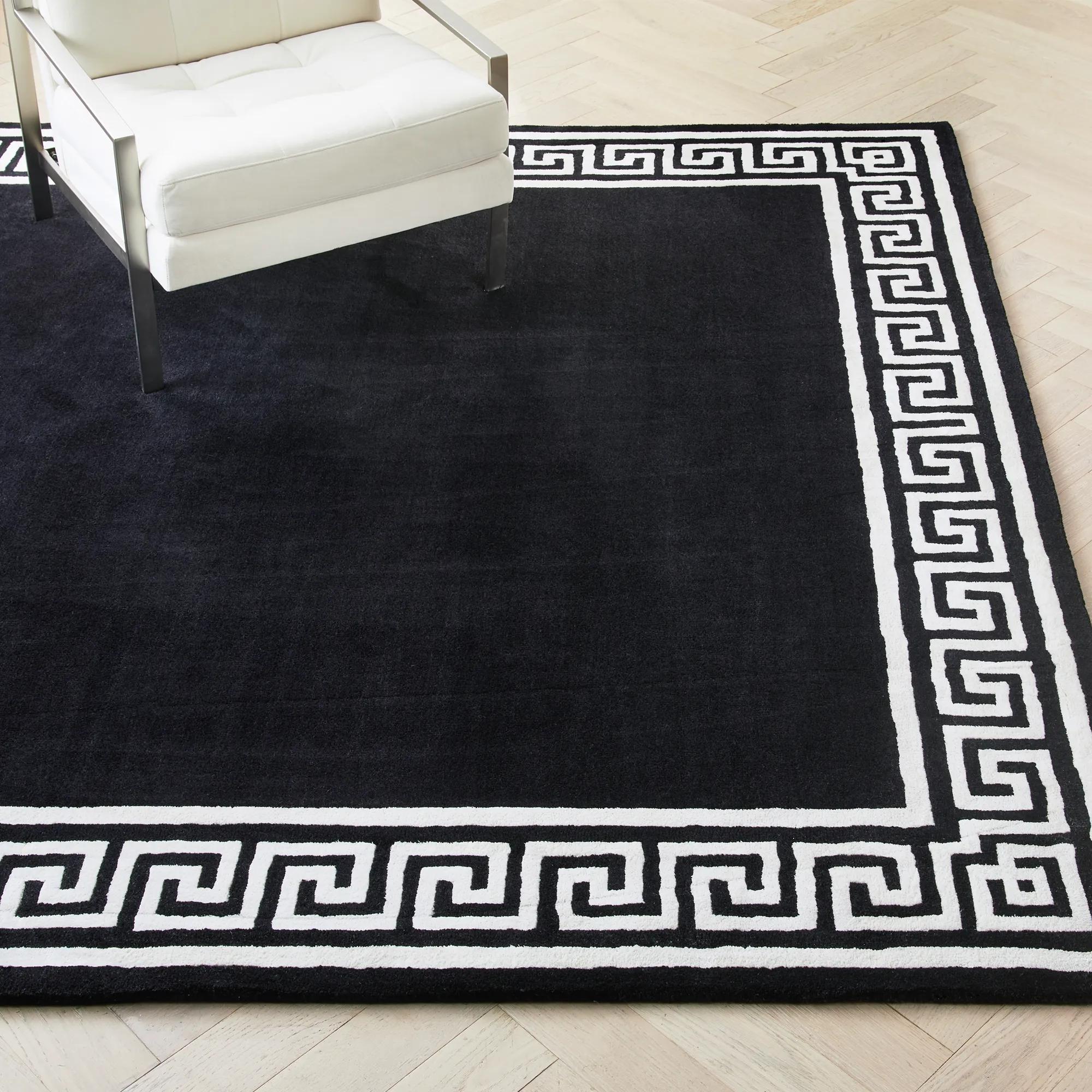
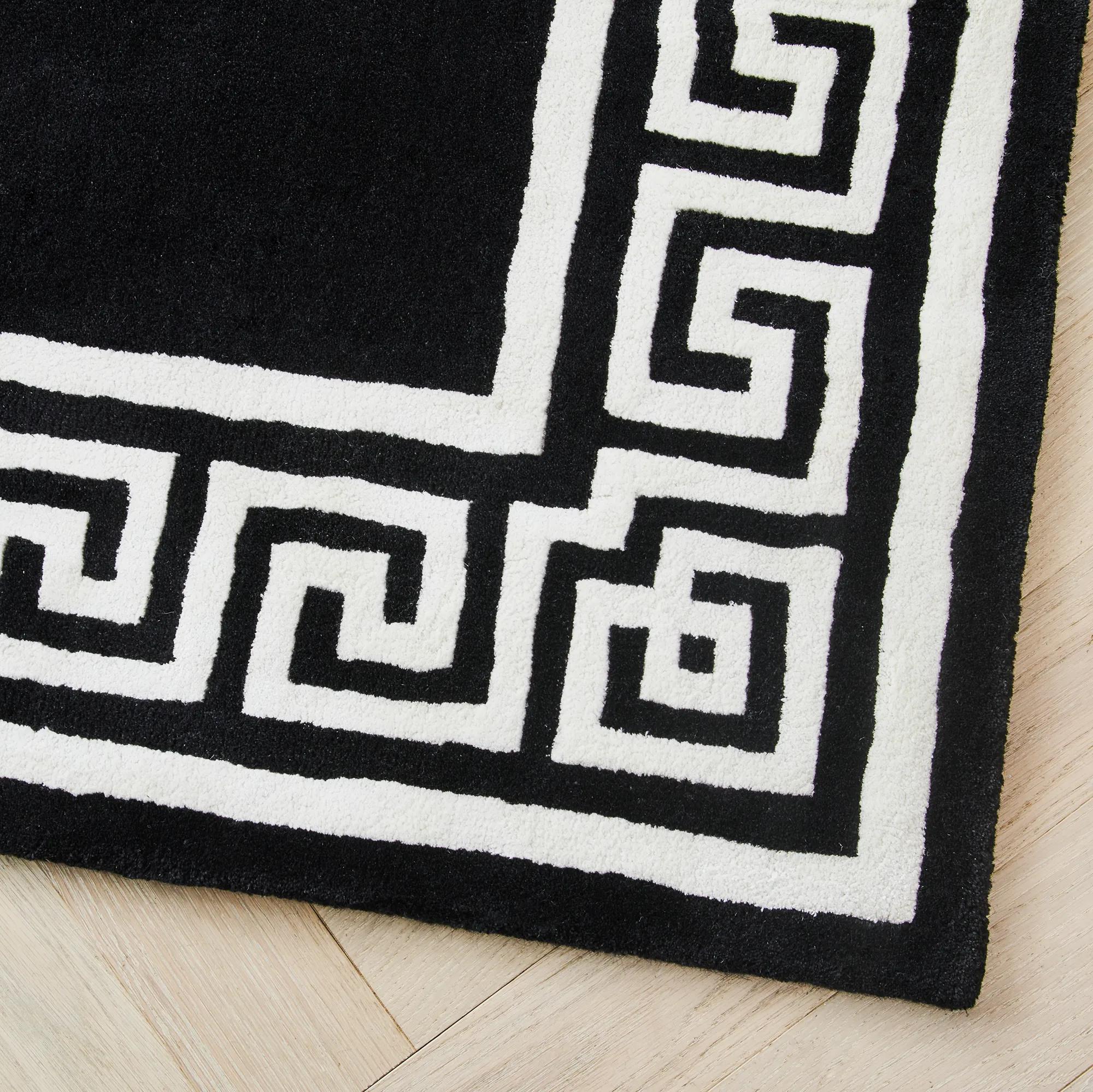 Greek Key Rug - Black/Ivory$1199
A hand-tufted black and ivory rug featuring a classic Greek key pattern in wool and viscose.
Add To Cart -
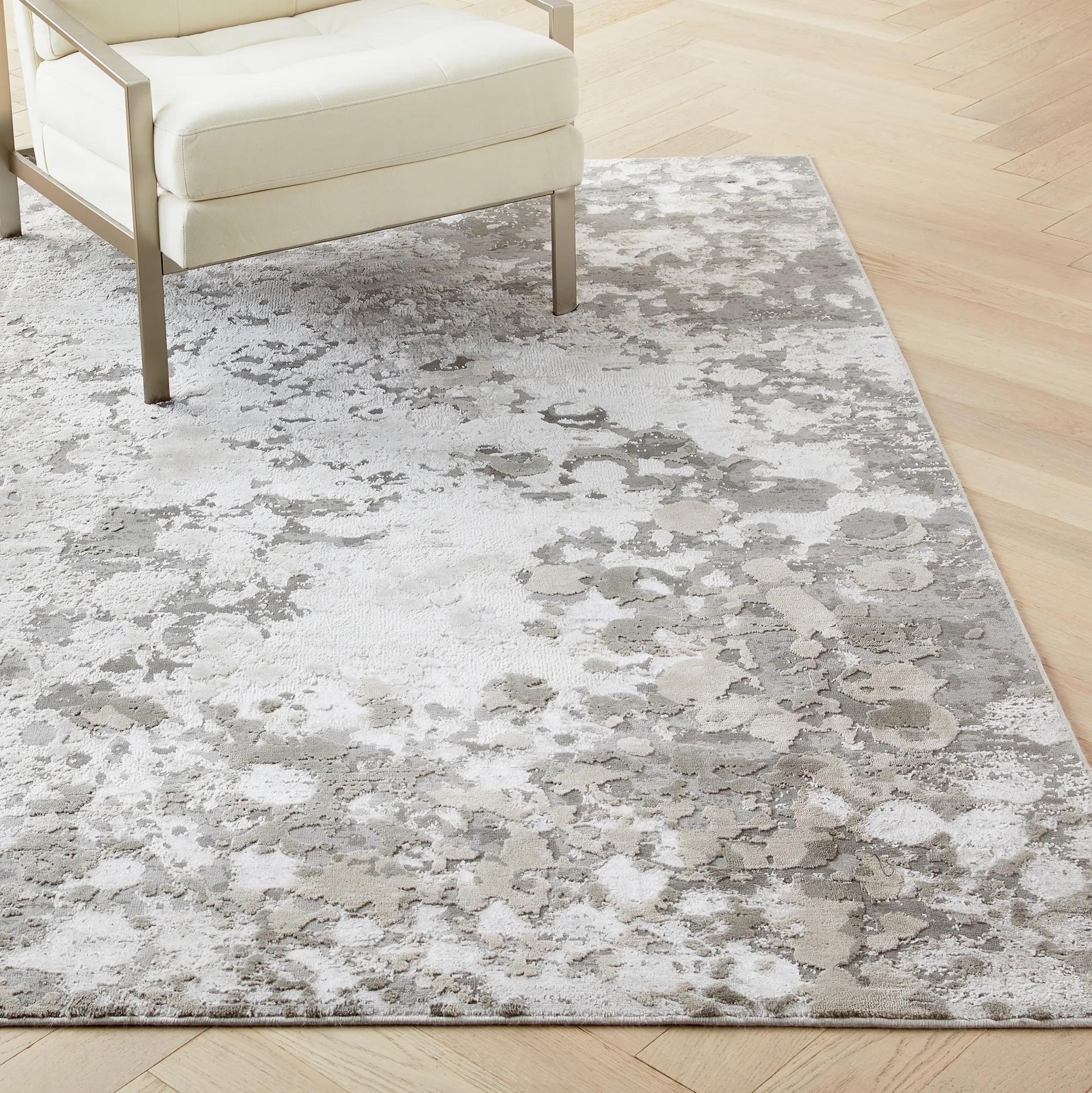 Mercury Power-Loomed Silver/Grey/Beige Rug$249
A neutral floor covering featuring a silver, grey, and beige palette with a textured polyester blend.
Add To Cart -
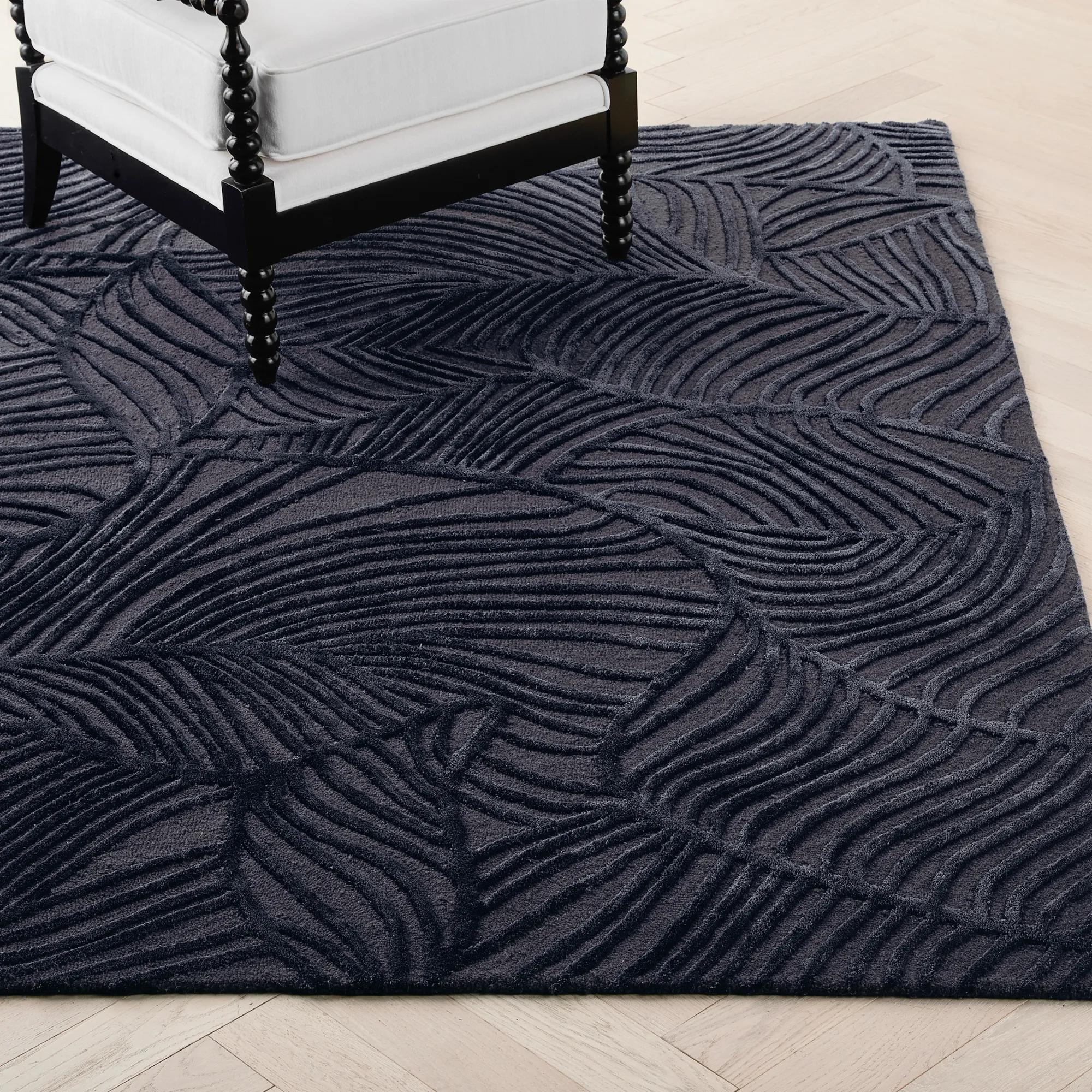
 Palm Rug - Charcoal$999
A charcoal palm-leaf rug crafted from viscose and wool, featuring a textured high-low pile design.
Add To Cart -
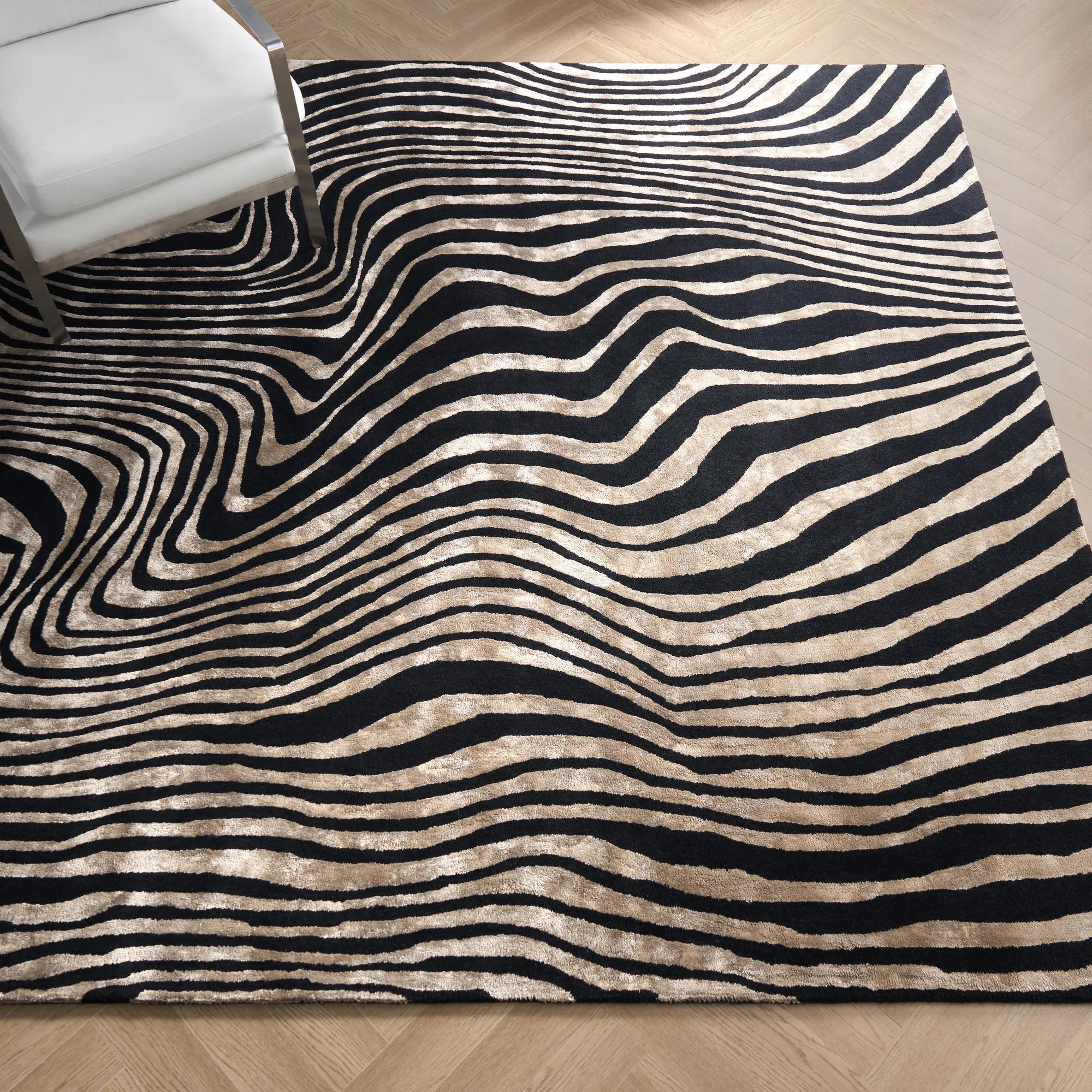
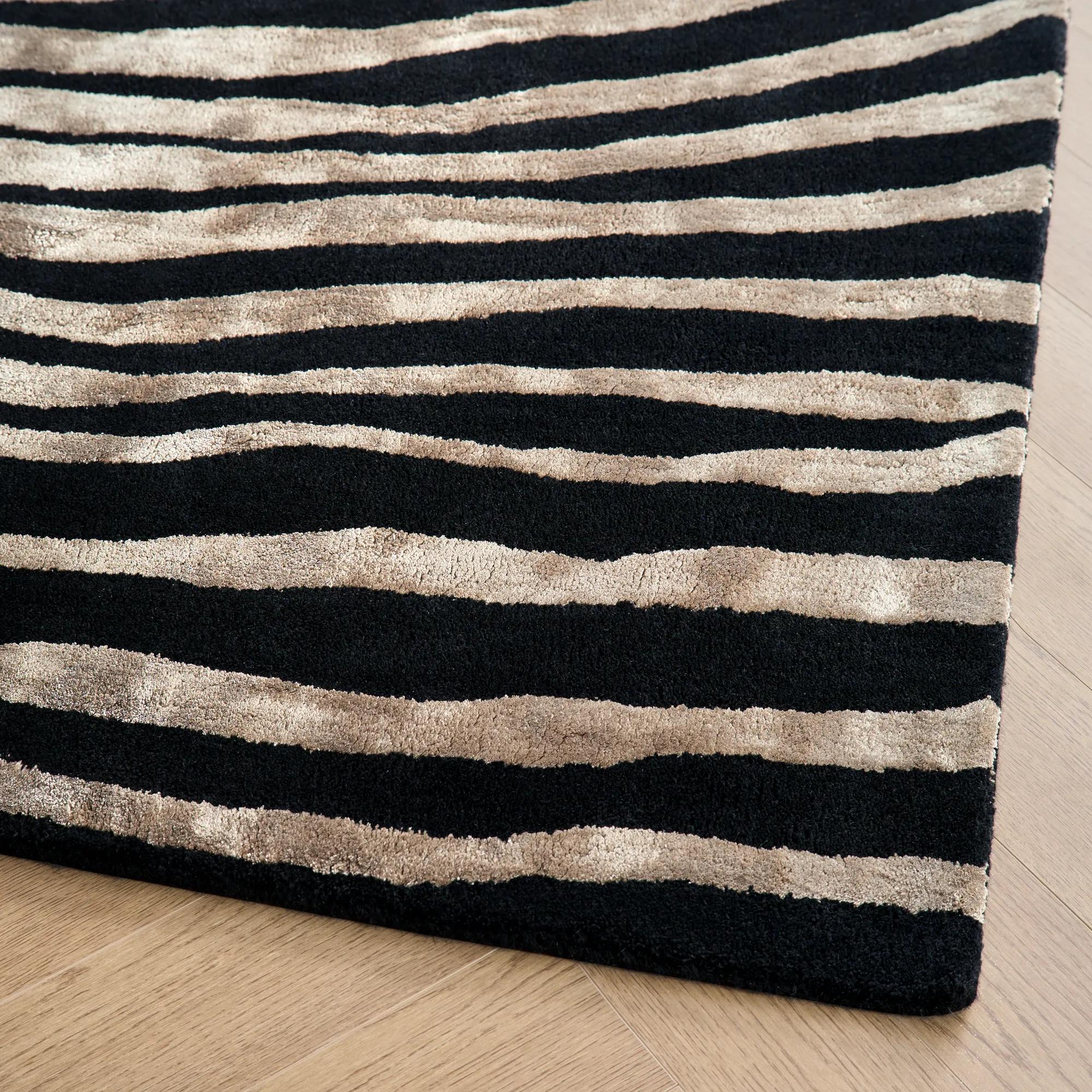 Abstract Zebra Hand-Tufted Black/Taupe Wool Blend Rug$1599
An artisan hand-tufted rug in black and taupe wool-viscose, featuring a striking abstract zebra pattern.
Add To Cart -
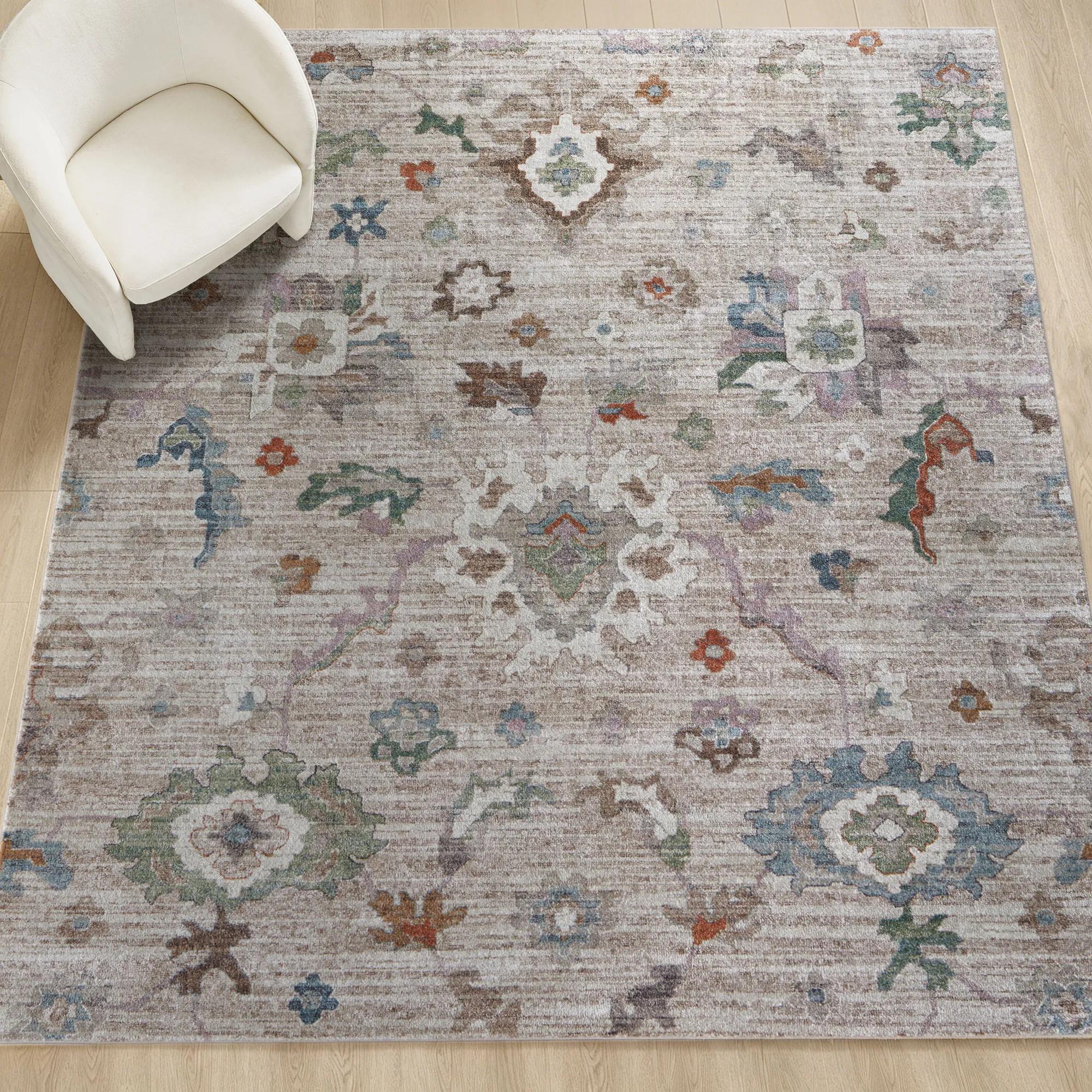
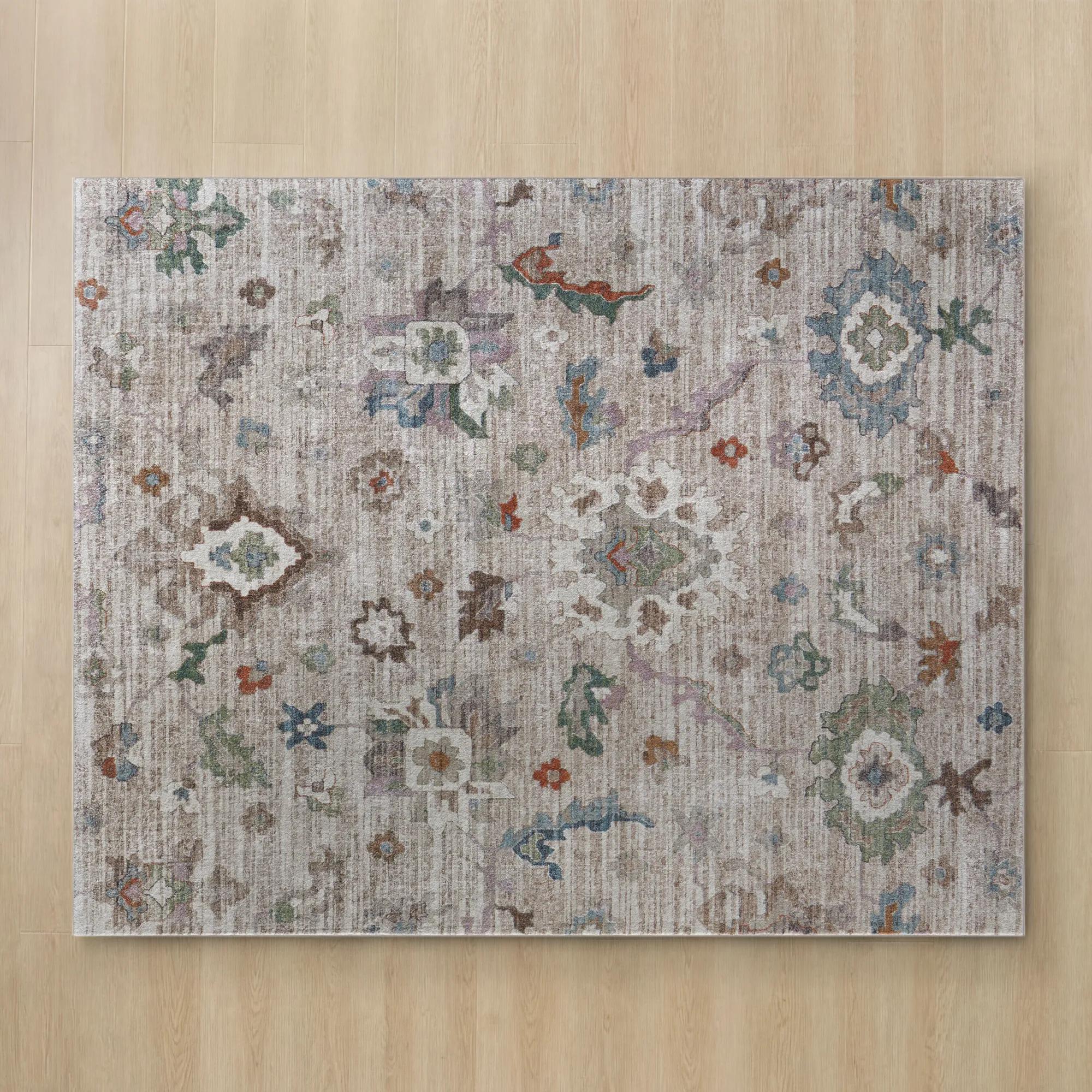 Ariella Floral Taupe/Ivory/Beige/Blue/Green Performance Power Loomed Rug$1399
A Persian-inspired rug in taupe, ivory, beige, blue, and green with a plush, power-loomed polypropylene pile.
Add To Cart -
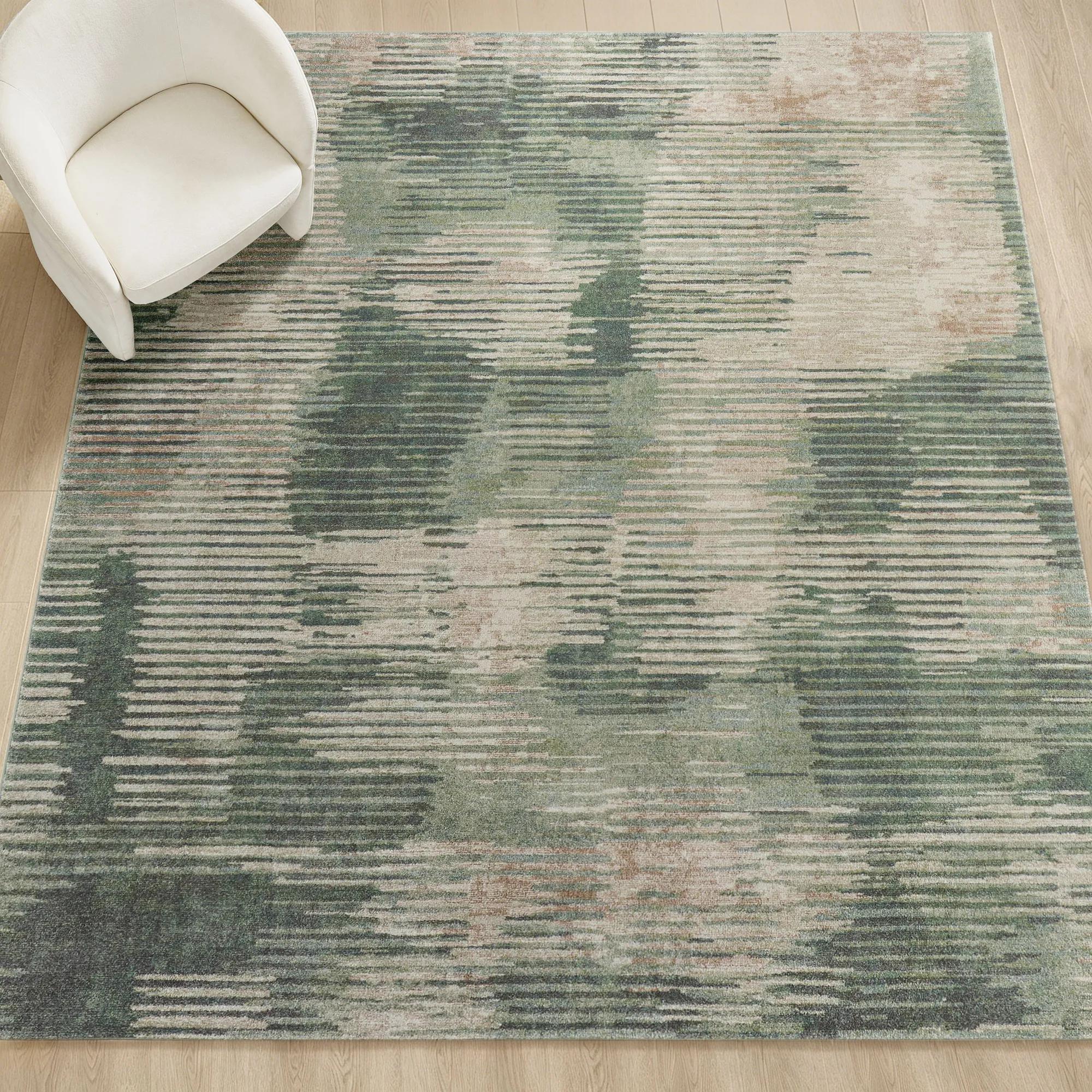
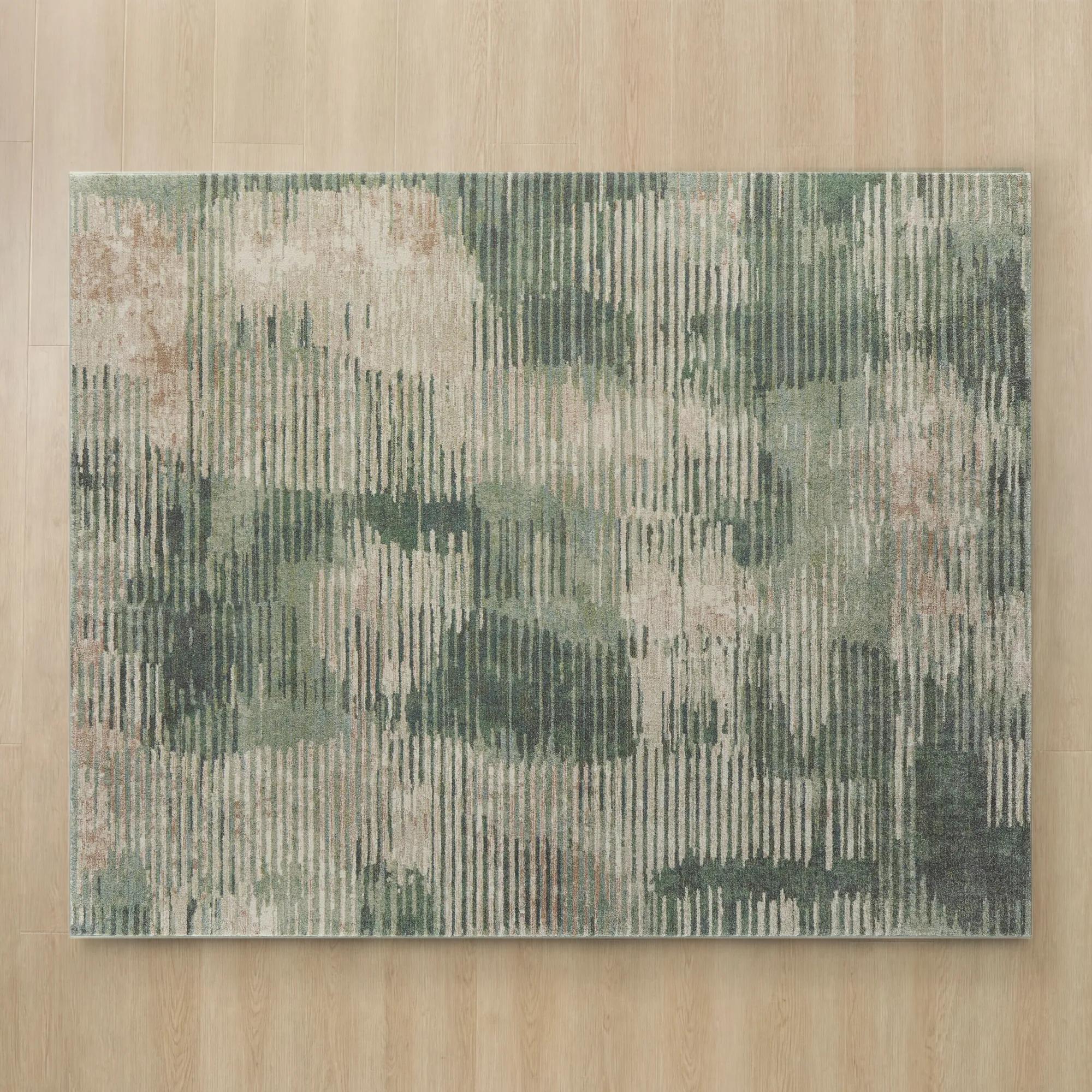 Sylvan Green/Beige Power Loomed Rug$689
A contemporary rug featuring a smoked olive green and beige organic pattern with a soft, power-loomed polypropylene pile.
Add To Cart -
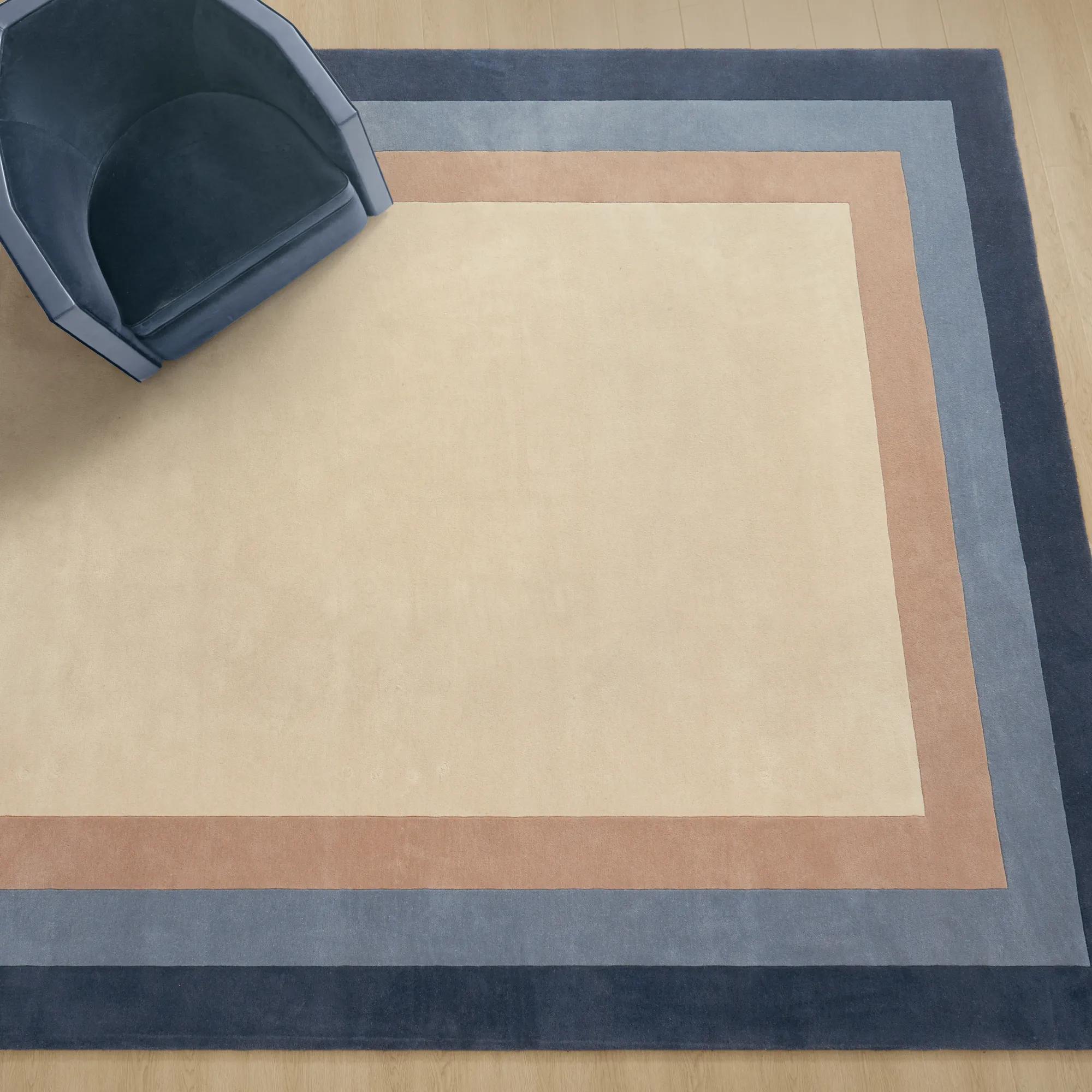 Bastien Hand-Tufted Blue/Taupe/Ivory Wool Border Rugs$499
A hand-tufted pure wool rug featuring a bold color-blocked border in dusty blue, taupe, and ivory.
Add To Cart -
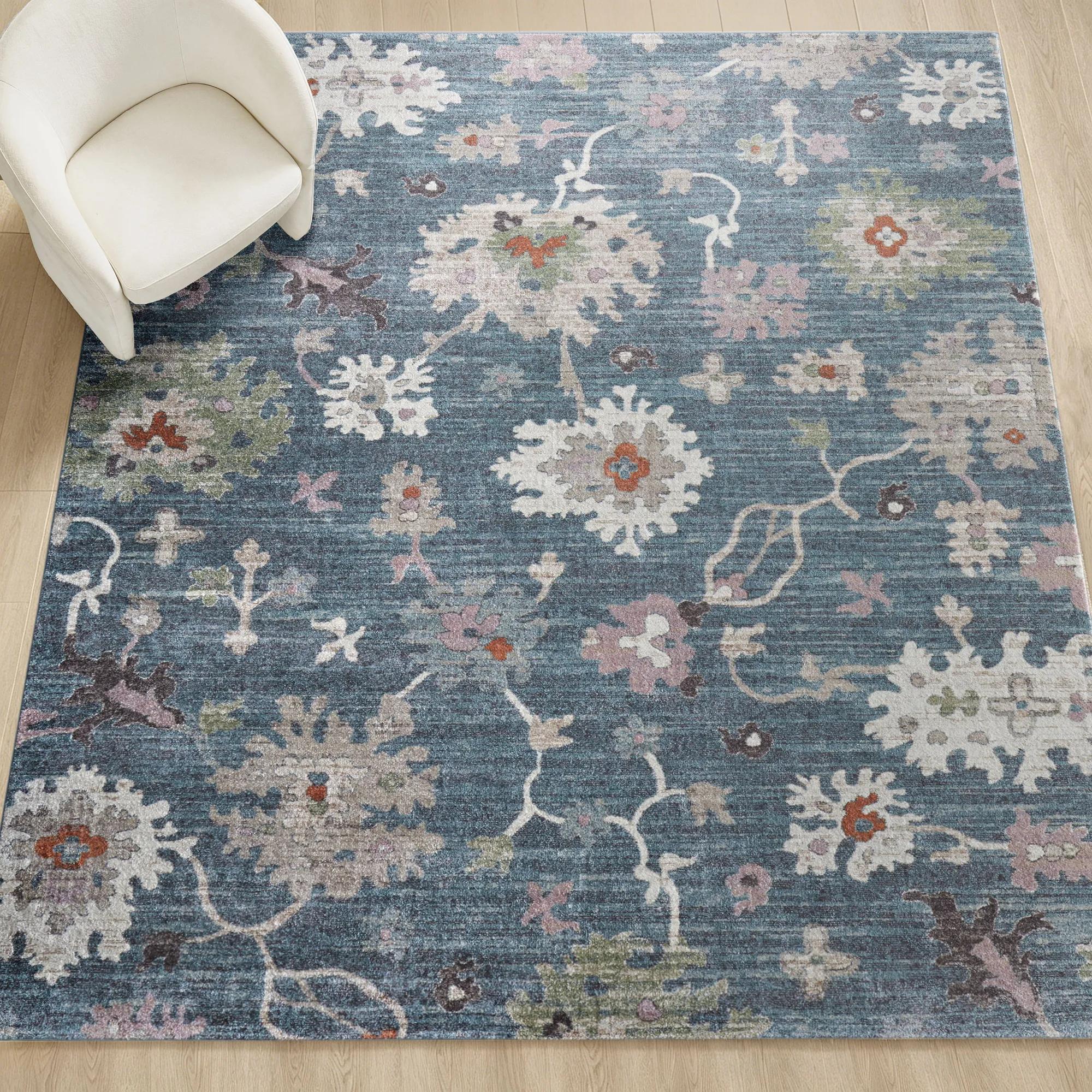
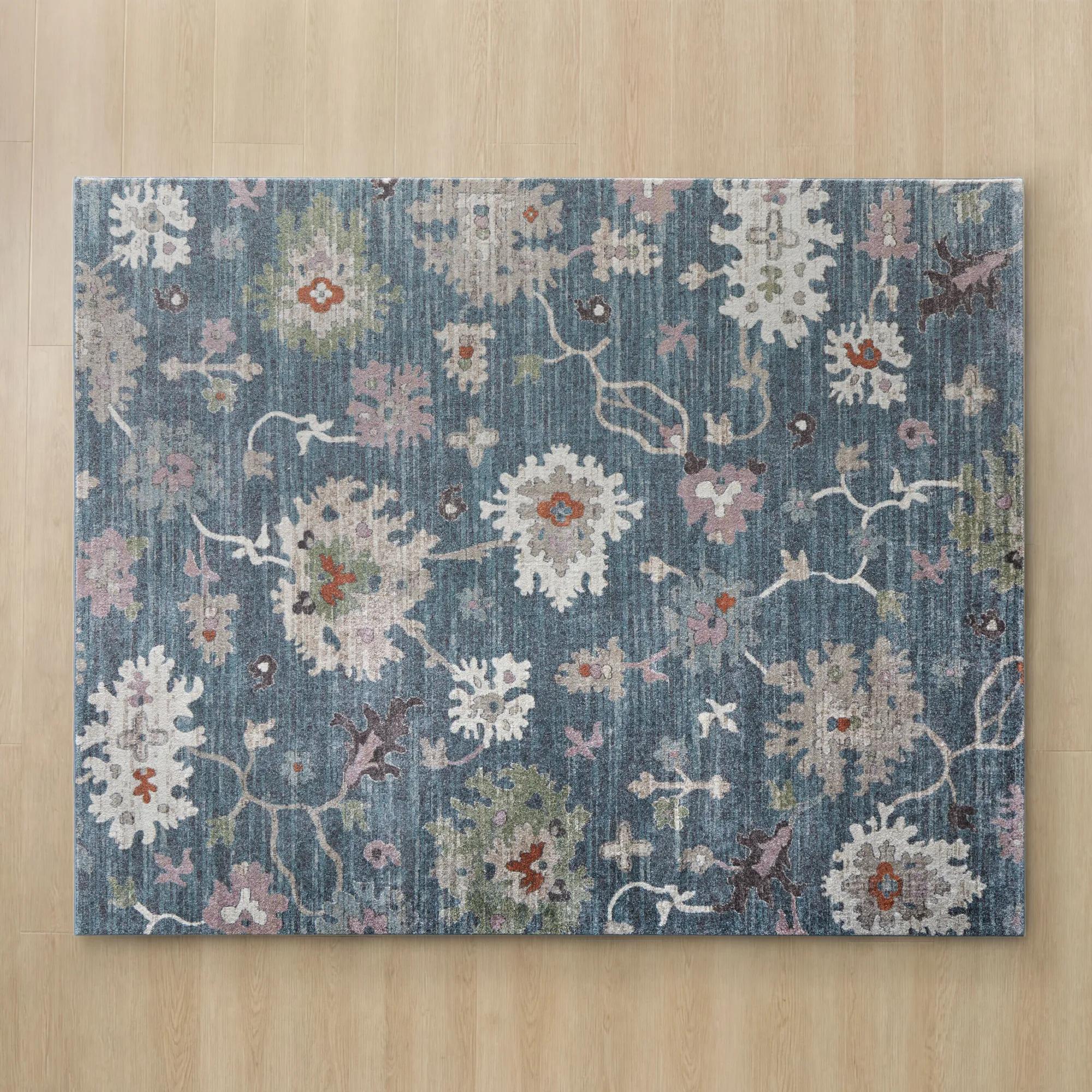 Ariella Floral Blue/Ivory/Beige/Green/Rose Dust Performance Power Loomed Rug$1499
A Persian-inspired rug in blue, ivory, beige, green, and rose dust with plush, stain-resistant polypropylene.
Add To Cart -
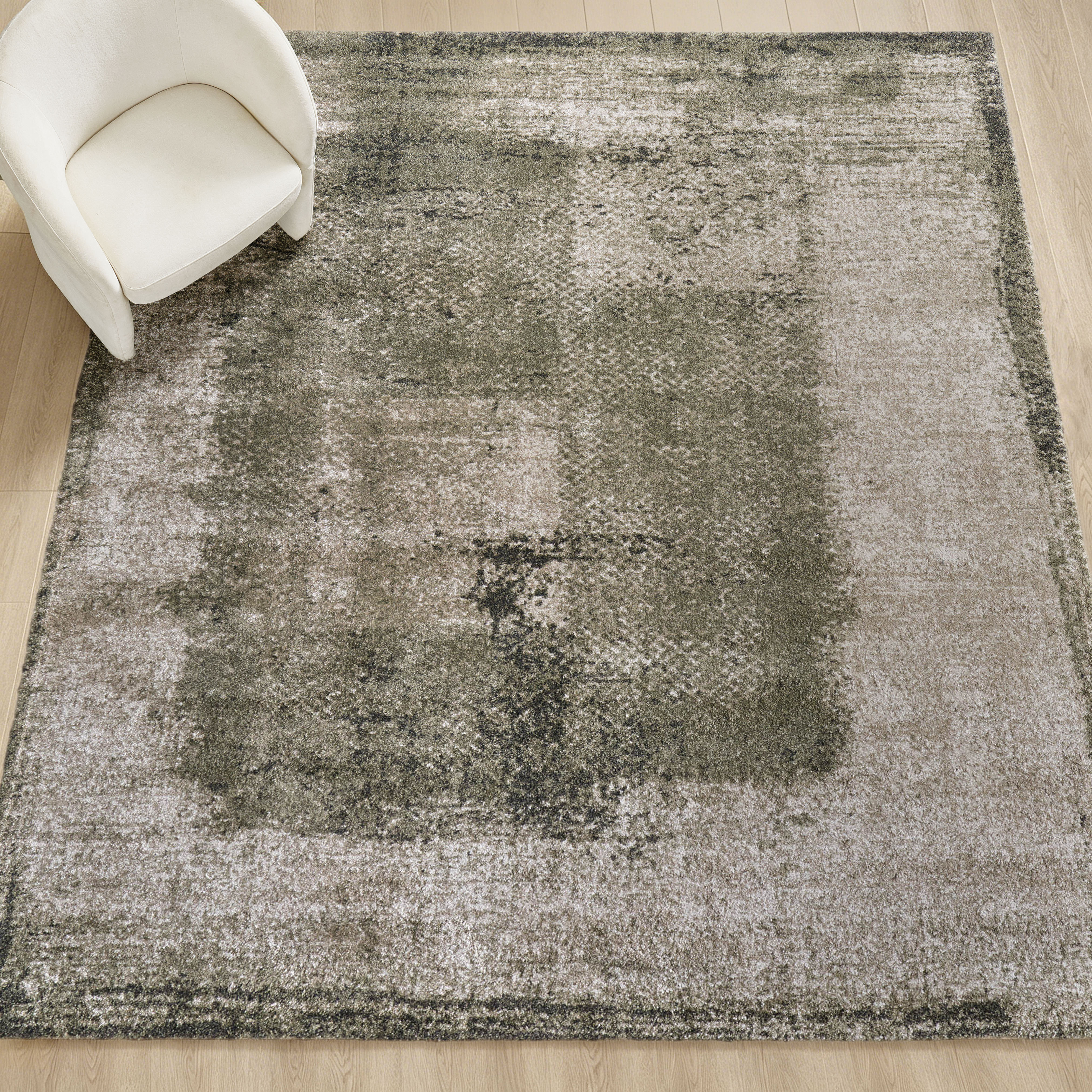
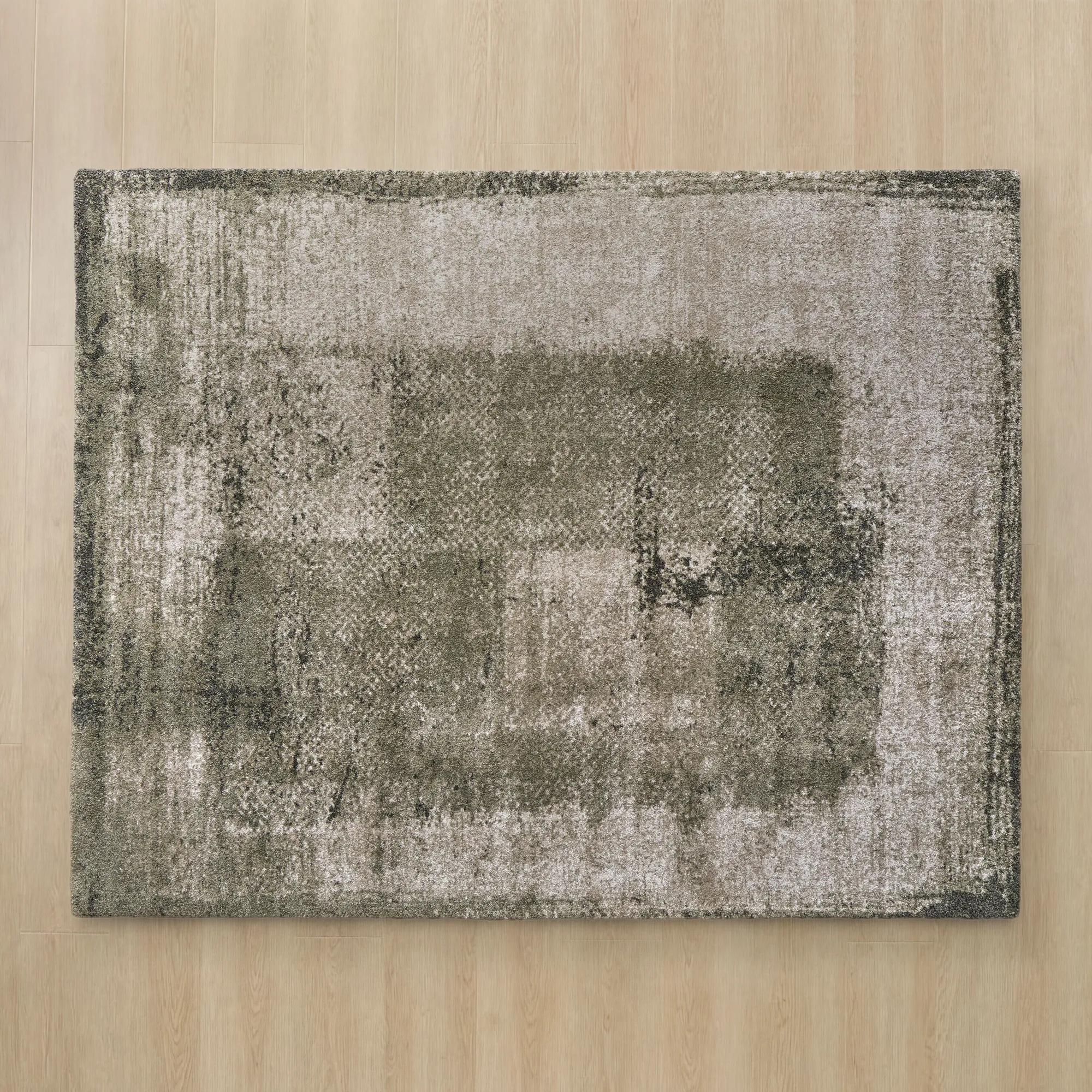 Irving Abstract Moss Green/Beige/Grey Performance Power Loomed Rug$1649
An abstract rug in moss green, beige, and grey with plush, durable polypropylene and polyester construction.
Add To Cart -
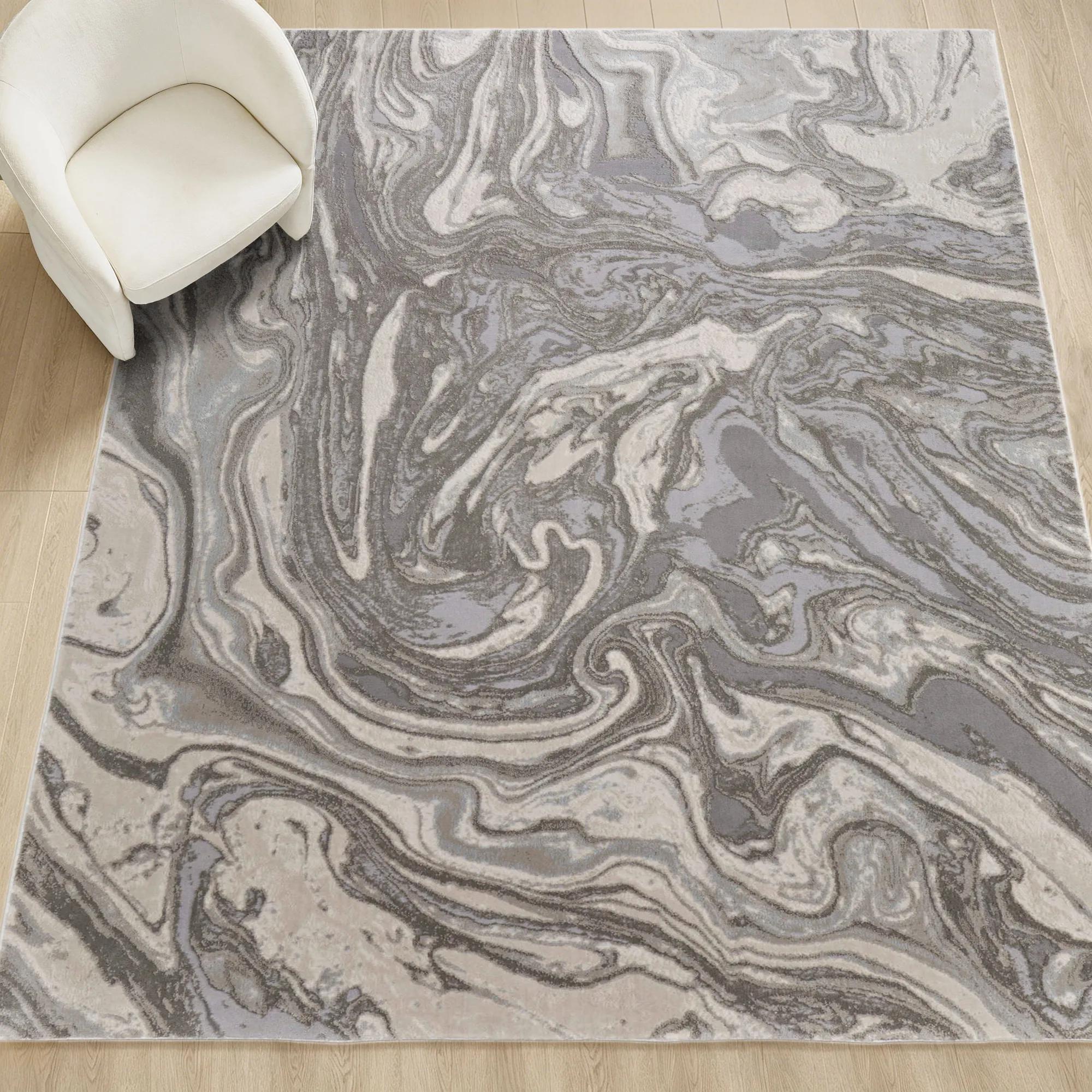
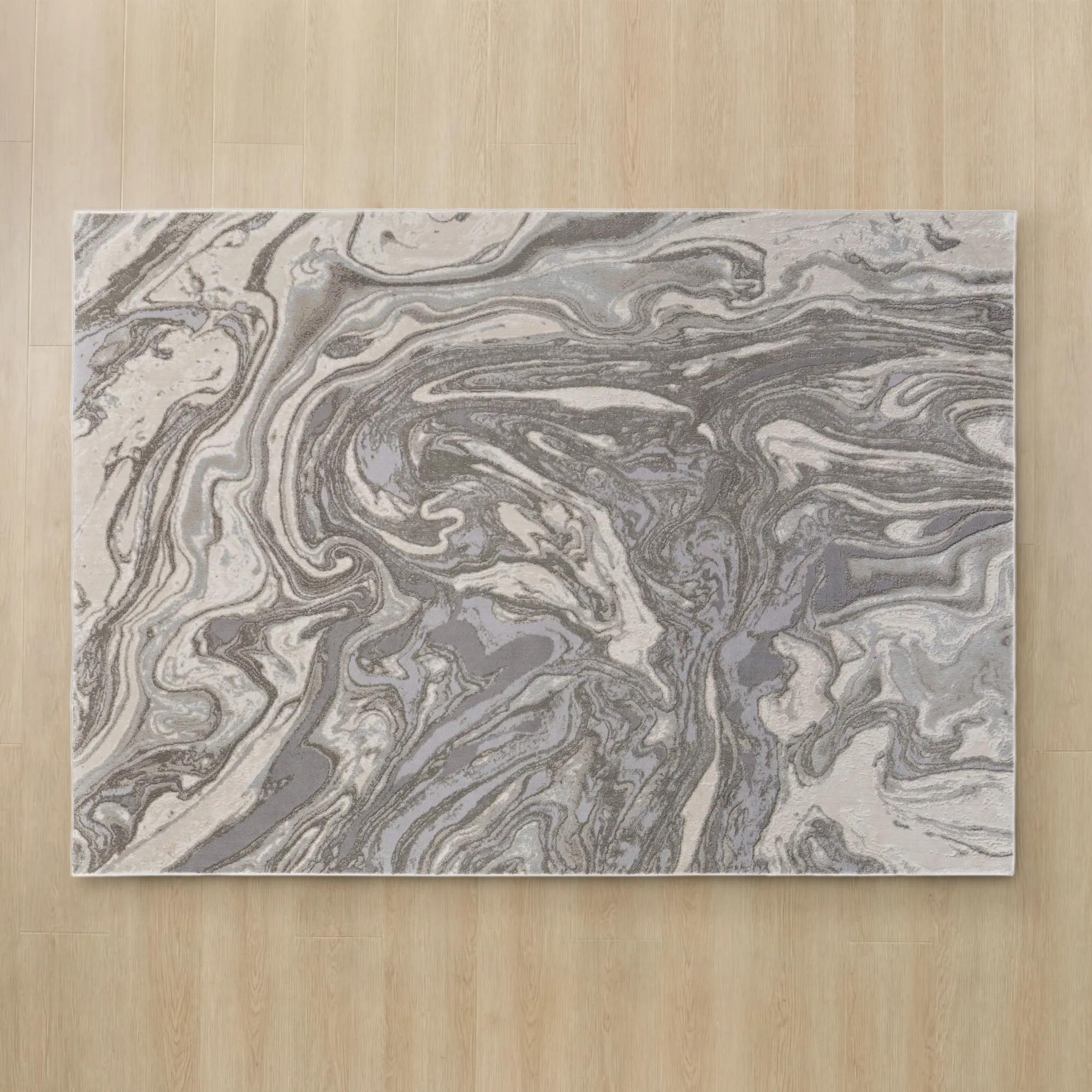 Marbre Marbled Grey/Taupe/Powder Blue Performance Power Loomed Rug$1499
A softly marbled rug in grey, taupe, and powder blue with a textured, stain-resistant performance blend.
Add To Cart -
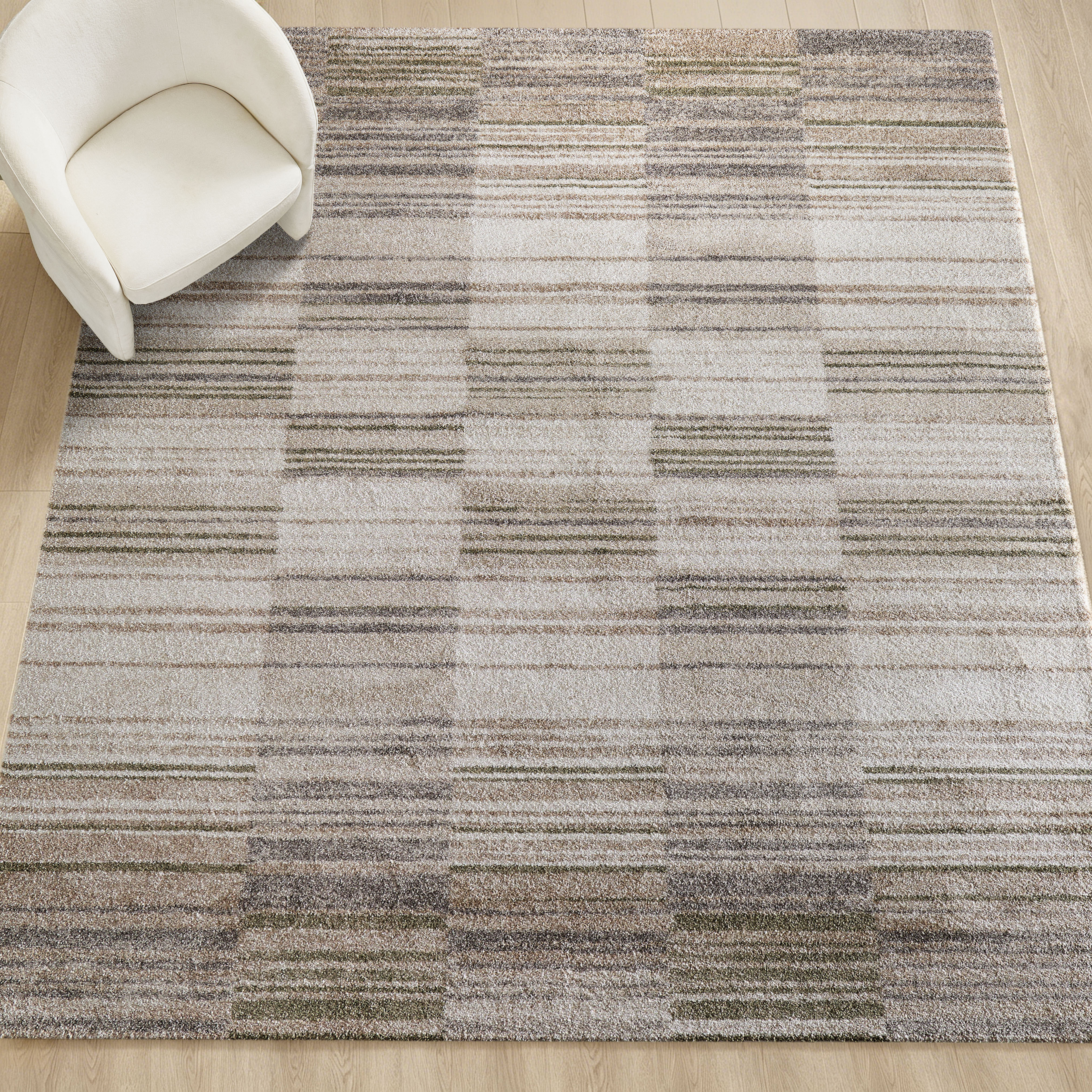
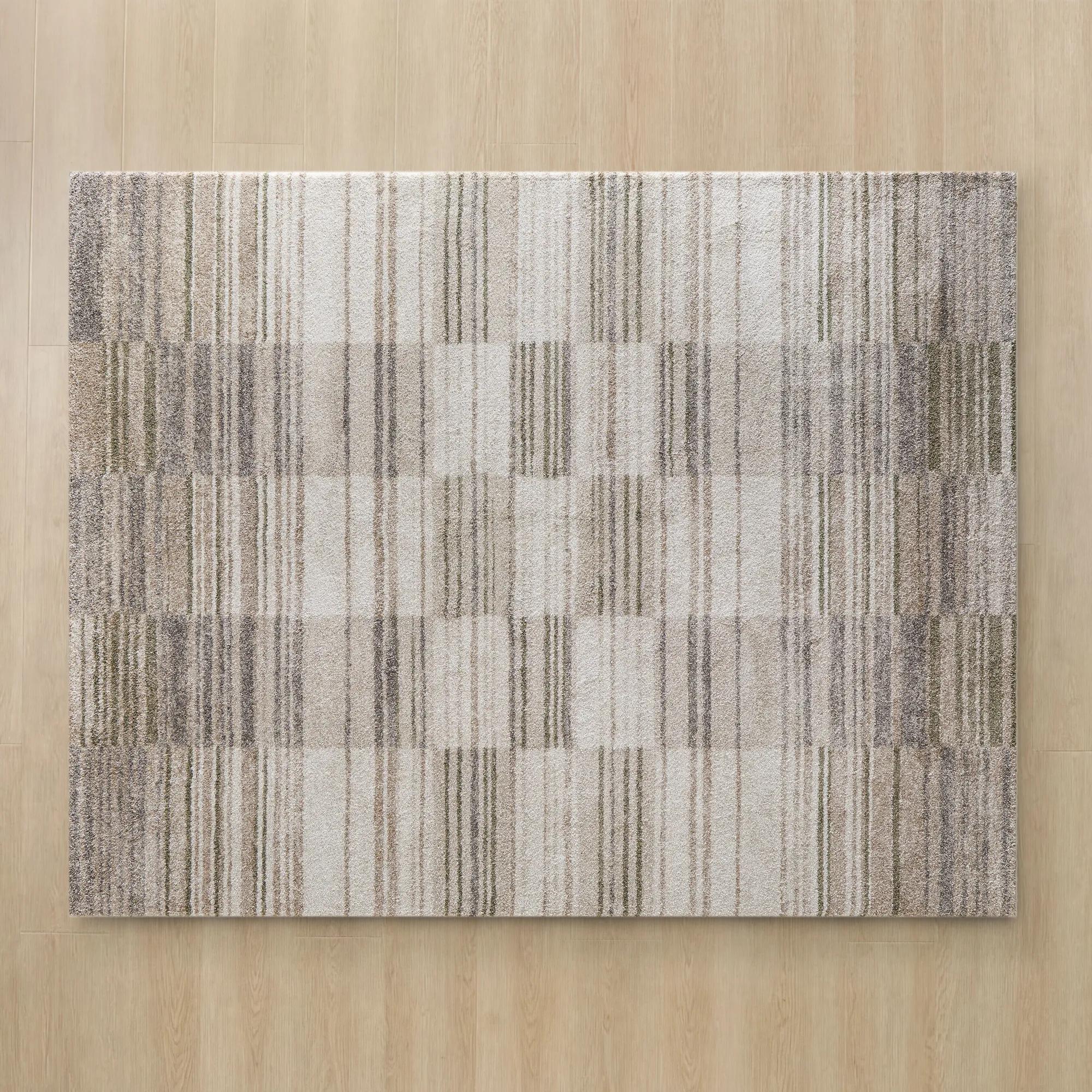 Checka Grey/Tan/Ivory/Soft Green Performance Power Loomed Rug$399
A plush, power-loomed rug featuring a soft check pattern in grey, tan, ivory, and green.
Add To Cart -
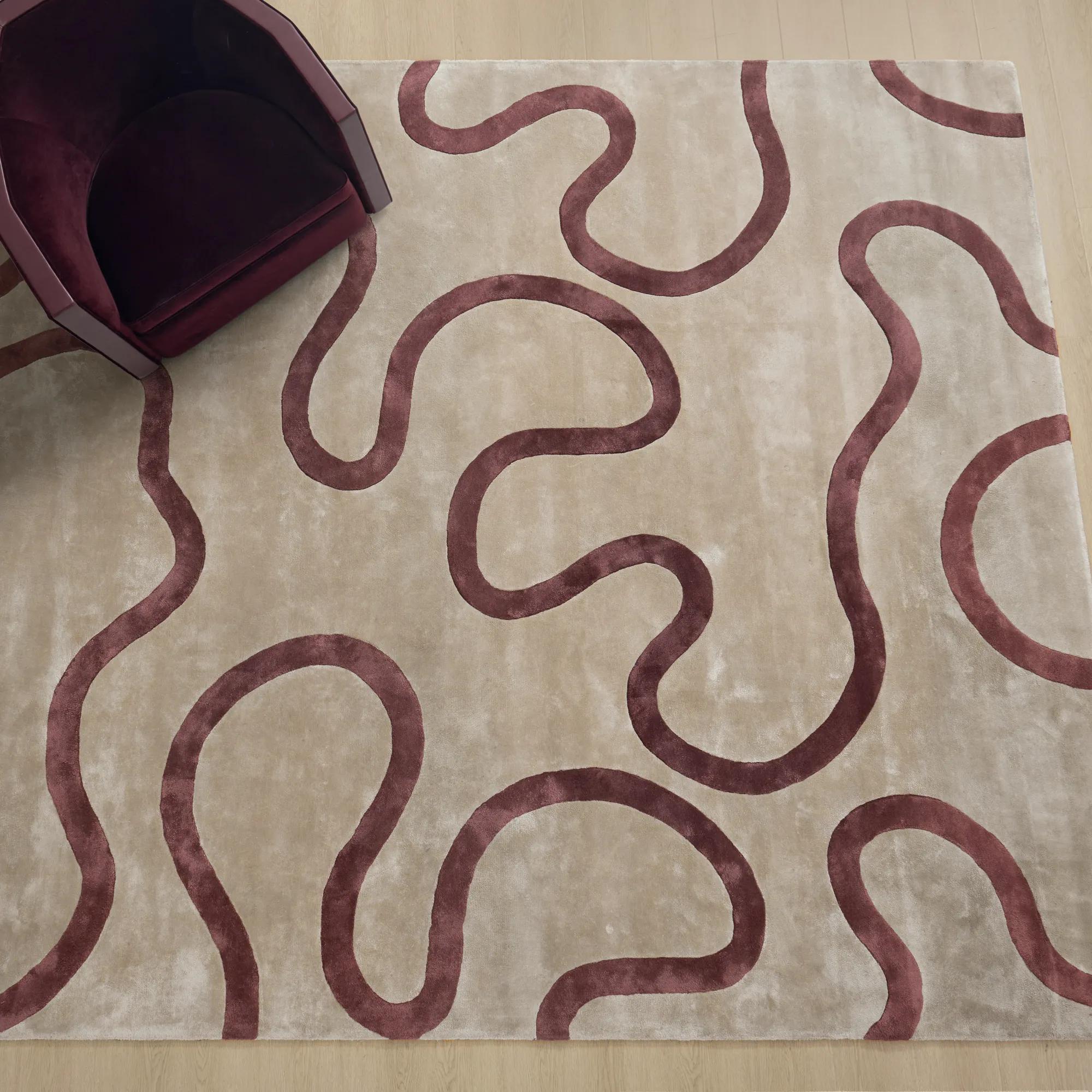 Seraphine Hand-Tufted Fig/Taupe Viscose Loop Rugs$599
A hand-tufted wool rug featuring bold fig and taupe loops for a graphic, Deco-inspired look.
Add To Cart -
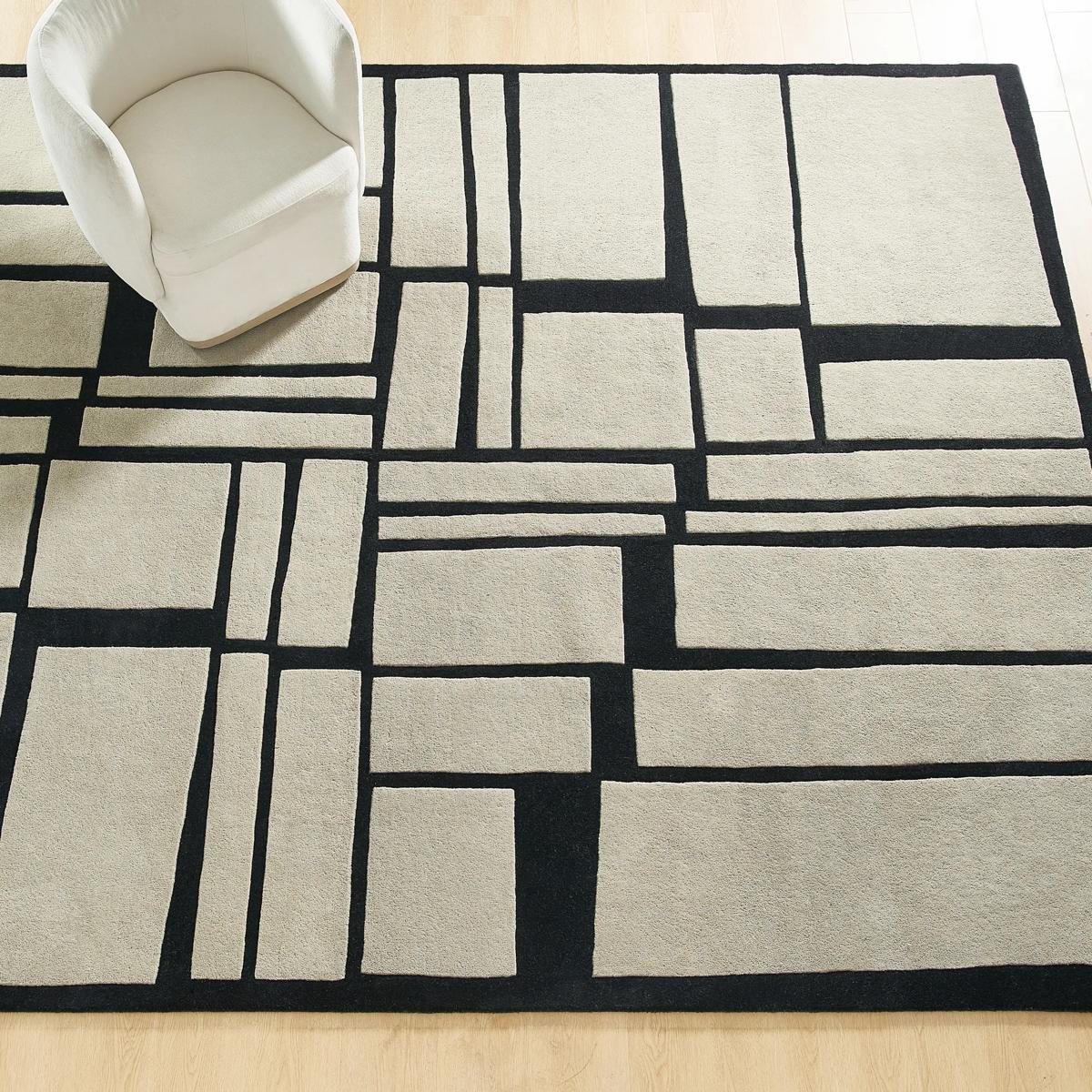 Novak Hand-Tufted Natural/Black Wool Rug$449
A hand-tufted wool rug featuring a bold black and natural grid design for modern visual impact.
Add To Cart -
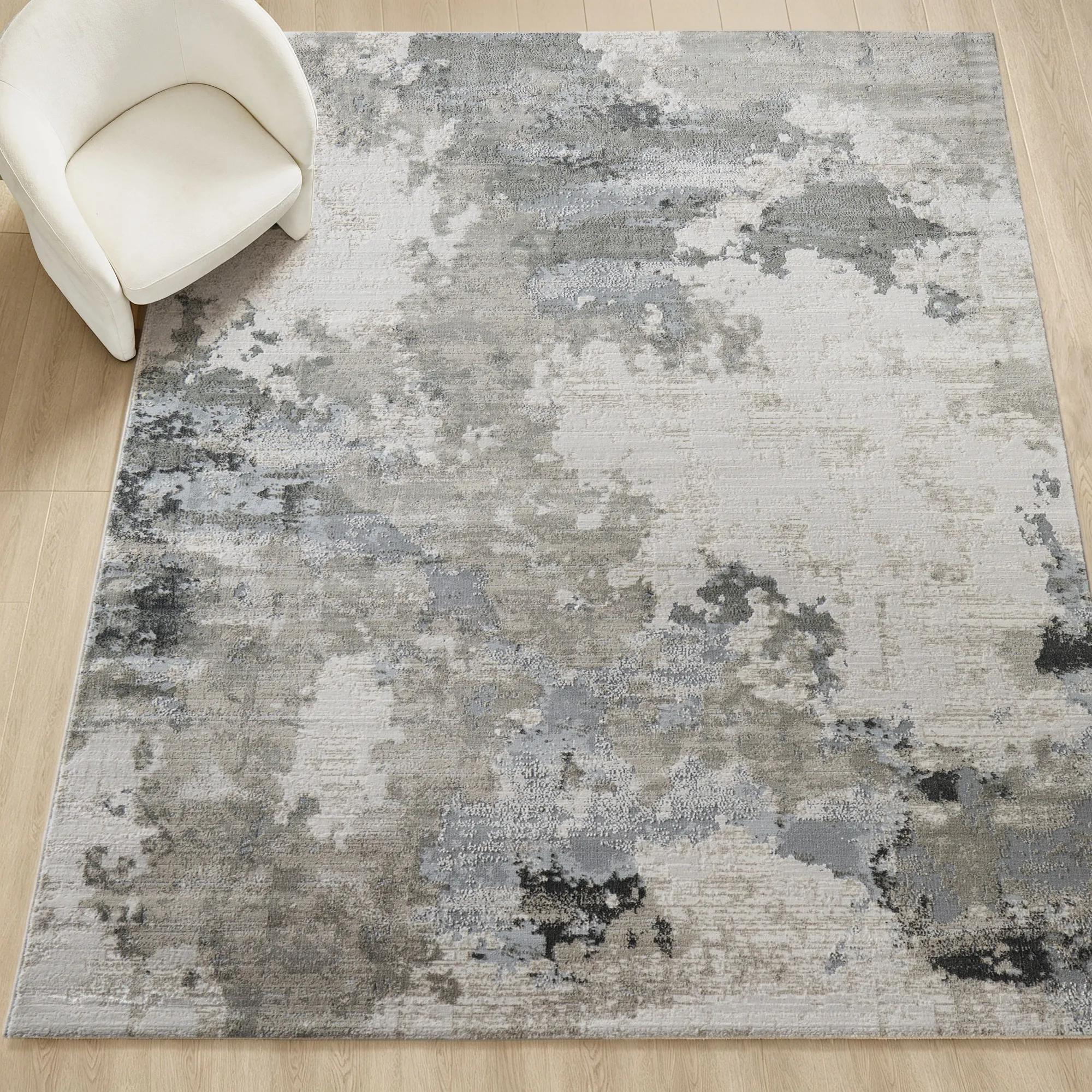 Alarion Abstract Grey/Muted Blue/Ivory Performance Power Loomed Rug$849
A power-loomed rug featuring a distressed abstract pattern in grey, muted blue, and ivory with stain resistance.
Add To Cart -
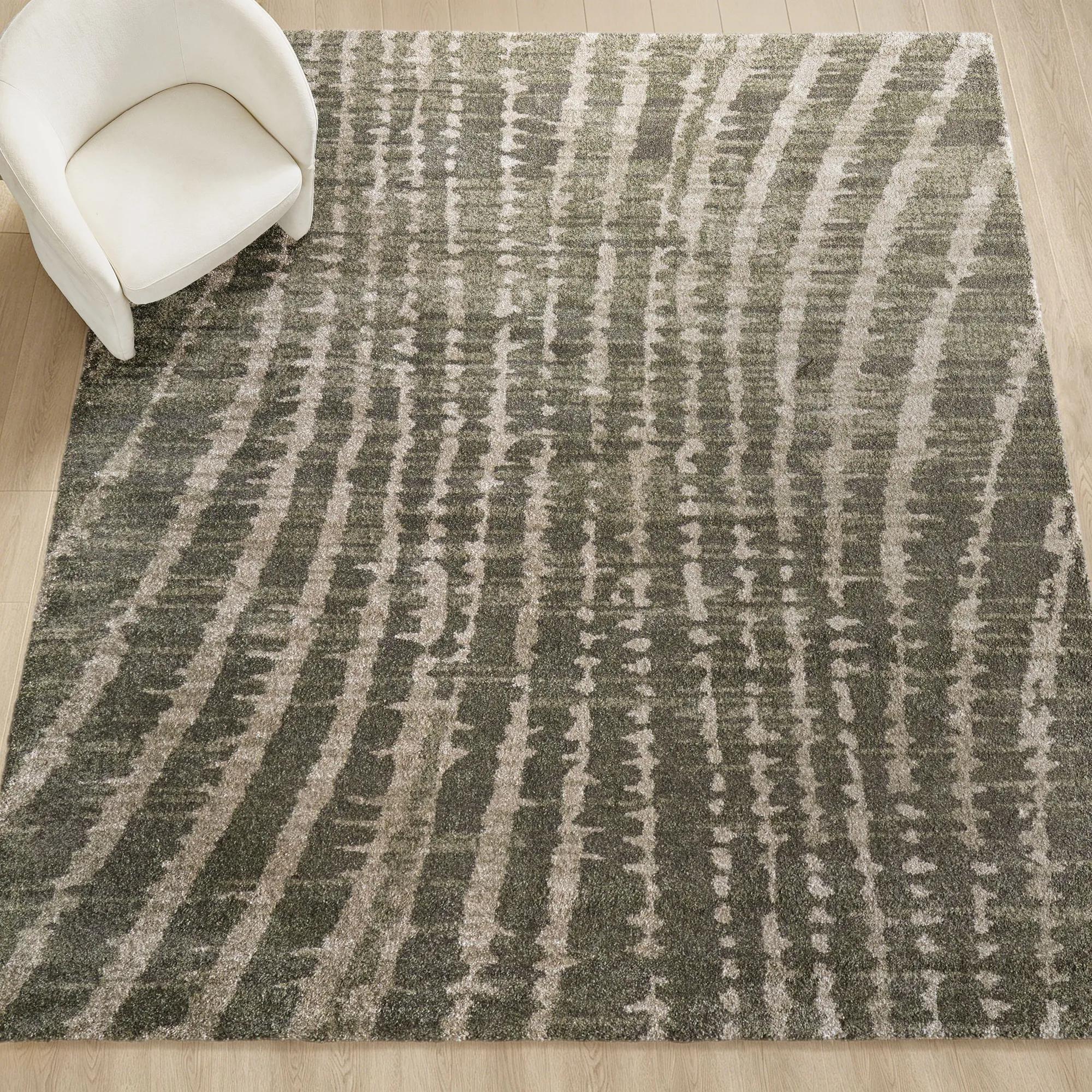
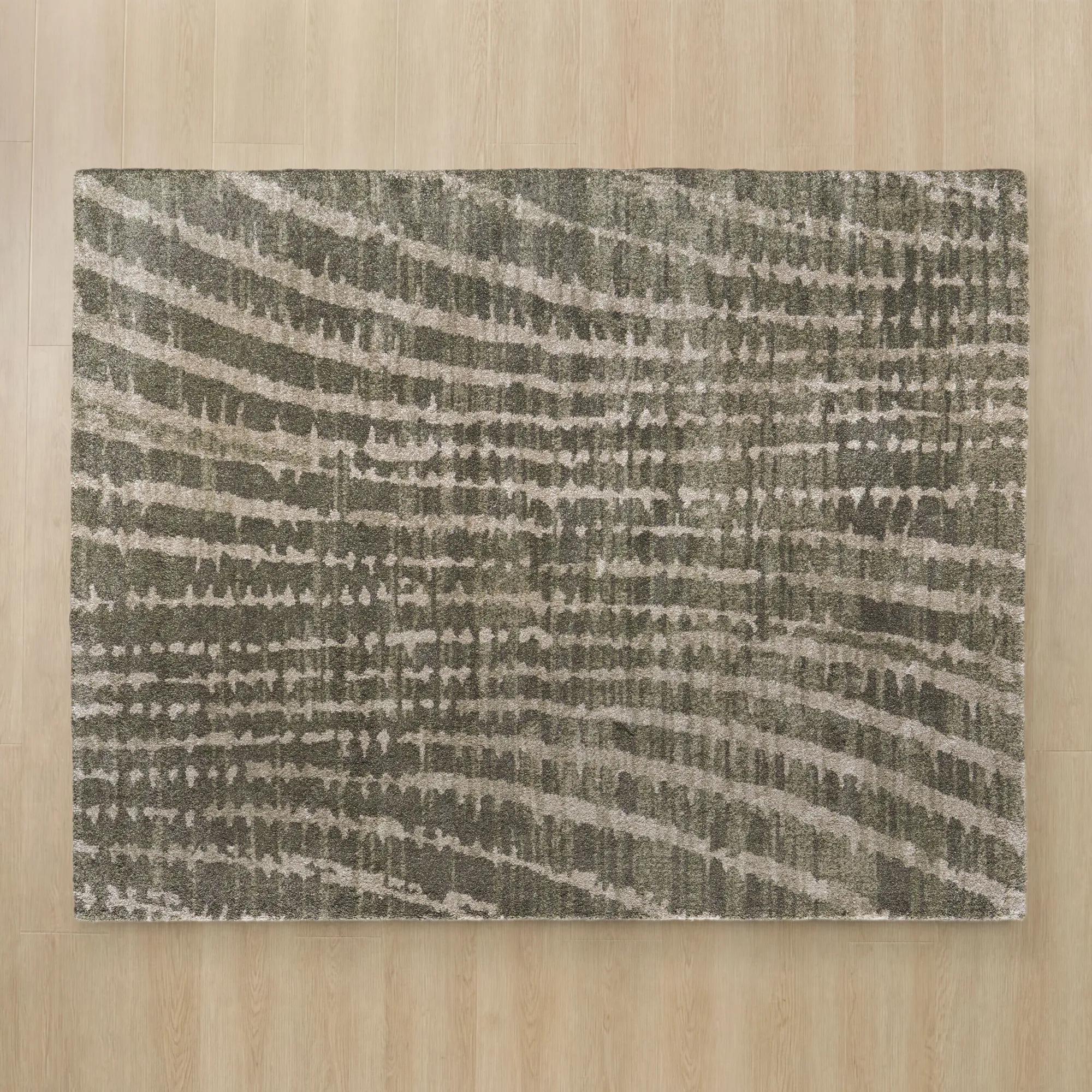 Tempo Green/Grey/Beige Performance Power Loomed Rug$1649
An abstract charcoal grey and beige rug with plush cut pile and durable, stain-resistant polypropylene-polyester construction.
Add To Cart -
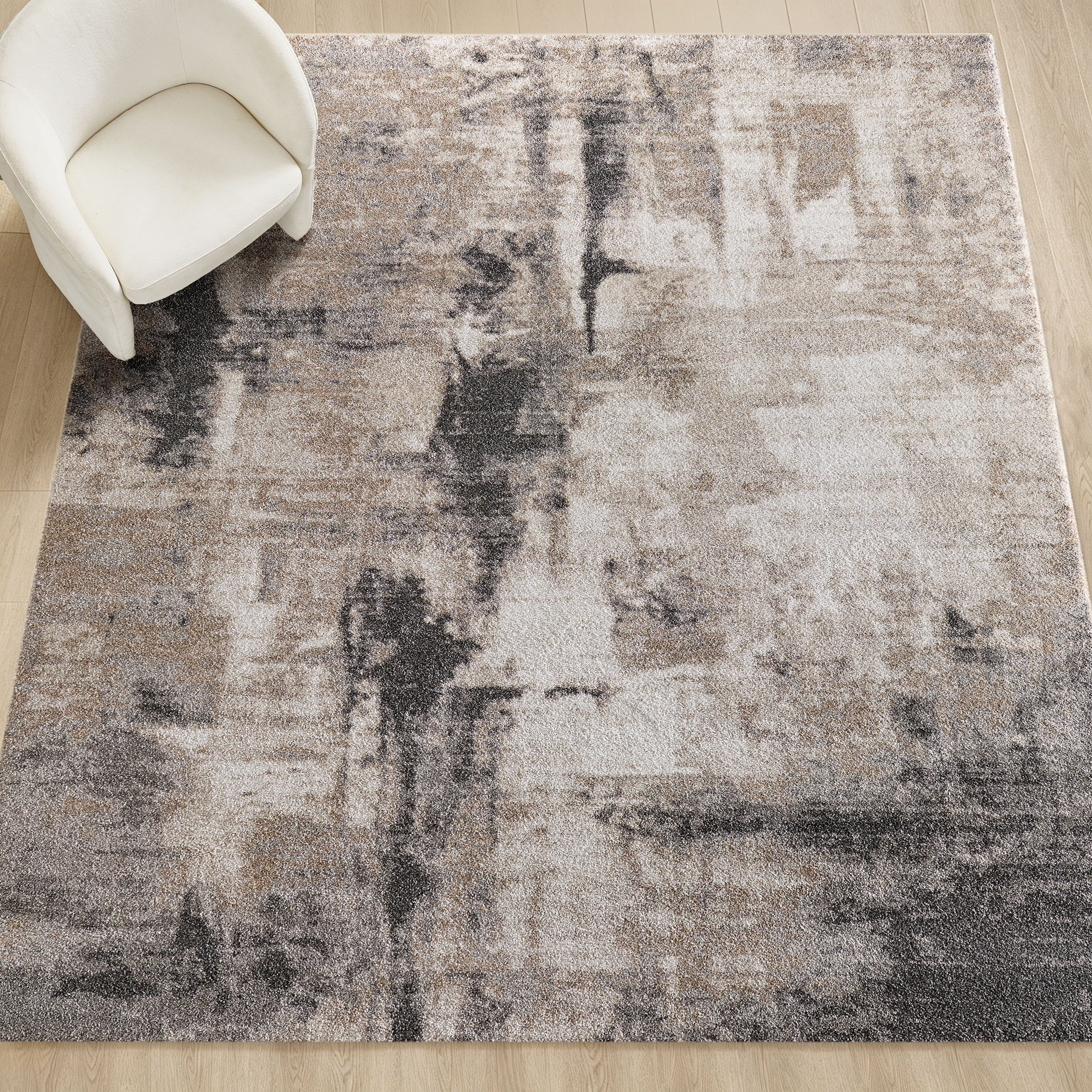
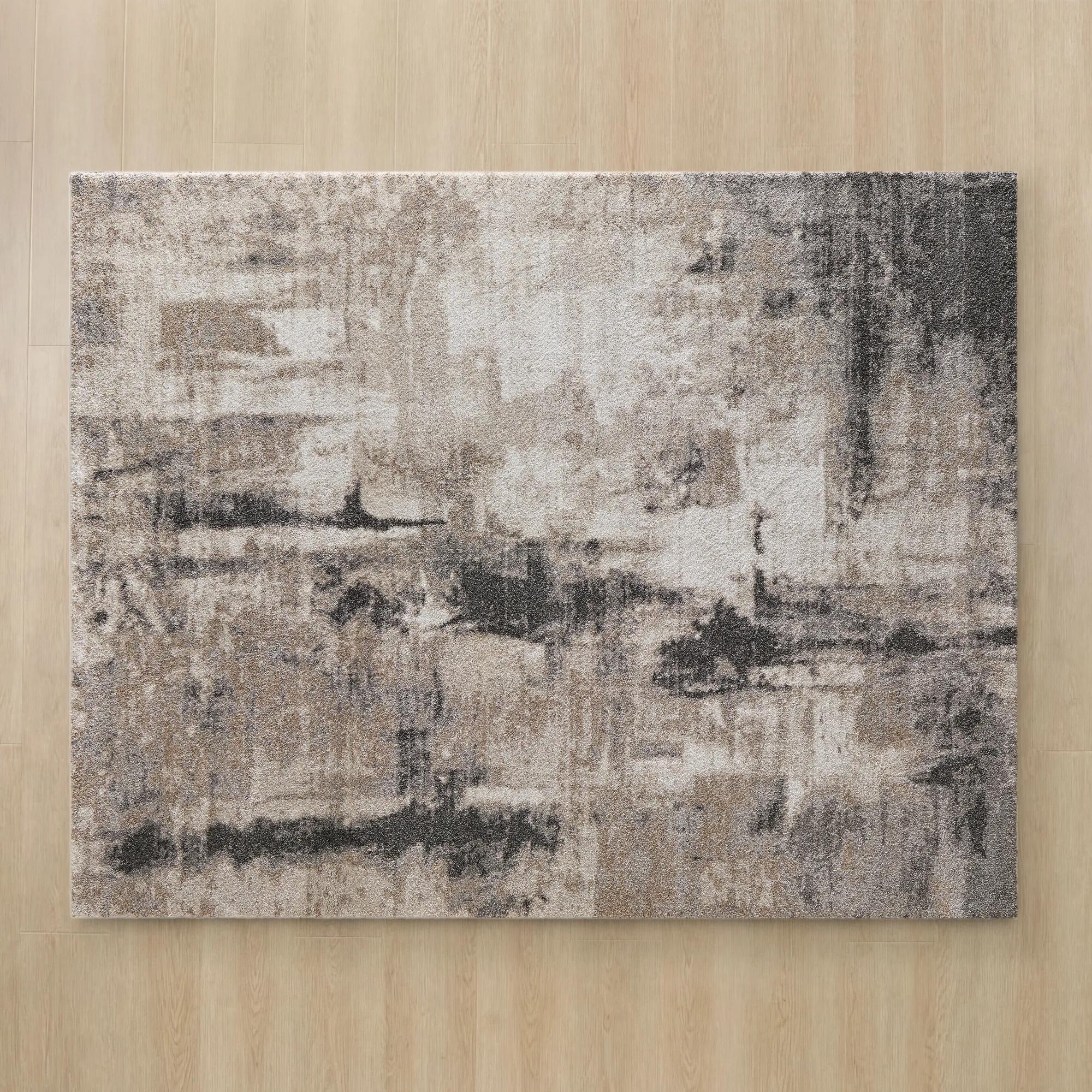 Atlas Abstract Grey/Taupe/Ivory/Charcoal Performance Power Loomed Rug$399
An abstract rug in grey, taupe, ivory, and charcoal with a plush, stain-resistant polypropylene blend.
Add To Cart -
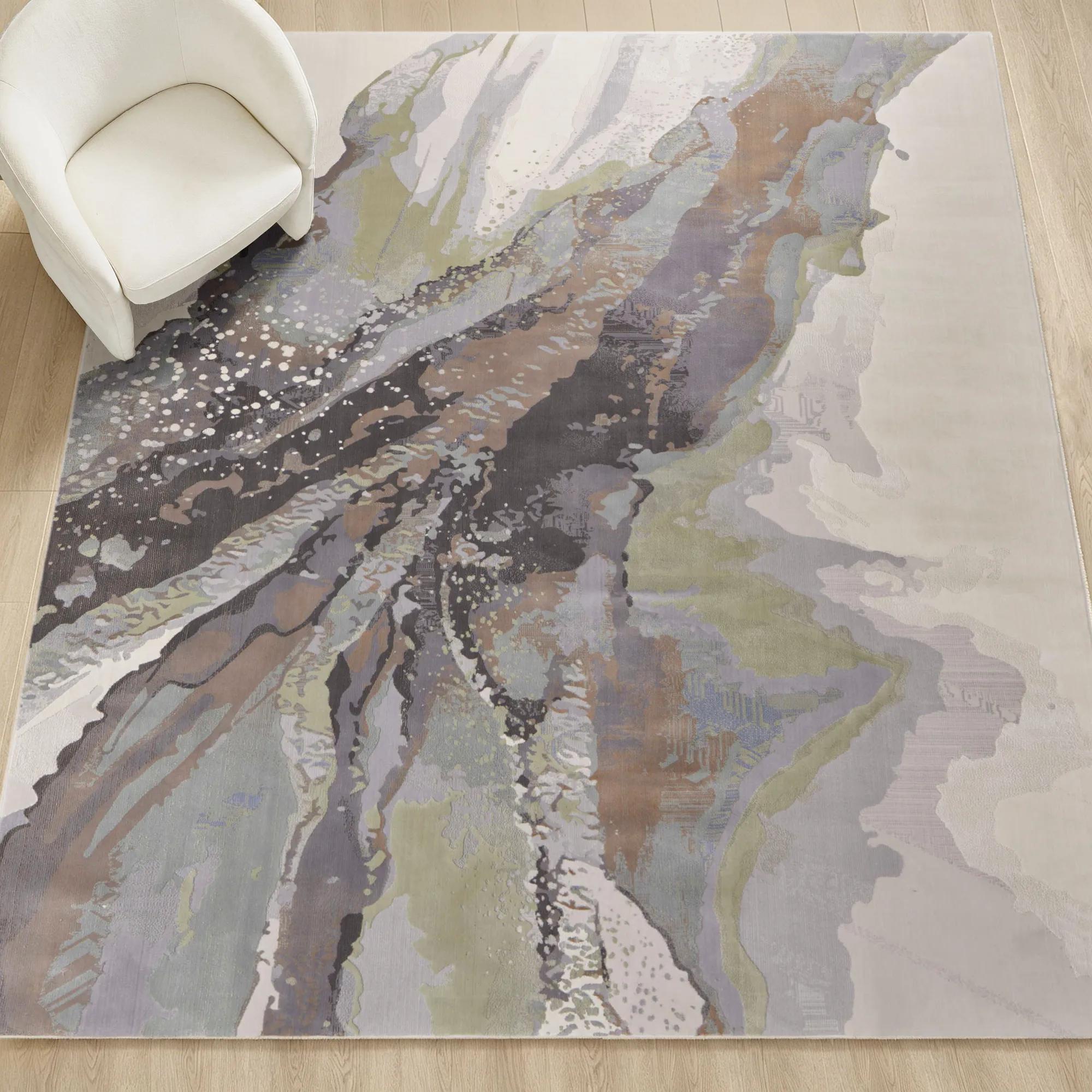
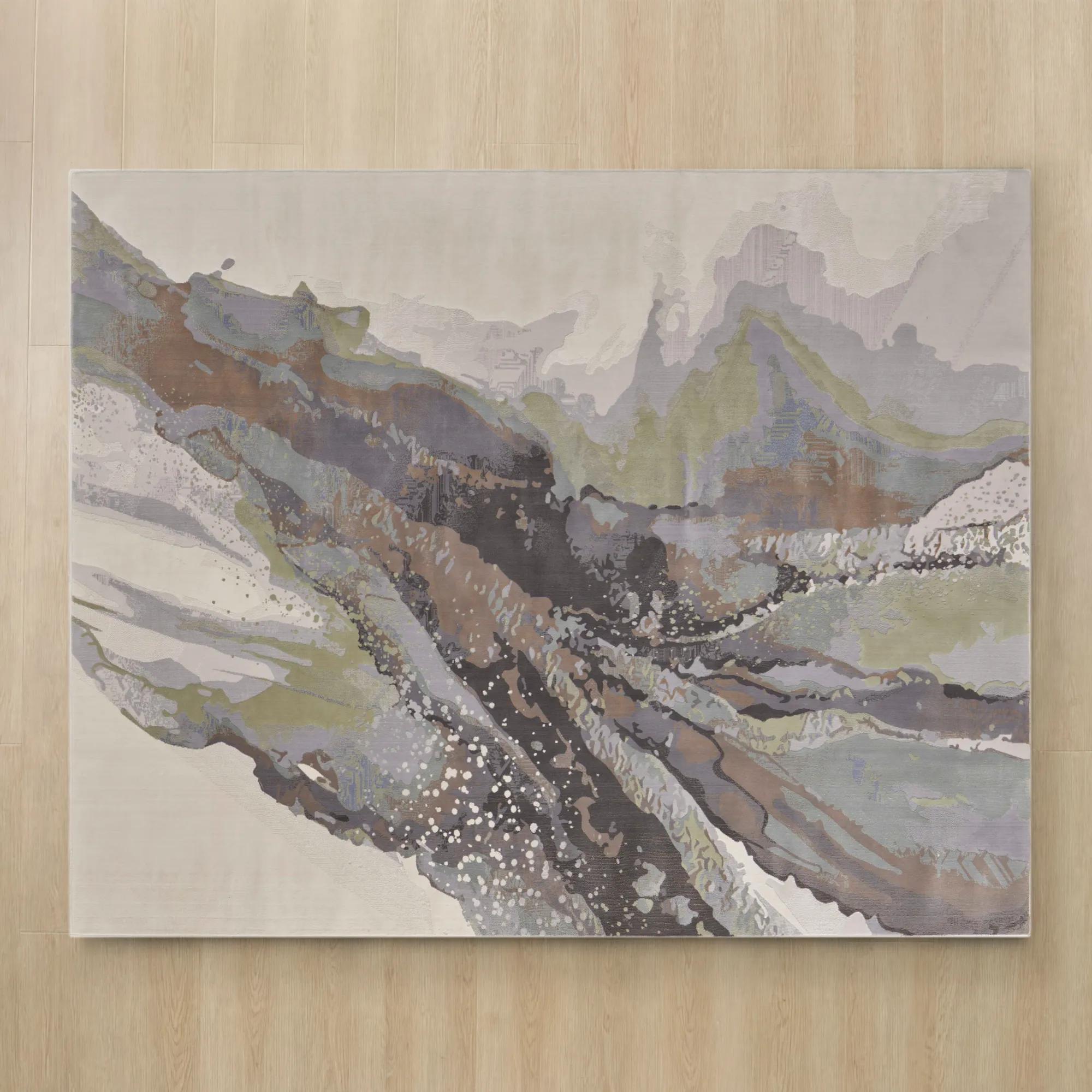 Nerissa Abstract Ivory/Grey/Blue/Green Performance Power Loomed Rug$449
An abstract rug in ivory, grey, blue, and green with a textured, stain-resistant polypropylene-polyester blend.
Add To Cart -
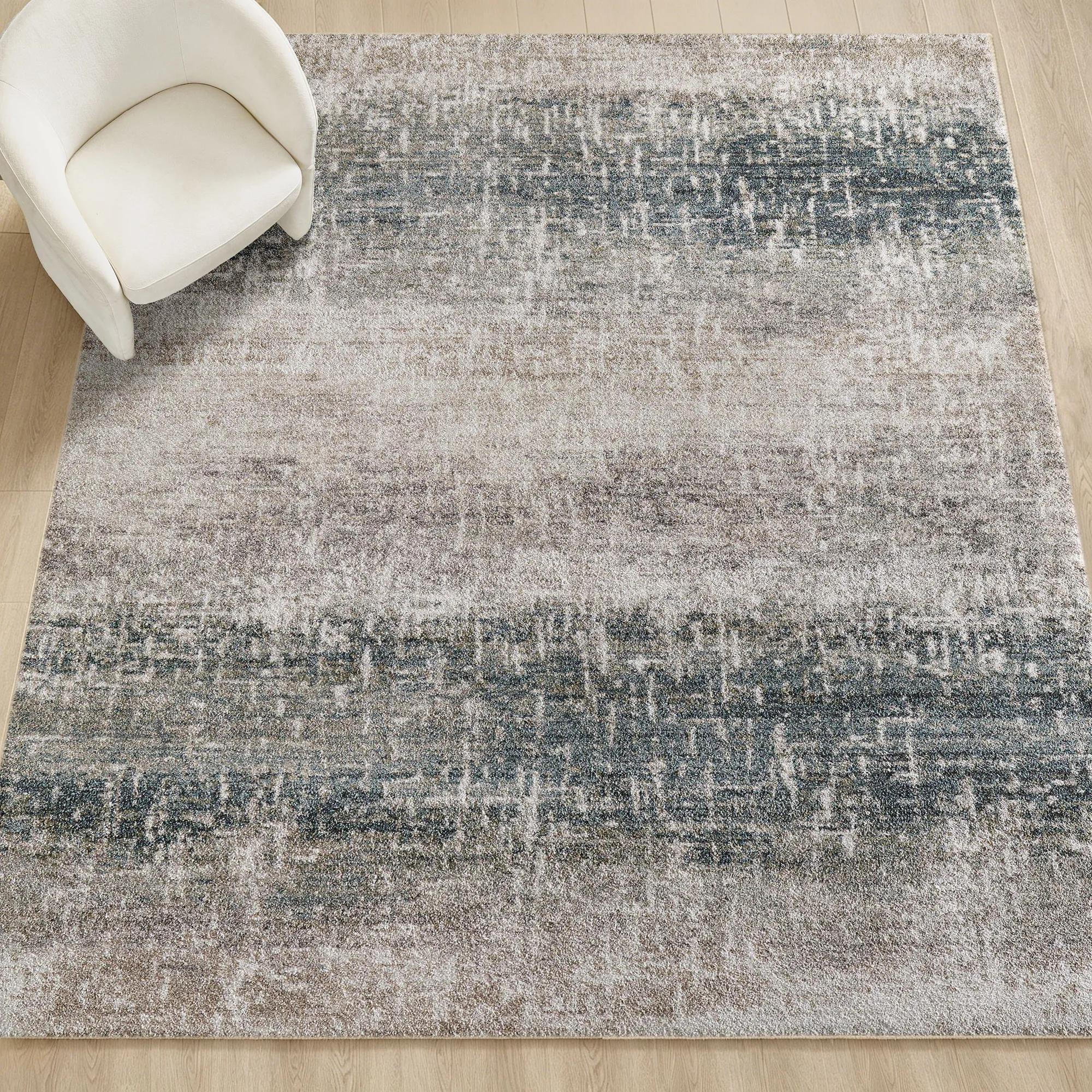
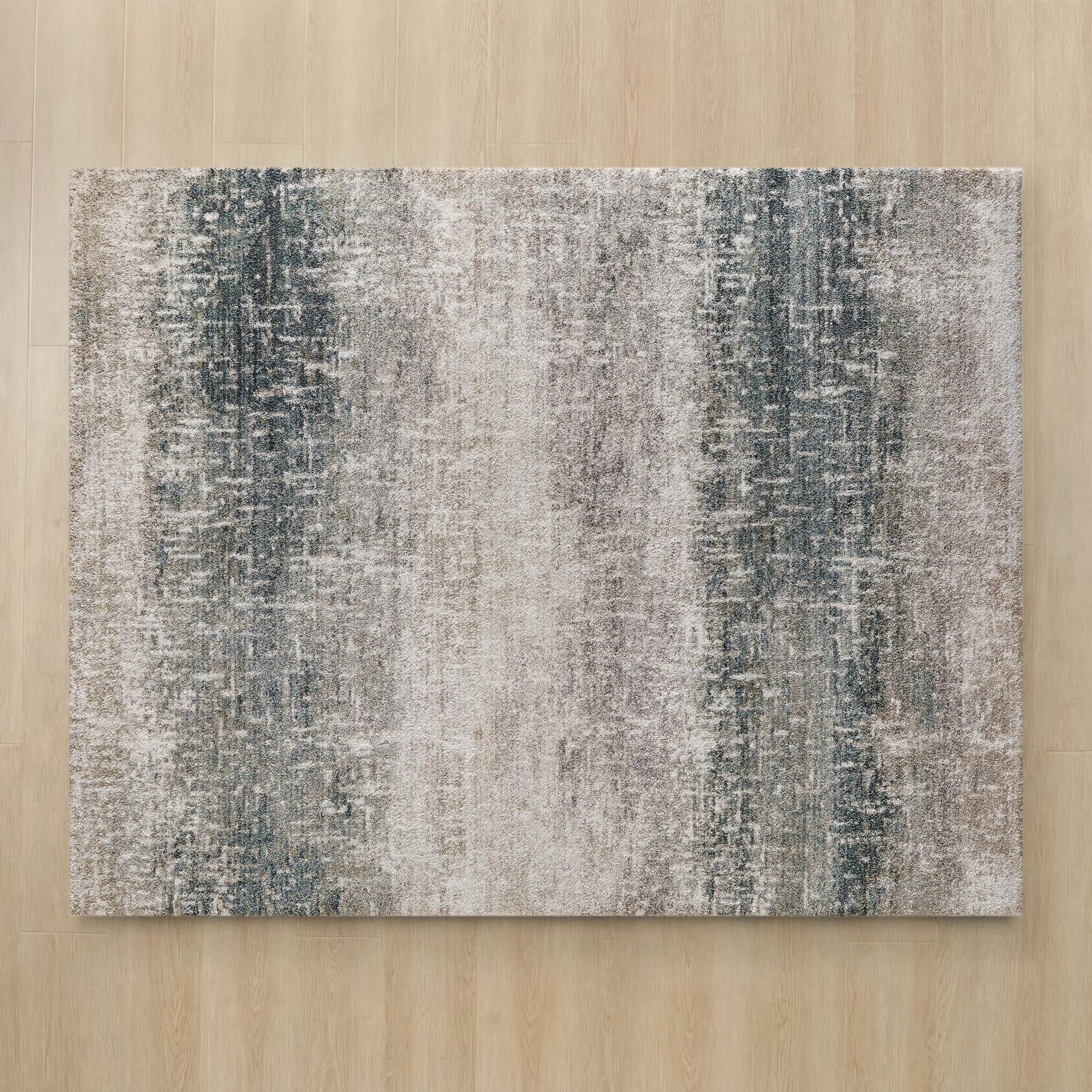 Collier Taupe/Grey/Blue/Green Performance Power Loomed Rug$849
An abstract rug in taupe, grey, blue, and green with a plush, durable, and easy-care performance blend.
Add To Cart -
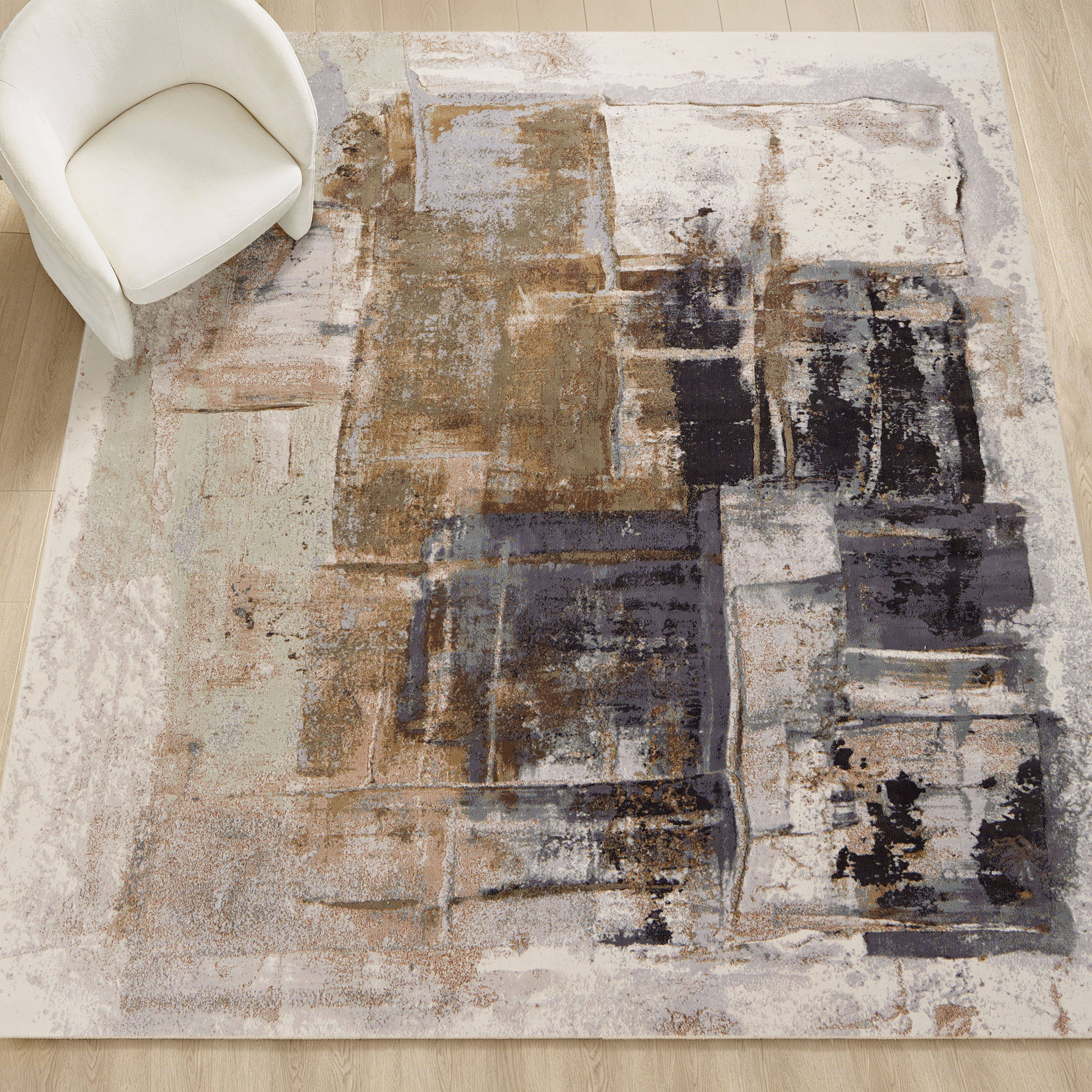
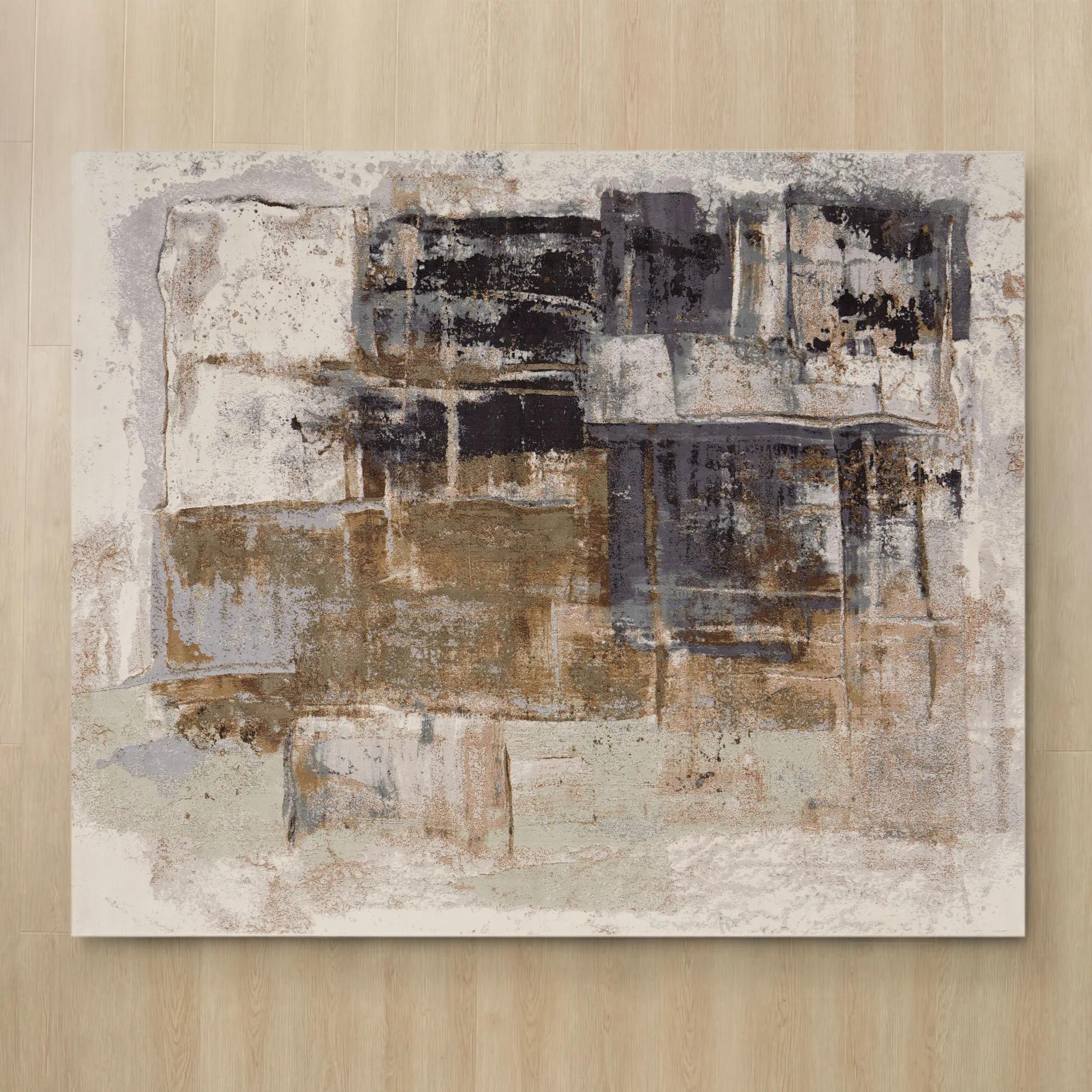 Gaia Abstract Grey/Charcoal/Ivory/Gold/Blue Performance Power Loomed Rug$1749
An abstract rug in grey, charcoal, ivory, gold, and blue with a soft, stain-resistant performance blend.
Add To Cart -
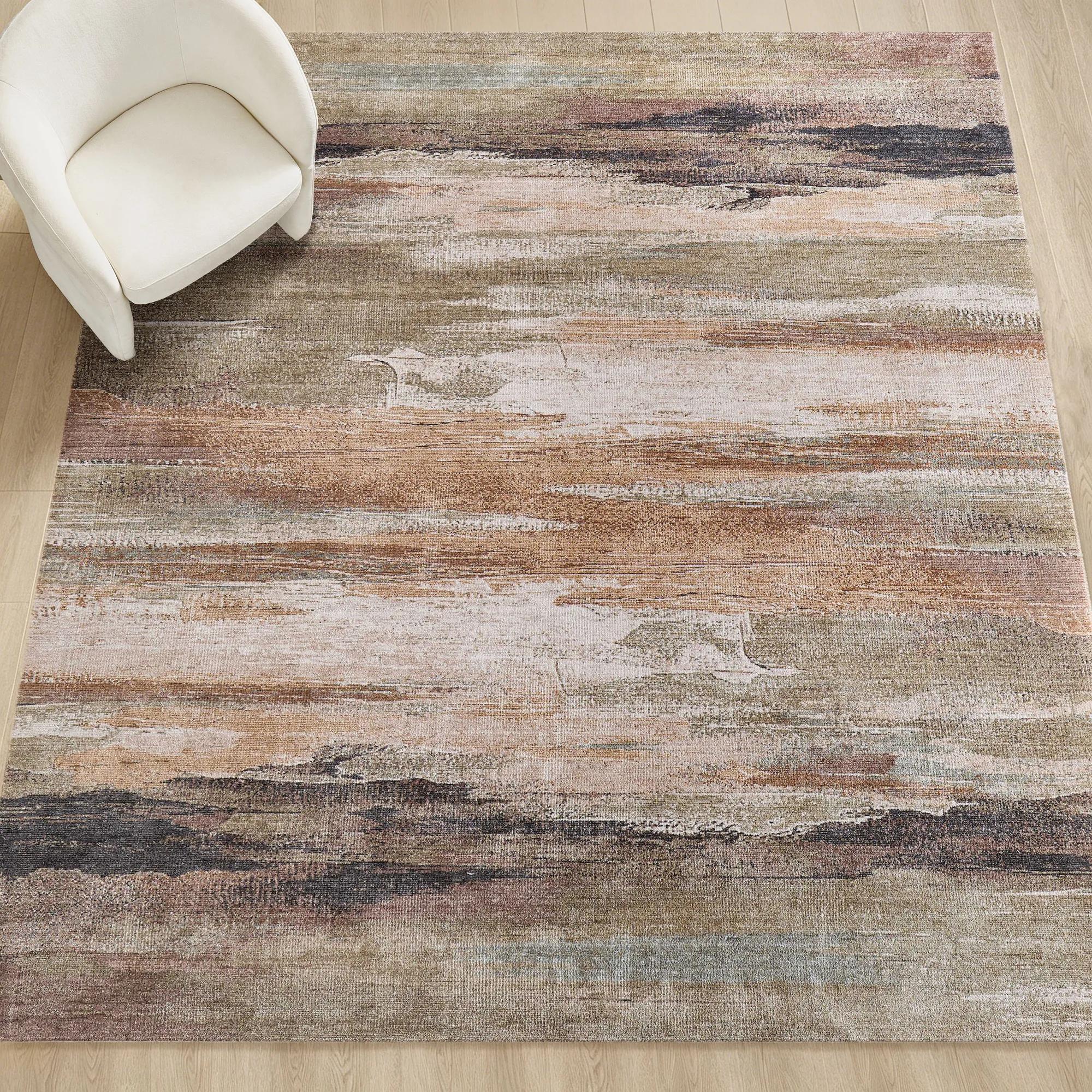
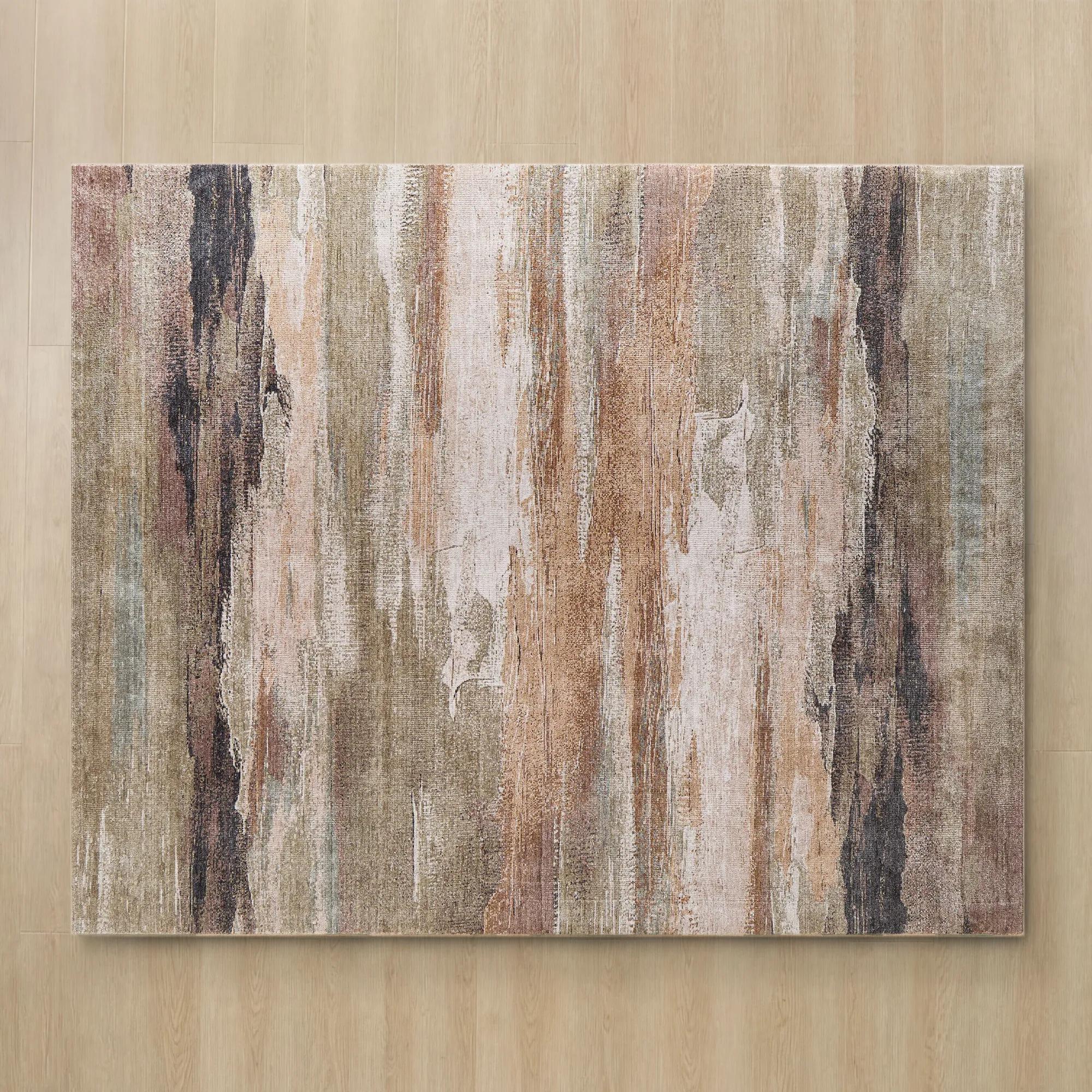 Sedona Rust/Beige/Moss Green/Charocal/Blue Performance Power Loomed Rug$599
A plush, power-loomed polyester rug featuring a rich abstract pattern in rust, beige, moss green, charcoal, and blue.
Add To Cart -
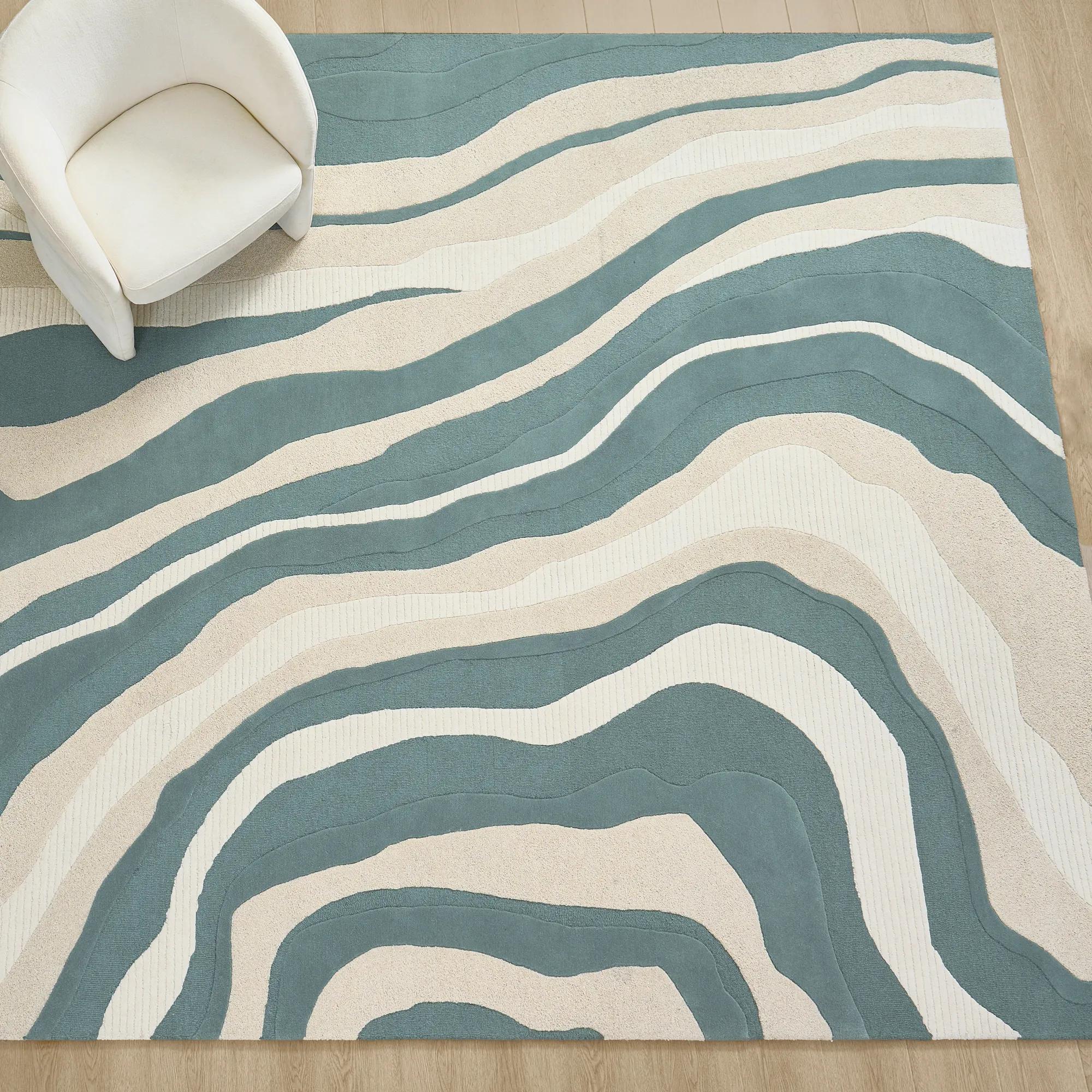 Kadence Hand-Tufted Sage Green/Ivory Wool Rugs$999
A hand-tufted wool rug in deep sage green and ivory with a sculptural high-low abstract wave pattern.
Add To Cart

High Traffic Hallway Rugs
High traffic hallway rugs are the unsung heroes of a well-traveled home, transforming everyday passageways into captivating corridors of style. Each step is elevated by bold patterns, plush textures, and an undeniable sense of drama—proof that even the busiest spaces deserve a touch of artistry. Whether framing an entryway or leading guests toward grander rooms, these rugs ground your décor with both resilience and panache, ensuring every journey through your home is a statement in sophistication.
A hallway is more than a passage between rooms—it is the first brushstroke in the story of your home, guiding guests from the entry to the rooms beyond and giving everyday movement a sense of intention. High traffic hallway rugs bring warmth, texture, and visual polish to these hardworking spaces while helping protect flooring from the steady rhythm of footsteps, shoes, paws, and rolling luggage. They are especially suited to busy households, entertainers who welcome a constant stream of guests, apartment dwellers with compact entryways, and anyone whose corridor connects the front door with the kitchen, living room, or bedrooms. During the cooler months, when wet shoes and tracked-in debris become part of the daily routine, a well-chosen runner can make the transition from outdoors feel more considered and beautifully composed. Look for a length that follows the architecture of the hall without crowding doorways, vents, or stair edges. Leaving a visible border of flooring along the sides can frame the rug like a gallery piece, while a few inches of exposed floor at either end allows the hallway to breathe. Measure carefully from wall to wall, paying close attention to doors that swing inward; a low-profile design keeps the rug from catching beneath the door and preserves an effortless flow through the space. For narrow corridors, elongated patterns, subtle stripes, and tonal motifs can emphasize the lines of the architecture, while a more expressive print can turn an overlooked stretch of floor into a dramatic visual moment. If your home leans toward layered neutrals, explore Neutral Rugs For High Traffic Areas for versatile tones that create a quietly luxurious foundation without disappearing into the room.
Because hallway rugs are asked to perform beautifully under pressure, material and construction deserve as much attention as color. Synthetic fibers such as polypropylene and polyester are popular choices for active interiors because they tend to resist stains, tolerate frequent cleaning, and hold their color through the daily wear of a busy home. A flat-woven or low-pile construction is particularly practical in a hallway: it allows doors to clear easily, makes vacuuming more efficient, and helps keep dust and grit near the surface rather than burying it deep within the fibers. A pile height of approximately 0.2 to 0.35 inches is often a useful range for these spaces, although the precise fit depends on the clearance beneath your doors and the thickness of the rug pad. Texture still has a place in a hardworking runner. Ribbed surfaces, distressed motifs, and finely woven patterns can disguise the occasional trace of outdoor life while adding dimension beneath console tables, framed art, or a gleaming mirror. For homes with children or pets, prioritize designs described as stain-resistant, spot-cleanable, vacuum-friendly, or hose-washable, and review the care instructions before placing a rug in a particularly demanding area. A design intended for indoor and outdoor use may offer added flexibility in an entry corridor, mudroom, enclosed porch, or sunroom, while a more decorative option can bring a tailored, jewel-box feeling to a formal hall that receives less direct exposure. Color also plays a practical role. Mid-tone patterns and layered neutrals are often forgiving in high-use zones, while deep charcoal, mineral gray, warm taupe, and softly faded hues can anchor the surrounding palette with understated glamour. Consider the flooring beneath the runner as part of the composition: a pale rug can brighten dark wood, a smoky pattern can lend depth to light oak, and a metallic accent woven through the design can echo nearby hardware or lighting without making the space feel overly matched.
Safety is essential to the elegance of the finished look. A runner that shifts beneath the foot can interrupt the rhythm of the hall and create a hazard, particularly on smooth wood, tile, stone, or polished concrete. Seek a rug with a non-slip backing, such as rubber or thermoplastic rubber, or pair a compatible rug pad with the design if the backing is not built in. The pad should be trimmed slightly smaller than the rug so it remains discreet while adding grip, cushioning, and a more substantial feel underfoot. Before installation, clean and dry the floor, allow the rug to settle flat, and check the edges after the first few days; curling corners or sliding may indicate that the pad, placement, or surface needs adjustment. Routine care is wonderfully simple when approached consistently. Vacuum along the length of the runner on a regular schedule, using the appropriate setting for a low pile, and address spills promptly by blotting rather than rubbing so moisture and color do not spread through the fibers. Lift the rug occasionally to clean beneath it and to give the flooring a chance to breathe, especially in entryways where grit can accumulate. For deeper care, follow the manufacturer’s instructions and avoid saturating a rug unless it is specifically designed to be washed or rinsed. A hallway runner can also be a thoughtful housewarming gift for a new homeowner, a practical gesture for someone settling into a first apartment, or a refined finishing touch for a family preparing a home for frequent gatherings. Choose a versatile length and an expressive yet adaptable palette when gifting, allowing the recipient to place it in an entry, corridor, galley kitchen, or beside a long bedroom wall. With the right proportions, resilient fibers, low profile, and secure footing, a high traffic hallway rug does more than withstand daily life—it gives every arrival, departure, and passing moment a little more polish.
FAQs
For hallways that see frequent footfall, opt for rugs crafted from tightly woven synthetic fibers like polypropylene or nylon, as well as natural materials such as wool. These materials blend resilience with a sumptuous feel, gracefully withstanding daily wear while maintaining their vibrant color and texture. Look for low-pile designs that resist matting and are easy to clean, ensuring your rug remains a statement piece for years to come.
A high traffic hallway rug can serve as the connective tissue of your home’s design, echoing colors or motifs found in adjacent rooms for a harmonious flow. Choose a pattern or tone that complements your existing palette, or make a bold statement with a contrasting design that draws the eye and sets the mood. Layering textures and coordinating with elements like runners or accent pieces in nearby spaces can create a cohesive, curated look.
Absolutely. A high traffic hallway rug is a thoughtful and practical gift, perfect for housewarmings, weddings, or anyone moving into a new space. It offers a blend of style, comfort, and daily utility, making it a memorable gesture that transforms a house into a welcoming home. The right rug not only elevates a space but also symbolizes warmth and hospitality.
To keep your hallway rug looking its best, incorporate regular vacuuming to remove dust and debris, and rotate the rug periodically to ensure even wear. Promptly attend to spills with gentle blotting, and use a rug pad to minimize movement and protect flooring. Professional cleaning every so often will help preserve the rug’s original luster and texture, ensuring it continues to dazzle through every season.
When selecting a rug for a busy corridor, consider patterns that artfully conceal footprints and minor blemishes, such as intricate geometrics, abstract motifs, or rich textures. Opt for colors that complement your home’s palette while still making a statement. The rug’s edge finishing and backing are also important—look for reinforced borders and non-slip features for both durability and safety, all while ensuring the piece remains a work of art underfoot.