Hallway Grey Silver Rugs
Hallway Grey Silver Rugs
-
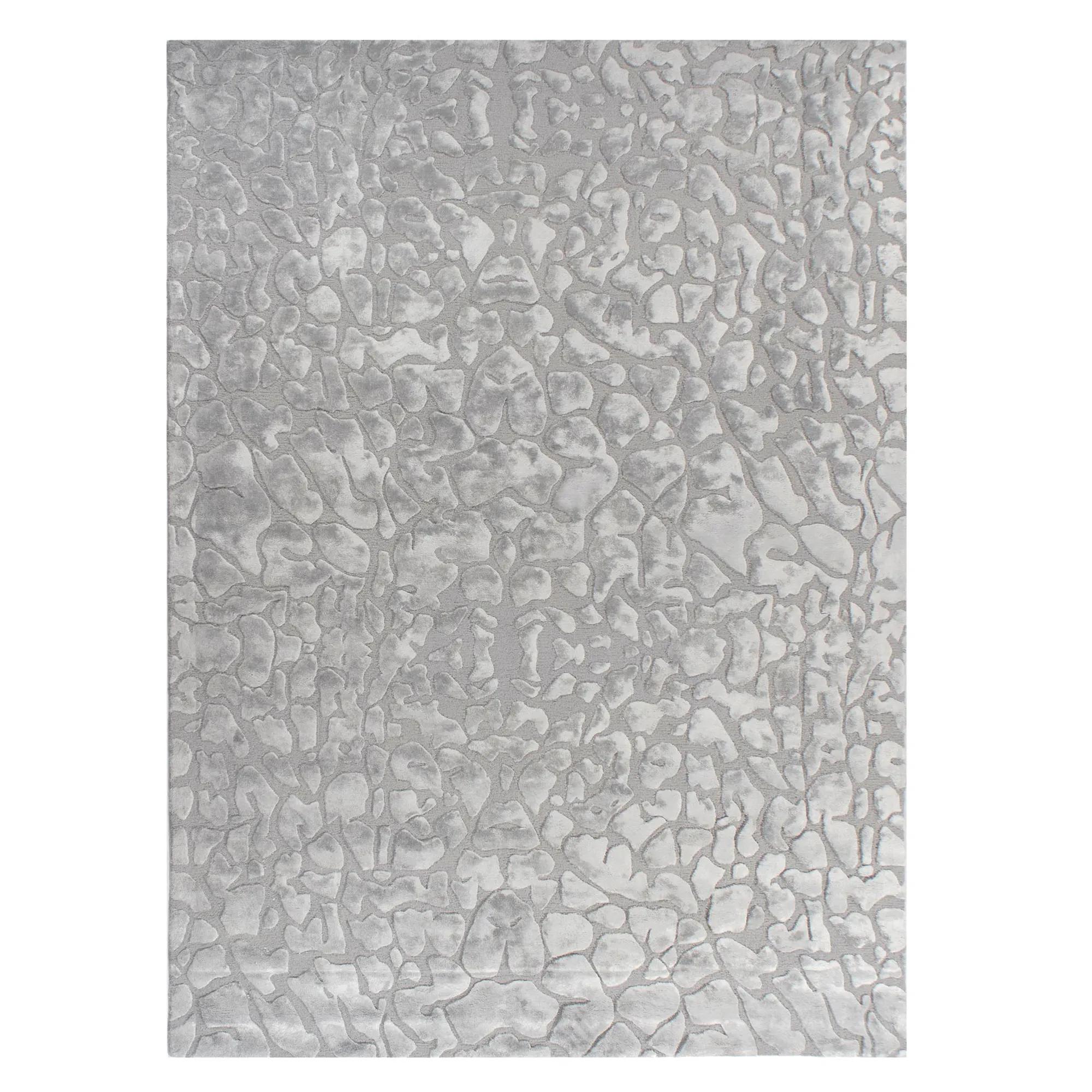
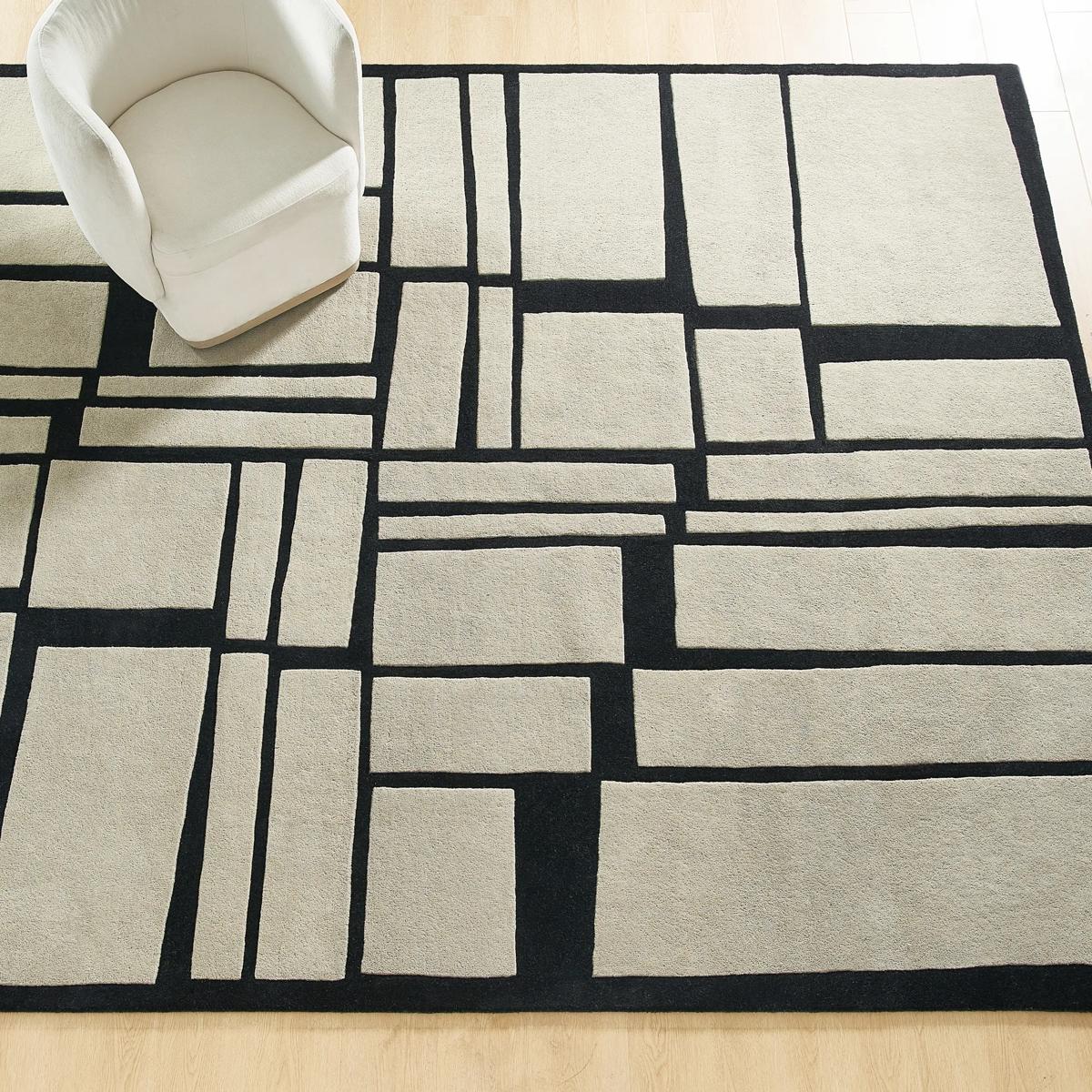
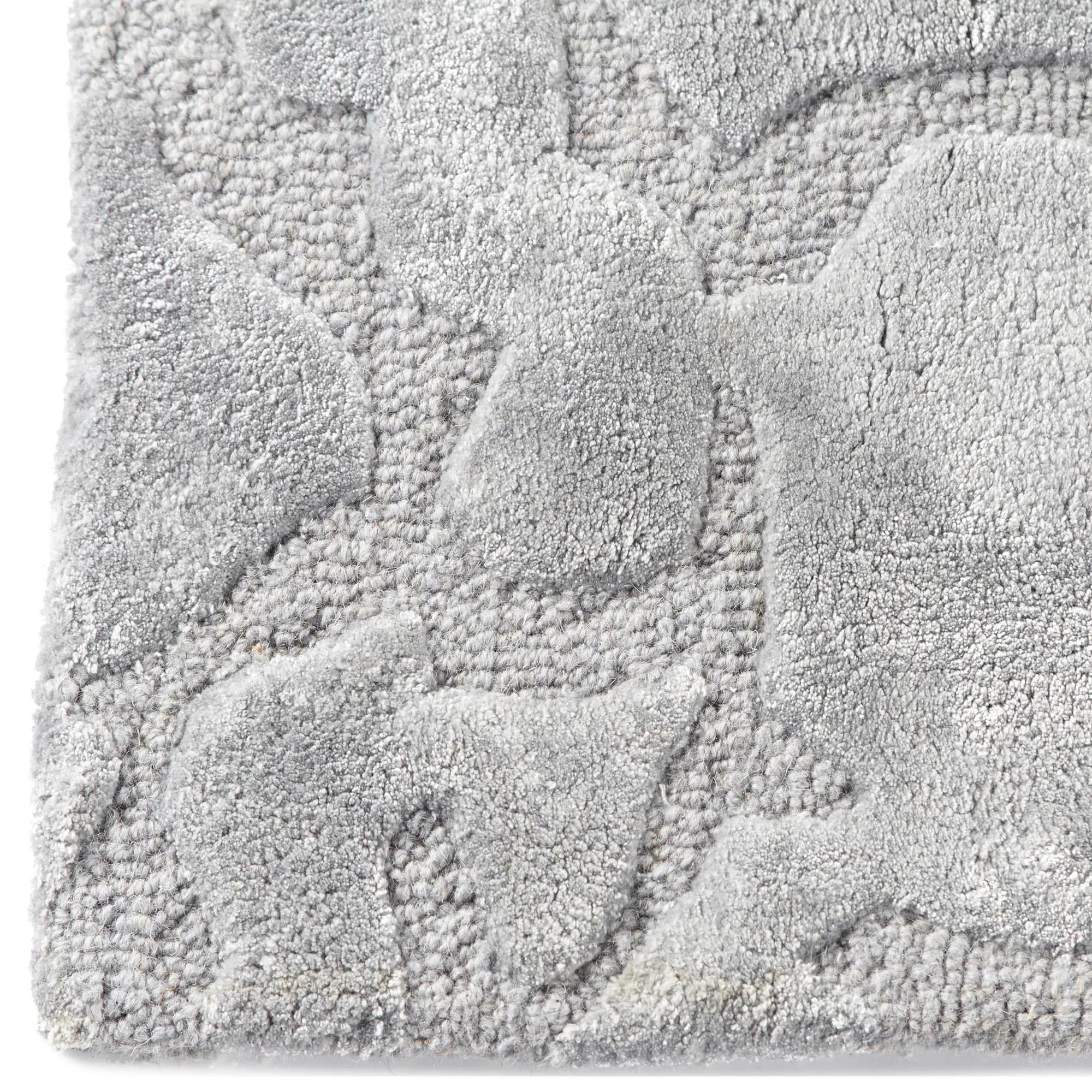 Nola Hand-Tufted Cool Grey Wool Blend Rug$849
A hand-tufted silver rug with contrasting pile heights, crafted from wool and viscose for plush texture.
Add To Cart -
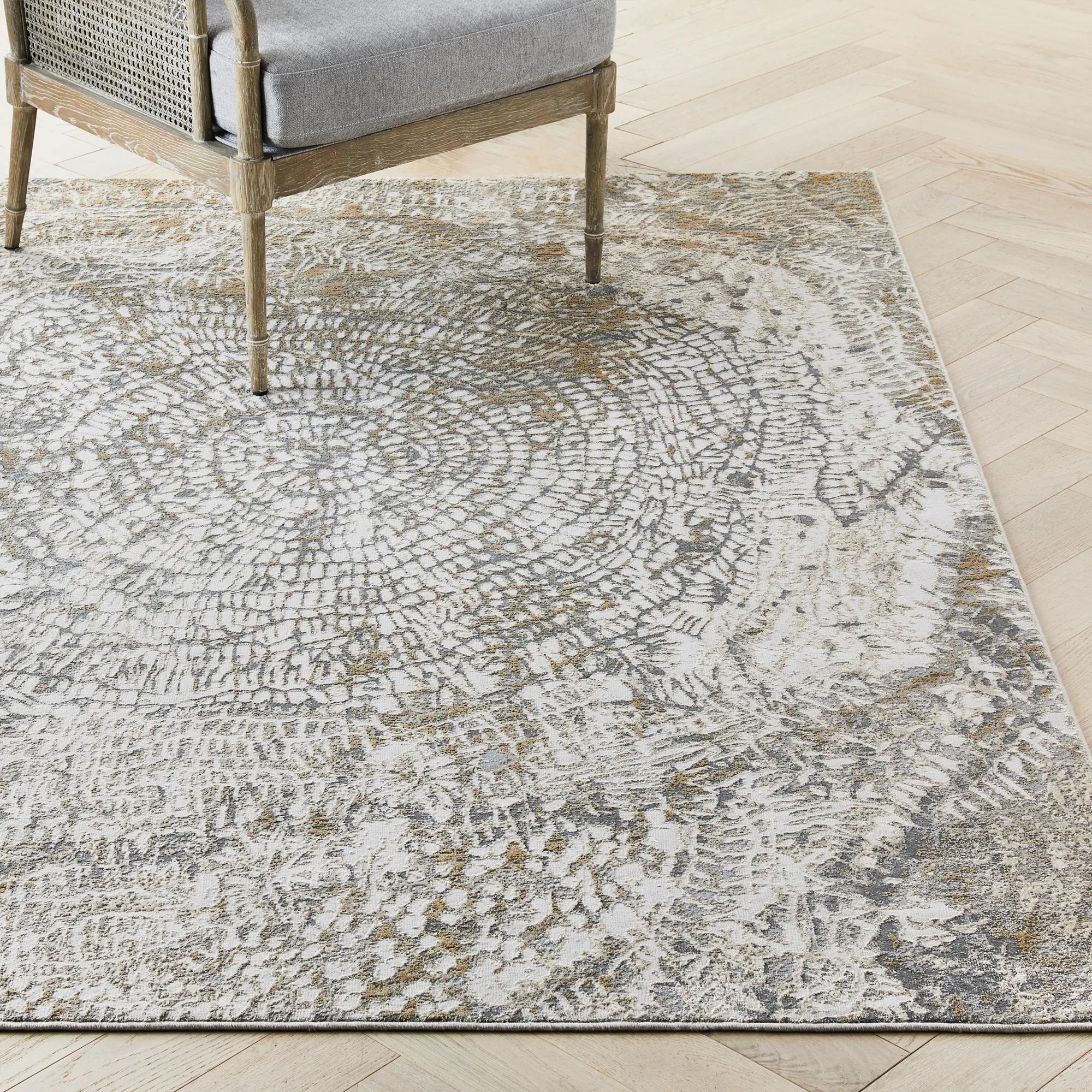 Nautilus Power-Loomed Silver/Grey/Natural Rug$999
A machine-woven ivory rug featuring subtle tonal variations and a durable polypropylene blend construction.
Add To Cart -
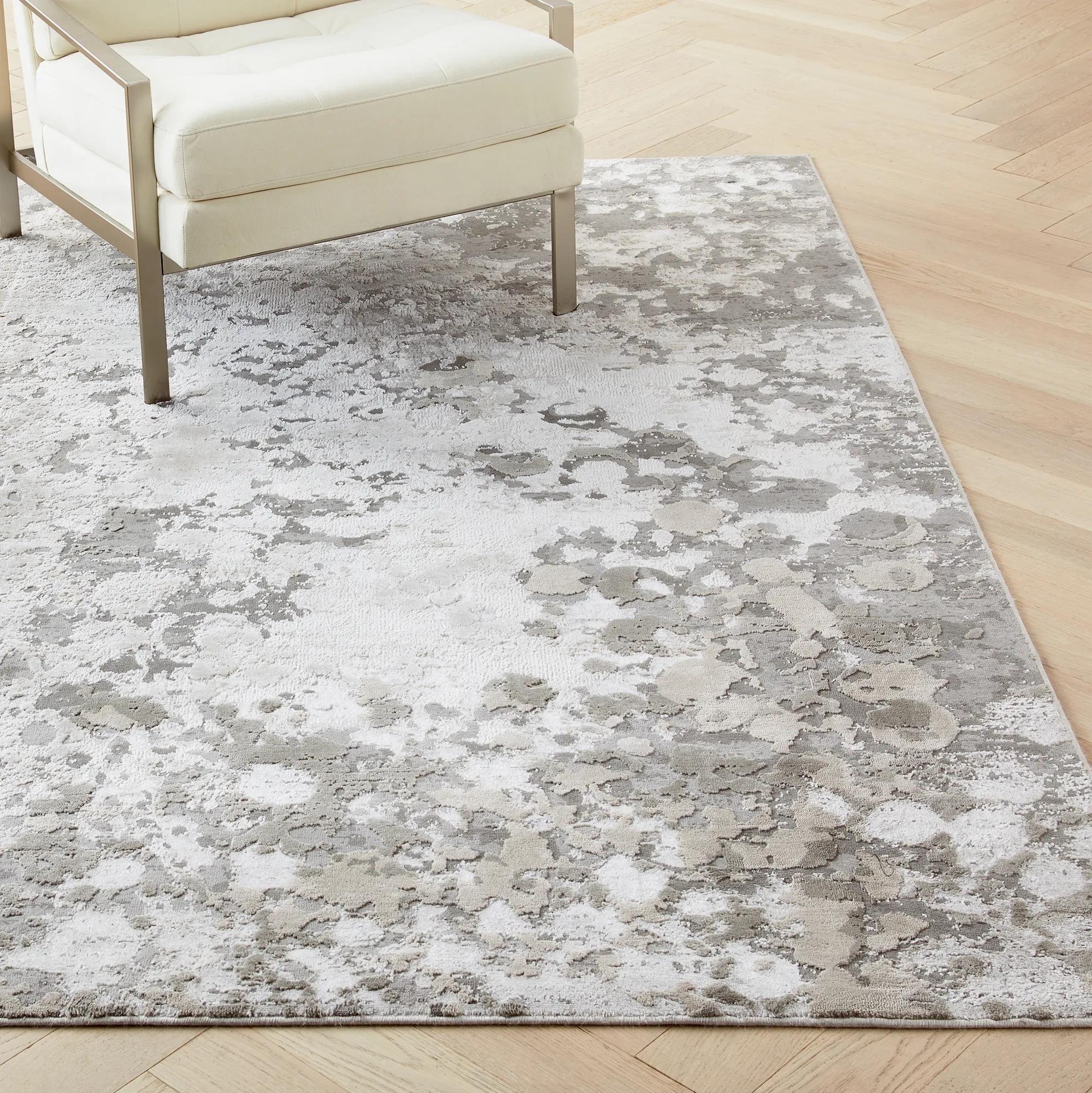 Mercury Power-Loomed Silver/Grey/Beige Rug$249
A neutral floor covering featuring a silver, grey, and beige palette with a textured polyester blend.
Add To Cart -
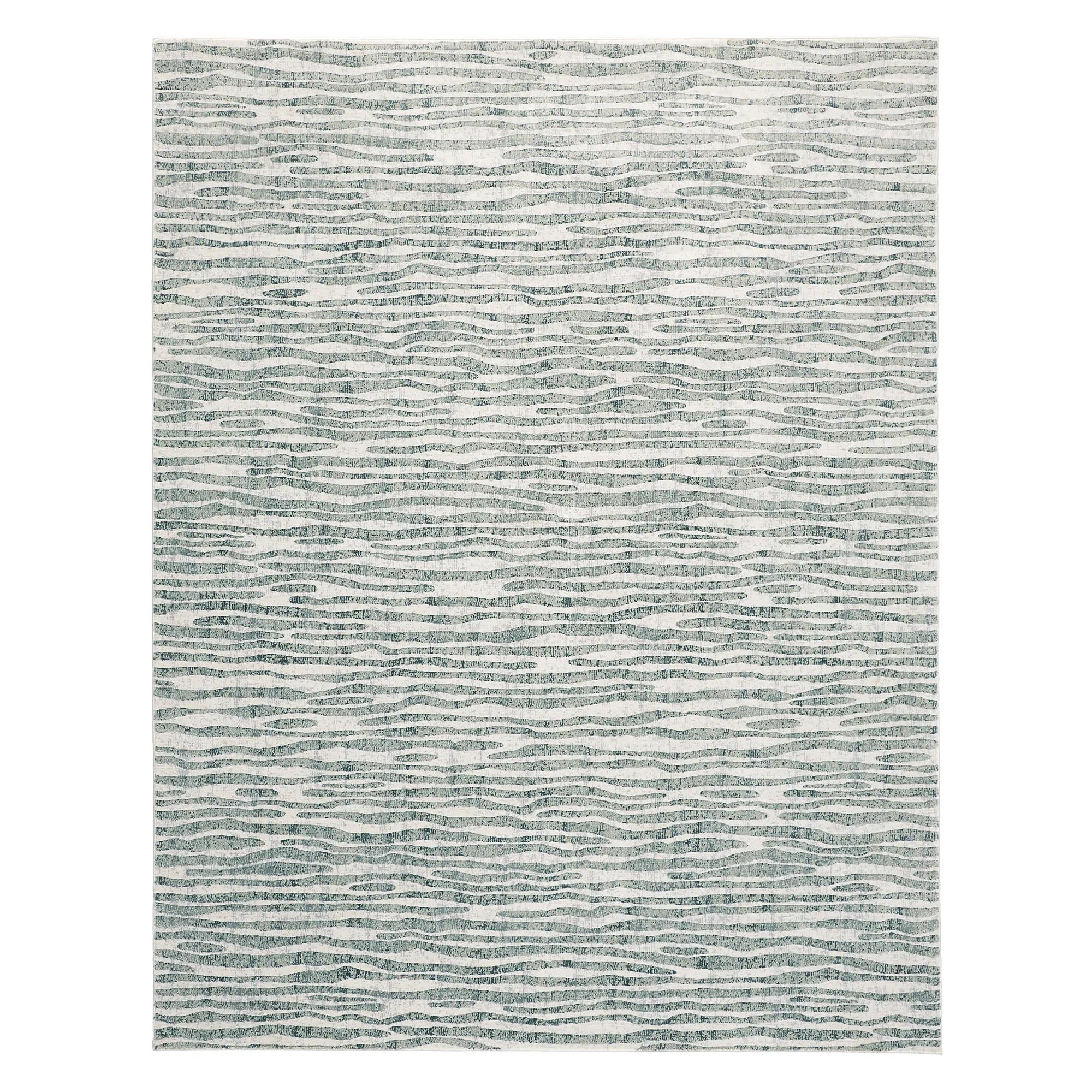 Samantha Power-Loomed Aqua/Grey Rug$719
A machine-woven rug featuring silvery-aqua and green accents on an ivory and grey polypropylene base.
Add To Cart -
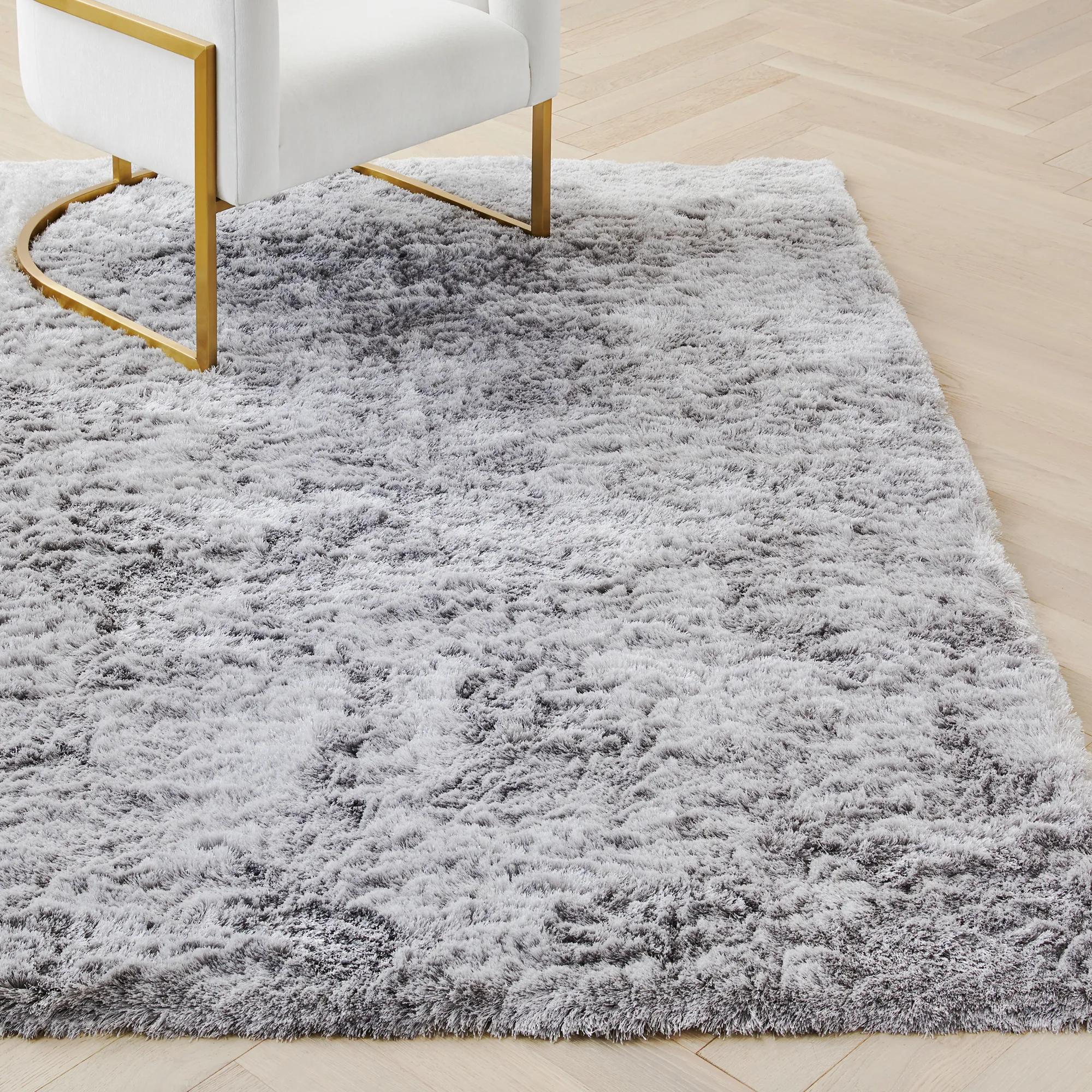 Indochine Shag Platinum Rug$399
A platinum-toned shag rug with a subtle sheen and plush 1.5" polyester pile for luxurious texture.
Add To Cart -
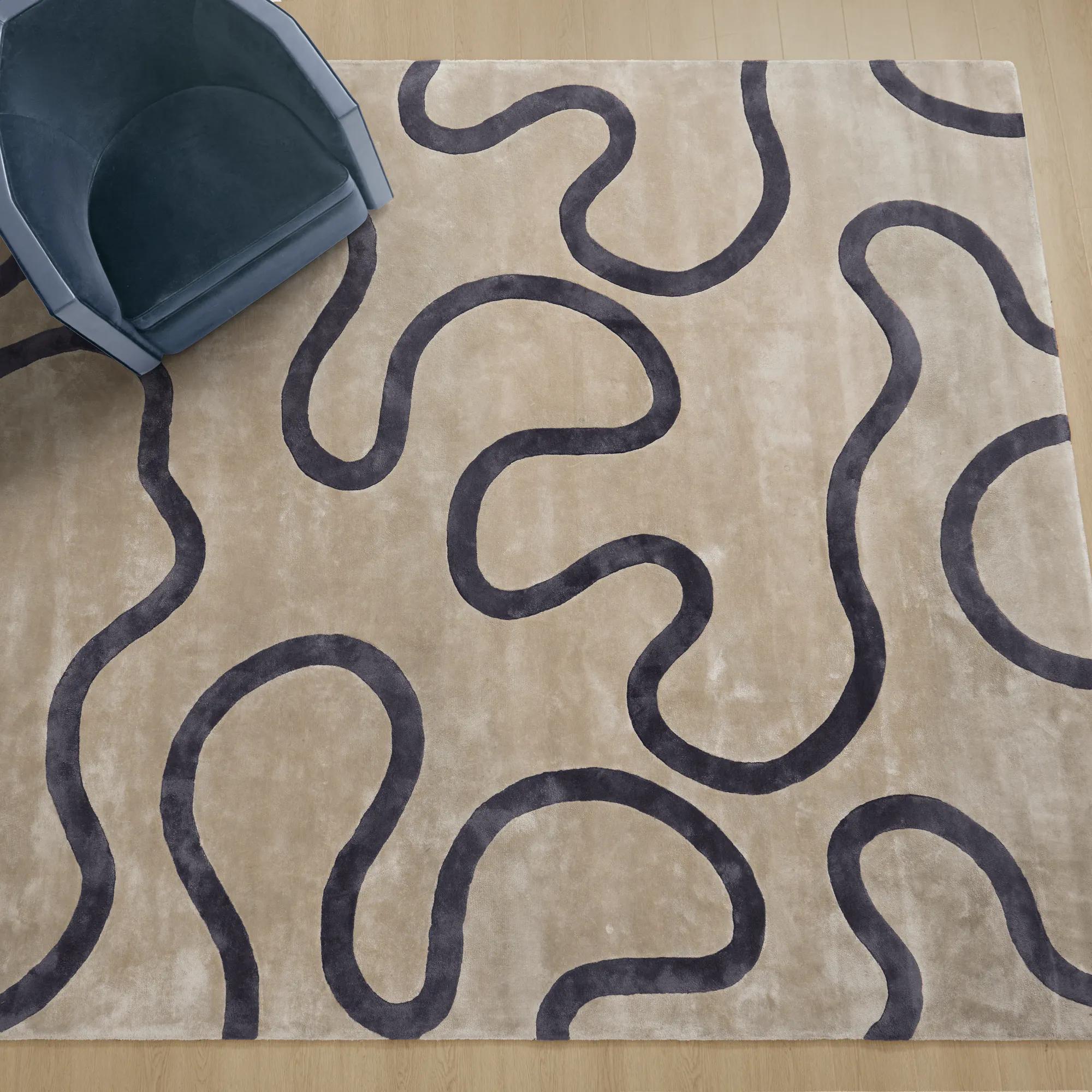 Seraphine Hand-Tufted Smoked Pearl/Taupe Viscose Loop Rugs$1199
A hand-tufted viscose rug featuring bold loop patterns in smoked pearl and taupe for modern elegance.
Add To Cart -
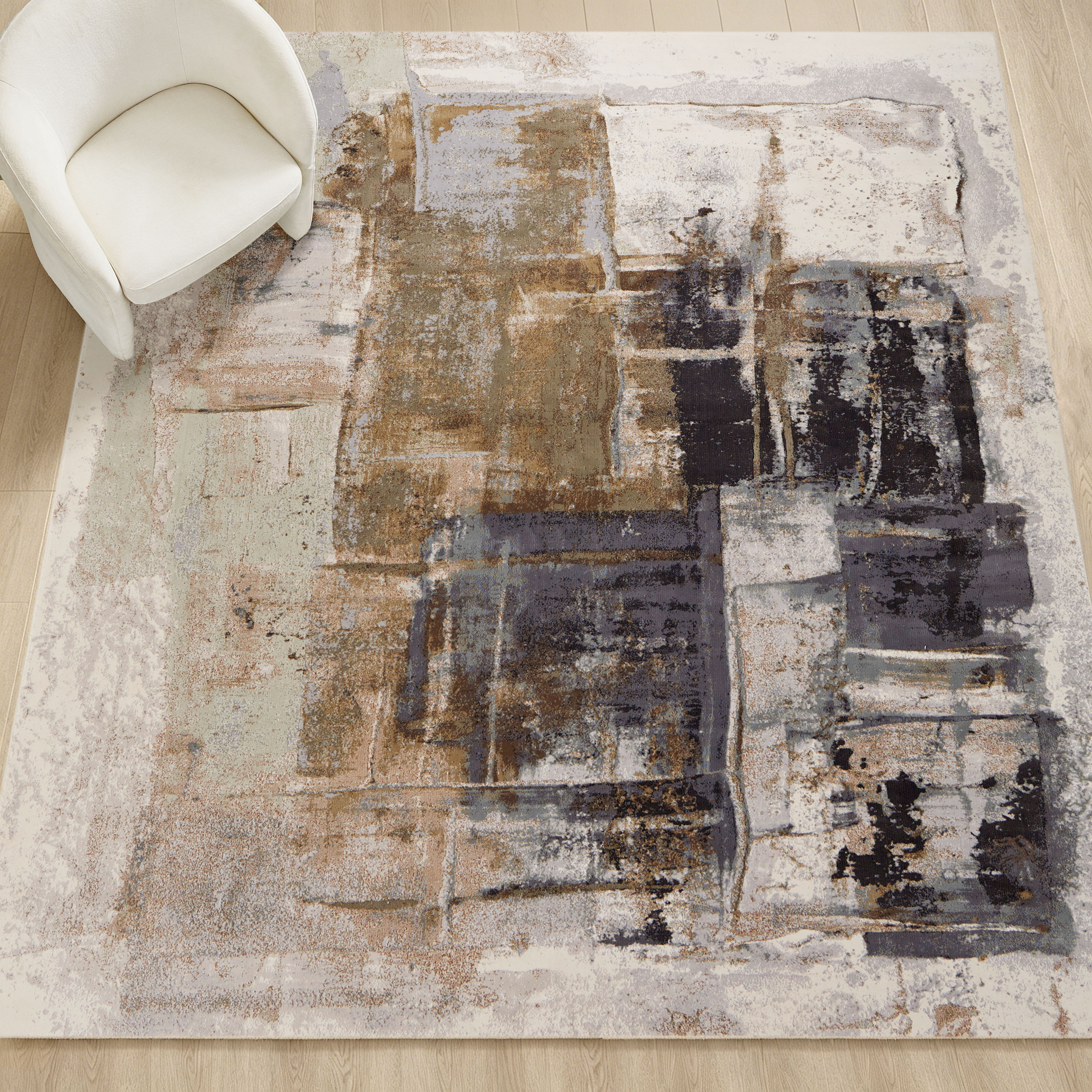
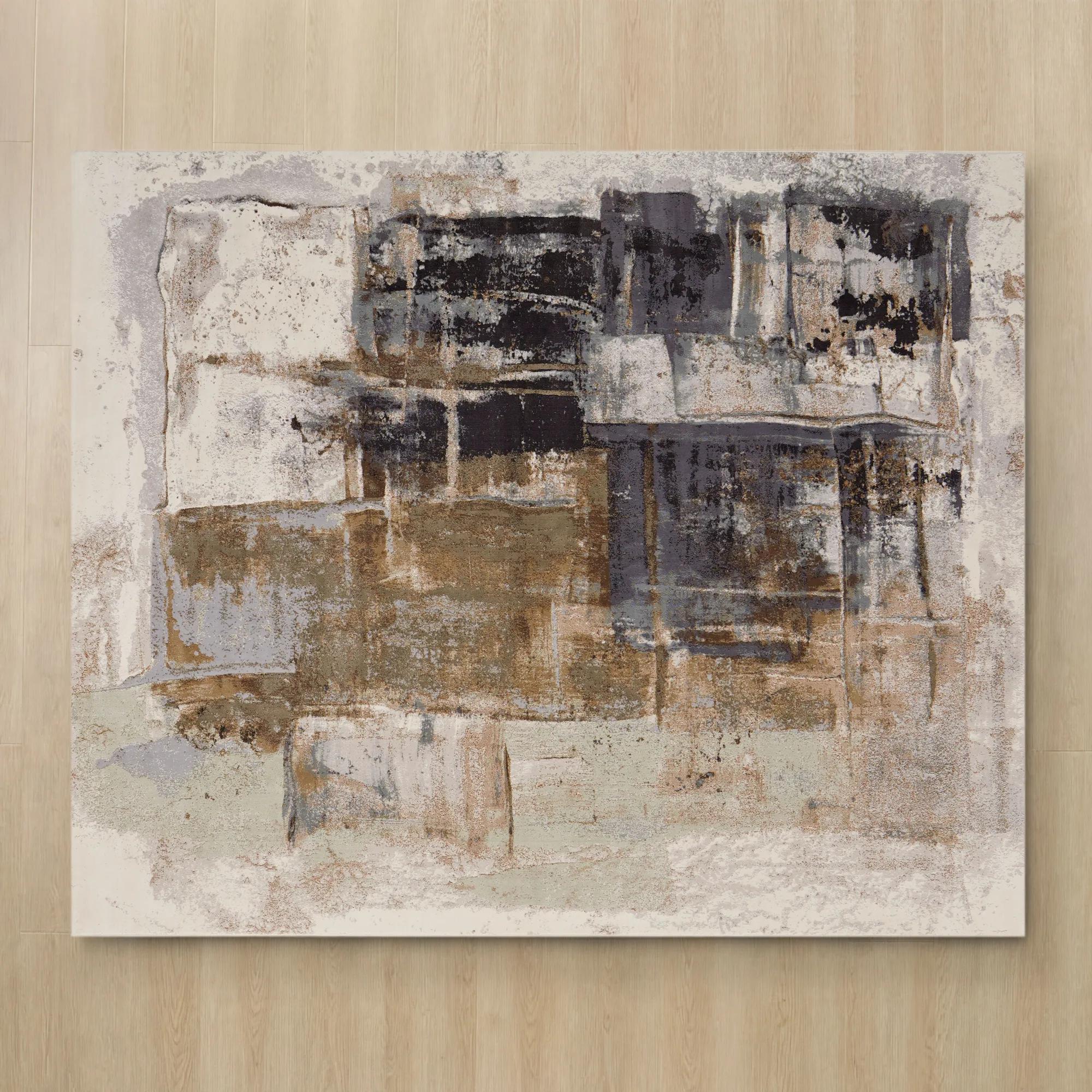 Gaia Abstract Grey/Charcoal/Ivory/Gold/Blue Performance Power Loomed Rug$949
An abstract rug in grey, charcoal, ivory, gold, and blue with a soft, stain-resistant performance blend.
Add To Cart -
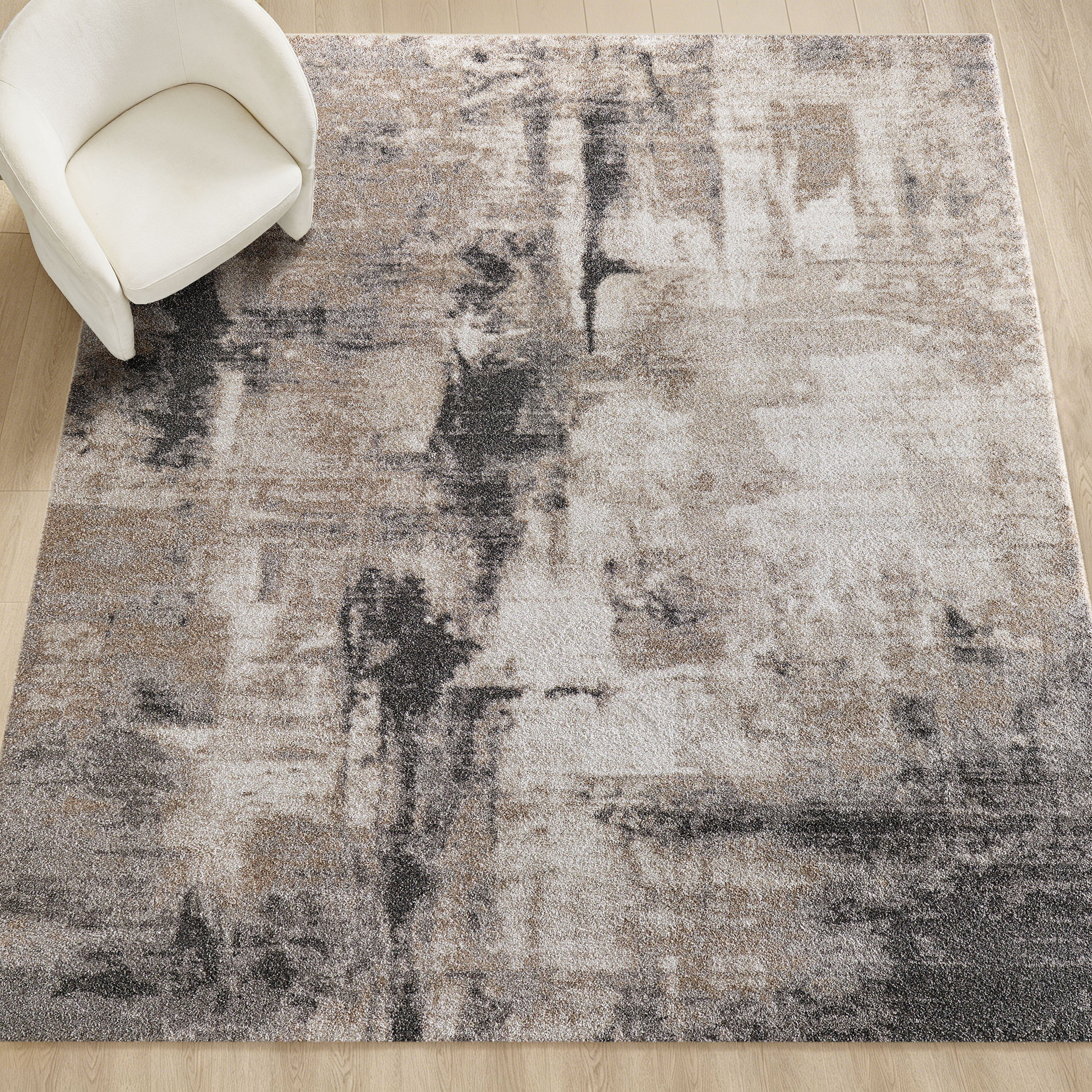
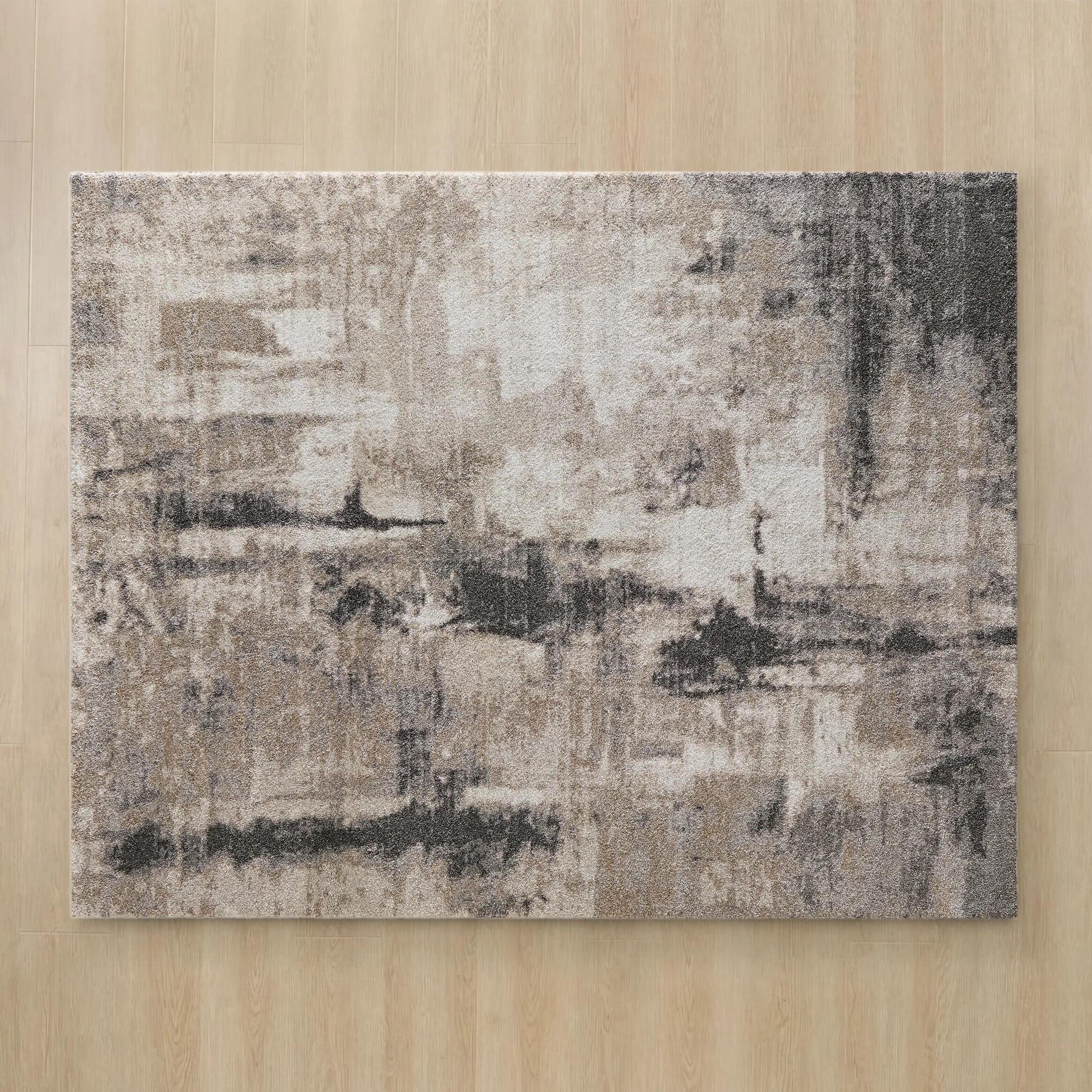 Atlas Abstract Grey/Taupe/Ivory/Charcoal Performance Power Loomed Rug$399
An abstract rug in grey, taupe, ivory, and charcoal with a plush, stain-resistant polypropylene blend.
Add To Cart -
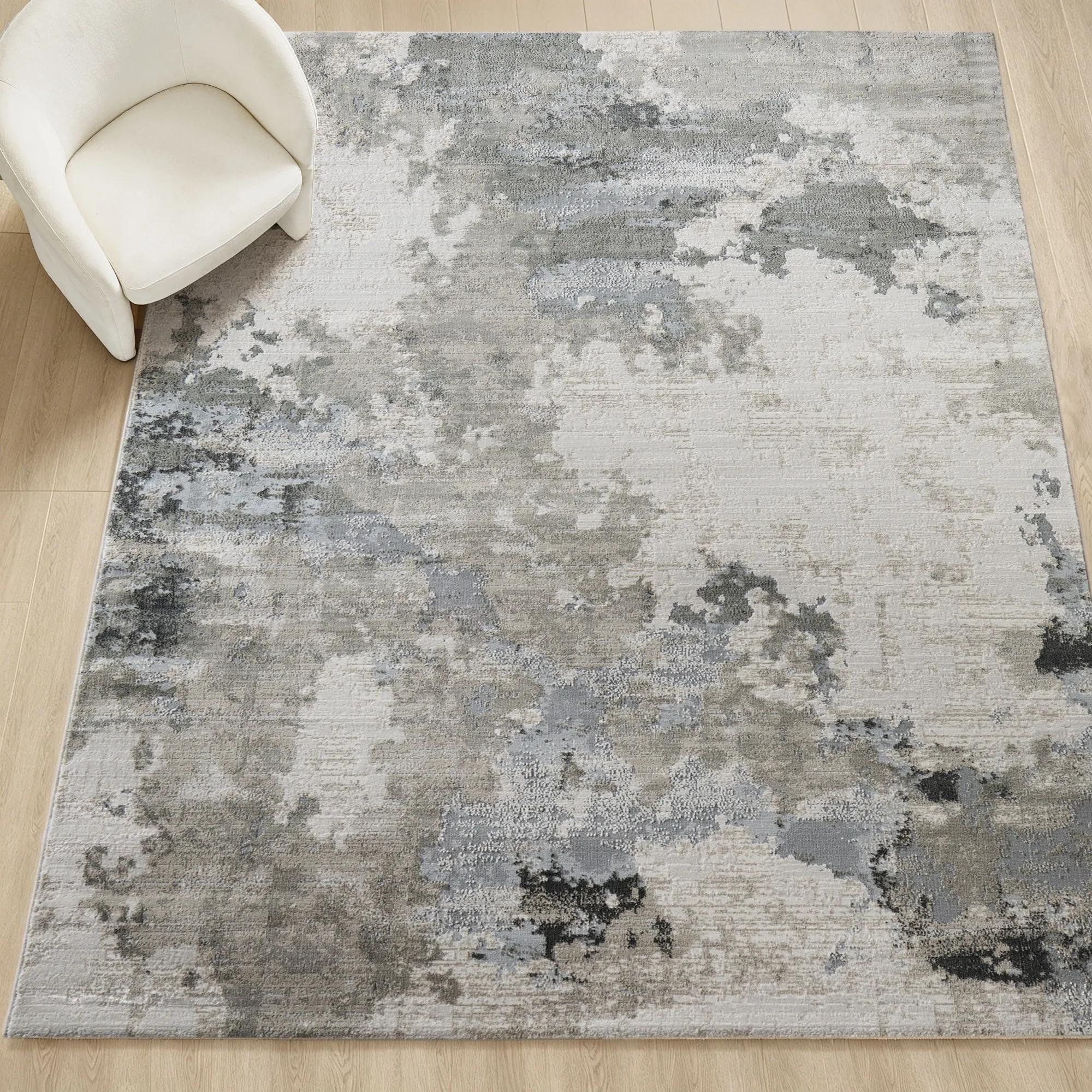 Alarion Abstract Grey/Muted Blue/Ivory Performance Power Loomed Rug$379
A power-loomed rug featuring a grey, muted blue, and ivory abstract pattern with stain-resistant durability.
Add To Cart -
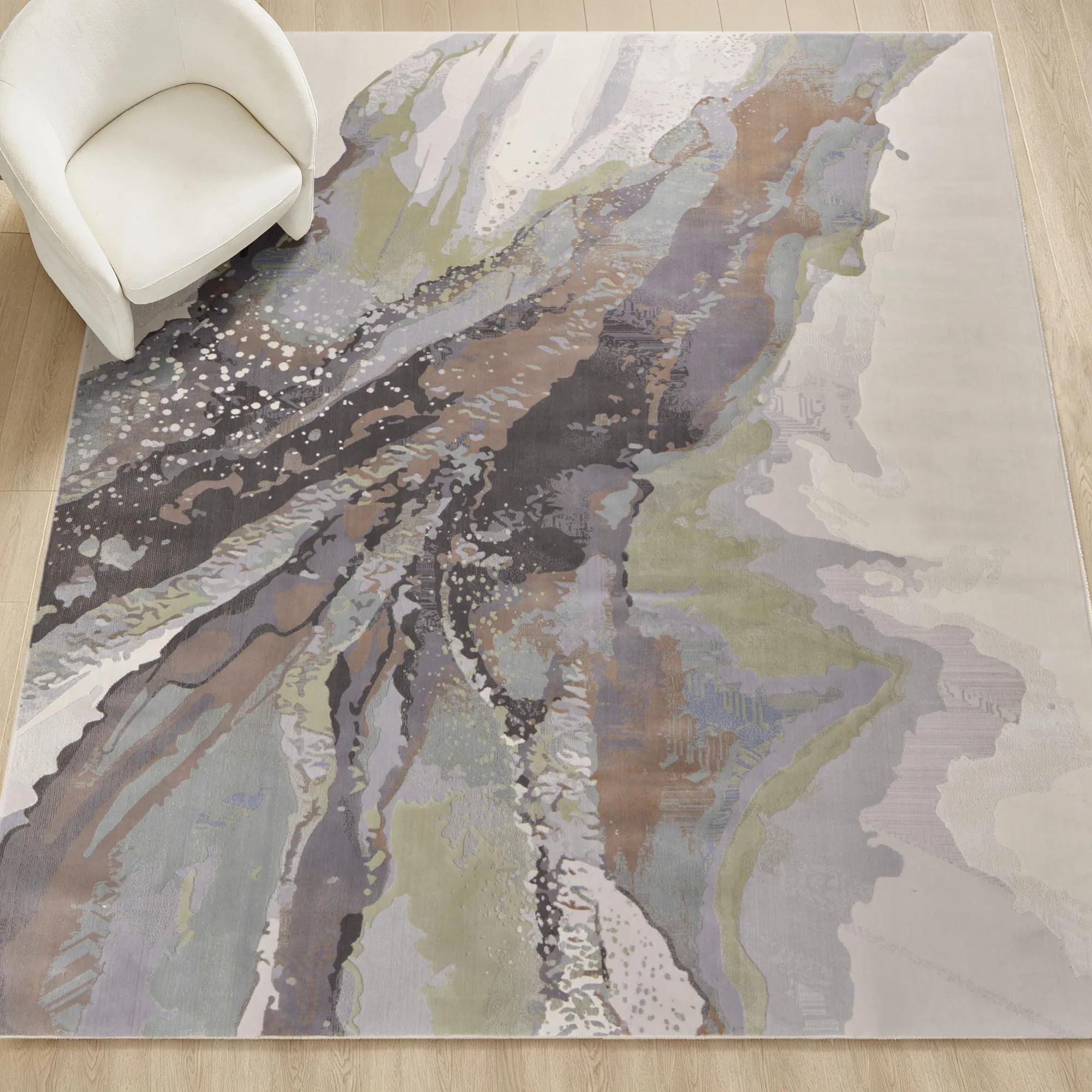
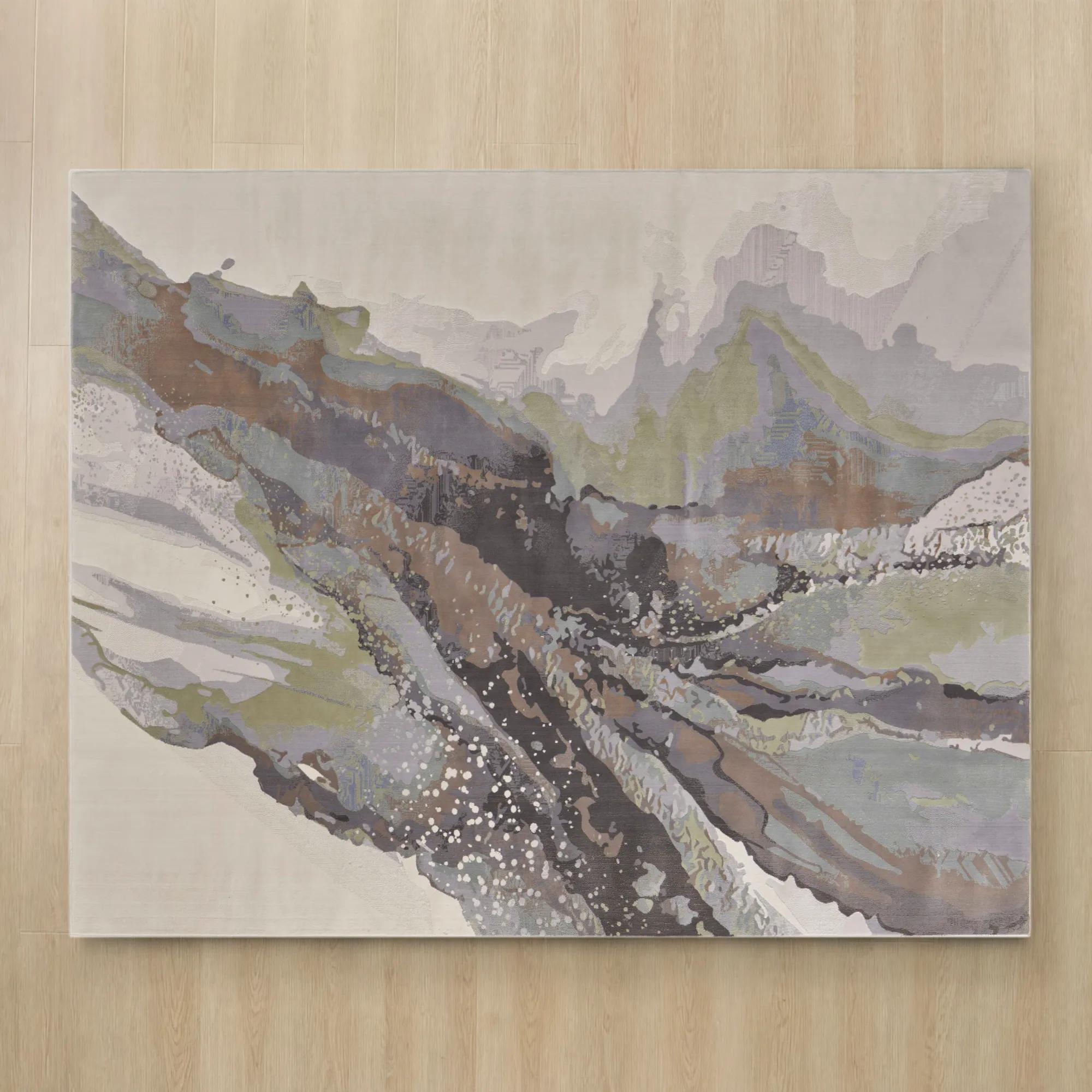 Nerissa Abstract Ivory/Grey/Blue/Green Performance Power Loomed Rug$449
An abstract rug in ivory, grey, blue, and green with a textured, stain-resistant polypropylene-polyester blend.
Add To Cart -
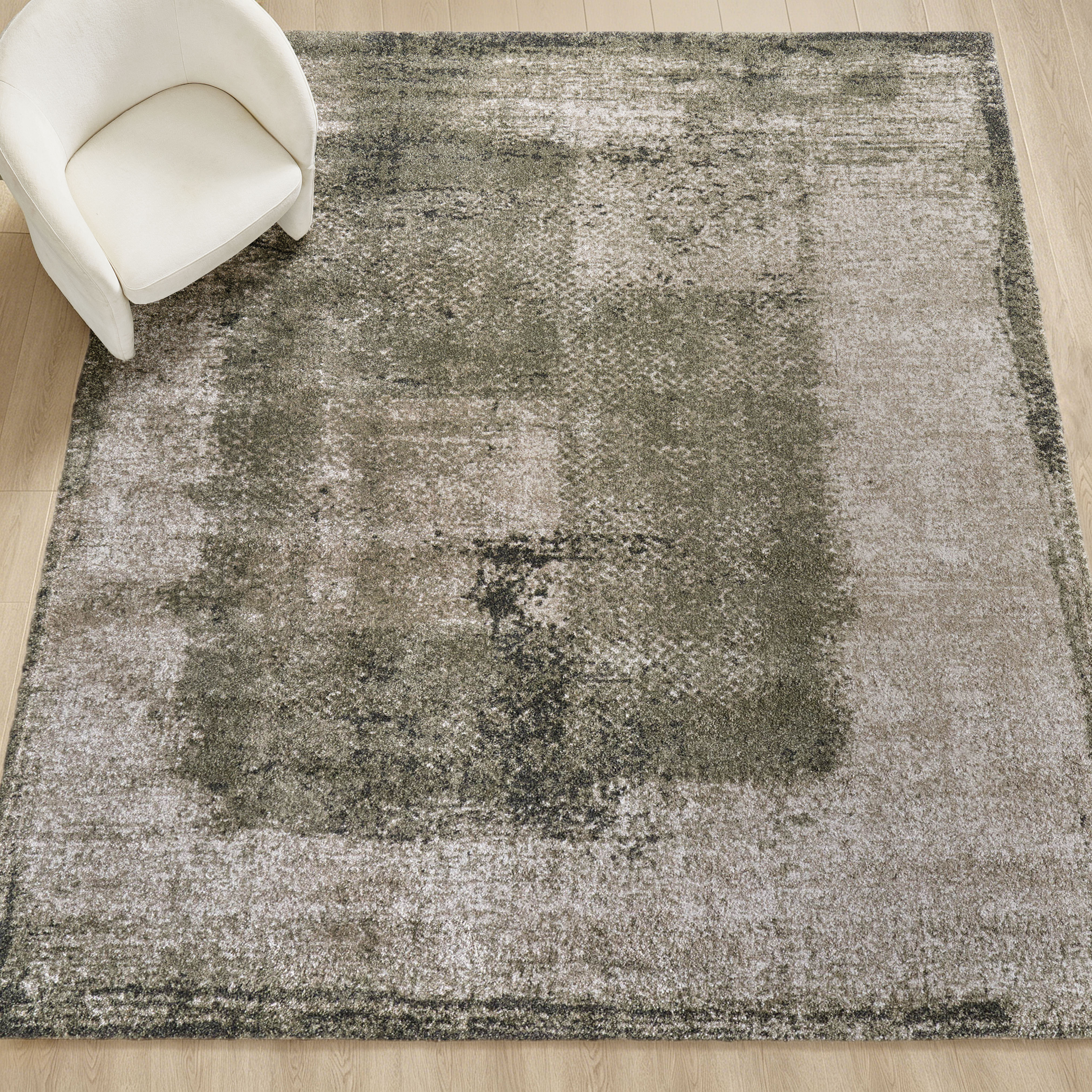
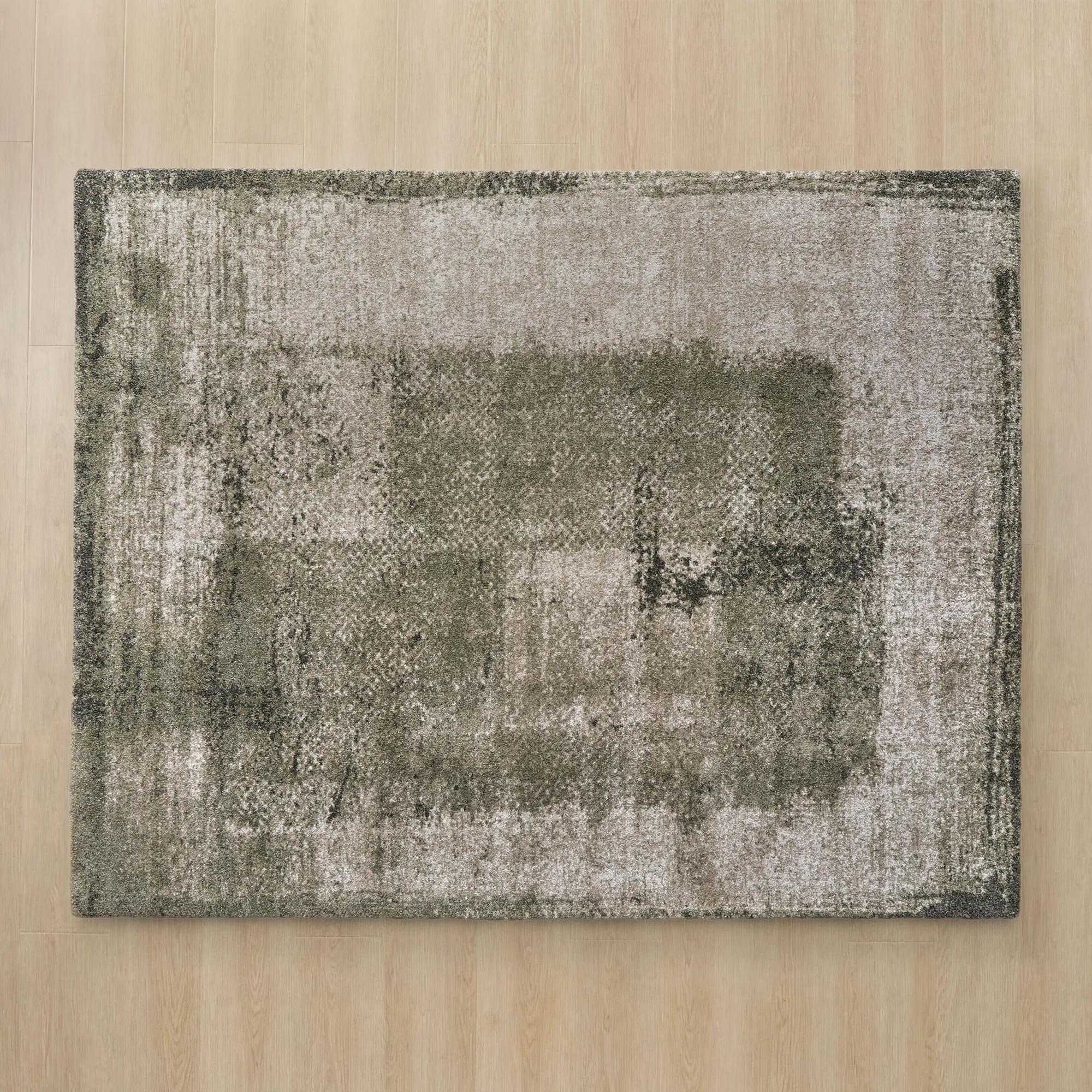 Irving Abstract Moss Green/Beige/Grey Performance Power Loomed Rug$1649
An abstract rug in moss green, beige, and grey with plush, durable polypropylene and polyester construction.
Add To Cart -
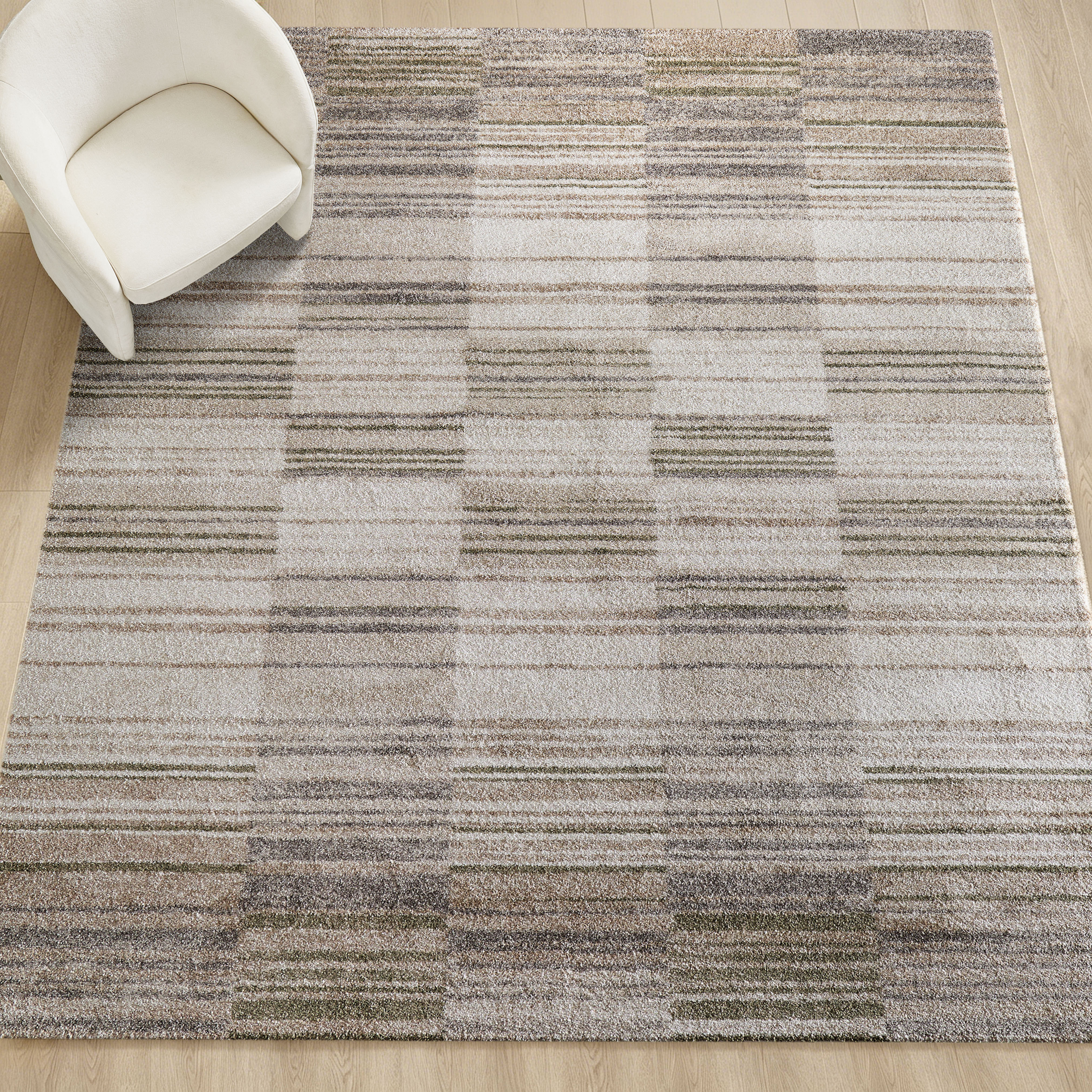
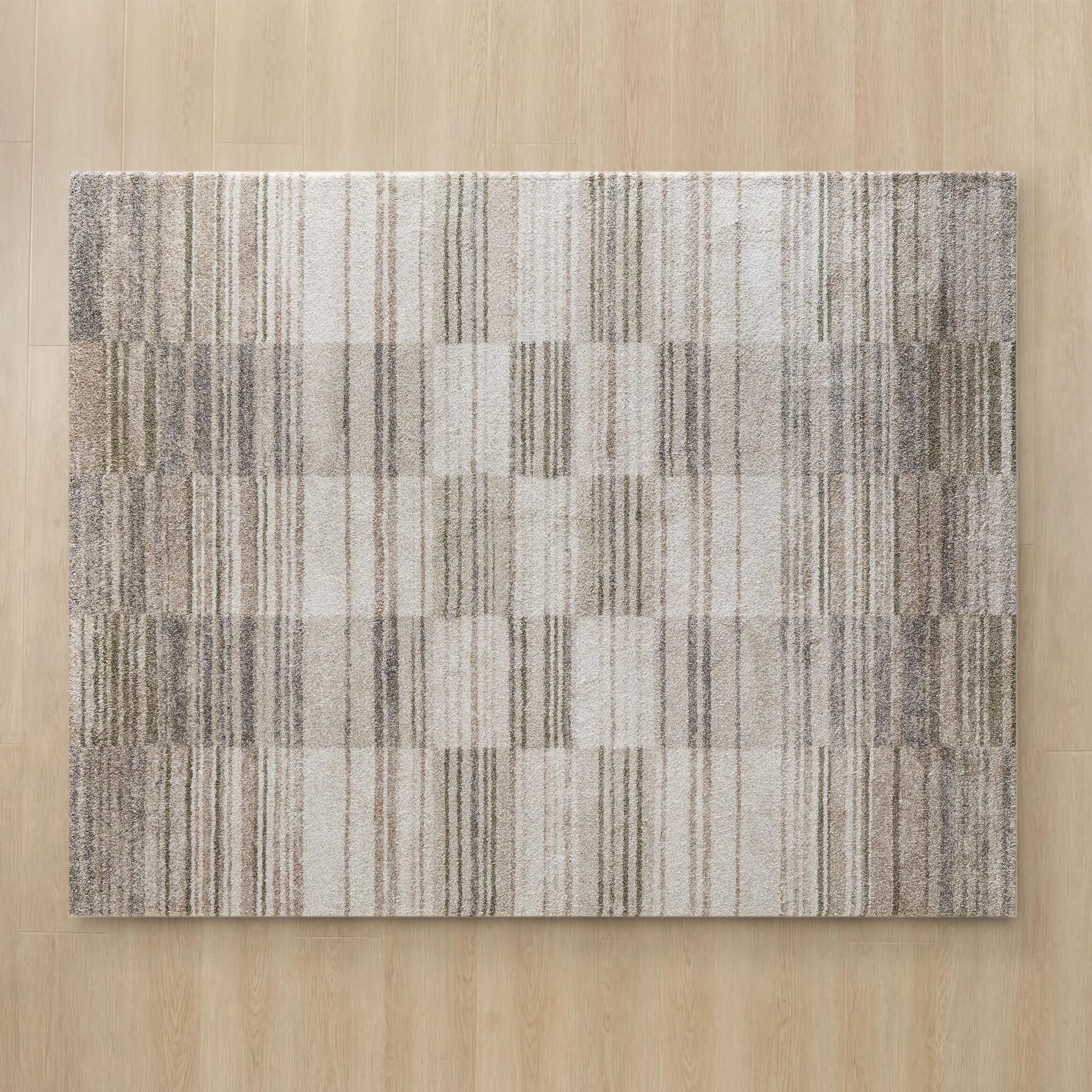 Checka Grey/Tan/Ivory/Soft Green Performance Power Loomed Rug$1649
A plush, power-loomed rug featuring a soft check pattern in grey, tan, ivory, and green.
Add To Cart -
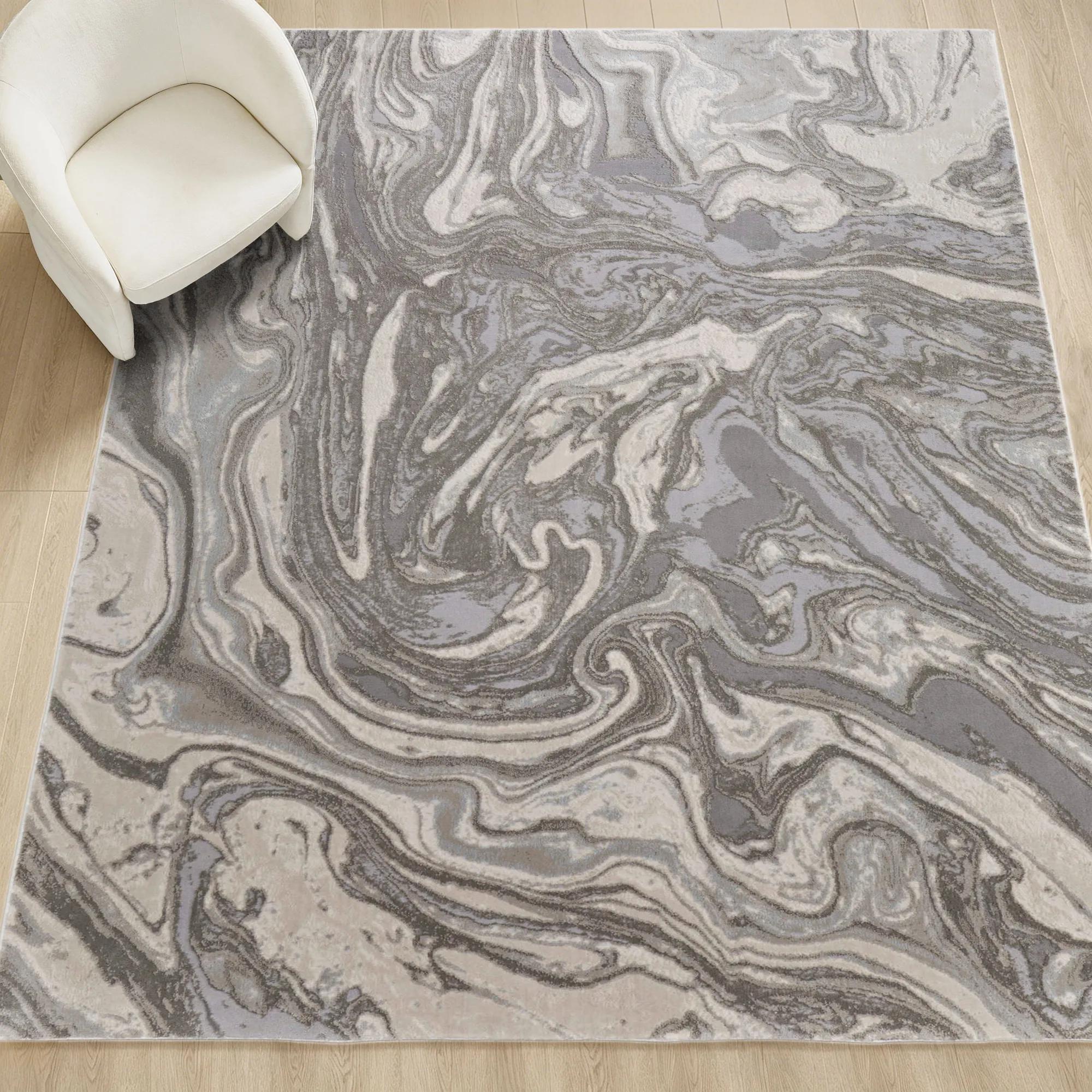
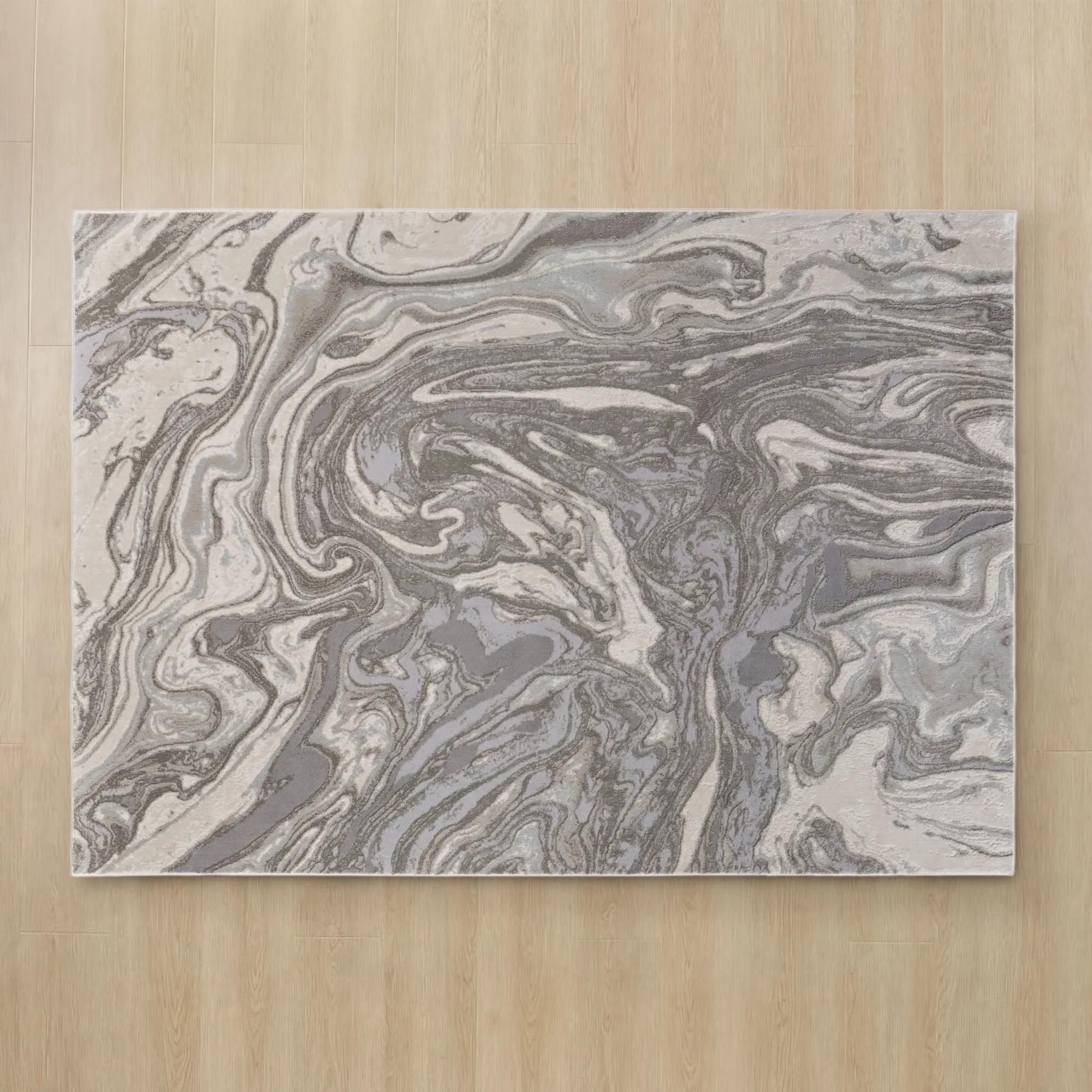 Marbre Marbled Grey/Taupe/Powder Blue Performance Power Loomed Rug$1499
A softly marbled rug in grey, taupe, and powder blue with a textured, stain-resistant performance blend.
Add To Cart -
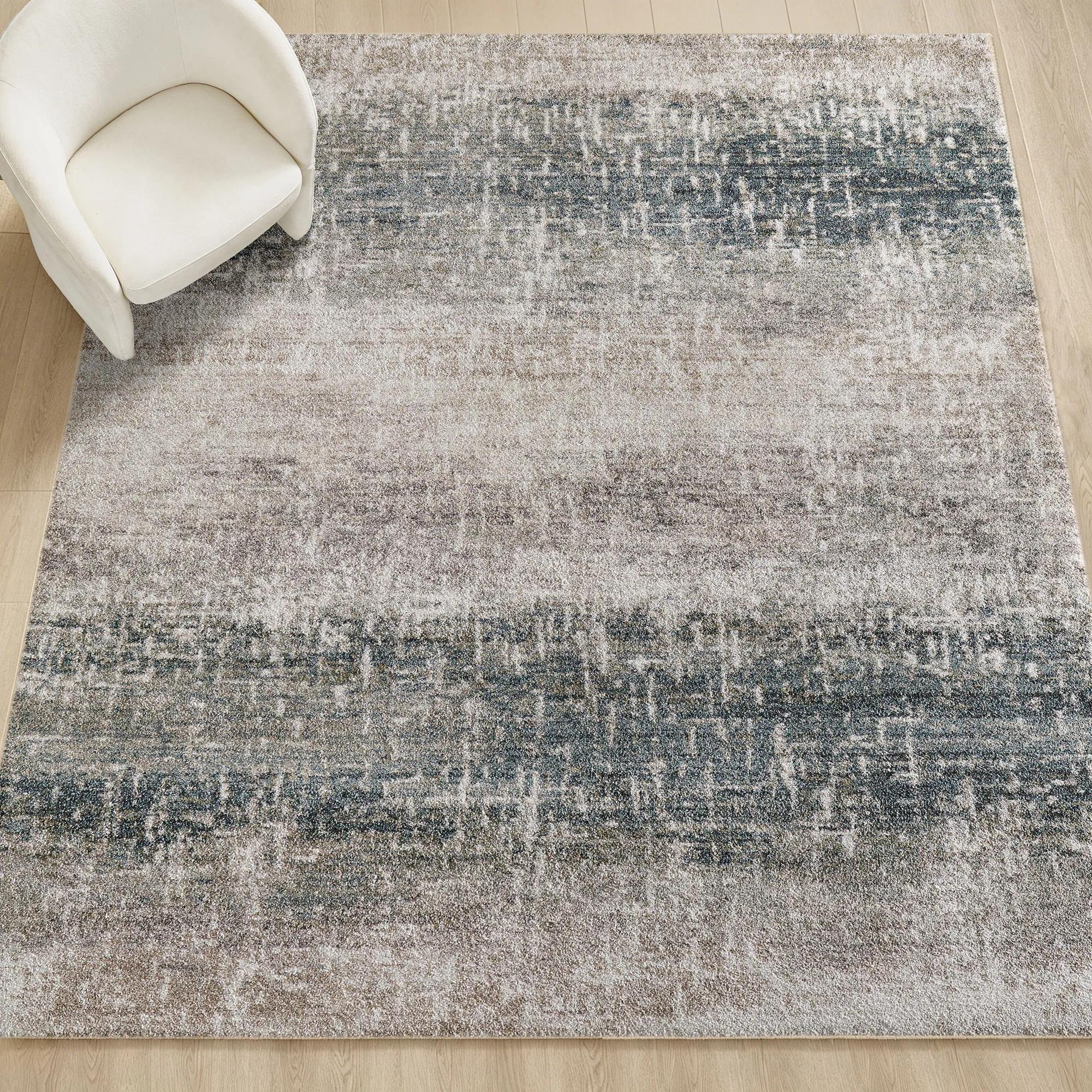
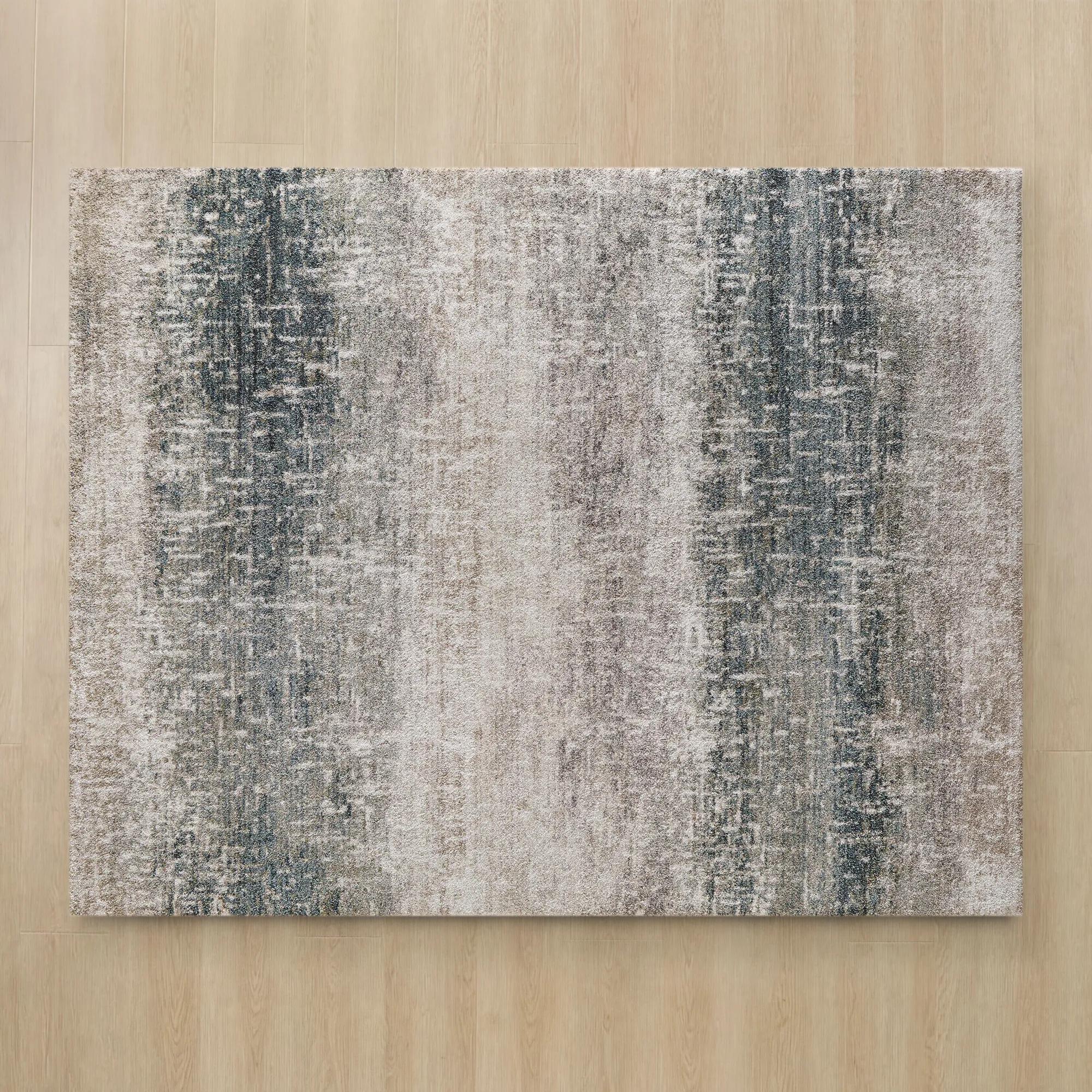 Collier Taupe/Grey/Blue/Green Performance Power Loomed Rug$1649
An abstract rug in taupe, grey, blue, and green with a plush pile and durable, easy-care blend.
Add To Cart -
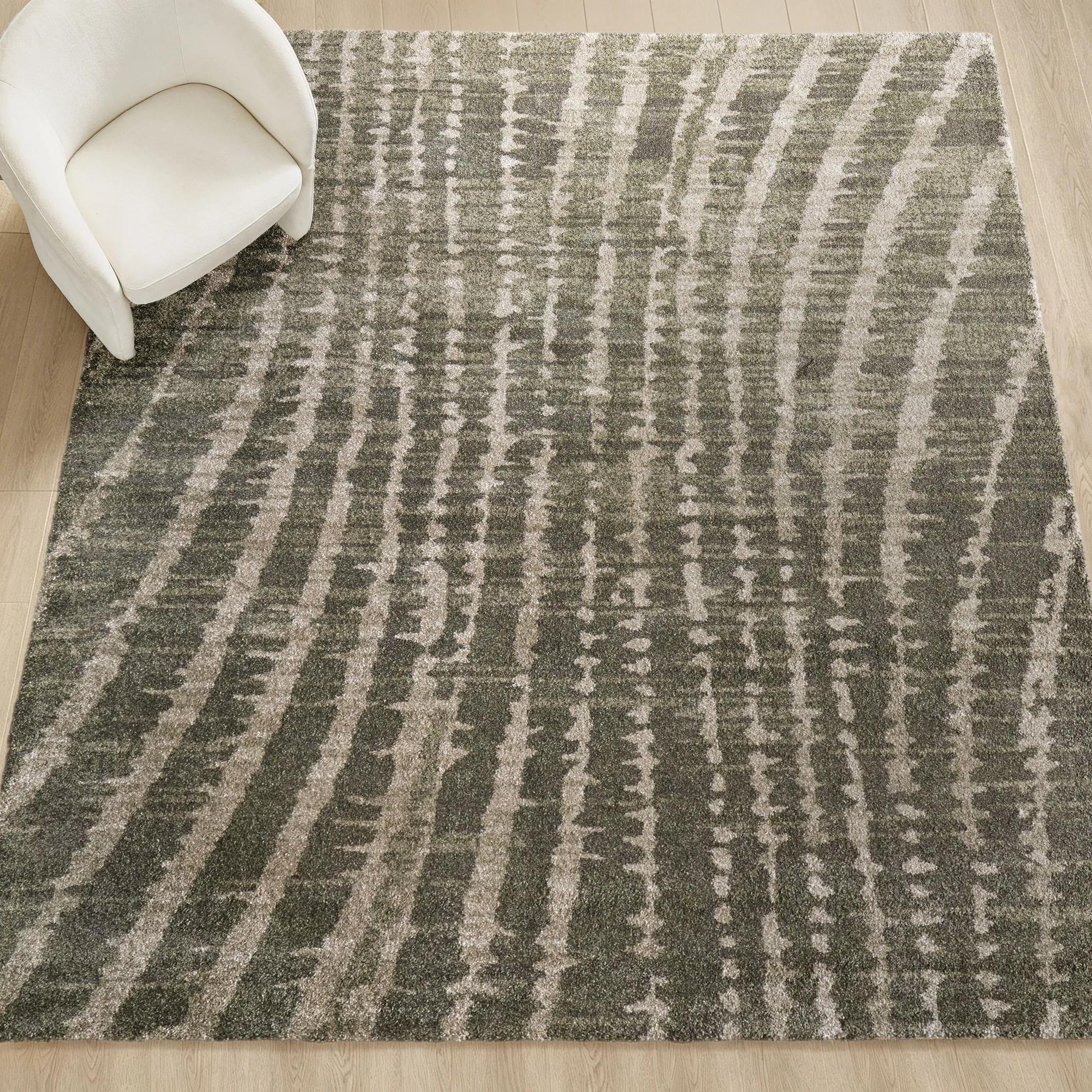
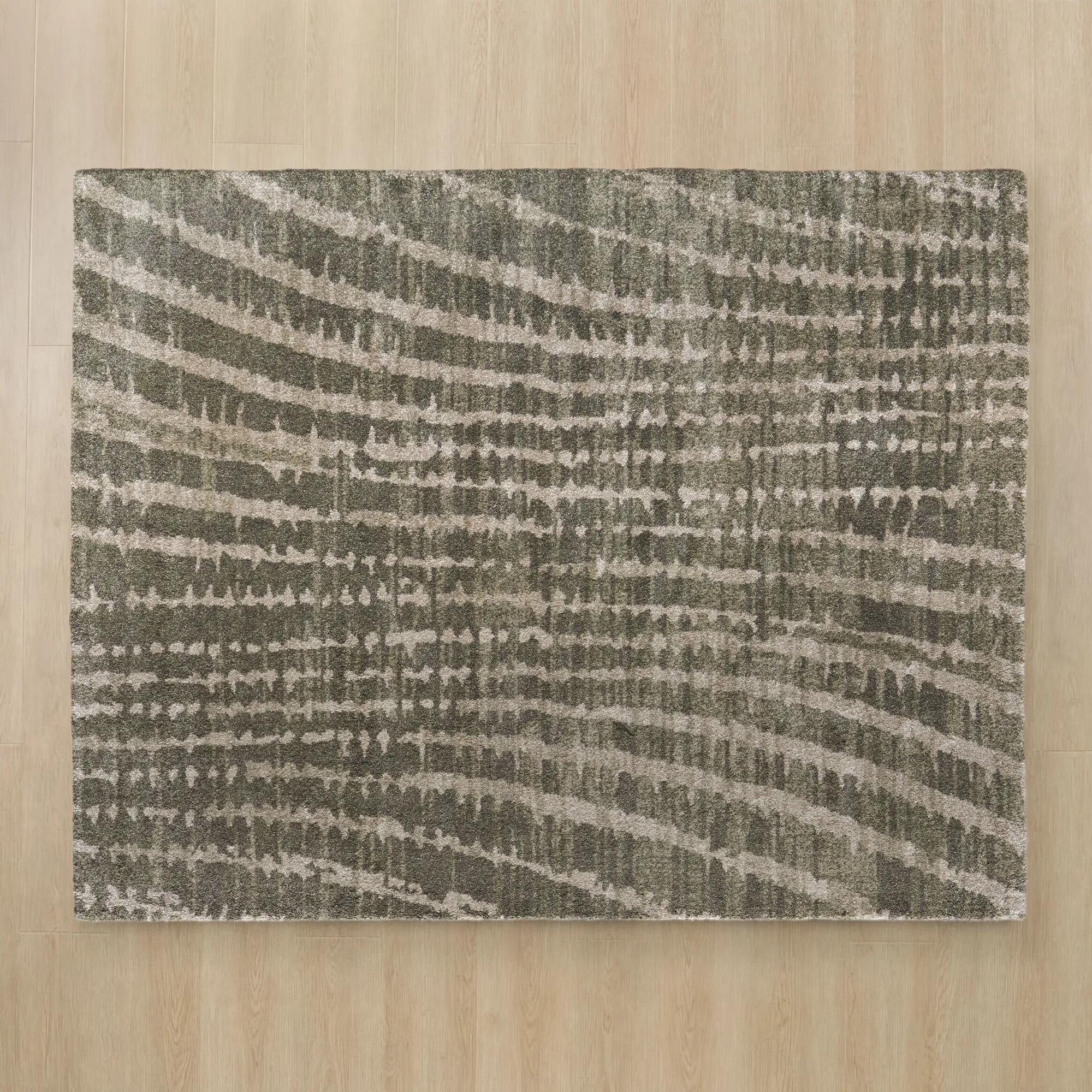 Tempo Green/Grey/Beige Performance Power Loomed Rug$1349
An abstract charcoal grey and beige rug with plush, power-loomed polypropylene and polyester construction.
Add To Cart

Hallway Grey Silver Rugs
Transform your entrance into an unforgettable first impression with hallway grey silver rugs—where subtle shimmer meets modern sophistication. These alluring pieces capture the art of contrast, marrying cool, silvery tones with plush textures to create a runway-worthy path through your home. Whether you seek to elongate a corridor with understated glamour or anchor your foyer in refined elegance, hallway grey silver rugs infuse every step with a sense of drama and allure. Let your passageways become a canvas for luminous style and expressive design, setting the tone for the beauty that awaits beyond.
Gray and silver hallway rugs bring definition to the spaces that connect a home, turning a narrow passage into a deliberate part of its design. A runner creates a continuous line of color and texture, softens footsteps, and introduces comfort without obscuring the beauty of the surrounding floor. Gray establishes a composed foundation, while silver tones add dimension, especially when lustrous fibers catch light from a nearby window or pendant. The effect can be quietly atmospheric or richly dramatic: pale dove gray against ivory walls feels luminous, while charcoal threaded with silvery pattern creates a striking approach to a living room or bedroom. These shades are versatile, but their undertones deserve attention. Warm grays with taupe notes sit beautifully beside walnut, cream upholstery, and brushed brass; cooler grays complement crisp white millwork, dark-stained floors, and polished chrome. A silver-colored rug does not necessarily contain metallic fibers, and its sheen depends on the material, pile direction, and lighting. Viewed from opposite ends of a hallway, the same surface may appear lighter or darker, adding movement to an otherwise linear space. Pattern shapes the experience just as strongly as color. An elongated abstract design can give a corridor a painterly rhythm, while a geometric motif brings definition beneath a console or a series of framed photographs. Tonal, softly varied patterns can make small bits of lint and everyday debris less conspicuous than a completely solid surface, although visibility depends on the color of the debris. In an open-plan home, a gray and silver runner can echo the larger area rug beyond the hallway without repeating it exactly. For a more pronounced contrast against pale flooring or light walls, Black Rugs For Hallways introduces another expressive direction, while gray and silver maintain a softer transition between adjoining rooms.
The most successful hallway runner feels generous within its setting without crowding the architecture. Length and width should relate to the usable passage rather than the room’s largest measurements alone, with attention to door swings, thresholds, stair landings, and furniture placement. In a hallway approximately 3 feet wide, a runner around 2 feet wide leaves roughly 6 inches of flooring visible on either side, creating an intentional border. That proportion is an example rather than a universal rule; wider passages and irregular layouts call for their own balance. A runner should sit flat, clear opening doors, and stop where it will not bunch against another rug or threshold. Low-pile and flatwoven constructions are often practical for frequently traveled corridors because they present a relatively streamlined surface and are generally easier to vacuum than deep, plush piles. Total thickness still matters, including any pad beneath the rug. A floor-compatible nonslip rug pad helps limit shifting, adds cushioning, and can reduce abrasion between the rug and flooring; its material should be appropriate for the floor finish and consistent with the flooring manufacturer’s recommendations. Fiber and construction influence how a gray and silver rug performs beyond its appearance. Wool offers natural resilience and a substantial feel, though some wool rugs shed, particularly early in use. Polypropylene is generally resistant to many common stains and moisture absorption, while polyester can lend softness and a luminous finish; neither fiber makes every rug equally durable or maintenance-free. Density, backing, edge finishing, and the quality of construction also affect performance. Viscose and similar lustrous fibers can deliver a beautiful silver sheen, but they may be more vulnerable to moisture, crushing, or demanding cleaning requirements. They merit particular consideration in a busy entrance. For households with pets, a tightly constructed surface without prominent loops may be a more practical choice than a loosely looped texture that can catch claws. The right balance preserves the drama of the design while respecting how the hallway is actually used.
Daily care helps preserve the distinction between a beautifully lived-in hallway and one whose rug shows every passing footstep. Regular vacuuming removes grit that can settle into the pile and contribute to wear, especially along the central walking path. Suction settings and brush attachments should follow the rug’s care instructions; aggressive rotating brushes can damage delicate fibers, loops, or fringe. Edges benefit from careful attention rather than repeated passes that pull at the binding. Spills are best addressed promptly by blotting with a clean, absorbent cloth instead of rubbing, which can spread the spill or distort the surface. Cleaning solutions, water temperature, and treatment methods should always be appropriate for the specific fiber and backing, with any permitted cleaner tested in an inconspicuous area first. A gray or silver appearance does not indicate washability, stain resistance, or suitability for wet cleaning. Even a small runner may require professional care, and machine washing is appropriate only when expressly allowed by its care label. Rotating a rug when its shape and placement permit can help distribute traffic and light exposure more evenly. At an exterior entrance, a separate doormat can intercept some tracked-in grit before it reaches a decorative runner. Beyond upkeep, intended use gives the design its character. A household with children and pets may favor a low-profile, subtly patterned runner that accommodates frequent cleaning; a quieter bedroom corridor may allow a more delicate texture and nuanced sheen. In an apartment, a runner can soften the sound of footsteps, though it is not a substitute for dedicated soundproofing. In a longer hallway, its silver accents can repeat the gleam of picture frames or a sculptural lamp, creating continuity without making every finish identical. Paired with an uncluttered walking path and thoughtfully placed lighting, a gray and silver hallway rug gives this transitional space its own presence: tactile underfoot, visually assured, and connected to the rooms it brings together.
FAQs
Grey silver rugs are remarkably versatile, making them a natural fit for a range of interior styles. Their cool, luminous palette complements modern, minimalist spaces, adds a touch of glamour to Art Deco-inspired decor, and softens the edges of industrial or transitional designs. For those who favor eclectic or maximalist aesthetics, a silver grey rug provides a sophisticated foundation that allows bold art and statement furnishings to shine.
A grey and silver rug instantly elevates the ambiance of a hallway by adding texture, warmth, and visual interest. The reflective quality of silver threads can catch natural or artificial light, creating a welcoming glow. Layering with decorative accents—such as mirrored consoles, metallic wall art, or plush throws—enhances the sense of luxury and makes the hallway feel like a thoughtfully curated extension of your home.
Yes, many grey silver rugs are crafted with durability in mind, making them a stylish and practical choice for pet owners. Opt for low-pile or flatweave constructions, which are easier to maintain and less likely to trap pet hair. The intricate patterns and subtle color variations of a silver gray rug can also help disguise minor messes between cleanings.
To embrace the season, pair your silver grey rug with winter botanicals, frosted glass, and cozy textures like velvet or faux fur for a chic January look. As the seasons change, transition to lighter accessories and fresh florals to maintain a sense of brightness and elegance. The neutral yet lustrous palette of a grey and silver rug adapts beautifully to evolving decor, making it easy to refresh your hallway year-round.
Absolutely. A grey silver rug acts as a visual anchor, delineating pathways and creating distinct zones within open-concept homes. In a hallway that flows into adjoining rooms, a silver grey rug can seamlessly connect spaces while adding cohesion and polish to your overall design scheme.