Black Rugs For Hallways
Black Rugs For Hallways
-
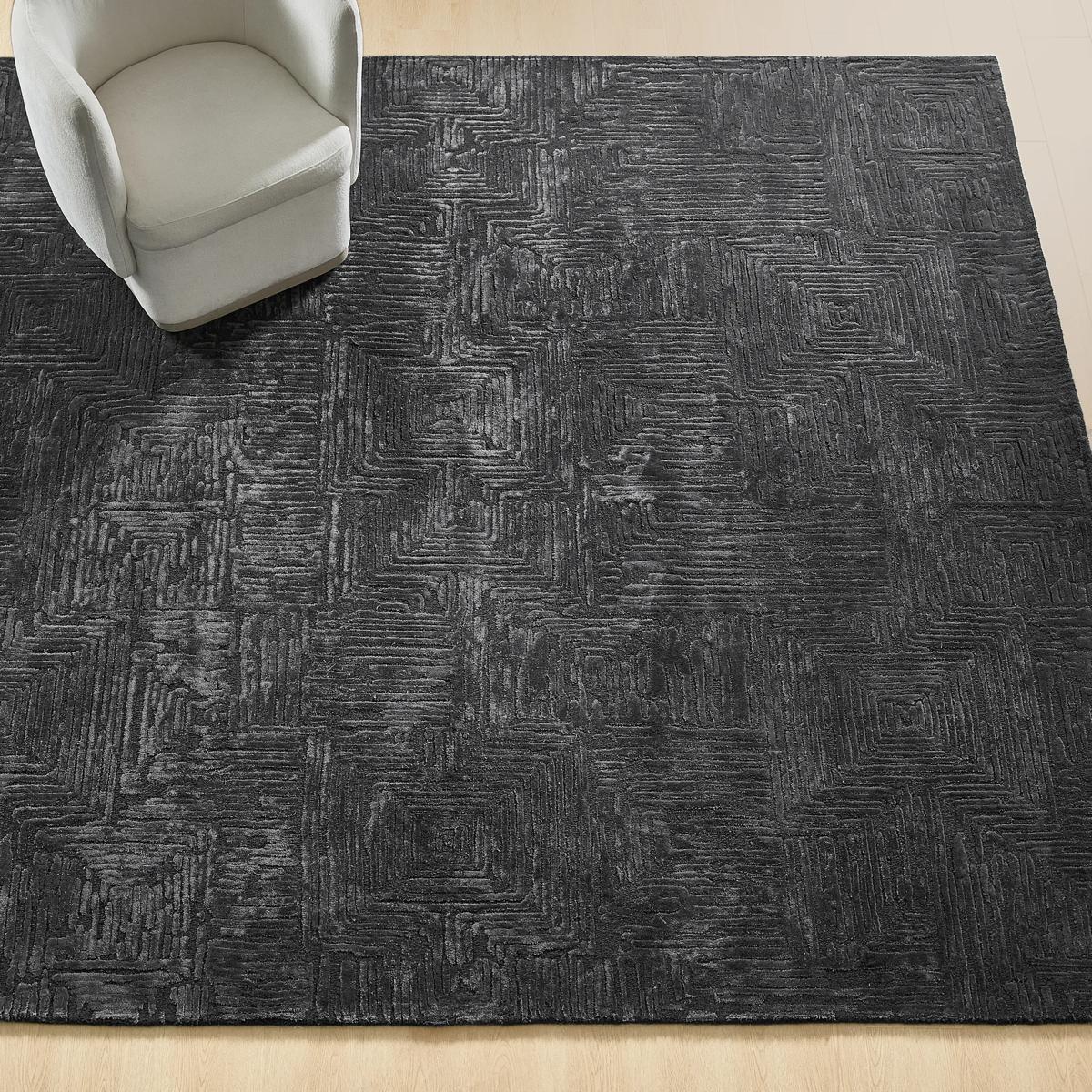
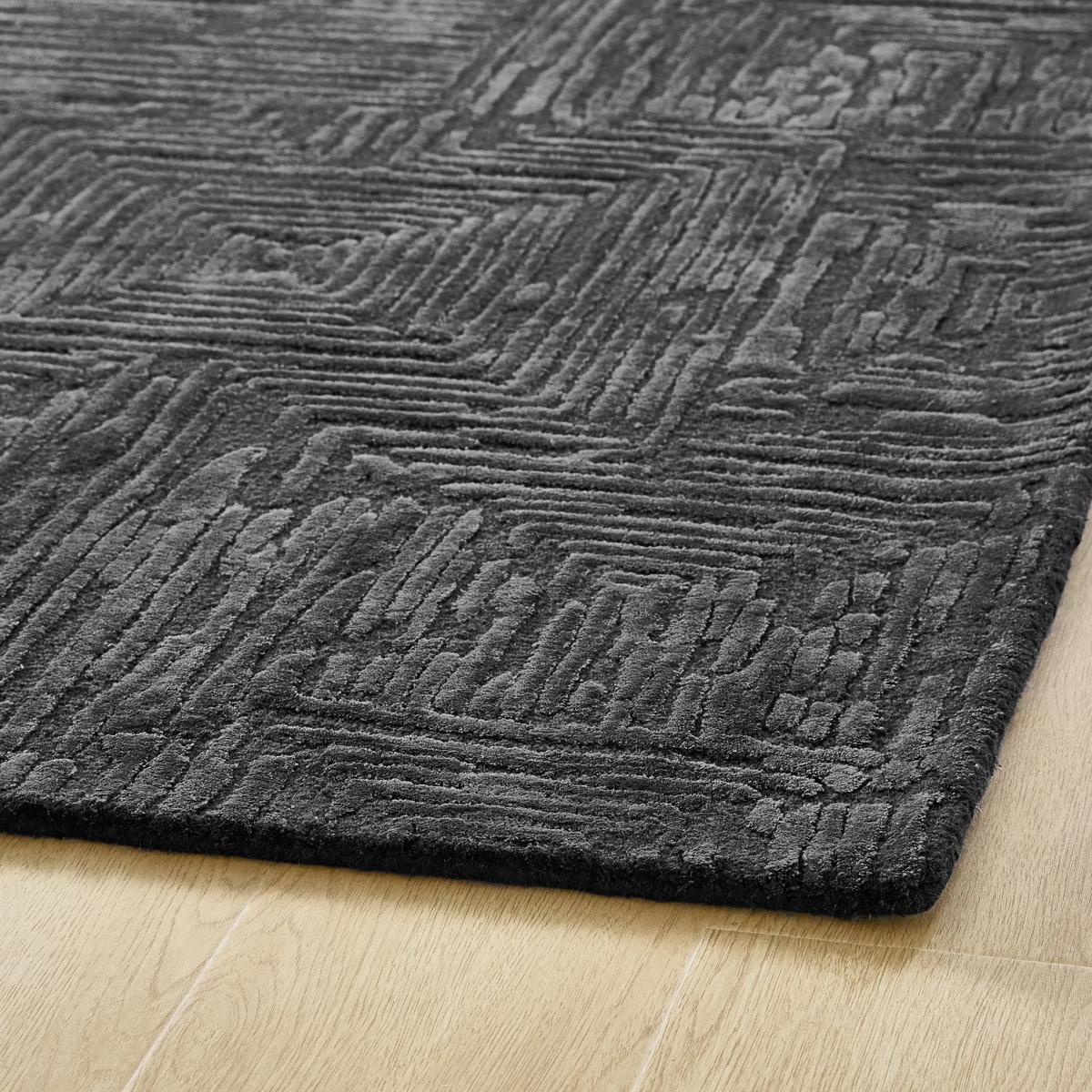 Andra Charcoal Hand-Tufted Wool Blend Dimensional Rug$499
A hand-tufted viscose-wool rug in rich charcoal, featuring a sculptural, dimensional pattern for modern spaces.
Add To Cart -
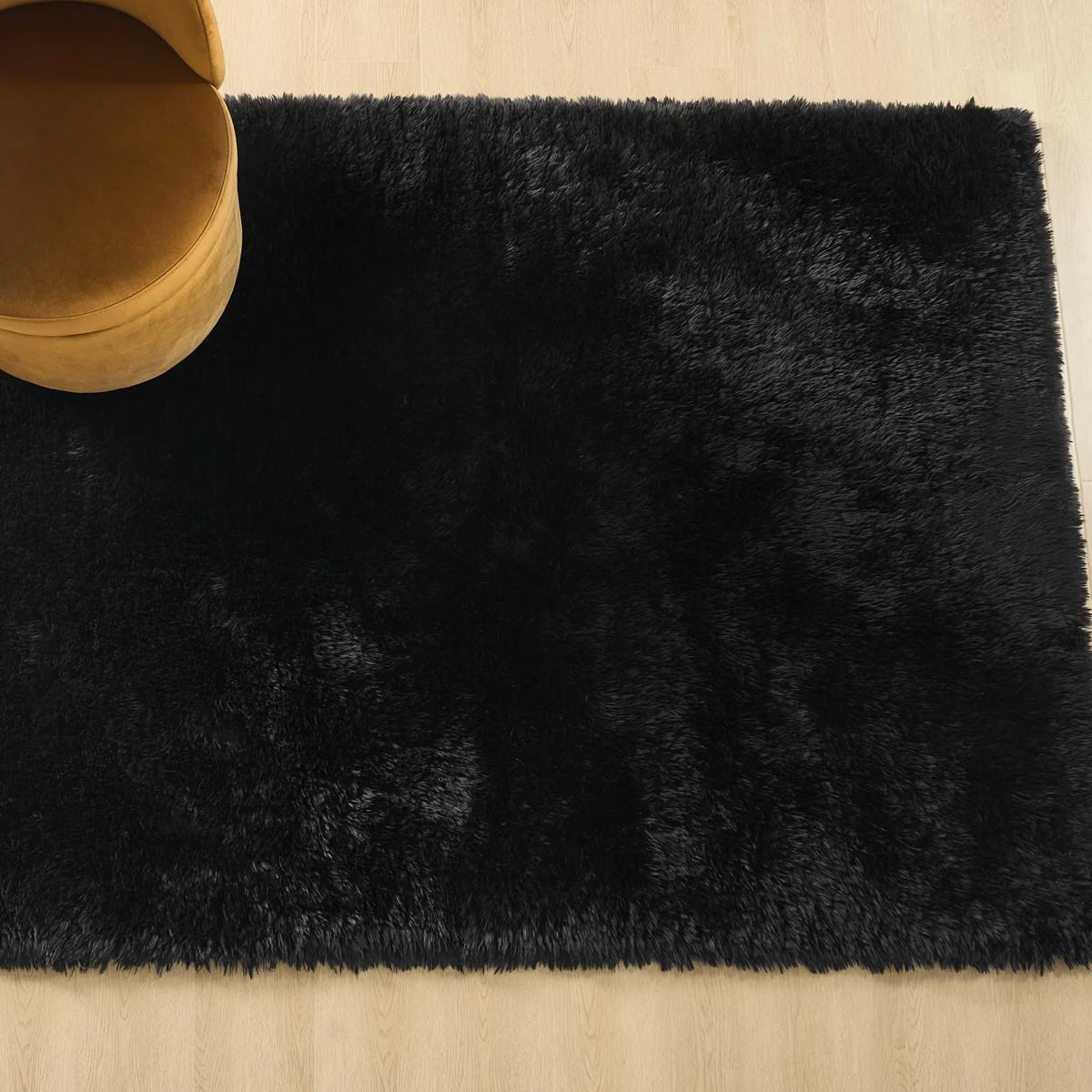
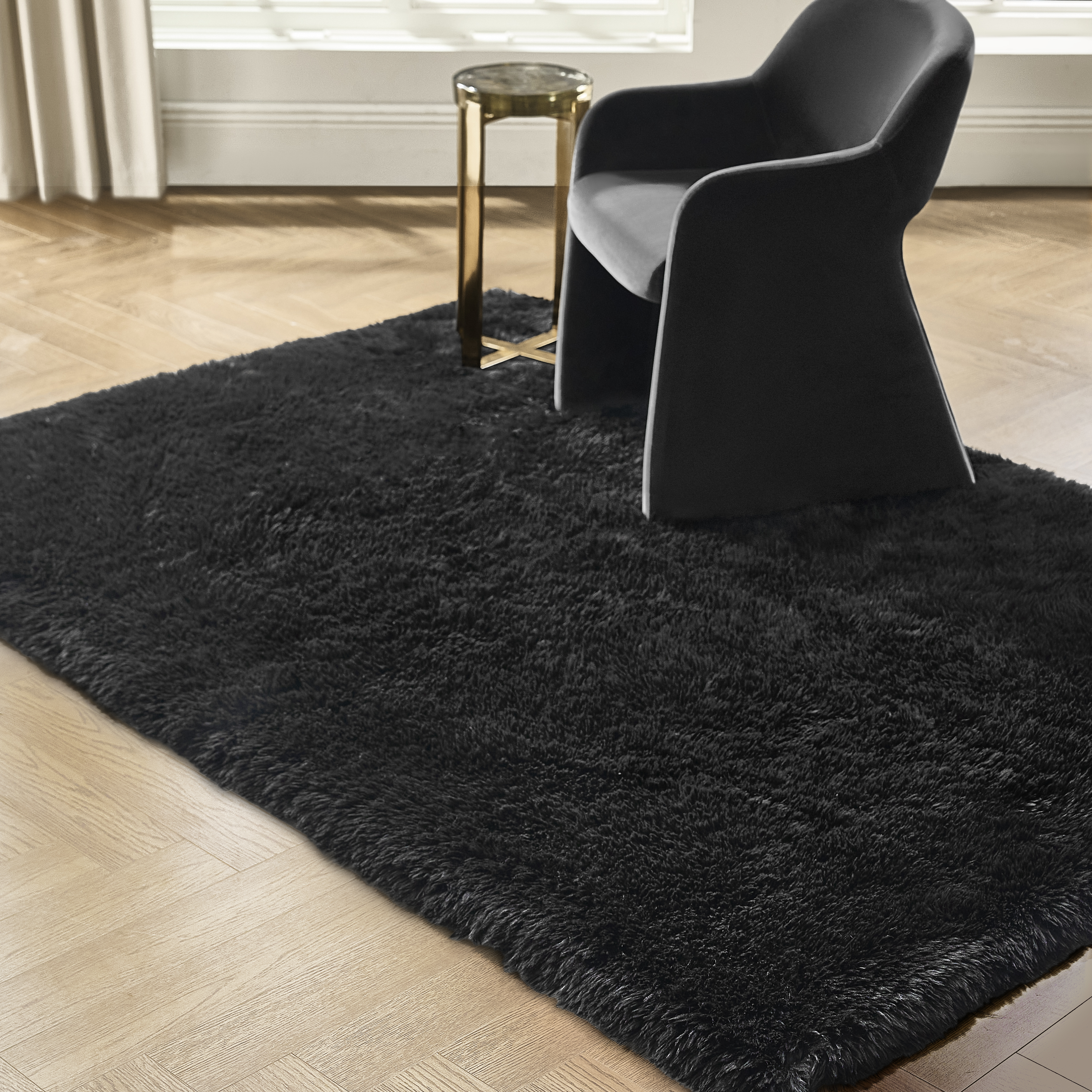 Lustre Shag Rug - Black$299
A plush, ultra-soft high-pile rug in deep black polyester with a non-slip backing for modern elegance.
Add To Cart -
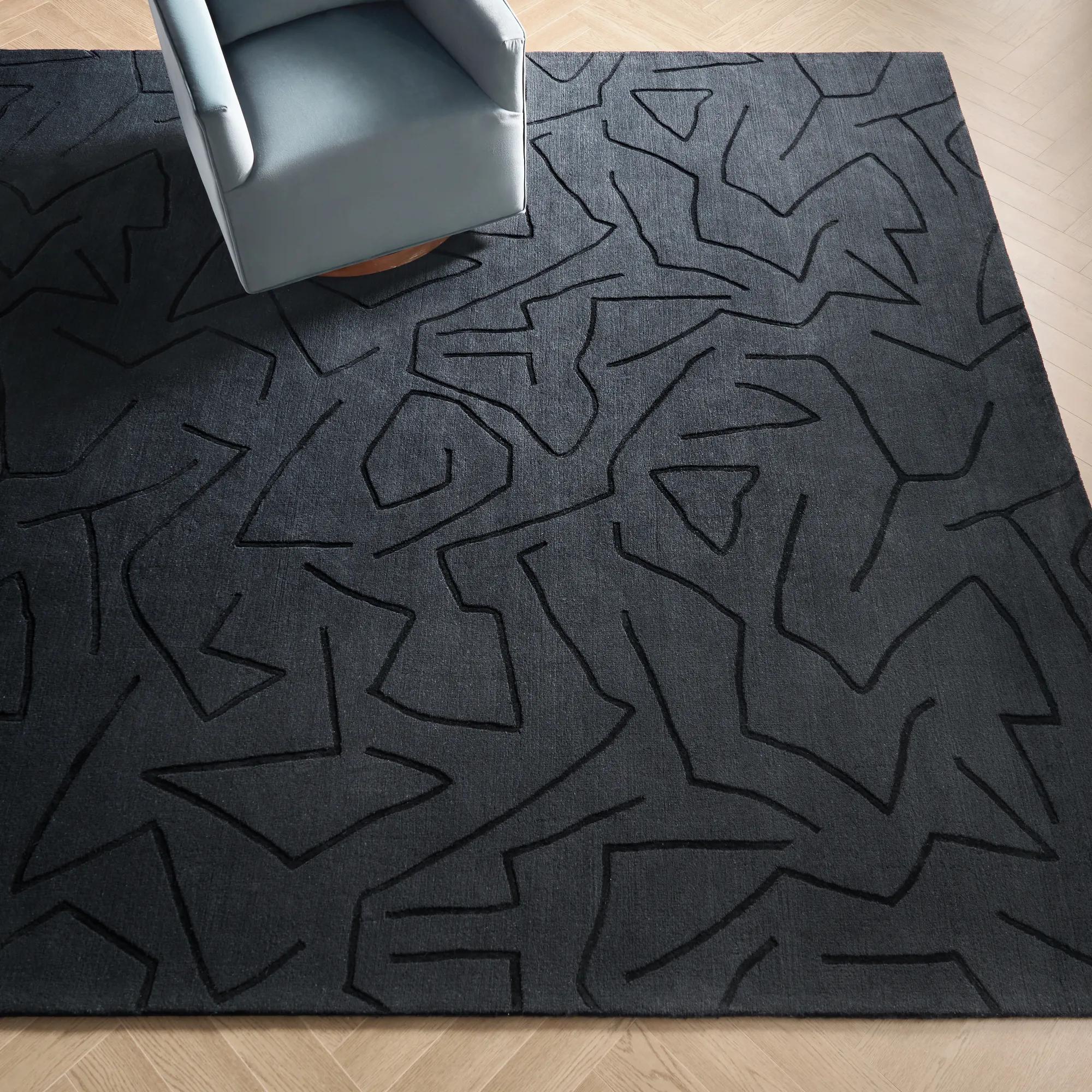 Carved Maze Rug$699
A hand-loomed black rug crafted from wool and viscose, featuring a carved maze design for added texture.
Add To Cart -
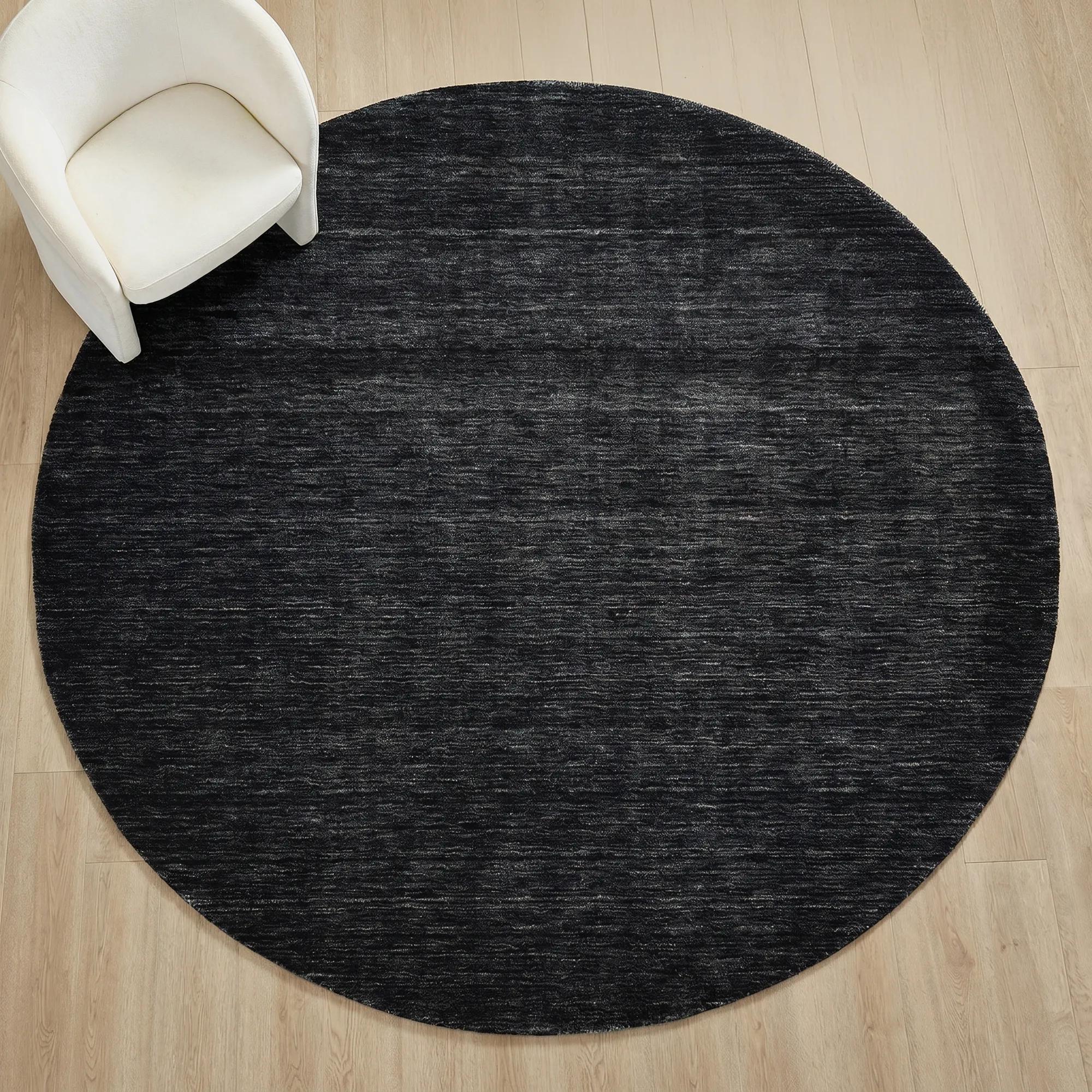 Juni Hand Woven Heathered Black Rug$799
A handwoven round wool rug in heathered black, offering durable texture and moody, contemporary style.
Add To Cart -
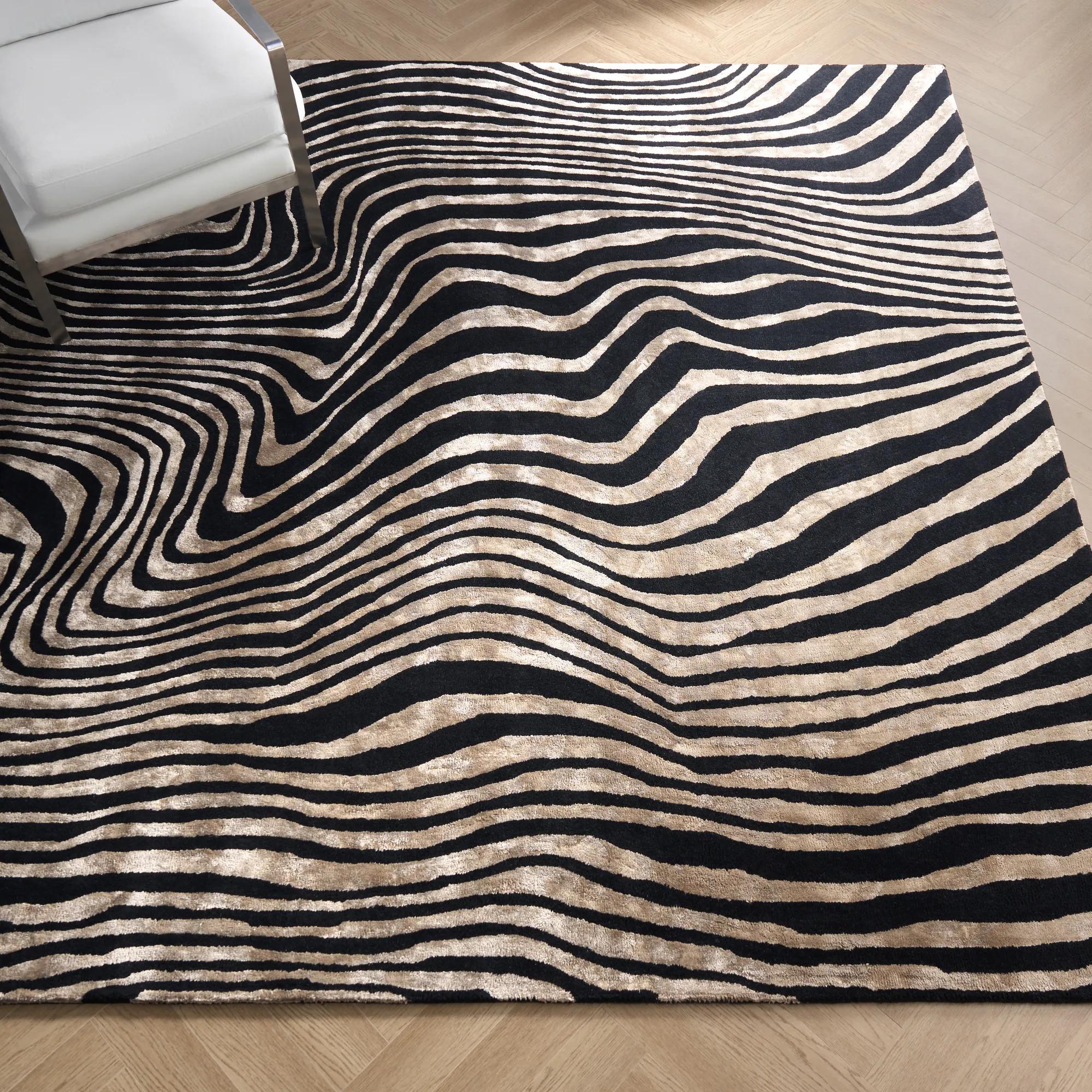
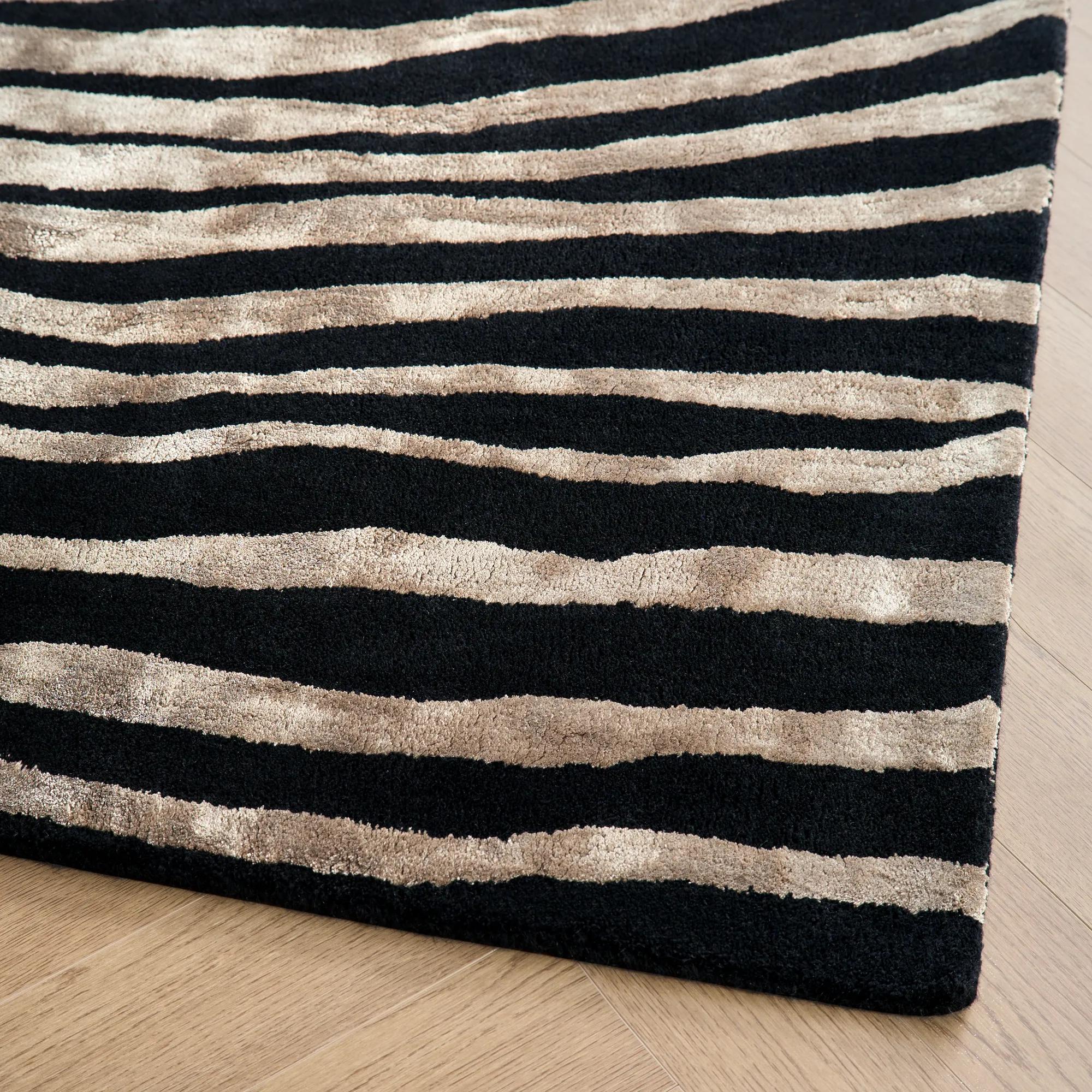 Abstract Zebra Hand-Tufted Black/Taupe Wool Blend Rug$599
An artisan hand-tufted rug in black and taupe wool-viscose, featuring a striking abstract zebra pattern.
Add To Cart -
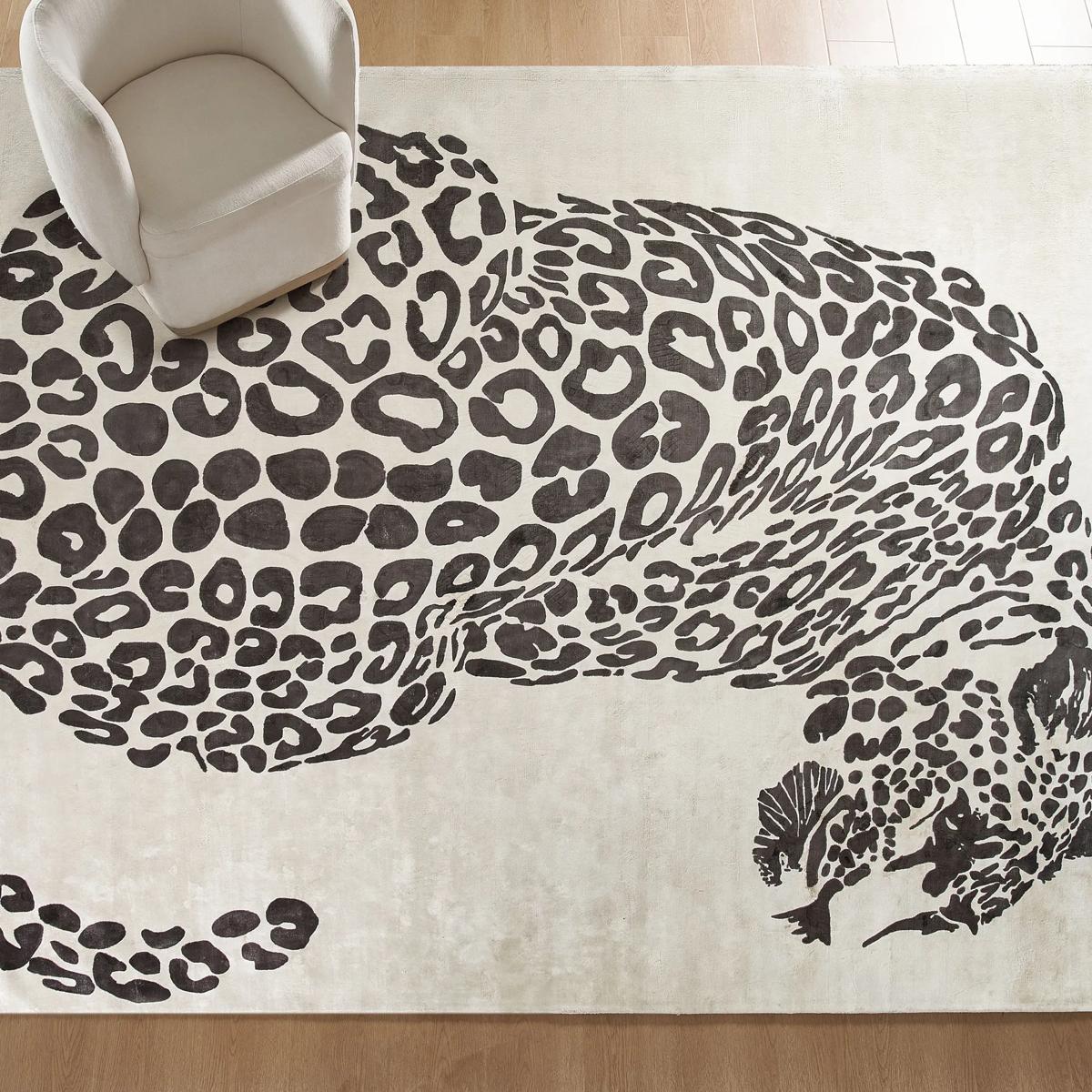 Pardus Leopard Hand-Loomed Ivory/Black Rug$1499
An ivory and black hand-loomed viscose rug featuring a bold leopard motif and silky smooth texture.
Add To Cart -
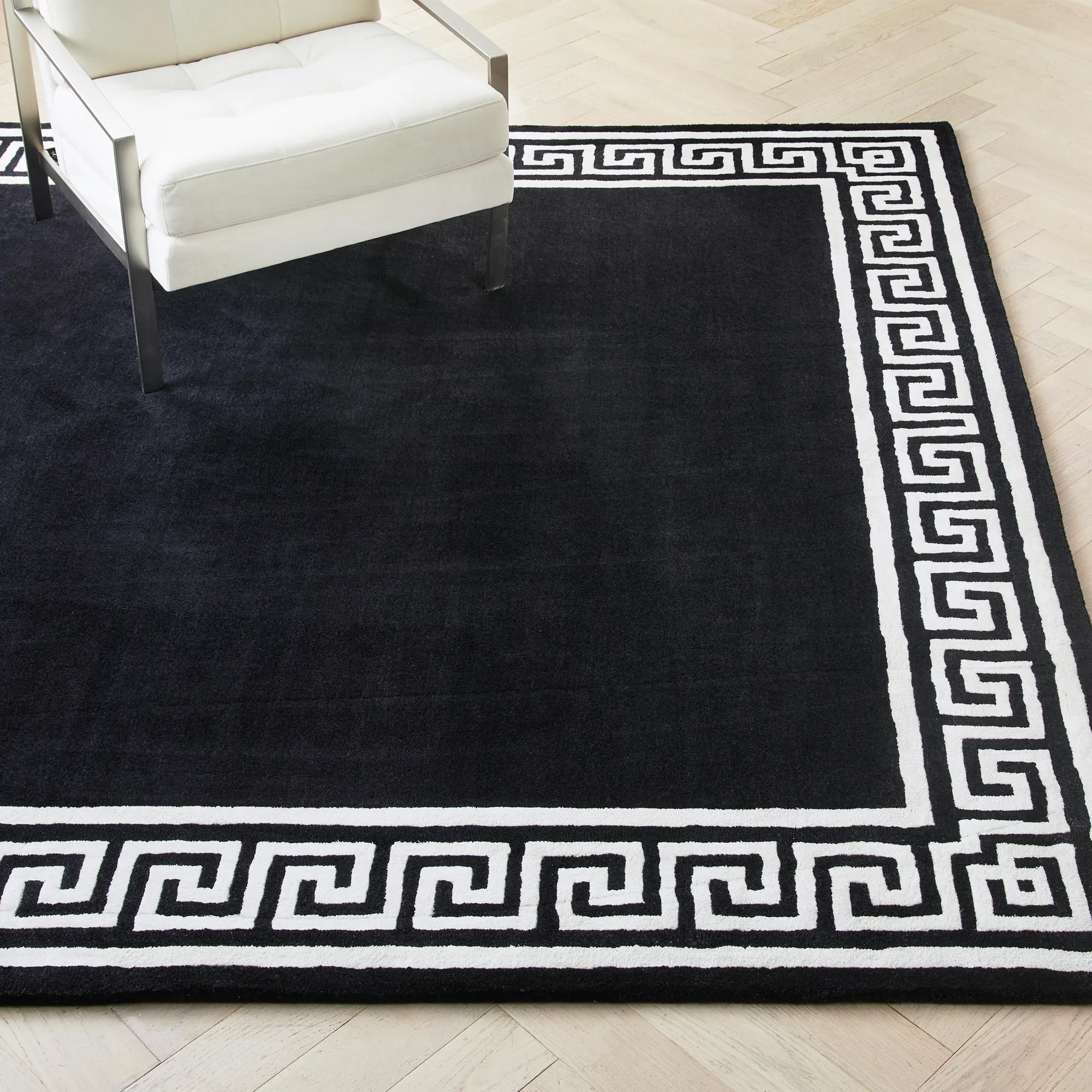
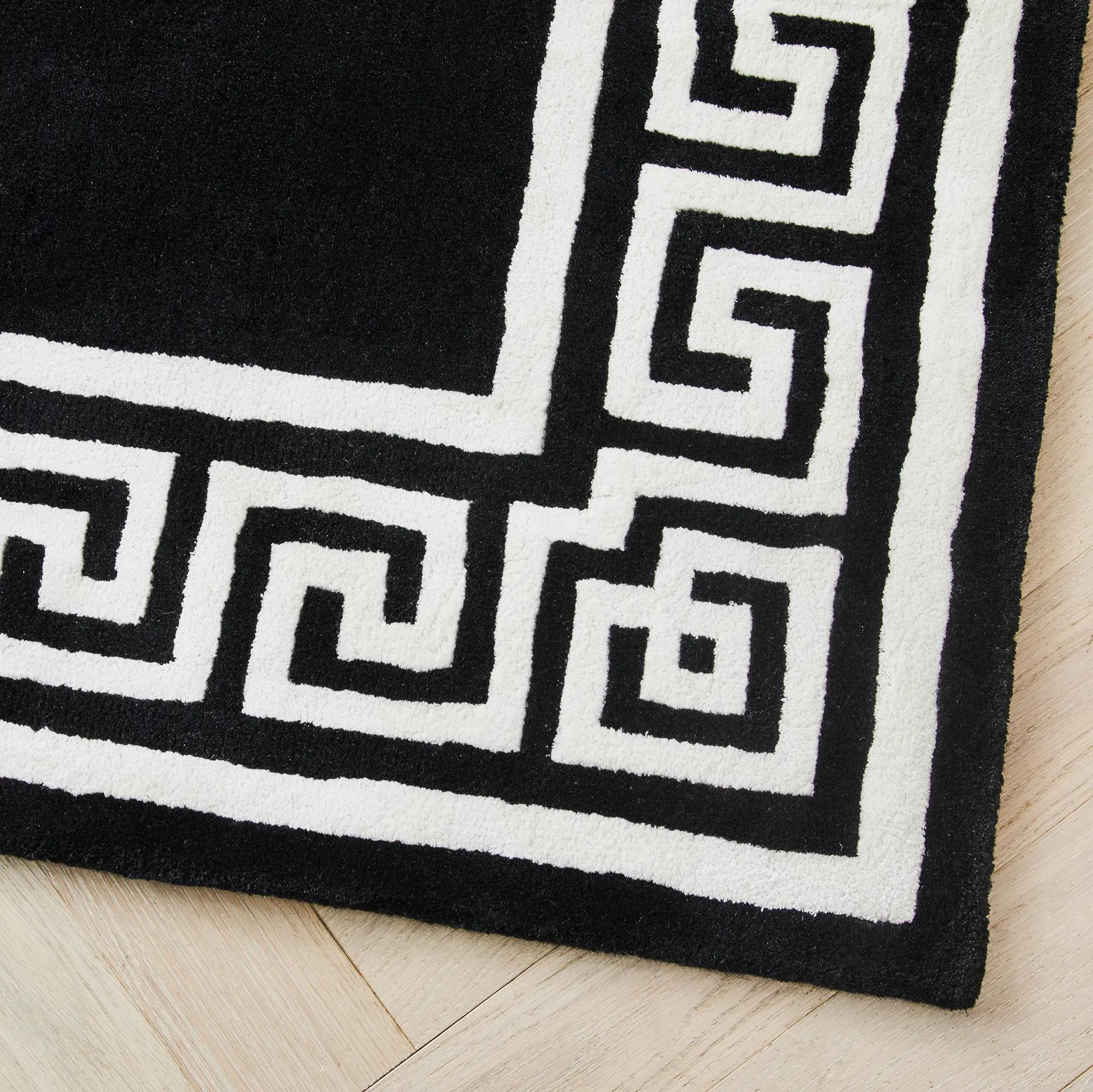 Greek Key Rug - Black/Ivory$1199
A hand-tufted black and ivory rug featuring a classic Greek key pattern in wool and viscose.
Add To Cart -
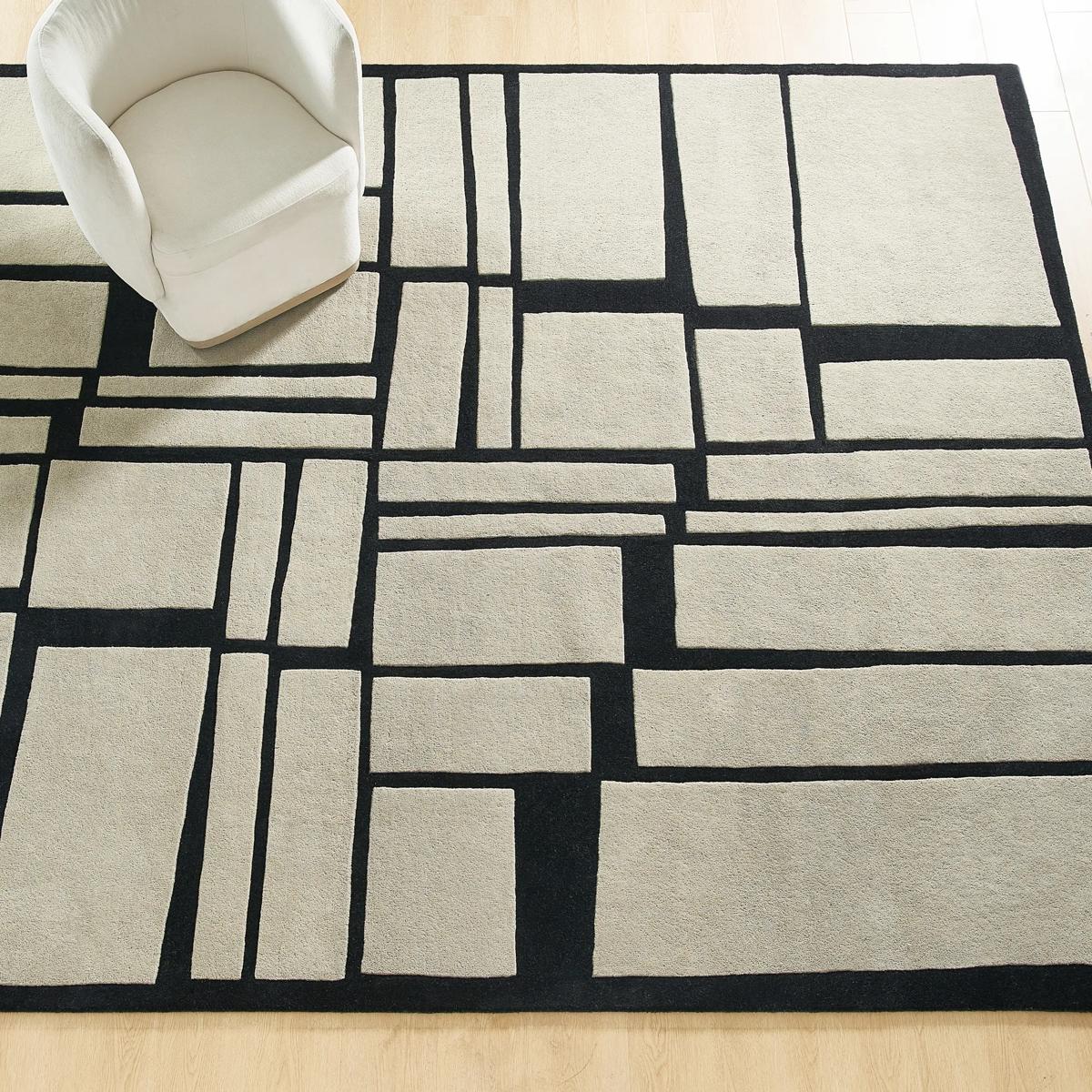 Novak Hand-Tufted Natural/Black Wool Rug$1399
A hand-tufted wool rug featuring a bold black and natural grid design for modern contrast.
Add To Cart -
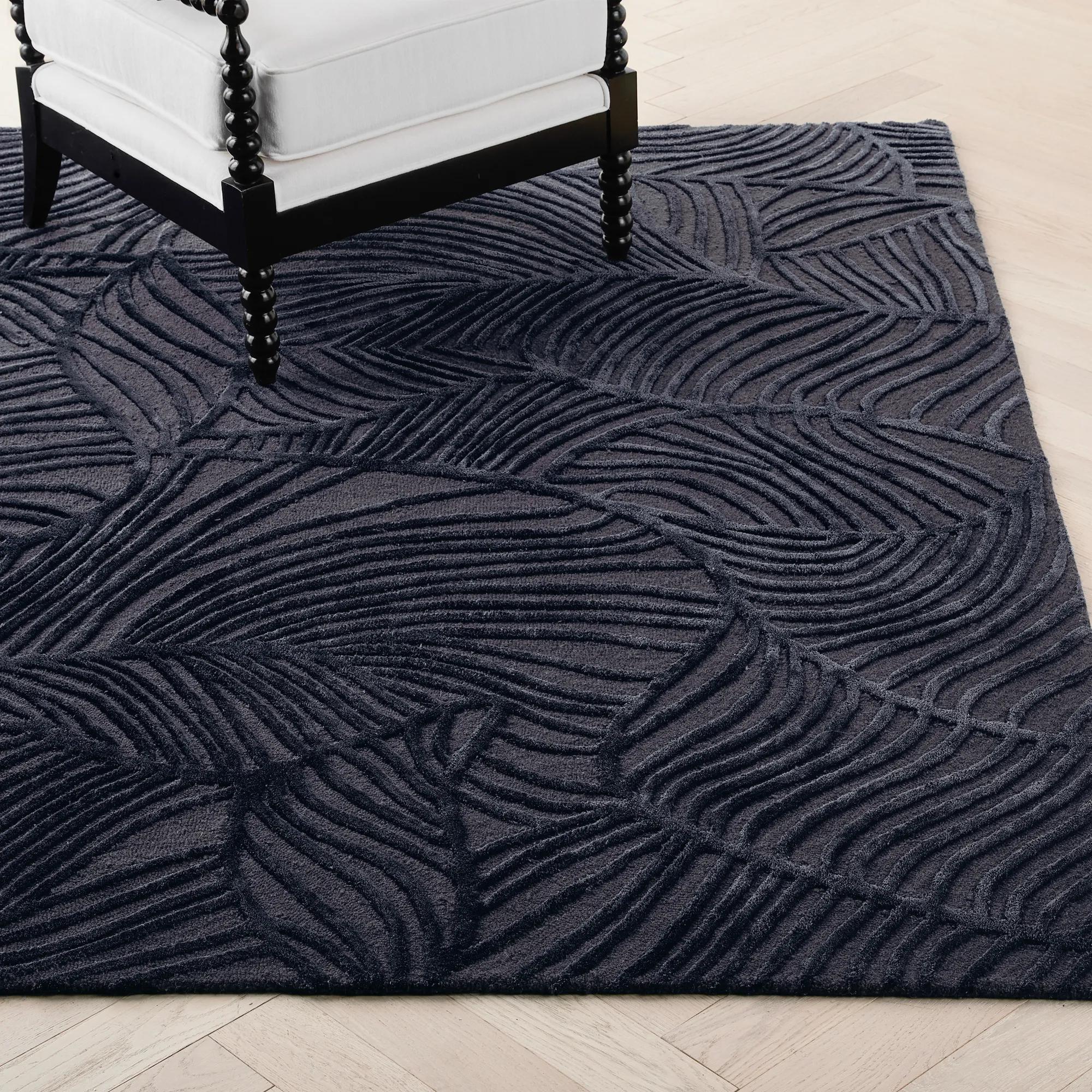
 Palm Rug - Charcoal$999
A charcoal palm-leaf rug crafted from viscose and wool, featuring a textured high-low pile design.
Add To Cart -
 Fiona Hand-Tufted Ivory/Beige/Black Border Fringe Rug$1099
A hand-tufted ivory, beige, and black rug featuring a framed border and decorative fringe.
Add To Cart

Black Rugs For Hallways
Black rugs for hallways command attention with their striking presence and undeniable allure. Each step becomes a statement as deep, inky hues anchor your space with sophisticated drama, setting the stage for grand entrances and everyday moments alike. Whether your hallway is a gallery of bold artwork or a corridor of quiet elegance, these rugs infuse every passageway with moody glamour and refined texture. Let black rugs for hallways transform transitional spaces into unforgettable showcases of style—where every detail exudes confidence and artistry.
Black rugs for hallways bring depth and definition to a space that often connects a home’s most expressive rooms. Against pale oak, warm stone, or polished tile, a dark runner creates a striking line of contrast, giving the passage a deliberate visual rhythm rather than leaving it as an undecorated stretch of flooring. The effect can be quietly tailored or richly dramatic, depending on the pattern, texture, and surrounding finishes. A solid black rug lets sculptural lighting and oversized artwork command attention, while an ivory-on-black geometric design introduces movement beneath a restrained gallery wall. Charcoal accents, subtle distressing, and tonal motifs soften the intensity of black without losing its grounding presence. In a hallway with brass sconces and a mirrored console, a dark rug gives gleaming details a sumptuous backdrop; beside walnut doors and textured plaster, it reads as architectural and composed. Texture makes an equally important contribution. A tightly woven surface emphasizes clean lines, while a softly textured pile adds dimension that becomes more apparent as light moves across it. Black is not a single visual effect: an inky, uniform field feels different from a woven mixture of black, gray, and ivory, and each interacts differently with the floor beneath it. Patterned black hallway runners can also make everyday signs of use less conspicuous than a completely solid surface, although dark rugs may reveal pale lint, pet hair, and dust. For households that want a cohesive palette without making every adjoining area identical, pair black hallway rugs with grey rugs for entryways to create a softer transition near the front door. Repeating a small amount of black in picture frames, door hardware, or an accent table helps the runner feel connected to the rest of the home. The result is a passage with presence, whether it leads guests toward an inviting living room or adds polish to the quieter route between bedrooms.
The most compelling black hallway rug is one whose proportions suit the architecture as naturally as its color suits the decor. Many hallway runners measure approximately 2 to 3 feet wide and 4 to 12 feet long, with other dimensions accommodating unusually short or extended passages. These are common proportions, not a substitute for measuring the actual walking path. A visible border of flooring keeps a runner from appearing crowded; about 4 to 6 inches on each side is a useful starting point when the hallway allows it. In a narrower corridor, a smaller border may be necessary, provided the rug remains centered and does not curl against the walls. Length deserves the same attention. Leaving roughly 6 to 12 inches of exposed floor at each end often creates a balanced arrangement, but doorways, landings, and changes in direction should determine the final placement. A long runner can draw the eye toward a distinctive piece of art, while a shorter rug may be more appropriate where several doors interrupt the passage. Include nearby furniture in those measurements: a console’s legs, an upholstered bench, or a cabinet door should not awkwardly catch the rug’s edge. Low-pile and flatwoven constructions are often well suited to hallways because they keep the surface relatively streamlined and are generally easier to vacuum than deep pile. Check the clearance beneath every door that swings over the rug, allowing for both the rug and any pad. A properly fitted, nonslip rug pad can help reduce shifting, add cushioning, and limit abrasion beneath the rug, but its material should be compatible with the flooring manufacturer’s recommendations. Keep the pad slightly smaller than the rug so it stays concealed. Rubber-backed rugs may also provide grip, although backing is not universally suitable for every wood, vinyl, or finished floor. Smooth edges and secure placement matter especially along routes used by children, older adults, or people using mobility aids, where an elegant finish should never come at the expense of clear passage.
Materials and construction shape how black rugs for hallways feel underfoot and how gracefully they handle daily traffic. Wool offers natural resilience and a richly tactile surface, making it appealing for a hallway where softness and lasting visual character are priorities. Some wool rugs shed initially, and prompt attention to spills remains important even when the fiber has natural resistance to soiling. Synthetic fibers offer different advantages: polypropylene generally resists moisture and many common stains, nylon is known for resilience under repeated foot traffic, and polyester can provide softness and strong color clarity. Actual performance depends on the weave, pile density, backing, and finish, not simply the fiber name. A dense, low-profile construction can be particularly practical in the corridor between a busy living room and kitchen, where the same route is traveled throughout the day. Flatwoven rugs offer a tailored appearance, while textured pile introduces a more cushioned feel; households with pets should consider whether claws could catch exposed loops. Machine-washable rugs can suit active family spaces, but only rugs specifically labeled washable should go into a washing machine, and the rug’s size must fit the appliance’s capacity. Care instructions govern water temperature, detergent, and drying method. Routine vacuuming helps lift grit before it becomes embedded, and a suction-only setting may be appropriate for delicate surfaces, fringe, or looped constructions. Blot spills promptly with a clean cloth rather than rubbing them into the fibers, and test any approved cleaner in an inconspicuous area. Black coloring does not make a rug immune to discoloration; bleach and harsh chemicals can damage fibers or alter dyes unless the manufacturer expressly permits them. Rotate the rug periodically when its shape and placement allow, particularly where one end receives heavier traffic or more direct sunlight. For a design-minded homeowner furnishing a first apartment, a family refining a well-used passage, or someone completing an art-filled interior, the appeal lies in that balance of beauty and purpose: a dark, expressive foundation that brings comfort to daily movement and distinction to the space between rooms.
FAQs
Black rugs are remarkably versatile, seamlessly complementing a range of design aesthetics from modern minimalism to classic elegance and bold maximalism. They create striking contrast in contemporary spaces, elevate Art Deco or Hollywood Regency interiors with a touch of drama, and anchor eclectic hallways filled with art and sculptural accents. Their grounding presence works beautifully alongside metallic finishes, mirrored surfaces, and richly textured walls.
A black hallway rug serves as a sophisticated foundation for seasonal transformations. In winter, pair it with plush throws, velvet cushions, and gleaming candlelight for cozy opulence. As spring arrives, layer in fresh greenery, light-reflecting accessories, or pastel artwork to create a vibrant contrast. The timeless elegance of black ensures it transitions effortlessly through every season, adapting to your evolving style.
Absolutely. A black hallway rug is an inspired housewarming gift, offering both practical function and high-impact style. It’s a versatile piece that suits a variety of tastes and interiors, making it ideal for recipients who appreciate thoughtful, design-forward additions to their new space. Its ability to conceal everyday wear also means it’s especially well-suited for busy households.
Black hallway rugs are available in a variety of materials, each offering unique benefits. Polypropylene and other synthetic fibers are popular for their durability and easy maintenance. Natural fibers like sisal and coir provide organic texture and exceptional resilience. For a touch of luxury, wool or blended options offer softness underfoot and rich, saturated color.
A black hallway rug instantly elevates the mood of a home, lending an air of sophistication and artistry to transitional spaces. Its deep, rich hue grounds the décor, creates visual continuity, and draws attention to surrounding elements like artwork or architectural details. The result is a hallway that feels intentional, inviting, and undeniably chic—an introduction to the expressive story that unfolds throughout your home.