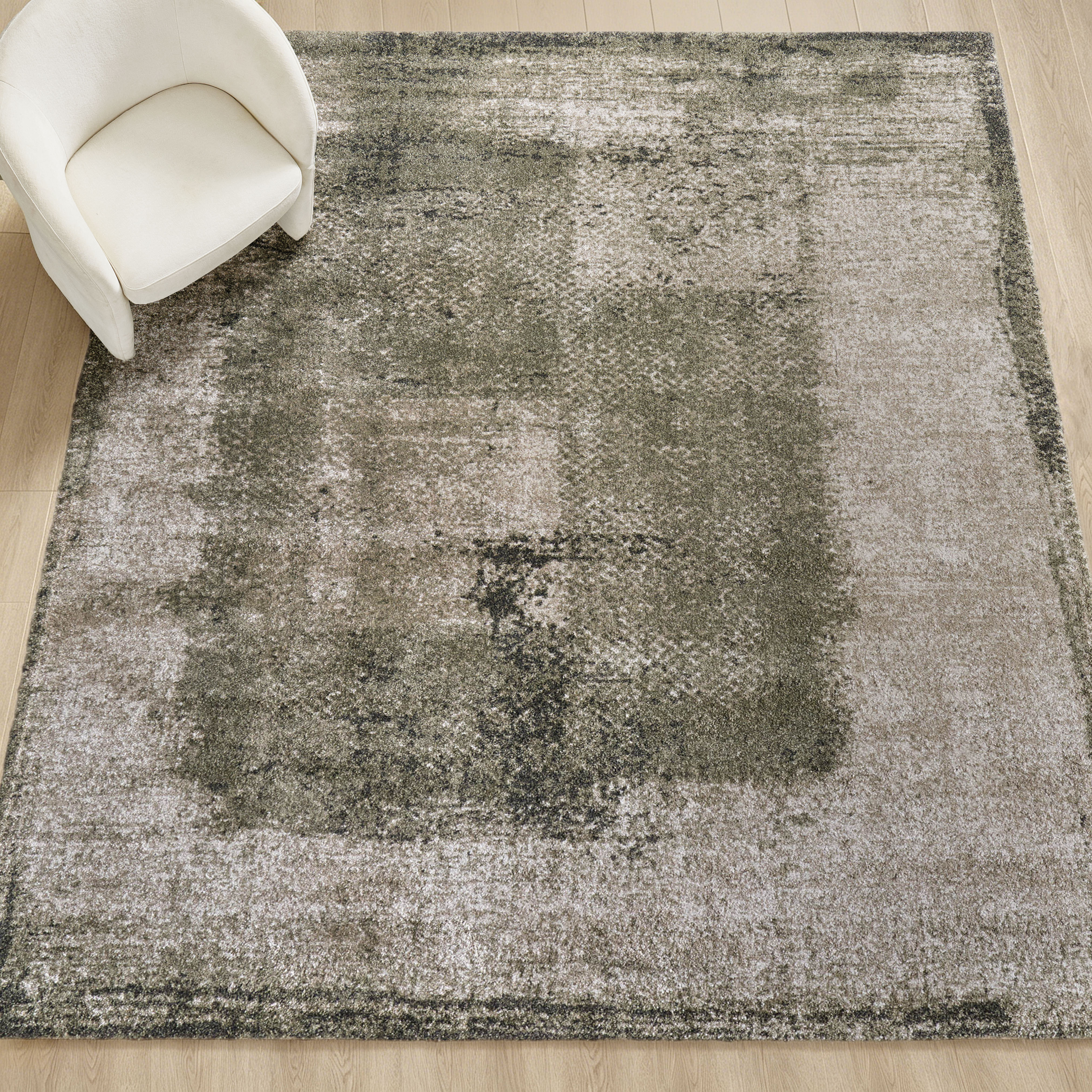
Black Rugs For Tile Floors
Black Rugs For Tile Floors
-
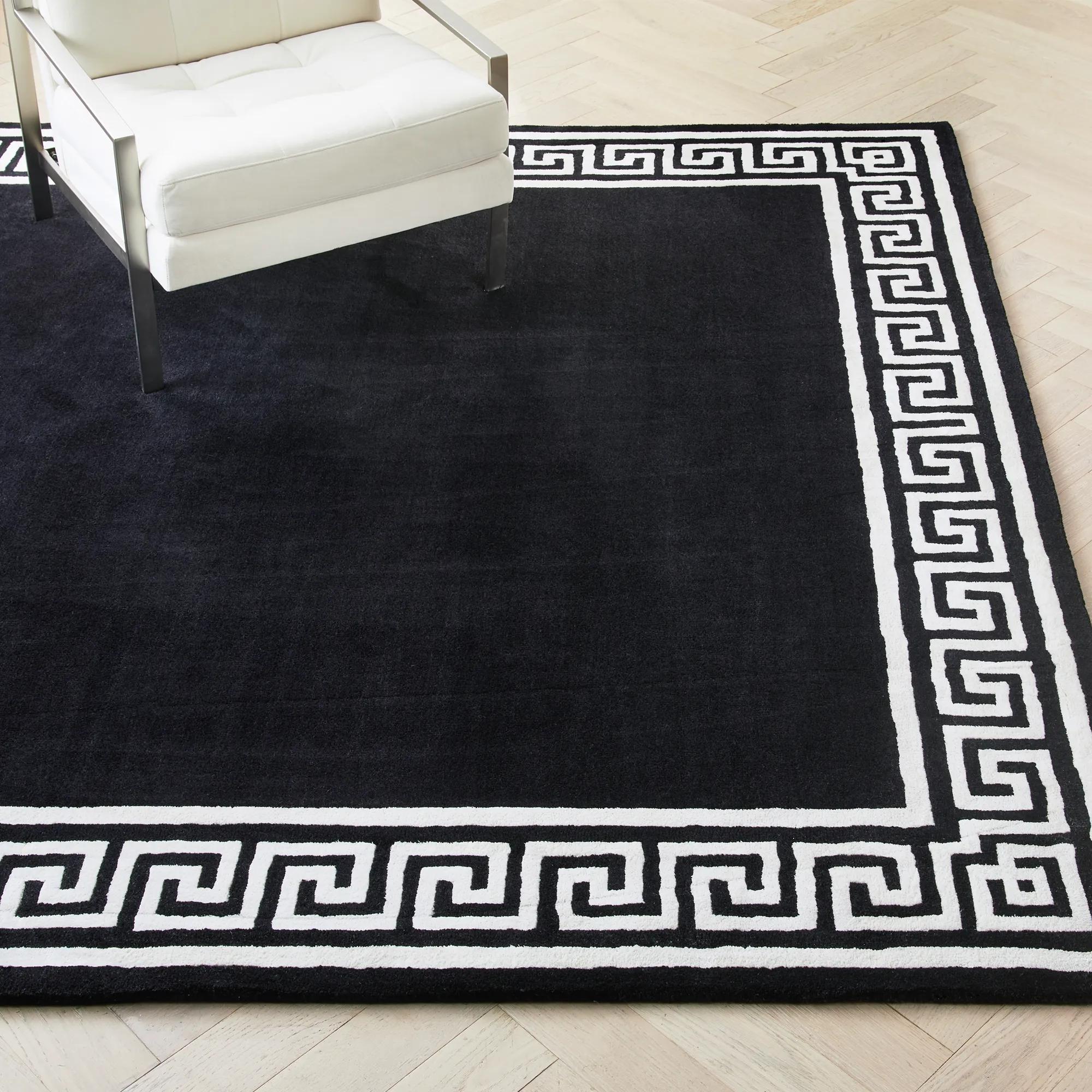
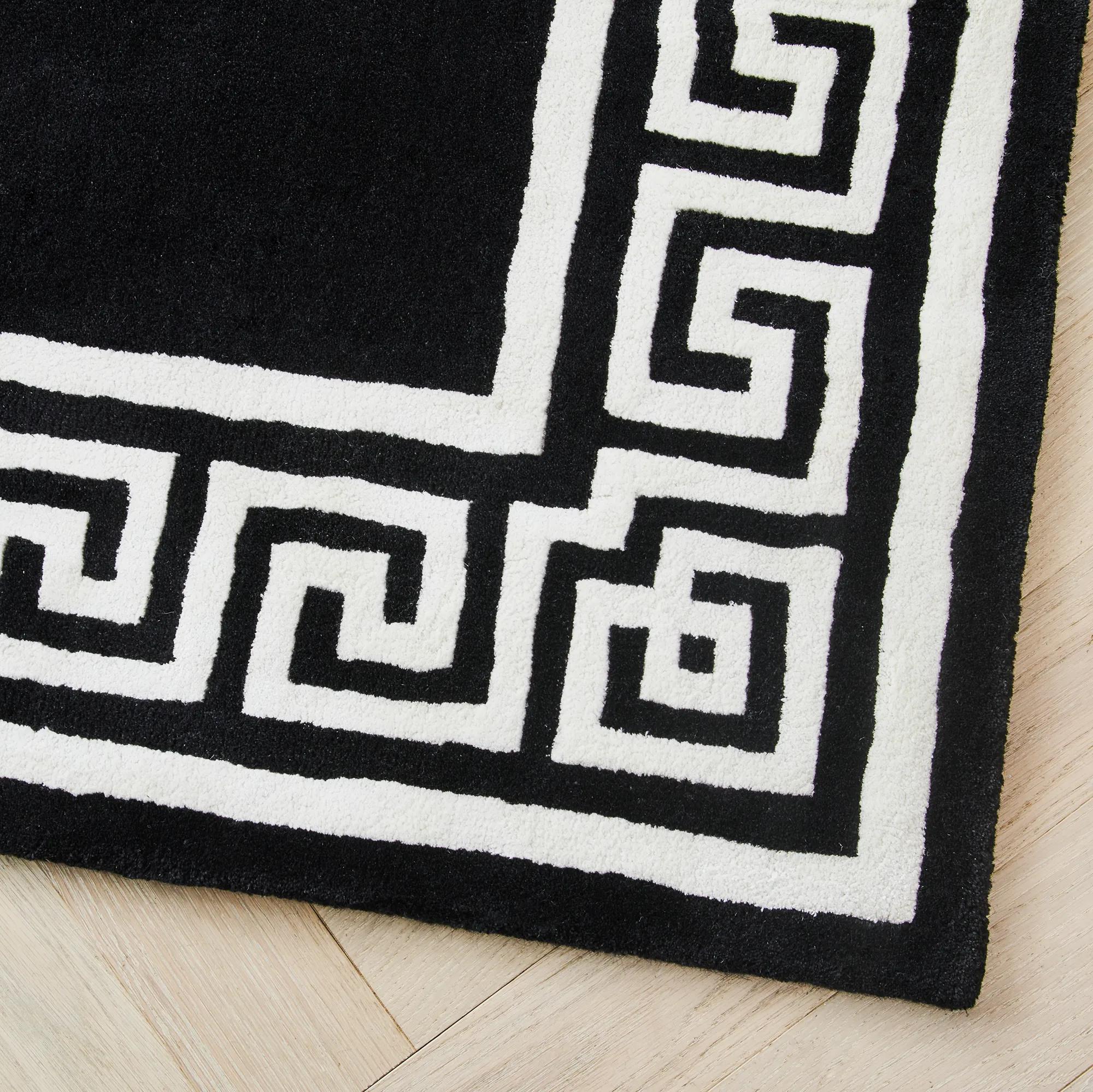 Greek Key Rug - Black/Ivory$1199
A hand-tufted black and ivory rug featuring a classic Greek key pattern in wool and viscose.
Add To Cart -
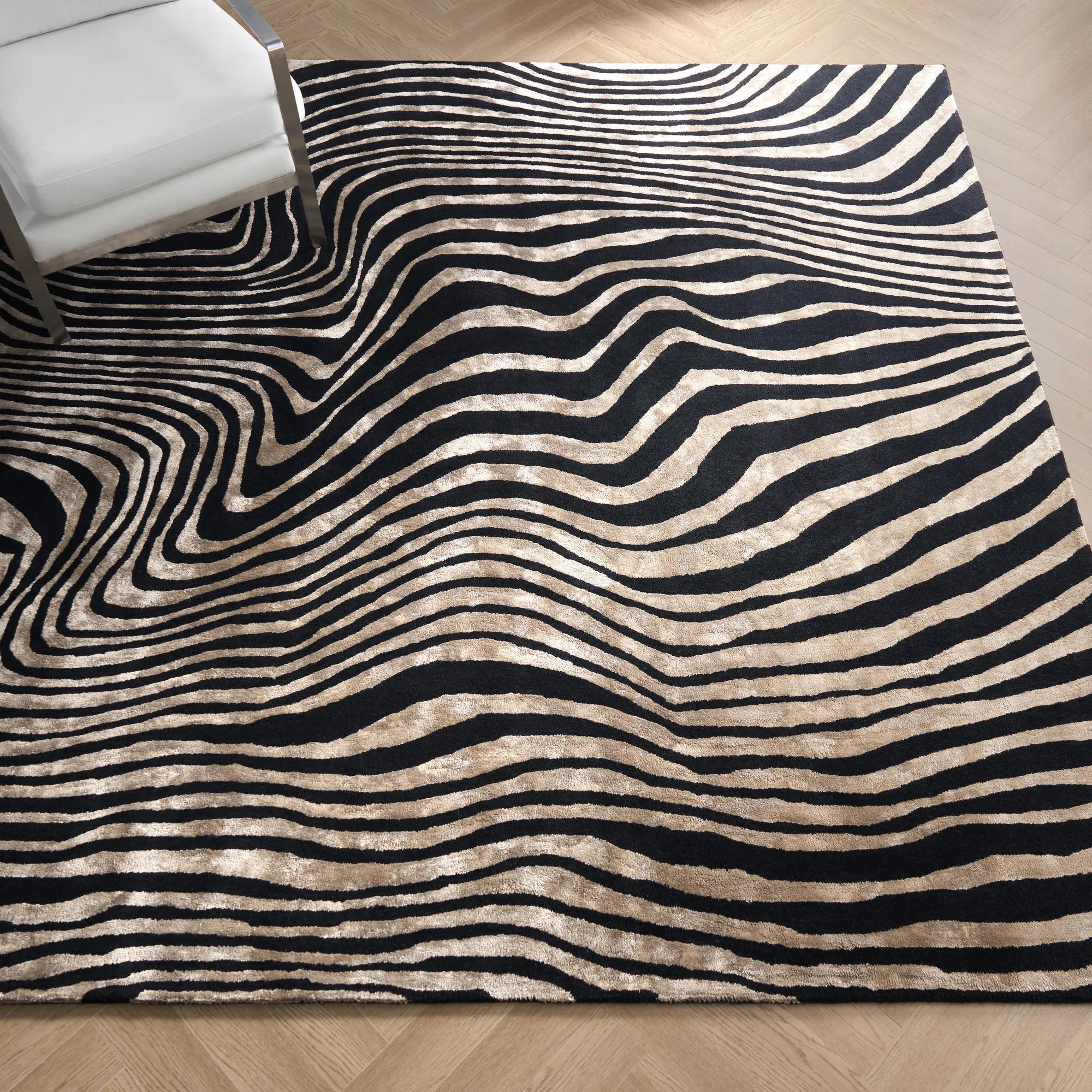
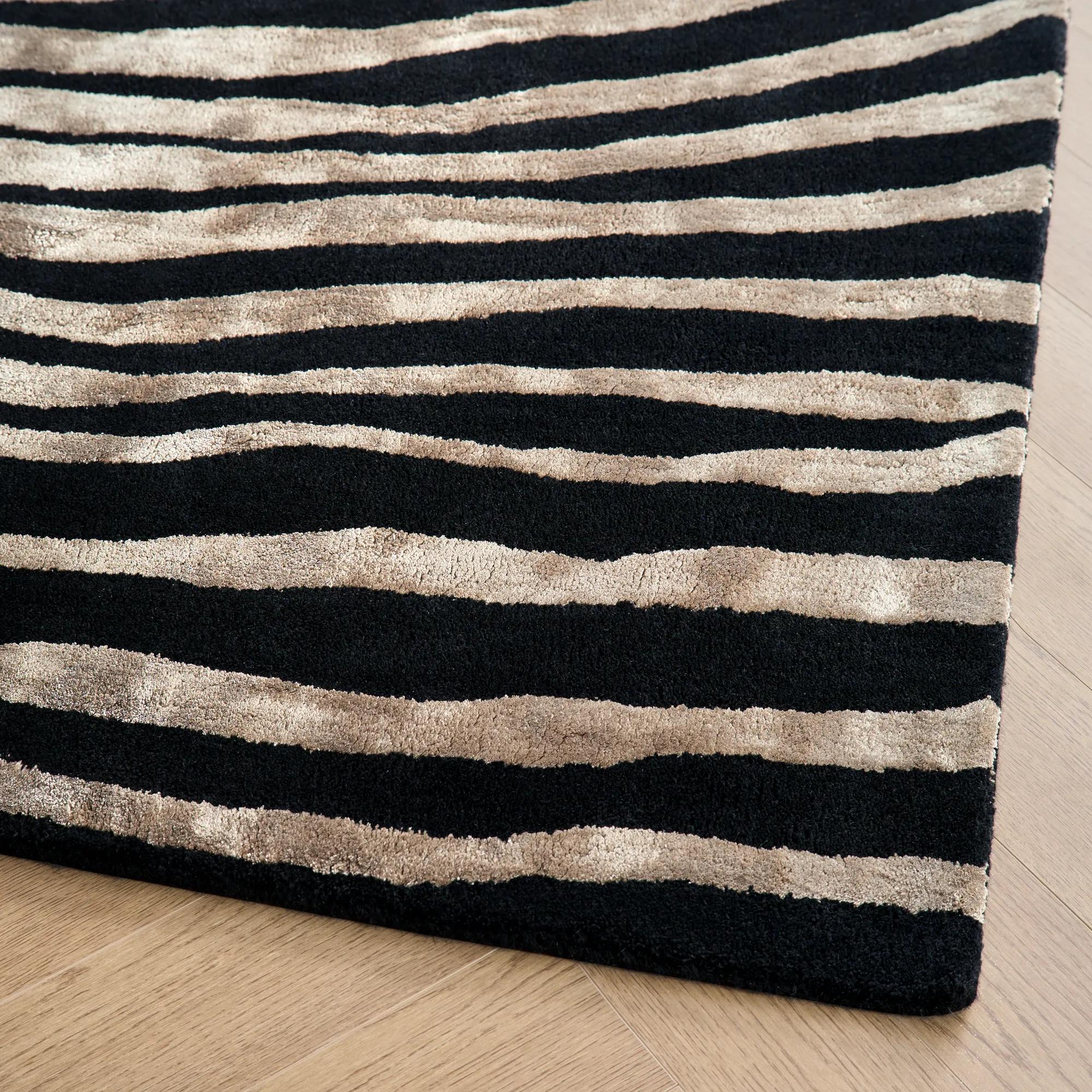 Abstract Zebra Hand-Tufted Black/Taupe Wool Blend Rug$599
An artisan hand-tufted rug in black and taupe wool-viscose, featuring a striking abstract zebra pattern.
Add To Cart -
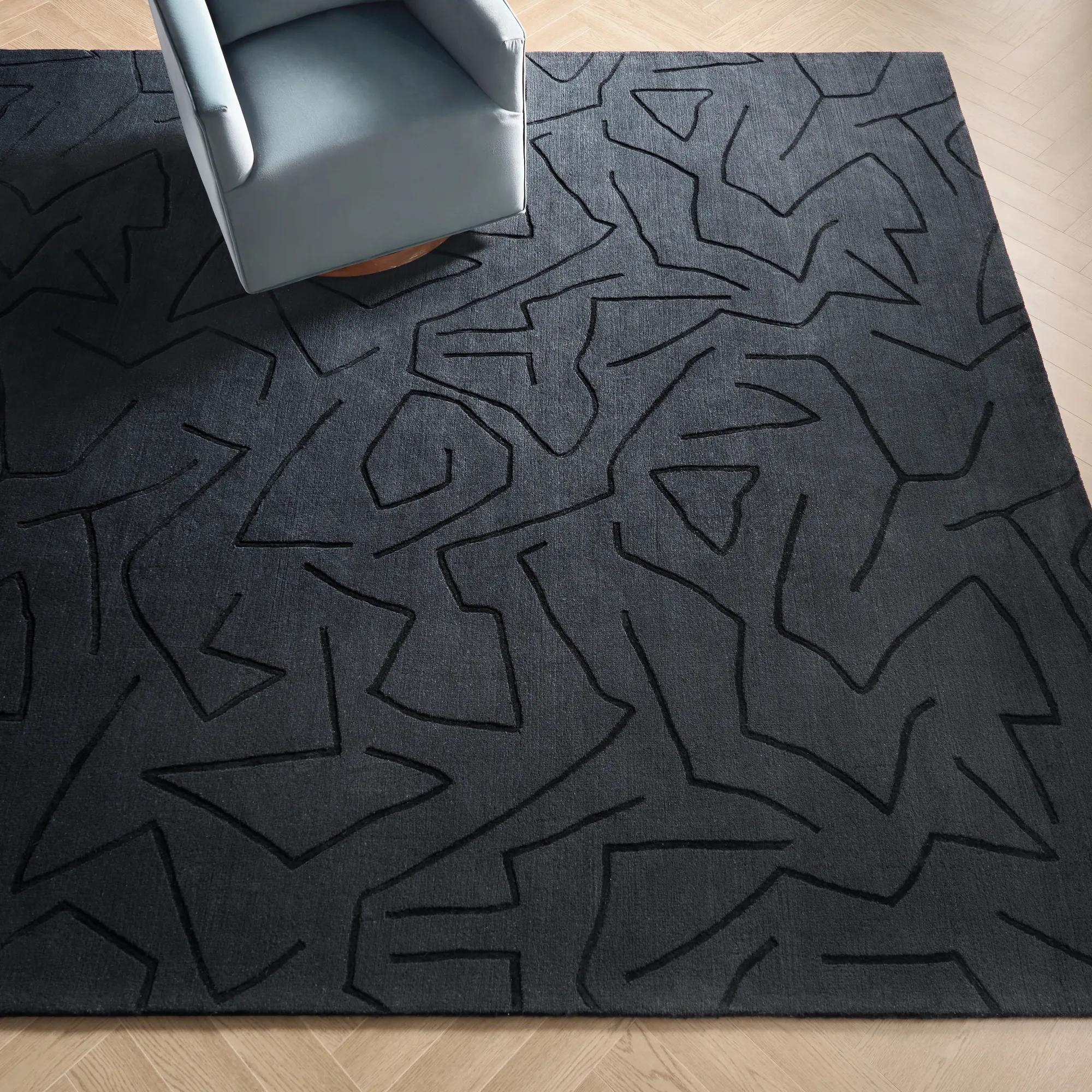 Carved Maze Rug$1399
A hand-loomed black rug crafted from wool and viscose, featuring a carved, textured maze design.
Add To Cart -
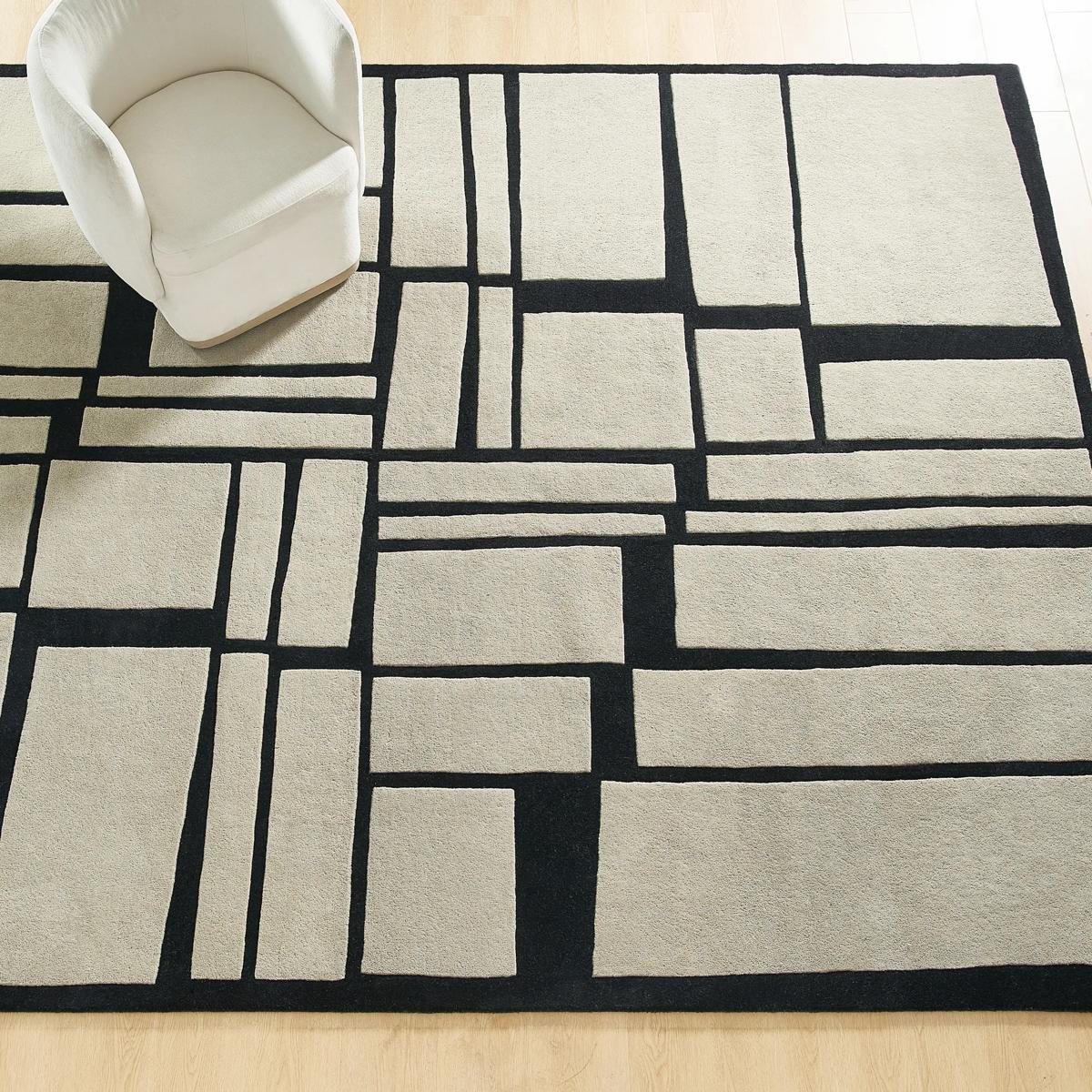 Novak Hand-Tufted Natural/Black Wool Rug$449
A hand-tufted wool rug featuring a bold black and natural grid design for modern visual impact.
Add To Cart -
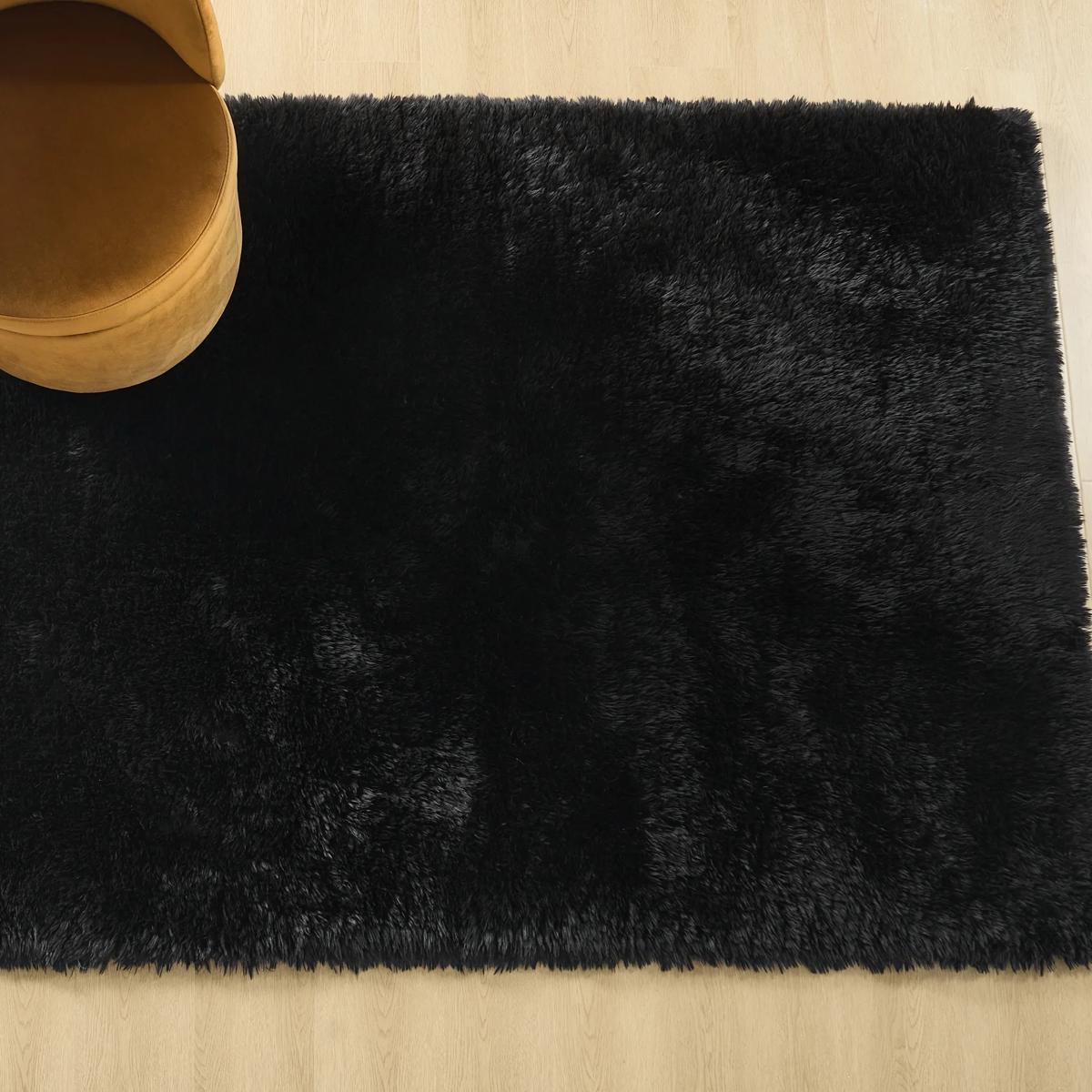
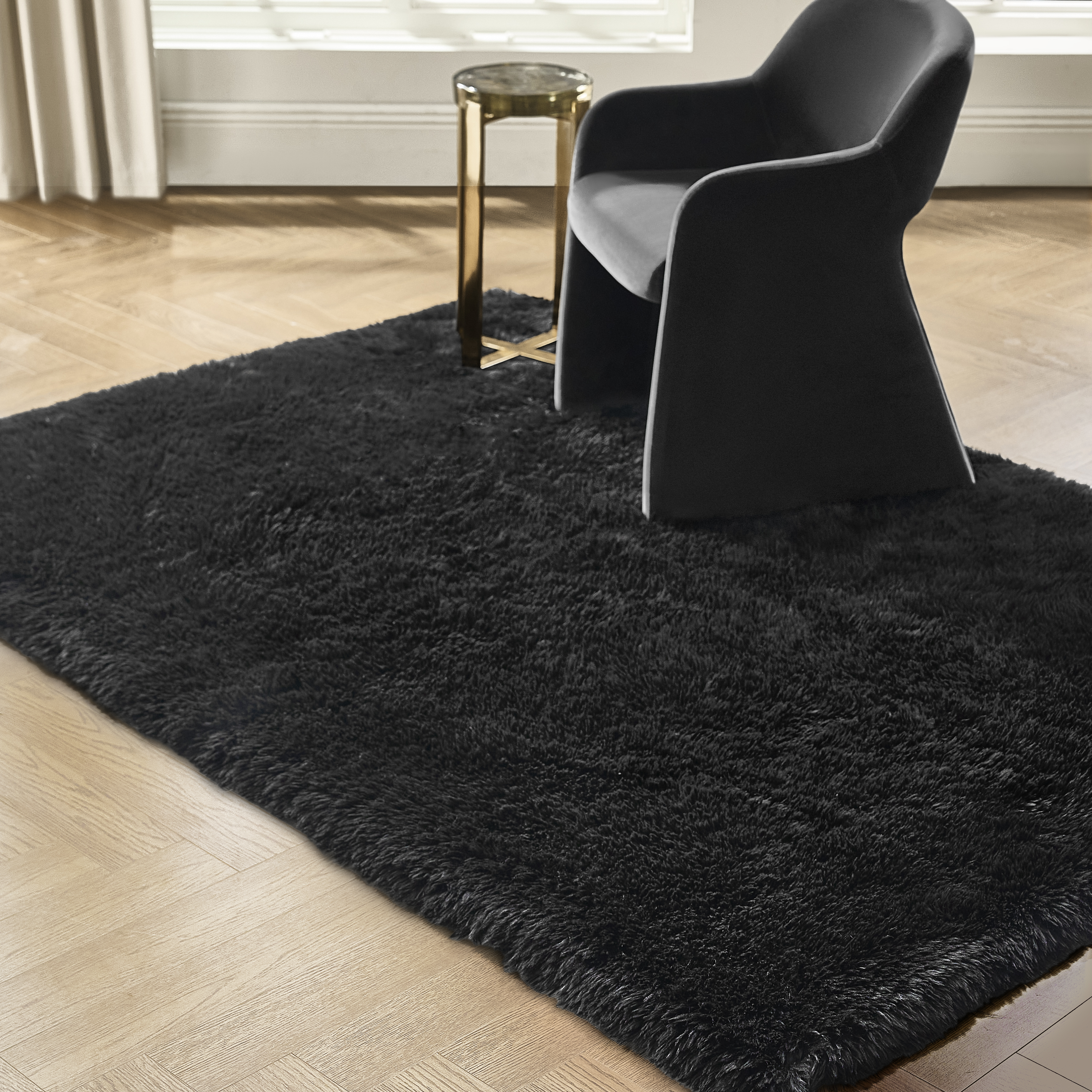 Lustre Shag Rug - Black$299
A plush, ultra-soft high-pile rug in deep black polyester with a non-slip backing for modern elegance.
Add To Cart -
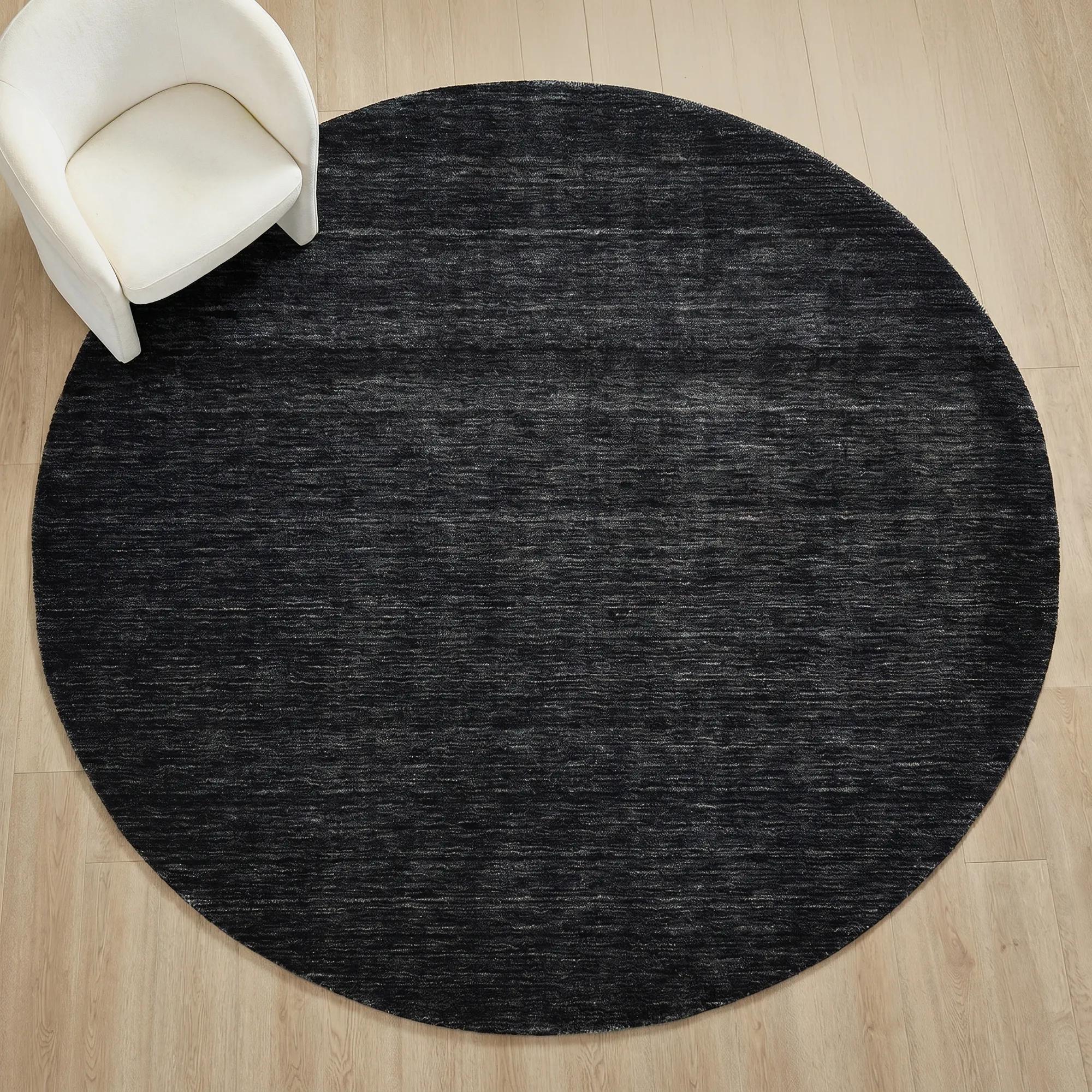 Juni Hand Woven Heathered Black Rug$799
A handwoven round wool rug in heathered black, offering durable texture and moody, contemporary style.
Add To Cart -
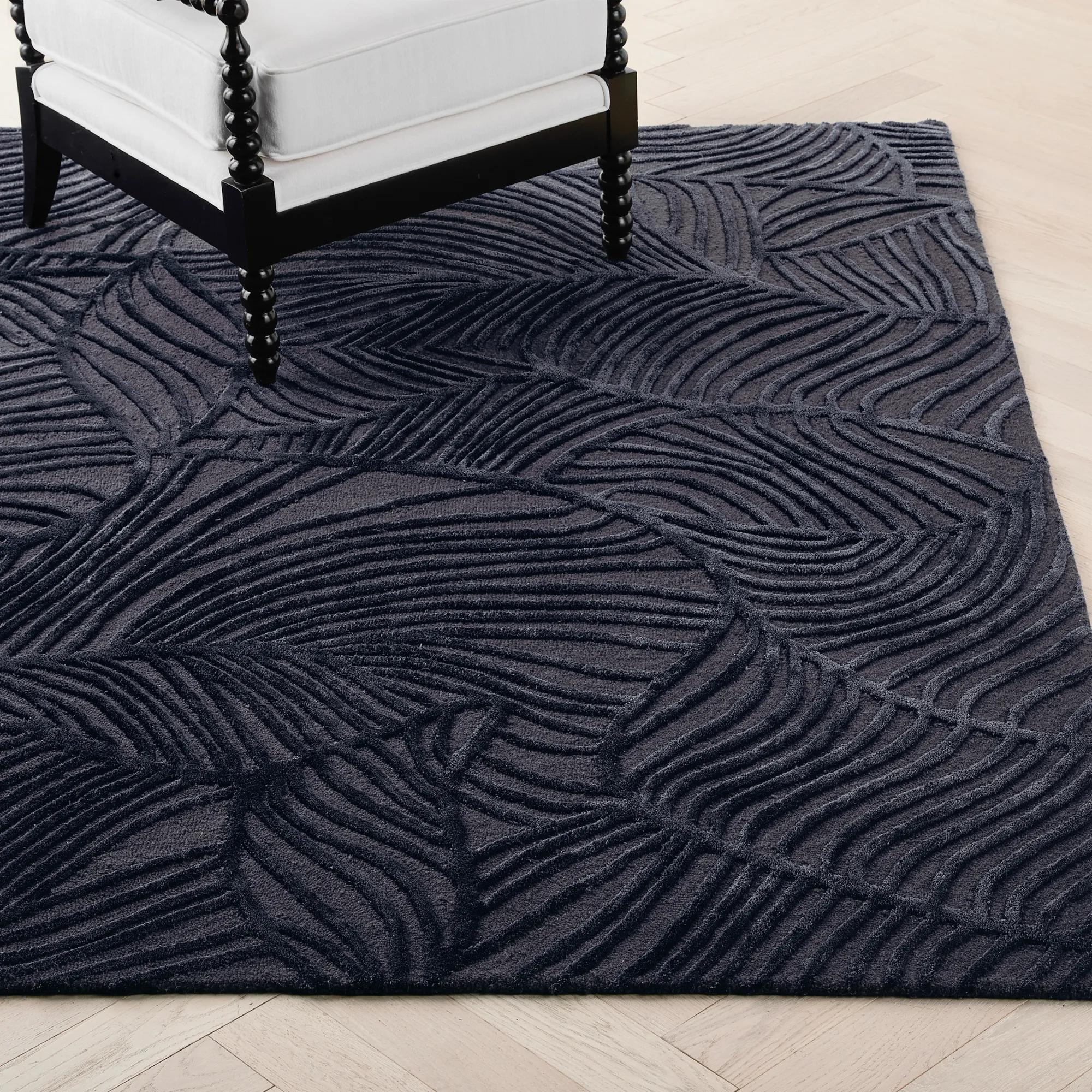
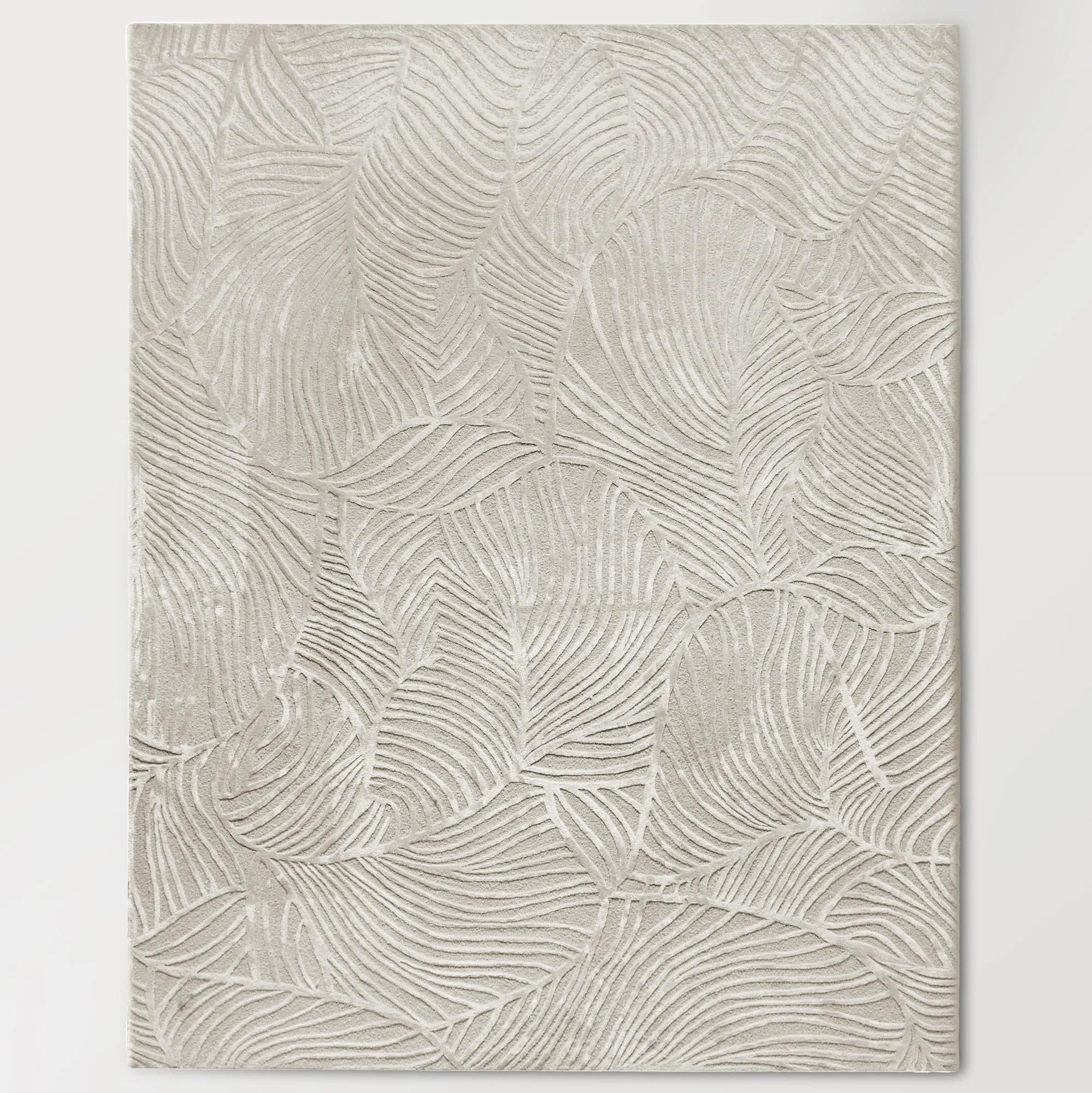
 Palm Rug - Charcoal$999
A charcoal palm-leaf rug crafted from viscose and wool, featuring a textured high-low pile design.
Add To Cart -
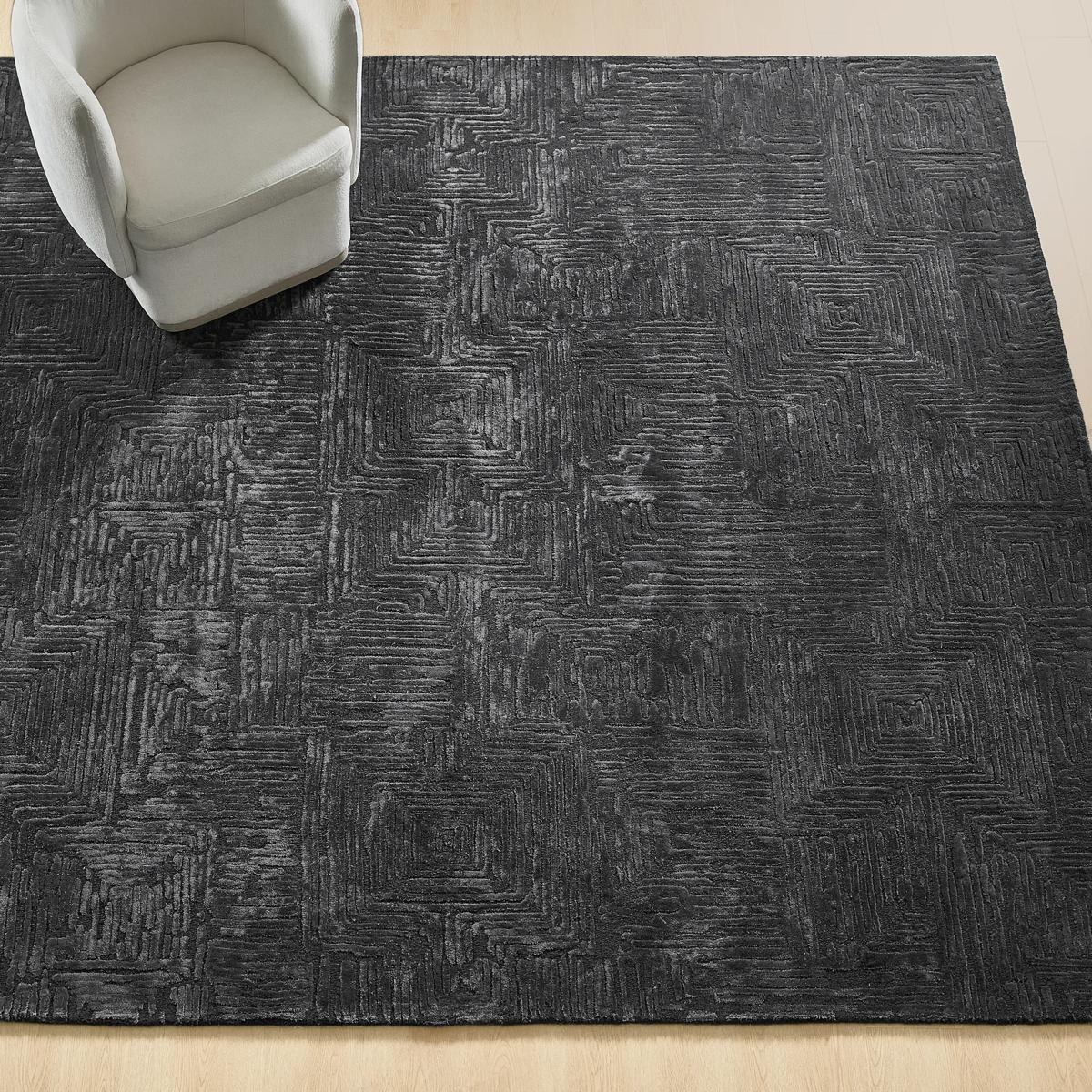
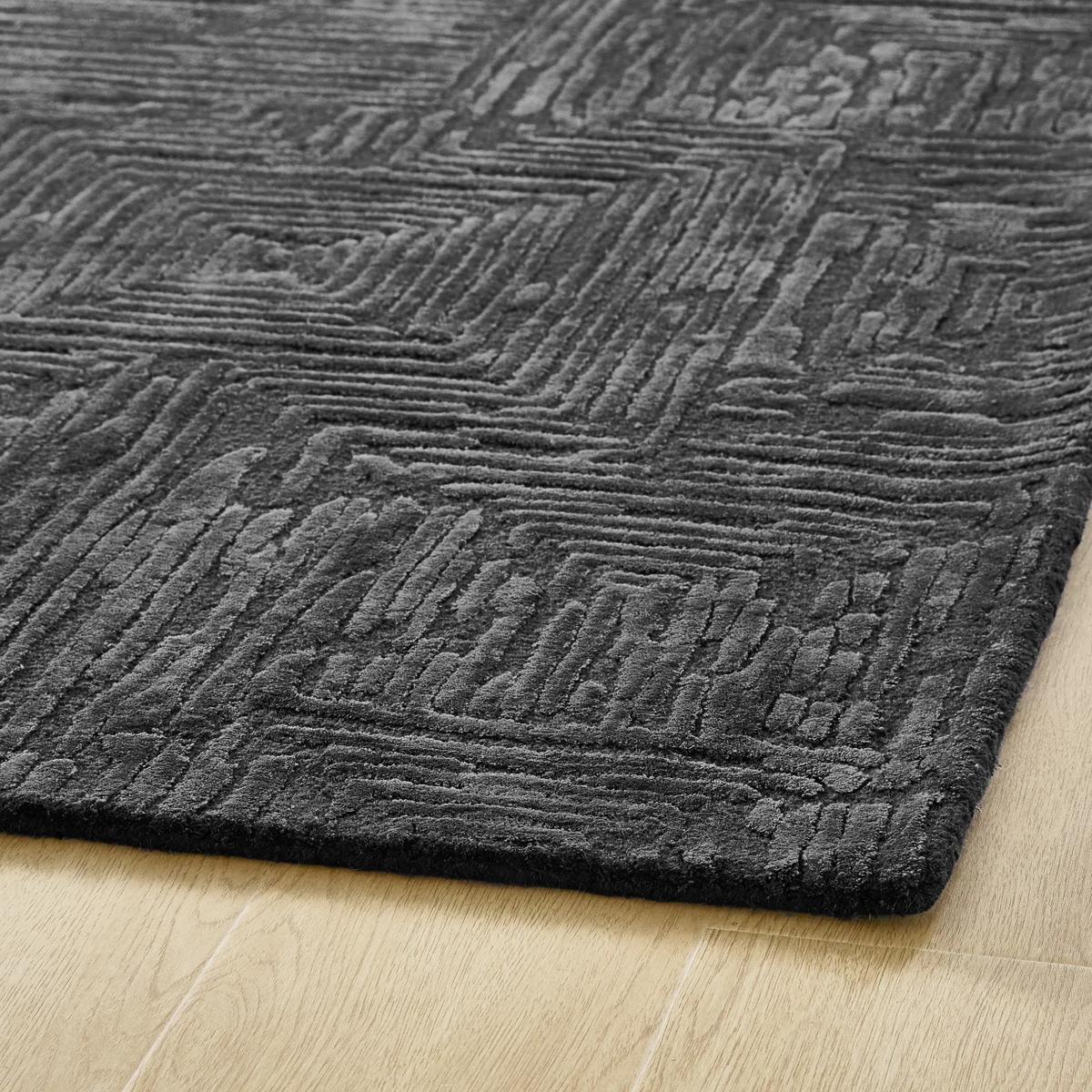 Andra Charcoal Hand-Tufted Wool Blend Dimensional Rug$1499
A hand-tufted viscose-wool rug in rich charcoal with a sculptural, dimensional pattern and plush texture.
Add To Cart -
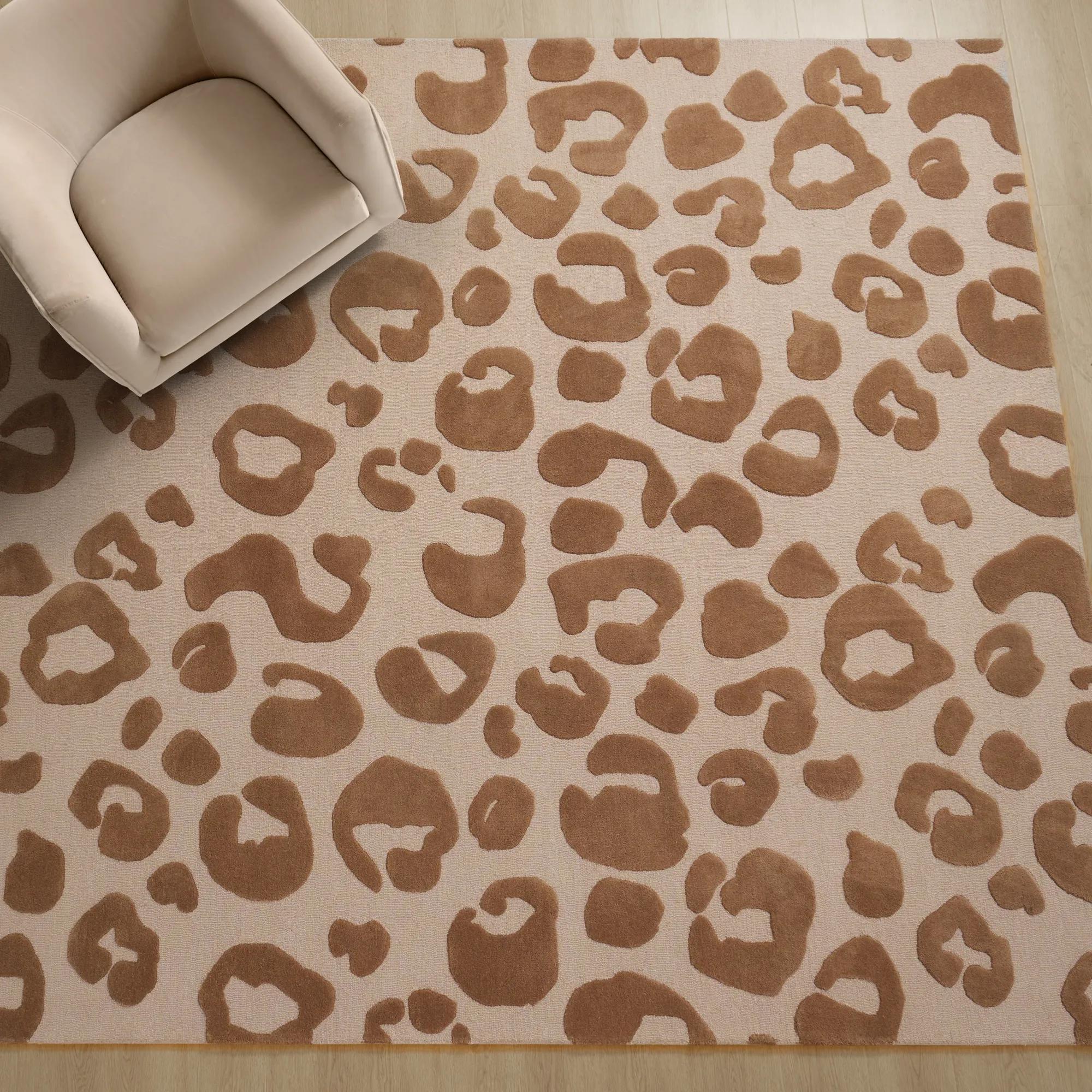
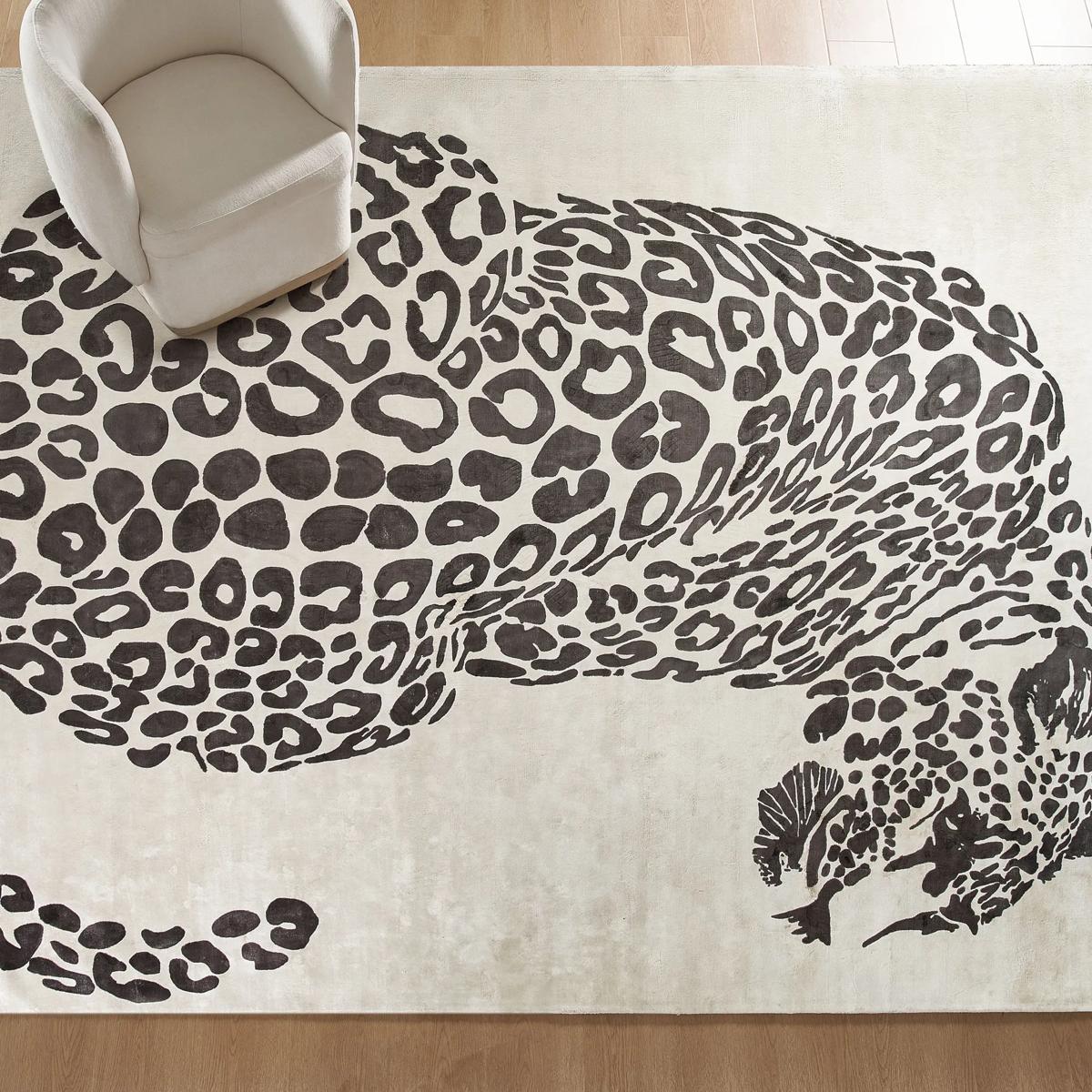 Pardus Leopard Hand-Loomed Ivory/Black Rug$499
An artful ivory and black viscose rug featuring a bold leopard motif and a smooth, silky texture.
Add To Cart

Black Rugs For Tile Floors
Black Rugs for Tile Floors invite a sense of intrigue and refined drama into any space, transforming sleek surfaces into striking canvases of contrast. Against the cool sophistication of tile, these rugs anchor your room with depth, artistry, and a whisper of the unexpected. Whether you crave bold definition or subtle elegance, each piece is designed to ground your décor while amplifying its allure—proving that true luxury lies in the interplay between shadow and shine. Let Black Rugs for Tile Floors set the stage for rooms that are as unforgettable as they are impeccably styled.
Black rugs for tile floors bring depth, softness, and a distinctly dramatic point of view to spaces defined by hard surfaces. Against ivory porcelain, a black area rug creates a crisp, gallery-like contrast; over slate or charcoal tile, it builds a richer, more enveloping composition. The effect is as tactile as it is visual: a soft landing beside the sofa, a quieter passage through an echoing hallway, a layer of comfort beneath a dining table where conversation stretches long after dinner. For smooth tile floors, choose a black rug with a nonslip backing approved for your flooring, or pair an unbacked rug with a compatible nonslip rug pad. Rubber and latex backings can help reduce sliding, but compatibility with the tile finish, sealant, and any radiant heating system matters more than the backing name alone. Check both the rug and flooring manufacturers’ recommendations before purchasing, especially for sealed stone or specialty finishes. From there, consider how much contrast you want the rug to introduce. Solid black feels architectural and assured, allowing sculptural furniture and gleaming accents to take focus. Black rugs with ivory lines, tonal charcoal motifs, or subtle variations in texture offer a softer transition between the floor and surrounding furnishings. A woven pattern can also help disguise the everyday traces that show readily on a uniform dark surface, including pale lint, dust, and light-colored pet hair. There is a particular elegance to a black rug laid across pale tile beneath a glass coffee table: the floor remains luminous around the edges, while the seating area gains definition and intimacy. For homes with expansive tiled rooms or open layouts, that visual grounding is especially useful. Rather than covering every inch, a thoughtfully proportioned rug establishes a place to gather, making the furniture arrangement feel intentional without losing the tile’s clean, reflective character.
Material, pile height, and construction determine how comfortably a black rug fits into daily life. In a frequently used entryway or tiled kitchen, a low-pile or flatwoven rug generally makes it easier to move across the surface, vacuum crumbs, and maintain clearance beneath doors. Nylon is valued for resilience in busy spaces, while polyester often offers a soft hand and good resistance to many common stains; actual performance depends on the construction, treatment, and type of spill. Wool brings natural texture, springy comfort, and an inviting richness to living rooms and bedrooms, although its care requirements deserve consideration before it is placed near food preparation or muddy entrances. A plush black rug can make stepping onto a tiled bedroom floor feel decidedly more indulgent during the cooler months, but a deeper pile may require more attention to keep debris from settling into the fibers. In dining areas, a lower pile gives chair legs a smoother path and makes routine cleanup less demanding. Imagine the difference between a rug that stops just beneath the table and one that welcomes every chair even when guests lean back or stand: generous sizing is both a visual luxury and a practical advantage. As a general starting point, allow approximately 24 to 30 inches of rug beyond each side of a dining table, then confirm the measurement with the chairs pulled out. For a living room, a rug large enough to support at least the front legs of the principal seating pieces often creates a more connected arrangement. Measure the actual furniture footprint rather than choosing by room dimensions alone, and mark the proposed rug outline on the floor with a material safe for the tile finish. Door swings, nearby cabinets, and walking routes should all remain unobstructed. These details matter particularly in apartments, family homes, and entertaining spaces, where the most beautiful arrangement still needs to accommodate real movement. A restrained tonal pattern can lend sophistication to a hardworking room, while a pronounced geometric design brings energy to otherwise quiet furnishings.
The right placement gives black rugs on tile floors their full expressive power. A long runner draws the eye through a tiled passage, softening footsteps and connecting rooms with a continuous thread of color. For narrow spaces, explore Black Rugs For Hallways with proportions that leave a visible border of tile on either side and enough clearance at thresholds. At an entry, a smaller black rug can create a composed arrival, but it should be substantial enough for people to step fully onto it rather than catching an edge as they enter. Select an entry rug intended for the level of dirt and moisture it will encounter; a decorative indoor rug is not automatically a substitute for a moisture-managing doormat. The same distinction applies in bathrooms, where a rug should be designed for the location and supported by appropriate slip resistance. Wherever the rug sits, the tile beneath it should be clean and completely dry before placement. A separate pad should be sized slightly smaller than the rug so its edges remain concealed, and selected for grip as well as the desired cushioning. An all-felt pad may add softness without providing sufficient traction on smooth tile, so confirm that the pad is specifically intended to resist slipping on hard floors. For households with children, pets, or frequent visitors, stable edges and a manageable pile height deserve as much attention as pattern. Black is forgiving of some darker marks, but it is not maintenance-free: regular vacuuming using the recommended setting, prompt blotting of spills, and periodic cleaning beneath the rug help preserve both surfaces. If a rug is labeled washable, check its dimensions against the washing machine’s capacity and follow the drying instructions; a large washable rug may still need commercial equipment. With those practical decisions made, the atmosphere becomes the pleasure. Picture a black textured rug beside warm wood, brushed metal, and a velvet chair, its dark surface giving each material greater presence. It is a compelling choice for design-conscious homeowners and renters alike: a substantial layer that brings comfort to tile while allowing a room’s individual character to emerge in sharper, more beautiful relief.
FAQs
Black rugs introduce an element of drama and sophistication to tile floors, creating a striking contrast that highlights both the rug and the surrounding surfaces. They are adept at concealing everyday scuffs and stains, making them practical for high-traffic areas. Their versatility allows them to harmonize with a variety of décor styles, from modern minimalism to bold maximalism, and they provide a grounding effect that can anchor furniture arrangements beautifully.
A black rug can be used to create a sense of intimacy and warmth in spaces where tile floors might otherwise feel cool or stark. Placing a black rug beneath a seating area or dining table adds definition and visual interest, while layering with textured throws or metallic accents can amplify the sense of luxury. The rich hue absorbs light, lending a cozy, enveloping feel that’s especially appealing during the cooler months.
Absolutely. The dark color of a black rug is forgiving of minor messes, pet hair, and the inevitable spills that come with busy households. Many black rugs are crafted from durable materials designed to withstand daily wear, making them a smart and stylish choice for family rooms, play areas, or pet-friendly spaces.
Yes, black rugs are remarkably versatile and can elevate both modern and traditional interiors. In modern spaces, they enhance clean lines and bold contrasts, while in traditional settings, they add depth and a touch of timeless elegance. The key is in the styling—pair with contemporary furnishings for a sleek look, or layer with ornate pieces to evoke a sense of classic grandeur.
To keep a black rug looking its best, regular vacuuming is essential to remove dust and debris that may stand out against the dark fibers. Rotate the rug periodically to ensure even wear, and address spills promptly with gentle blotting. Depending on the material, occasional professional cleaning can help preserve the rug’s rich color and plush texture, ensuring it remains a statement piece for years to come.