Neutral Rugs For Entryways
Neutral Rugs For Entryways
-
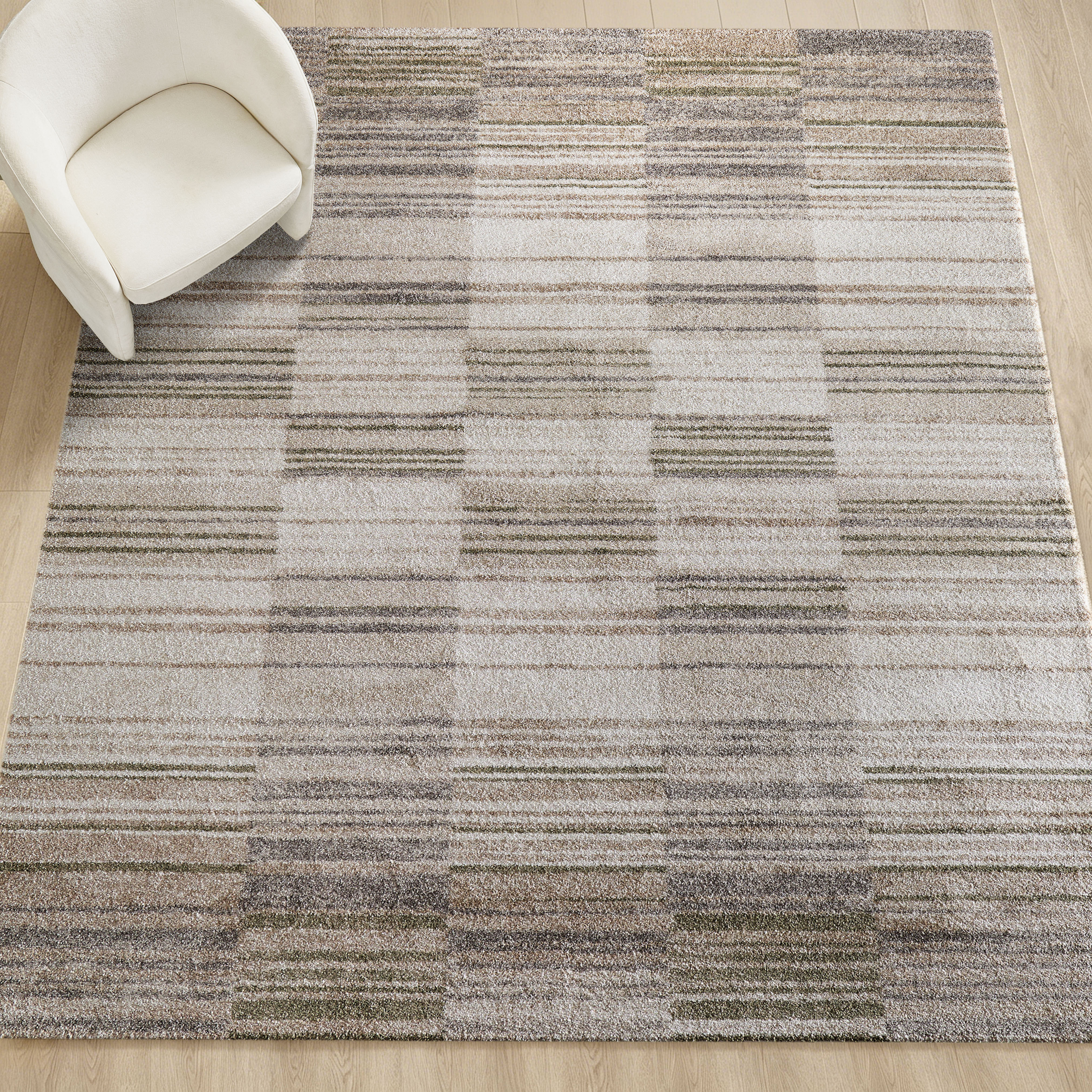
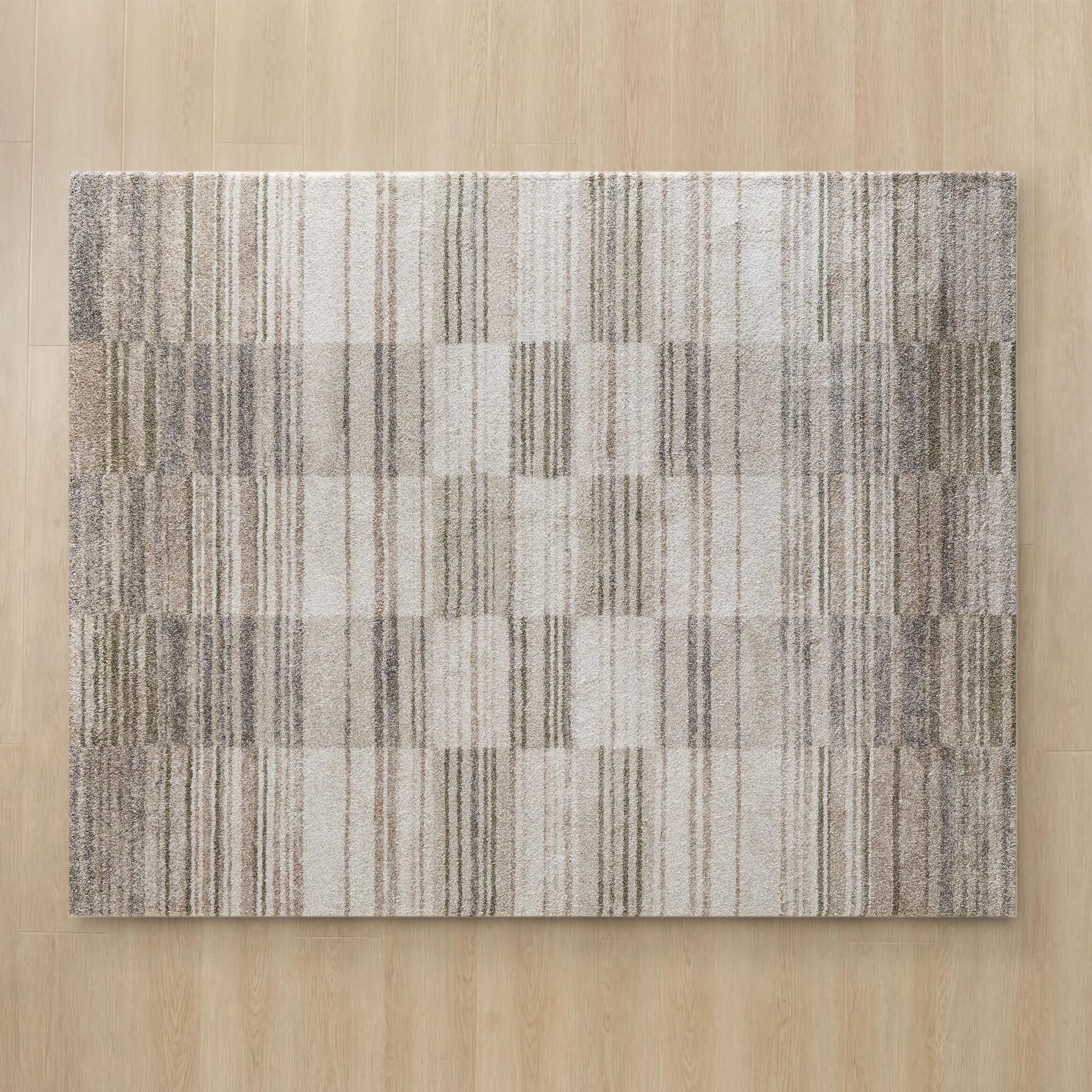 Checka Grey/Tan/Ivory/Soft Green Performance Power Loomed Rug$1349
A plush, power-loomed rug featuring a soft check pattern in grey, tan, ivory, and green.
Add To Cart -
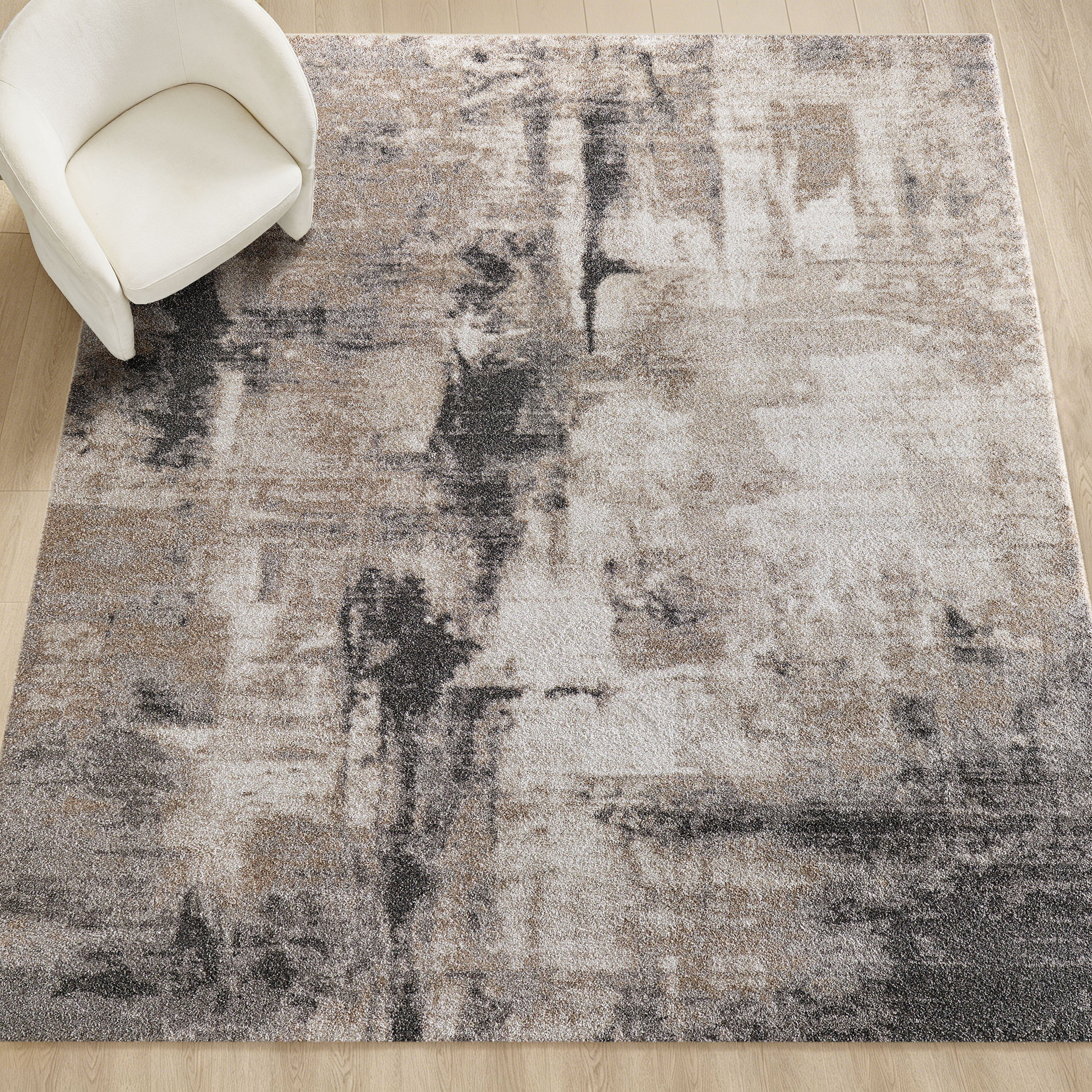
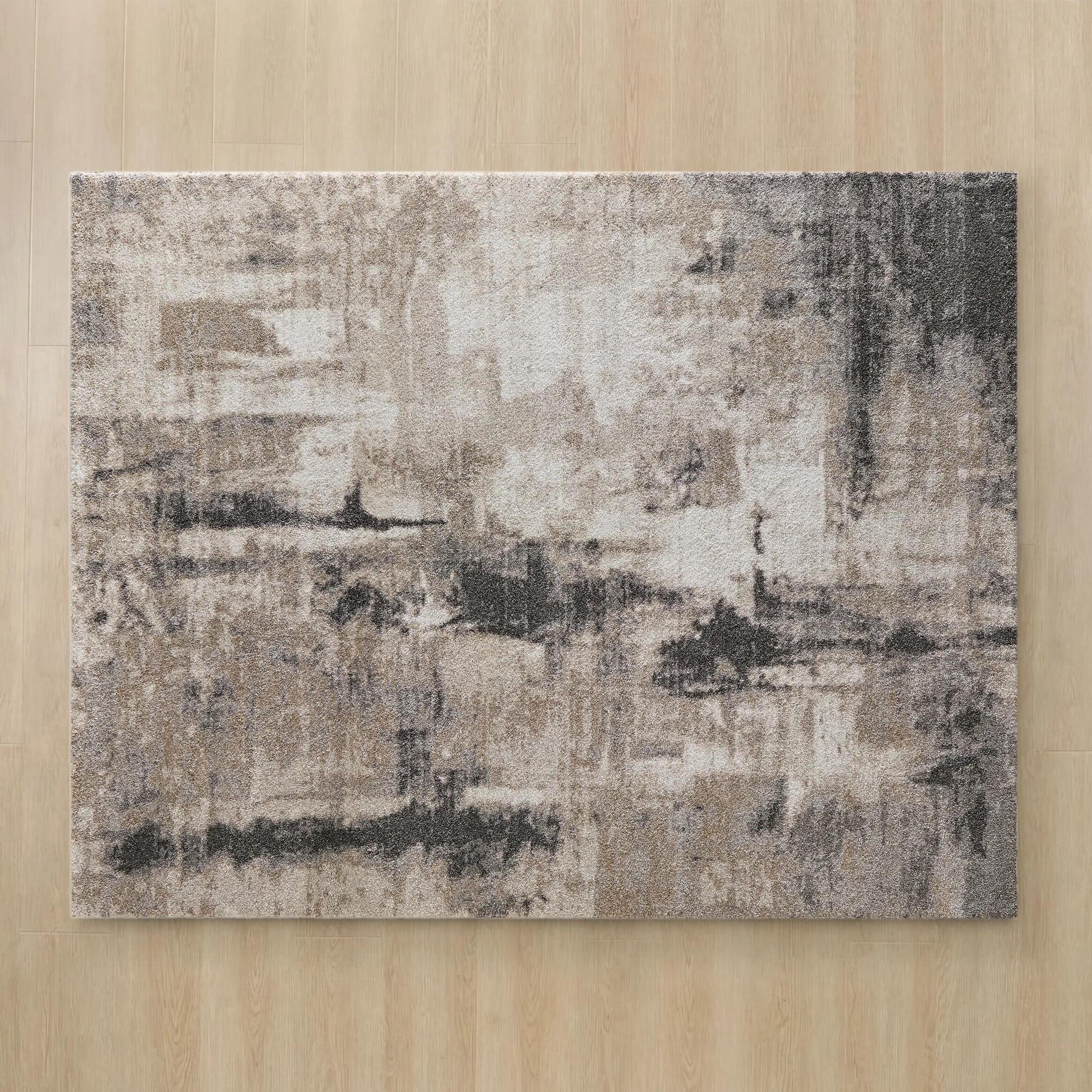 Atlas Abstract Grey/Taupe/Ivory/Charcoal Performance Power Loomed Rug$399
An abstract rug in grey, taupe, ivory, and charcoal with a plush, stain-resistant polypropylene blend.
Add To Cart -
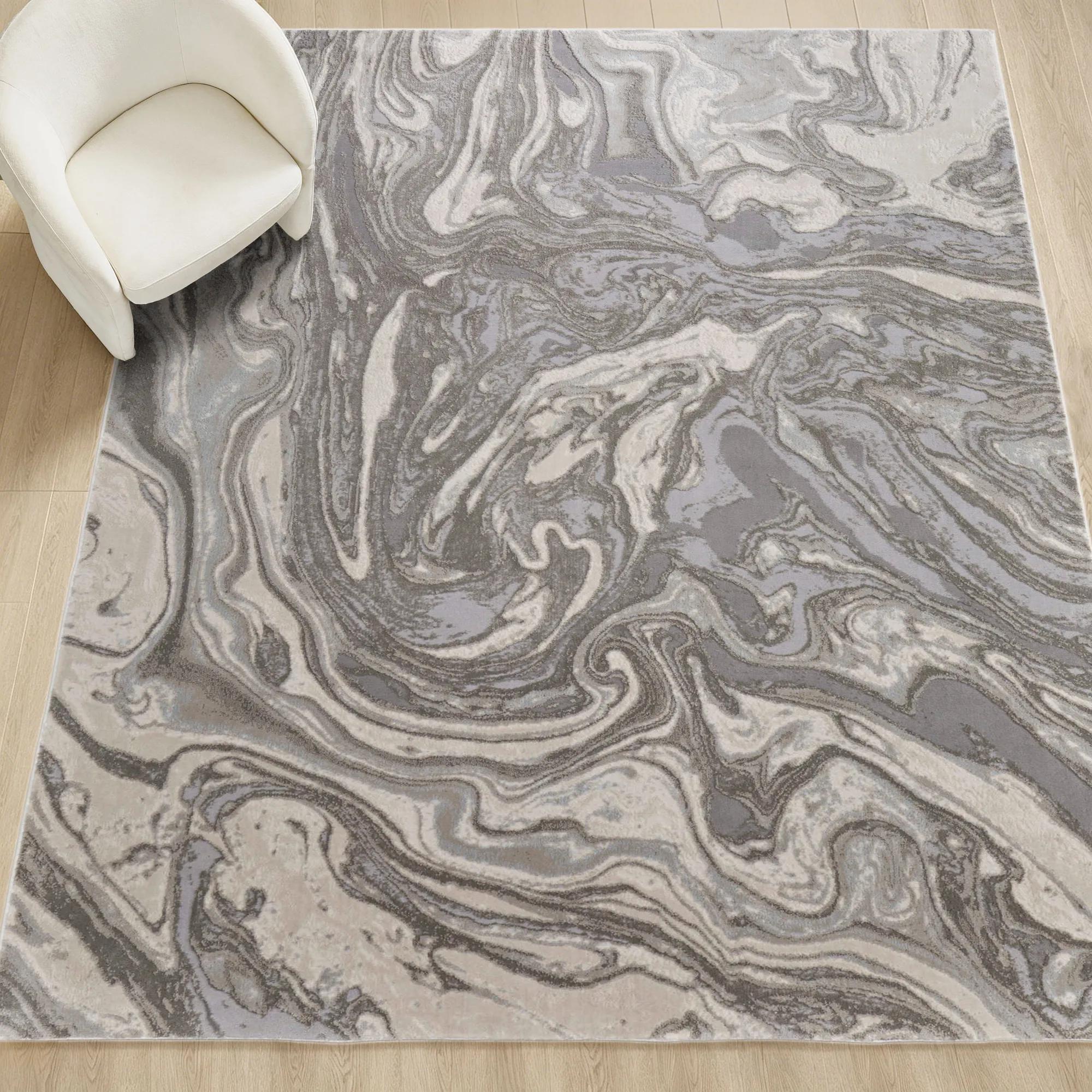
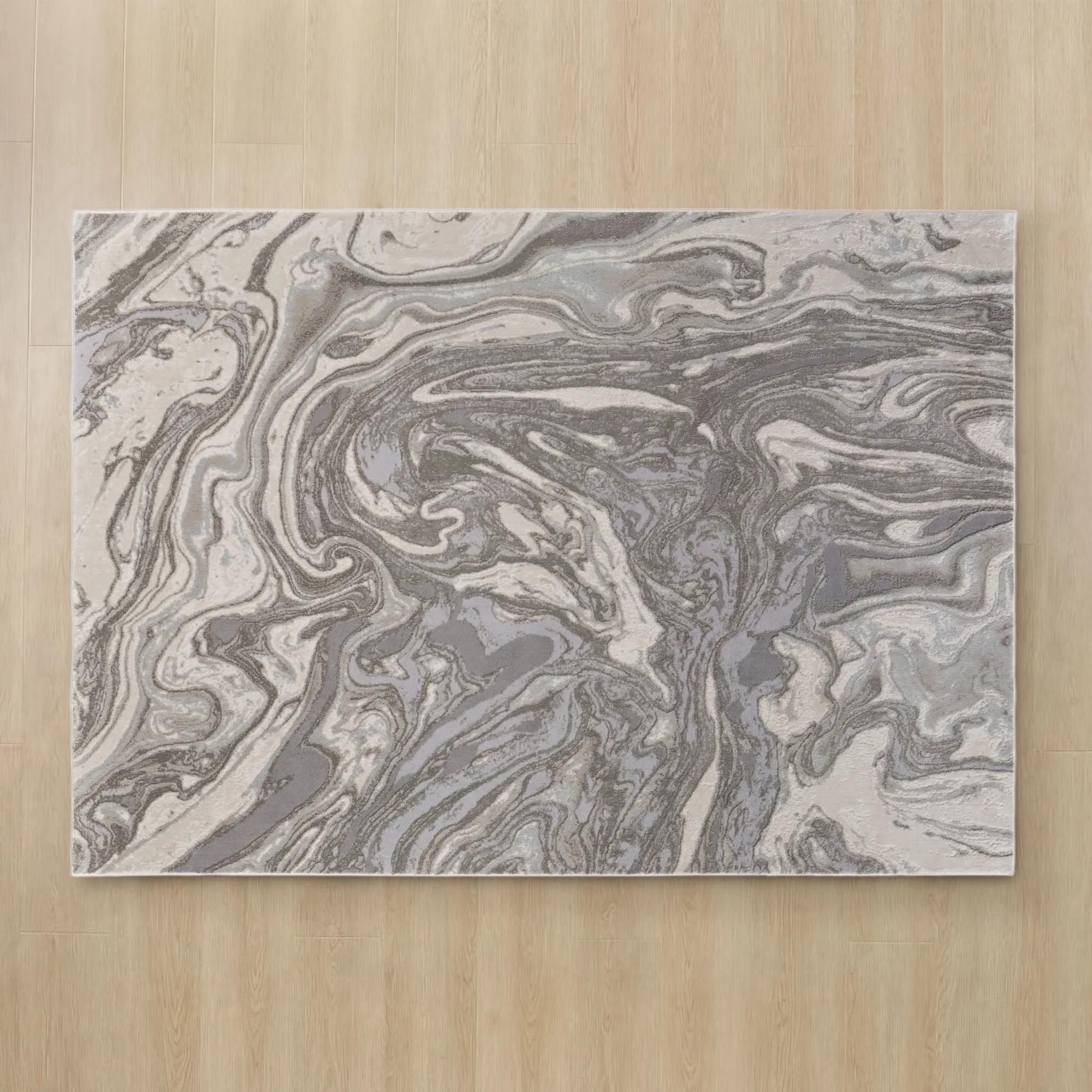 Marbre Marbled Grey/Taupe/Powder Blue Performance Power Loomed Rug$1499
A softly marbled rug in grey, taupe, and powder blue with a textured, stain-resistant performance blend.
Add To Cart -
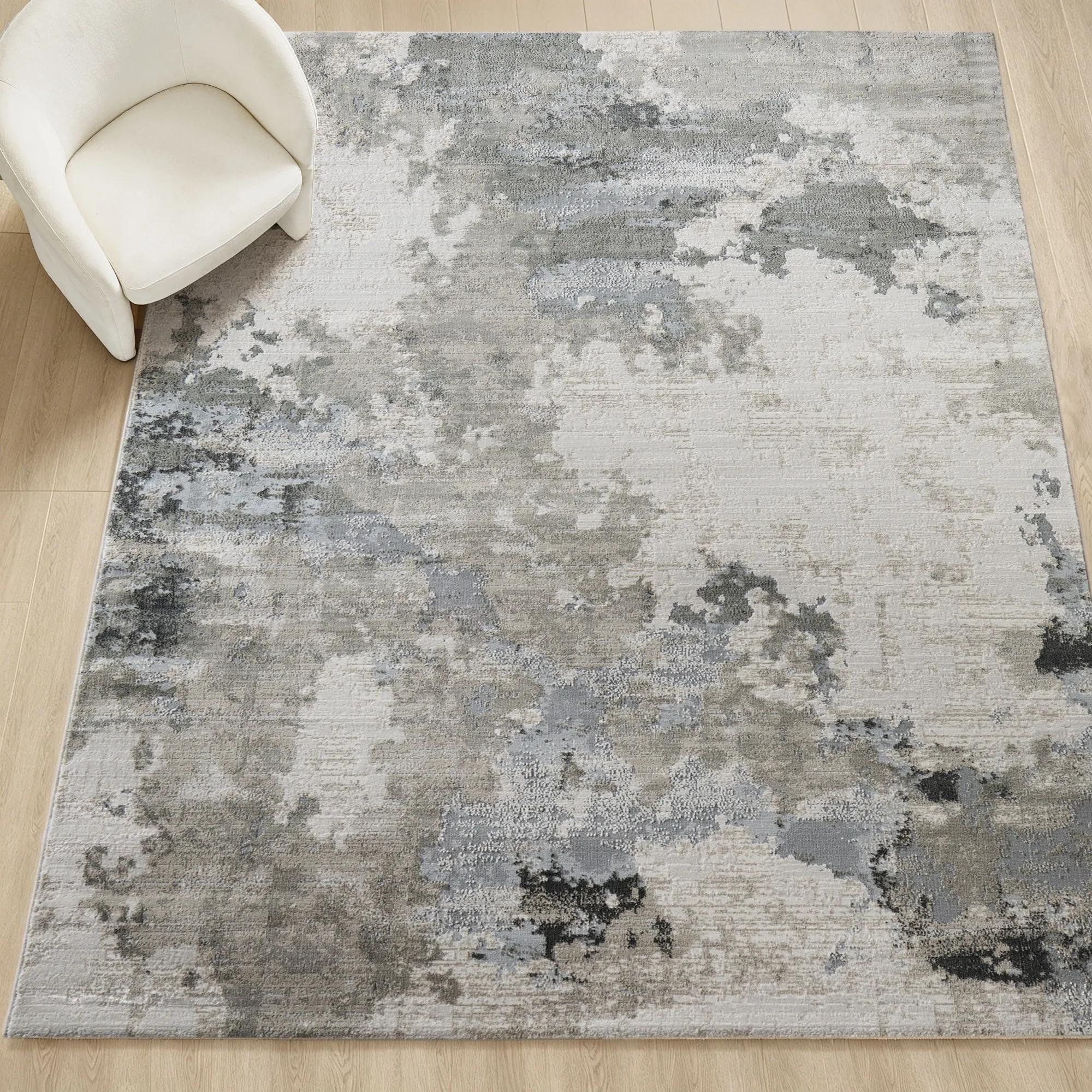 Alarion Abstract Grey/Muted Blue/Ivory Performance Power Loomed Rug$1499
A power-loomed rug featuring a distressed abstract pattern in grey, muted blue, and ivory with stain resistance.
Add To Cart -
 Fiona Hand-Tufted Ivory/Beige/Black Border Fringe Rug$599
A hand-tufted ivory, beige, and black rug featuring a distinctive border and fringe detailing.
Add To Cart -
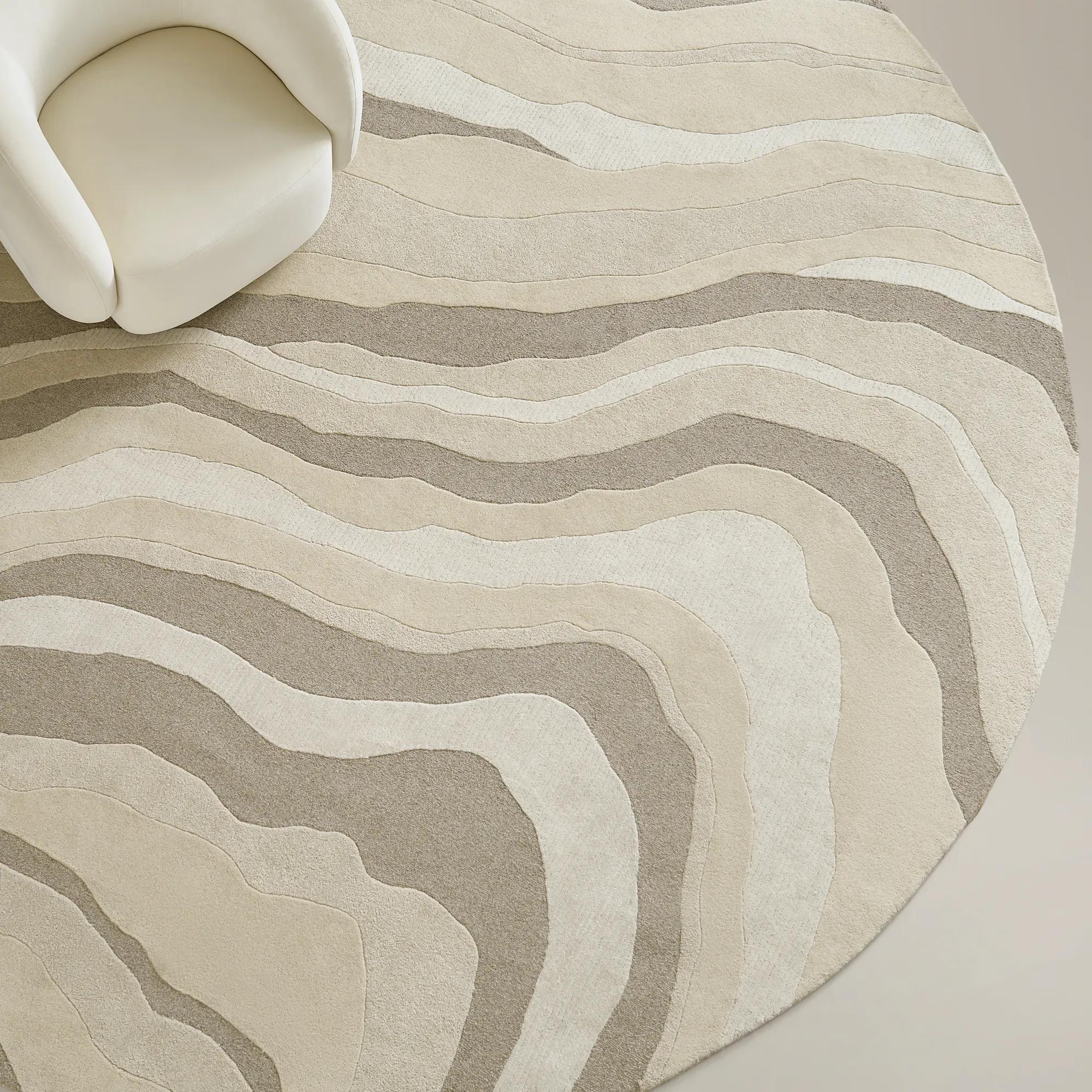 Kadence Hand-Tufted White/Ivory/Tan Wool Round Rug 12"$1799
A hand-tufted round rug in white, ivory, and tan, crafted from 100% wool for natural warmth.
Add To Cart -
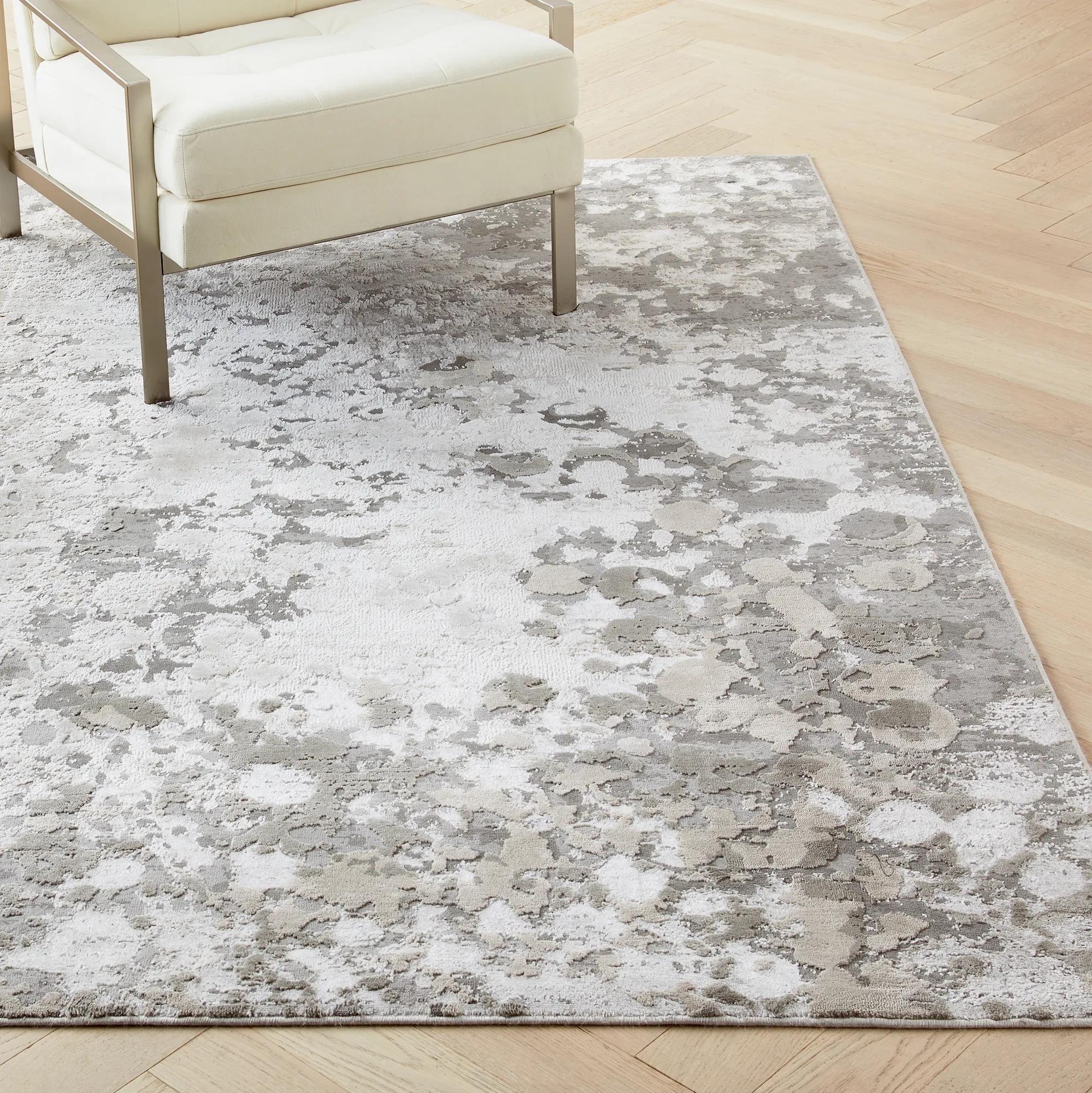 Mercury Power-Loomed Silver/Grey/Beige Rug$1649
A textured rug in silver, grey, and beige crafted from polyester, polypropylene, jute, and cotton.
Add To Cart -
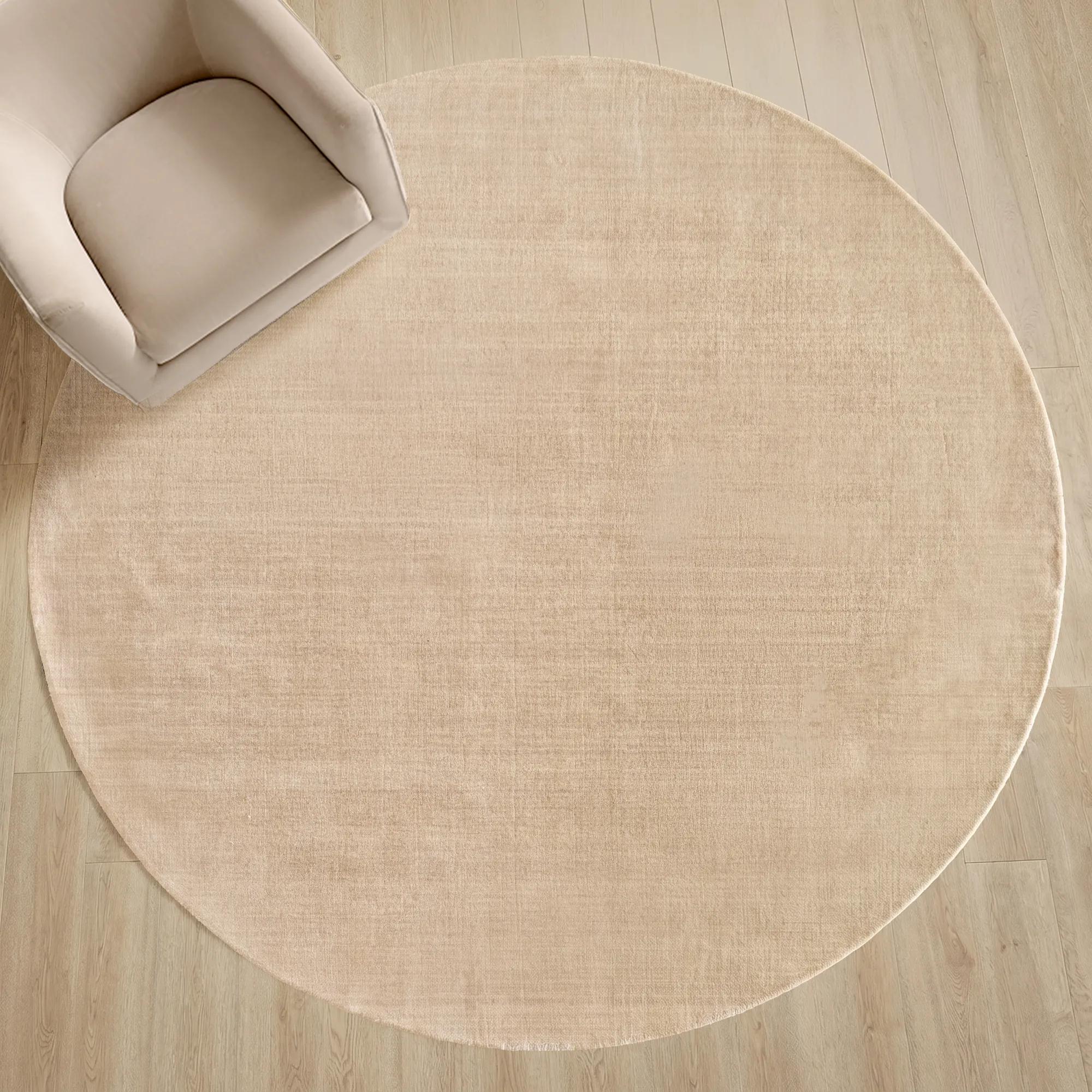 Juni Hand Woven Heathered Warm Beige Round Rug$1399
A handwoven round wool rug in heathered warm beige, offering refined texture and everyday durability.
Add To Cart -
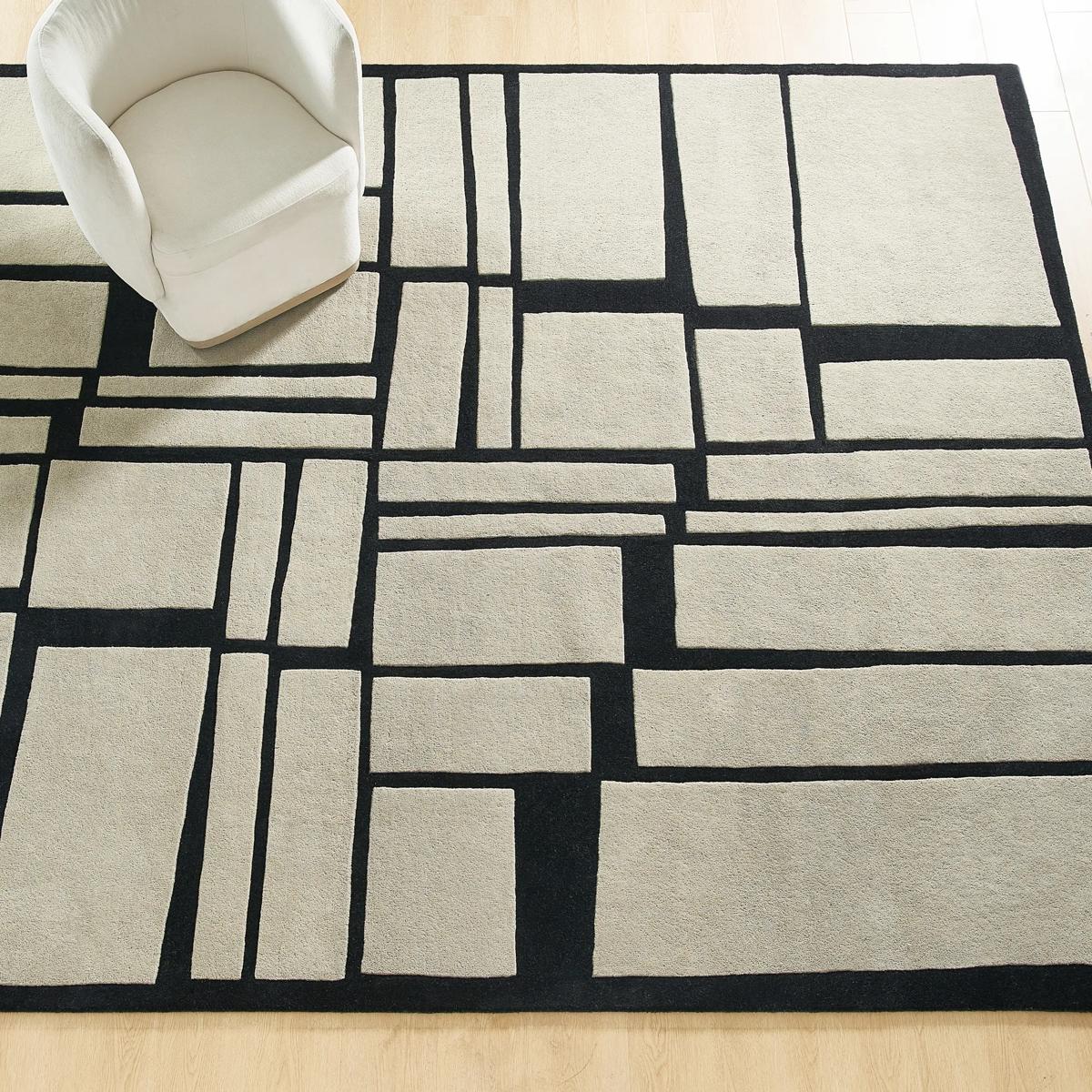 Novak Hand-Tufted Natural/Black Wool Rug$1399
A hand-tufted wool rug featuring a bold black and natural grid design for modern contrast.
Add To Cart -
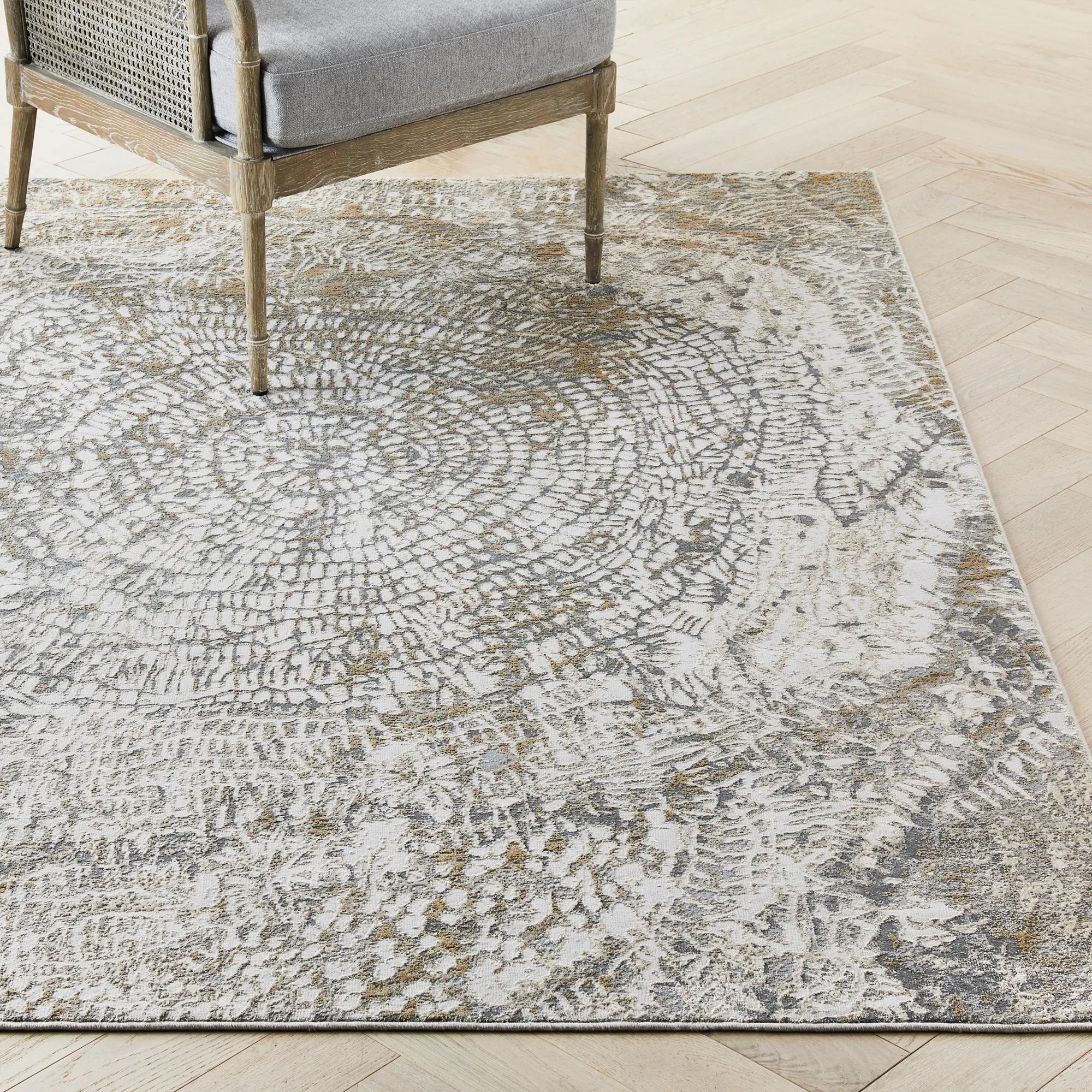 Nautilus Power-Loomed Silver/Grey/Natural Rug$449
A machine-woven ivory rug featuring subtle tree ring-inspired patterns in durable polypropylene and viscose.
Add To Cart -
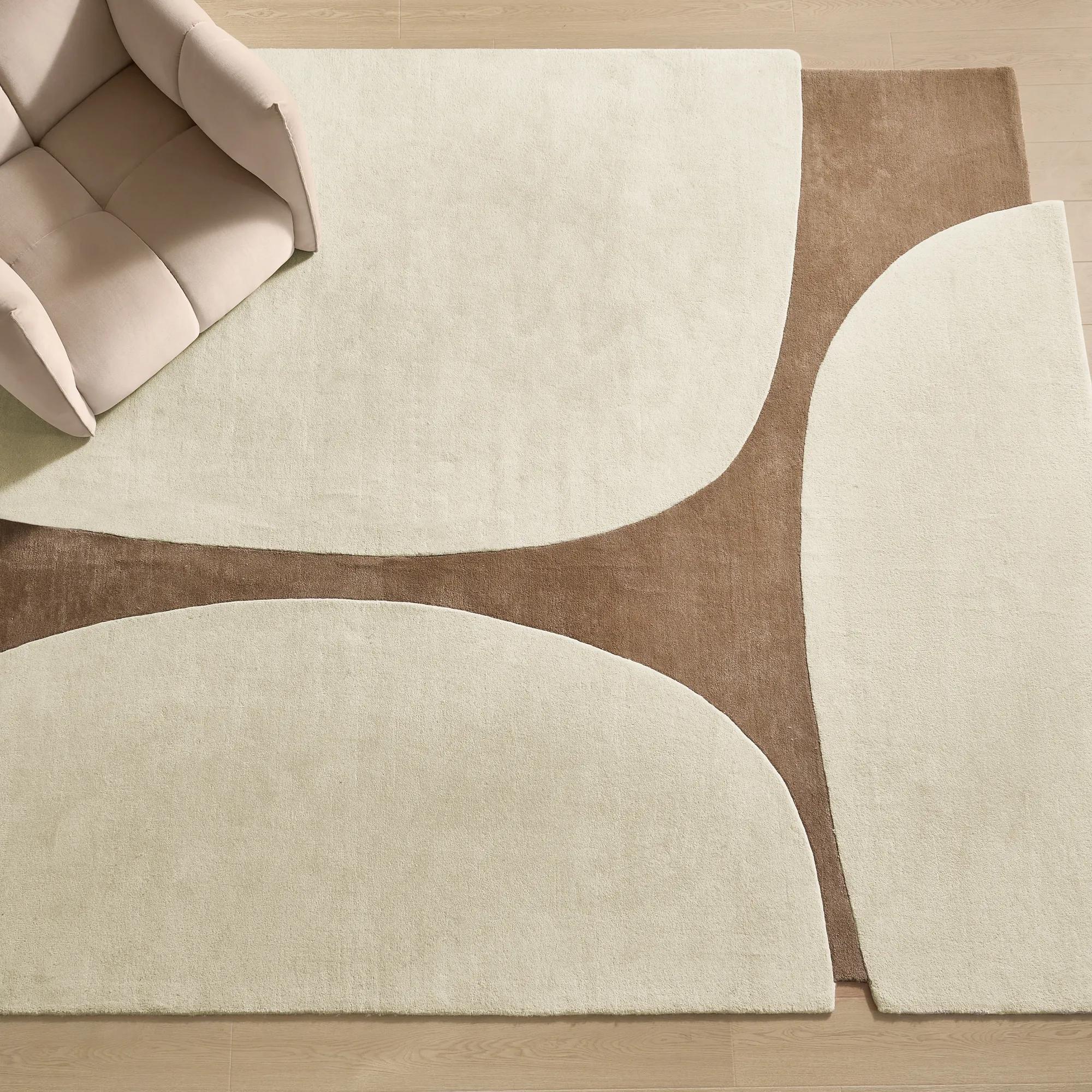
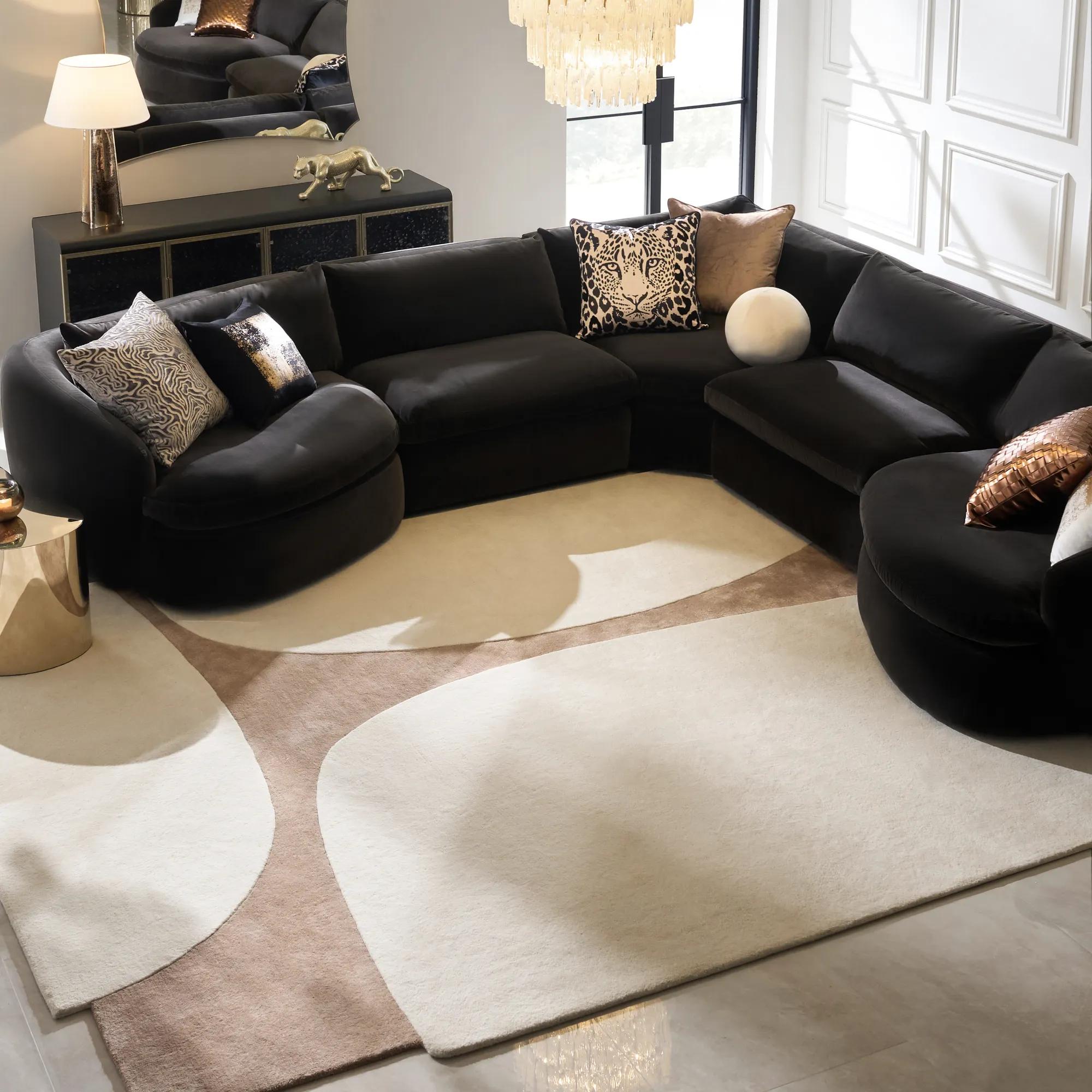 Contour Hand-Tufted Ivory/Ginger Root Wool Blend Rug$499
A hand-tufted wool rug blending ivory and ginger root tones for textured, modern warmth.
Add To Cart -
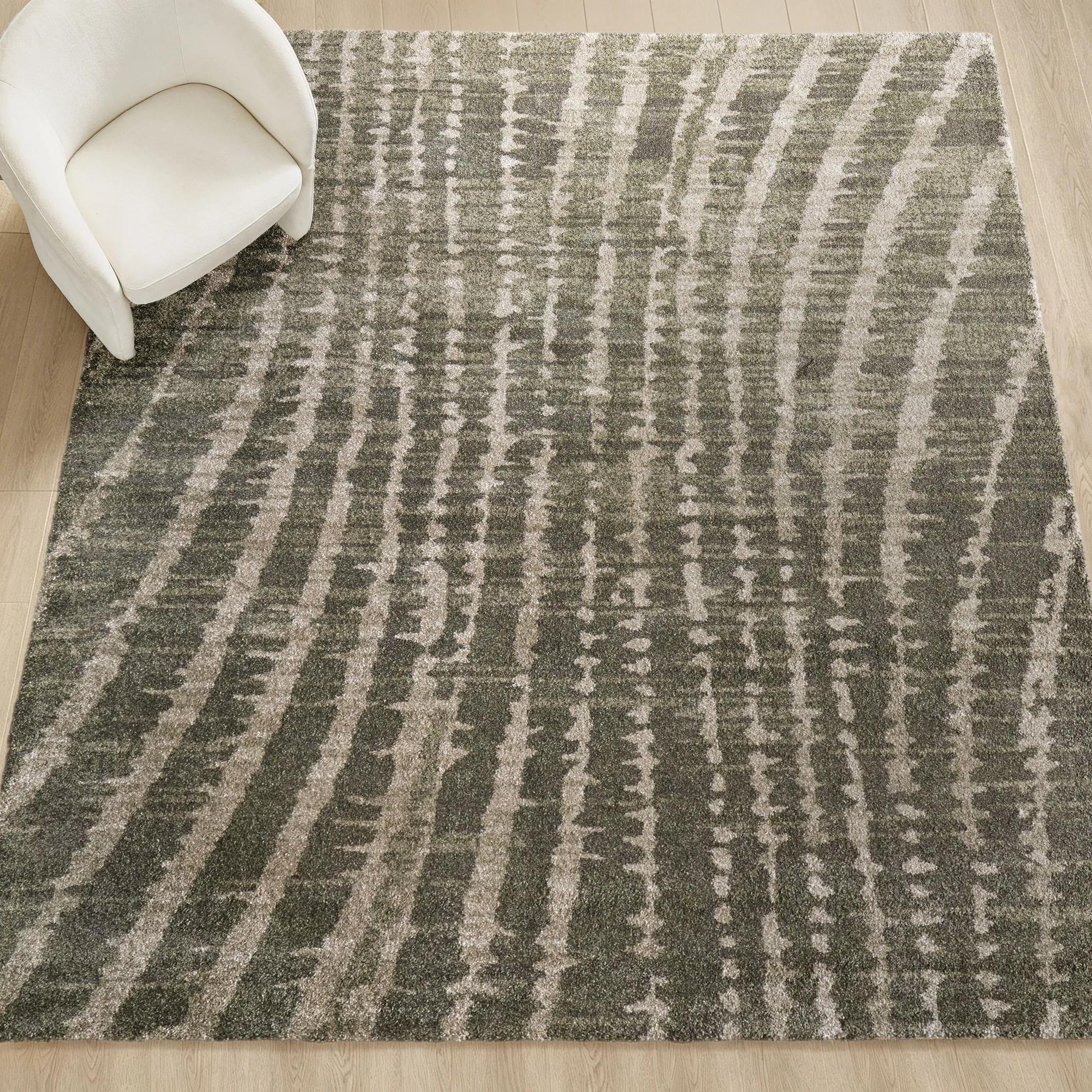
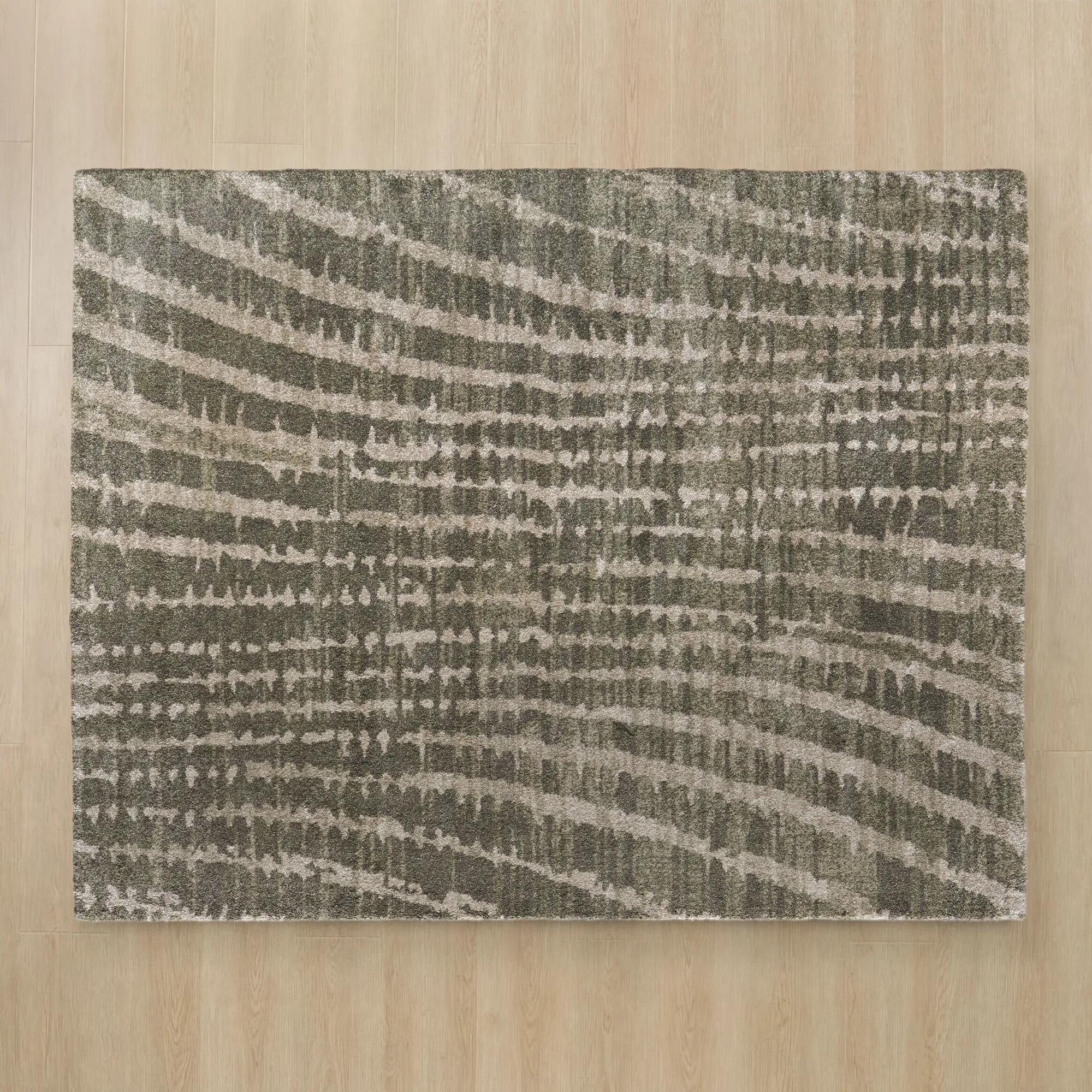 Tempo Green/Grey/Beige Performance Power Loomed Rug$1349
An abstract charcoal grey and beige rug with plush, power-loomed polypropylene and polyester construction.
Add To Cart -
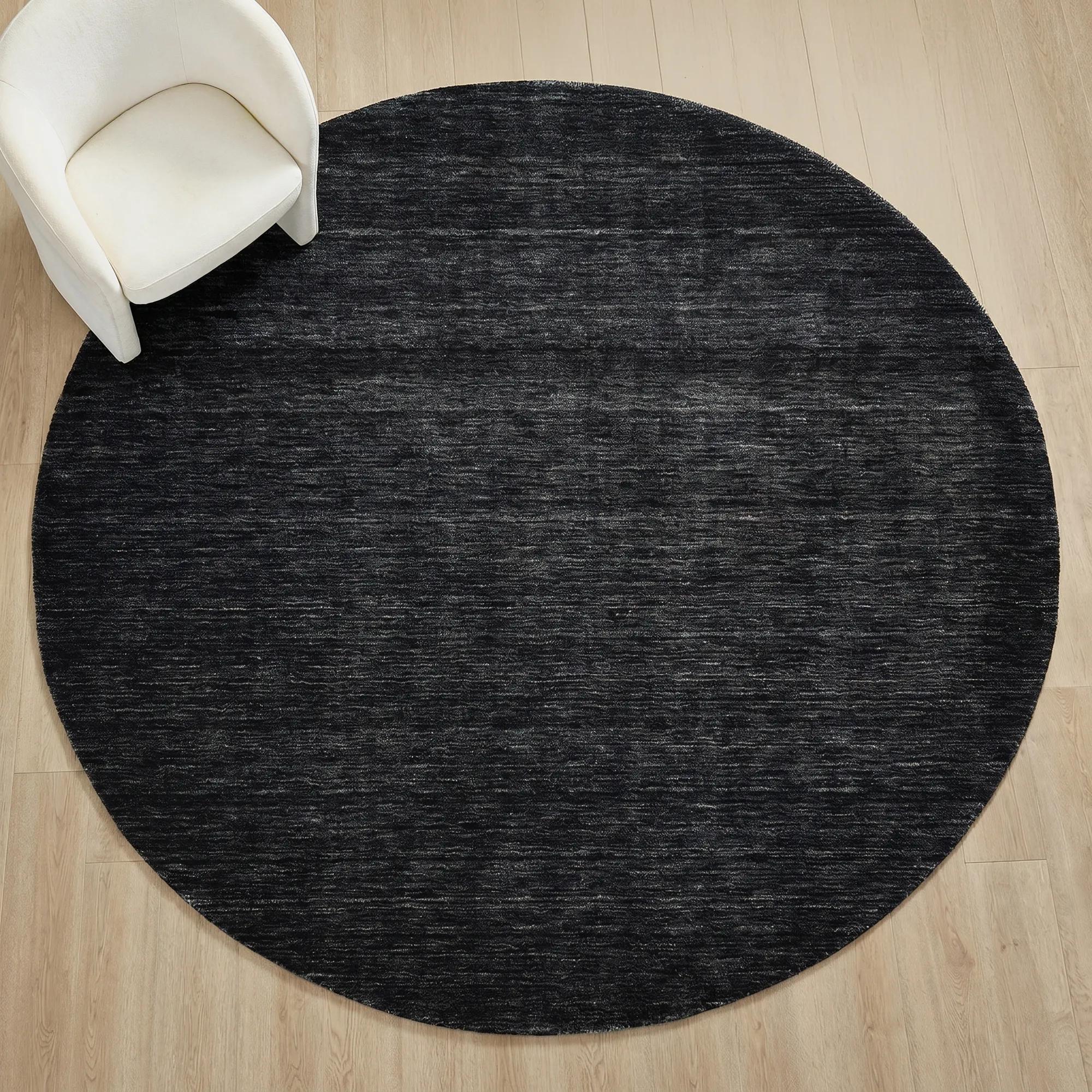 Juni Hand Woven Heathered Black Rug$799
A handwoven round wool rug in heathered black, offering durable texture and moody, contemporary style.
Add To Cart -
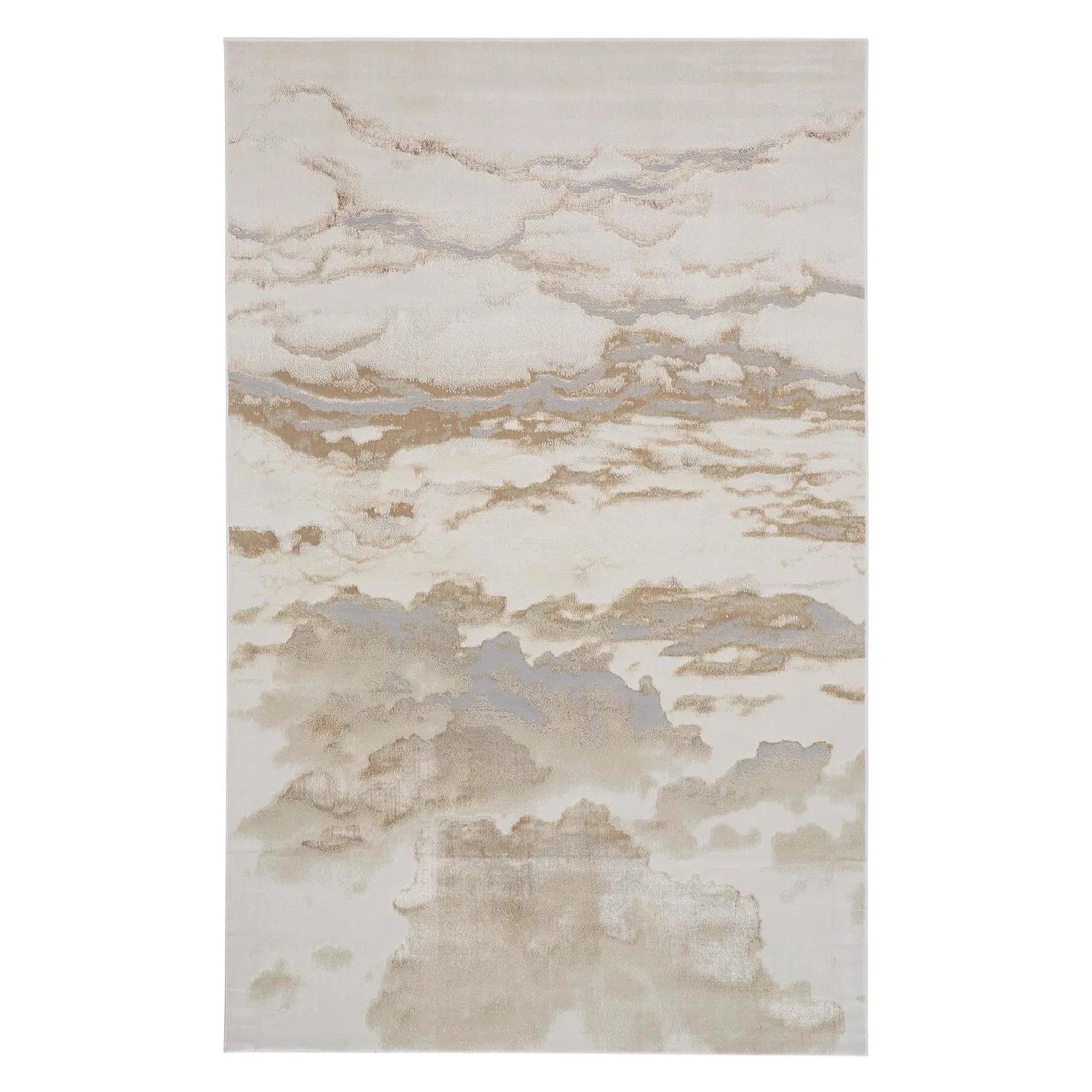
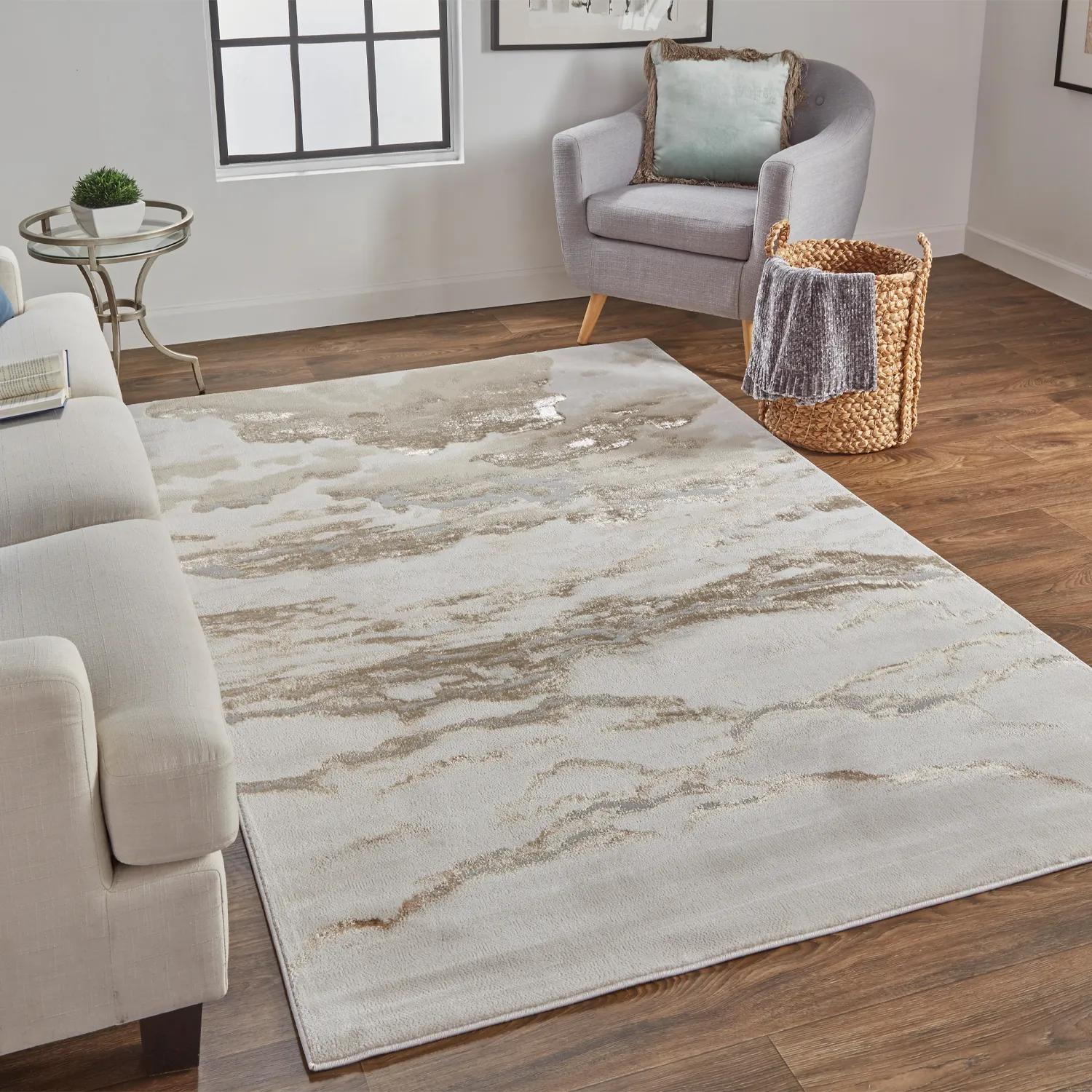 Tide Power-Loomed Beige/Gold/Ivory Rug$449
A machine-made rug in beige and gold, crafted from ultra-soft polyester and polypropylene for elegant appeal.
Add To Cart -
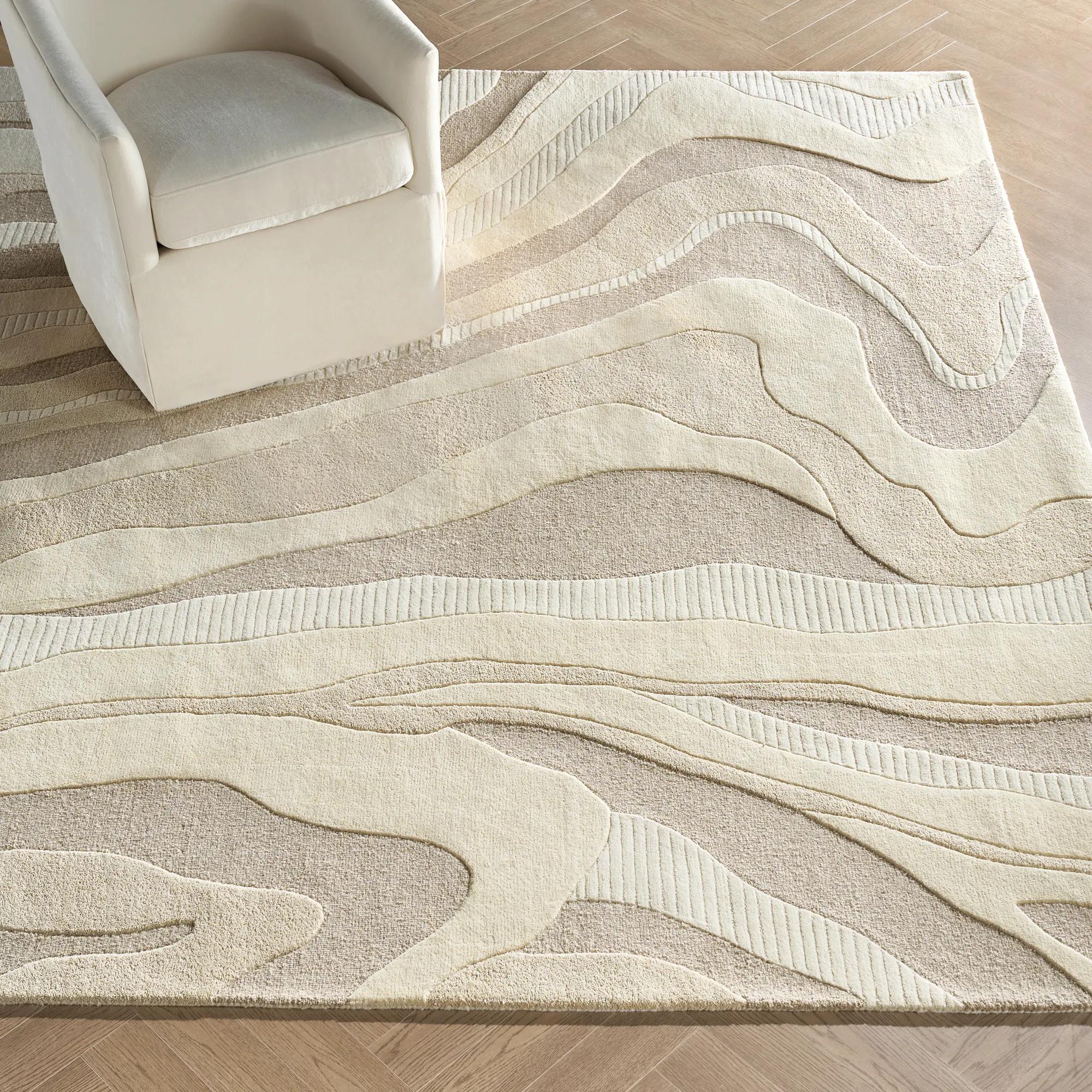 Kadence Hand-Tufted Ivory/Tan Wool Rug$499
A hand-tufted wool rug featuring a multi-textured swirl design in ivory and tan for elegant depth.
Add To Cart -
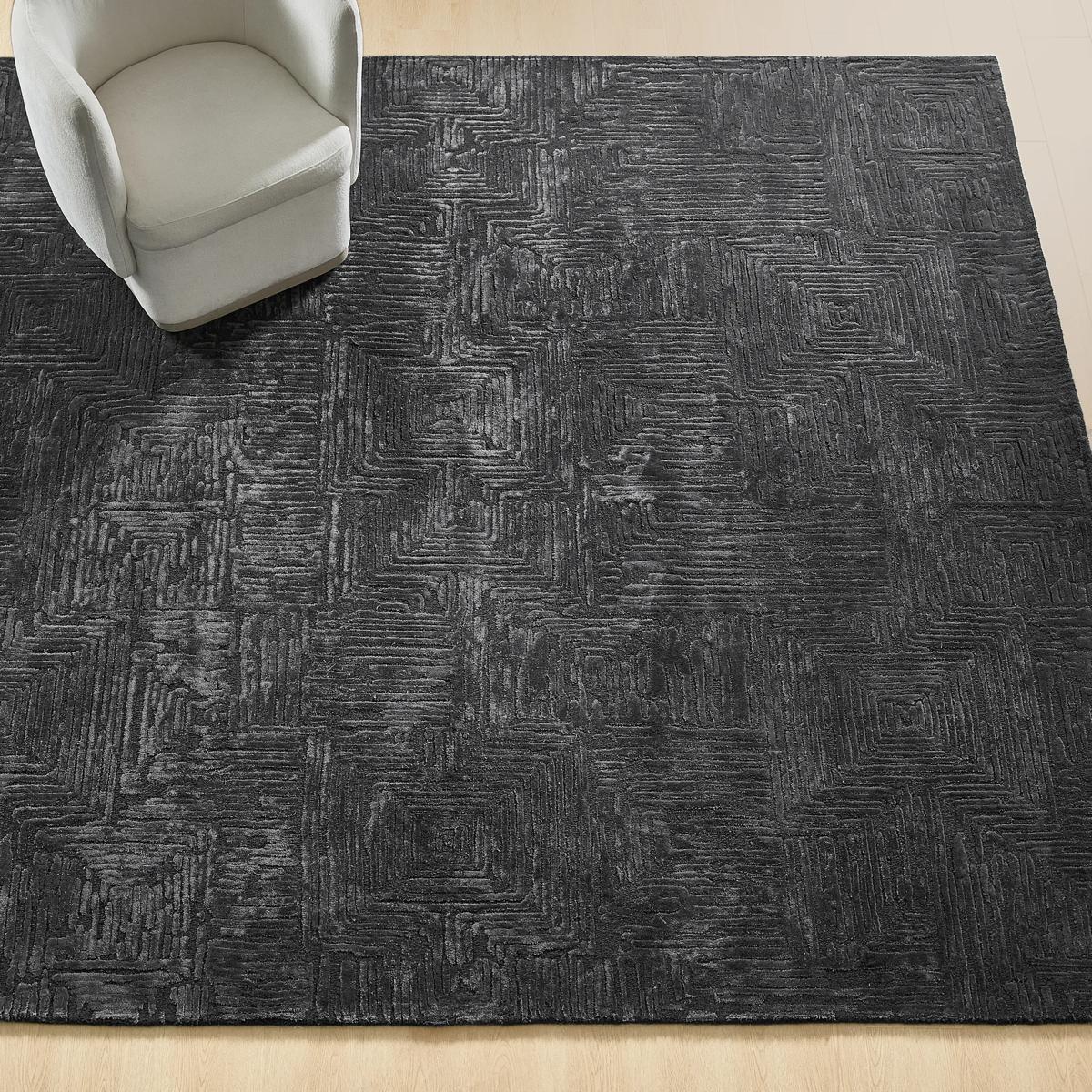
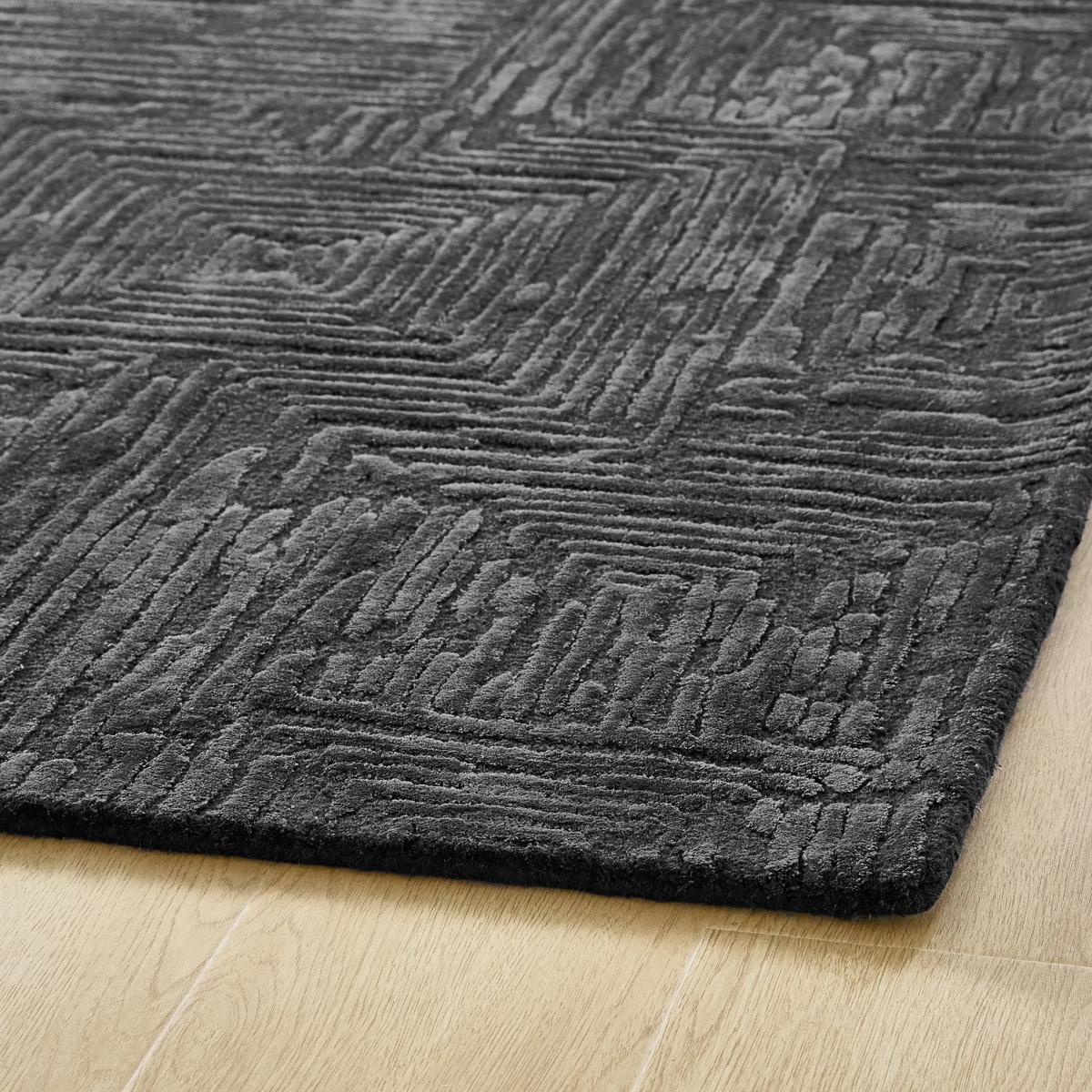 Andra Charcoal Hand-Tufted Wool Blend Dimensional Rug$999
A hand-tufted viscose-wool rug in rich charcoal with a sculptural, dimensional pattern and plush texture.
Add To Cart -
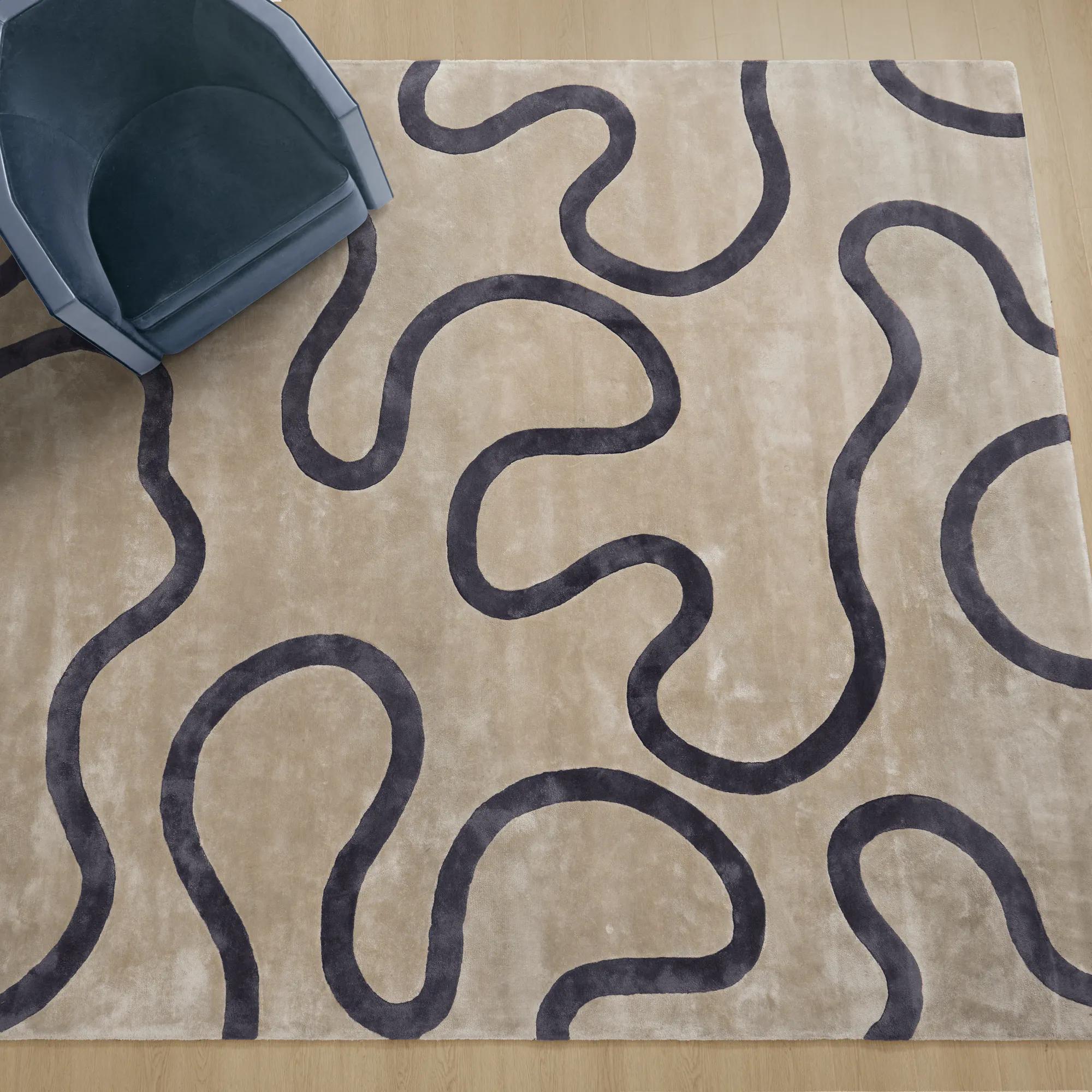 Seraphine Hand-Tufted Smoked Pearl/Taupe Viscose Loop Rugs$1199
A hand-tufted viscose rug featuring bold loop patterns in smoked pearl and taupe for modern elegance.
Add To Cart -
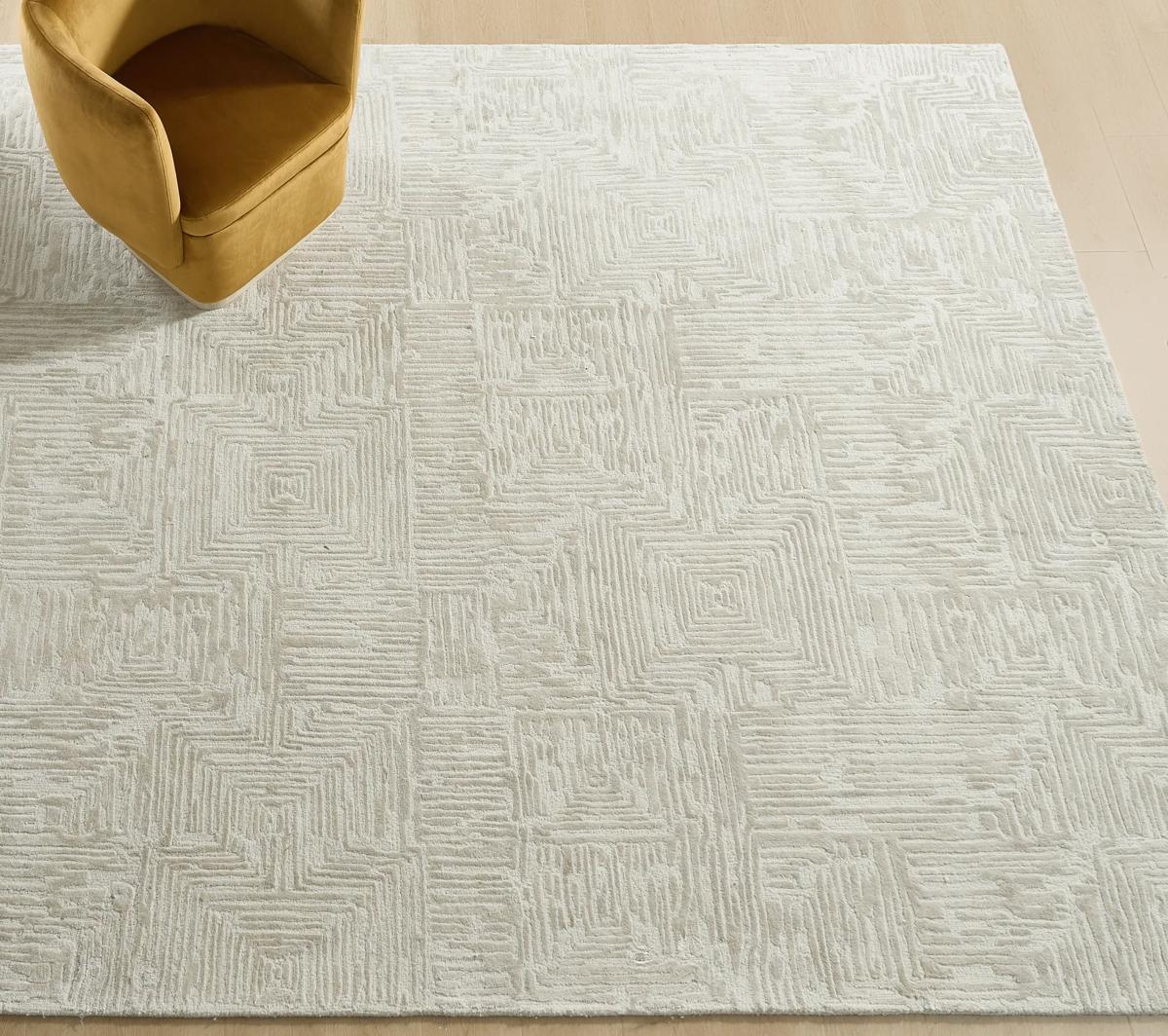 Andra Ivory Hand-Tufted Wool Blend Dimensional Rug$499
A hand-tufted ivory rug in a viscose-wool blend with raised textural detailing and subtle sheen.
Add To Cart -
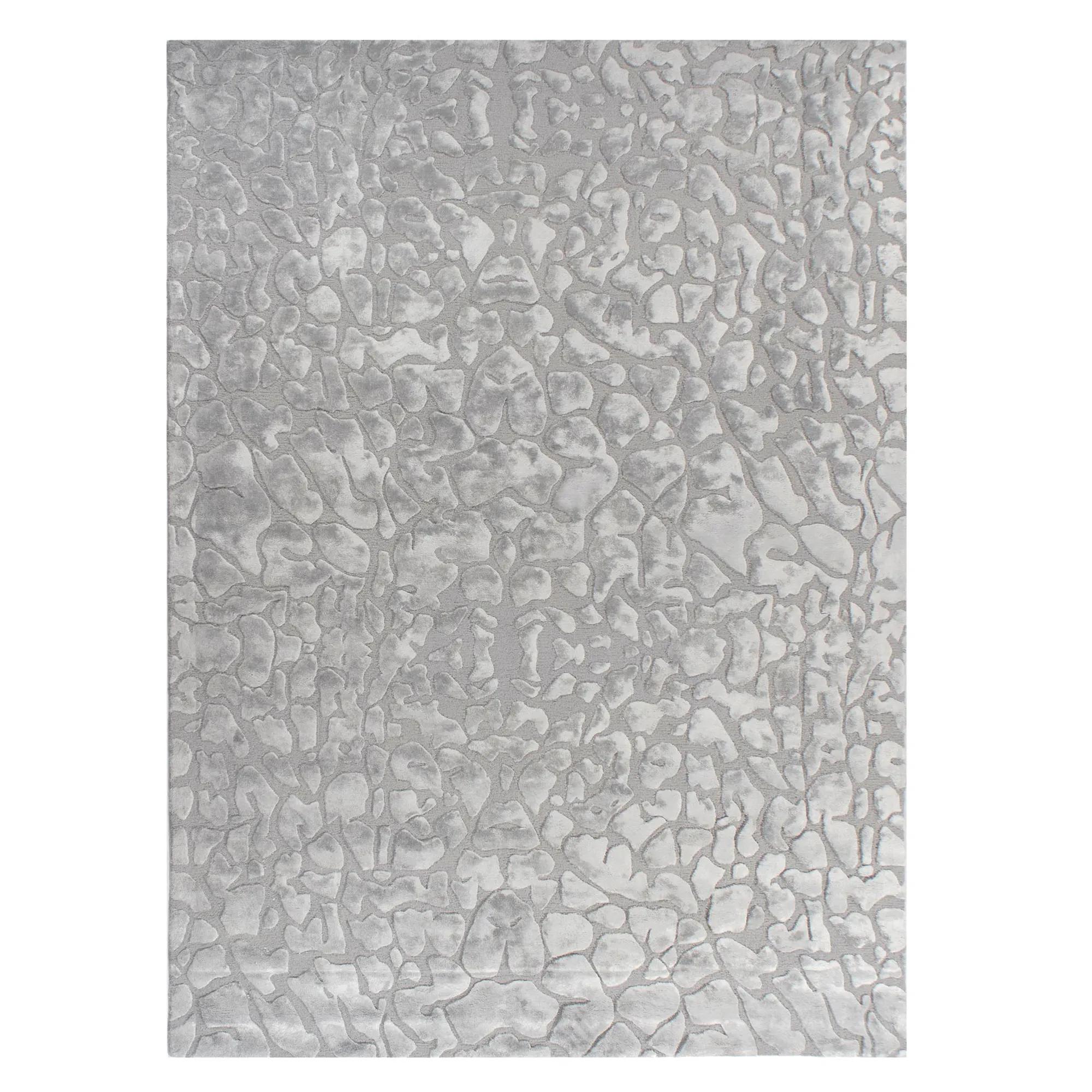
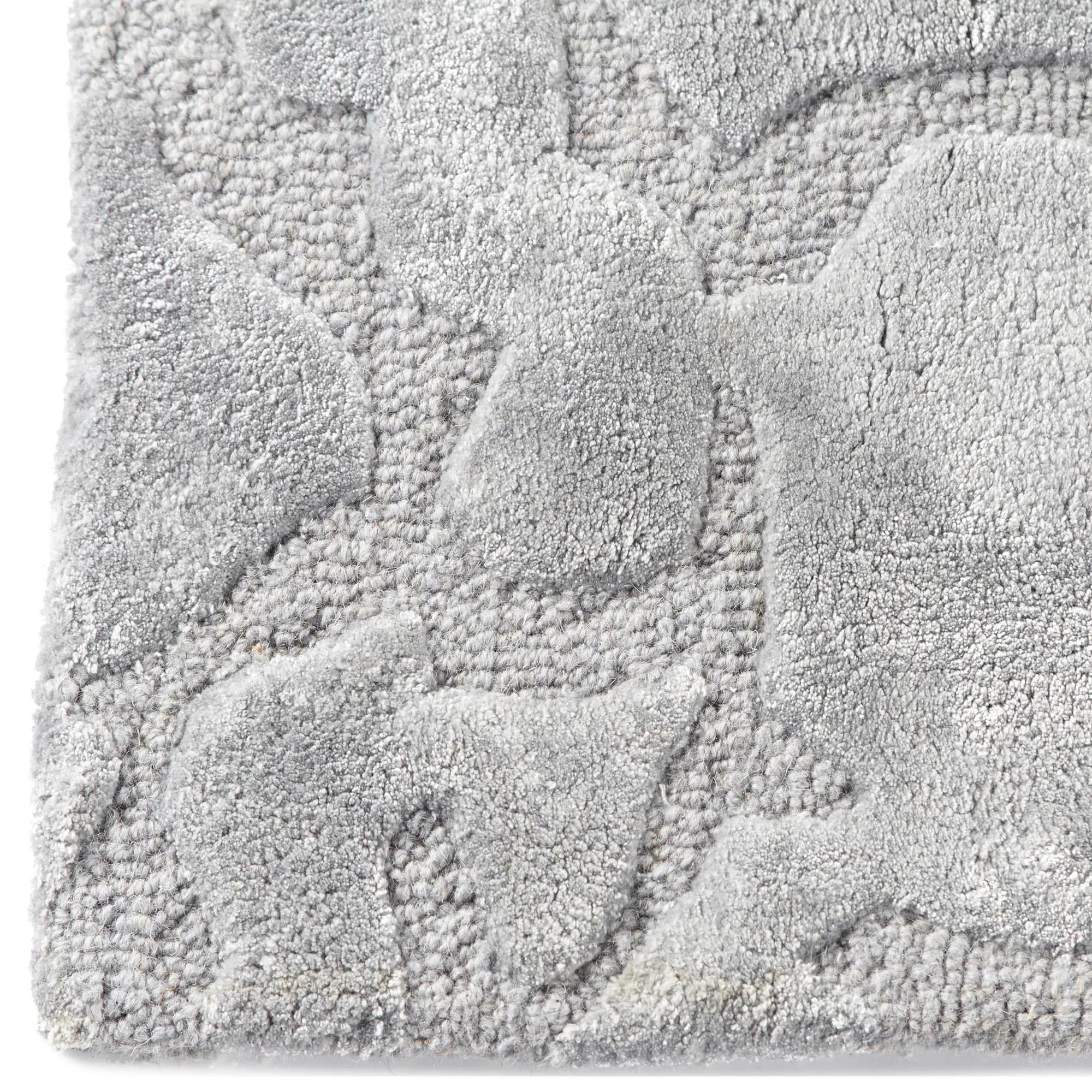 Nola Hand-Tufted Cool Grey Wool Blend Rug$849
A hand-tufted silver rug with contrasting pile heights, crafted from wool and viscose for plush texture.
Add To Cart -
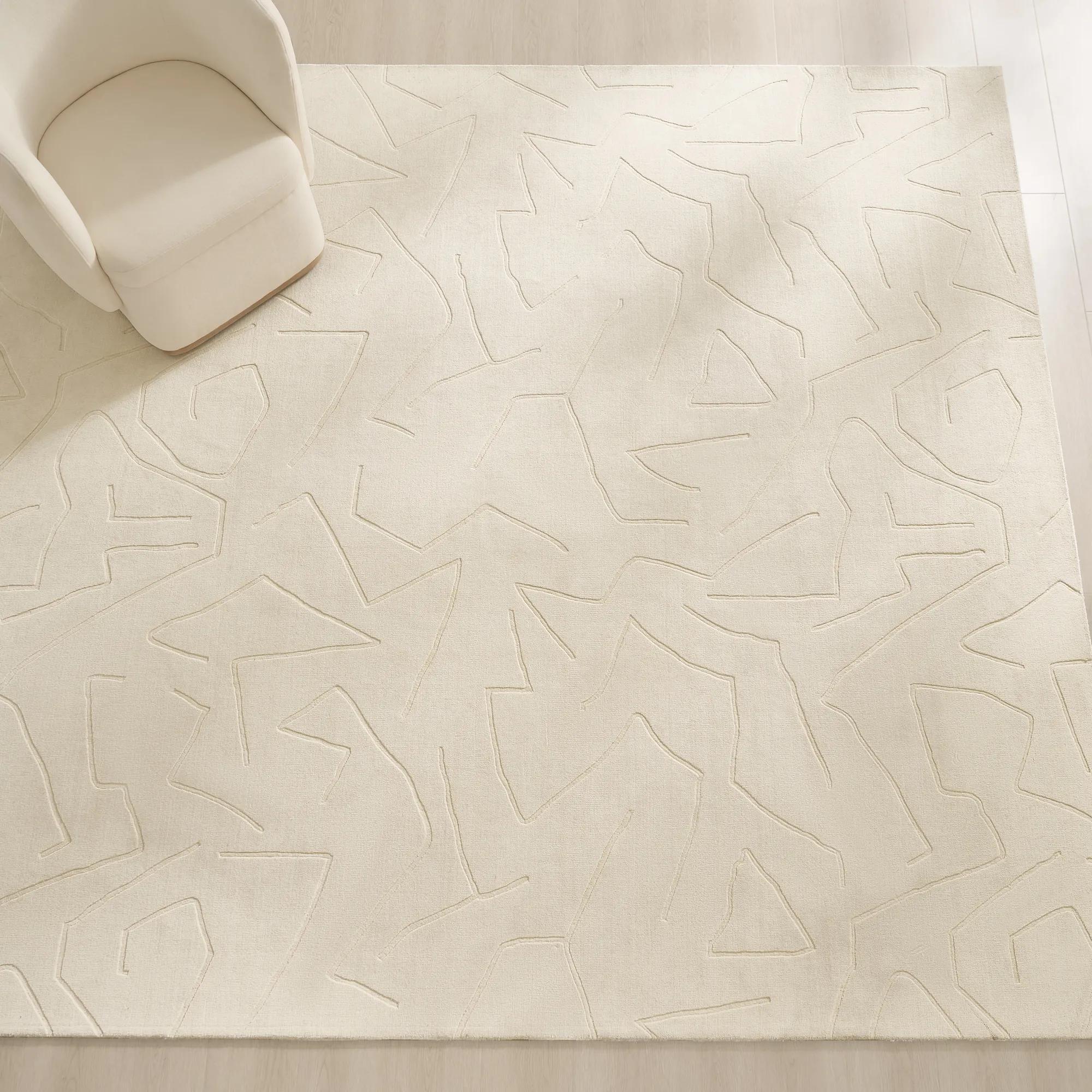 Carved Maze Ivory Hand-Loomed Wool Blend Rug$1399
A hand-loomed ivory wool-blend rug featuring a carved maze pattern for modern textural appeal.
Add To Cart -
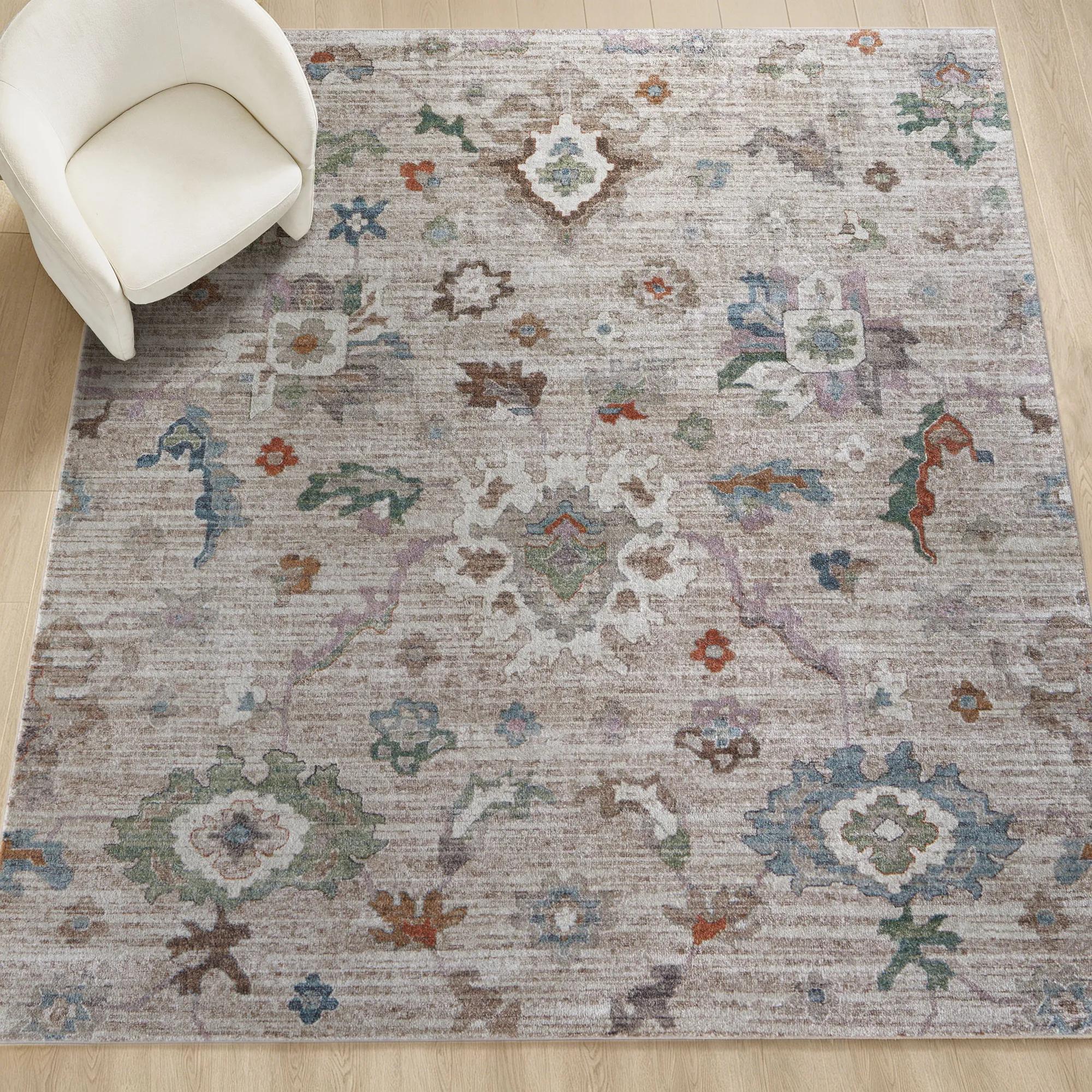
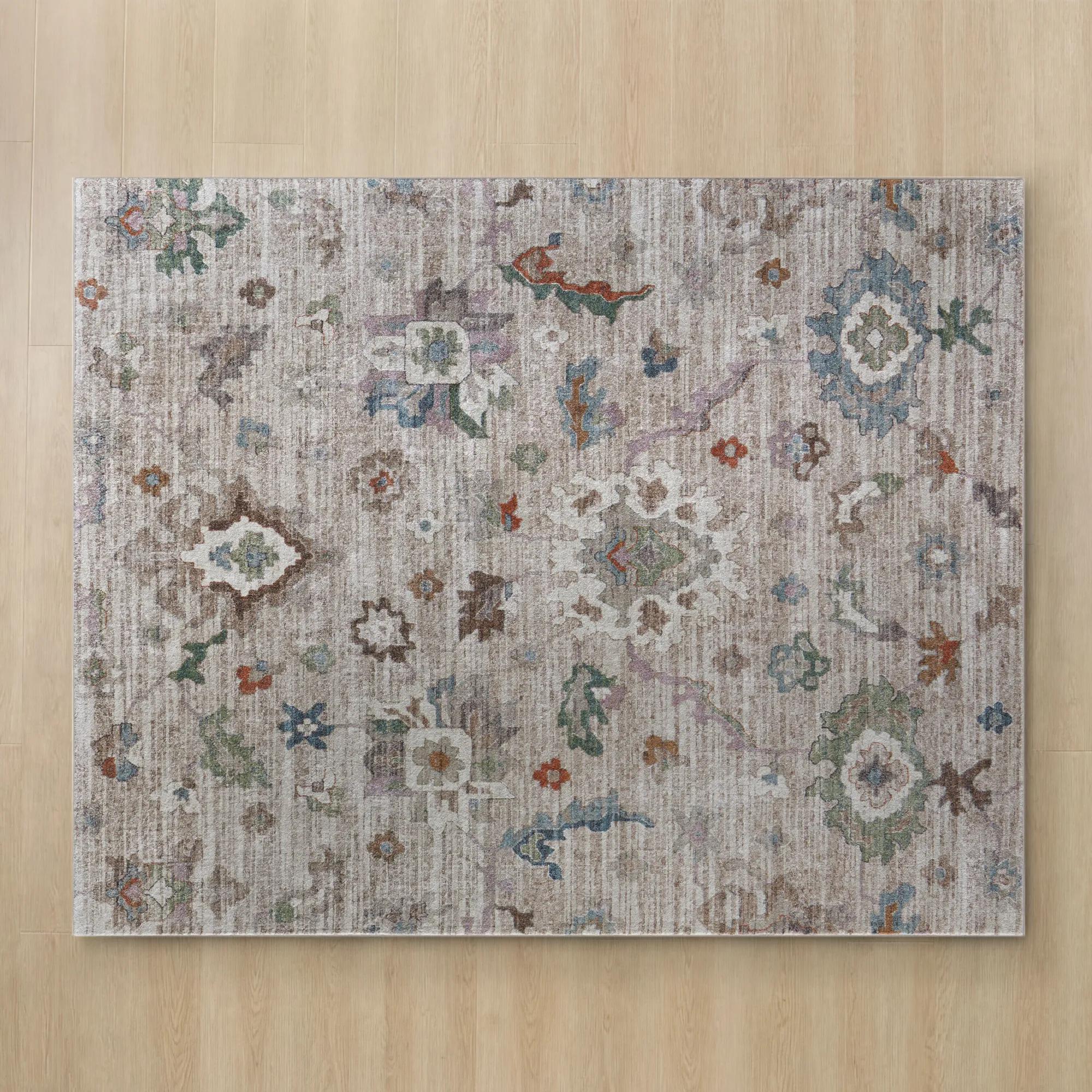 Ariella Floral Taupe/Ivory/Beige/Blue/Green Performance Power Loomed Rug$1499
A Persian-inspired rug in taupe, ivory, beige, blue, and green with a plush, power-loomed polypropylene pile.
Add To Cart -
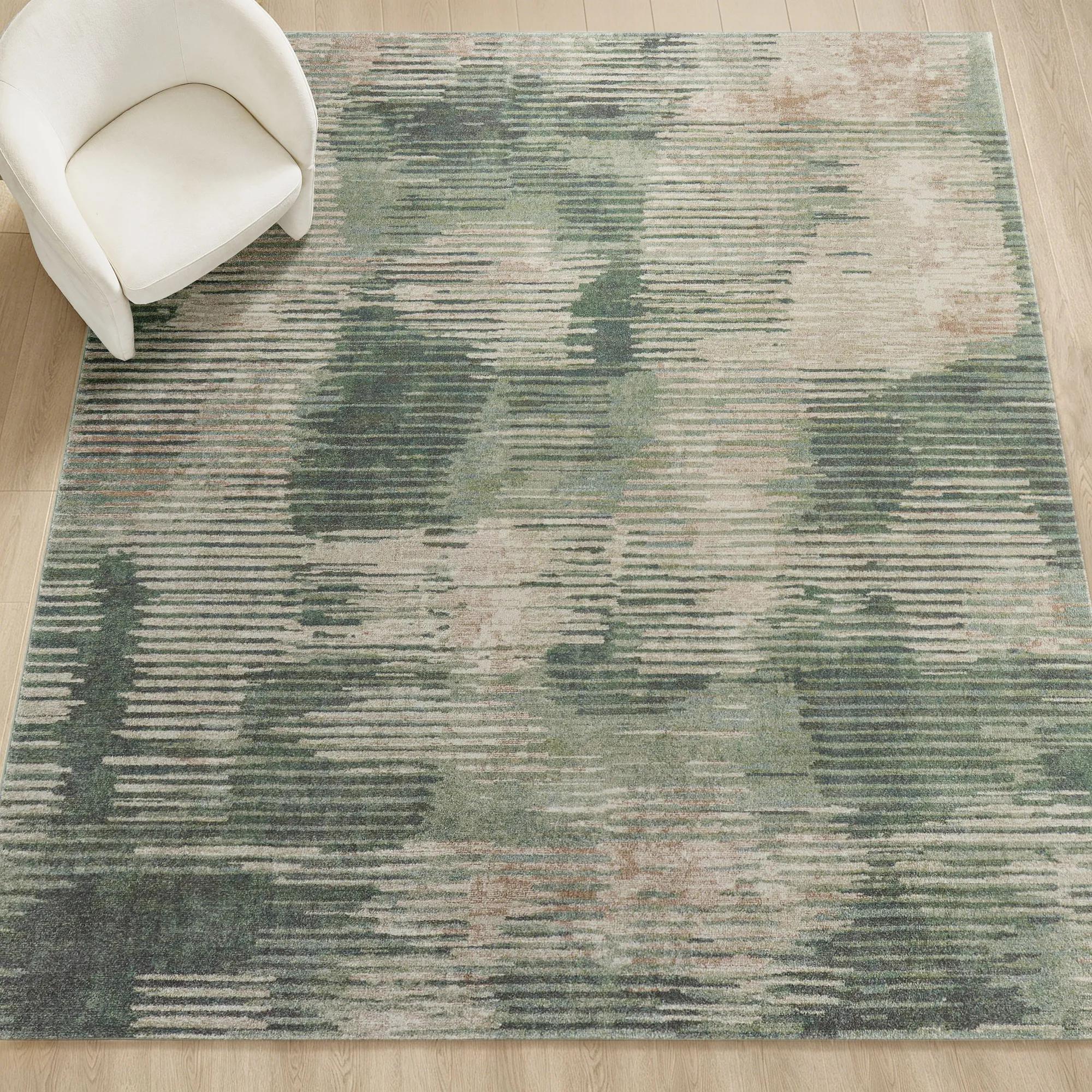
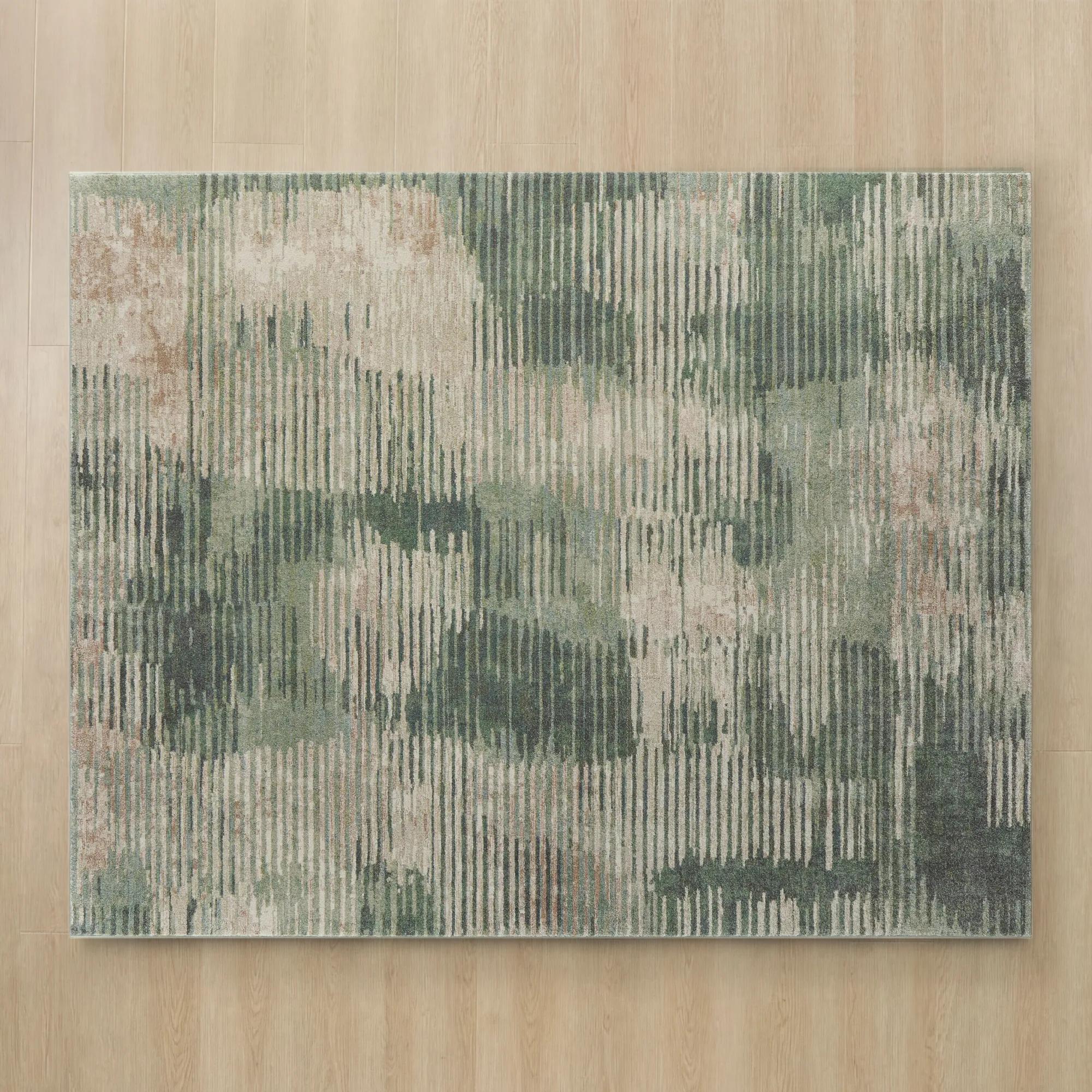 Sylvan Green/Beige Power Loomed Rug$689
A contemporary rug featuring a smoked olive green and beige organic pattern with a soft, power-loomed polypropylene pile.
Add To Cart -
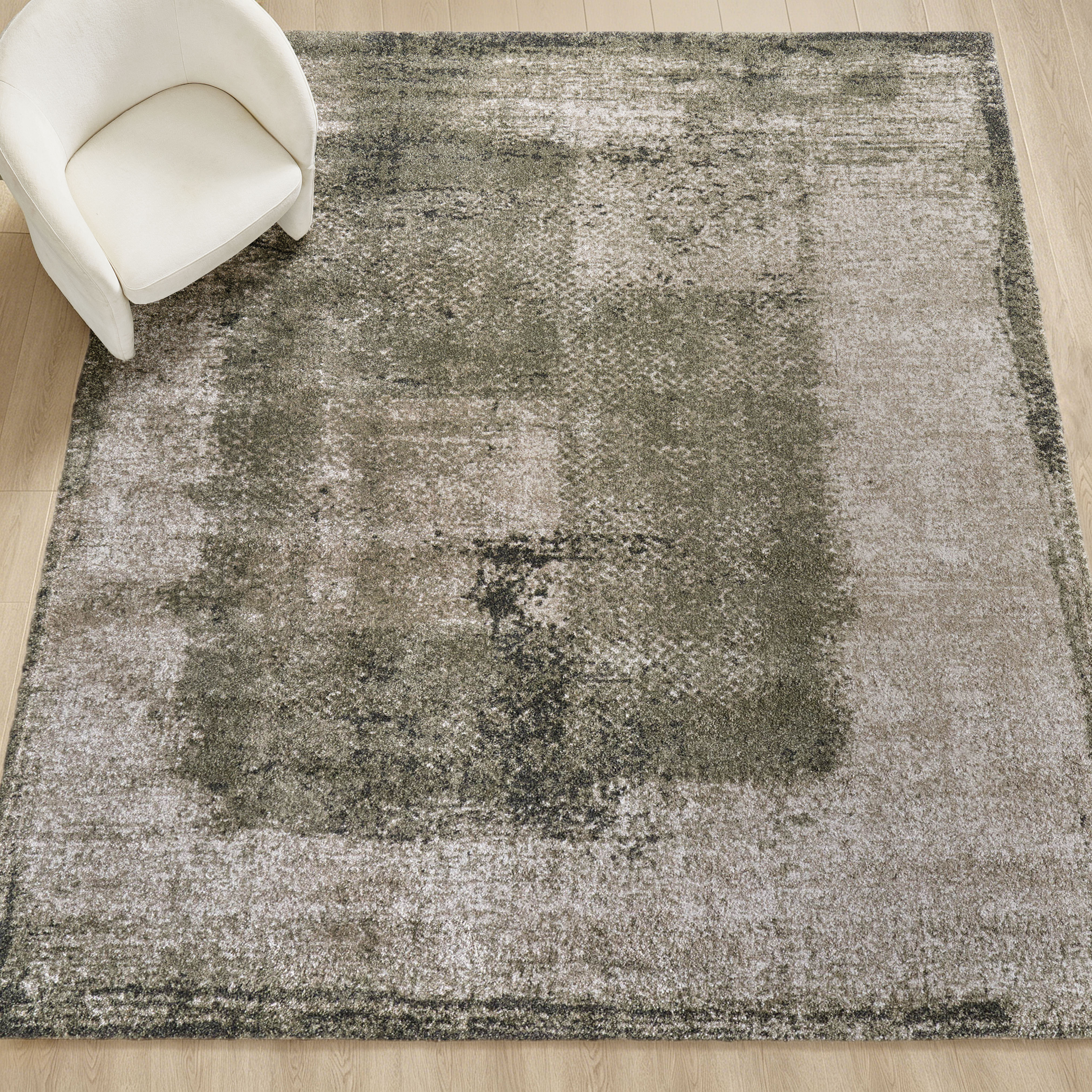
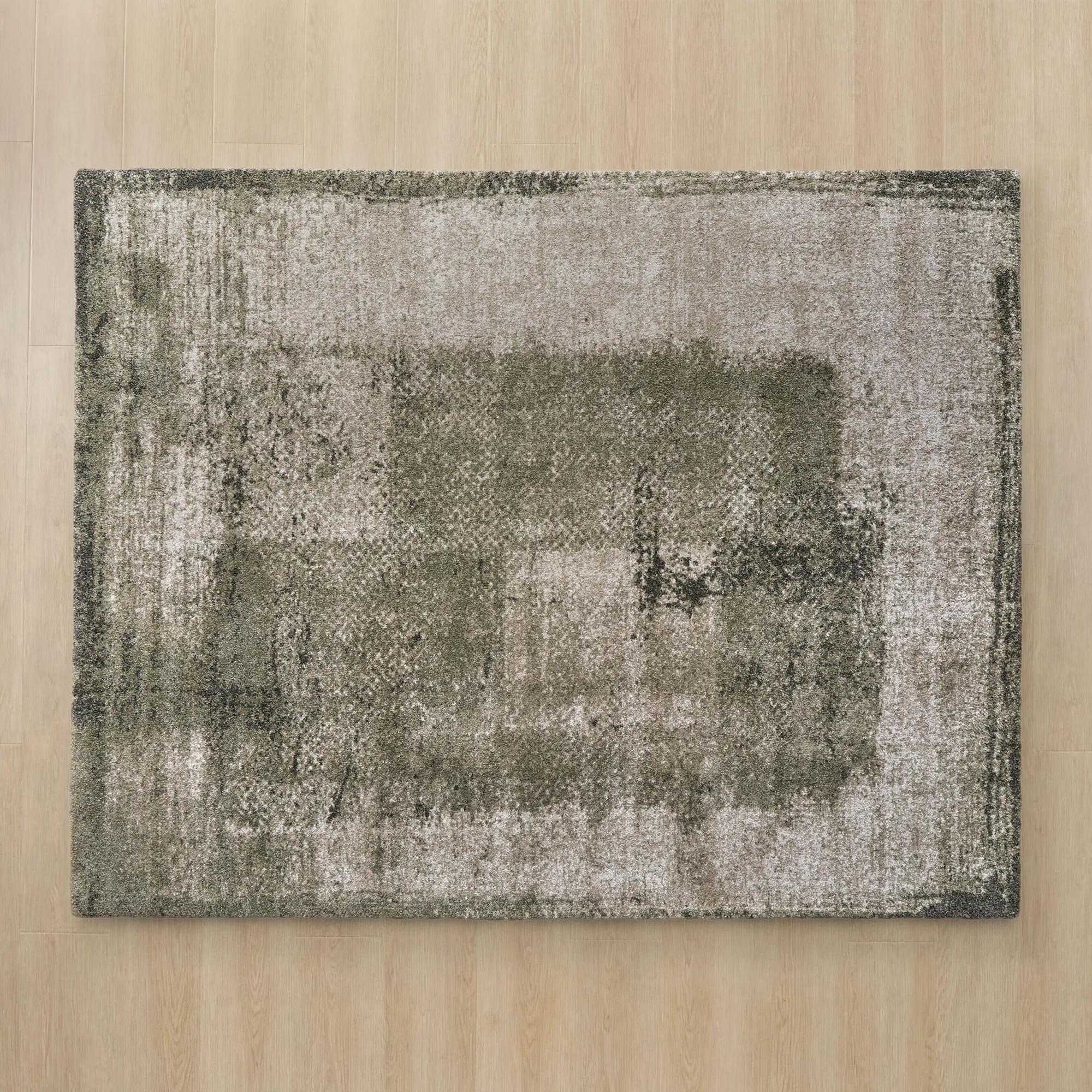 Irving Abstract Moss Green/Beige/Grey Performance Power Loomed Rug$849
An abstract rug in moss green, beige, and grey with plush, durable power-loomed polypropylene and polyester.
Add To Cart -
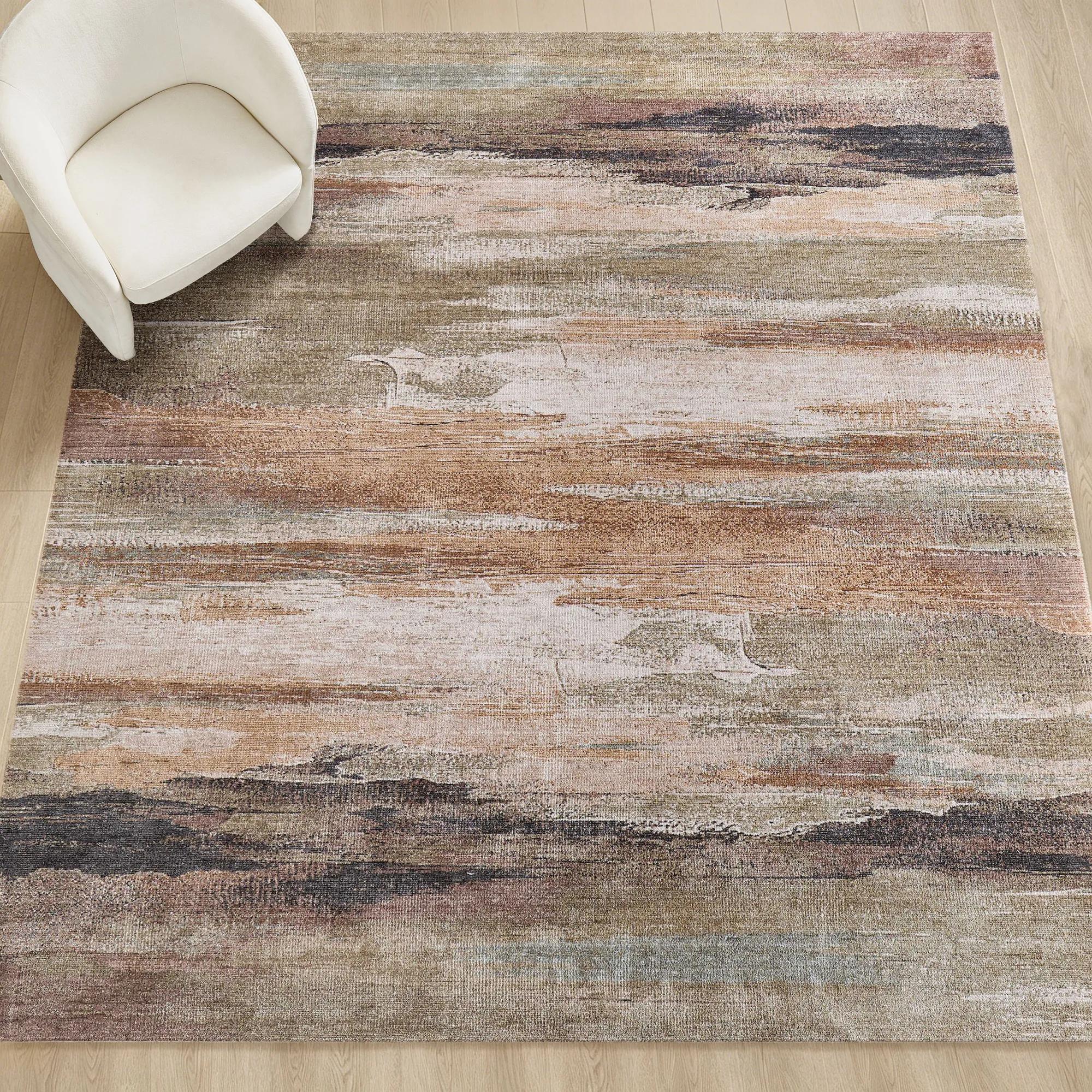
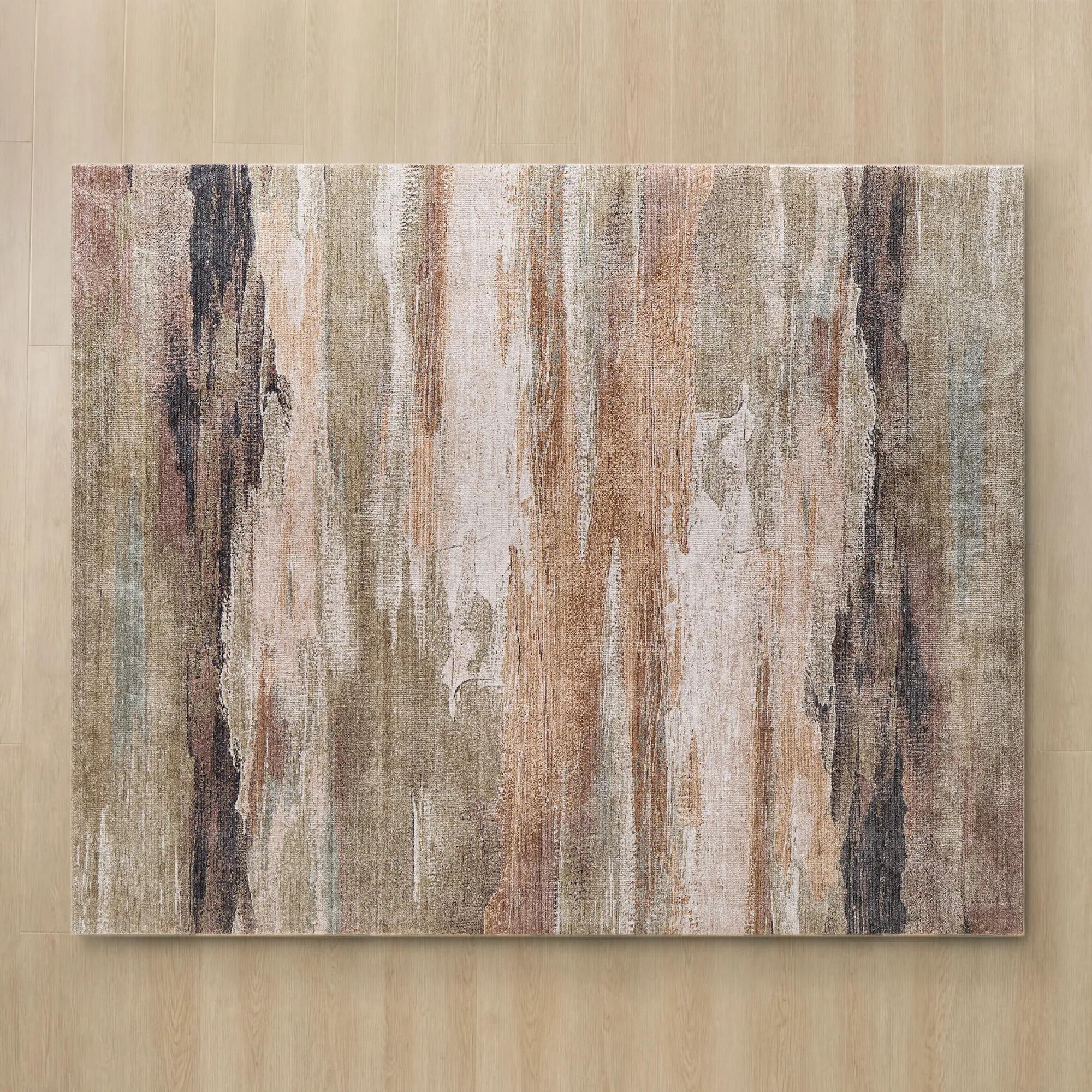 Sedona Rust/Beige/Moss Green/Charocal/Blue Performance Power Loomed Rug$599
A plush, power-loomed polyester rug featuring a rich abstract pattern in rust, beige, moss green, charcoal, and blue.
Add To Cart

Neutral Rugs For Entryways
Step into a world where first impressions linger—where neutral rugs for entryways set the stage with understated elegance and quiet drama. Each piece is thoughtfully designed to anchor your foyer in sophistication, inviting guests into a sanctuary of refined taste. Subtle hues and artful textures blend seamlessly with any aesthetic, transforming transitional spaces into curated moments of calm and allure. Let your entryway whisper of luxury from the very first step—because every journey home deserves a grand entrance.
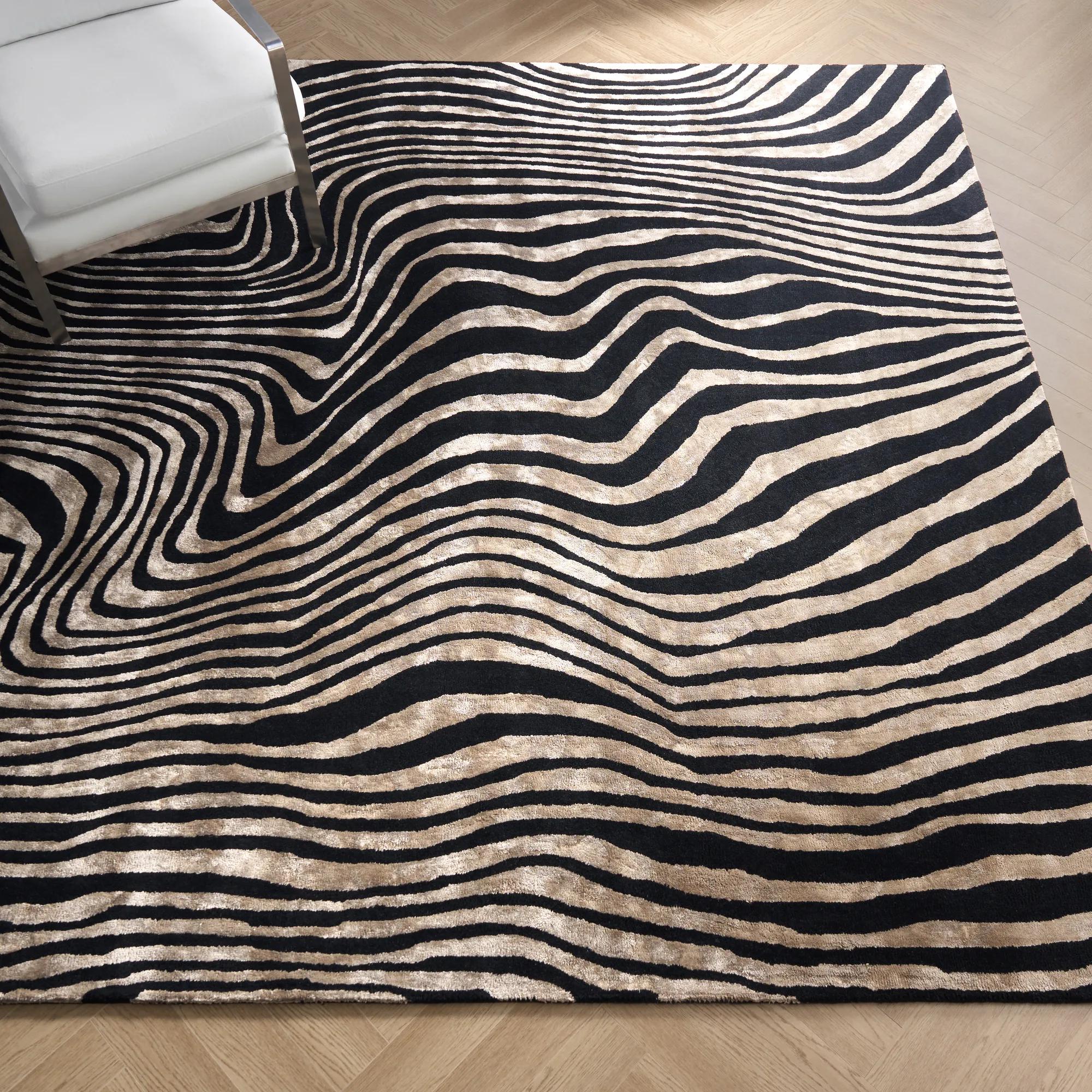
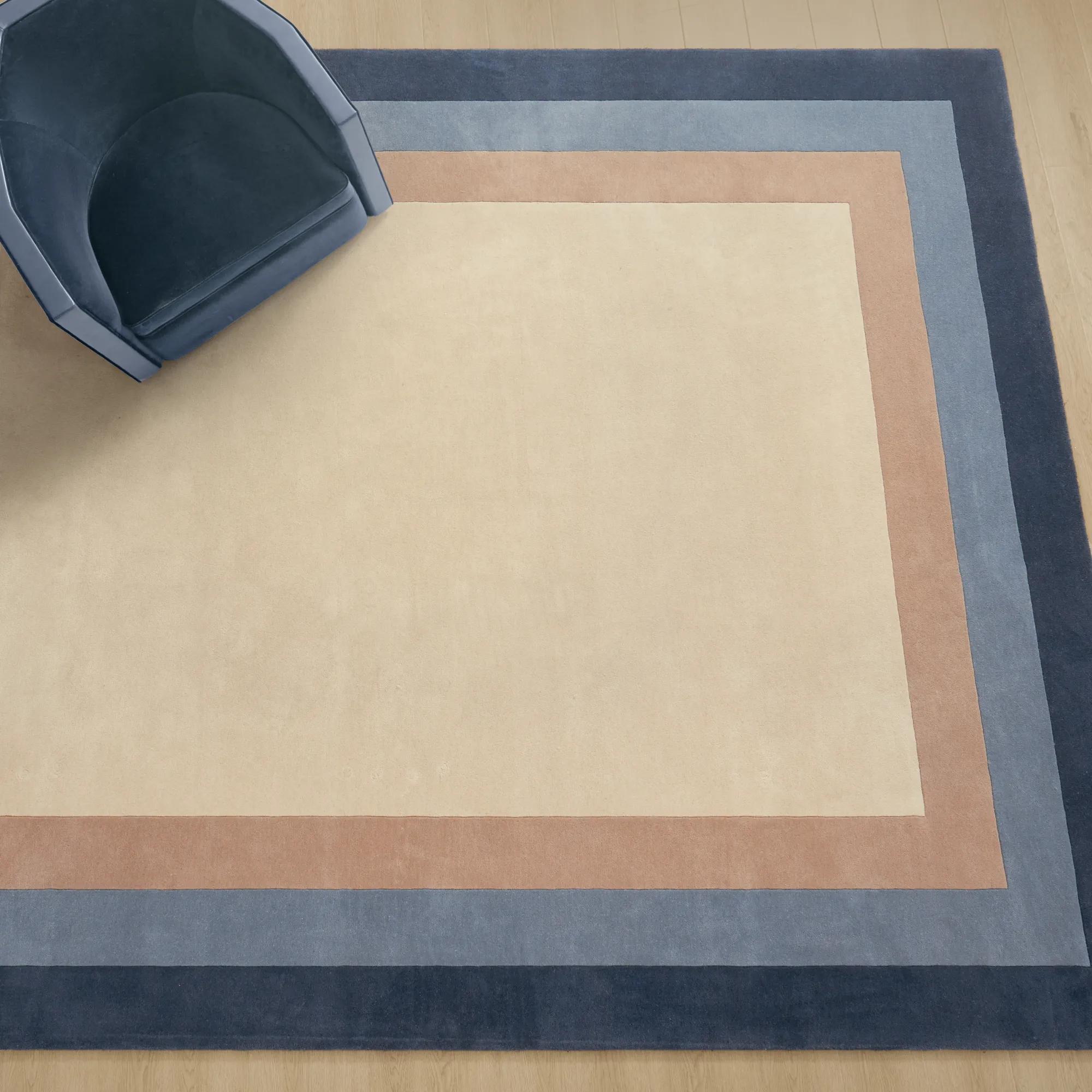
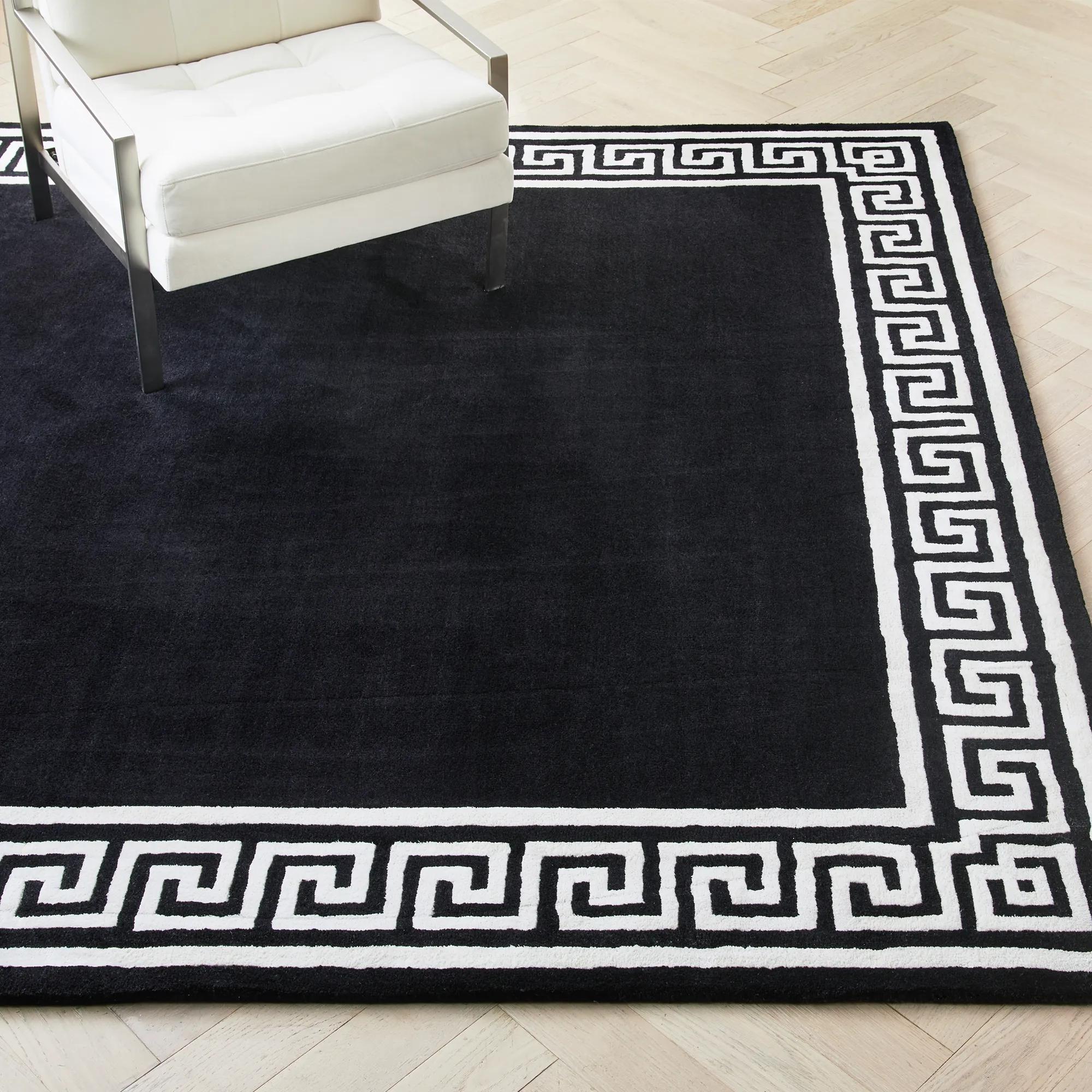
Neutral rugs for entryways create a composed first impression through shades of ivory, beige, sand, taupe, greige, and soft gray. Their appeal lies in balance: they give a busy threshold visual calm while introducing the texture, pattern, and definition that make an entrance feel intentionally furnished. A creamy rug beneath a sculptural console can soften dark wood flooring; a warm taupe runner can lend depth to pale stone without competing with a dramatic mirror or gleaming chandelier. Neutral does not have to mean nearly invisible. Tonal borders, raised geometric details, irregular lines, and subtle variations in the yarn can bring remarkable dimension to a restrained palette. The most compelling choice often echoes one existing finish—a limestone tabletop, an upholstered bench, a brushed-metal frame—without matching every surface. Undertones matter here. Beige with a golden cast creates a different effect from a gray-beige with cooler notes, especially beside richly stained wood or crisp white millwork. Viewing a rug’s color alongside the surrounding floor and furnishings helps establish a cohesive entrance rather than a disconnected patch of color. For an entry that opens directly into a living space, a neutral entryway rug can establish a distinct arrival area while keeping the larger room visually connected. In a narrow foyer, a softly patterned runner draws the eye forward and gives the passage a finished rhythm. Pale solids offer a luminous foundation, though they tend to reveal marks more readily than heathered or gently patterned designs. Blended shades of oatmeal, stone, and mushroom can make small traces of everyday traffic less conspicuous between cleanings. For a more expressive treatment within a quiet palette, abstract rugs for entryways introduce painterly movement and artful contrast without requiring saturated color. The result can feel serene or richly layered, depending on the surrounding furnishings, with the rug providing an elegant foundation rather than competing for attention.
Proportion gives an entryway rug its presence, and a well-chosen size should suit both the architecture and the way people move through the space. A 2-by-3-foot rug can define a compact landing just inside a door, while a 3-by-5-foot or 4-by-6-foot rug may give a broader foyer a more substantial foundation. These dimensions are starting points rather than fixed rules; the door swing, nearby furniture, and clear walking area should determine the final fit. Measure the usable floor, then check how the rug’s outline relates to the doorway, console, closet doors, and any adjoining passage. Painter’s tape can make that footprint easier to judge before committing to a size. In a long entry hall, a runner looks most deliberate when it leaves a visible border of flooring along both sides and does not crowd the transitions at either end. A broad rectangular rug can balance a generous foyer, while a round shape may complement a curved staircase or soften an angular arrangement when the layout allows. Whatever the shape, avoid leaving an edge where it can catch beneath a frequently used door or interrupt a natural walking route. Low-pile rugs and flatweaves are often practical entryway choices because their slimmer profiles can provide better door clearance and make routine vacuuming more straightforward than deeply textured alternatives. Check the combined thickness of the rug and pad, not just the rug alone. A properly sized rug pad, selected for the rug construction and approved for the flooring beneath it, can help reduce shifting and cushion each arrival. Keep the pad slightly inside the rug’s edges so it remains concealed. Where a bench forms part of the entrance, position the rug to support comfortable movement around it without awkwardly straddling an edge. These considered relationships allow even a small foyer to feel generous, polished, and easy to navigate.
Material and construction shape how neutral entryway rugs feel underfoot and how gracefully they handle repeated use. Wool offers a resilient fiber with natural loft and a richly textured appearance, making it appealing where comfort and visual depth carry equal weight. Some wool rugs shed, particularly early in their use, and their care requirements depend on the weave, backing, and finishing details. Polypropylene and other synthetic fibers can offer durable, easy-care options, but performance varies by construction; a synthetic fiber alone does not guarantee that a rug is stain-resistant, machine-washable, or suitable for outdoor cleaning. Polyester can bring softness and subtle sheen, while cotton often provides a relaxed woven texture, with washability determined by the individual rug’s care label. Jute and sisal lend tactile richness and earthy color variation, though their absorbent fibers generally call for careful placement away from recurring spills and prompt attention to moisture. For an entrance used frequently by children, guests, or pets, tightly woven, low-profile designs can be easier to maintain than plush piles or prominent loops that may snag. A washable rug can be useful in a hardworking household, provided its dimensions, backing, and required wash method suit the equipment available. Check whether the entire rug is washable or whether only a removable cover can be cleaned. Everyday care begins with regular vacuuming using the setting recommended for the rug, with particular attention to edges and the path traveled most often. Blot spills promptly with a clean, absorbent cloth rather than rubbing them deeper into the fibers, and test any permitted cleaner in an inconspicuous area. Avoid soaking a rug or using a hose unless its care instructions expressly allow it. Rotating the rug periodically, where its shape and placement permit, can help distribute wear. With thoughtful attention to fiber, fit, and maintenance, a neutral rug gives the entryway more than a decorative finish: it creates a welcoming place to pause, set down a bag, and step into a home with a distinct sense of style.
FAQs
For entryways that experience frequent foot traffic, materials like wool, jute, sisal, and high-quality synthetic fibers are ideal. Wool offers a plush, resilient texture that ages gracefully, while natural fibers such as jute and sisal bring organic charm and durability. Synthetic blends provide easy maintenance and stain resistance, making them suitable for busy households.
Neutral rugs create a foundation of elegance that enhances any entryway, allowing statement furnishings and artful accents to shine. Their versatile hues blend seamlessly with both bold and understated decor, while their textures—whether plush, woven, or subtly patterned—add depth and sophistication to the space.
Absolutely. Neutral rugs make thoughtful, versatile gifts for new homeowners and those celebrating milestones. Their timeless appeal and adaptability ensure they complement a wide range of personal tastes and design styles, adding an instant touch of luxury and warmth to any entryway.
Layering textures, incorporating sculptural furniture, and adding dramatic lighting can turn a neutral rug into a striking design element. Consider pairing your rug with metallic accents, bold artwork, or lush greenery to infuse personality and dimension while maintaining a harmonious, inviting atmosphere.
Subtle geometric patterns, tonal stripes, and organic textures all complement the understated palette of a neutral rug. These motifs add visual intrigue without overwhelming the space, allowing the entryway to feel both welcoming and artfully curated.