High Traffic Area Rugs
High Traffic Area Rugs
-
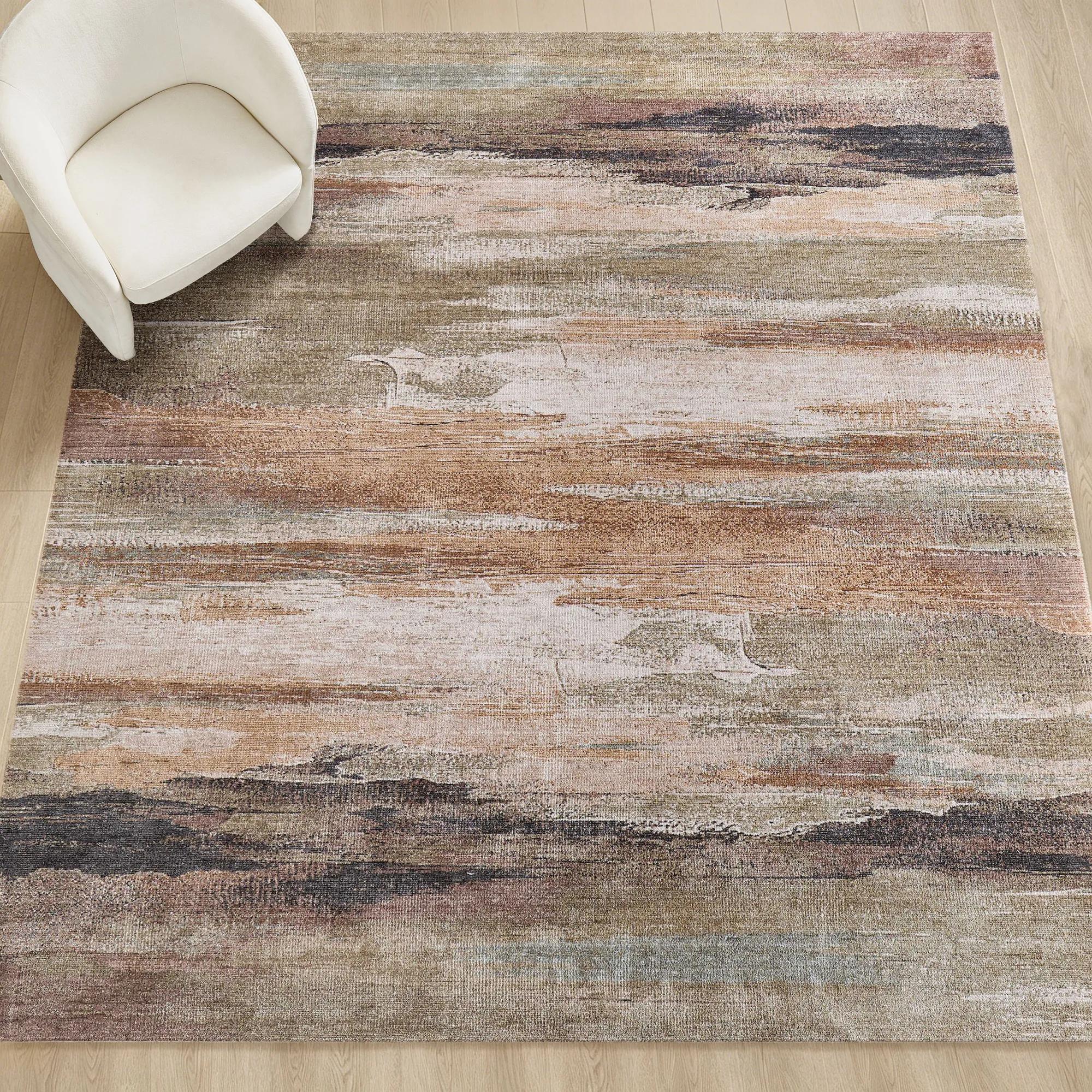
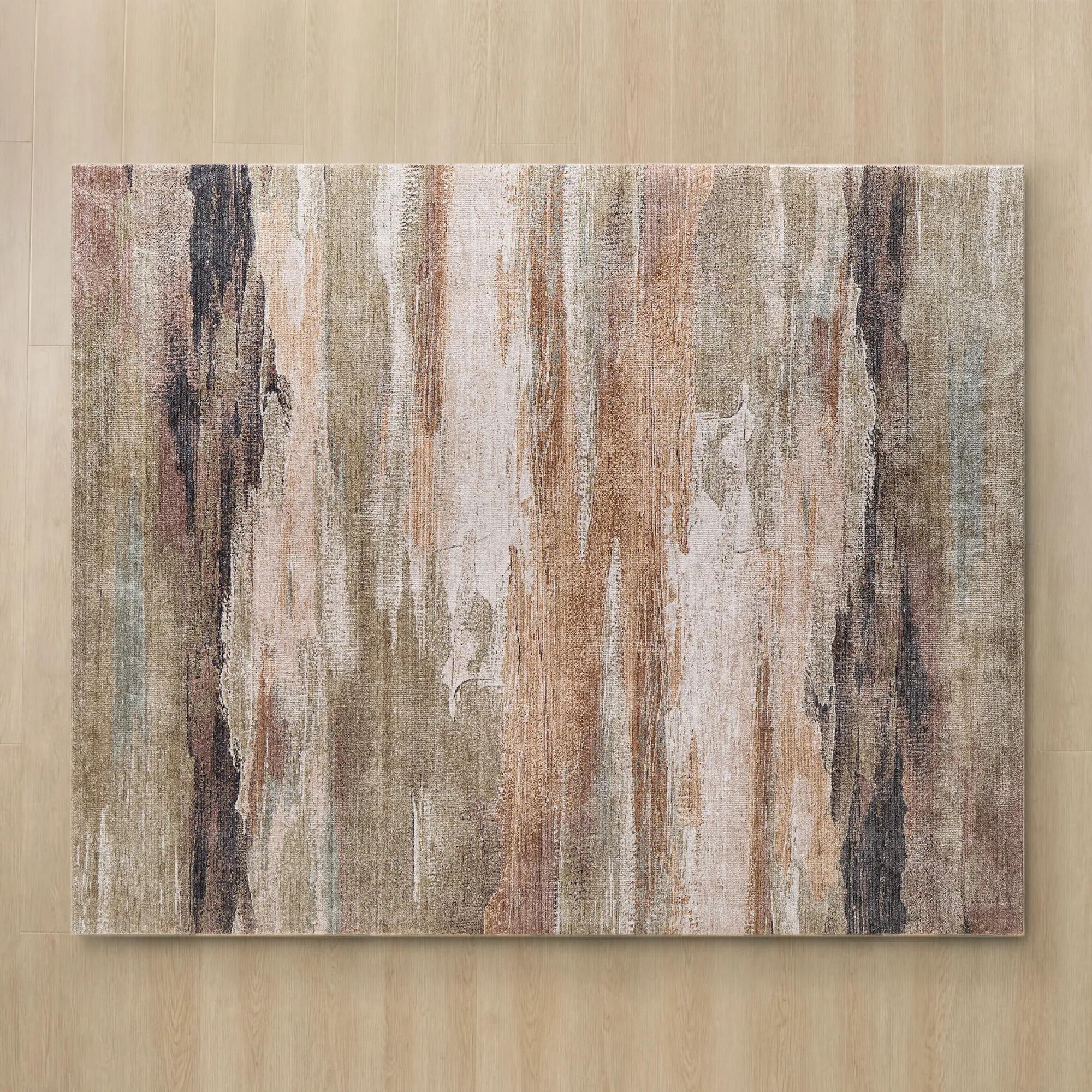 Sedona Rust/Beige/Moss Green/Charocal/Blue Performance Power Loomed Rug$1999
A power-loomed polyester rug featuring a rich abstract pattern in rust, beige, moss green, charcoal, and blue.
Add To Cart -
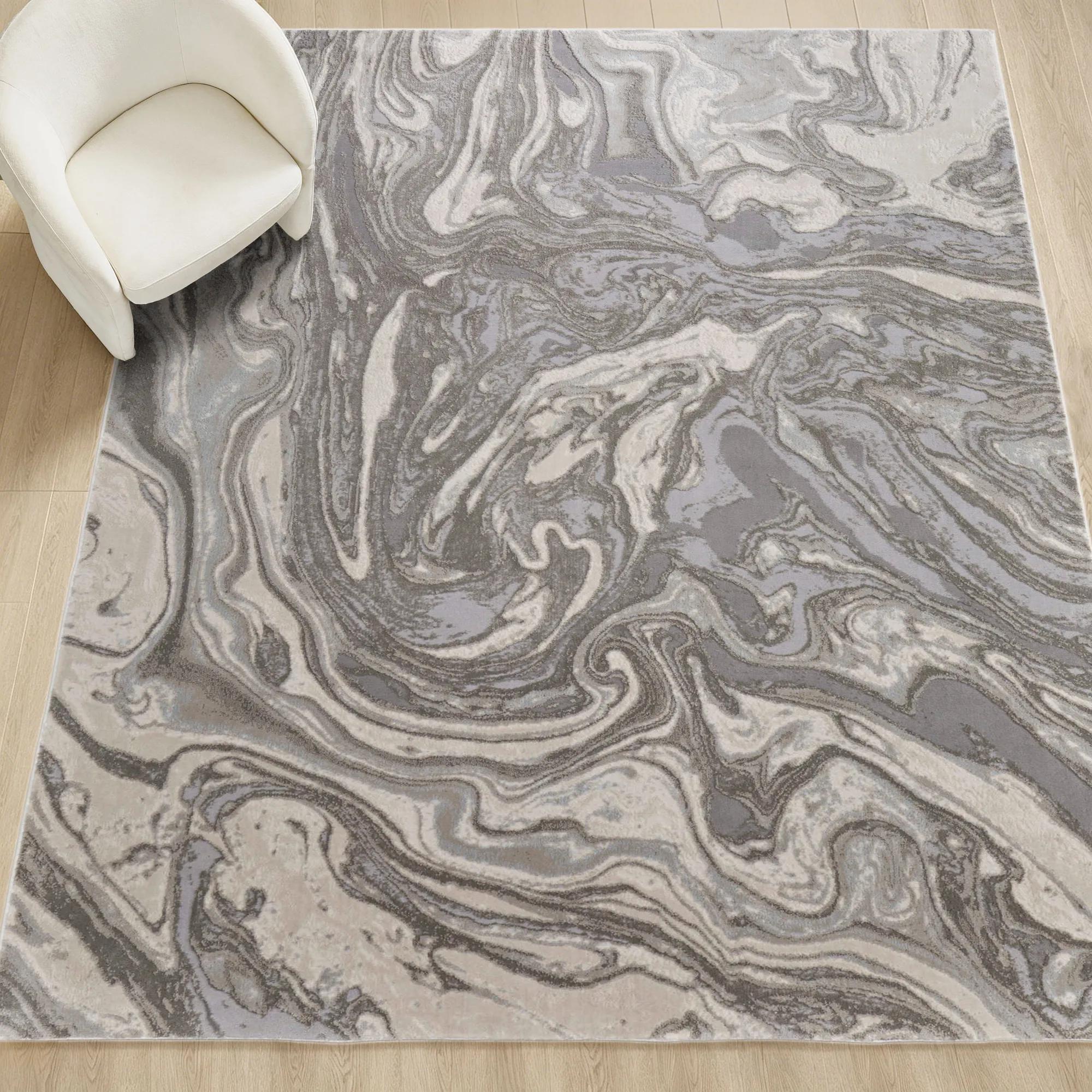
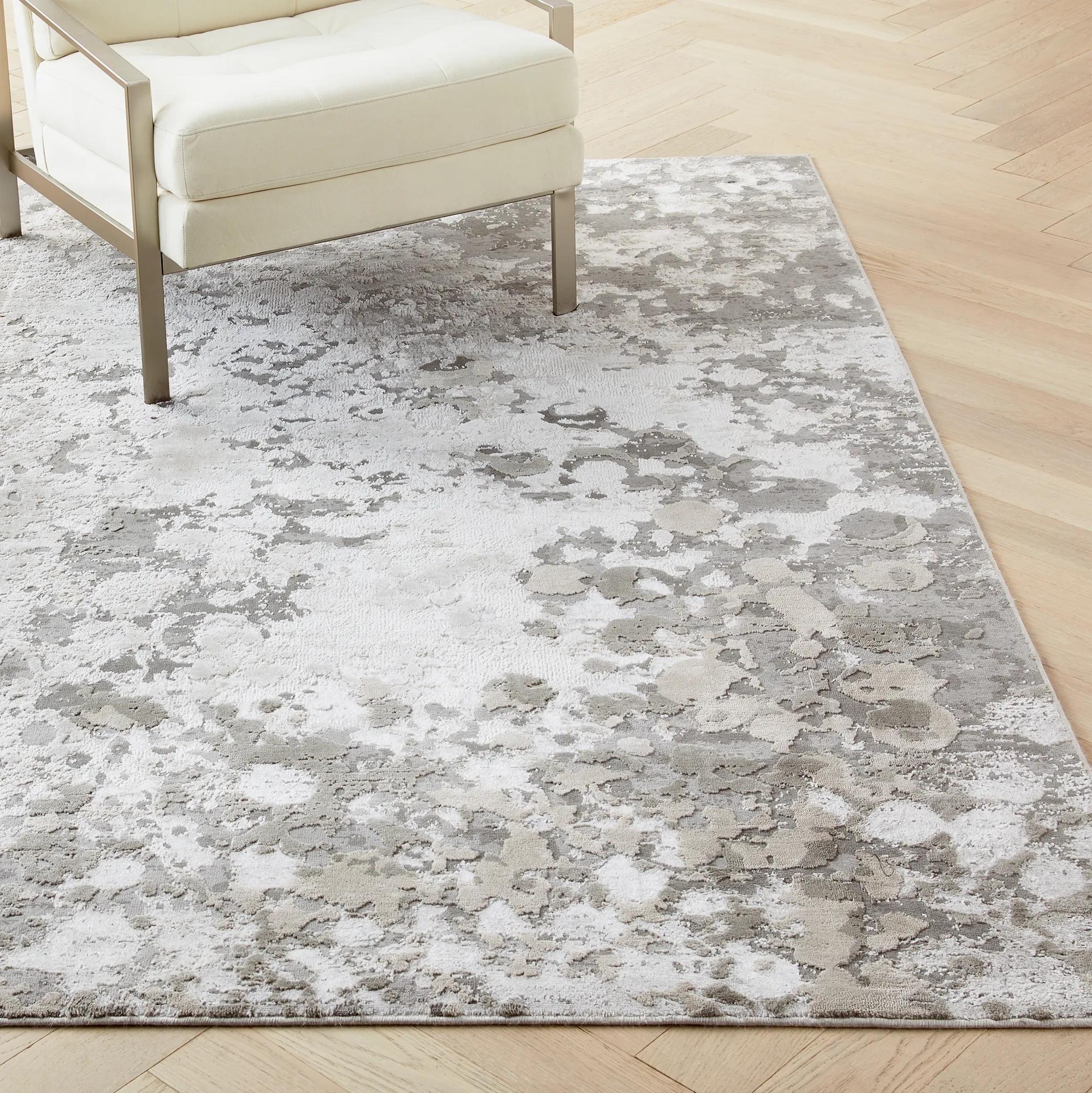
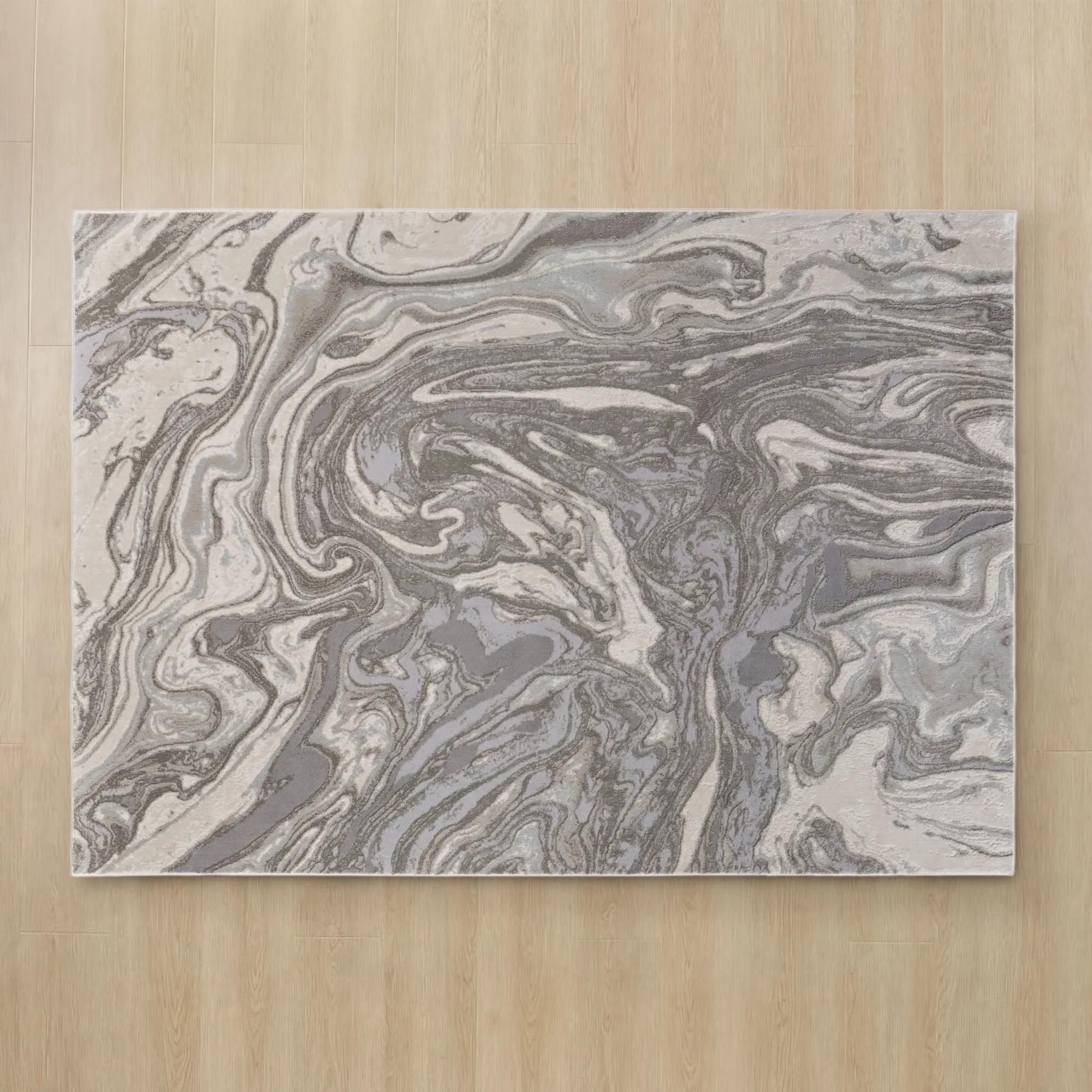 Marbre Marbled Grey/Taupe/Powder Blue Performance Power Loomed Rug$1499
A softly marbled rug in grey, taupe, and powder blue with a textured, stain-resistant performance blend.
Add To Cart -
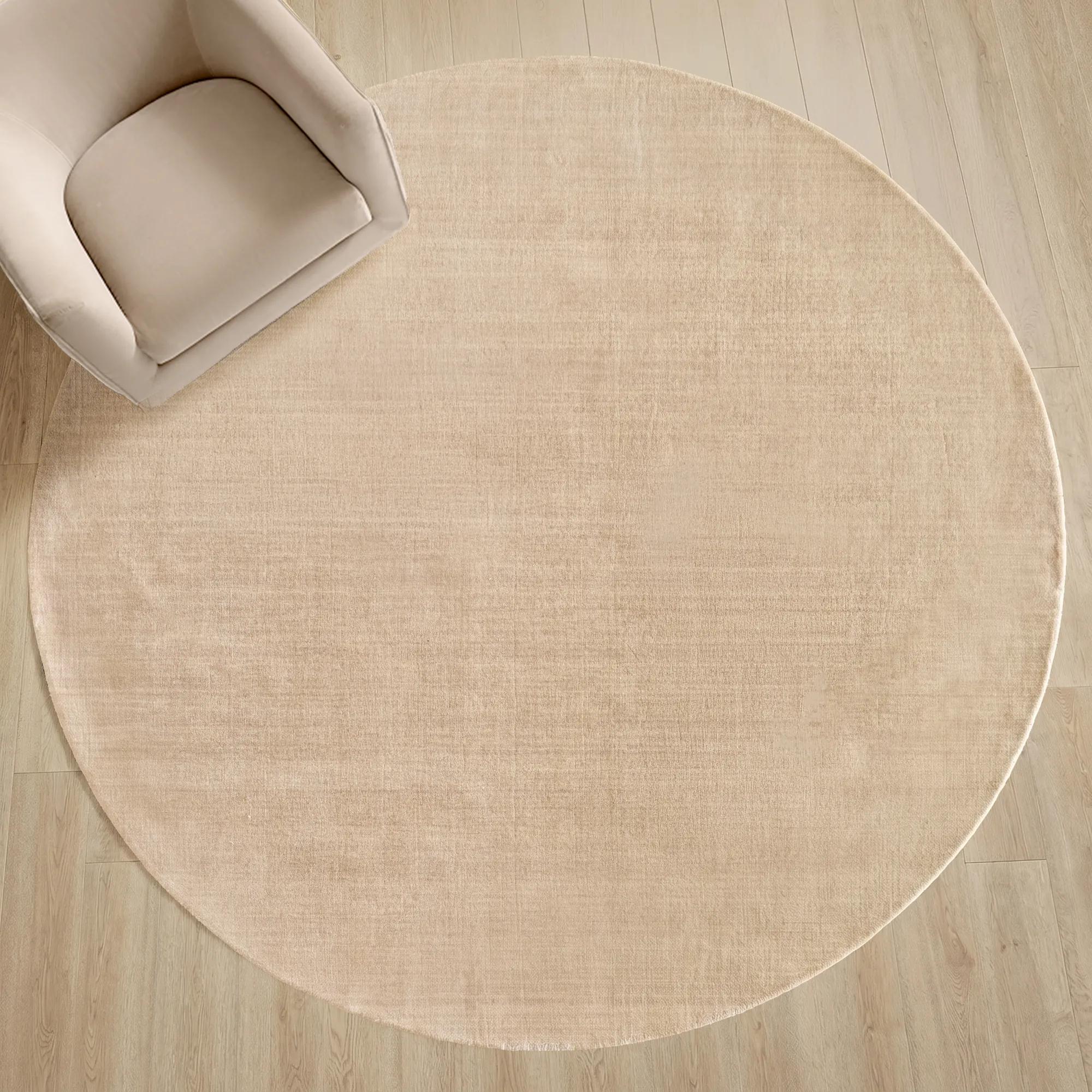 Juni Hand Woven Heathered Warm Beige Round Rug$1399
A handwoven round wool rug in heathered warm beige, offering refined texture and everyday durability.
Add To Cart -
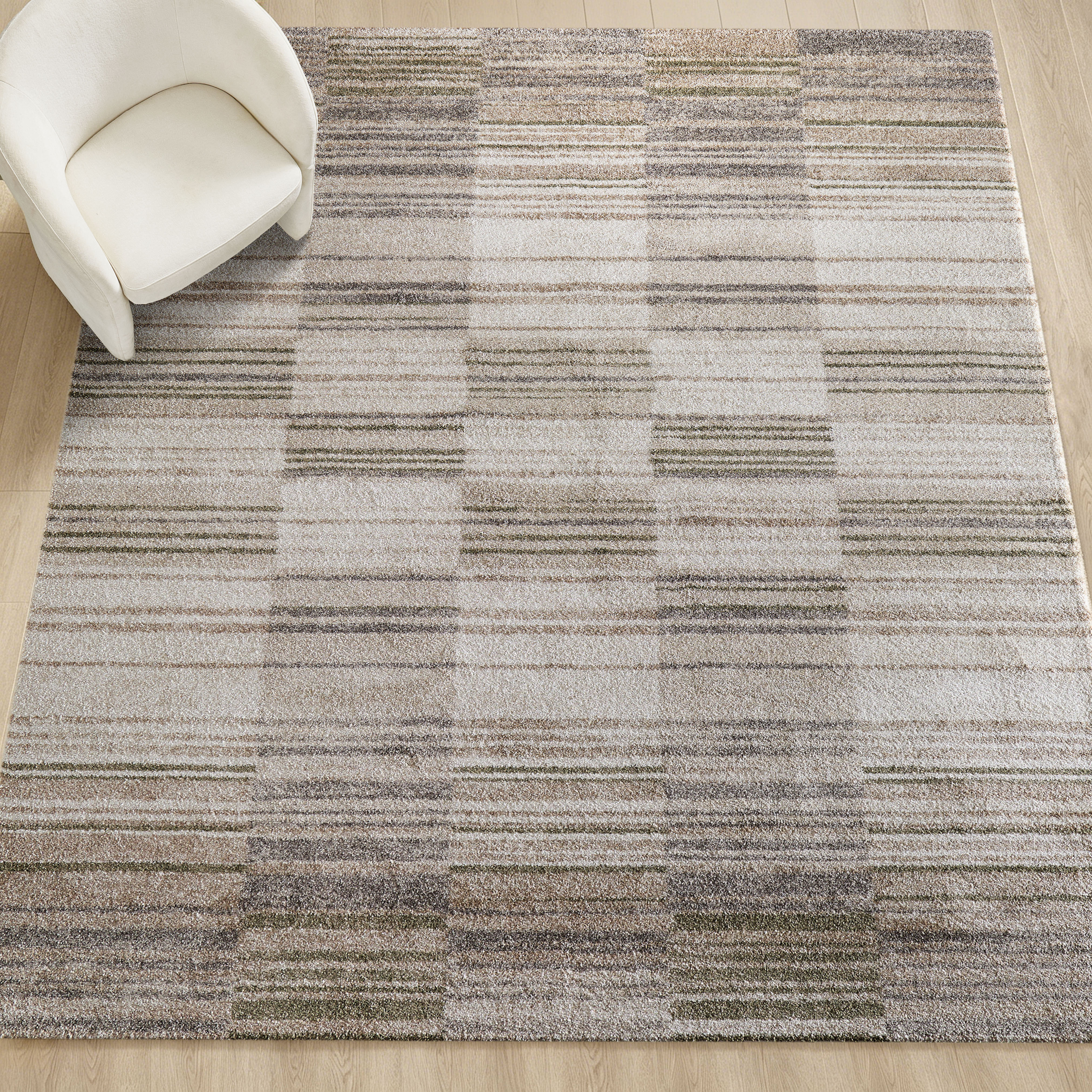
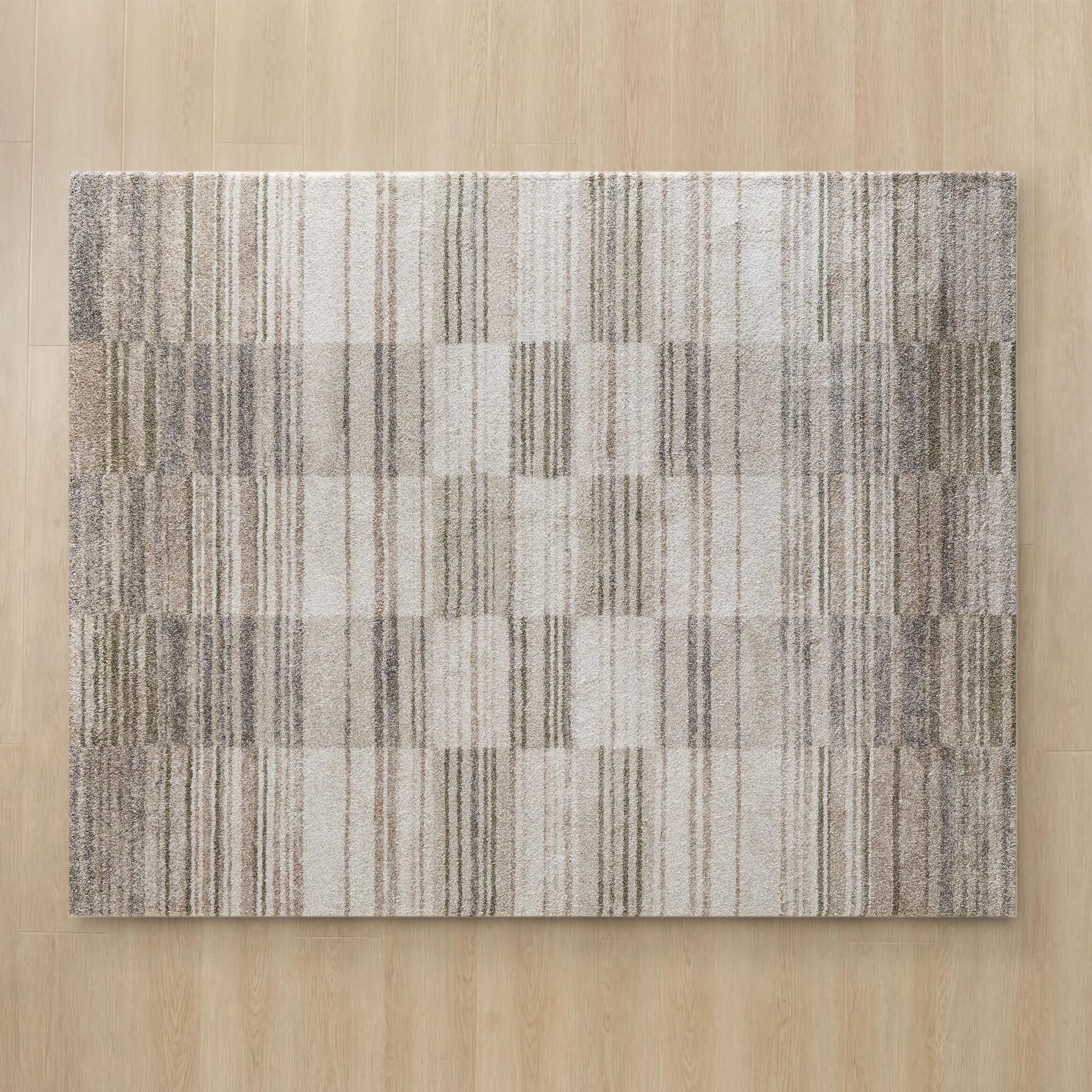 Checka Grey/Tan/Ivory/Soft Green Performance Power Loomed Rug$399
A plush, power-loomed rug featuring a soft check pattern in grey, tan, ivory, and green.
Add To Cart -
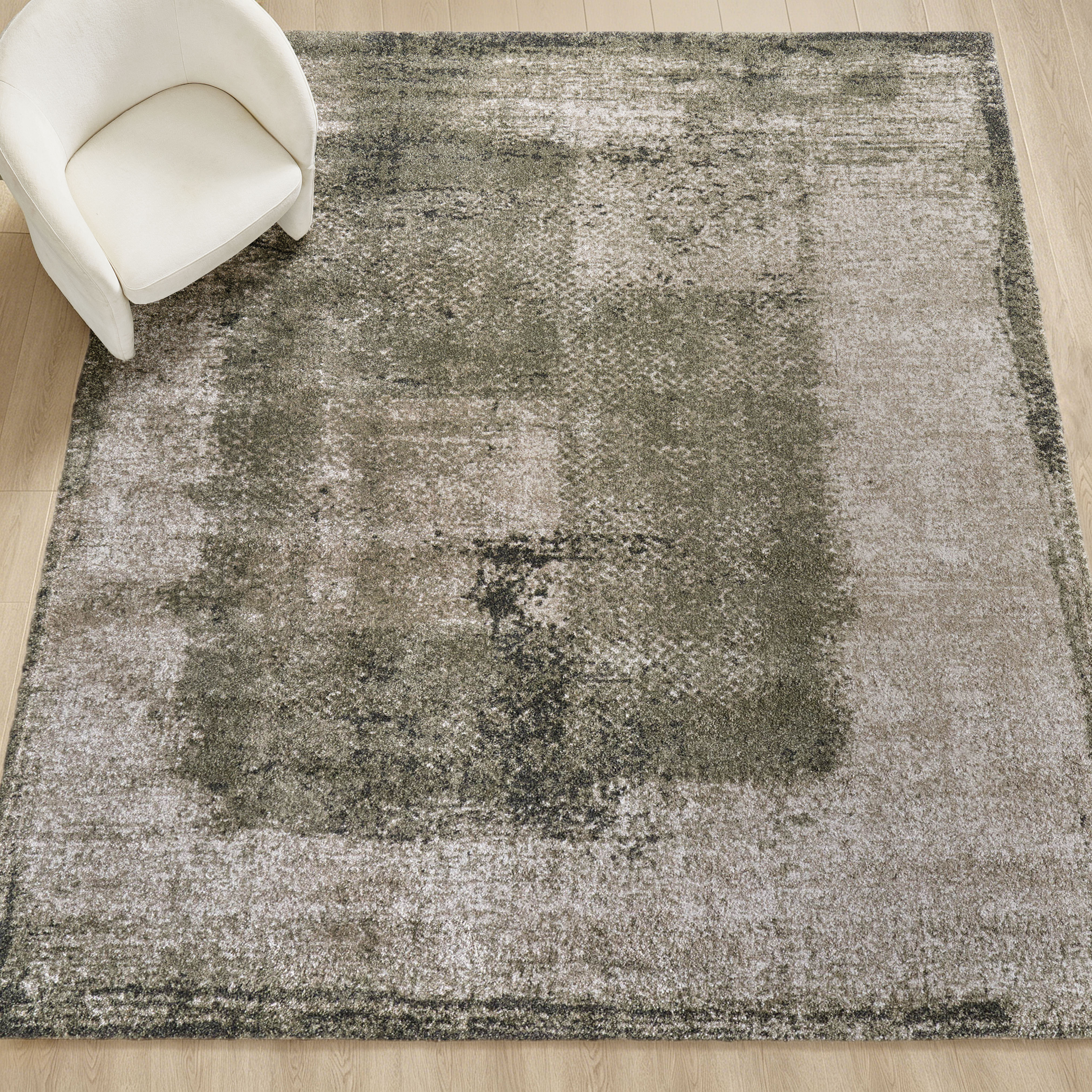
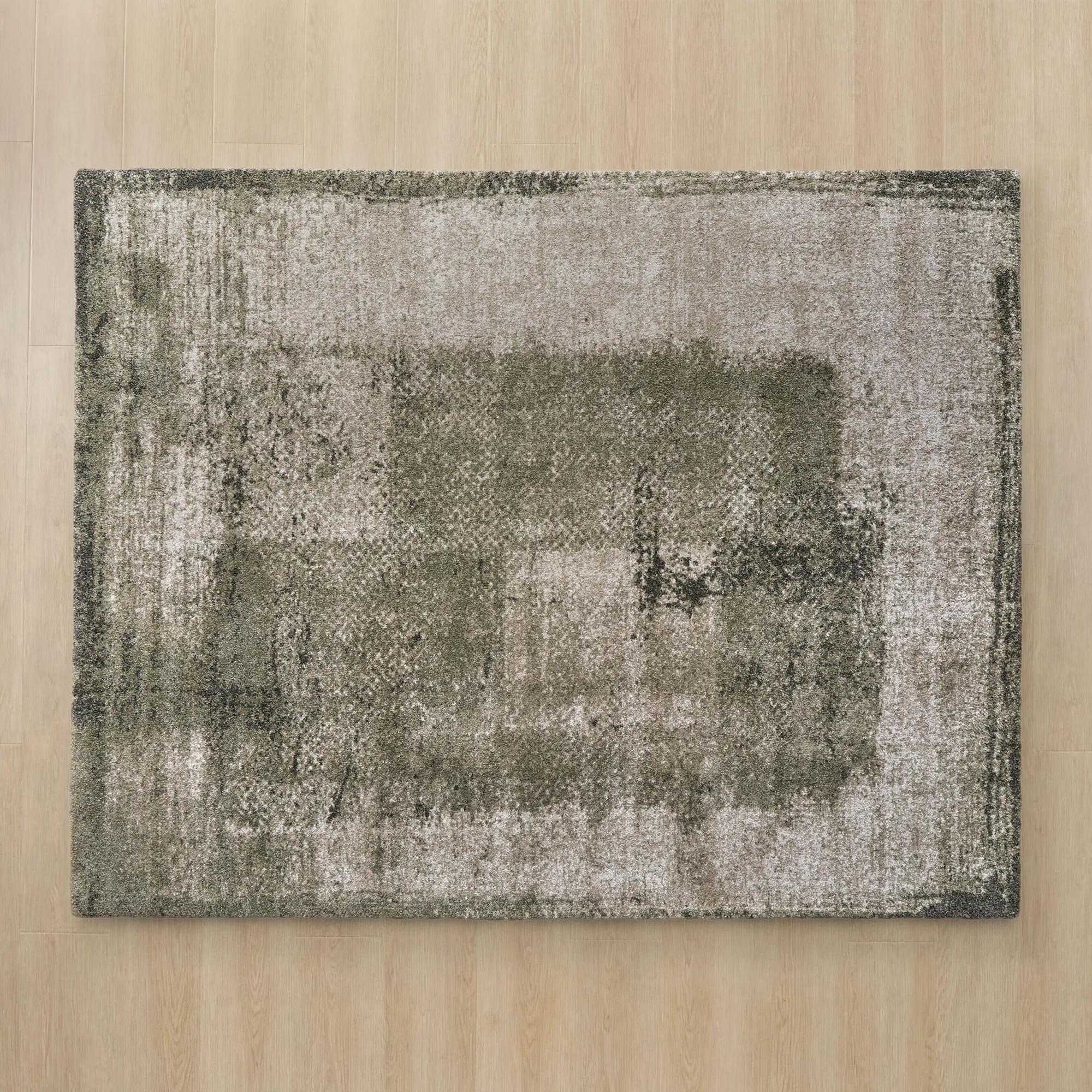 Irving Abstract Moss Green/Beige/Grey Performance Power Loomed Rug$849
An abstract rug in moss green, beige, and grey with plush, durable power-loomed polypropylene and polyester.
Add To Cart -
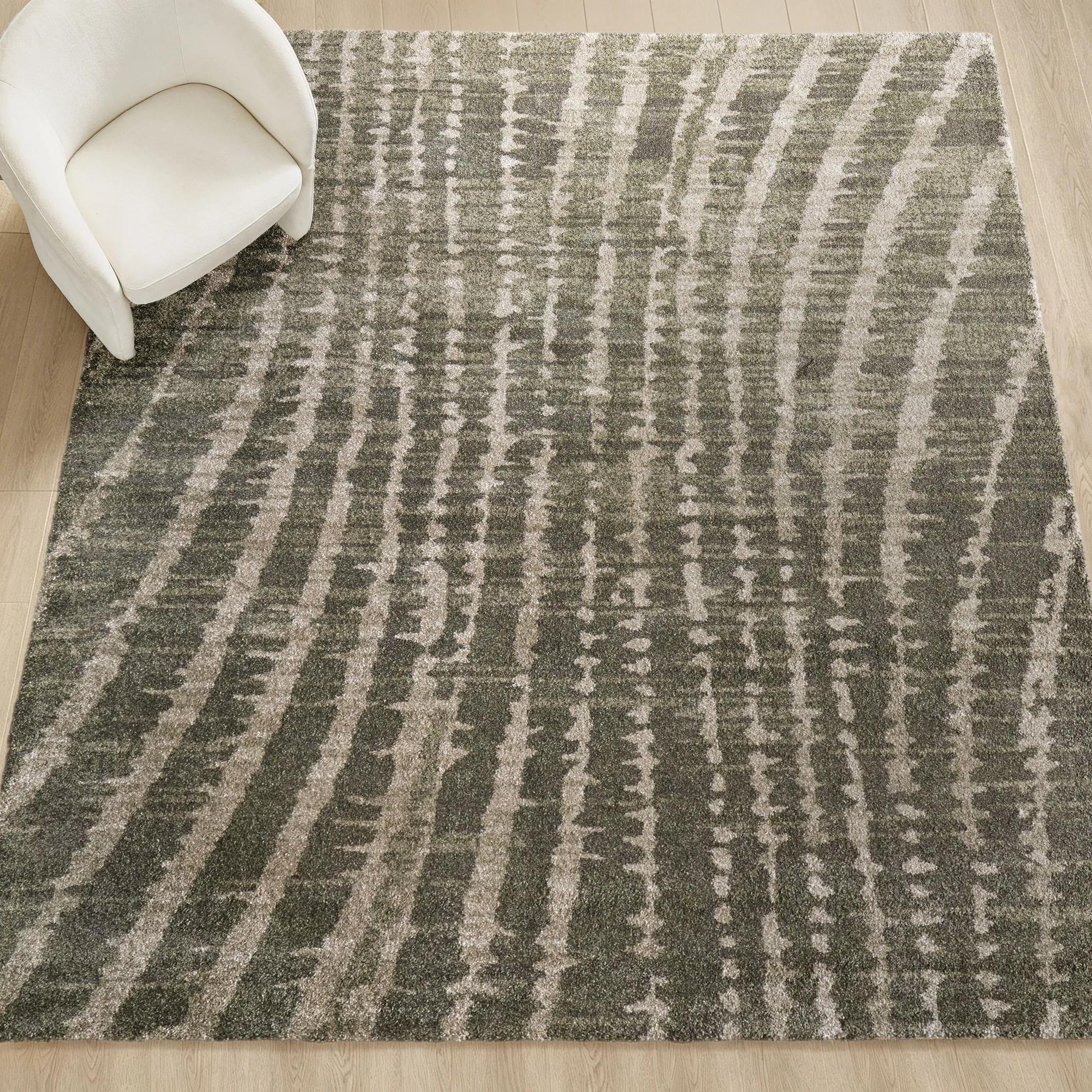
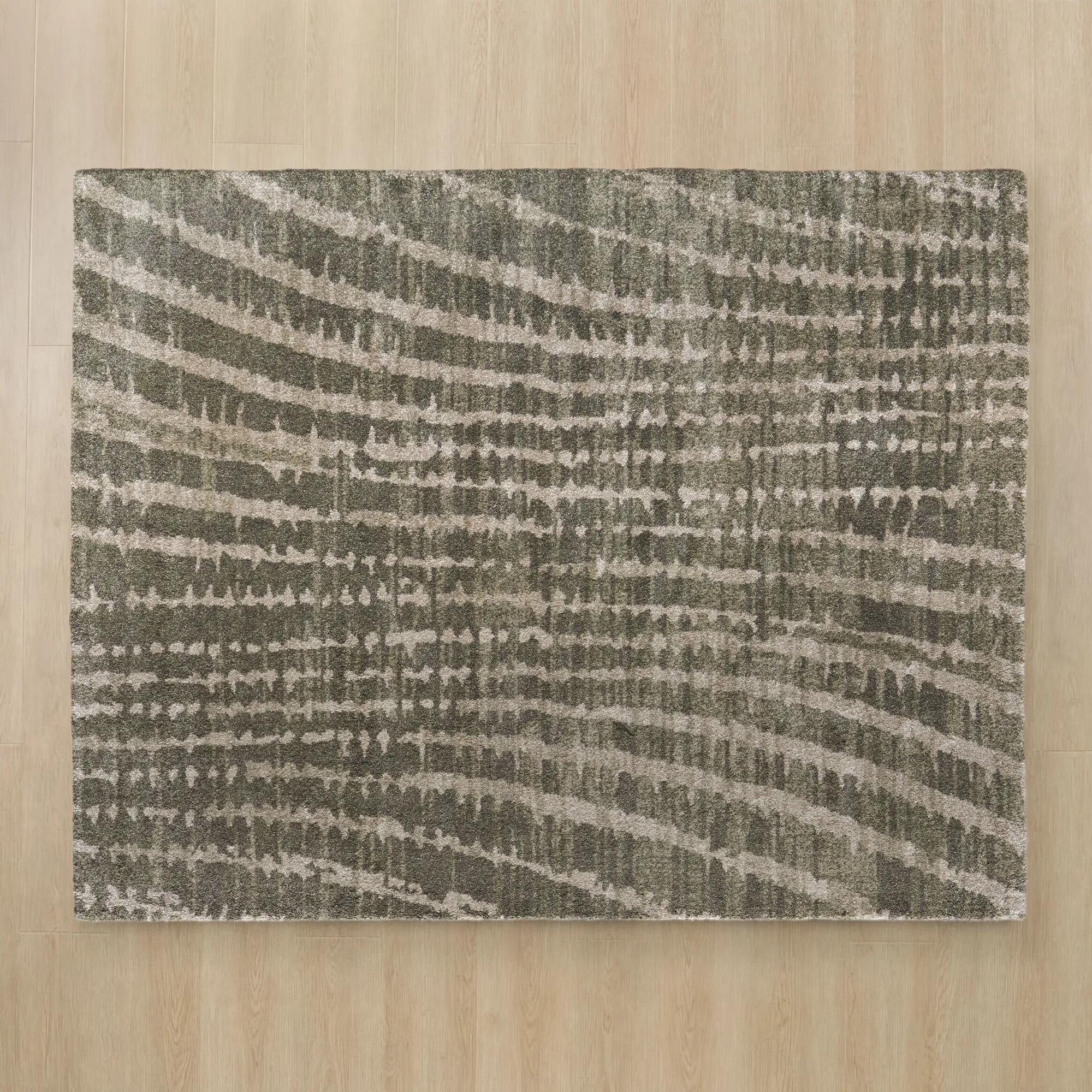 Tempo Green/Grey/Beige Performance Power Loomed Rug$1649
An abstract charcoal grey and beige rug with plush cut pile and durable, stain-resistant polypropylene-polyester construction.
Add To Cart -
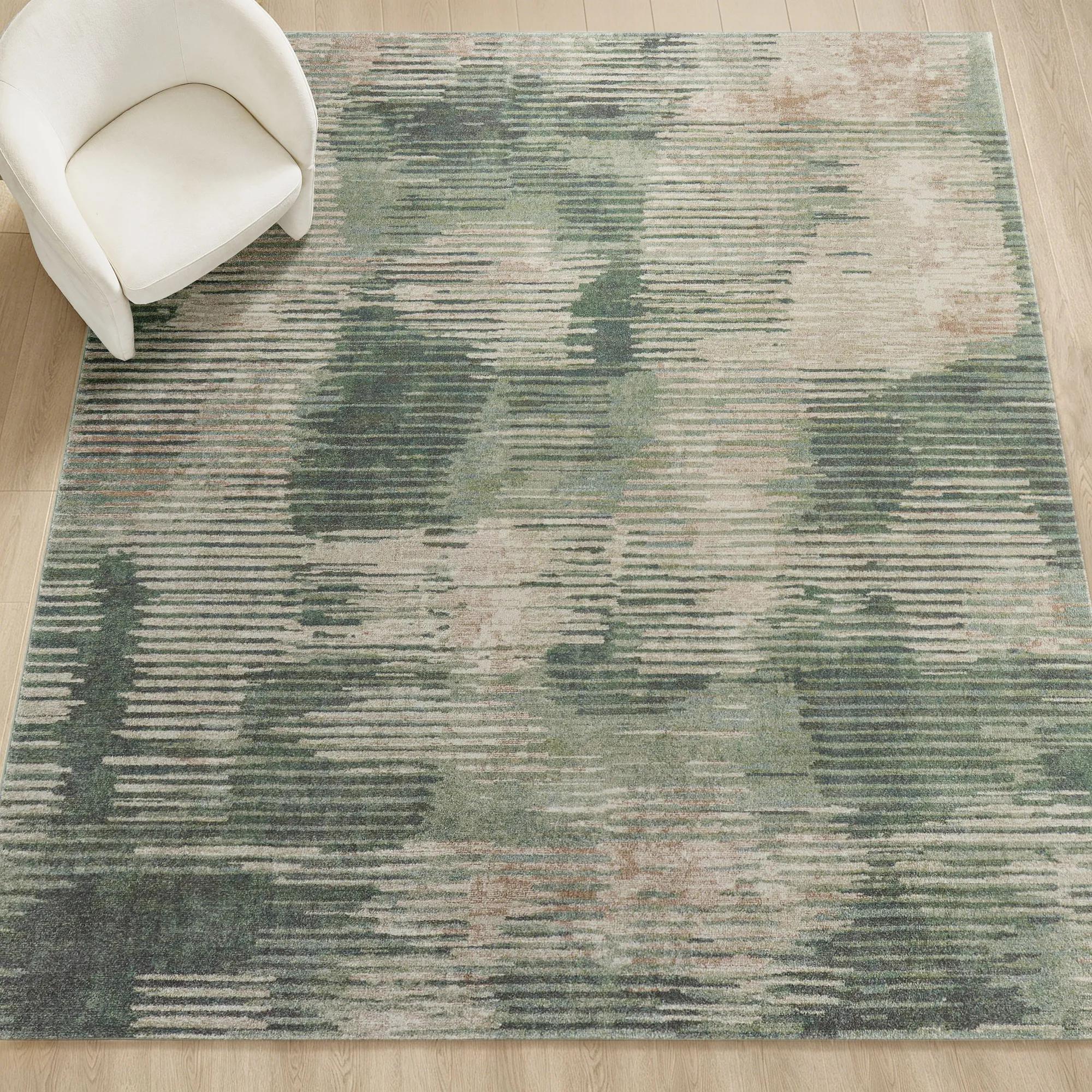
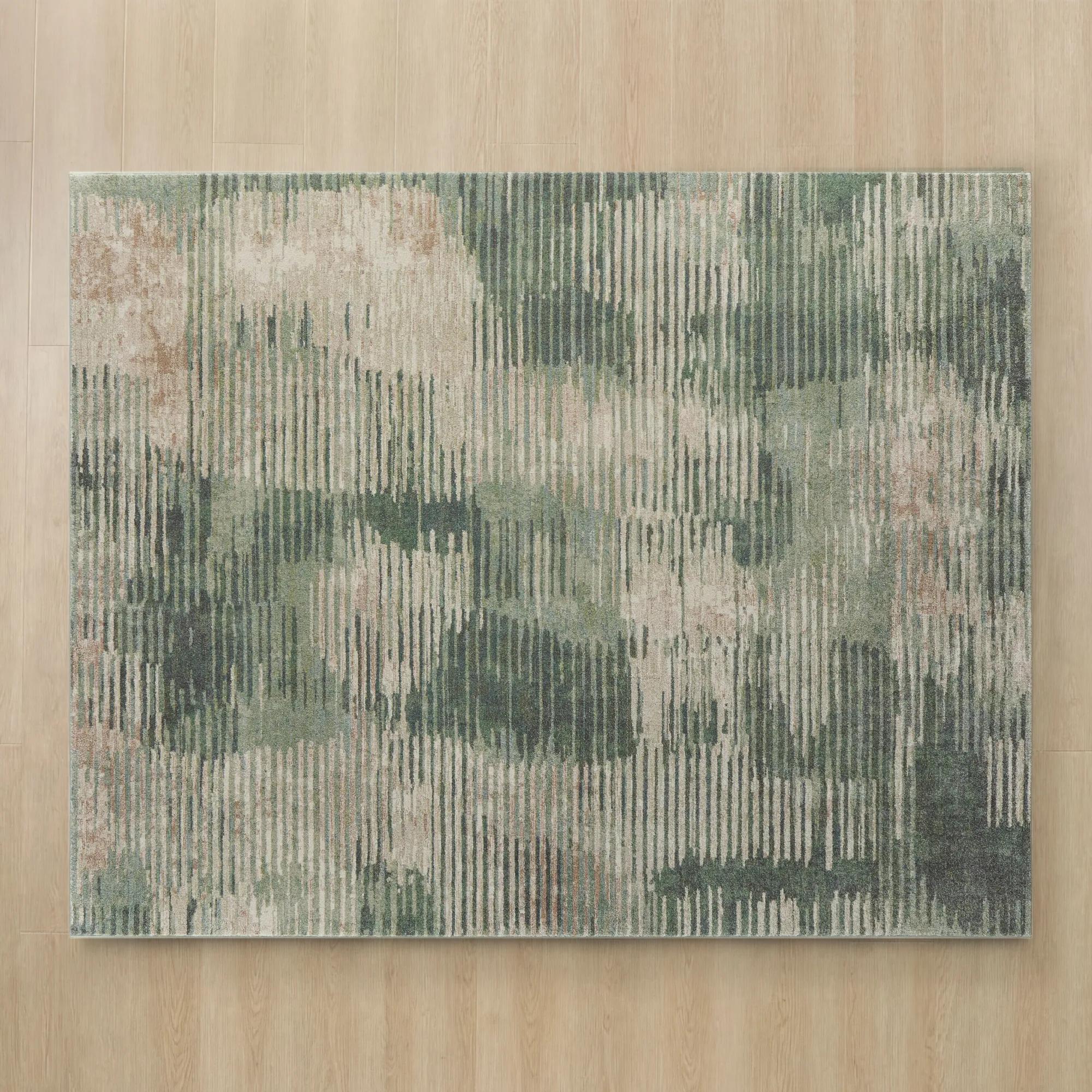 Sylvan Green/Beige Power Loomed Rug$1499
A power-loomed polypropylene rug featuring a smoked olive green and beige organic pattern with a soft pile.
Add To Cart -
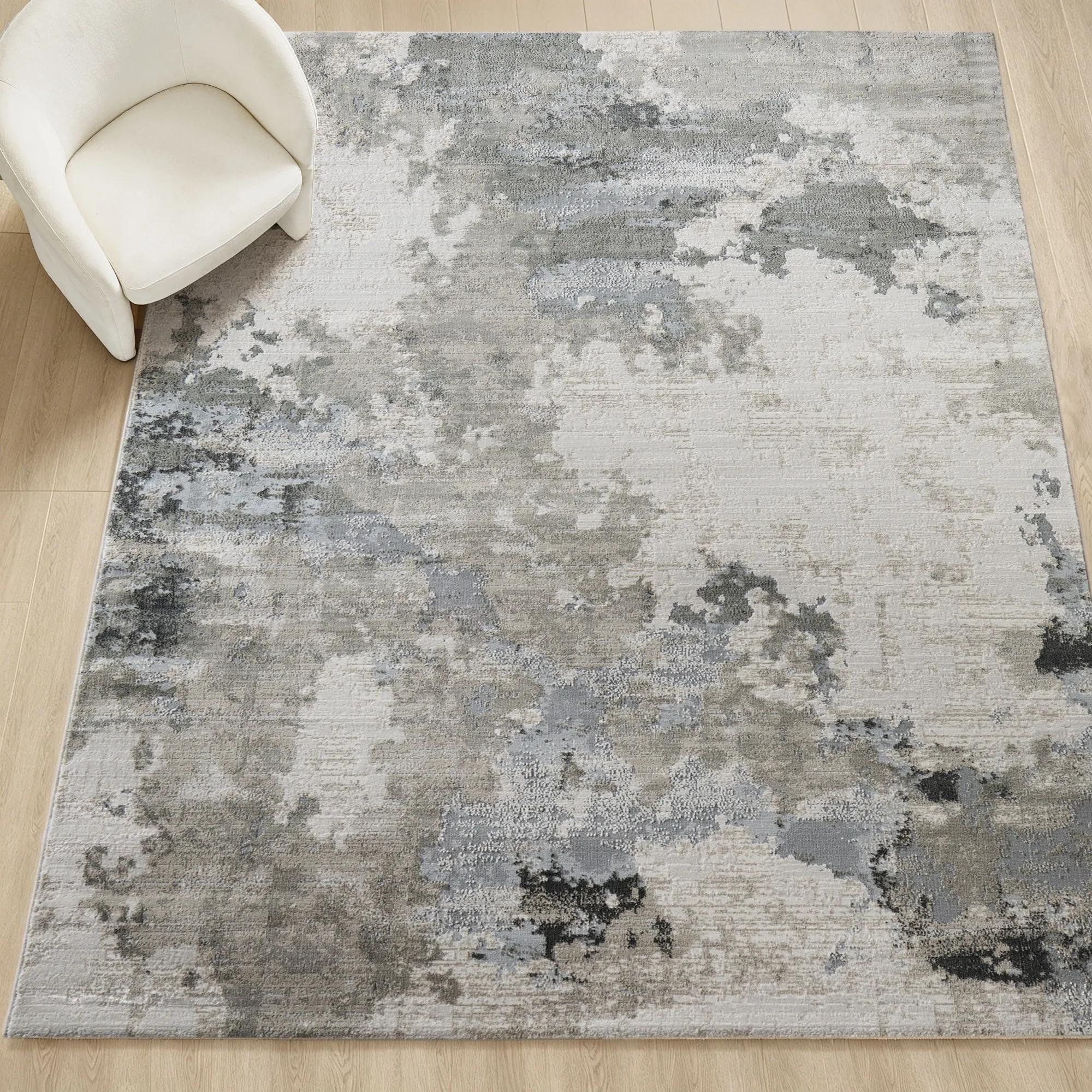 Alarion Abstract Grey/Muted Blue/Ivory Performance Power Loomed Rug$379
A power-loomed rug featuring a grey, muted blue, and ivory abstract pattern with stain-resistant durability.
Add To Cart -
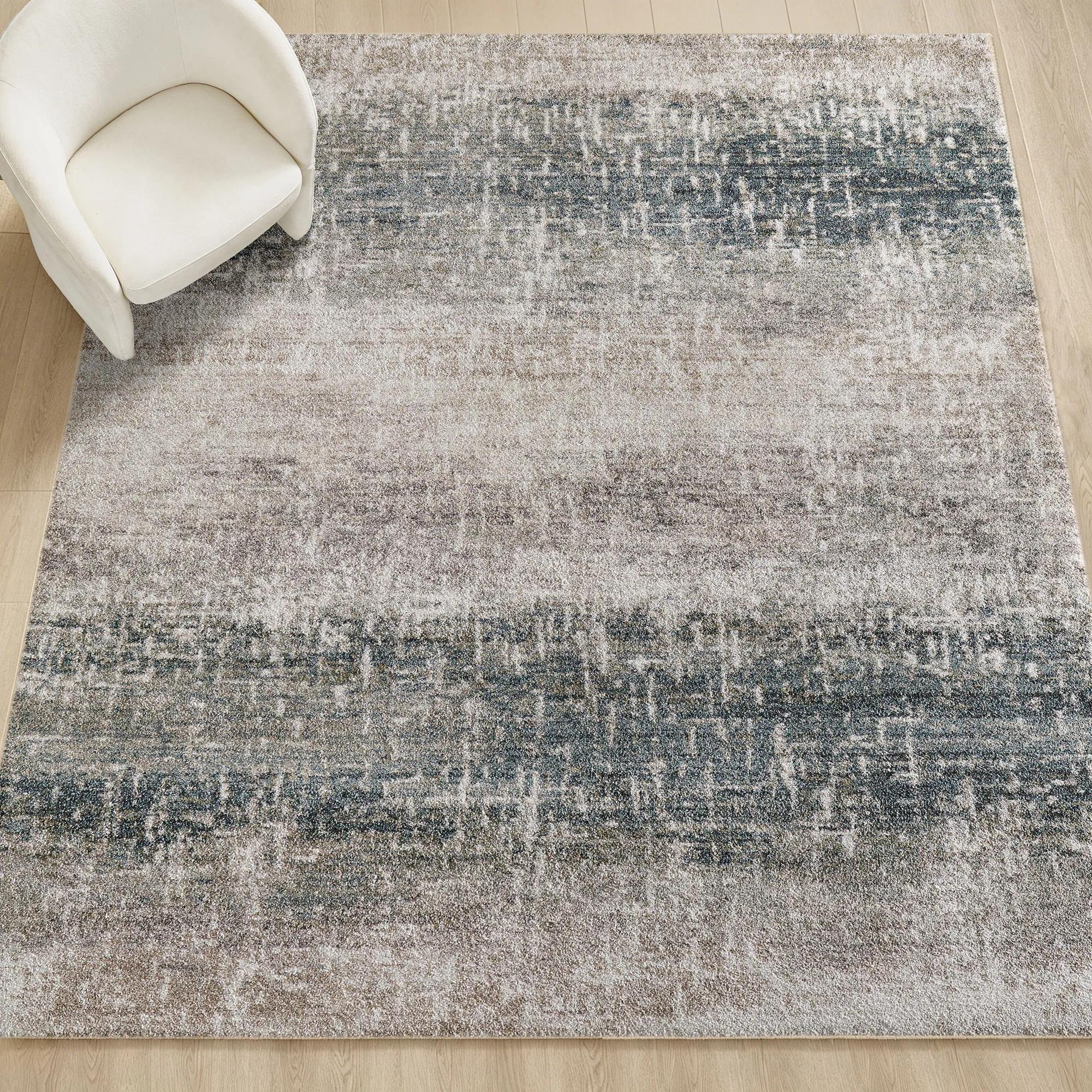
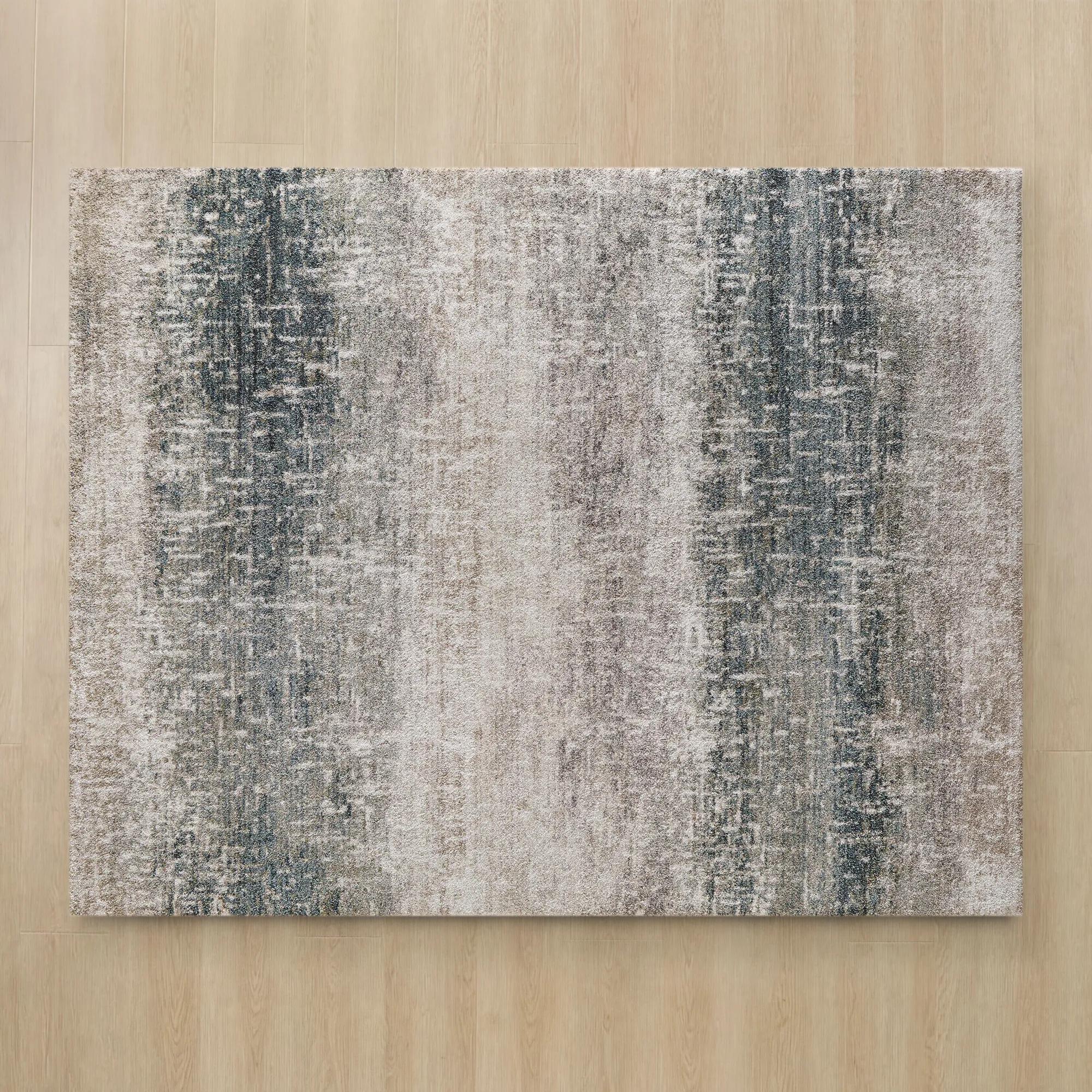 Collier Taupe/Grey/Blue/Green Performance Power Loomed Rug$1649
An abstract rug in taupe, grey, blue, and green with a plush pile and durable, easy-care blend.
Add To Cart -
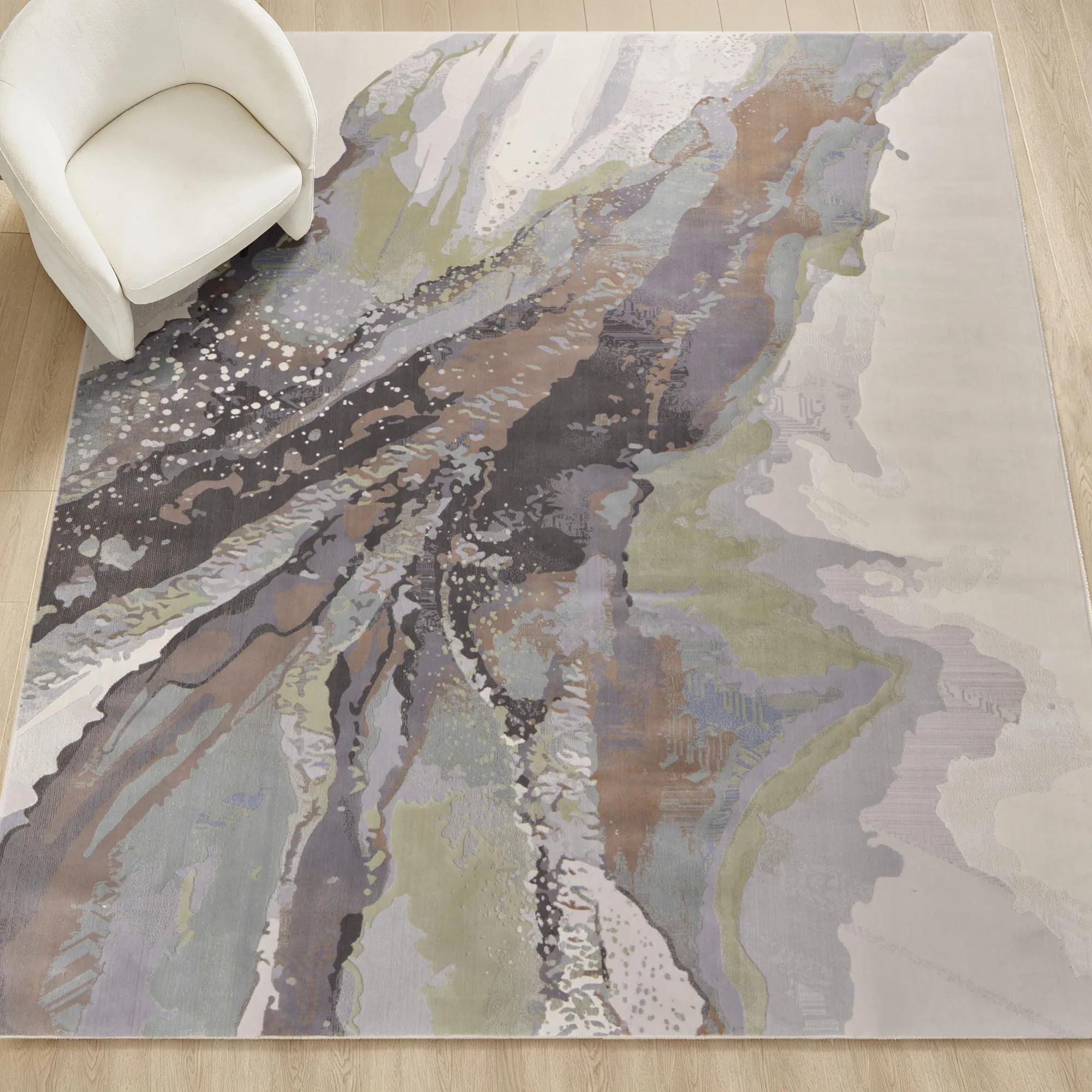
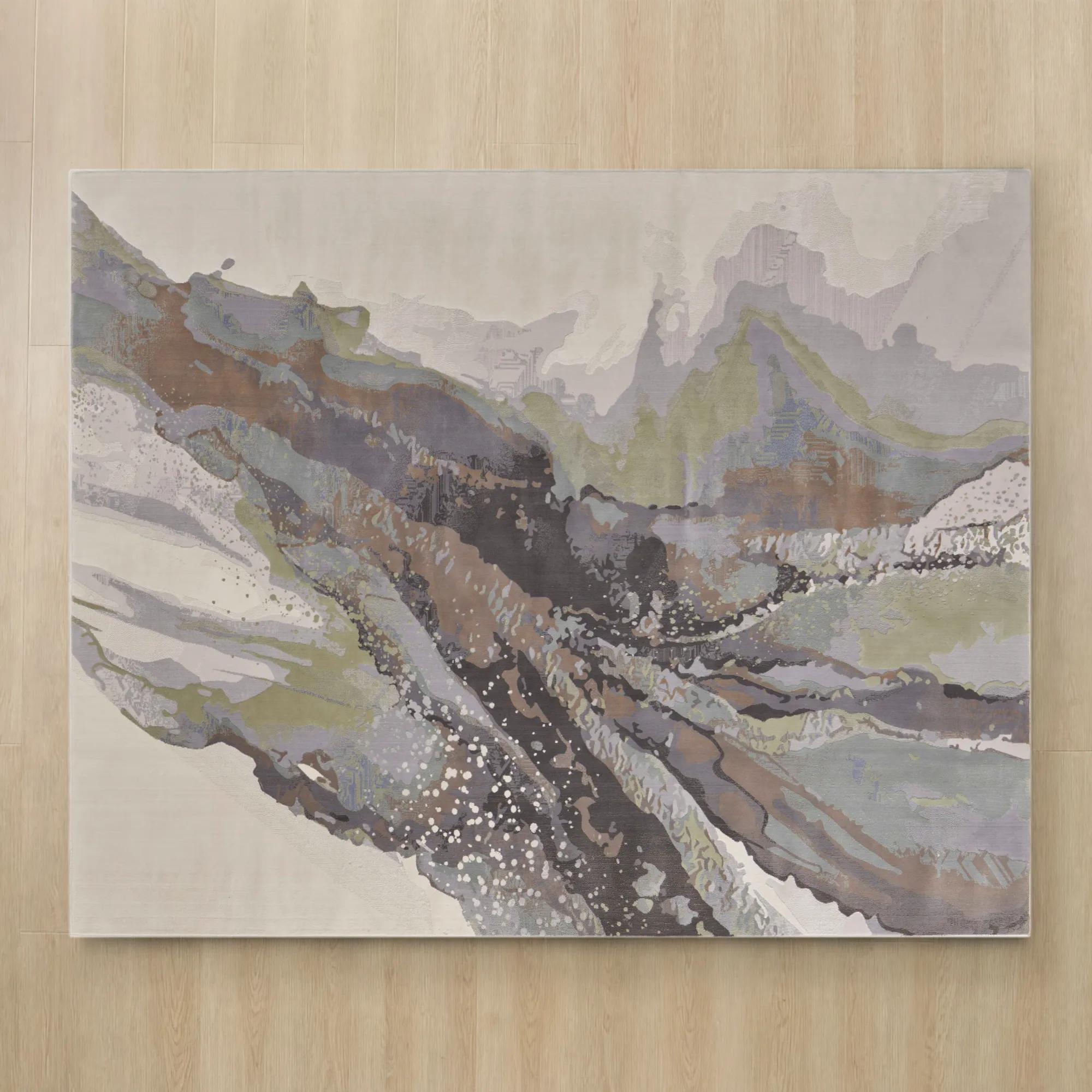 Nerissa Abstract Ivory/Grey/Blue/Green Performance Power Loomed Rug$449
An abstract rug in ivory, grey, blue, and green with a textured, stain-resistant polypropylene-polyester blend.
Add To Cart -
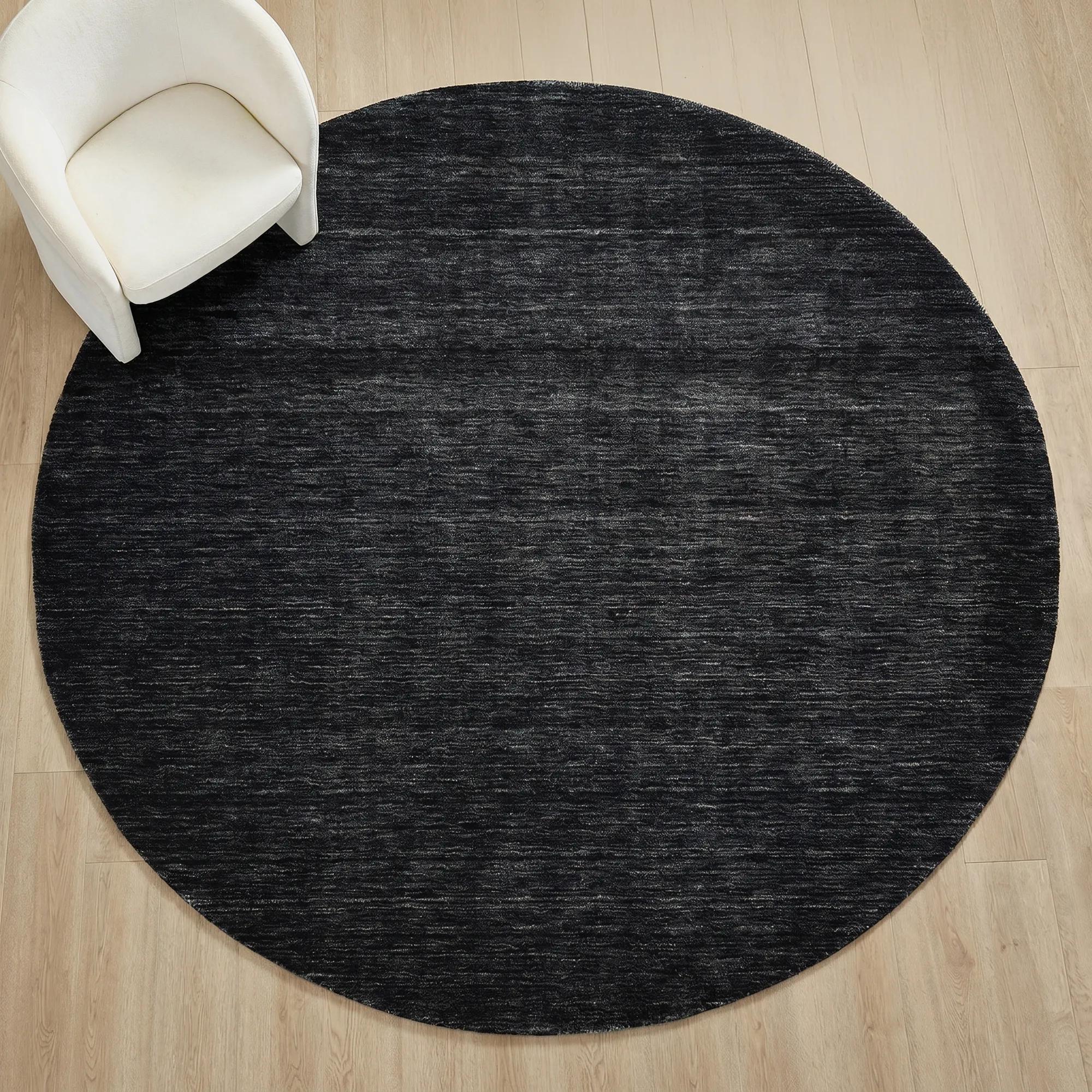 Juni Hand Woven Heathered Black Rug$799
A handwoven round wool rug in heathered black, offering durable texture and moody, contemporary style.
Add To Cart -
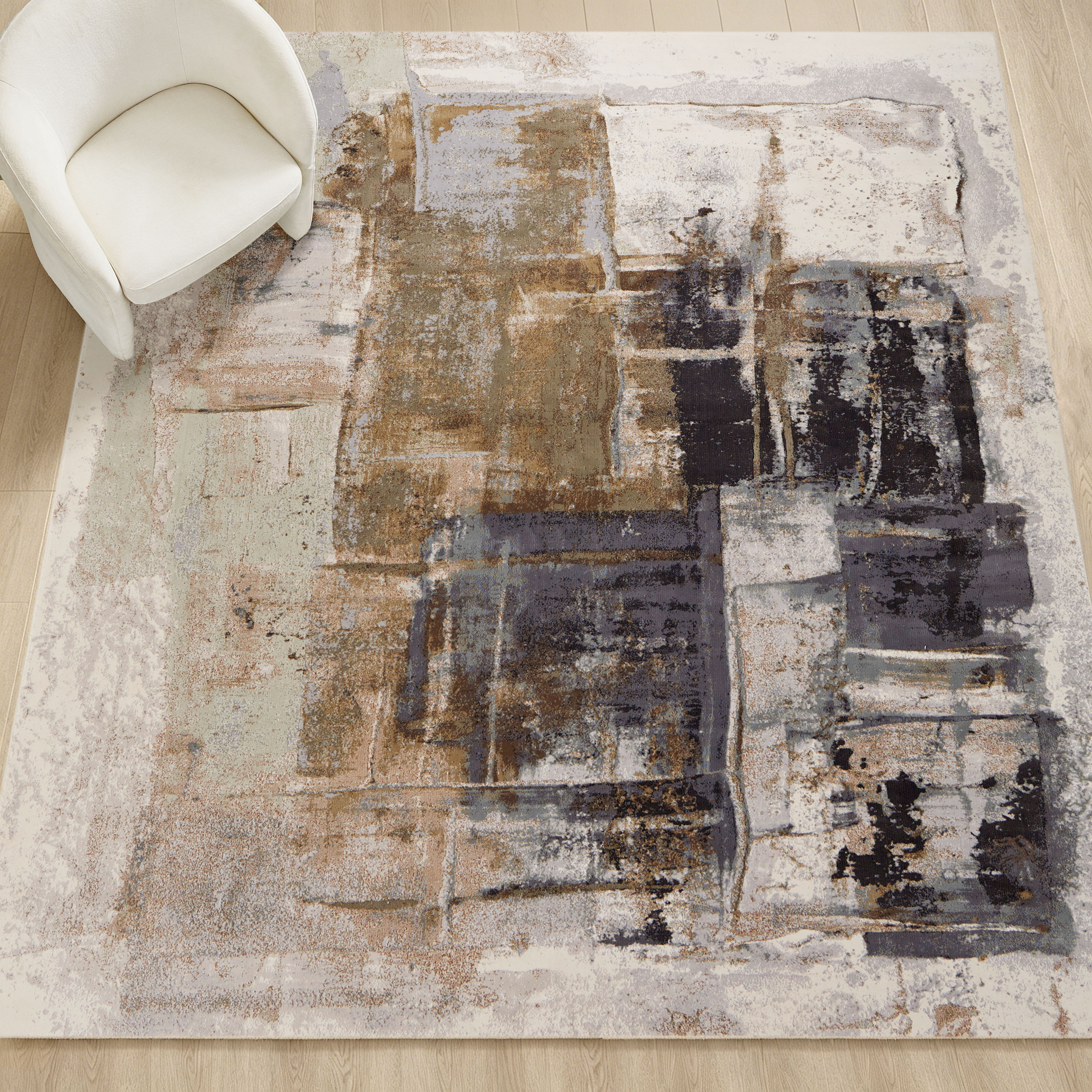
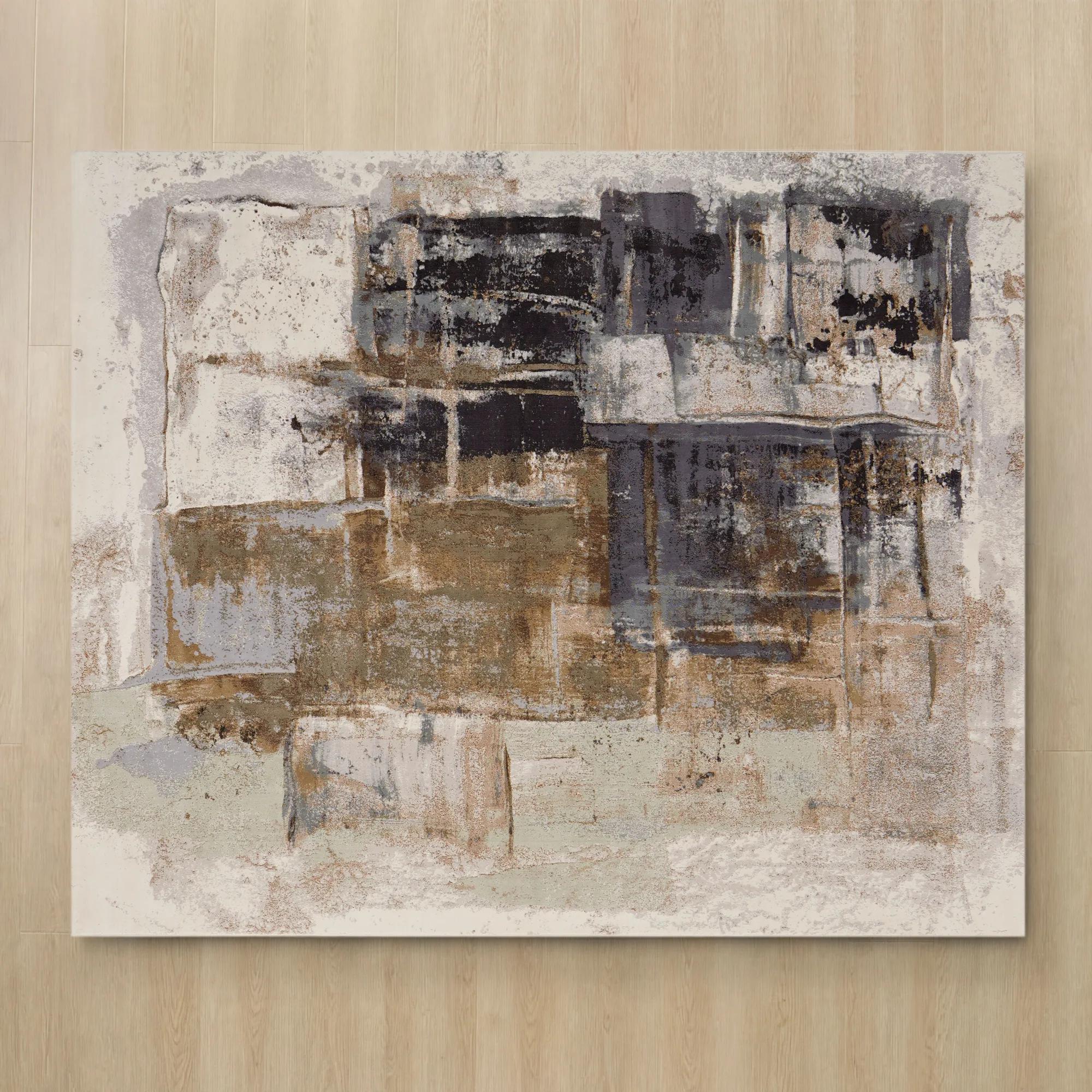 Gaia Abstract Grey/Charcoal/Ivory/Gold/Blue Performance Power Loomed Rug$1749
An abstract rug in grey, charcoal, ivory, gold, and blue with a soft, stain-resistant performance blend.
Add To Cart -
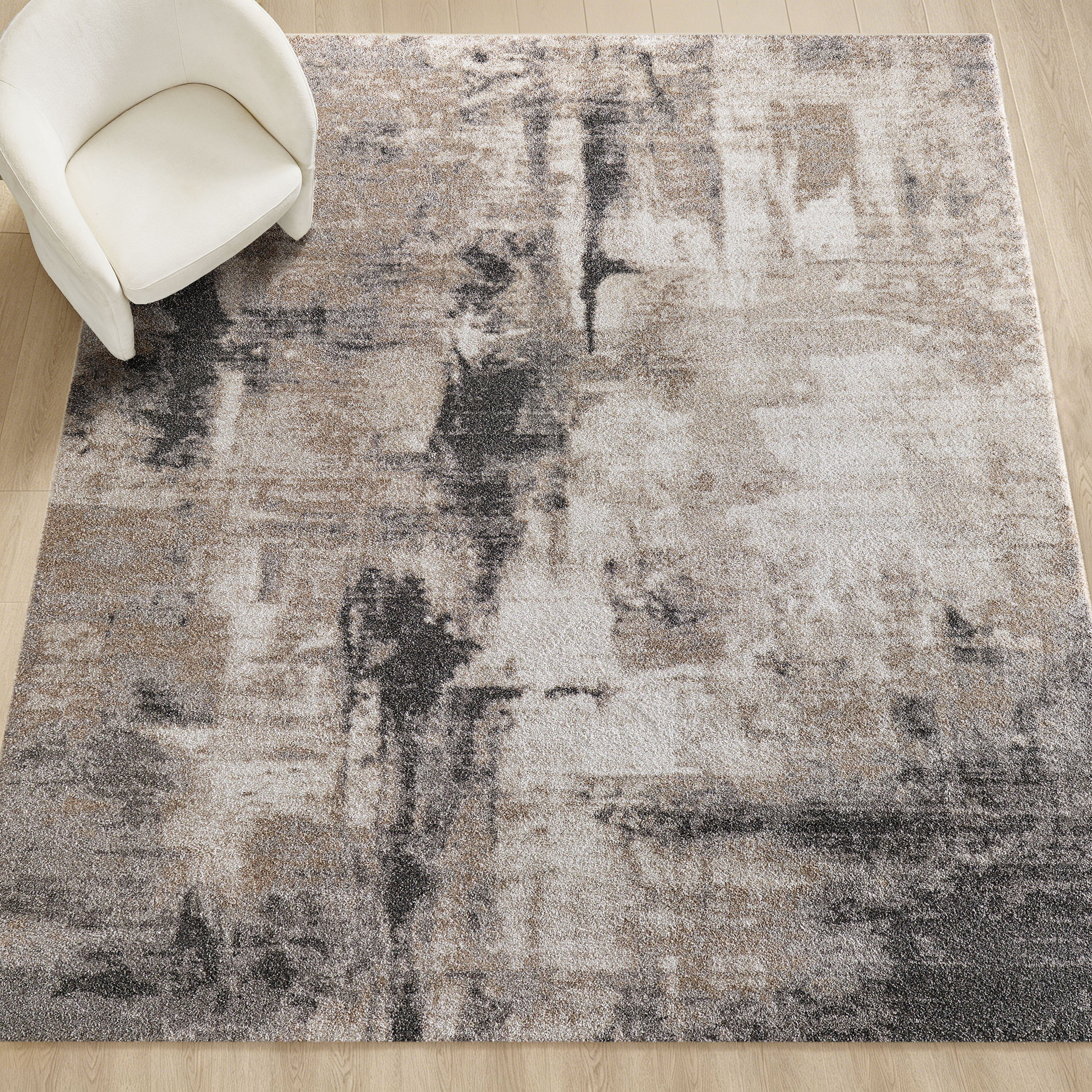
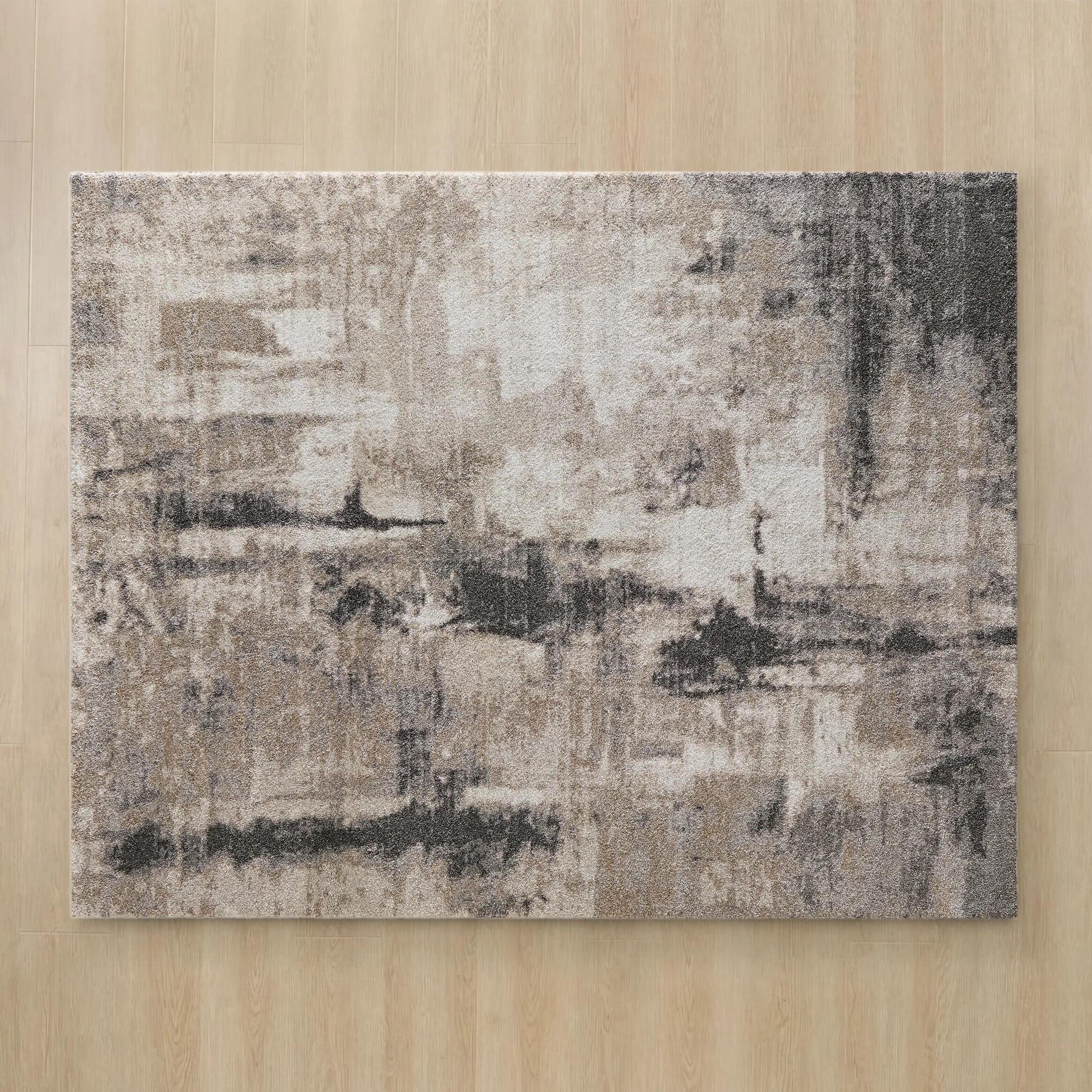 Atlas Abstract Grey/Taupe/Ivory/Charcoal Performance Power Loomed Rug$849
An abstract rug in grey, taupe, ivory, and charcoal with a plush, durable, and easy-care pile.
Add To Cart -
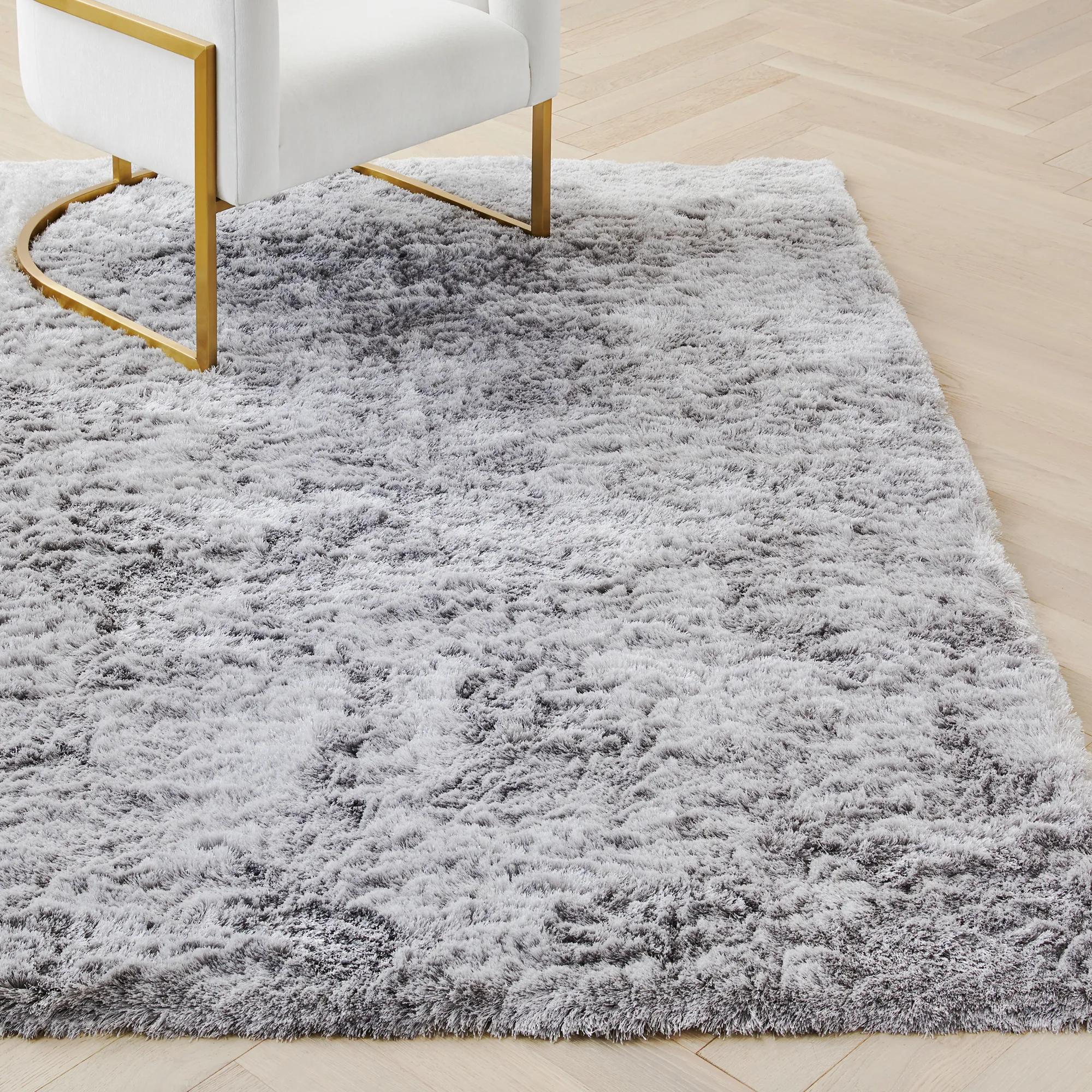 Indochine Shag Platinum Rug$399
A platinum-toned shag rug with a subtle sheen and plush 1.5" polyester pile for luxurious texture.
Add To Cart -
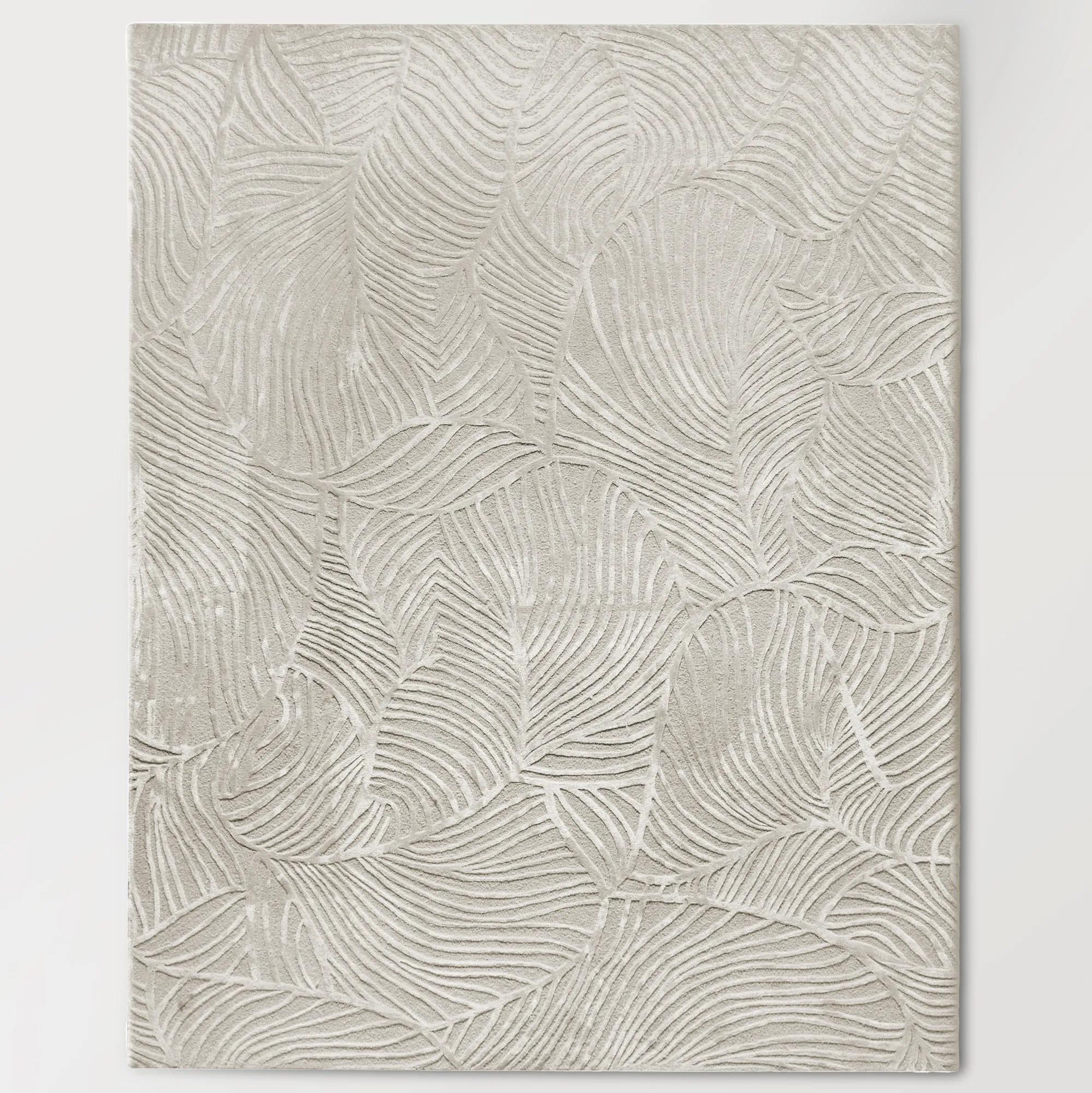
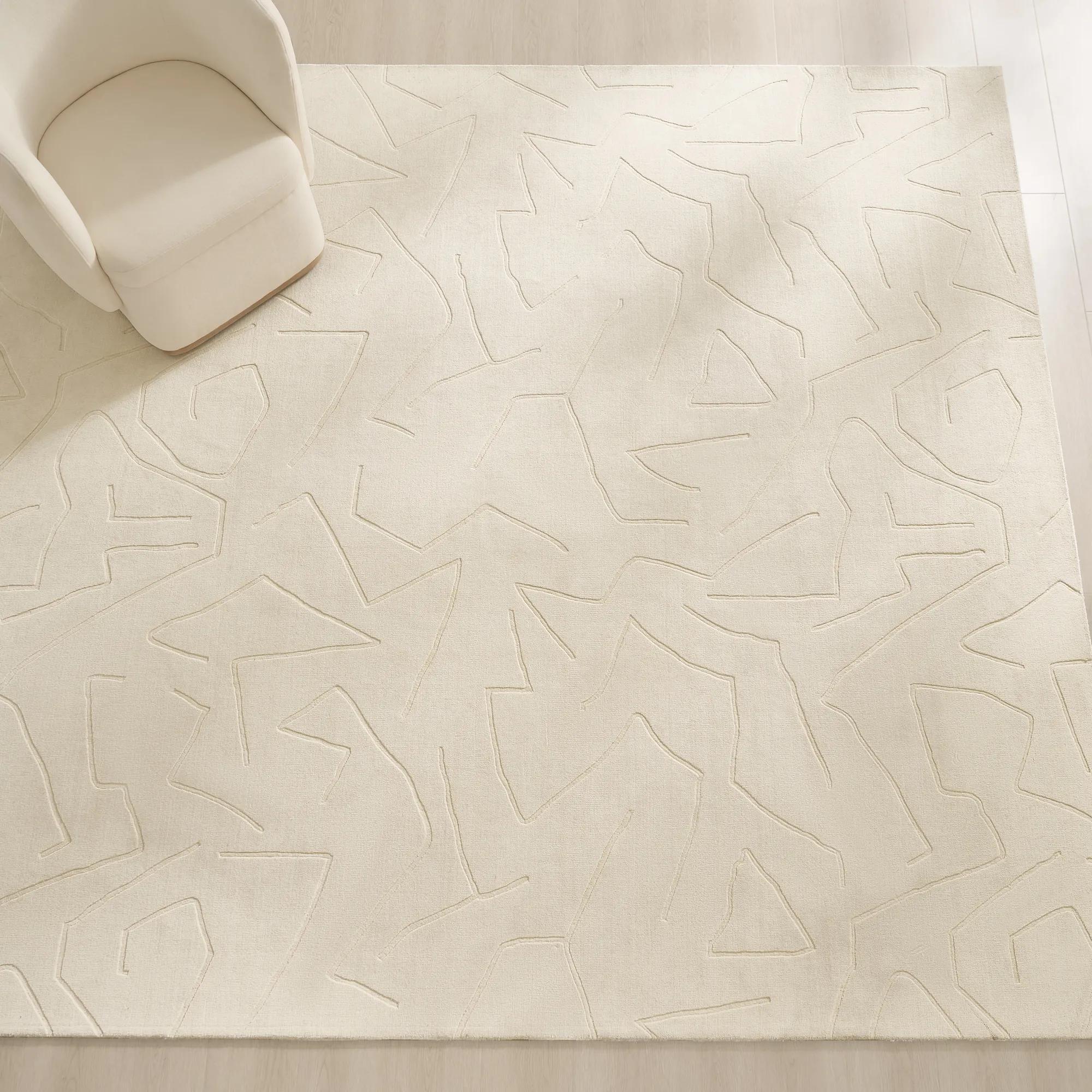 Carved Maze Ivory Hand-Loomed Wool Blend Rug$1399
A hand-loomed ivory wool-blend rug featuring a carved maze pattern for modern textural appeal.
Add To Cart -
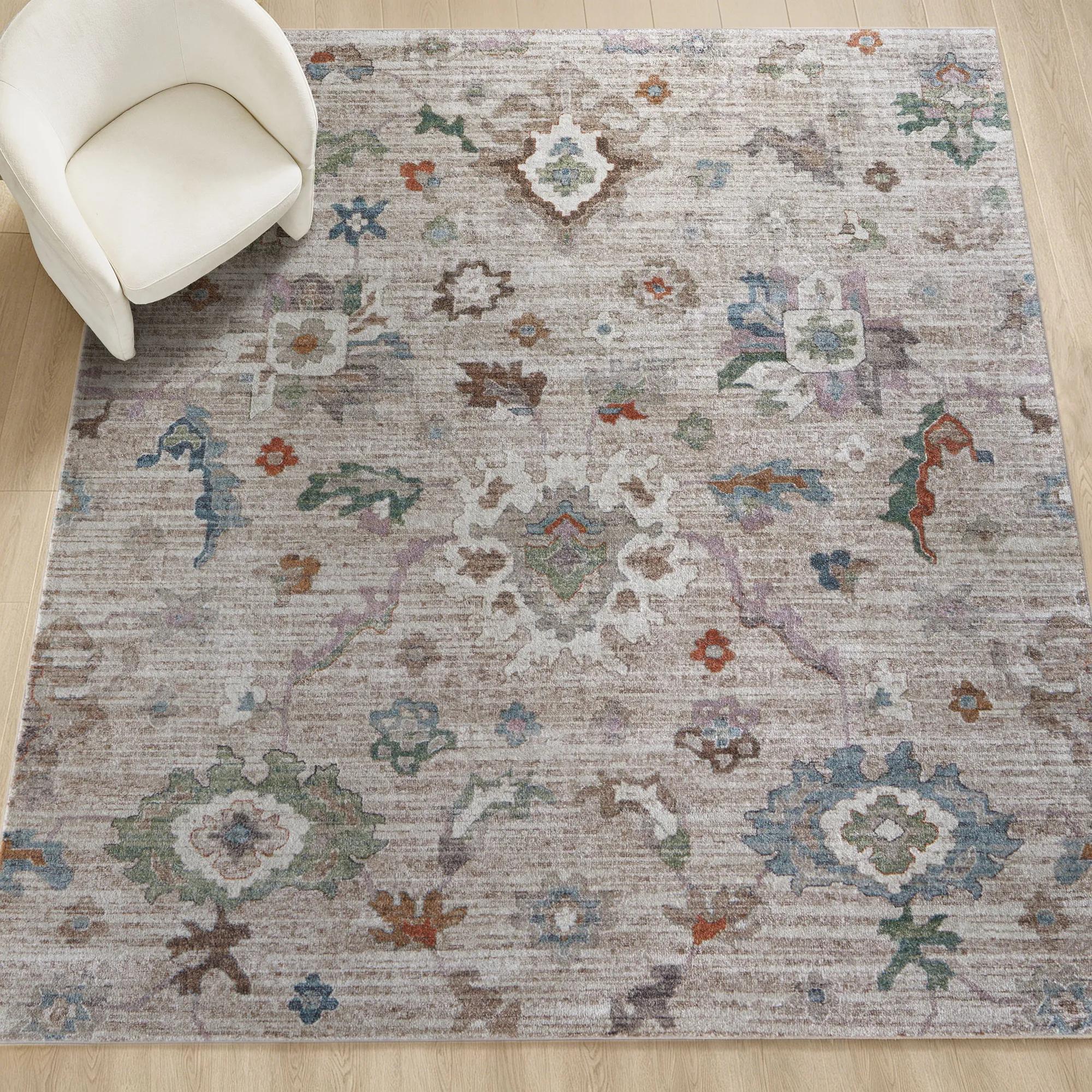
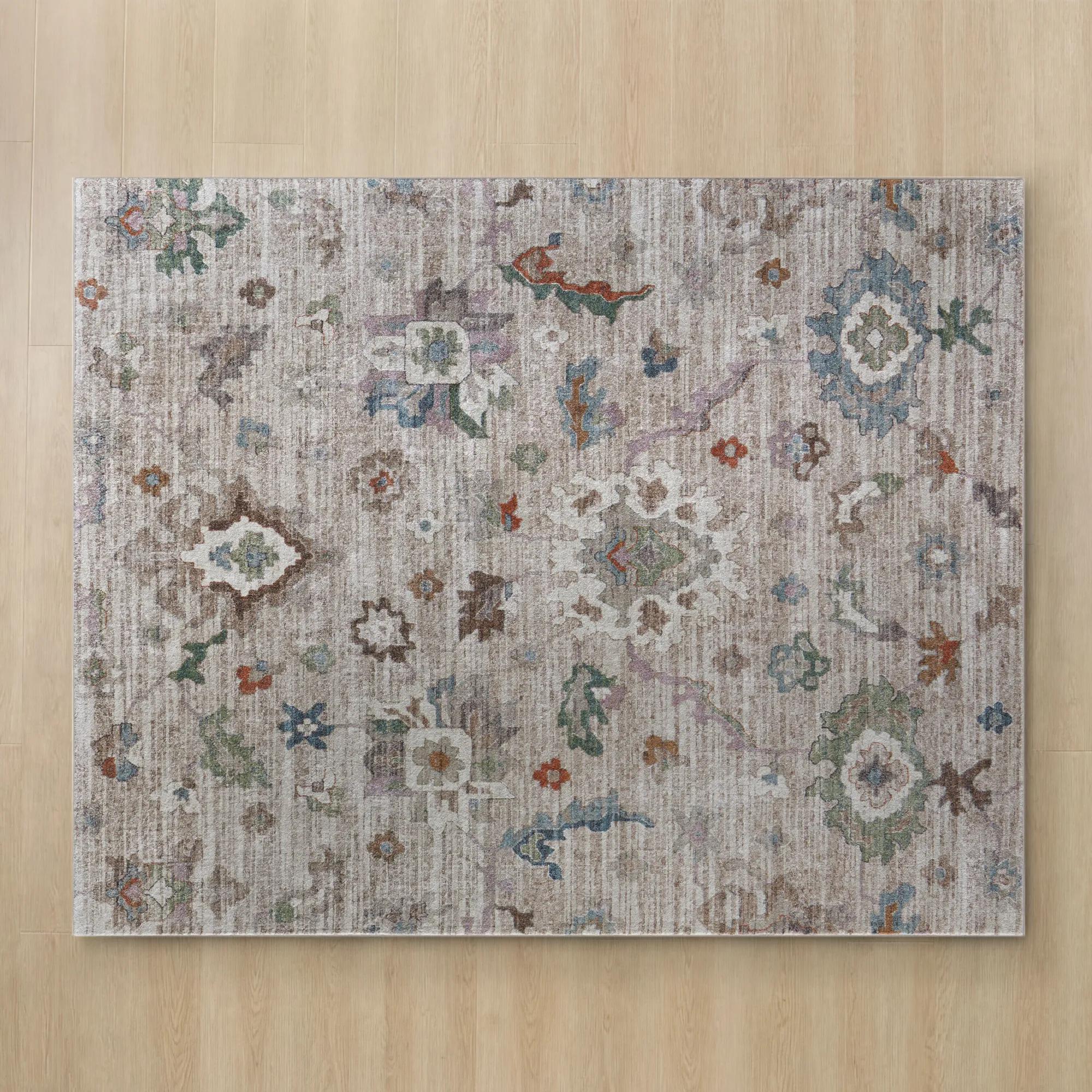 Ariella Floral Taupe/Ivory/Beige/Blue/Green Performance Power Loomed Rug$1399
A Persian-inspired rug in taupe, ivory, beige, blue, and green with a plush, power-loomed polypropylene pile.
Add To Cart -
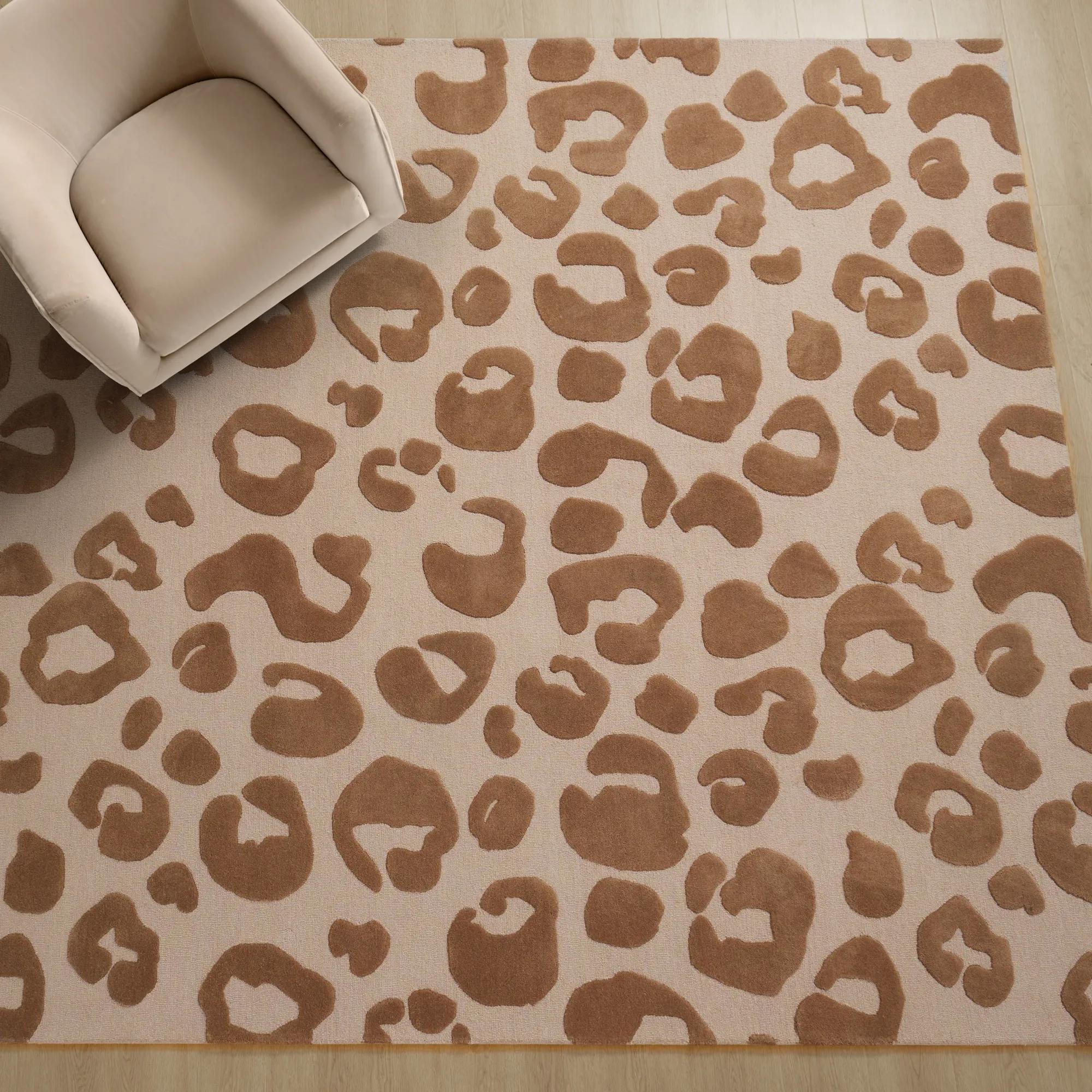 Pounce Hand-Tufted Tawny Brown Leopard Print Wool Rugs$499
A hand-tufted pure wool rug featuring a bold tawny brown leopard print and sculptural high-low texture.
Add To Cart -
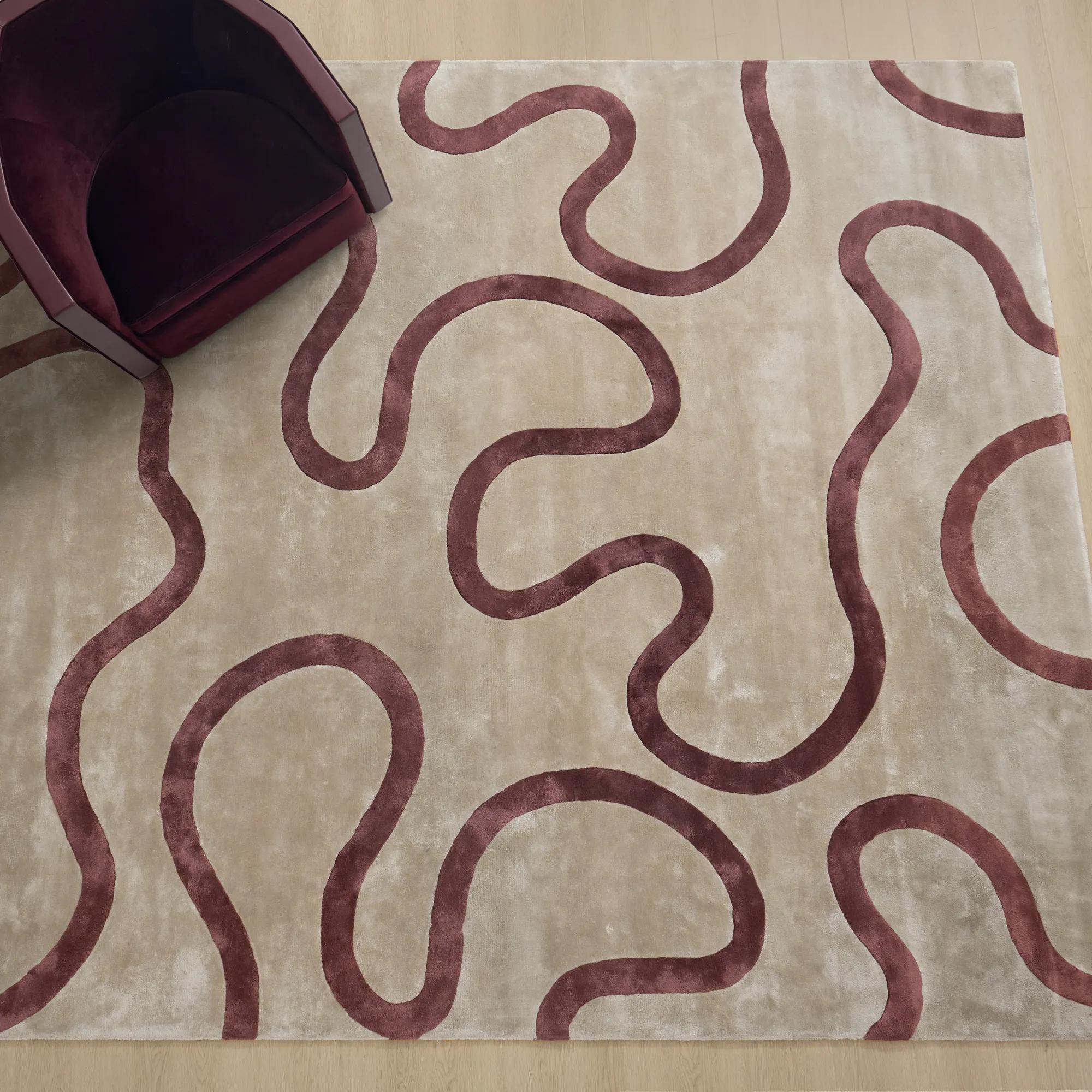 Seraphine Hand-Tufted Fig/Taupe Viscose Loop Rugs$599
A hand-tufted wool rug featuring bold fig and taupe loops for a graphic, Deco-inspired look.
Add To Cart -
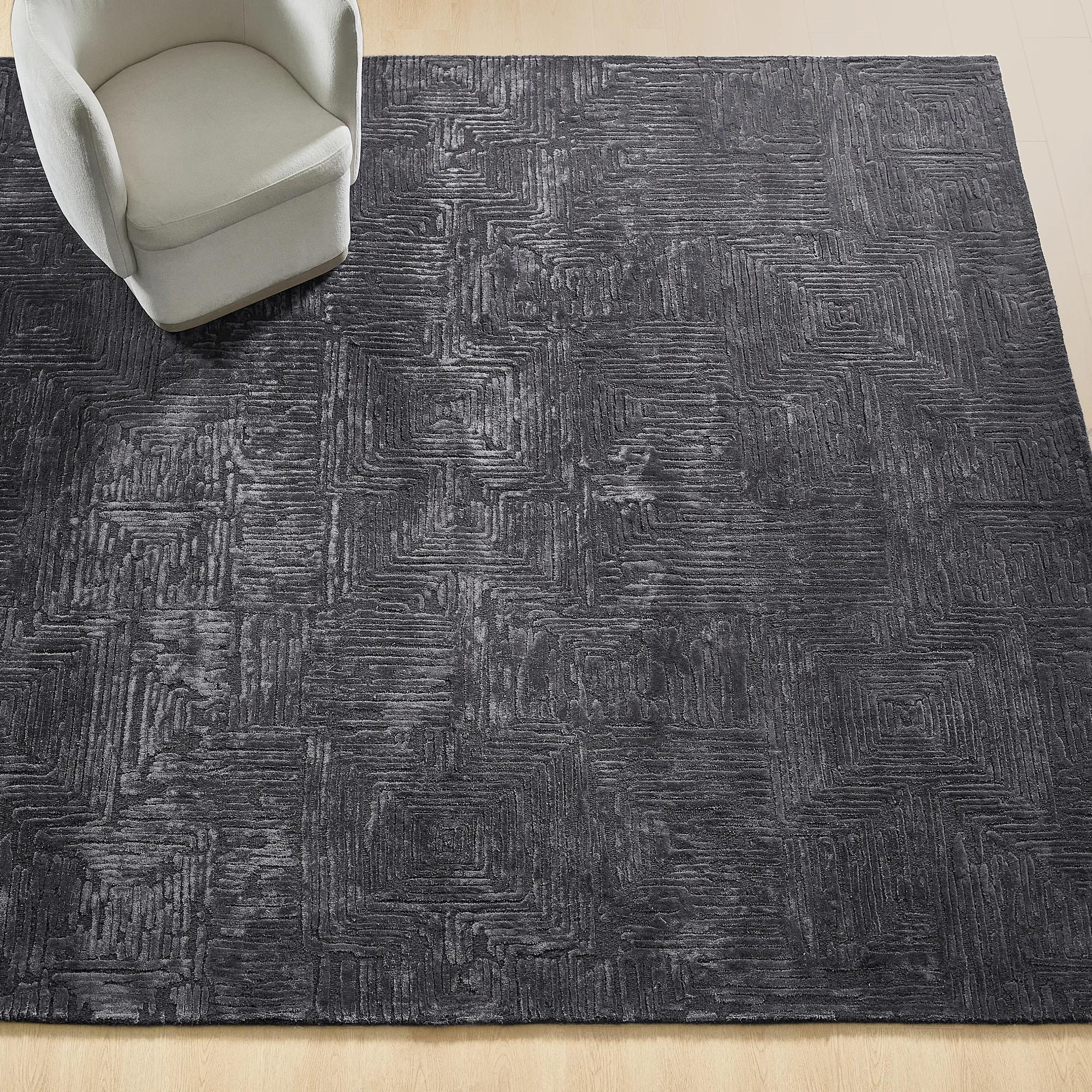
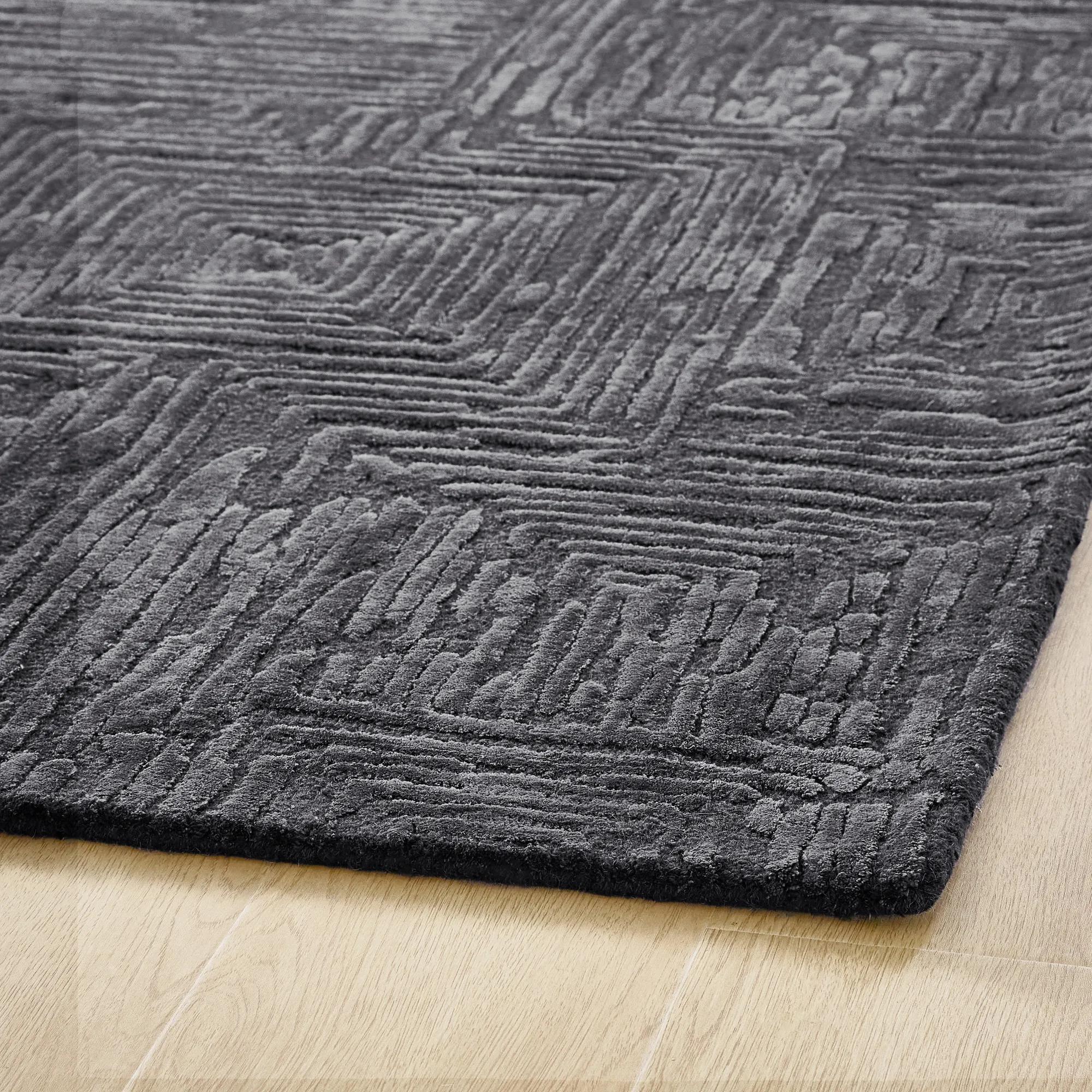 Andra Charcoal Hand-Tufted Wool Blend Dimensional Rug$499
A hand-tufted viscose-wool rug in rich charcoal, featuring a sculptural, dimensional pattern for modern spaces.
Add To Cart -
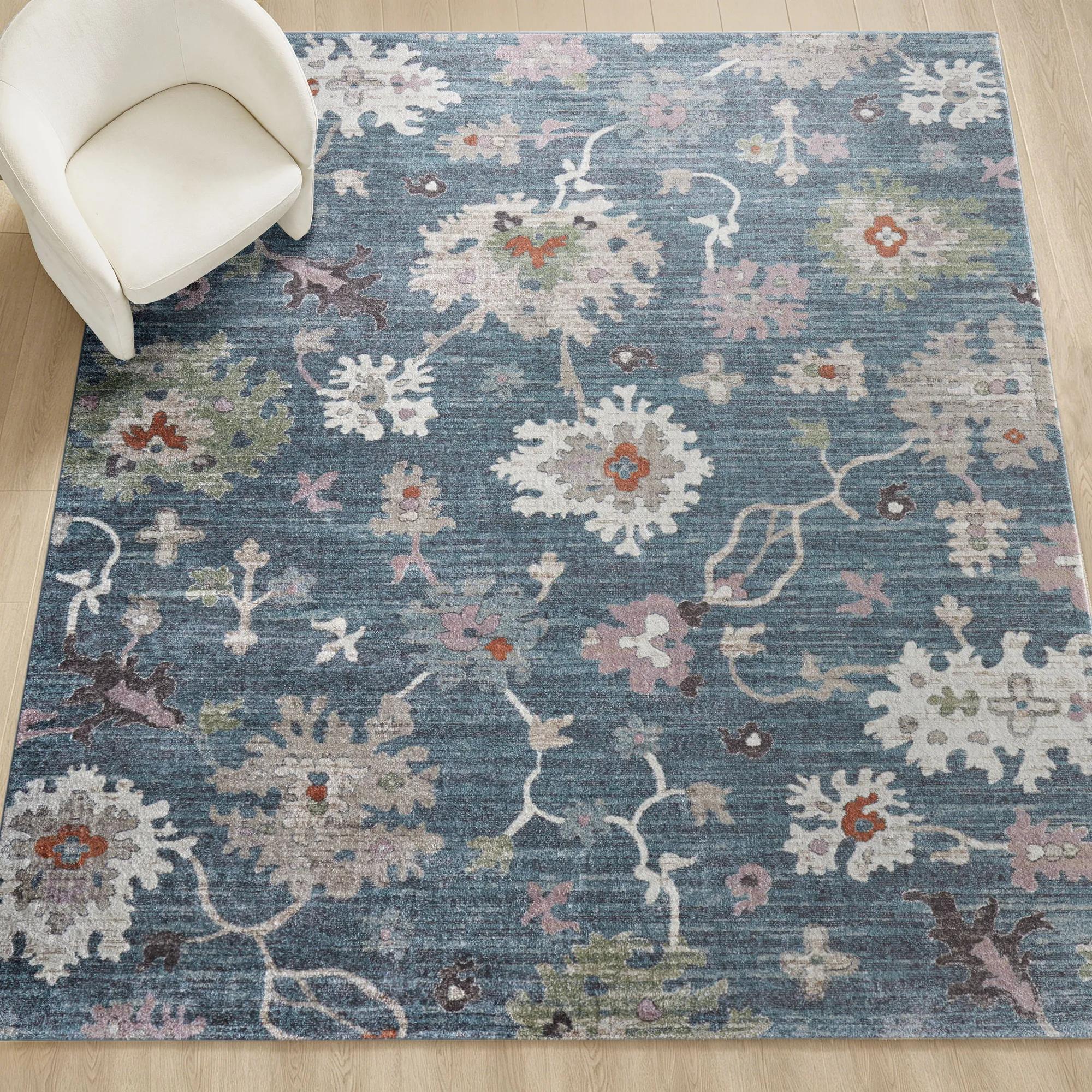
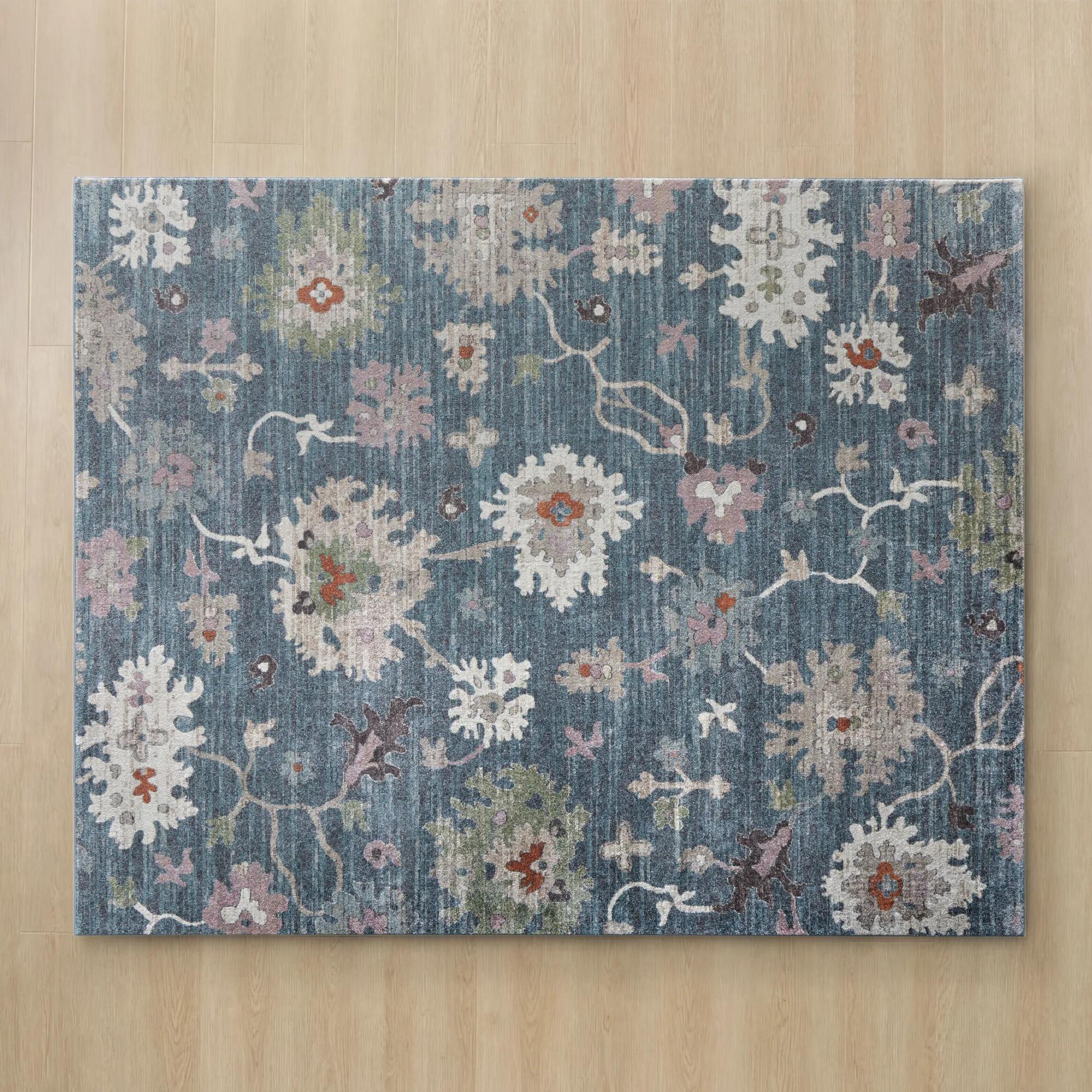 Ariella Floral Blue/Ivory/Beige/Green/Rose Dust Performance Power Loomed Rug$349
A Persian-inspired rug in blue, ivory, beige, green, and rose dust with plush, stain-resistant polypropylene pile.
Add To Cart -
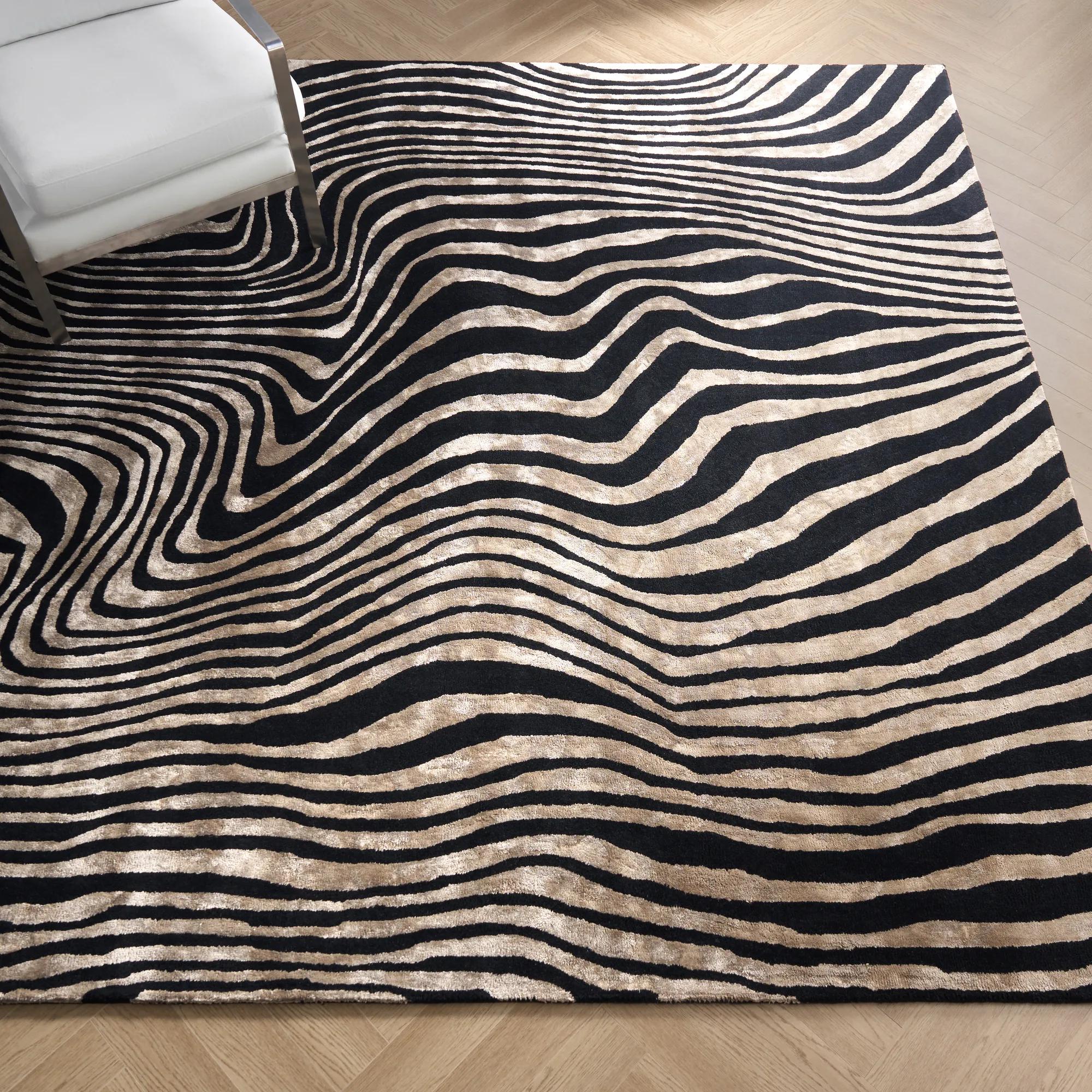
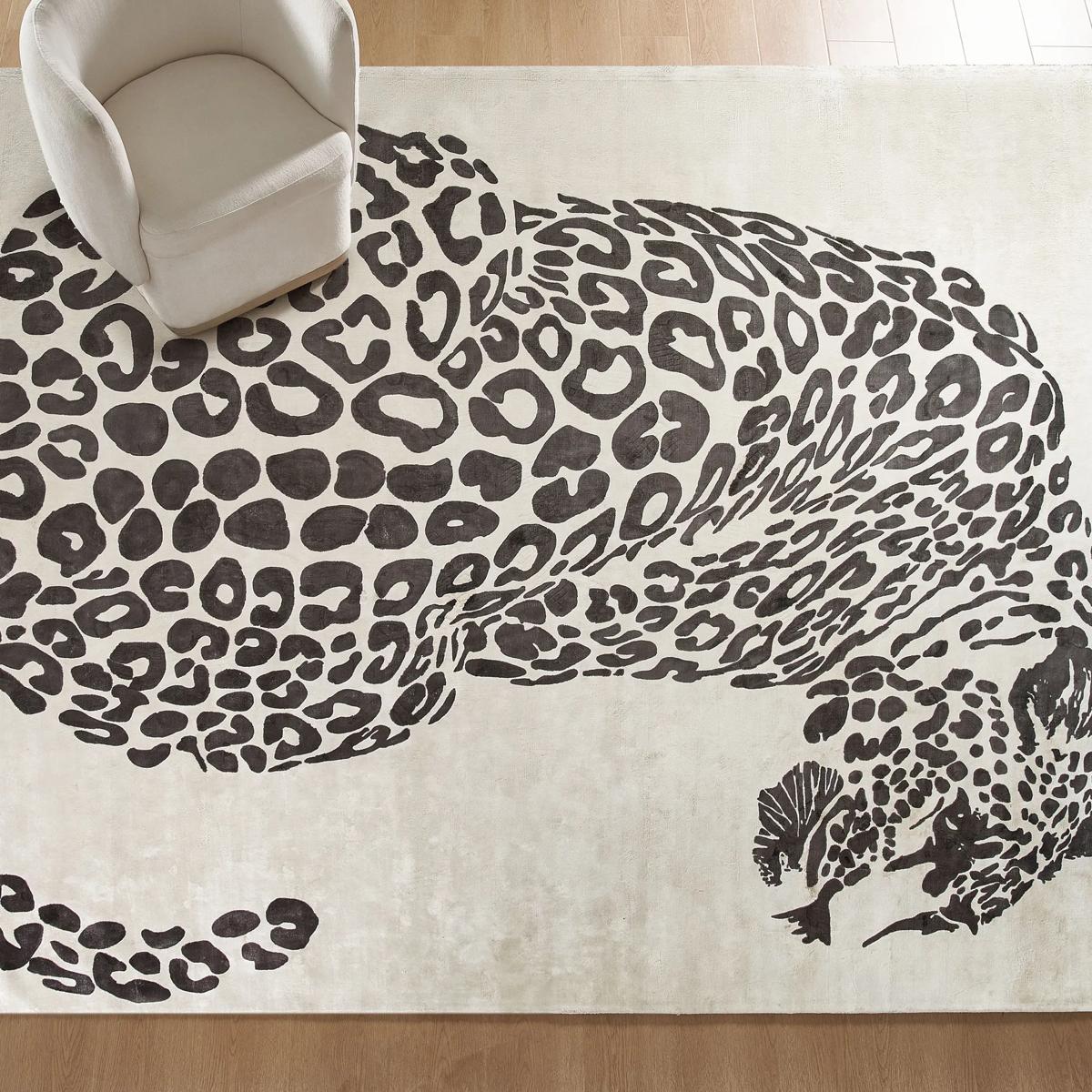 Pardus Leopard Hand-Loomed Ivory/Black Rug$499
An artful ivory and black viscose rug featuring a bold leopard motif and a smooth, silky texture.
Add To Cart -
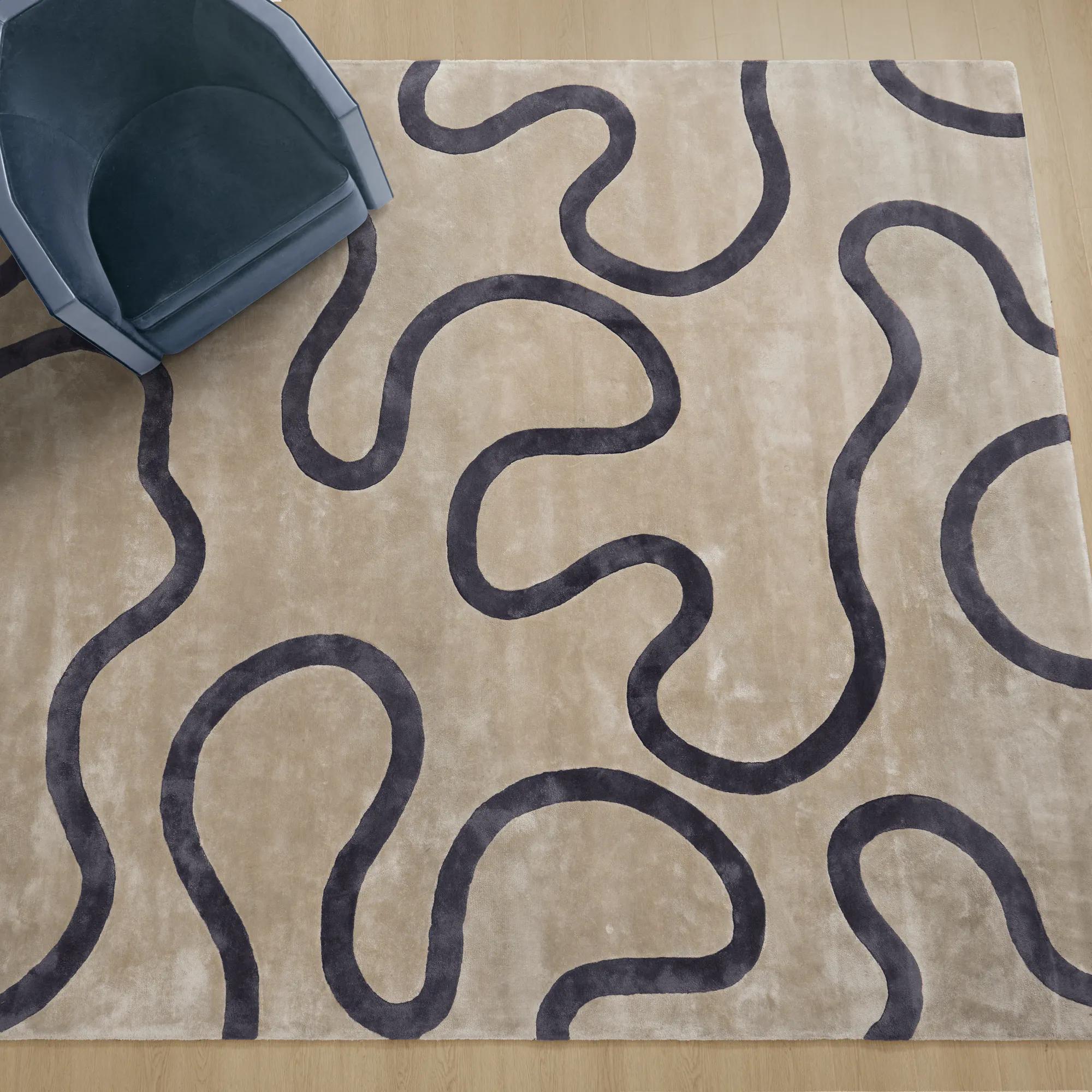 Seraphine Hand-Tufted Smoked Pearl/Taupe Viscose Loop Rugs$1799
A hand-tufted viscose rug in smoked pearl and taupe with bold Deco-inspired loop patterns and subtle sheen.
Add To Cart -
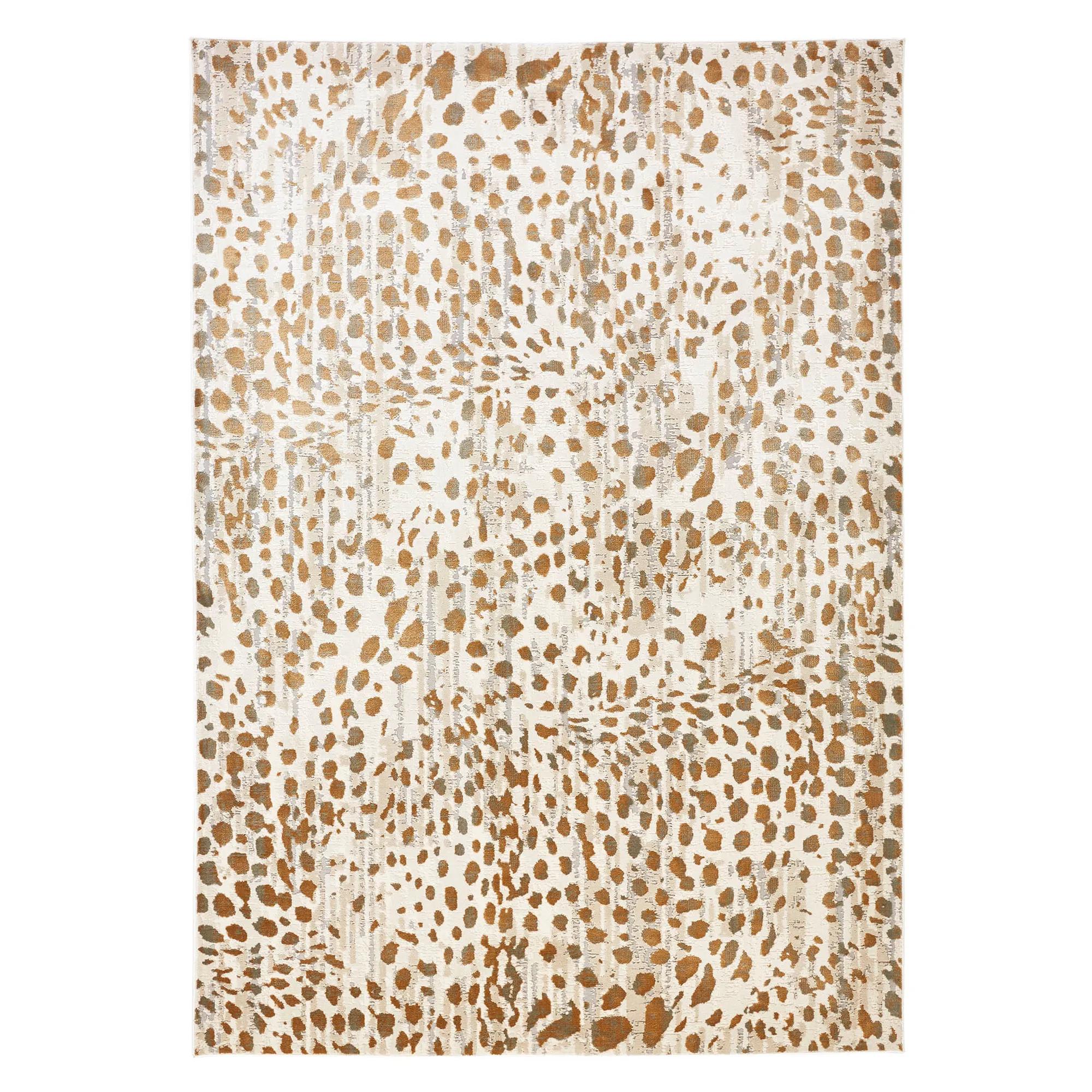
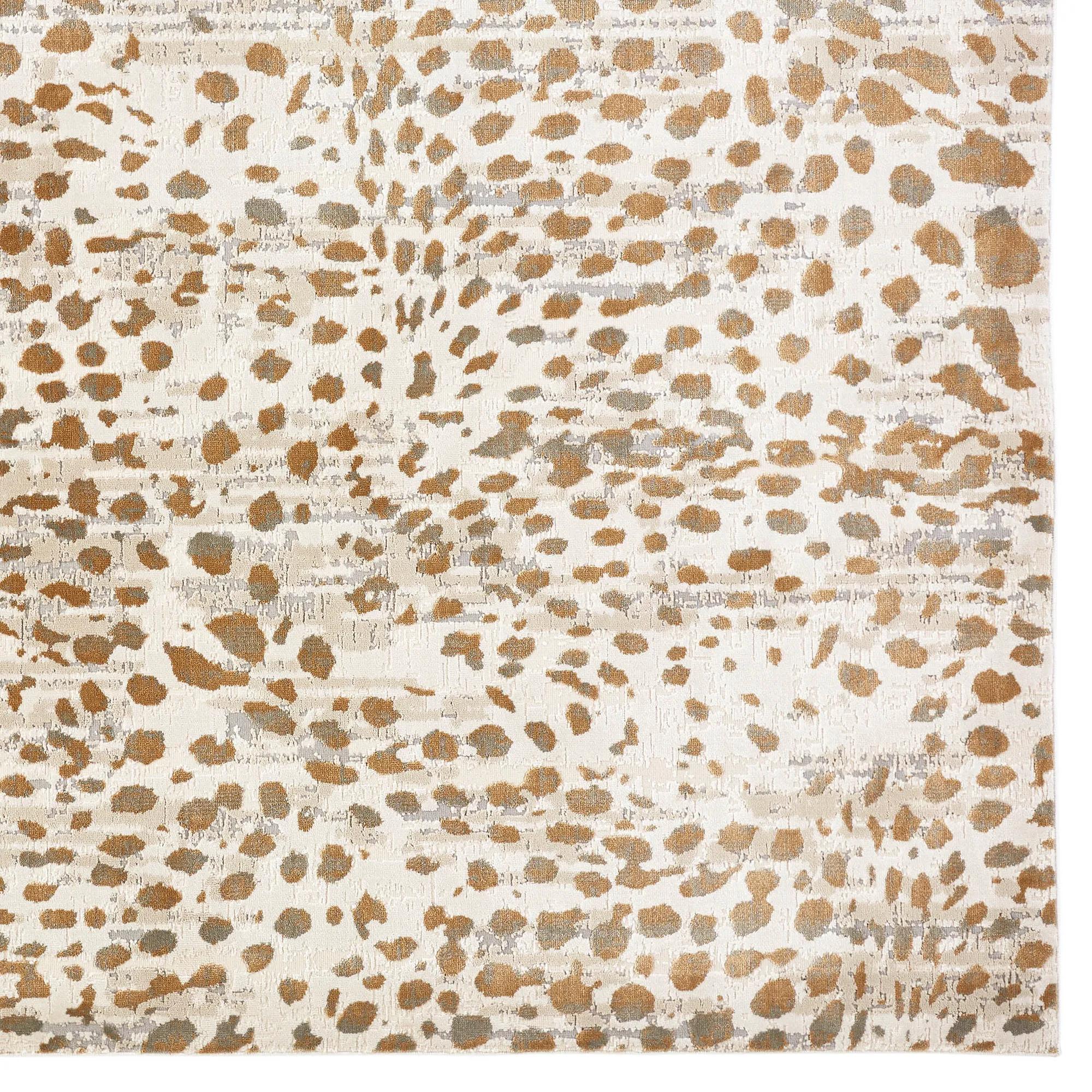 Amur Ivory/Natural Animal Print Power-Loomed Rug$399
A hand-tufted wool and viscose rug featuring a gold chain link design on neutral grey.
Add To Cart -
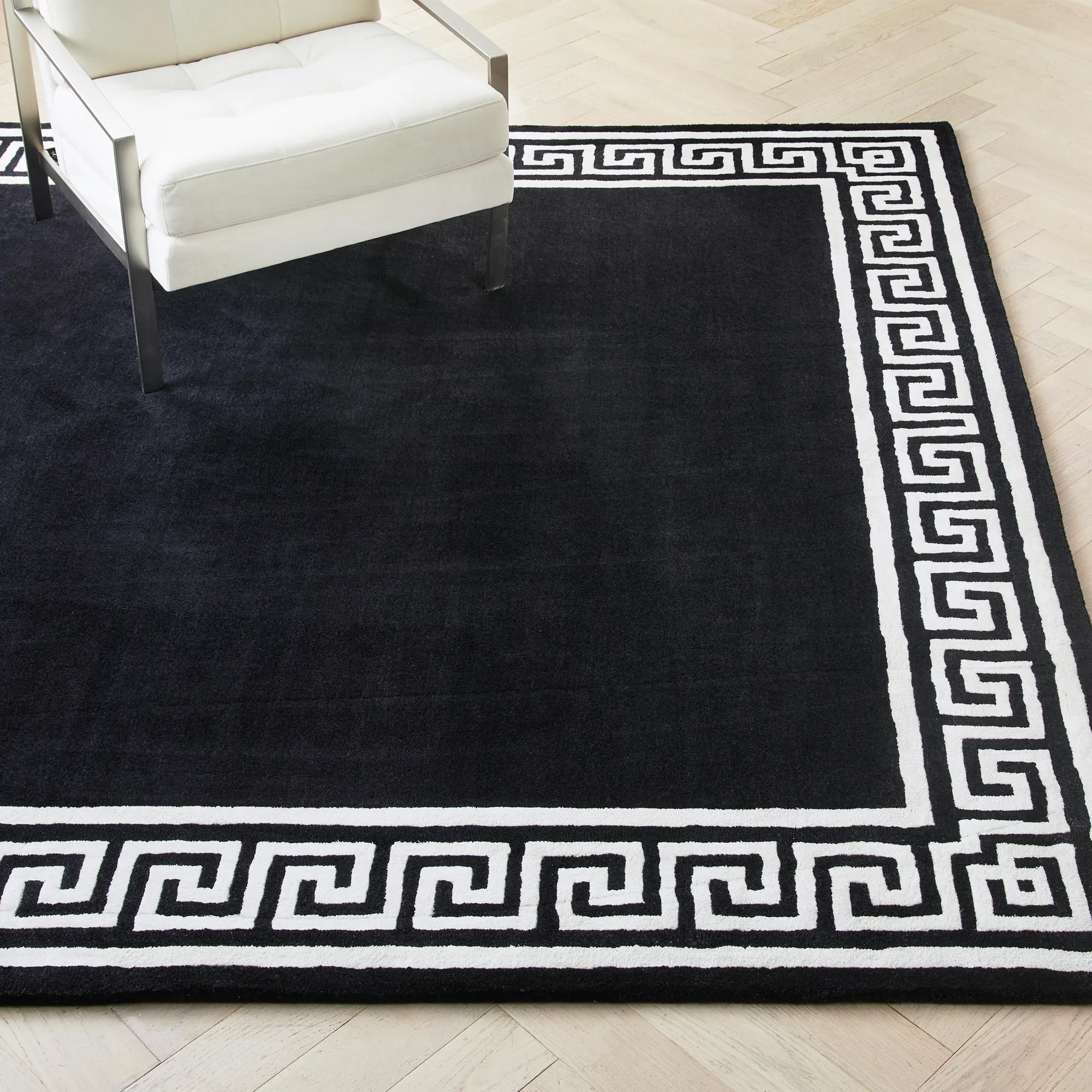
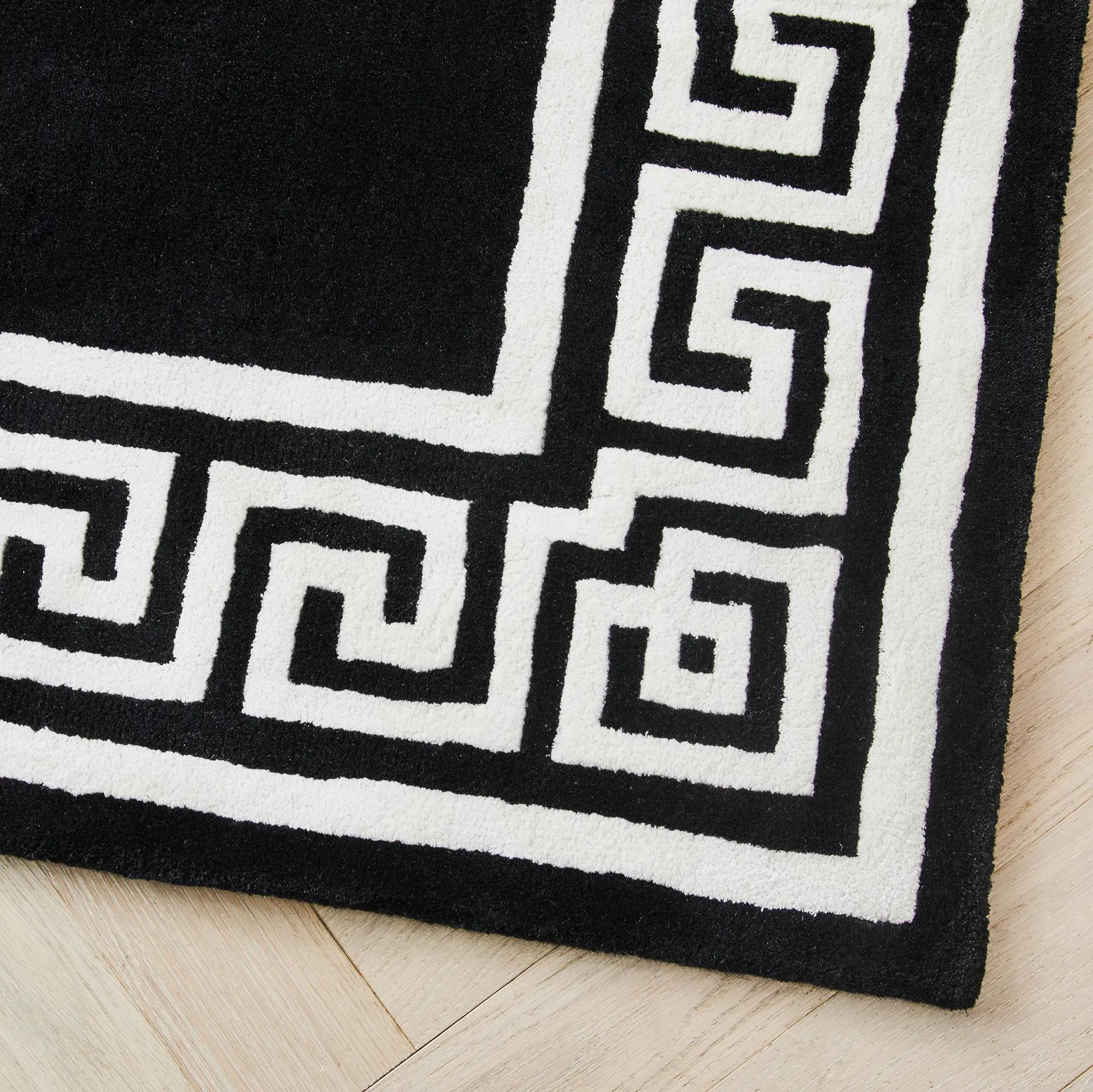 Greek Key Rug - Black/Ivory$1199
A hand-tufted black and ivory rug featuring a classic Greek key pattern in wool and viscose.
Add To Cart

High Traffic Area Rugs
Explore high traffic area rugs for busy entryways, hallways, and living rooms, where a striking foundation sets the tone for the entire space. Compare styles that complement your décor, paying close attention to dimensions, pile height, and care instructions to choose a rug suited to frequent foot traffic and your daily routine.
High traffic area rugs bring texture, color, and a sense of intention to the rooms that see the most life. In an entryway, they create a composed first impression beneath the daily rhythm of arrivals and departures; in a living room, they anchor the gathering place where conversation, entertaining, and everyday routines unfold. The most suitable area rugs for high traffic spaces generally pair durable fibers with a dense, low-pile or flatweave construction. Polypropylene, nylon, and wool are common choices, each with distinct strengths, while polyester can offer vivid color and a soft surface in constructions suited to frequent use. Polypropylene fibers resist moisture absorption and many common stains, making them a practical consideration for busy households, though the backing and overall construction still affect care requirements. Nylon is valued for abrasion resistance and resilience under repeated footsteps. Wool brings sumptuous texture, natural resilience, and some resistance to soiling, but spills still require prompt attention and cleaning methods appropriate to the fiber. Recycled polyester incorporates recovered material and can provide rich color and softness; recycled content alone, however, does not establish durability or make a rug machine washable. Fiber, weave density, backing, and finishing all contribute to performance. A plush appearance need not mean a deep pile: a tightly constructed, low-profile rug can deliver a beautifully layered foundation without the maintenance demands of long shag. For a household with children, an entry shared with pets, or a living room that regularly welcomes guests, that balance matters. These rugs are chosen not simply to withstand movement, but to make active spaces feel considered. A smoky abstract pattern can lend an open living area depth, while a crisp geometric motif introduces architectural energy to a passageway. The appeal of modern rugs for high traffic areas lies in this union of expressive design and everyday function: a foundation with enough presence to complete the room and construction appropriate to the life taking place above it.
Scale and surface shape how a high traffic rug performs as much as its fiber content. Low-pile rugs, often less than half an inch thick, generally offer a more manageable surface for routine vacuuming than deep-pile styles, although density and weave also influence how debris collects. Flatweave rugs have little or no raised pile, giving them a tailored profile that can work beneath dining chairs or near doors when clearance allows. Their thinner construction may need a suitable rug pad to help limit shifting and add comfort. In a living room, generous proportions allow at least the front legs of the main seating pieces to rest on the rug, creating a cohesive arrangement rather than a small decorative island between furnishings. In a dining area, the rug should extend far enough beyond the table for chairs to remain on it when pulled out; about 24 to 30 inches on each side is a useful starting point, with actual chair depth and room dimensions guiding the final fit. A hallway runner should leave a visible border of flooring and sit clear of door swings, with edges positioned away from places where they could become a trip hazard. Measuring the space, checking furniture movement, and confirming door clearance help preserve both the composition and the ease of moving through it. Color and pattern add another layer of practicality. Midtone palettes, tonal variation, and layered motifs can make small traces of everyday use less conspicuous between cleanings, without replacing regular care. Charcoal mingled with ivory feels graphic and grounded; taupe threaded with mineral tones creates quieter depth around sculptural furniture. A larger motif can give a spacious room a confident focal point, while finer patterning lends rhythm to a narrow corridor. For homes with pets, a compact surface may be easier to maintain than shag, but claws can catch in some looped constructions. A rug pad compatible with both the rug and the flooring helps support the surface, reduce movement, and add a more cushioned feel underfoot without compromising the room’s polished appearance.
Lasting beauty depends on matching a rug’s care requirements to the pace of the household. An area rug beneath a frequently used dining table encounters a different kind of wear than a runner along the path from the entry to the kitchen, and both benefit from consistent attention. Regular vacuuming removes grit that can work into the surface and contribute to fiber abrasion; suction settings and brush use should follow the manufacturer’s recommendations, especially for wool, delicate weaves, or fringed edges. Spills are best addressed promptly by blotting with a clean, absorbent cloth rather than rubbing, which can spread the spill or distort the pile. Any cleaning solution should be suitable for the fiber and tested in an inconspicuous area before broader use. Avoid soaking the rug, since moisture can affect dyes, backing, and the flooring beneath it. Machine-washable rugs can be appealing where small mishaps are frequent, but washability must be confirmed on the care label rather than assumed from a synthetic fiber or a low pile. Rug dimensions, appliance capacity, and drying instructions also matter. Larger rugs or more complex constructions may call for professional cleaning, particularly when the care instructions specify it. Periodic rotation, where the layout permits, helps distribute the effects of footsteps and light exposure instead of concentrating them along one route. Beneath a desk, consider the pressure and movement of rolling chairs; under dining furniture, a smooth, closely constructed surface allows chairs to move more easily than a deep, textured pile. For renters, growing families, pet owners, and frequent hosts, these details make it possible to choose a rug that reflects personal style without demanding an impractical routine. No rug is impervious to wear, and stain resistance does not mean stain proof. The strongest choice is one whose material, proportions, construction, and maintenance needs suit its intended setting. With that foundation established, a busy room can hold onto its drama: furniture feels grounded, color gains depth, and the most traveled spaces become some of the most expressive.
FAQs
High-traffic area rugs commonly feature wool, nylon, polypropylene, or polyester. Wool brings rich texture and a sumptuous feel, while synthetic fibers offer a broad palette of colors and finishes. Look beyond fiber alone: pile, weave, and surface texture all contribute to the rug’s character.
Abstract brushstrokes, architectural geometrics, and reimagined traditional motifs give high-traffic area rugs an expressive presence. A painterly design introduces movement beneath tailored furniture, while a crisp geometric pattern creates a striking counterpoint to curved silhouettes. Choose a motif that complements the room’s artwork without competing for attention.
Draw inspiration from the room’s upholstery, artwork, and decorative accents. Charcoal and ivory create a dramatic foundation, while layered taupe and champagne tones offer softer sophistication. For a more expressive interior, jewel-toned accents can connect the rug to velvet seating or richly colored glass accessories.
Let the rug establish a textured foundation, then build contrast with sculptural furniture and gleaming accents. A subtly patterned rug brings balance to mirrored tables and expressive artwork, while a bold abstract design can become the room’s artistic centerpiece. Repeat one hue from the rug in pillows or decorative objects for a composed, intentional finish.
Follow the rug’s care label, as cleaning requirements vary by fiber and construction. Vacuum with the recommended setting, blot spills promptly rather than rubbing, and rotate the rug periodically to distribute everyday wear. When deeper cleaning is needed, use the manufacturer’s recommended method to preserve the rug’s distinctive texture and finish.