Bedroom Sets With Nightstands
Bedroom Sets With Nightstands
-
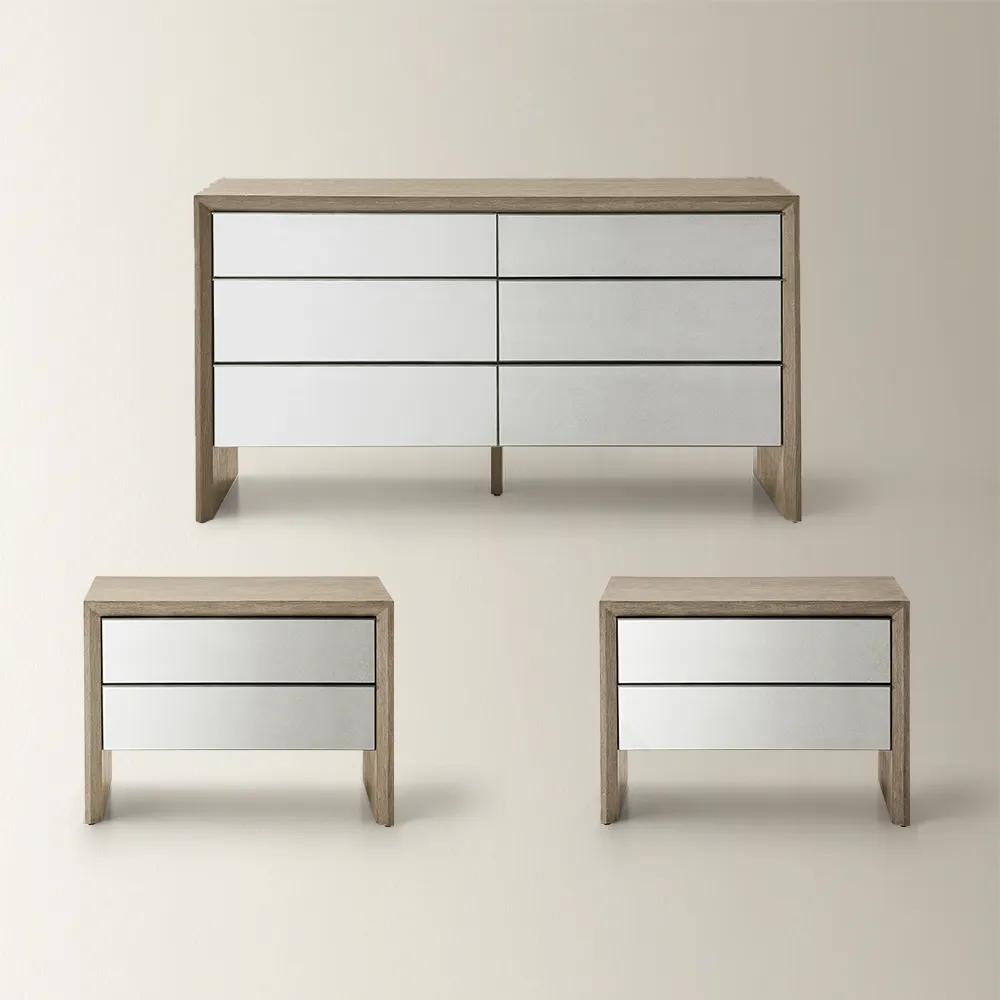 Glimmer Set of 3 Bedroom$3097
A coordinated bedroom furniture set featuring a dresser and two nightstands for cohesive storage.
Add To Cart -
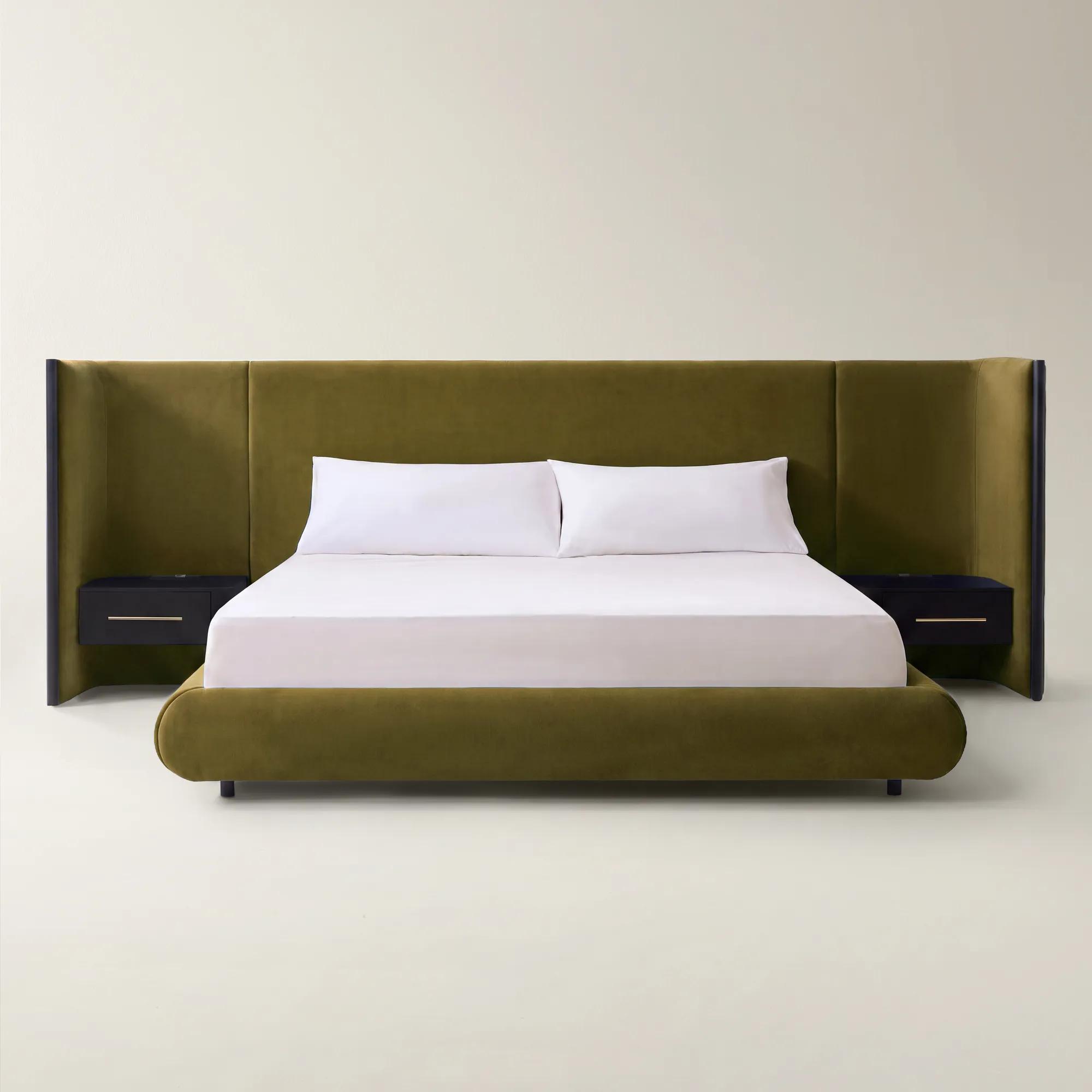
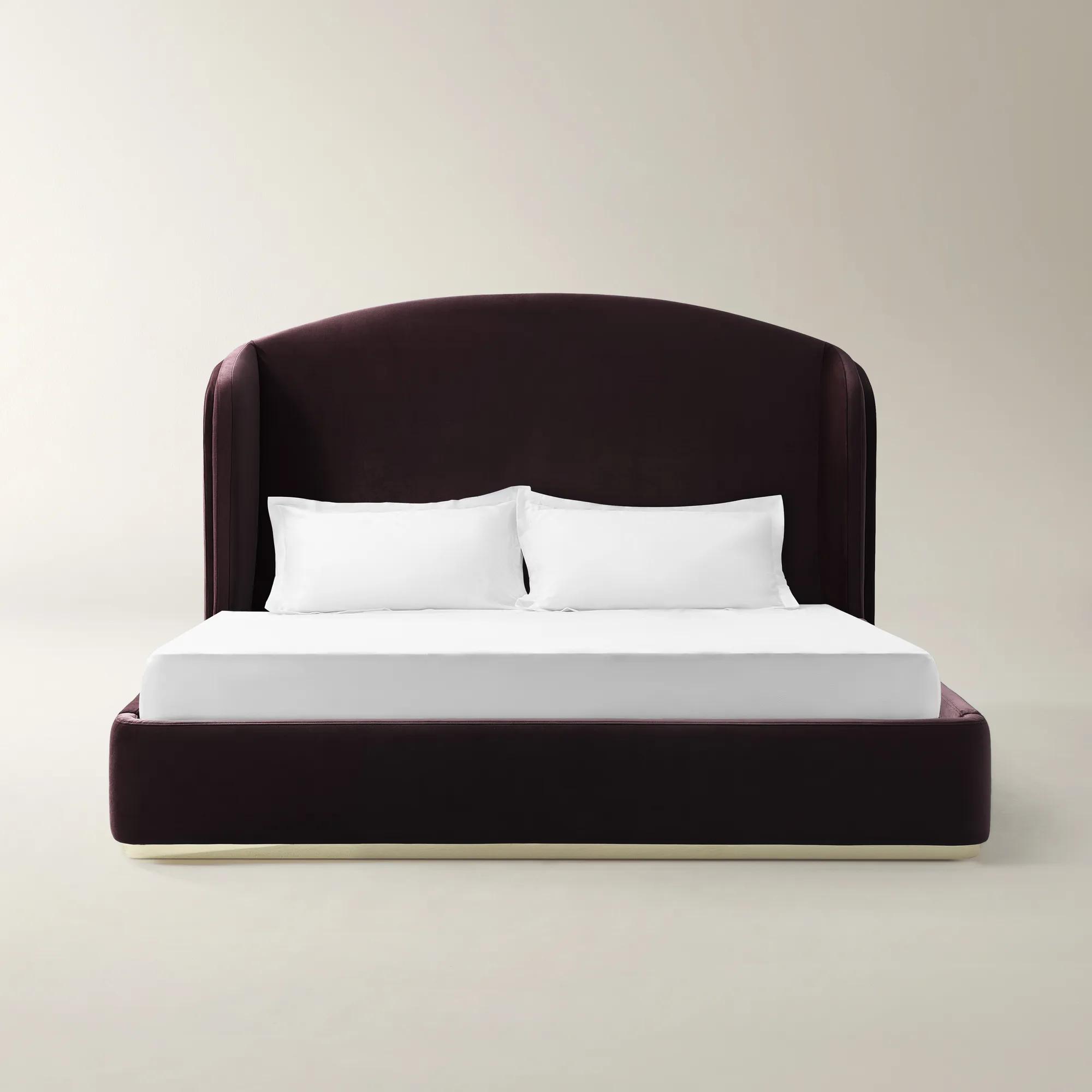
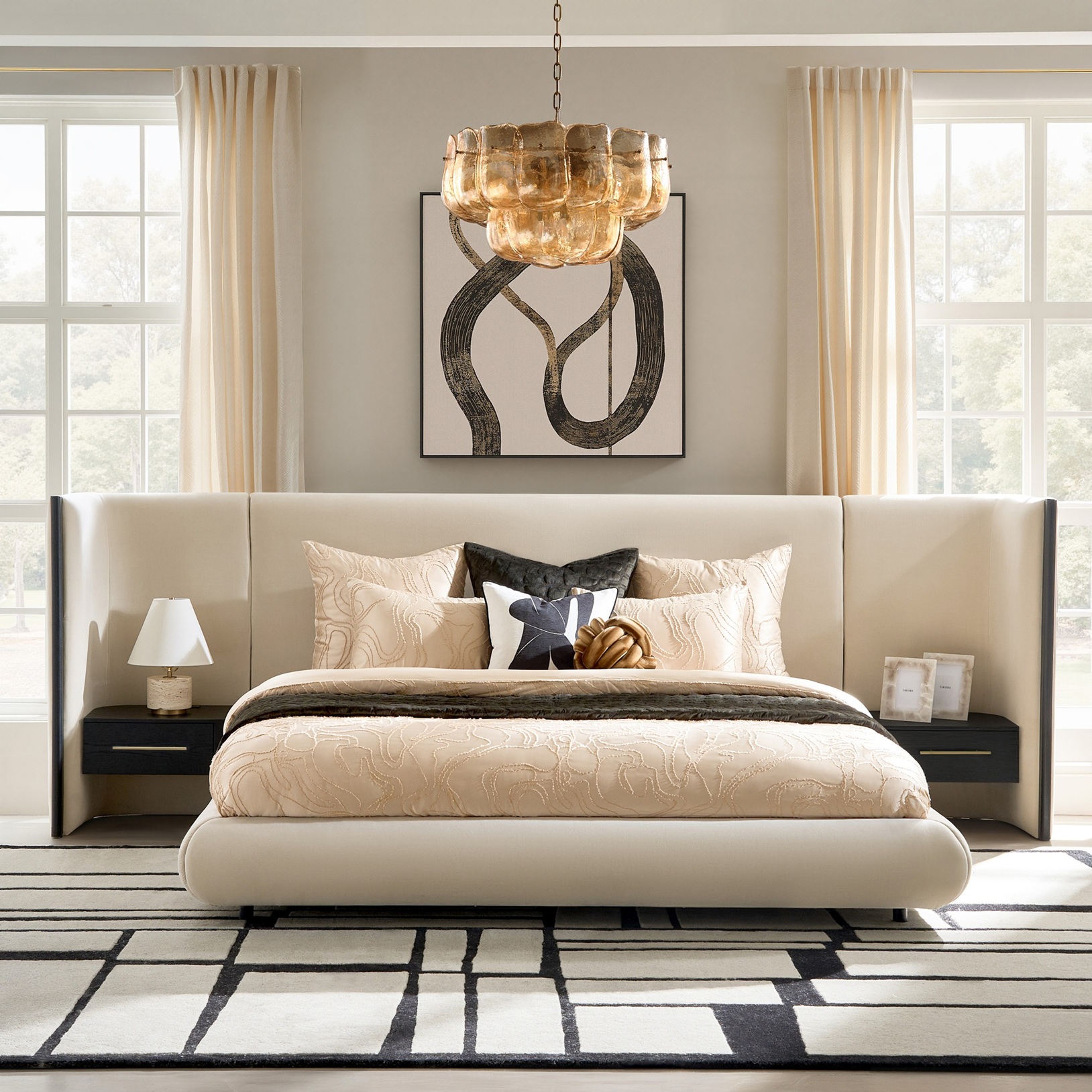 Sierra Deep Olive Velvet Upholstered Queen Bed With Nightstands$2699
A deep olive velvet platform bed featuring an extended headboard, floating nightstands, and built-in power access.
Add To Cart -
 Glimmer Set of 4 Bedroom$5296
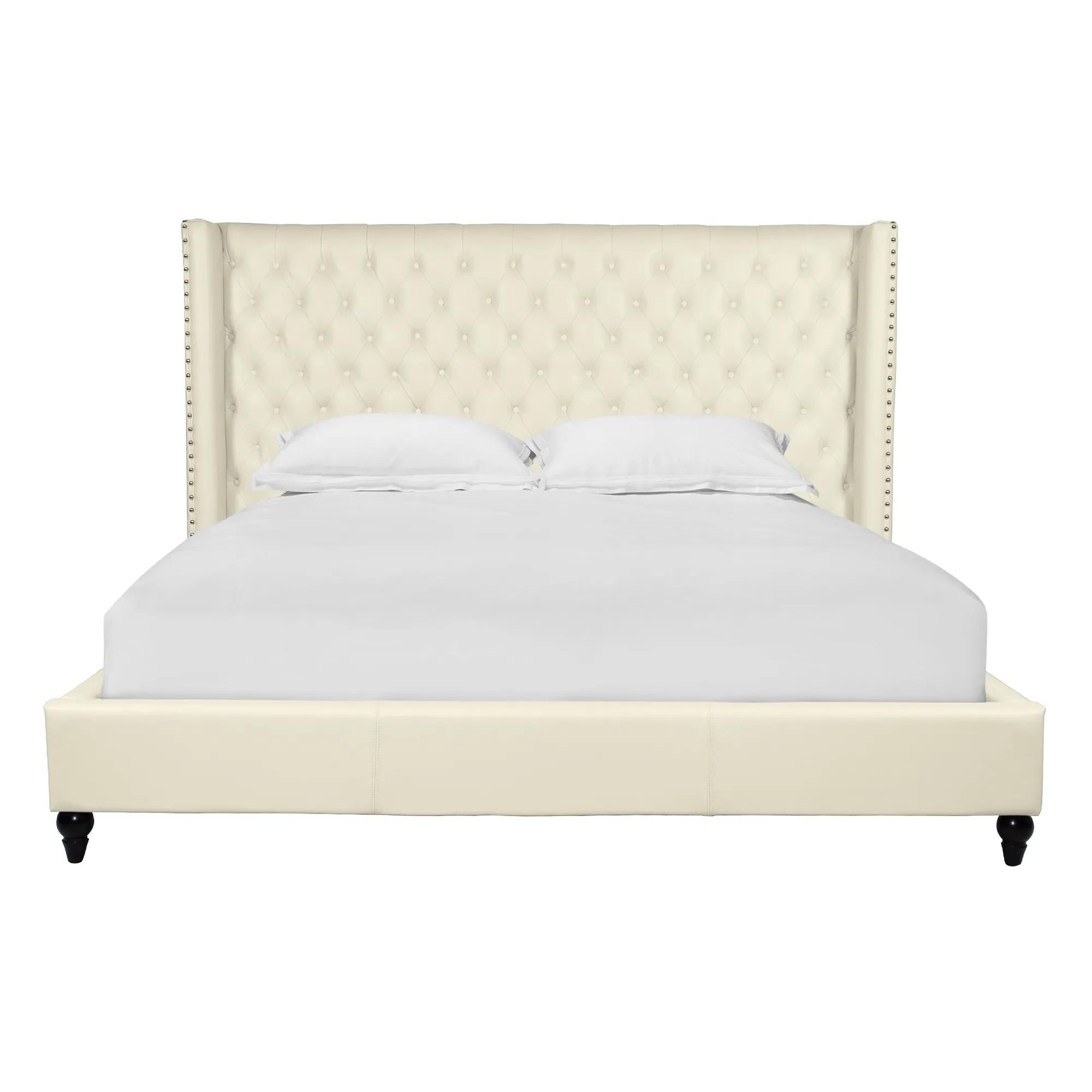
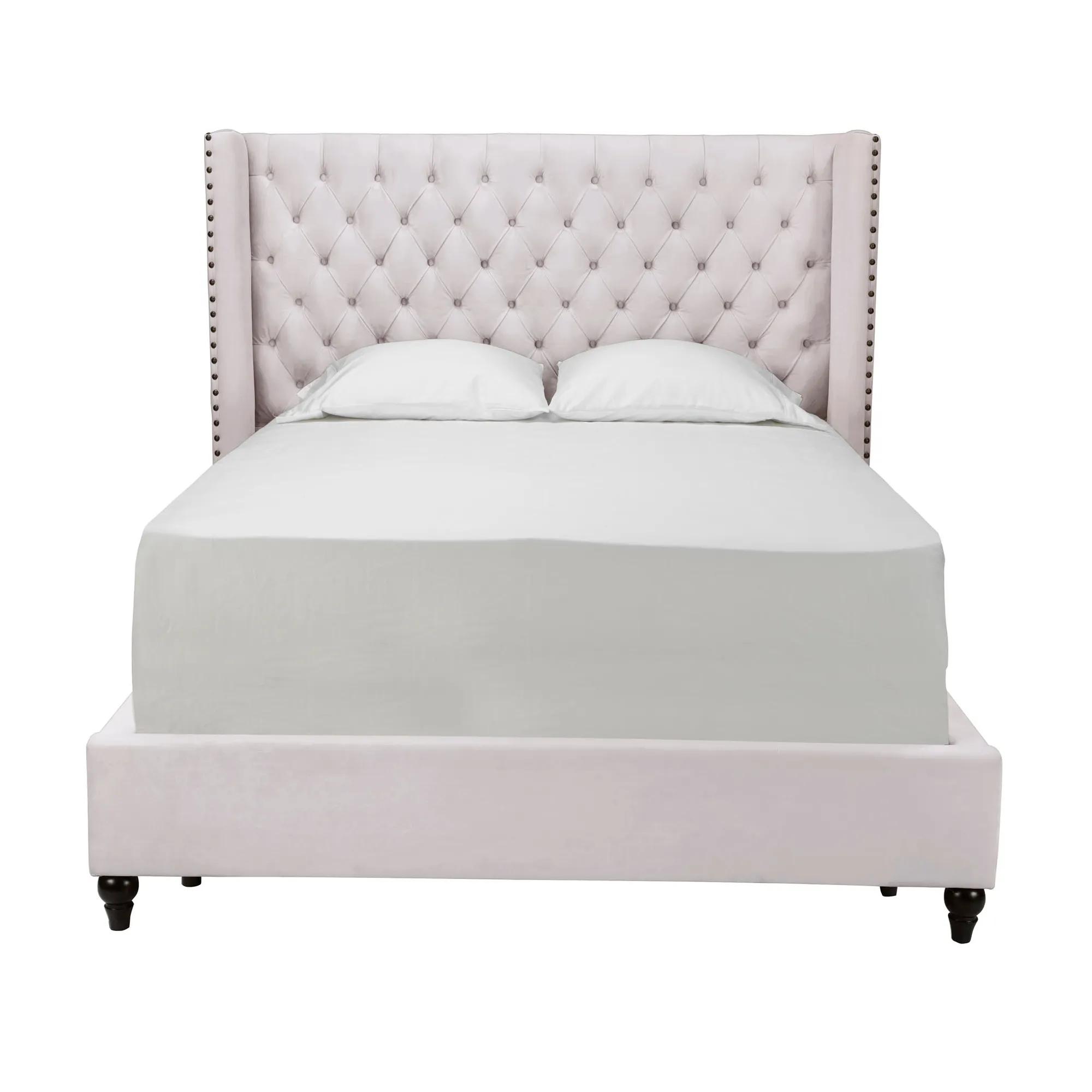
A sophisticated bedroom set featuring an ivory or grey bed with coordinating nightstands and dresser.
Add To Cart -
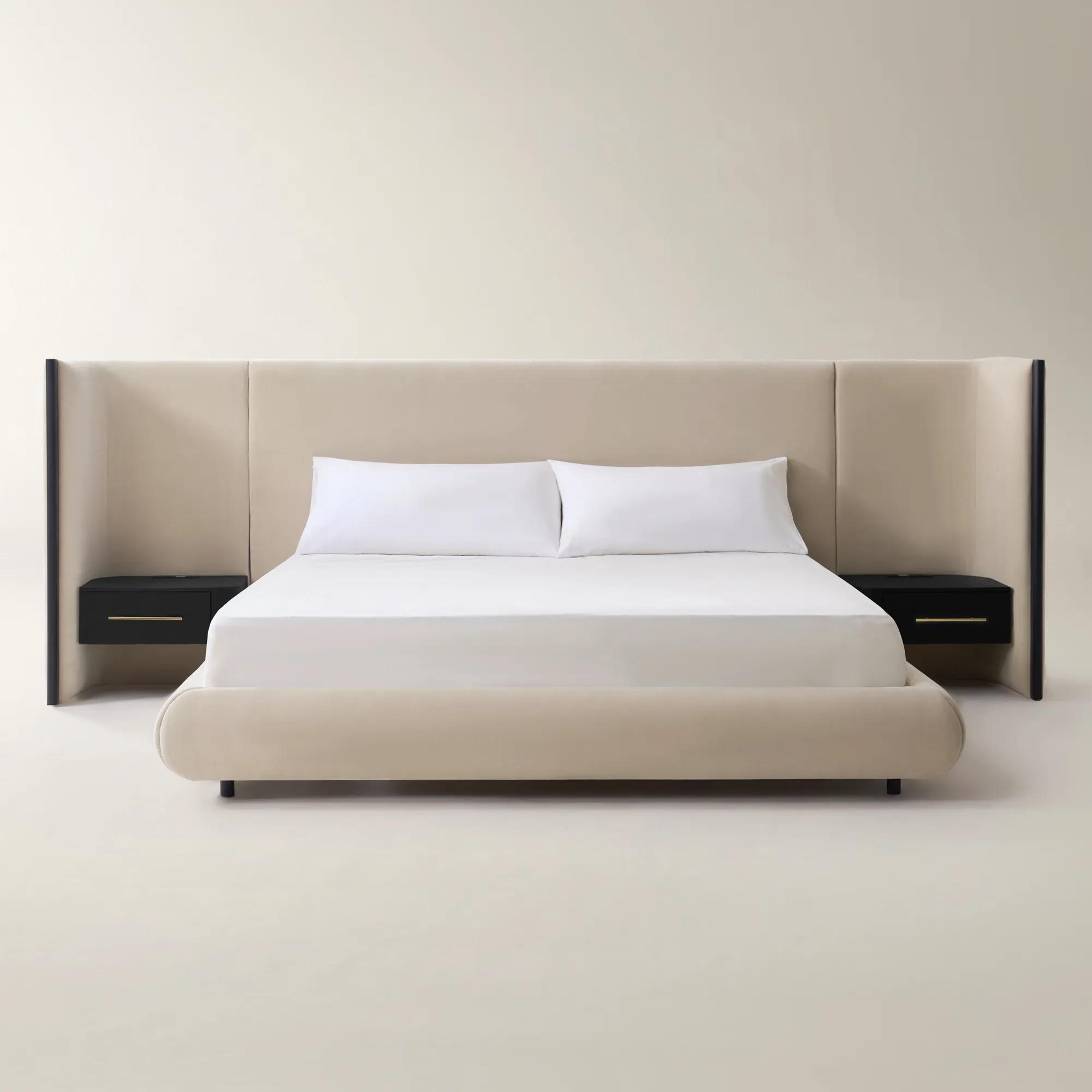 Sierra Oatmeal Velvet Upholstered Queen Bed With Nightstands$2699
A modern oatmeal velvet bed with an extended headboard, floating nightstands, and built-in power access.
Add To Cart -
 Glimmer Set of 3 Bedroom$3197
A coordinated bedroom set featuring a bed and two nightstands in elegant ivory or grey finishes.
Add To Cart -
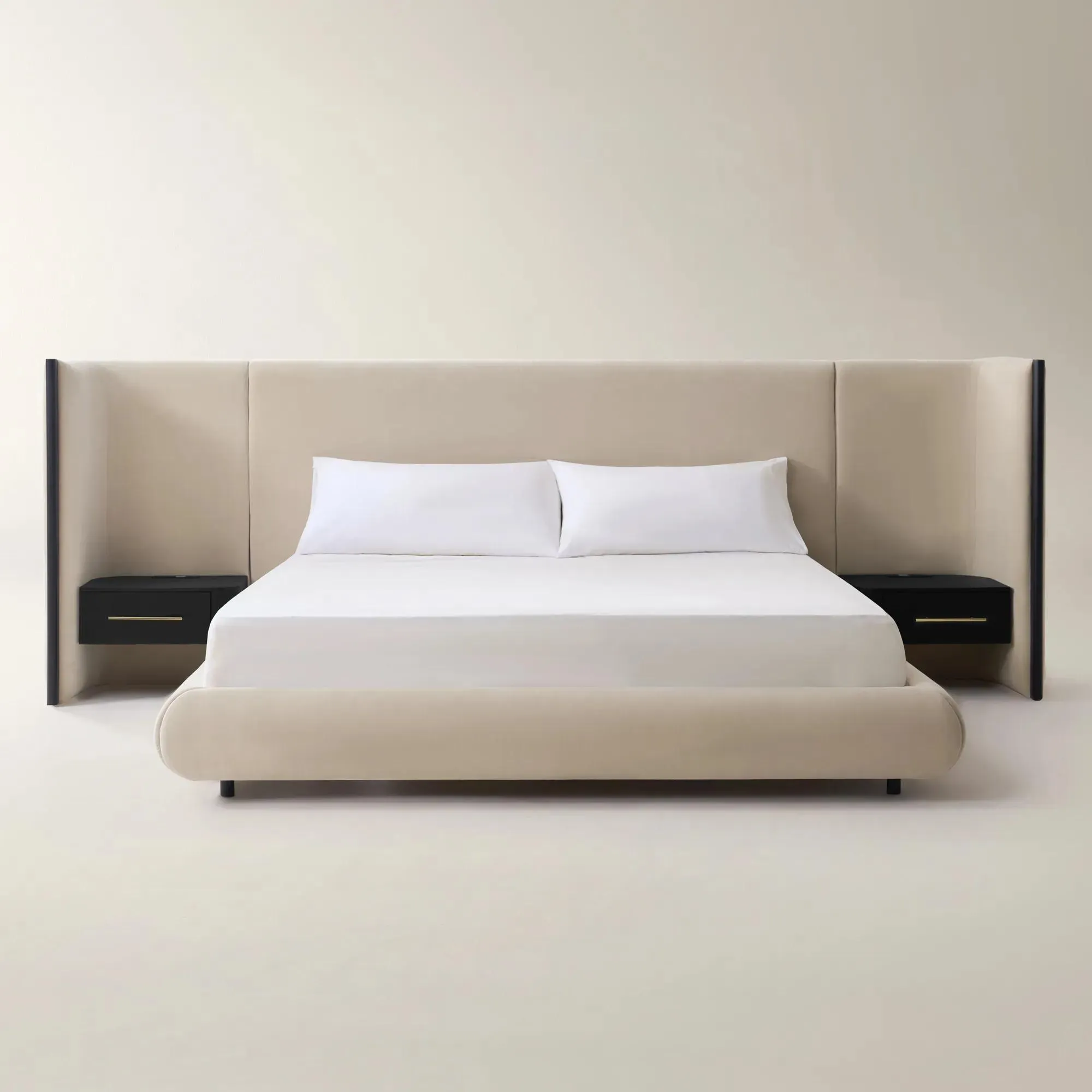 Sierra Deep Olive Velvet Upholstered King Bed With Nightstands$2899
A deep olive velvet platform bed featuring an extended headboard, floating nightstands, and built-in power access.
Add To Cart -
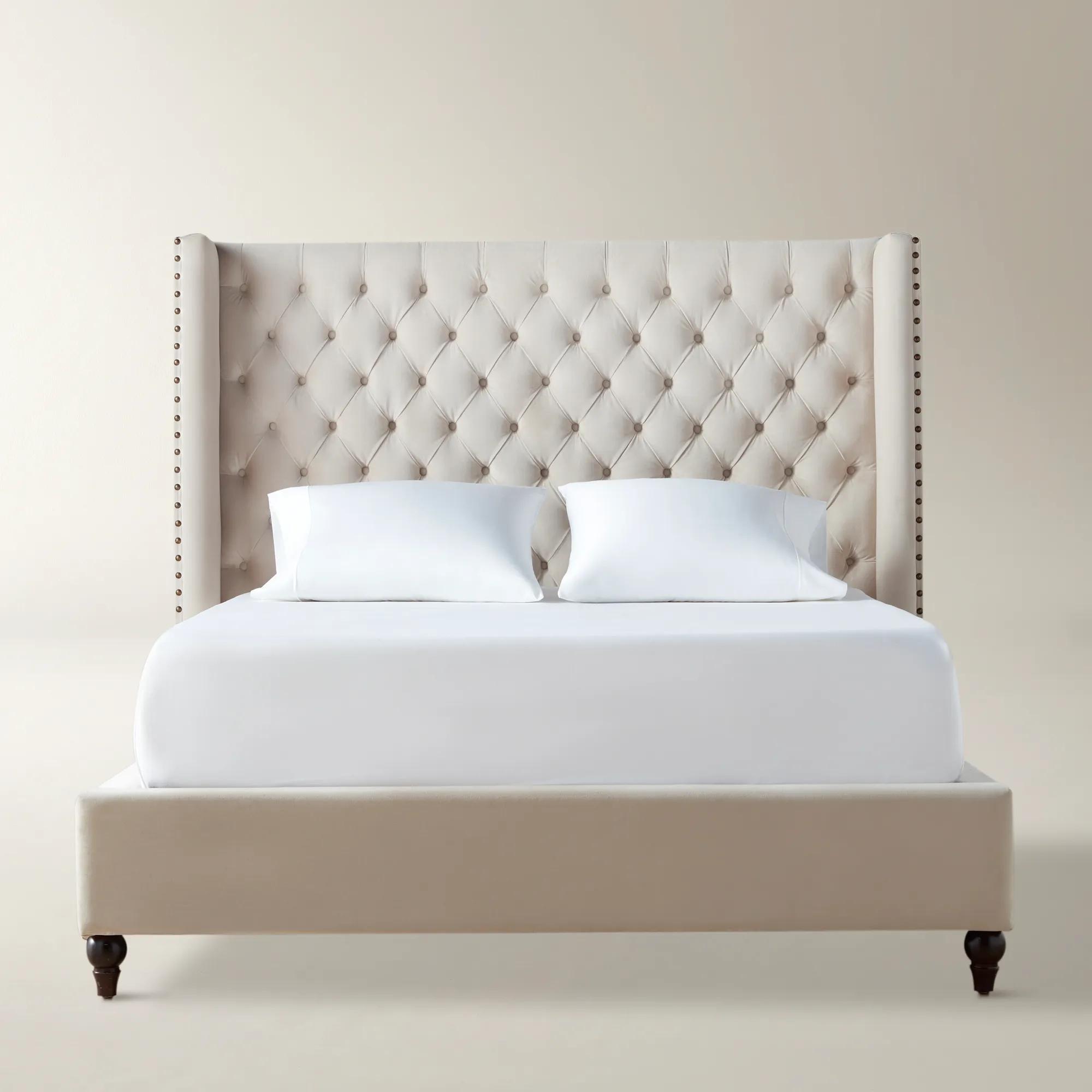
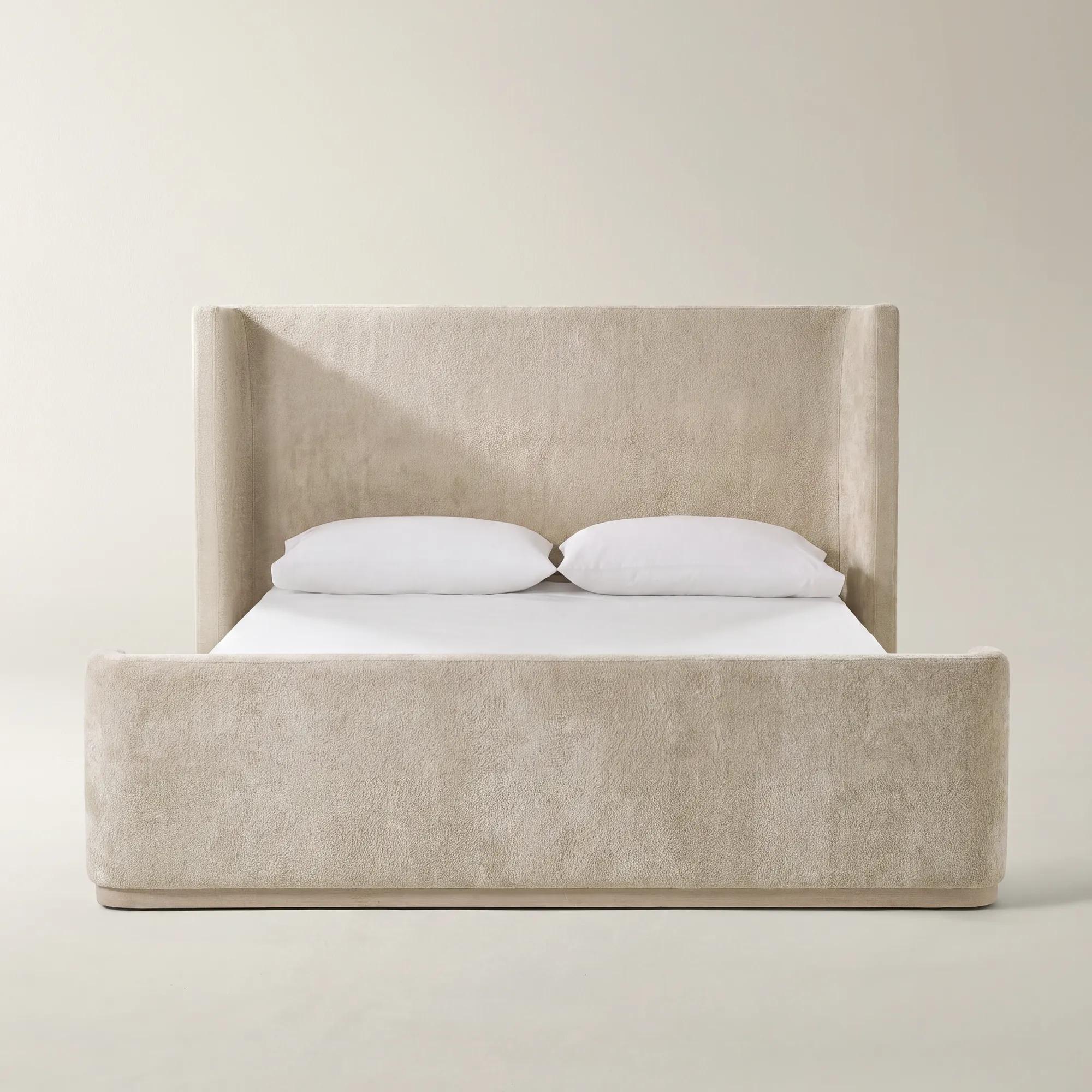
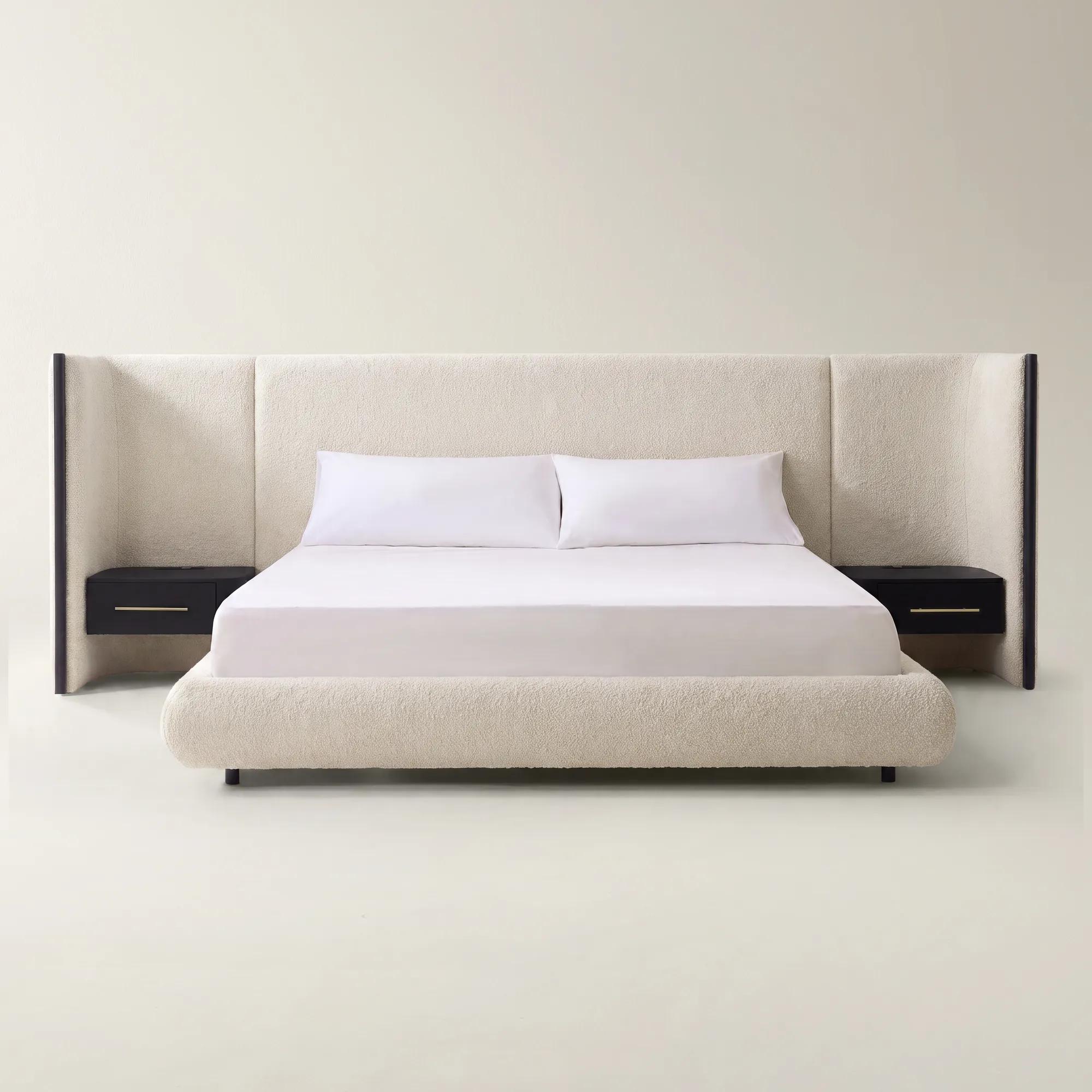 Sierra Utopia Sand Chenille Upholstered Queen Bed With Nightstands$2799
A sand chenille upholstered platform bed featuring an extended headboard, black wood trim, and floating nightstands.
Add To Cart -
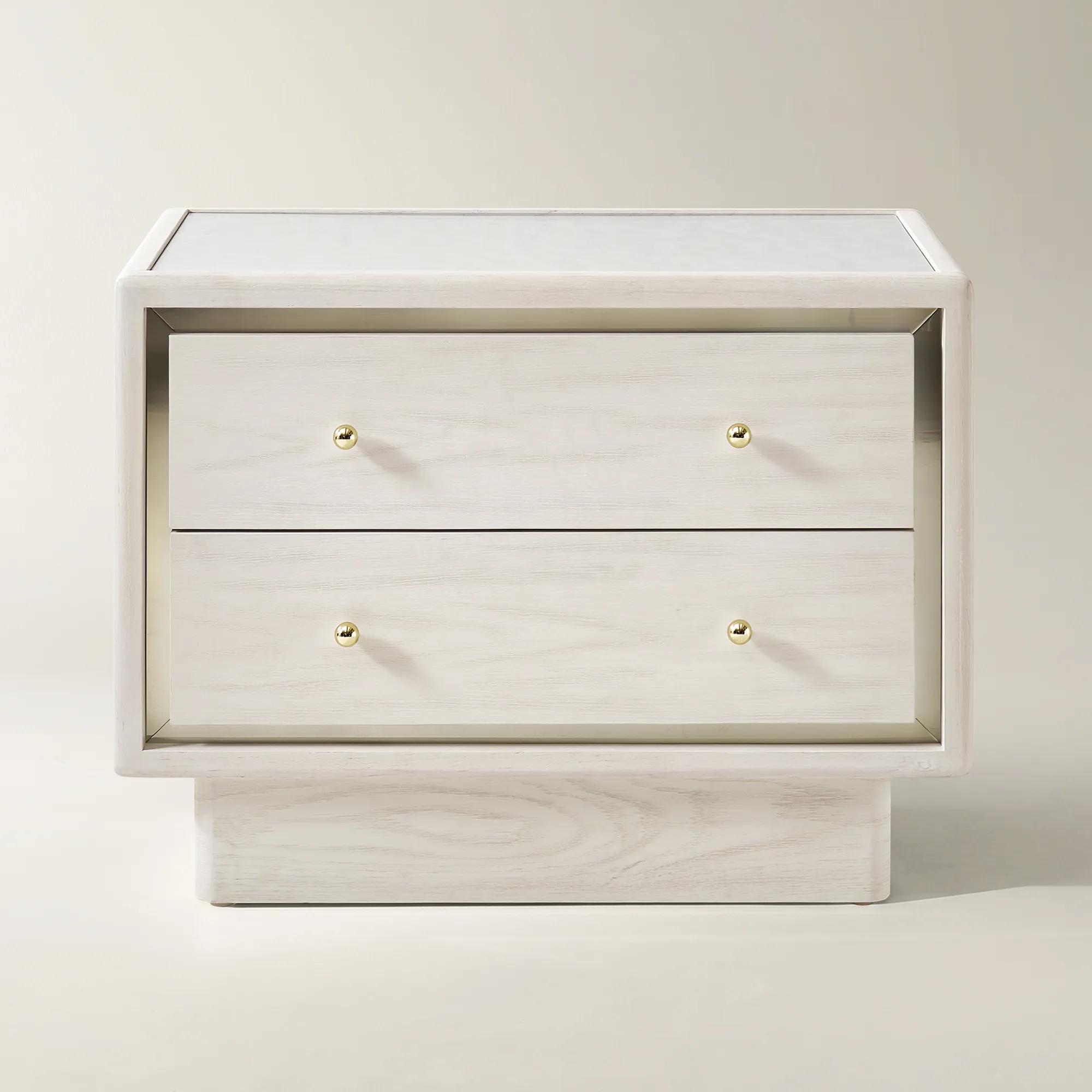
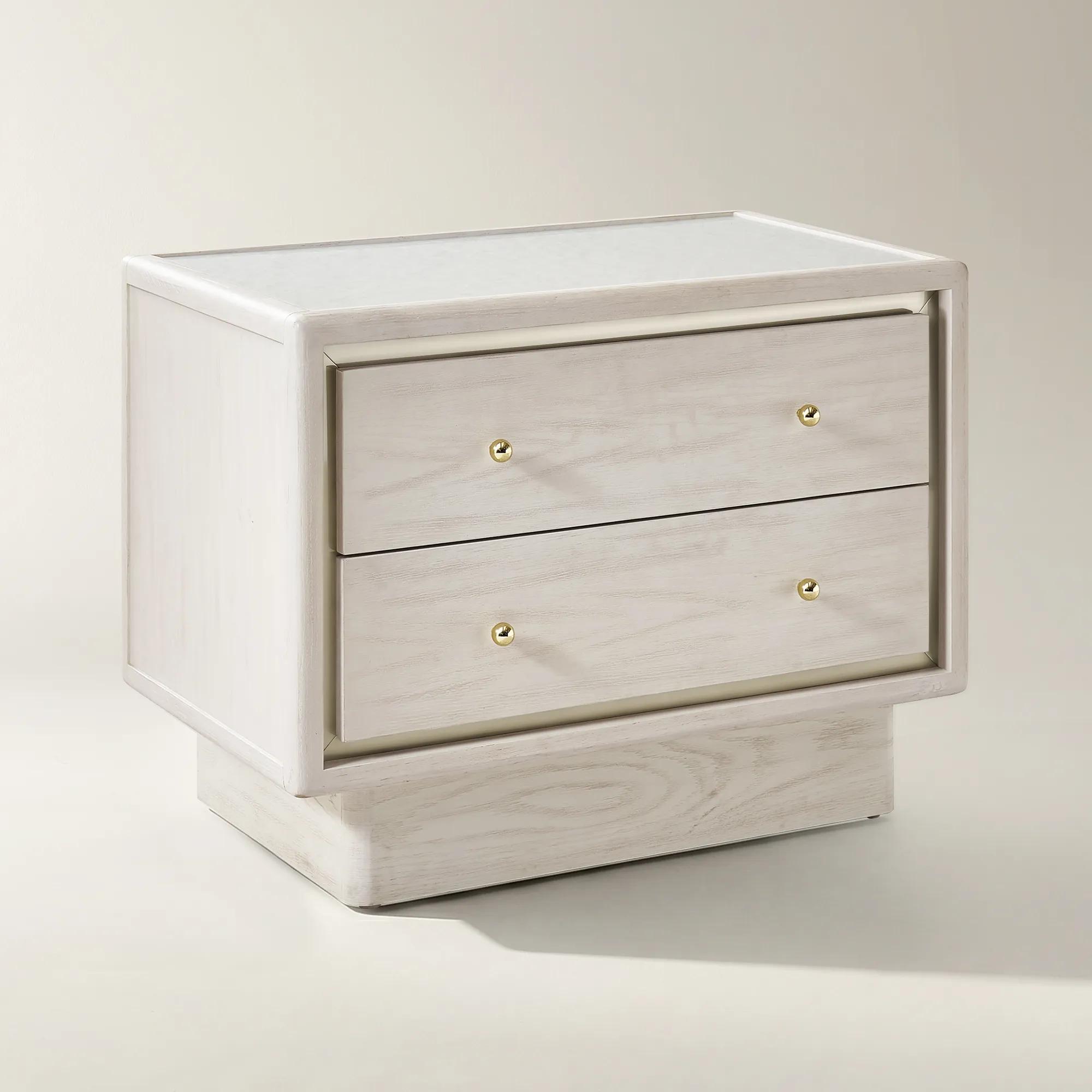 Lumina Bleached Oak 2-Drawer Nightstand With Pearl Lacquered Top (32")$1199
A bleached oak nightstand featuring a pearl lacquered top, champagne gold trim, and soft-close drawers.
Add To Cart -
Sierra Oatmeal Velvet Upholstered King Bed With Nightstands$2899
An oatmeal velvet-upholstered platform bed with an extended headboard, floating nightstands, and built-in power access.
Add To Cart -
Sierra Utopia Sand Chenille Upholstered King Bed With Nightstands$2999
A sand chenille upholstered platform bed featuring an extended headboard with floating nightstands and black wood trim.
Add To Cart -
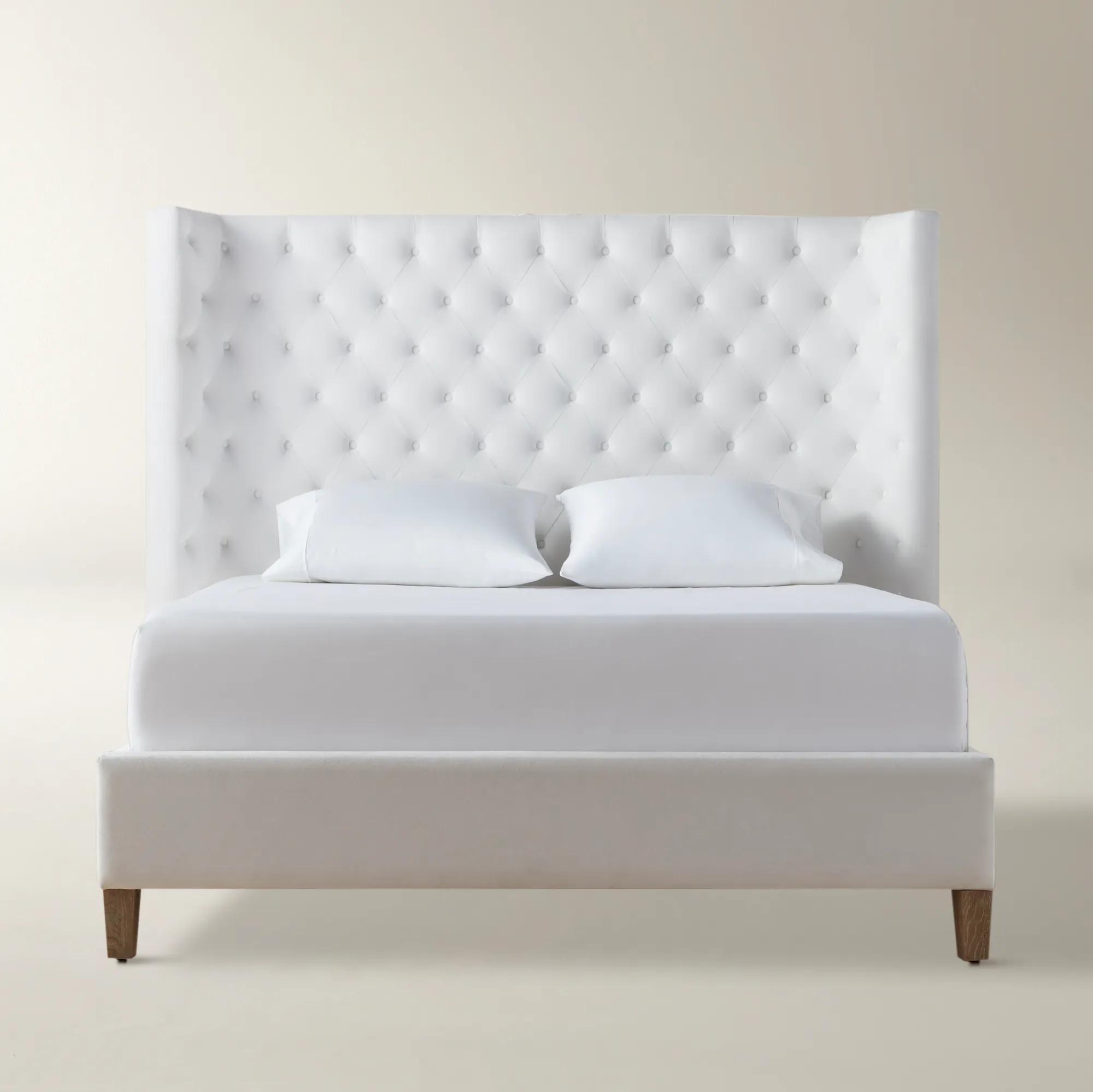
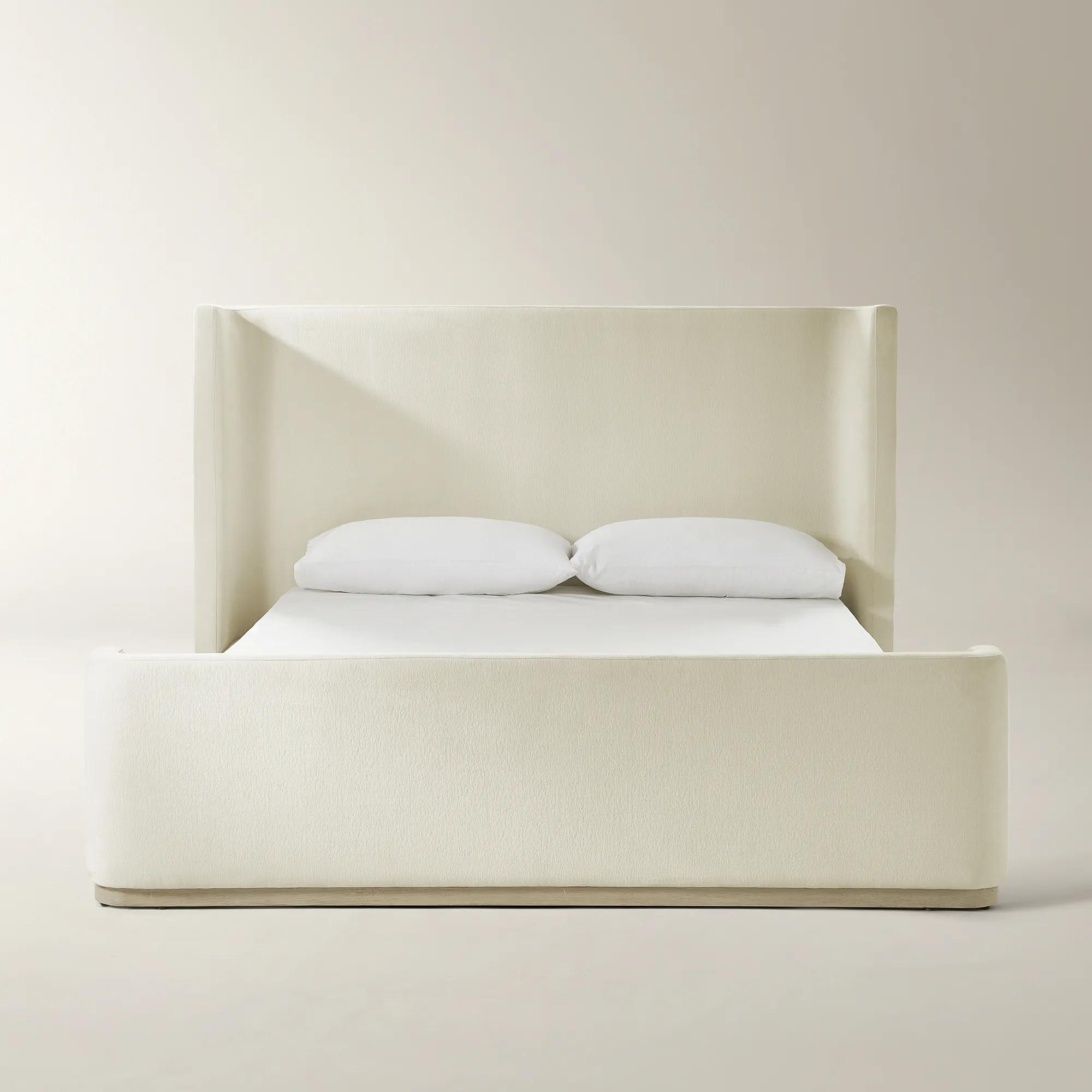
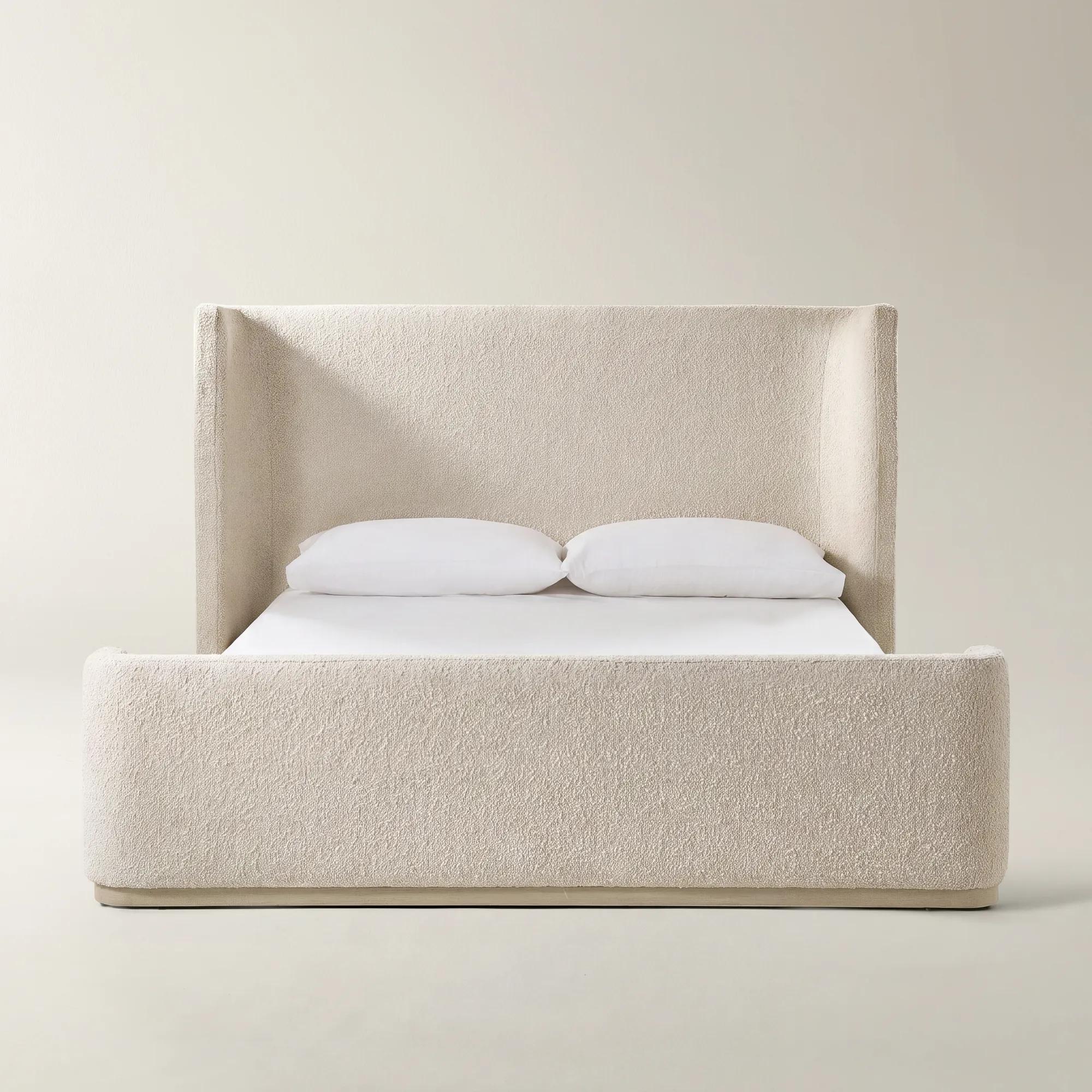
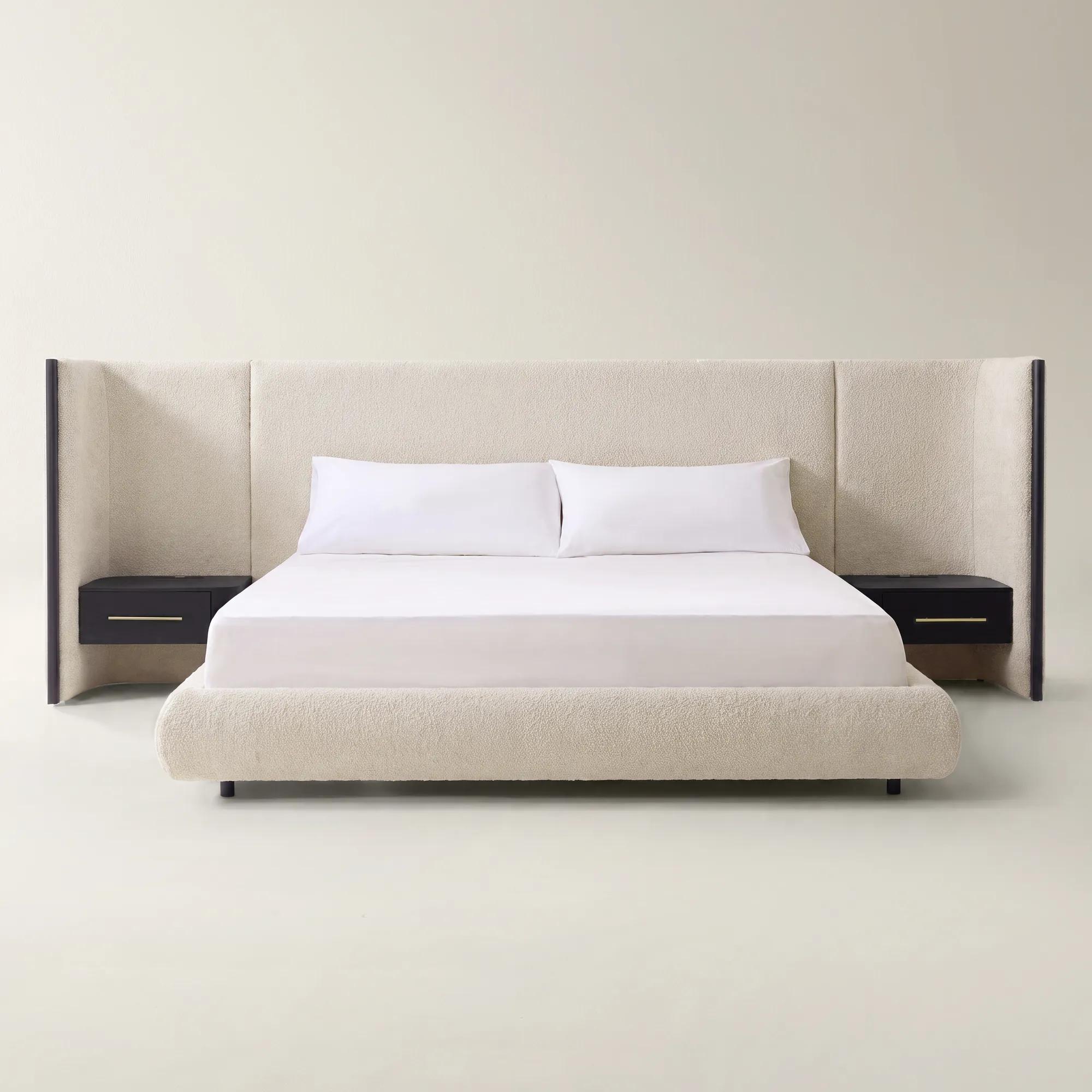 Sierra Ivory Performance Boucle Upholstered Queen Bed With Nightstands$2799
An ivory performance boucle platform bed featuring an extended headboard, floating nightstands, and black wood trim.
Add To Cart -
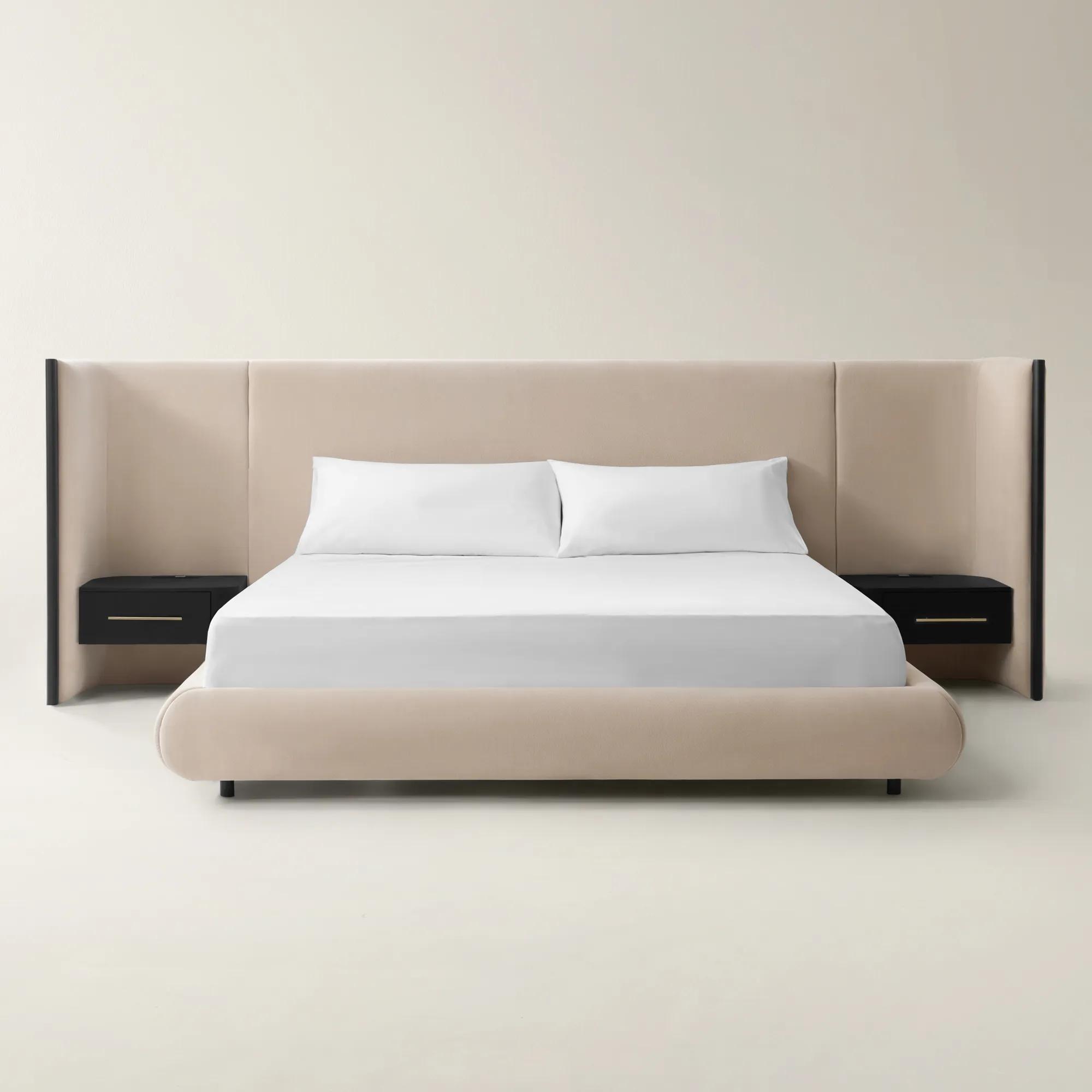 Sierra Simply Taupe Velvet Upholstered King Bed With Nightstands$2899
A taupe velvet platform bed featuring an extended headboard, floating nightstands, and integrated power access.
Add To Cart -
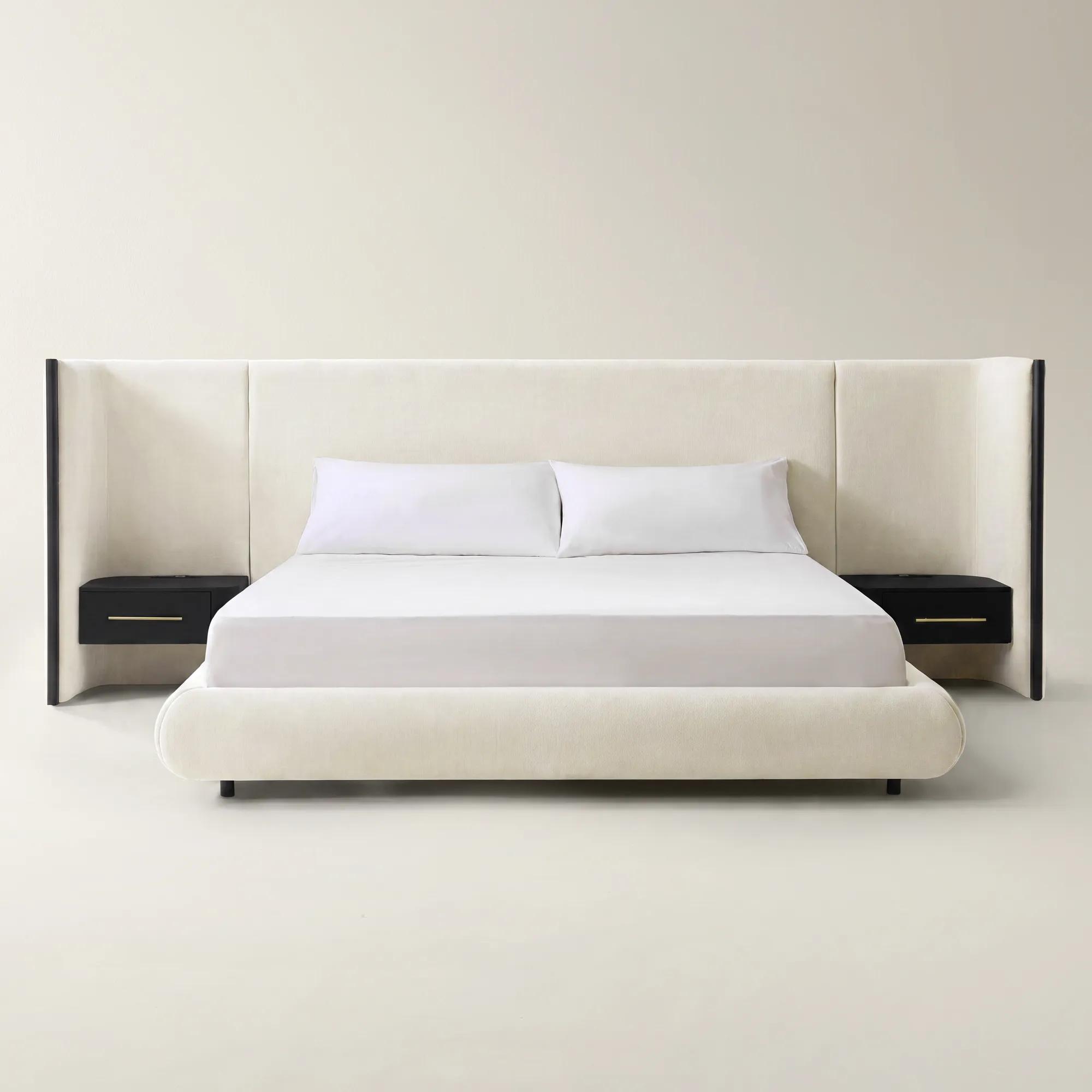 Sierra Ivory Performance Chenille Upholstered King Bed With Nightstands$2999
An ivory chenille platform bed featuring an extended headboard, floating nightstands, and integrated power access.
Add To Cart -
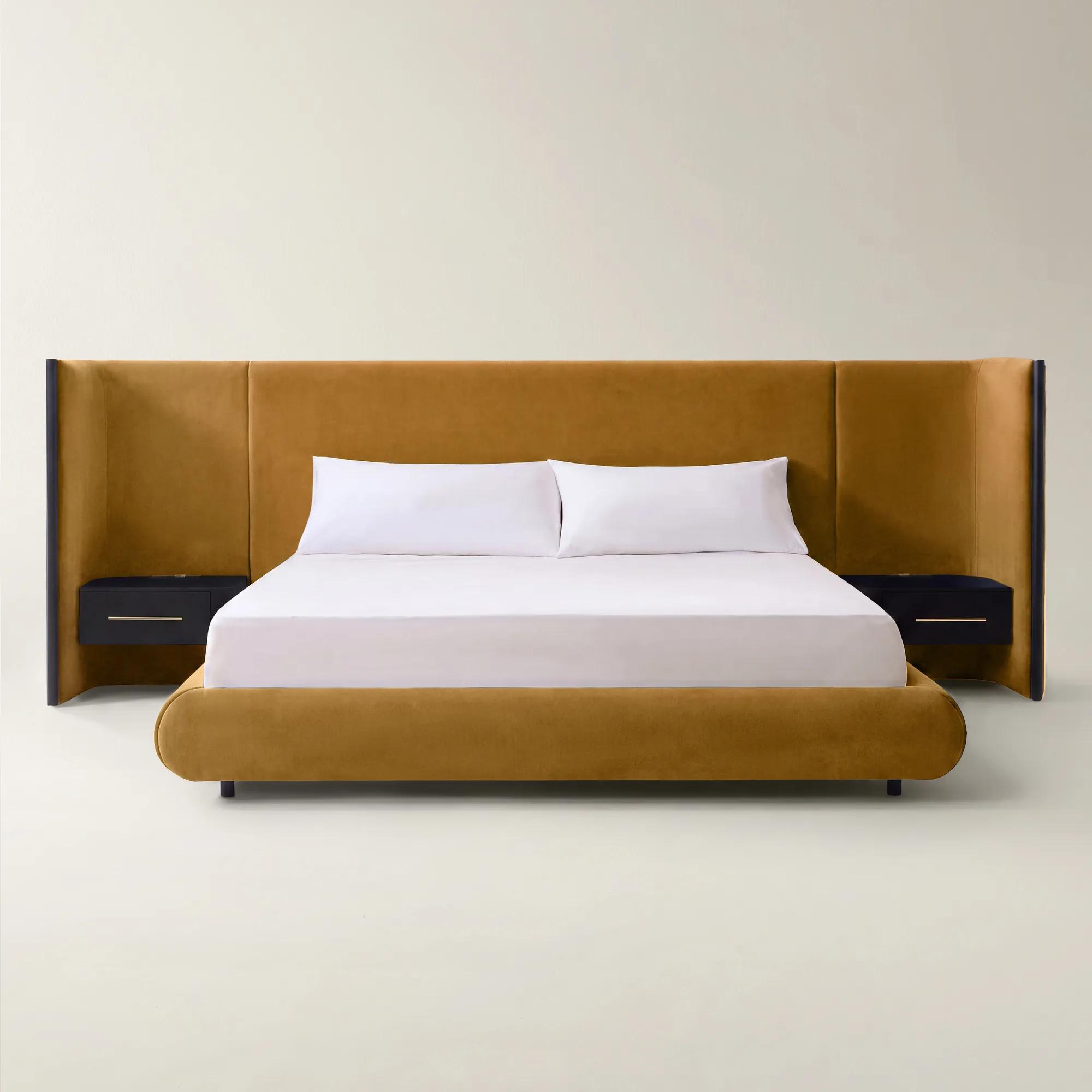 Sierra Roasted Pecan Velvet Upholstered Queen Bed With Nightstands$2699
A roasted pecan velvet platform bed featuring an extended headboard, black wood trim, and floating nightstands.
Add To Cart -
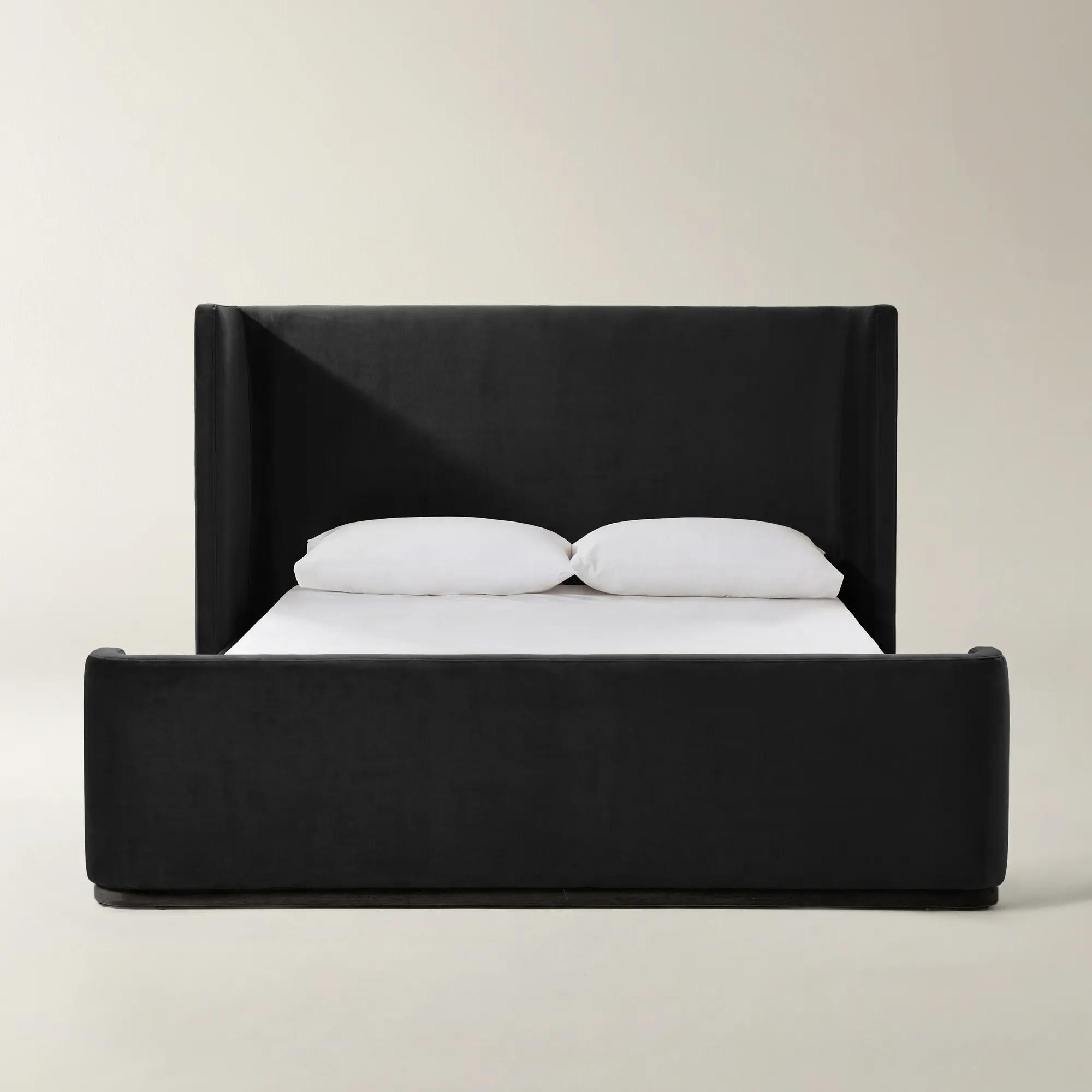
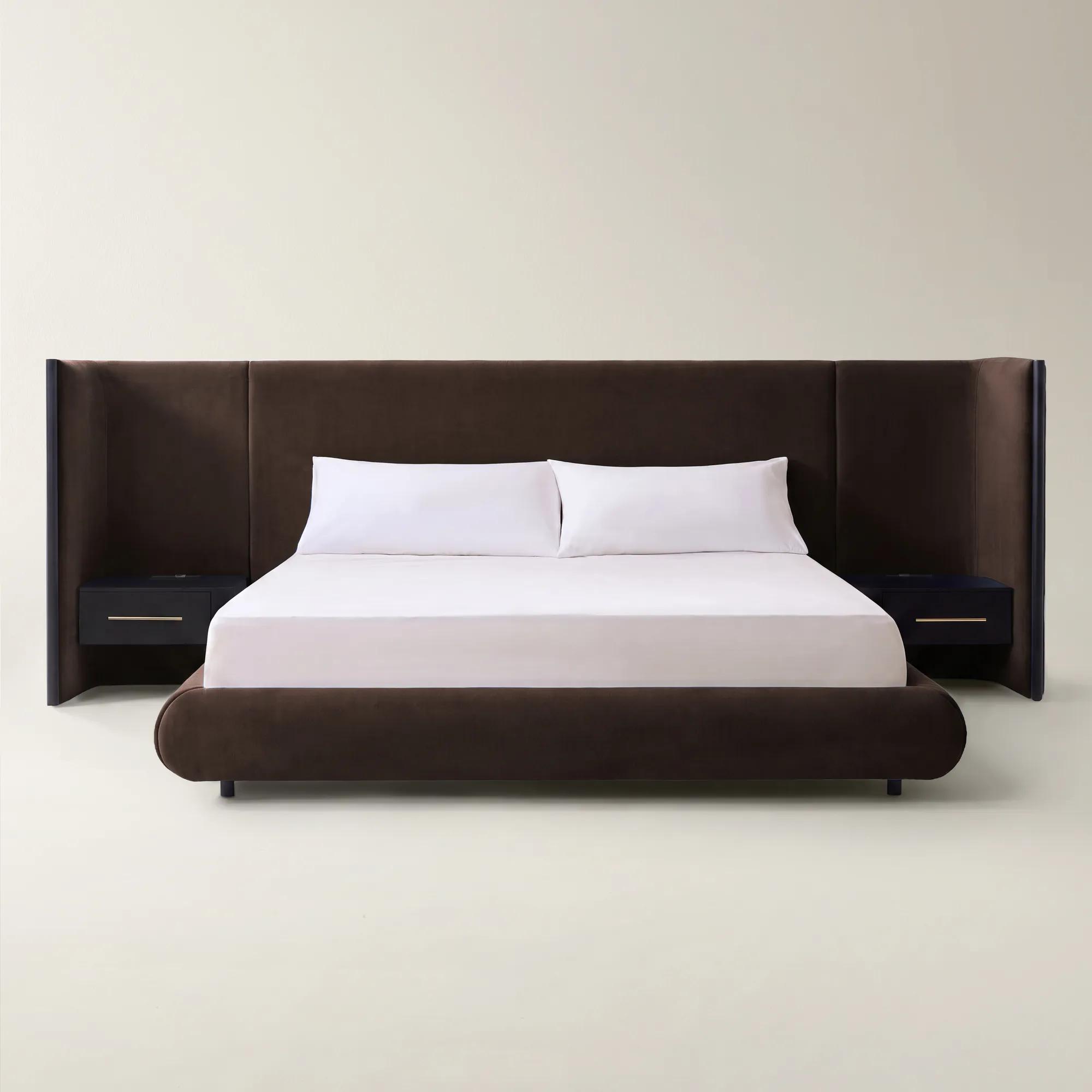 Sierra Dark Chocolate Velvet Upholstered King Bed With Nightstands$2899
A dark chocolate velvet platform bed featuring an extended headboard, floating nightstands, and built-in power access.
Add To Cart -
Sierra Ivory Performance Boucle Upholstered Bed With Nightstands$2999
An ivory performance boucle king platform bed featuring an extended headboard, floating nightstands, and black wood trim.
Add To Cart -
Sierra Ivory Performance Chenille Upholstered Queen Bed With Nightstands$2799
An ivory chenille platform bed featuring an extended headboard, floating nightstands, and integrated power access.
Add To Cart -
Sierra Roasted Pecan Velvet Upholstered King Bed With Nightstands$2899
A modern king platform bed in roasted pecan velvet with an extended headboard and floating nightstands.
Add To Cart -
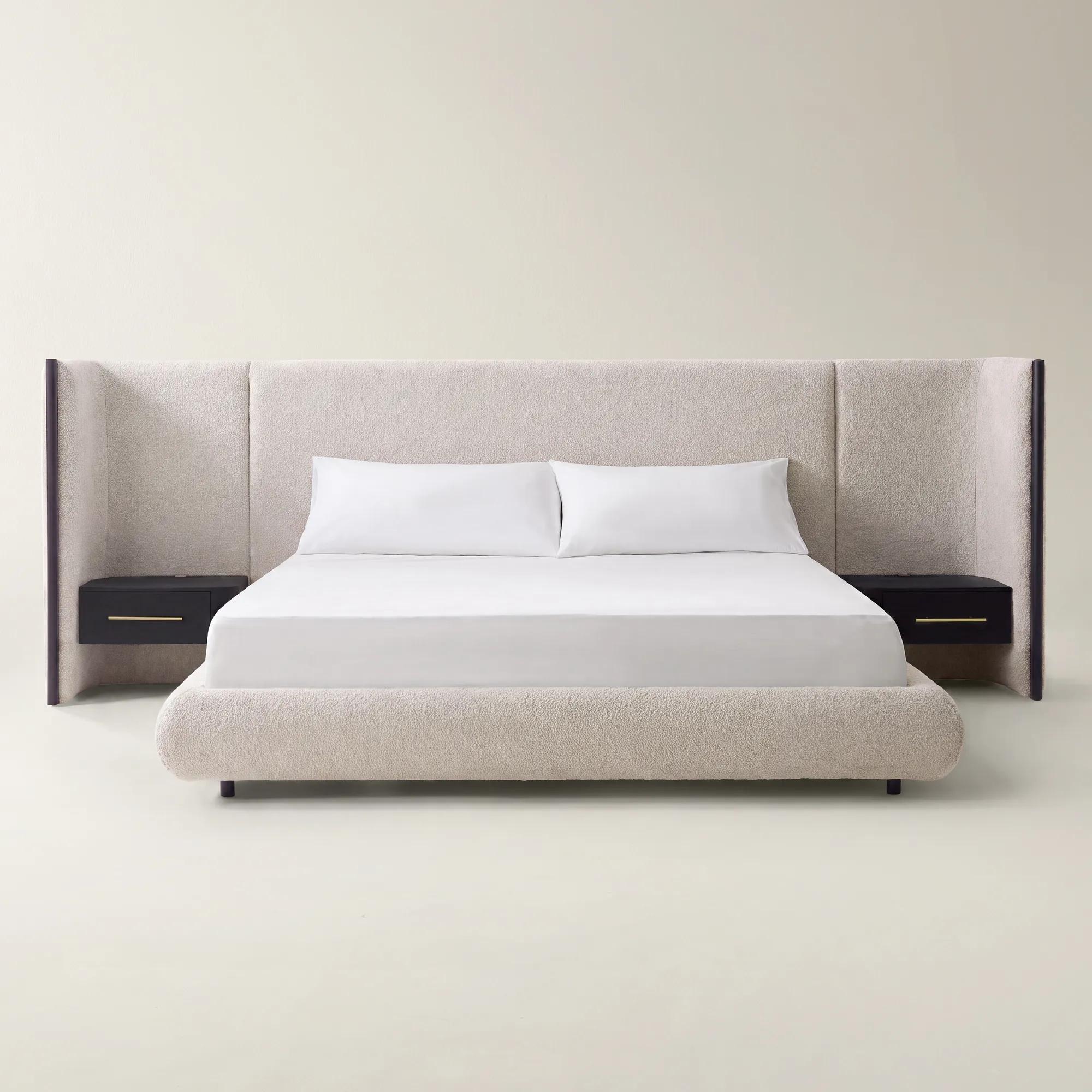 Sierra Ivory Performance Boucle Upholstered Bed With Nightstands$2999
An ivory performance boucle upholstered platform bed featuring an extended headboard, floating nightstands, and built-in power access.
Add To Cart -
Sierra Dark Chocolate Velvet Upholstered Queen Bed With Nightstands$2699
A dark chocolate velvet platform bed featuring an extended headboard, black wood trim, and floating nightstands.
Add To Cart -
Sierra Simply Taupe Velvet Upholstered Queen Bed With Nightstands$2699
A taupe velvet platform bed featuring an extended headboard, black wood trim, and floating nightstands.
Add To Cart -
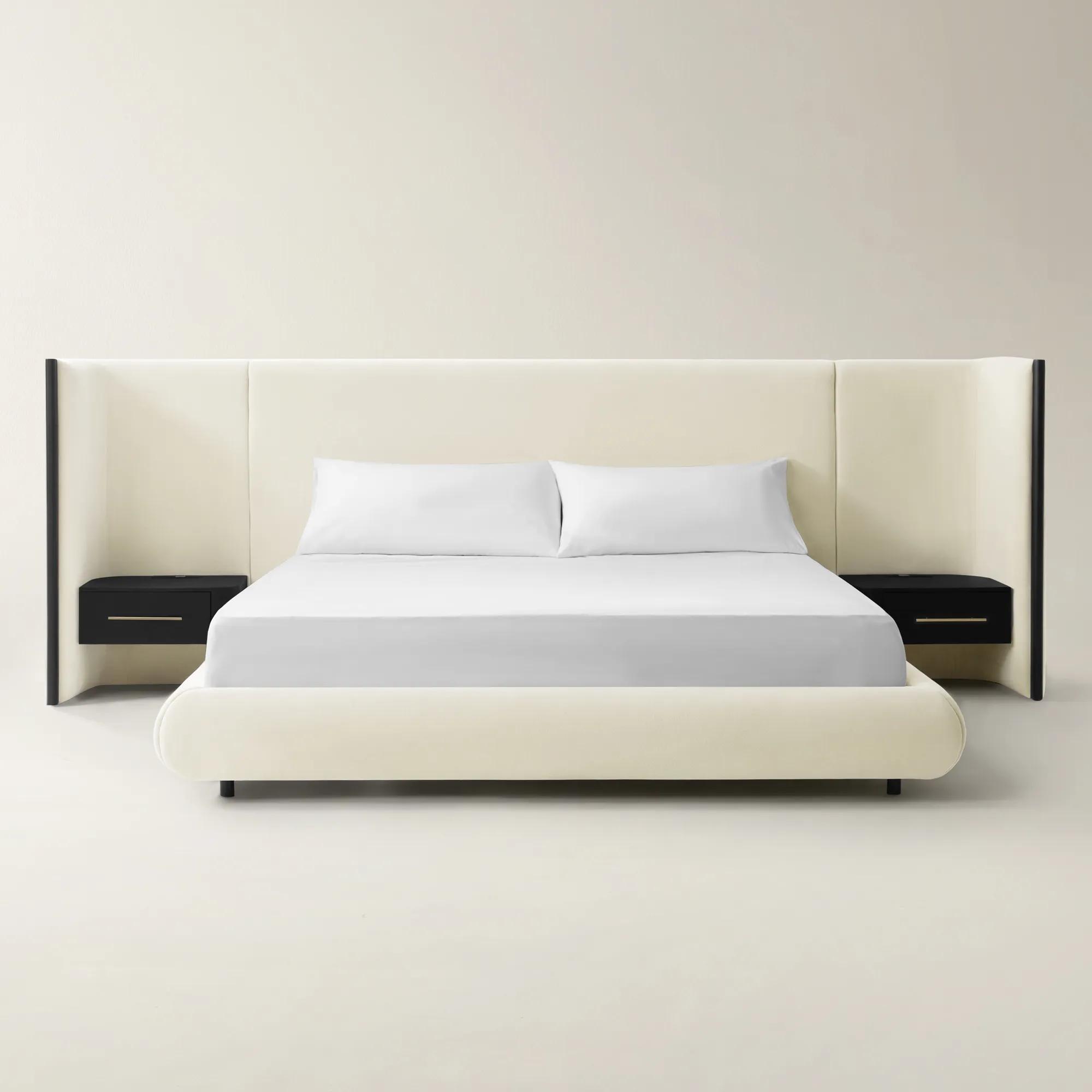 Sierra Cloud Velvet Upholstered King Bed With Nightstands$2899
A modern king platform bed featuring plush velvet upholstery, black wood trim, and integrated floating nightstands.
Add To Cart -
Sierra Ivory Performance Boucle Upholstered Queen Bed With Nightstands$2799
A modern ivory performance boucle platform bed featuring an extended headboard, black wood trim, and floating nightstands.
Add To Cart -
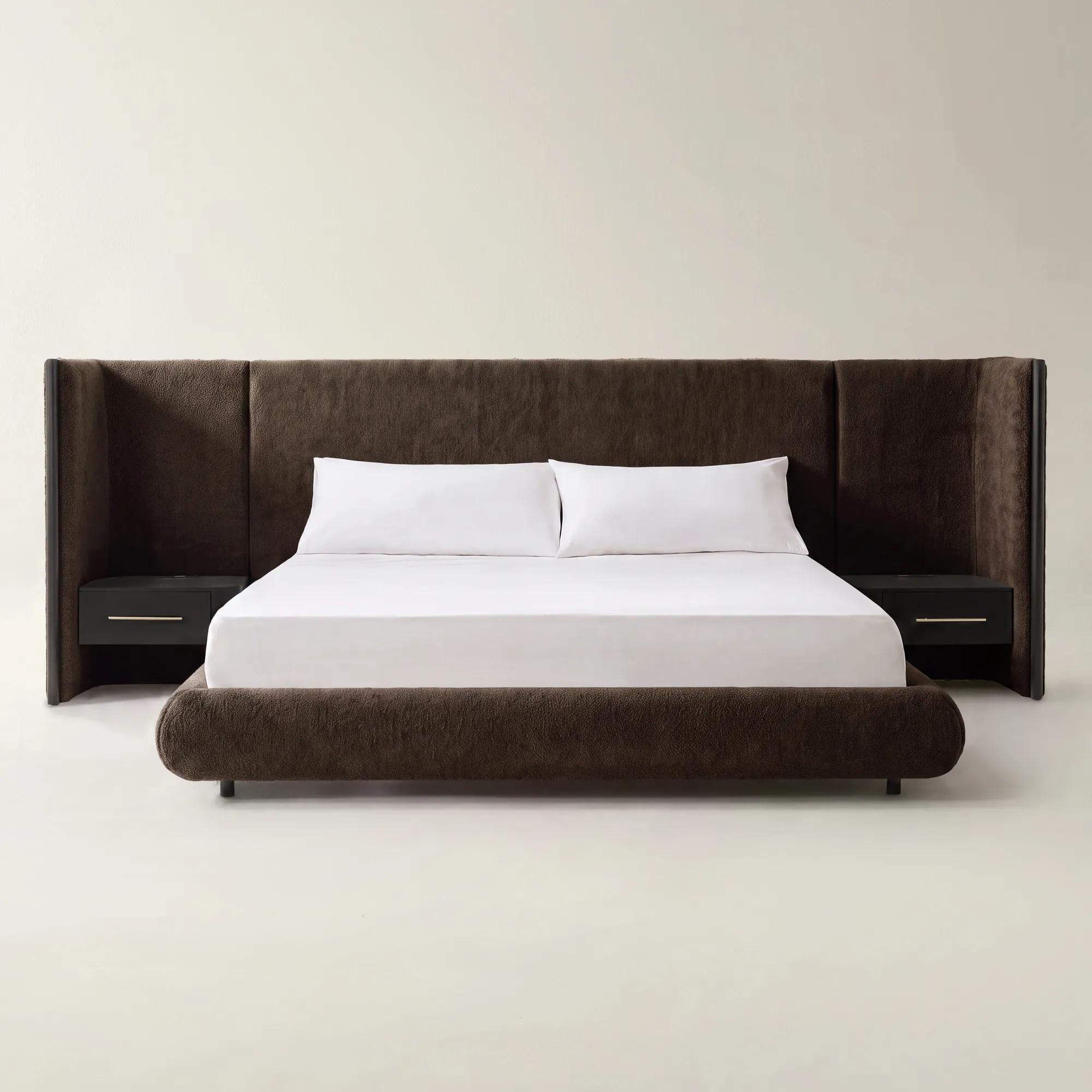 Sierra Dark Chocolate Chenille Upholstered Queen Bed With Nightstands$2799
A dark chocolate chenille platform bed featuring an extended headboard, floating nightstands, and black wood trim.
Add To Cart

Bedroom Sets With Nightstands
Explore bedroom sets with nightstands to create a coordinated retreat with a confident sense of style. Bring the bed and bedside pieces into one cohesive design, then compare set configurations, dimensions, and silhouettes to suit your room. Consider the space on either side of your bed and the bedside storage you need for a bedroom that feels as thoughtfully composed as it is expressive.
Bedroom sets with nightstands bring a sense of composition to the most personal room in the home. The bed establishes the scale and mood, while the bedside pieces frame it with purposeful beauty: a polished surface for a reading lamp, a discreet drawer for daily essentials, a place to set down a book before the lights dim. Together, these elements create a bedroom that feels composed rather than simply furnished. A tall, upholstered headboard paired with streamlined nightstands can introduce the atmosphere of a private suite; a sculptural bed framed by richly grained wood brings depth and a more architectural presence. Matching finishes offer visual continuity, but coordination can also come through repeated shapes, complementary hardware, or a shared balance of soft upholstery and gleaming surfaces. The effect is especially compelling when the nightstands have enough presence to hold their own beside the bed without competing with its silhouette. Whether a grouping centers on a bed and bedside tables or extends to a dresser and other storage pieces, its character comes from the relationship between those forms. Broad drawer fronts, slender legs, inset panels, and distinctive pulls each influence how substantial or airy the room feels. For a primary bedroom, a coordinated arrangement gives everyday rituals an elegant setting, keeping frequently used belongings close while preserving the restful appearance of the space. In a guest bedroom, that same combination offers an inviting sense of permanence, with room for visitors to place a phone, reading glasses, or personal belongings within reach. Bedroom sets with nightstands also make it easier to establish a clear design direction without making every surface identical. A luminous finish can be softened with textured bedding, while darker wood can be lifted by pale upholstery and reflective accents. The most expressive bedrooms allow the furniture to anchor the room, leaving art, lighting, and textiles to add individual layers of color and drama.
Materials give coordinated bedroom furniture its visual richness, but they also shape how it performs through years of daily use. Solid wood brings natural variation in grain and tone, while wood veneers can create beautifully patterned surfaces over a stable core. Neither description alone tells the full story of construction; joinery, drawer operation, finish quality, and the support beneath the bed all contribute to a piece’s lasting performance. Wood grain adds movement to broad surfaces, creating subtle differences that keep a coordinated set from feeling overly uniform. Painted or lacquered finishes offer a more uninterrupted field of color, from luminous neutrals to deeper, more dramatic shades. Mirrored details reflect light and surrounding textures, giving bedside furniture a jewel-like presence, while metal trim and hardware sharpen the outlines of drawers and doors. Upholstered beds introduce another dimension, with woven fabrics lending tailored texture and velvet catching the light across its pile. In bedrooms used every day, those tactile qualities deserve the same attention as appearance. An upholstered headboard should suit the household’s routines, especially where pets share the room or reading in bed is a nightly habit. Fabric care varies, so cleaning methods should follow the material’s care instructions rather than a general treatment. Wood and finished surfaces benefit from gentle dusting with a soft cloth, prompt attention to spills, and protection beneath drinking glasses or decorative vessels. Standing moisture can compromise finishes, and abrasive cleaners may dull polished surfaces. Mirrored panels need similarly careful handling, with cleaning products kept away from edges and adjacent materials as directed by the manufacturer. Smoothly operating drawers, secure hardware, and a bed frame assembled according to its instructions help maintain both comfort and stability. Mattress compatibility matters as well: some beds are designed for a particular foundation arrangement, and the required support should be confirmed before the room is furnished. These practical details protect the visual experience, allowing a glossy nightstand to retain its clarity and an upholstered bed to remain a sumptuous focal point rather than a demanding addition.
Proportion is what allows a bedroom set to feel luxurious without overwhelming its surroundings. Mattress size is only one part of the footprint; upholstered rails, winged headboards, and extended frames can add meaningful width or length. The complete bed dimensions, together with the nightstands, need to work within the room’s actual layout, including windows, doors, closets, and the paths used each day. A queen bed with generously scaled bedside storage may create a more balanced room than a larger bed pressed against undersized tables. In a spacious primary bedroom, wider nightstands can visually support a substantial headboard and provide enough surface area for lighting without crowding personal essentials. In a more compact room, slimmer profiles and raised legs can preserve a sense of openness while still giving the bed a finished frame. Bedside height deserves particular attention: a surface near the top of the mattress generally makes it easier to reach a glass of water or switch off a lamp without an awkward stretch. Drawer and door clearance matter just as much, especially when a bedside piece sits near a wall or beside a bedroom door. Storage should reflect the person using it. Deep drawers can conceal larger belongings, shallower compartments keep small essentials organized, and an open shelf gives a favorite book an intentional place in the arrangement. In a shared bedroom, coordinated nightstands can create visual balance while accommodating different routines on either side of the bed. Coordinated sets establish a strong foundation, while modern bedroom furniture nightstands can reinforce that look or introduce a considered contrast. Matching bedside pieces create symmetry; related finishes or silhouettes offer a more collected expression. A rug extending beyond the bed can connect the grouping, while lamps with appropriate scale give each nightstand a distinct role in the room’s lighting. The result is furniture that serves both the quiet necessities and the expressive possibilities of a bedroom: concealed storage, comfortable access, and a setting with enough presence to make the start and end of each day feel beautifully considered.
FAQs
Bedroom sets with nightstands create a visual connection through complementary silhouettes, finishes, and decorative details. Repeated design elements give the room a composed foundation, while expressive bedding, art, and lighting bring your personal aesthetic into focus.
Begin with the atmosphere you want to create. Clean lines and restrained detailing suggest modern sophistication, while sculptural profiles and luminous accents invite a more glamorous mood. Look for a shared design language between the bed and nightstands, then layer in contrasting textures for depth.
Compose each nightstand as a bedside vignette, pairing a distinctive lamp with a decorative tray or a sculptural object. Leave some of the surface clear so each detail has presence. Coordinated lighting creates a polished rhythm, while different accents on either side add individuality.
A coordinated bed and nightstands can anchor the room without requiring every furnishing to match. A dresser, bench, or accent chair in a complementary finish introduces contrast and a more collected feel. Echo a color, curve, or hardware detail to connect the pieces without repeating every element.
Let the furniture guide your palette, then use textiles and art to shape the mood. Tonal bedding creates a sumptuous backdrop for expressive artwork, while patterned pillows or a richly textured throw introduce movement. Carry an accent color from the bed to a bedside object for a deliberate finishing touch.