
Luxury Bedroom Nightstands
Luxury Bedroom Nightstands
-
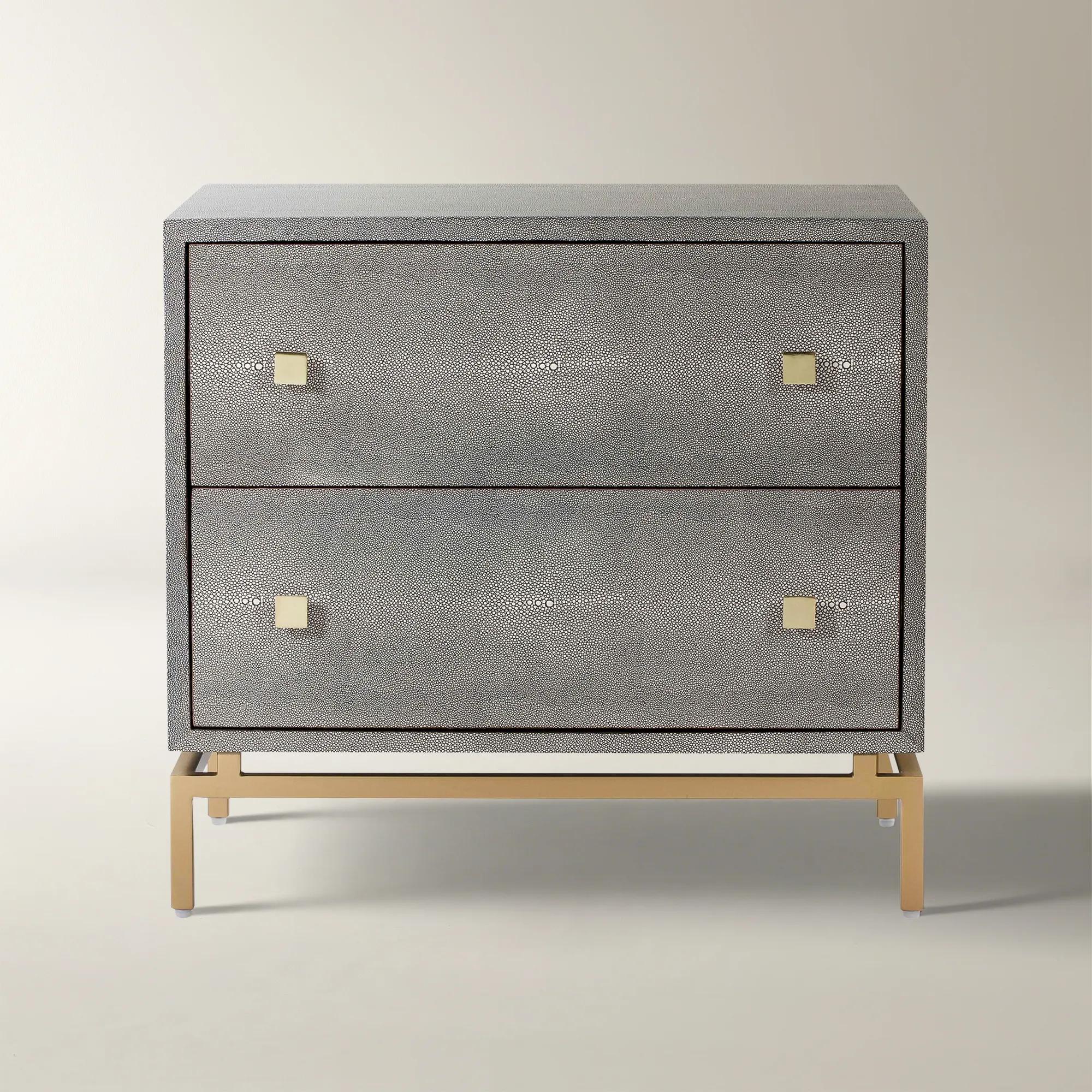
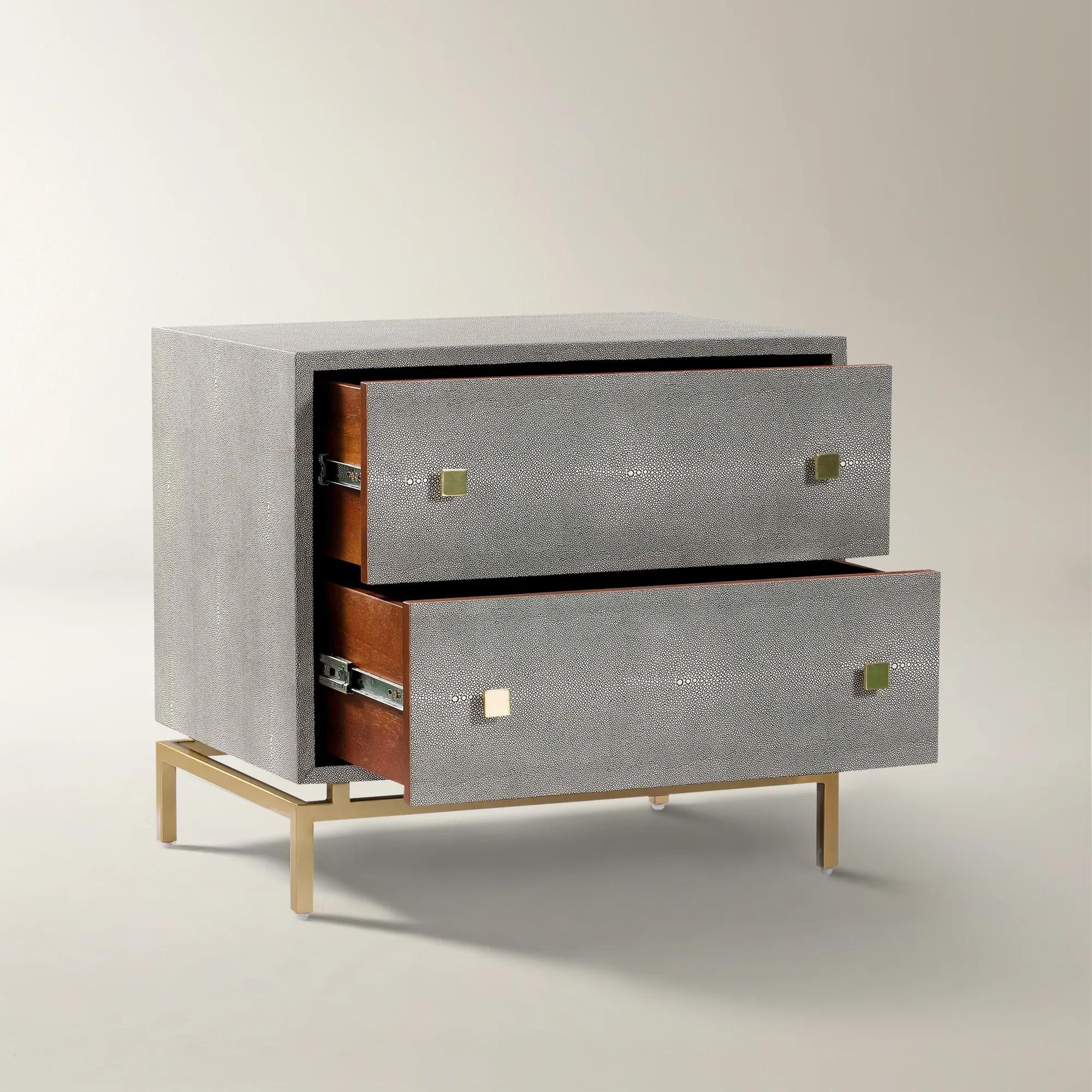 Misha Grey Shagreen 2-Drawer Nightstand (25")$749
A modern nightstand featuring faux shagreen texture, brass-finished base, and two cherry wood-lined drawers.
Add To Cart -
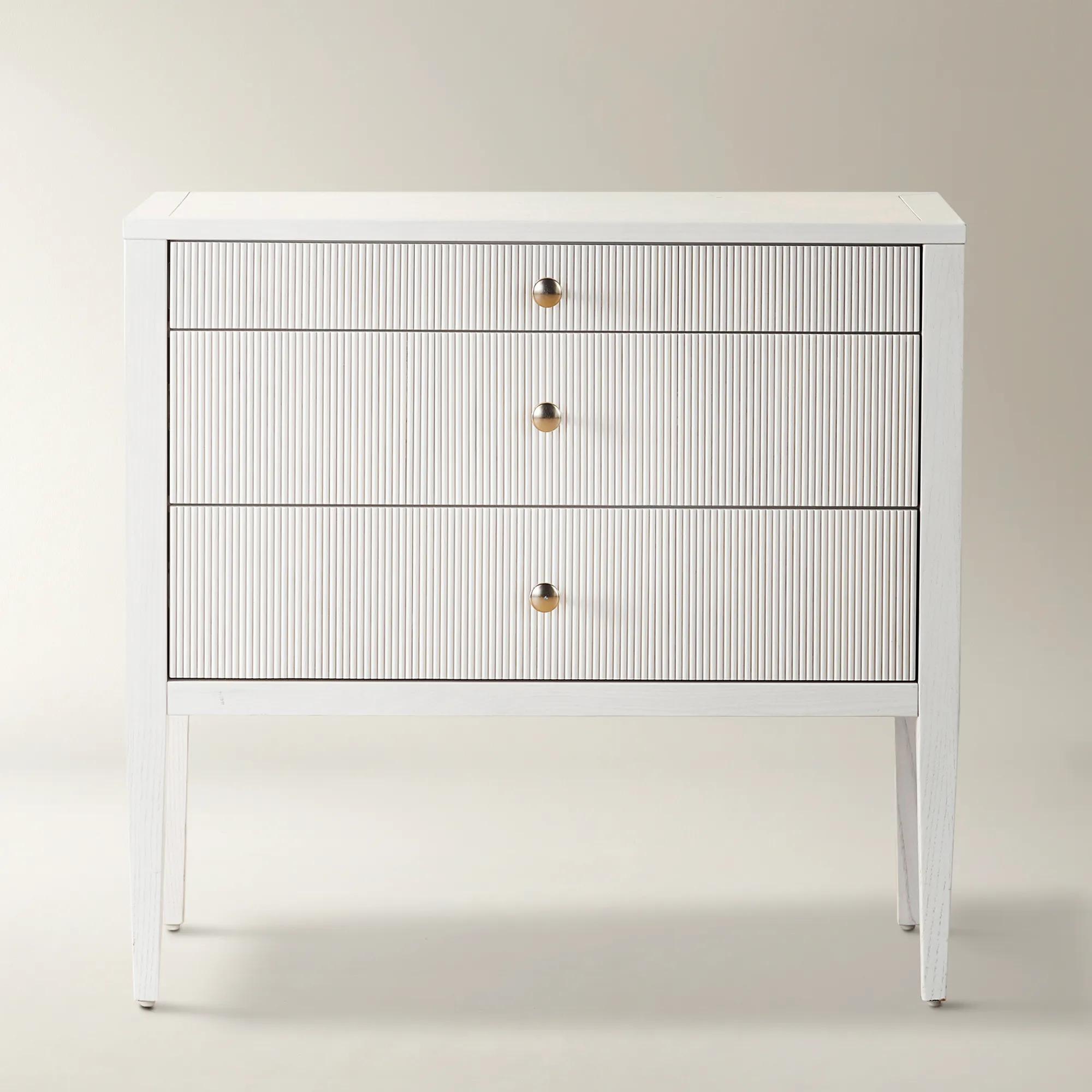 Viola Reeded White Ash Wood 3-Drawer Nightstand (31")$899
A modern nightstand in bone white ash wood with reeded drawers and brass hardware for a luxe touch.
Add To Cart -
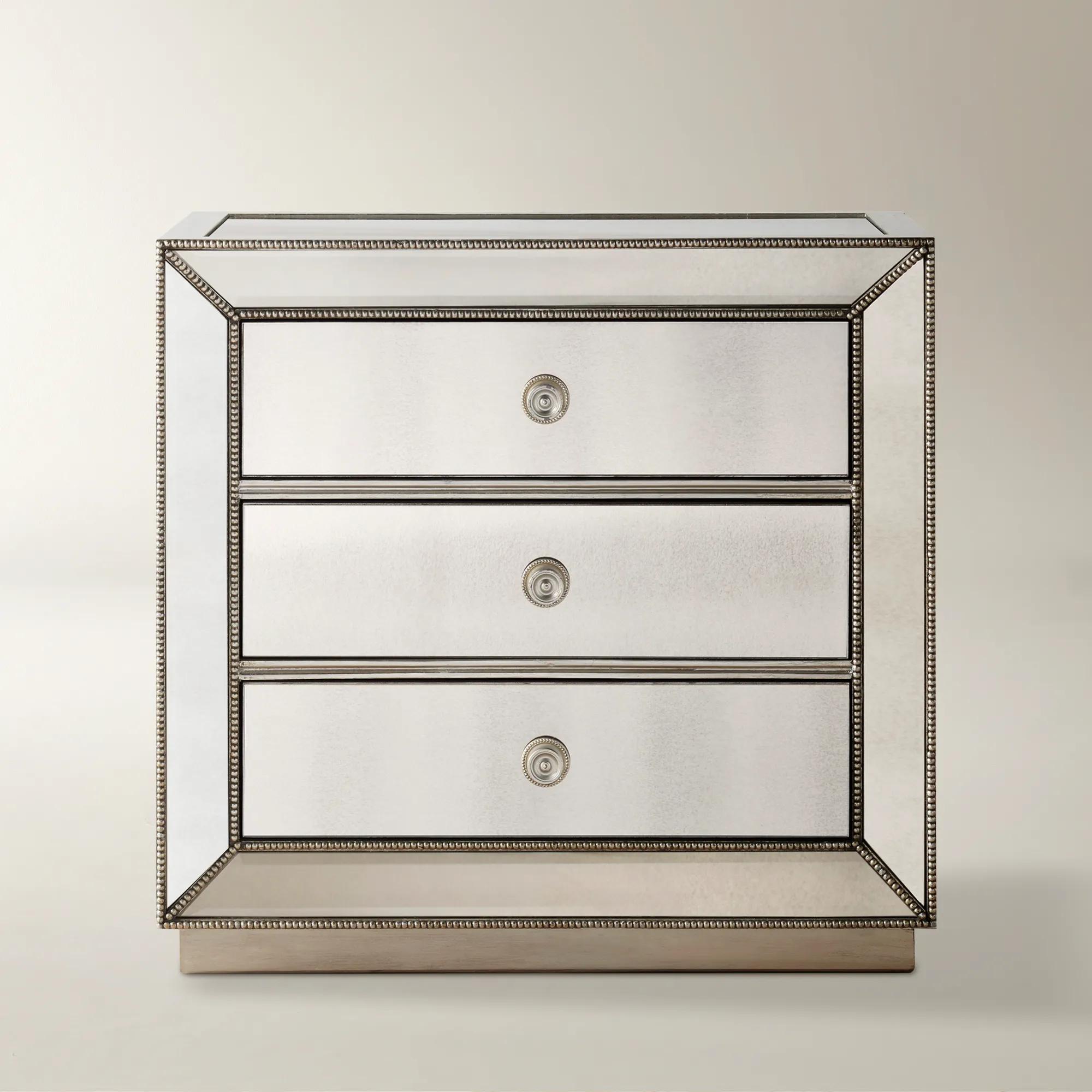
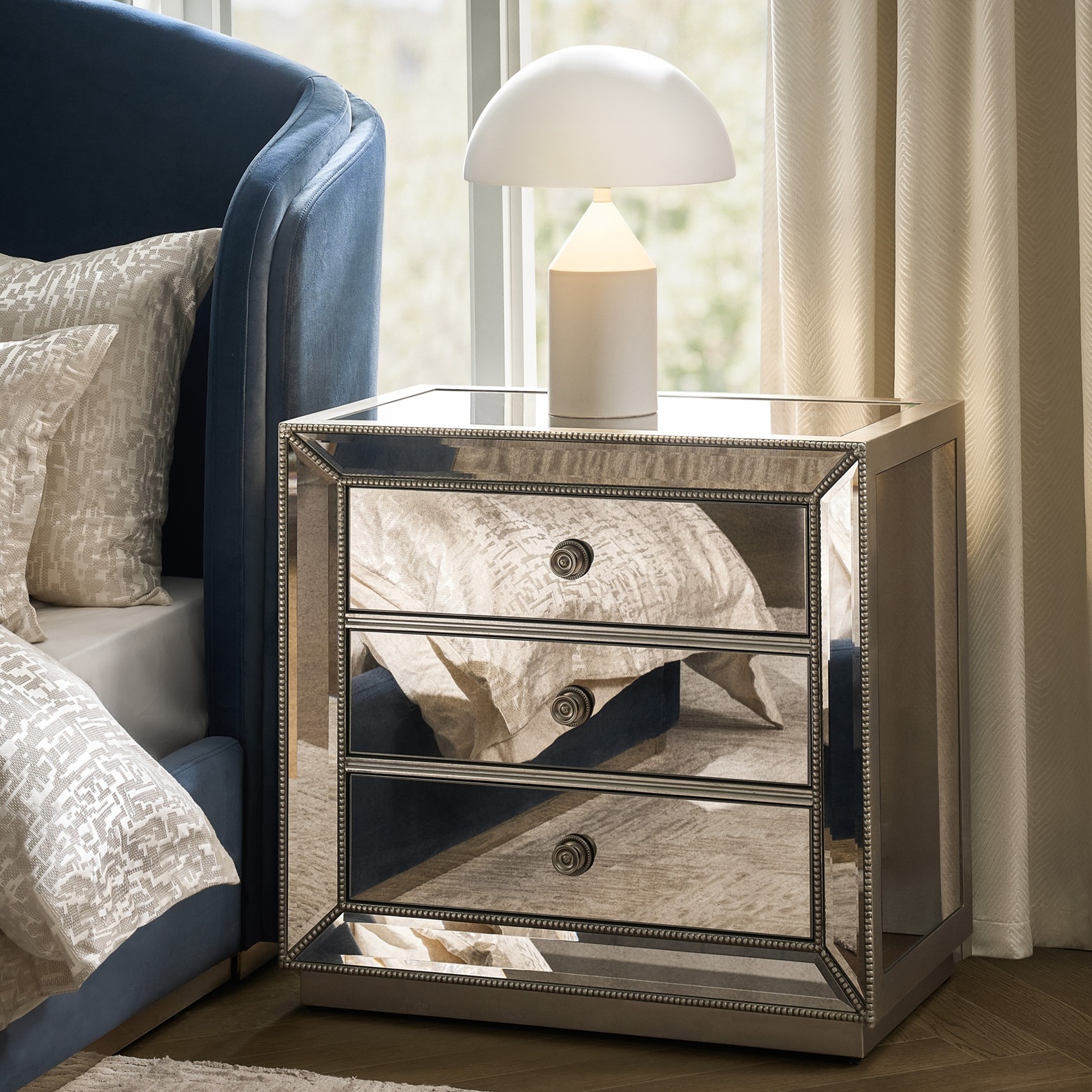 Omni Mirrored Silver 3-Drawer Nightstand (32")$1299
A glamorous chest featuring antiqued mirrored panels, hand-applied silver-leaf finish, and beaded trim.
Add To Cart -
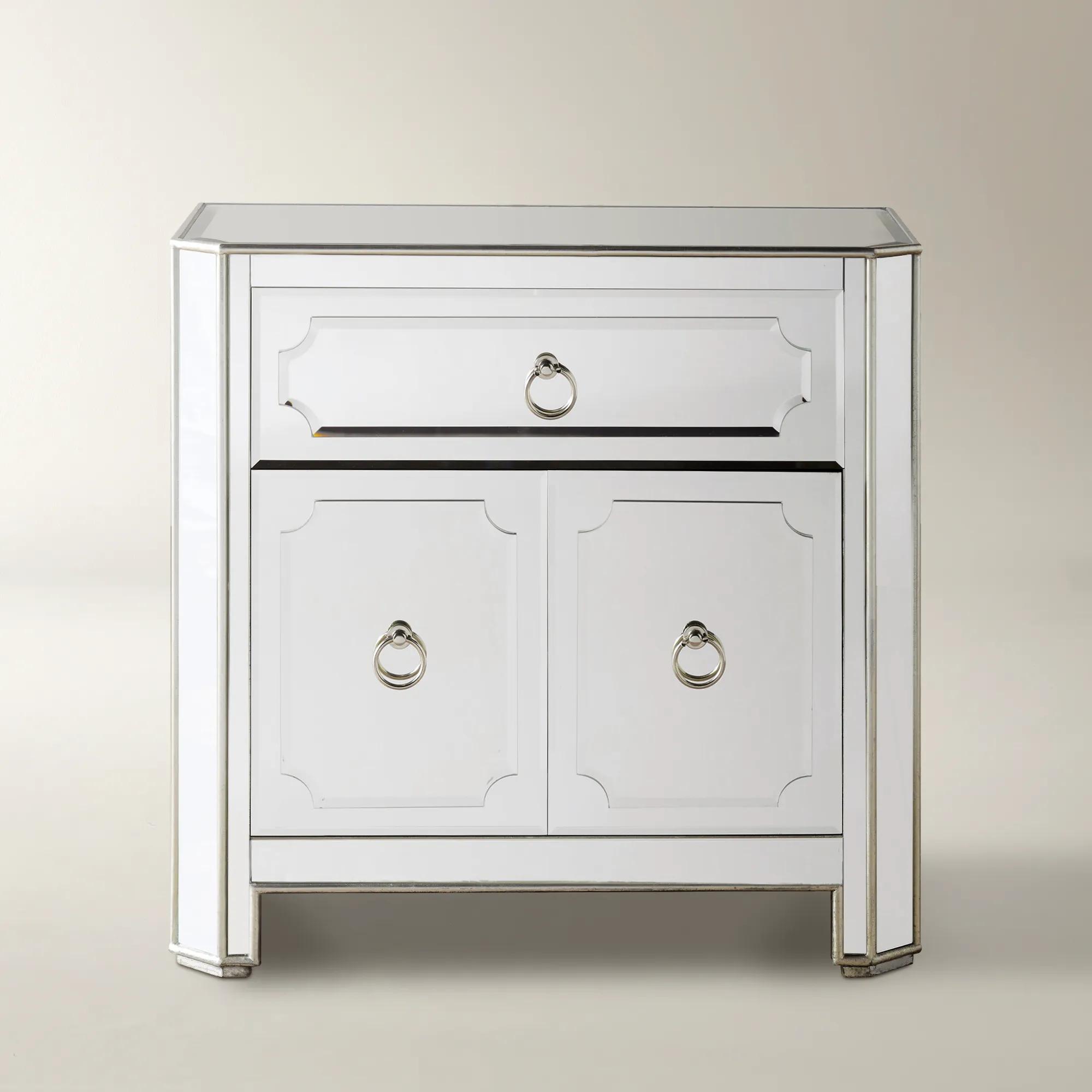
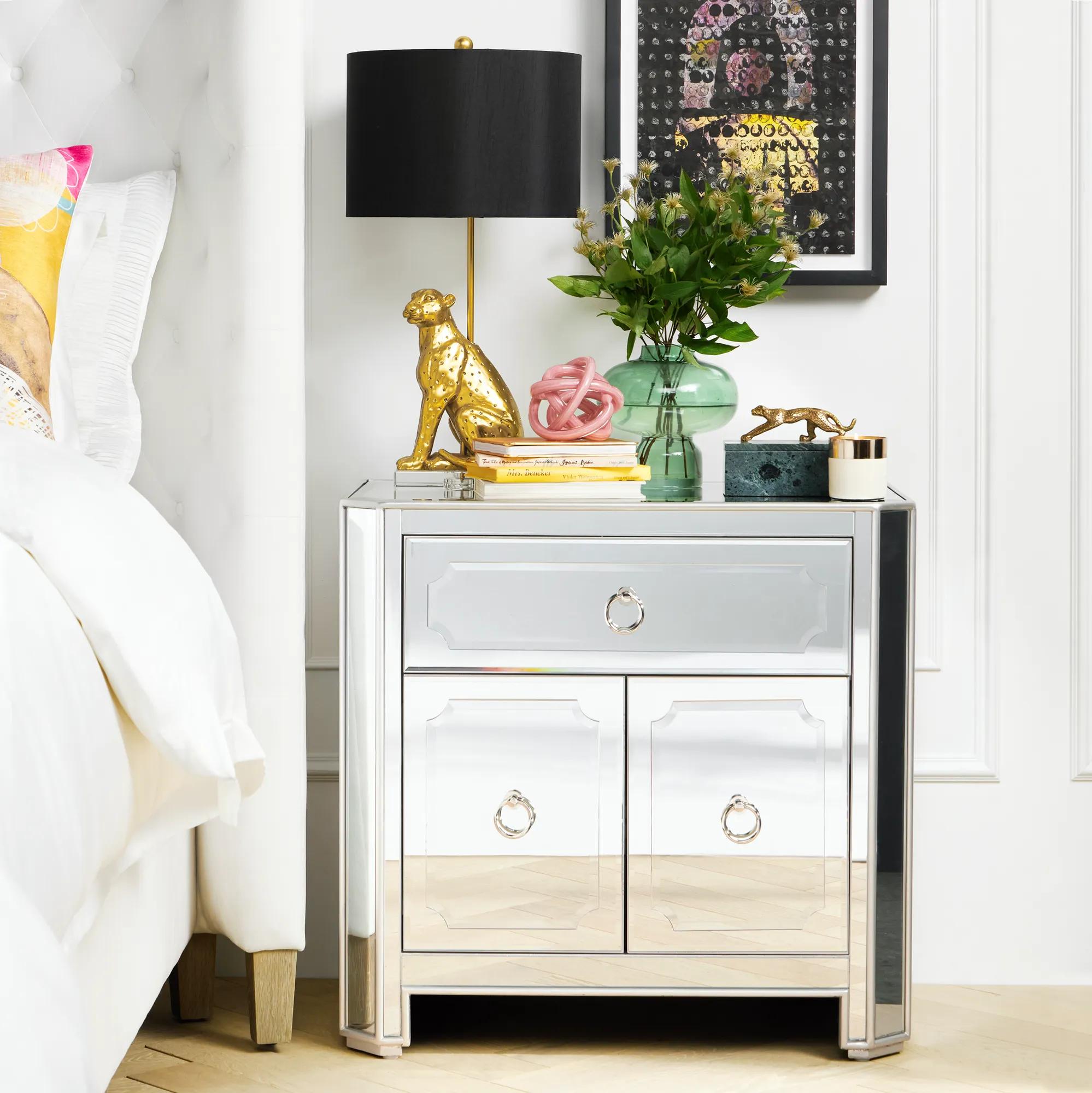 Simplicity Mirrored Silver 1-Drawer Nightstand (30")$899
A glamorous nightstand featuring beveled mirrored panels, hand-applied silver-leaf trim, and polished nickel hardware.
Add To Cart -
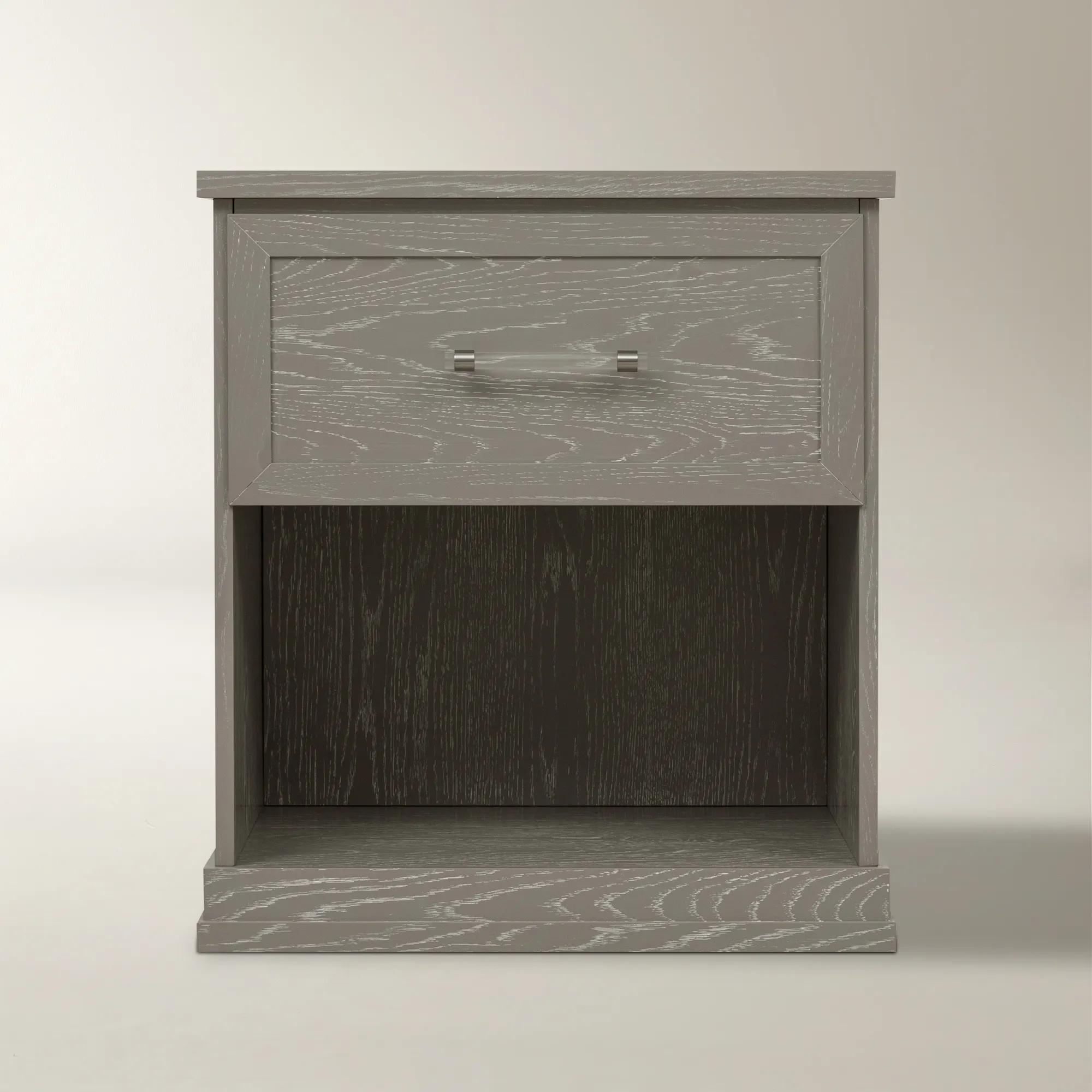
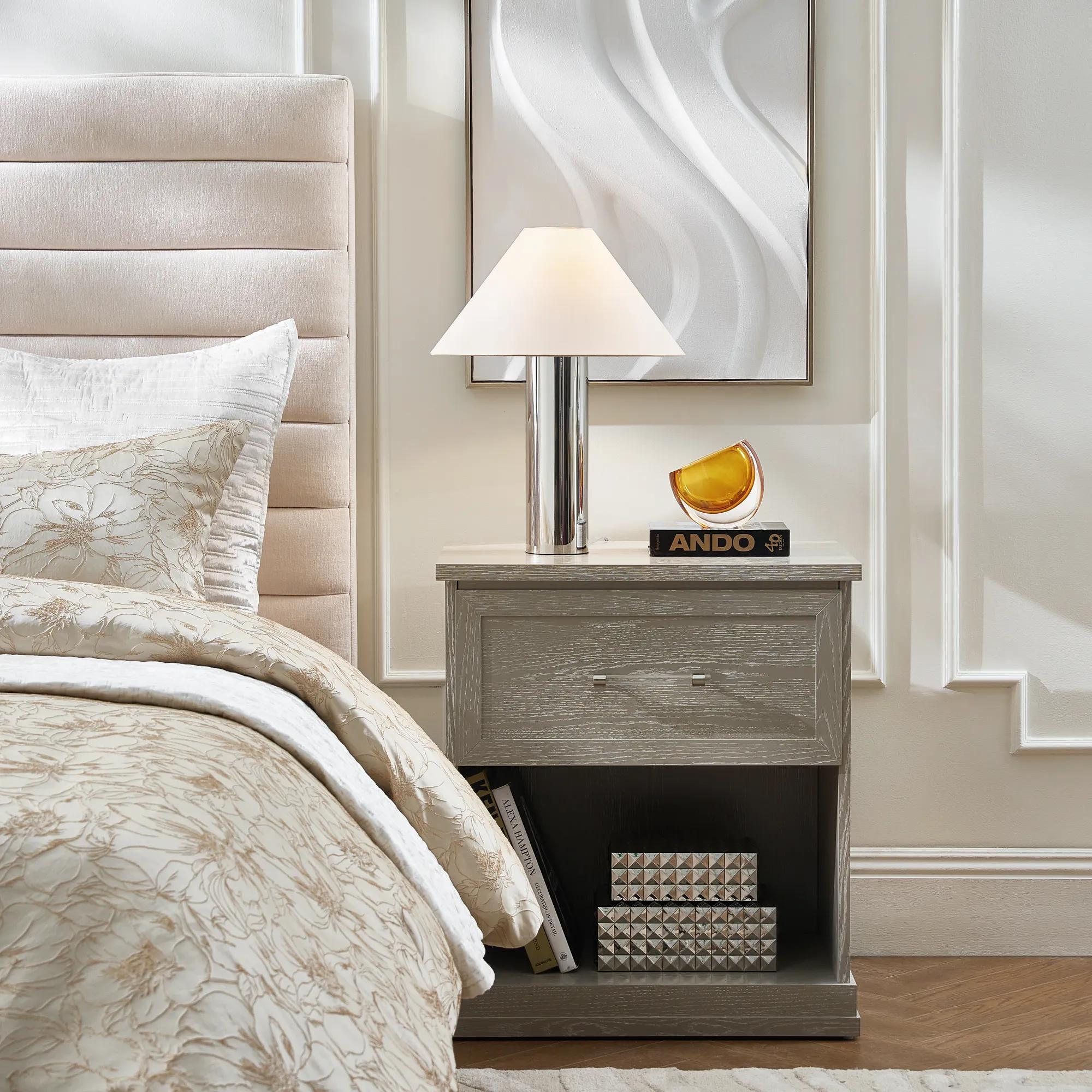 Arwin Grey Oak 1-Drawer Nightstand (26")$699
A contemporary grey hardwood veneer nightstand featuring acrylic and brushed silver handles with soft-closing drawers.
Add To Cart -
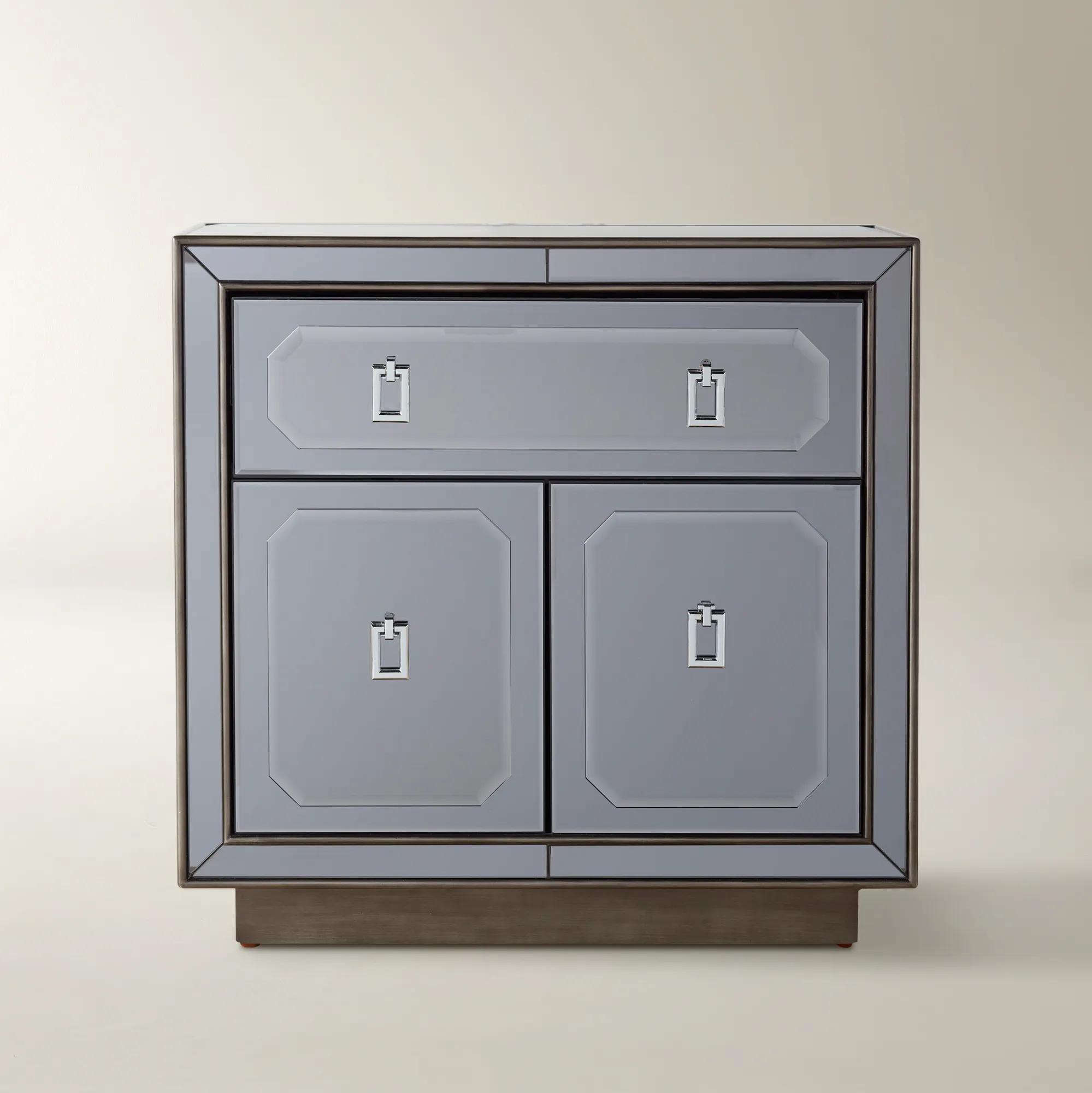
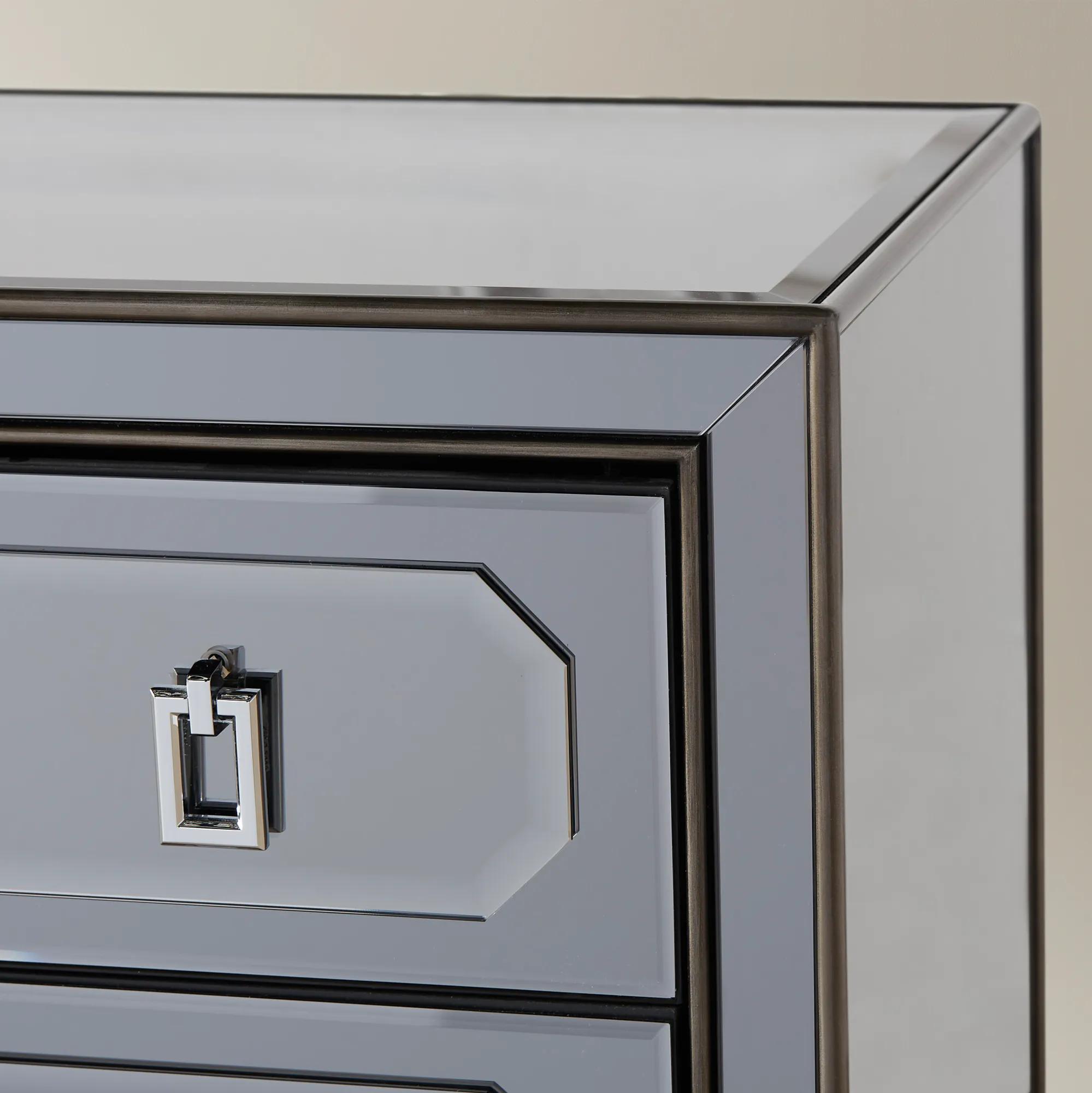 Maddox Mirrored Grey 1-Drawer Nightstand (30")$1099
A modern nightstand featuring beveled mirror paneling, graphite finish, and polished nickel hardware for a luxe touch.
Add To Cart -
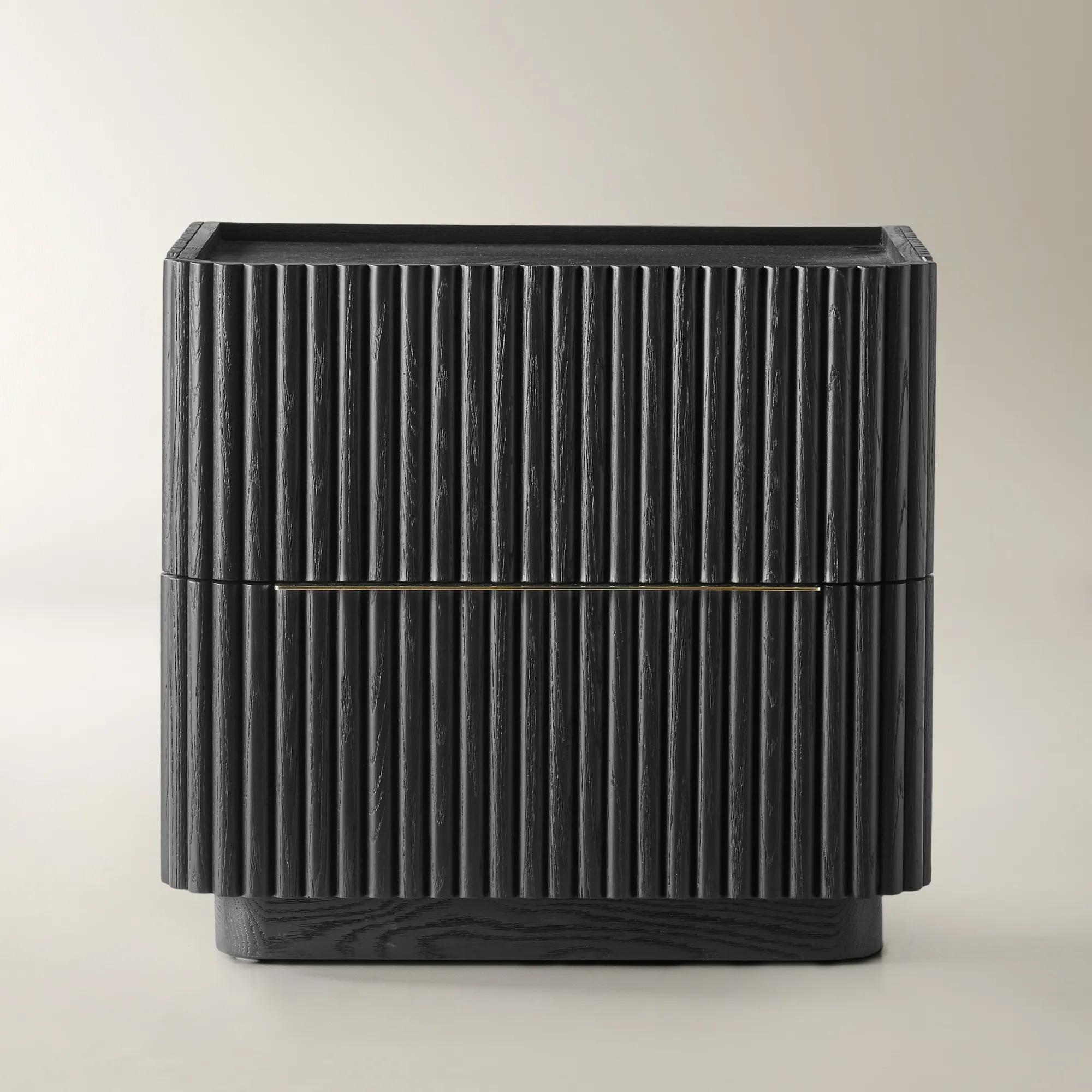 Stria Reeded Black Oak 2-Drawer Nightstand (26")$999
A black oak nightstand featuring vertical reeded texture, soft gold accents, and soft-close velvet-lined drawers.
Add To Cart -
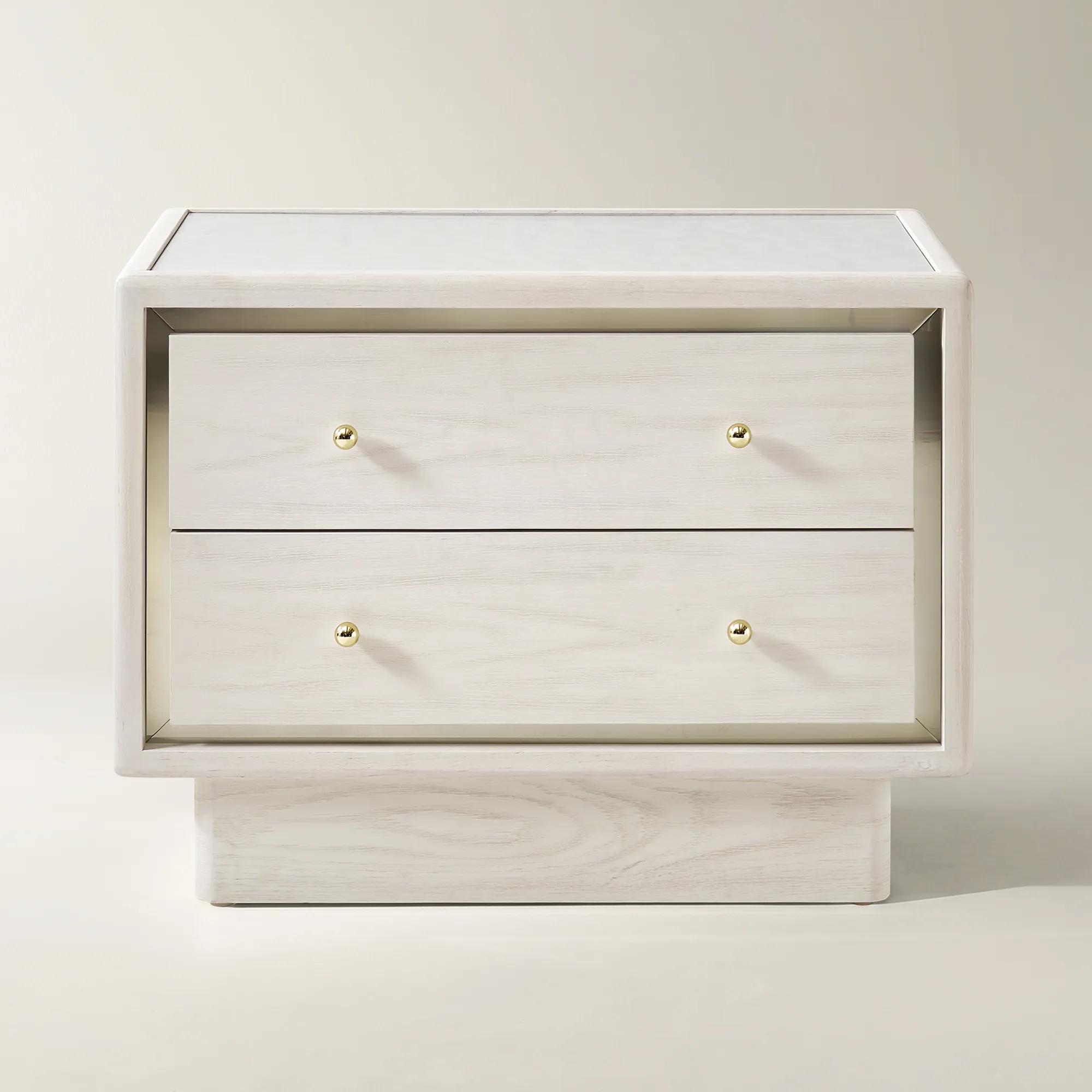
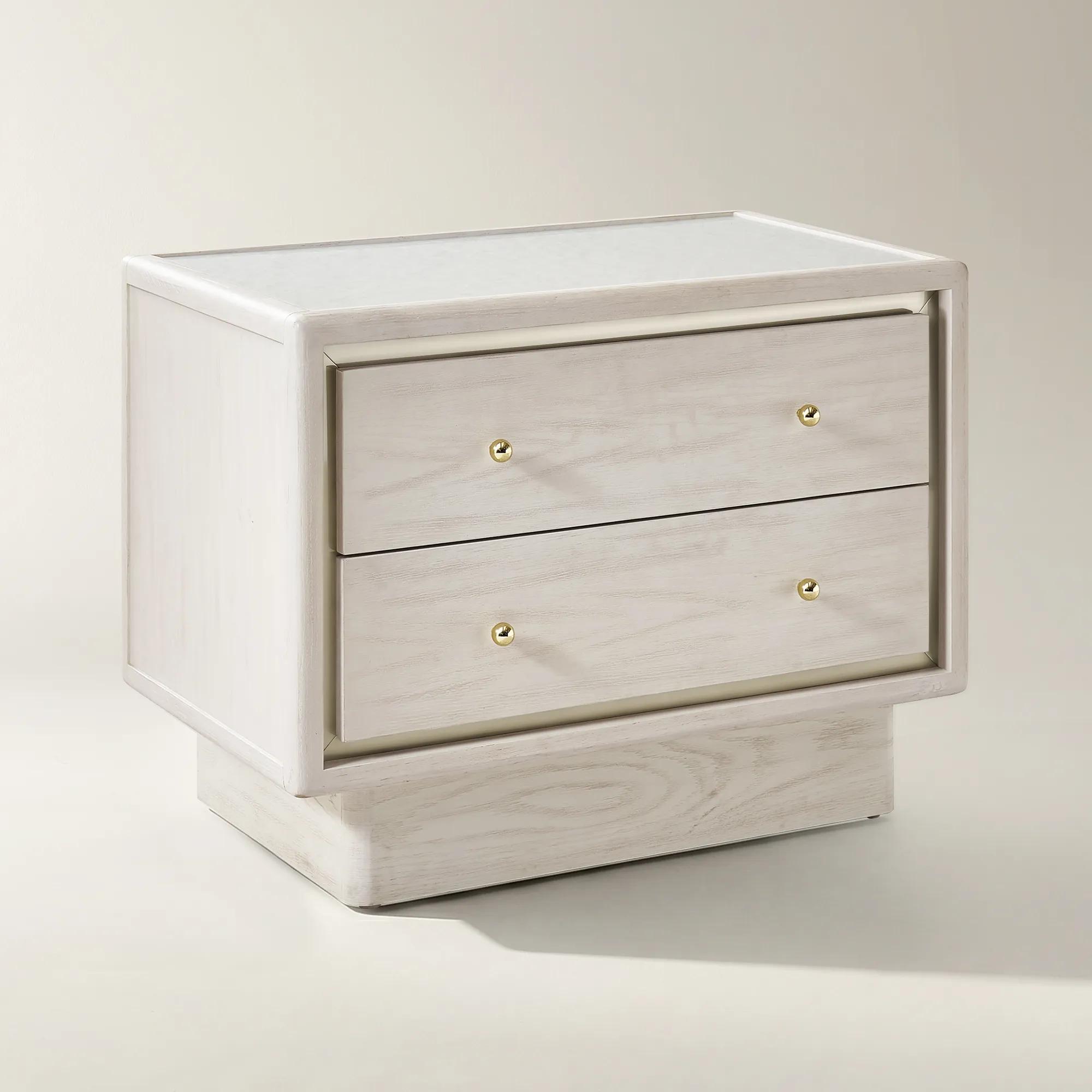 Lumina Bleached Oak 2-Drawer Nightstand With Pearl Lacquered Top (32")$1199
A bleached oak nightstand featuring a pearl lacquered top, champagne gold trim, and soft-close drawers.
Add To Cart -
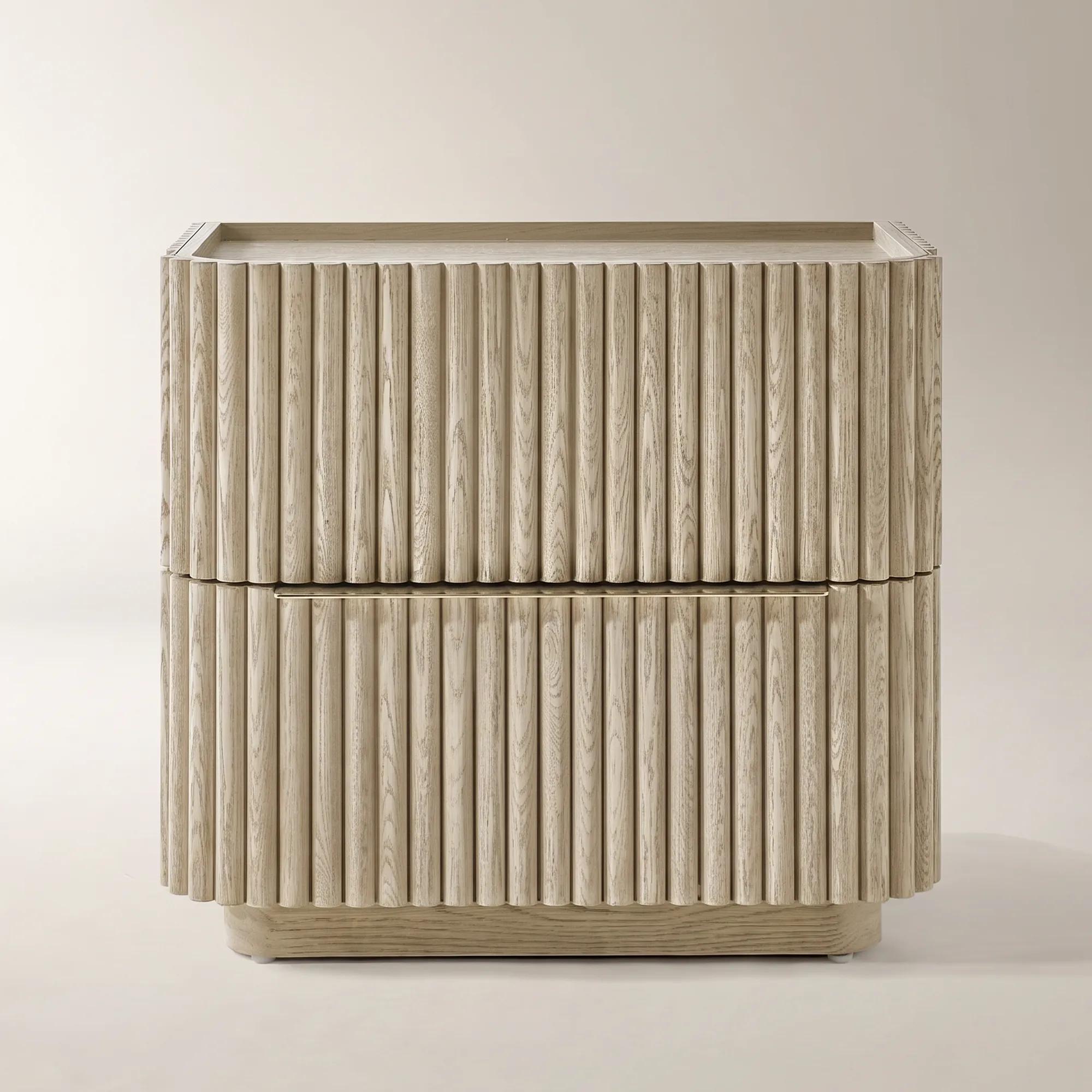
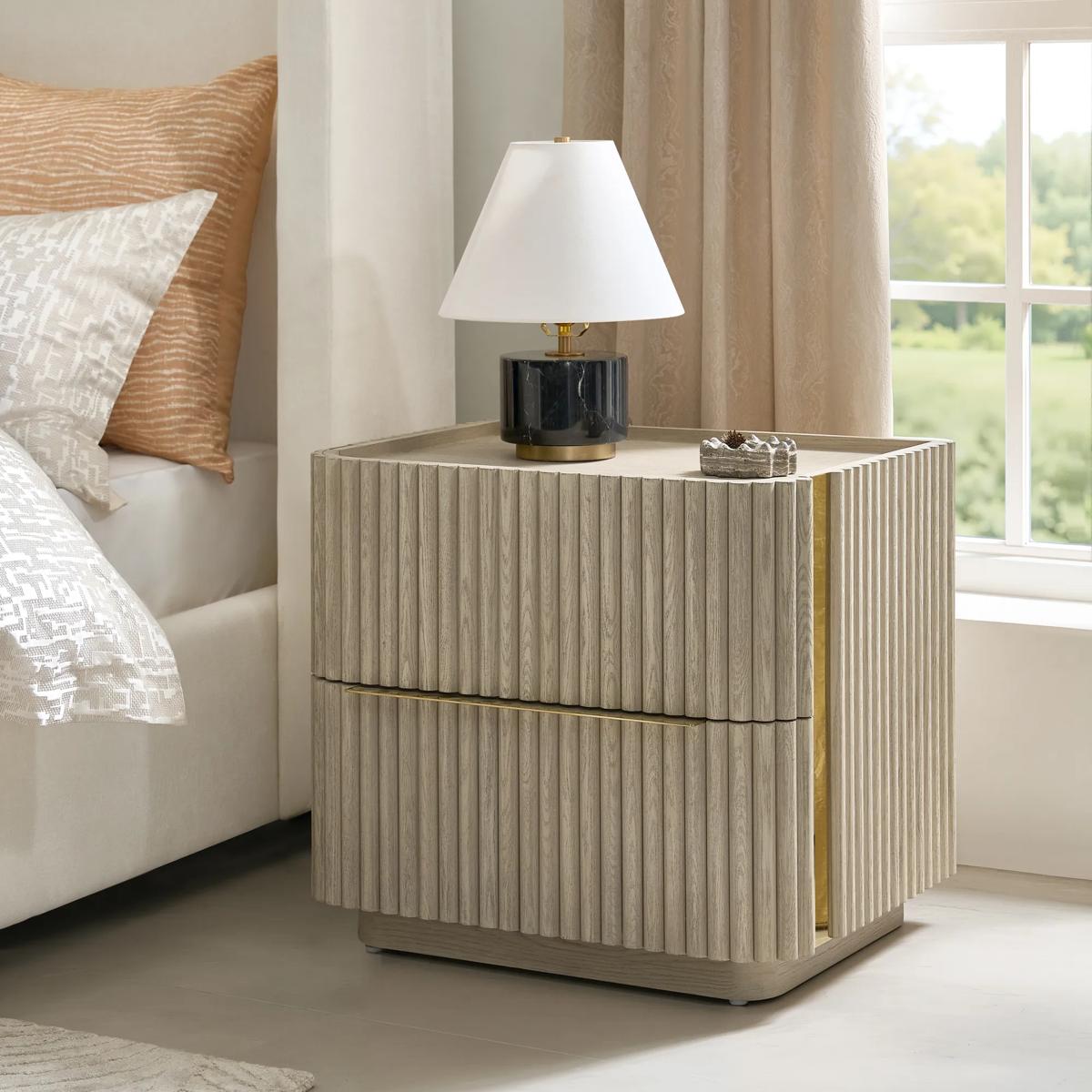 Stria Reeded White Oak 2-Drawer Nightstand (26")$999
A sculptural oak nightstand with reeded wood details, gold-plated trim, and soft-close felt-lined drawers.
Add To Cart -
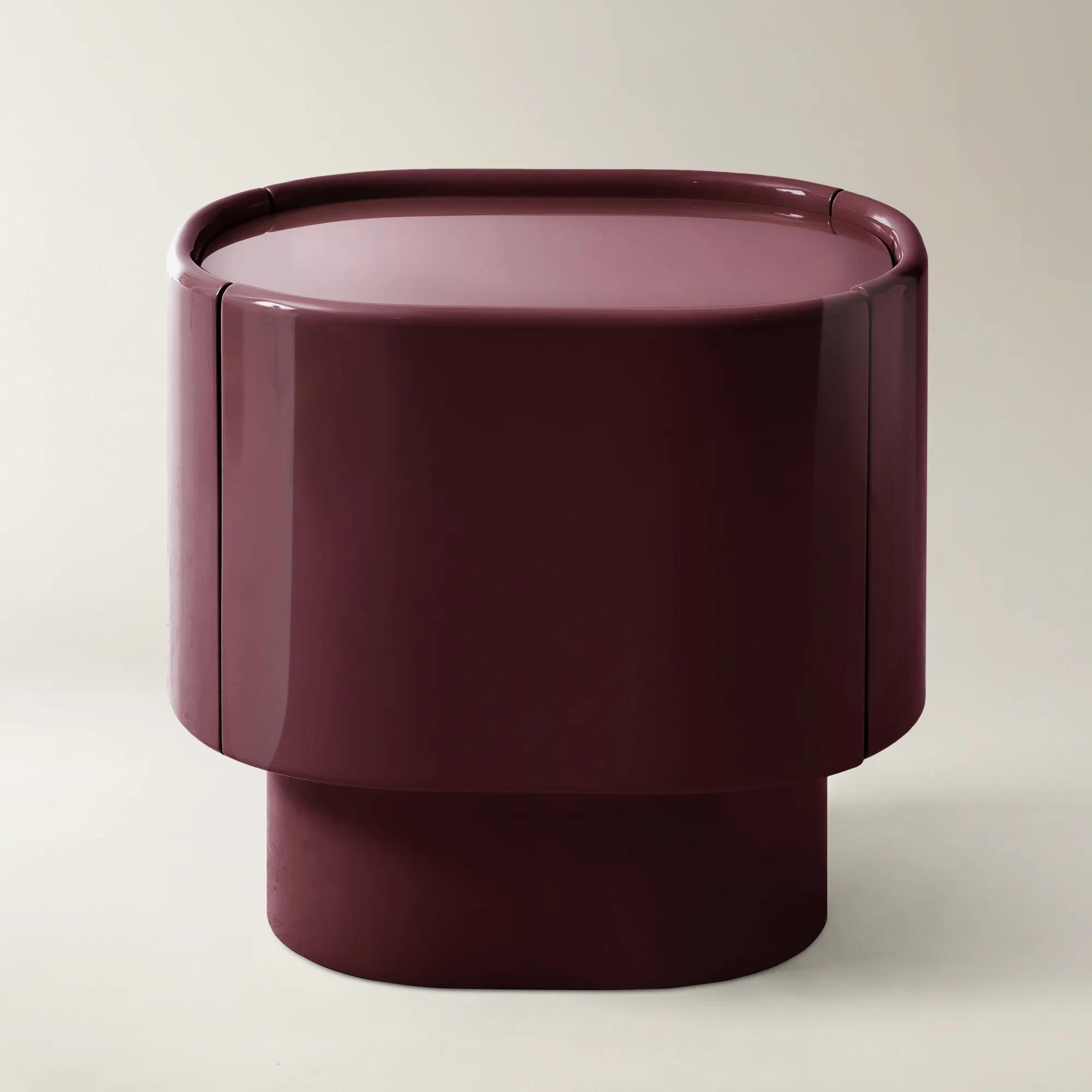 Velar Lacquered Ox Blood 1-Drawer Nightstand With Glass Top (24")$699
A sculptural ox blood nightstand featuring a high-gloss lacquer finish and a sleek glass top.
Add To Cart -
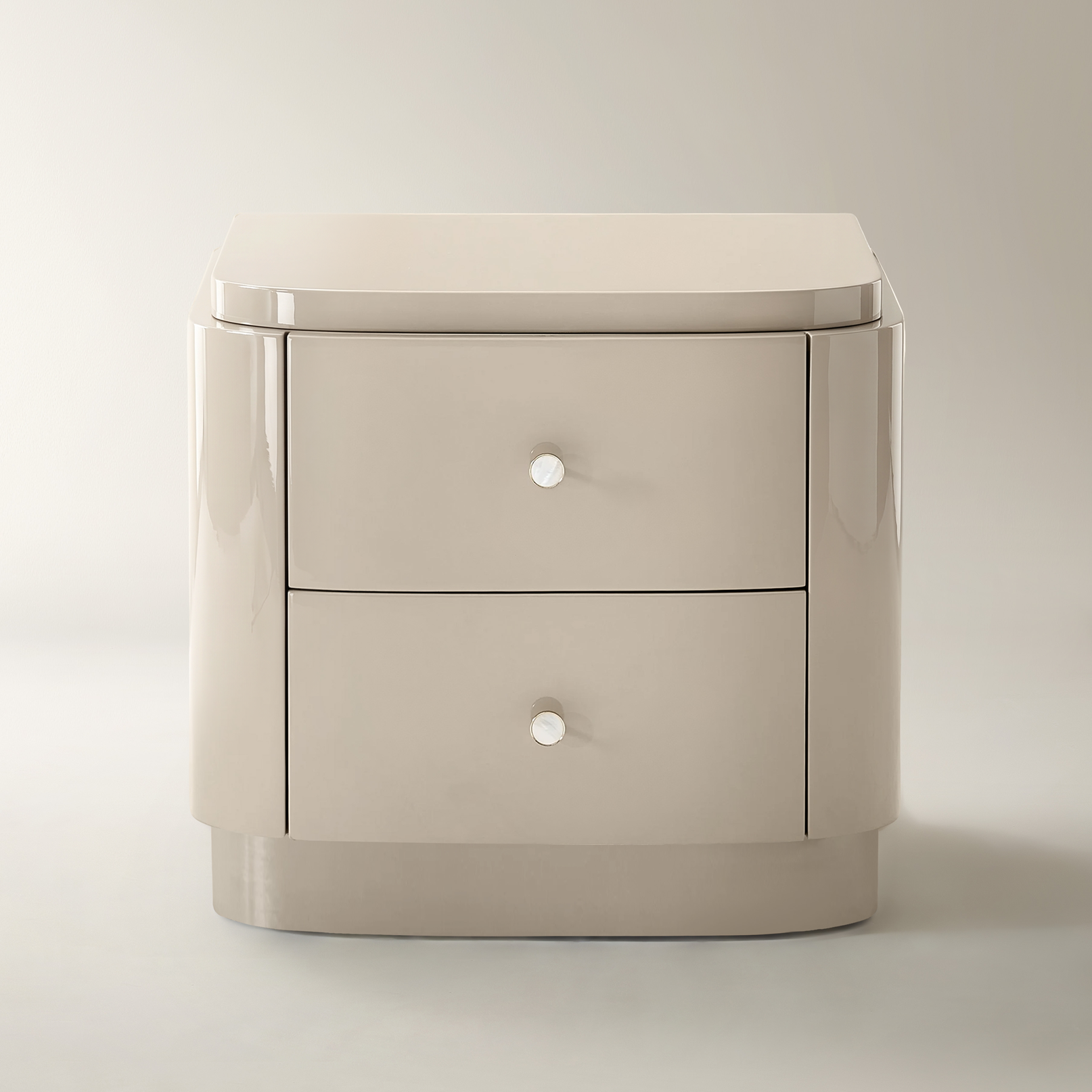
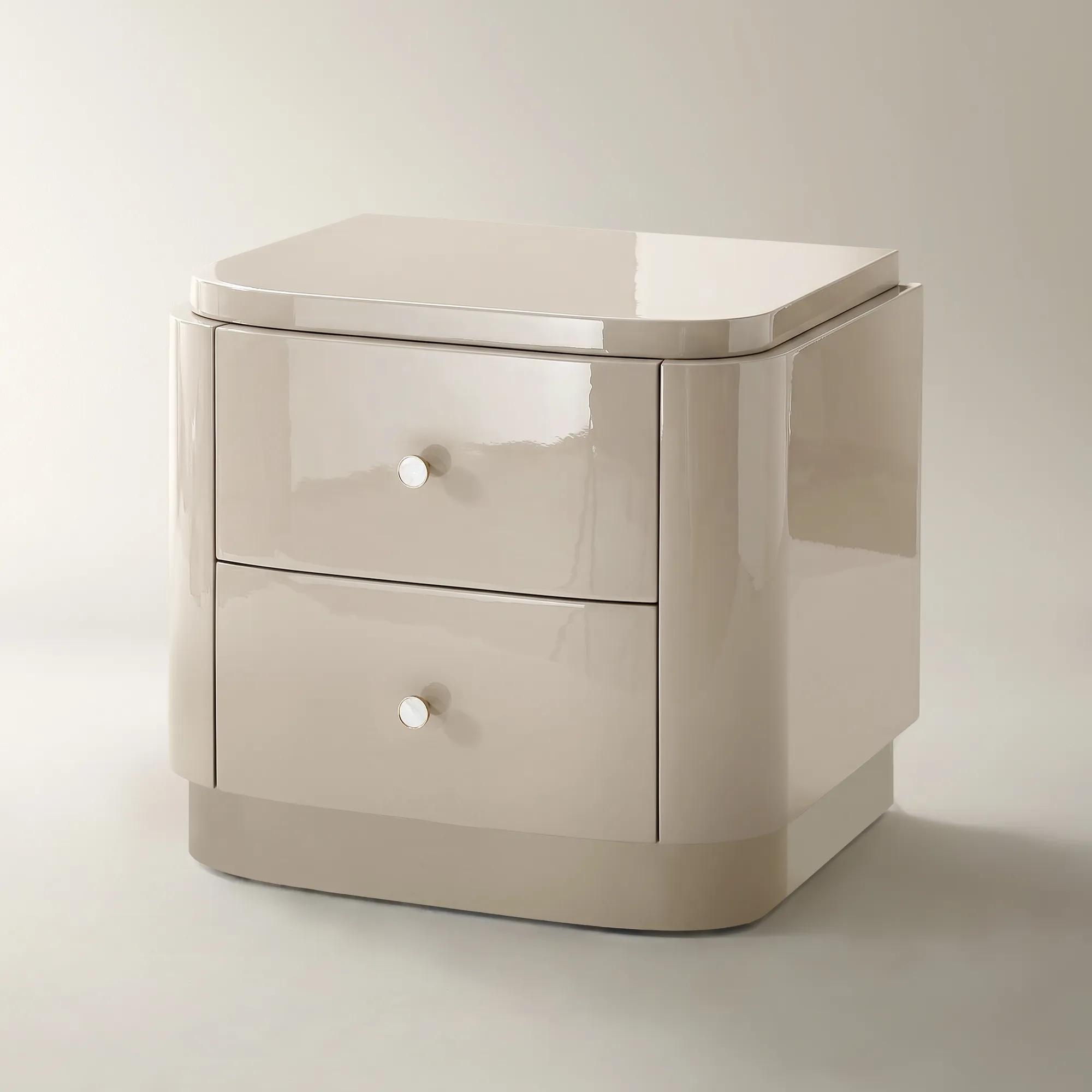 Nia Lacquered Turtle Dove 2-Drawer Nightstand (26")$599
A softly sculpted nightstand in turtle dove lacquer with pearlescent handles and two soft-close drawers.
Add To Cart -
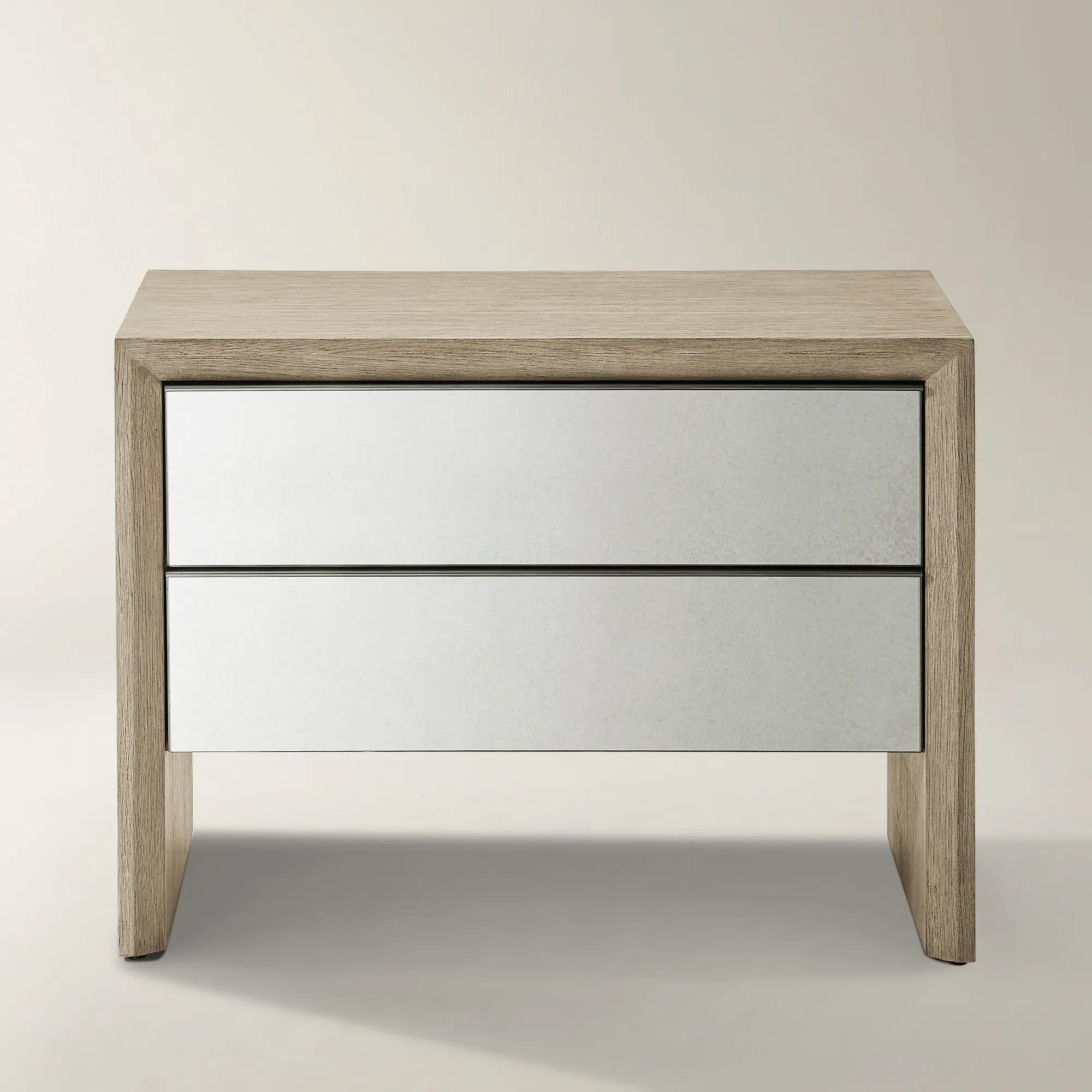
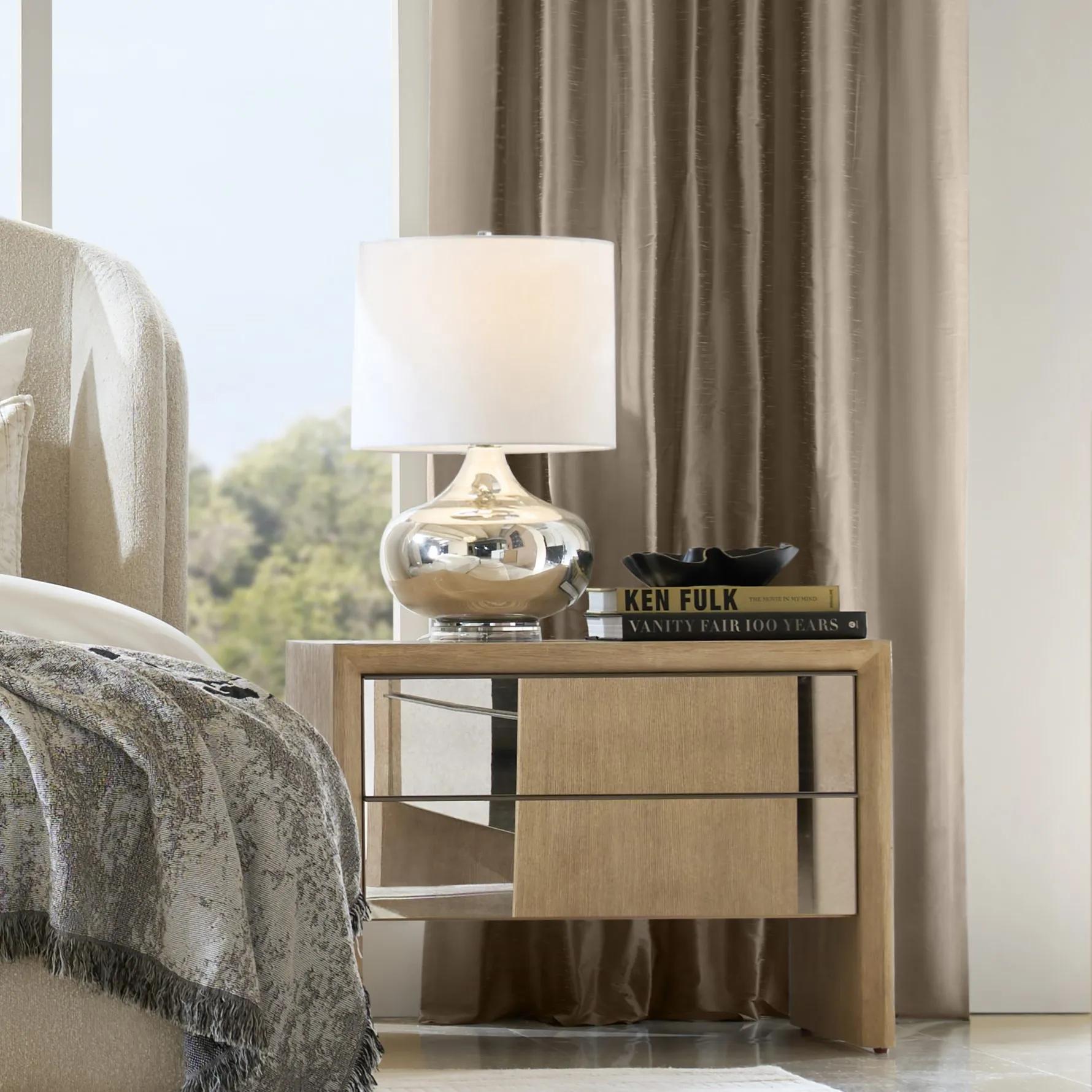 Glimmer Mirrored Seadrift Oak 2-Drawer Nightstand (32")$799
A glamorous nightstand featuring sea drift oak veneer, antique mirrored drawers, and soft-close storage.
Add To Cart -
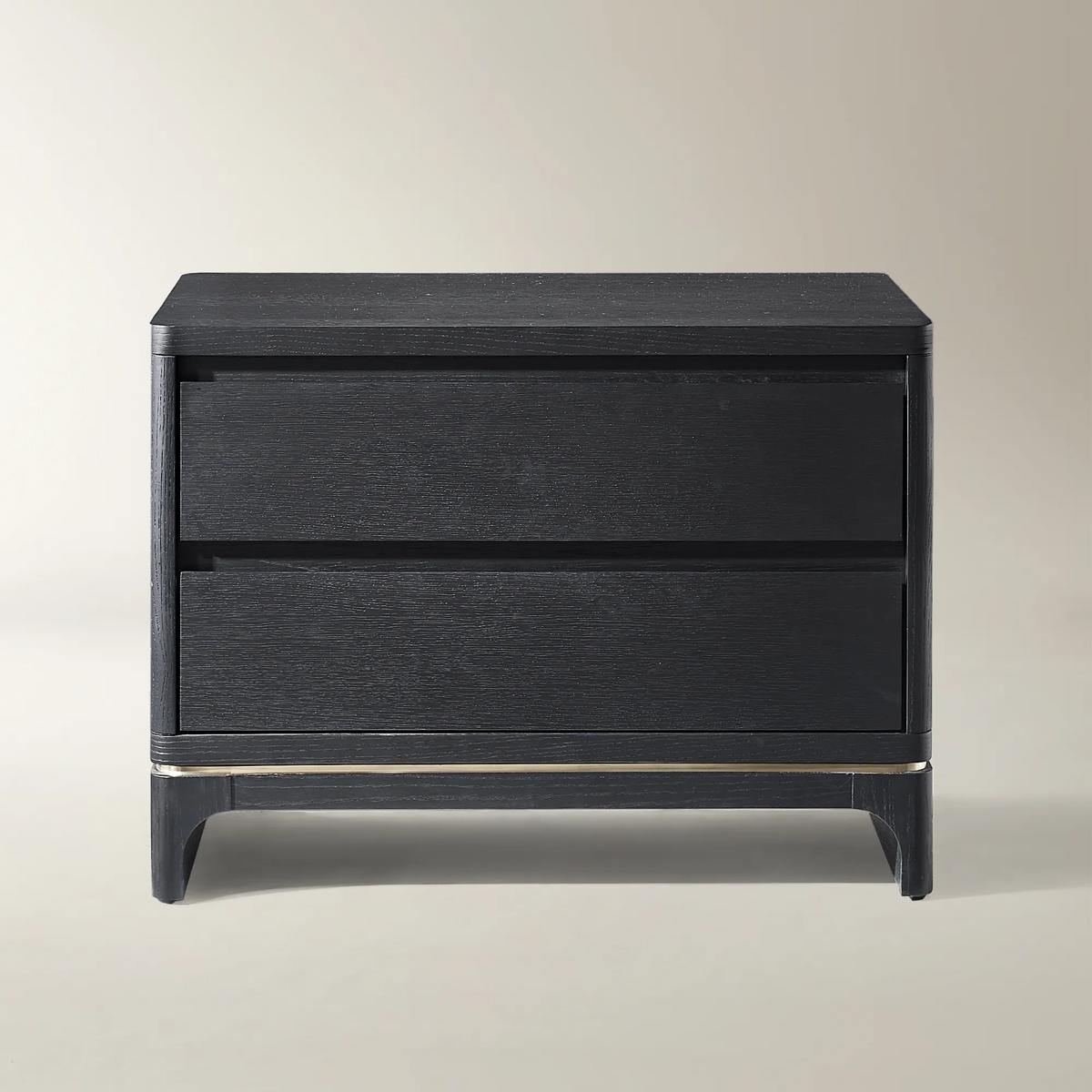
 Vanta Black Oak 2-Drawer Nightstand (32")$899
A matte black oak nightstand accented with gold stainless steel trim and soft-close, felt-lined drawers.
Add To Cart -
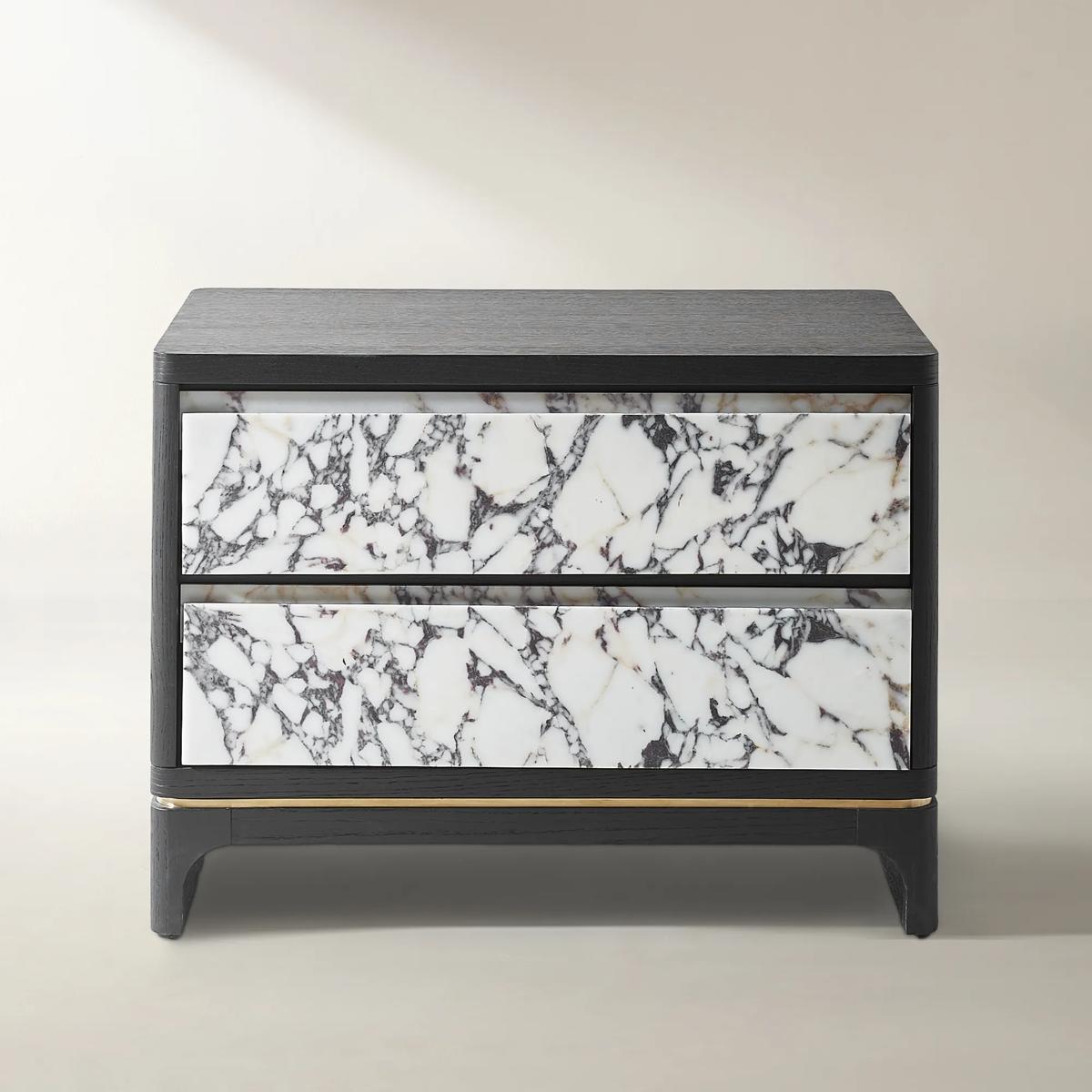 Vanta Black Oak And Calacatta Marble 2-Drawer Nightstand (32")$1099
A striking nightstand featuring genuine Calacatta Viola marble fronts and matte black oak veneer for bold elegance.
Add To Cart -
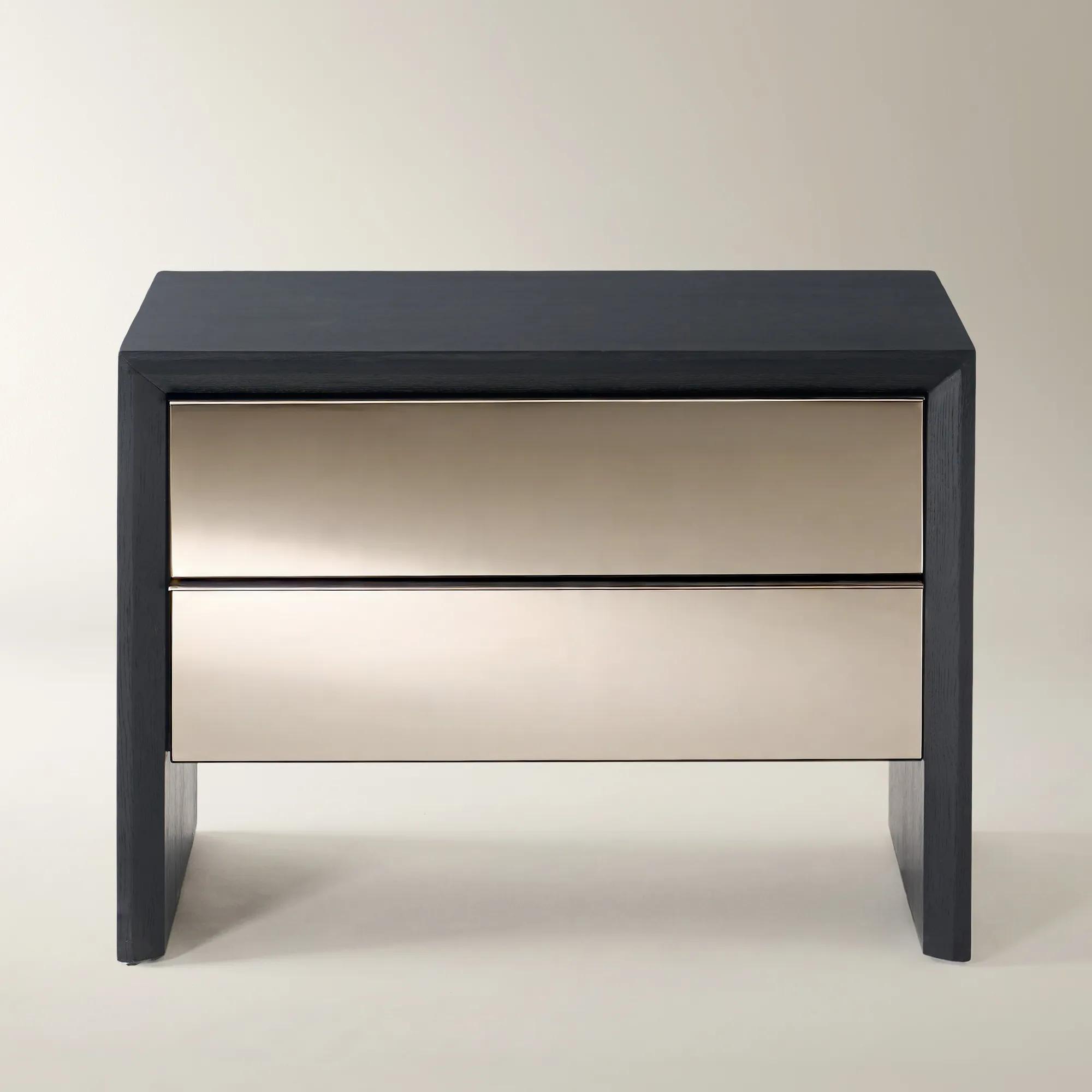
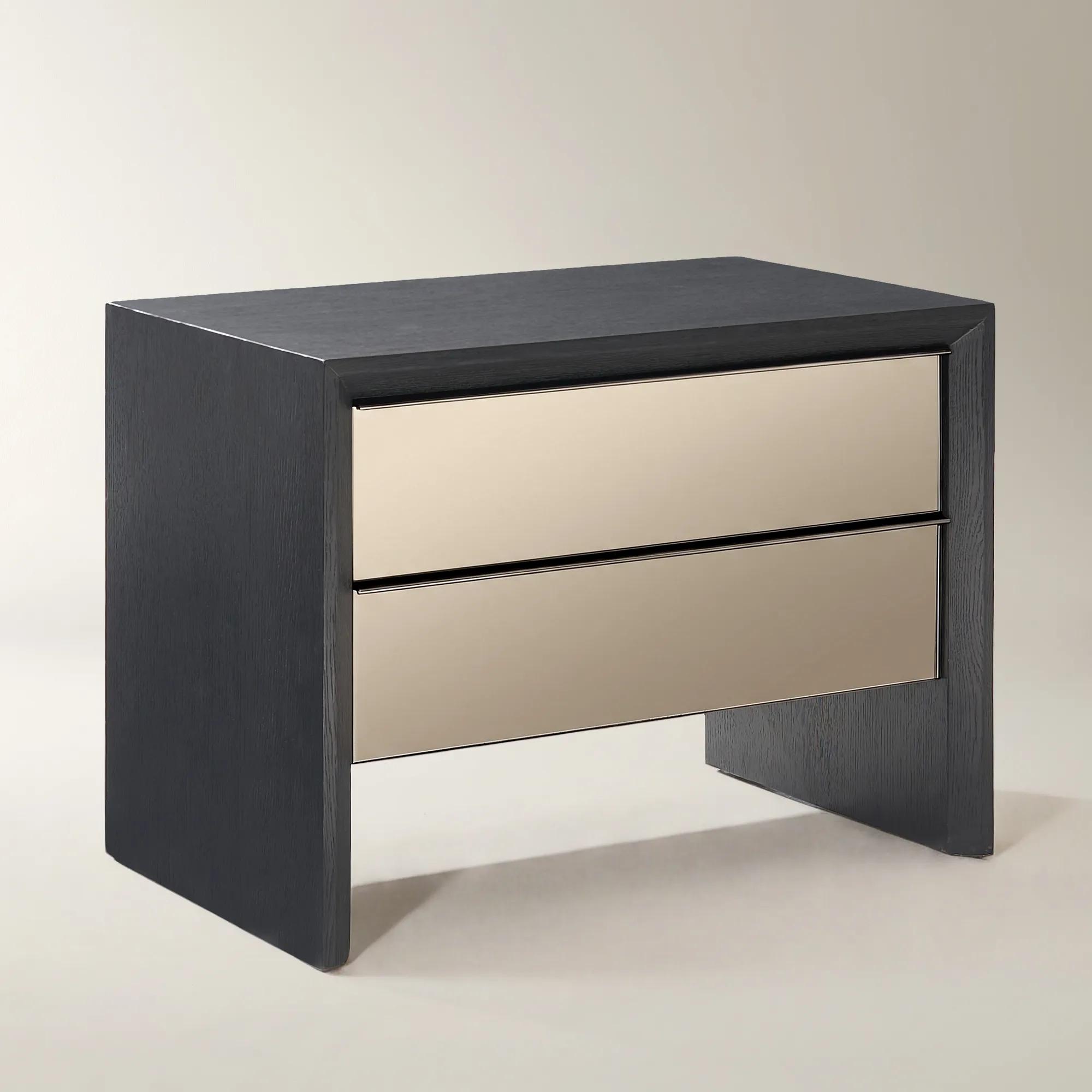 Glimmer Mirrored Black Oak 2-Drawer Nightstand (32")$799
A modern nightstand featuring black oak veneer, bronze mirrored drawer fronts, and soft-close velvet-lined drawers.
Add To Cart -
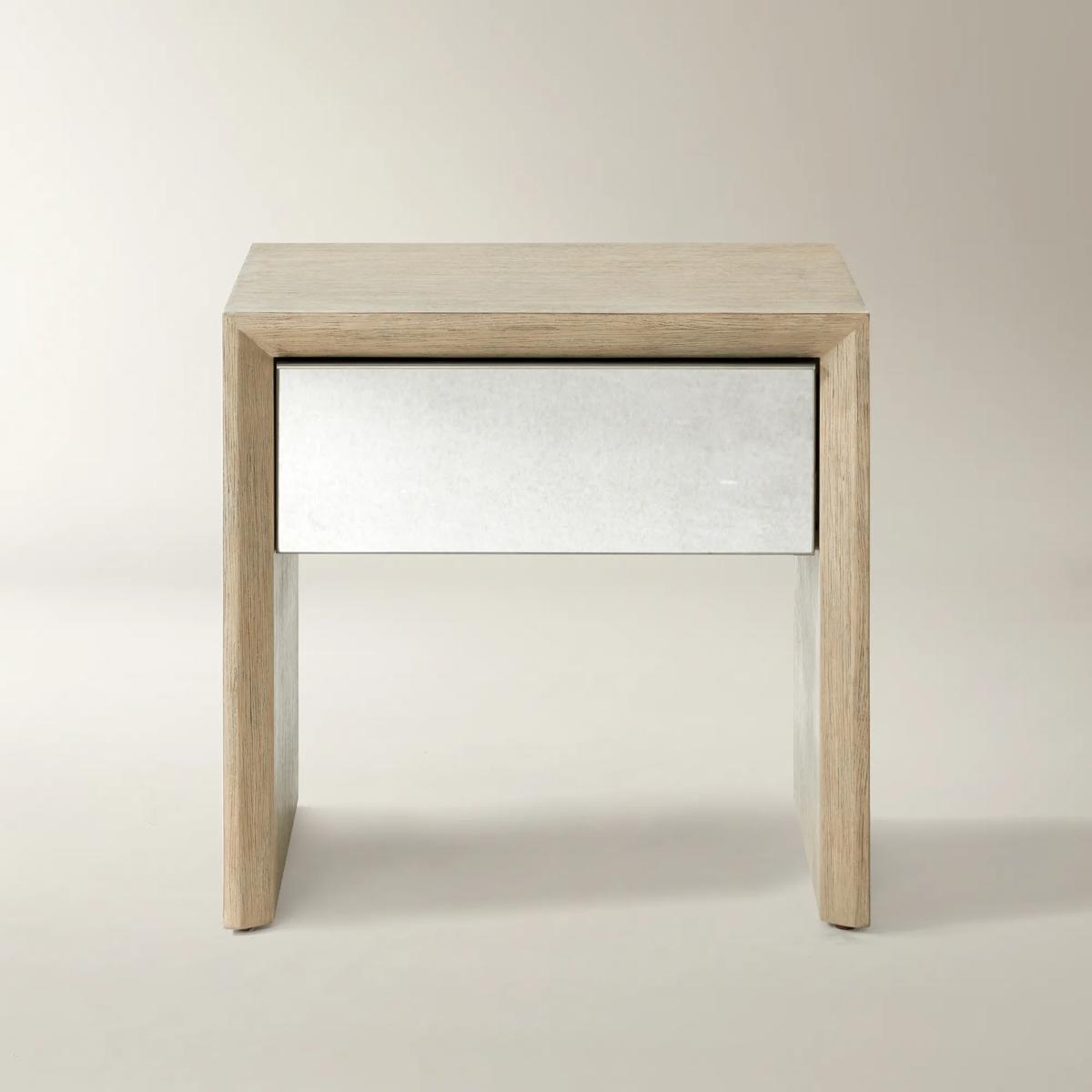 Glimmer Mirrored Seadrift Oak 1-Drawer Nightstand (23")$549
A sophisticated nightstand featuring a sea drift oak veneer frame and antique mirror-faced soft-close drawers.
Add To Cart -
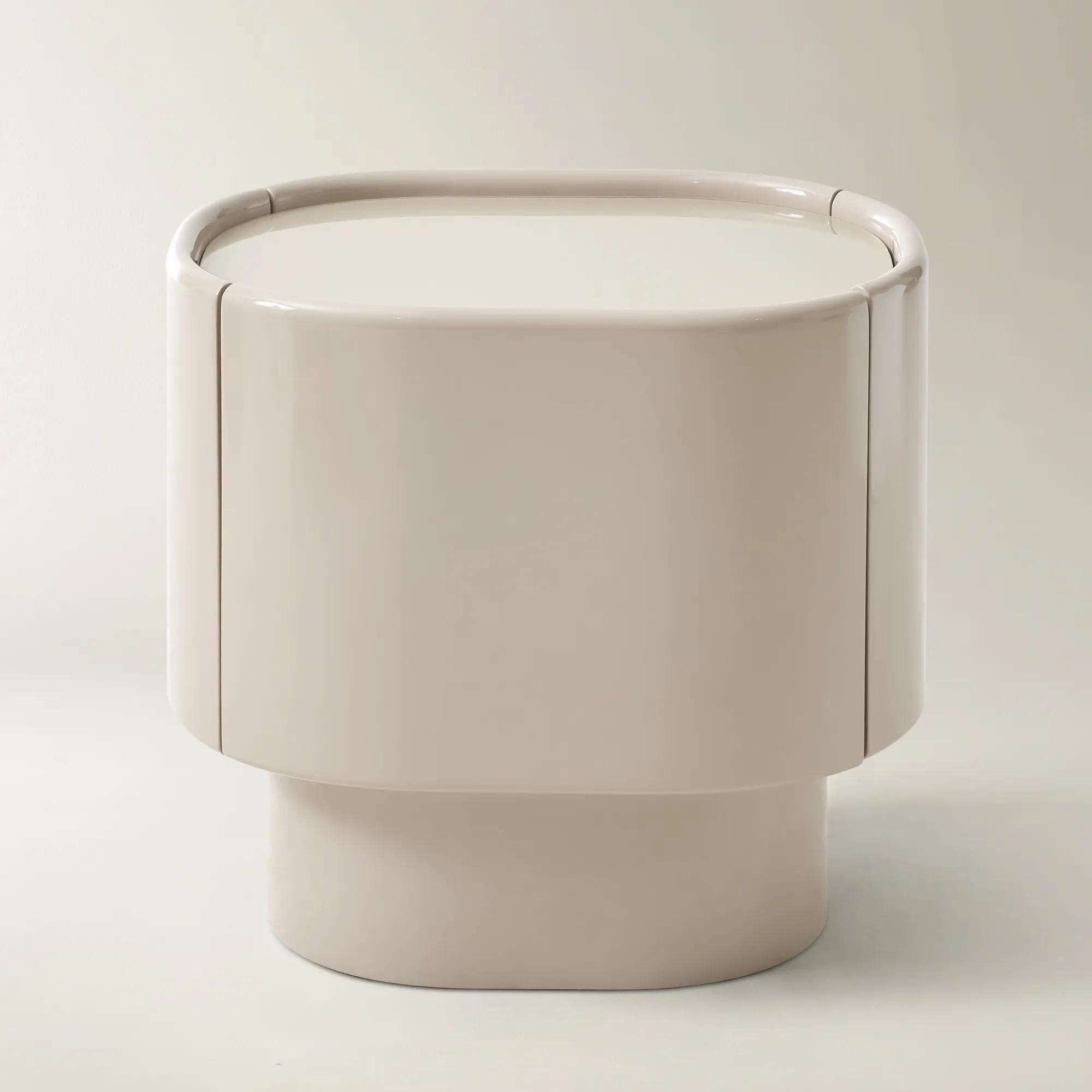 Velar Lacquered Turtle Dove 1-Drawer Nightstand With Glass Top (24")$699
A sculptural nightstand in turtle dove lacquer with a tone-on-tone glass top and velvet-lined drawer.
Add To Cart -
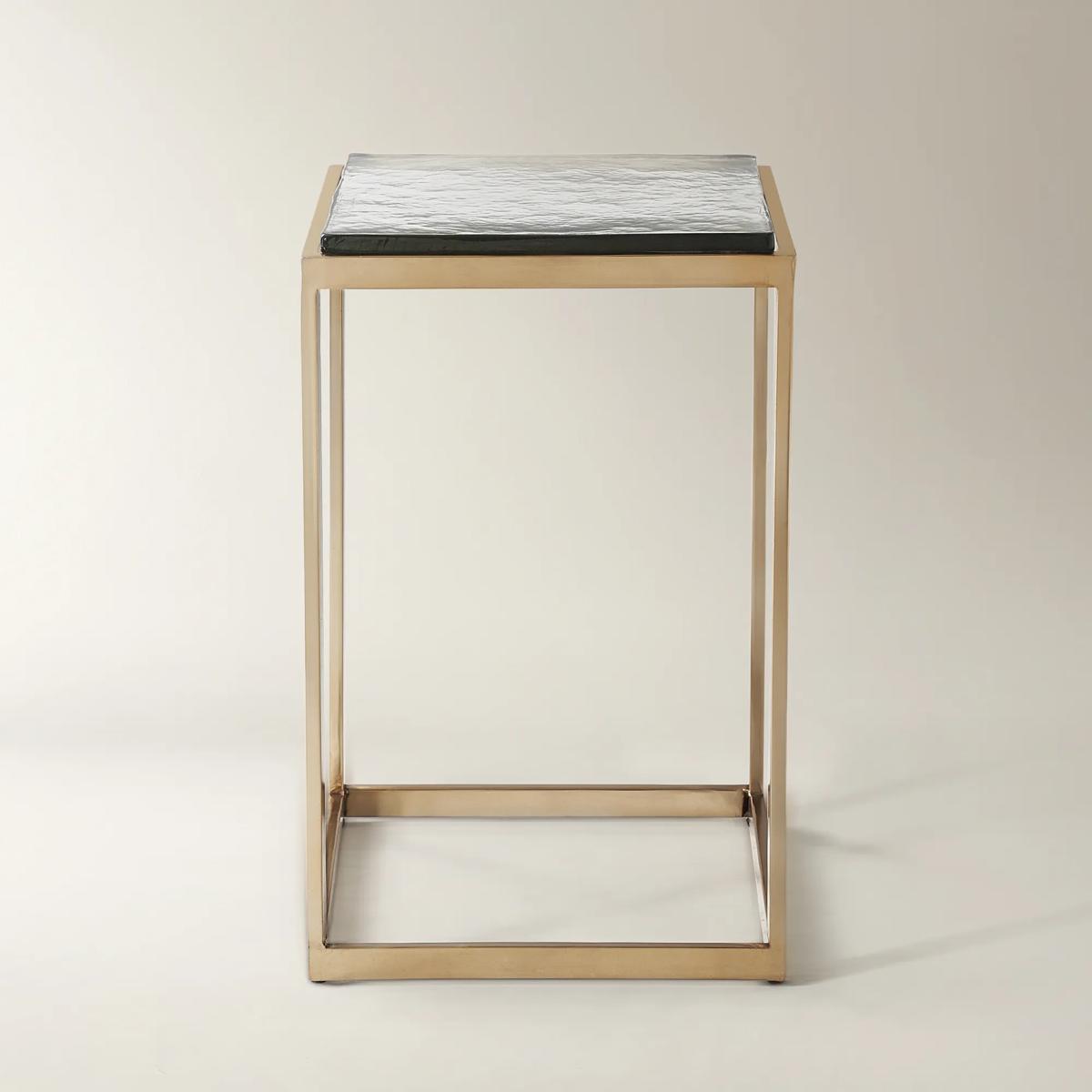
 Lyra Square Brass Metal Side Table With Glass Top (13.8")$239
A sculptural side table featuring a thick cast glass top and a lustrous brass-finished metal base.
Add To Cart

Luxury Bedroom Nightstands
Explore luxury bedroom nightstands that bring a polished, expressive presence to your bedside. Find a bedside table that complements your bed’s scale and your room’s design, with attention to surface space for nighttime essentials. Consider height, footprint, and storage needs to create a balanced arrangement with room for your personal touch.
Luxury bedroom nightstands bring a sense of intention to the space beside the bed, where beautiful materials meet the intimate rituals of everyday life. A luminous finish, a sculpted drawer front, or a striking interplay of wood and metal can turn this small stretch of floor into a compelling part of the room’s composition. Against a plush upholstered headboard, a mirrored nightstand introduces light and contrast; beside a richly grained bed frame, a lacquered silhouette creates a polished counterpoint. These pieces do more than frame the mattress. They give a reading lamp a place to cast its glow, keep a favorite book within reach, and provide a discreet home for the objects that otherwise gather at the bedside. The effect is especially satisfying when the proportions feel considered. A generous nightstand can hold its own beside a king-size bed and a substantial headboard, while a narrower profile brings the same sense of refinement to an apartment bedroom or a more intimate guest suite. Height matters as much as width: a surface close to the top of the mattress makes reaching for a glass of water or setting down glasses feel effortless. Depth deserves equal attention, particularly in rooms where the path beside the bed is also the route to a closet or adjoining bathroom. Drawers need room to open without interrupting that passage. A matching pair creates a poised, symmetrical arrangement, but coordinated rather than identical nightstands can feel equally deliberate when their heights, finishes, or visual weight relate to one another. In a shared bedroom, that flexibility allows each side to serve a different routine without making the space feel fragmented. One sleeper may favor concealed storage for books and personal essentials; another may prefer an open shelf and a clear tabletop. Luxury lies in that thoughtful balance: furniture with a distinctive presence that also understands how the room is lived in, from the first reach toward the alarm to the last page before sleep.
Materials give luxury bedroom nightstands their character, and the differences are worth appreciating beyond the first impression. Wood brings depth through grain, tone, and the way its surface catches light. Solid wood has natural variation and responds to changes in indoor humidity, while a carefully applied wood veneer can showcase expressive grain over a stable substrate. Neither construction tells the entire story on its own; thoughtful joinery, well-finished edges, and properly fitted drawers are equally important to a piece’s lasting appeal. Lacquered and other smooth painted finishes create a crisp, tailored presence, particularly when contrasted with textured bedding or an upholstered wall. Mirrored panels add dimension and reflect nearby light, giving a compact bedside arrangement greater visual reach. Their gleam feels especially dramatic alongside a velvet headboard or a lamp with a sculptural base, though visible reflections also make fingerprints and tabletop clutter more noticeable. Metal accents can introduce another layer of richness, whether through a warm-toned pull, a slender base, or a frame that outlines the silhouette. Natural stone surfaces offer their own artistry through veining and subtle variation, but their weight and potential sensitivity to spills call for considered handling. Glass lends an airy quality while keeping the emphasis on shape and surrounding textures. Beyond the surface, daily satisfaction comes from details that are easy to overlook in a photograph: drawers that travel smoothly, handles that are comfortable to grasp, a stable base, and storage sized for the things that genuinely belong beside the bed. A shallow drawer can keep charging cables, glasses, and small personal items organized, while deeper storage accommodates reading material or other larger essentials. An open shelf makes frequently used objects accessible, but enclosed storage is often better suited to anyone who prefers an uncluttered view from the pillow. For a guest bedroom, a clear surface and an easily reached drawer create a welcoming sense of ease without requiring elaborate styling. The most compelling nightstands combine material expression with this quiet practicality, making their beauty part of a routine rather than something reserved for admiration.
The surrounding arrangement helps a nightstand’s design come into focus. A broad bedside surface can support a substantial lamp and a low decorative vessel without feeling crowded, while a compact top benefits from a more slender lighting silhouette or illumination mounted on the wall. Leave enough open space for the objects that arrive at bedtime; a beautifully styled surface should still accommodate a phone, a book, or a water glass without rearranging the entire composition. Concealed cable routing, where provided, can preserve that composed appearance, and access to nearby outlets should be considered before positioning heavier furniture. For an aesthetic defined by restrained lines and expressive finishes, modern bedroom furniture nightstands offer a closely related direction, with silhouettes that can complement both richly layered interiors and more architectural bedrooms. Whichever visual approach suits the room, care should follow the material rather than a single cleaning routine. A soft, lint-free cloth is a useful starting point for regular dusting, while spills should be addressed promptly with the finish manufacturer’s instructions in mind. Coasters help protect bedside surfaces from condensation, and a protective pad beneath a decorative object can reduce the risk of scratches. Mirrored or glass details generally call for a suitable cleaner applied to the cloth rather than sprayed toward seams or hardware. Natural stone may require specific protection or sealing, and acidic liquids or abrasive cleaners can damage sensitive surfaces. Wood and finished surfaces also benefit from avoiding prolonged direct sunlight and excessive moisture. Periodic attention to loose hardware, drawer alignment, and the stability of the base helps preserve everyday performance. These small acts of care protect more than a finish; they sustain the pleasure of a bedroom that feels thoughtfully assembled. With the right scale, purposeful storage, and a material palette that speaks to the rest of the room, luxury nightstands become enduring bedside companions, bringing polish to practical moments and a distinctive signature to the space.
FAQs
A luxury bedroom nightstand brings a distinct design point of view to the bedside. Considered detailing, artful silhouettes, and beautifully composed finishes give this everyday piece a more expressive role. Look for a design that complements your bedroom’s mood while adding a moment of visual intrigue.
Nightstands can complement your bed without matching it exactly. A shared color, finish, or design detail creates a polished connection, while contrasting silhouettes add depth. Pair an ornate bed with more restrained bedside forms, or let sculptural nightstands introduce drama beside a tailored headboard.
Compose your nightstand as a personal vignette: a distinctive lamp, a favorite book, and one artful accent can create a richly layered bedside. Vary shapes and textures while leaving breathing room around each piece. A decorative dish for jewelry adds an intimate finishing touch without overwhelming the composition.
Different nightstands can give a bedroom a collected, expressive character. Create a visual connection through a common finish, related shapes, or coordinating hardware details. Matching lamps can bring cohesion to the arrangement, allowing each nightstand to retain its own personality.
Choose according to how you want your bedside to look and feel. Drawers keep personal essentials out of view for a composed, uninterrupted presentation. Open shelving makes books and decorative objects part of the room’s story. A design that combines both allows for concealed storage alongside a curated display.


