Bedroom Furniture Sets With Storage
Bedroom Furniture Sets With Storage
-
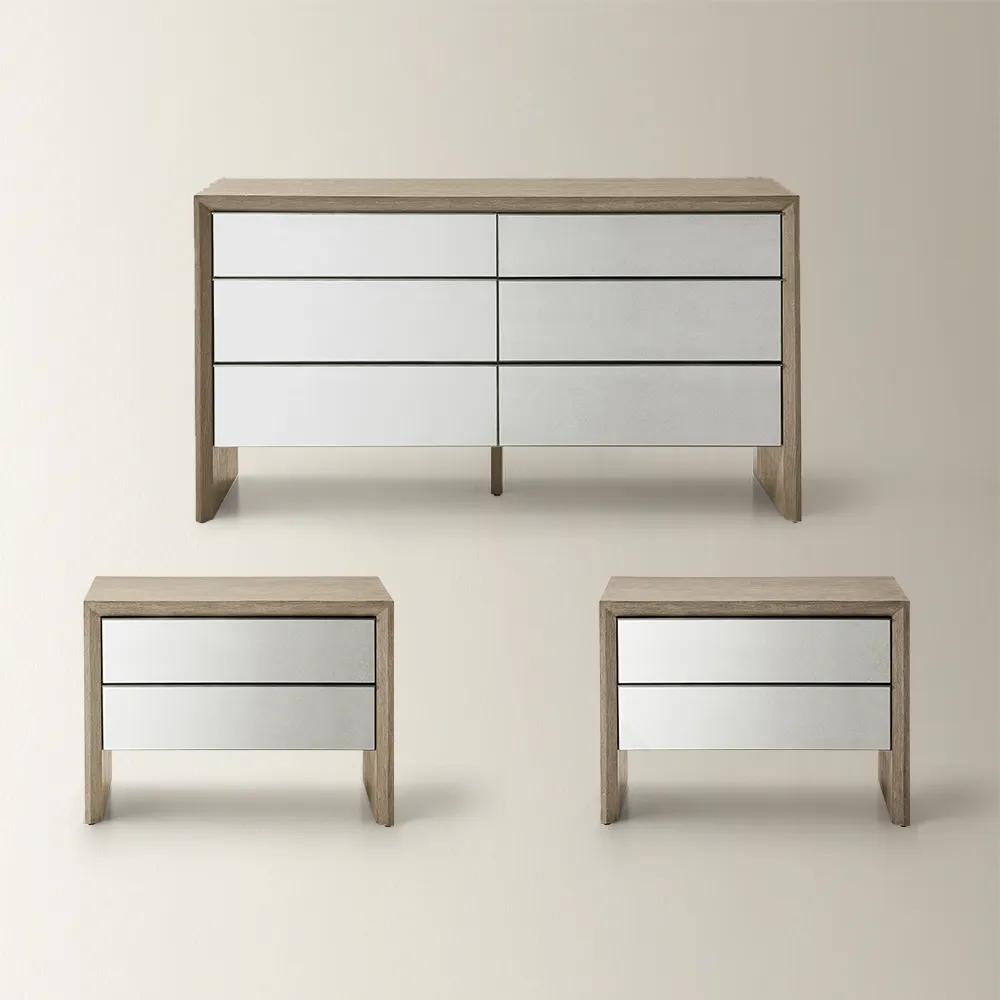 Glimmer Set of 3 Bedroom$3097
A coordinated bedroom furniture set featuring a dresser and two nightstands for cohesive storage.
Add To Cart -
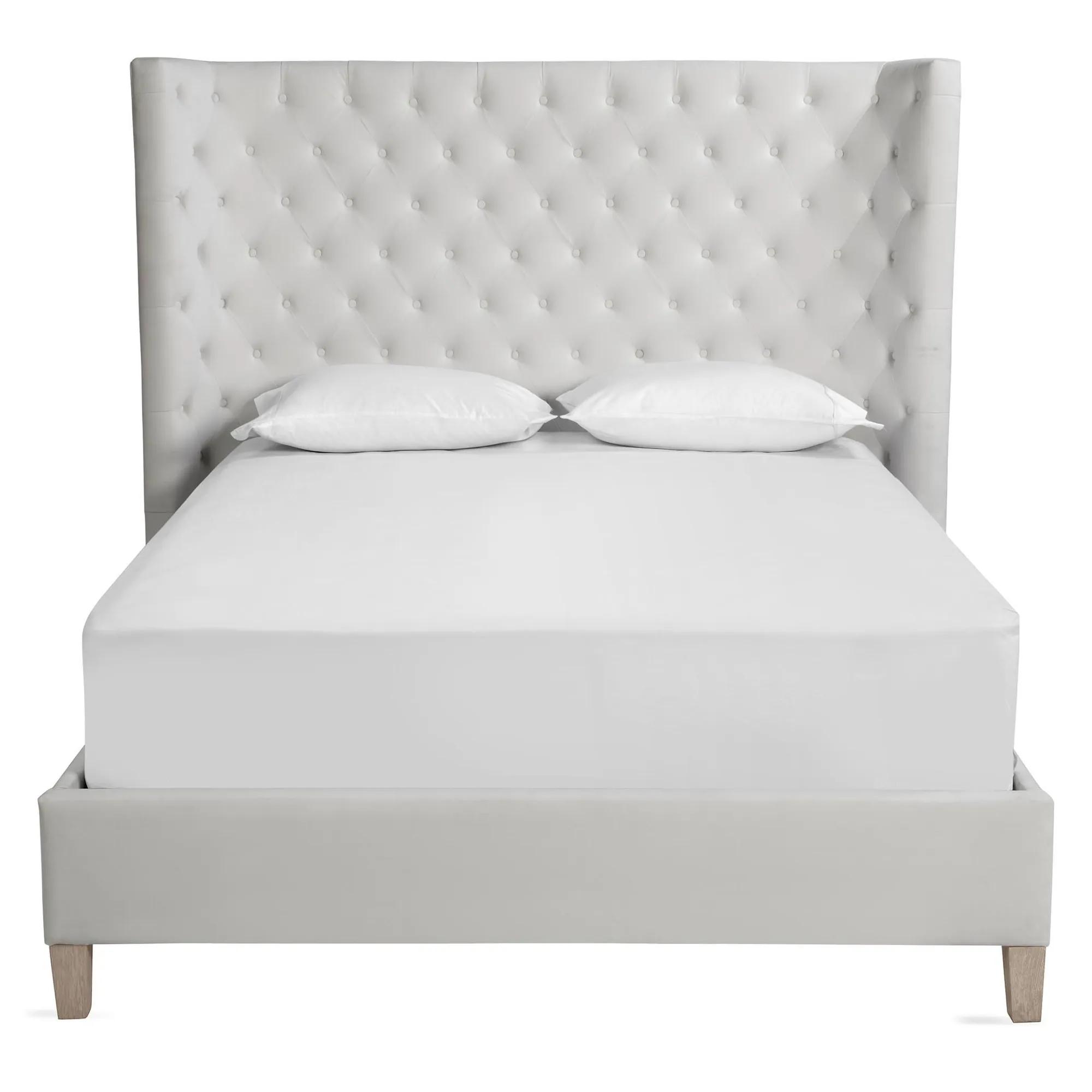
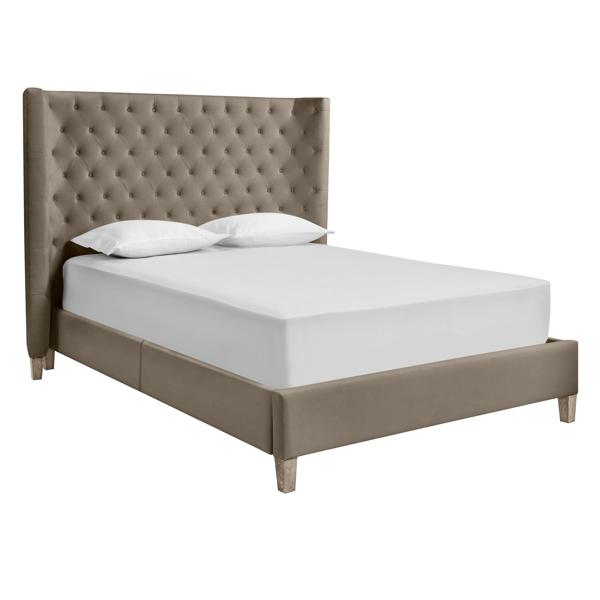 Jen Storage Bed$3349
A glamorous wingback storage bed with hand-tufted diamond upholstery and four fully upholstered drawers.
Add To Cart -
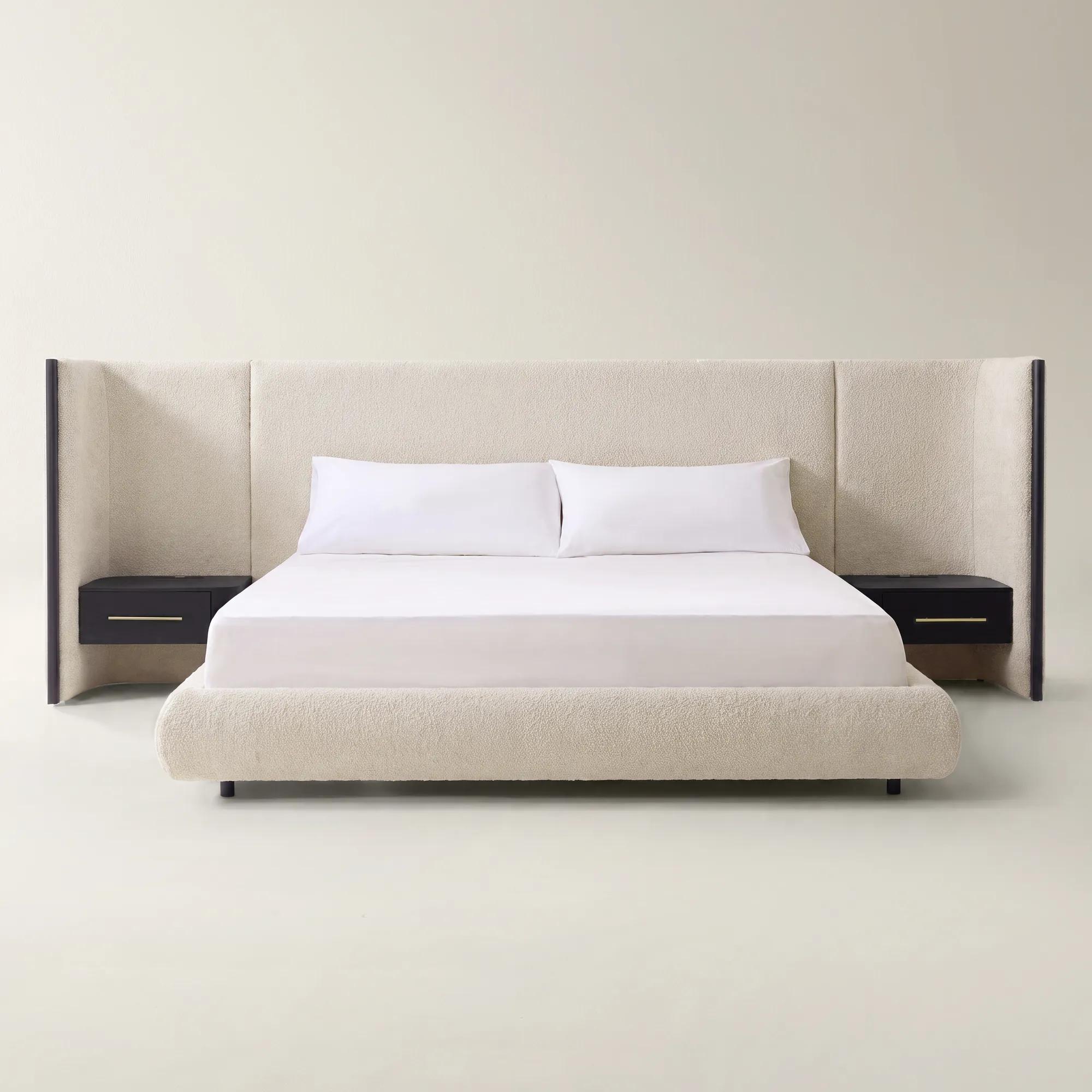
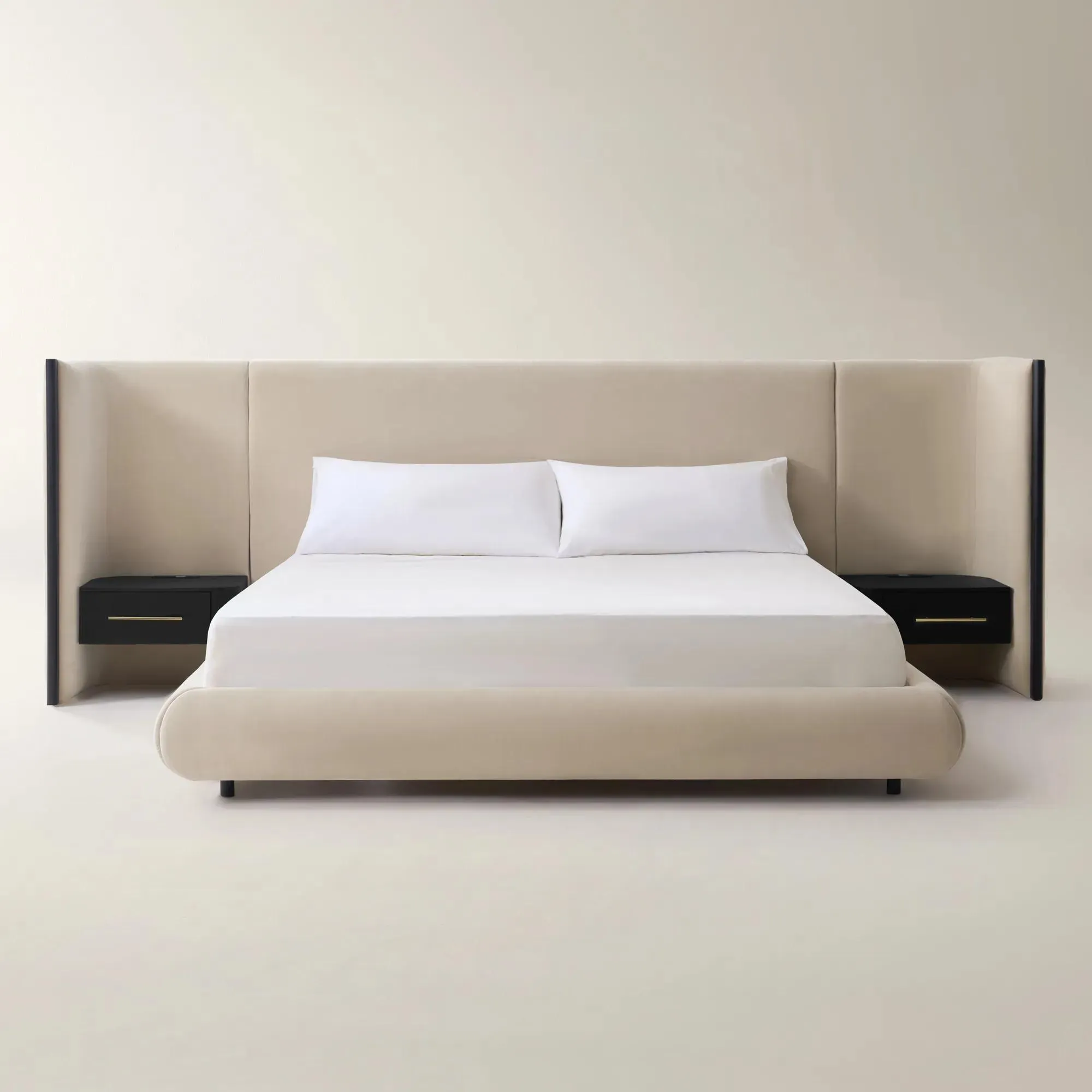 Sierra Ivory Performance Boucle Upholstered King Bed With Nightstands$2999
A white boucle upholstered bed with an extended headboard, floating nightstands, and integrated power access.
Add To Cart -
 Glimmer Set of 4 Bedroom$5096
A coordinated bedroom set featuring an ivory or grey bed, two nightstands, and a dresser.
Add To Cart -
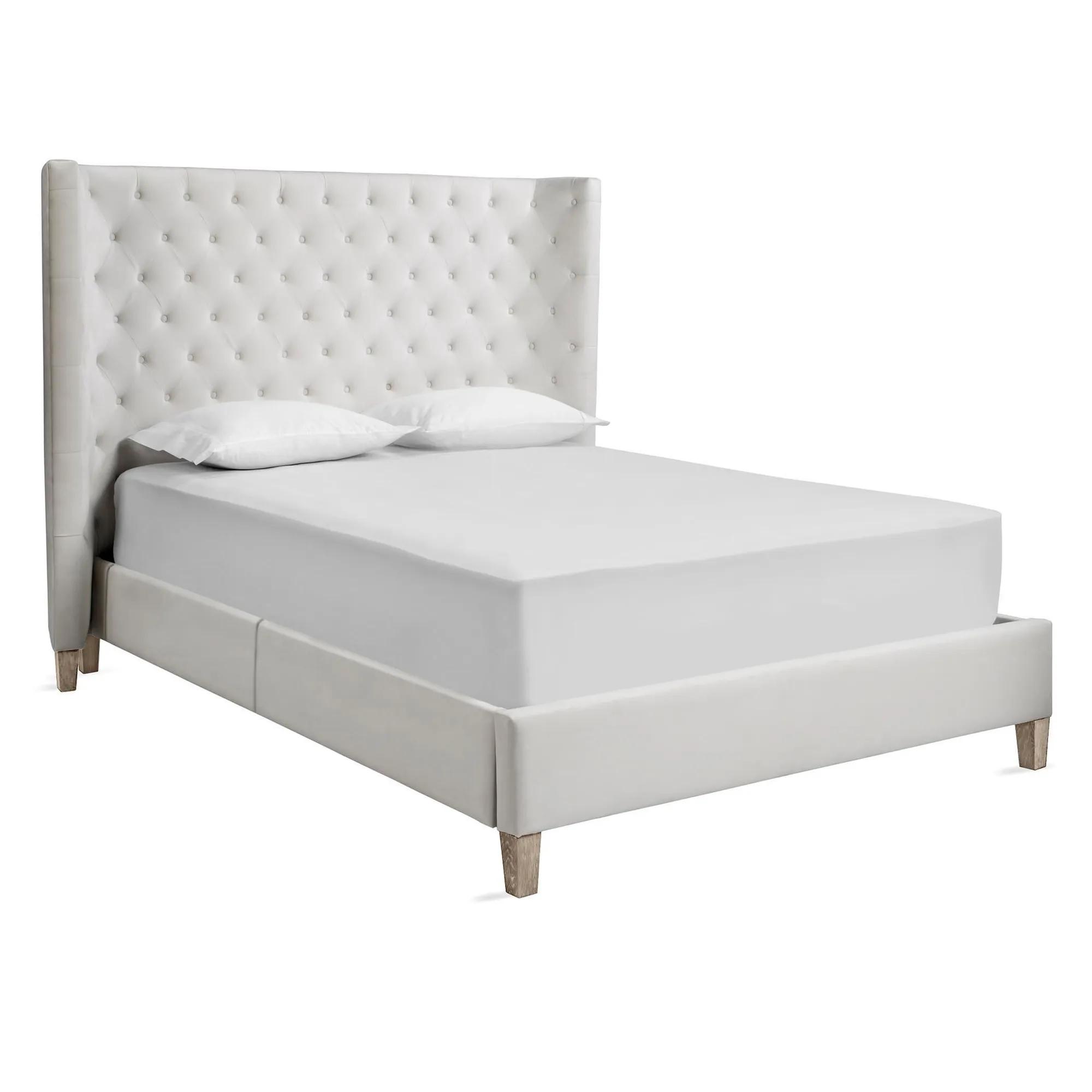 Jen Storage Bed$3399
A glamorous platform bed with a curved wingback headboard, hand-tufted velvet upholstery, and four storage drawers.
Add To Cart -
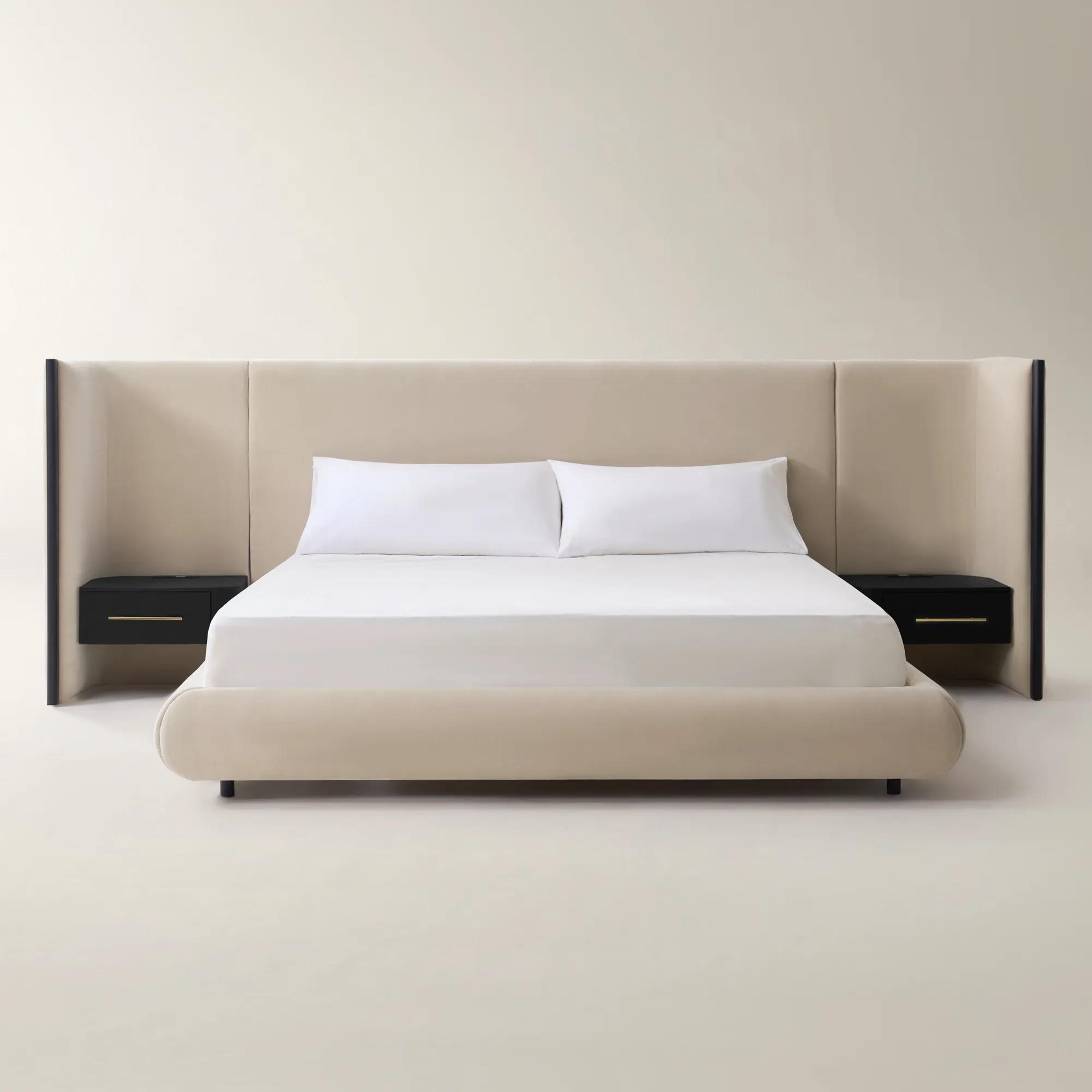 Sierra Oatmeal Velvet Upholstered Queen Bed With Nightstands$2699
A beige velvet upholstered queen bed with an extended headboard, floating nightstands, and built-in power access.
Add To Cart -
 Glimmer Set of 3 Bedroom$3597
A refined bedroom furniture set pairing an ivory or grey bed with two coordinating nightstands.
Add To Cart -
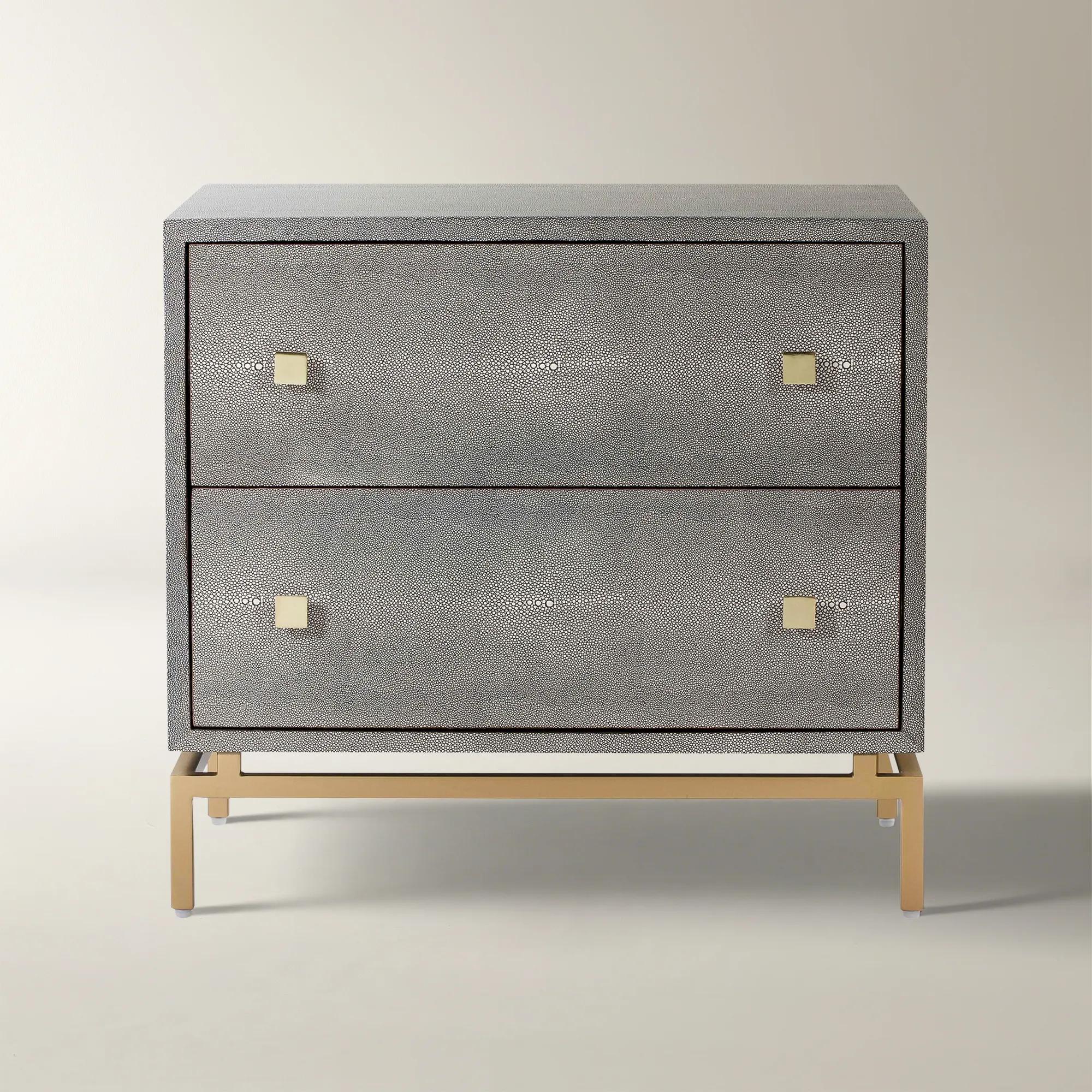
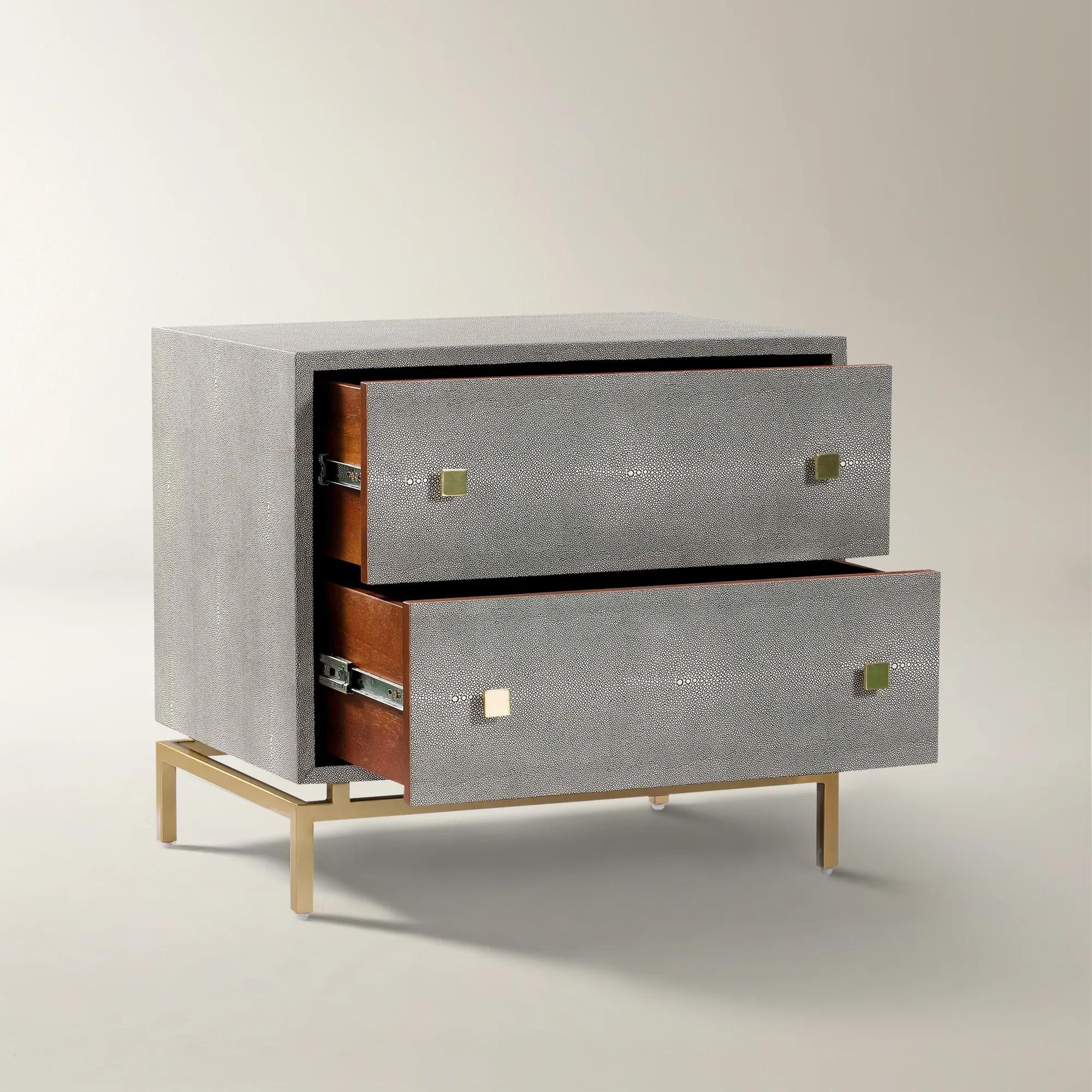 Misha Grey Shagreen 2-Drawer Nightstand (25")$749
A modern nightstand featuring faux shagreen texture, brass-finished base, and two cherry wood-lined drawers.
Add To Cart -
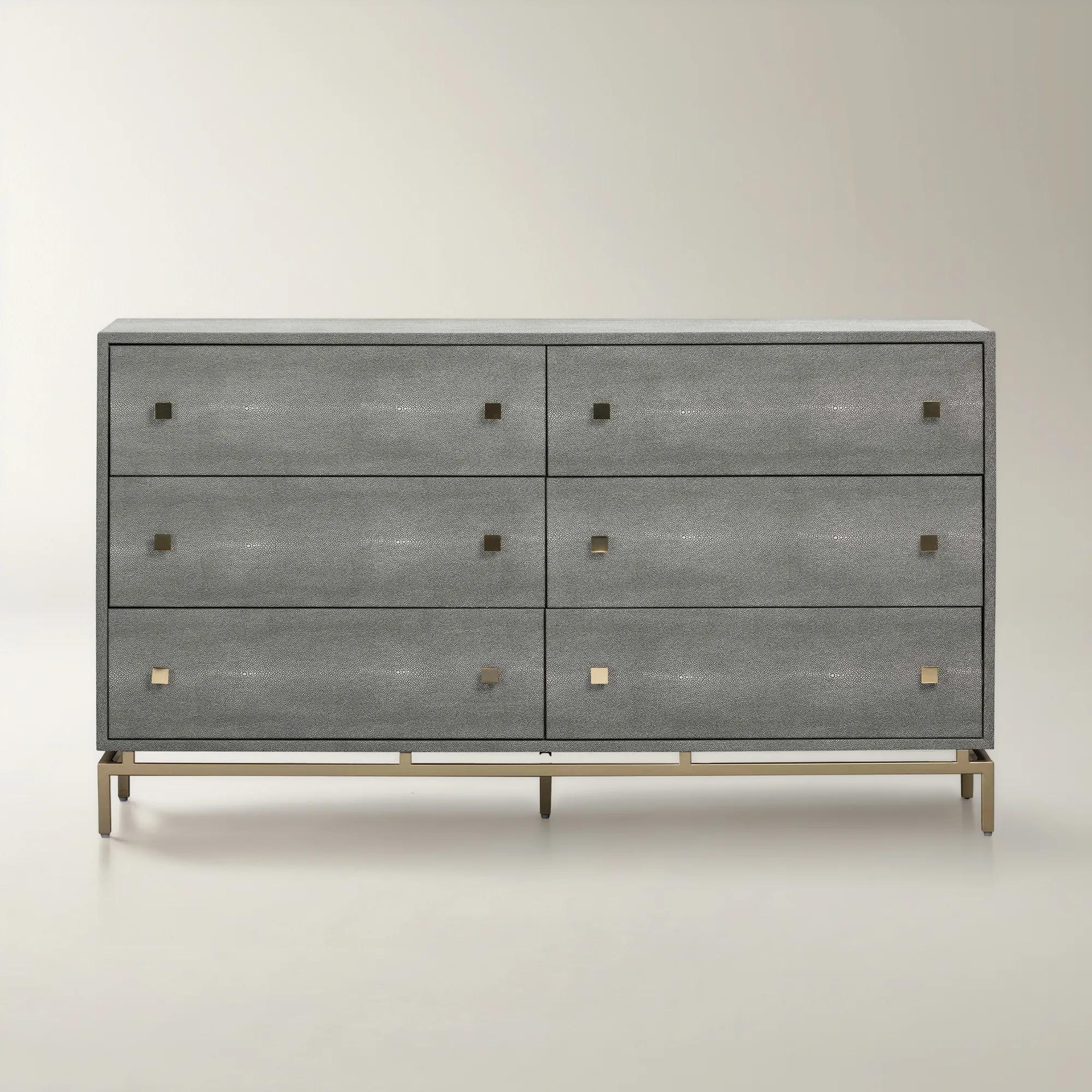
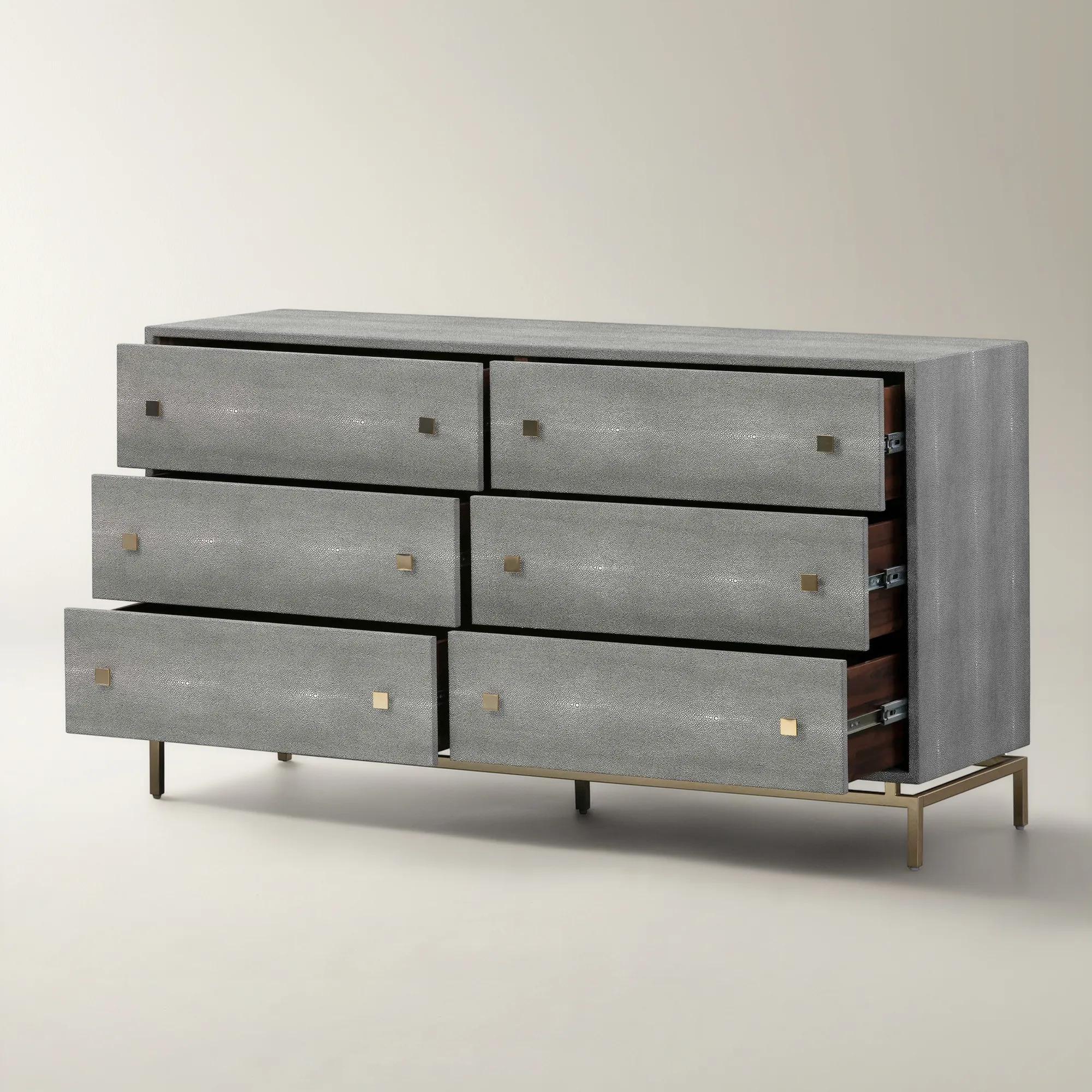 Misha Grey Shagreen 6-Drawer Dresser (57")$2249
A modern dresser featuring faux shagreen texture, brass-finished base, and six drawers with cherry wood interiors.
Add To Cart -
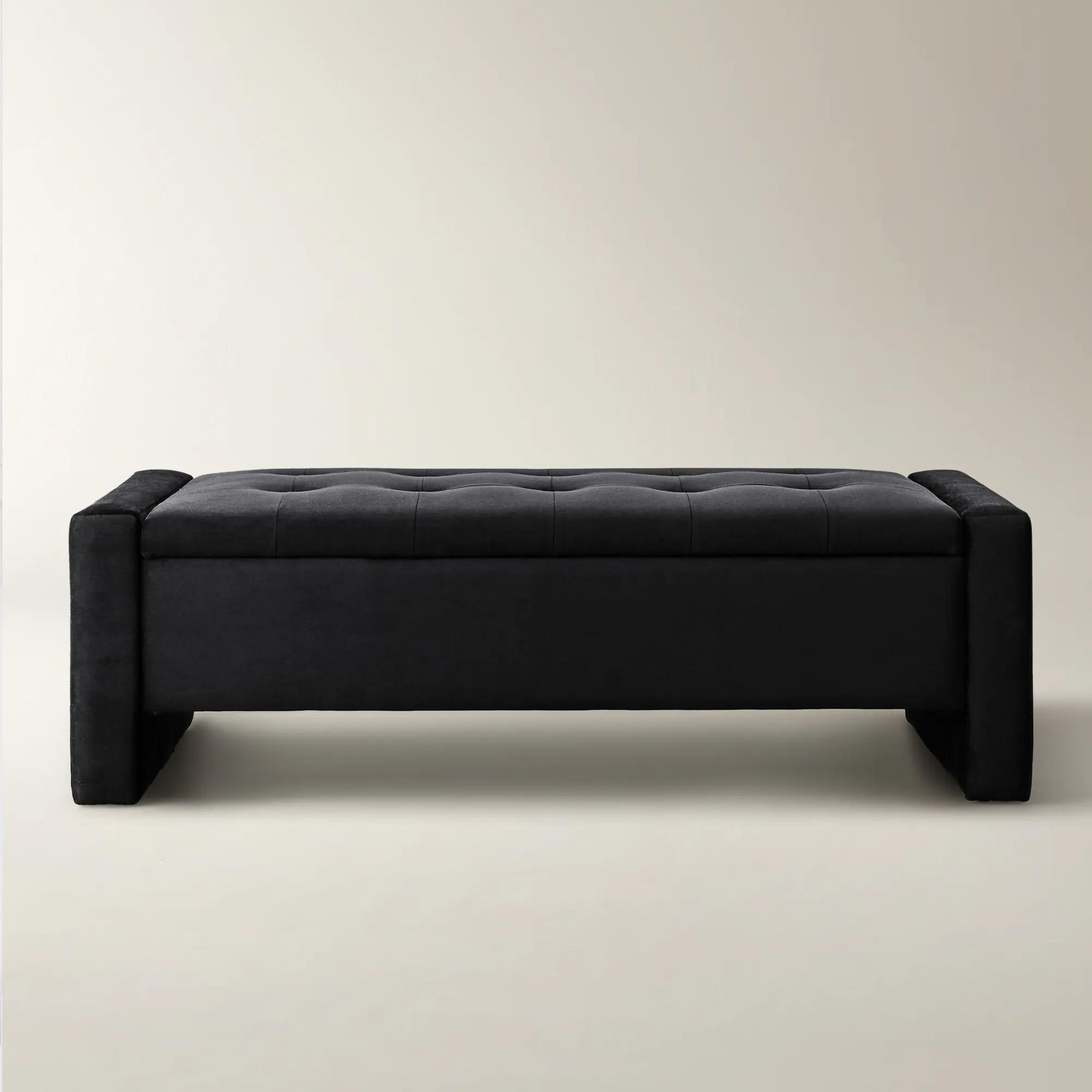
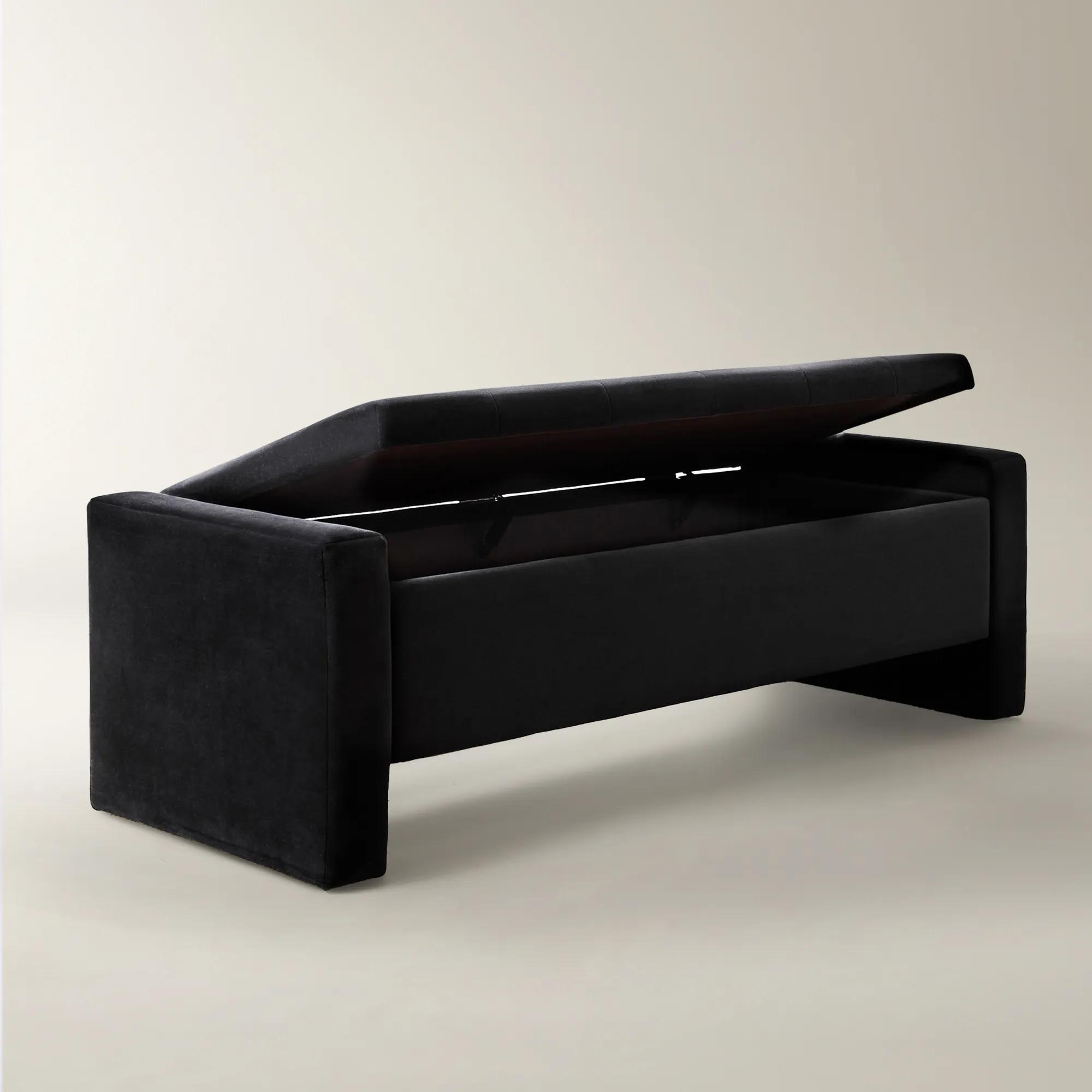 Maeve Storage Bench$849
A modern velvet-upholstered bench with hidden storage, sturdy kiln-dried hardwood frame, and plush cushioning.
Add To Cart -
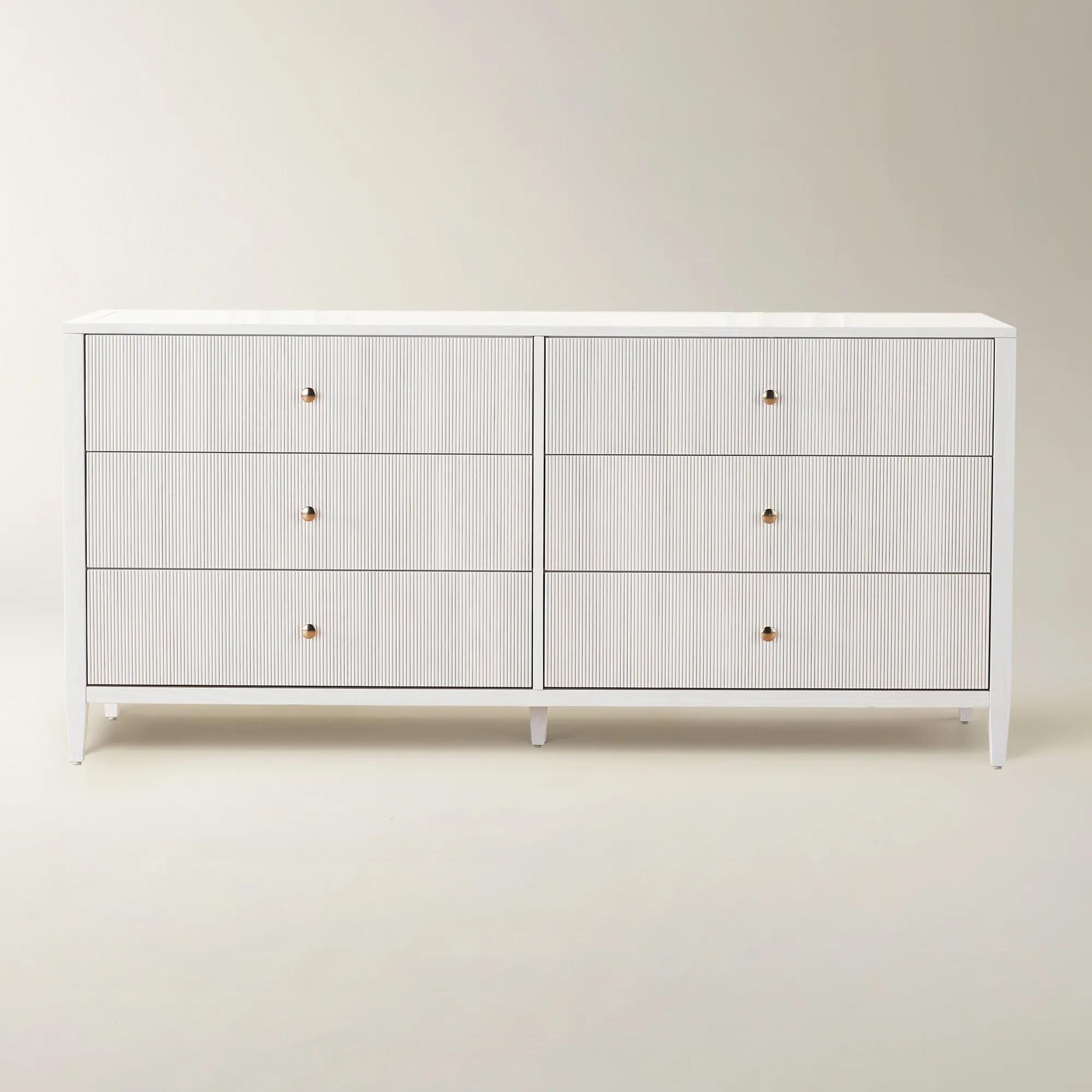
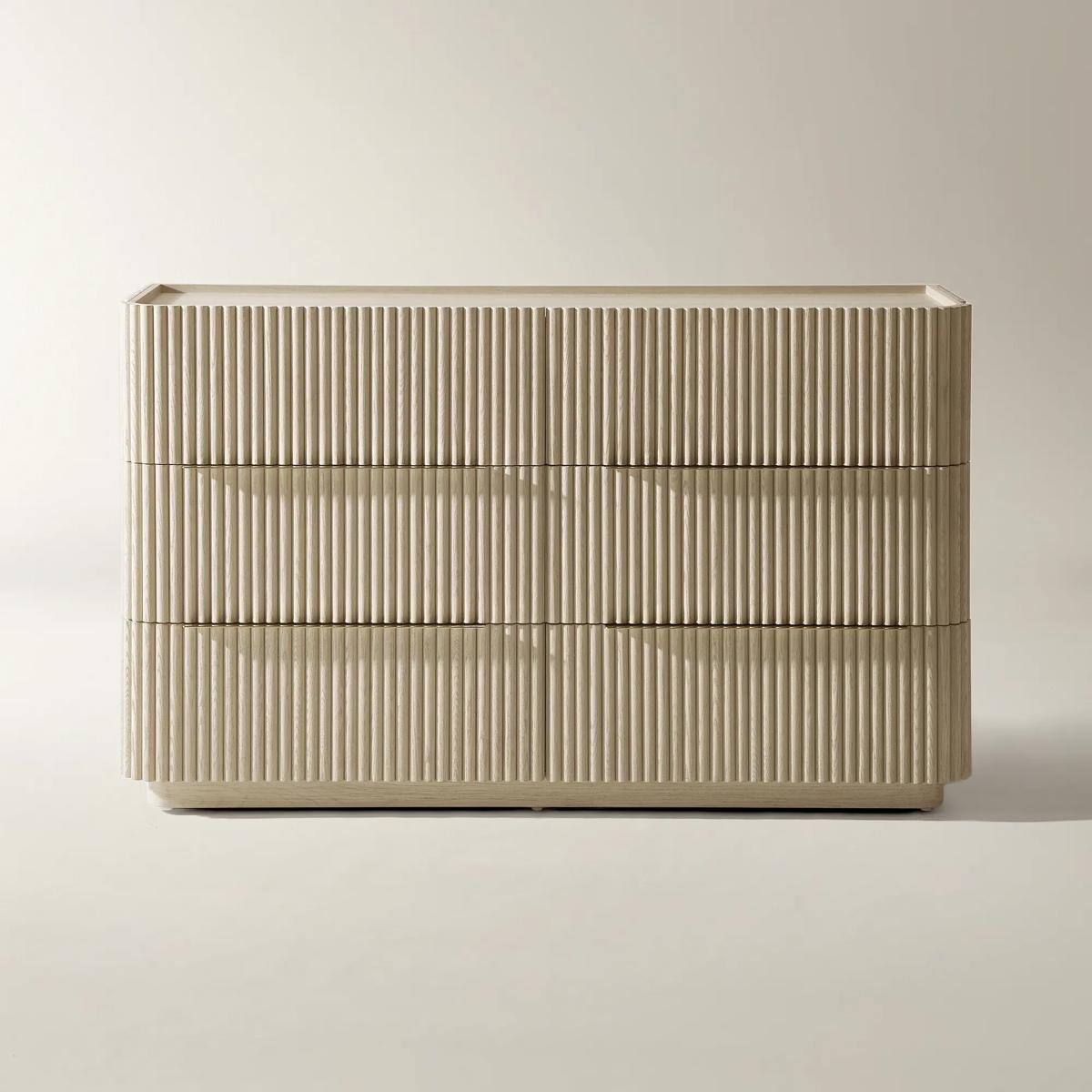
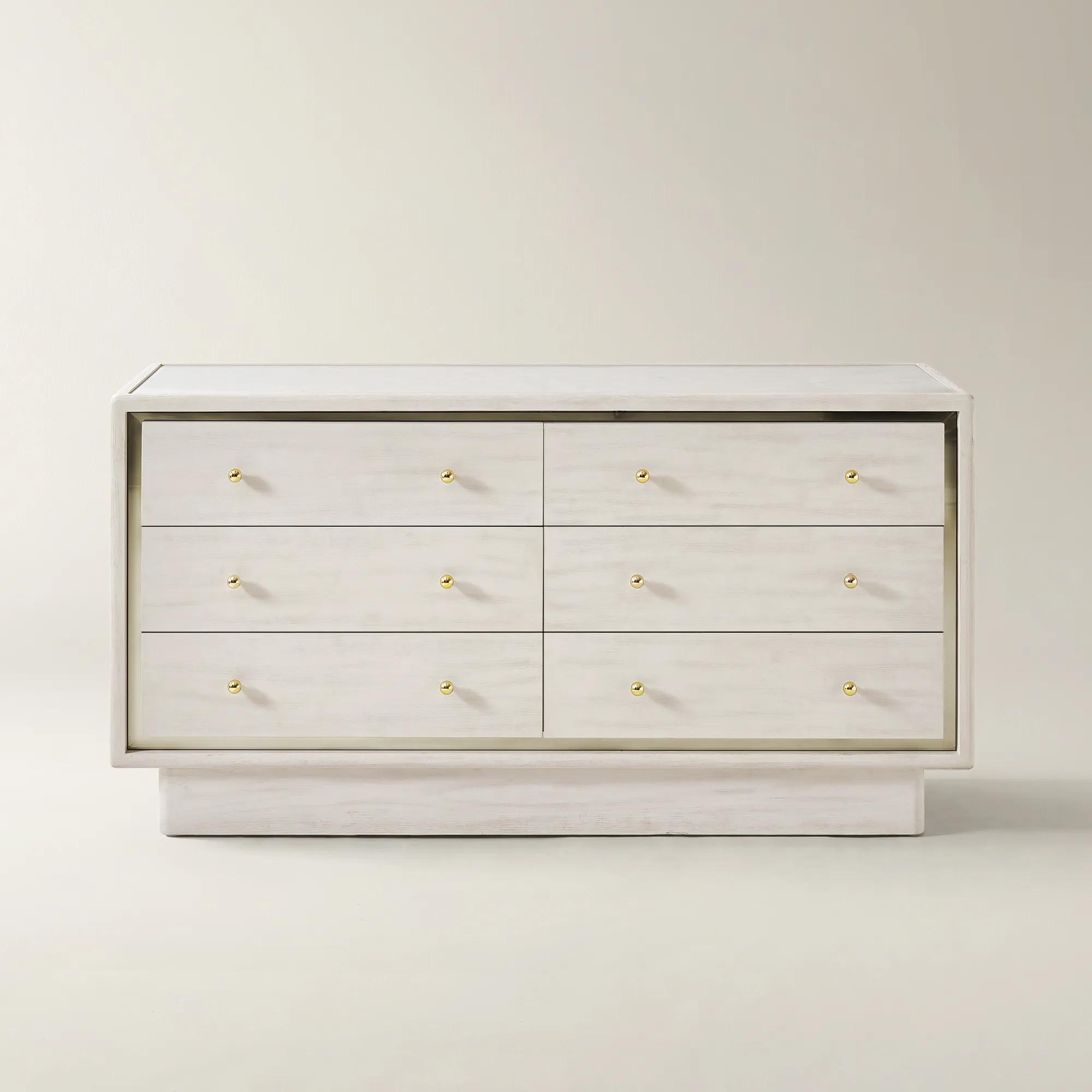
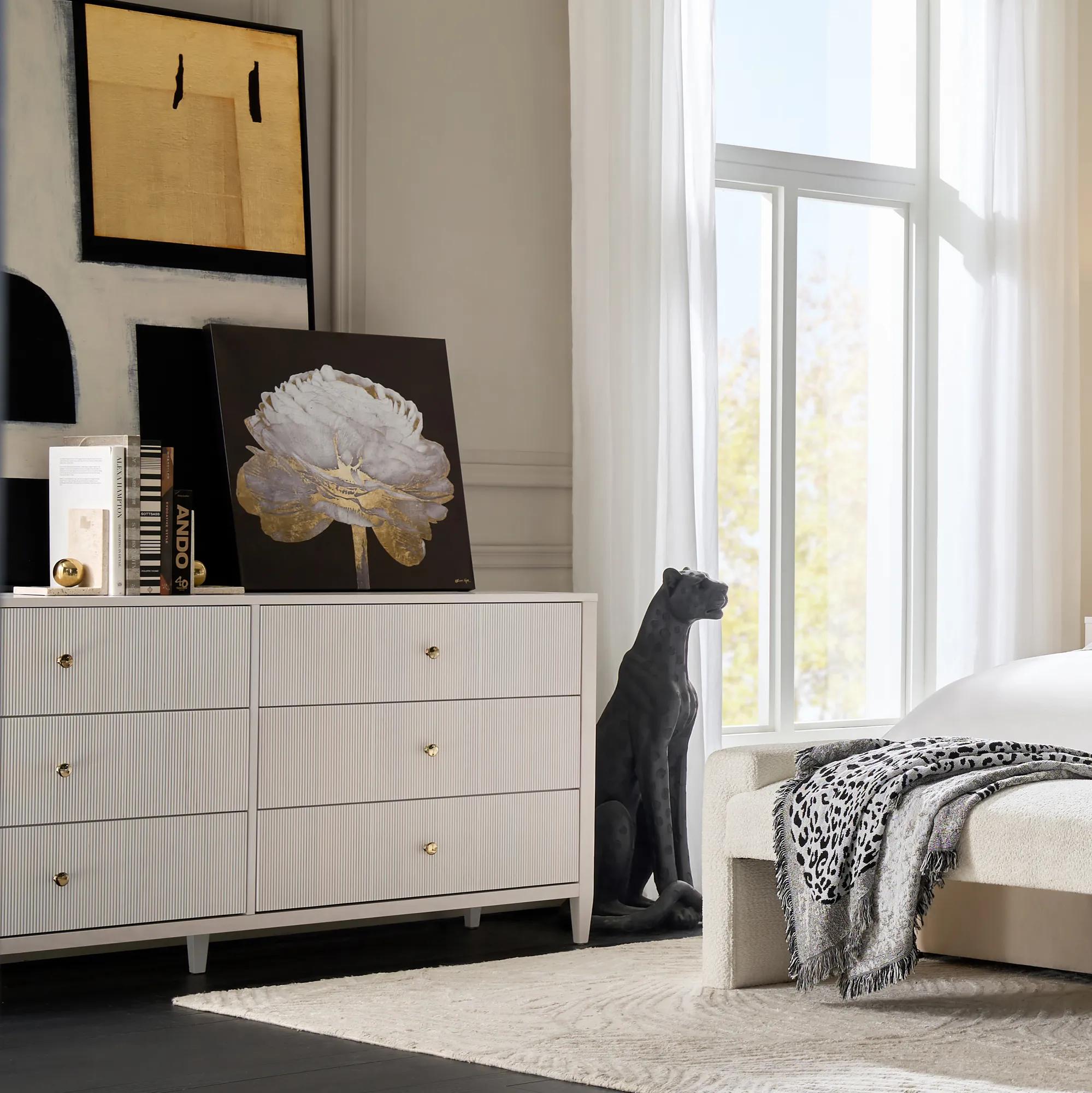 Viola Reeded White Ash Wood 6-Drawer Dresser (70")$1899
A modern dresser in bone white ash wood with reeded fronts and brass hardware for a luxe touch.
Add To Cart -
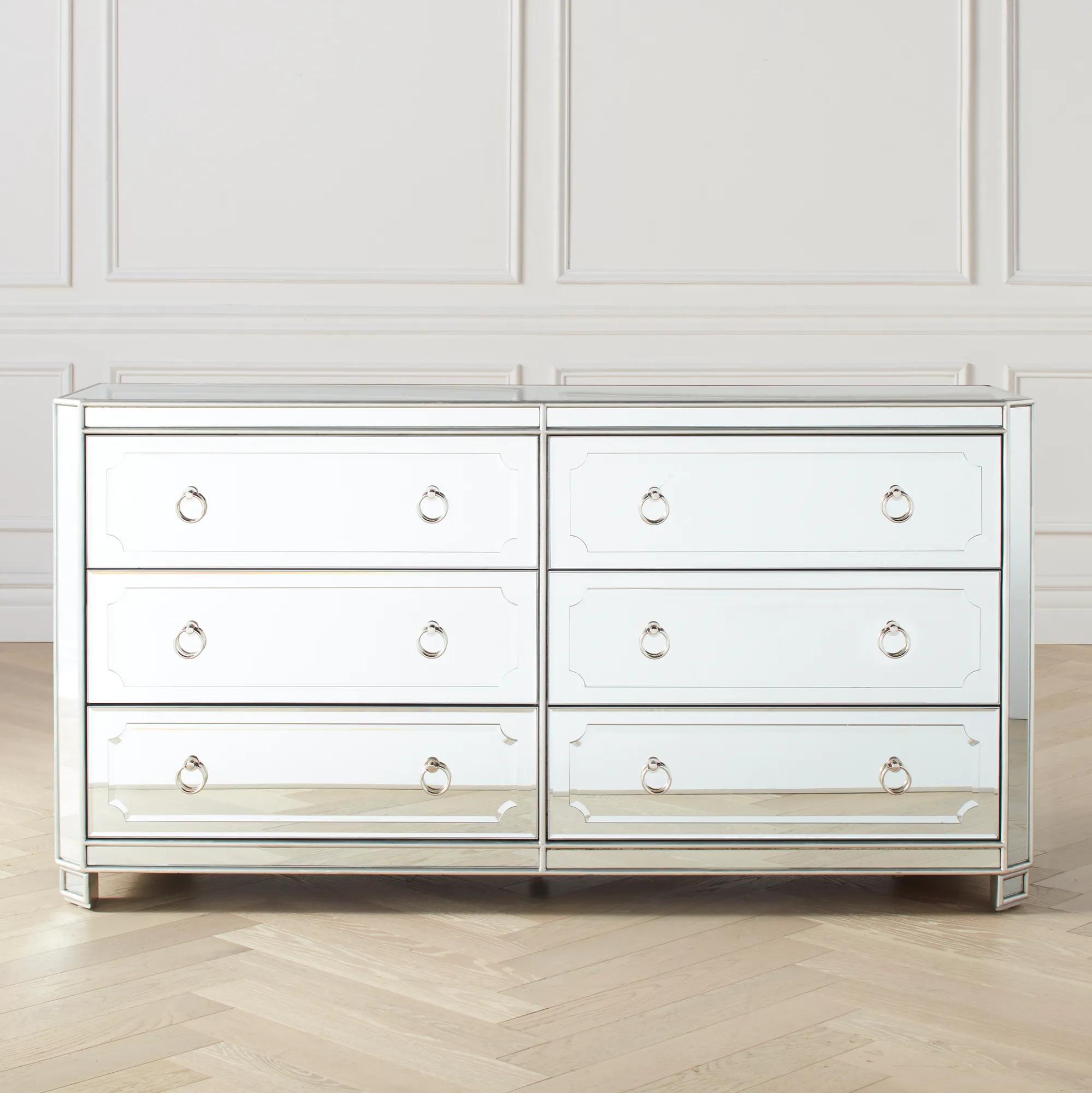
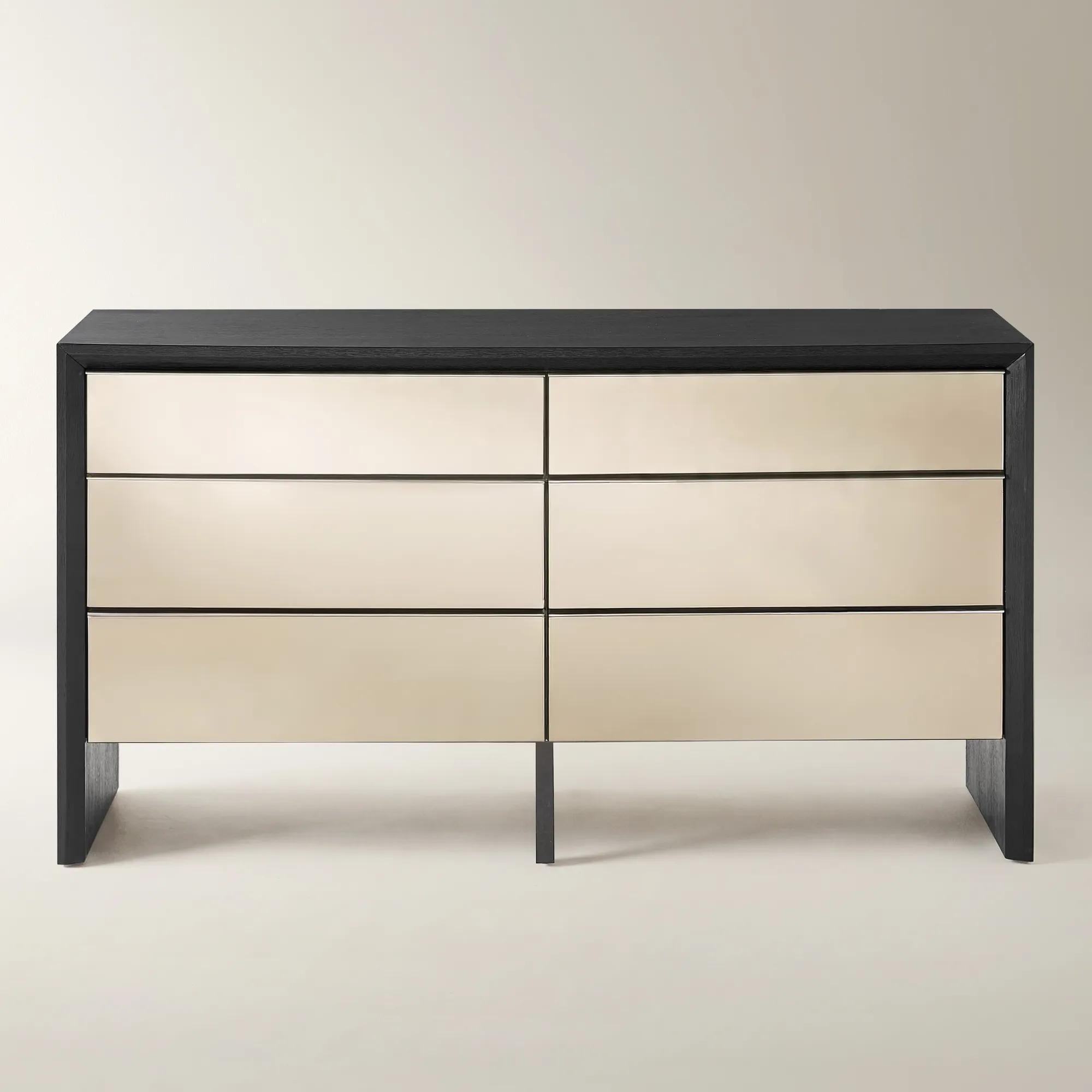
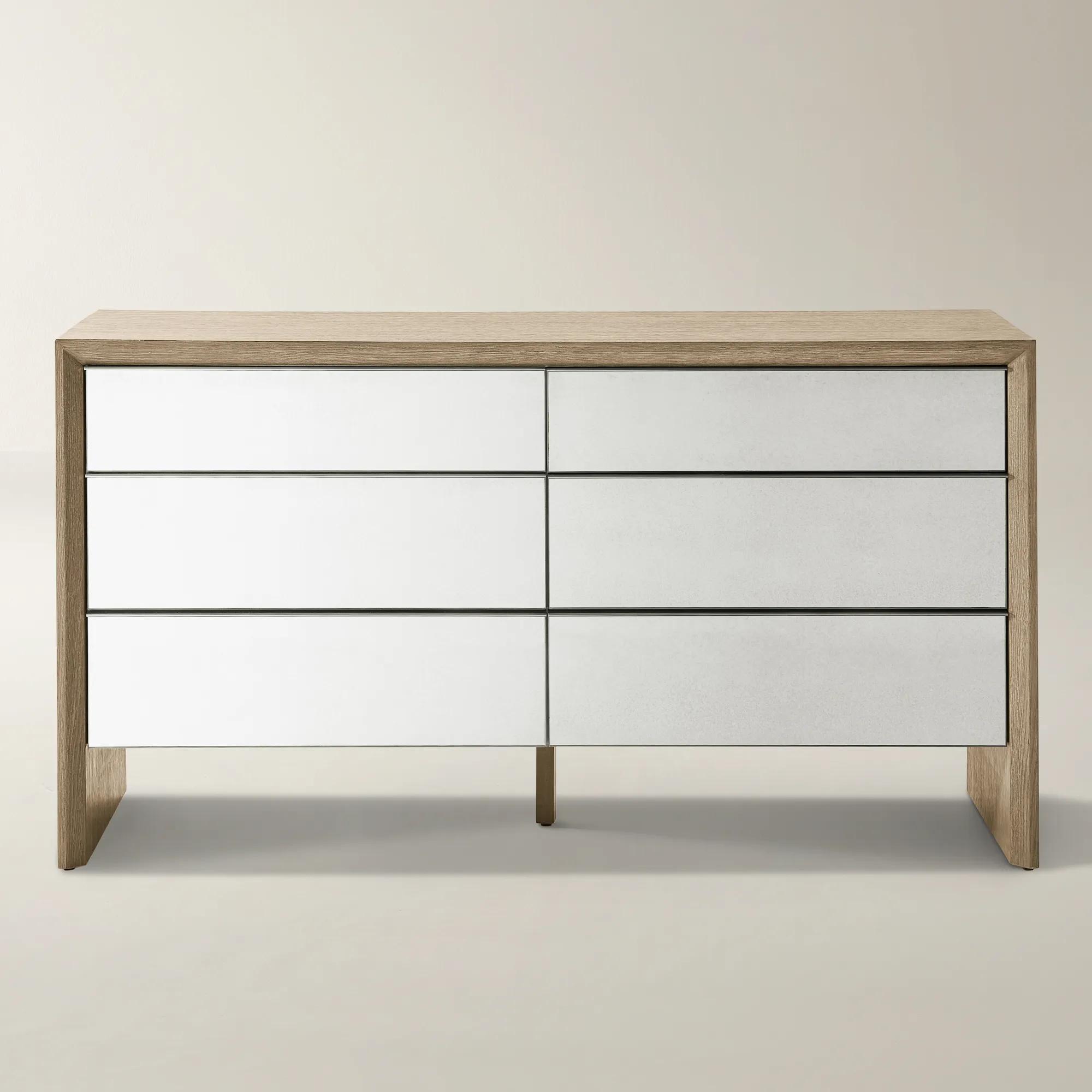
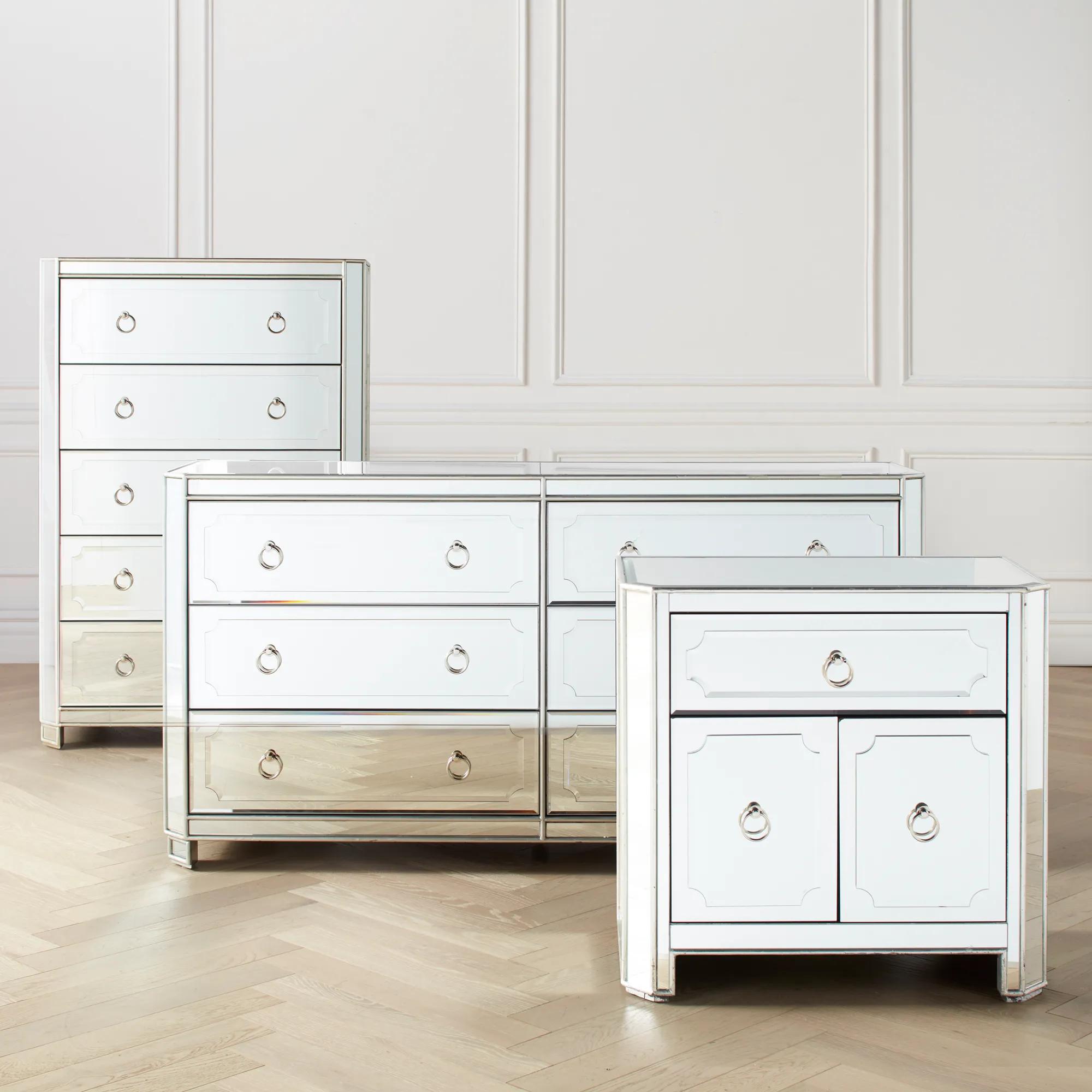 Simplicity Mirrored Silver 6-Drawer Dresser (66")$2299
A glamorous chest featuring beveled mirrored panels, hand-applied silver-leaf trim, and polished nickel hardware.
Add To Cart -
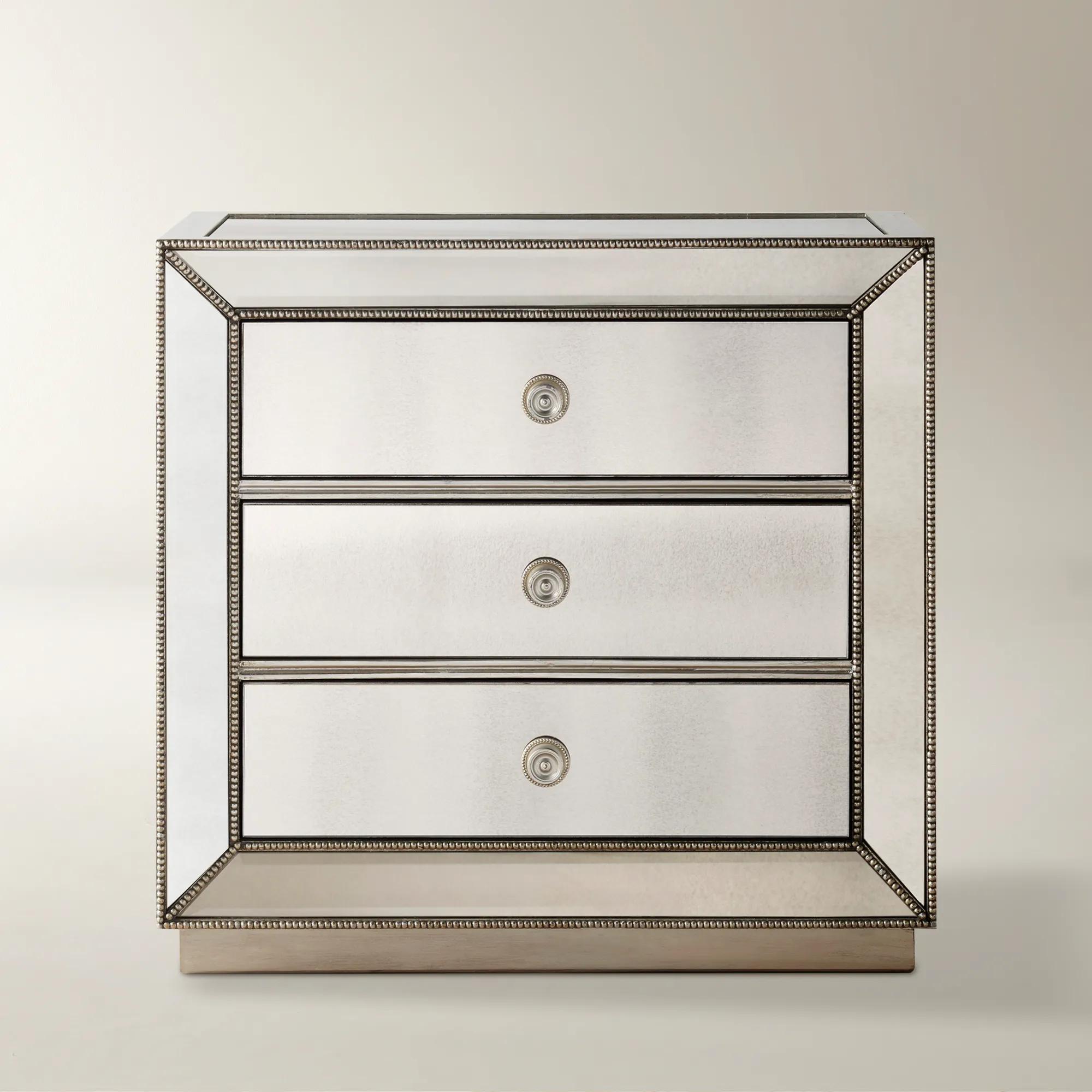
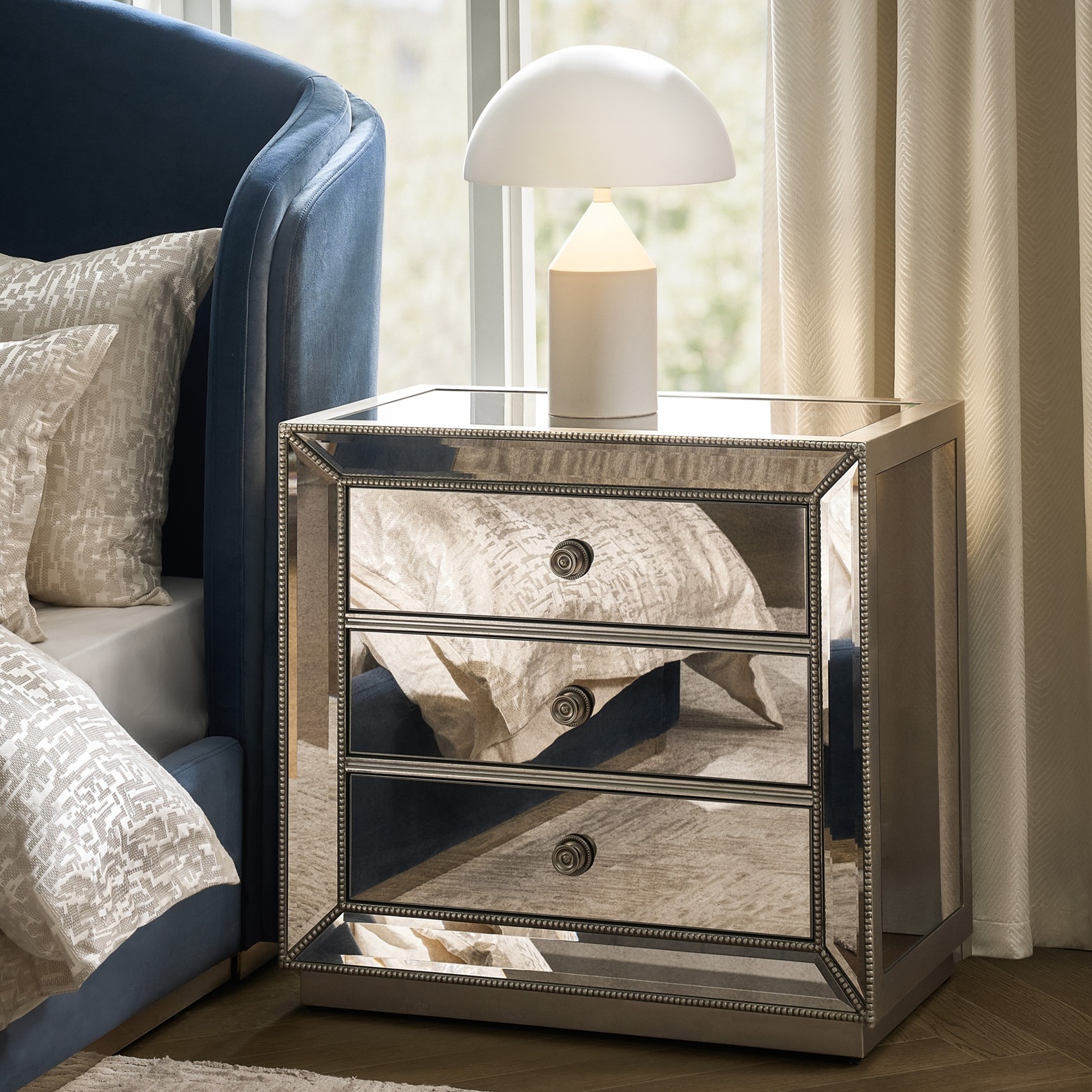 Omni Mirrored Silver 3-Drawer Nightstand (32")$1299
A glamorous chest featuring antiqued mirrored panels, hand-applied silver-leaf finish, and beaded trim.
Add To Cart -
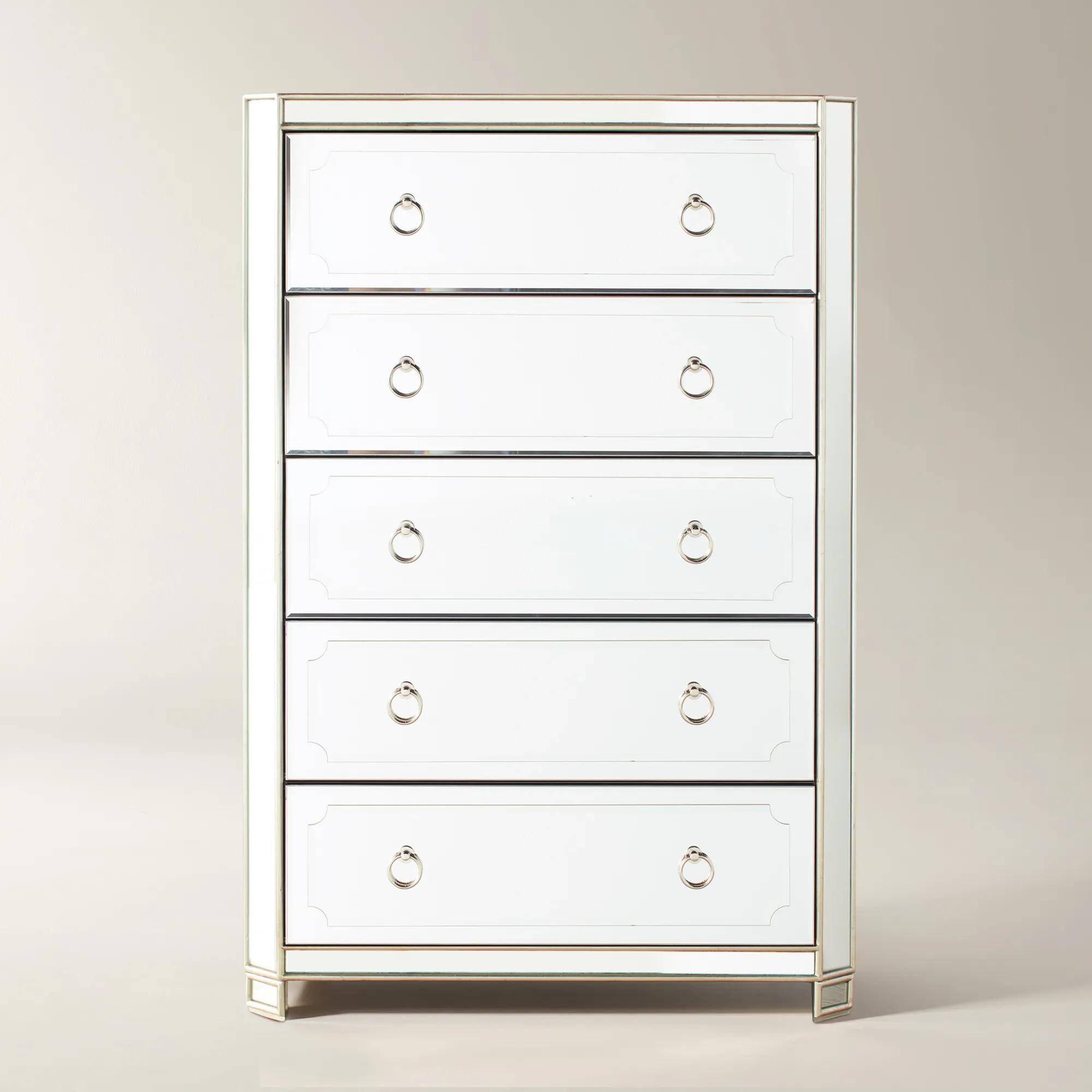 Simplicity Mirrored Silver 5-Drawer Tall Dresser (36")$1999
A glamorous tall chest featuring beveled mirrored panels, hand-applied silver-leaf trim, and polished nickel hardware.
Add To Cart -
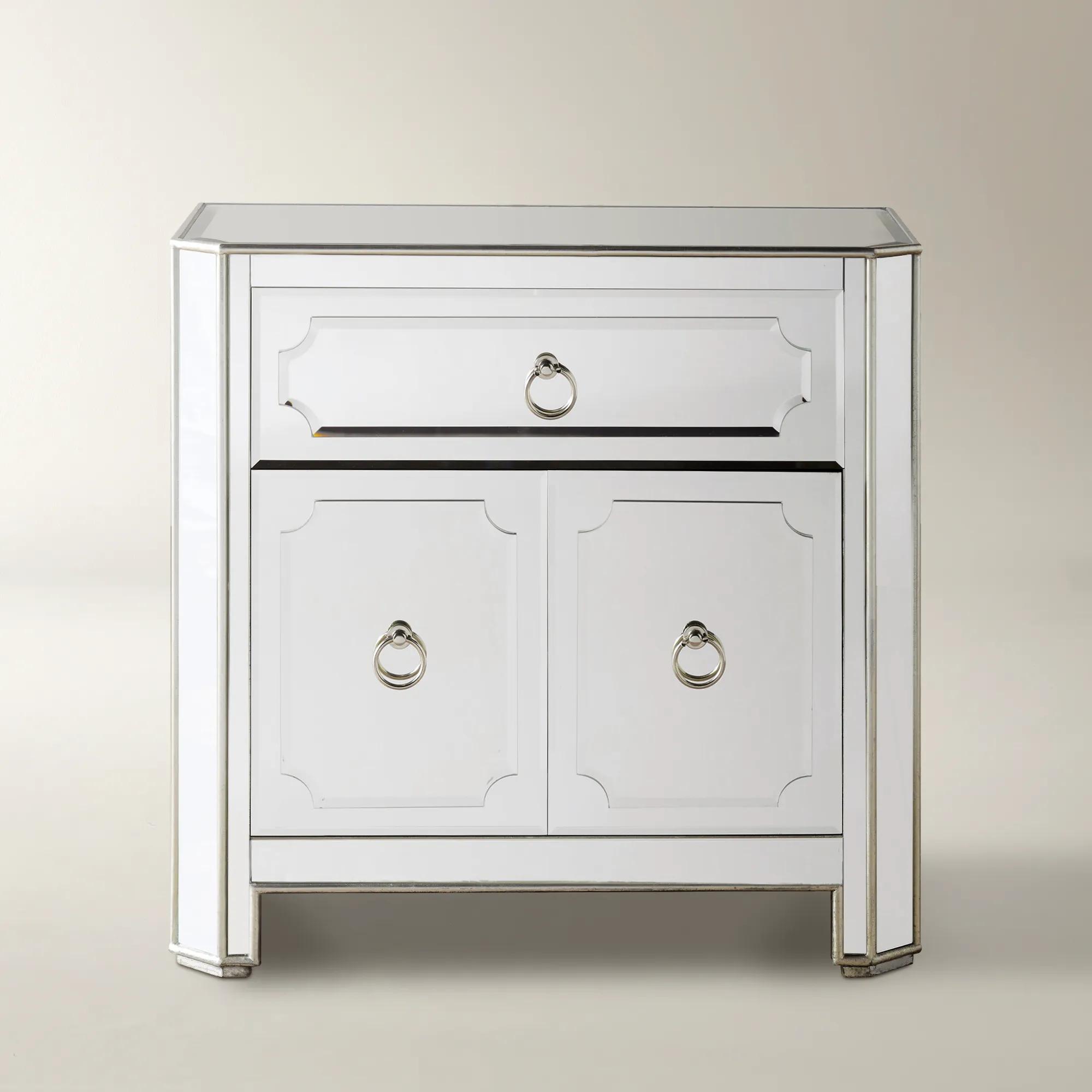
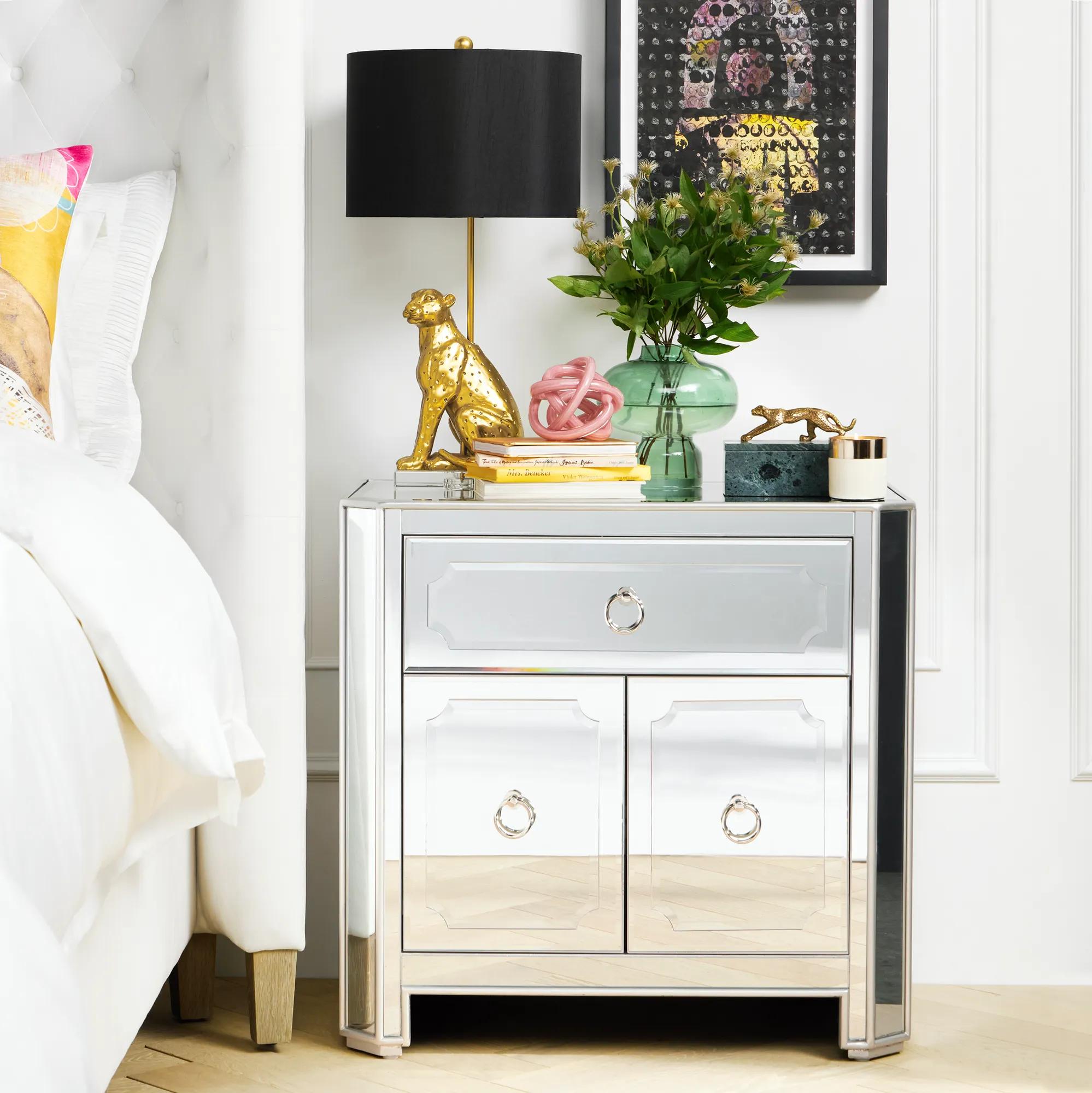 Simplicity Mirrored Silver 1-Drawer Nightstand (30")$899
A glamorous nightstand featuring beveled mirrored panels, hand-applied silver-leaf trim, and polished nickel hardware.
Add To Cart -
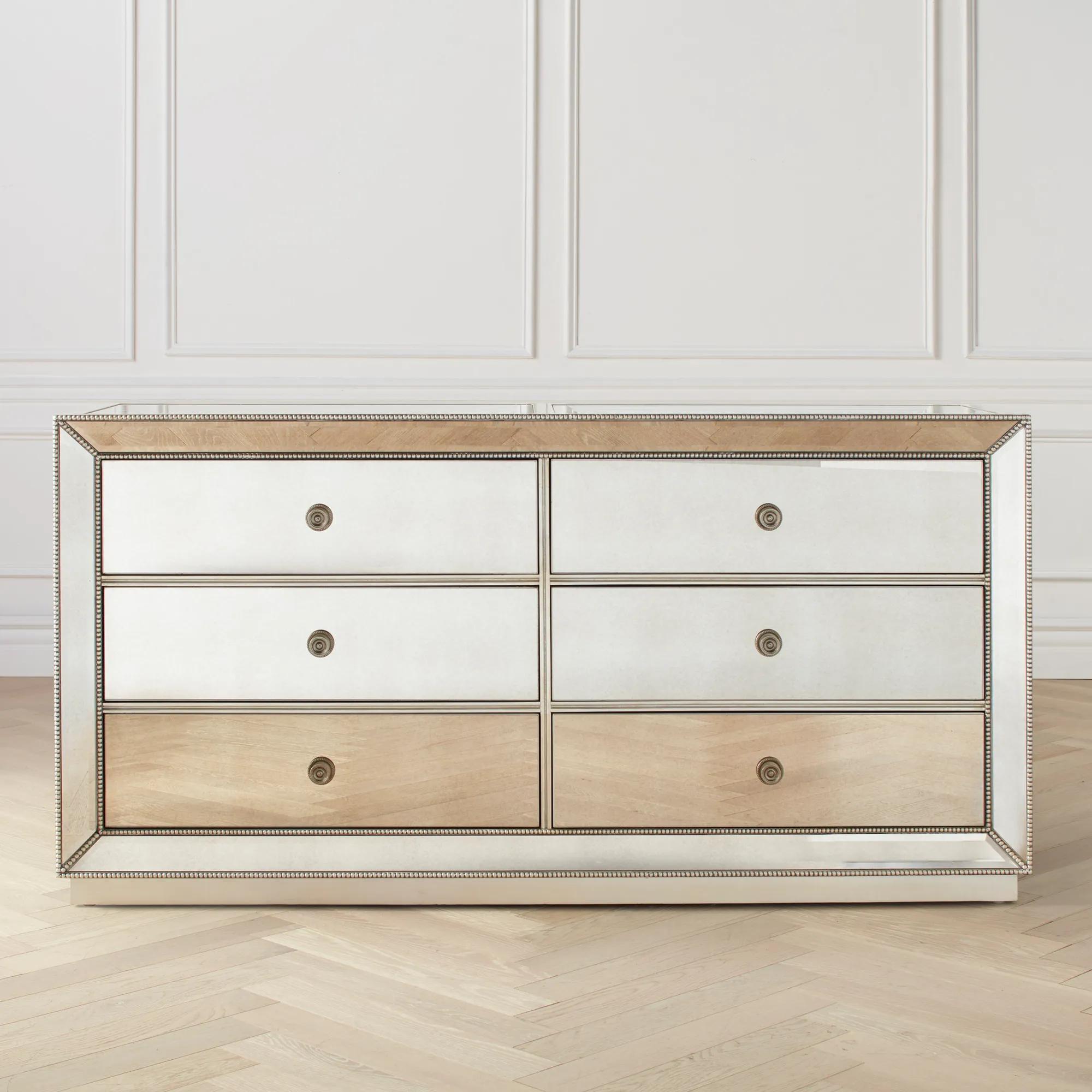 Omni Mirrored Silver 6-Drawer Dresser (72")$2599
A hand-applied silver-leaf chest with antiqued mirrored panels and beaded trim for dramatic bedroom shine.
Add To Cart -
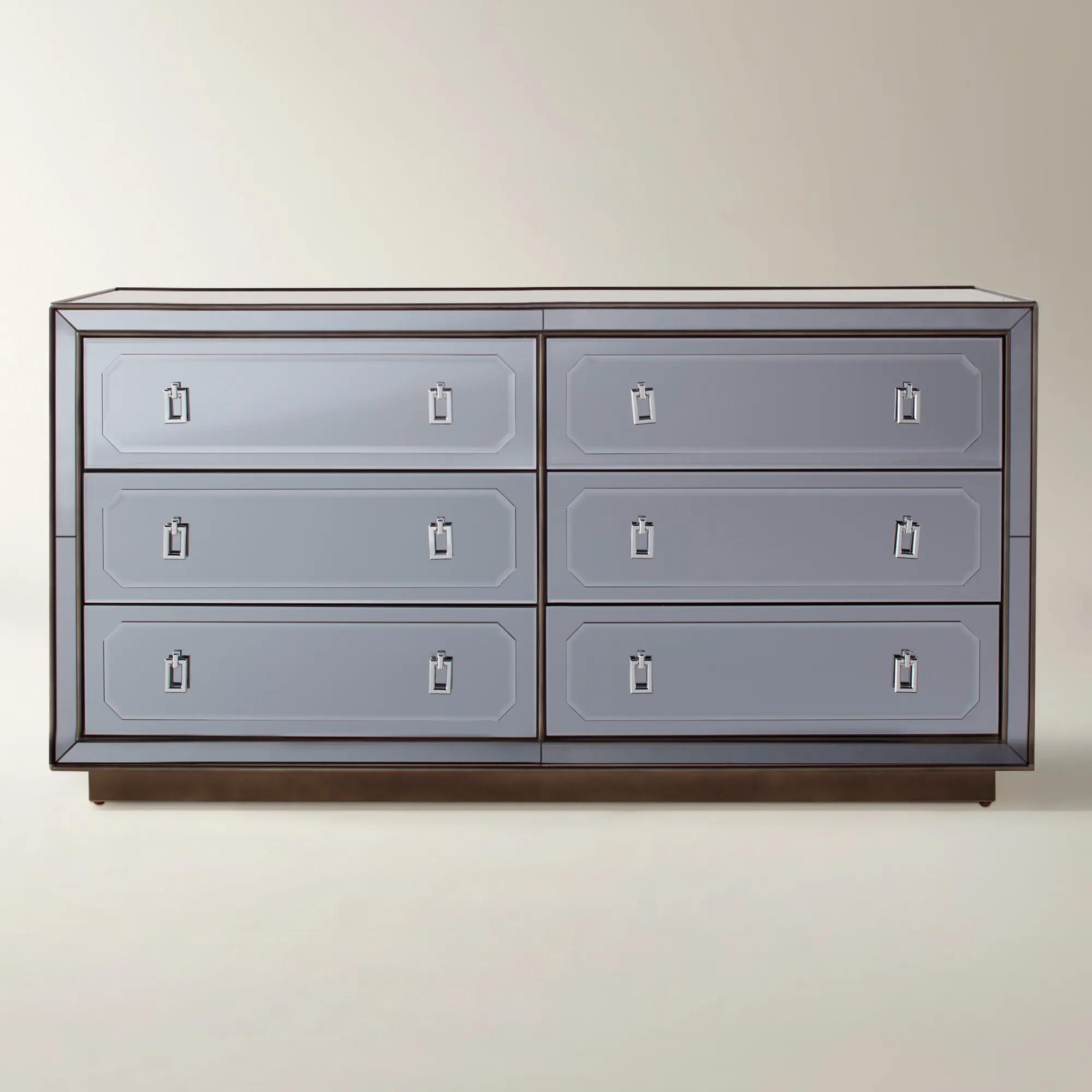 Maddox Mirrored Grey 6-Drawer Dresser (66")$2299
A modern dresser featuring beveled mirror paneling, graphite finish, and polished nickel hardware for sleek sophistication.
Add To Cart -
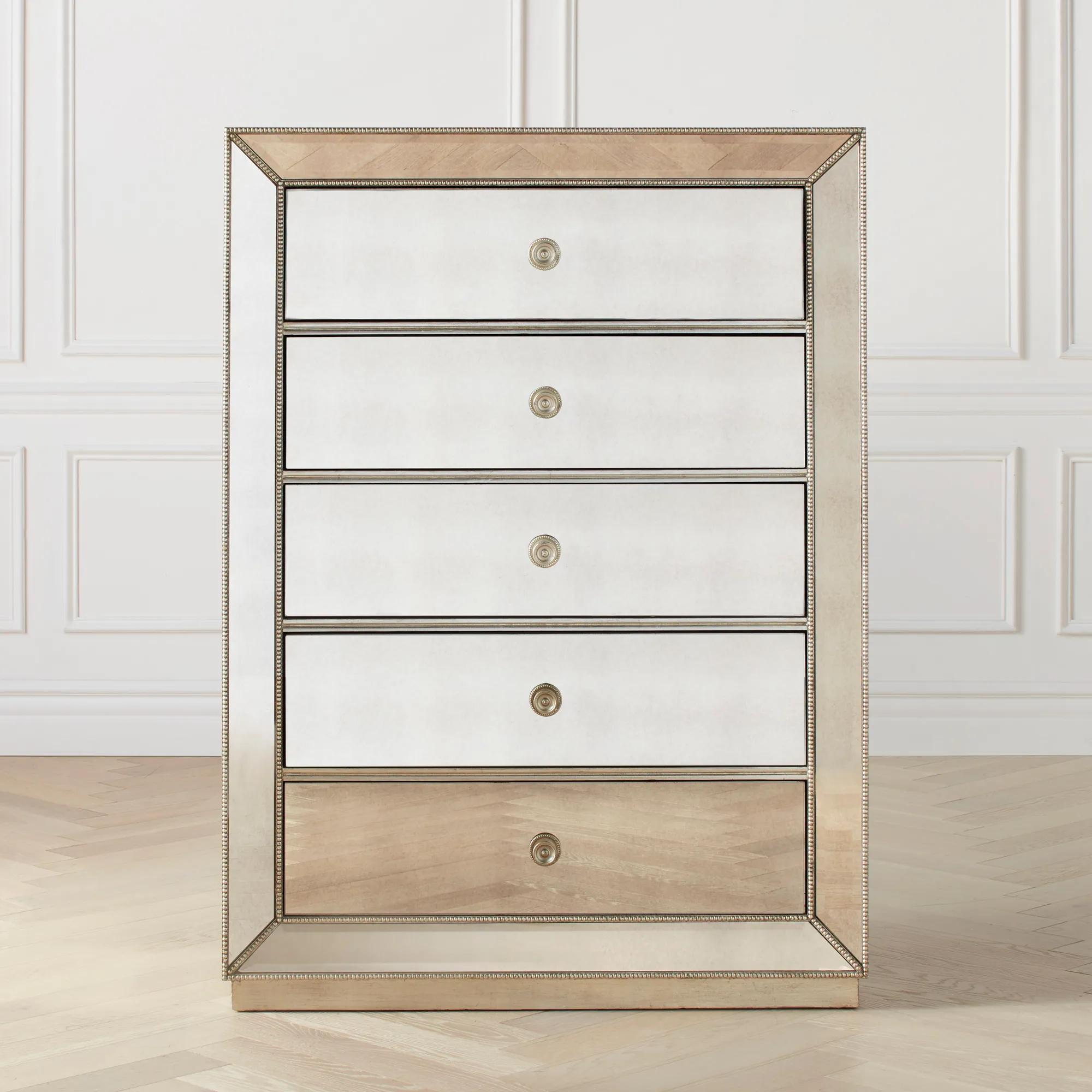
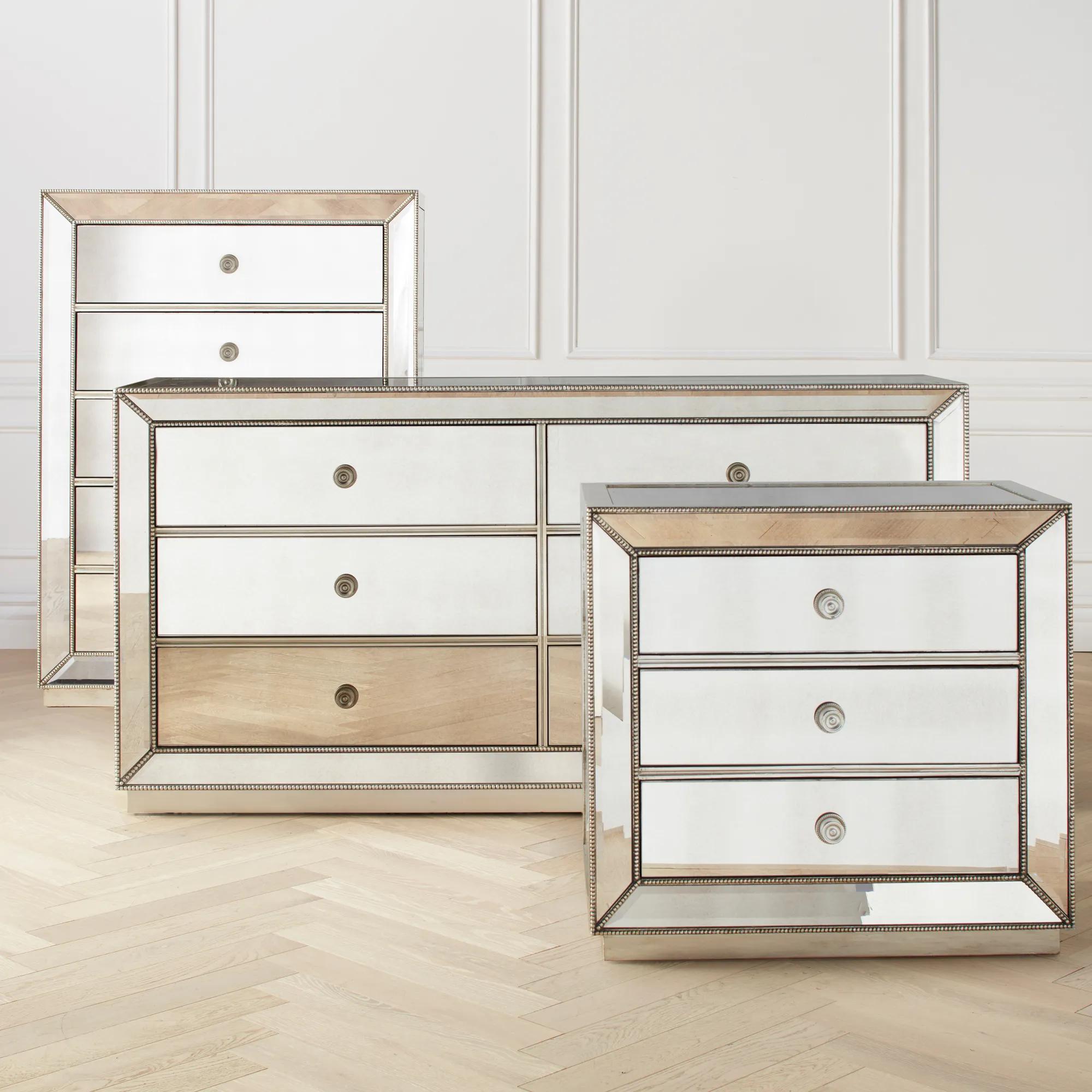 Omni Mirrored Silver 5-Drawer Tall Dresser (40")$2199
A dramatic chest featuring antiqued mirrored panels, hand-applied silver-leaf finish, and kiln-dried hardwood construction.
Add To Cart -
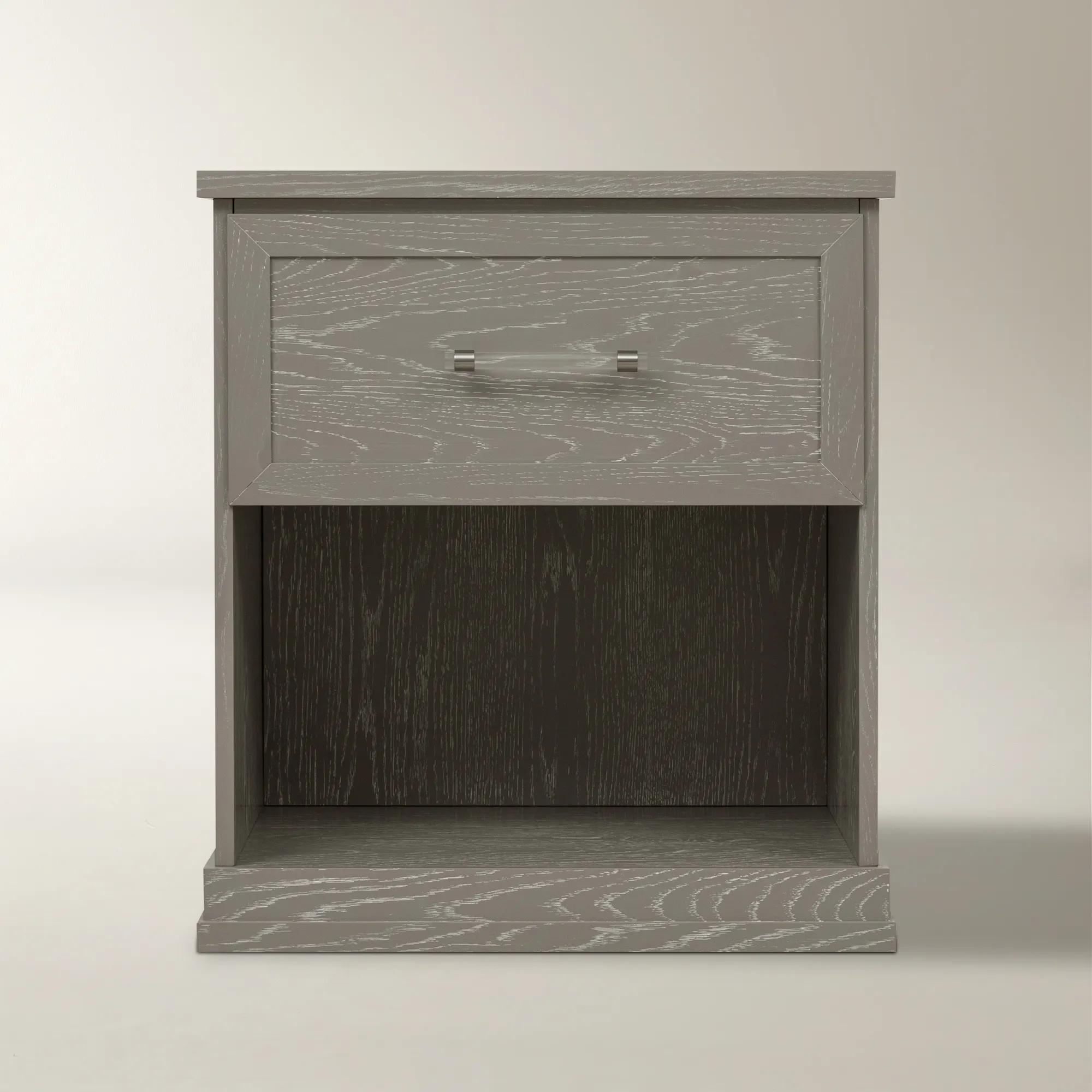
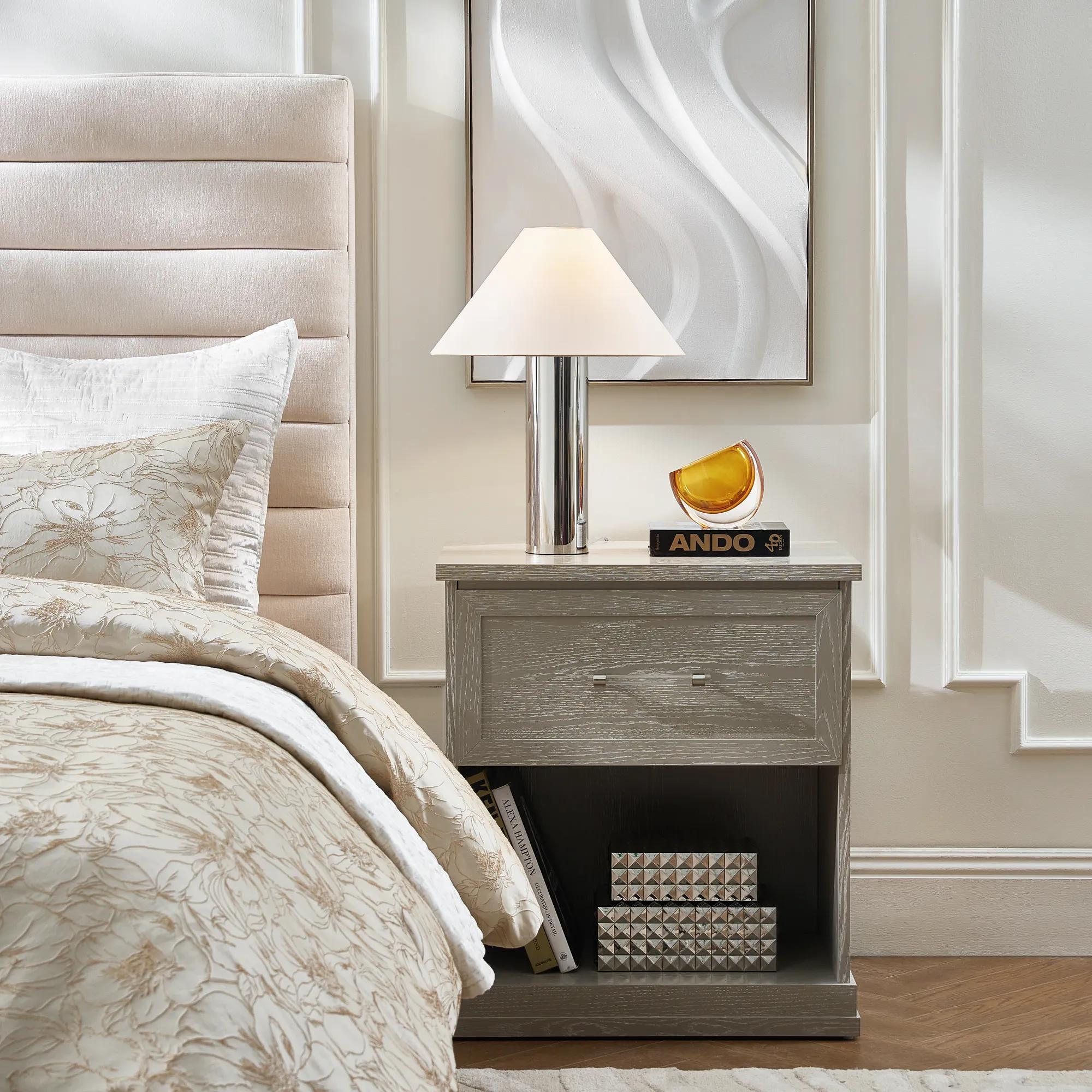 Arwin Grey Oak 1-Drawer Nightstand (26")$699
A contemporary grey hardwood veneer nightstand featuring acrylic and brushed silver handles with soft-closing drawers.
Add To Cart -
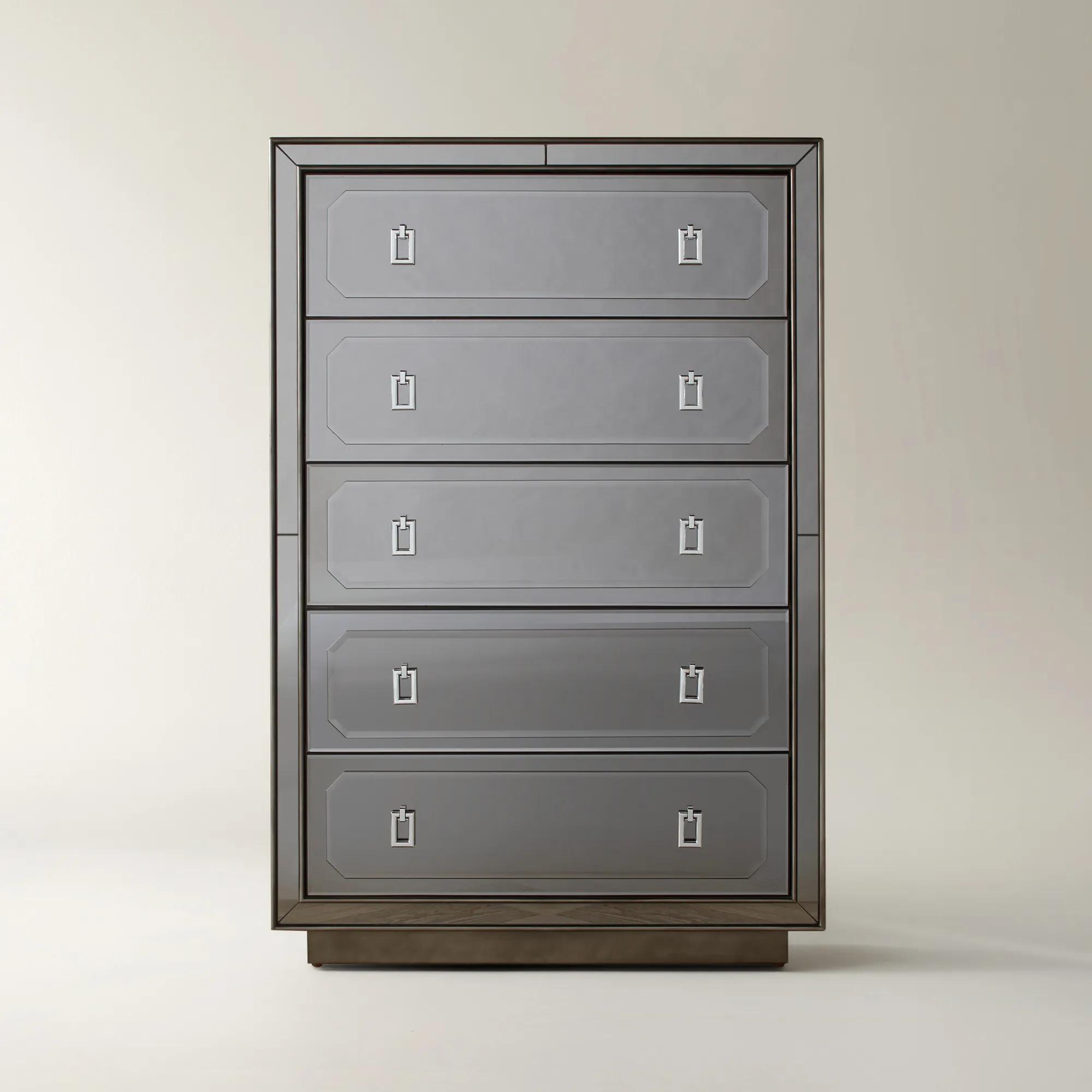 Maddox Mirrored Grey 5-Drawer Tall Dresser (36")$2099
A modern chest featuring beveled mirror panels, graphite finish, and polished nickel hardware for sleek sophistication.
Add To Cart -
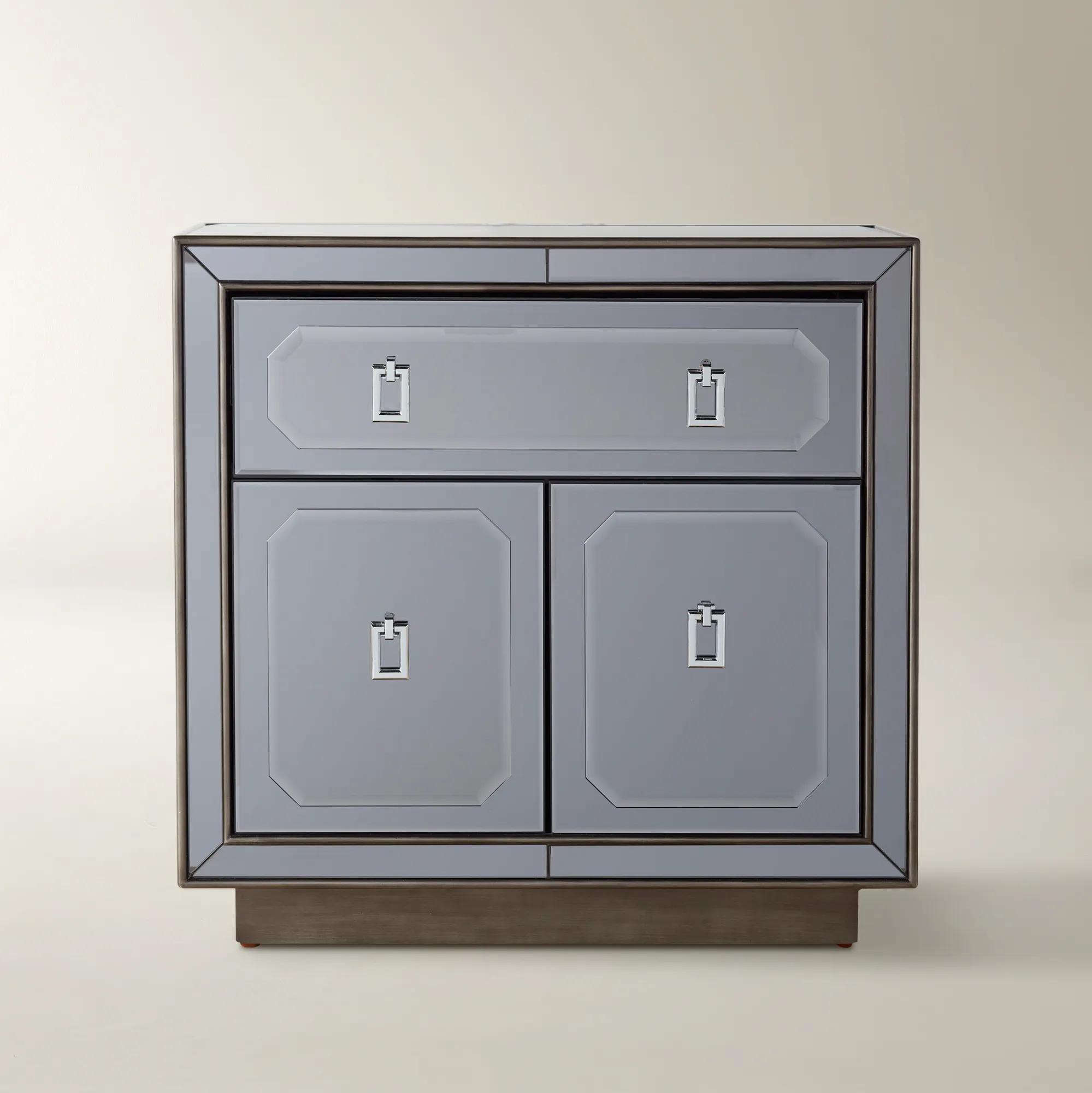
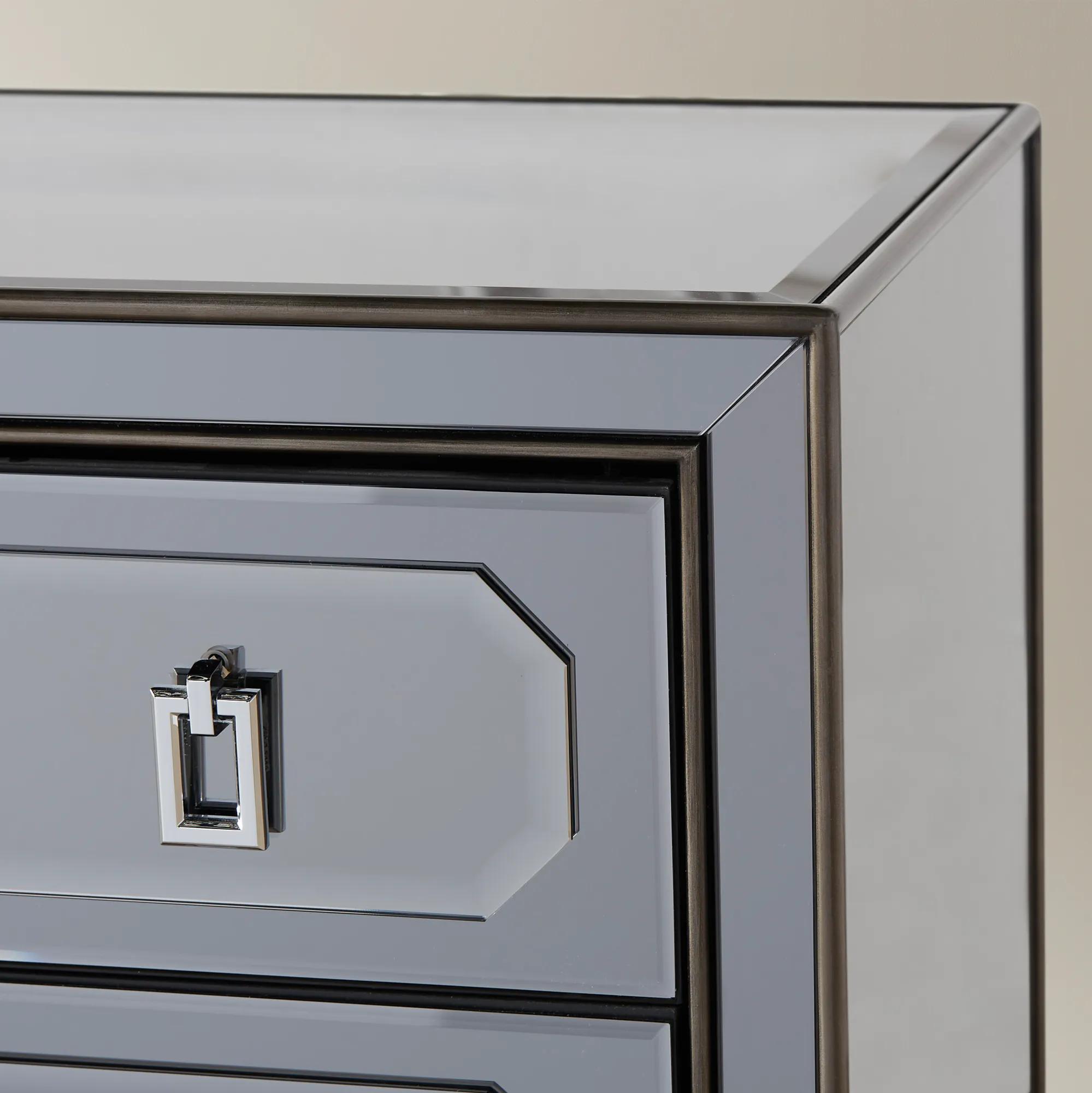 Maddox Mirrored Grey 1-Drawer Nightstand (30")$1099
A modern nightstand featuring beveled mirror paneling, graphite finish, and polished nickel hardware for a luxe touch.
Add To Cart -
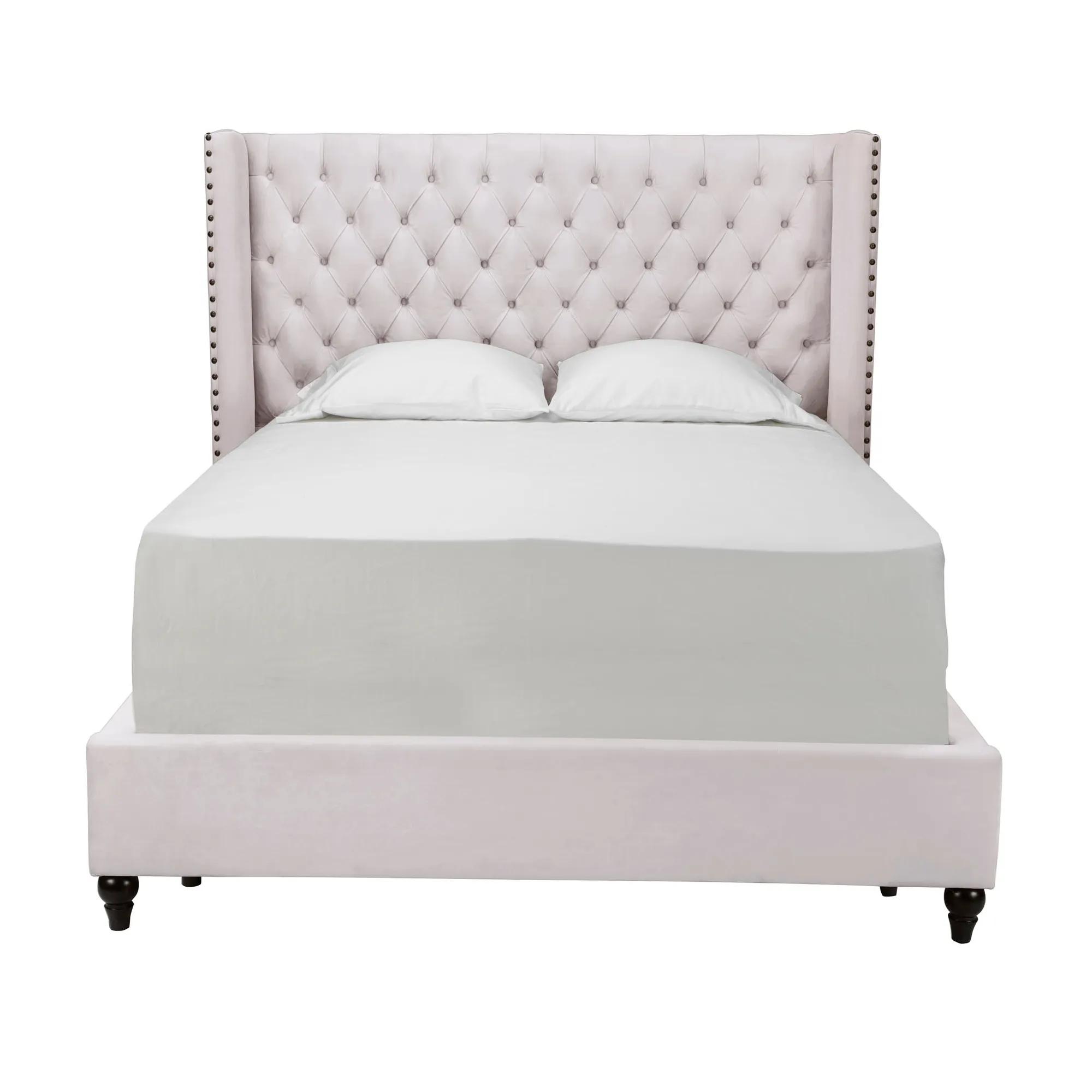
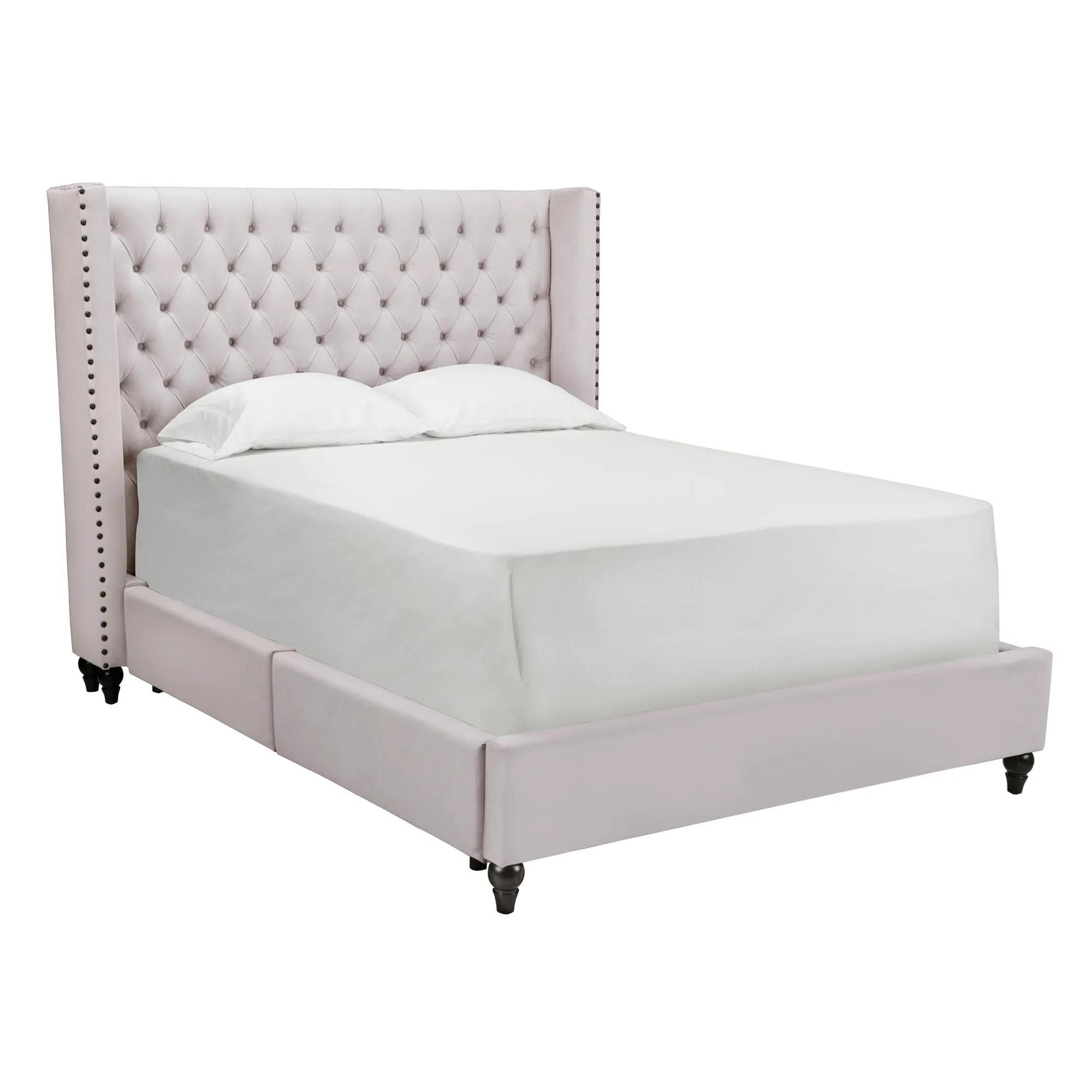 Roberto Storage Bed$3249
A handcrafted velvet-upholstered storage bed featuring diamond tufting, turned legs, and hand-applied antique brass nailheads.
Add To Cart -
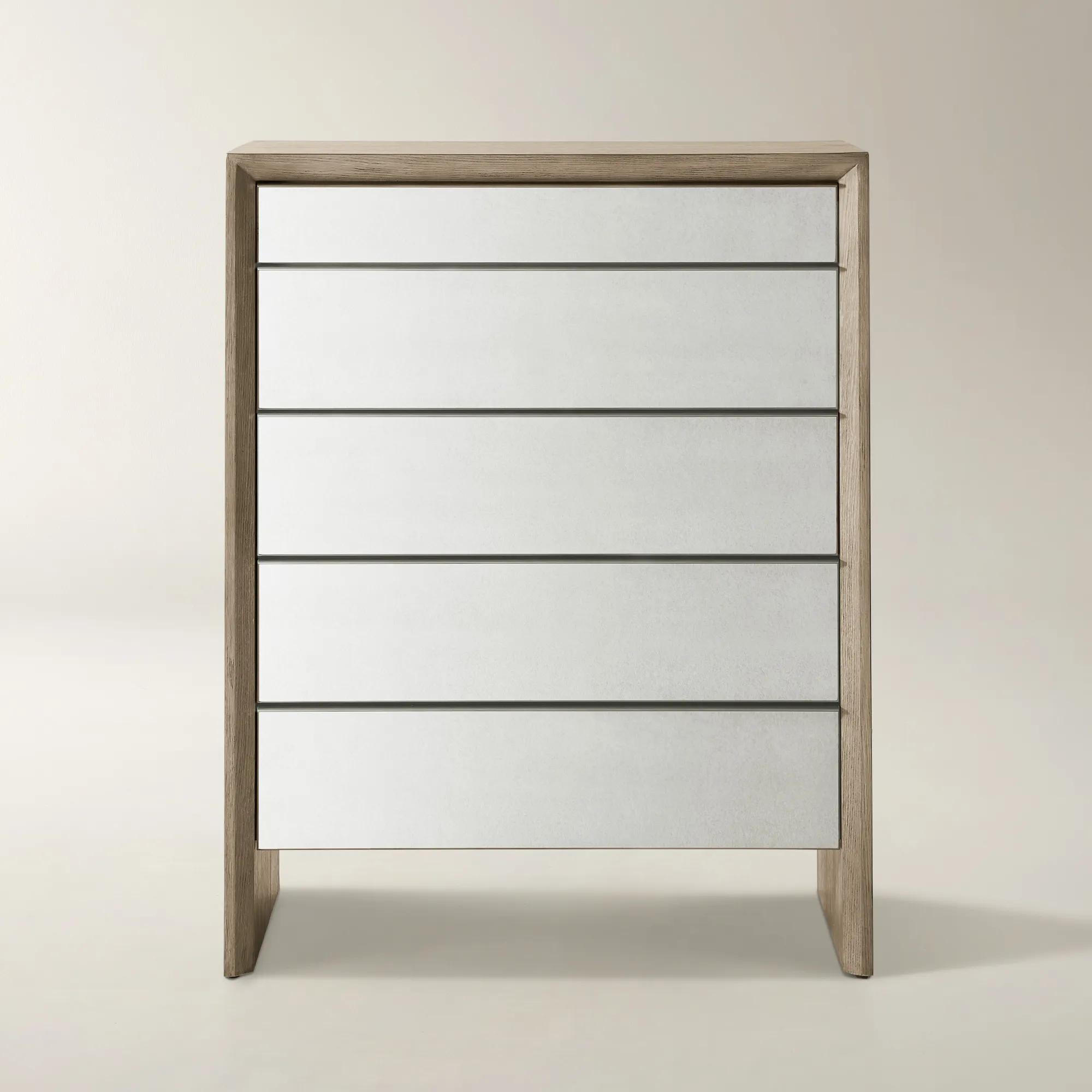
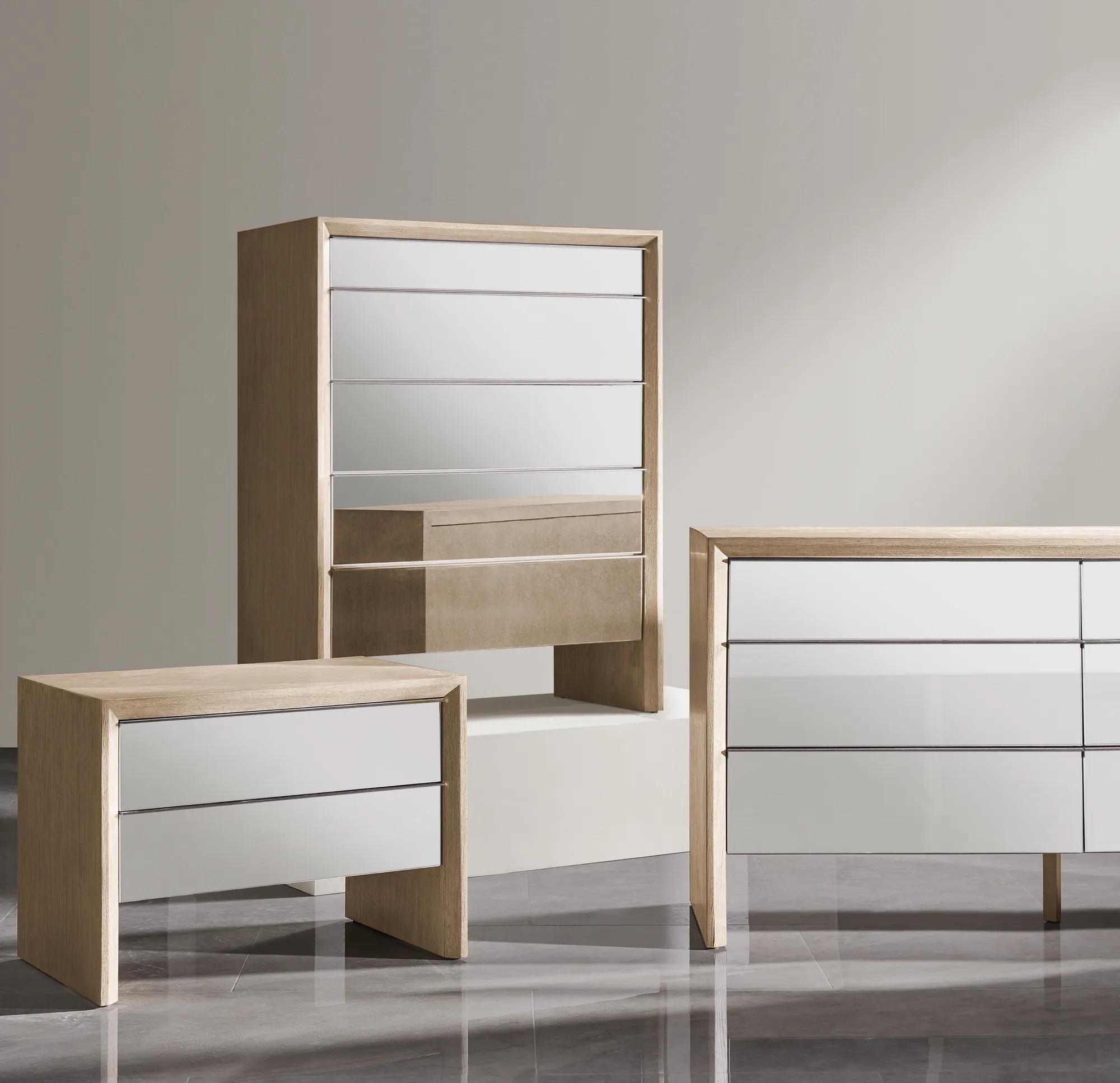 Glimmer Mirrored Seadrift Oak 5-Drawer Tall Dresser (40")$2099
A versatile chest featuring sea drift oak veneer, antique mirrored drawer fronts, and soft-close drawers for elegant storage.
Add To Cart -
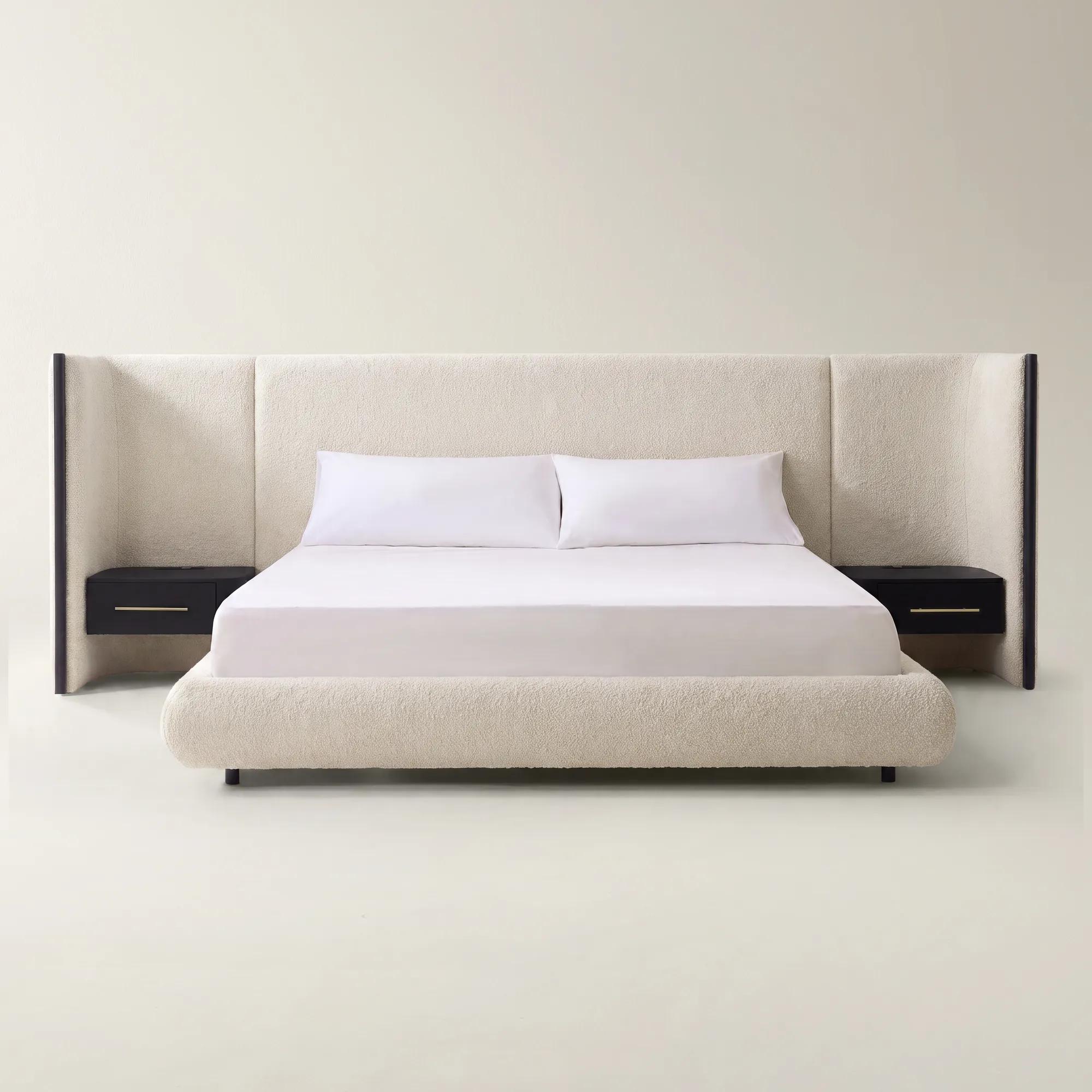 Sierra Utopia Sand Chenille Upholstered Queen Bed With Nightstands$2799
A beige chenille upholstered platform bed with an extended headboard, floating nightstands, and integrated power access.
Add To Cart

Bedroom Furniture Sets With Storage
Bedroom furniture sets with storage bring a polished, coordinated look to your retreat while making room for everyday essentials. Compare the pieces included, dimensions, and storage configurations to find a set that suits your room’s layout and organization needs, balancing a distinctive design with space to keep belongings neatly tucked away.
Bedroom furniture sets with storage bring a composed, luxurious presence to the room where personal style feels most intimate. A beautifully proportioned bed establishes the mood, while coordinating dressers, chests, and nightstands give clothing, linens, and bedside essentials a place beyond view. The effect is more than an orderly bedroom: it is a space where a sculptural lamp, expressive artwork, or richly textured coverlet can command attention without competing with everyday clutter. Storage beds may incorporate drawers beneath the mattress or a lift-up compartment within the frame, turning an often-overlooked area into useful space for extra bedding and other belongings. A dresser offers broad surfaces and accessible drawers for folded clothing, while a taller chest brings vertical presence to a narrower footprint. Nightstands with enclosed storage keep reading glasses, charging cords, and personal necessities close without interrupting a polished bedside arrangement. Together, these elements create a rhythm of repeated finishes, complementary shapes, and considered proportions. The visual language can be boldly glamorous, with reflective surfaces and luminous hardware, or more quietly expressive, with dimensional wood grain and a tailored upholstered headboard. A generous primary bedroom might accommodate a substantial bed, two nightstands, and a wide dresser, giving each piece room to hold its own. In an apartment bedroom, a storage bed paired with a compact chest can deliver a similarly intentional composition with fewer pieces. Guest rooms benefit from storage that leaves visitors space to unpack while keeping spare linens neatly contained between stays. Across these settings, the appeal lies in making everyday routines feel less crowded and more considered. For a broader view of coordinated bedroom furnishings, Complete Bedroom Furniture Sets offers another perspective on bringing the room together. A cohesive furniture grouping provides a strong visual foundation, leaving room for the personal layers that make a bedroom distinctive: an oversized abstract above the dresser, a velvet bench at the foot of the bed, or a single gleaming tray that gathers favorite objects into a deliberate composition.
The most satisfying storage arrangements reflect how the bedroom is actually used, not simply how much furniture fits inside it. Deep drawers can accommodate bulkier folded pieces, while shallower compartments make smaller belongings easier to see and retrieve. For someone who prefers to keep clothing out of sight, a dresser with several separate drawers creates a different daily experience than a lift-up bed intended for less frequently accessed belongings. Underbed drawers need unobstructed floor space to open, an important consideration when a rug, bench, or neighboring wall sits close to the frame. Lift-up storage requires attention to the operating mechanism, mattress compatibility, and the clearance needed to access the compartment comfortably. The bed’s overall footprint also extends beyond the mattress dimensions; upholstered rails, a substantial headboard, and a projecting footboard can all change its relationship to the room. Nightstand height feels most natural when considered alongside the finished height of the mattress, allowing a lamp switch or glass of water to remain comfortably within reach. Doorways, stair turns, and the path into the bedroom matter as much as the final placement, particularly with larger case pieces. Within that practical framework, materials establish the room’s character. Solid wood brings natural grain variation, while wood veneers can create carefully arranged surface patterns over a supporting core. Engineered wood components serve different structural roles depending on construction, so material descriptions are most useful when read alongside information about joinery, drawer bottoms, and hardware. Upholstered elements introduce softness through woven fabric, velvet, or other textiles, with each surface offering its own texture and care requirements. Mirrored accents amplify surrounding light and color; metallic details lend definition to drawer fronts and silhouettes. No single finish determines durability on its own. Stable construction, smoothly operating drawers, secure handles, and a finish suited to regular use all contribute to furniture that feels assured in daily life. Because set configurations differ, the included pieces, storage layout, bed support requirements, and individual dimensions deserve close attention before the room’s composition is finalized.
Storage also shapes the way a bedroom feels after the initial arrangement is complete. When folded clothing has enough room to sit without being compressed, drawers are easier to navigate and their contents remain more visible. When bedside necessities have a dedicated compartment, the nightstand surface can hold a deliberate pairing of light and ornament rather than a collection of unrelated objects. A dresser becomes an opportunity for a striking vignette: a tall vessel balanced by a low decorative bowl, with enough open surface to reveal the beauty of the finish beneath. Coordinated furniture supports that sense of order without requiring every accessory to match. Contrasting textiles, an expressive mirror, and artwork with a distinct point of view give the room depth, while a consistent furniture finish keeps the overall composition grounded. Preserving that finish calls for care appropriate to the material. A soft cloth used according to the manufacturer’s directions is generally a better starting point than an abrasive tool or an all-purpose cleaner chosen without checking compatibility. Liquids should be addressed promptly, and protective pads beneath decorative objects help reduce scratching on vulnerable surfaces. Upholstery benefits from cleaning methods matched to its care code, with attention to seams and high-contact areas; delicate fabrics and specialty finishes may require professional care. Extended direct sunlight can affect some wood finishes and textiles, while prolonged moisture can damage wood-based components. Drawer weight limits and lifting mechanisms also deserve respect, especially when bedding or other dense belongings are stored inside the frame. Dressers and chests should be secured with appropriate anti-tip restraints according to their instructions, and drawers should never be treated as steps. These details protect both the furniture’s appearance and its intended function. With the right balance of accessible storage, generous proportions, and expressive materials, bedroom furniture sets with storage create a richly personal setting where the necessities of daily life are thoughtfully accommodated and the room’s most beautiful details have space to shine.
FAQs
Bedroom furniture sets with storage may combine a storage bed with coordinating nightstands, a dresser, or a chest. The grouping varies, offering different ways to compose a bedroom where expressive design and thoughtfully placed storage share the spotlight.
Common storage styles include under-bed drawers, dresser drawers, bedside compartments, and cabinet-style sections. Each creates a different rhythm in the room, from the uninterrupted lines of concealed storage to open shelving that frames a curated collection.
Sculptural profiles, dimensional drawer fronts, distinctive hardware, and light-catching accents can bring drama to bedroom storage furniture. Choose a defining detail to repeat throughout the room, creating a visual signature that feels deliberate rather than overly embellished.
A shared finish creates a polished, cohesive composition, but a layered bedroom can also embrace contrast. Connect different finishes through a recurring undertone, silhouette, or hardware detail, allowing each piece its own presence while keeping the overall story beautifully connected.
Treat their surfaces as small, expressive compositions. Pair a sculptural lamp with a decorative tray at the bedside, then give the dresser a distinct focal point with art or a mirror. Let select accents command attention, leaving the furniture’s defining details in view.