Bedroom Nightstand Sets
Bedroom Nightstand Sets
-
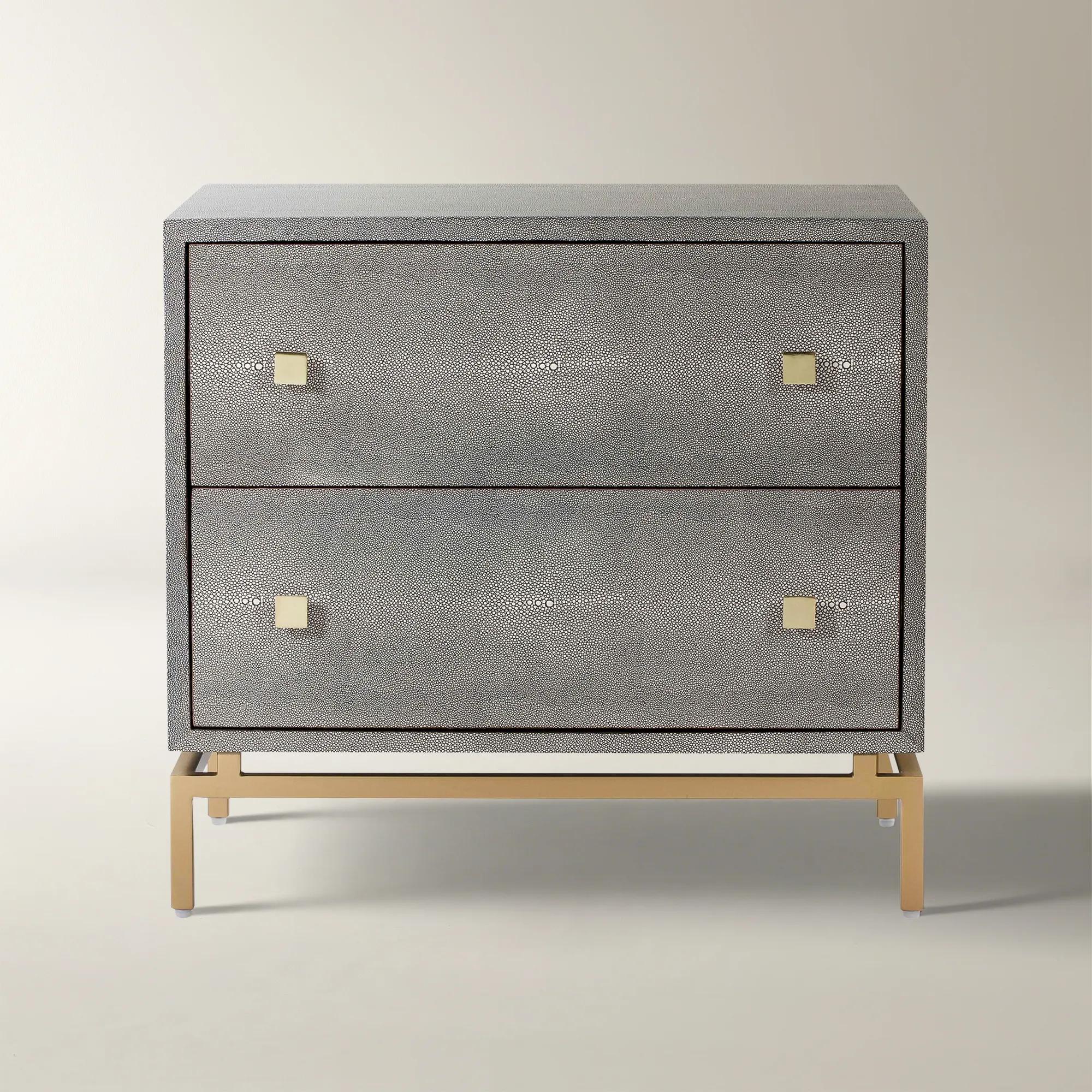
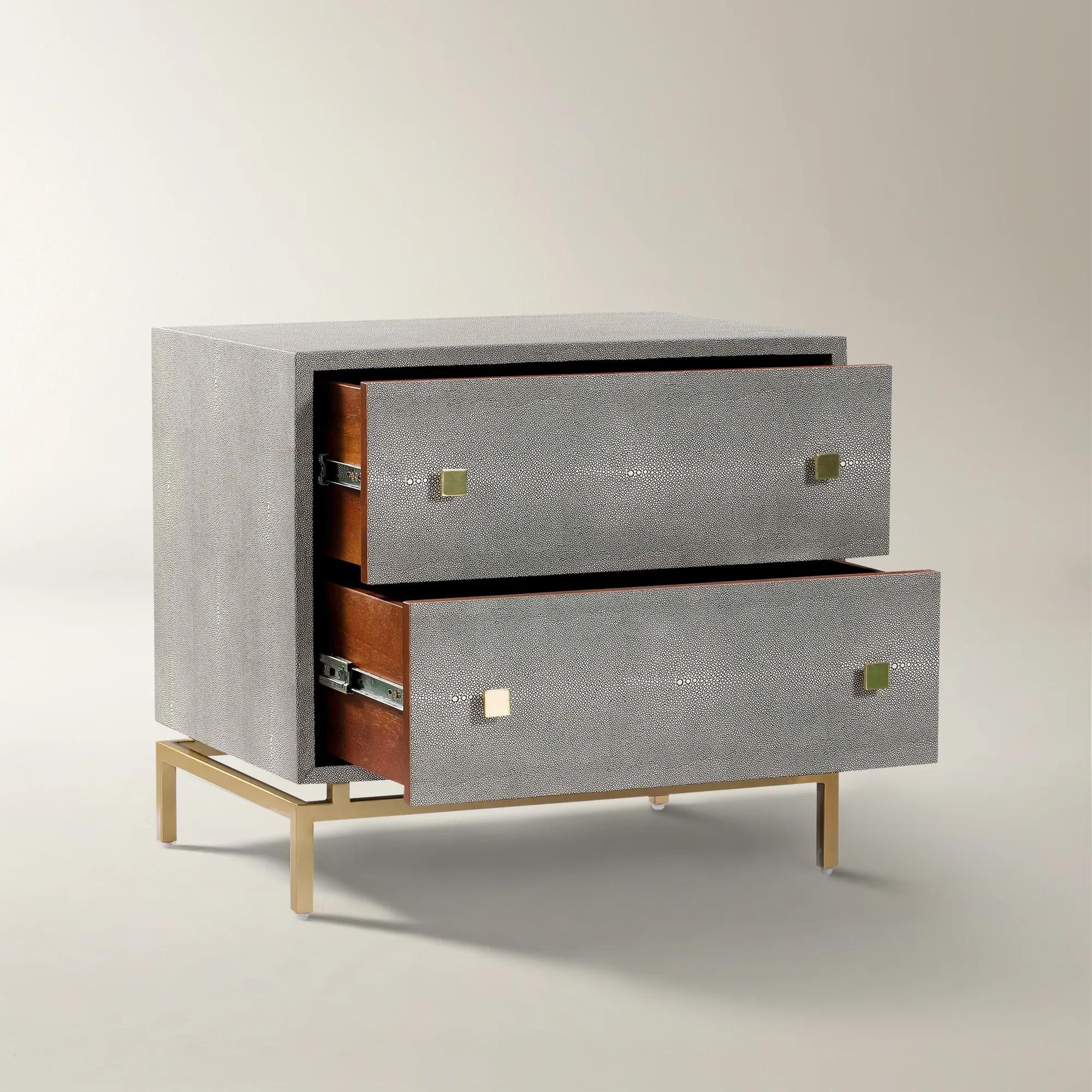 Misha Grey Shagreen 2-Drawer Nightstand (25")$749
A modern nightstand featuring faux shagreen texture, brass-finished base, and two cherry wood-lined drawers.
Add To Cart -
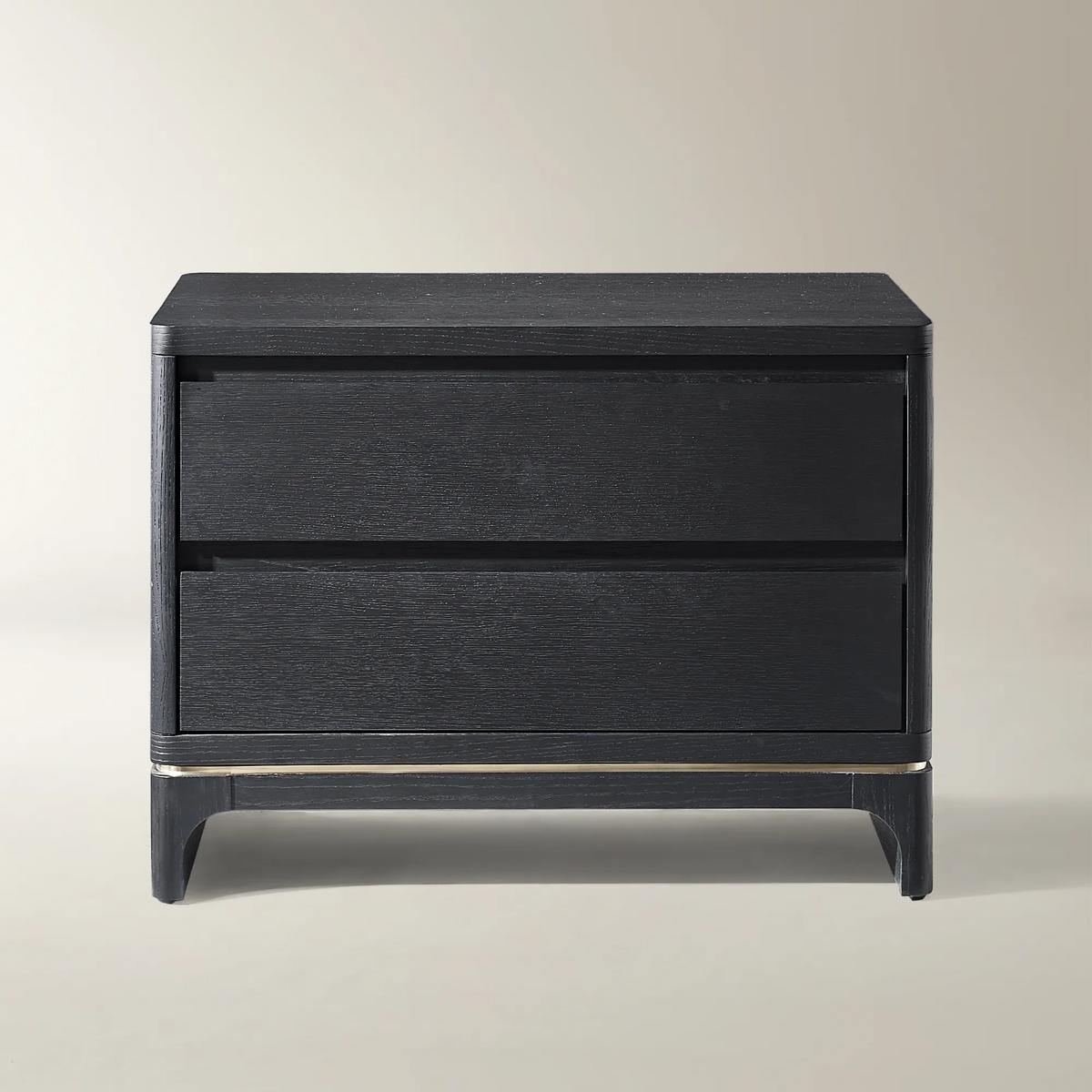
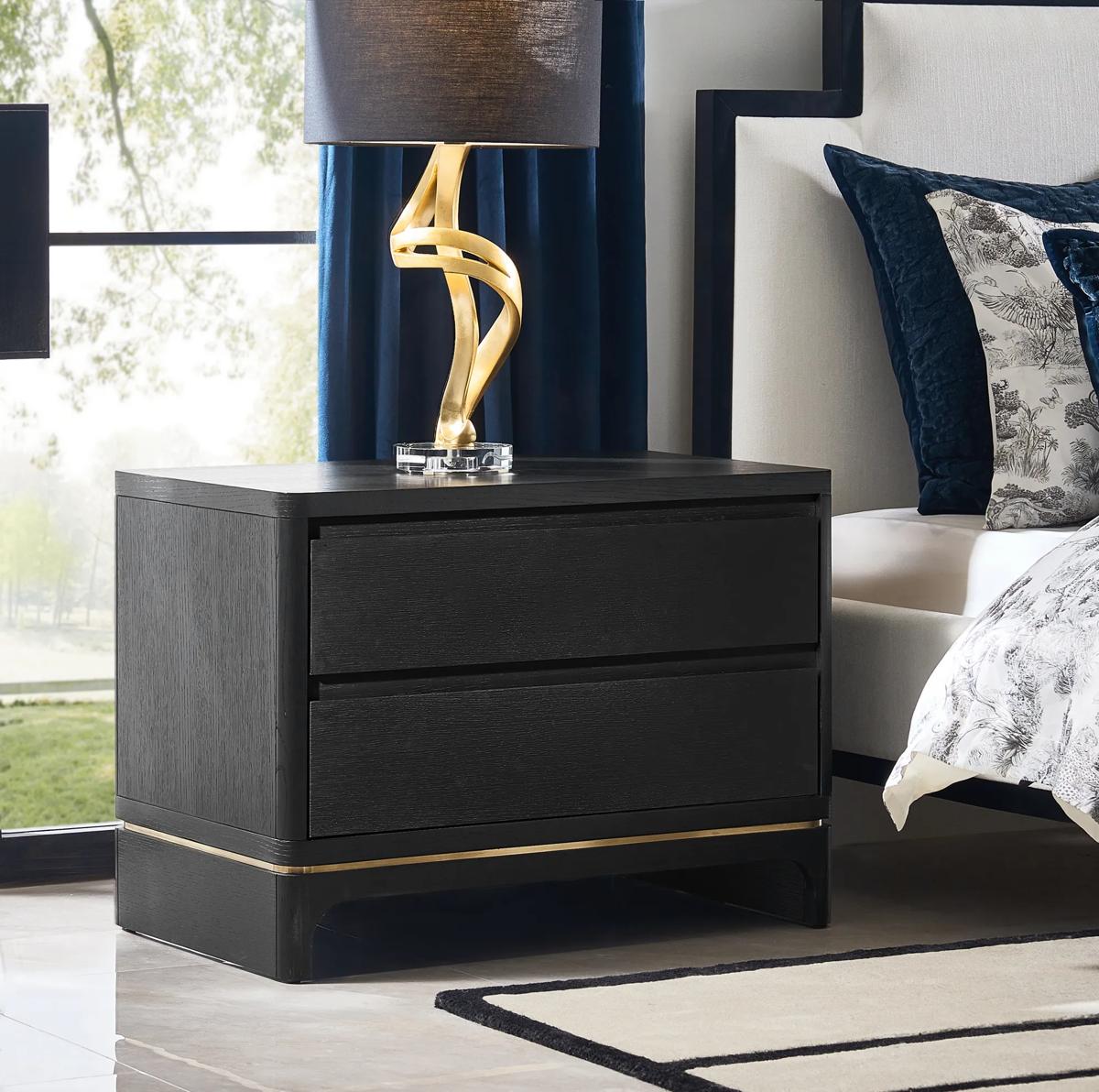 Vanta Black Oak 2-Drawer Nightstand (32")$899
A matte black oak nightstand accented with gold stainless steel trim and soft-close, felt-lined drawers.
Add To Cart -
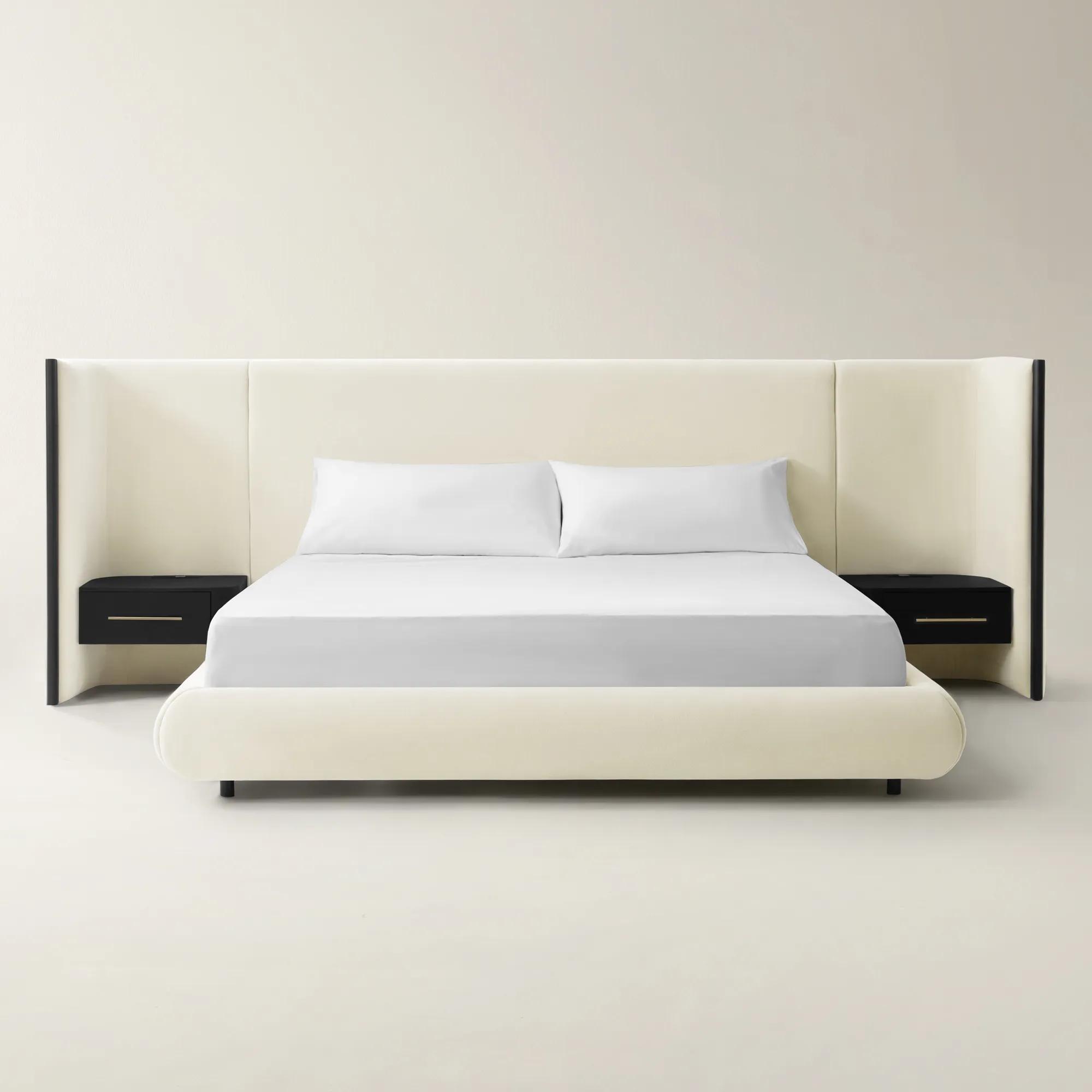
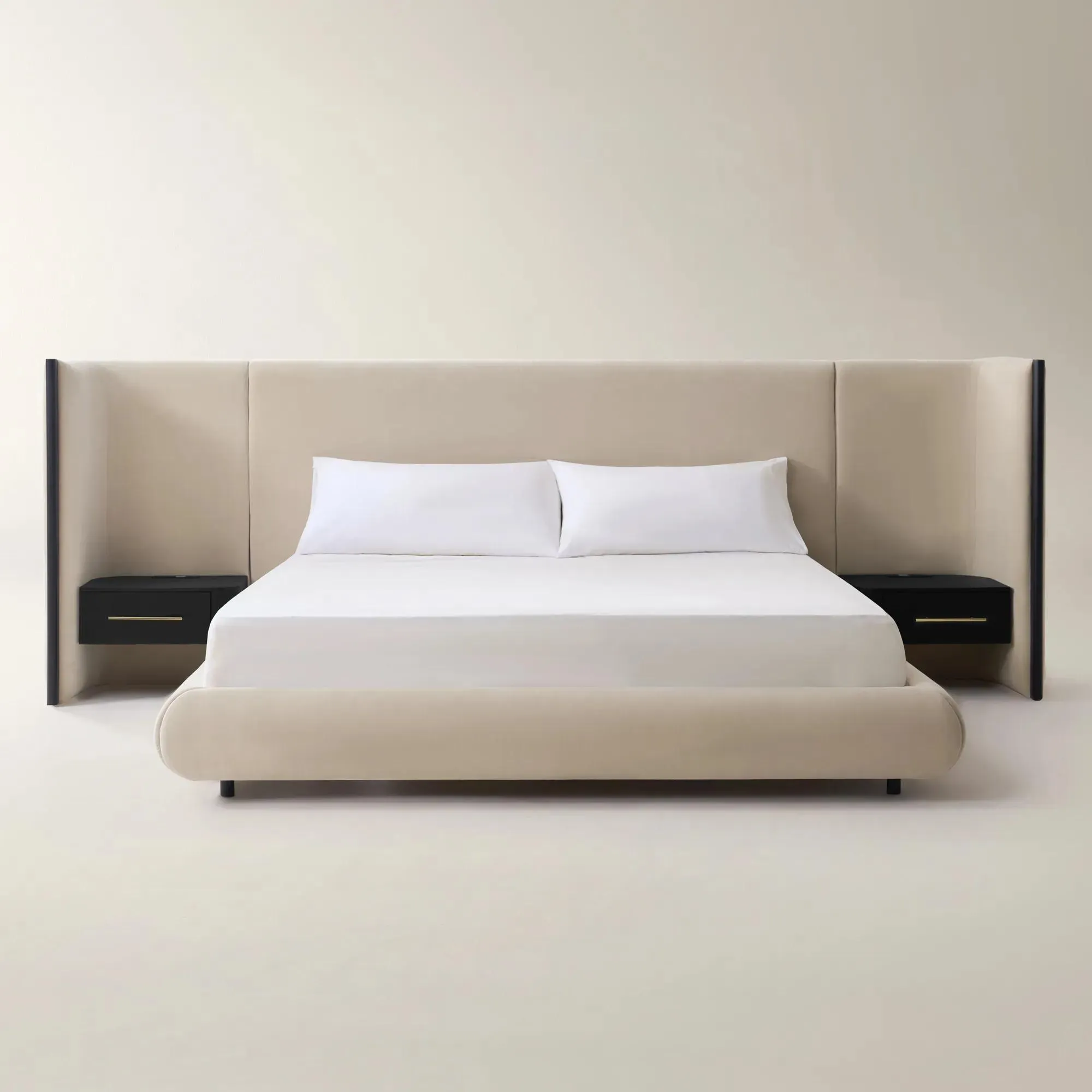 Sierra Cloud Velvet Upholstered King Bed With Nightstands$2899
A modern king platform bed featuring plush velvet upholstery, black wood trim, and integrated floating nightstands.
Add To Cart -
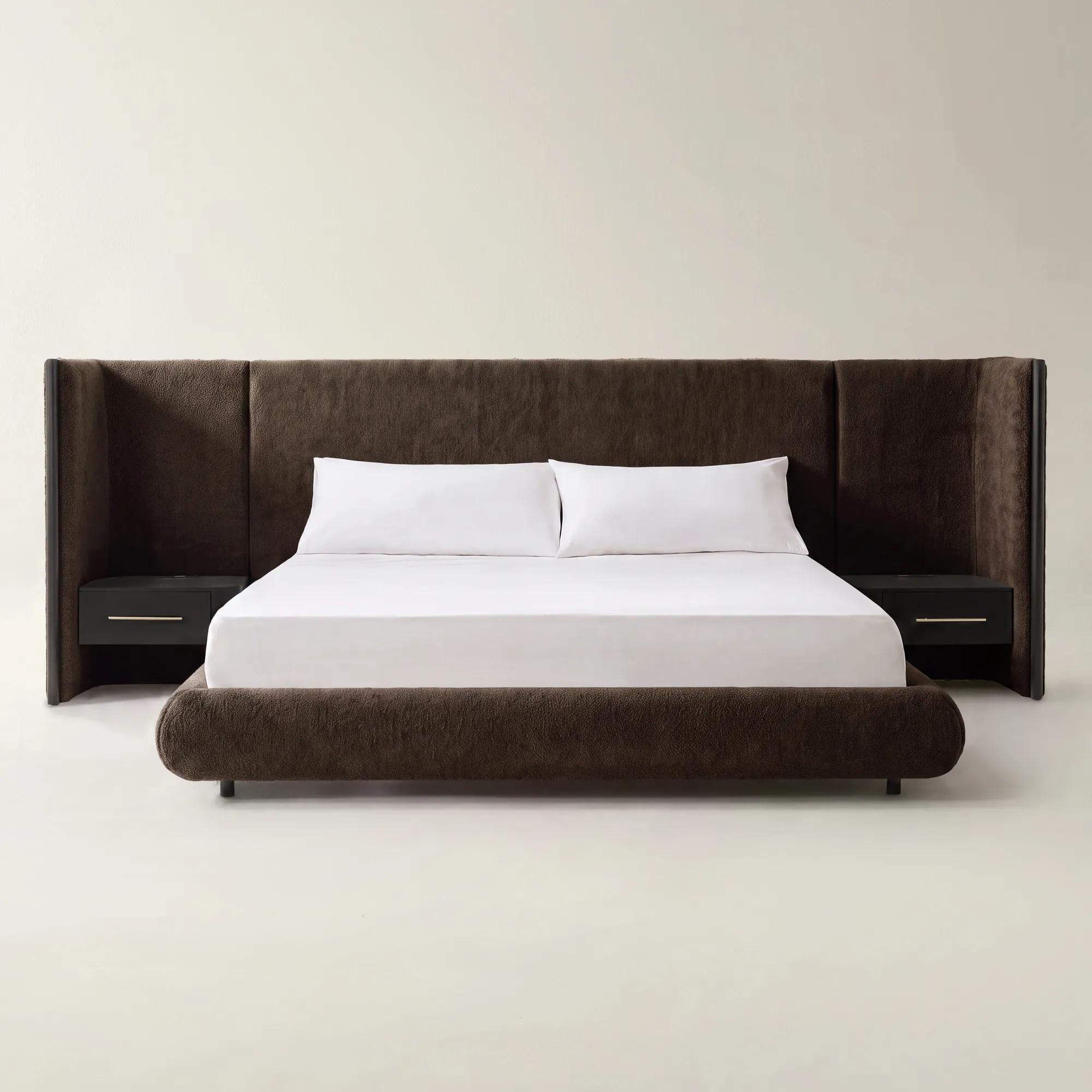
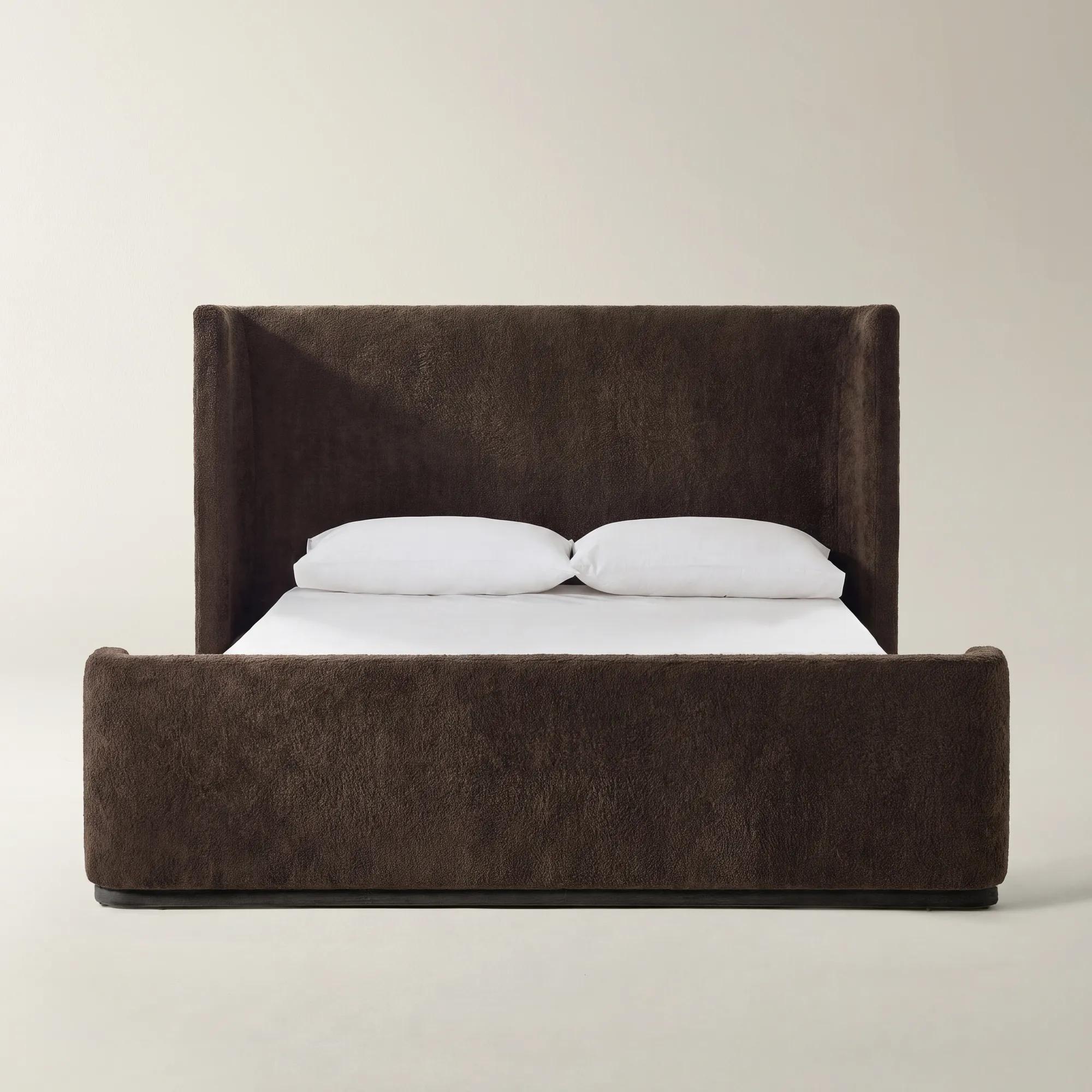
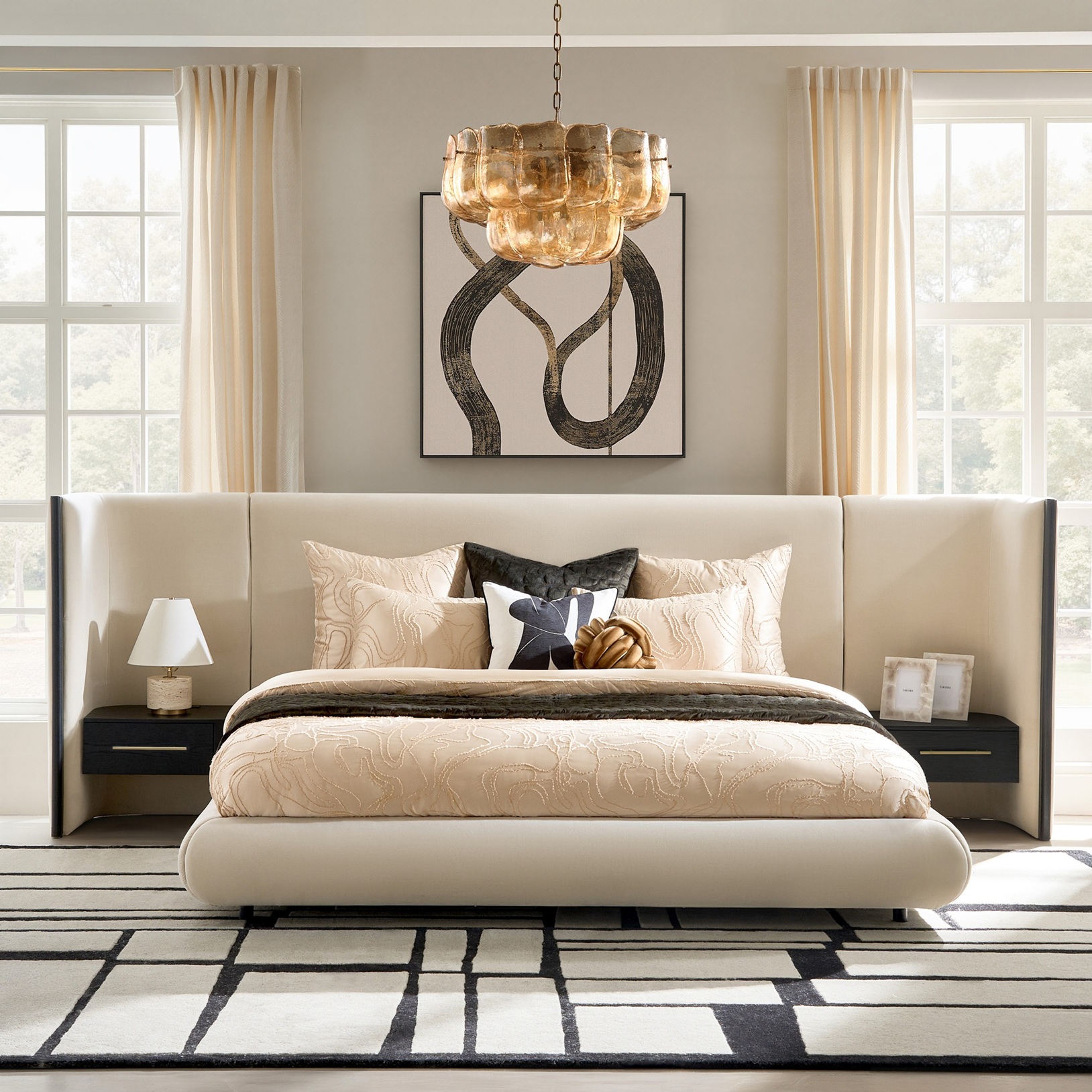 Sierra Dark Chocolate Chenille Upholstered King Bed With Nightstands$2999
A dark chocolate chenille platform bed featuring an extended headboard, black wood trim, and floating nightstands.
Add To Cart -
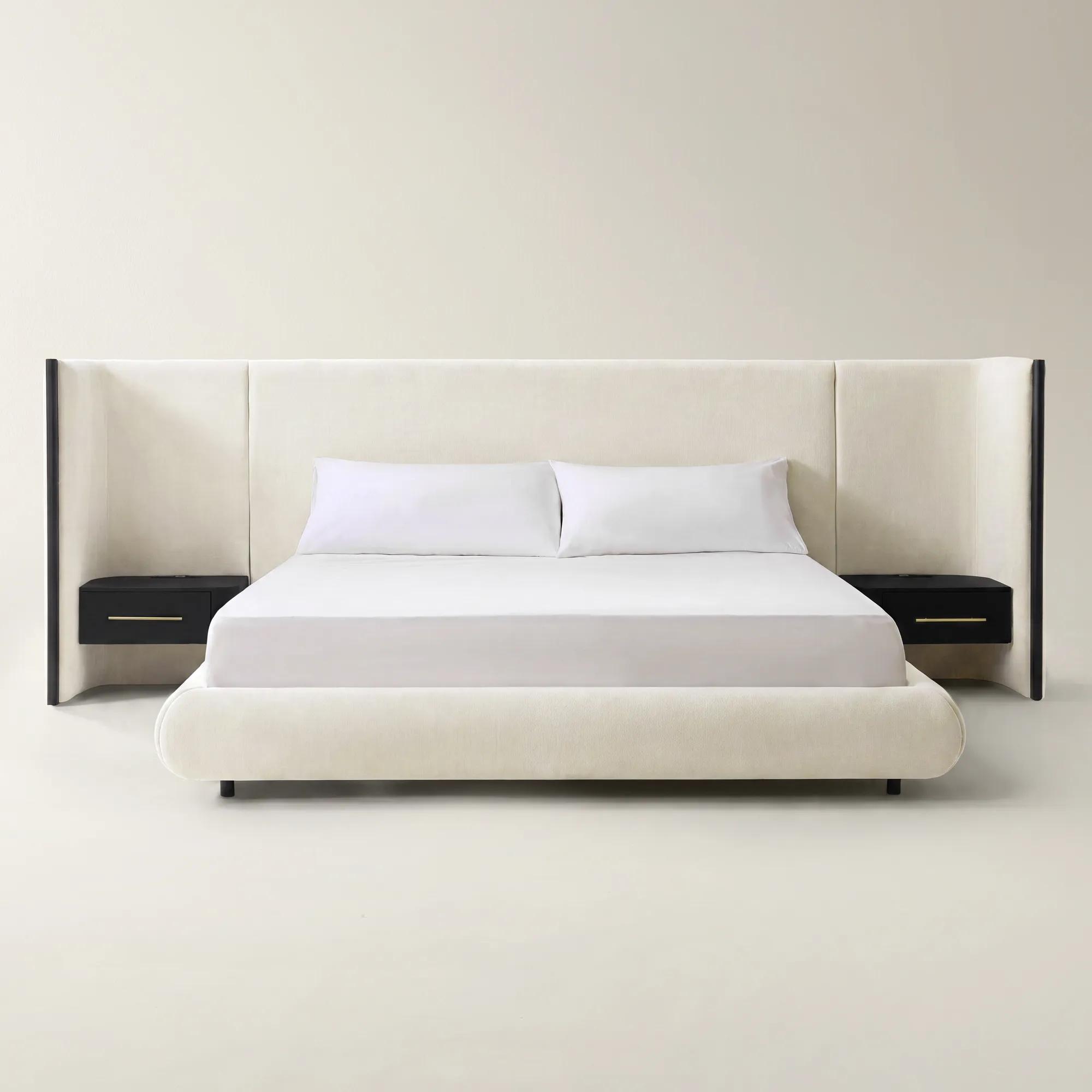 Sierra Ivory Performance Chenille Upholstered Queen Bed With Nightstands$2799
An ivory chenille platform bed featuring an extended headboard, floating nightstands, and integrated power access.
Add To Cart -
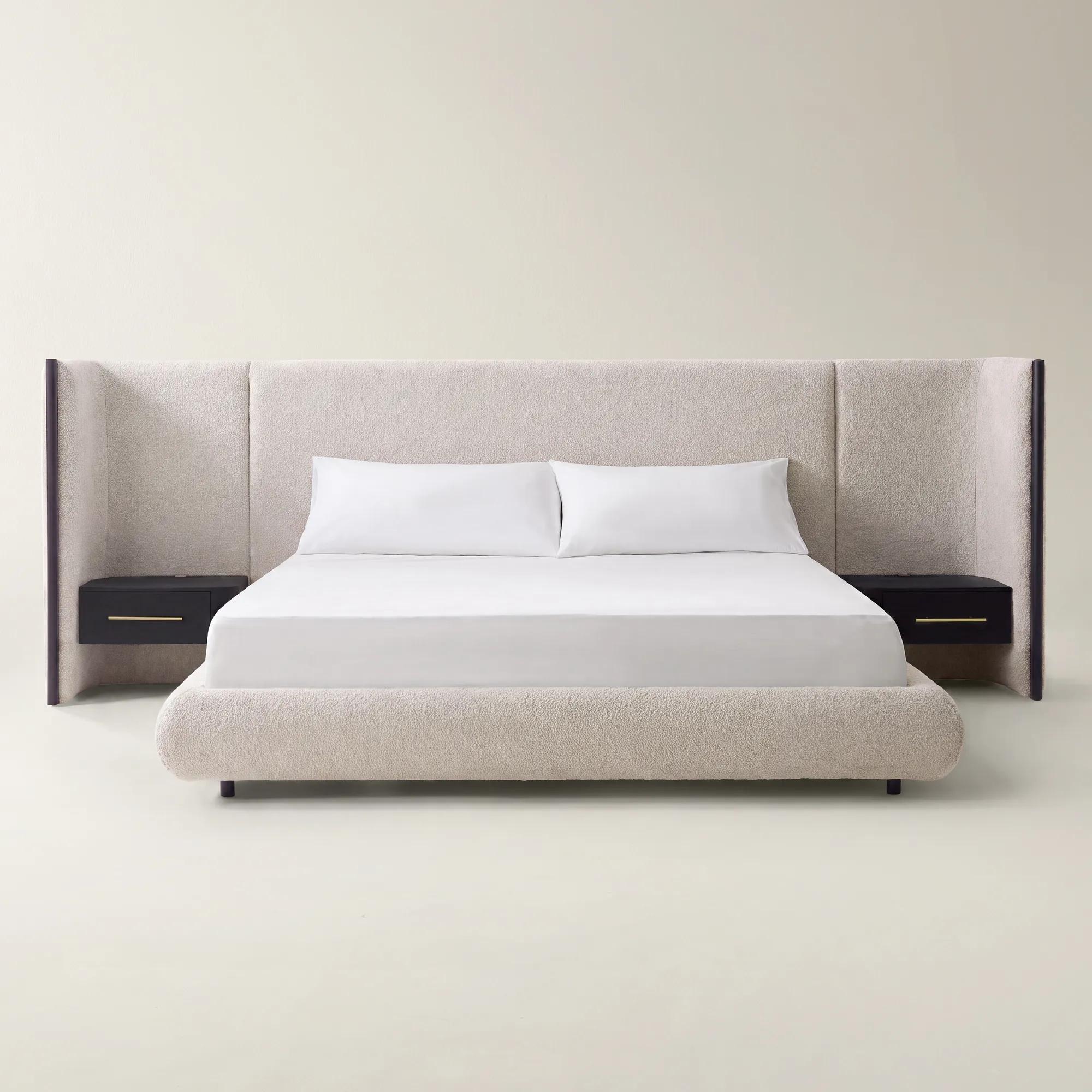 Sierra Ivory Performance Boucle Upholstered Bed With Nightstands$2999
An ivory performance boucle upholstered platform bed featuring an extended headboard, floating nightstands, and built-in power access.
Add To Cart -
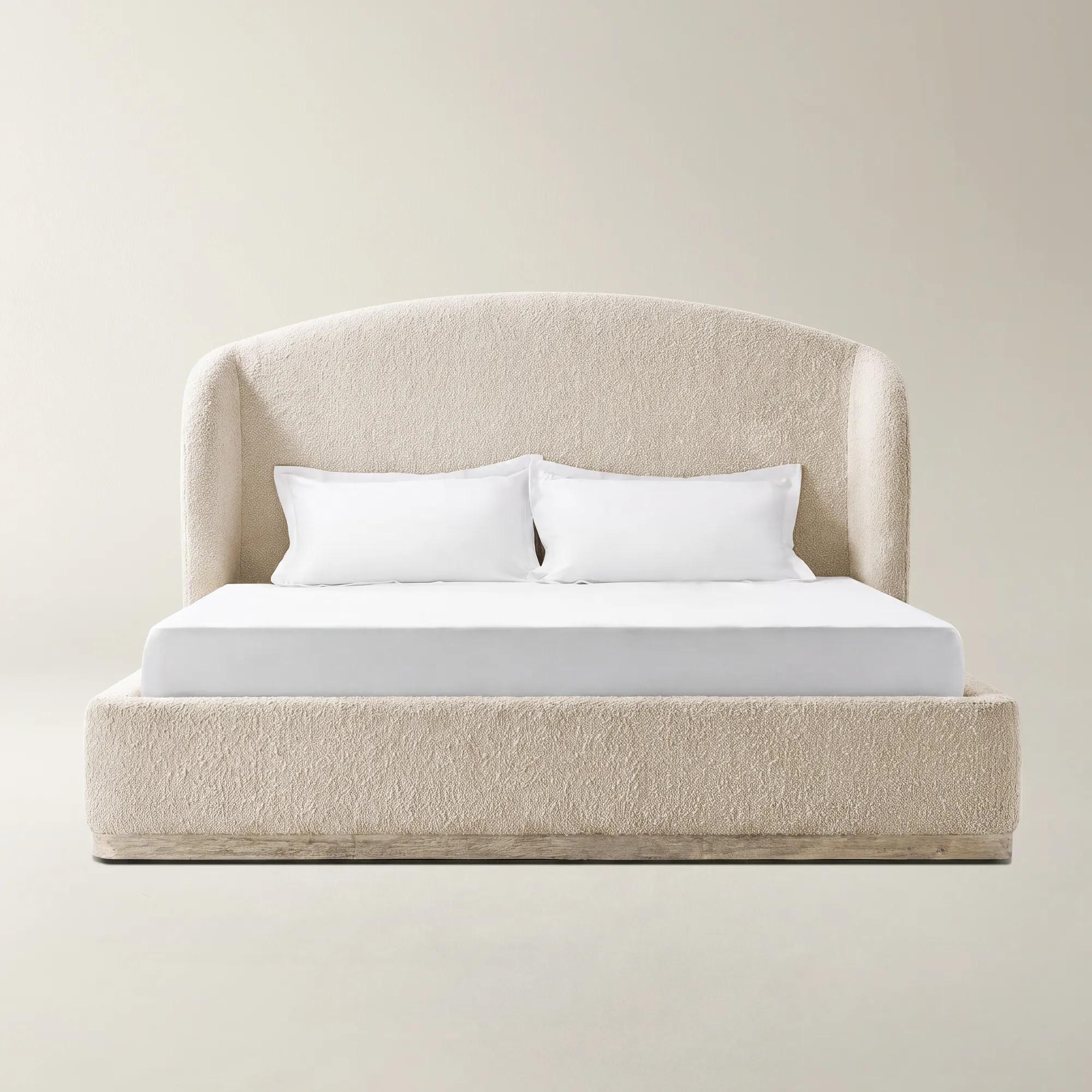
Sierra Ivory Performance Boucle Upholstered Queen Bed With Nightstands$2799
A modern ivory performance boucle platform bed featuring an extended headboard, black wood trim, and floating nightstands.
Add To Cart -
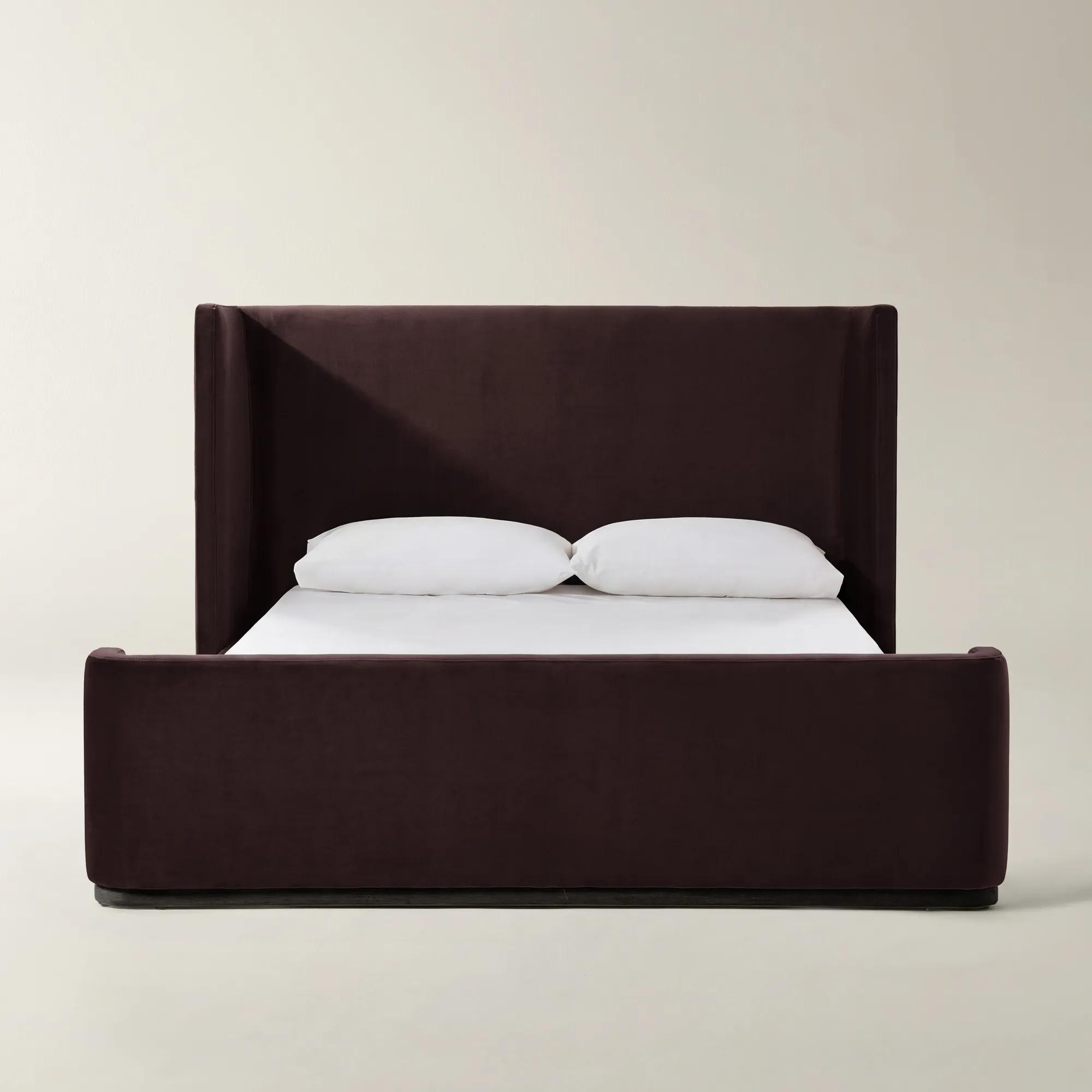
Sierra Dark Chocolate Chenille Upholstered Queen Bed With Nightstands$2799
A dark chocolate chenille platform bed featuring an extended headboard, floating nightstands, and black wood trim.
Add To Cart -
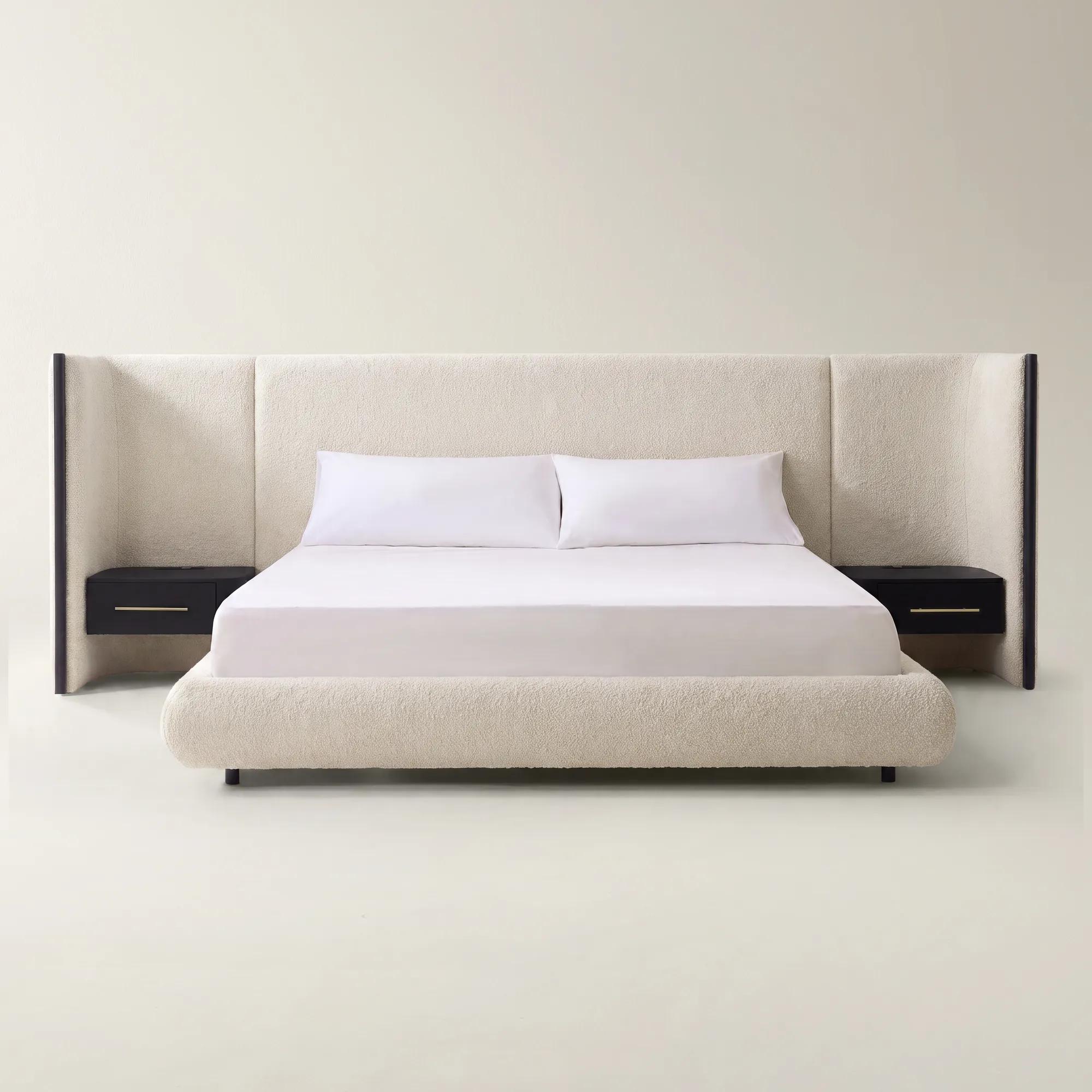 Sierra Utopia Sand Chenille Upholstered King Bed With Nightstands$2999
A sand chenille upholstered platform bed featuring an extended headboard with floating nightstands and black wood trim.
Add To Cart -
Sierra Ivory Performance Chenille Upholstered King Bed With Nightstands$2999
An ivory chenille platform bed featuring an extended headboard, floating nightstands, and integrated power access.
Add To Cart -
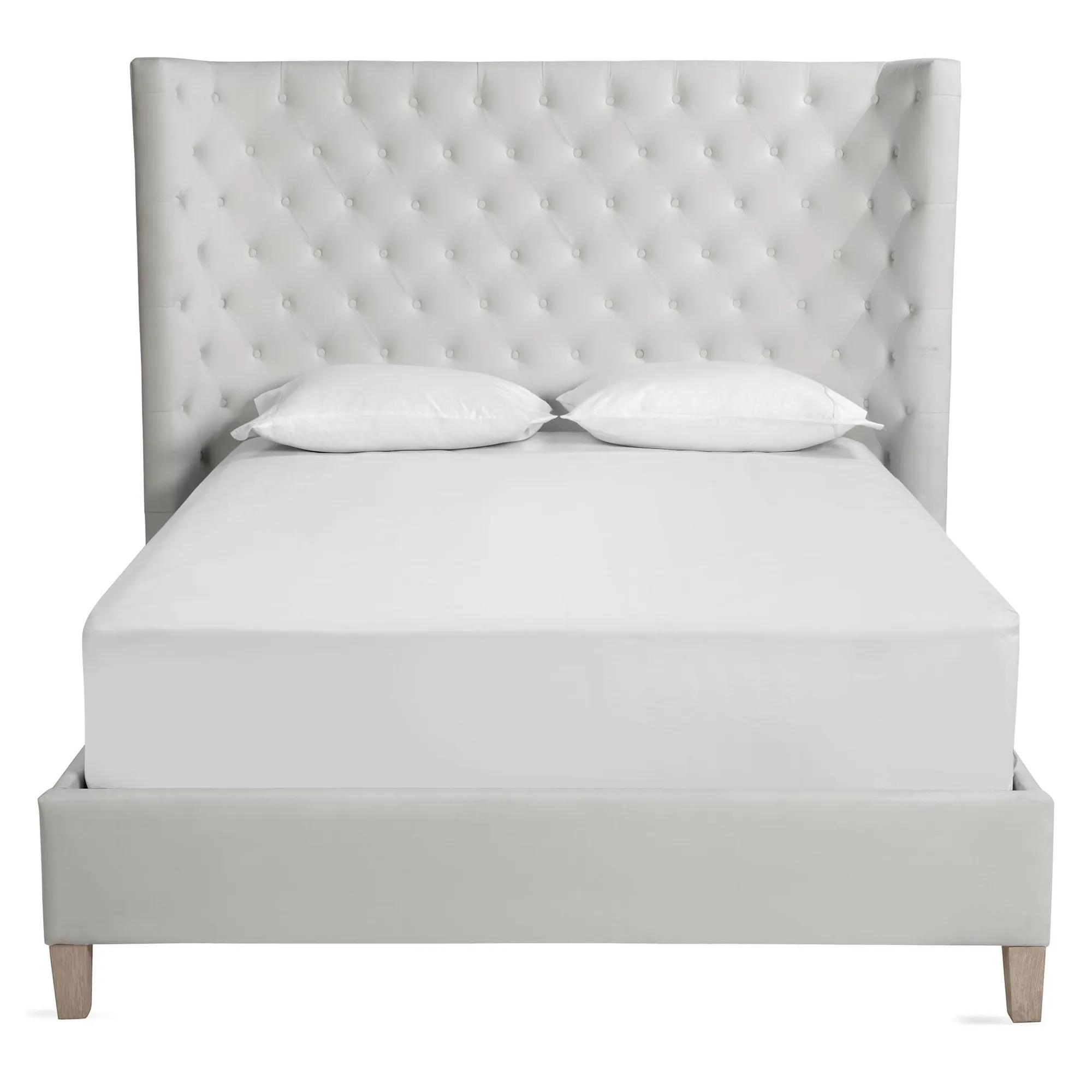
 Glimmer Set of 3 Bedroom$3197
A coordinated three-piece bedroom set featuring an ivory or grey bed and two matching nightstands.
Add To Cart -
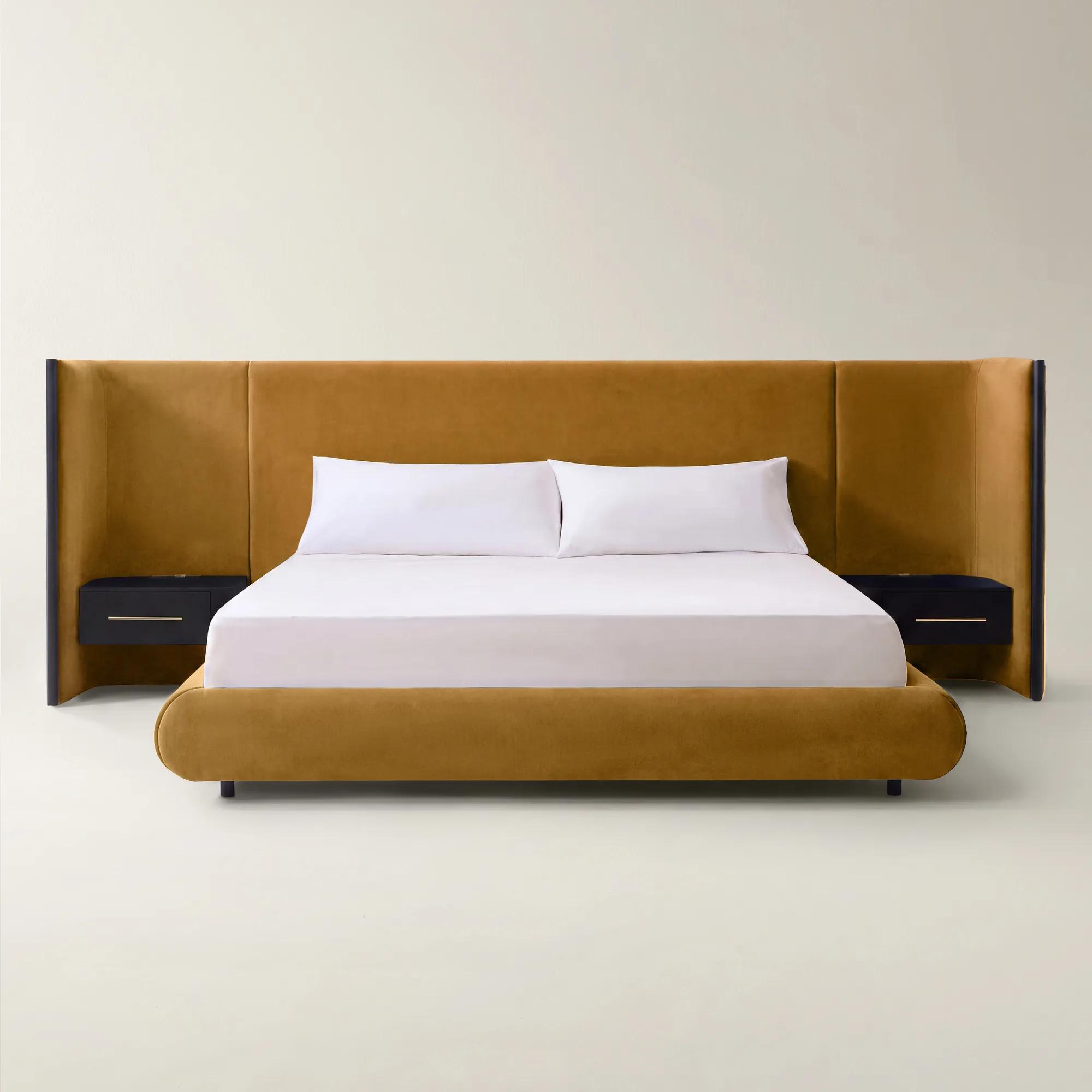 Sierra Roasted Pecan Velvet Upholstered Queen Bed With Nightstands$2699
A roasted pecan velvet platform bed featuring an extended headboard, black wood trim, and floating nightstands.
Add To Cart -
 Glimmer Set of 4 Bedroom$5696
A sophisticated bedroom set featuring an ivory or grey bed, two nightstands, and a coordinating dresser.
Add To Cart -
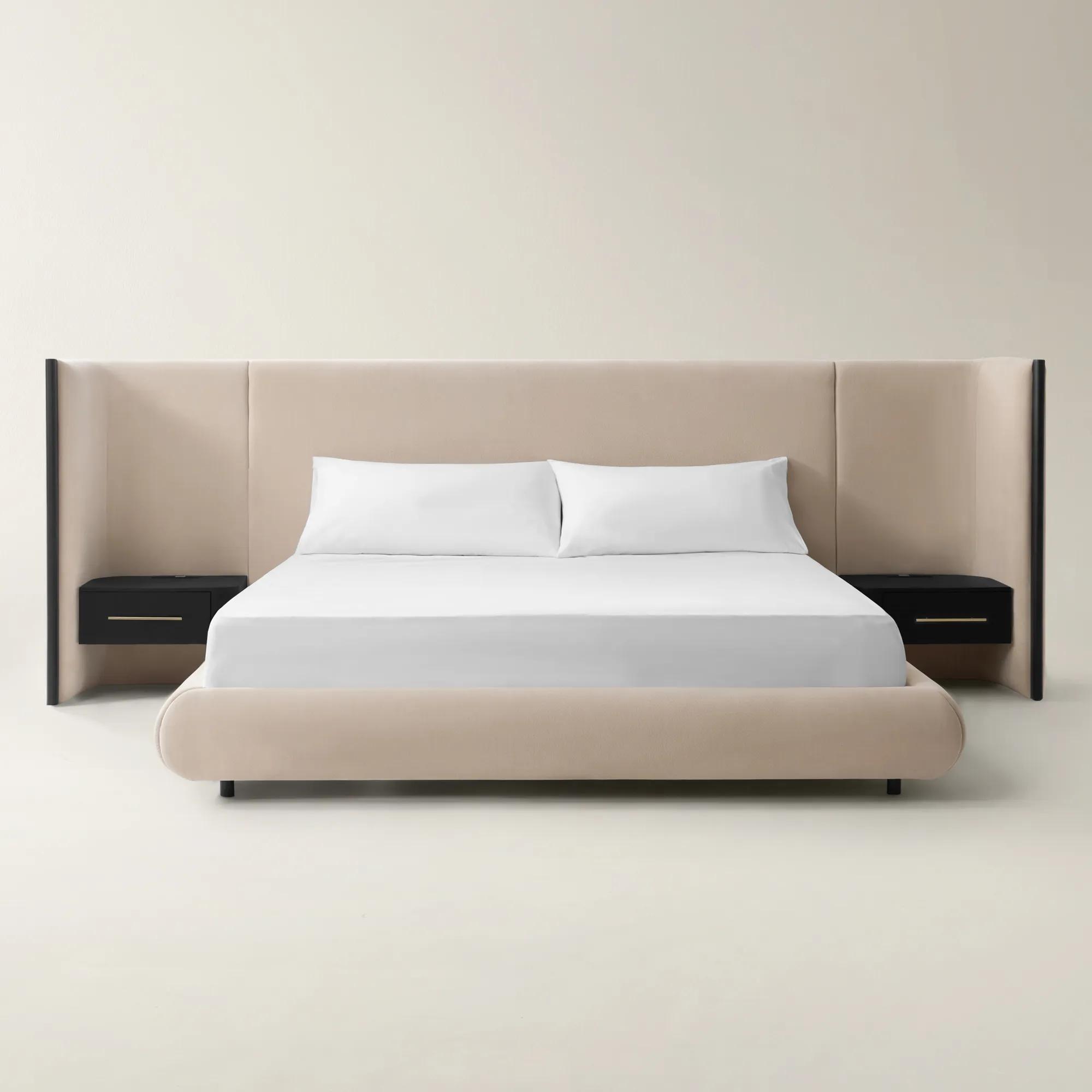 Sierra Simply Taupe Velvet Upholstered King Bed With Nightstands$2899
A taupe velvet platform bed featuring an extended headboard, floating nightstands, and integrated power access.
Add To Cart -
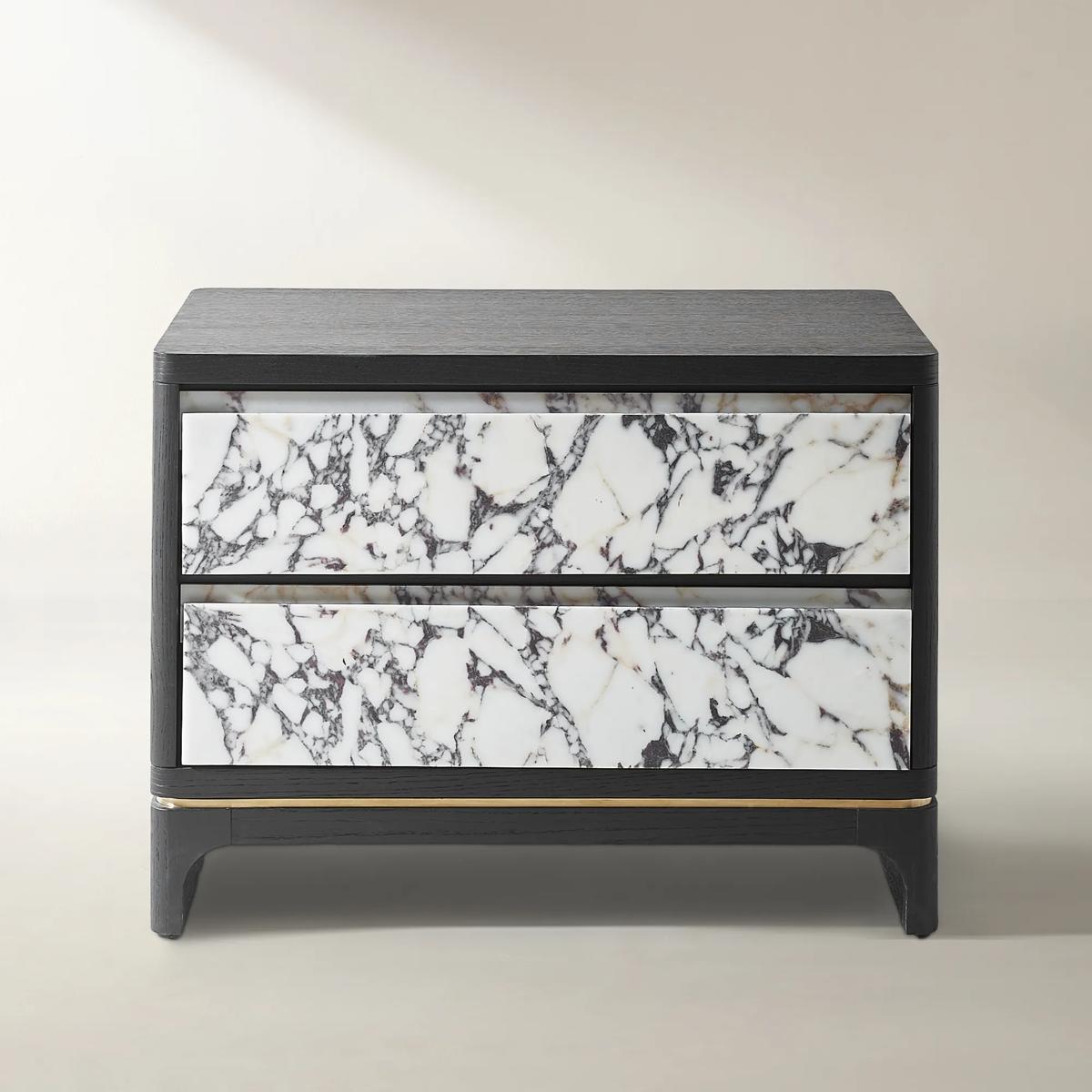 Vanta Black Oak And Calacatta Marble 2-Drawer Nightstand (32")$1099
A striking nightstand featuring genuine Calacatta Viola marble fronts and matte black oak veneer for bold elegance.
Add To Cart -
Sierra Roasted Pecan Velvet Upholstered King Bed With Nightstands$2899
A modern king platform bed in roasted pecan velvet with an extended headboard and floating nightstands.
Add To Cart -
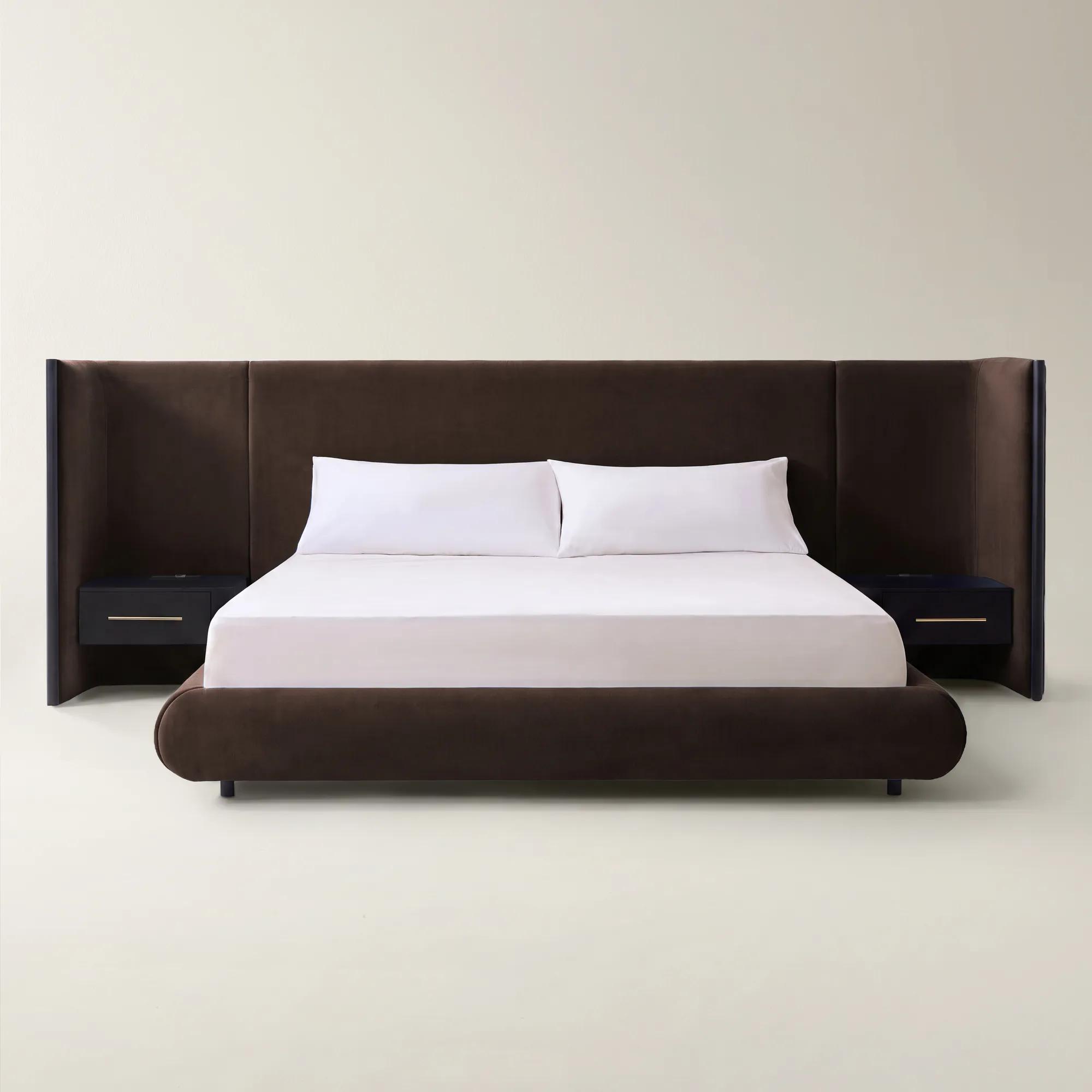 Sierra Dark Chocolate Velvet Upholstered King Bed With Nightstands$2899
A dark chocolate velvet platform bed featuring an extended headboard, floating nightstands, and built-in power access.
Add To Cart -
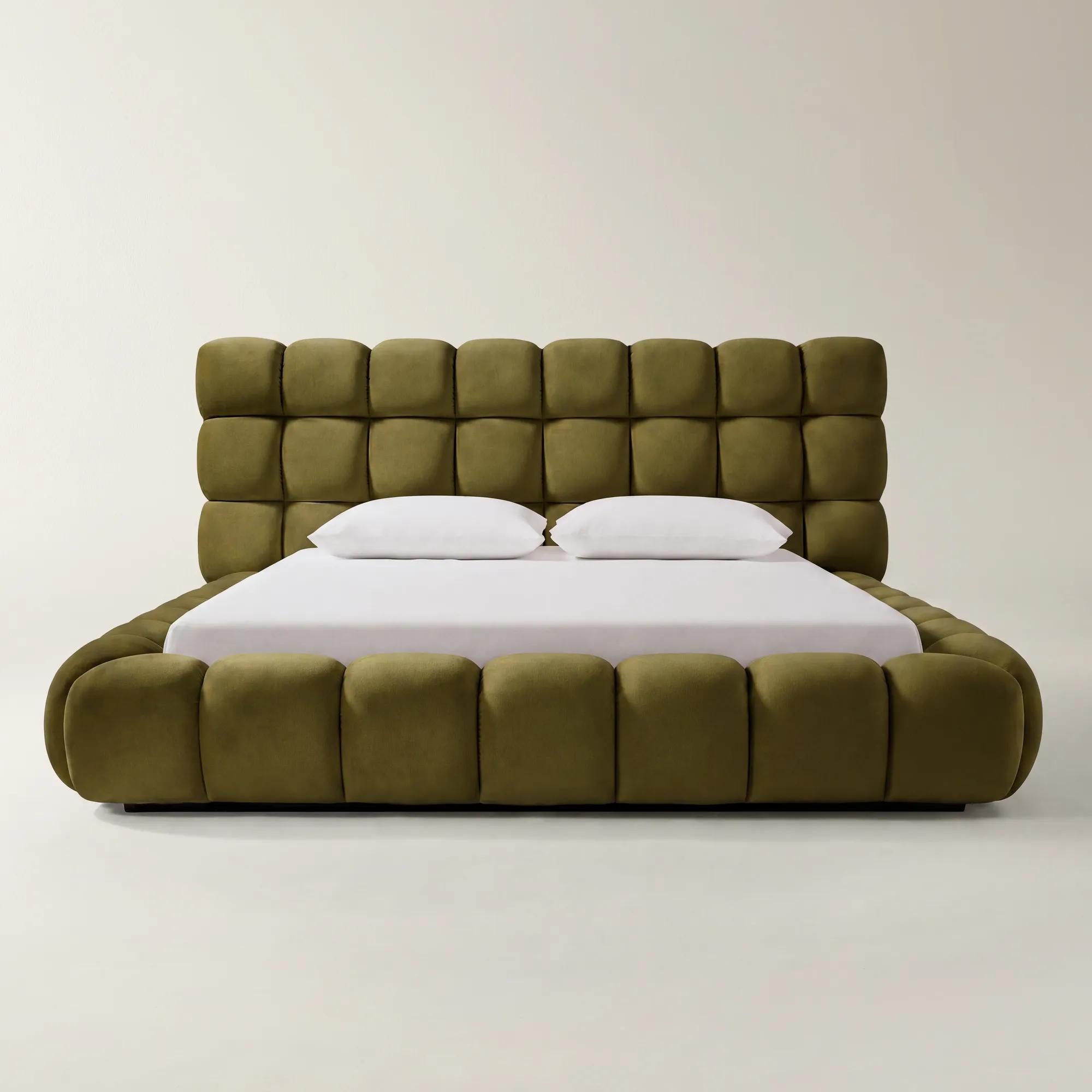
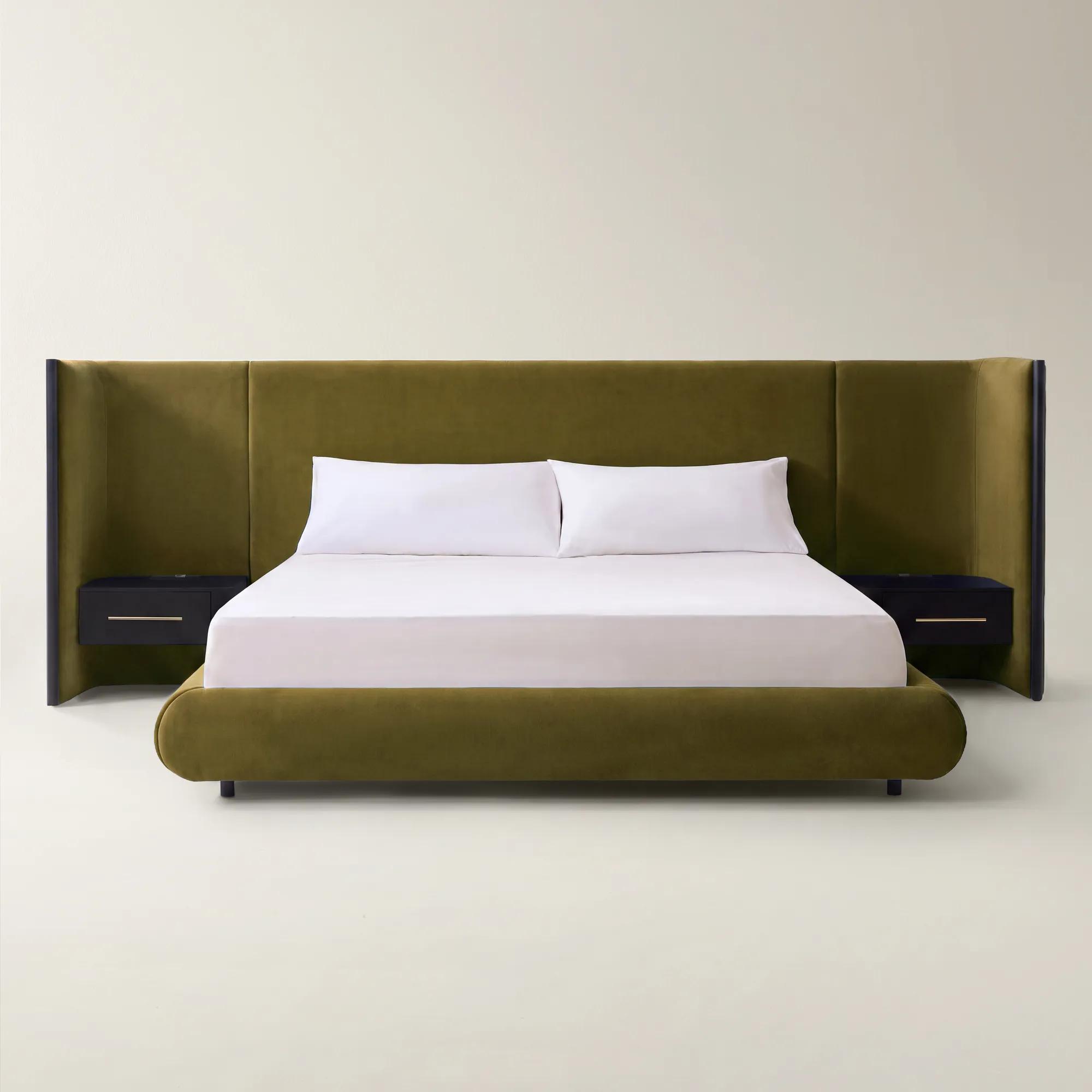 Sierra Deep Olive Velvet Upholstered King Bed With Nightstands$2899
A deep olive velvet platform bed featuring an extended headboard, floating nightstands, and built-in power access.
Add To Cart -
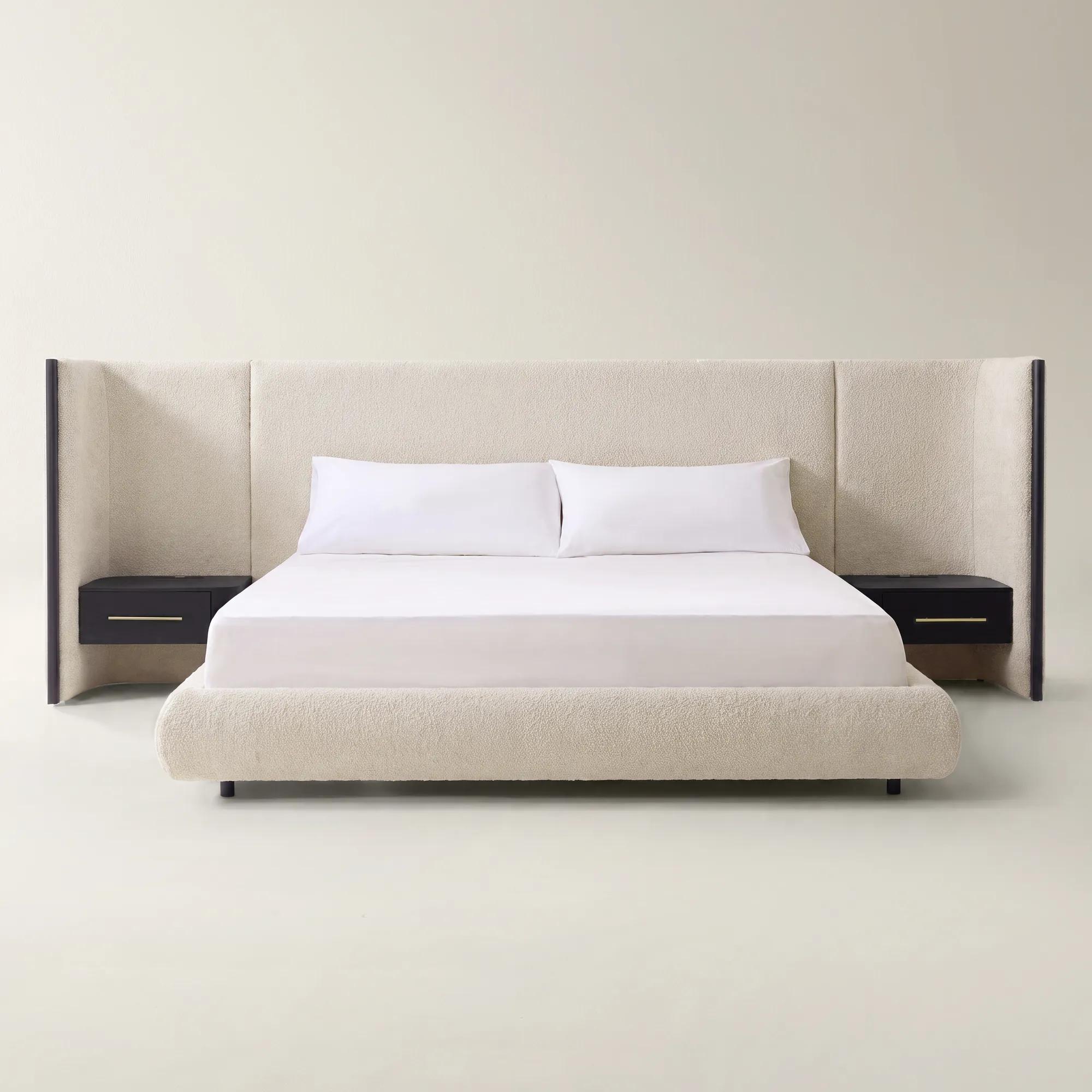 Sierra Ivory Performance Boucle Upholstered Bed With Nightstands$2999
An ivory performance boucle king platform bed featuring an extended headboard, floating nightstands, and black wood trim.
Add To Cart -
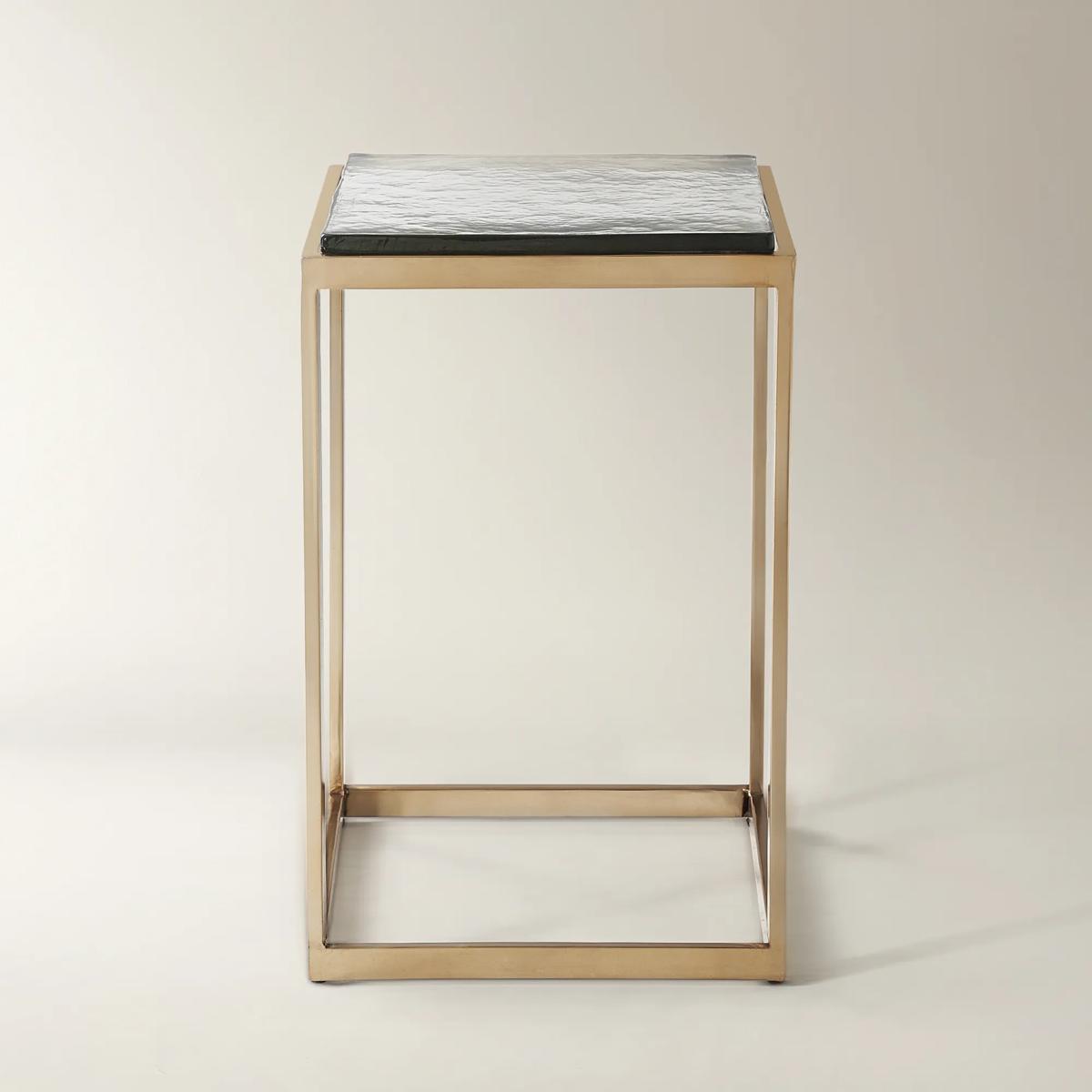
 Lyra Square Brass Metal Side Table With Glass Top (13.8")$239
A sculptural side table featuring a thick cast glass top and a lustrous brass-finished metal base.
Add To Cart -
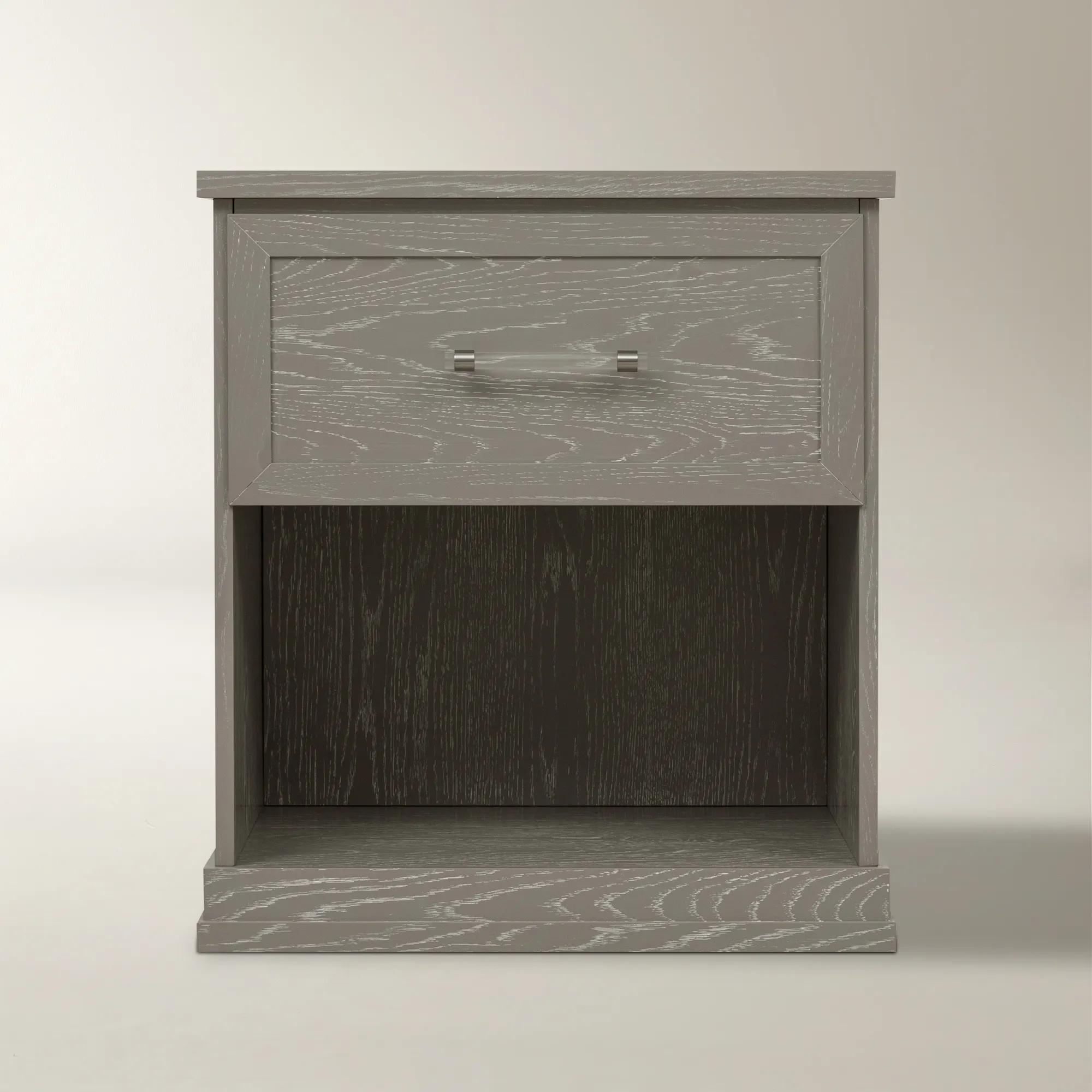
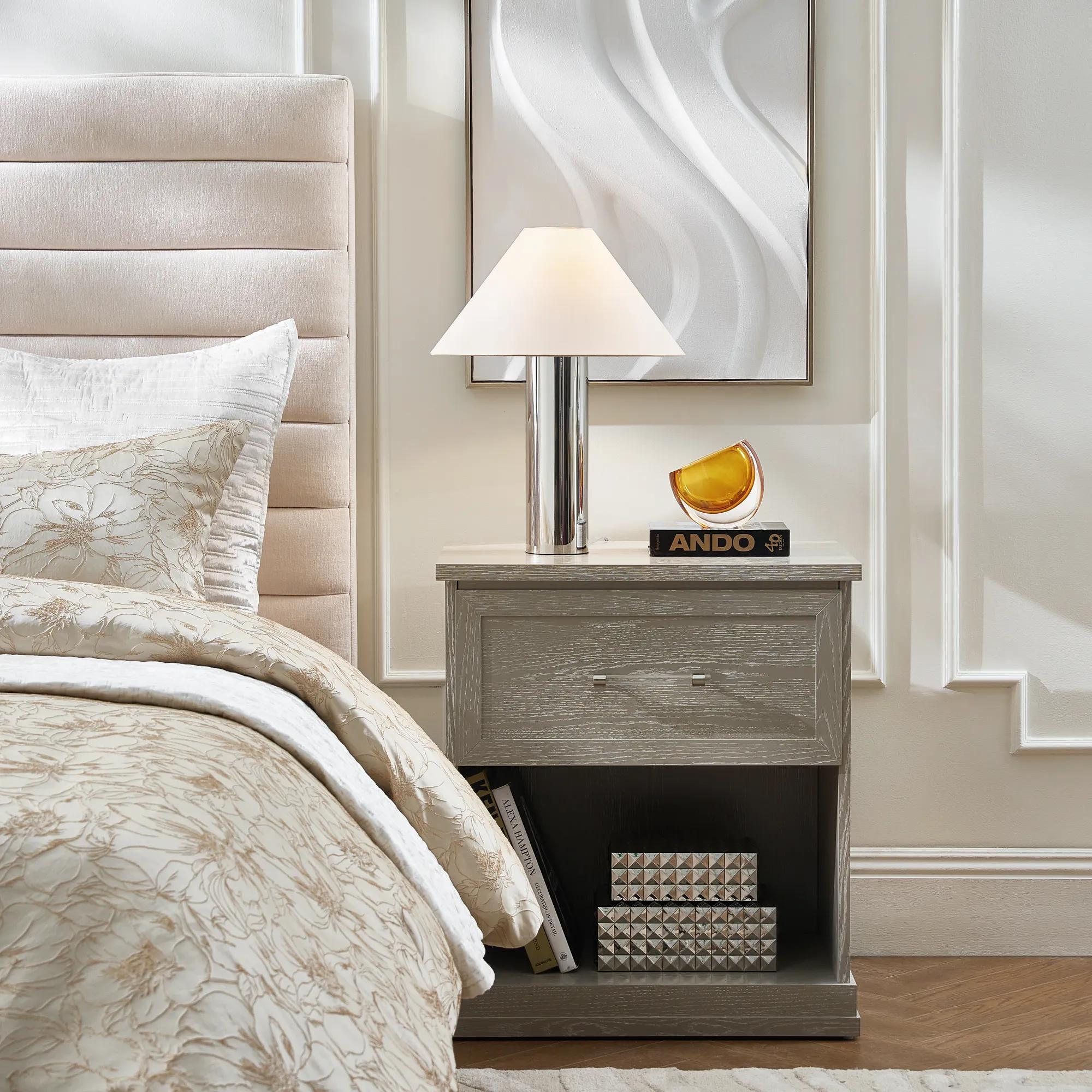 Arwin Grey Oak 1-Drawer Nightstand (26")$699
A contemporary grey hardwood veneer nightstand featuring acrylic and brushed silver handles with soft-closing drawers.
Add To Cart -
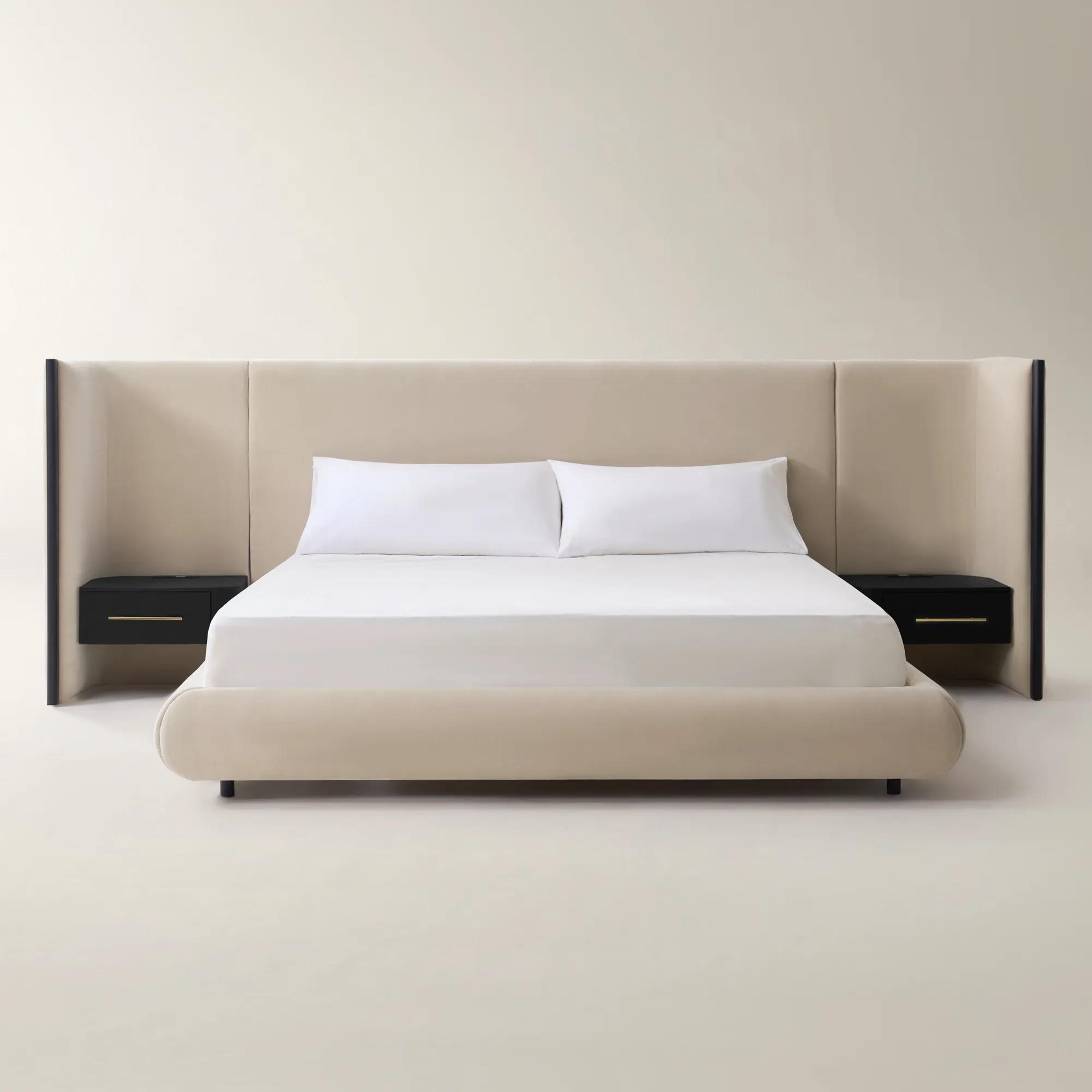 Sierra Oatmeal Velvet Upholstered King Bed With Nightstands$2899
An oatmeal velvet-upholstered platform bed with an extended headboard, floating nightstands, and built-in power access.
Add To Cart -
Sierra Simply Taupe Velvet Upholstered Queen Bed With Nightstands$2699
A taupe velvet platform bed featuring an extended headboard, black wood trim, and floating nightstands.
Add To Cart -
Sierra Dark Chocolate Velvet Upholstered Queen Bed With Nightstands$2699
A dark chocolate velvet platform bed featuring an extended headboard, black wood trim, and floating nightstands.
Add To Cart

Bedroom Nightstand Sets
Find bedroom nightstand sets that give both sides of your bed a cohesive, polished presence. As you compare coordinating bedside tables, consider their height alongside your mattress, their footprint, and the surface space you need for a lamp and nighttime essentials. Choose a look that complements your bed or introduces a deliberate design contrast.
Bedroom nightstand sets typically bring together two coordinated bedside tables, giving a bedroom balanced proportions, convenient storage, and a deliberate frame for the bed. A matched pair establishes visual rhythm without requiring every furnishing in the room to share the same finish. Against an upholstered headboard, mirrored surfaces introduce shimmer; beside a richly grained wood bed, a lacquered silhouette creates a striking contrast between natural texture and polished color. The effect can be quietly tailored or unapologetically glamorous, depending on the shape, scale, and detailing. Broad drawer fronts and recessed pulls create an uninterrupted surface, while sculptural legs, metallic hardware, and beveled edges add definition. A coordinated pair of bedroom nightstands also gives each sleeper a personal place for the objects that belong within reach: a reading lamp, a book, a glass of water, or a small tray for jewelry. In a primary bedroom, that balance can make a generous bed feel beautifully anchored. In a guest room, matching bedside tables give visitors equally comfortable access to lighting and storage, creating a welcoming sense of consideration. Smaller rooms benefit from slender profiles and raised bases that leave more floor visible, while expansive bedrooms can accommodate wider chests with substantial drawers and a more commanding presence. Matching does not have to mean identical styling on top. One side might hold a tall ceramic lamp and a single framed photograph; the other can carry the same lamp beside a low decorative bowl. Repeating one or two elements maintains cohesion while leaving room for individual habits. The most convincing bedroom compositions connect finishes through undertone rather than forcing an exact match: warm metallic details can echo nearby lighting, and a pale bedside finish can draw out the lighter threads in a patterned rug. Nightstand sets make that arrangement feel intentional, giving the bed a composed backdrop while allowing expressive textiles, artwork, and accent pieces to carry the room’s personality.
Fit determines how comfortably that composition works every day. A useful reference for nightstand height is the top of the mattress, with a surface near that level generally easier to reach than one noticeably higher or lower. The full bed height matters, including the frame, foundation, and mattress; a low platform bed and a tall upholstered bed can require very different bedside proportions. Width deserves equal attention. Each table needs enough presence to balance the bed, but not so much that it crowds a doorway, blocks a closet, or narrows the path along the mattress. Drawer extension and cabinet-door swing require clearance beyond the furniture’s footprint, especially where a bench, dresser, or adjacent wall limits movement. Depth affects both circulation and usable surface area: a substantial lamp base can quickly occupy a shallow top, leaving little space for a book or water glass. For two people with different routines, a matching exterior can conceal distinctly personal arrangements. One sleeper may use drawers for reading glasses, hand cream, and charging cables, while the other keeps a journal and a stack of paperbacks close by. Closed storage preserves a polished view by keeping those small necessities out of sight. Open shelving makes frequently used books accessible and allows a carefully chosen object to become part of the display, although exposed shelves need more frequent dusting. A combination of drawers and shelving offers both discretion and display space. Some nightstand designs incorporate charging ports or power outlets; when those features are included, connection type, cord routing, and access to a wall outlet deserve attention. Electrical features should be used according to the manufacturer’s instructions, with cords kept clear of moving drawers and walking paths. A lamp, reading light, or wall-mounted sconce should also suit the tabletop’s dimensions. Wall-mounted lighting can free a compact surface, while a larger nightstand can support a dramatic lamp without sacrificing everyday usefulness. Set descriptions matter, too: a nightstand pair is different from a broader bedroom furniture set, so the stated piece count and dimensions should guide expectations.
Materials and construction shape both the atmosphere of a bedroom nightstand set and its ability to withstand daily use. Solid wood offers natural variation in grain and may develop a distinctive patina, while wood veneer brings the character of a wood surface over a supporting core. Engineered wood construction varies by product, making the quality of the surface finish, edges, joints, and drawer assembly important considerations rather than judging durability by material name alone. Lacquered finishes create a sleek field of color that feels especially dramatic beside plush upholstery. Mirrored panels reflect nearby light and furnishings, lending visual depth, though fingerprints and smudges may be more noticeable on reflective surfaces. Metal bases can introduce a crisp outline beneath a substantial cabinet, and stone or glass tops offer a different tactile character from painted or wood surfaces. Each material has its own care requirements. A soft cloth and the manufacturer’s recommended cleaning method are the safest starting point; abrasive pads, harsh solvents, and oversaturated cloths can damage many decorative finishes. Coasters and protective trays help separate drinking glasses, perfume bottles, and personal-care products from the tabletop, while prompt attention to spills reduces the chance of staining or moisture damage. Stone may need specialized care depending on its composition and finish, and glass or mirrored details should be cleaned without allowing excess liquid to collect along edges or seams. Daily durability also depends on how the furniture is used: drawers should remain within stated weight limits, hardware should be checked periodically, and furniture should be lifted rather than dragged when repositioned. Any supplied anchoring hardware should be installed as directed, particularly in homes with children. Beyond maintenance, the lasting appeal of bedside furniture comes from a thoughtful relationship between beauty and habit. A richly finished pair with comfortable drawer access, room for essential lighting, and proportions suited to the bed can remain a defining element as bedding and artwork change. That combination gives bedroom nightstand sets their enduring role: practical companions to daily rituals, expressed through surfaces, silhouettes, and details worthy of the room around them.
FAQs
A bedroom nightstand set typically includes two coordinated bedside tables that create a cohesive frame for the bed. Their shared design brings rhythm to the room, giving you a polished foundation for expressive lighting, artful accents, and personal details.
Your nightstands can complement the bed and dresser without matching them exactly. Connect the pieces through a recurring color, finish, or design detail, then introduce contrast for depth. A shared metallic accent or sculptural silhouette can make an eclectic bedroom feel beautifully composed.
Look for design details that bring drama to the bedside, such as reflective finishes, expressive hardware, or sculptural lines. Pair a statement-making nightstand set with sumptuous bedding and layered lighting to create a bedroom that feels richly considered rather than overly coordinated.
Compose each surface with a deliberate mix of lighting, personal objects, and decorative accents. A lamp, a favorite book, and an artful vessel can create an intimate bedside vignette. Leave some surface visible so distinctive details have room to command attention.
Absolutely. Let the matching nightstands establish continuity while their accents express individual character. Style one with a sculptural object and the other with a framed photograph, then repeat a color or finish across both sides. The result feels collected, personal, and confidently layered.