Bedroom Neutral Area Rugs
Bedroom Neutral Area Rugs
-
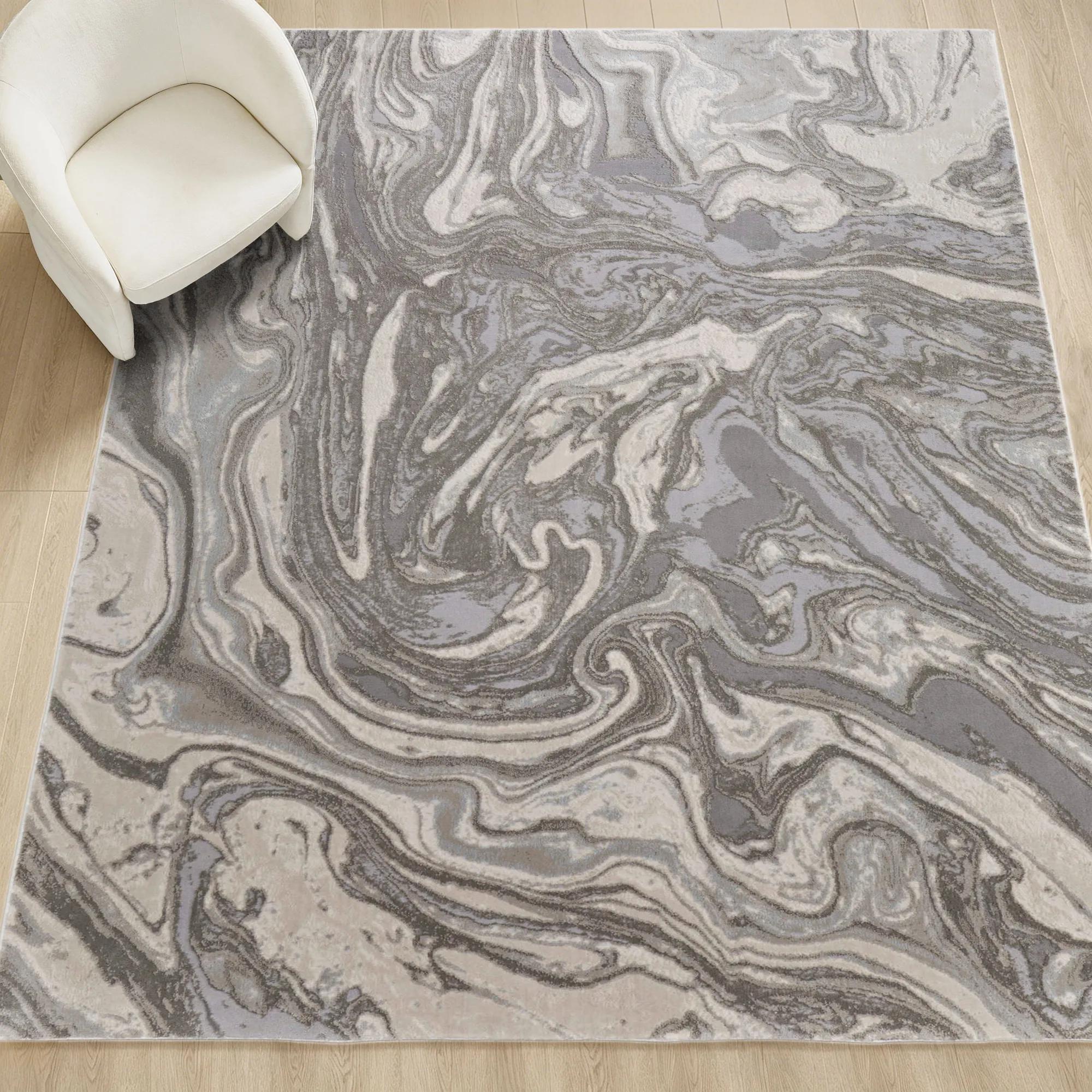
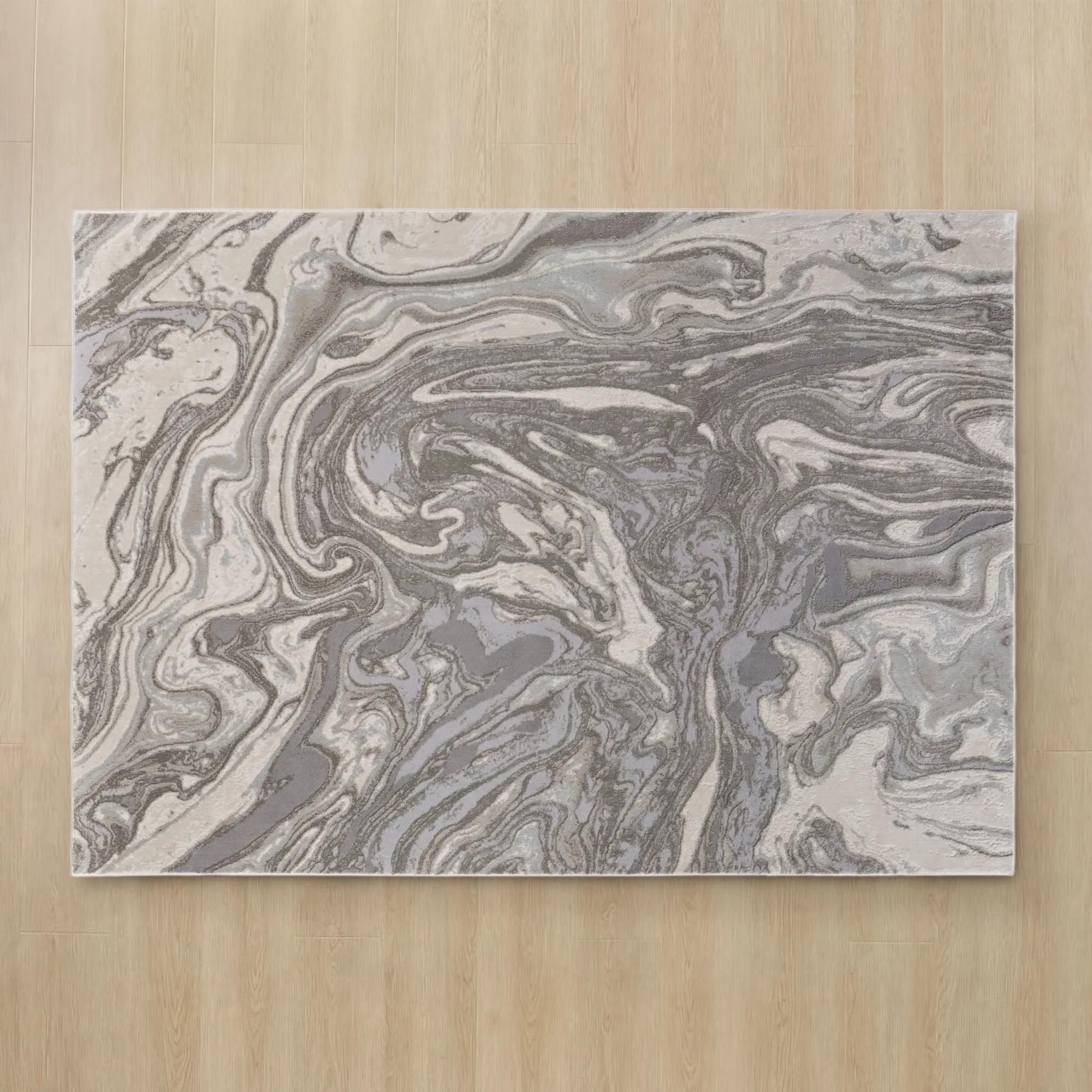 Marbre Marbled Grey/Taupe/Powder Blue Performance Power Loomed Rug$1499
A softly marbled rug in grey, taupe, and powder blue with a textured, stain-resistant performance blend.
Add To Cart -
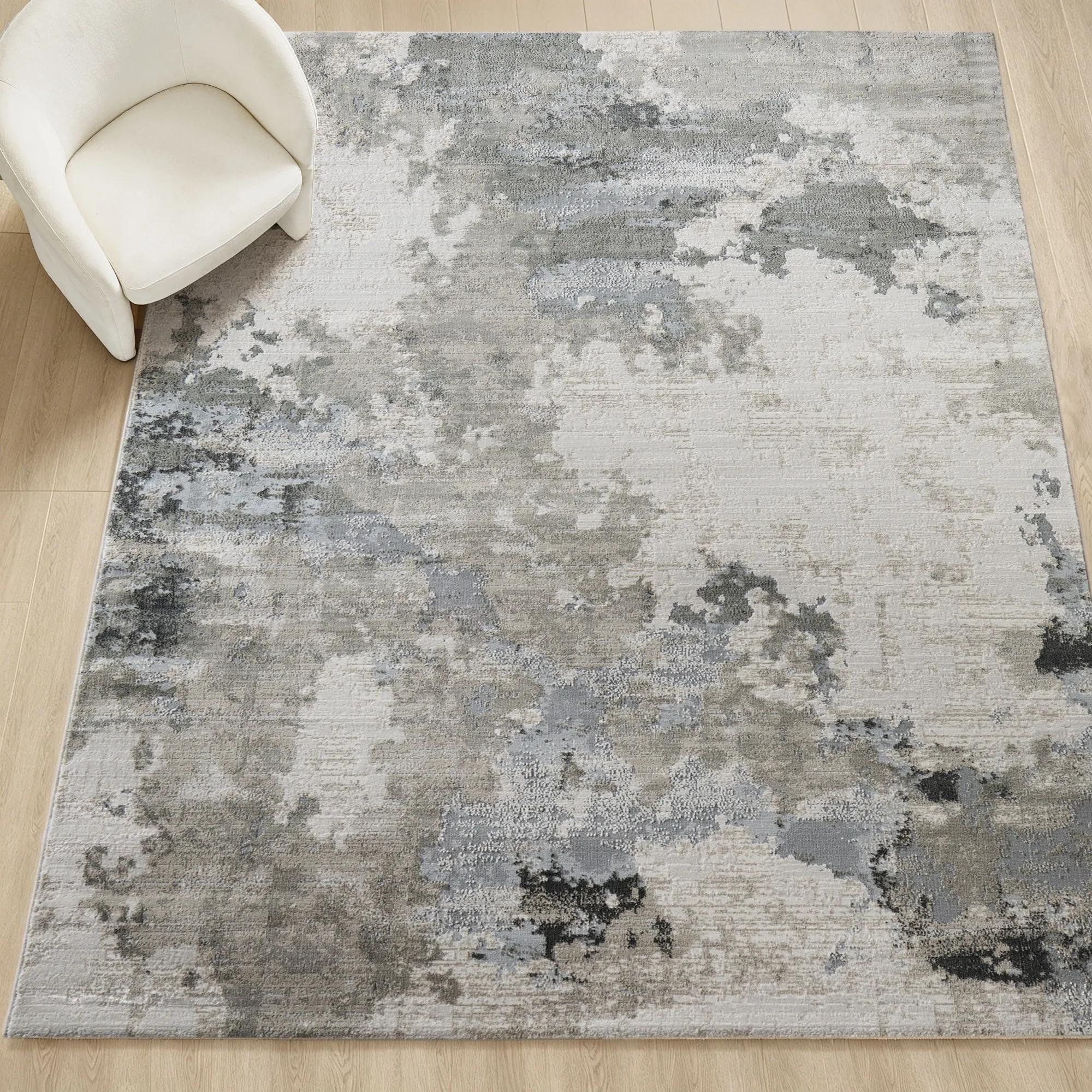 Alarion Abstract Grey/Muted Blue/Ivory Performance Power Loomed Rug$379
A power-loomed rug featuring a grey, muted blue, and ivory abstract pattern with stain-resistant durability.
Add To Cart -
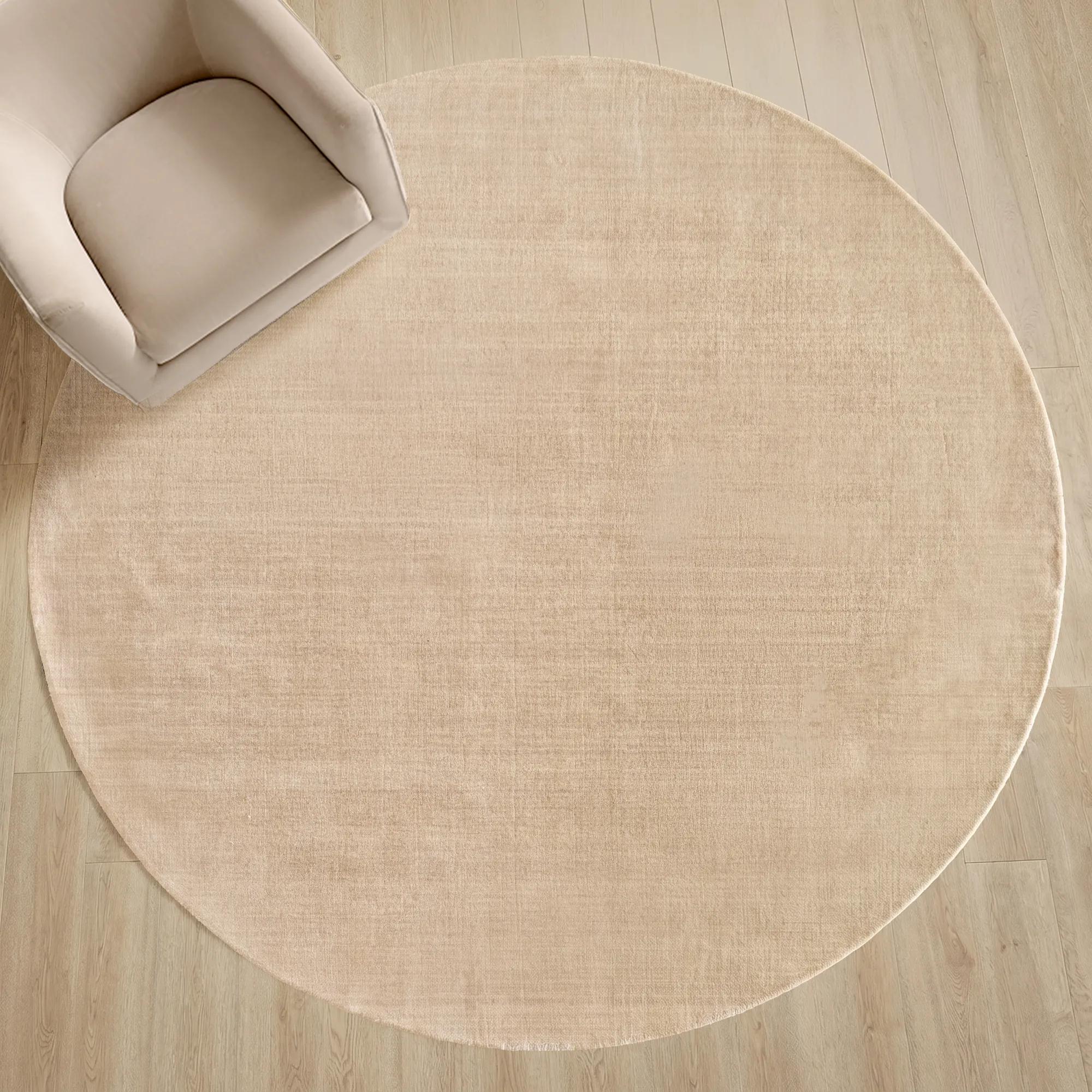 Juni Hand Woven Heathered Warm Beige Round Rug$1399
A handwoven round wool rug in heathered warm beige, offering refined texture and everyday durability.
Add To Cart -
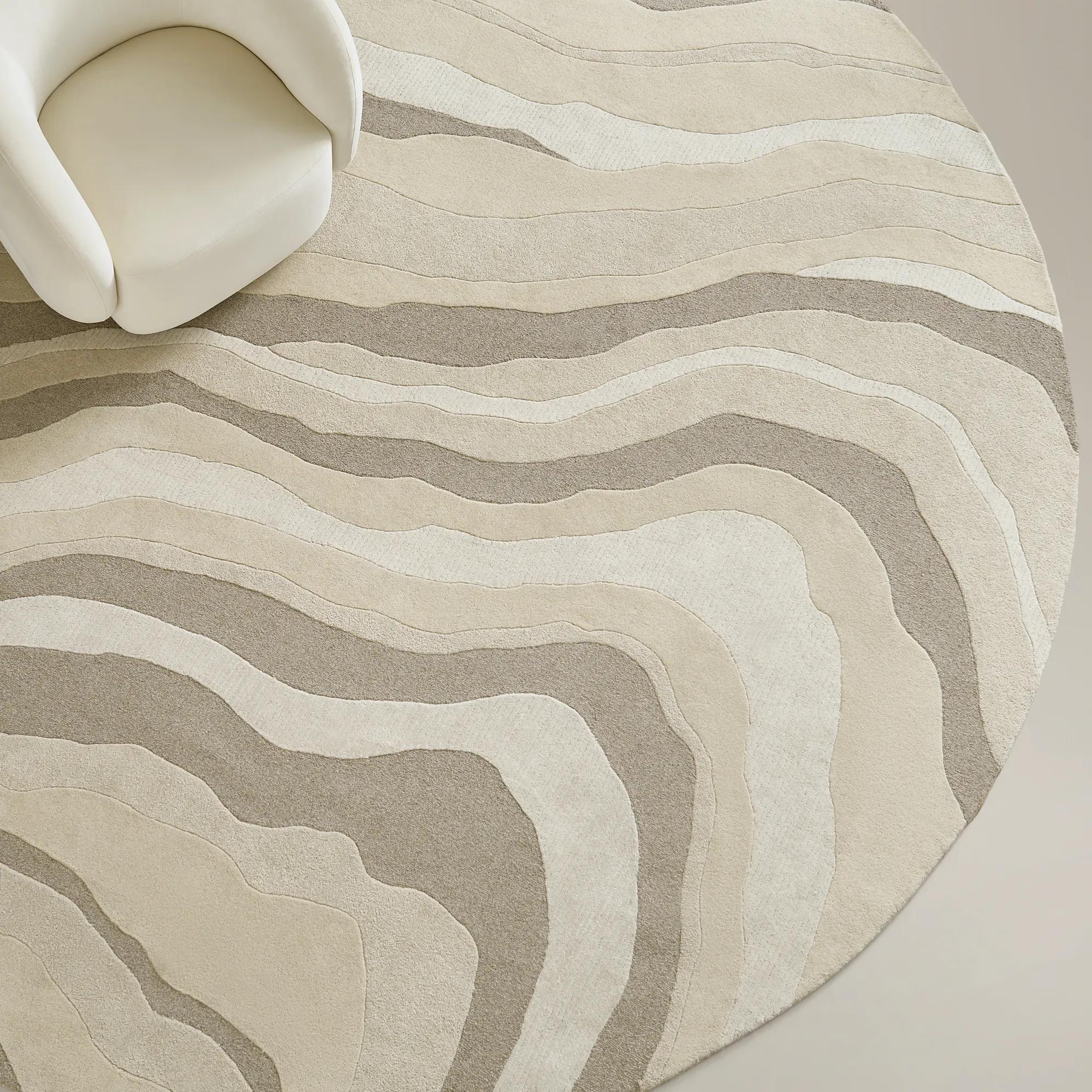 Kadence Hand-Tufted White/Ivory/Tan Wool Round Rug 12"$1799
A hand-tufted round rug in white, ivory, and tan, crafted from 100% wool for natural warmth.
Add To Cart -
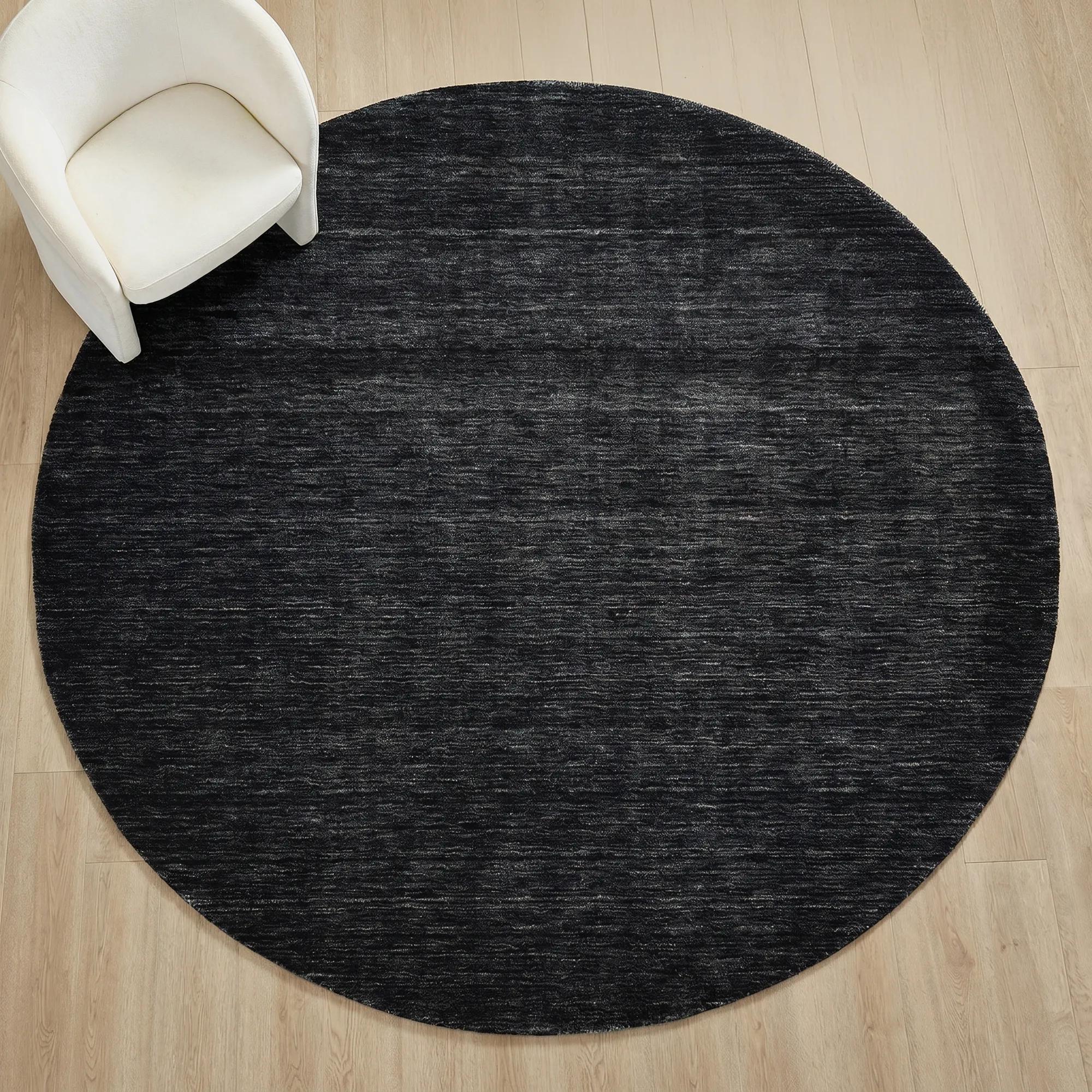 Juni Hand Woven Heathered Black Rug$799
A handwoven round wool rug in heathered black, offering durable texture and moody, contemporary style.
Add To Cart -
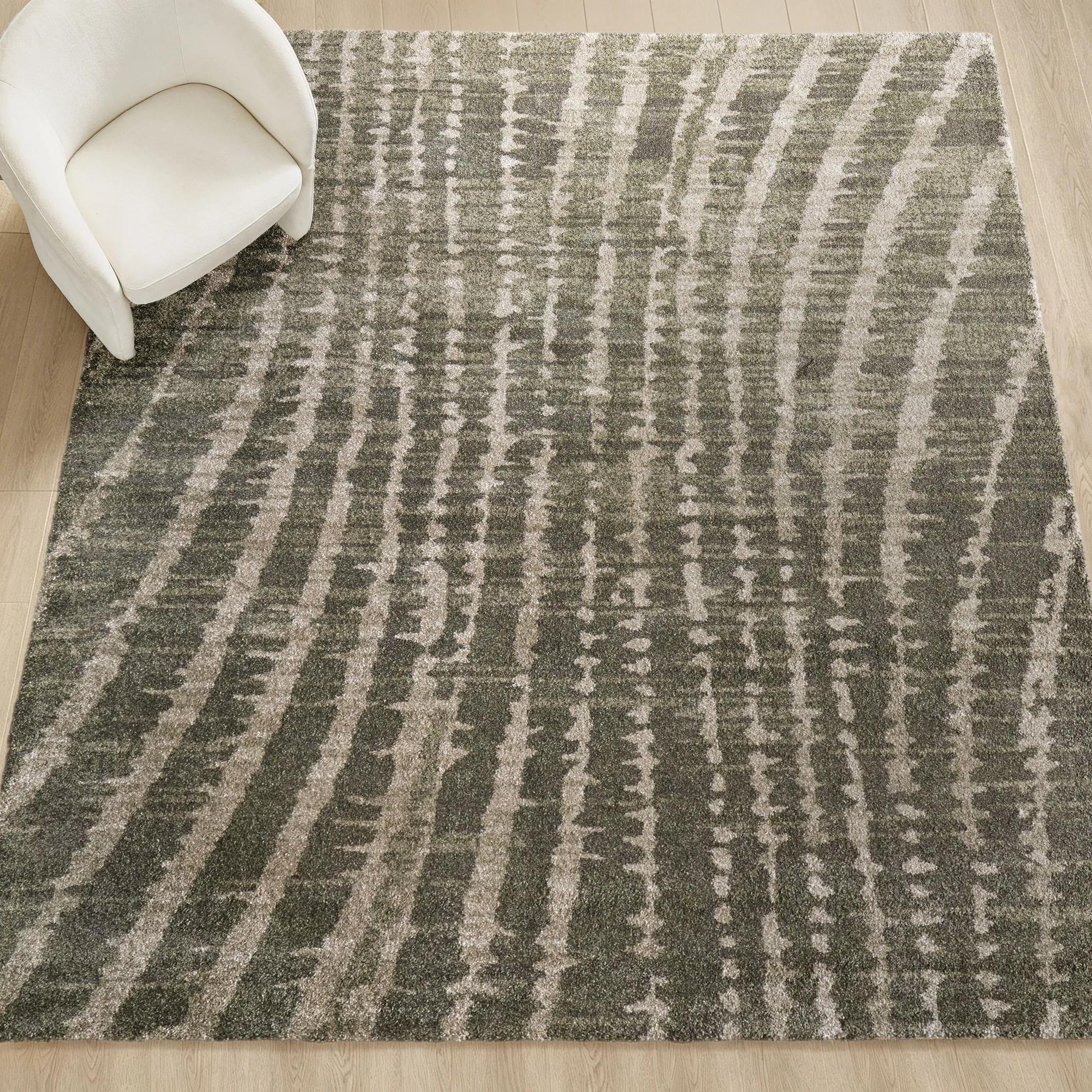
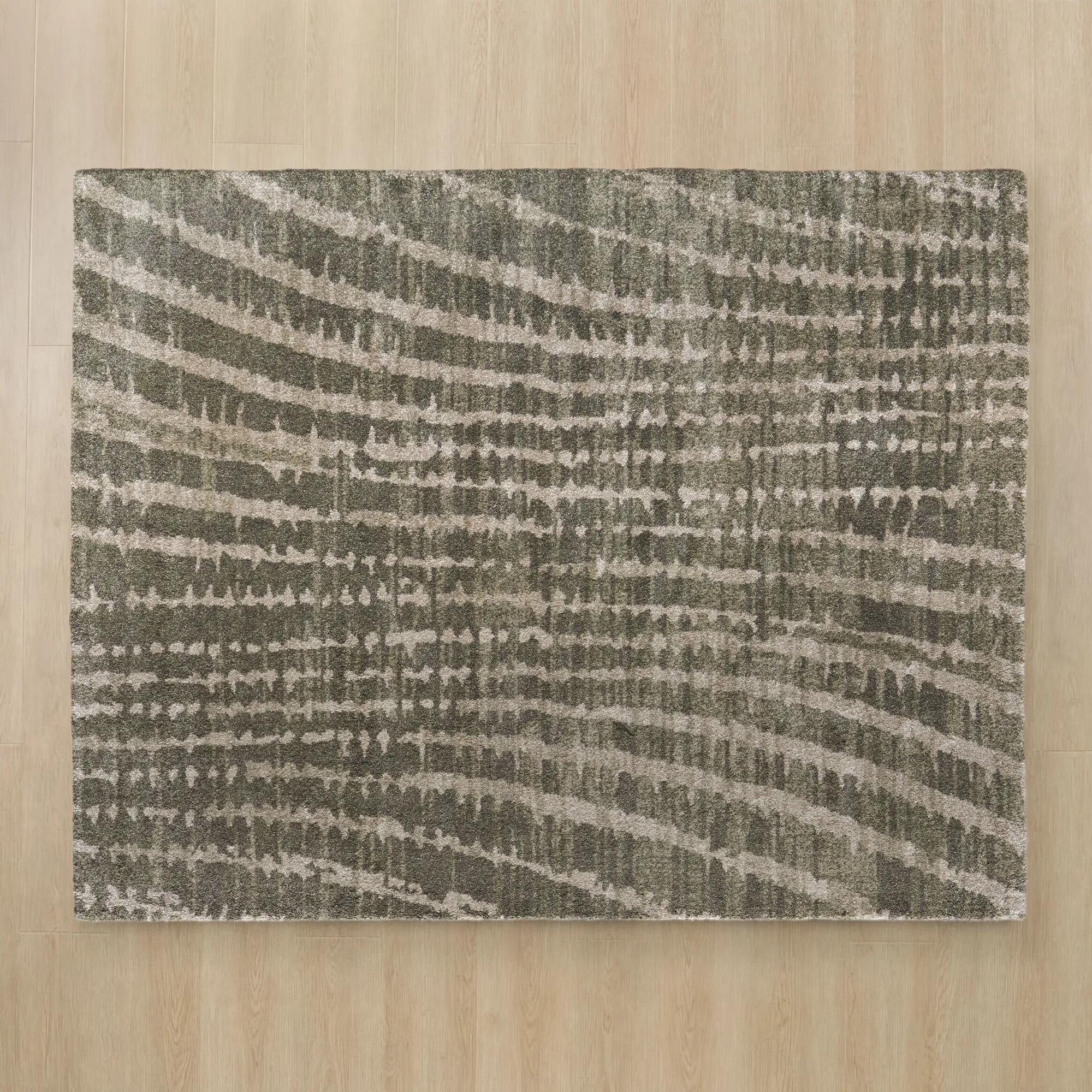 Tempo Green/Grey/Beige Performance Power Loomed Rug$1649
An abstract charcoal grey and beige rug with plush cut pile and durable, stain-resistant polypropylene-polyester construction.
Add To Cart -
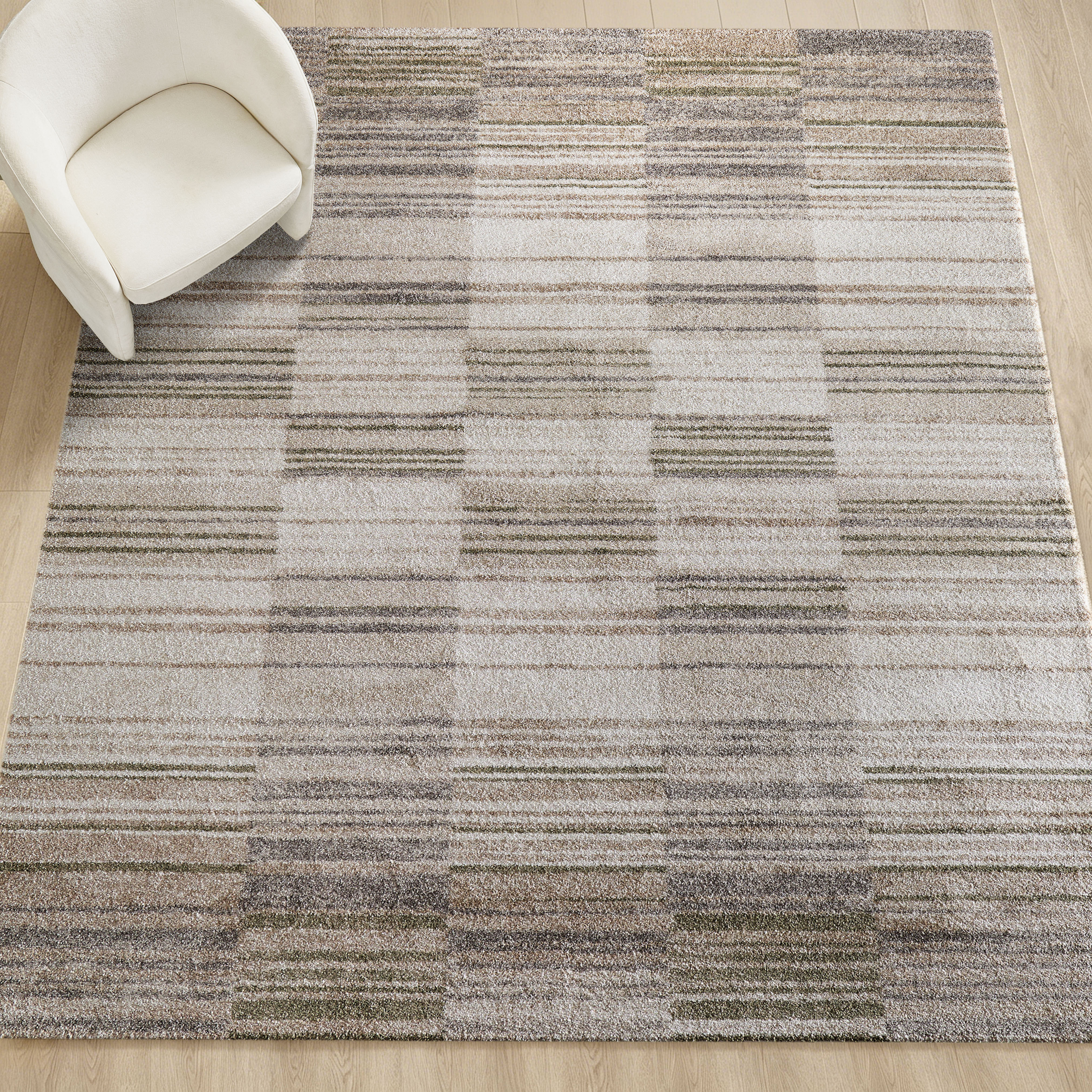
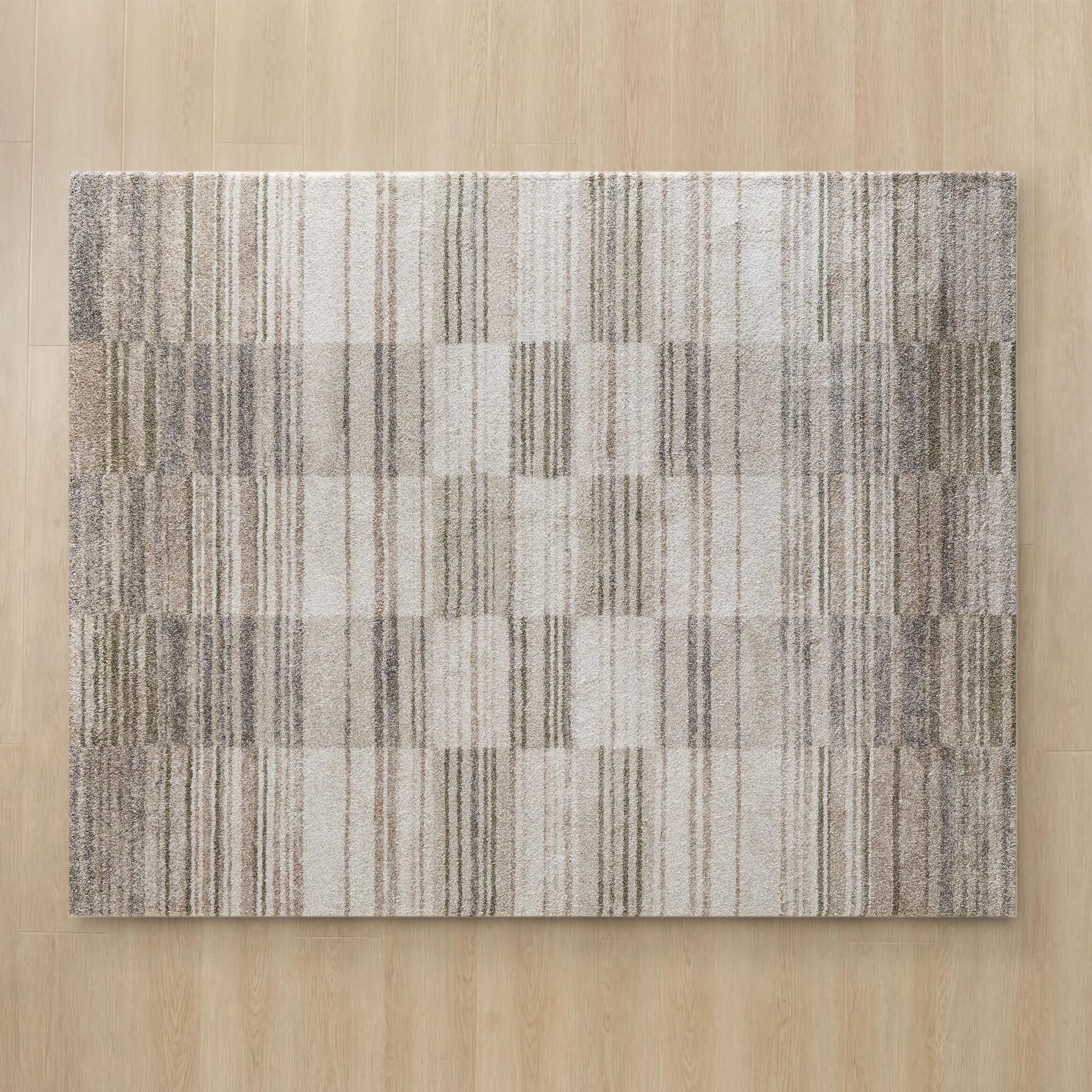 Checka Grey/Tan/Ivory/Soft Green Performance Power Loomed Rug$849
A plush, power-loomed rug featuring a soft check pattern in grey, tan, ivory, and green.
Add To Cart -
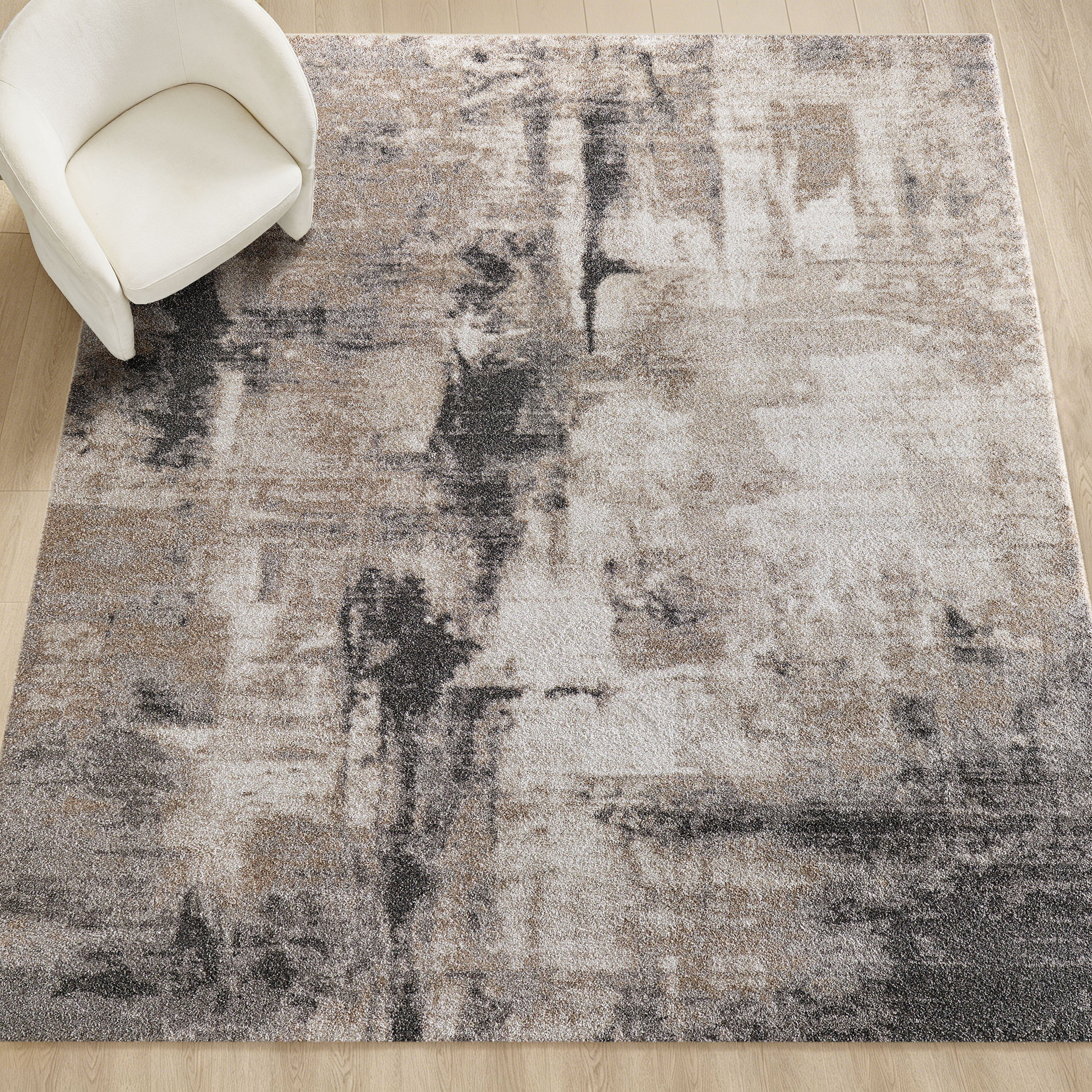
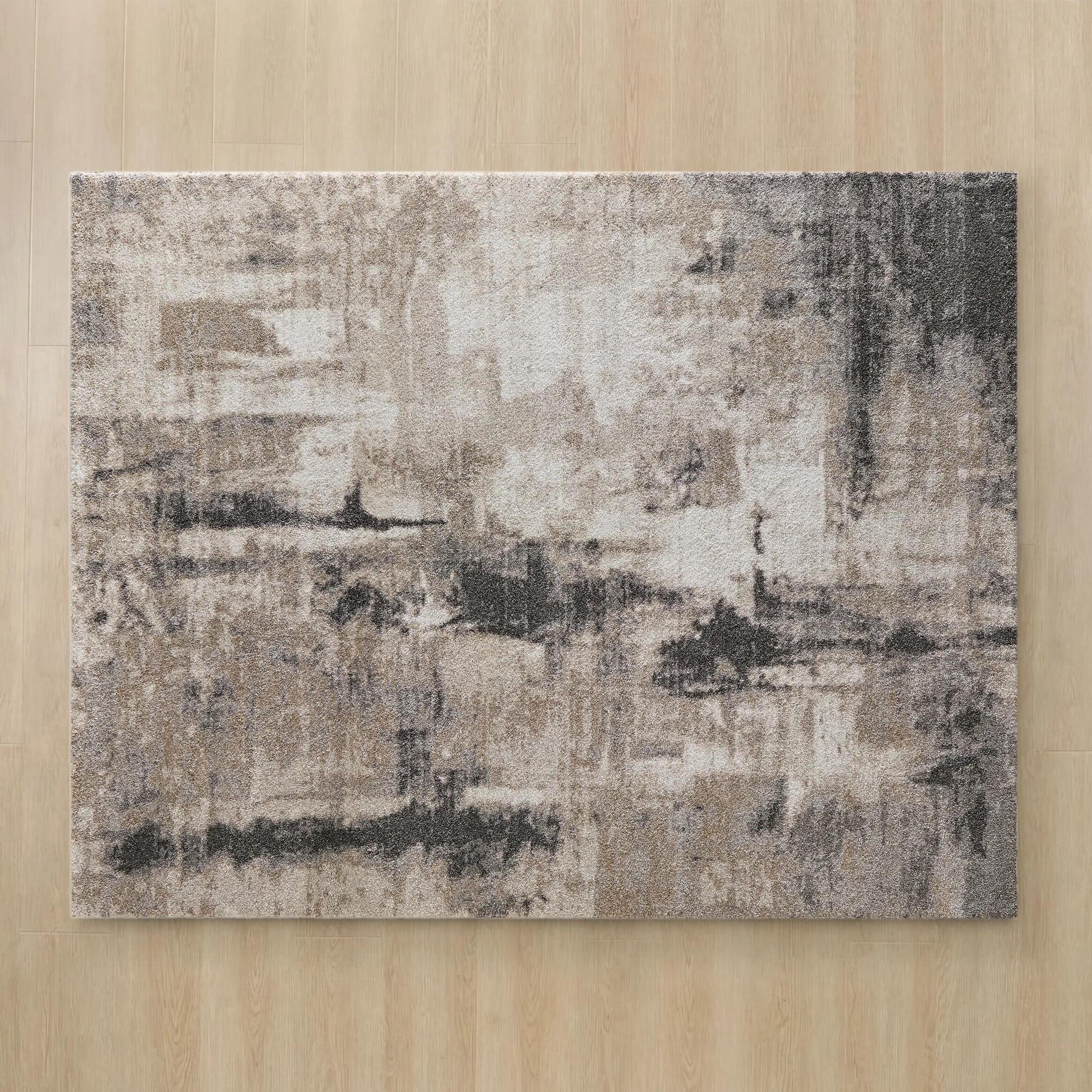 Atlas Abstract Grey/Taupe/Ivory/Charcoal Performance Power Loomed Rug$399
An abstract rug in grey, taupe, ivory, and charcoal with a plush, stain-resistant polypropylene blend.
Add To Cart -
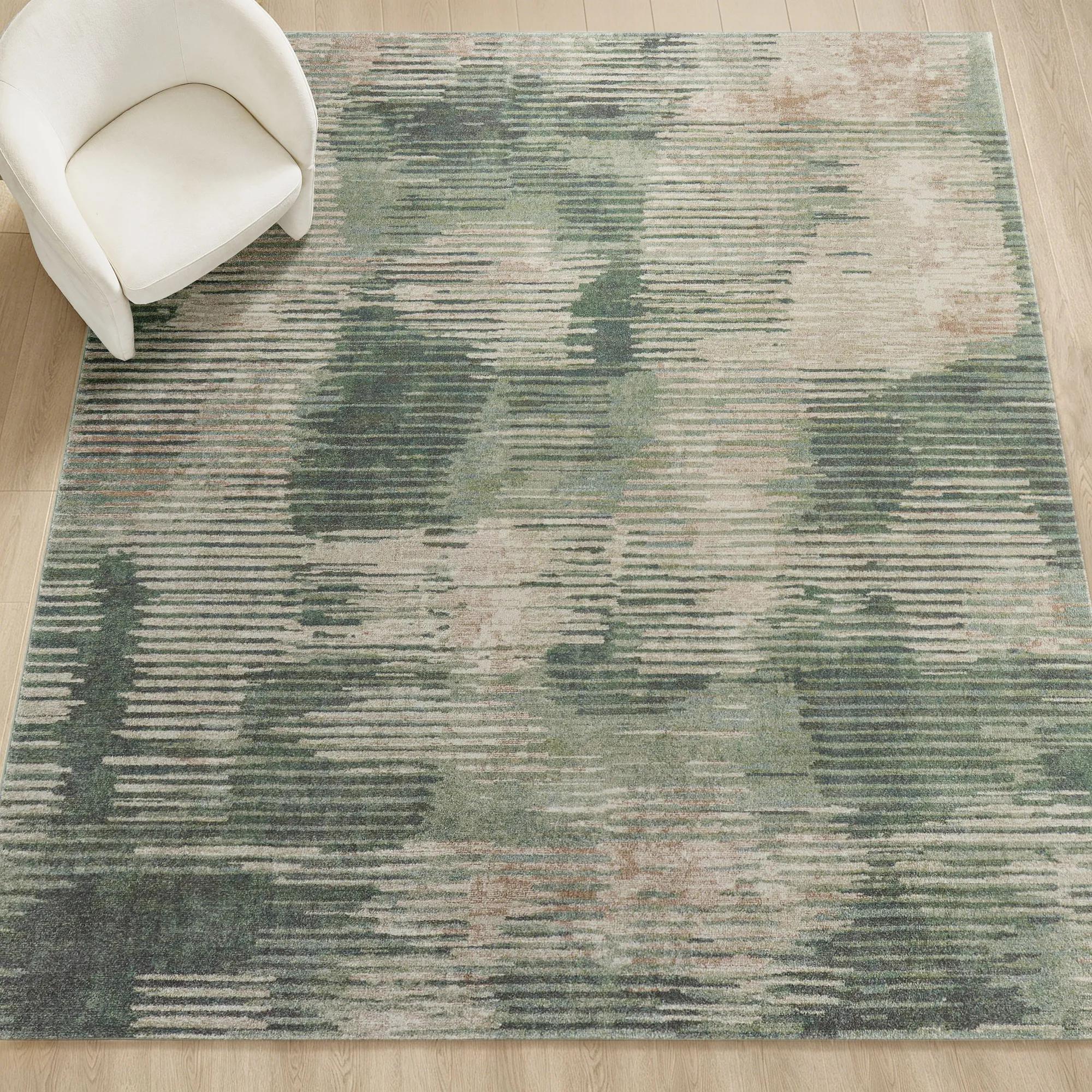
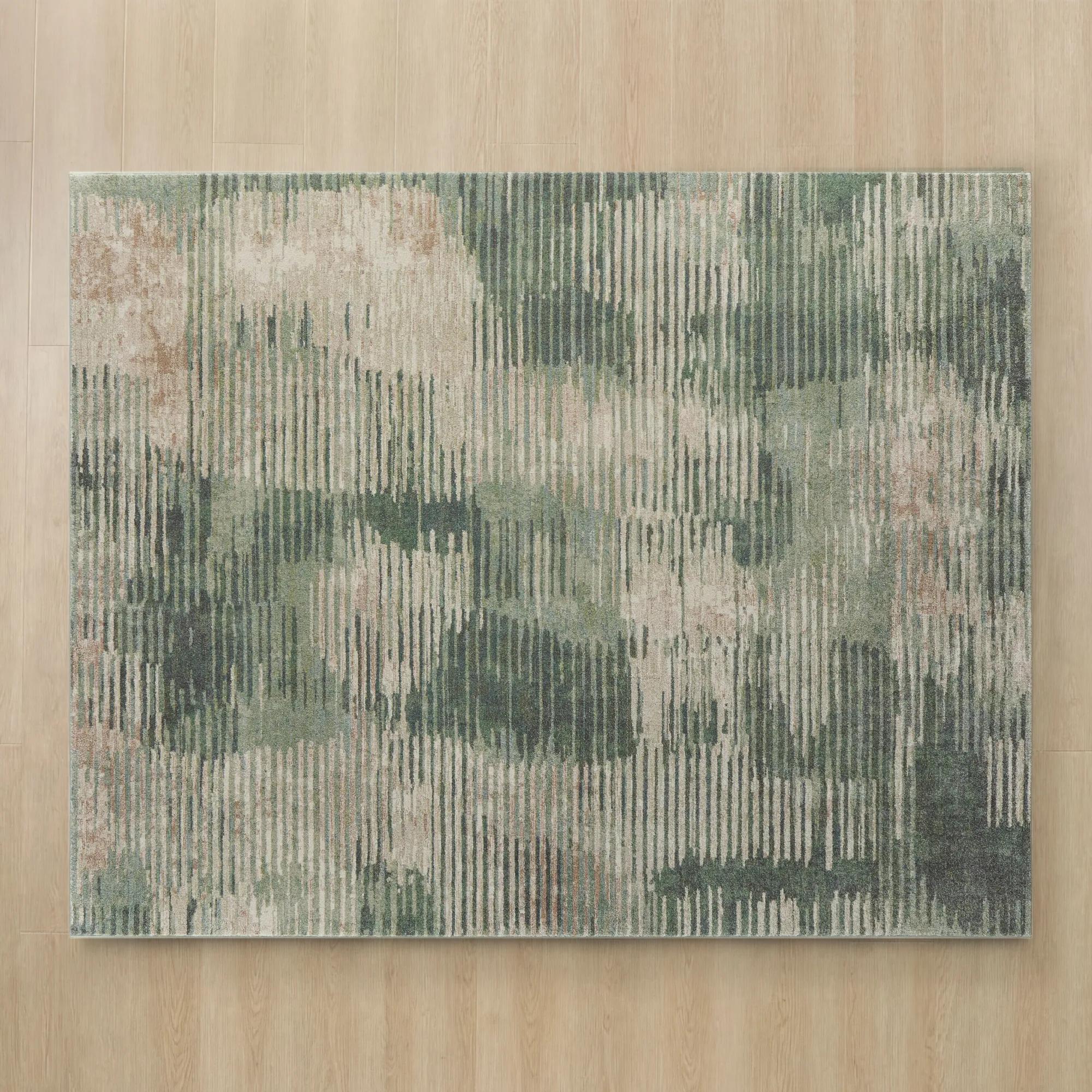 Sylvan Green/Beige Power Loomed Rug$689
A contemporary rug featuring a smoked olive green and beige organic pattern with a soft, power-loomed polypropylene pile.
Add To Cart -
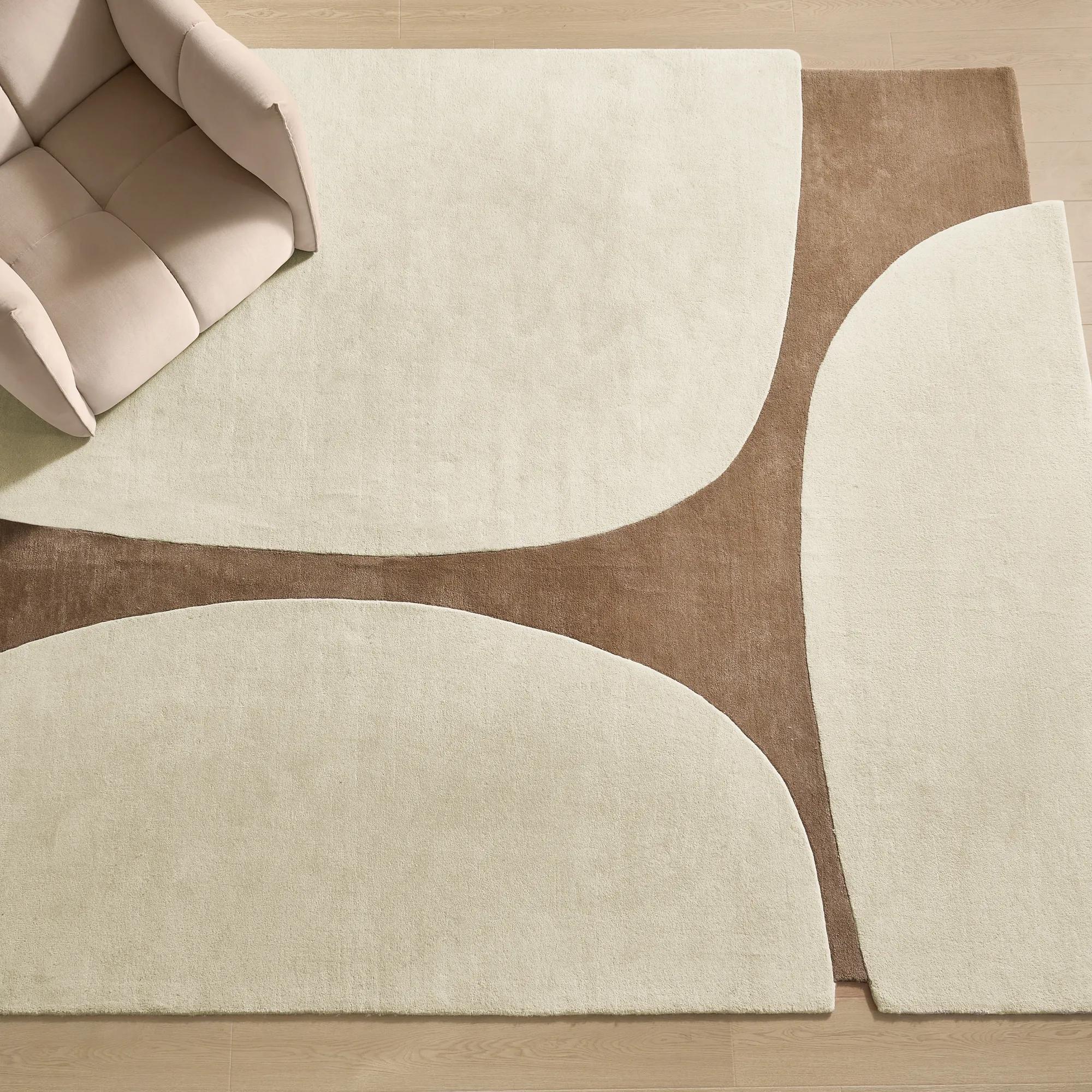
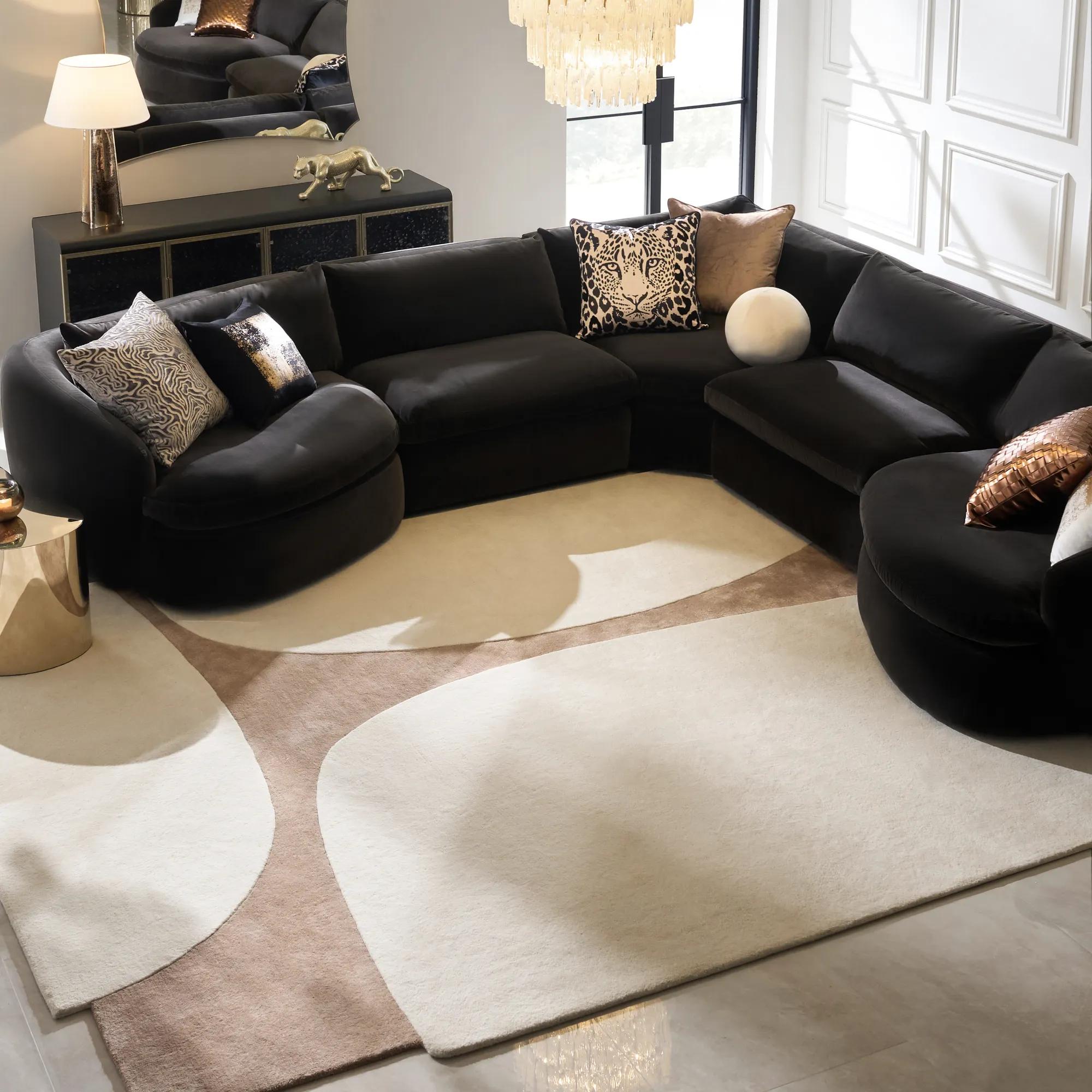 Contour Hand-Tufted Ivory/Ginger Root Wool Blend Rug$1499
A hand-tufted wool rug featuring an ivory and ginger root palette with a contoured, modern design.
Add To Cart -
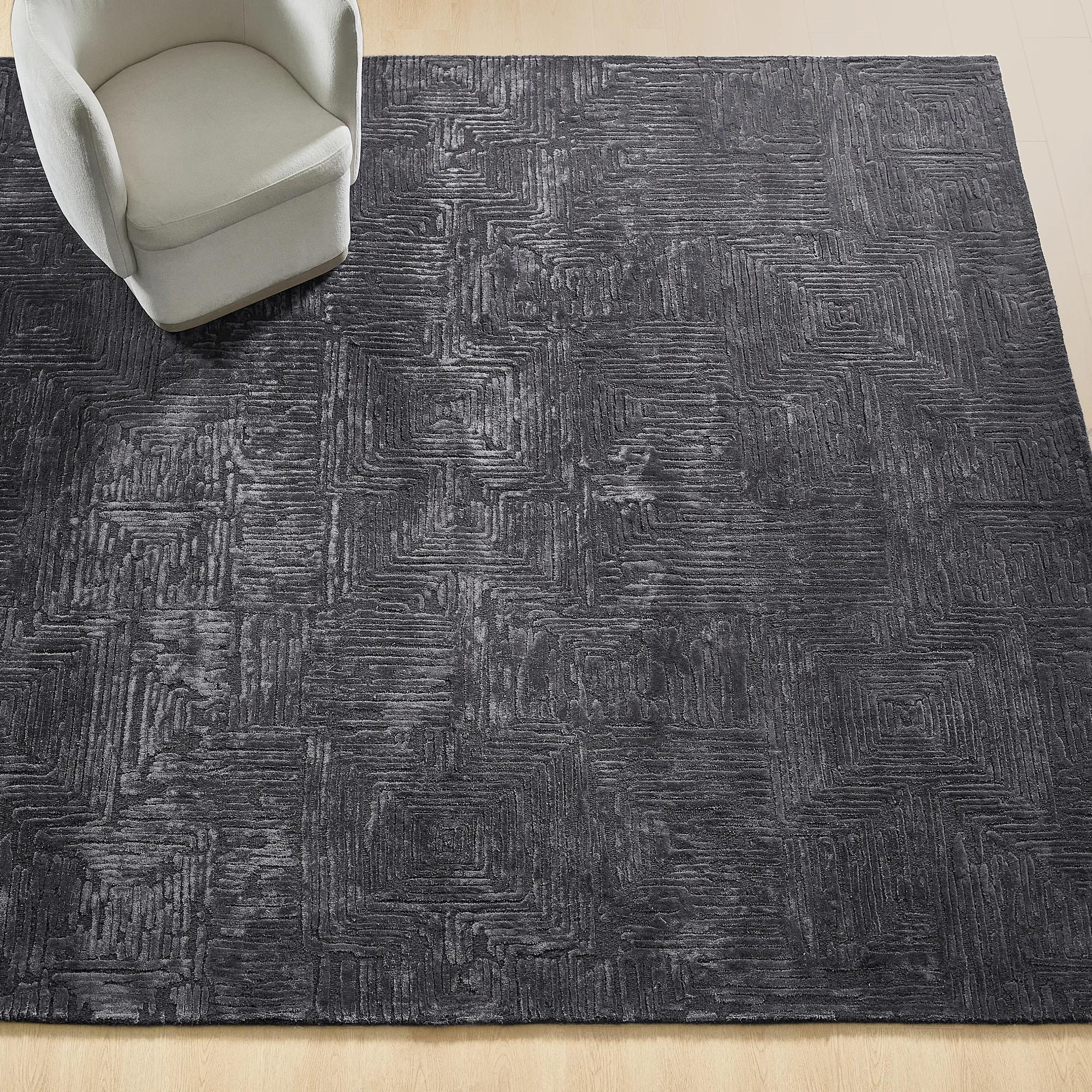
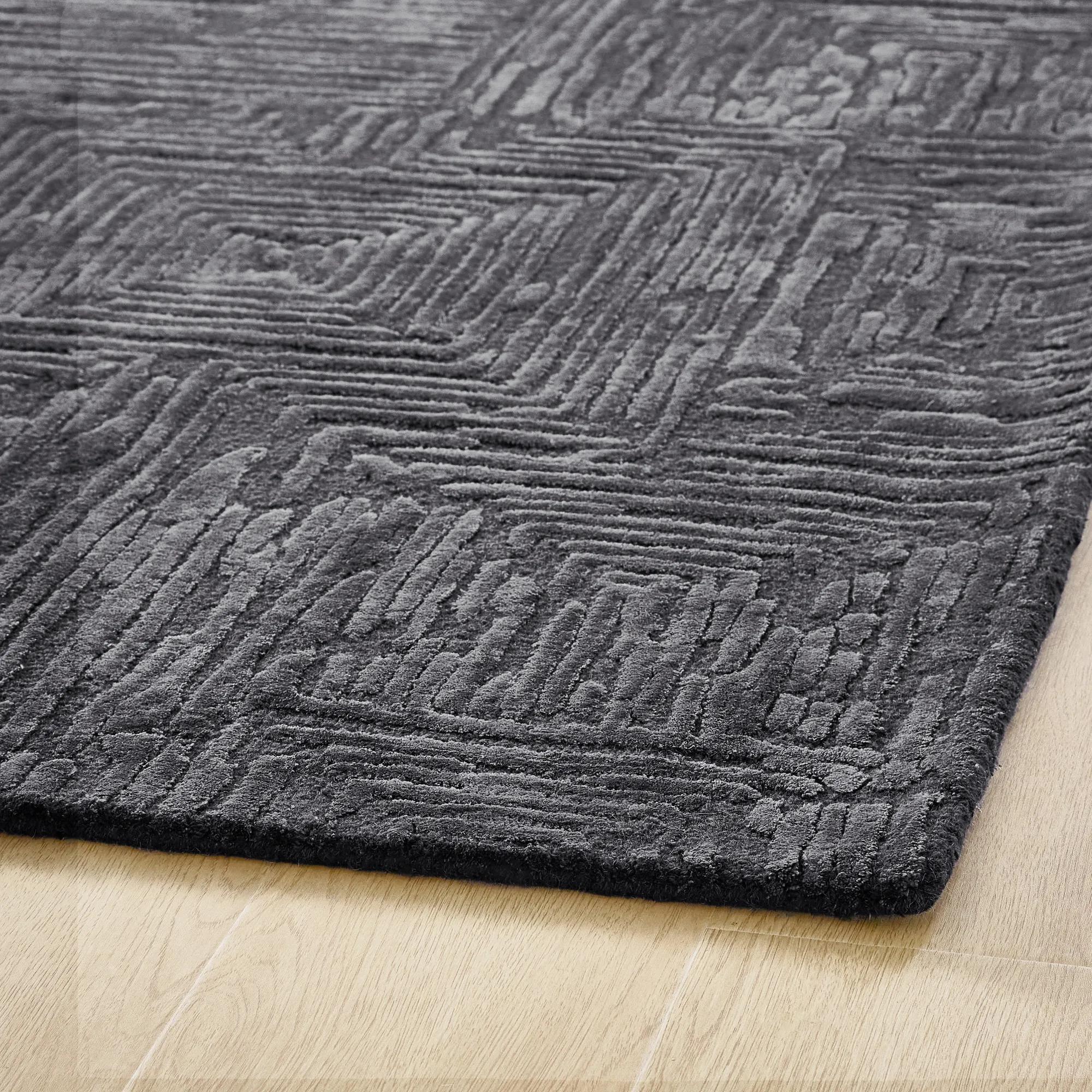 Andra Charcoal Hand-Tufted Wool Blend Dimensional Rug$999
A hand-tufted viscose-wool rug in rich charcoal with a sculptural, dimensional pattern and plush texture.
Add To Cart -
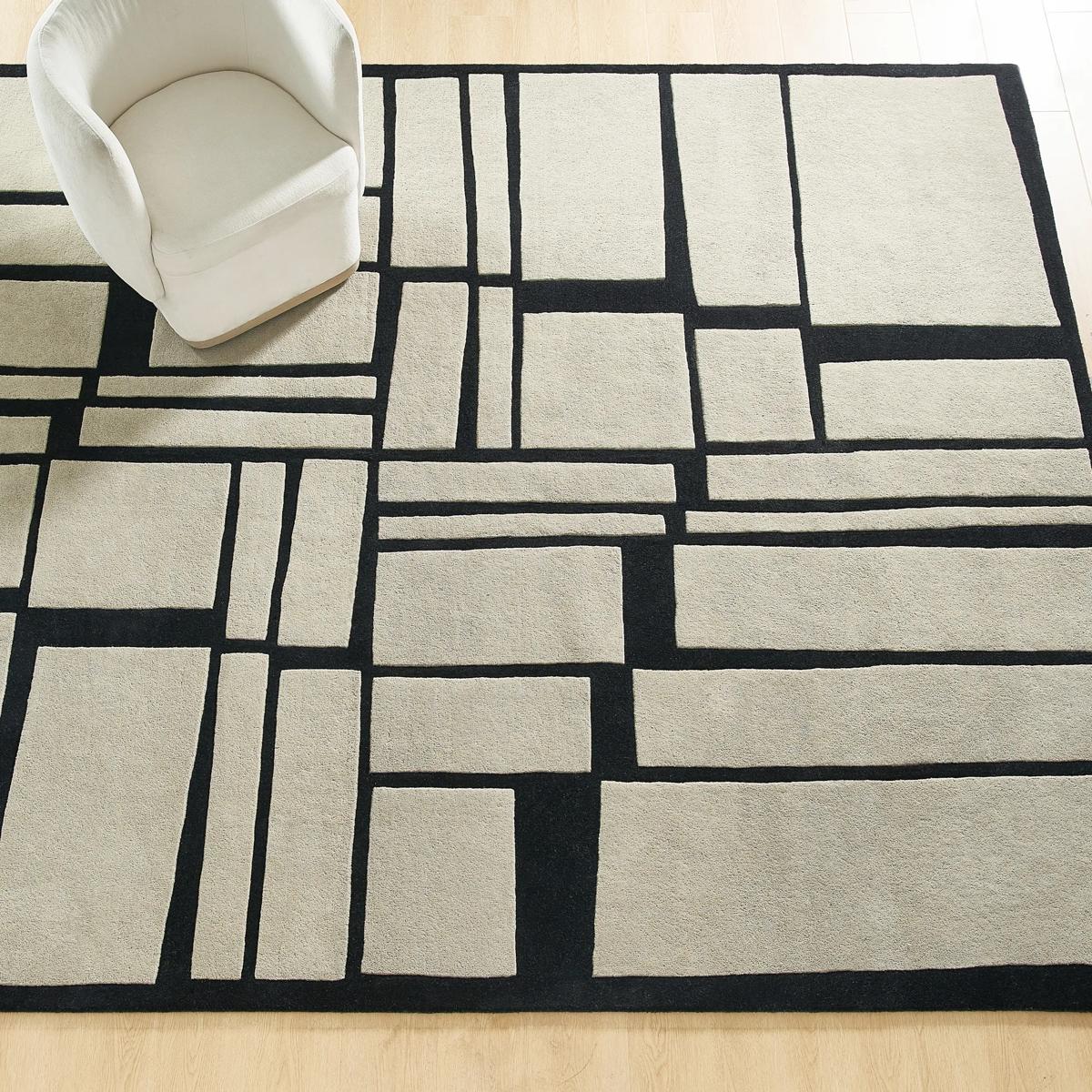 Novak Hand-Tufted Natural/Black Wool Rug$449
A hand-tufted wool rug featuring a bold black and natural grid design for modern visual impact.
Add To Cart -
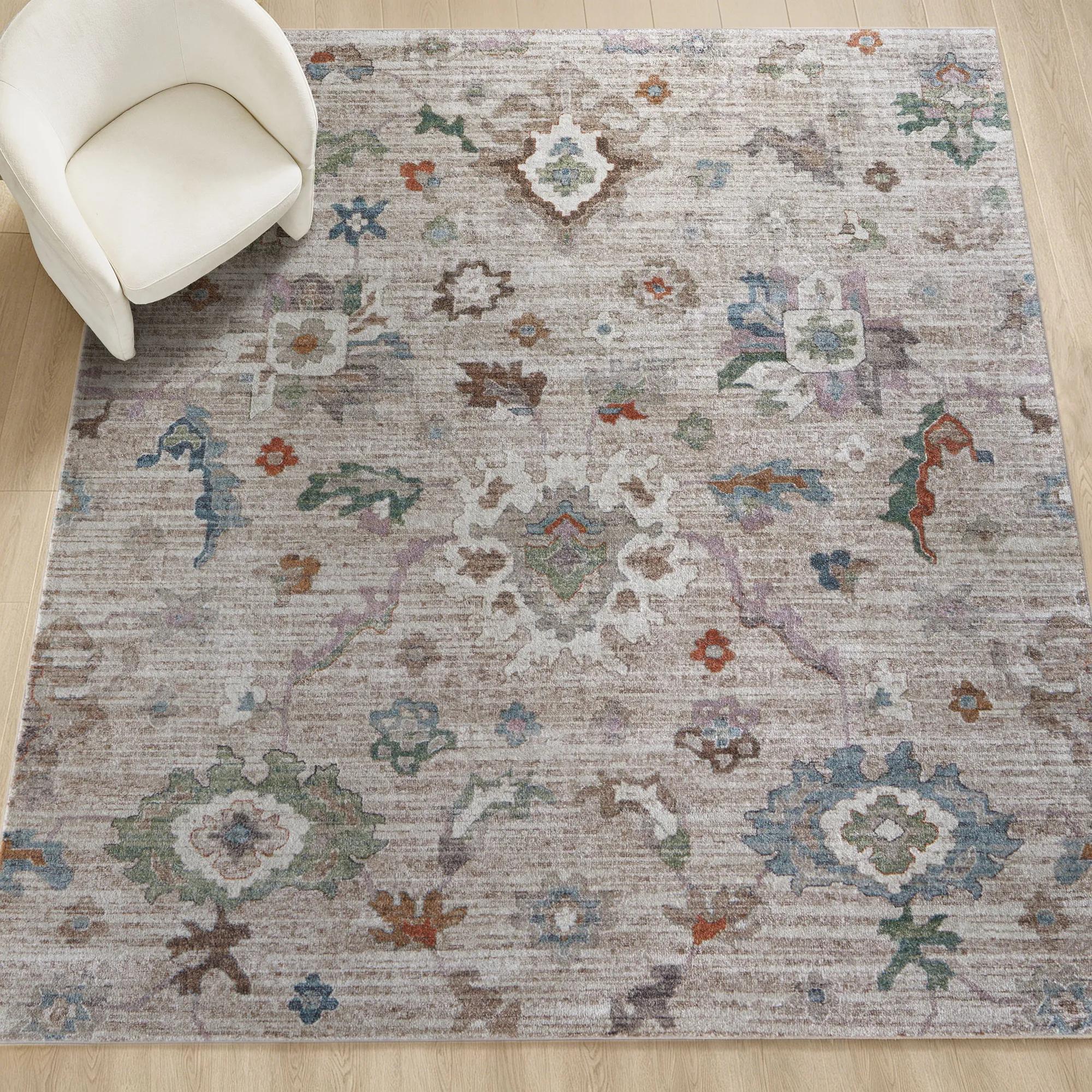
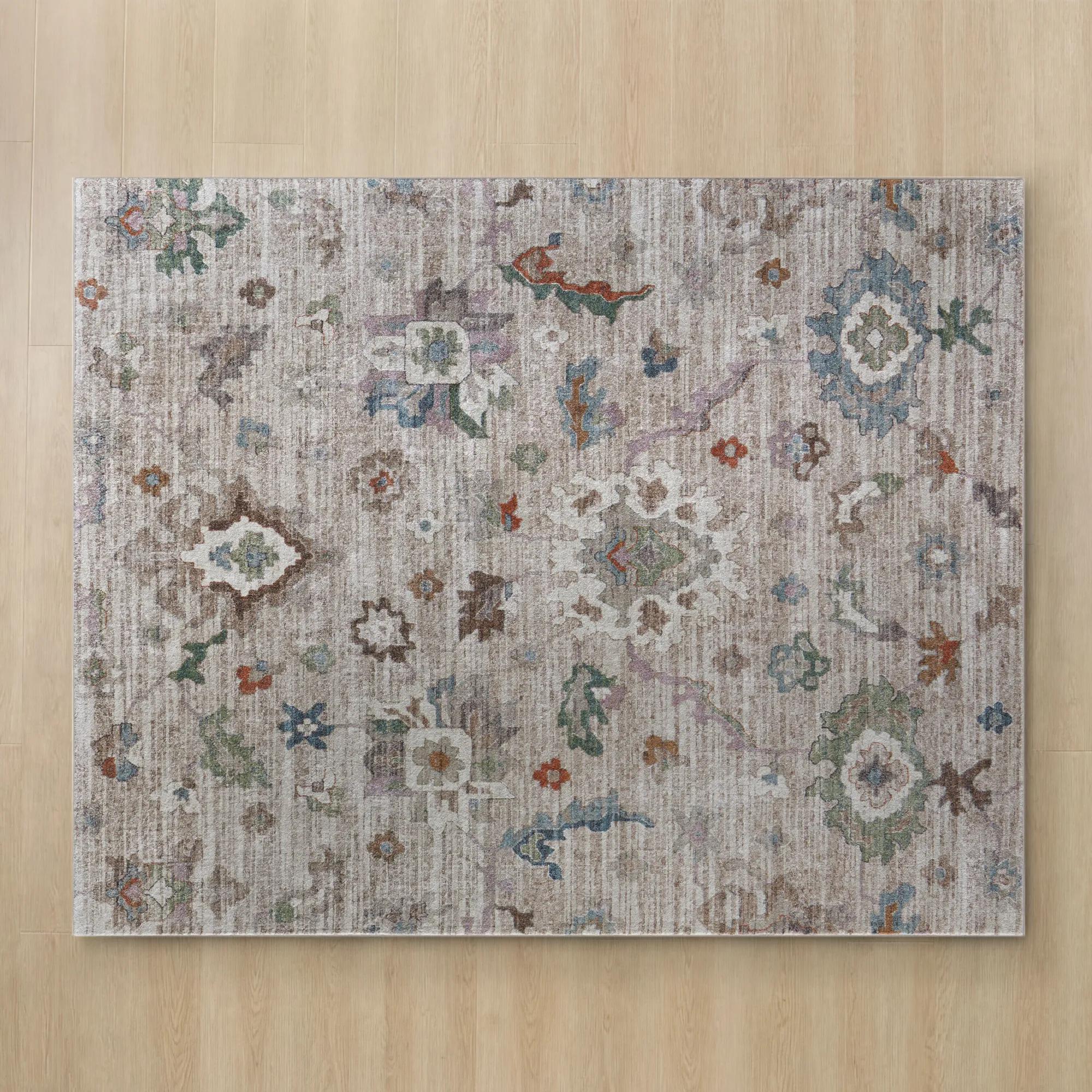 Ariella Floral Taupe/Ivory/Beige/Blue/Green Performance Power Loomed Rug$1399
A Persian-inspired rug in taupe, ivory, beige, blue, and green with a plush, power-loomed polypropylene pile.
Add To Cart -
 Fiona Hand-Tufted Ivory/Beige/Black Border Fringe Rug$599
A hand-tufted ivory, beige, and black rug featuring a distinctive border and fringe detailing.
Add To Cart -
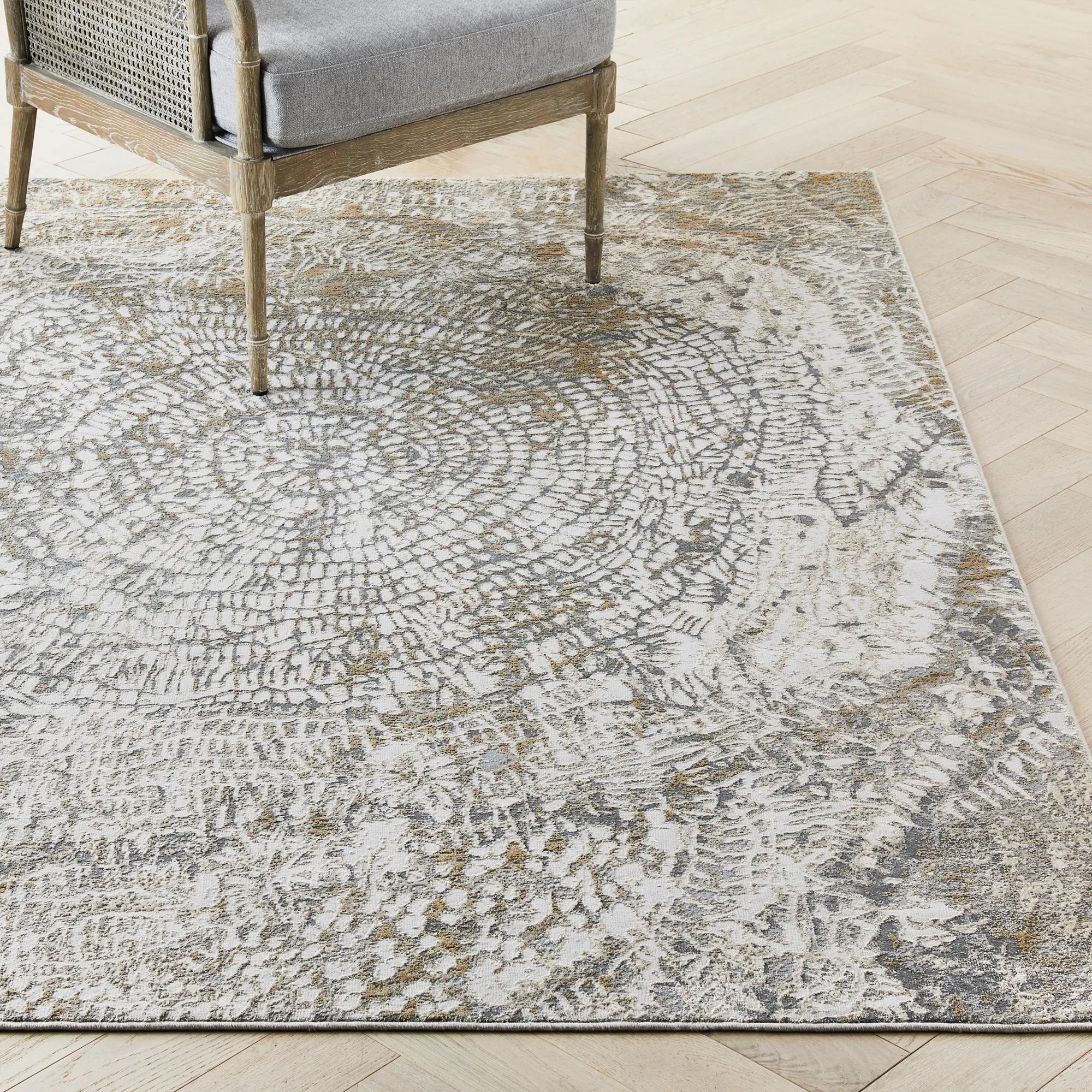 Nautilus Power-Loomed Silver/Grey/Natural Rug$449
A machine-woven ivory rug featuring subtle tree ring-inspired patterns in durable polypropylene and viscose.
Add To Cart -
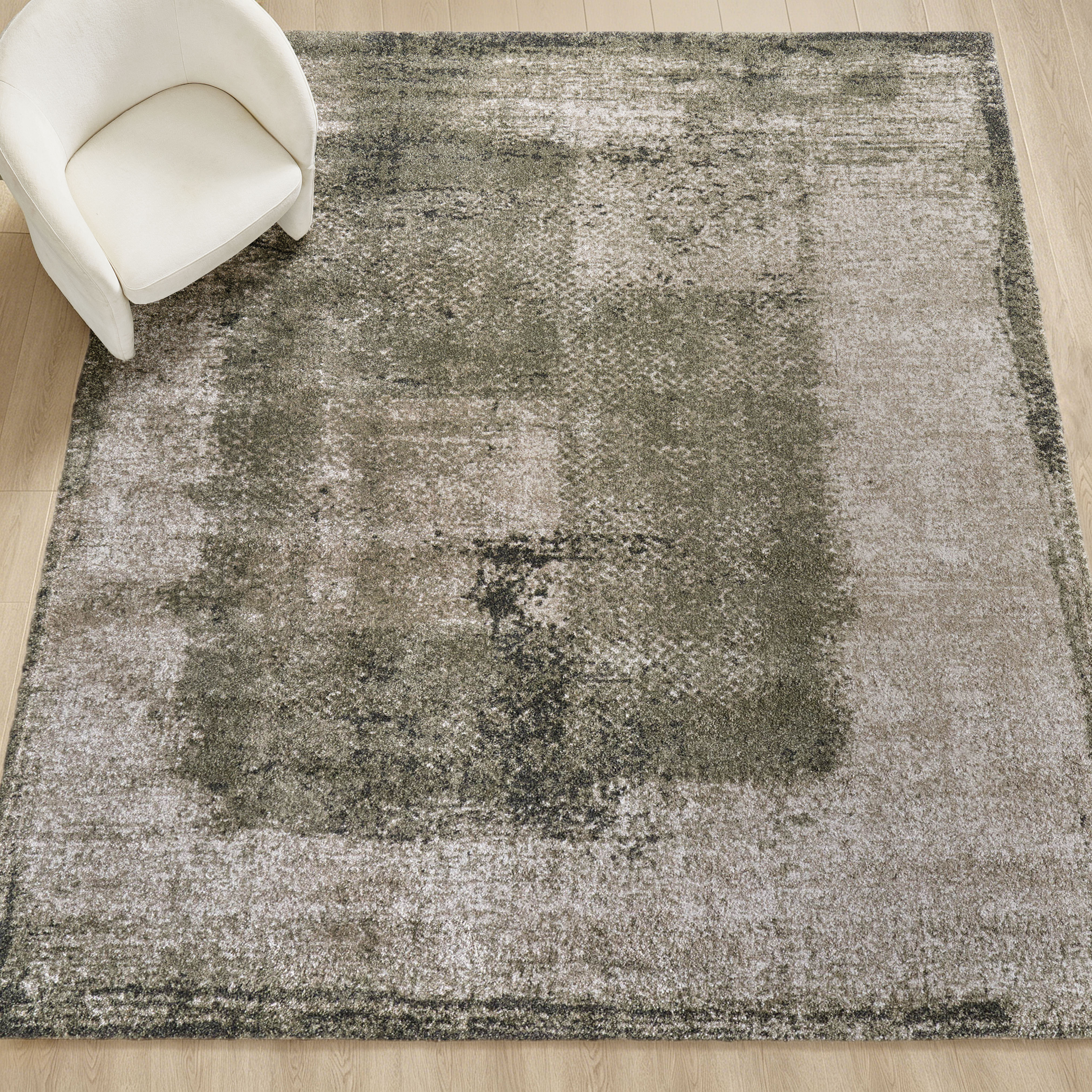
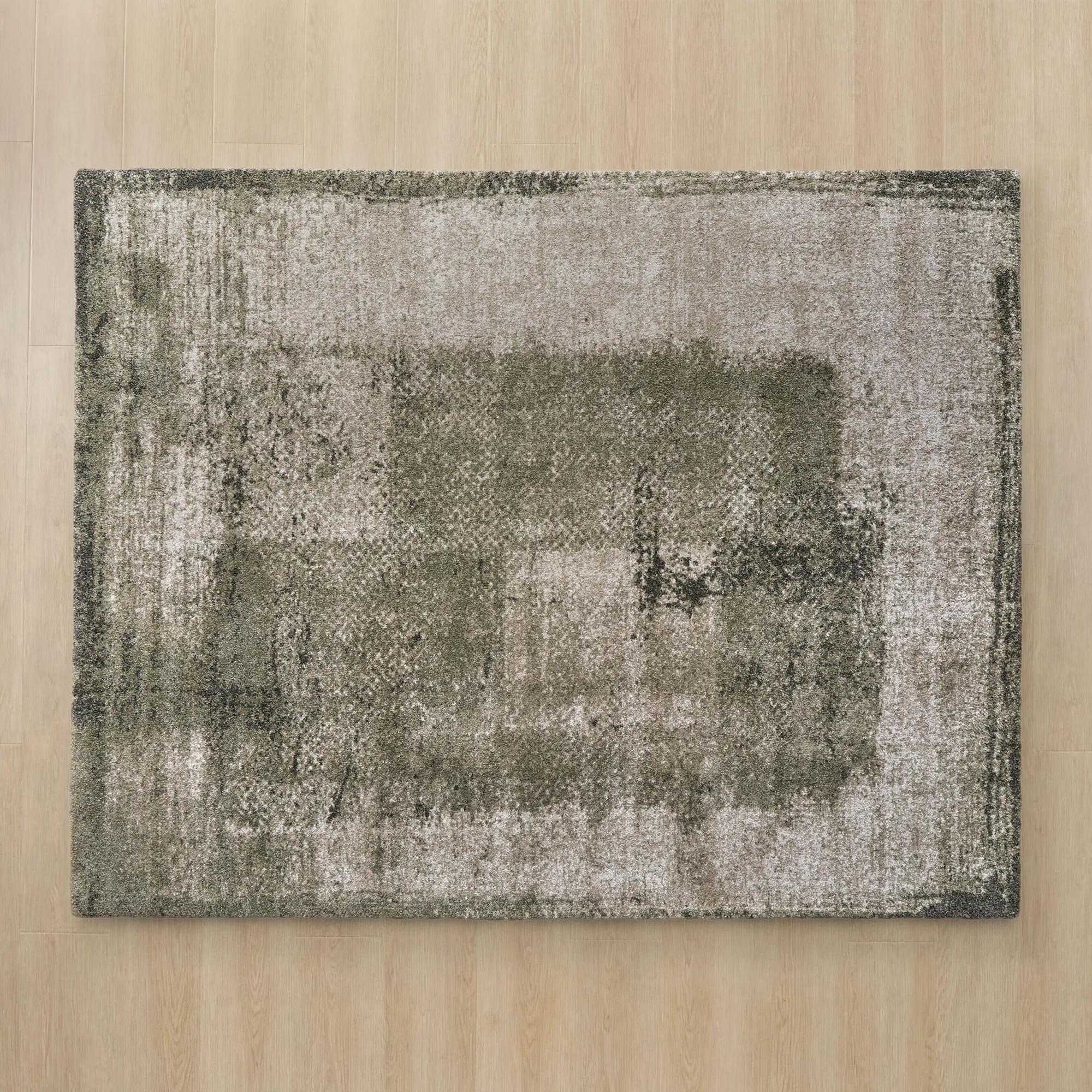 Irving Abstract Moss Green/Beige/Grey Performance Power Loomed Rug$1649
An abstract rug in moss green, beige, and grey with plush, durable polypropylene and polyester construction.
Add To Cart -
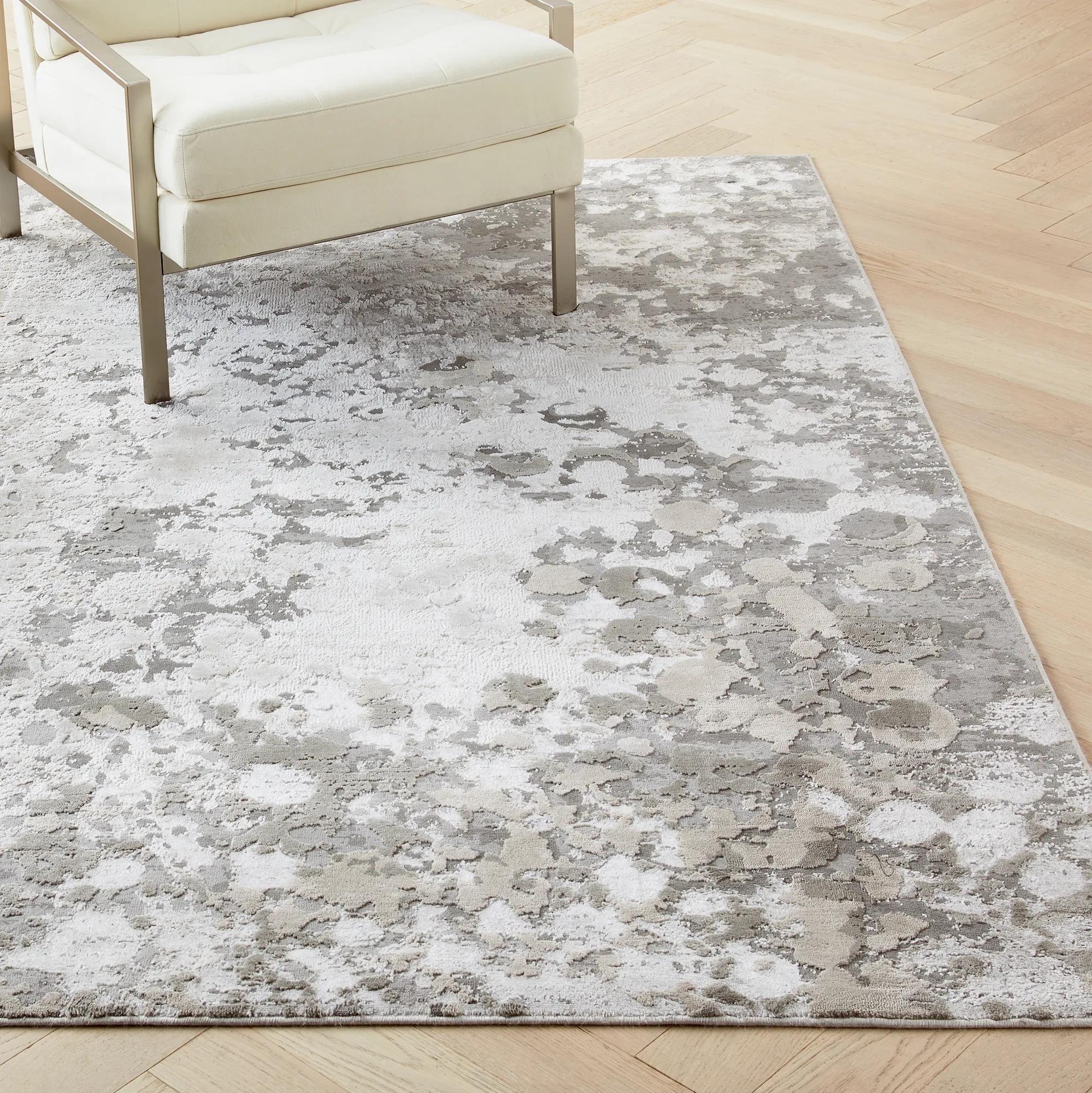 Mercury Power-Loomed Silver/Grey/Beige Rug$249
A neutral floor covering featuring a silver, grey, and beige palette with a textured polyester blend.
Add To Cart -
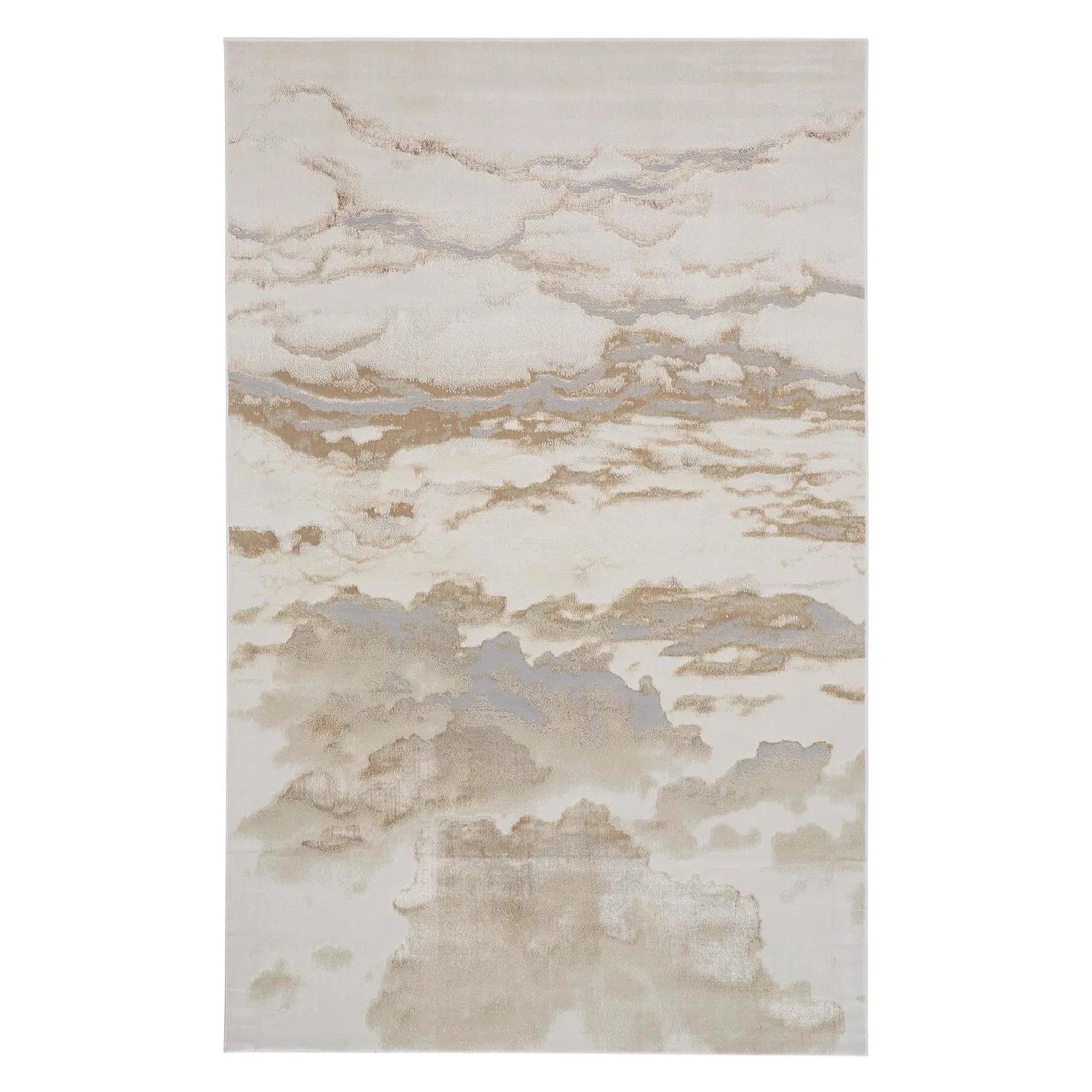
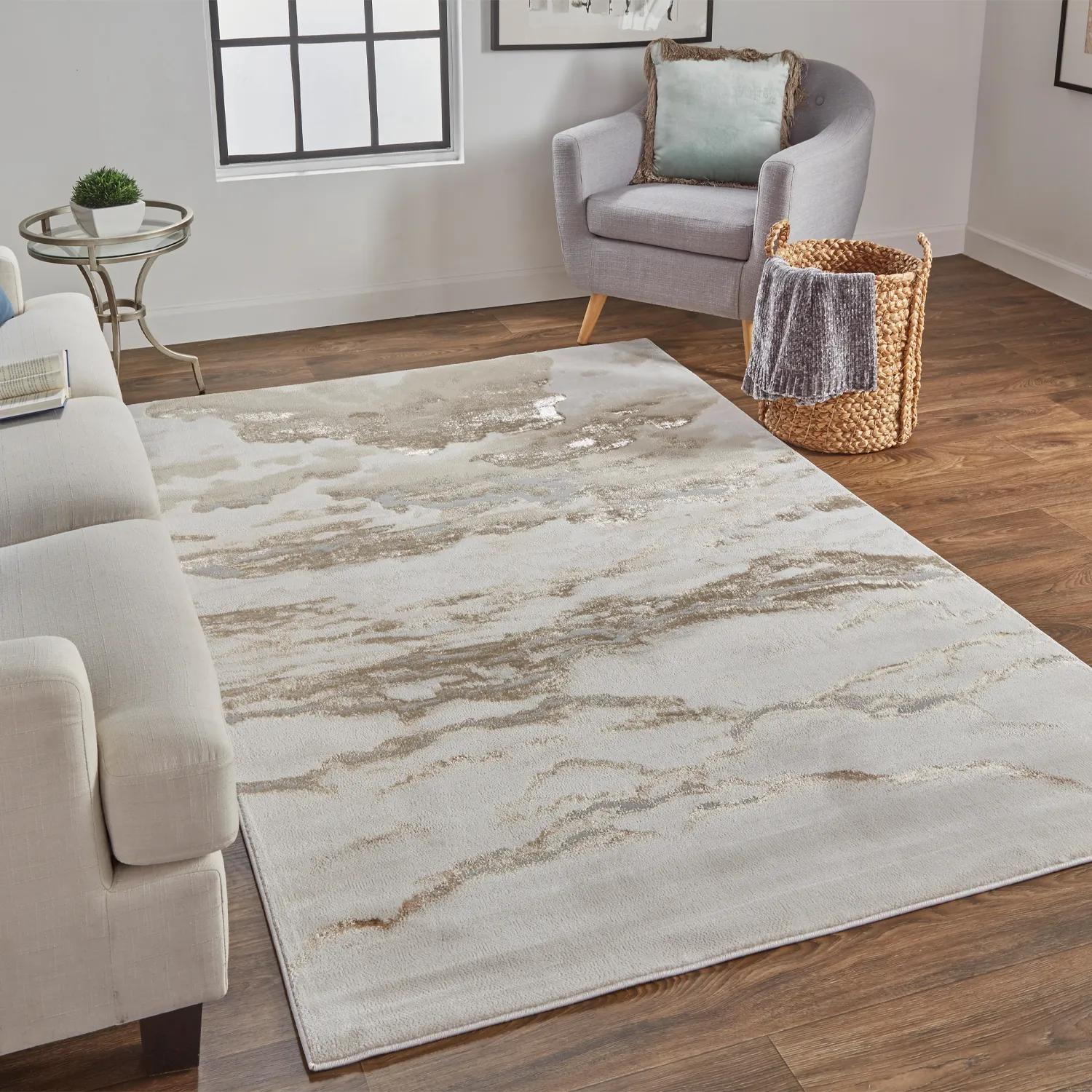 Tide Power-Loomed Beige/Gold/Ivory Rug$449
A machine-made rug in beige and gold, crafted from ultra-soft polyester and polypropylene for elegant appeal.
Add To Cart -
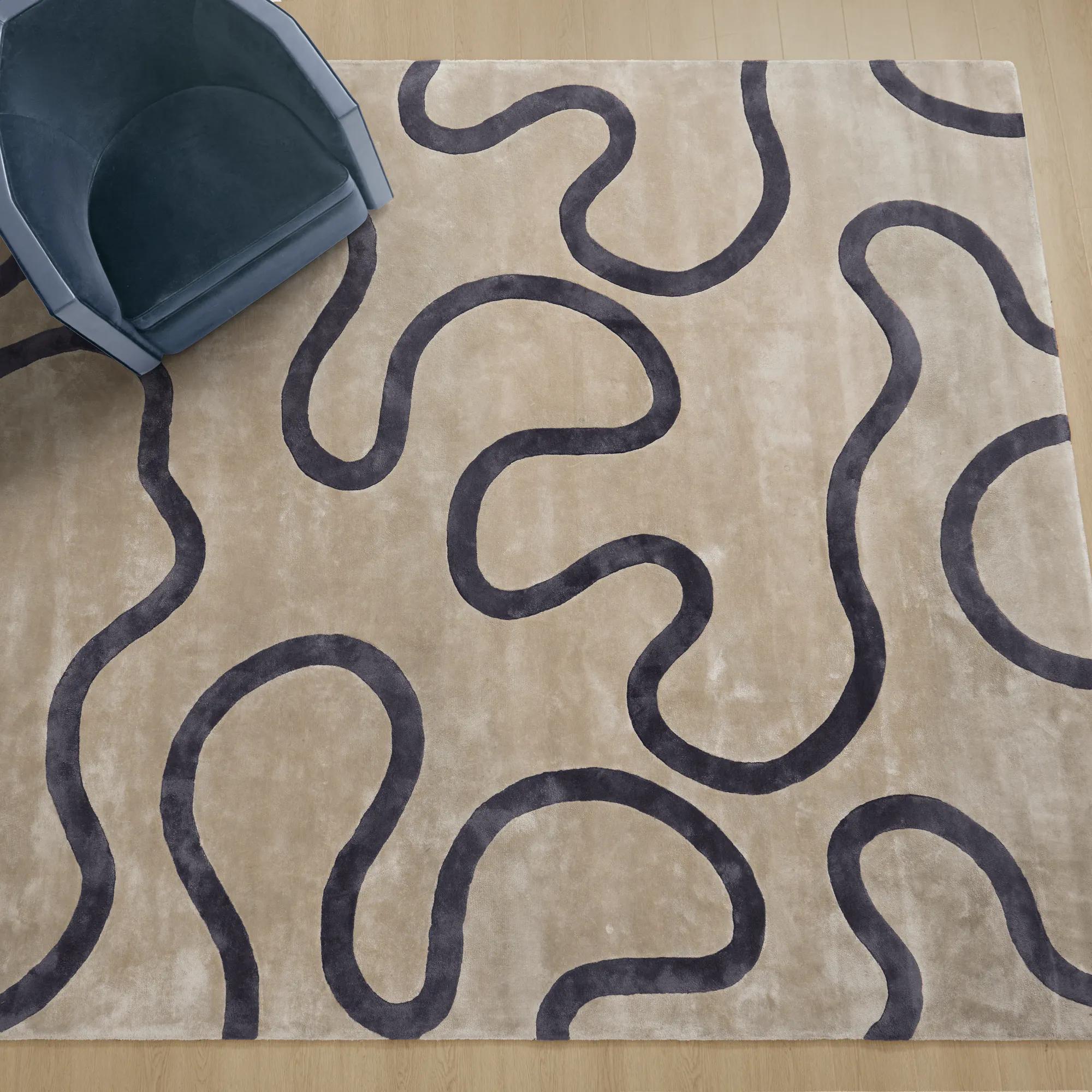 Seraphine Hand-Tufted Smoked Pearl/Taupe Viscose Loop Rug$599
A hand-tufted viscose rug in smoked pearl and taupe, featuring high-contrast loops and luminous sheen.
Add To Cart -
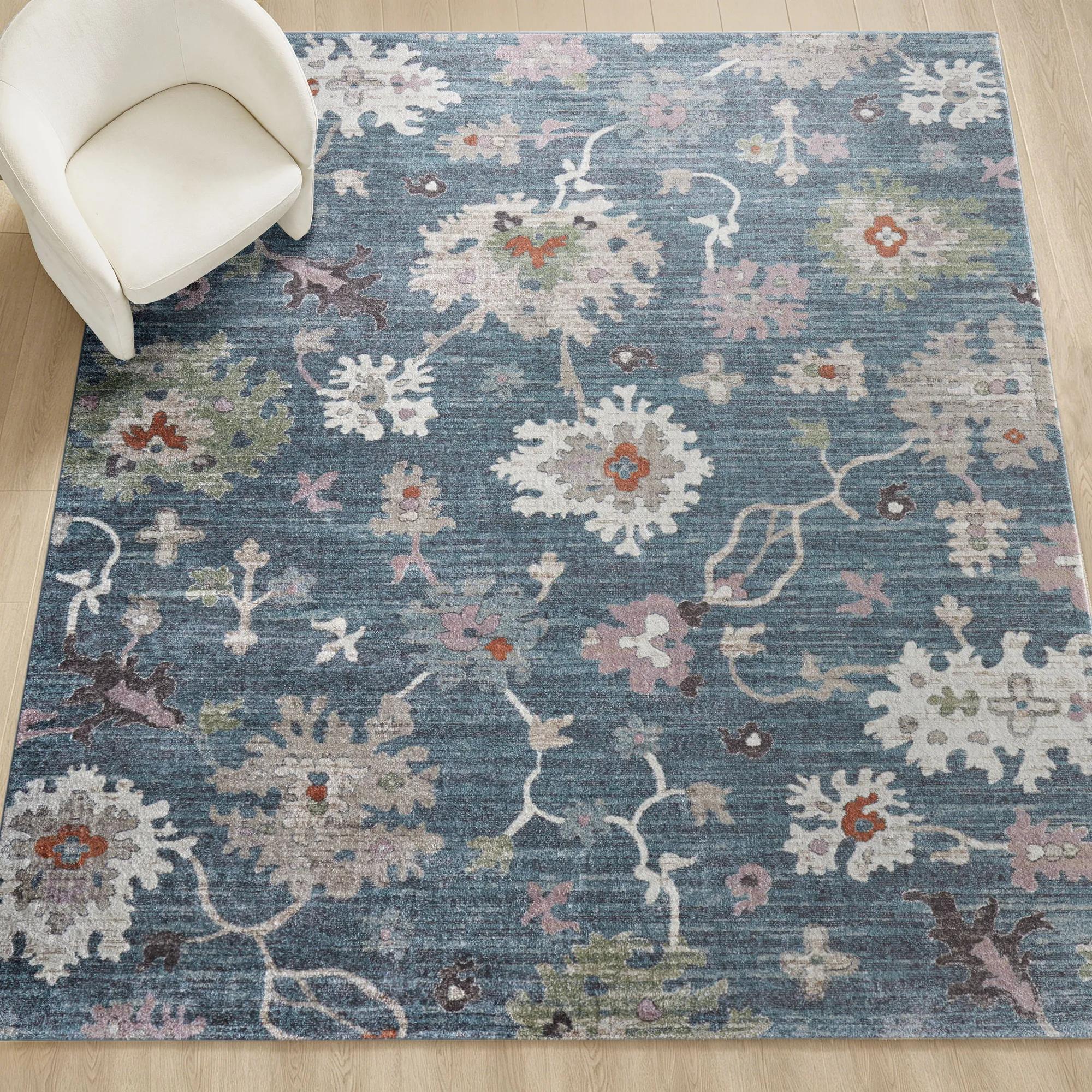
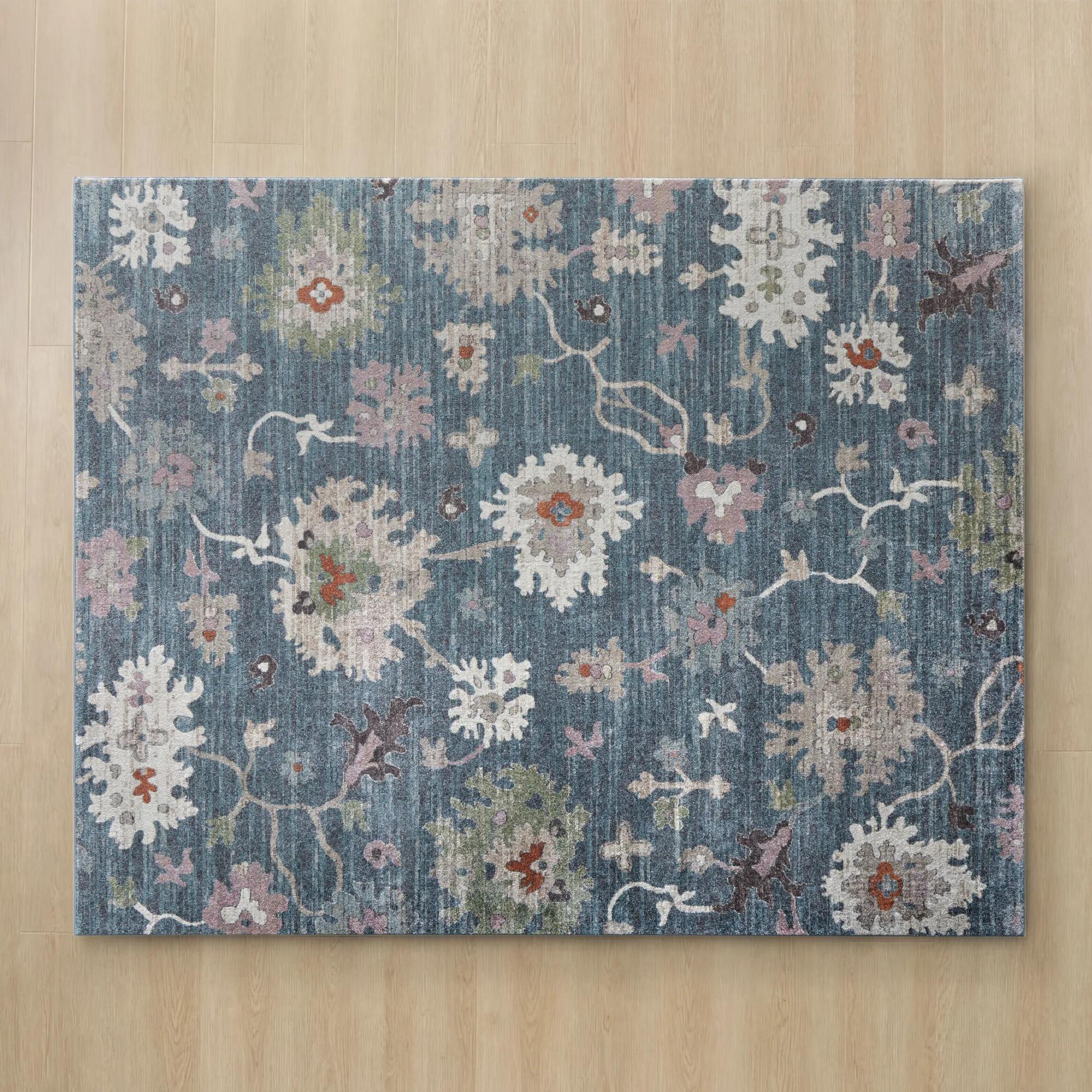 Ariella Floral Blue/Ivory/Beige/Green/Rose Dust Performance Power Loomed Rug$689
A Persian-inspired rug in blue, ivory, beige, green, and rose dust with plush, stain-resistant polypropylene.
Add To Cart -
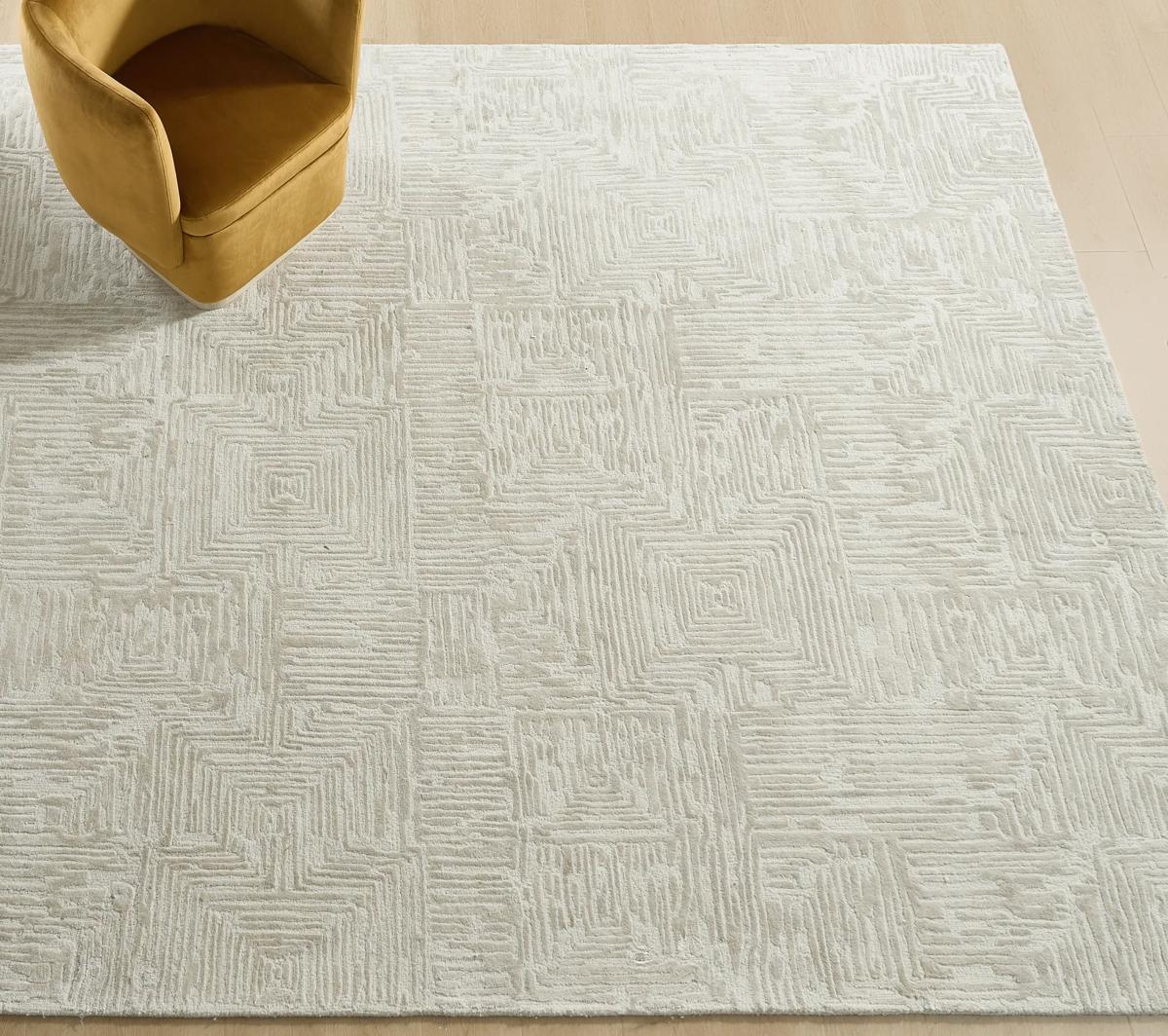 Andra Ivory Hand-Tufted Wool Blend Dimensional Rug$1499
A hand-tufted ivory rug in a viscose-wool blend with raised detailing and a subtle sheen.
Add To Cart -
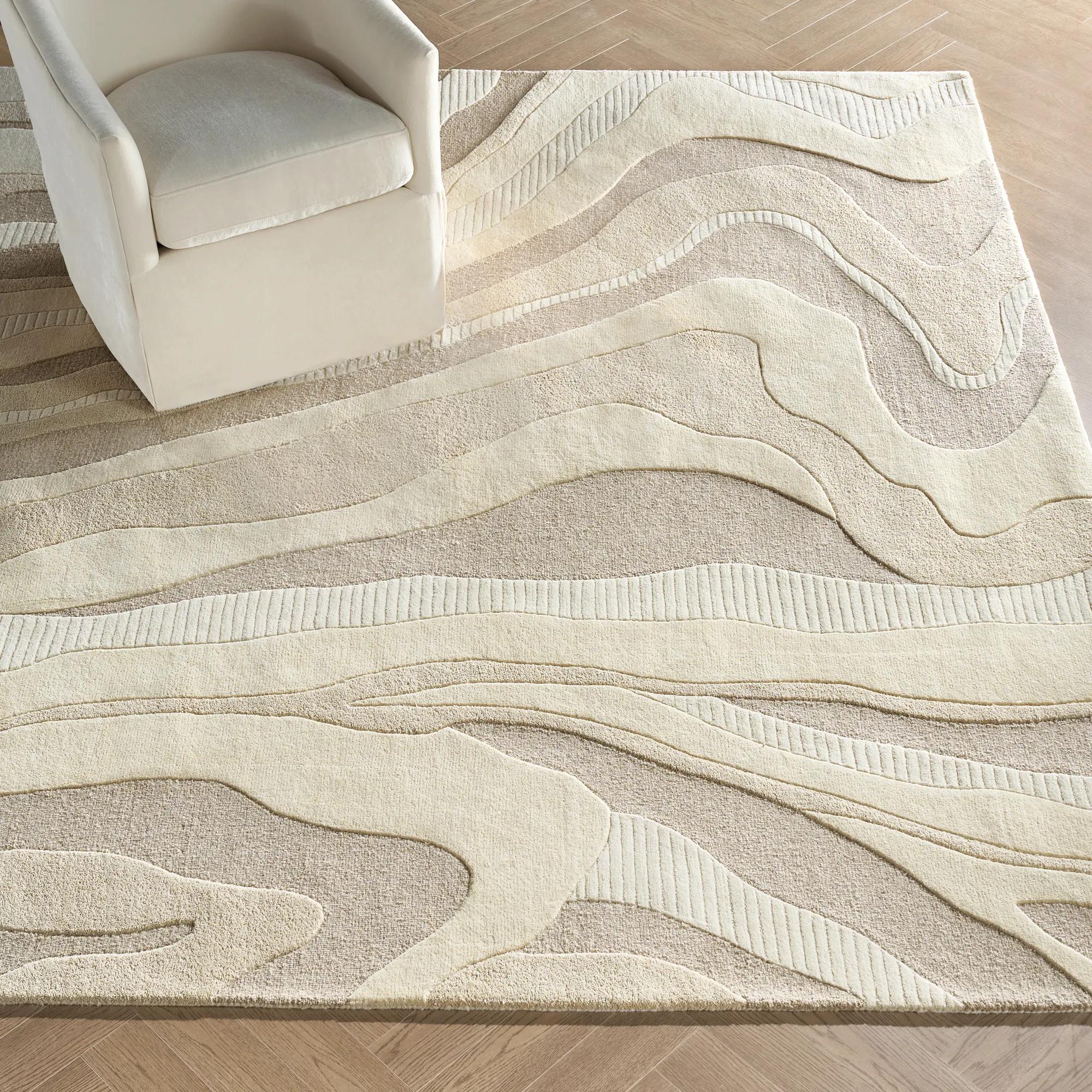 Kadence Hand-Tufted Ivory/Tan Wool Rug$499
A hand-tufted wool rug featuring a multi-textured swirl design in ivory and tan for elegant depth.
Add To Cart -
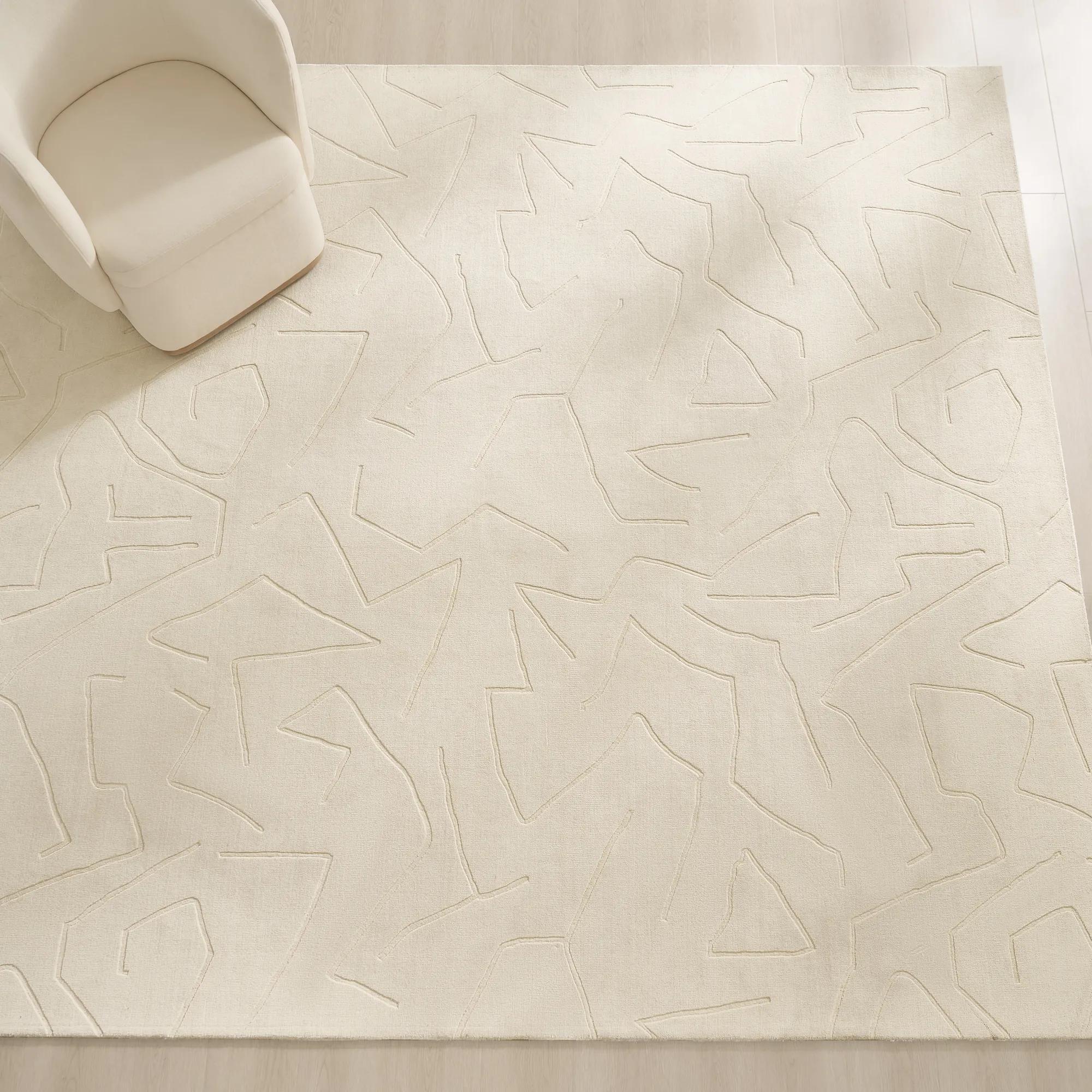 Carved Maze Ivory Hand-Loomed Wool Blend Rug$1399
A hand-loomed ivory wool-blend rug featuring a carved maze pattern for modern textural appeal.
Add To Cart -
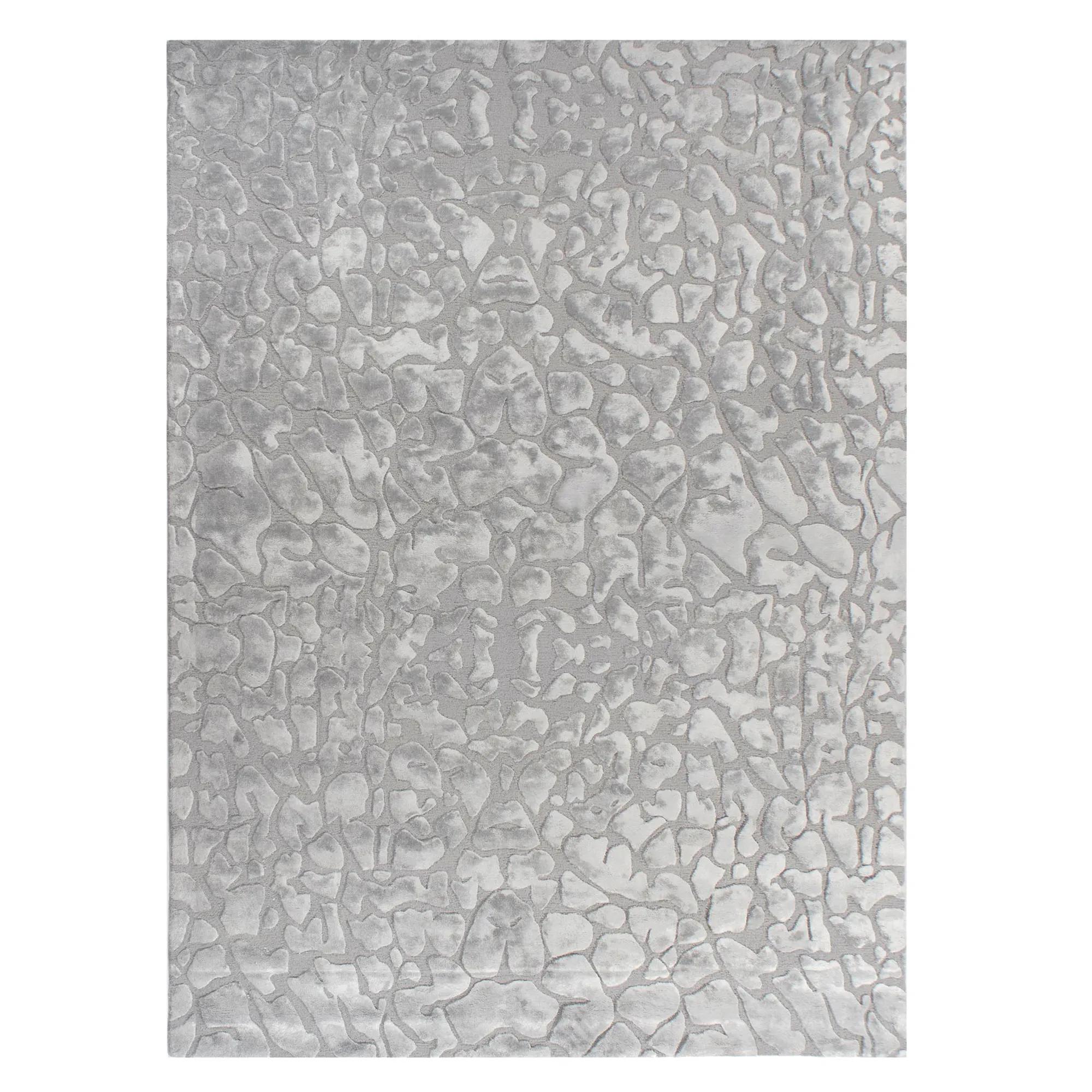
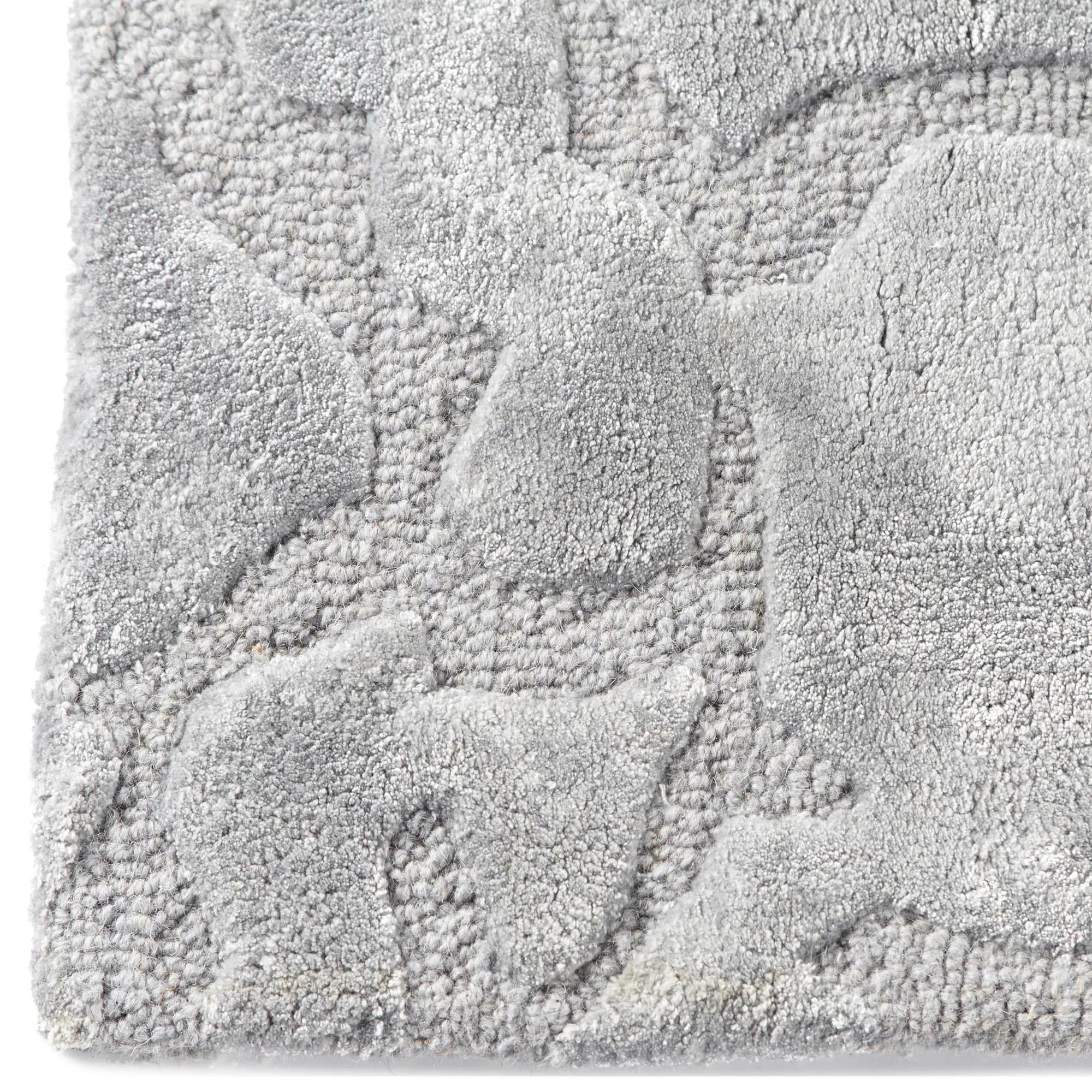 Nola Hand-Tufted Cool Grey Wool Blend Rug$849
A hand-tufted silver rug with contrasting pile heights, crafted from wool and viscose for plush texture.
Add To Cart

Bedroom Neutral Area Rugs
Transform your sanctuary into a haven of understated elegance with bedroom neutral area rugs that whisper sophistication at every step. These serene foundations invite tranquility, effortlessly layering warmth and subtle texture beneath your feet. Whether you crave the soft allure of ivory, the quiet drama of taupe, or the refined grace of greige, each rug becomes an essential brushstroke in your personal masterpiece. Let your bedroom neutral area rug ground the space with timeless appeal, setting the stage for restful nights and artful mornings.
Bedroom neutral area rugs bring softness underfoot, anchor the bed and surrounding furniture, and create a versatile foundation for expressive bedding, sculptural lighting, and distinctive art. Shades of ivory, cream, beige, taupe, greige, and soft gray offer a generous range of possibilities, from luminous and airy to richly layered. Their appeal lies in the details: a raised motif that catches the light, a subtly mottled surface, or a tonal border that gives the room definition without competing with its focal points. In a bedroom with a tall upholstered headboard and gleaming metal accents, an understated rug lets those silhouettes command attention. Against dark wood or lacquered furniture, a pale ground creates a striking contrast; beside linen upholstery and warm wood finishes, sand and oatmeal tones lend depth without interrupting the palette. Undertones deserve particular attention. A creamy beige can emphasize golden notes in a room, while a cooler gray may complement silver finishes and crisp white bedding. Looking at rug colors alongside flooring, upholstery, and wall finishes helps create a deliberate relationship among them, especially because daylight and bedside lighting can reveal different nuances. Neutral does not have to mean uniform. Abstract markings, distressed effects, woven stripes, and sculpted patterns introduce artistry while keeping the overall composition composed. A bedroom with patterned bedding may benefit from a quieter rug, while solid bedding leaves room for a more expressive design beneath the bed. Texture can provide the drama when color takes a supporting role, giving even a restrained palette a sumptuous presence. For a visual connection between the bedroom and adjoining spaces, Neutral Color Area Rugs offer inspiration for repeating complementary tones without making every room identical. The result is a bedroom that feels considered, with a foundation that can remain in place as pillows, artwork, and bedding take on new personalities.
Scale gives a bedroom rug its architectural presence. A generous area rug can unite the bed, bedside furniture, and an upholstered bench into one composed arrangement, while a smaller footprint may define a reading chair or provide a soft landing beside the bed. For placement beneath a bed, allowing approximately 18 to 24 inches of rug to extend beyond the sides is a useful starting point, adjusted to suit the room and the bed frame. An 8-by-10-foot rug often works with a queen bed, and a 9-by-12-foot rug can suit a king, but the exact dimensions of the furniture and available floor space matter more than the size label alone. A wide frame, deep bench, or oversized nightstands may call for a different proportion. Measuring the full furniture footprint and marking the proposed rug edges on the floor can reveal whether the arrangement feels expansive or crowded before a decision is made. Placing the lower portion of the bed on the rug leaves a visible border at the sides and foot; extending the rug farther beneath the bed can bring nightstands into the composition when space permits. In a compact bedroom, a visible perimeter of flooring helps the layout retain definition. Keep rug edges away from awkward stopping points, such as directly beneath a frequently used doorway, and check clearance for closet doors and drawers. Pile height also affects everyday fit. A plush surface creates a luxurious landing for bare feet, while a lower pile generally makes it easier to move a bedside chair or navigate around furniture. A compatible rug pad adds cushioning and helps limit shifting; its thickness should work with the rug, door clearance, and flooring manufacturer’s recommendations. For a guest bedroom, prioritize an arrangement that makes walking routes clear. In a primary bedroom, give particular attention to the places where feet land when getting into and out of bed.
Materials and construction determine how that beautiful foundation feels and how it responds to daily life. Wool is valued for its resilient fibers and substantial texture, although some wool rugs shed, particularly when new. Cotton can offer a softer, more relaxed woven character, but washability depends on the rug’s construction, backing, and care instructions rather than the fiber alone. Synthetic fibers such as polypropylene, polyester, and nylon offer different balances of softness, durability, and stain resistance; performance varies by the specific material and weave. Rugs with viscose or other lustrous fibers can introduce a silk-like sheen that changes with the direction of the pile, creating a particularly expressive surface beneath a tailored bed. Those fibers may also require more careful handling around moisture, so they deserve consideration in households with pets, children, or frequent spills. A dense, low-profile construction can be a practical choice for an active bedroom, while a deep pile invites a more indulgent feel in a space with lighter foot traffic. Pale rugs make texture especially visible, but they can also reveal soil, so care requirements should suit the household’s routines. Regular vacuuming with a setting appropriate to the construction helps remove loose dirt before it settles into the fibers; delicate, looped, or high-pile rugs may require suction-only cleaning rather than an aggressive rotating brush. Blot spills promptly with a clean, undyed cloth, avoid rubbing, and follow the manufacturer’s cleaning directions before applying any treatment. Professional cleaning may be appropriate for delicate fibers or larger rugs that cannot be safely cleaned at home. Rotating a rug periodically, when the layout allows, can help distribute wear and light exposure, while suitable furniture protectors can reduce concentrated pressure beneath heavy legs. For a shared bedroom, a first apartment, or a thoughtfully appointed guest suite, the most satisfying neutral rug balances tactile pleasure with realistic upkeep. Its beauty should be experienced daily: in the sweep of a tonal pattern beyond the bed, the depth it lends a furniture arrangement, and the softness that makes the room feel distinctly personal.
FAQs
Neutral bedroom area rugs are often crafted from luxurious wool, ultra-soft synthetics, or natural fibers like jute and cotton. Wool offers a plush, resilient feel ideal for cozying up a bedroom, while synthetics are celebrated for their easy-care nature and versatility. Jute and cotton introduce organic texture and understated elegance, making them favorites for those who appreciate a touch of natural artistry.
A neutral area rug acts as a visual anchor, creating a harmonious foundation that soothes the senses and elevates the room’s ambiance. Its understated palette reflects light, adds warmth, and allows statement furniture or bold decor pieces to shine, all while enveloping the space in a sense of calm and refined luxury.
Absolutely. Many neutral rugs are designed with durability and easy maintenance in mind, making them a stylish and practical choice for busy households. Look for options with stain-resistant finishes or machine-washable materials, so the beauty of your rug endures through everyday moments and playful energy.
Yes, the timeless appeal of a neutral rug makes it an exceptionally versatile choice. It seamlessly bridges the gap between contemporary minimalism and classic elegance, complementing everything from sculptural modern beds to ornate vintage dressers. Its subtle hues and textures adapt beautifully to evolving tastes and decor styles.
To infuse subtle drama into your bedroom, choose a neutral rug with tone-on-tone patterns, layered textures, or gentle geometric motifs. These details introduce depth and intrigue without overpowering the serene atmosphere. For even more inspiration, explore collections that feature understated patterns and artisanal weaves.