Art Deco Wall Decor Ideas
Art Deco Wall Decor Ideas
-
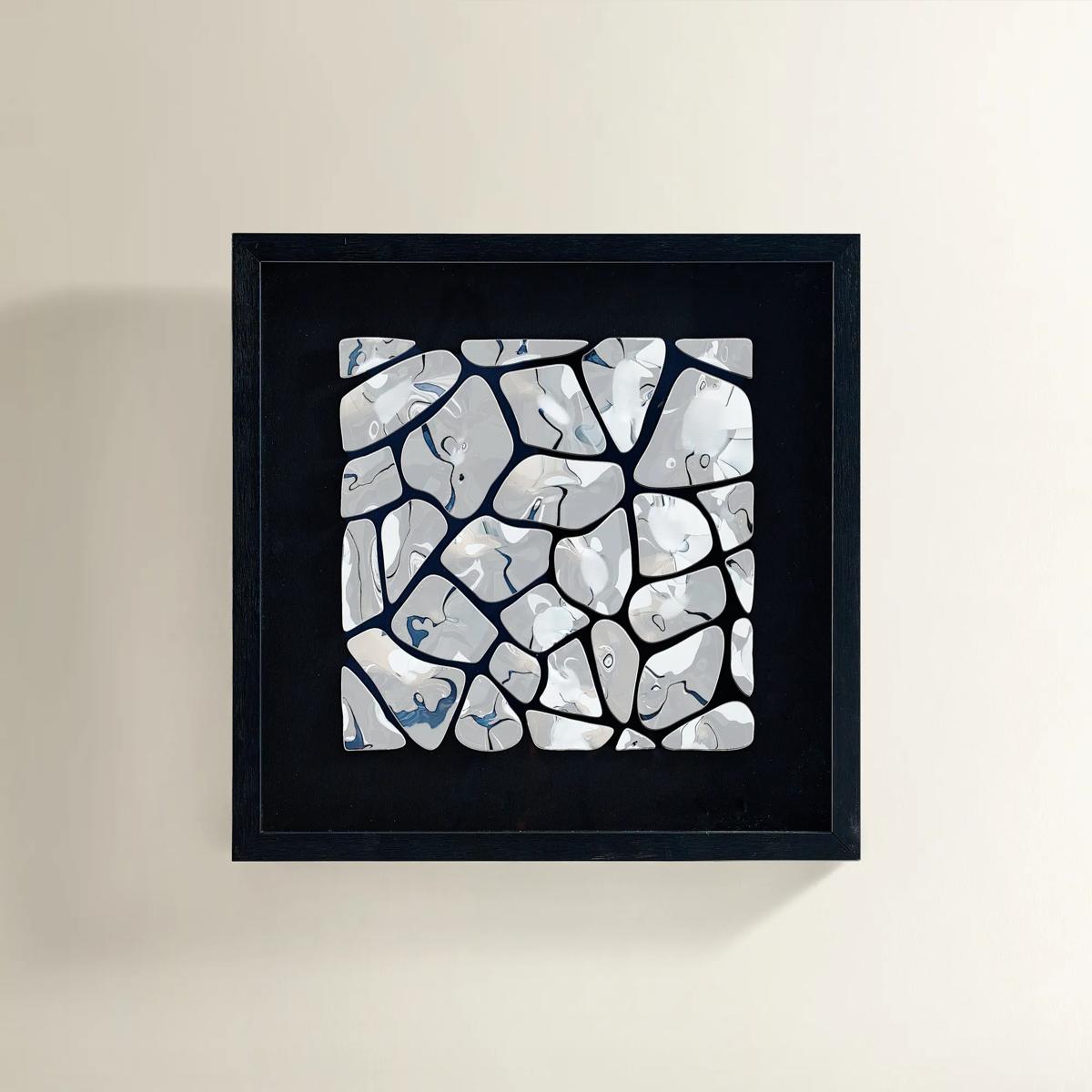 Reflect Silver And Black Shadowbox Art I$189
A dimensional metal wall art piece featuring polished silver and black forms in a sleek black frame.
Add To Cart -
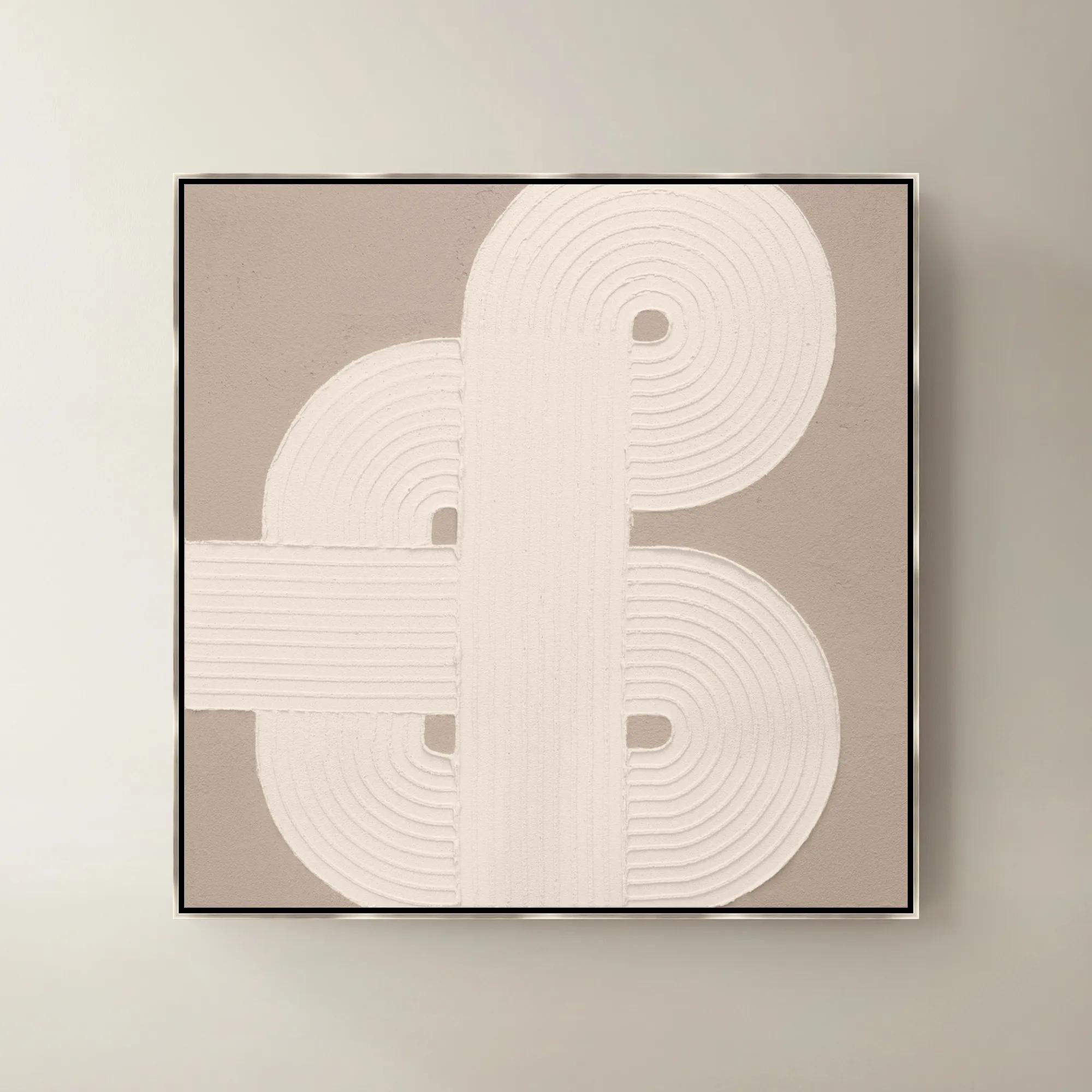
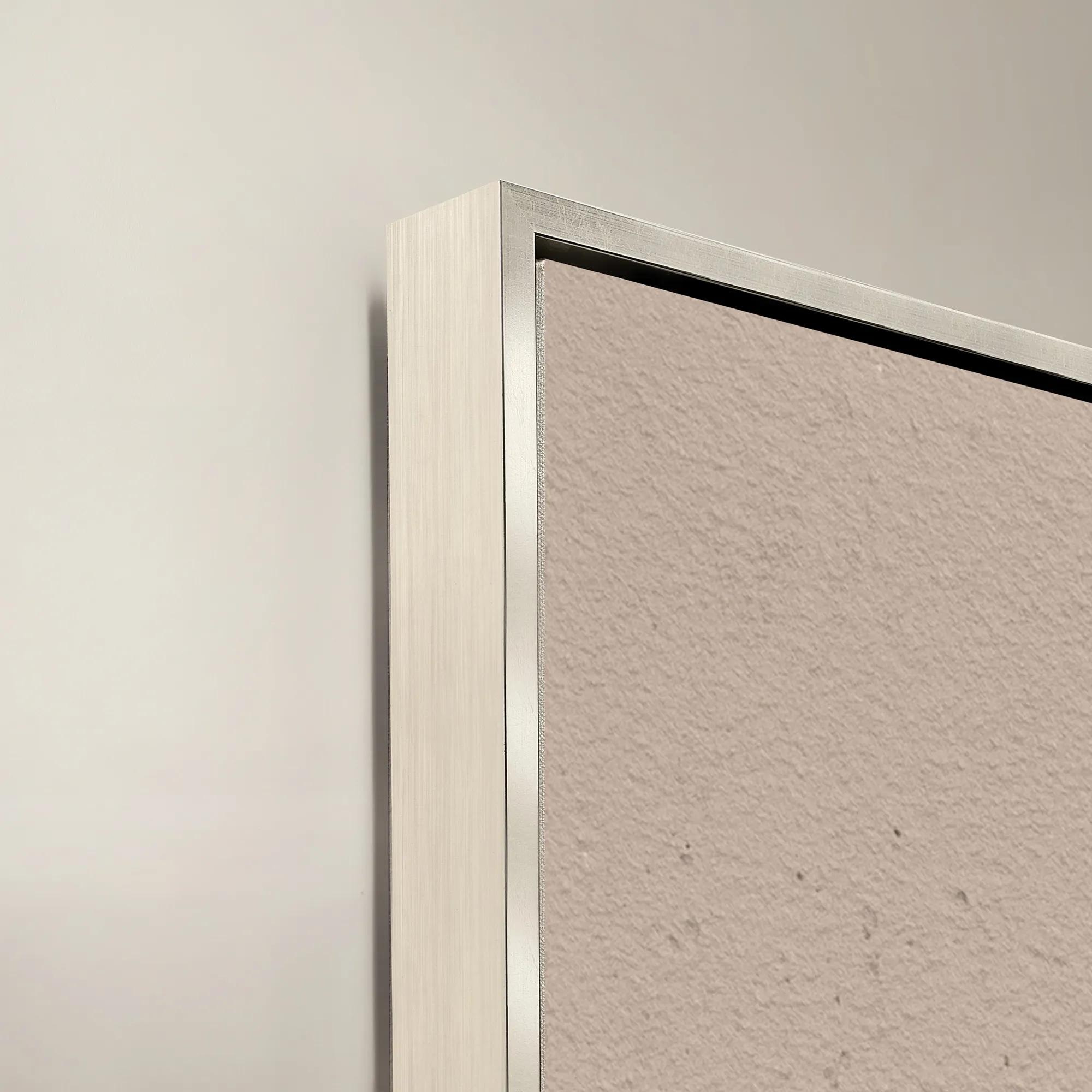 Sacred Geometry IV Framed Painted Wall Art 40" x 40"$1099
A striking abstract art piece featuring bold geometric patterns for a modern, sophisticated touch.
Add To Cart -
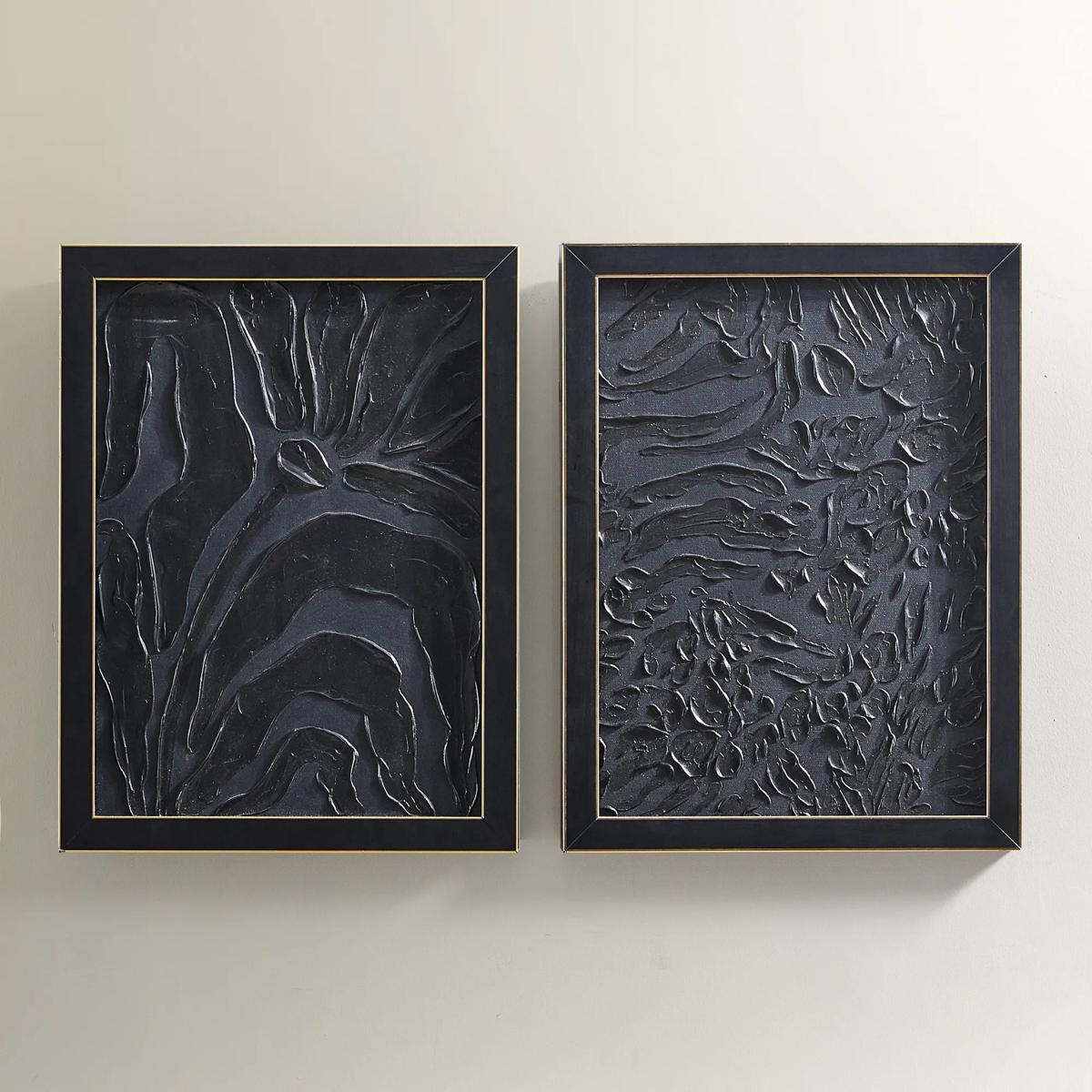
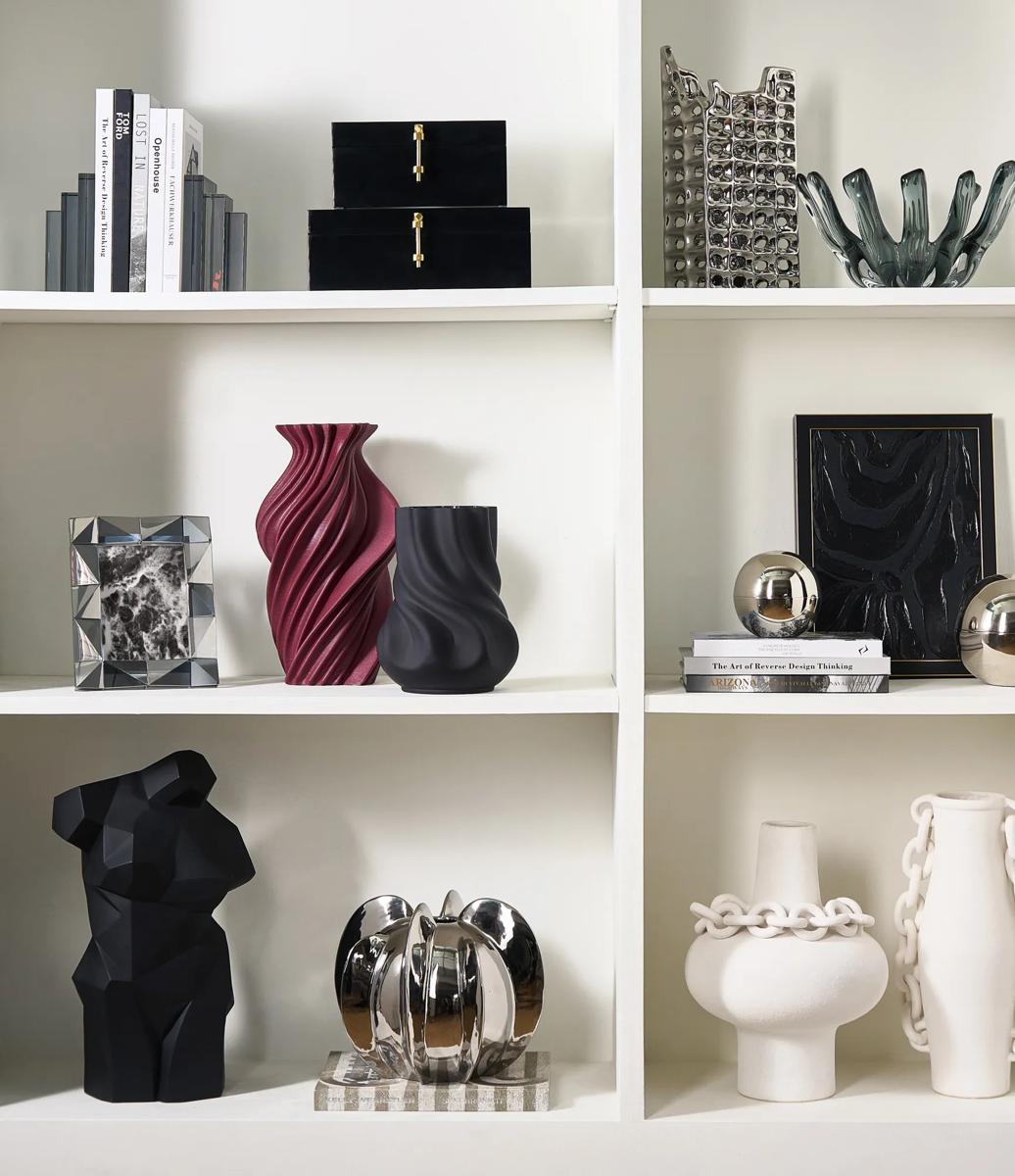 Midnight Animal Painting - Set of 2$119
A set of hand-embellished canvas artworks in black and gold frames, adding depth and warmth to interiors.
Add To Cart -
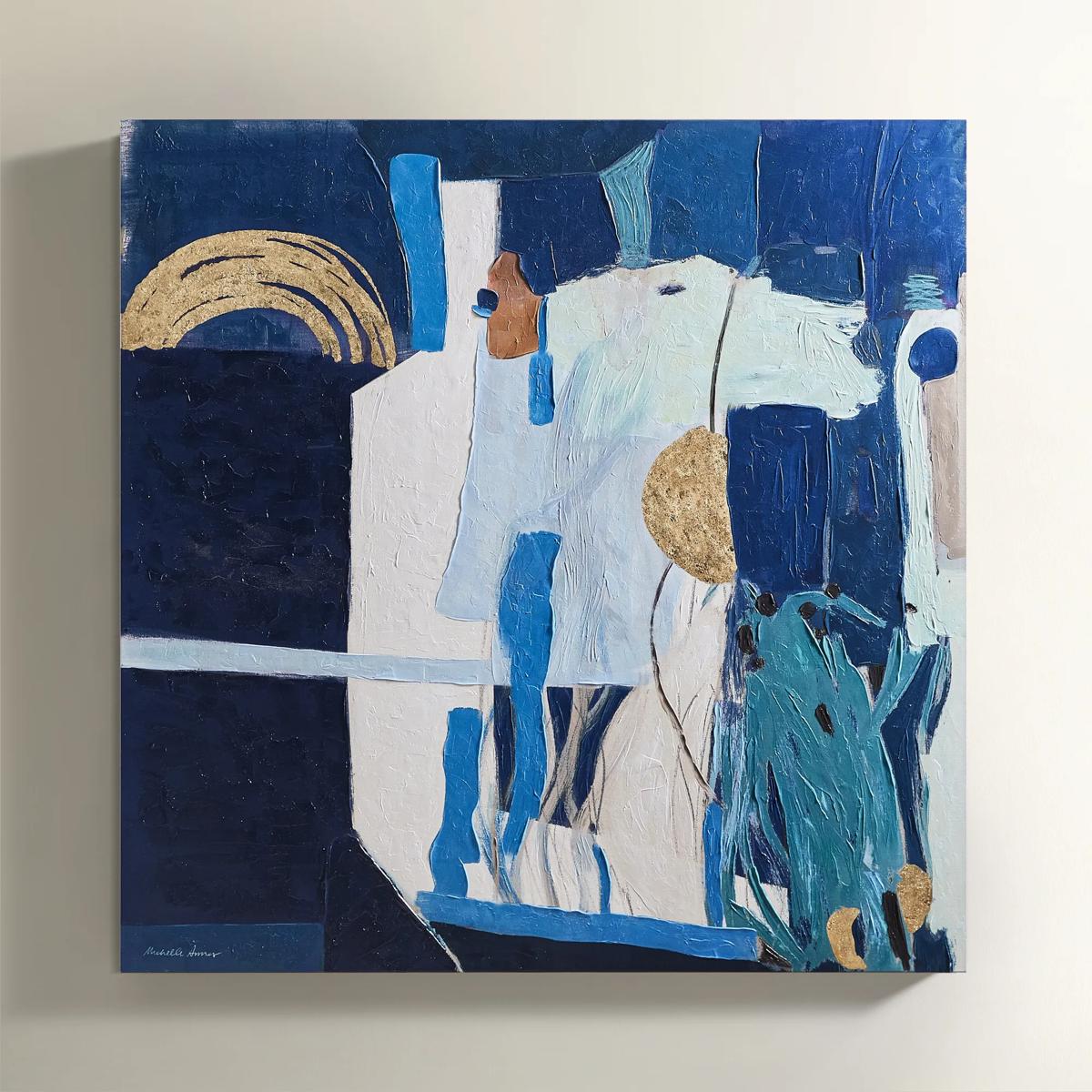
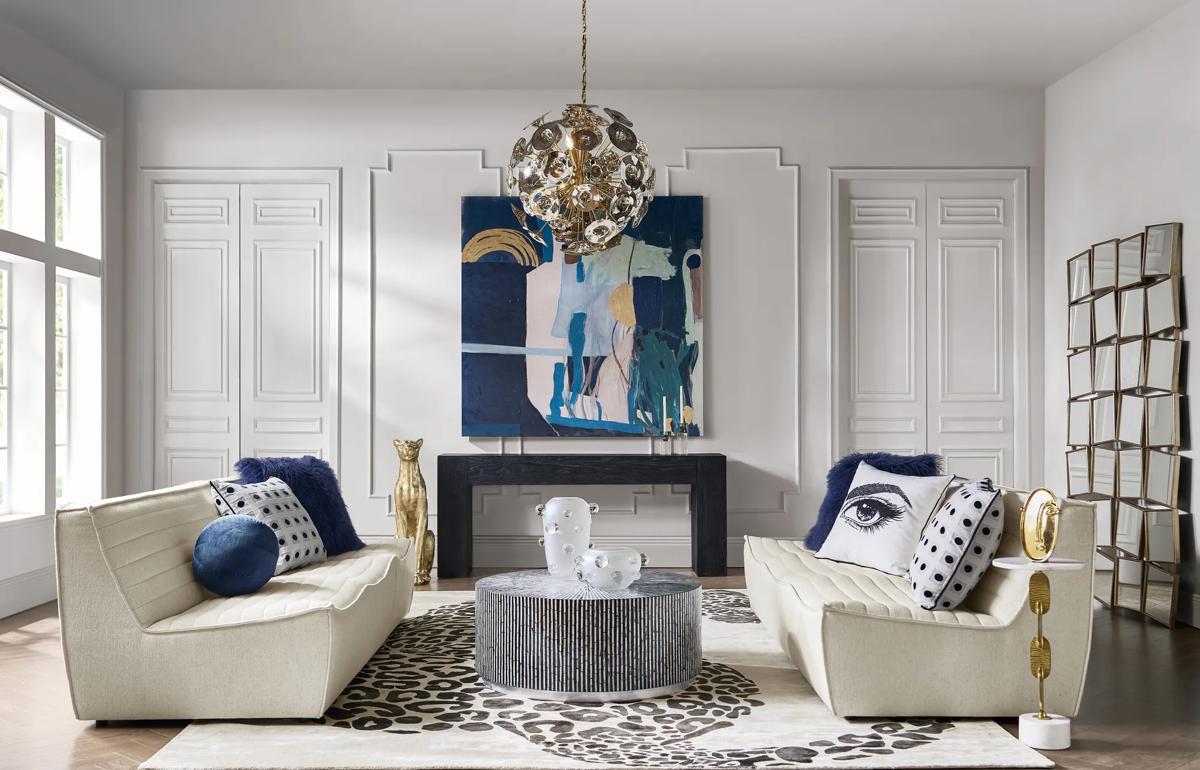 In Flux Painting$699
A hand-embellished canvas artwork featuring deep teal, green, ivory, and gold in a black Art Deco frame.
Add To Cart -
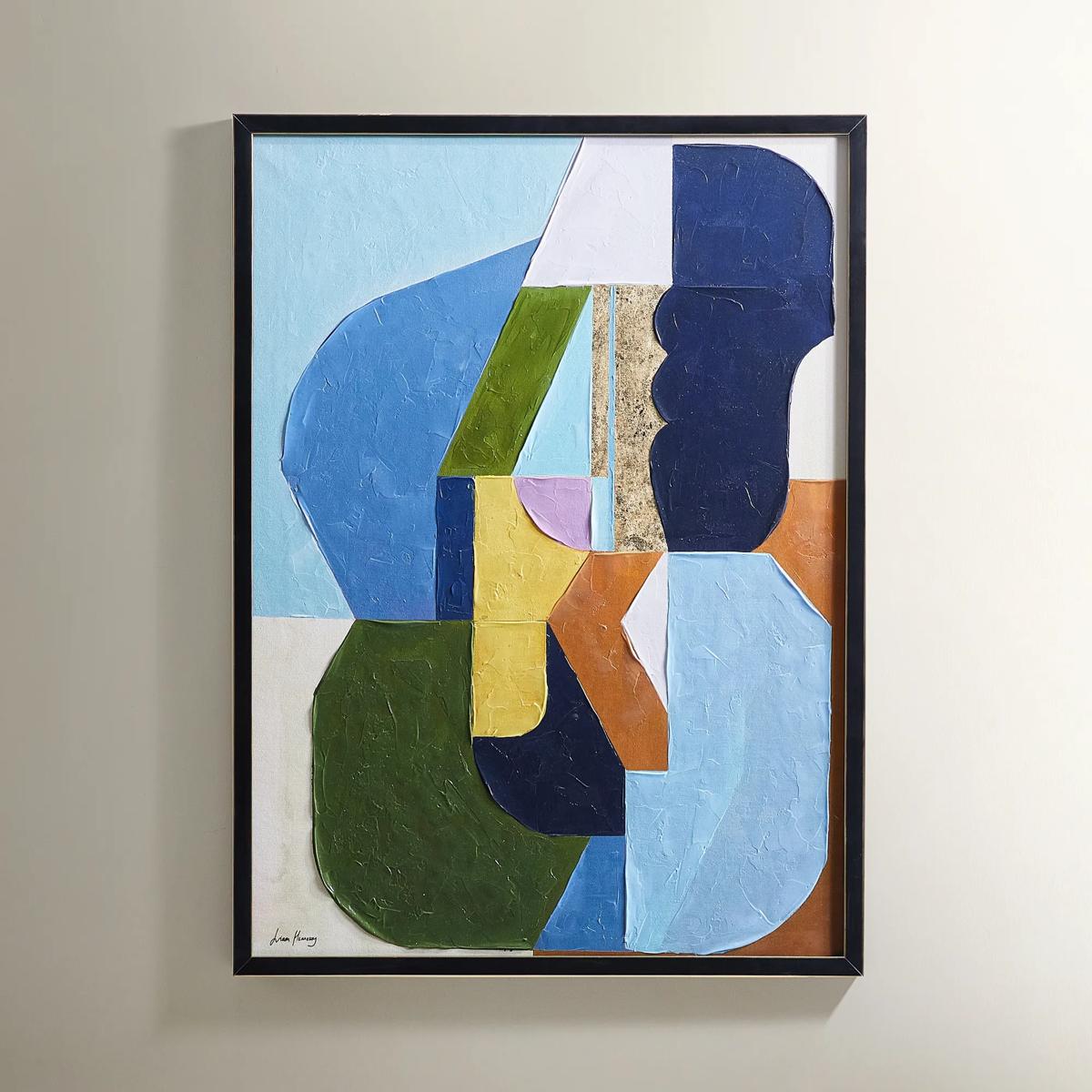
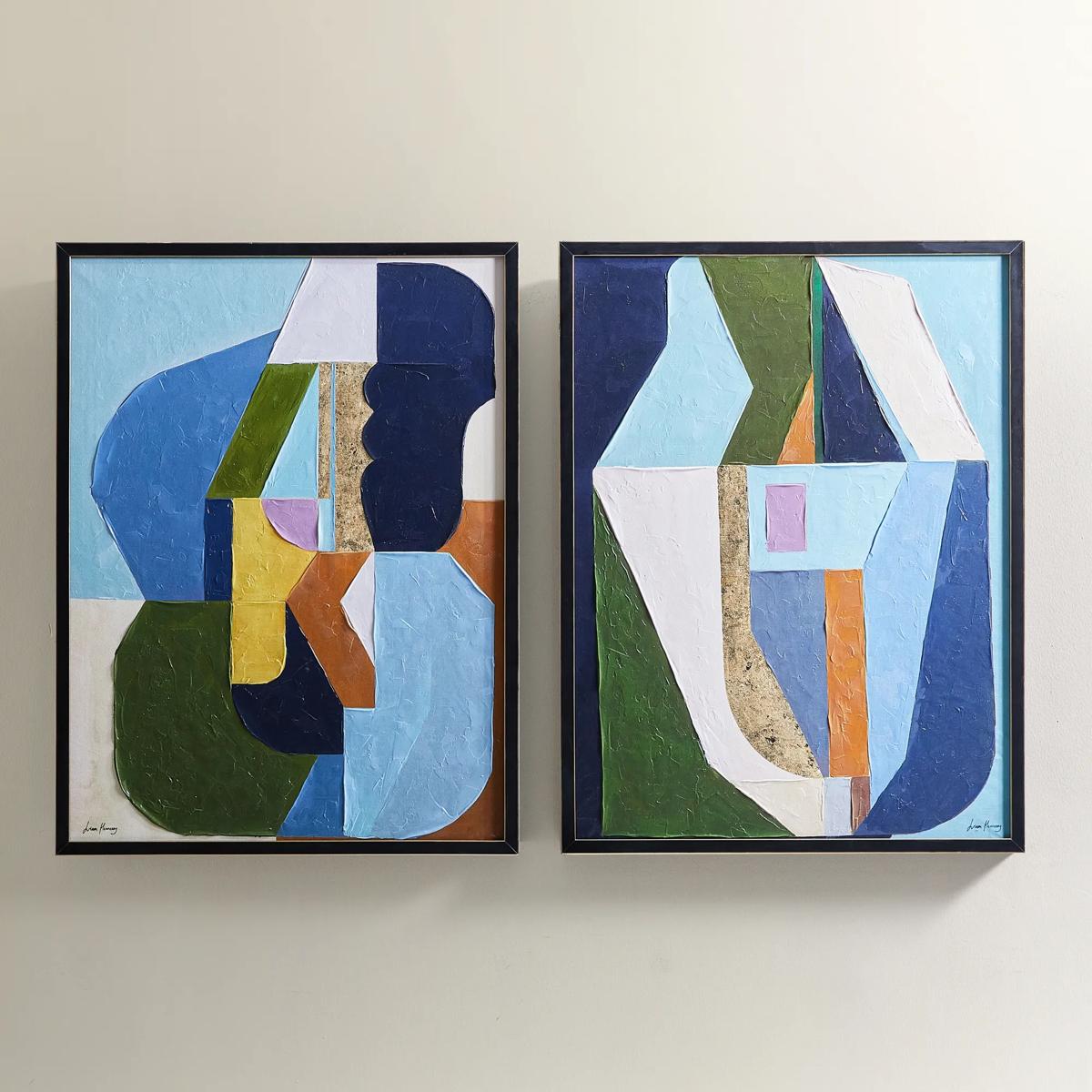 Thought Provoking Painting 1$249
A hand-embellished canvas artwork featuring textured strokes in deep blue, olive green, and gold accents.
Add To Cart -
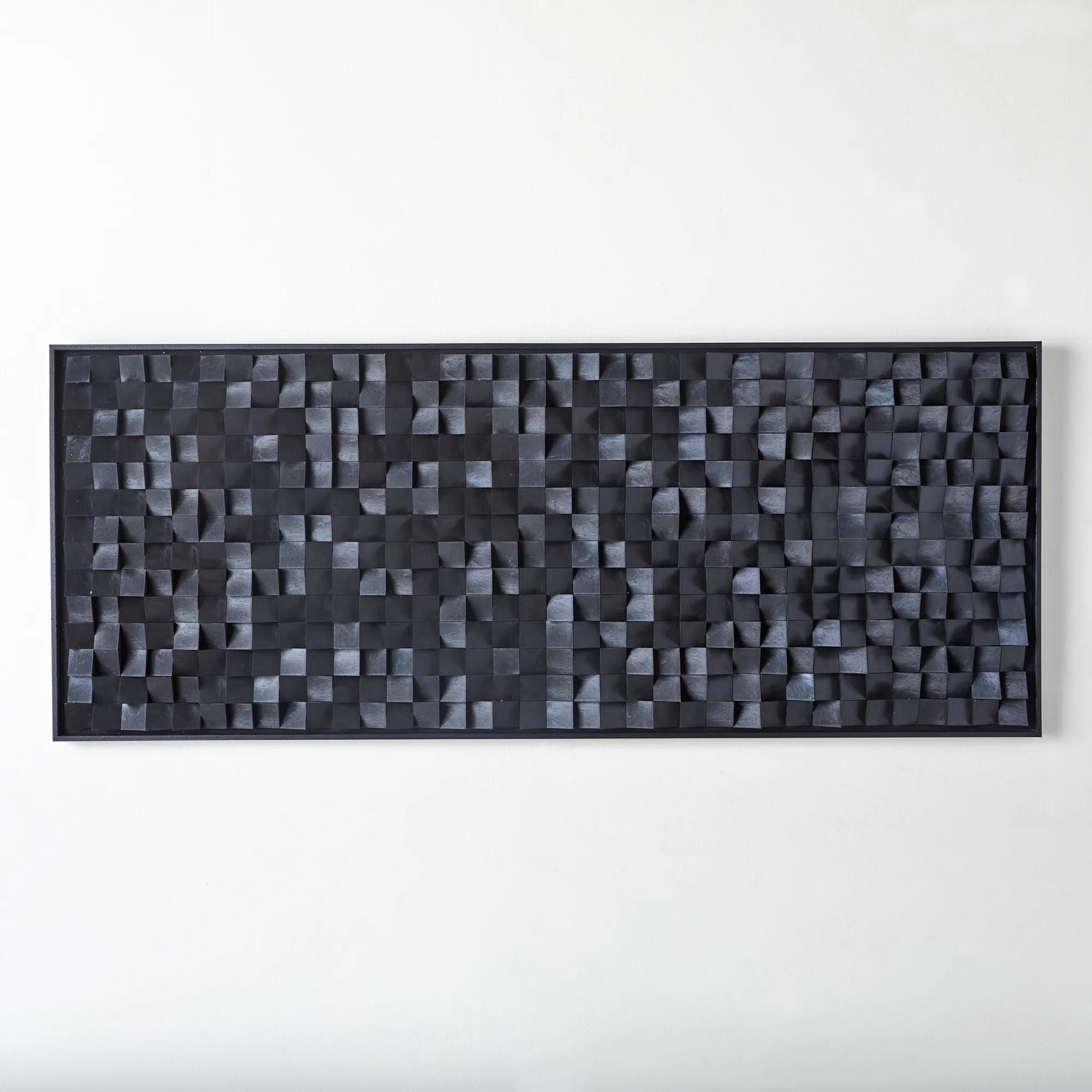 Nightfall Black Wood Dimenisonal Wall Panel 59" x 23.5"$599
An abstract wall art piece featuring cut black blocks in a sleek, low-profile black frame.
Add To Cart -
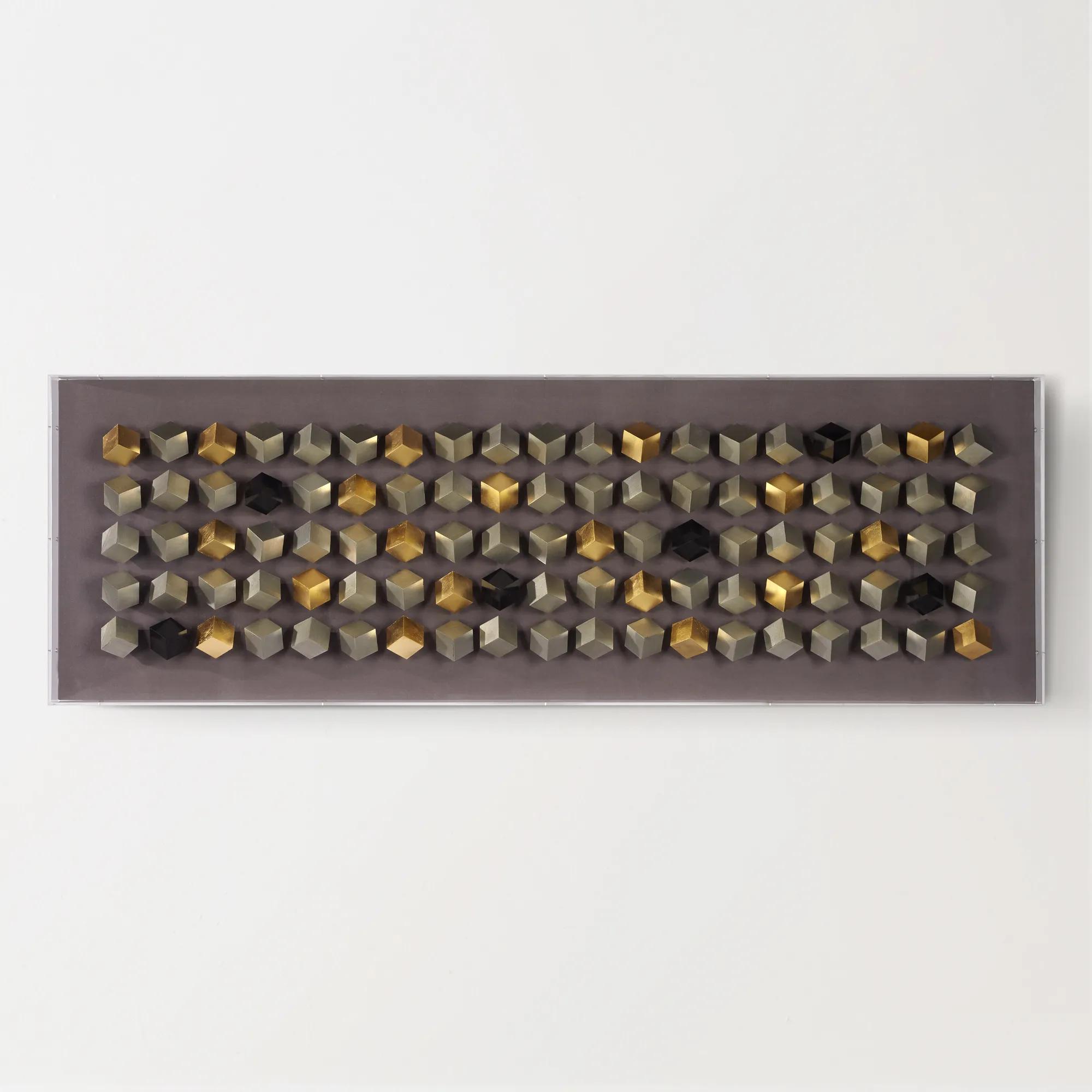
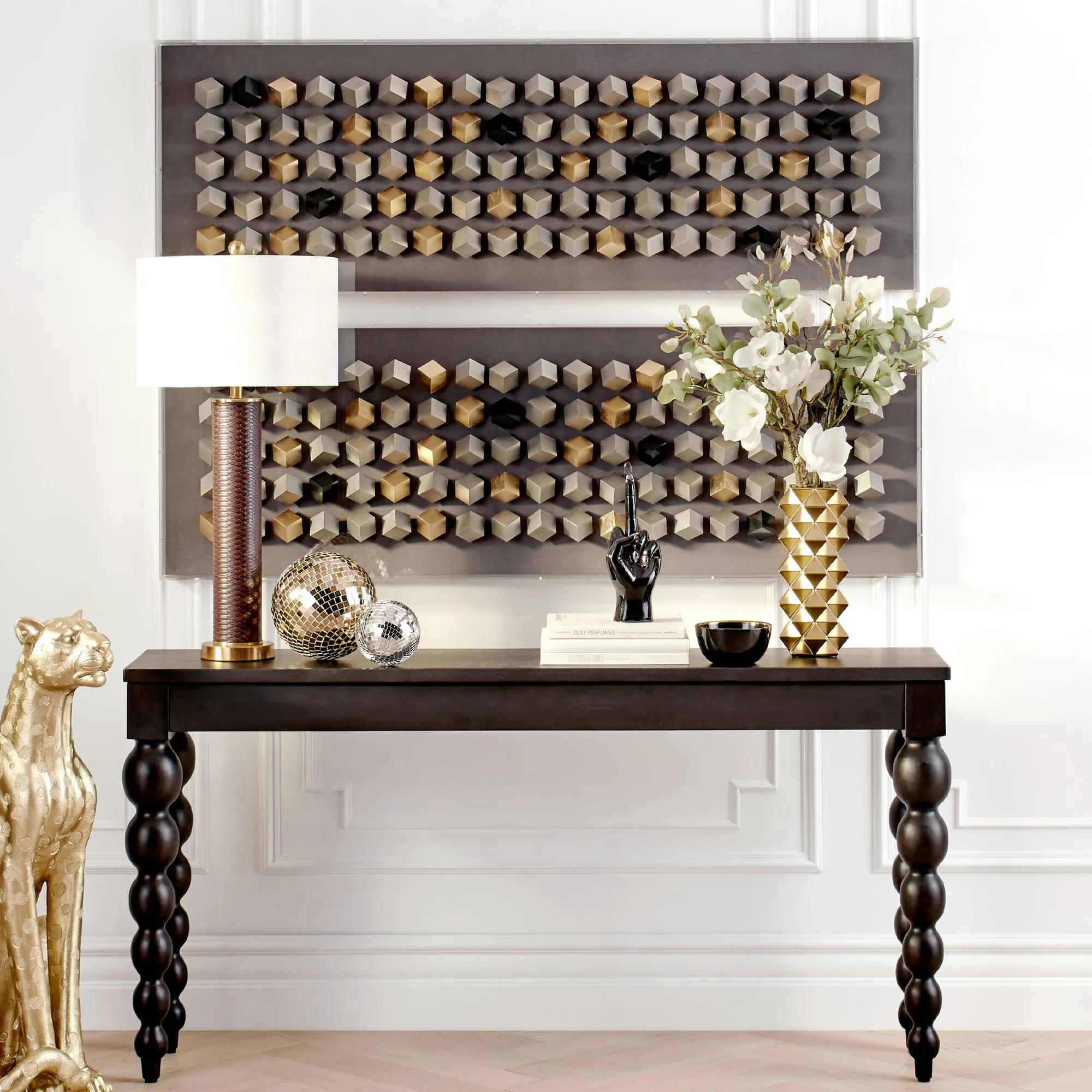 Cubic Array Dimensional Wall Decor in Acrylic 59" x 19.75"$599
A striking shadowbox wall art featuring a cubic, dimensional design with a tri-tone metallic finish.
Add To Cart -
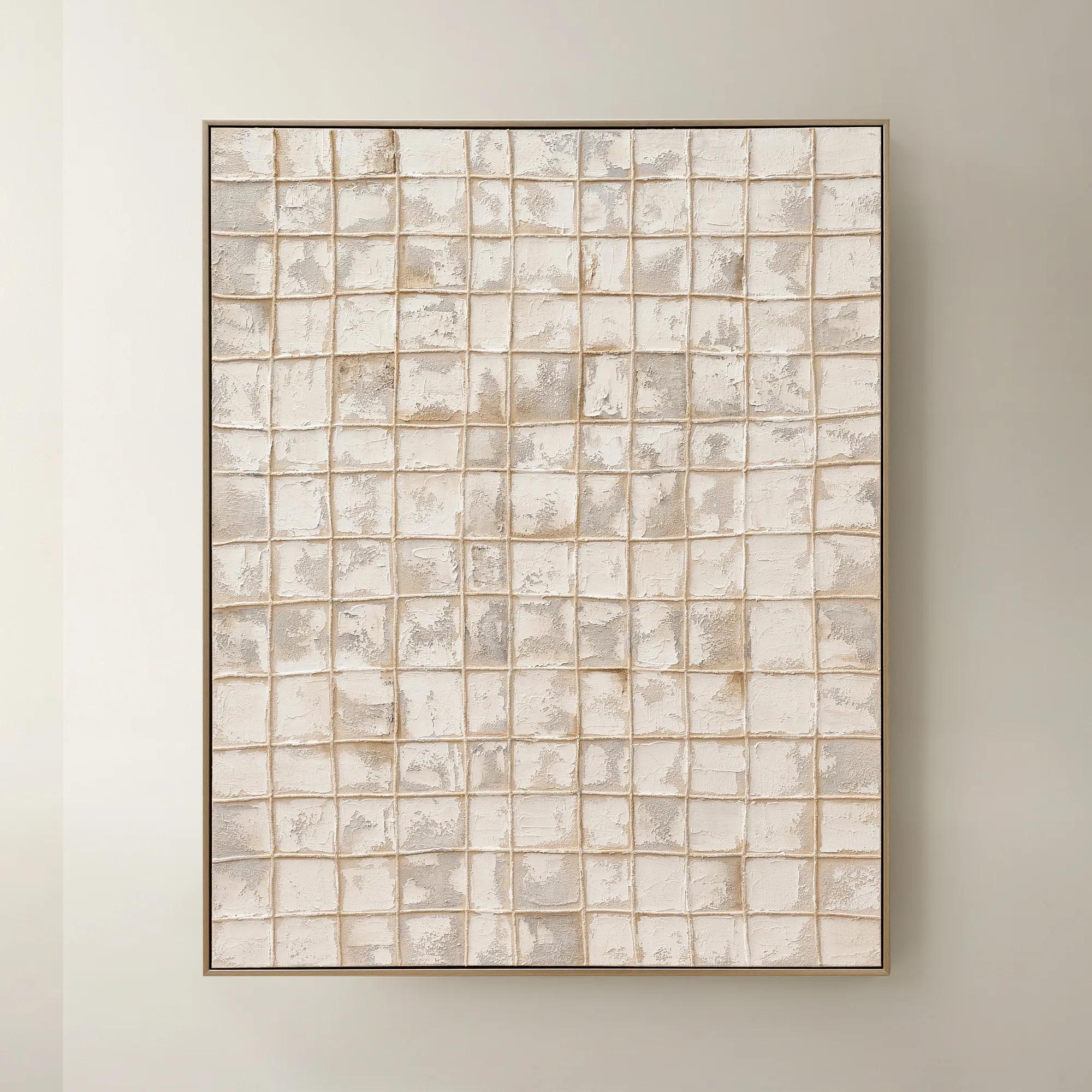
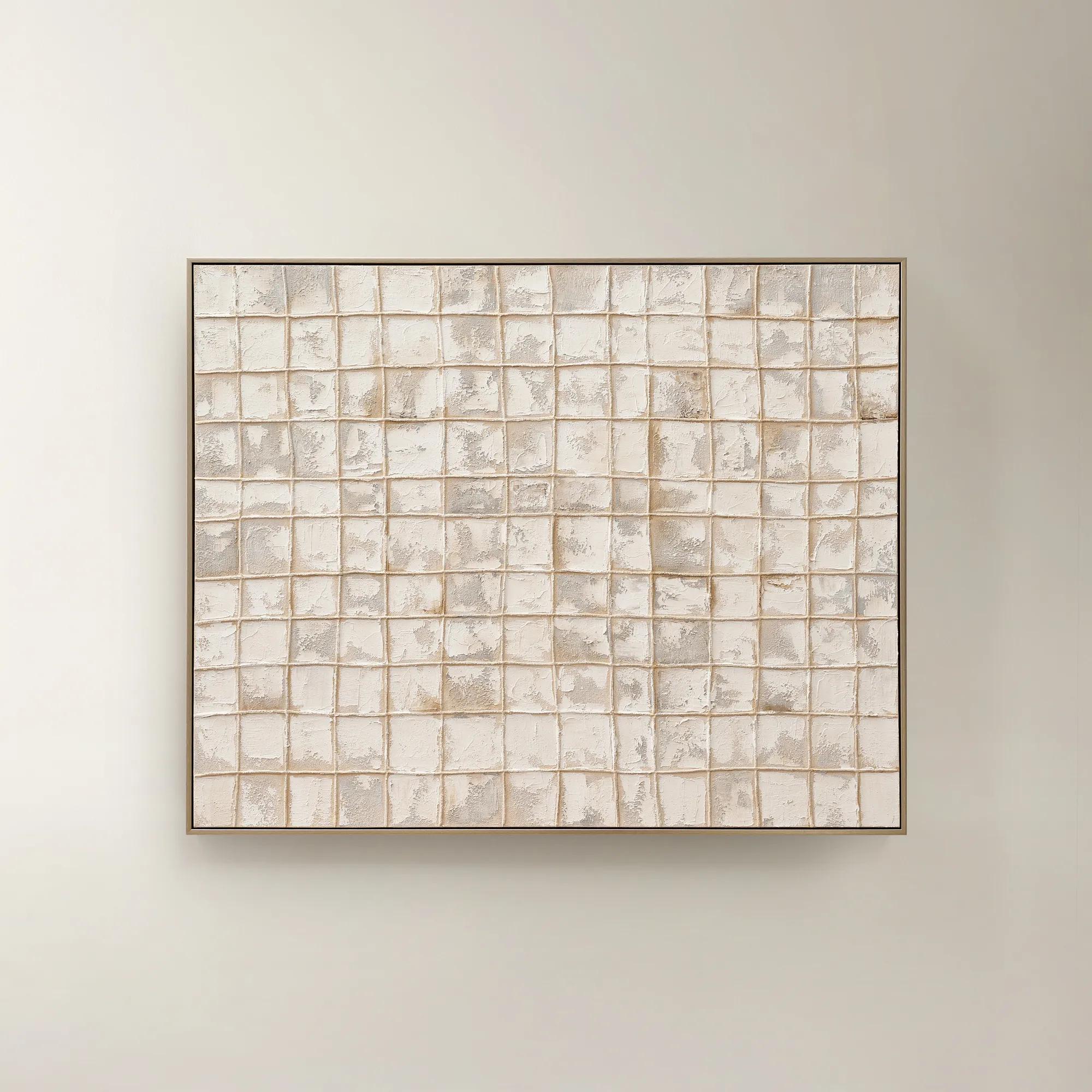 Painted Echos Framed Gold Leaf Wall Art 60" x 48"$699
A hand-painted abstract canvas with gold leaf accents and a champagne frame for modern, versatile display.
Add To Cart -
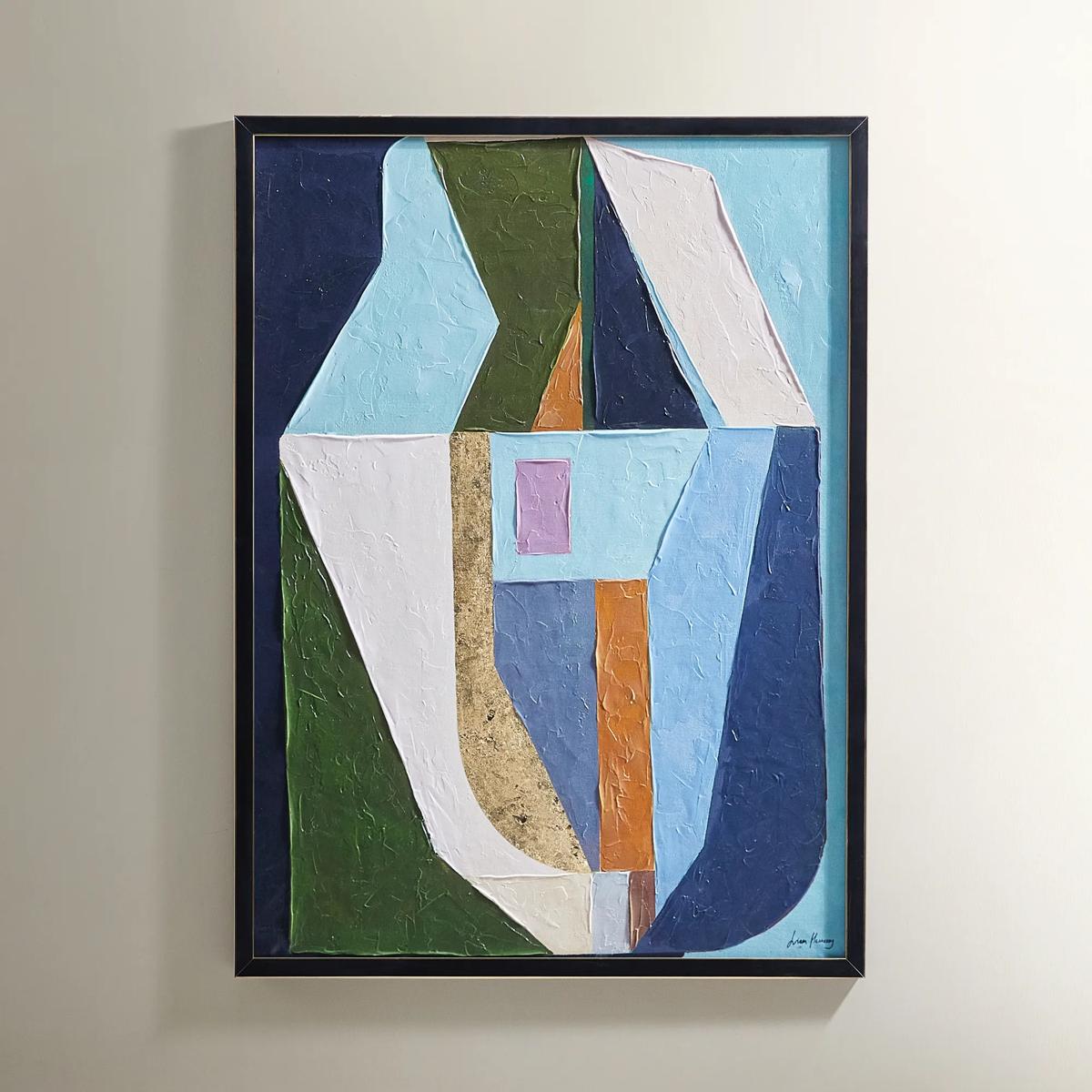 Thought Provoking Painting 2$249
A hand-embellished canvas artwork featuring textured strokes in deep blue, olive green, and gold accents.
Add To Cart -

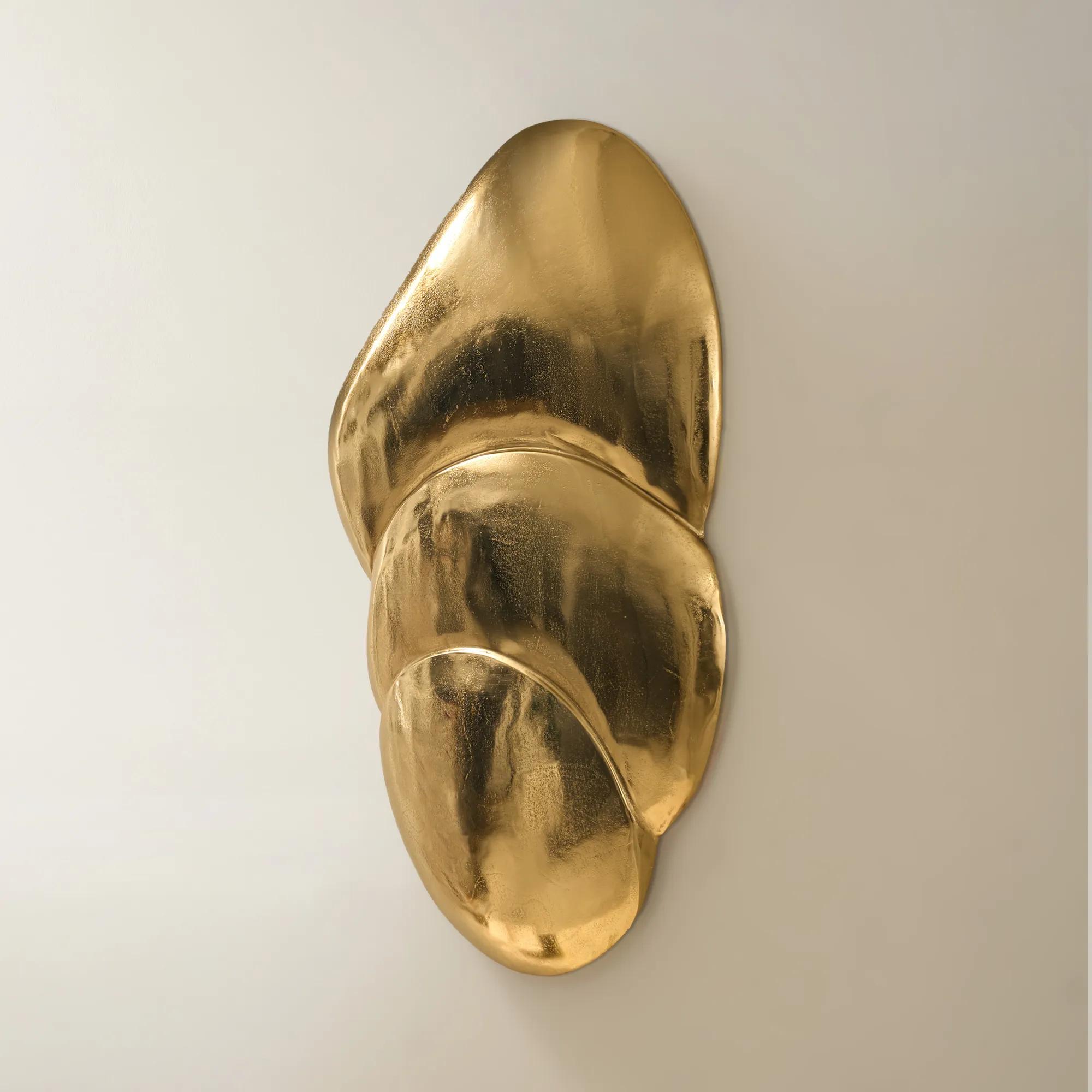 Echo Gold Handcrafted Aluminum Wall Decor 19" x 30"$169
A handcrafted gold aluminum wall sculpture with crisp definition and a polished, gallery-ready framed presentation.
Add To Cart -

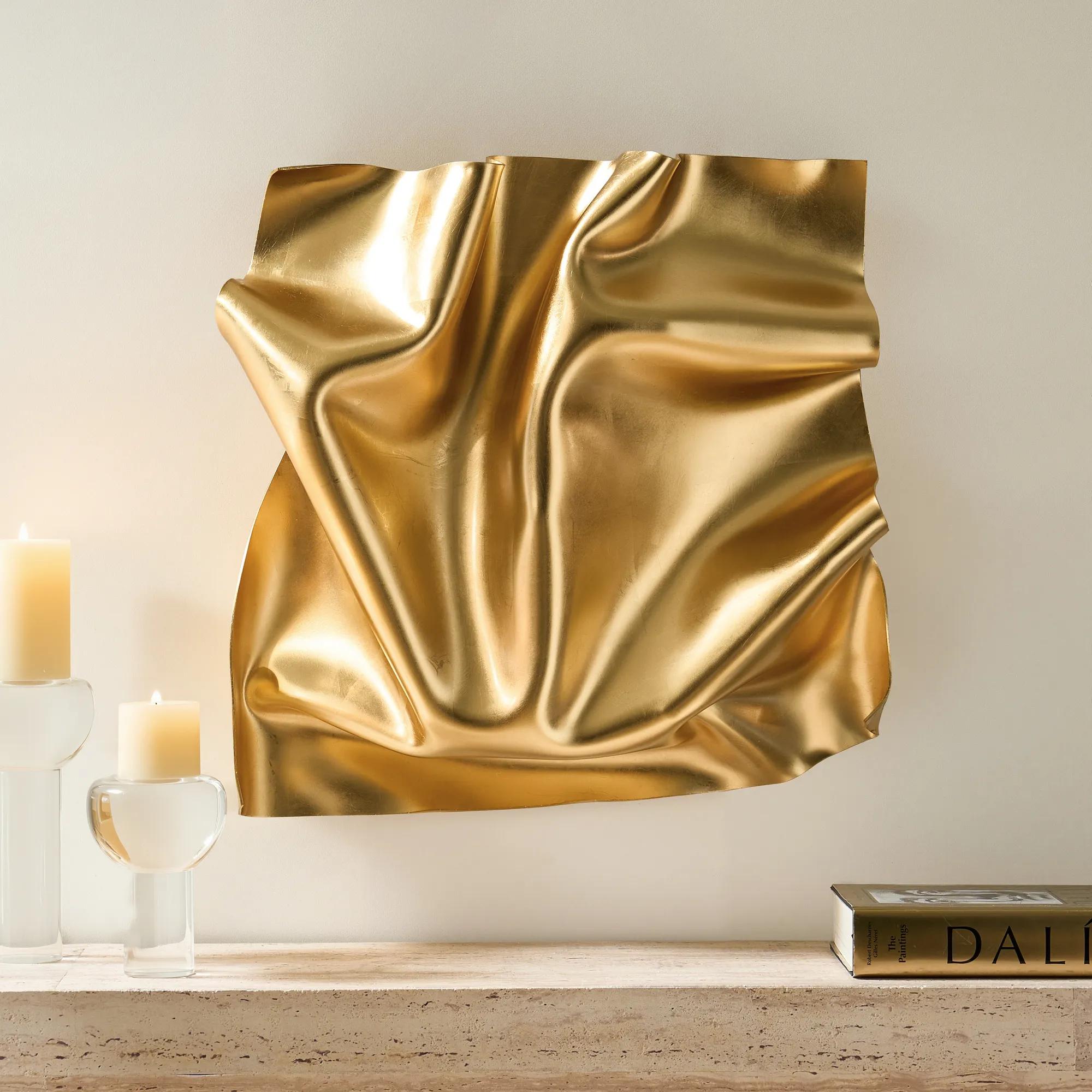 Surface Sculpted Gold Leaf Acrylic Wall Decor 23.6" x 23.6"$199
A dimensional acrylic wall panel features hand-applied gold leafing for a luminous, sculptural gallery effect.
Add To Cart -
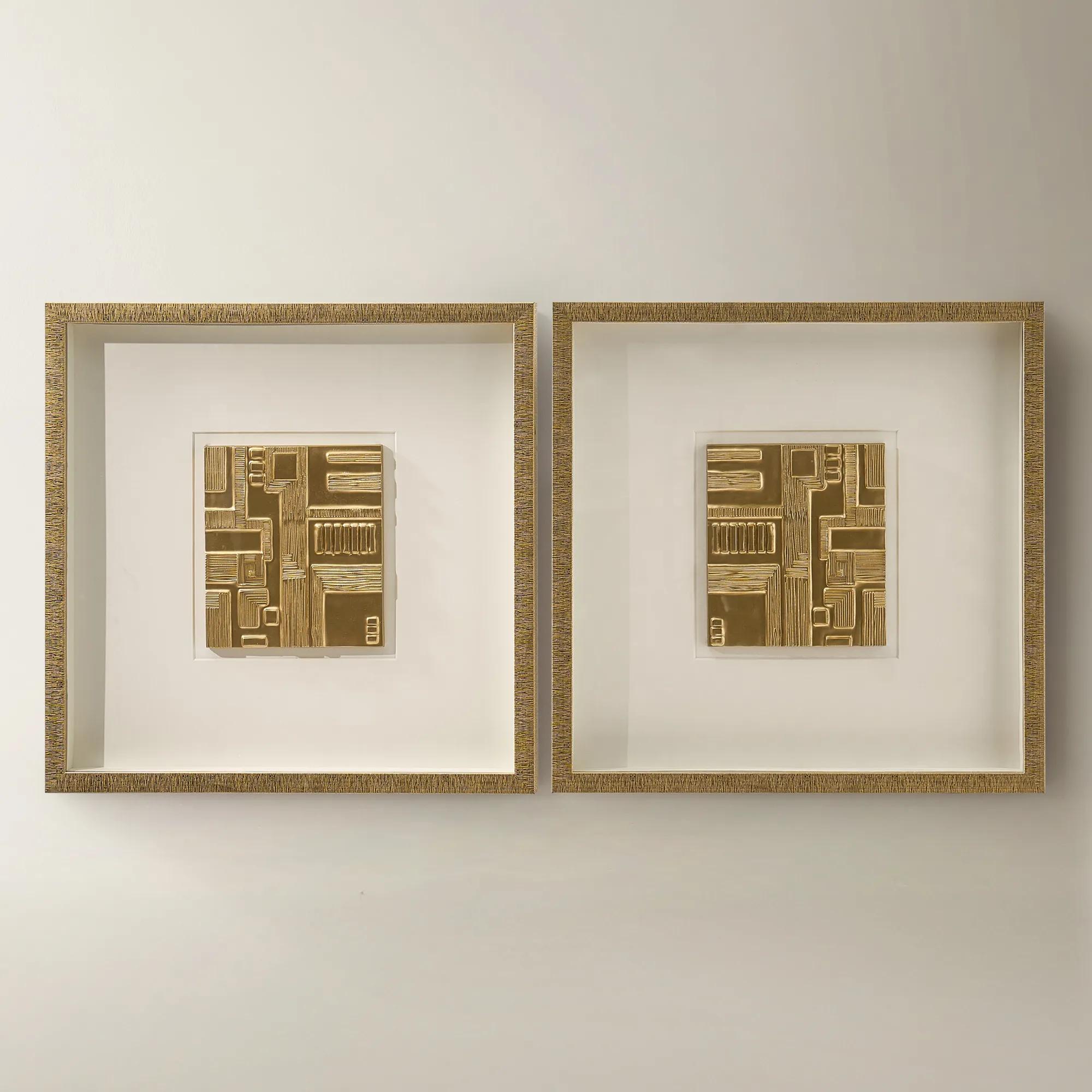
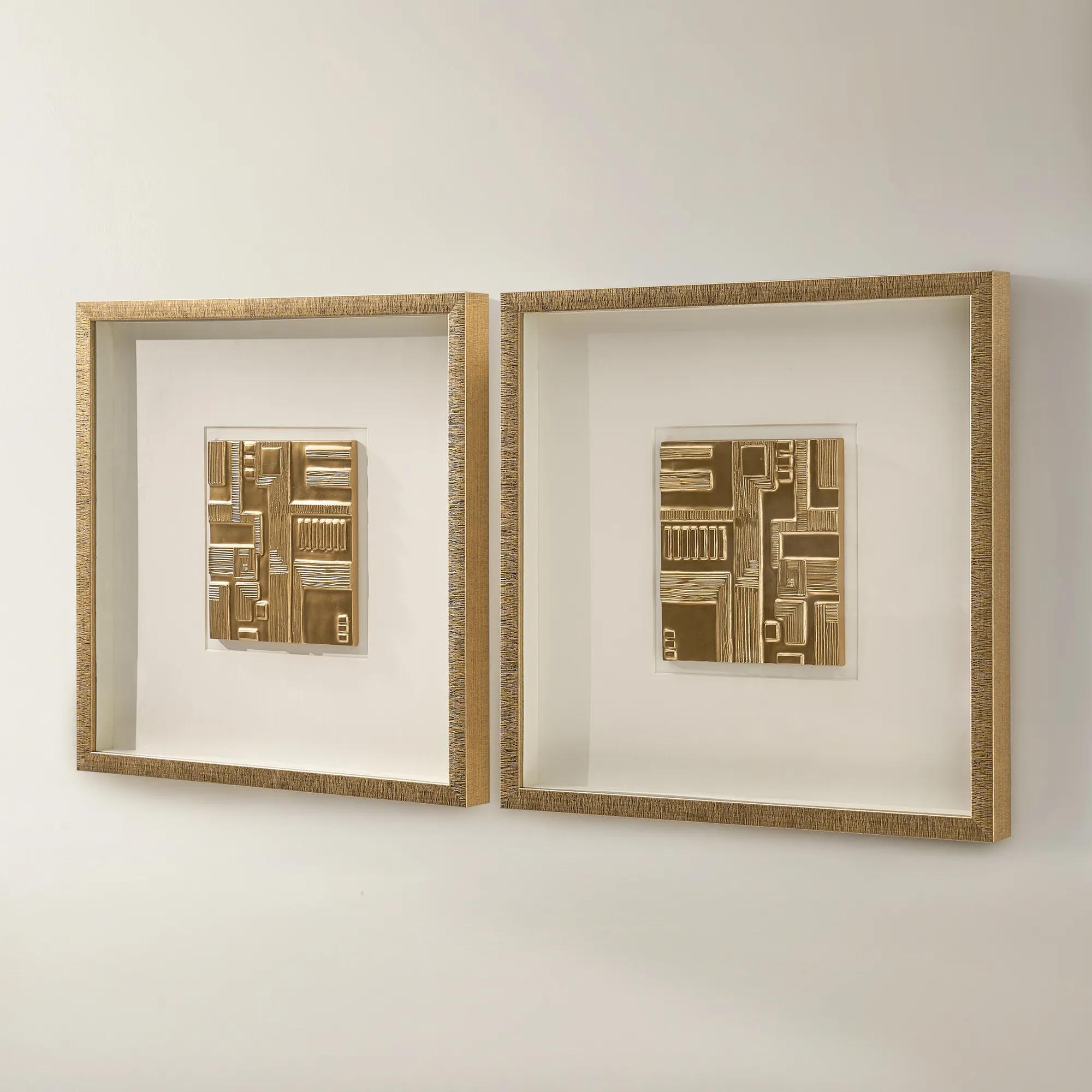 Ritual Framed Woodcarving Wall Decor Set of 2$329
A set of two gold-framed woodcarvings with ivory mats and dimensional relief for gallery-style wall decor.
Add To Cart -
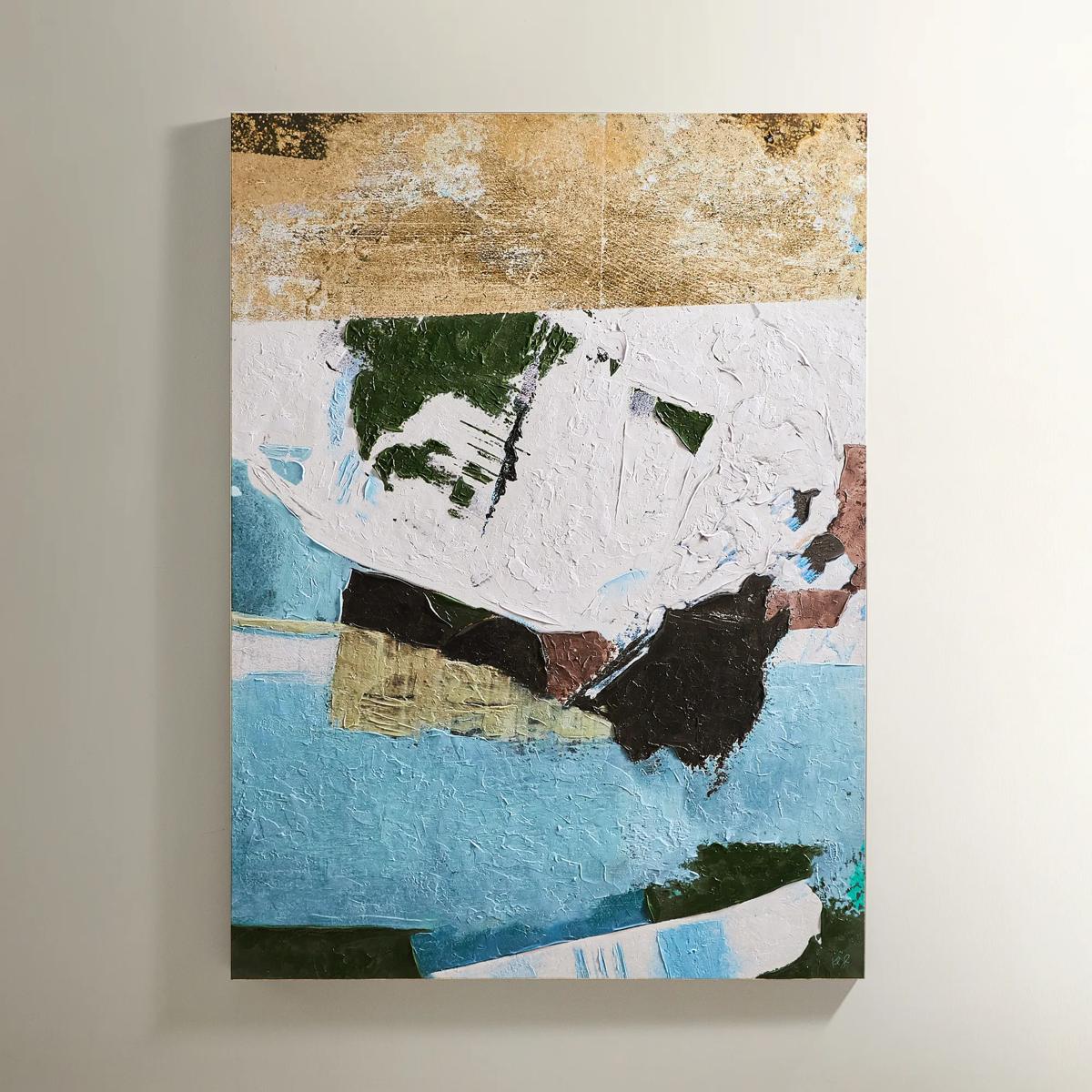 Cadence Painting$599
A hand-embellished canvas artwork featuring textured olive, gold, and ivory strokes in a black and gold frame.
Add To Cart -
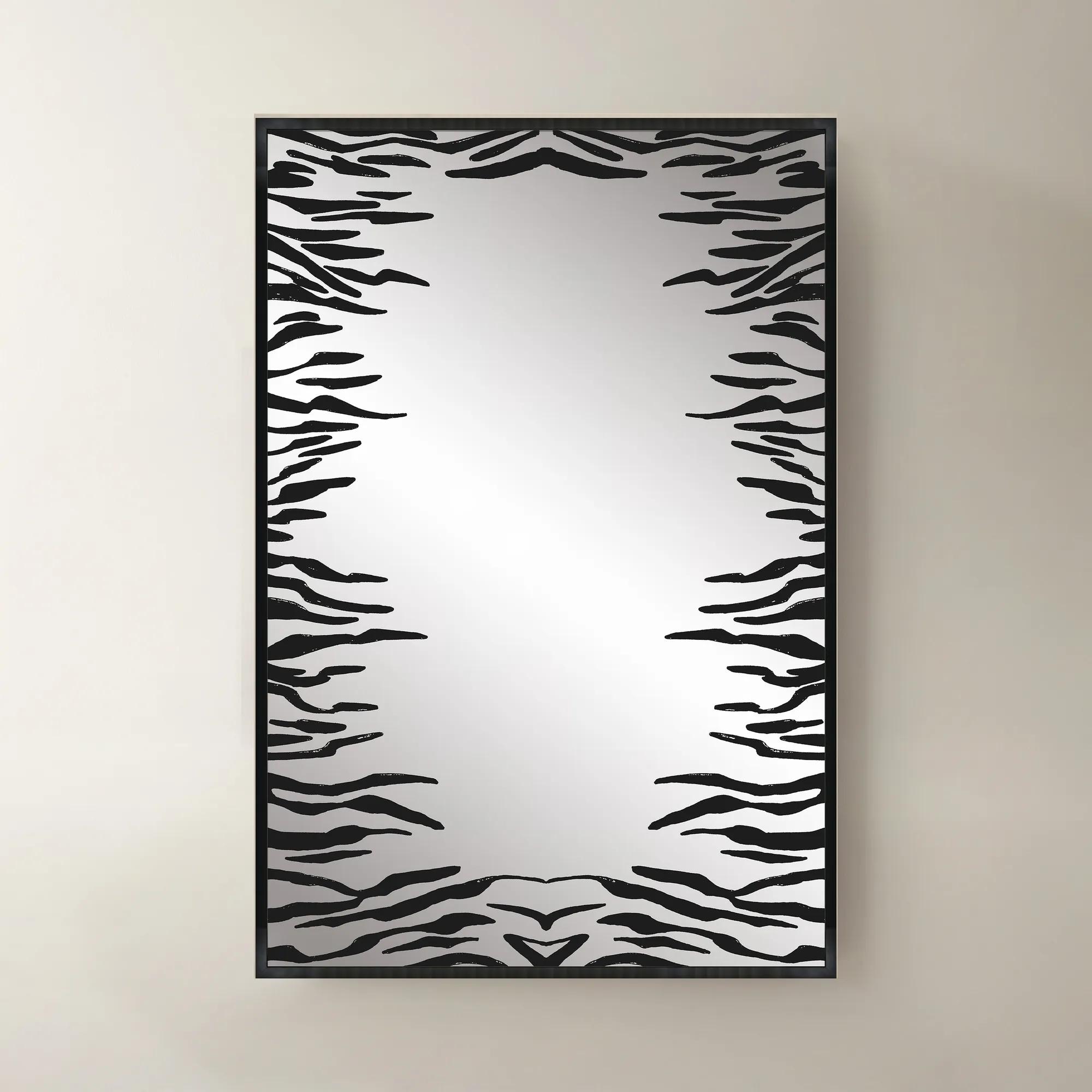
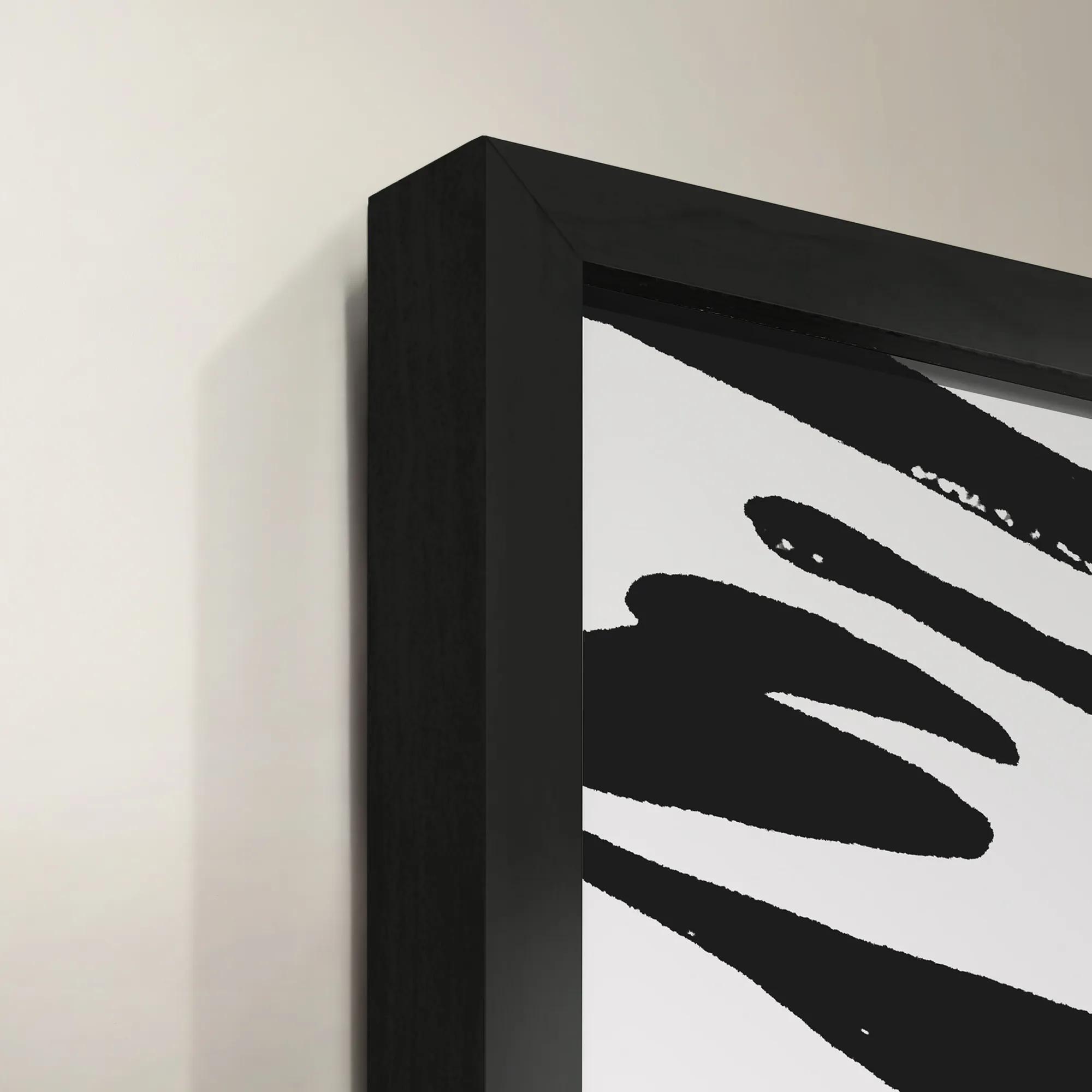 Savanna Veil Framed Printed Wall Mirror 40" x 60"$1499
A black framed printed wall mirror offering artistic dimension and modern sophistication.
Add To Cart -
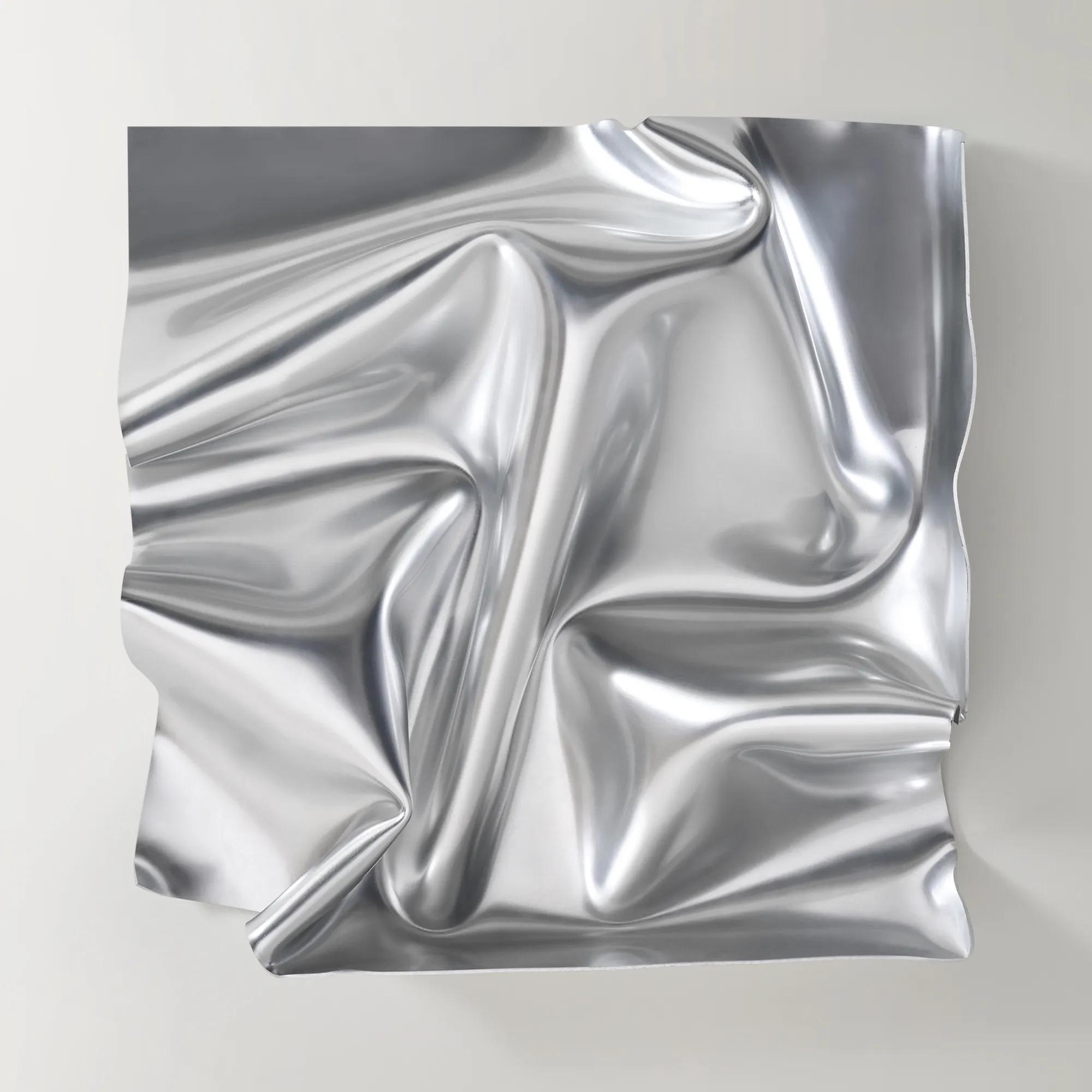
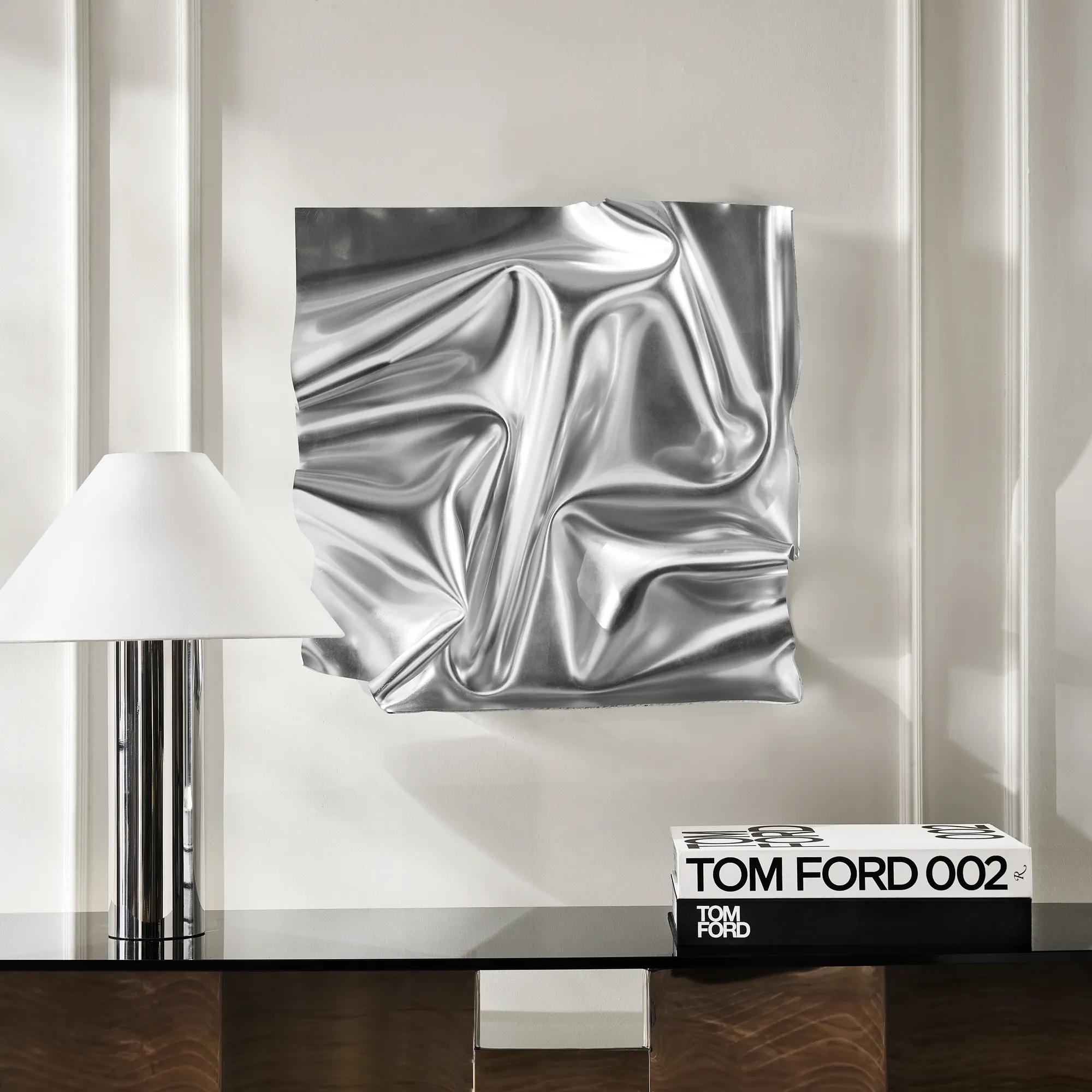 Surface Sculpted Silver Leaf Acrylic Wall Decor 23.6" x 23.6"$189
A striking acrylic wall piece featuring fluid, reflective silver shapes for dramatic, modern visual impact.
Add To Cart -

 Baubles Turtledove Stainless Steel Wall Decor 39"$299
A sculptural stainless steel wall décor piece featuring an elegant turtledove finish.
Add To Cart -

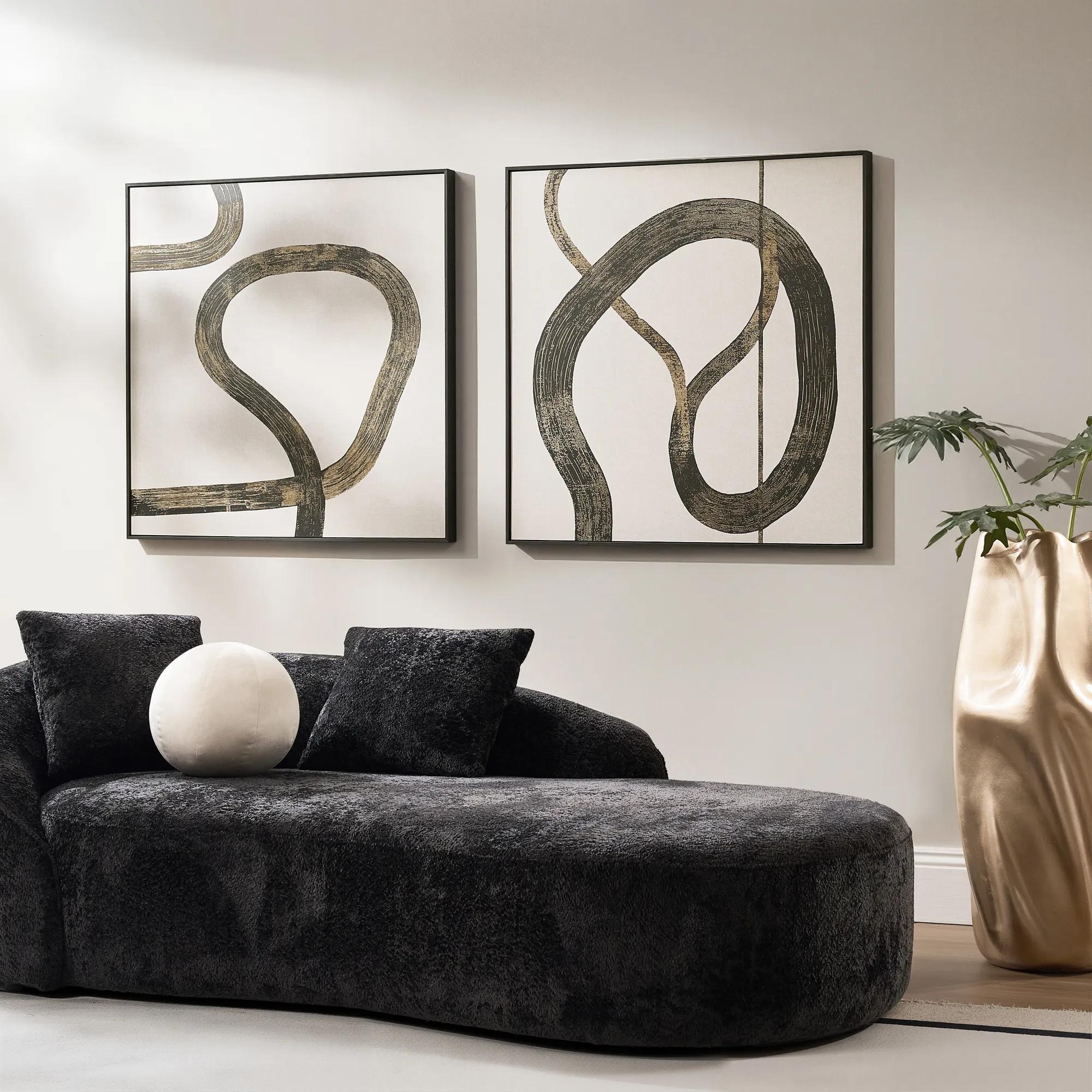 Live Wire Framed Gold Foil Painted Wall Art II 39" x 39"$349
A framed wall artwork featuring gold foil-painted detailing for glamorous modern display.
Add To Cart -
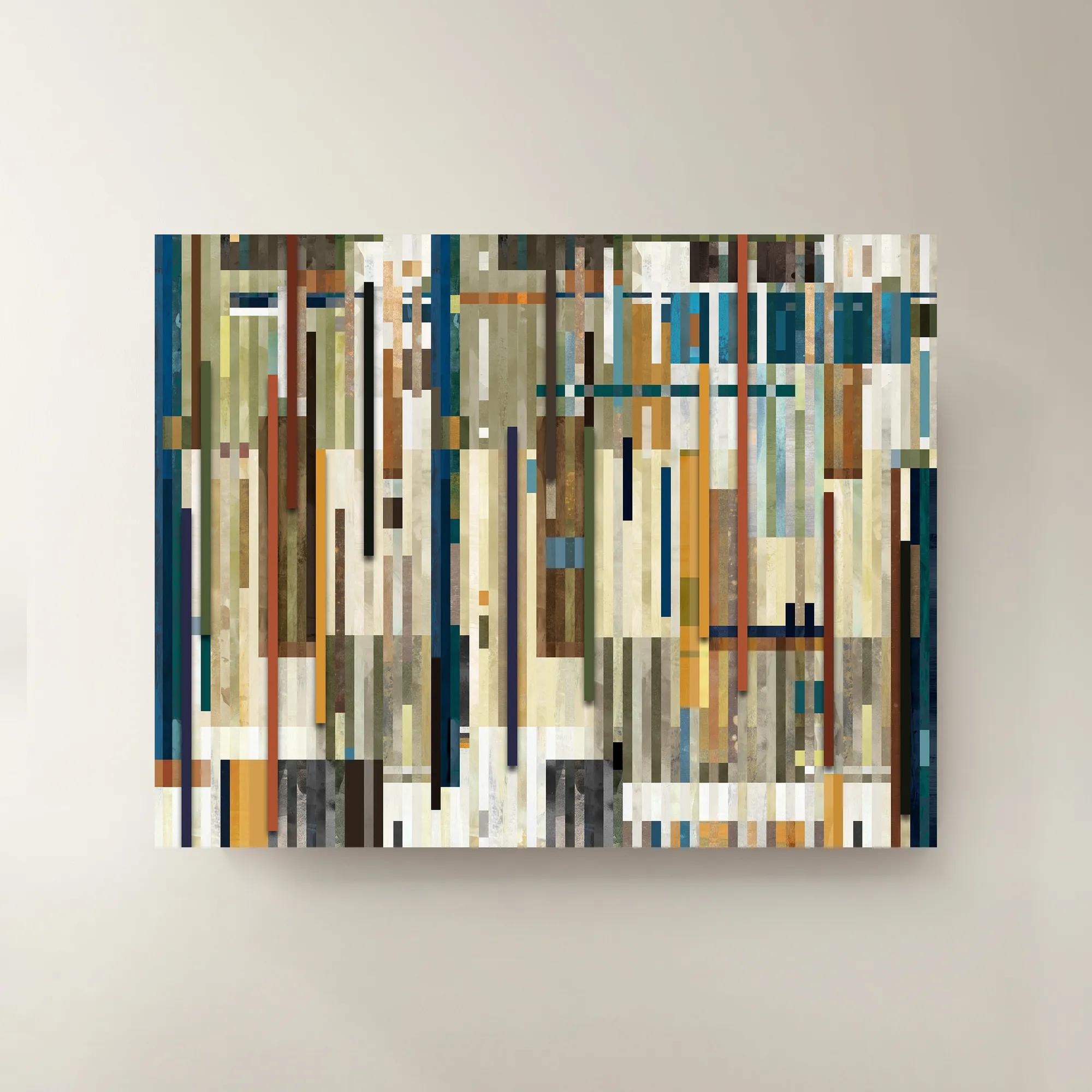
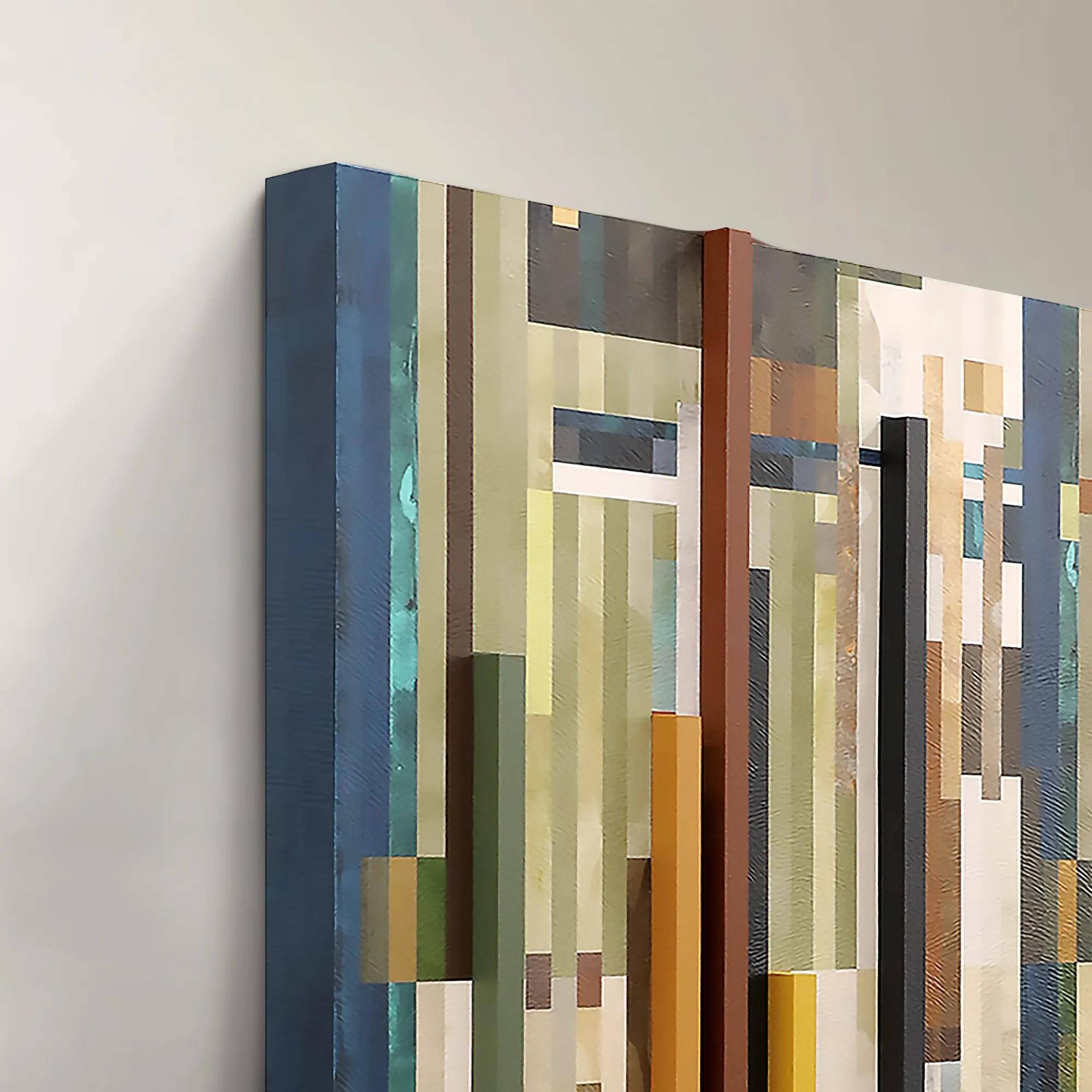 Chromatic Rhythms II Wall Art 60" x 47"$1899
A dynamic blue abstract canvas artwork featuring rhythmic geometric composition.
Add To Cart -
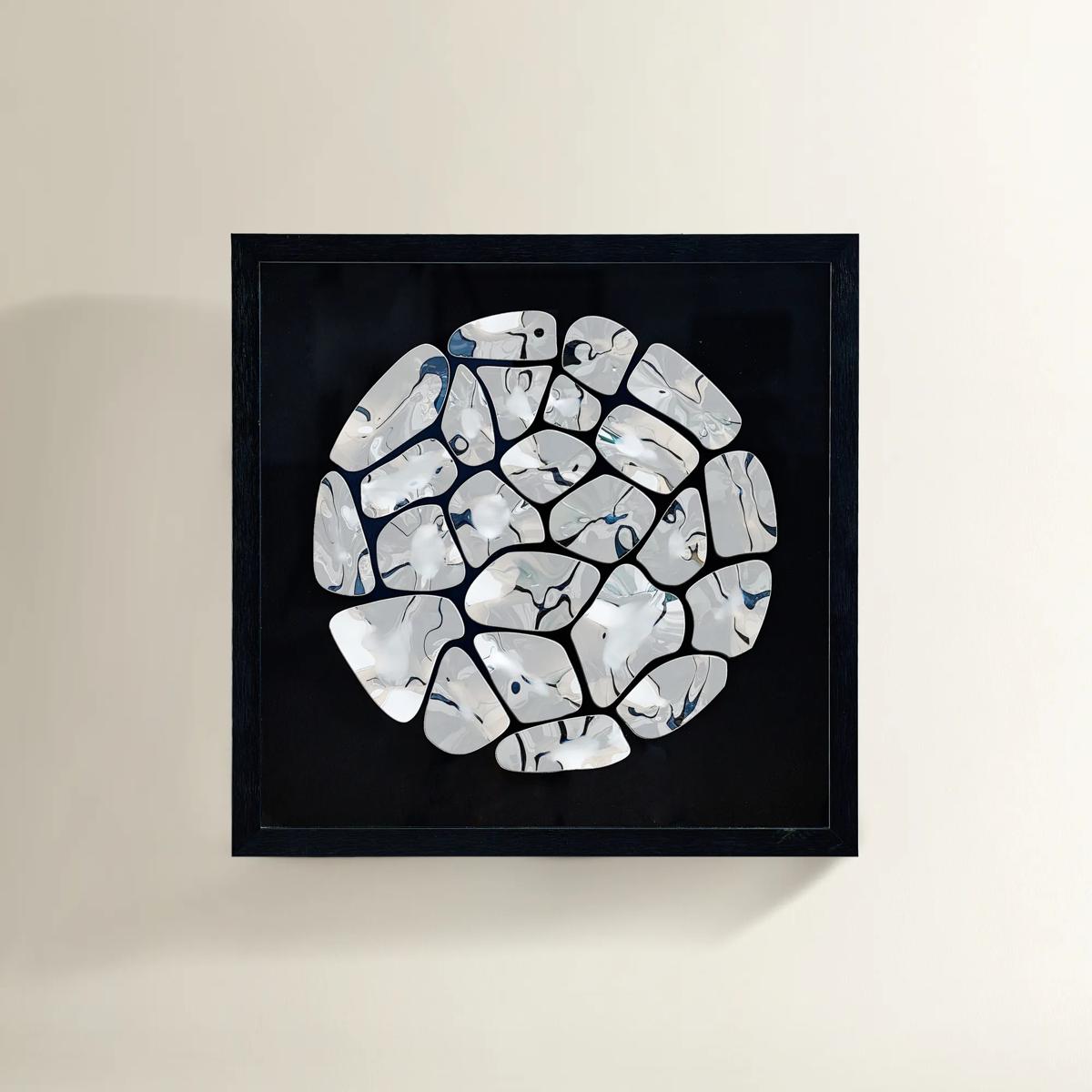
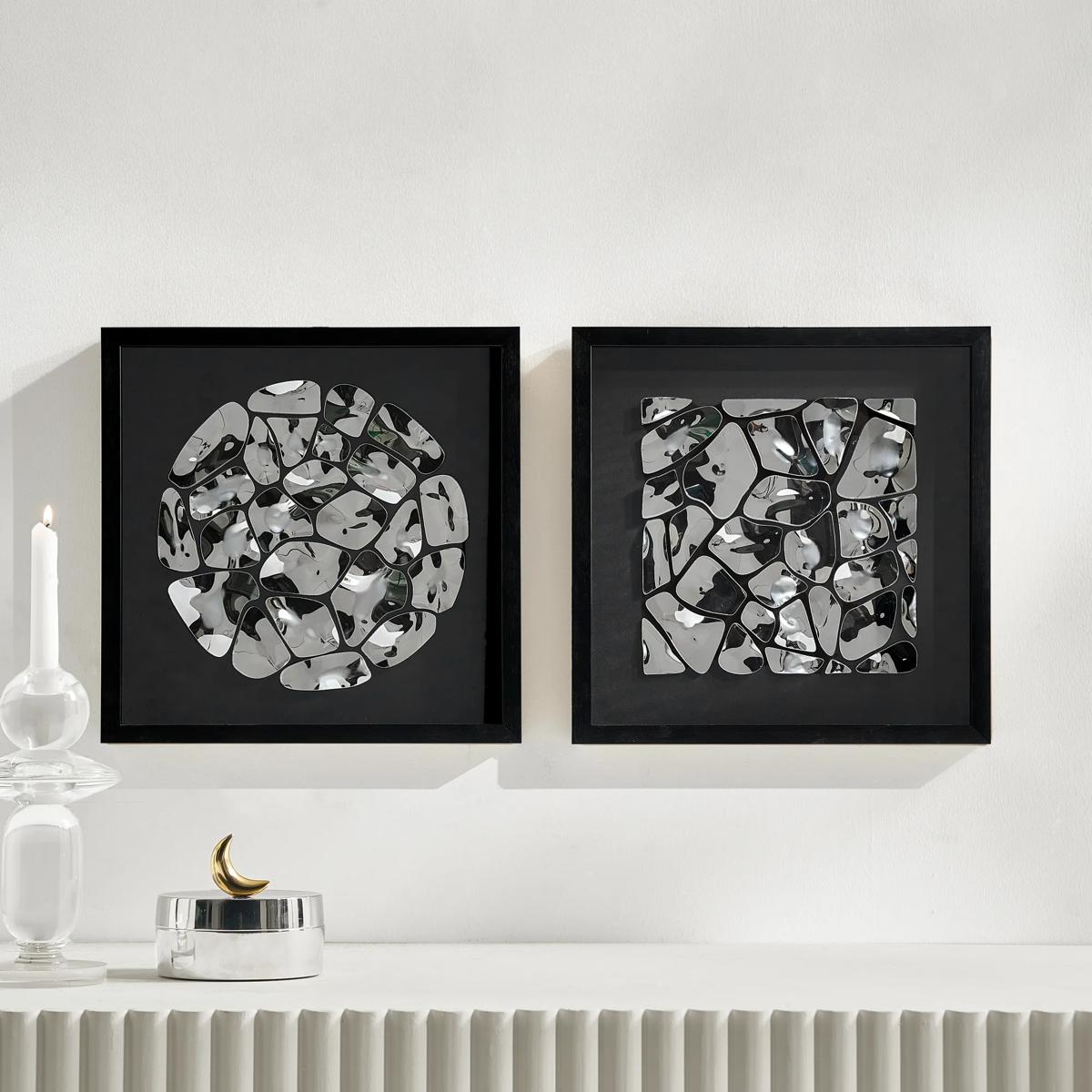 Reflect Silver And Black Shadowbox Art II$189
A dimensional metal wall art piece featuring polished silver and black forms in a sleek black frame.
Add To Cart -
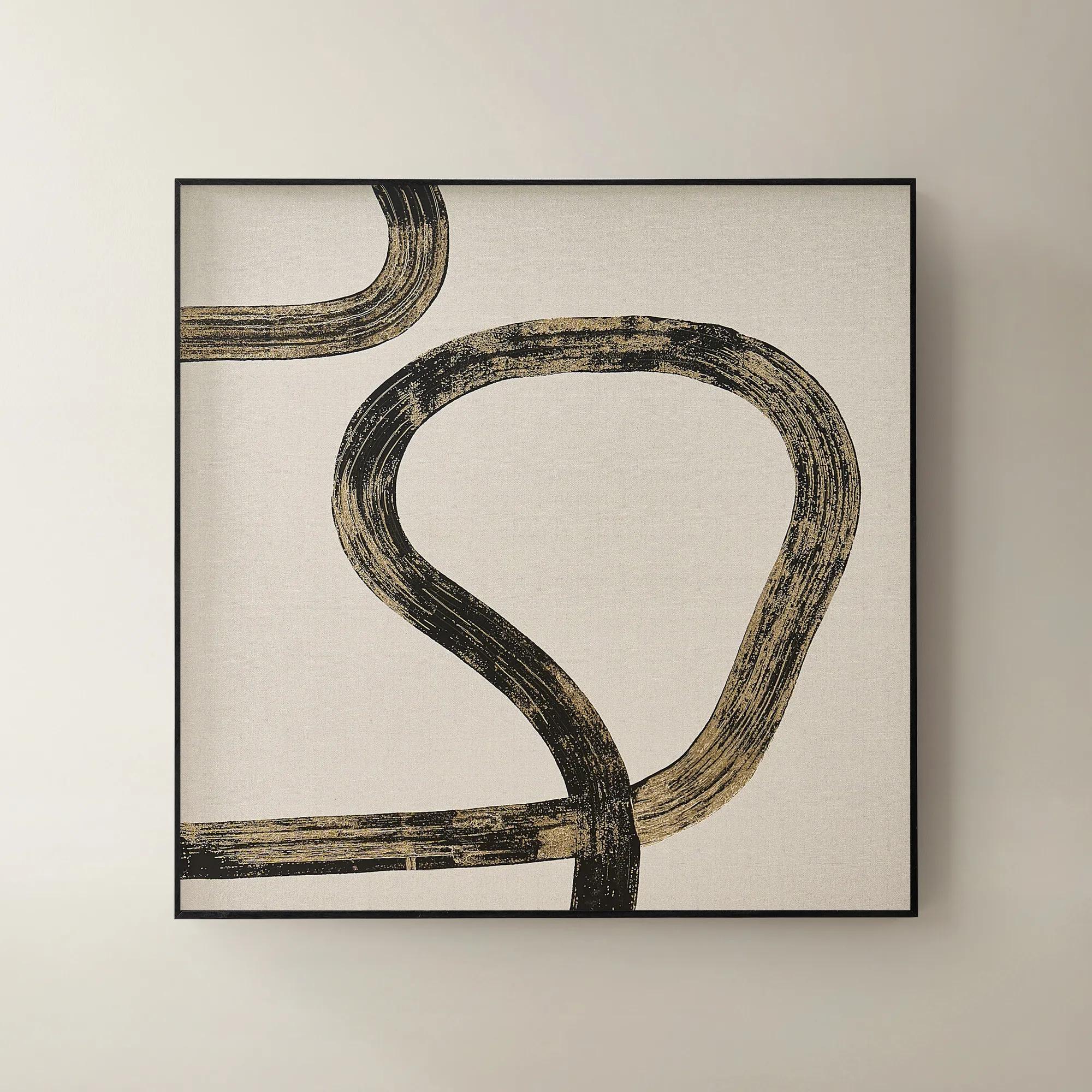 Live Wire Framed Gold Foil Painted Wall Art I 39" x 39"$349
A striking gold foil painting framed to bring modern artistic elegance and luminous texture to any wall.
Add To Cart -
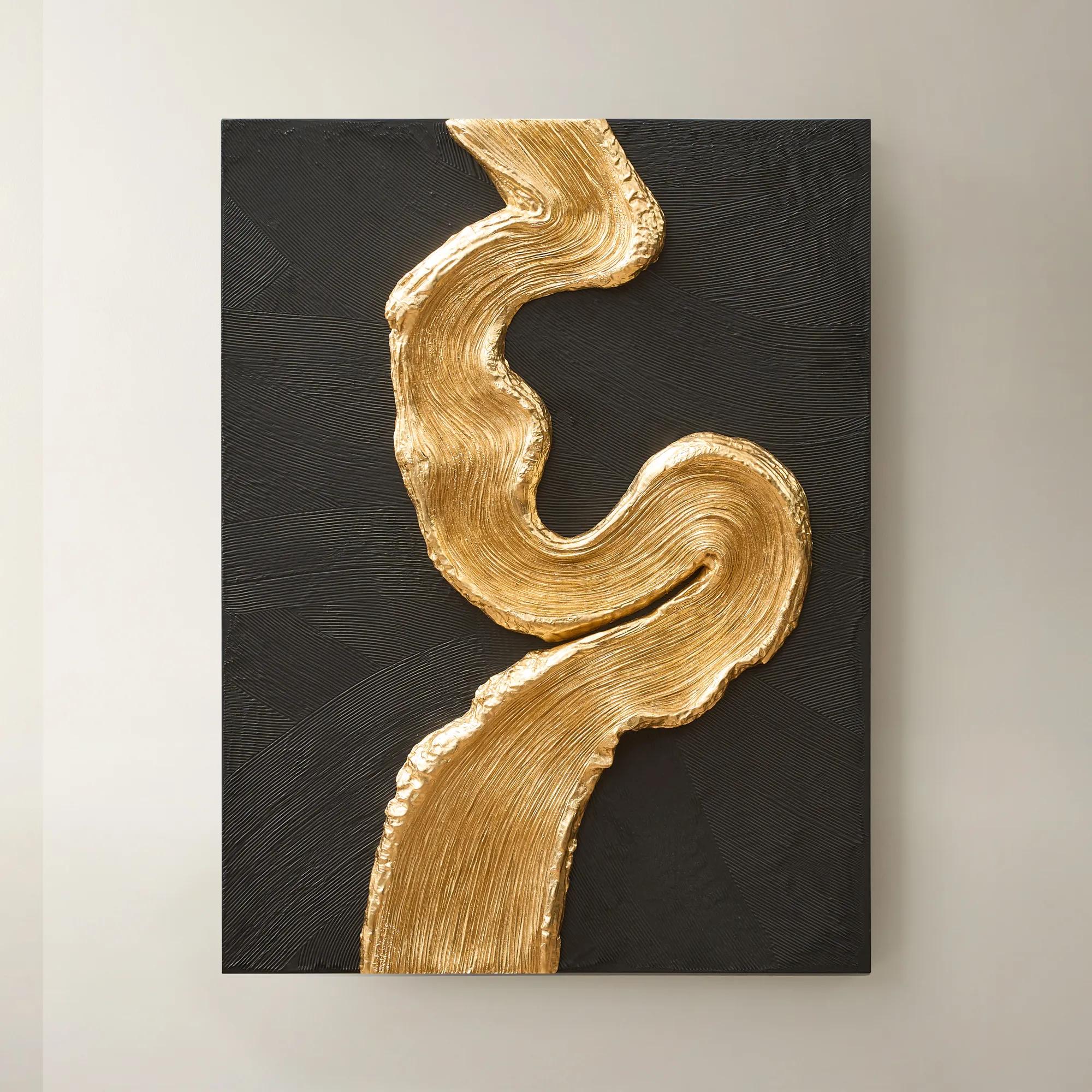
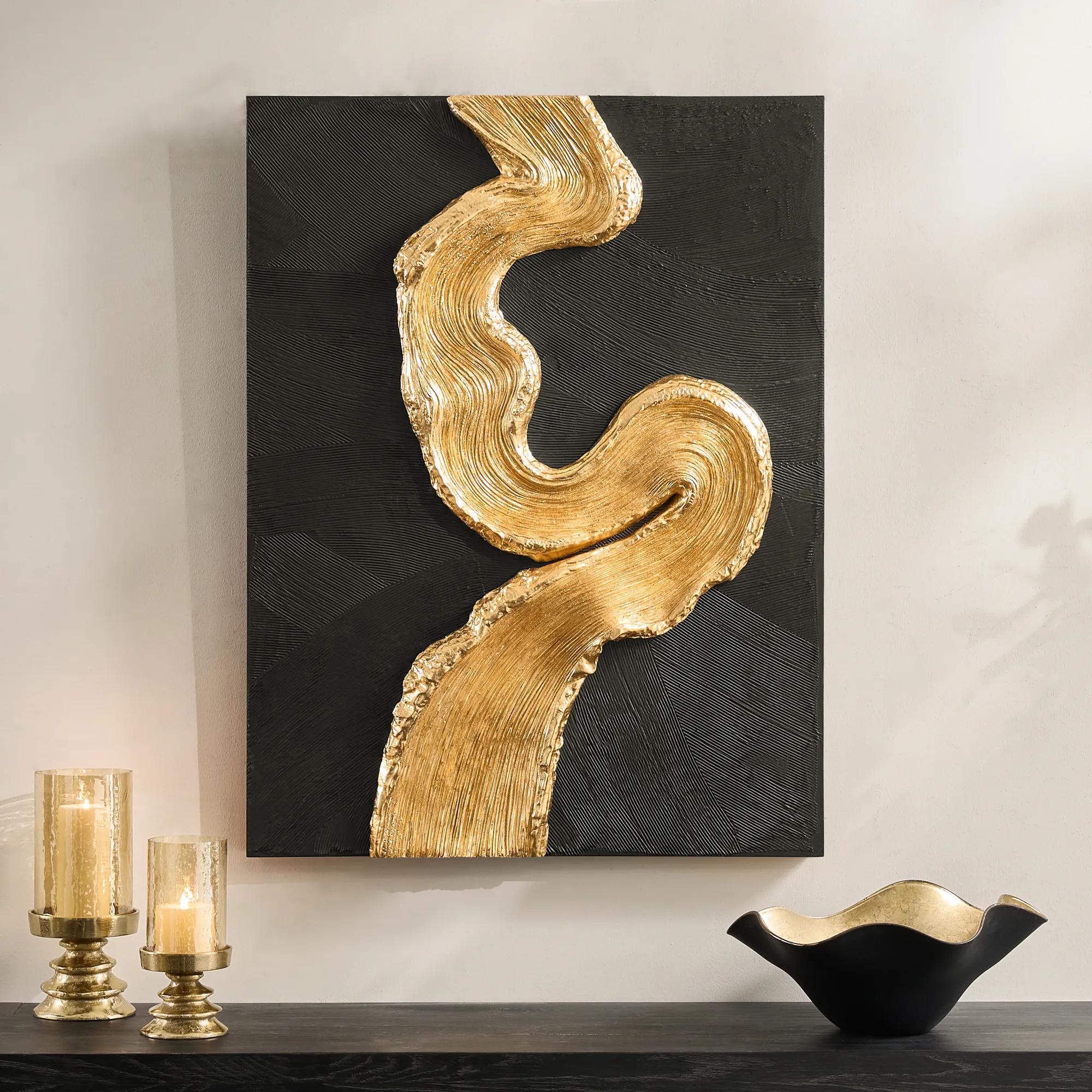 Gold Impasto Sculpted Resin Wall Panel 30" x 40"$499
A sculpted fiberglass resin wall panel featuring gold leaf detail and bold impasto texture on a black backdrop.
Add To Cart -
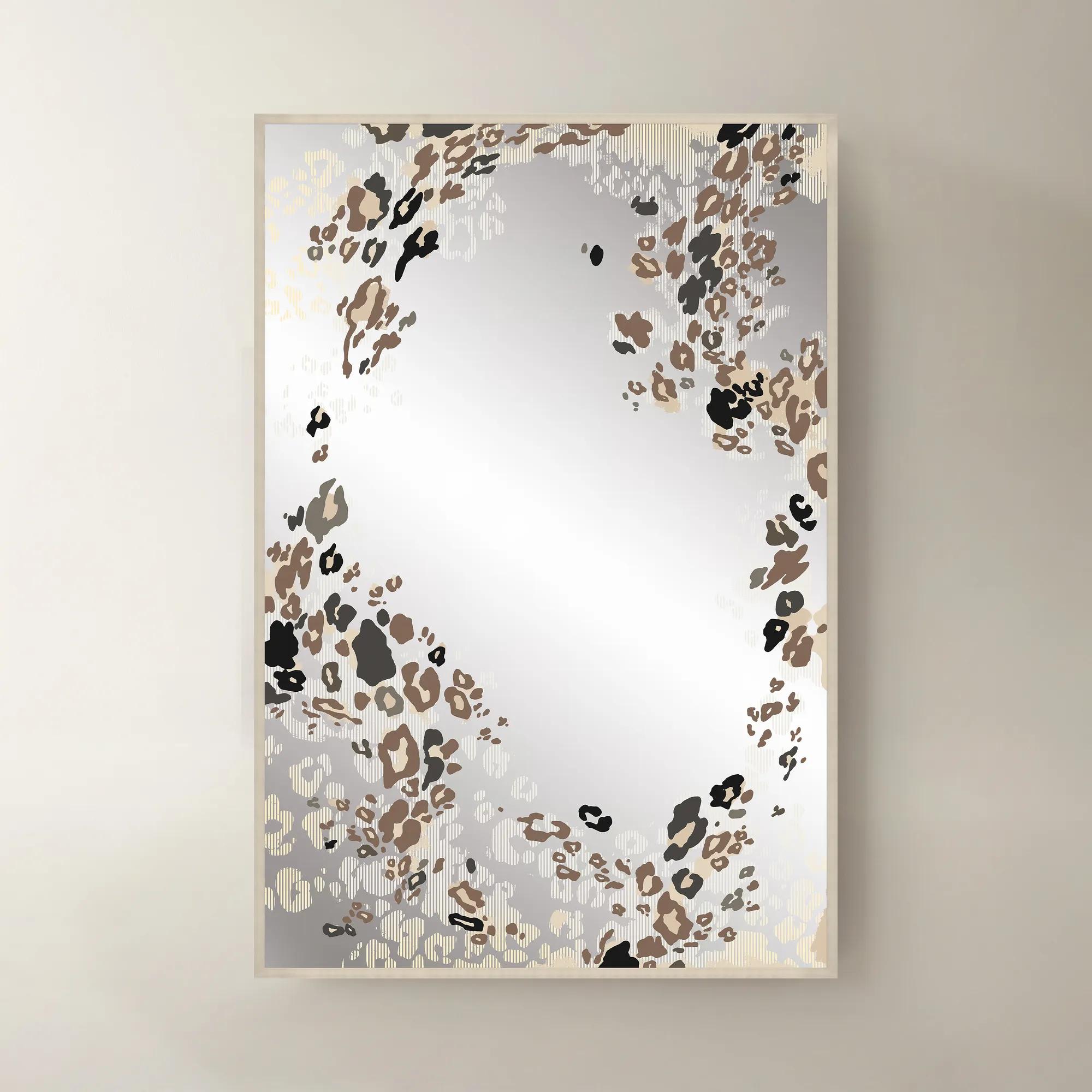
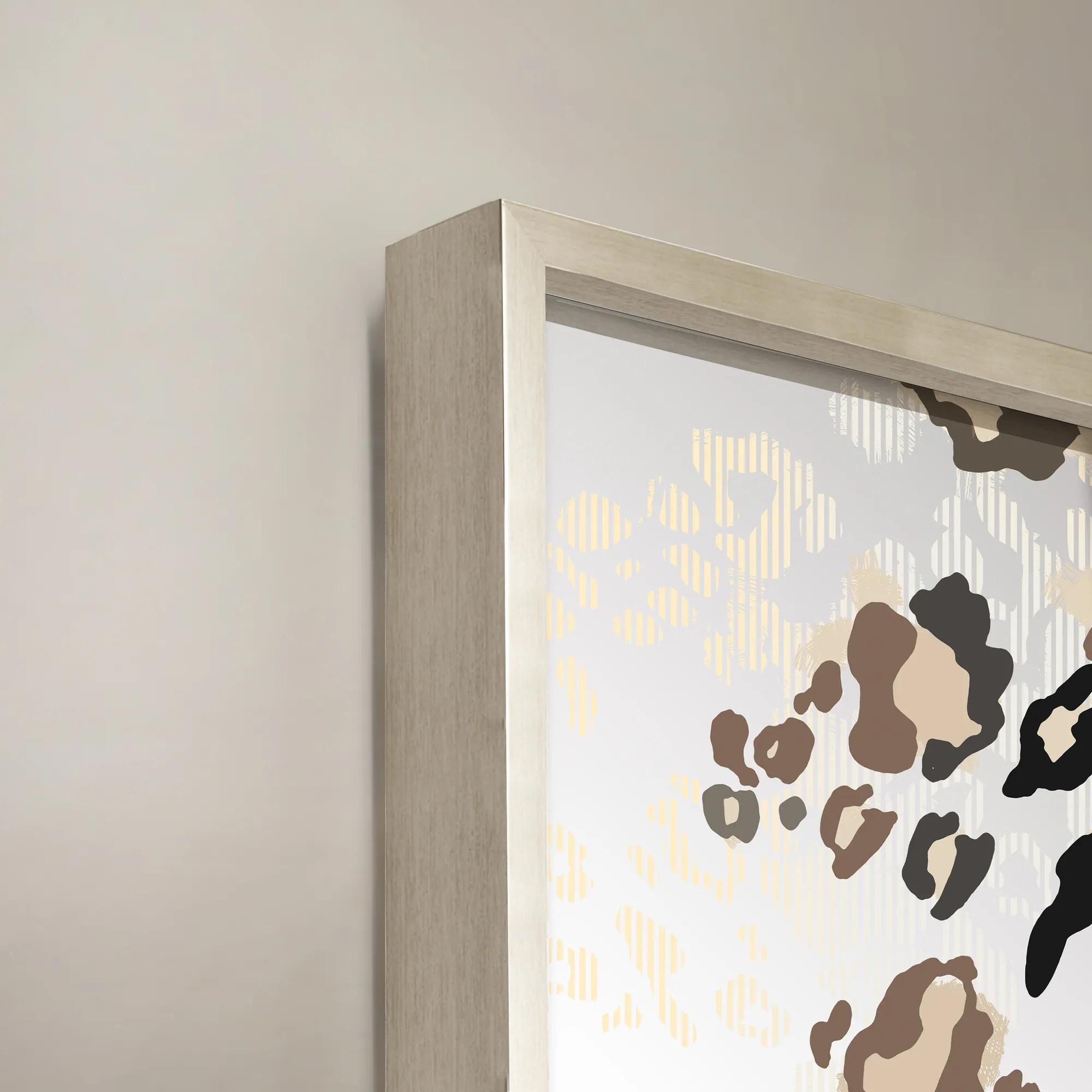 Leopard Luxe Framed Printed Wall Mirror 40" x 60"$1499
A printed mirror featuring Art Deco-inspired leopard artwork, set in a wood silver frame with brown and black tones.
Add To Cart -
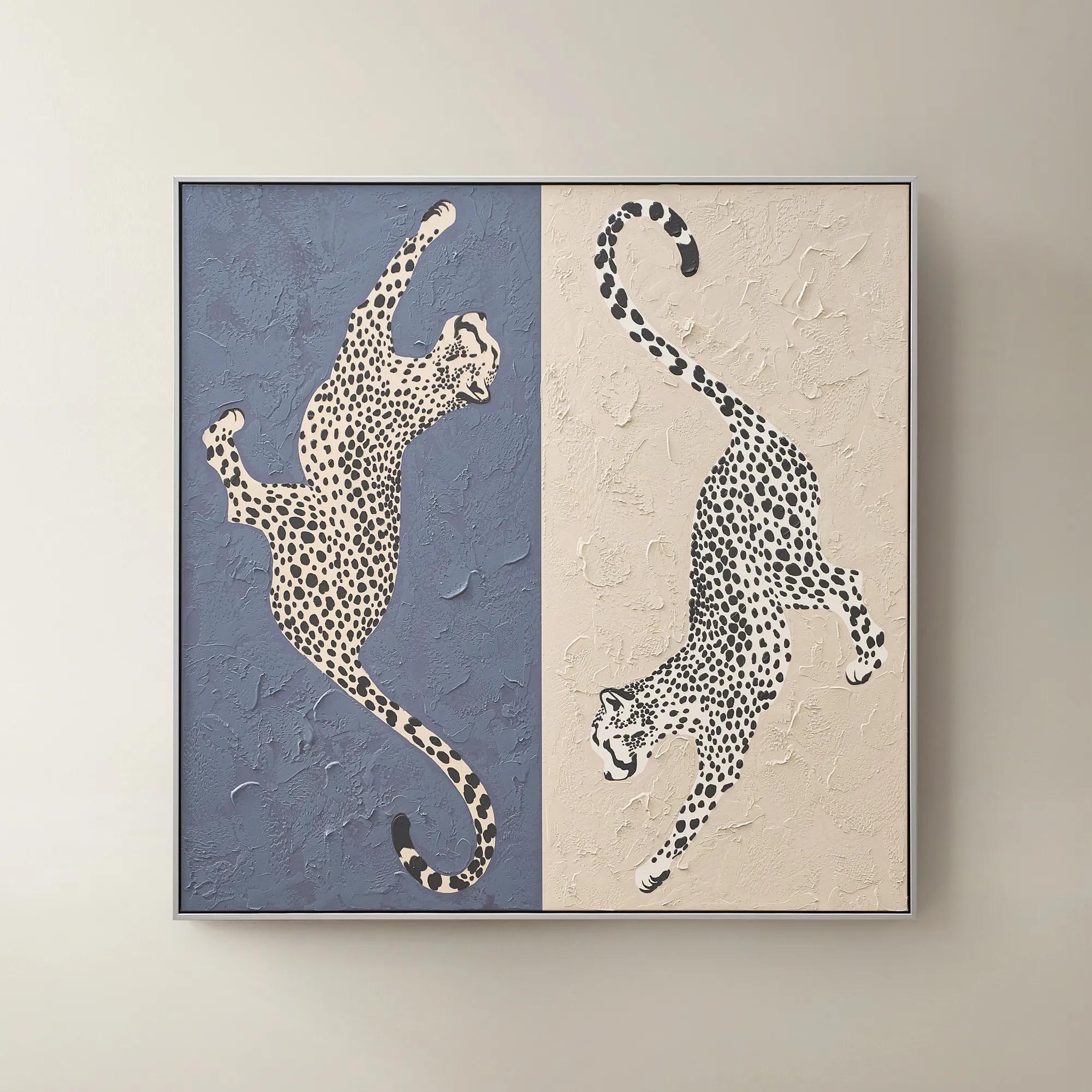 Leopard At Play Framed Painted Wall Art 40" x 40"$299
A hand-painted canvas in ink blue and taupe features playful leopard-inspired art with a silver-black frame.
Add To Cart -
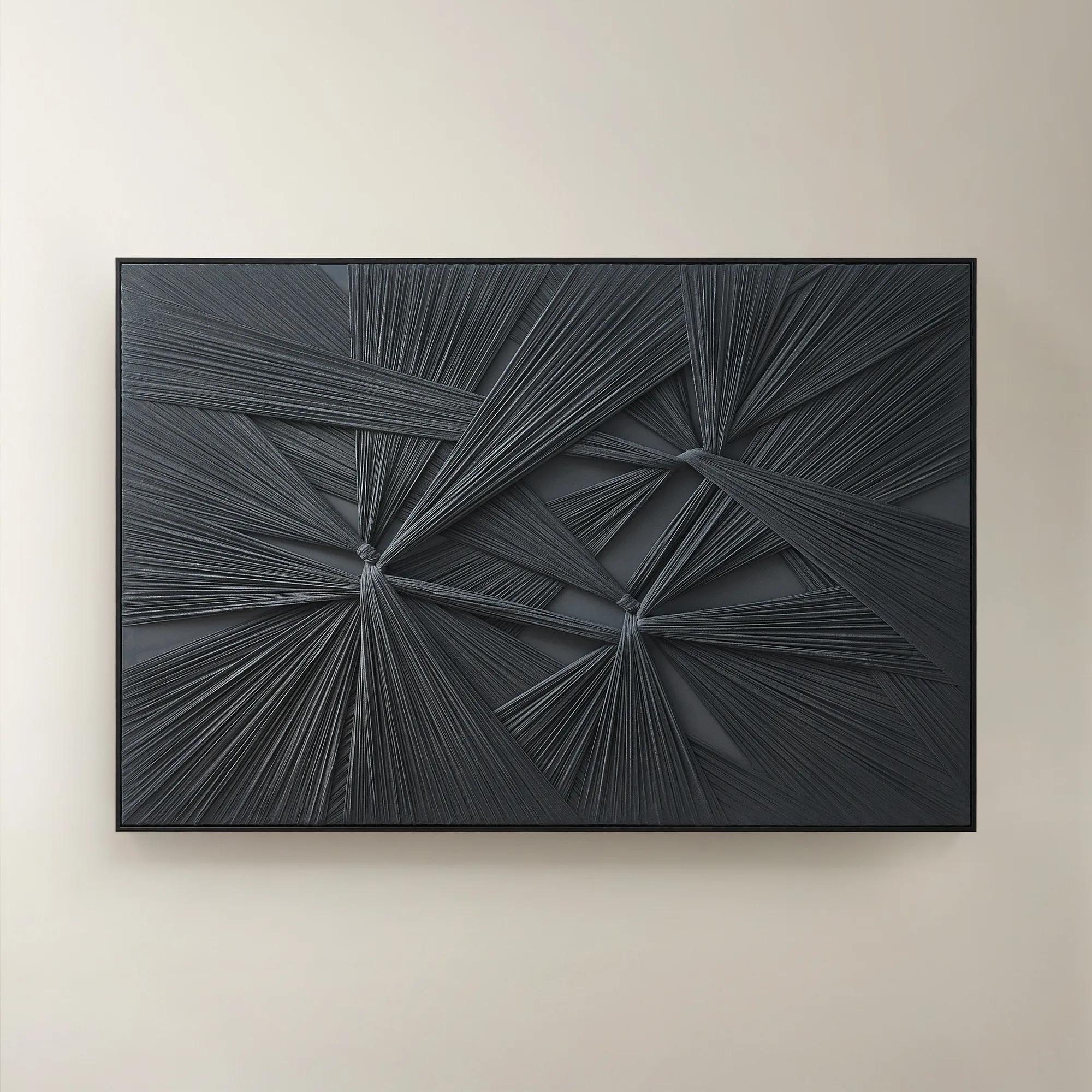 Grace in Dark Slate Hand-crafted Fabric Wall Art 70.75" x 47"$799
A hand-crafted textile wall art piece in dark slate, featuring sculptural texture and versatile display options.
Add To Cart

Art Deco Wall Decor Ideas
Explore Art Deco wall decor ideas to bring bold geometry, striking symmetry, and expressive glamour to your space. Browse wall accents with your room’s proportions in mind: a commanding focal point can anchor the area above a sofa or console, while a balanced arrangement can give an expansive wall a sense of rhythm and drama.
Art Deco wall decor brings the glamour of the 1920s and 1930s into interiors through bold geometry, symmetrical compositions, rich color, and luminous metallic finishes. Sunbursts, stepped silhouettes, fan shapes, chevrons, and sweeping arches are among its recognizable motifs, balancing architectural precision with a distinctly theatrical spirit. On a wall, these elements do more than introduce pattern: they establish rhythm, frame furniture, and give a room a confident point of view. Art deco wall decor ideas can range from a single expansive mirror above a console to a composition of framed artwork arranged with deliberate symmetry. Both approaches capture the style without requiring a room to resemble a period interior. A sculptural metal accent can bring dimension to smooth painted walls, while geometric artwork offers depth through intersecting shapes, contrasting tones, and the suggestion of movement. Gold, brass, silver, and chrome tones are natural companions to black and ivory, although emerald, sapphire, burgundy, and smoky neutrals can make the look feel equally expressive. Materials influence the effect as much as the pattern itself. Polished metal catches light along a sharp outline; glass introduces crisp reflections; textured canvas softens a composition that might otherwise feel severe. Wood frames can add warmth around high-contrast imagery, while a slim metallic frame emphasizes clean edges and a more architectural presence. The appeal lies in that conversation between structure and sensation: disciplined lines paired with lavish surfaces, graphic contrast offset by a sumptuous curve. These qualities suit formal living rooms and dining spaces, but they also bring distinction to an entryway, bedroom, or home office. For someone drawn to expressive interiors, wall decor offers a way to introduce Art Deco character without replacing foundational furniture. A tailored sofa, a streamlined desk, or a simple upholstered bed becomes a compelling backdrop when the wall above it carries an unmistakable sense of artistry. The surrounding furnishings need not share an identical finish or silhouette; a few thoughtful connections in color, line, or proportion are enough to make the room feel composed.
Scale gives Art Deco wall accents their authority, and the relationship between the decoration and the furniture beneath it matters more than filling every available inch. Above a sofa or sideboard, a composition spanning roughly two-thirds to three-quarters of the furniture’s width often feels balanced, though architectural details and ceiling height may call for a different proportion. Several smaller pieces can create that same visual breadth when their spacing is consistent and their frames share a clear relationship. A narrow entry wall may benefit from an elongated mirror or vertically oriented artwork, while a generous dining room wall can support a wider geometric composition with room around its edges. In a bedroom, repeating an arch or fan motif near an upholstered headboard can create continuity without making every surface compete. Symmetry is especially effective when the room already has a strong central axis, such as a fireplace, console, or bed. Matching visual weight on either side reinforces the composed elegance associated with the style; an off-center arrangement can feel equally intentional when a taller object or substantial piece of furniture balances it nearby. Mirrors deserve particular consideration because their decorative value includes what they reflect. A placement that captures artwork, an architectural detail, or an attractive light fixture adds another layer to the room, whereas a reflection of a crowded passage can interrupt an otherwise polished setting. Glass-fronted artwork may also catch reflections, making sightlines worth considering before a final placement. Window treatments offer another opportunity to repeat the room’s visual language without covering every wall in pattern. Art Deco Window Curtains can echo a geometric motif or reinforce a rich palette, allowing wall art and fabric to feel related rather than identical. When both feature prominent patterns, a shared background color or restrained metallic accent helps maintain cohesion. The result is a room with several expressive elements, each given enough space to be appreciated. Even a compact apartment can accommodate this approach: one well-scaled wall statement often delivers more presence than an assortment of smaller accents scattered without a clear relationship.
Material quality, construction, and care help preserve the visual impact of decorative wall pieces beyond their initial placement. Metal decor may have a plated, painted, brushed, or lacquered surface, and each finish can respond differently to handling and cleaning. A soft, dry cloth is often suitable for routine dusting, but the maker’s care instructions should determine whether any cleaning solution is appropriate. Abrasive pads and harsh cleaners can damage delicate finishes, while moisture left along seams or edges may affect some materials. Mirrored and glass surfaces generally benefit from a lint-free cloth, with any approved cleaner applied to the cloth rather than sprayed toward frames, backing, or decorative trim. Printed artwork, canvas, and works on paper have their own requirements; prolonged direct sunlight can fade some pigments, and excessive humidity may affect paper, wood, or backing materials. These pieces are generally intended for interior display unless specifically made for another setting. Construction matters as well: secure frame joints, sound backing, and appropriate hanging hardware support lasting use. Larger mirrors and substantial metal accents require fasteners rated for their weight and suited to the wall’s construction, with professional installation a sensible consideration for heavier pieces. In dining areas and active hallways, placement should leave comfortable clearance so projecting details are not easily brushed or bumped. Practical considerations need not diminish the drama; they allow a striking piece to feel comfortably integrated into everyday life. For a housewarming, wedding, or anniversary gift, geometric artwork or a decorative mirror can suit a recipient who enjoys glamorous interiors, particularly when the scale and finish reflect an established room. Personal taste is essential here: a lover of silver-toned accents may appreciate cool, reflective detail, while someone surrounded by warm woods may favor an antiqued gold effect. The most enduring art deco wall decor ideas draw their strength from those personal connections. A repeated curve, a beautifully weighted frame, or a glint of metal above a cherished console can give a space its signature, bringing the grandeur of the style into a home that feels distinctly individual.
FAQs
Art Deco wall decor brings geometric precision and expressive glamour to a room. Look for sunburst motifs, stepped patterns, fan shapes, and stylized architectural details. Symmetry and striking contrast give the style its distinctive rhythm, turning a wall into an artful focal point with the allure of a grand salon.
Consider a decorative mirror with a radiating silhouette, sculptural wall accents arranged symmetrically, or patterned wallpaper with sweeping fan motifs. Each offers a different expression of Art Deco drama. Choose one defining element, then let surrounding accents echo its curves or angular lines for a composed, richly layered look.
Black and ivory create a crisp, theatrical foundation, while emerald, sapphire, and burgundy introduce jewel-toned depth. Gold-tone or silver-tone accents lend a luminous counterpoint. For a softer interpretation, pair champagne hues with warm neutrals, allowing the artwork’s geometry to carry the drama.
Build your gallery wall around a shared visual thread, such as architectural forms, geometric abstraction, or a restrained color palette. Use a balanced arrangement and repeat frame finishes to establish rhythm. Introduce contrast through the artwork itself—sweeping curves beside angular compositions—to create a display that feels curated rather than repetitive.
Let Art Deco wall decor introduce ornament against streamlined furniture and uncluttered surfaces. A bold geometric composition can become the room’s signature, with its colors or motifs echoed in a pillow, decorative object, or rug. Keep those references selective so the space feels expressive and contemporary rather than like a period recreation.