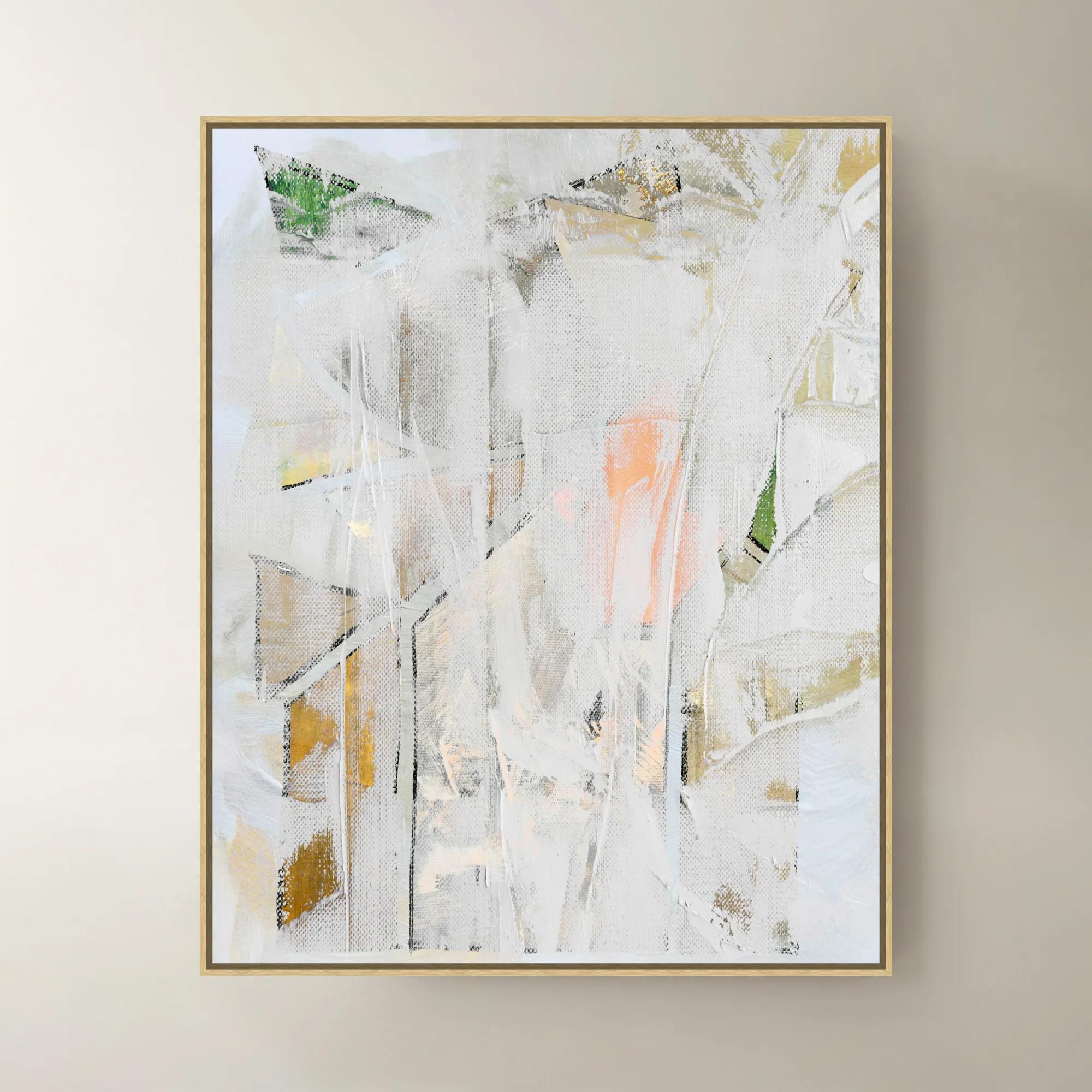
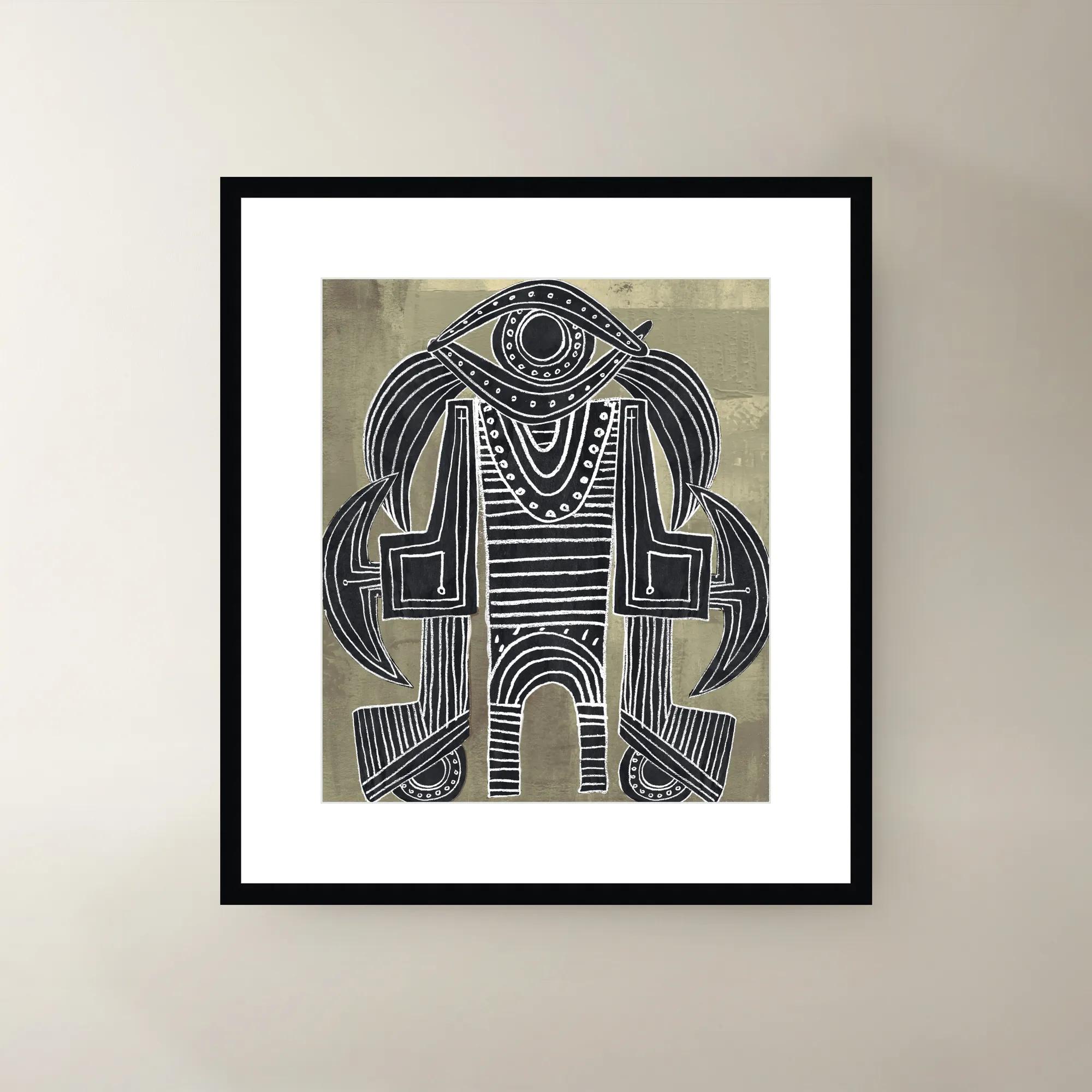
Art Deco Inspired Canvas Arts
Art Deco Inspired Canvas Arts
-
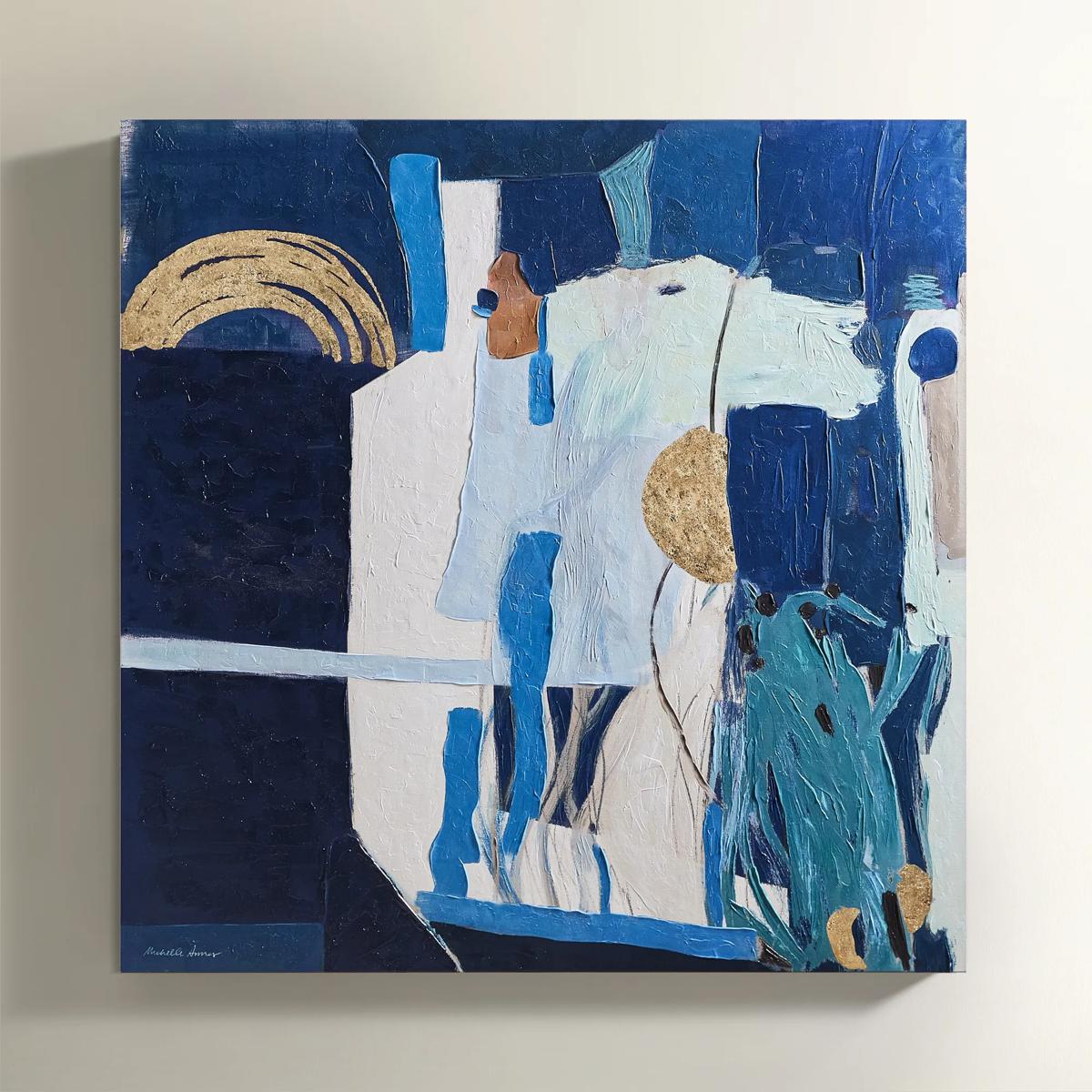
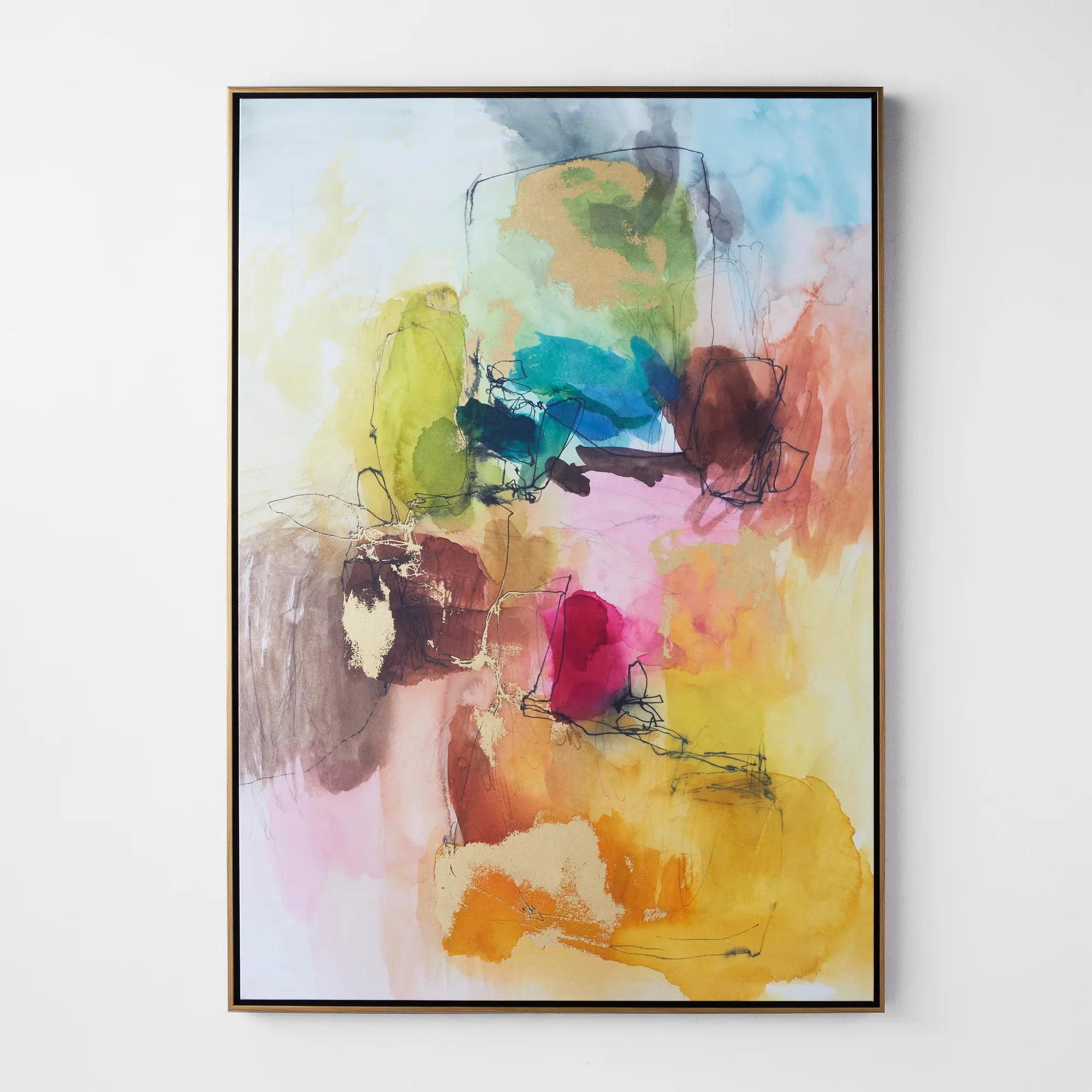
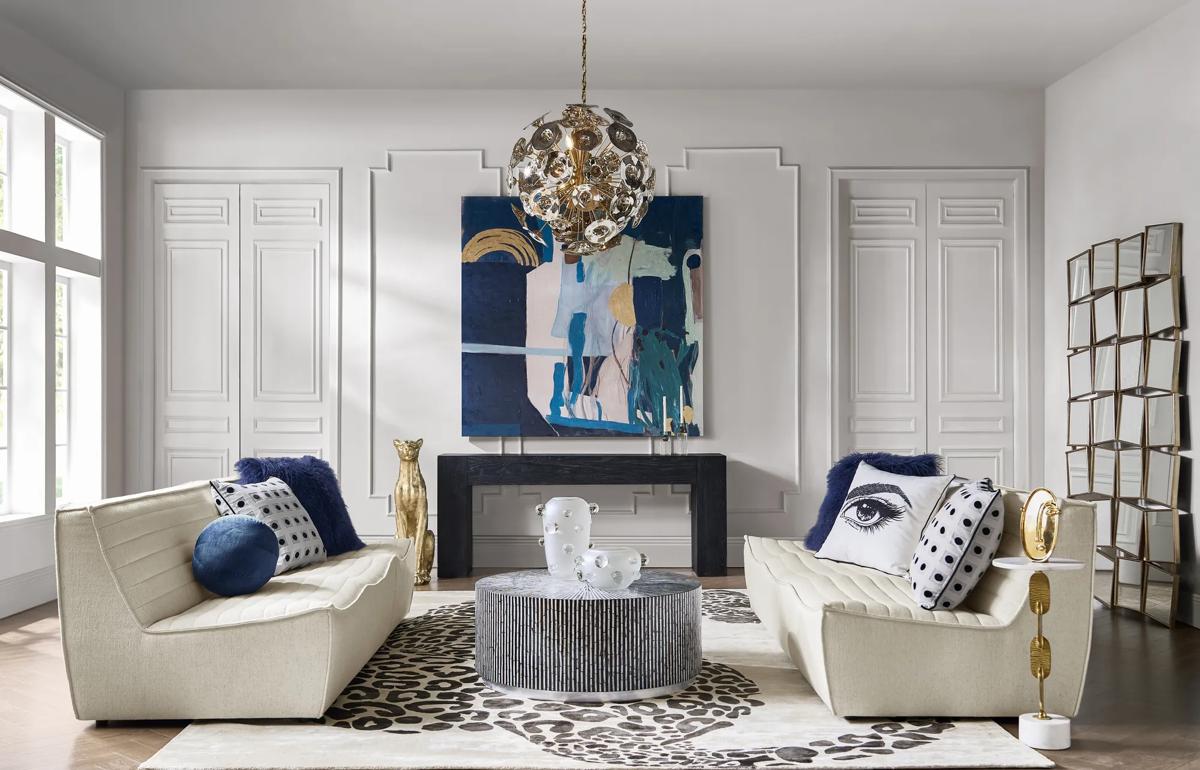 In Flux Painting$699
A hand-embellished canvas artwork featuring deep teal, green, ivory, and gold in a black Art Deco frame.
Add To Cart -
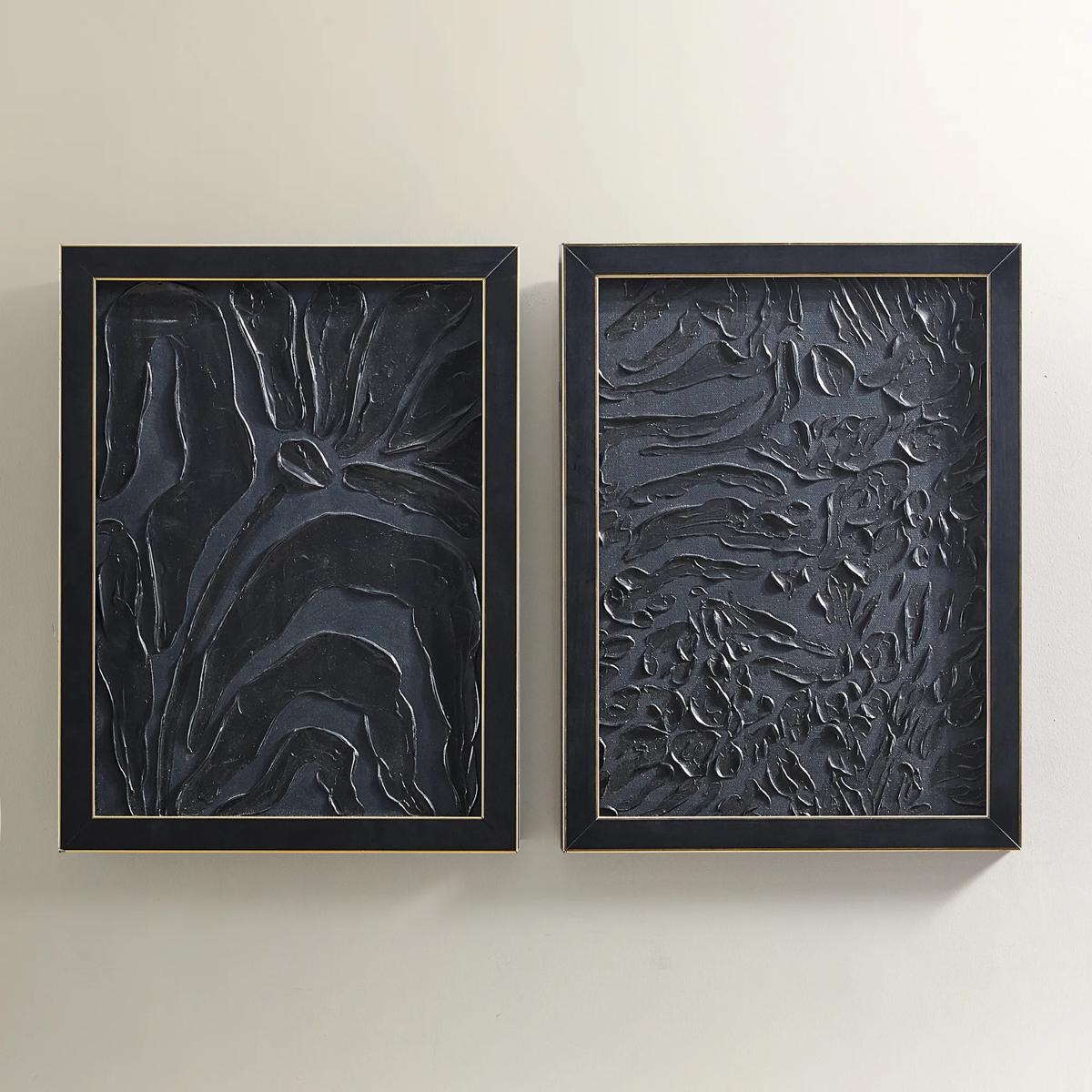
 Midnight Animal Painting - Set of 2$119
A set of hand-embellished canvas artworks in black and gold frames, adding depth and warmth to interiors.
Add To Cart -
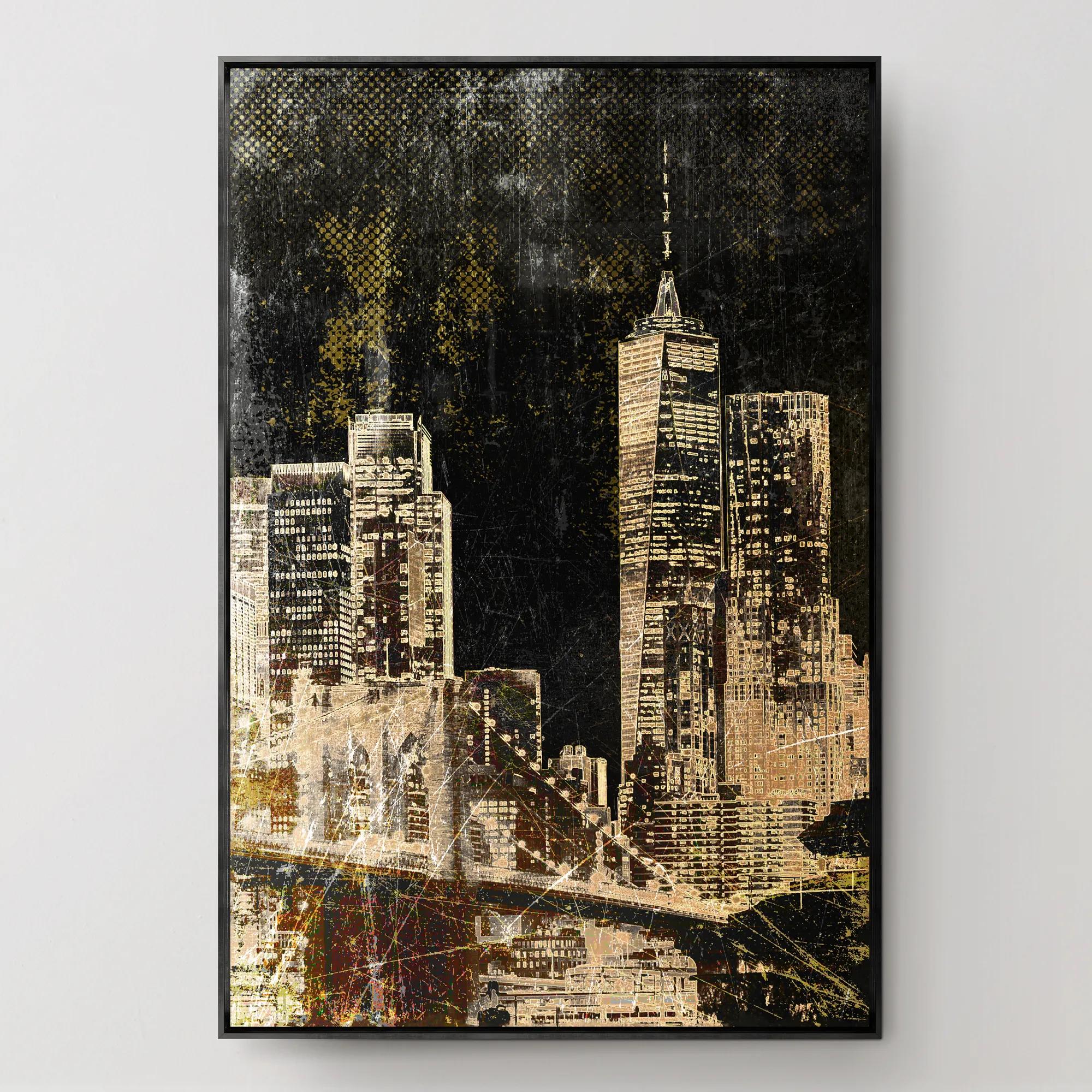
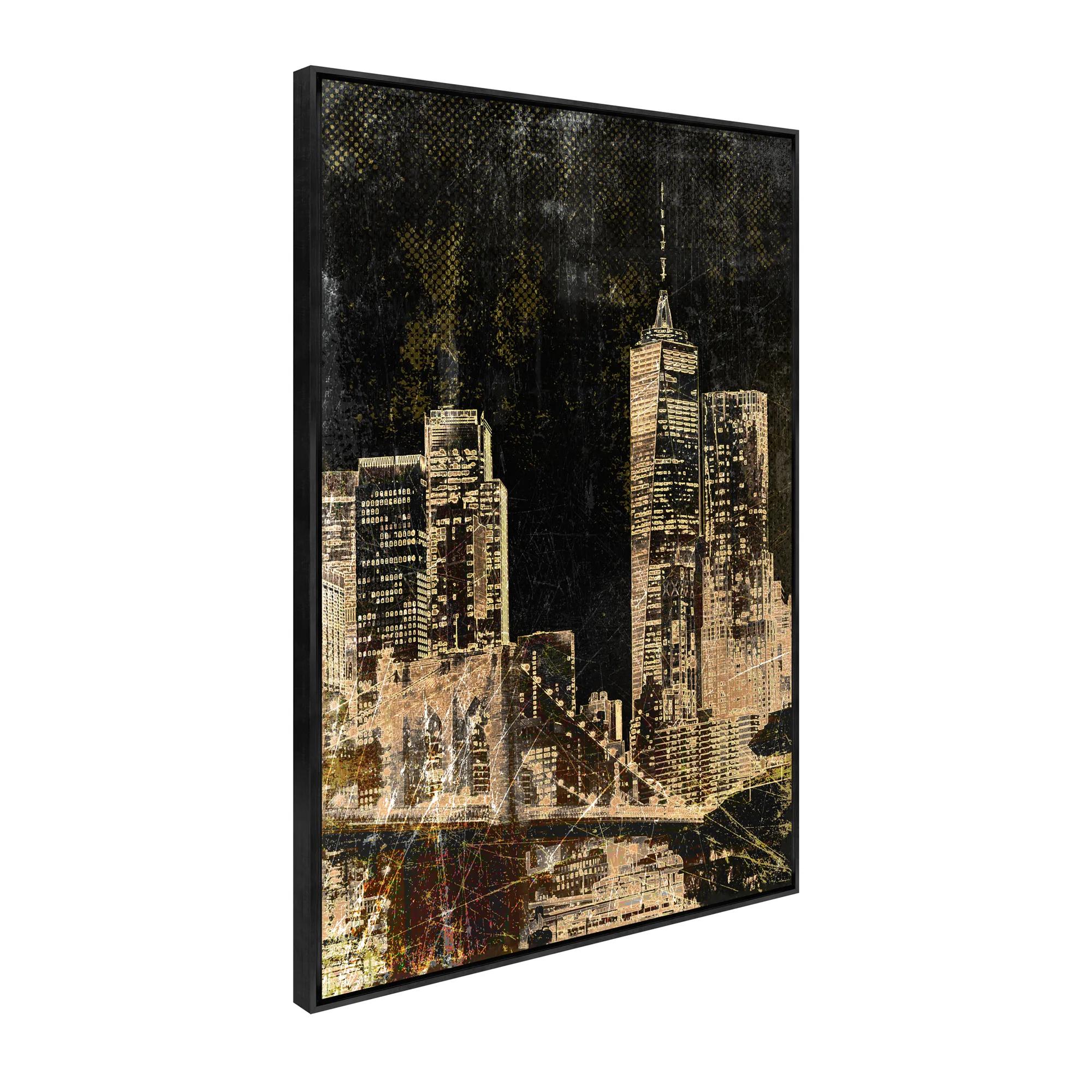 New York Lights Framed Wall Art 30" x 45"$649
A gallery-wrapped canvas artwork featuring a hand-applied gel finish and sleek black floater frame.
Add To Cart -
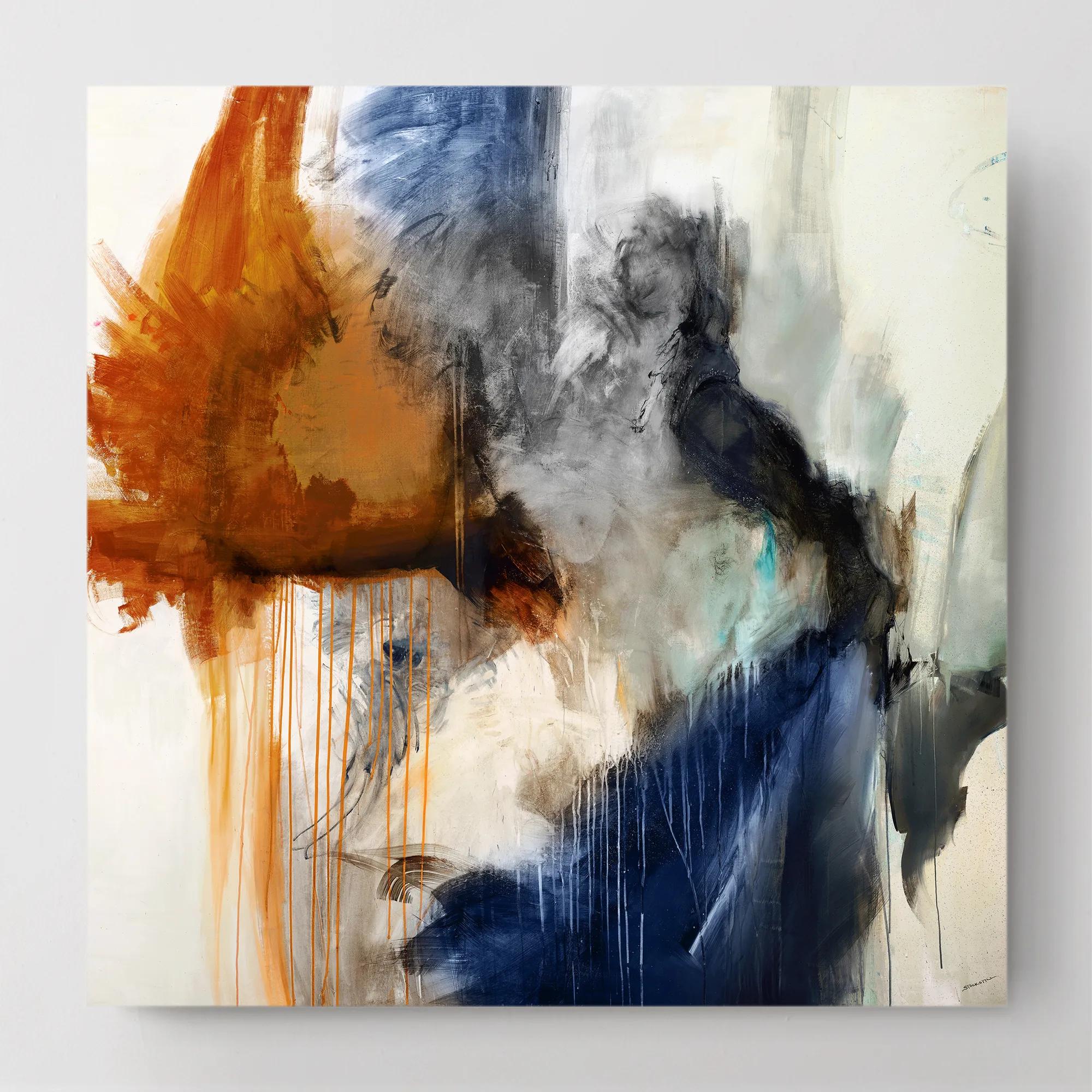
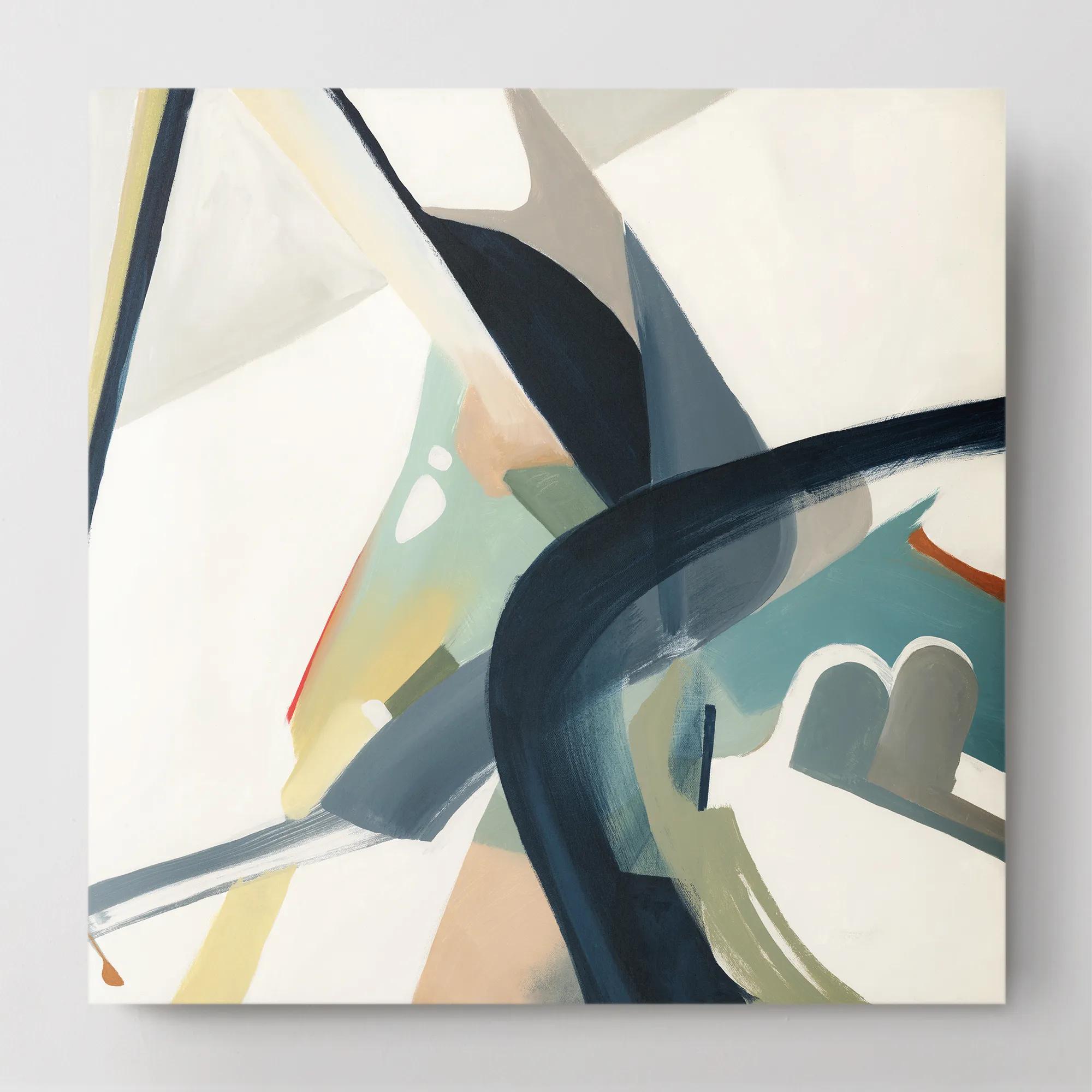 Impermanence 2$499
A gallery-wrapped canvas artwork featuring a hand-applied image brush gel finish for a textured look.
Add To Cart -
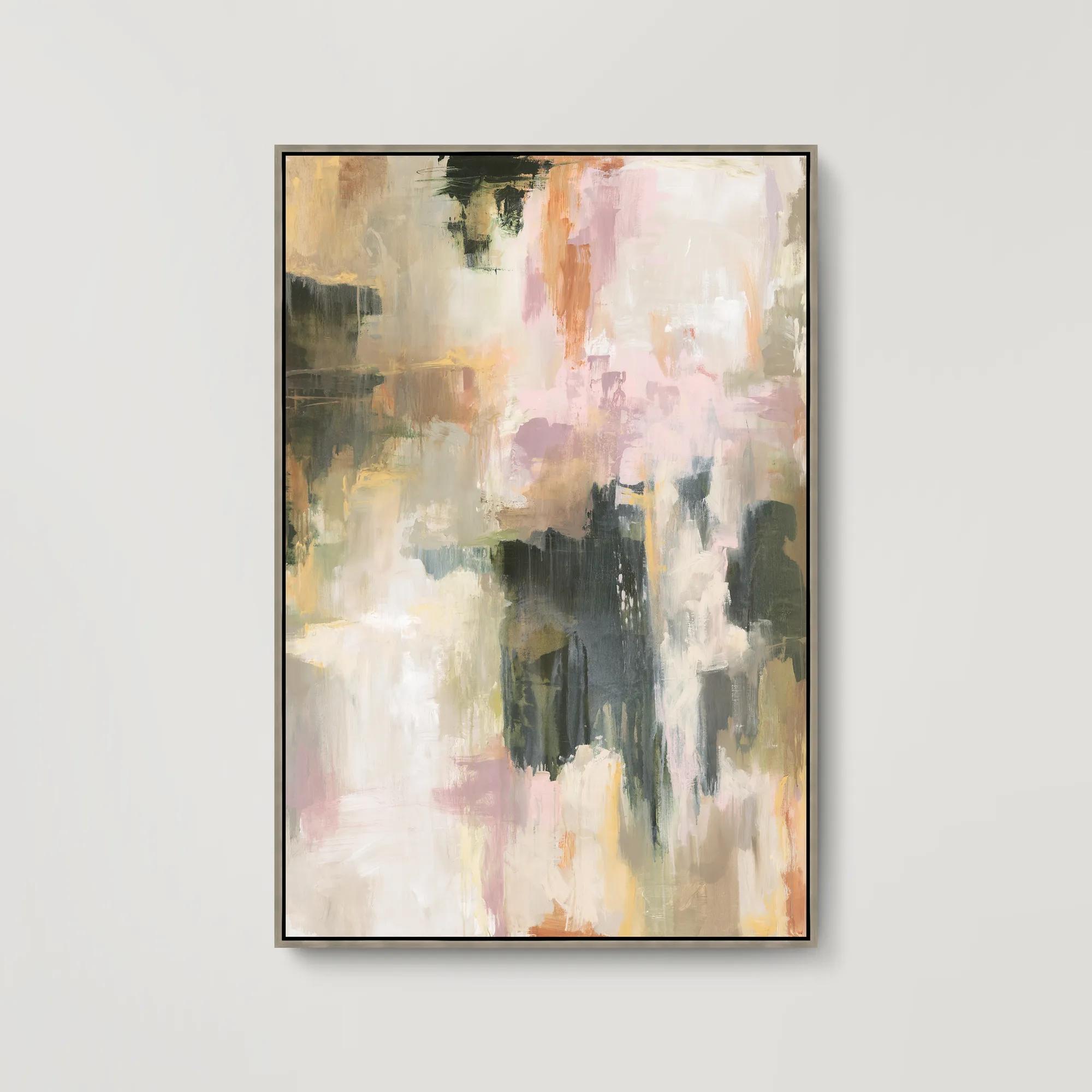
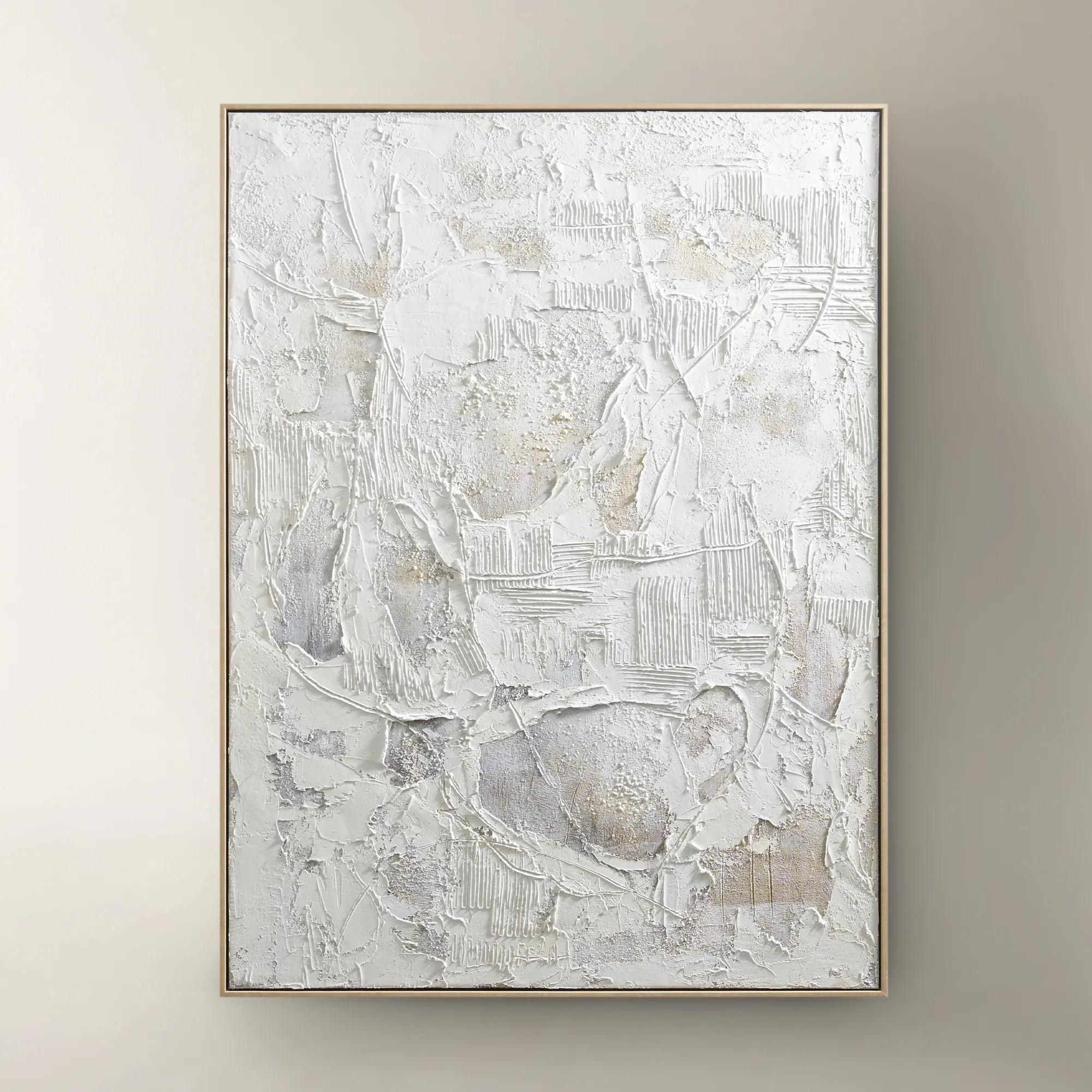
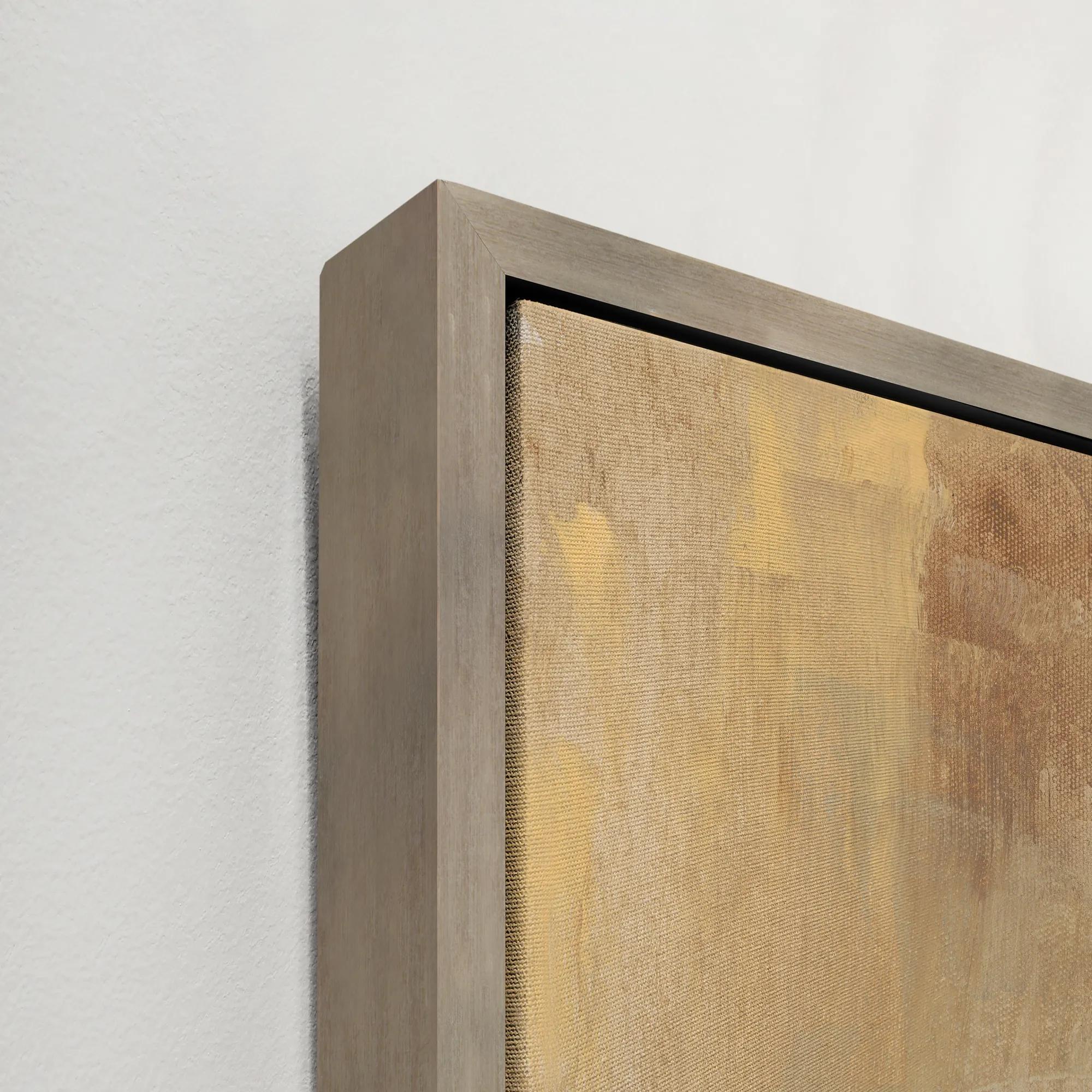 Sculpted Dreamscape Framed Wall Art 41.5" x 61.5"$999
A gallery-wrapped canvas artwork featuring a hand-applied gel finish and a sleek silver floater frame.
Add To Cart -
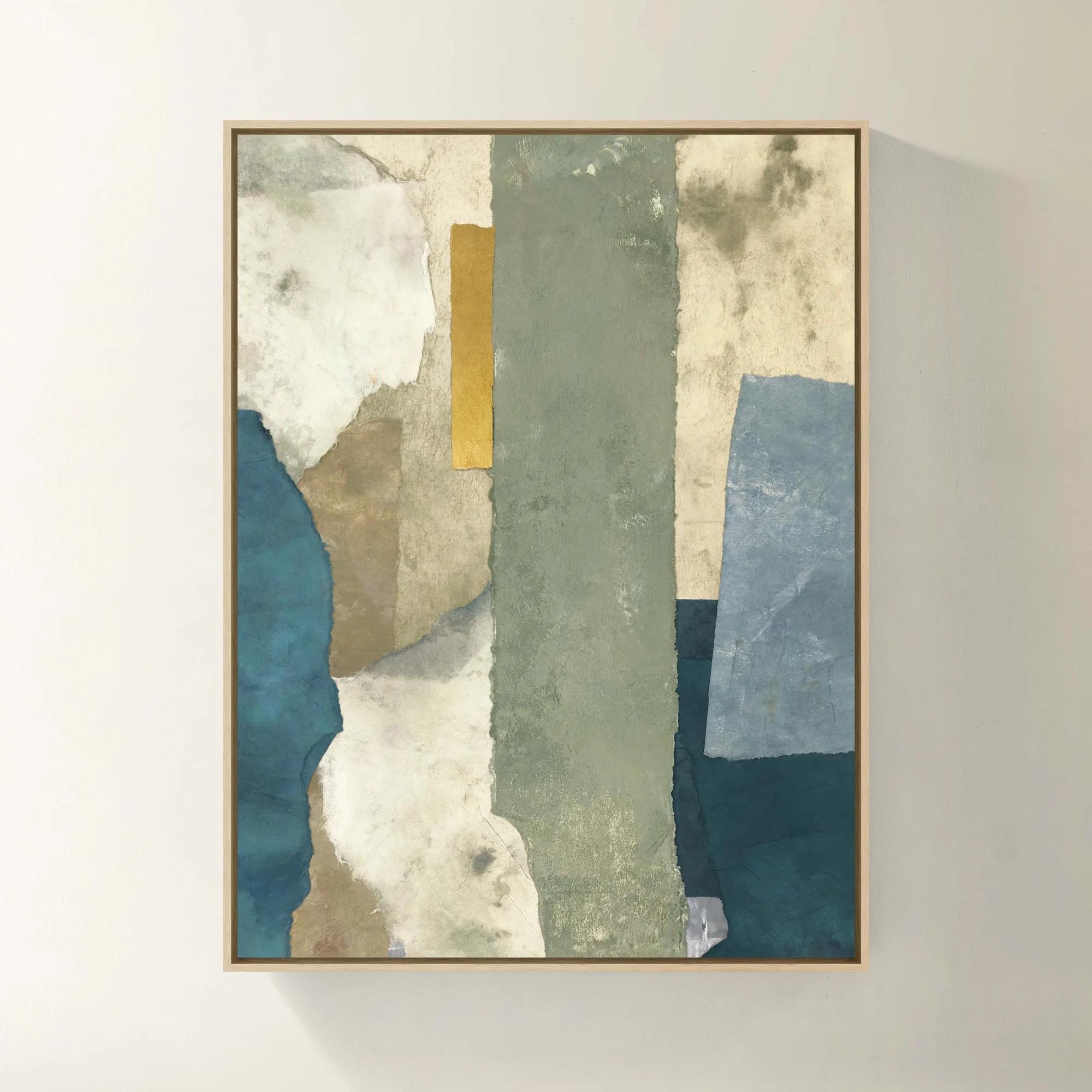 Earth Fragments II Framed Wall Art 30" x 40"$799
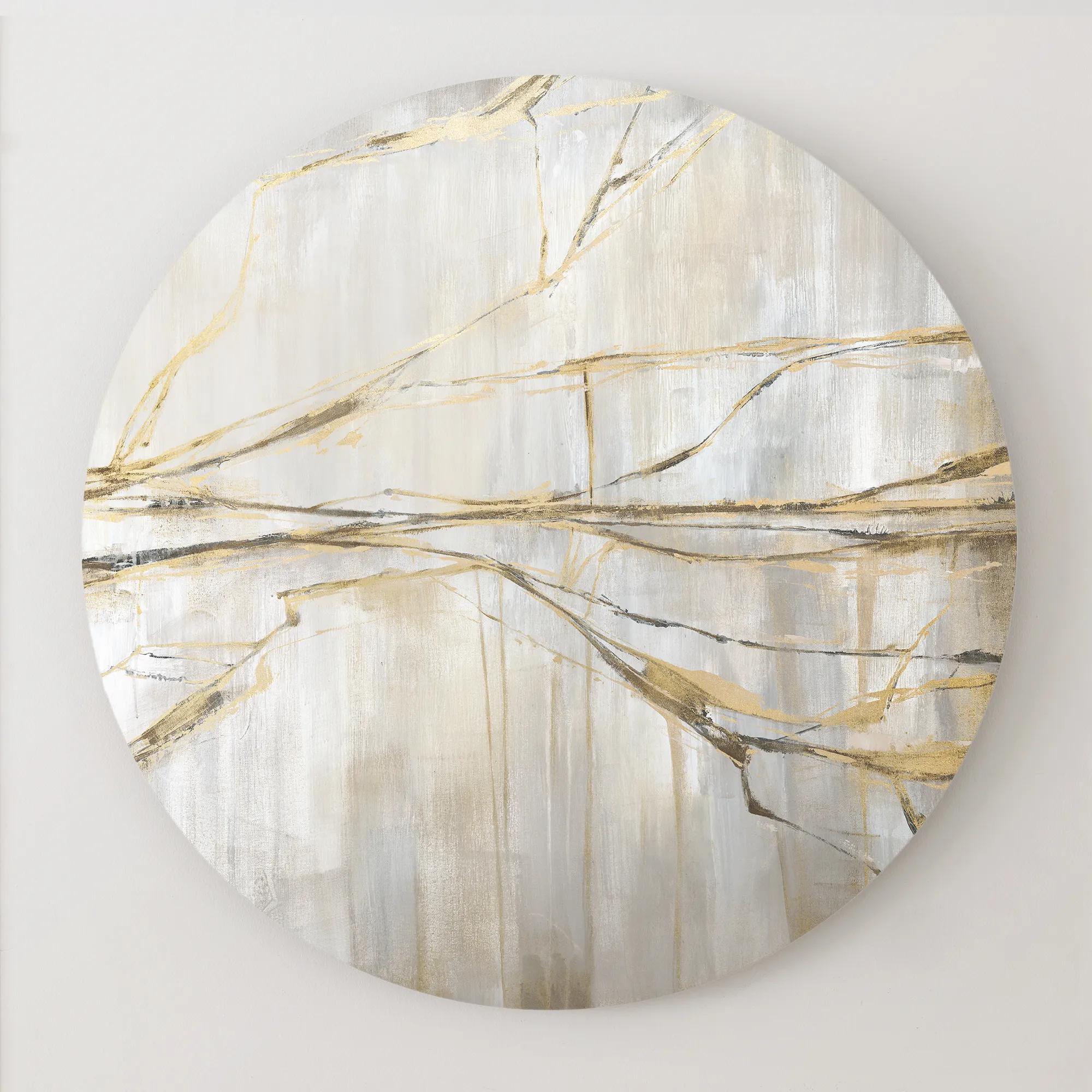
A gallery-wrapped canvas featuring gild accents and hand-applied gel, set in a natural floater frame.
Add To Cart -
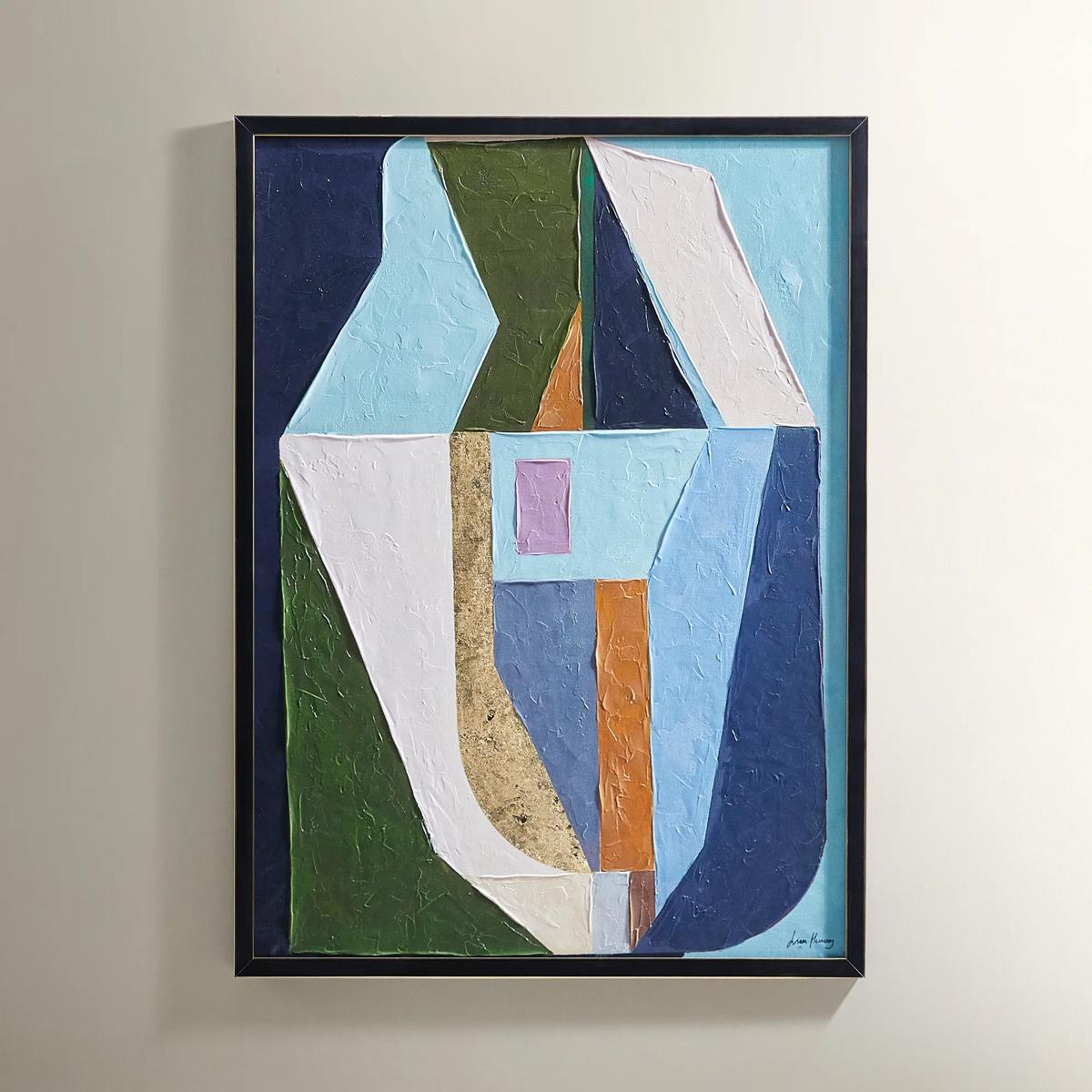 Thought Provoking Painting 2$249
A hand-embellished canvas artwork featuring textured strokes in deep blue, olive green, and gold accents.
Add To Cart -
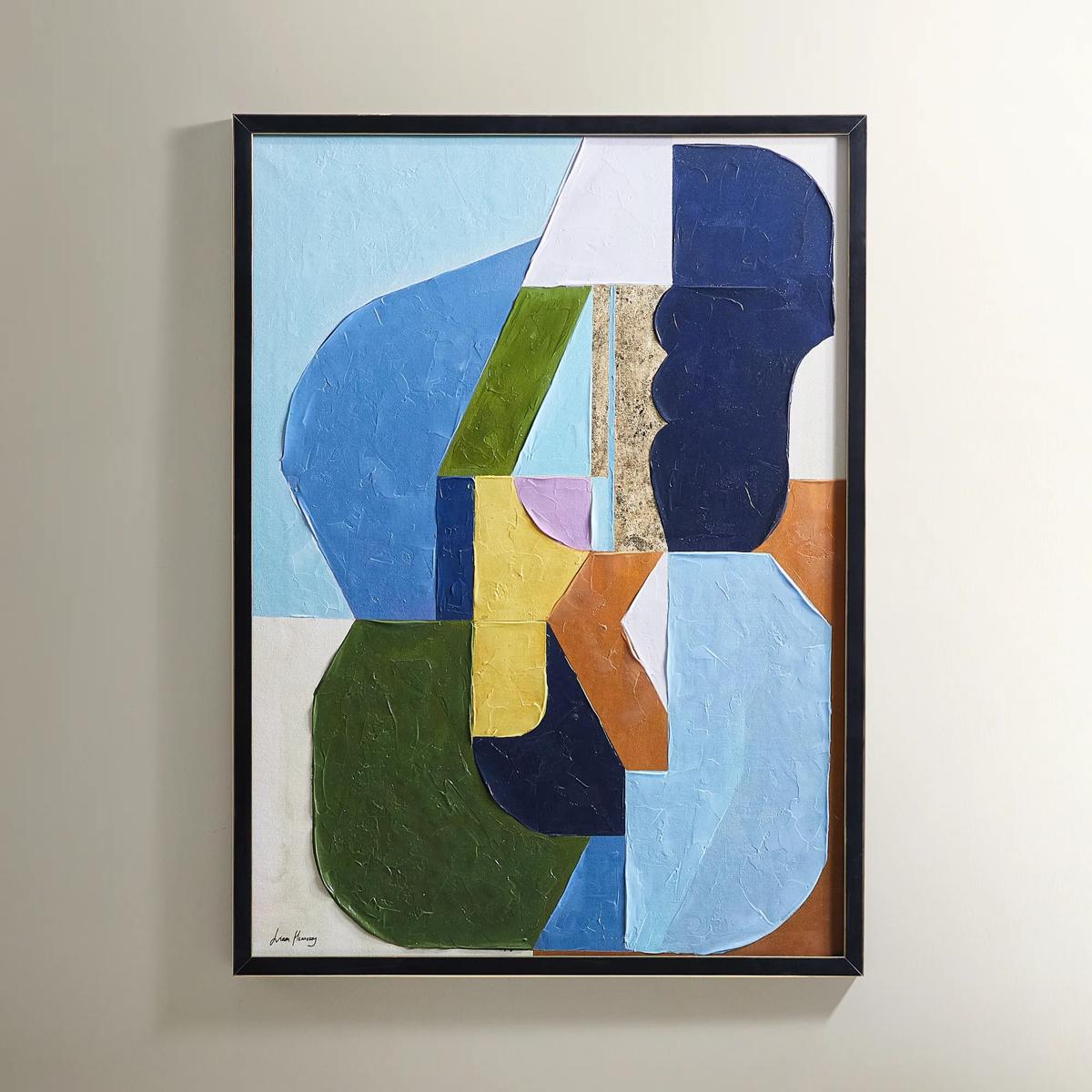
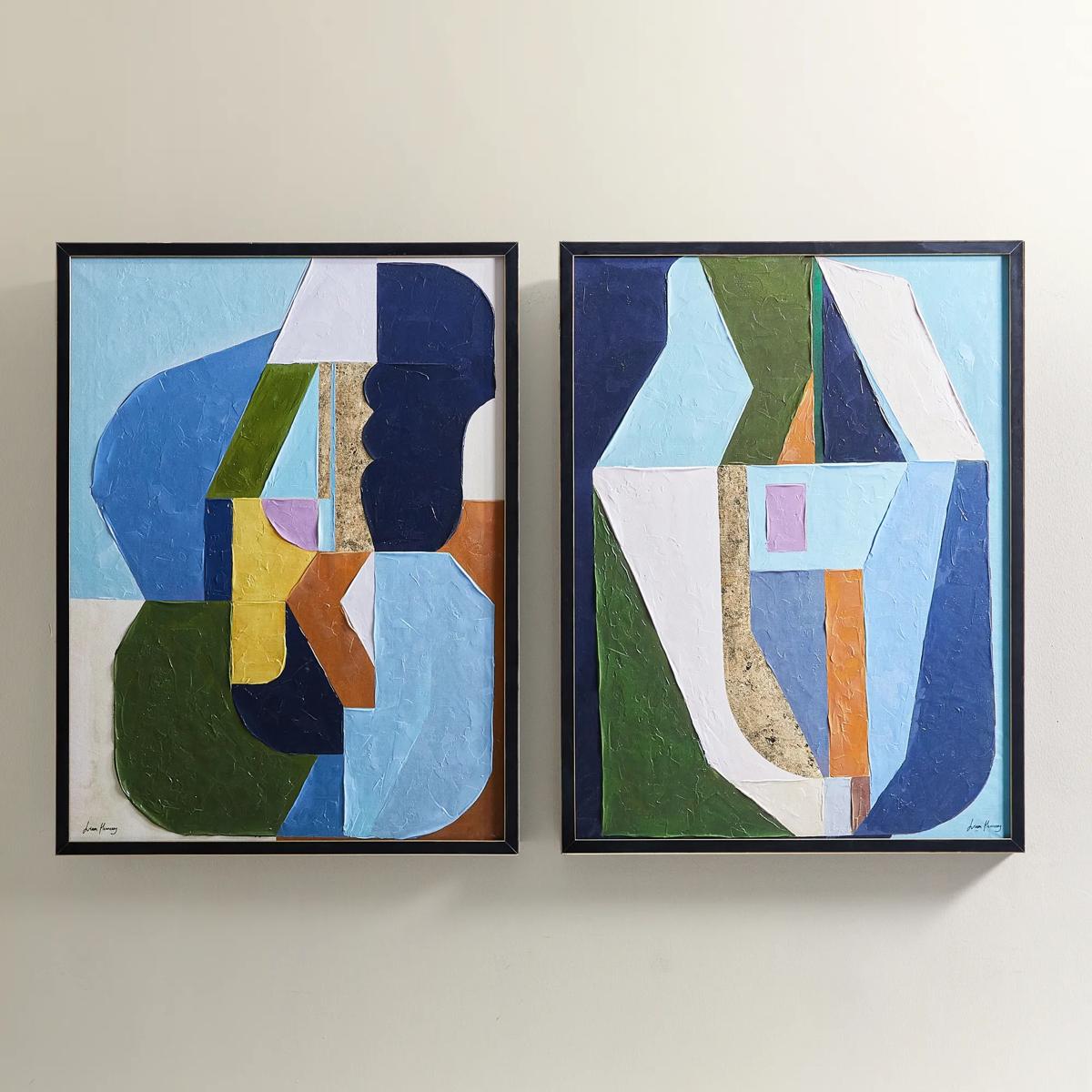 Thought Provoking Painting 1$249
A hand-embellished canvas artwork featuring textured strokes in deep blue, olive green, and gold accents.
Add To Cart -
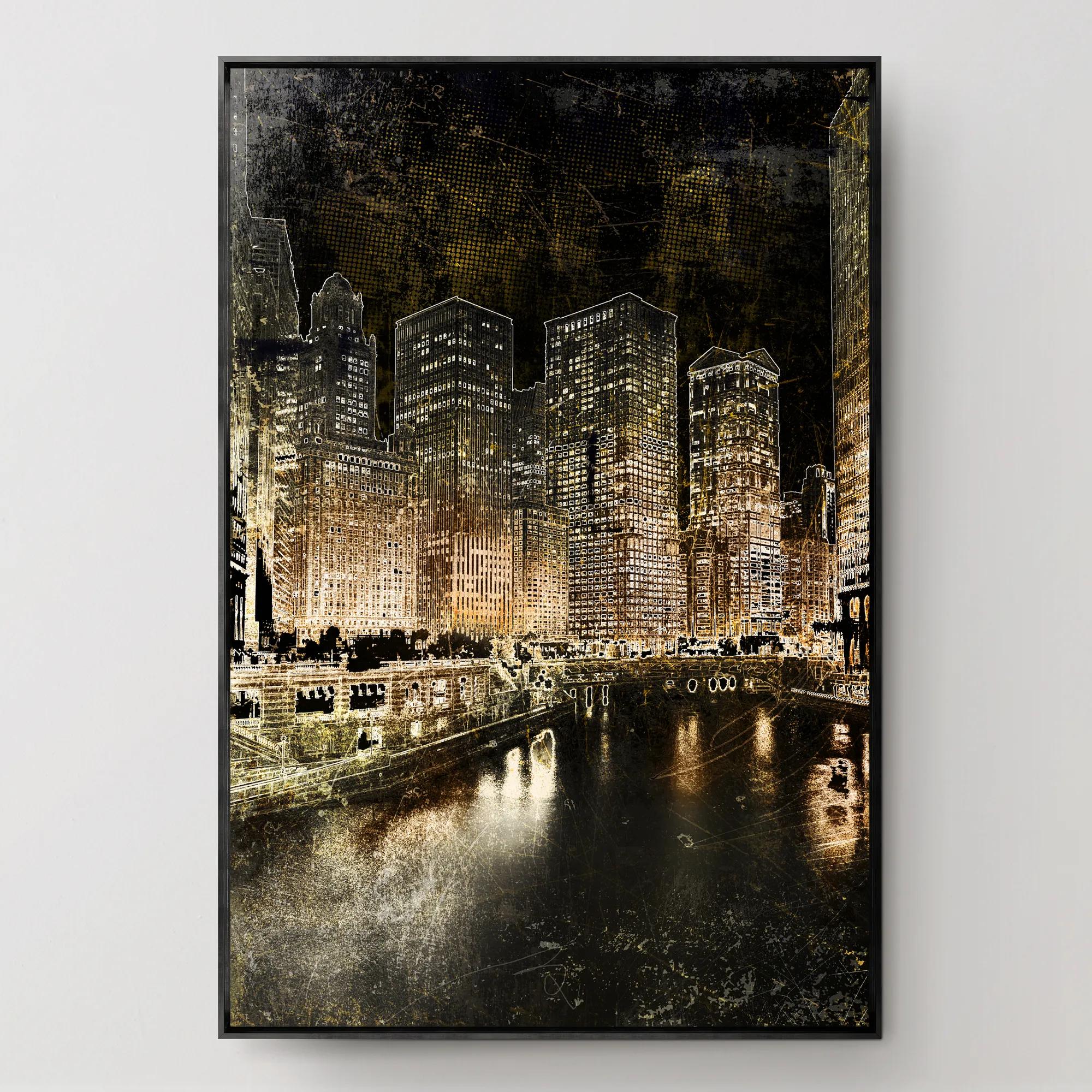
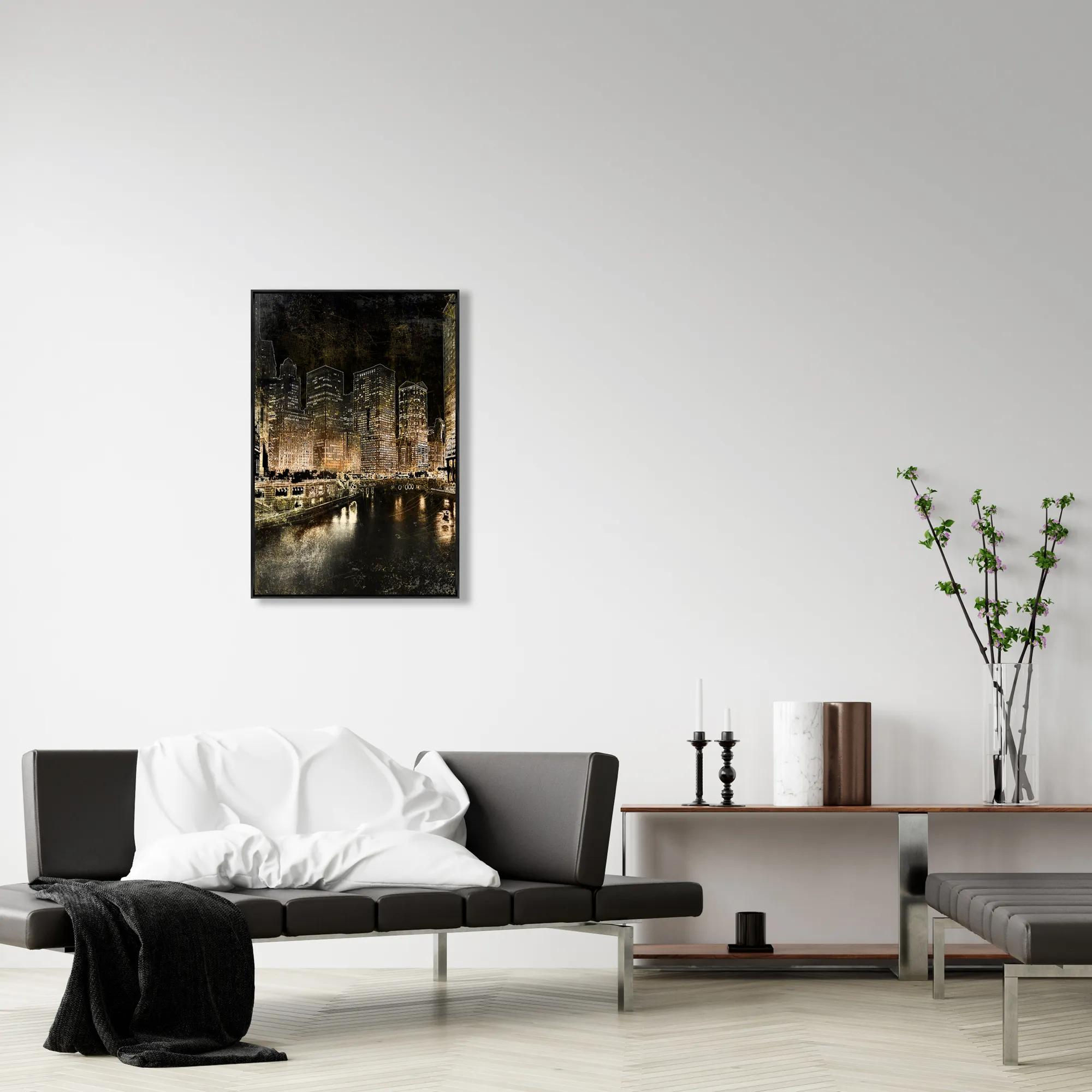 Chicago Lights Framed Wall Art 30" x 45"$649
A gallery-wrapped canvas artwork featuring a hand-applied gel finish in a sleek black floater frame.
Add To Cart -
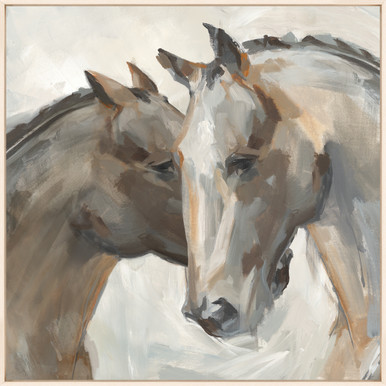
 Equine Duo Framed Wall Art 40" x 40"$699
A gallery-wrapped canvas featuring hand-applied brush gel and set in a natural floater frame.
Add To Cart -
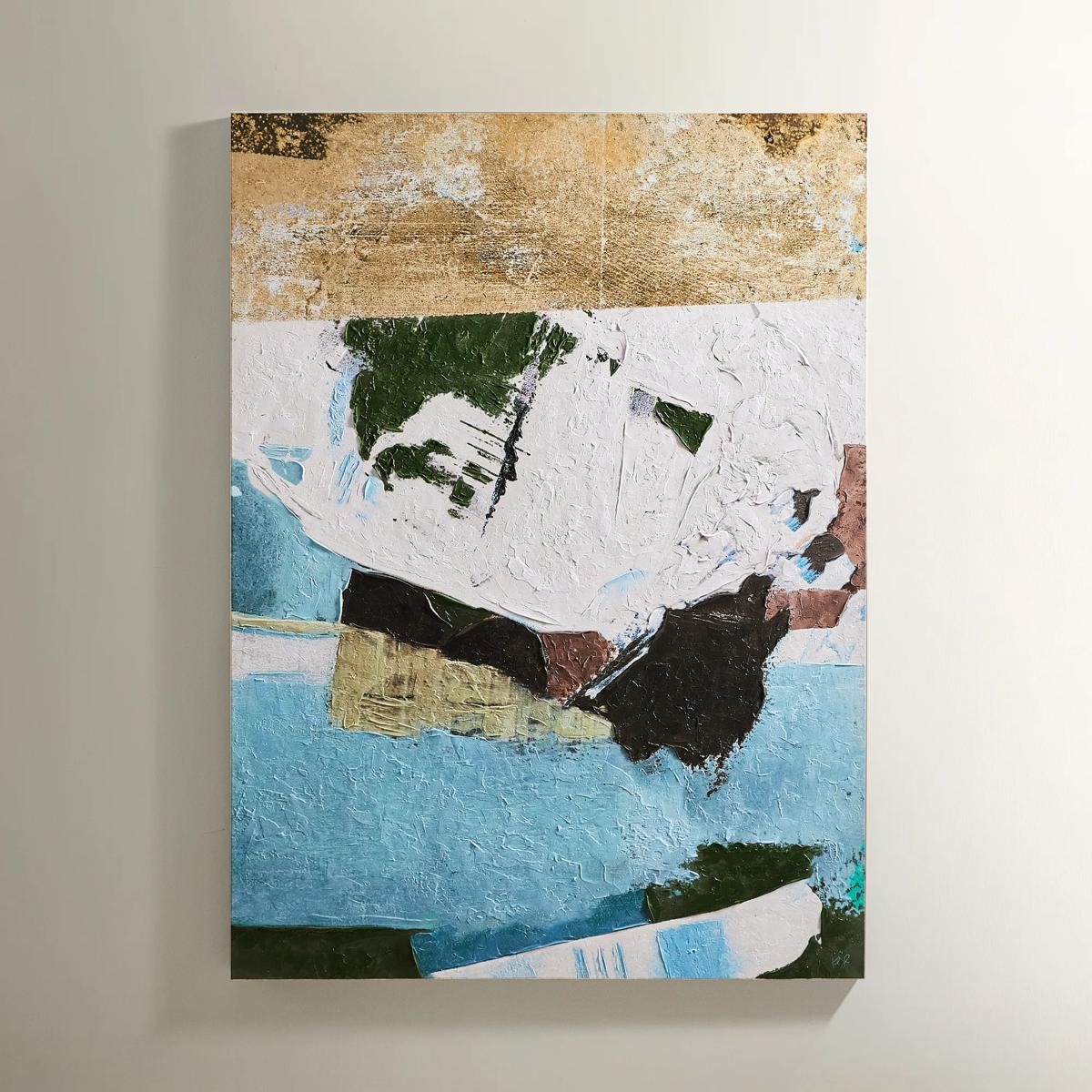 Cadence Painting$599
A hand-embellished canvas artwork featuring textured olive, gold, and ivory strokes in a black and gold frame.
Add To Cart -
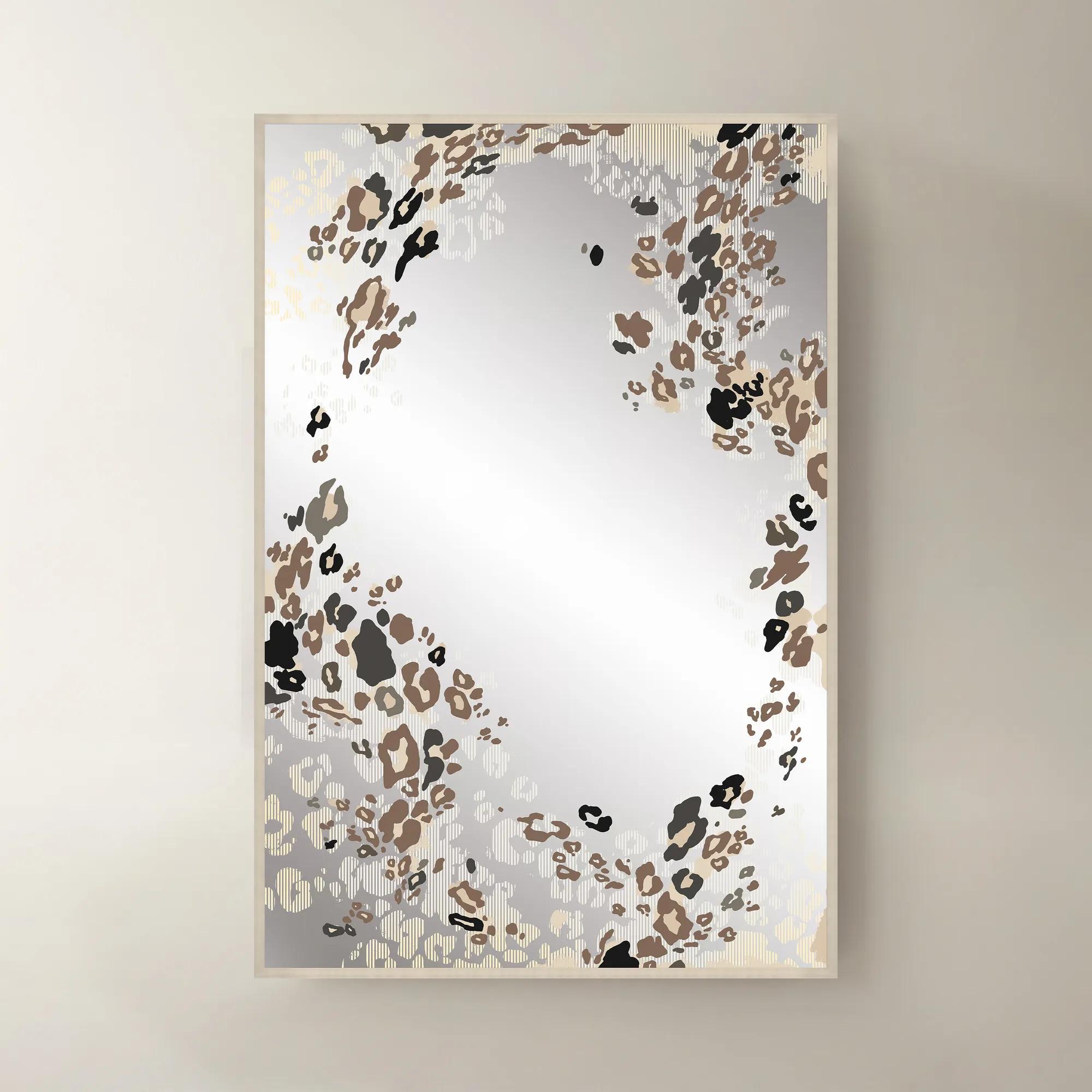
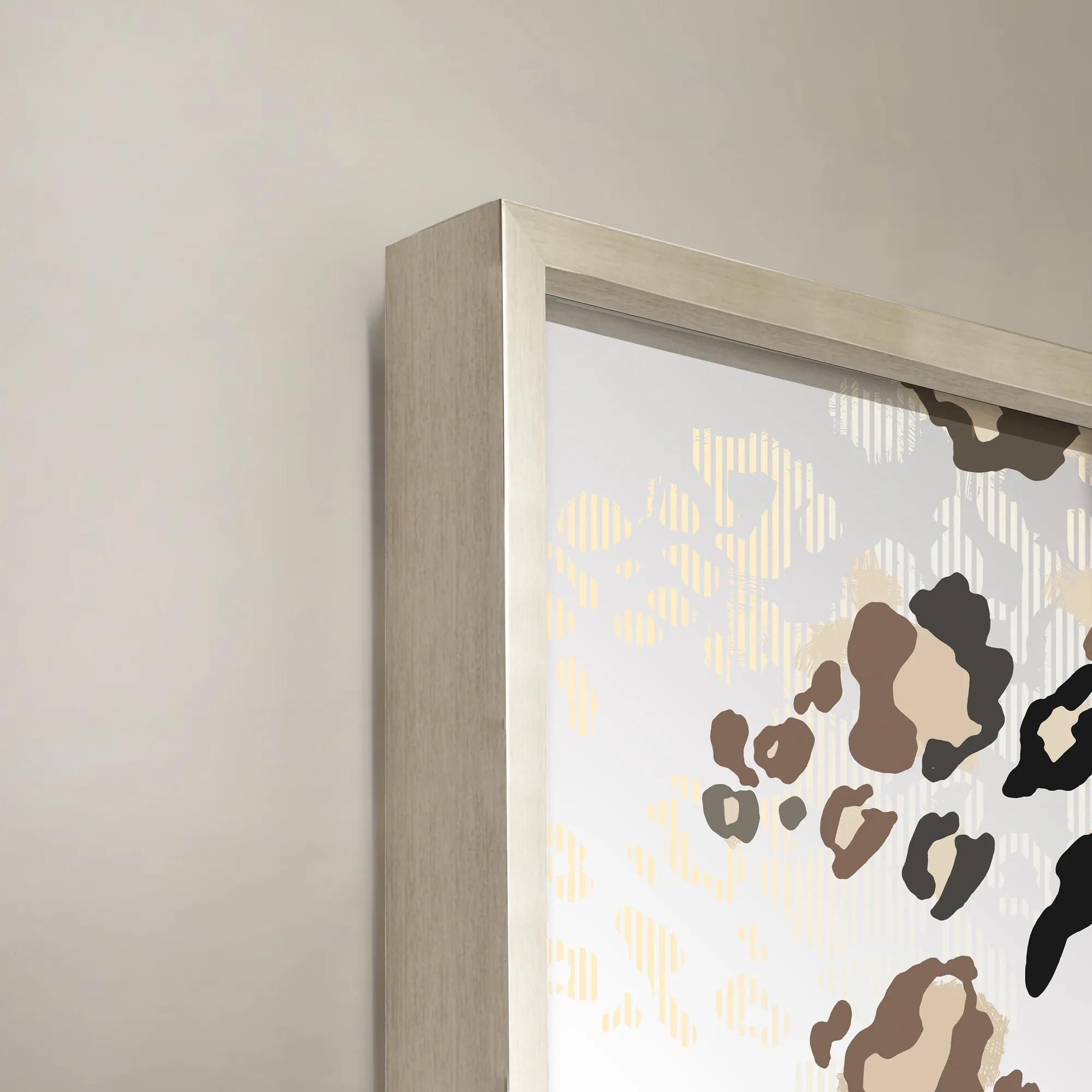 Leopard Luxe Framed Printed Wall Mirror 40" x 60"$1499
A printed mirror featuring Art Deco-inspired leopard artwork, set in a wood silver frame with brown and black tones.
Add To Cart -
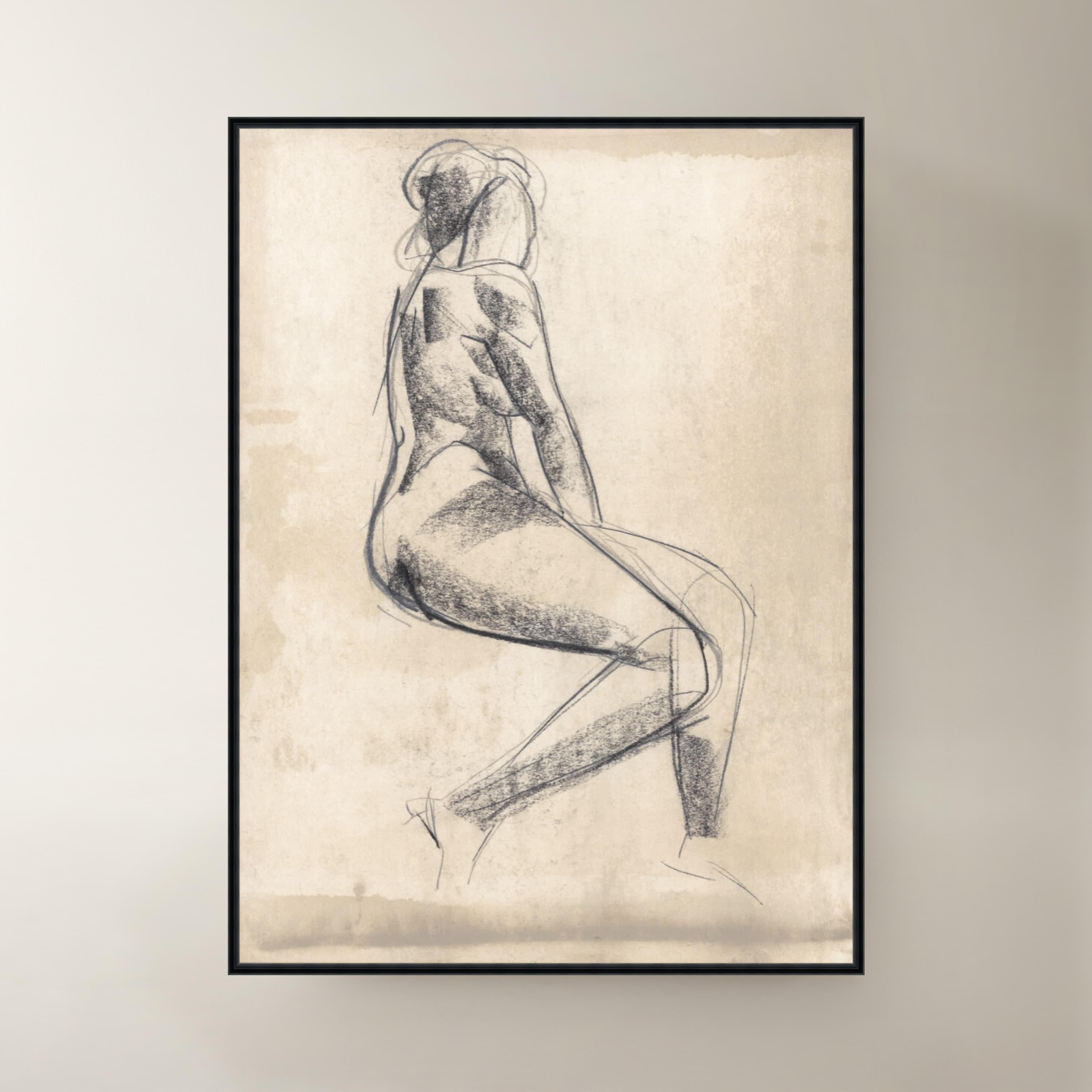
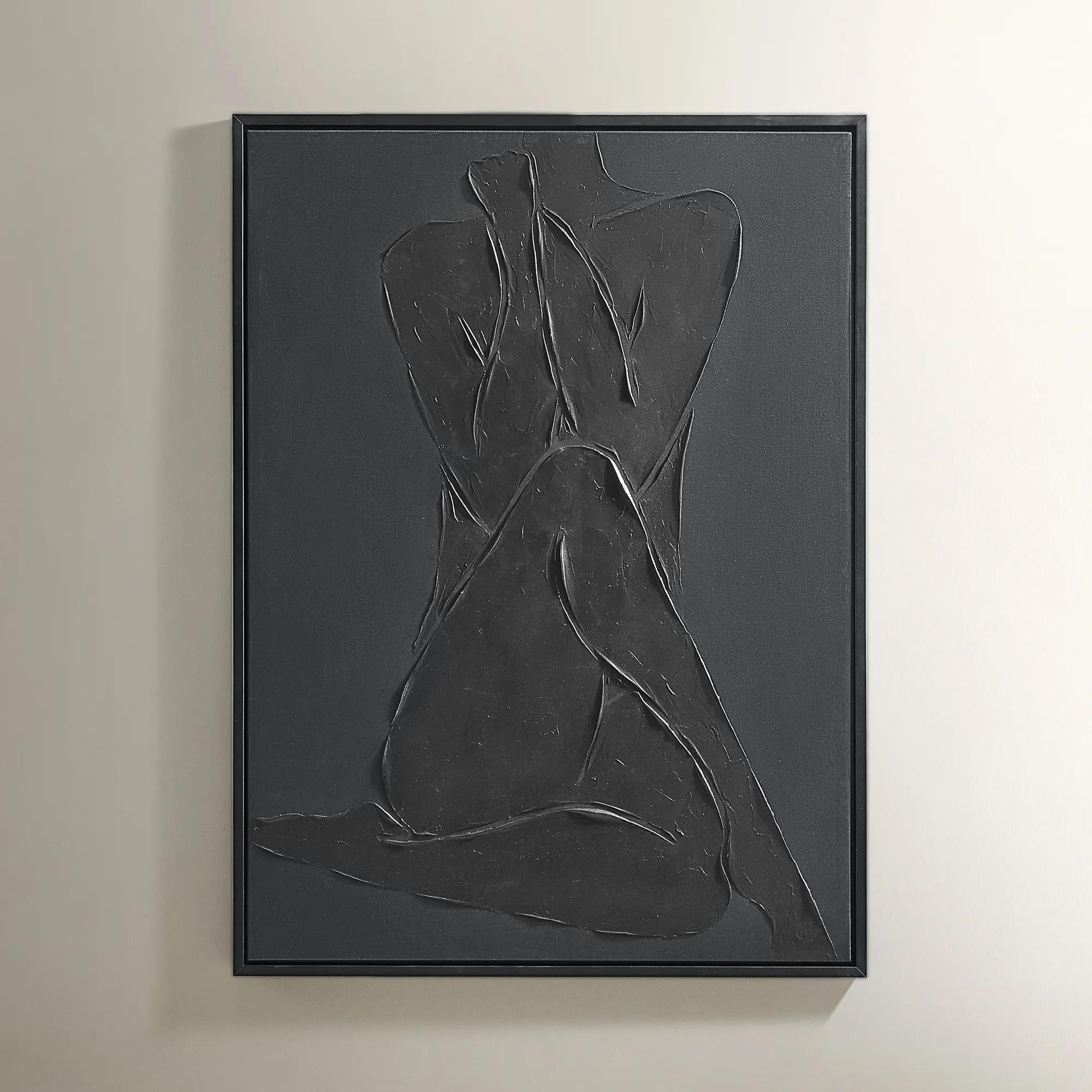 Modern Elegance Nude Black Framed Painted Wall Art 35.5" x 47.25"$599
A hand-embellished canvas artwork featuring textured strokes and vibrant hues in a black and gold Art Deco frame.
Add To Cart -
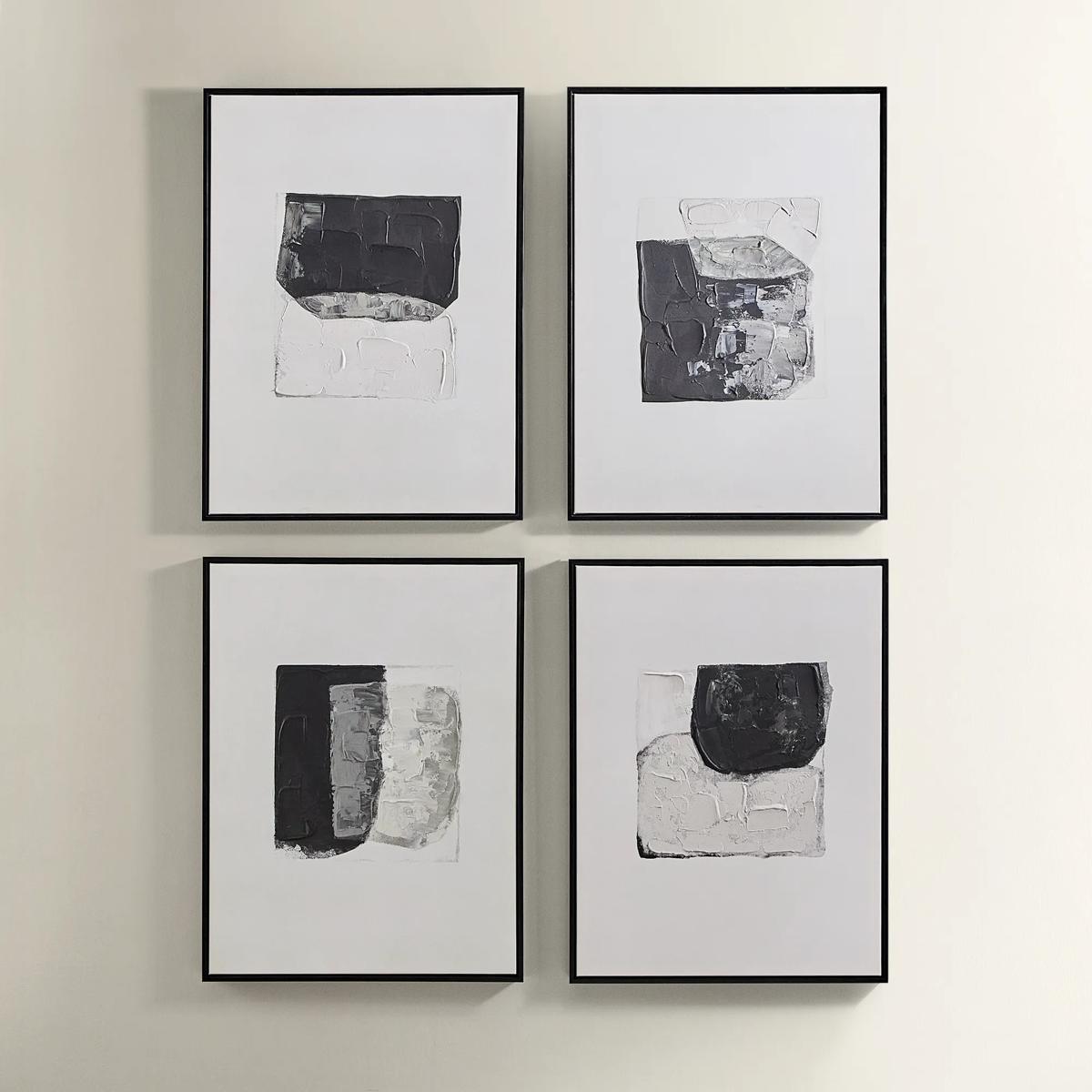
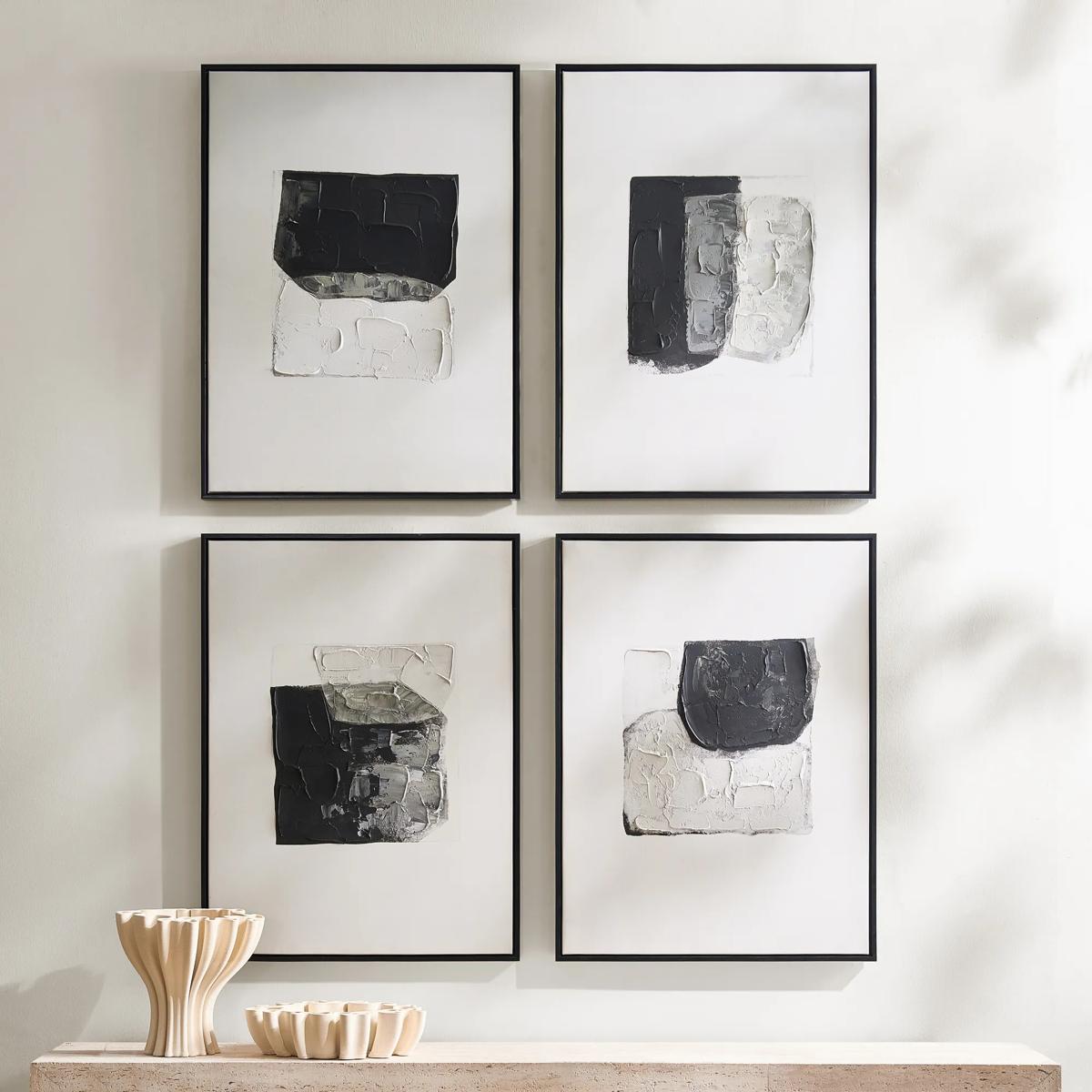 Shadows Framed Painted Wall Art Set of 4$299
A set of four hand-painted abstract canvases featuring black, white, and gold accents in black frames.
Add To Cart -
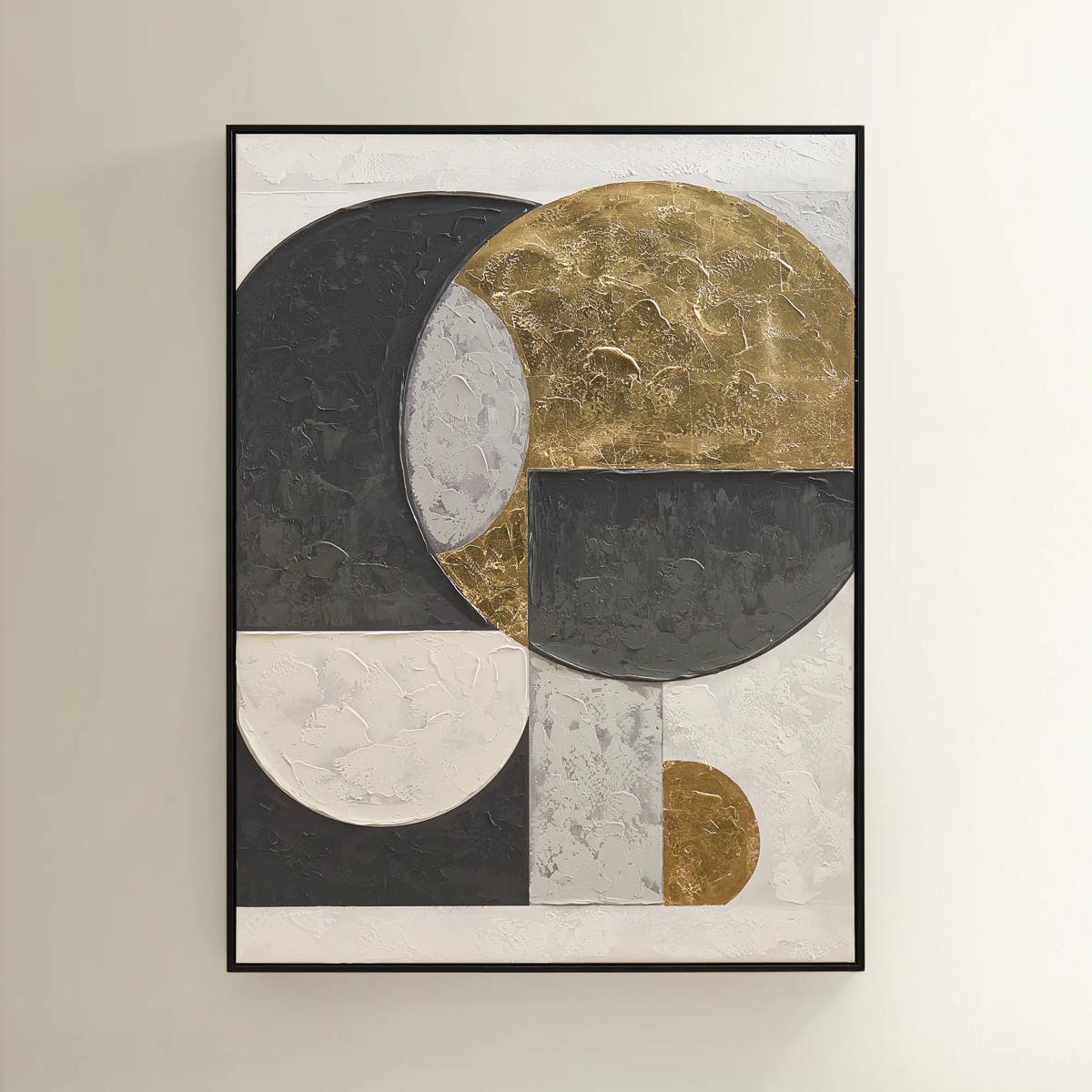
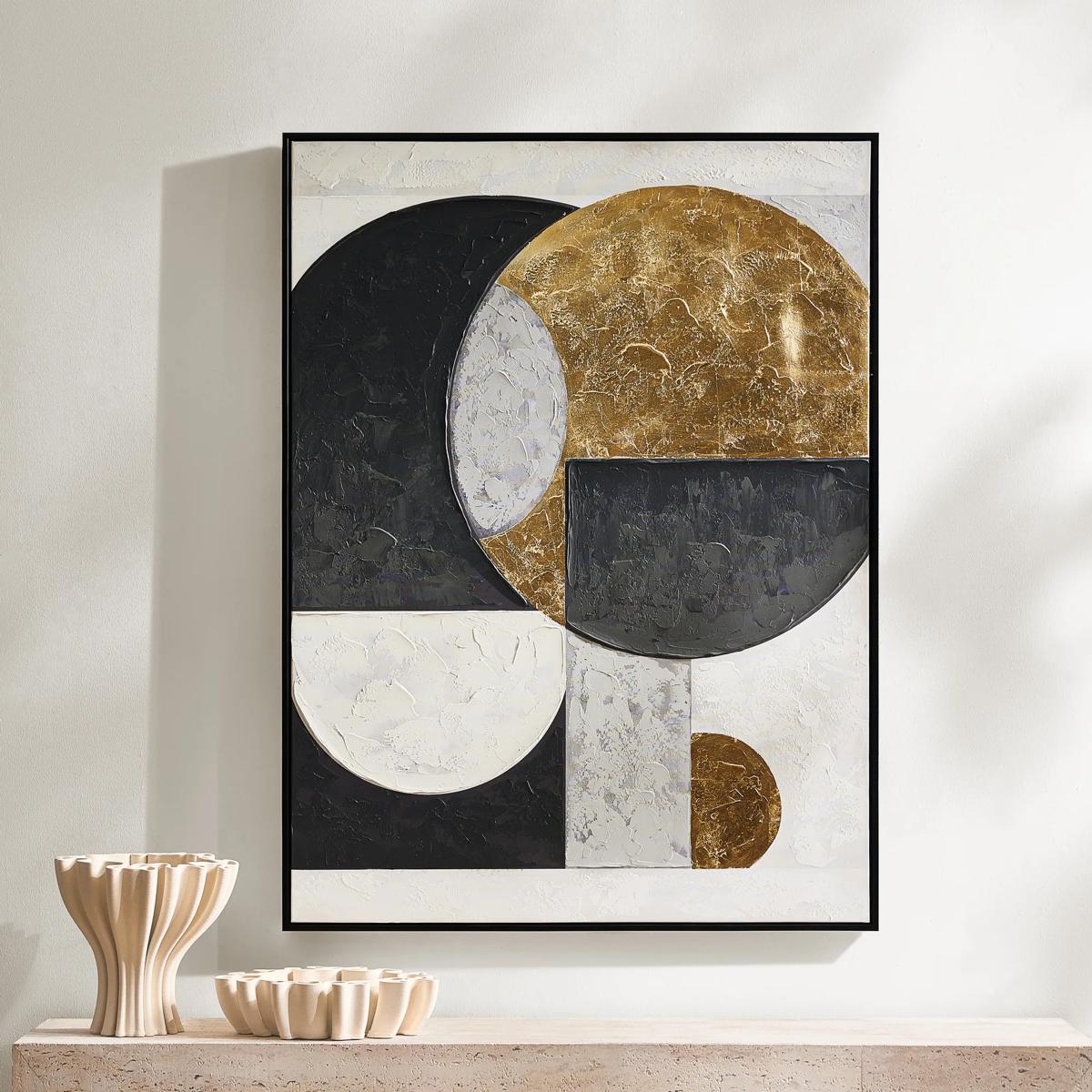 Eclipse Framed Gold Leaf Painted Wall Art 35.25" x 47.25"$449
A hand-painted canvas featuring bold black, grey, and gold geometric shapes with shimmering gold leaf accents.
Add To Cart -
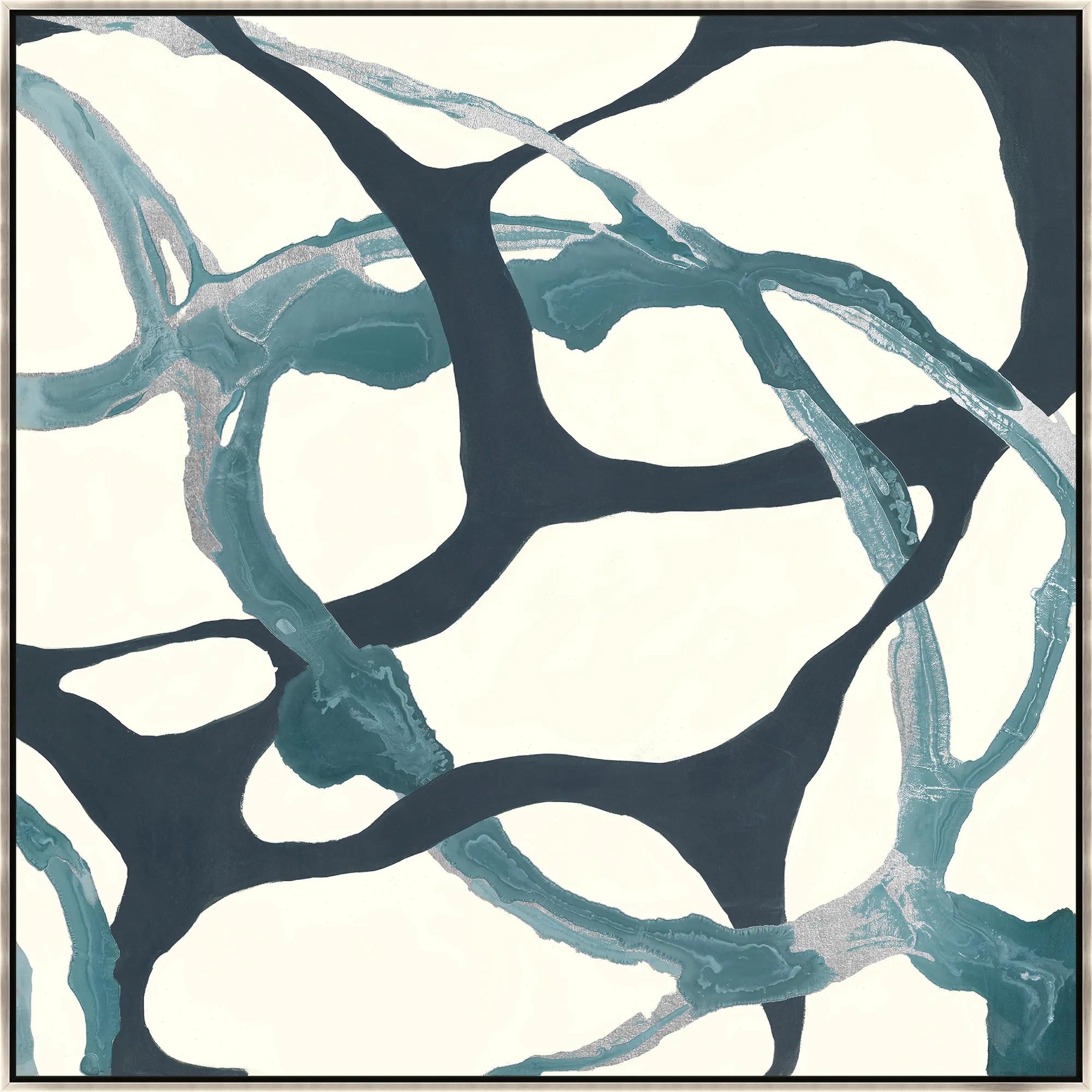
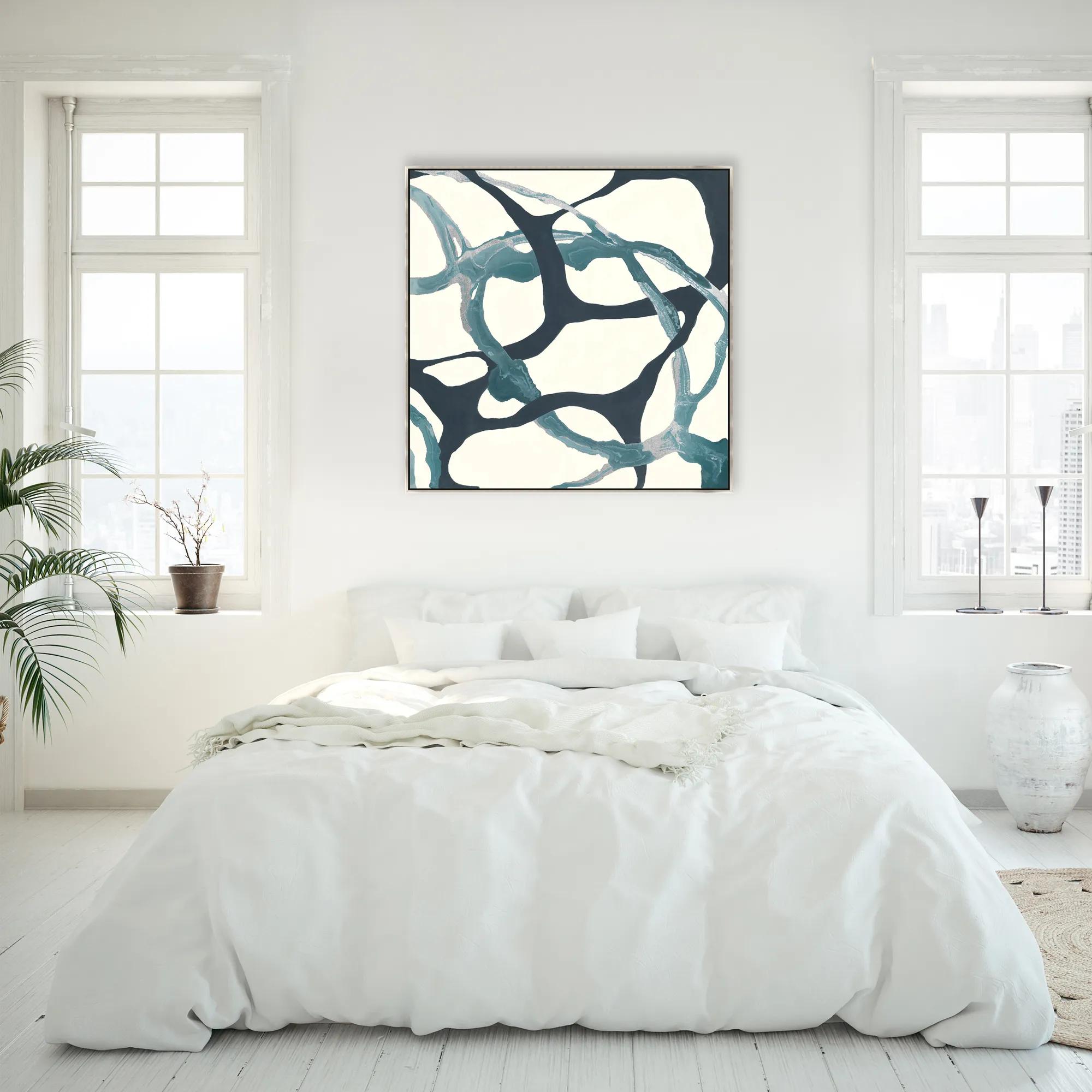 Alignments II Framed Wall Art 40" x 40"$899
A gallery-wrapped canvas featuring gilded silver accents and hand-applied brush gel in a silver floater frame.
Add To Cart -
-compressed.jpg?w=1200&h=1200) Etched in Gold$229
Etched in Gold$229A hand-carved gold copper artwork set in a sleek black alloy frame for modern contrast.
Add To Cart -

 Rivoli Geometric Two - Tone Mirror 2 - Tier Bar Cart (30")$799
A sculptural bar cart featuring geometric bronze and clear mirrored shelves with a luminous soft gold frame.
Add To Cart -
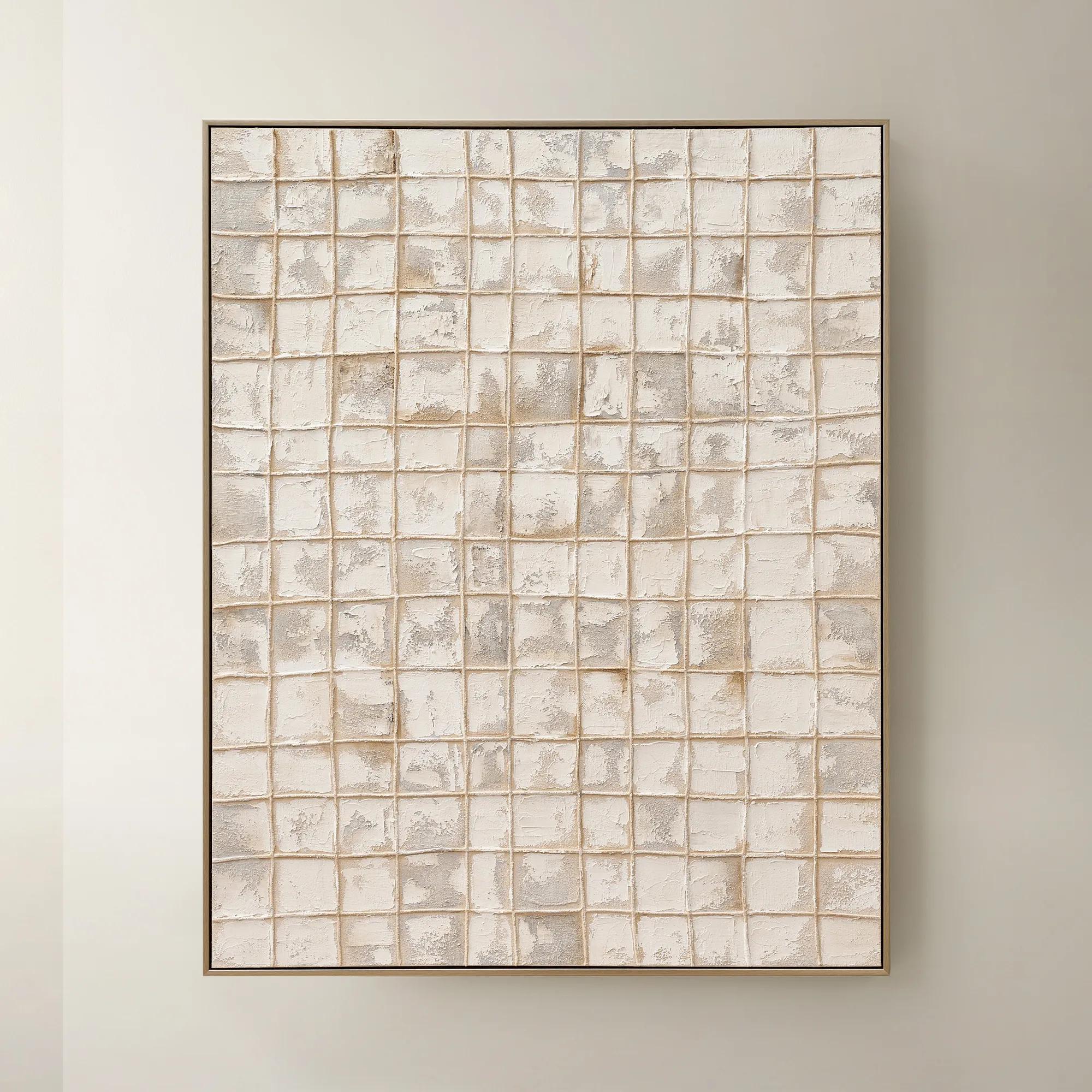
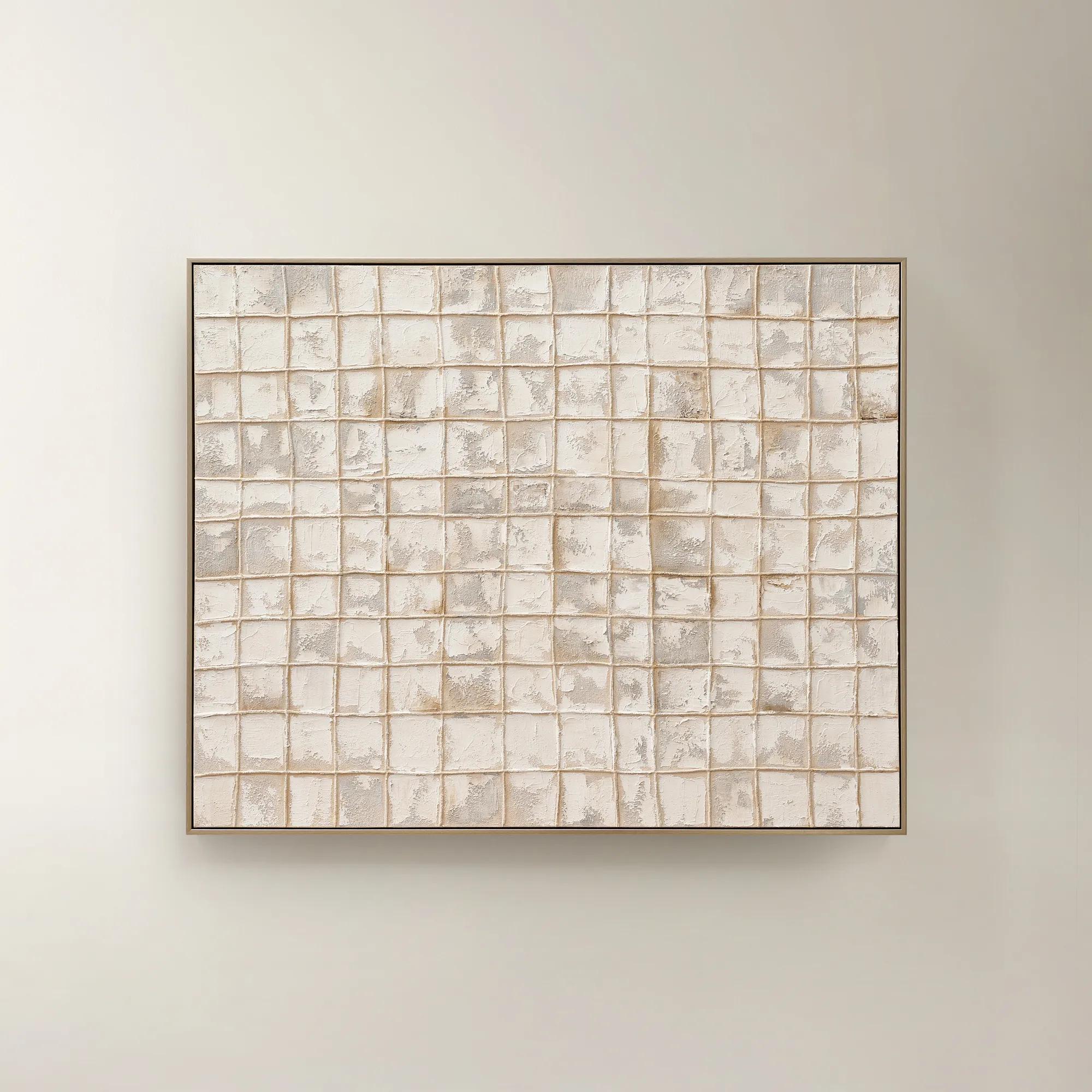 Painted Echos Framed Gold Leaf Wall Art 60" x 48"$699
A hand-painted abstract canvas with gold leaf accents and a champagne frame for modern, versatile display.
Add To Cart -
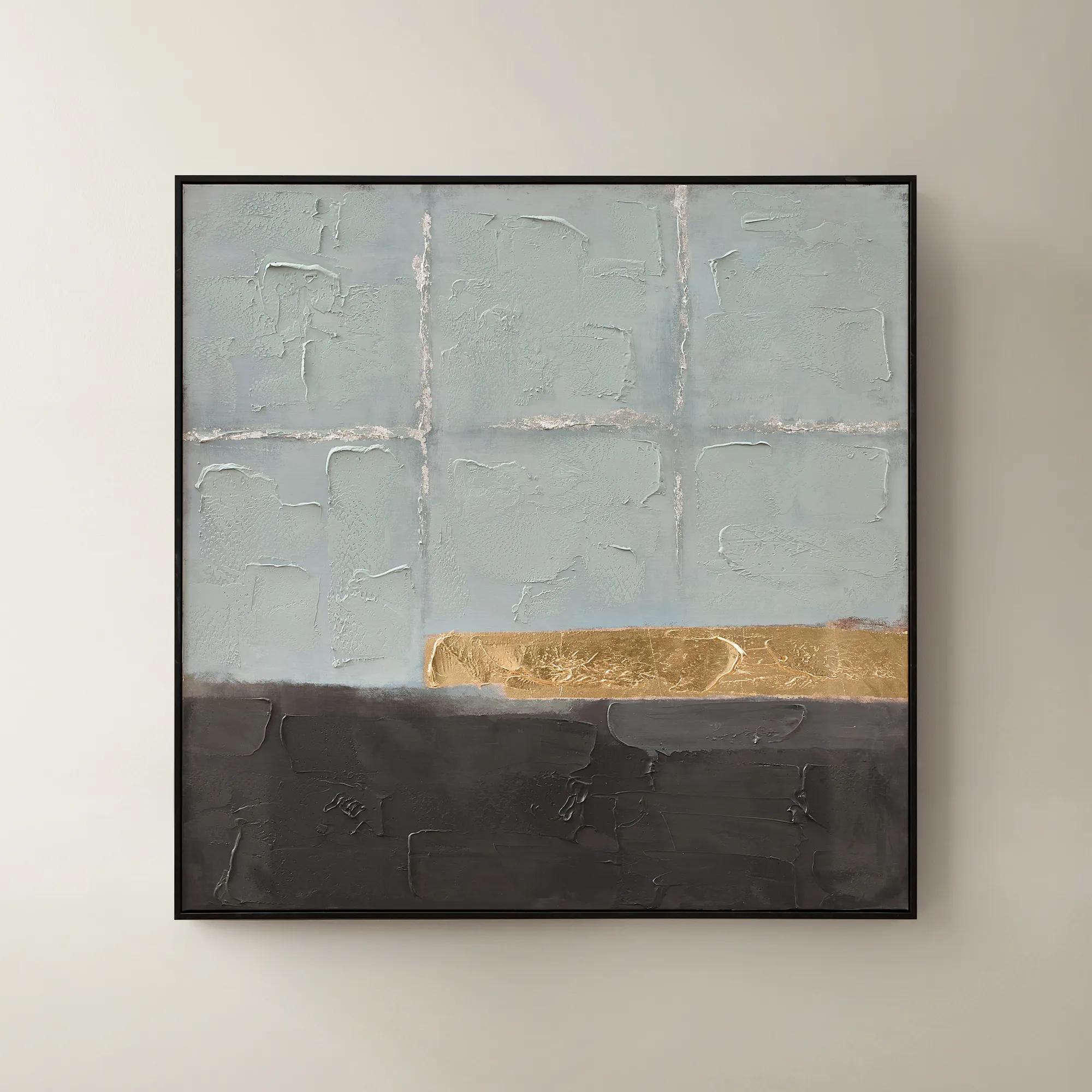
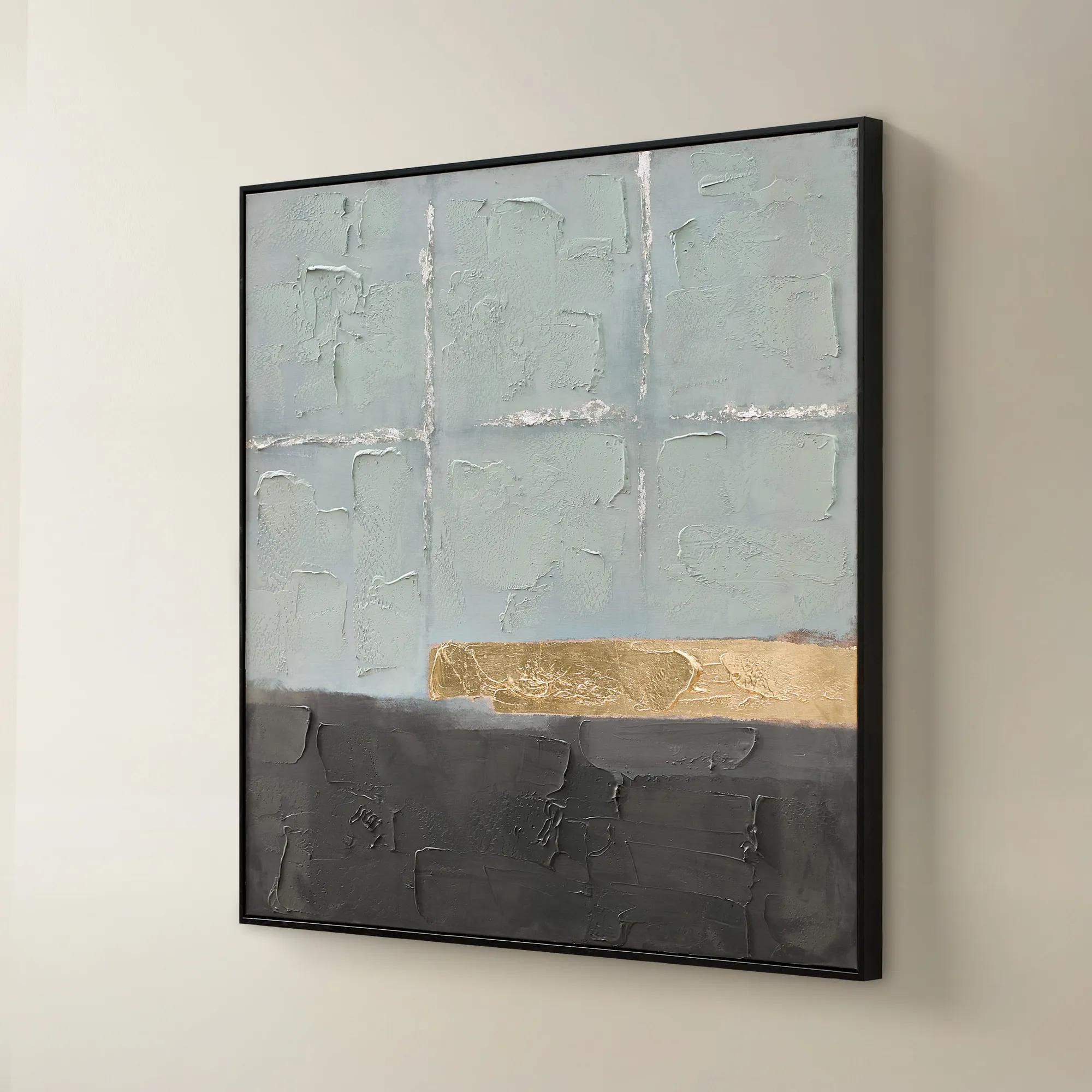 Jules Framed Gold Leaf Painted Wall Art 40" x 40"$299
A hand-painted canvas in mineral blue with gold leaf accents and a sleek black frame for modern appeal.
Add To Cart -
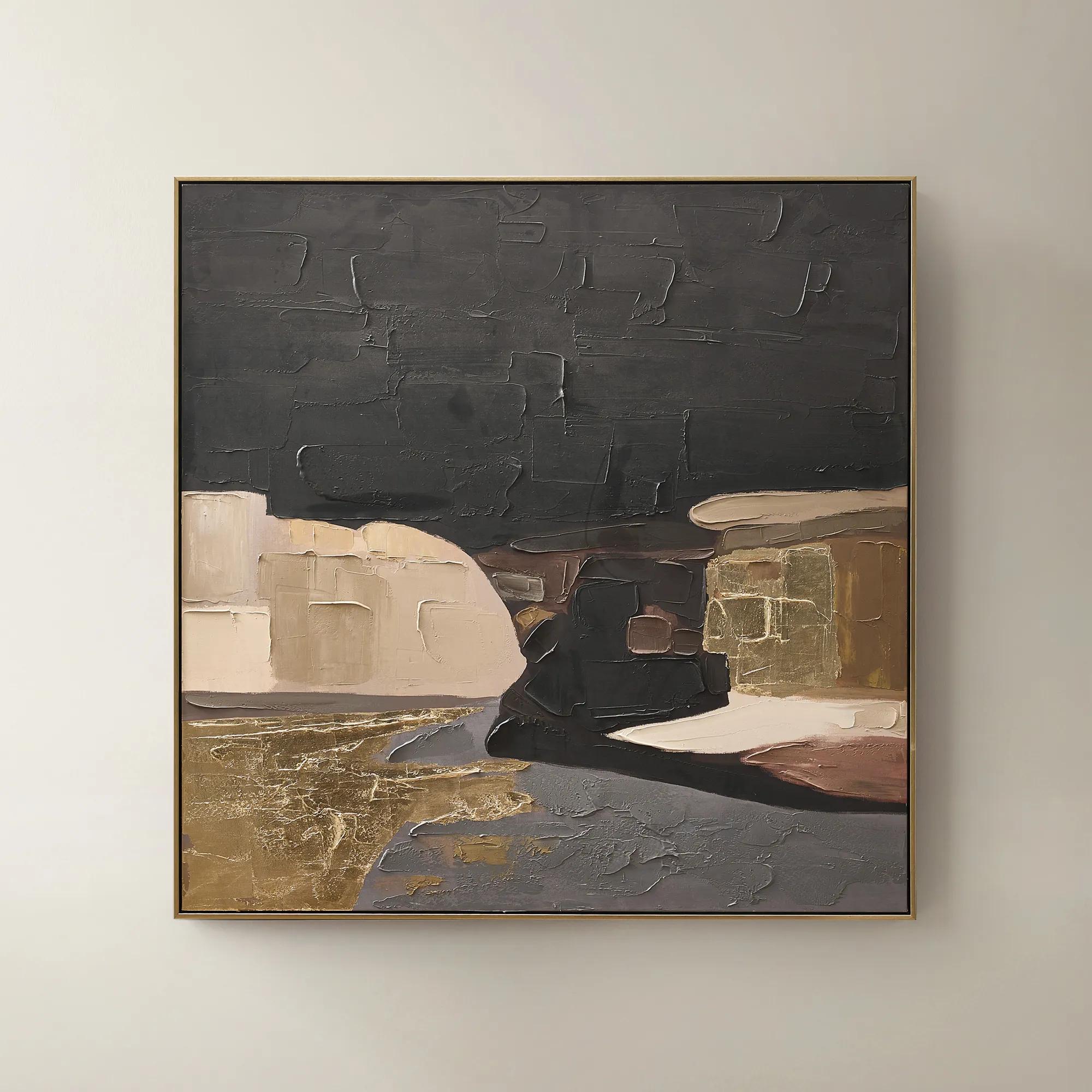 Obscured Light Framed Gold Leaf Painted Wall Art 48" x 48"$499
A hand-painted canvas with gold leaf accents and a black-gold frame in dramatic neutral tones.
Add To Cart -
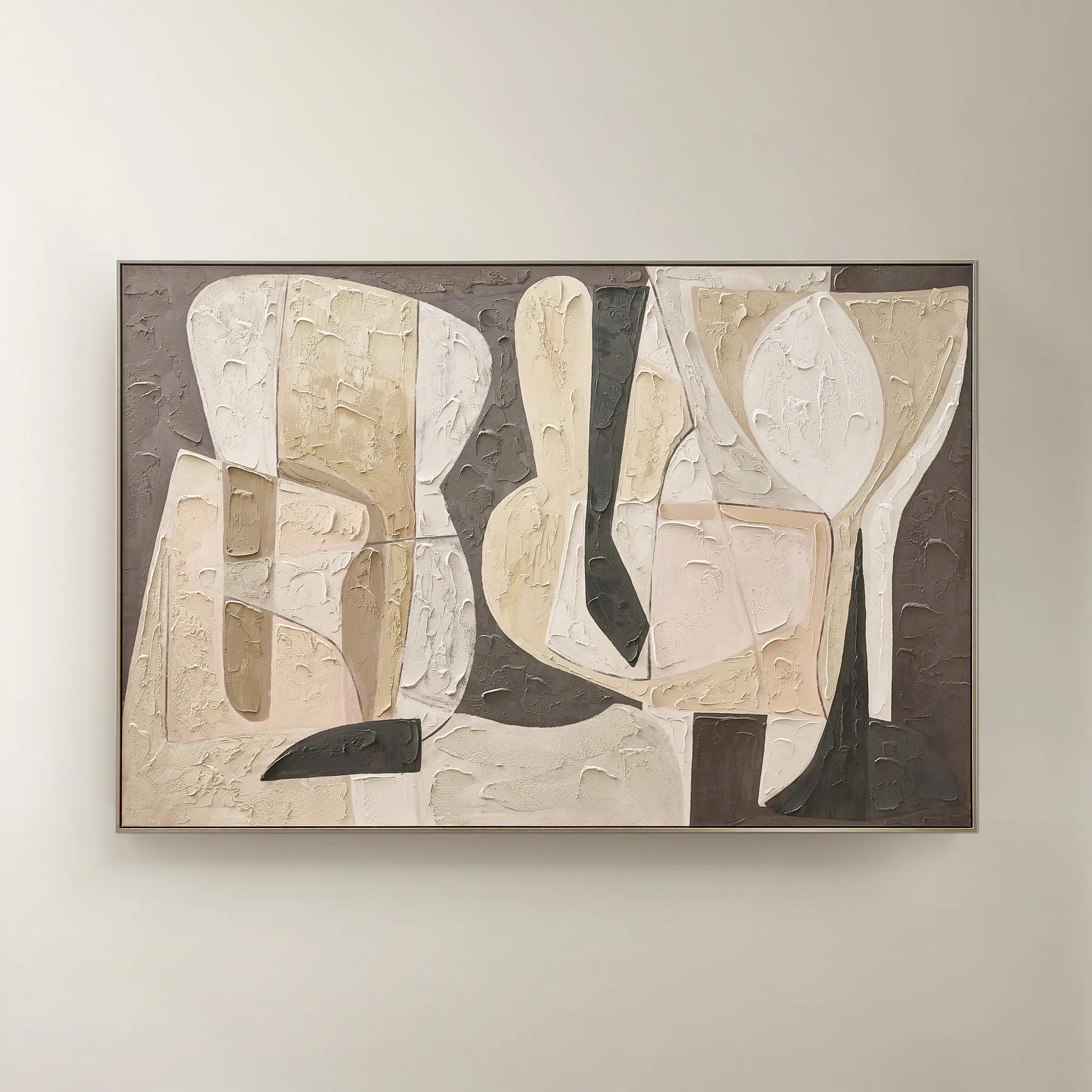 Wishful Thinking Framed Painted Wall Art 72" x 48"$599
A hand-painted abstract canvas featuring bold geometric forms and warm smoked plum, apricot, and tawny hues.
Add To Cart -
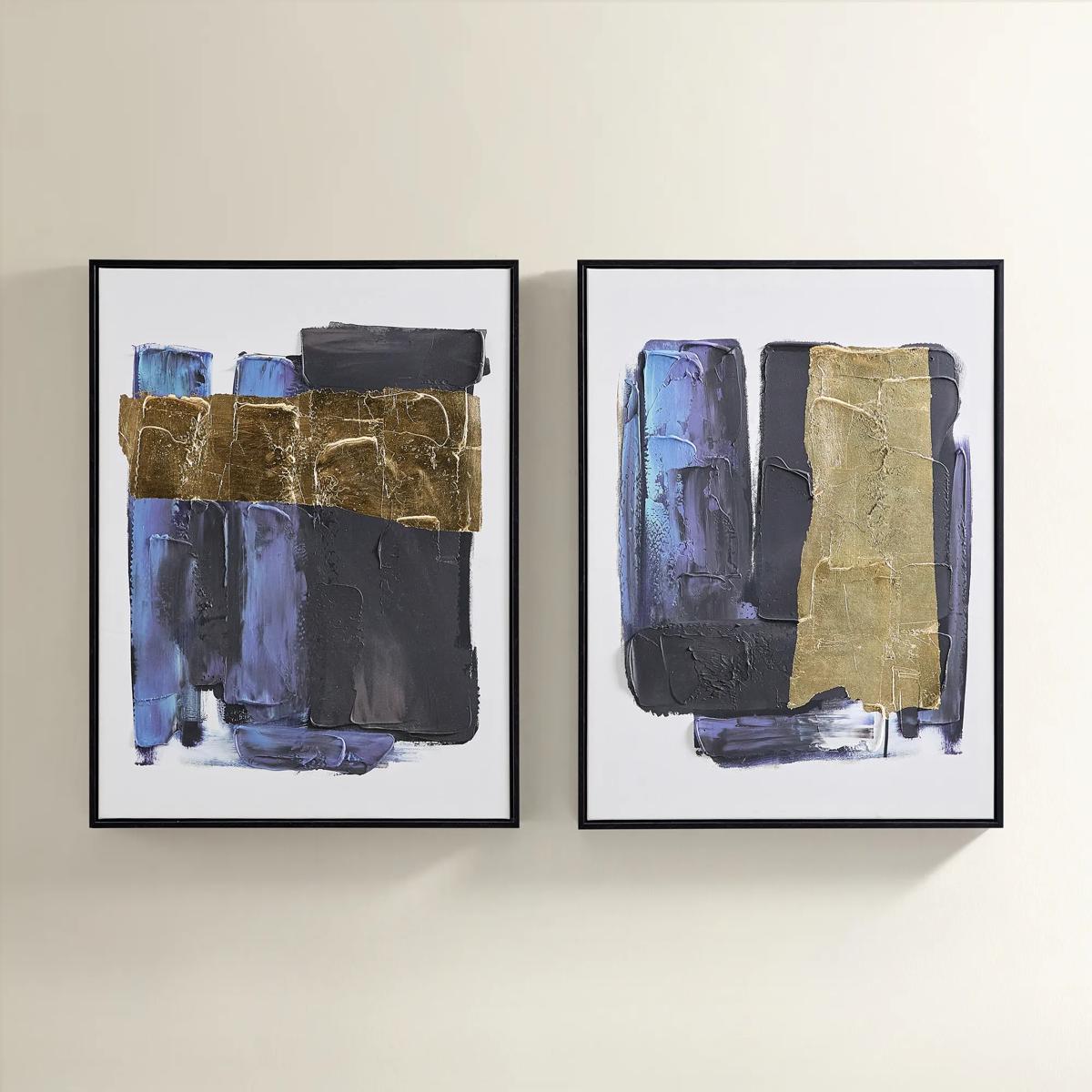
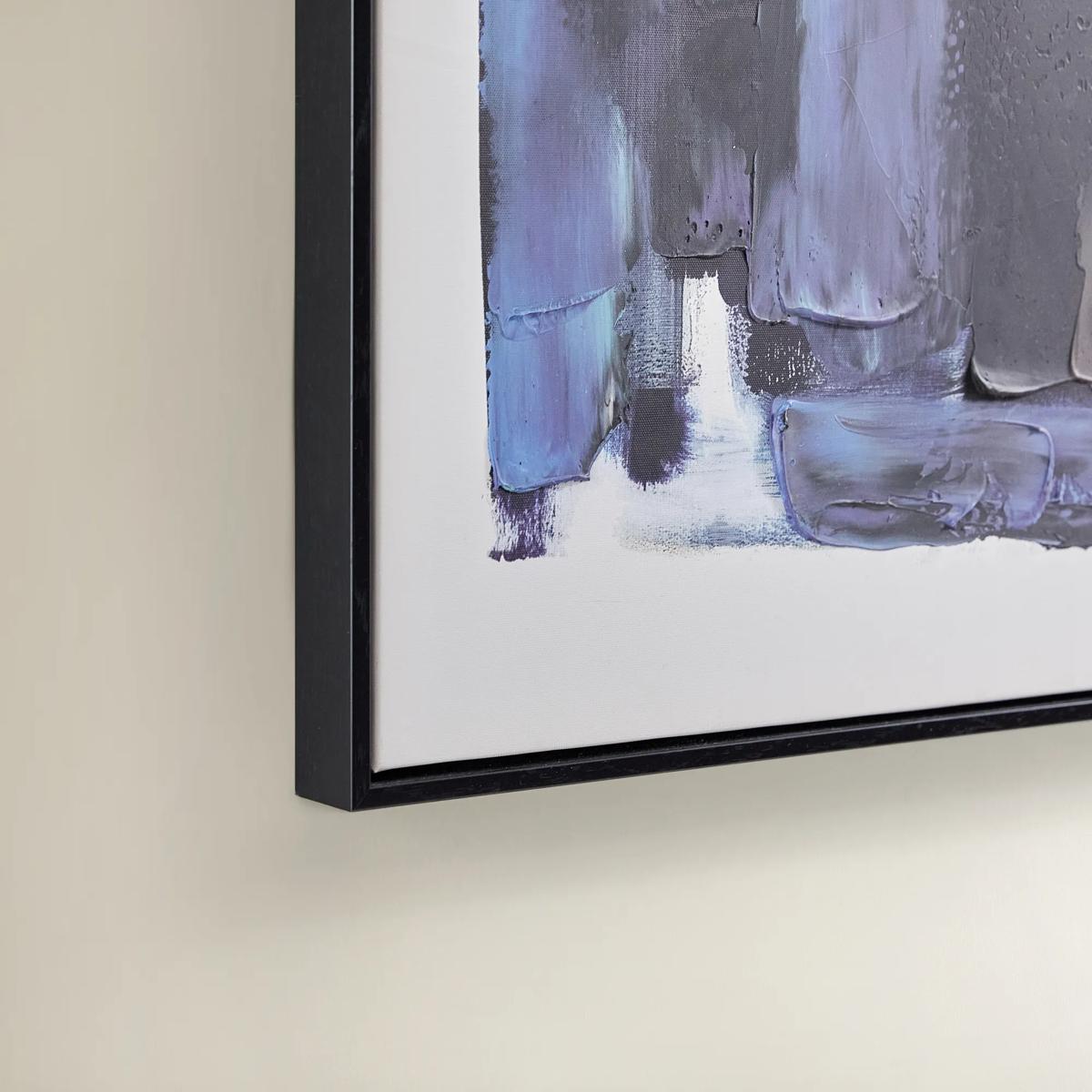 Deep Thoughts Gold Leaf Painted Wall Art Set of 2$199
A set of two hand-painted abstract canvases in blue and gold leaf, framed in sleek black.
Add To Cart -
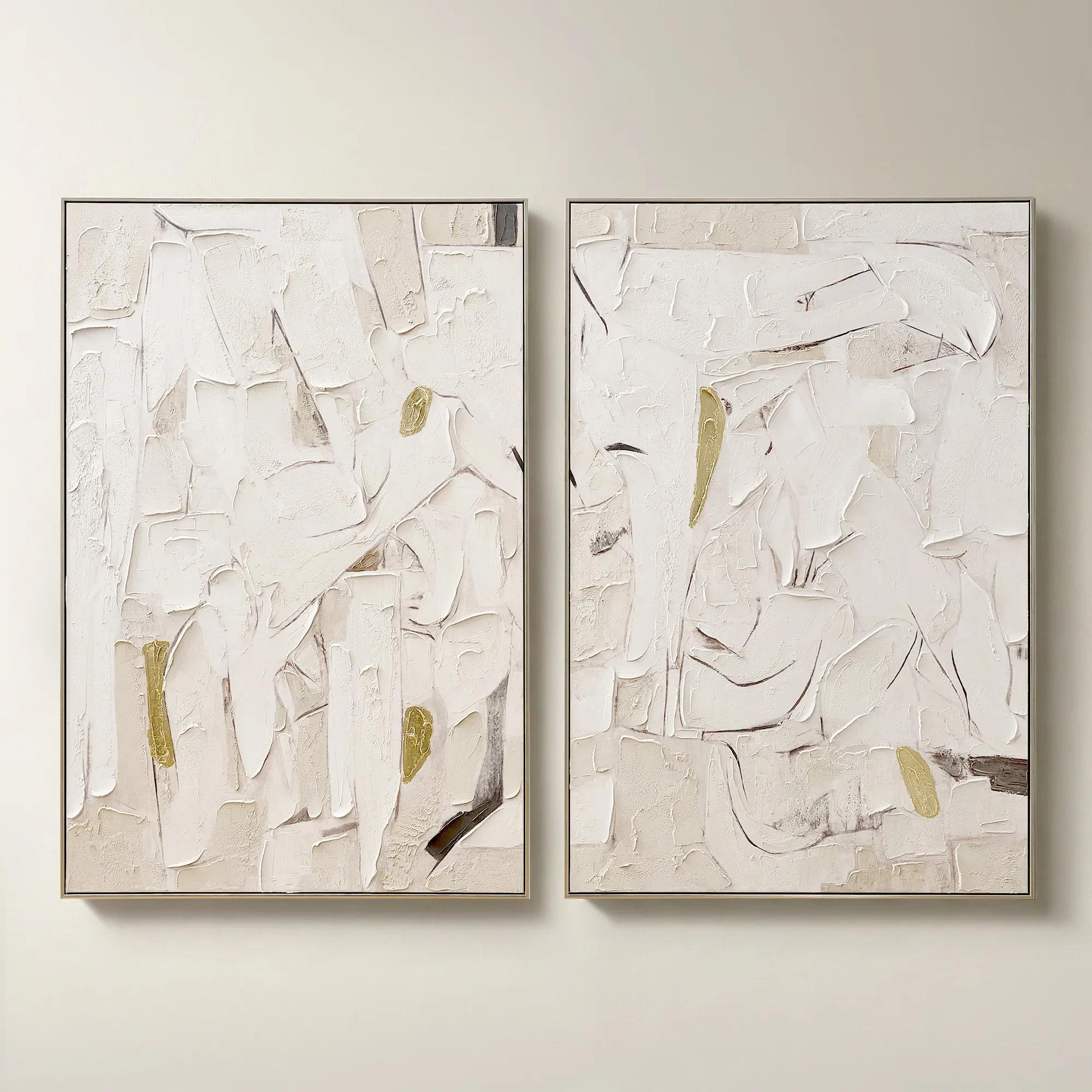 Beneath the Surface Framed Gold Leaf Painted Wall Art 40" x 60" Set of 2$799
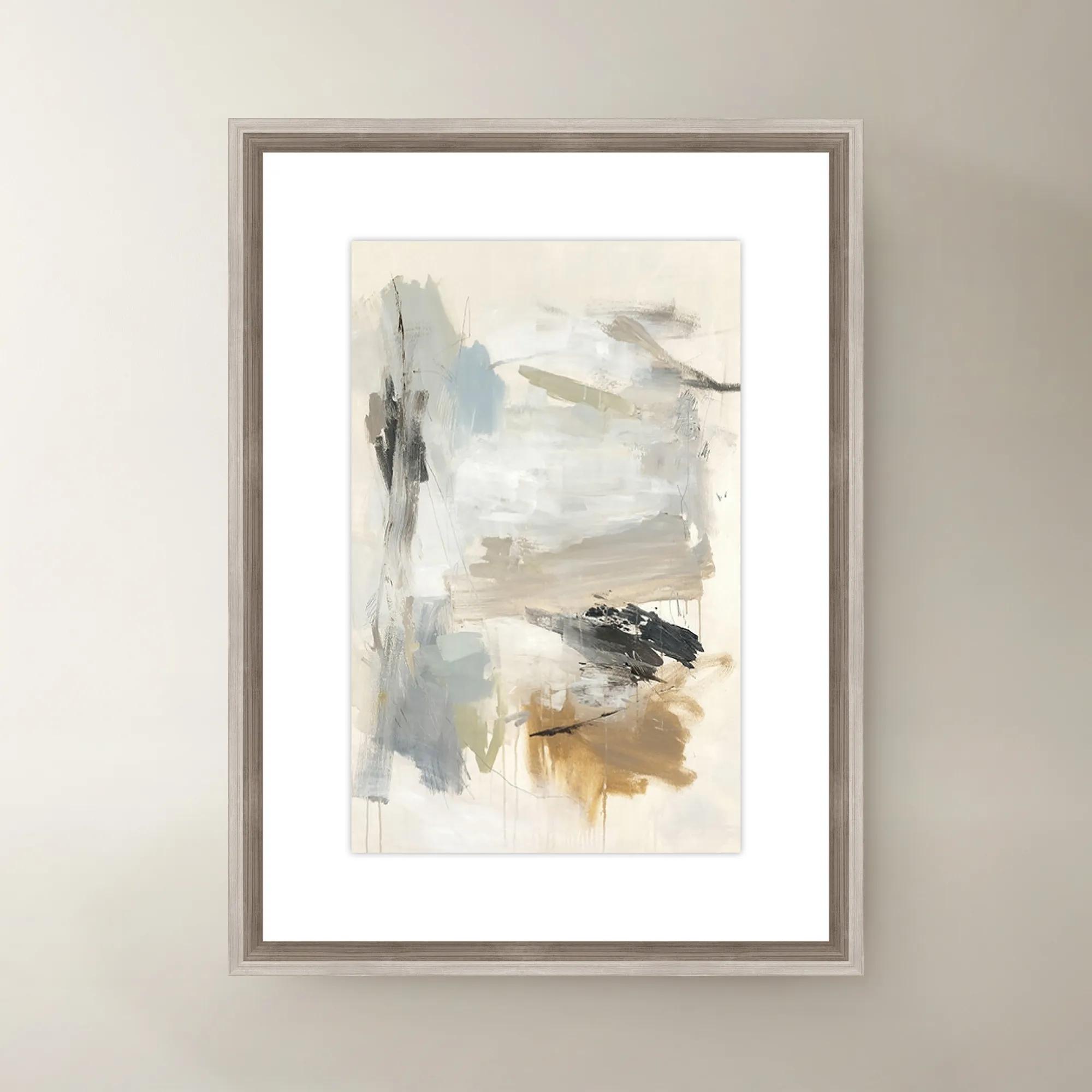
A hand-painted abstract diptych featuring gold detailing and layered texture in alabaster and tawny hues.
Add To Cart

Art Deco Inspired Canvas Arts
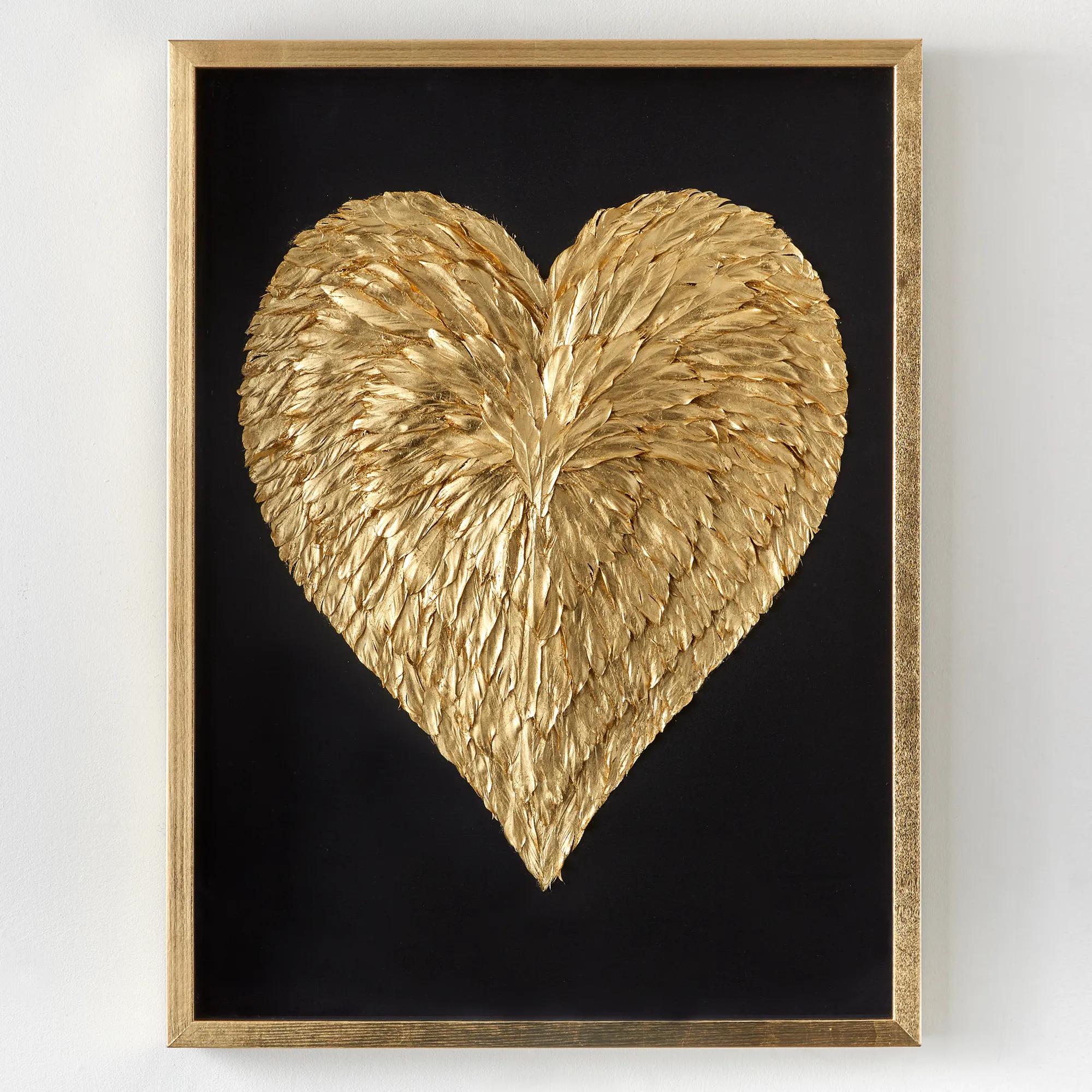
Step into a world where glamour reigns and geometry becomes poetry—art deco inspired canvas arts electrify your walls with the spirit of an era defined by opulence and innovation. Each piece is a celebration of bold lines, luminous metallics, and hypnotic symmetry, channeling the lavish energy of roaring soirées and gilded cityscapes. Art deco inspired canvas arts invite you to transform any room into a stage set for intrigue and allure, infusing your space with the unmistakable drama and sophistication that only true artistry can deliver. Let every glance reveal a new facet of elegance, as your home becomes a living gallery of dazzling design.
Art Deco inspired canvas art brings the visual language of the 1920s and 1930s into expressive modern interiors through bold geometry, balanced compositions, stylized figures, and luxurious color. Rooted in a design movement that celebrated both fine craftsmanship and the energy of the machine age, the aesthetic draws on stepped architecture, sweeping curves, sunburst motifs, and sharply defined lines. On canvas, these elements create artwork with presence: an angular composition can lend structure to a softly furnished room, while an elegant silhouette introduces a more intimate, cinematic mood. Black and gold are closely associated with the style, but its palette extends to silver, ivory, emerald, sapphire, blush, and warm earth tones. Deep colors establish a sumptuous backdrop; paler compositions let the geometry command attention without overwhelming surrounding furnishings. Art Deco wall art can also take the form of architectural studies, stylized botanical imagery, fashion-inspired portraits, or abstract arrangements that borrow the movement’s distinctive sense of proportion. The result need not feel like a period interior. Against a contemporary sofa or a clean-lined console, Deco-inspired canvas artwork offers a deliberate contrast between restrained furniture and richly articulated imagery. Canvas adds another dimension to that exchange. Its woven surface can soften the precision of a printed line and lend visual texture to broad fields of color, giving even a crisp geometric image a more tactile character. Gold-colored imagery and actual metallic finishes create different effects, so the distinction matters: printed gold tones suggest warmth and richness, while metallic pigments or foil, when specified, may reflect light as the viewing angle changes. For those drawn to rooms with personality, this category offers a way to introduce glamour through composition rather than ornament alone. A commanding canvas can establish the entire room’s direction, or echo an existing detail—a brass lamp, a curved chair, a marble tabletop—with enough subtlety to make the space feel thoughtfully composed rather than strictly matched.
Scale, placement, and color relationships determine how convincingly Art Deco inspired canvas art belongs in a room. Above a sofa, a generously proportioned composition can anchor the seating area and give the wall the same confidence as the furniture beneath it. Artwork spanning roughly two-thirds to three-quarters of the furniture’s width is a useful starting point, though surrounding architecture and the desired effect should guide the final choice. A smaller canvas may feel more intentional above a narrow chest, between windows, or within a carefully spaced grouping. In an entryway, vertical geometry can emphasize height and create a striking first impression without requiring a large expanse of wall. Over a bed, curved forms and muted metallic tones offer a quieter interpretation of the style, especially when paired with layered bedding and softly diffused lighting. A dining room can accommodate deeper contrast: black, ivory, and gold-toned artwork looks particularly dramatic near dark wood and gleaming accents, where its architectural lines help define the setting for evening gatherings. Consider the image from the places it will actually be seen, not simply from directly in front of the wall. A detailed portrait rewards a closer view beside an occasional chair, while a broad geometric arrangement remains legible across an open living space. Painter’s tape or a paper template can help establish the dimensions before hanging, including the outer measurements of any frame. When arranging multiple canvases, consistent spacing gives their individual patterns a shared rhythm. Color can connect the artwork to the rest of the room without repeating every motif; one emerald accent or a trace of champagne may be enough. Layering Art Deco Inspired Pillows into nearby seating can carry that palette into fabric, while a contrast in pattern scale keeps the composition lively. Pairing a large, decisive canvas motif with smaller textile details allows each element its own expression. Leave some surrounding wall visible so the artwork’s silhouette and geometry have room to register.
Construction and finish shape both the appearance and the everyday care of canvas wall art. Canvas may be made from cotton, polyester, or a blend, and its weave, preparation, printing method, and surface treatment all contribute to the finished effect. Material alone does not establish quality; even tension, stable supports, clean corners, and a well-executed image also matter. Stretched canvas is secured over a supporting frame, often made of wood, while gallery-wrapped construction carries the canvas around the sides for a dimensional presentation that may be displayed without an additional decorative frame. A framed canvas creates a more defined boundary, and a floating frame introduces a narrow visual gap that emphasizes the artwork as a distinct object. Neither approach is inherently more appropriate for Art Deco styling: an unframed presentation can highlight the image’s modern geometry, while a slim black or metallic-toned frame may sharpen its architectural character. Check the stated materials, edge treatment, dimensions, and hanging requirements to understand the intended presentation. For durability, display canvas indoors in a stable environment, away from persistent dampness, direct heat, and prolonged direct sunlight, which can contribute to fading or material changes. A bathroom with frequent steam or a wall close to cooking splatter is generally less suitable than a living room, bedroom, dining room, or home office. Follow the maker’s care instructions; many canvas surfaces are best maintained with gentle dusting using a clean, dry, soft cloth, without rubbing textured or embellished areas. Avoid household sprays, abrasive tools, and wet cleaning unless expressly permitted. Hanging hardware should suit both the artwork’s weight and the wall material, with particular care above seating and beds. These practical details preserve the visual pleasure that makes canvas art such a personal choice. For a design enthusiast furnishing a first home, a host with a flair for dramatic interiors, or a couple celebrating a housewarming, Deco-inspired artwork can be a thoughtful gift when their palette and available wall space are known. Its appeal lies in that balance of order and exuberance: precise lines, rich color, and an unmistakable invitation to live more expressively.
FAQs
Art Deco inspired canvas art is characterized by bold geometric patterns, rich color palettes, and lavish decorative motifs reminiscent of the 1920s and 1930s. These pieces often feature stylized forms, metallic accents, and symmetrical designs that evoke the glamour and optimism of the Jazz Age.
Art Deco canvas art instantly elevates any space with its dramatic lines, luxurious finishes, and vibrant colors. Whether used as a striking focal point or as part of a curated gallery wall, these artworks add a sense of sophistication and artistic flair, making your home feel both timeless and daringly modern.
Absolutely. Art Deco inspired canvas art makes a thoughtful and stylish gift for anyone who appreciates vintage elegance or bold design. Its universal appeal and rich visual language make it perfect for housewarmings, weddings, anniversaries, or special seasonal celebrations.
Art Deco canvas art pairs beautifully with a variety of interiors, from contemporary and eclectic spaces to classic and transitional rooms. It complements luxurious textures like velvet and marble, and works especially well in living rooms, bedrooms, entryways, and dining areas where you want to create a sense of drama and refinement.
Yes, Art Deco canvas art blends seamlessly with other styles when curated thoughtfully. Pair it with modern abstracts for a dynamic contrast, or with vintage and mid-century pieces for a layered, gallery-inspired look. The key is to balance color, scale, and visual rhythm for a harmonious yet expressive display.