Modern Art Deco Rugs
Modern Art Deco Rugs
-
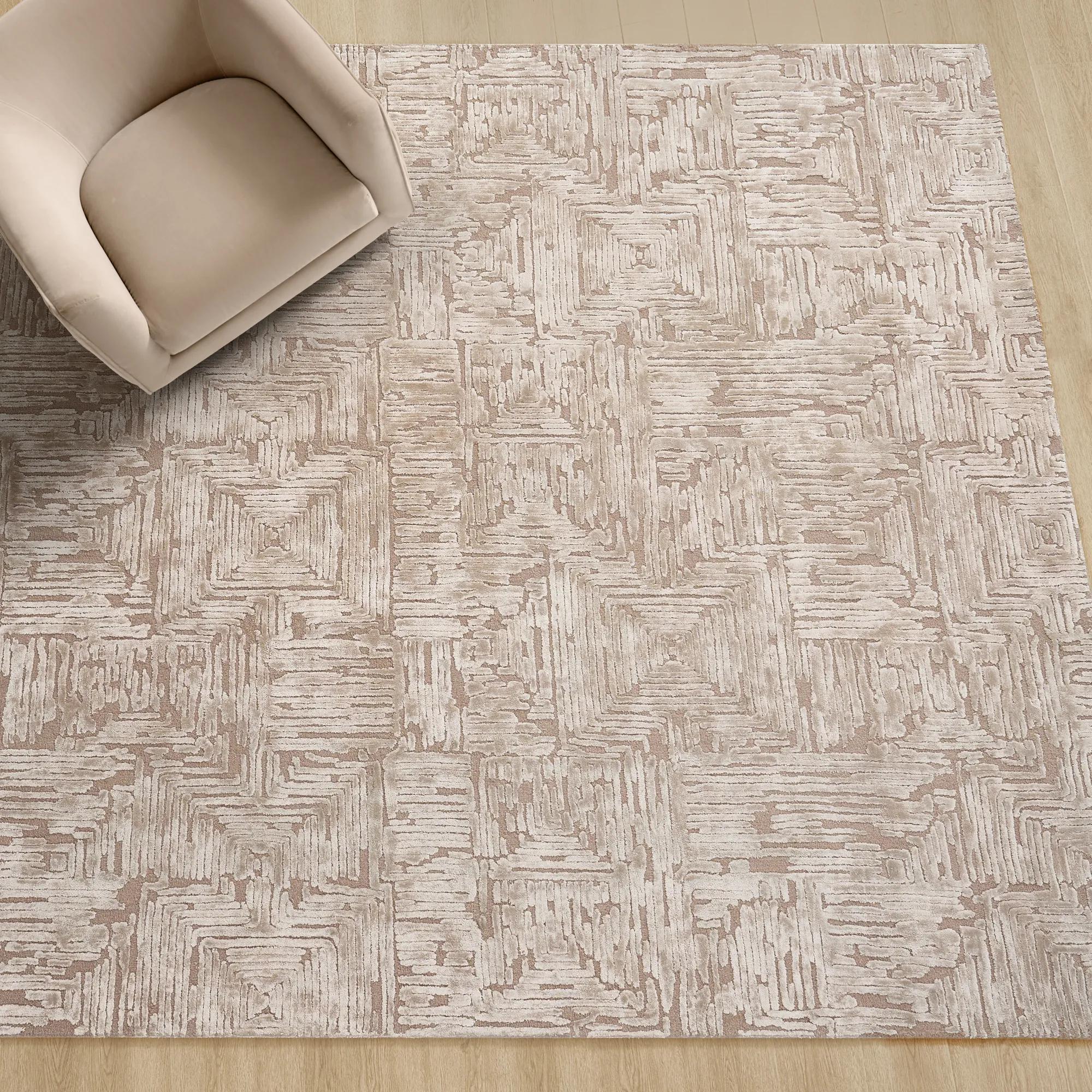
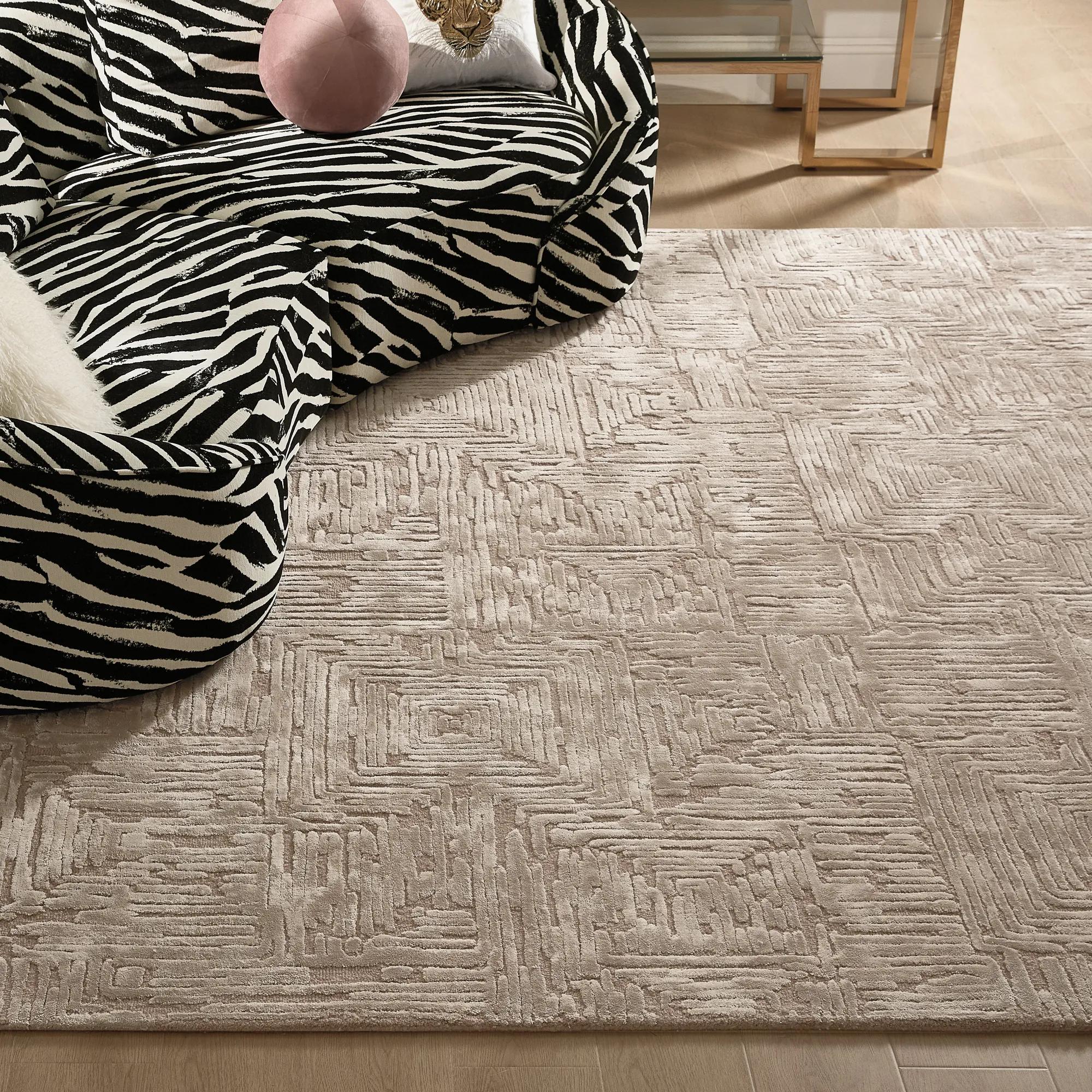 Andra Hand-Tufted Mocha Rose Viscose & Wool Dimensional Rug$1499
A hand-tufted mocha rose rug blending viscose and wool with dimensional broken geometric texture.
Add To Cart -
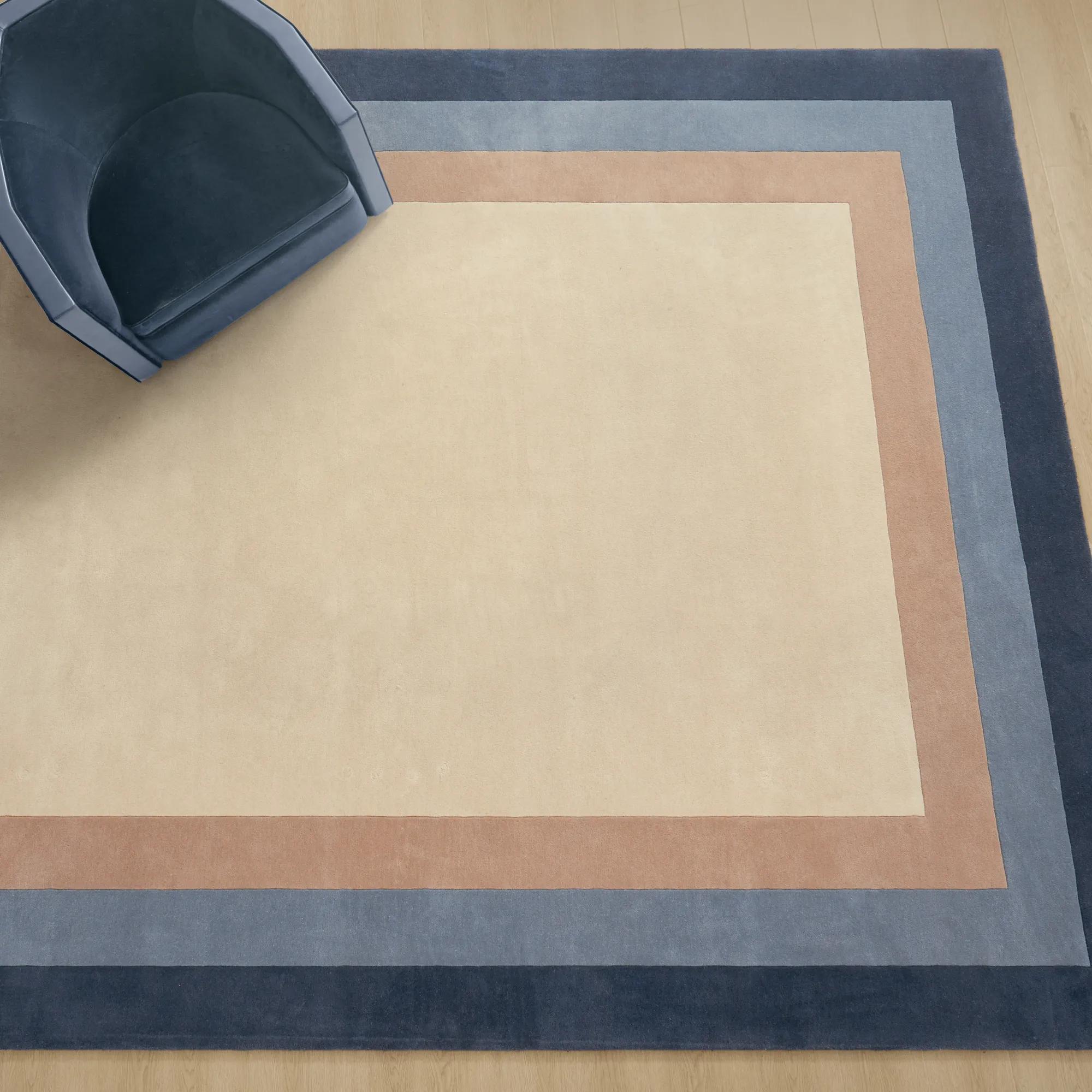 Bastien Hand-Tufted Blue/Taupe/Ivory Wool Border Rug$1499
A hand-tufted wool rug featuring a graphic blue, taupe, and warm ivory border with refined, substantial texture.
Add To Cart -
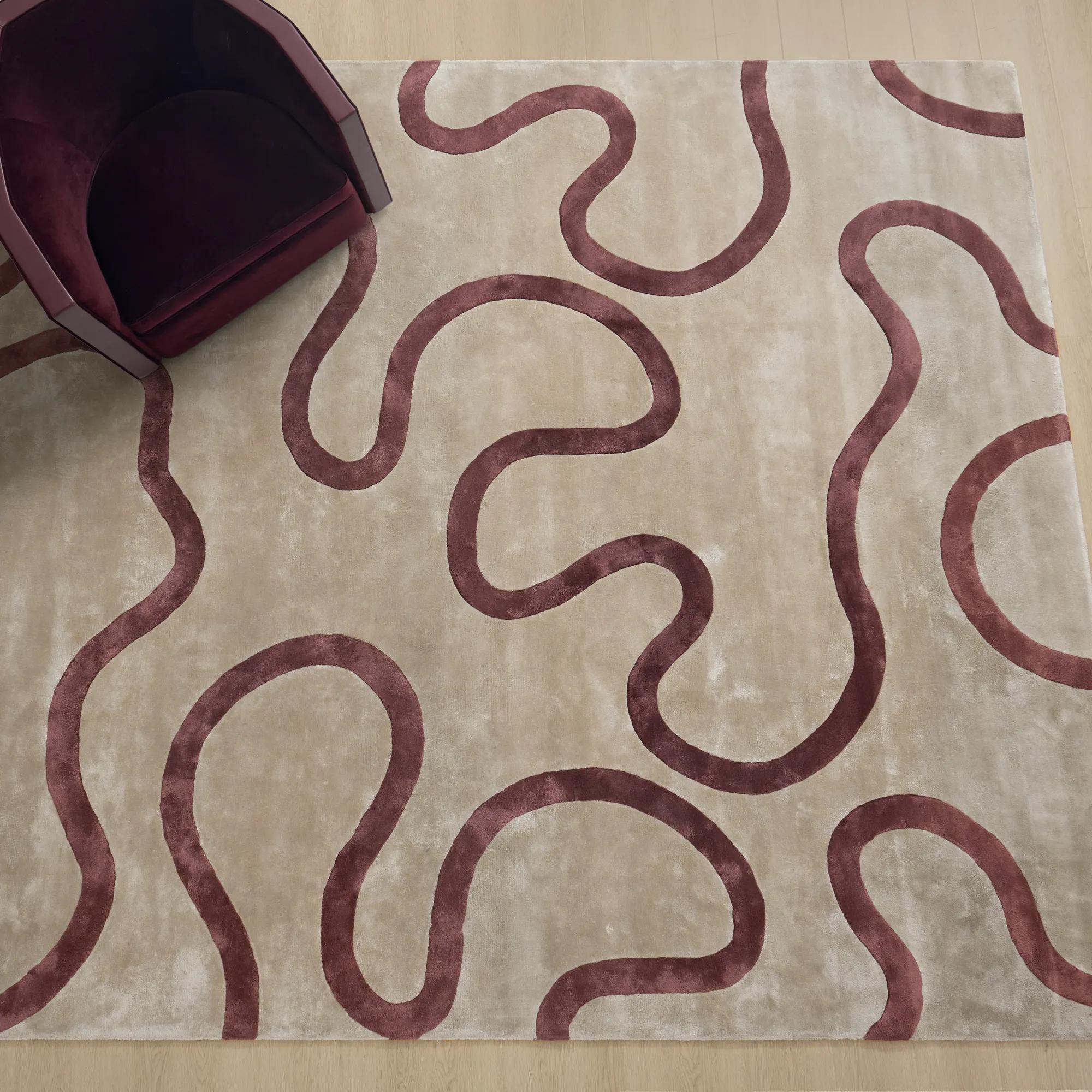 Seraphine Hand-Tufted Fig/Taupe Viscose Loop Rug$1199
A hand-tufted viscose rug with high-contrast loops in a polished fig and taupe palette.
Add To Cart -
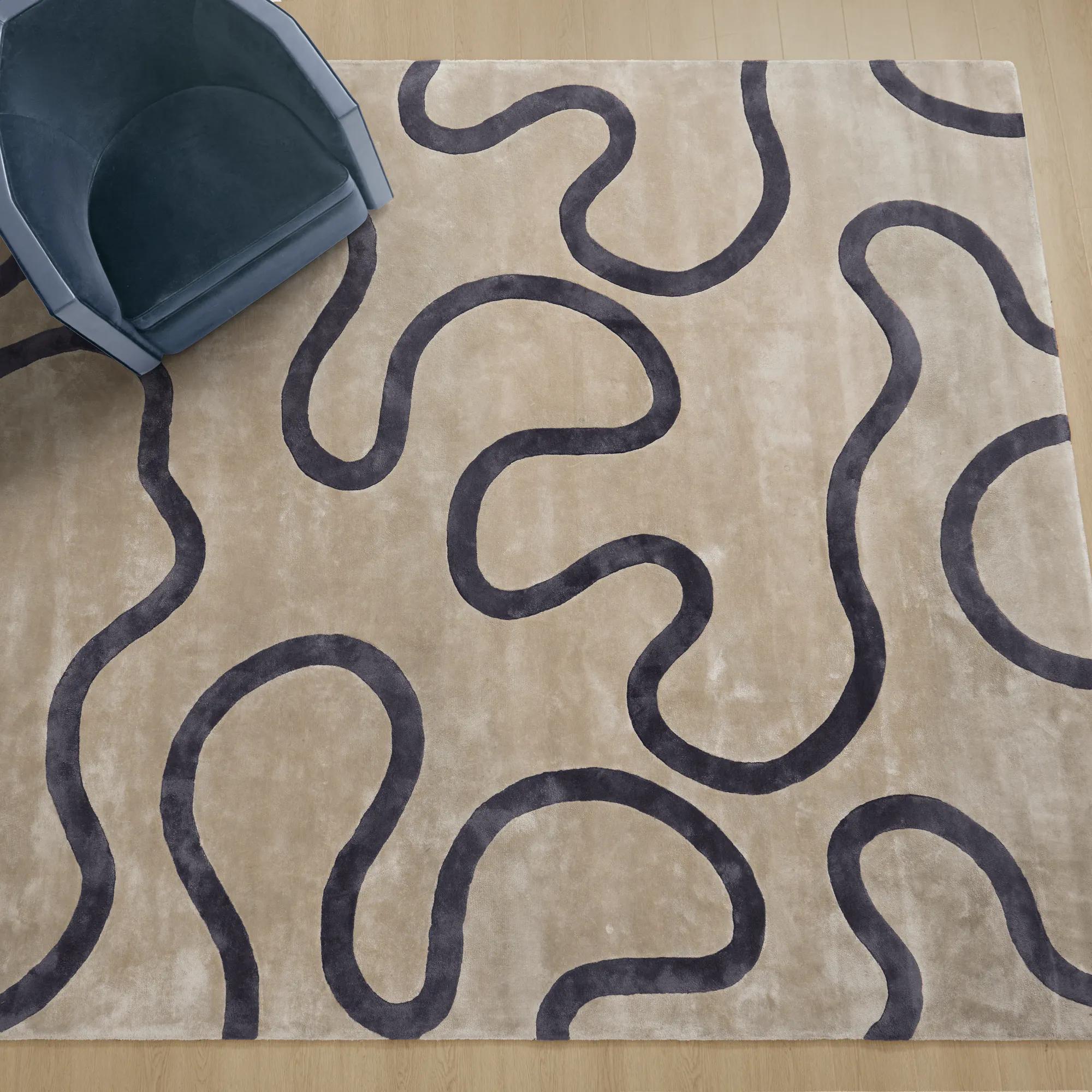 Seraphine Hand-Tufted Smoked Pearl/Taupe Viscose Loop Rug$1799
A hand-tufted viscose rug with high-contrast loops in smoked pearl and taupe, adding Deco-inspired dimension.
Add To Cart -
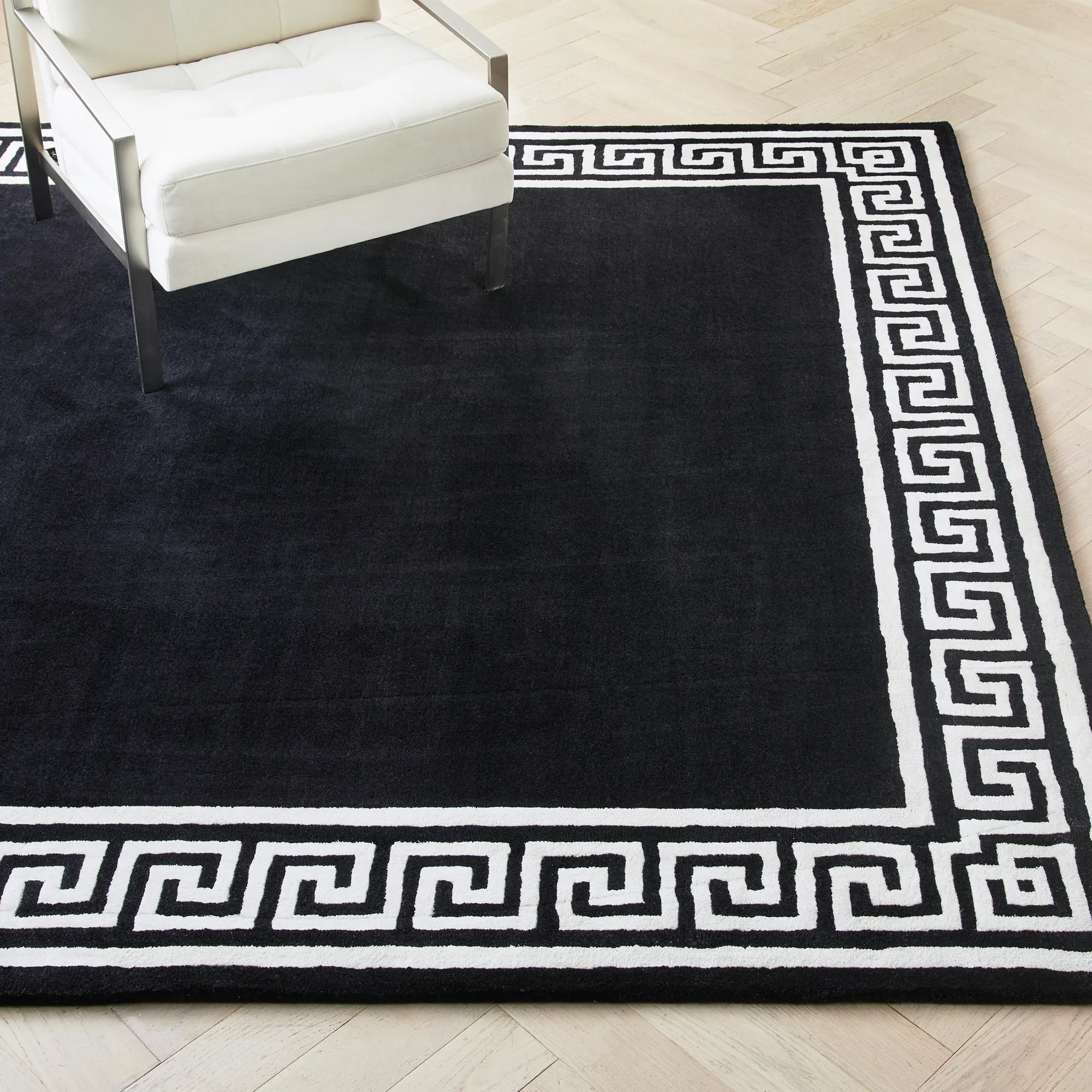
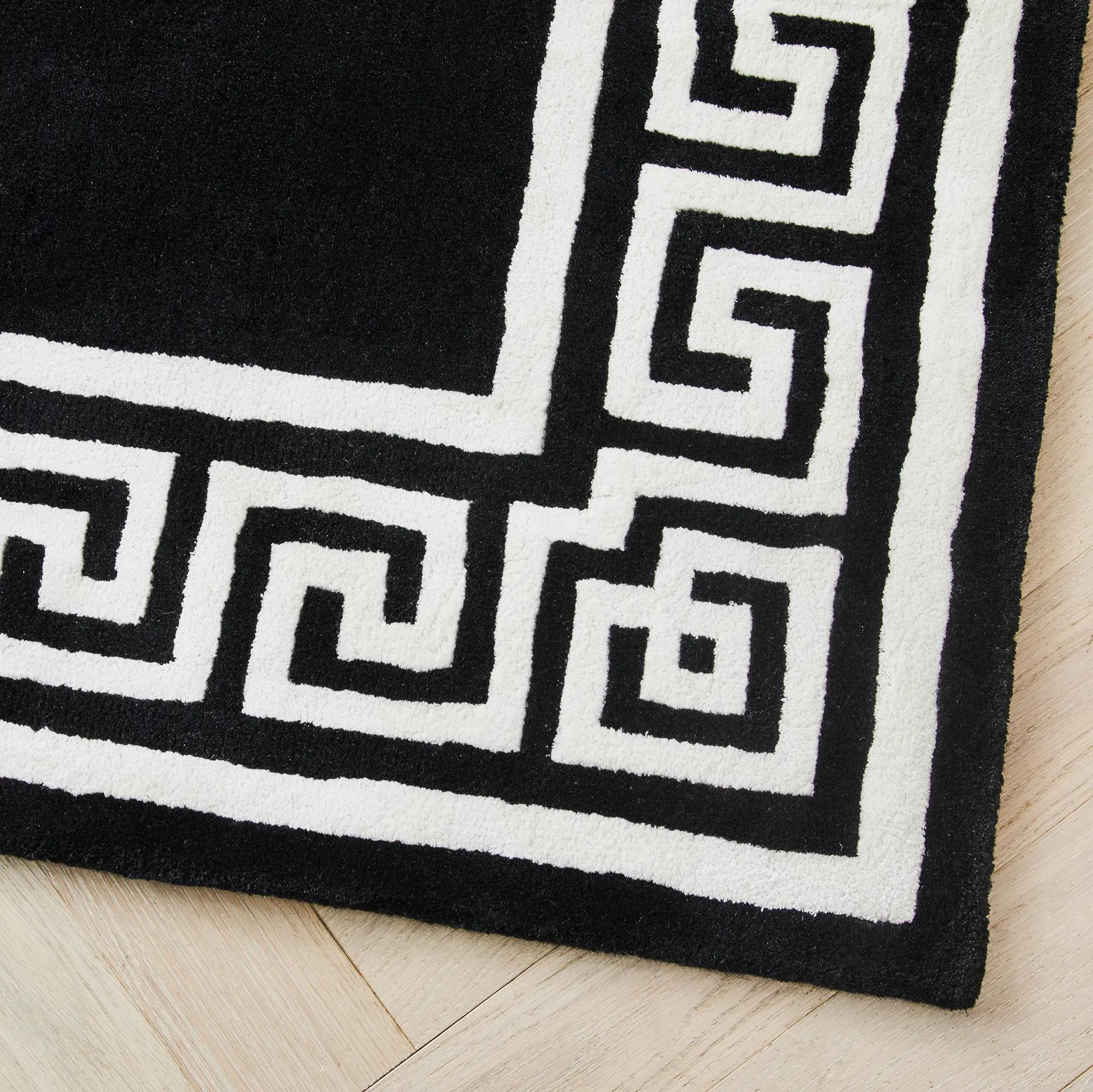 Greek Key Rug - Black/Ivory$1799
A hand-tufted black and ivory rug featuring a classic Greek key pattern in wool and viscose.
Add To Cart -
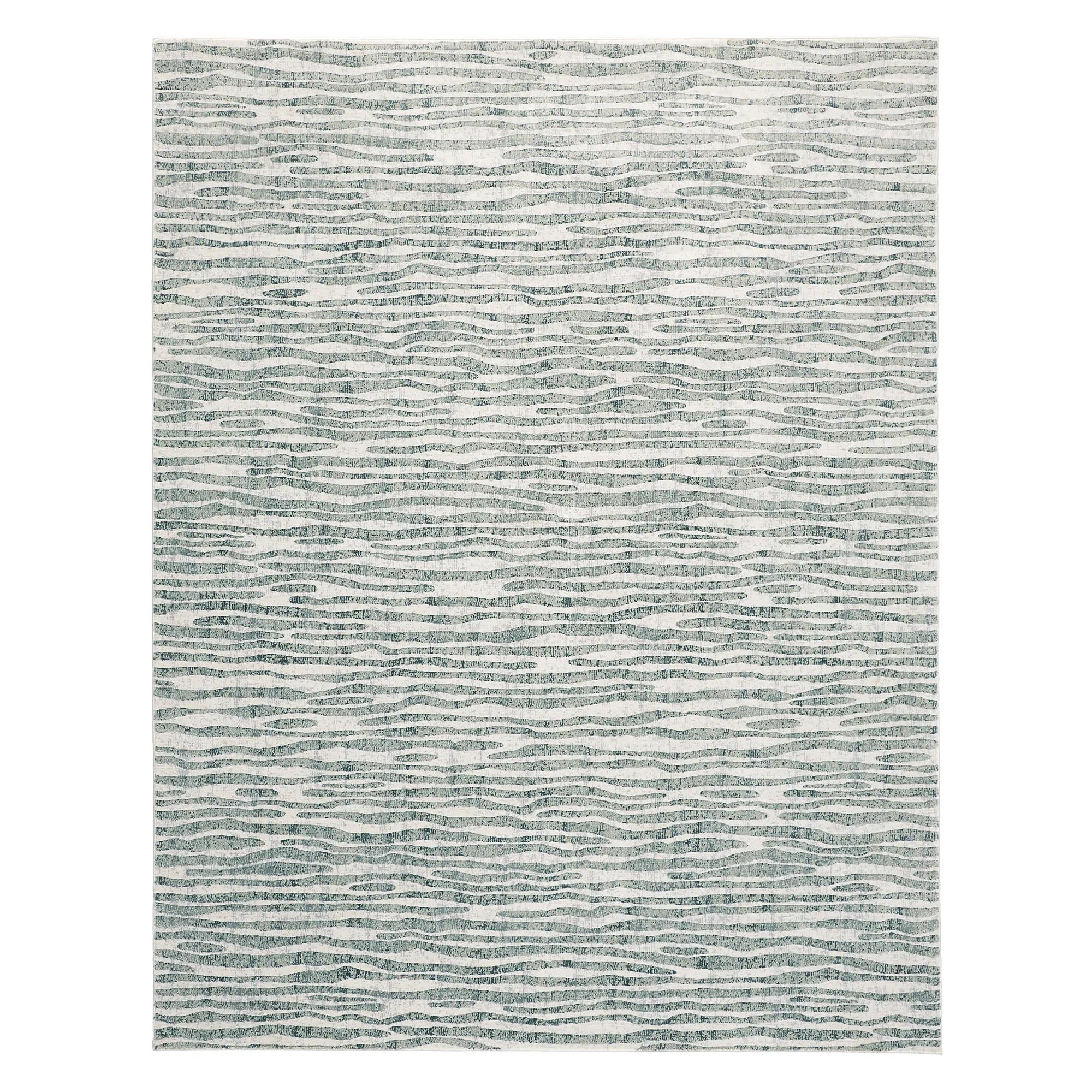 Samantha Power-Loomed Aqua/Grey Rug$719
A machine-woven rug featuring silvery-aqua and green accents on an ivory and grey polypropylene base.
Add To Cart -
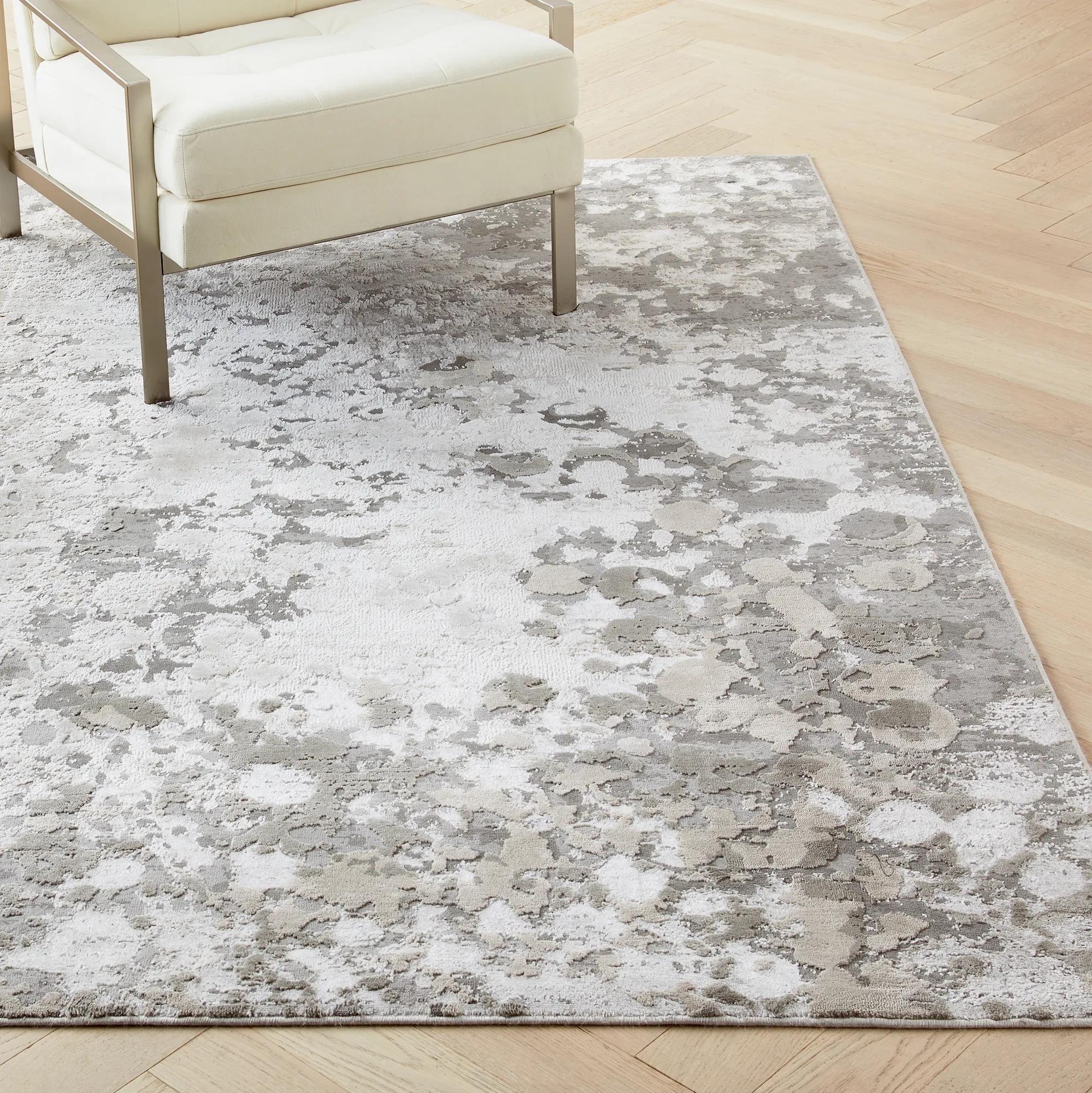 Mercury Power-Loomed Silver/Grey/Beige Rug$449
A neutral floor covering featuring a silver, grey, and beige palette with a soft, textured polyester blend.
Add To Cart -
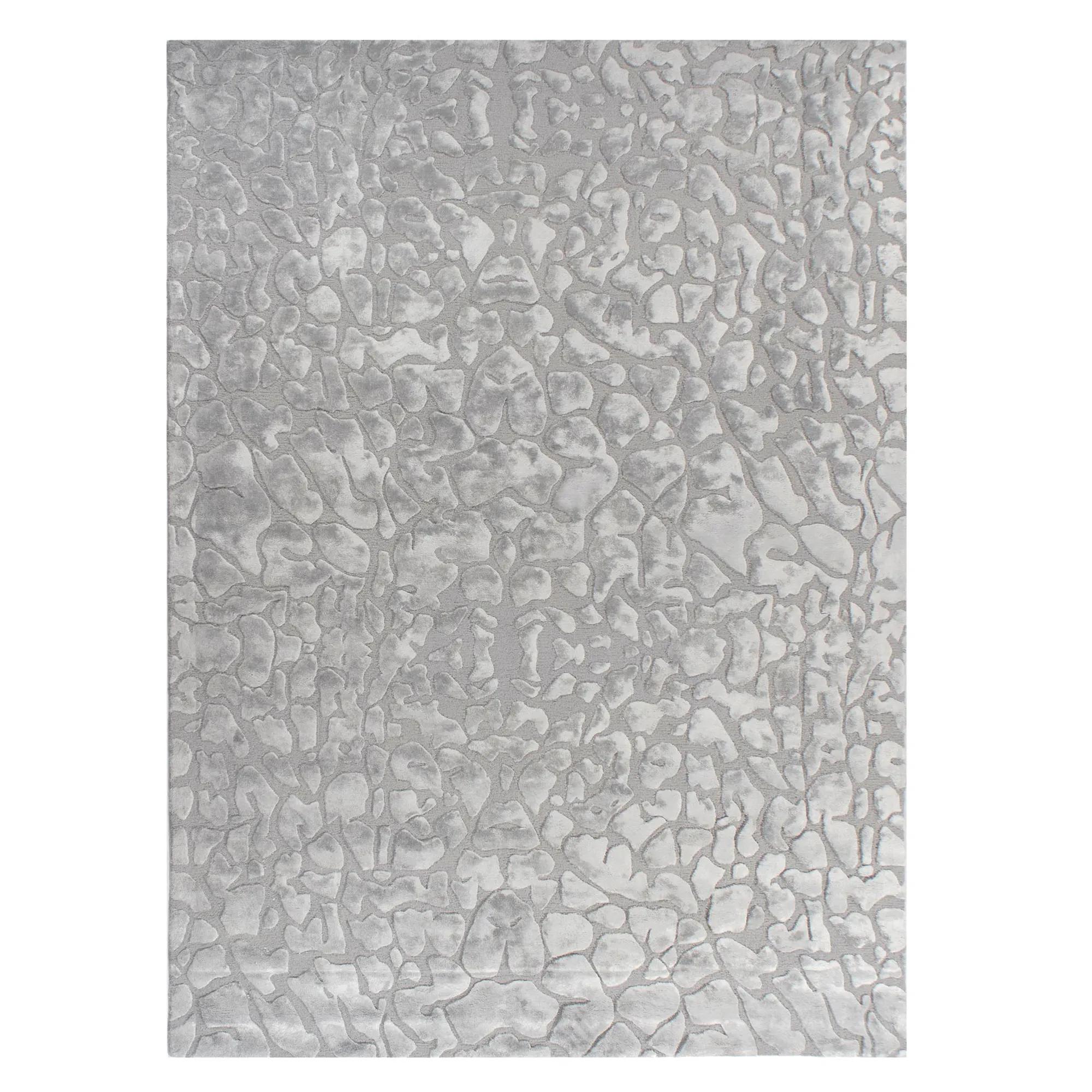
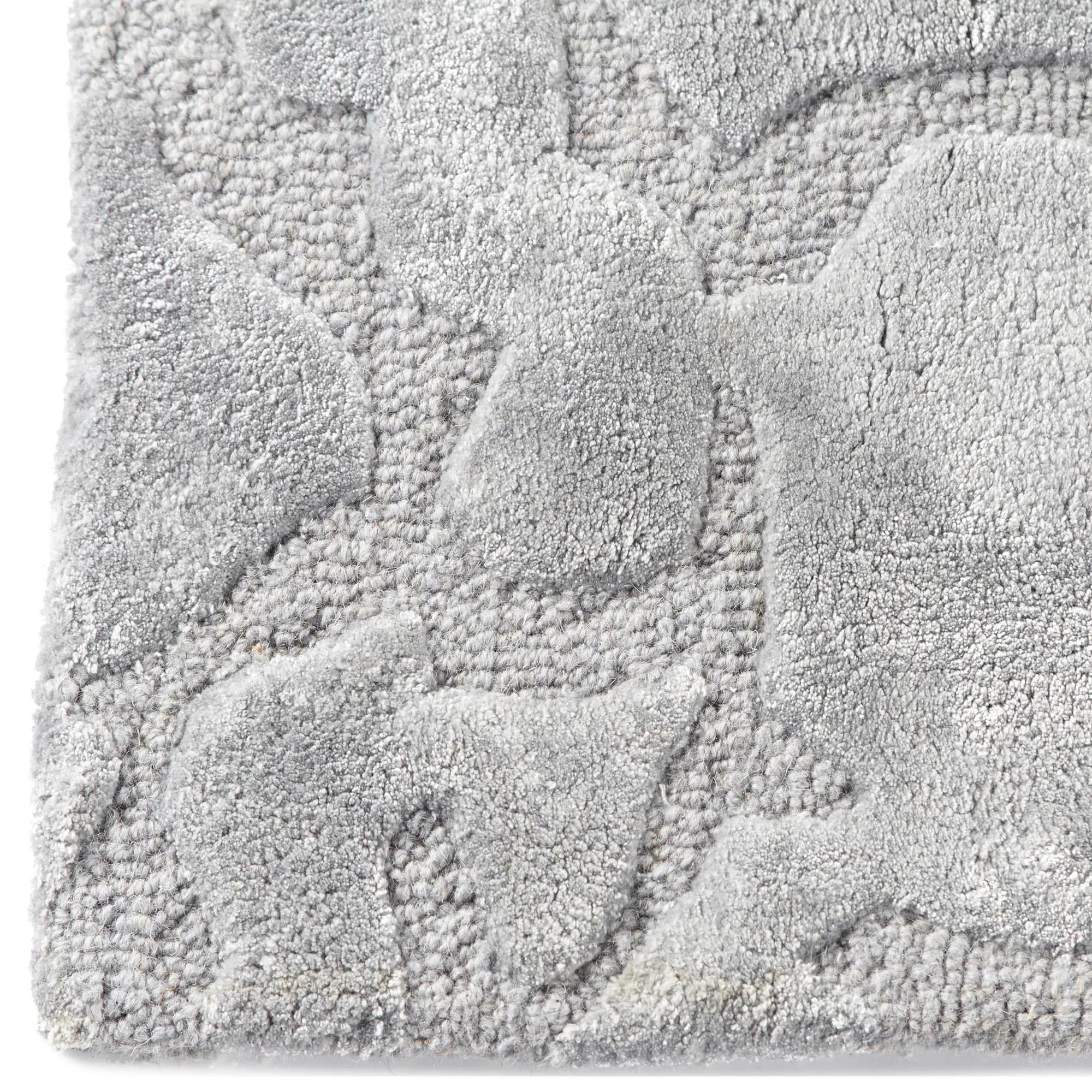 Nola Hand-Tufted Cool Grey Wool Blend Rug$849
A hand-tufted silver rug with contrasting pile heights, crafted from wool and viscose for plush texture.
Add To Cart -
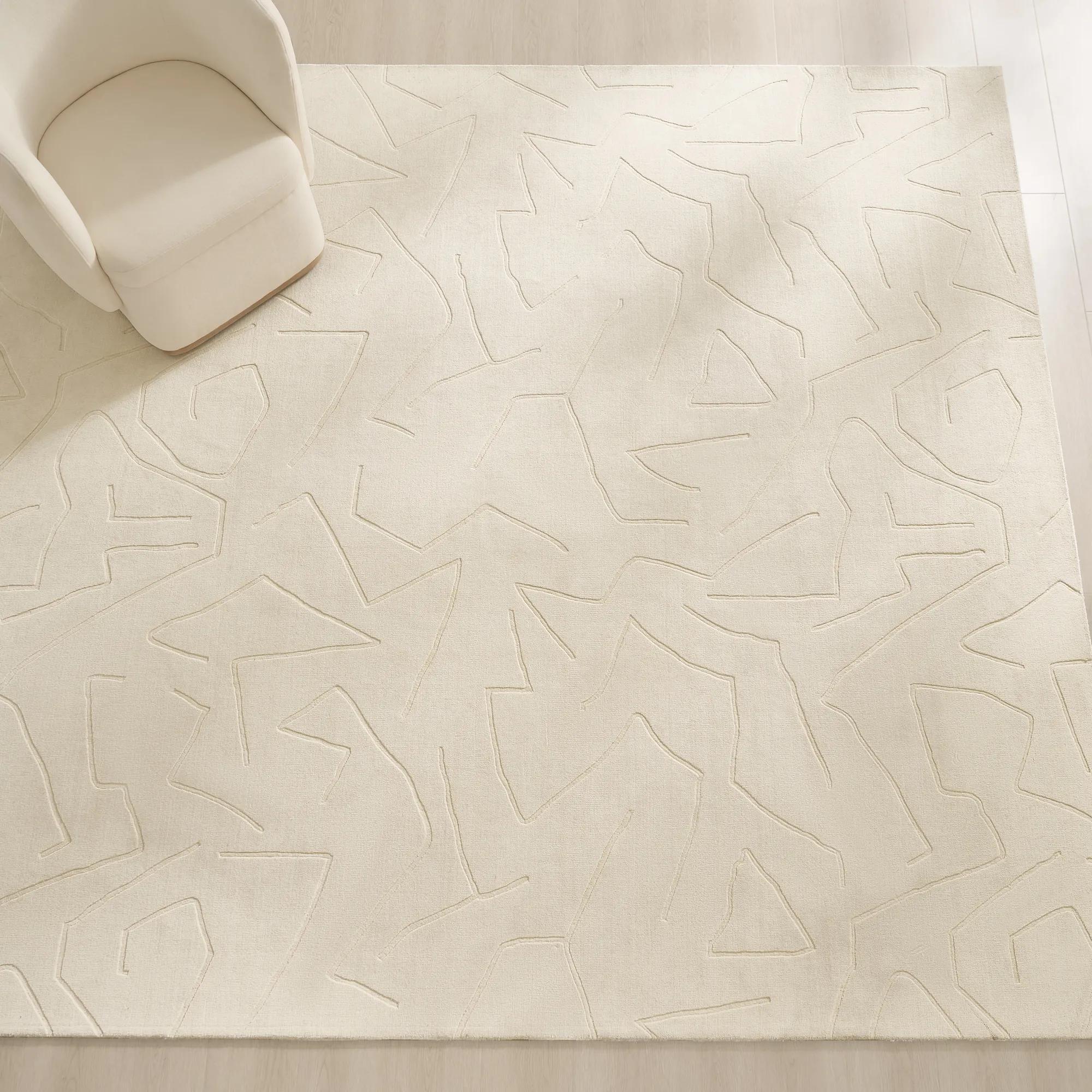 Carved Maze Ivory Hand-Loomed Wool Blend Rug$699
A hand-loomed ivory wool-blend rug featuring a carved maze pattern for modern, textural appeal.
Add To Cart -
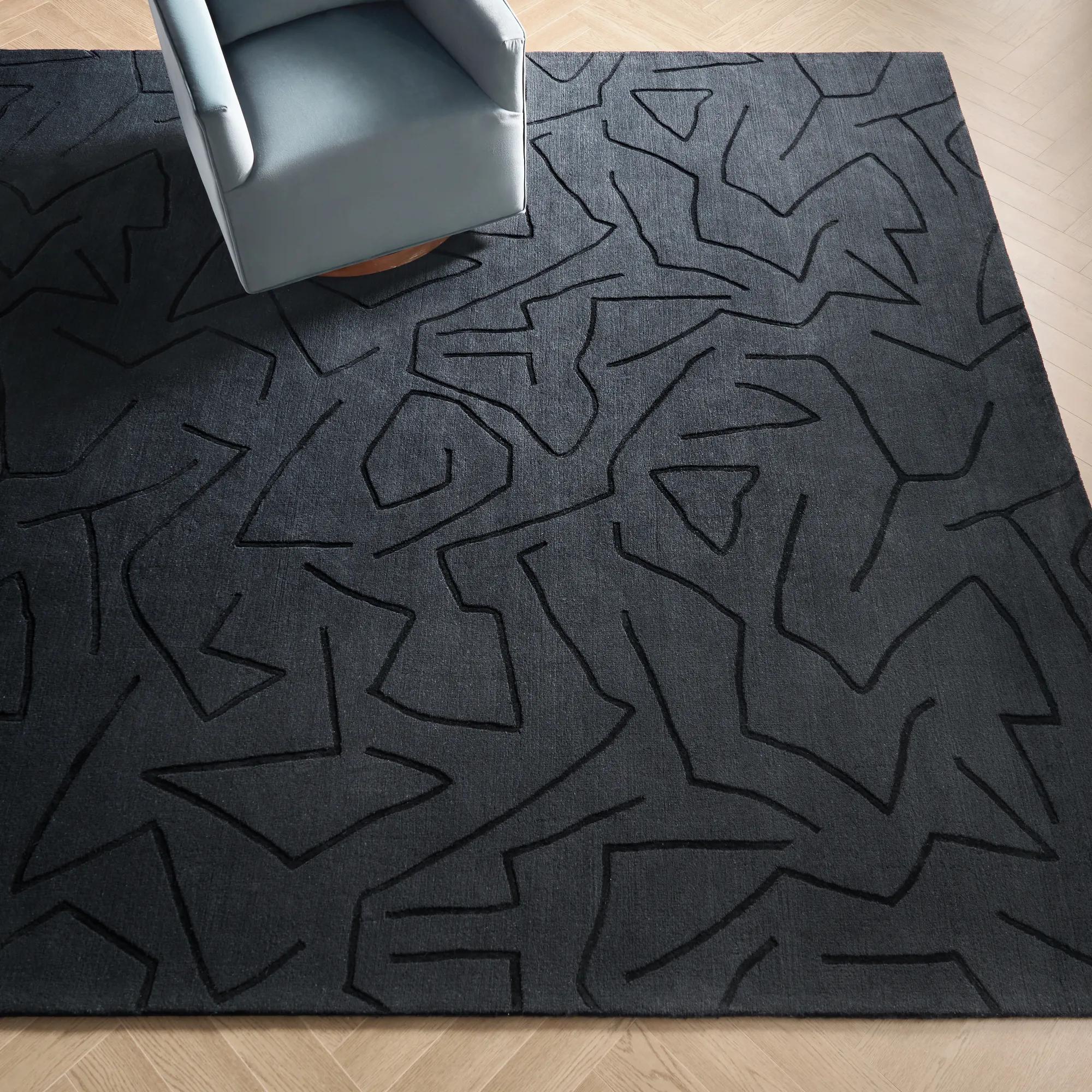 Carved Maze Rug$699
A hand-loomed black rug crafted from wool and viscose, featuring a carved maze design for added texture.
Add To Cart -
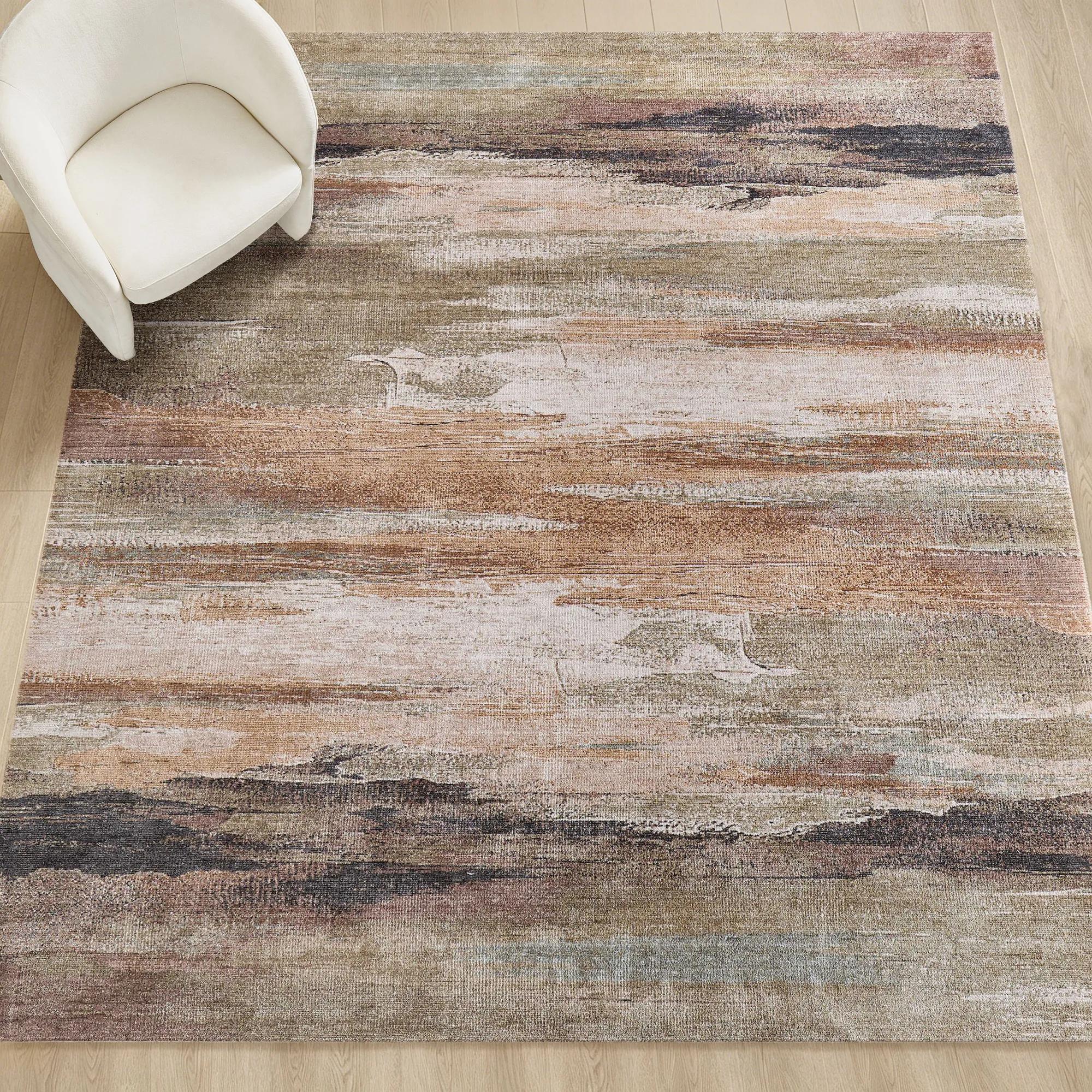
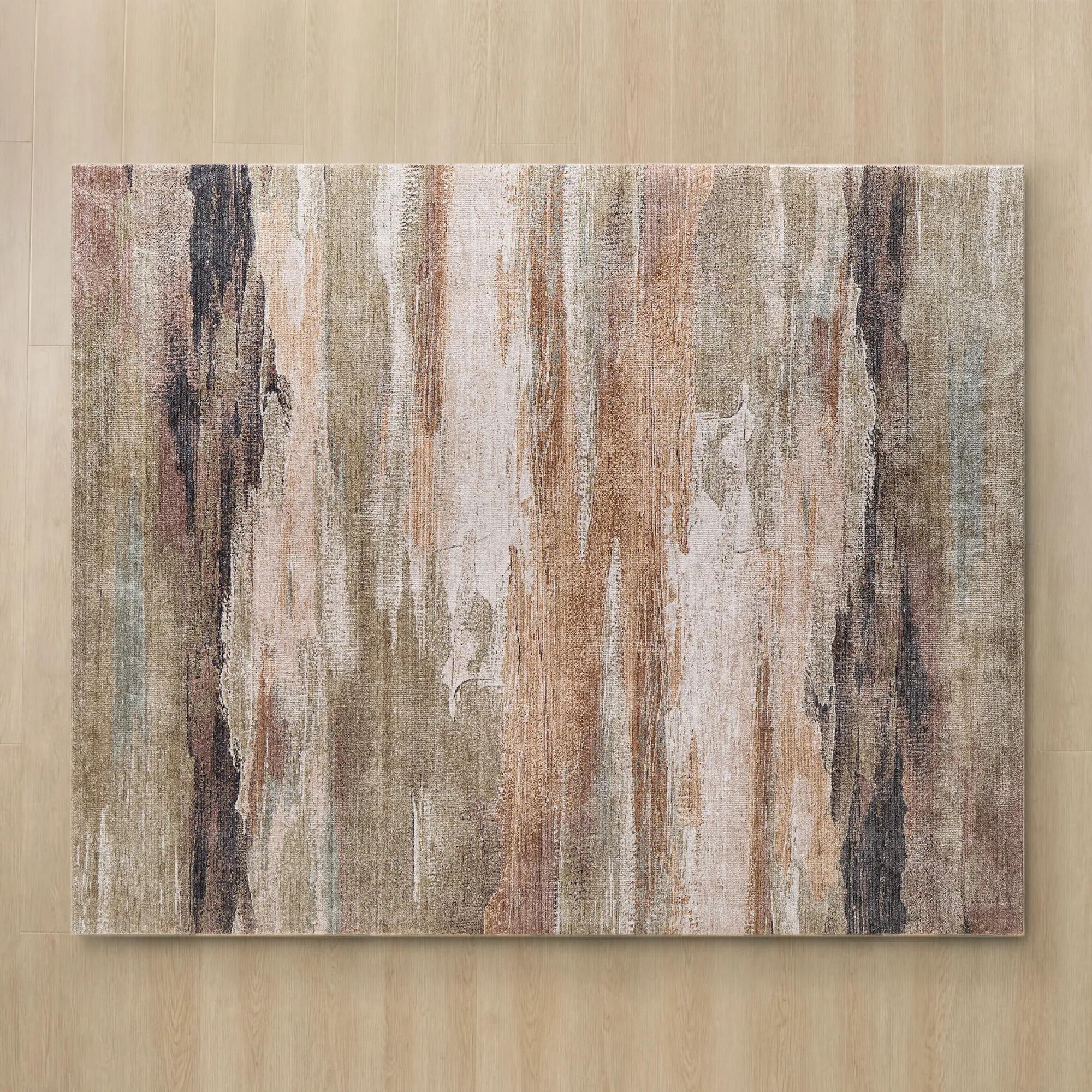 Sedona Rust/Beige/Moss Green/Charocal/Blue Performance Power Loomed Rug$1999
A power-loomed polyester rug featuring a rich abstract pattern in rust, beige, moss green, charcoal, and blue.
Add To Cart -
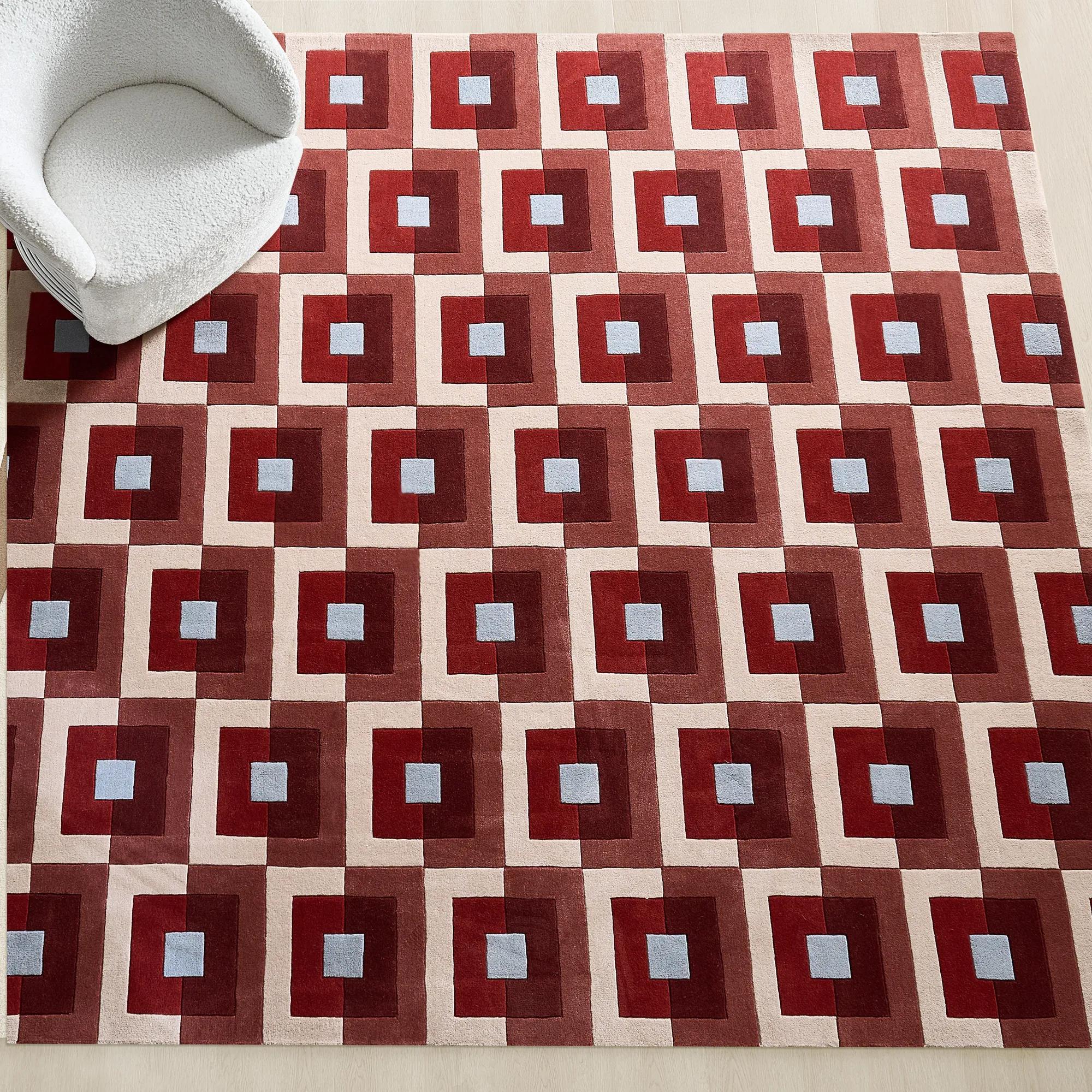
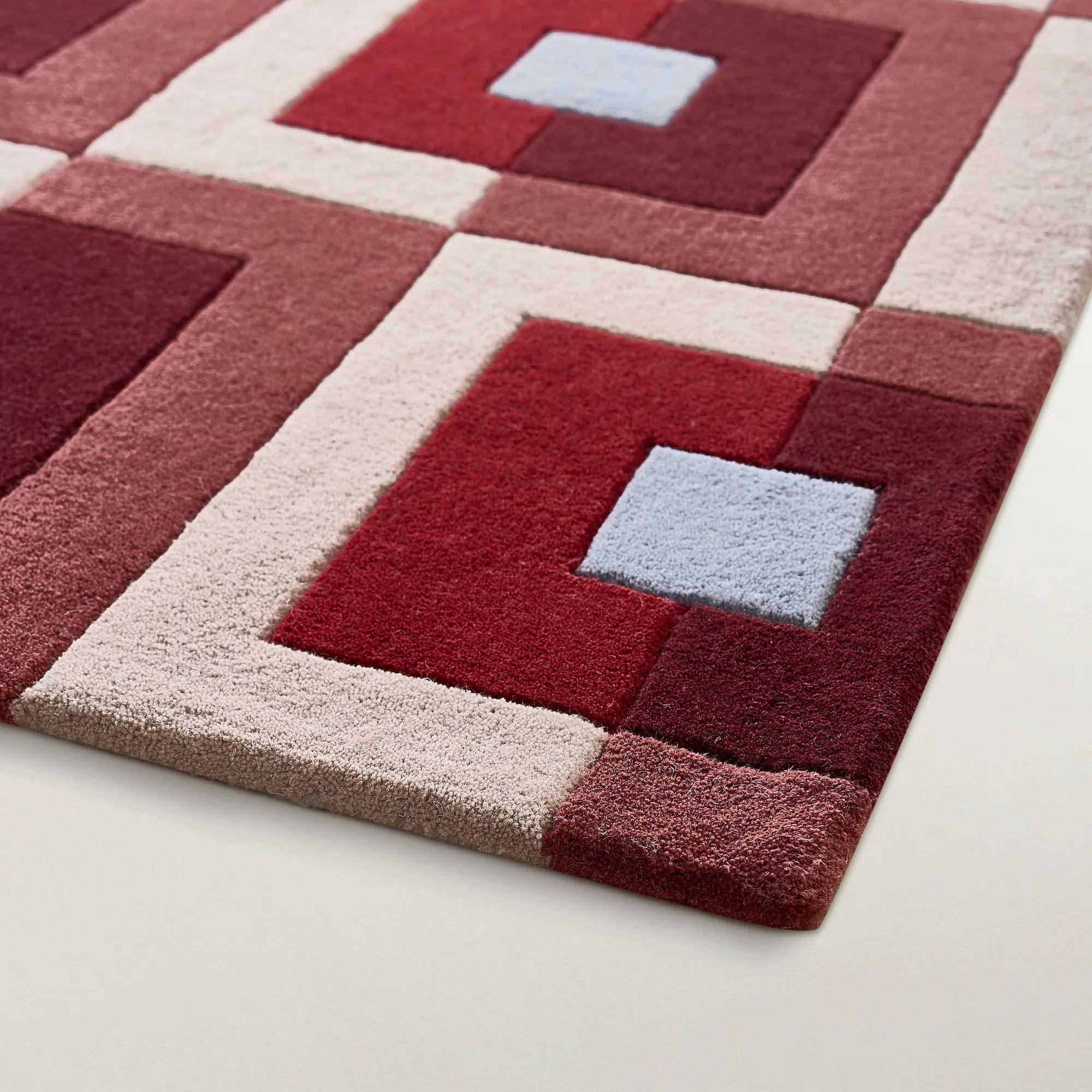 Geo Pop Wool Rug - Oxblood Red/Airy Blue$599
A geometric wool rug combining oxblood red and airy blue for a bold, modern statement.
Add To Cart -
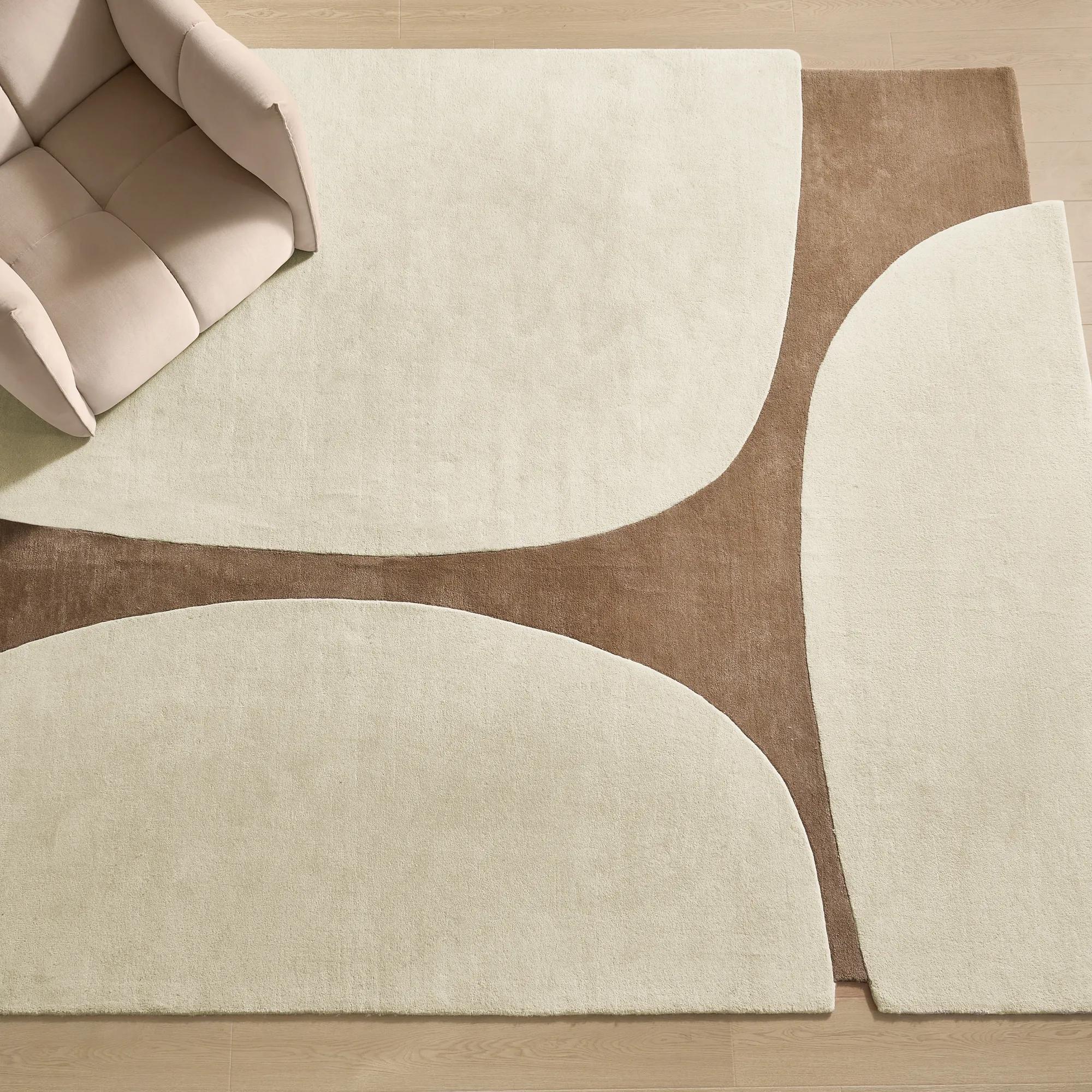
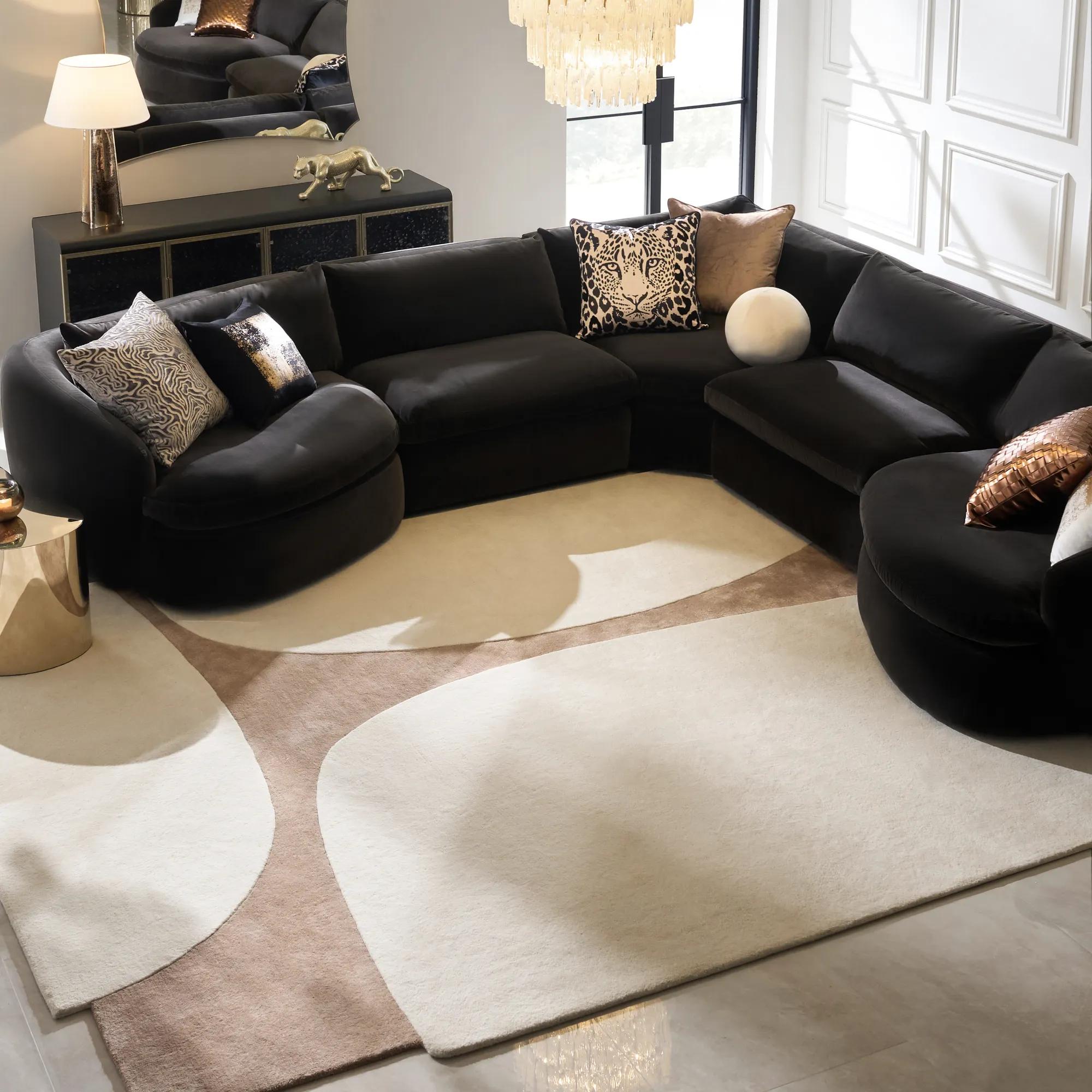 Contour Hand-Tufted Ivory/Ginger Root Wool Blend Rug$1499
A hand-tufted wool rug featuring an ivory and ginger root palette with a contoured, modern design.
Add To Cart -
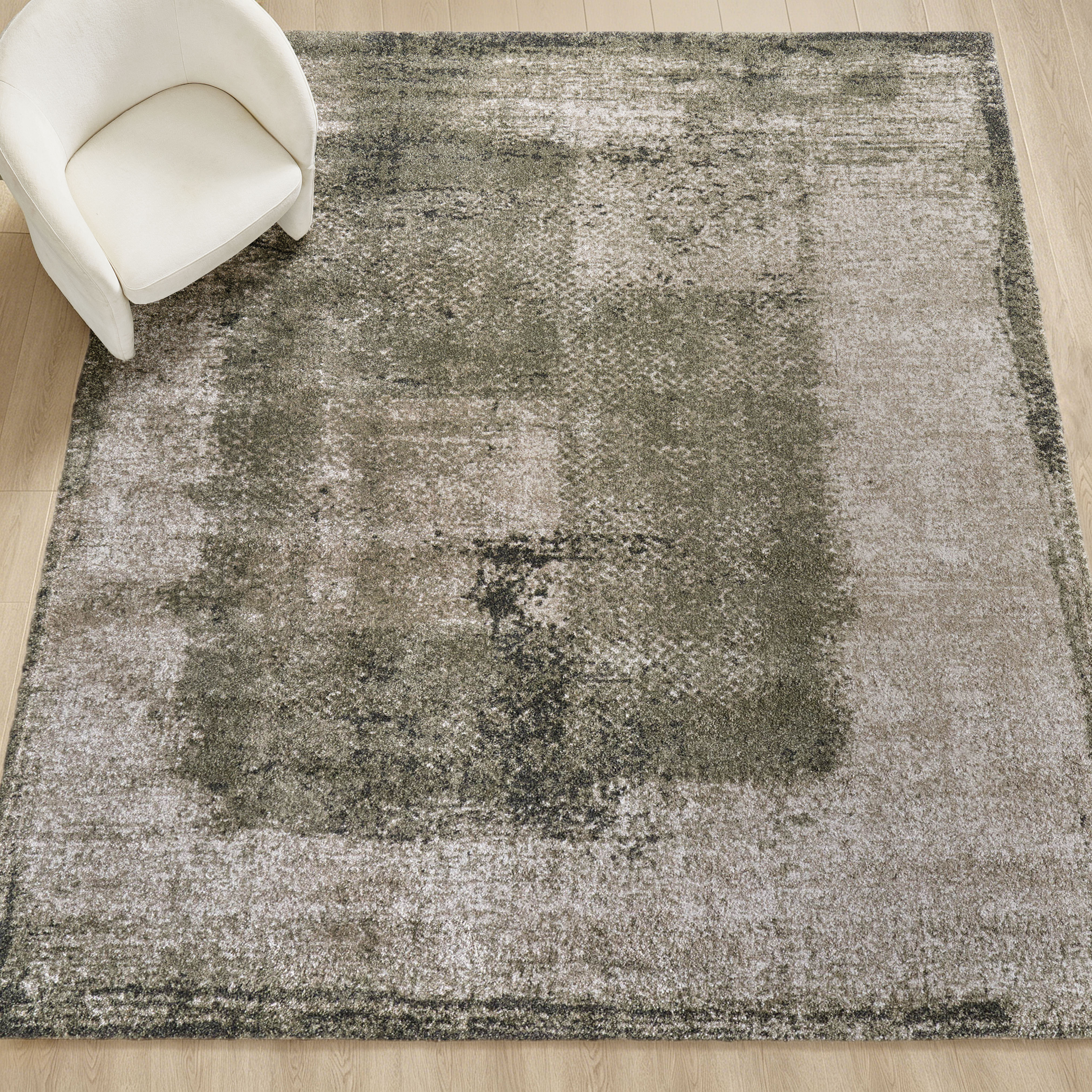
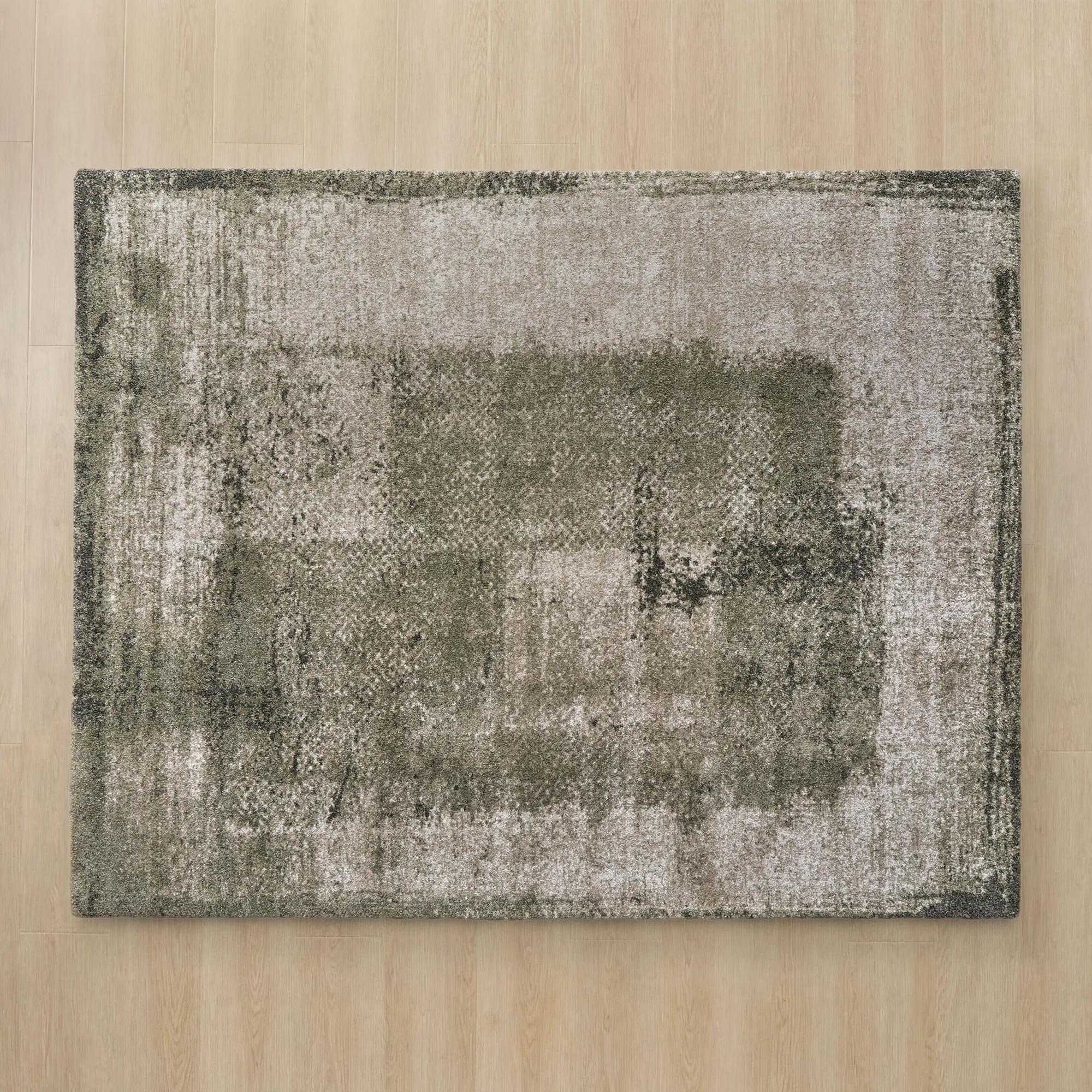 Irving Abstract Moss Green/Beige/Grey Performance Power Loomed Rug$849
An abstract rug in moss green, beige, and grey with plush, durable power-loomed polypropylene and polyester.
Add To Cart -
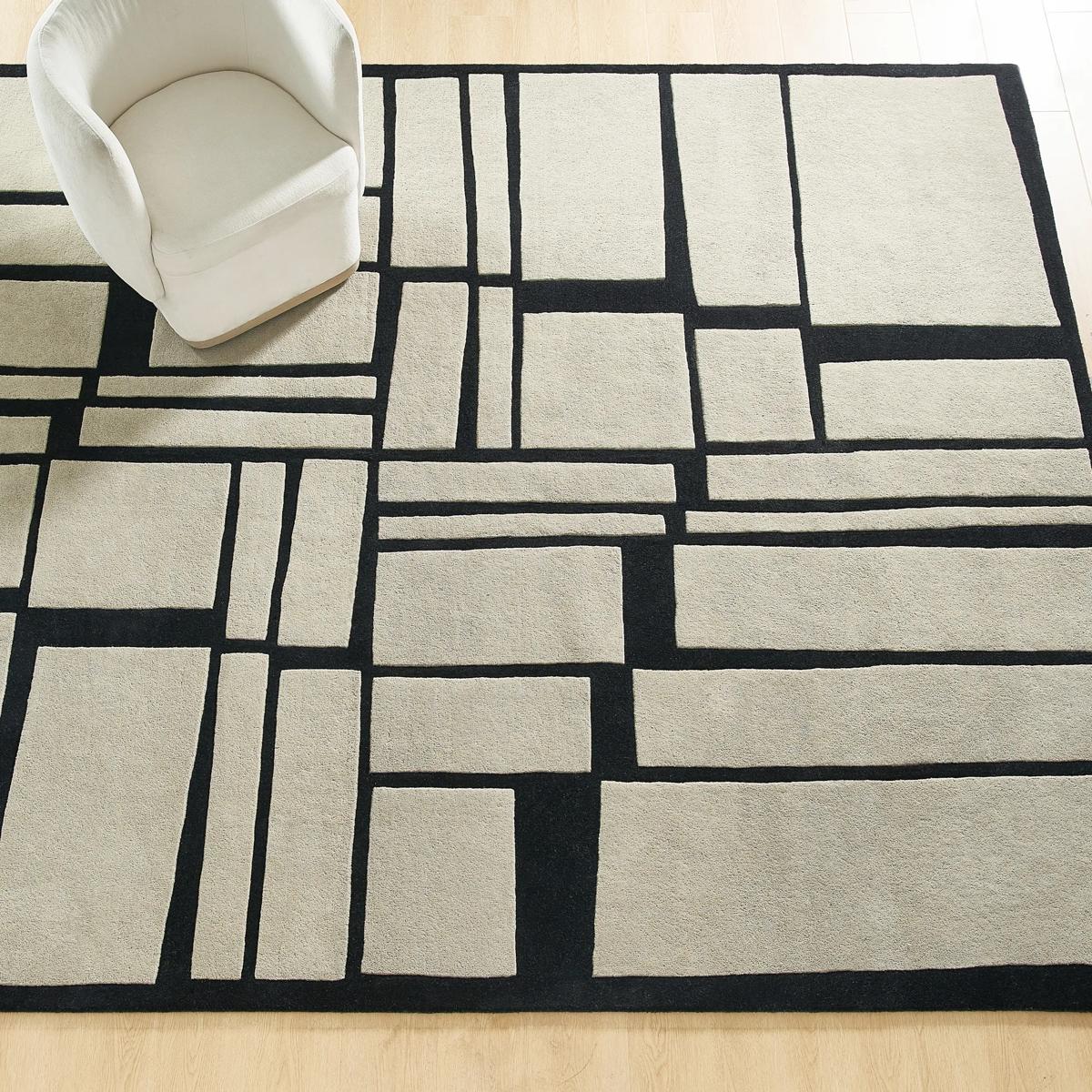 Novak Hand-Tufted Natural/Black Wool Rug$1399
A hand-tufted wool rug featuring a bold black and natural grid design for modern contrast.
Add To Cart -
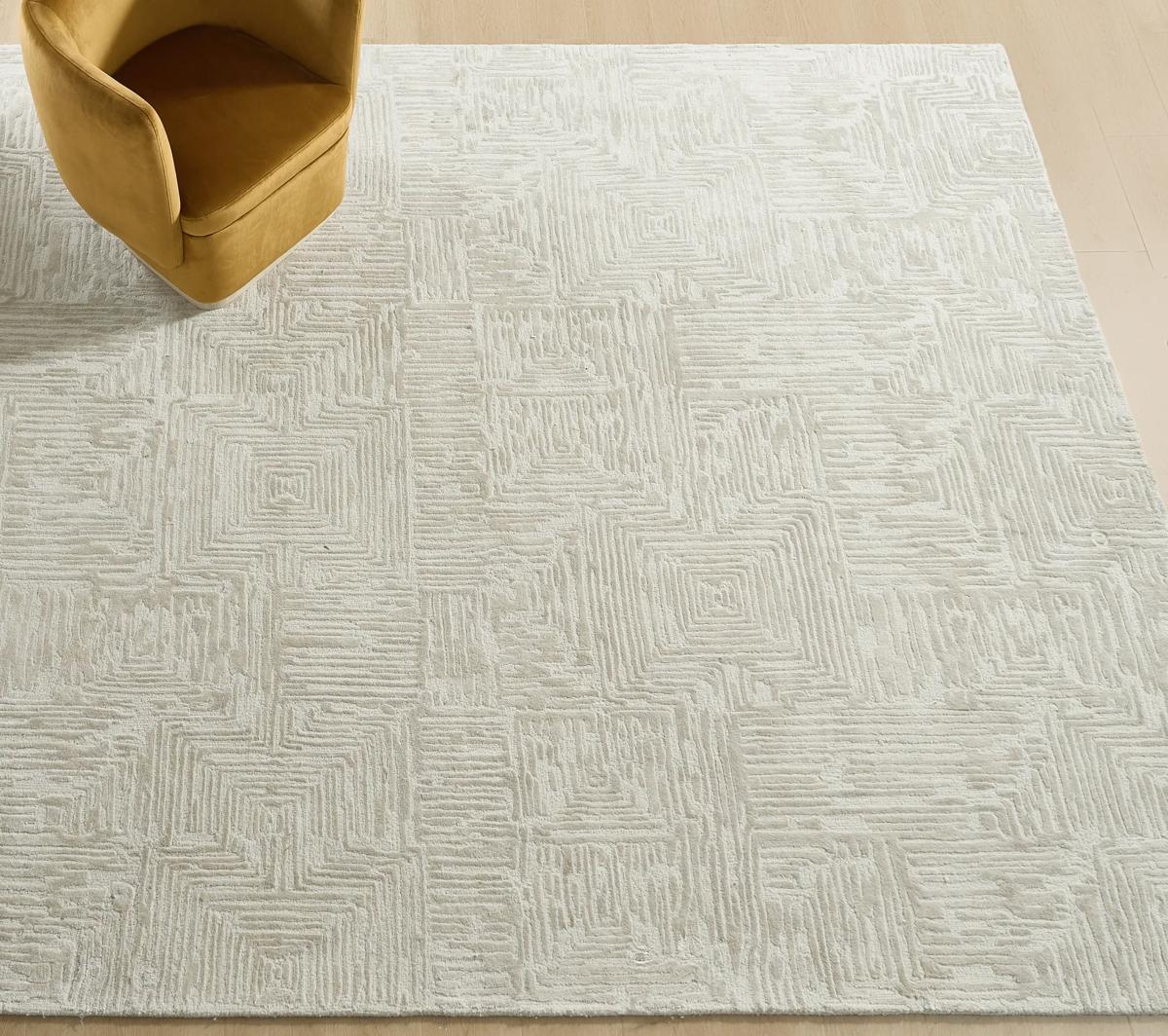 Andra Ivory Hand-Tufted Wool Blend Dimensional Rug$499
A hand-tufted ivory rug in a viscose-wool blend with raised textural detailing and subtle sheen.
Add To Cart -
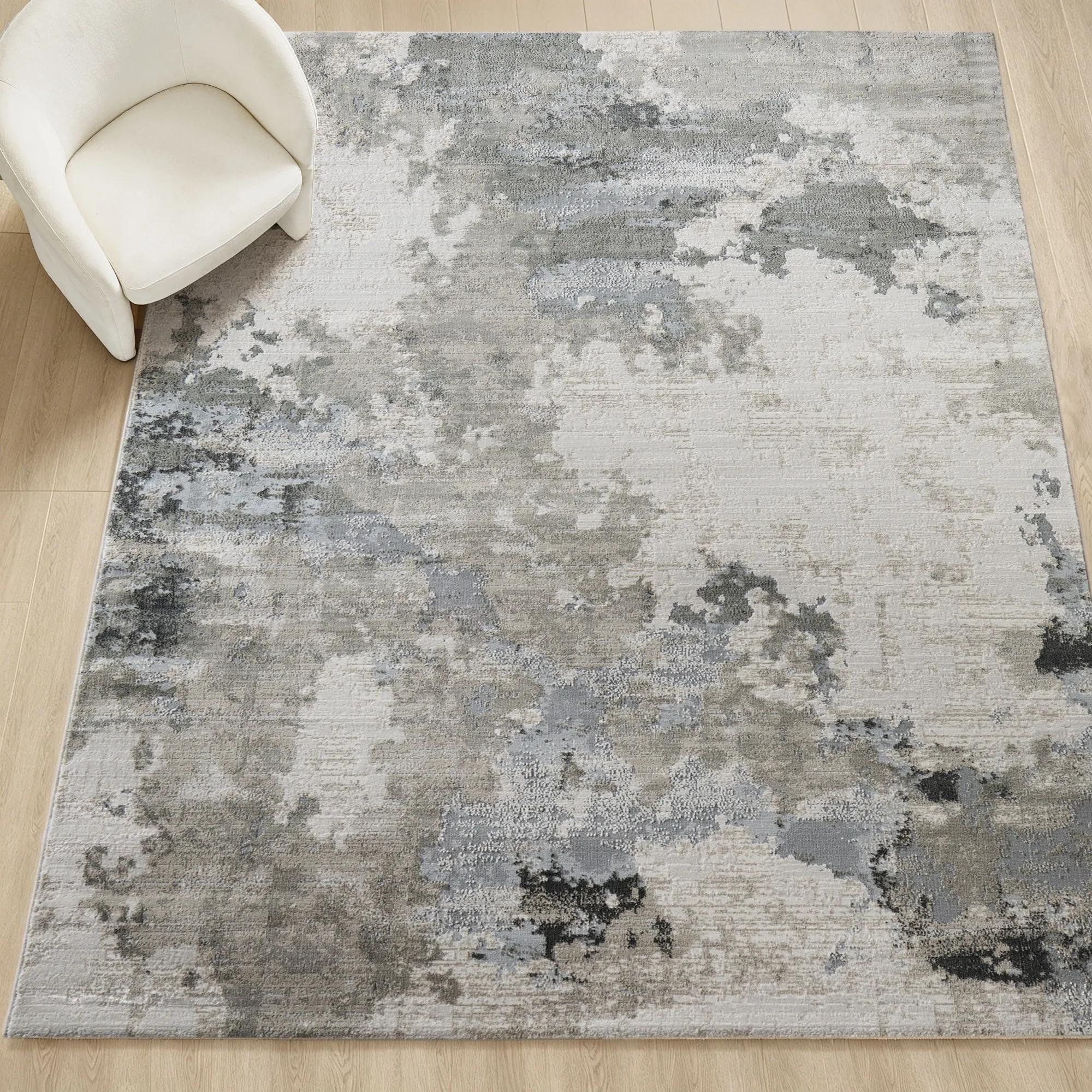 Alarion Abstract Grey/Muted Blue/Ivory Performance Power Loomed Rug$379
A power-loomed rug featuring a grey, muted blue, and ivory abstract pattern with stain-resistant durability.
Add To Cart -
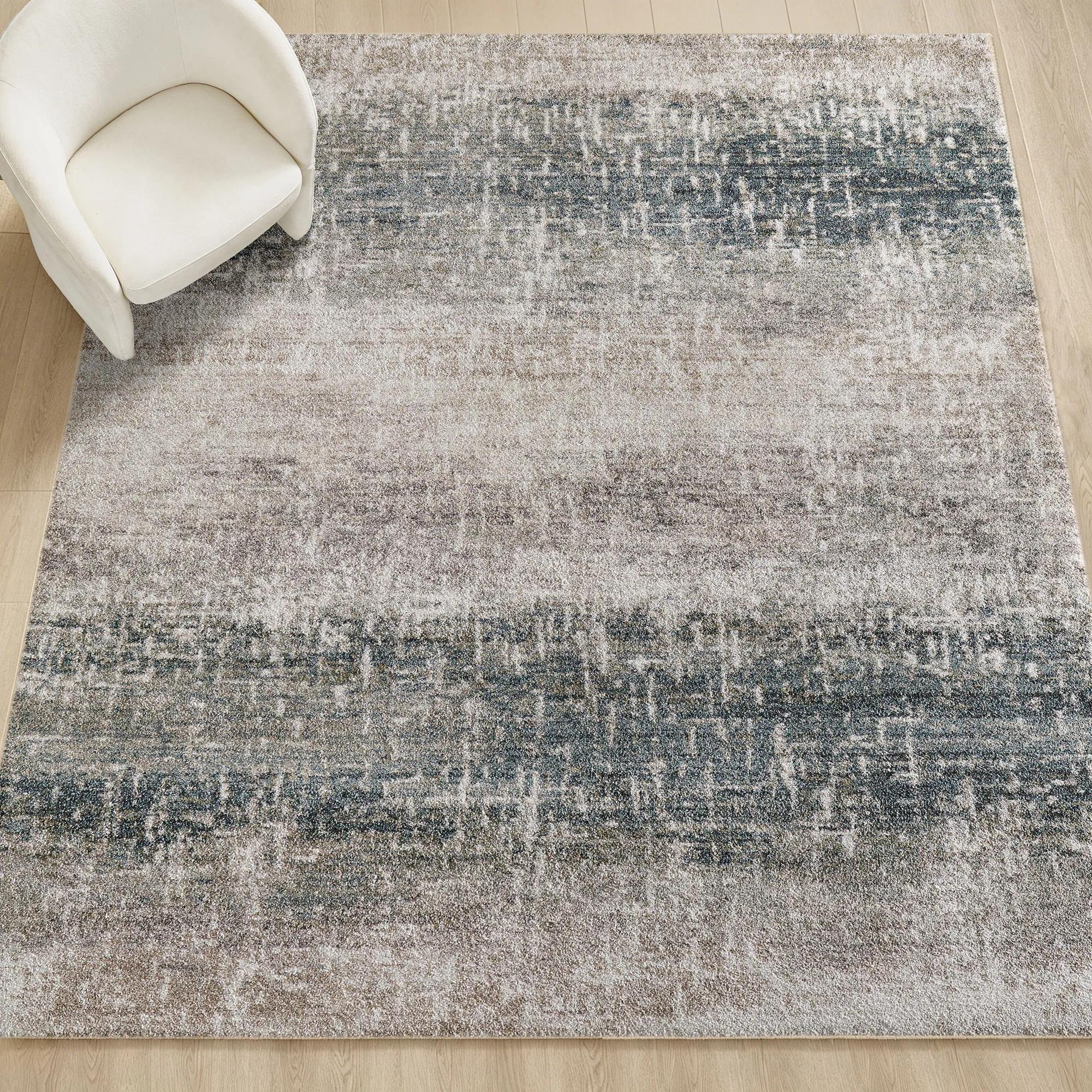
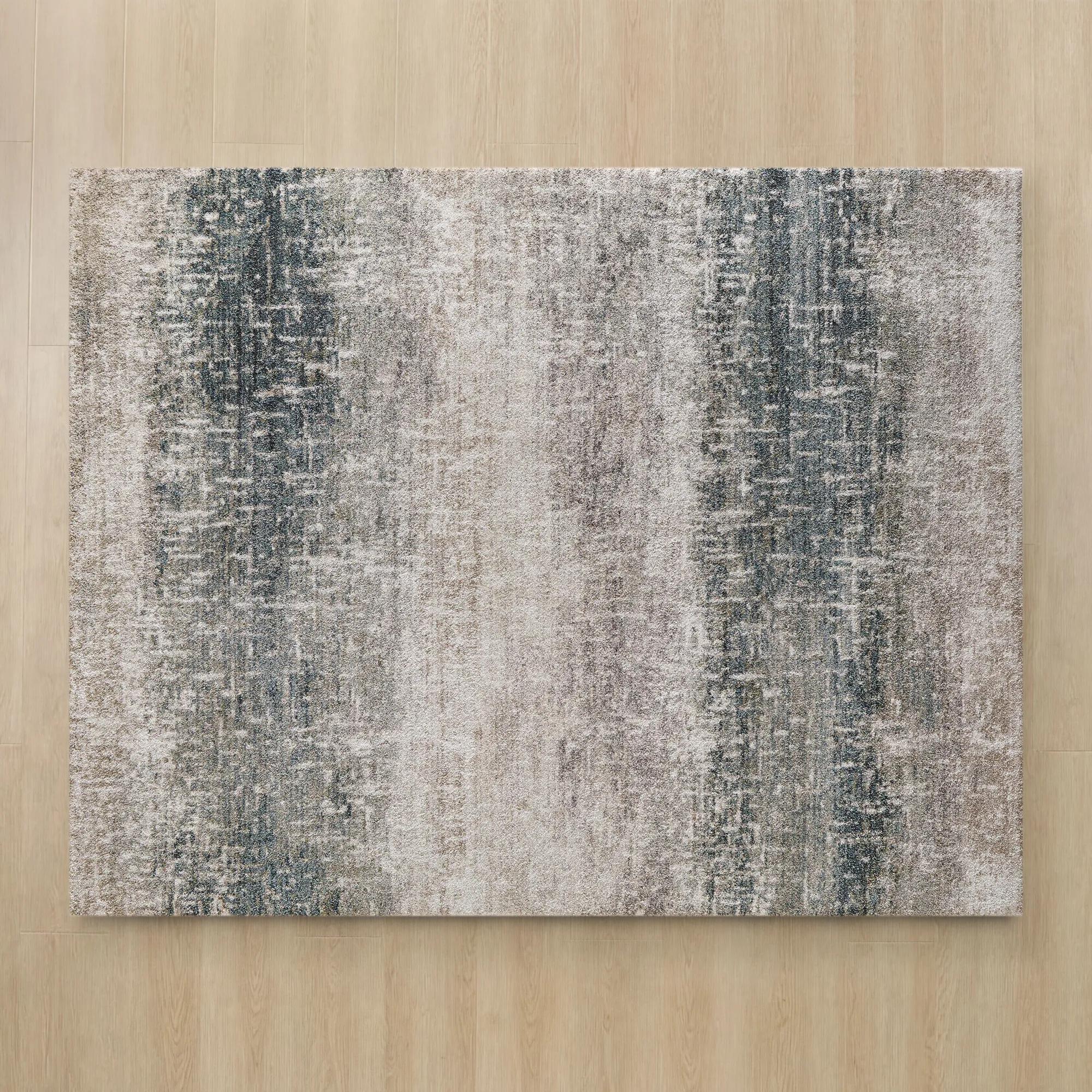 Collier Taupe/Grey/Blue/Green Performance Power Loomed Rug$1649
An abstract rug in taupe, grey, blue, and green with a plush pile and durable, easy-care blend.
Add To Cart -
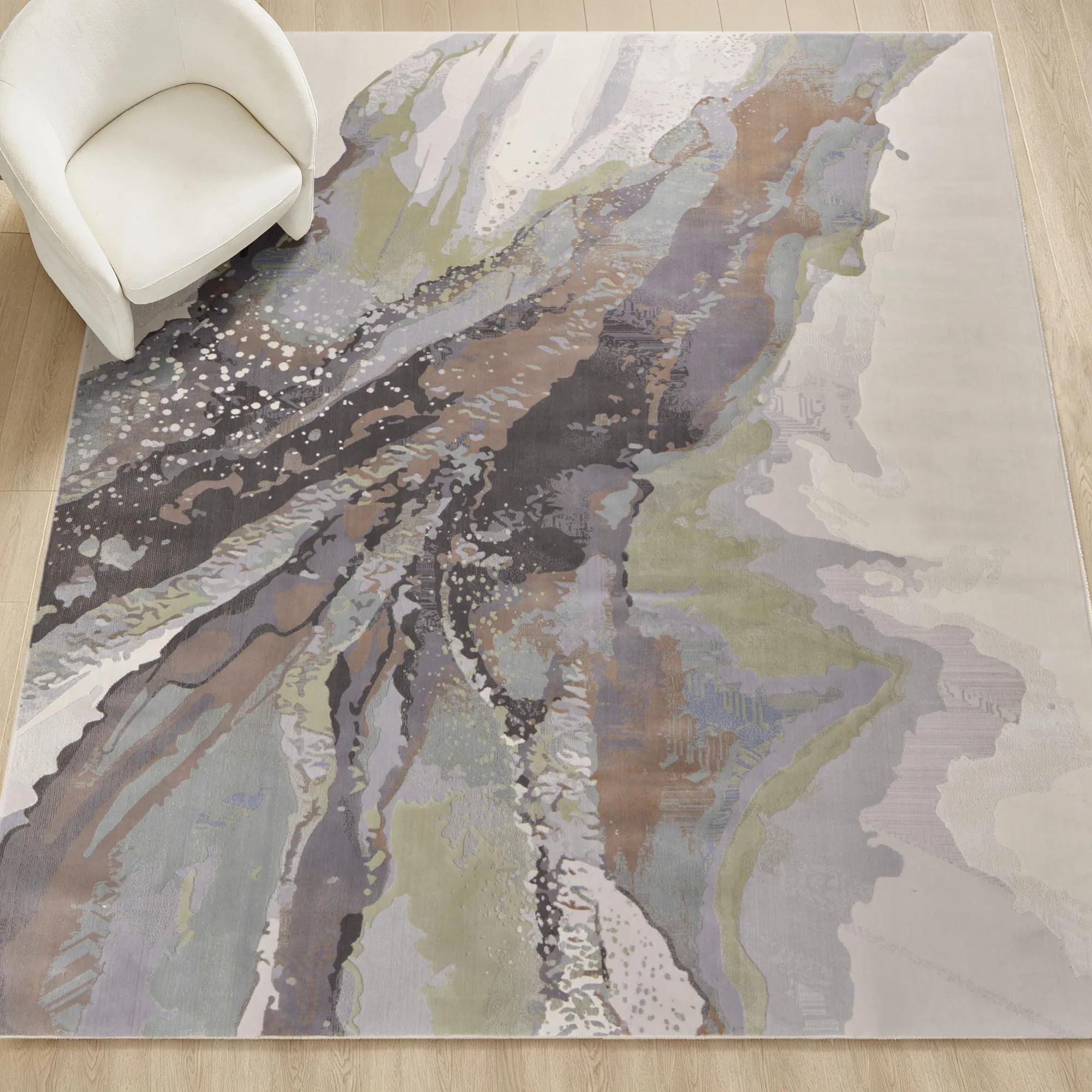
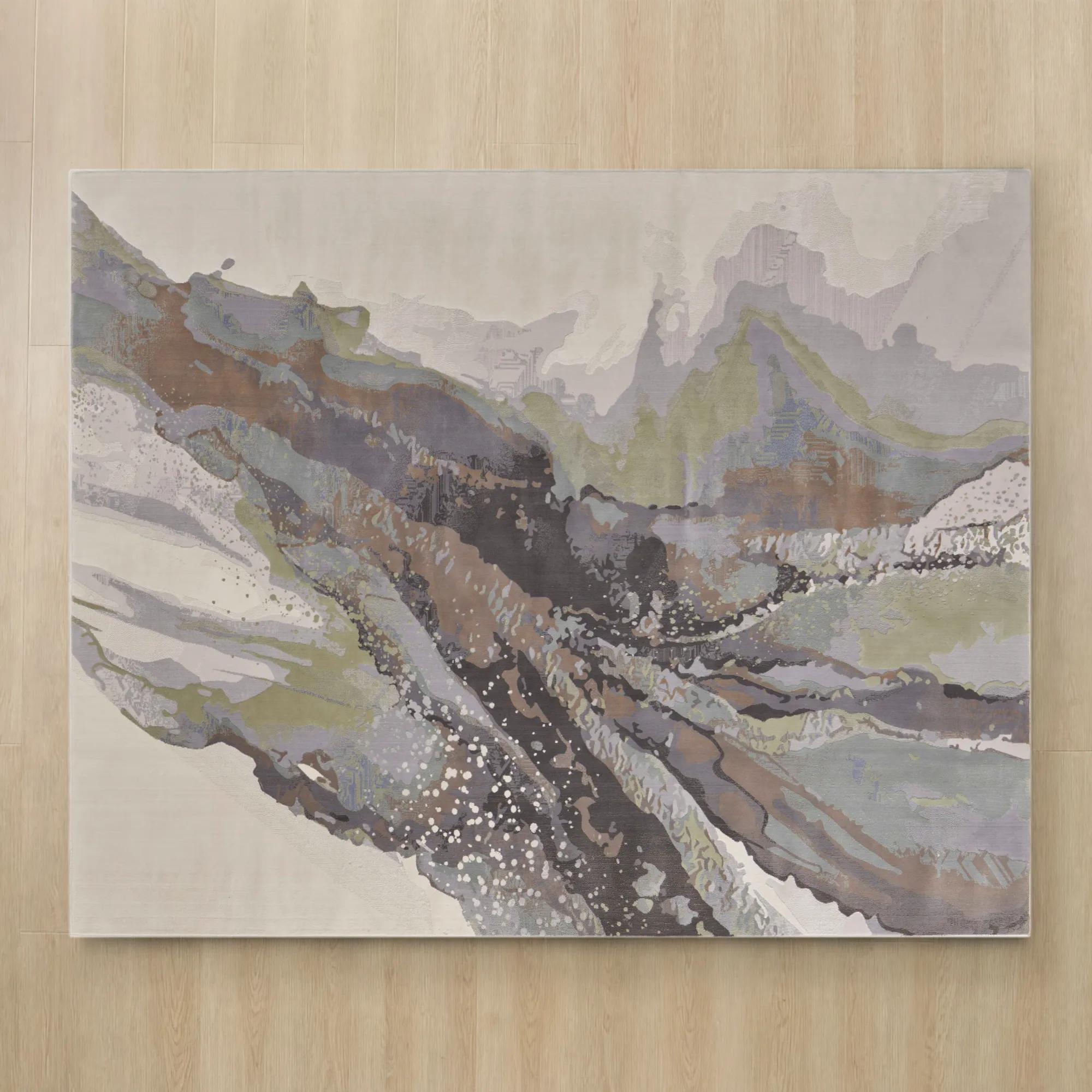 Nerissa Abstract Ivory/Grey/Blue/Green Performance Power Loomed Rug$449
An abstract rug in ivory, grey, blue, and green with a textured, stain-resistant polypropylene-polyester blend.
Add To Cart -
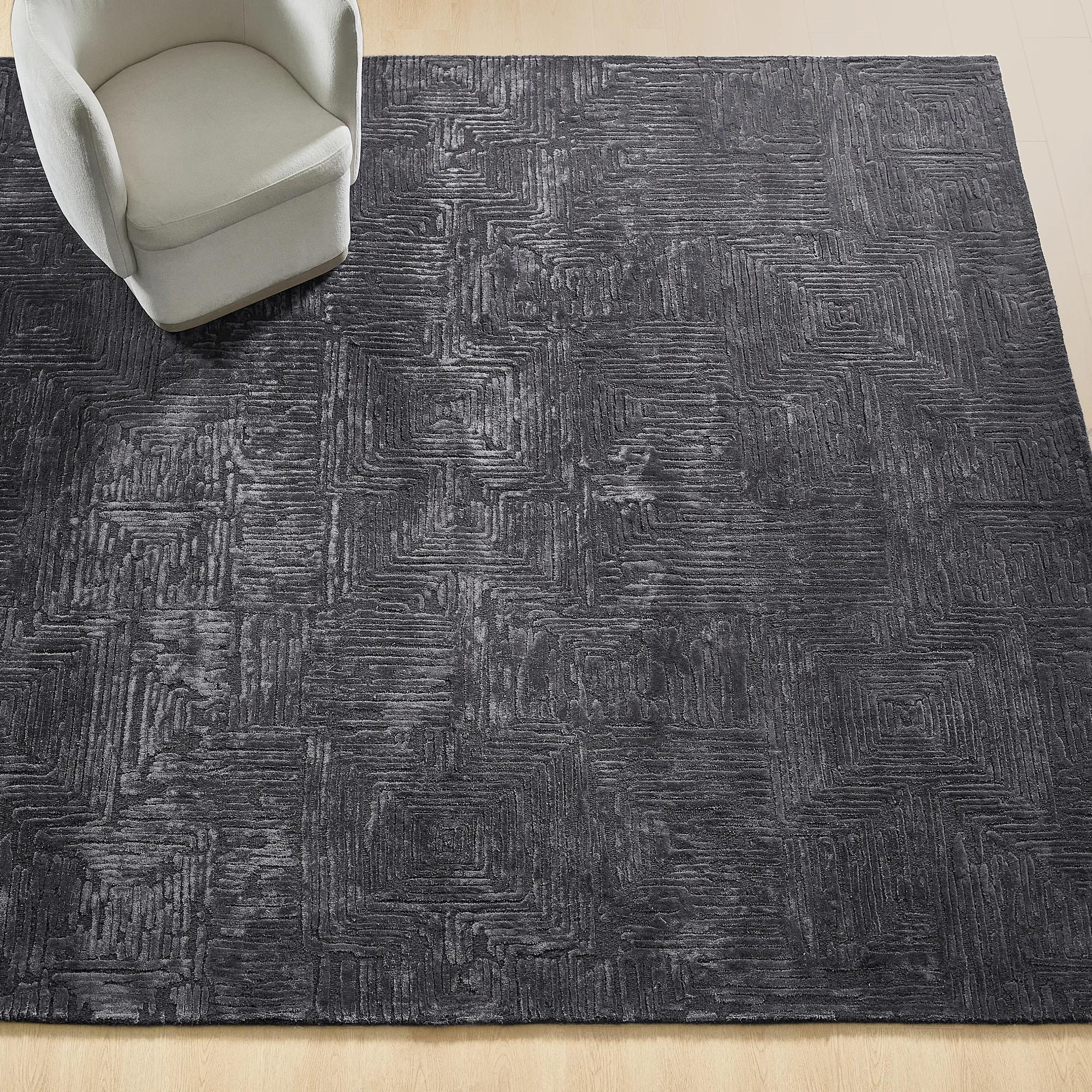
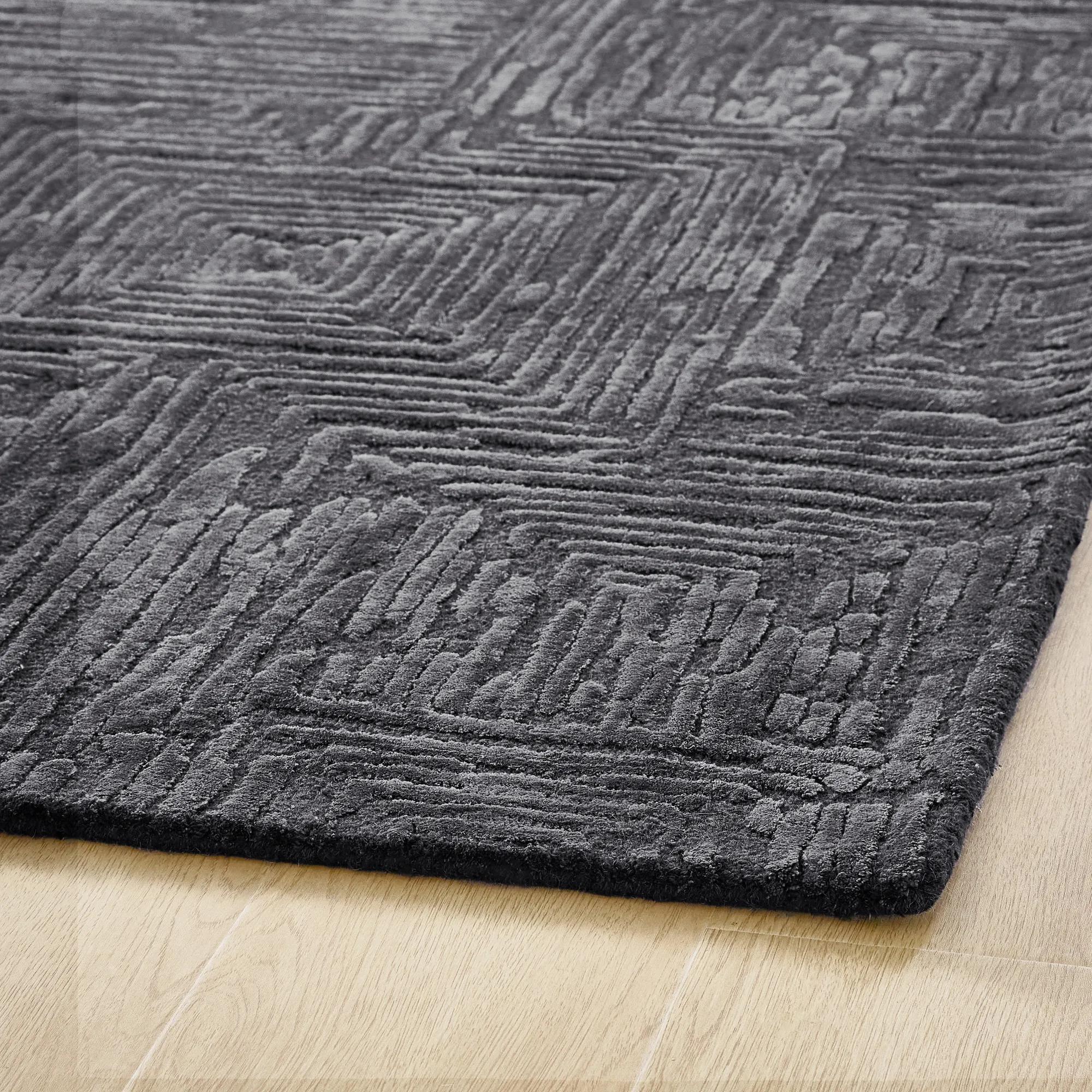 Andra Charcoal Hand-Tufted Wool Blend Dimensional Rug$499
A hand-tufted viscose-wool rug in rich charcoal, featuring a sculptural, dimensional pattern for modern spaces.
Add To Cart -
 Fiona Hand-Tufted Ivory/Beige/Black Border Fringe Rug$1099
A hand-tufted ivory, beige, and black rug featuring a framed border and decorative fringe.
Add To Cart -
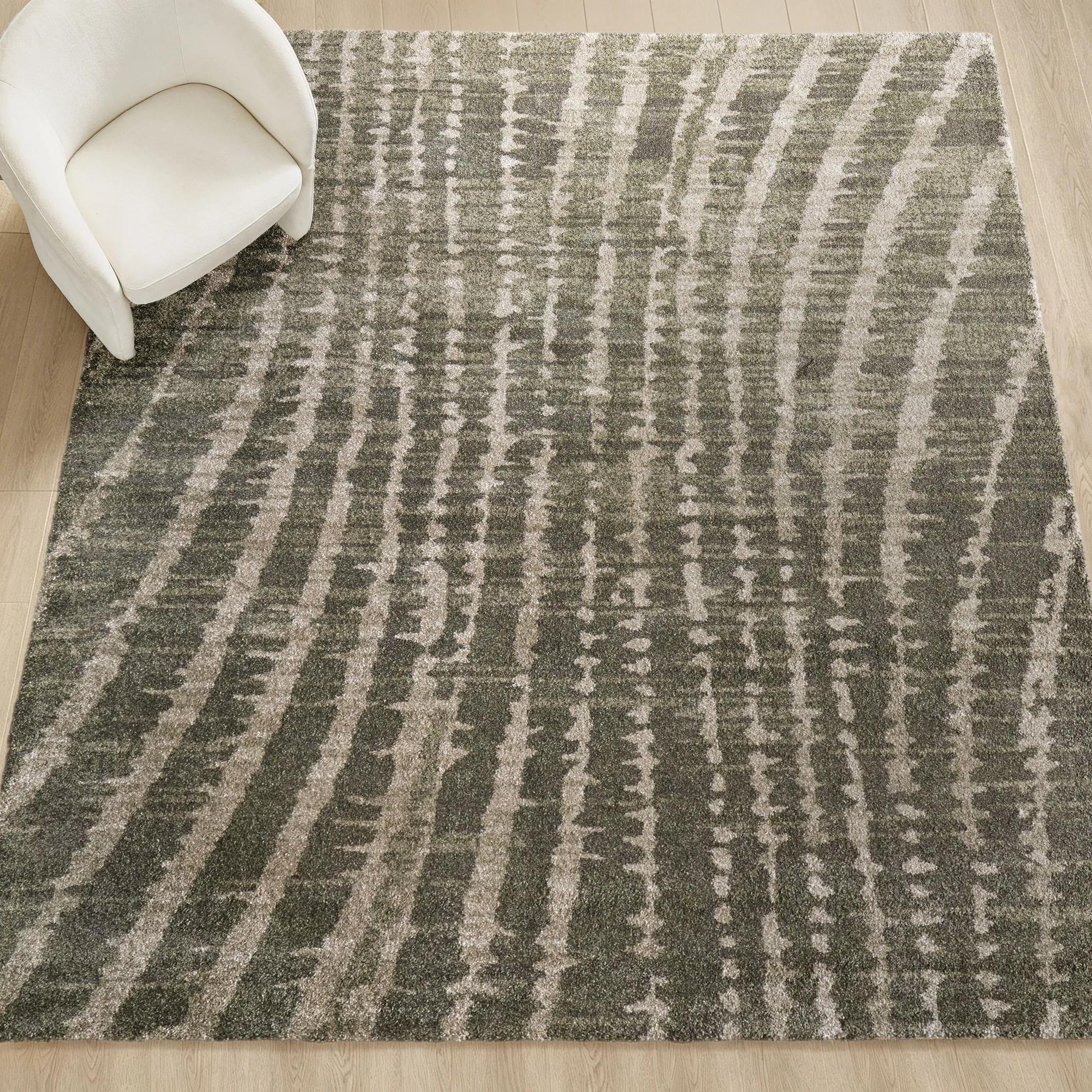
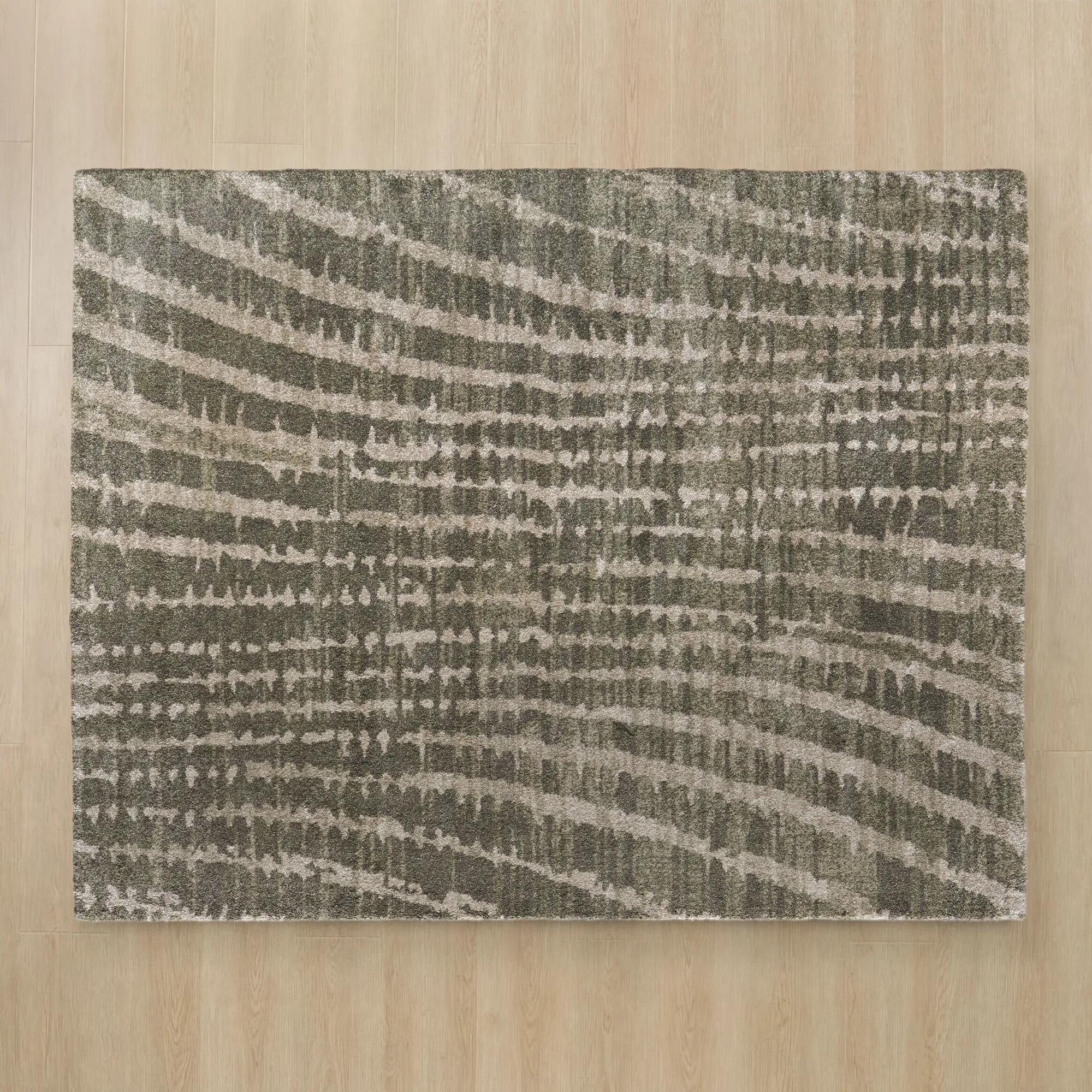 Tempo Green/Grey/Beige Performance Power Loomed Rug$399
An abstract charcoal grey and beige rug with plush cut pile and durable, stain-resistant polypropylene-polyester blend.
Add To Cart -
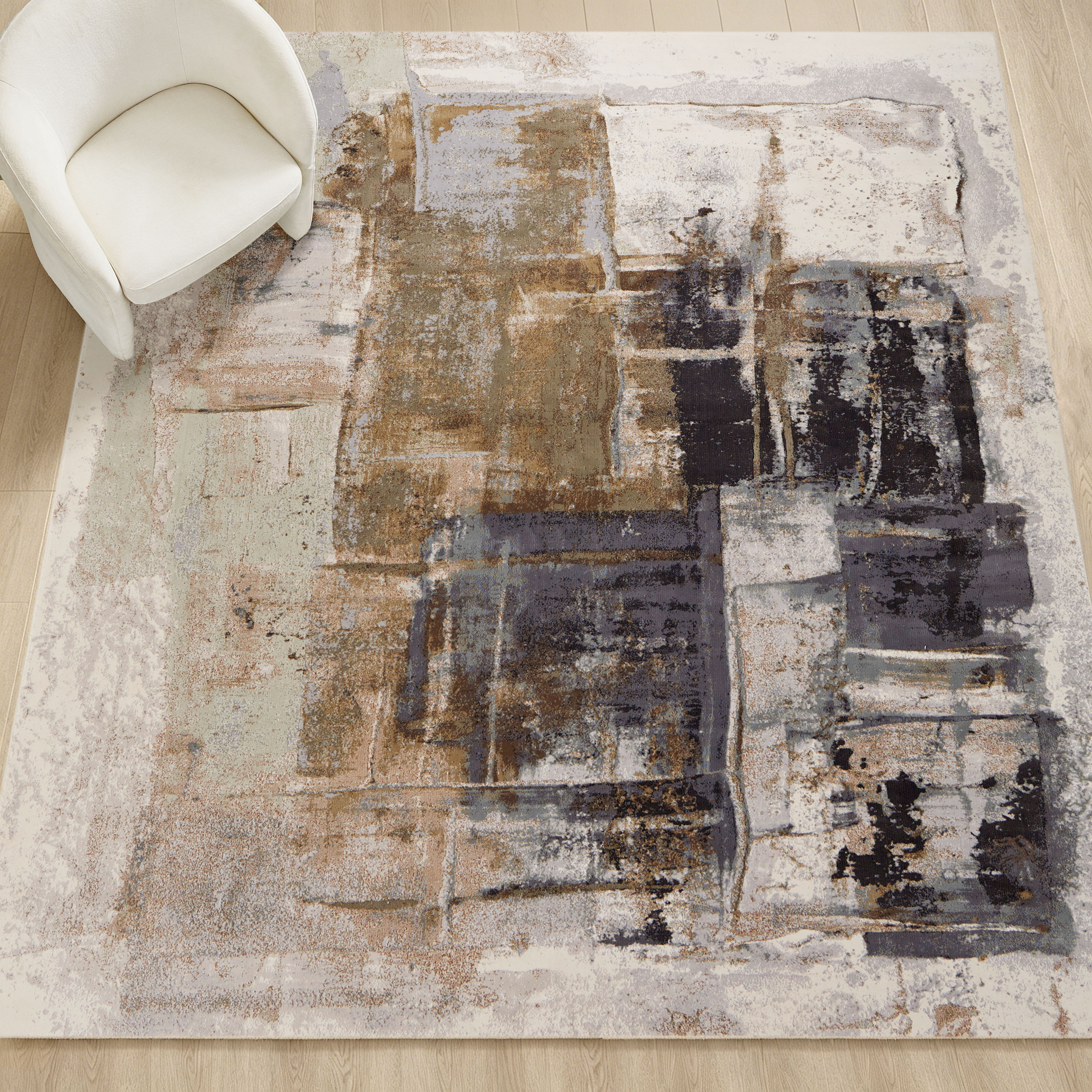
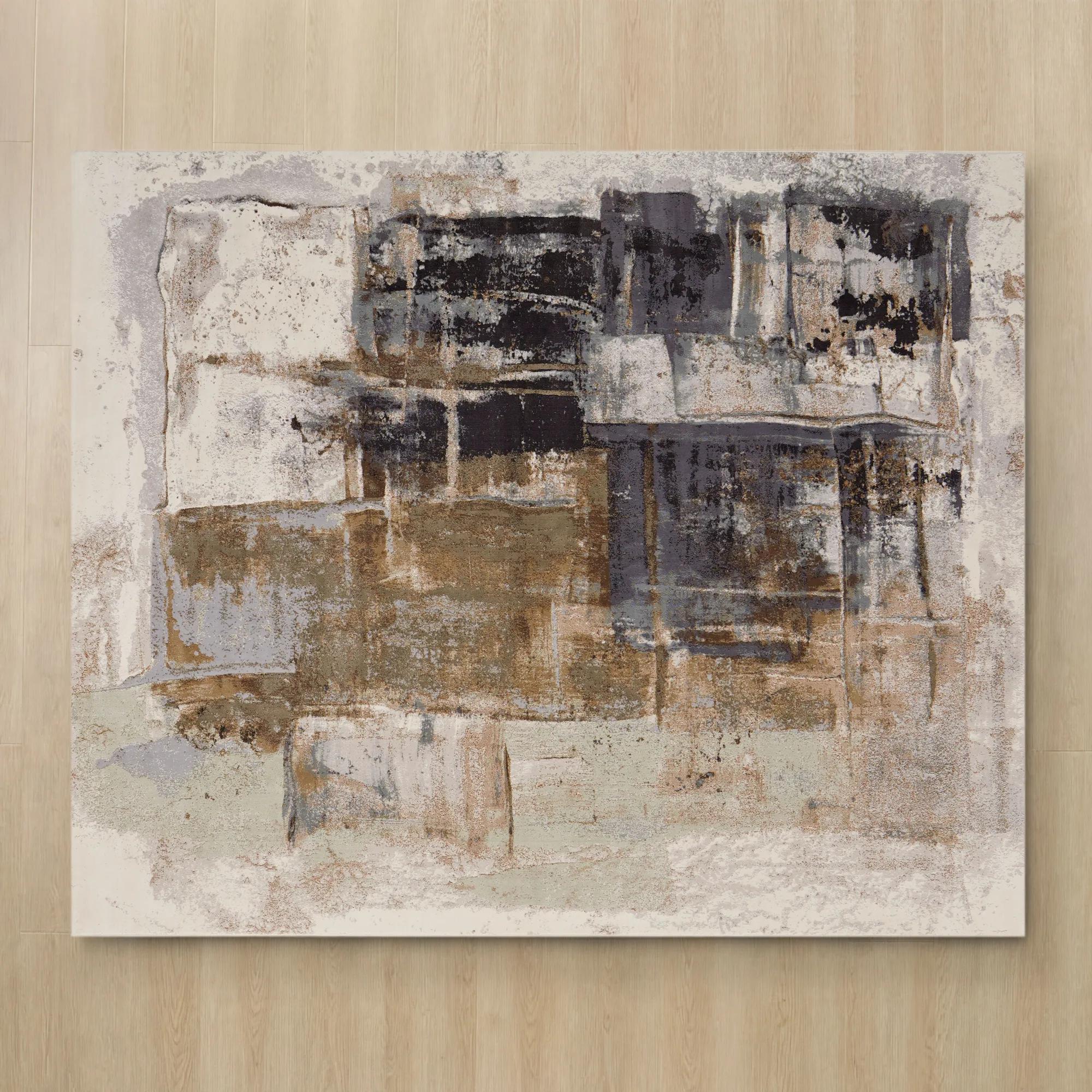 Gaia Abstract Grey/Charcoal/Ivory/Gold/Blue Performance Power Loomed Rug$1749
An abstract rug in grey, charcoal, ivory, gold, and blue with a soft, stain-resistant performance blend.
Add To Cart -
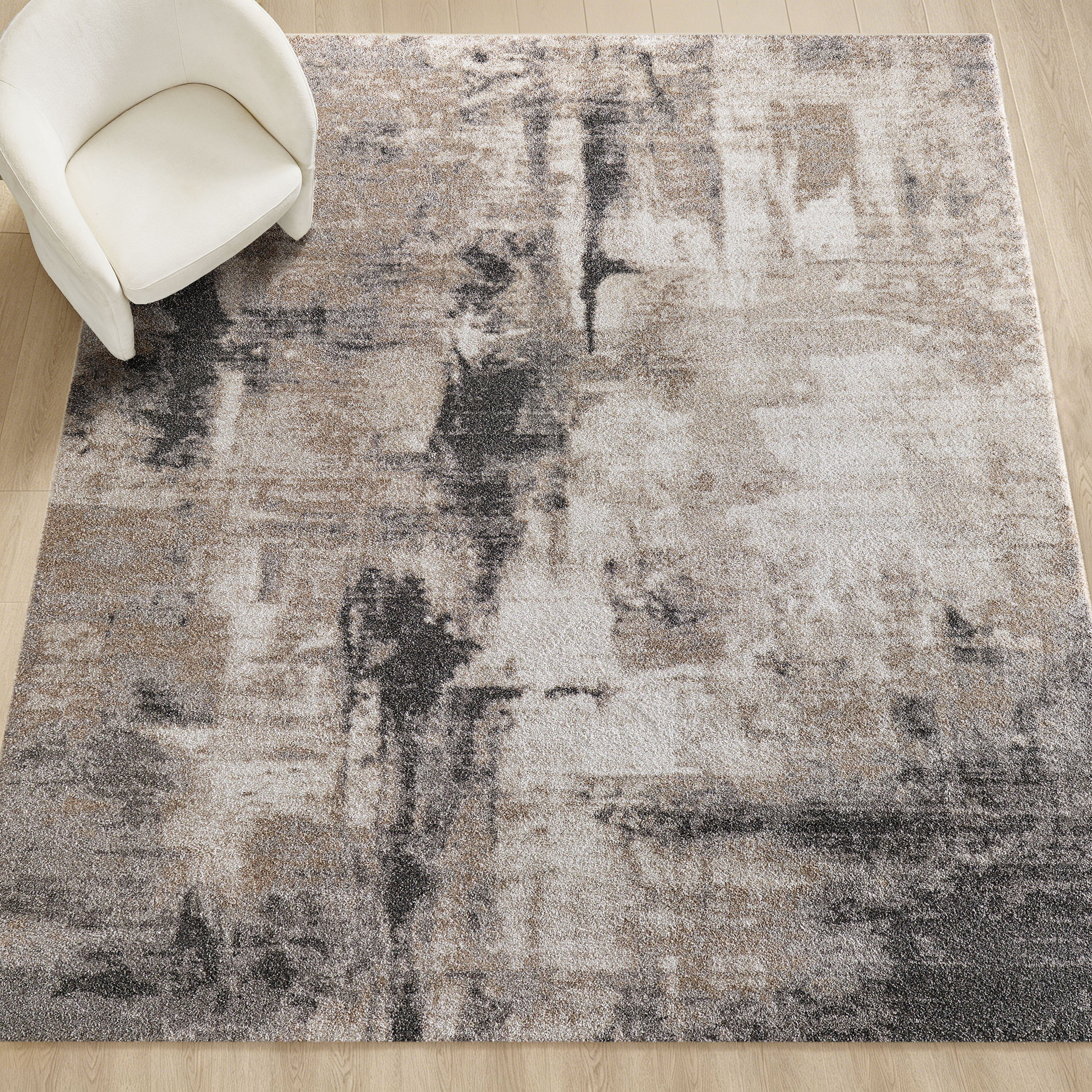
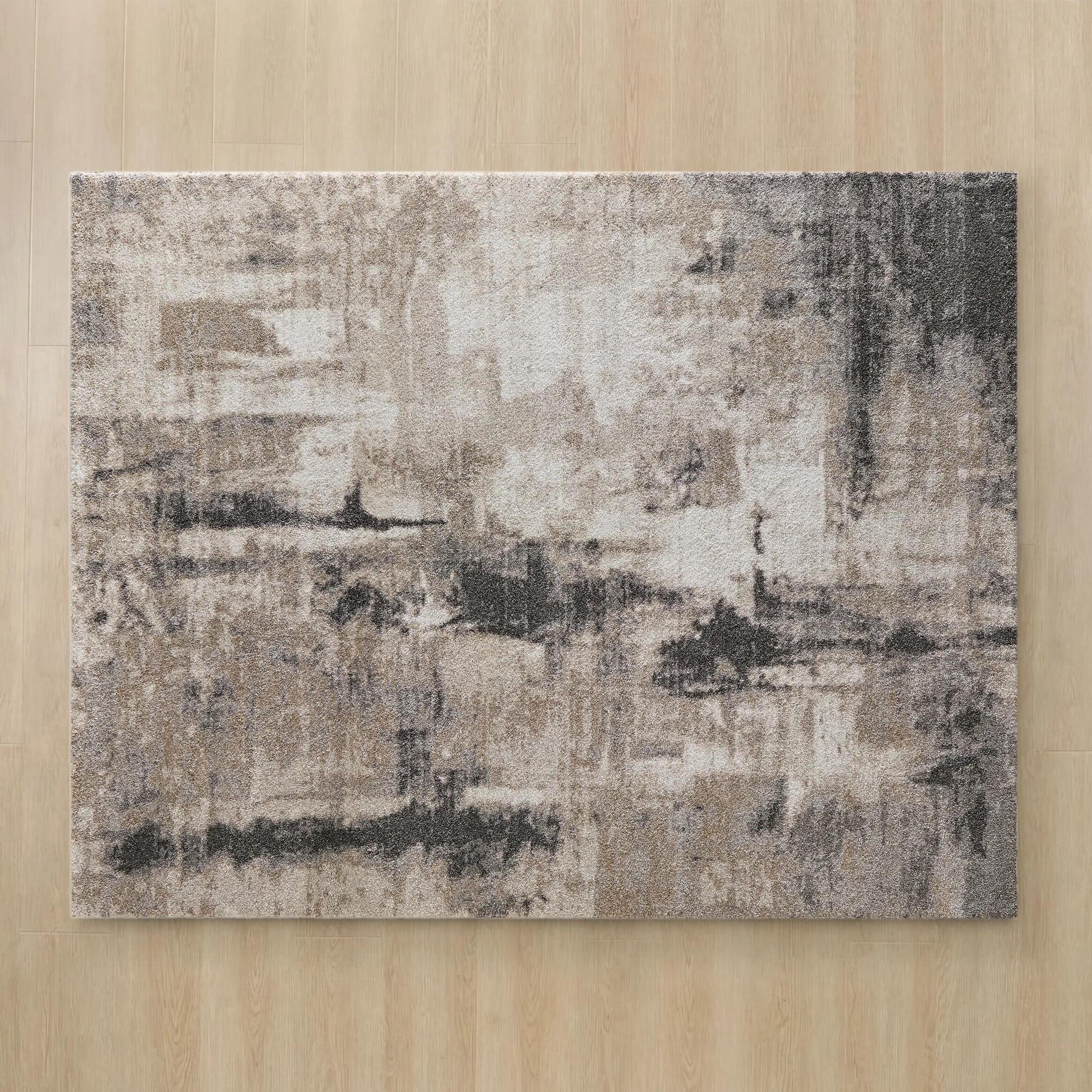 Atlas Abstract Grey/Taupe/Ivory/Charcoal Performance Power Loomed Rug$1349
An abstract rug in grey, taupe, ivory, and charcoal with a plush, stain-resistant polypropylene-polyester blend.
Add To Cart

Modern Art Deco Rugs
Explore modern Art Deco rugs for a contemporary take on bold geometry and decorative elegance. Whether anchoring a seating area or framing a dining table, this style brings structure and drama to a room. Consider how the rug’s pattern and proportions will complement your furniture without competing with other statement pieces.
Modern art deco rugs reinterpret the glamour of the 1920s and 1930s through bold geometry, sweeping curves, defined borders, and contemporary color and texture. Their appeal lies in that balance: the decorative confidence of Art Deco, expressed with a sensibility that feels at home beside sculptural furniture, luminous metals, and generously upholstered seating. Stepped motifs, fan shapes, intersecting lines, and architectural repeats are characteristic of the style, although a design need not include every element to capture its spirit. Some compositions make a dramatic statement in black and ivory; others soften the geometry with champagne, taupe, silver-gray, or muted jewel tones. The result can be graphic and commanding or quietly opulent, depending on the contrast, pattern scale, and finish. An art deco area rug gives a room a visual foundation, bringing separate furnishings into a deliberate arrangement rather than leaving them to float independently. Beneath a curved sofa, angular lines introduce a compelling counterpoint. Alongside streamlined seating, an arcing pattern adds movement without requiring another decorative object. The most expressive rooms allow these relationships to unfold without repeating the same motif on every surface. A rug with an intricate border can frame a seating arrangement beautifully, while an expansive geometric pattern can establish rhythm across an open living space. Tonal designs offer a more restrained interpretation, revealing their detail through changes in pile direction or subtle differences between matte and lustrous fibers. For interiors already rich in artwork, reflective accents, or patterned upholstery, that quieter approach preserves depth without visual competition. Where furnishings are simpler, a high-contrast rug can become the central gesture, anchoring the room with the presence of a large-scale artwork. Modern art deco rugs are especially suited to people who appreciate ornamental detail but want their surroundings to remain composed, livable, and distinctly personal.
Material and construction shape how that visual statement feels underfoot and how it performs in daily life. Wool is valued for its natural resilience, substantial texture, and ability to recover from compression, making it a compelling material for living spaces that see regular use. Some shedding can occur, particularly with newer wool rugs, and the amount varies with fiber quality and construction. Cotton can contribute softness or serve as part of a rug’s foundation, while synthetic fibers such as polypropylene and polyester offer different combinations of stain resistance, color clarity, and ease of maintenance. Performance depends on the finished construction, not simply the fiber name, so the material description and care instructions remain important considerations. Viscose and other lustrous cellulosic fibers can give geometric patterns a light-catching sheen, but they are generally more sensitive to moisture and abrasion and may be better suited to quieter rooms. That distinction matters when choosing between a decorative bedroom setting and a family room where children, pets, and frequent gatherings are part of everyday life. Pile height changes the experience as well. A plush surface brings a sumptuous layer beneath a lounge arrangement, while a lower pile often allows dining chairs to move more easily and creates less interference near doorways. Cut-and-loop textures and sculpted pile can give an otherwise tonal pattern striking definition, allowing shadows to trace the design. Hand-knotted, hand-tufted, and machine-made constructions each have distinct characteristics; longevity depends on workmanship, materials, use, and care rather than a single construction label. Light also deserves attention. A lustrous rug may appear pale from one end of a room and more saturated from the other, while directional pile can change the apparent depth of a color. Viewed alongside upholstery, flooring, and wall finishes, those variations become part of the composition. The right material choice supports both the desired atmosphere and the practical demands of the room, so the rug feels as considered in daily use as it does at first glance.
Proportion gives a modern art deco rug its architectural impact. In a living room, a generous area rug that reaches beneath the front legs of the principal seating pieces can connect the arrangement and make the space feel more cohesive. A smaller rug centered beneath a coffee table creates a different effect, but it may leave surrounding furniture visually disconnected if too much bare floor separates the pieces. In a dining room, the rug should extend far enough beyond the tabletop for chairs to remain on it when pulled out for comfortable seating; allowing roughly 24 to 30 inches on each side is a useful starting point, adjusted for the chairs and room. In a bedroom, an ample rug beneath the bed creates a soft landing along the sides and foot, while its exposed border becomes an elegant frame for the furniture. Measuring the full arrangement, including door clearance and walking routes, helps preserve the geometry rather than hiding its most expressive details beneath larger pieces. A compatible rug pad adds cushioning, helps reduce movement, and limits friction against the floor; the pad should suit both the rug and the flooring manufacturer’s recommendations. Regular care protects the definition that makes these designs so distinctive. Vacuum according to the care label, using suction without an aggressive rotating brush when recommended, and treat fringe and raised textures gently. Rotate the rug periodically to distribute wear and light exposure more evenly. Spills call for prompt blotting with a clean, undyed cloth rather than rubbing, with cleaning methods matched to the fiber; moisture-sensitive materials may require professional attention. For a complete room, Modern Art Deco Lighting Fixtures can echo the rug’s stepped forms or graceful curves without duplicating its pattern. A carefully placed glow draws attention to sculpted texture and subtle sheen, while the rug holds the composition together below. With thoughtful scale, suitable materials, and considered care, an art deco rug becomes more than a decorative accent: it gives everyday living a richly articulated setting.
FAQs
A modern Art Deco rug reinterprets the glamour of the Art Deco era through bold geometry, rhythmic pattern, and striking contrast. The look balances architectural precision with expressive detail, creating an artistic foundation for interiors that feel polished, dramatic, and distinctly personal.
Look for motifs inspired by stepped architecture, sweeping fans, sunbursts, chevrons, and interlocking shapes. Symmetry brings a sense of order, while curves soften angular lines. Modern interpretations may simplify these decorative elements for a graphic statement with a glamorous heritage.
Black and ivory create crisp, theatrical contrast, while emerald, sapphire, and burgundy inspire a richer, more enveloping mood. For understated glamour, consider a palette of cream, charcoal, and warm neutrals. Echo a rug’s accent color in artwork or decorative accessories to give the room a deliberate, composed feel.
Let the rug establish the room’s visual rhythm, then pair it with streamlined seating and a sculptural coffee table. Mirrored accents or metallic finishes can amplify the glamour without competing with the pattern. Keep surrounding elements thoughtfully edited so the rug’s geometry becomes a focal point.
Yes—connect patterns through a shared color palette while giving each motif its own identity. Pair angular rug designs with fluid abstract artwork or subtly patterned pillows for an expressive contrast. Include solid-colored upholstery to create moments of visual calm and let the decorative details shine.