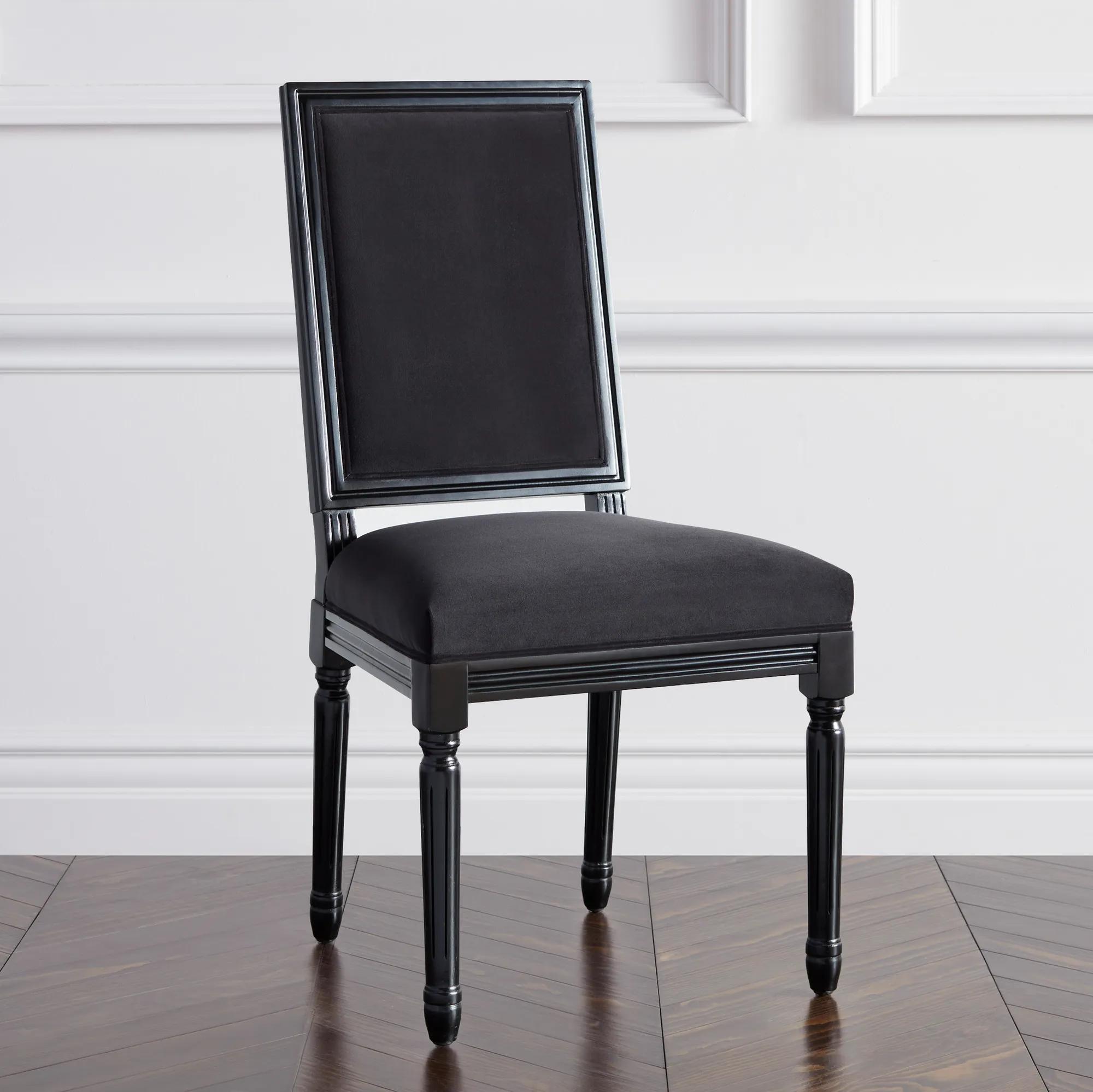
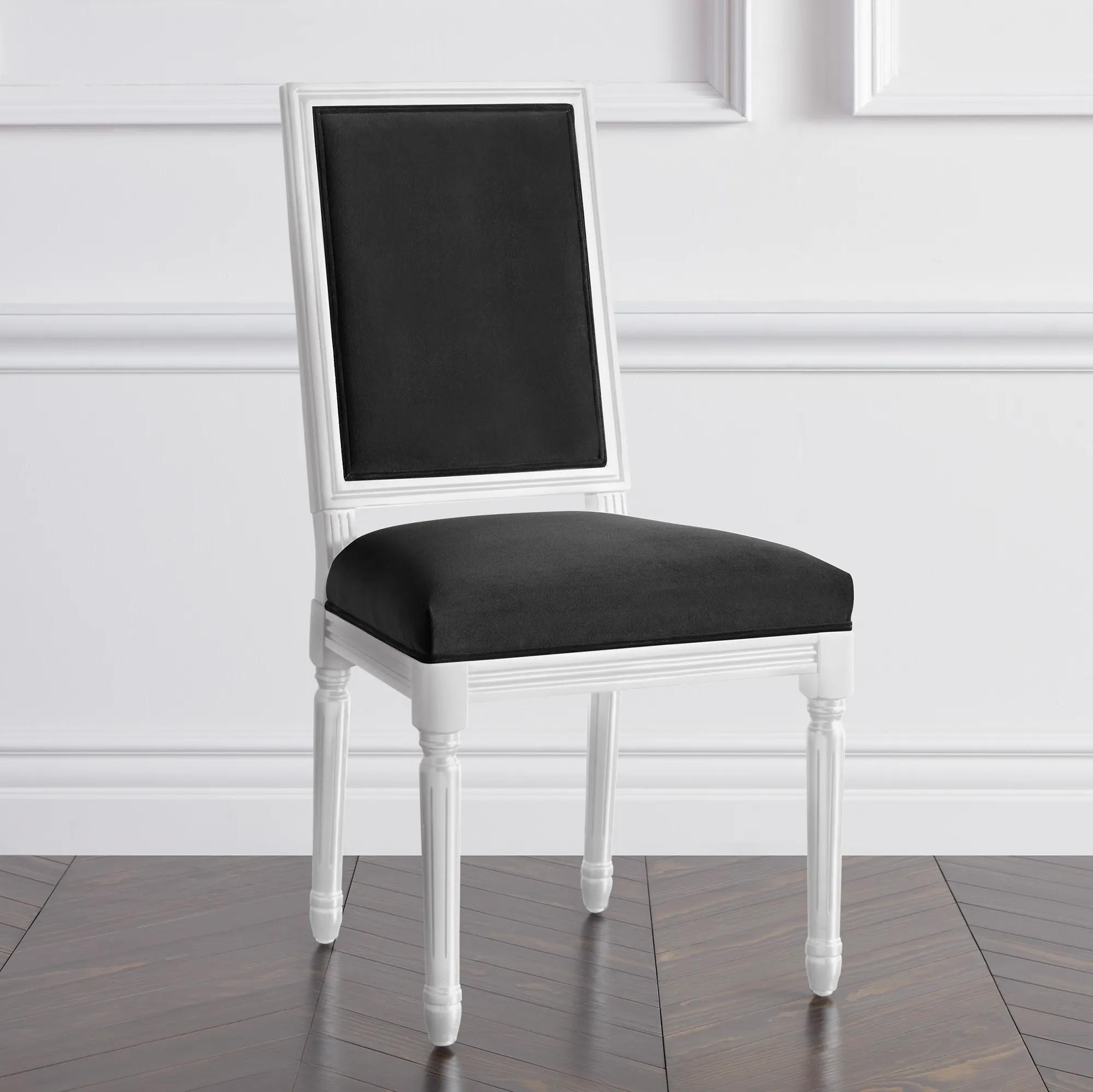
Air Dry Fabric Dining Chairs
Air Dry Fabric Dining Chairs
-
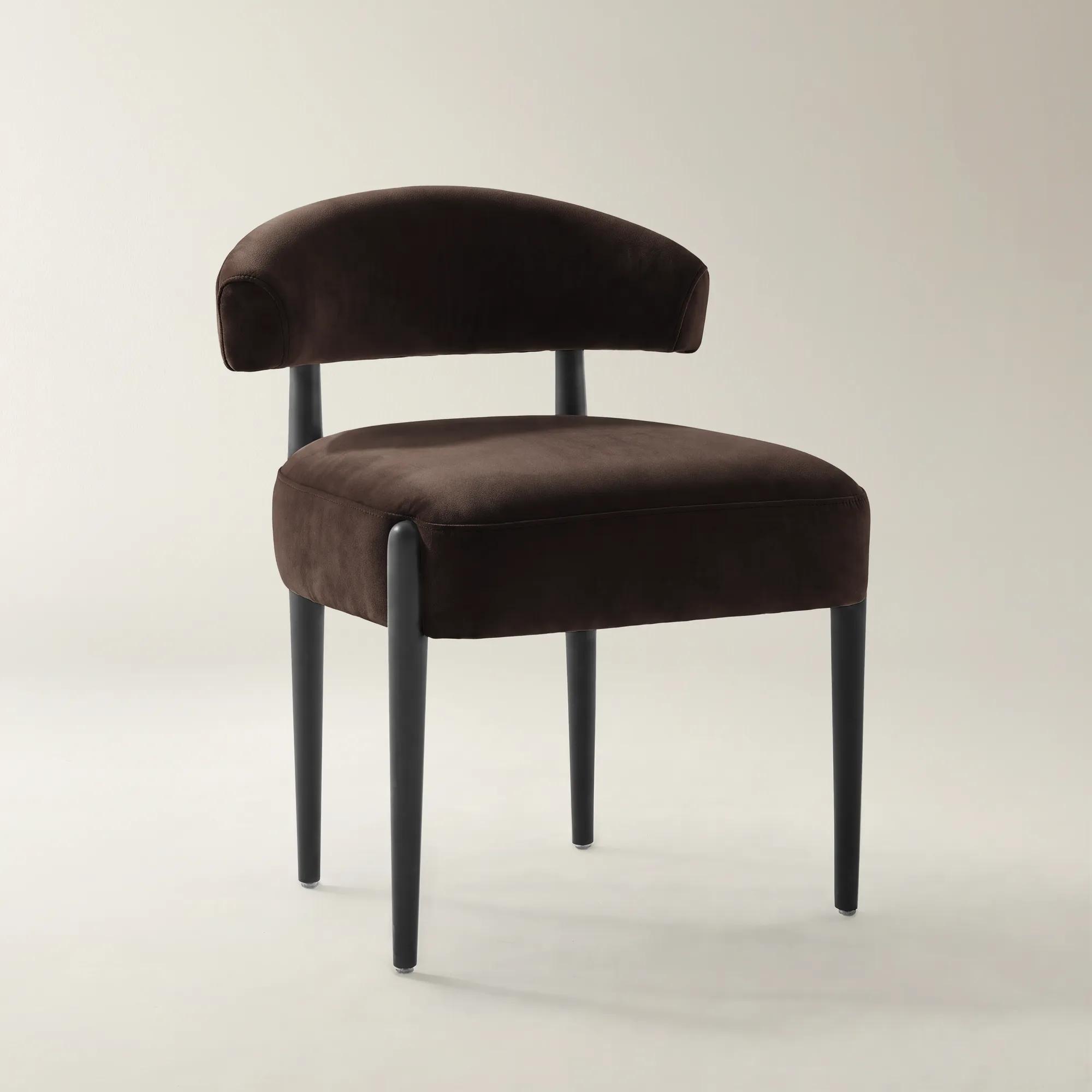
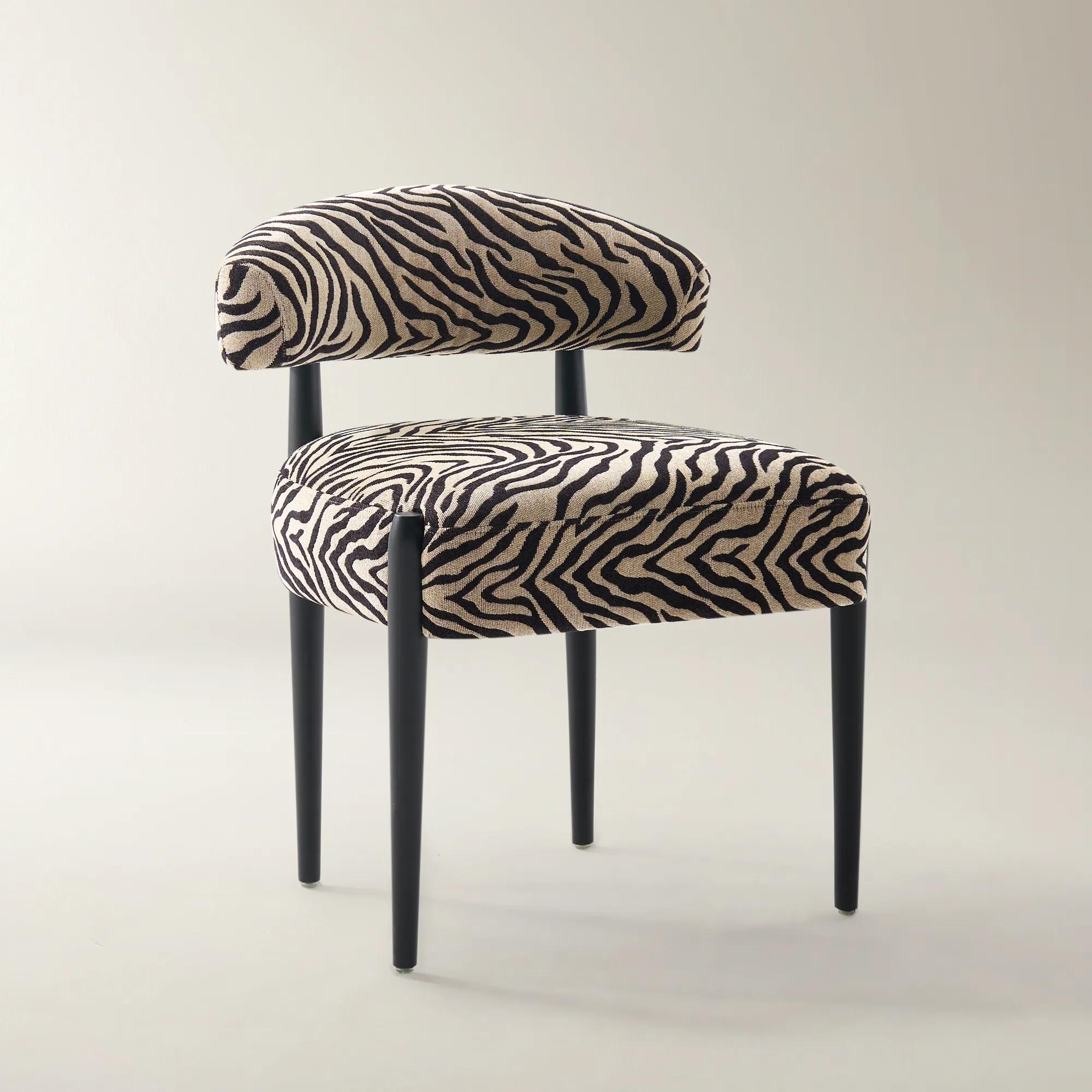 Anna Dark Chocolate Velvet Dining Chair Set of 2$699
A dark chocolate velvet dining chair set featuring an arched back, high-density foam, and solid wood construction.
Add To Cart -
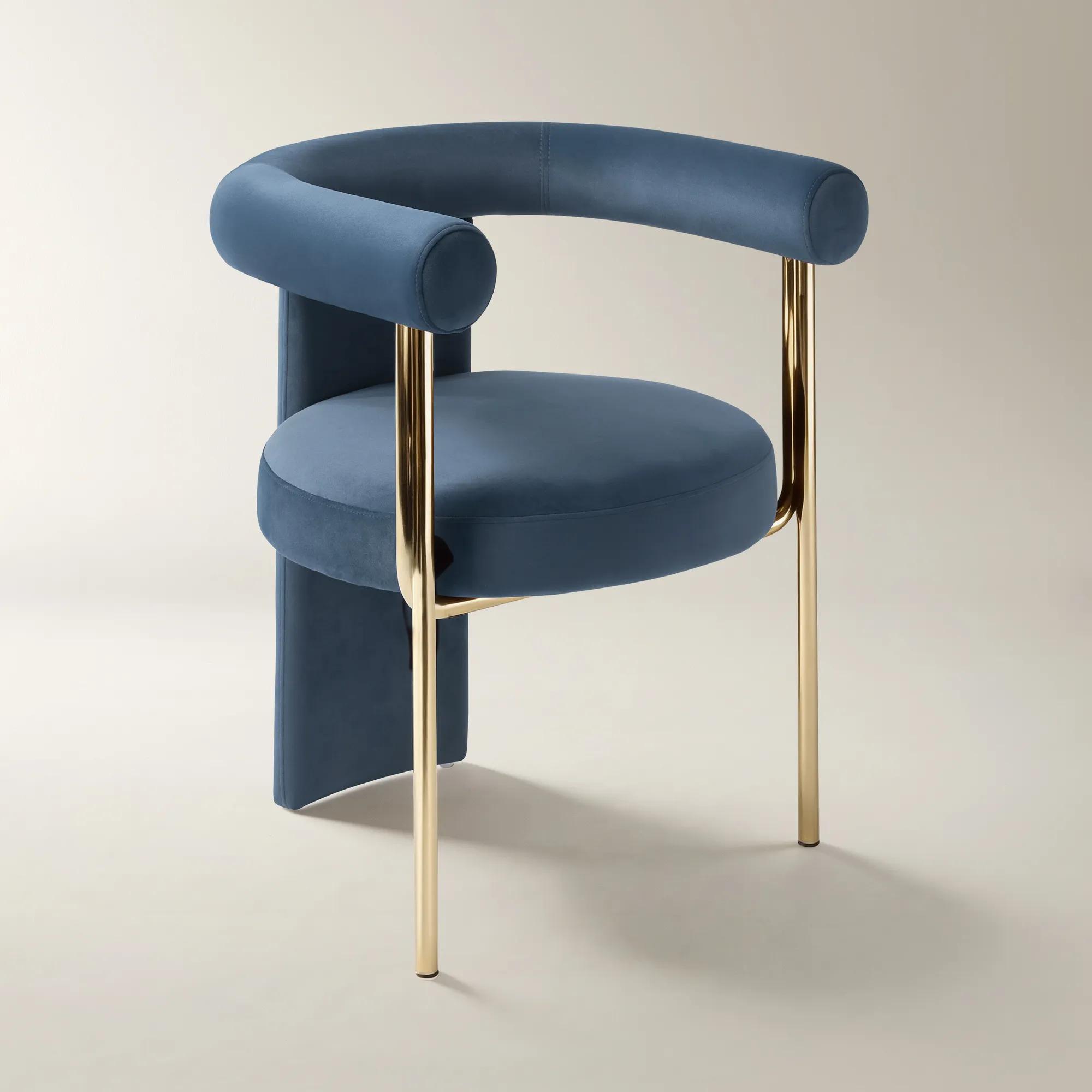 Davina Dusty Blue Velvet Dining Chair Set Of 2$899
A set of two dining chairs featuring dusty blue velvet upholstery and a polished gold metal frame.
Add To Cart -
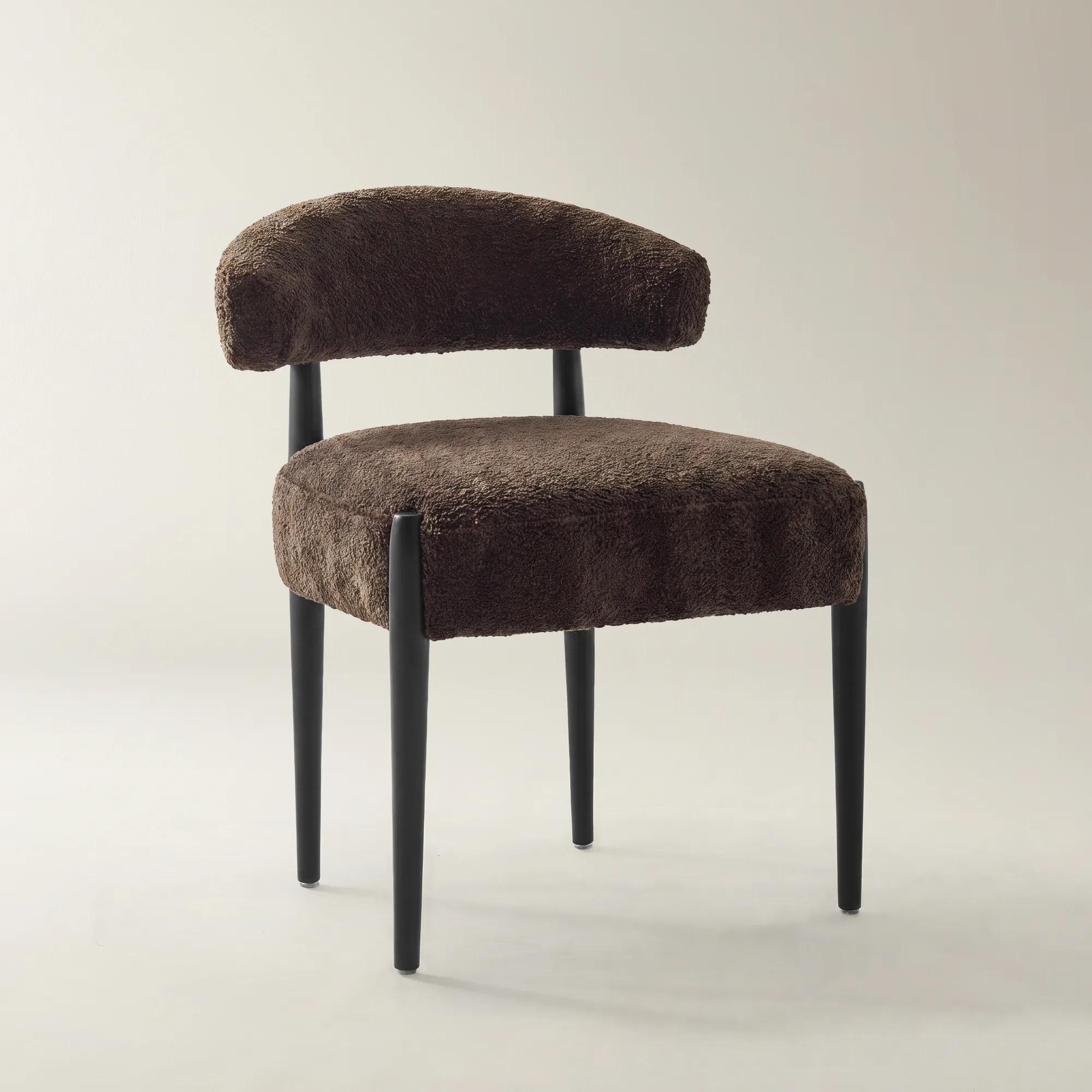 Anna Dark Chocolate Chenille Dining Chair Set of 2$699
A dark chocolate chenille chair pair featuring tailored curved backs, high-density foam, and solid rubberwood legs.
Add To Cart -
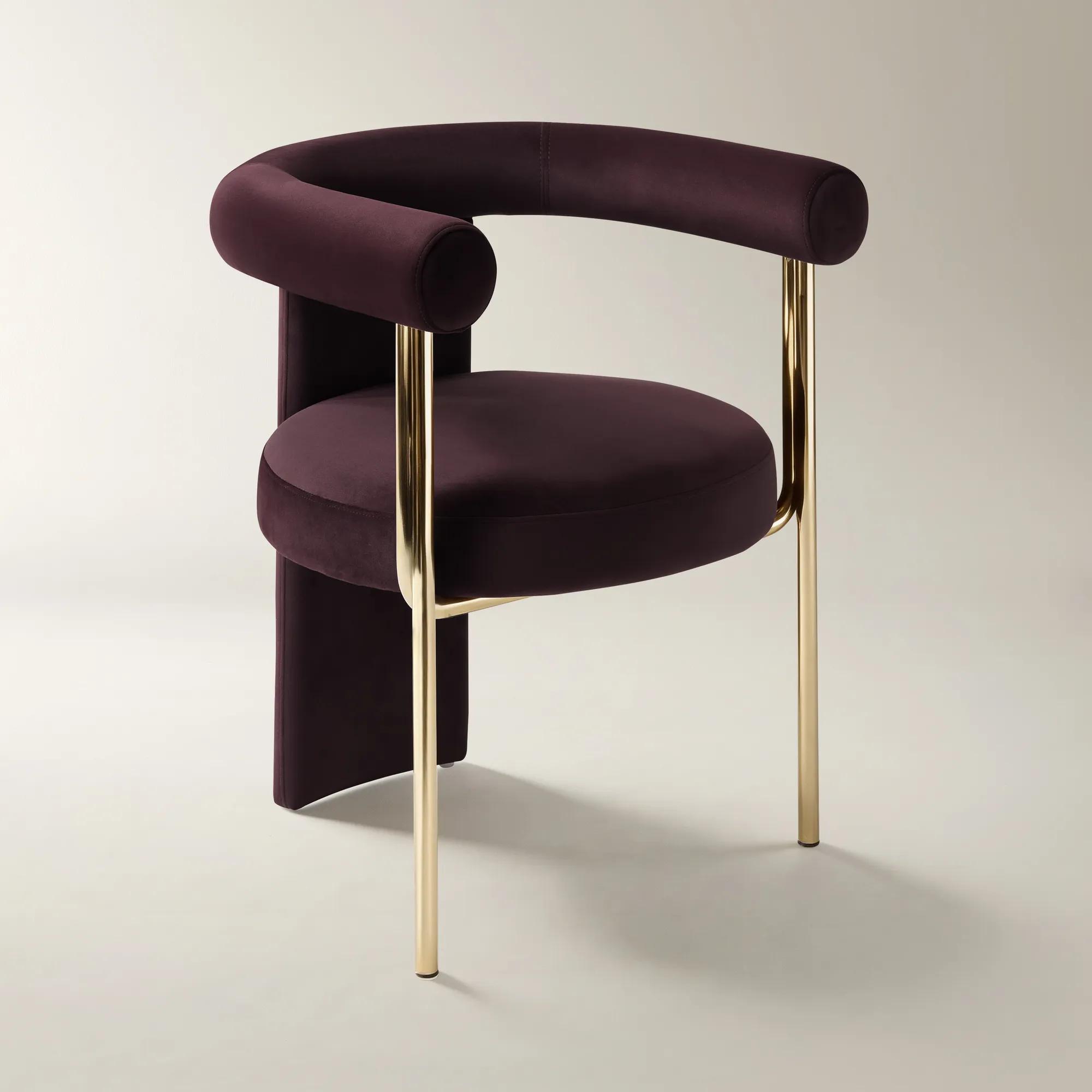 Davina Fig Velvet Dining Chair Set Of 2$899
A set of two dining chairs featuring plush fig velvet upholstery and a sleek gold-finished metal frame.
Add To Cart -
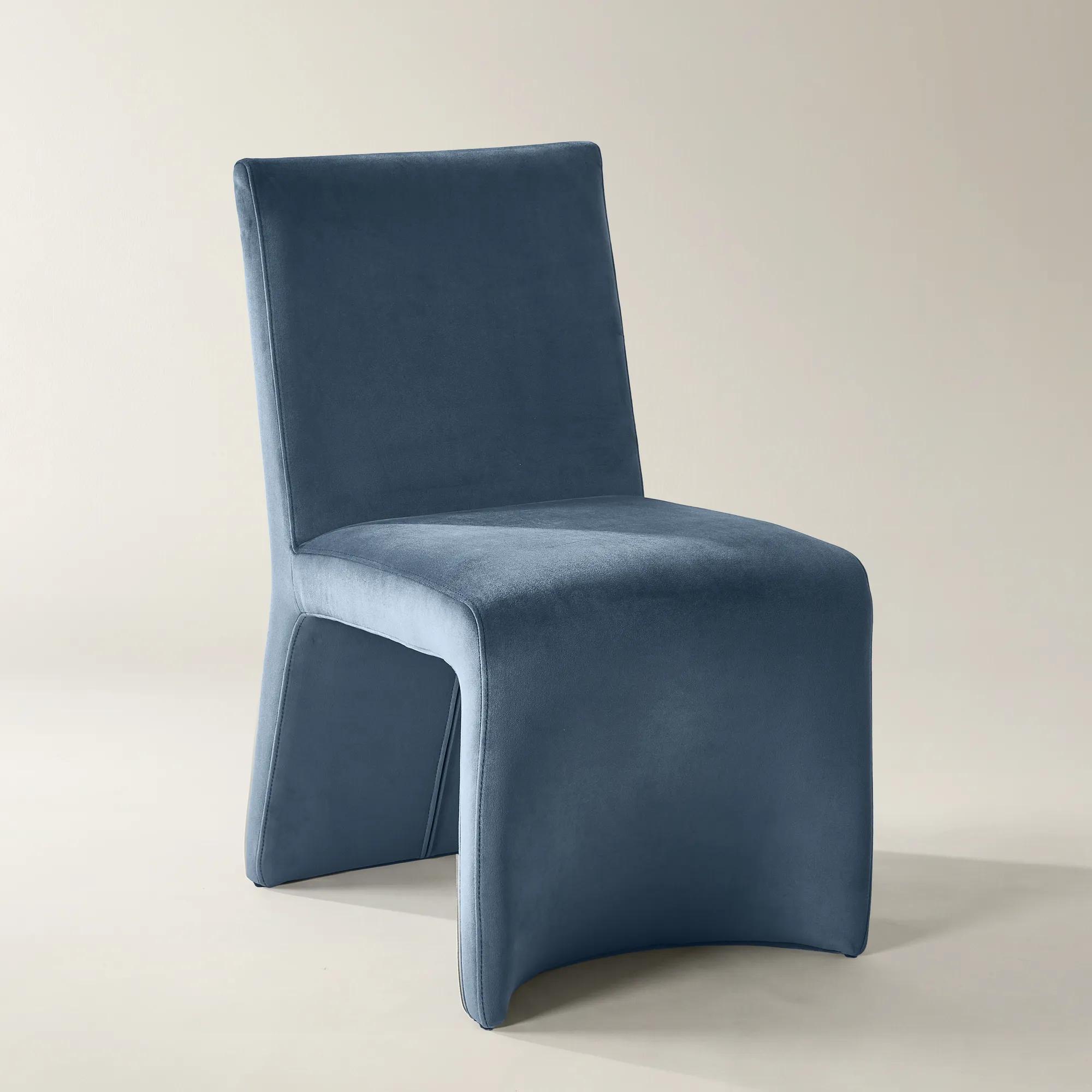 Elara Dusty Blue Velvet Dining Chair Set Of 2$799
A set of two dining chairs featuring plush dusty blue velvet upholstery and a seamless, artful silhouette.
Add To Cart -
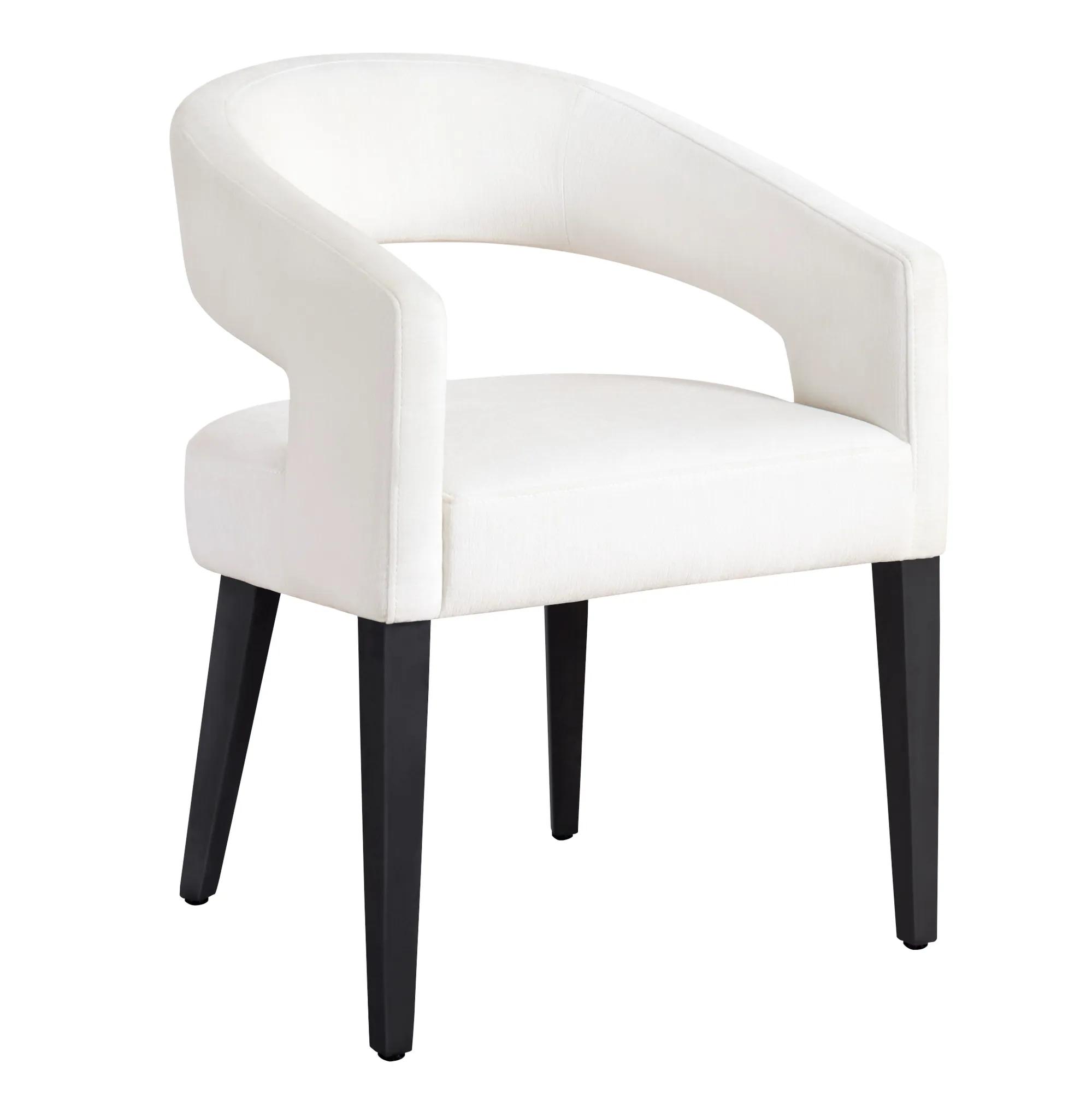
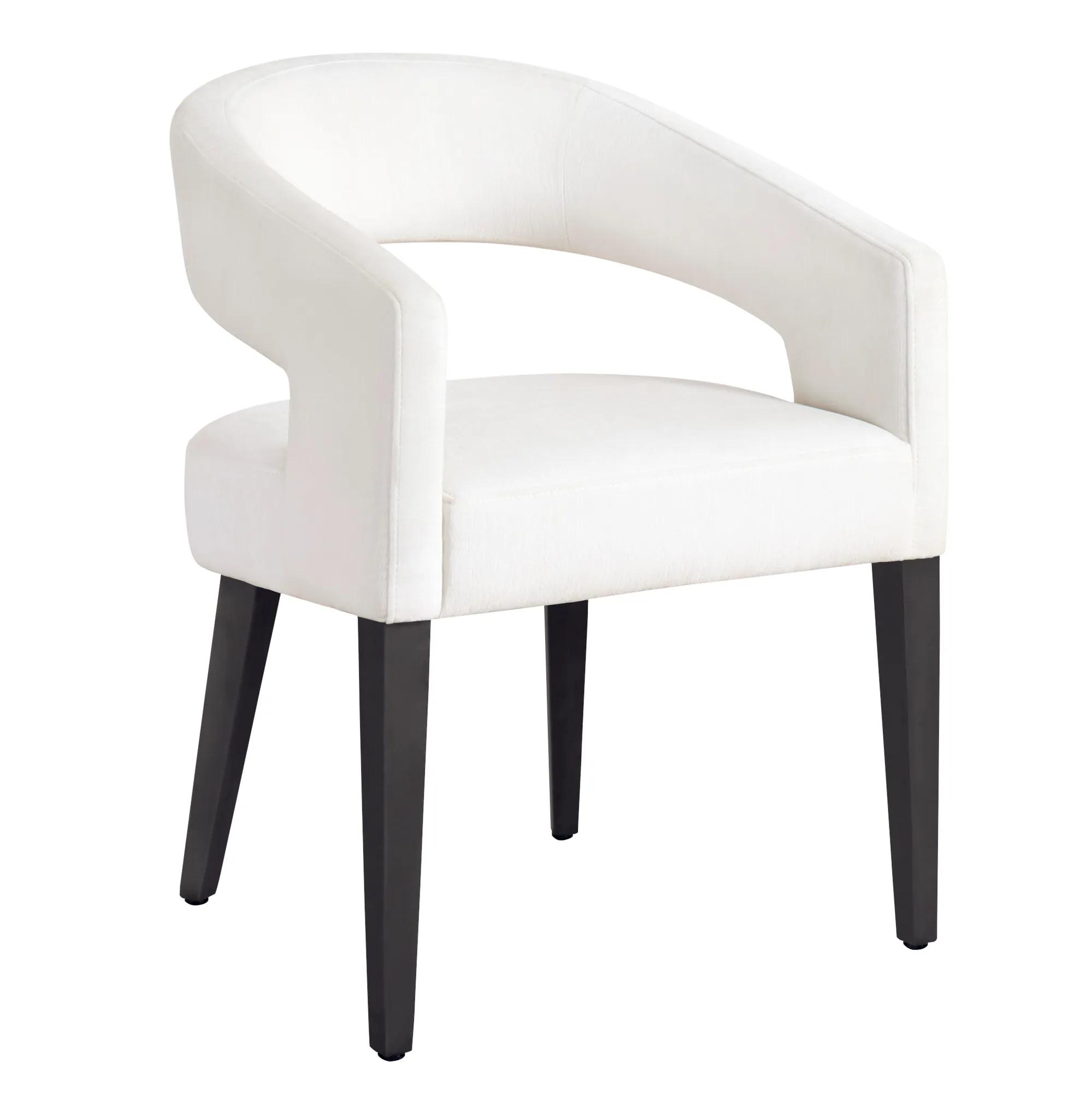
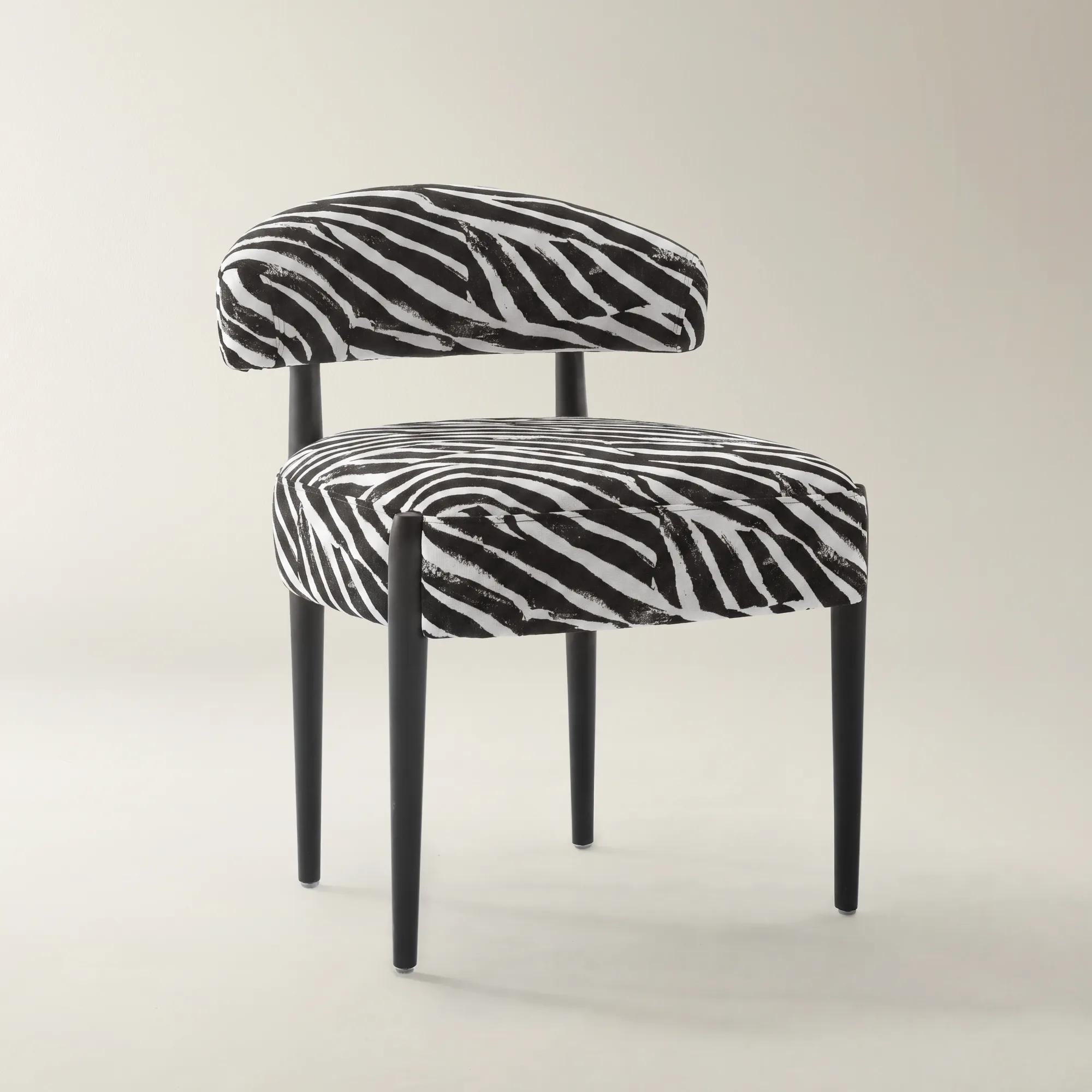 Anna White/Black Performance Chenille Dining Chair Set of 2$699
A black-and-white performance chenille chair set with arched backs, high-density foam, and solid rubberwood legs.
Add To Cart -
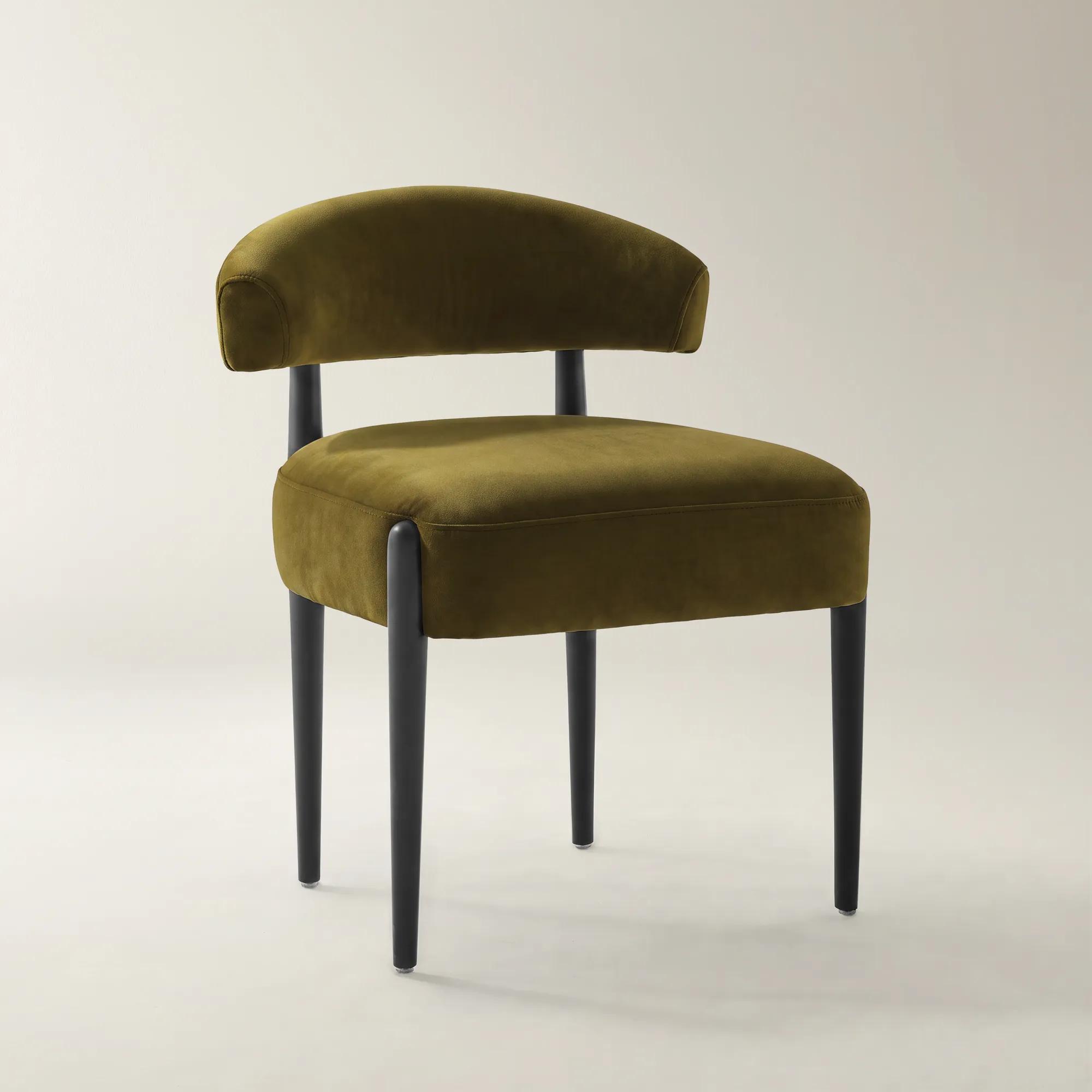 Anna Deep Olive Velvet Dining Chair Set of 2$699
A deep olive velvet dining chair with a tailored curved back, high-density cushioning, and solid rubberwood legs.
Add To Cart -
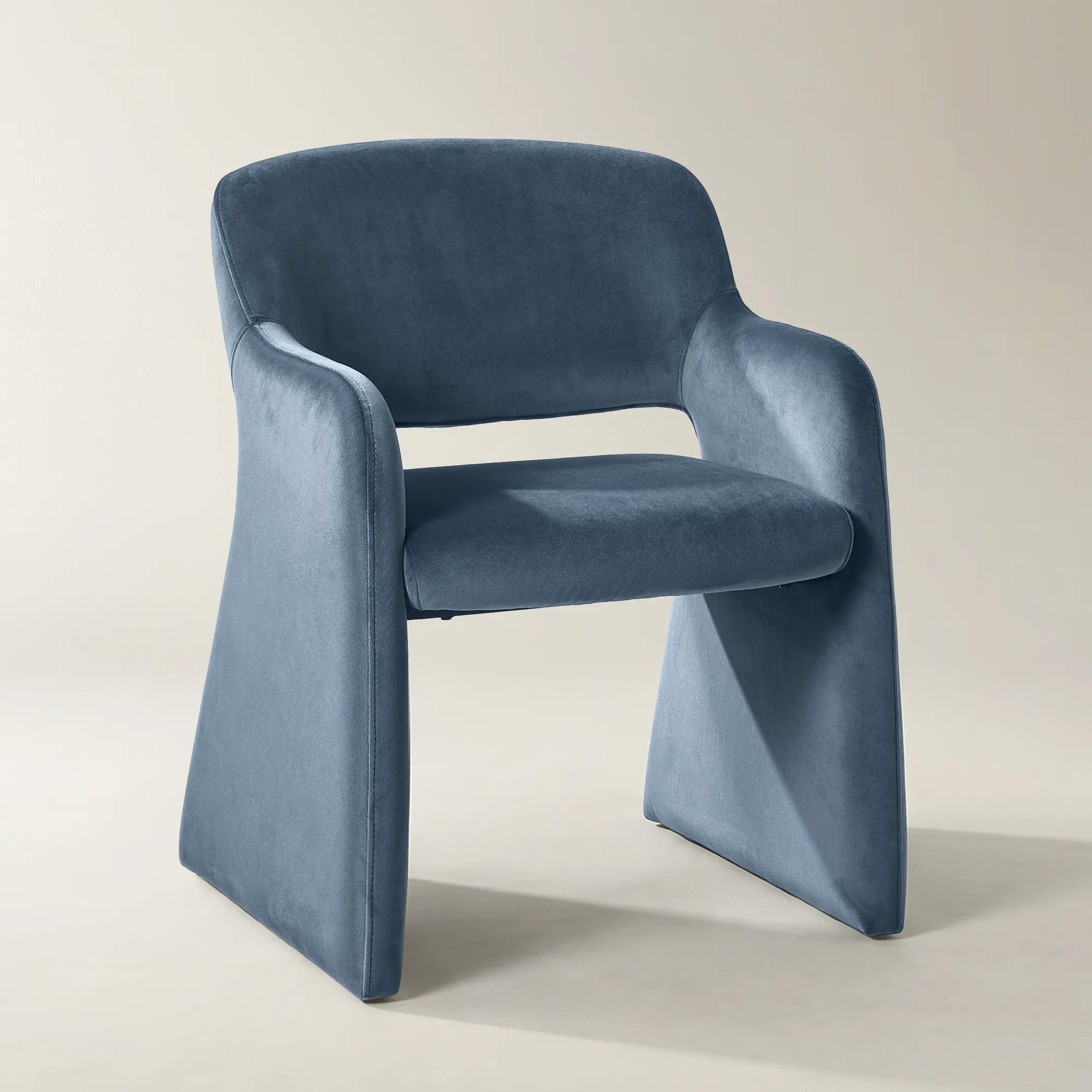 Elara Dusty Blue Velvet Dining Chair$449
A graceful dining chair featuring dusty blue velvet upholstery, integrated arms, and a seamless cantilevered silhouette.
Add To Cart -
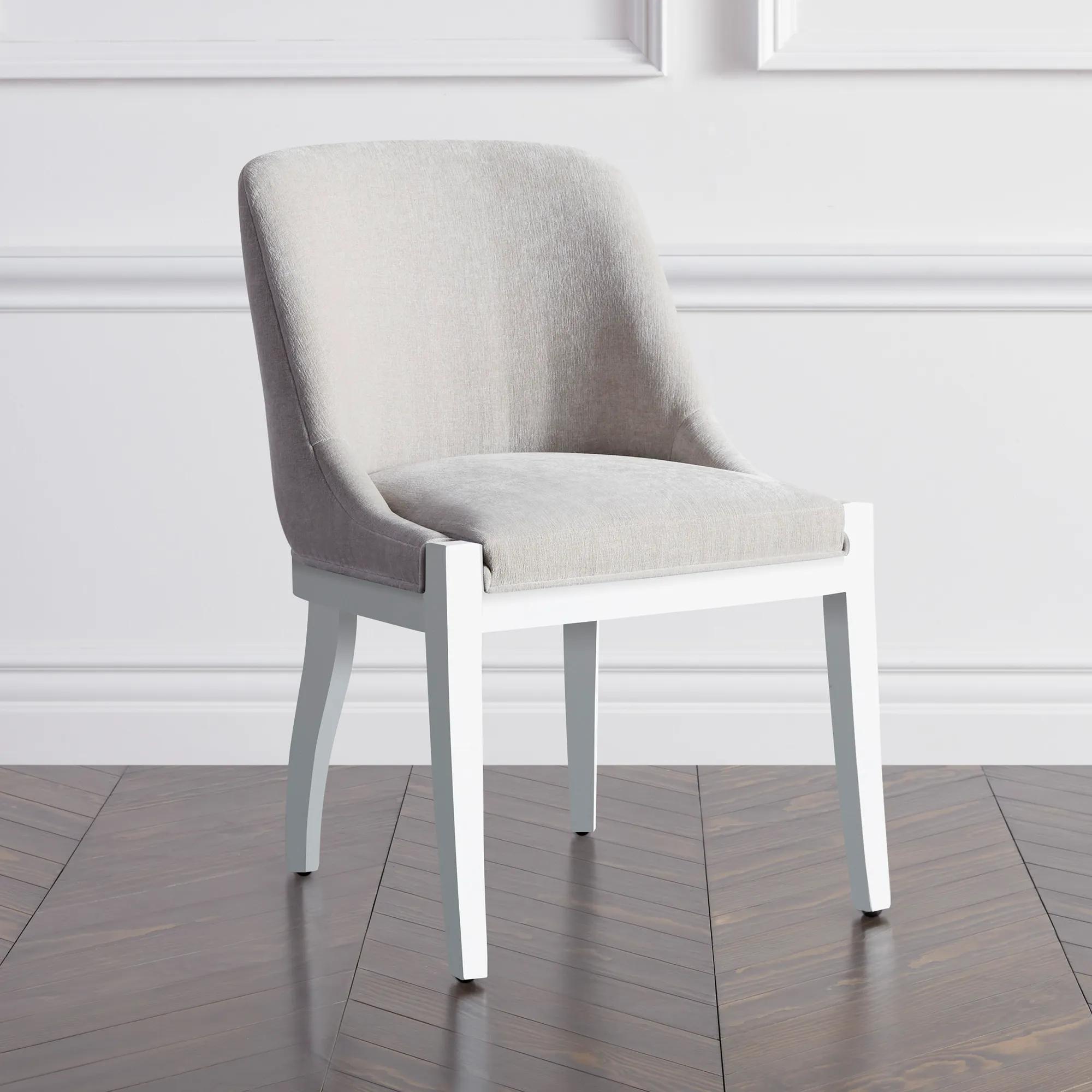
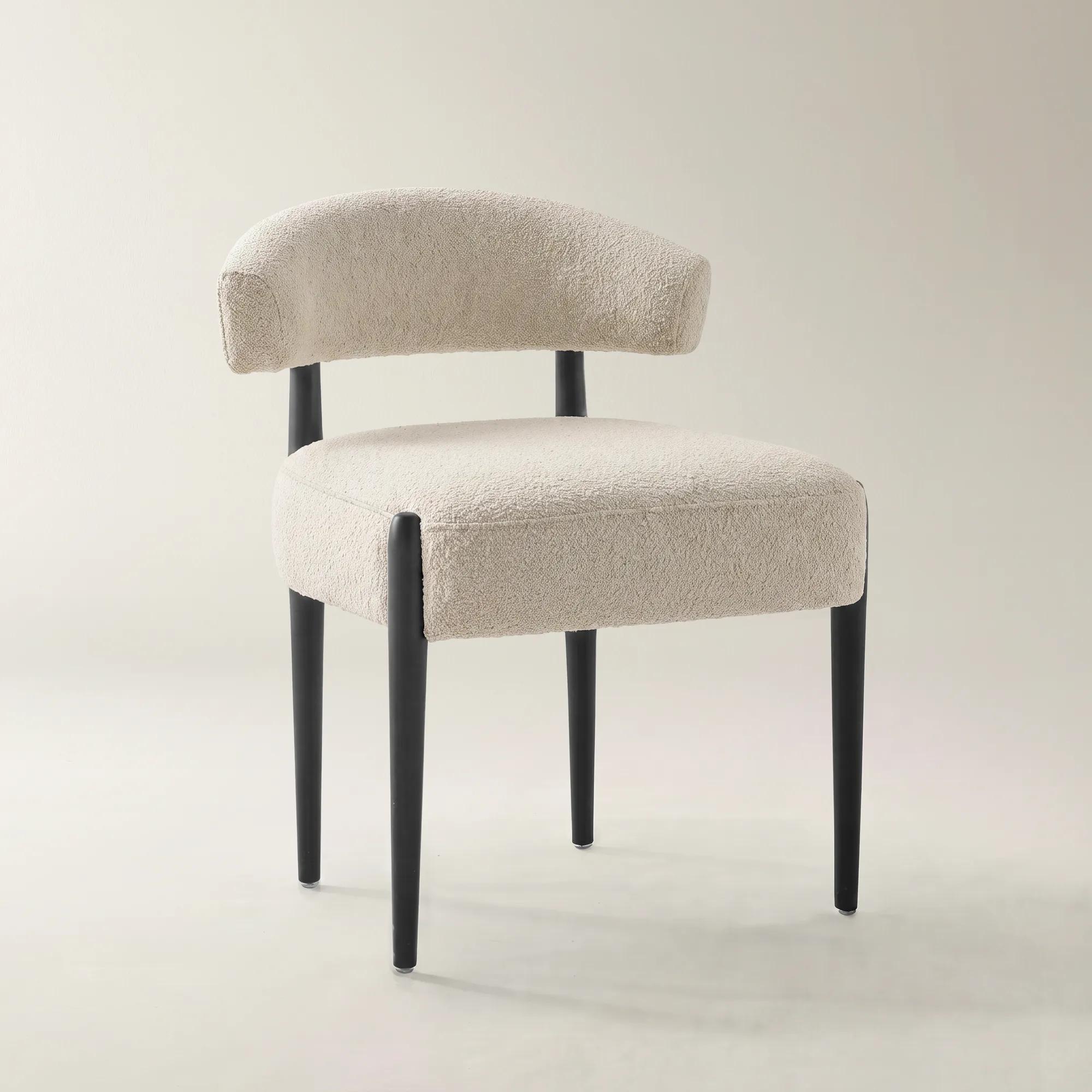 Anna Utopia Sand Chenille Dining Chair Set of 2$699
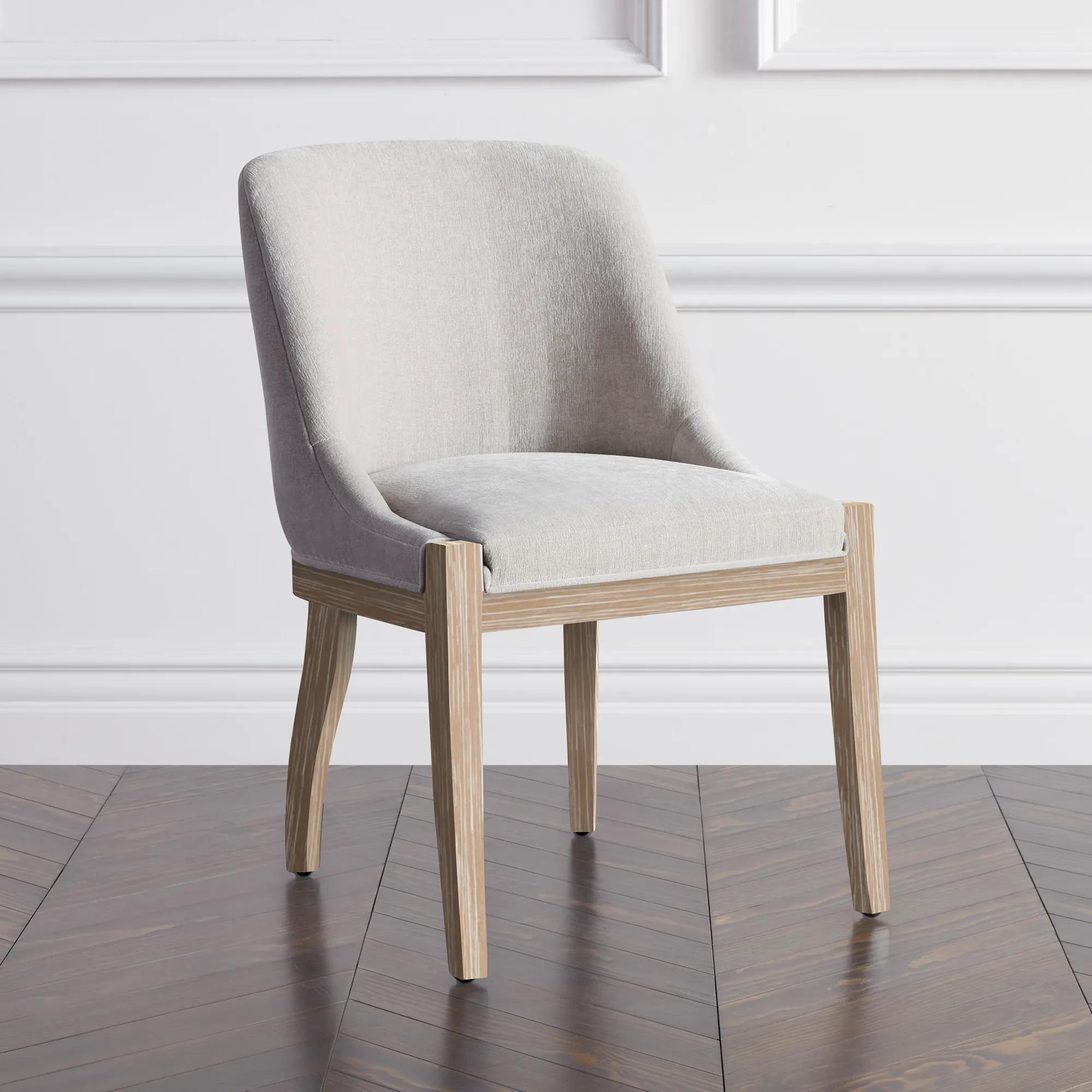
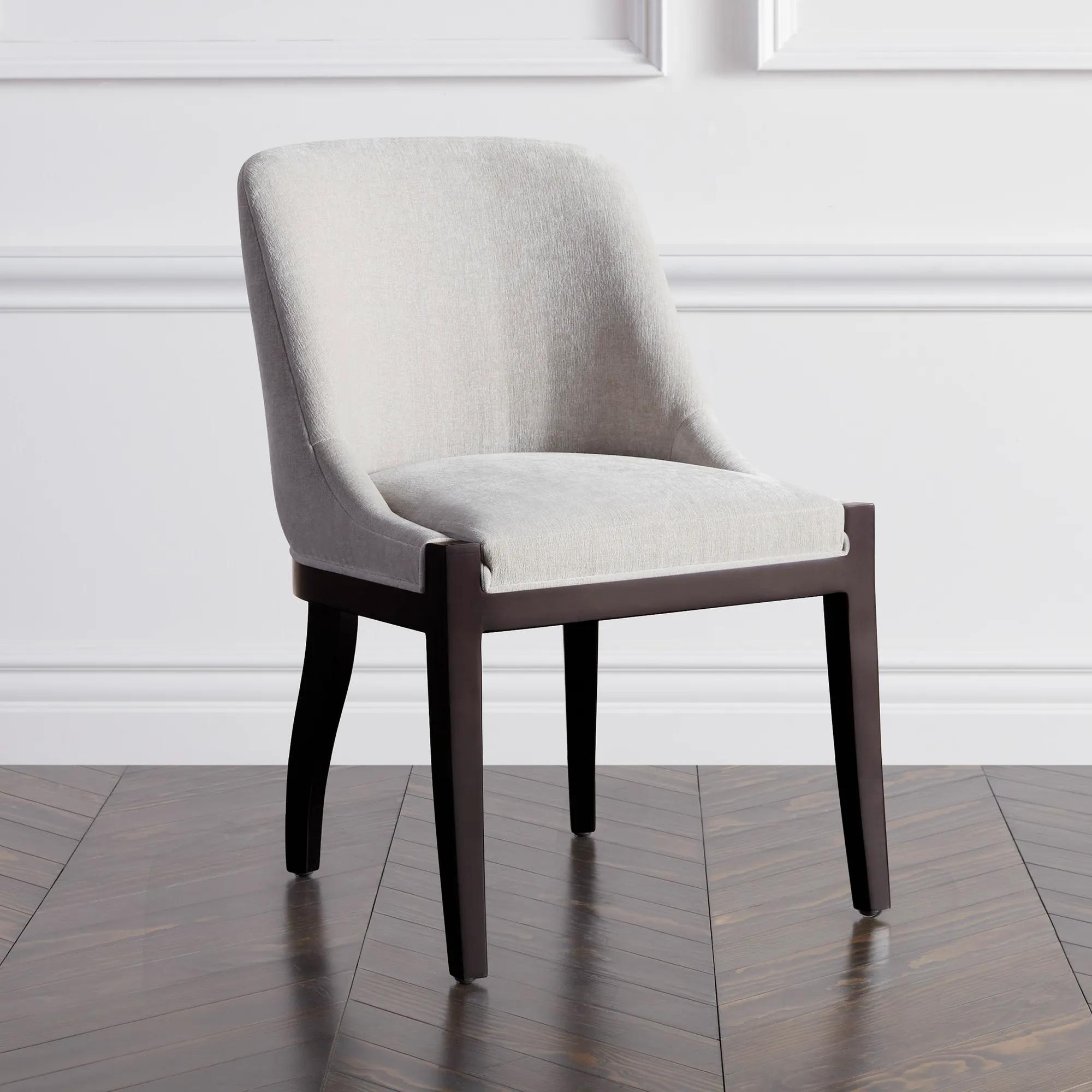
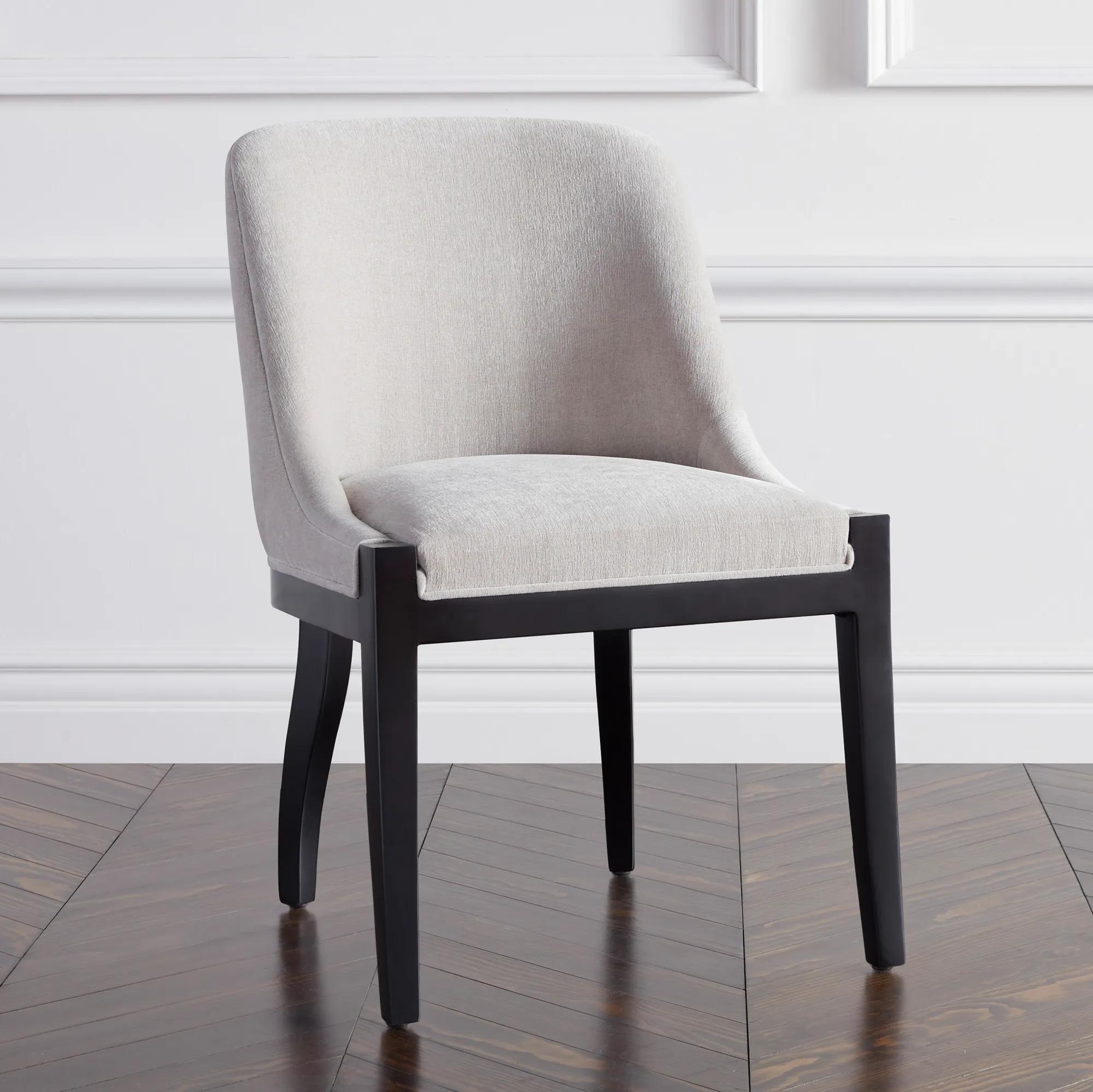
A sand chenille dining chair set featuring tailored armless curves, high-density cushioning, and solid rubberwood legs.
Add To Cart -
Anna Zebra Chenille Dining Chair Set Of 2$699
A set of zebra-print chenille dining chairs with high-density foam cushions and sturdy rubberwood legs.
Add To Cart -
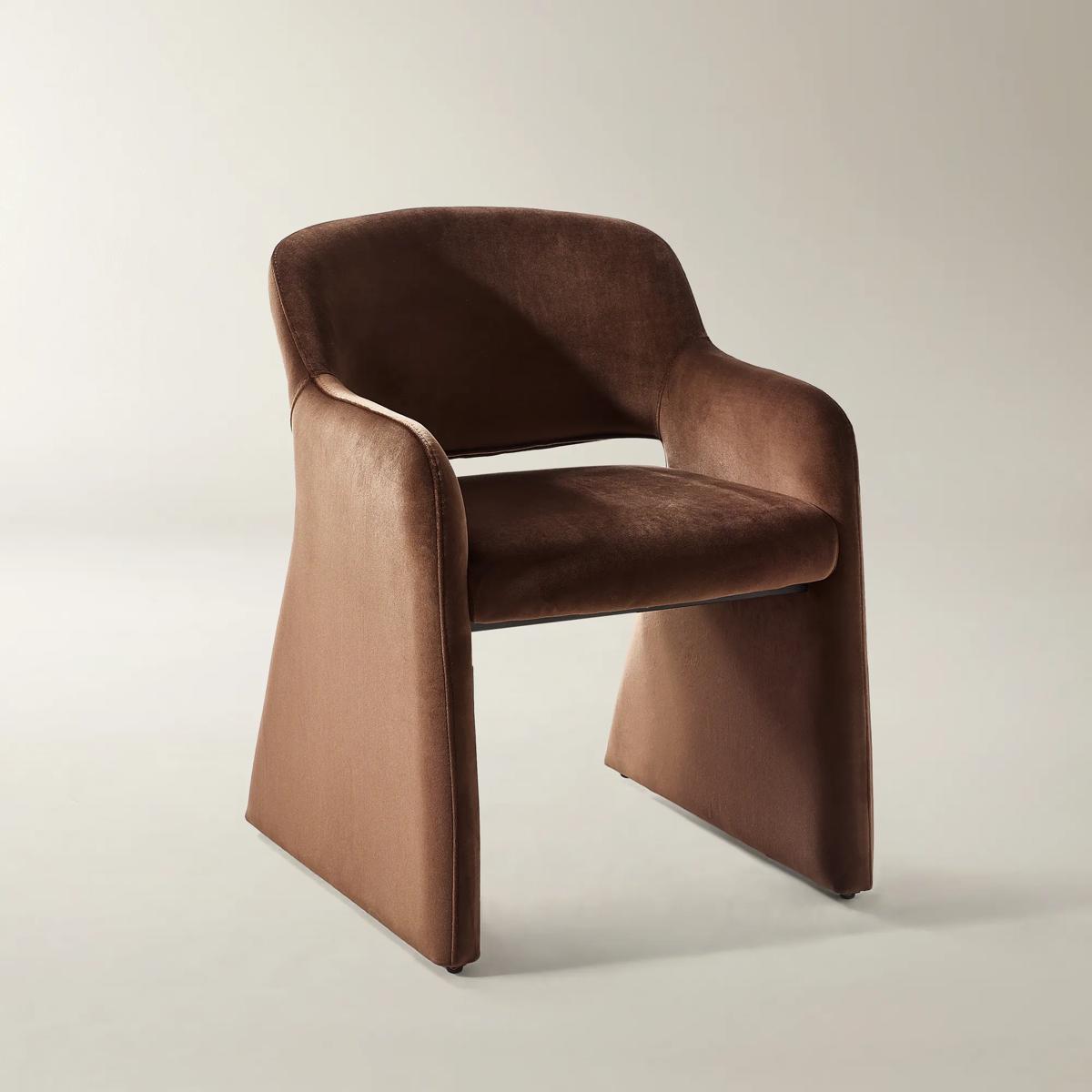
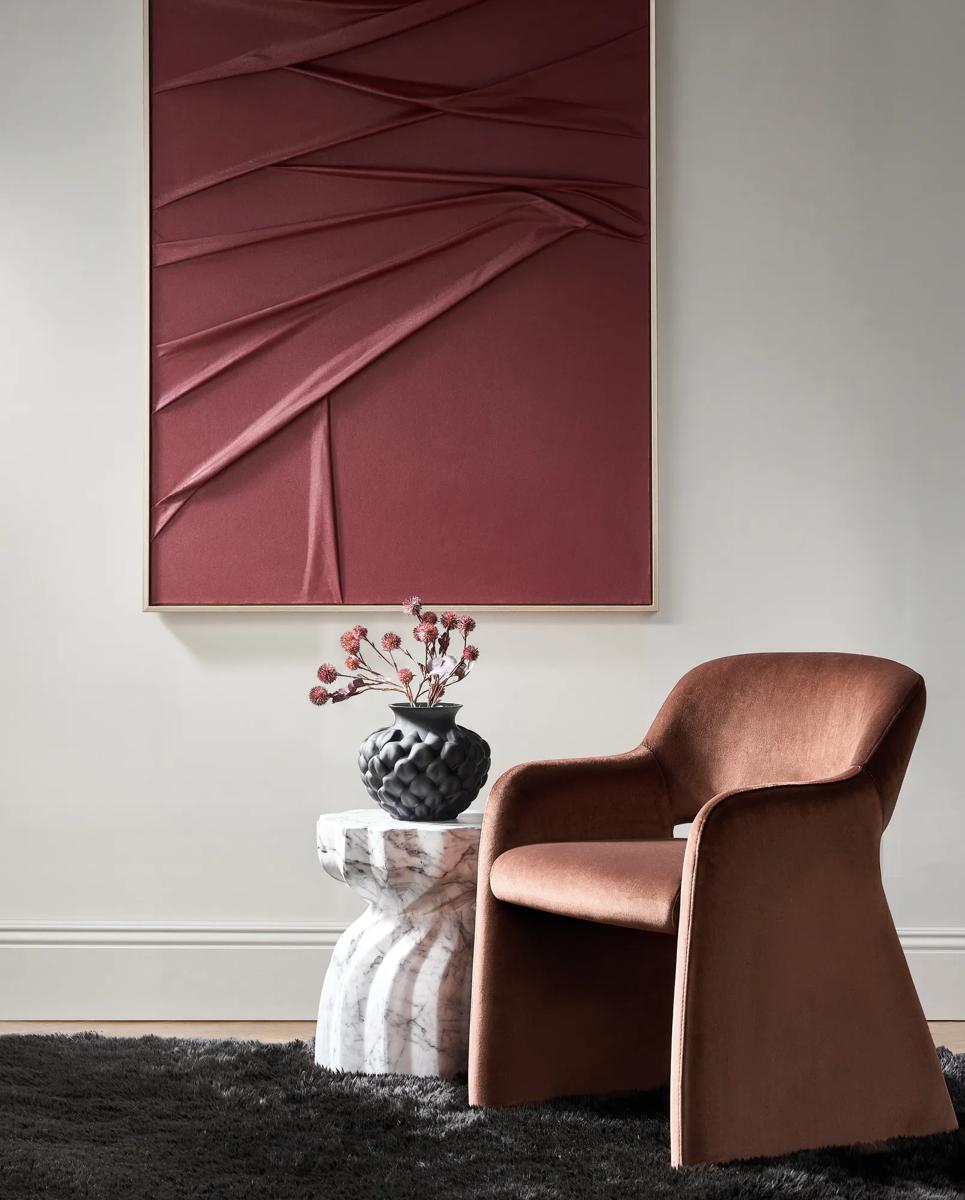 Elara Burnt Umber Velvet Dining Chair$449
A plush brown velvet armchair with sinuous curves, ergonomic support, and hand-crafted, reinforced details.
Add To Cart -
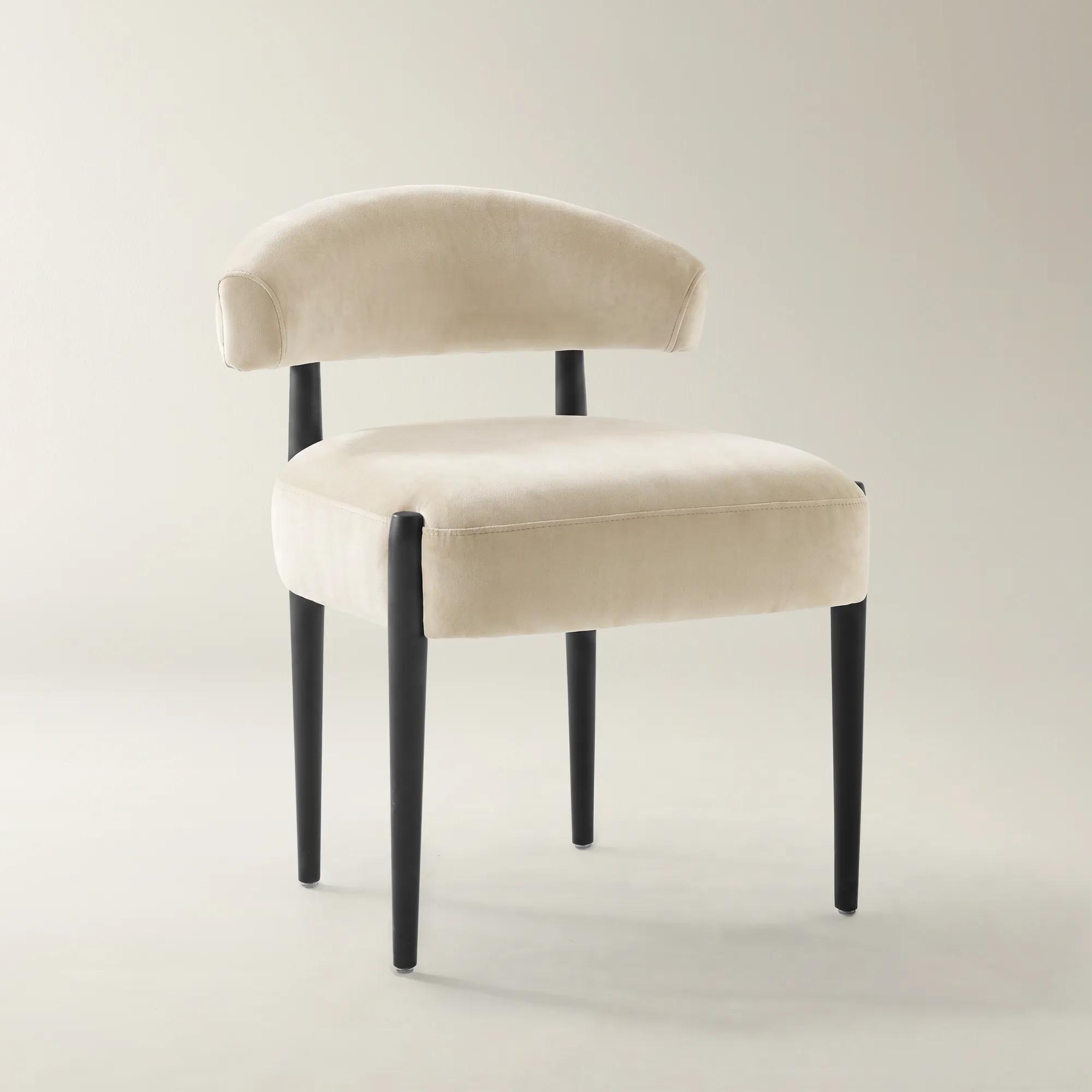 Anna Oatmeal Velvet Dining Chair Set of 2$699
A pair of oatmeal velvet dining chairs with arched backs, supportive foam cushioning, and rubberwood legs.
Add To Cart -
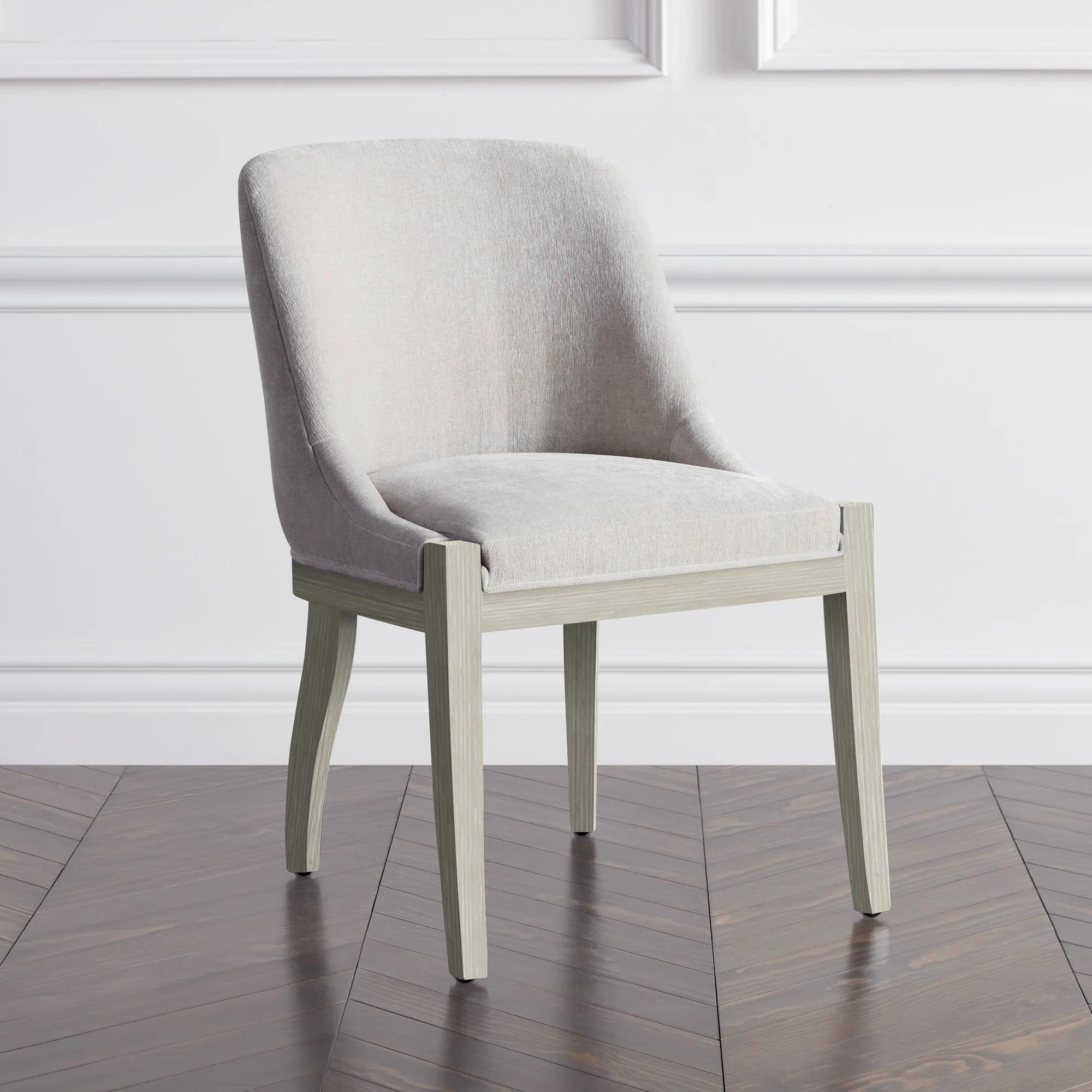
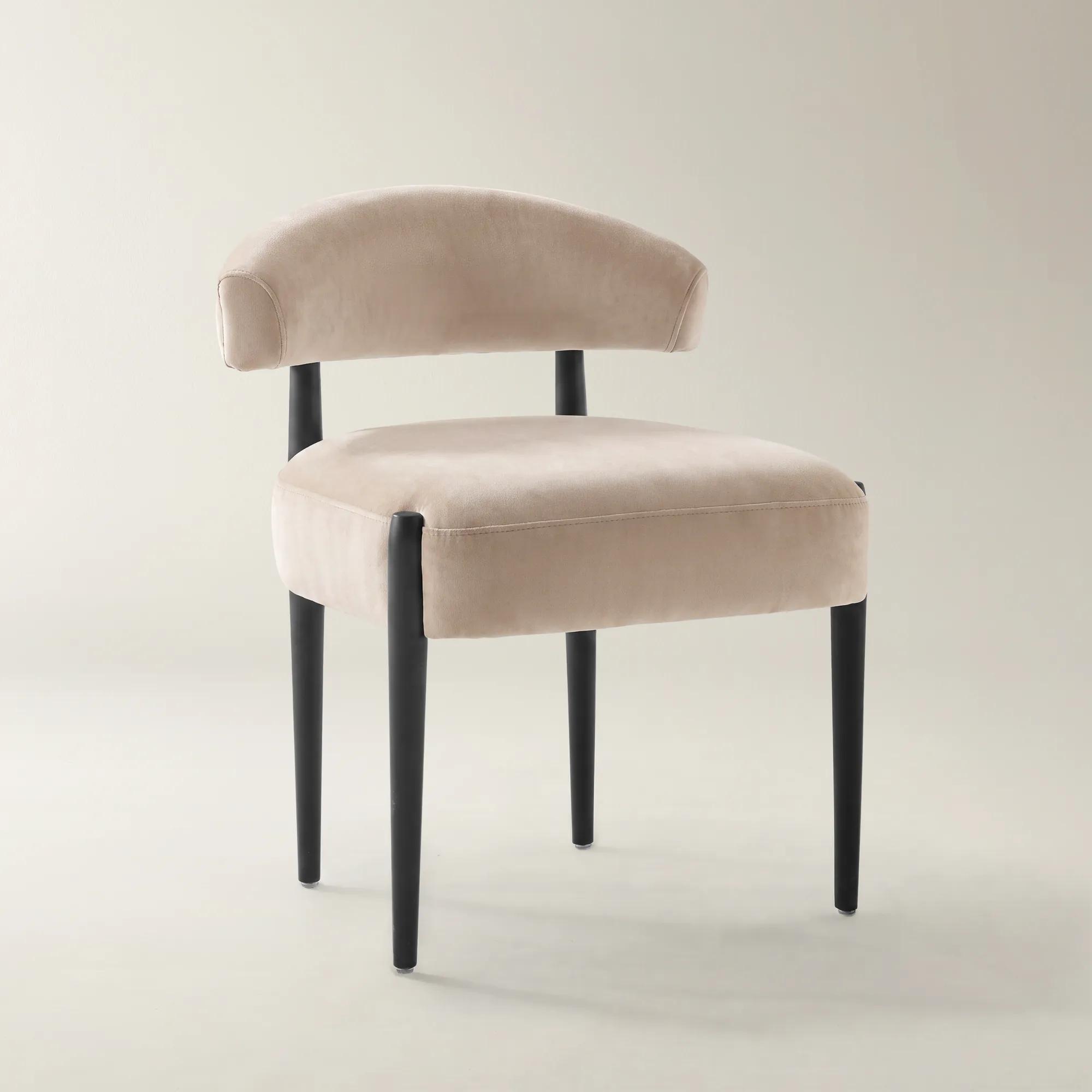 Anna Simply Taupe Velvet Dining Chair Set of 2$699
A taupe velvet dining chair featuring a tailored arched back, high-density foam cushioning, and rubberwood legs.
Add To Cart -
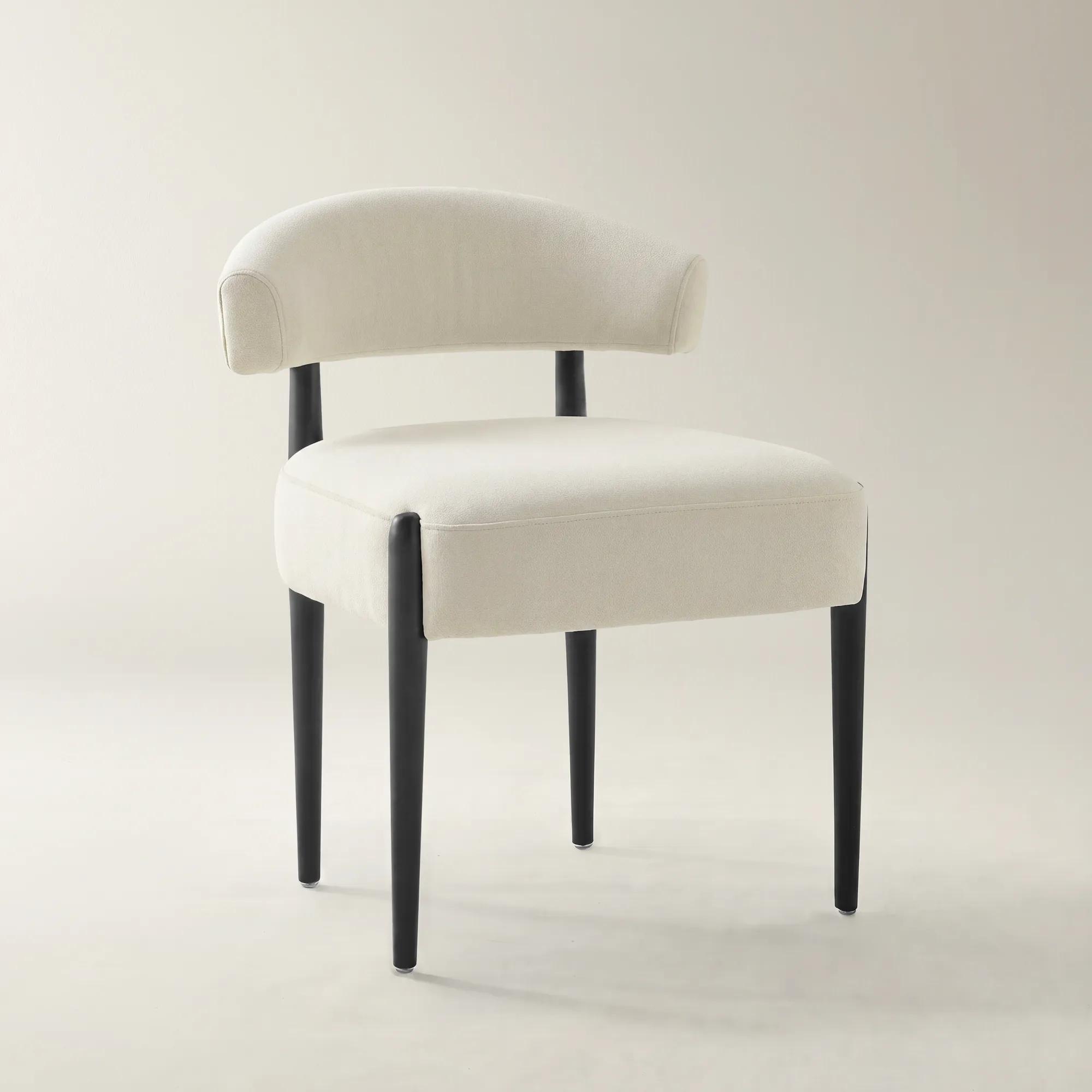 Anna Ivory Performance Chenille Dining Chair Set of 2$699
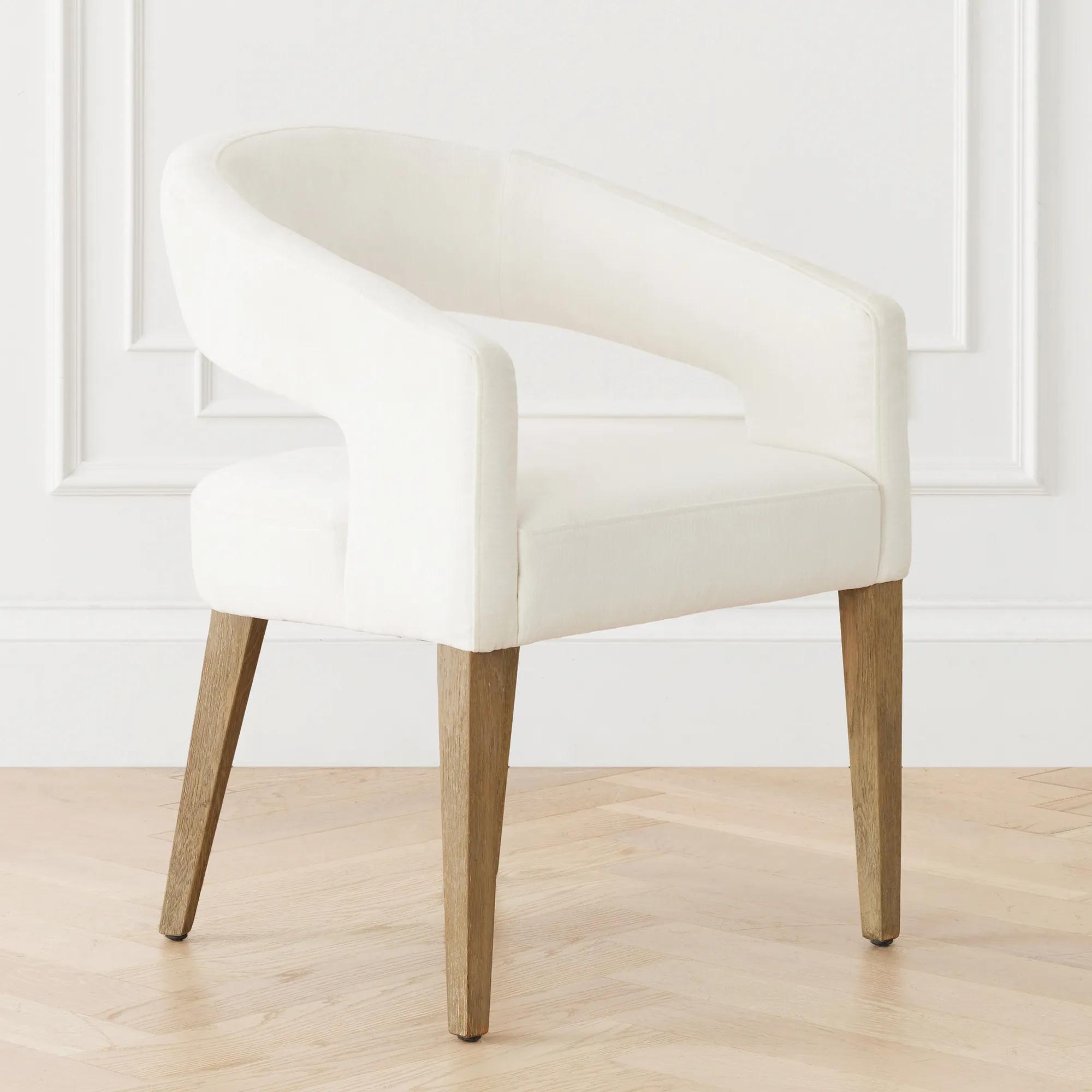
An ivory performance chenille chair pair featuring curved backs, high-density foam, and solid rubberwood legs.
Add To Cart -
 Elara Burnt Umber Velvet Dining Chair Set Of 2$799
A pair of brown velvet chairs with sinuous curves, ergonomic support, and hand-crafted, sculptural design.
Add To Cart -
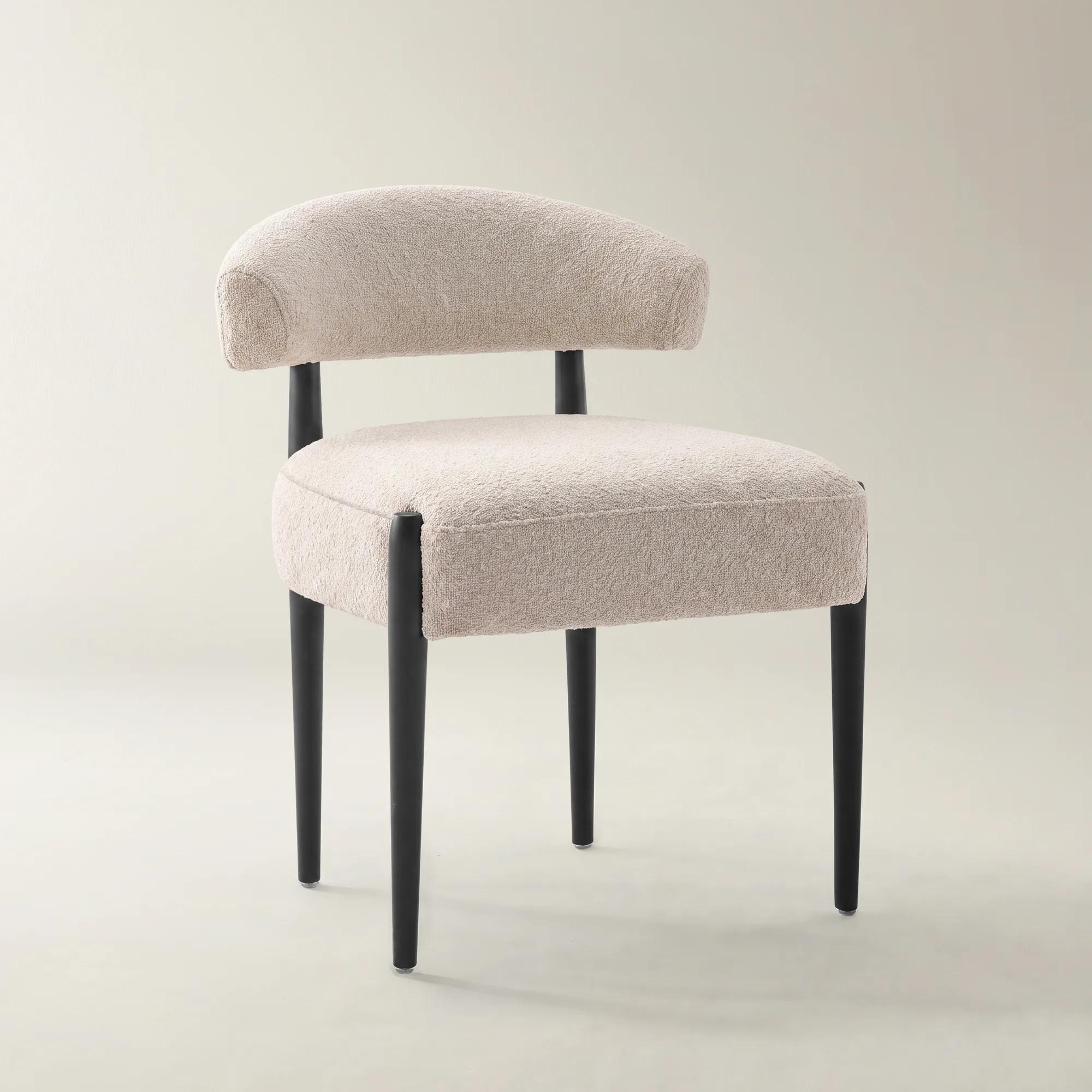 Anna Ivory Performance Boucle Dining Chair Set of 2$699
An ivory performance bouclé dining chair set with arched backs, high-density foam, and solid wood construction.
Add To Cart -
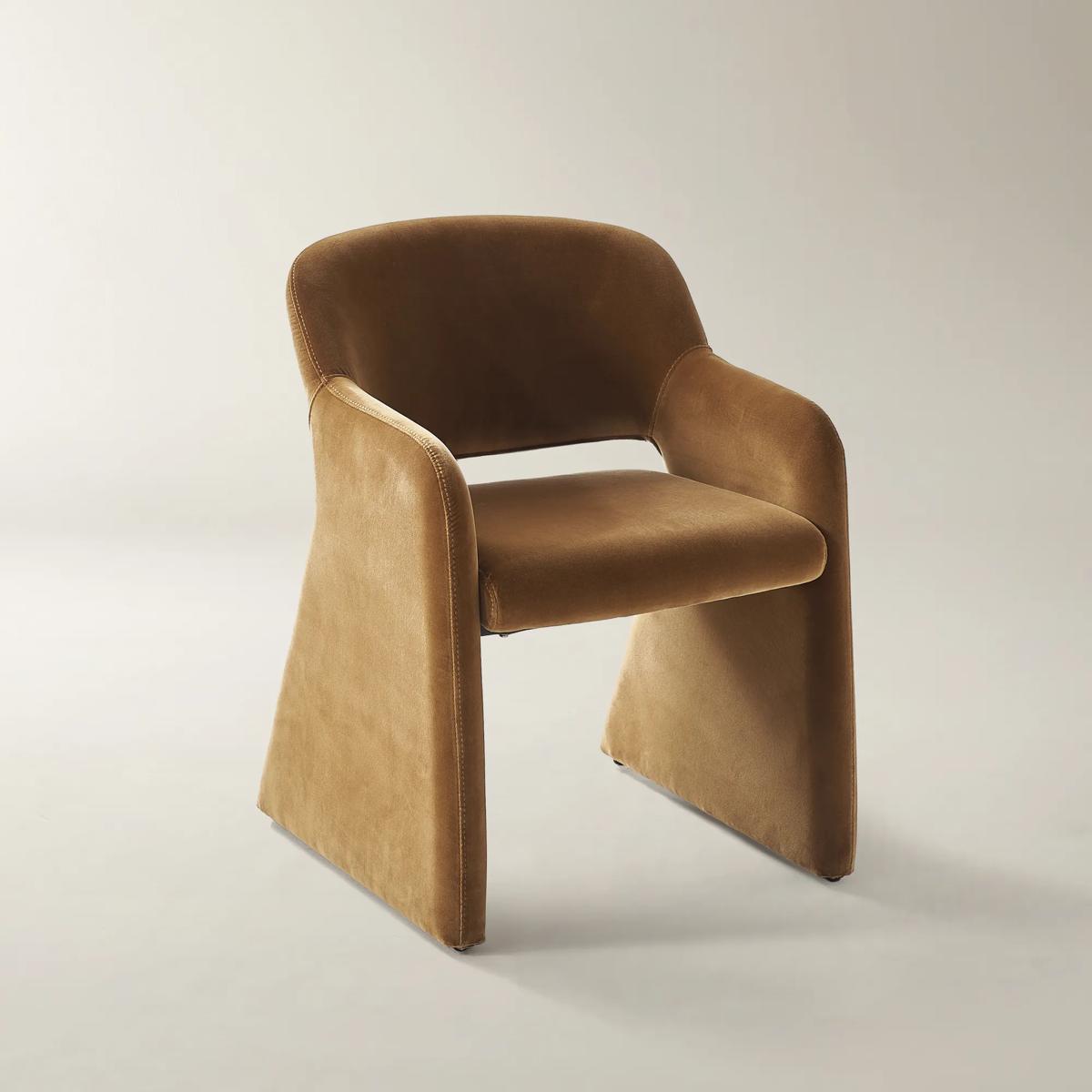
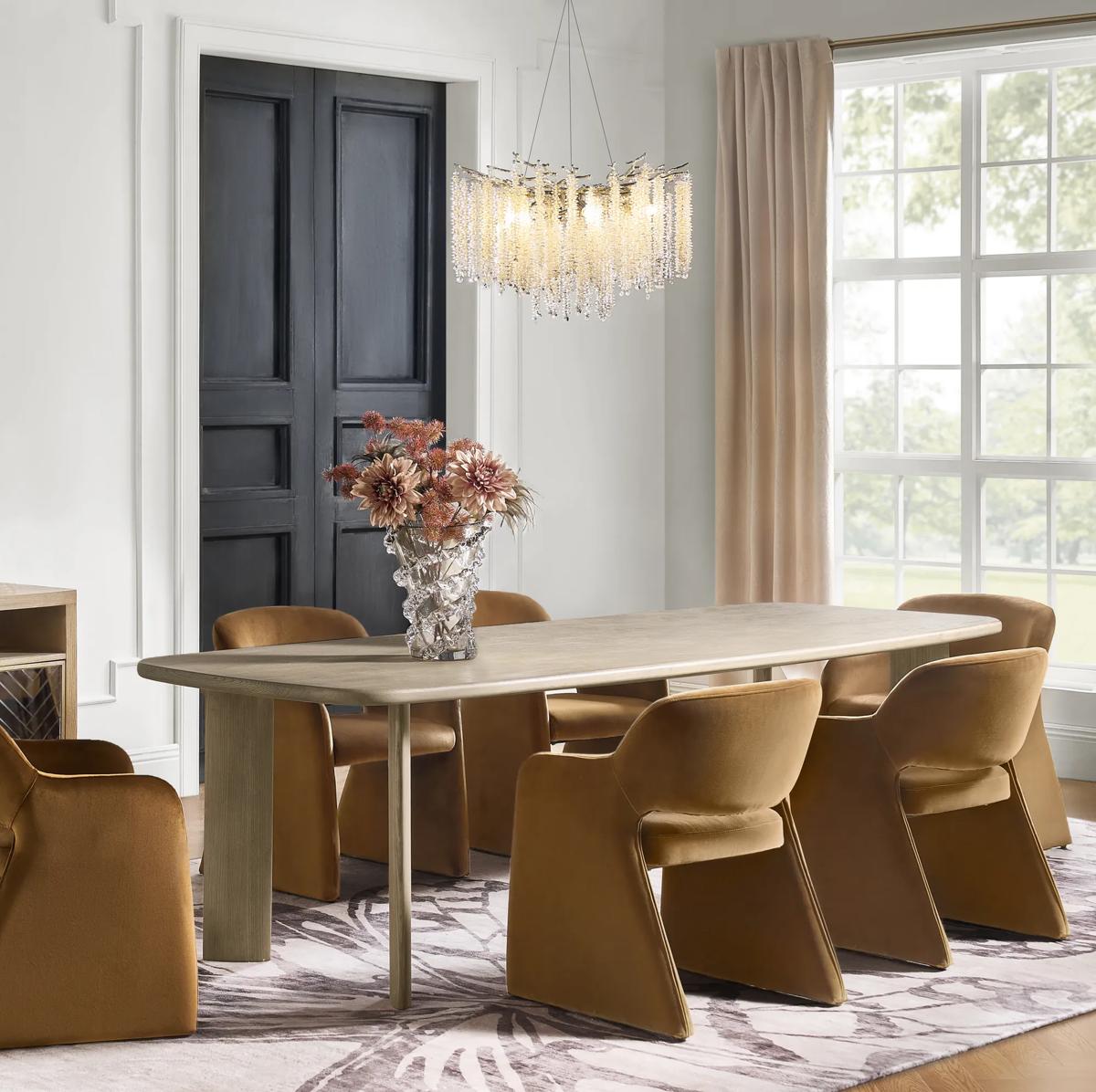 Elara Roasted Pecan Velvet Dining Chair$449
A sculptural armchair in mustard velvet with ergonomic curves, metal frame, and hand-crafted detailing.
Add To Cart -
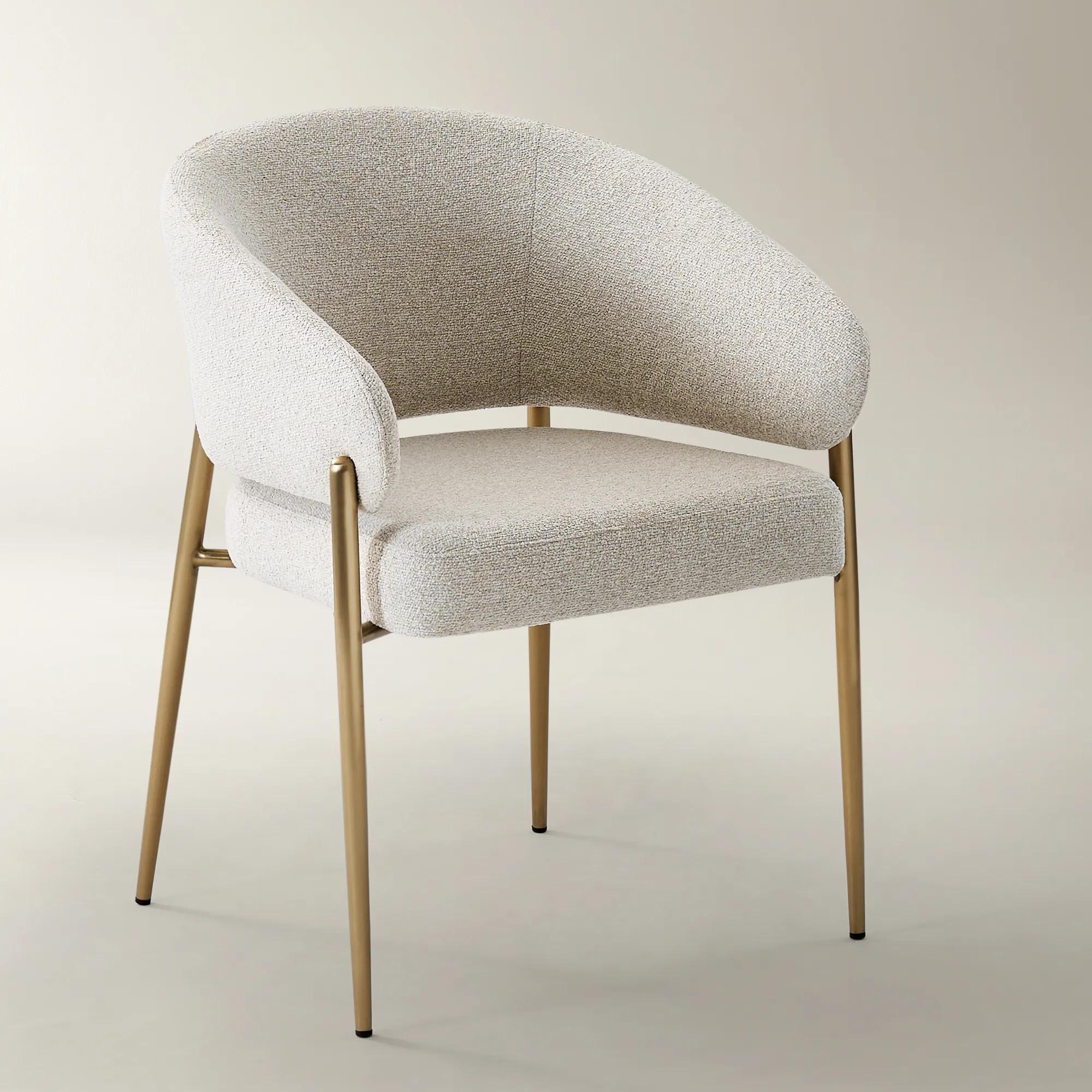
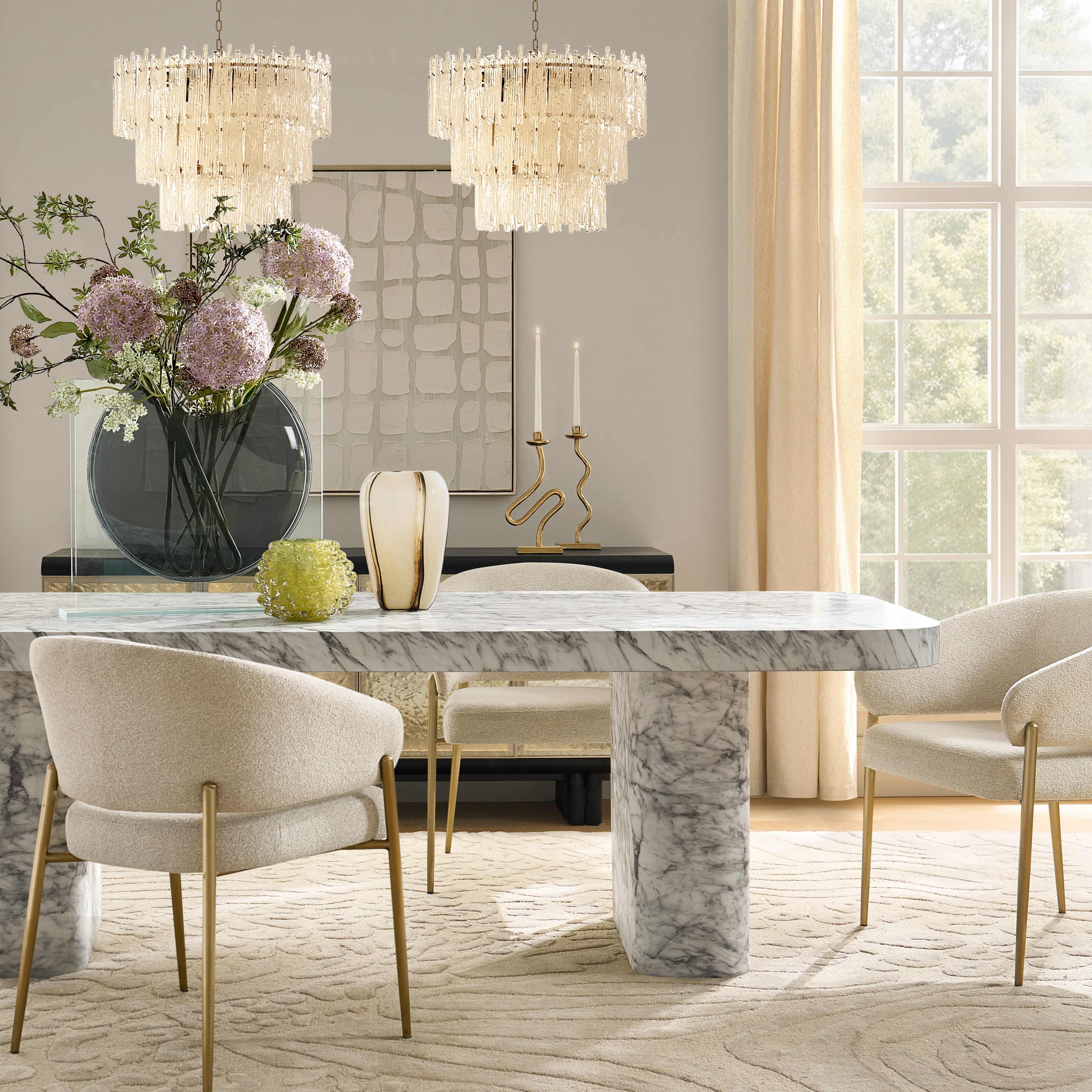 Nara Ivory Boucle Dining Chair Set Of 2$599
An ivory boucle dining chair set with a curved backrest and brushed stainless steel frame for modern elegance.
Add To Cart -
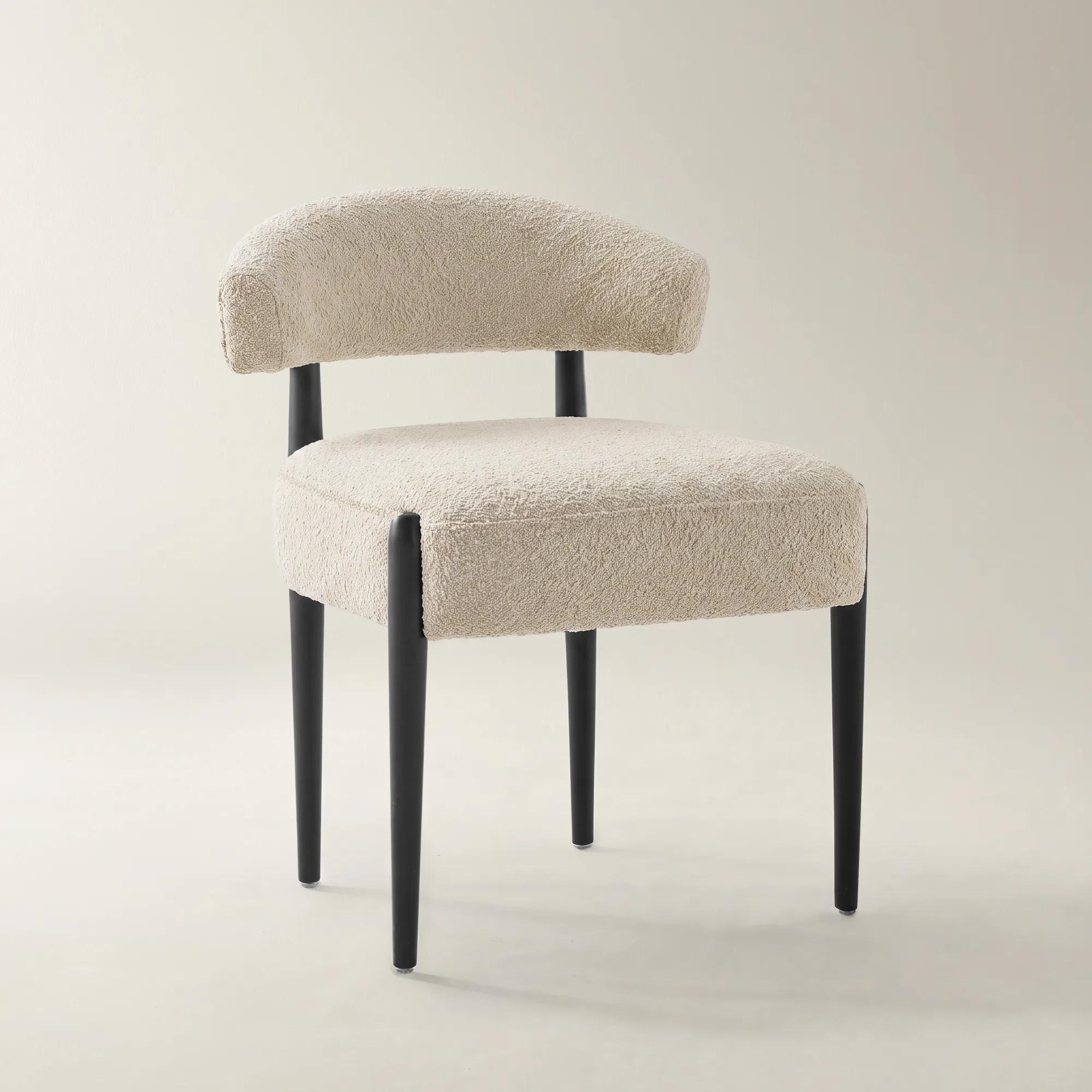 Anna Ivory Performance Boucle Dining Chair Set of 2$699
A pair of ivory performance boucle chairs with curved backs, cushioned comfort, and solid wood frames.
Add To Cart -
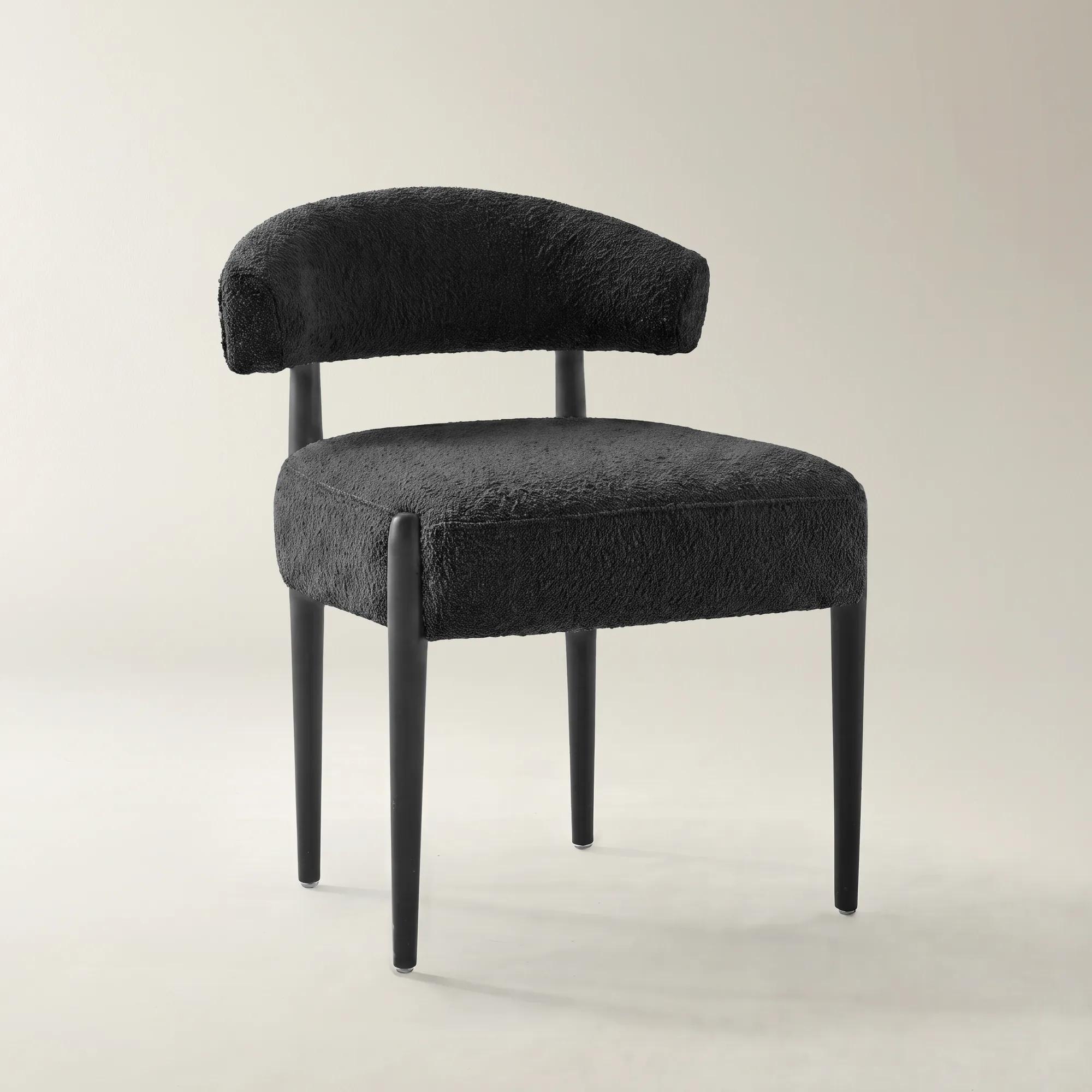 Anna Black Chenille Dining Chair Set of 2$699
A charcoal chenille dining chair set with curved backs, high-density foam cushioning, and rubberwood legs.
Add To Cart -
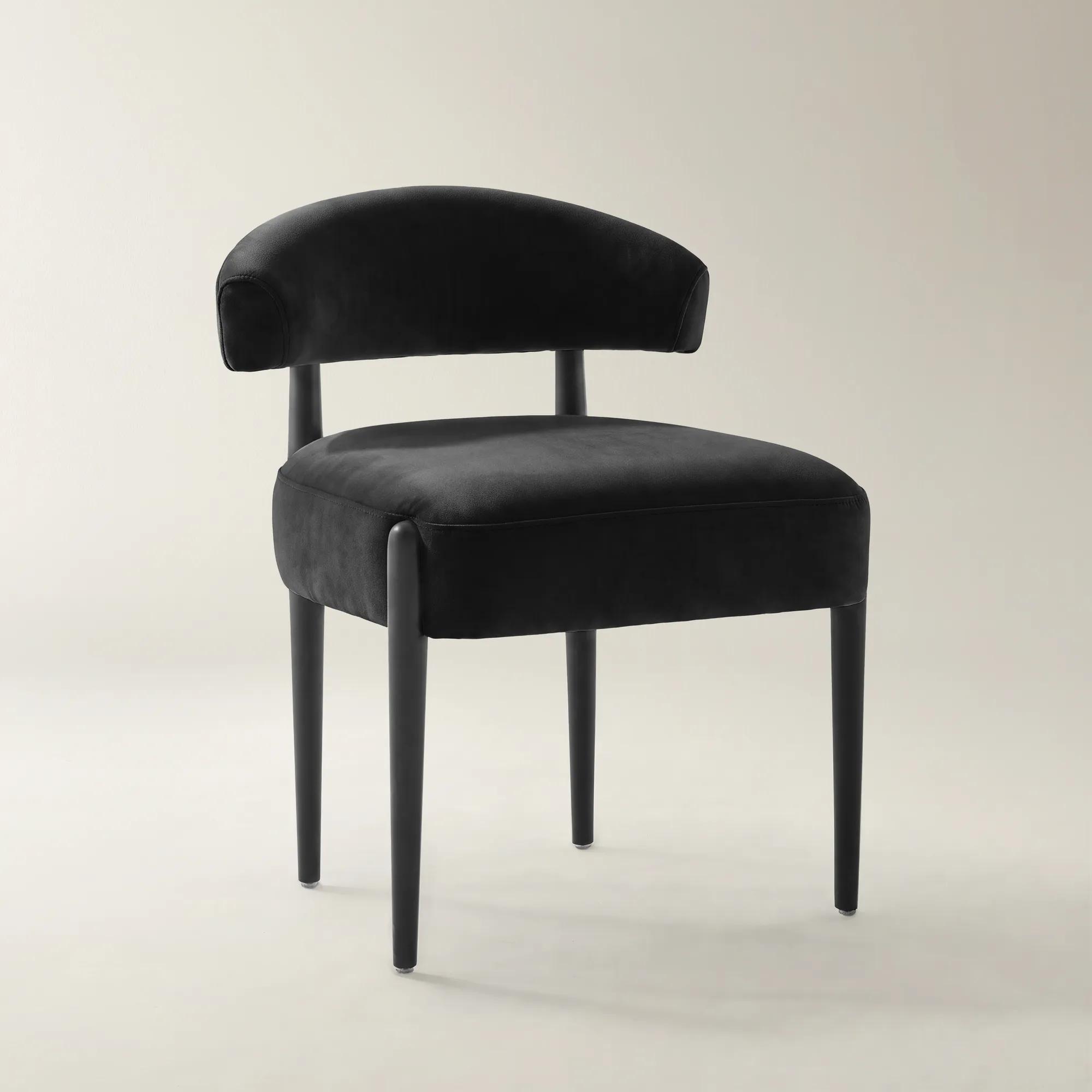 Anna Charcoal Velvet Dining Chair Set of 2$699
A charcoal velvet dining chair with an arched back, supportive foam cushioning, and solid rubberwood legs.
Add To Cart -
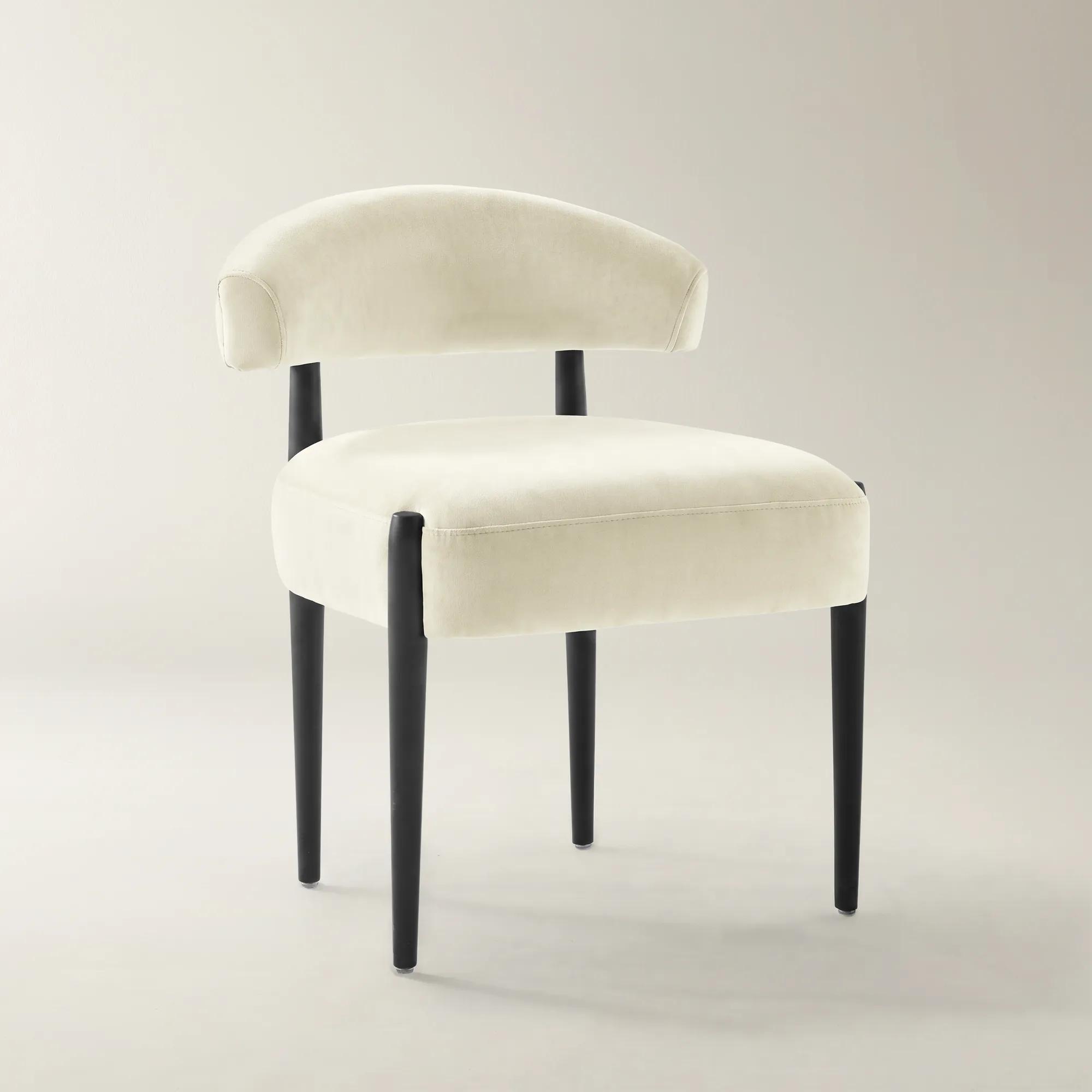 Anna Cloud Velvet Dining Chair Set of 2$699
A hand-upholstered Cloud velvet chair set featuring curved backs, high-density foam, and solid rubberwood legs.
Add To Cart -
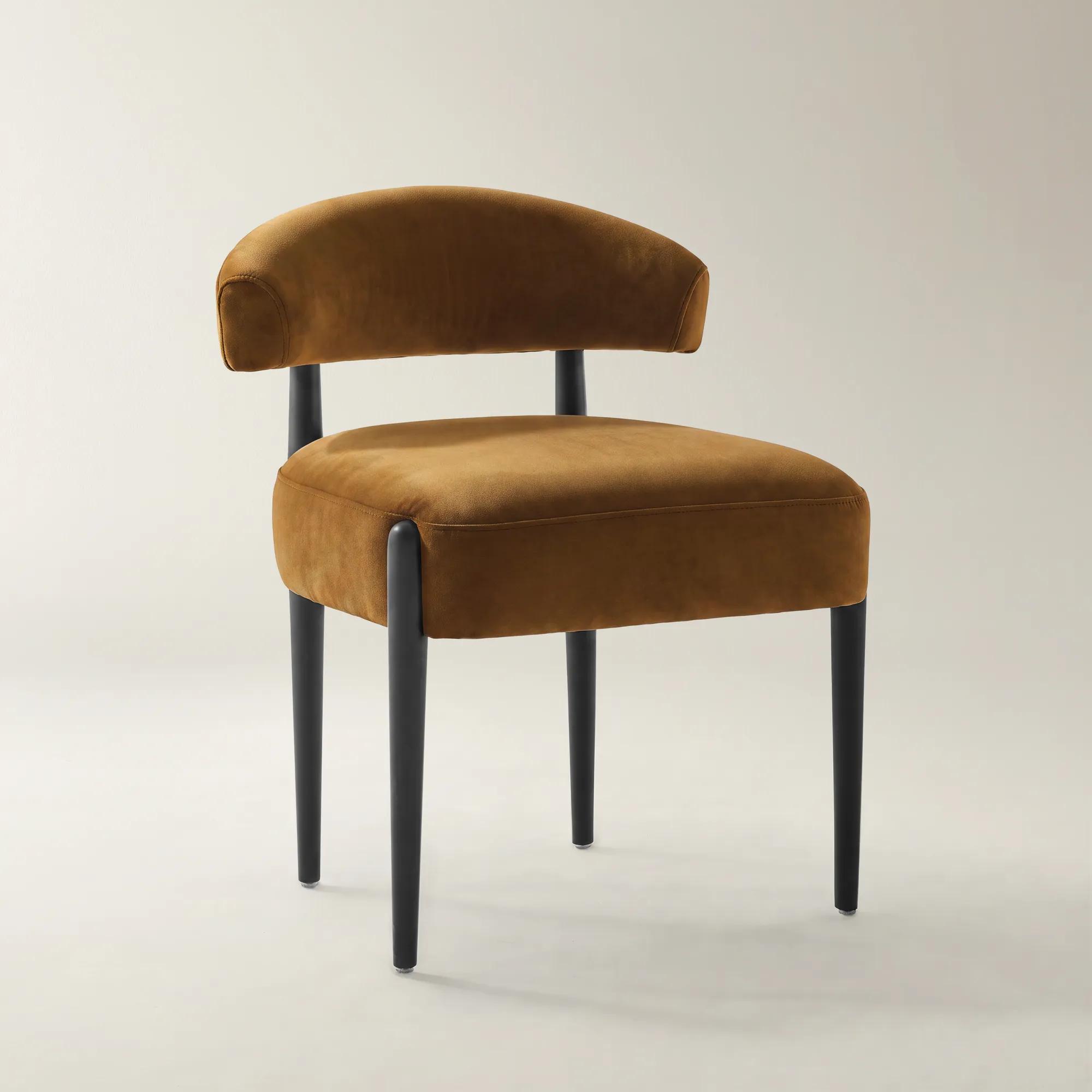 Anna Roasted Pecan Velvet Dining Chair Set of 2$699
A roasted pecan velvet dining chair set featuring a tailored curved back and high-density foam cushioning.
Add To Cart -
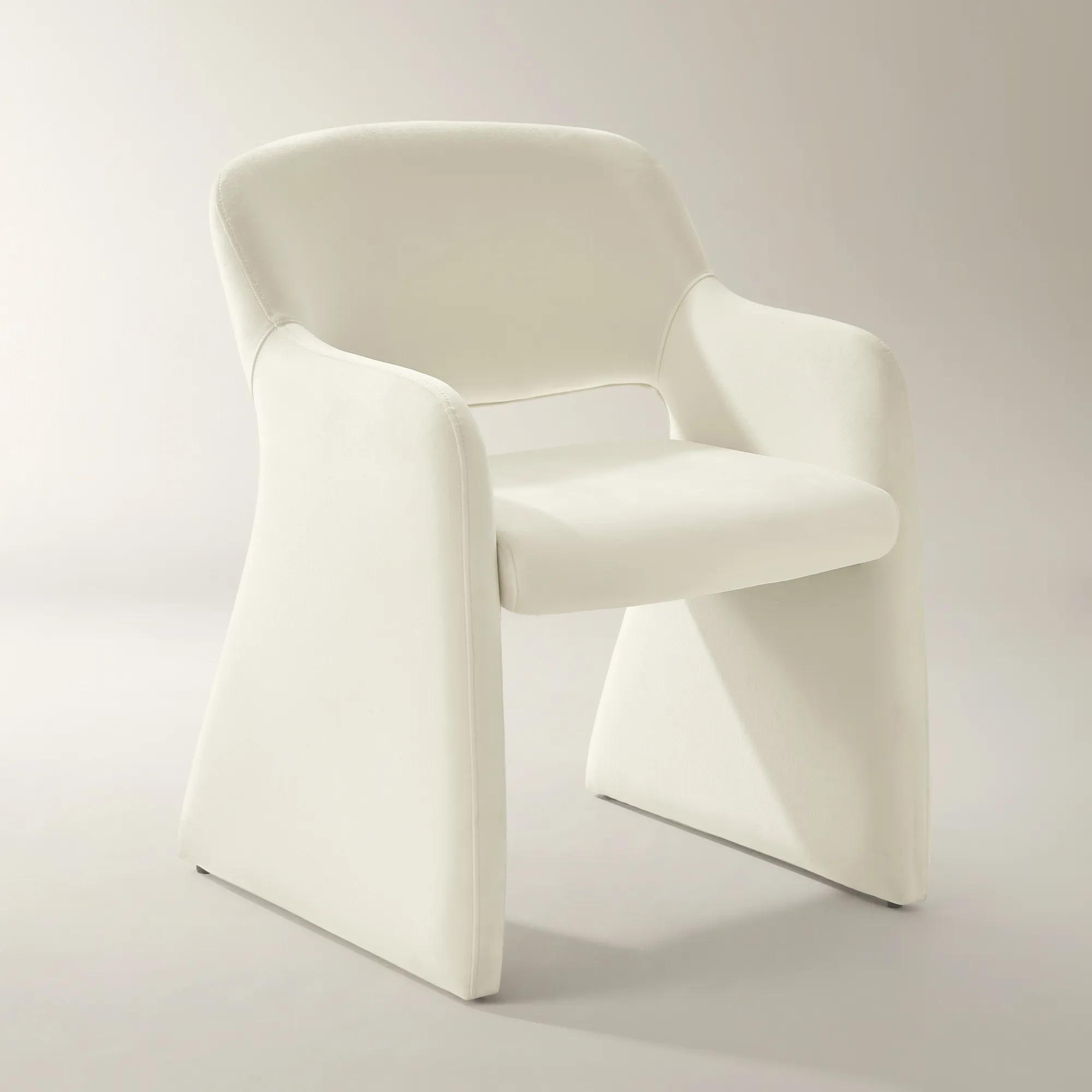 Elara Cloud Velvet Dining Chair$449
A plush velvet dining chair featuring a seamless wraparound silhouette and supportive carbon steel frame.
Add To Cart

Air Dry Fabric Dining Chairs
Air dry fabric dining chairs invite a sense of effortless elegance to your dining space, blending sumptuous texture with a whisper of modern sophistication. Each chair becomes a statement—sculpted for those who appreciate both artistry and ease, where every gathering is elevated by tactile allure and visual intrigue. With air dry fabric dining chairs, the ordinary meal transforms into an occasion, enveloping guests in comfort while setting the stage for bold self-expression. Let your dining room become a gallery, where every seat is a masterpiece waiting to be admired.
Fabric dining chairs bring a softer kind of drama to the dining room: sculpted backs, richly textured upholstery, and silhouettes that make a table feel composed before the first place setting is arranged. Their appeal reaches beyond appearance. A cushioned seat invites conversation to linger, while an upholstered back lends comfort to everyday meals, celebratory dinners, and evenings that move seamlessly from dessert to conversation. When considering fabric dining chairs that can air dry after appropriate cleaning, the defining detail is the upholstery’s care requirements—not an assumption that every textile tolerates water. Fiber content, backing, finishes, and cushion construction all influence how a chair should be maintained. A linen-look weave can introduce subtle variation beside a polished table, while velvet creates shifting depth as light moves across its surface. Tightly woven fabrics offer a more tailored expression; pronounced textures give a streamlined chair a distinctly tactile presence. Natural fibers and synthetic blends each have their own characteristics, and neither category alone guarantees easy cleaning or resistance to stains. Performance treatments, when specified, may help with certain everyday spills, but they do not make upholstery impervious to marks or eliminate the need for prompt attention. Color and pattern deserve the same considered approach. Ivory upholstery creates a luminous contrast against dark wood, charcoal brings definition to a pale dining space, and a nuanced pattern can make minor variations in appearance less conspicuous than a uniform solid. The most compelling choice feels connected to the room without disappearing into it. Consider how the upholstery relates to the rug, window treatments, and table finish, then allow one element—a curved back, a gleaming leg, or a sumptuous texture—to carry the visual emphasis. Whether the setting is an intimate apartment dining area or a dedicated entertaining space, fabric seating gives a practical gathering place the presence of a thoughtfully dressed room.
Proportion determines whether that beautiful impression translates into comfortable daily use. Seat height should suit the table, with approximately 10 to 12 inches between the top of the seat and the underside of the tabletop serving as a useful starting point; an apron or other structure beneath the table may reduce usable clearance. Upholstery compression also affects how a seat feels once someone sits down. Chair width, arm height, and back shape matter just as much, particularly around pedestal tables, tables with substantial corner legs, or arrangements that need to accommodate several diners. Allow enough space for elbows and for chairs to pull back without catching on nearby furniture. A generously padded armchair can create a commanding place at either end of a rectangular table, while slimmer armless chairs may suit the sides or a more compact dining footprint. Measure the actual opening beneath the table before assuming upholstered arms will slide neatly underneath. Behind the fabric, sound construction gives the silhouette its lasting substance. Secure joints, a stable base, suitable cushioning, and neatly finished seams all deserve attention, especially in a dining room used throughout the day. Wood frames introduce warmth and visible grain; metal bases can add a crisp architectural line or a reflective accent. For another perspective on structural materials, Durable Kiln Dried Dining Chairs place the emphasis on wood preparation, a separate consideration from how fabric upholstery is cleaned and dried. Kiln drying reduces moisture in wood before construction, but overall durability still depends on design, joinery, materials, and use. Households with children, frequent guests, or pets may prioritize documented cleanability and a close weave over a more delicate texture. Floor protection matters, too: appropriate glides help protect the surface beneath the chair, while lifting rather than dragging helps avoid unnecessary strain on the frame. These quieter details preserve the elegance of the whole arrangement.
To air dry fabric dining chairs after permitted water-based cleaning, blot away excess moisture with a clean, absorbent towel, then place the chairs in a well-ventilated indoor area away from direct sunlight and high heat. A fan can improve airflow around the upholstery; allow the fabric and cushioning to dry completely before using the chairs again. This approach applies only when the manufacturer’s instructions allow moisture-based cleaning. An upholstery care code of W generally permits water-based cleaners, while WS generally permits either approved water-based or solvent-based methods. S typically calls for solvent-based cleaning, and X generally limits routine care to vacuuming or light brushing. The chair’s specific instructions take precedence, including any restrictions on spot cleaning, removable covers, or professional treatment. A removable cover is not automatically machine washable, and air drying does not make an unsuitable cleaning method safe. For an approved spot treatment, test the recommended cleaner in an inconspicuous area first and avoid saturating the upholstery. After a spill, lift away any solids gently and blot liquids rather than scrubbing them deeper into the weave. Use a white or colorfast cloth to reduce the risk of dye transfer, and follow the specified treatment for the stain rather than layering household mixtures onto the fabric. Too much liquid can reach the padding, leave rings, or prolong drying well beyond what the surface suggests. Keep chairs upright unless their care instructions say otherwise, leave space between them for air circulation, and avoid hair dryers, radiators, or other concentrated heat sources. Drying time varies with the fabric, padding, amount of moisture, and ventilation, so a fixed timetable is less useful than confirming that the upholstery is fully dry. Between cleanings, gentle vacuuming with an appropriate upholstery attachment helps remove crumbs and dust before they settle into seams and texture. Consistent, fabric-appropriate care protects more than a clean surface: it helps preserve the tailored lines, inviting touch, and expressive finish that make upholstered dining chairs such a distinctive part of the room.
FAQs
Air dry fabric dining chairs often feature advanced performance materials such as Textilene, polyester, and linen blends. These fabrics are chosen for their breathability, moisture resistance, and quick-drying properties, making them ideal for both indoor and outdoor settings.
Most air dry fabric dining chairs are designed for easy maintenance. For everyday spills, simply blot with a mild soap and warm water solution, then rinse with a damp cloth and allow the fabric to air dry. If the chair covers are removable, machine wash on a gentle cycle and air dry to preserve the fabric’s integrity.
Yes, many air dry fabric dining chairs are crafted with outdoor living in mind. Chairs featuring Textilene or synthetic weaves paired with durable frames are particularly well-suited for patios, terraces, and alfresco dining, as they resist moisture and dry quickly after exposure to the elements.
Absolutely. Performance fabrics used in air dry dining chairs are engineered to withstand daily use, making them an excellent choice for busy dining rooms, family gatherings, or entertaining guests. Their stain-resistant and easy-to-clean qualities ensure they maintain their beauty over time.
Air dry fabric dining chairs are versatile enough to complement a range of interior aesthetics. From contemporary and modern glam to transitional or eclectic spaces, their sleek lines, tactile fabrics, and variety of colors allow them to become either a subtle accent or a bold statement in your dining room.