Performance Fabric Dining Chairs
Performance Fabric Dining Chairs
-
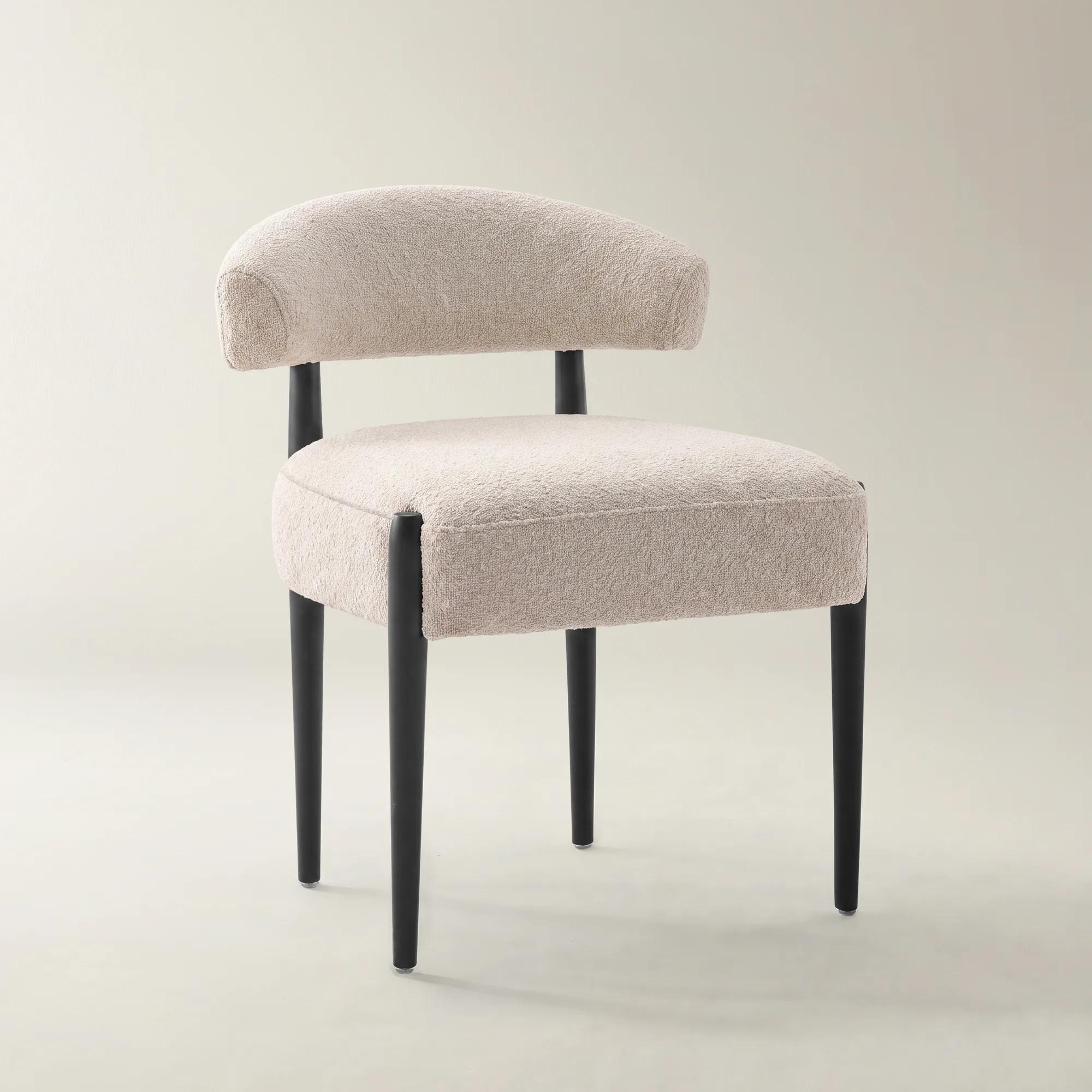
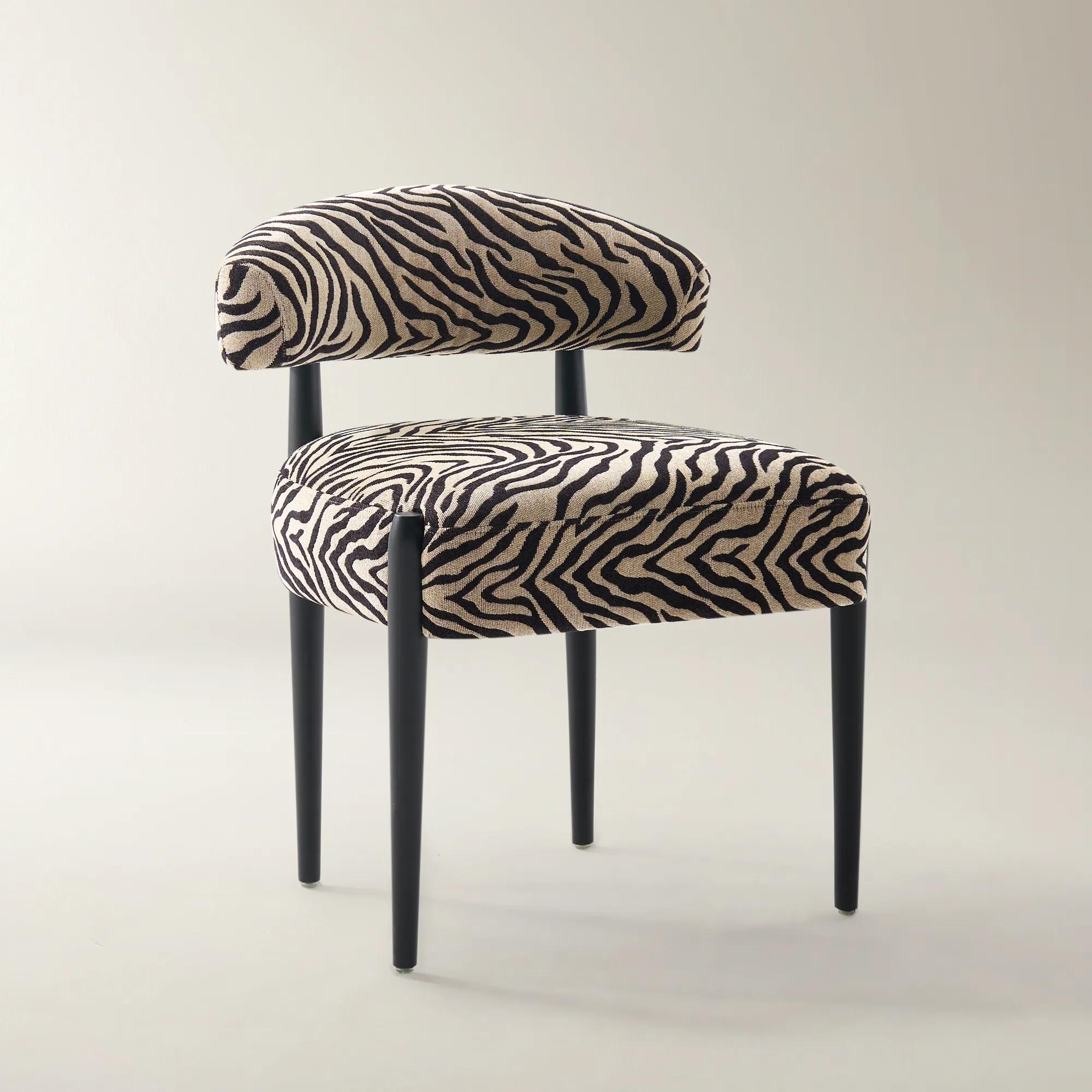 Anna Ivory Performance Boucle Dining Chair Set of 2$699
An ivory performance bouclé dining chair set with arched backs, high-density foam, and solid wood construction.
Add To Cart -
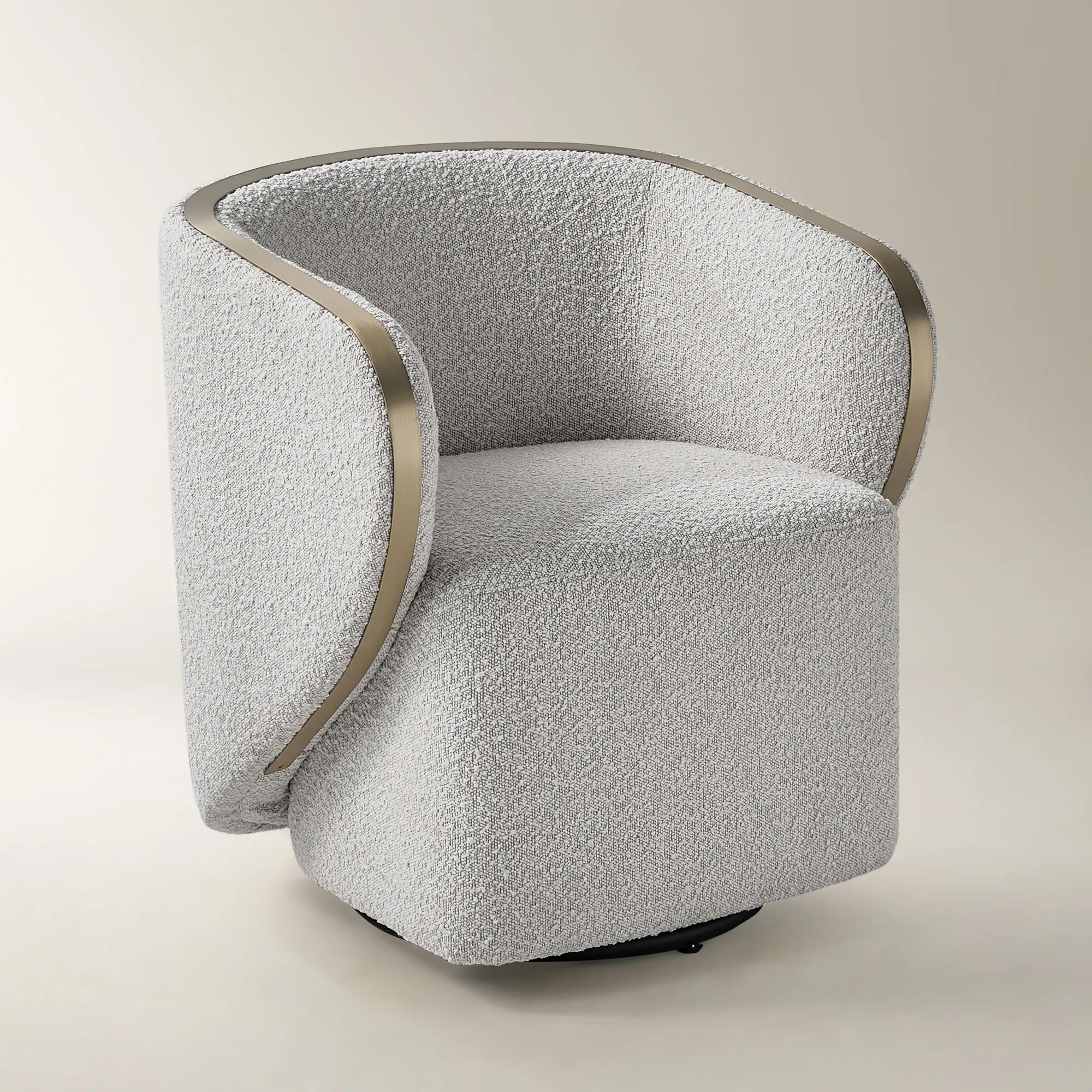 Nova Light Grey Performance Boucle Swivel Dining Chair$699
A sculptural light grey chair in water-repellent boucle with metallic trim and a smooth 360° swivel base.
Add To Cart -
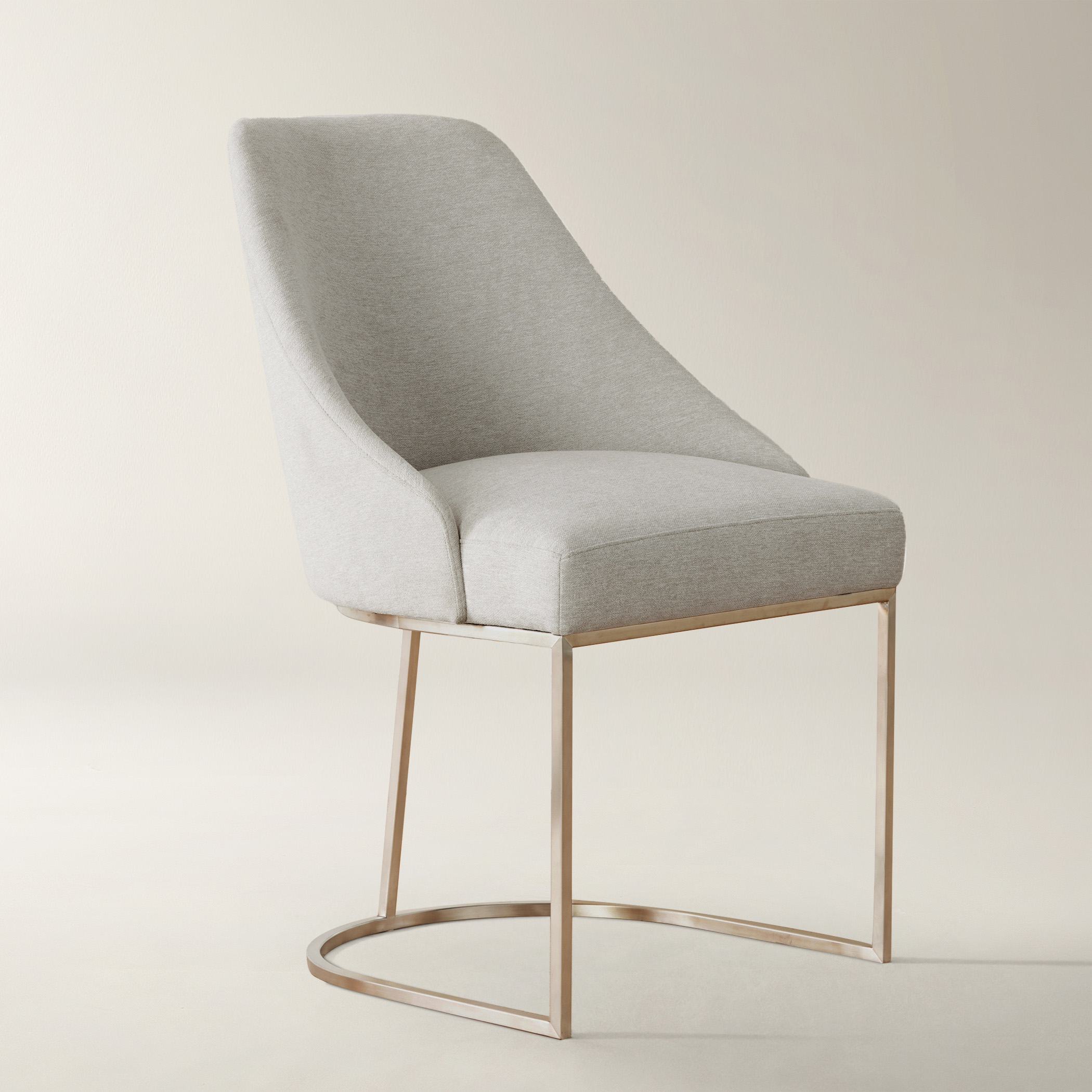
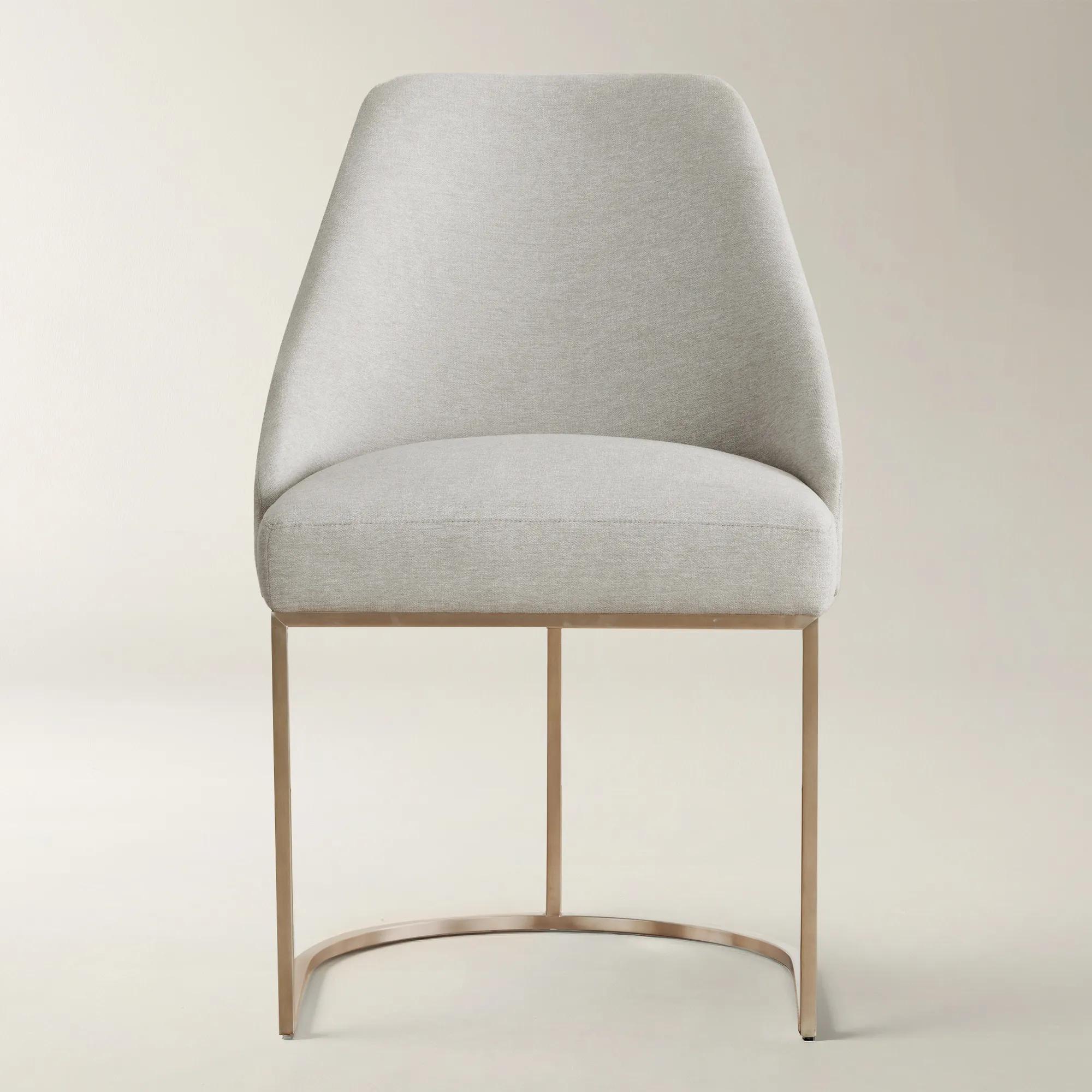 Rowan Ivory Fabric Dining Chair$599
A modern chair featuring brushed stainless steel legs and stain-resistant, water-repellent Roxboro Frost fabric.
Add To Cart -
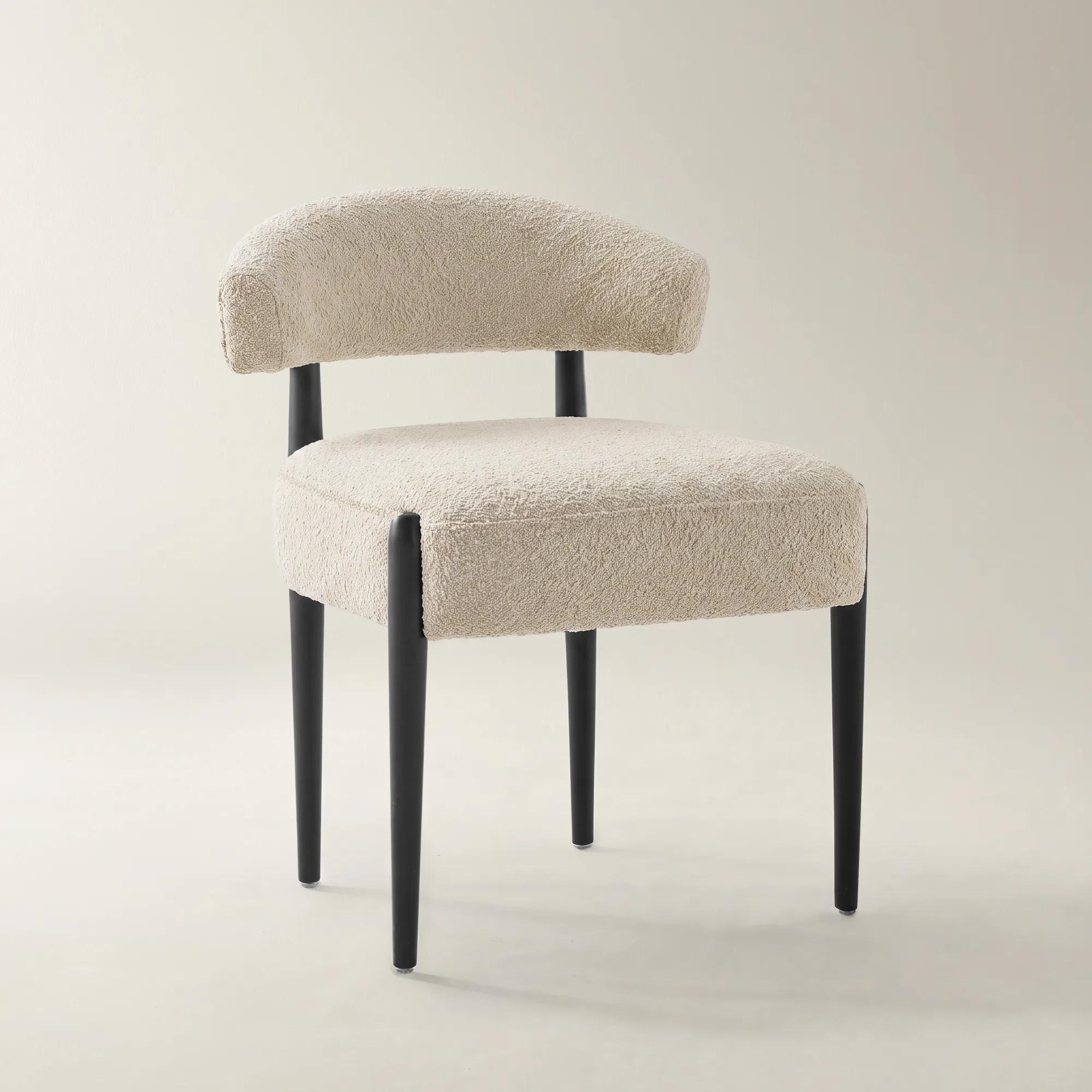 Anna Ivory Performance Boucle Dining Chair Set of 2$699
A pair of ivory performance boucle chairs with curved backs, cushioned comfort, and solid wood frames.
Add To Cart -
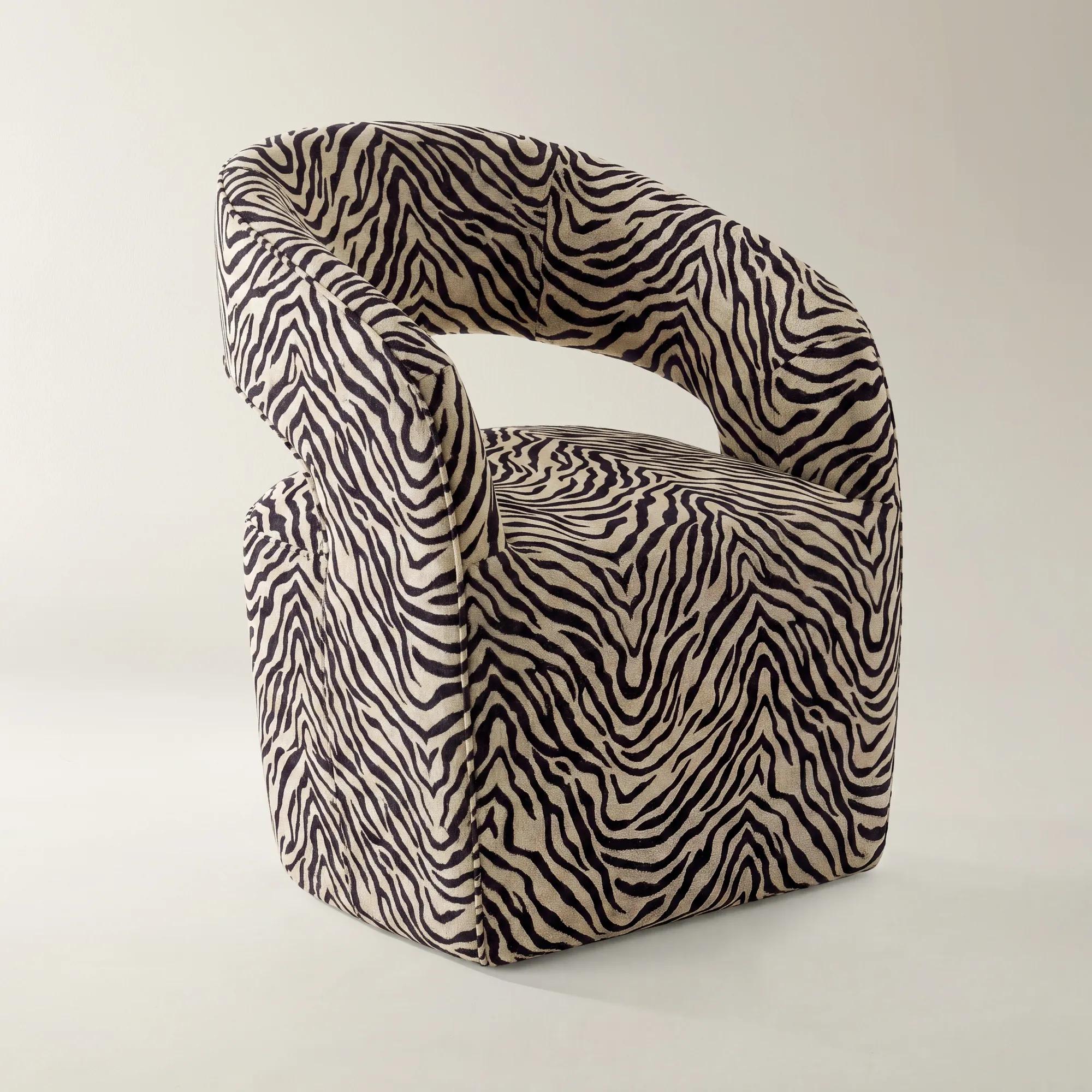
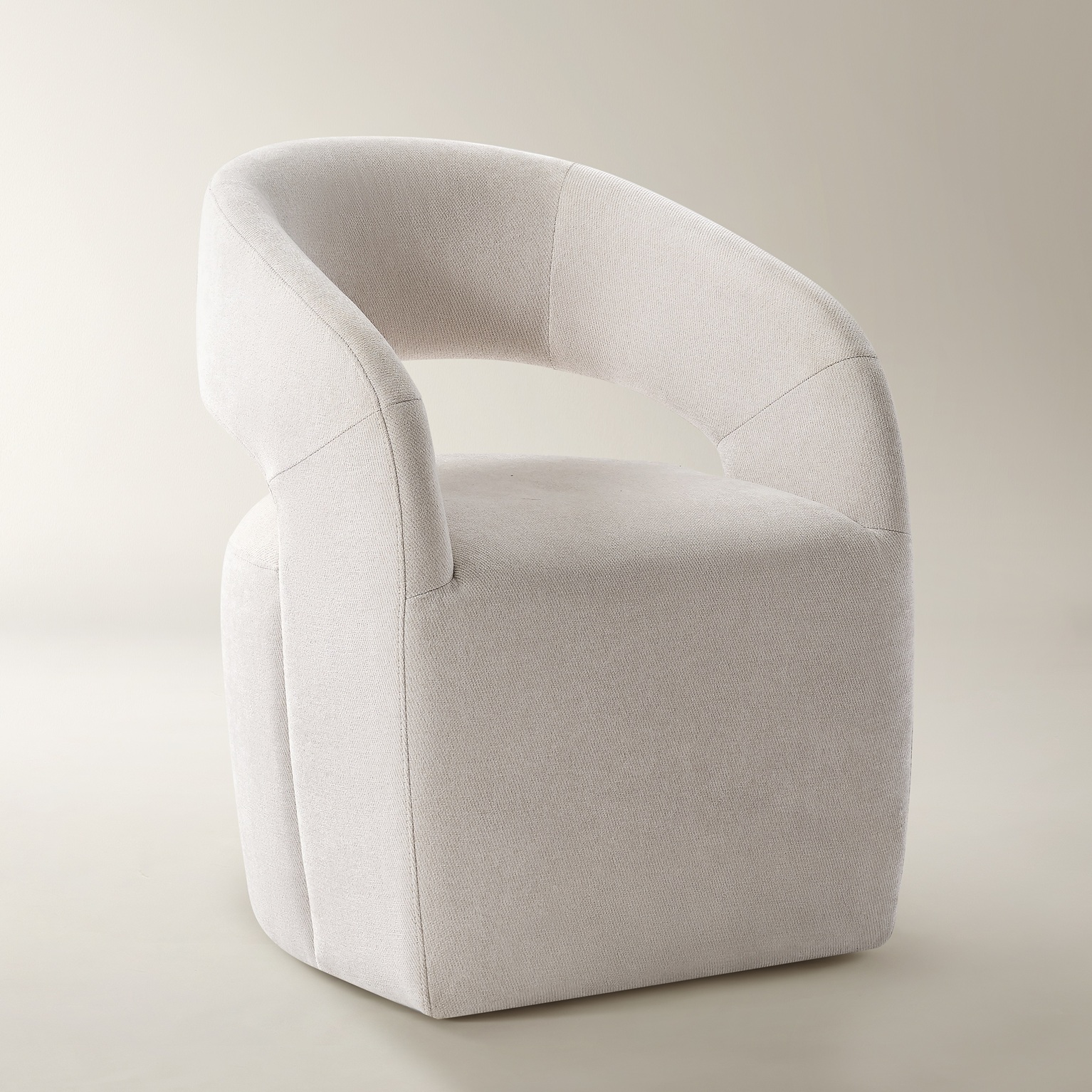 Harrison Zebra Performance Chenille Dining Chair$499
A sculptural dining chair upholstered in zebra performance chenille with a curved back and feather-blend comfort.
Add To Cart -
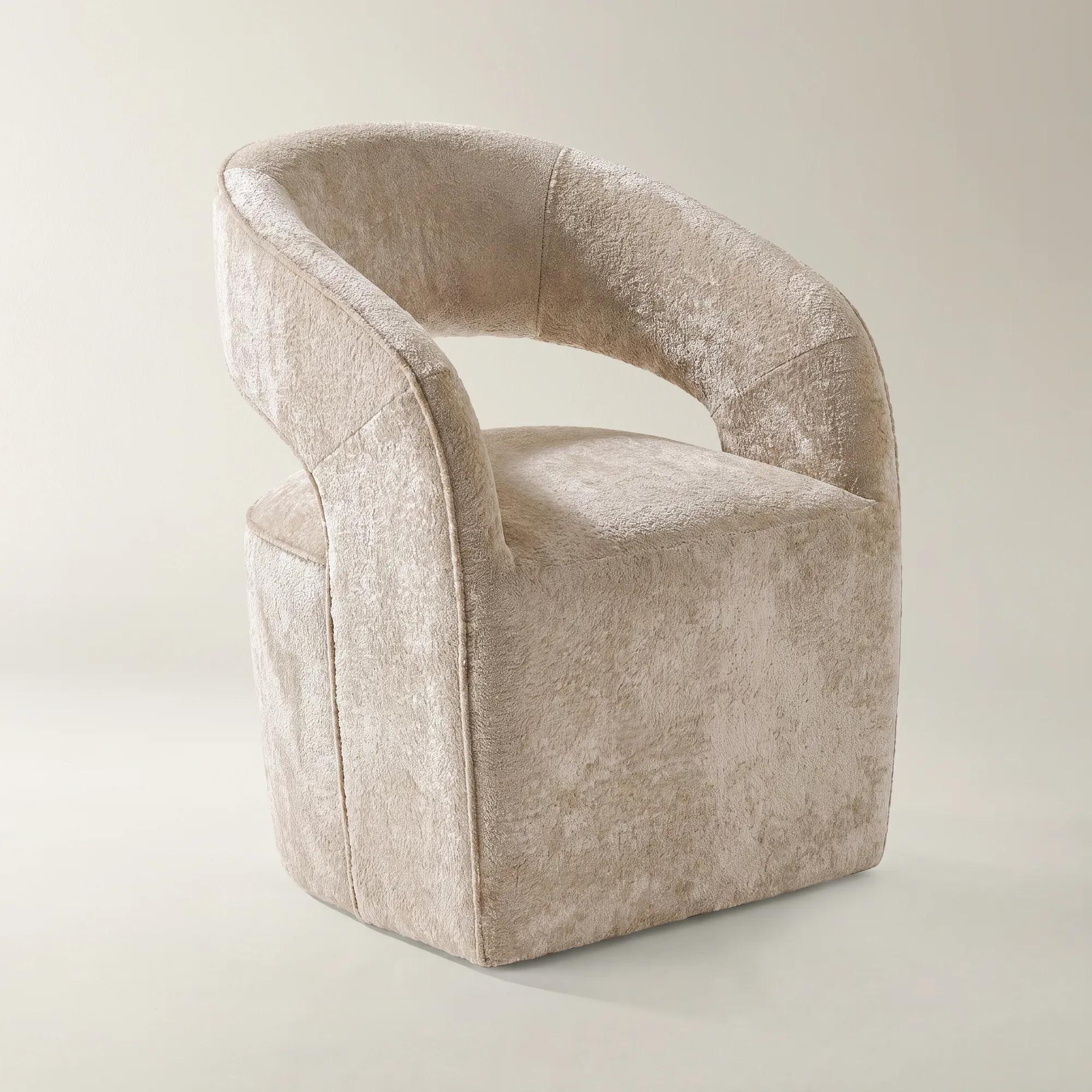
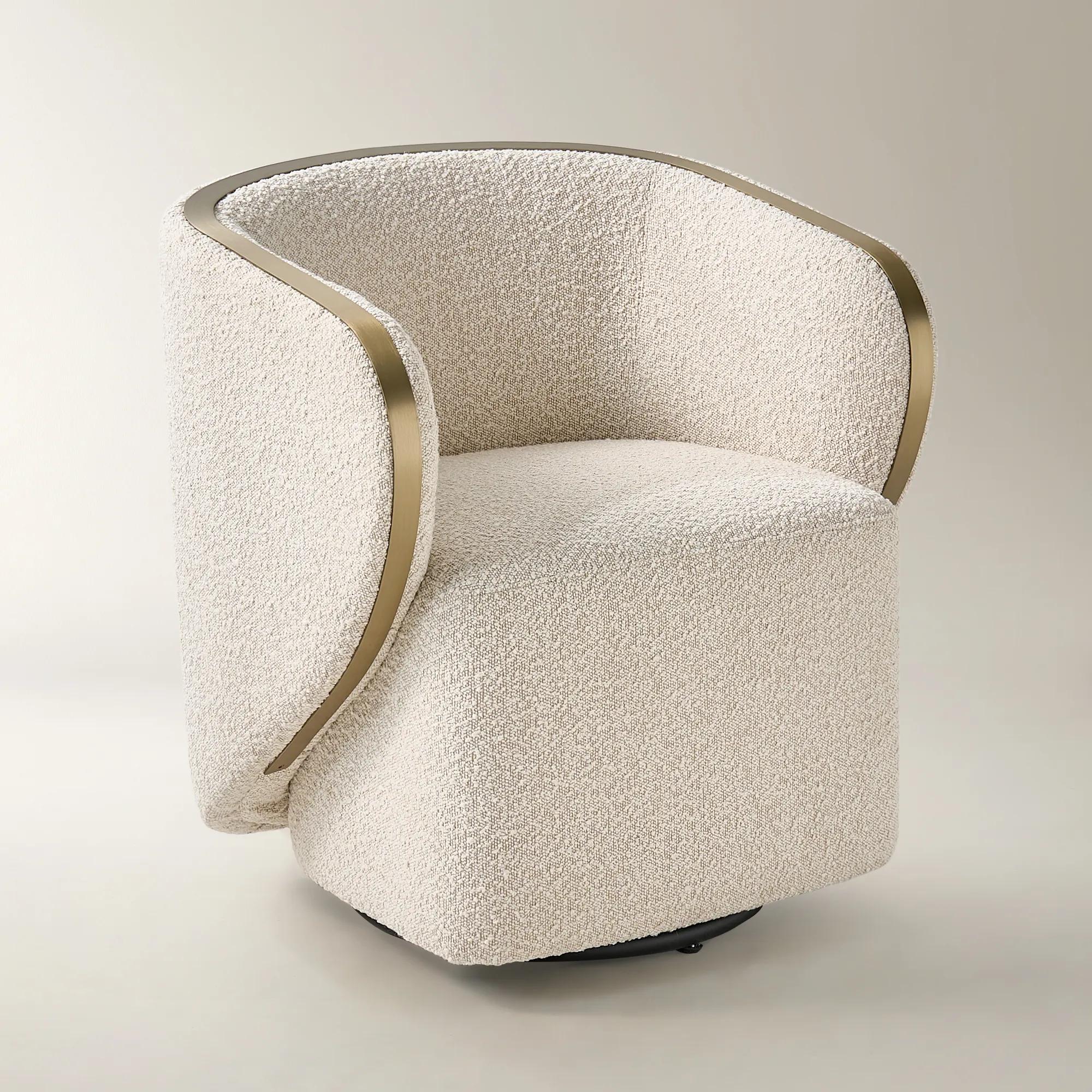 Nova Ivory Performance Boucle Swivel Dining Chair$699
An ivory boucle swivel chair featuring a sculptural wraparound silhouette and elegant metallic trim accents.
Add To Cart -
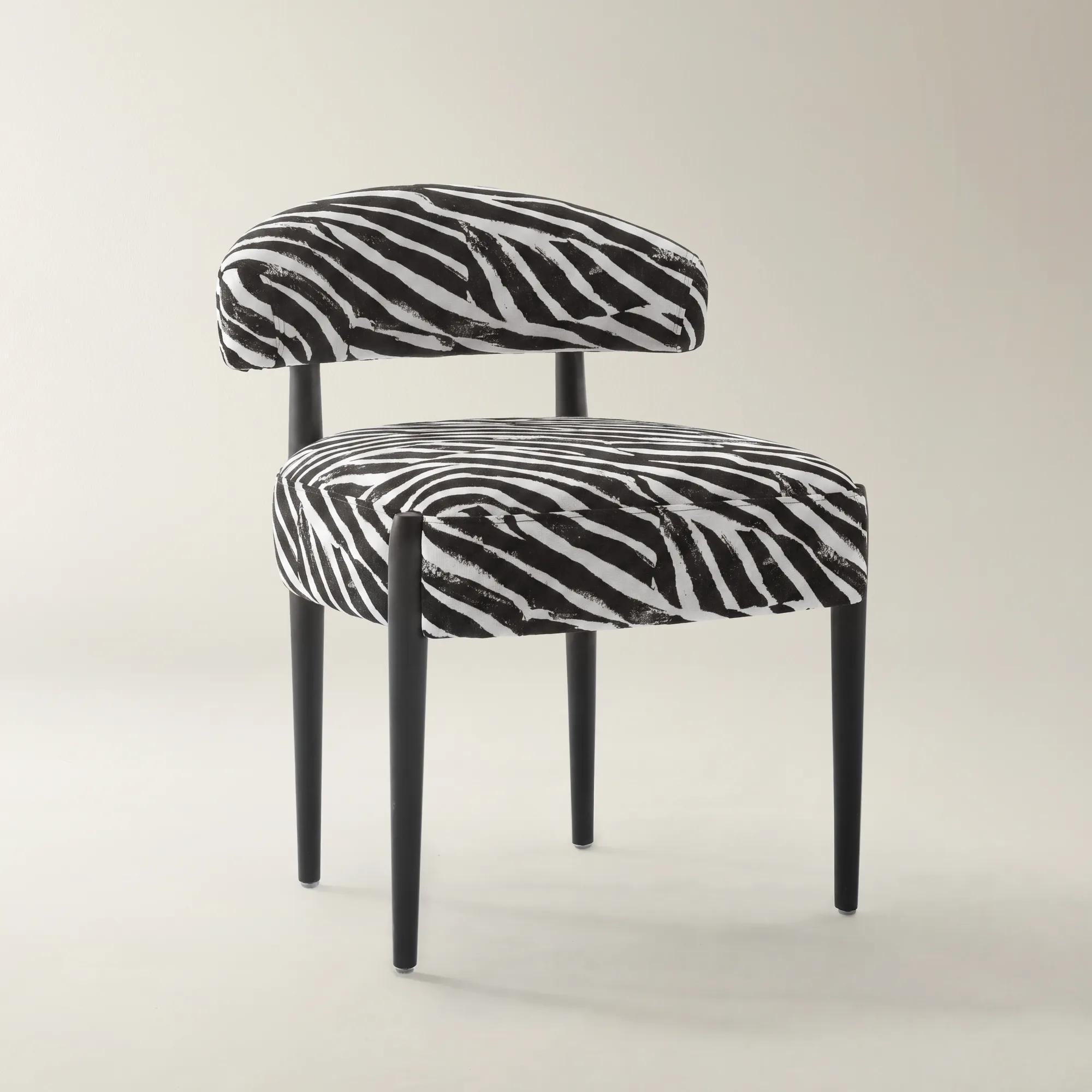 Anna White/Black Performance Chenille Dining Chair Set of 2$699
A black-and-white performance chenille chair set with arched backs, high-density foam, and solid rubberwood legs.
Add To Cart -
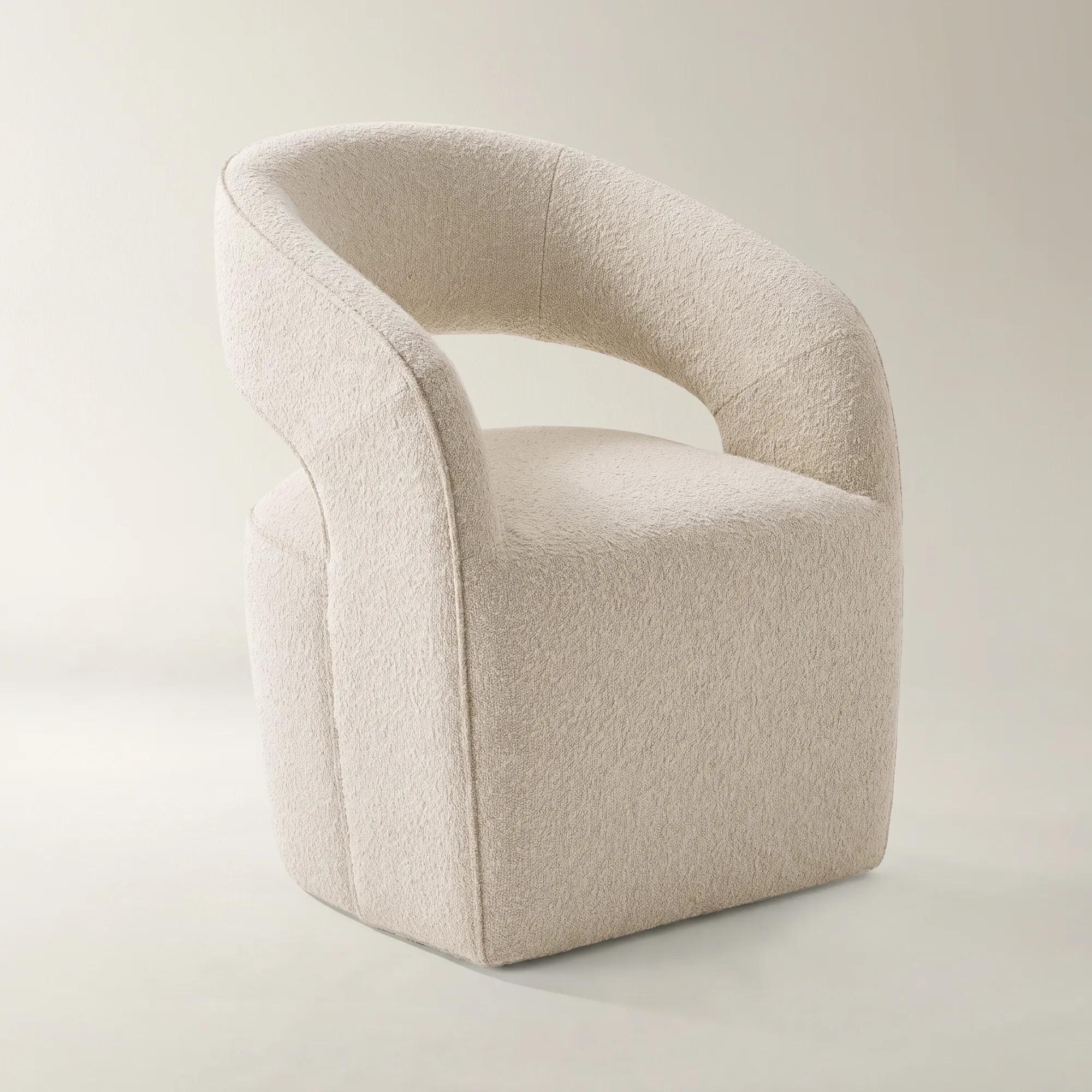 Harrison Ivory Performance Boucle Dining Chair$499
A sculptural dining chair in ivory performance boucle with a curved back, integrated arms, and feather-blend comfort.
Add To Cart -
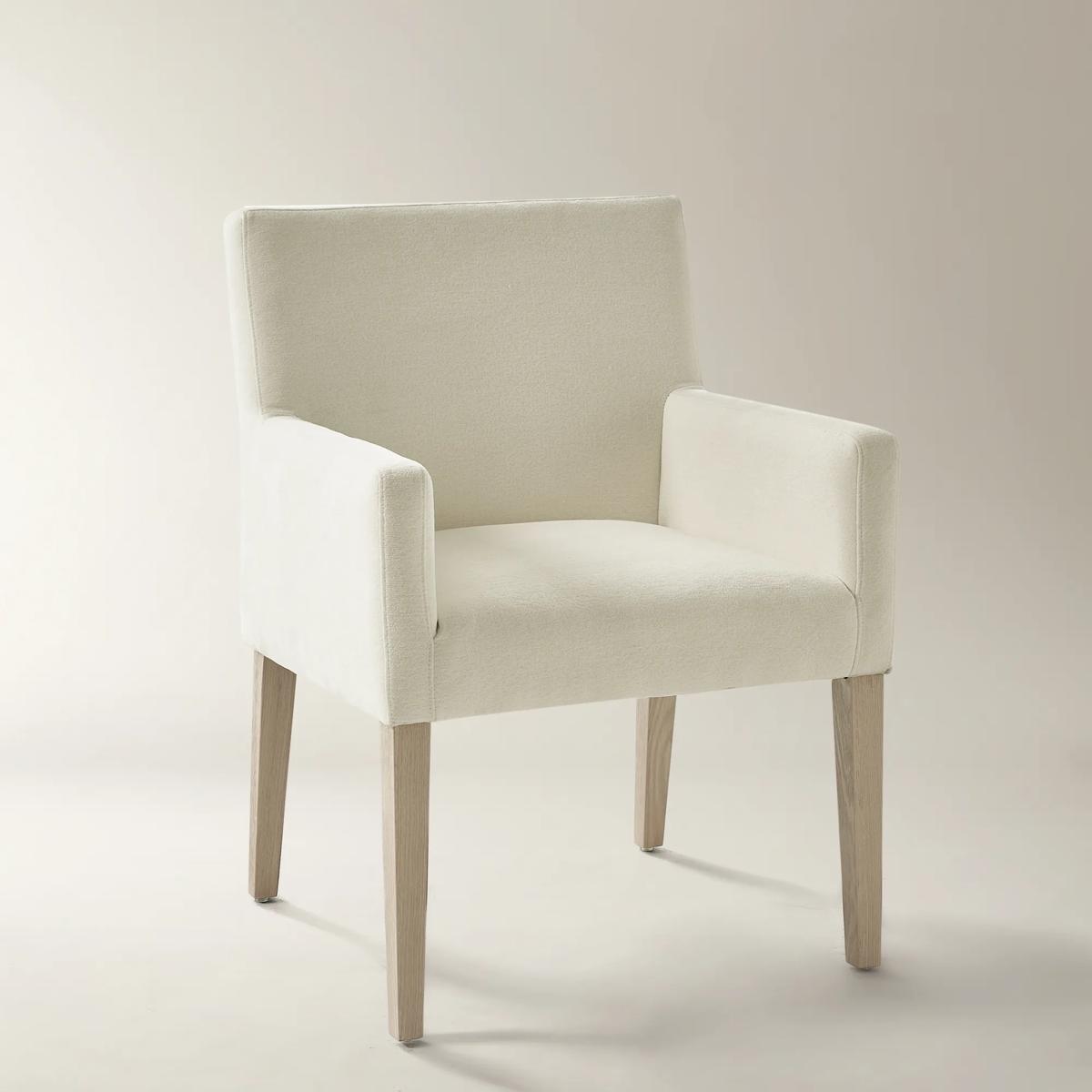
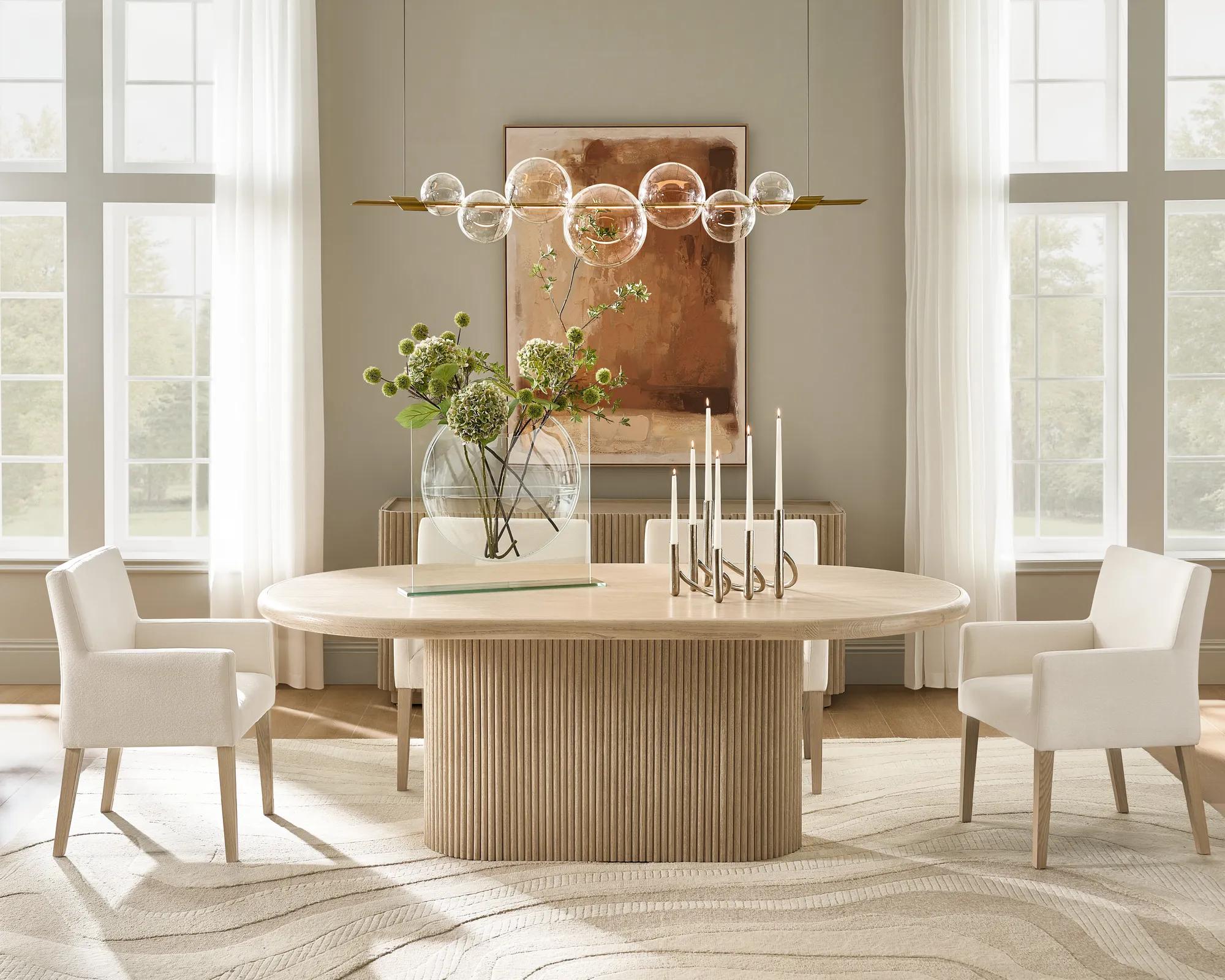 Stria Ivory Chenille Dining Chair Set Of 2$599
A pair of ivory chenille arm chairs with natural oak legs, offering plush comfort and modern elegance.
Add To Cart -
Anna Zebra Chenille Dining Chair Set Of 2$699
A set of zebra-print chenille dining chairs with high-density foam cushions and sturdy rubberwood legs.
Add To Cart -
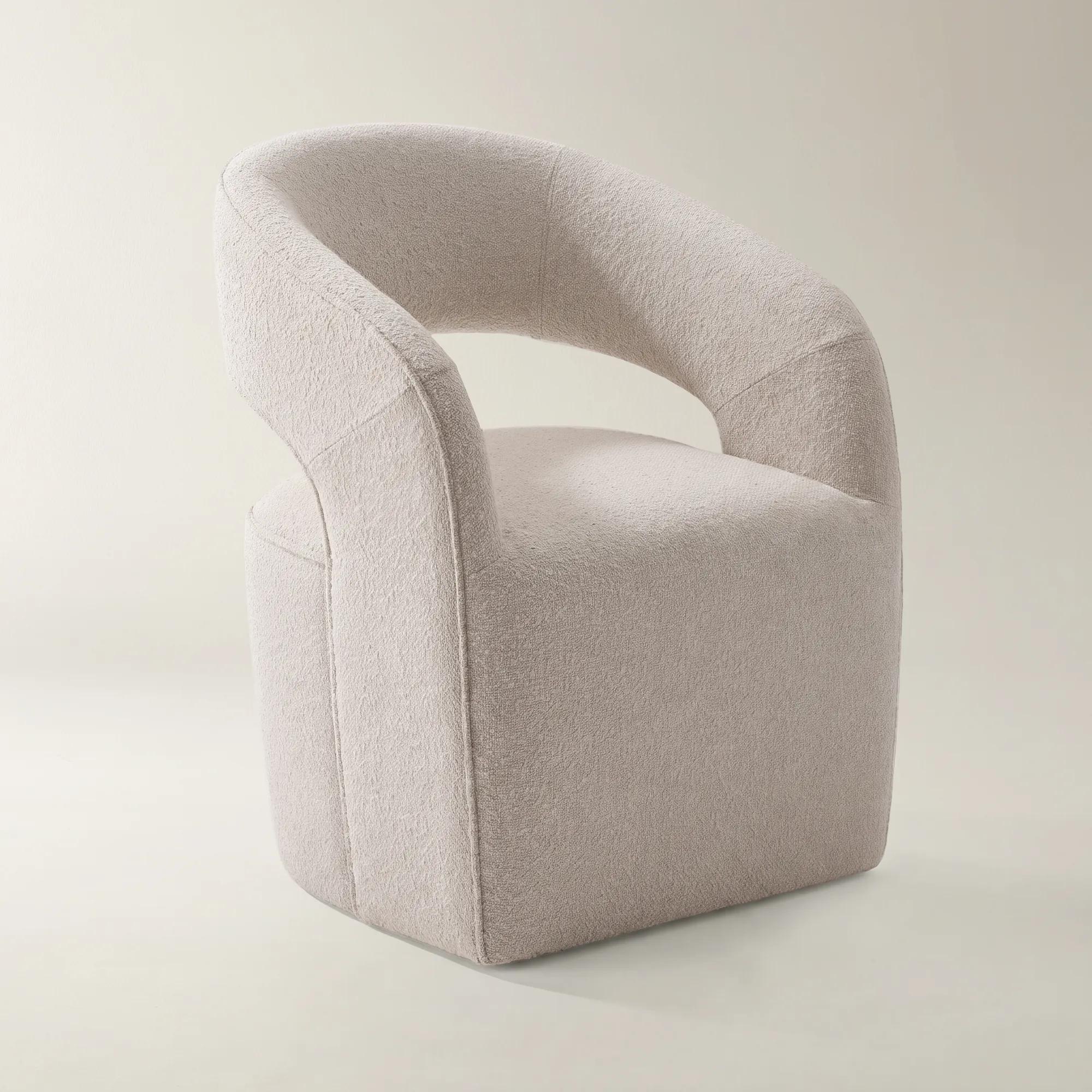 Harrison Ivory Performance Boucle Dining Chair$499
A sculptural dining chair in ivory performance boucle with a curved back, feather-blend seat, and modern elegance.
Add To Cart -
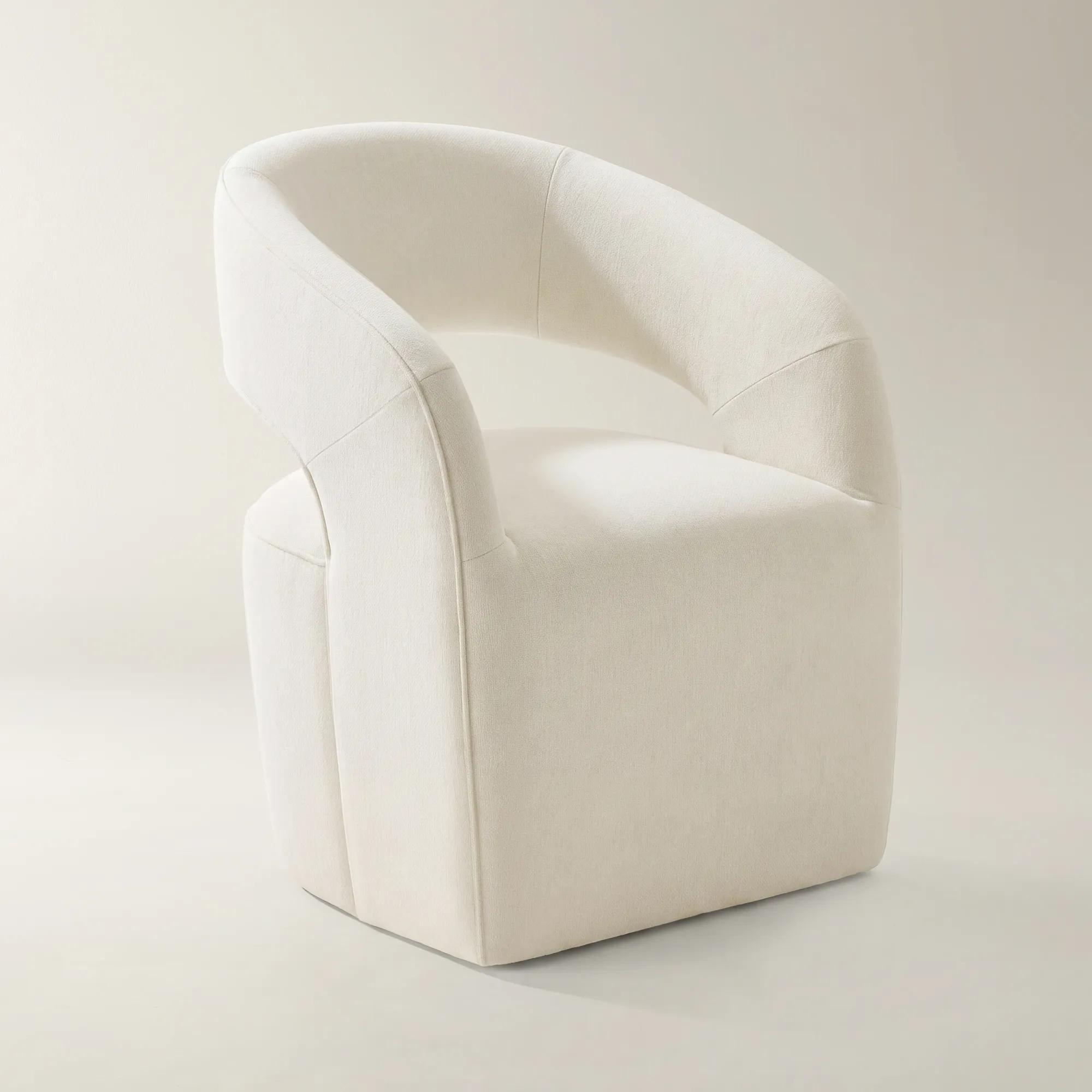 Harrison Ivory Performance Chenille Dining Chair$499
A sculptural ivory chenille chair featuring a continuous curved back, feather-blend comfort, and performance upholstery.
Add To Cart -
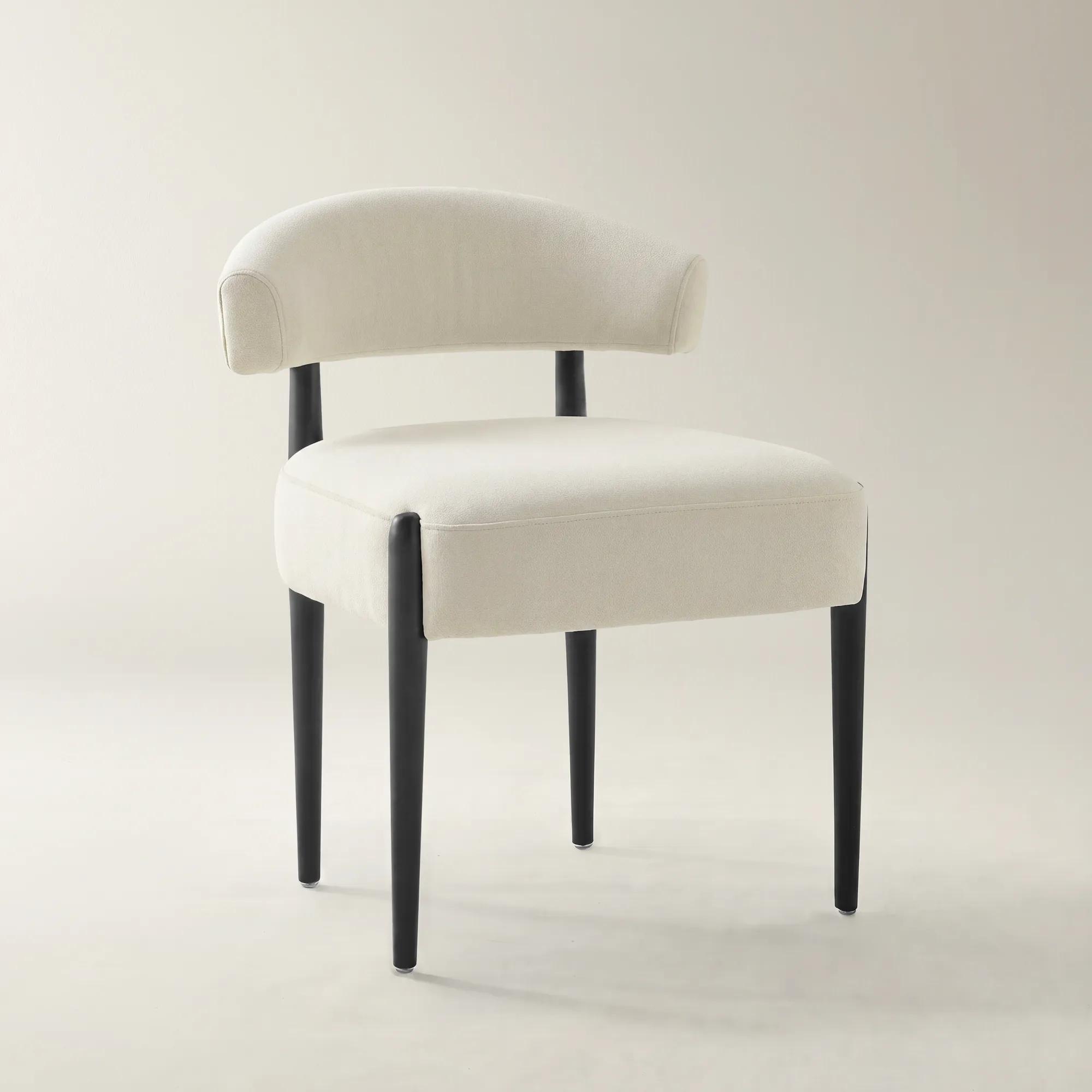 Anna Ivory Performance Chenille Dining Chair Set of 2$699
An ivory performance chenille chair pair featuring curved backs, high-density foam, and solid rubberwood legs.
Add To Cart -
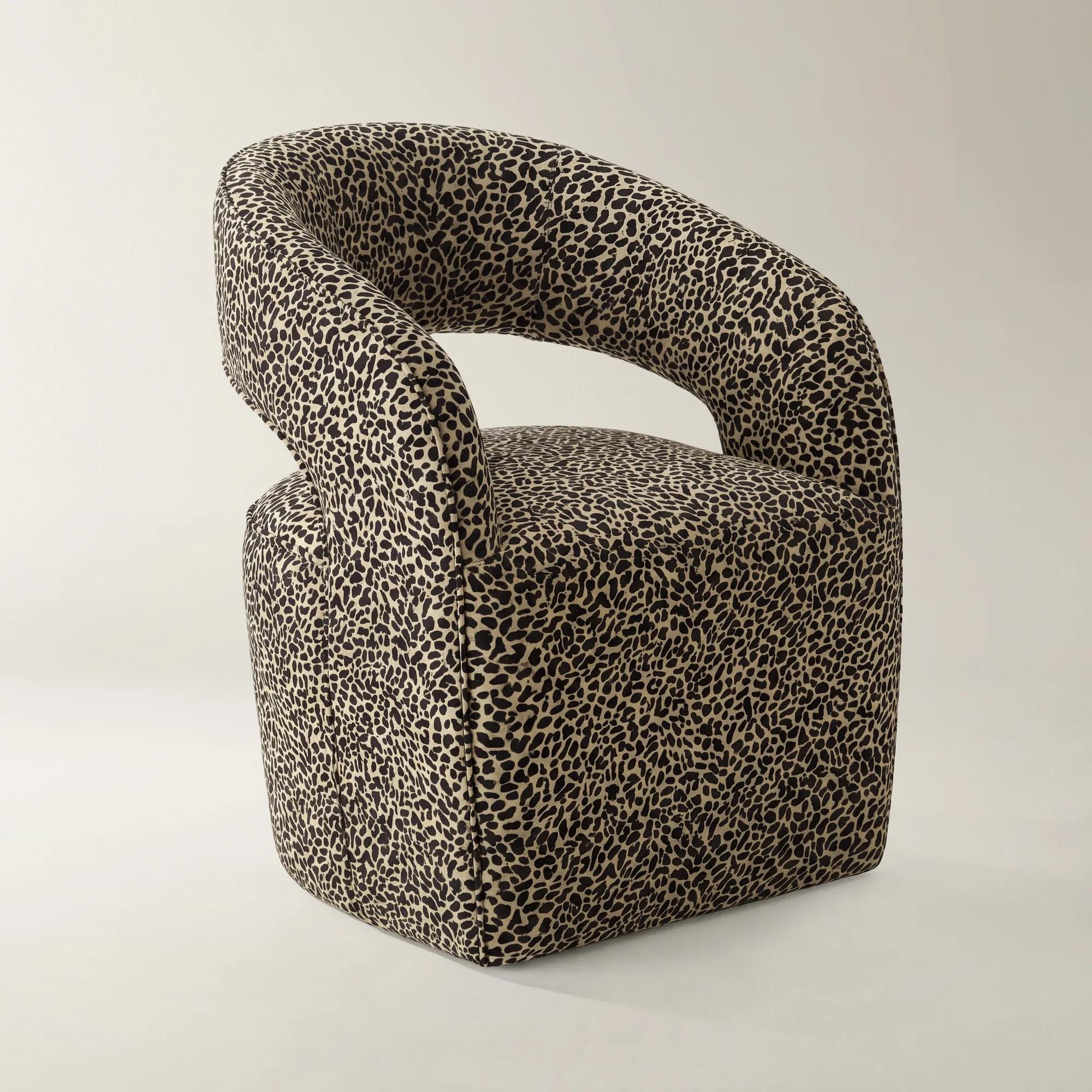 Harrison Leopard Performance Chenille Dining Chair$499
A sculptural dining chair featuring leopard performance chenille upholstery, feather-blend cushioning, and a curved silhouette.
Add To Cart -
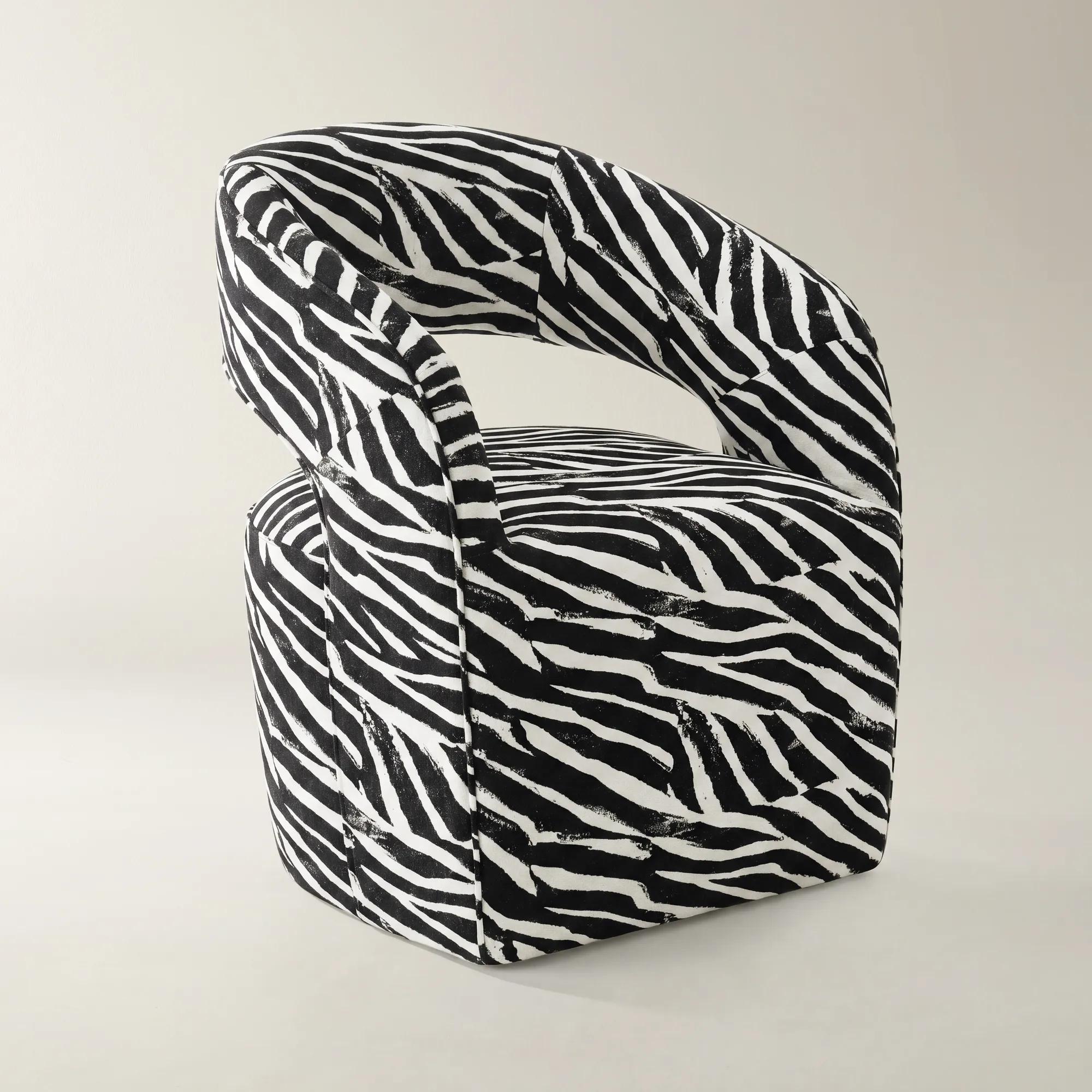 Harrison White/Black Performance Chenille Dining Chair$499
A sculptural dining chair in white and black performance chenille with plush feather-blend cushioning and curved arms.
Add To Cart -
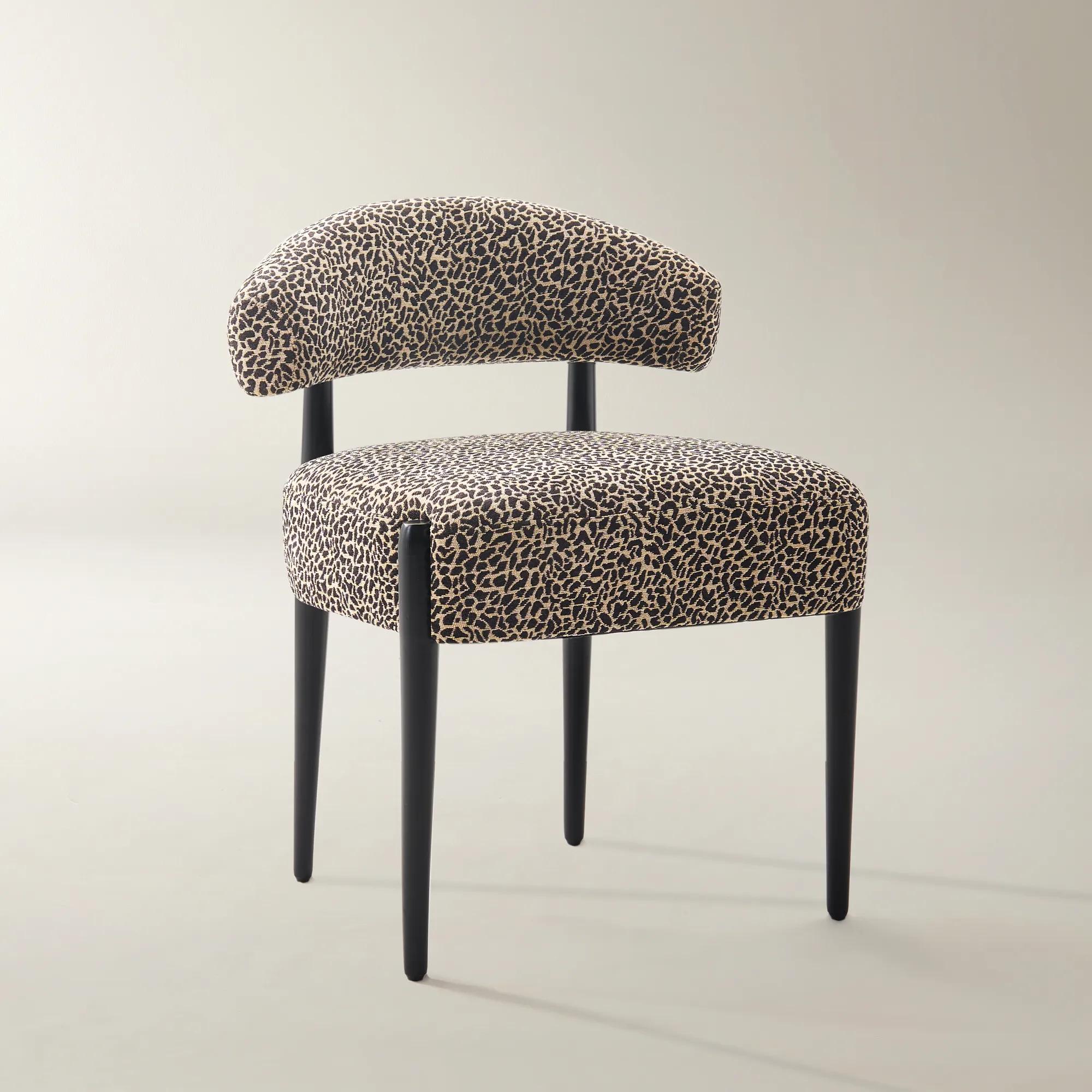
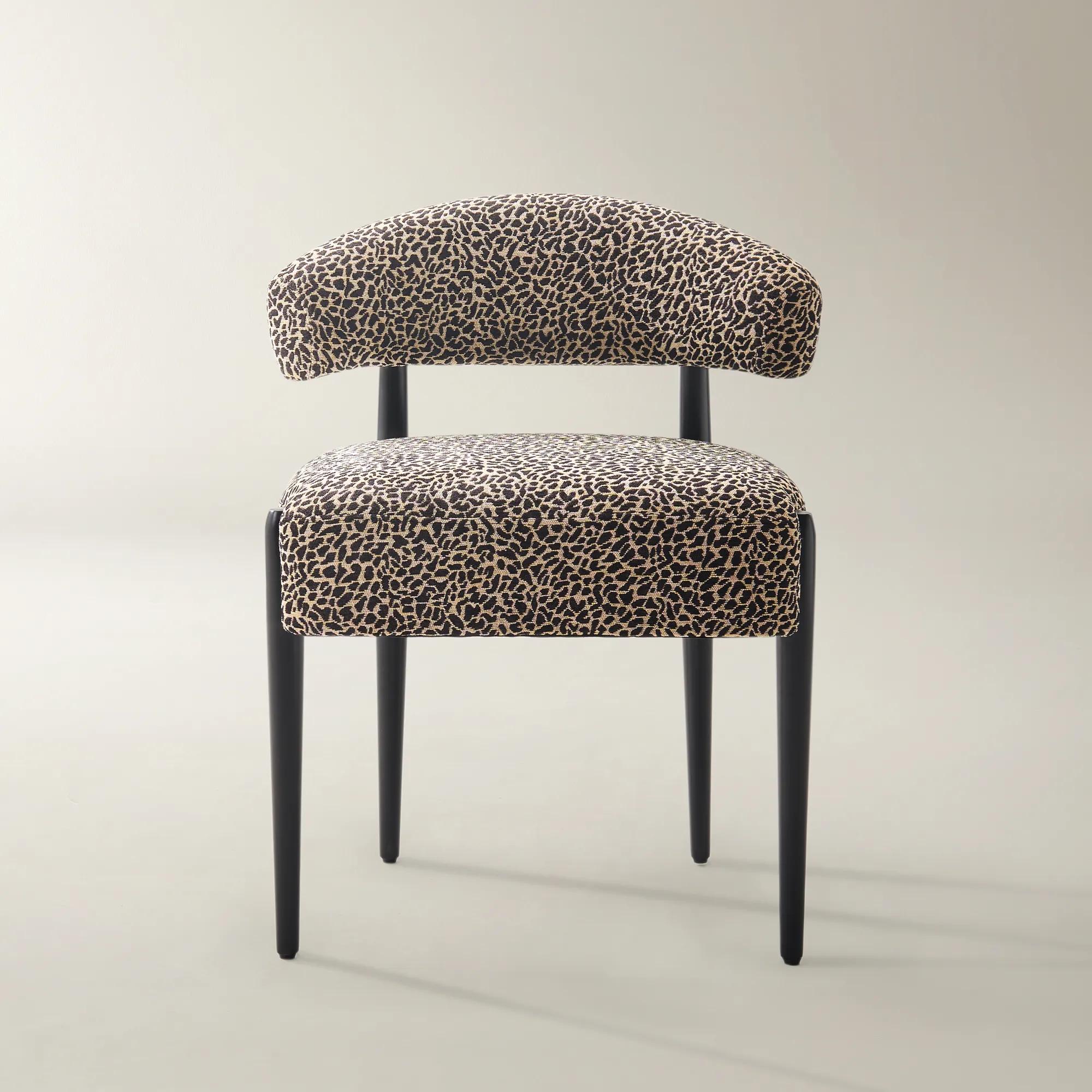 Anna Leopard Chenille Dining Chair Set Of 2$699
A pair of leopard-print chenille chairs with solid rubberwood legs and high-density foam for lasting comfort.
Add To Cart -
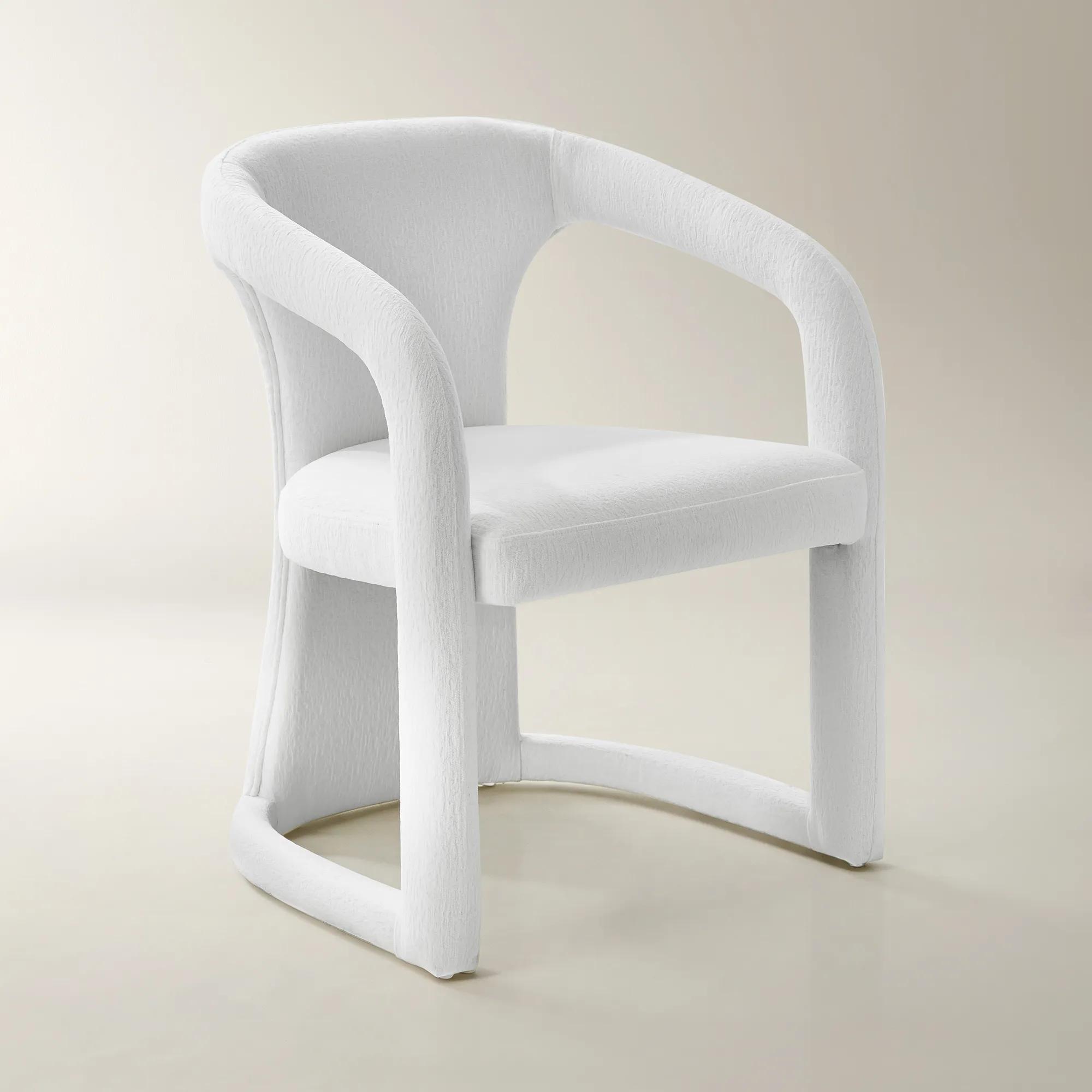
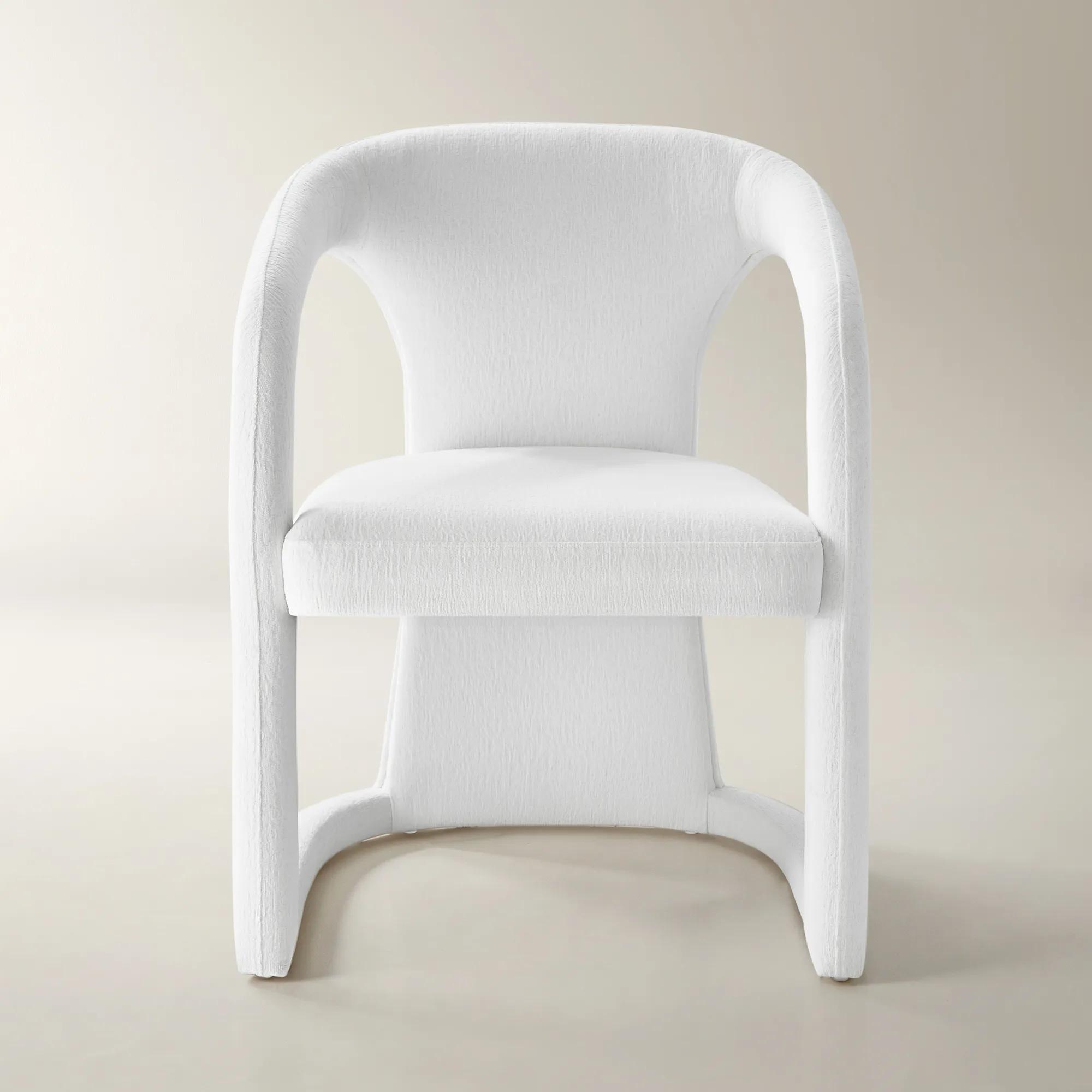 Arco White Performance Chenille Indoor/Outdoor Dining Chair$699
A sculptural white chenille dining chair with plush padding, moisture resistance, and indoor/outdoor versatility.
Add To Cart -
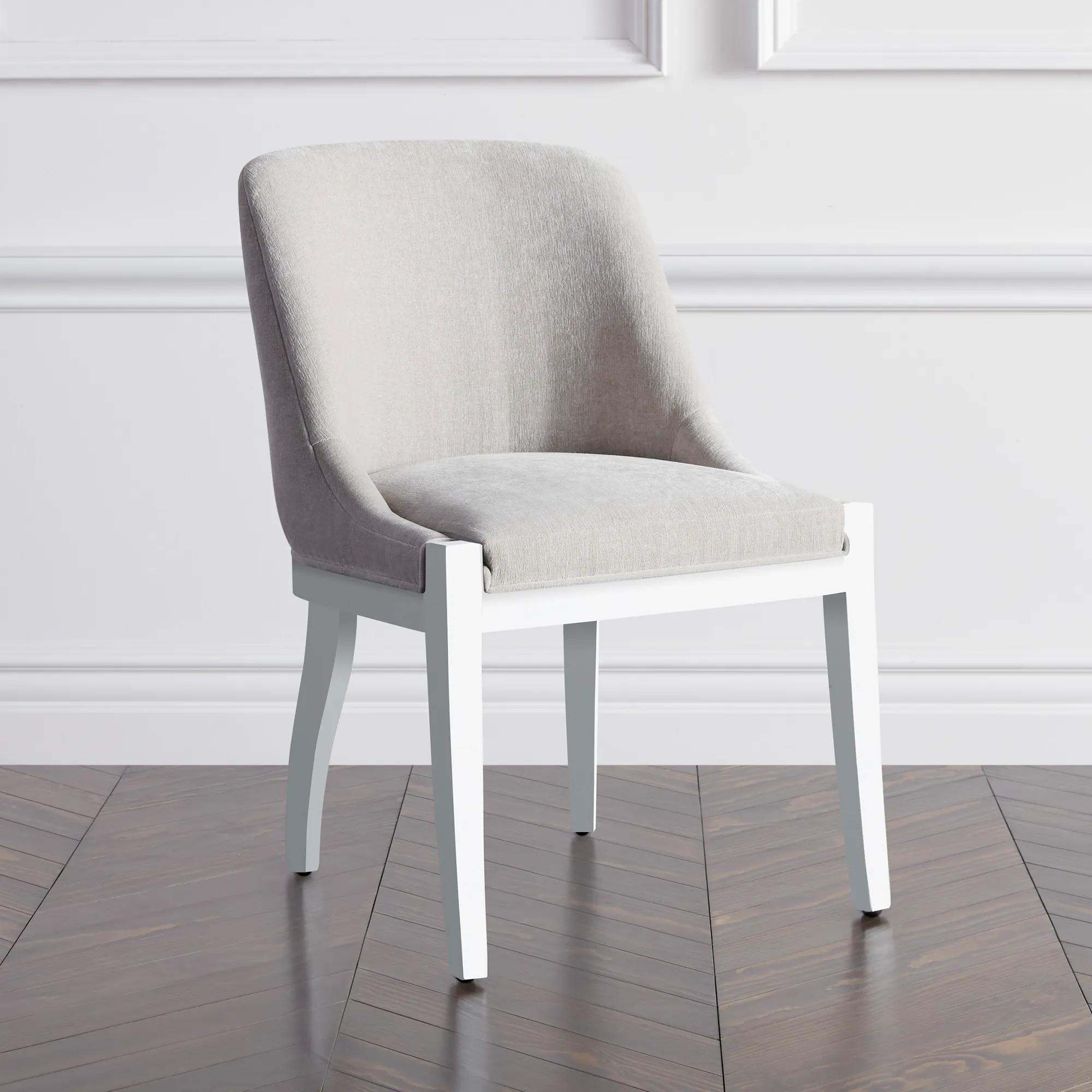
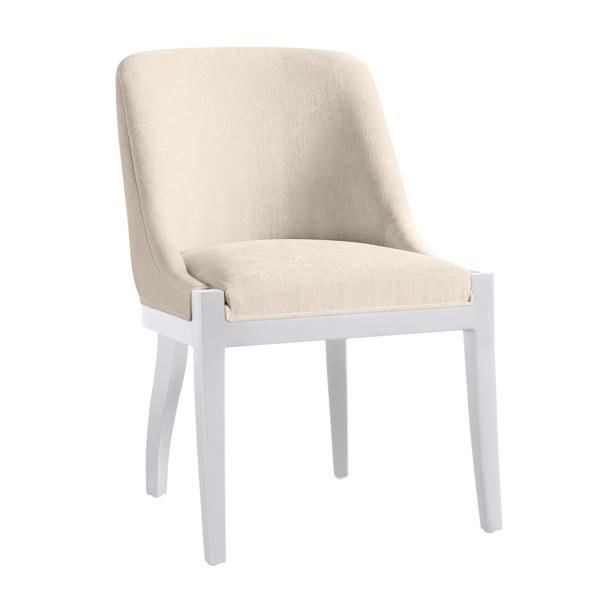 Lily Dining Chair - High Gloss White$649
A modern dining chair featuring kiln-dried hardwood, high-gloss white legs, and neatly tailored upholstery.
Add To Cart -
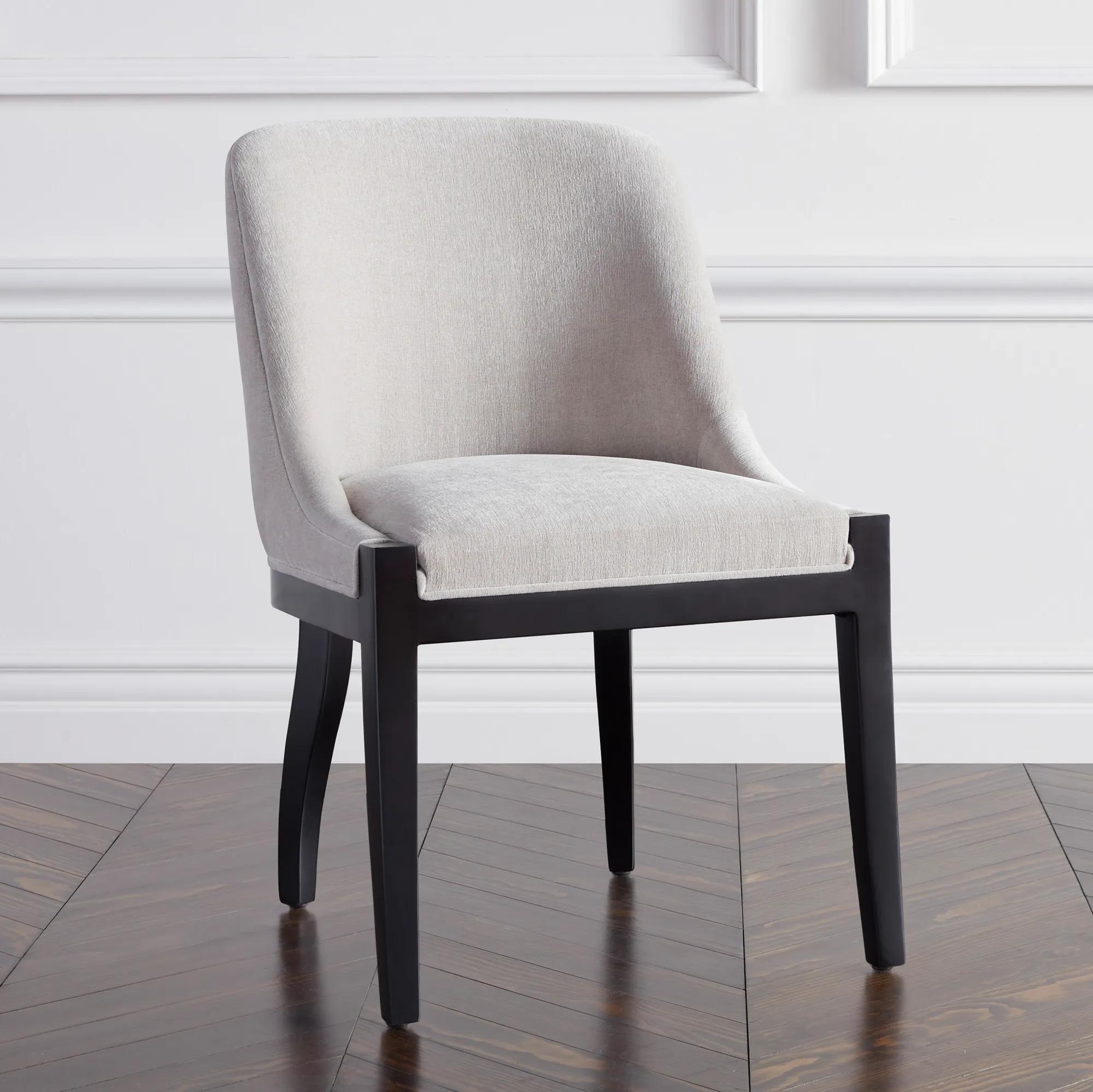
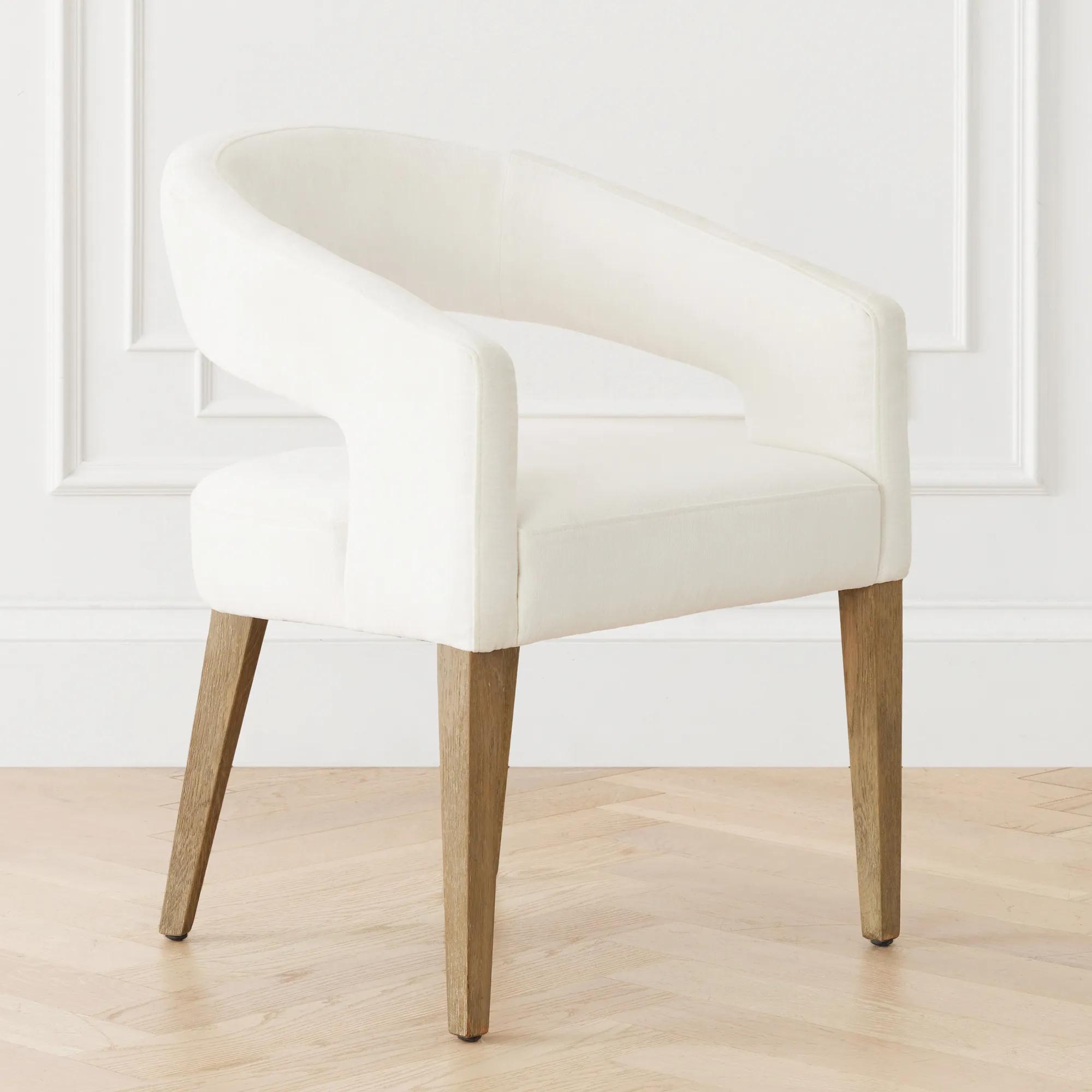 Philippa Dining Chair - Natural Grey$845
A modern dining chair featuring a curved silhouette, grey upholstery, and a kiln-dried hardwood frame.
Add To Cart -
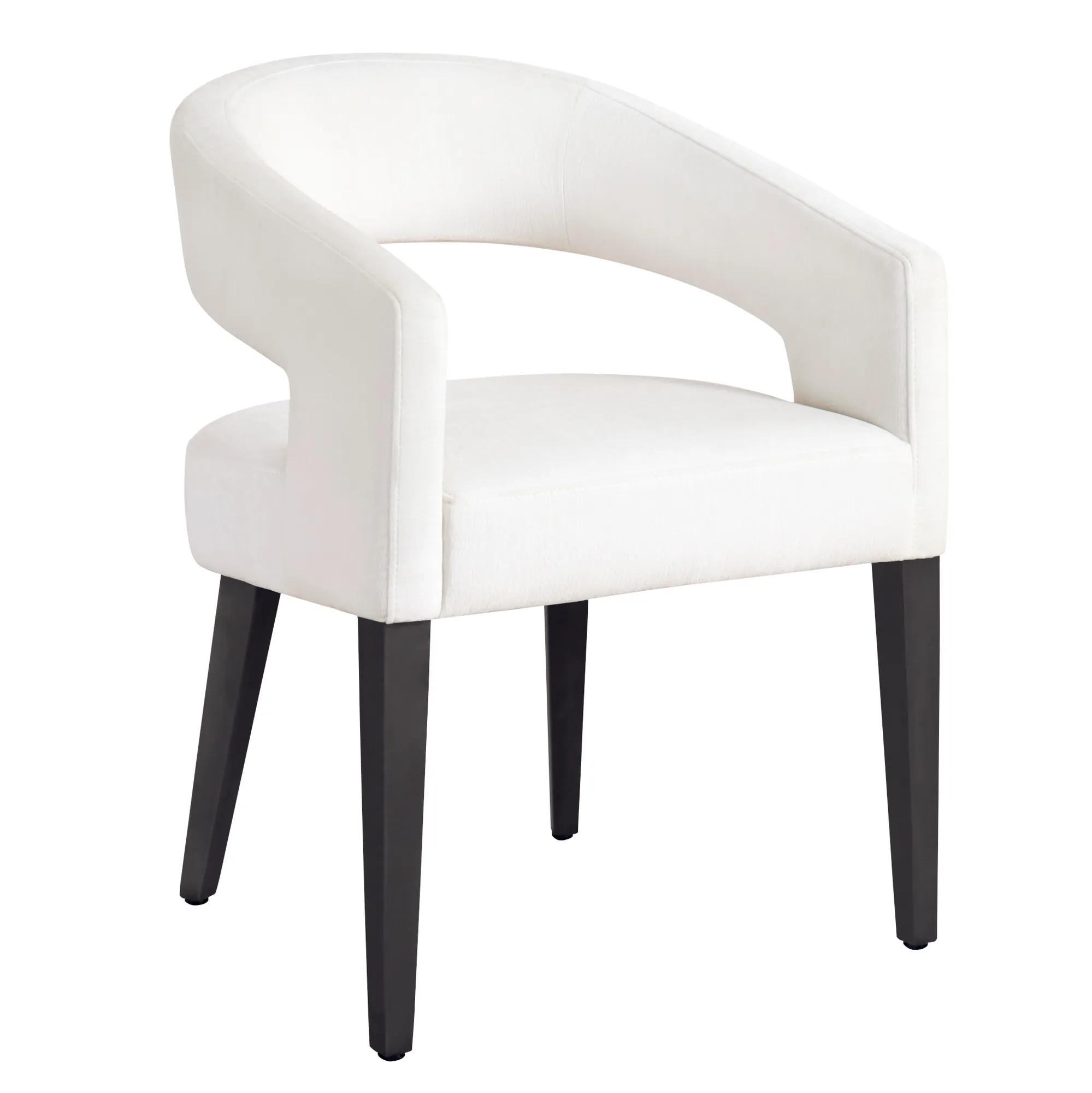
 Philippa Dining Chair - Espresso$599
A curved dining chair featuring tailored upholstery, espresso-finished legs, and a sleek back cutout.
Add To Cart -
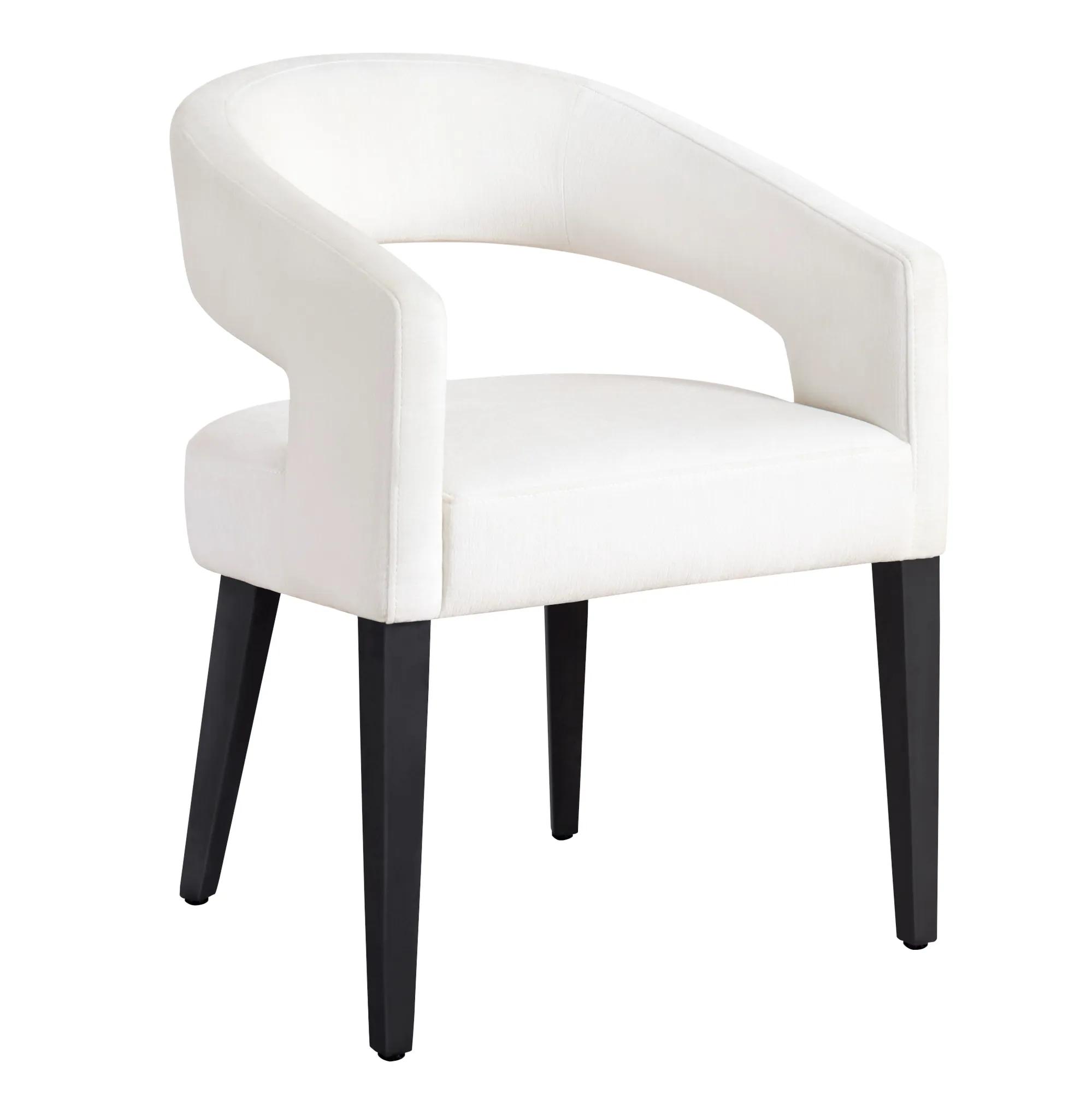
 Philippa Dining Chair - Matte Black$599
A modern dining chair featuring a curved silhouette, matte black legs, and neatly tailored upholstery.
Add To Cart -
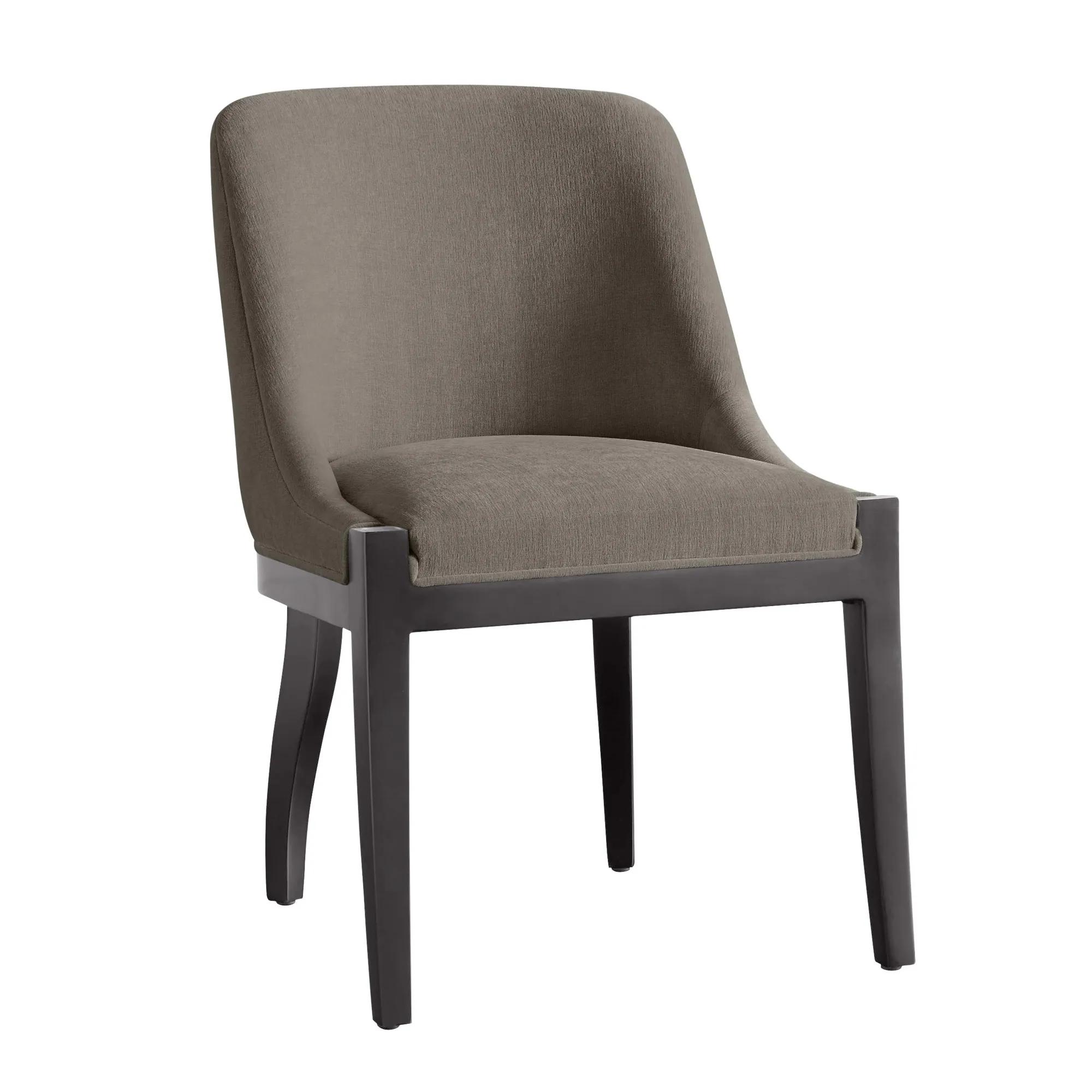
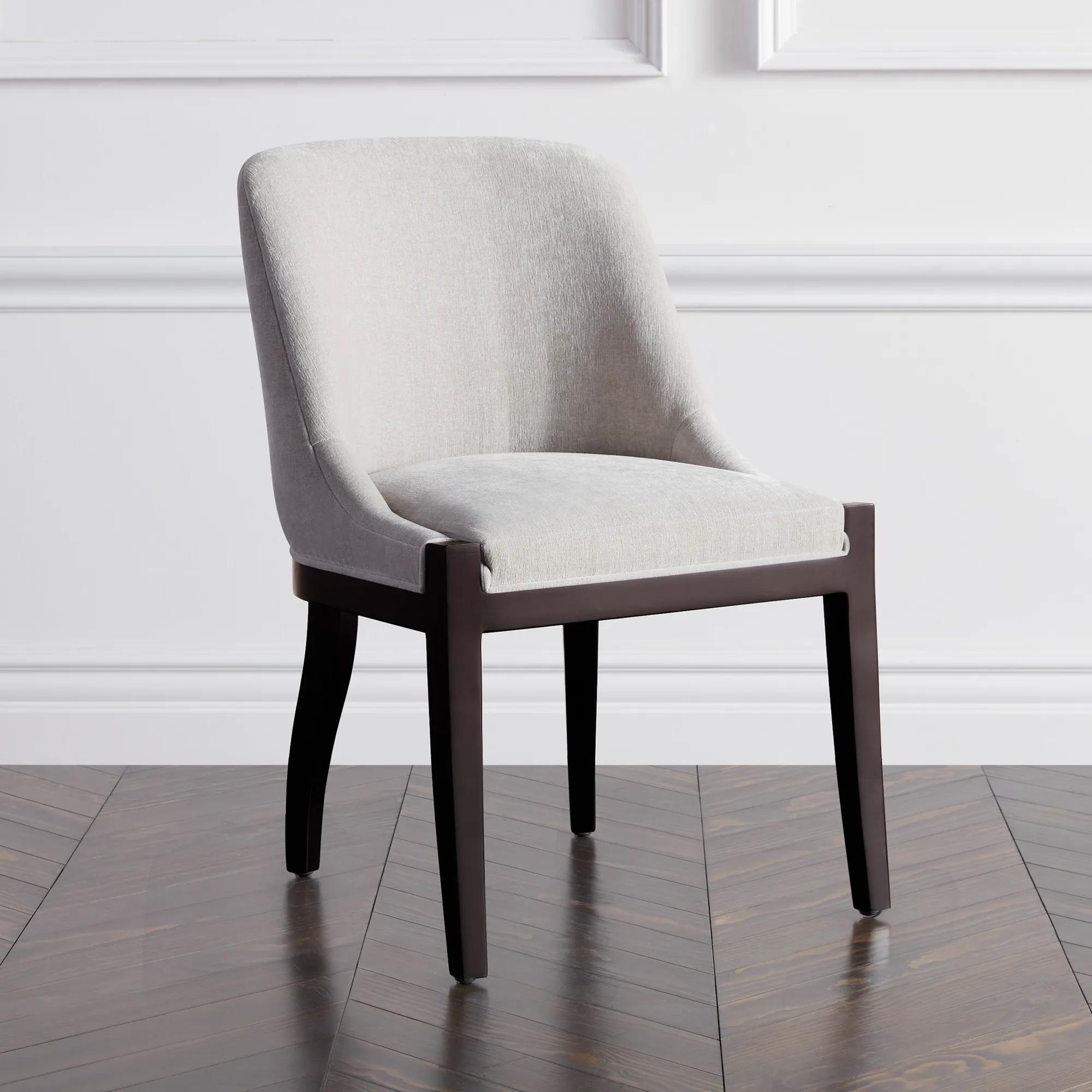 Lily Dining Chair - Espresso$649
A modern dining chair featuring espresso-finished hardwood, curvaceous silhouette, and plush tailored upholstery.
Add To Cart -
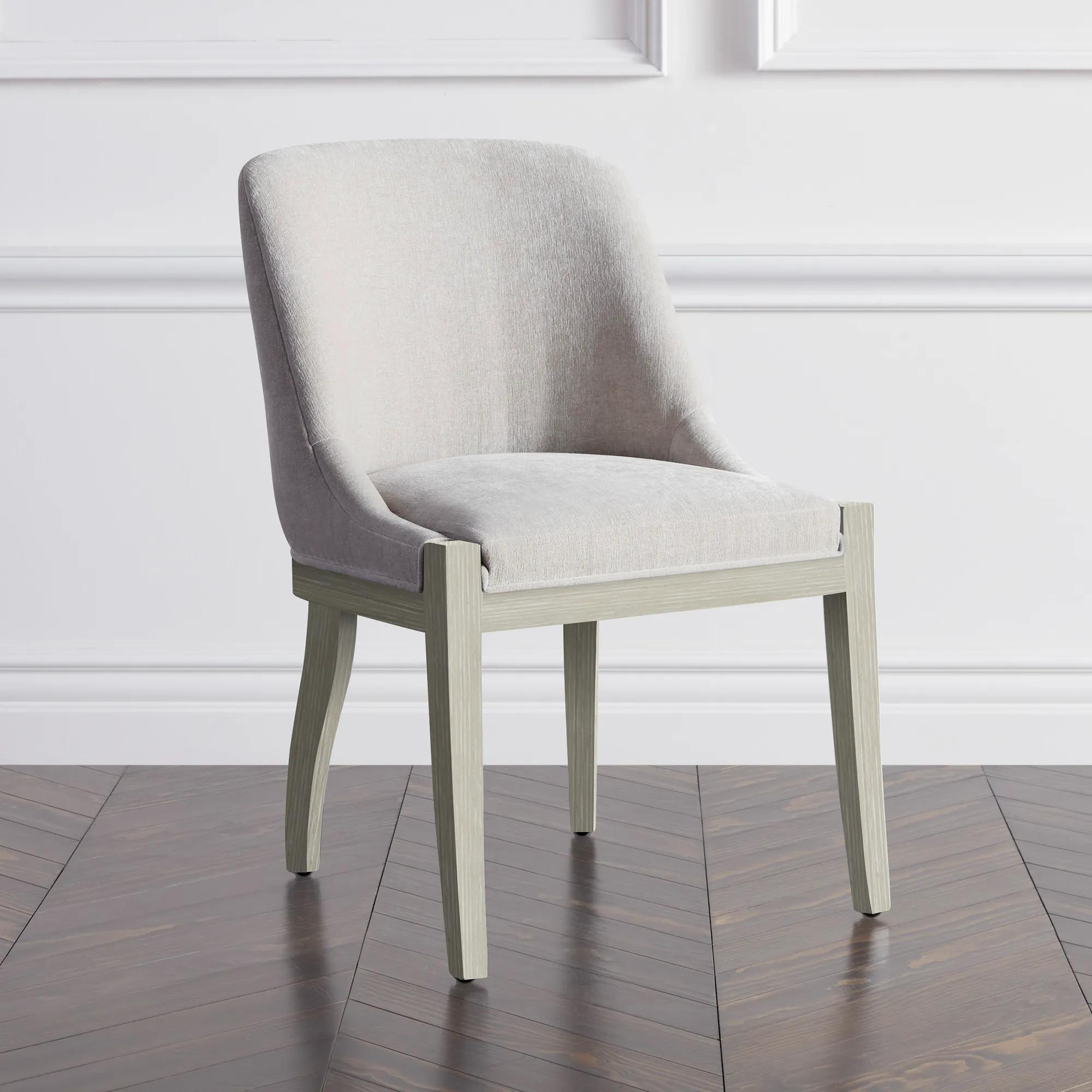 Lily Dining Chair - Natural Grey$649
A modern dining chair featuring kiln-dried hardwood, natural grey upholstery, and cushioned foam-and-fiber comfort.
Add To Cart -
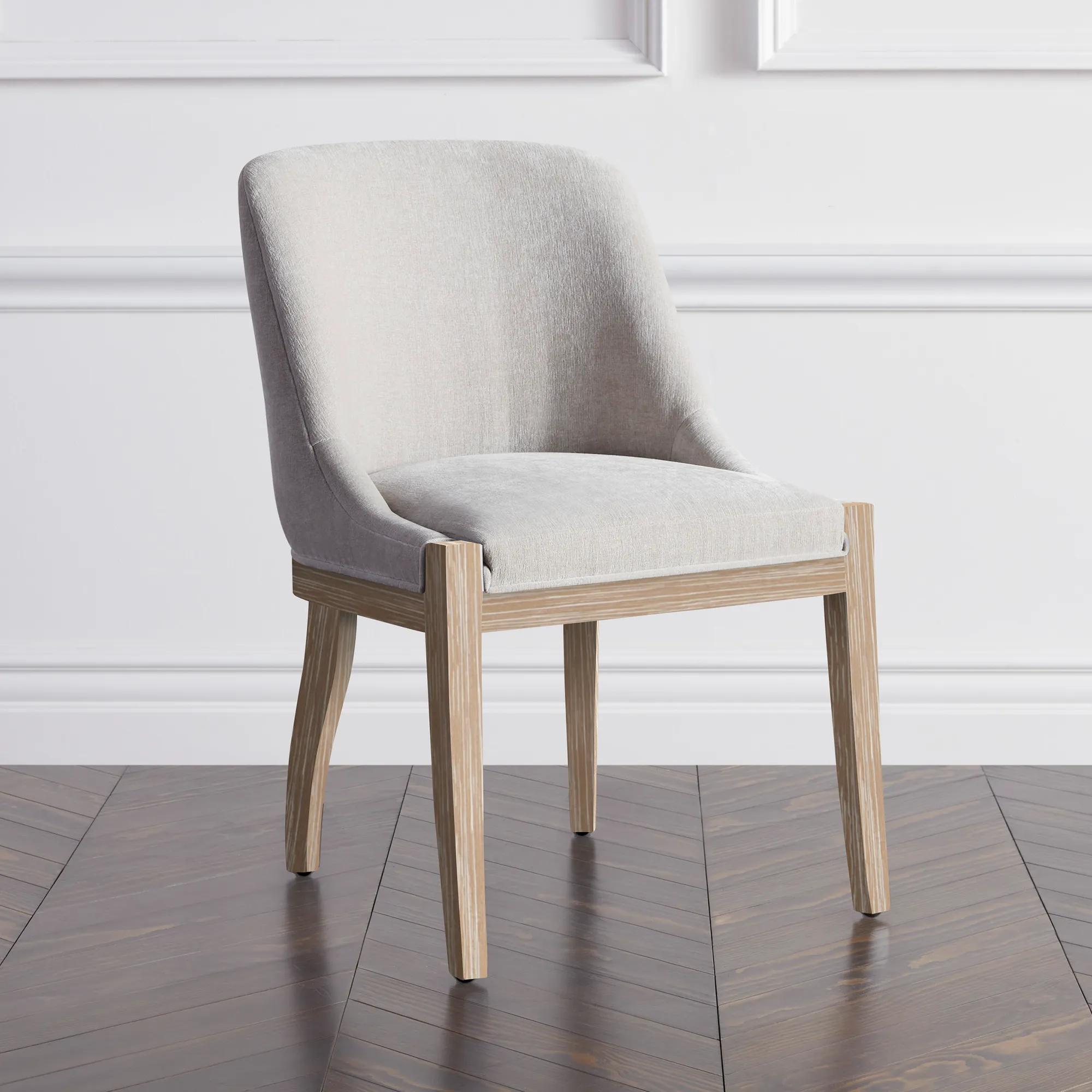
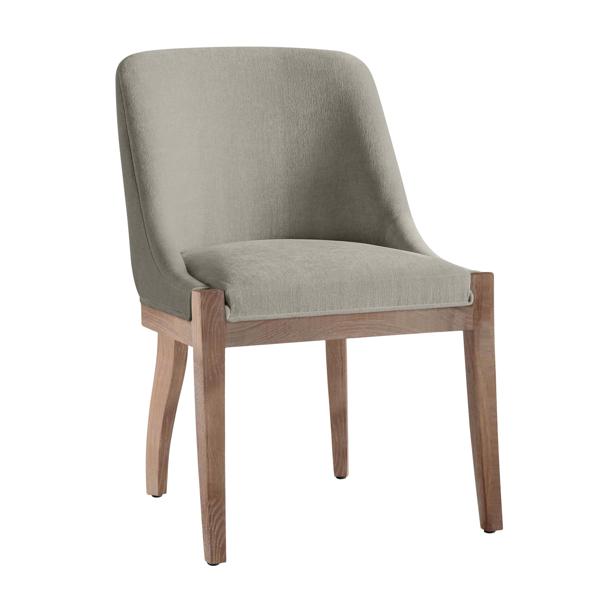 Lily Dining Chair - Wash Oak$749
A modern dining chair featuring a kiln-dried hardwood frame, wash oak legs, and tailored chenille upholstery.
Add To Cart

Performance Fabric Dining Chairs
Explore performance fabric dining chairs that balance upholstered elegance with everyday practicality, setting the scene for both daily meals and memorable gatherings. Compare chair dimensions, seat heights, and silhouettes to complement your table, and review each style’s fabric care details to find dining seating that suits your space and routine.
Performance fabric dining chairs combine the comfort of upholstered seating with fabrics designed to resist stains, simplify cleanup, and stand up to frequent use. Many also help liquids bead on the surface long enough to blot a spill, although water repellency, stain resistance, and overall durability vary by fabric and finish. That practical foundation leaves room for a more expressive dining space: a sweeping curved back, a tailored seat in ivory, or a richly textured upholstery that brings depth to a gleaming table. These are chairs for people who want dinner to feel like an occasion without treating every upholstered surface as untouchable. A pale, sculptural chair can create an especially striking contrast against dark wood, while charcoal or warm taupe lends quiet dimension beside polished metal and glass. Within the broader category of Fabric Dining Chairs, performance upholstery offers a particularly useful balance of visual richness and everyday resilience. Depending on the construction, performance qualities may come from durable synthetic fibers, engineered yarns, protective finishes, or a combination of these approaches. Polyester, acrylic, and blended textiles can each offer different textures and care requirements; fiber content alone does not establish how well a chair will resist a particular spill. A smooth, tightly woven fabric creates a crisp, tailored effect, while a dimensional weave adds softness and visual movement. Evaluate the frame and support as thoughtfully as the upholstery. Well-constructed wood or metal frames, secure joints, and supportive cushioning contribute to a chair’s stability and comfort over time. Upholstery protects the surface experience, but the entire chair determines how confidently it handles daily meals and extended evenings at the table. Consider the view from every angle, too. In an open dining area, the back of a chair often becomes part of the room’s architecture, making its silhouette, seams, and exposed frame just as important as the fabric facing the table.
The most successful dining arrangement feels generous without overwhelming the room. Before choosing performance fabric dining chairs, measure the table height, the clearance beneath its apron, and the usable space between its legs or pedestal supports. A common starting point is approximately 10 to 12 inches between the top of the seat and the underside of the tabletop, adjusted for the table’s apron, cushion compression, and individual comfort. Allow roughly 24 inches of table width per diner as an initial planning measure, then increase that allowance for wider chairs, substantial arms, or a more spacious place setting. Armchairs require an additional check: their arms should clear the lowest obstruction if the chairs need to tuck beneath the table. Leave enough space behind each seat for someone to pull it out and stand comfortably, with additional room wherever people need to pass. These dimensions matter as much at a compact breakfast table as they do in a dramatic formal dining room. A curved back can create an enveloping feeling, while a more upright profile may suit diners who prefer structured support. Seat depth also deserves attention; a generous seat can feel luxurious, but it should still allow the intended user to sit with feet supported and the back comfortably engaged. Armless silhouettes often make movement easier around smaller tables, while upholstered armchairs at the ends can establish a more commanding composition. For households with children, frequent guests, or a dining table that doubles as a workspace, cleanable upholstery can make daily use feel less precious. Pet owners may favor tighter weaves over pronounced loops that can catch claws, while recognizing that performance fabric is not automatically scratchproof. Coordinate chairs through a shared undertone, leg finish, or repeated curve rather than matching every surface. Cream upholstery against a dark tabletop, for example, gives each chair a distinct outline; tonal neutrals create a softer composition in which texture and shape carry the drama.
Care is where the promise of performance upholstery becomes a lasting advantage, provided the routine matches the fabric. Stain resistant does not mean stainproof, and liquid repellent does not necessarily mean waterproof. Prompt attention remains important, especially with oily foods, deeply colored sauces, coffee, or wine. Lift away solids carefully, then blot liquid with a clean, absorbent cloth rather than rubbing it deeper into the weave. Follow the manufacturer’s cleaning instructions before applying water, detergent, solvent, or an upholstery treatment; a method suitable for one performance textile may damage another. Where a care code is provided, W generally indicates water-based cleaning, S indicates solvent-based cleaning, WS permits either approved approach, and X calls for vacuuming or professional guidance rather than household spot-cleaning products. Test any permitted cleaner in an inconspicuous area, avoid saturating the upholstery, and allow the chair to dry fully before use. Removable cushions or zippered covers should not be assumed machine washable unless their instructions specifically say so. Between meals, use an appropriate upholstery attachment to remove crumbs and dust, paying attention to seams and the junction between the seat and back. This simple habit helps prevent loose particles from becoming embedded and keeps textured fabric looking more defined. Protect exposed wood and metal finishes according to their separate care requirements, and avoid dragging chairs across floors, which can strain joints and damage both the furniture and the surface beneath it. If abrasion-test information is provided, use it as one indicator of fabric durability, not as a guarantee against staining, snagging, fading, or wear throughout the entire chair. Strong direct sunlight can affect some upholstery colors over time, so placement and window coverings also matter. With thoughtful proportions, sound construction, and fabric suited to the household, performance dining seating brings polish to the rituals that happen around a table: an unhurried breakfast, a lively celebration, or conversation that continues long after the plates are cleared. The result is a dining room with presence, comfort, and permission to be enjoyed.
FAQs
Performance fabric dining chairs bring the visual softness of upholstery to a space defined by striking surfaces and sculptural forms. Choose silhouettes that echo your room’s mood, from tailored and architectural to curved and expressive, creating a dining setting with a distinct point of view.
Ivory, taupe, and charcoal create a sophisticated backdrop for expressive art and gleaming accents. For a more dramatic direction, consider rich jewel tones against a restrained palette. Let your dining chairs echo a color in your artwork or rug for a beautifully composed room.
Mixing chair styles can give a dining room a collected, editorial character. Keep one element consistent, such as color, silhouette, or upholstery texture, then introduce contrast elsewhere. A deliberate connection makes the arrangement feel expressive rather than accidental.
Let the table and chairs share the spotlight without competing for attention. An elaborate table pairs beautifully with quietly tailored upholstery, while a streamlined table invites chairs with more sculptural presence. Repeat a curve, finish, or tonal detail to connect the composition.
Build the room around the chairs’ color and visual texture, then layer in luminous lighting, expressive artwork, and a distinctive centerpiece. Contrast soft upholstery with gleaming decorative accents, leaving select surfaces uncluttered so each detail has its own moment.