Accent Stools For Modern Apartments
Accent Stools For Modern Apartments
-
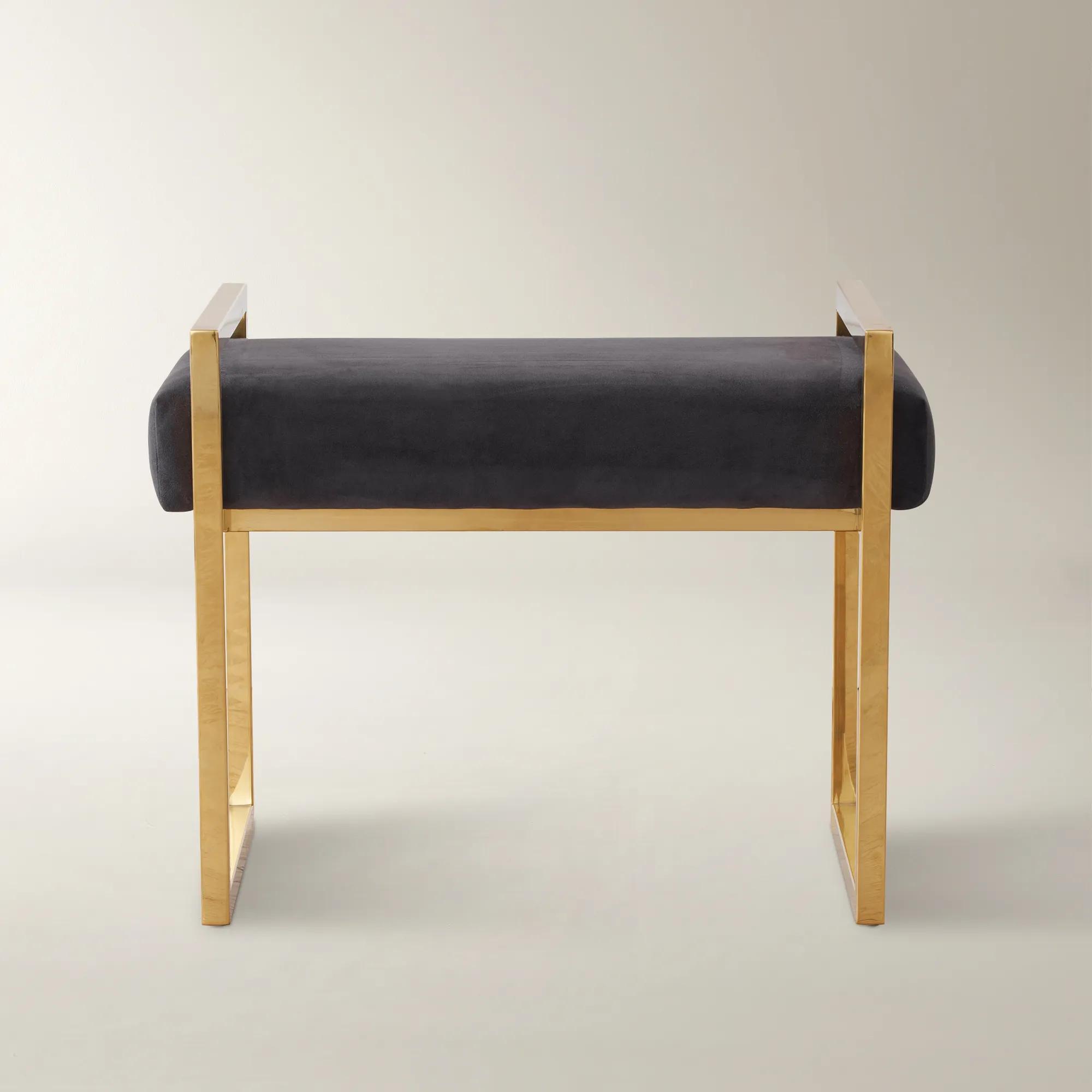
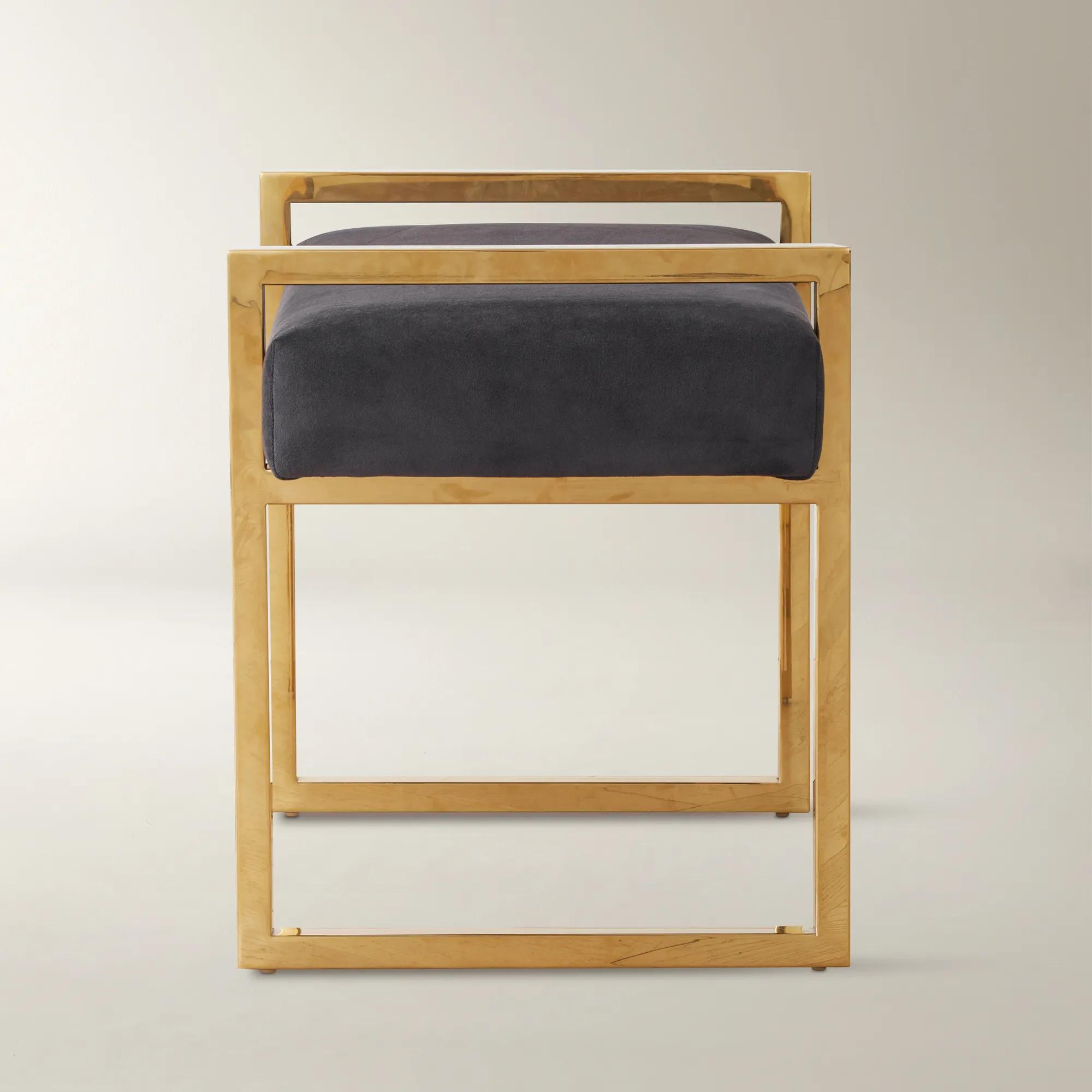 Clara Accent Stool$449
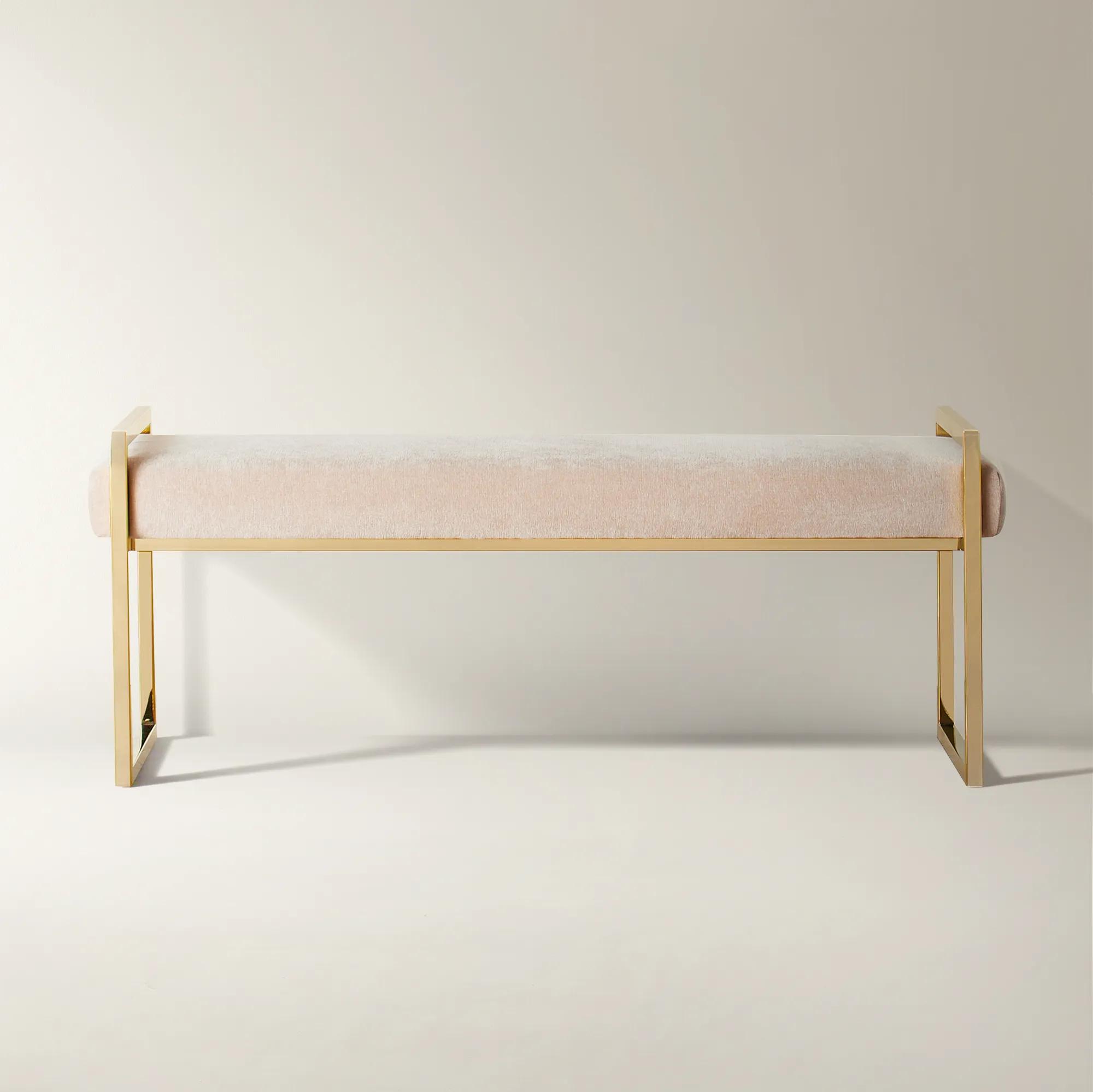
A chic accent stool featuring a plush black velvet seat and polished gold metal legs for modern flair.
Add To Cart -
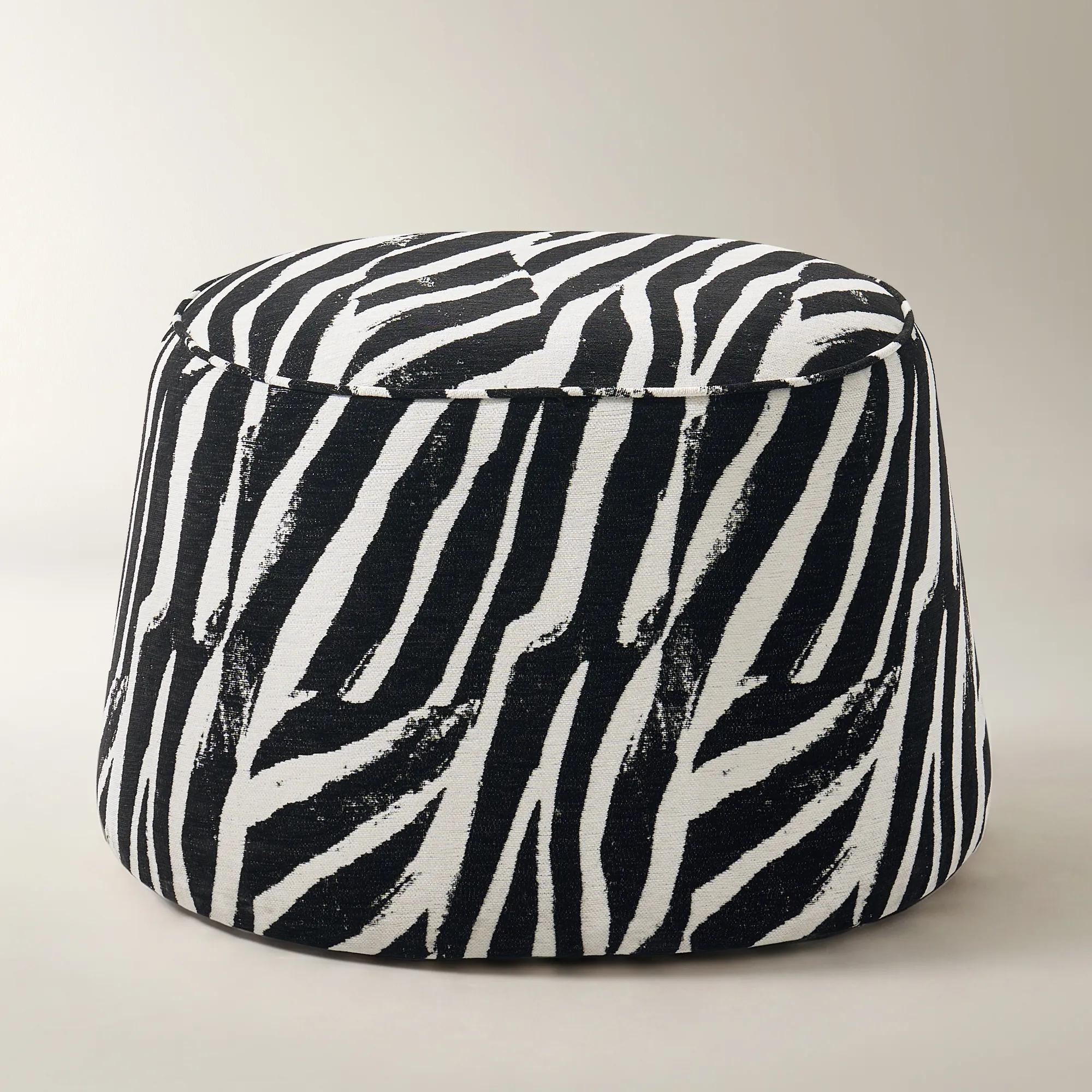 Avery White/Black Performance Chenille Stool$399
A sculpted drum accent stool in black and white performance chenille with an animal-inspired pattern.
Add To Cart -
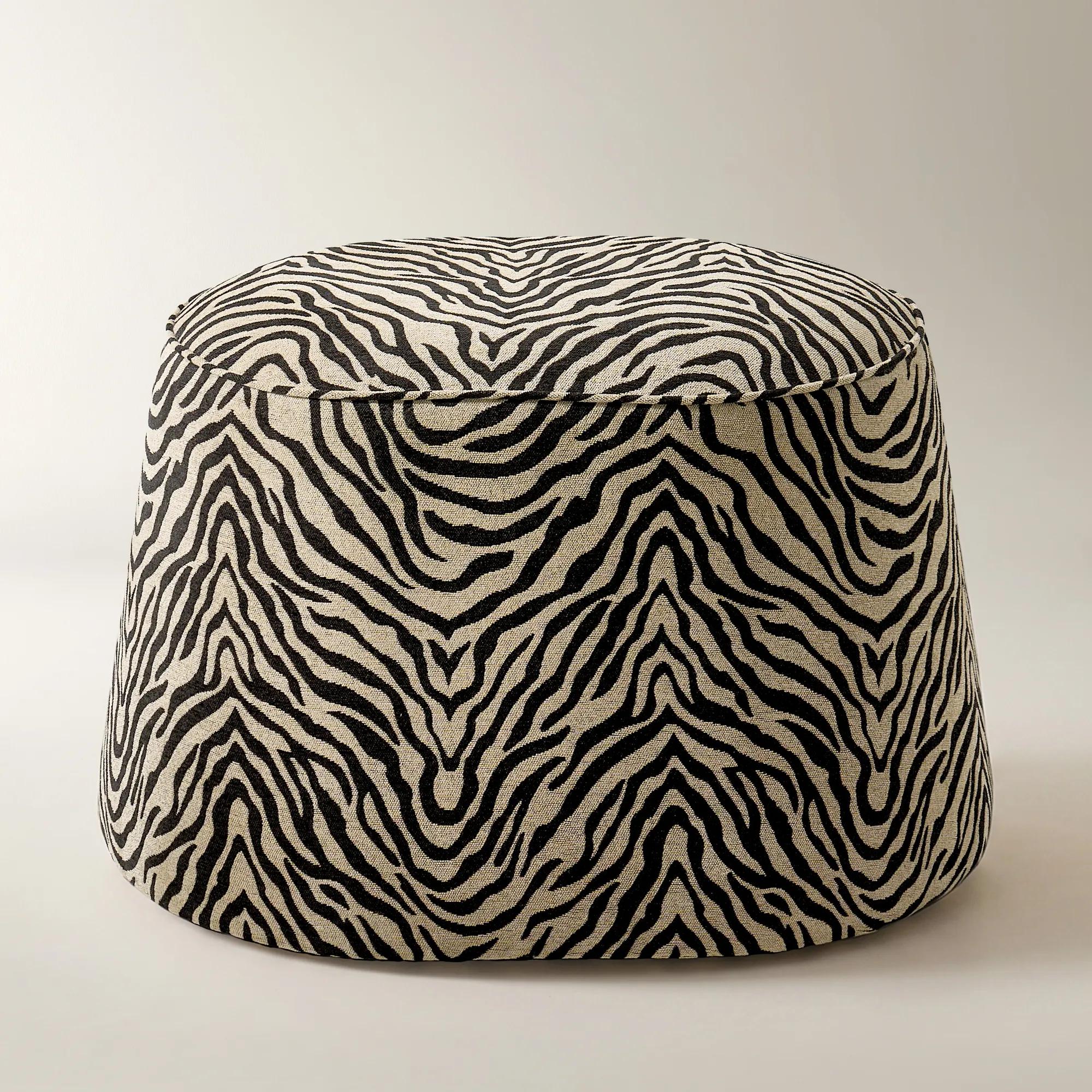 Avery Zebra Performance Chenille Stool$399
A sculpted drum-shaped accent stool upholstered in zebra-patterned performance chenille for bold, modern style.
Add To Cart -
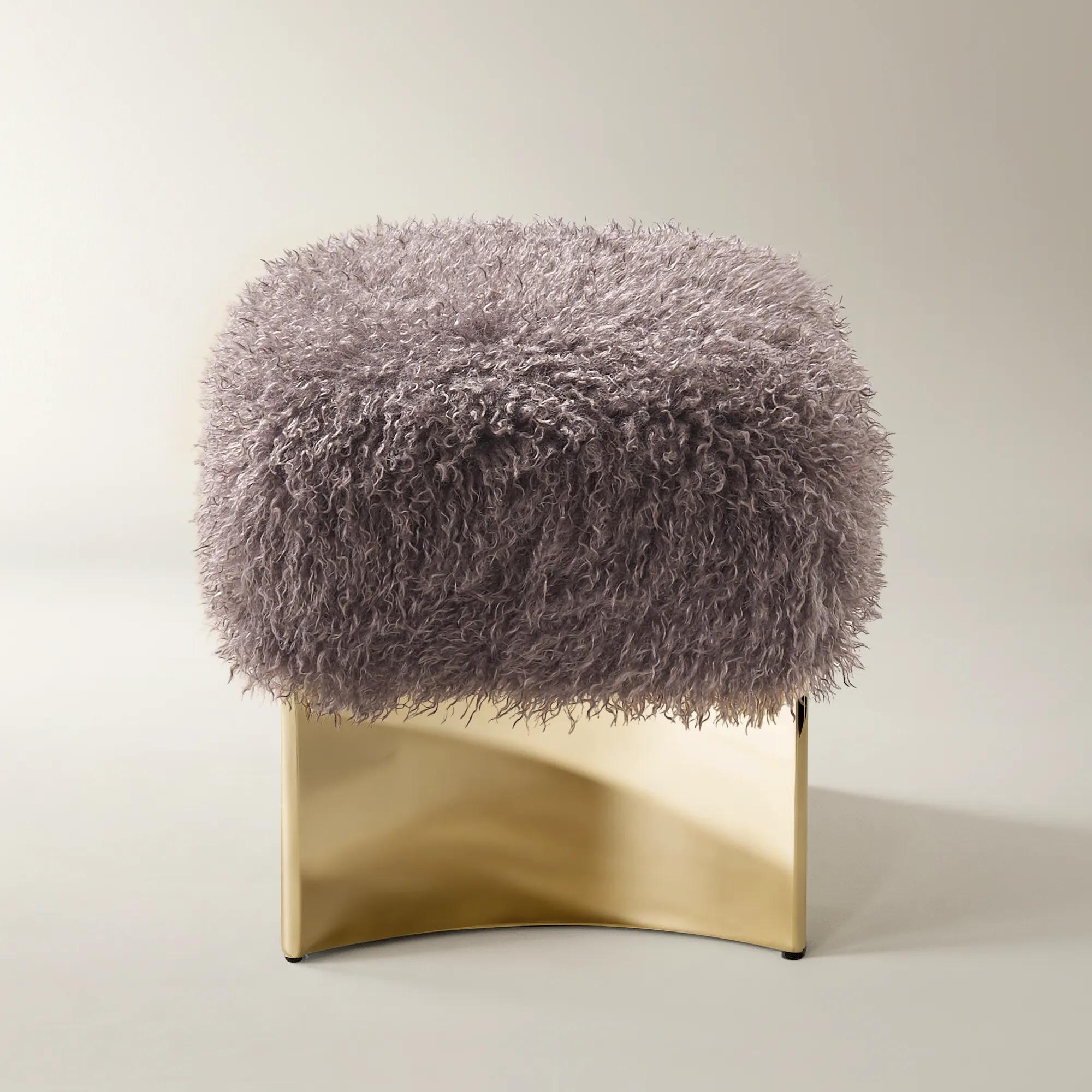 Lush Smoked Plum Faux Fur Stool$499
A sculptural smoked plum faux fur stool with a plush seat and polished gold stainless steel base.
Add To Cart -
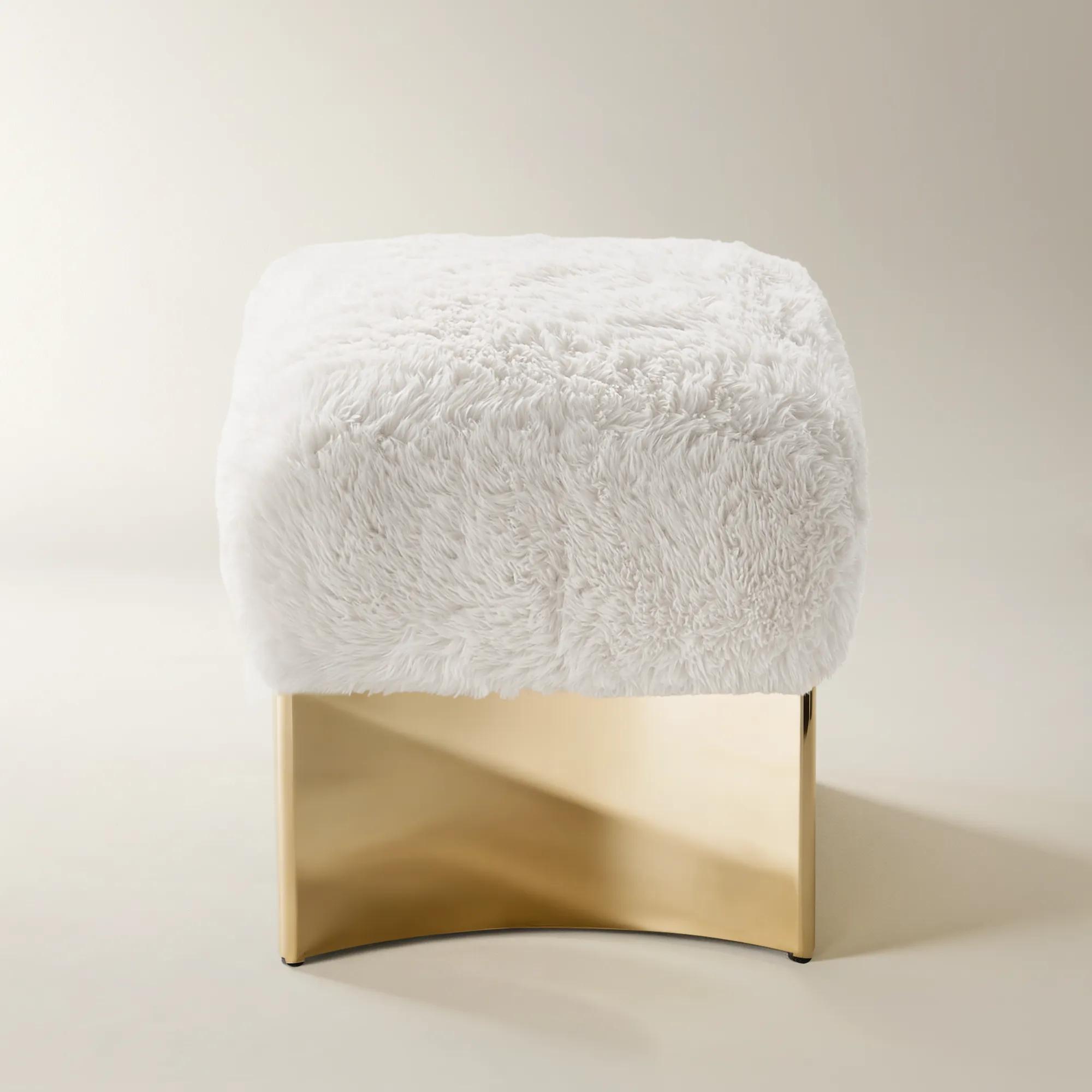 Lush White Faux Fur Stool$499
A sculptural white faux fur stool with a plush seat and polished gold stainless steel base.
Add To Cart -
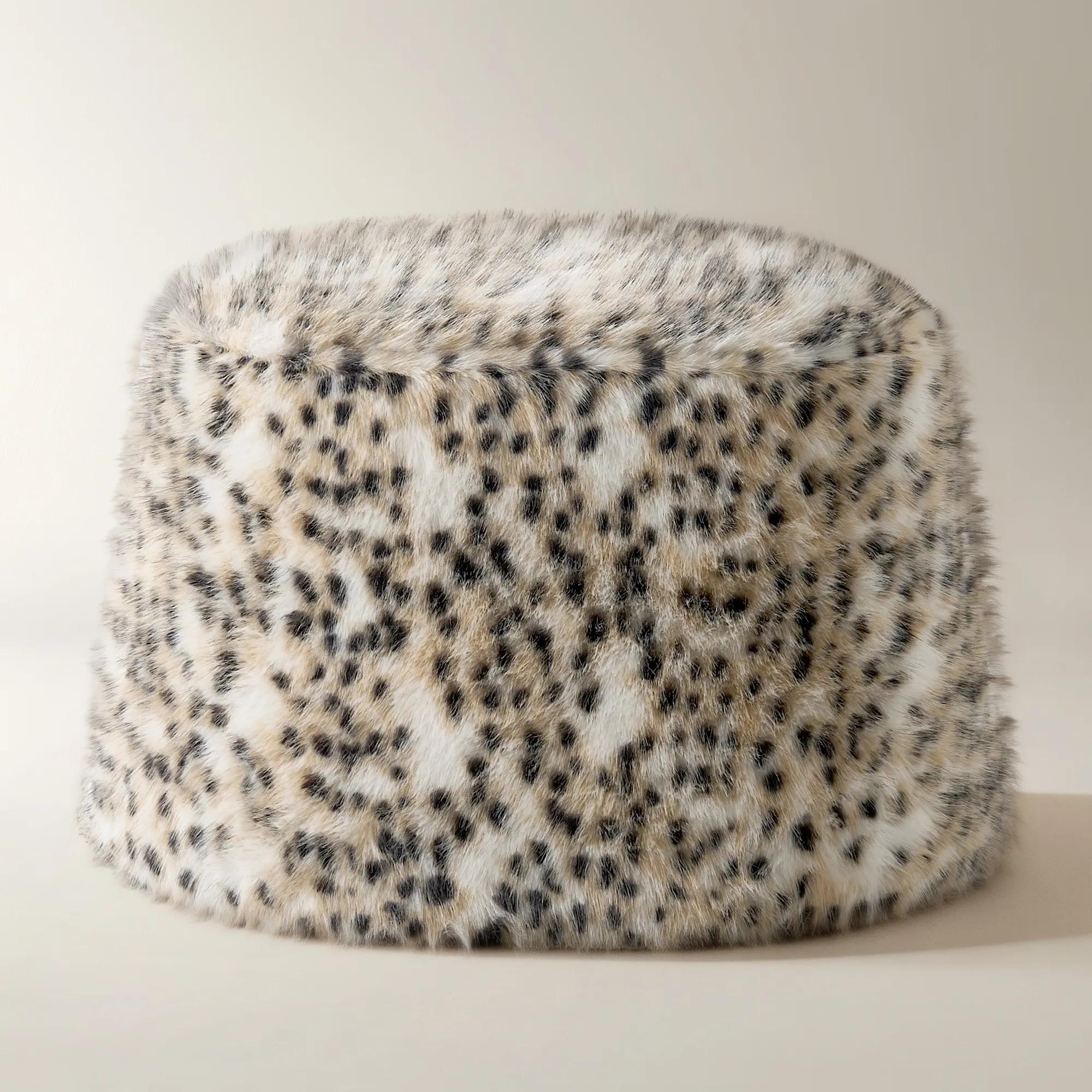
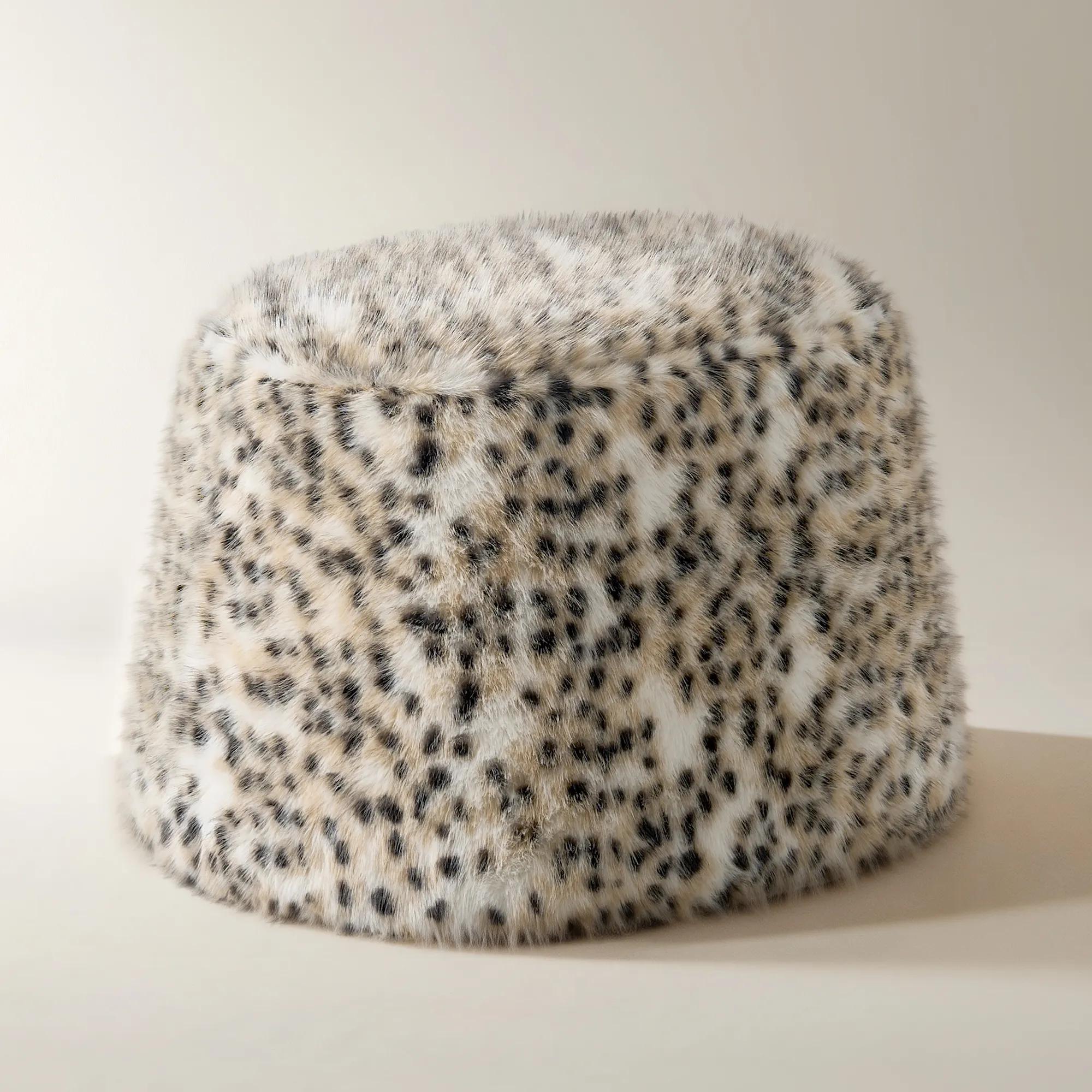 Avery Spotted Faux Fur Stool$399
A sculpted drum stool wrapped in plush spotted faux fur for bold, modern accent seating.
Add To Cart -

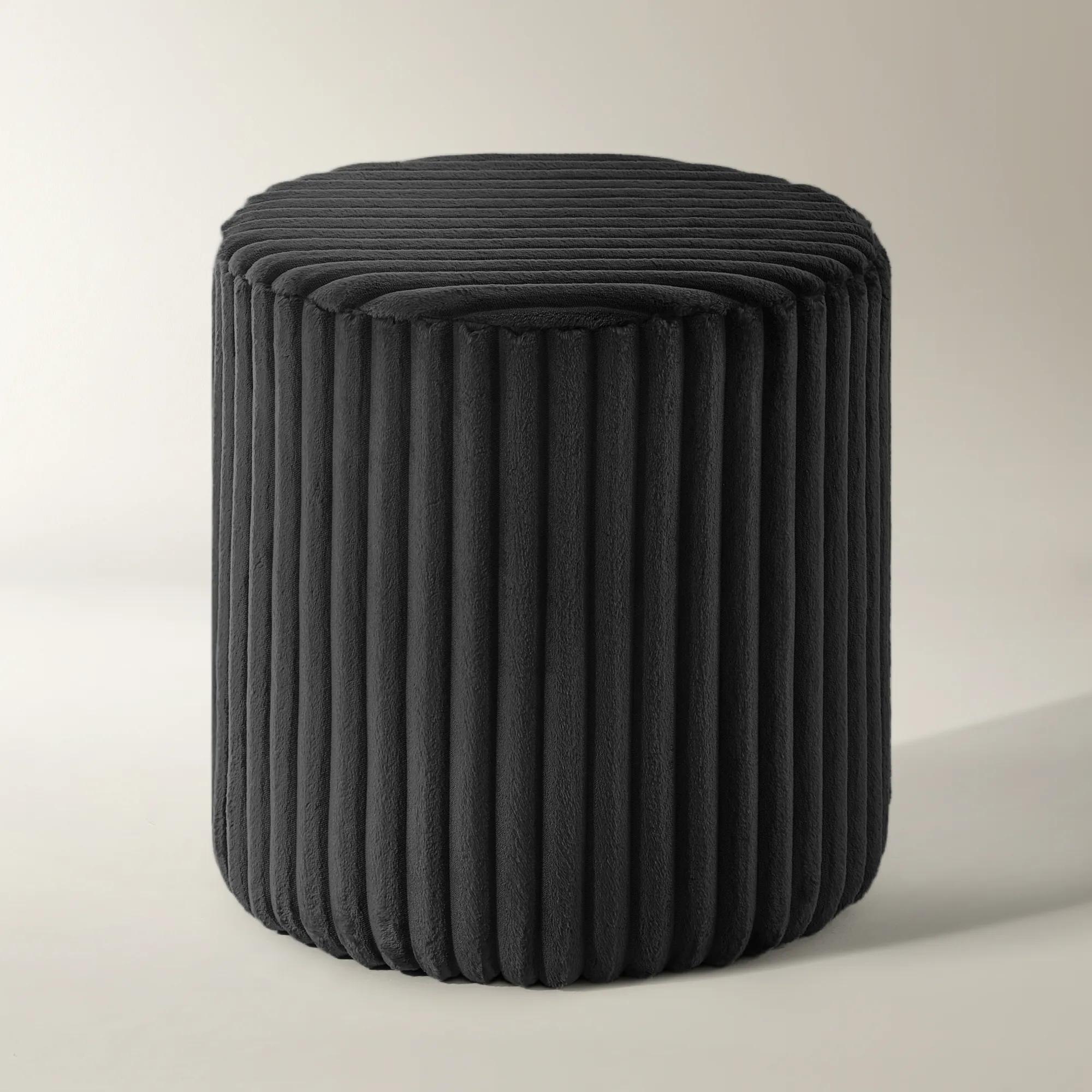 Fleece Fluted Black Velvet Stool (15.55'')$229
A plush black ribbed velvet stool offering versatile seating and cozy texture for any modern space.
Add To Cart -
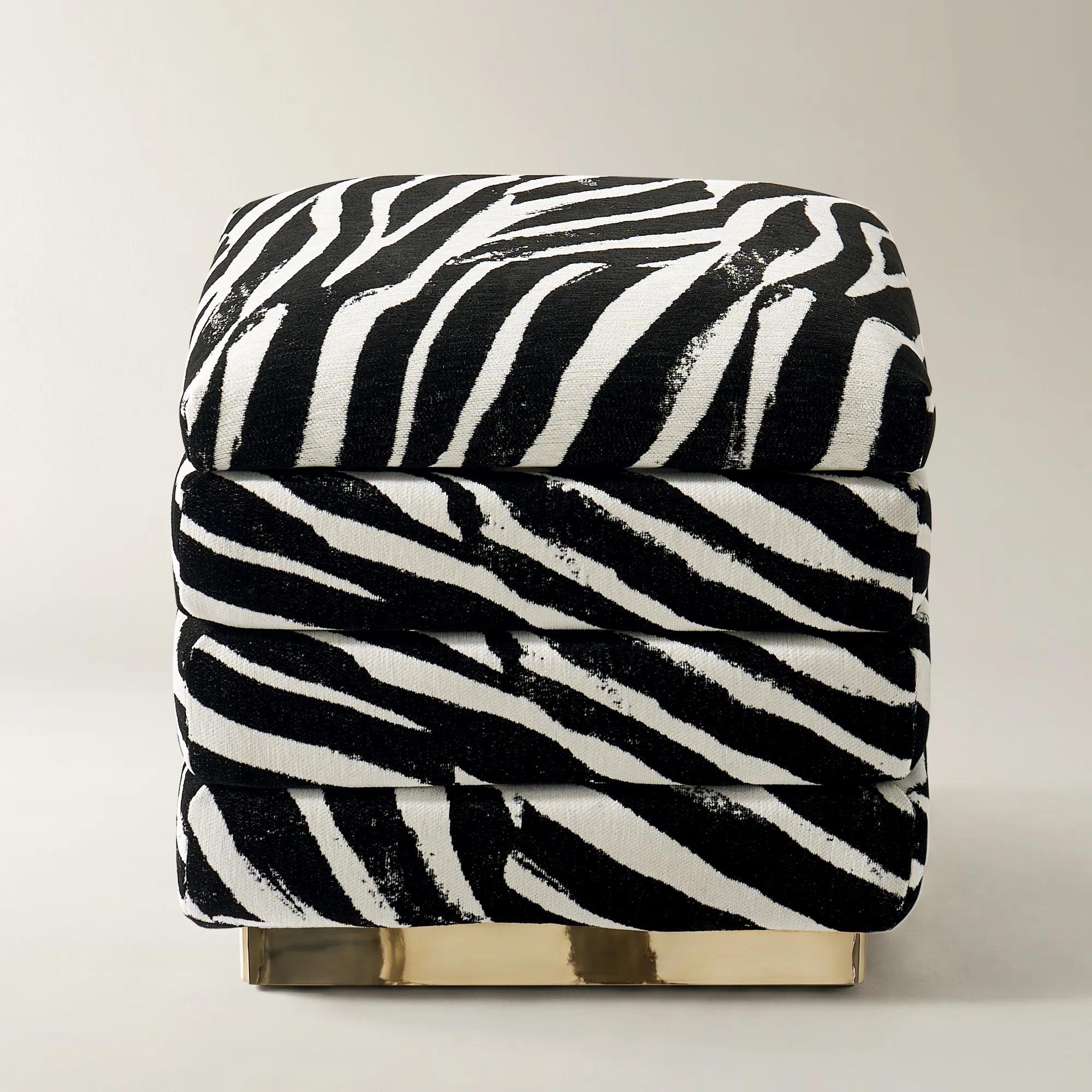
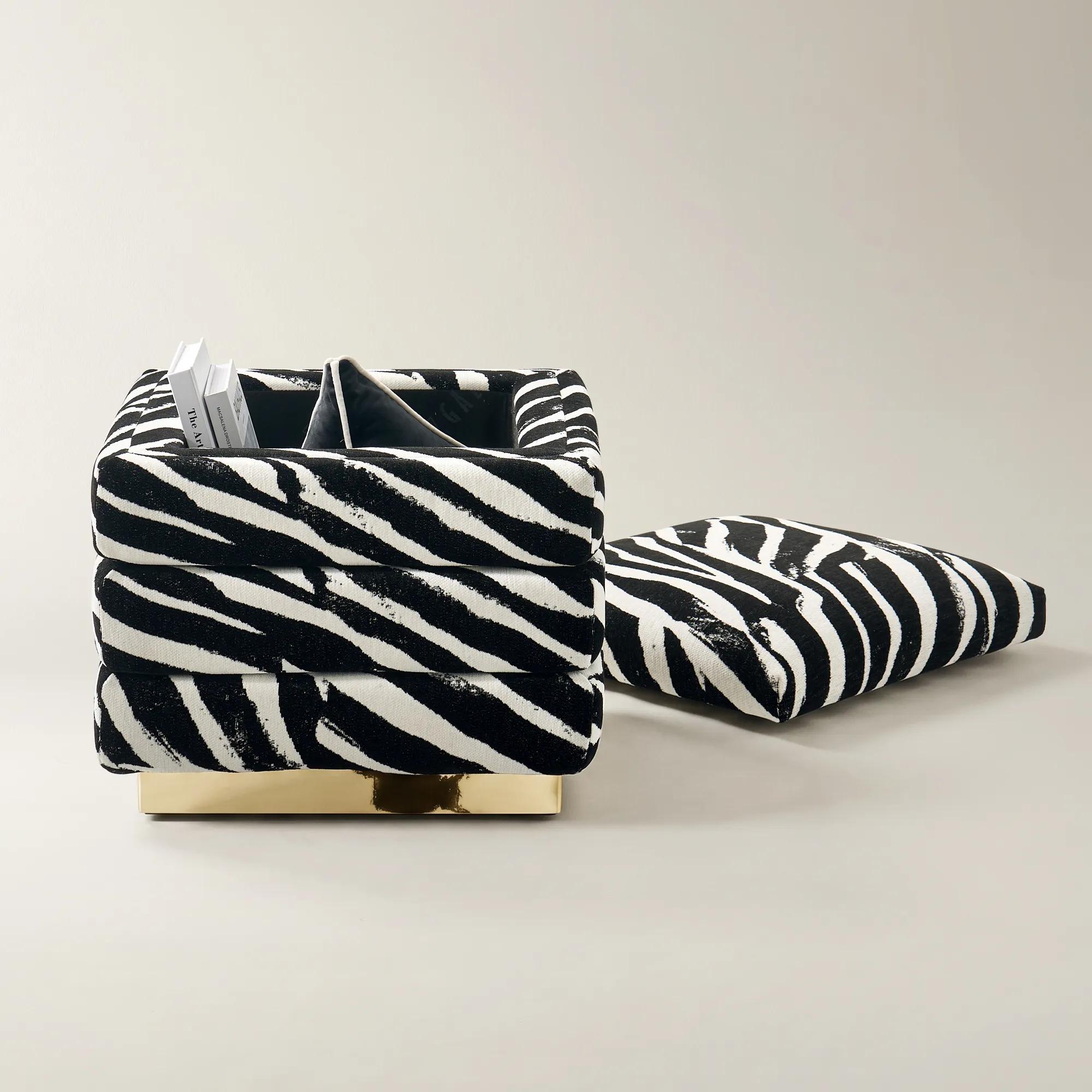 Gable White/Black Performance Chenille Stool$399
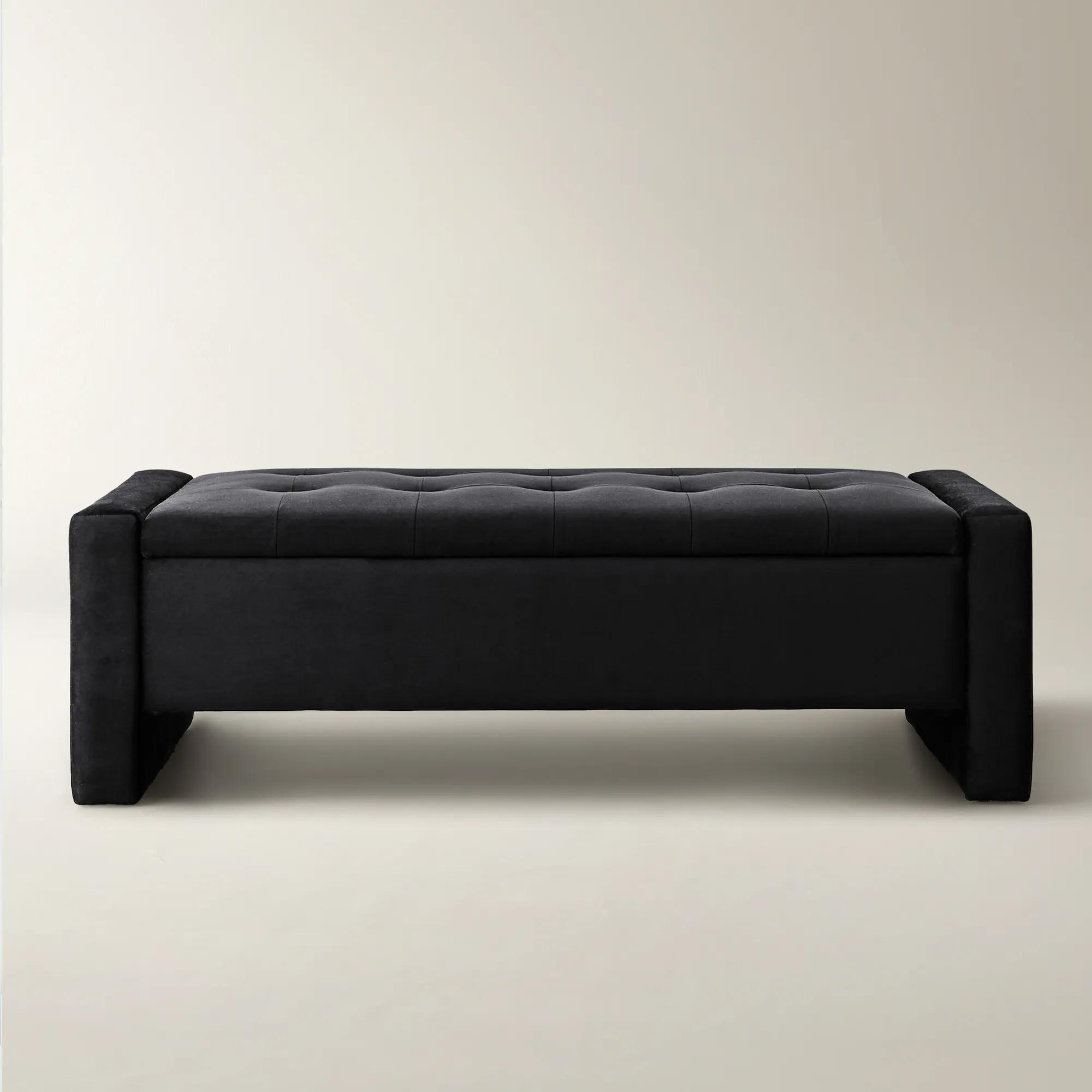
A plush white and black chenille stool with hidden storage and a polished gold stainless steel base.
Add To Cart -
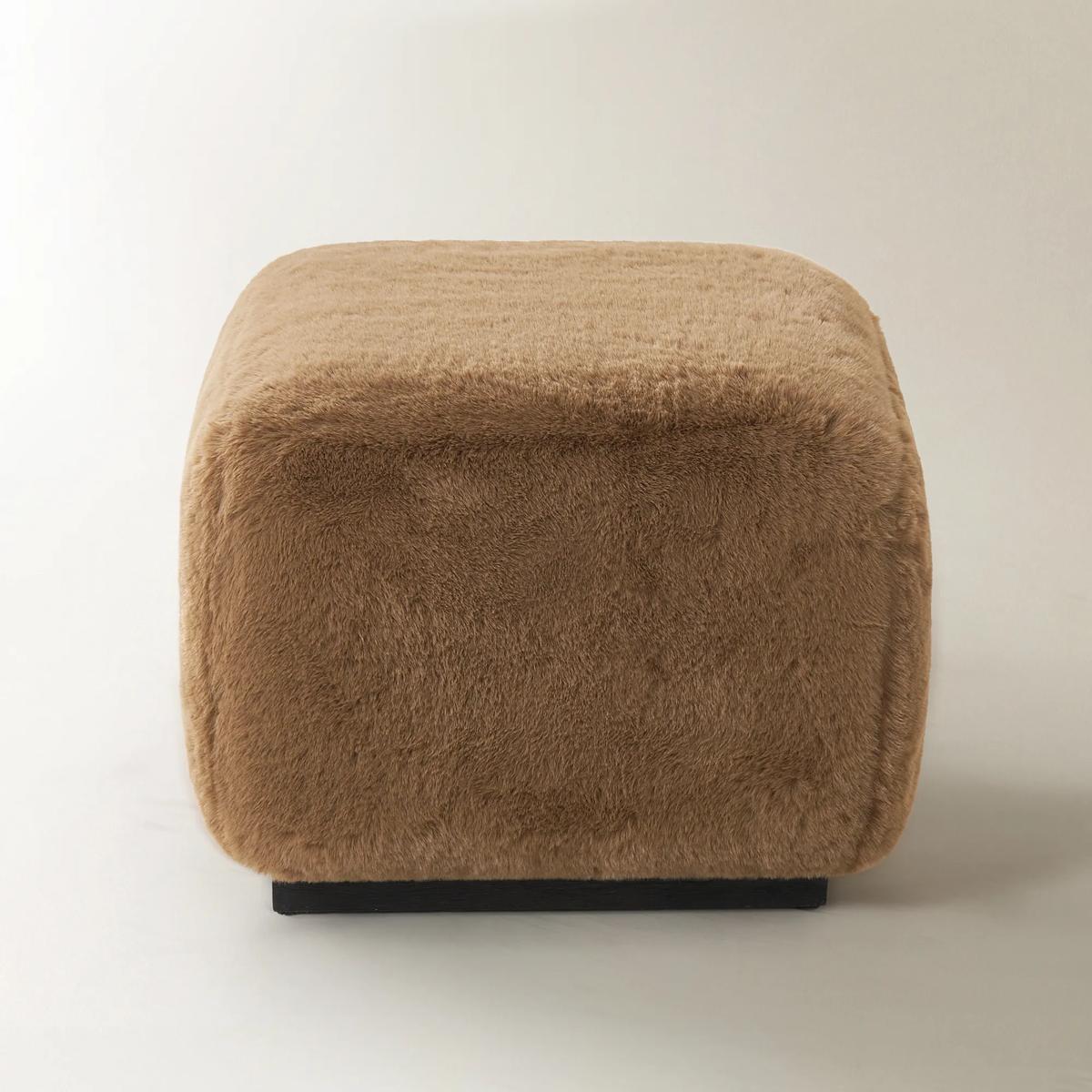
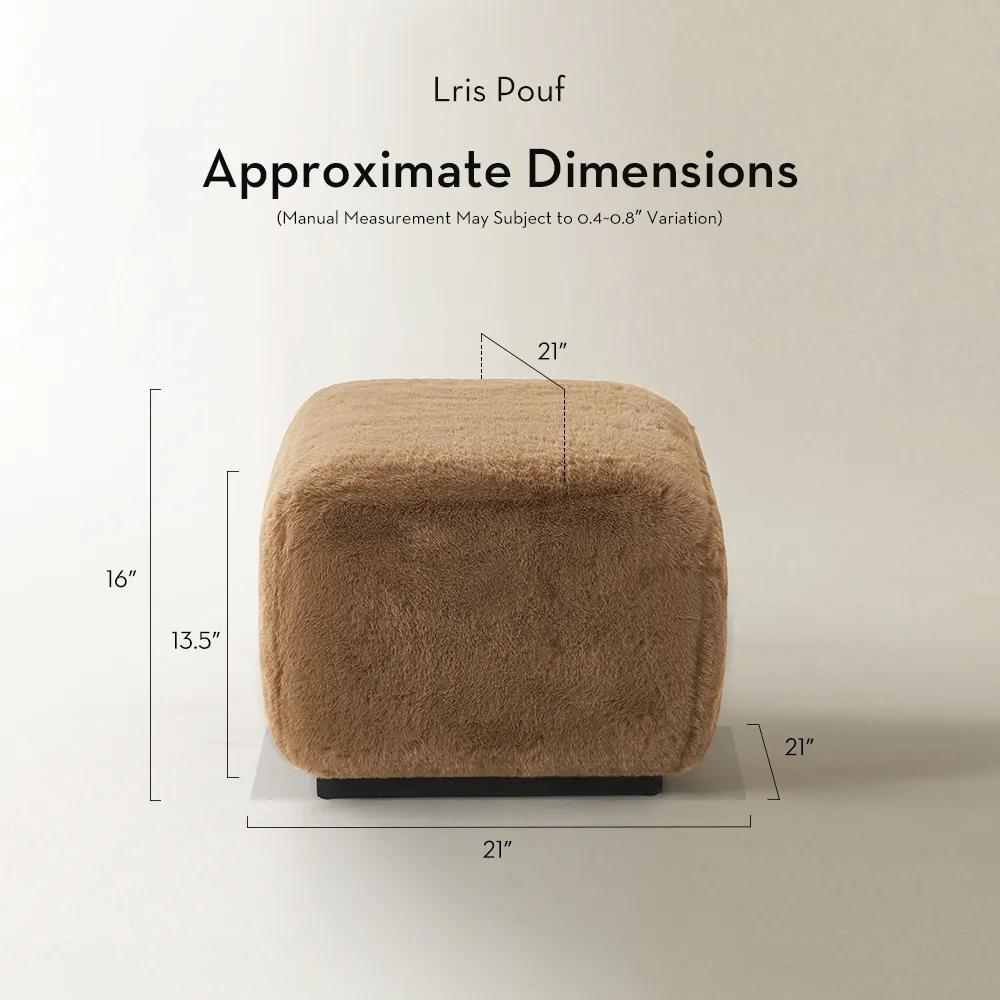 Lris Camel Faux Fur Stool (21")$299
A camel faux fur pouf with a solid rubberwood base, offering cozy warmth and modern sophistication.
Add To Cart -
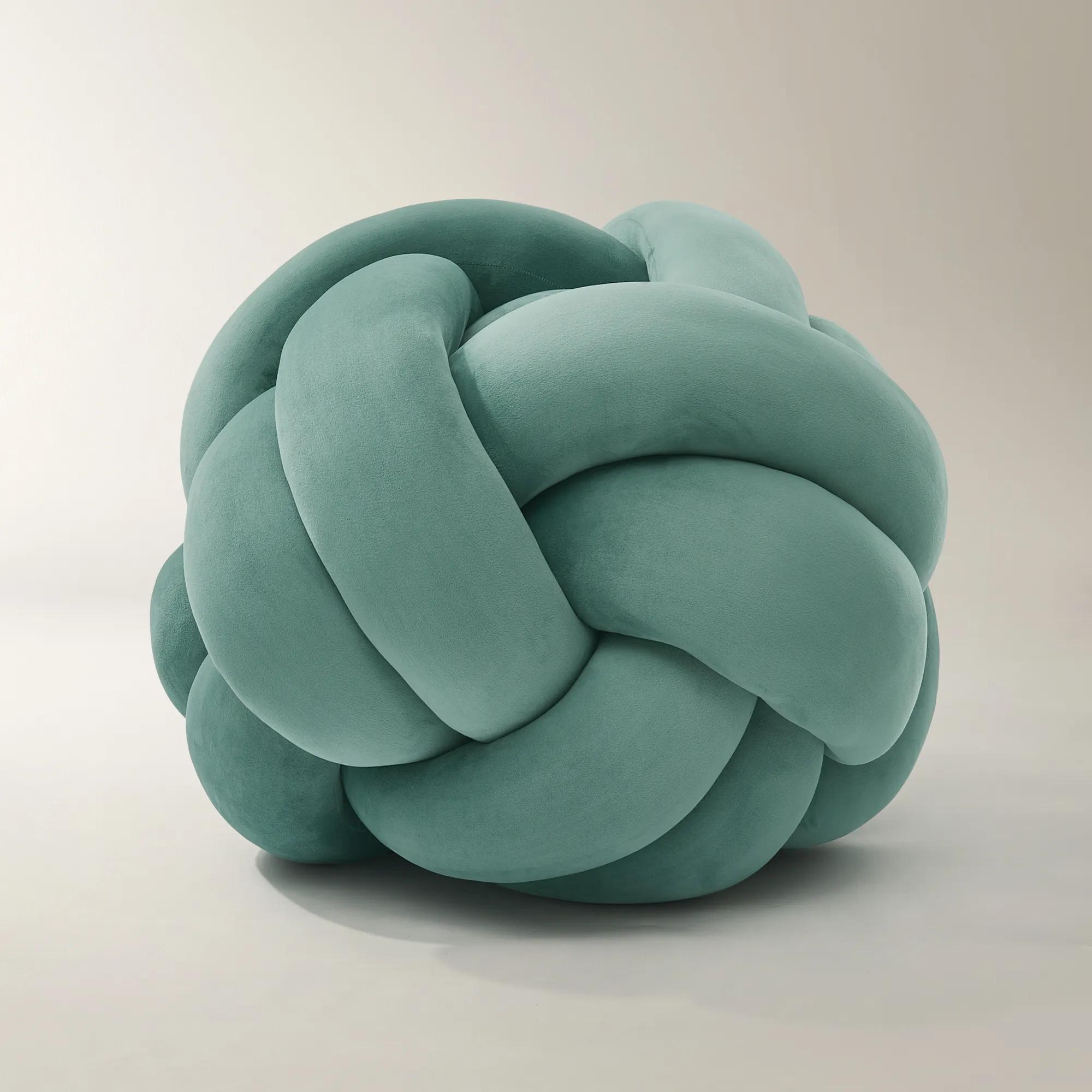 Loopie Ocean Teal Velvet Stool (34.5")$399
A bold sculptural stool featuring plush ocean teal velvet upholstery and an oversized knotted silhouette.
Add To Cart -
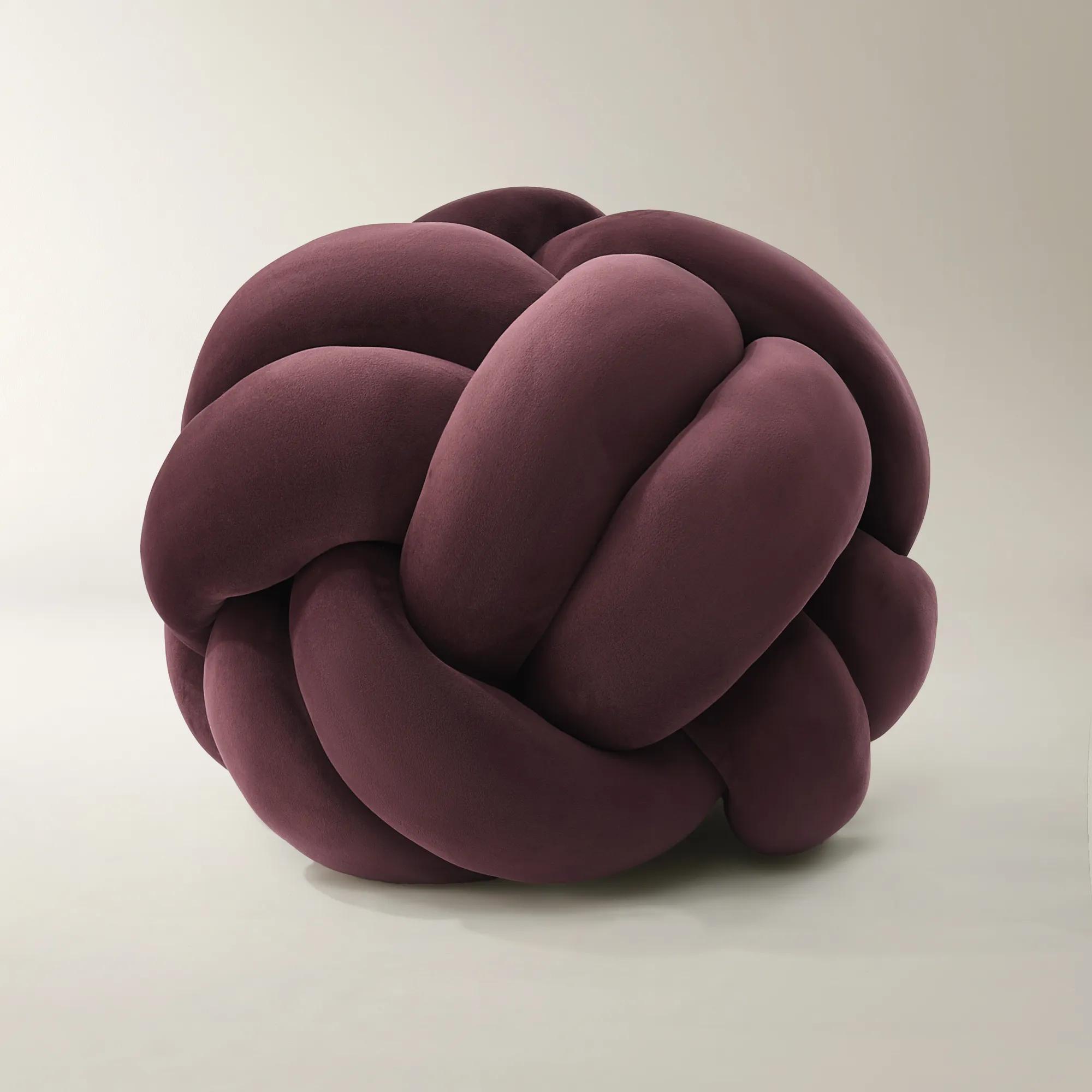
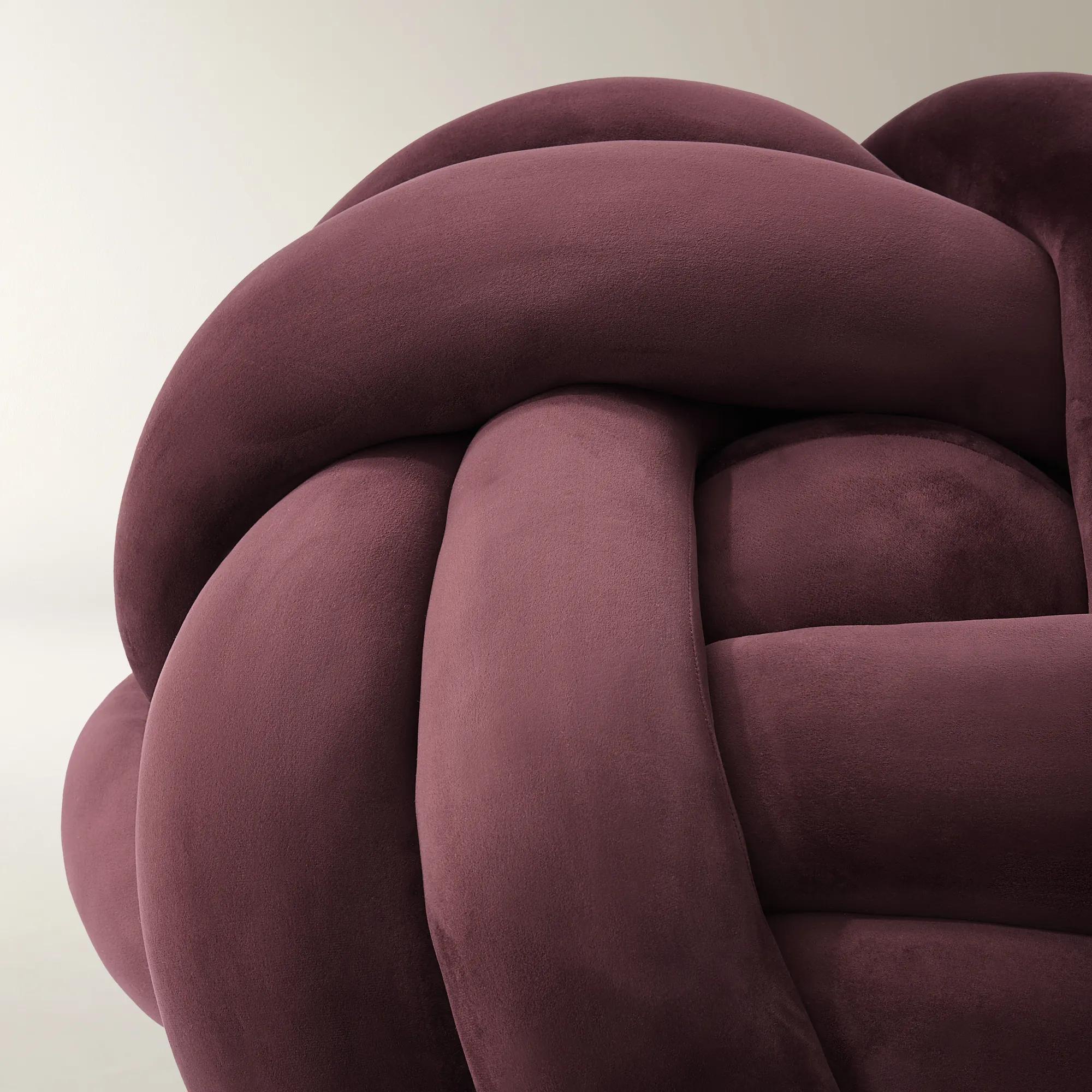 Loopie Fig Velvet Stool (34.5")$399
An oversized, knot-inspired stool hand-upholstered in plush fig velvet for bold sculptural appeal.
Add To Cart -
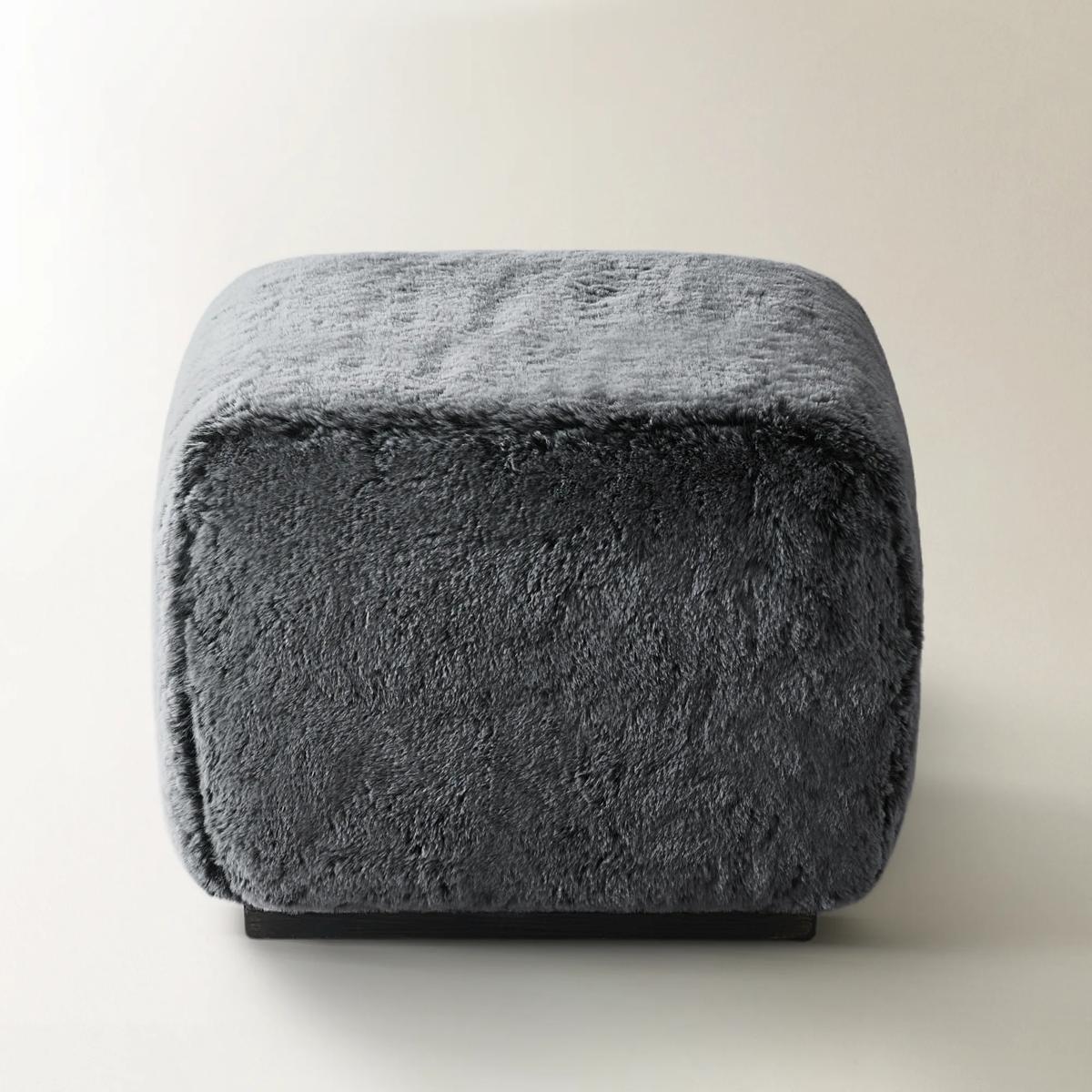
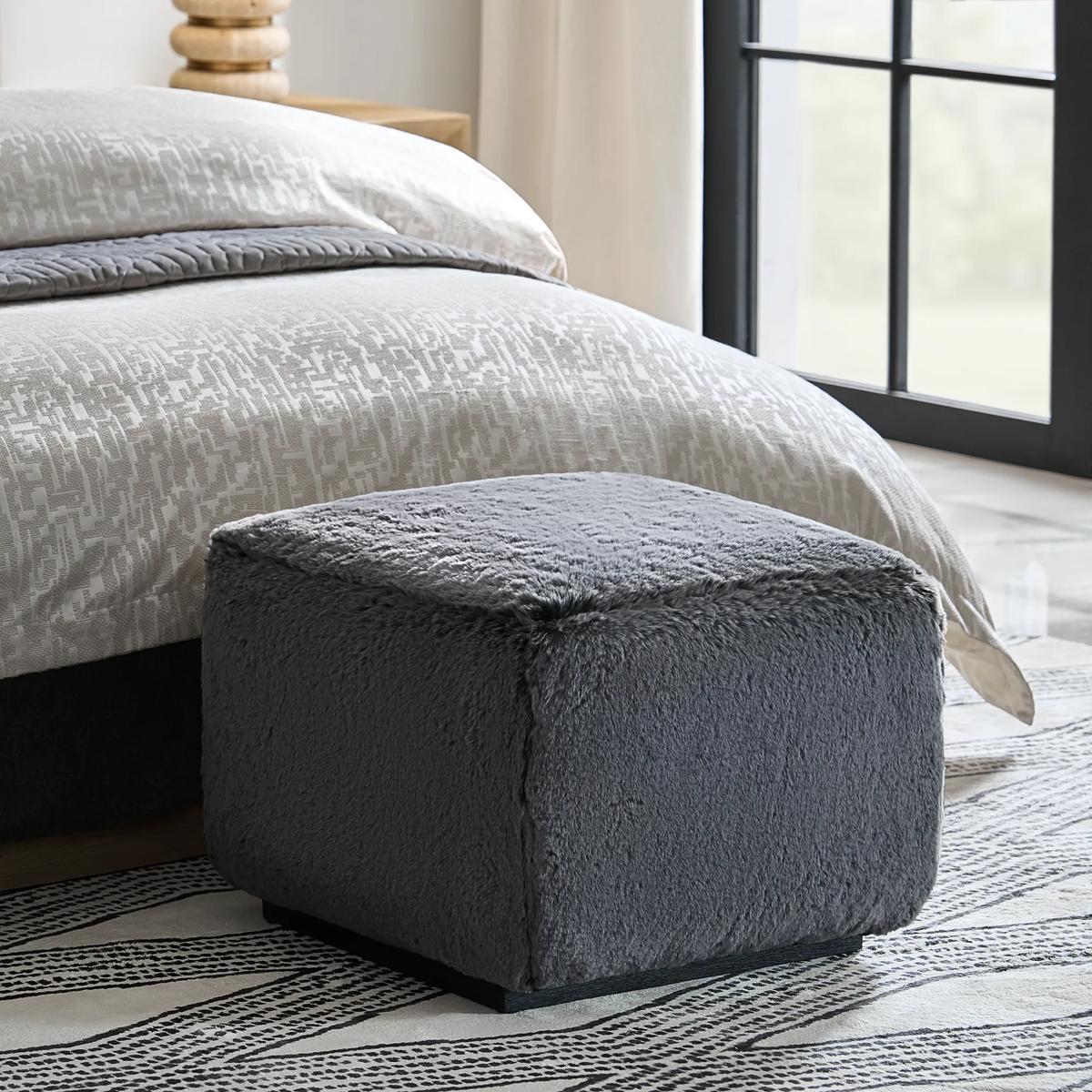 Lris Grey Faux Fur Stool (21")$299
A charcoal grey faux fur pouf with high-density foam and a sturdy rubberwood base for modern comfort.
Add To Cart -
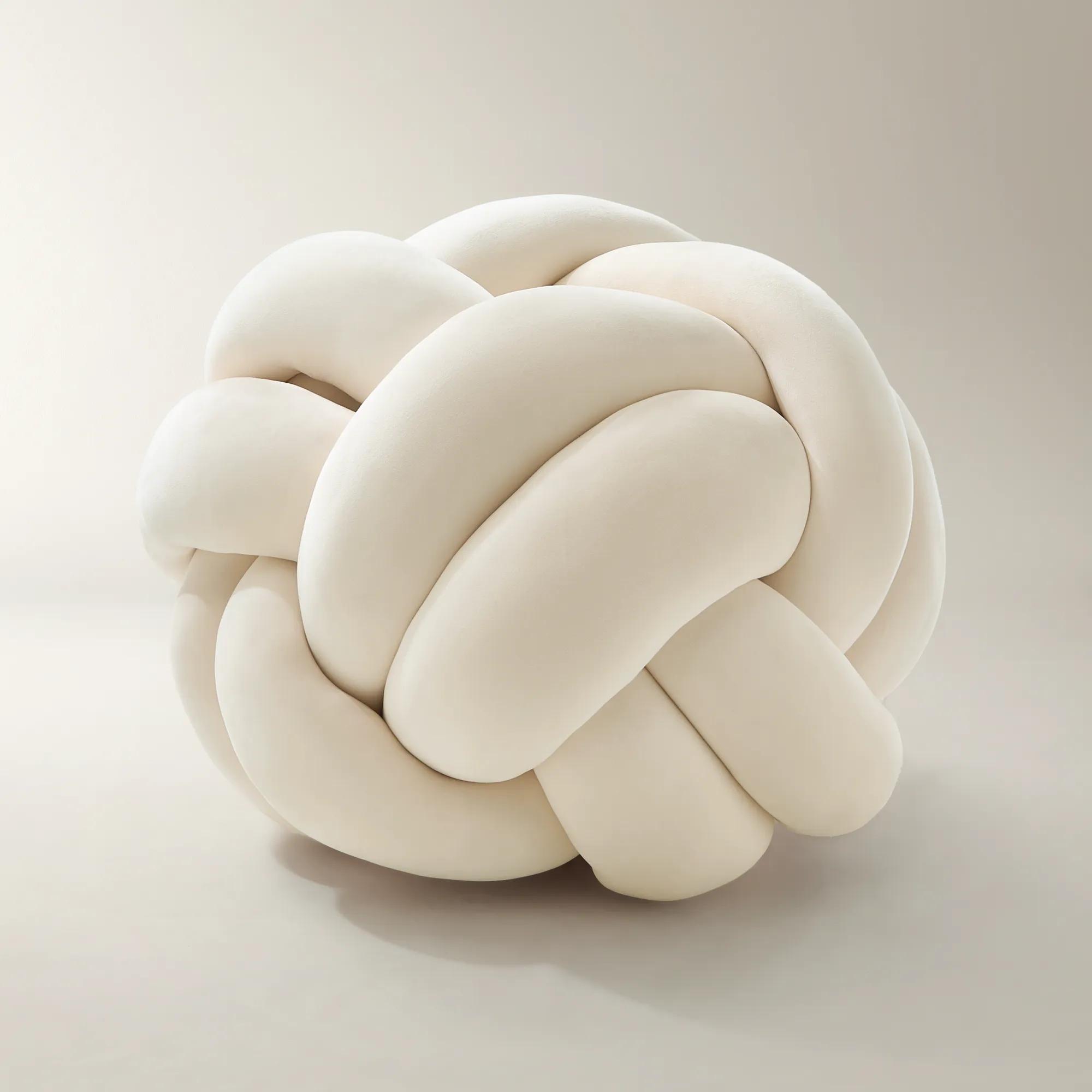 Loopie Oatmeal Velvet Stool (34.5")$399
An oversized oatmeal velvet stool featuring a sculptural knotted silhouette and plush, hand-upholstered finish.
Add To Cart -
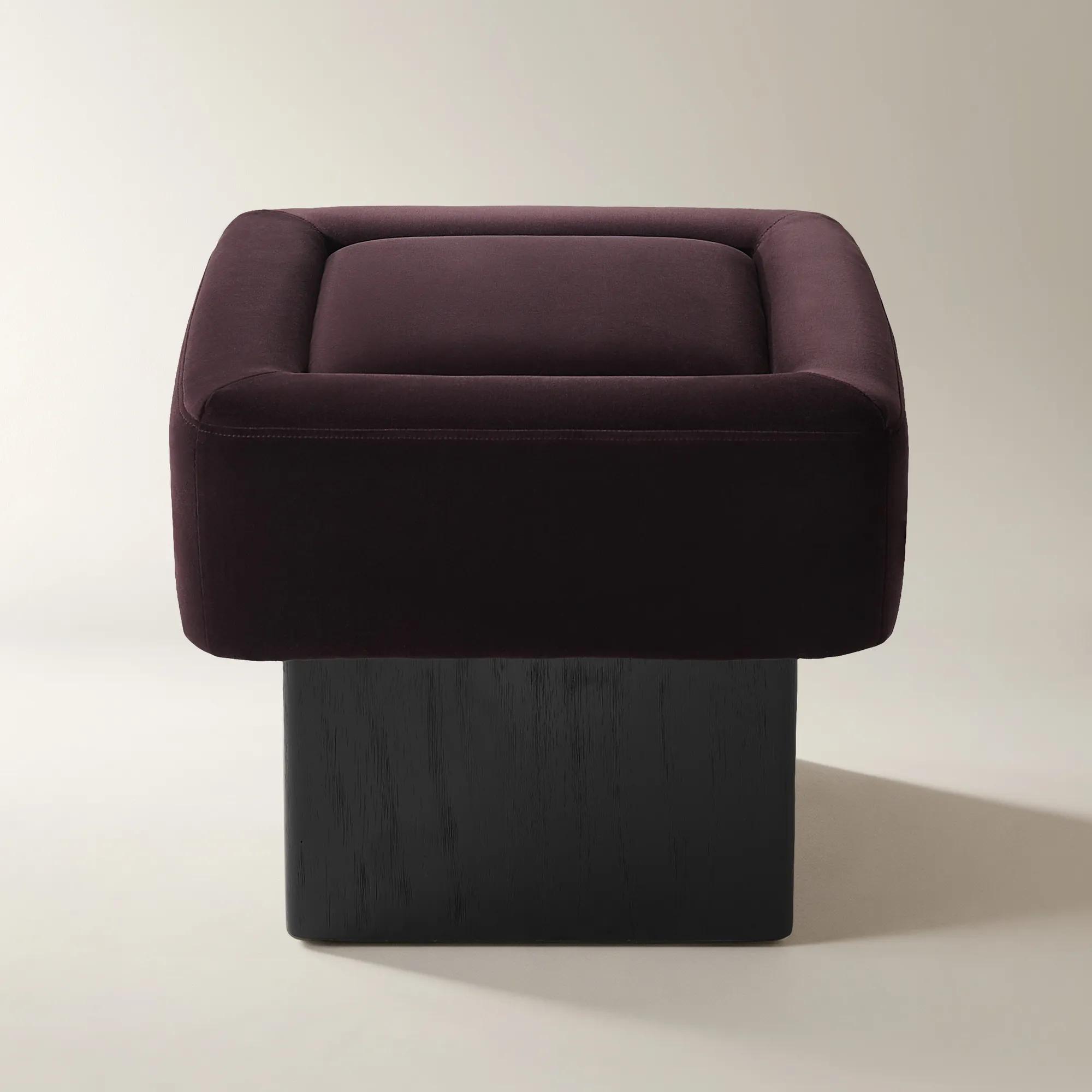 Reims Fig Velvet Stool$399
A plush fig-colored velvet stool featuring a sculpted cushion and a solid rubberwood base for modern contrast.
Add To Cart -

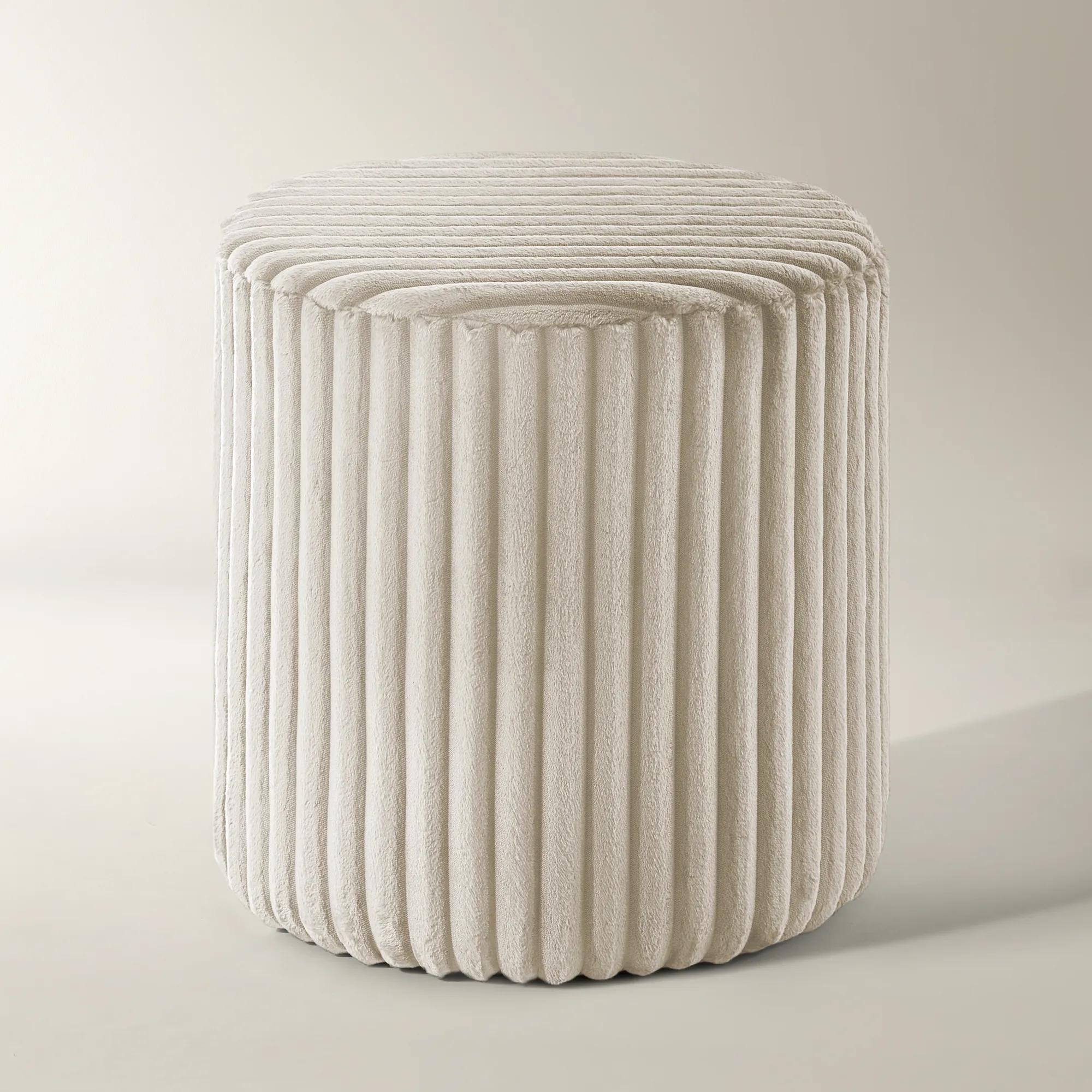 Fleece Fluted Ivory Velvet Stool (15.55'')$229
An ivory ribbed velvet stool offering cozy softness and versatile use as seating, footrest, or accent table.
Add To Cart -
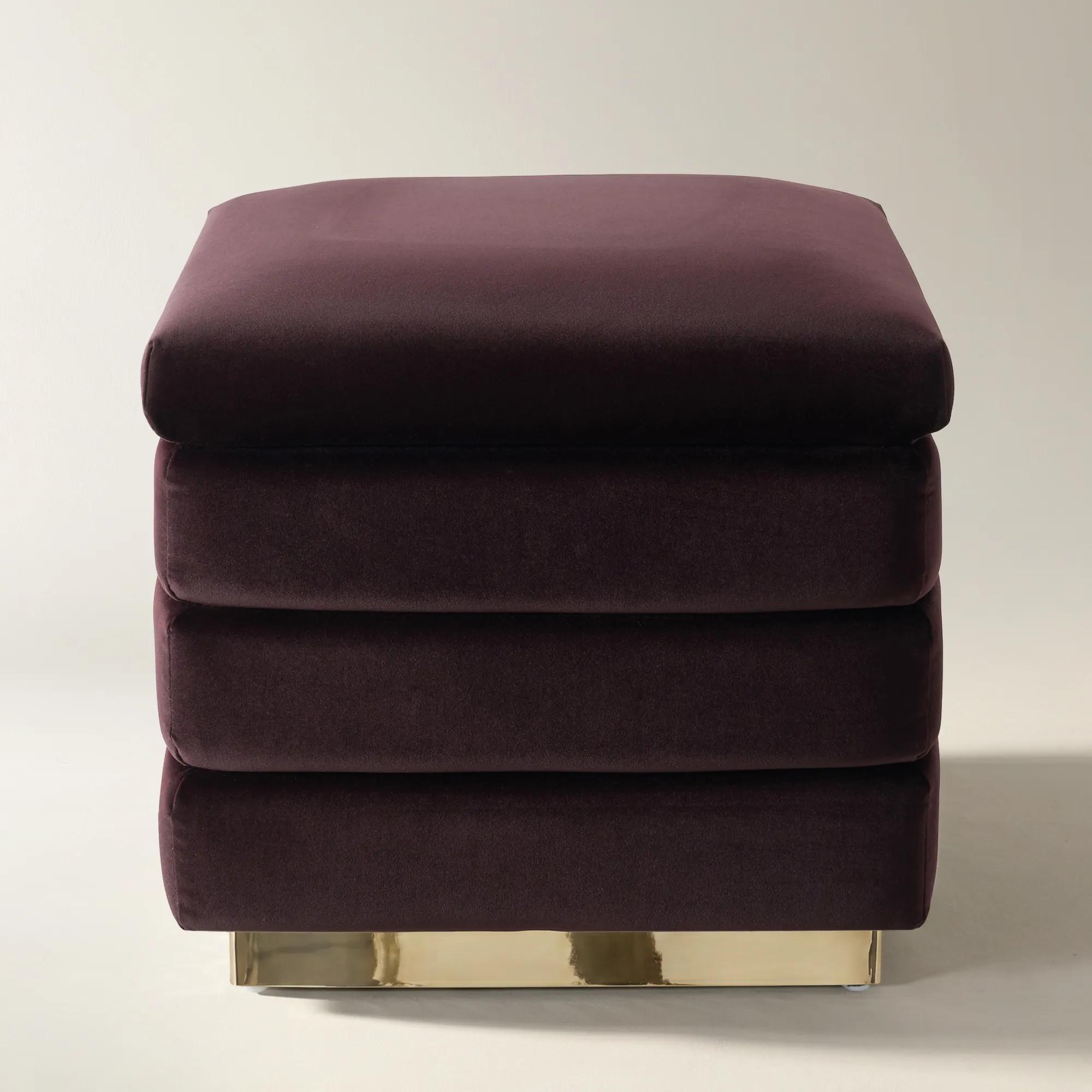
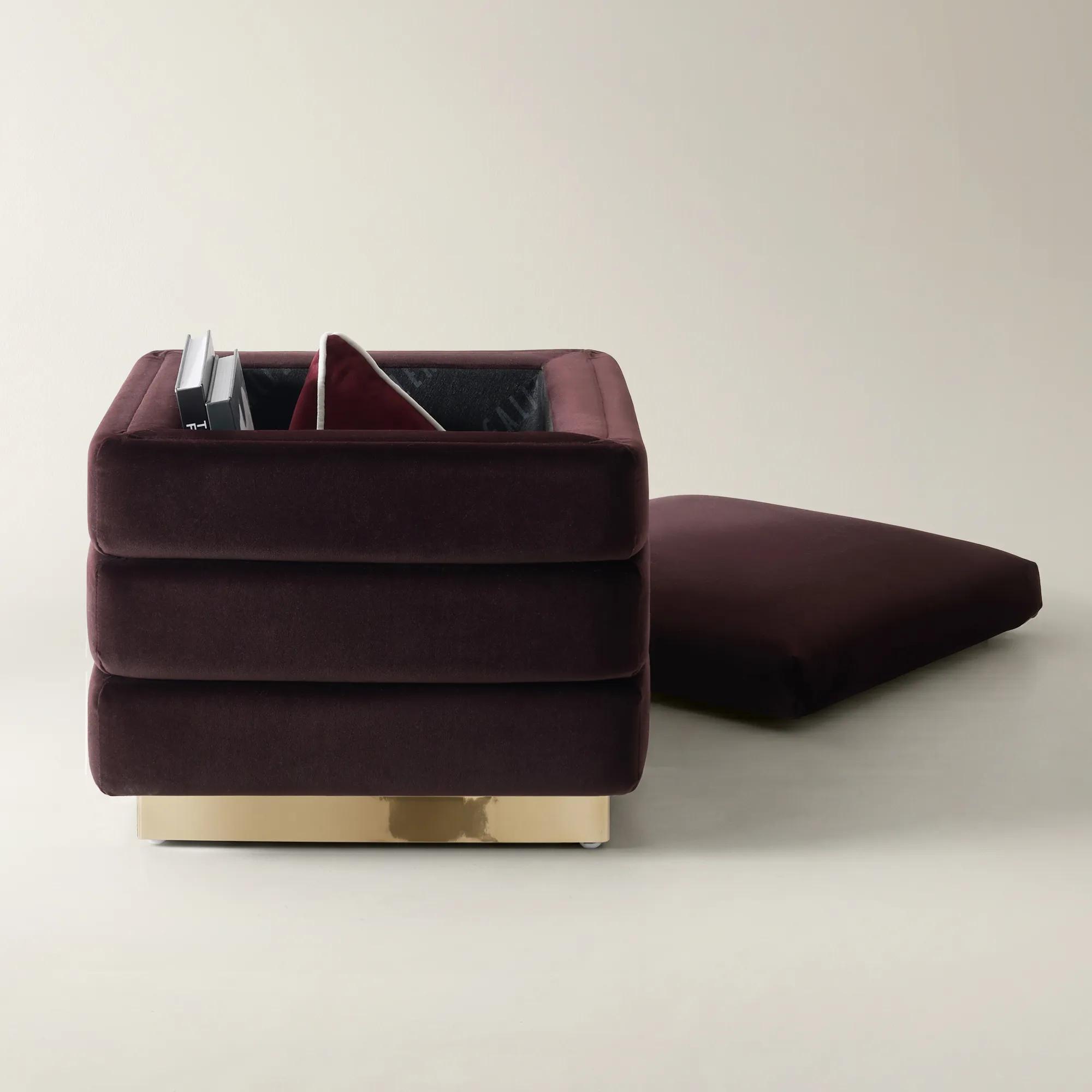 Gable Fig Chenille Storage Stool$399
A plush fig chenille stool with hidden storage, velvet upholstery, and a polished gold stainless steel base.
Add To Cart -
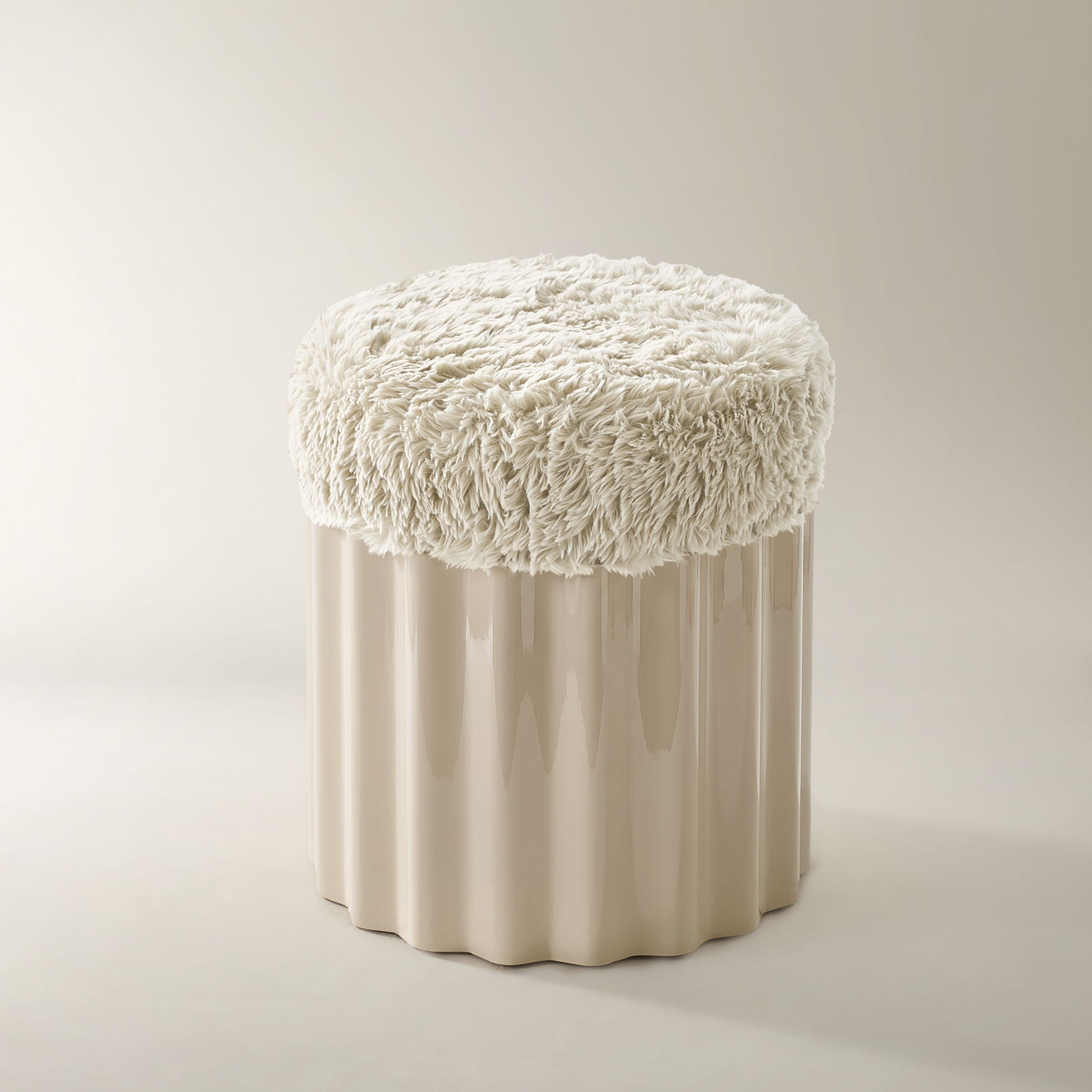
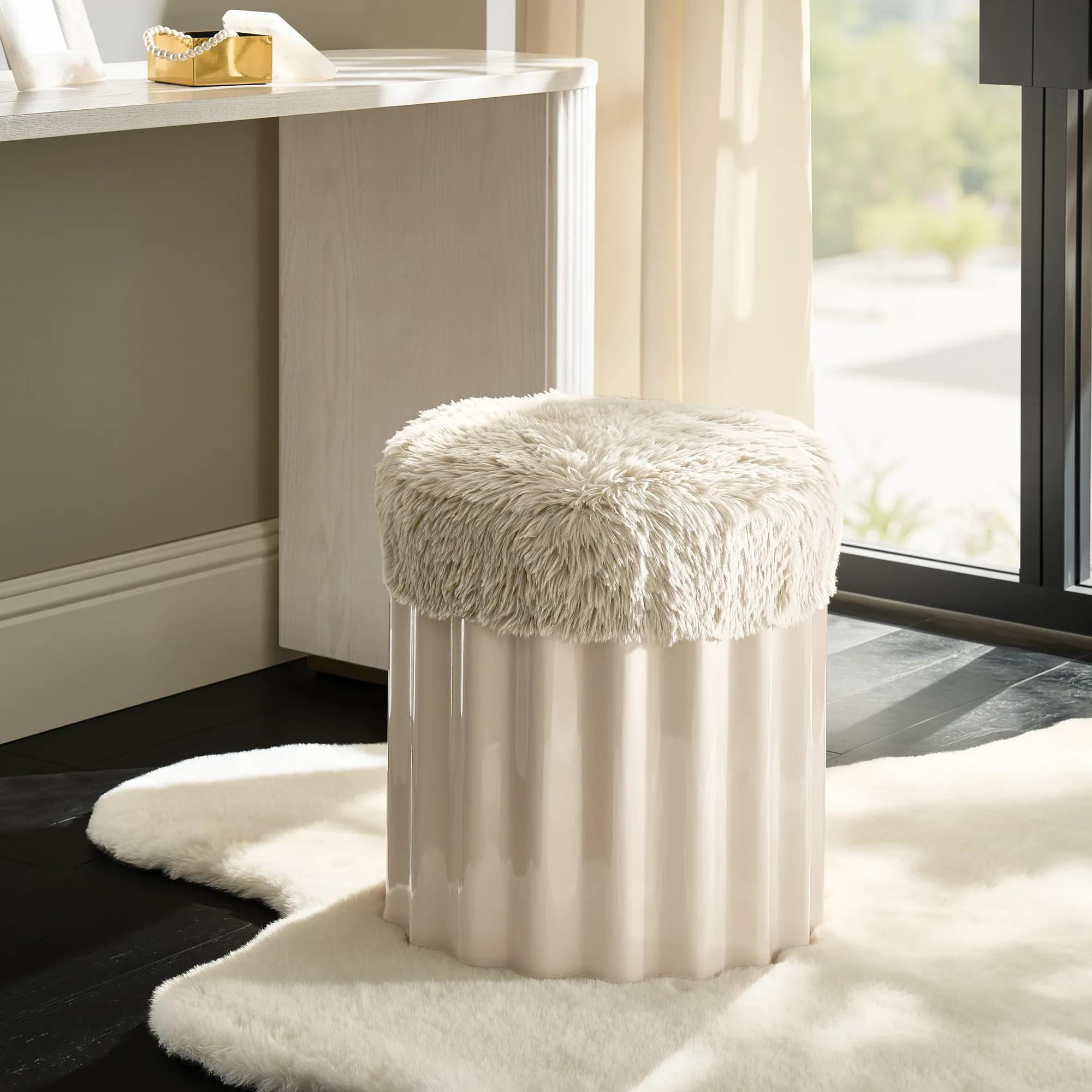 Nia Lacquered Turtle Dove Faux Fur Storage Stool$399
A sculptural fluted stool in warm turtle dove with plush faux fur seat and hidden storage compartment.
Add To Cart -
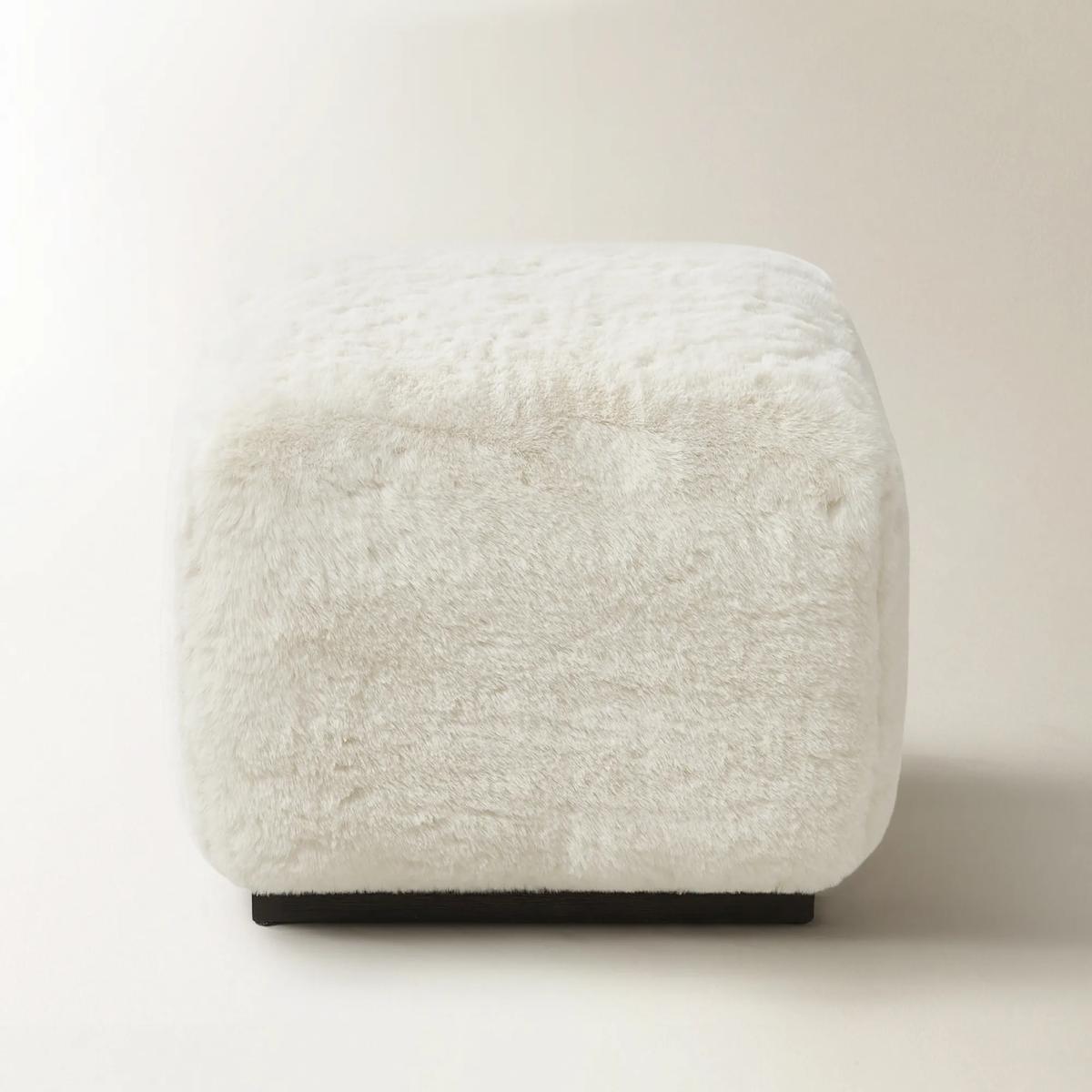
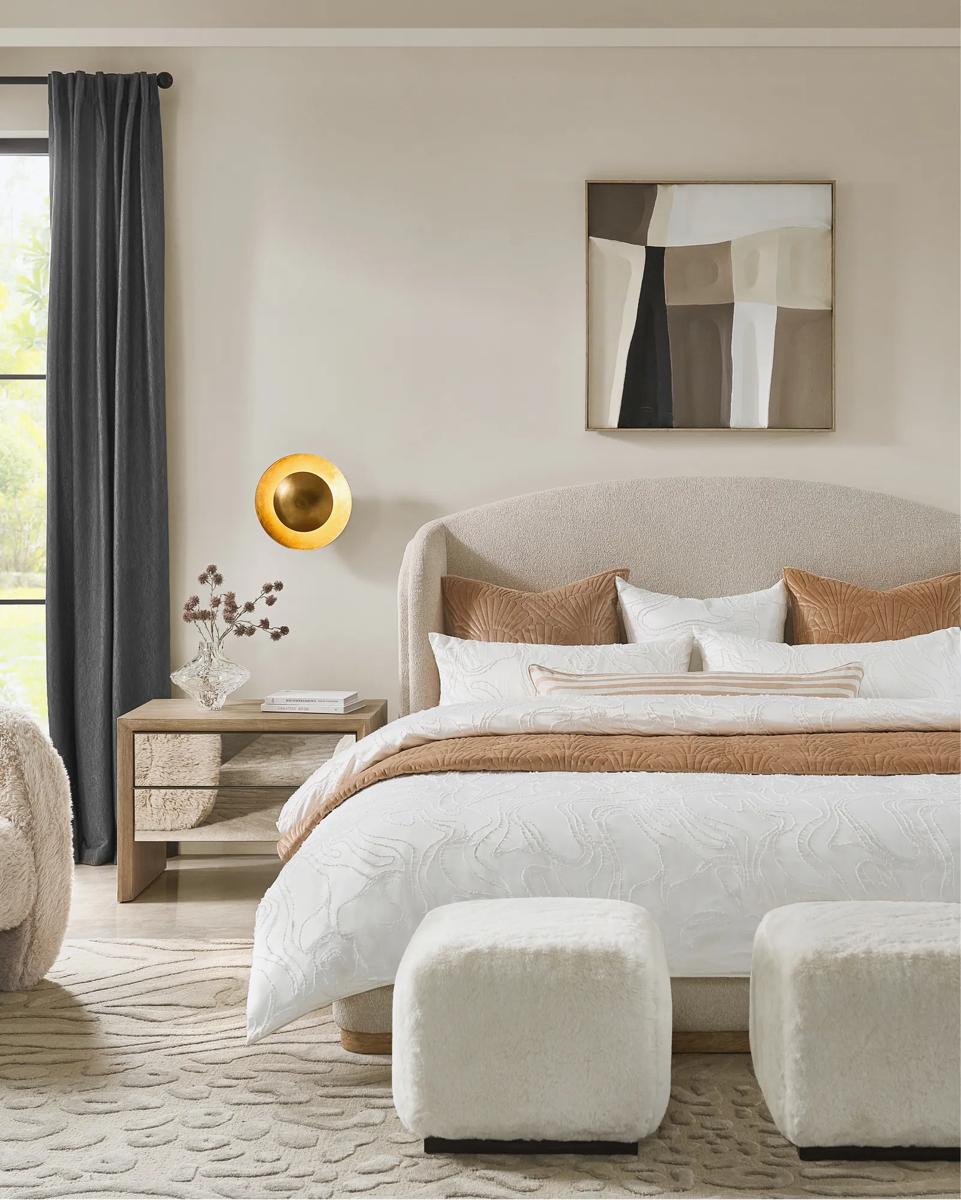 Lris Ivory Faux Fur Stool (21")$299
An ivory faux fur pouf with plush high-density foam and a sturdy, eco-friendly rubberwood base.
Add To Cart -
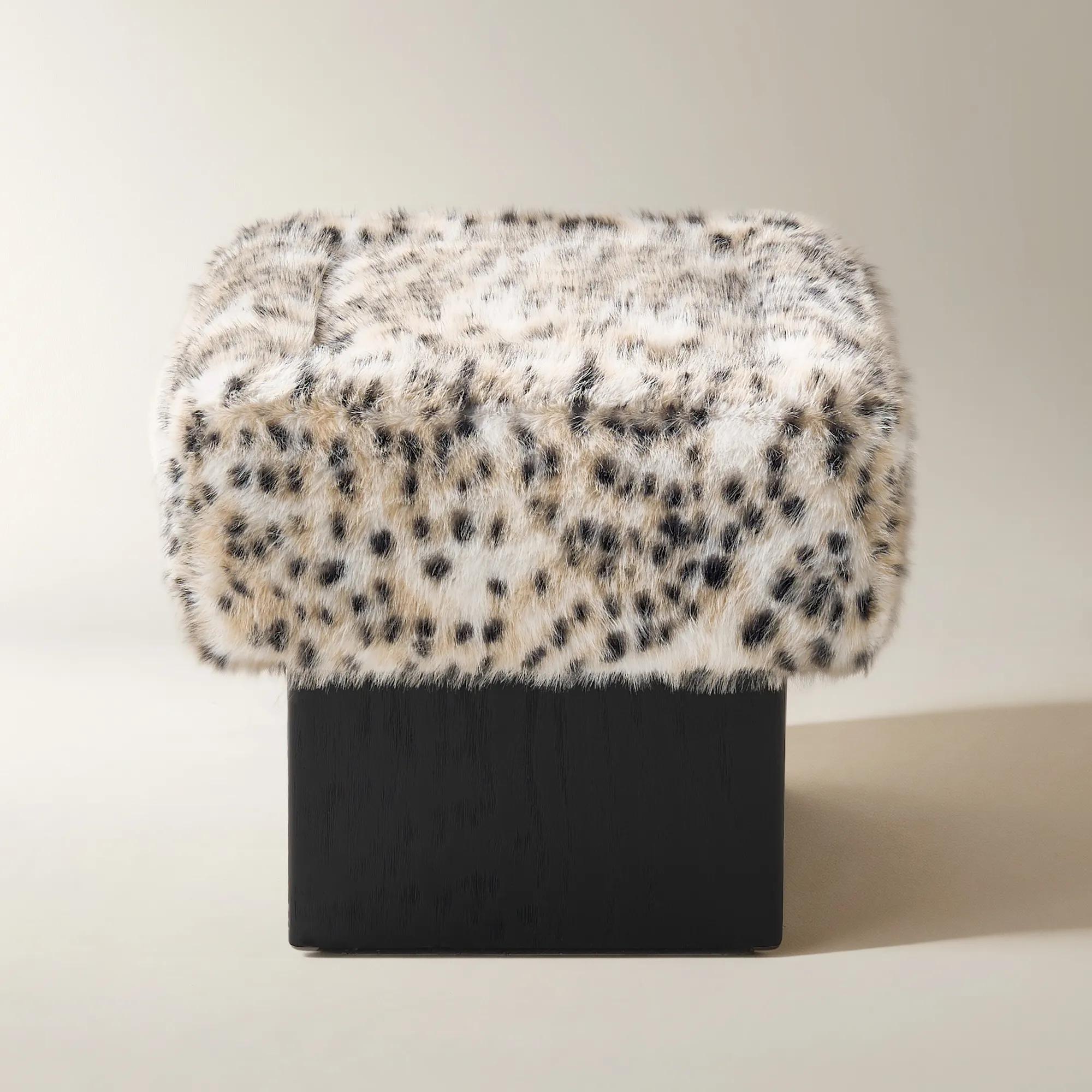 Reims Spotted Faux Fur Stool$399
A plush spotted faux fur stool with a sculpted cushion and solid rubberwood base for modern contrast.
Add To Cart -
 Fleece Fluted Gray Velvet Stool (15.55'')$229
A plush grey velvet stool with a unique ribbed texture, perfect for versatile, cozy seating or decor.
Add To Cart -
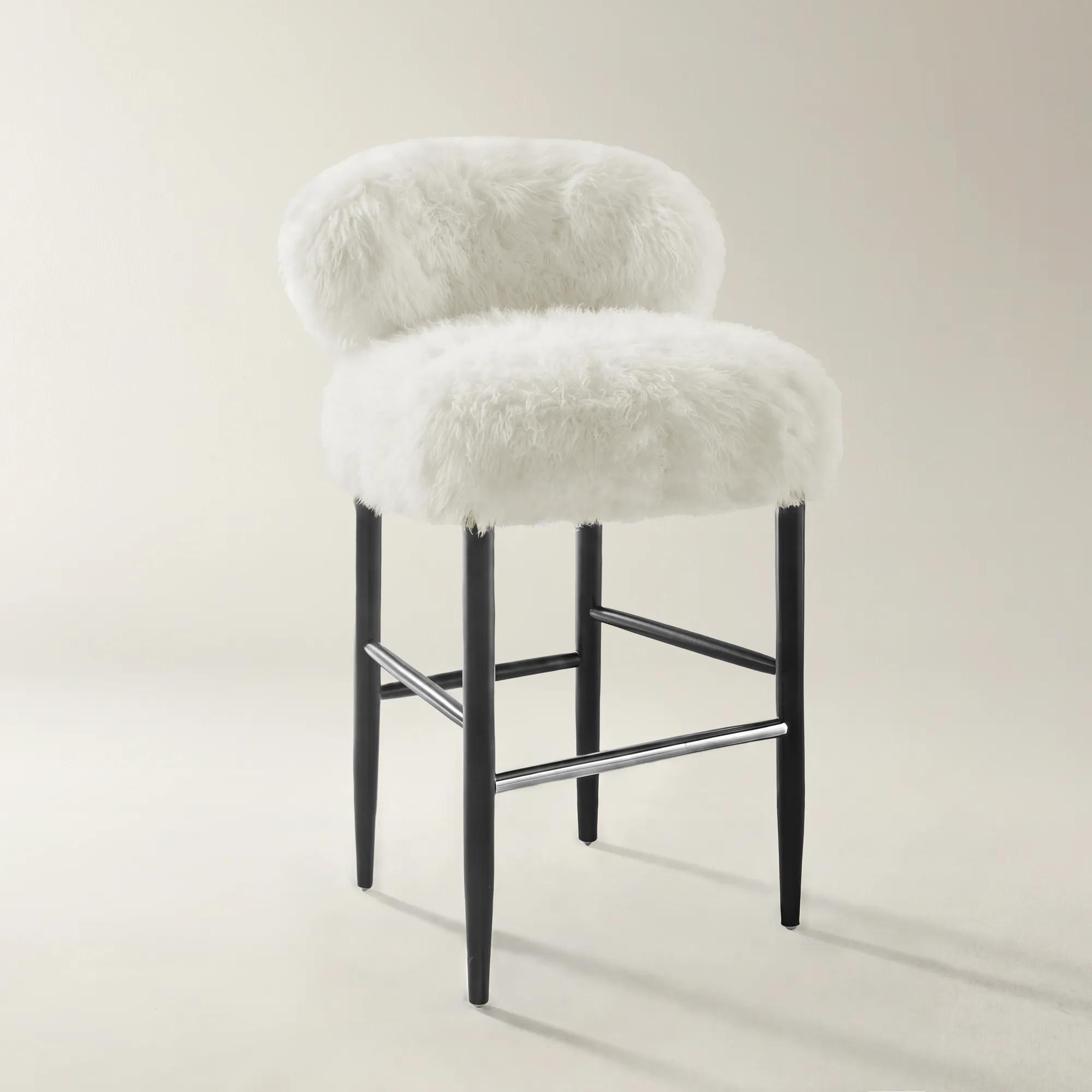 Anna Ivory Faux Fur Bar/Counter Stool$499
An ivory faux-fur stool with a sculpted padded seat and tapered solid rubberwood legs.
Add To Cart -
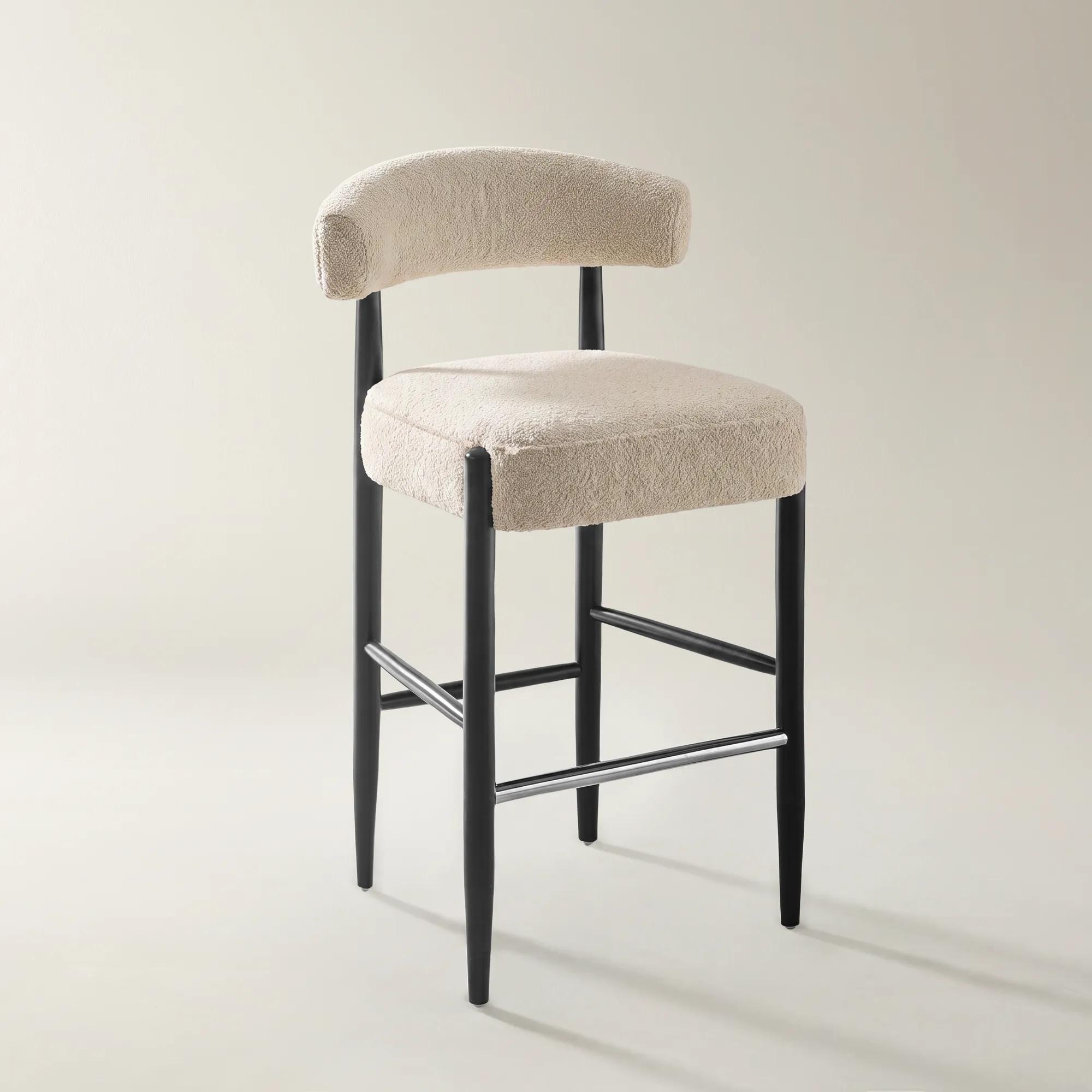 Anna Utopia Sand Chenille Bar/Counter Stool$399
A sand chenille stool with a sculpted padded seat, tailored upholstery, and tapered solid rubberwood legs.
Add To Cart -
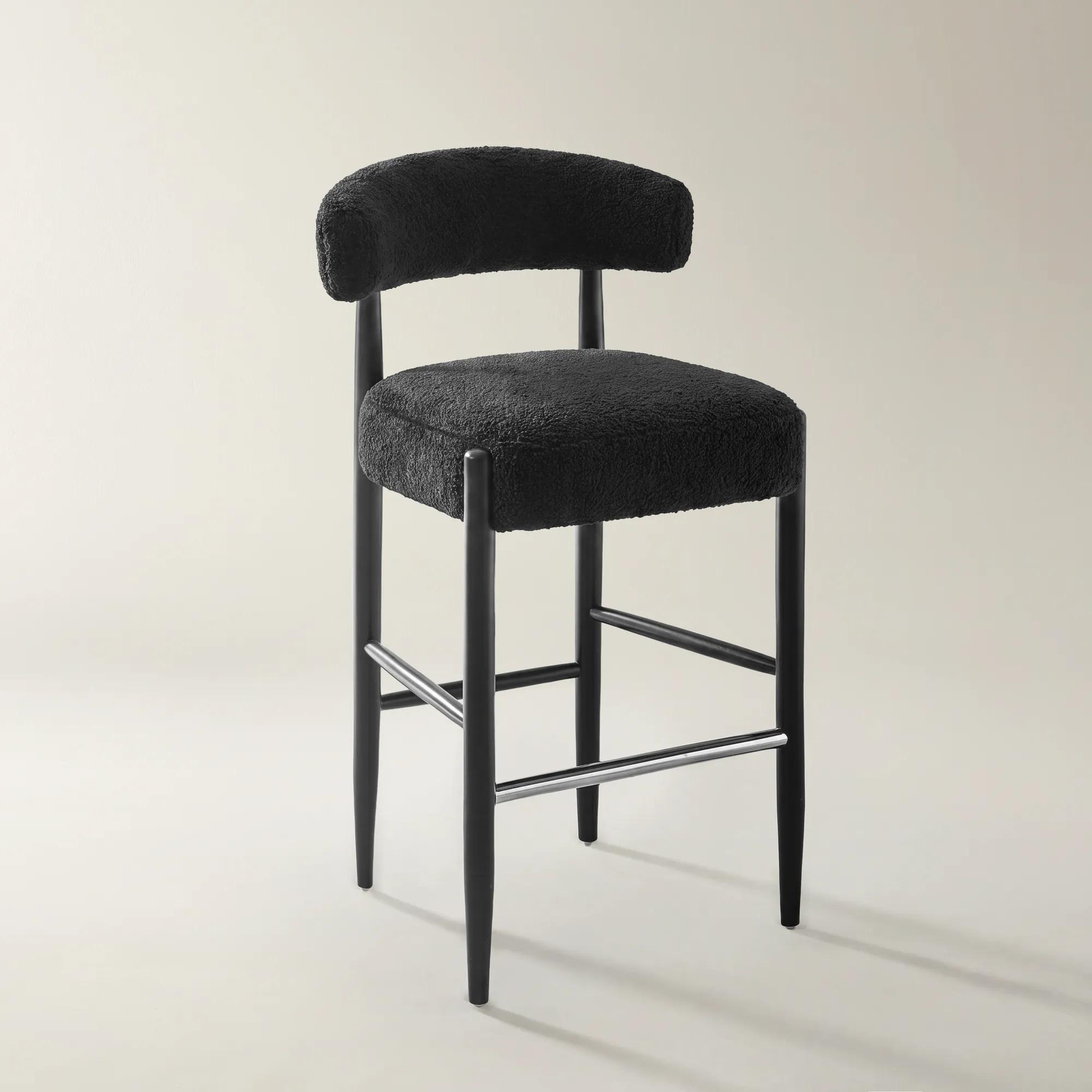 Anna Black Chenille Bar/Counter Stool$399
A charcoal chenille stool featuring sculpted support, high-density cushioning, and tapered solid rubberwood legs.
Add To Cart -
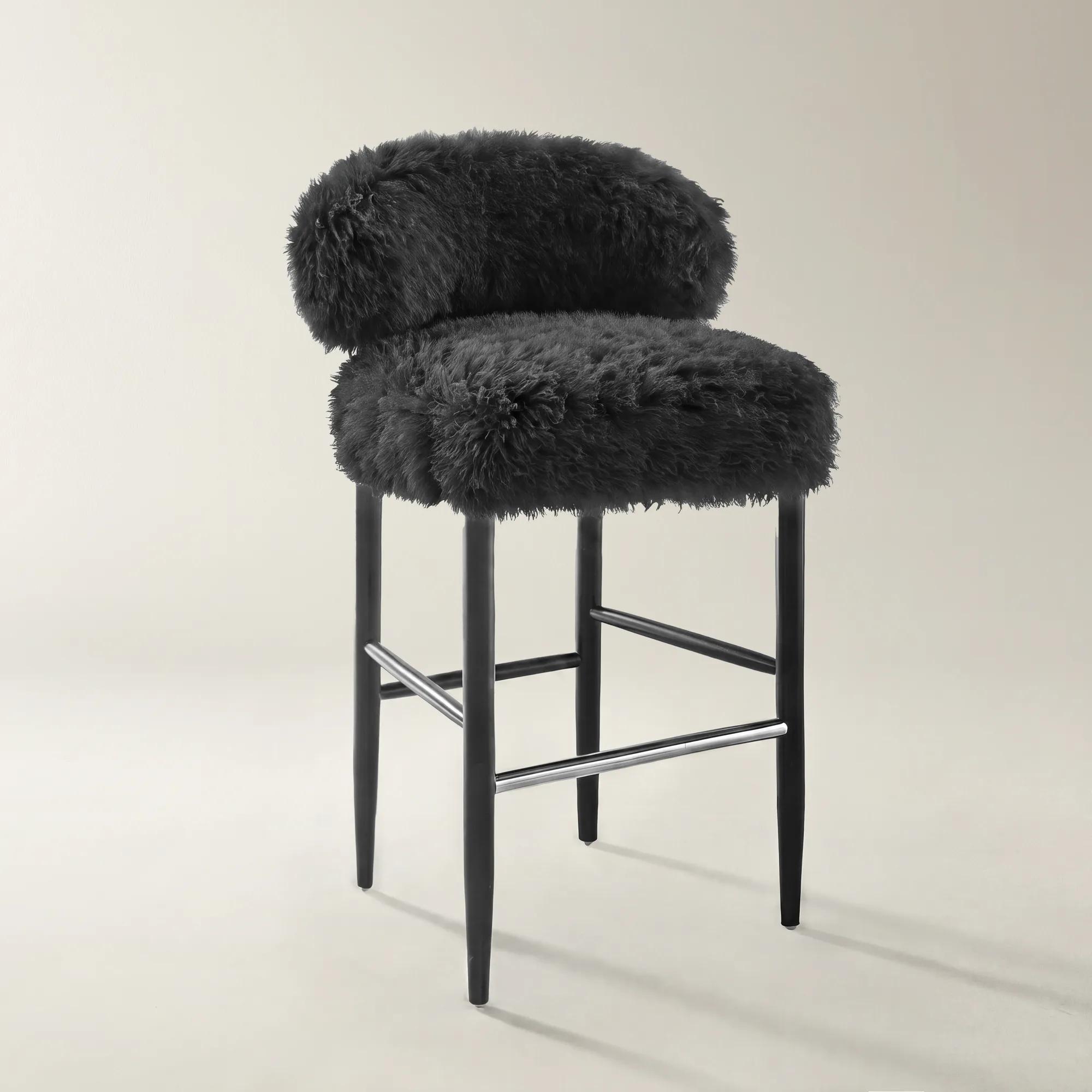 Anna Black Faux Fur Bar/Counter Stool$499
A black faux fur stool with sculpted support, padded seating, and solid rubberwood legs.
Add To Cart

Accent Stools For Modern Apartments
Accent stools for modern apartments are the secret to transforming everyday living into a curated experience of style and sophistication. Each piece is a sculptural statement—an invitation to linger, to admire, and to elevate the ordinary. In spaces where every square foot counts, these versatile accents deliver more than just function; they infuse your home with bold personality and unexpected artistry. Whether poised beside a sleek sofa or nestled in a sun-drenched corner, accent stools for modern apartments create moments of intrigue and delight, turning compact footprints into grand expressions of self.
Accent stools for modern apartments bring sculptural presence to compact rooms while offering a flexible place to sit, rest your feet, or set down a tray when the design supports those uses. Smaller than most accent chairs, these expressive furnishings introduce texture, color, and shape without demanding a large share of the floor plan. A velvet-covered silhouette beside a tailored sofa can soften crisp architectural lines; a gleaming metal base can catch the light against a matte wall; a rounded stool can interrupt the straight edges of shelving and cabinetry. In a studio apartment, that contrast gives the living area its own personality without adding another substantial piece of furniture. For anyone who enjoys entertaining, a seating-rated accent stool offers a graceful alternative to keeping an extra chair permanently stationed in the room. It can sit beneath an open console between gatherings, then move into a conversation area when friends arrive. Near a vanity, a compact upholstered seat makes a dressing space feel considered rather than improvised. At the foot of an armchair, a stool designed for use as a footrest creates an inviting place to settle in with a book. These roles depend on construction: a decorative stool is not automatically suitable for sitting, and a curved or deeply cushioned top should not be treated as a stable tabletop. Dimensions, weight capacity, and intended use deserve as much attention as the silhouette. Many seat-height accent stools fall around 16 to 20 inches high, but comfort depends on the person using them and the furniture nearby. A lower stool may work beautifully with a lounge chair yet feel awkward at a vanity. Width matters, too, especially when a piece needs to tuck beneath a console or remain clear of a doorway. The strongest choice balances visual drama with enough room to move naturally through the apartment, allowing a striking detail to become part of daily life rather than an obstacle to it.
Material gives an accent stool much of its character, but it also influences how the piece feels, wears, and responds to care. Velvet brings depth to jewel tones and neutral shades alike, shifting subtly as light moves across the pile. Its sumptuous surface lends richness to rooms with glass, polished metal, or smooth lacquered finishes, although pressure marks and changes in nap may be visible with use. Textured woven upholstery offers a different kind of dimension, breaking up broad expanses of smooth furniture with a tactile surface. Faux fur creates a more theatrical accent, particularly against clean-lined furnishings, but its longer fibers may require additional attention to keep debris from collecting. Leather and leather-look materials offer a tailored appearance, though their cleaning requirements differ and should never be assumed interchangeable. Solid wood, metal, and stone bring architectural weight to a room; a visible wood grain can temper a high-gloss setting, while a polished metal frame adds a flash of reflected light. Heavier constructions may be less convenient for frequent rearranging, even when their proportions are compact. For a stool that will move between rooms, overall weight and a secure frame are practical considerations. For regular seating, look beyond surface softness to the strength of the base, the stability of the legs, and the stated weight limit. A broad base can feel reassuring, while exposed legs make the silhouette appear lighter. Upholstered pieces benefit from vacuuming with an appropriate attachment and prompt attention to spills according to the care label. Cleaning solutions should be compatible with the material and tested in an inconspicuous area when the manufacturer recommends it. Wood and metal generally need gentle cleaning suited to their finishes rather than abrasive scrubbing, while natural stone may require specific precautions against staining or acidic substances. Protective pads appropriate to both the stool and the flooring can help reduce scratches when furniture is repositioned. In apartments shared with pets or children, fabric construction, accessible seams, and ease of cleaning are worth considering alongside the irresistible appeal of a richly textured seat.
Placement turns these compact furnishings into intentional elements of a modern apartment. Beside a sofa, an accent stool should leave enough space for knees, feet, and an unobstructed route through the room. Beneath a console, check the available height and the distance between supports rather than relying on the console’s overall width. In a bedroom, a stool near a dressing mirror can provide a convenient perch without competing with the bed as the room’s focal point. A pair can create a composed arrangement at the foot of a bed or along a wall, provided the layout still allows drawers and doors to open freely. Color offers another way to shape the space: a saturated accent can draw the eye through an otherwise restrained room, while tonal upholstery lets an unusual form command attention. Repeating a metallic finish already present in a lamp or mirror can make the arrangement feel connected without matching every detail. When a stool is suitable for use as a supporting surface, a flat, stable top and a properly fitted tray can create a place for a book or decorative object; an unstable cushion is not an appropriate base for glassware or hot drinks. Accent stools also serve a different purpose from elevated seating at a kitchen island or bar. For those taller gathering spaces, Bar Stools For Modern Apartments offers a related seating category, where seat height, legroom, and foot support become central to the fit. An accent stool belongs closer to the lounge, vanity, or occasional seating arrangement, and should not substitute for a step stool or ladder. As a housewarming gift, it can be a thoughtful choice for someone furnishing an apartment, particularly when the recipient’s space, preferred palette, and practical needs are known. The appeal lies in that balance: a modest footprint, a useful role, and enough sculptural character to give even a small corner a distinct identity.
FAQs
Accent stools are the ultimate style chameleons, effortlessly elevating the ambiance of any modern apartment. With their sculptural silhouettes and luxurious materials—think velvet, gleaming metals, or rich woods—these pieces add a layer of texture and artistry. Whether used as a standalone statement or woven into a layered vignette, accent stools introduce visual intrigue and a sense of curated sophistication to your living space.
Accent stools transcend their role as occasional seating by moonlighting as side tables, plant stands, or artistic pedestals for treasured décor. Place a modern accent stool beside a sofa to hold a tray of cocktails, or tuck one under a console as an impromptu display for books and objets d’art. Their adaptability makes them perfect for open-plan spaces, where they can help define zones while adding a dash of unexpected glamour.
For a contemporary look, choose accent stools crafted from luxe materials such as plush velvet, tactile boucle, polished metals, or natural woods. Mirrored or metallic finishes bring a touch of drama and light, while organic textures like wood or stone add warmth and grounding energy. The right material can transform a stool from a functional object into a captivating design moment.
Absolutely. Accent stools make inspired gifts for design lovers, recent graduates, or anyone embarking on a new chapter in a modern apartment. Their versatility ensures they’ll always find a place—whether as a chic bedside table, an entryway accent, or a stylish perch for guests. Gifting a beautifully crafted accent stool is a gesture that combines practicality with a flourish of personality.
To create a harmonious design story, echo elements from your existing décor when selecting accent stools—consider matching metals, complementary colors, or similar textures. In open-plan apartments, use accent stools to unify different areas by choosing pieces that reflect the shapes or tones found elsewhere in your furnishings. This thoughtful approach ensures your space feels intentional and artfully composed.