Abstract Rugs For Modern Apartments
Abstract Rugs For Modern Apartments
-
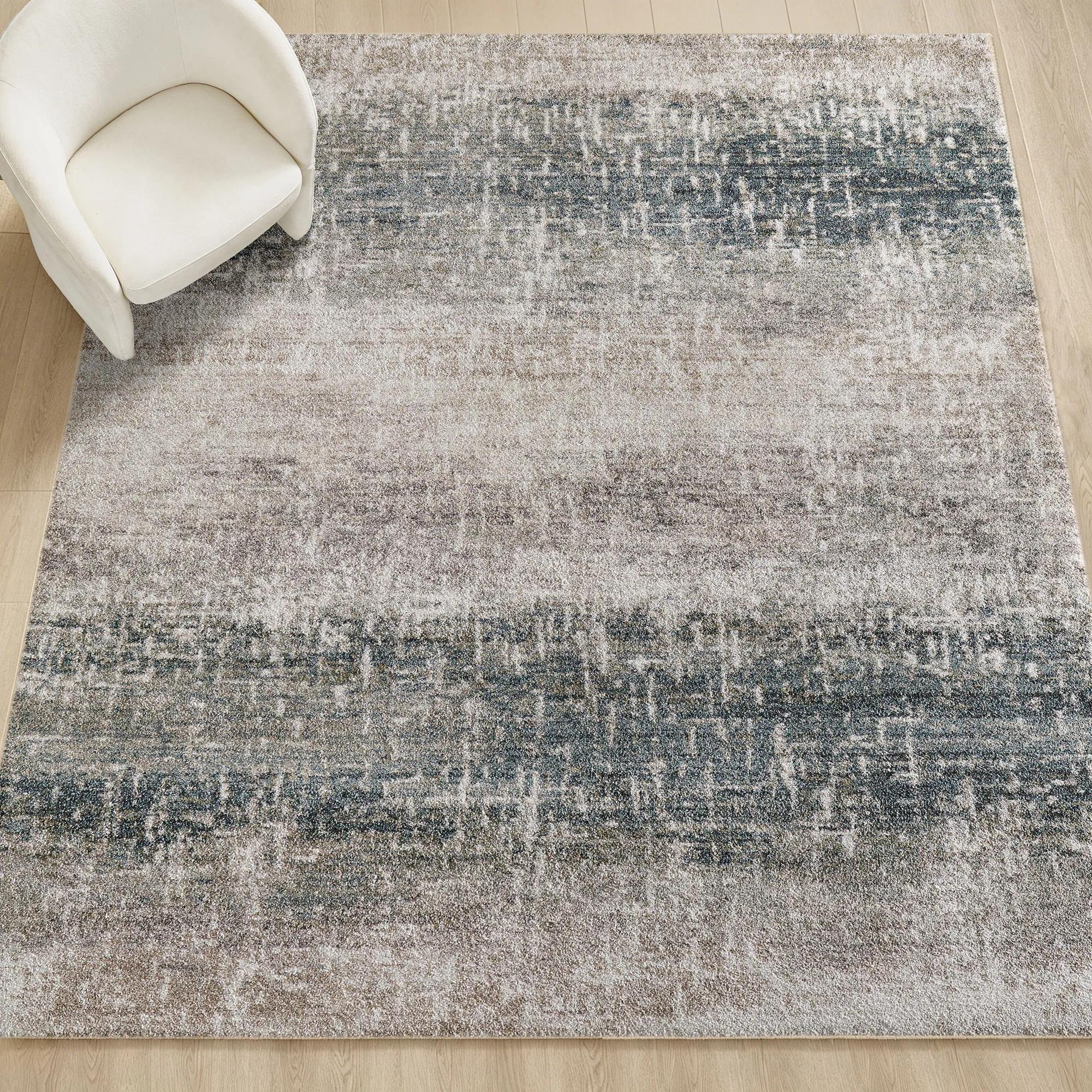
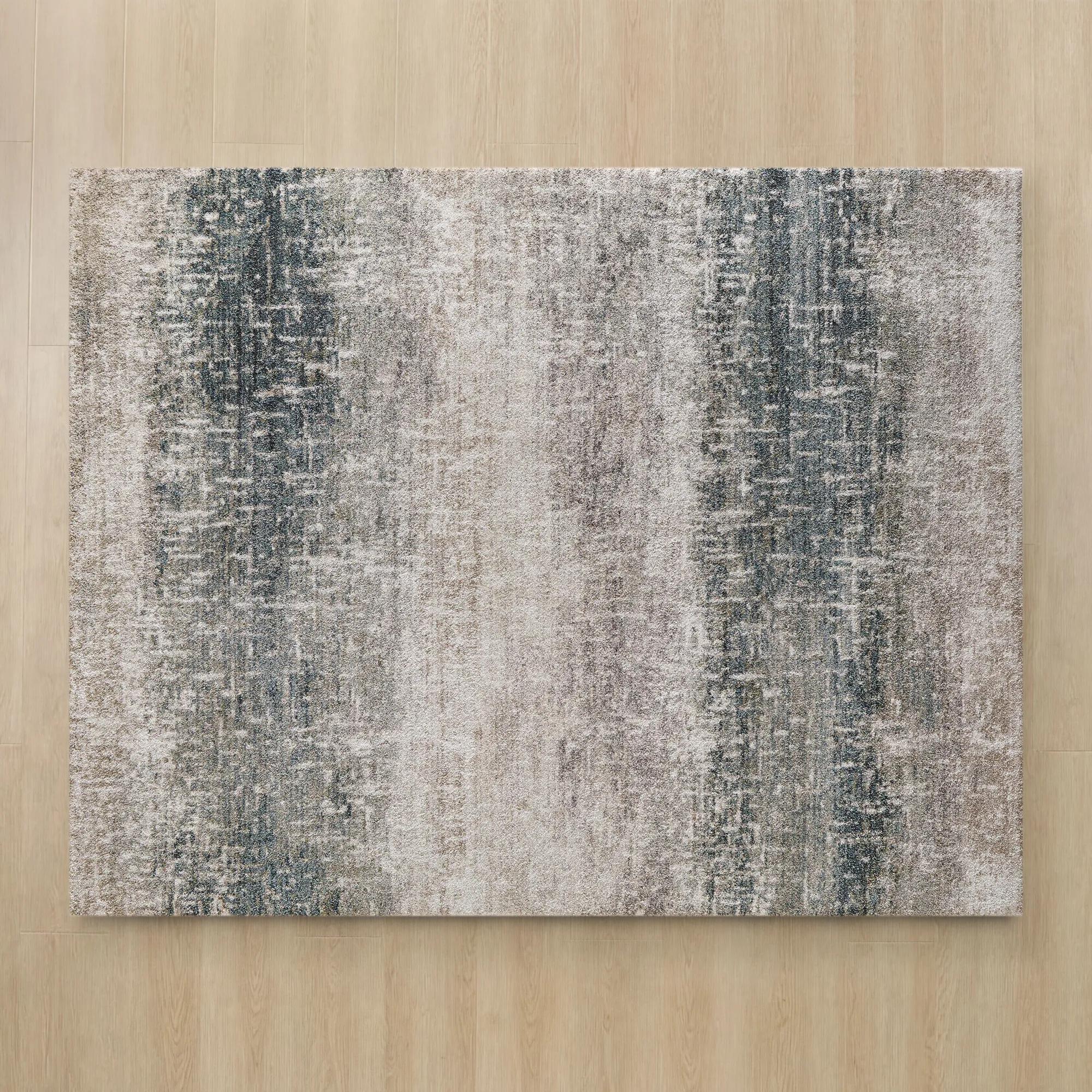 Collier Taupe/Grey/Blue/Green Performance Power Loomed Rug$399
An abstract rug in taupe, grey, blue, and green with a plush, stain-resistant polypropylene-polyester blend.
Add To Cart -
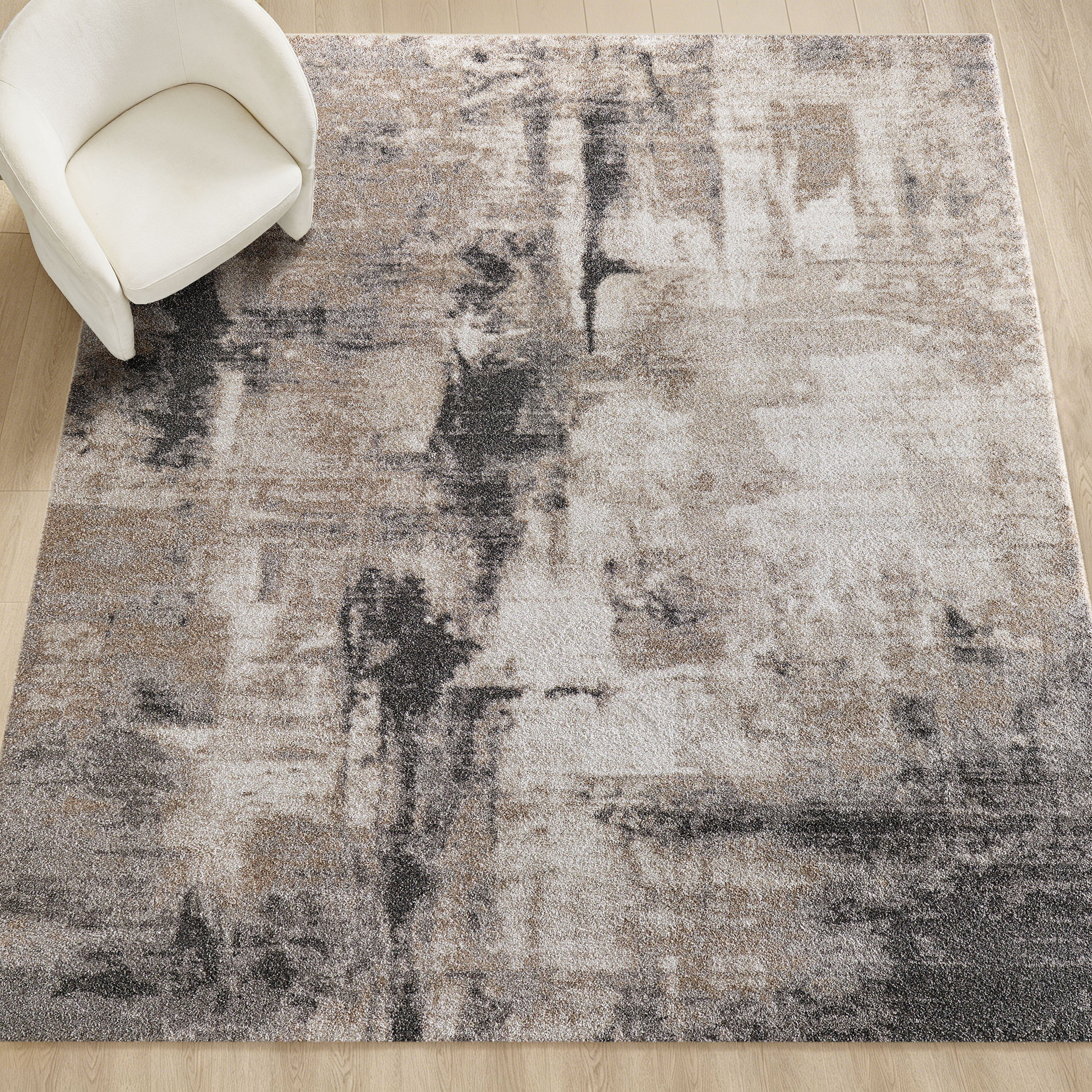
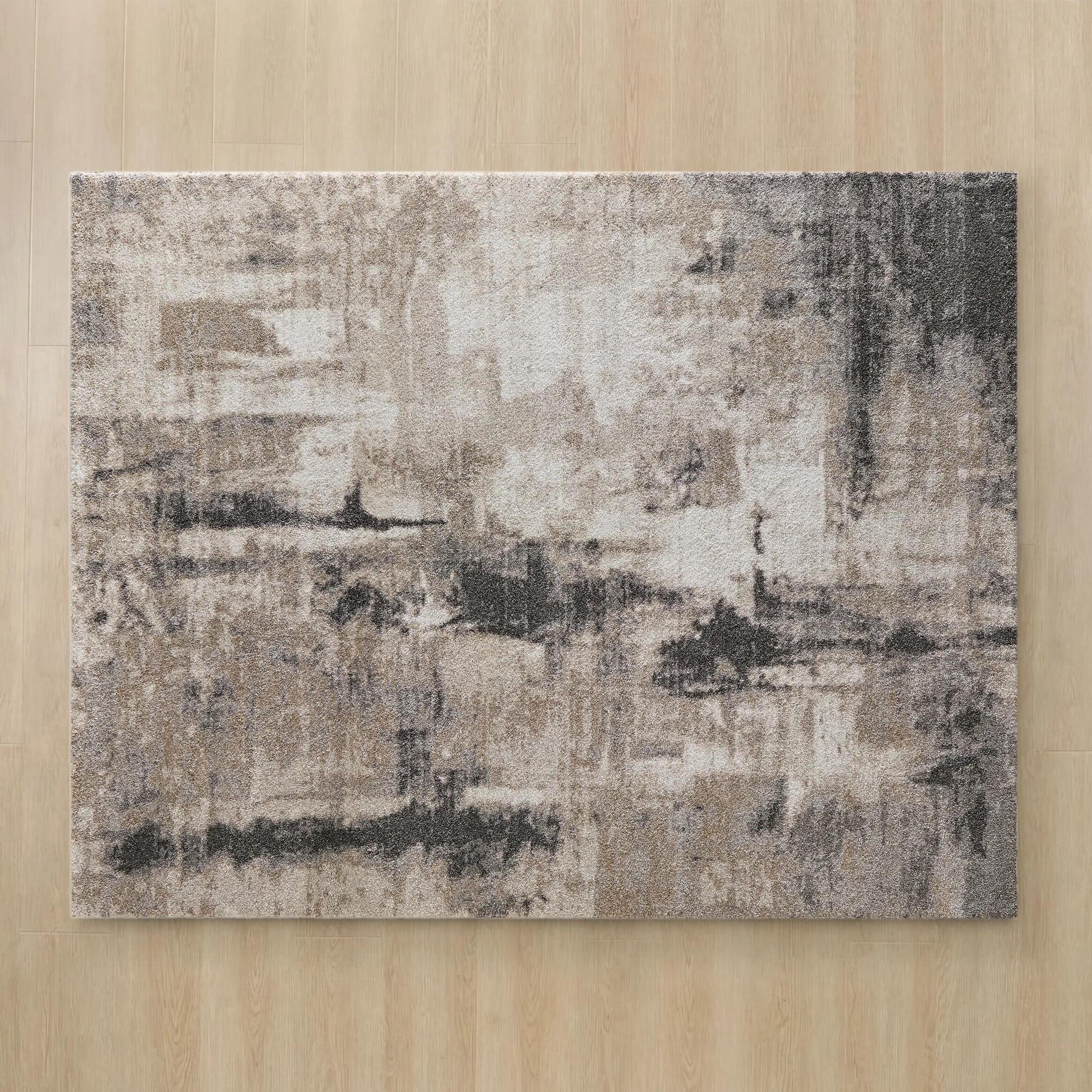 Atlas Abstract Grey/Taupe/Ivory/Charcoal Performance Power Loomed Rug$399
An abstract rug in grey, taupe, ivory, and charcoal with a plush, stain-resistant polypropylene blend.
Add To Cart -
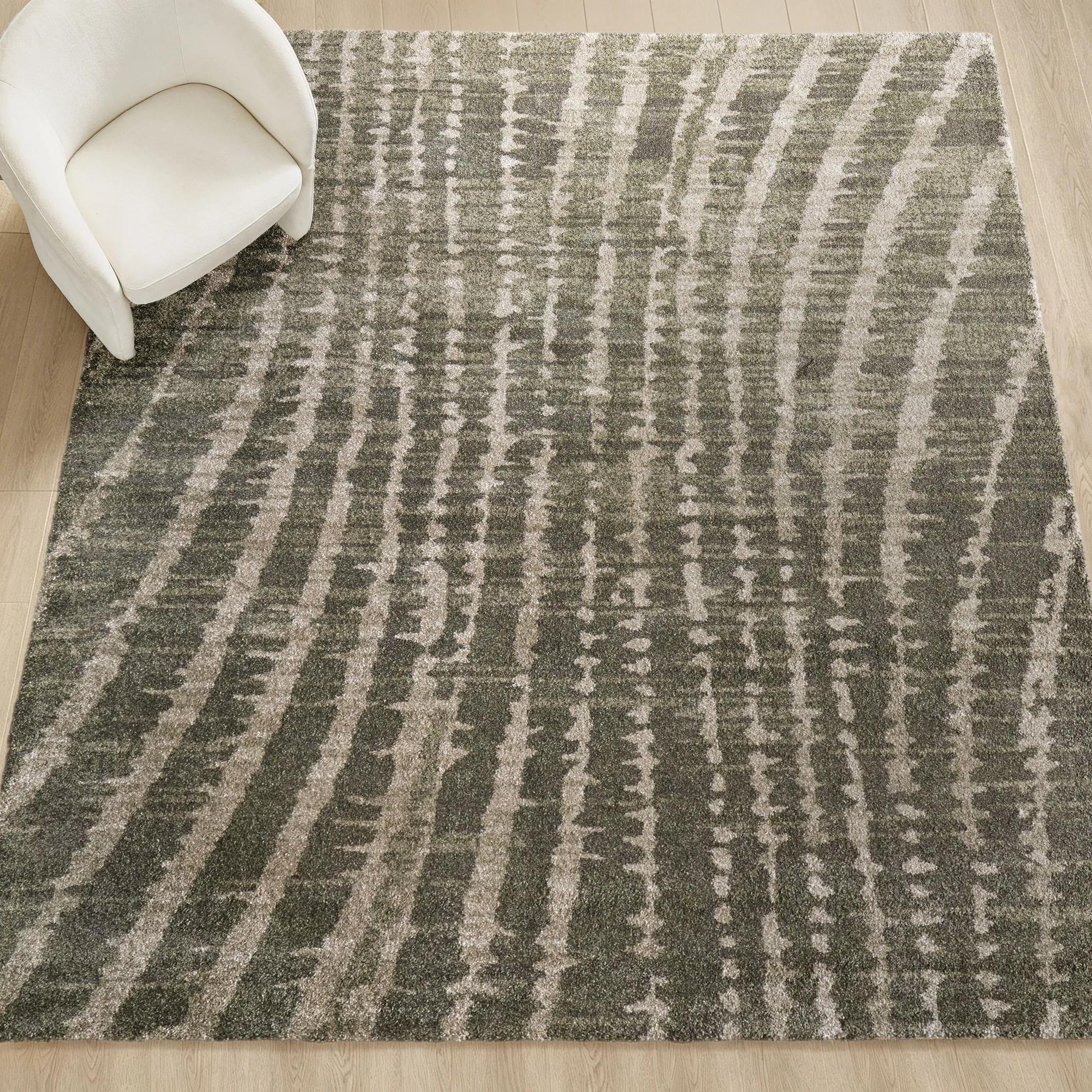
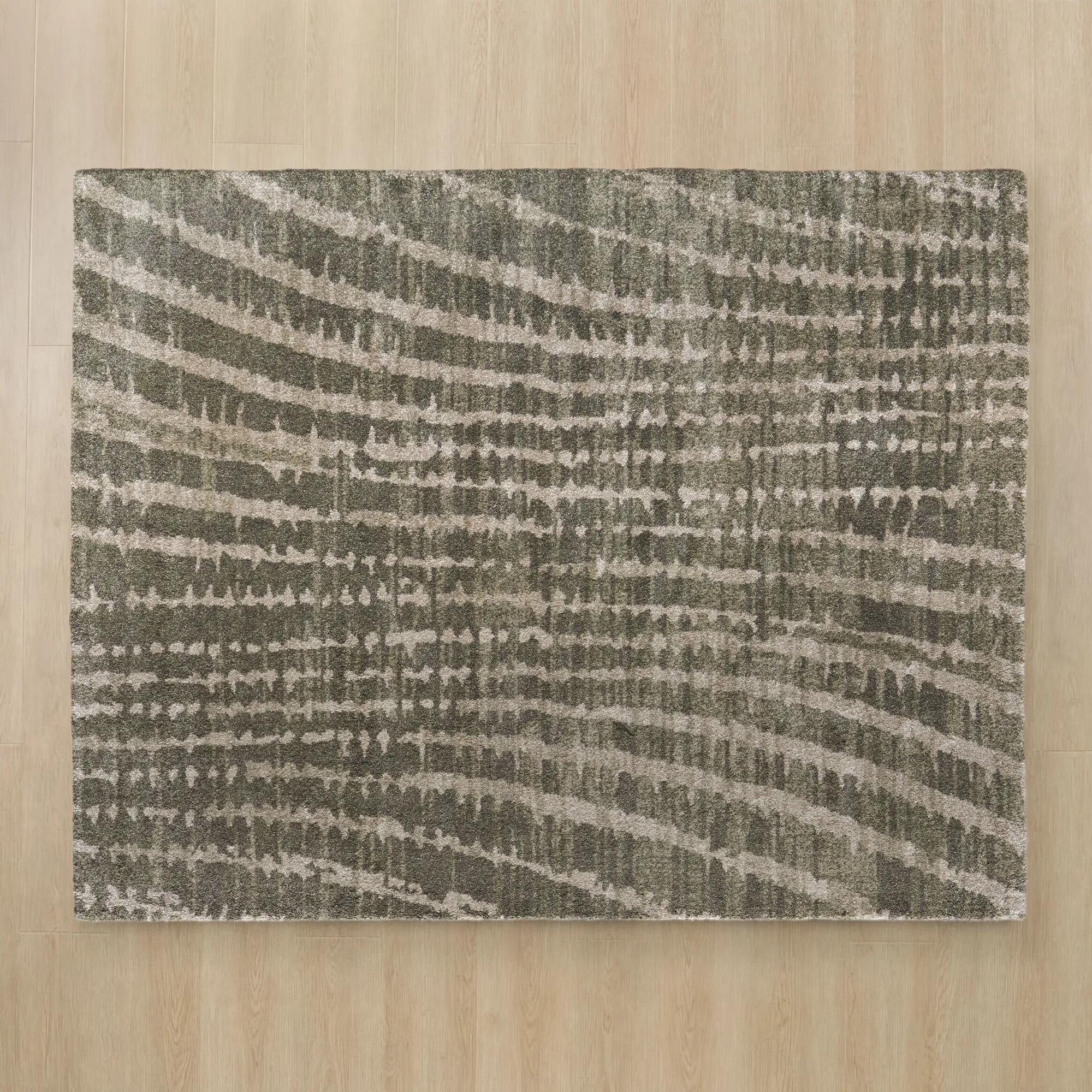 Tempo Green/Grey/Beige Performance Power Loomed Rug$1349
An abstract charcoal grey and beige rug with plush, power-loomed polypropylene and polyester construction.
Add To Cart -
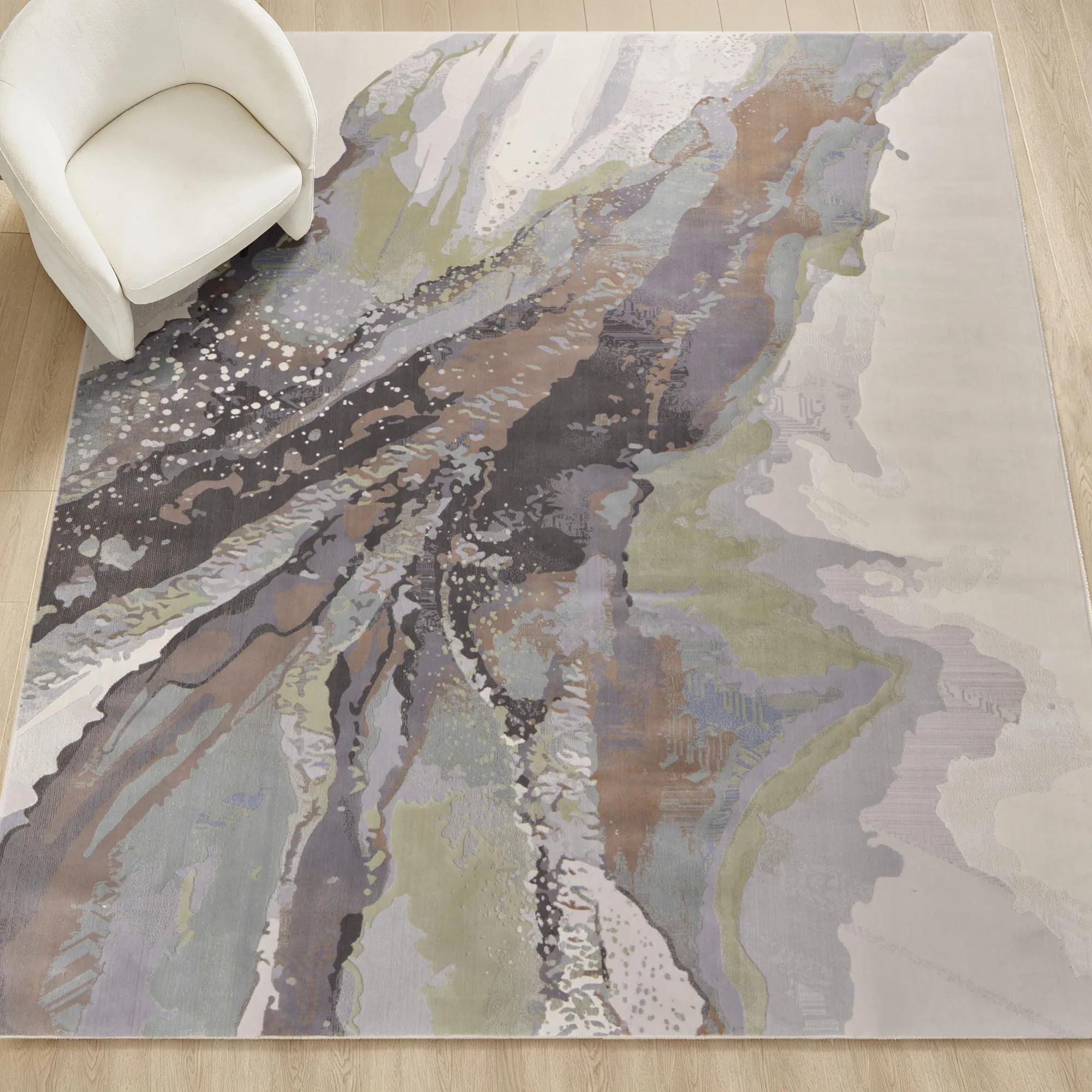
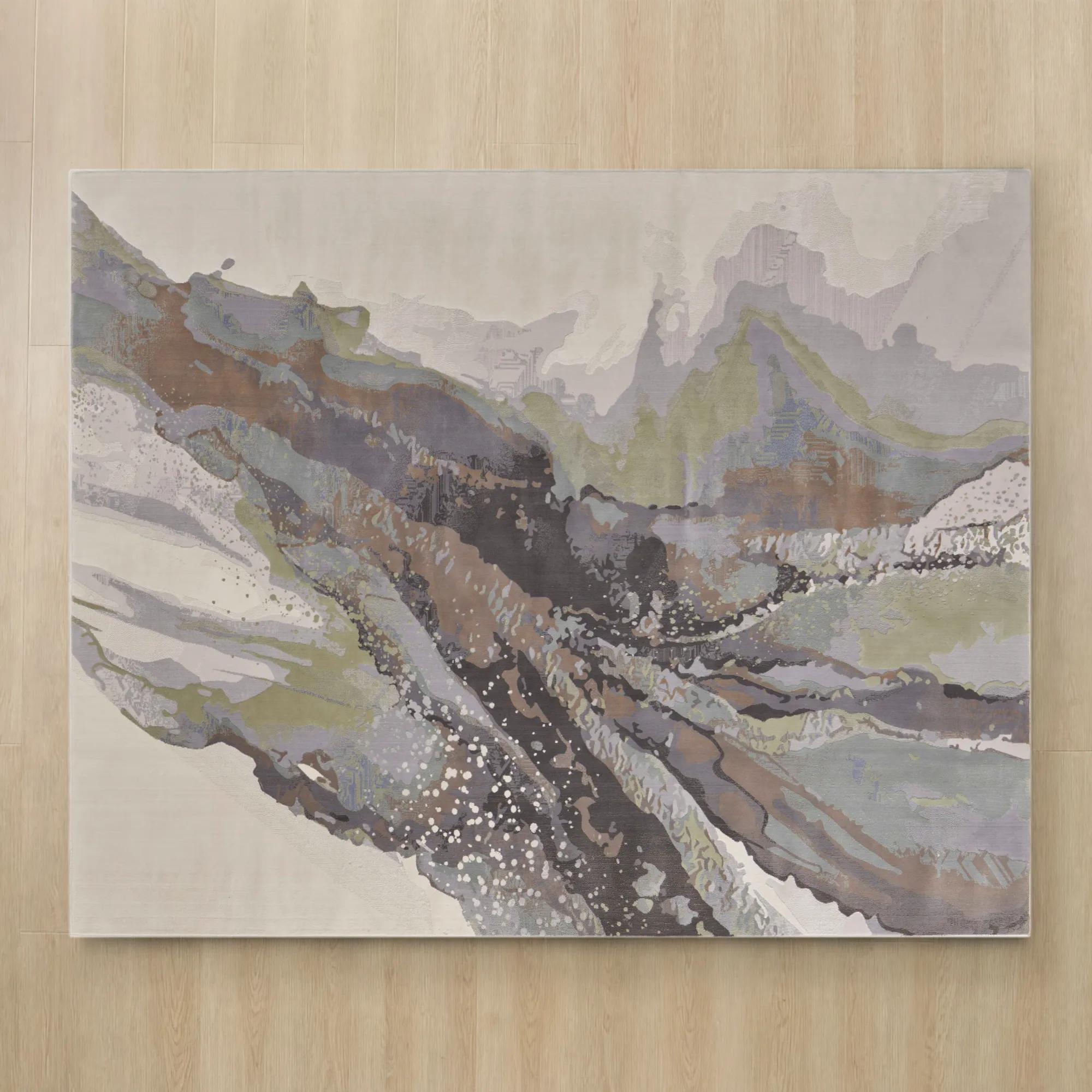 Nerissa Abstract Ivory/Grey/Blue/Green Performance Power Loomed Rug$1549
An abstract rug in ivory, grey, blue, and green with a textured, stain-resistant polypropylene-polyester blend.
Add To Cart -
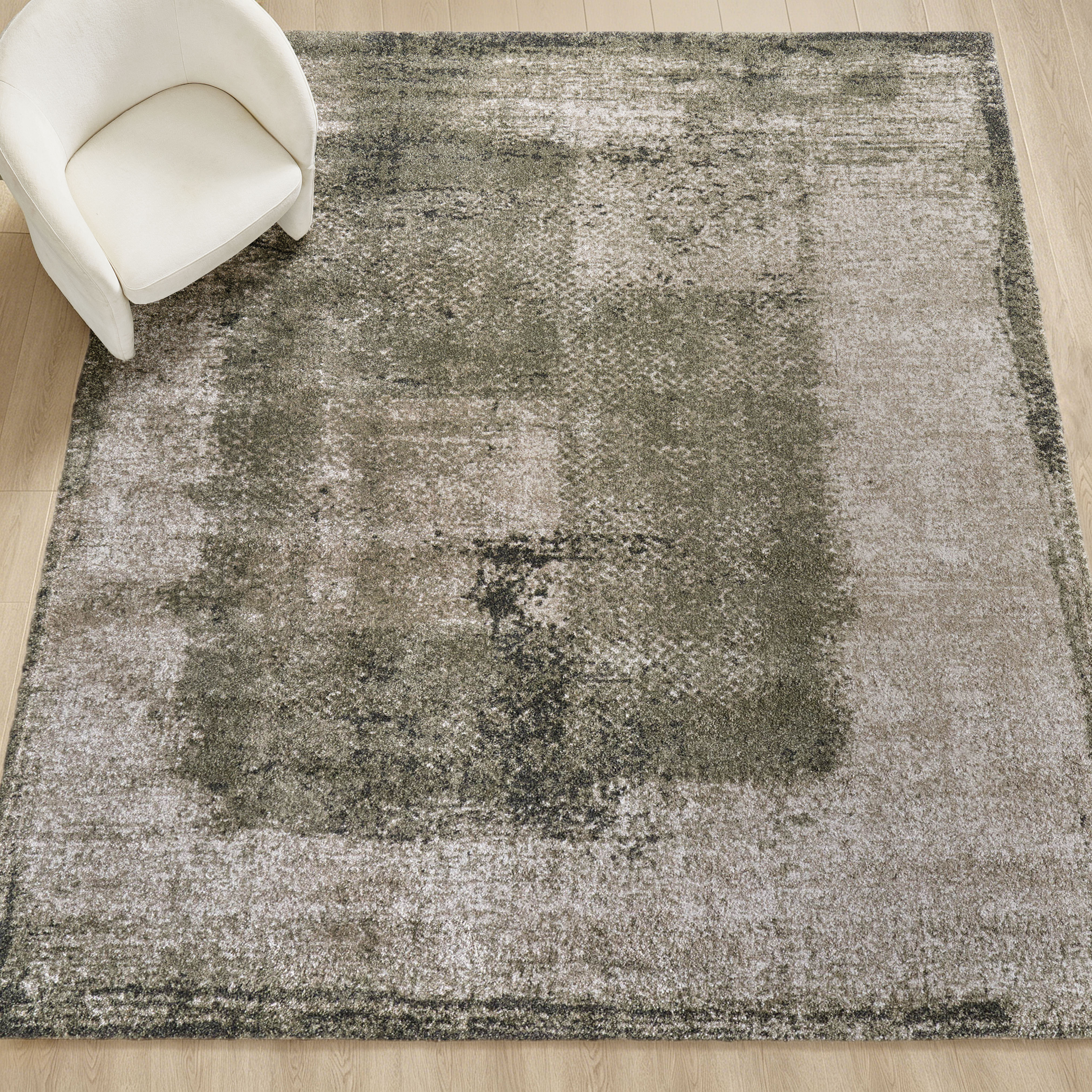
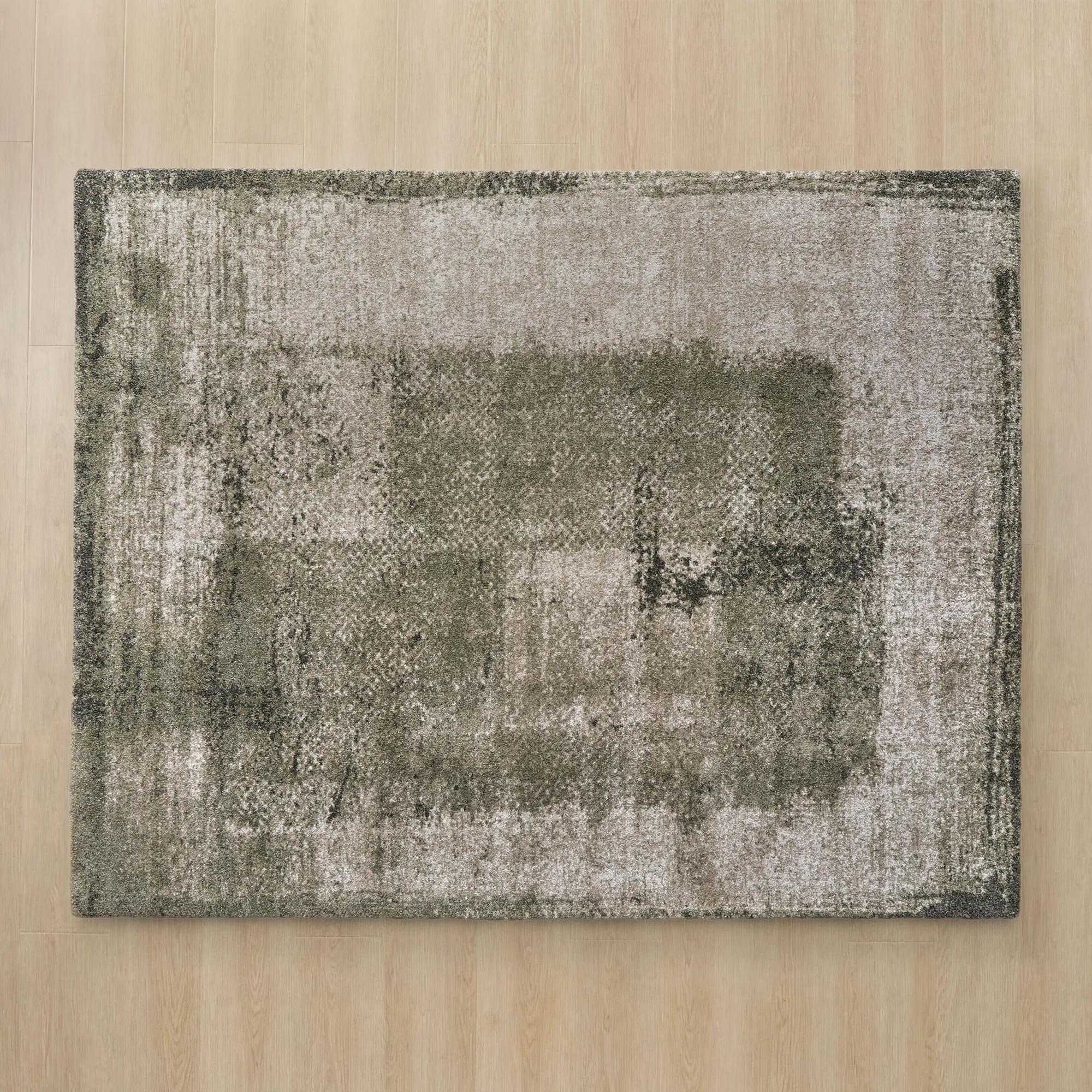 Irving Abstract Moss Green/Beige/Grey Performance Power Loomed Rug$1649
An abstract rug in moss green, beige, and grey with plush, durable polypropylene and polyester construction.
Add To Cart -
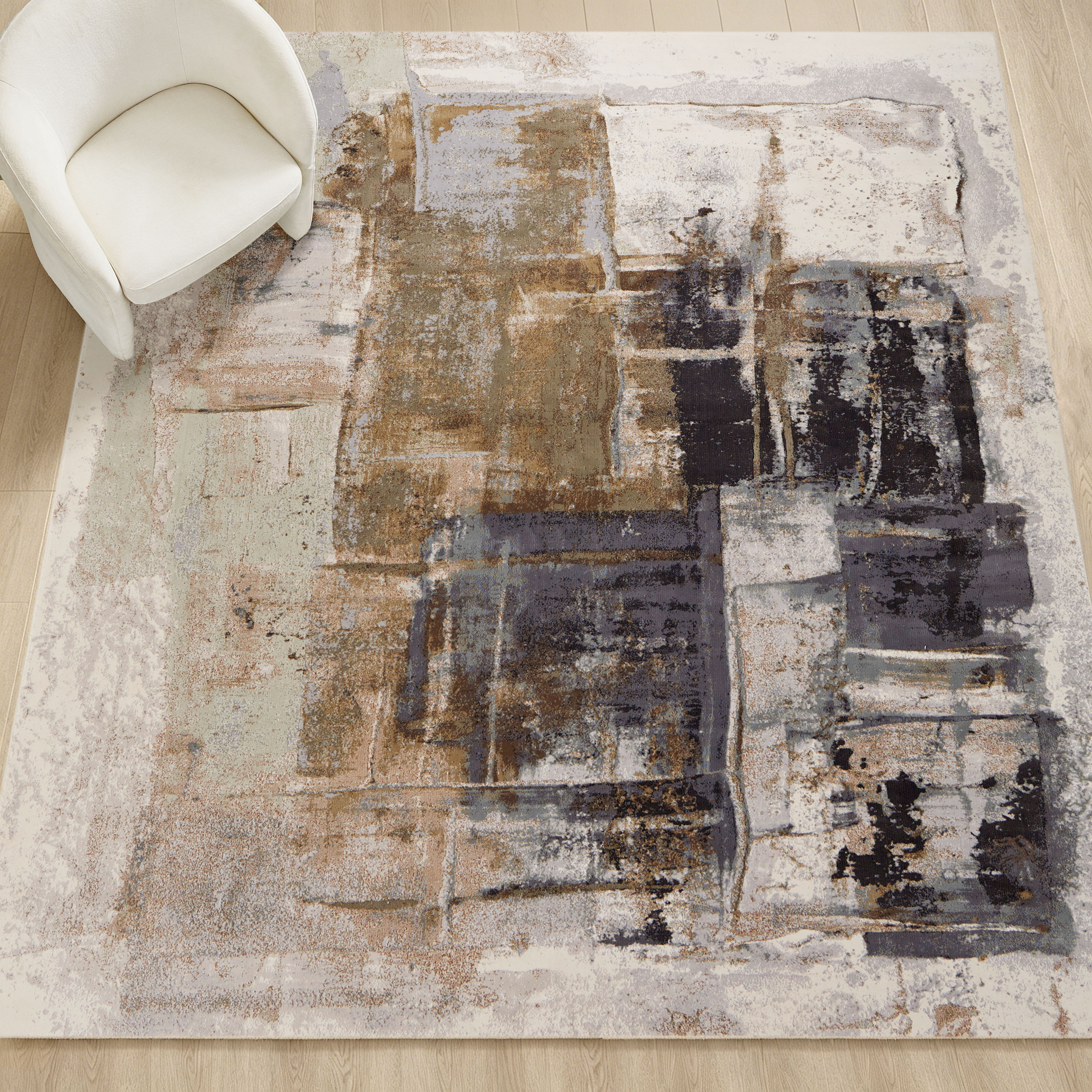
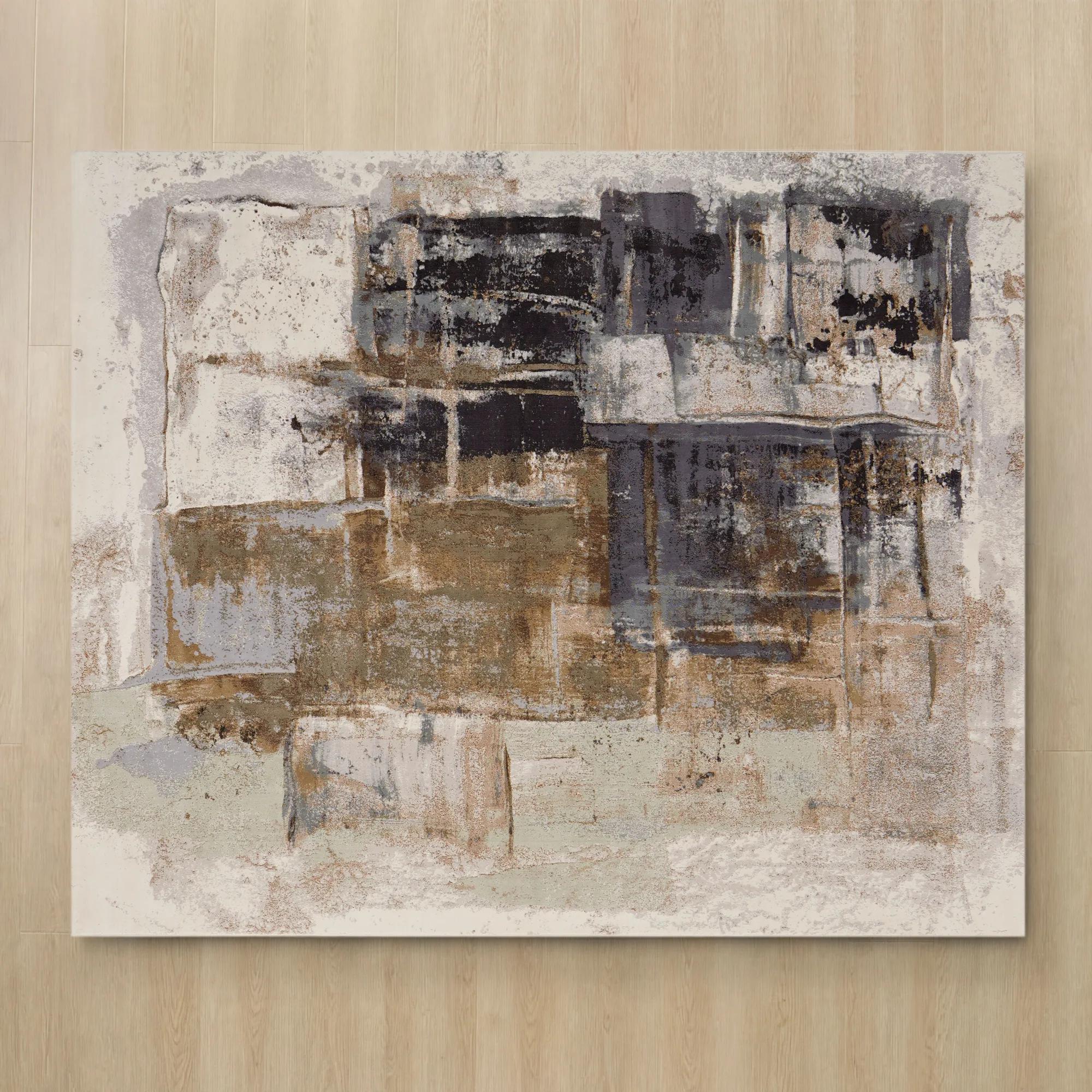 Gaia Abstract Grey/Charcoal/Ivory/Gold/Blue Performance Power Loomed Rug$1749
An abstract rug in grey, charcoal, ivory, gold, and blue with a soft, stain-resistant performance blend.
Add To Cart -
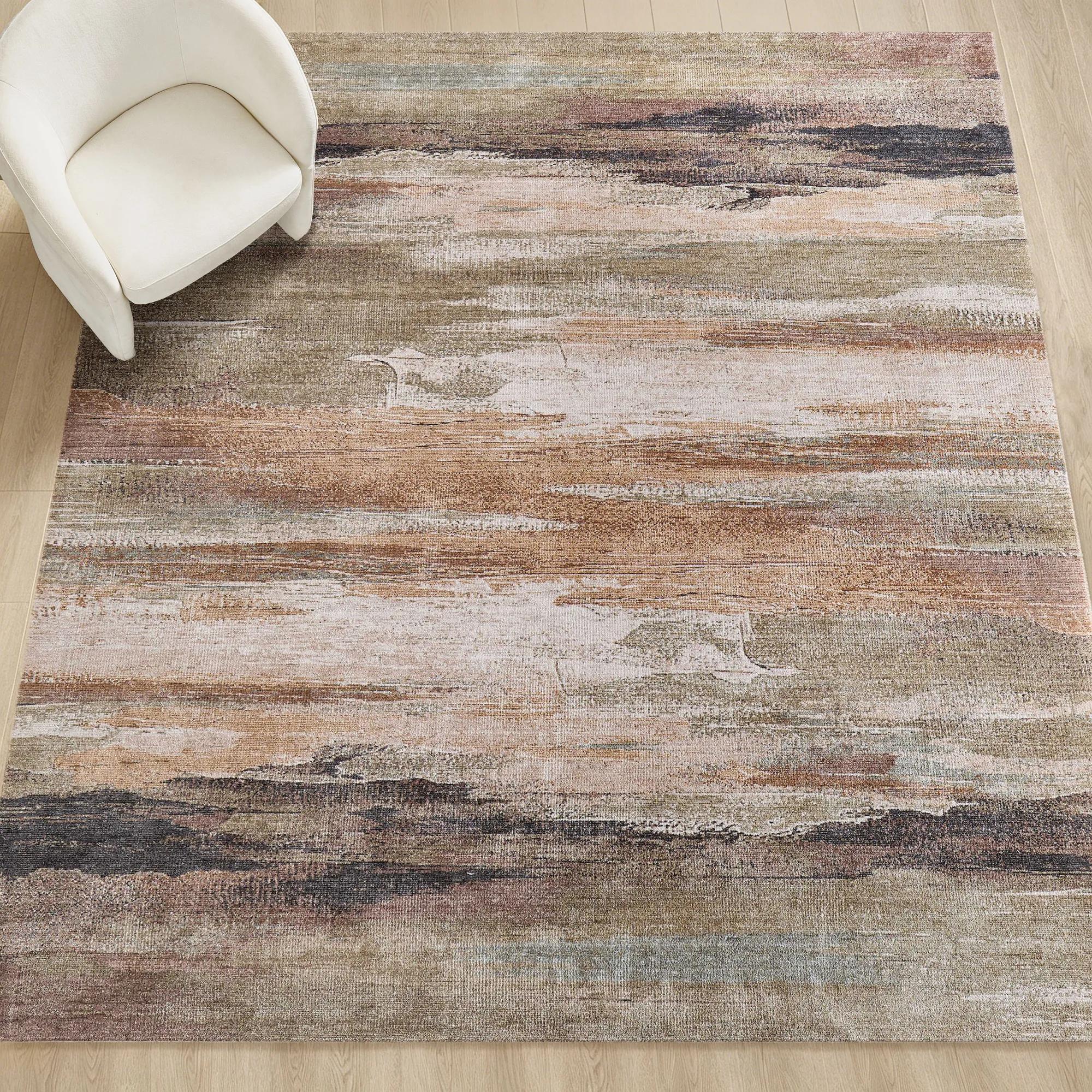
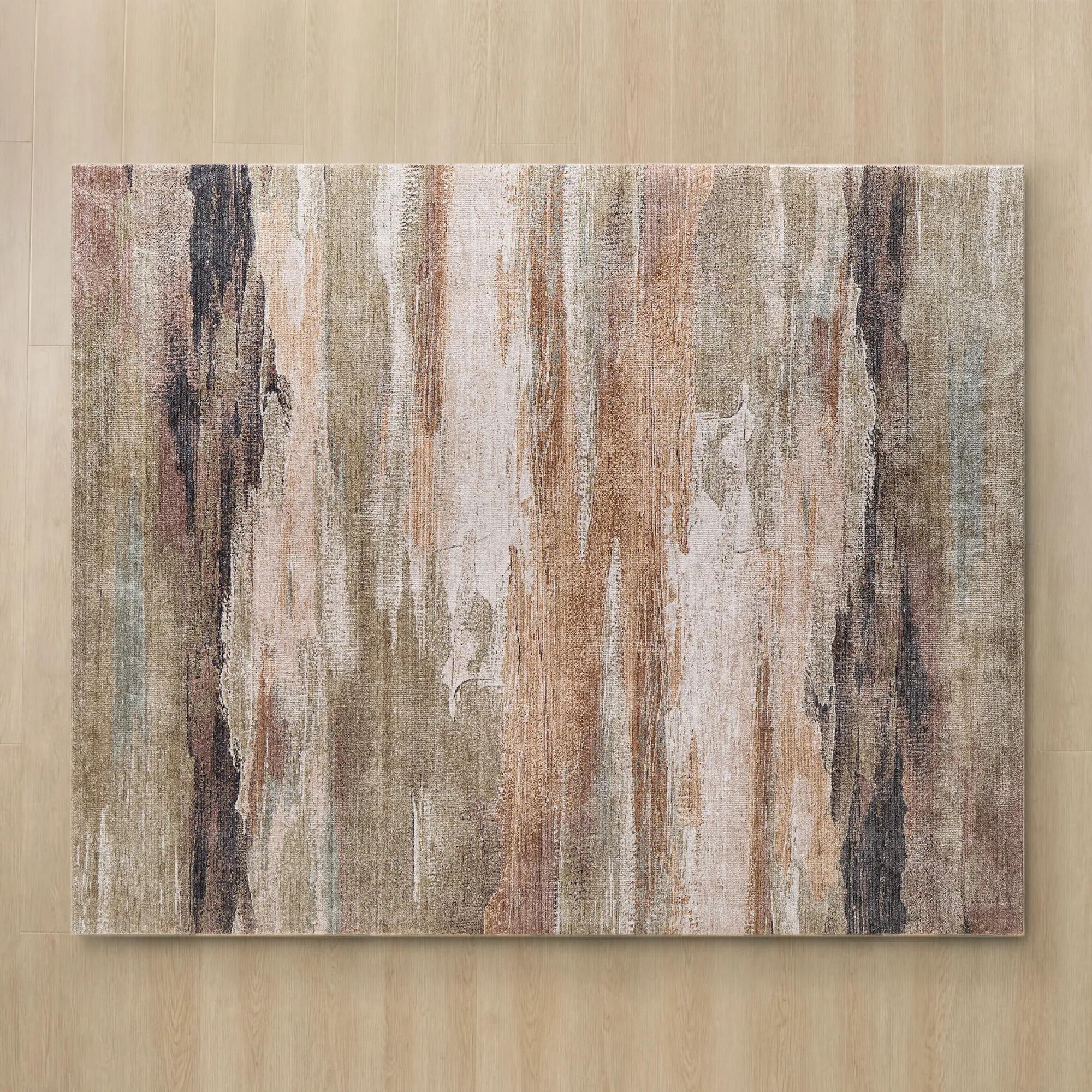 Sedona Rust/Beige/Moss Green/Charocal/Blue Performance Power Loomed Rug$2199
A power-loomed polyester rug featuring a rich abstract pattern in rust, beige, moss green, charcoal, and blue.
Add To Cart -
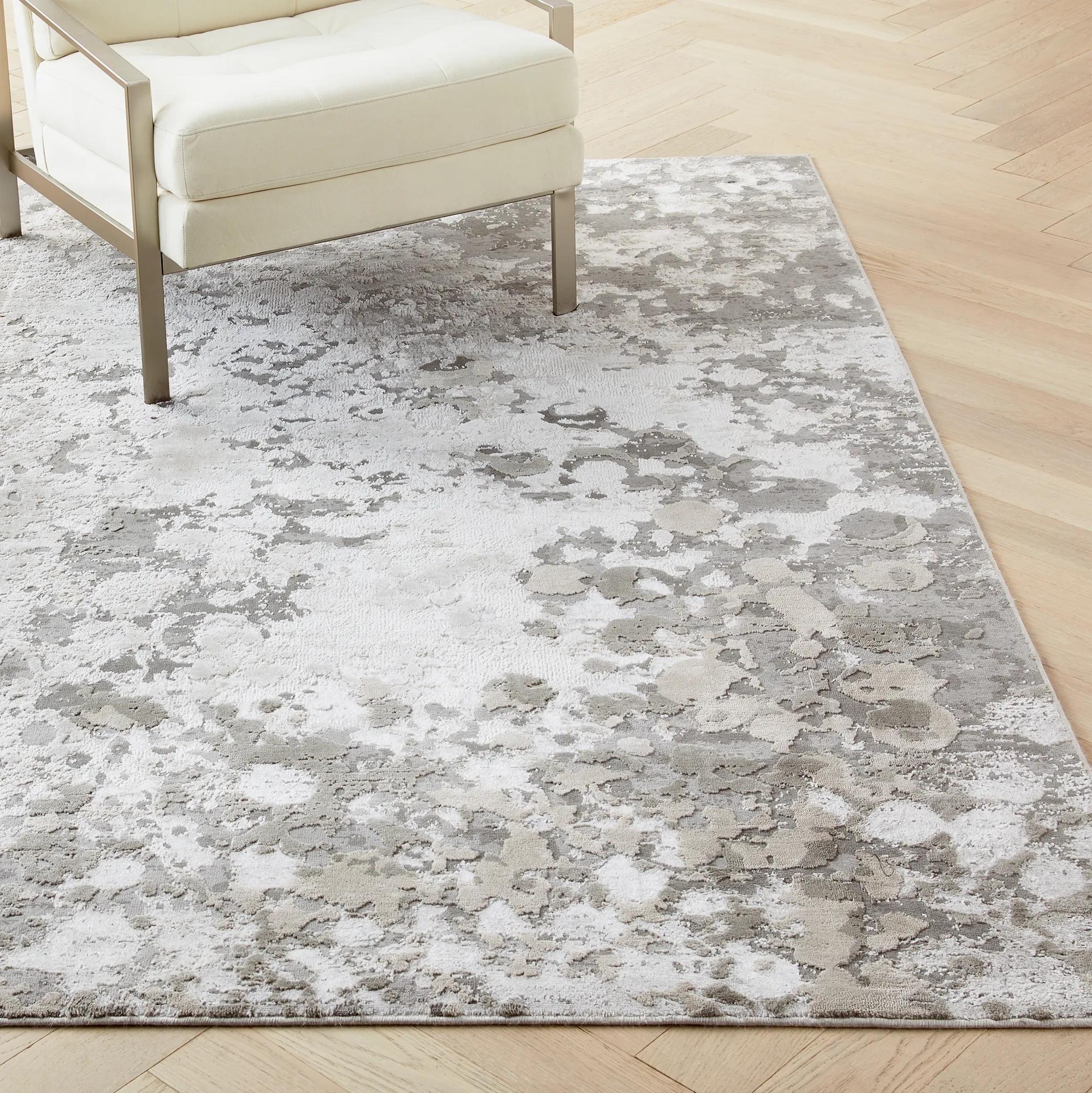
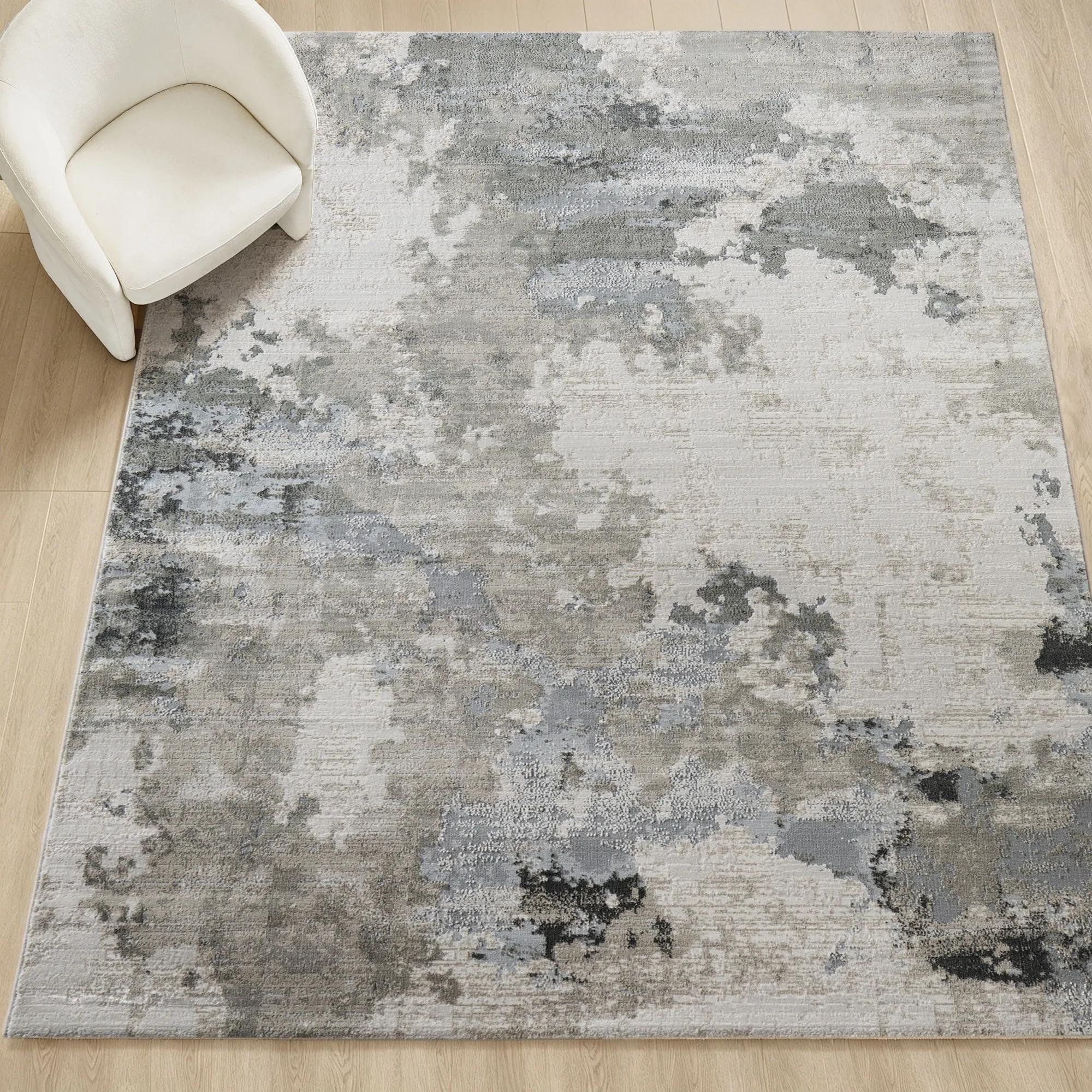 Alarion Abstract Grey/Muted Blue/Ivory Performance Power Loomed Rug$849
A power-loomed rug featuring a distressed abstract pattern in grey, muted blue, and ivory with stain resistance.
Add To Cart -
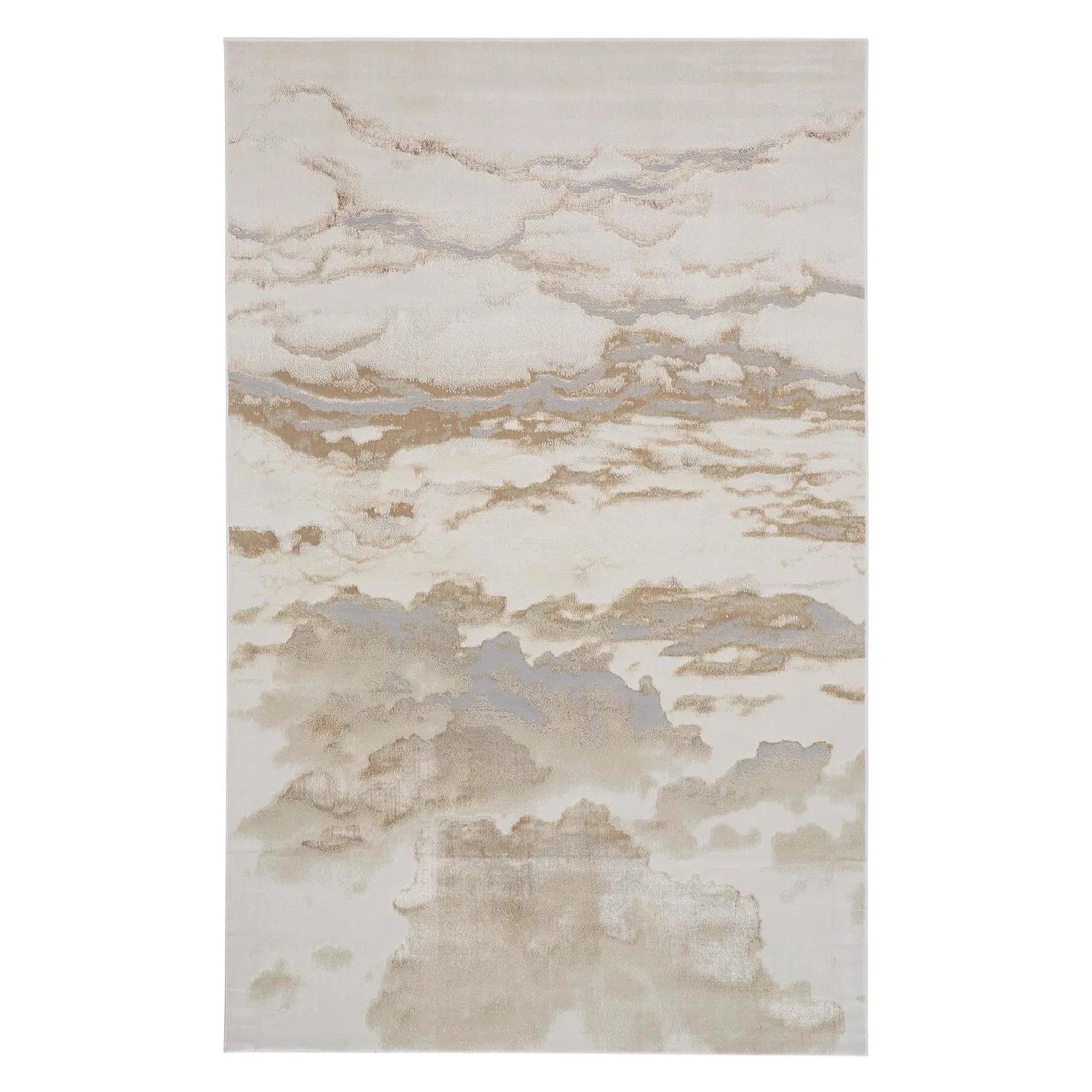
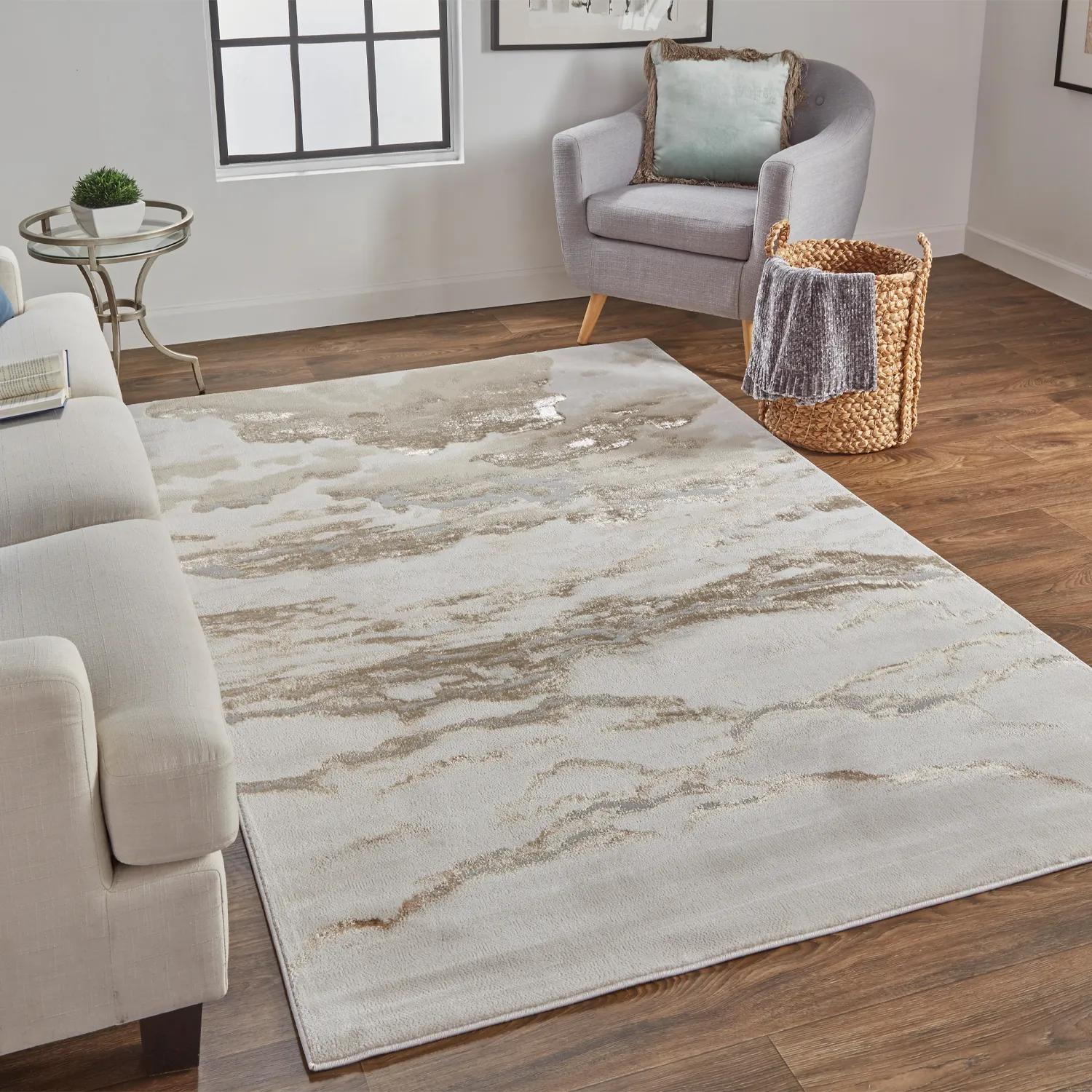 Tide Power-Loomed Beige/Gold/Ivory Rug$899
A machine-made rug in beige and gold, crafted from ultra-soft polyester and polypropylene for elegant spaces.
Add To Cart -
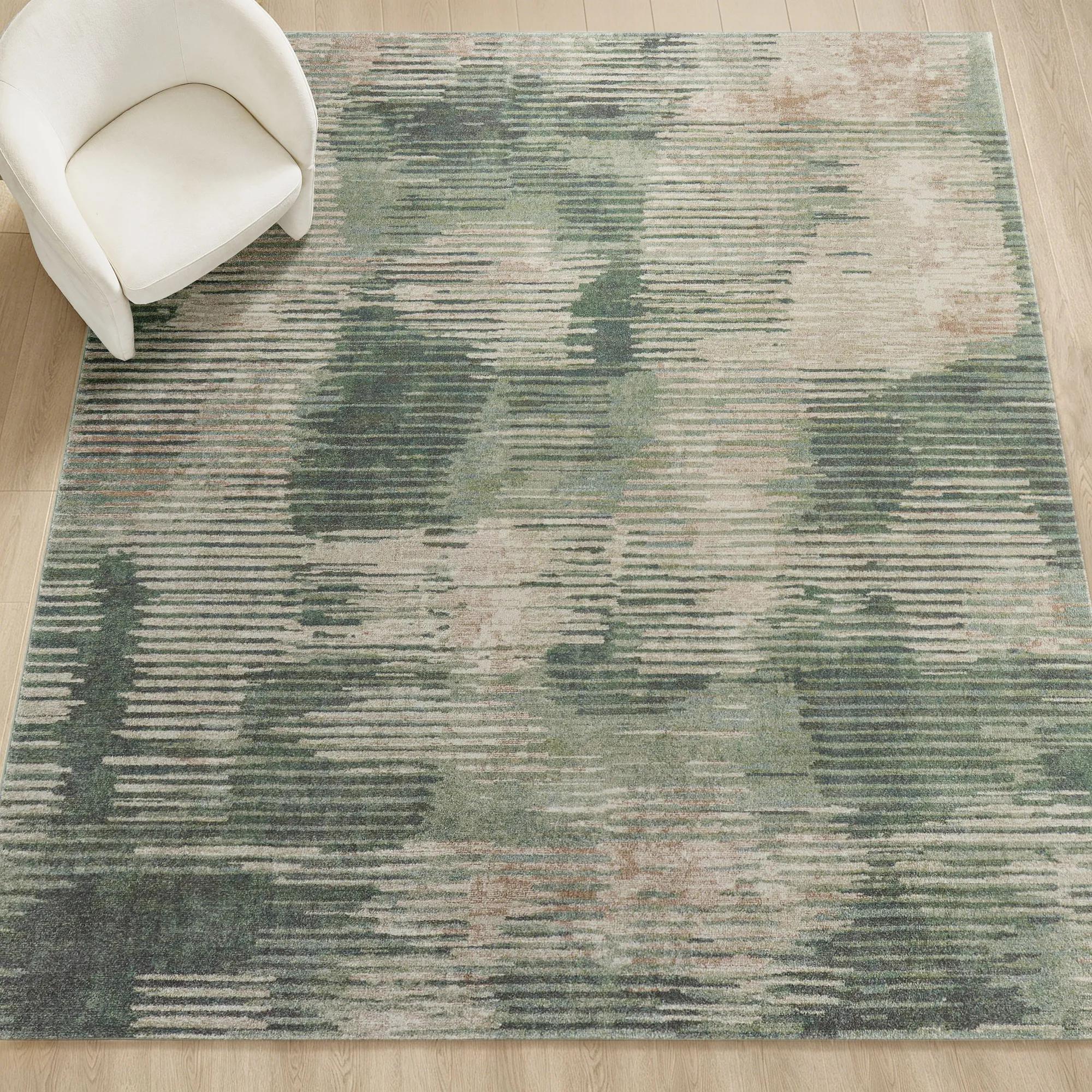
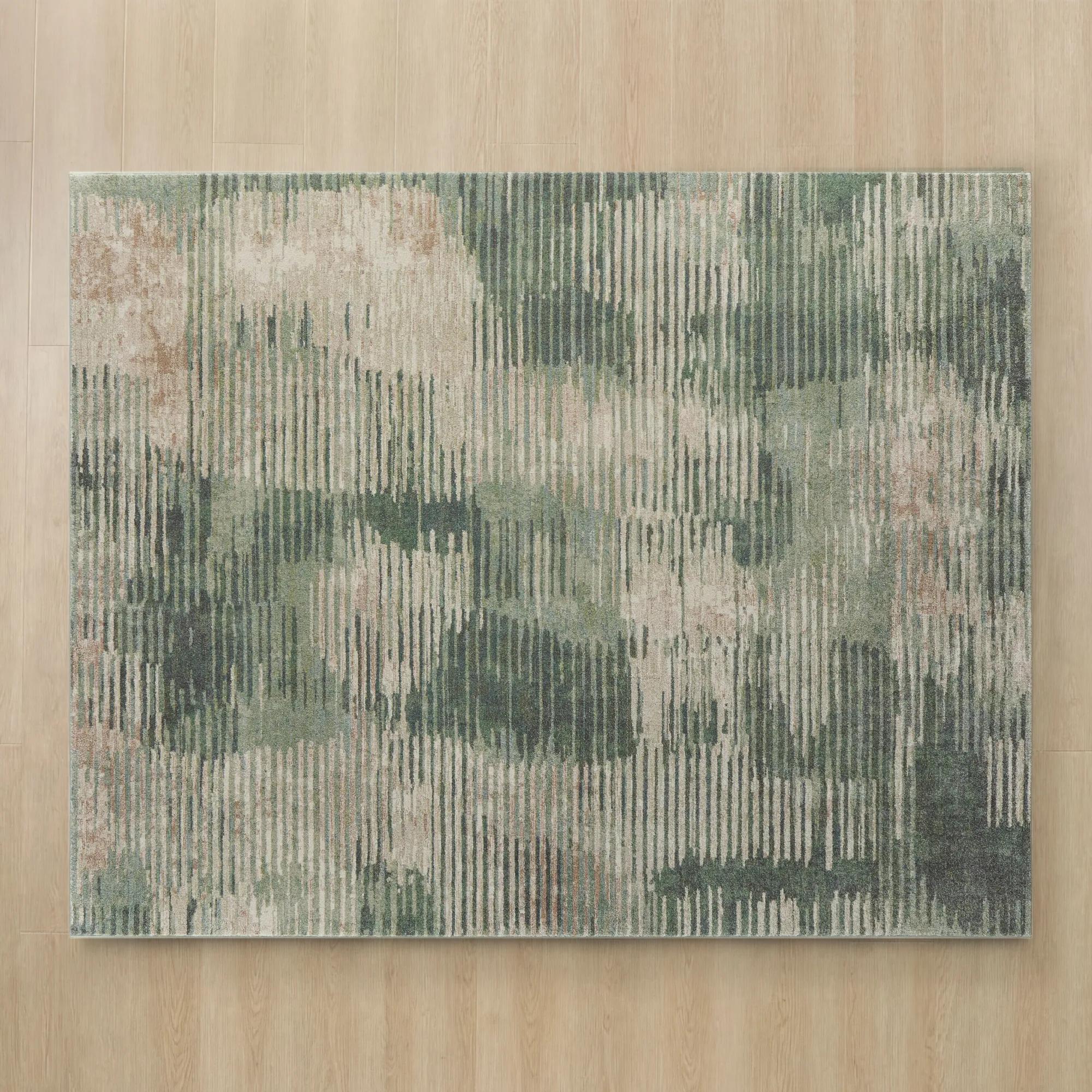 Sylvan Green/Beige Power Loomed Rug$689
A contemporary rug featuring a smoked olive green and beige organic pattern with a soft, power-loomed polypropylene pile.
Add To Cart -
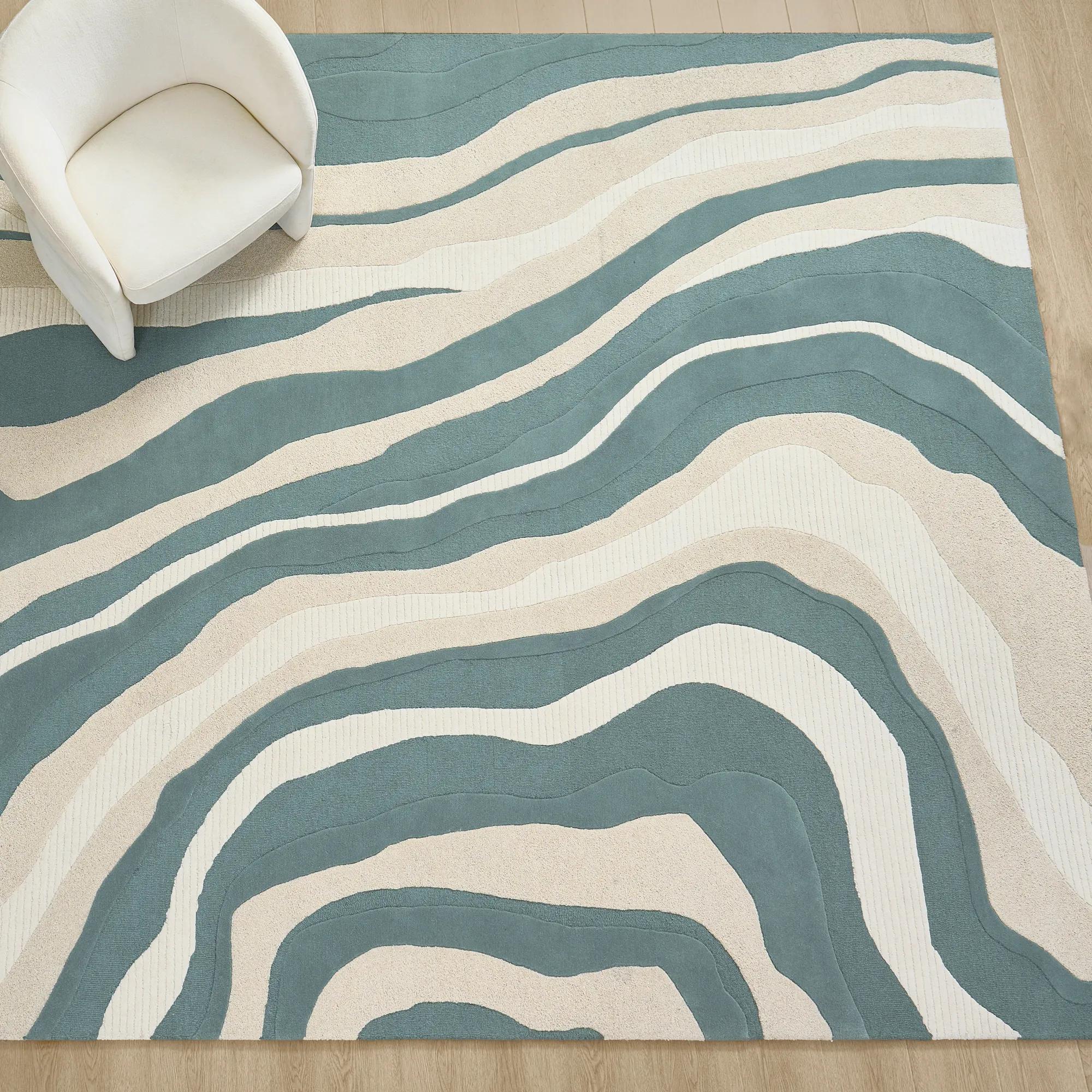 Kadence Hand-Tufted Sage Green/Ivory Wool Rug$1499
A hand-tufted wool rug with organic waves, sculptural high-low texture, and sage-ivory hues.
Add To Cart -
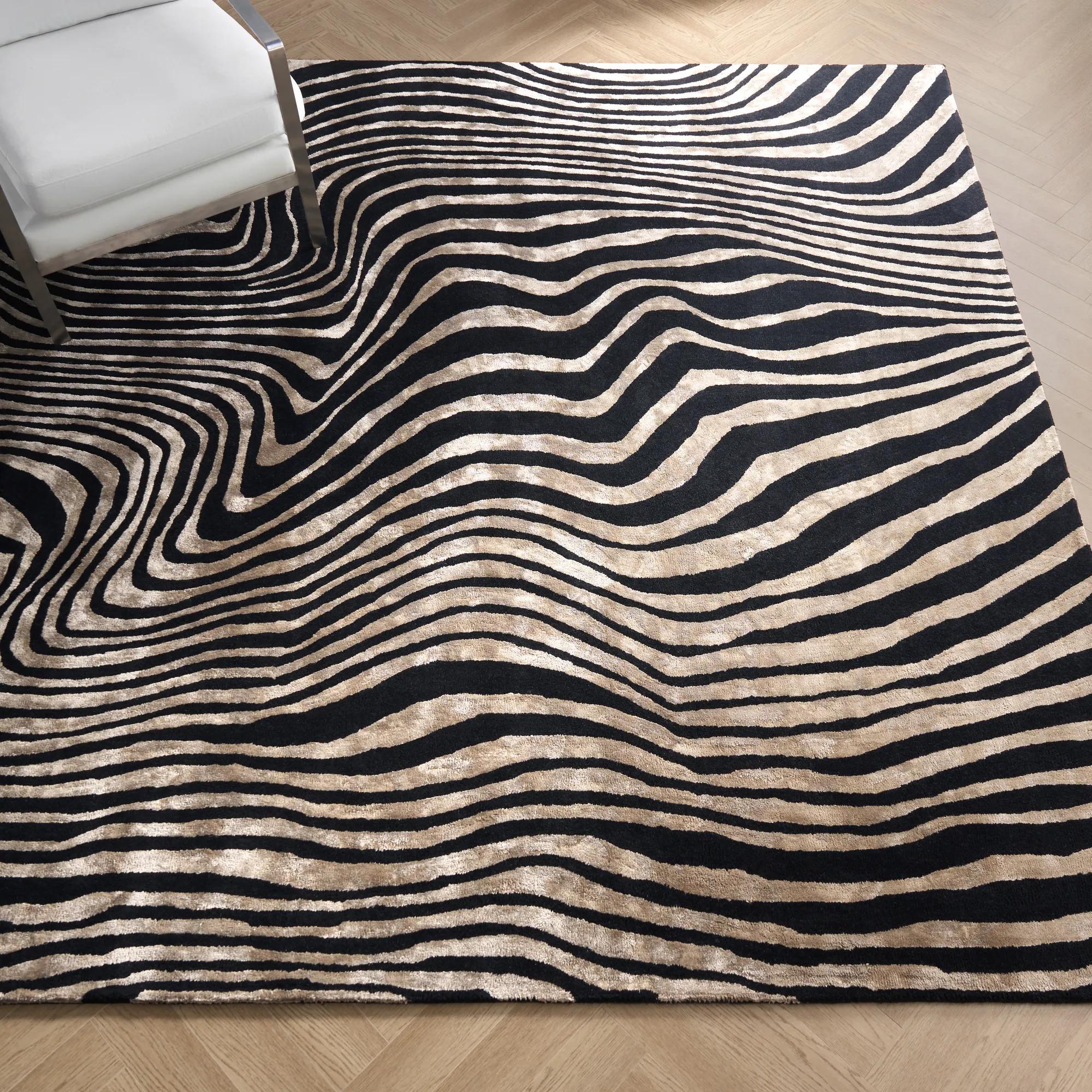
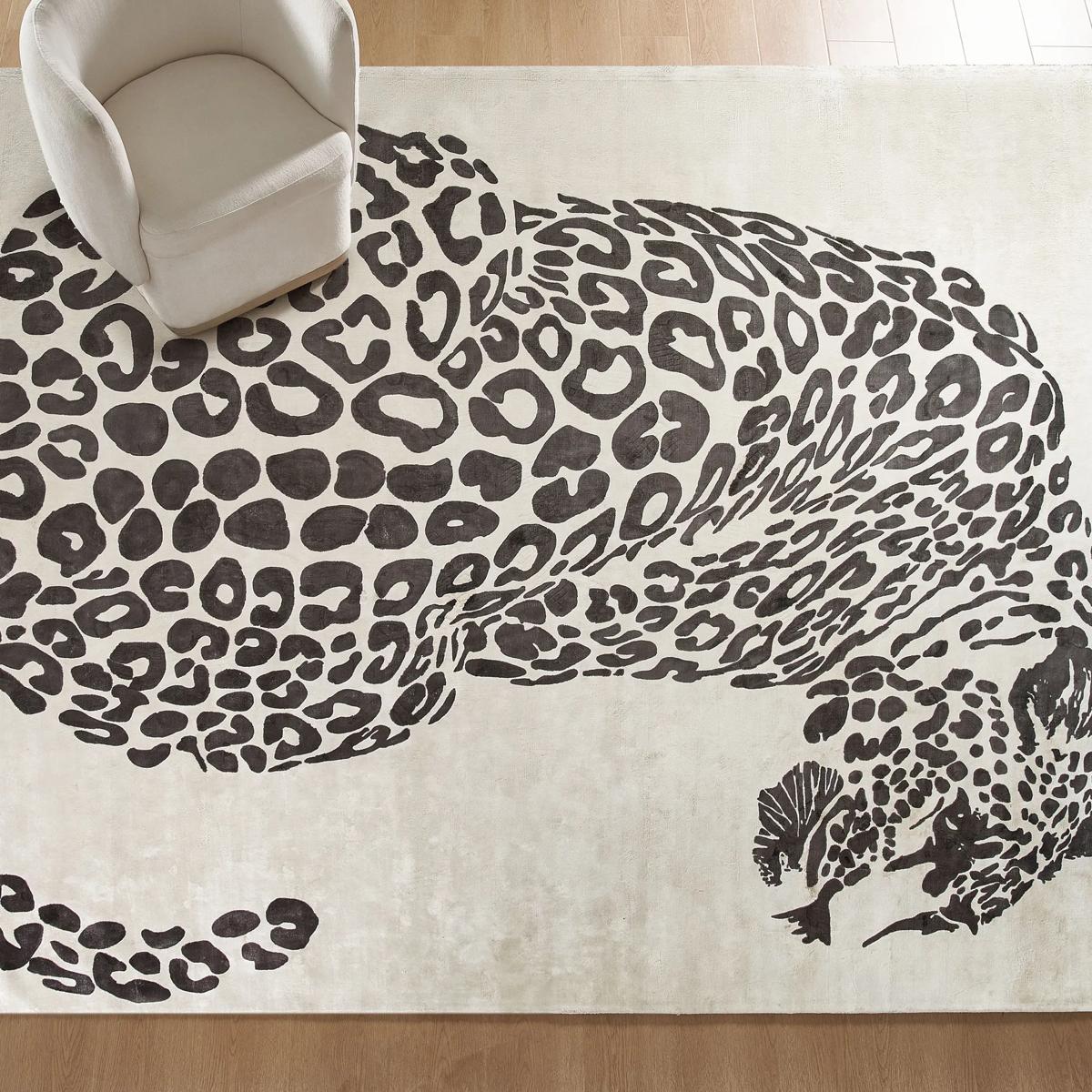
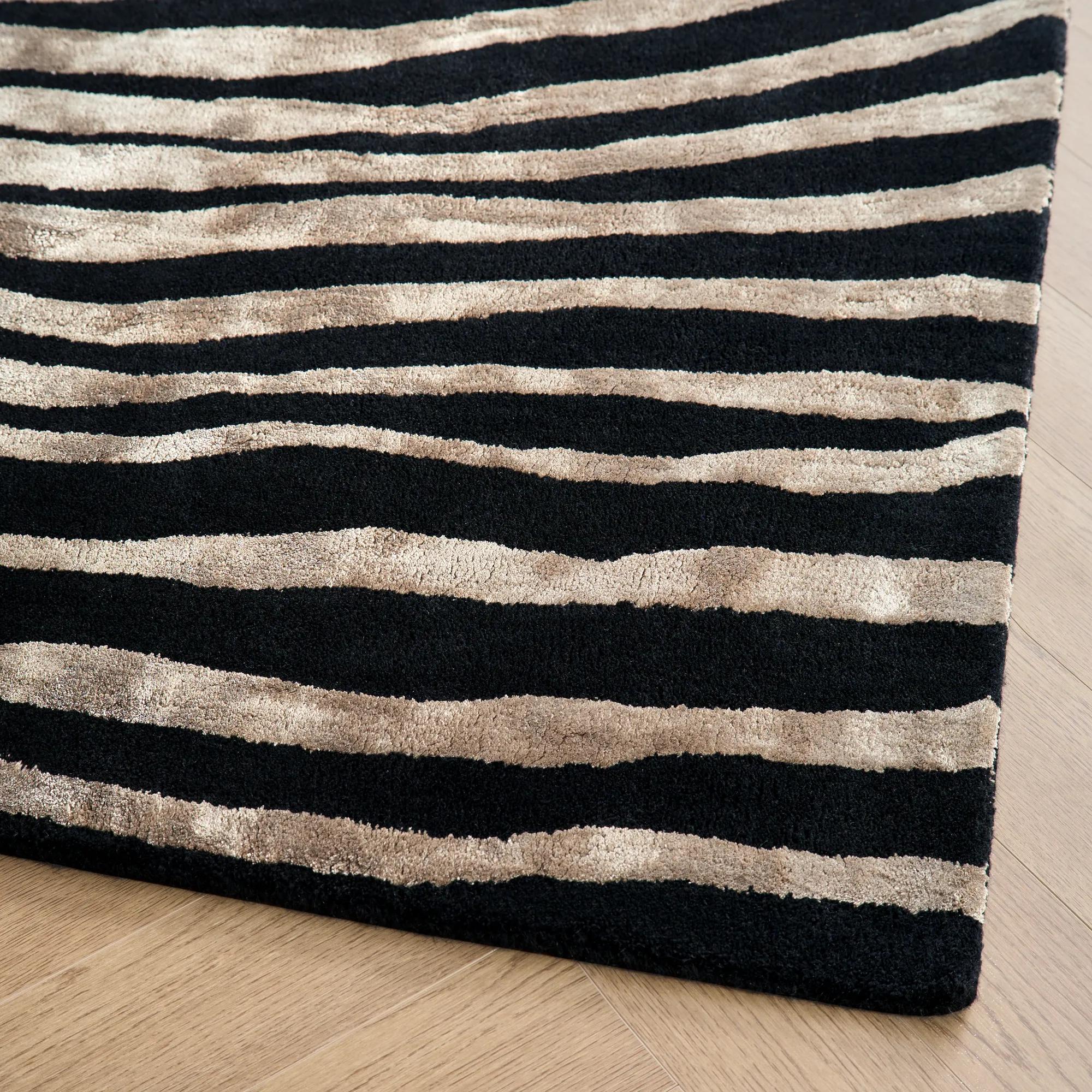 Abstract Zebra Hand-Tufted Black/Taupe Wool Blend Rug$1099
An artisan hand-tufted rug in black and taupe wool-viscose, featuring a striking abstract zebra pattern.
Add To Cart -
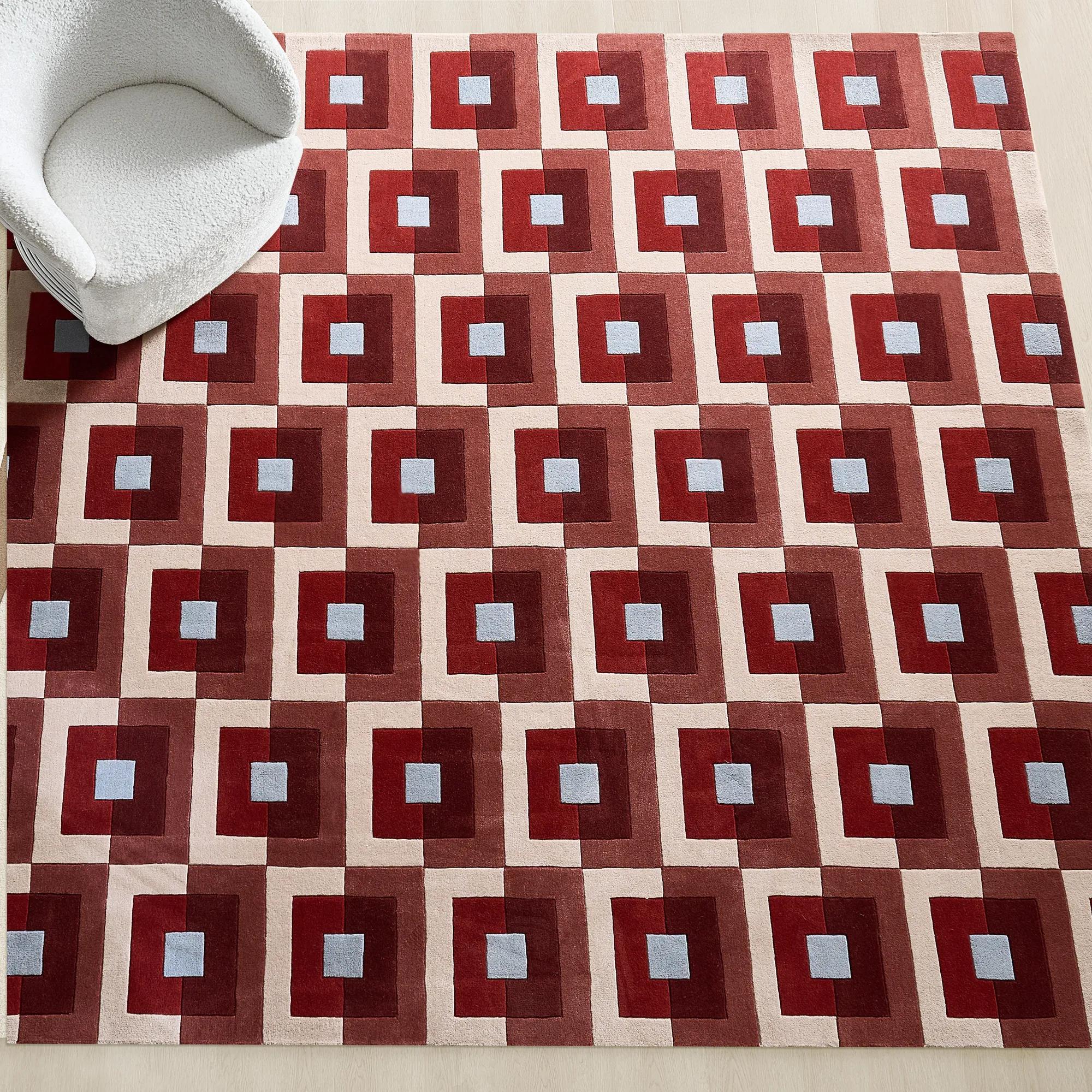
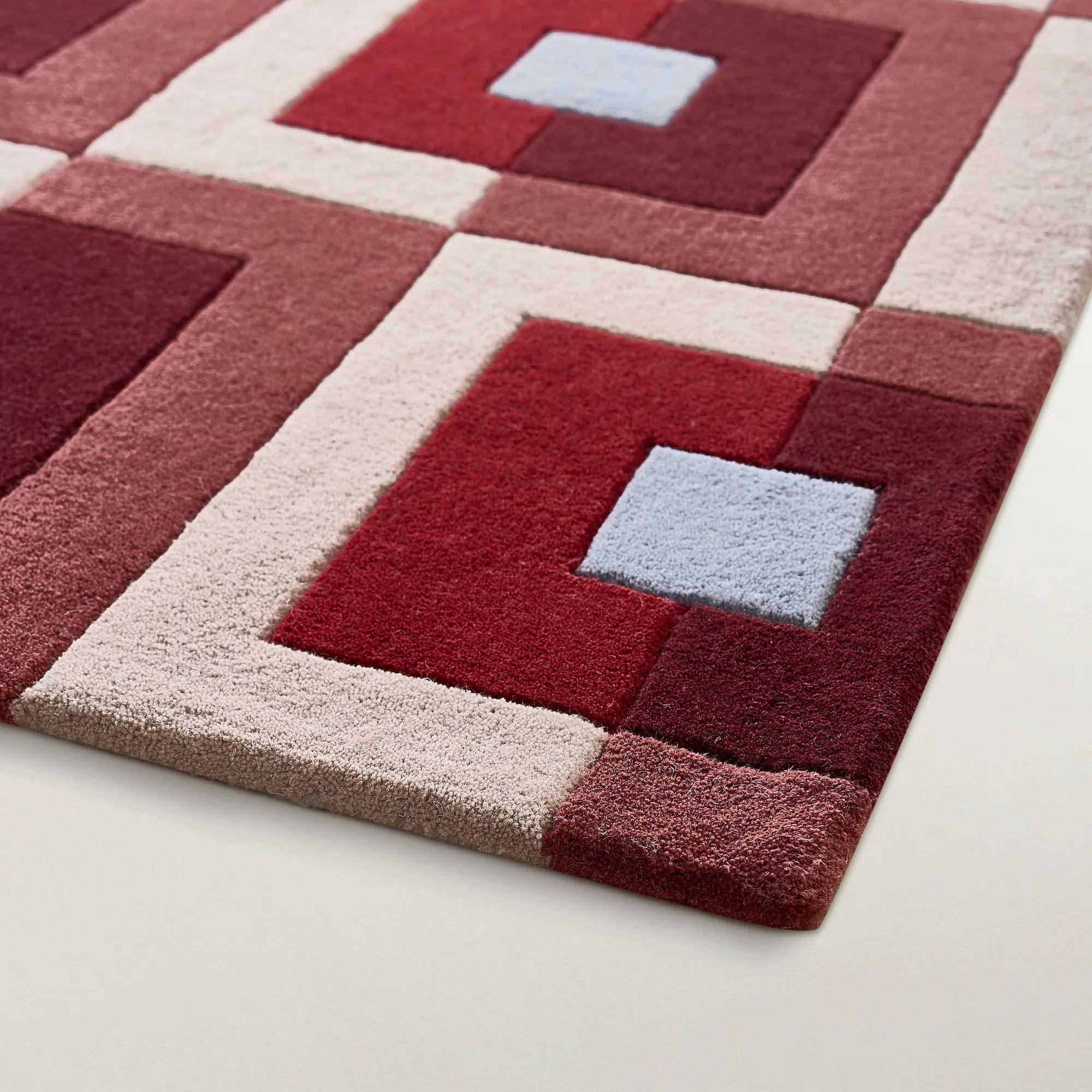 Geo Pop Wool Rug - Oxblood Red/Airy Blue$1599
A geometric wool rug featuring bold oxblood red and airy blue hues for modern interiors.
Add To Cart -
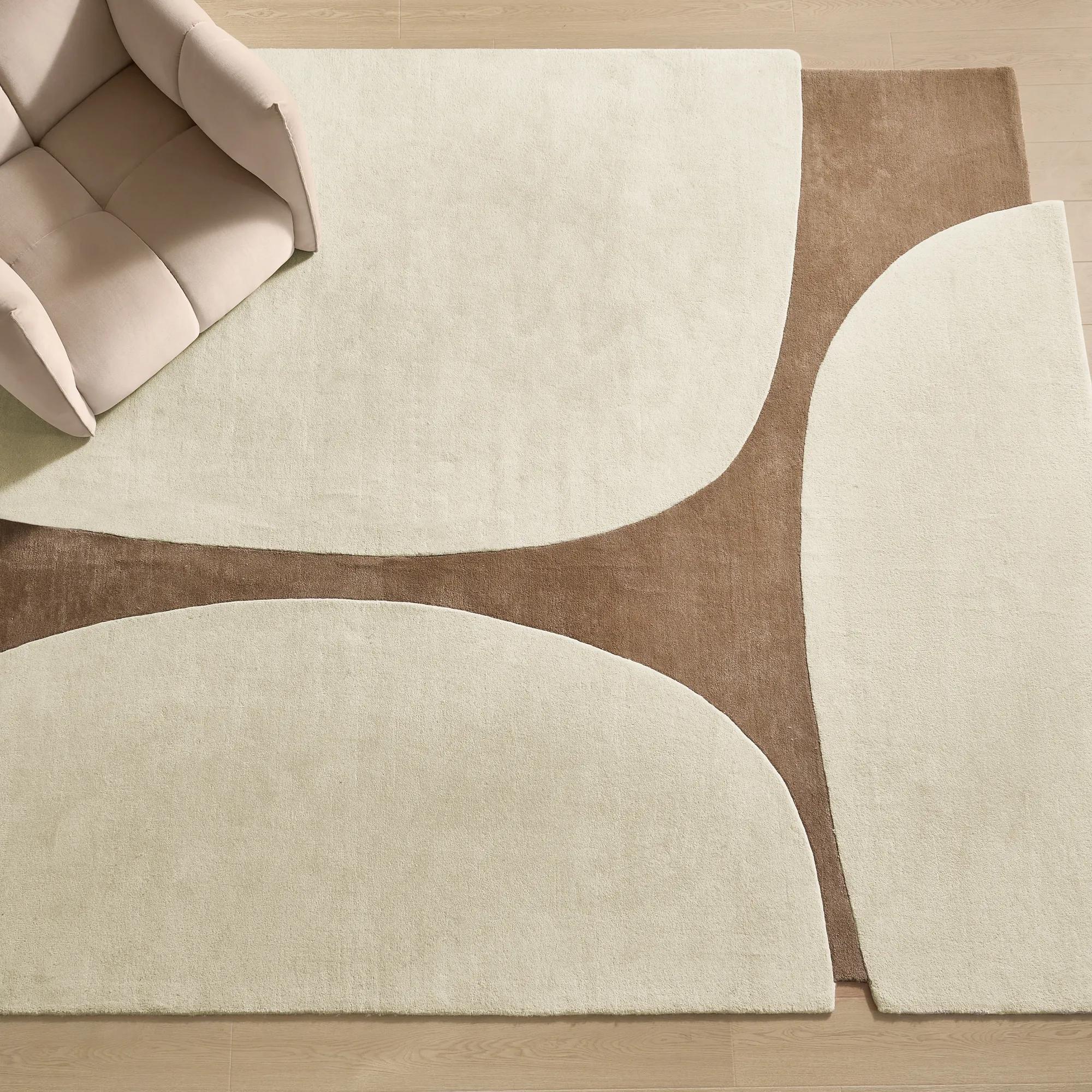
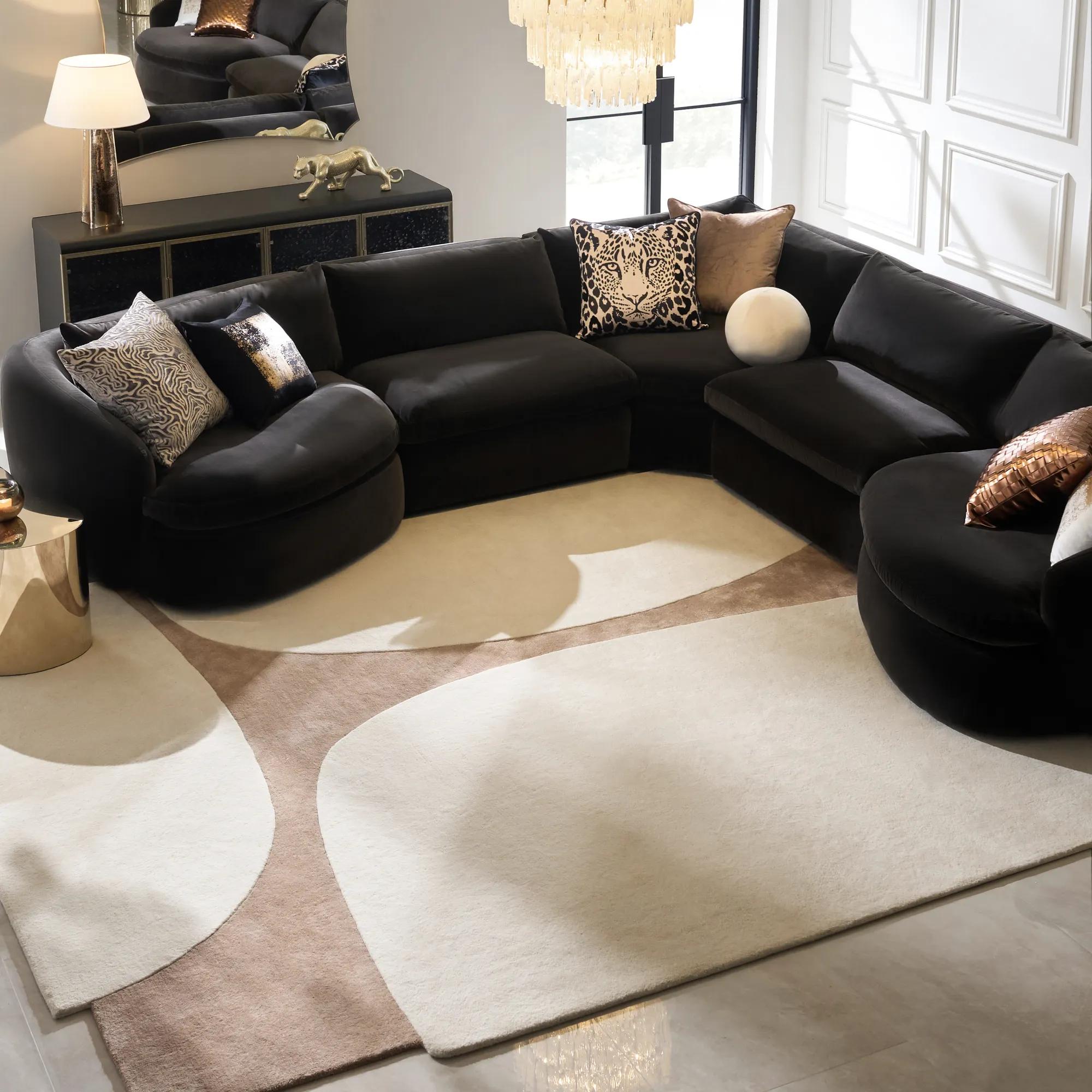 Contour Hand-Tufted Ivory/Ginger Root Wool Blend Rug$499
A hand-tufted wool rug blending ivory and ginger root tones for textured, modern warmth.
Add To Cart -
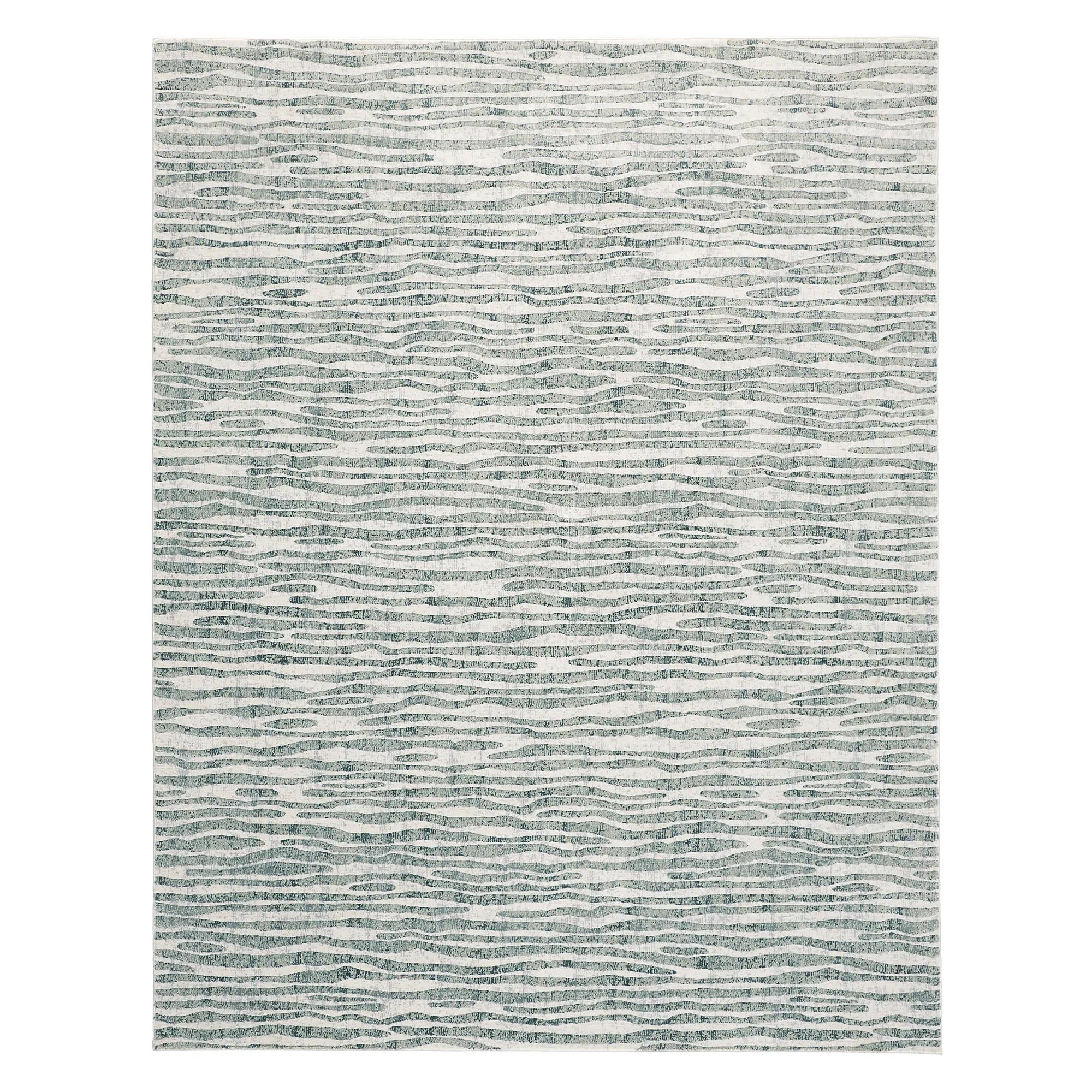 Samantha Power-Loomed Aqua/Grey Rug$719
A machine-woven rug featuring silvery-aqua and green accents on an ivory and grey polypropylene base.
Add To Cart -
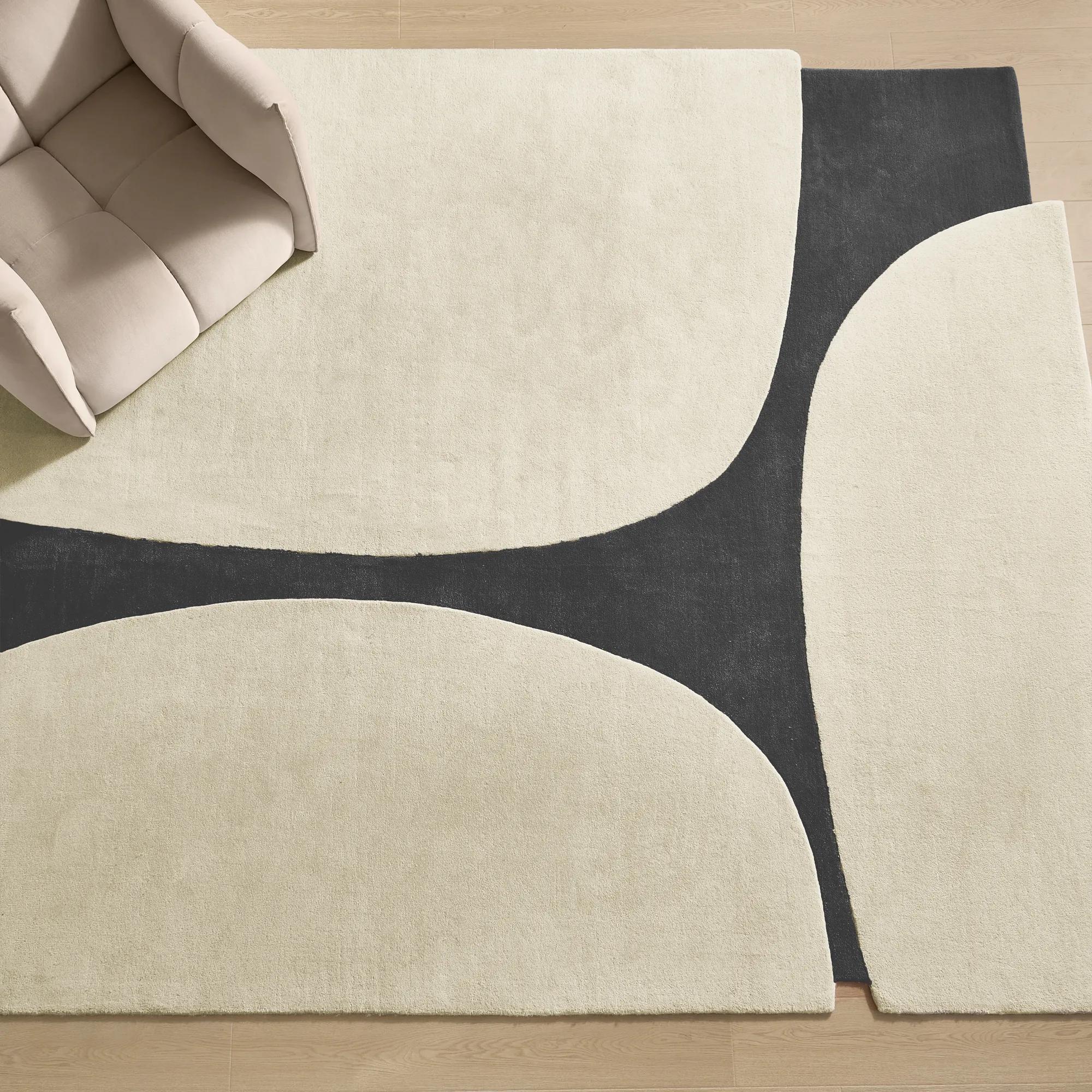 Contour Hand-Tufted Ivory/Charcoal Wool & Viscose Rug$999
A hand-tufted wool and viscose rug with a sculptural organic edge, high-low texture, and ivory-charcoal pattern.
Add To Cart -
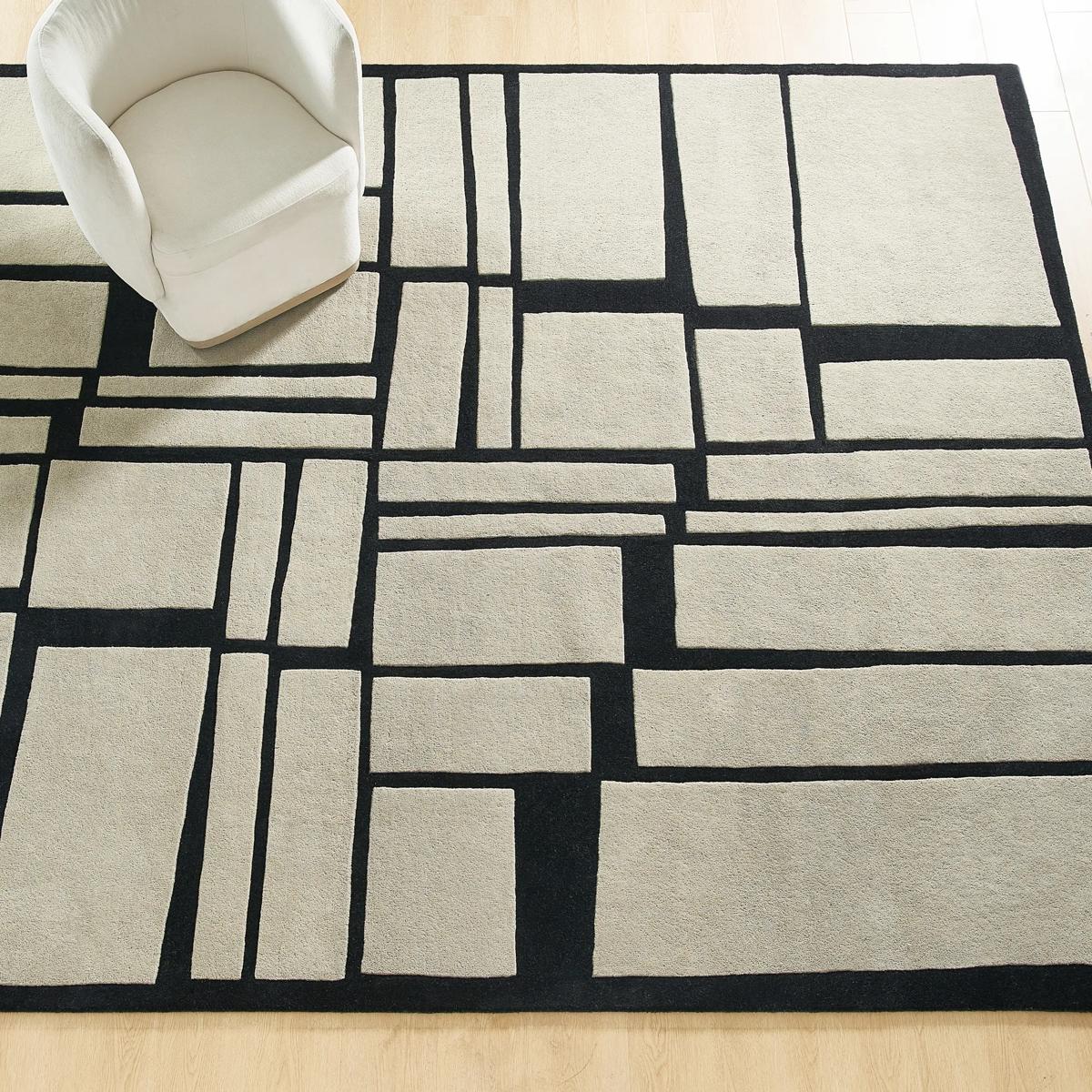 Novak Hand-Tufted Natural/Black Wool Rug$1399
A hand-tufted wool rug featuring a bold black and natural grid design for modern contrast.
Add To Cart -
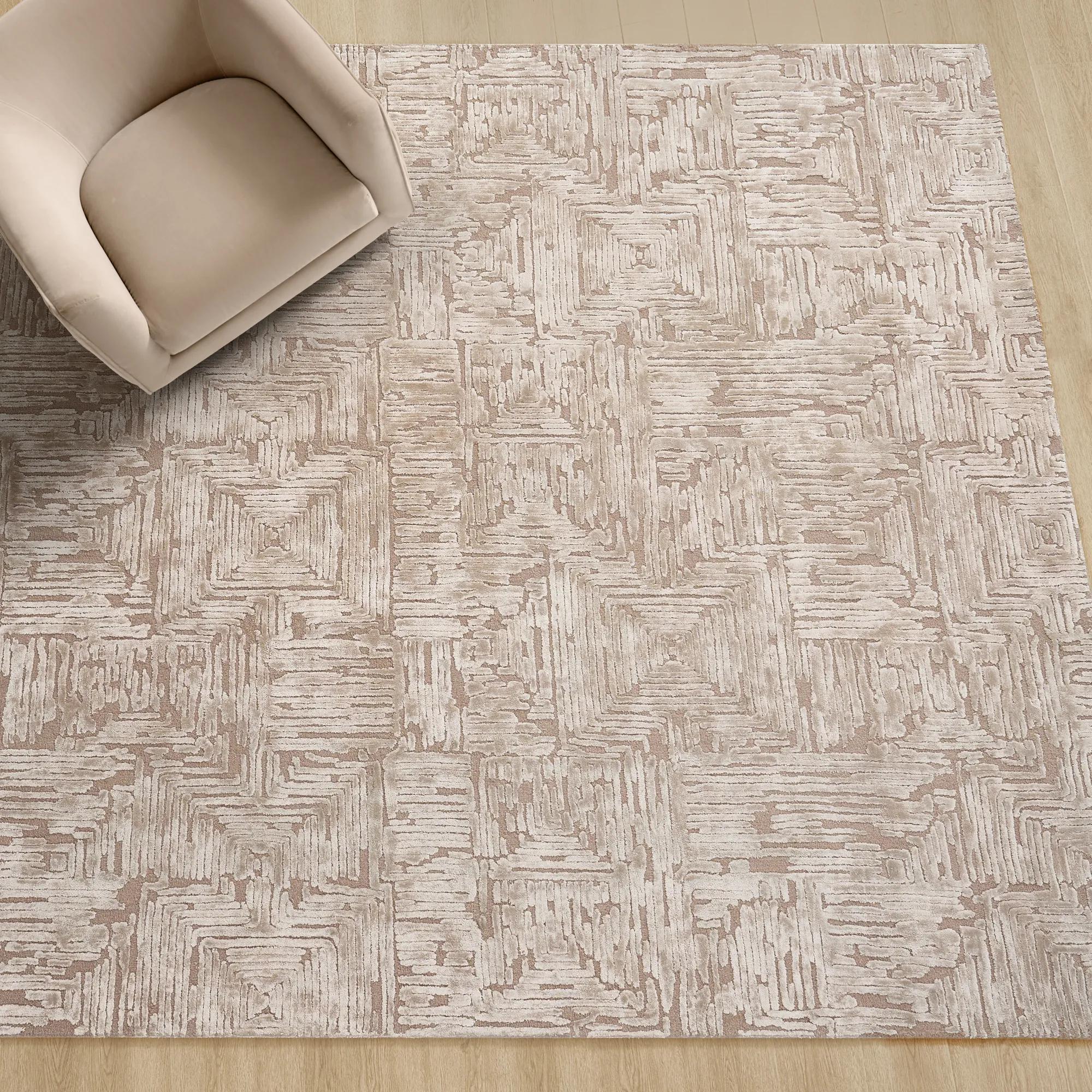
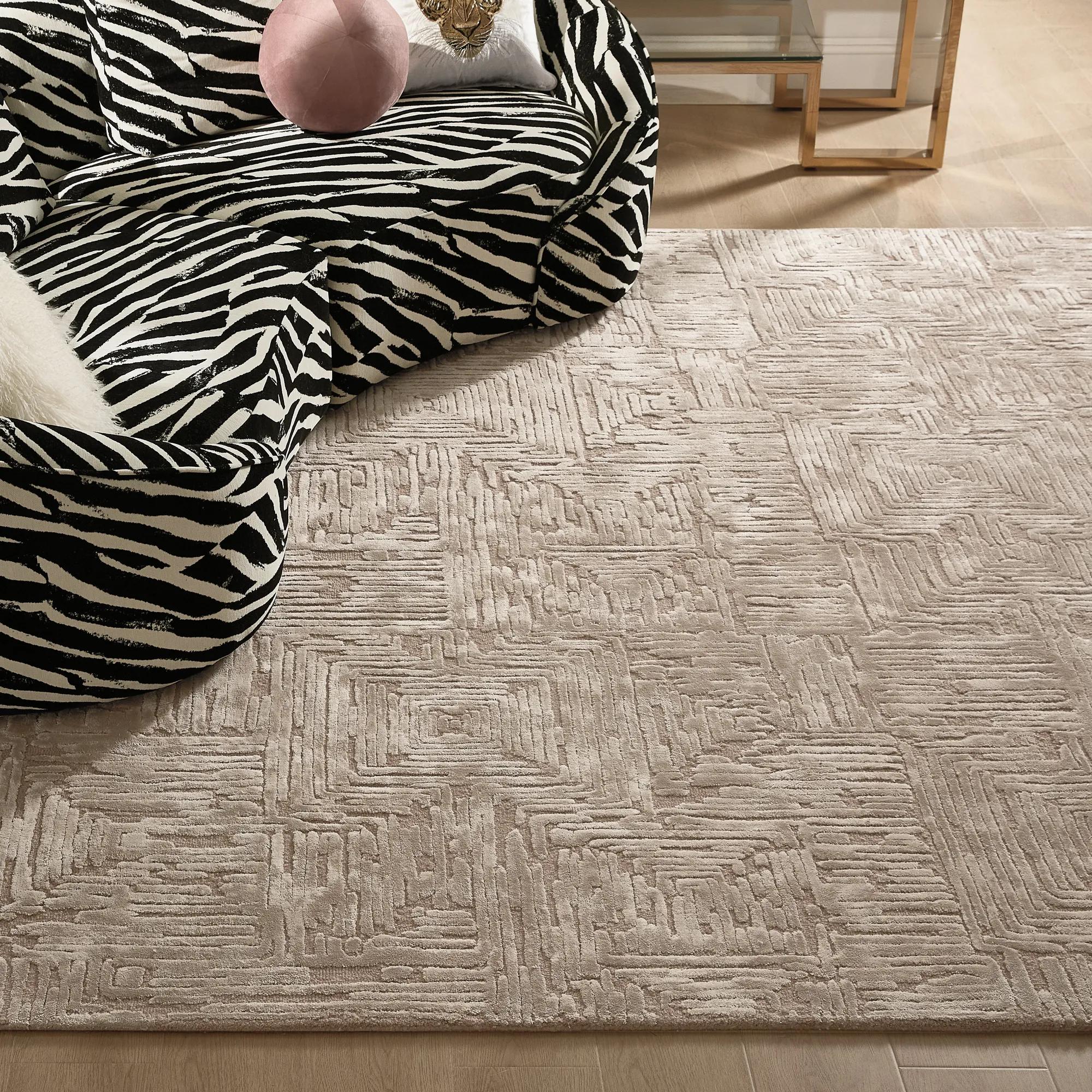 Andra Hand-Tufted Mocha Rose Viscose & Wool Dimensional Rug$499
A hand-tufted viscose-wool rug in mocha rose with a broken geometric pattern and dimensional high-low texture.
Add To Cart -
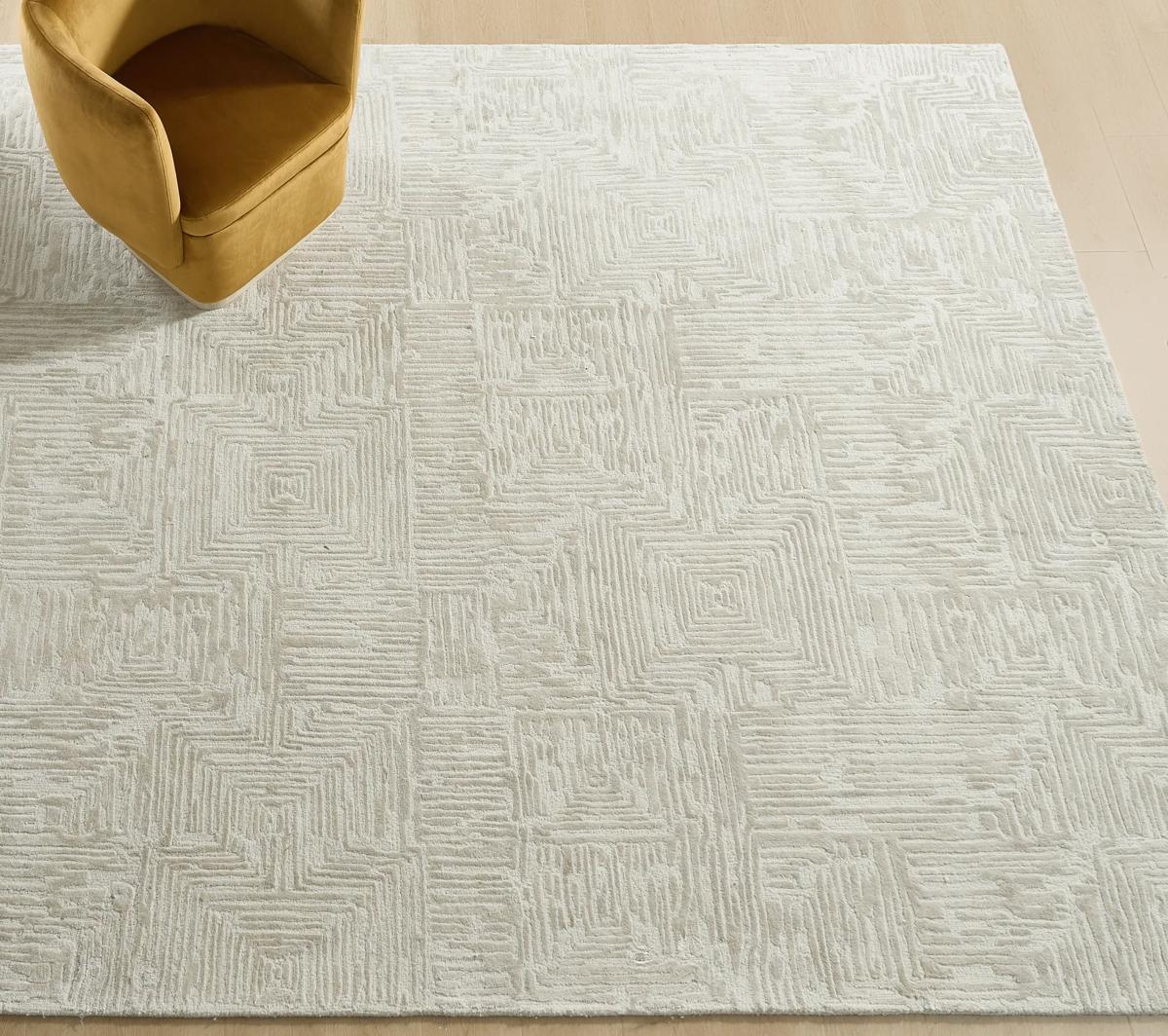 Andra Ivory Hand-Tufted Wool Blend Dimensional Rug$1499
A hand-tufted ivory rug in a viscose-wool blend with raised detailing and a subtle sheen.
Add To Cart -
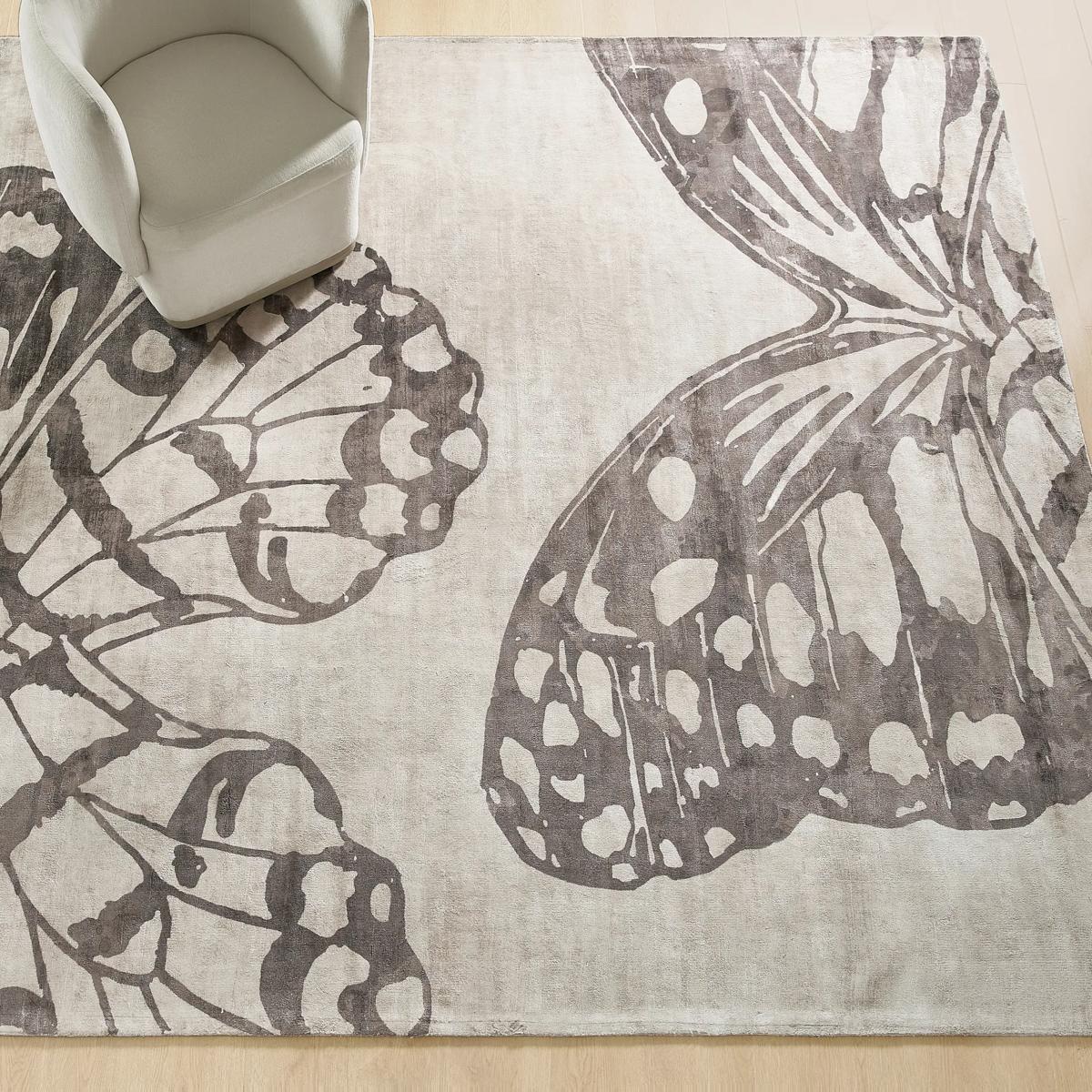
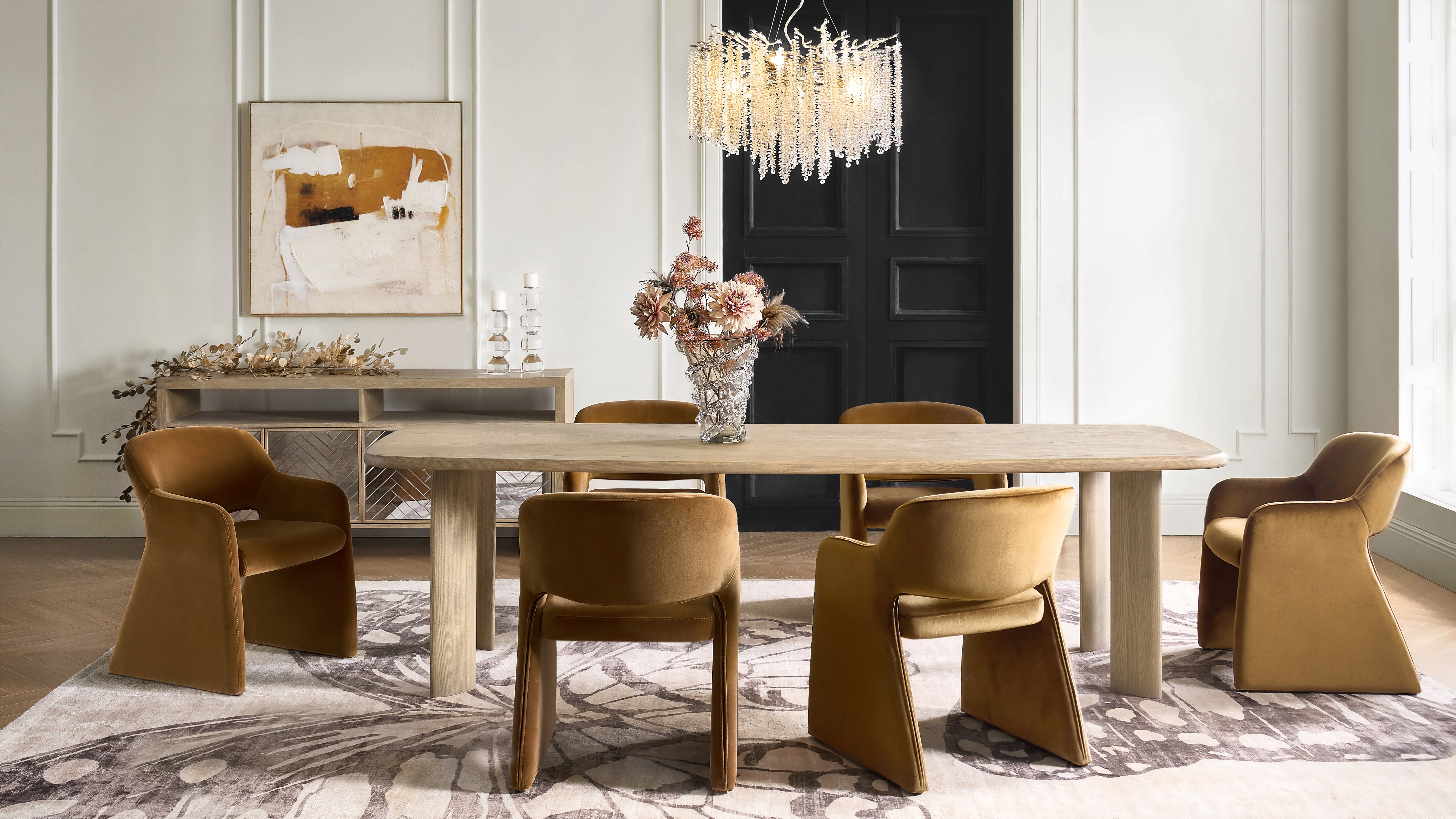 Mariposa Rug - Ivory/Dusty Mauve$999
A hand-loomed viscose rug featuring oversized butterfly motifs in soft ivory and dusty mauve tones.
Add To Cart -
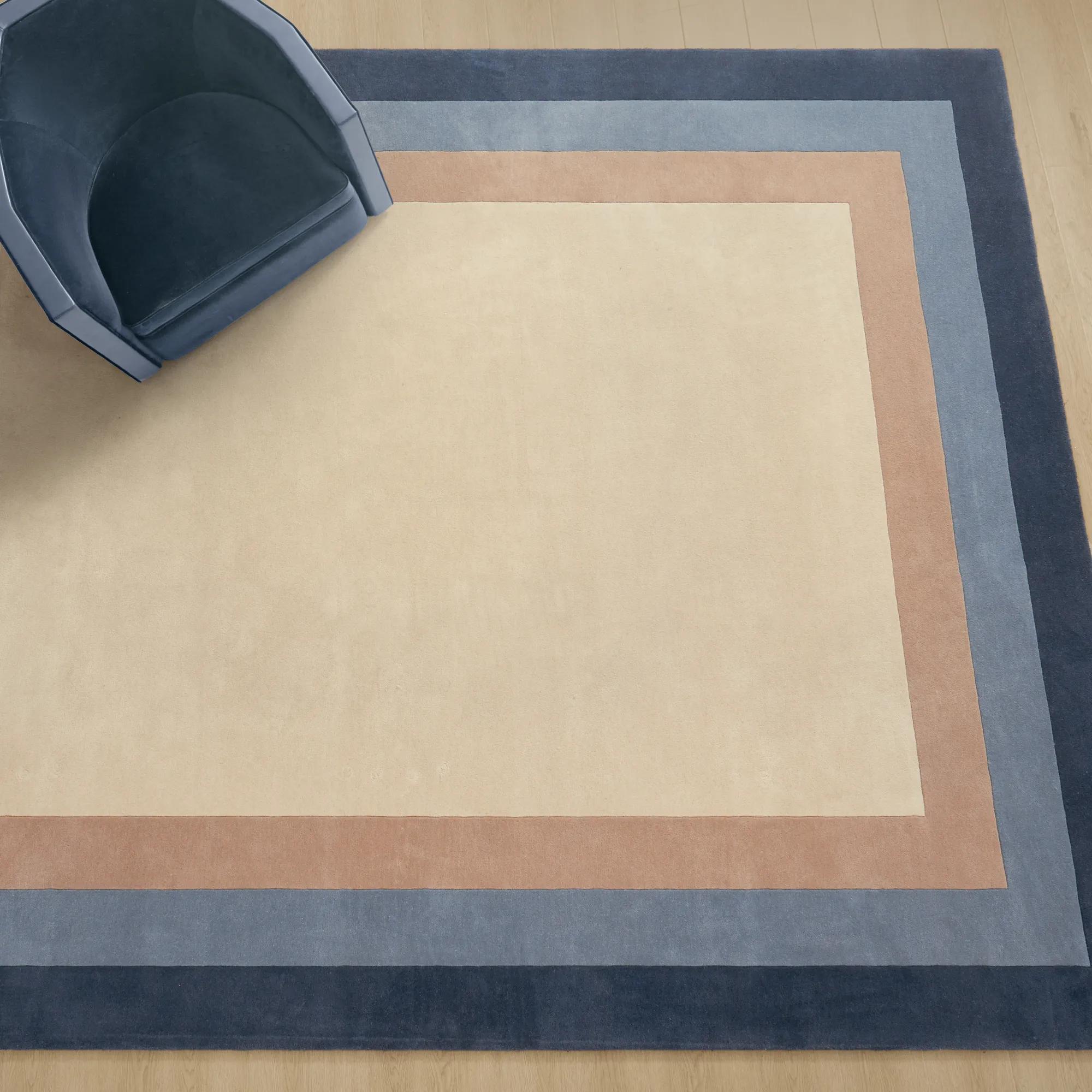 Bastien Hand-Tufted Blue/Taupe/Ivory Wool Border Rug$999
A hand-tufted wool rug featuring a graphic blue, taupe, and ivory color-blocked border.
Add To Cart -
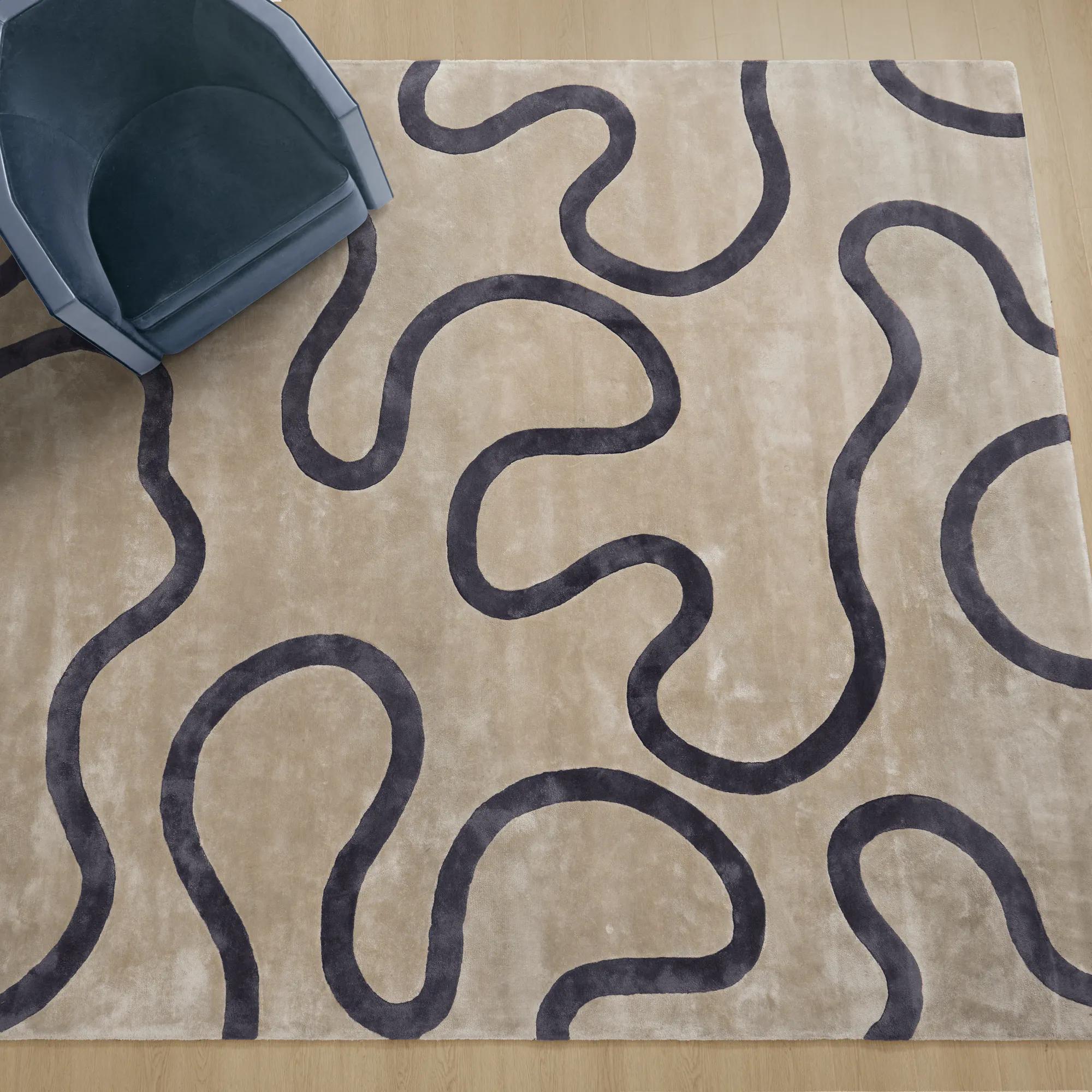 Seraphine Hand-Tufted Smoked Pearl/Taupe Viscose Loop Rug$599
A hand-tufted viscose rug in smoked pearl and taupe, featuring high-contrast loops and luminous sheen.
Add To Cart -
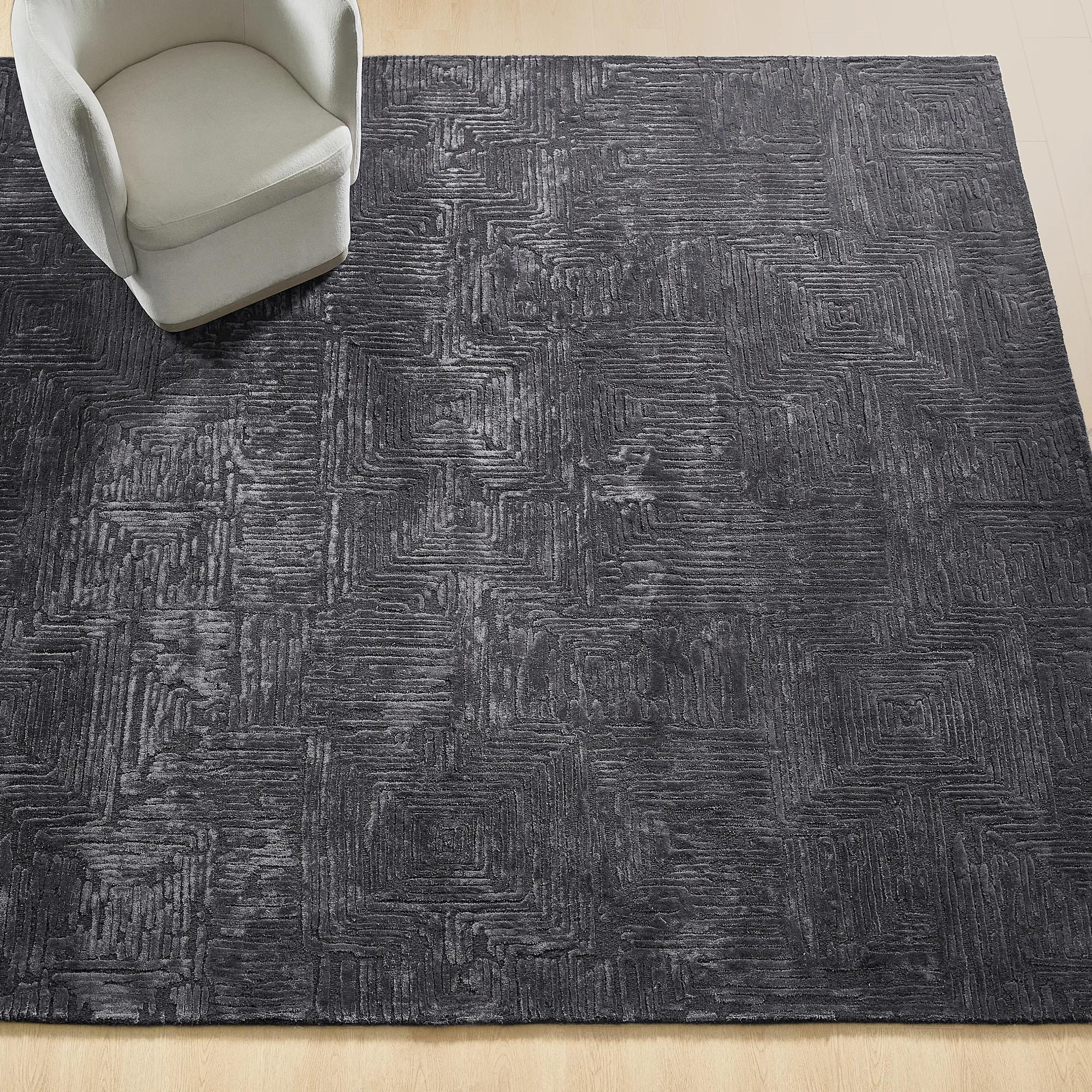
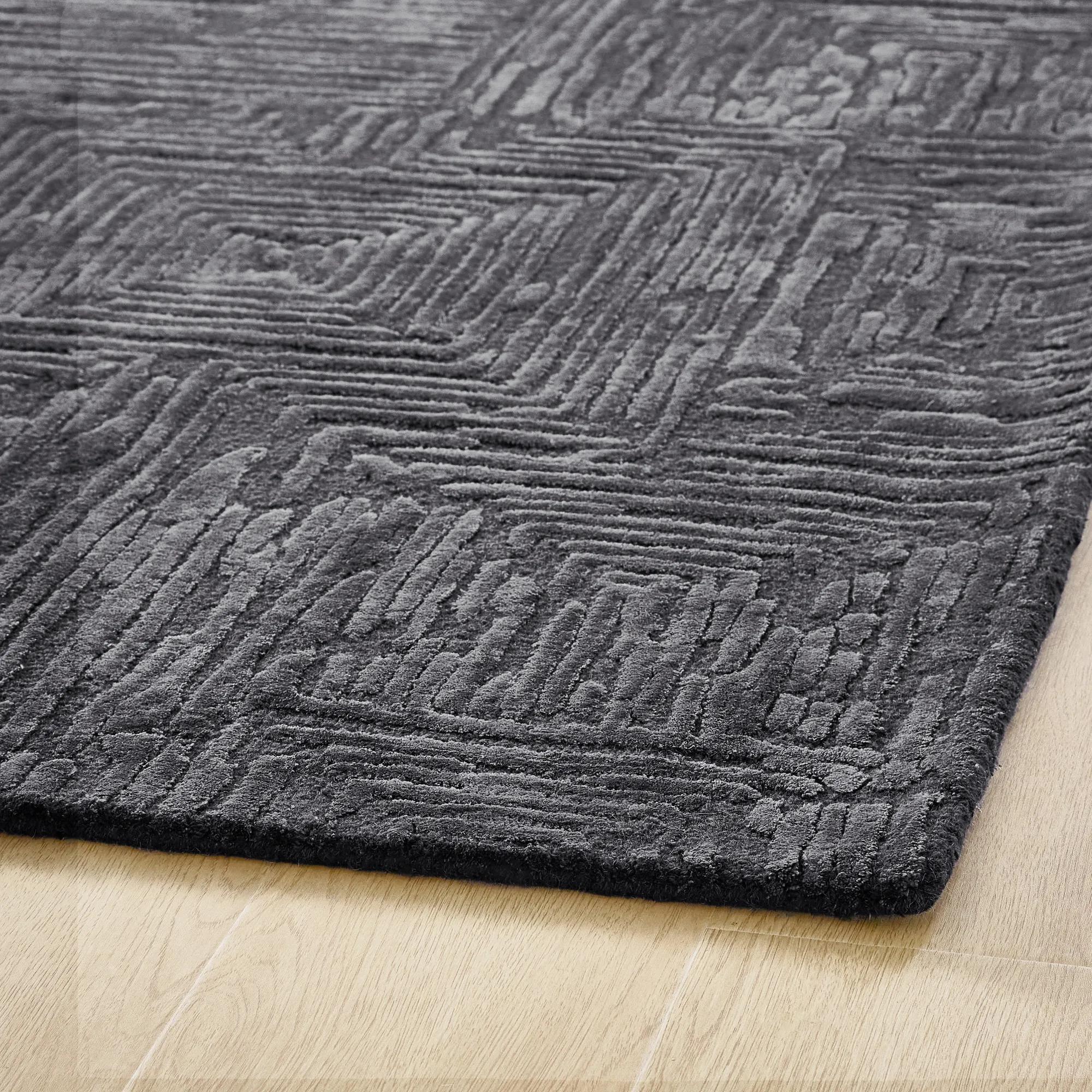 Andra Charcoal Hand-Tufted Wool Blend Dimensional Rug$1499
A hand-tufted viscose-wool rug in rich charcoal with a sculptural, dimensional pattern and plush texture.
Add To Cart -
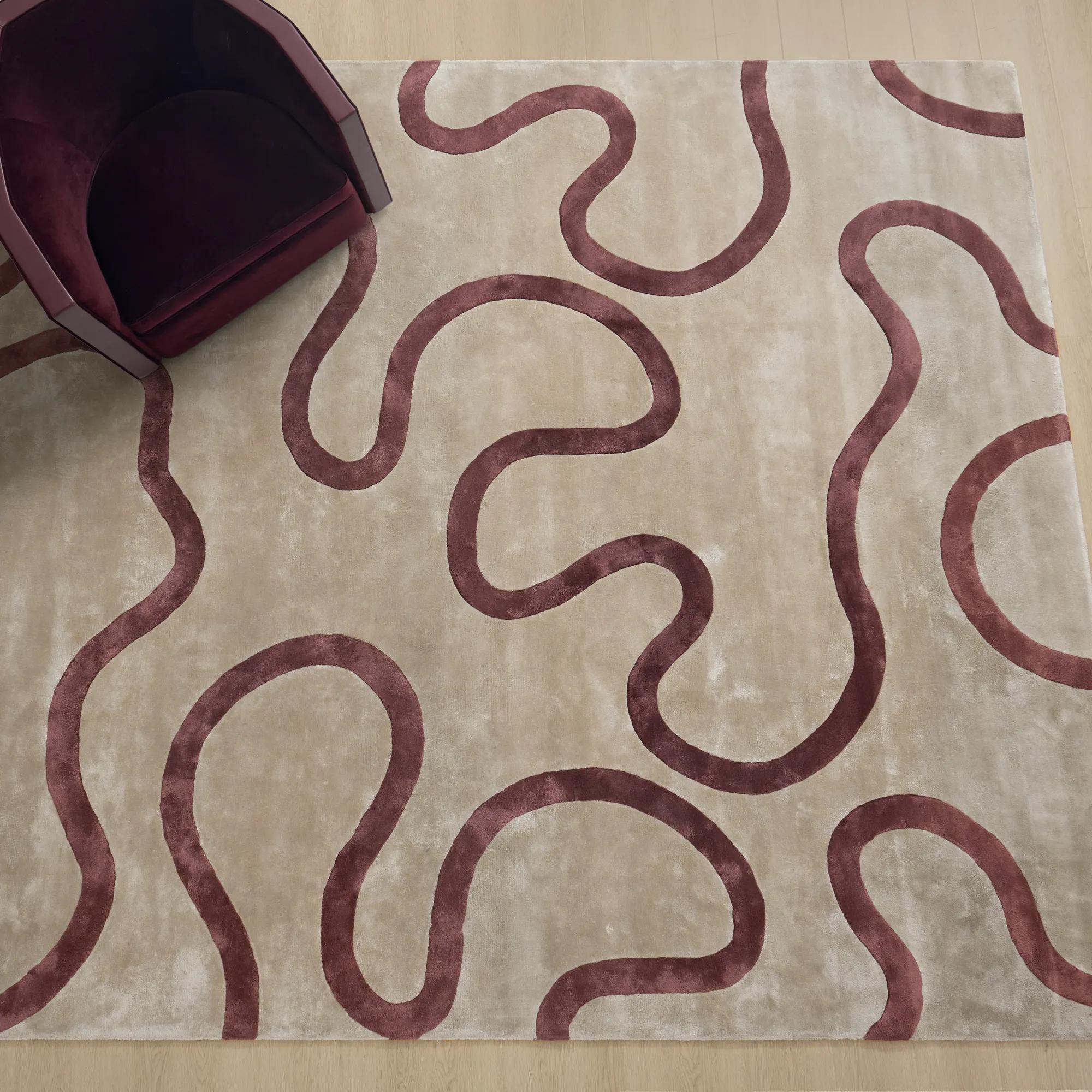 Seraphine Hand-Tufted Fig/Taupe Viscose Loop Rug$1799
A hand-tufted viscose rug featuring high-contrast loops in a luminous fig-and-taupe palette.
Add To Cart

Abstract Rugs For Modern Apartments
Abstract rugs for modern apartments are the secret ingredient to transforming ordinary floors into extraordinary canvases of self-expression. Daring patterns ripple across plush surfaces, infusing each room with a sense of movement and artistry that commands attention. In spaces where clean lines and contemporary silhouettes reign, these rugs introduce a layer of visual intrigue—inviting you to play with color, shape, and texture. Let your home pulse with creative energy; each abstract rug is more than décor—it’s a bold statement, a conversation starter, and the foundation for your next unforgettable vignette.
Abstract rugs for modern apartments bring artistic movement, tactile softness, and definition to interiors where every square foot has a purpose. Sweeping brushstrokes, fractured geometry, marbled effects, and expressive fields of color turn the floor into a substantial part of the room’s composition. Unlike a repeating traditional motif, an abstract pattern can feel fluid and unexpected, making it a compelling counterpart to streamlined furniture, glass surfaces, and sculptural lighting. In a compact apartment, a generously scaled design can establish a focal point without adding another object to an already considered space. A wash of ivory and charcoal lends depth to a monochromatic living room, while strokes of gold, rust, or sapphire introduce a more dramatic point of view. The effect depends as much on contrast as on color: softly blended tones create a quieter foundation beneath distinctive furnishings, while crisp lines and saturated accents command attention beneath a restrained sofa. For a palette built around indigo, slate, or watery mineral tones, blue rugs for modern apartments offer another way to connect expressive flooring with upholstery, artwork, and decorative accents. An abstract rug does not need to match every finish in the room. Repeating one or two of its colors elsewhere, perhaps in a velvet pillow or a ceramic vessel, gives the setting cohesion without making it feel prescribed. Pattern scale matters, too. Broad, open gestures can lend breathing room to a small seating area, while intricate markings reward a closer look in a more edited interior. For apartment dwellers who want an expressive home without altering walls or architectural finishes, an artful area rug makes a particularly personal statement. It creates a visual center for conversation, frames favorite furniture, and gives even a familiar floor plan a distinct identity.
Proportion gives that artistic statement its polish. Common abstract area rug sizes include 5 by 8 feet and 6 by 9 feet for compact seating arrangements, 8 by 10 feet for many standard living room layouts, and 9 by 12 feet for larger seating groups or sectionals. These dimensions are starting points rather than guarantees; the right fit depends on the room, furniture footprint, and walking paths. A rug that reaches beneath the front legs of a sofa and adjacent chairs usually makes a seating area feel more connected than one floating only beneath the coffee table. In a narrow apartment living room, maintaining a visible border of flooring can keep the arrangement intentional without allowing the rug to overwhelm the space. Measuring the proposed footprint with painter’s tape helps reveal whether a bold composition will sit comfortably beneath the furniture or disappear under it. The placement of the pattern deserves consideration alongside the dimensions. A central burst of color may be concealed by a substantial coffee table, while an edge-focused design can remain visible around a low-profile sectional. Open-plan apartments benefit from rugs that distinguish lounging and dining areas without introducing physical dividers. Beneath a dining table, the rug should extend far enough for chairs to remain on it when pulled out; approximately 24 inches beyond the tabletop on each side is a useful baseline, with more room sometimes needed for larger chairs. Beside a bed, generous rug coverage creates a soft landing and balances the visual weight of the frame. Round rugs can echo a circular dining table or soften an angular nook, while rectangular shapes reinforce longer seating arrangements. Door swings, closet access, floor vents, and transitions into adjoining spaces also influence placement. A beautifully proportioned rug should support daily movement as gracefully as it supports the room’s design, leaving the apartment expressive, composed, and comfortable to inhabit.
Material and construction determine how an abstract rug feels underfoot and how it responds to everyday life. Wool brings natural resilience and a substantial hand, with fibers that can help the pile recover from compression; some shedding is normal, particularly with newer wool rugs. Polypropylene is often chosen for its stain resistance and practical maintenance, while polyester can deliver softness and vivid color. Neither material makes a rug impervious to spills, pet accidents, or wear, and performance varies with construction, density, and finishing. Viscose and similar lustrous fibers can create striking shifts between matte and gleaming areas, giving an abstract pattern a painterly depth, but they generally require greater care around moisture and heavy traffic. In a busy living room shared with children or pets, a dense, lower-pile construction may be easier to maintain than a deeply textured surface. Lower pile also tends to accommodate dining chairs and door clearance more readily, while a more sumptuous pile can suit a quieter bedroom or reading area. Raised and recessed patterns add sculptural dimension, although textured loops may catch on pet claws. A rug pad selected for the rug and the underlying flooring can reduce shifting, add cushioning, and help protect the floor; compatibility matters because certain backing materials can affect some finishes. Routine care should follow the manufacturer’s instructions, with attention to vacuum settings, fringe, and raised details. Prompt blotting rather than rubbing helps limit the spread of spills, and any approved cleaner should be tested in an inconspicuous area first. Machine washing is appropriate only when the care label explicitly permits it and the rug fits the washer’s capacity. Delicate fibers, persistent stains, or substantial soiling may call for a qualified rug-cleaning professional. Occasional rotation can distribute foot traffic and light exposure more evenly, helping preserve the balance of color and texture. With thoughtful proportions and care suited to its fibers, an abstract rug becomes more than a decorative layer: it gives a modern apartment an enduring sense of artistry, comfort, and personal expression.
FAQs
Abstract rugs infuse a space with visual intrigue and artistic flair, transforming ordinary rooms into expressive sanctuaries. Their dynamic patterns and bold color palettes can set the tone of a room—whether you seek energy, tranquility, or sophisticated drama—while also providing a tactile foundation that anchors your decor.
Contemporary abstract rugs are remarkably versatile, complementing a range of styles from modern minimalism to eclectic maximalism. They harmonize beautifully with sleek, sculptural furniture, metallic accents, and glass or mirrored surfaces, but can also add a sense of curated contrast to traditional or vintage-inspired interiors.
Absolutely. Abstract modern rugs make unforgettable gifts for housewarmings, weddings, or milestone celebrations. Their artistic designs and luxurious textures offer a unique way to celebrate someone’s individuality, making them a thoughtful present for anyone who values self-expression and elevated living.
In open-concept spaces, abstract rugs serve as visual anchors, delineating distinct zones such as dining, living, or reading areas. By choosing rugs with complementary or contrasting designs, you can create a sense of flow while still defining each area’s purpose and personality.
Yes, abstract rugs are ideal companions for bold wall art and statement lighting. Their expressive patterns can echo or contrast with other artistic elements, creating a layered, gallery-like effect that feels curated and intentional. Together, these pieces elevate the ambiance and transform your apartment into a true work of art.