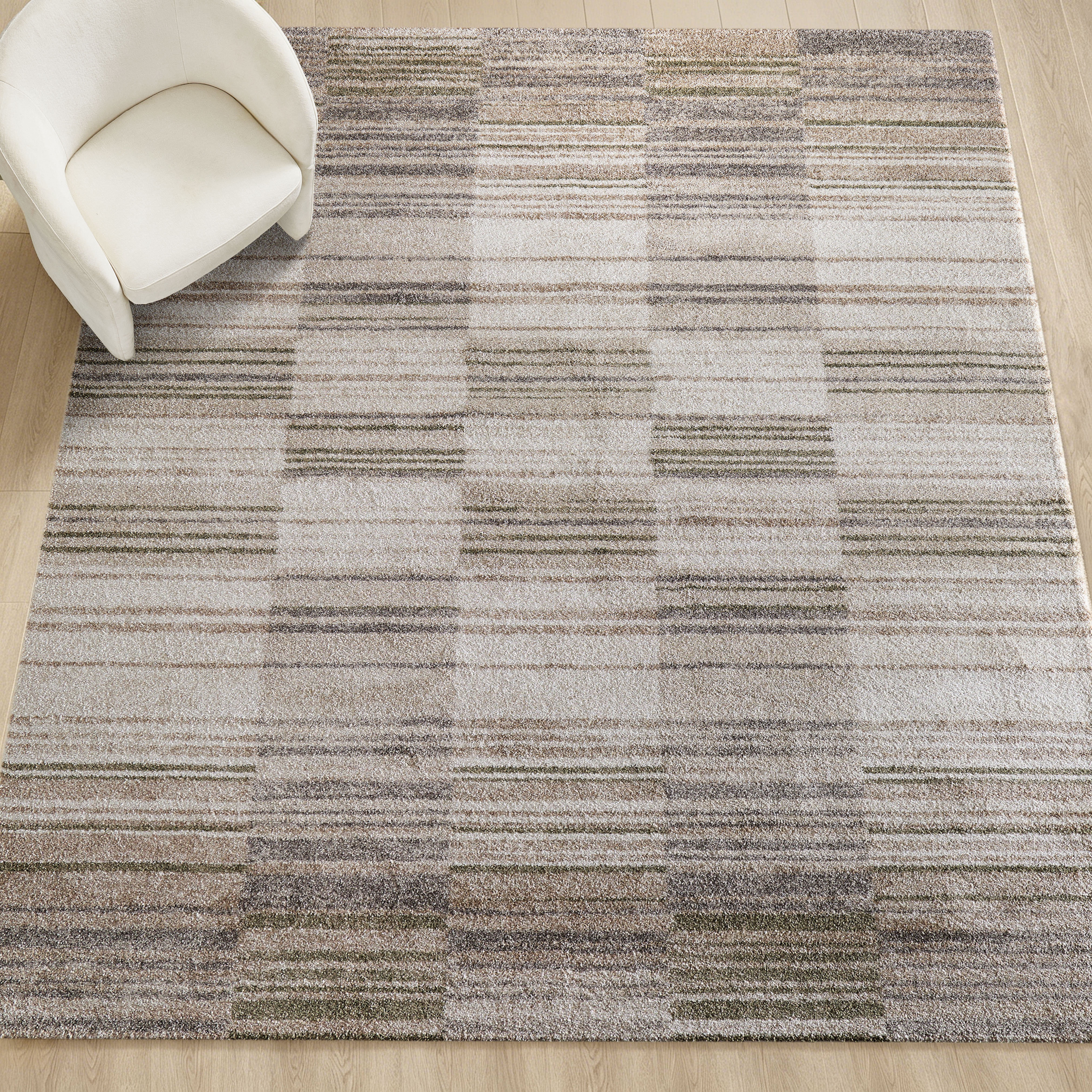
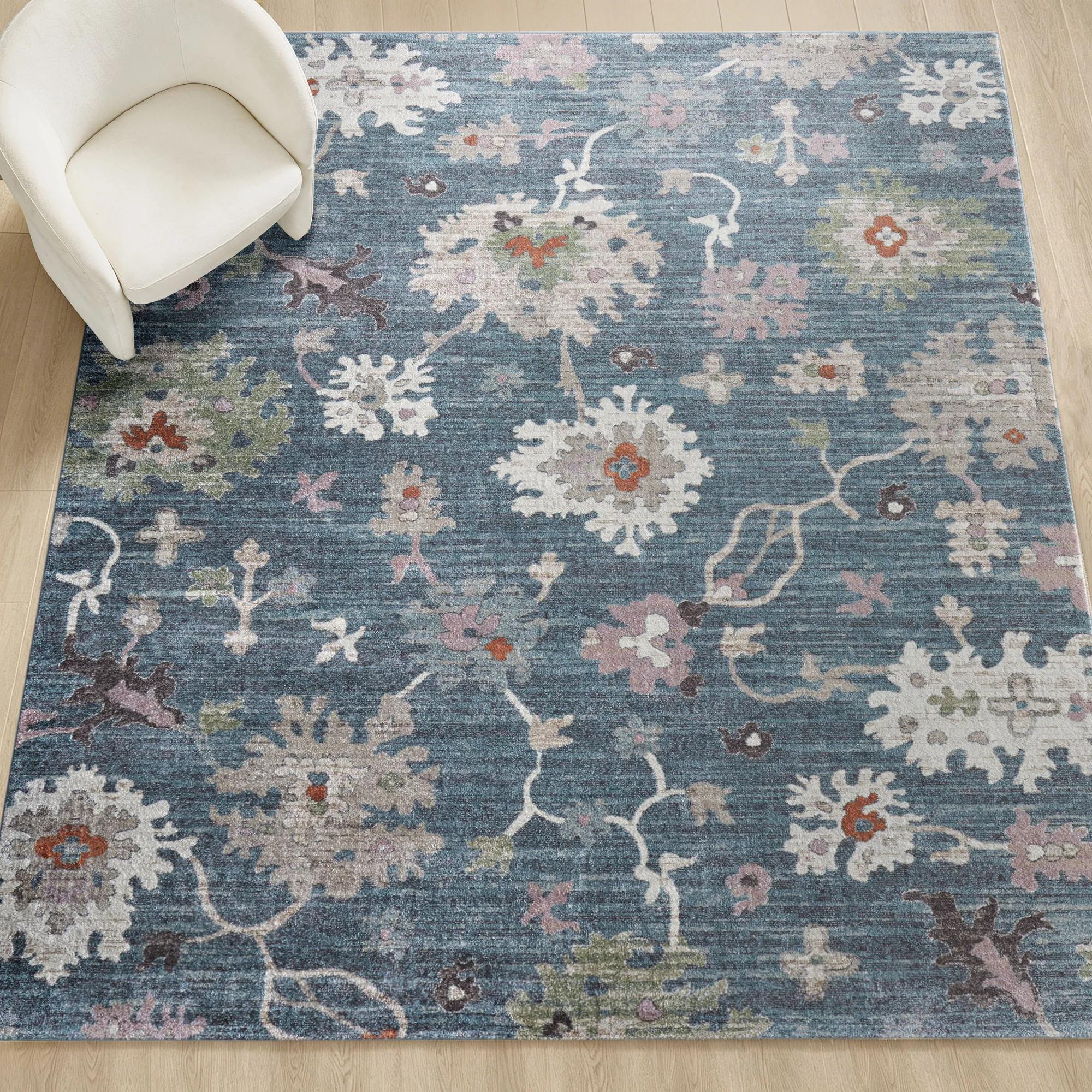
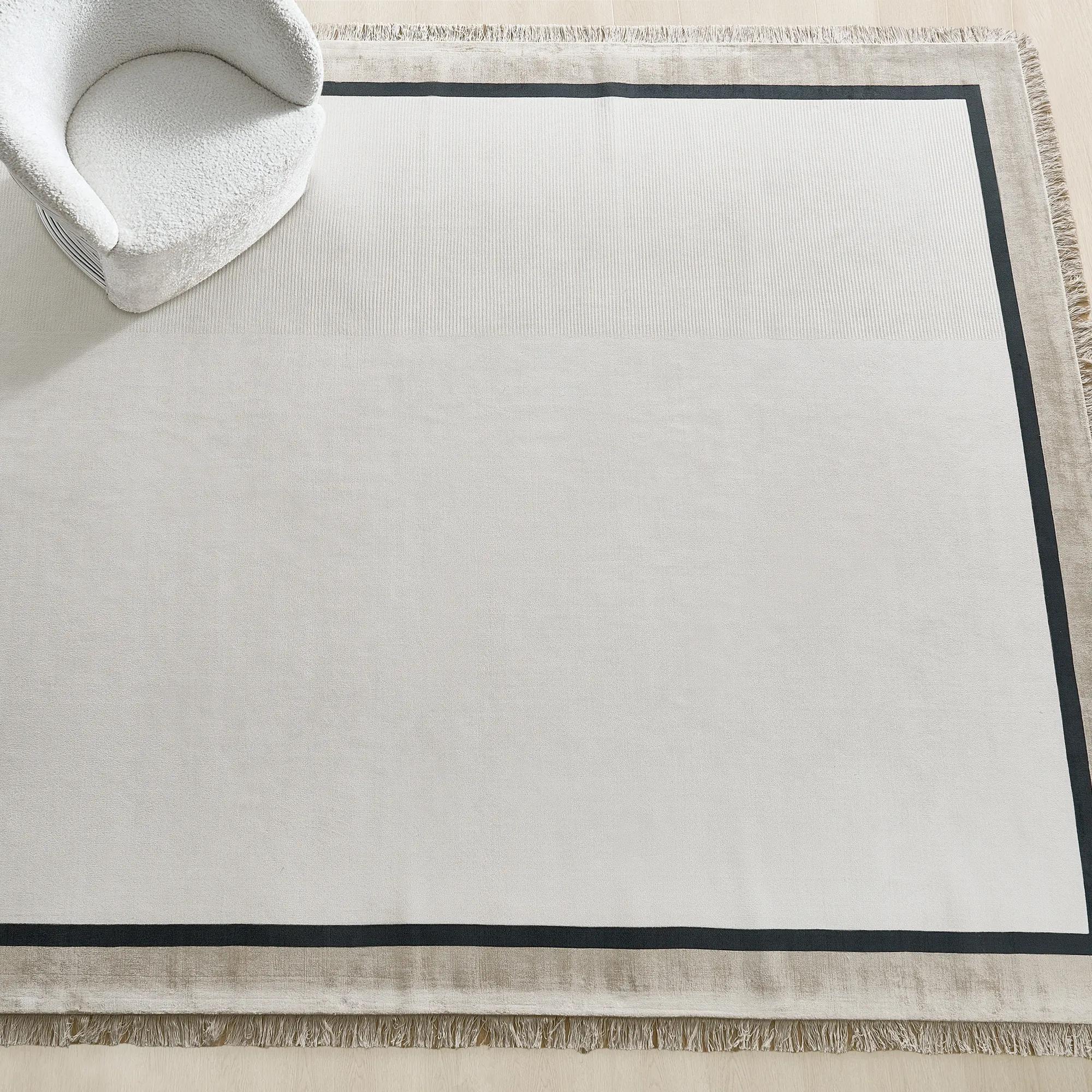
Abstract Wool Rugs For Homes
Abstract Wool Rugs For Homes
-
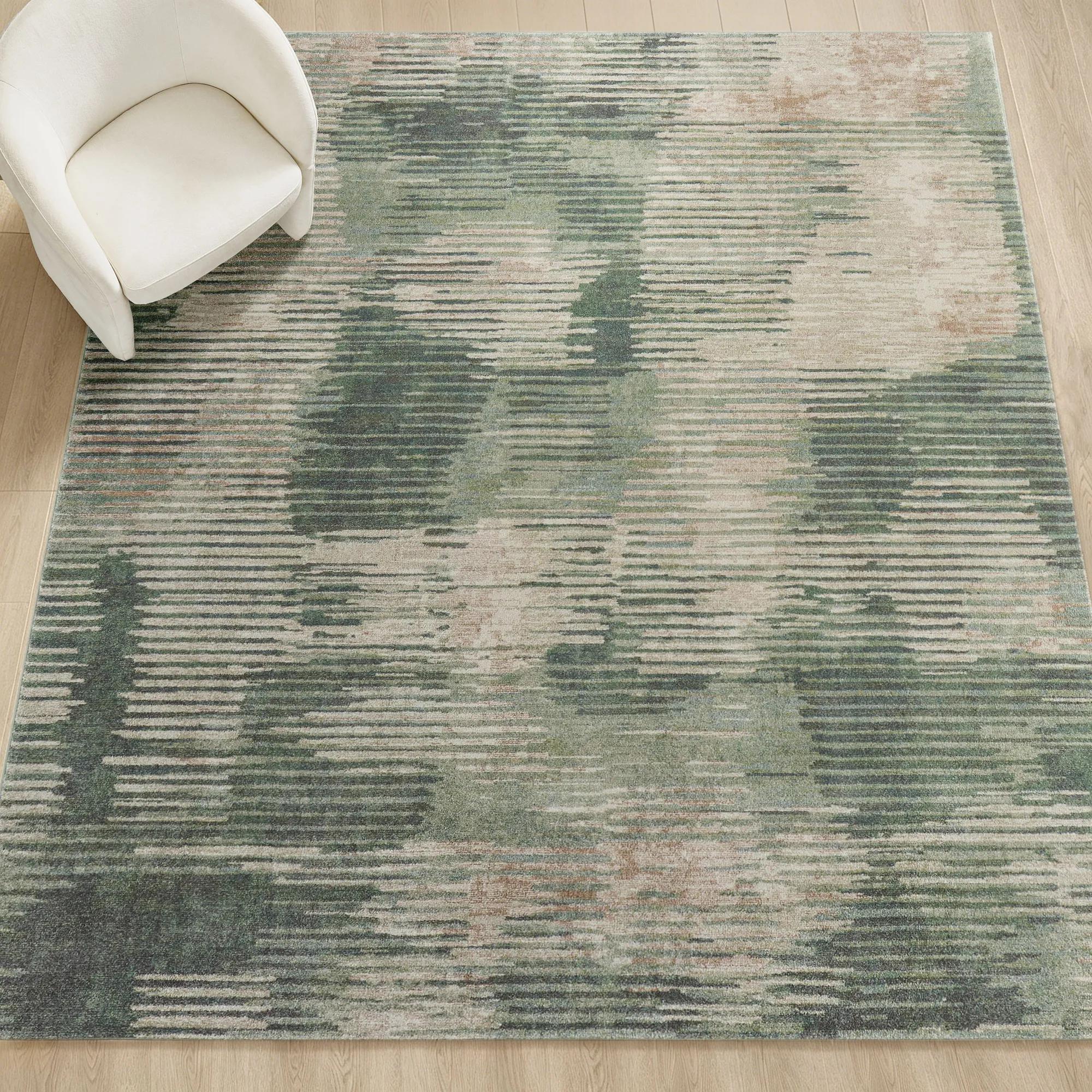
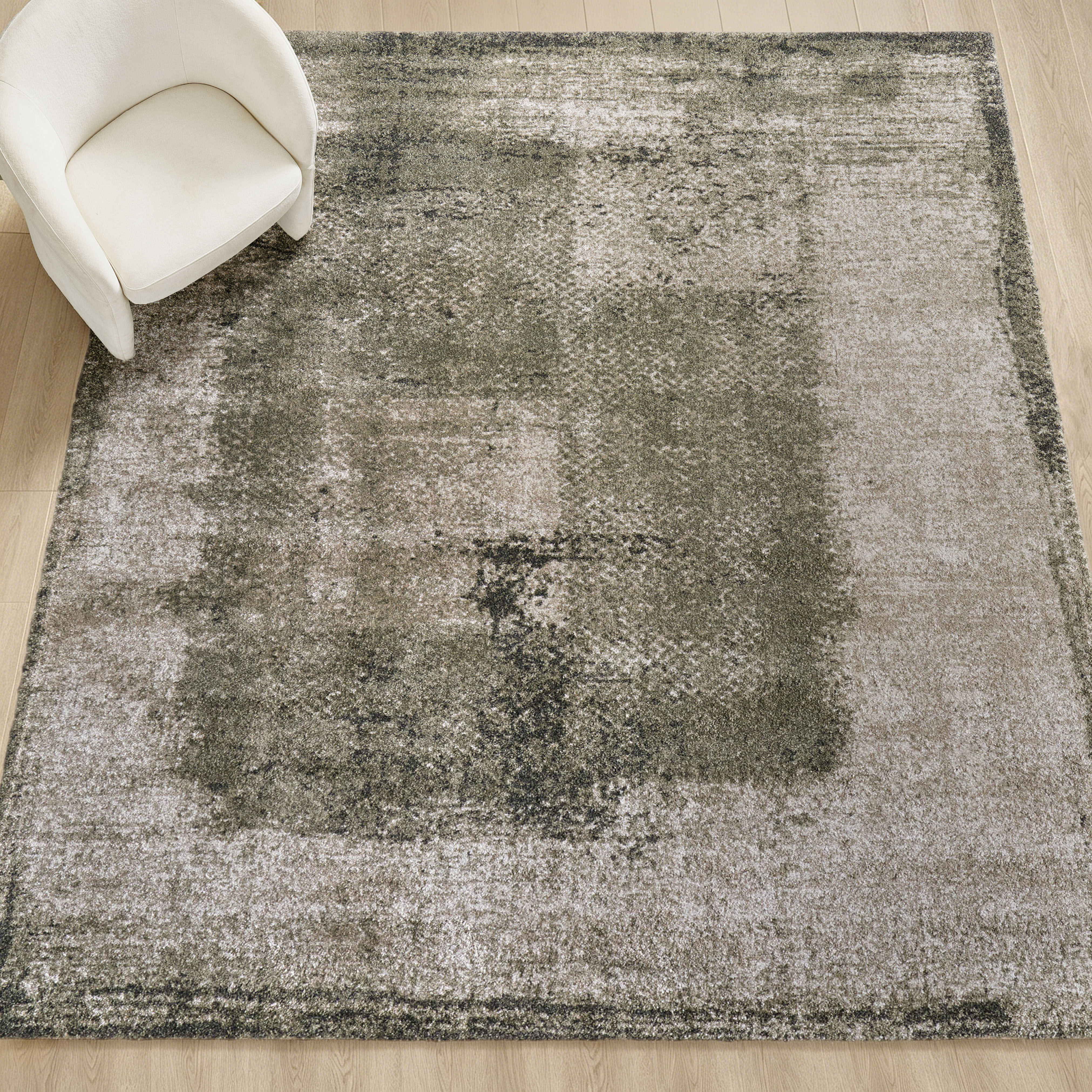
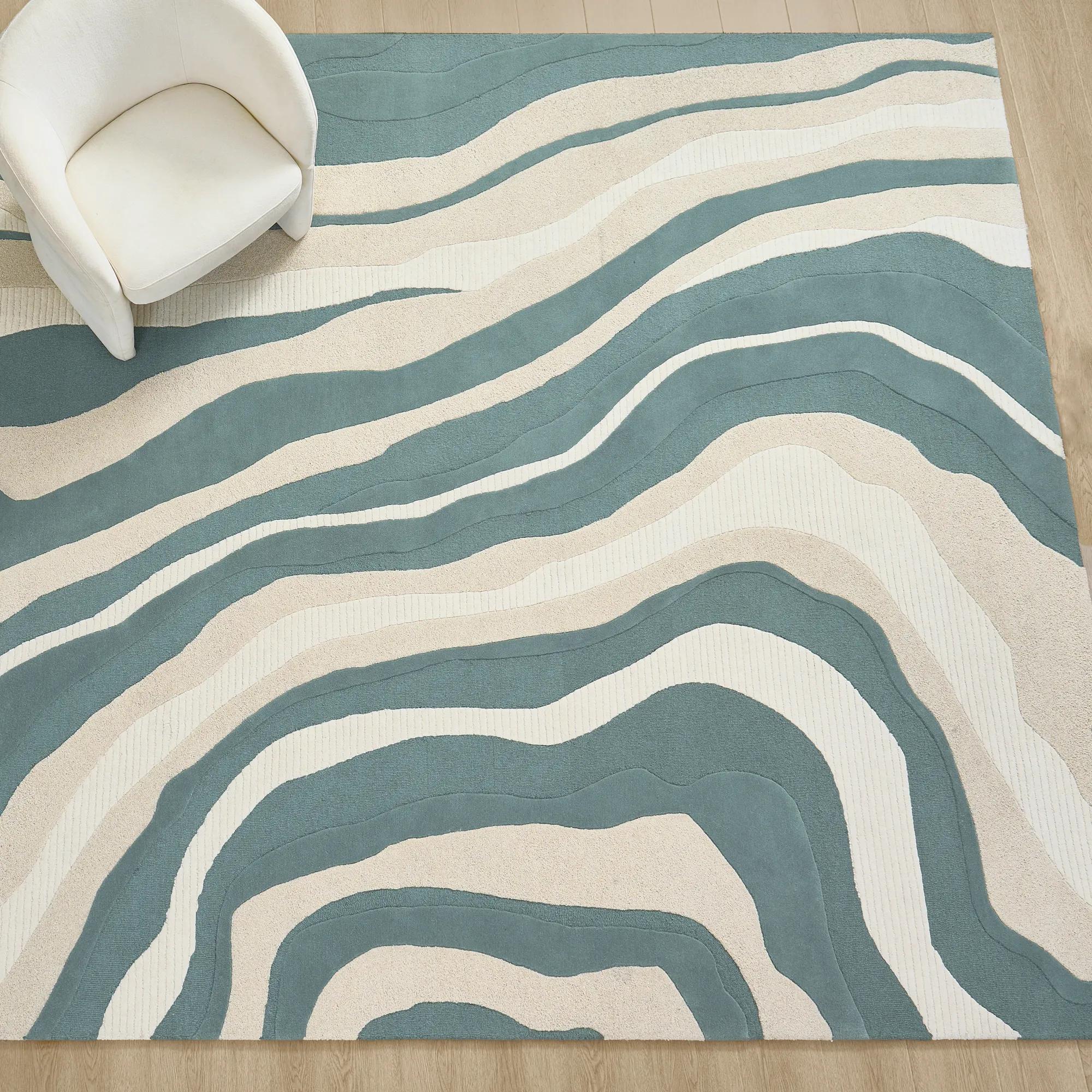 Kadence Hand-Tufted Sage Green/Ivory Wool Rugs$1499
A hand-tufted wool rug in deep sage green and ivory with a sculptural high-low abstract wave pattern.
Add To Cart -
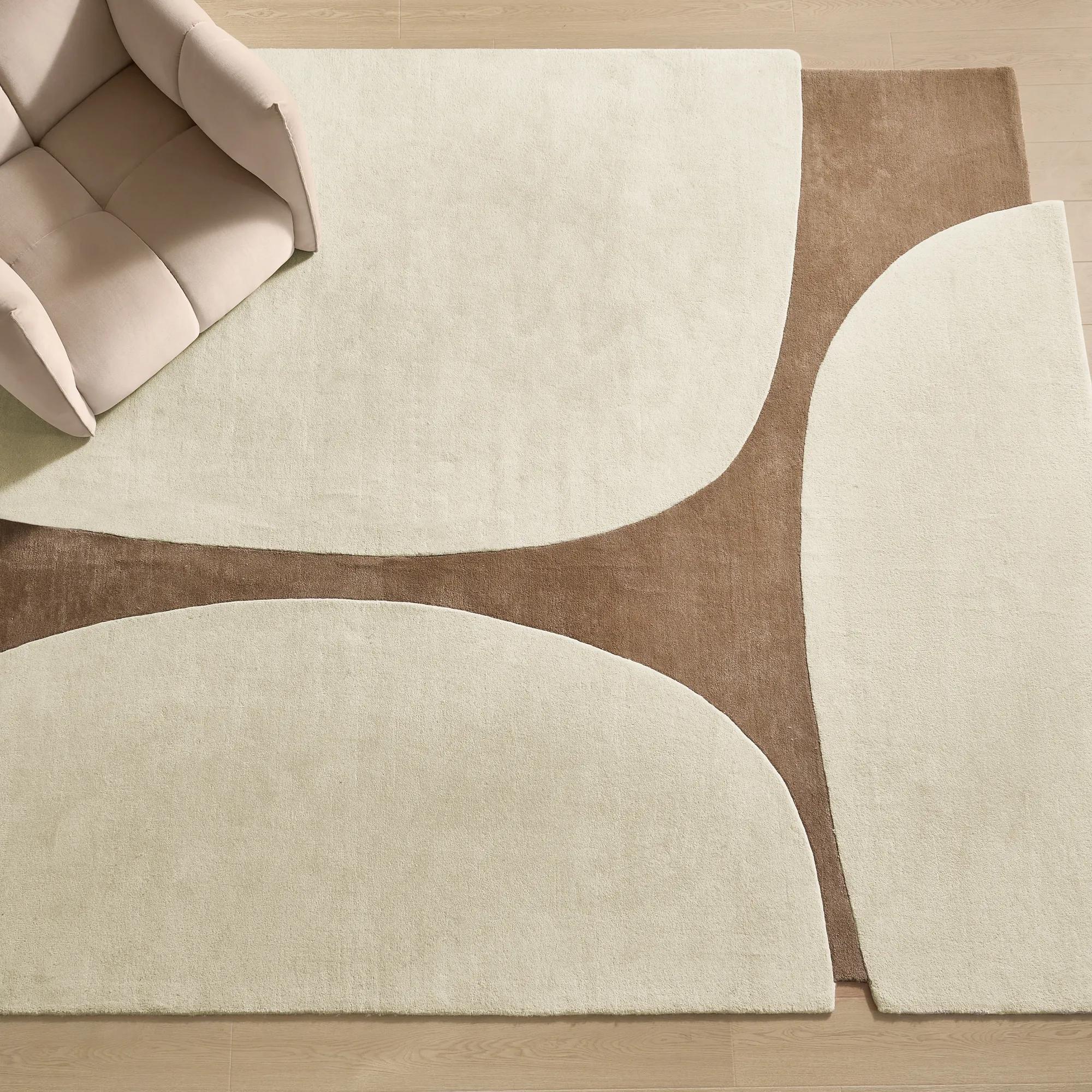
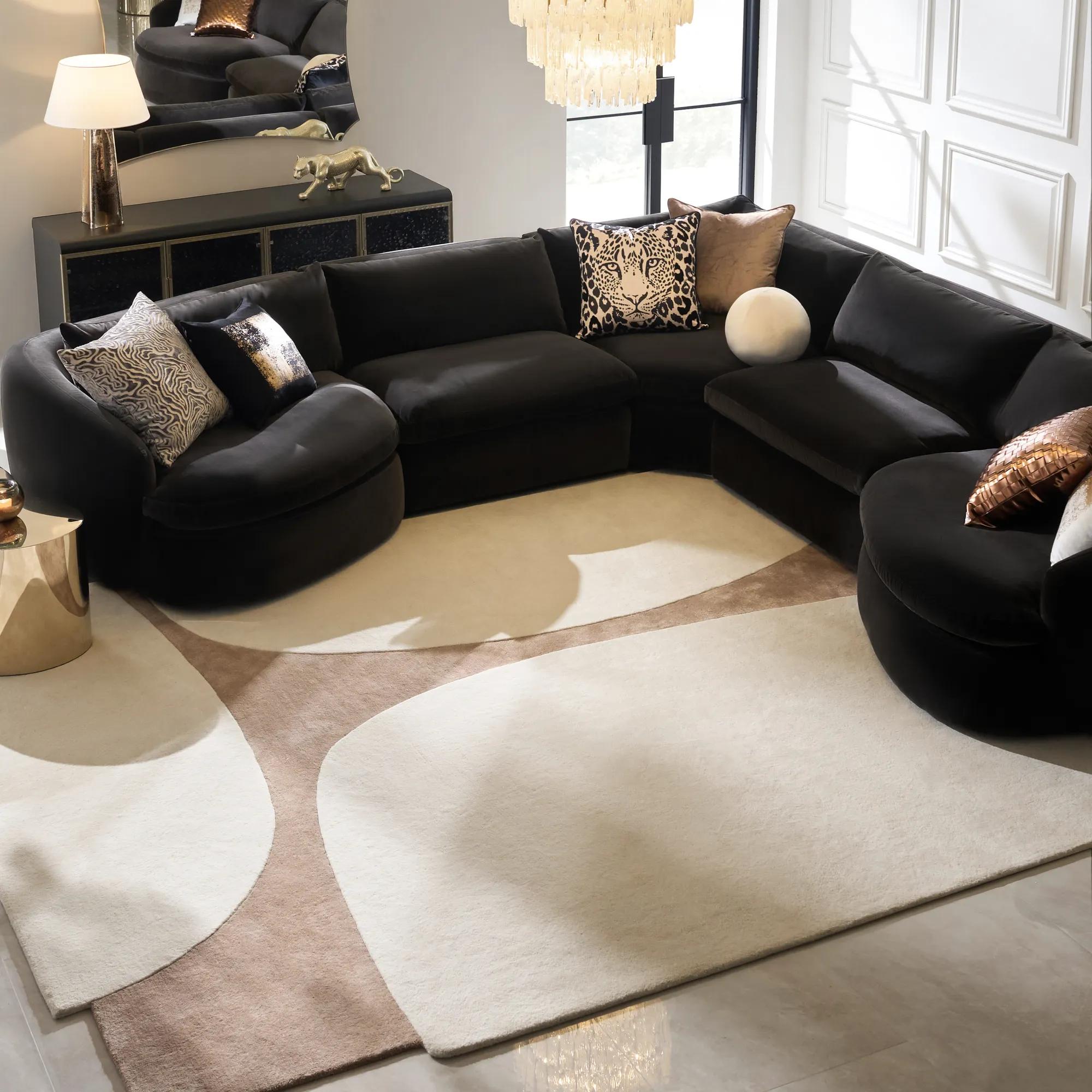 Contour Hand-Tufted Ivory/Ginger Root Wool Blend Rug$499
A hand-tufted wool rug blending ivory and ginger root tones for textured, modern warmth.
Add To Cart -
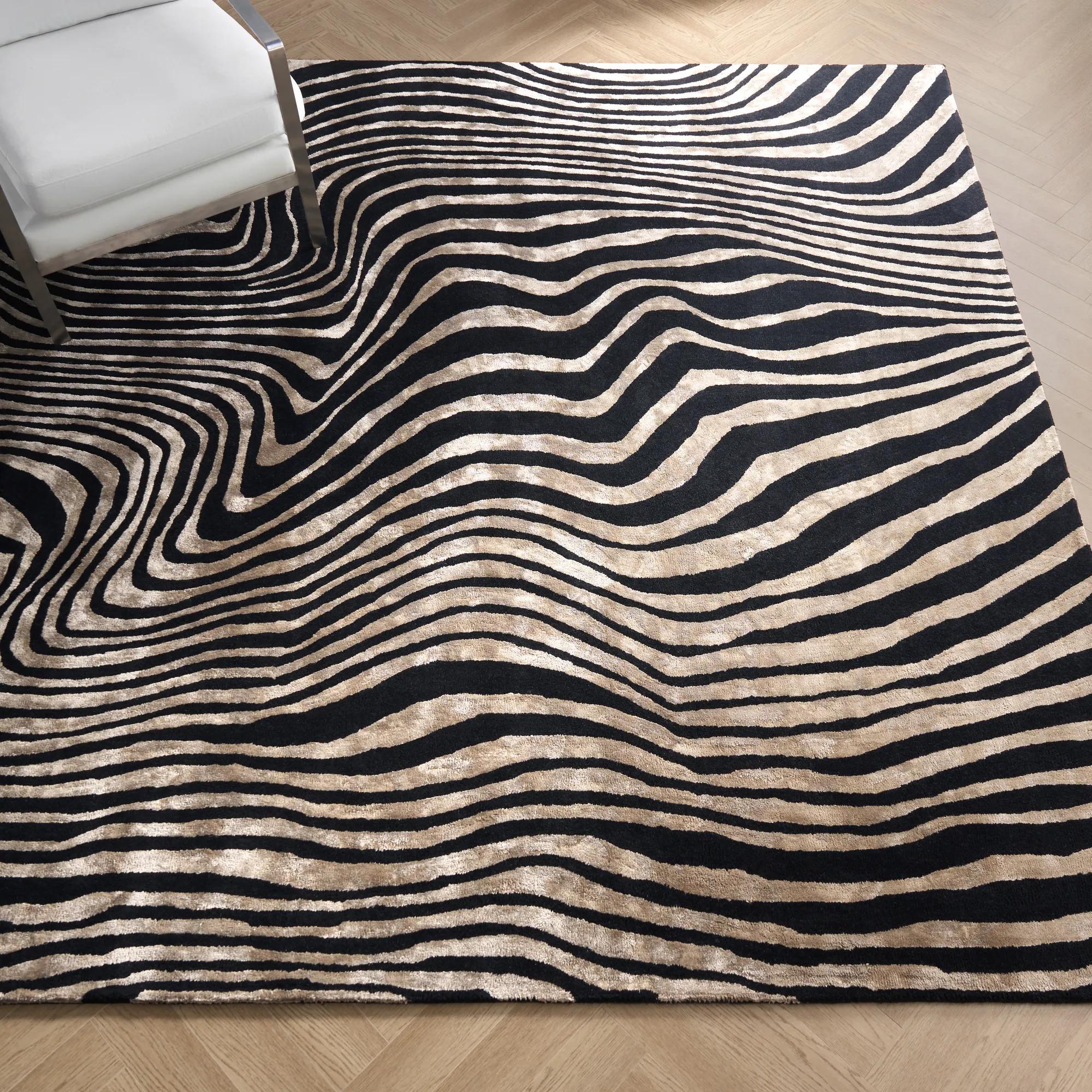
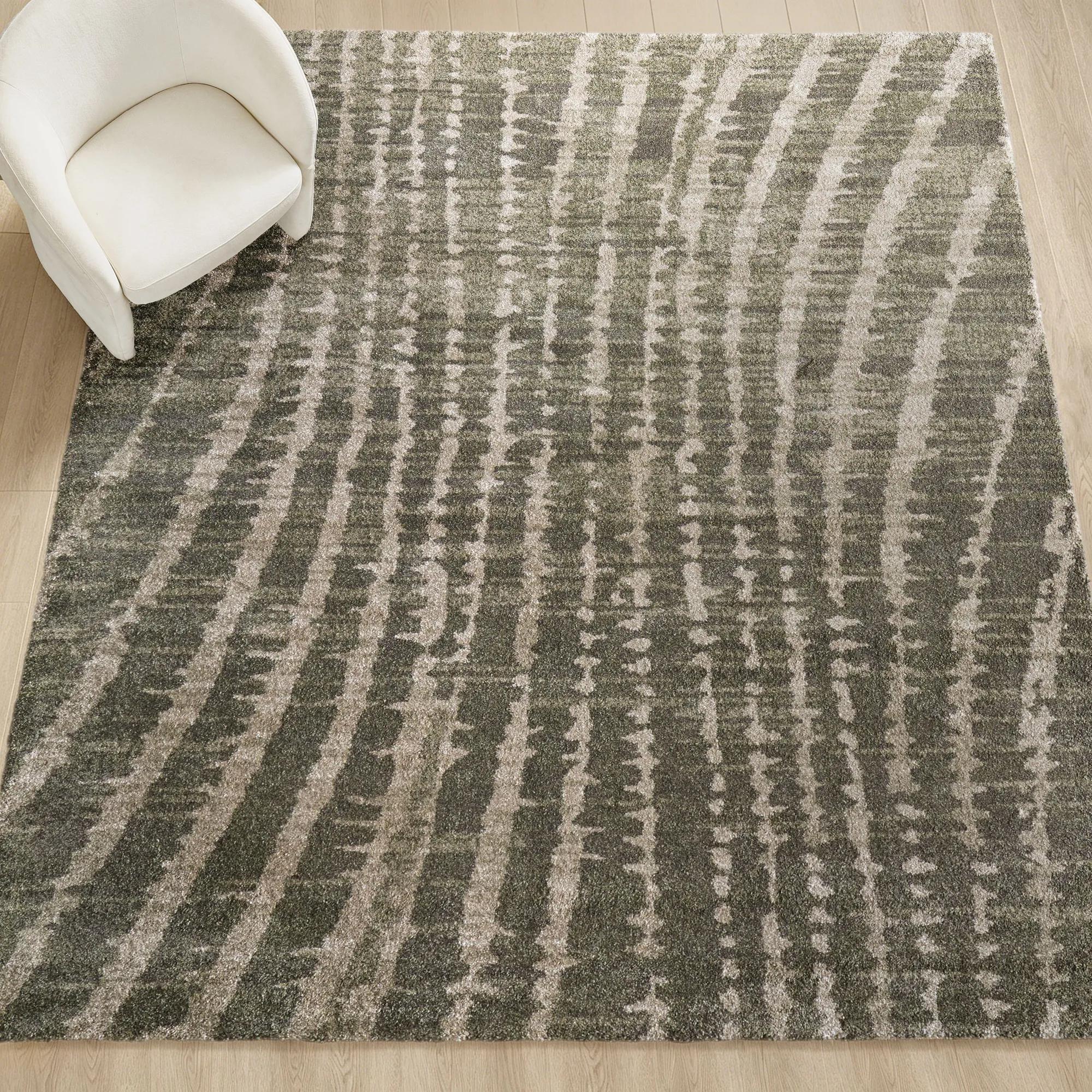
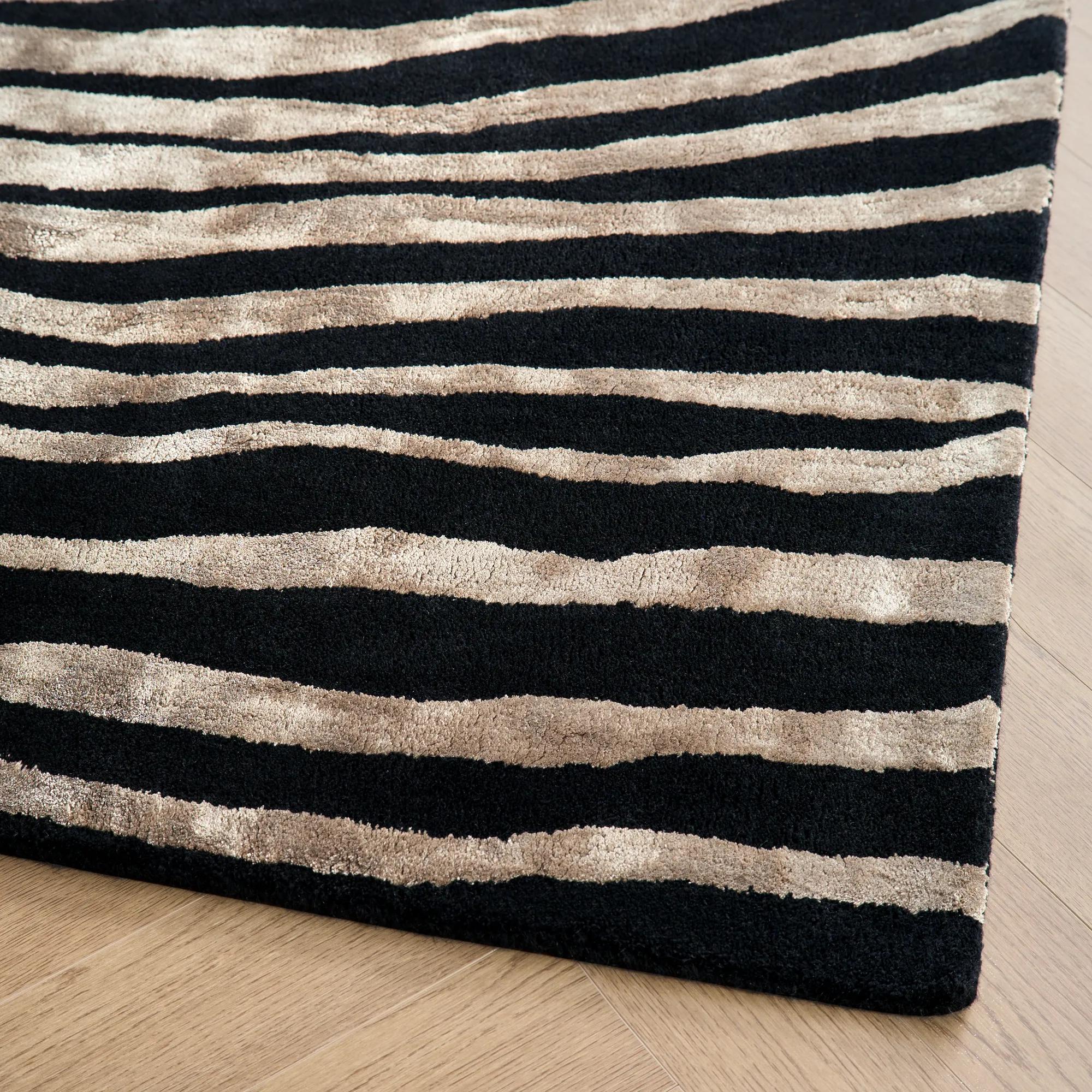 Abstract Zebra Hand-Tufted Black/Taupe Wool Blend Rug$599
An artisan hand-tufted rug in black and taupe wool-viscose, featuring a striking abstract zebra pattern.
Add To Cart -
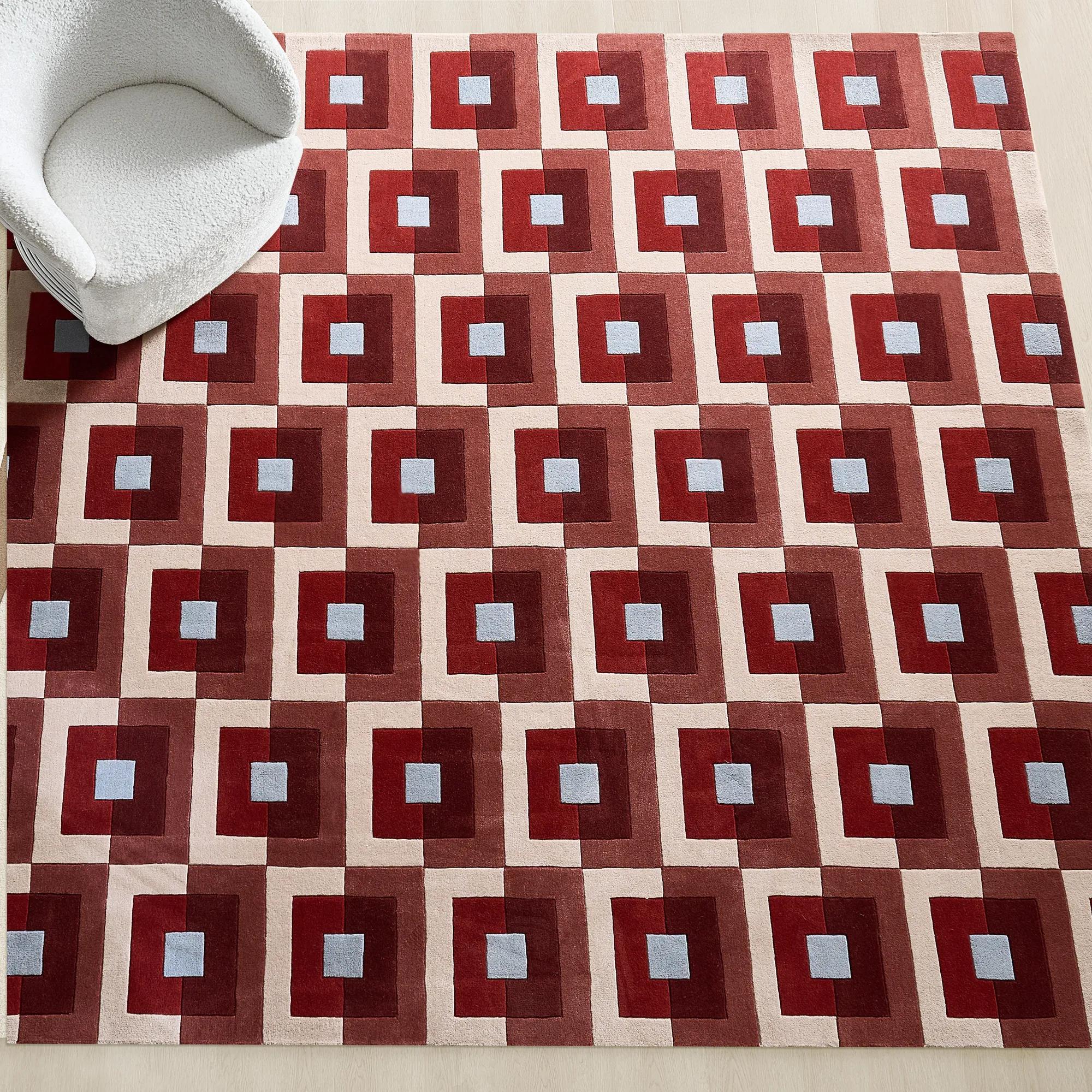
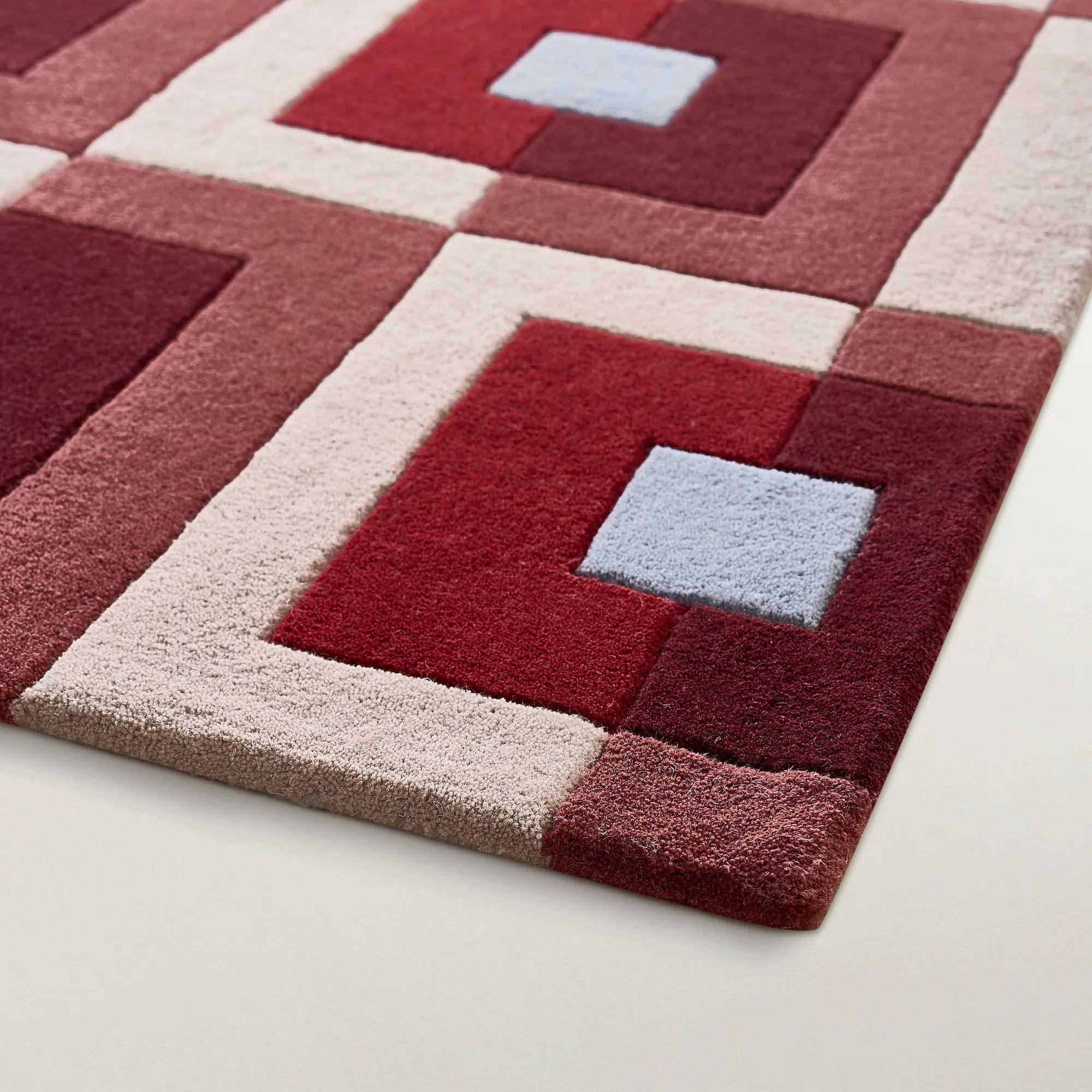 Geo Pop Wool Rug - Oxblood Red/Airy Blue$1599
A geometric wool rug featuring bold oxblood red and airy blue hues for modern interiors.
Add To Cart -
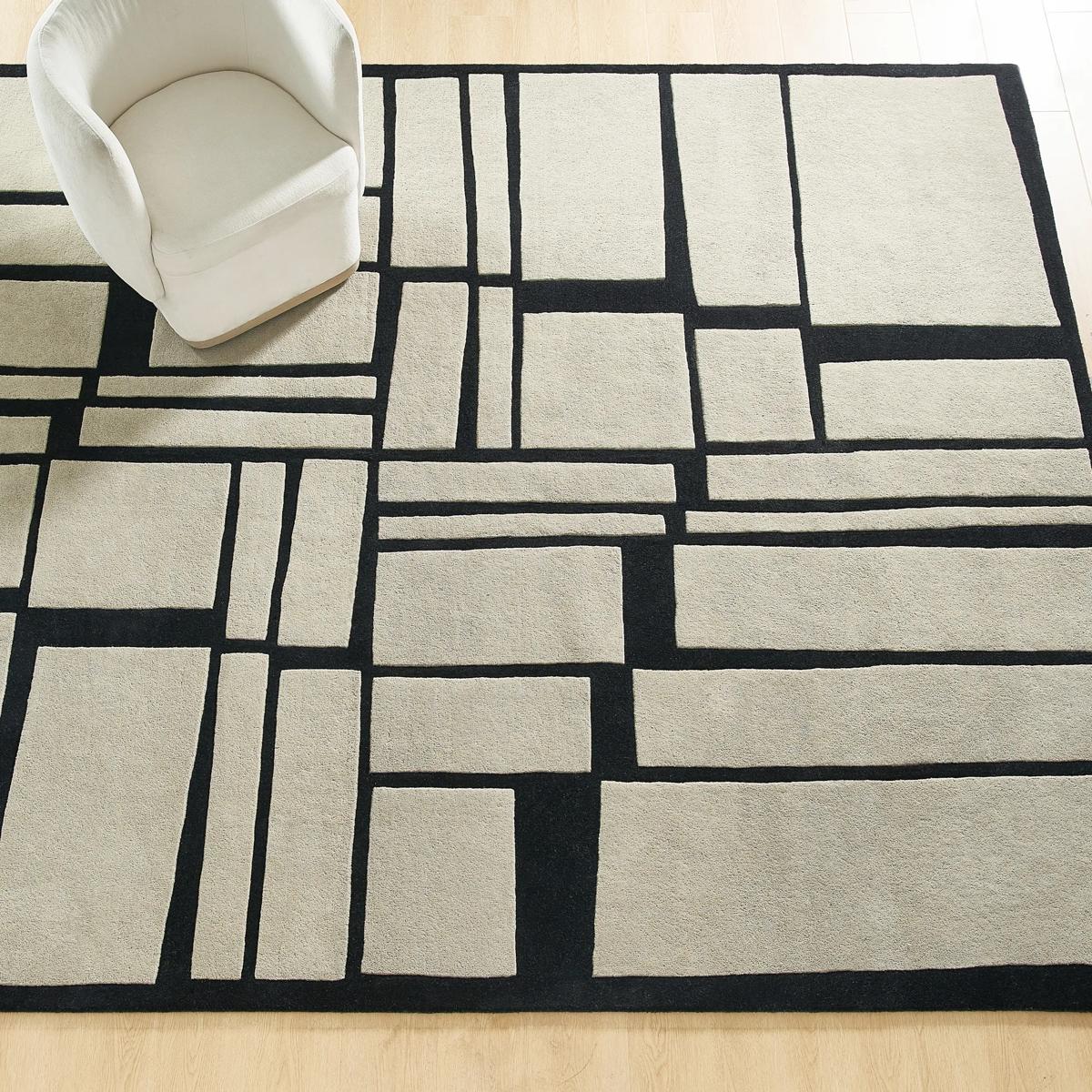 Novak Hand-Tufted Natural/Black Wool Rug$449
A hand-tufted wool rug featuring a bold black and natural grid design for modern visual impact.
Add To Cart -
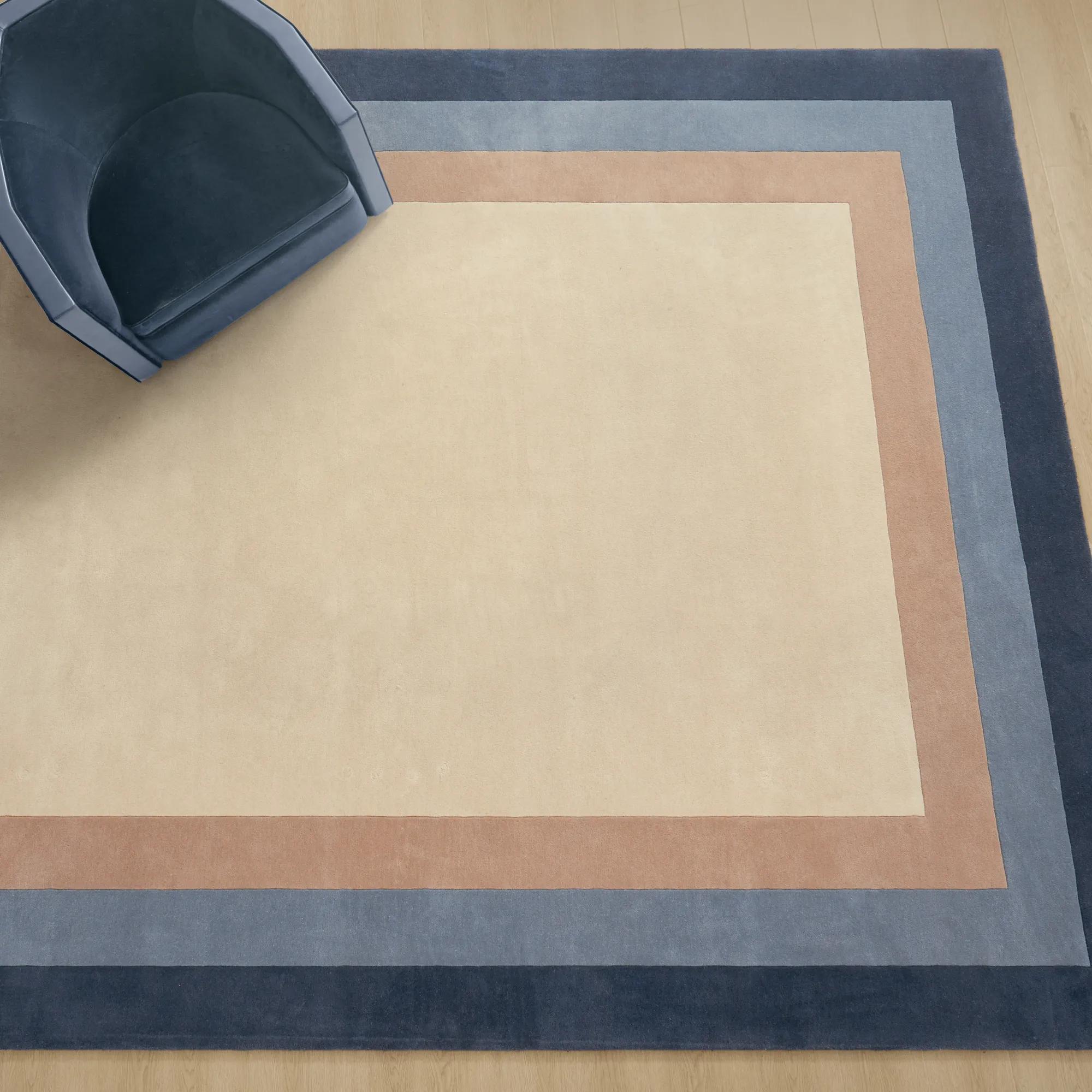 Bastien Hand-Tufted Blue/Taupe/Ivory Wool Border Rugs$499
A hand-tufted pure wool rug featuring a bold color-blocked border in dusty blue, taupe, and ivory.
Add To Cart -
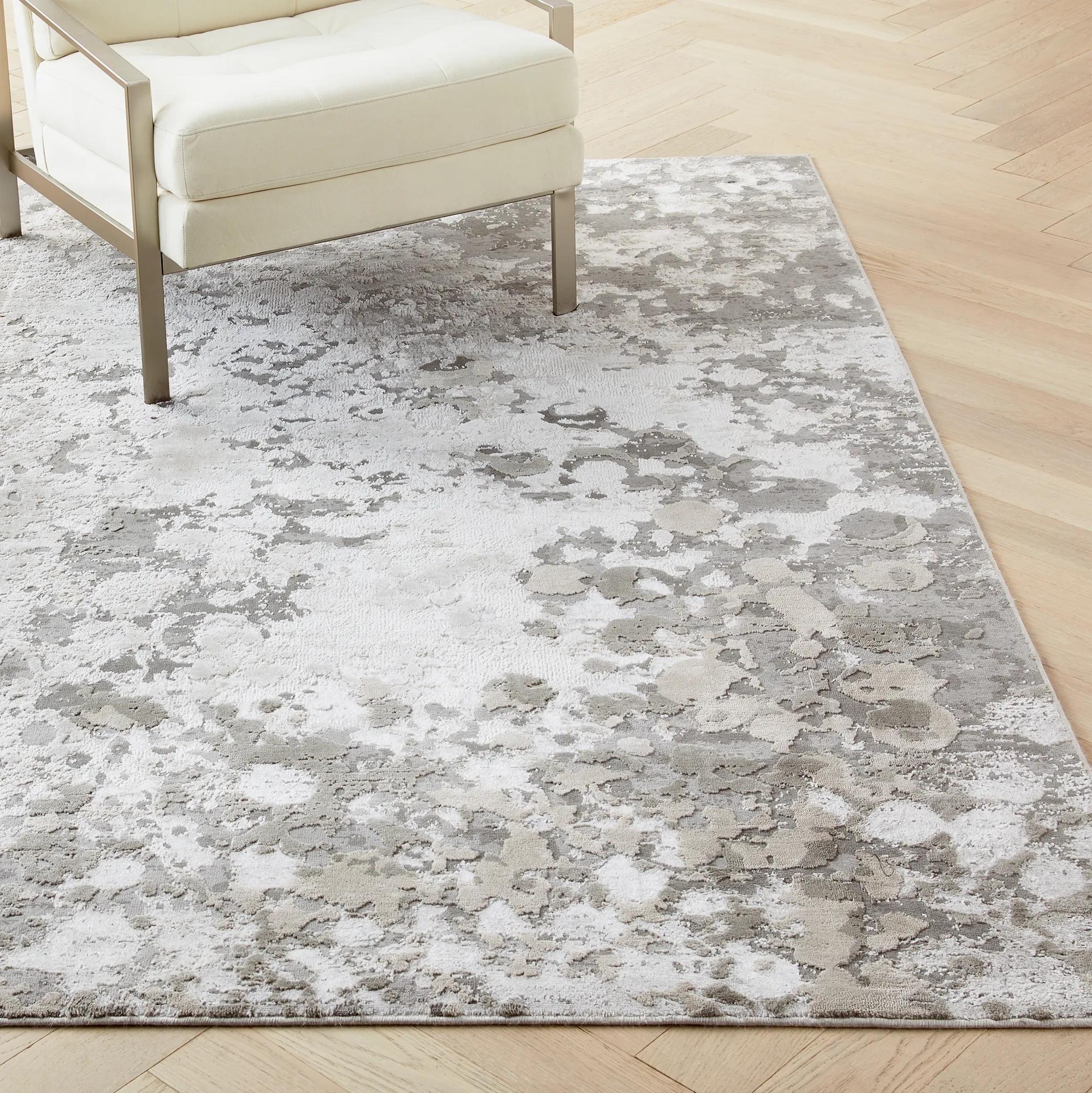
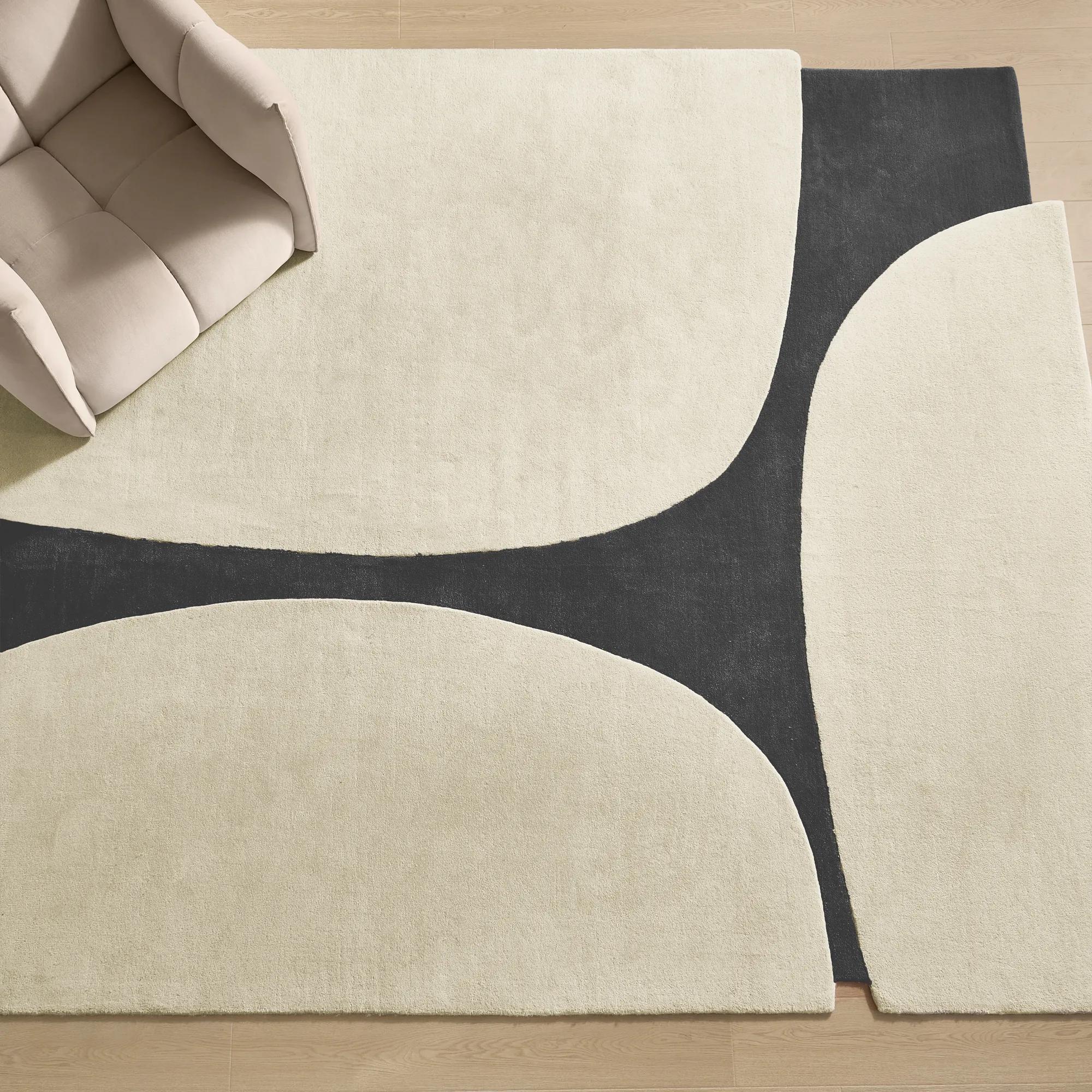 Contour Hand-Tufted Ivory/Charcoal Wool & Viscose Rugs$1499
An artfully shaped hand-tufted rug featuring high-low texture in warm ivory and charcoal wool-viscose blend.
Add To Cart -
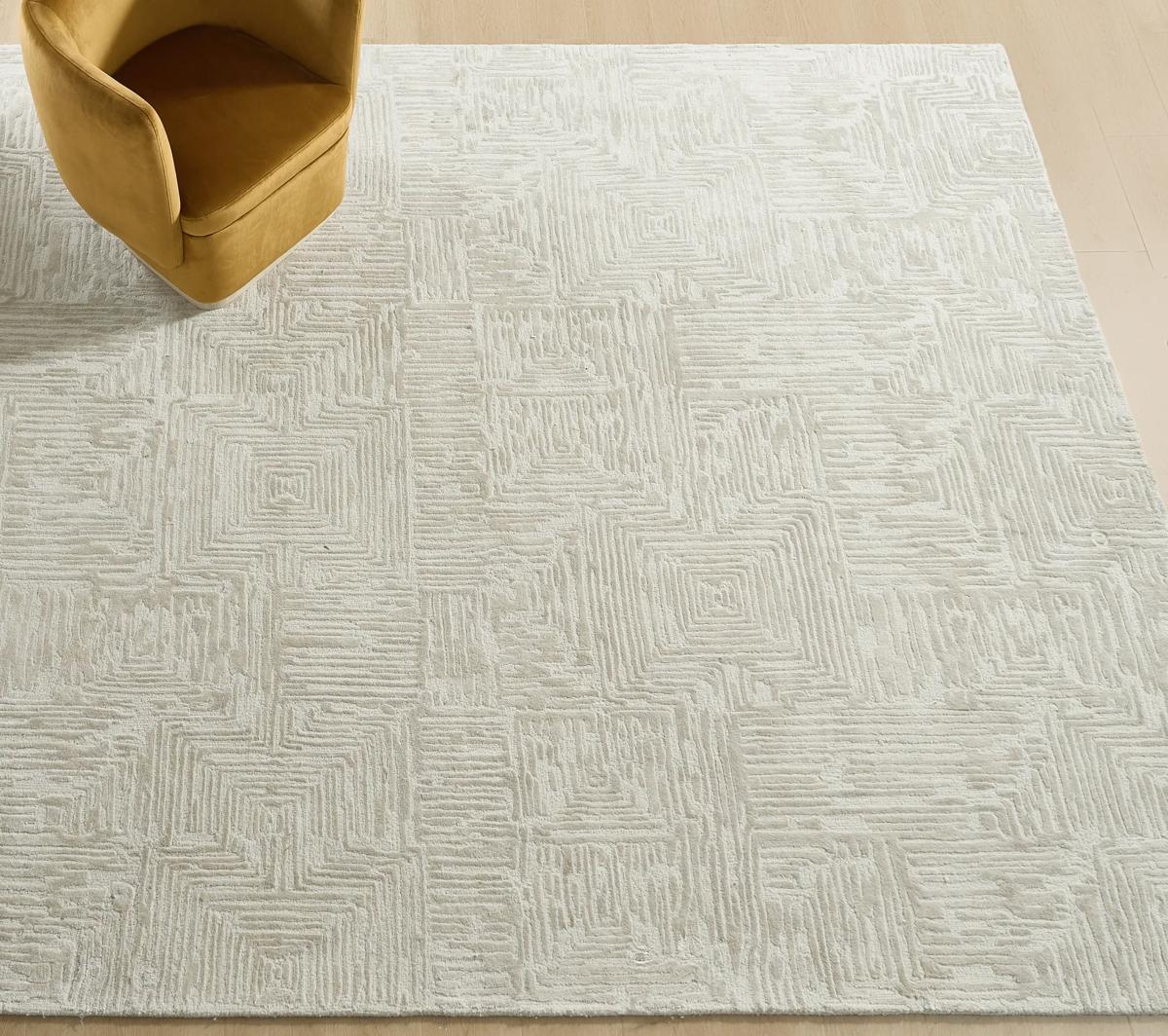 Andra Ivory Hand-Tufted Wool Blend Dimensional Rug$1499
A hand-tufted ivory rug in a viscose-wool blend with raised detailing and a subtle sheen.
Add To Cart -
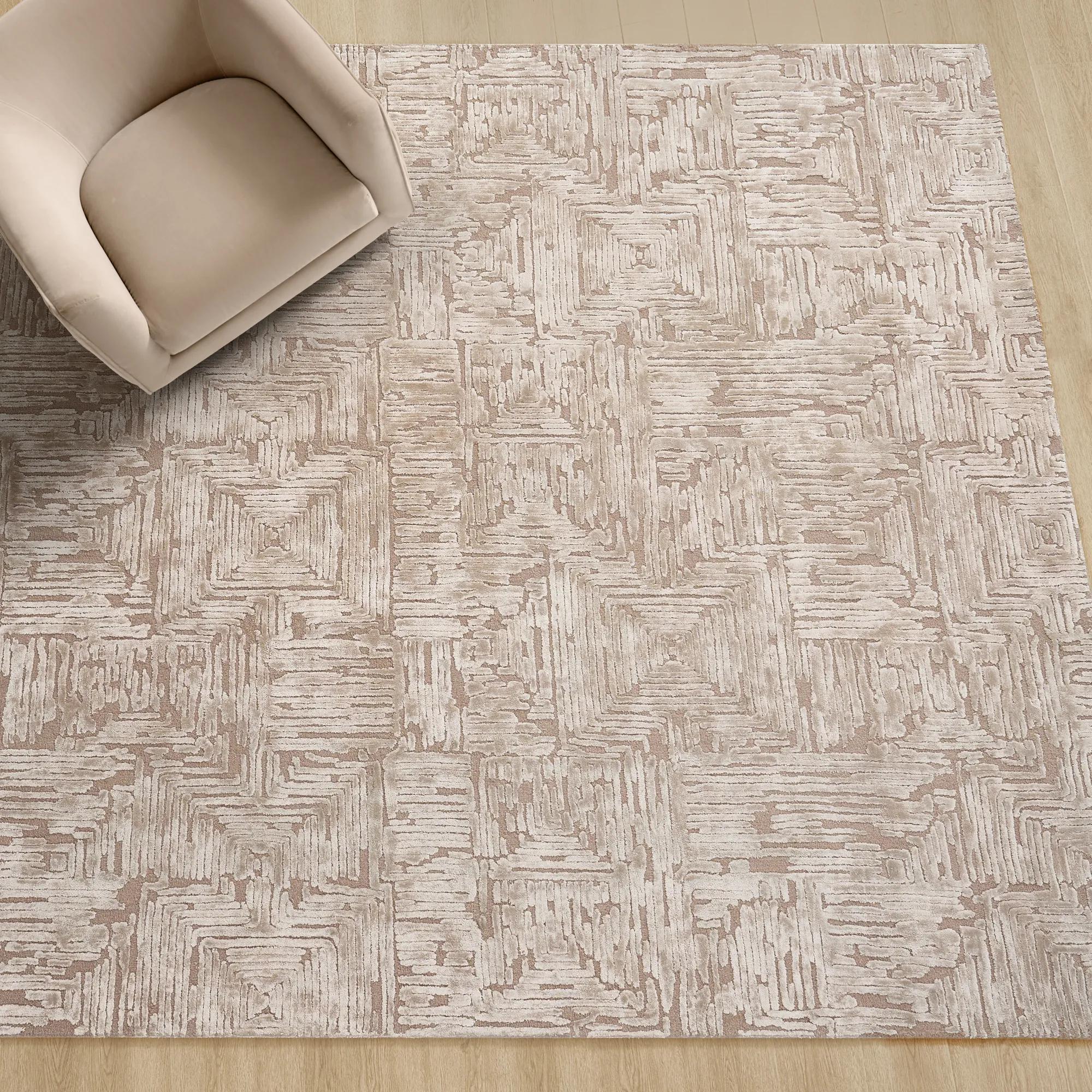
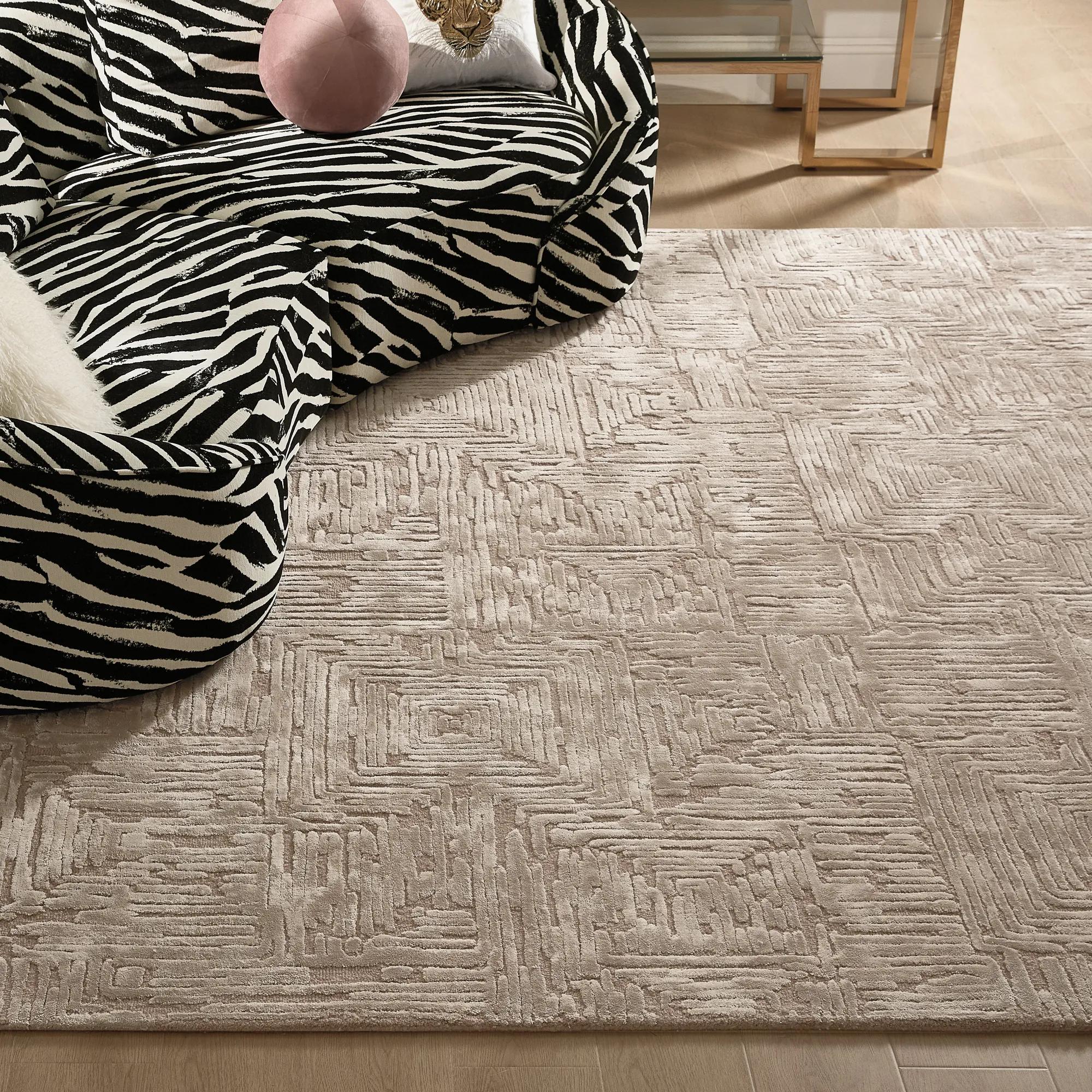 Andra Hand-Tufted Mocha Rose Viscose & Wool Dimensional Rugs$999
A hand-tufted viscose and wool rug in mocha rose, featuring a dimensional high-low geometric pattern.
Add To Cart -
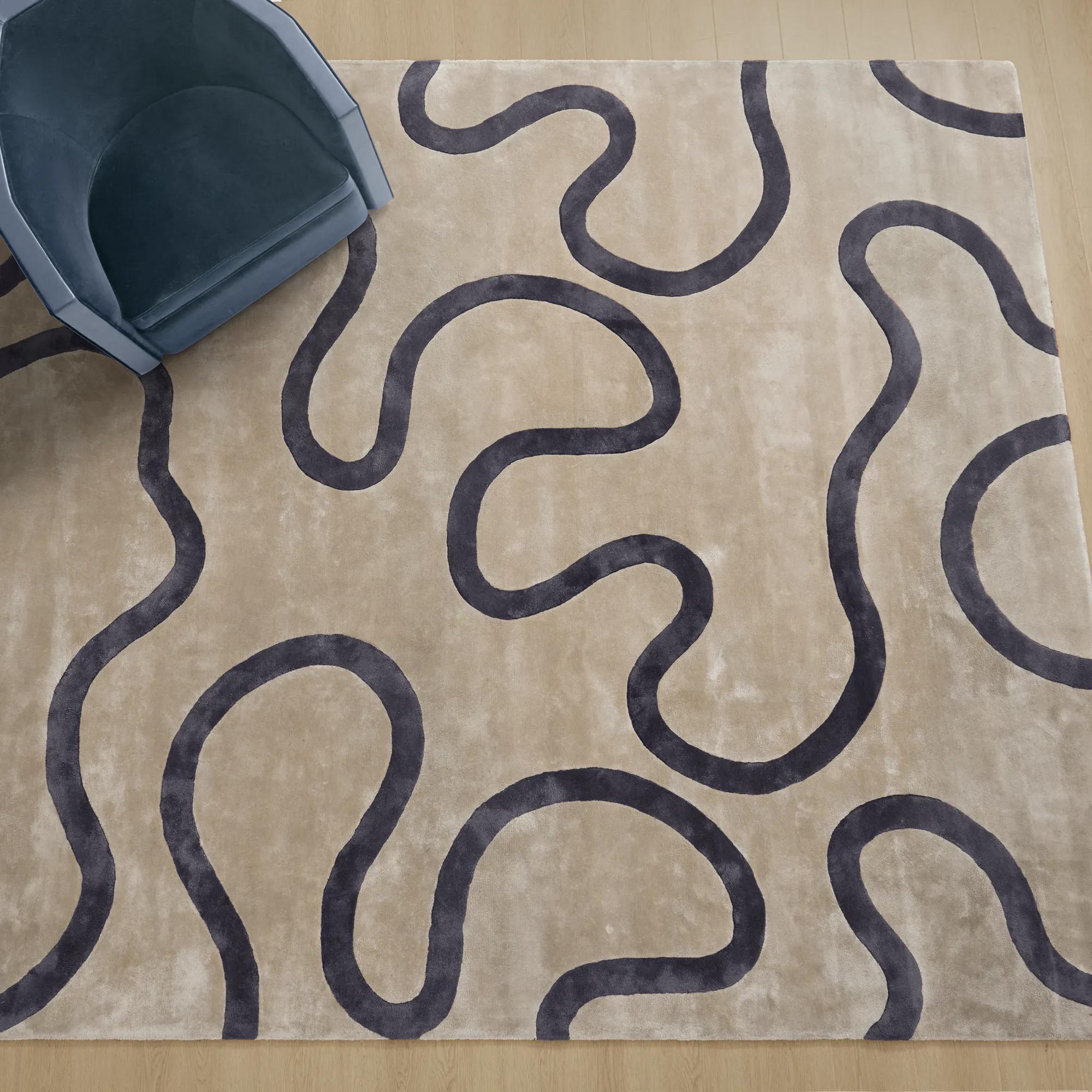
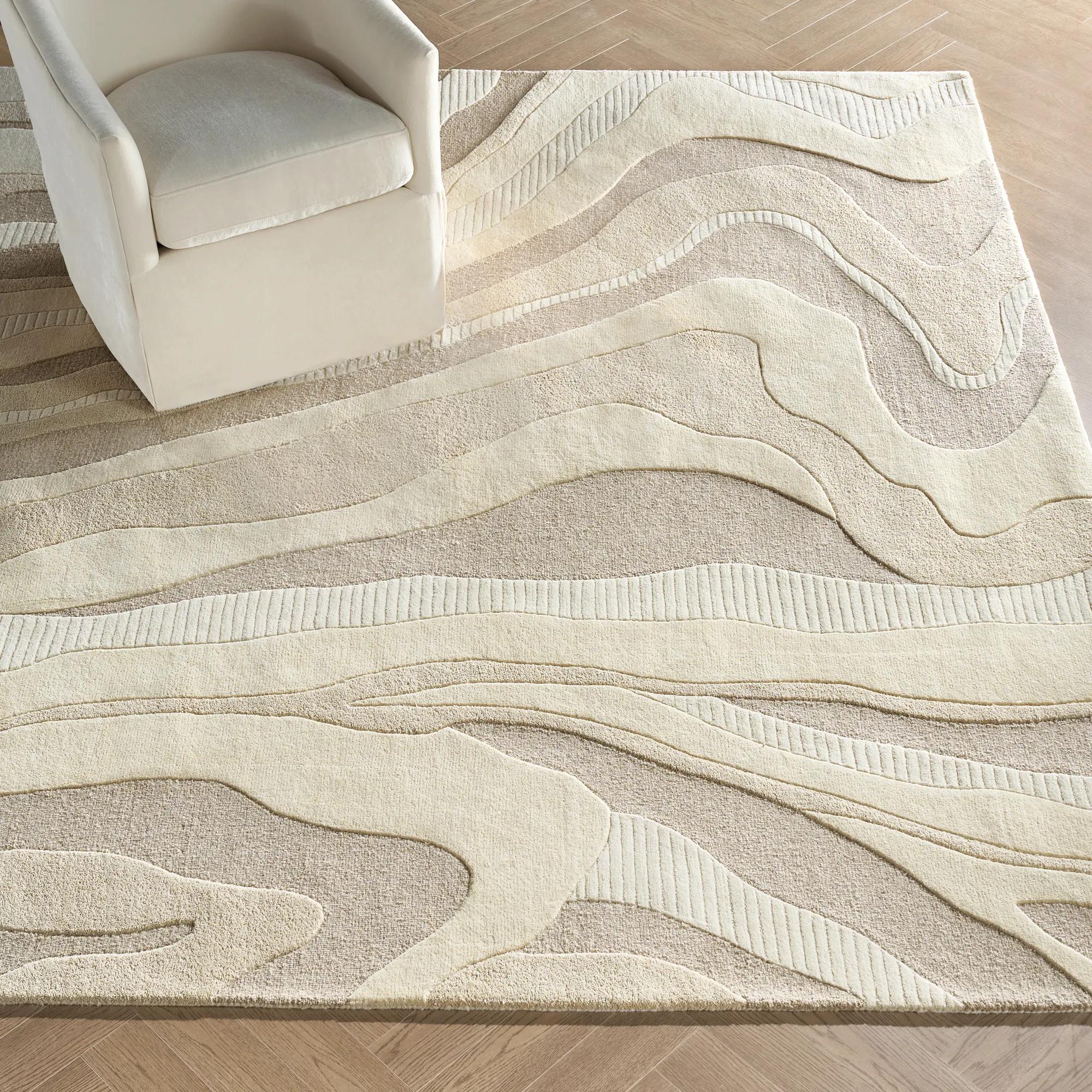 Kadence Hand-Tufted Ivory/Tan Wool Rug$499
A hand-tufted wool rug featuring a multi-textured swirl design in ivory and tan for elegant depth.
Add To Cart -
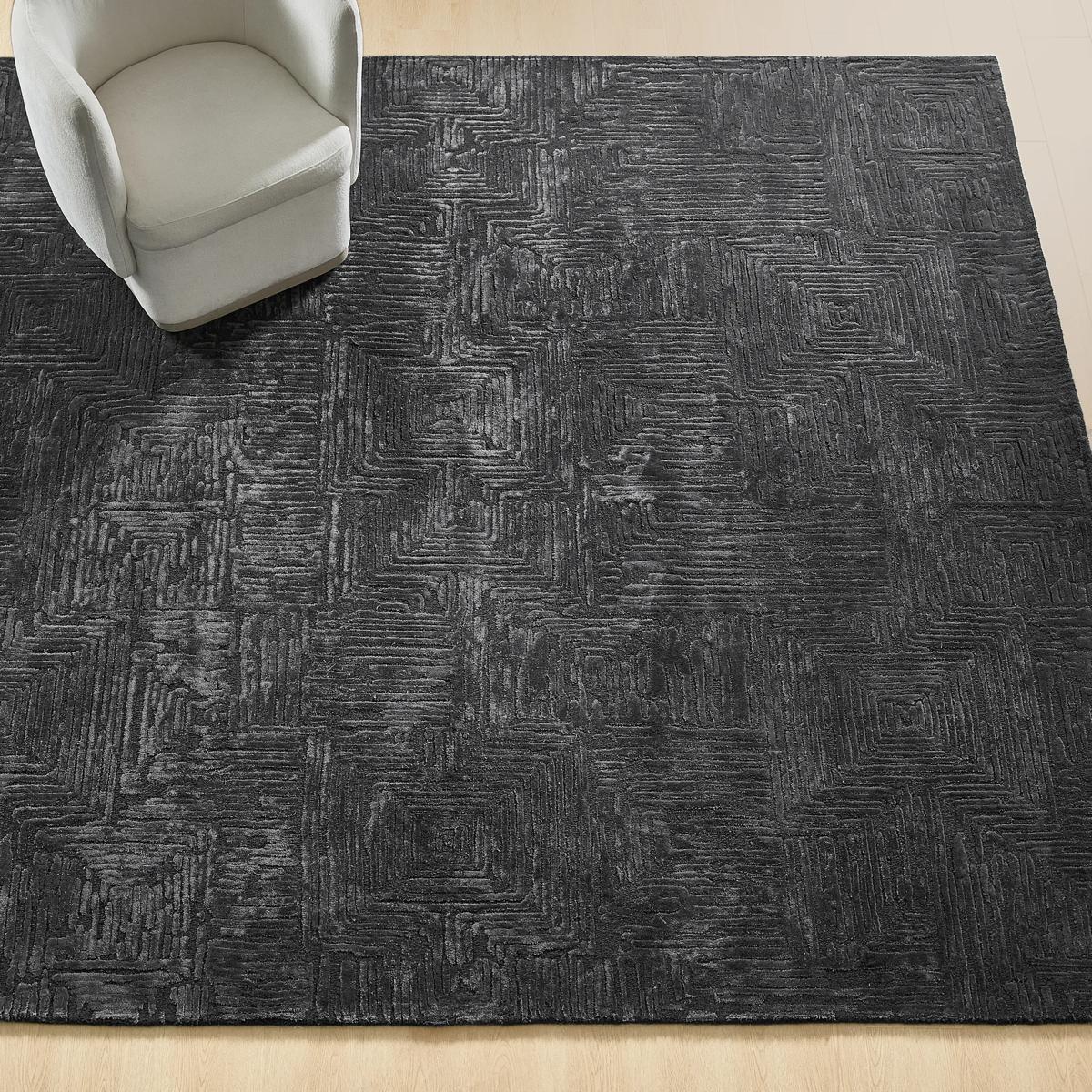
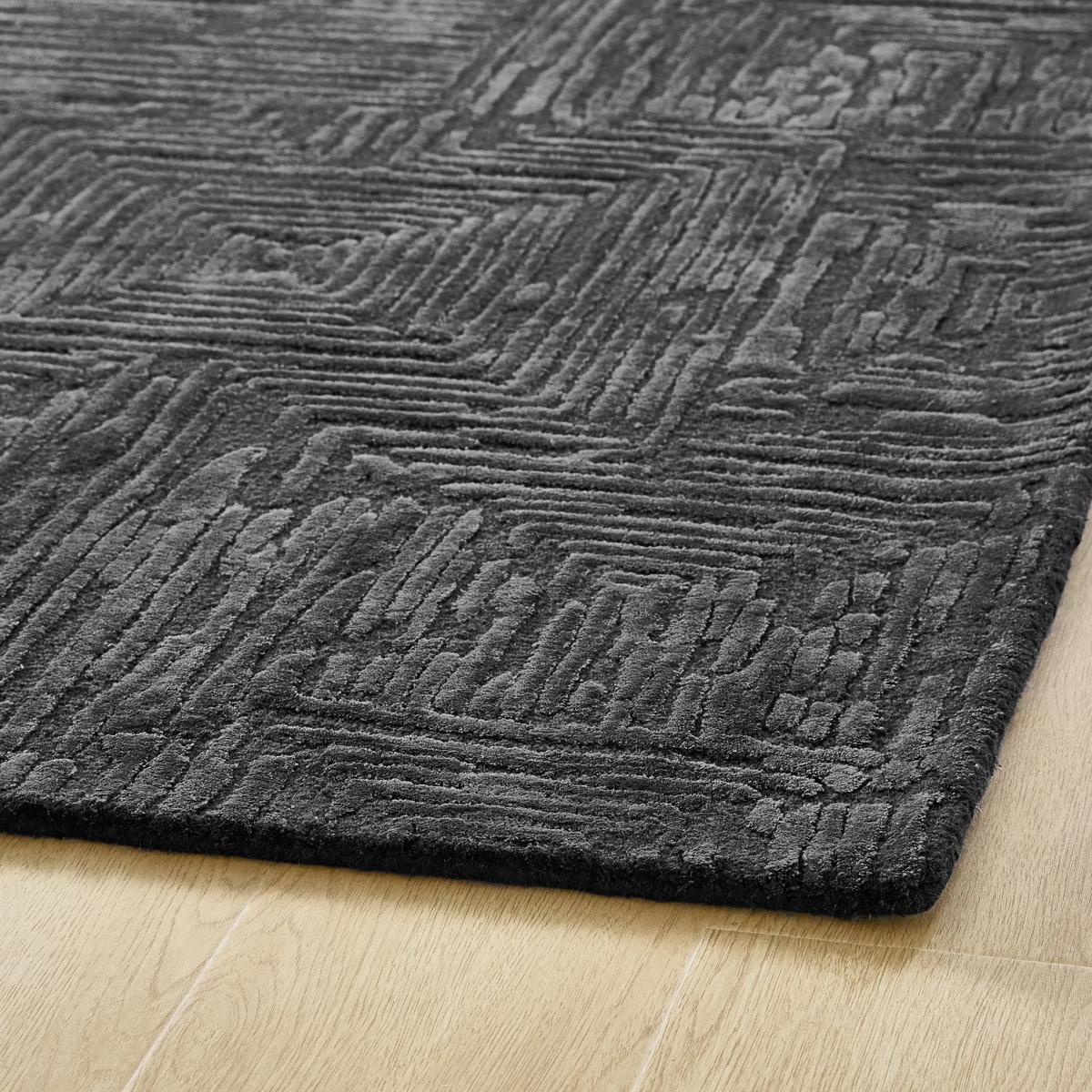 Andra Charcoal Hand-Tufted Wool Blend Dimensional Rug$1499
A hand-tufted viscose-wool rug in rich charcoal with a sculptural, dimensional pattern and plush texture.
Add To Cart -
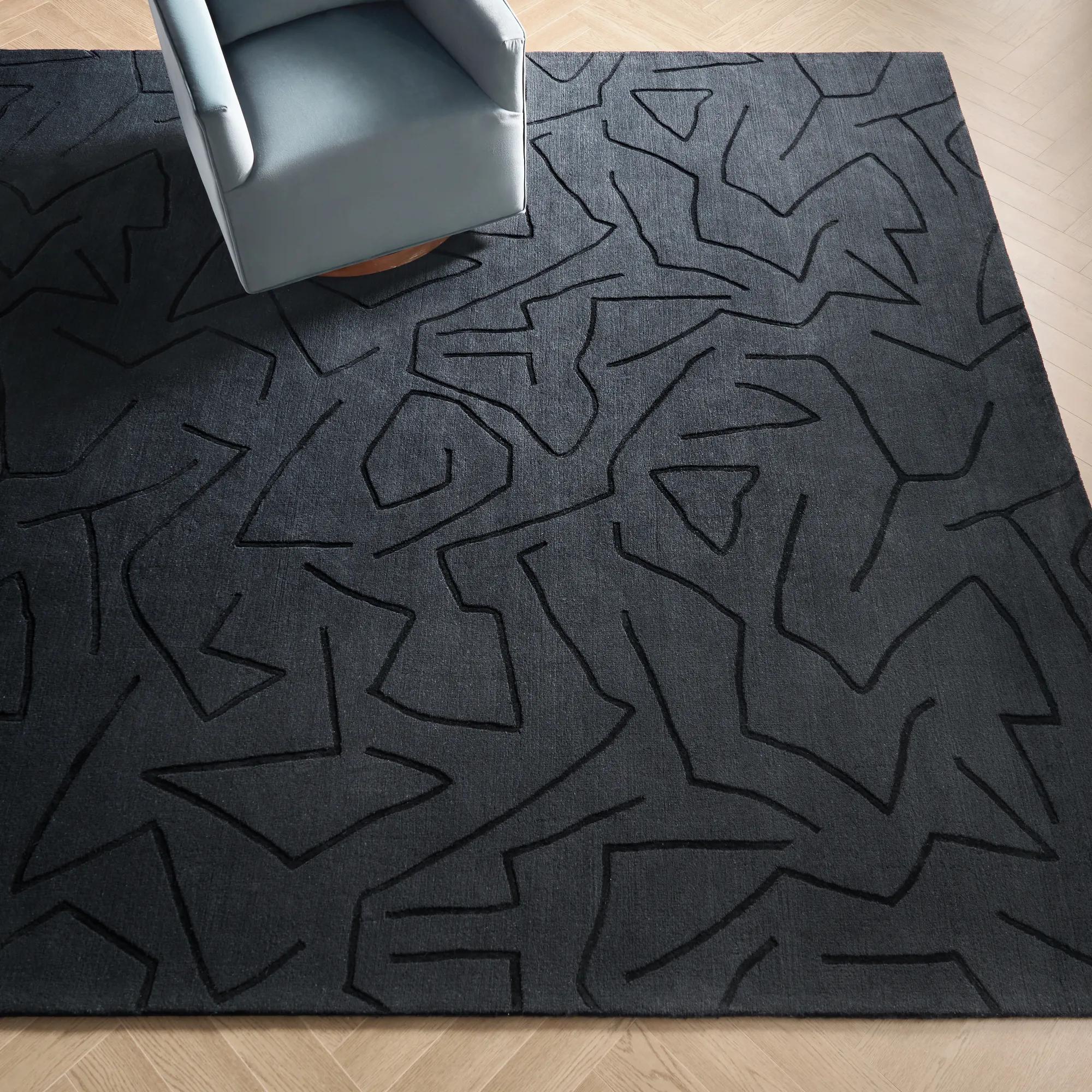 Carved Maze Rug$1999
A hand-loomed black rug crafted from wool and viscose, featuring an intricately carved, textured design.
Add To Cart -
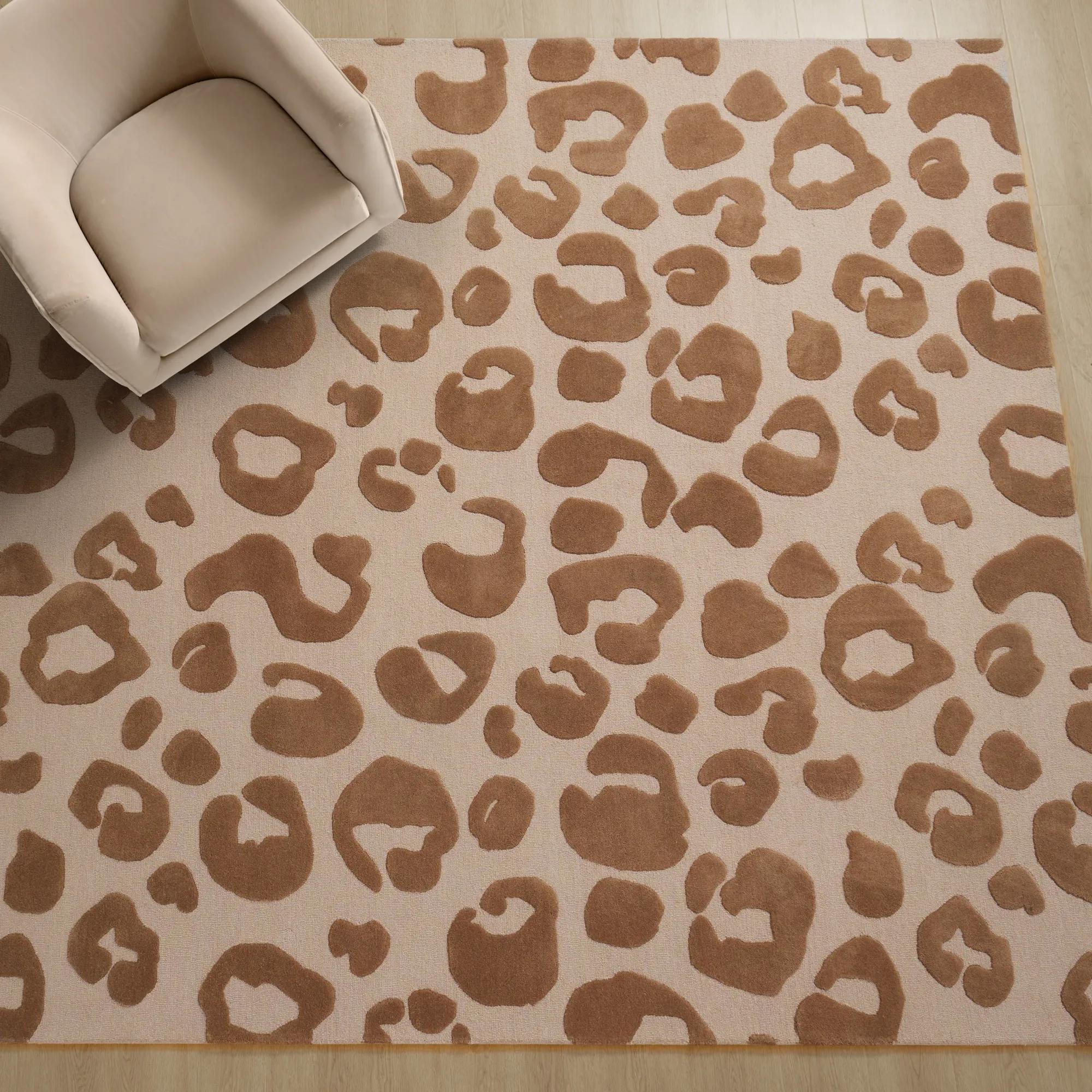 Pounce Hand-Tufted Tawny Brown Leopard Print Wool Rugs$499
A hand-tufted pure wool rug featuring a bold tawny brown leopard print and sculptural high-low texture.
Add To Cart -
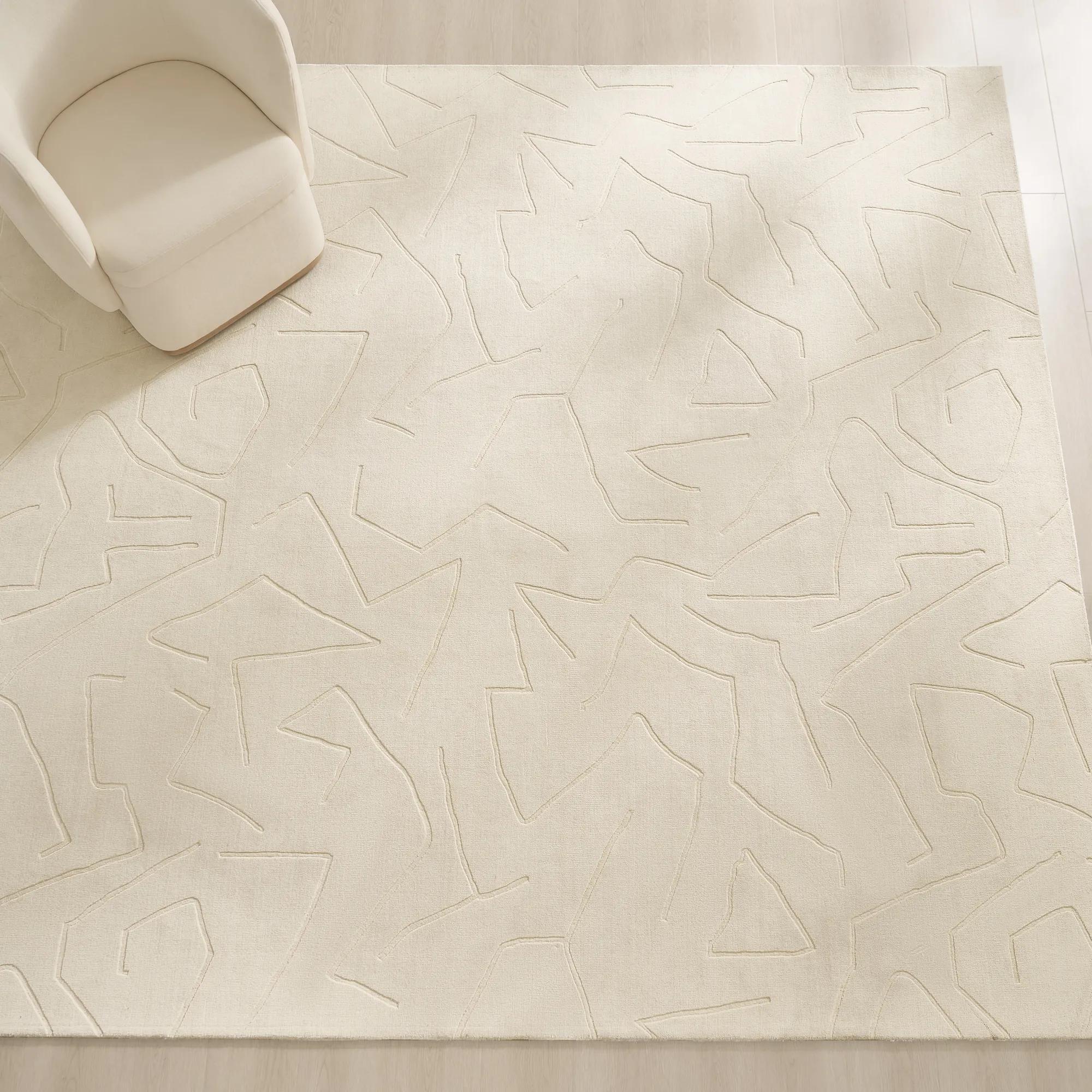 Carved Maze Ivory Hand-Loomed Wool Blend Rug$699
A hand-loomed ivory wool-blend rug featuring a carved maze pattern for modern, textural appeal.
Add To Cart -
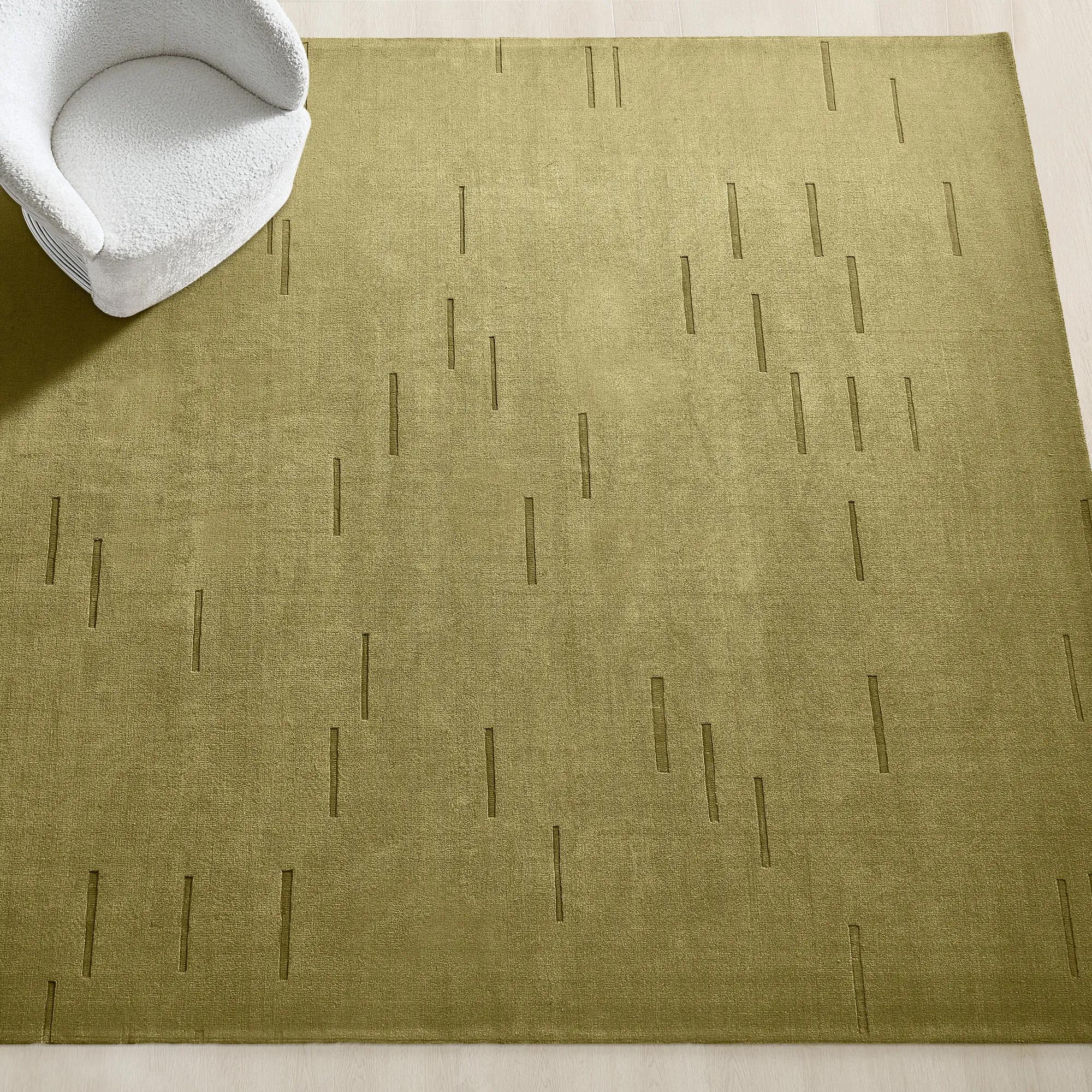
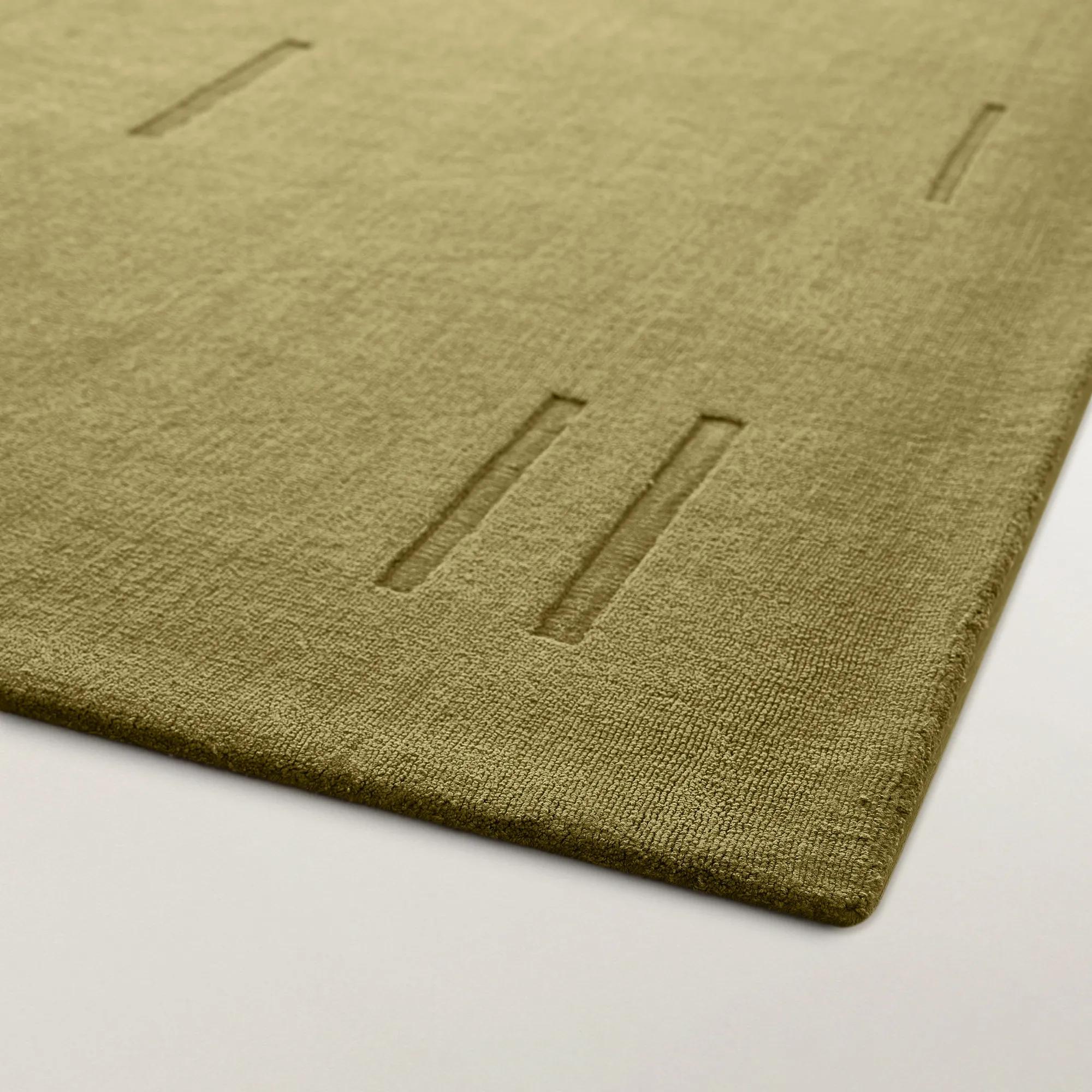 Lamita Muted Olive Green Wool Blend Rug$1299
A muted olive green wool-blend rug adding soft texture and understated warmth to modern interiors.
Add To Cart -
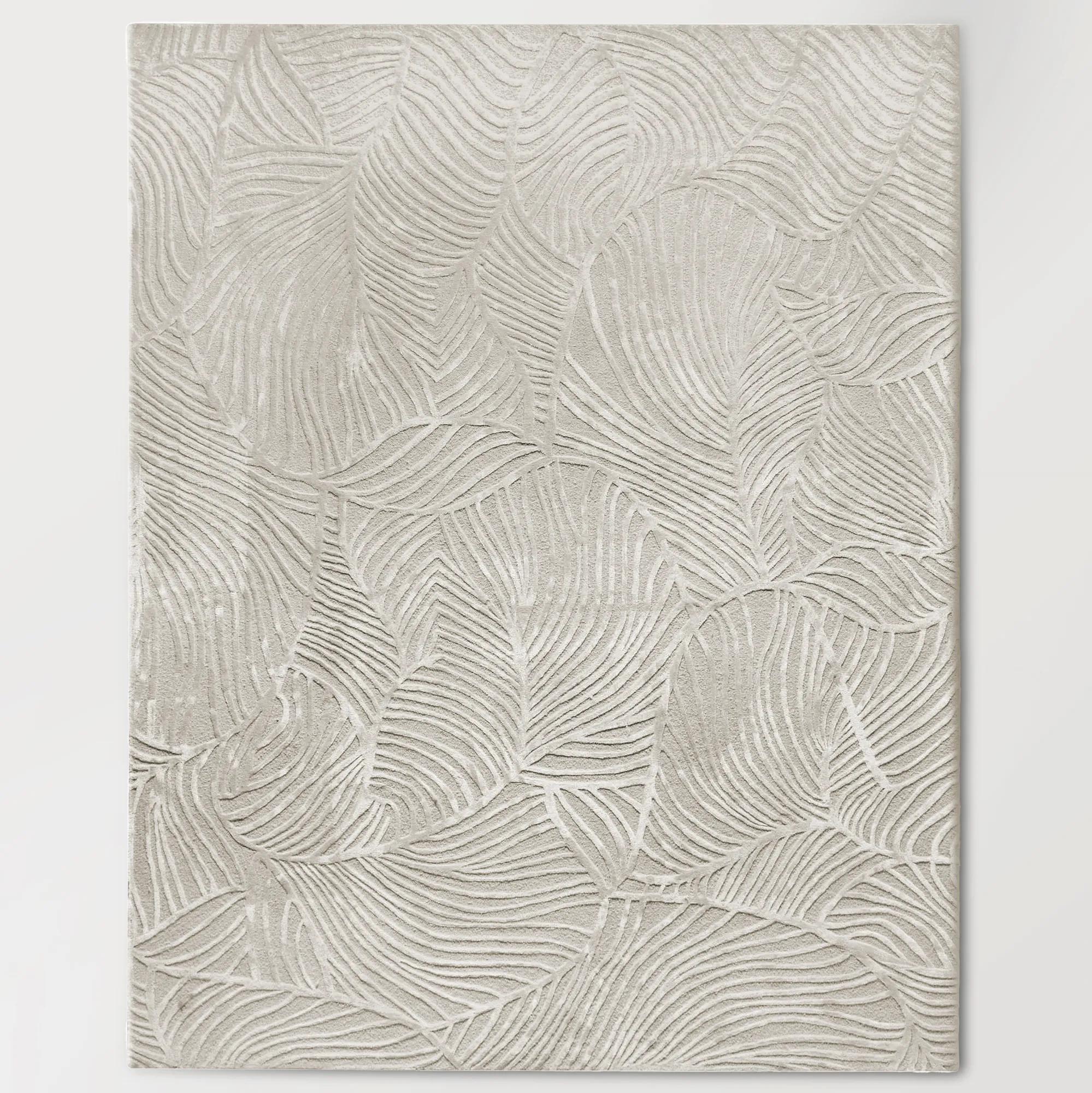 Palm Hand-Tufted Ivory Wool Blend Rug$1499
An ivory rug featuring a dynamic palm-leaf design with high-low pile in viscose and wool.
Add To Cart -
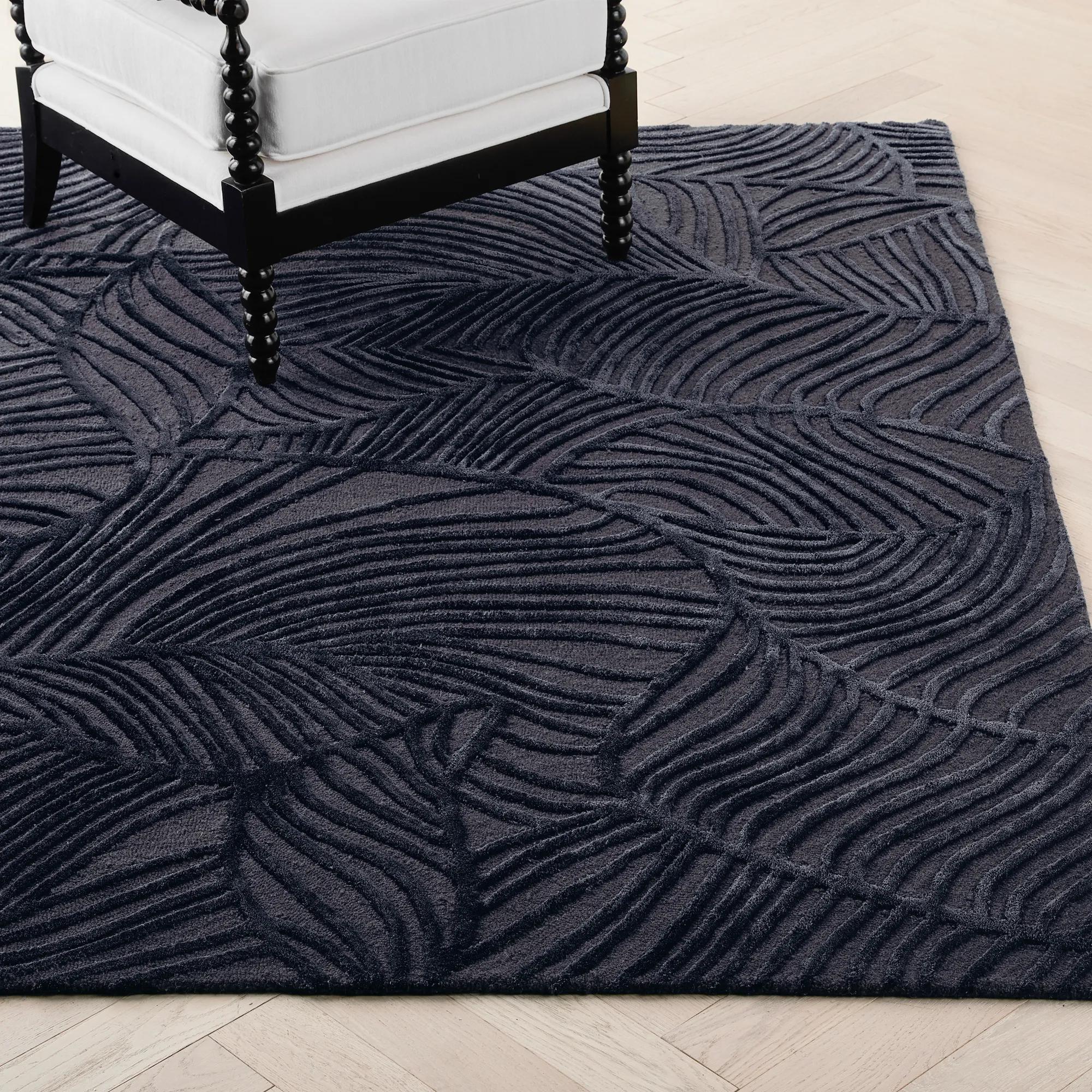
 Palm Rug - Charcoal$1499
A charcoal rug featuring a dynamic palm-leaf design with a textured high-low viscose and wool pile.
Add To Cart -
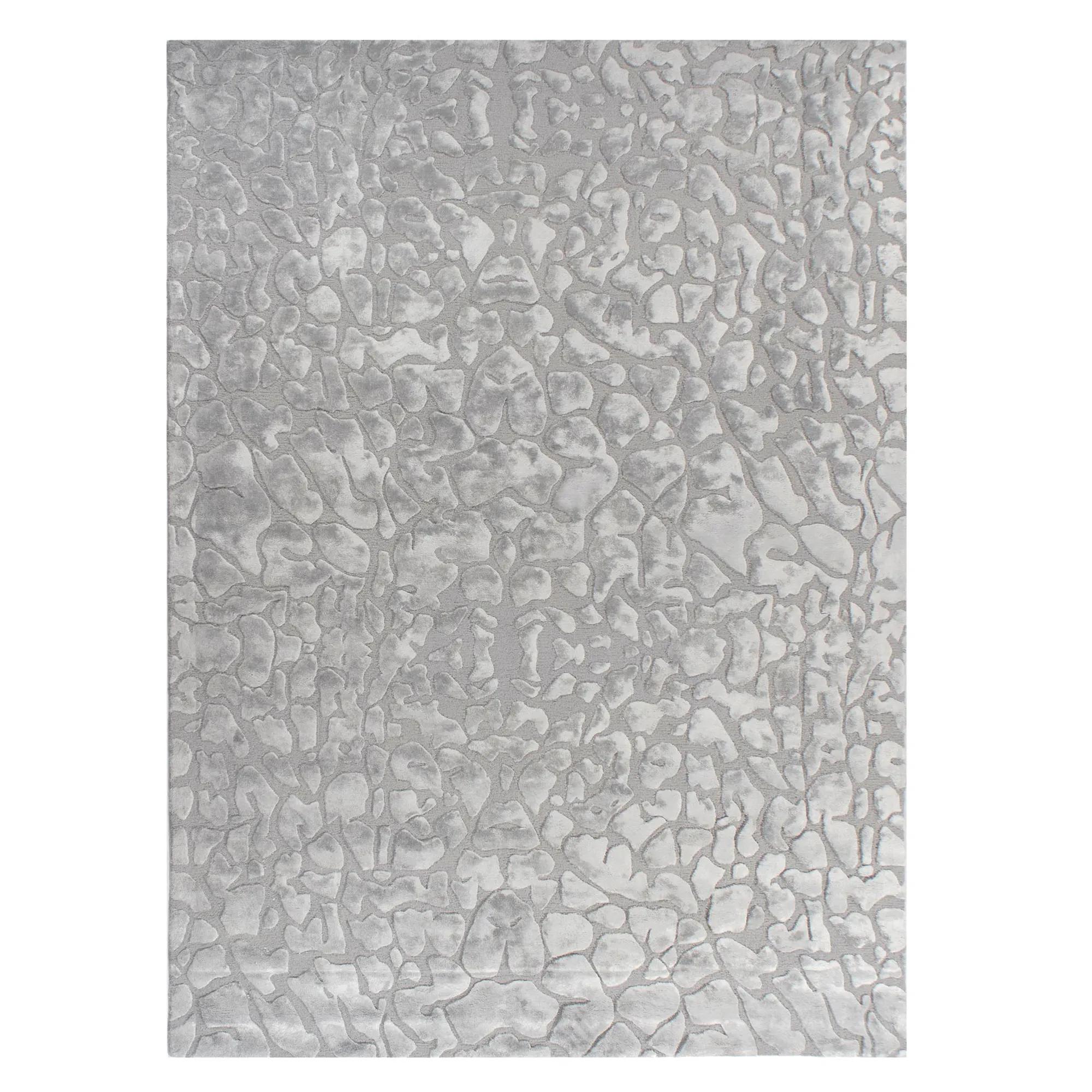
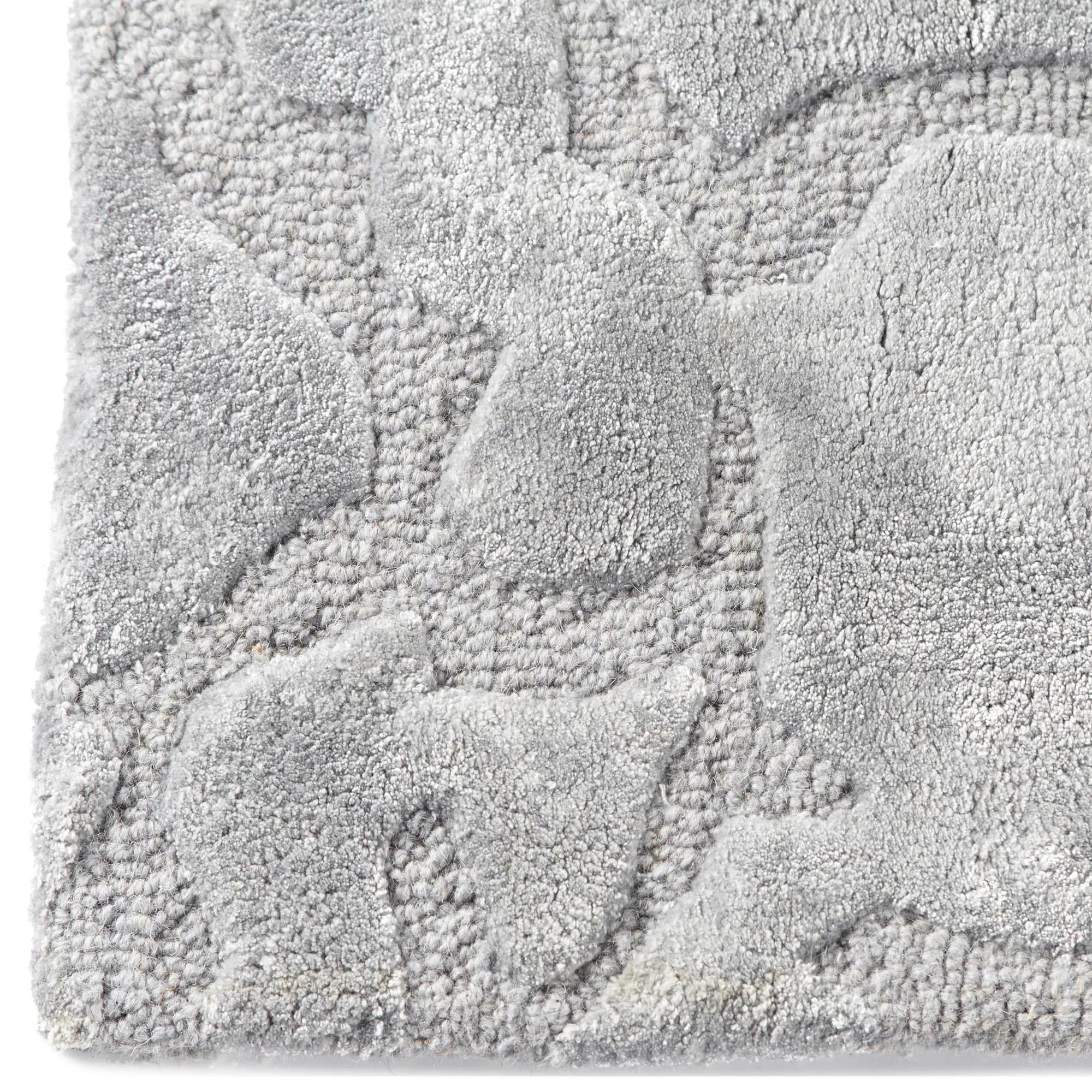 Nola Hand-Tufted Cool Grey Wool Blend Rug$849
A hand-tufted silver rug with contrasting pile heights, crafted from wool and viscose for plush texture.
Add To Cart -
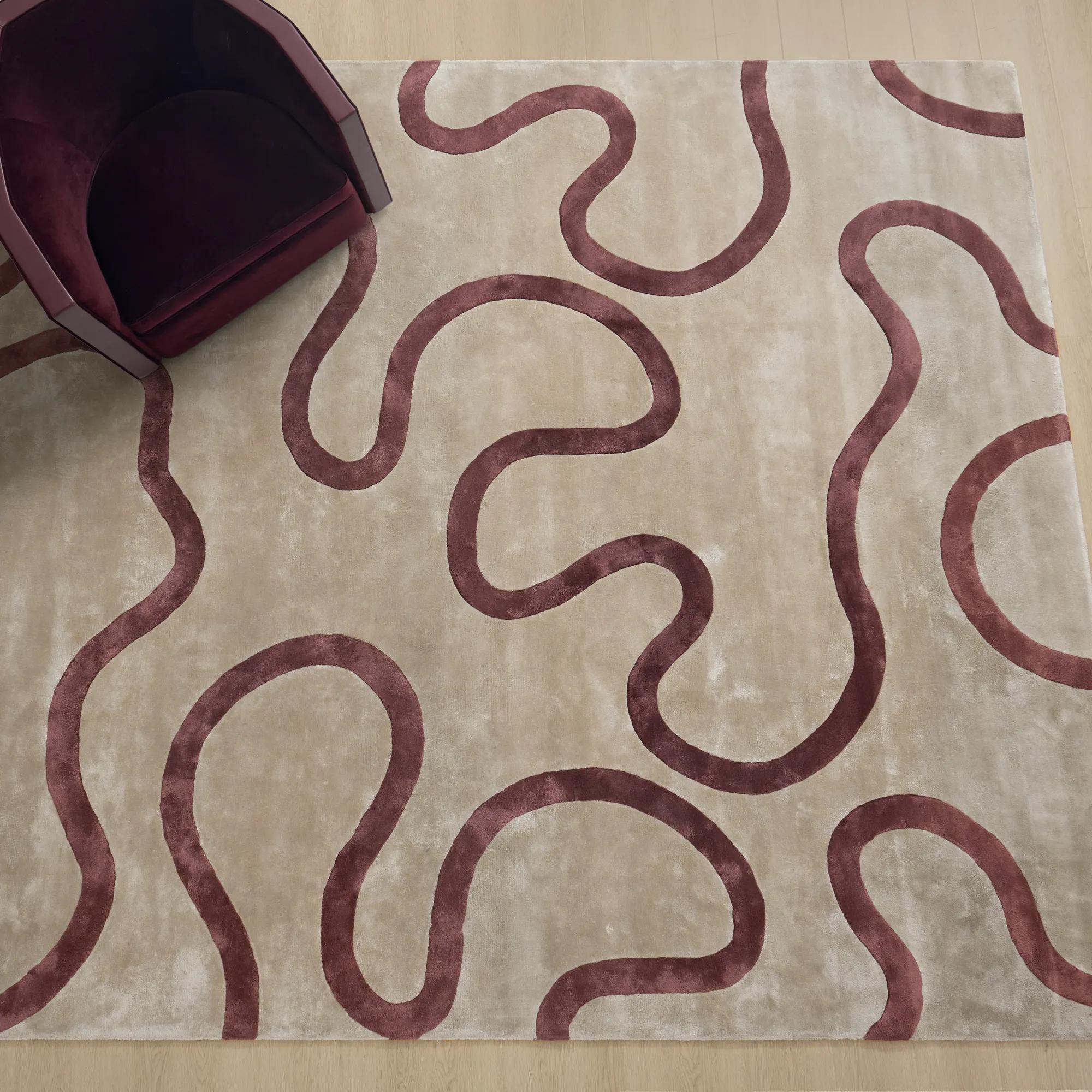 Seraphine Hand-Tufted Fig/Taupe Viscose Loop Rugs$1799
A hand-tufted wool rug featuring bold fig and taupe loops for a graphic, Deco-inspired statement.
Add To Cart -
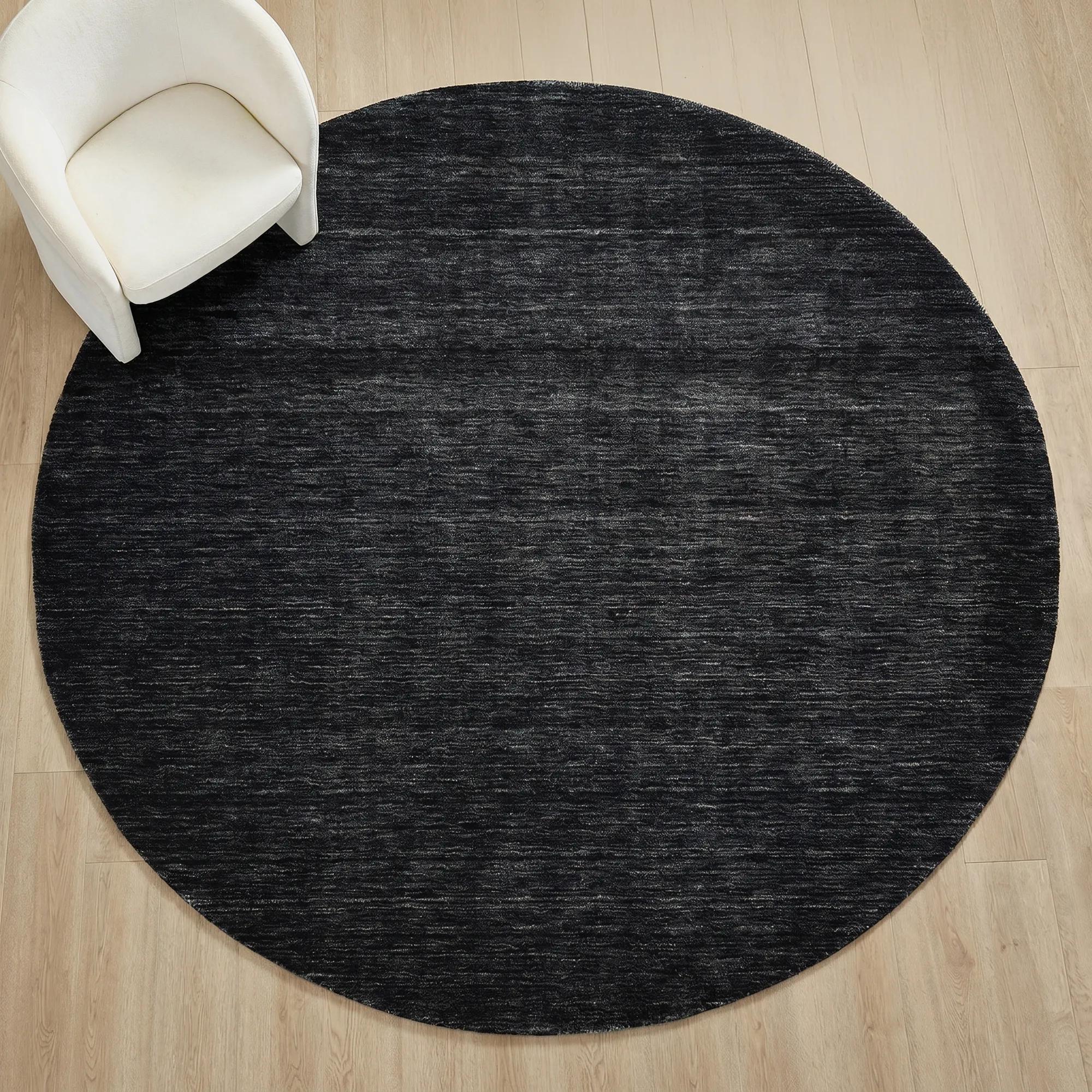 Juni Hand Woven Heathered Black Rug$799
A handwoven round wool rug in heathered black, offering durable texture and moody, contemporary style.
Add To Cart -
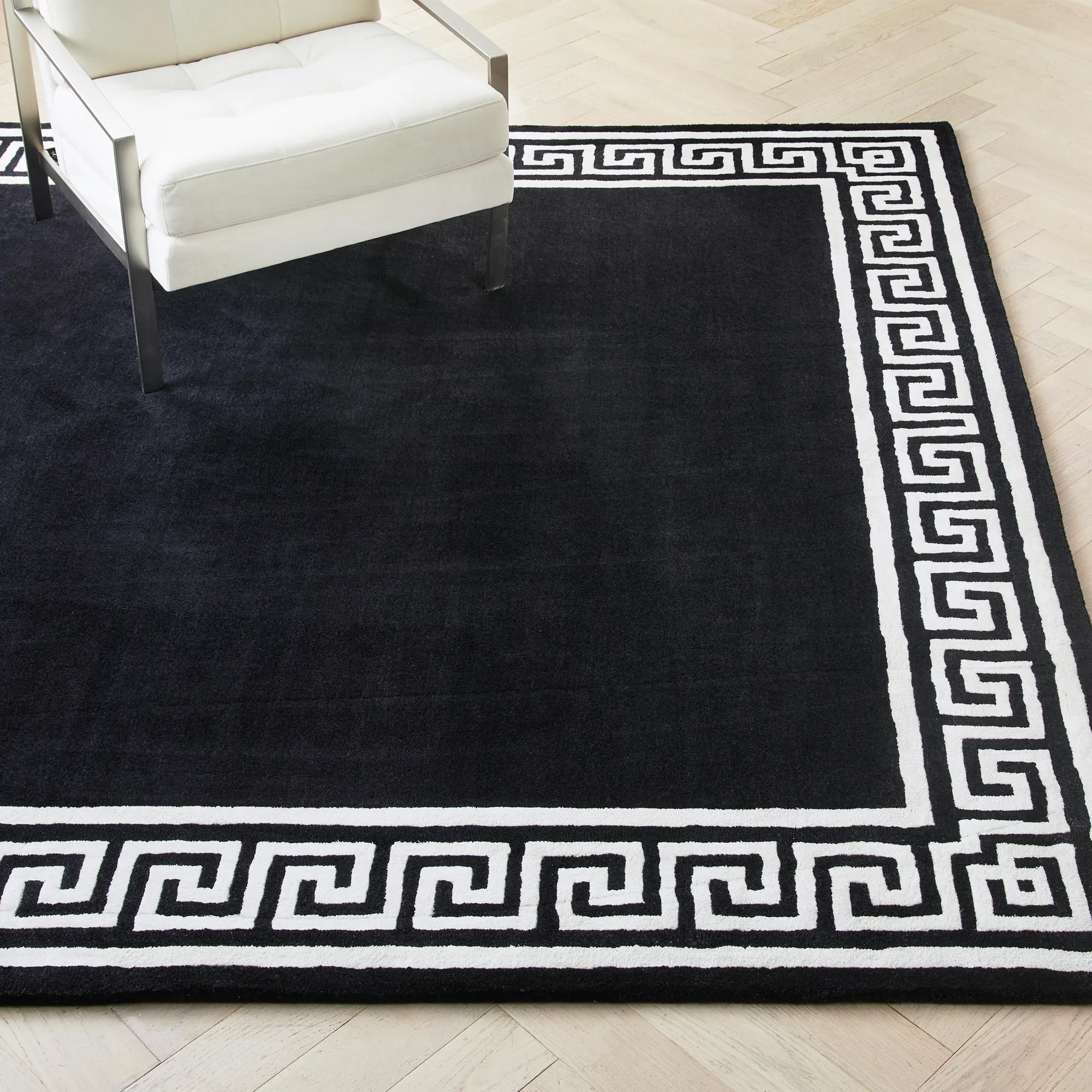
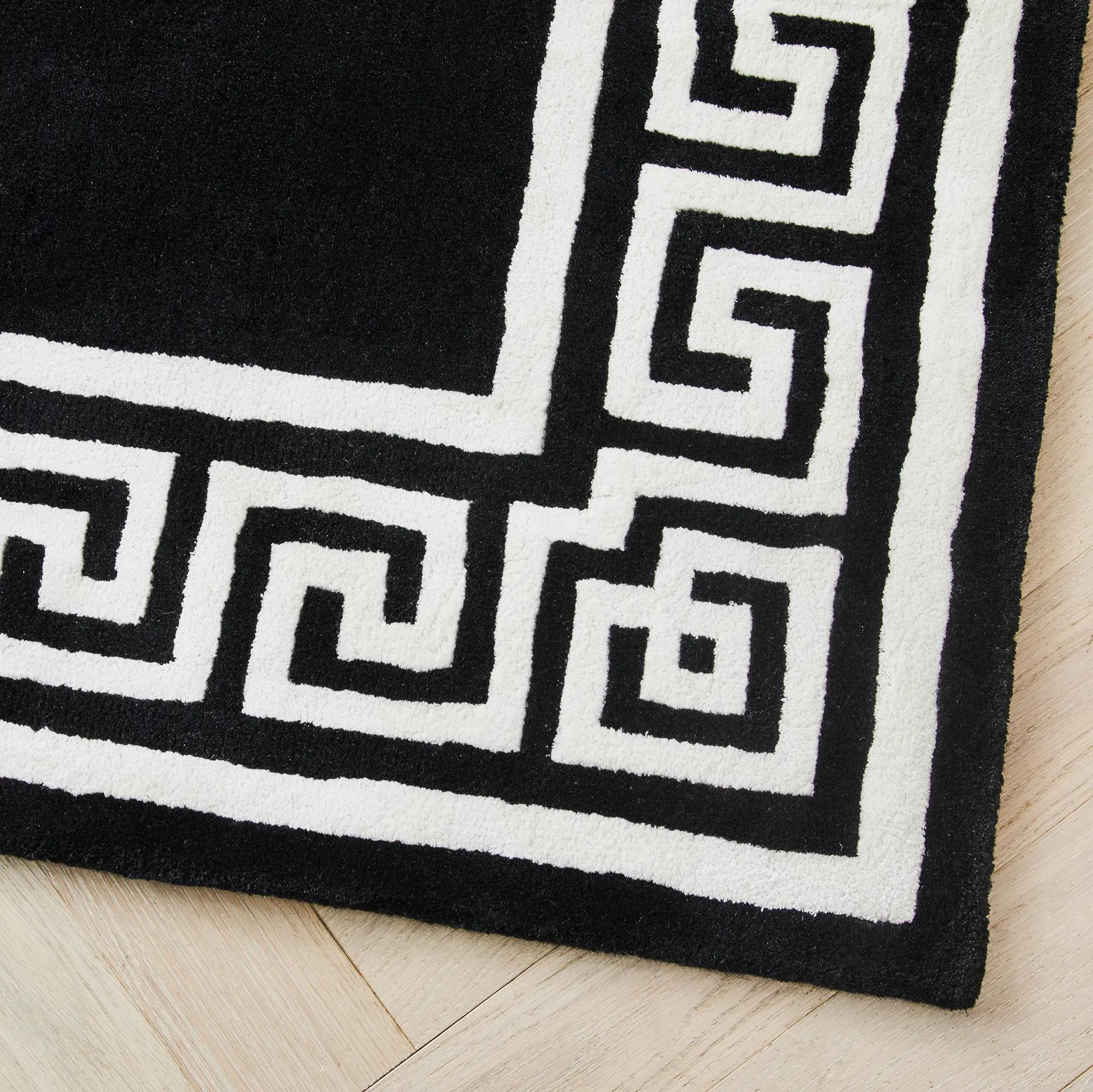 Greek Key Rug - Black/Ivory$1799
A hand-tufted black and ivory rug featuring a classic Greek key pattern in wool and viscose.
Add To Cart -
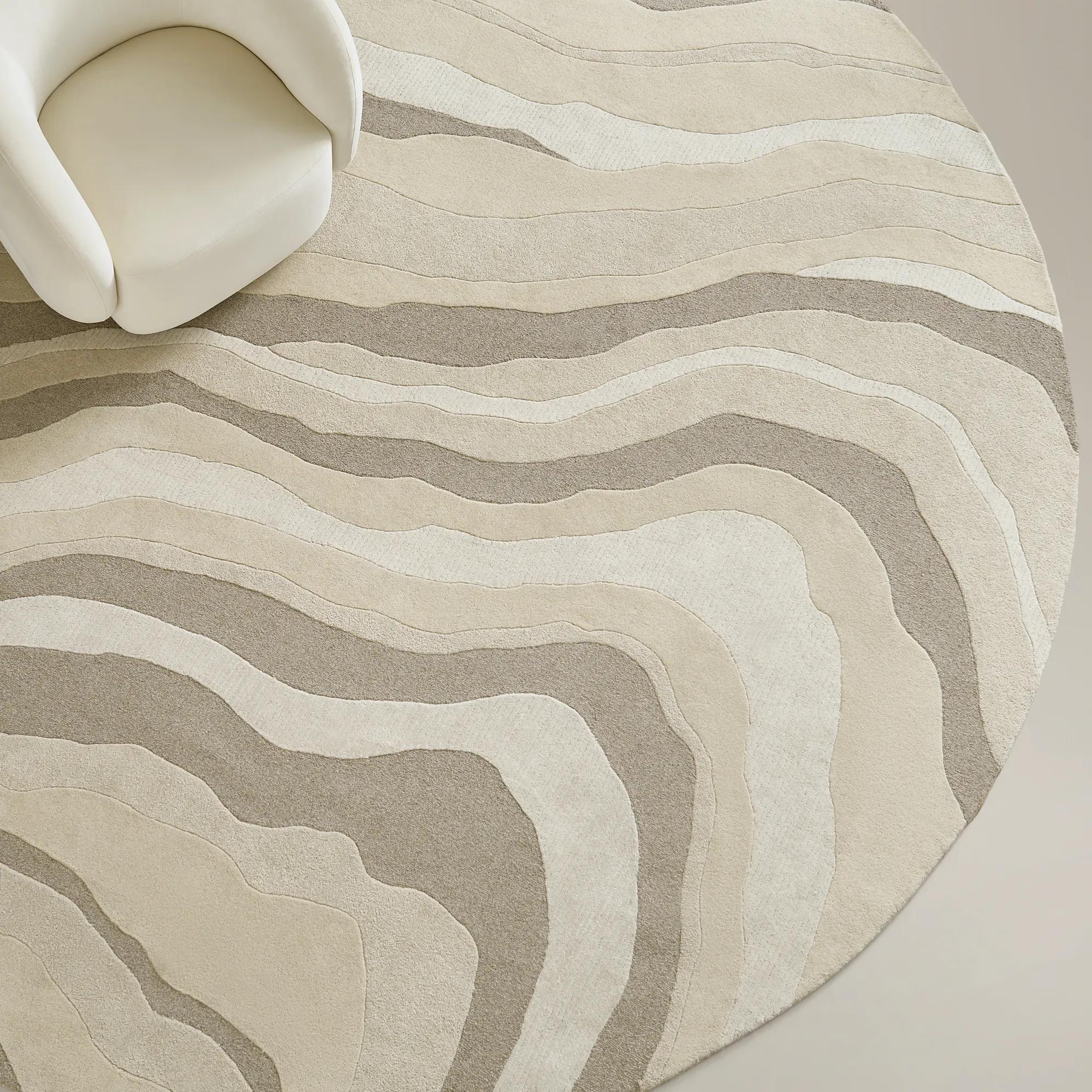 Kadence Hand-Tufted White/Ivory/Tan Wool Round Rug 12"$1799
A hand-tufted round rug in white, ivory, and tan, crafted from 100% wool for natural warmth.
Add To Cart -
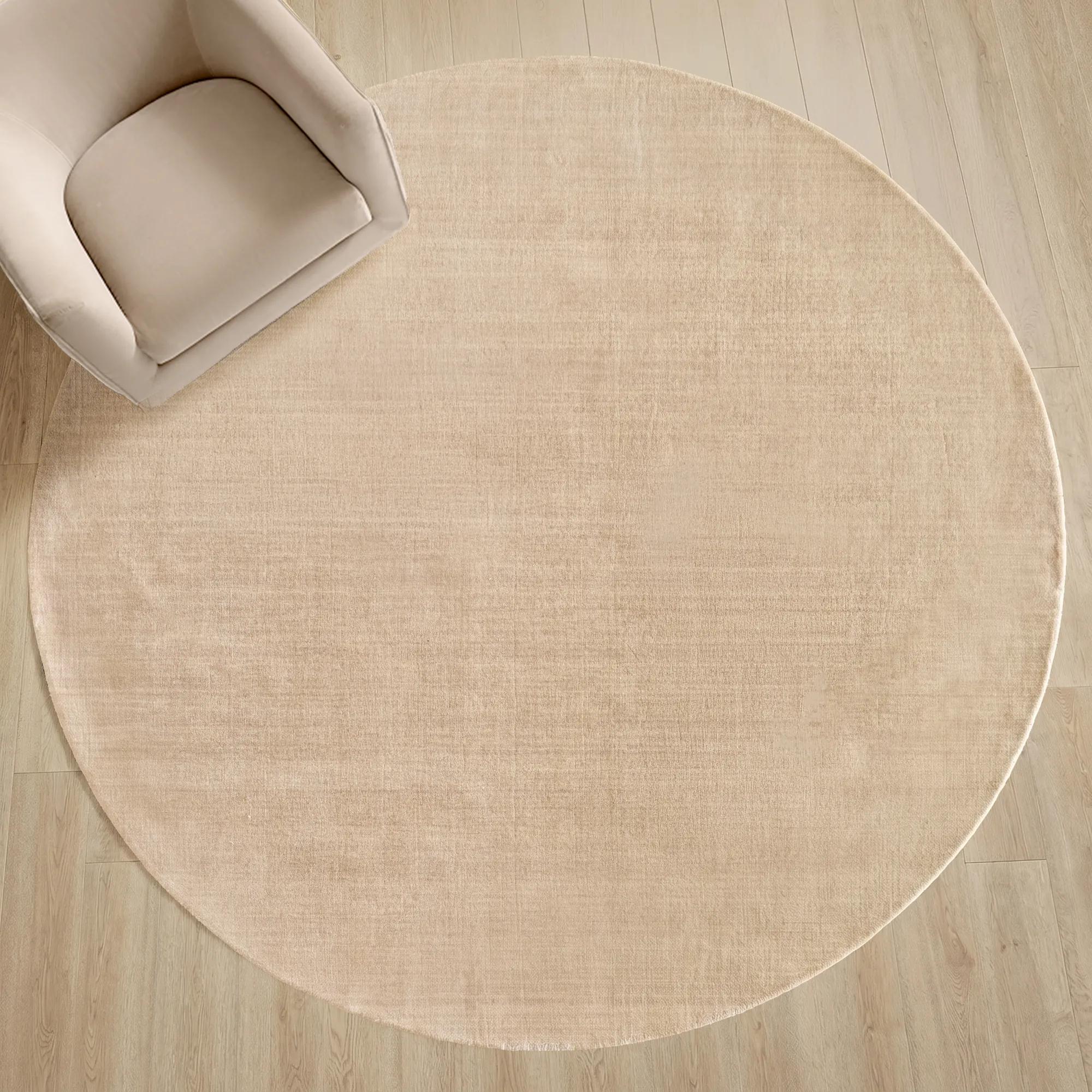 Juni Hand Woven Heathered Warm Beige Round Rug$1399
A handwoven round wool rug in heathered warm beige, offering refined texture and everyday durability.
Add To Cart -
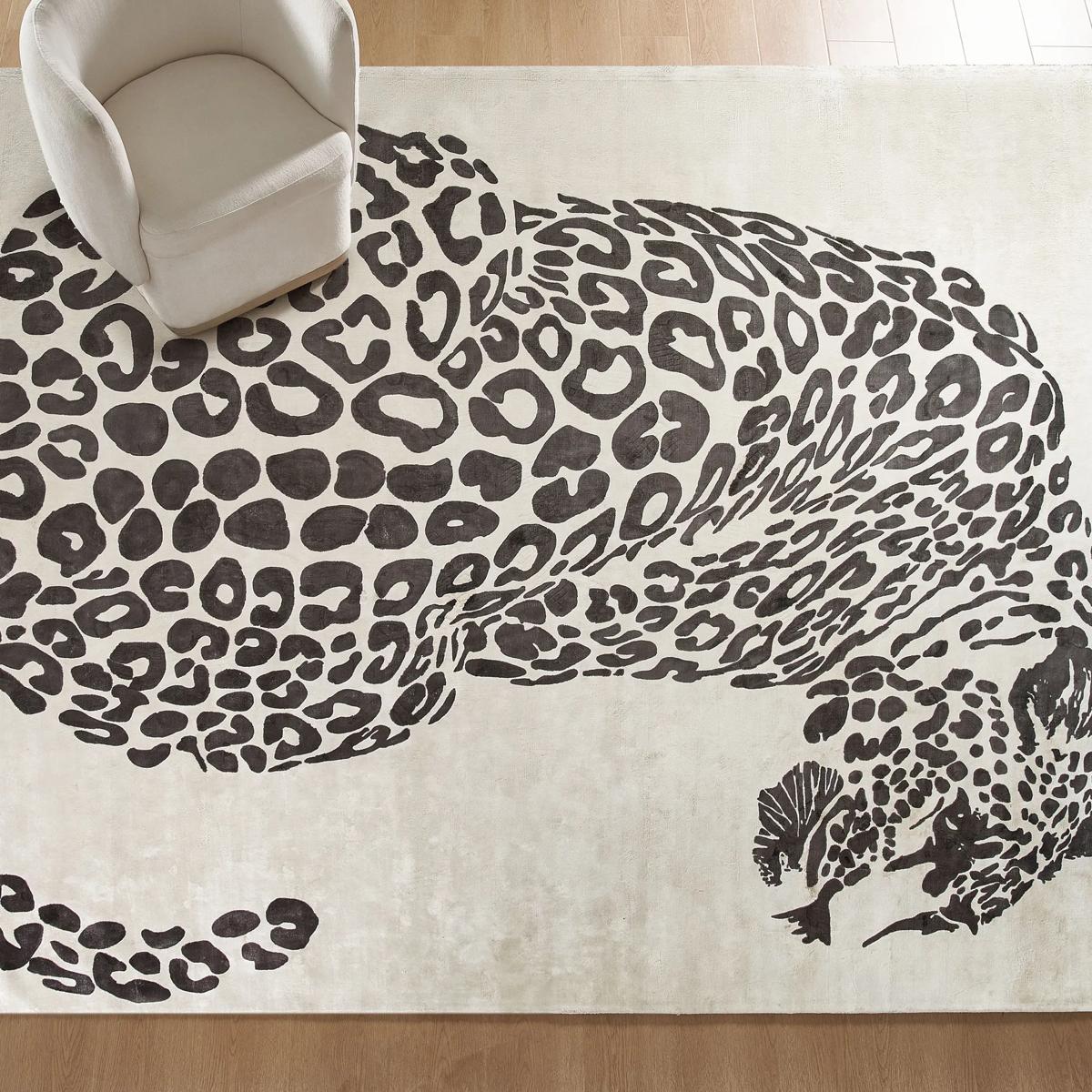 Pardus Leopard Hand-Loomed Ivory/Black Rug$499
An artful ivory and black viscose rug featuring a bold leopard motif and a smooth, silky texture.
Add To Cart

Abstract Wool Rugs For Homes
Abstract wool rugs for homes are more than floor coverings—they are living works of art, designed to transform ordinary spaces into extraordinary showcases of creativity. Each piece weaves together sumptuous texture and painterly pattern, inviting you to indulge in a world where color, form, and movement collide in dramatic harmony. Whether anchoring a grand living room or adding intrigue to an intimate nook, these abstract wool rugs set the stage for self-expression, enveloping your home in tactile luxury and visual wonder. Let your floors become the canvas for your boldest design dreams.
Abstract wool rugs for homes pair expressive, nonrepresentational patterns with the softness and resilience of wool, creating an artistic foundation for living rooms, bedrooms, dining spaces, and home offices. Sweeping brushstroke effects, irregular lines, and layered fields of color bring movement to the floor without the formality of a repeating motif. A design that recalls ink spreading across paper can lend a tailored seating arrangement a sense of spontaneity; broad, tonal shapes can give a richly furnished room depth without competing with sculptural lighting or oversized artwork. The appeal lies in that balance of visual presence and everyday comfort. Wool fibers have a natural crimp that helps them recover from compression, although performance depends on the rug’s construction, density, and care. Underfoot, the material feels substantial and inviting, making it especially appealing beside a bed or beneath a living room conversation area. Color establishes the mood: ivory, taupe, and charcoal create a composed backdrop for gleaming metal and sumptuous upholstery, while saturated blue or expressive contrasts can make the rug the room’s principal artwork. Pattern scale matters just as much. Expansive gestures often read beautifully across an open floor, while a more intricate composition reveals detail around a coffee table or along the sides of a bed. For a cohesive interior, repeat one or two rug colors in pillows, ceramics, or wall art rather than matching every element. A pale sofa can sharpen the impact of a dark, painterly ground; a deeply colored chair can draw out a smaller accent within the weave. Abstract designs also suit homes where tastes overlap, bringing clean-lined furniture and more ornate silhouettes into the same composition. They offer a distinctive starting point for a first apartment, a collected family home, or a bedroom designed as a private retreat. The result can be dramatic without feeling rigid, giving cherished furnishings a fresh relationship to one another and making the floor an intentional part of the room’s expression.
Material and construction shape how an abstract wool area rug looks, feels, and lives within a space. A rug described as wool may contain other fibers, so the fiber content deserves attention alongside its pattern. Pure wool and wool blends can differ in softness, sheen, shedding, and cleaning requirements; the backing and any adhesives also influence care. Hand-knotted construction forms the pile through individual knots, while hand-tufted rugs typically use yarn inserted into a foundation and secured with a backing. Flatwoven rugs have little or no raised pile, creating a more streamlined surface. None of these descriptions alone guarantees durability: workmanship, fiber quality, pile density, and the demands of the room all matter. A sculpted high-low surface adds dimensional shadows to an abstract composition, especially where daylight falls across the floor, but pronounced texture can also catch crumbs or make chair movement less smooth. A lower, denser pile often makes more sense beneath dining chairs or near a desk, while a plush surface brings tactile richness to a lounge or bedroom. Consider how the household actually moves through the space. A living room used for conversation has different needs from an entry passage crossed repeatedly in outdoor shoes, and looped textures may be vulnerable to pets’ claws. For a workspace where expressive pattern needs to coexist with practical furniture placement, abstract rugs for home offices offer a related direction, with pile height and chair clearance worth particular attention. Wool is naturally resilient and offers some resistance to soiling, but it is not stain-proof or immune to wear. An abstract pattern with varied tones may make small traces of daily use less conspicuous, though it does not replace regular cleaning. In households with children or pets, the most satisfying choice balances an evocative design with manageable texture, suitable construction, and clear care instructions. Reserve especially deep or intricately carved pile for places where its dimension can be appreciated without constant friction from moving furniture.
Proportion gives an abstract rug its authority within a room. In a living area, a size that accommodates at least the front legs of the main sofa and chairs usually creates a more connected arrangement than a small rug floating beneath the coffee table alone. A larger footprint can support all the seating legs when the room allows, leaving a deliberate border of exposed flooring around the grouping. In a bedroom, aim for a generous landing beside the bed, often at least 24 inches beyond the sides, and check how the rug relates to nightstands, benches, and nearby doors. A 9-by-12-foot rug may suit many queen- or king-bed arrangements, but the bed frame’s actual dimensions and the room layout should determine the fit. Beneath a dining table, roughly 24 to 30 inches of rug beyond each edge often allows chairs to remain on the surface when pulled out; larger chairs may require more. Marking the proposed perimeter with painter’s tape helps reveal whether a dramatic sweep of pattern will sit beneath furniture or remain visible. A properly sized rug pad, selected for compatibility with both the rug and flooring, helps limit movement, adds cushioning, and reduces friction underneath. Confirm clearance at doors before pairing a thick pad with a substantial pile. Ongoing care preserves both the wool and the clarity of the design. Vacuum regularly using the suction setting recommended by the maker; aggressive rotating brushes can damage some wool constructions. Some shedding is common with new wool rugs, particularly certain cut-pile and tufted styles, and gentle maintenance helps collect loose fibers. Blot spills promptly with a clean, undyed cloth rather than rubbing, and avoid soaking the rug or applying a cleaner without checking its suitability and testing an inconspicuous area. Professional cleaning by a wool-rug specialist may be appropriate, particularly for persistent stains or a thorough refresh. Rotate the rug periodically to distribute foot traffic and light exposure, and use furniture supports where appropriate to lessen concentrated pressure. With thoughtful placement and attentive care, an abstract wool rug gives a home enduring texture and an unmistakably personal point of view.
FAQs
Abstract wool rugs bring a unique blend of artistry and comfort to any space, serving as both a visual focal point and a source of luxurious texture. Their expressive patterns and rich, tactile fibers elevate interiors with a sense of curated sophistication, transforming everyday rooms into inspired sanctuaries.
Abstract wool area rugs are remarkably versatile, seamlessly enhancing a range of aesthetics—from bold, contemporary spaces to more classic, layered environments. Their dynamic designs can inject energy into minimalist rooms or add a refined statement to traditional settings, adapting to your personal vision with ease.
Absolutely. Abstract wool rugs make memorable and thoughtful gifts for housewarmings, weddings, anniversaries, or milestone celebrations. Their blend of beauty and practicality ensures they are cherished as both a decorative centerpiece and a daily indulgence.
Hand-tufted wool rugs, such as those with abstract motifs, offer exceptional softness and durability. The artisanal process allows for intricate patterns and rich color palettes, resulting in a rug that feels both luxurious underfoot and visually captivating—a true celebration of craftsmanship.
Abstract wool rugs can be thoughtfully placed in different rooms to establish a harmonious flow of color, texture, and artistic expression. By selecting designs that echo each other’s palette or motif, you can craft a unified aesthetic that connects living spaces, bedrooms, and even home offices with effortless elegance.