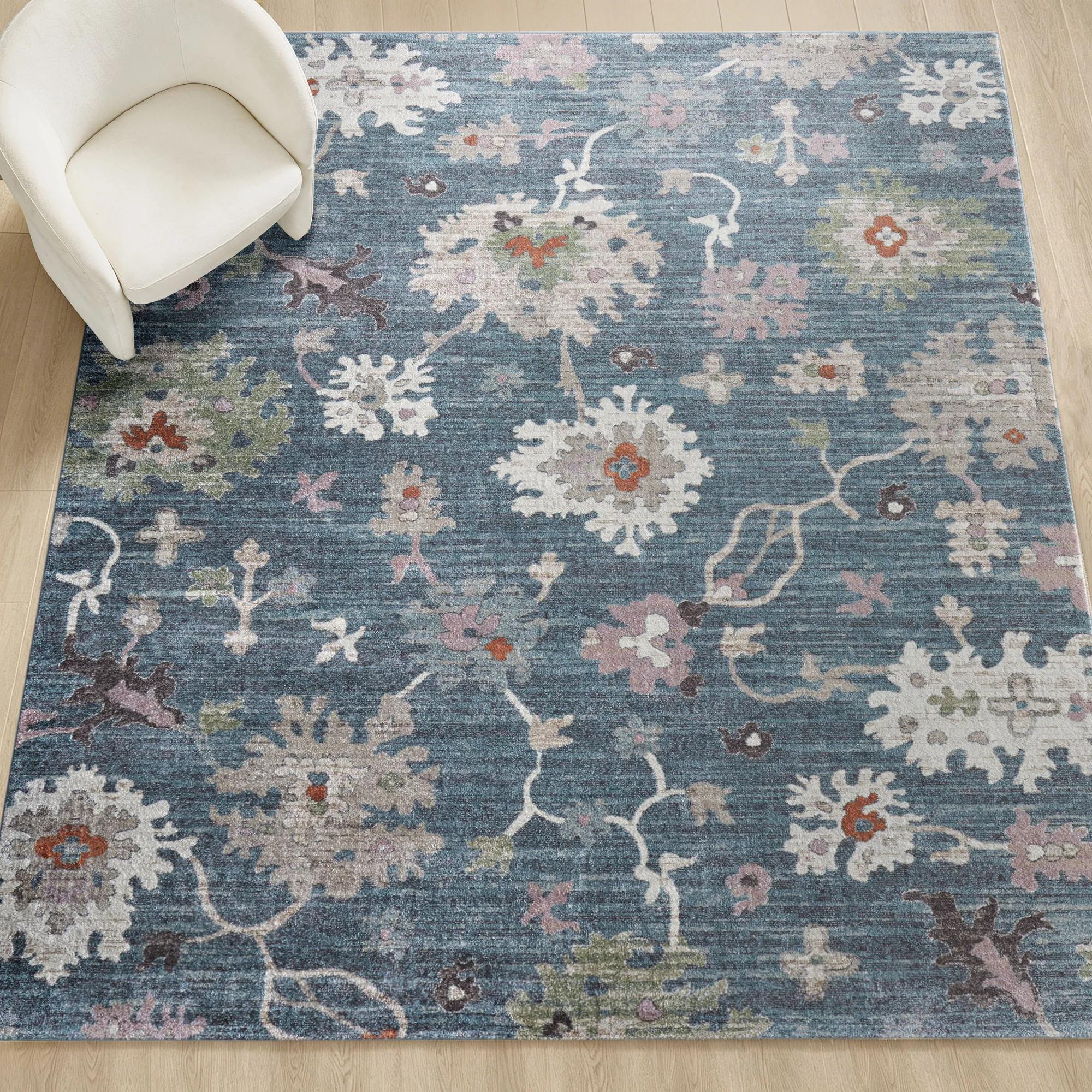
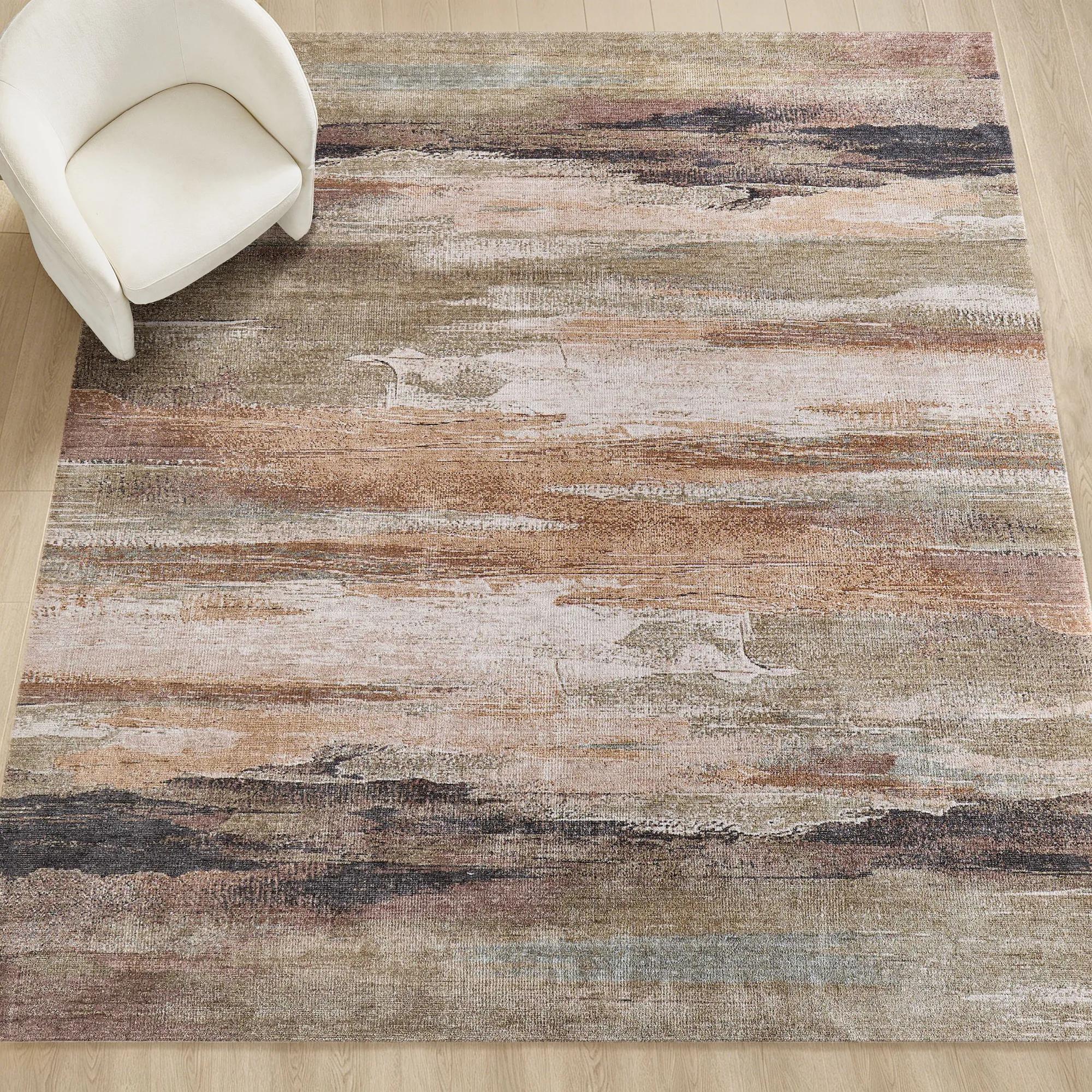
Wool Rugs For Open Floor Plans
Wool Rugs For Open Floor Plans
-
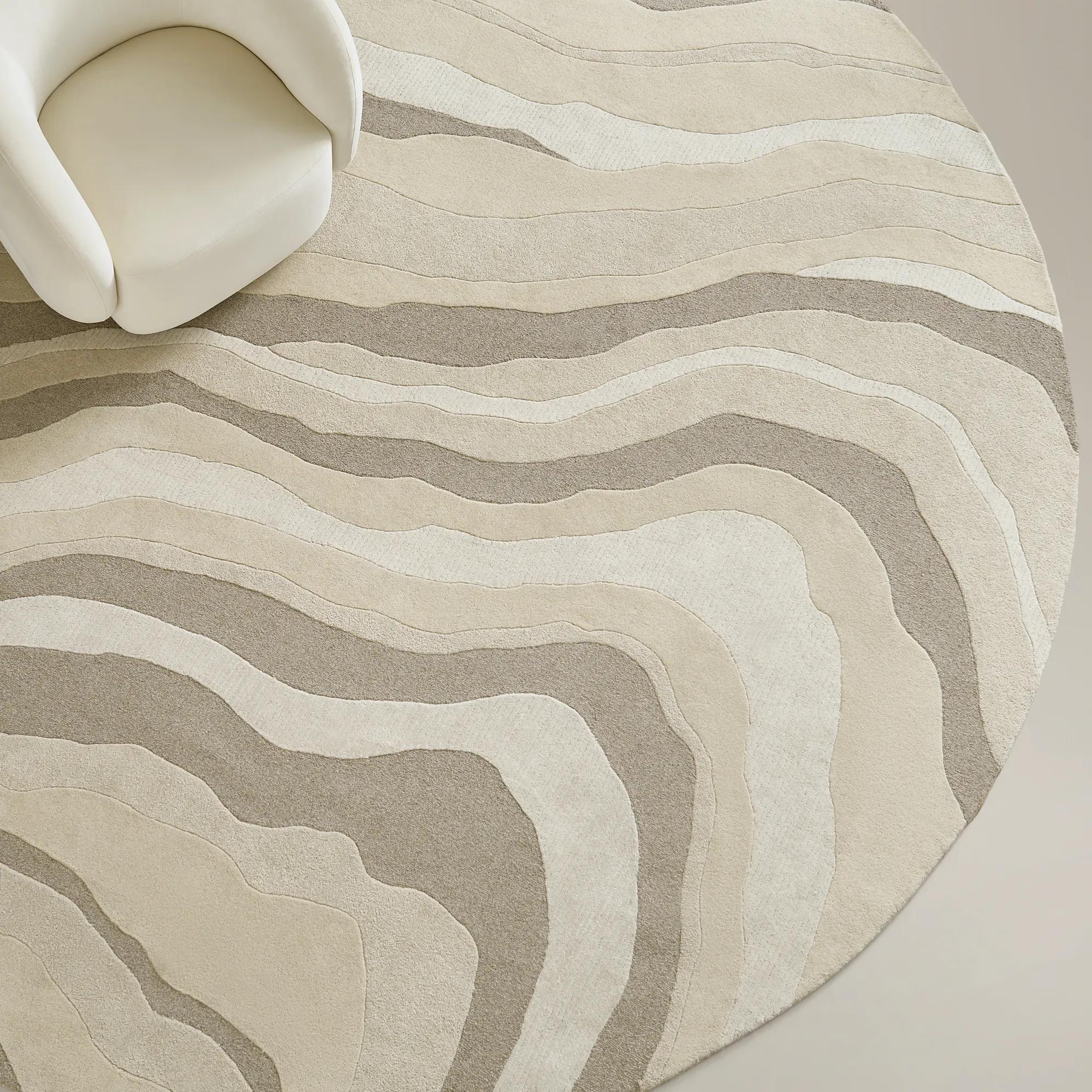 Kadence Hand-Tufted White/Ivory/Tan Wool Round Rug 12"$1799
A hand-tufted round rug in white, ivory, and tan, crafted from 100% wool for natural warmth.
Add To Cart -
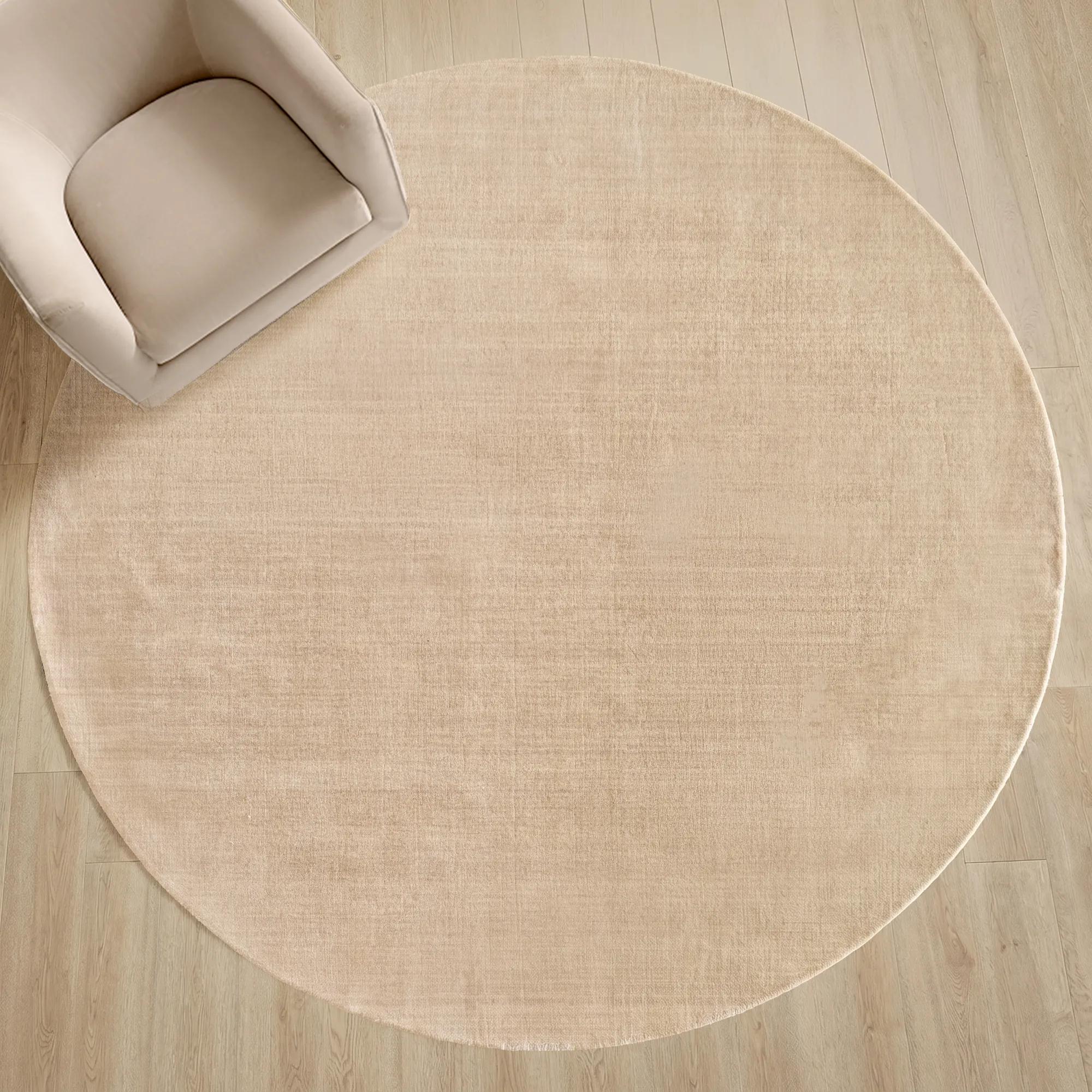 Juni Hand Woven Heathered Warm Beige Round Rug$1399
A handwoven round wool rug in heathered warm beige, offering refined texture and everyday durability.
Add To Cart -
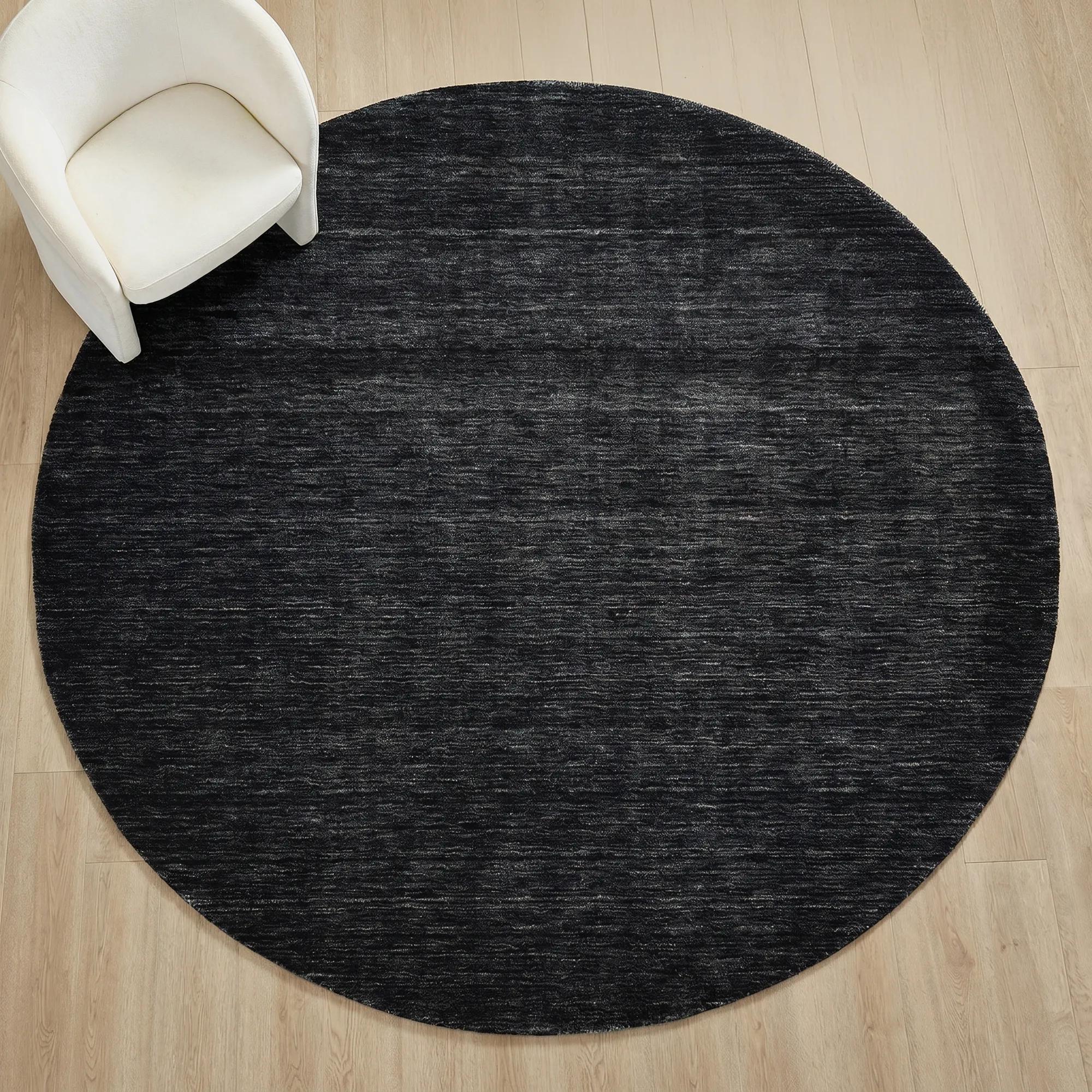 Juni Hand Woven Heathered Black Rug$799
A handwoven round wool rug in heathered black, offering durable texture and moody, contemporary style.
Add To Cart -
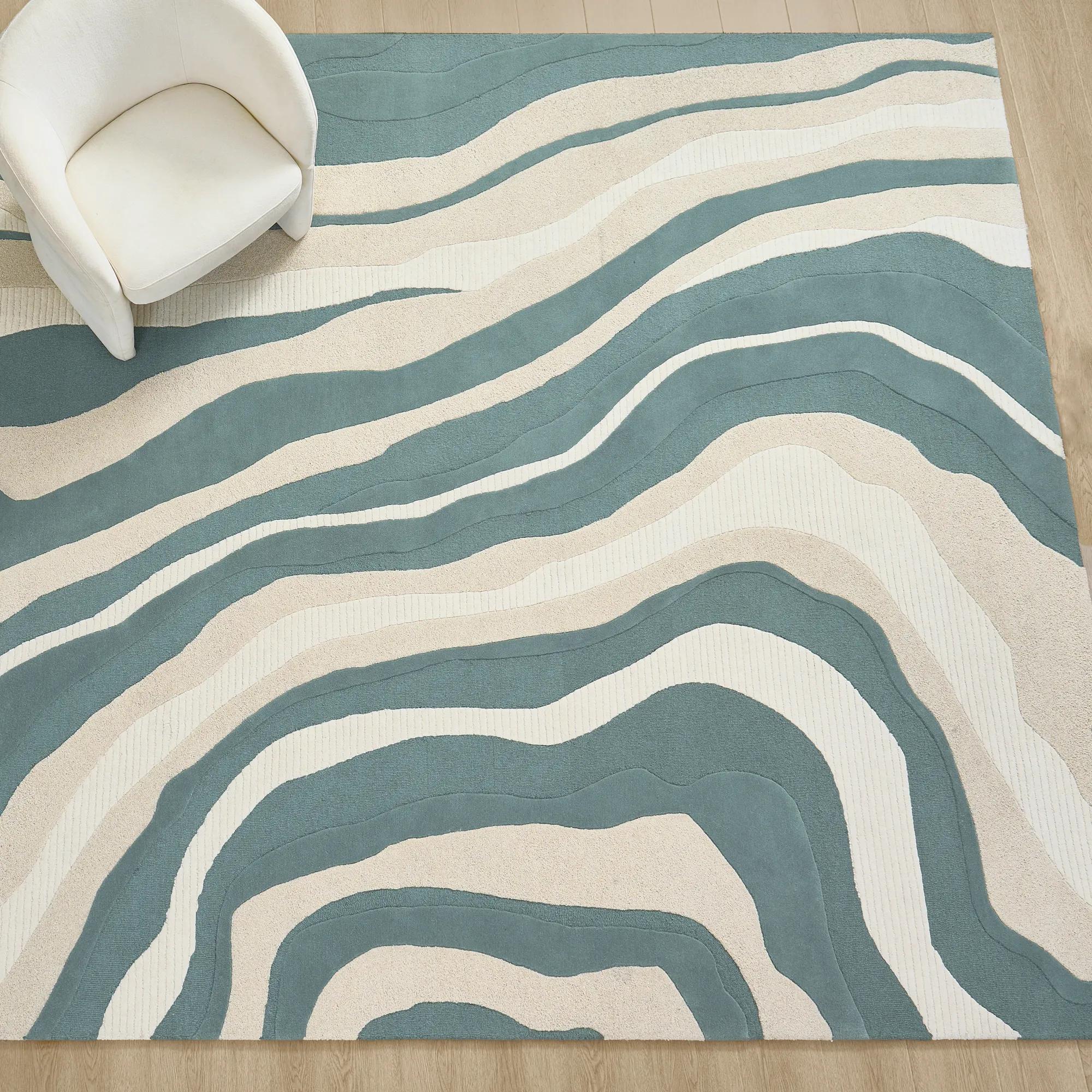 Kadence Hand-Tufted Sage Green/Ivory Wool Rug$1499
A hand-tufted wool rug with organic waves, sculptural high-low texture, and sage-ivory hues.
Add To Cart -
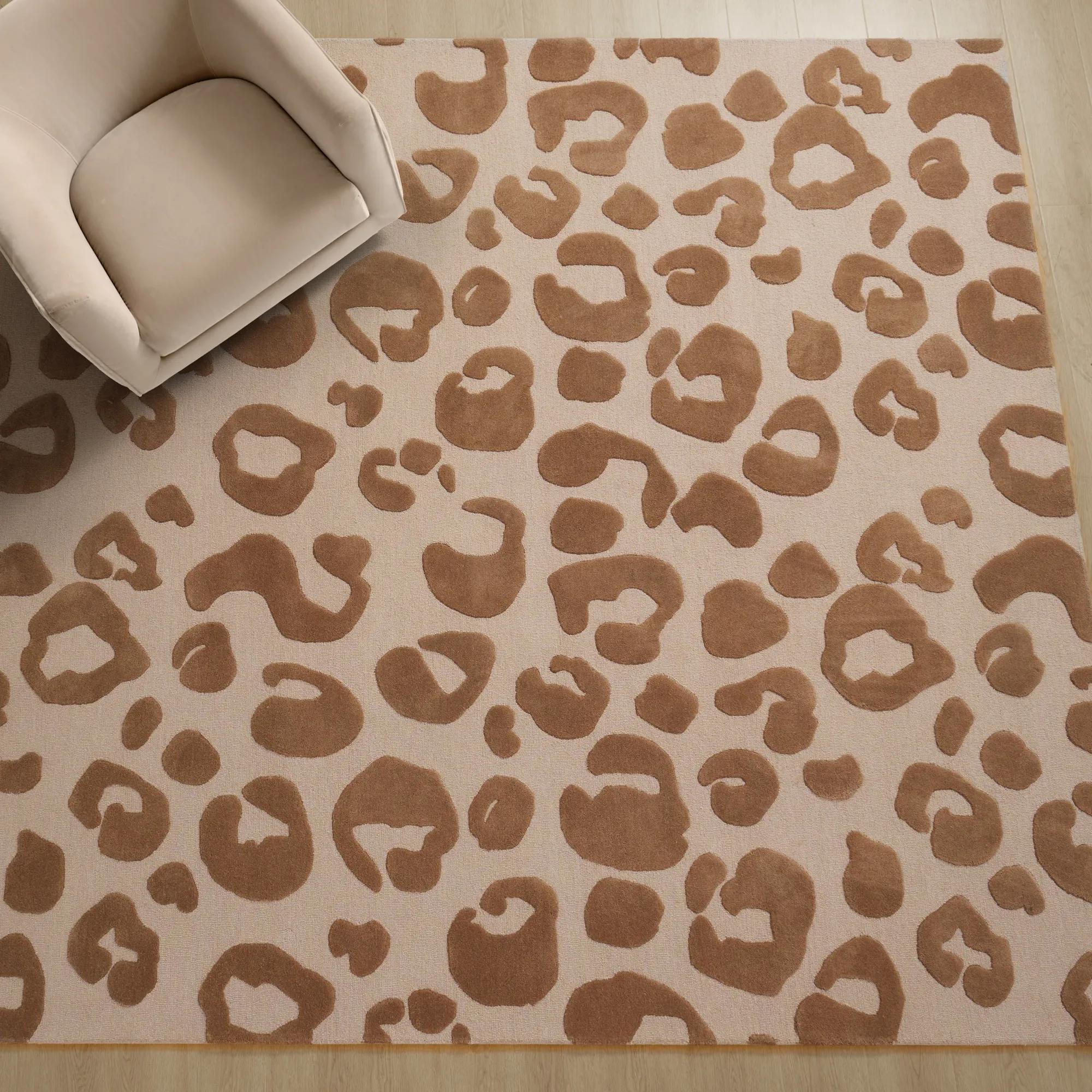 Pounce Hand-Tufted Tawny Brown Leopard Print Wool Rug$999
A hand-tufted wool rug with tawny brown leopard print, high-low texture, and loop-cut pile.
Add To Cart -
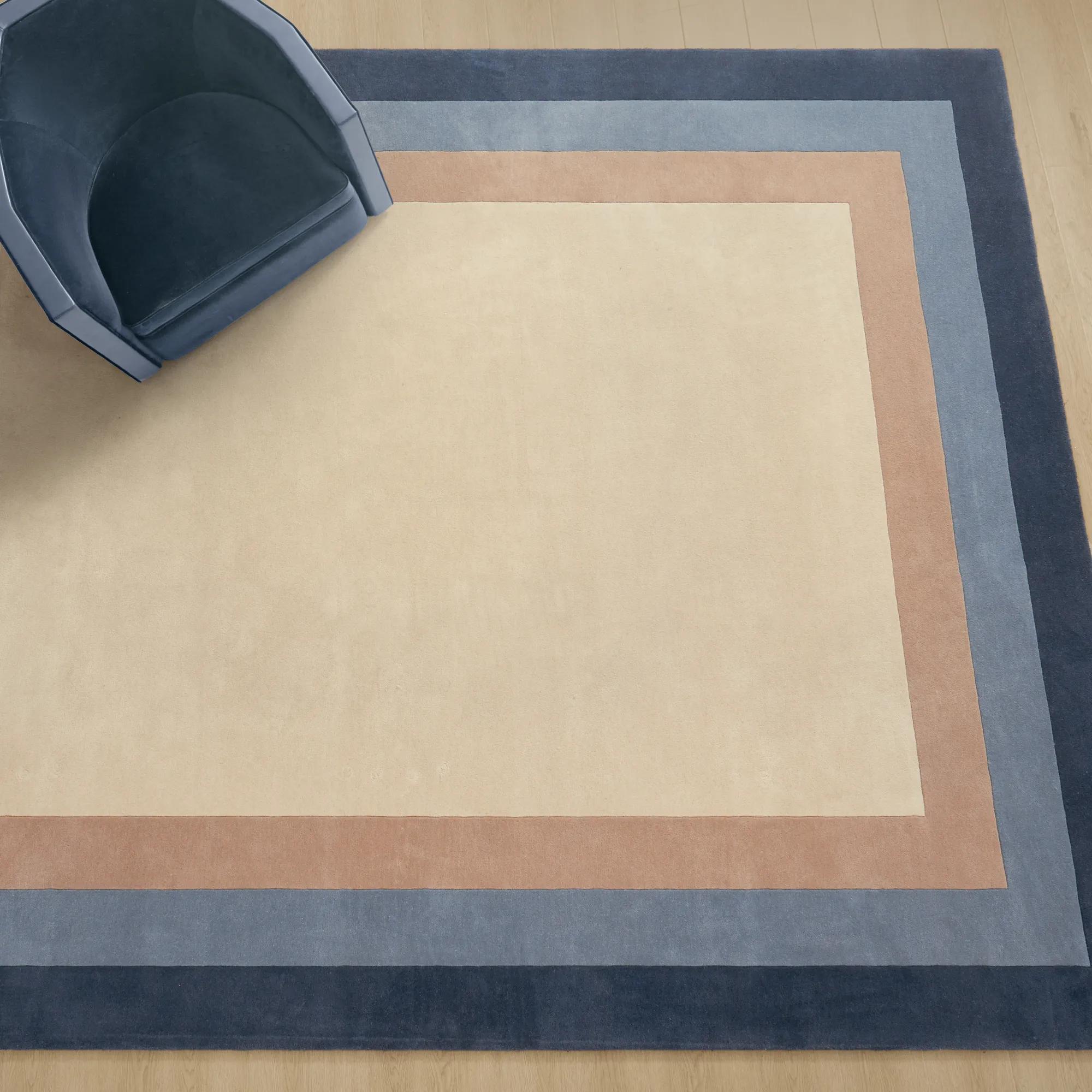 Bastien Hand-Tufted Blue/Taupe/Ivory Wool Border Rug$499
A hand-tufted wool rug with a graphic blue, taupe, and ivory color-blocked border.
Add To Cart -
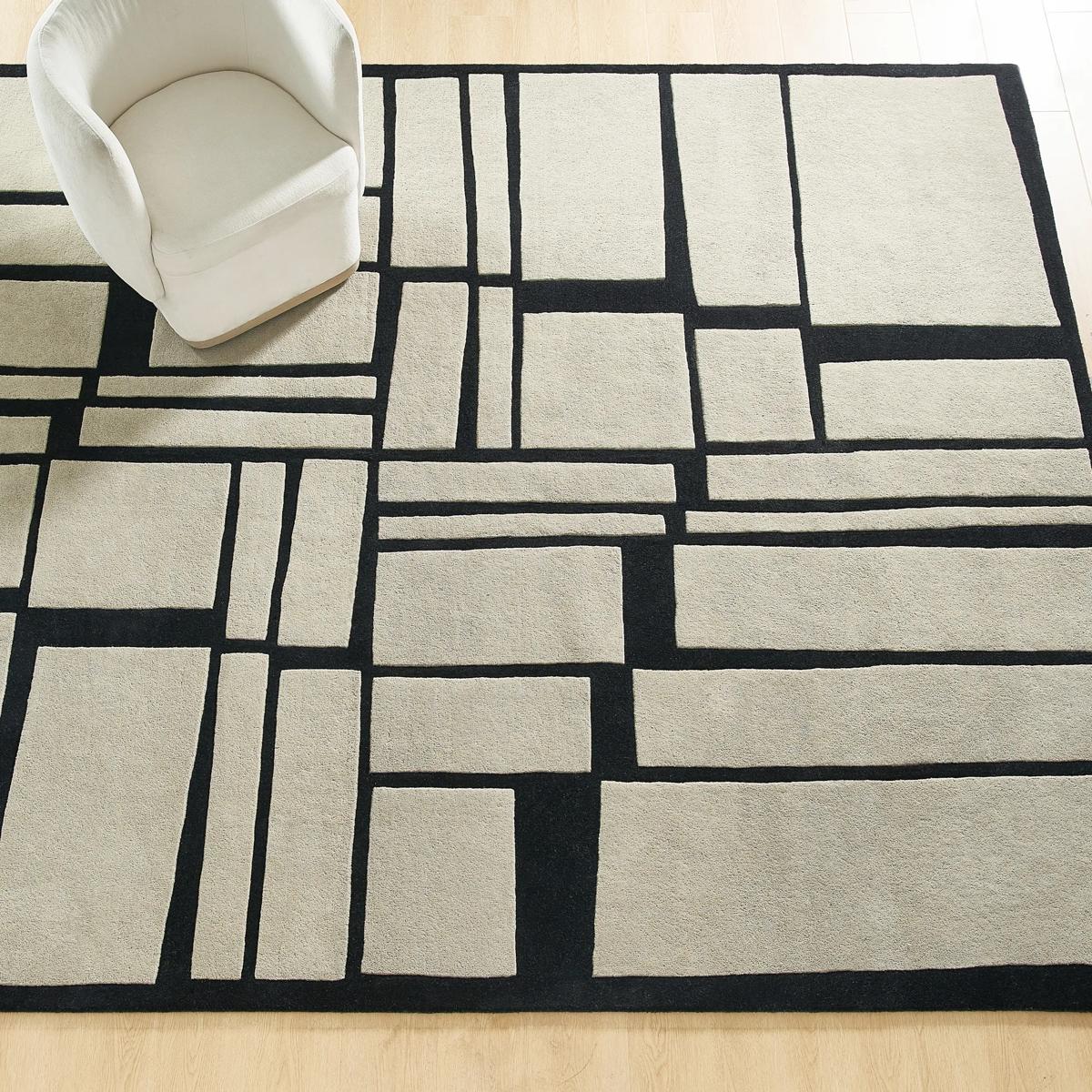 Novak Hand-Tufted Natural/Black Wool Rug$449
A hand-tufted wool rug featuring a bold black and natural grid design for modern visual impact.
Add To Cart -
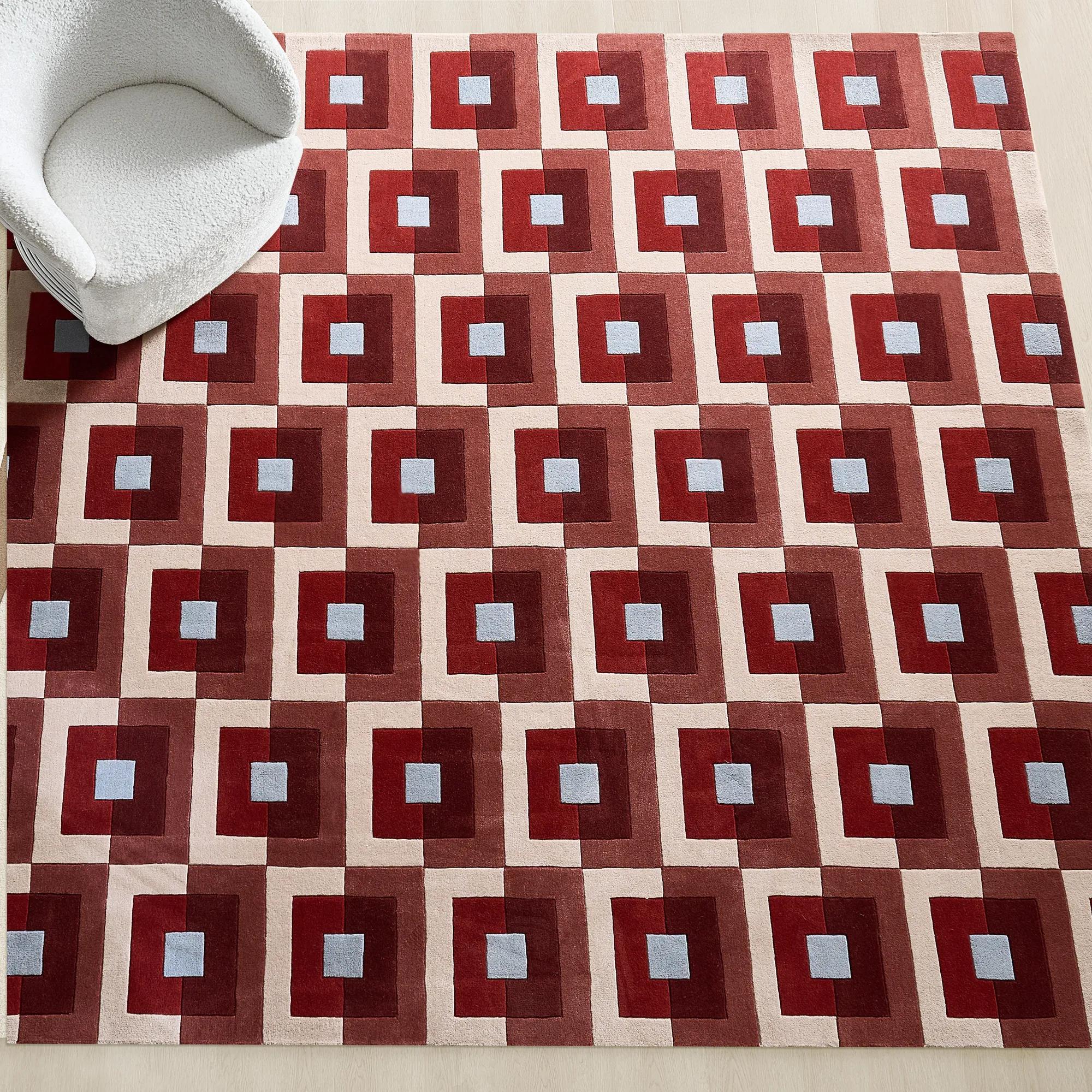
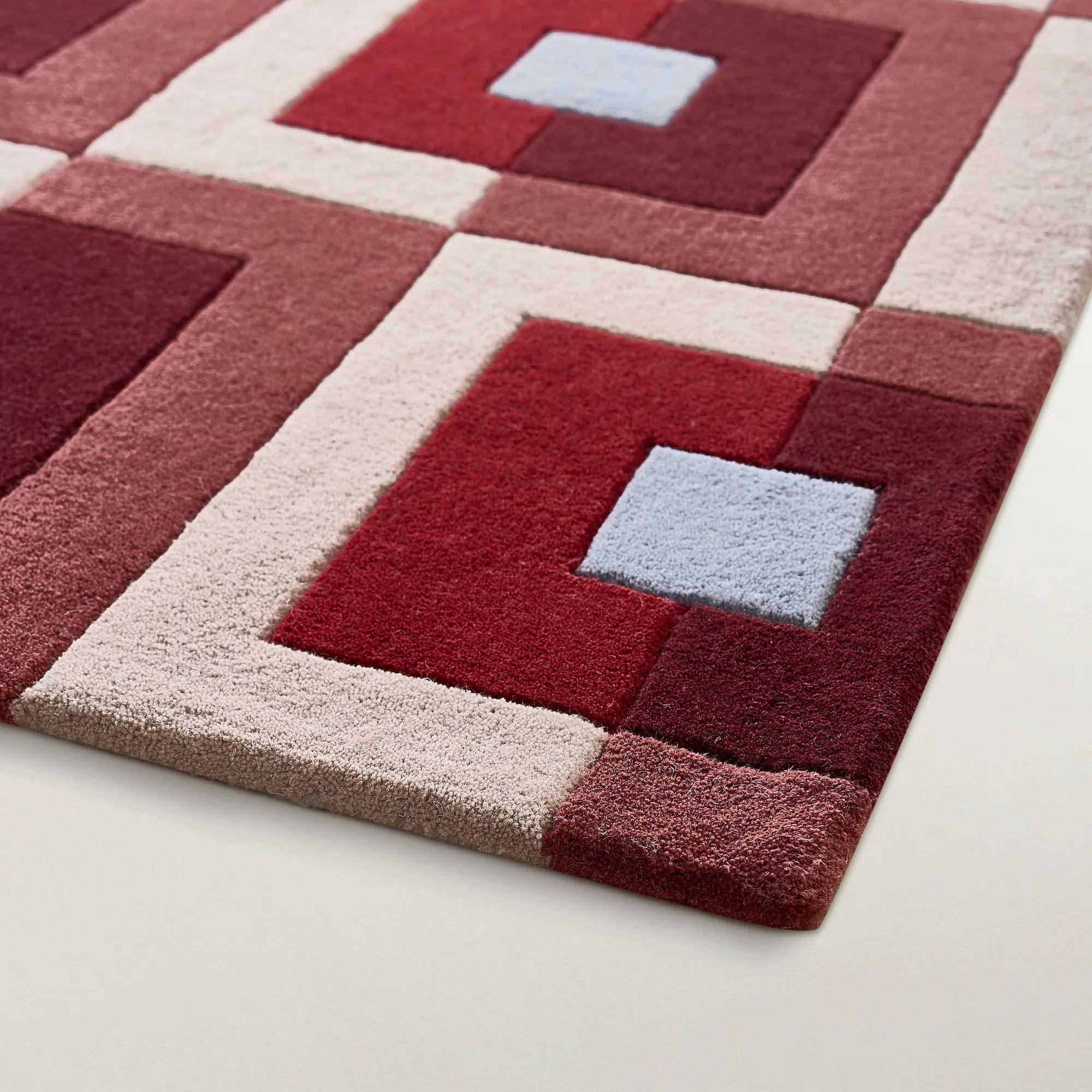 Geo Pop Wool Rug - Oxblood Red/Airy Blue$1099
A geometric wool rug blending oxblood red and airy blue for bold, modern interiors.
Add To Cart -
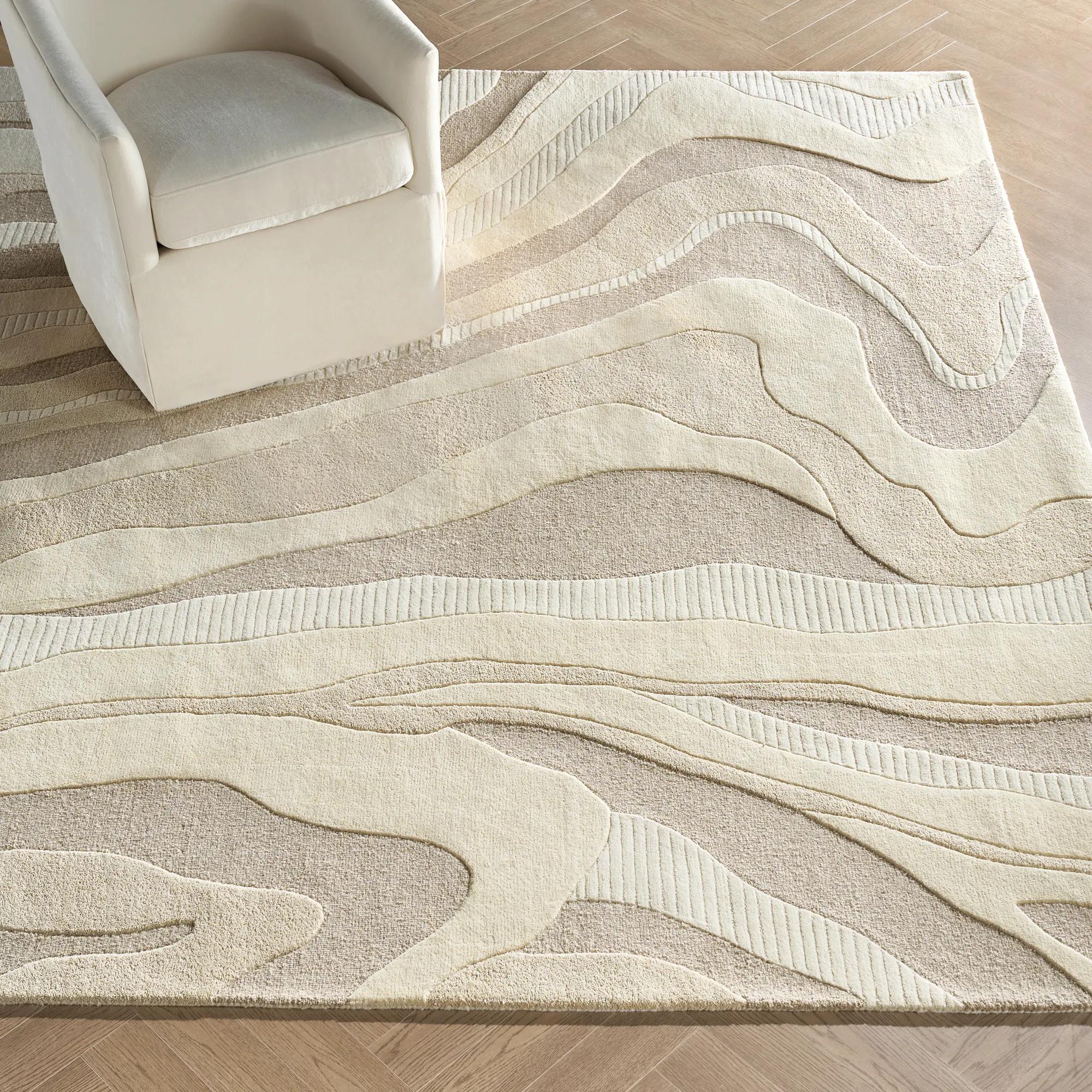 Kadence Hand-Tufted Ivory/Tan Wool Rug$499
A hand-tufted wool rug featuring a multi-textured swirl design in ivory and tan for elegant depth.
Add To Cart -
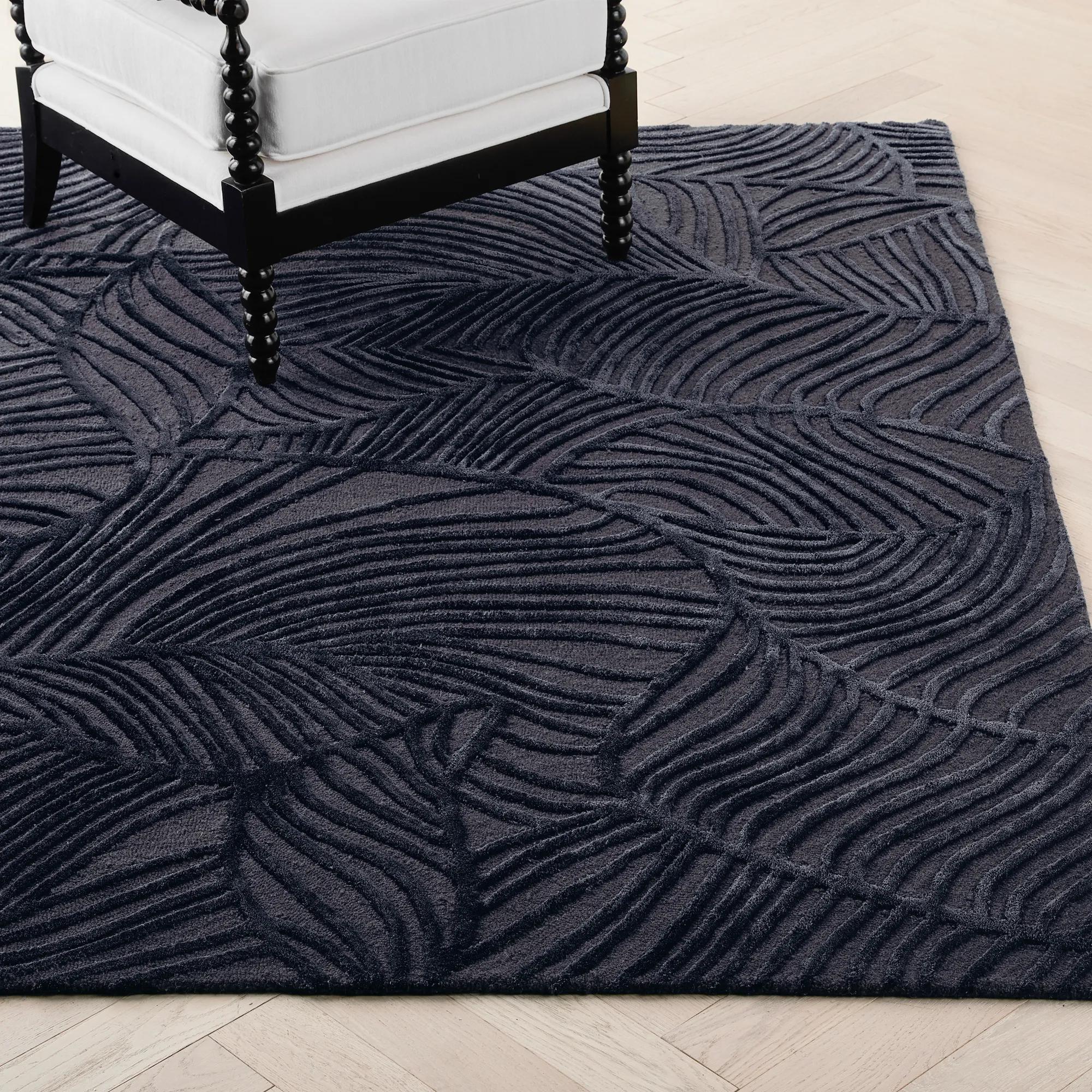
 Palm Rug - Charcoal$1499
A charcoal rug featuring a dynamic palm-leaf design with a textured high-low viscose and wool pile.
Add To Cart -
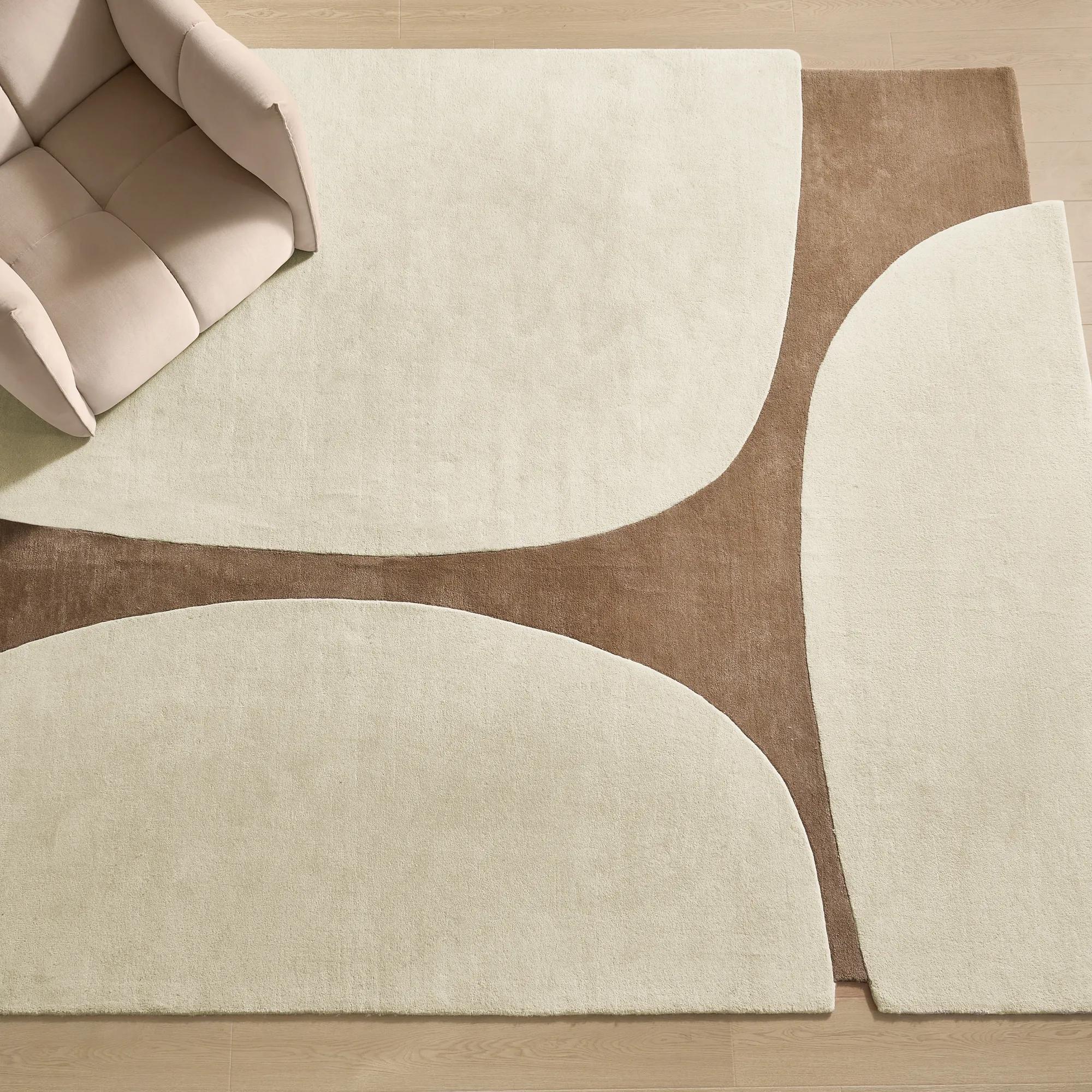
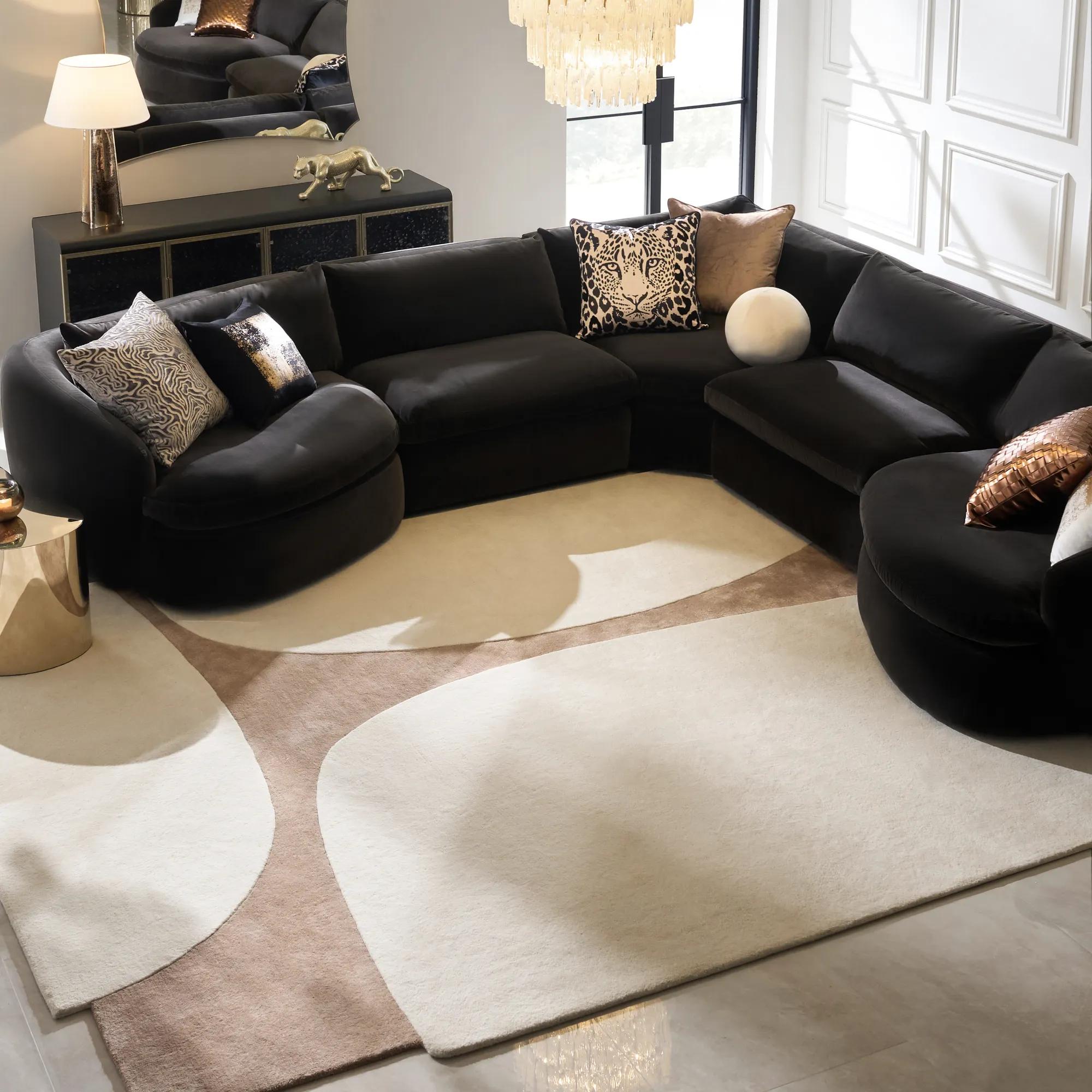 Contour Hand-Tufted Ivory/Ginger Root Wool Blend Rug$1499
A hand-tufted wool rug featuring an ivory and ginger root palette with a contoured, modern design.
Add To Cart -
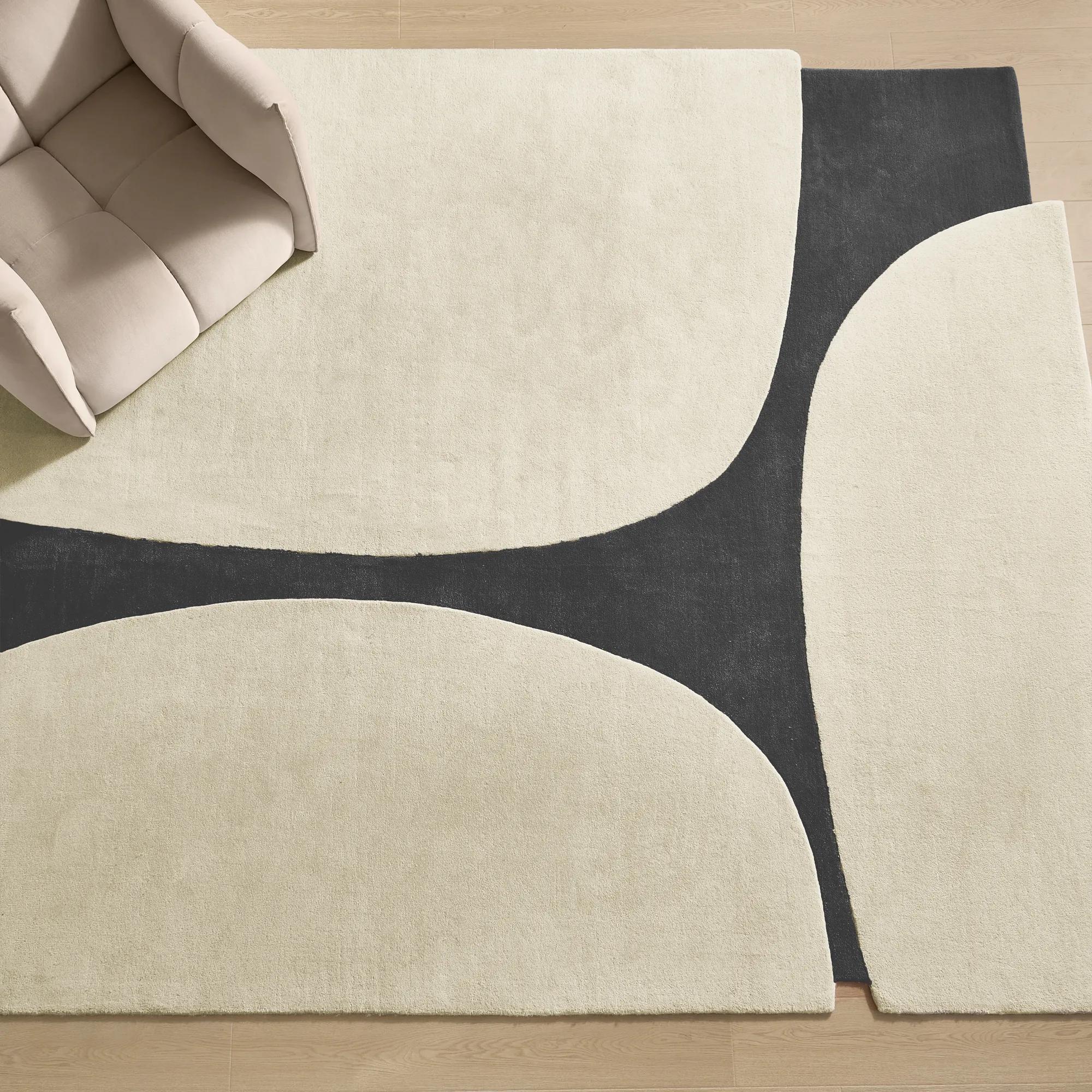 Contour Hand-Tufted Ivory/Charcoal Wool & Viscose Rug$499
A hand-tufted wool and viscose rug with an organic edge, high-low texture, and ivory-charcoal pattern.
Add To Cart -
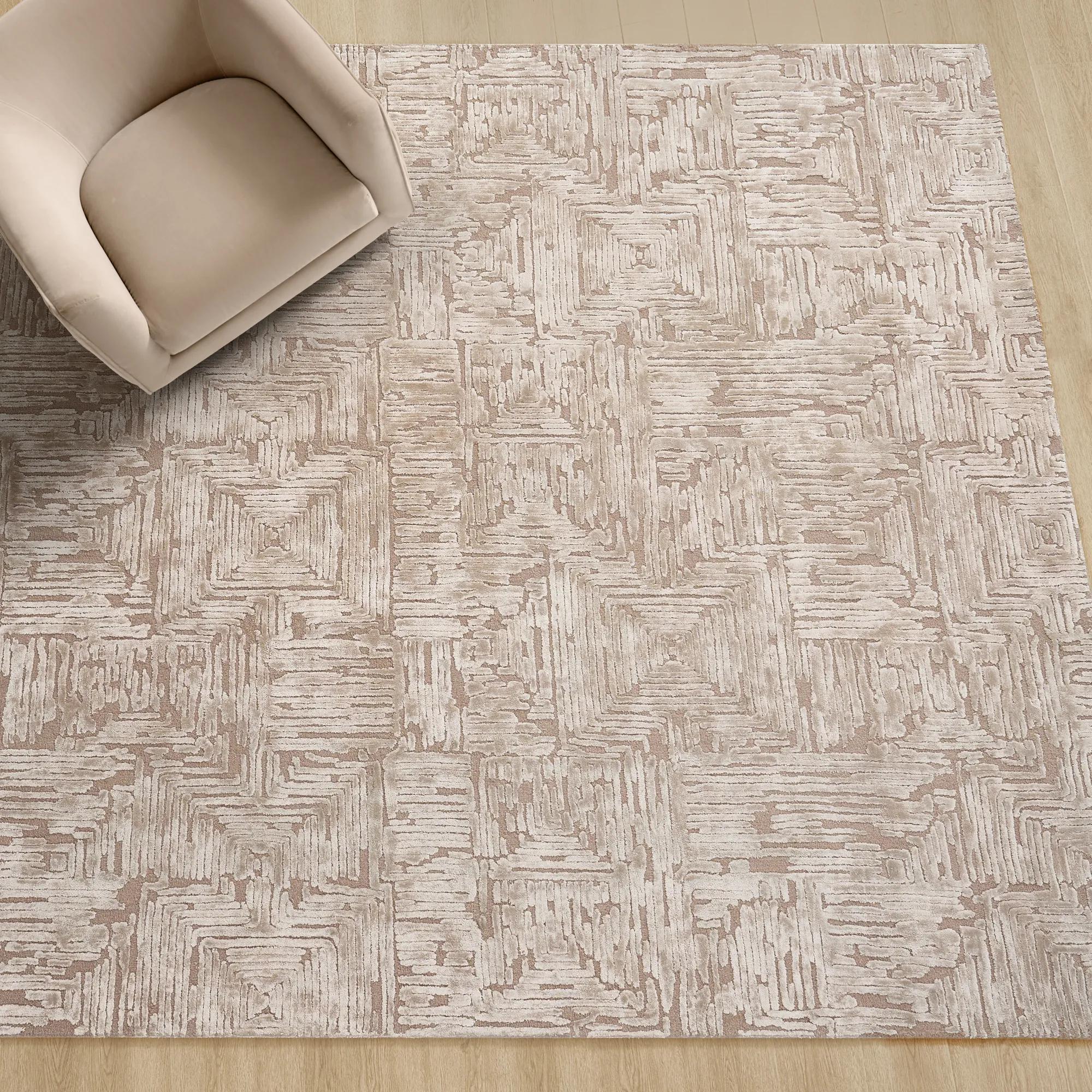
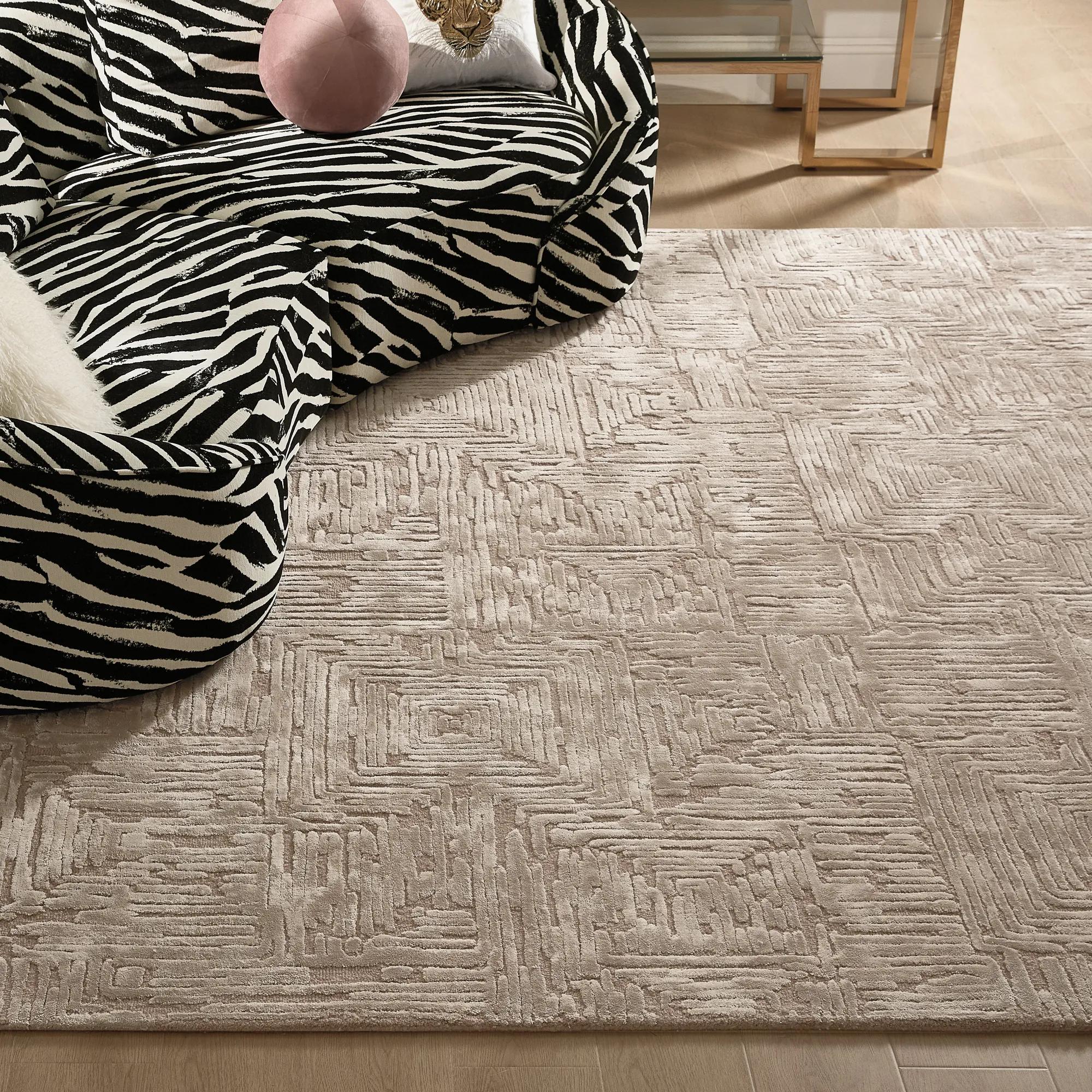 Andra Hand-Tufted Mocha Rose Viscose & Wool Dimensional Rug$999
A hand-tufted rug in mocha rose viscose and wool with a dimensional high-low geometric pattern.
Add To Cart -
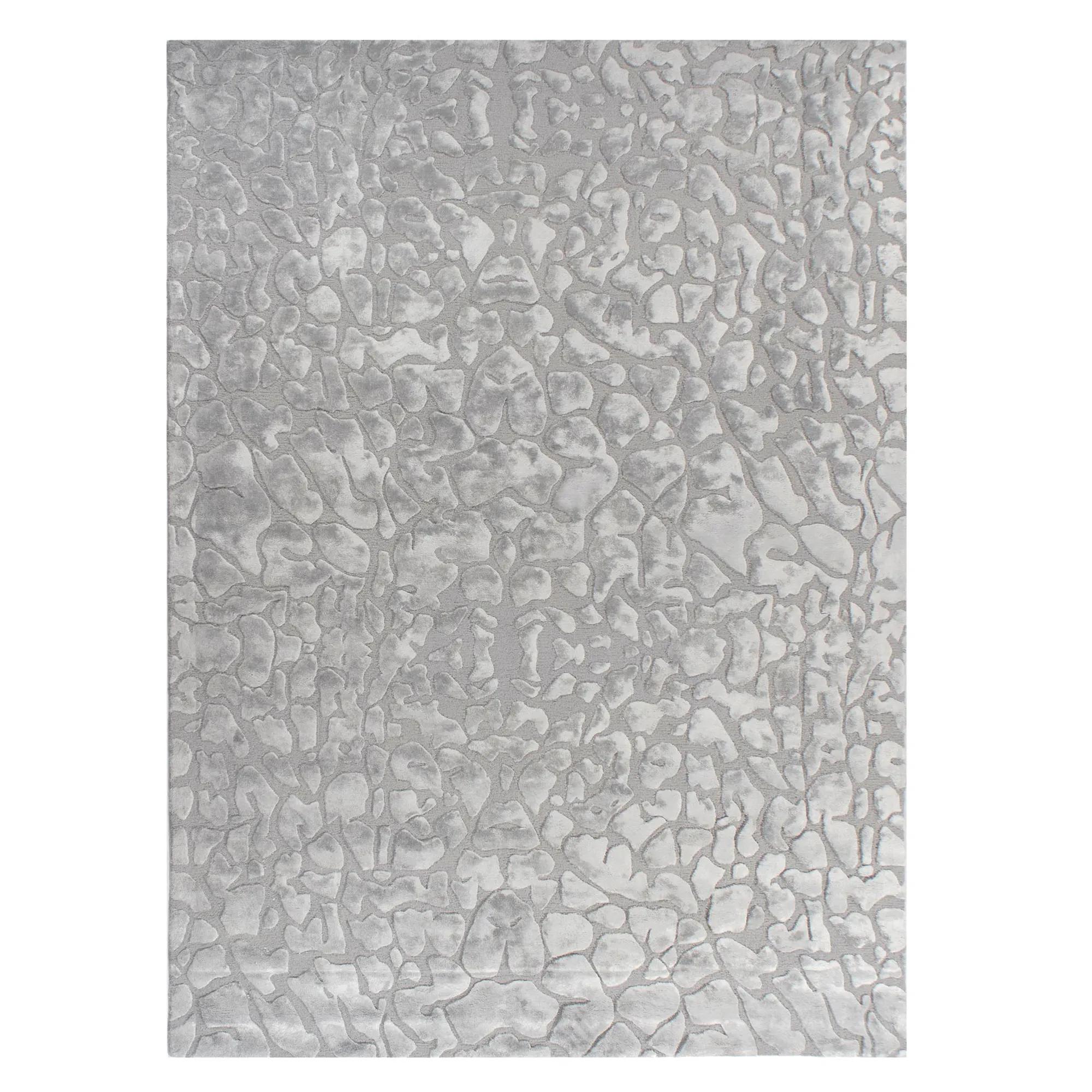
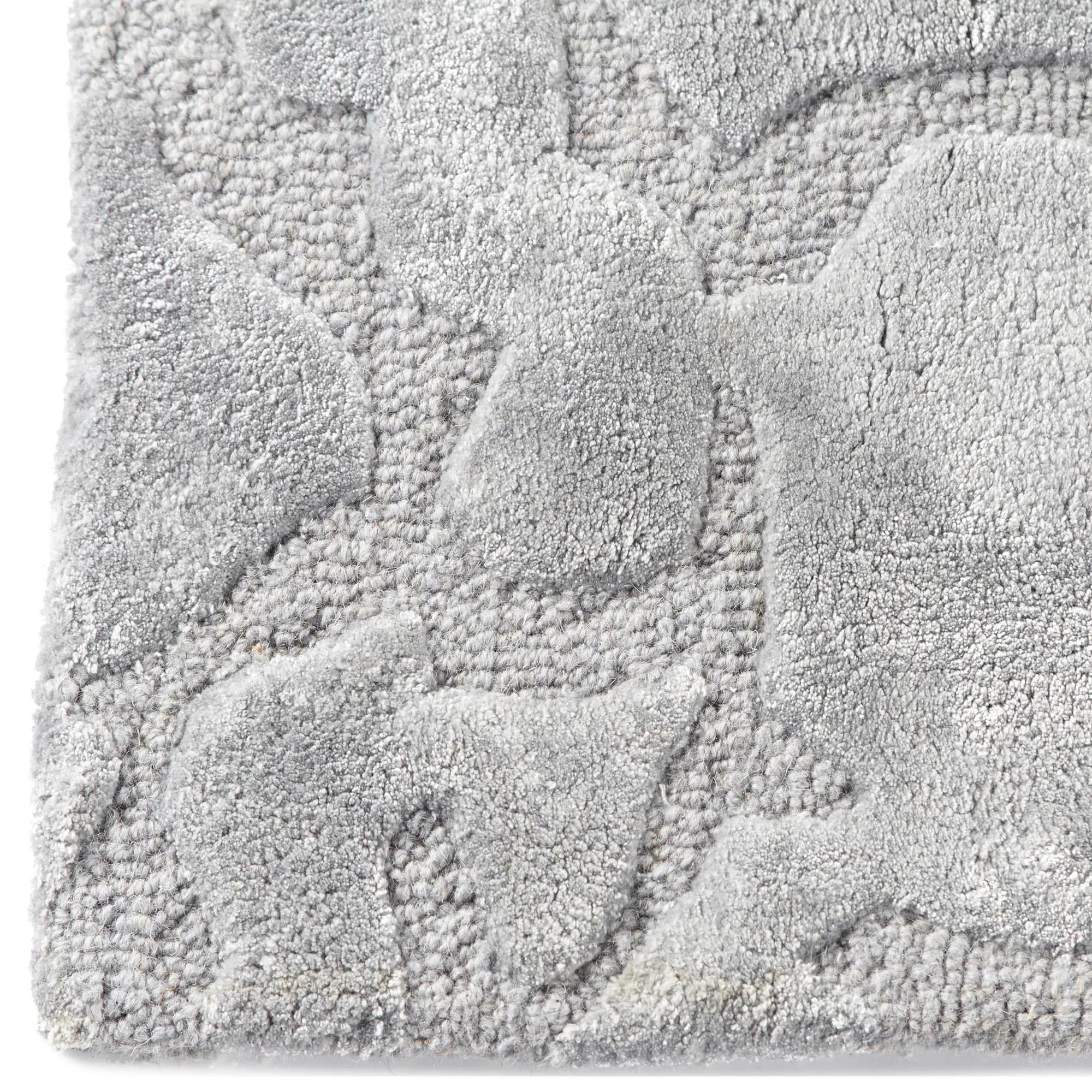 Nola Hand-Tufted Cool Grey Wool Blend Rug$849
A hand-tufted silver rug with contrasting pile heights, crafted from wool and viscose for plush texture.
Add To Cart -
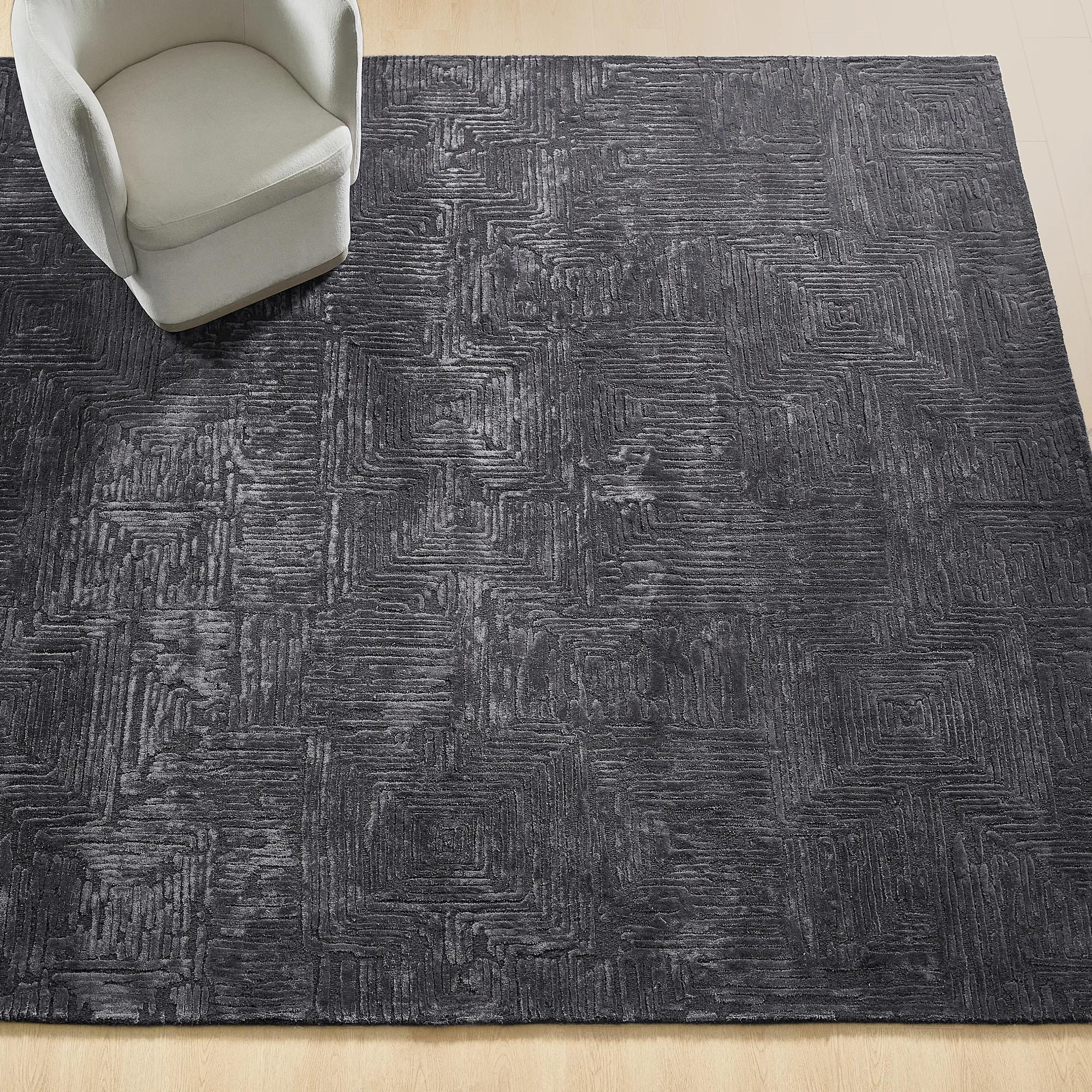
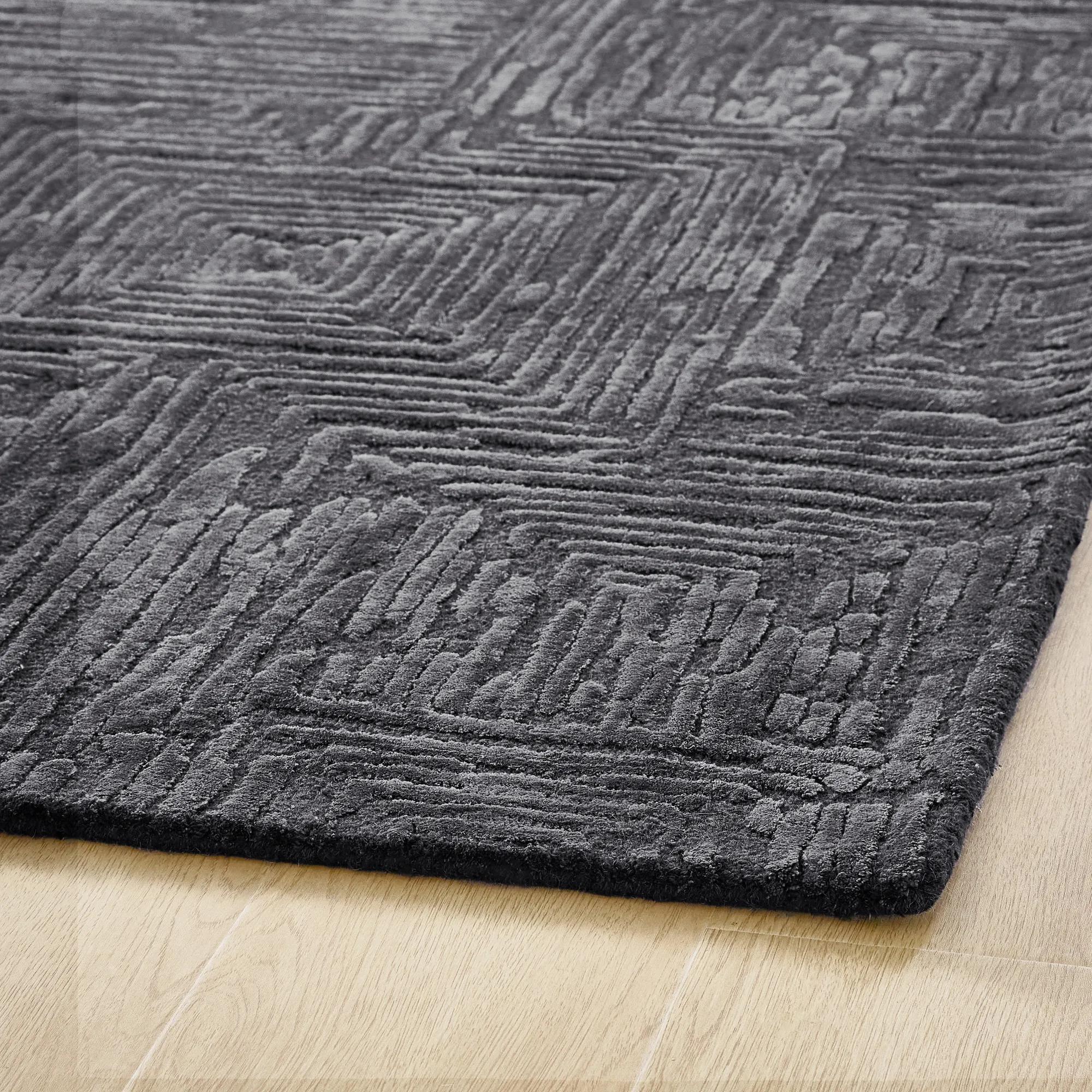 Andra Charcoal Hand-Tufted Wool Blend Dimensional Rug$999
A hand-tufted viscose-wool rug in rich charcoal with a sculptural, dimensional pattern and plush texture.
Add To Cart -
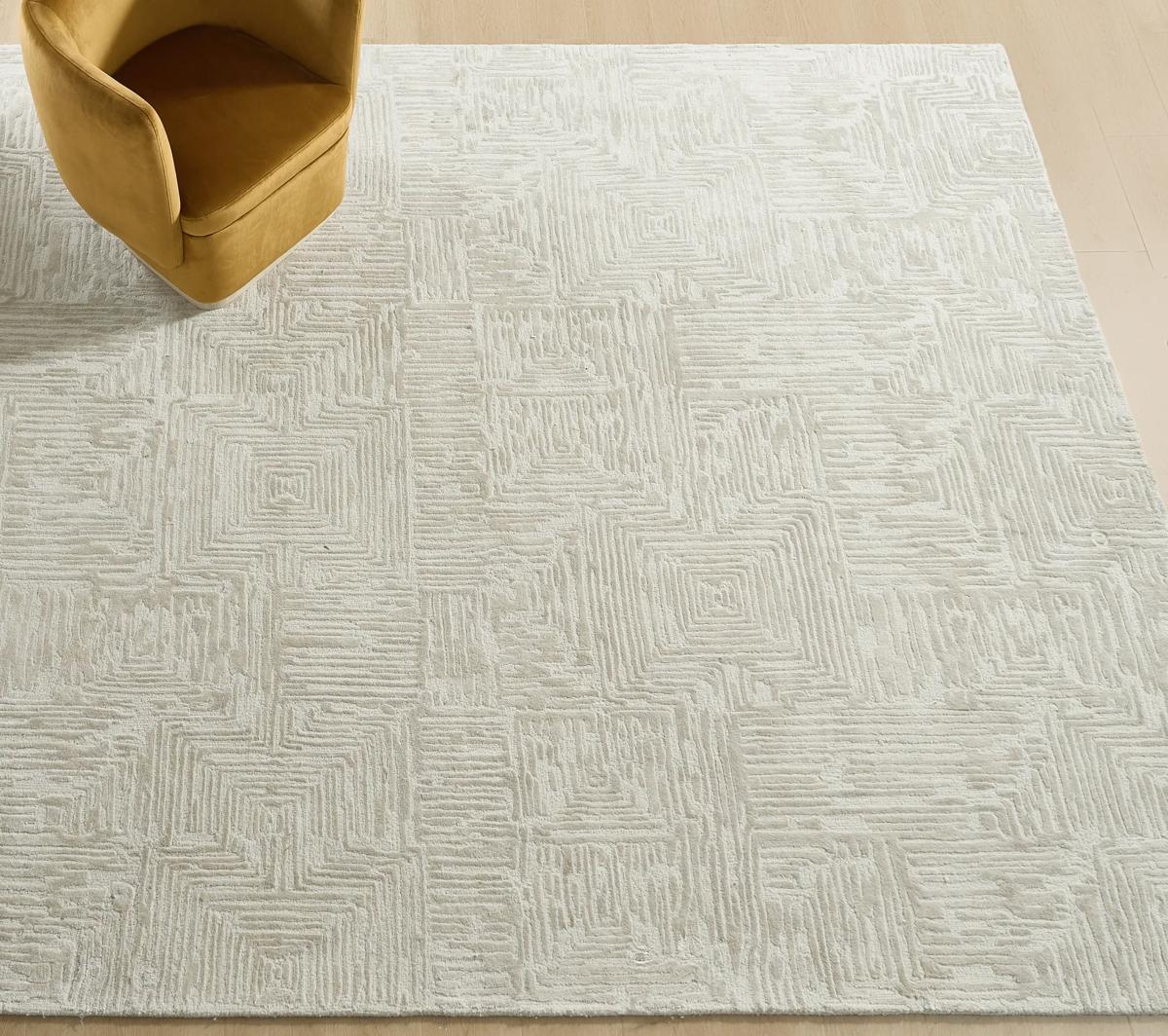 Andra Ivory Hand-Tufted Wool Blend Dimensional Rug$1499
A hand-tufted ivory rug in a viscose-wool blend with raised detailing and a subtle sheen.
Add To Cart -
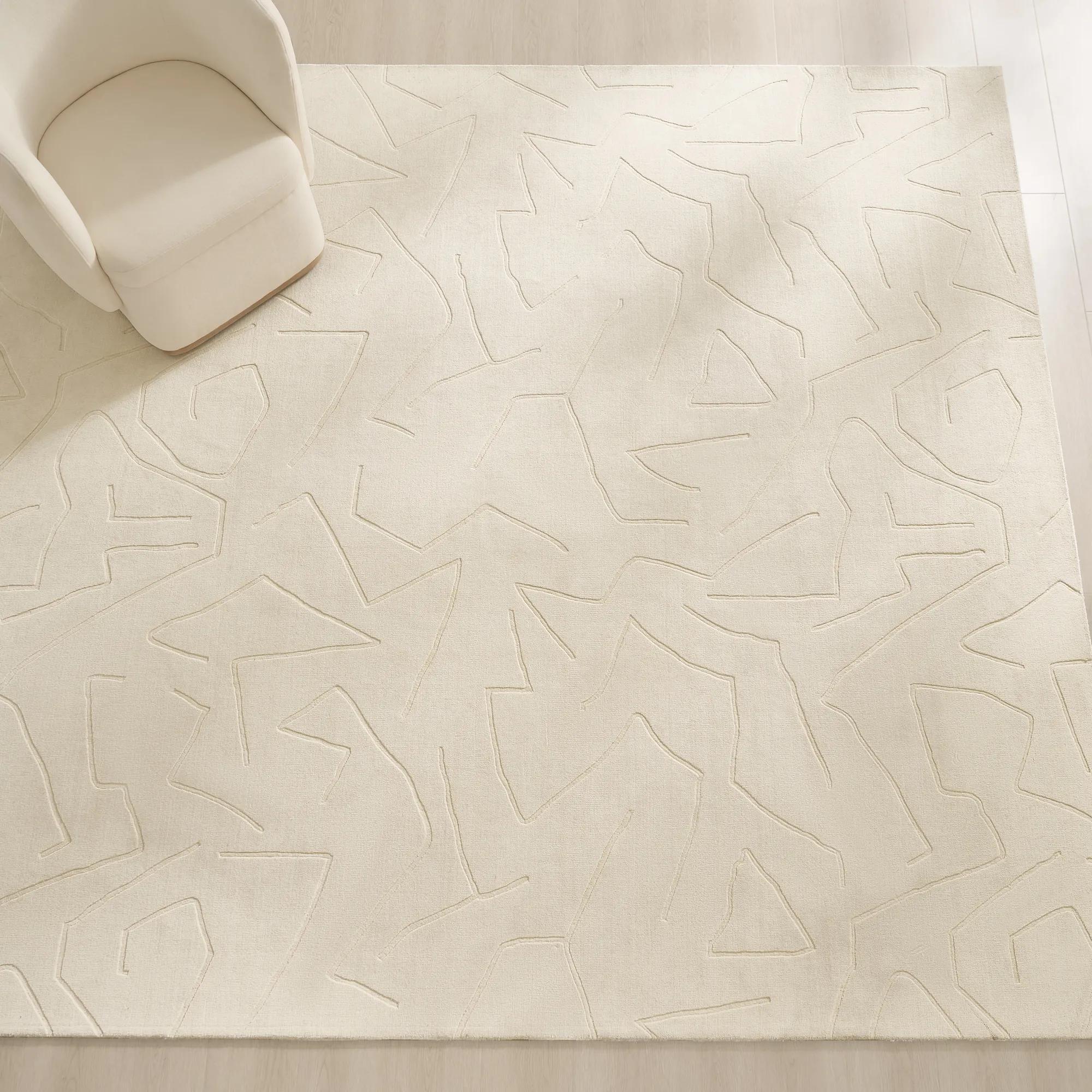 Carved Maze Ivory Hand-Loomed Wool Blend Rug$1399
A hand-loomed ivory wool-blend rug featuring a carved maze pattern for modern textural appeal.
Add To Cart -
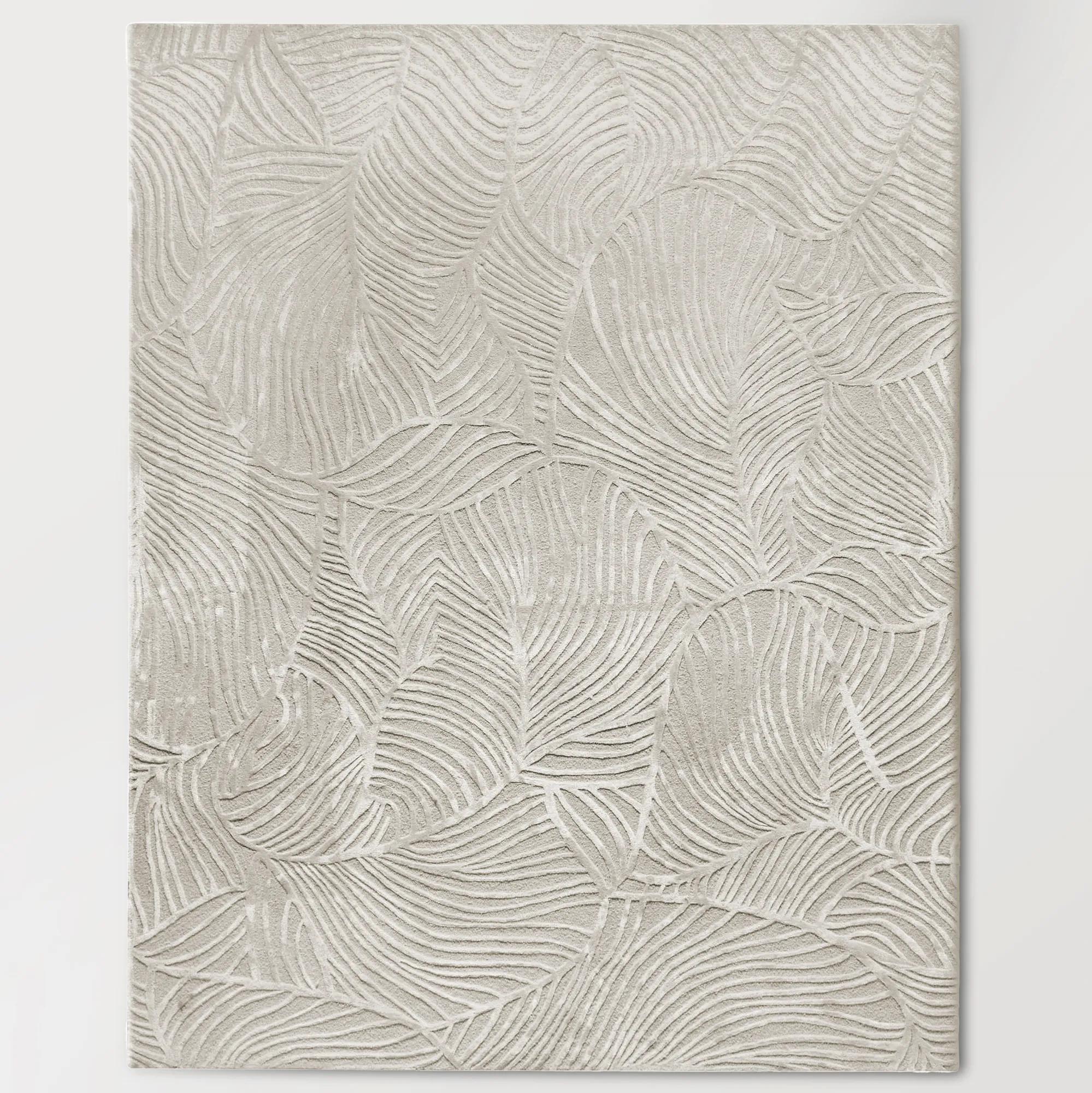 Palm Hand-Tufted Ivory Wool Blend Rug$1499
An ivory rug featuring a dynamic palm-leaf design with high-low pile in viscose and wool.
Add To Cart -
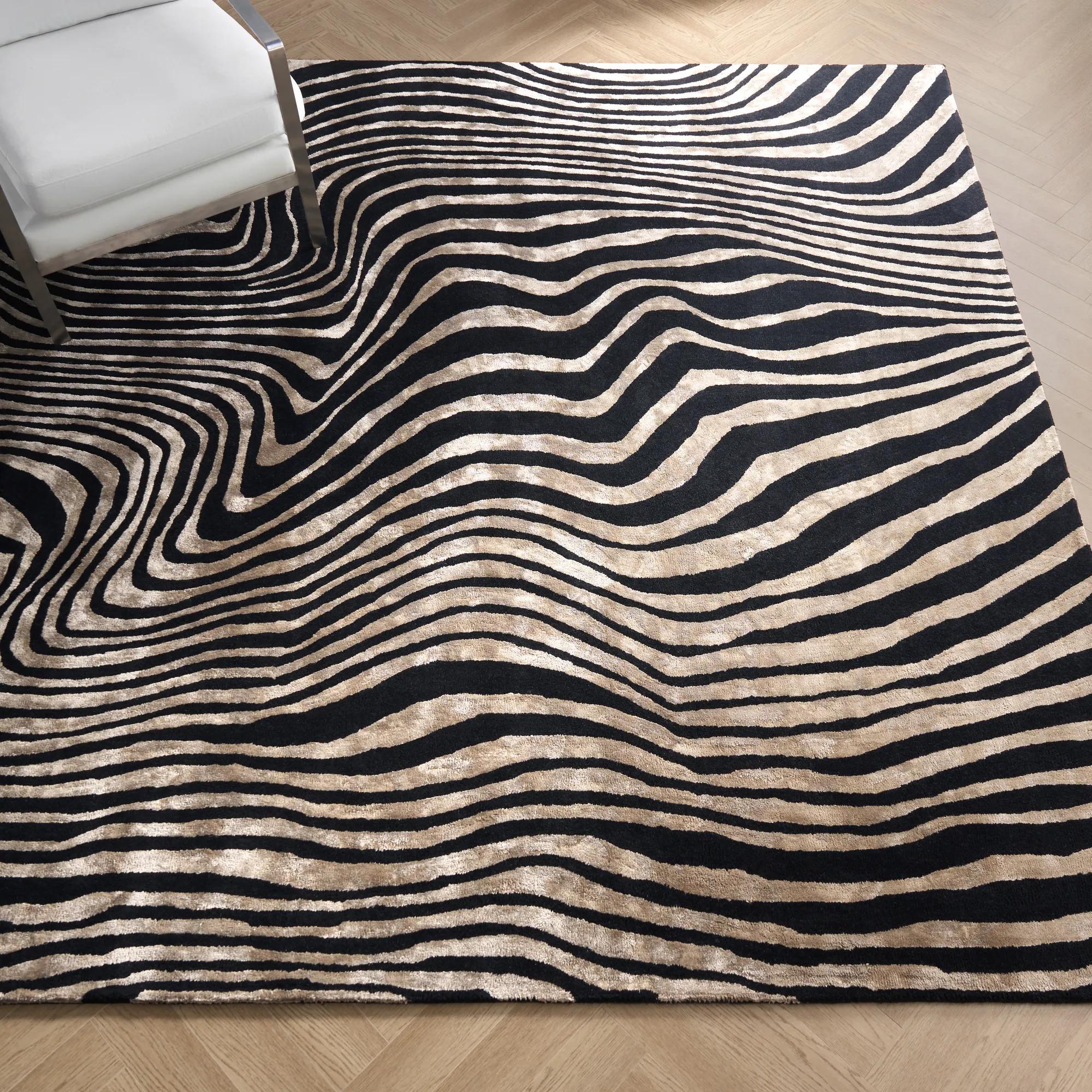
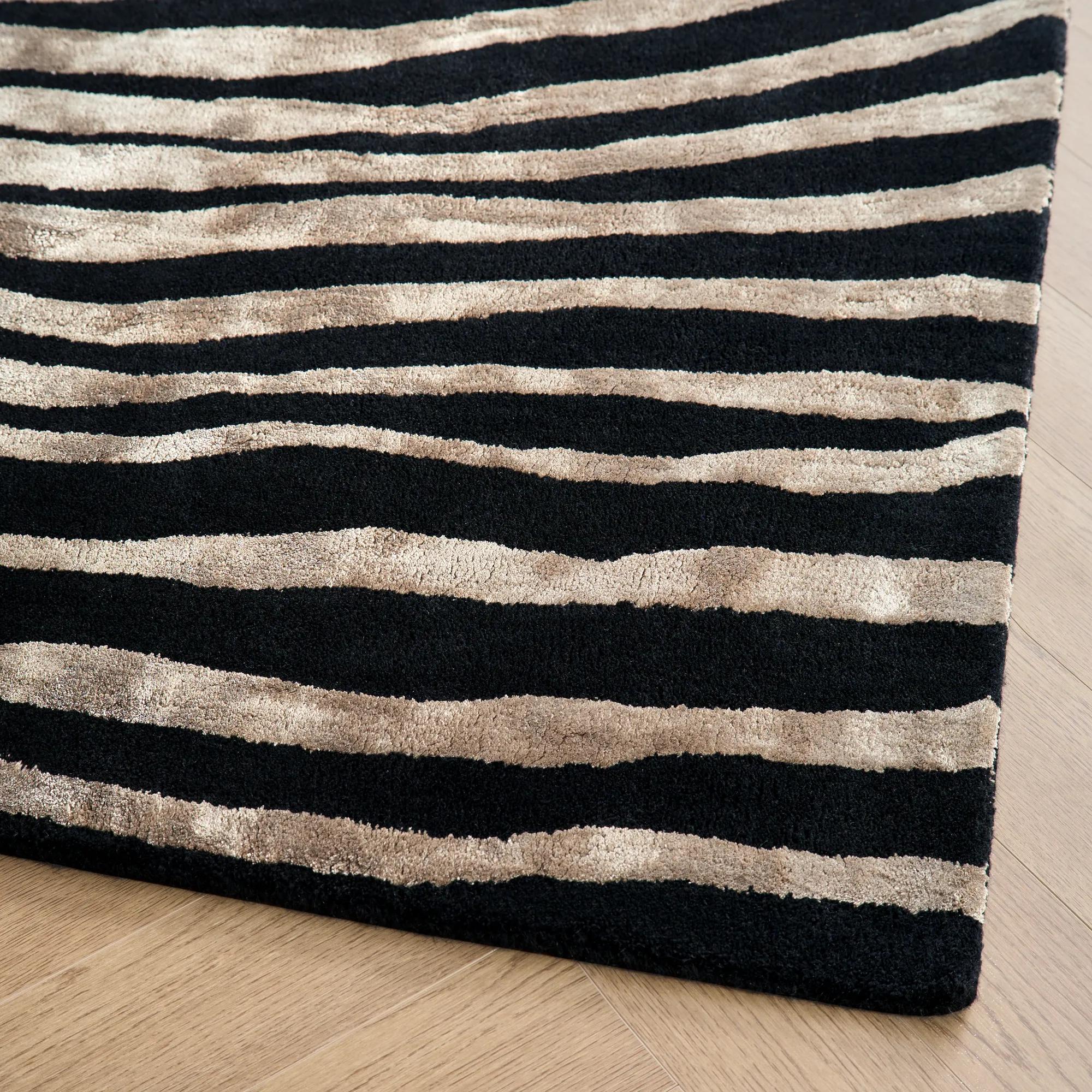 Abstract Zebra Hand-Tufted Black/Taupe Wool Blend Rug$599
An artisan hand-tufted rug in black and taupe wool-viscose, featuring a striking abstract zebra pattern.
Add To Cart -
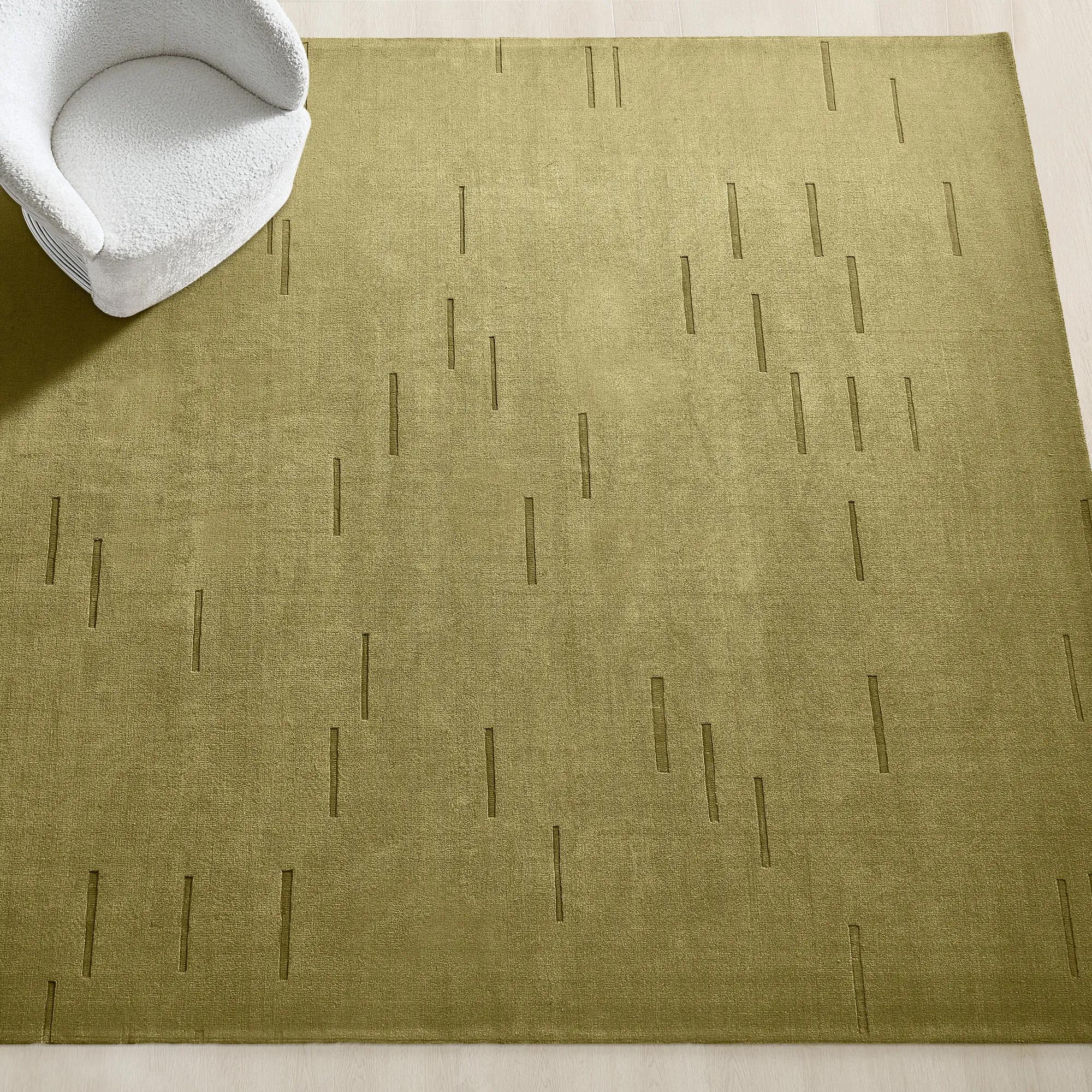
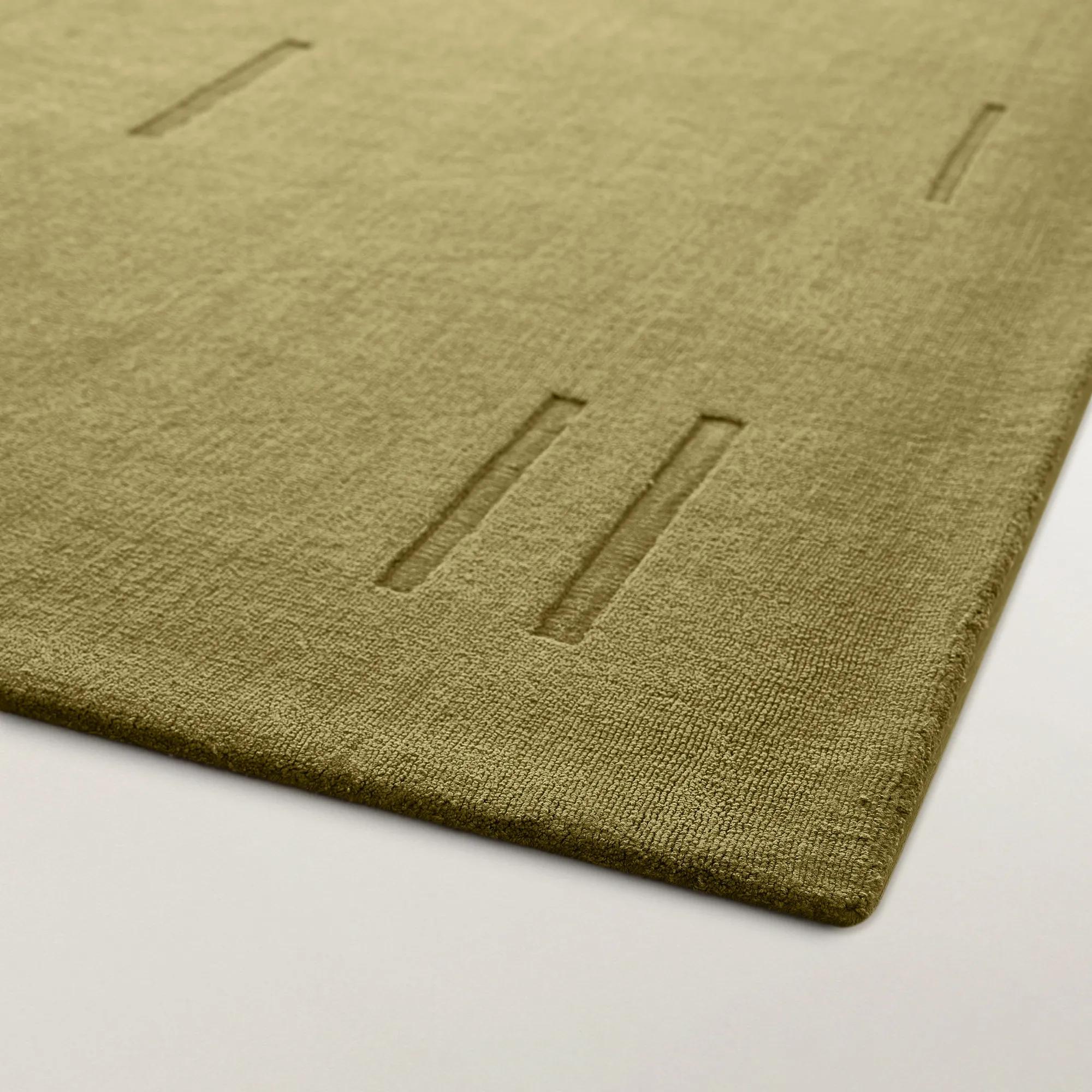 Lamita Muted Olive Green Wool Blend Rug$1299
A muted olive green wool-blend rug adding soft texture and understated warmth to modern interiors.
Add To Cart -
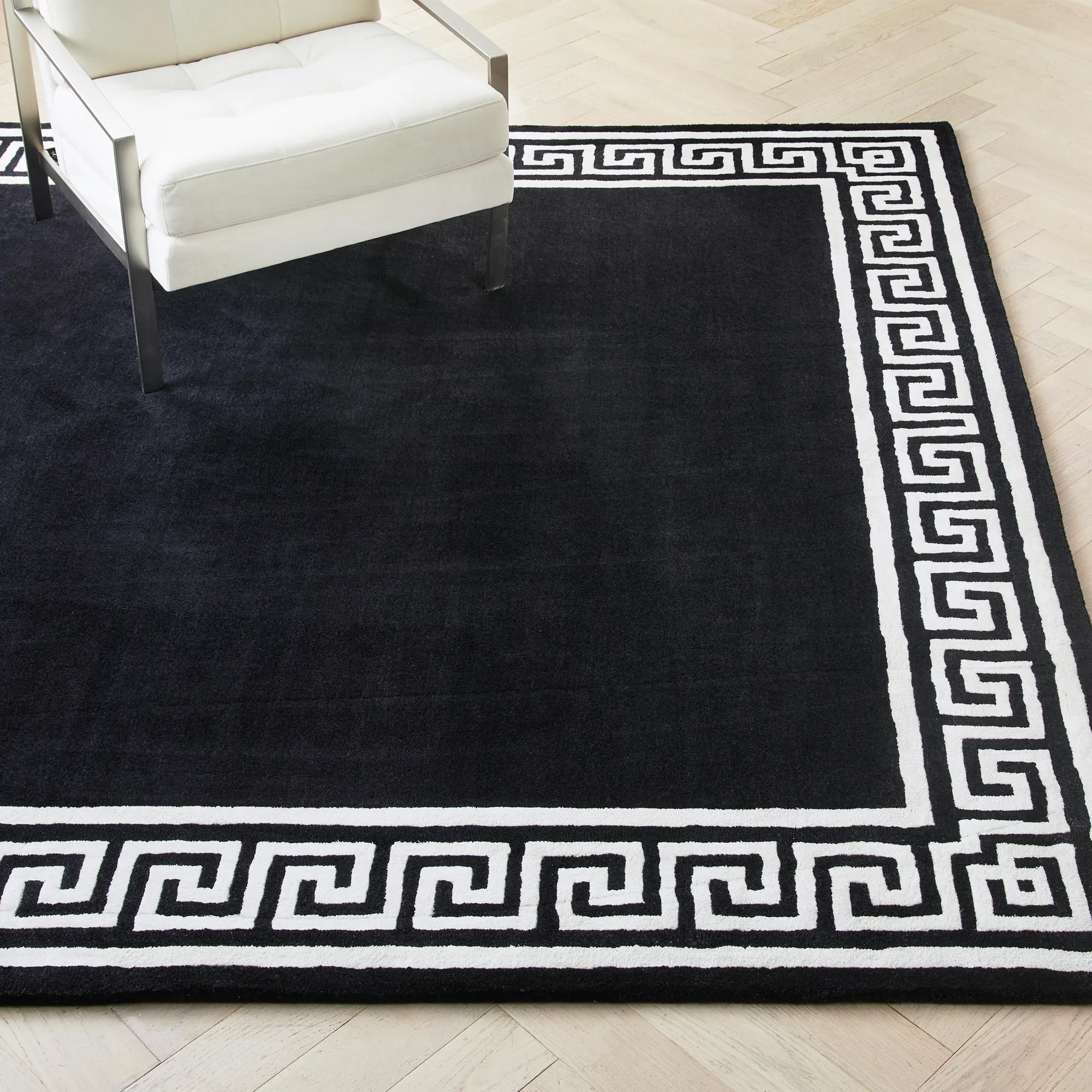
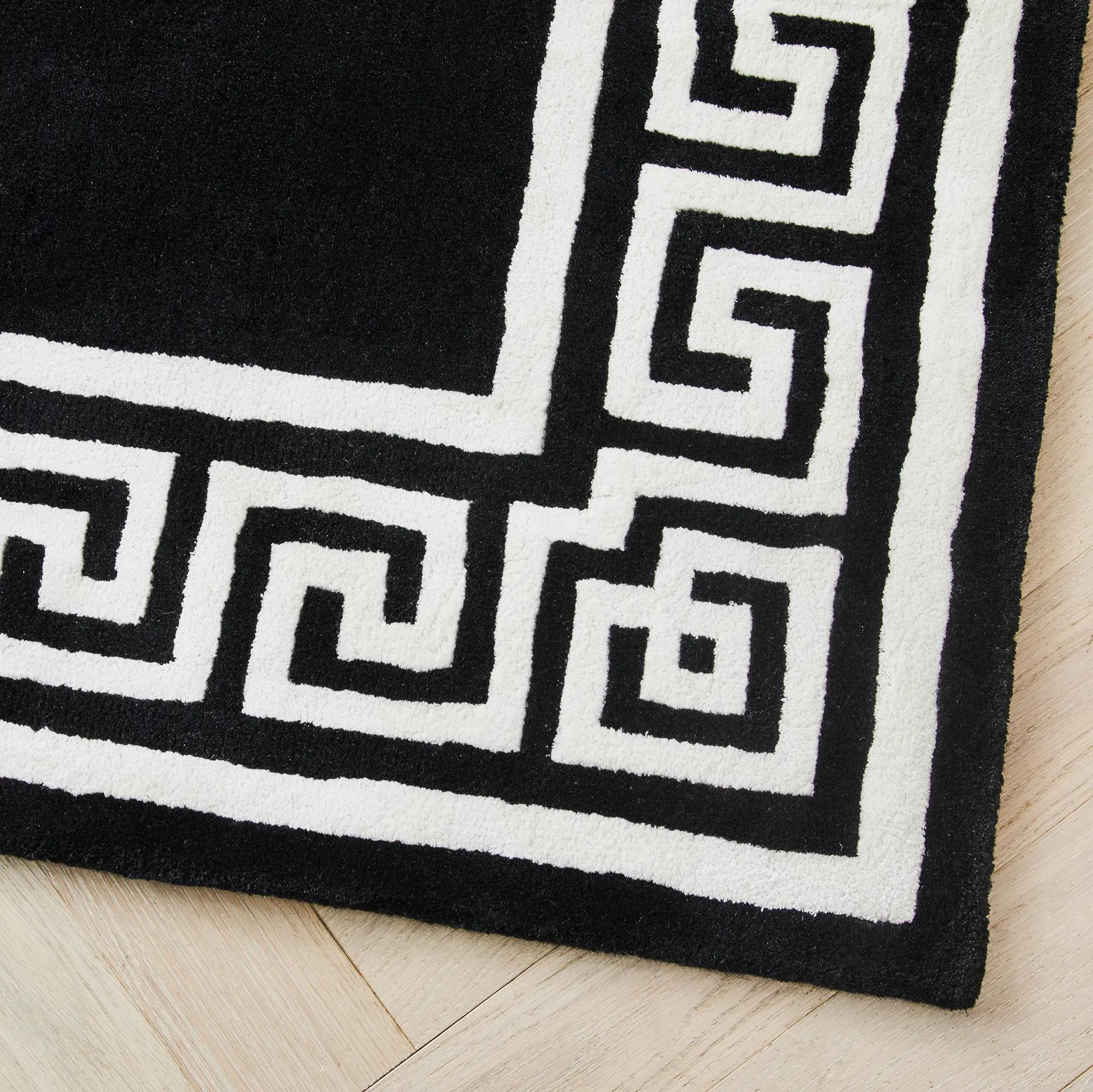 Greek Key Rug - Black/Ivory$1799
A hand-tufted black and ivory rug featuring a classic Greek key pattern in wool and viscose.
Add To Cart -
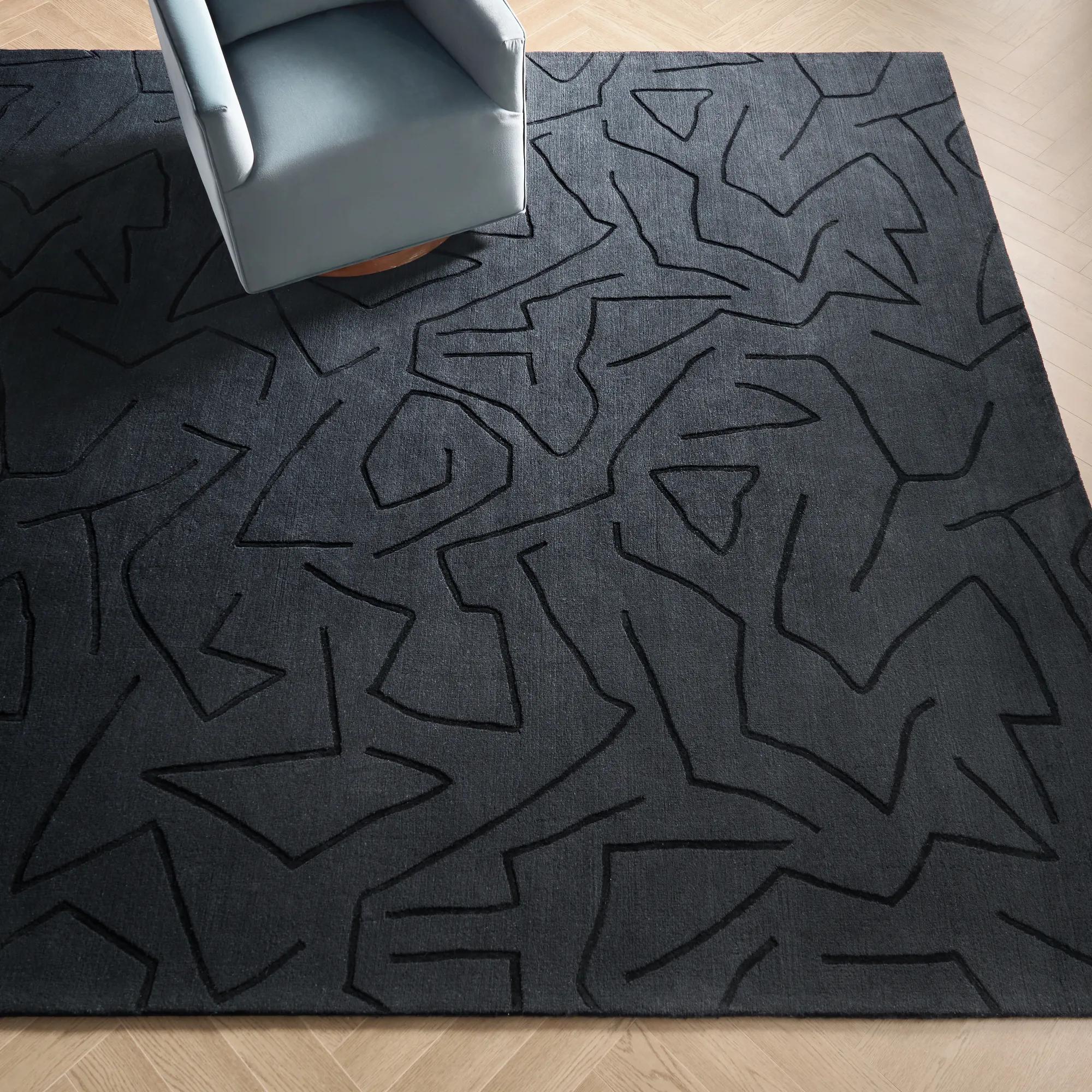 Carved Maze Rug$1999
A hand-loomed black rug crafted from wool and viscose, featuring an intricately carved, textured design.
Add To Cart -
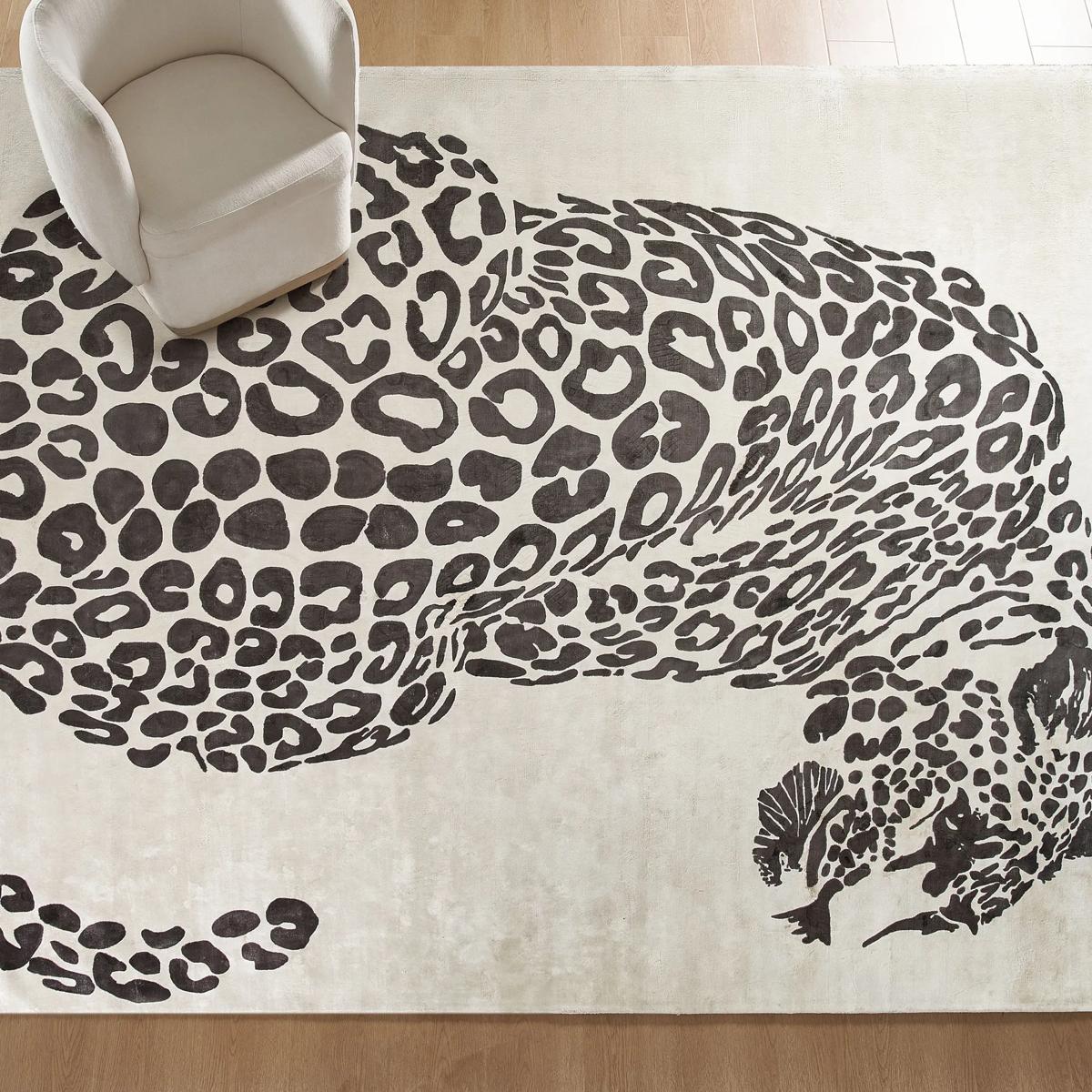 Pardus Leopard Hand-Loomed Ivory/Black Rug$499
An artful ivory and black viscose rug featuring a bold leopard motif and a smooth, silky texture.
Add To Cart

Wool Rugs For Open Floor Plans
Wool rugs for open floor plans are the secret to orchestrating a symphony of style and comfort across expansive living spaces. These plush masterpieces anchor your design vision, lending warmth, texture, and artistry that seamlessly unites each distinct area. Imagine the gentle embrace of hand-tufted wool underfoot as you move from a sun-drenched lounge to an intimate dining alcove—every step is a celebration of sophistication. With their rich weaves and sculptural presence, wool rugs for open floor plans transform vast interiors into curated moments, inviting you to paint your home with bold strokes of elegance and character.
Wool rugs for open floor plans define distinct living, dining, and gathering areas without interrupting the spaciousness that makes an open layout so compelling. Their texture gives furniture a visual foundation, while wool’s naturally resilient fibers help the pile recover from everyday compression. That combination of structure and softness is especially valuable in a room where conversation, entertaining, and daily routines share the same expanse. A generously scaled wool area rug can turn a floating sofa and a pair of sculptural chairs into a deliberate seating arrangement rather than a collection of pieces adrift on the floor. Beneath a dining table, a separate rug establishes another destination, creating definition without a wall or screen. Rugs also help absorb some sound, softening the hard-surface reflections that can make large, connected rooms feel acoustically lively. Proportion is central to the effect: a living room rug generally feels more integrated when at least the front legs of the sofa and surrounding chairs rest on it, while a larger rug that accommodates every furniture leg creates a particularly expansive composition. Common dimensions such as 8 by 10 feet, 9 by 12 feet, and 10 by 14 feet offer useful reference points, but the furniture footprint and circulation routes should determine the fit. In a dining zone, allowing approximately 24 to 36 inches of rug beyond the tabletop on each side helps keep chairs supported when pulled out; larger chairs may need more clearance. Measuring with chairs extended makes that relationship easier to judge. Open walkways between zones preserve the architecture’s sense of flow, and rug edges belong outside the busiest turning points whenever possible. For a great room that opens into a kitchen, this can mean centering the rug beneath the conversation area rather than stretching it toward the island. The result is a room with distinct places to settle, dine, and connect, all held together by an uninterrupted view.
The character of a wool rug comes from both its fiber content and its construction, and those differences become beautifully apparent across a broad floor. Wool offers a substantial, tactile surface with natural crimp that contributes to resilience, although performance still depends on pile height, density, backing, and workmanship. A label specifying 100 percent wool describes the stated fiber content, but the backing may use other materials; wool blends introduce additional fibers that can change the sheen, feel, and care requirements. Flatwoven wool rugs have little or no pile, creating a tailored profile that suits dining arrangements and furniture that moves frequently. Dense, low-pile designs provide another option for active living areas, while deeper, more sumptuous textures bring a lounge-like mood to seating zones where softness takes priority over easy chair movement. Hand-knotted, handwoven, and hand-tufted constructions have different structures, so the construction details matter as much as the surface appearance. Some tufted rugs use adhesive backings, for example, which influence cleaning methods and flexibility. Visually, an open floor plan gives wool’s tonal depth room to unfold. Ivory, oatmeal, and charcoal can establish a richly textured foundation for lacquered tables, gleaming metal accents, and expressive upholstery. A dimensional geometric pattern gives a quieter furniture arrangement architectural presence, while a painterly design introduces movement beneath streamlined seating. Multiple rugs need not match to feel connected. A shared undertone, a repeated accent color, or a similar degree of contrast can link the living and dining areas without making them identical. A large-scale abstract in the lounge can sit comfortably beside a restrained tonal weave under the dining table, allowing one area to command attention while the other offers visual relief. Because both rugs may be visible from the entry, considering them together helps preserve a composed sightline. Wool’s subtle surface variation can make even a solid-colored rug feel layered and expressive, giving an expansive room depth without asking every surface to compete.
Everyday use brings another dimension to choosing wool rugs for an open floor plan. A household with children, pets, or frequent guests may appreciate a dense, lower-profile construction and a nuanced pattern that makes small traces of daily life less conspicuous. Wool has natural soil-resistant qualities, but it is not stain-proof, and spills still deserve prompt attention. A richly textured rug may be ideal beneath a sofa where bare feet linger, while a dining rug benefits from a surface that allows chairs to move without catching. An appropriate rug pad adds cushioning, helps reduce shifting, and limits abrasive movement between the rug and floor; its material should be compatible with both the rug backing and the flooring manufacturer’s recommendations. For a layout with continuous wood flooring, Wool Rugs for Hardwood Floors offers a closely related focus on this pairing of natural texture and architectural finish. Floor finishes vary, so a pad should never be assumed safe solely because it is labeled nonslip. Routine care is equally important to preserving the rug’s appearance. Vacuuming according to the care label removes loose grit before it works deeper into the fibers; suction-only cleaning is often appropriate, while rotating brush settings may be unsuitable for certain weaves, loops, or fringes. Some shedding can occur with new wool rugs, particularly cut-pile constructions, and gentle, regular maintenance helps manage loose fibers. Blot spills promptly with a clean, absorbent cloth rather than rubbing, and avoid saturating the rug or applying an untested cleaner. Professional cleaning suited to the rug’s construction is preferable when deeper treatment is needed. Occasional rotation helps distribute wear and light exposure, especially beside broad windows or along a favorite route through the room. With the right scale, construction, and care, a wool rug becomes more than a soft surface beneath furniture: it gives an open interior rhythm, a sense of intimacy, and a confident foundation for expressive design.
FAQs
Wool rugs are prized for their natural durability, sound-absorbing qualities, and sumptuous texture—making them perfectly suited for open floor plans. Their ability to anchor distinct zones, such as living and dining areas, adds both visual structure and a sense of warmth to expansive spaces, while their stain-resistant fibers ensure enduring beauty in high-traffic environments.
To create a cohesive look, select wool rugs that share a complementary color palette or a unifying design motif. Mixing textures—such as pairing a finely woven wool rug with a hand-knotted piece—brings depth and interest, while maintaining harmony. Consider using neutral tones as a foundation and layering in bolder patterns to accentuate specific zones within your open layout.
Absolutely. Wool’s natural resilience and stain resistance make it an excellent choice for active households. Its tightly woven fibers stand up to daily wear, while the plush surface provides a soft landing for little feet and paws. Regular care helps maintain the rug’s luster and ensures it remains a beautiful, functional part of family life.
Yes, wool rugs are exceptional at absorbing sound, reducing echoes, and creating a more inviting acoustic environment in open floor plans. Their dense fibers help soften noise from footsteps, conversation, and daily activity, making even the most expansive rooms feel more intimate and serene.
Strategically placing wool rugs beneath furniture groupings—such as beneath a sofa and coffee table or under a dining set—visually distinguishes each area without the need for physical barriers. Consider using round or oversized rugs to break up the linearity of the space, or layer rugs for added dimension and flair. Each rug becomes a stage, setting the mood and function of its designated zone.