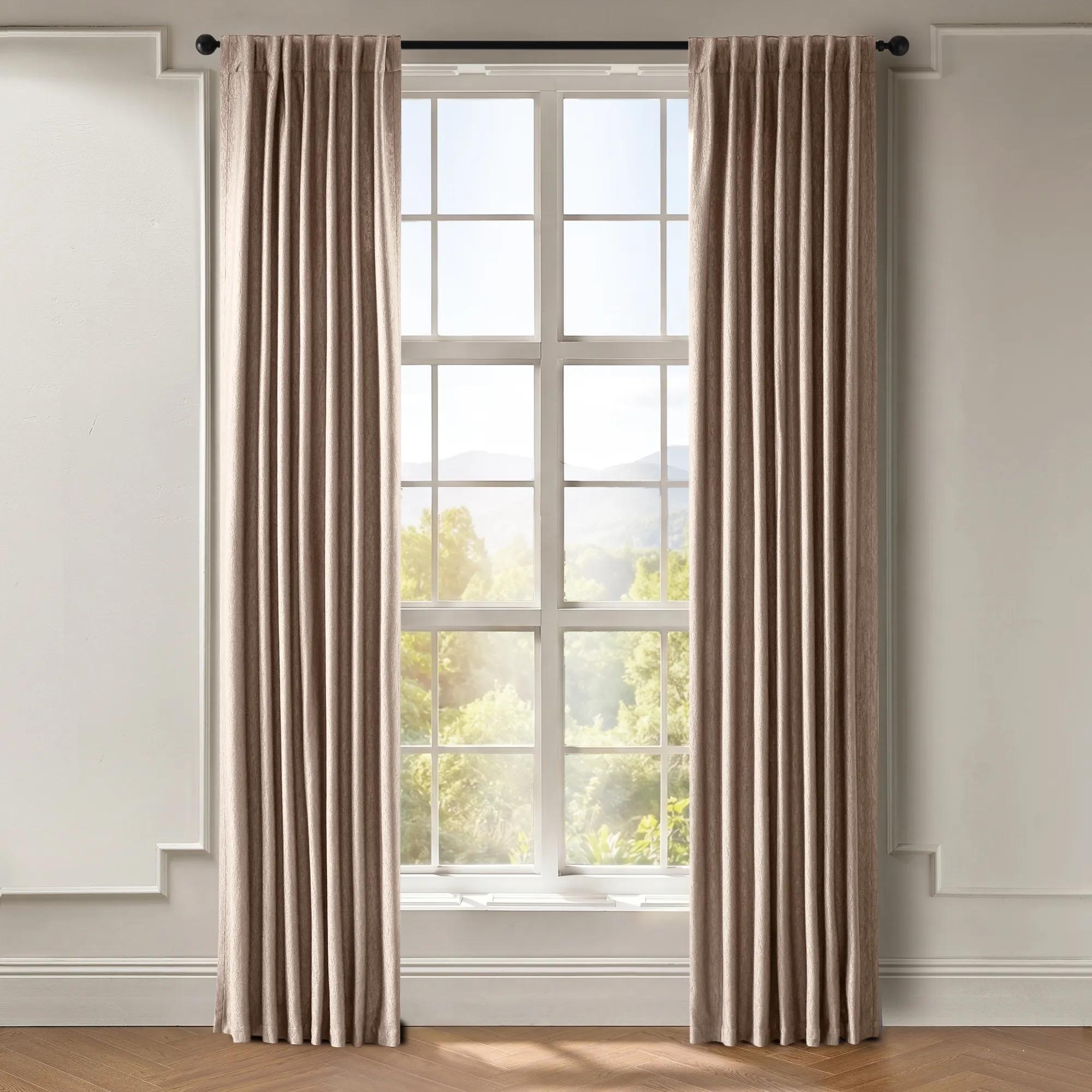
Winter Living Room Curtains
Winter Living Room Curtains
-

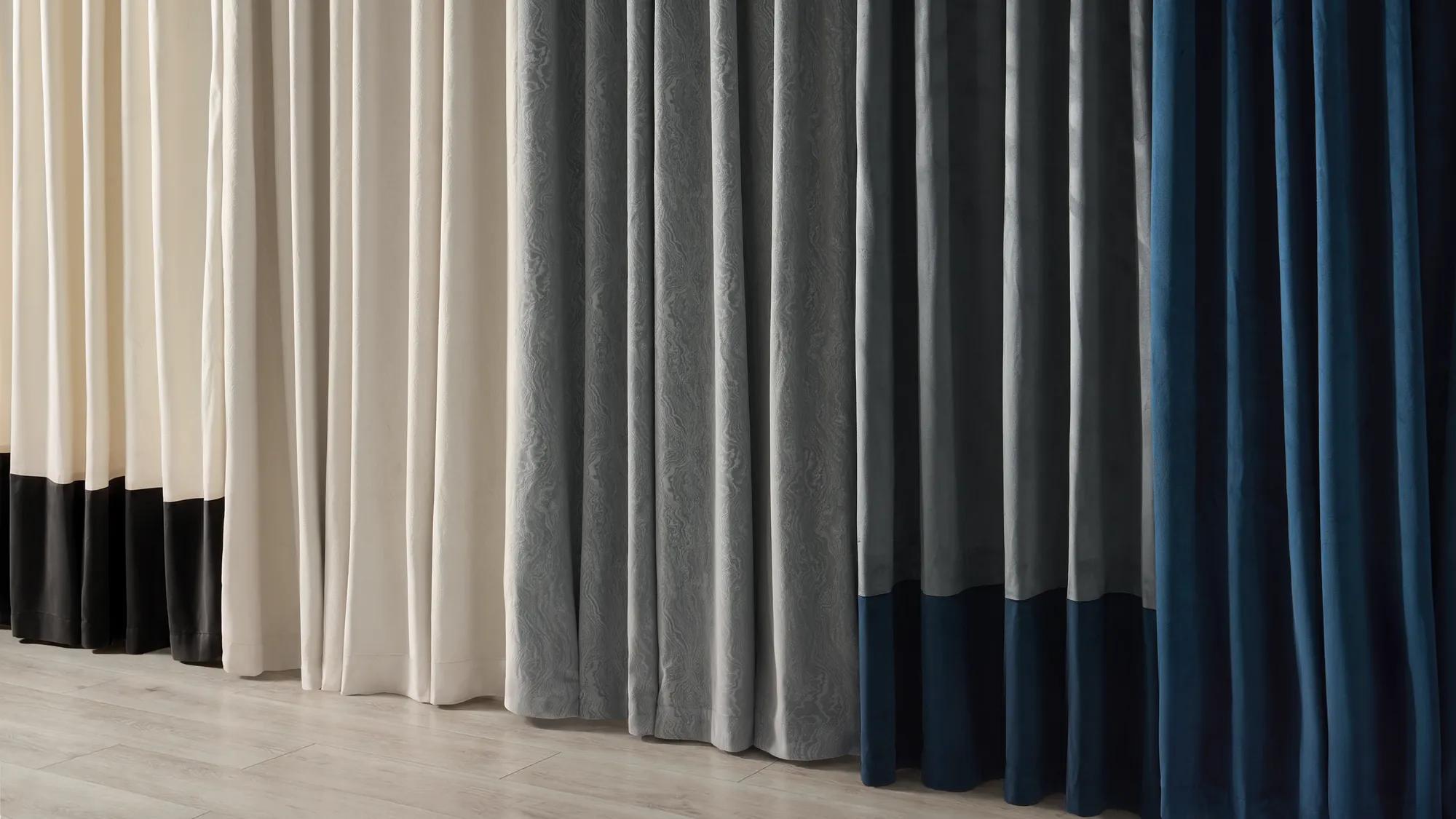 Mabel Velvet Swirl Curtain - Grey Blue$99
A grey blue velvet curtain featuring a tonal swirl pattern and versatile dual hanging options.
Add To Cart -
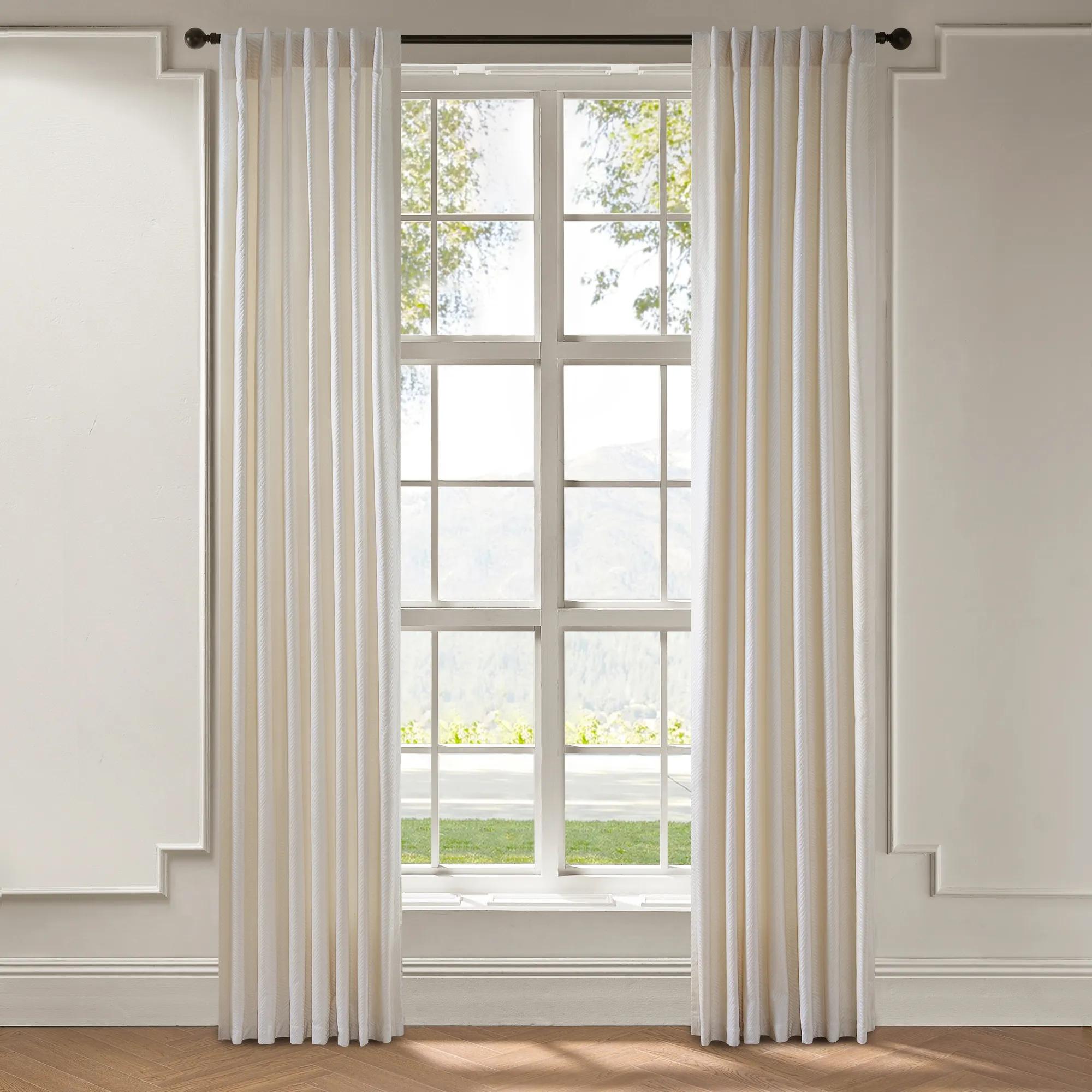
 Kenzo Chenille Curtain - White$119
A white chenille jacquard curtain featuring a subtle high-contrast pattern and soft, room-darkening texture.
Add To Cart -
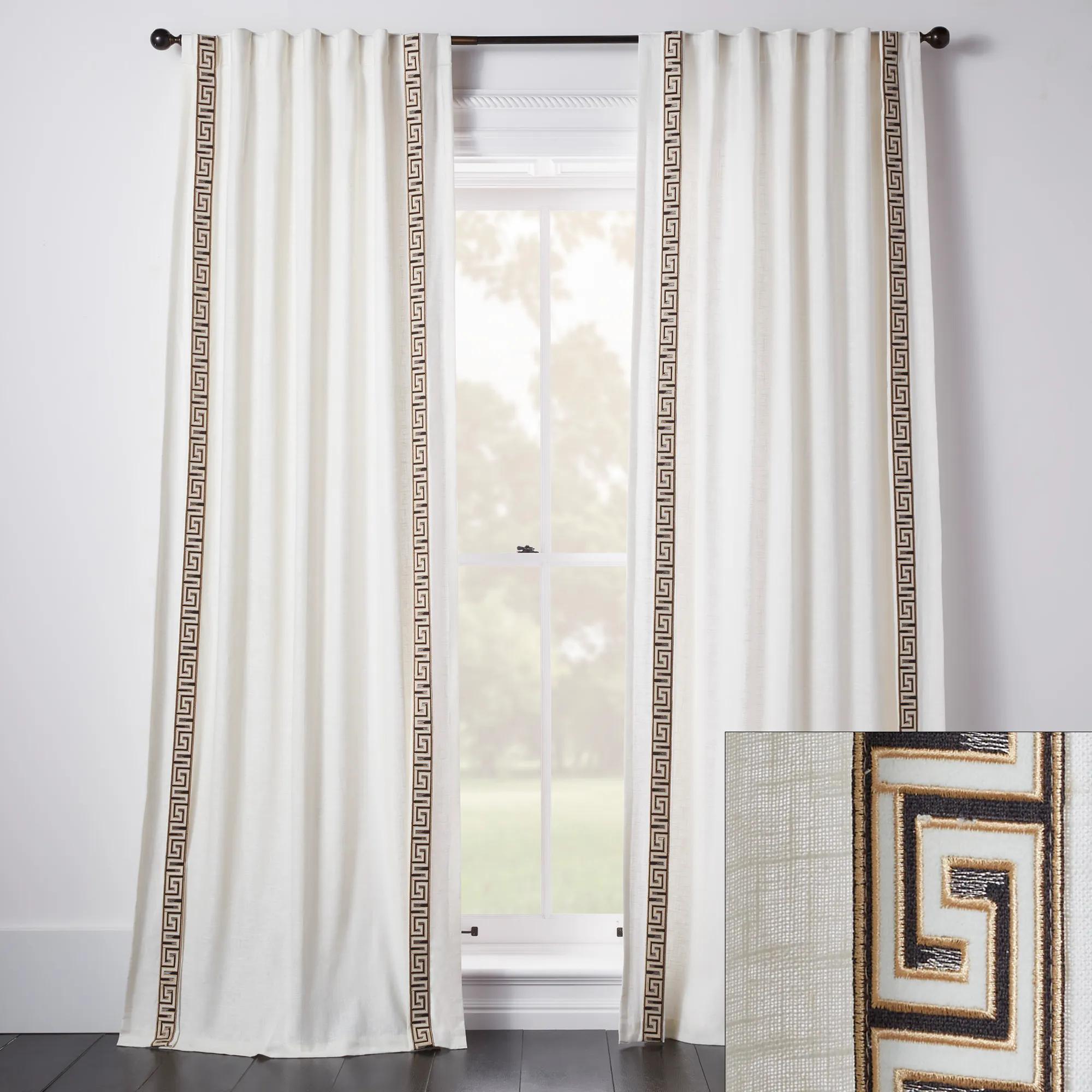 Chole Greek Key Border Velvet Widow Curtain Panels Custom$399
A white linen-blend curtain featuring a black and gold embroidered velvet Greek key border for elegant style.
Add To Cart -
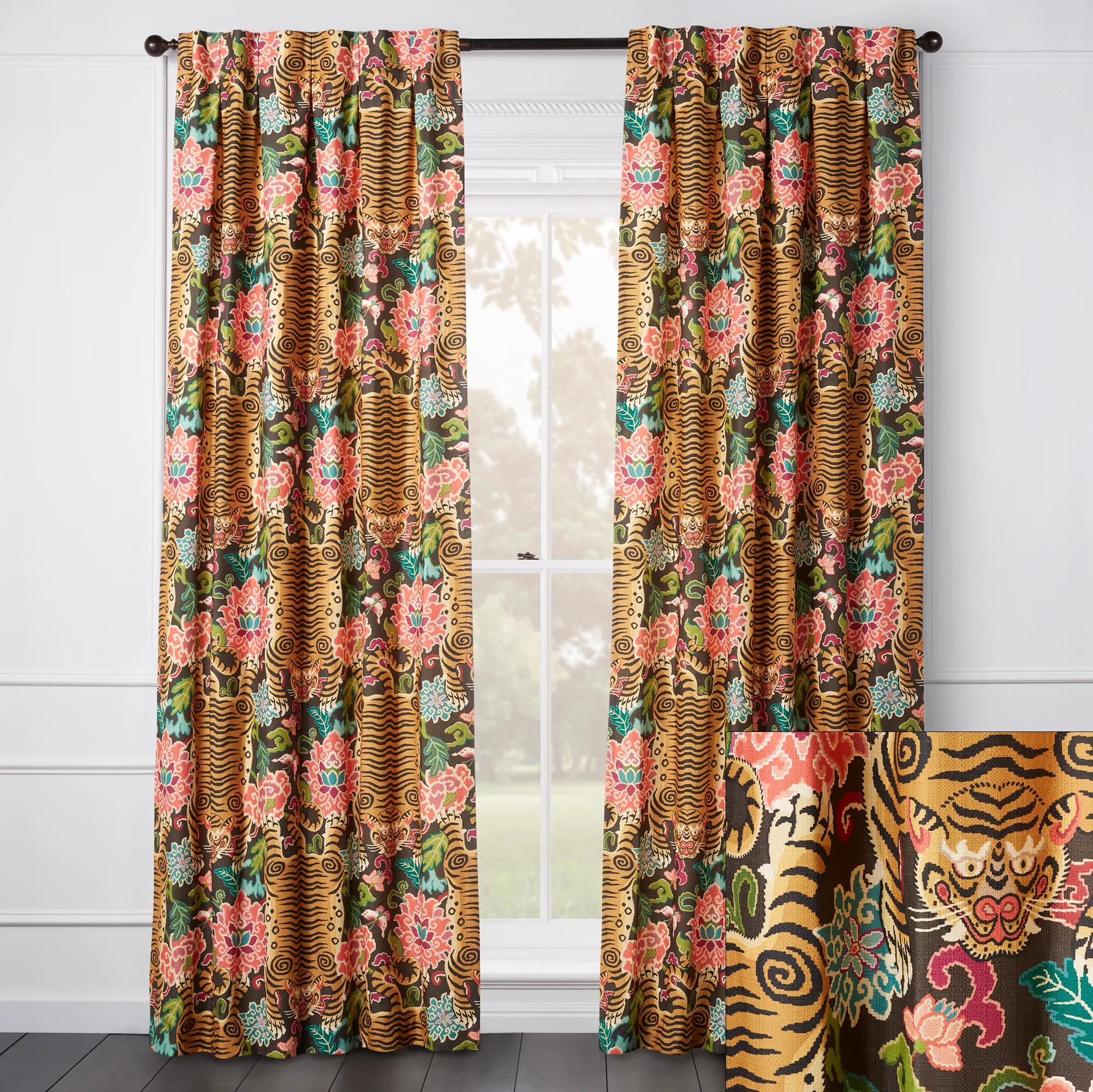
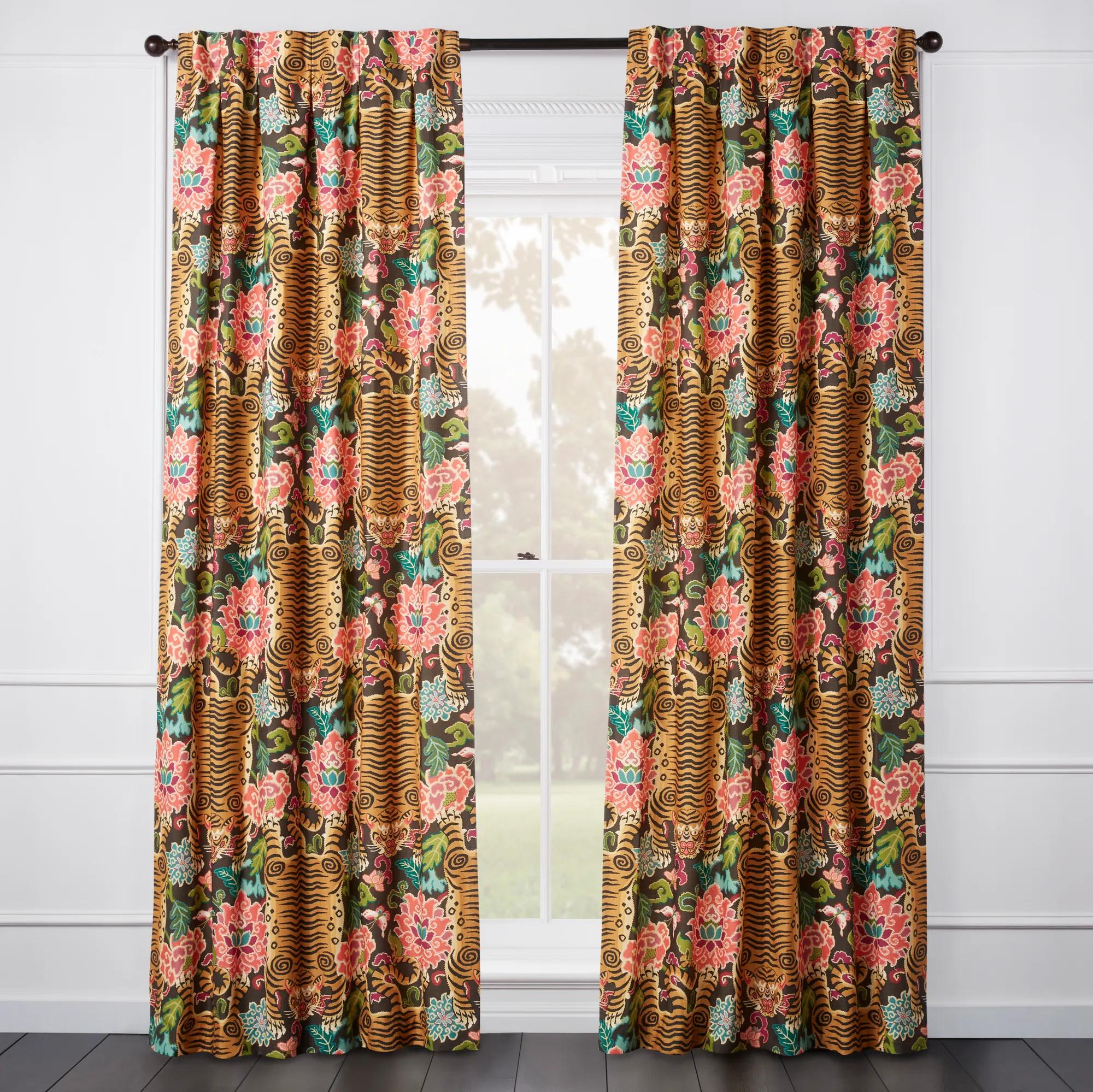 Nimer Gold/Multi Printed Slubbed Cotton Window Curtain Panel$299
A lively gold and multi-colored cotton curtain featuring a bold tiger print and customizable hanging options.
Add To Cart -
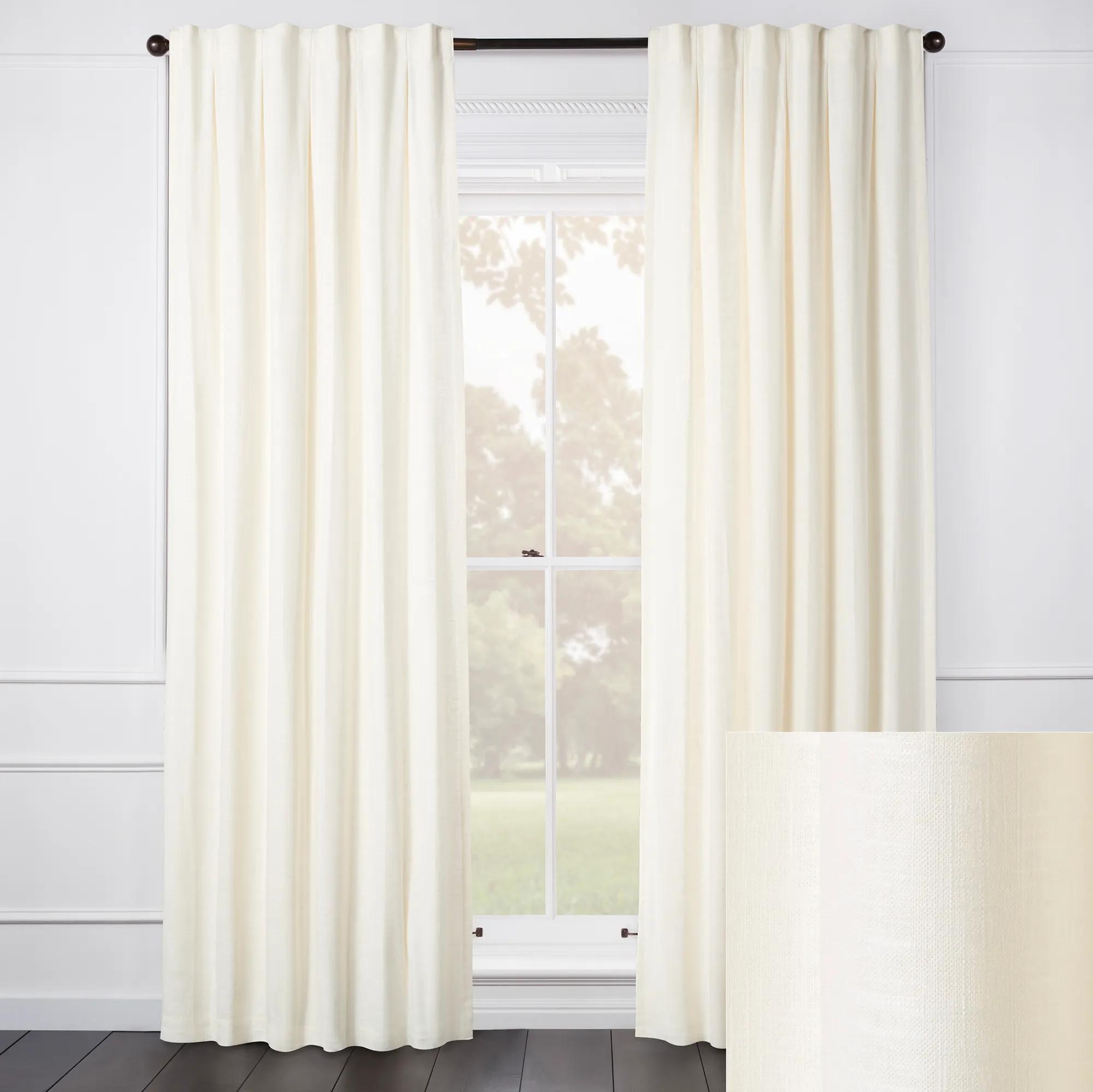
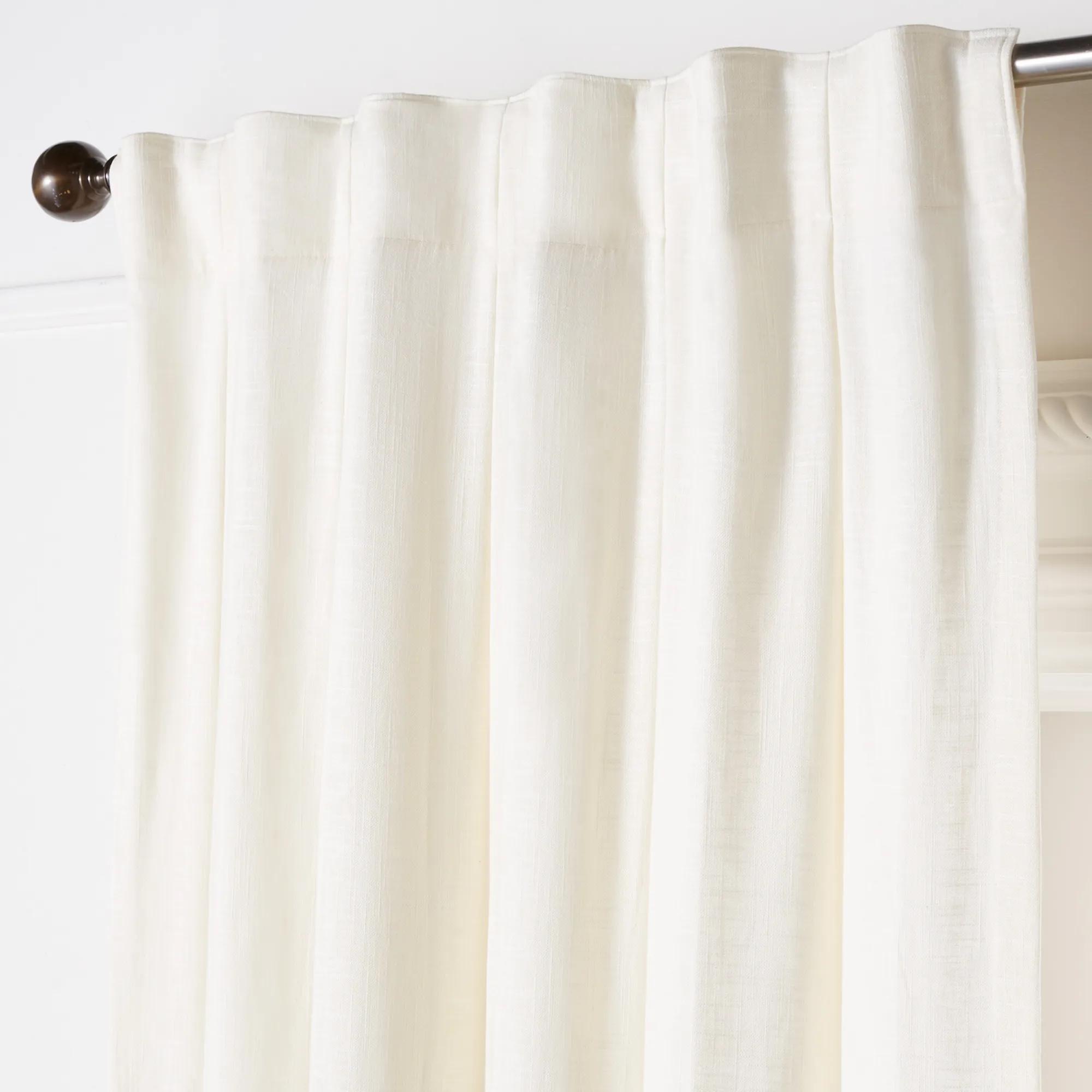 Audrey Linen Ivory Curtain - Custom$269
An ivory linen-blend curtain panel with lining, offering customizable lengths and two elegant header styles.
Add To Cart -
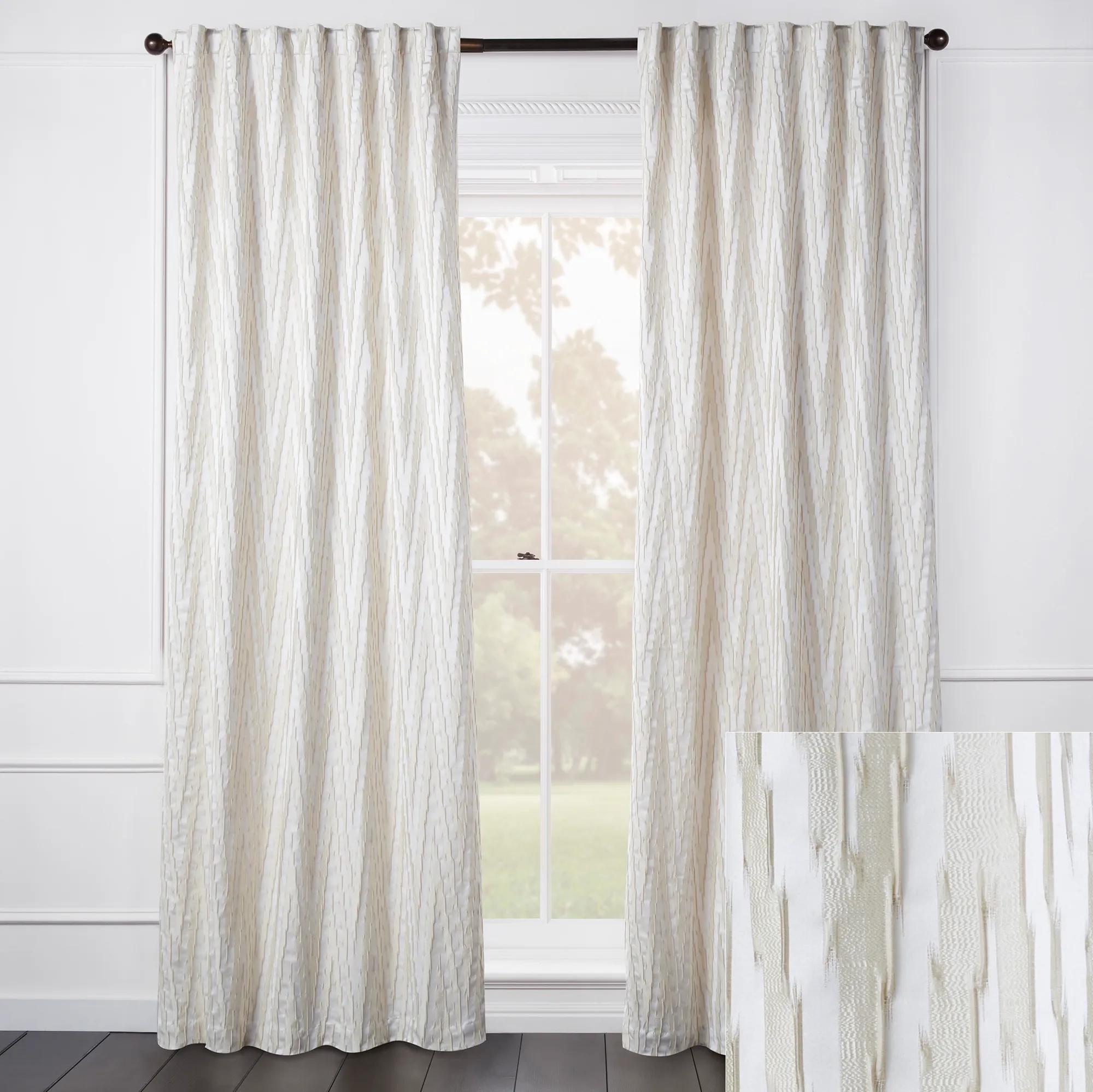
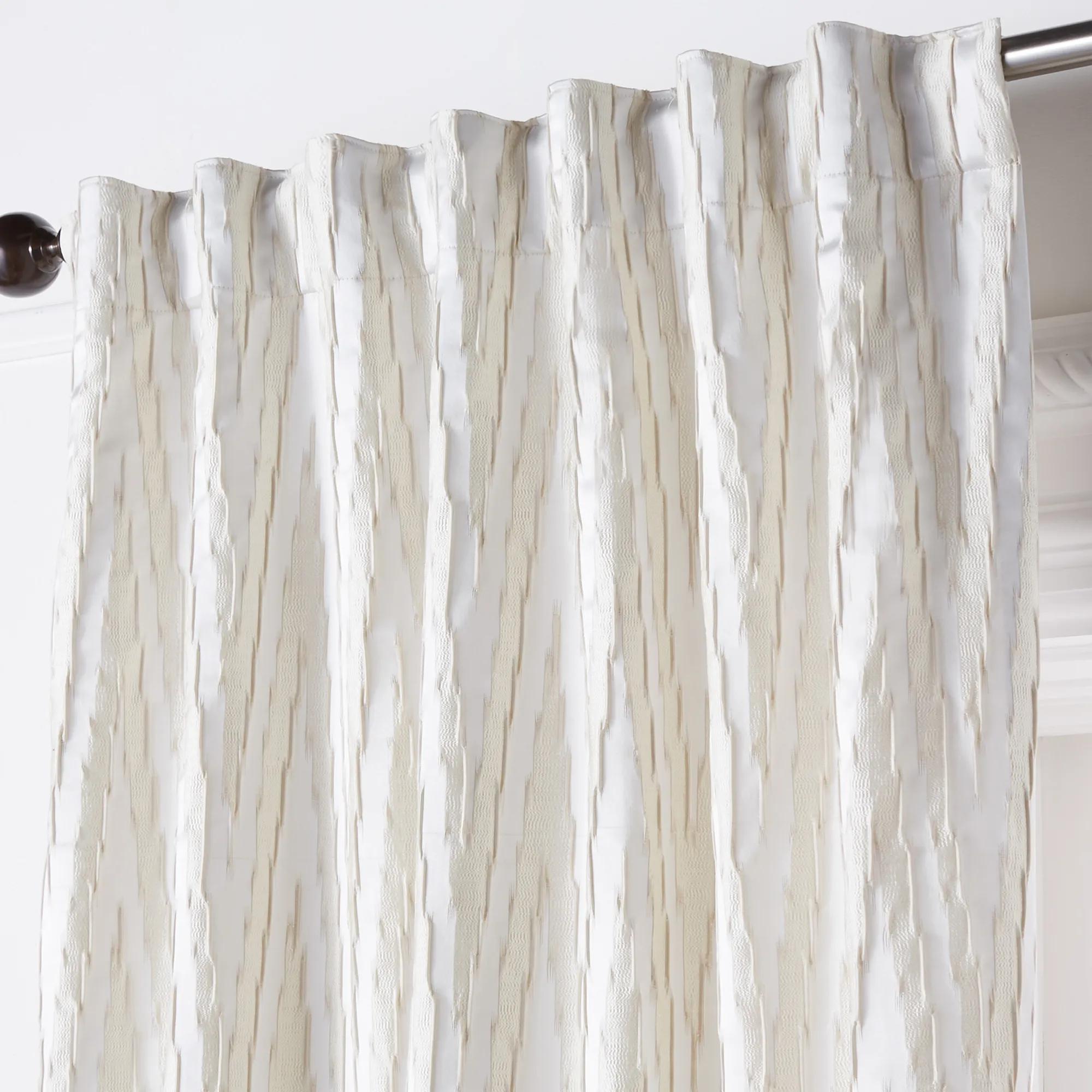 Minka Jacquard Pearl Window Curtain Panel Custom$289
A highly textured chevron curtain panel in pearl, grey, or natural polyester with customizable hanging options.
Add To Cart -
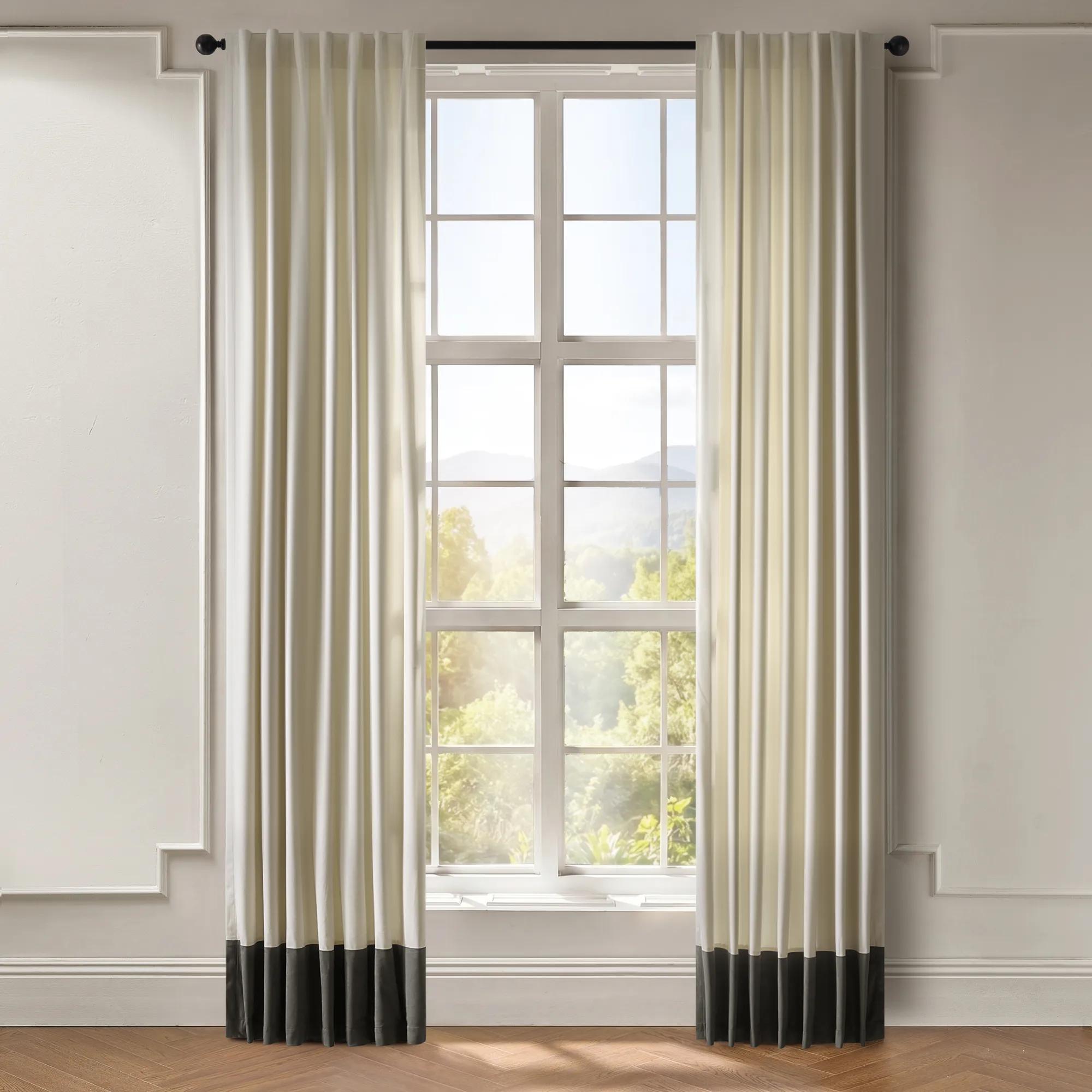
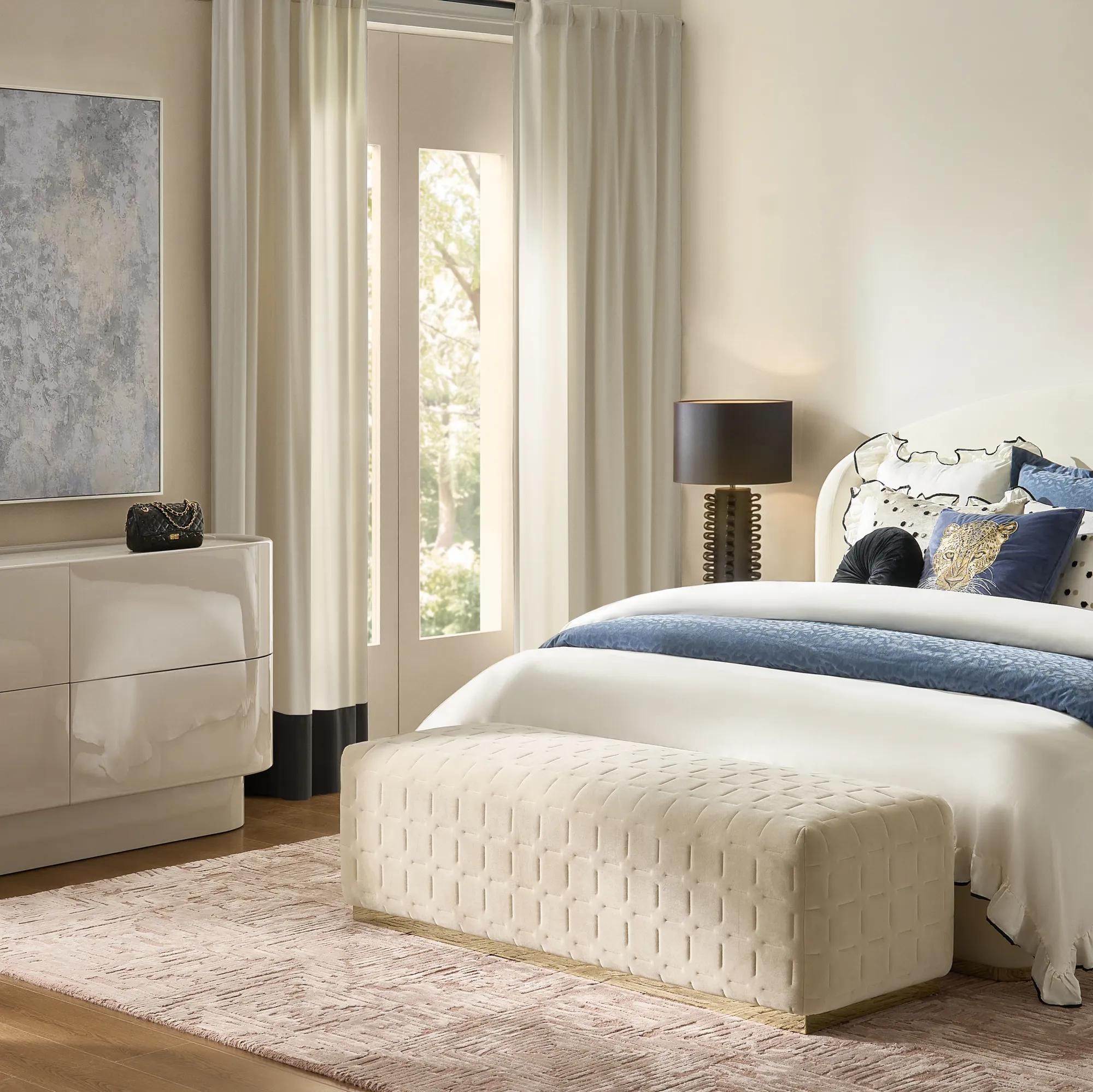 Bastien Ivory/Graphite Velvet Border Window Curtain Panel$99
A two-tone ivory and graphite velvet curtain panel with room-darkening design and versatile hanging options.
Add To Cart -
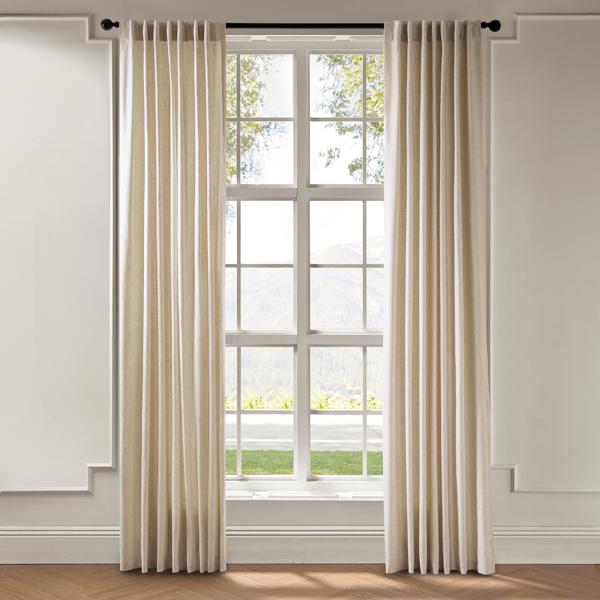
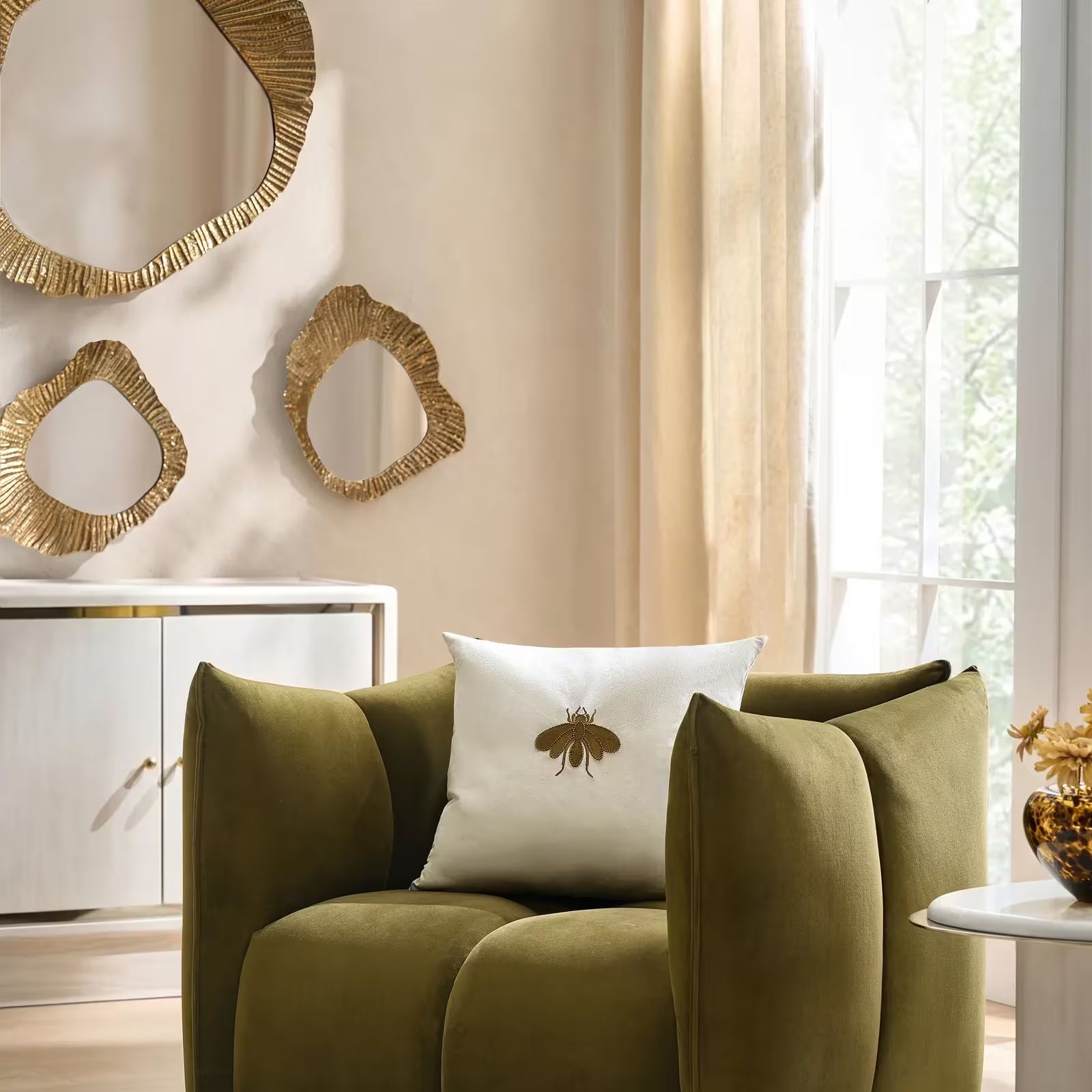 Anson Ivory Textured Window Curtain Panel$89
An ivory polyester curtain with a crushed, light-reflective texture for elegant, room-darkening style.
Add To Cart -

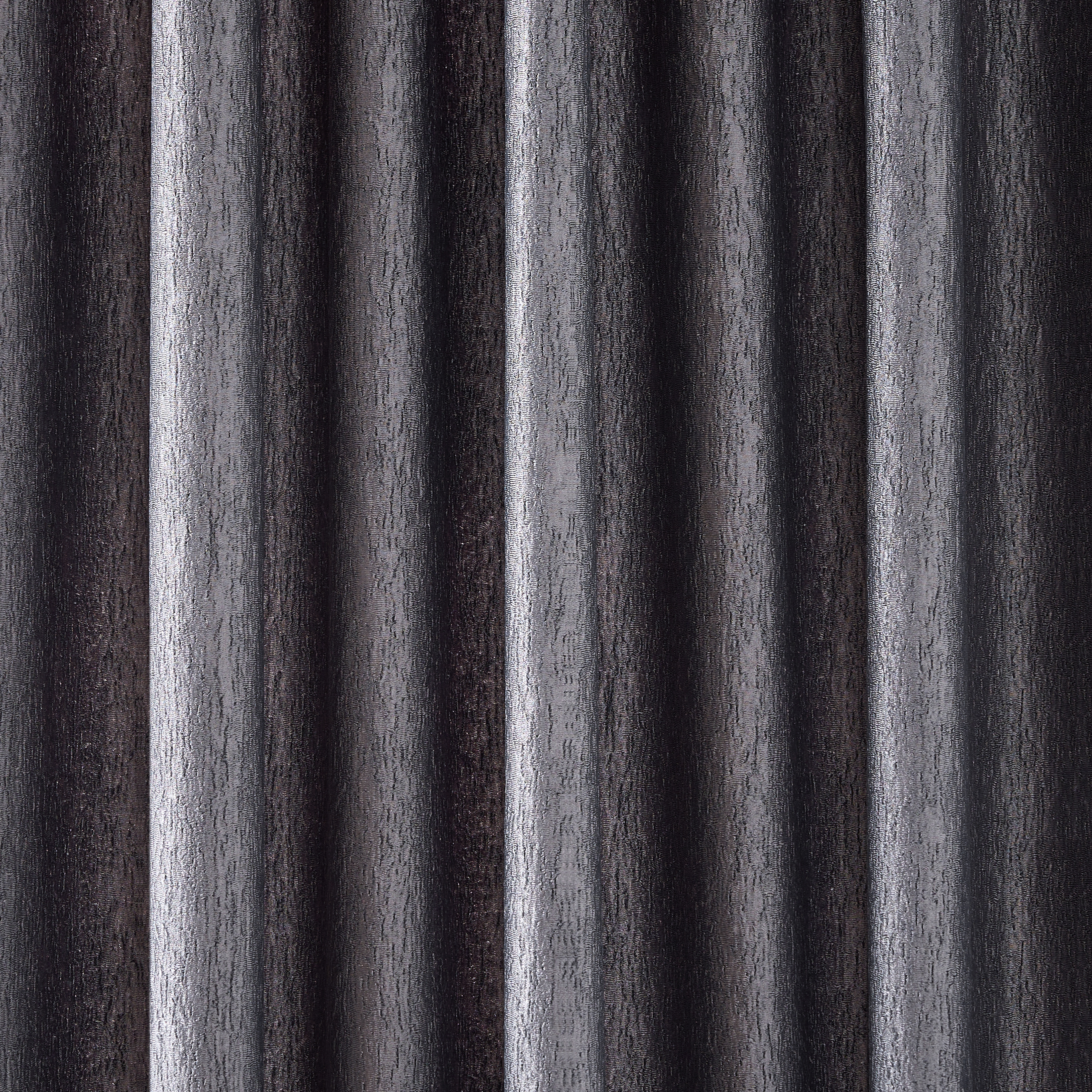 Anson Charcoal Textured Window Curtain Panel$89
A moody charcoal curtain with crushed polyester texture and subtle sheen for stylish, room-darkening appeal.
Add To Cart -

 Mabel Natural Velvet Swirl Window Curtain Panel$89
A warm neutral velvet curtain with a tonal swirl pattern, offering room-darkening privacy and versatile hanging options.
Add To Cart -

 Adair Midnight Blue Solid Velvet Window Curtain Panel$69
A sumptuous midnight blue velvet curtain that adds elegance, depth, and room-darkening style to any space.
Add To Cart -
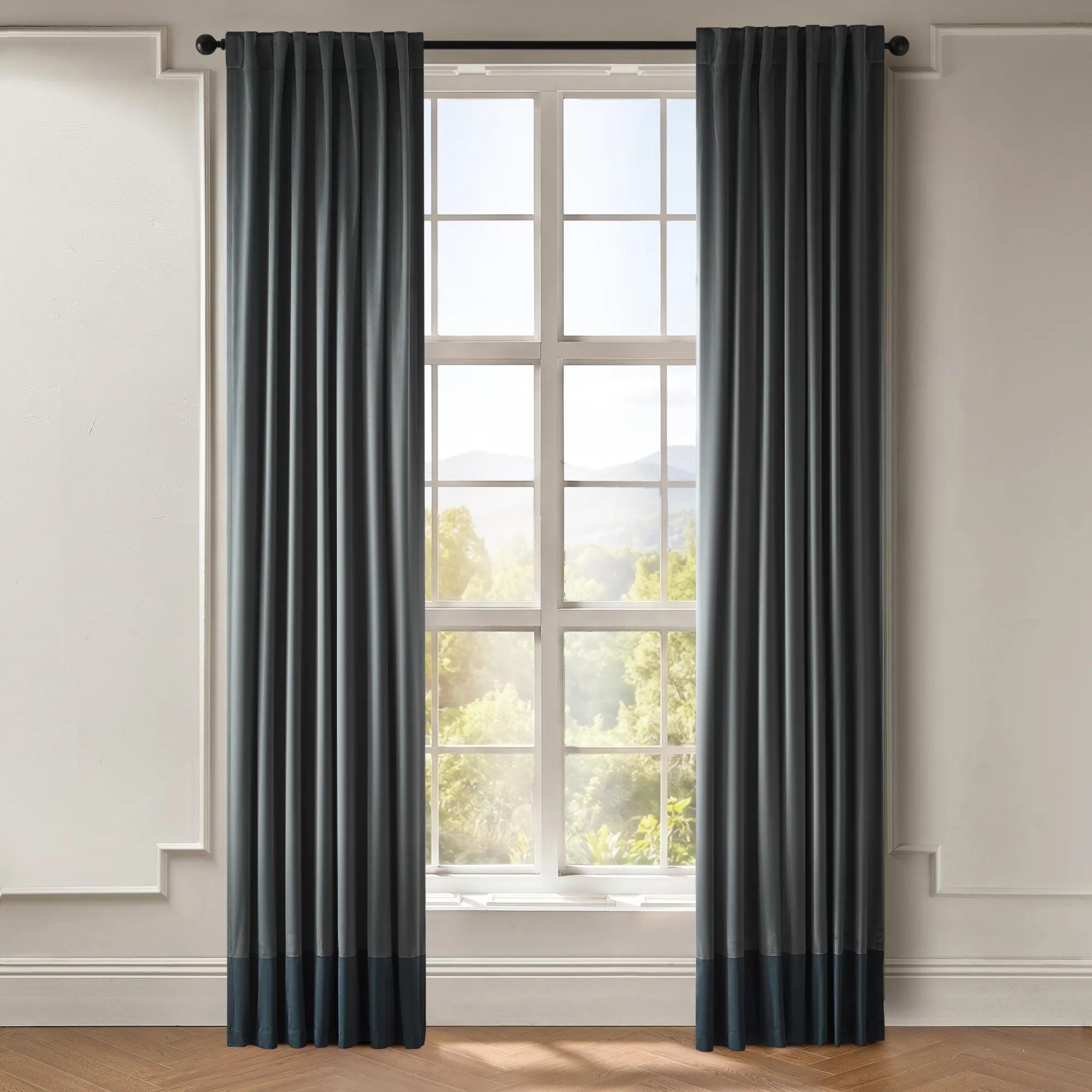
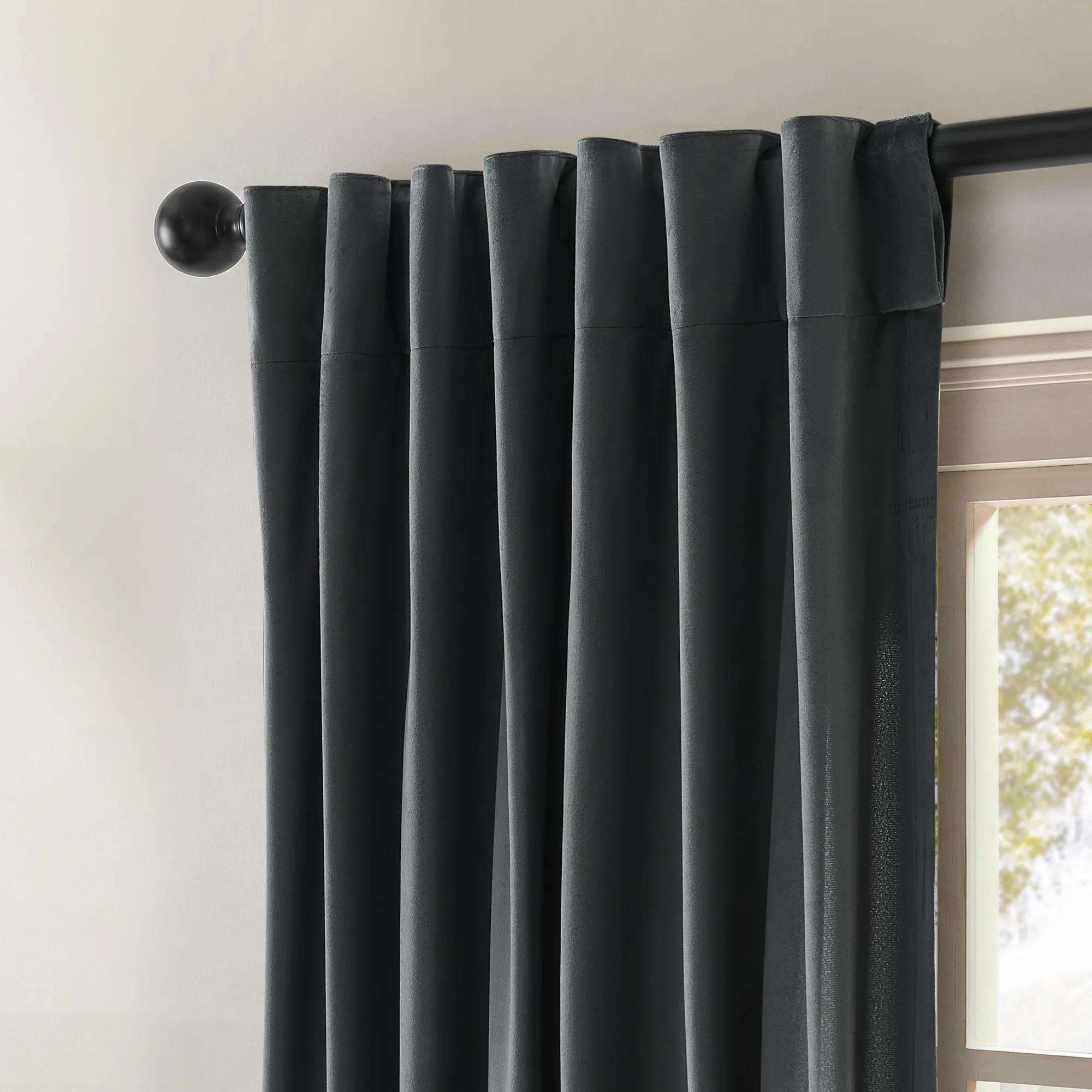 Bastien Blue/Midnight Velvet Border Window Curtain Panel$89
A two-tone dusty and midnight blue velvet curtain panel with a Deco-inspired border and room-darkening design.
Add To Cart -
 Anson Mocha Rose Textured Window Curtain Panel$99
A light mocha rose curtain panel with crushed sheen texture and room-darkening, dual hanging design.
Add To Cart -
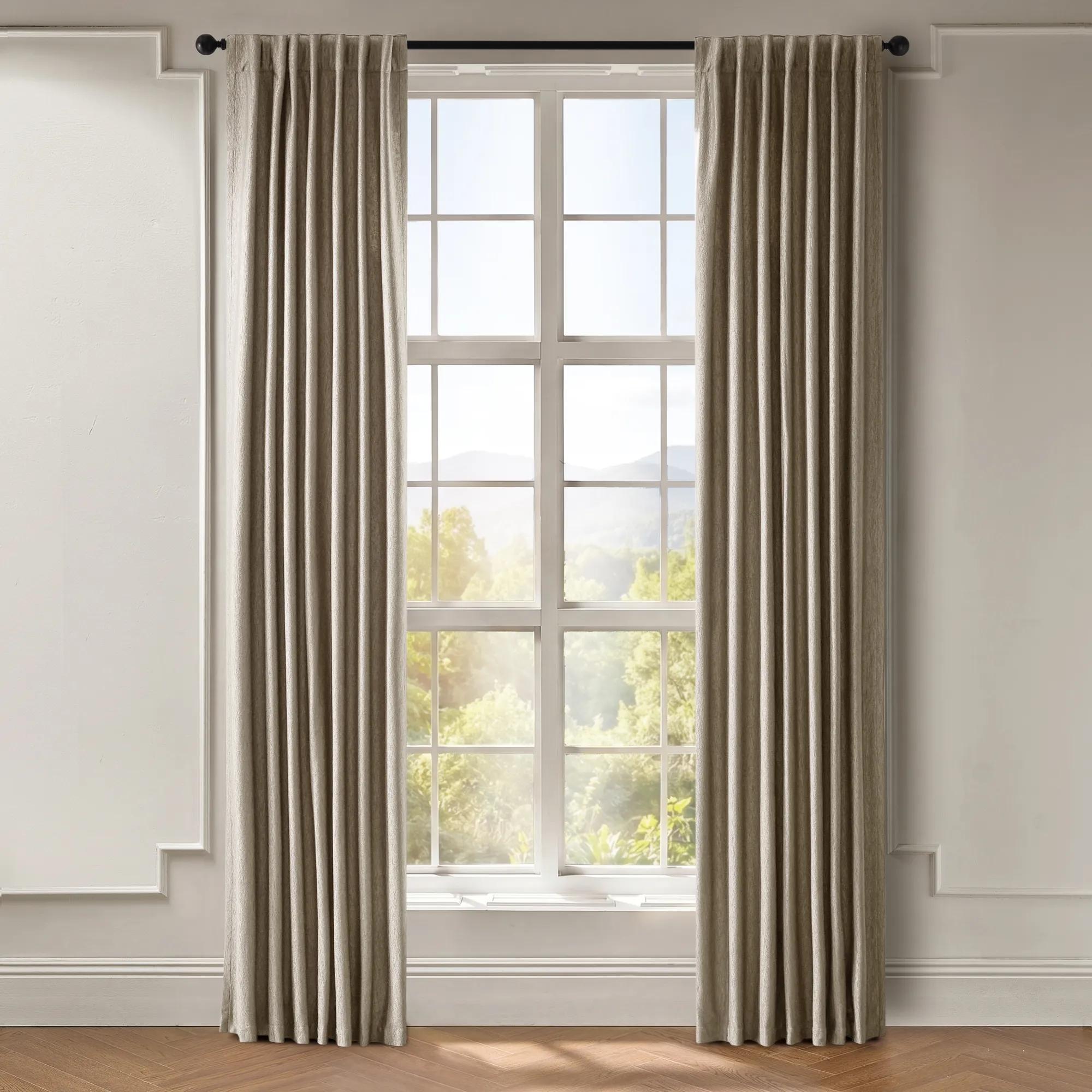
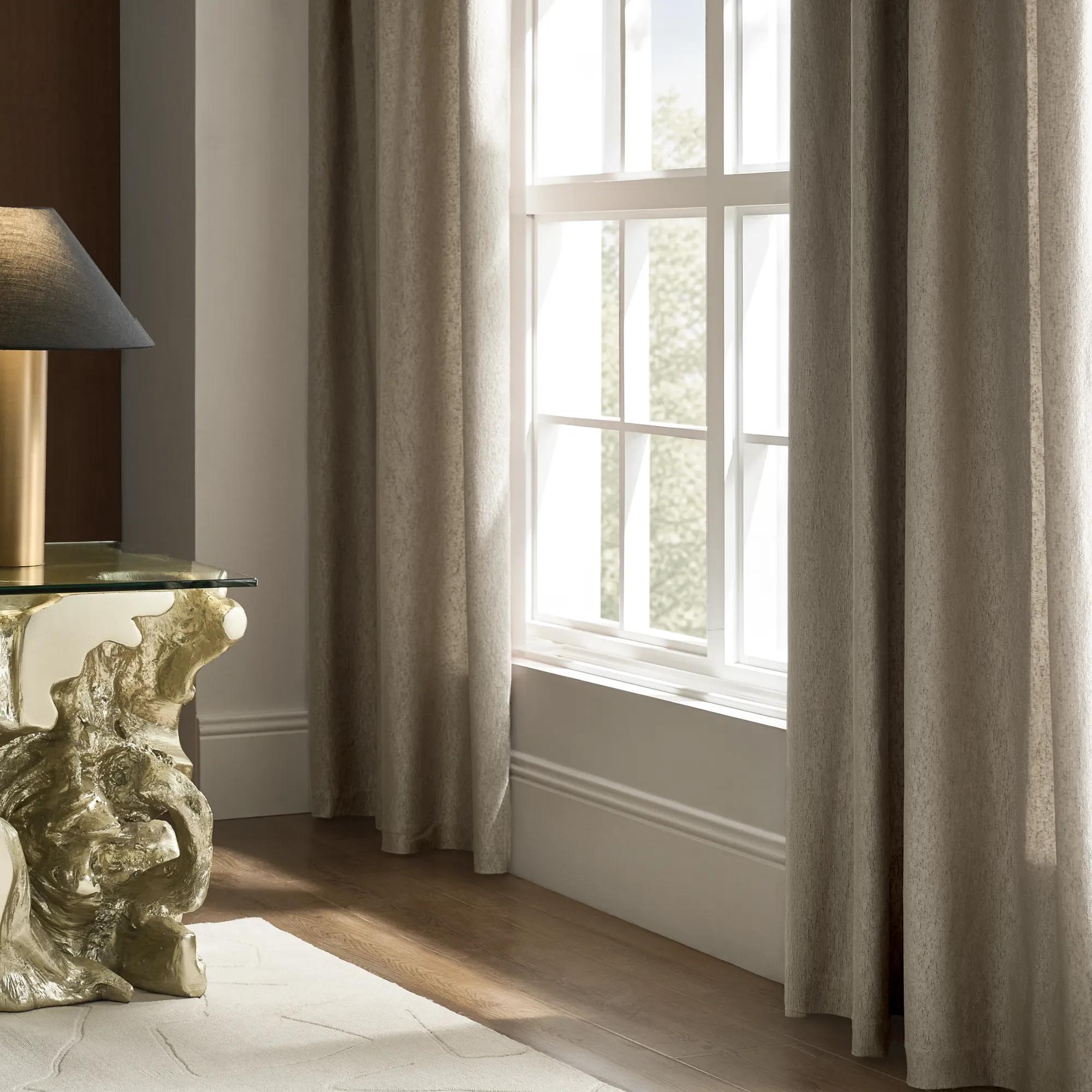 Anson Taupe Textured Window Curtain Panel$89
A taupe polyester curtain panel featuring a crushed sheen texture and room-darkening, dual hanging design.
Add To Cart -
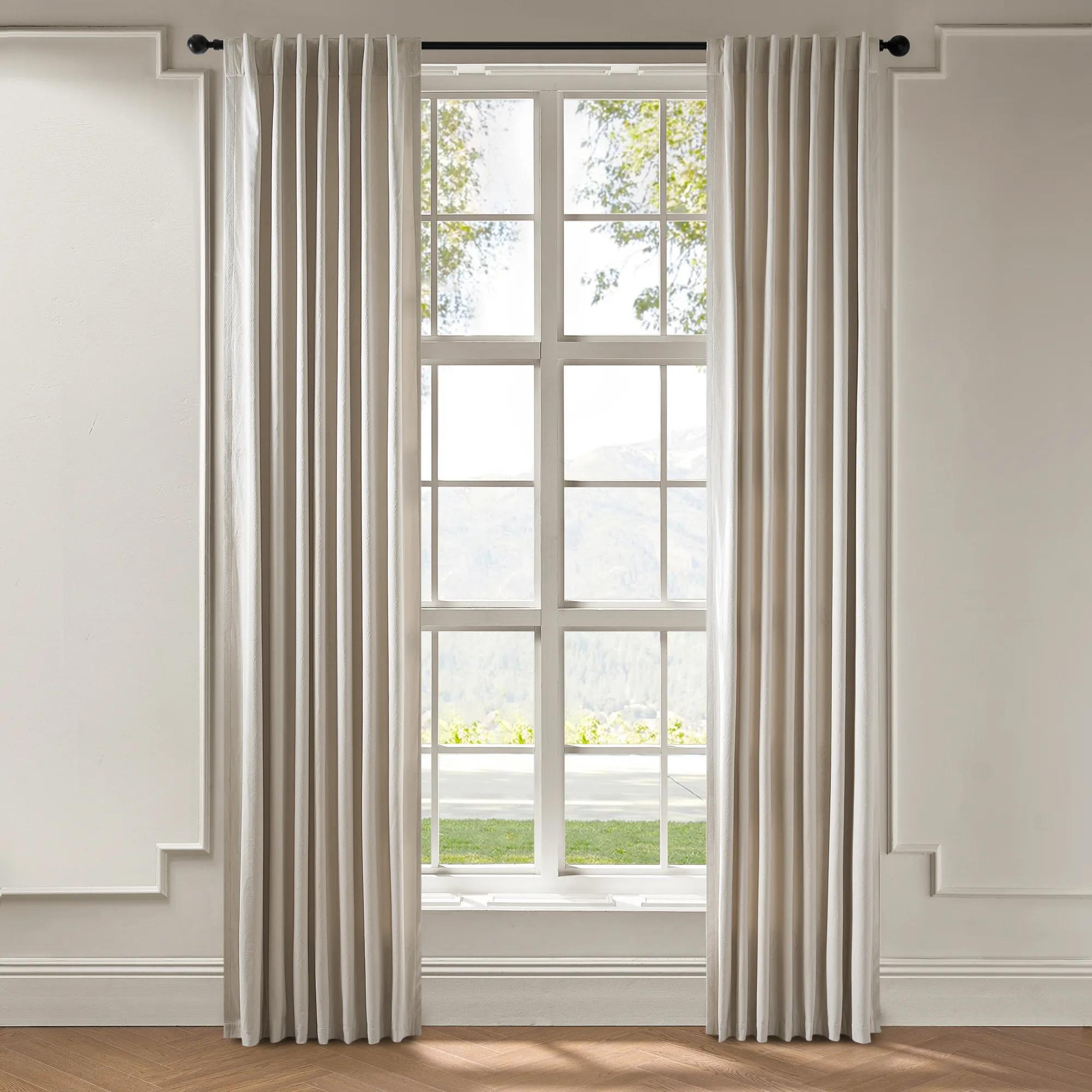
 Mabel White Velvet Swirl Window Curtain Panel$109
A crisp white velvet curtain featuring a tonal swirl texture and versatile dual hanging options.
Add To Cart -

 Adair Sand Solid Velvet Window Curtain Panel$69
A sand-colored velvet curtain offering room-darkening privacy and versatile hanging options for refined interiors.
Add To Cart -
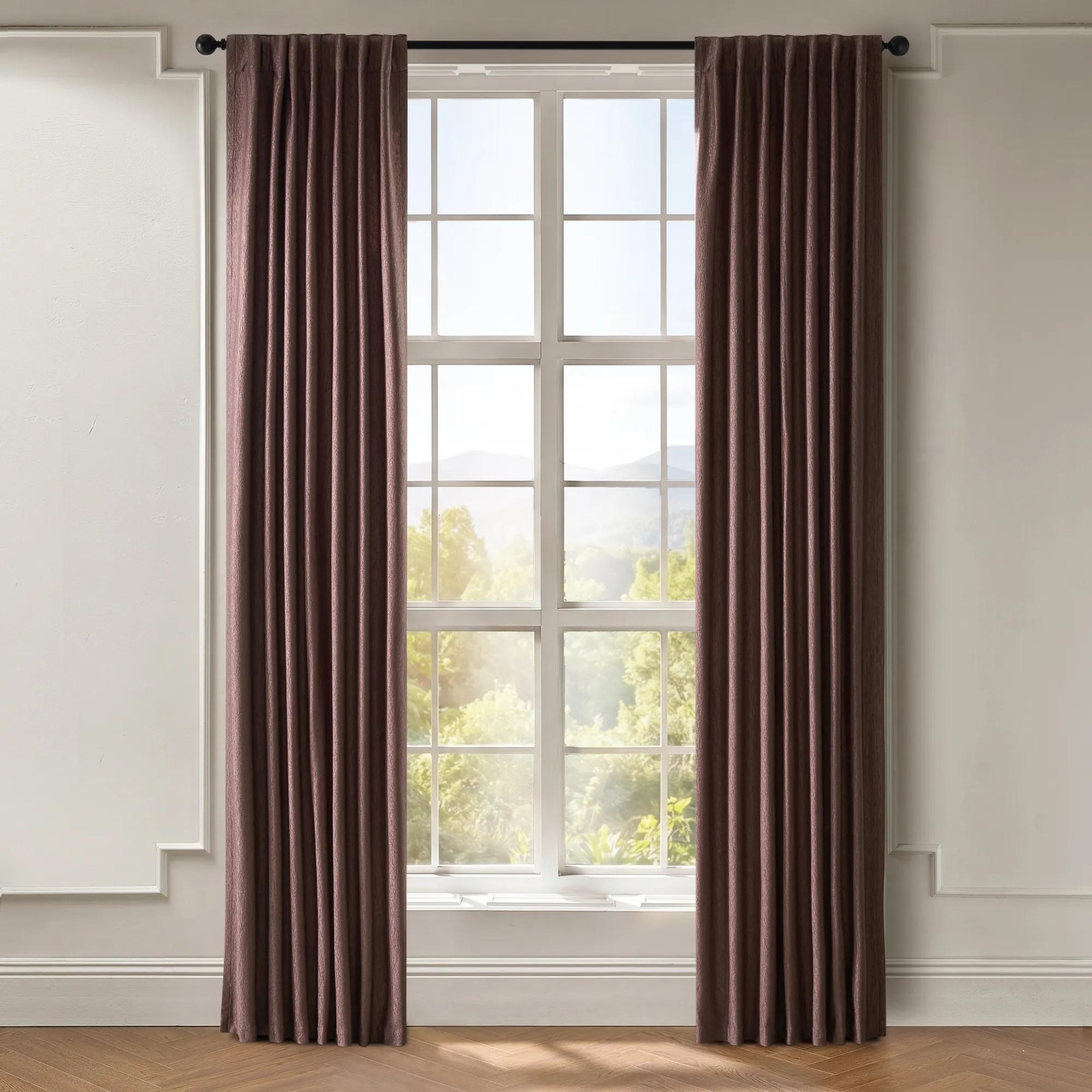
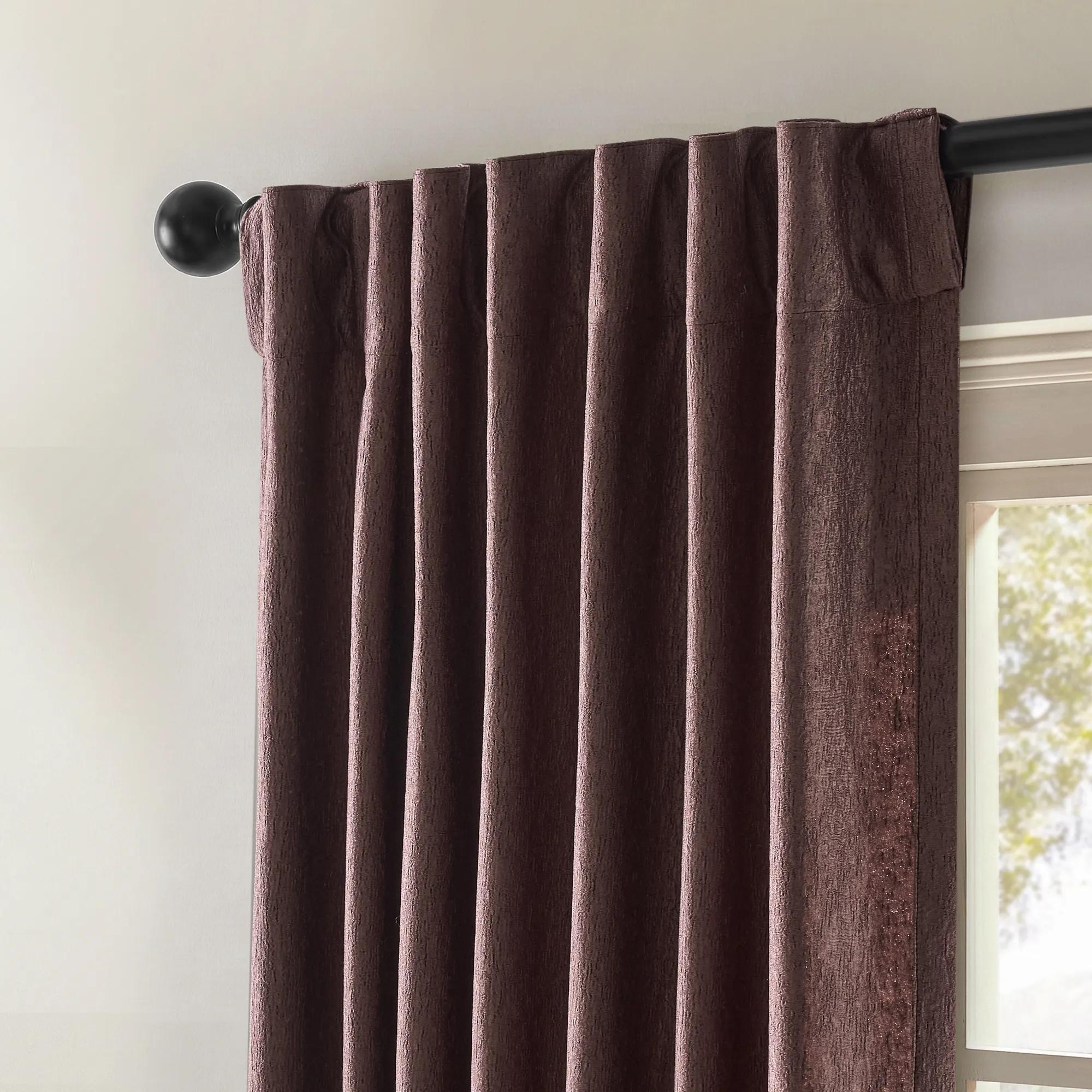 Anson Fig Textured Window Curtain Panel$89
A deep fig curtain panel with crushed sheen texture and room-darkening, dual hanging design in polyester.
Add To Cart -
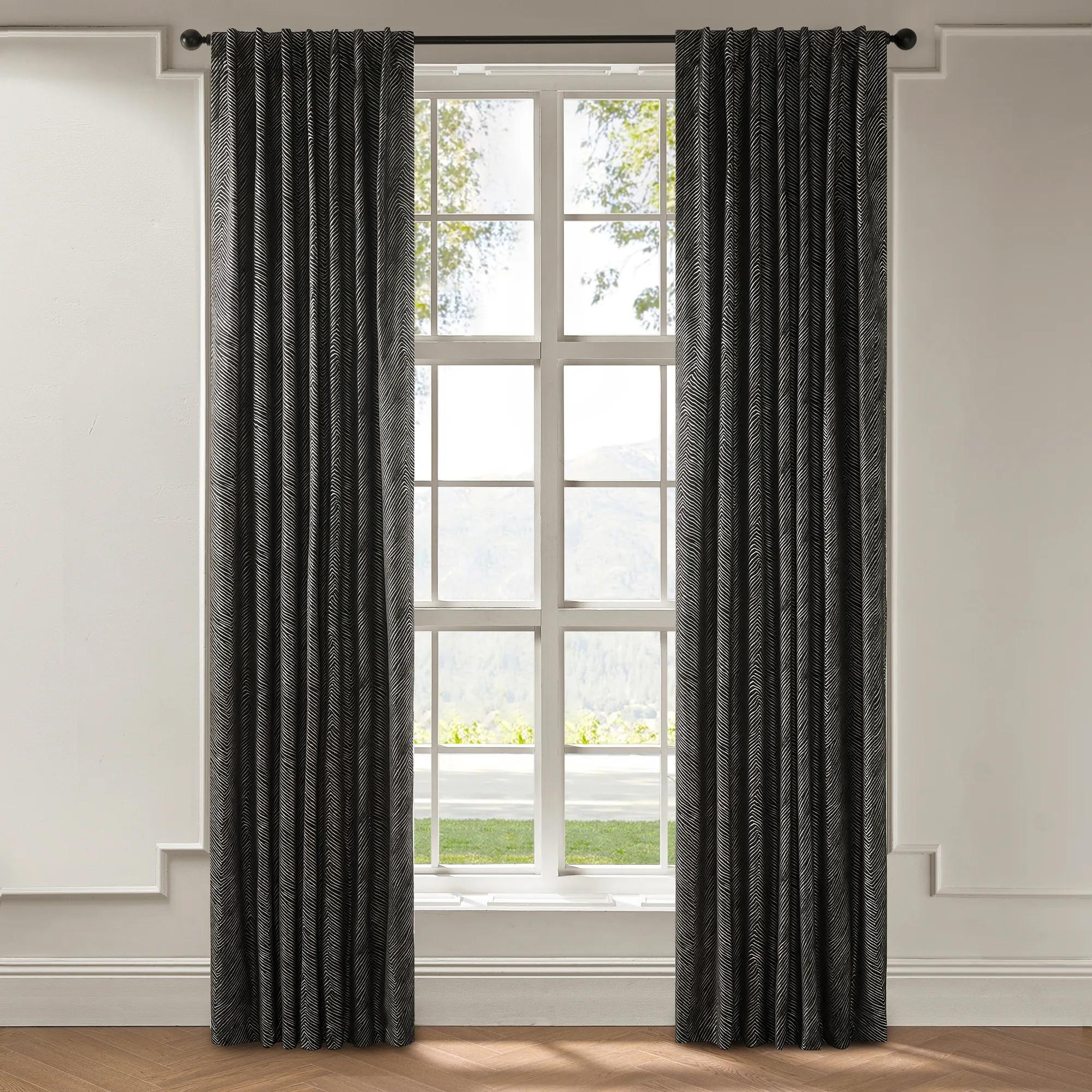
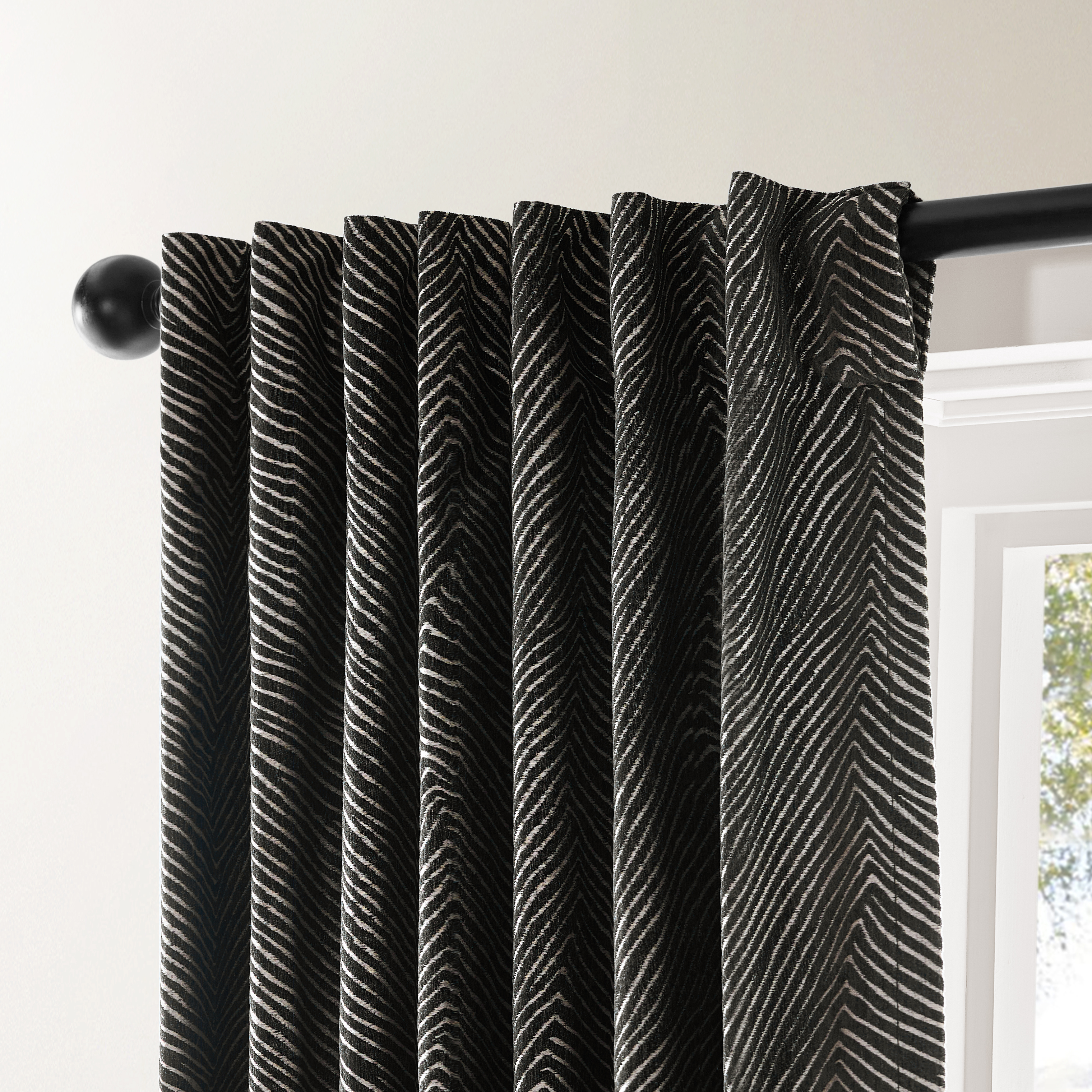 Kenzo Black Chenille Window Curtain Panel$129
A black chenille jacquard curtain with a luxe sheen and versatile dual hanging options.
Add To Cart -
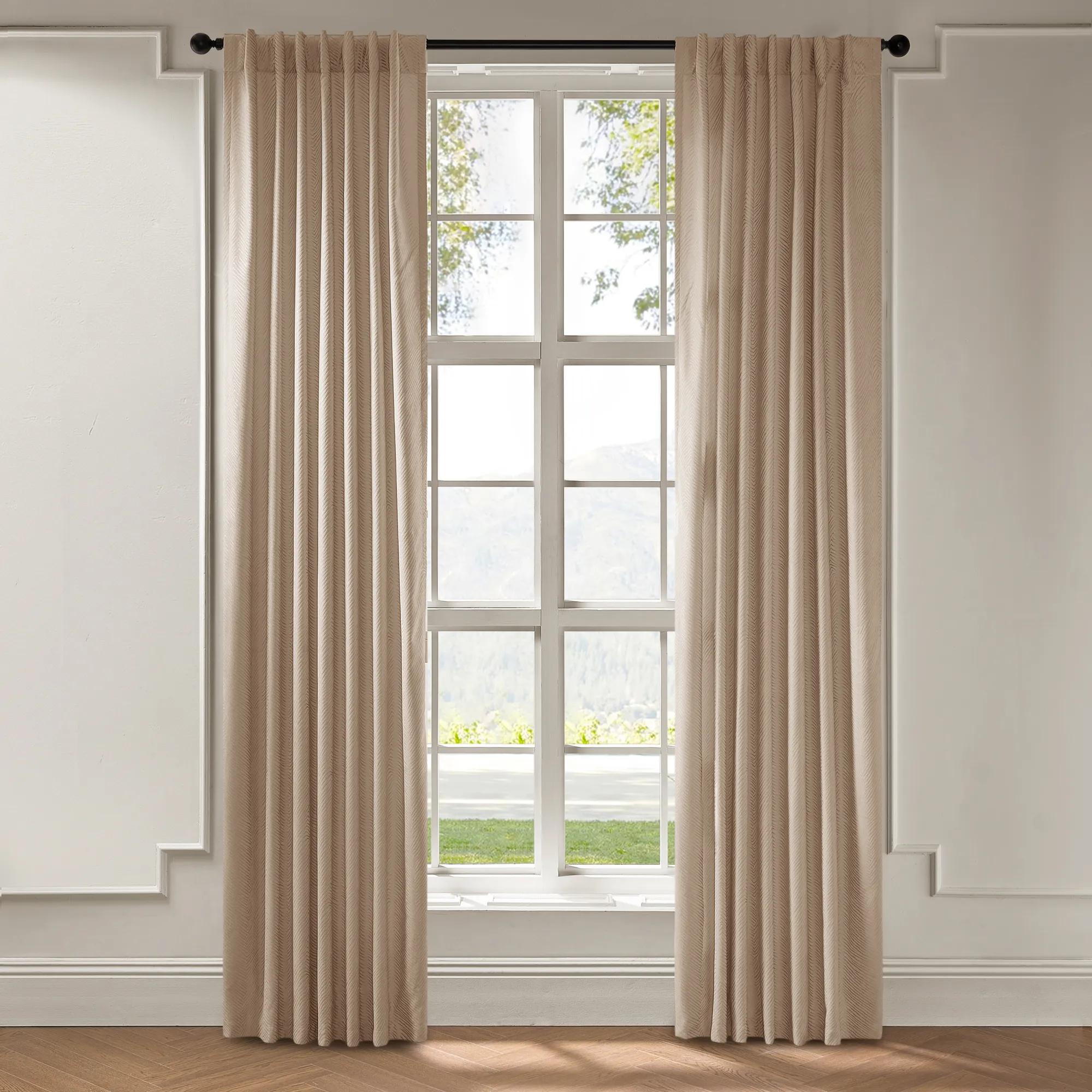 Kenzo Jacquard Beige Chenille Window Curtain Panel$119
A warm beige chenille jacquard curtain with a subtle sheen and versatile rod pocket or back tab hanging.
Add To Cart

Winter Living Room Curtains
Winter living room curtains transform your space into a sanctuary of warmth and wonder, where every drape and fold captures the season’s enchanting allure. As daylight fades and evenings grow longer, these sumptuous panels invite a sense of intimacy—casting elegant shadows, softening the outside world, and enveloping your room in a cocoon of comfort and sophistication. Let your windows become the stage for winter’s artistry, layering texture, drama, and depth to create a living room that feels both inviting and utterly unforgettable.
Winter living room curtains pair substantial fabrics, rich textures, and generous window coverage to create a space that feels sheltered, polished, and inviting. Dense weaves and insulating linings can help limit heat loss around windows and reduce the discomfort of cold drafts, while expressive color and a beautiful drape bring depth to the room. Performance depends on fabric construction, lining, and fit—not simply how heavy a panel feels. Velvet lends a sumptuous finish, its pile catching lamplight in shifting shades that make even a restrained palette feel dimensional. Chenille offers a softer, tactile richness, while jacquard introduces pattern through the weave itself, giving a window presence without relying on a high-contrast print. Substantial linen blends offer a more relaxed expression, particularly with a lining that adds body and privacy. Thermal-lined curtains are designed to provide an additional insulating layer, although their effectiveness varies with construction and window coverage. Blackout lining serves a different primary purpose: limiting incoming light. It can be appealing in a living room used for afternoon films or near bright exterior lighting, but a blackout designation alone does not establish insulating performance. Light-filtering panels preserve a gentler connection to daylight, allowing pale winter sun to illuminate upholstery and decorative finishes without leaving the window visually bare. In a room devoted to conversation, reading, or evenings gathered around a coffee table, the right balance of privacy and light matters as much as texture. Sheers layered beneath heavier drapery offer flexibility, with translucent fabric softening the view by day and substantial outer panels providing greater coverage after dark. Window treatments can contribute to comfort, but they do not replace weatherstripping, well-sealed windows, or appropriate heating. Their appeal is both practical and atmospheric: a broad sweep of fabric turns a hard architectural edge into a plush backdrop for everyday living. The result feels intimate without losing the scale and confidence of a beautifully composed room.
Proportion gives winter curtains their architectural impact. Panels with enough width to form generous folds create a fuller silhouette when closed, rather than stretching flat across the glass. Fullness is often expressed as a multiple of the rod width; approximately one and a half to two times that width can provide an attractive starting point, with the ideal amount depending on fabric thickness and heading style. A dense velvet may need less gathering than a lighter woven fabric to achieve a substantial appearance. Length changes the mood just as noticeably. Floor-skimming curtains create a tailored line that suits both formal seating arrangements and frequently used family spaces, while fabric that puddles on the floor makes a more theatrical statement but collects dust and can complicate cleaning. In homes with pets, young children, or a busy route beside the sofa, a hem that clears the floor slightly offers a more practical finish. Rod placement also influences both appearance and coverage. Extending the rod beyond the window frame allows open panels to rest farther from the glass, preserving daylight and making the opening appear wider. A higher installation can emphasize ceiling height, provided the panel length and wall proportions support it. For improved protection against drafts, close coverage at the sides and a suitably fitted top treatment can help reduce air circulation between the window and the room. The entire arrangement still needs to operate easily, with panels that close fully rather than leaving a narrow exposed strip at the center. Substantial drapery calls for hardware and mounting suited to its weight, especially when layered with sheers or lined panels. Grommets produce broad, regular folds; pinch pleats create a more tailored rhythm; rod pockets offer a softer gathered effect but may be less convenient for frequent opening and closing. Fabric should remain safely clear of fireplaces, radiators, baseboard heaters, and heating vents. In a thoughtfully furnished living room, beautiful coverage frames the view without obstructing warmth, movement, or daily routines.
Color gives these substantial textiles their emotional range. Warm ivory, champagne, camel, and deep taupe establish an enveloping backdrop for sculptural furniture, burnished metal, and softly illuminated artwork. Burgundy, forest green, and inky blue bring a more dramatic register, especially when their depth is echoed in a pillow, an upholstered chair, or a single decorative accent. A warm palette can make a room feel more intimate, but color itself does not determine a curtain’s insulating ability. Pale fabrics can offer the same sense of winter comfort when their weave, lining, and fit provide suitable coverage. The luminous palette of White Winter Curtains creates a particularly elegant counterpoint to dark wood, mirrored surfaces, and richly textured upholstery, keeping the window treatment visually light while allowing substantial fabric to supply depth. Undertones deserve attention: a creamy white feels different beside warm brass than a crisp white does against polished silver or cool gray walls. Texture can provide contrast without adding another color, allowing a tonal room to feel layered rather than uniform. That tactile appeal should be matched by care requirements suited to the household. Some curtain fabrics and linings tolerate machine washing, while others require professional cleaning; the care label should govern washing, drying, pressing, and stain treatment. Even similar-looking fabrics can behave differently because of fiber content, finishes, and layered construction. Gentle dust removal with an appropriate vacuum attachment can help maintain the surface between cleanings, while prompt attention to spills reduces the chance of lingering marks. Velvet pile may crush under pressure, and steam or heat can affect certain fibers and backings, making manufacturer-approved care especially important. For windows receiving strong sunlight, a suitable lining can help protect the face fabric, although fading resistance varies by material and exposure. Strong seams, secure heading construction, and evenly finished hems support repeated opening and closing. For households that entertain, unwind together, or simply value a beautifully finished room, winter drapery offers a lasting decorative gesture: tactile, expressive, and thoughtfully suited to the way the space is lived in.
FAQs
For winter, opt for rich, heavyweight materials such as velvet, jacquard, or lined linen blends. These fabrics not only provide excellent insulation against the cold but also introduce a sense of luxury and depth to your living room. The tactile quality of these materials creates a cocooning effect, elevating both comfort and visual drama during the chillier months.
Winter curtains set the tone for your living space by framing natural light, adding texture, and enhancing color palettes. Deep hues and layered textiles create a warm, inviting retreat, while shimmering or metallic details can amplify the festive spirit. The right curtains transform a room into a haven for relaxation, conversation, and celebration.
Absolutely. Winter living room curtains are a luxurious, thoughtful gift that combines function and artistry. They offer both immediate comfort and a lasting design statement, making them ideal for housewarmings or anyone looking to refresh their space with a touch of seasonal elegance.
Layering is key to achieving a dramatic, designer-inspired winter look. Start with sheer panels to softly diffuse daylight, then add heavier drapes in a complementary or contrasting color. This not only enhances insulation but also allows you to play with opacity, texture, and visual interest throughout the day and evening.
Jewel tones like emerald, sapphire, and garnet infuse a room with richness and warmth, while silvers, icy blues, and deep charcoals evoke winter’s serene beauty. Pairing these shades with metallic accents or textured weaves can further elevate the space, striking the perfect balance between cozy comfort and refined sophistication.