White Winter Curtains
White Winter Curtains
-
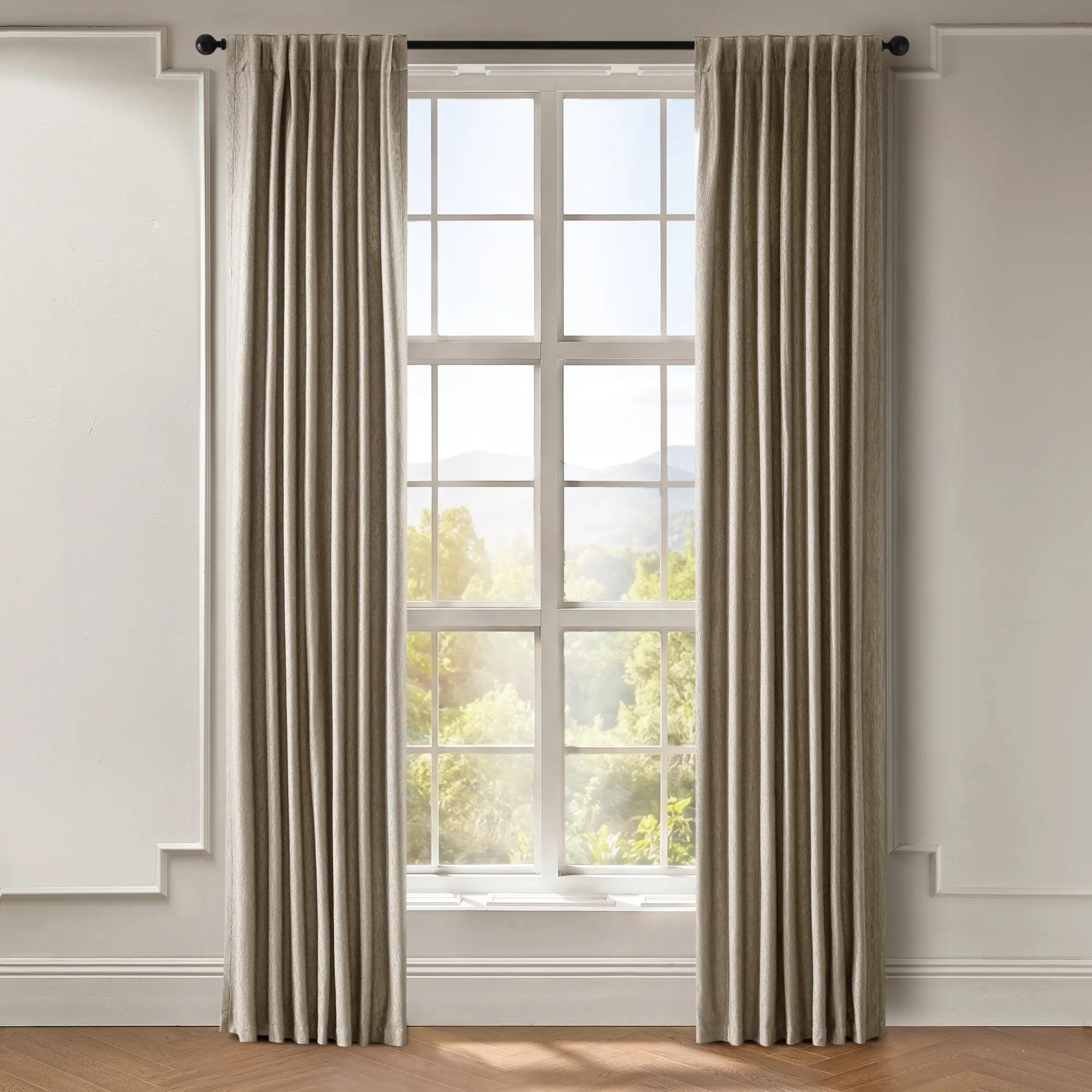
 Kenzo Chenille Curtain - White$119
A white chenille jacquard curtain featuring a subtle high-contrast pattern and soft, room-darkening texture.
Add To Cart -
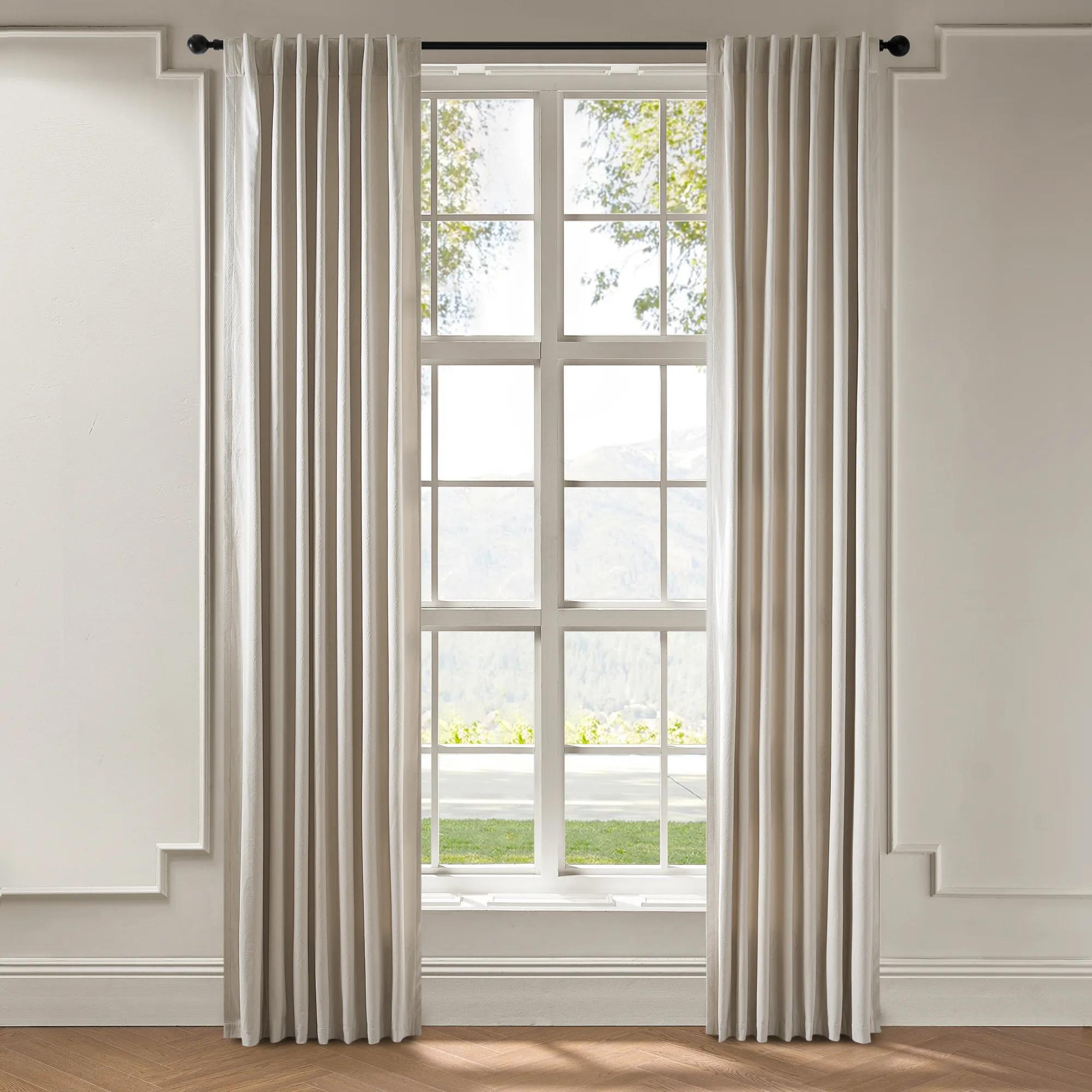
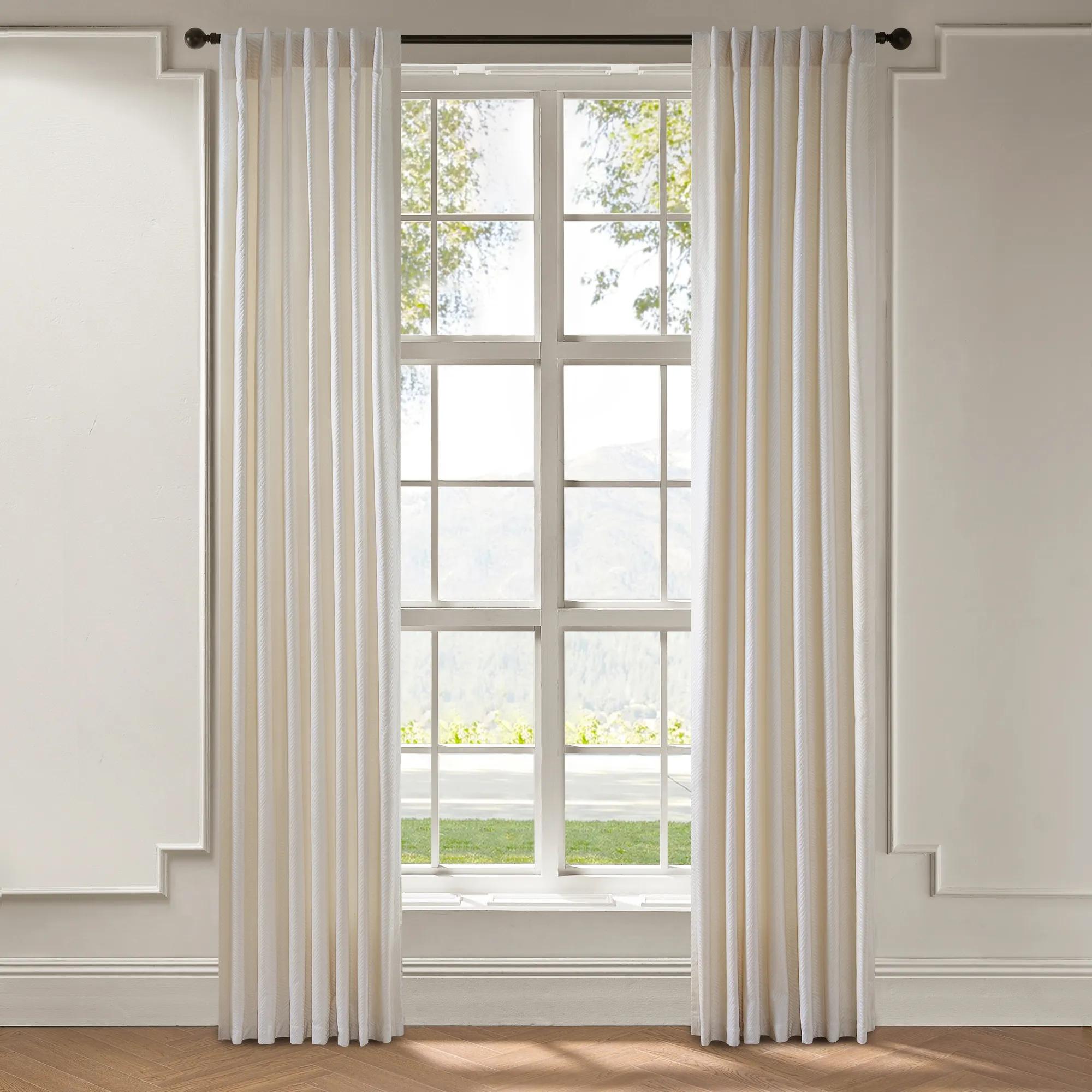
 Mabel White Velvet Swirl Window Curtain Panel$109
A crisp white velvet curtain featuring a tonal swirl texture and versatile dual hanging options.
Add To Cart -
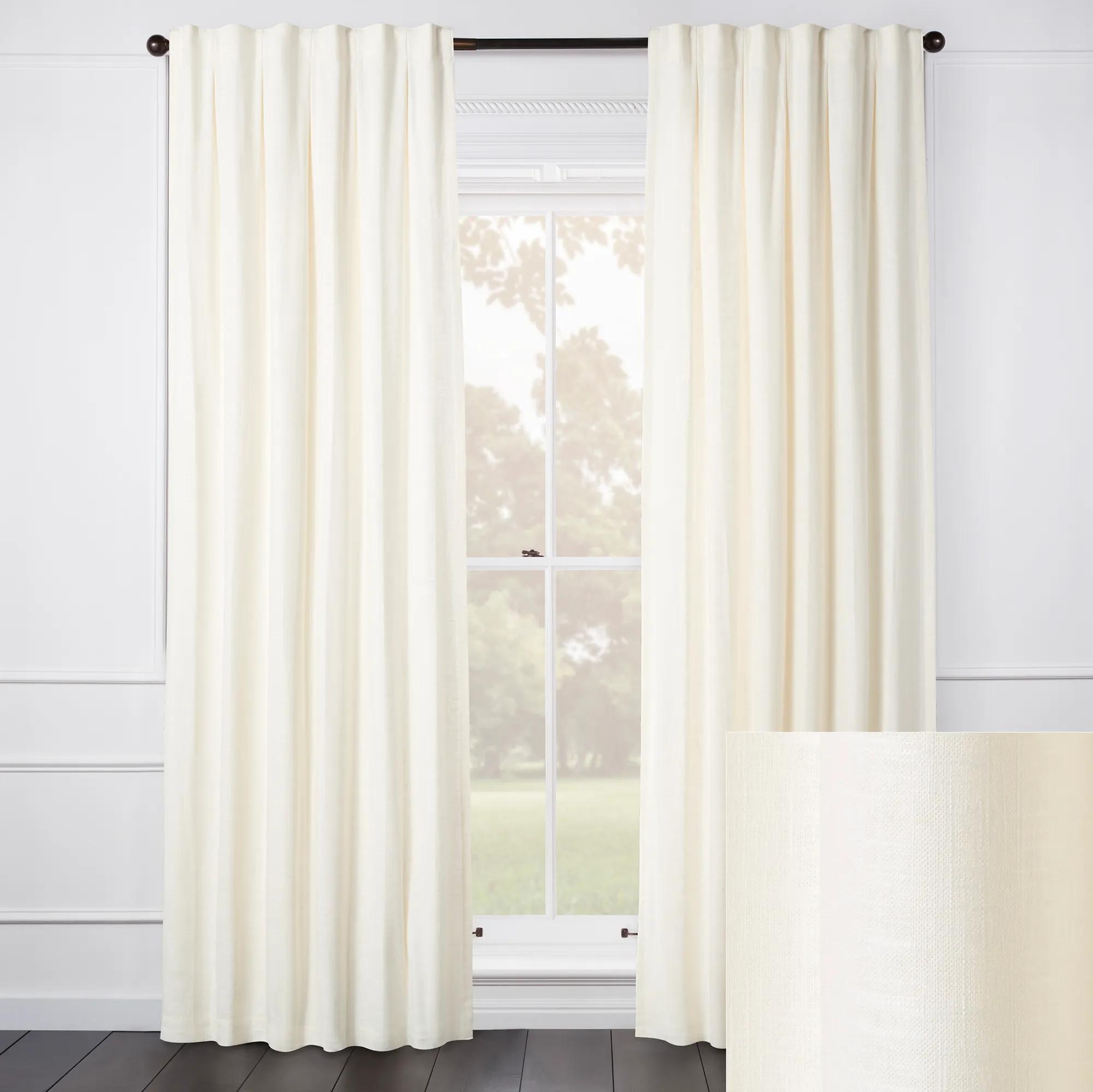
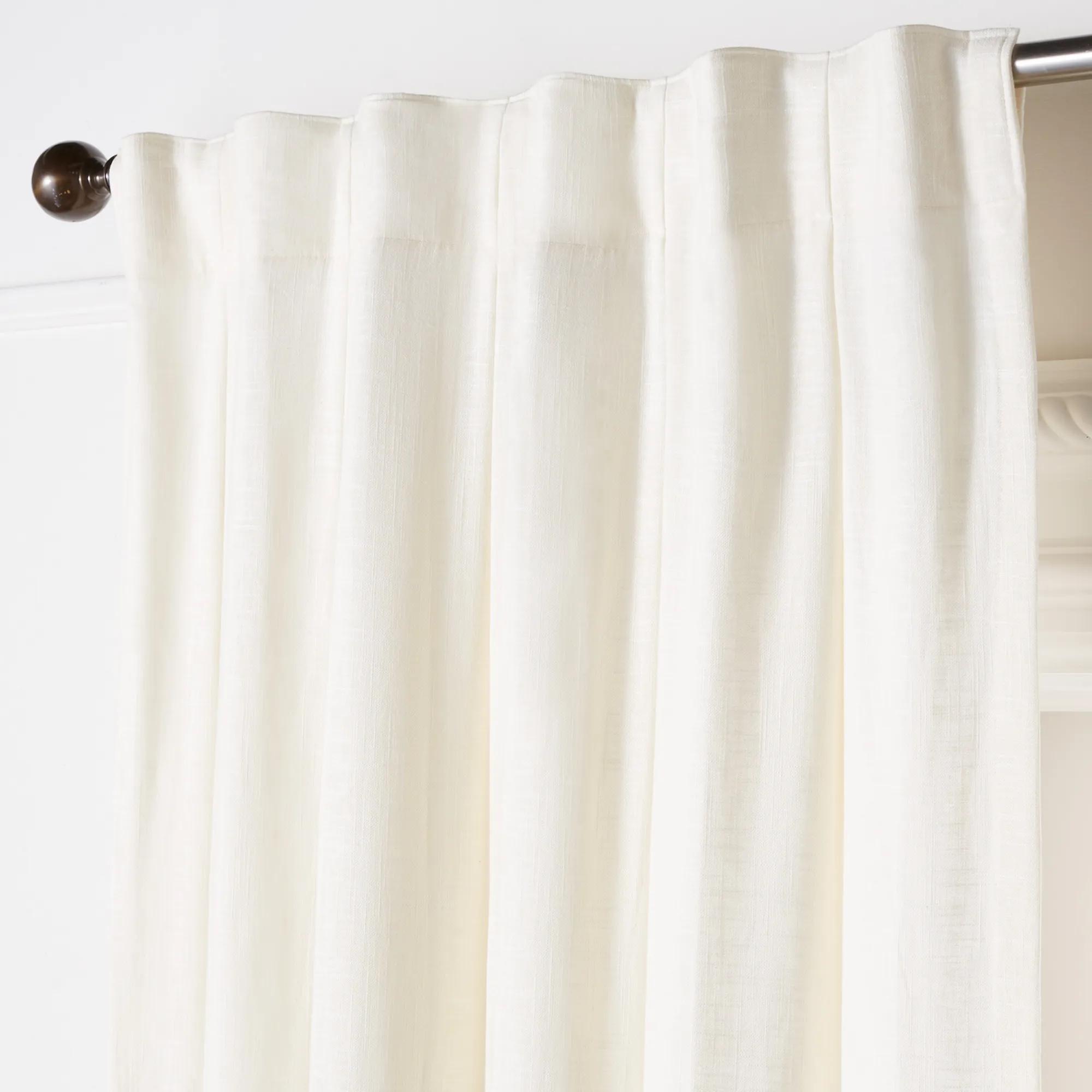 Audrey Linen Ivory Curtain - Custom$269
An ivory linen-blend curtain panel with lining, offering customizable lengths and two elegant header styles.
Add To Cart -
 Anson Ivory Textured Window Curtain Panel$109
An elegant ivory curtain with a crushed, light-reflective texture and versatile dual hanging options.
Add To Cart -
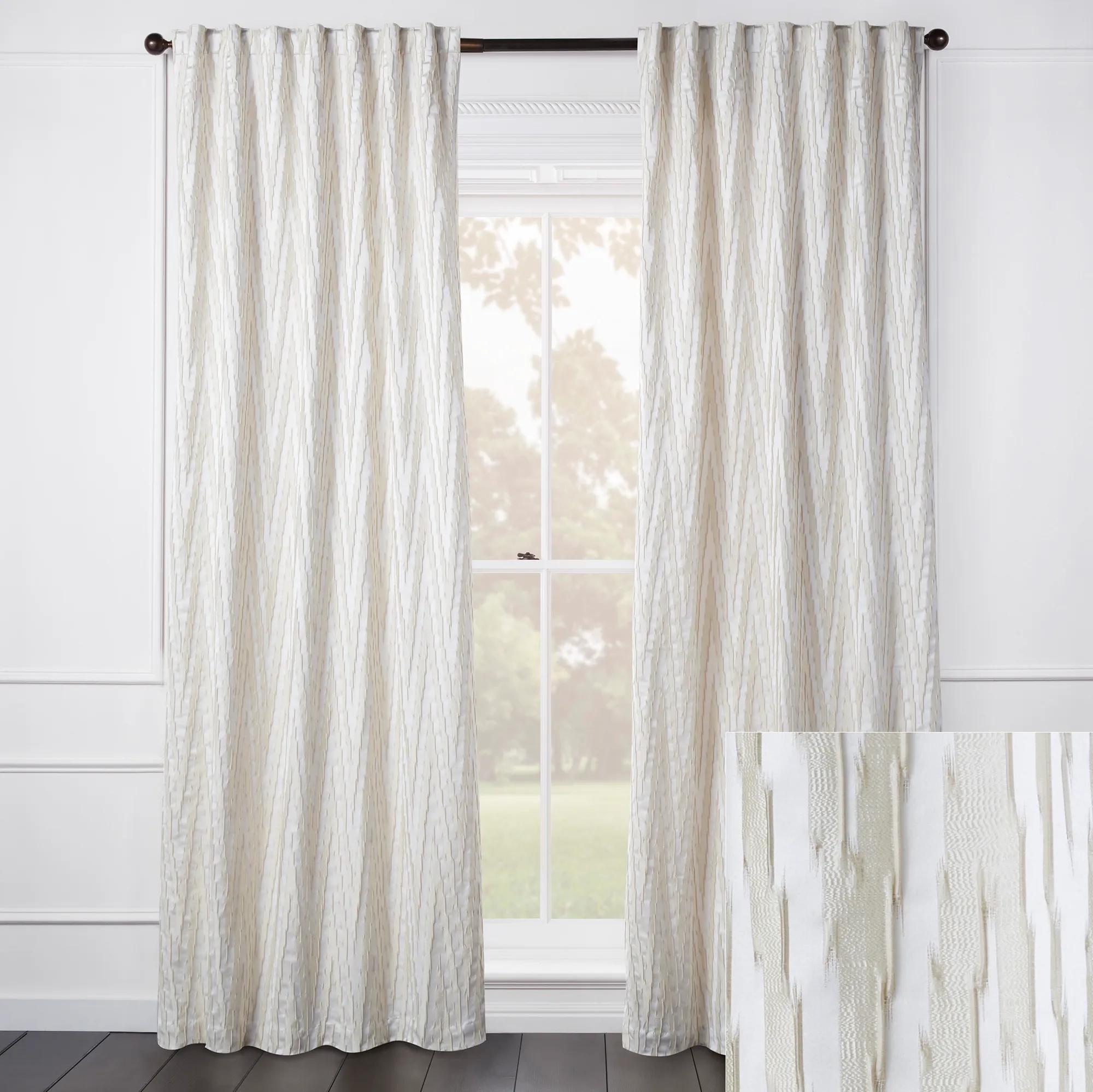
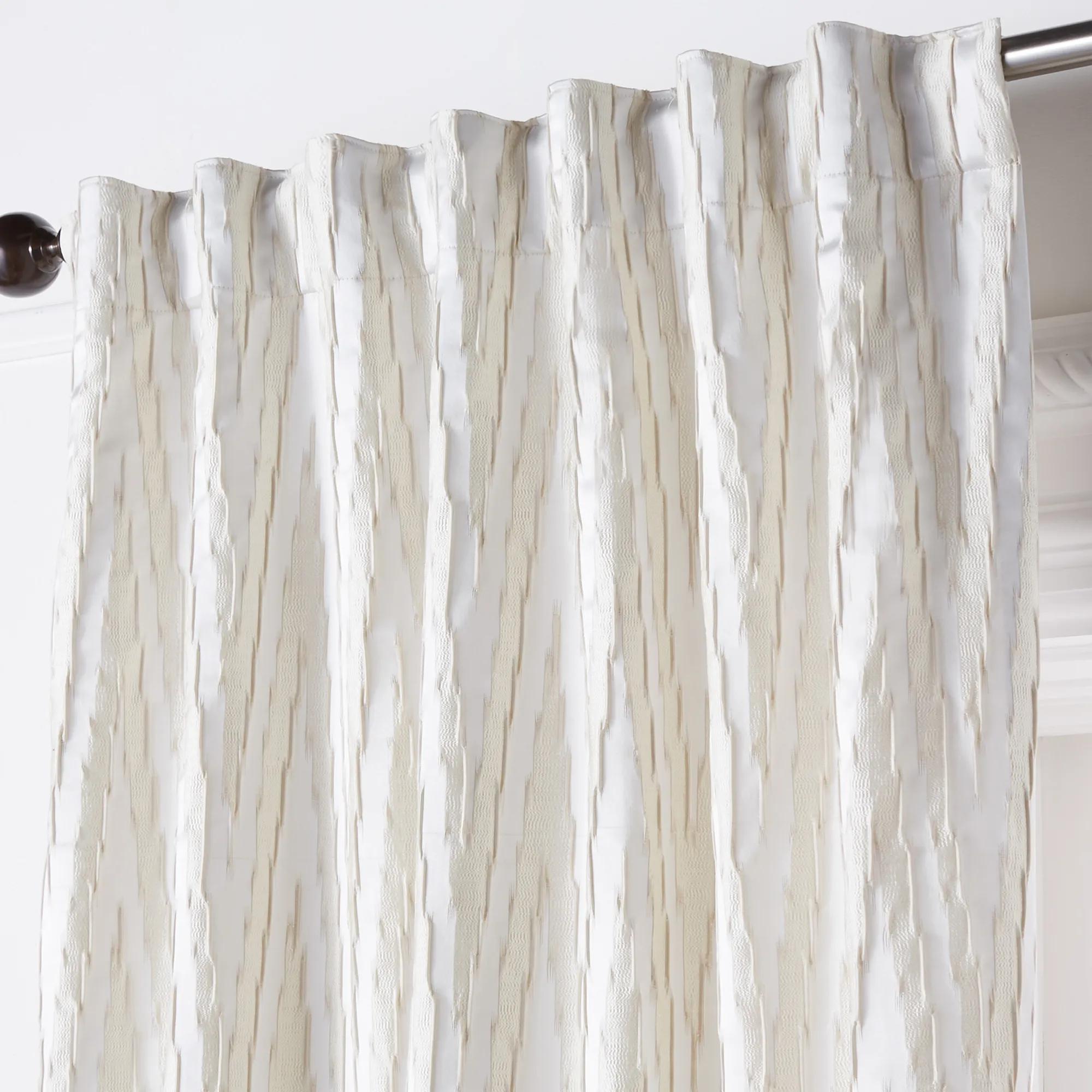 Minka Jacquard Pearl Window Curtain Panel Custom$319
A highly textured chevron curtain panel in pearl, grey, or natural polyester with customizable hanging options.
Add To Cart -
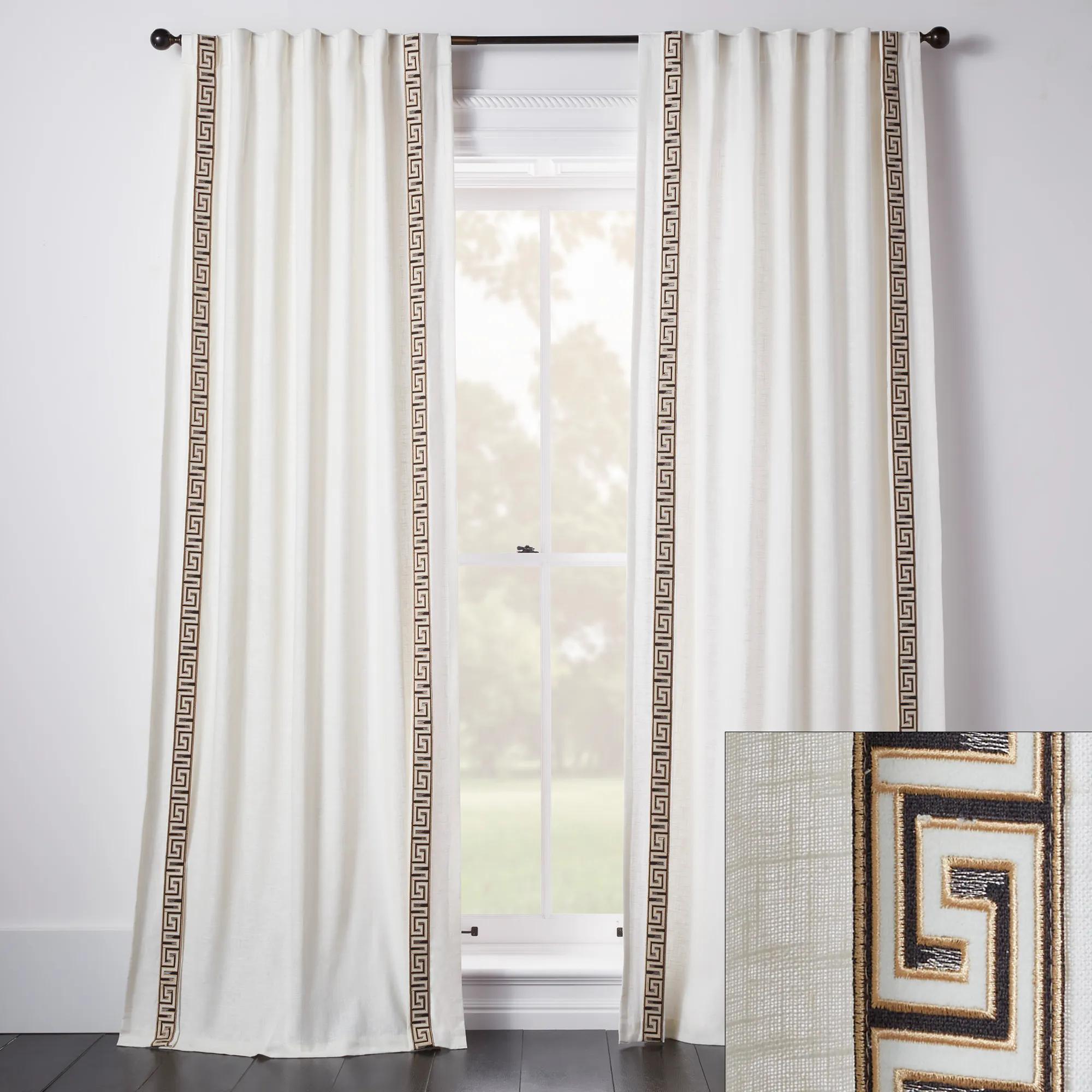 Chole Greek Key Border Velvet Widow Curtain Panels Custom$369
A white linen-blend curtain featuring a black and gold embroidered velvet Greek key border for modern elegance.
Add To Cart -
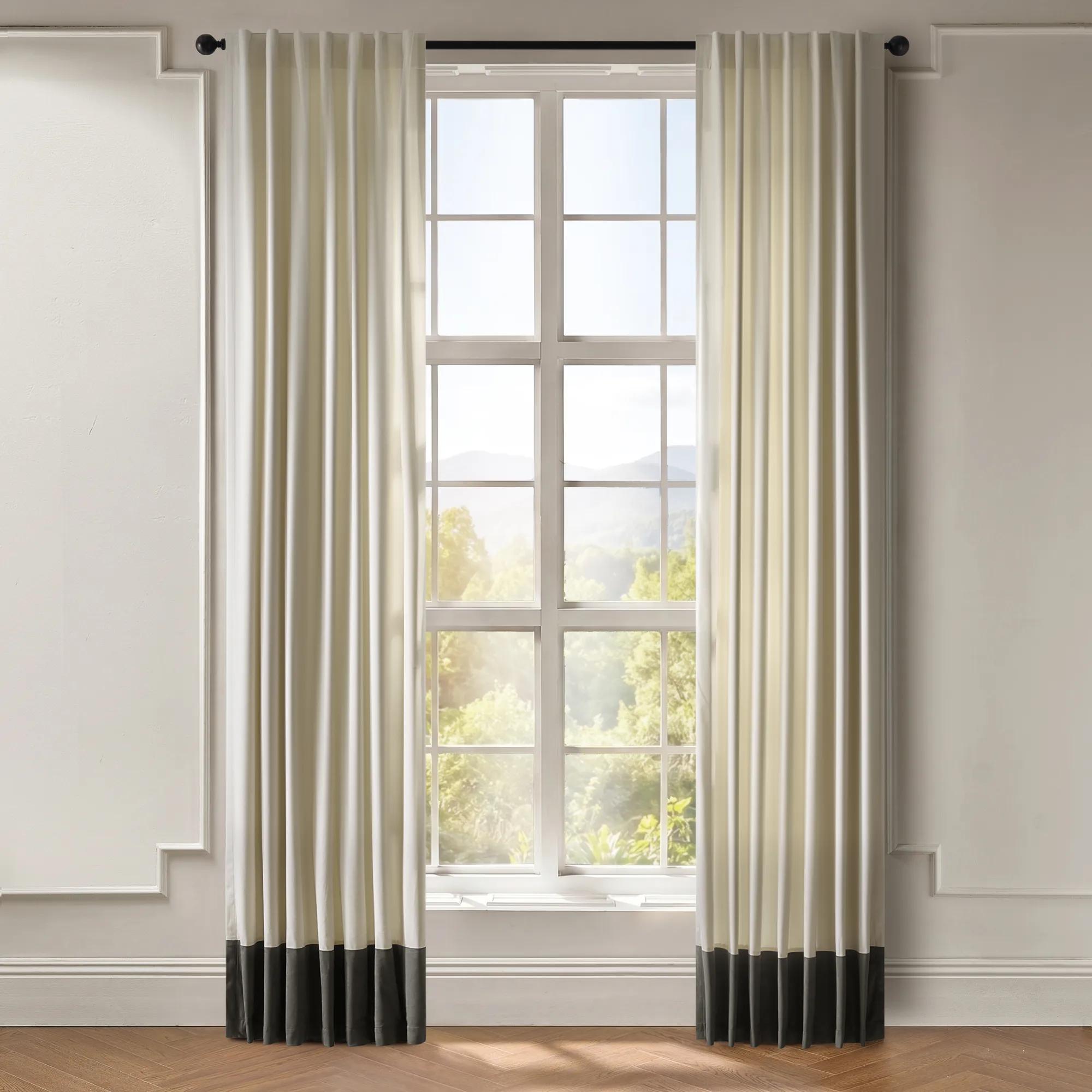
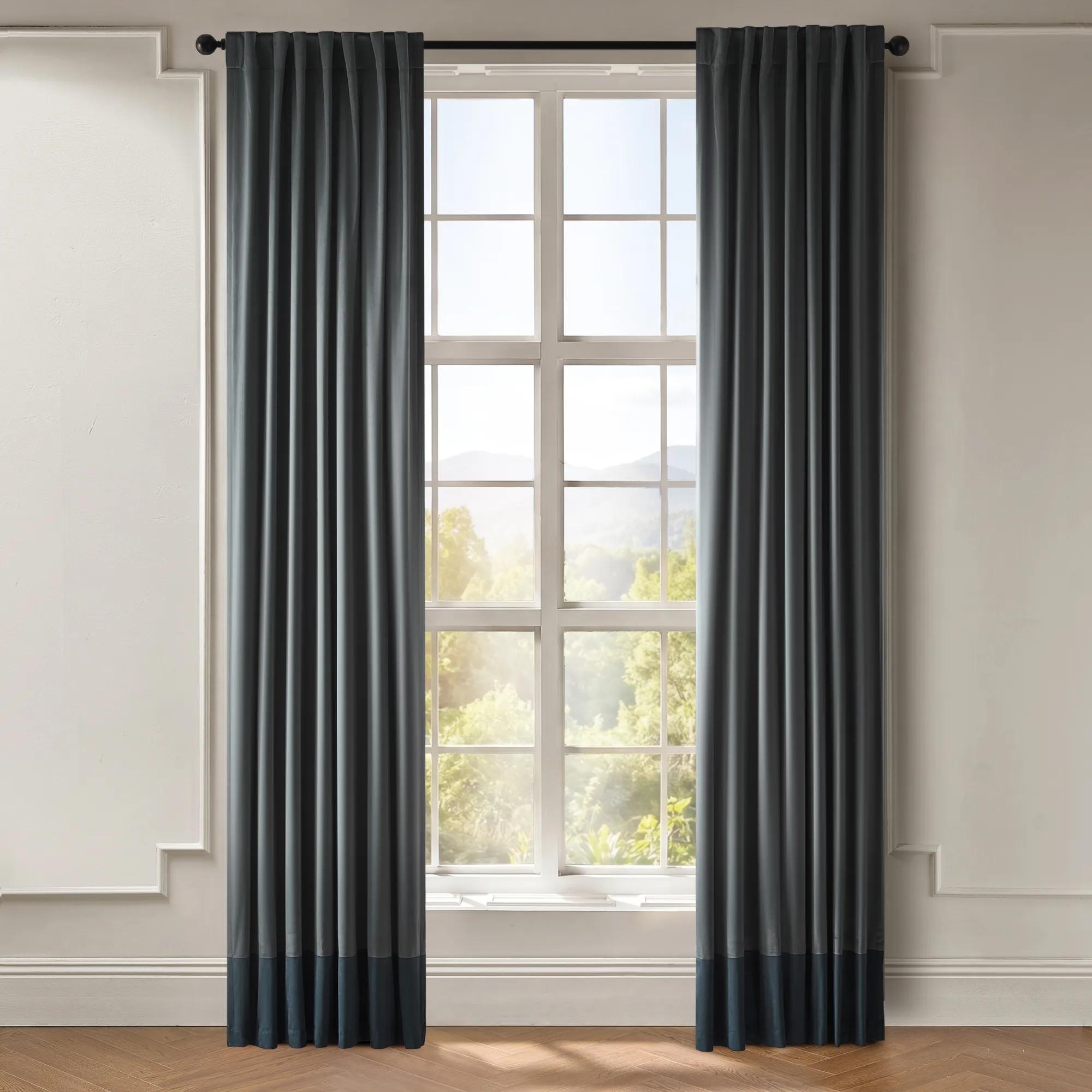
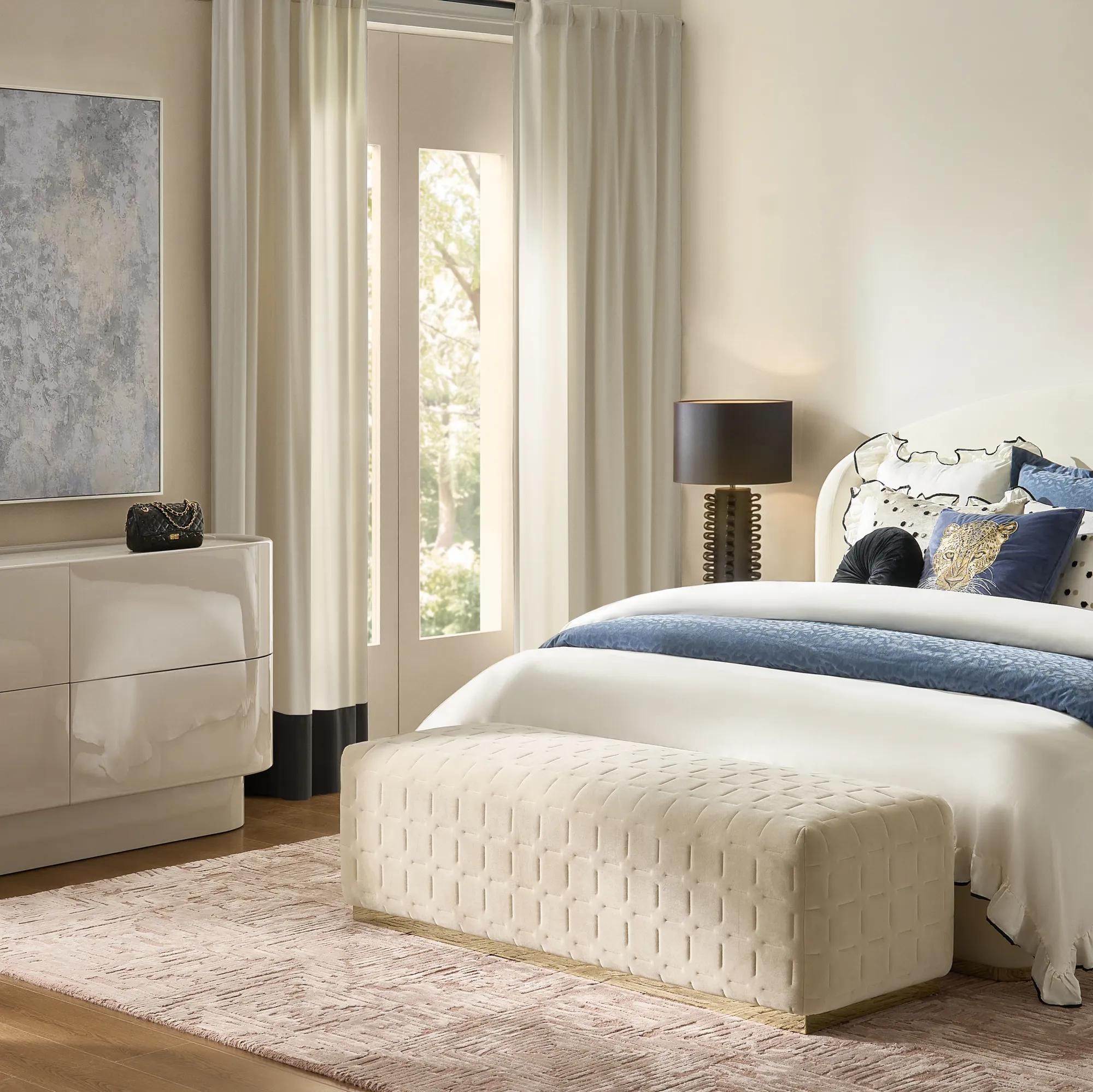 Bastien Ivory/Graphite Velvet Border Window Curtain Panel$89
A two-tone ivory and graphite velvet curtain panel with room-darkening design and versatile hanging options.
Add To Cart -

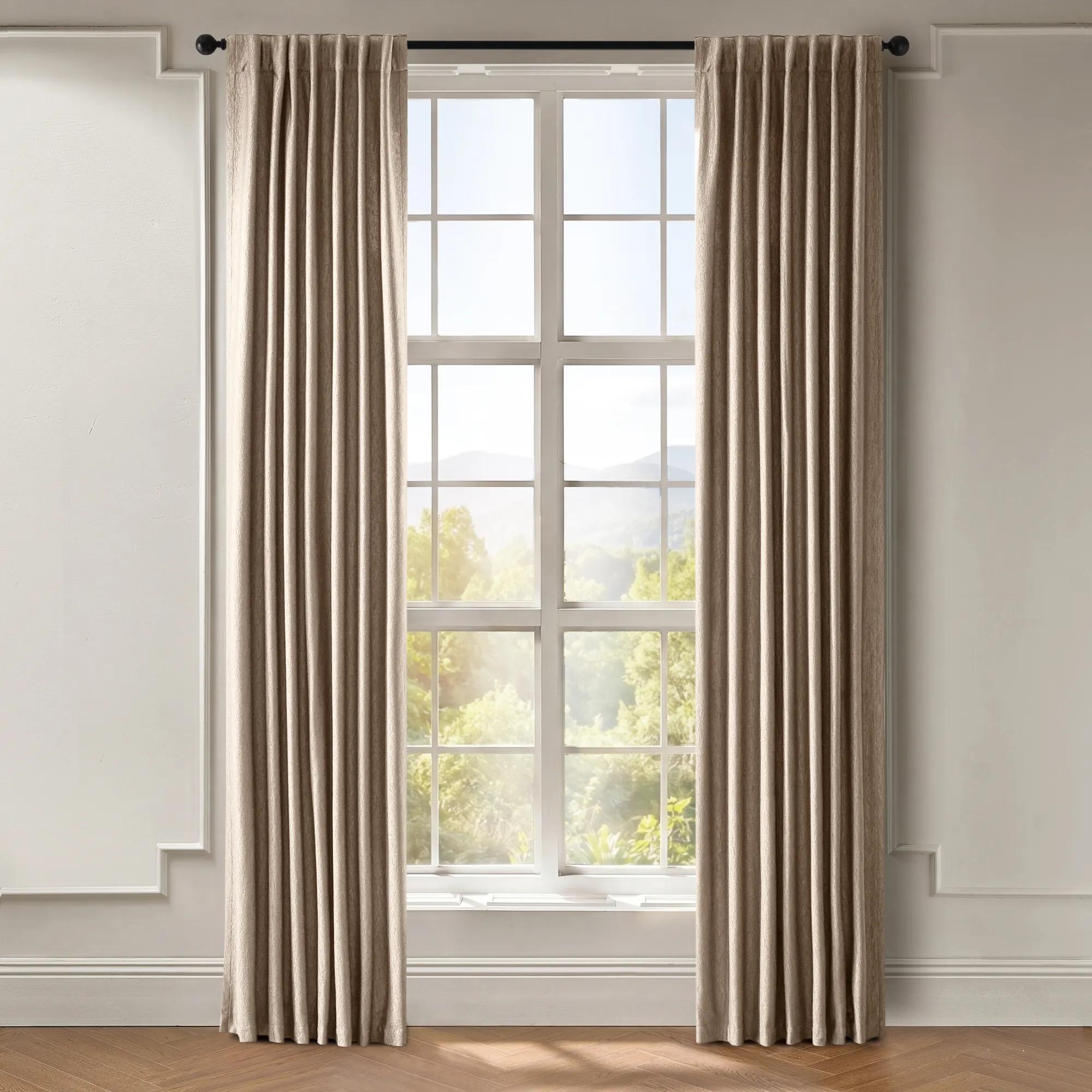
 Mabel Natural Velvet Swirl Window Curtain Panel$89
A warm neutral velvet curtain with a tonal swirl pattern, offering room-darkening privacy and versatile hanging options.
Add To Cart

White Winter Curtains
White Winter Curtains conjure the serene elegance of a snow-draped landscape, transforming your windows into luminous portals of tranquility. Each panel evokes the quiet majesty of winter—crisp, clean, and effortlessly refined—inviting a sense of calm sophistication into your home. Whether casting a soft glow across a grand living room or creating an intimate sanctuary in the bedroom, White Winter Curtains elevate every moment with their ethereal beauty. Embrace the artistry of contrast and light, and let your space become a canvas for all things radiant and resplendent.
White winter curtains bring a luminous counterpoint to the richness of a room dressed for cooler weather. Against dark wood, sculptural metal, or sumptuous upholstery, pale drapery creates a sweep of light that feels both serene and theatrical. The effect depends on more than color: a softly textured weave lends depth to an ivory palette, while a smooth, substantial fabric introduces a more tailored finish. White thermal curtains are designed to help reduce heat loss through windows when they incorporate insulating construction and fit closely around the opening. Decorative white panels without thermal features can create a winter-inspired atmosphere, but color alone does not determine warmth, privacy, or light control. That distinction matters in a living room with broad windows, a bedroom facing the street, or a dining space where evening gatherings call for a more intimate backdrop. Bright white reads crisp beside chrome and glass; softer shades of ivory and warm white feel especially inviting with brass, walnut, and layered neutrals. Undertones become more noticeable across a large expanse of fabric, so considering the curtain color alongside wall paint and upholstery helps the finished room feel deliberate rather than almost matched. Daylight and lamplight can also reveal different nuances, turning a seemingly cool white into a softer glow after sunset. During the cooler months, white drapes preserve a sense of openness even when the surrounding furnishings become deeper, darker, and more tactile. They frame the view without competing with statement artwork, and their generous folds give an otherwise restrained color scheme dimension. For spaces that move from quiet mornings to evenings of entertaining, Winter Living Room Curtains offer a related setting for this balance of visual softness and practical comfort. The appeal is not limited to seasonal decorating: well-chosen white curtains can remain a polished foundation throughout the year, allowing pillows, throws, and decorative accents to change around them.
Material and lining determine how white winter curtains feel, fall, and perform. Velvet brings a plush surface and pronounced folds, with a richness that contrasts beautifully against the clean appearance of white. Cotton offers a softer, more relaxed character, while linen and linen blends introduce visible texture and an airy elegance; unlined, open-weave versions generally provide less insulation and privacy than densely woven, lined fabrics. Polyester and blended textiles can offer dimensional stability and resistance to wrinkling, although performance varies with the weave, construction, and finish. Fabric weight contributes to the drape, but a heavy panel is not automatically thermal, and a thermal panel is not automatically blackout. Thermal lining is intended to slow heat transfer and improve comfort near the window. Blackout construction is intended to block light through the fabric, while light-filtering curtains diffuse daylight with a gentler effect. Some curtains combine these functions; others serve only one. For a bedroom, white blackout curtains can retain a luminous decorative presence while supporting a darker sleeping environment. In a sitting room where daylight is part of the appeal, lined, light-filtering panels may provide a more suitable balance, with nighttime privacy dependent on the fabric and lighting conditions. Layering sheer curtains beneath more substantial drapes allows the room to shift from softly veiled daylight to greater evening coverage. Even blackout fabric can allow light around the edges, so the overall result depends on installation as well as textile construction. Insulating curtains may reduce the sensation of chill near a window, but they do not repair air leaks or replace sound window maintenance. Thick, generously gathered fabric can also soften some reflected sound within a room without making the space soundproof. These distinctions make it easier to select drapery for its actual purpose, whether that means a cocooning bedroom, a gracious guest room, or a living area where comfort should feel as considered as the composition.
Fit gives white winter curtains their architectural presence and helps insulating construction work more effectively. Curtain length is measured from the chosen hanging point, which varies with the header style, rather than from the top of the window alone. Rod pockets, rings, grommets, and pleated headers position the fabric differently, affecting both the finished length and the way the panels stack when open. Floor-length curtains that just meet or hover slightly above the floor deliver a tailored silhouette without gathering dust in a generous puddle. They can also provide better coverage than shorter panels when the window extends close to the floor, provided they are kept clear of heating equipment. Extending the rod beyond the window frame creates room for the fabric to stack back and expose more glass during daylight hours. When closed, sufficient panel width creates overlapping folds rather than a flat, stretched surface; a combined fabric width around one and a half to two times the rod width is a common starting point, with the appropriate fullness depending on the header and fabric. For thermal performance, close coverage at the sides and top matters alongside length, because gaps allow room air to circulate against the cold glass. Drapery should never cover radiators, baseboard heaters, or vents, and required clearances should follow the equipment manufacturer’s guidance. Substantial lined panels also need hardware and mounting supports rated for their weight. Care is equally important to preserving that expansive, luminous finish. White fabric can reveal dust, pet hair, and marks from frequent handling, making washable construction appealing in busy households when the care label permits it. Other fabrics and linings require professional cleaning, and heat or harsh treatments can damage specialty backings. Gentle dust removal and prompt attention to spills help protect the surface; cleaning methods should always follow the textile’s instructions. With thoughtful proportions, dependable construction, and suitable care, white curtains lend everyday rooms a distinctive sense of ceremony, turning the window into a beautifully composed part of the interior.
FAQs
White winter curtains infuse a space with a luminous, serene atmosphere, reflecting natural light and amplifying the feeling of openness, even on the gloomiest days. Their crisp, clean palette evokes the tranquility of freshly fallen snow, while their texture—whether sheer or sumptuous—adds depth and warmth, turning any room into a sophisticated winter retreat.
Popular materials for white winter curtains include velvet for its rich texture and insulating qualities, linen for its airy elegance, and silk blends for a gentle sheen that captures and diffuses light. Layering sheers with heavier drapes allows you to balance visual drama with practical warmth, creating an inviting and versatile look.
Absolutely. White winter curtains are remarkably versatile, complementing both modern and traditional interiors. In contemporary spaces, their clean lines and bright tone accentuate minimalist design, while in classic rooms, they evoke timeless elegance and can be styled with ornate tiebacks or layered with vienna curtains for added grandeur.
White winter curtains make a luxurious and meaningful gift, perfect for celebrating housewarmings, weddings, or seasonal milestones. They symbolize a fresh start and bring a sense of peace and opulence to any home, making them an inspired choice for loved ones who appreciate design and comfort.
To create a dramatic focal point, opt for floor-to-ceiling white winter curtains in a plush fabric, and pair them with bold hardware such as crystal or metallic rods. Layering them with textured throws and statement furniture amplifies the effect, transforming your living room into a stage for winter elegance and expressive design.