Window Treatments For Guest Bedrooms
Window Treatments For Guest Bedrooms
-
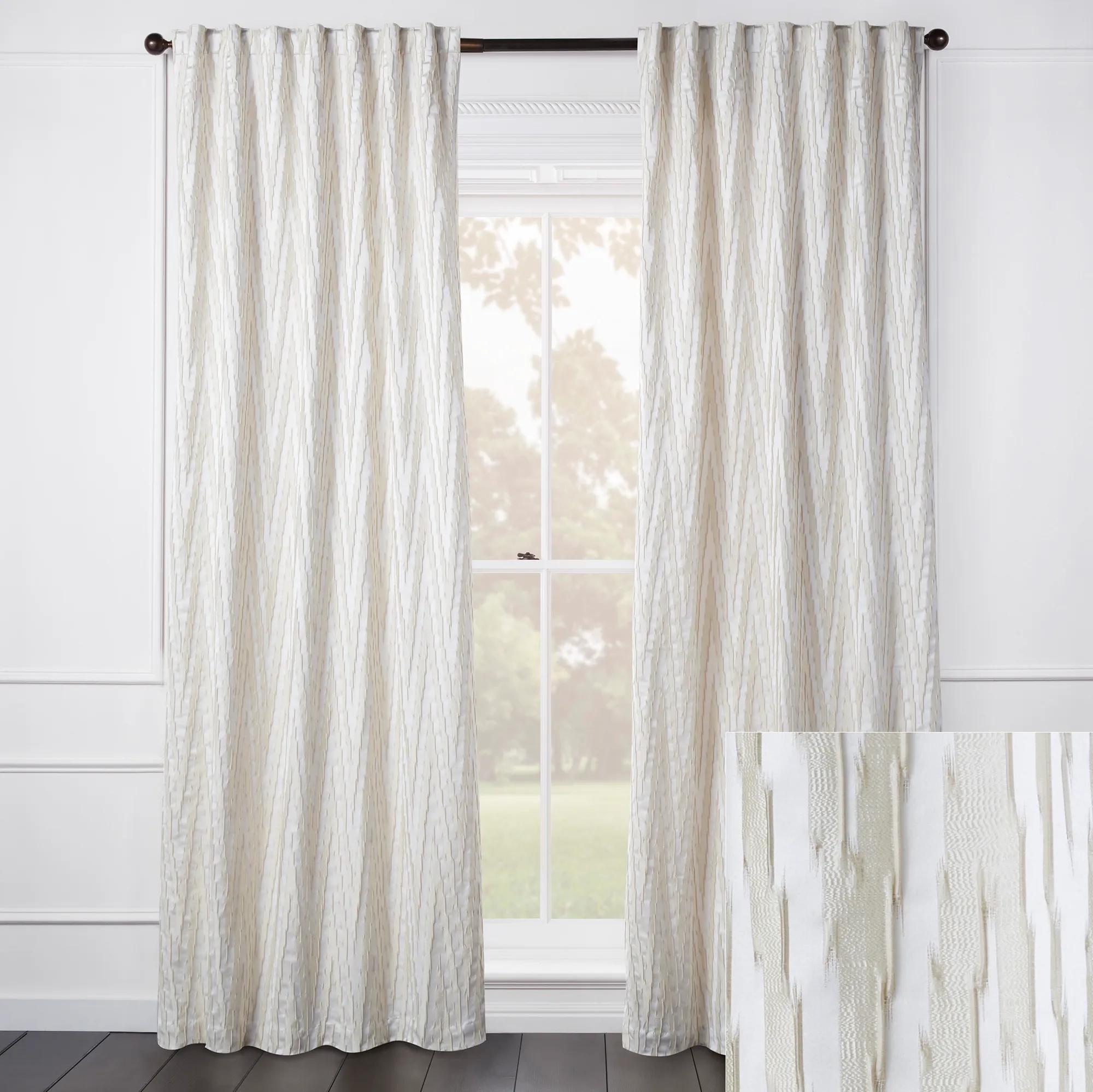
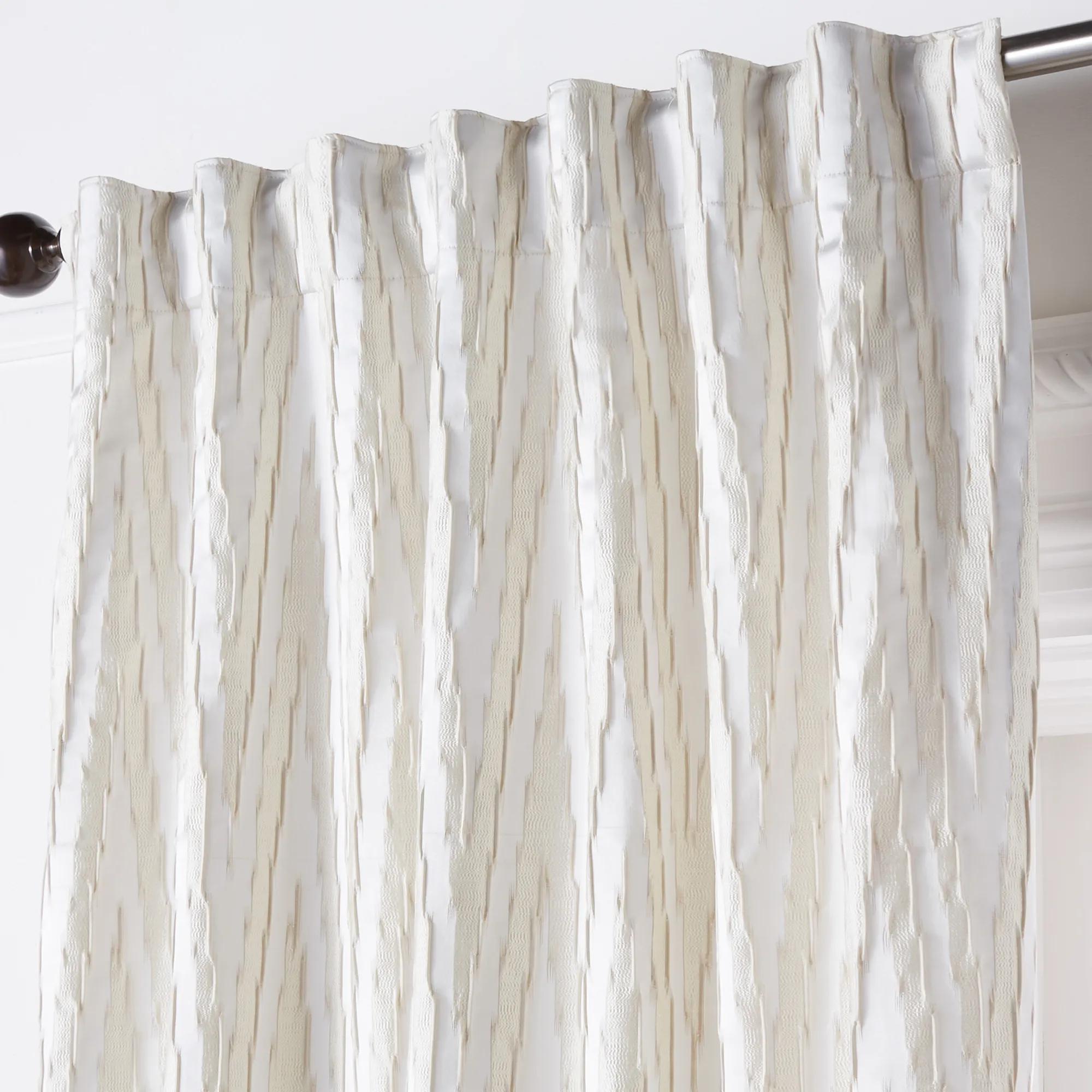 Minka Jacquard Pearl Window Curtain Panel Custom$329
A highly textured chevron curtain panel in pearl, grey, or natural polyester with customizable hanging options.
Add To Cart -
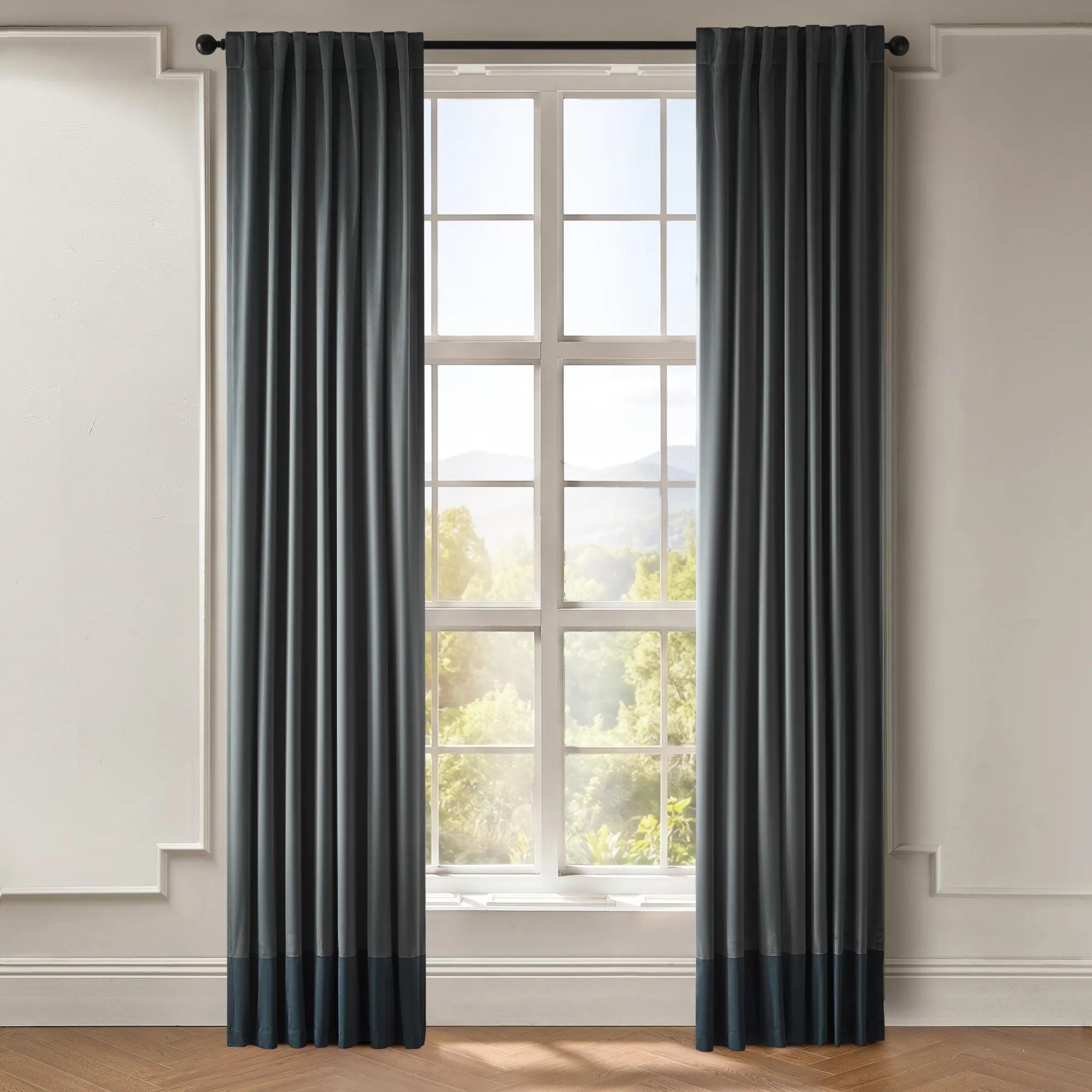
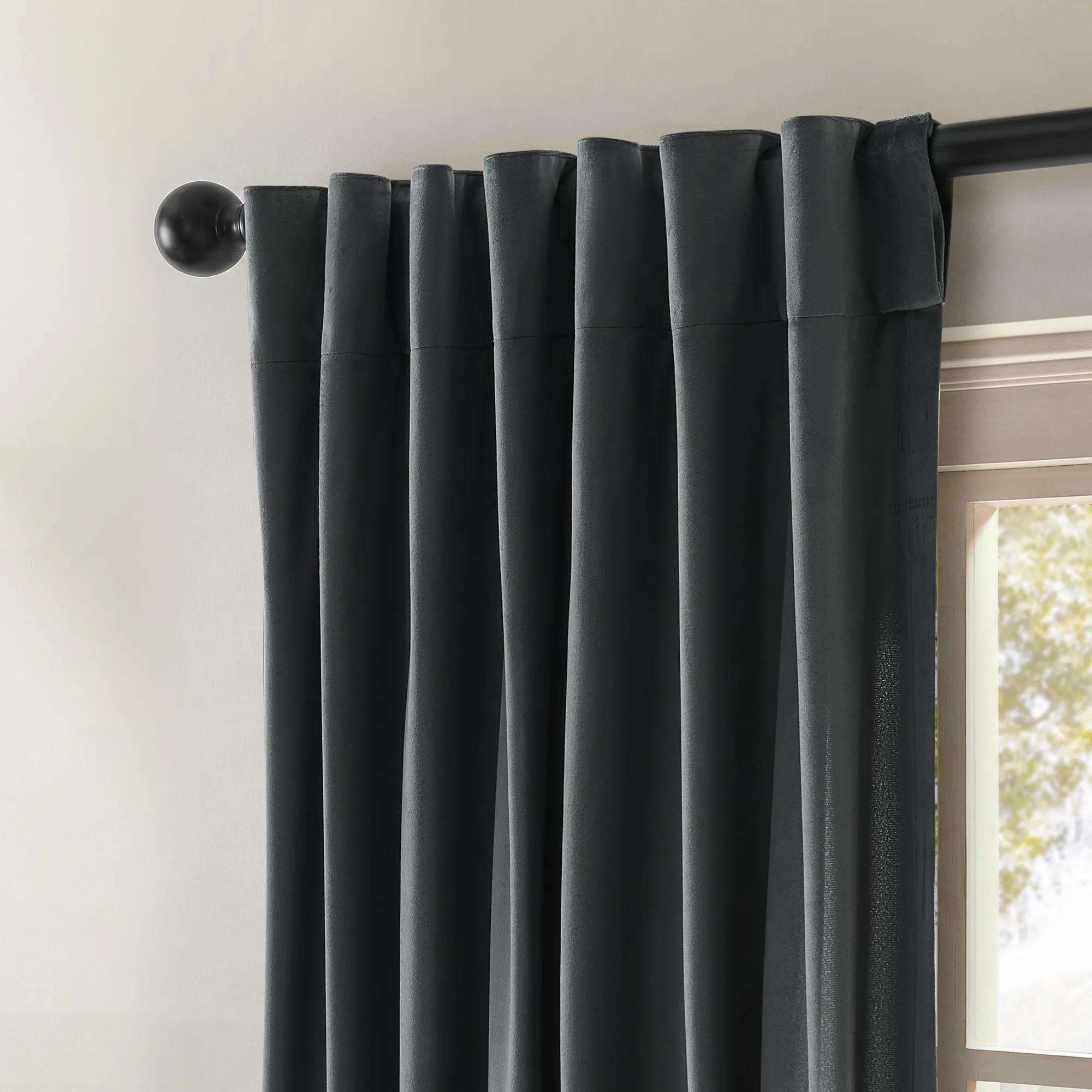 Bastien Blue/Midnight Velvet Border Window Curtain Panel$89
A two-tone dusty and midnight blue velvet curtain panel with a Deco-inspired border and room-darkening design.
Add To Cart -
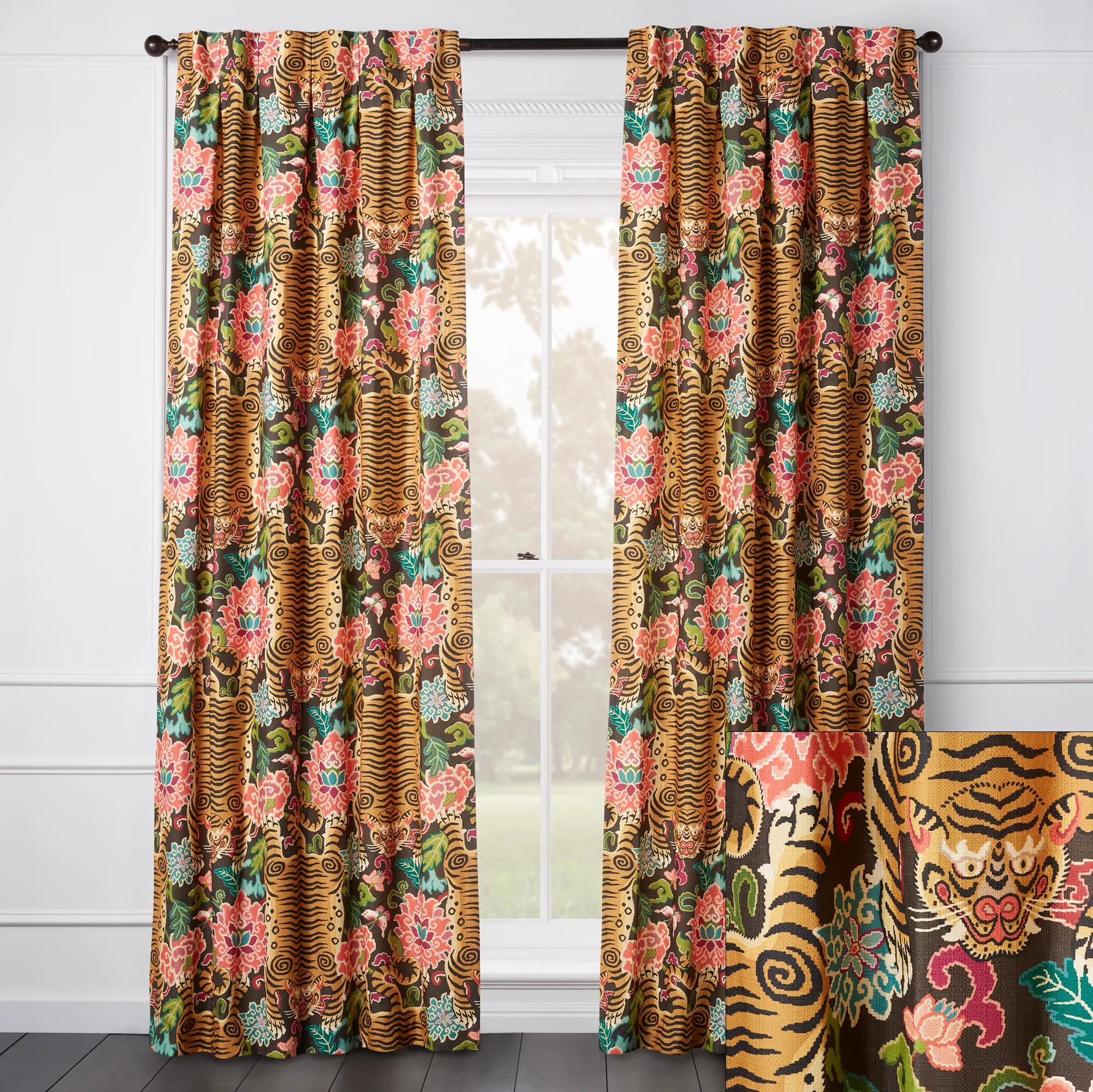
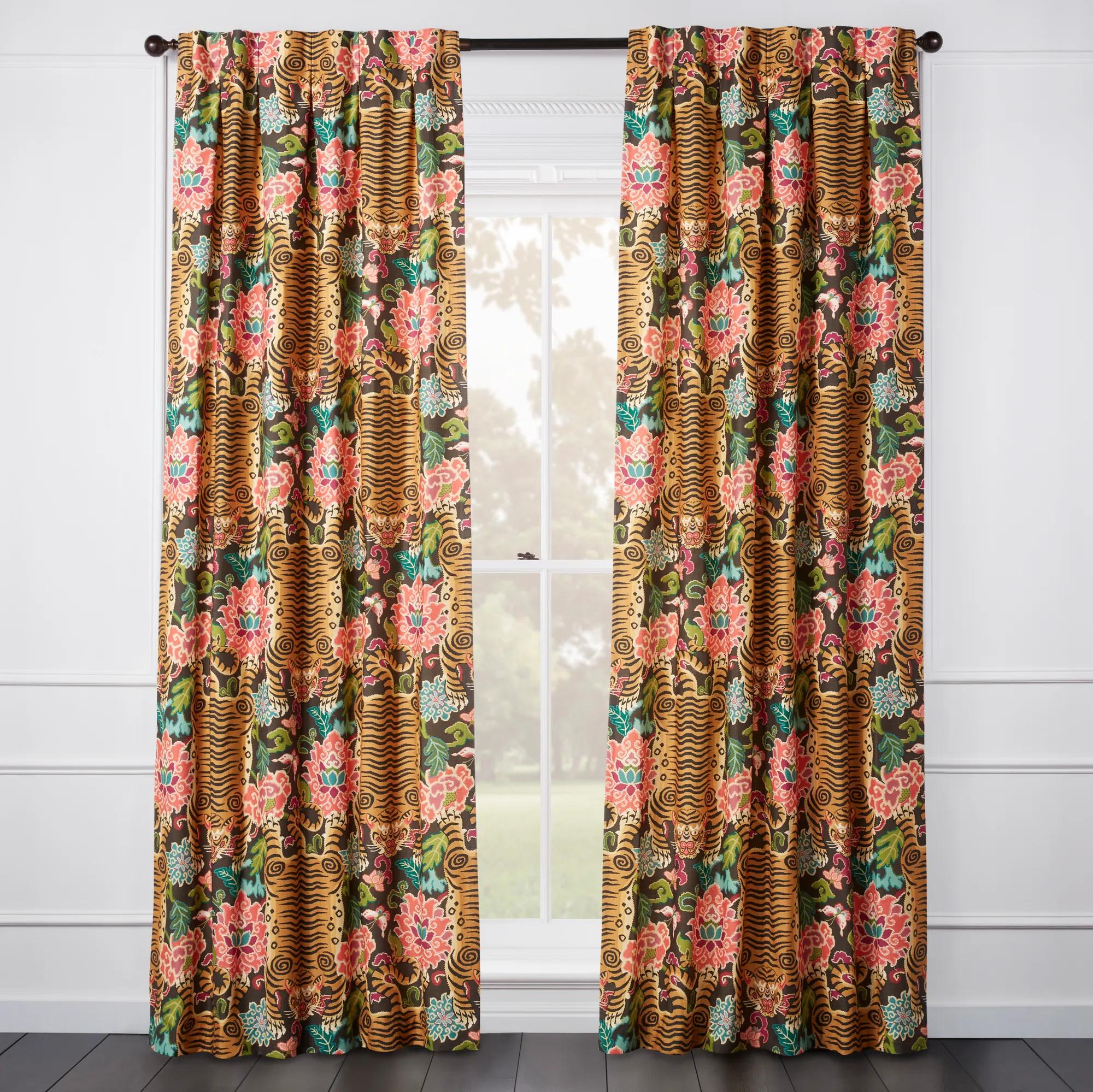 Nimer Gold/Multi Printed Slubbed Cotton Window Curtain Panel$319
A bold gold and multi-colored cotton curtain panel featuring a lively tiger print and customizable options.
Add To Cart -
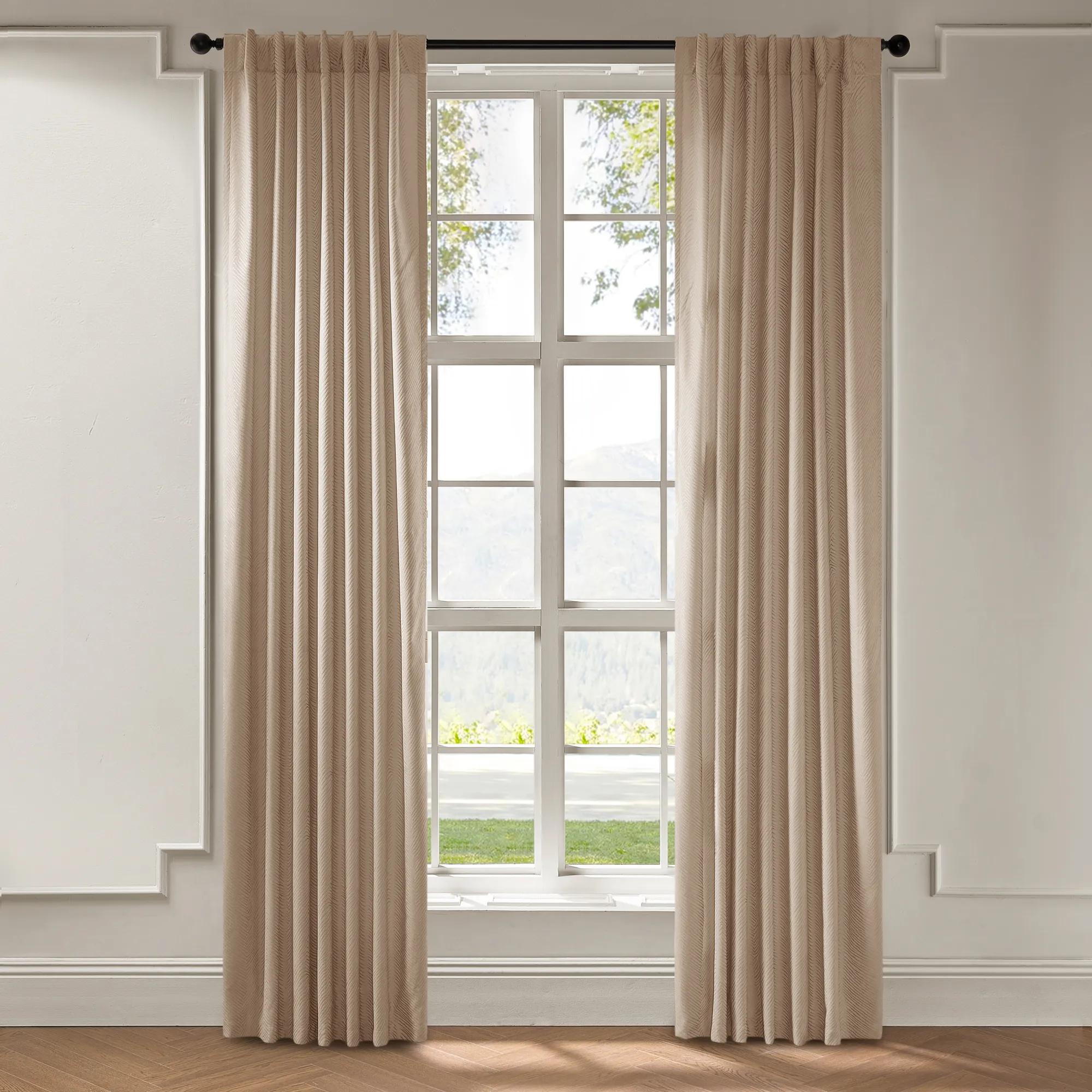 Kenzo Jacquard Beige Chenille Window Curtain Panel$119
A warm beige chenille jacquard curtain with a subtle sheen and versatile rod pocket or back tab hanging.
Add To Cart -
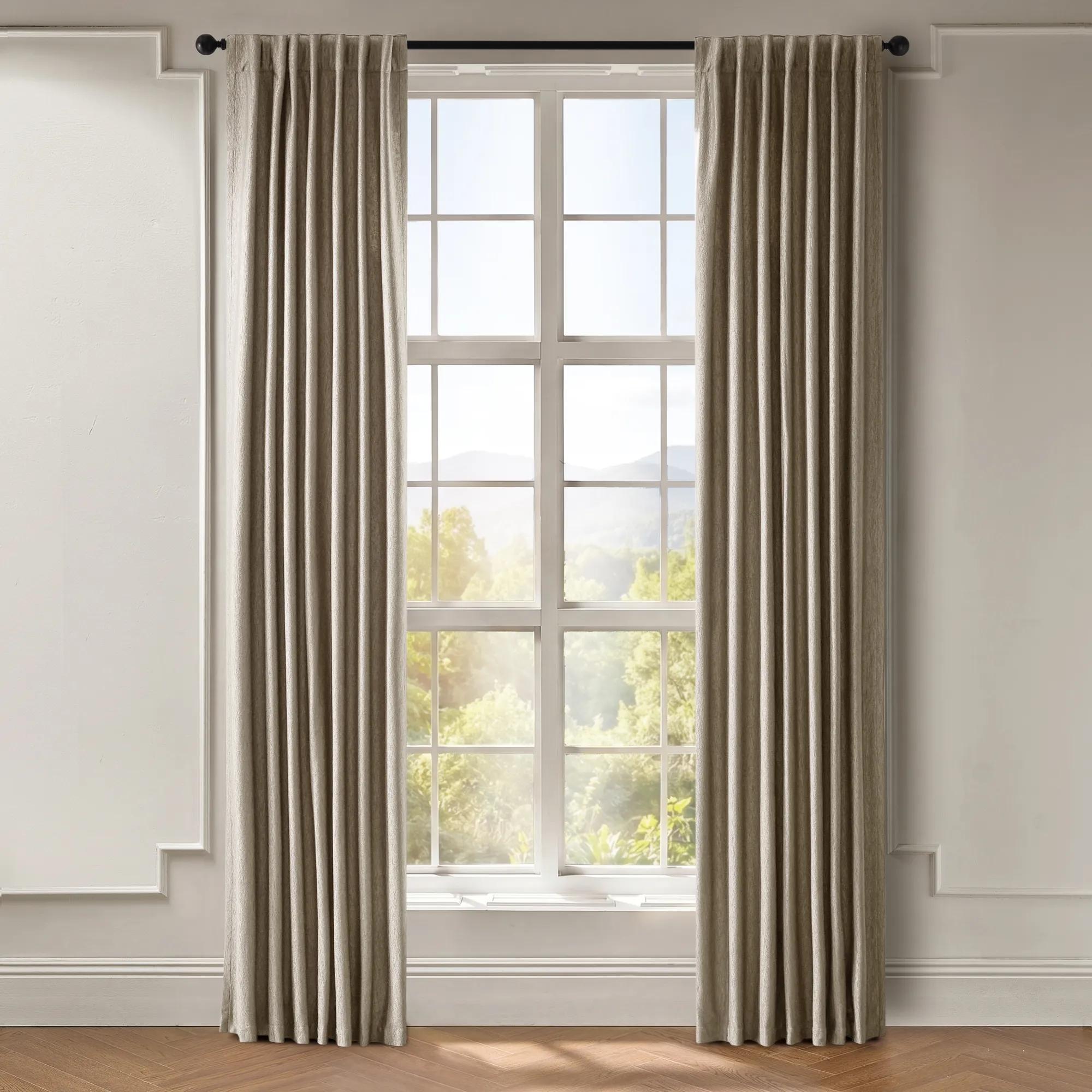
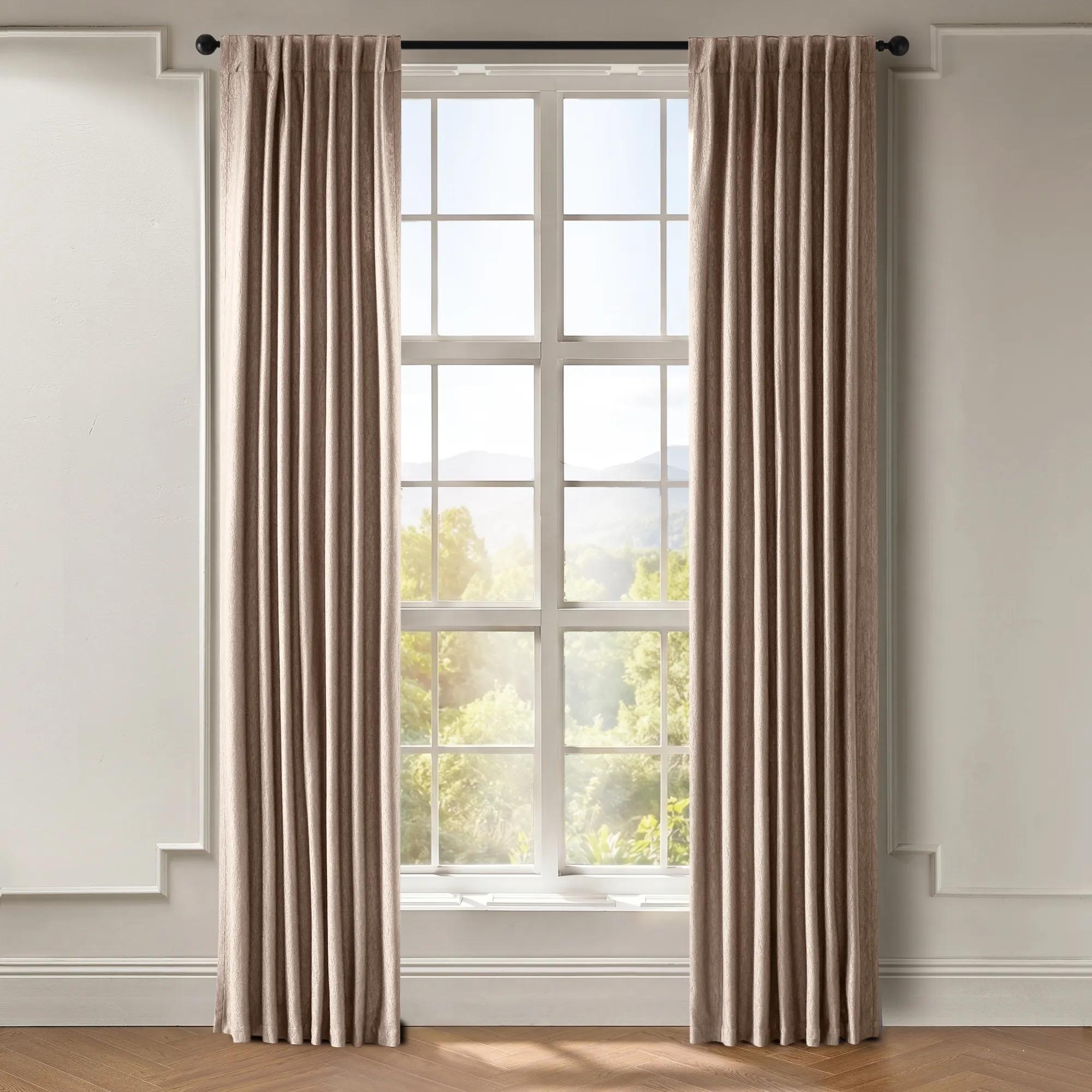
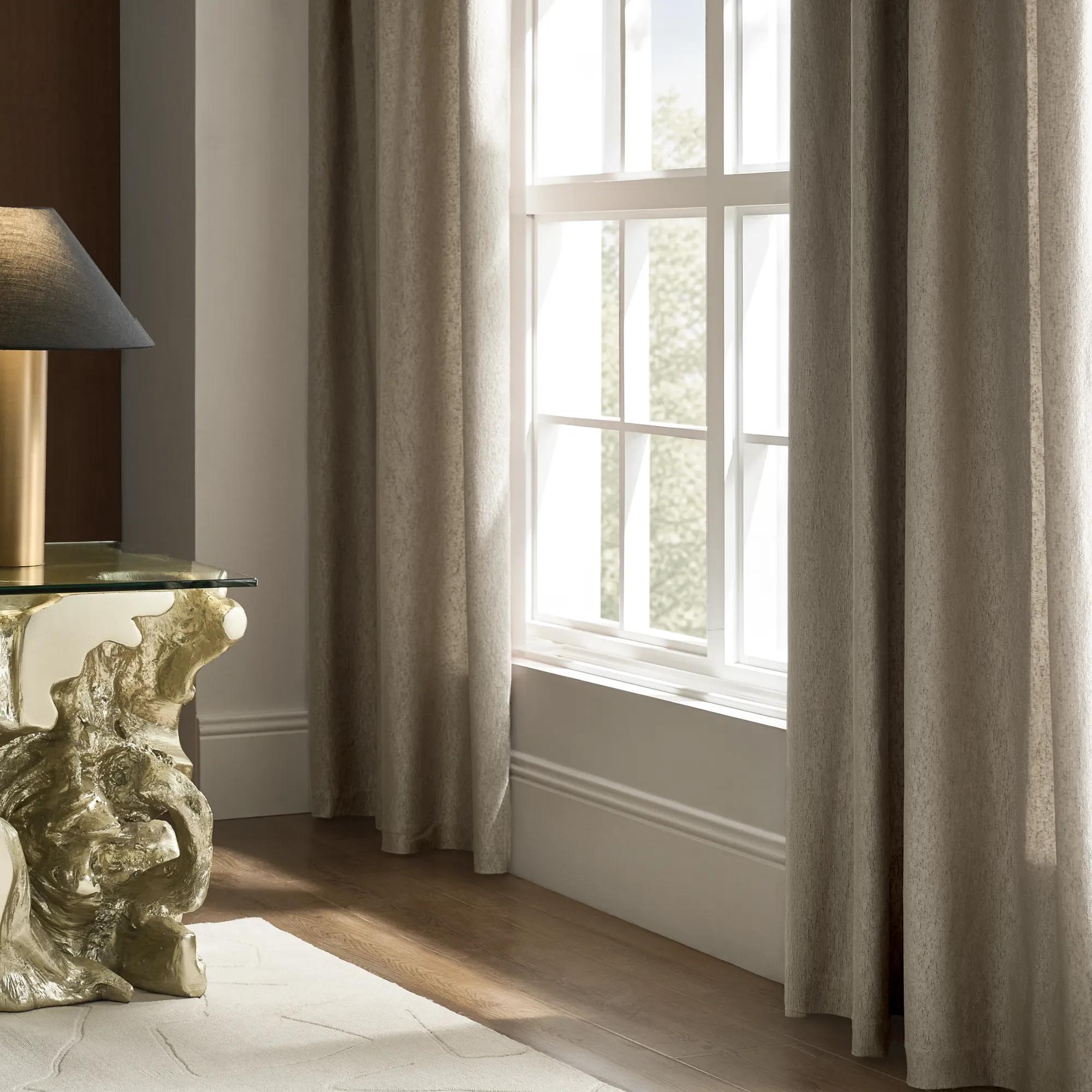 Anson Taupe Textured Window Curtain Panel$99
A taupe polyester curtain panel featuring a crushed sheen texture and versatile room-darkening design.
Add To Cart -
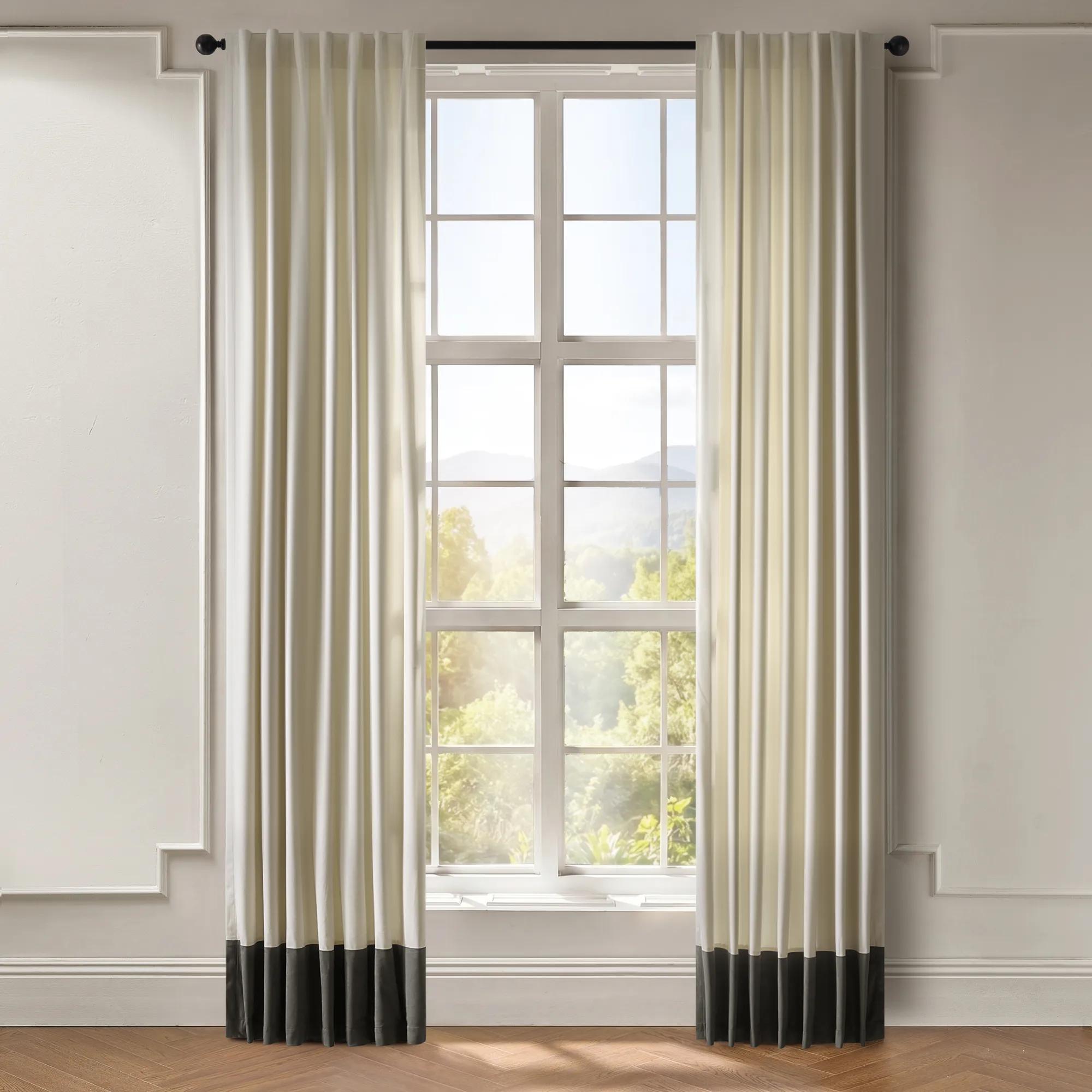
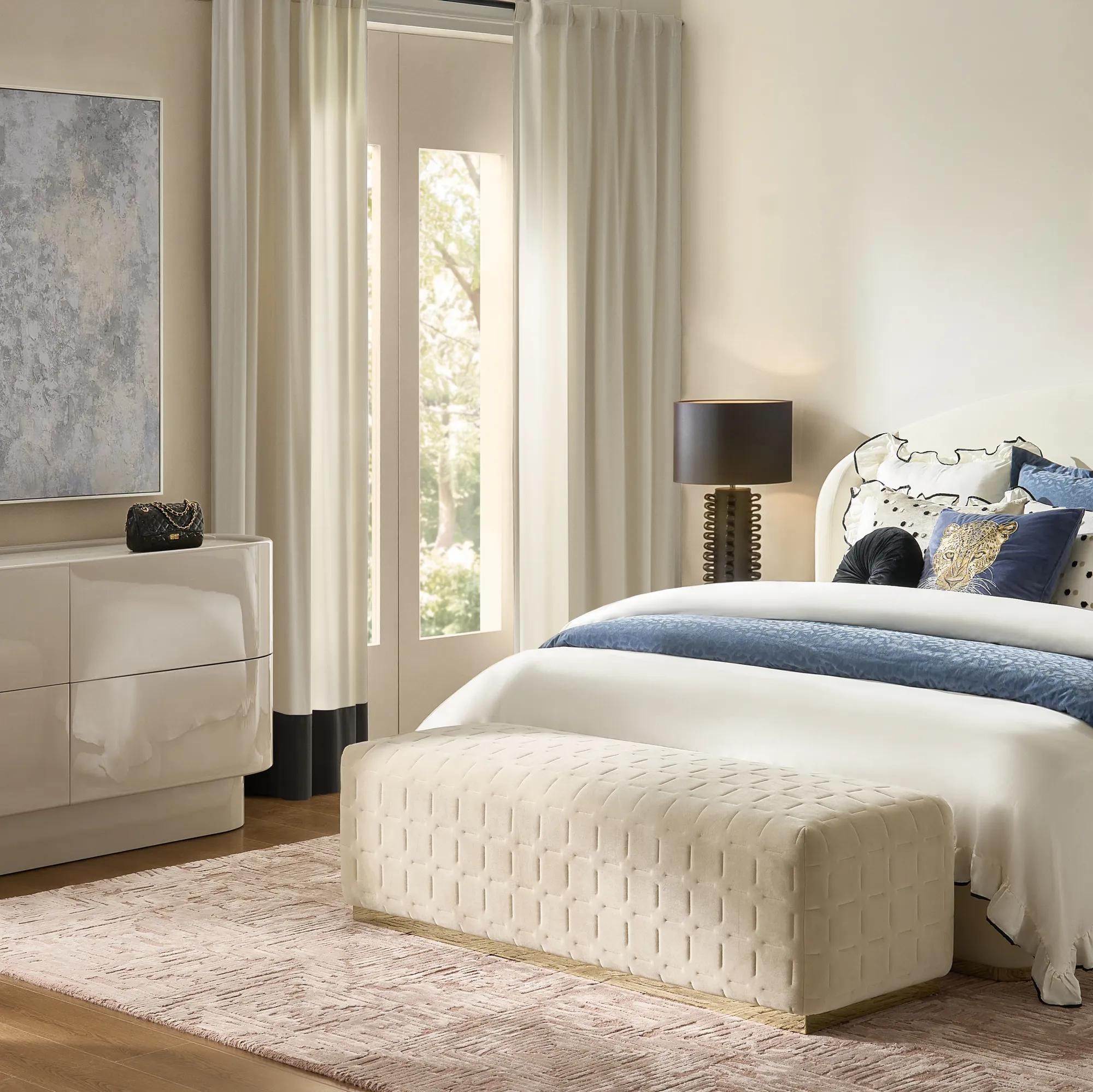 Bastien Ivory/Graphite Velvet Border Window Curtain Panel$99
A two-tone ivory and graphite velvet curtain panel with room-darkening design and versatile hanging options.
Add To Cart -
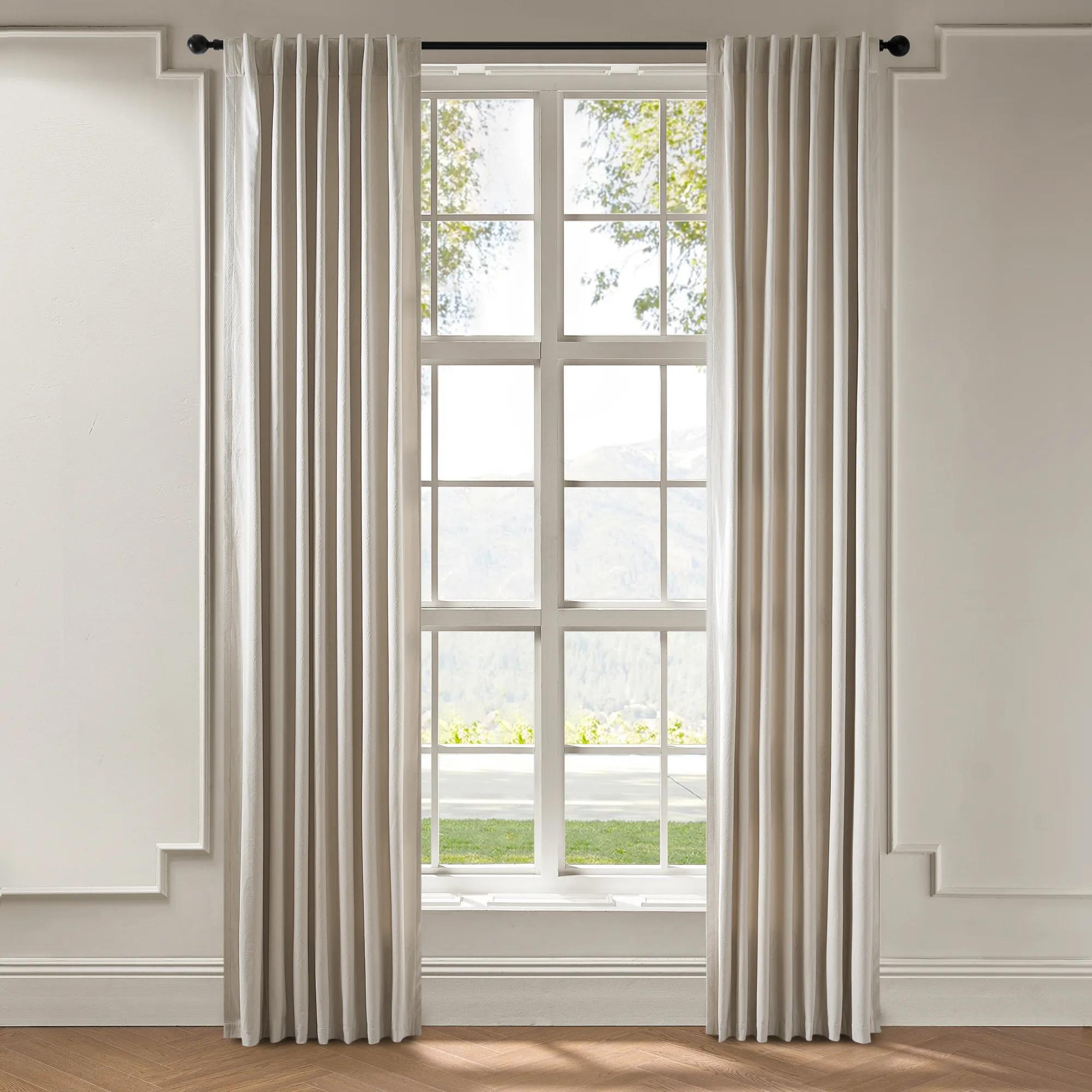
 Mabel White Velvet Swirl Window Curtain Panel$99
A crisp white velvet curtain featuring a tonal swirl texture and versatile dual hanging options.
Add To Cart -
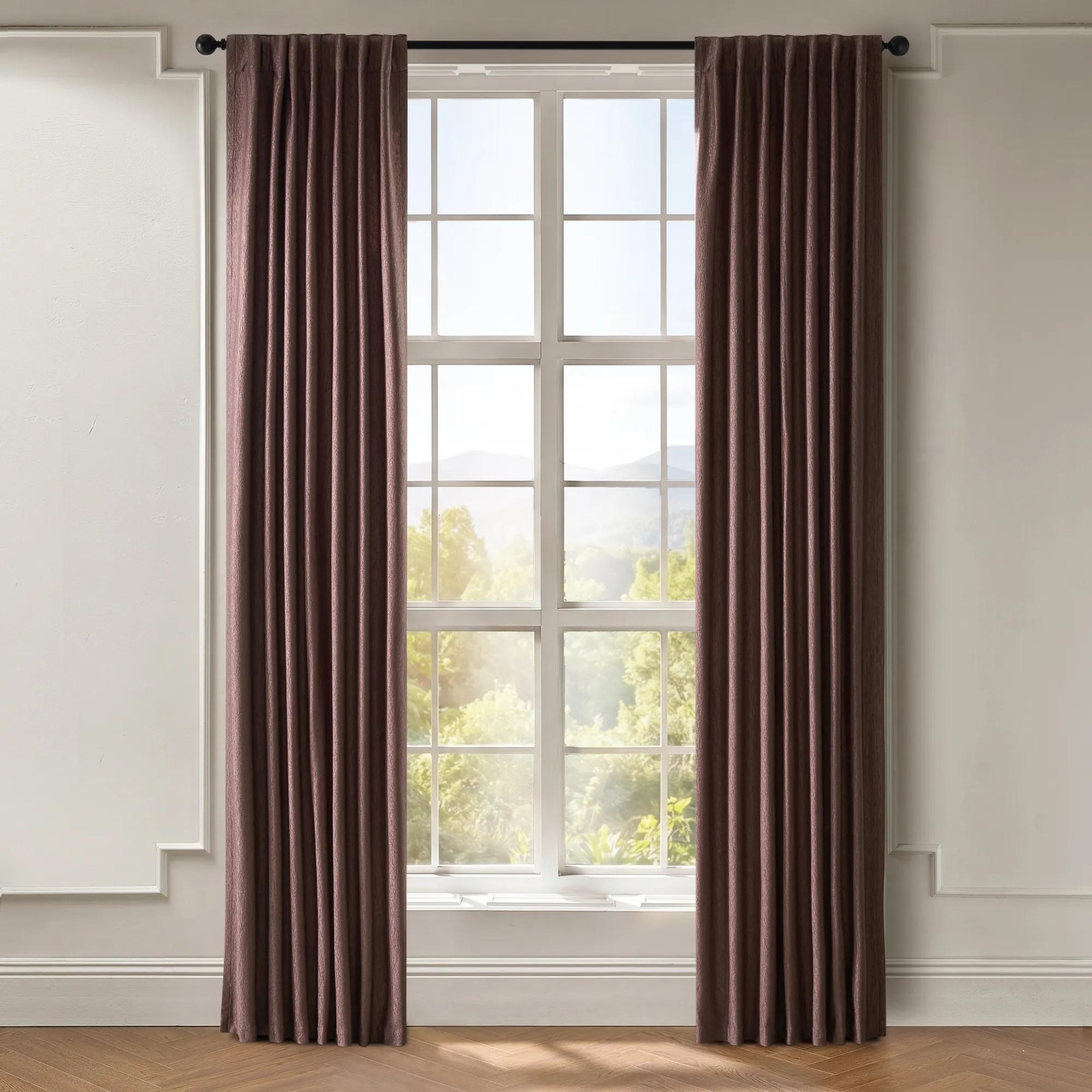
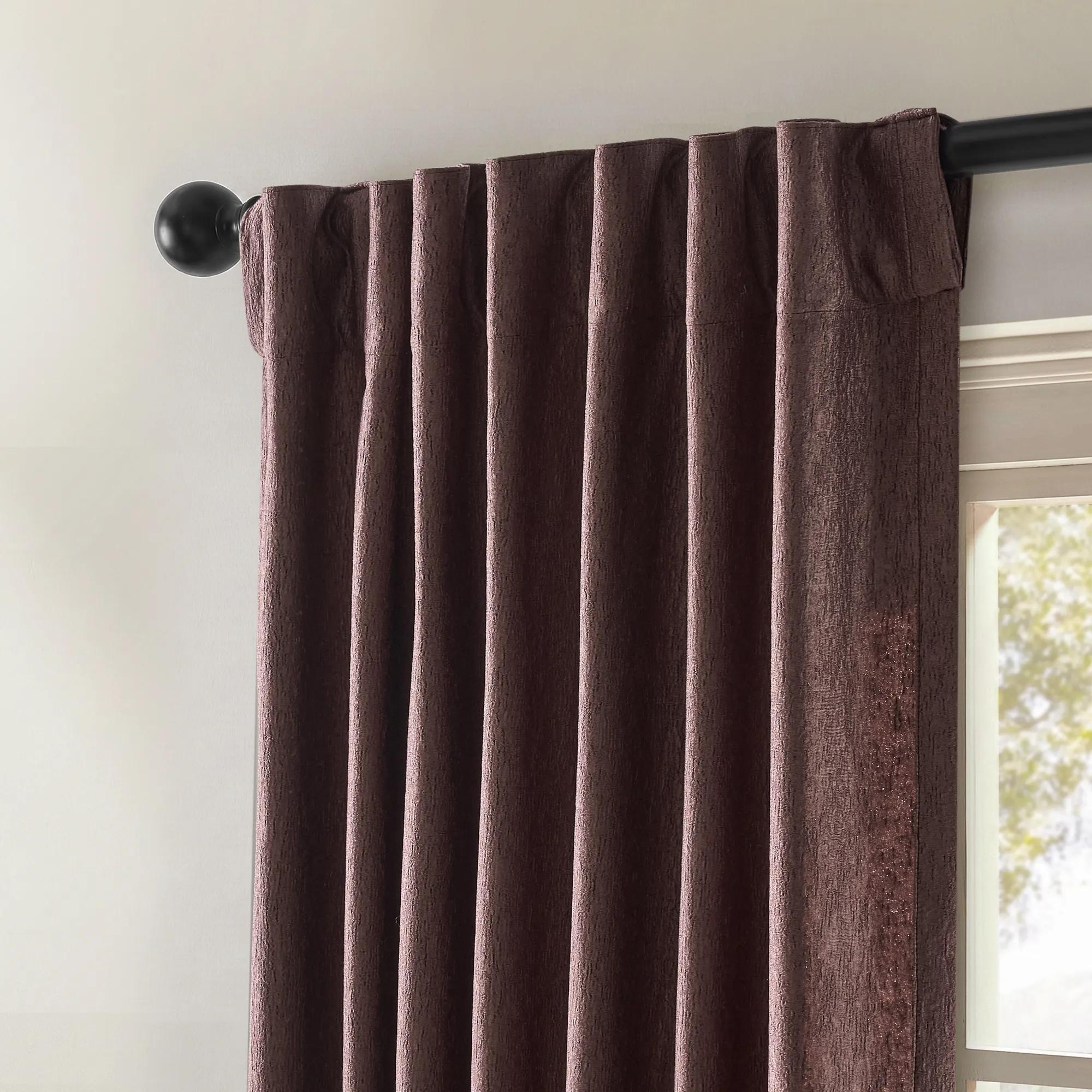 Anson Fig Textured Window Curtain Panel$109
A room-darkening fig curtain panel with a crushed sheen texture and versatile dual hanging options.
Add To Cart -
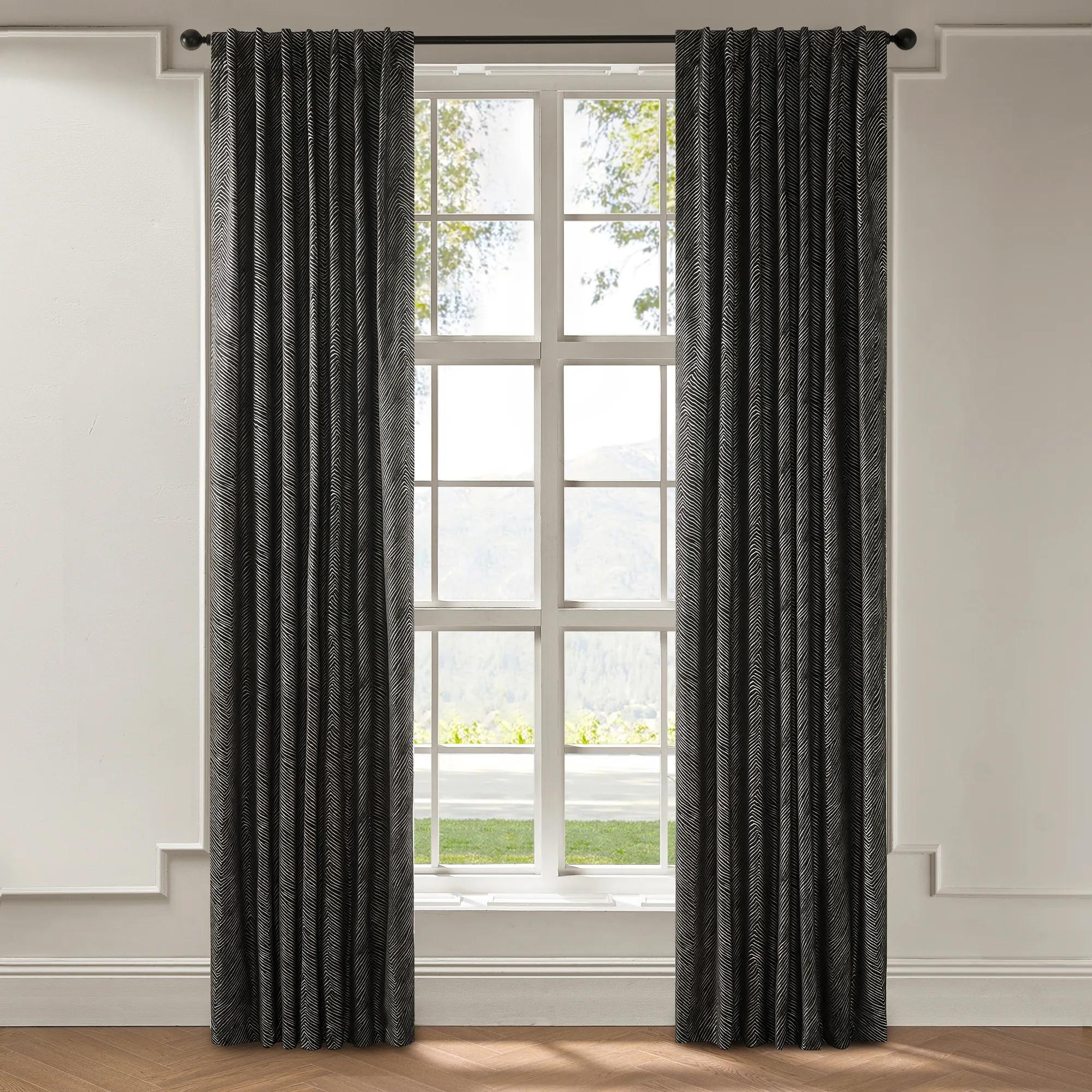
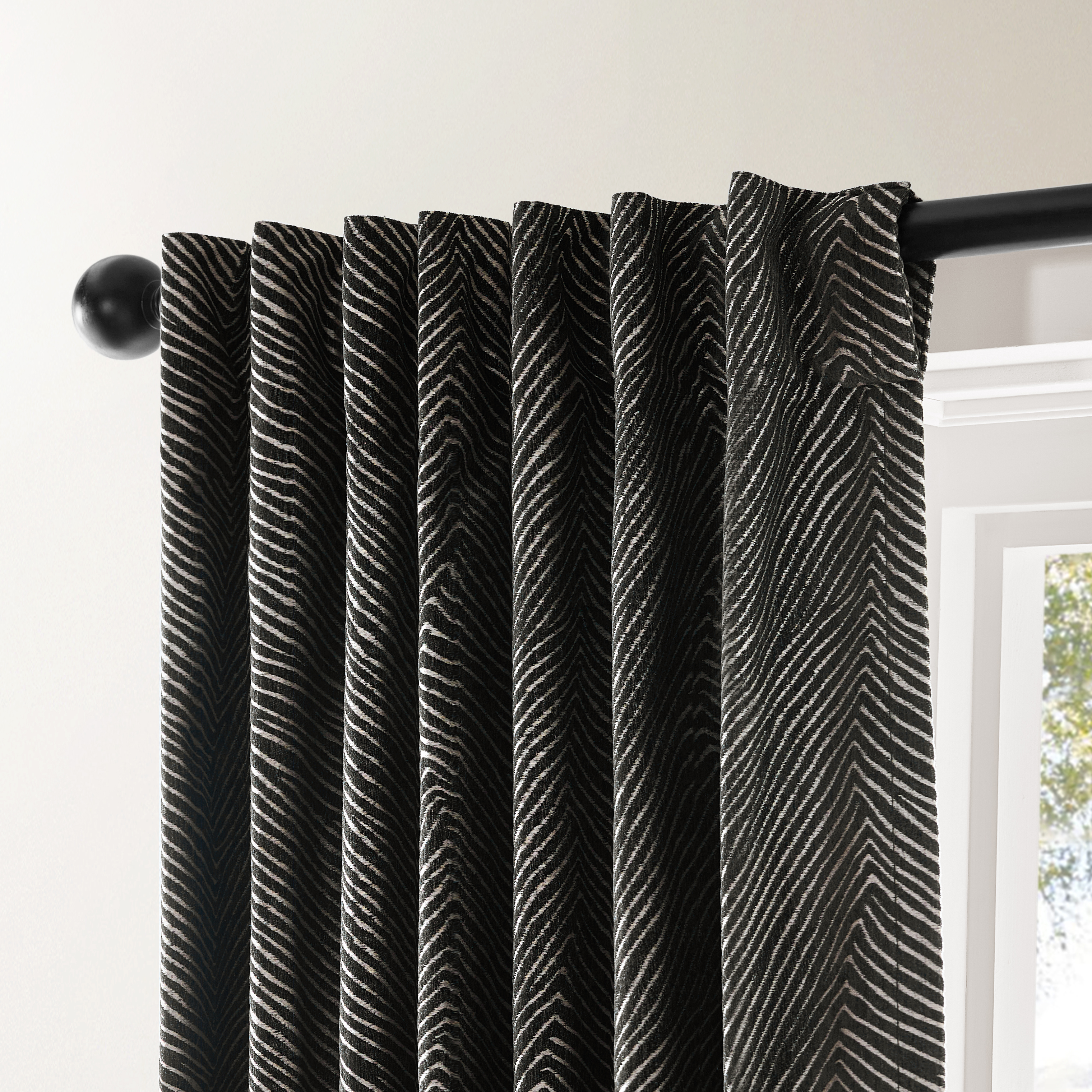 Kenzo Black Chenille Window Curtain Panel$139
A black chenille jacquard curtain with a room-darkening finish and versatile dual hanging options.
Add To Cart -
 Anson Mocha Rose Textured Window Curtain Panel$99
A light mocha rose curtain panel with crushed sheen texture and room-darkening, dual hanging design.
Add To Cart -

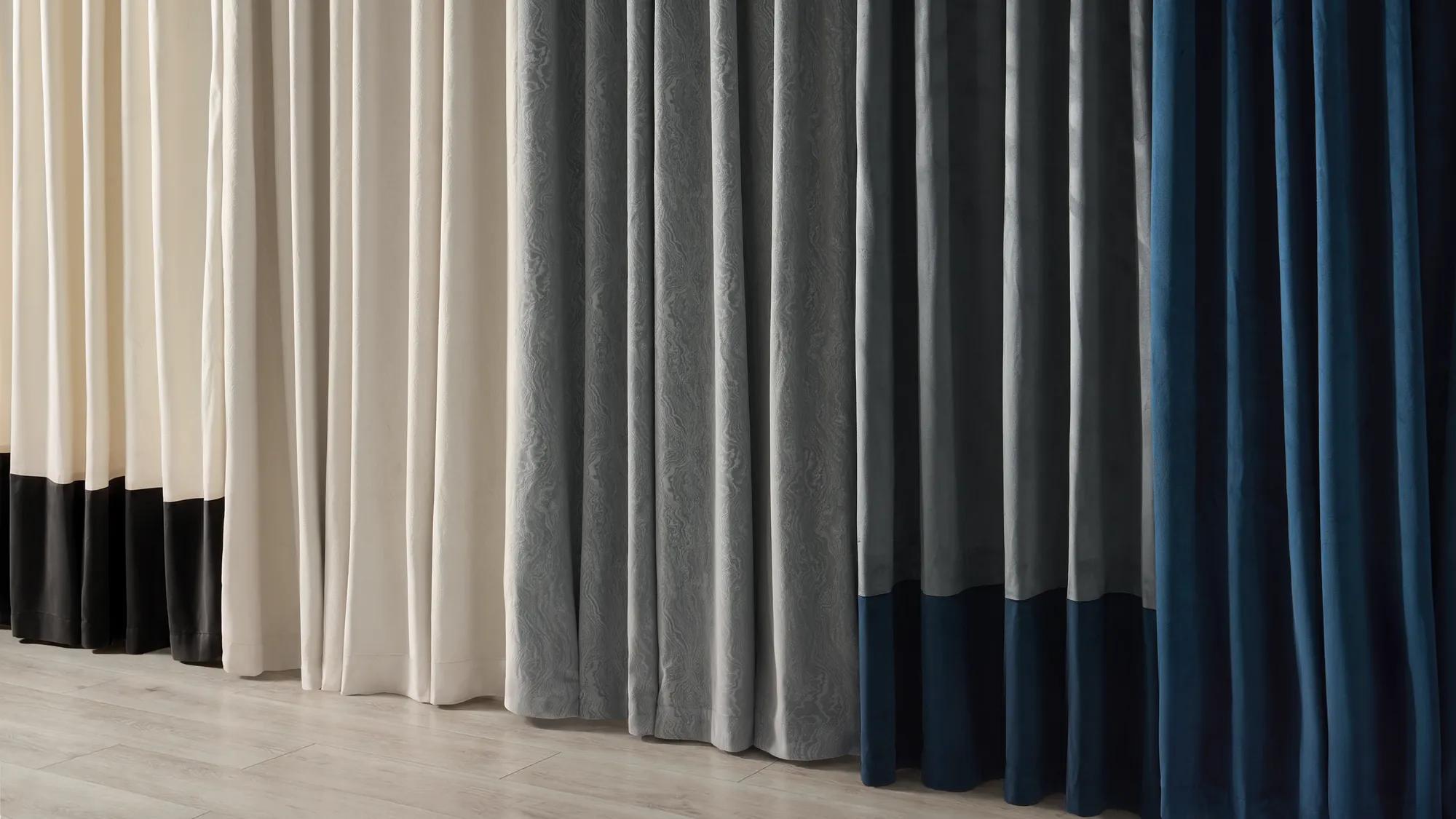 Mabel Velvet Swirl Curtain - Grey Blue$109
A grey blue velvet curtain featuring a tonal swirl pattern and versatile dual hanging options.
Add To Cart -
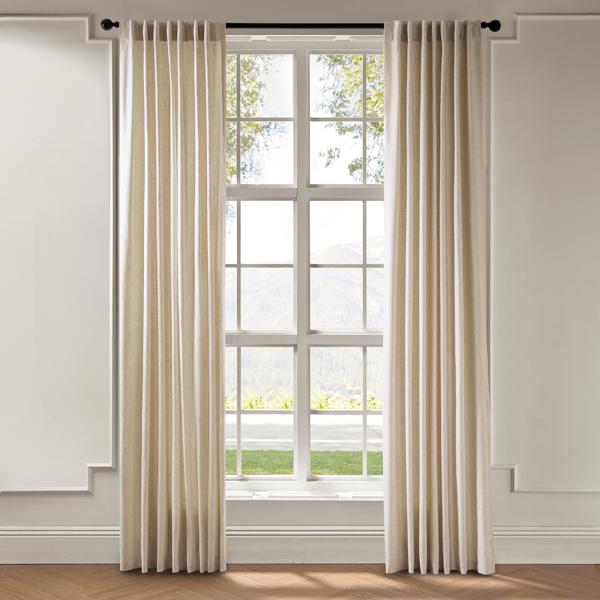
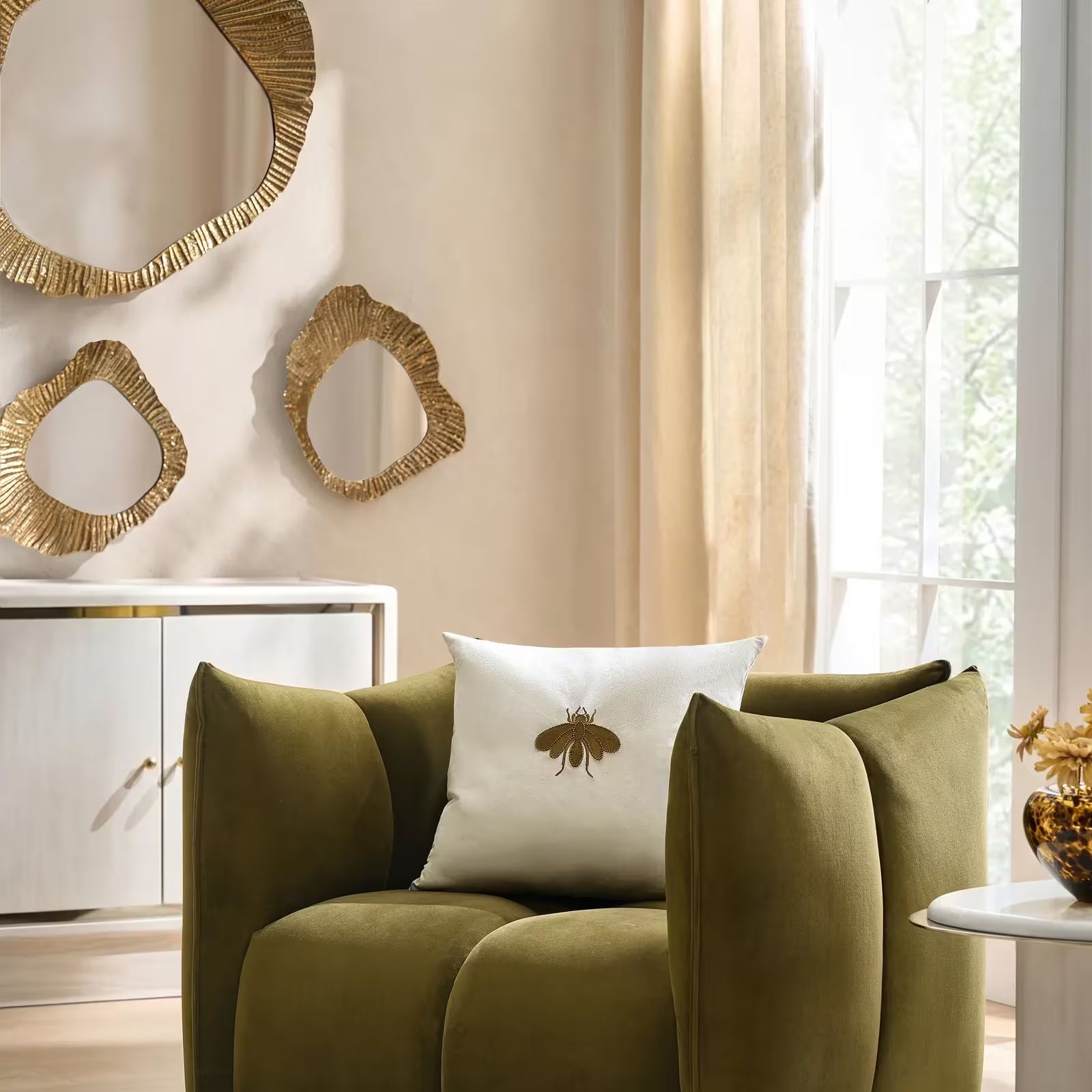 Anson Ivory Textured Window Curtain Panel$109
An elegant ivory curtain with a crushed, light-reflective texture and versatile dual hanging options.
Add To Cart -

 Mabel Natural Velvet Swirl Window Curtain Panel$99
A warm neutral velvet curtain with a tonal swirl pattern, offering room-darkening privacy and versatile hanging options.
Add To Cart -
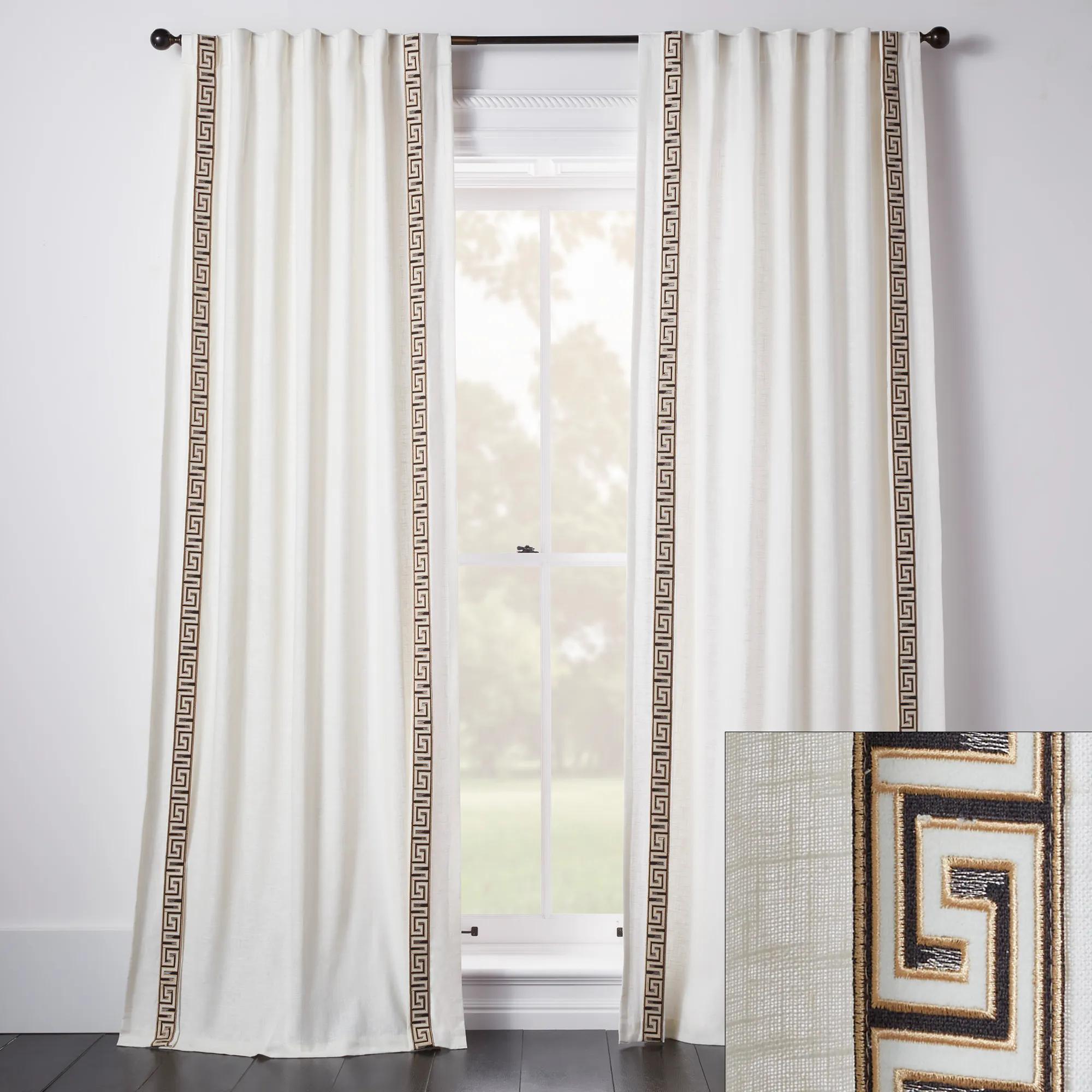 Chole Greek Key Border Velvet Widow Curtain Panels Custom$439
A white linen-blend curtain panel featuring a black and gold embroidered velvet Greek key border.
Add To Cart -
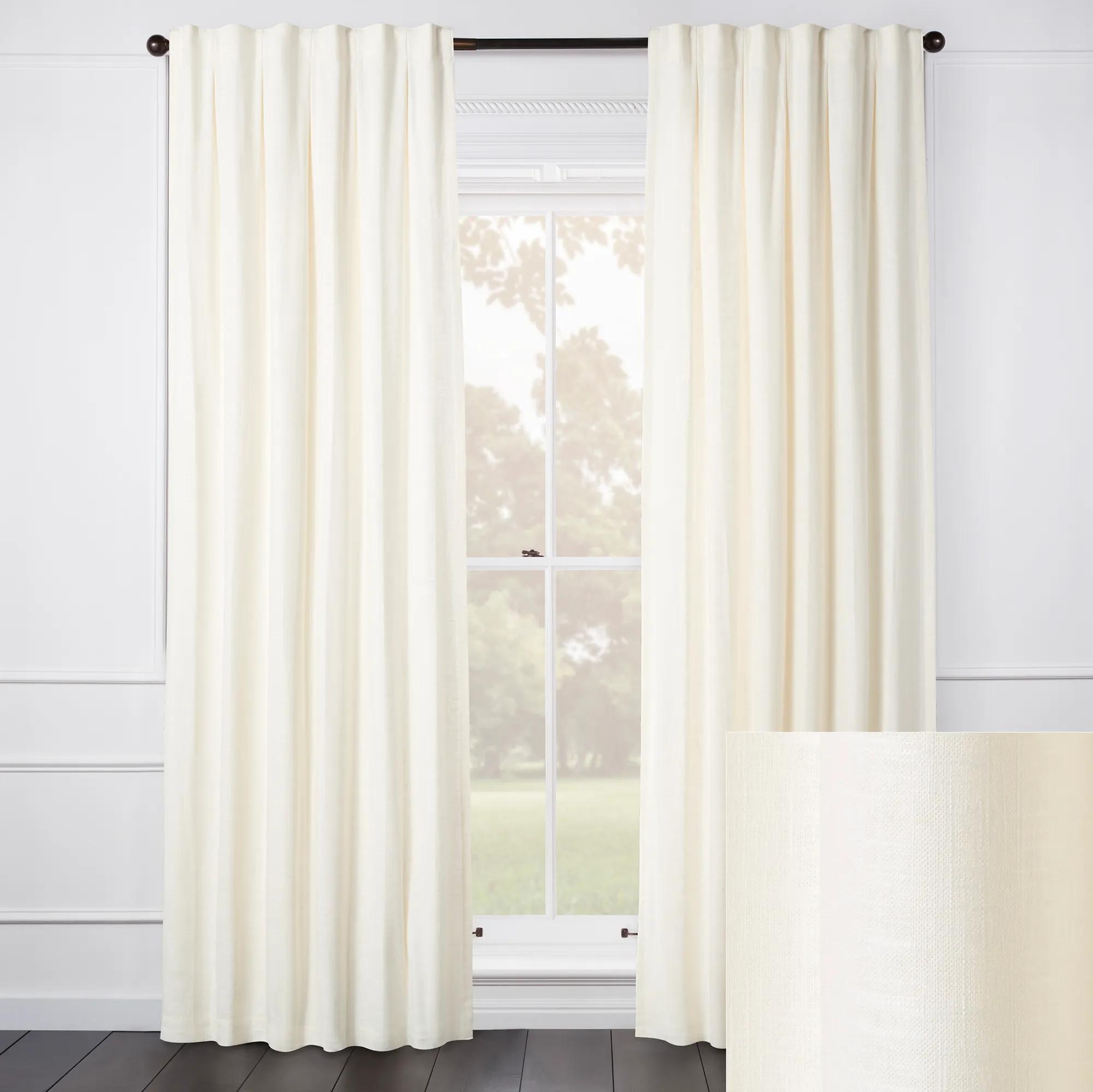
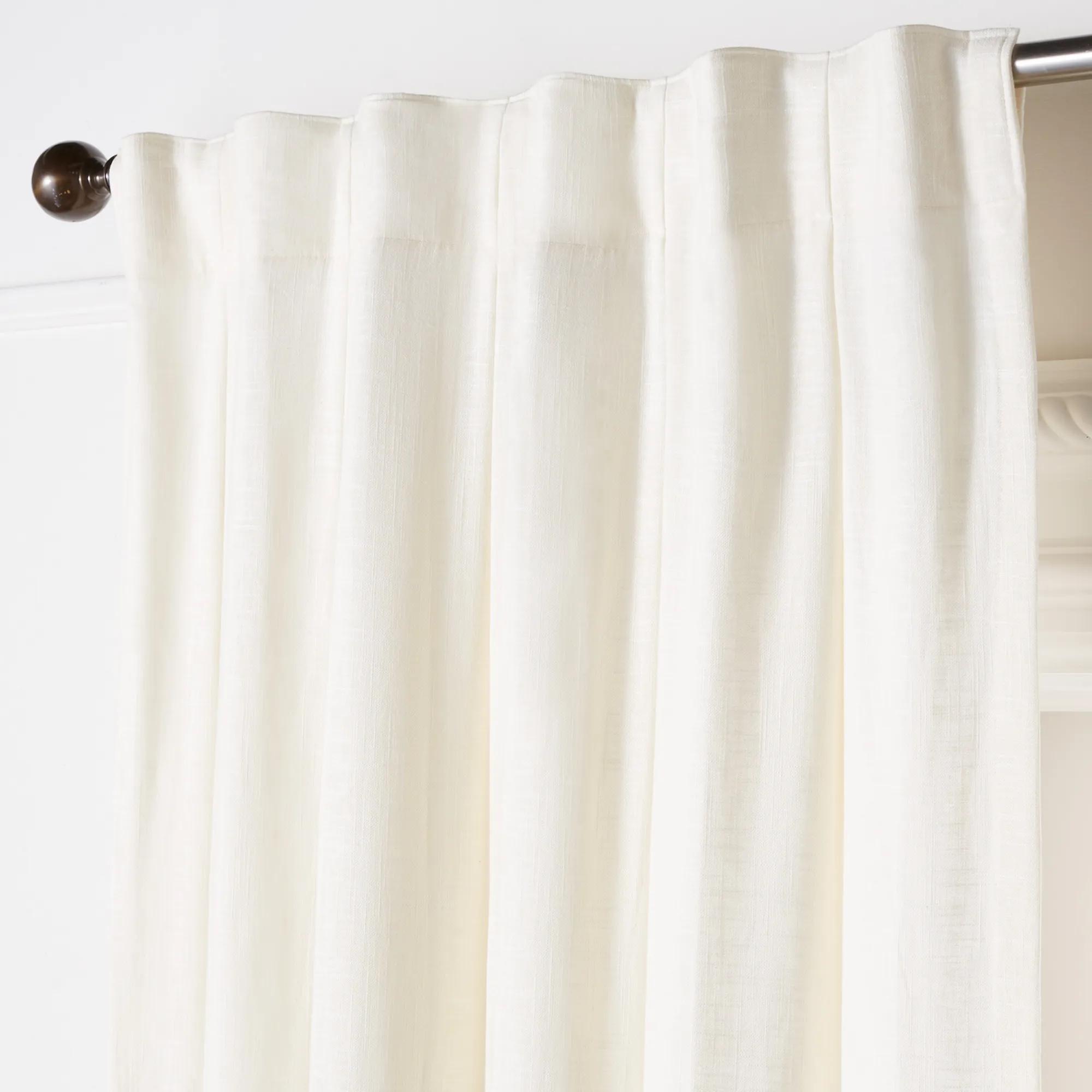 Audrey Linen Ivory Curtain - Custom$269
An ivory linen-blend curtain panel with lining, offering customizable lengths and two elegant header styles.
Add To Cart -

 Adair Midnight Blue Solid Velvet Window Curtain Panel$69
A sumptuous midnight blue velvet curtain that adds elegance, depth, and room-darkening style to any space.
Add To Cart -

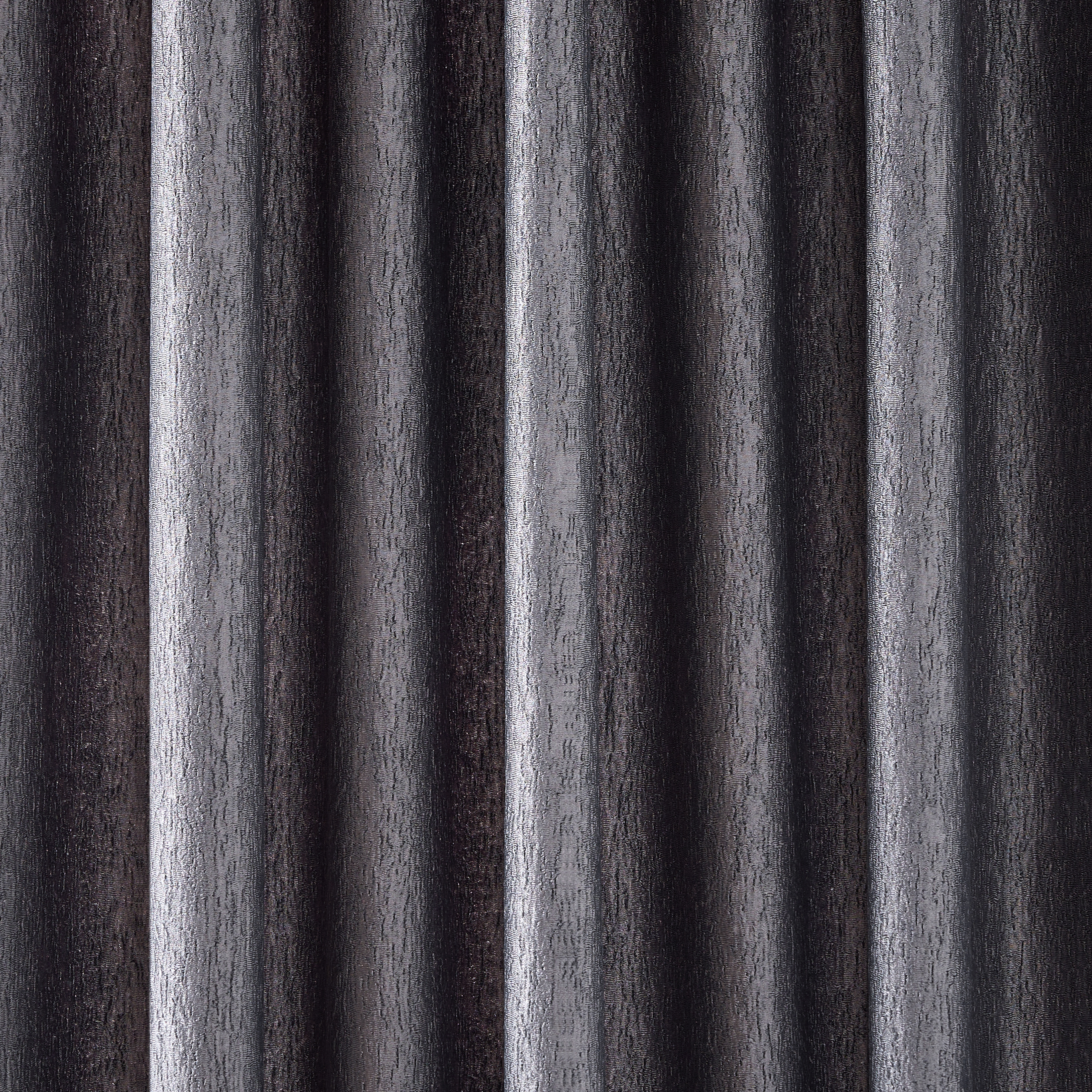 Anson Charcoal Textured Window Curtain Panel$89
A moody charcoal curtain with crushed polyester texture and subtle sheen for stylish, room-darkening appeal.
Add To Cart -

 Adair Sand Solid Velvet Window Curtain Panel$89
A sand-colored velvet curtain offering room-darkening privacy and versatile hanging options for refined interiors.
Add To Cart -
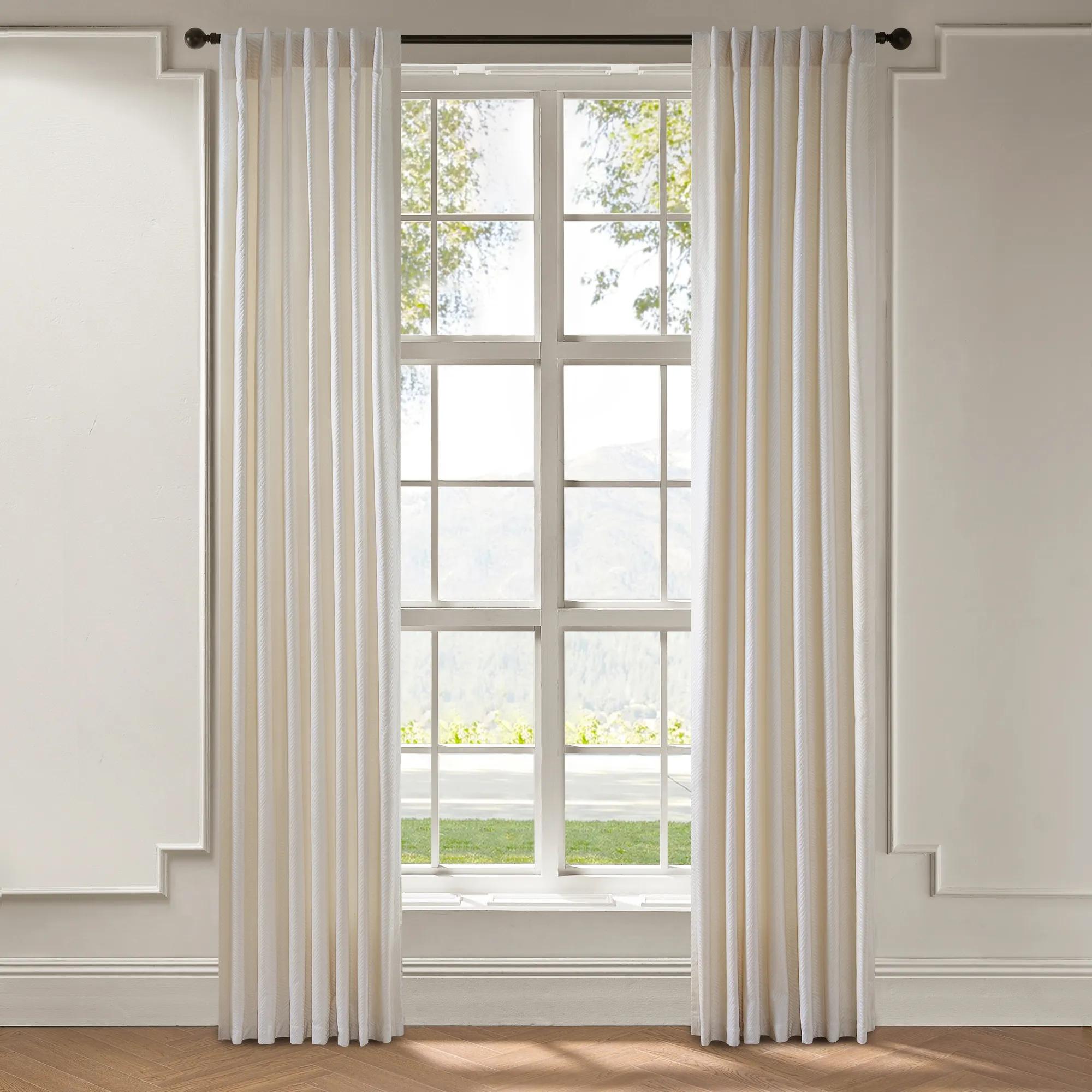
 Kenzo Chenille Curtain - White$129
A luxe white chenille jacquard curtain featuring a subtle high-contrast pattern and versatile dual construction.
Add To Cart

Window Treatments For Guest Bedrooms
Window treatments for guest bedrooms are more than a finishing touch—they are an invitation to indulge in comfort and style. With every drape, shade, or sheer panel, you set the stage for a space that feels both tranquil and captivating. Imagine sunlight softly filtered through elegant fabrics, creating a sanctuary where your guests can unwind in privacy and luxury. Whether your vision is tailored and dramatic or ethereal and serene, window treatments for guest bedrooms transform ordinary moments into extraordinary experiences, ensuring every stay feels like a lavish escape.
Window treatments for guest bedrooms balance privacy, light control, and expressive design, giving overnight visitors a restful retreat that feels as considered as the rest of the home. The most versatile combinations pair a light-filtering layer for daytime softness with a more opaque curtain, shade, or lined panel for evening privacy. Sheer fabric lends an airy, luminous quality to a room, but it generally does not provide dependable privacy after dark when interior lights are on. Room-darkening fabrics reduce incoming light, while blackout treatments are designed to block light through the material itself; coverage around the edges still influences how dark the room becomes. These distinctions matter in a guest bedroom facing a streetlight, overlooking a neighboring home, or welcoming visitors who prefer to sleep beyond sunrise. Beyond function, the fabric establishes the room’s visual rhythm. Velvet introduces plush texture and richly shaded folds, lending a quiet bedroom the presence of a private suite. Linen and linen blends offer a more relaxed drape, with subtle variations in the weave that complement sculptural furniture and polished accents. Cotton brings a soft, familiar hand, while polyester and blended fabrics can offer dimensional stability and resistance to wrinkling, depending on their construction. Fabric weight also affects the silhouette: a substantial panel falls in pronounced folds, while a lighter textile moves more freely and feels less visually imposing. Ivory, champagne, and soft gray create an elegant backdrop for expressive bedding; saturated jewel tones give a restrained room a dramatic focal point. A tonal pattern can introduce detail without competing with artwork, while a lustrous surface catches the light and adds depth to an otherwise understated palette. Whether the space welcomes close friends, visiting family, or an occasional overnight guest, its window treatments should feel intentional rather than incidental. Well-proportioned drapery frames the view, softens the architecture, and gives visitors control over how open or secluded the room feels.
Fit determines whether that sense of luxury carries through in everyday use. Window treatments need enough coverage to serve the opening, but their proportions also shape the entire wall. Panels mounted above the window frame can draw the eye upward, and a rod that extends beyond the sides allows open curtains to rest beside the glass rather than obscure much of the view. The appropriate placement depends on ceiling height, trim, wall space, and nearby furnishings, not a single rule applied to every room. Fullness is equally important: the combined width of curtain panels is typically greater than the width they cover, creating folds rather than a stretched, flat expanse. Many drapery styles use approximately one-and-a-half to two times the coverage width, although heavier fabrics, heading styles, and manufacturer recommendations may call for different proportions. Finished length should account for the actual rod position and attachment method, since rings, grommets, tabs, and rod pockets hang differently. In a frequently used guest bedroom, panels that just meet or sit slightly above the floor offer an elegant line without excess fabric underfoot. Deep puddling creates a more theatrical effect but collects dust and can complicate opening and closing. Where a bed, desk, or built-in occupies the wall beneath a window, a tailored shade or appropriately sized shorter treatment may provide a cleaner fit. Inside-mounted shades require sufficient frame depth and precise measurements; outside-mounted styles overlap the opening and can help reduce exposed edges. Layered arrangements also need enough clearance for each treatment to operate freely. Hardware contributes both structure and finish, with the rod, brackets, and anchors selected to support the fabric’s weight and suit the wall material. Polished metallic finishes bring a jewelry-like accent, while darker hardware outlines the window with definition. For guest rooms used by families with children, cordless shades and window coverings without accessible operating cords are an important safety consideration. Straightforward operation matters for every visitor, especially when an unfamiliar mechanism would make privacy unnecessarily difficult.
The most inviting guest bedroom window treatments retain their beauty without demanding elaborate attention between visits. Care requirements vary by fiber, lining, trim, and construction, so the care label should govern cleaning rather than appearance alone. Some washable fabrics suit a room with frequent turnover, while certain velvets, embellished textiles, and lined draperies require professional cleaning. Regular dust removal with a suitable soft brush attachment, when permitted by the manufacturer, helps keep folds and headings fresh. Any spot treatment should follow the fabric’s instructions, since moisture or cleaning solutions can leave marks on delicate finishes. Curtains that can move freely along their hardware are easier to use without pulling at seams or distorting the heading, and securely attached brackets help prevent unnecessary strain. Lining can add body, improve opacity, and provide a protective layer between the decorative fabric and direct sunlight, although no textile should be assumed to resist fading indefinitely. Durability is especially relevant in a guest room that doubles as a home office, where curtains or shades may be adjusted throughout the day rather than only during overnight stays. A softly filtered setting can make the room pleasant for reading or working, while a separate opaque layer preserves its purpose as a sleeping space. Within a layered arrangement, window panels for guest bedrooms contribute the generous folds, texture, and vertical emphasis that make the setting feel complete. A velvet panel beside crisp bedding creates a sumptuous contrast; a textured neutral beside a mirrored nightstand balances reflection with softness. Repeating one accent color from the bedding or artwork gives the room cohesion without requiring every surface to match. Practical details deserve the same attention: fabric should remain clear of heating equipment, window access should stay unobstructed, and the treatments should open without catching on furniture. With thoughtful proportions, suitable materials, and intuitive light control, the window becomes more than a decorated opening. It becomes part of the welcome: a graceful frame for the room and a reassuring measure of privacy for the person staying there.
FAQs
To evoke a sense of luxury in your guest bedroom, consider layering plush blackout drapes with elegant roman shades or installing classic plantation shutters. Rich fabrics such as velvet or linen, paired with metallic hardware or decorative trims, add a touch of drama and sophistication, transforming the space into a welcoming retreat.
Thoughtfully chosen window treatments help maintain a comfortable environment year-round. In colder months, heavier drapes or cellular shades provide insulation and warmth, while in warmer seasons, light-filtering sheers or adjustable shutters allow you to control sunlight and airflow, ensuring guests enjoy their stay regardless of the weather.
Layering is an artful approach that combines both function and flair. Pair sheer curtains with blackout panels for versatile light control, or blend roman shades beneath dramatic drapery for added depth and dimension. Mixing textures and finishes—like matte linen with gleaming hardware—creates a visually rich, inviting space for guests.
For guest bedrooms, easy-care materials such as cotton, polyester blends, or performance fabrics are ideal. These textiles resist wrinkles and stains, making them both practical and beautiful, so your guest room remains impeccably styled with minimal effort.
Absolutely. Elegant window treatments are a unique and meaningful gift, perfect for new homeowners or frequent hosts. They not only elevate the aesthetic of a guest bedroom but also reflect a sense of care and hospitality, ensuring every visitor feels welcomed and cherished.