White Dining Chairs With Curved Legs
White Dining Chairs With Curved Legs
-
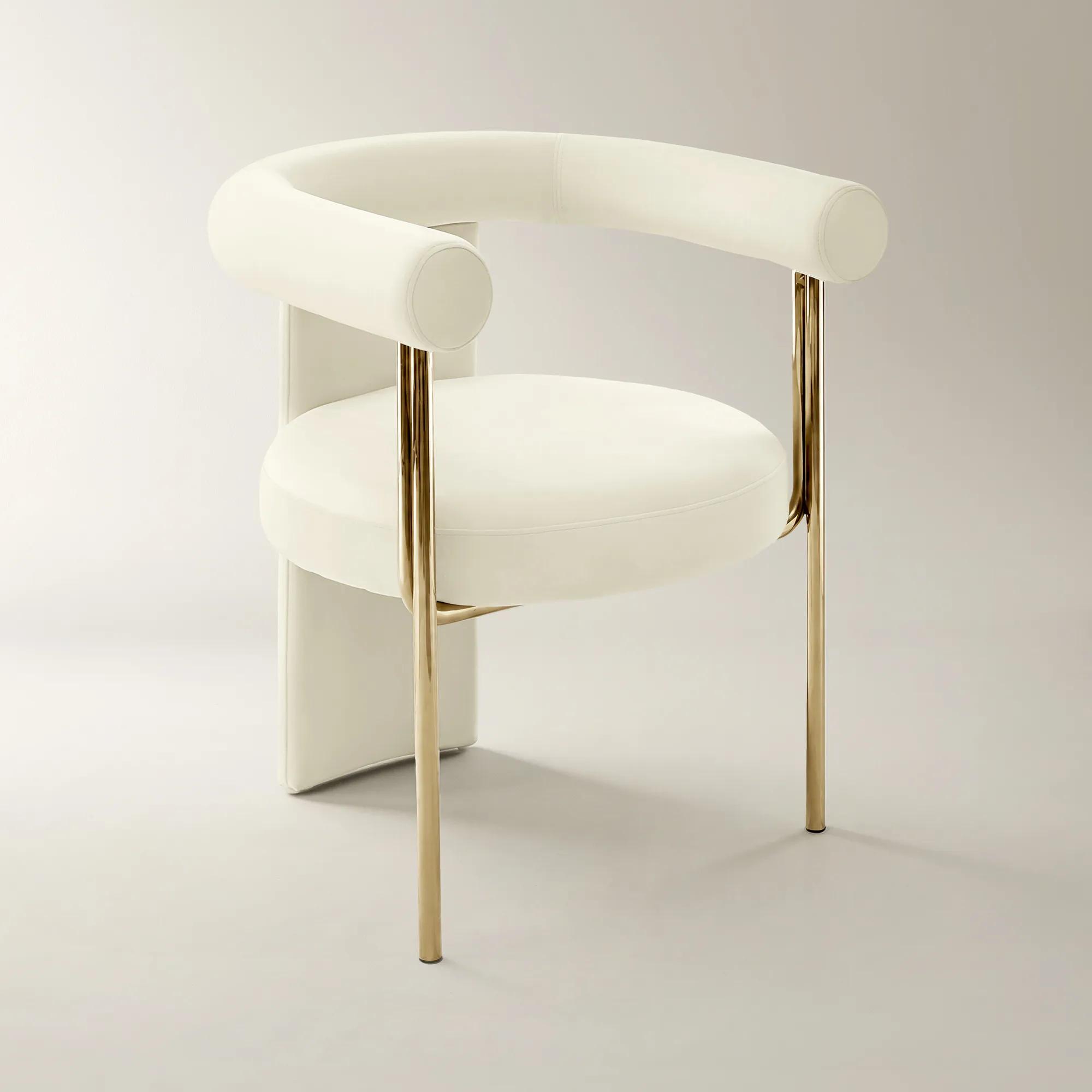 Davina Cloud Velvet Dining Chair Set Of 2$899
A set of two dining chairs featuring plush cloud velvet upholstery and a sculptural gold metal frame.
Add To Cart -
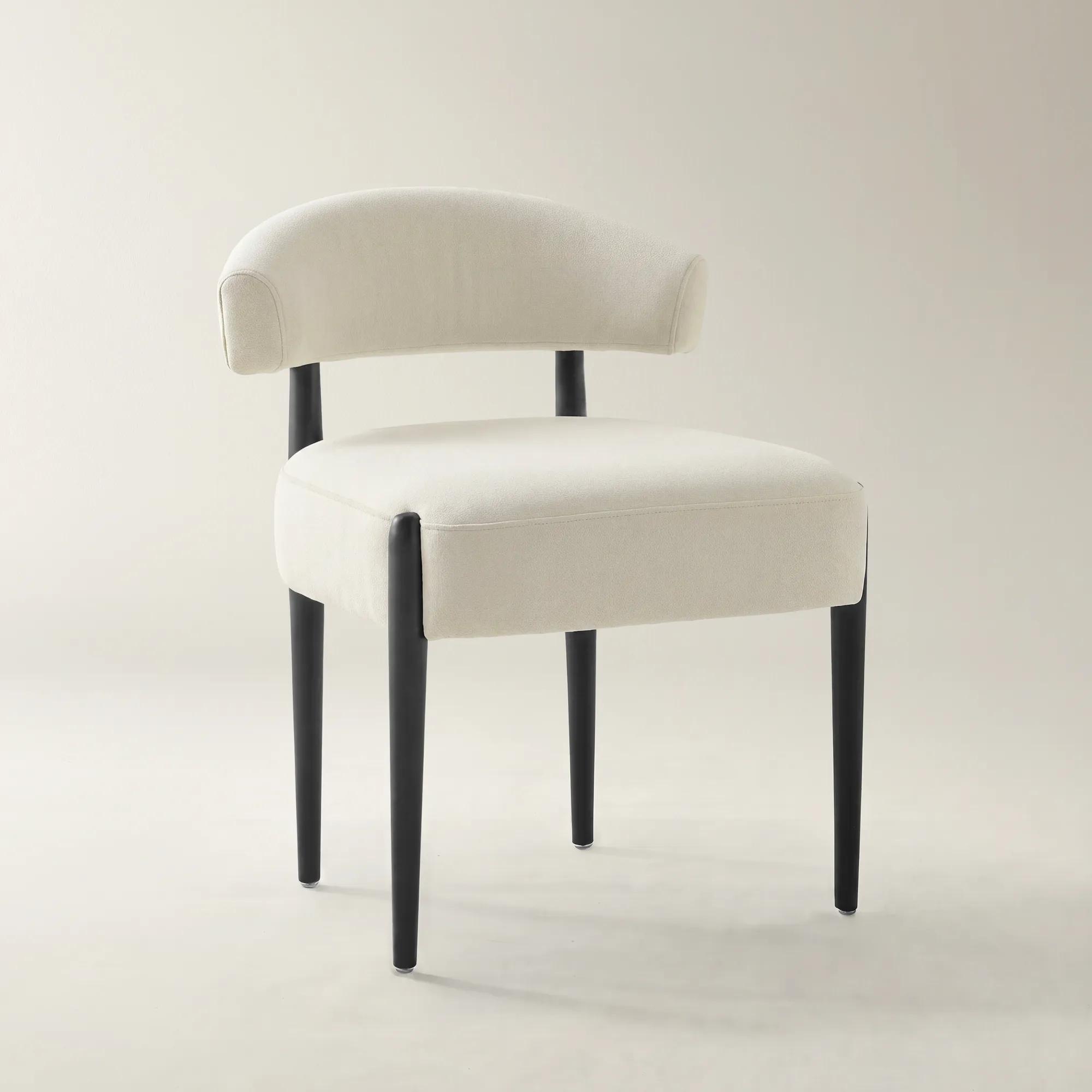
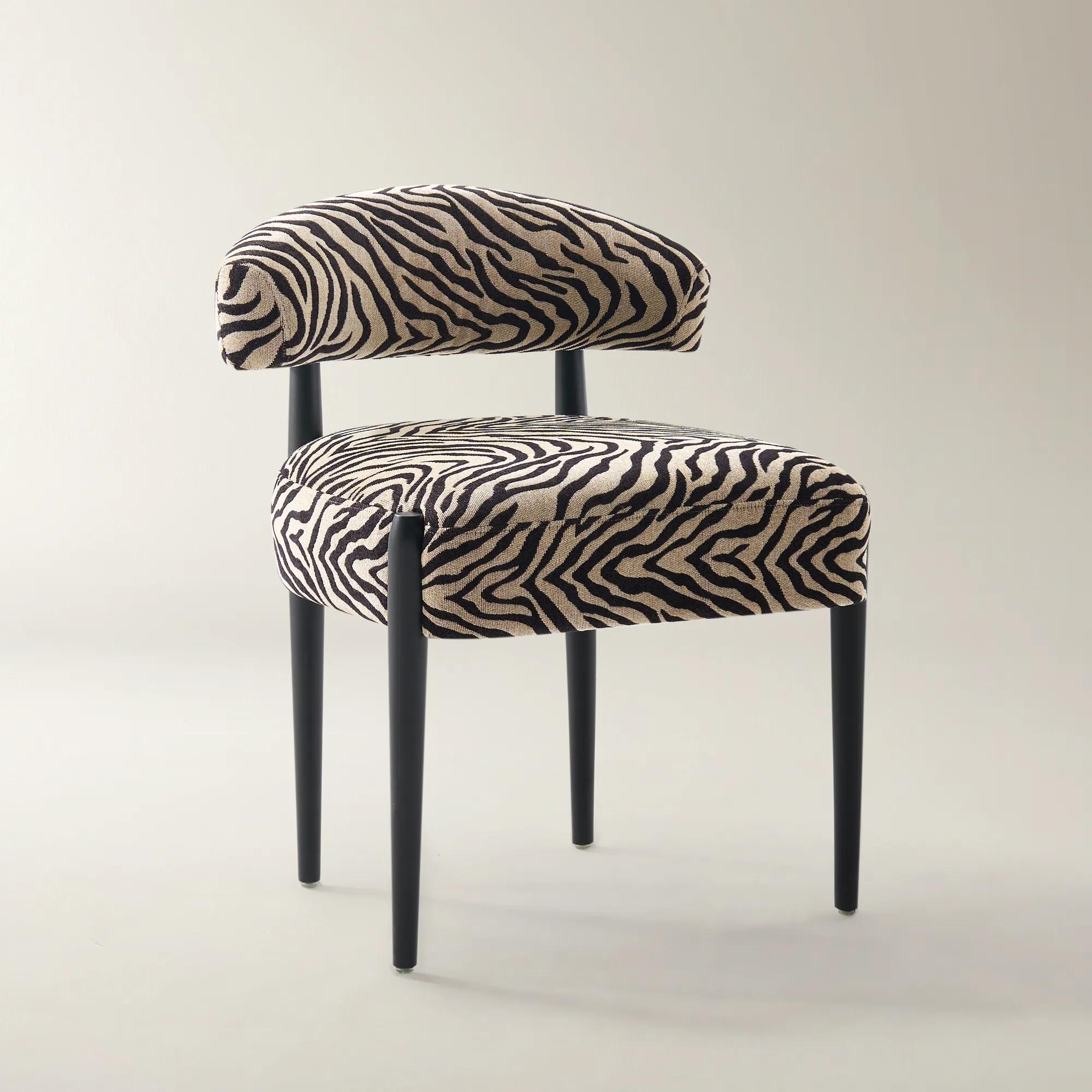 Anna Ivory Performance Chenille Dining Chair Set of 2$699
An ivory performance chenille chair pair featuring curved backs, high-density foam, and solid rubberwood legs.
Add To Cart -
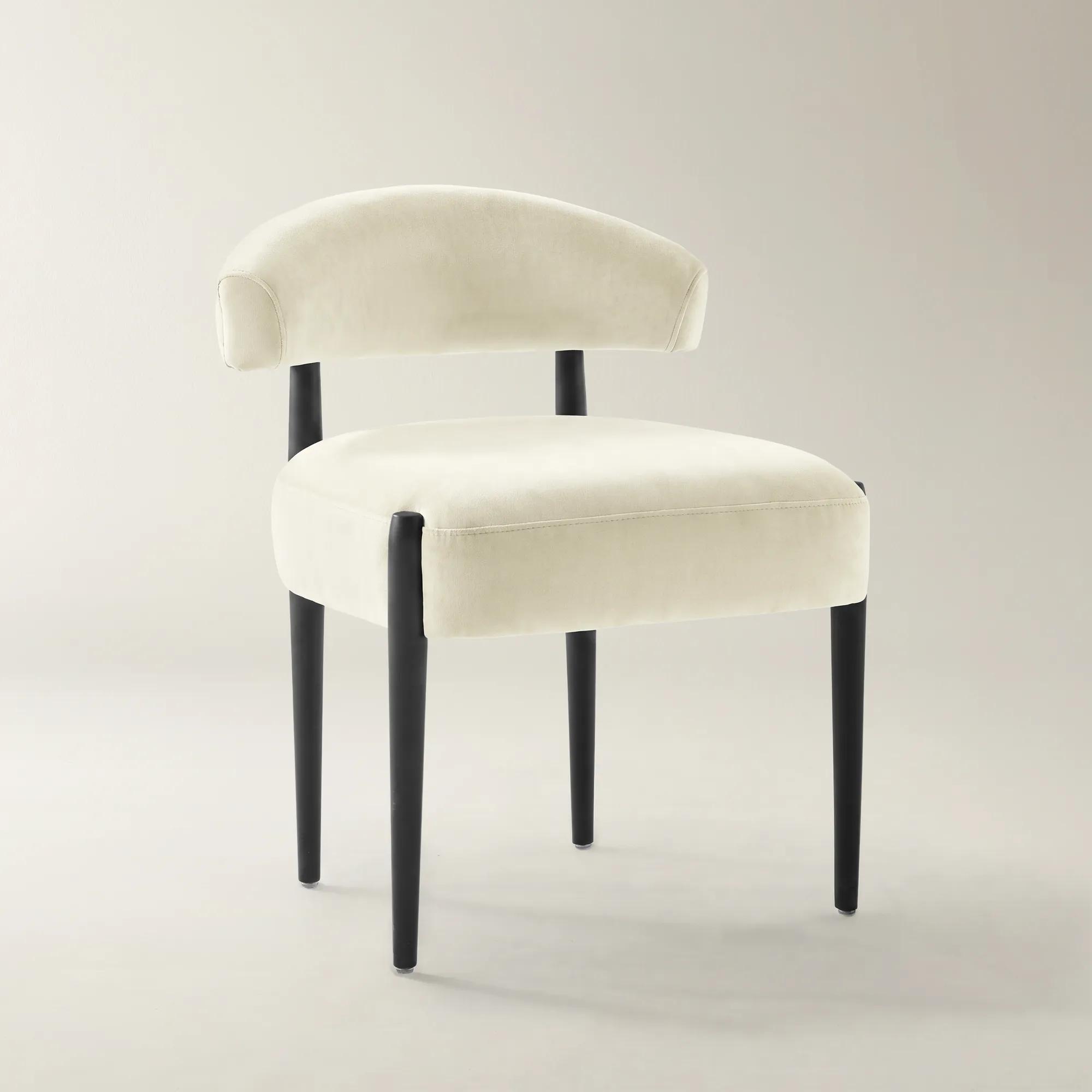 Anna Cloud Velvet Dining Chair Set of 2$699
A hand-upholstered Cloud velvet chair set featuring curved backs, high-density foam, and solid rubberwood legs.
Add To Cart -
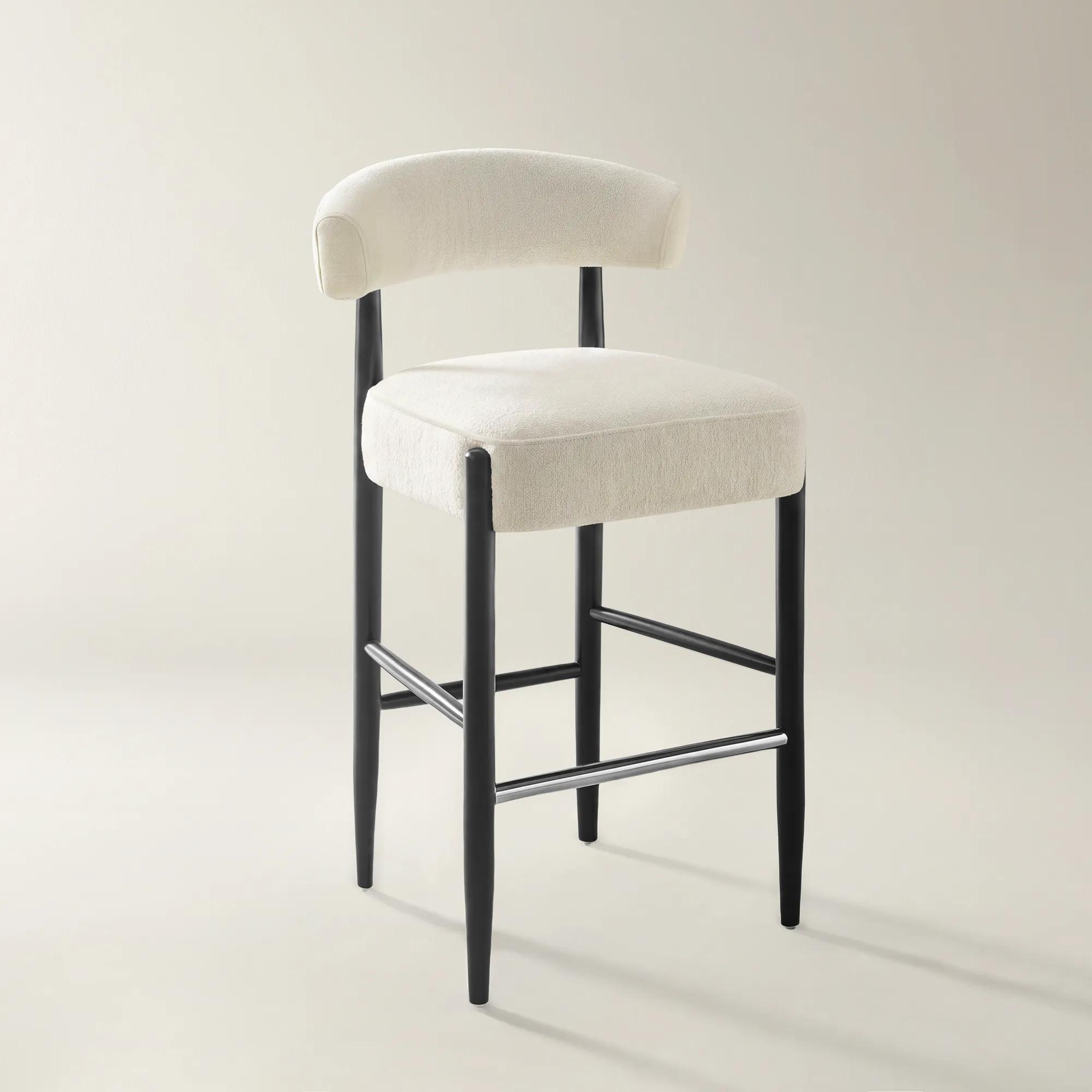
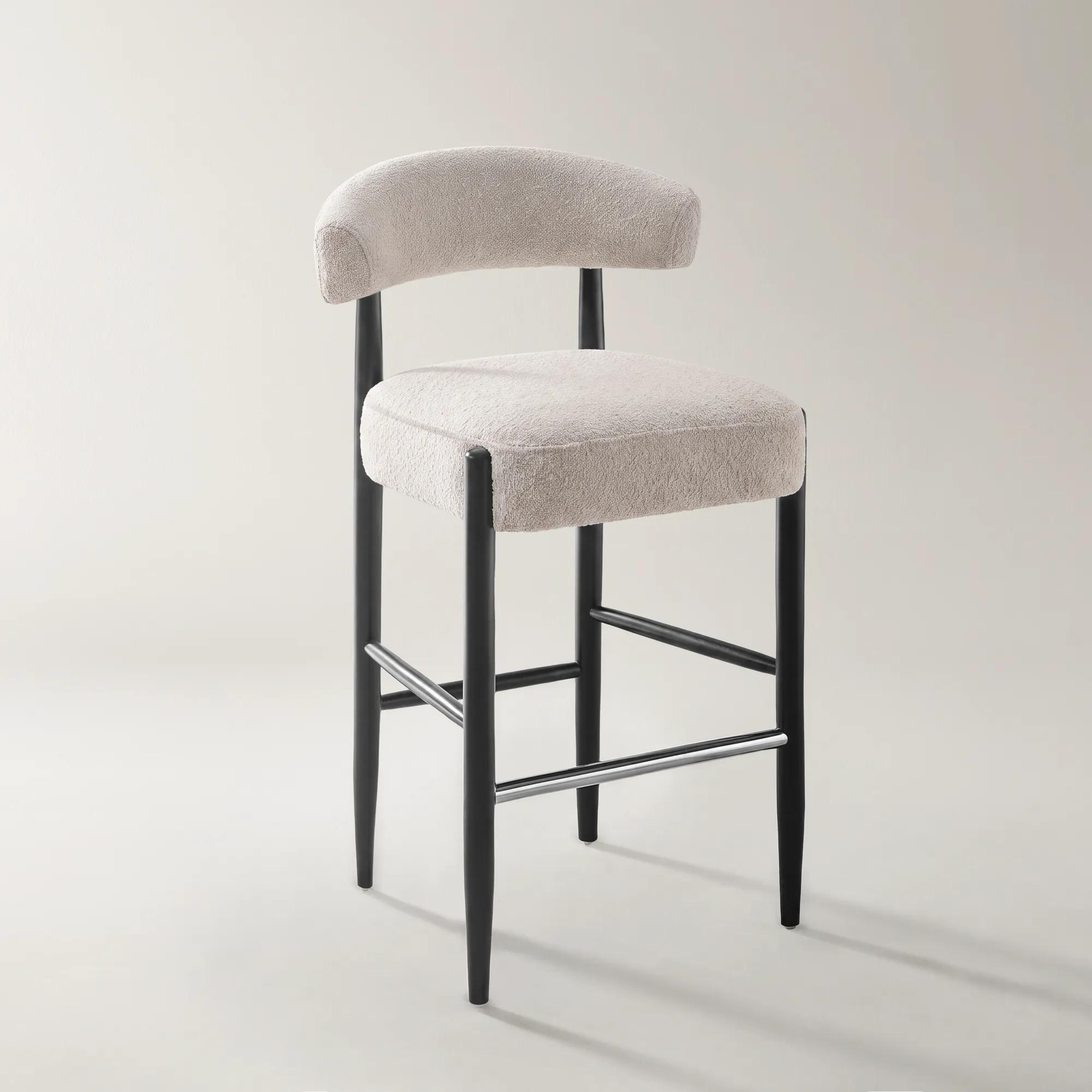
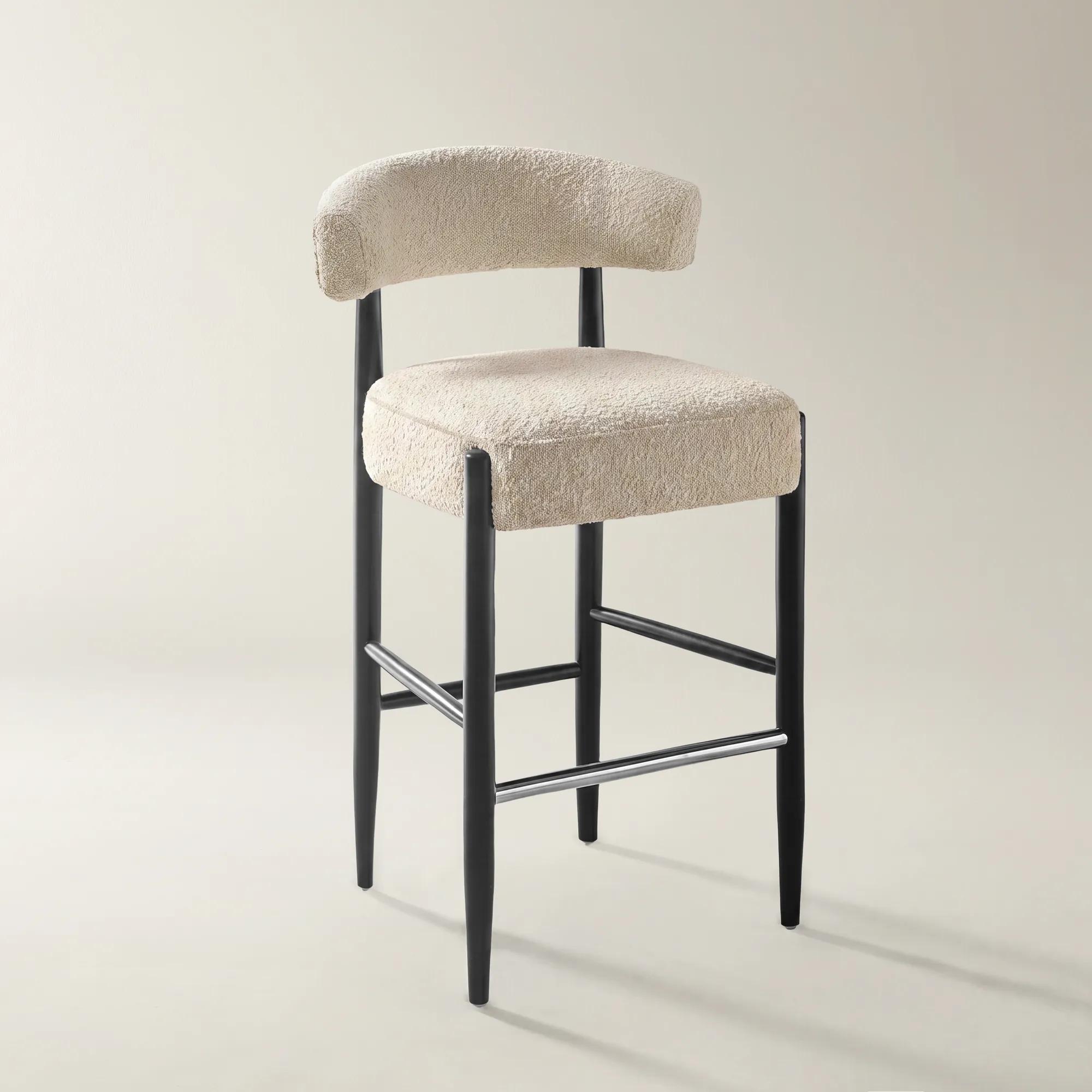
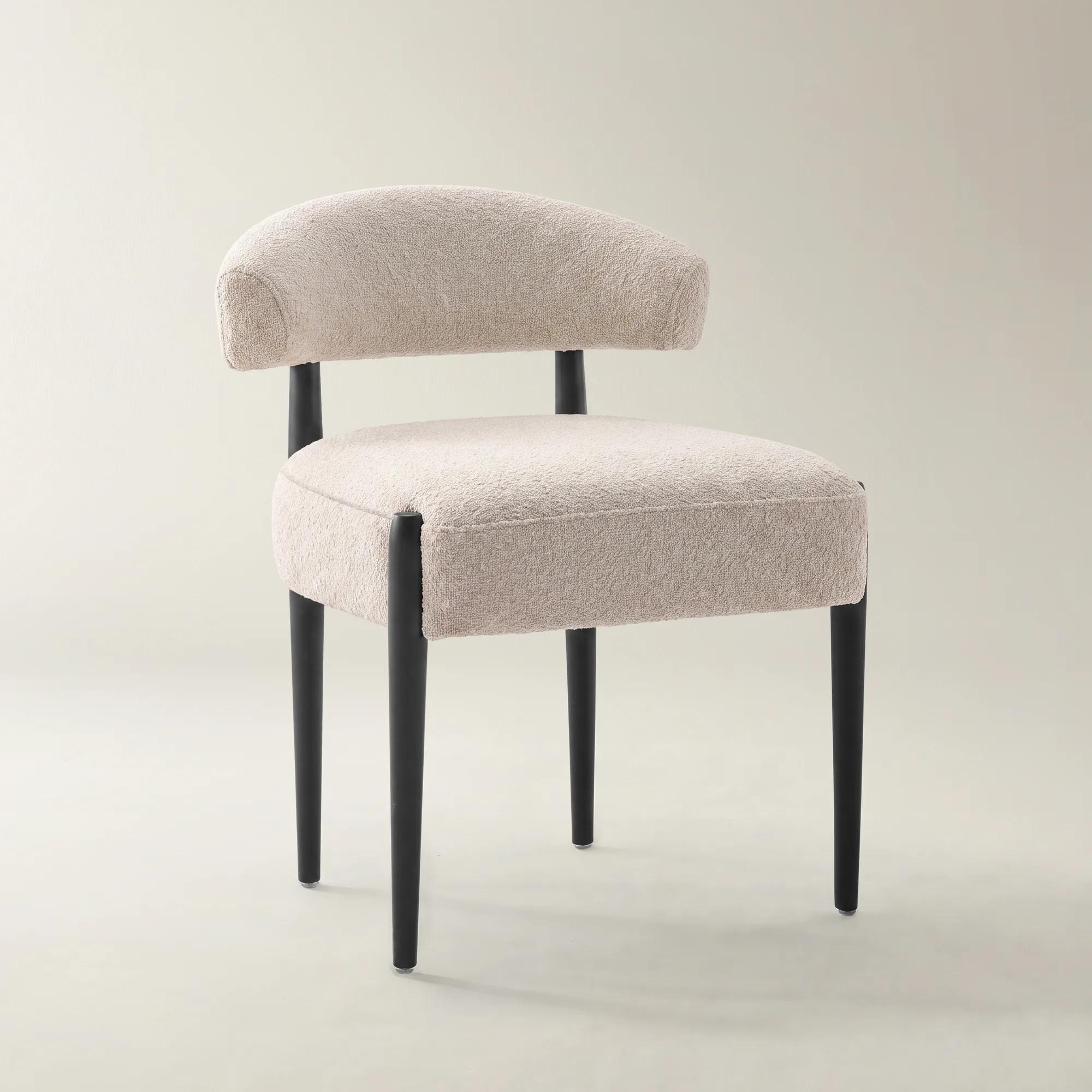 Anna Ivory Performance Boucle Dining Chair Set of 2$699
An ivory performance bouclé dining chair set with arched backs, high-density foam, and solid wood construction.
Add To Cart -
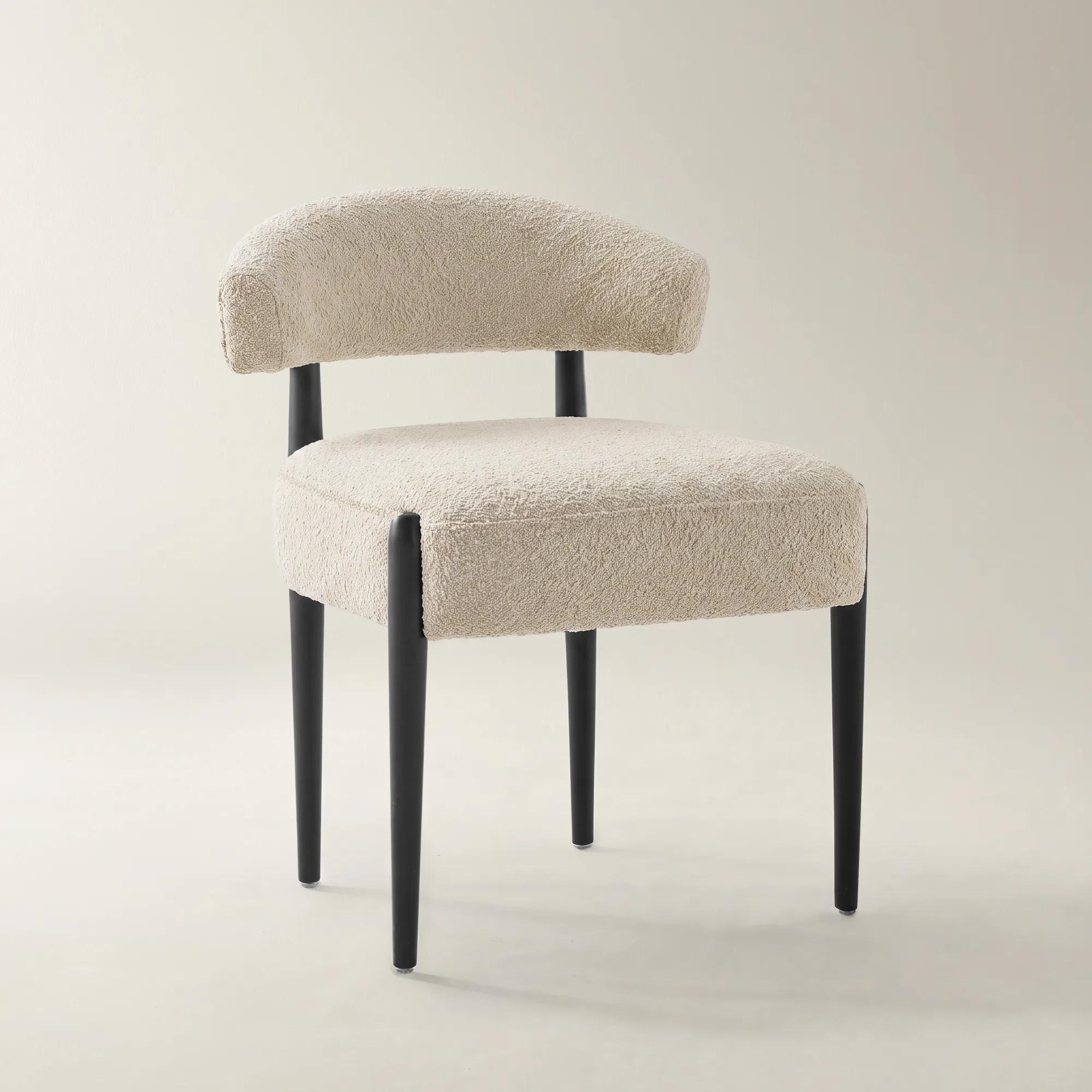 Anna Ivory Performance Boucle Dining Chair Set of 2$699
A pair of ivory performance boucle chairs with curved backs, cushioned comfort, and solid wood frames.
Add To Cart -
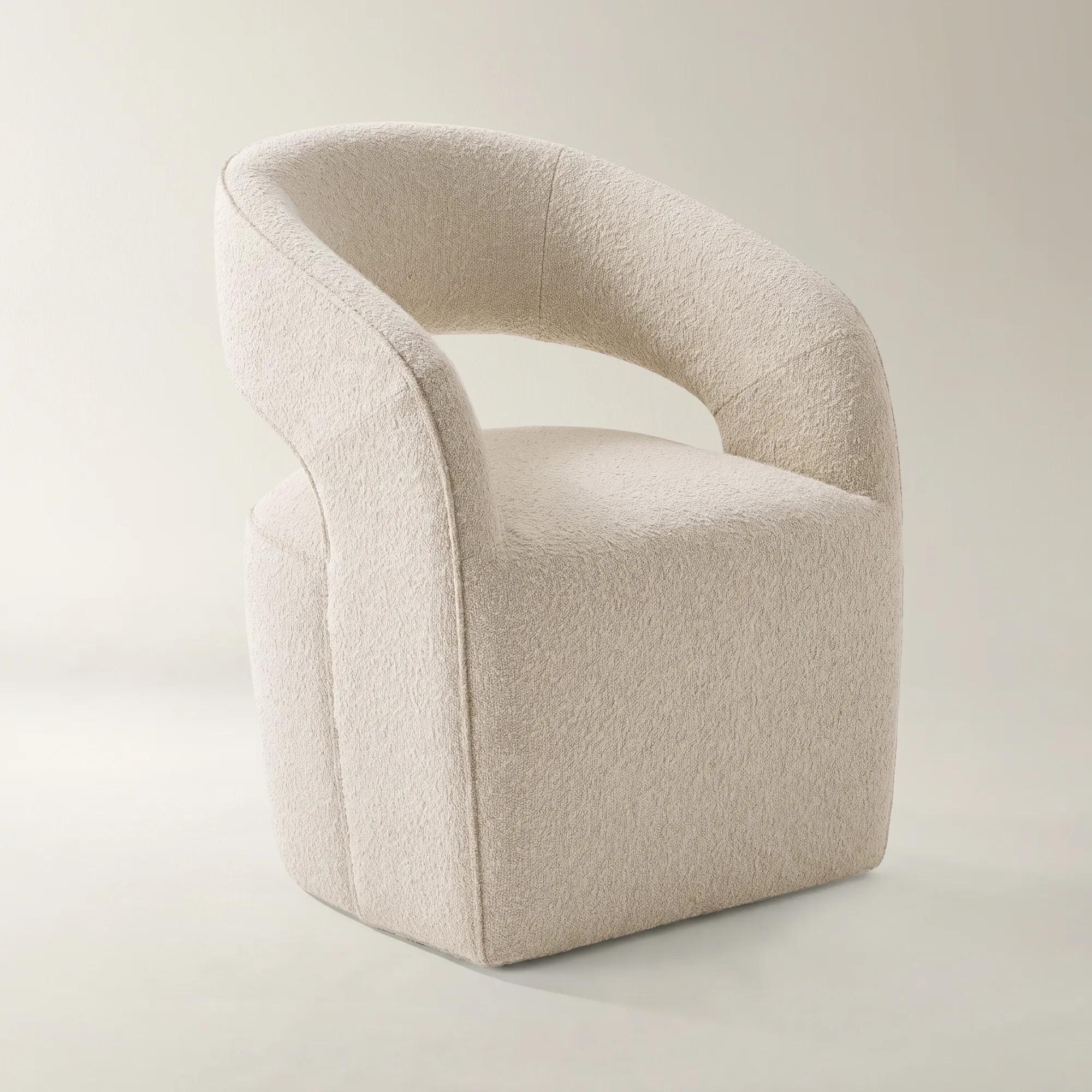
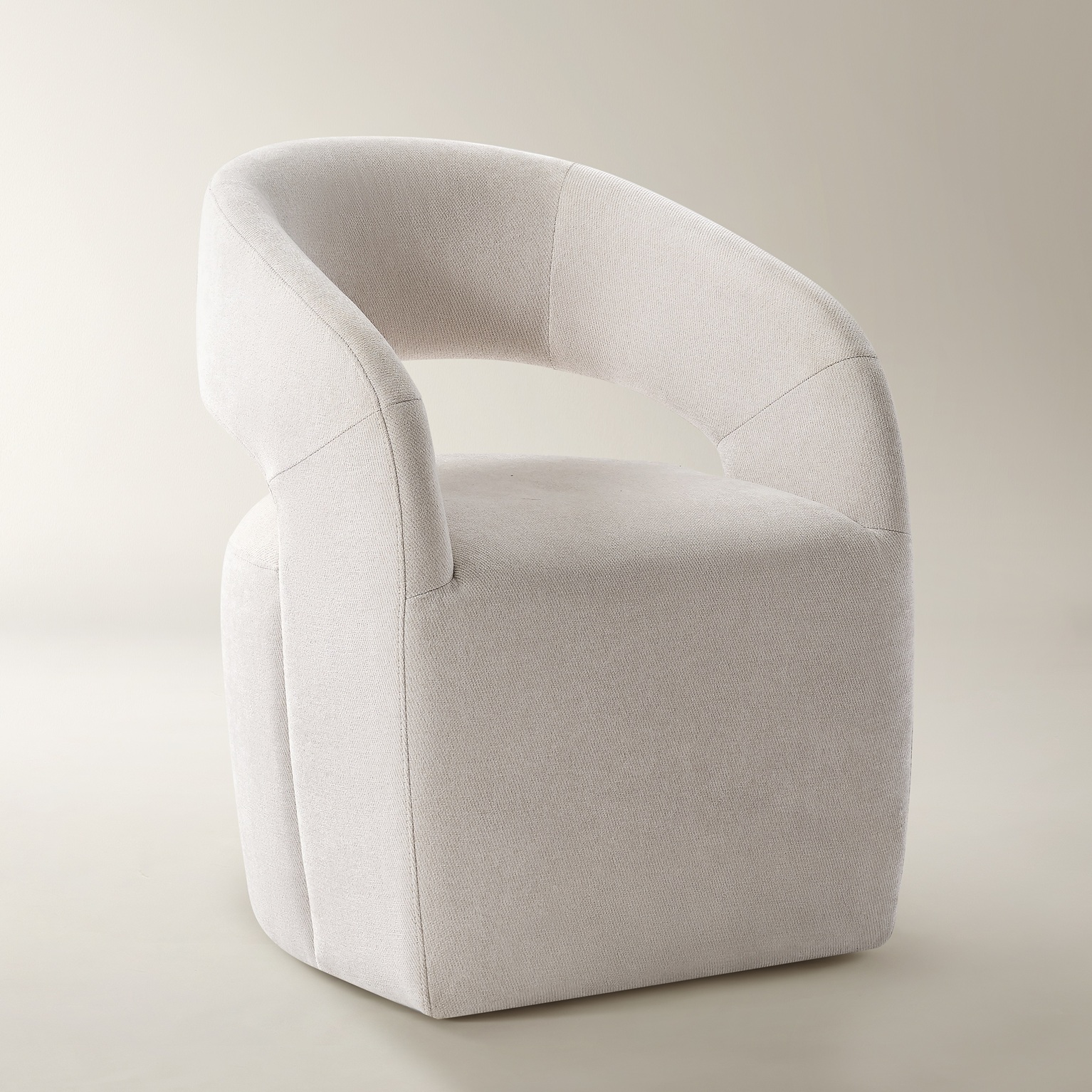 Harrison Ivory Performance Boucle Dining Chair$499
A sculptural dining chair in ivory performance boucle with a curved back, integrated arms, and feather-blend comfort.
Add To Cart -
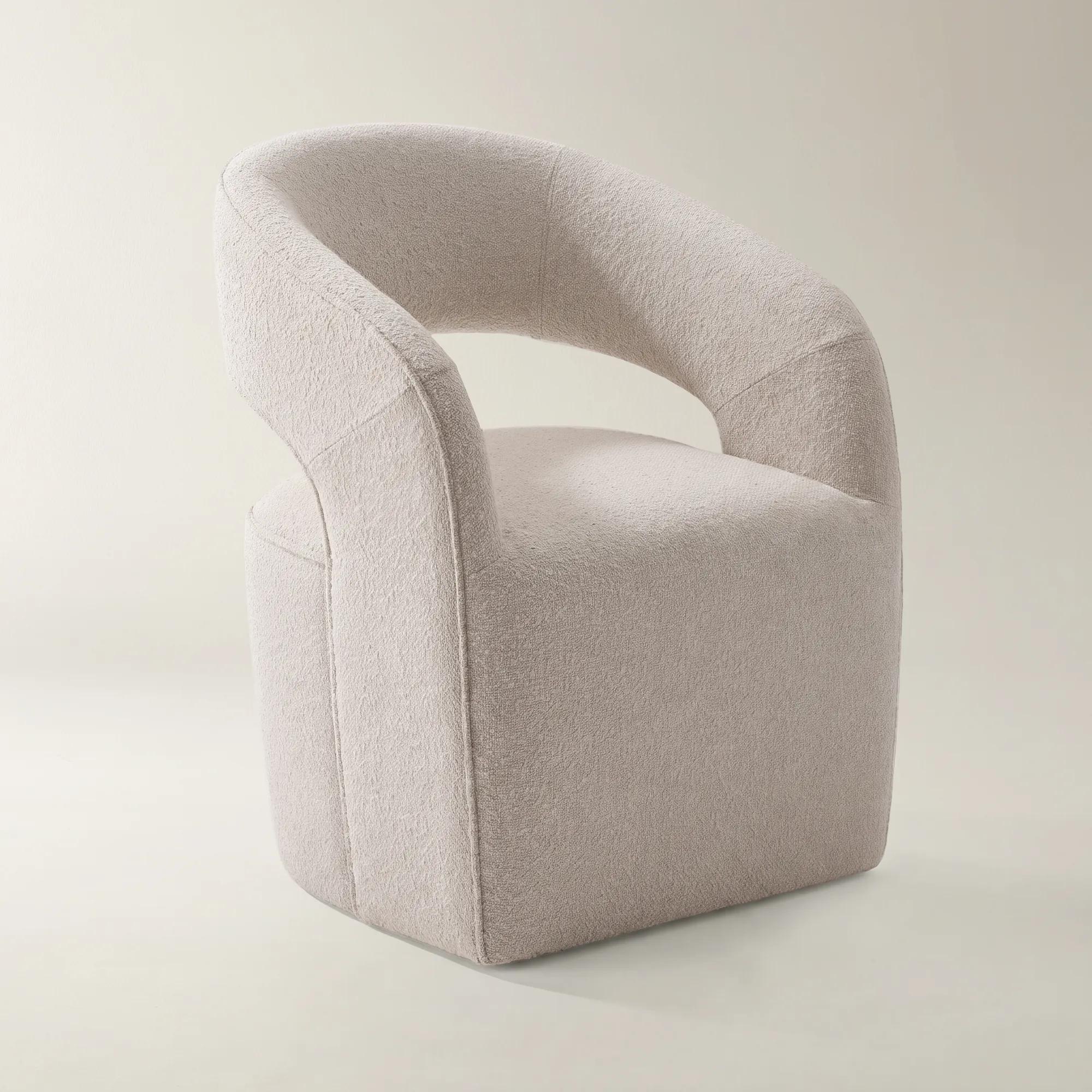 Harrison Ivory Performance Boucle Dining Chair$499
A sculptural dining chair in ivory performance boucle with a curved back, feather-blend seat, and modern elegance.
Add To Cart -
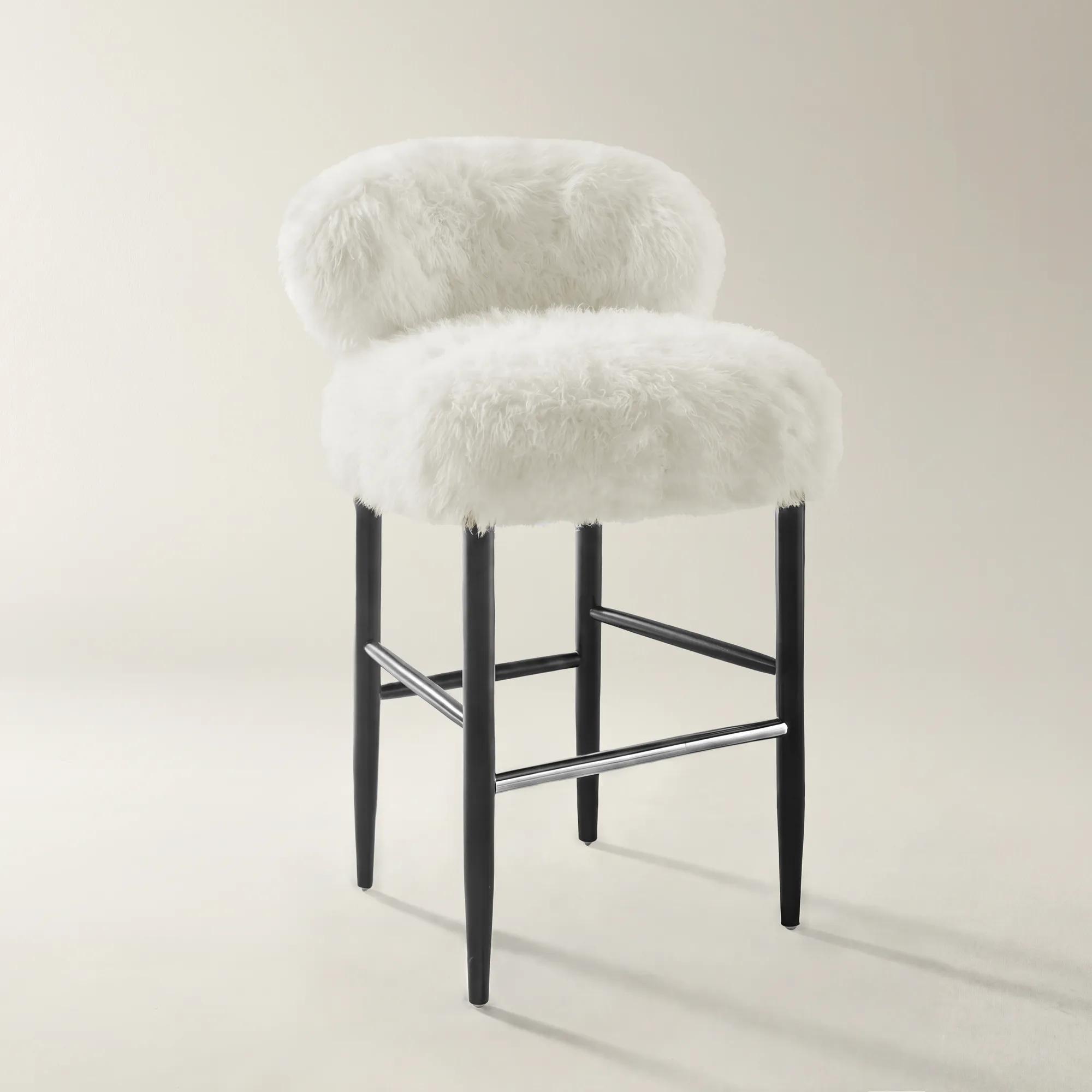
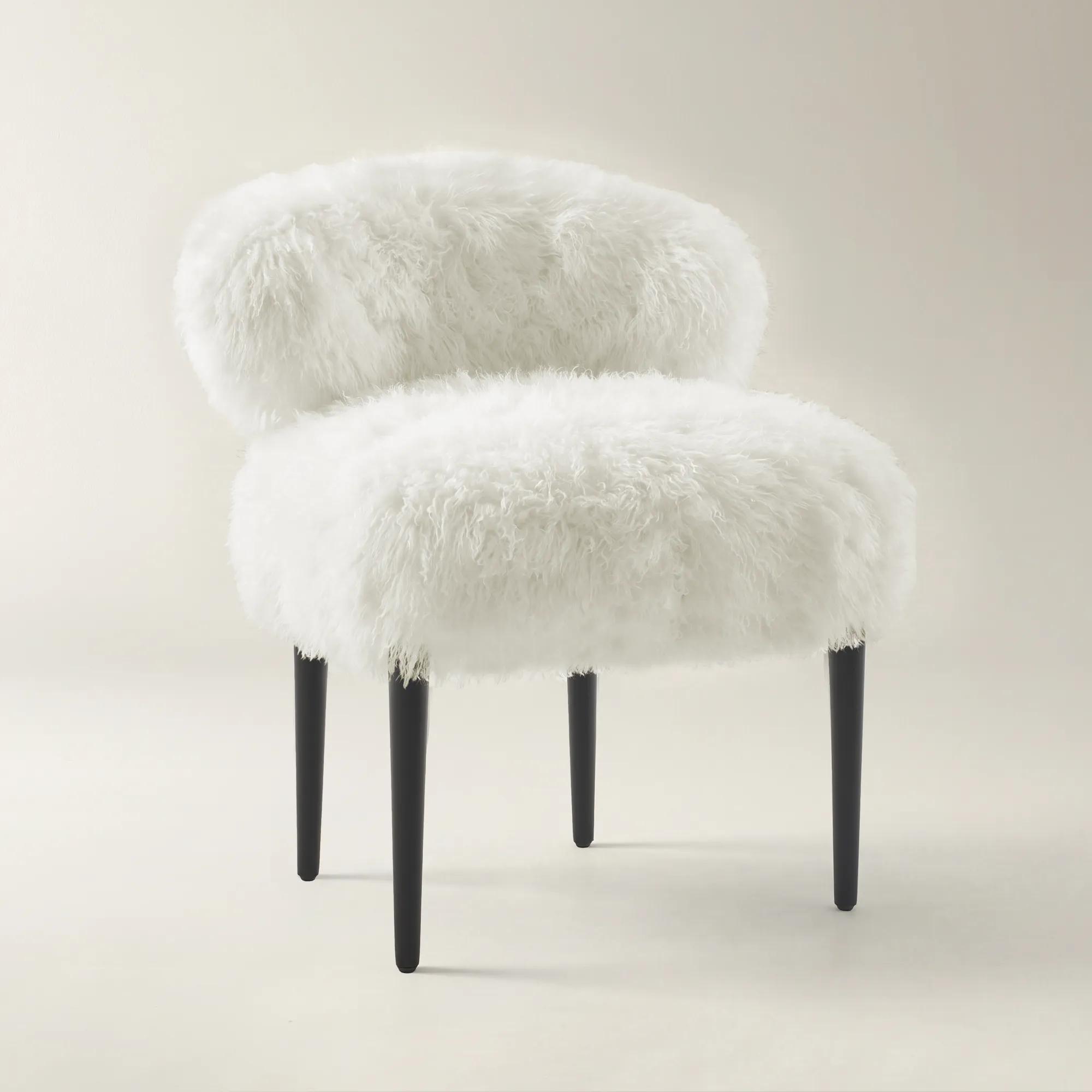 Anna Ivory Faux Fur Dining Chair Set of 2$799
A hand-upholstered ivory faux fur dining chair with a curved back, high-density foam cushioning, and rubberwood legs.
Add To Cart -
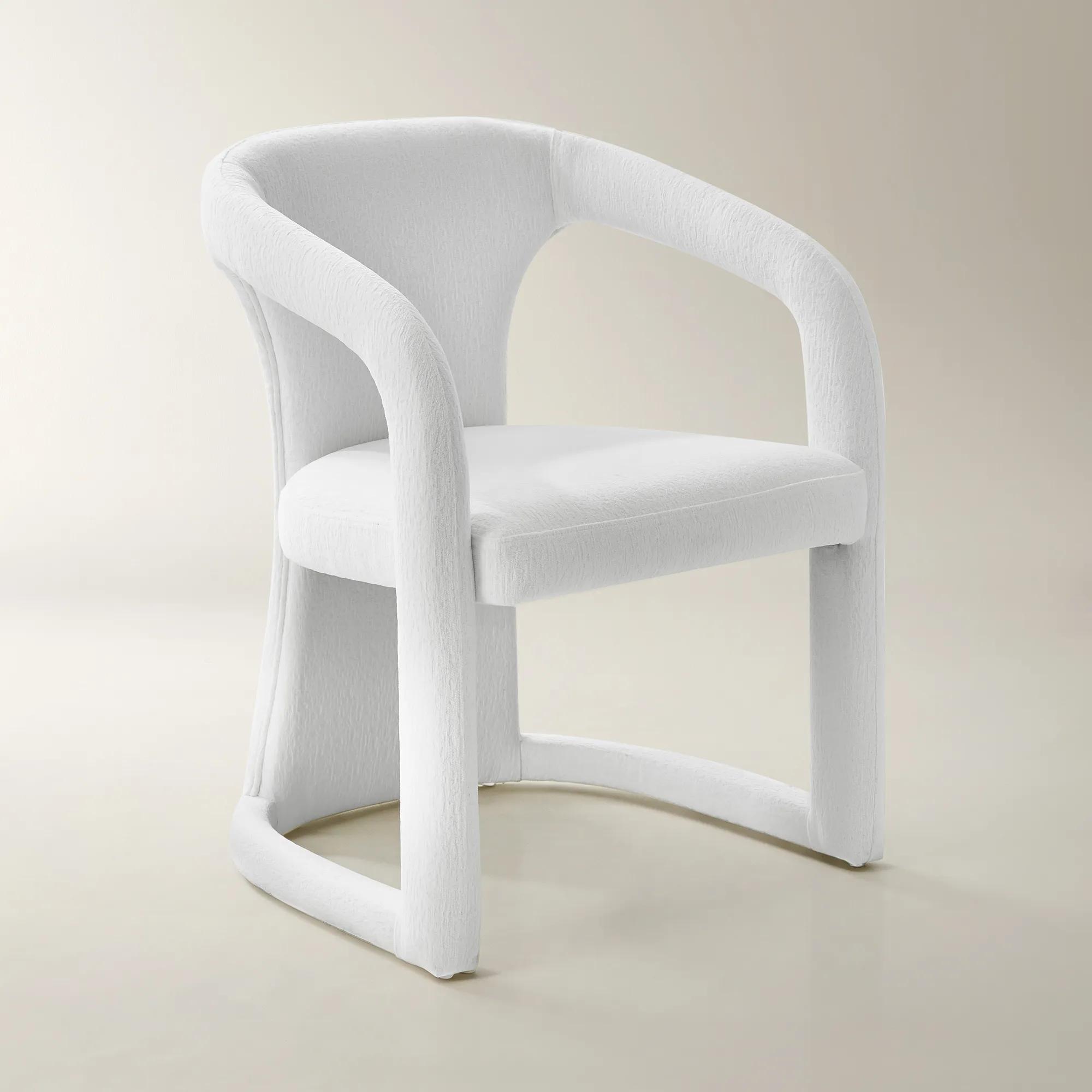
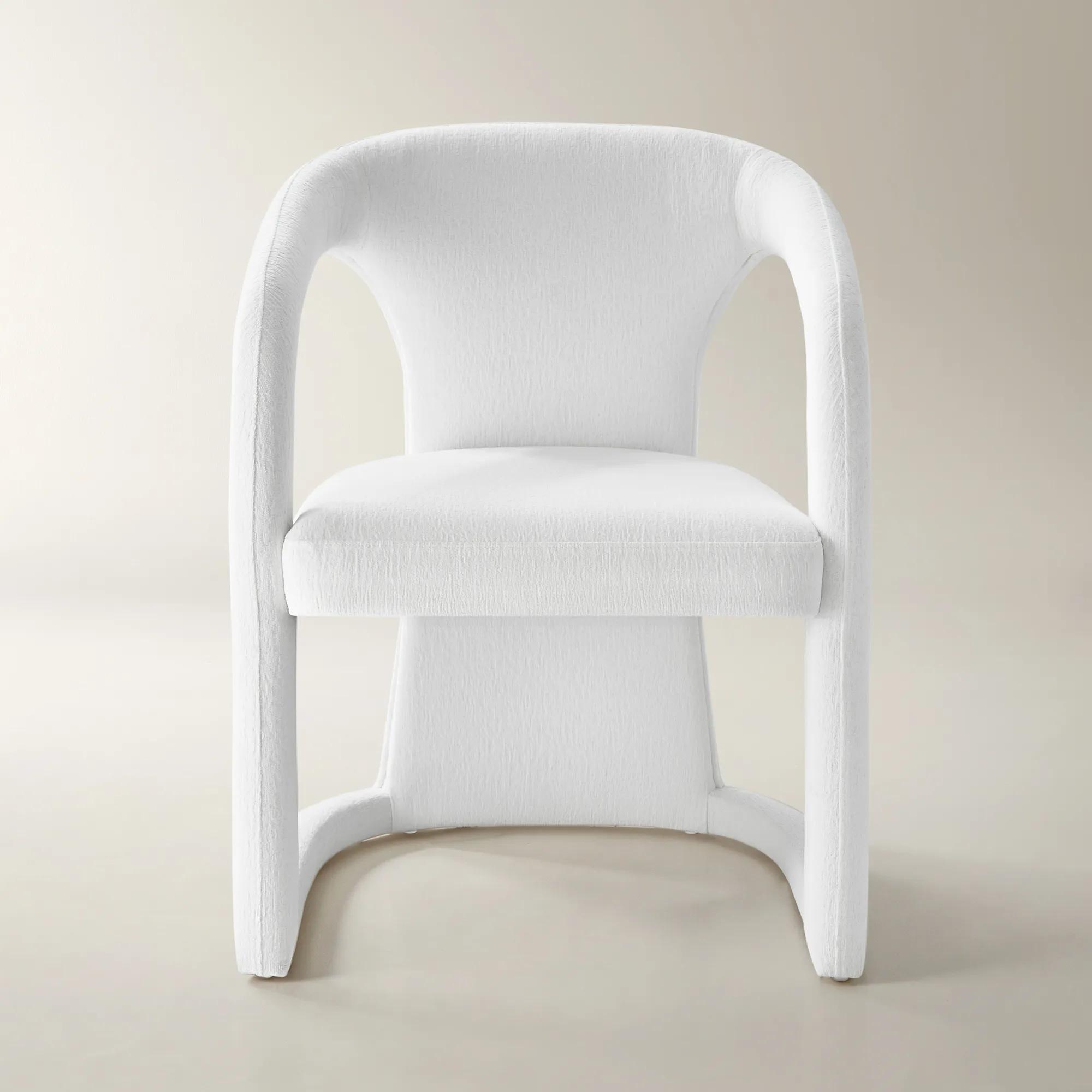 Arco White Performance Chenille Indoor/Outdoor Dining Chair$699
A sculptural white chenille dining chair with plush padding, moisture resistance, and indoor/outdoor versatility.
Add To Cart -
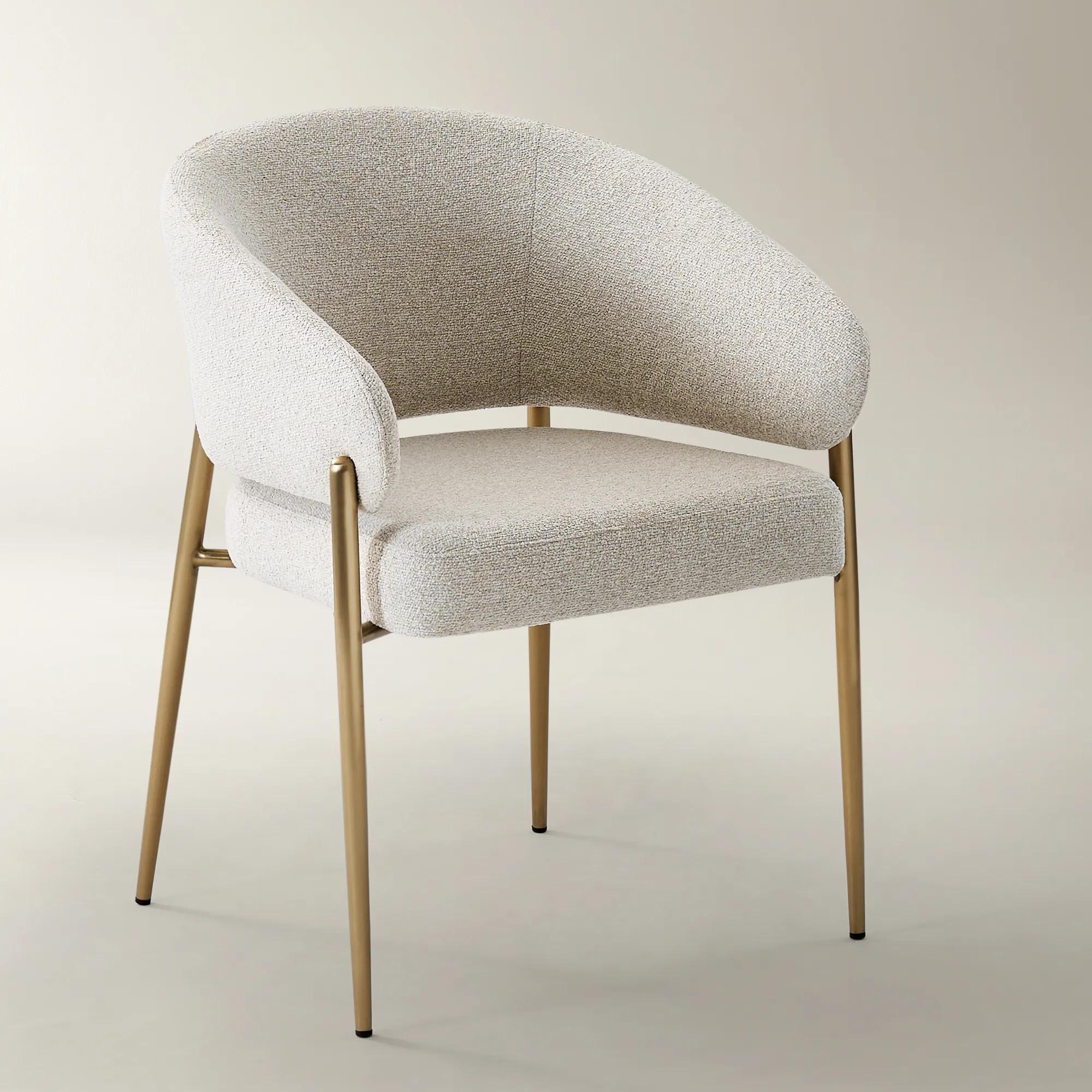
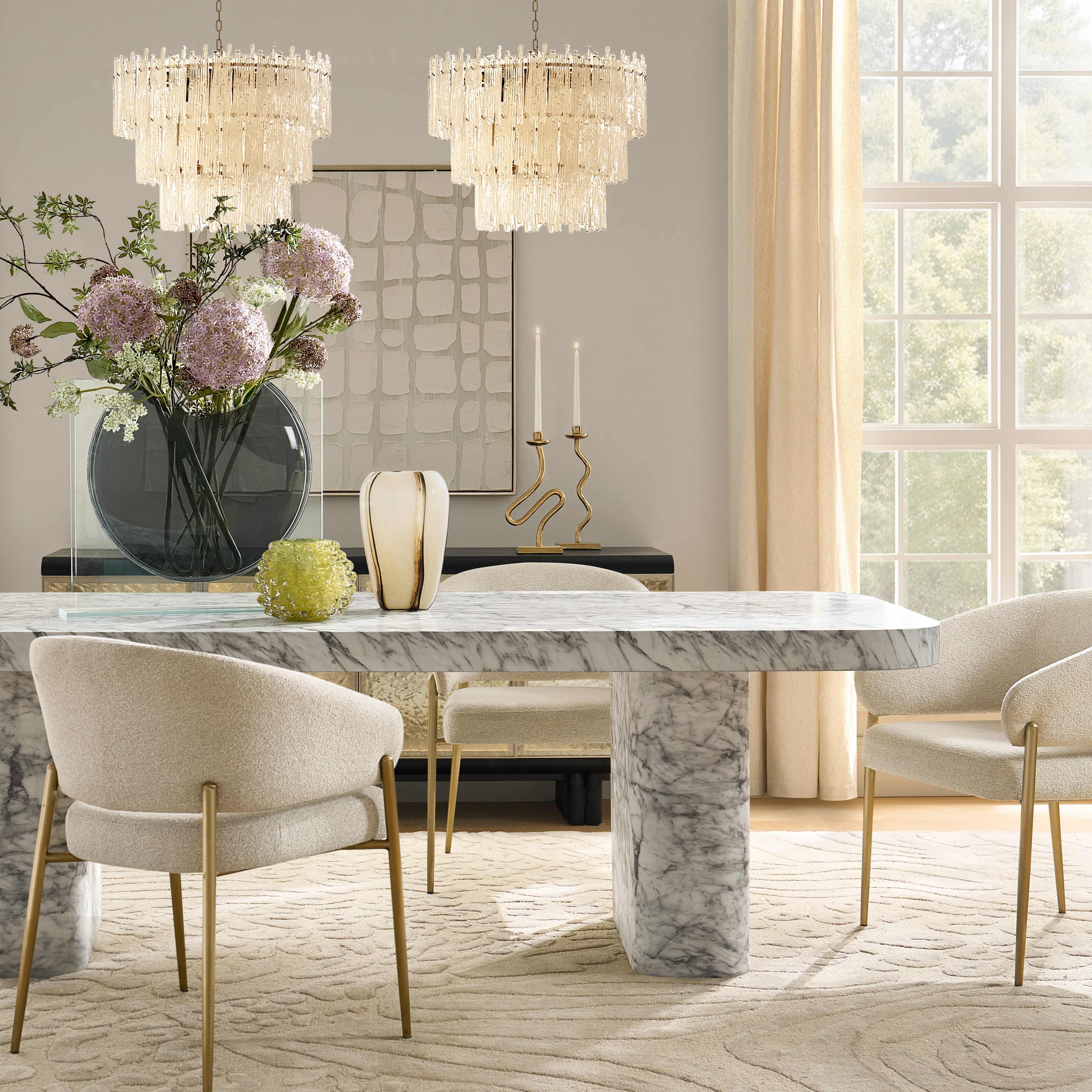 Nara Ivory Boucle Dining Chair Set Of 2$599
An ivory boucle dining chair set with a curved backrest and brushed stainless steel frame for modern elegance.
Add To Cart -
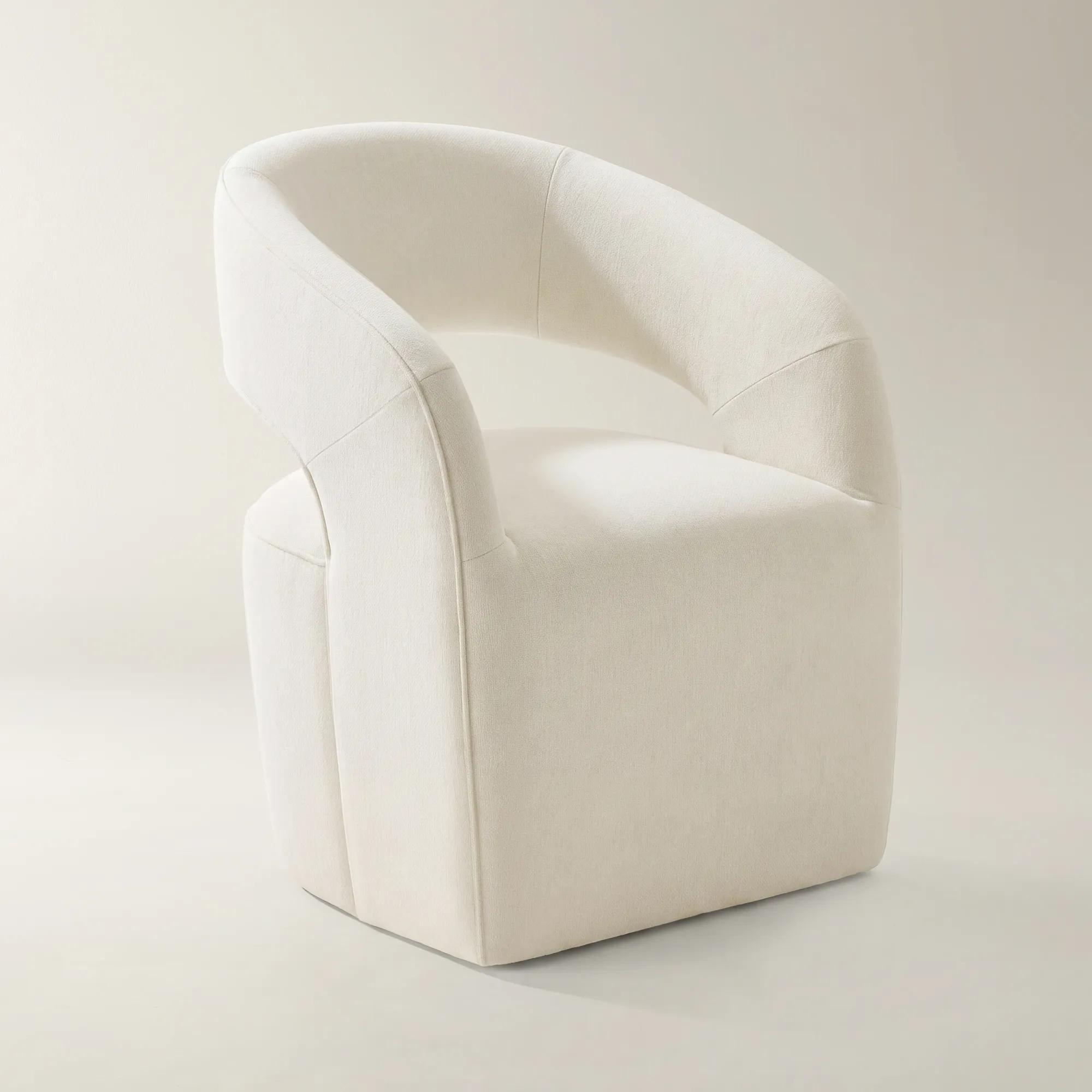 Harrison Ivory Performance Chenille Dining Chair$499
A sculptural ivory chenille chair featuring a continuous curved back, feather-blend comfort, and performance upholstery.
Add To Cart -
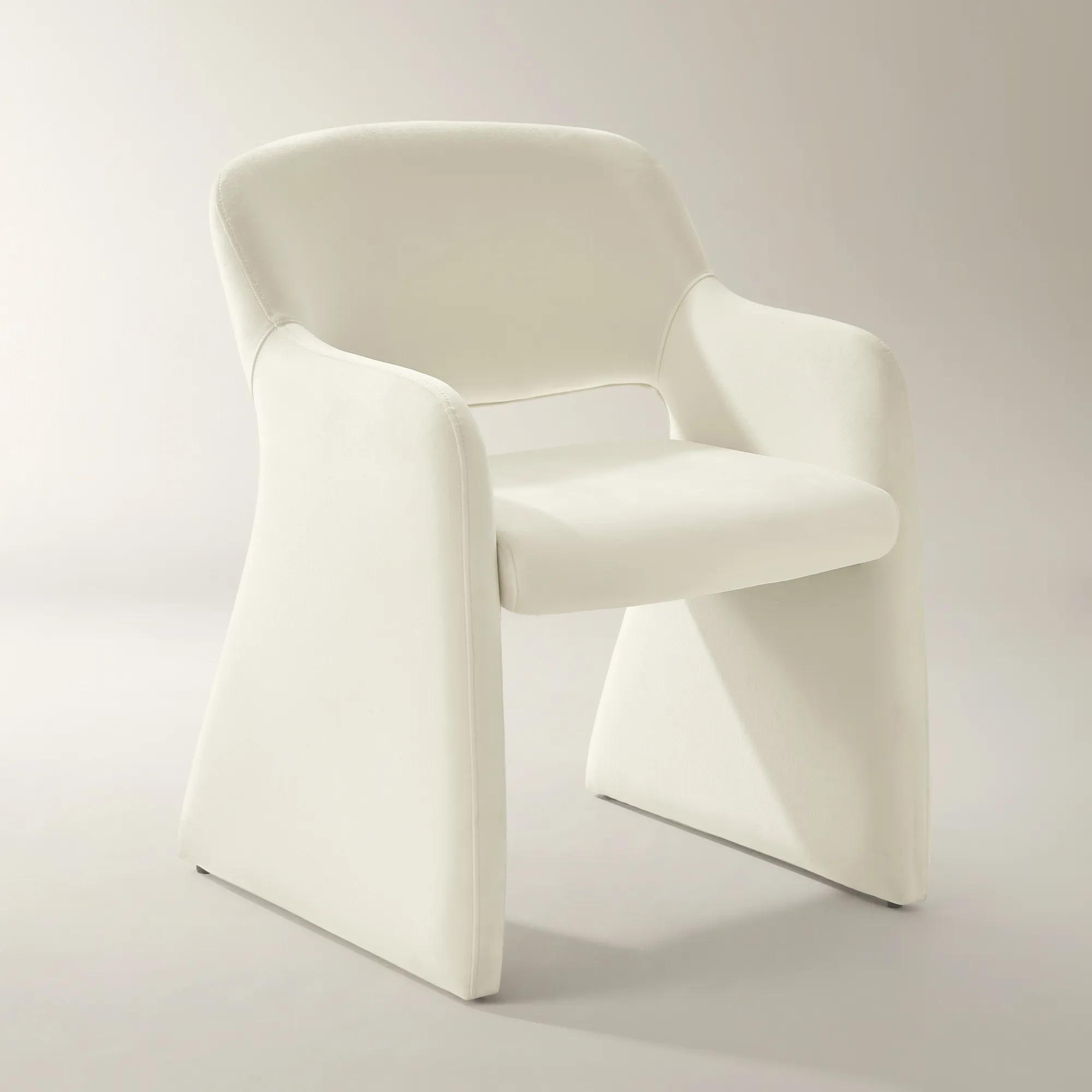 Elara Cloud Velvet Dining Chair$449
A plush velvet dining chair featuring a seamless wraparound silhouette and supportive carbon steel frame.
Add To Cart -
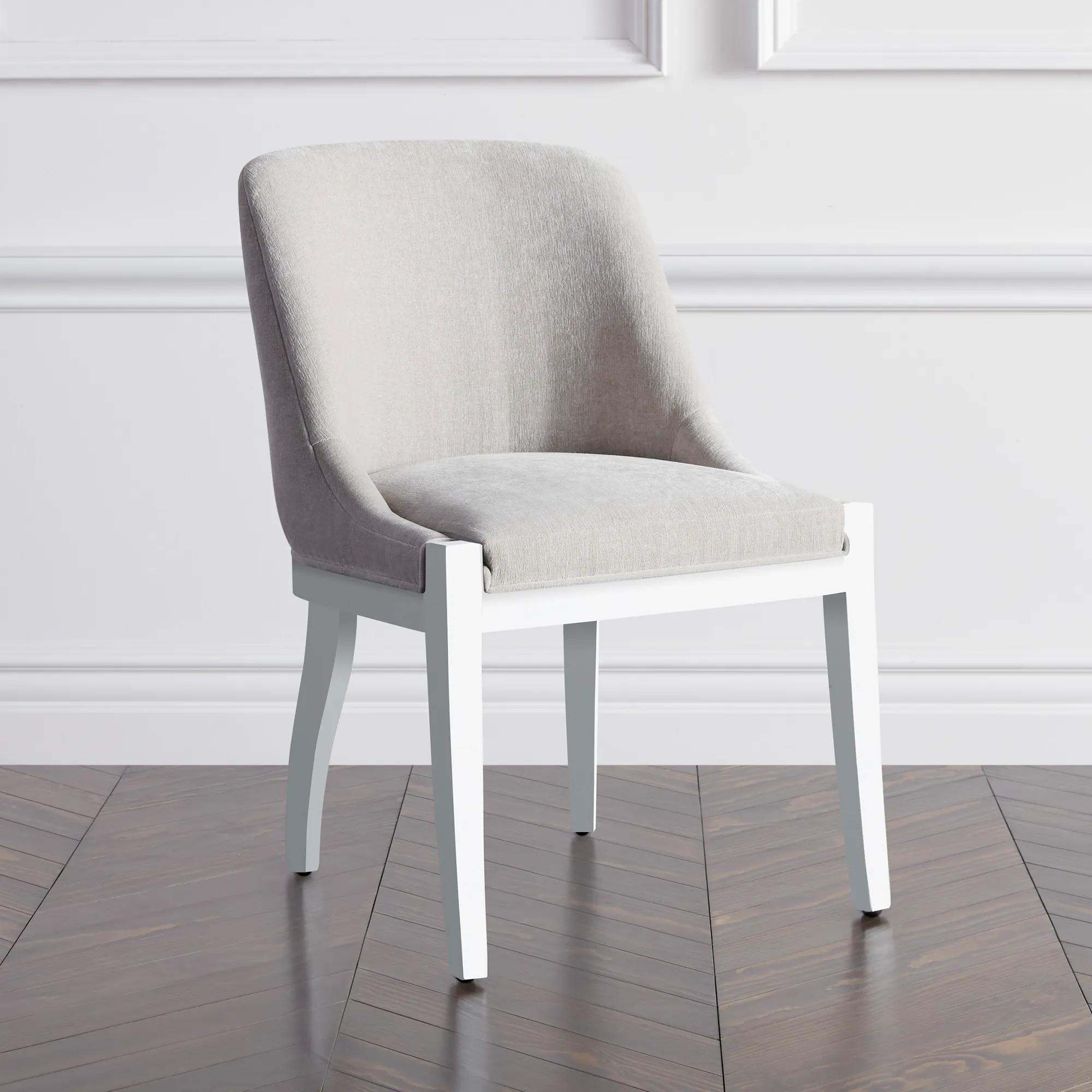
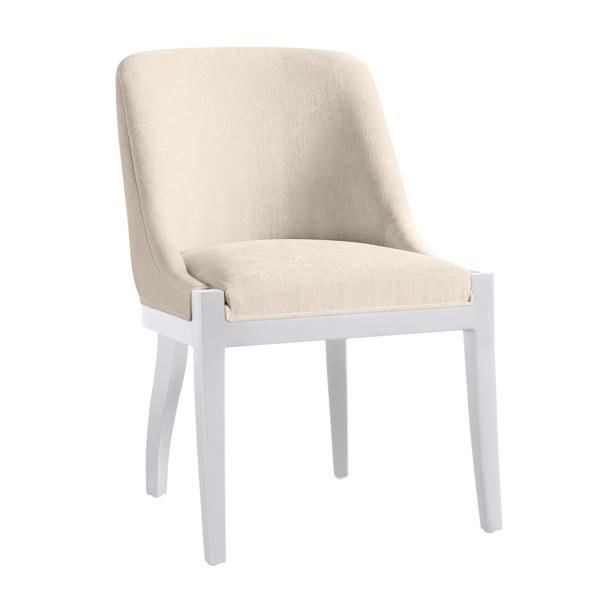 Lily Dining Chair - High Gloss White$699
A modern dining chair with a kiln-dried hardwood frame and high-gloss white legs for lasting elegance.
Add To Cart -
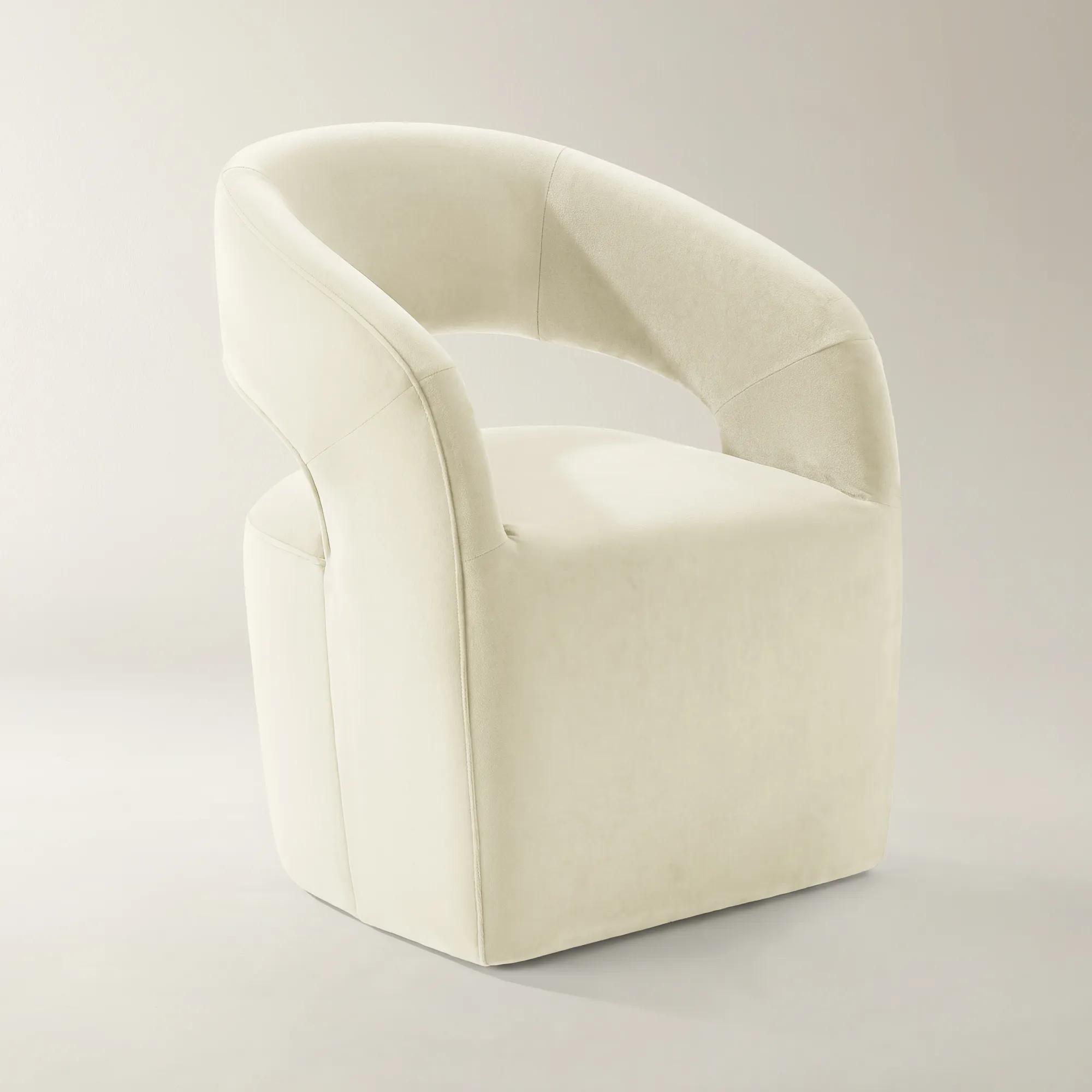 Harrison Cloud Velvet Dining Chair$499
A sculptural dining chair featuring cloud velvet upholstery, feather-blend cushioning, and a continuous curved back.
Add To Cart -
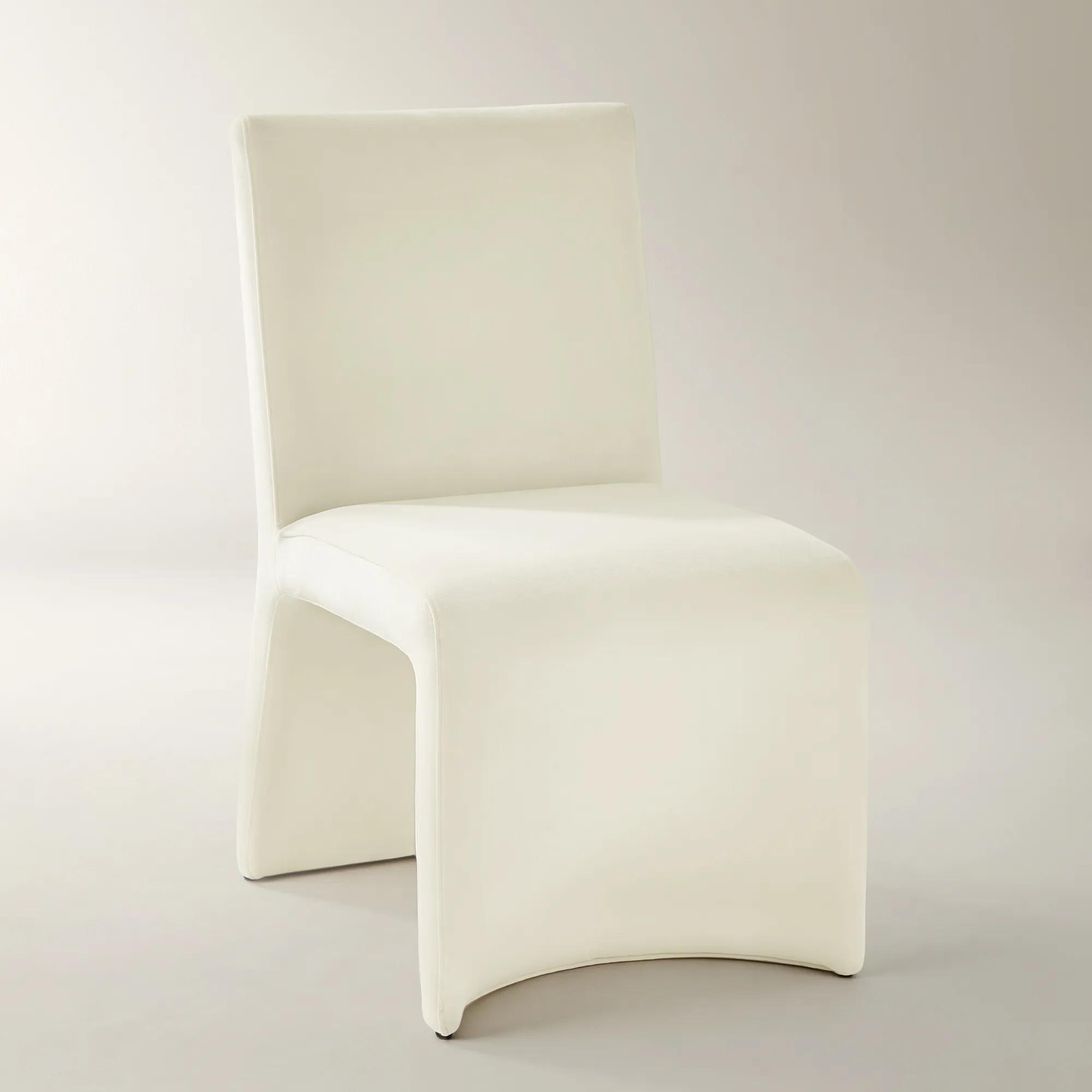 Elara Cloud Velvet Dining Chair Set Of 2$799
A set of two dining chairs featuring plush velvet upholstery, a seamless curved silhouette, and a sturdy steel frame.
Add To Cart -
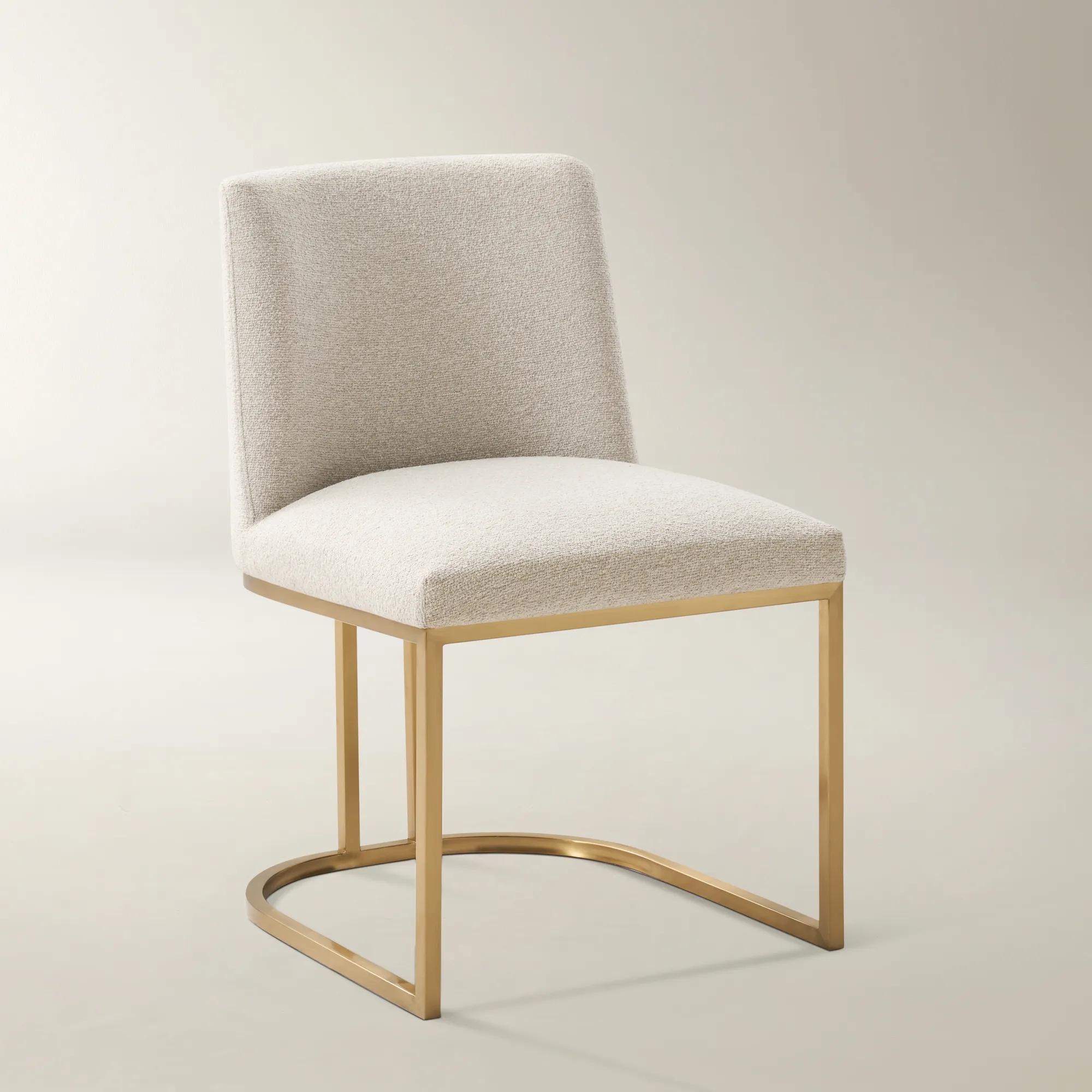 Bergen Ivory Boucle Dining Chair Set Of 2$549
An ivory boucle dining chair set featuring a curved backrest and brushed stainless steel frame for elegance.
Add To Cart -
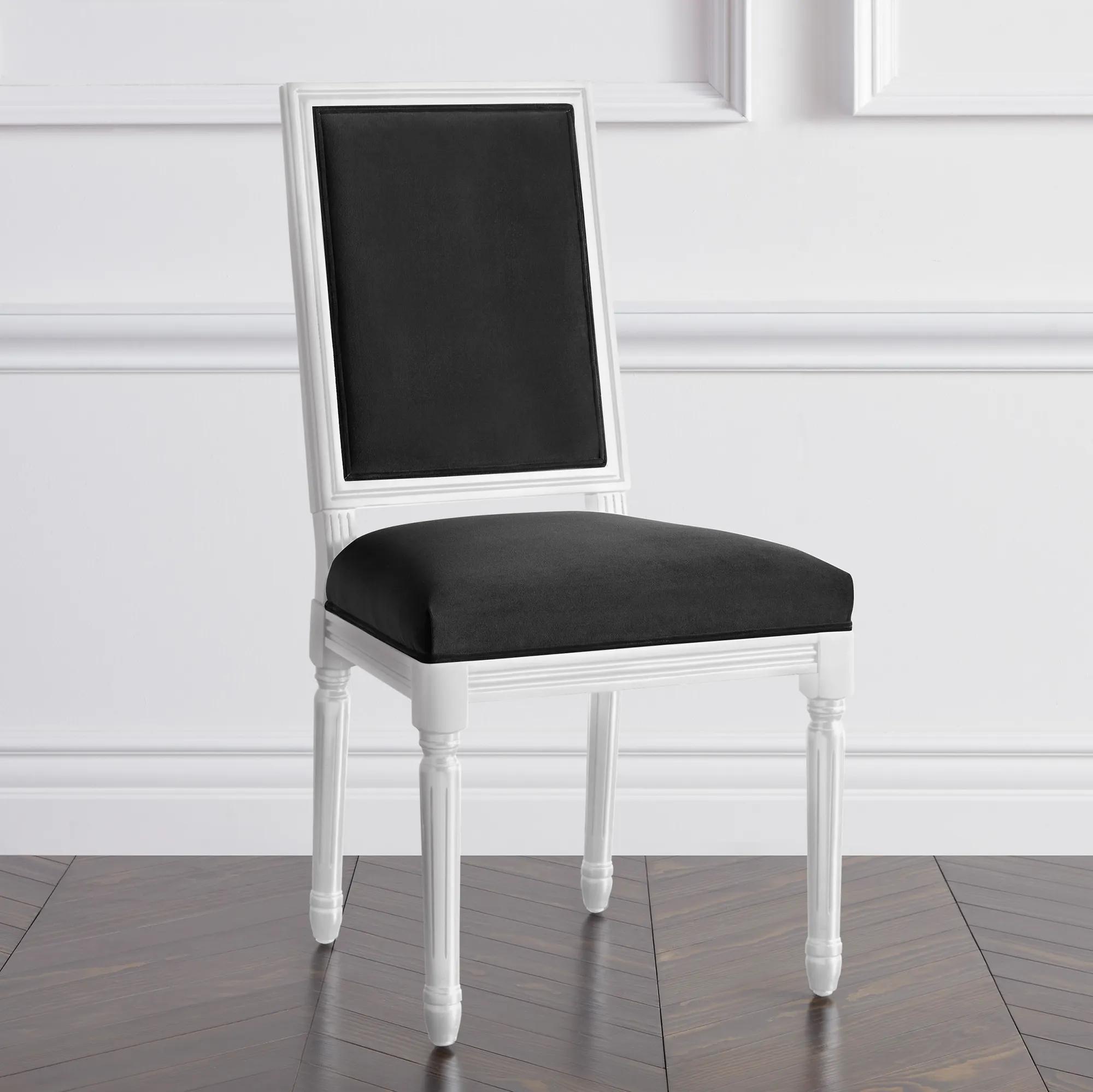
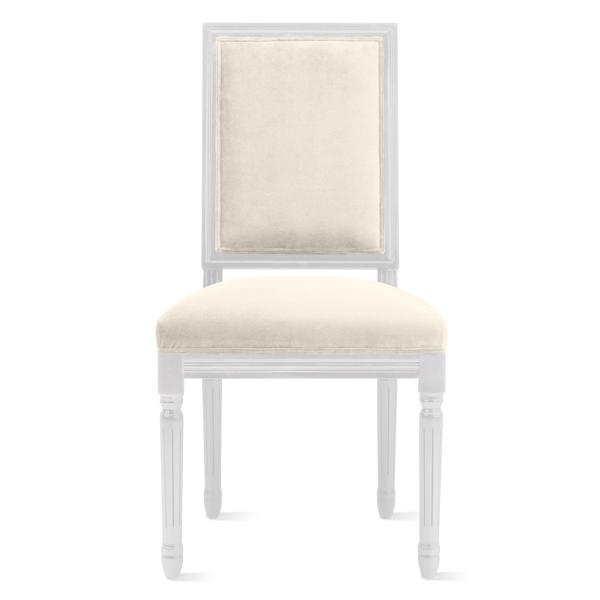 Callan Dining Chair - High Gloss White$549
A handcrafted dining chair featuring high-gloss white finish, kiln-dried hardwood frame, and plush velvet upholstery.
Add To Cart -
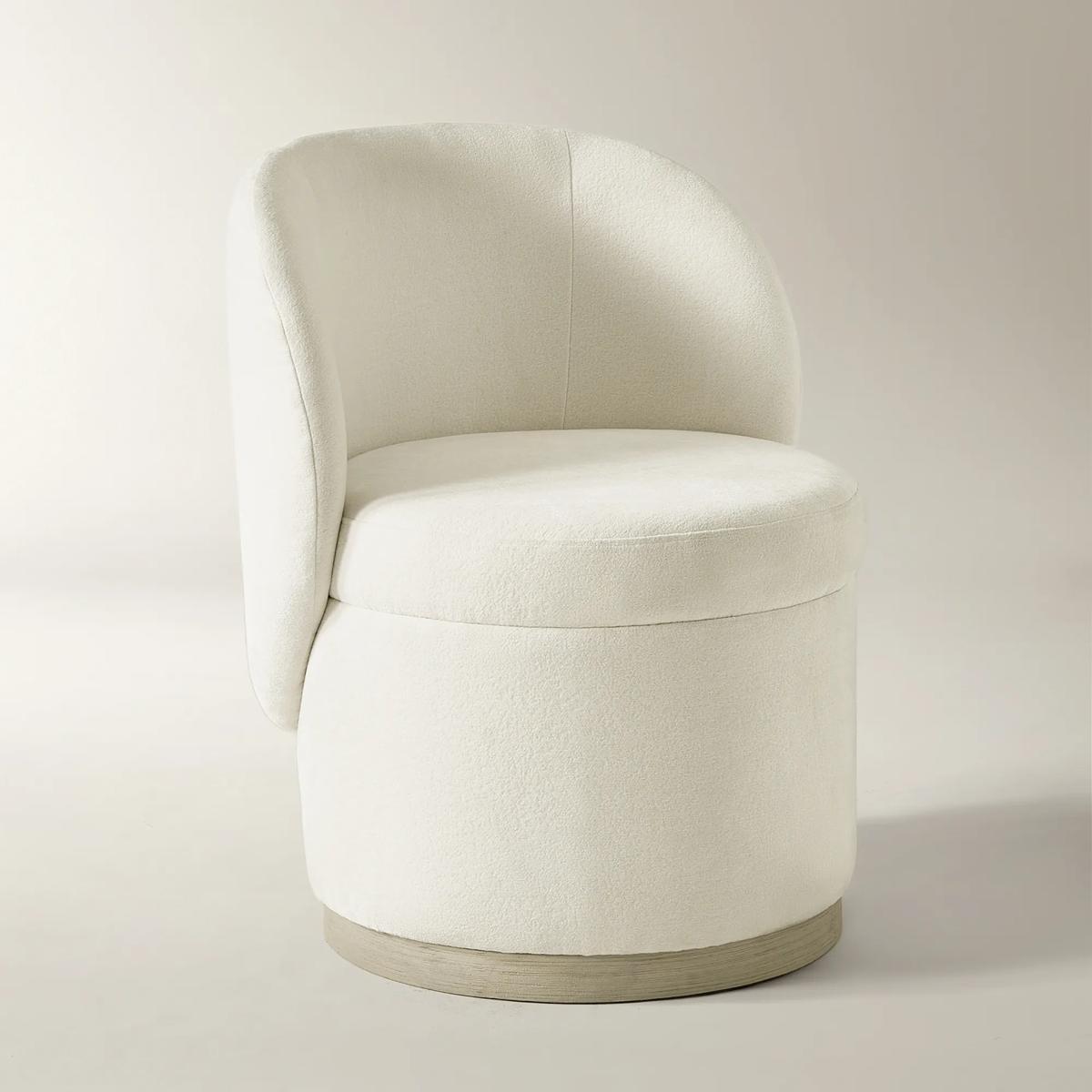 Stria Ivory Chenille Dining Chair With Oak Base$599
An ivory chenille chair featuring a plush, velvet-like finish and a handcrafted solid oak base.
Add To Cart -
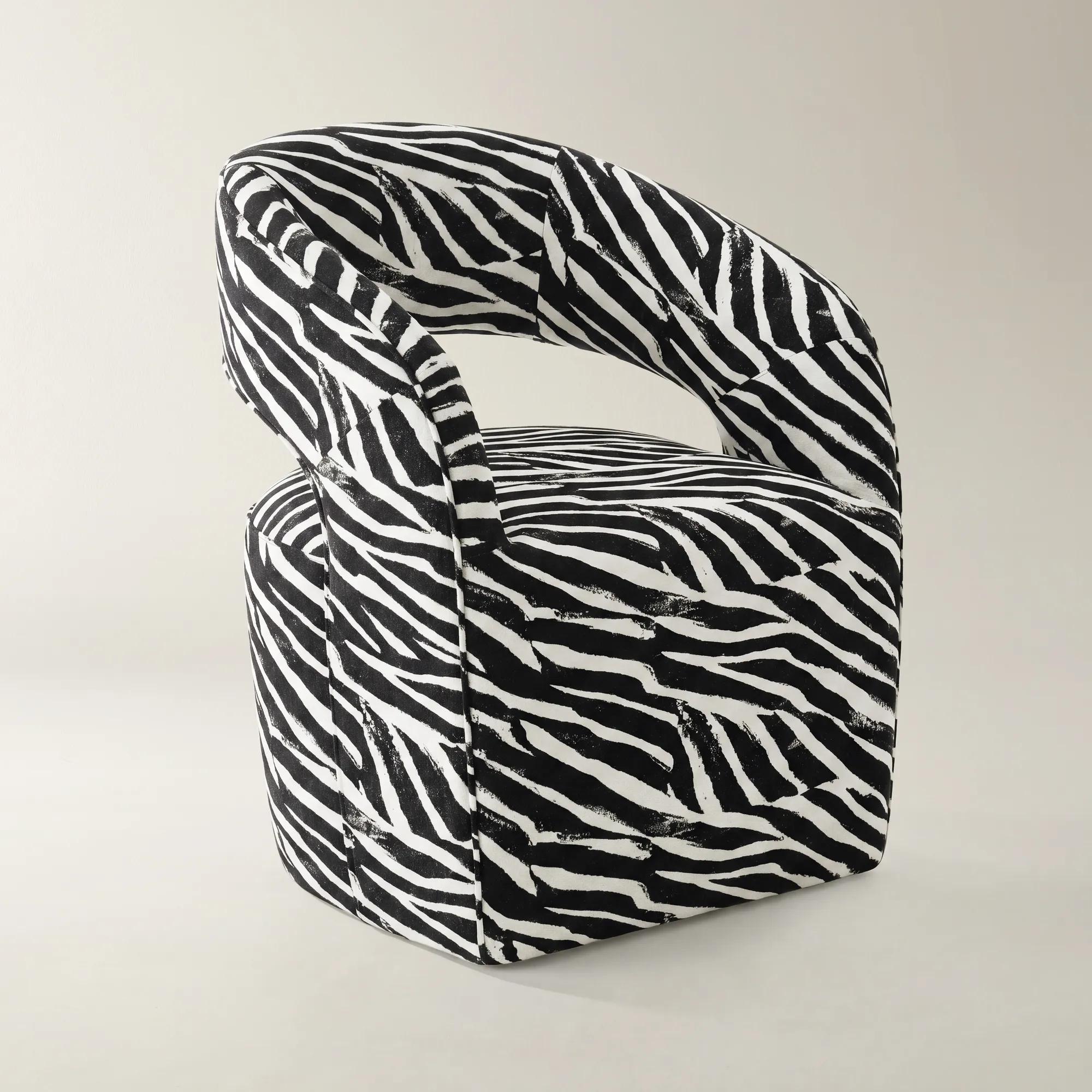 Harrison White/Black Performance Chenille Dining Chair$499
A sculptural dining chair in white and black performance chenille with plush feather-blend cushioning and curved arms.
Add To Cart -
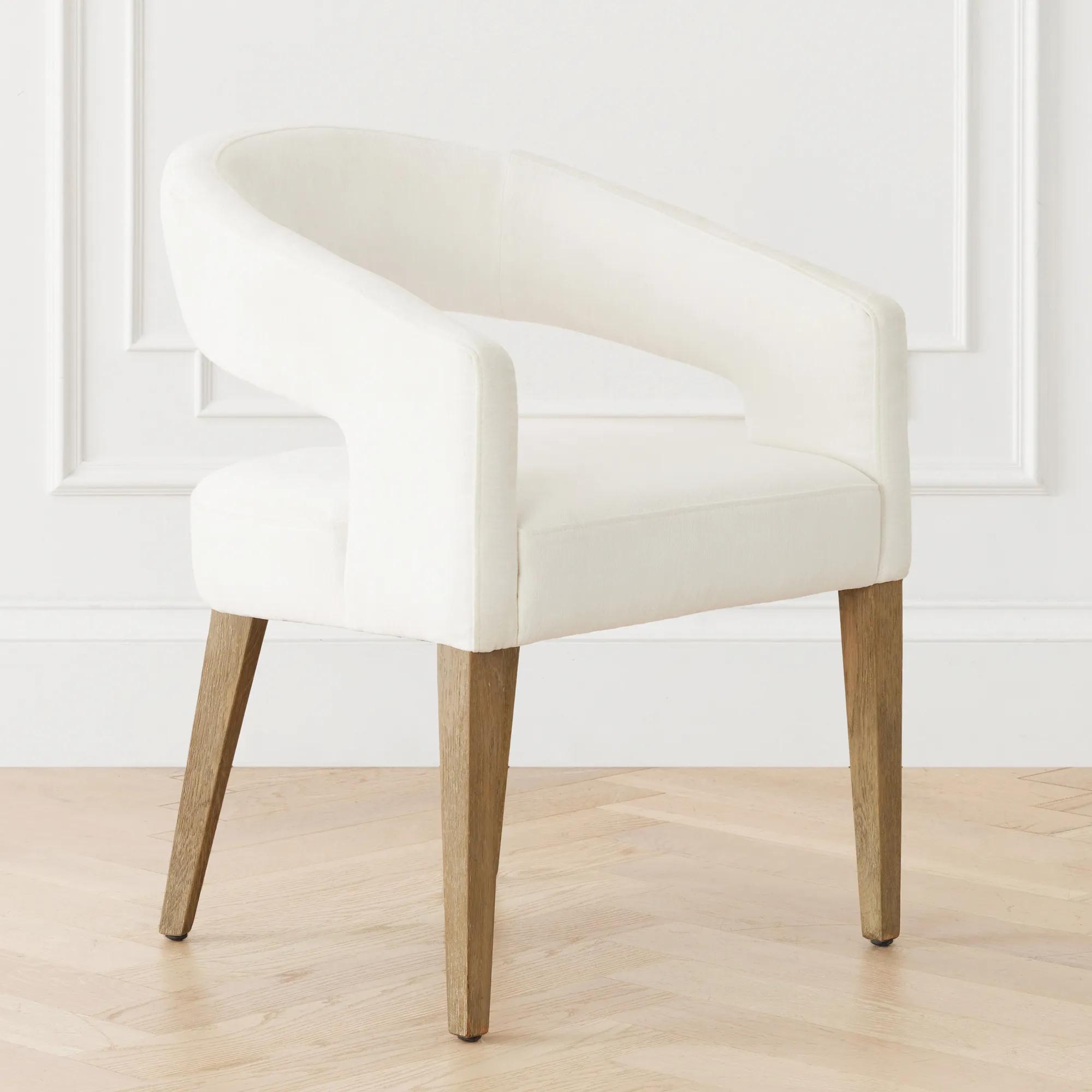 Philippa Dining Chair - Natural Grey$699
A modern dining chair featuring a curved silhouette, natural grey legs, and tailored chenille upholstery.
Add To Cart -
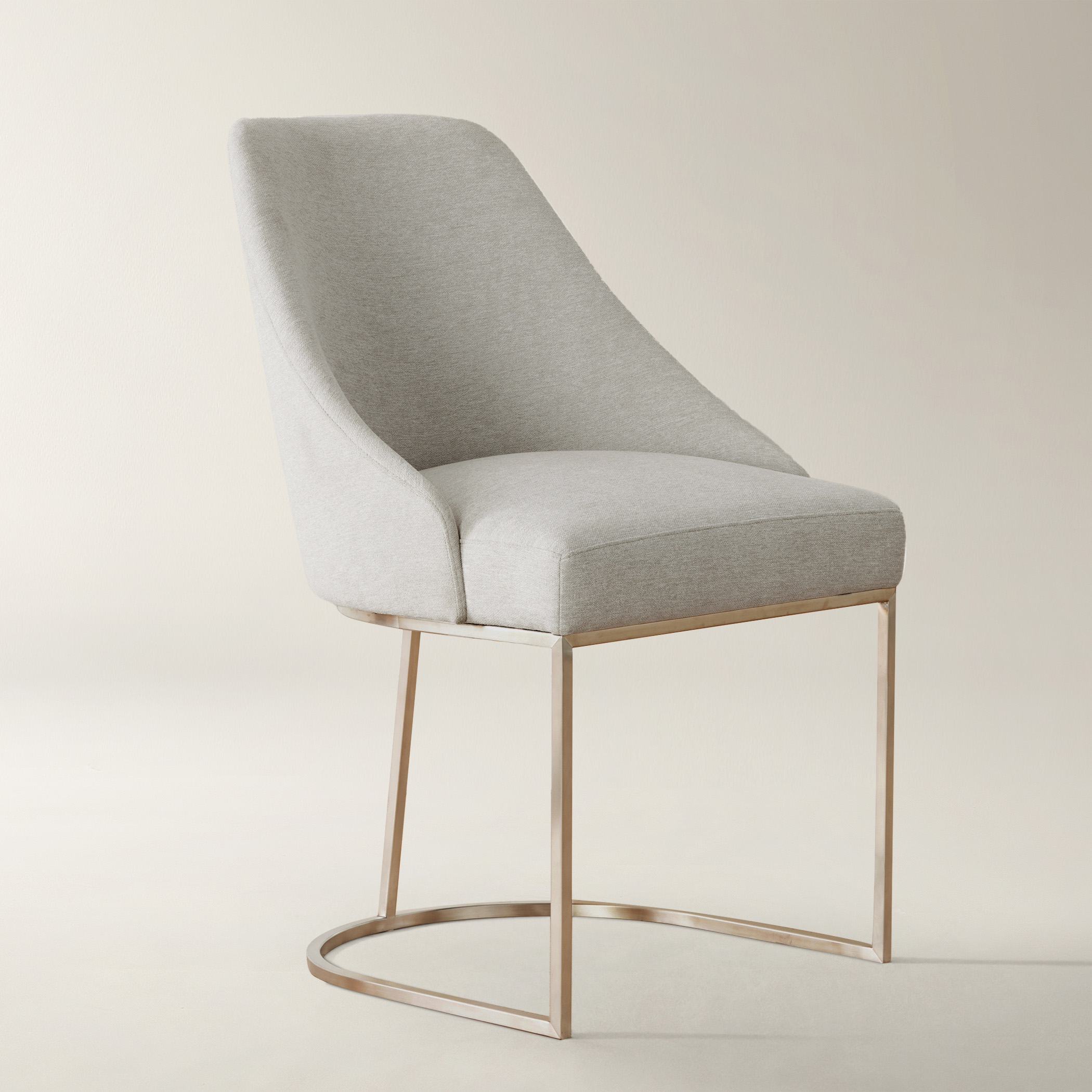
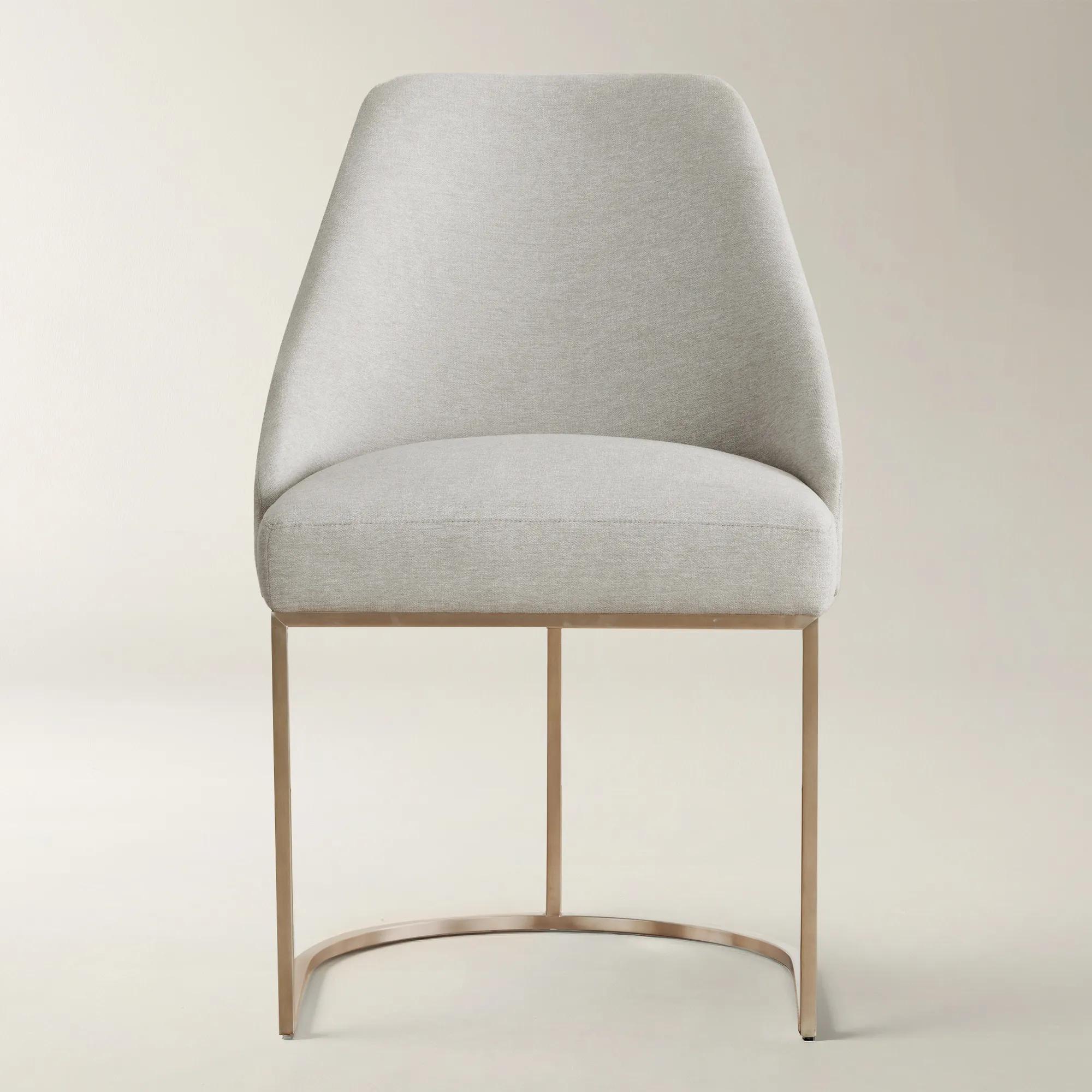 Rowan Ivory Fabric Dining Chair$599
A modern chair featuring brushed stainless steel legs and stain-resistant, water-repellent Roxboro Frost fabric.
Add To Cart -
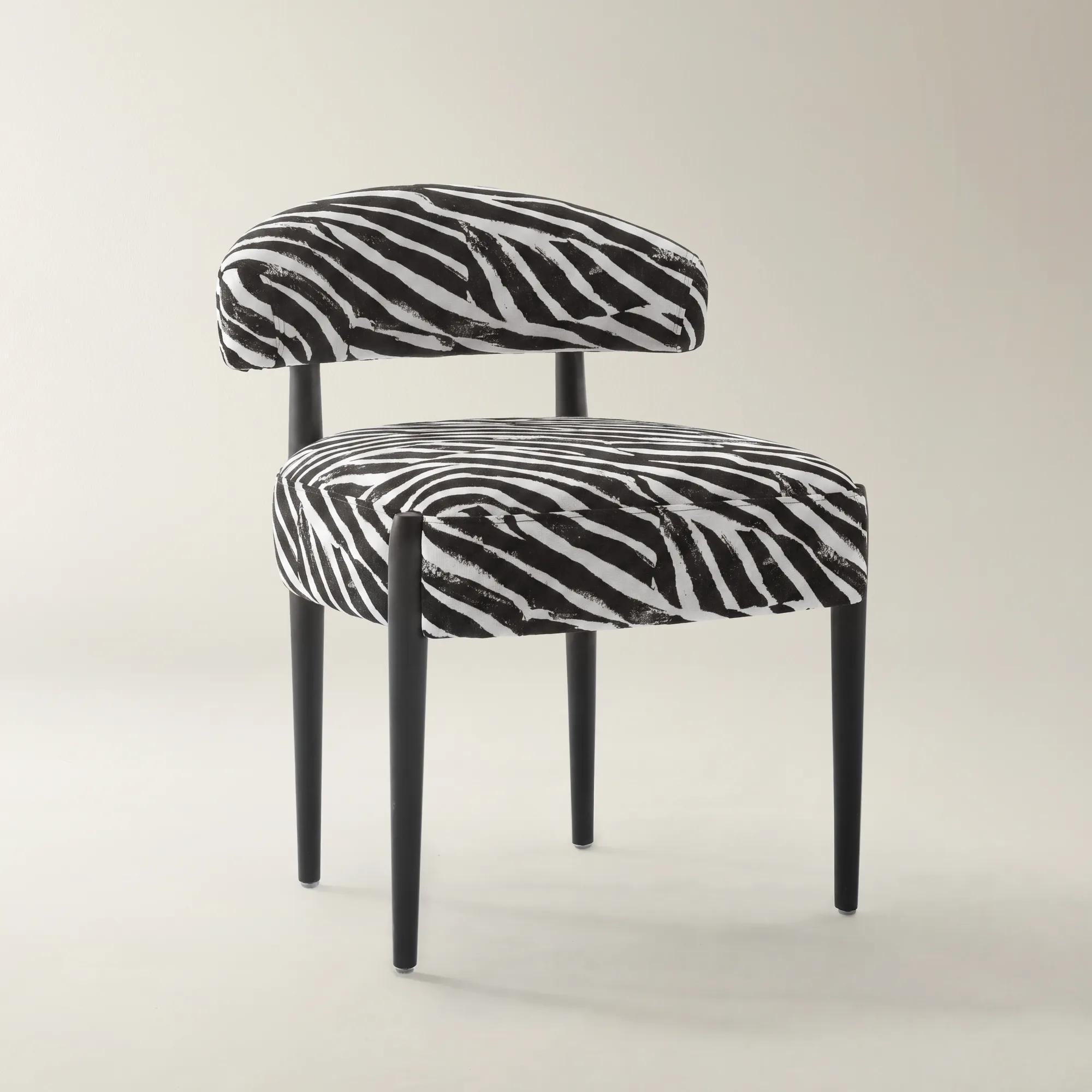 Anna White/Black Performance Chenille Dining Chair Set of 2$699
A black-and-white performance chenille chair set with arched backs, high-density foam, and solid rubberwood legs.
Add To Cart -
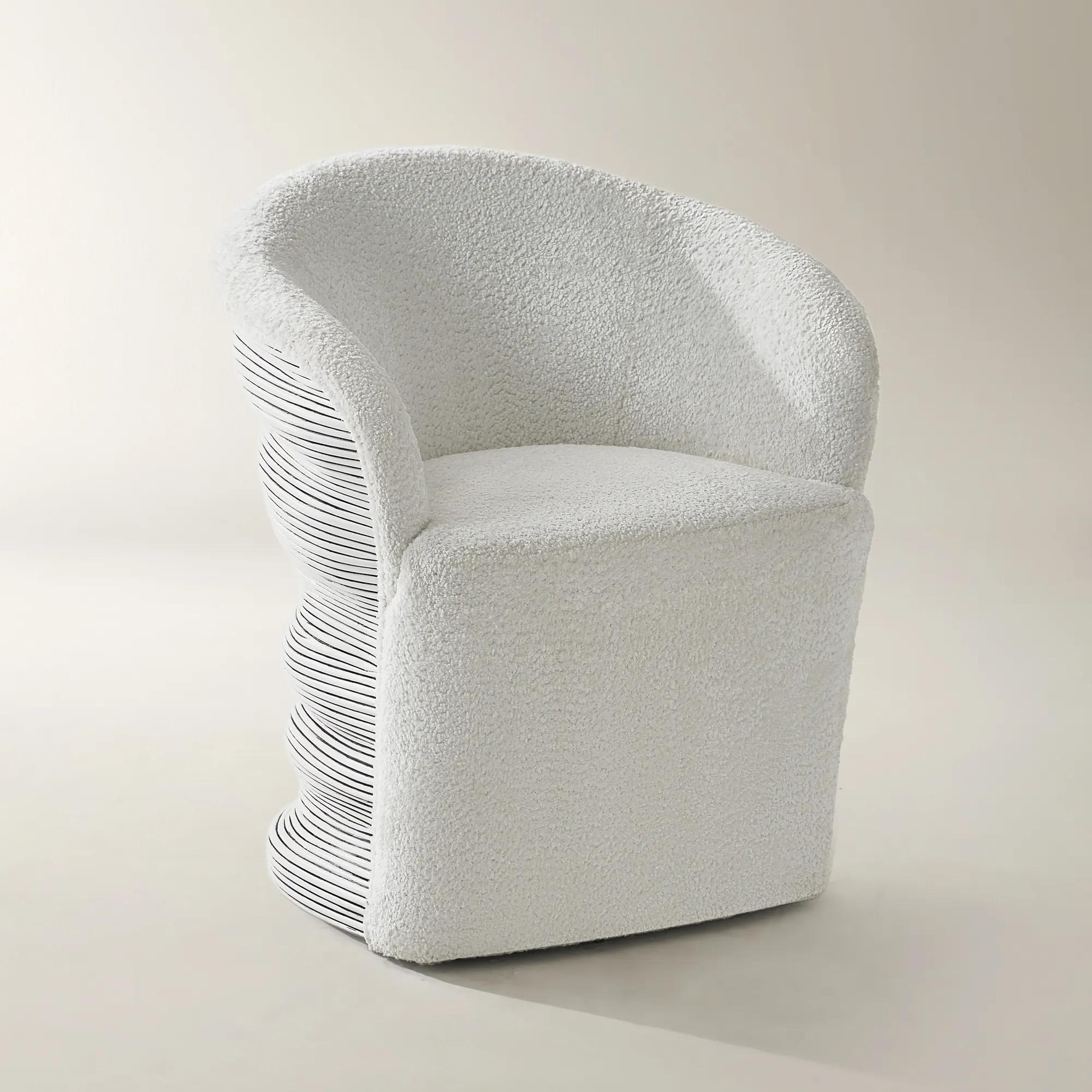
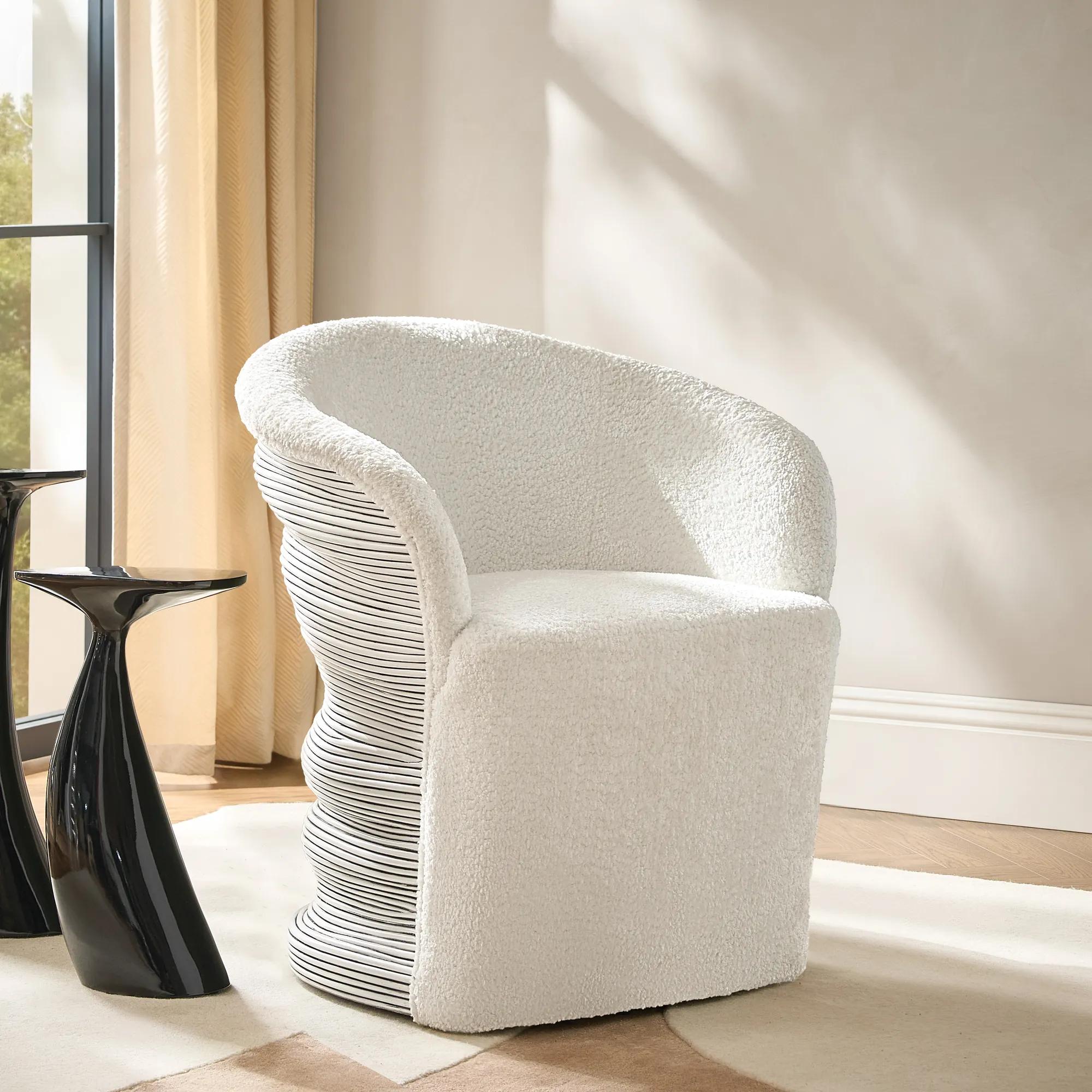 Cairo Rattan Ivory Chenille Dining Chair$999
An artisan-crafted swivel chair featuring handwoven natural rattan and plush ivory chenille upholstery for modern comfort.
Add To Cart -
 Stria Ivory Chenille Swivel Dining Chair With Oak Base$699
A sculpted ivory chenille dining chair with a solid oak base and smooth 360-degree swivel.
Add To Cart

White Dining Chairs With Curved Legs
White dining chairs with curved legs transform every meal into an occasion, infusing your dining space with sculptural elegance and luminous allure. Their graceful silhouettes evoke the timeless drama of grand salons, while the pristine palette amplifies light and creates a canvas for bold entertaining. Whether framing a glass-topped table or punctuating a richly layered setting, these chairs invite you to indulge in artistry and sophistication—each curve whispering of opulence, each seat promising unforgettable gatherings. Elevate your dining room into a gallery of taste with white dining chairs that turn everyday moments into extraordinary memories.
White dining chairs with curved legs pair white upholstery or a white frame finish with legs that bow, sweep, or arc rather than follow a straight profile. That combination brings a distinctive balance to the dining room: a light palette with a silhouette that has presence from every angle. The curve may appear in an elegant cabriole front leg, a gently flared rear support, or a continuous metal frame that draws a fluid line beneath the seat. A rounded back can echo that movement, but curved legs create their own expression, especially when the chairs are viewed from an adjoining living area or arranged around a pedestal table. Crisp white feels graphic against dark wood, while ivory and warm off-white soften the contrast with natural oak, cream stone, and brushed gold accents. These shades are not interchangeable; their undertones influence whether the room feels luminous and tailored or richly layered. Against a veined marble tabletop, white seating lets the stone’s pattern command attention while curved supports introduce movement below. Beside a substantial rectangular table, a row of sweeping legs breaks up strong horizontal lines without diminishing the table’s drama. Upholstered seats lend softness to the composition, while painted frames offer a more defined outline. The result can suit an intimate apartment dining nook, a formal dining room, or an open-plan space where the back and sides of each chair remain visible throughout the day. For a broader expression of this sculptural detail, designer dining chairs with curved legs extend the same emphasis on line and proportion into other palettes and finishes. Within a white dining arrangement, the most compelling combinations often rely on contrast rather than exact matching: a lustrous table base beneath textured upholstery, a dark floor beneath pale seating, or a restrained centerpiece that leaves the chair silhouettes fully visible. Even a single pair at the ends of a table can establish a graceful rhythm, particularly when their curves complement the surrounding seating rather than compete with it.
Materials give white dining chairs much of their character, and the construction beneath the finish matters as much as the visible surface. Painted wood can create a continuous white silhouette, while white upholstery over a wood frame allows the legs to introduce a second tone. Metal legs may form slender arcs or broader sculptural supports, with the finish determining whether they read as a quiet outline or a gleaming accent. Solid wood, engineered wood components, and metal frames each vary in quality and construction; material names alone do not establish strength. Secure joints, stable floor contact, appropriate reinforcement, and the stated weight capacity provide more useful context for everyday use. Upholstery also changes the experience at the table. A smooth woven fabric offers a tailored appearance, a textured weave adds dimension to pale color, and velvet can create subtle shifts in tone as its pile catches the light. Leather and synthetic upholstery have different care requirements, so their suitability depends on the particular material and finish rather than appearance alone. For long dinners, seat cushioning, usable seat depth, and back support deserve equal attention. A generously padded chair can look inviting yet feel crowded at a narrow table, while a slim frame may offer more practical room for guests without sacrificing elegance. Many standard dining tables stand about 28 to 30 inches high, with dining chair seats commonly around 18 to 20 inches high; the actual fit depends on the tabletop, apron, and cushion compression. Roughly 10 to 12 inches between the seat and the underside of the tabletop is a useful starting point, with any apron also checked for comfortable thigh clearance. Arms must clear the table’s lowest obstruction if the chairs are intended to tuck underneath. Curved legs can extend beyond the seat footprint, making overall width and depth especially important near table bases, walls, and walkways. Around a round table, splayed supports need enough separation to keep neighboring chairs from touching when everyone settles in.
White dining chairs make an expressive choice for households that enjoy gathering around a beautifully composed table, but their lasting appeal depends on a finish and fabric that suit the way the room is used. A dining area that hosts daily breakfasts, homework, and frequent guests asks something different of its seating than a room reserved for occasional dinners. In a busy setting, upholstery with clearly documented stain-resistance features and cleaning instructions can be a practical match, although no pale fabric should be assumed stainproof. Removable covers, where part of the chair’s design, may simplify maintenance, but laundering is appropriate only when the care label permits it. For upholstered seats, prompt blotting helps keep spills from spreading; rubbing can work residue deeper into fibers or disturb the surface. Cleaning codes and manufacturer directions should govern product selection, and any approved cleaner is best tested in an inconspicuous area first. Painted wood benefits from gentle dusting and prompt drying after cleaning, while abrasive pads and harsh chemicals can damage the finish. Metal supports also need finish-appropriate care, particularly around joints and decorative details where moisture can linger. Floor protection deserves attention because a curved leg may meet the floor at an angle: properly fitted, surface-compatible glides help protect flooring and preserve smooth movement. On a rug, the pile and chair footprint should allow each seat to pull back without catching or becoming unstable. White upholstery can also reveal dye transfer from dark clothing, making the material’s care guidance relevant even before the first dinner party. These practical details support the atmosphere rather than interrupt it. A chair that settles securely, slides comfortably into place, and offers room to linger contributes to the pleasure of a meal. With proportions suited to the table and materials suited to the household, white seating with curved legs brings lasting visual distinction to everyday dining—a pale, luminous presence shaped by confident lines and thoughtful detail.
FAQs
White dining chairs with curved legs are remarkably versatile, complementing a range of interior aesthetics. They add a sense of sculptural elegance to modern glam spaces, bring refined charm to French country or farmhouse settings, and offer a touch of retro sophistication to mid-century modern rooms. Their graceful forms also suit transitional and eclectic decors, serving as a striking focal point or a harmonious accent depending on your vision.
To preserve the beauty of your white dining chairs, regularly dust the frames and gently clean upholstery with a soft, damp cloth or a vacuum fitted with a brush attachment. For fabric seats, spot-clean spills promptly with a mild upholstery cleaner, while leatherette or velvet can be wiped down with a slightly damp microfiber cloth. Protect wooden or metal legs by avoiding harsh chemicals, and consider rotating chairs occasionally to ensure even wear and sun exposure.
White leg dining chairs can absolutely grace homes with children or pets, especially when selected in durable, easy-to-clean materials such as performance fabric, faux leather, or coated metals. Opt for designs with sturdy frames and wipeable surfaces to withstand everyday use, and consider slipcovers or seat cushions for added protection and style flexibility.
These elegant chairs can be reimagined in a variety of settings. Place a curved leg chair in a bedroom corner as a chic accent, use it as a sophisticated desk chair in a home office, or let it anchor an entryway vignette paired with a bold console. Their graceful lines and luminous finish make them ideal for creating inviting reading nooks or dressing up a vanity area.
Curved leg dining chairs introduce a sense of artistry and movement to the dining room, transforming the space into a setting that feels curated and intentional. Their flowing lines evoke a sense of luxury and drama, while their white finishes reflect light and create an airy, open ambiance. Whether used for festive gatherings or intimate dinners, these chairs help set a mood that is both welcoming and unforgettable.