White Deer Sculptures
White Deer Sculptures
-
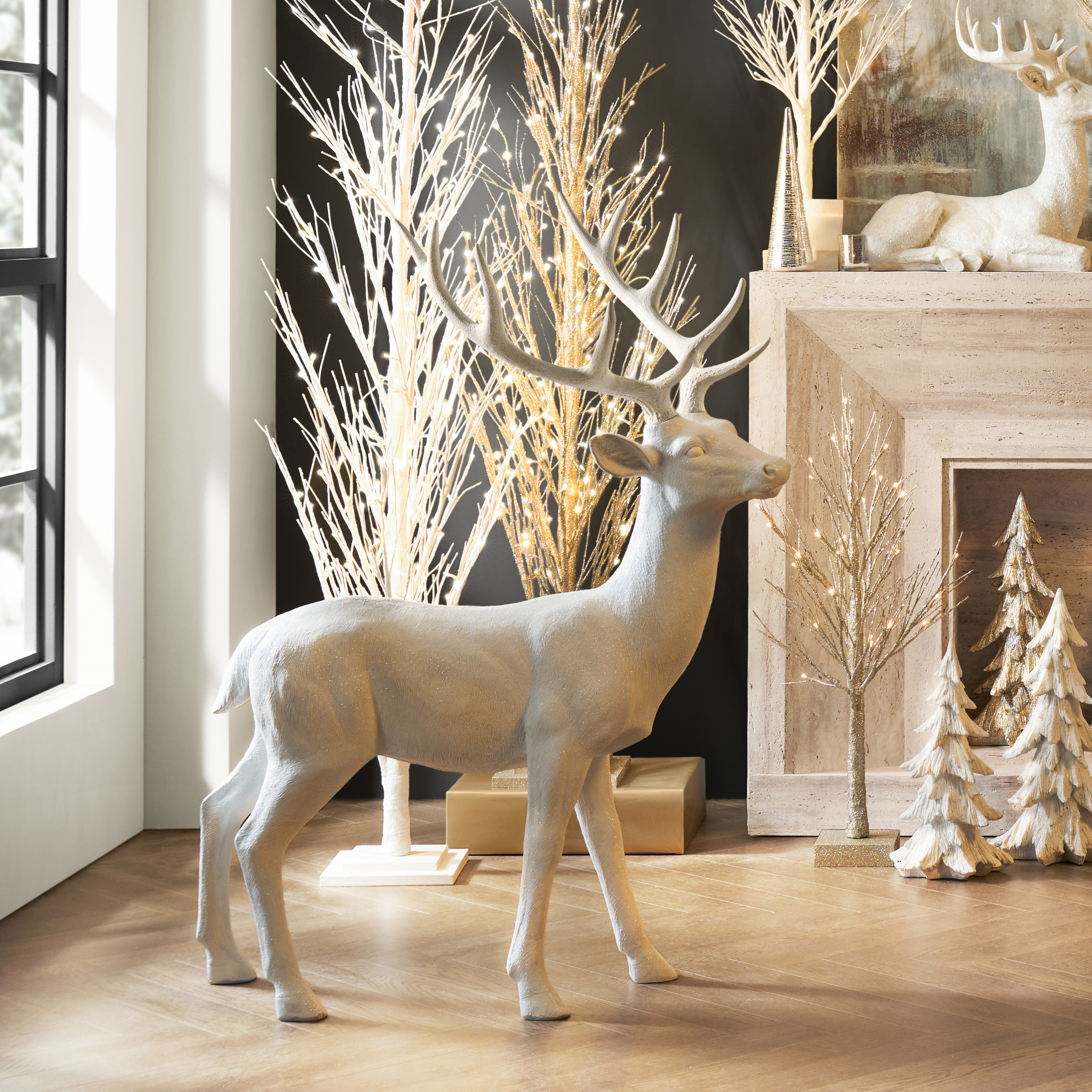
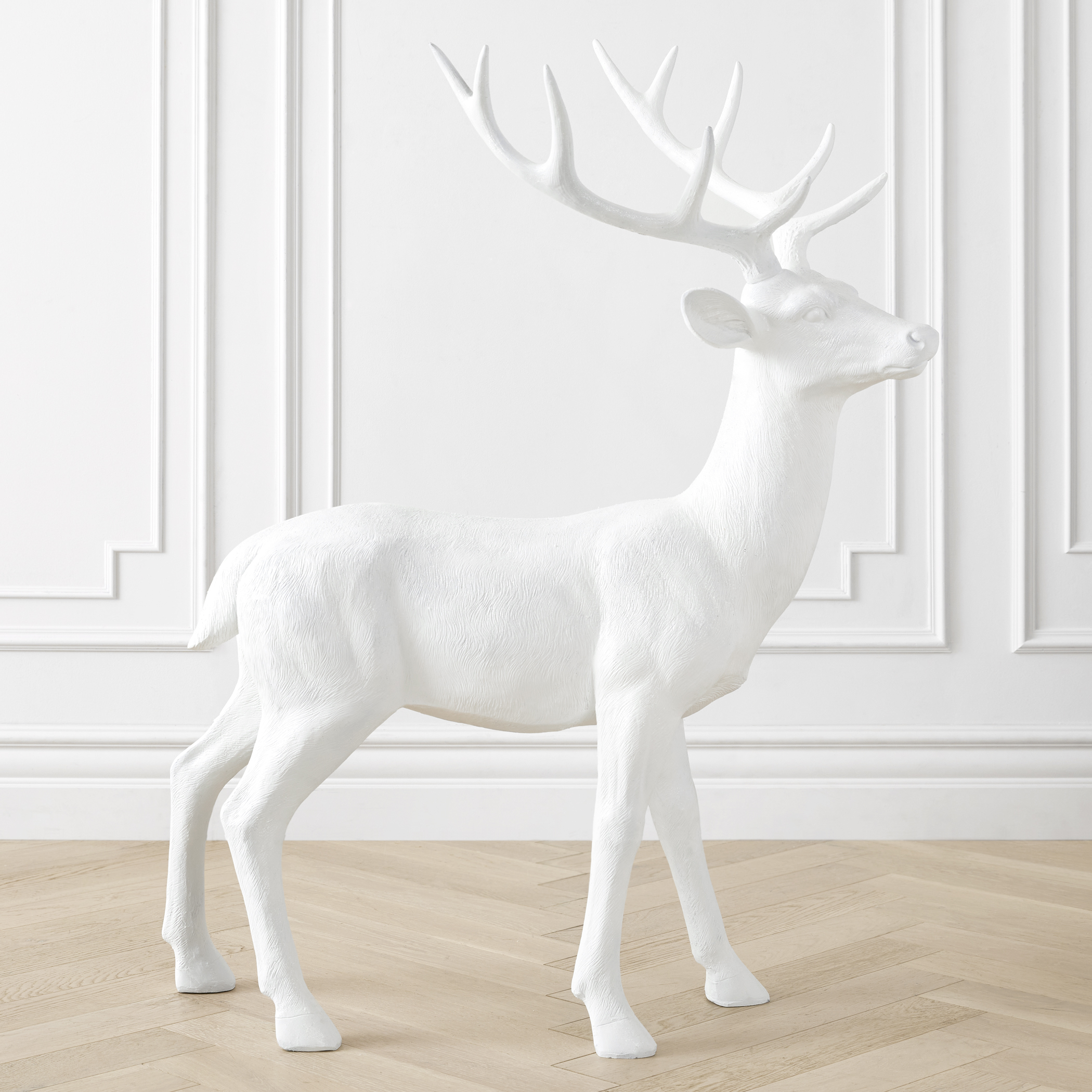 Majestic Deer White Resin 48.75"$799
A modern white polyresin deer statue that adds festive elegance to your holiday décor.
Add To Cart -
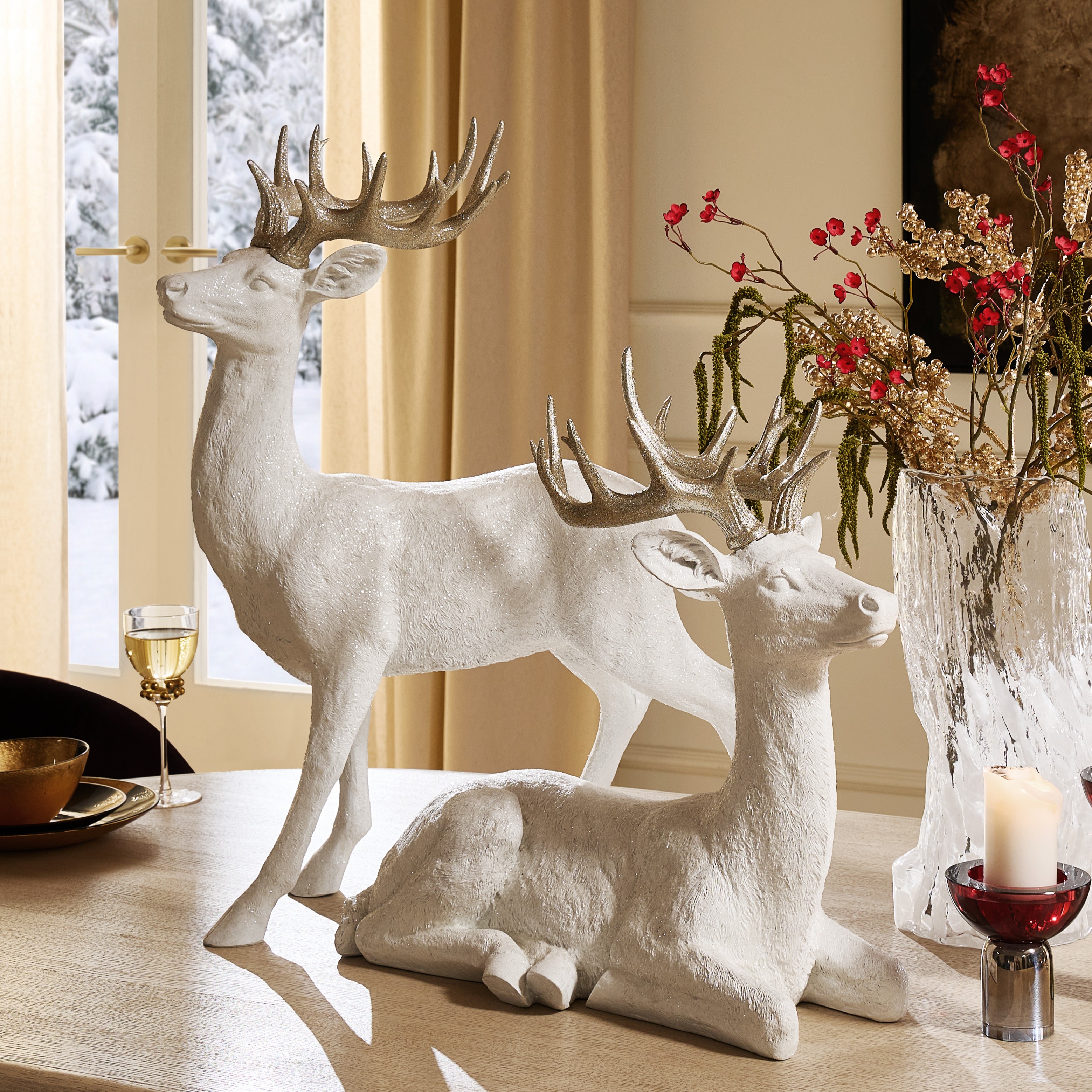
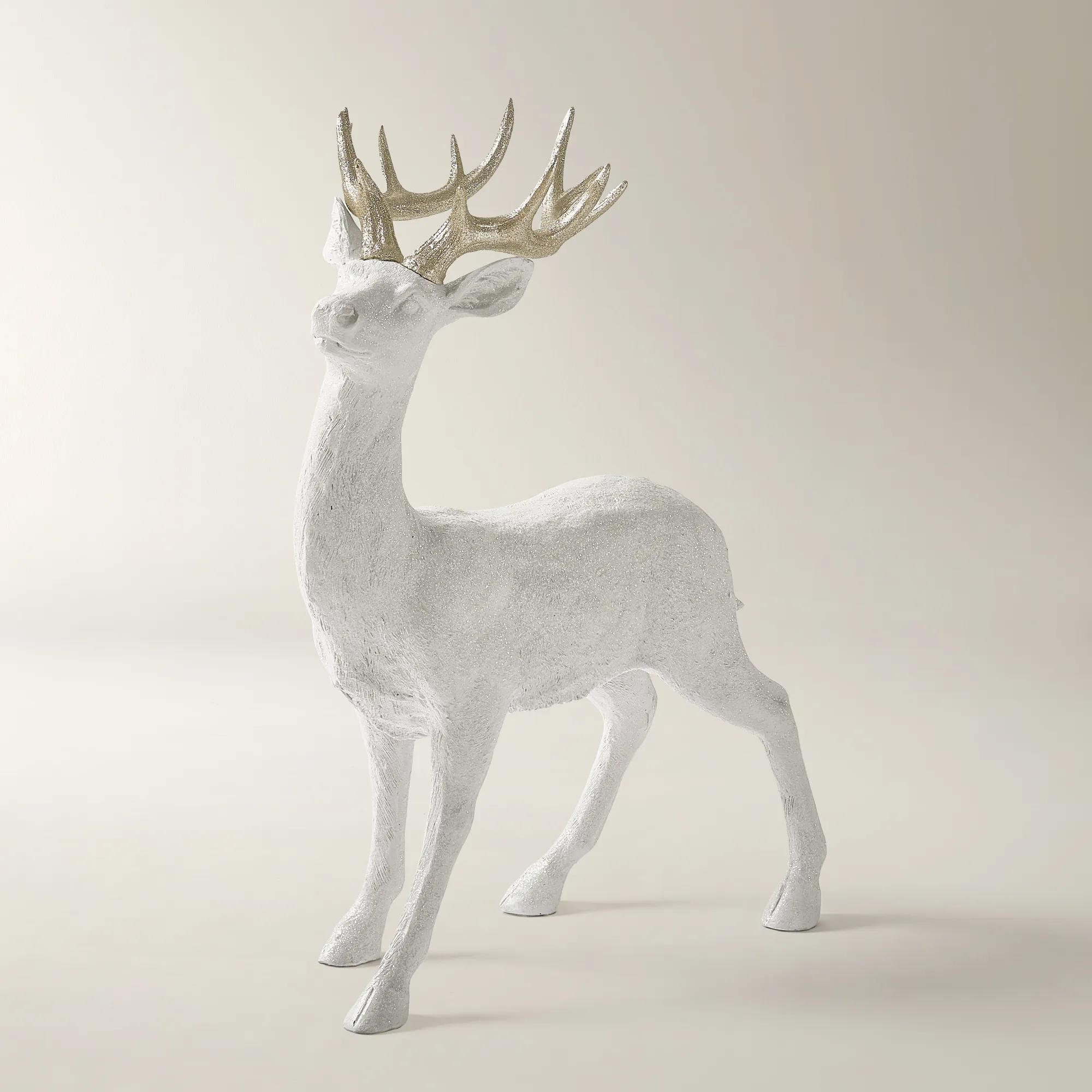 Majestic Glitter Deer White/Champagne Resin 32"$239
A sculptural resin deer with white glitter and champagne accents adds luminous, glamorous flair to holiday décor.
Add To Cart -
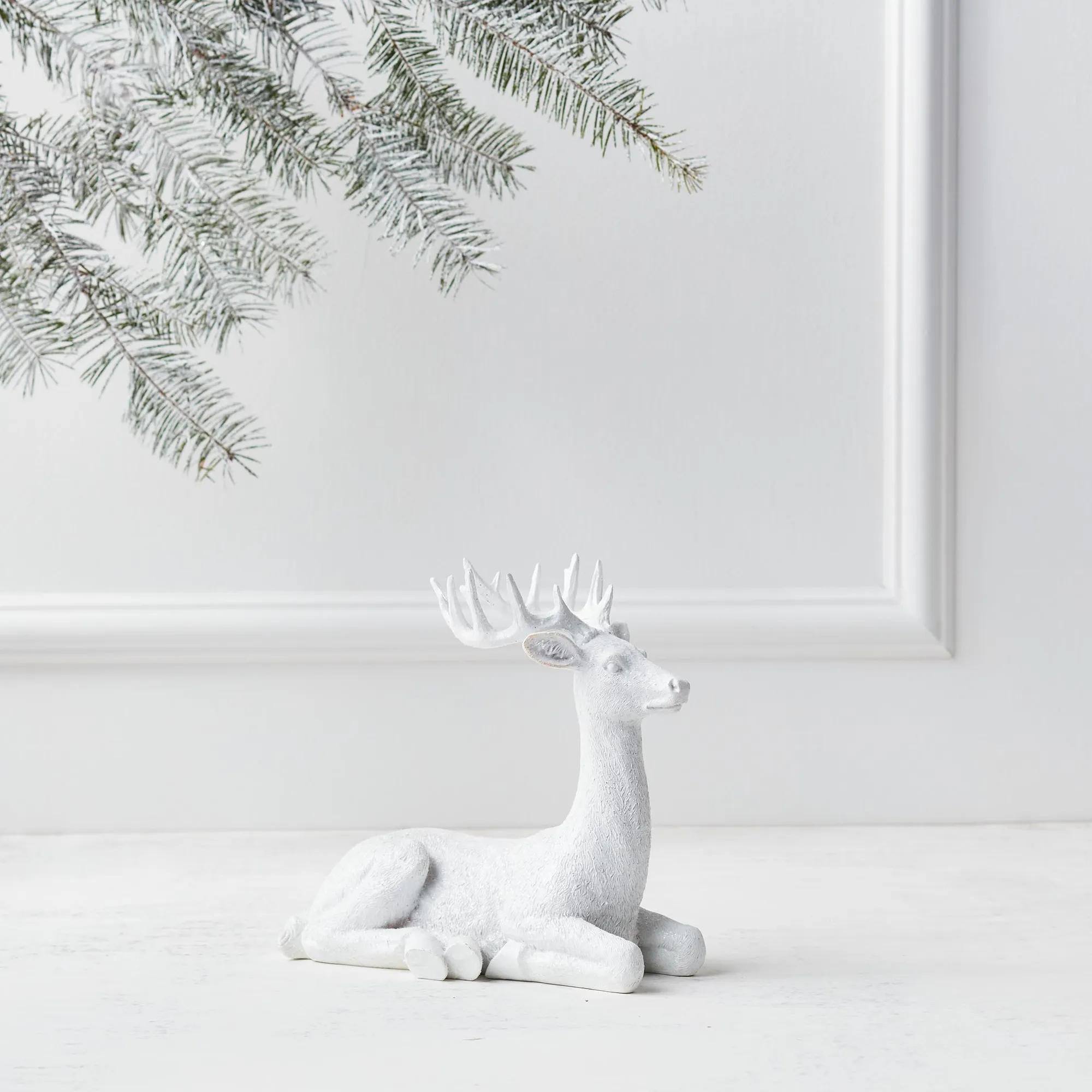
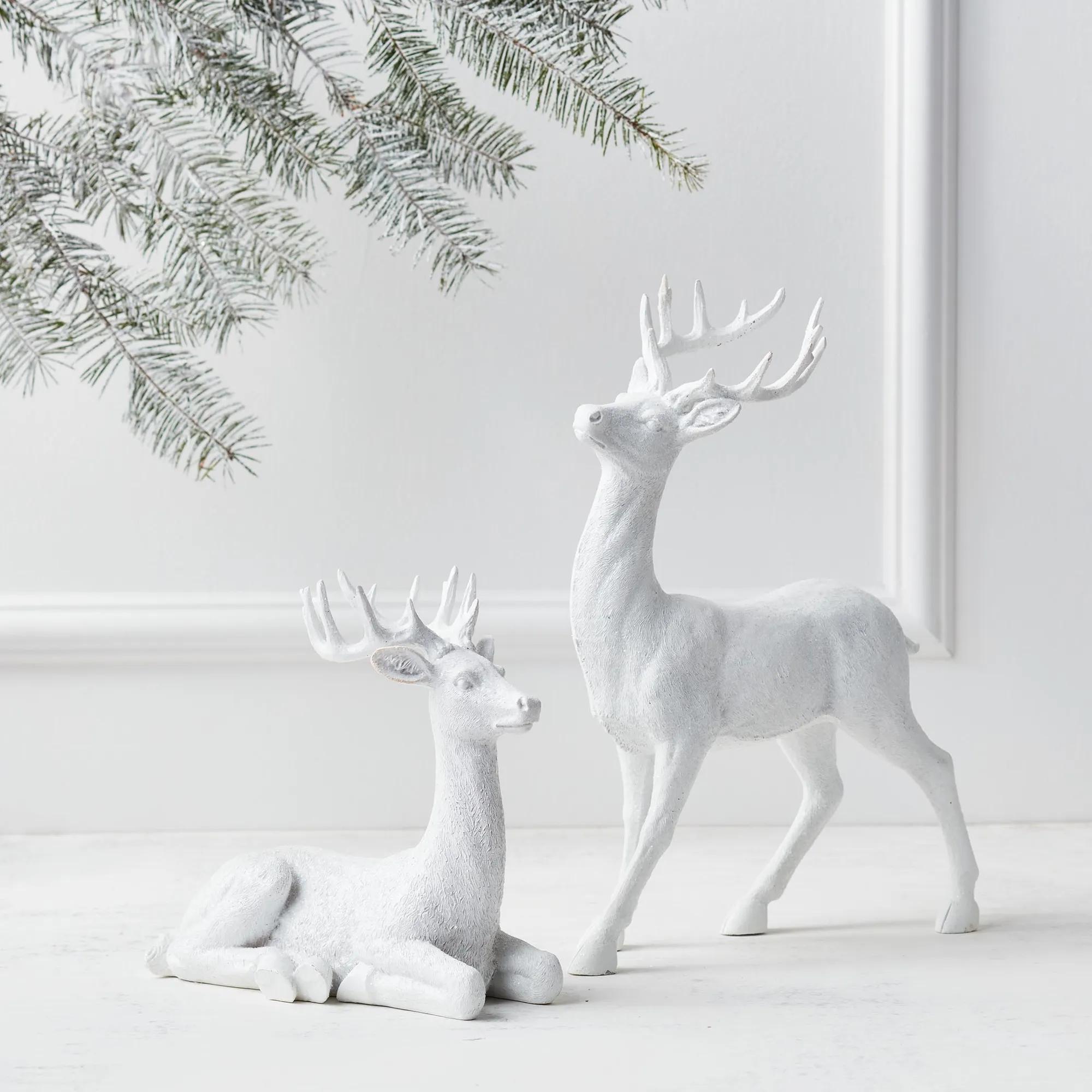 Majestic Deer White Resin 8"$49
A pair of intricately detailed white poly resin deer figures adorned with textured layers of sparkling glitter.
Add To Cart -
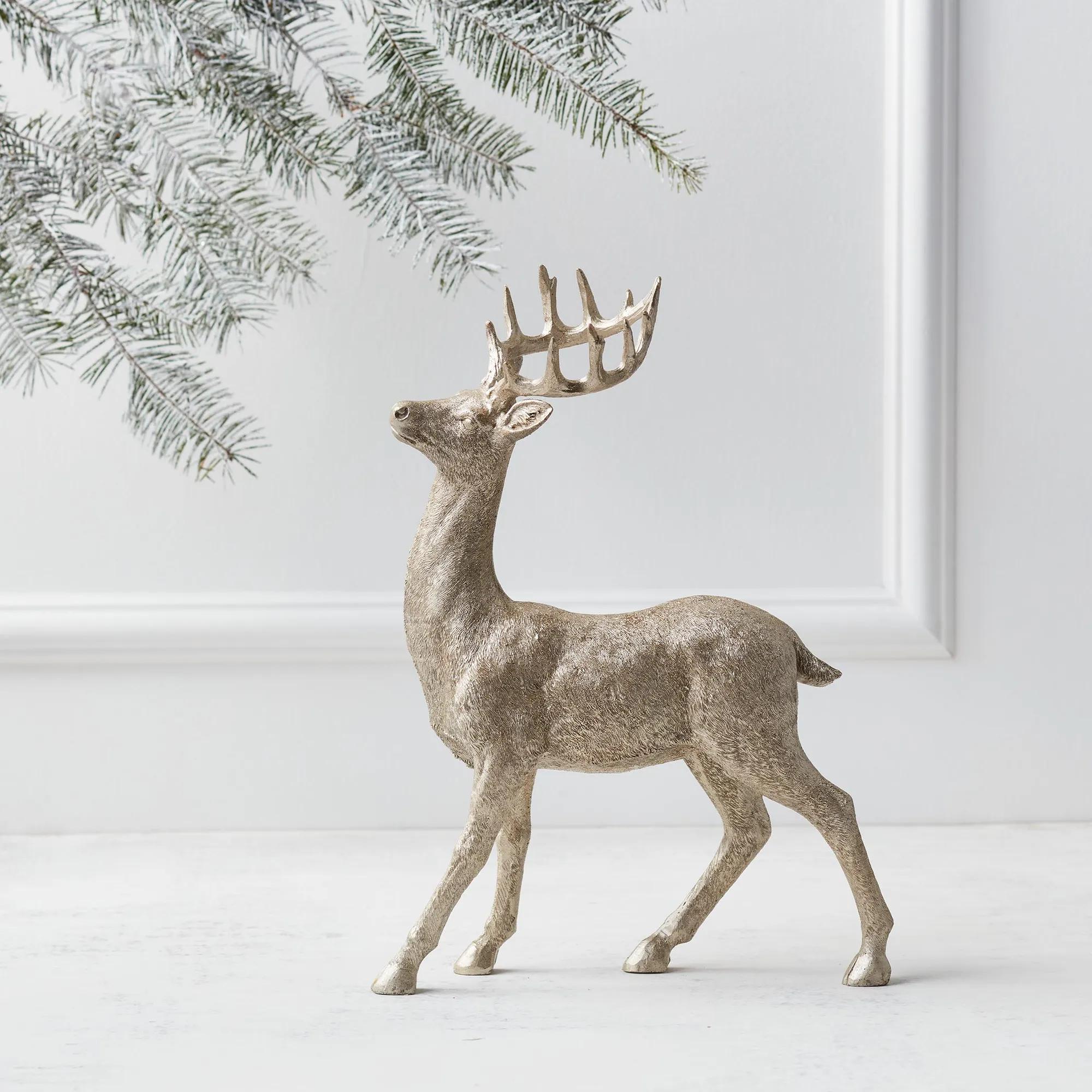
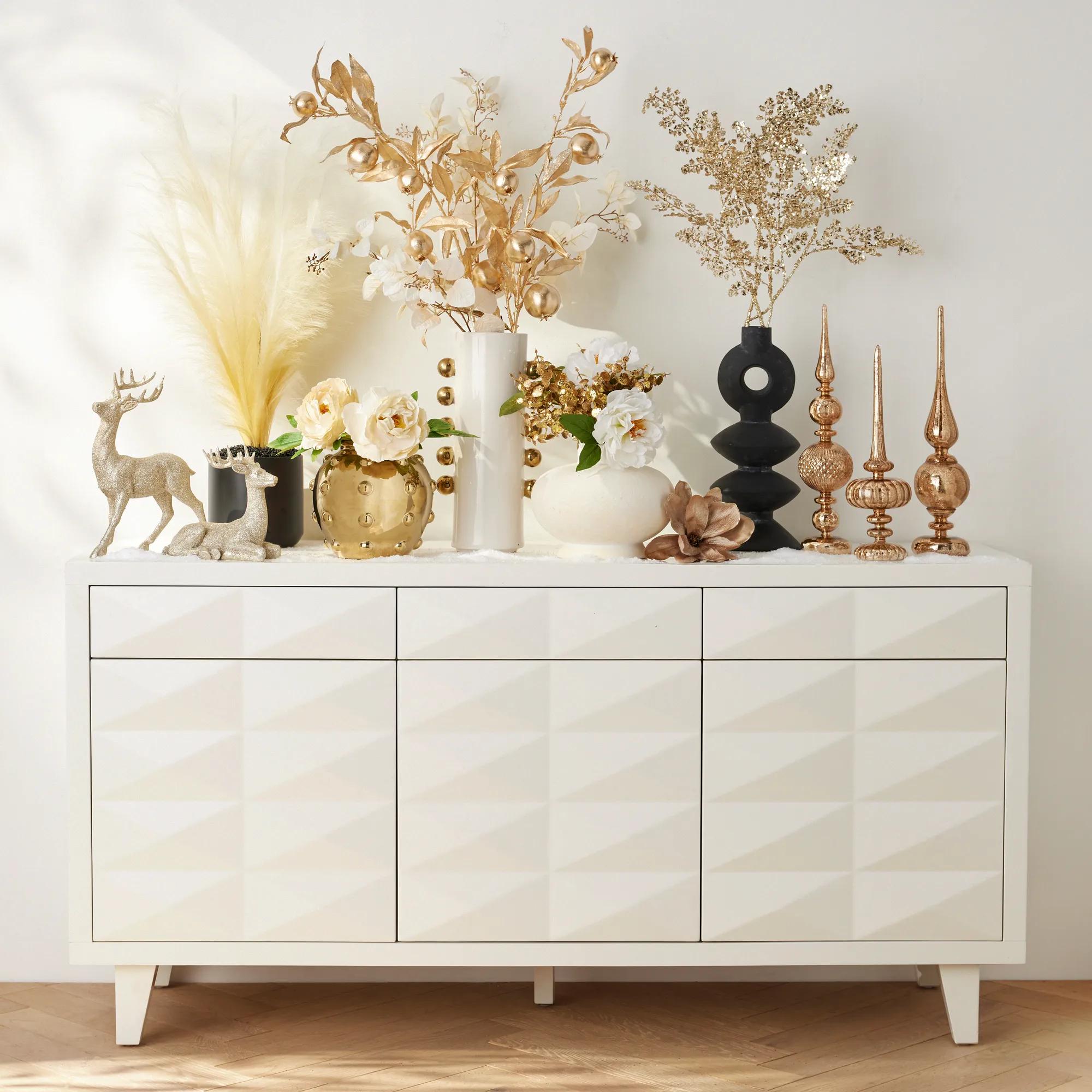 Majestic Deer Champagne Resin 14"$59
A pair of intricately detailed poly resin deer figures with a textured champagne metallic finish.
Add To Cart -
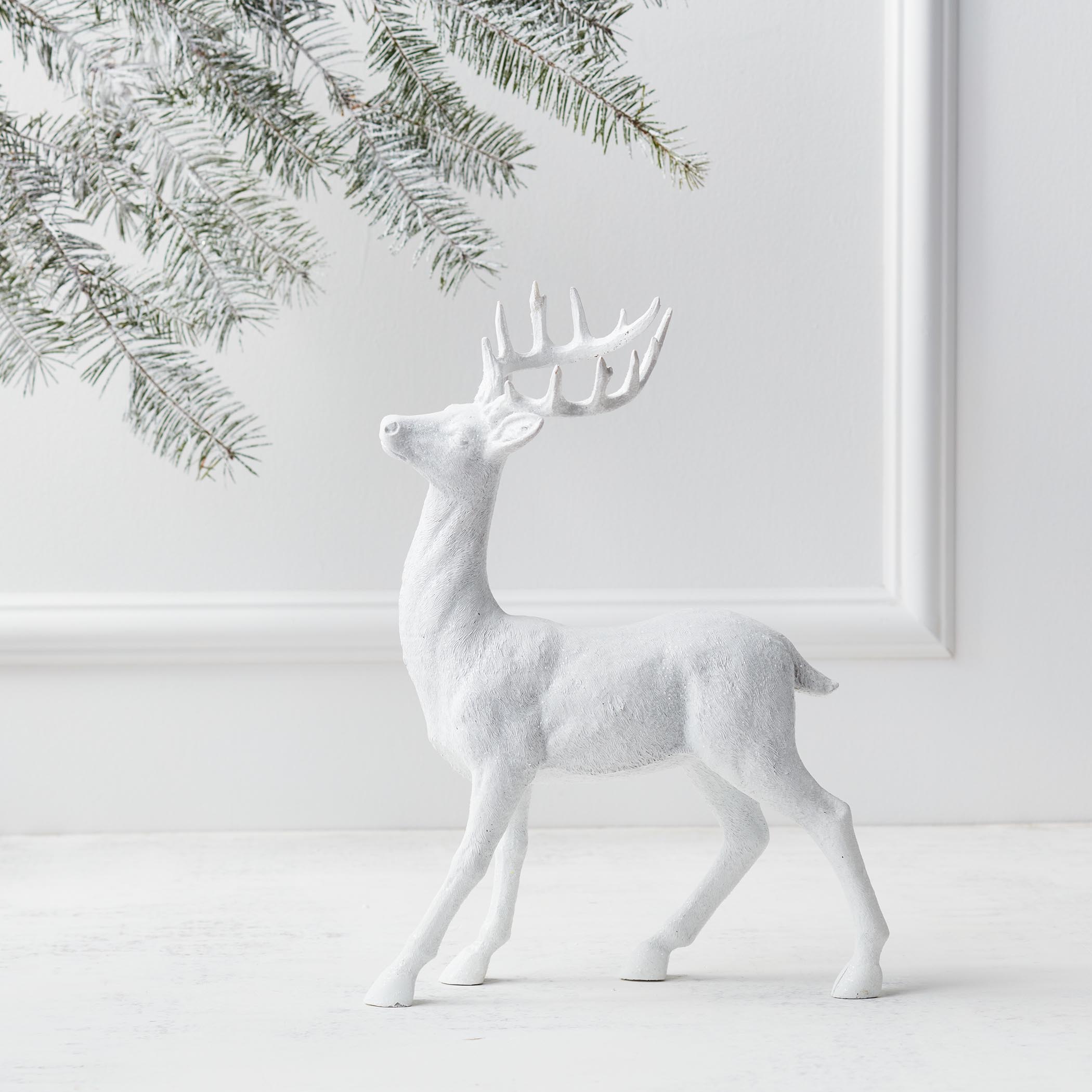 Majestic Deer White Resin 14"$59
A pair of intricately detailed white poly resin deer figures adorned with textured layers of glitter.
Add To Cart -
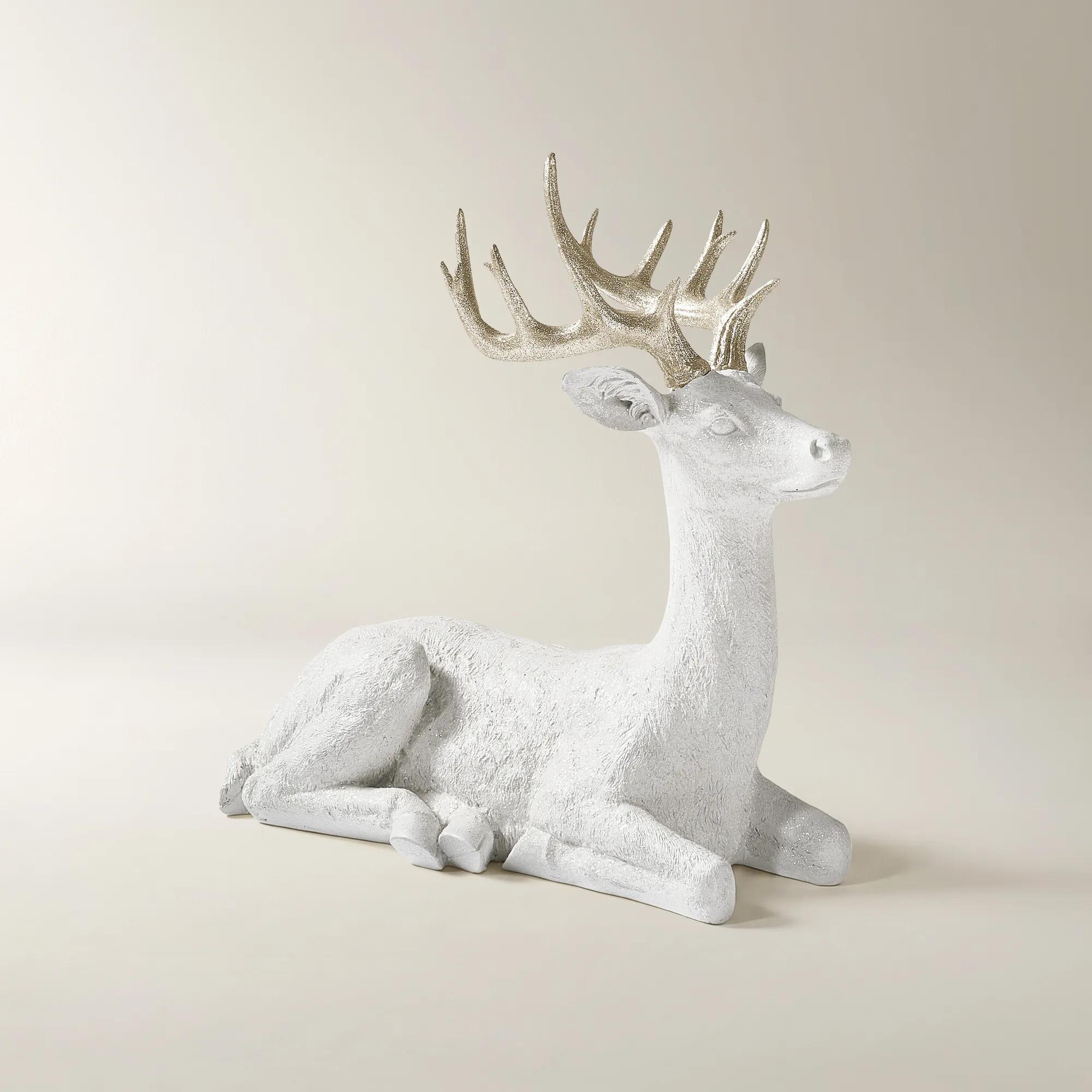 Majestic Glitter Deer White/Champagne Resin 22"$199
A sculptural resin deer with white glitter and champagne accents adds luminous, festive elegance to holiday décor.
Add To Cart -
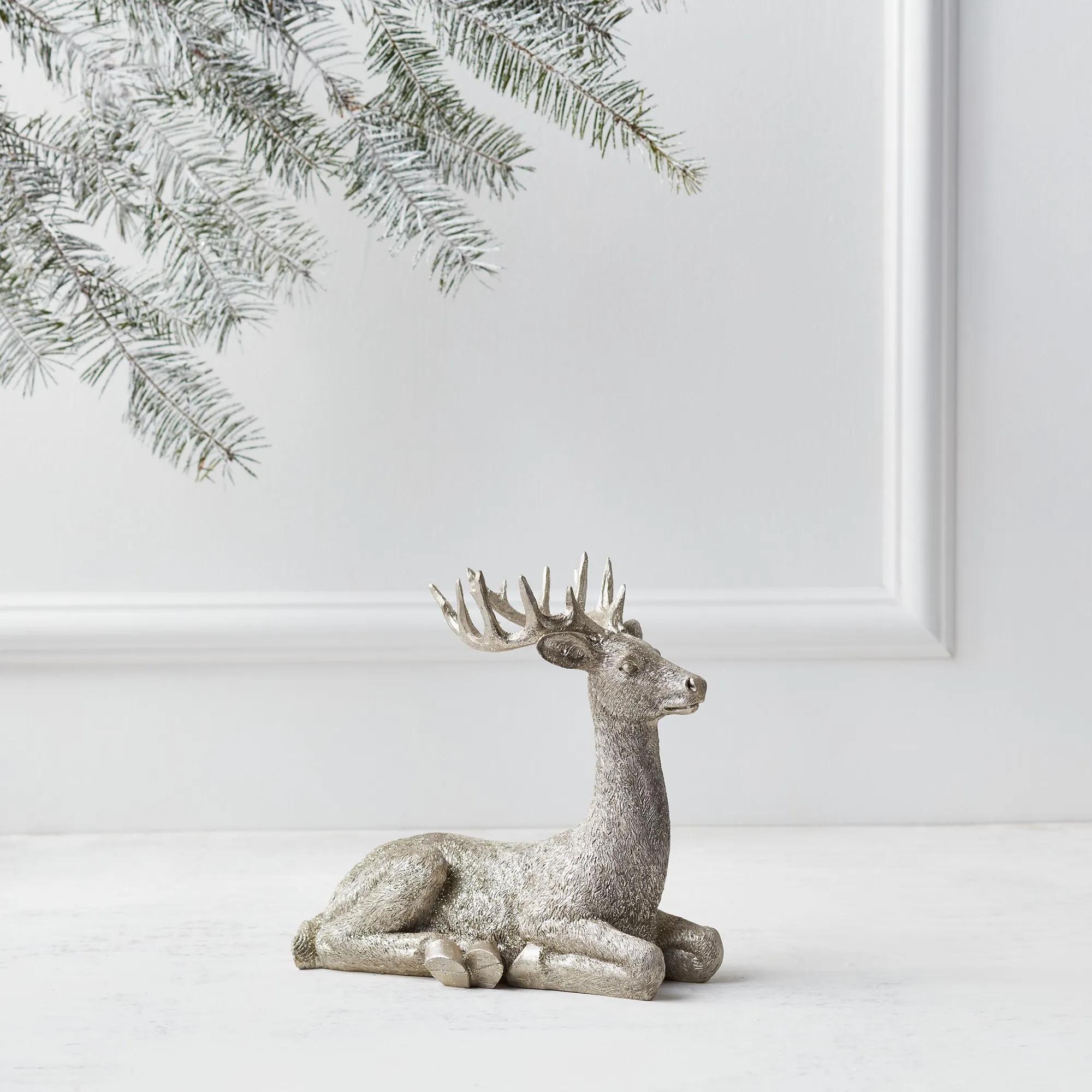 Majestic Deer Champagne Resin 8"$49
A pair of intricately detailed poly resin deer figures with a textured champagne metallic finish.
Add To Cart -
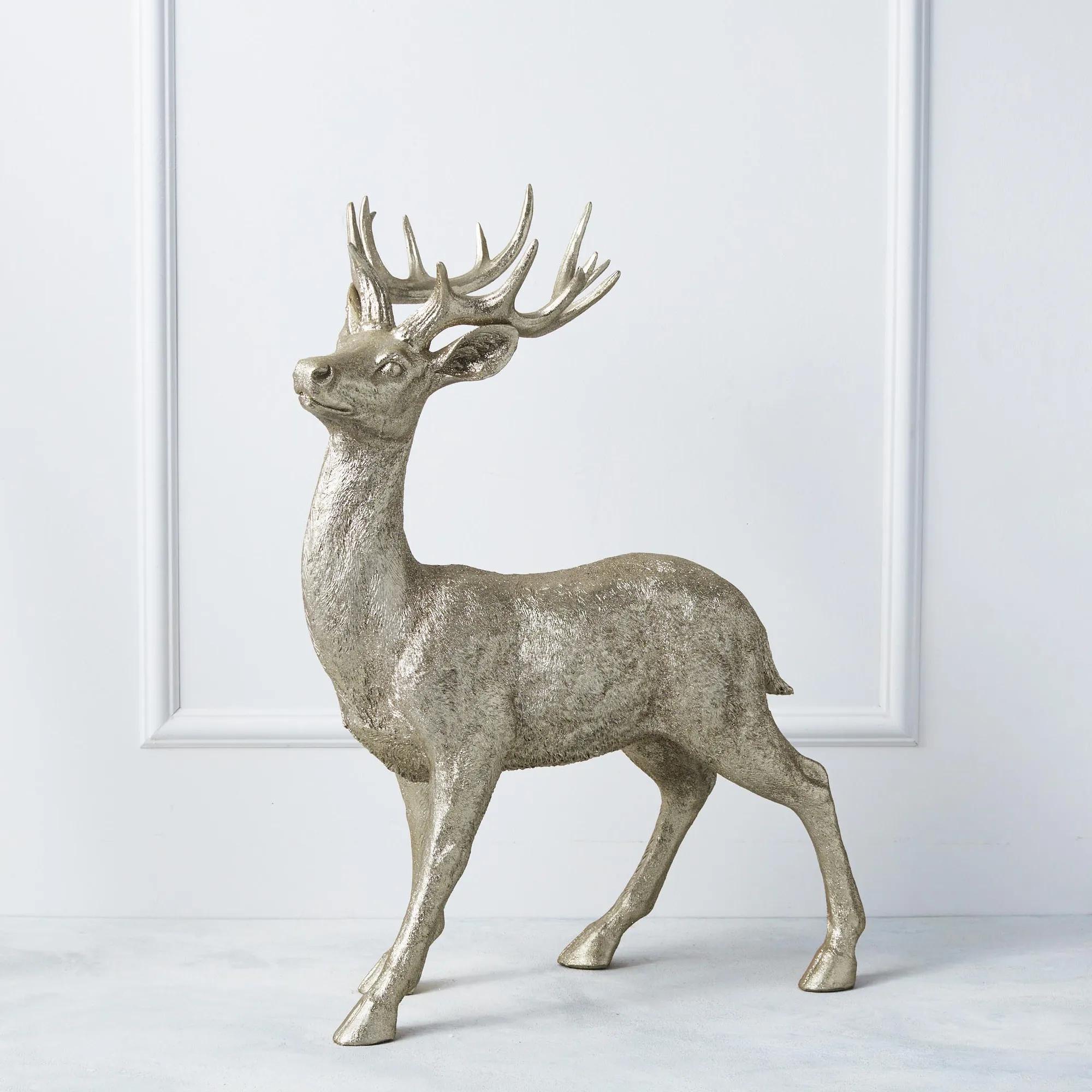
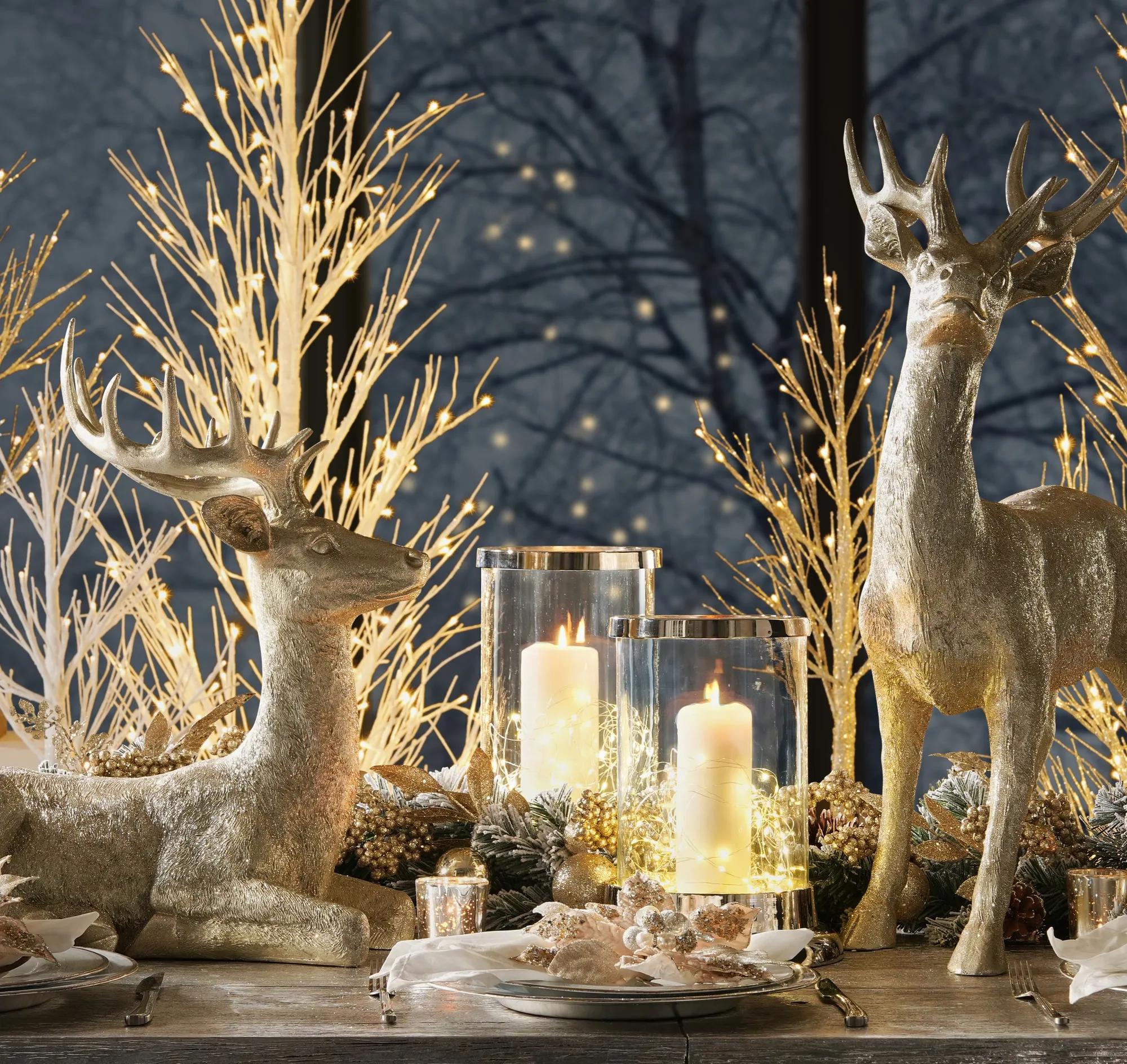 Majestic Deer Champagne Resin 32"$239
A pair of intricately detailed champagne poly resin deer figures with elegant textured layers and graceful antlers.
Add To Cart -
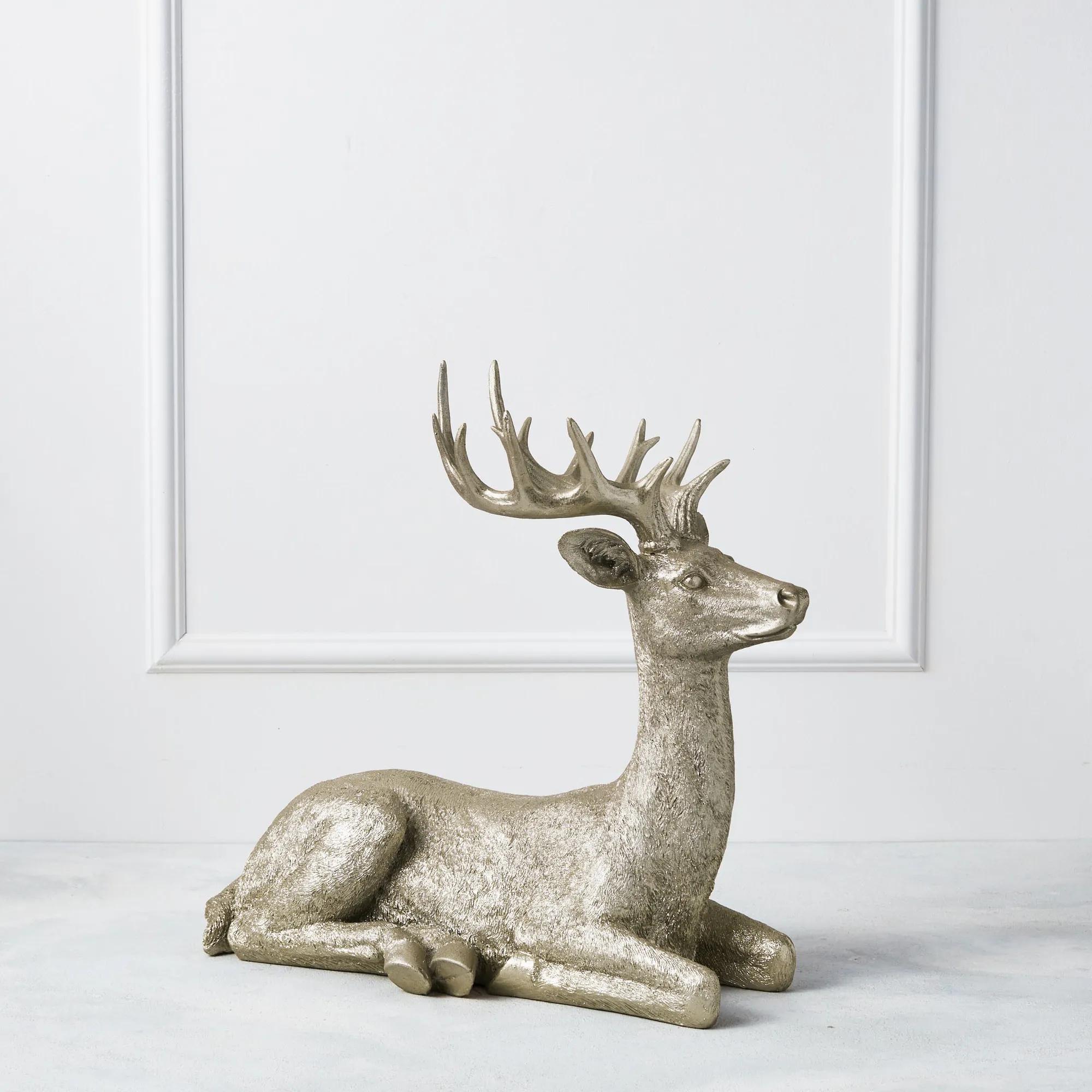 Majestic Deer Champagne Resin 22"$199
A pair of intricately detailed poly resin deer figures featuring textured champagne finishes and elegant poses.
Add To Cart

White Deer Sculptures
Explore white deer sculptures for a graceful, sculptural accent with a woodland sensibility. This selection centers on decorative deer figures in white, offering an expressive focal point for seasonal displays or year-round arrangements. Consider silhouette and scale to choose a piece that complements your space while giving its contours room to stand out.
White deer sculptures bring the poise of the natural world into interiors with a distinctly artistic point of view. Rendered in white, the familiar deer silhouette becomes a study in line, proportion, and light: a slender neck, a gracefully turned head, the branching architecture of antlers. These details give the form presence without relying on strong color, making white deer decor especially compelling in rooms where texture and shape carry the design. Against a charcoal wall, a pale sculpture reads almost like a drawing brought into three dimensions; on a light-toned console, it creates a quieter composition defined by shadows and subtle contrasts. The effect can be serene or theatrical, depending on scale, finish, and placement. An upright stance introduces height and a sense of watchfulness, while a resting form brings a more grounded rhythm to a tabletop arrangement. A matte surface lets the contours speak softly, whereas a glossy finish catches surrounding light and lends the figure a polished, luminous character. White is not a single visual experience, either. A crisp white can sharpen a black-and-white interior, while an ivory or warmer off-white may feel more harmonious beside creamy upholstery, brass accents, and richly grained wood. White deer sculptures share the expressive appeal of Decorative Deer Statues, with a restrained palette that draws attention to the animal’s sculptural beauty. Their appeal extends beyond nature-inspired rooms: the organic silhouette can soften angular furniture, interrupt a regimented bookshelf, or introduce a lyrical note beside abstract artwork. In a dining room, a deer form can serve as an elegant focal point on a sideboard without competing with the table setting. In an entryway, it offers a composed first impression, especially when given room to stand apart from keys, mail, and everyday essentials. The most persuasive placement makes the sculpture feel intentional rather than incidental, allowing its profile to be appreciated from the doorway, a favorite chair, or the path through the room.
Material and construction influence both the appearance of white deer sculptures and the way they live in a space. Ceramic and porcelain can offer smooth surfaces and finely articulated details, although slender legs and antlers deserve careful handling. Resin can capture intricate contours and is often lighter than similarly sized stone or ceramic forms, but weight, strength, and finish vary by construction. Carved stone or stone-based compositions may bring greater visual weight and subtle surface variation; painted finishes can create a uniform white appearance over a different underlying material. The material description matters as much as the photograph, particularly when choosing between a delicate display accent and a more substantial focal point. Dimensions should include the full reach of the antlers, not simply the body, because those branching lines determine how comfortably a sculpture fits beneath a shelf, inside a bookcase, or near framed art. On a narrow console, depth is equally important: the base needs to sit entirely on the surface, with enough clearance that a passing sleeve or handbag will not catch an extended detail. A tall deer figure can give a low cabinet a dramatic vertical accent, but it should not obscure artwork or crowd a lamp shade. A smaller form can be striking on a stack of substantial books, provided the stack is level, stable, and wide enough to support it securely. For a dining table, a lower silhouette can preserve conversation and sightlines, while a sideboard allows more freedom for height. These are decorative objects rather than toys, and delicate projections are best positioned away from children’s play areas, curious pets, and busy edges. Weight alone does not establish durability; a substantial sculpture may still have vulnerable details. Felt or another suitable protective layer beneath the base can help protect furniture, provided it does not make the figure unstable. Unless the product’s specifications explicitly identify it as suitable for outdoor display, an indoor setting offers the more appropriate home for its finish and construction.
The strongest arrangements give white deer sculptures breathing room while surrounding them with materials that enrich their pale surfaces. A white figure beside a smoked-glass vessel and a dark lacquered box creates contrast through transparency, sheen, and depth. Set against natural wood, the same sculpture feels warmer and more organic; paired with mirrored accents, it takes on a more glamorous presence. A restrained grouping often has more impact than a crowded collection, particularly when the antlers already create intricate movement. A single sculpture can anchor a console vignette, while two forms with different heights or poses can establish a visual conversation without appearing rigidly matched. Leaving open space around the heads and antlers preserves the silhouette and keeps the composition from becoming tangled with nearby branches, lamp stems, or decorative objects. Lighting also changes the experience: soft, indirect illumination reveals the modeling of the body, while a carefully positioned accent light can cast an expressive shadow behind it. Avoid placing a delicate finish where prolonged direct sunlight or nearby heat could affect it, and follow the manufacturer’s care instructions for the actual material. Routine care is generally a matter of gentle dusting with a clean, soft cloth or a soft brush for recessed details. Abrasive pads, harsh cleaners, and vigorous rubbing can damage paint, glaze, or surface treatments; even water should be used only when the care guidance permits it. When moving a sculpture, support the body and base rather than lifting by the head, legs, or antlers. Thoughtful care helps preserve the crisp appearance that makes white decorative accents so appealing. As gifts, white deer sculptures suit housewarmings, weddings, and meaningful milestones for recipients who appreciate animal forms, collected interiors, or artful objects. Matching the scale and white tone to the recipient’s space makes the gesture more personal than simply choosing an impressive silhouette. Whether placed in a private study, a polished living room, or an expressive entryway, a white deer sculpture lends the room a distinctive presence: graceful in outline, luminous in finish, and memorable without demanding a crowded stage.
FAQs
Let white deer sculptures bring a sculptural focal point to a console, mantel, or curated shelf. Pair their graceful silhouettes with a dark backdrop for striking contrast, or layer them among ivory accents for a luminous, tonal composition. Give each piece visual breathing room so its form feels intentional.
White deer sculptures can lend an artful woodland note to your home throughout the year. For the holidays, surround them with evergreen branches and gleaming ornaments. Beyond the season, style them with abstract artwork or a restrained arrangement of decorative objects to emphasize their sculptural character.
White deer sculptures create a crisp counterpoint to emerald, midnight blue, and charcoal palettes. Gold-toned accents add warmth and a glamorous flourish, while silver tones create a cooler composition. For a softer mood, layer white with cream, taupe, and subtle shades of gray.
White deer sculptures can move beautifully between modern glam, contemporary, and woodland-inspired interiors. In a glamorous setting, pair them with reflective accents and sumptuous textiles. In a contemporary room, let their organic outlines contrast with clean-lined furniture and bold artwork.
Use white deer sculptures as the visual anchor of a composed tabletop vignette. Arrange decorative bowls, metallic ornaments, or seasonal foliage around them without obscuring their silhouettes. Keep the palette focused to create a centerpiece that feels expressive, polished, and rich in detail.