Decorative Animal Statues
Decorative Animal Statues
-
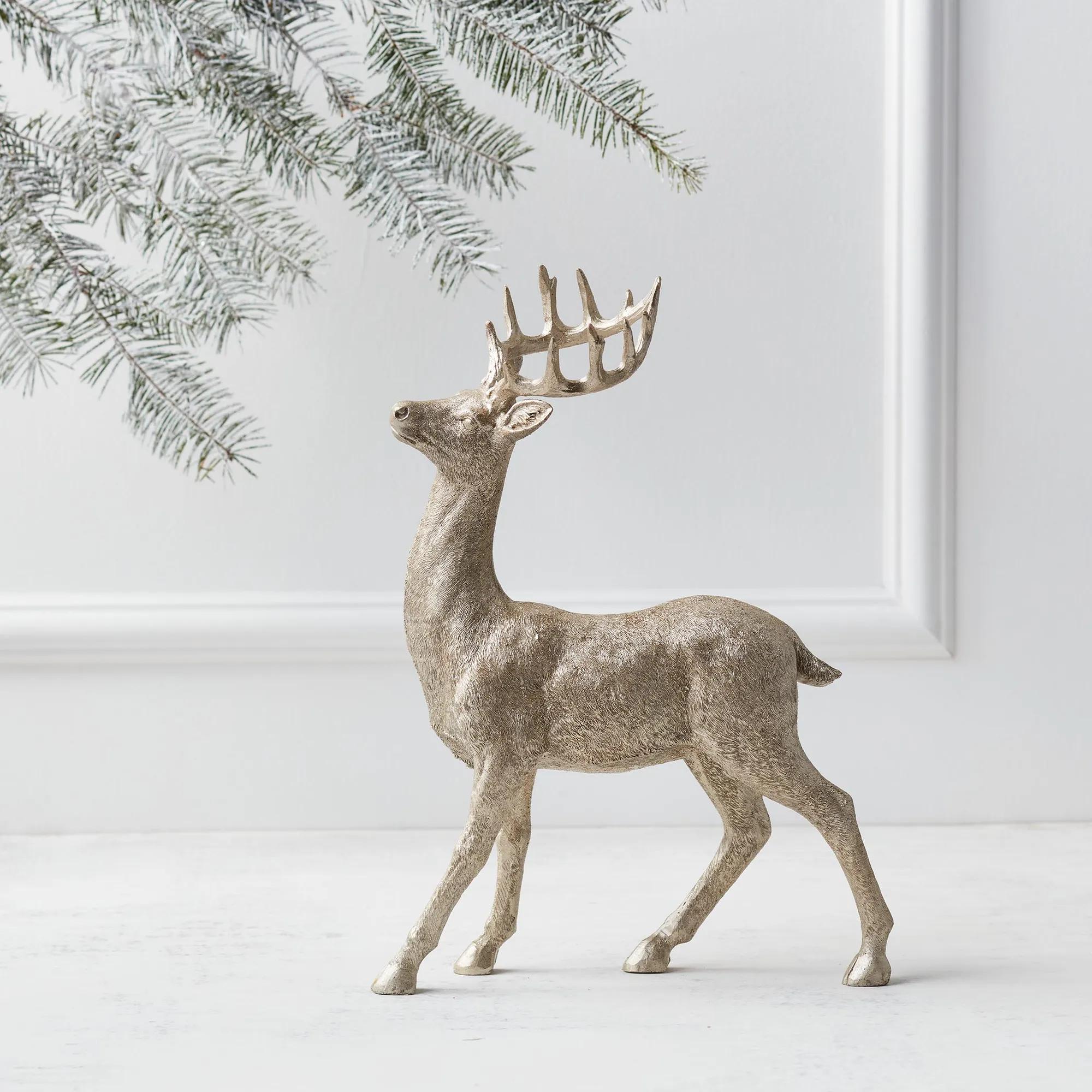
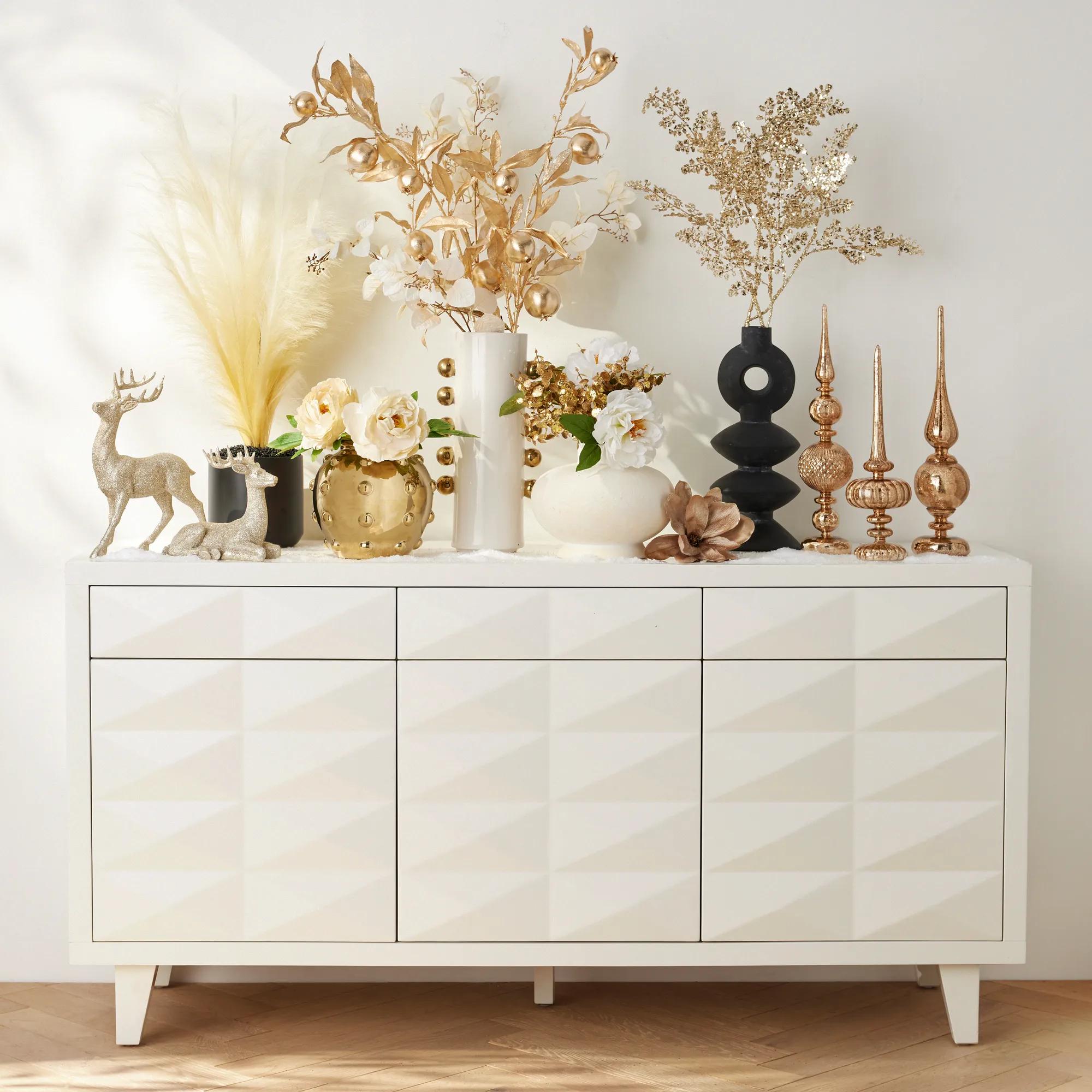 Majestic Deer Champagne Resin 14"$59
A pair of intricately detailed poly resin deer figures with a textured champagne metallic finish.
Add To Cart -
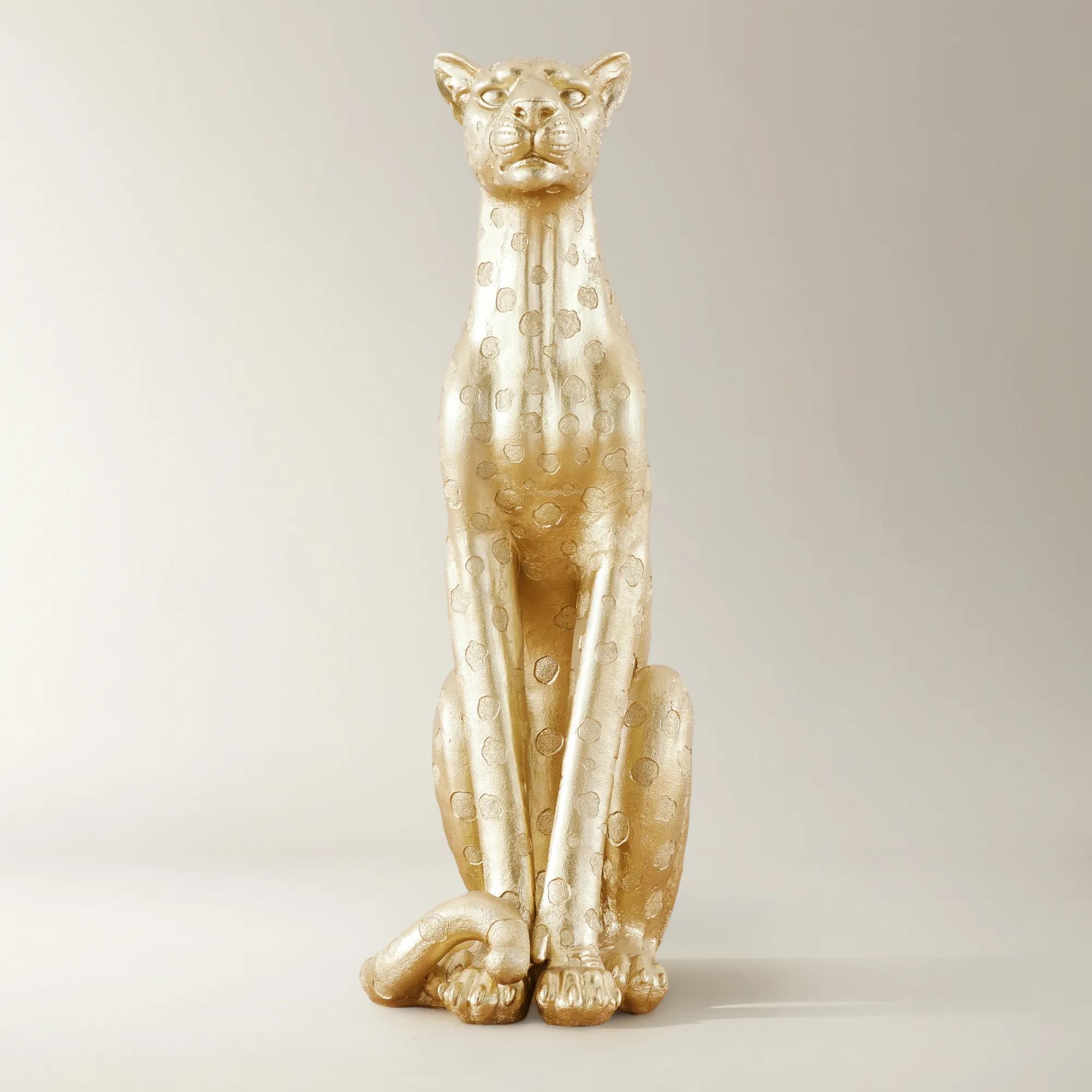 Leopardo Gold Resin Decorative Object 35"$329
A striking gold resin leopard statue that adds a touch of regal elegance to any space.
Add To Cart -
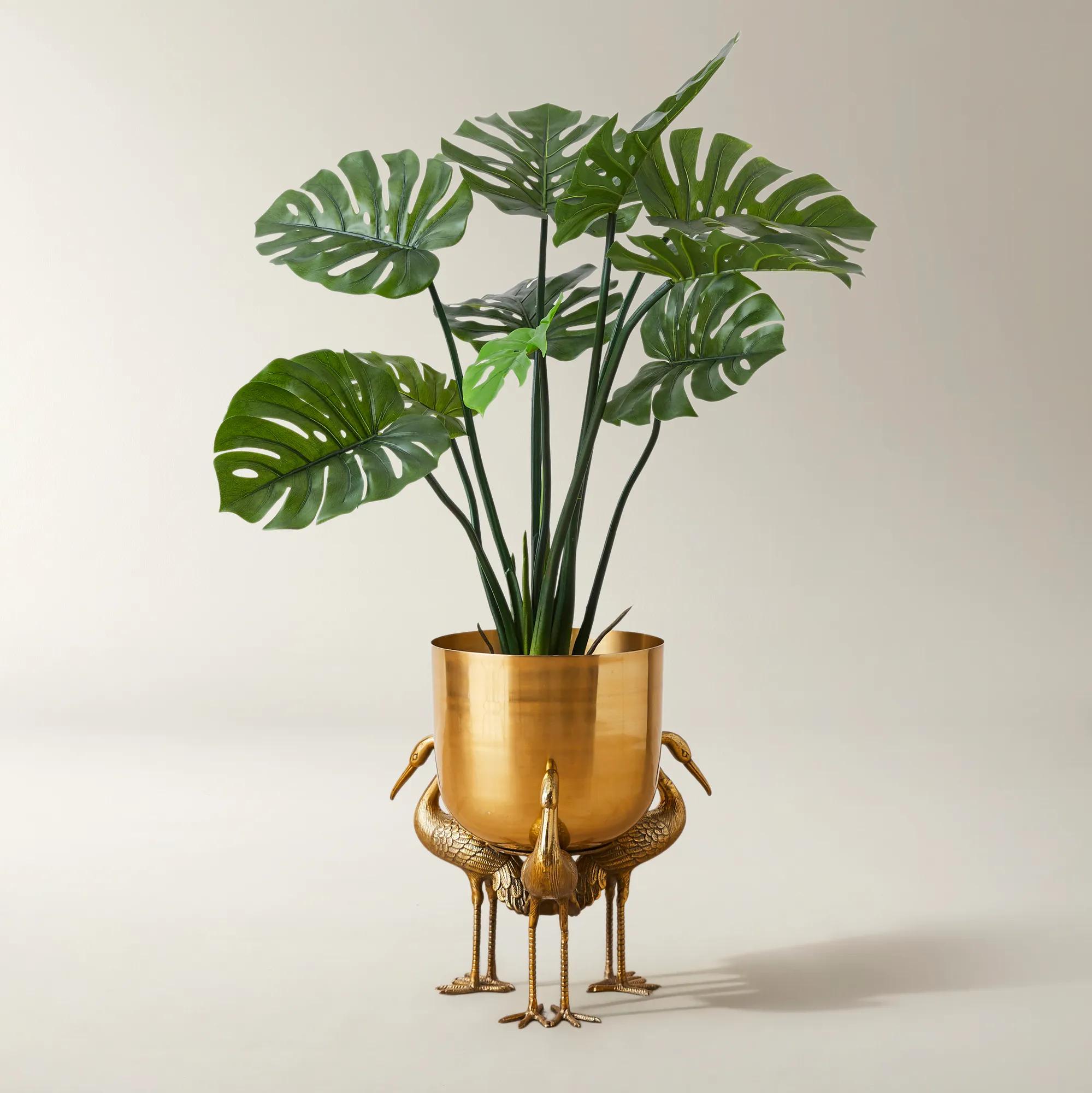
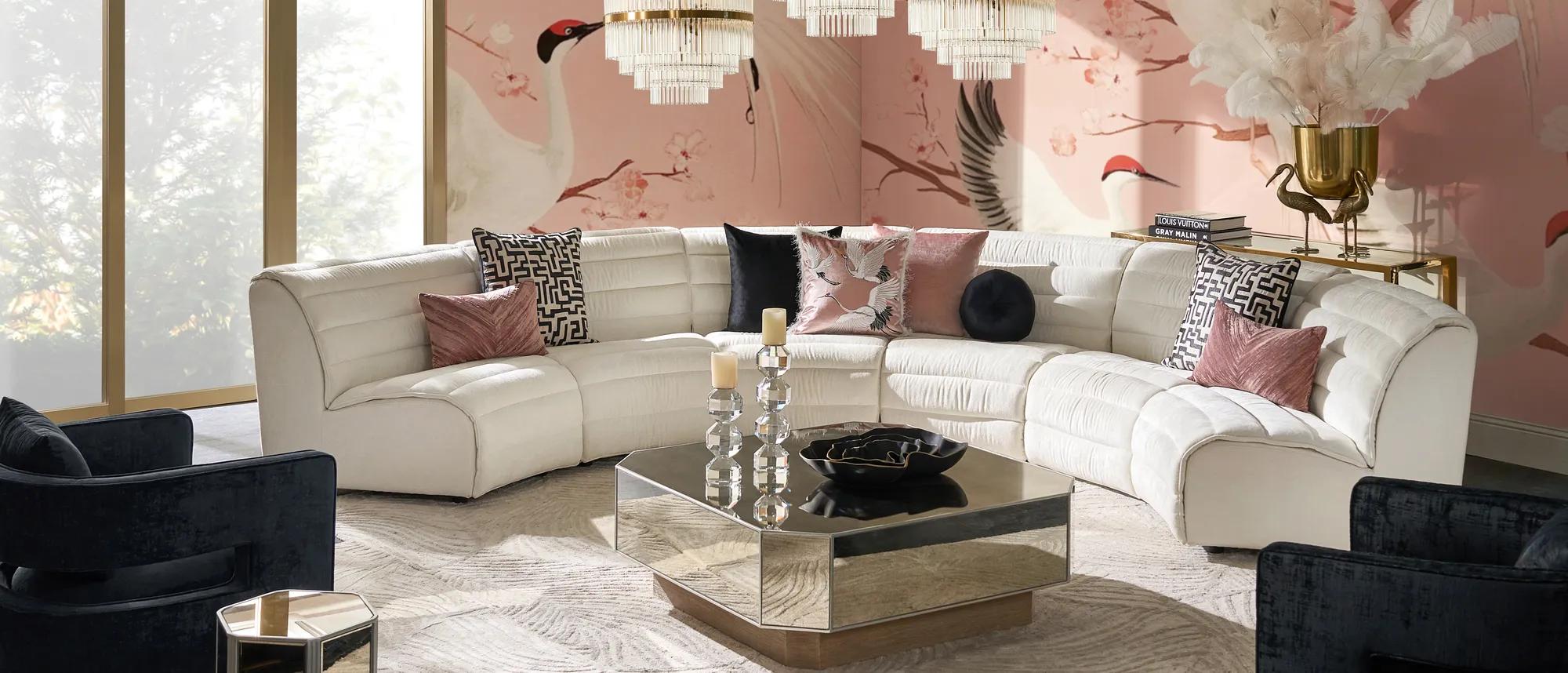 Crane Planter$359
A whimsical aluminum planter perched on three cranes and finished in gleaming gold.
Add To Cart -
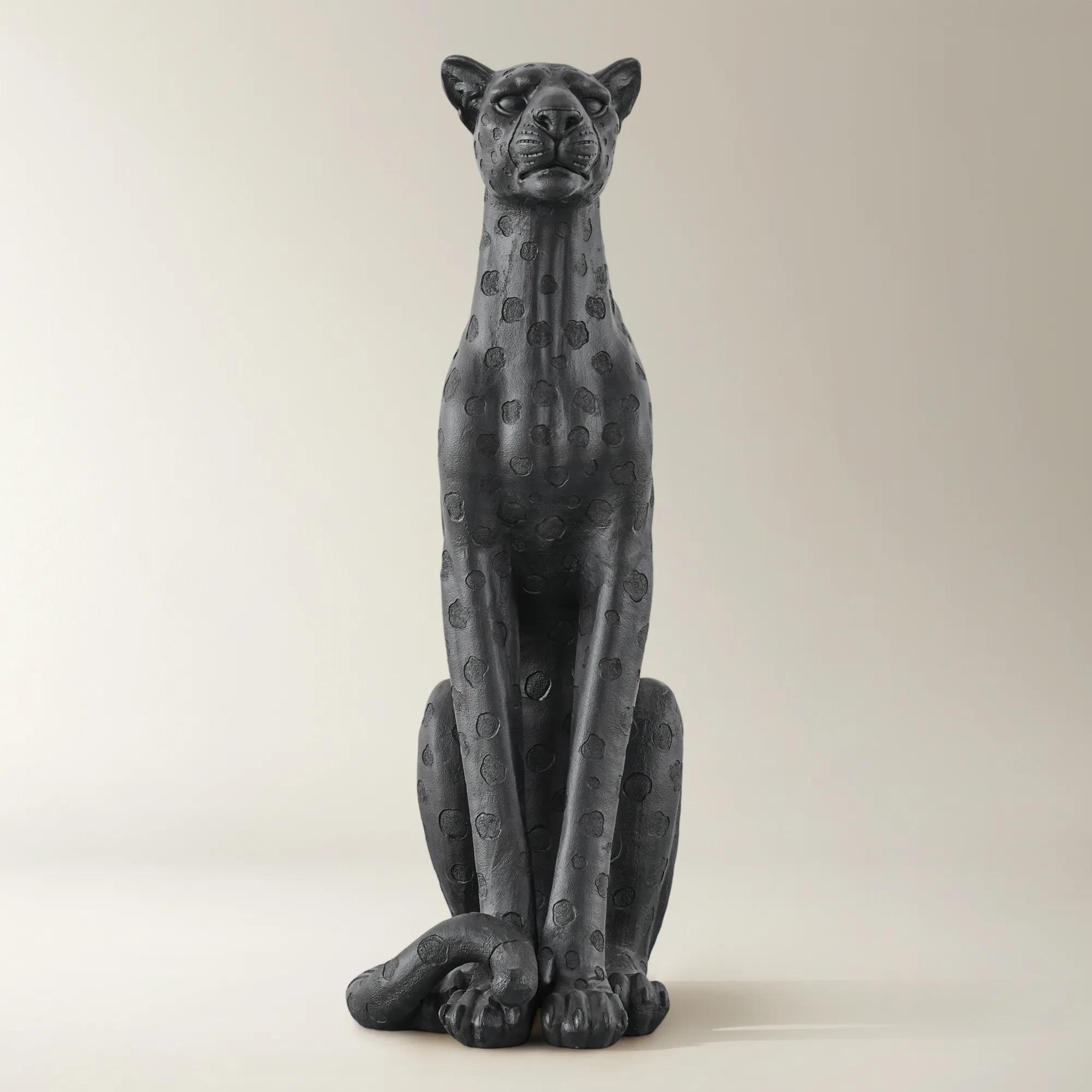
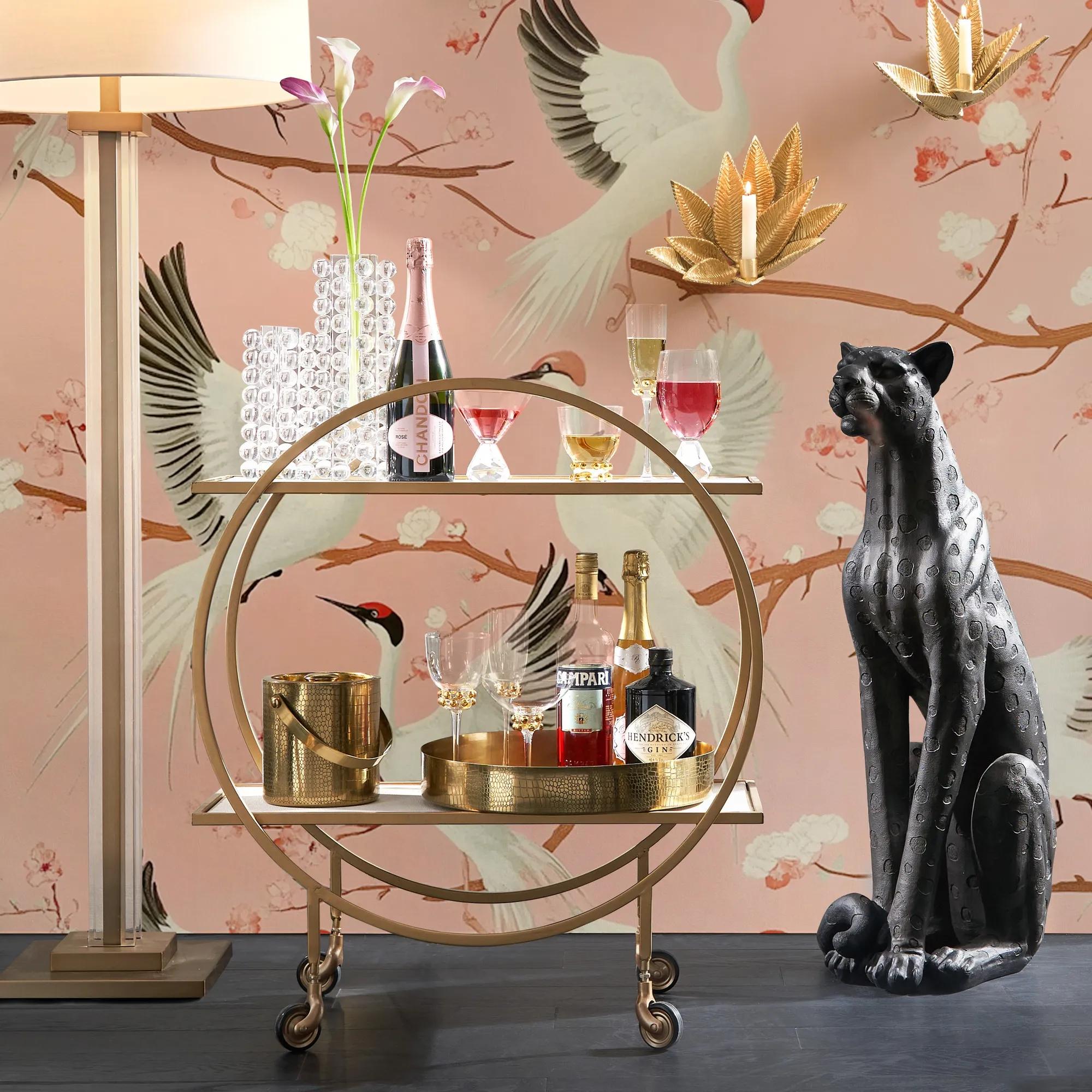 Leopardo Black Resin Decorative Object 35"$329
A striking black resin leopard statue finished in gold, perfect for adding a touch of elegance.
Add To Cart -
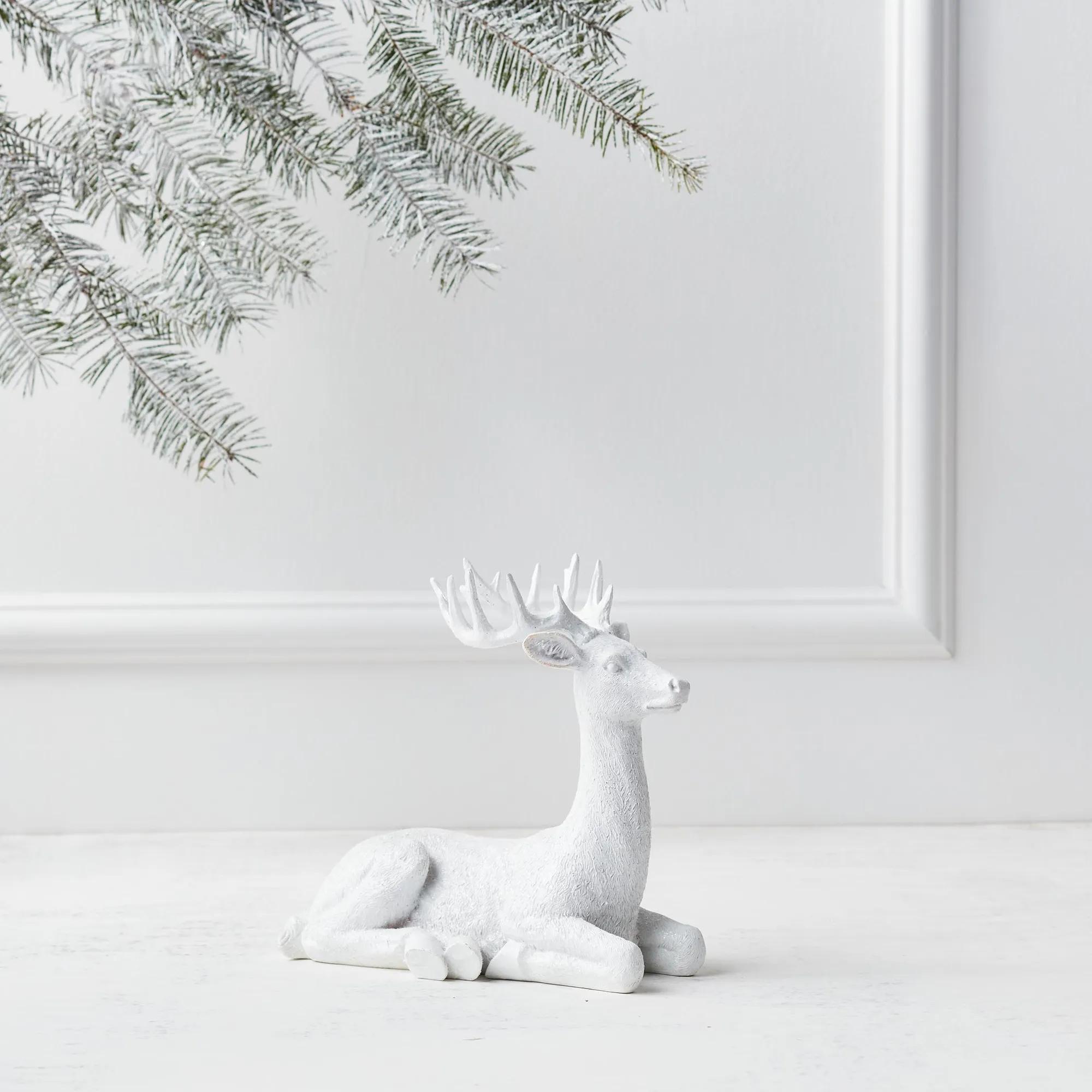
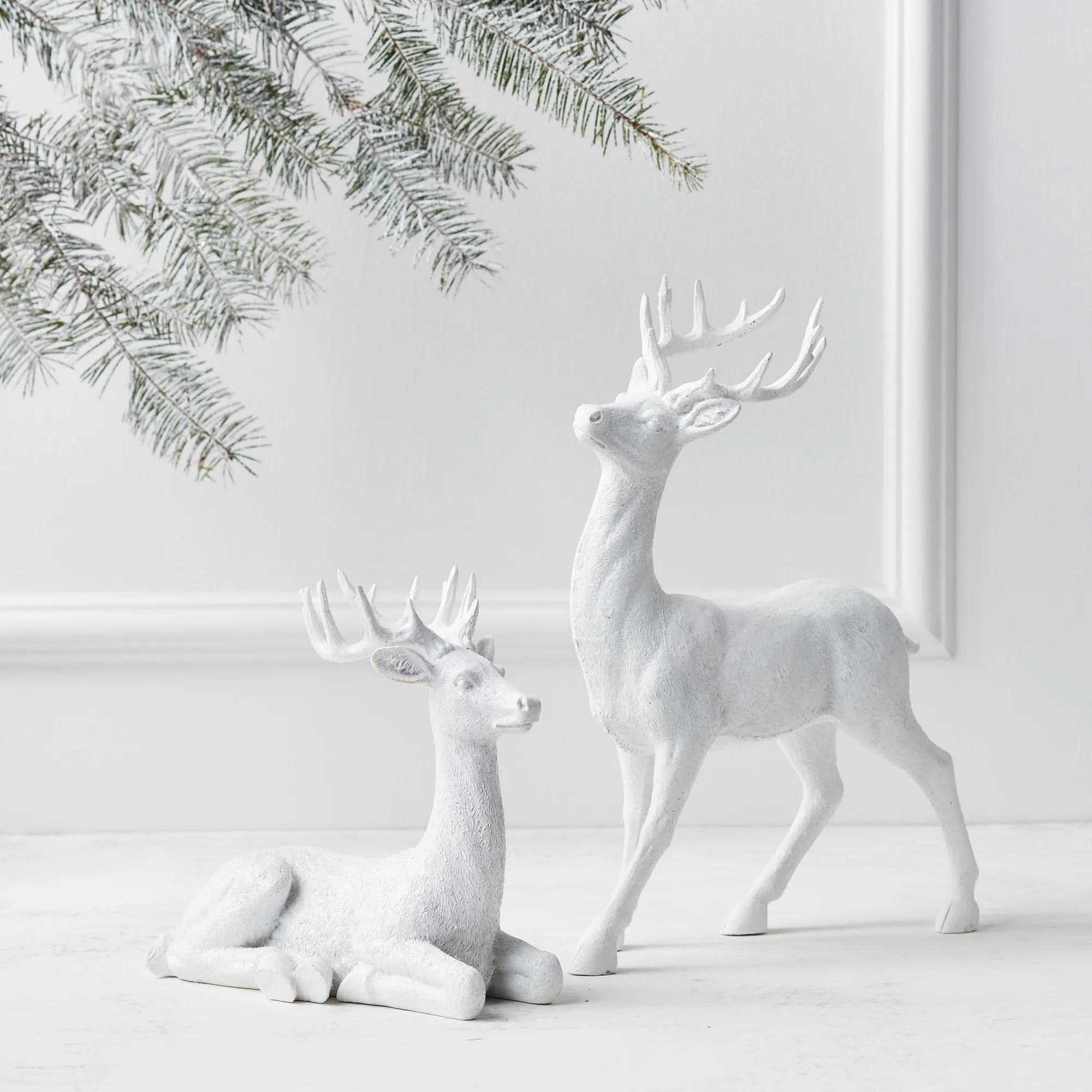 Majestic Deer White Resin 8"$49
A pair of intricately detailed white poly resin deer figures adorned with textured layers of sparkling glitter.
Add To Cart -
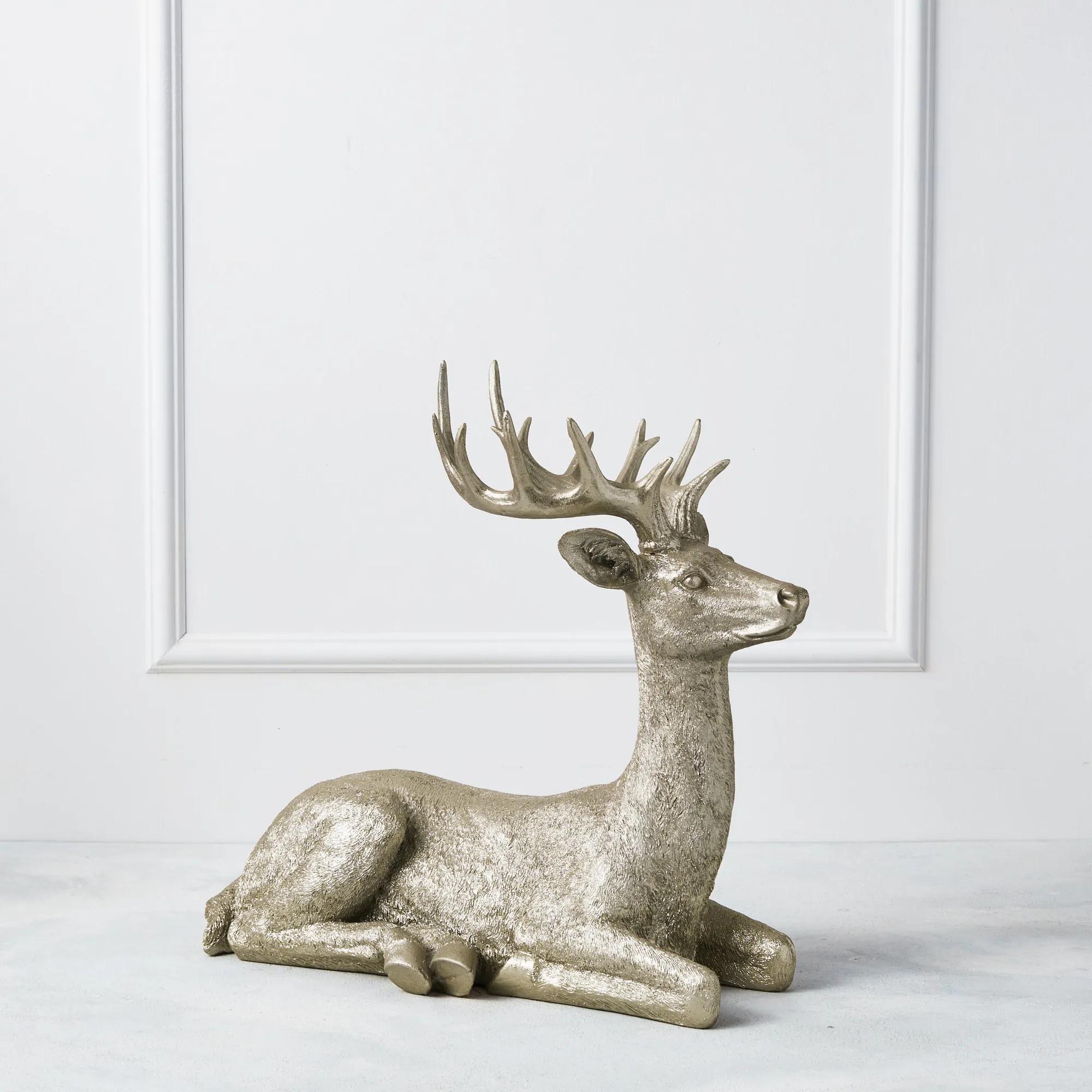
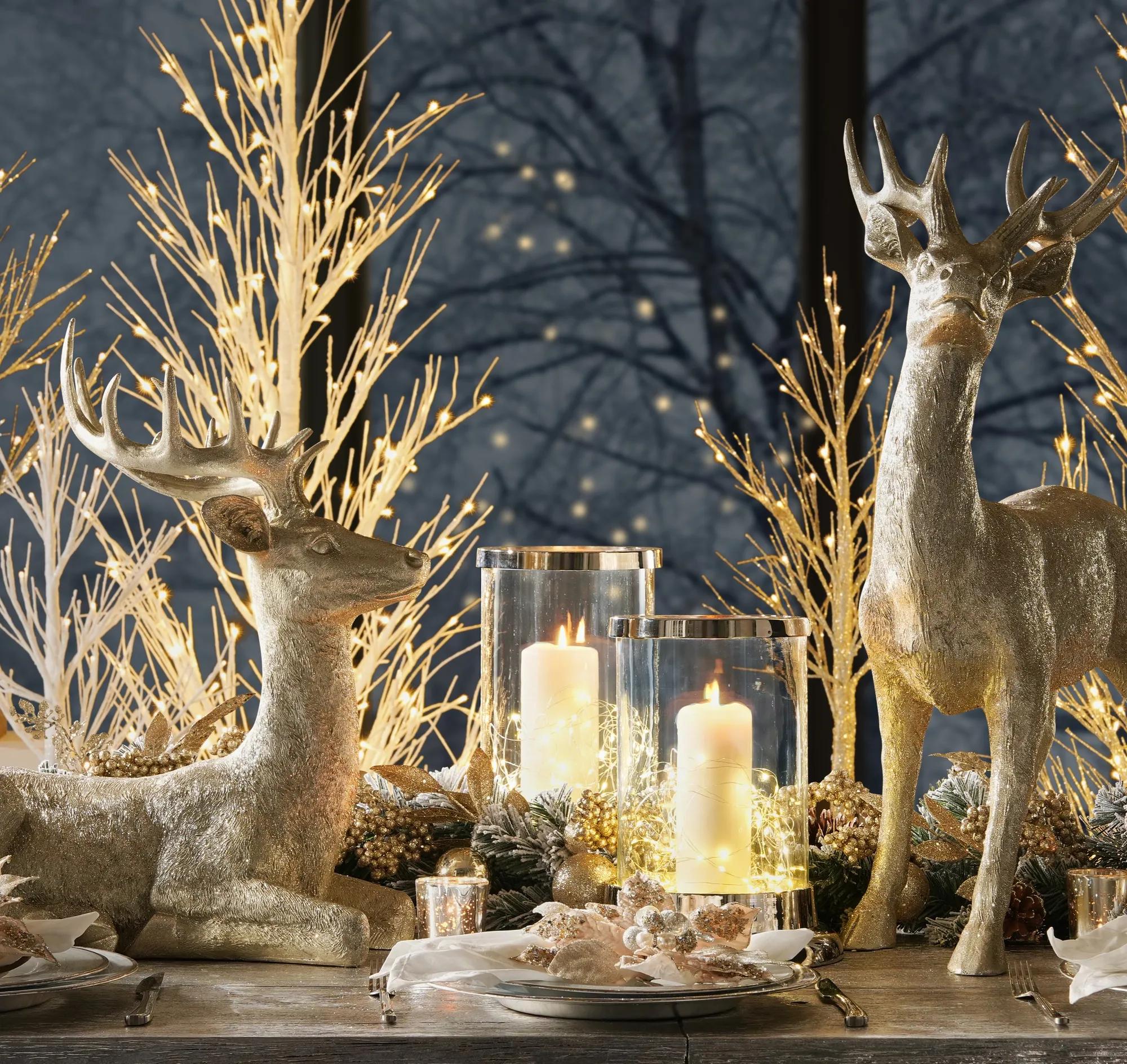 Majestic Deer Champagne Resin 22"$199
A pair of intricately detailed poly resin deer figures featuring textured champagne finishes and elegant poses.
Add To Cart -
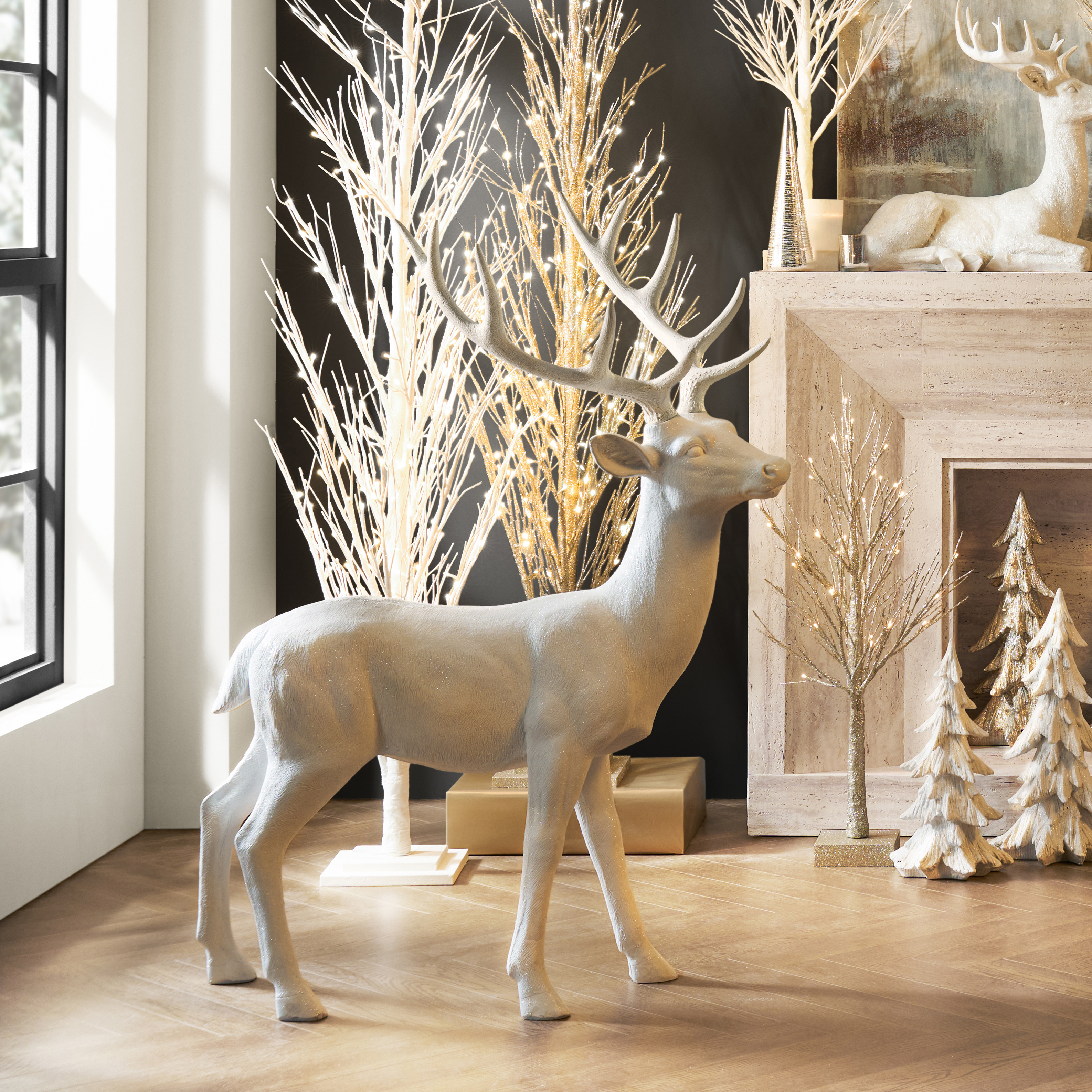
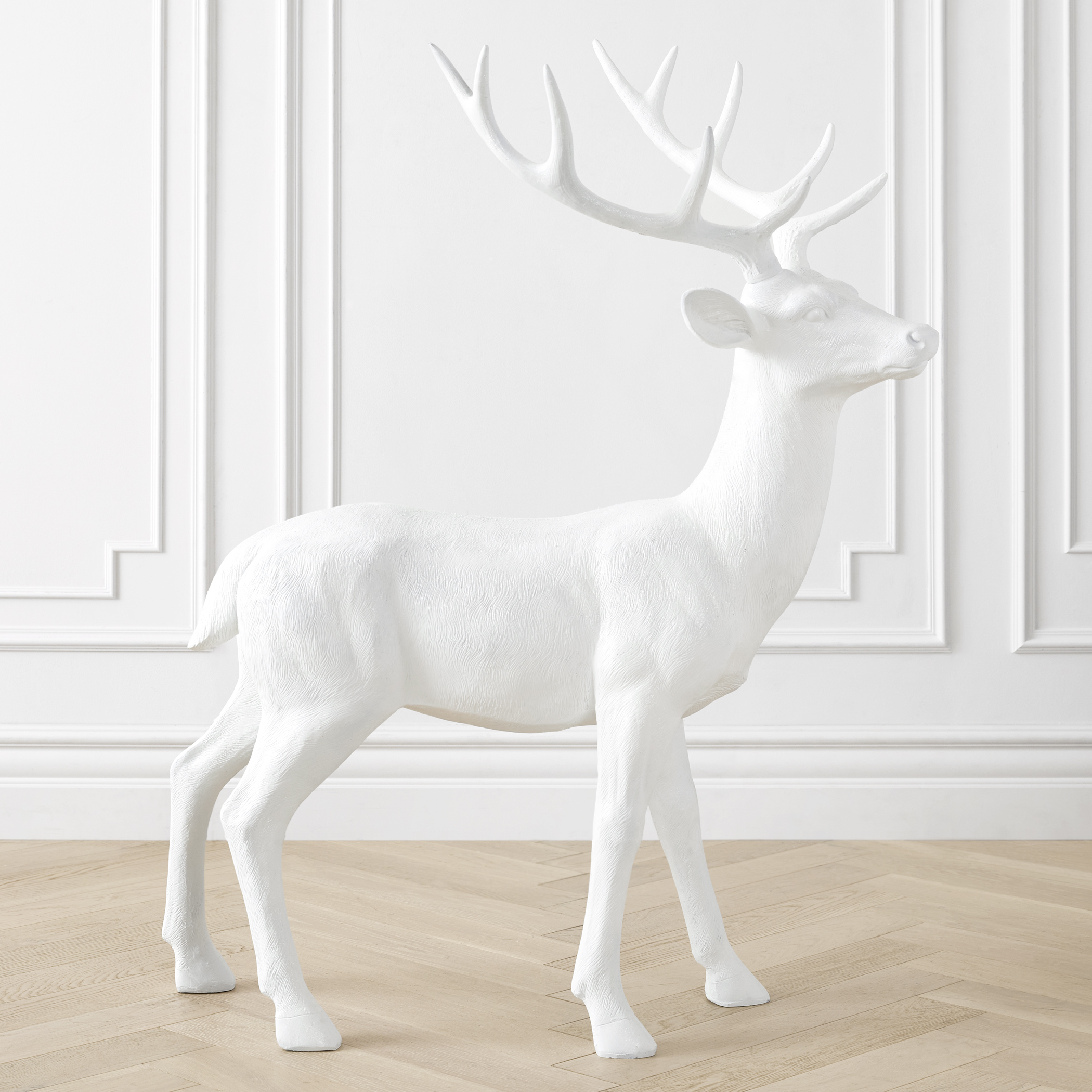 Majestic Deer White Resin 48.75"$799
A modern white polyresin deer statue that adds festive elegance to your holiday décor.
Add To Cart -
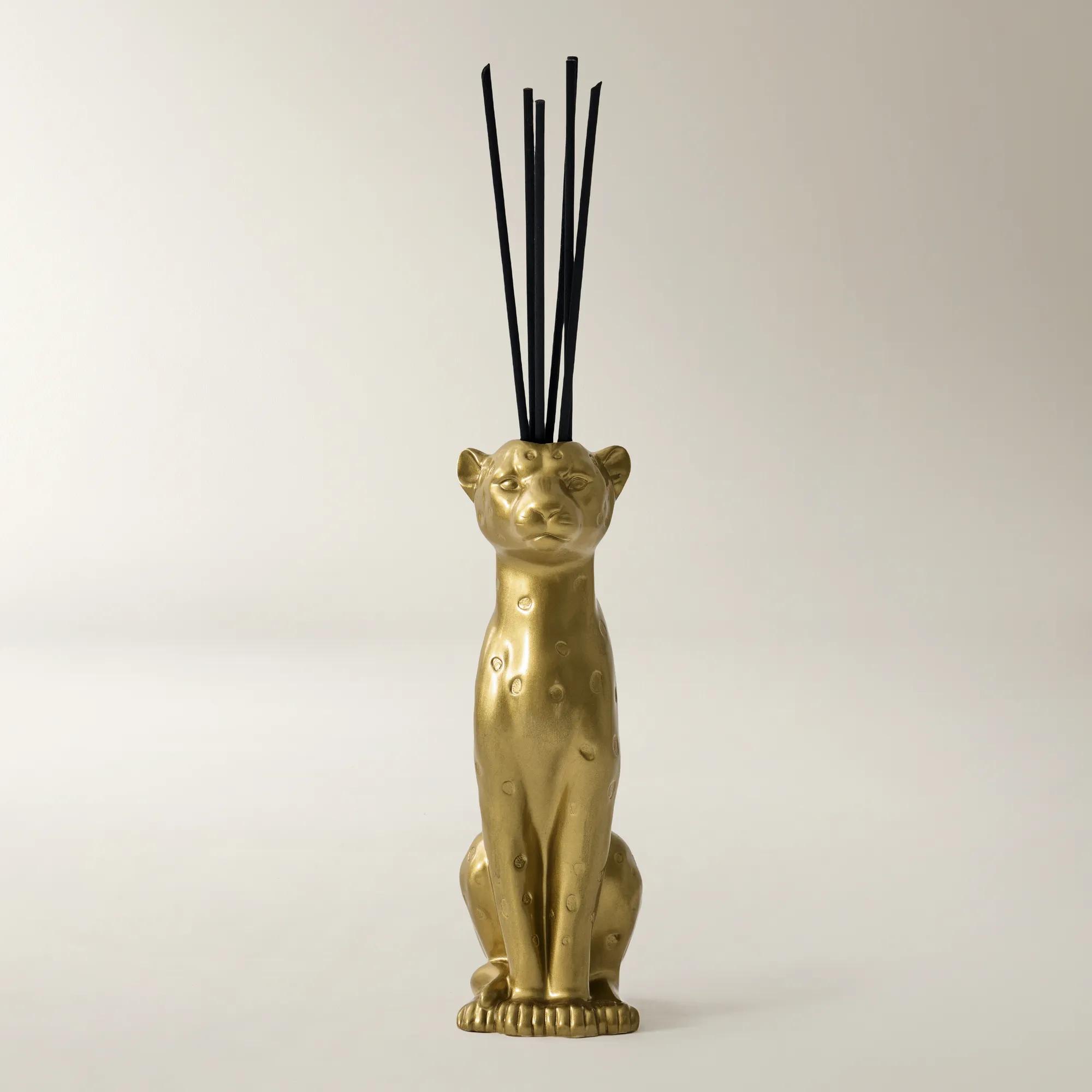
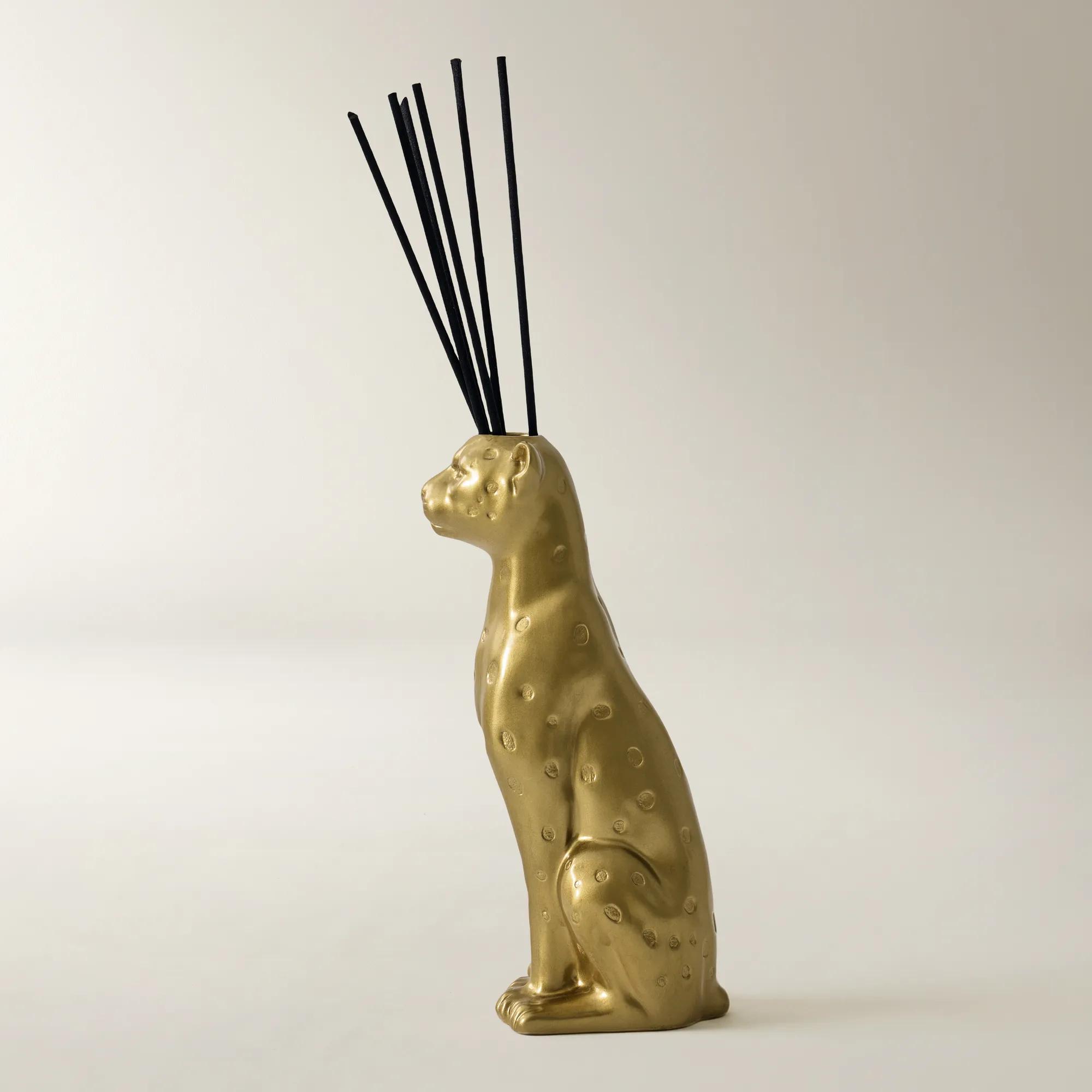 Leo Soft Gold Ceramic Diffuser Gift Set$99
A sculptural porcelain reed diffuser in soft gold, featuring sandalwood and amberwood notes for warm, radiant fragrance.
Add To Cart -
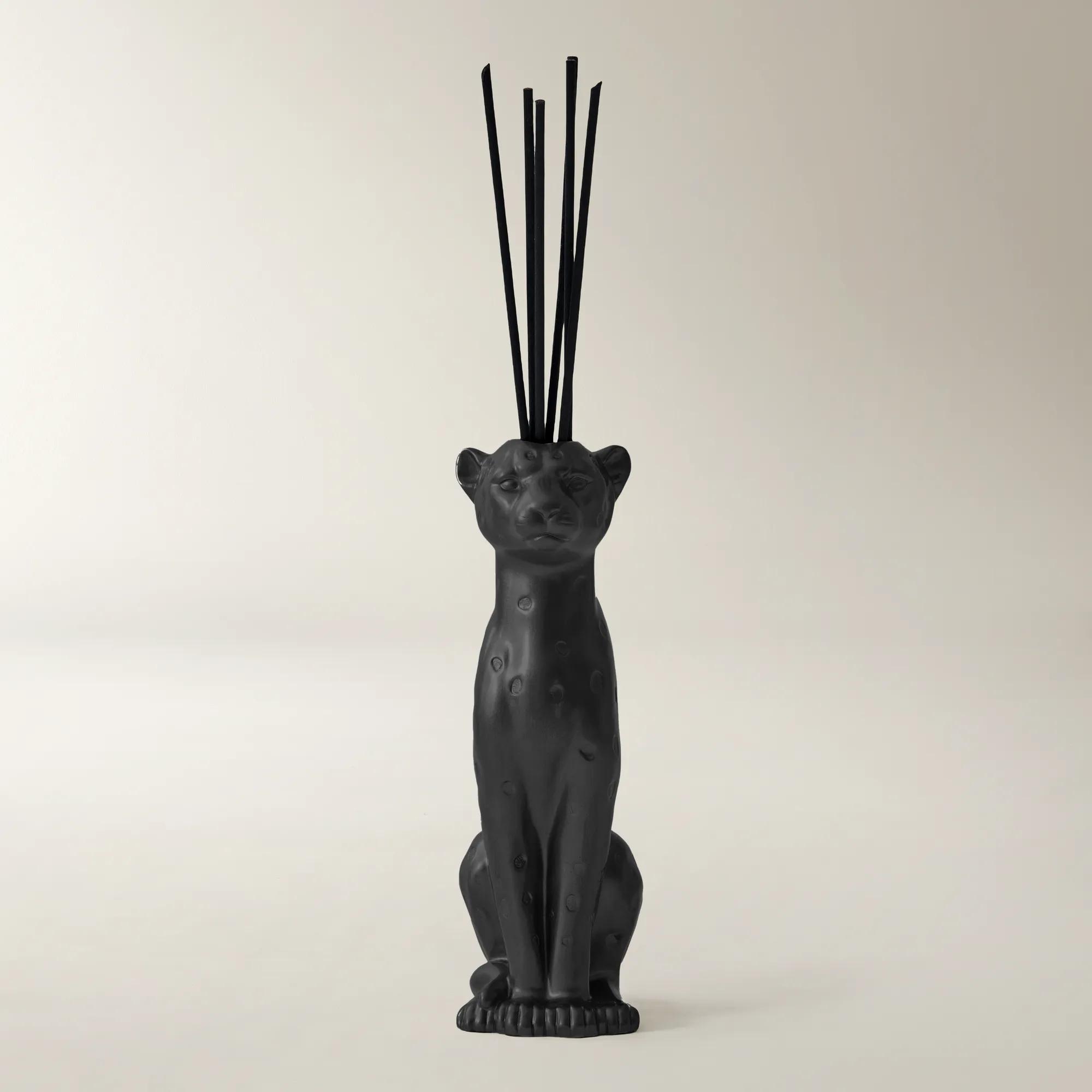
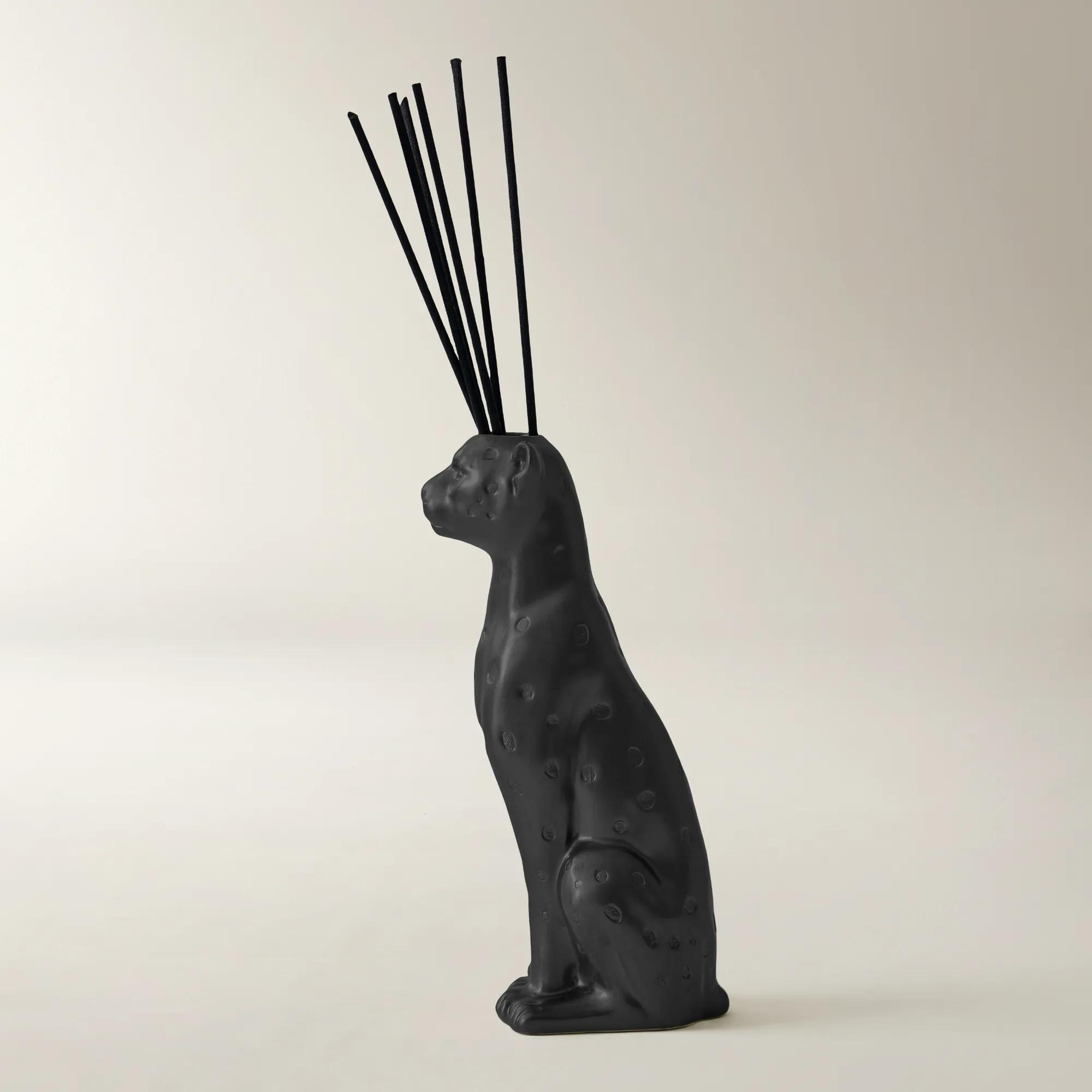 Leo Charcoal Ceramic Diffuser Gift Set$99
A charcoal porcelain reed diffuser featuring a warm, rich Santal Obscur scent and sculptural leopard design.
Add To Cart -
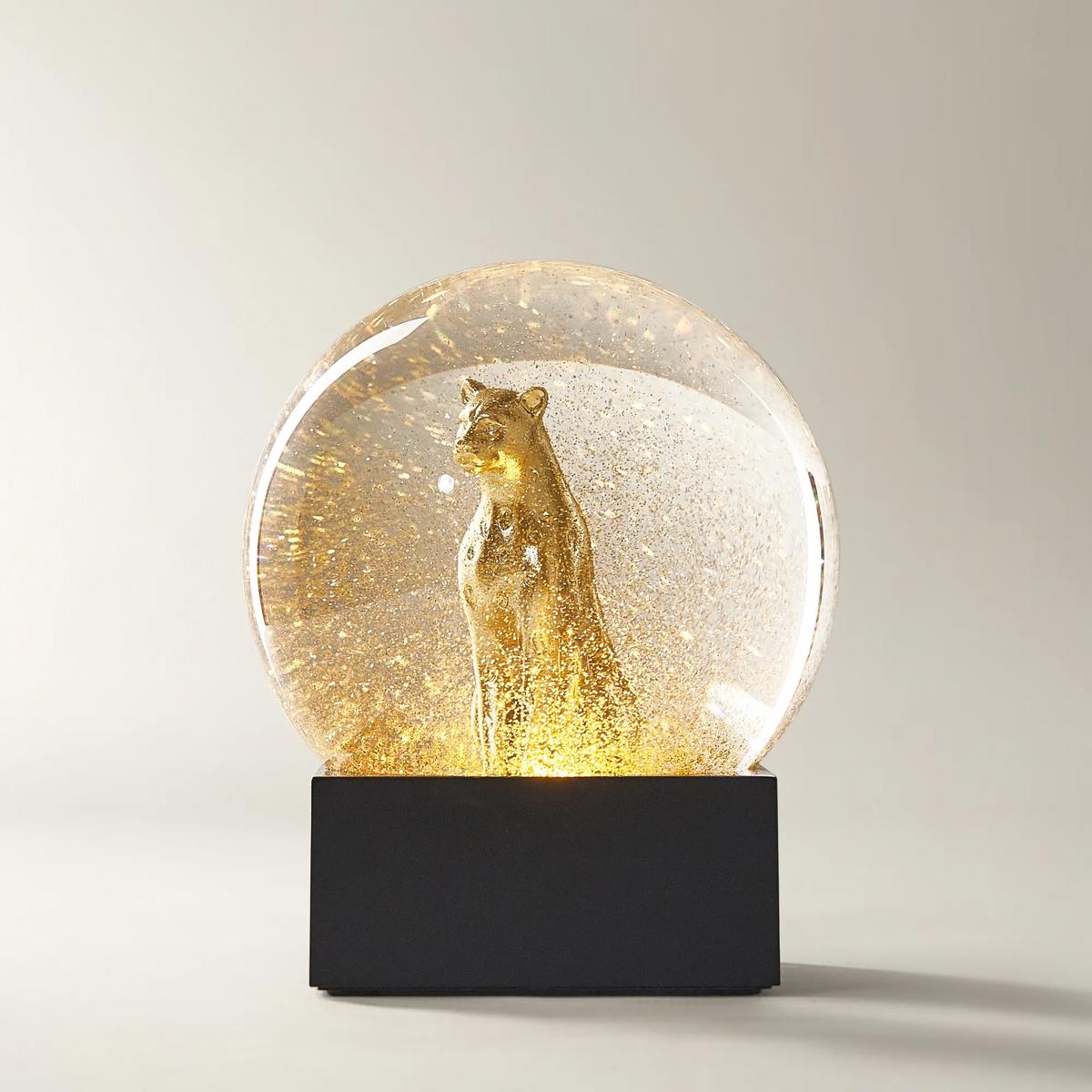 Cheetah Glitter Globe$59
A radiant gold cheetah shimmers amid swirling golden glitter in a crystal-clear glass globe with black base.
Add To Cart -
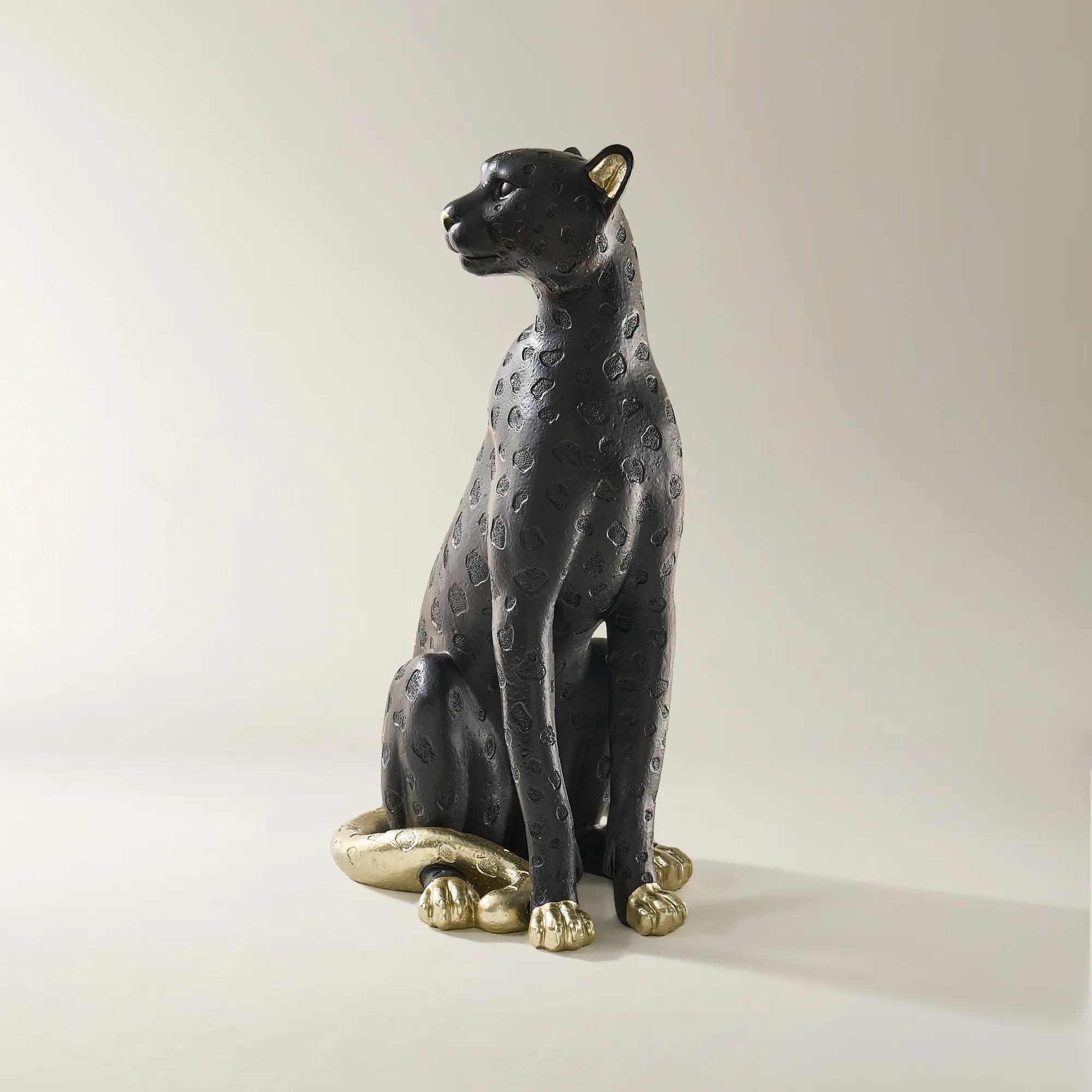
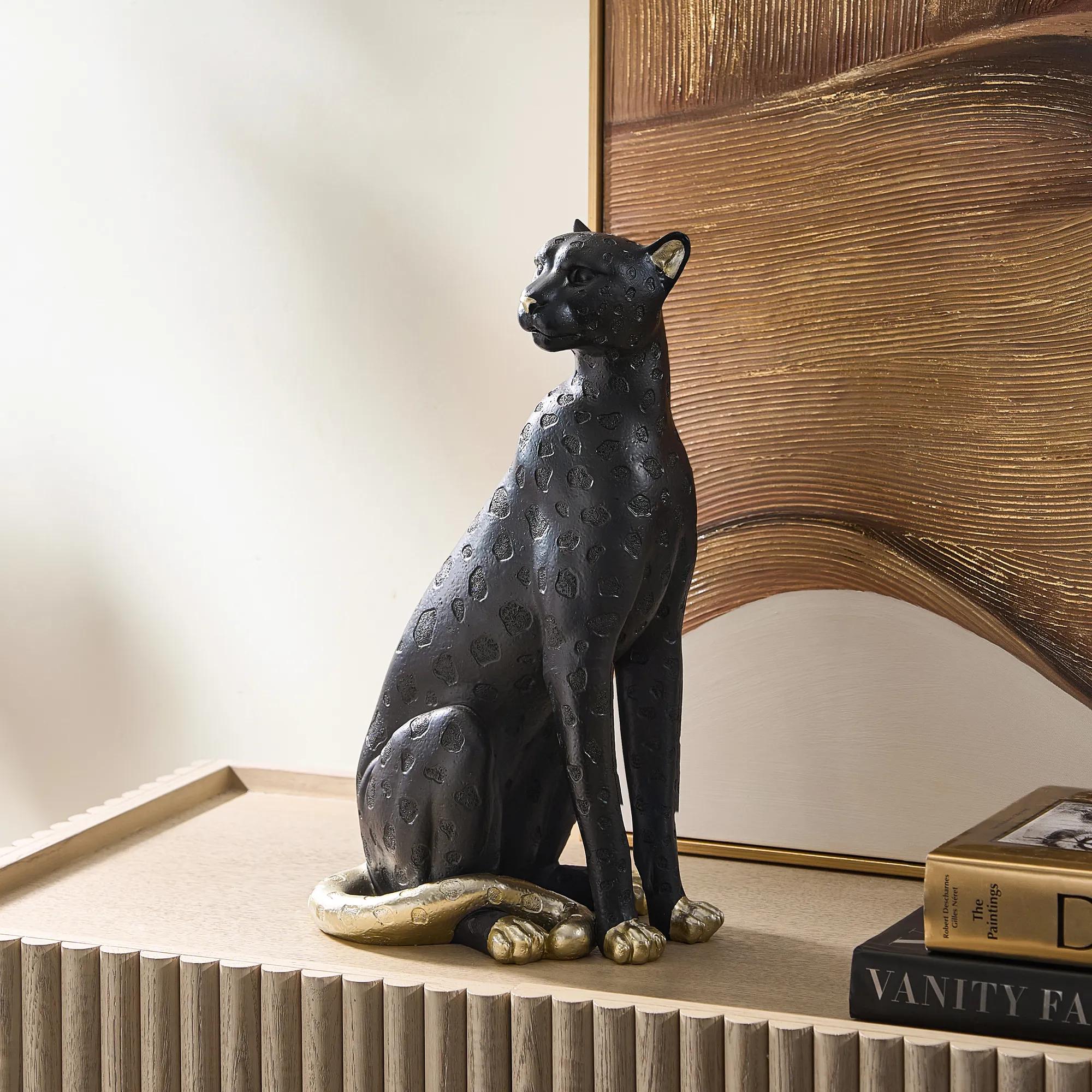 Midnight Leo Black And Gold Resin Object 17.75"$149
A sculpted black resin leopard with gilded gold accents adds bold, artistic glamour to any space.
Add To Cart -
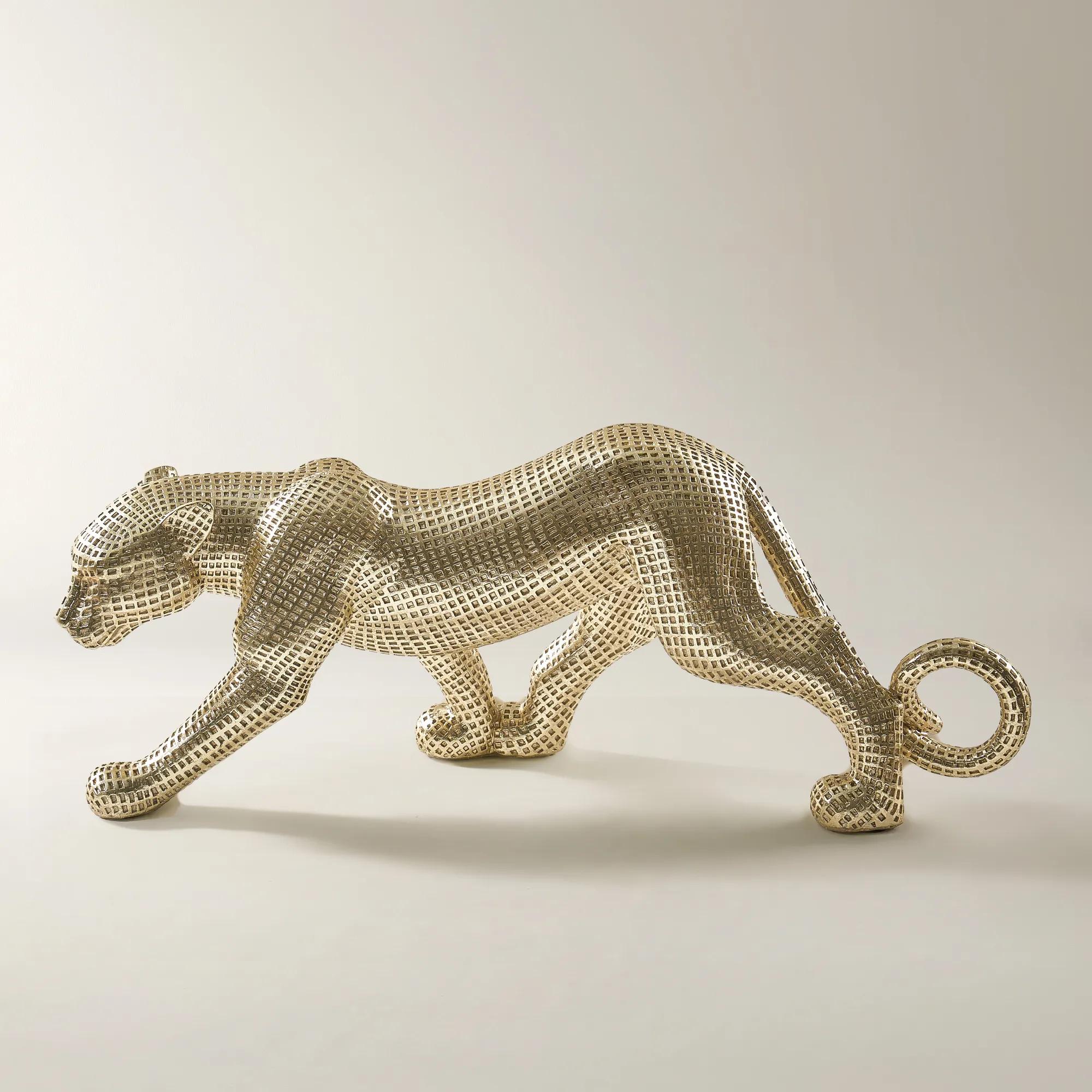
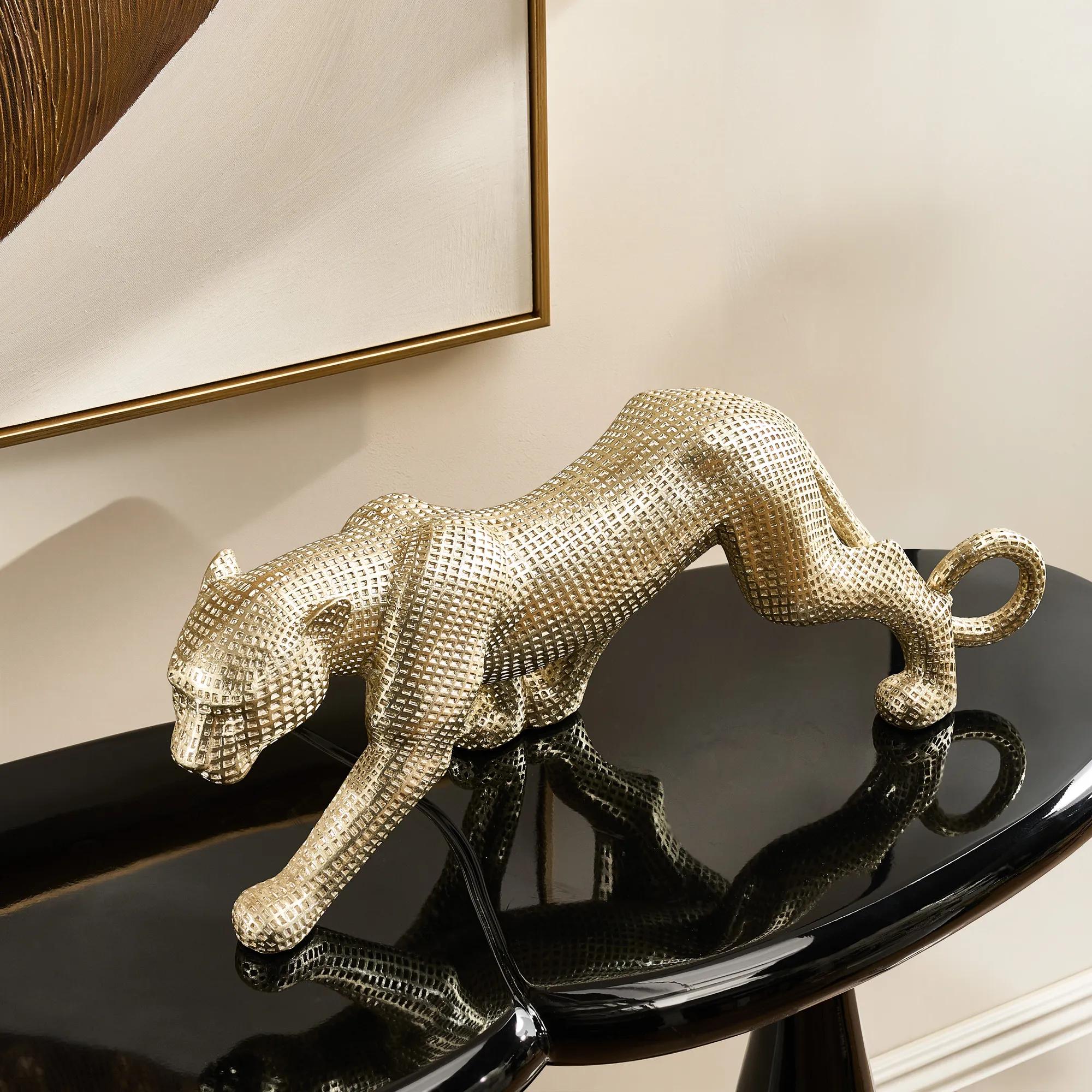 Pardus Champagne Resin Decorative Object 20.5" x 8"$79
A sculptural feline decor piece cast in champagne-finished resin with intricate grid texturing and sleek lines.
Add To Cart -
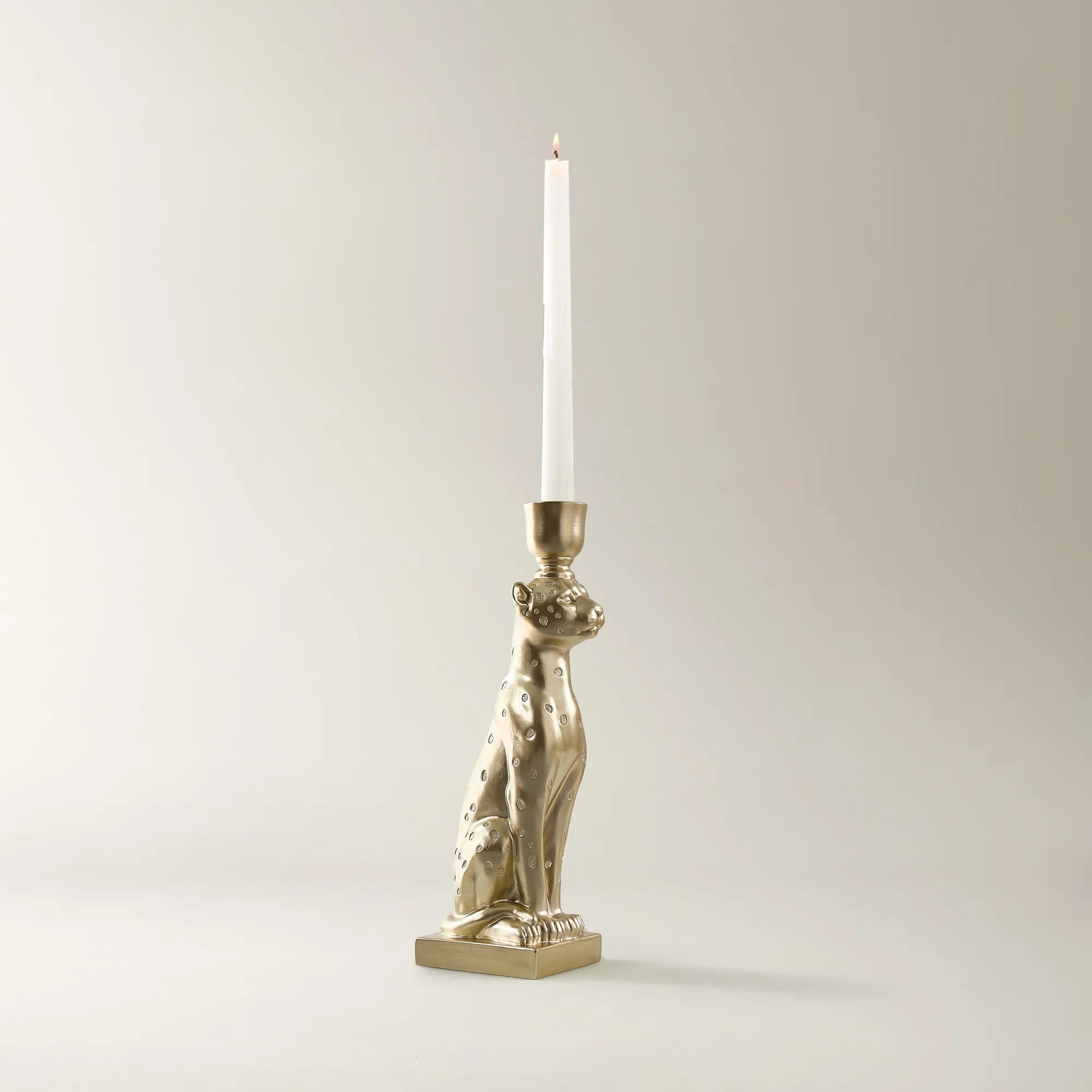
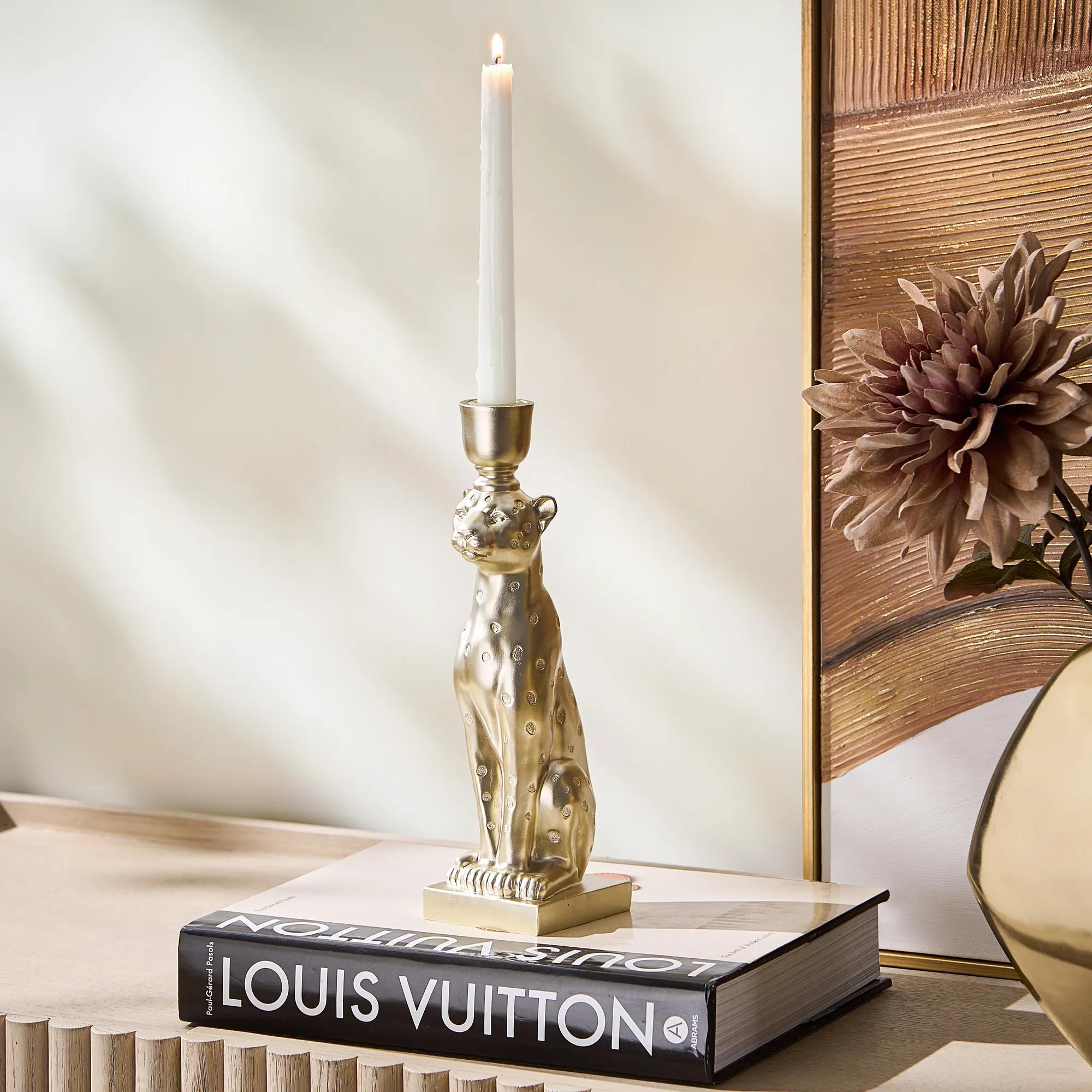 Leo Champagne Resin Taper Holder 11.25"$39
A champagne-finished resin taper holder featuring a poised leopard for a touch of couture safari glamour.
Add To Cart -
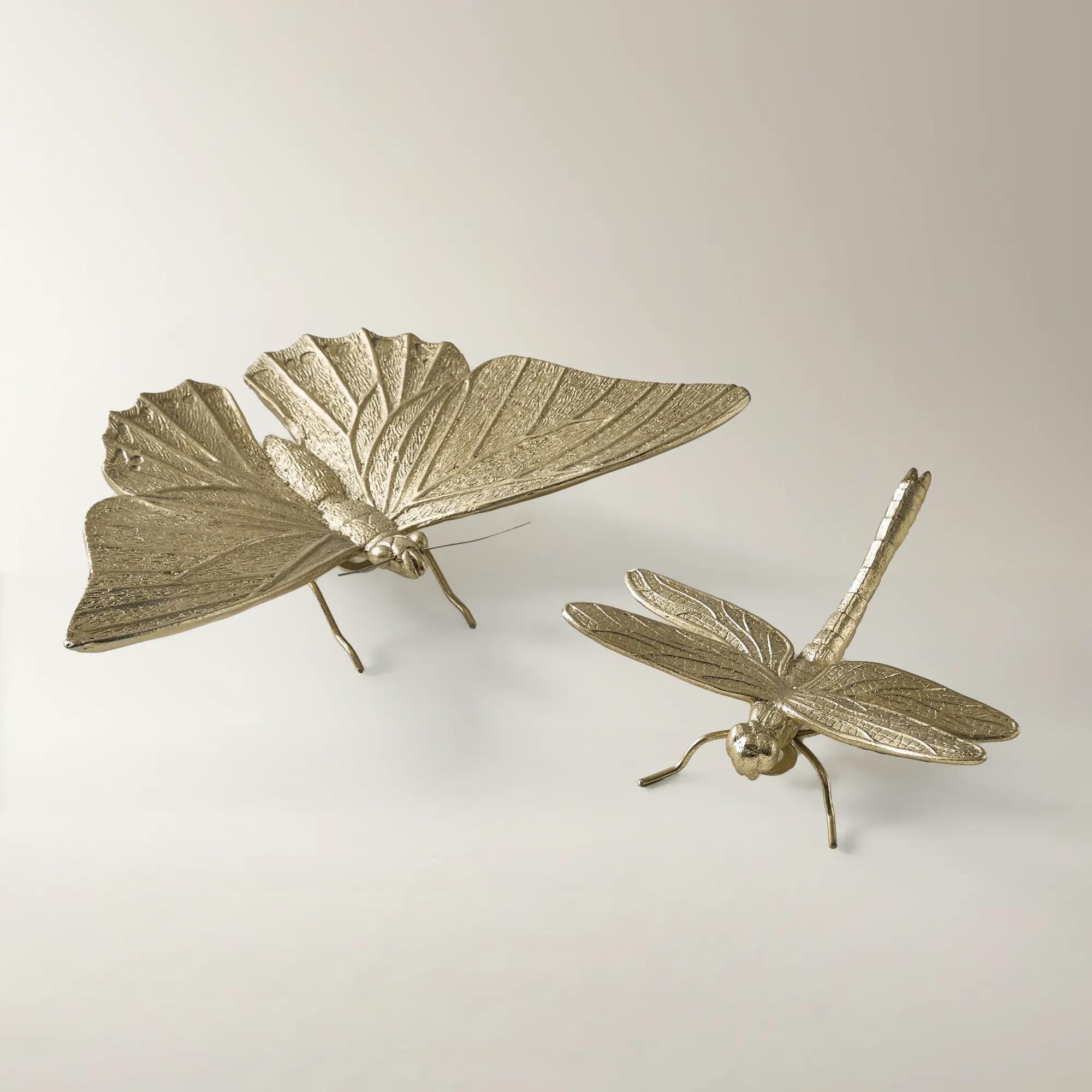 Gilt Champagne Resin Butterfly and Dragonfly Set of 2$99
A champagne-toned resin butterfly and dragonfly set adds sculptural shimmer to tabletops or walls.
Add To Cart -
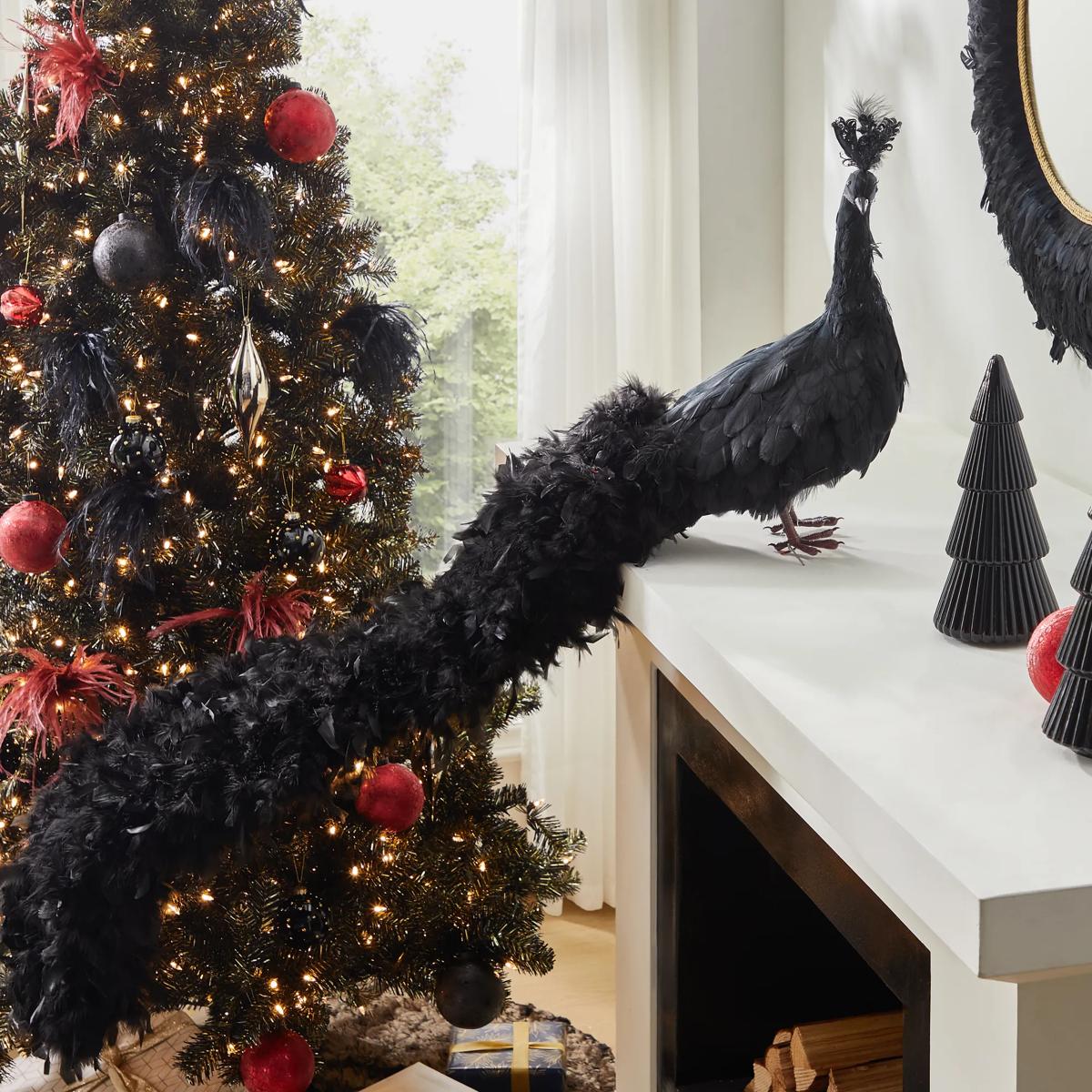
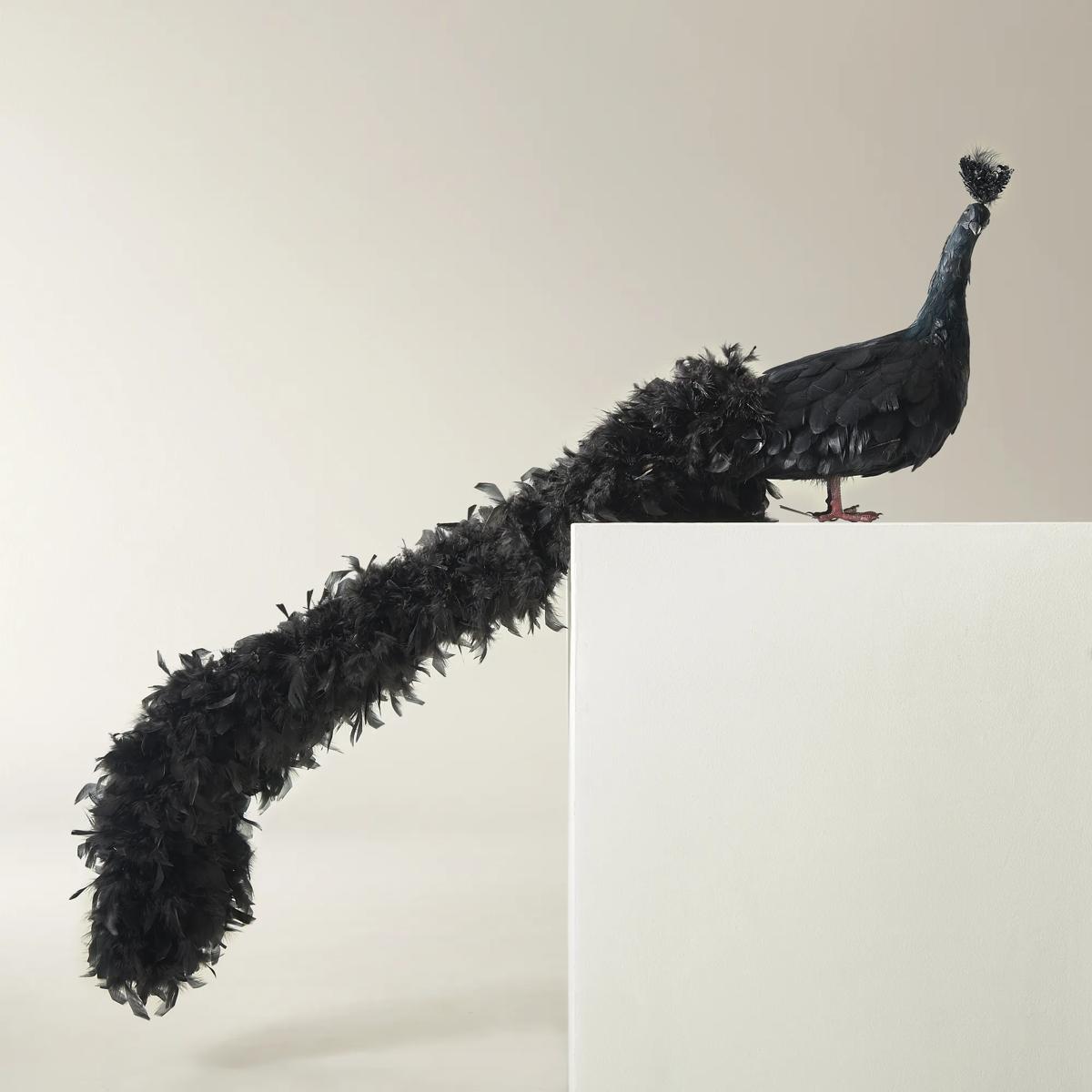 Black Fancy Peacock - 60"$499
A dramatic black peacock crafted with soft, layered feathers for bold, textured holiday decor.
Add To Cart -
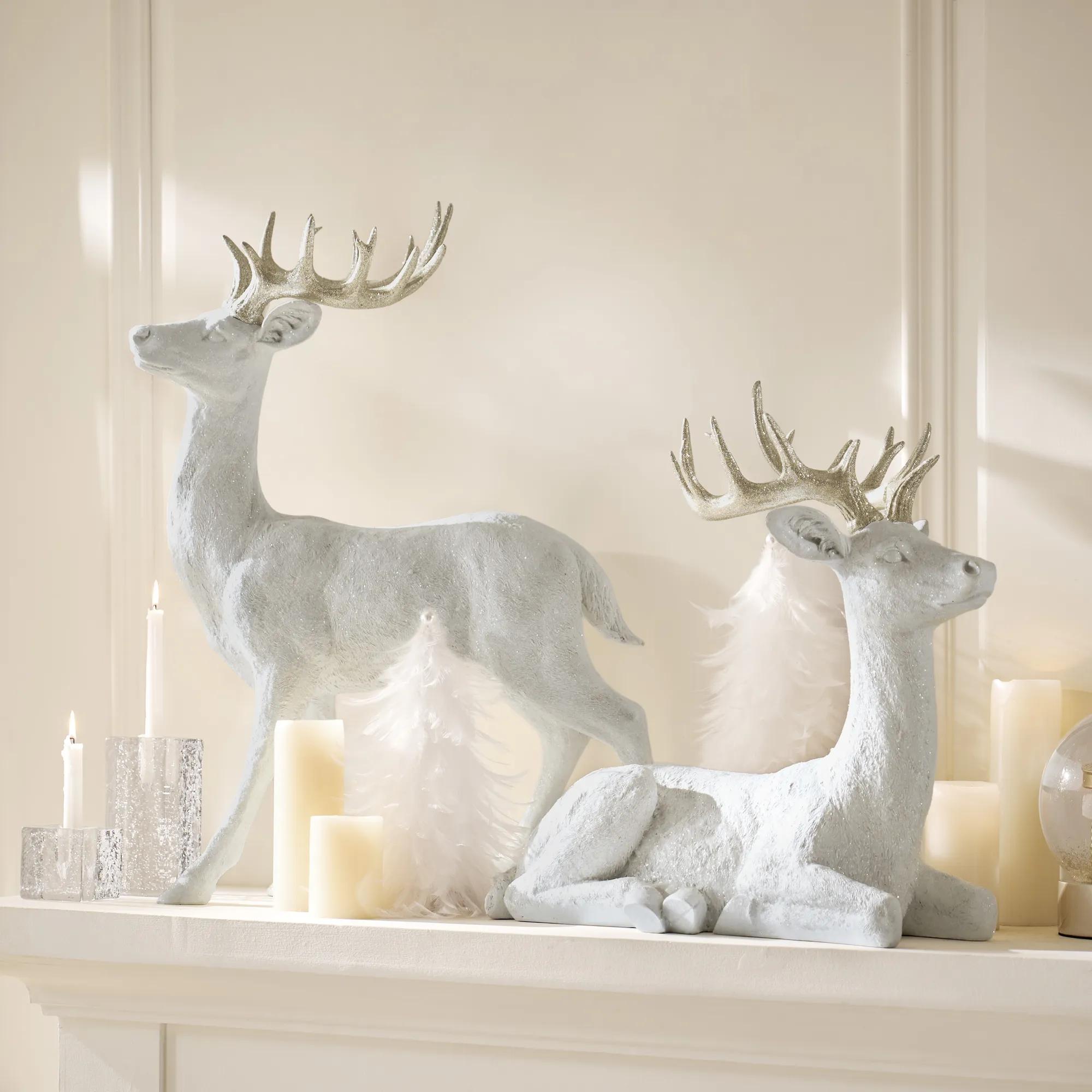 Majestic Glitter Deer White/Champagne Resin 32"$239
A sculptural resin deer with white glitter and champagne accents adds luminous, glamorous flair to holiday décor.
Add To Cart -
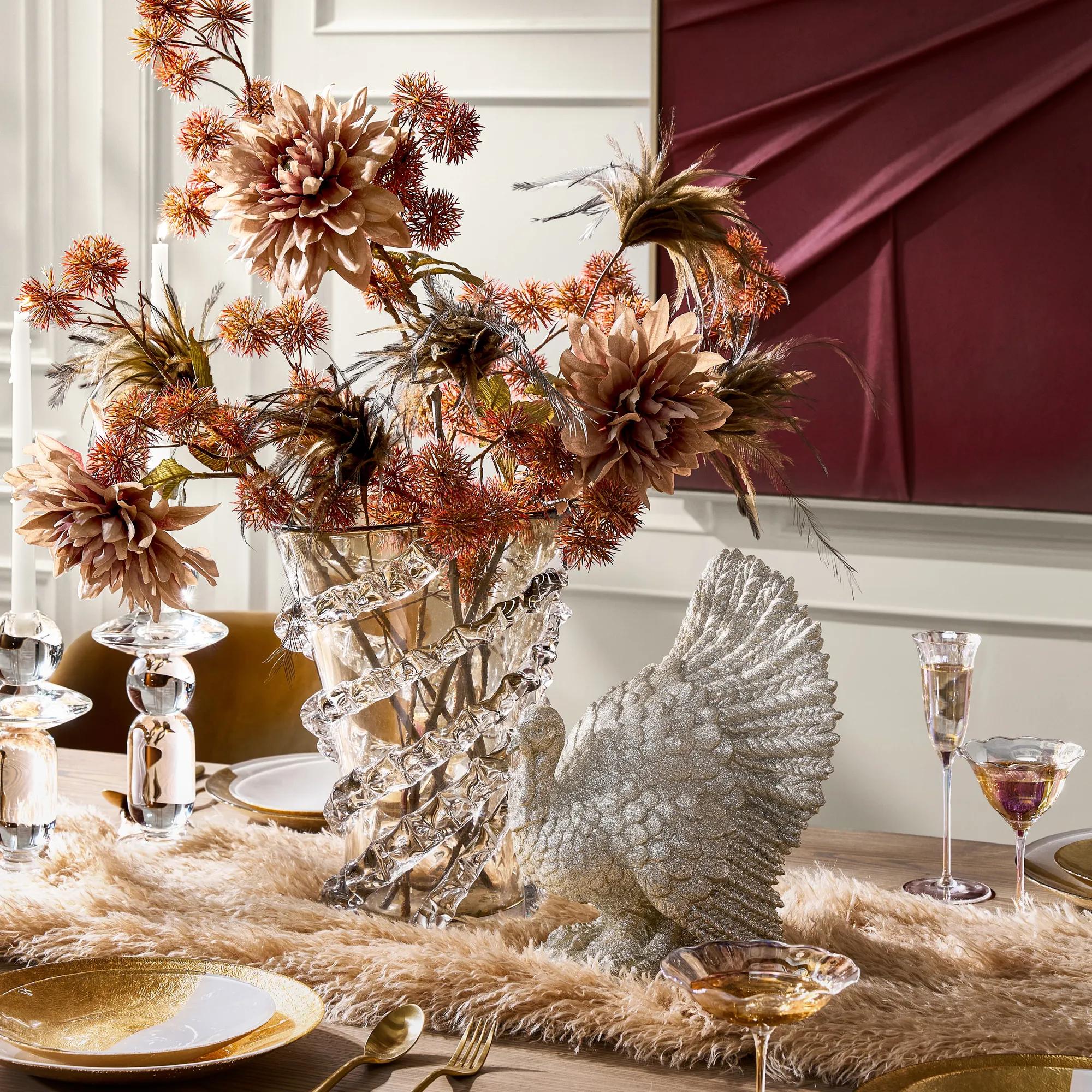
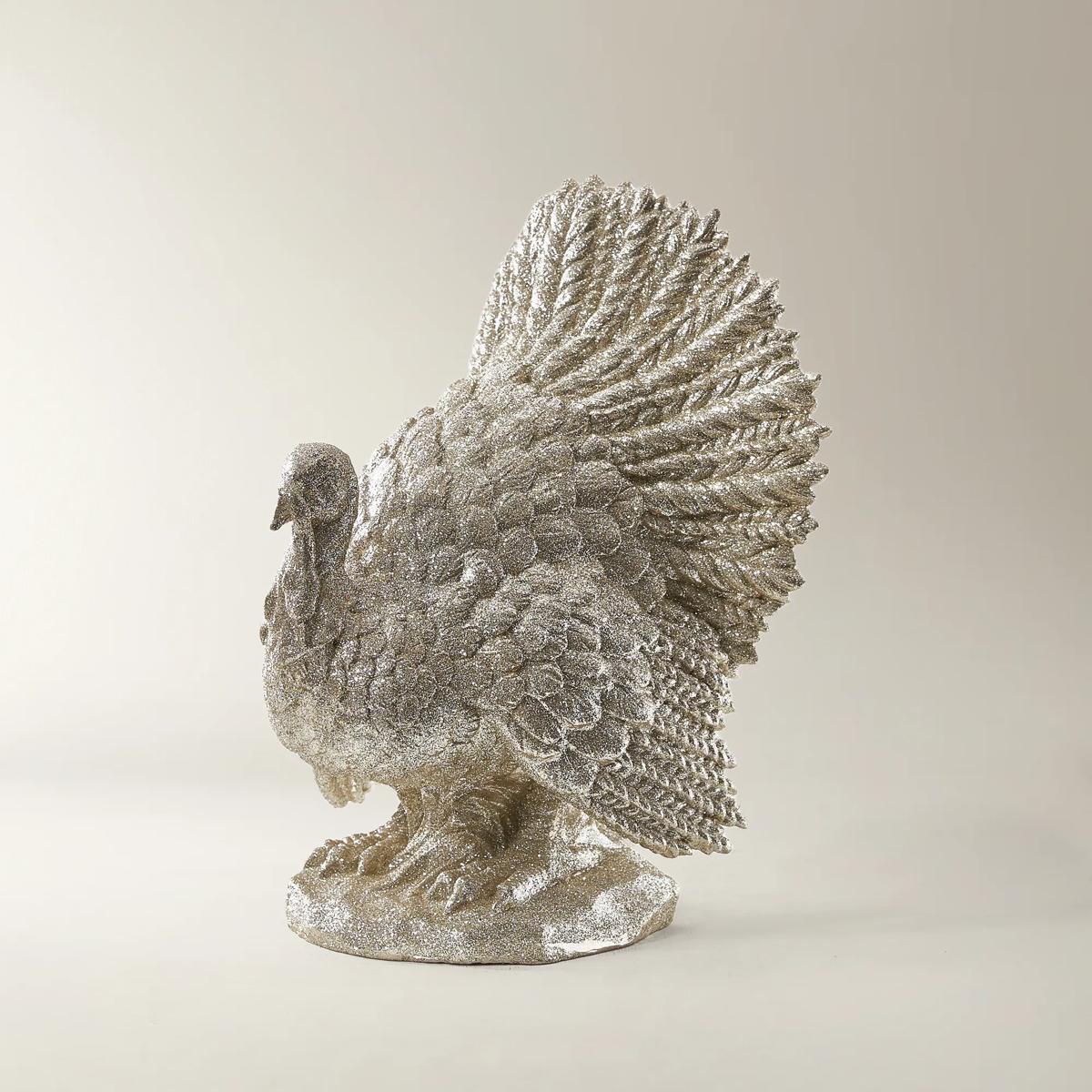 Turkey Champagne Glitter Resin Decorative Object 13"$69
A shimmering resin and stone powder turkey sculpture in champagne, perfect for elegant autumn or holiday décor.
Add To Cart -
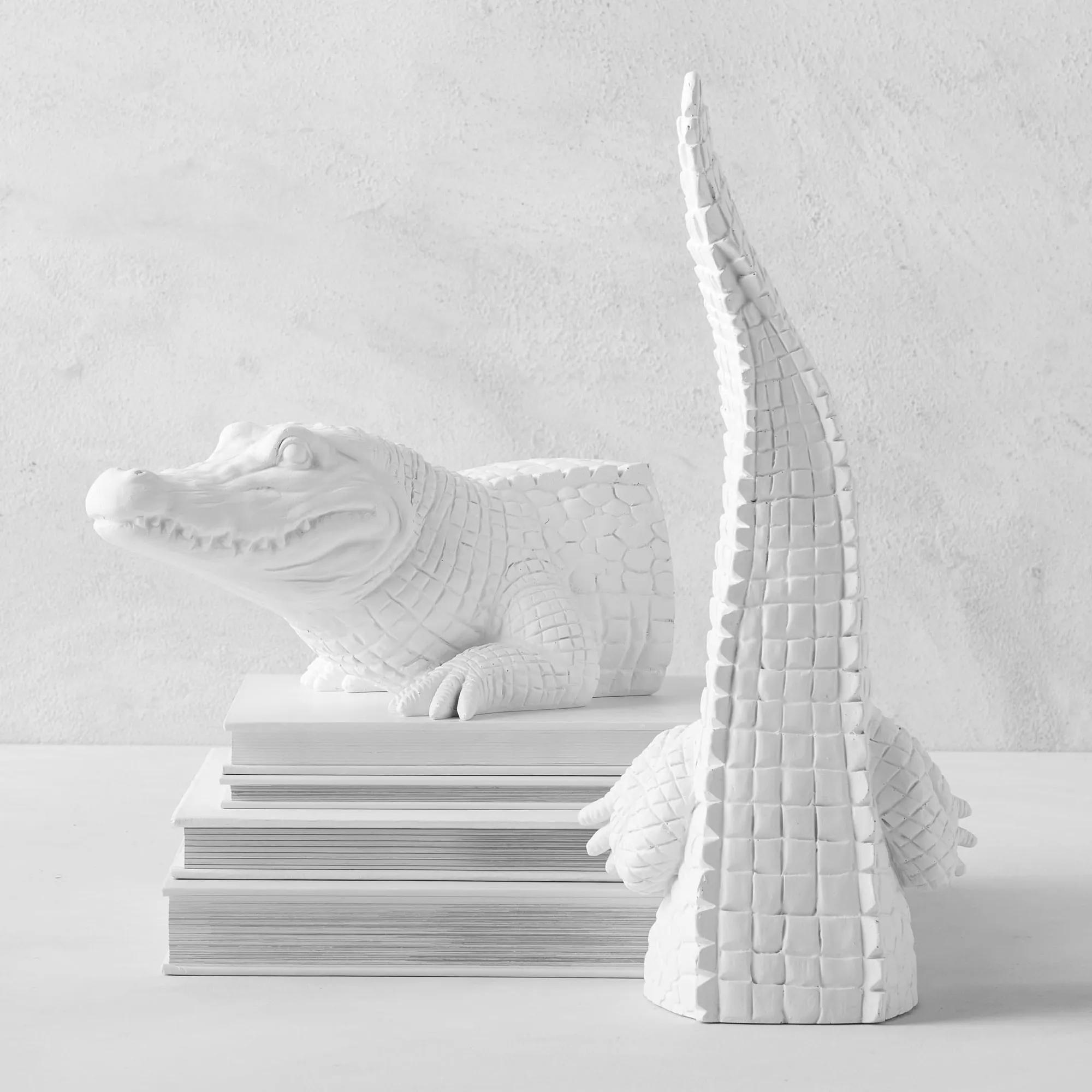
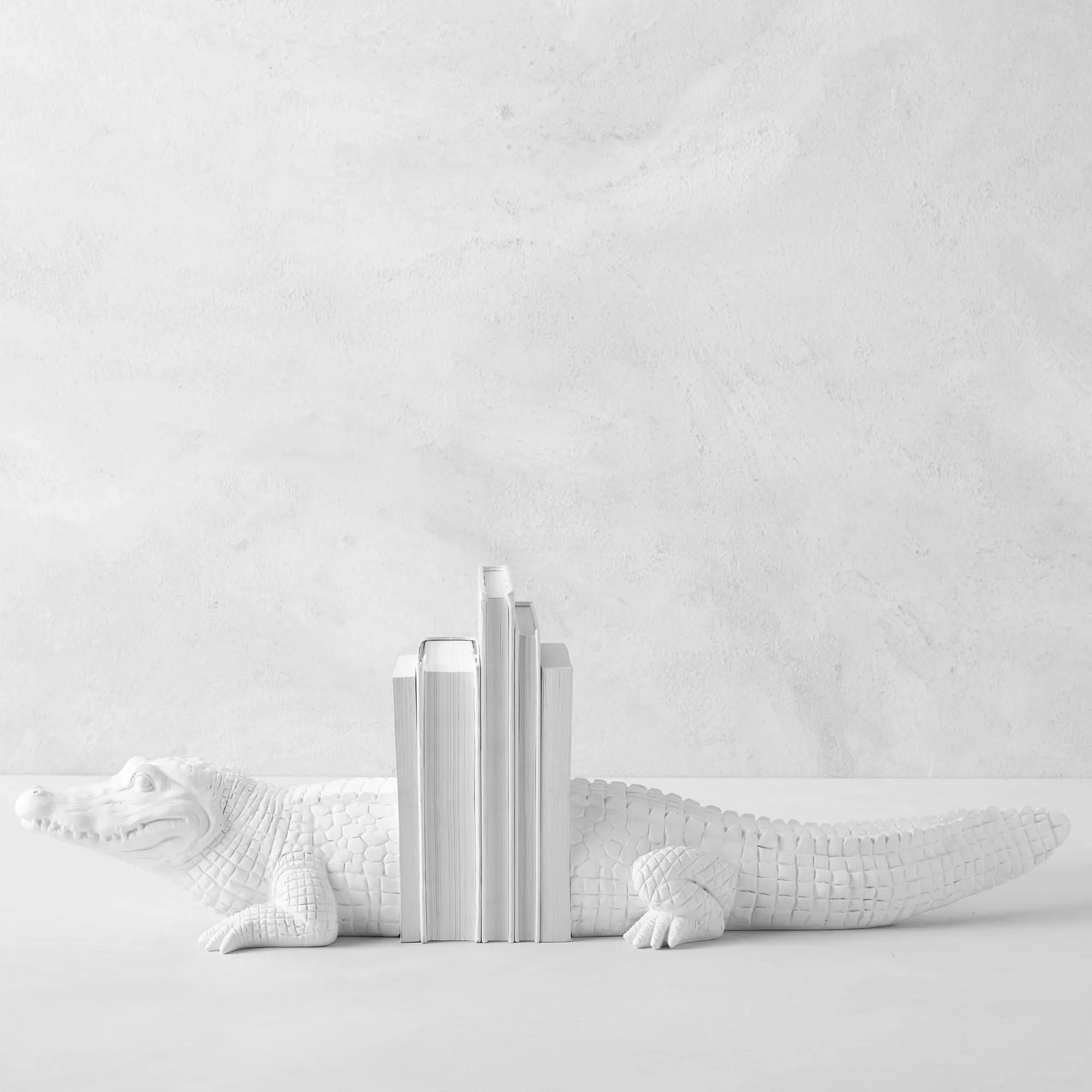 Alligator White Resin Bookends 6.5"$69
A pair of grinning polyresin bookends that add whimsical charm and secure your books in style.
Add To Cart -
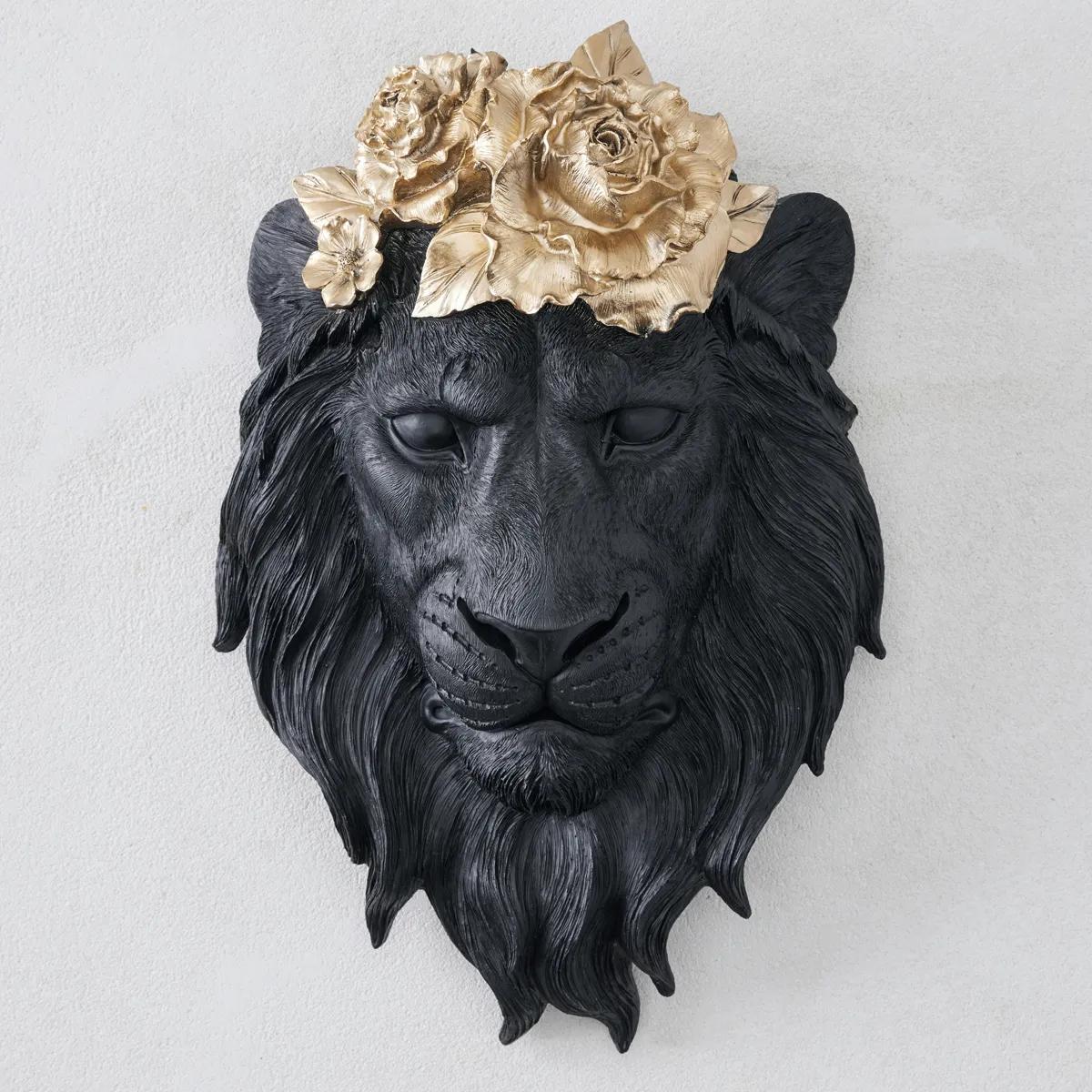 Leon Coronado Black And Gold Wall Plaque 10" x 15"$59
A dramatic matte black lion wall plaque crowned with ornate metallic gold, crafted from lightweight resin.
Add To Cart -
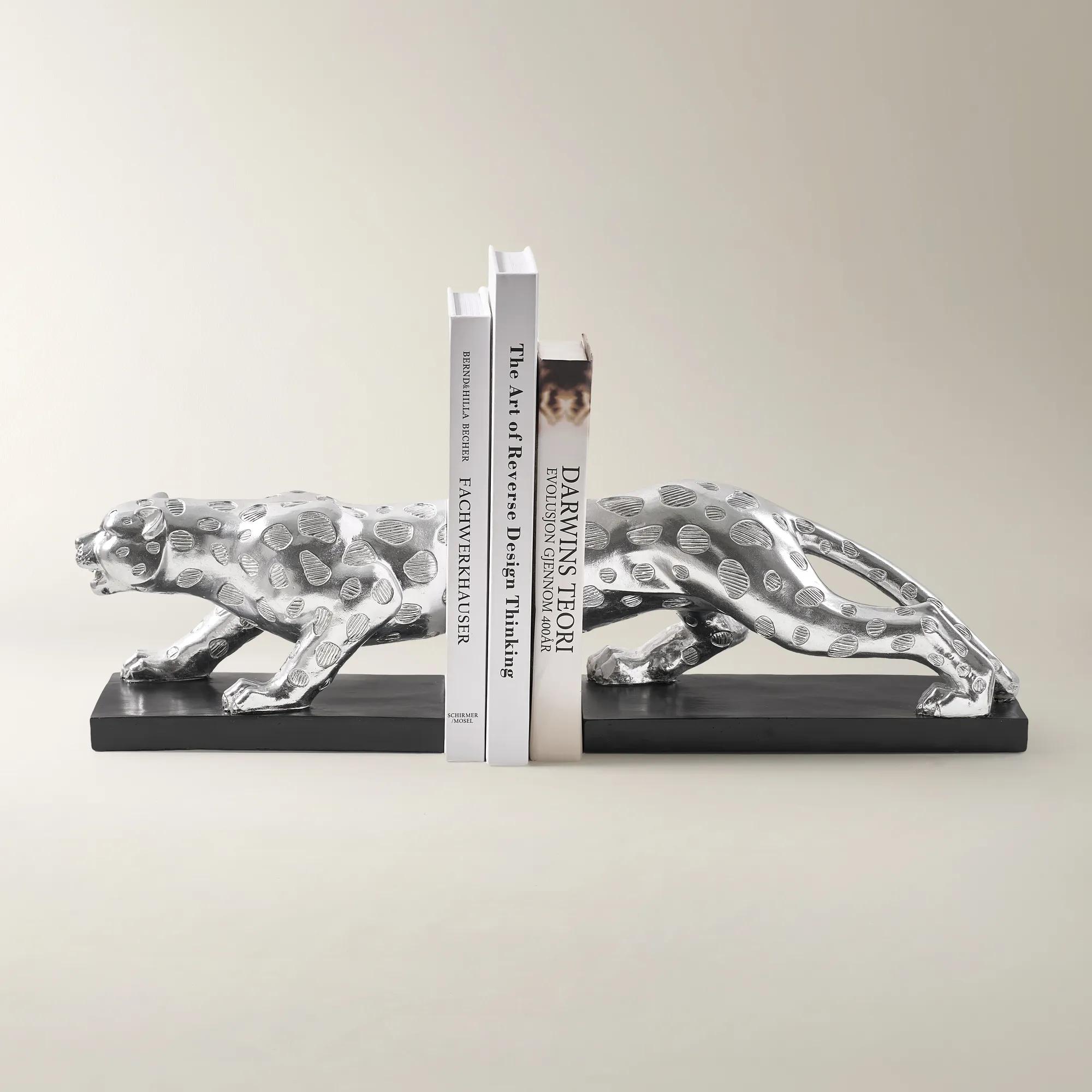 Pose Silver Resin Leopard Bookends$89
A sculptural pair of silver and black polyresin bookends inspired by Leopardo, adding modern glamour.
Add To Cart -
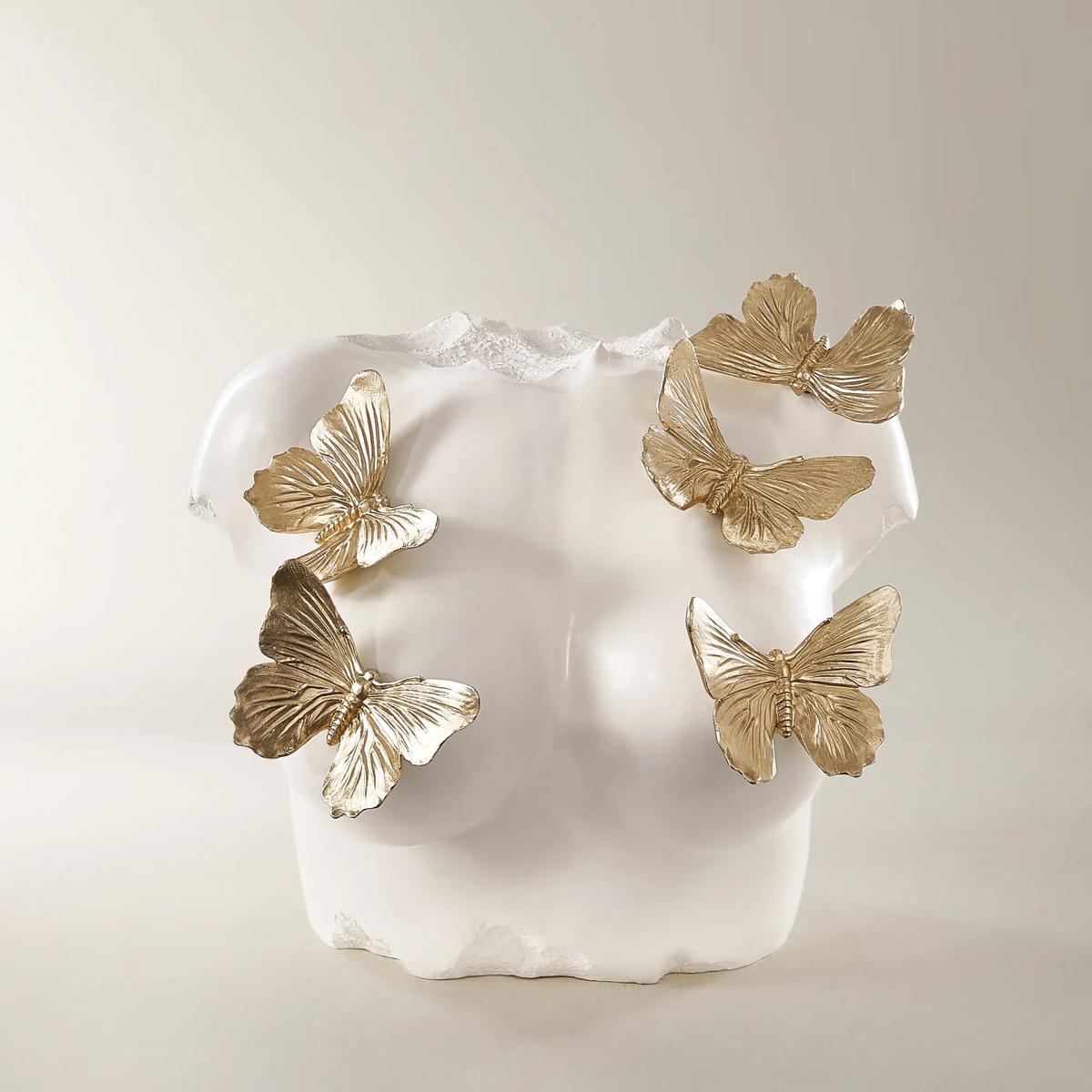
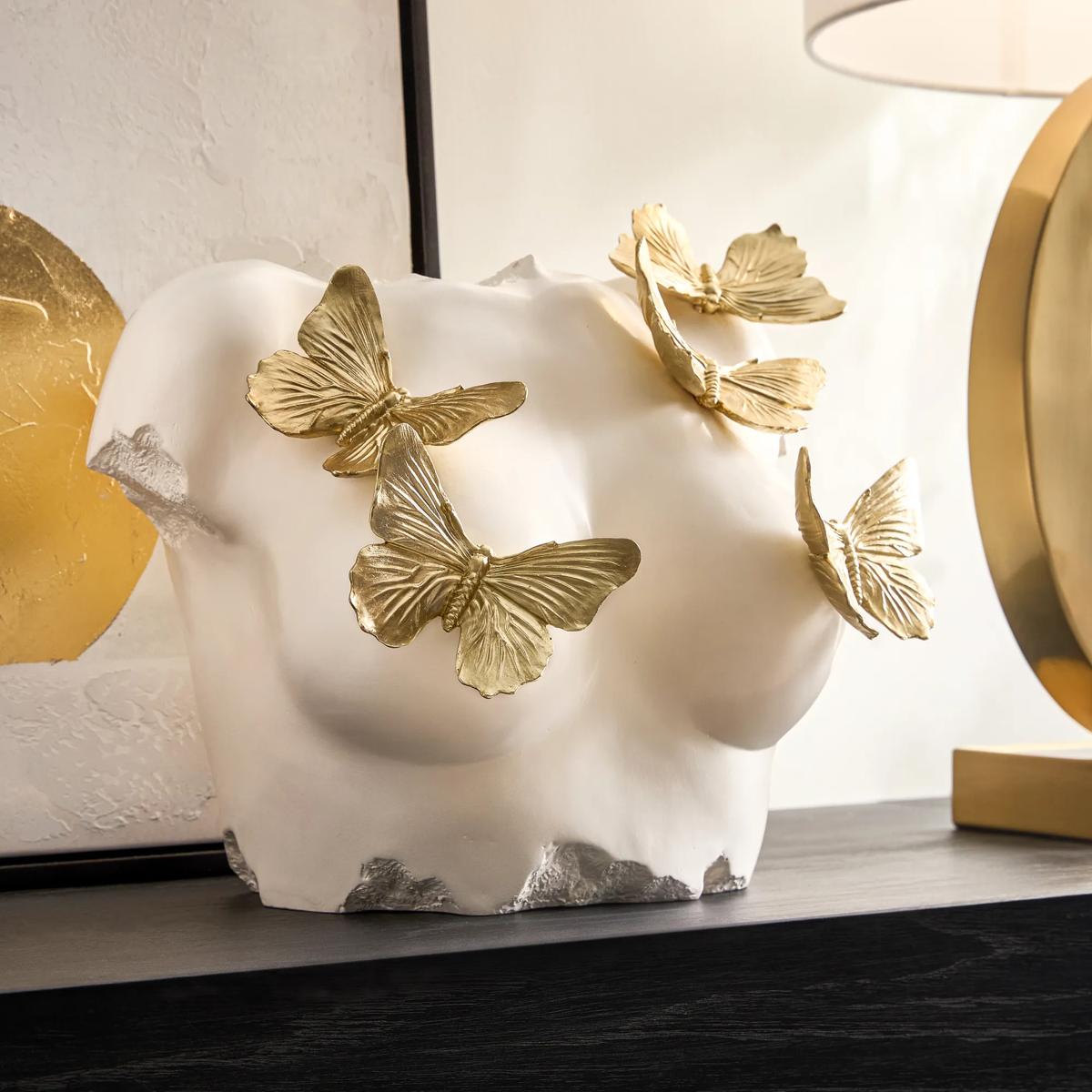 Butterfly Bust Ivory And Gold Resin Decorative Object 11.75"$149
An ivory resin bust adorned with gilded butterflies, offering poetic movement and feminine elegance.
Add To Cart -
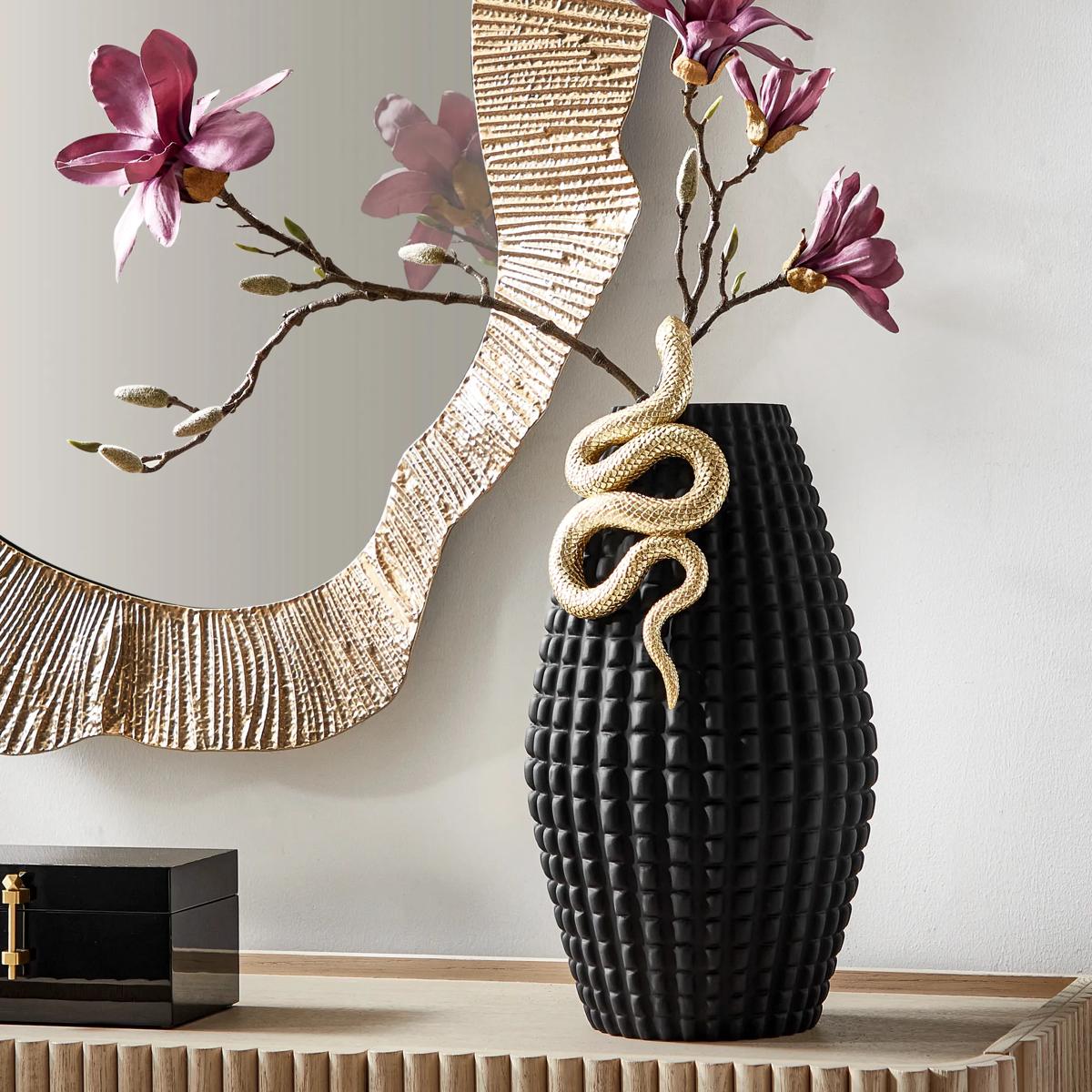
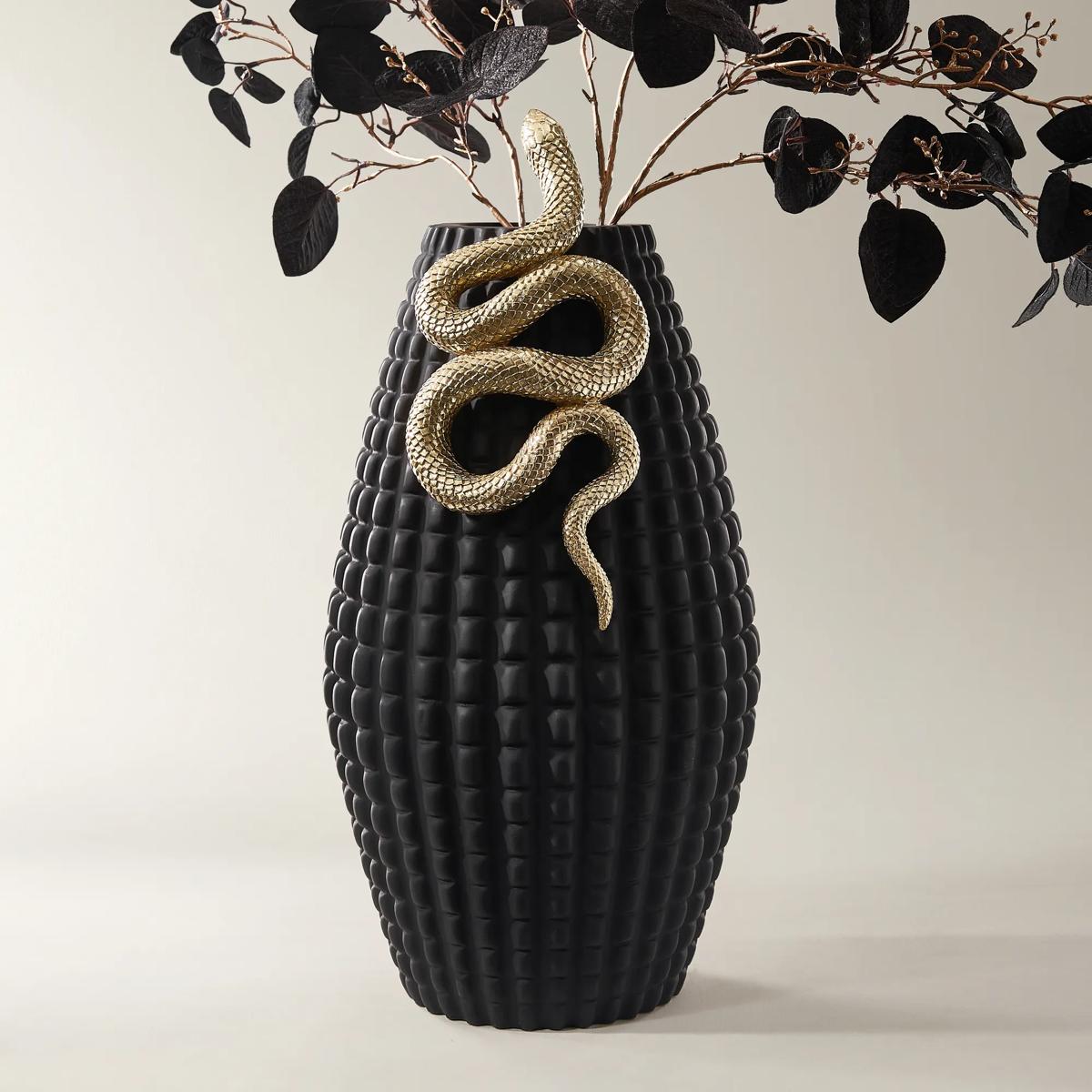 Serpent Vase$119
A matte black resin vase featuring a dramatic gold serpent and raised geometric pattern for bold elegance.
Add To Cart -
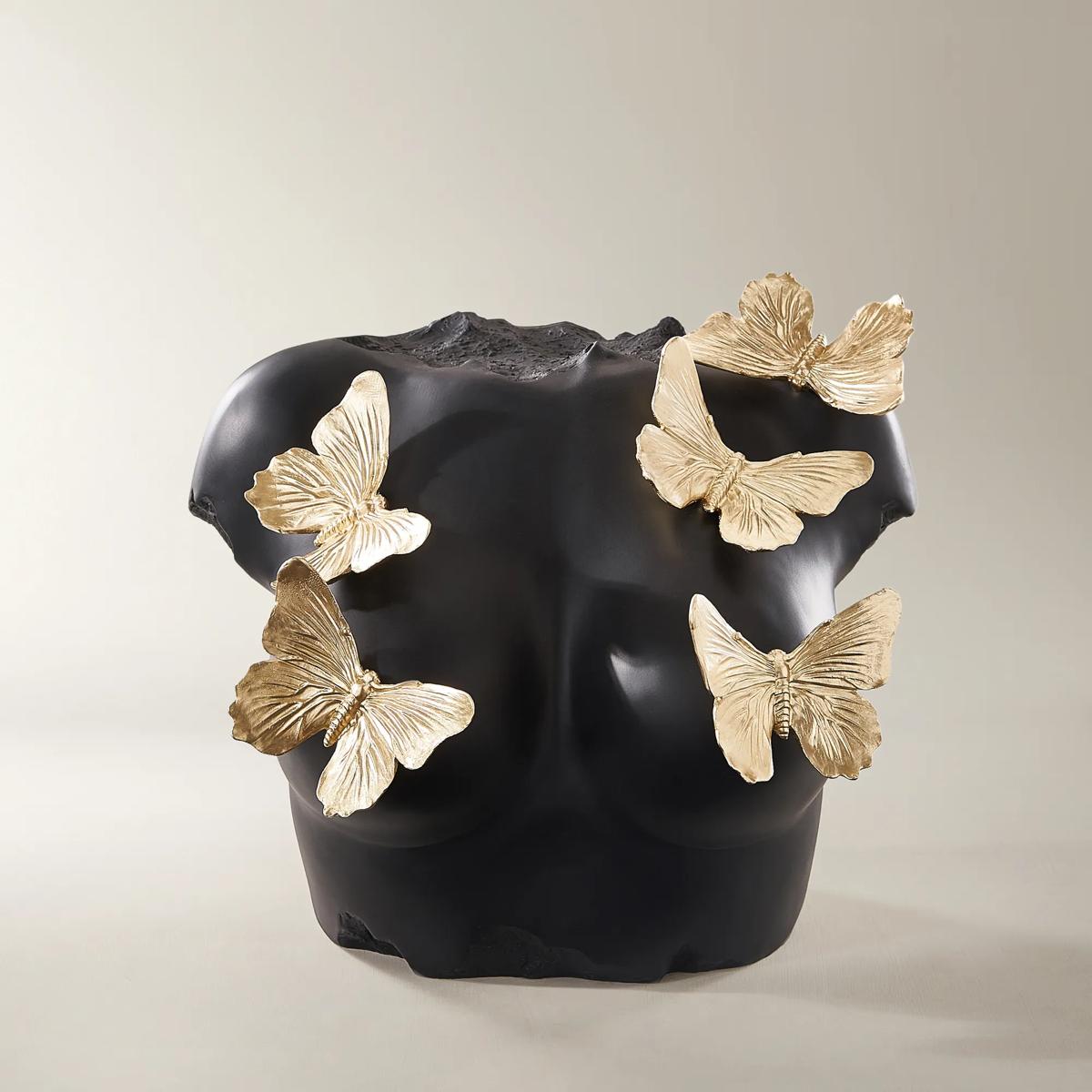 Butterfly Bust Black And Gold Resin Decorative Object 11.75"$149
A matte black resin bust adorned with gilded butterflies, offering poetic movement and modern elegance.
Add To Cart -
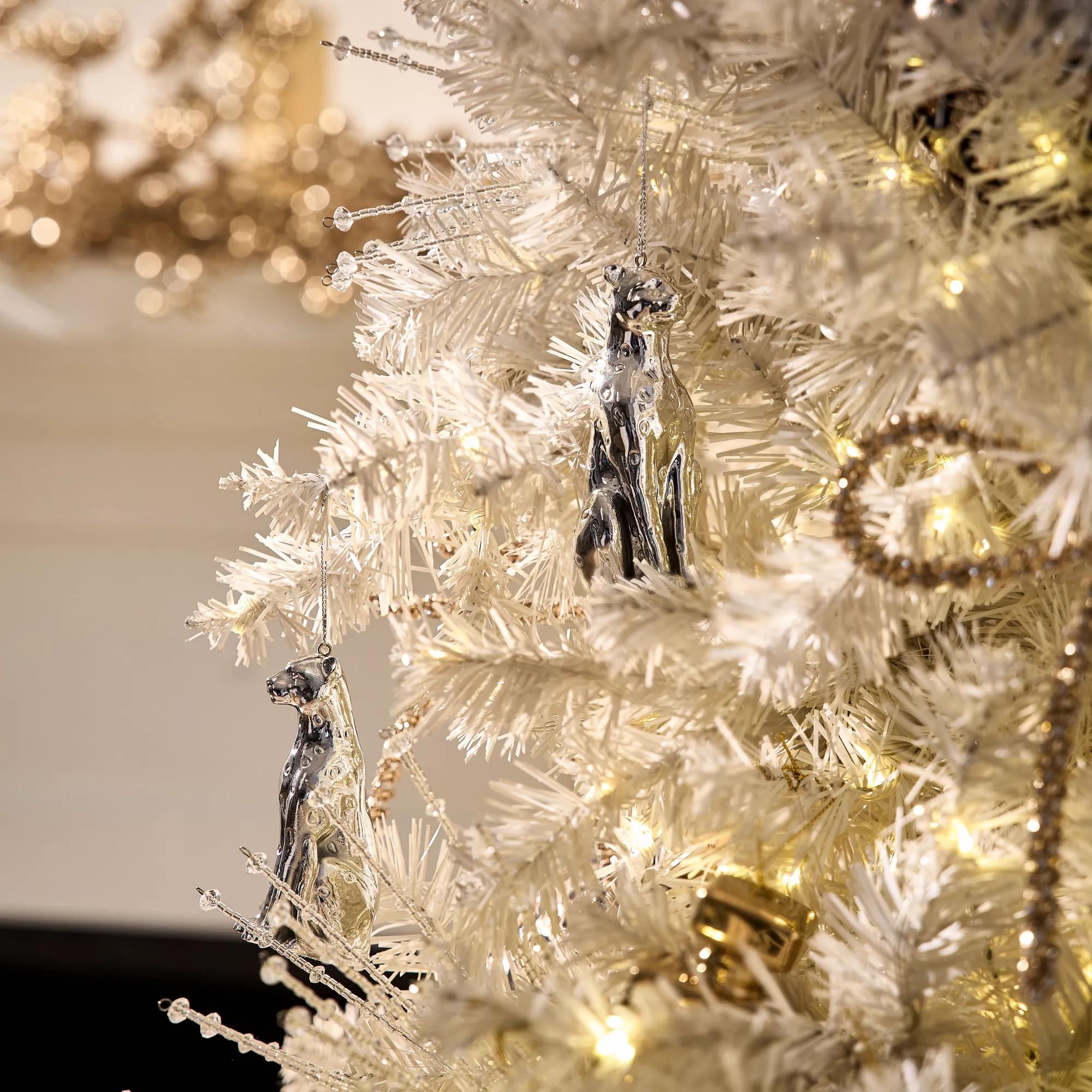
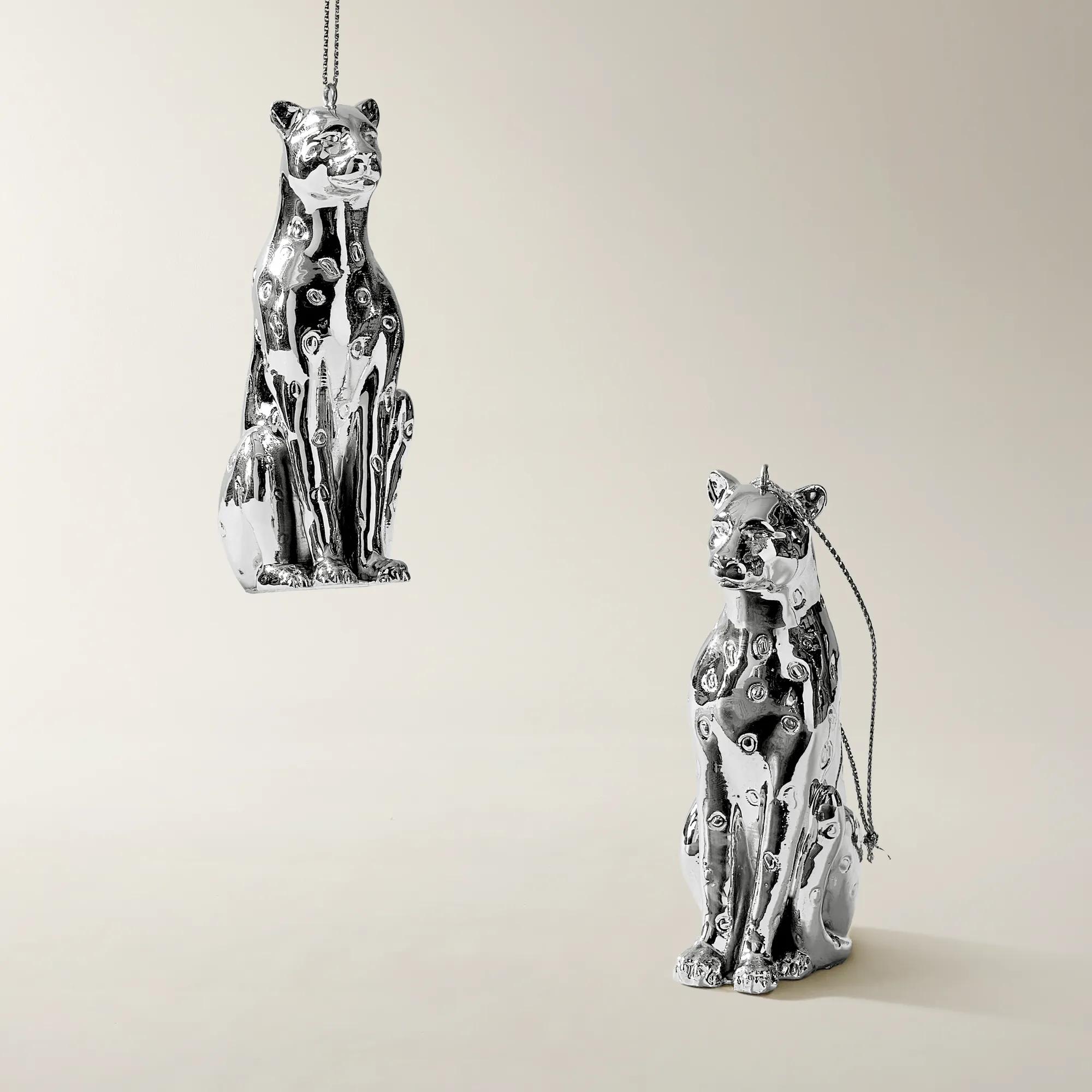 Leopardo Metallic Silver Resin Ornament Set of 2$39
A set of two metallic silver resin leopard ornaments adds sleek, sculptural glamour to holiday décor.
Add To Cart

Decorative Animal Statues
Decorative Animal Statues awaken a sense of wonder, transforming ordinary surfaces into curated moments of artistry. Each sculpted creature—majestic, whimsical, or utterly avant-garde—brings the untamed beauty of the wild indoors, infusing your space with personality and drama. Whether perched atop a mantel or nestled among treasured bookshelves, these striking accents invite conversation and delight, turning your home into a gallery of expressive design. With Decorative Animal Statues, every room becomes a stage for imagination—where glamour prowls, soars, and sparkles in unexpected forms.
Decorative animal statues bring the expressive power of sculpture into the home, capturing a creature’s movement, character, and silhouette in a form that feels both familiar and artful. A poised stance can lend quiet authority to an entryway, while an elongated neck or sweeping tail introduces a graceful line among the straight edges of shelving and furniture. The appeal lies in that contrast: organic shapes interrupting architectural order, polished surfaces catching light beside richly textured upholstery, and a recognizable subject taking on an unexpected artistic presence. Animal sculptures have appeared in decorative arts across cultures and centuries, interpreted through naturalistic detail, stylized proportions, and symbolic associations. In contemporary interiors, that history leaves room for personal expression rather than a prescribed meaning. A form might recall a memorable journey, reflect an affection for wildlife, or simply offer the right sculptural curve for a carefully composed room. Realistic animal figurines emphasize recognizable features and finely modeled surfaces, while abstract interpretations distill a creature into gesture and proportion. Neither approach requires a room to follow a wildlife theme. A single expressive sculpture can hold its own among modern furniture, framed artwork, and sumptuous textiles without turning the space into a collection of matching motifs. Finish helps establish the mood. Glossy white creates a crisp, graphic presence against dark wood; deep charcoal emphasizes contour; metallic surfaces add flashes of reflected light. For a warmer, more luminous expression, Elegant Gold Animal Statues introduce a gilded note that pairs beautifully with jewel-toned fabrics, smoky glass, and richly veined stone. The most compelling choice is often the one with a distinctive profile, visible from across the room yet rewarding at close range. Consider the expression, posture, and direction of the figure as carefully as its color. An upright silhouette feels alert and commanding, while a reclining shape settles into a vignette with a more measured presence. These subtle qualities give decorative animal sculptures their emotional range, from stately and serene to theatrical and full of motion.
Material and construction influence how an animal statue looks, feels, and lives in a room. Depending on the design, decorative sculptures may be crafted from ceramic, porcelain, resin, metal, stone, or combinations of materials, each with its own visual character and care requirements. Glazed ceramic can offer a luminous surface that makes modeled details especially striking, though projecting features and edges remain vulnerable to chips or breakage. Resin allows intricate shapes and substantial-looking forms without necessarily carrying the weight of solid stone or metal; its durability depends on the formulation, construction, and finish. Metal can produce crisp outlines, textured surfaces, or mirror-like reflections, but a metallic appearance does not always indicate solid-metal construction. A plated, painted, or leafed finish may require gentler handling than the underlying material suggests. Stone brings visual depth and weight, with natural variations that can become part of the sculpture’s appeal, although porous surfaces may absorb moisture or stains. Read the material description and care instructions rather than judging construction from photographs alone. Dimensions deserve equal attention. Height establishes a sculpture’s presence, but width, depth, and the footprint of its base determine whether it belongs on a narrow console, an open shelf, or a broad tabletop. Outstretched wings, raised trunks, and curved tails can extend well beyond the base, requiring more clearance than a quick glance might suggest. Check shelf weight limits for heavier forms, and choose a level surface that supports the entire base securely. Felt protection may help prevent scratches where appropriate, provided it does not compromise stability. For routine care, a soft, dry cloth is often suitable, but the manufacturer’s directions should take precedence. Abrasive cleaners and vigorous polishing can dull or remove delicate finishes, while moisture may collect in textured recesses. Lift a sculpture from its strongest supported area, usually beneath the body or base, rather than by an ear, horn, or tail. Unless explicitly designated for outdoor use, animal statues are best treated as indoor decorative objects, away from prolonged direct sunlight, excess humidity, and places where they could be knocked over.
Scale and placement turn an appealing object into a deliberate design statement. On an entry console, an animal sculpture can establish a confident first impression beside a lamp and a shallow tray, with enough open surface around it to reveal the full silhouette. On a bookcase, it offers a welcome change of rhythm between rows of books and rectangular frames. Measure the shelf opening before choosing a tall figure, and leave breathing room above its highest point so the shape does not appear compressed. A low, elongated form suits a coffee table when it preserves conversation sightlines and leaves practical space for everyday use. Taller sculptures often feel more assured on a sideboard or substantial pedestal, where their proportions can be appreciated without competing with glassware or frequently handled objects. Composition need not depend on symmetry. Positioning a figure slightly off center can create tension and movement, especially when its gaze or stance leads inward toward the rest of the arrangement. Give finely detailed animal figurines a restrained backdrop; let a bold, simplified sculpture stand against patterned wallpaper when its outline remains clearly legible. Repeating one finish elsewhere in the room can make the placement feel connected without requiring every accessory to match. A metallic accent might echo a picture frame, while a matte surface can offer relief from a room filled with gleaming glass and lacquer. Lighting also changes the experience: gentle illumination from the side reveals texture and casts dimensional shadows, whereas a strong reflection can obscure delicate features on a highly polished surface. These pieces appeal to design enthusiasts, animal lovers, and collectors who appreciate objects with character, making them thoughtful gifts for a housewarming, a birthday, or another personal milestone. For a gift, consider the recipient’s display space and aesthetic as much as a favorite animal; a compact sculpture is easier to place than a dramatic oversized form. In homes with children or pets, reserve fragile or heavy pieces for stable, protected locations and remember that decorative figurines are not toys. Chosen with an eye for proportion and personality, an animal statue brings artistry into daily view: a distinctive presence that gives the room something memorable to say.
FAQs
Decorative animal figurines serve as expressive focal points, infusing your home with character and artistic flair. Whether displayed solo or as part of a curated collection, these pieces introduce texture, movement, and storytelling to any setting, transforming ordinary surfaces into captivating vignettes that reflect your personal style.
Animal decor is remarkably versatile, complementing a range of aesthetics from glamorous and modern to eclectic and transitional. Metallic or abstract animal statues add a sophisticated edge to contemporary interiors, while detailed or whimsical figurines bring warmth and intrigue to bohemian or classic spaces.
Absolutely. Animal statues make inspired gifts for housewarmings, birthdays, or holidays, especially for those who appreciate unique, artful accents. They symbolize good fortune, protection, or personal passions, making them meaningful keepsakes that can be cherished for years to come.
For a dramatic effect, group figurines of varying heights and materials on a mantel, bookshelf, or console, allowing each piece to stand out while creating a harmonious tableau. Alternatively, spotlight a single, statement-making statue in a place of prominence to anchor the room’s design narrative.
During the festive season, accentuate your animal figurines with garlands, twinkling lights, or velvet ribbons for a touch of holiday glamour. Arranging them alongside evergreen branches or metallic ornaments can further enhance their presence, creating a magical and inviting atmosphere.

.jpg?w=3614&h=3614)