White Deer Decorations
White Deer Decorations
-
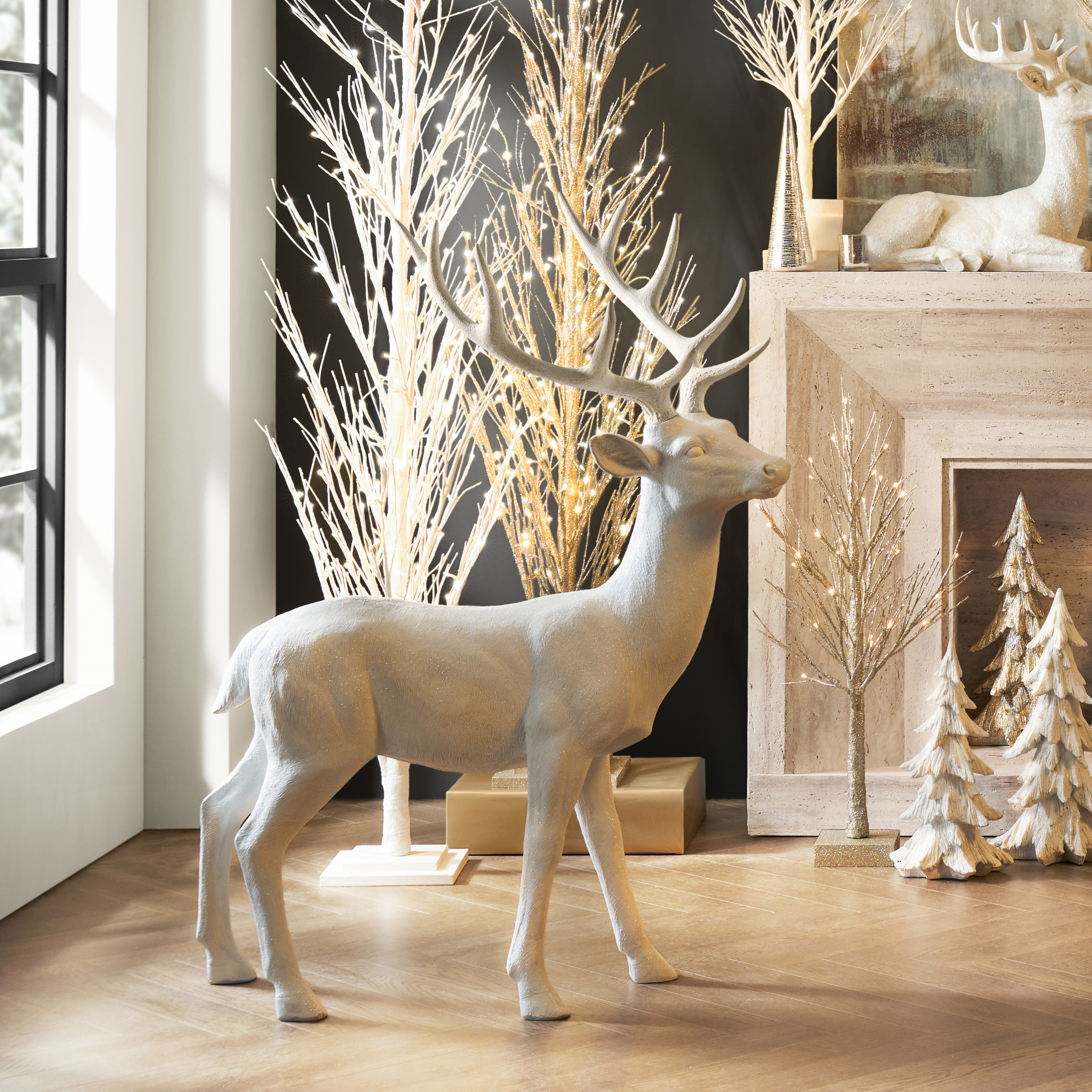
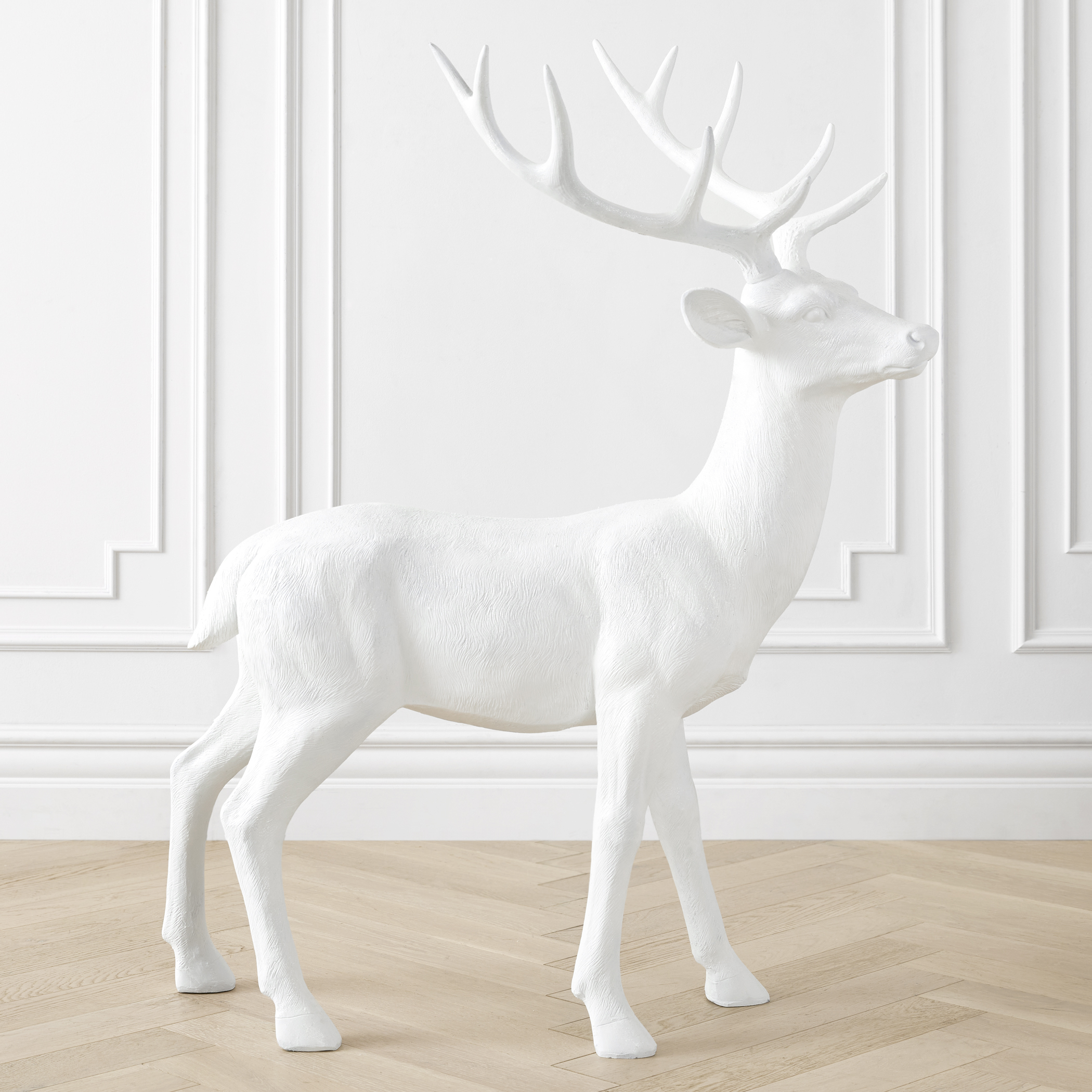 Majestic Deer White Resin 48.75"$799
A modern white polyresin deer statue that adds festive elegance to your holiday décor.
Add To Cart -
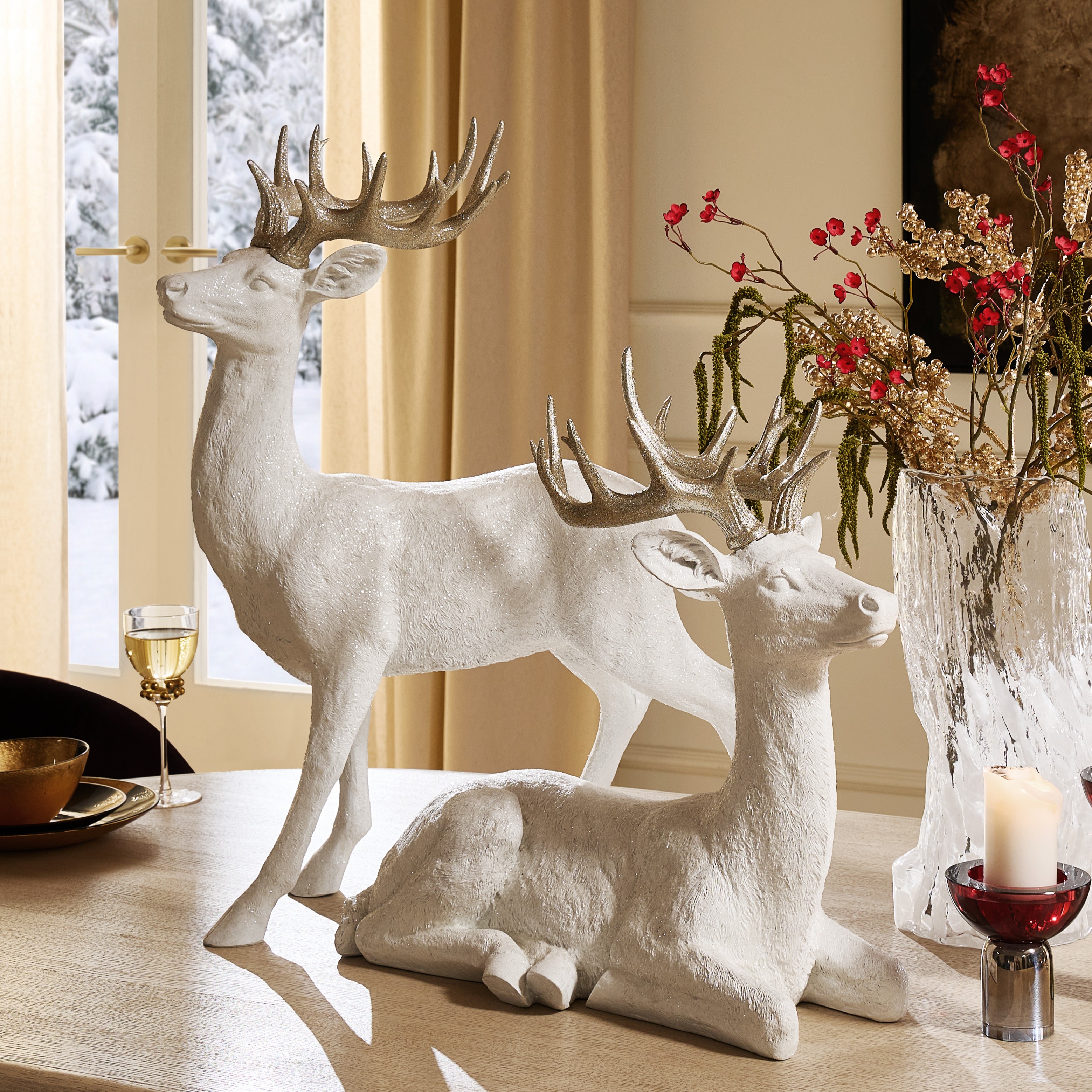
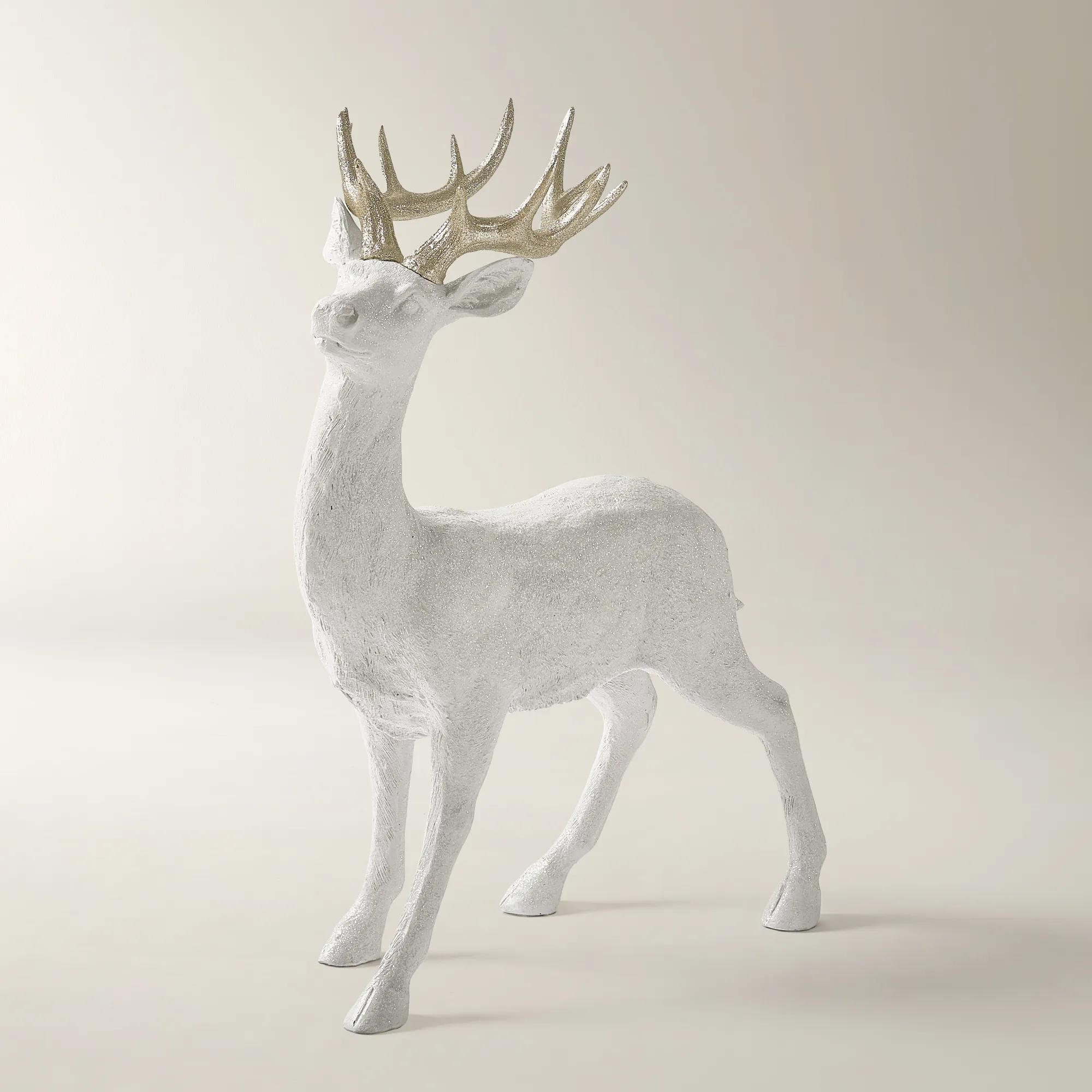 Majestic Glitter Deer White/Champagne Resin 32"$239
A sculptural resin deer with white glitter and champagne accents adds luminous, glamorous flair to holiday décor.
Add To Cart -
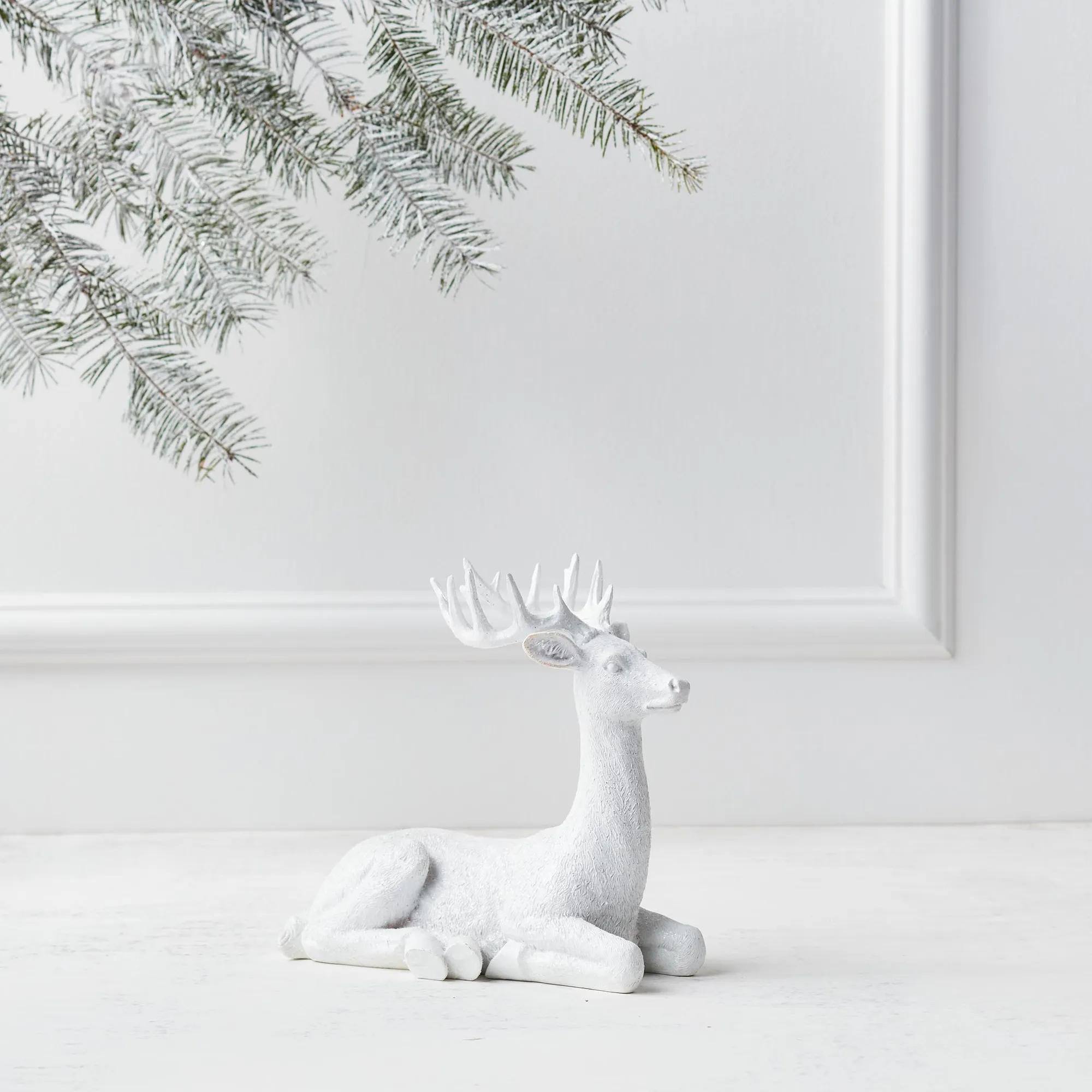
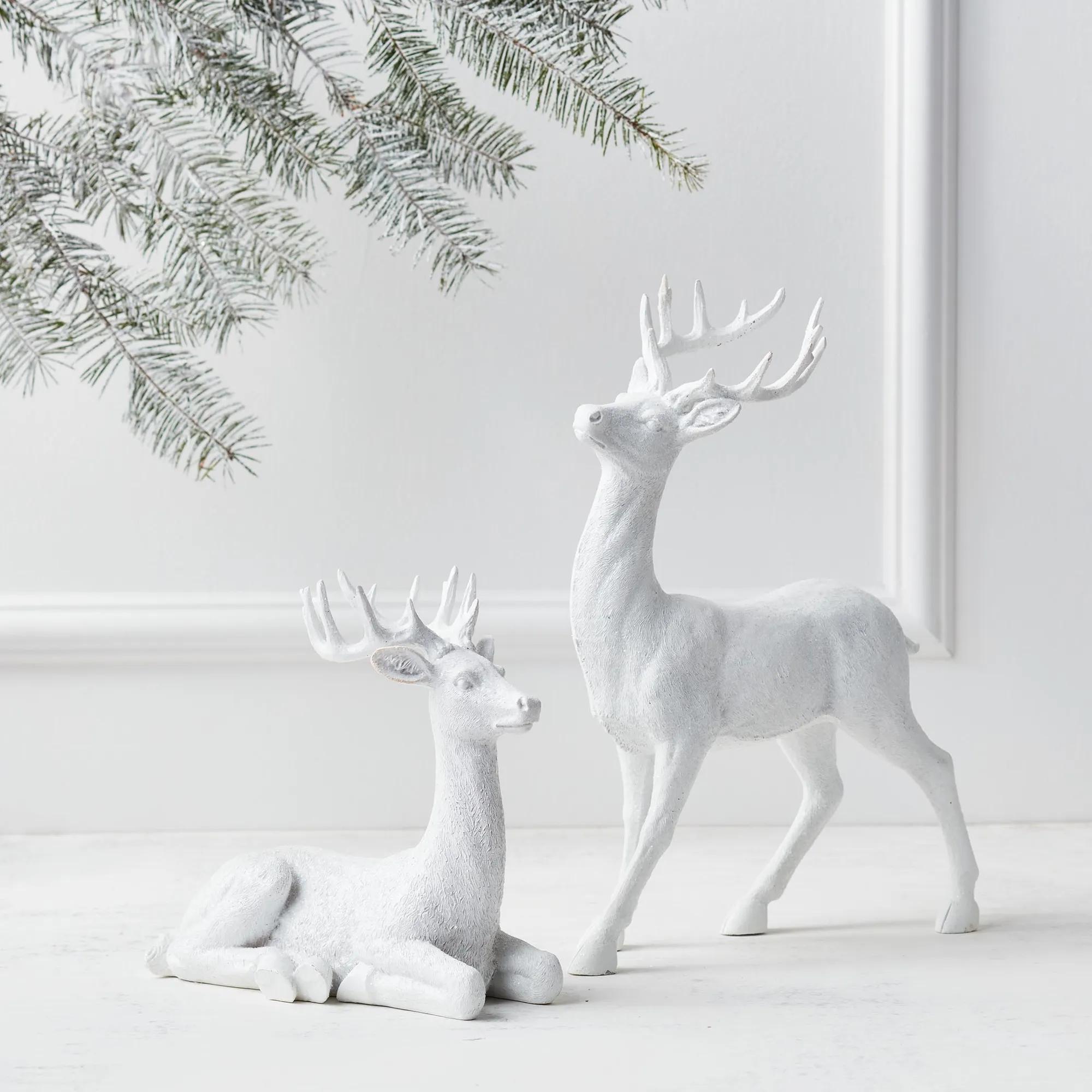 Majestic Deer White Resin 8"$49
A pair of intricately detailed white poly resin deer figures adorned with textured layers of sparkling glitter.
Add To Cart -
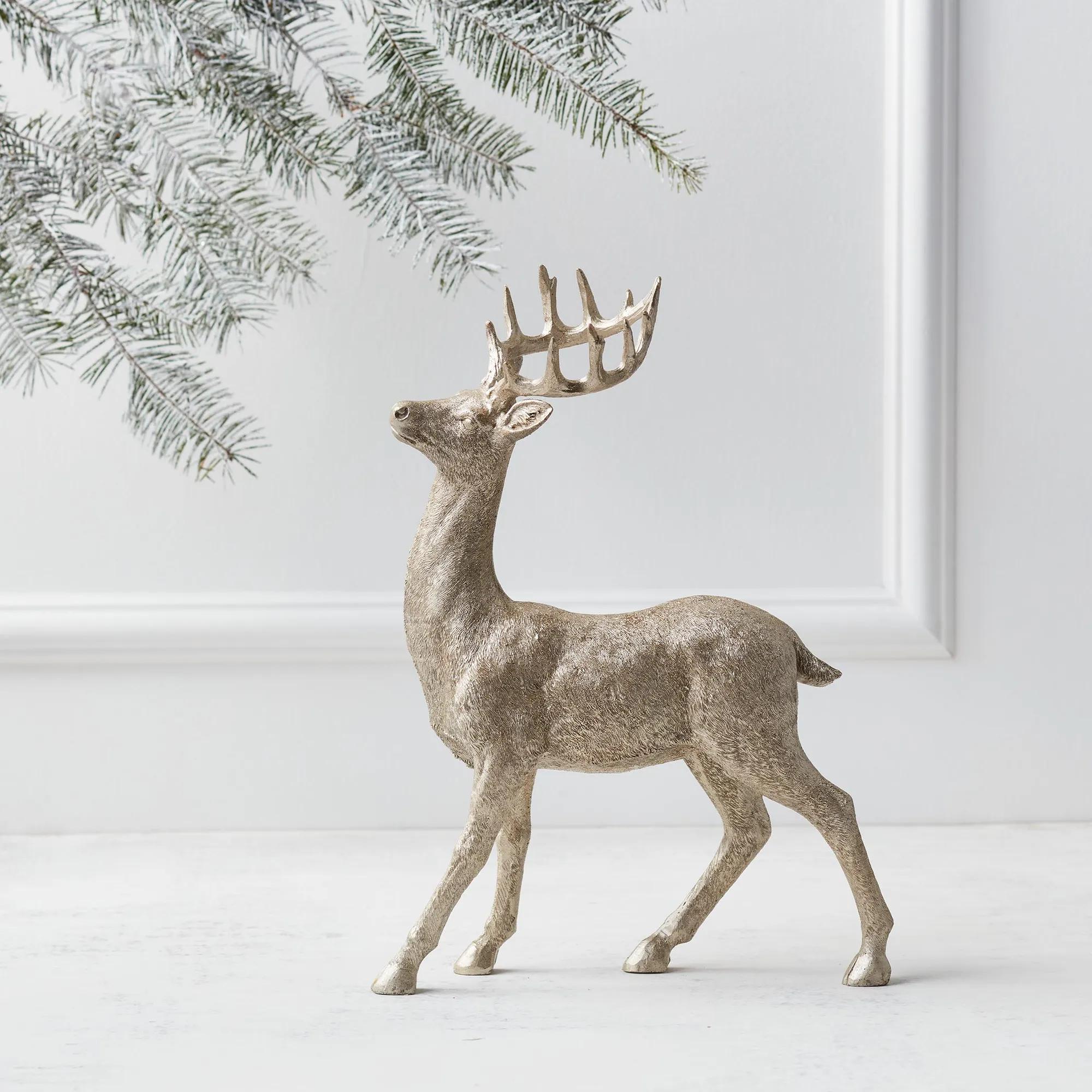
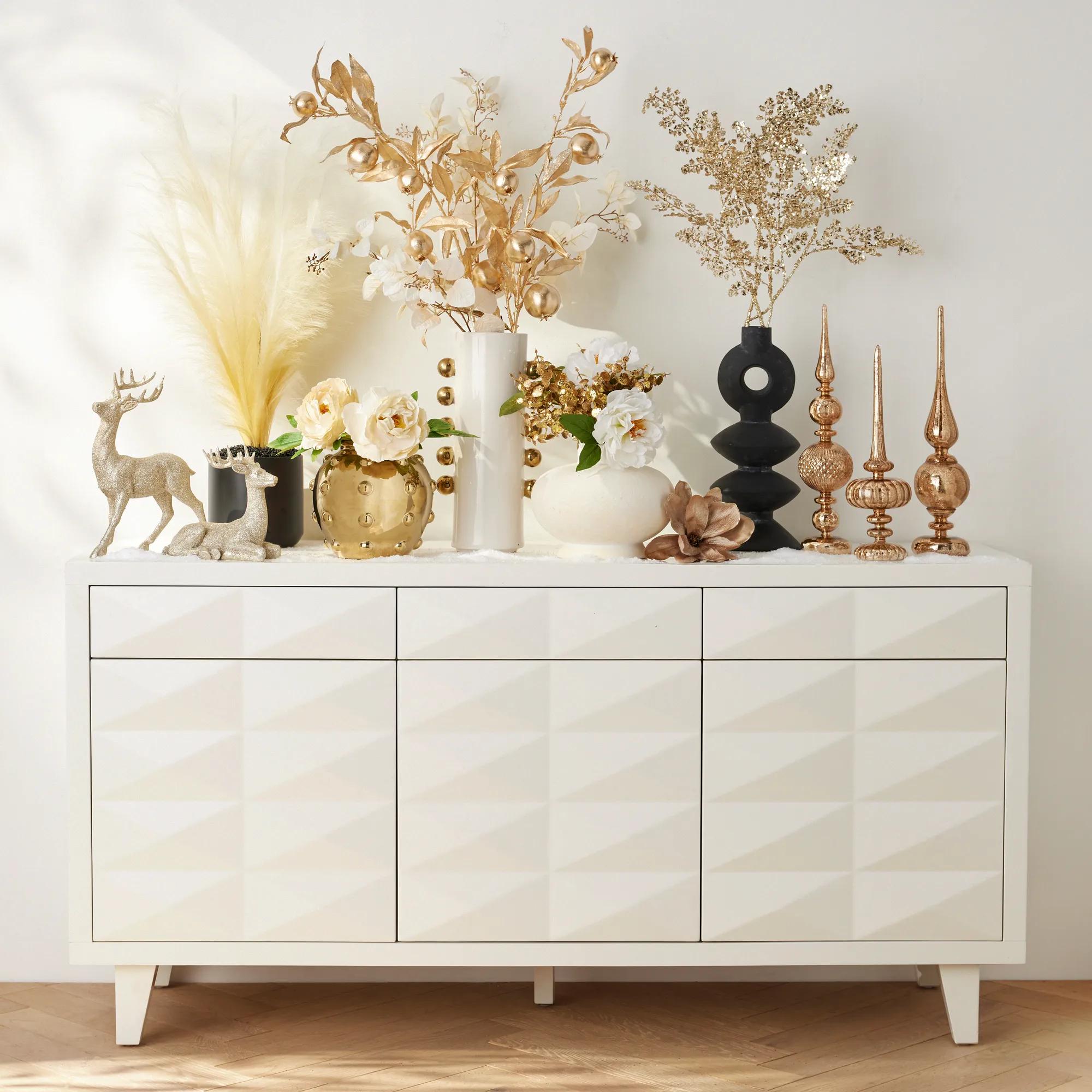 Majestic Deer Champagne Resin 14"$59
A pair of intricately detailed poly resin deer figures with a textured champagne metallic finish.
Add To Cart -
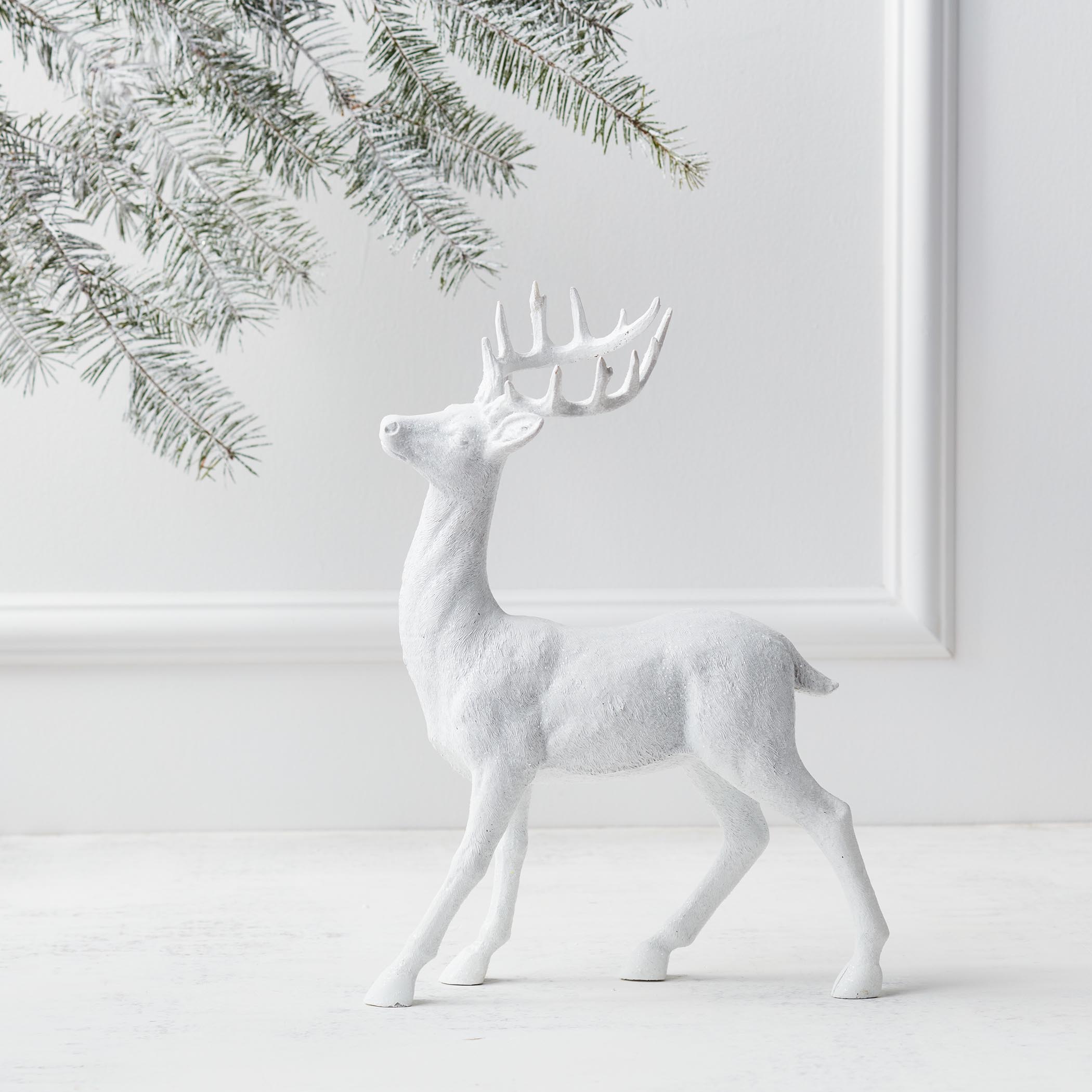 Majestic Deer White Resin 14"$59
A pair of intricately detailed white poly resin deer figures adorned with textured layers of glitter.
Add To Cart -
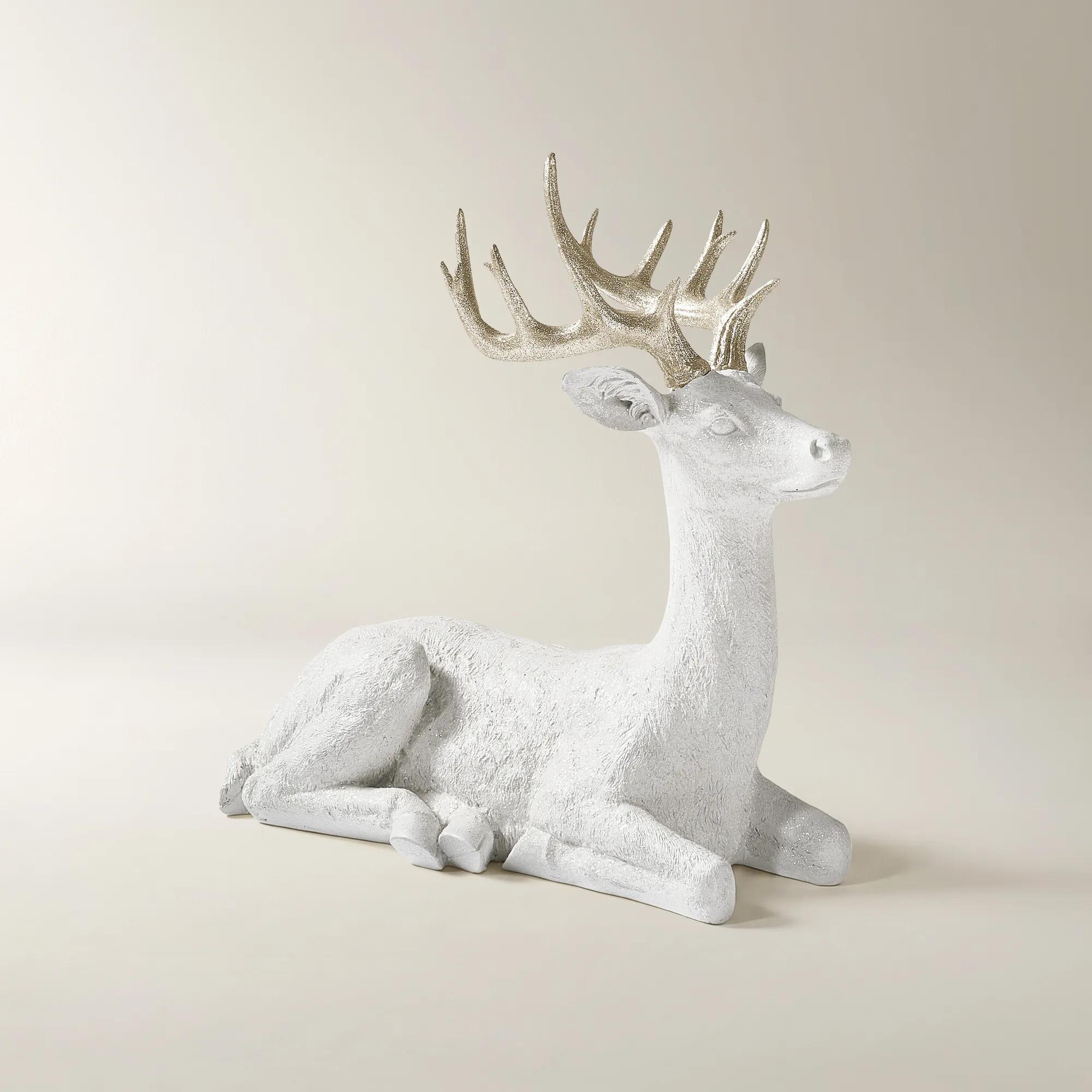 Majestic Glitter Deer White/Champagne Resin 22"$199
A sculptural resin deer with white glitter and champagne accents adds luminous, festive elegance to holiday décor.
Add To Cart -
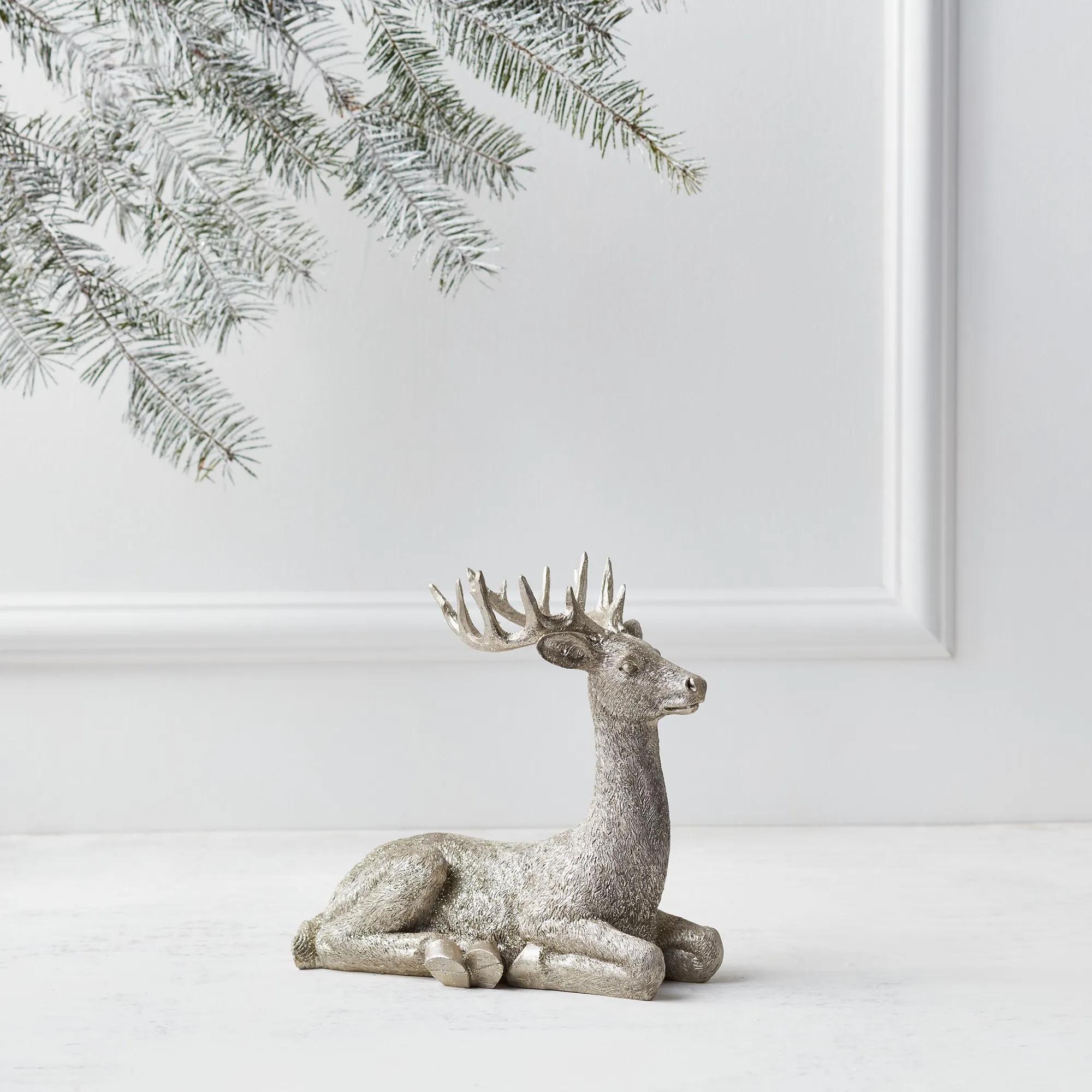 Majestic Deer Champagne Resin 8"$49
A pair of intricately detailed poly resin deer figures with a textured champagne metallic finish.
Add To Cart -
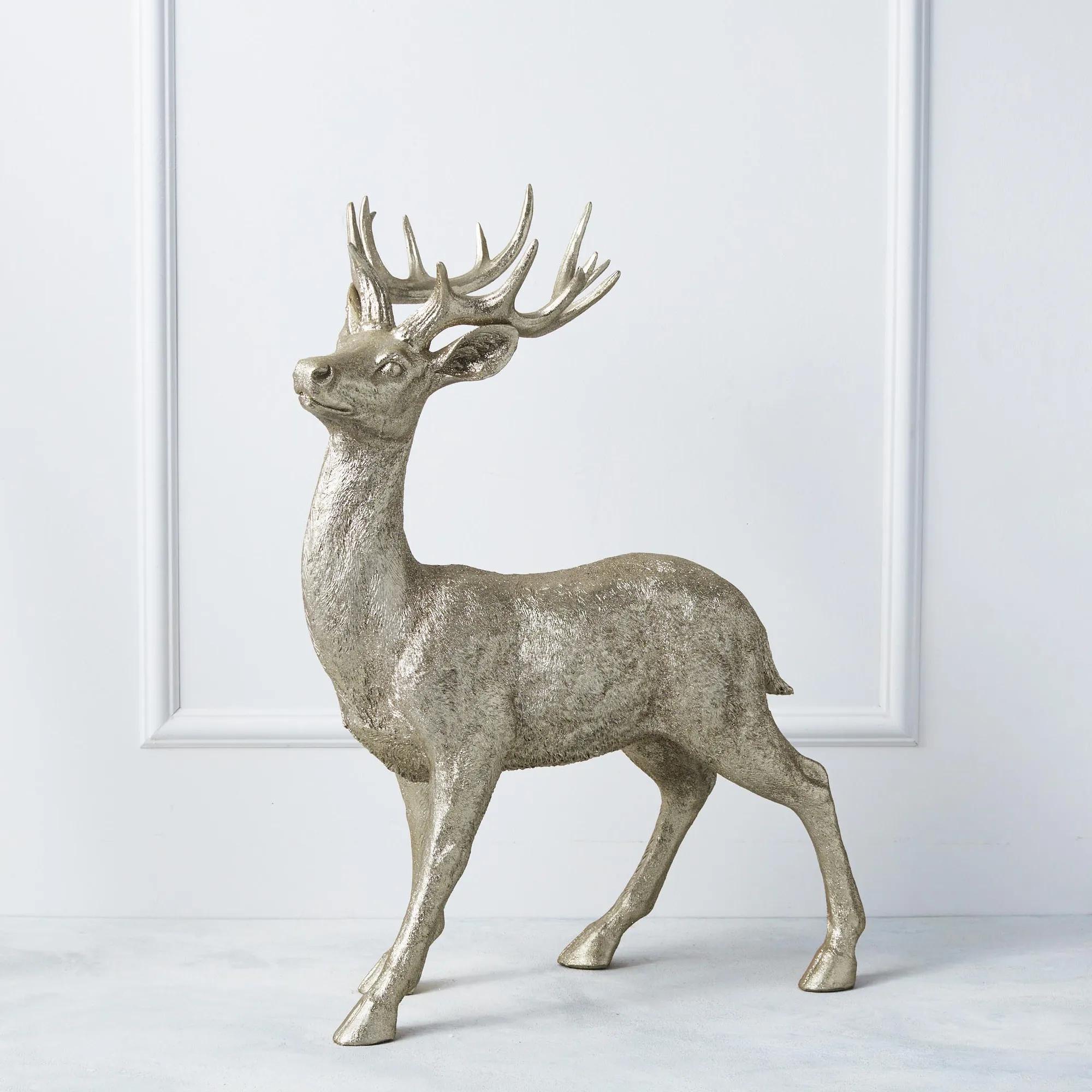
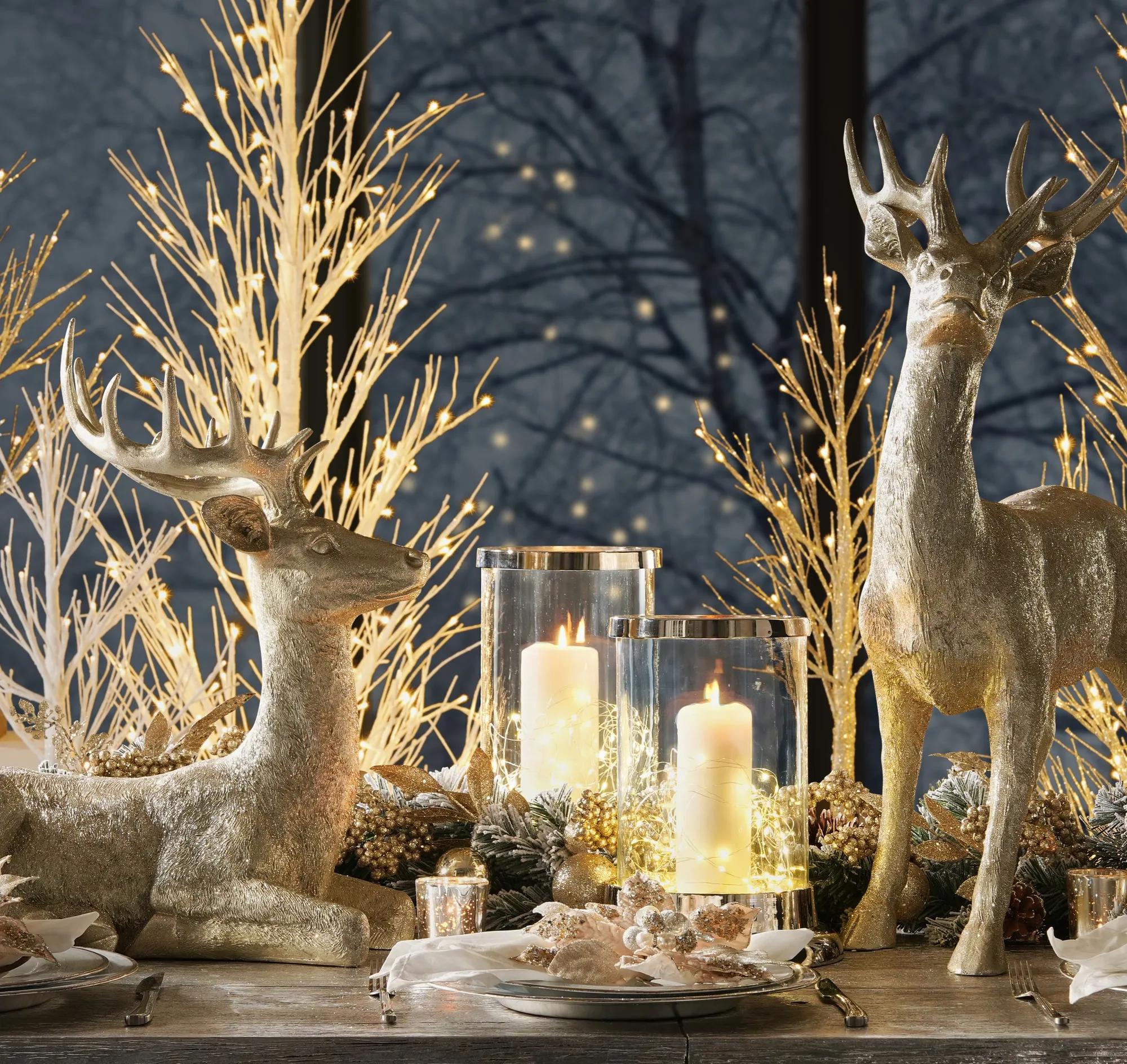 Majestic Deer Champagne Resin 32"$239
A pair of intricately detailed champagne poly resin deer figures with elegant textured layers and graceful antlers.
Add To Cart -
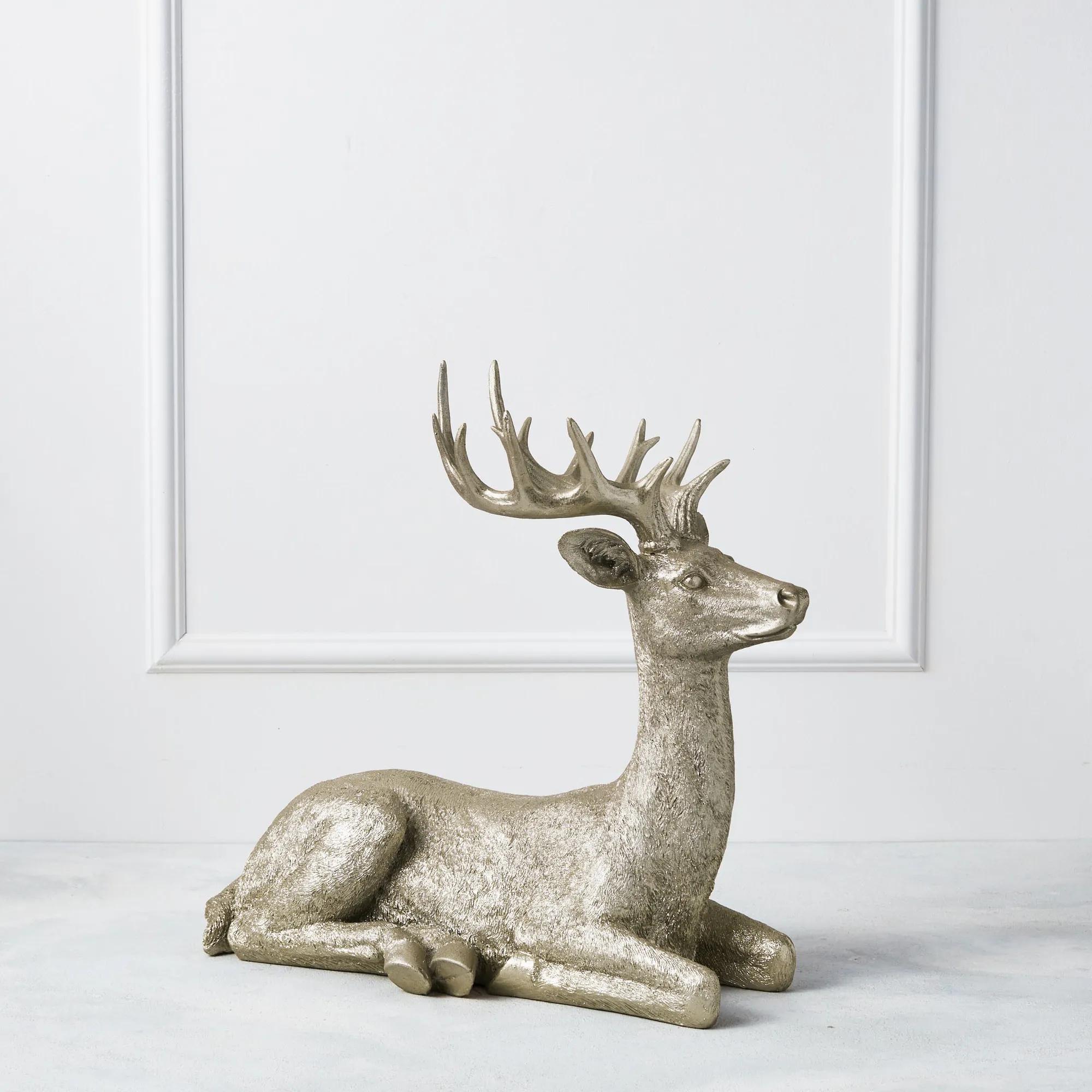 Majestic Deer Champagne Resin 22"$199
A pair of intricately detailed poly resin deer figures featuring textured champagne finishes and elegant poses.
Add To Cart

White Deer Decorations
Explore white deer decorations to bring sculptural woodland charm to your seasonal display. A white palette gives deer-inspired decor a refined presence, whether you’re composing a winter focal point or weaving these graceful silhouettes into a holiday arrangement with greenery and gleaming accents.
White deer decorations bring a distinctive kind of drama to an interior: graceful silhouettes, sculptural antlers, and a pale finish that draws attention without relying on bold color. Their appeal lies in the contrast between an animal’s natural elegance and the refinement of a carefully composed room. A standing deer lends height and movement to a console, while a reclining silhouette creates a quieter focal point on a mantel or generously proportioned shelf. Against dark wood or charcoal walls, white deer decor becomes crisp and graphic; beside ivory upholstery, glass, and polished metal, it contributes depth through shape, shadow, and subtle differences in finish. White itself has range. A bright, cool white feels distinctly architectural, while a softer cream can sit comfortably alongside warm brass, travertine, or richly textured textiles. Choosing a tone that relates to nearby surfaces helps the arrangement feel intentional rather than disconnected. Scale matters just as much as color. Antlers extend the visual footprint beyond the body, so the full height and width deserve consideration, particularly beneath artwork or inside a bookcase. A larger silhouette can hold its own on a broad credenza, whereas smaller accents suit intimate displays where their detail can be appreciated up close. Leaving space around the antlers preserves their expressive outline and prevents the composition from feeling crowded. For a polished vignette, a deer form can share a surface with a low bowl, a substantial book stack, or a simple vessel, allowing varied heights to create rhythm. The result is not a collection of unrelated ornaments but a deliberate interplay of line, volume, and light. These decorations appeal to interiors that welcome a touch of fantasy, whether the surrounding aesthetic is glamorous, contemporary, or grounded in natural textures. Their sculptural character makes them especially compelling in an entryway, where a single expressive form can establish the mood before the rest of the home comes into view. On a dining room sideboard, the same motif offers a graceful counterpoint to straight-edged furniture and neatly arranged serving pieces.
The material and finish of white deer decorations influence both their presence and their practical demands. Ceramic and porcelain can offer a refined surface with beautifully defined contours, though projecting antlers and slender legs require careful handling. Resin allows for intricate molding and can be lighter than similarly sized ceramic forms, but its resistance to impact varies with construction; a lightweight piece is not necessarily unbreakable. Metal brings a different sense of substance, particularly when a painted or powder-coated finish softens its underlying structure. Carved or painted wood may show subtle texture that gives the white surface a more tactile quality. Rather than treating these materials as interchangeable, consider how the decoration will be displayed and how often it will be moved. A glossy finish catches nearby light and creates small highlights across the body, making the silhouette feel animated. Matte surfaces emphasize contour and can provide a striking contrast beside mirrored accessories or gleaming hardware. Textured, pearlescent, or glittered finishes introduce another layer of detail, though raised surfaces and delicate embellishments may need especially gentle care. The individual care instructions should always determine the cleaning method. A soft, dry cloth or a delicate brush is often appropriate for routine dusting, while abrasive cleaners, vigorous rubbing, and soaking can damage finishes or loosen decorative elements. When lifting a deer decoration, support its body and base rather than using the antlers as handles. A level surface with enough depth for the entire base helps reduce the chance of tipping, and placement away from busy pathways protects delicate outlines from accidental contact. Tall forms need adequate clearance from cabinet doors, curtains, and other moving elements. In homes with children or pets, elevated, stable display areas are a more thoughtful choice than low tables within easy reach. Unless a decoration is specifically identified for outdoor use, an indoor setting is the appropriate place to preserve its finish. For pieces that are packed away between occasions, individual wrapping and cushioning around projecting details help protect the artistry that makes them so distinctive.
White deer decor also offers a versatile foundation for meaningful displays and memorable gifts. For someone who loves sculptural objects, expressive interiors, or animal-inspired design, the motif feels personal without demanding an entirely new decorating scheme. Its neutral color can complement an established room, while its distinctive shape gives it more presence than a conventional accent. A housewarming gift might suit a recipient with a spacious entry console; a smaller decorative form may be more appropriate for someone who enjoys arranging shelves or collecting refined objects. Considering the recipient’s space, preferred finishes, and tolerance for delicate pieces makes the gesture feel considered. For entertaining, deer silhouettes can lend a dining room a sense of occasion without overwhelming the setting. On a table, their placement should preserve conversation sightlines and leave ample room for glassware, serving dishes, and comfortable movement. A sideboard or nearby console often offers greater freedom for height and drama, allowing antlers to rise above a composition of low vessels and carefully spaced accents. For a Christmas-focused interpretation, Christmas Deer Decor brings the same graceful motif into a celebratory setting, where white forms can complement ornaments, ribbon, and metallic accents. Keeping a limited palette lets the deer remain visually distinct rather than disappear into a dense arrangement. Beyond holiday displays, the motif can retain its appeal through sculptural styling: a pale deer against an abstract painting, beside a dark ceramic vessel, or framed by the clean geometry of a shelf. Repeating white elsewhere in the room, perhaps through upholstery or an art mat, creates continuity without requiring every accessory to match. Differences in sheen and texture keep that repetition from becoming flat. The strongest arrangements give each element a purpose and allow the animal’s distinctive posture to remain visible. Whether chosen for a dramatic focal point or a more intimate decorative gesture, white deer decorations bring artistry to the familiar surfaces of home, turning an overlooked corner or everyday console into a composition worth lingering over.
FAQs
Let white deer decorations anchor a winter vignette with sculptural presence. Layer them with evergreen garlands, gleaming ornaments, and ribbon in a restrained palette of ivory, silver, or champagne. A little open space around each figure allows its silhouette to stand out against the lush seasonal backdrop.
White deer decorations can bring an artful woodland note to your home throughout winter and beyond. After Christmas, replace ornaments and festive greenery with bare branches, tonal ceramics, or a curated stack of art books. The shift gives the deer a more sculptural role, especially in interiors that embrace nature-inspired accents.
White deer decorations offer a luminous contrast to emerald, navy, and burgundy, creating a richly layered setting. For softer glamour, pair them with ivory, pale gray, and champagne accents. Black adds graphic definition, while touches of gold or silver lend a polished shimmer.
A mantel, entryway console, or dining room sideboard makes an expressive setting for white deer decorations. Frame their silhouettes with artwork or a mirror, then introduce greenery or decorative objects for depth. On a dining table, weave them into a centerpiece with tonal linens and metallic accents for a distinctly celebratory mood.
White deer decorations move gracefully between modern glamour, winter woodland, and monochromatic interiors. For a glamorous look, surround them with reflective accents and sumptuous textiles. For a woodland interpretation, introduce branches and layered greenery; for a modern composition, emphasize sculptural shapes and bold contrasts.