
White Bedroom Curtains
White Bedroom Curtains
-
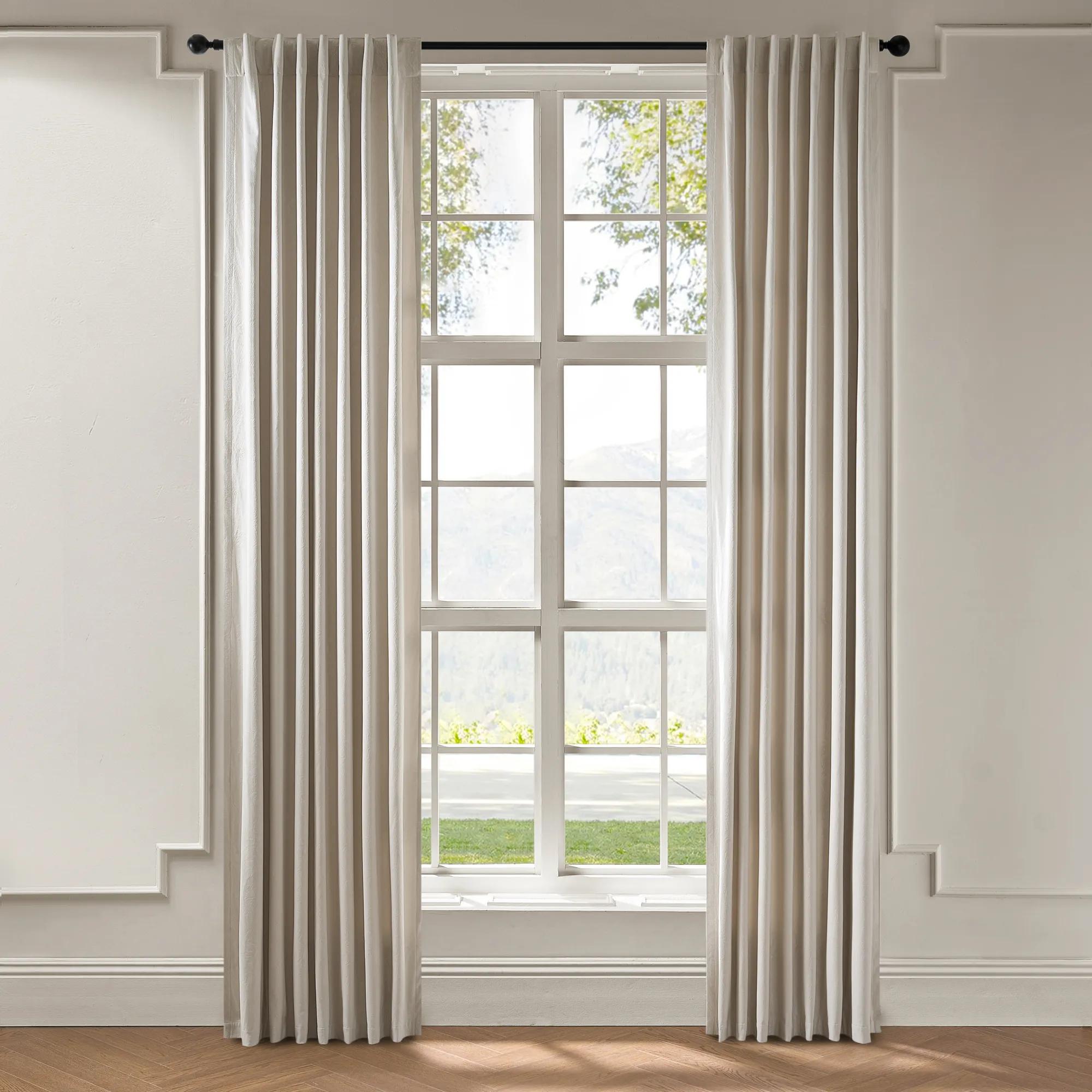
.jpeg?w=1200&h=1200) Mabel White Velvet Swirl Window Curtain Panel$109
Mabel White Velvet Swirl Window Curtain Panel$109A crisp white velvet curtain featuring a tonal swirl texture and versatile dual hanging options.
Add To Cart -
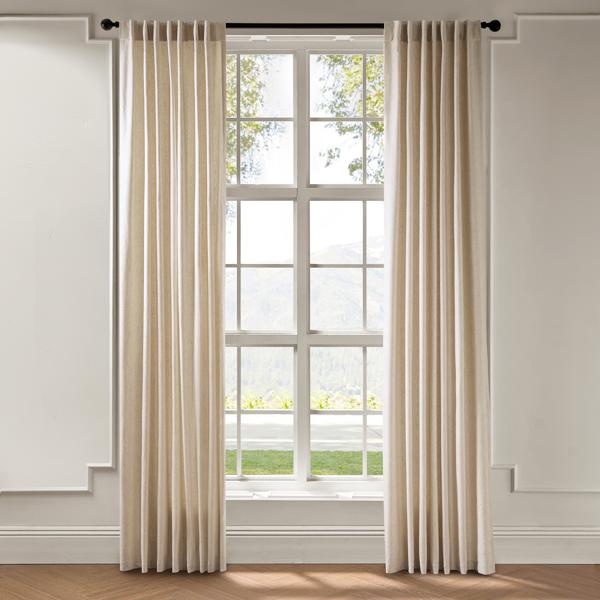
 Anson Ivory Textured Window Curtain Panel$89
An ivory polyester curtain with a crushed, light-reflective texture for elegant, room-darkening style.
Add To Cart -
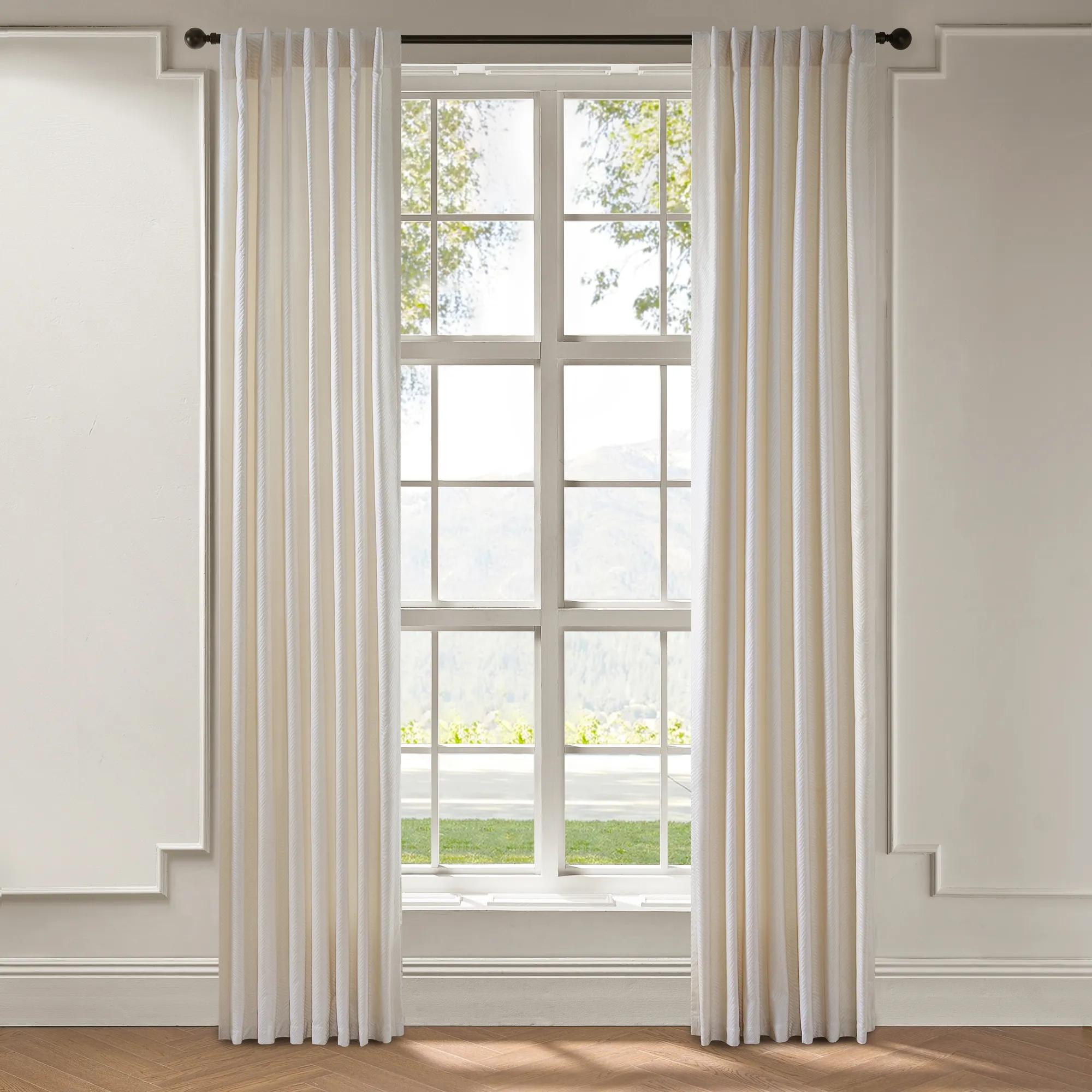
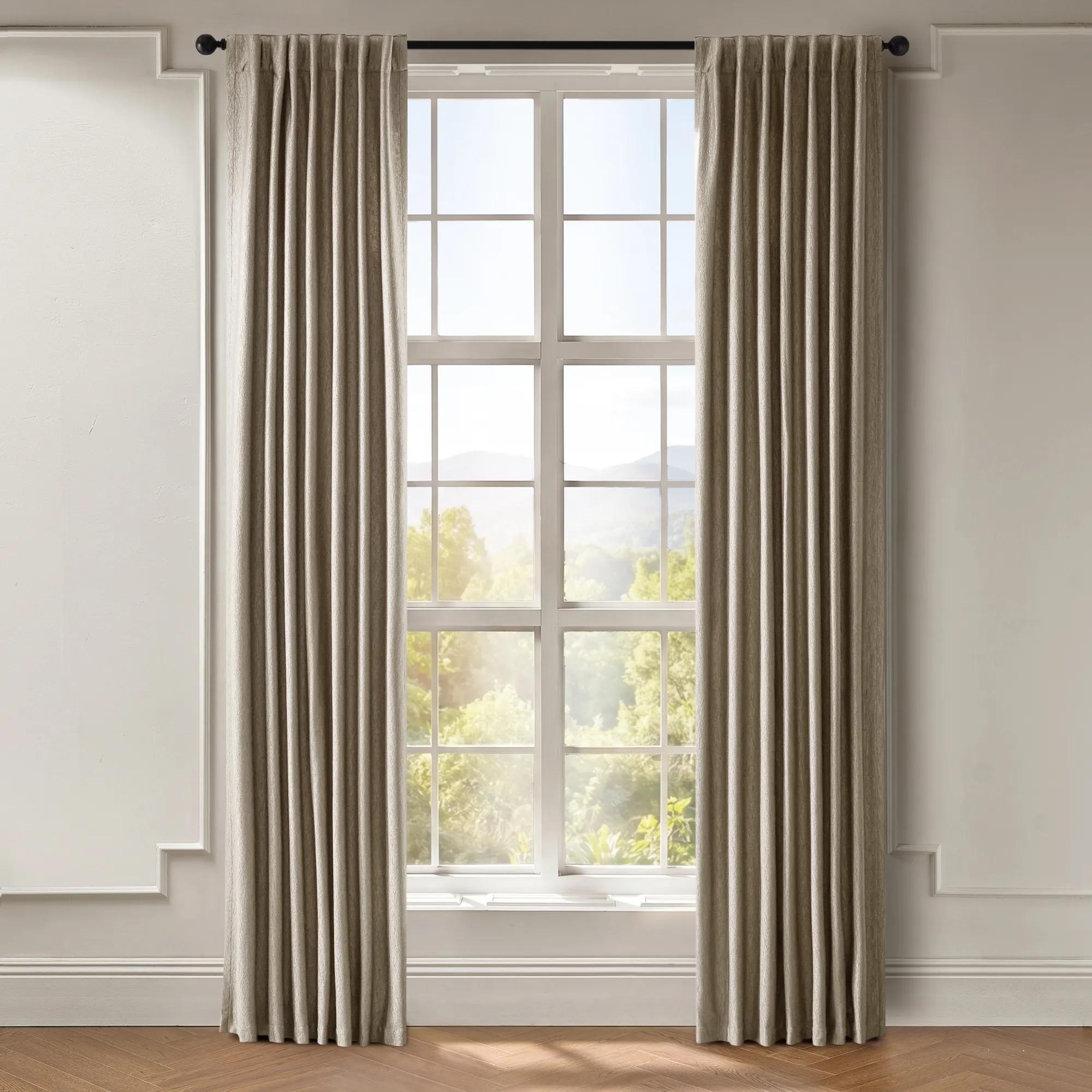
.jpeg?w=1200&h=1200) Kenzo Chenille Curtain - White$139
Kenzo Chenille Curtain - White$139A luxe white chenille jacquard curtain featuring a subtle high-contrast pattern and versatile dual construction.
Add To Cart -
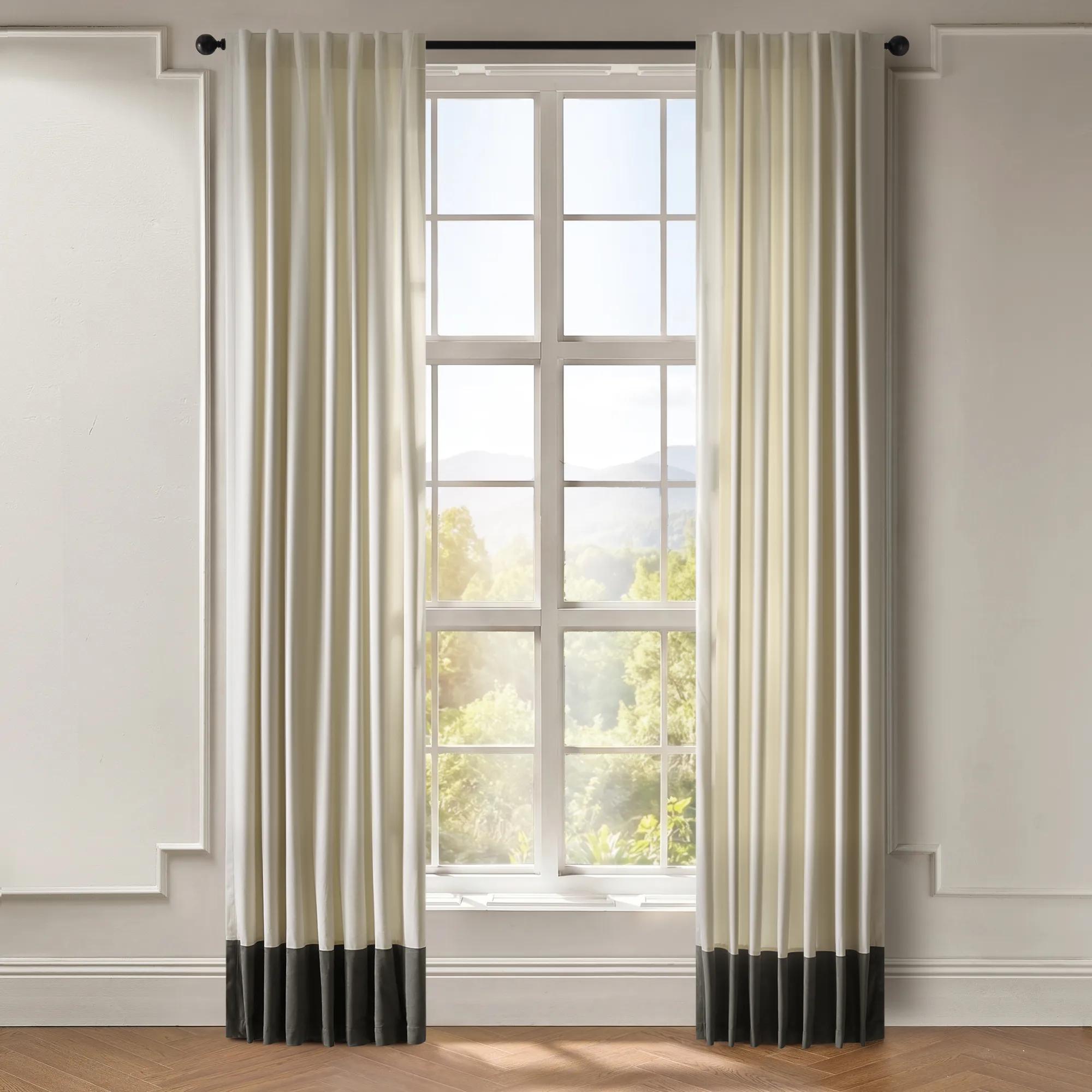
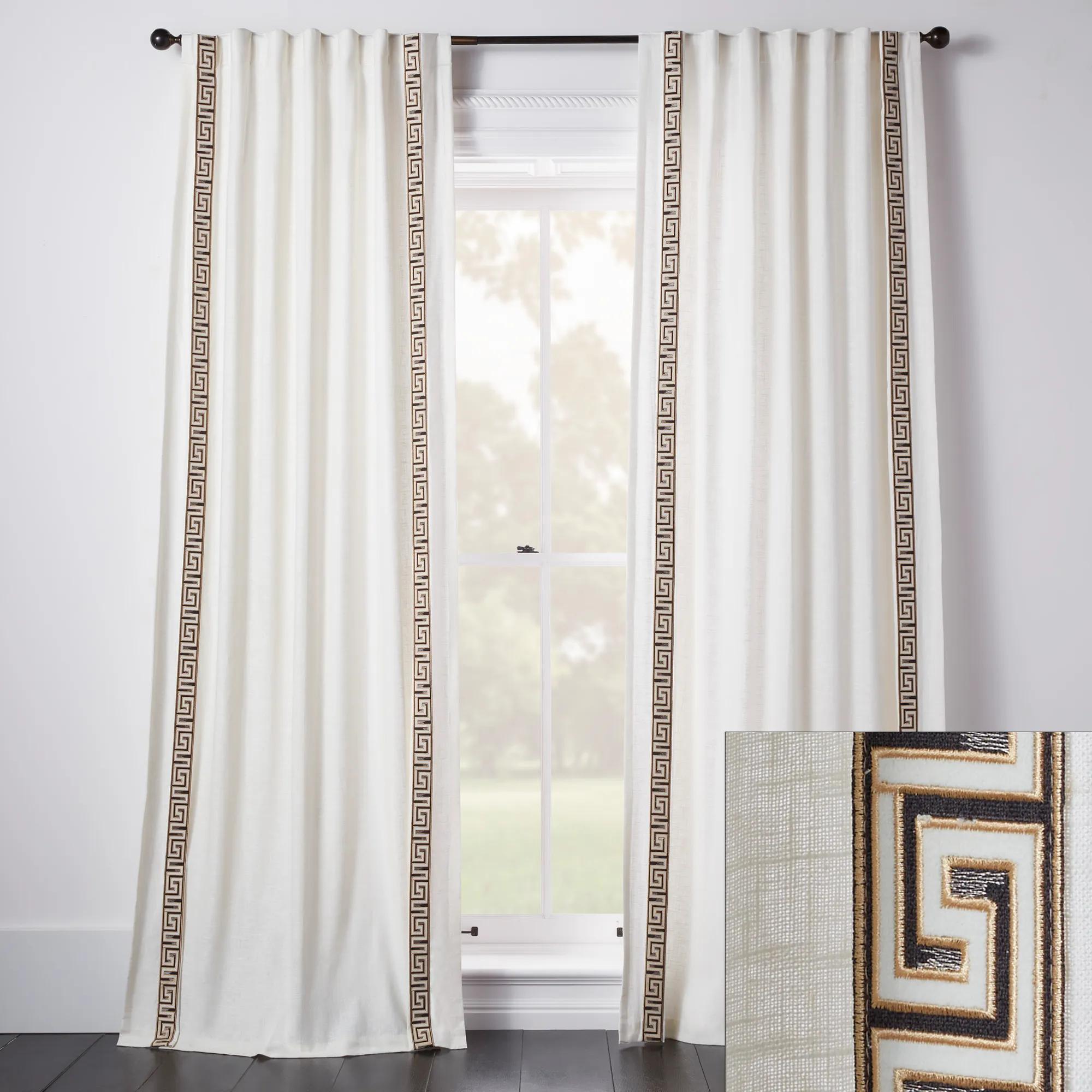 Chole Greek Key Border Velvet Widow Curtain Panels Custom$349
A white linen-blend curtain panel with black and gold velvet Greek key border and customizable options.
Add To Cart -
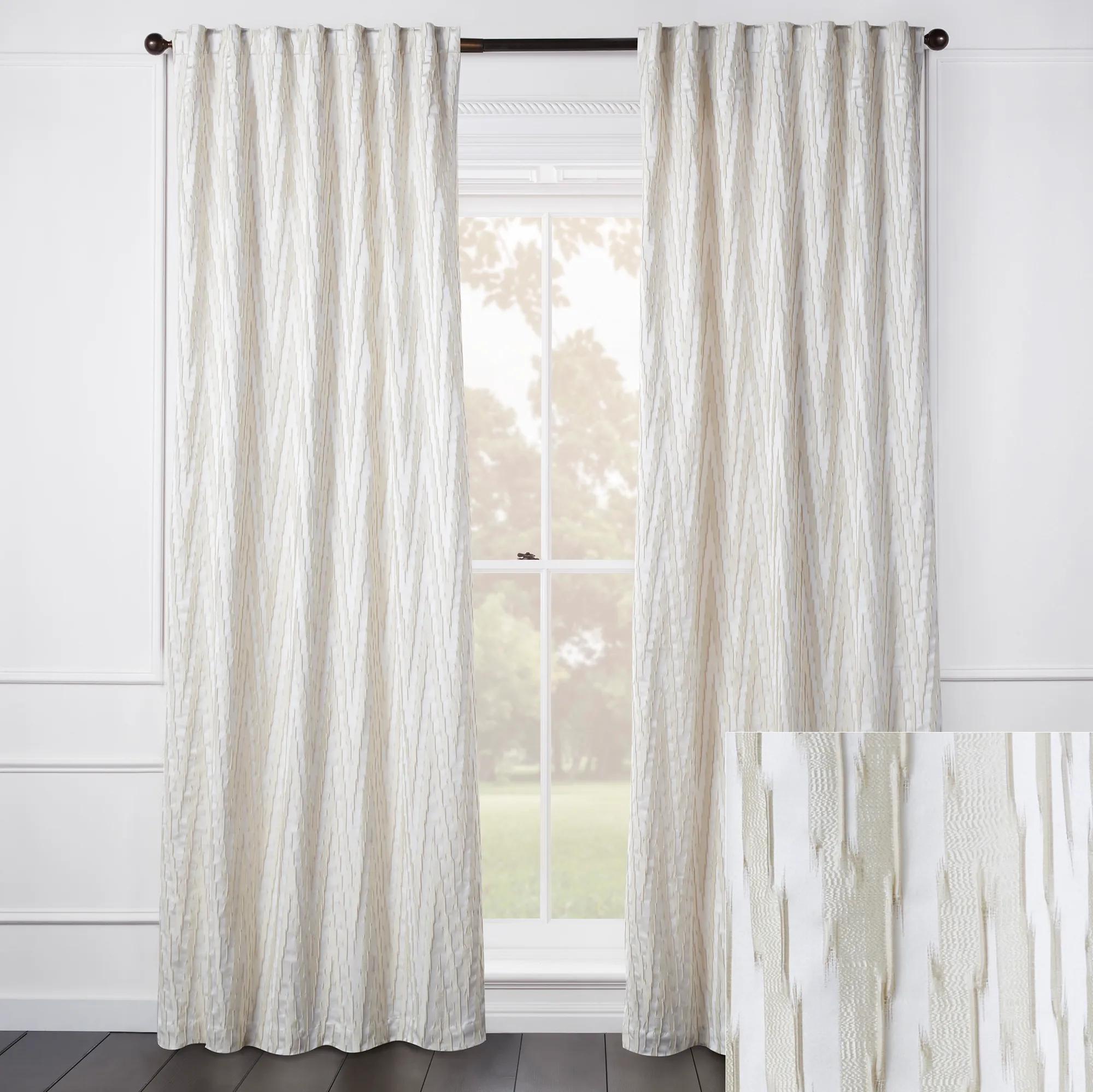
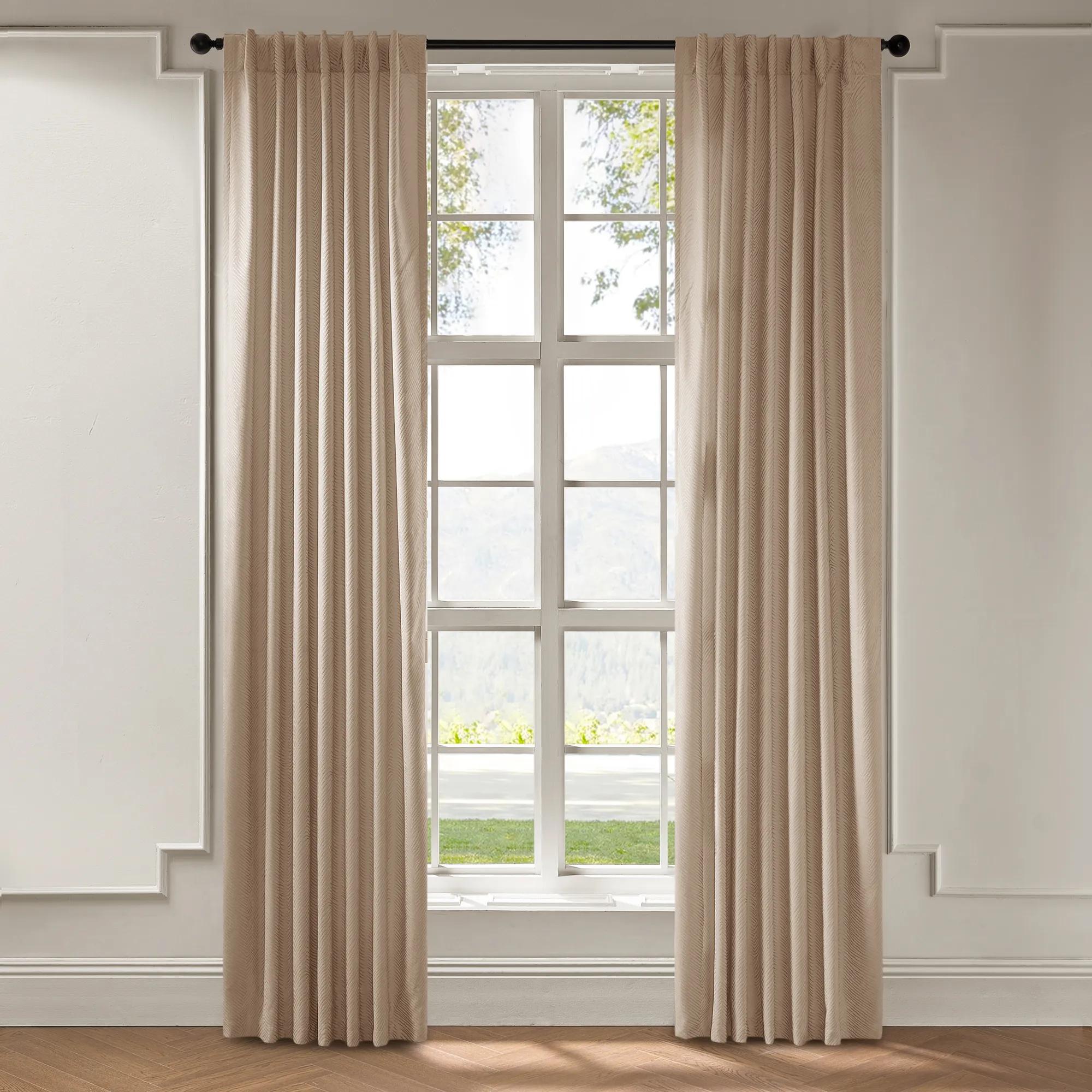
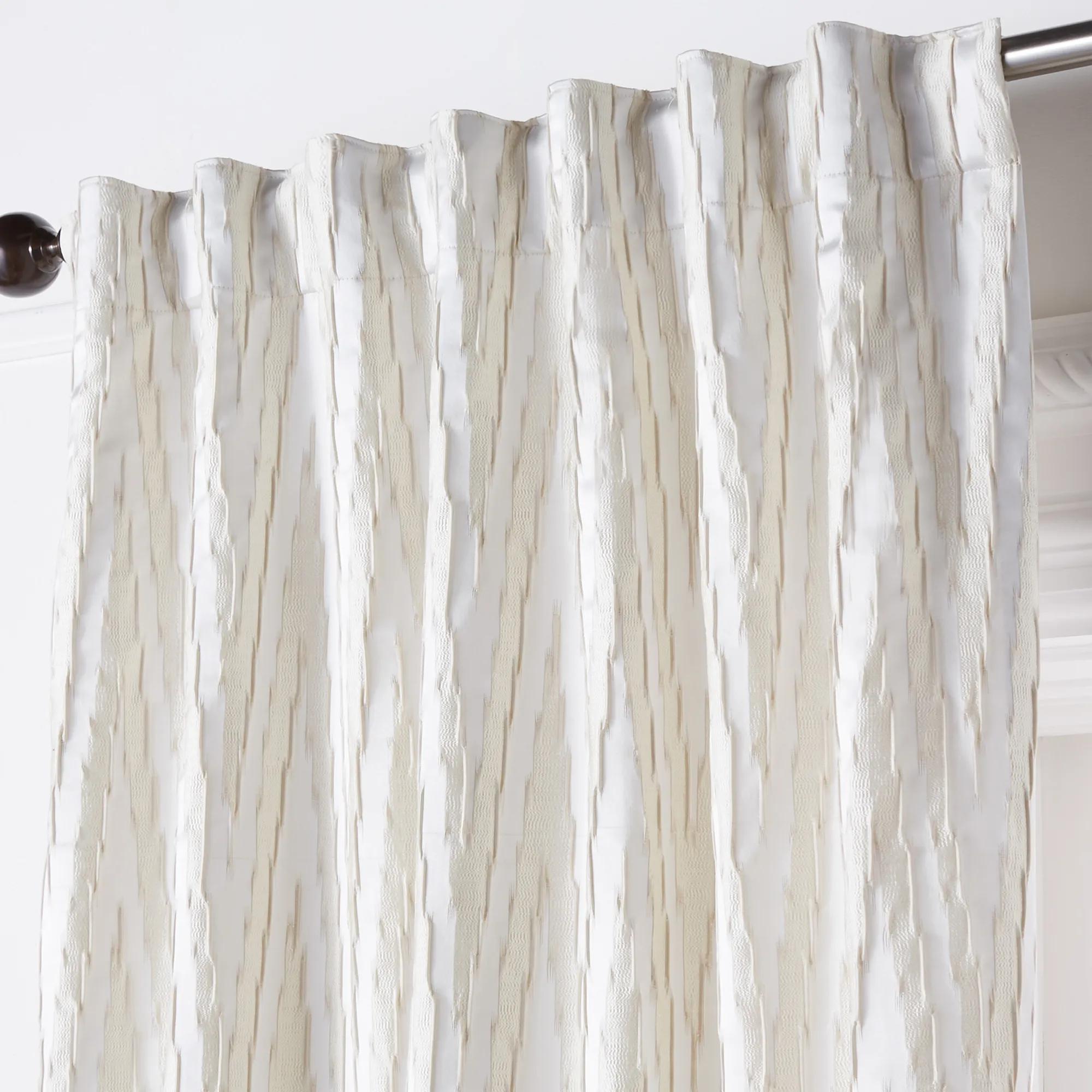 Minka Jacquard Pearl Window Curtain Panel Custom$289
A highly textured chevron curtain panel in pearl, grey, or natural polyester with customizable hanging options.
Add To Cart

White Bedroom Curtains
White bedroom curtains are the ultimate expression of serene sophistication—an invitation to turn your personal sanctuary into a luminous retreat. With their ethereal allure, these draperies cast a gentle glow, softening daylight and creating a tranquil canvas for your most treasured moments. Whether you crave a whisper of romance or the drama of crisp contrast, white bedroom curtains set the stage for restful elegance and transformative style. Let every fold and flutter elevate your space, framing your dreams in pure, radiant luxury.
White bedroom curtains bring a distinctive kind of drama to a room: luminous, sculptural, and quietly commanding. Framing a window in white draws attention to the architecture while giving bedding, artwork, and furniture a more composed backdrop. Against a dark upholstered headboard, generous white folds create a striking contrast; beside pale wood and an ivory coverlet, they introduce depth through texture rather than color. The effect depends on more than the shade alone. A softly slubbed weave lends an expressive, tactile quality, while a smoother fabric with a subtle sheen feels polished and tailored. Even within a white palette, undertones matter. Crisp white can sharpen a scheme built around charcoal, silver, and mirrored surfaces, while a warmer white settles beautifully beside champagne finishes, creamy upholstery, and natural wood. Viewing fabric in the bedroom’s daylight and under its lamps helps reveal those differences before they become part of the larger composition. Walls, bedding, and curtains do not need to match precisely, but their undertones should feel intentional together. A room with warm ivory walls, for instance, may make a bright white panel appear especially cool by comparison. For a more layered expression, white curtains can frame patterned bedding or temper the intensity of jewel-toned accents without competing with them. In a primary bedroom, they can establish a gracious, enveloping atmosphere around a statement bed. In a guest room, they offer an adaptable foundation that feels considered alongside different linens and decorative accents. Their appeal is equally strong in compact bedrooms, where an uninterrupted fall of pale fabric can make the window treatment feel less visually crowded. For a connected look beyond the bedroom, white living room curtains can echo the same luminous palette while allowing each room its own texture and level of light control. Repeating the color, rather than duplicating every detail, creates continuity with room for personal expression.
The most beautiful bedroom curtains also support the way the room is used, and white fabric does not automatically mean sheer fabric. Opacity, weave, and lining determine how a curtain handles light and privacy. Sheer white panels soften the view and lend windows an airy veil, making them especially expressive when paired with a more substantial layer. They generally offer limited privacy after dark when interior lights are on, so bedrooms facing neighboring windows or a well-traveled sidewalk often benefit from an additional shade or opaque curtain. Light-filtering fabrics diffuse brightness without necessarily darkening the room substantially, while room-darkening and blackout constructions are designed for greater light reduction. Those distinctions matter for someone who sleeps during daylight hours, prefers a darker space for afternoon rest, or has exterior lighting near a bedroom window. Even a blackout panel can allow light around its edges; adequate width, thoughtful placement, and the relationship between the rod and the window all contribute to the result. Layered treatments offer flexibility, with a sheer inner layer for a luminous daytime setting and a denser outer layer for greater coverage. Materials shape both that performance and the visual character of the folds. Cotton often has a matte finish and an approachable softness that complements tailored bedding. Linen brings a distinctive weave and relaxed movement, with natural creasing that becomes part of its character rather than a flaw to conceal. Polyester and blended fabrics can offer wrinkle resistance and dimensional stability, though their feel and performance vary by construction. More substantial fabrics create deeper, fuller folds, while lighter fabrics move more freely and may reveal the window frame behind them. A lining can add body, improve opacity, and help protect the face fabric from light exposure, depending on its composition. For sleepers sensitive to early light, privacy-conscious apartment residents, or anyone creating a guest suite with a more enveloping feel, the right balance of fabric and construction makes white curtains both expressive and purposeful. Product care and performance details deserve as much attention as the surface texture.
Scale gives white bedroom curtains their presence. Panels that barely span a window can look stretched when closed, while sufficient fullness allows the fabric to retain its rhythm of folds. A common starting point is a combined panel width of roughly one and a half to two times the rod width, with the final amount depending on fabric weight, header style, and the desired effect. Sheers may call for more fullness to achieve a softly gathered appearance. Check whether dimensions describe a single panel or a pair, and measure from the actual hanging point rather than assuming every header falls the same way. Grommets create broad, regular waves; rod pockets produce a gathered top; pleated headers offer a more architectural, controlled silhouette. Each requires compatible hardware, and lined or heavier panels need a rod and brackets rated to support their weight. Placing the rod above the window frame can emphasize height, while extending it beyond the sides gives open curtains somewhere to rest without covering as much glass. The exact placement should respect ceiling height, molding, furniture, and access to the window. Panels that just meet the floor feel precise and work well beside a frequently used dresser or walkway. A slight break at the hem creates a softer finish, while an extended puddle makes a more theatrical statement but gathers dust and can complicate cleaning, especially in homes with pets. Keep fabric clear of vents and heating equipment, and preserve access to windows needed for emergency escape. To maintain white curtains, follow the care label rather than treating every fabric alike: some constructions tolerate machine washing, while others require professional cleaning. Gentle dust removal with a suitable vacuum attachment can help prevent buildup between cleanings. Test any spot treatment in an inconspicuous area, and avoid assuming bleach is appropriate simply because the fabric is white. Consistent care, secure installation, and a hem suited to everyday movement help preserve the graceful drape that makes these curtains so compelling—a frame for the room, with enough presence to become part of its signature.
FAQs
White bedroom curtains are the ultimate chameleons of design, seamlessly complementing a spectrum of aesthetics. They lend a crisp, tailored elegance to modern and contemporary spaces, while their soft luminosity enhances the romance of classic or French-inspired rooms. In eclectic interiors, they provide a serene backdrop for bold art and vibrant accents, and in coastal or Scandinavian settings, their airy simplicity amplifies natural light and tranquility.
To achieve a layered, designer-worthy effect, combine sheer white panels with heavier drapes or textured blinds. This approach allows you to play with opacity and dimension: let the sheers filter daylight for a dreamy ambiance, then draw the heavier curtains at night for sumptuous privacy. Mixing materials—think linen with velvet or silk—adds depth and visual intrigue, turning your windows into a focal point of the room.
Absolutely—white bedroom curtains offer year-round versatility. In winter, their luminous quality brightens interiors and reflects precious sunlight, while in summer, their lightness keeps the space feeling fresh and cool. By simply adjusting the weight or layering of your panels, you can tailor the mood and comfort of your room to suit any season, ensuring timeless appeal.
Yes, white curtains are renowned for their ability to amplify natural light. Their reflective surface bounces sunlight throughout the room, creating a soft, radiant glow that makes spaces feel larger and more inviting. Opt for semi-sheer or lightweight fabrics to maximize this effect, especially in rooms with limited window exposure.
White bedroom curtains are a blank canvas for creative expression. Pair them with metallic finishes—like gold or silver curtain rods—for a touch of glamor, or layer in jewel-toned pillows and throws for a bold, artistic statement. Mirrored furniture, sculptural lighting, and textured rugs all harmonize beautifully, allowing you to curate a space that feels both cohesive and uniquely yours.

.jpeg?w=4130&h=4130)


