Wavy Wall Mirrors For Fluid Drama
Wavy Wall Mirrors For Fluid Drama
-
.jpeg?w=1200&h=1200)
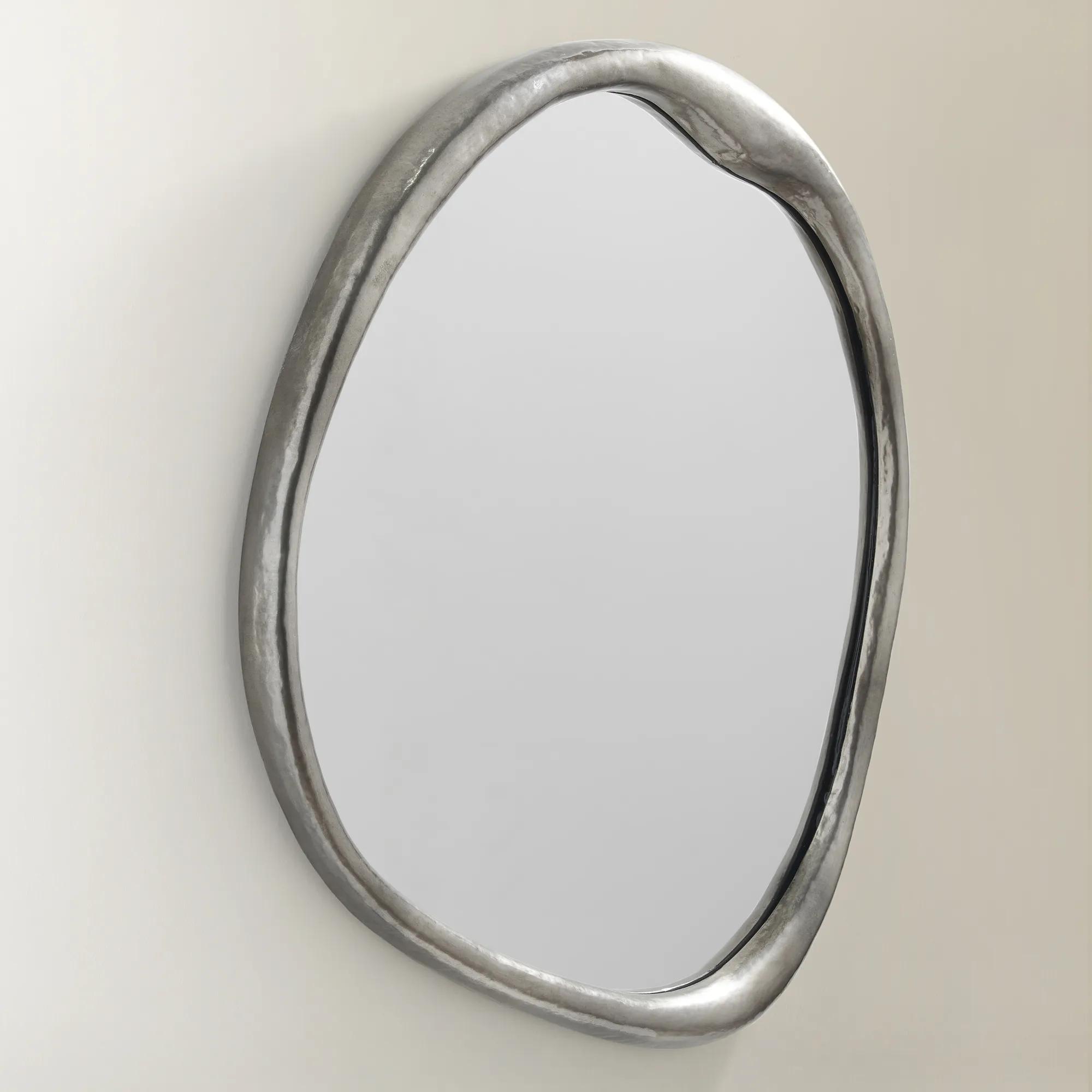 Organa Wall Mirror$599
An irregular silver iron-framed mirror that brings modern organic style and reflective depth to any room.
Add To Cart -
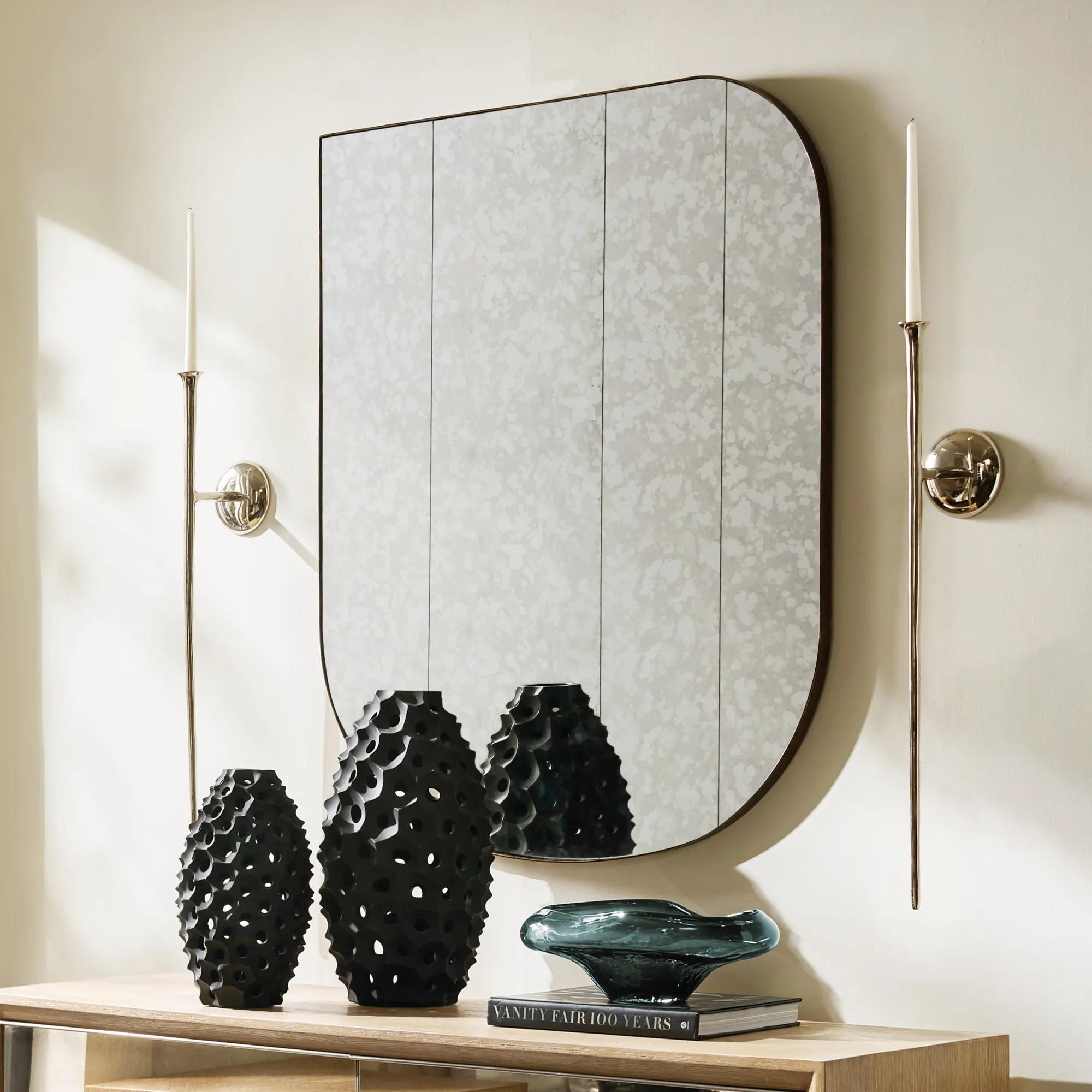
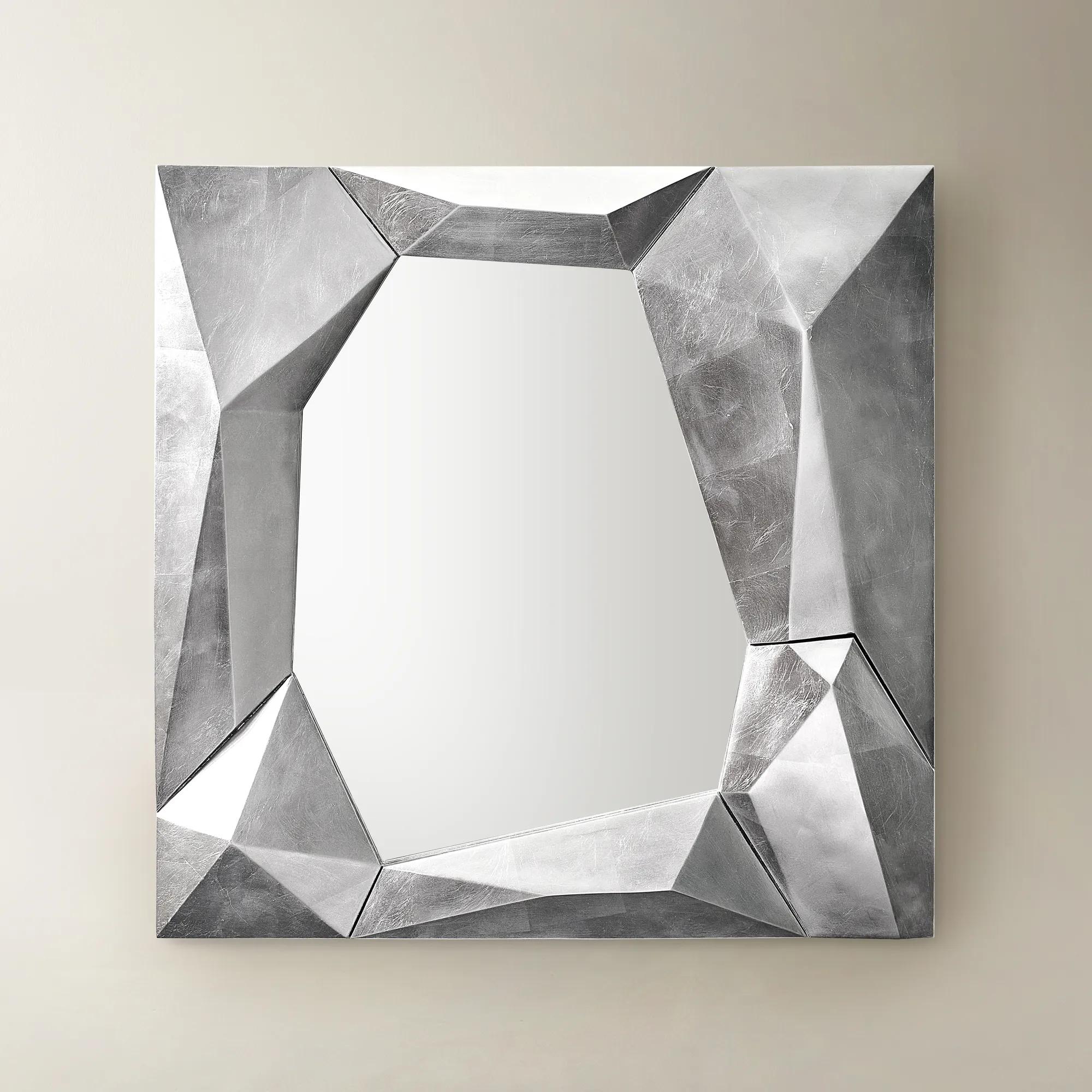
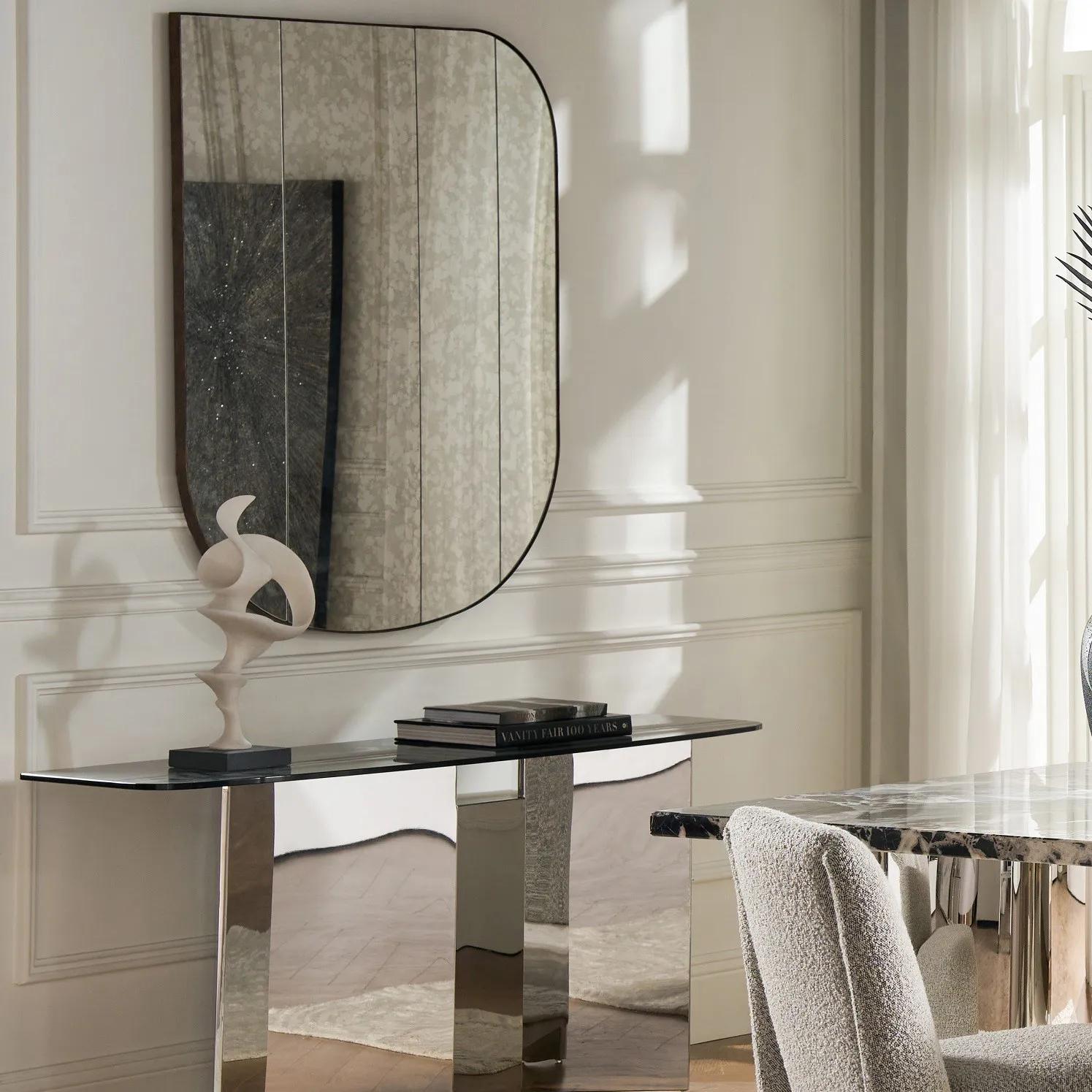 Angolo Wall Mirror$799
An antique-inspired wall mirror featuring a softly irregular shape and shimmering patina on iron and MDF.
Add To Cart -
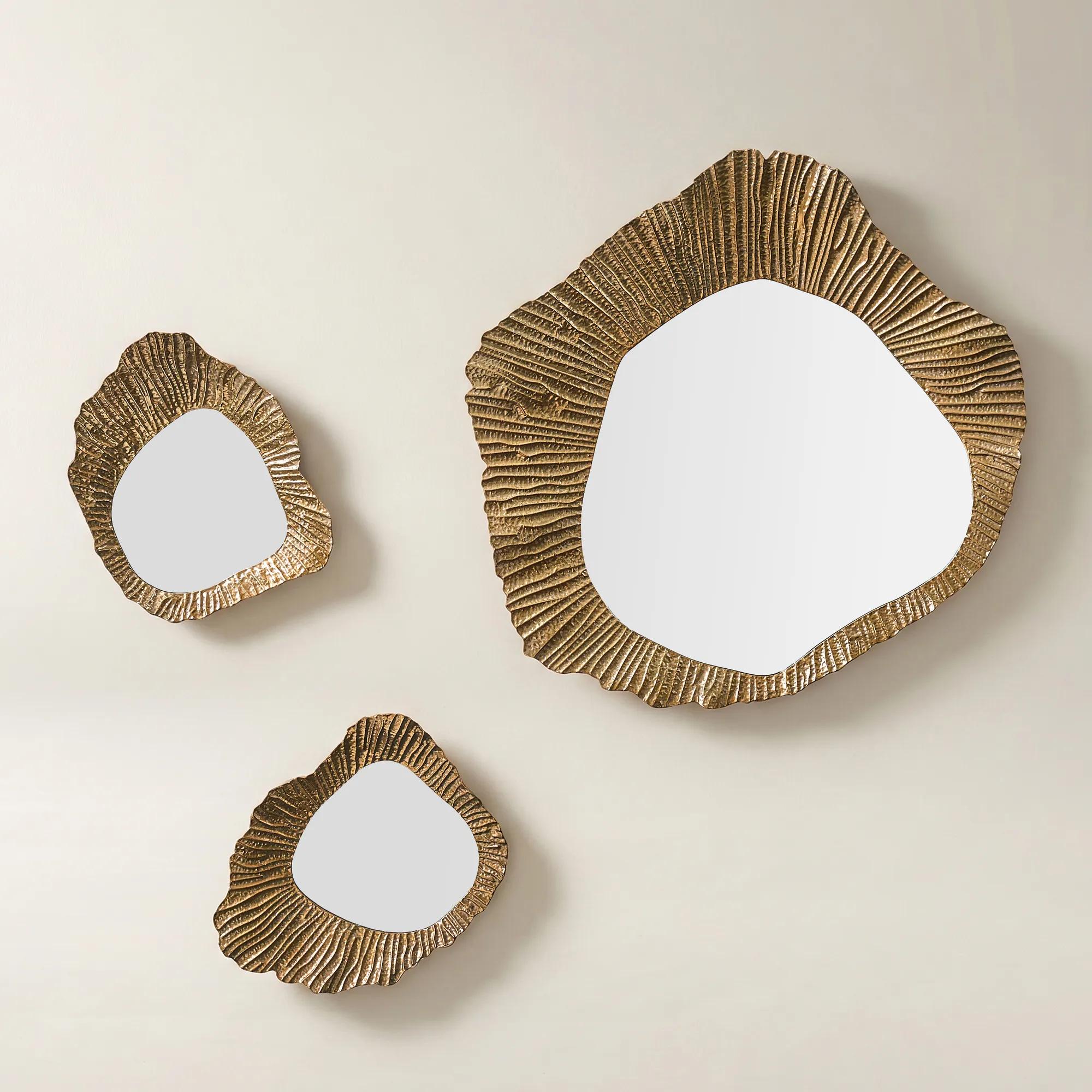 Cara Antique Gold Hand-Forged Iron Organic Shaped Wall Mirror Cluster Trio$1099
A set of three hand-forged iron mirrors in antiqued gold, featuring an organic, sculptural cluster design.
Add To Cart -
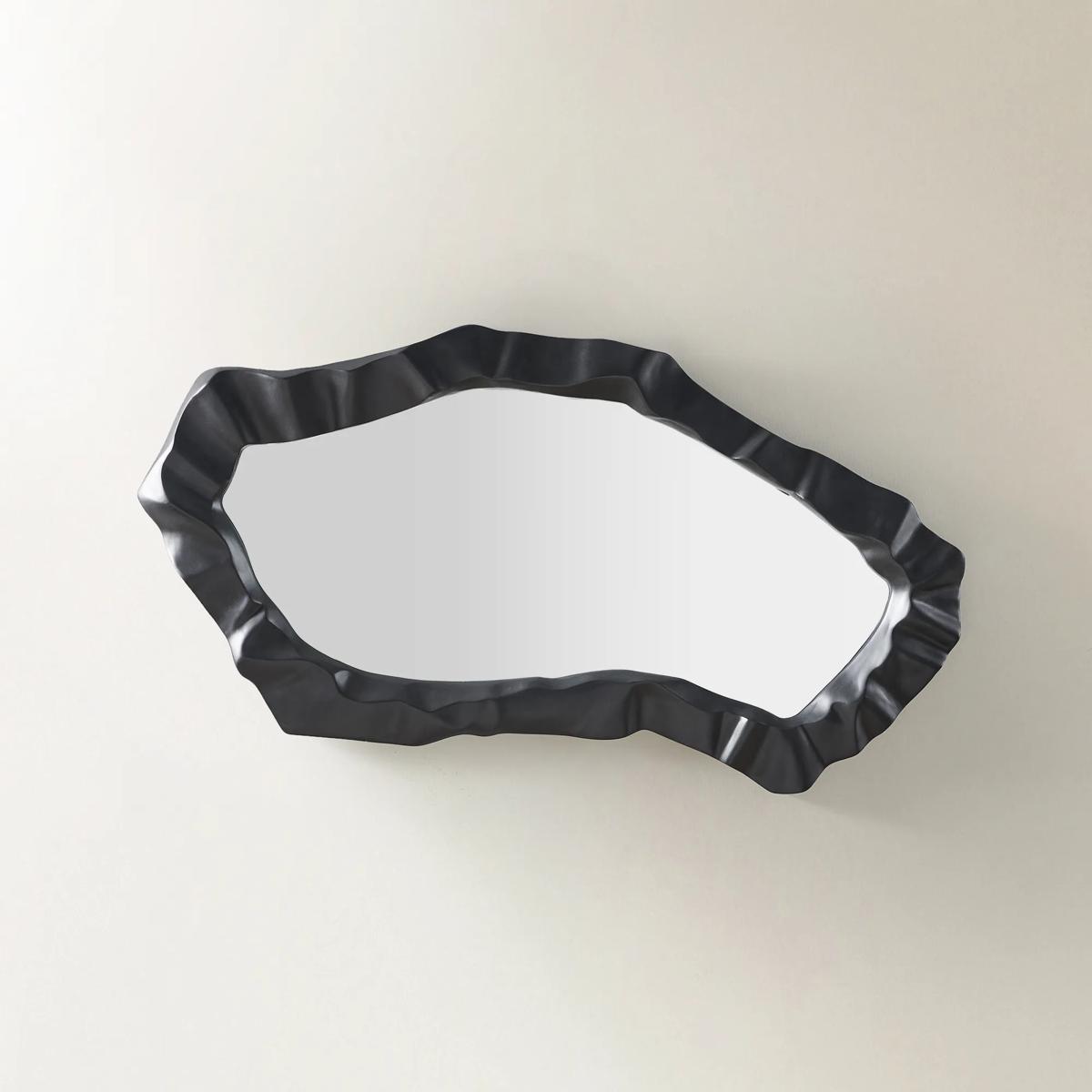
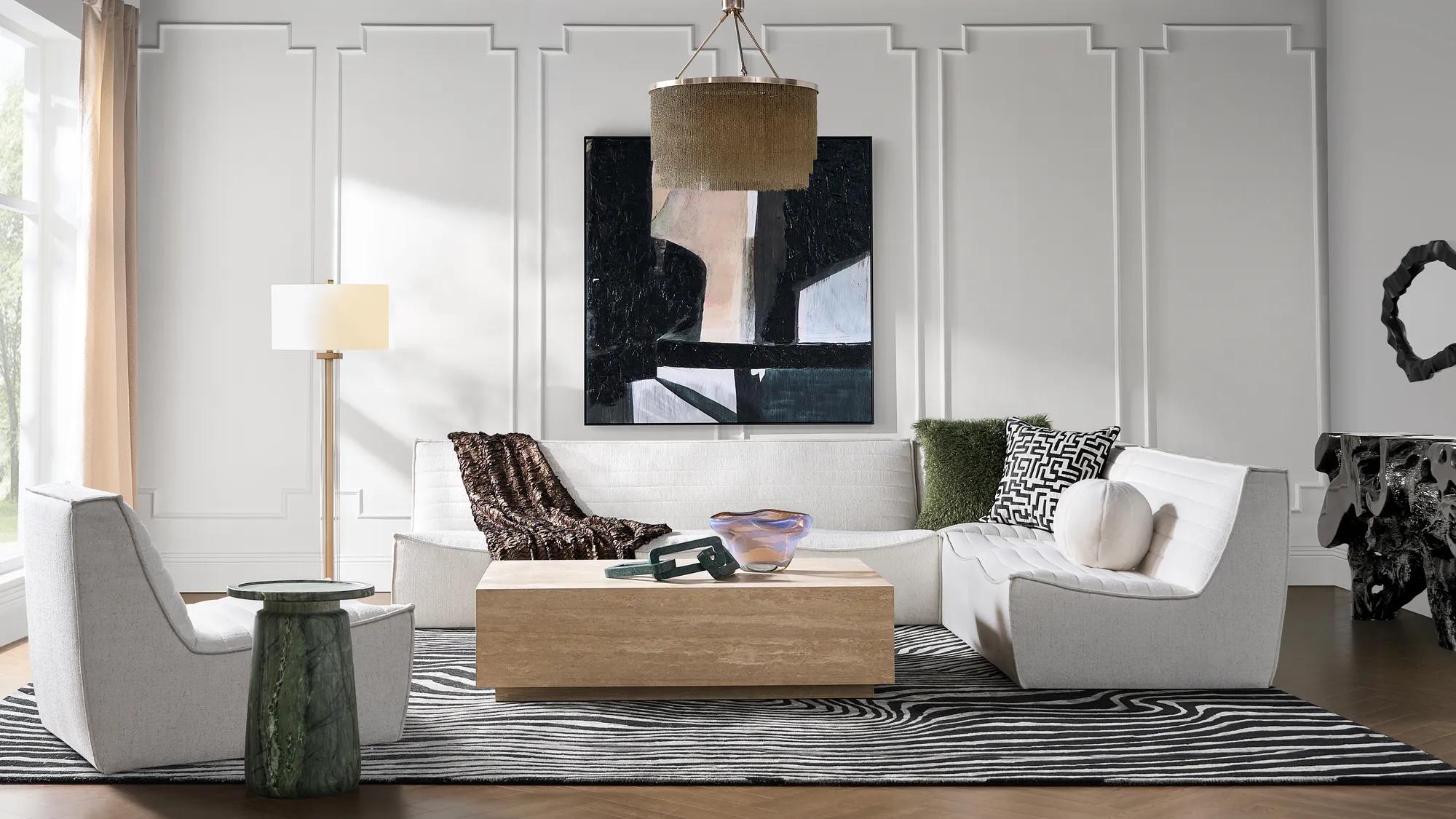 Islay Wall Mirror - Black$599
A sculptural black resin mirror featuring bold, asymmetrical curves and versatile vertical or horizontal hanging.
Add To Cart -
.jpeg?w=1200&h=1200)
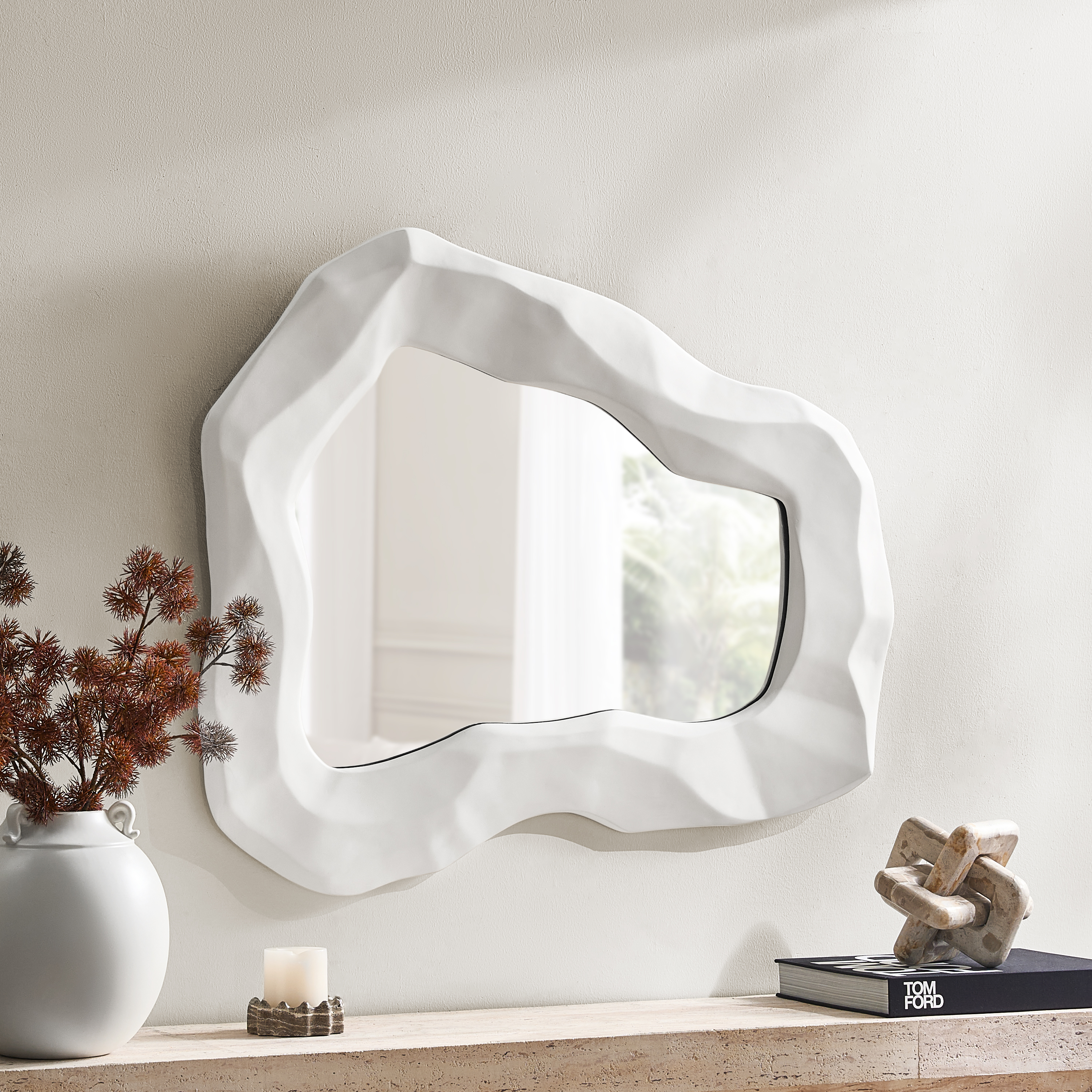 Islay Wall Mirror - White$549
A sculpted resin-framed mirror in matte white with an organic, asymmetrical silhouette for modern interiors.
Add To Cart -
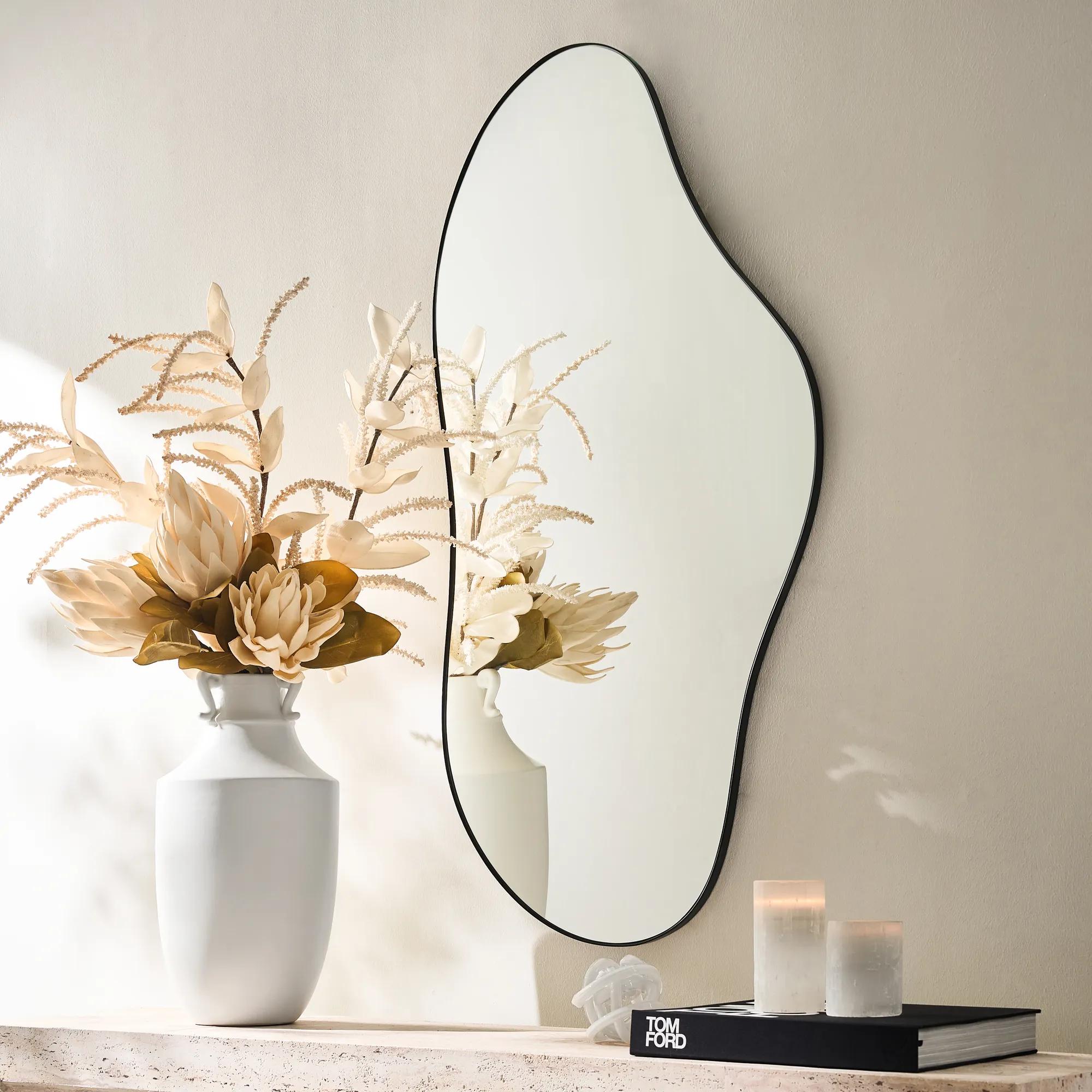
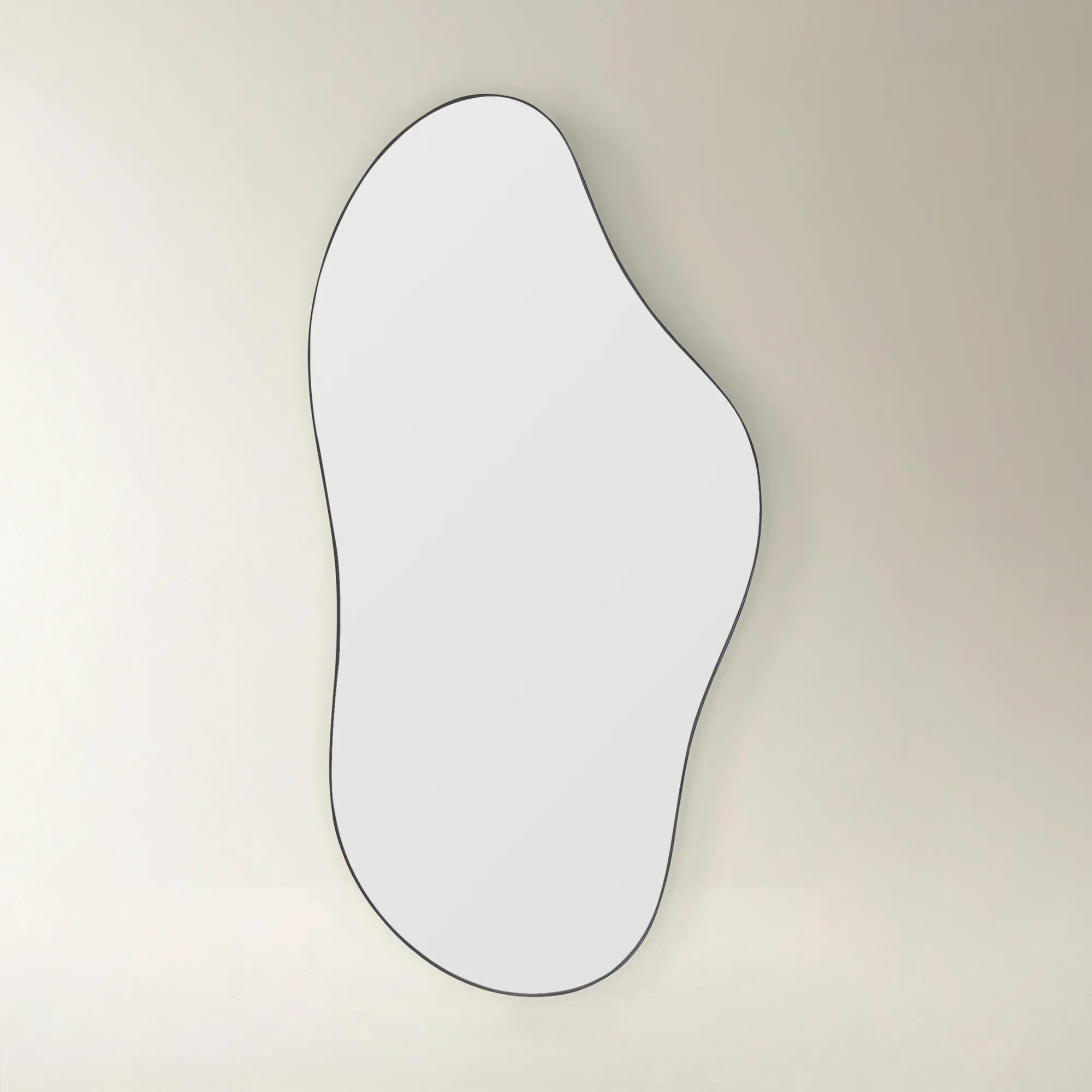 Puddle Wall Mirror$299
A freeform glass mirror with a black frame that adds playful sophistication to modern interiors.
Add To Cart -
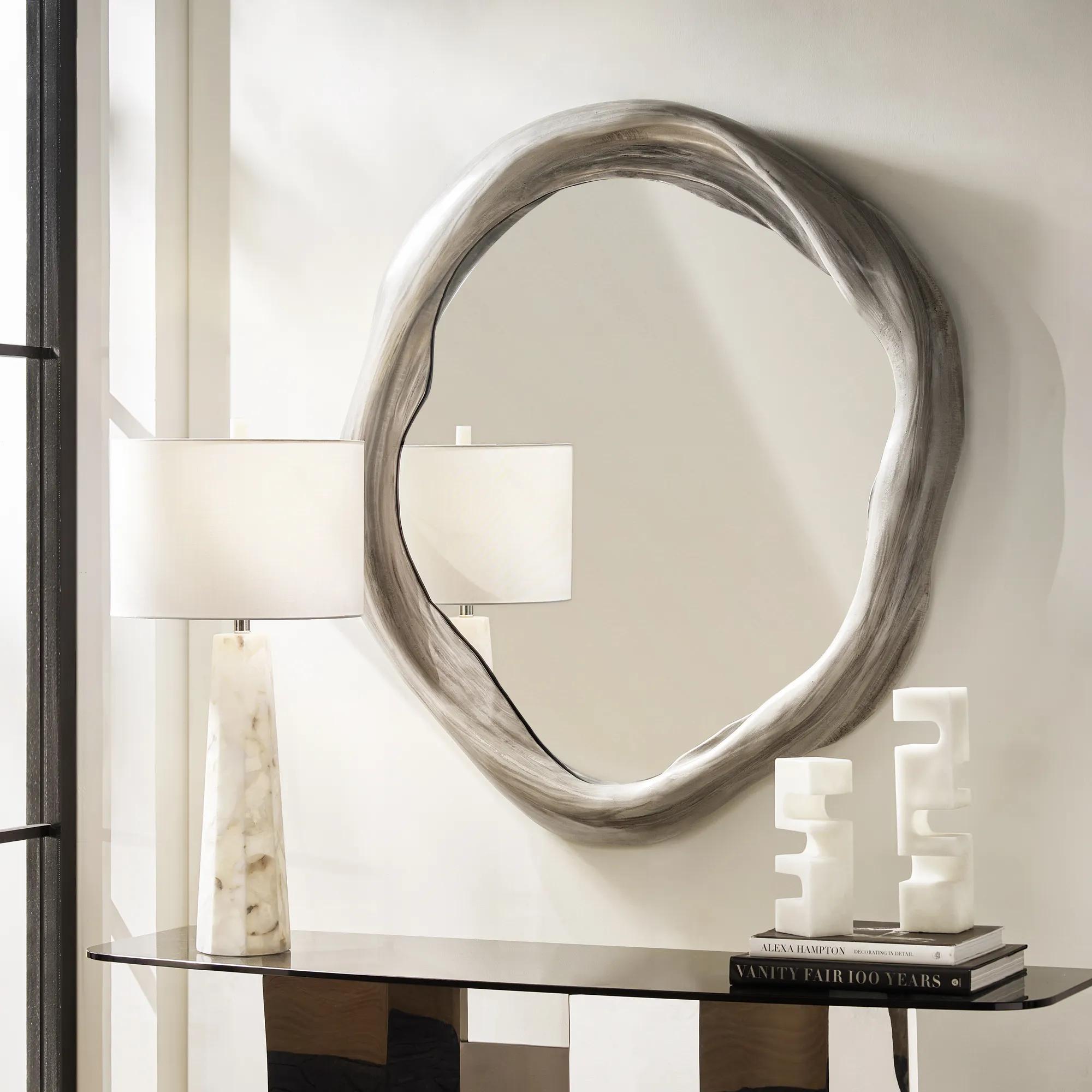
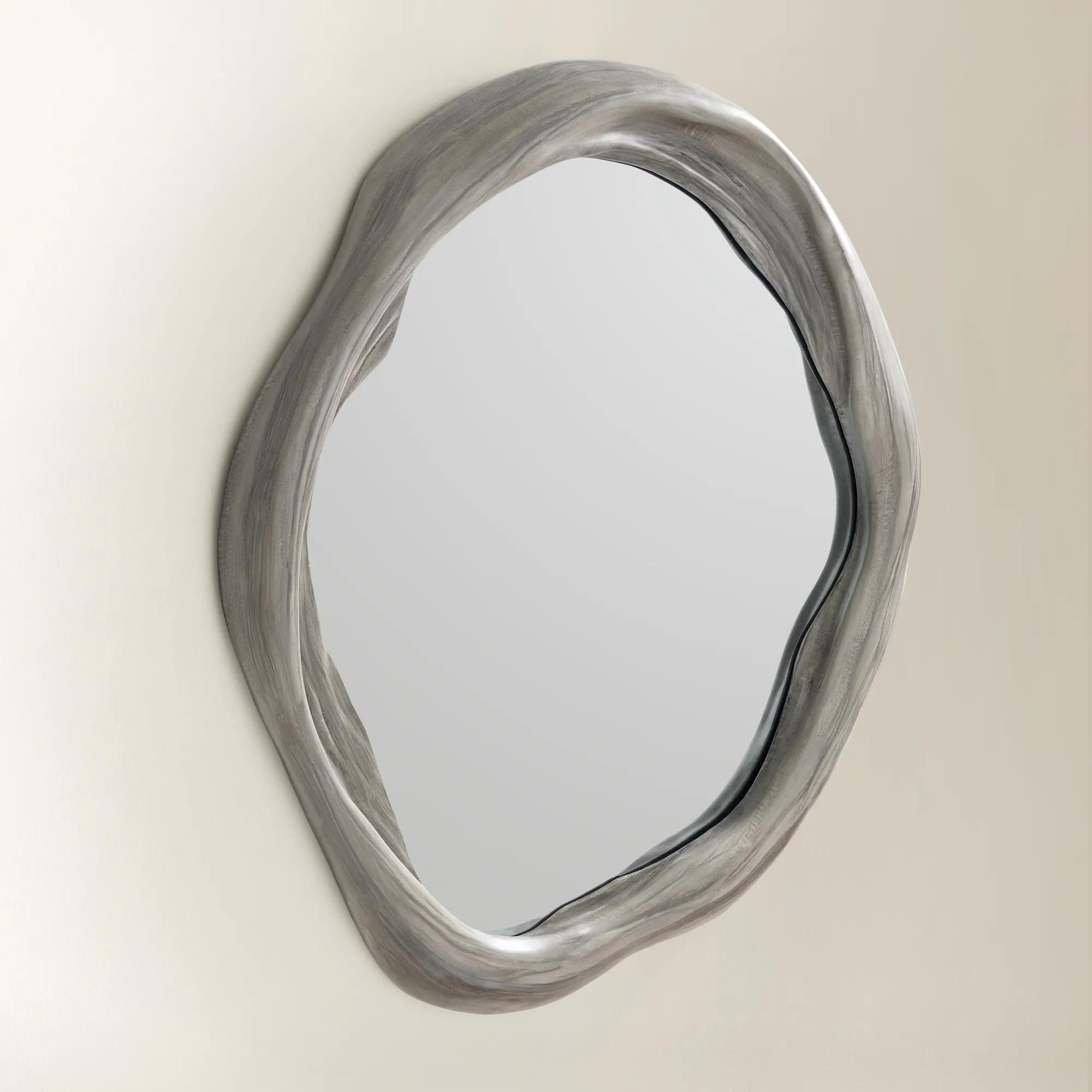 Dunes Wall Mirror$899
An organically shaped wall mirror with an artfully irregular gray frame, perfect for modern or minimalist spaces.
Add To Cart -
.jpeg?w=1200&h=1200) Cara Antique Gold Hand-Forged Iron Organic Shaped Wall Mirror 52.5" x 53"$1199
Cara Antique Gold Hand-Forged Iron Organic Shaped Wall Mirror 52.5" x 53"$1199A sculptural wall mirror featuring a hand-hammered iron frame with radiant gold and organic edges.
Add To Cart -
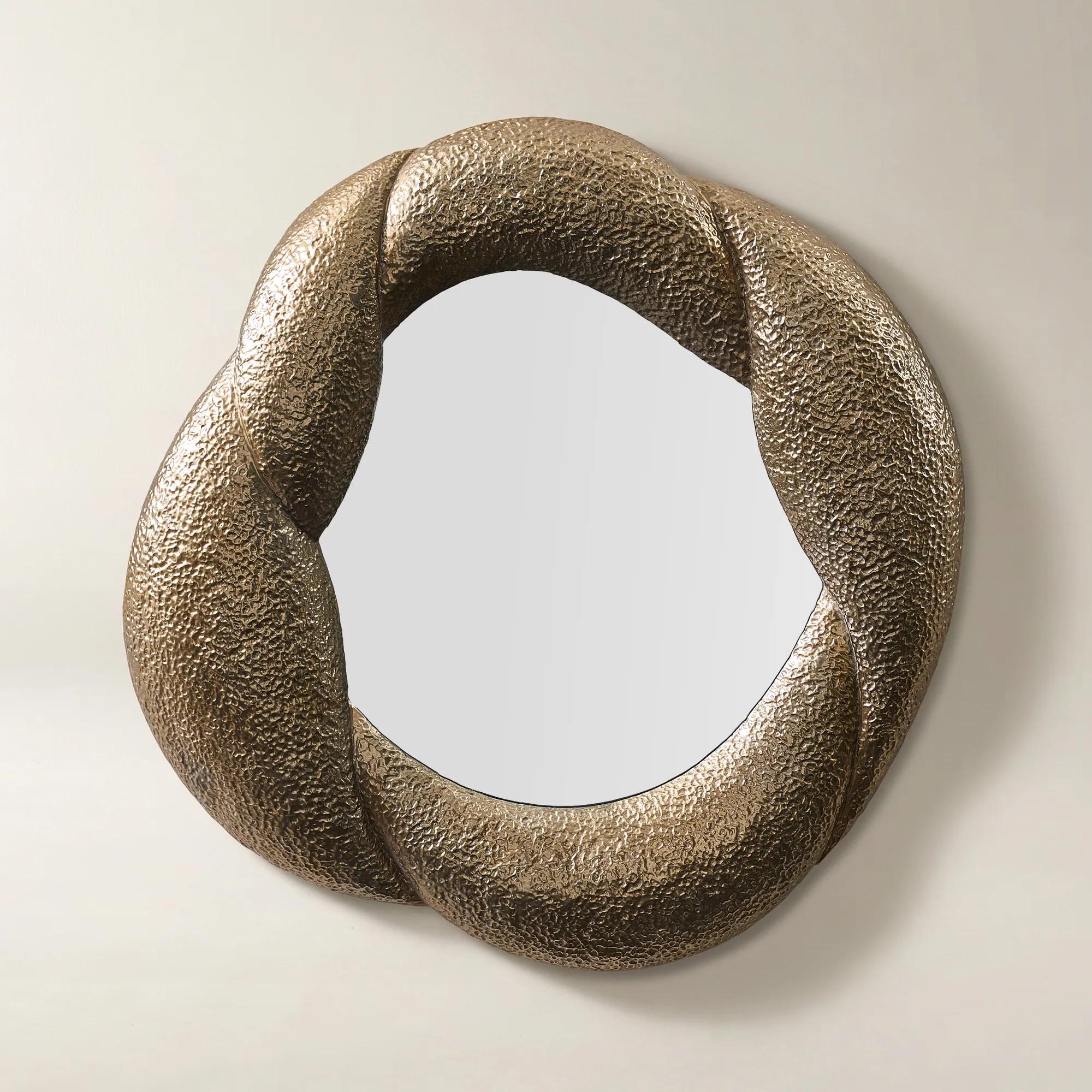
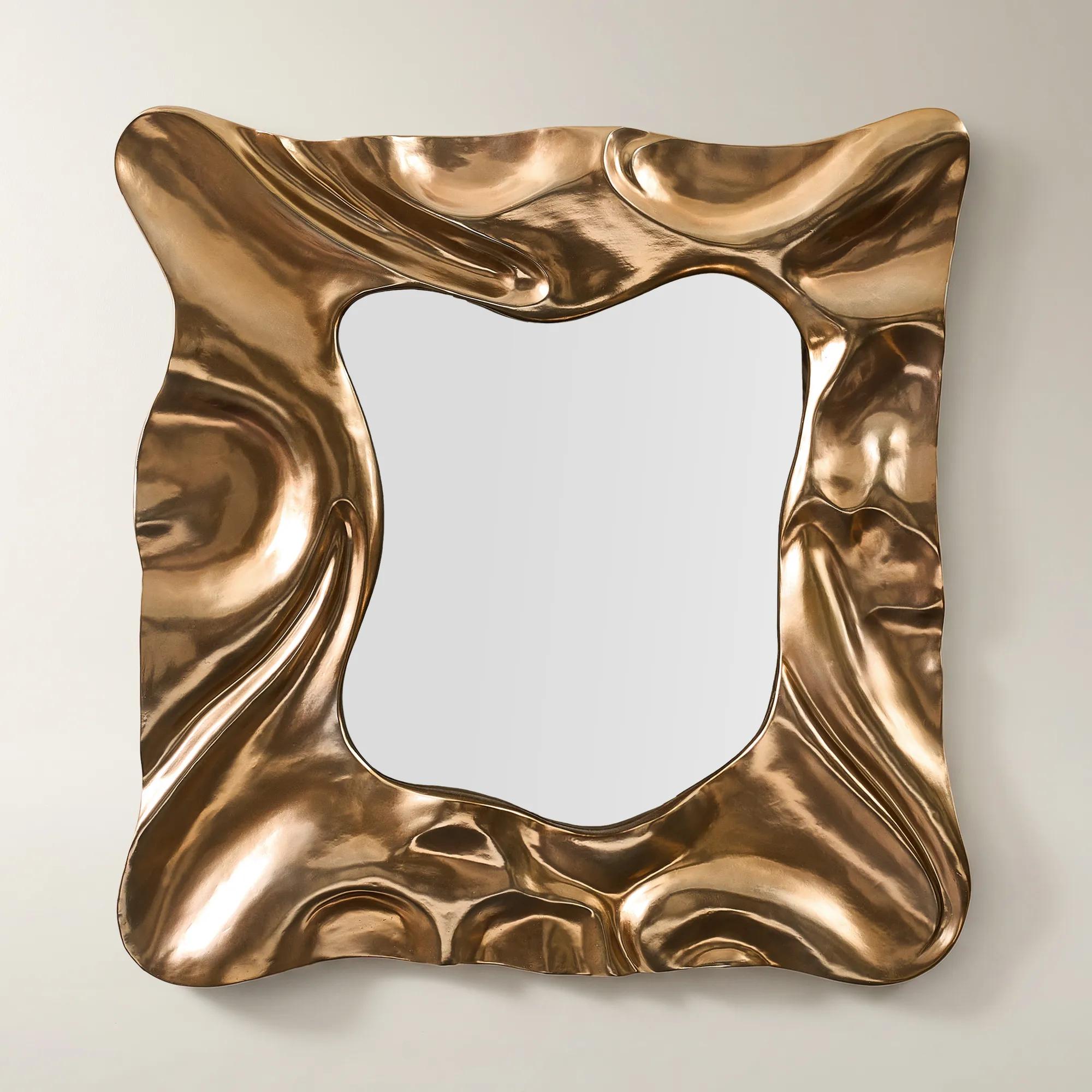 Surface Bronze Resin Organic Shaped Wall Mirror 40" x 40"$699
A sculptural bronze resin frame and organic silhouette create a striking, artful focal point for any room.
Add To Cart -
.jpeg?w=1200&h=1200) Celine Wall Mirror$699
Celine Wall Mirror$699A curvaceous wall mirror featuring a white and gold frame for a touch of modern glamour.
Add To Cart -
.jpeg?w=1200&h=1200) Oceano Wall Mirror$699
Oceano Wall Mirror$699A white wall mirror featuring an organic shape and sandy texture for a serene, coastal-inspired accent.
Add To Cart -
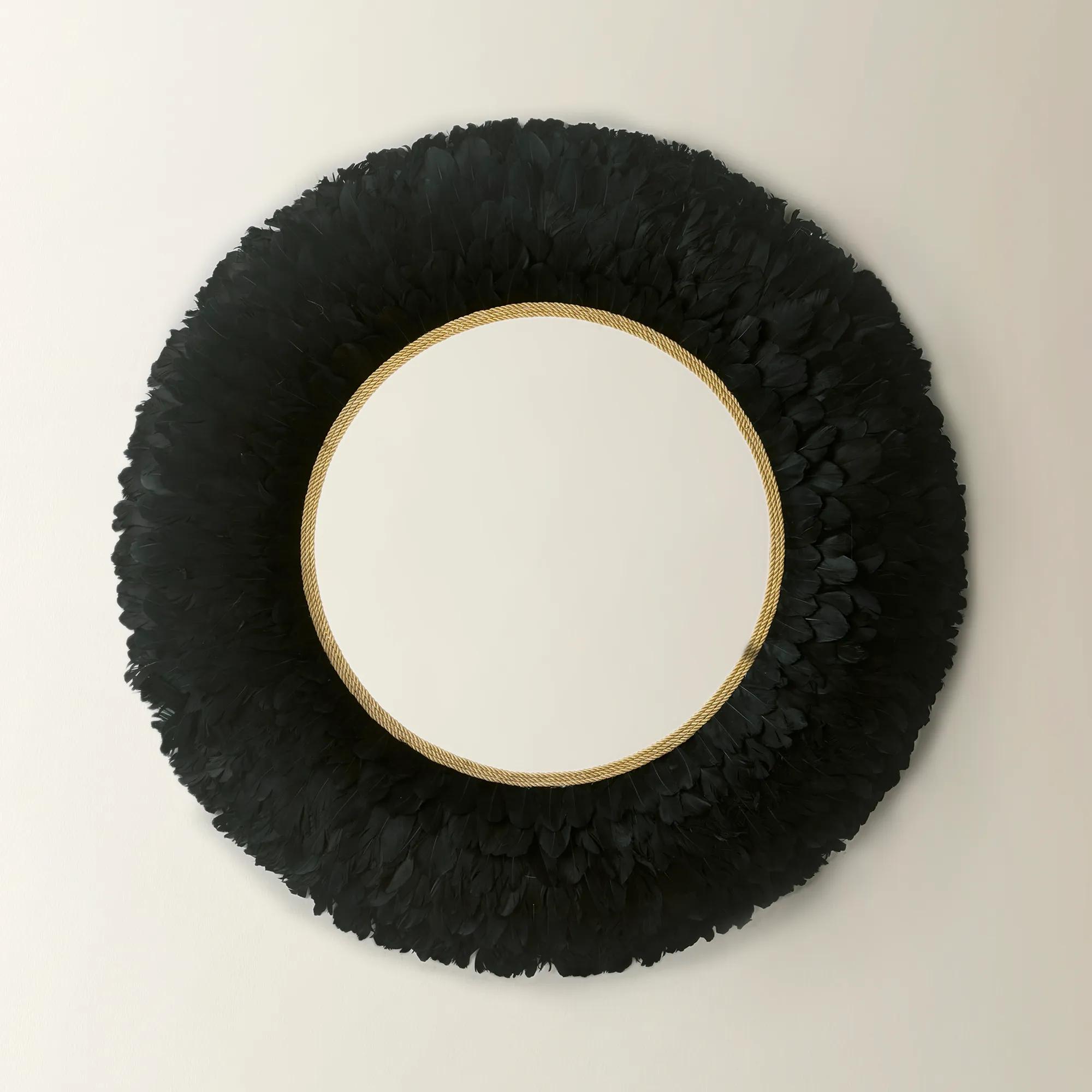
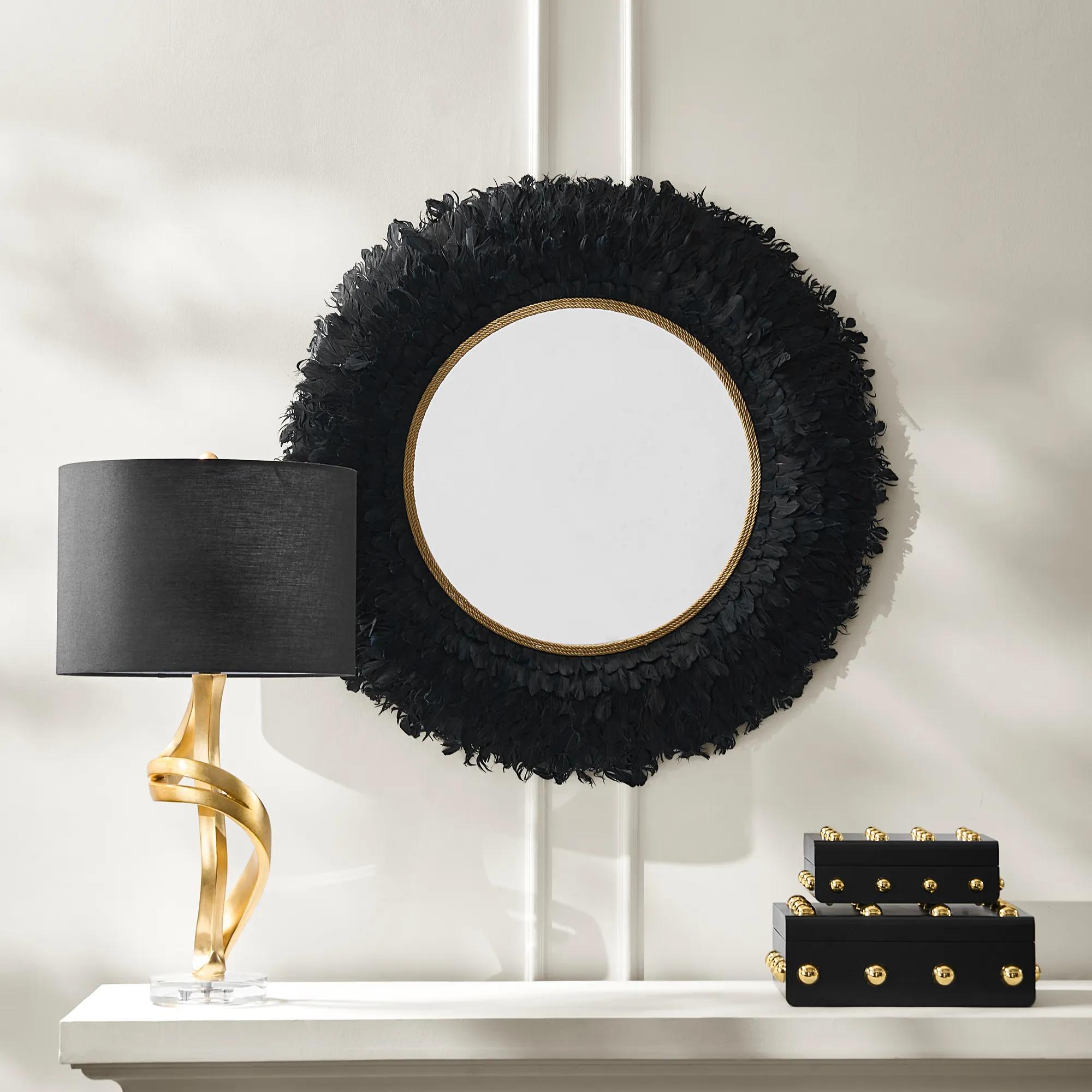 Nikki Chu - Midnight Feather Mirror$499
A dramatic black feather-framed mirror accented with a gleaming gold inner border for striking wall texture.
Add To Cart -
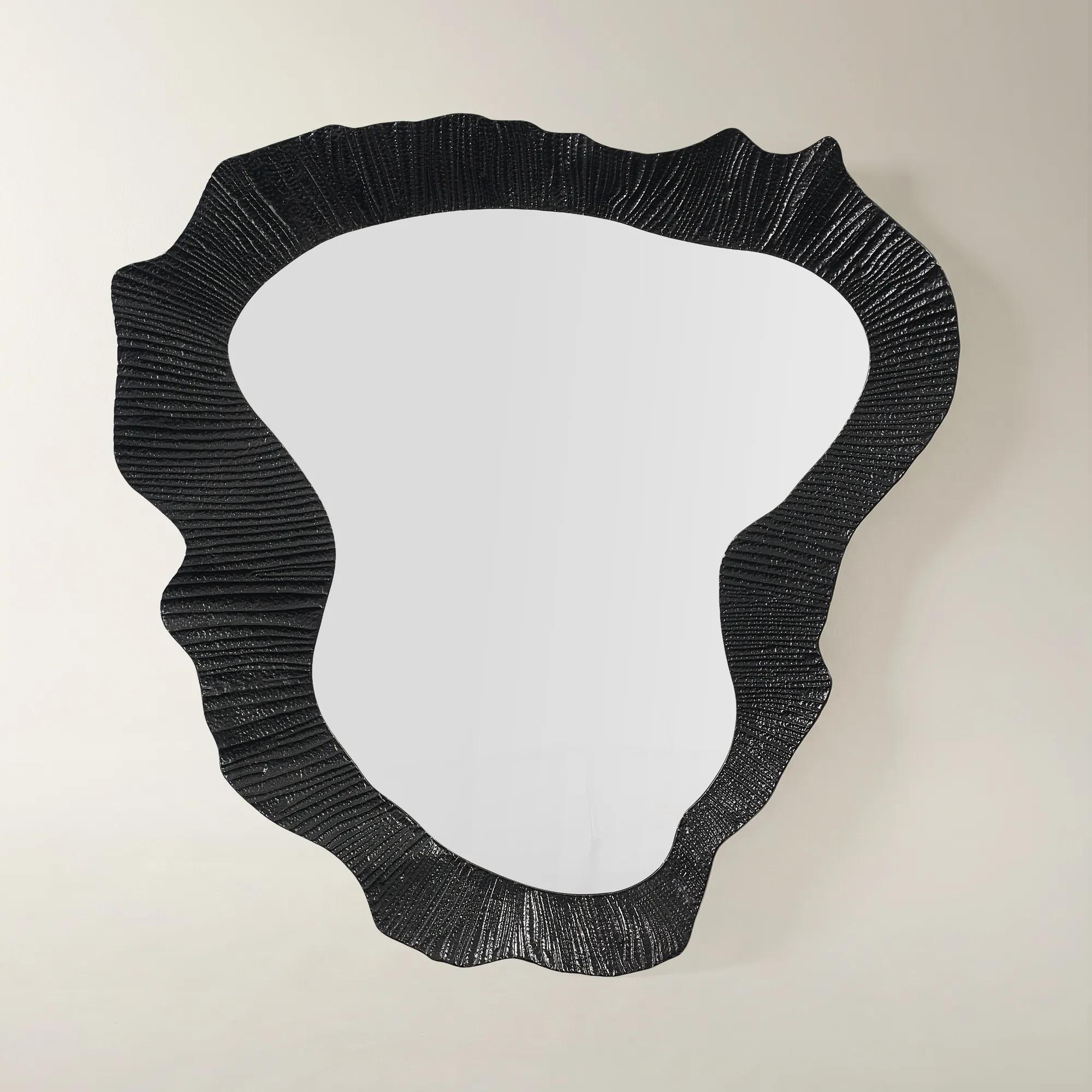 Cara Black Hand-Forged Iron Organic Shaped Wall Mirror 52.5" x 53"$1199
A hand-forged black iron frame and organic silhouette create a bold, sculptural statement for any room.
Add To Cart -
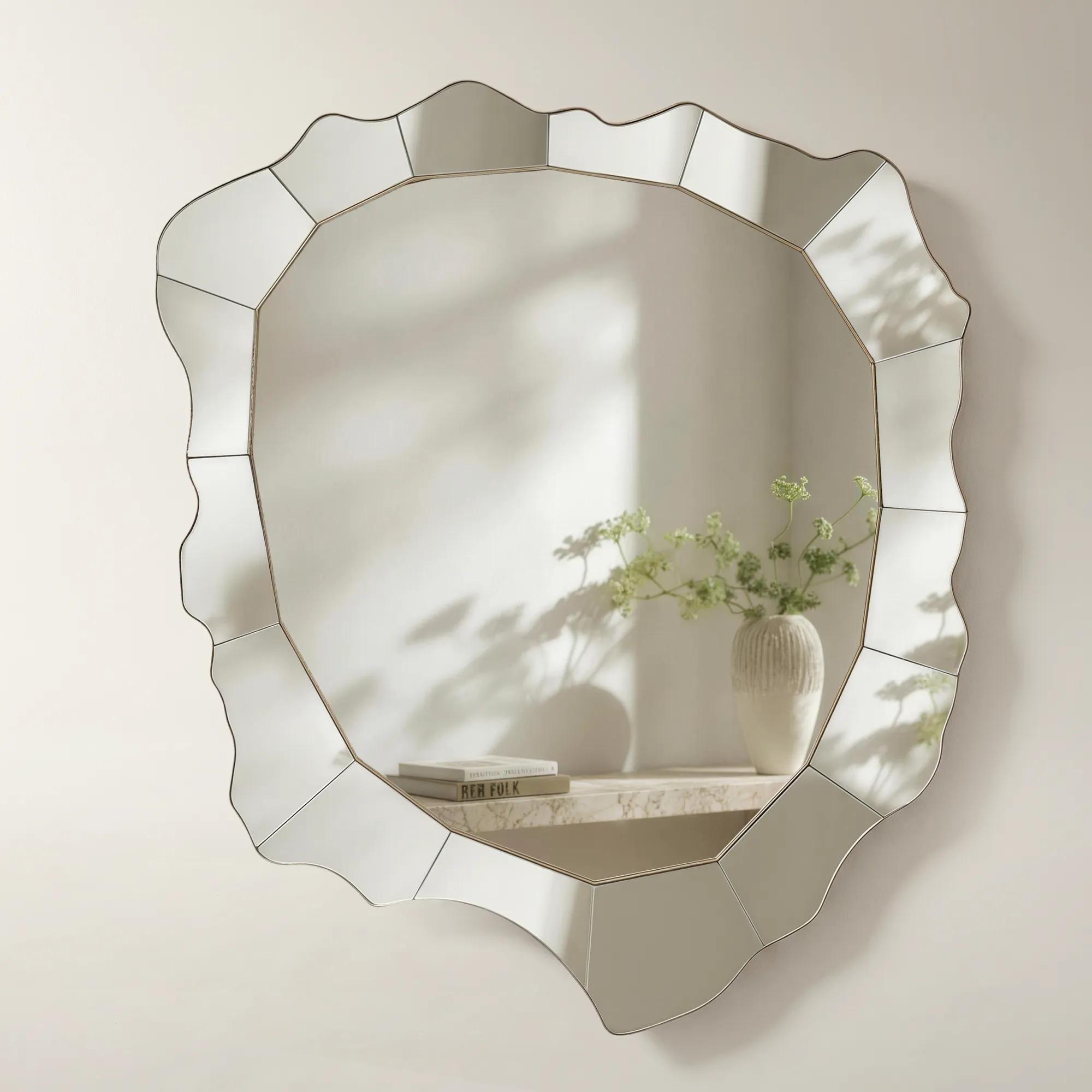 Gala Gold Trim Organic Shaped Wall Mirror 45" x 54"$999
An organic faceted mirror with soft gold iron trim adds sculptural movement and refined glamour to any room.
Add To Cart -
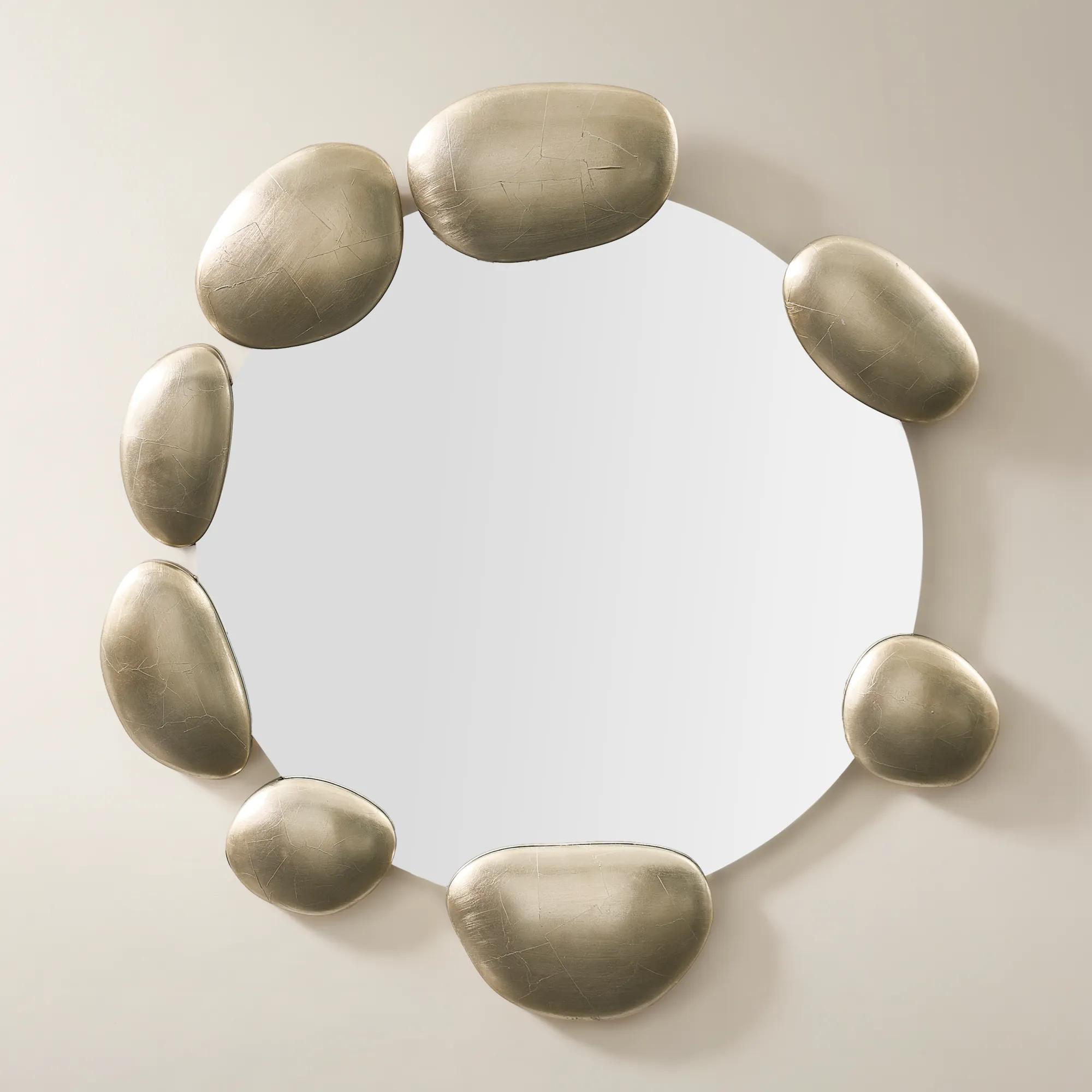 Pebbled Champagne Leaf Resin Round Wall Mirror 40"$599
A round wall mirror featuring a sculptural resin frame with champagne leafing and playful pebbled accents.
Add To Cart

Wavy Wall Mirrors For Fluid Drama
Wavy Wall Mirrors for Fluid Drama bring an expressive sense of movement to modern interiors, transforming blank walls into sculptural moments of reflection and light. With their undulating silhouettes and artistic presence, these statement mirrors invite a more daring approach to décor, whether styled above a console, layered into a gallery-inspired vignette, or used to amplify the atmosphere of a bedroom, entryway, or living space.
Wavy wall mirrors bring fluid drama to interiors that crave something beyond the expected. Rather than relying on rigid rectangles or perfectly measured circles, their undulating silhouettes introduce a sense of motion, softening the architectural lines of sofas, consoles, cabinetry, and doorways. The result is part mirror, part sculptural wall art: a gleaming accent that reflects the room while adding an expressive outline of its own. Organic curves can make a space feel more layered and welcoming, especially when a room is furnished with strong geometry. A tailored sectional, angular coffee table, or linear fireplace gains a graceful counterpoint from a mirror with an asymmetrical or gently rippling edge. In an entryway, a wavy mirror creates a memorable first impression while giving you a polished place to check the final details before heading out. Above a console, it can become the centerpiece of a composed vignette, catching the glow of lamps and nearby windows. In a bedroom, its softened shape brings a dreamlike quality above a dresser or vanity, while in a dining area it can amplify candlelight, metallic accents, and the intimate shimmer of evening gatherings. During the cooler months, when interiors naturally become more layered with plush textiles, warm lighting, and richer tones, a reflective surface helps keep the atmosphere luminous rather than heavy. For a broader selection of artful silhouettes, explore Unique Design Wall Mirrors, where expressive forms can help complete a room with unmistakable personality.
When choosing a wavy wall mirror, scale is the first detail to consider. A mirror placed above a console, dresser, mantel, or headboard generally feels most balanced when its width is approximately two-thirds to three-quarters of the furniture beneath it, though a more dramatic installation may intentionally extend beyond that proportion. Measure the wall as well as the furnishings, and account for nearby windows, sconces, artwork, doors, and architectural details so the curves have room to breathe. Clear space around the perimeter allows the irregular outline to read as a deliberate design feature instead of becoming visually crowded. In a narrow entry, a vertically oriented silhouette can draw the eye upward and make the space feel more expansive; a wider horizontal design can create a striking focal point over a long console or low credenza. Consider what the mirror will reflect before installation. A beautiful view, a sculptural light fixture, or a richly styled arrangement can become part of the composition, while a cluttered corner may be better left outside the sightline. Placement opposite a window can bounce daylight deeper into a room, and positioning one near a lamp or candlelight can create a softer, more atmospheric glow after sunset. Frame materials and finishes also shape the mood. Gleaming metal introduces polished glamour, darker finishes lend architectural definition, and warmer tones bring a more collected, inviting note. Resin, wood-look, and mixed-material frames can emphasize the mirror’s artistic contour while offering contrast against smooth painted walls, textured plaster, wallpaper, or dramatic paneling. For rooms already filled with pattern and ornament, a restrained finish lets the silhouette take the lead. In a more understated setting, a high-shine edge or sculptural profile can provide the moment of surprise that gives the room its identity.
These mirrors are especially appealing to decorators who see the home as a canvas rather than a collection of purely practical pieces. A first-home gift, housewarming present, wedding gift, or celebratory gesture for someone with a strong eye for interiors can feel both personal and useful, particularly when the recipient enjoys entertaining or refreshing a room through expressive accents. Because a mirror combines function with artistry, it can suit many decorating styles without becoming anonymous. Pair a fluid silhouette with velvet seating and polished accents for a glamorous salon effect, or let it soften natural wood, boucle upholstery, stone surfaces, and woven textiles in a more organic composition. In a modern room, the curved edge can interrupt a sequence of straight lines and prevent the setting from feeling overly formal. In a maximalist interior, it adds another captivating layer without competing with a gallery wall or richly dressed console. For a cohesive arrangement, repeat one element from the mirror elsewhere in the room—a metallic finish in the lamp, a warm tone in the rug, or a rounded shape in an accent table—so the piece feels connected while still commanding attention. Installation deserves equal care: use appropriate hardware for the wall type, confirm the mirror’s weight, and secure it at a height that feels natural for both reflection and room composition. Leave enough breathing room above furniture to preserve visual balance, while avoiding a placement so high that the mirror feels detached from the vignette. With thoughtful scale, considered reflection, and a silhouette that moves beyond convention, a wavy wall mirror can brighten a dim corner, soften a formal arrangement, and turn an everyday wall into a moment of fluid, luminous drama.
Best Of FAQ
Wavy wall mirrors feature fluid, undulating silhouettes that transform a familiar accent into sculptural art. Their organic contours bring movement, glamour, and expressive character to modern interiors.
Let a wavy wall mirror command attention above a console, vanity, mantel, or dresser. Pair it with gleaming metals, sumptuous textiles, and sculptural decor to create a layered vignette with unmistakable drama.
Wavy wall mirrors complement modern, contemporary, glam, eclectic, and art deco-inspired spaces. Their fluid form softens tailored furnishings while adding a daring, gallery-worthy accent.
Place a wavy wall mirror wherever the room calls for a striking focal point, such as an entryway, living room, bedroom, dining area, or dressing space. Display it alone for sculptural impact or layer it with artwork for an artistic composition.
Wavy wall mirrors pair beautifully with curved furniture, velvet upholstery, polished metal accents, luminous lighting, and richly textured rugs. Combine contrasting shapes and finishes to create a sophisticated interior that feels collected and full of movement.
.jpeg?w=3709&h=3709)
.jpeg?w=4217&h=4217)