Irregular Shape Wall Mirrors For Interiors
Irregular Shape Wall Mirrors For Interiors
-
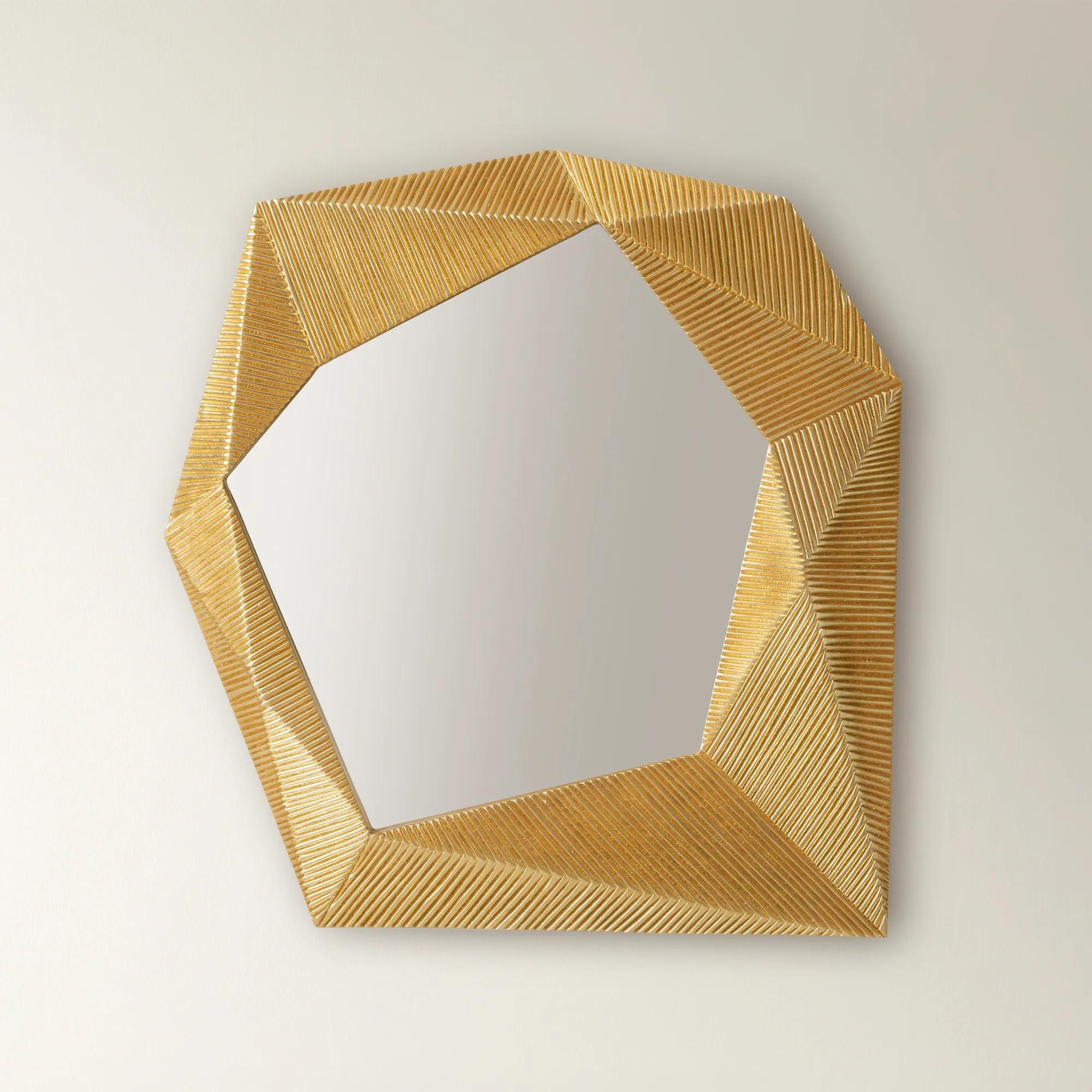
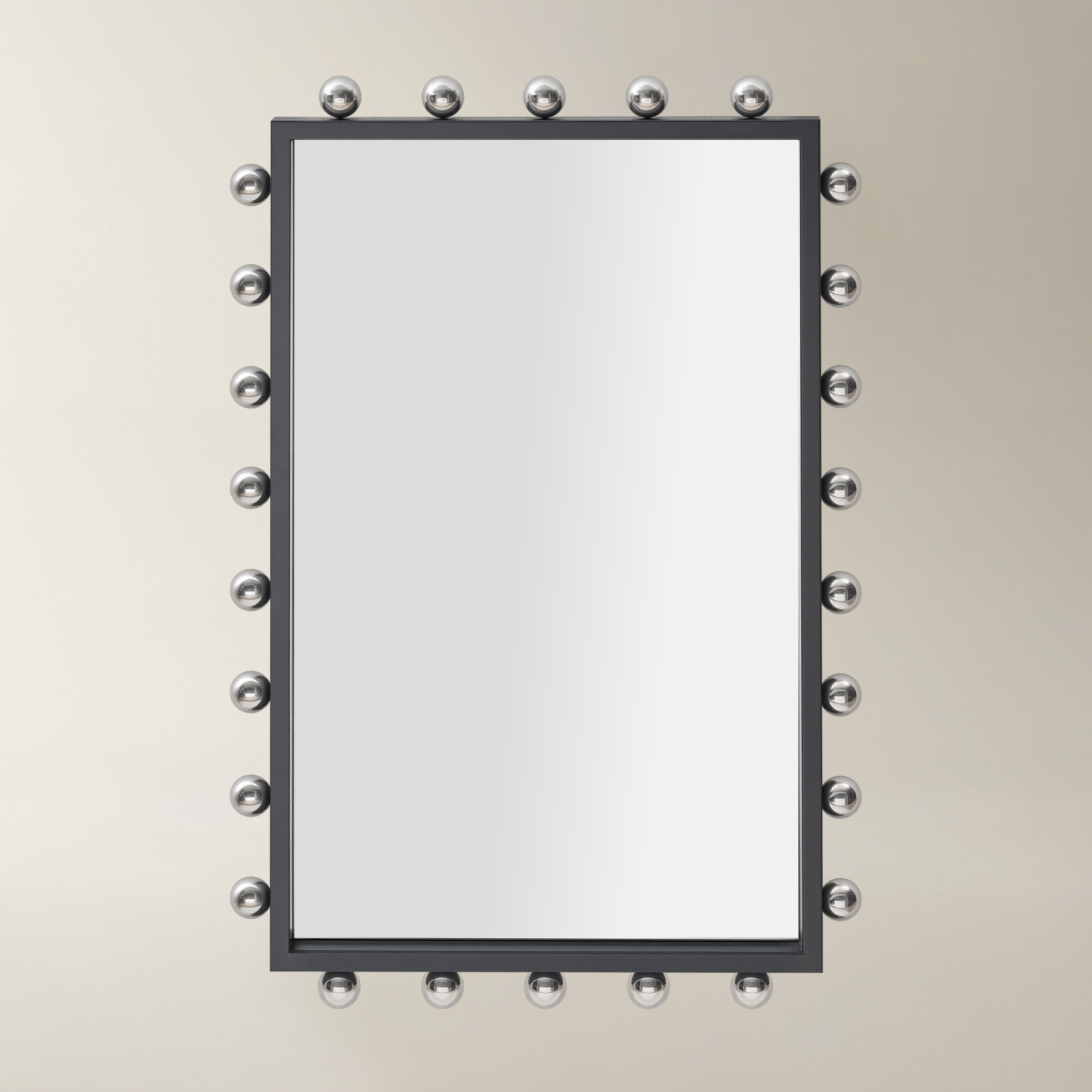
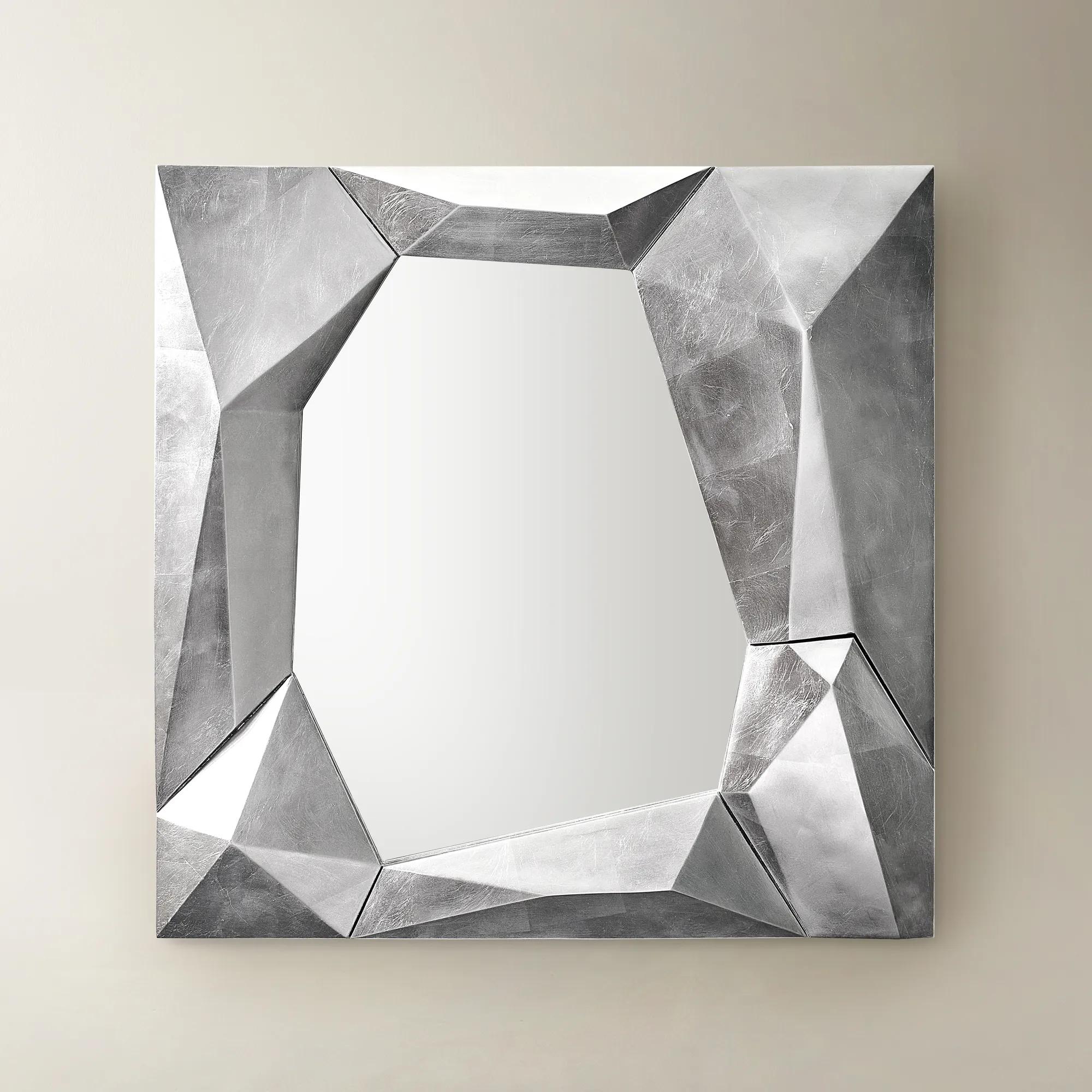
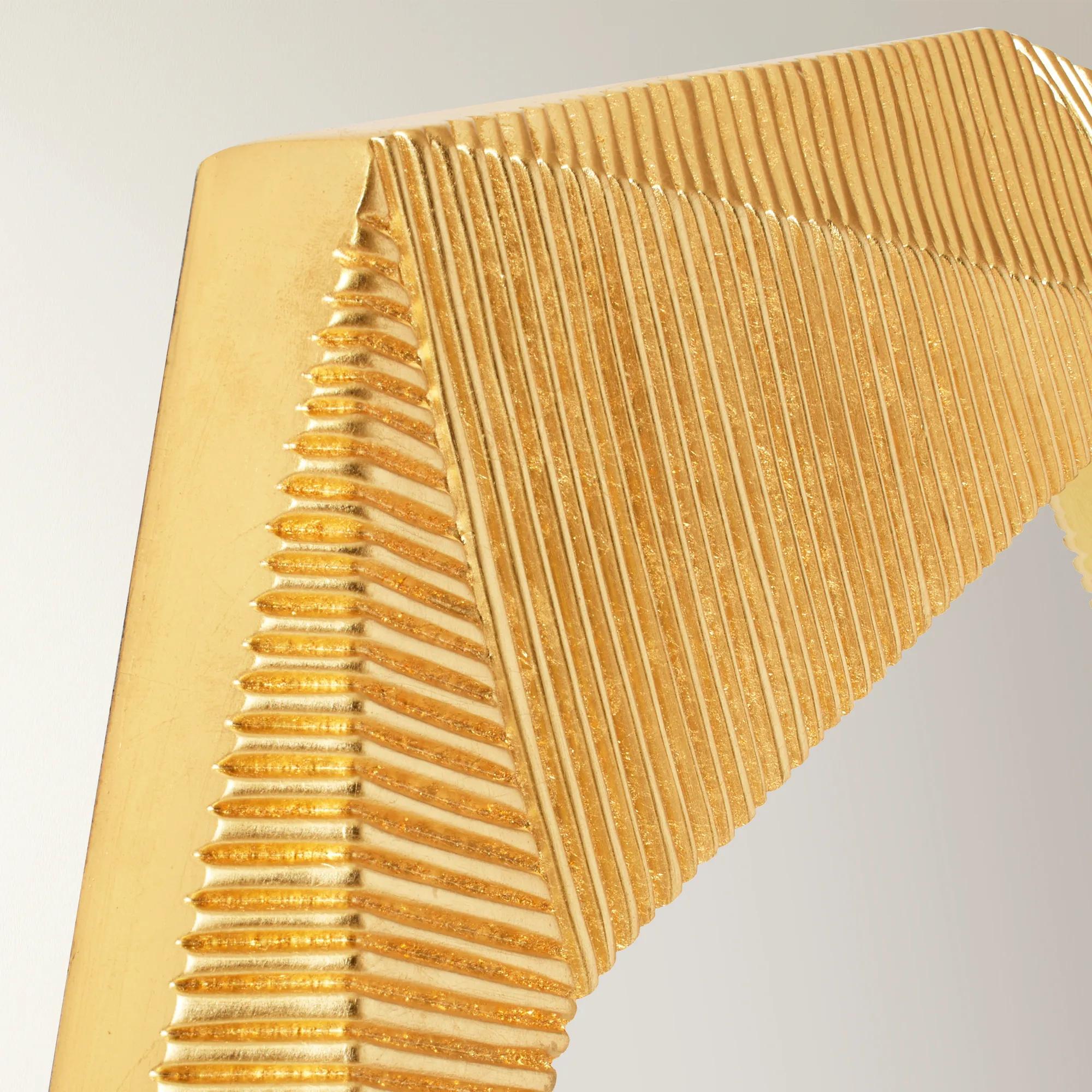 Nikki Chu Gold Steel Faceted Wall Mirror 31.5" x 35.5"$349
A modern mirror featuring a textured, faceted steel frame in a striking metallic gold finish.
Add To Cart -
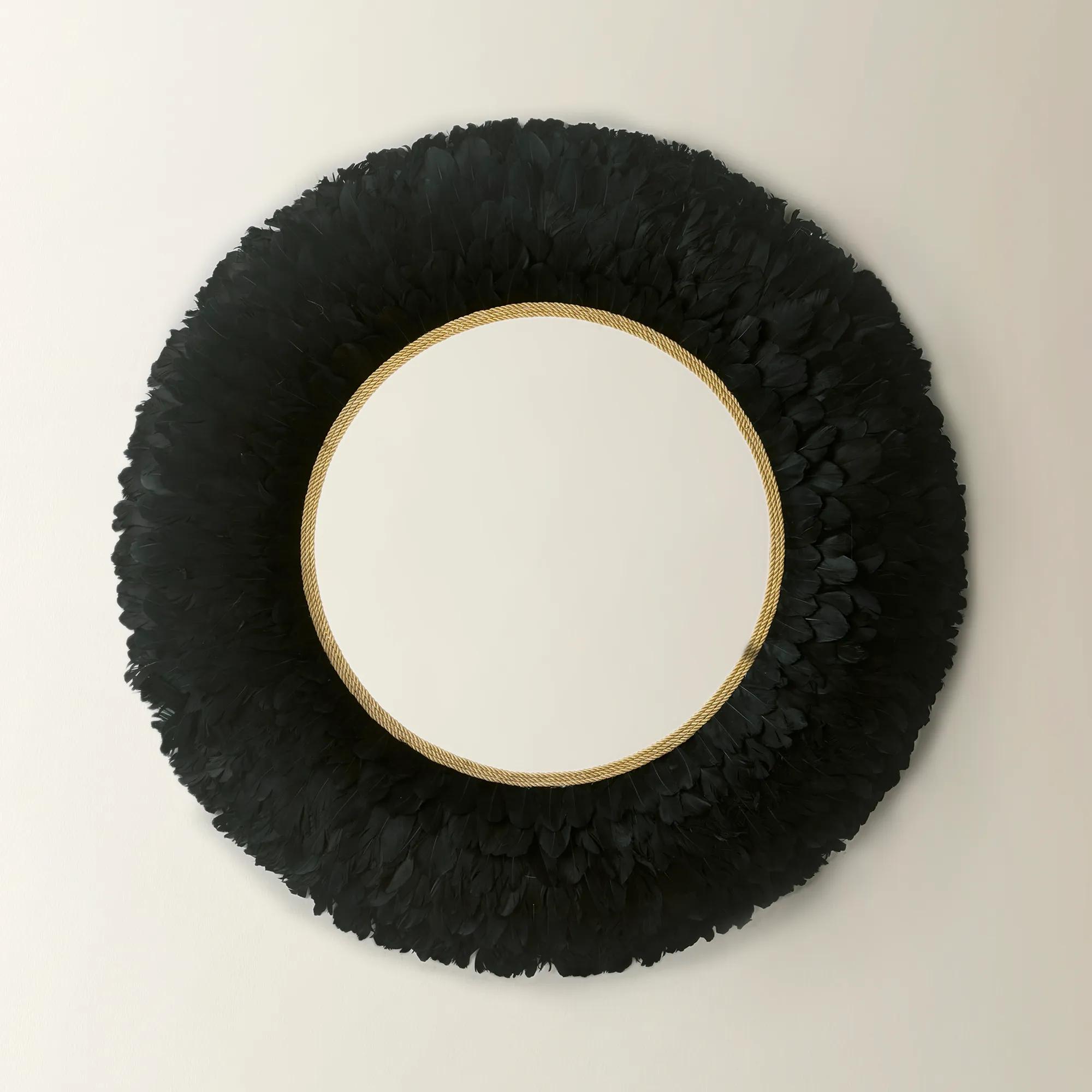
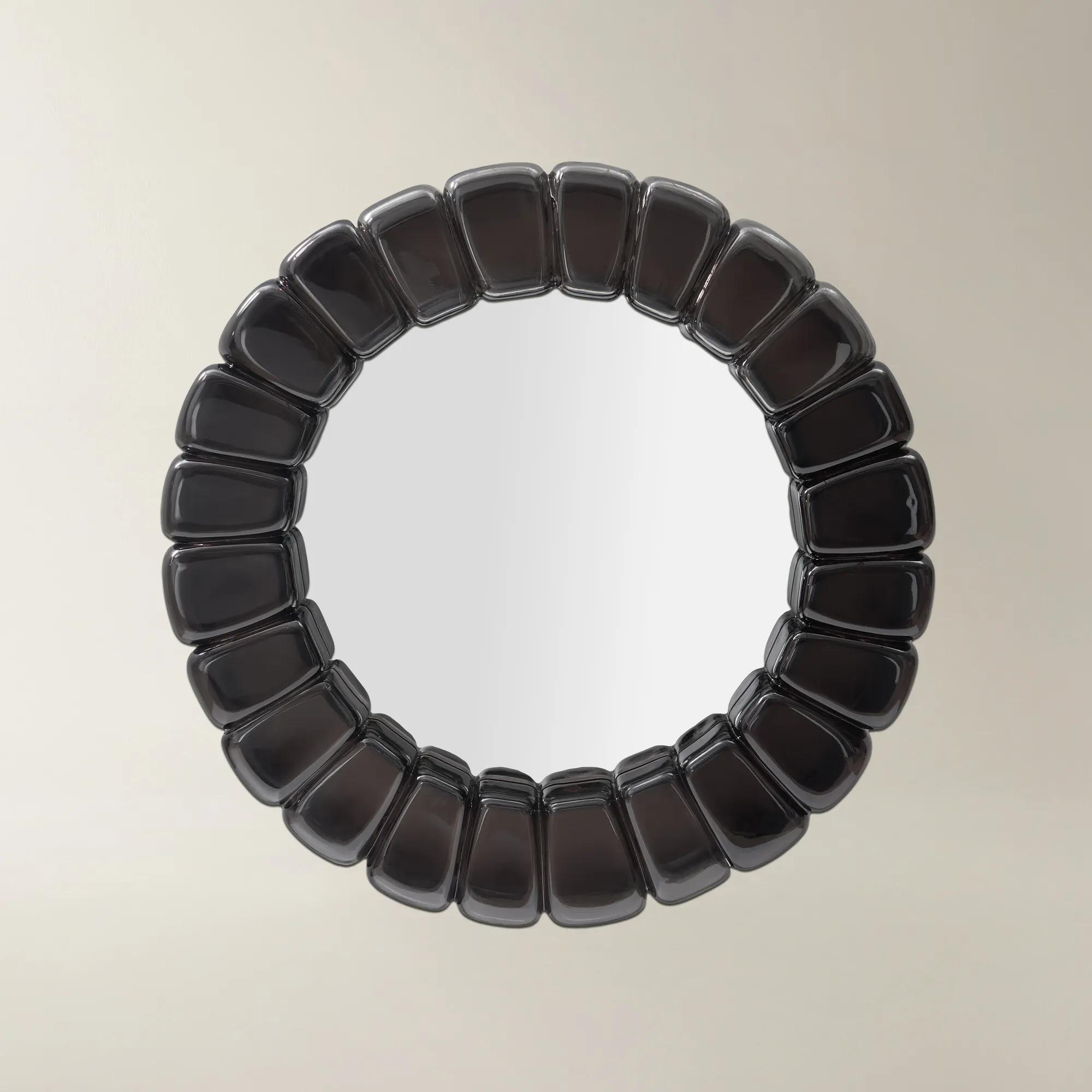
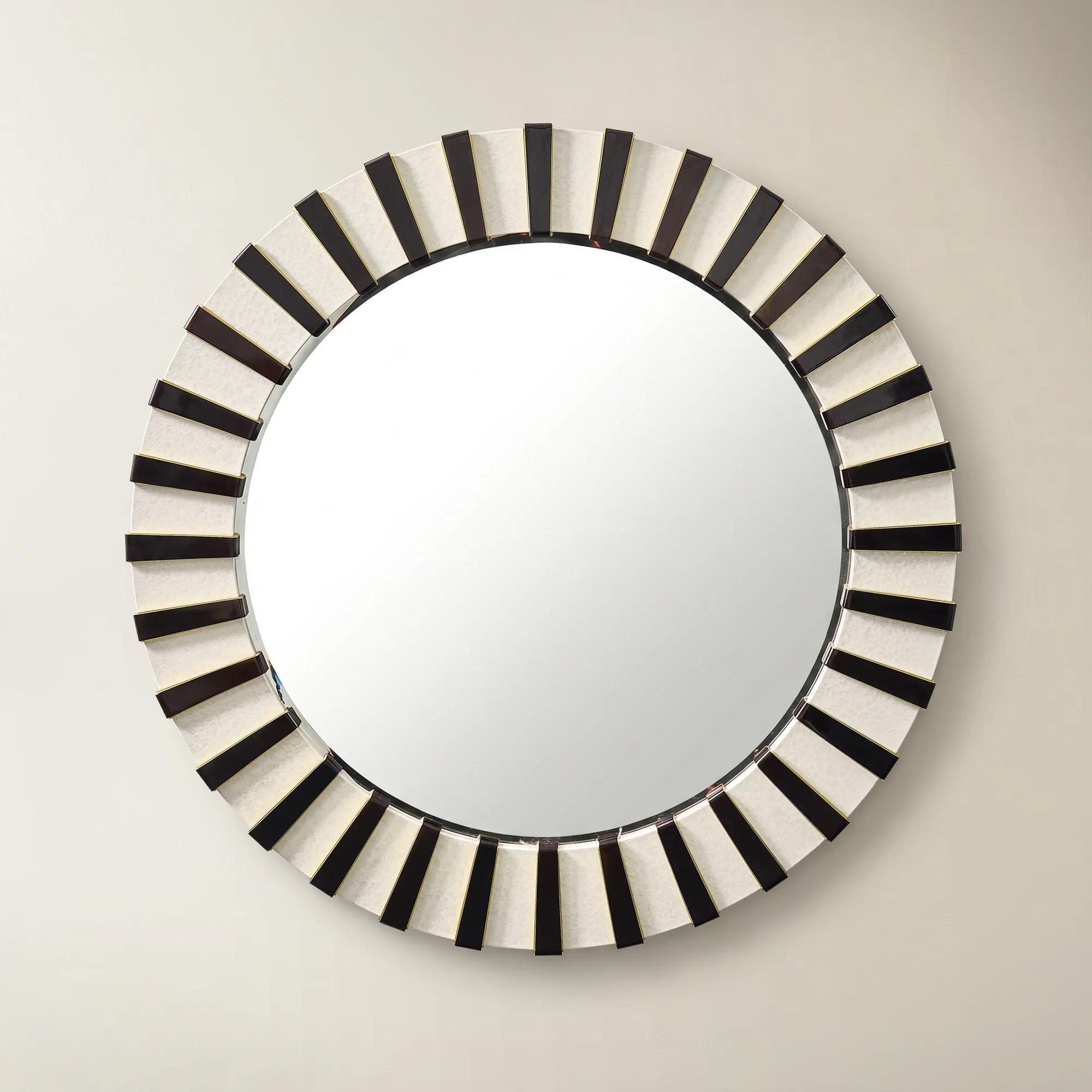
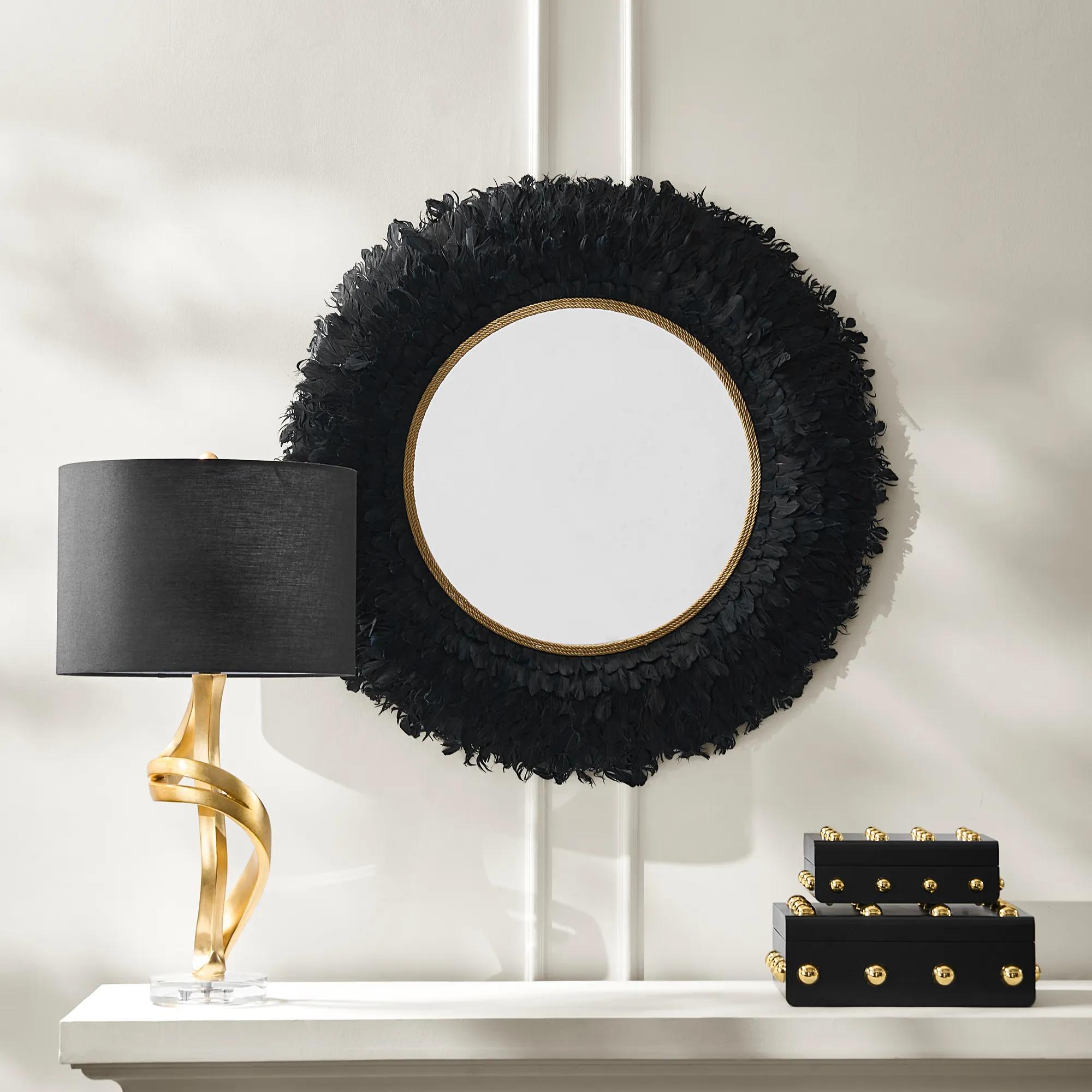 Nikki Chu Midnight Black Feather Round Wall Mirror 35.5"$499
A dramatic black feather-framed mirror accented with a gleaming gold inner border for striking wall texture.
Add To Cart -
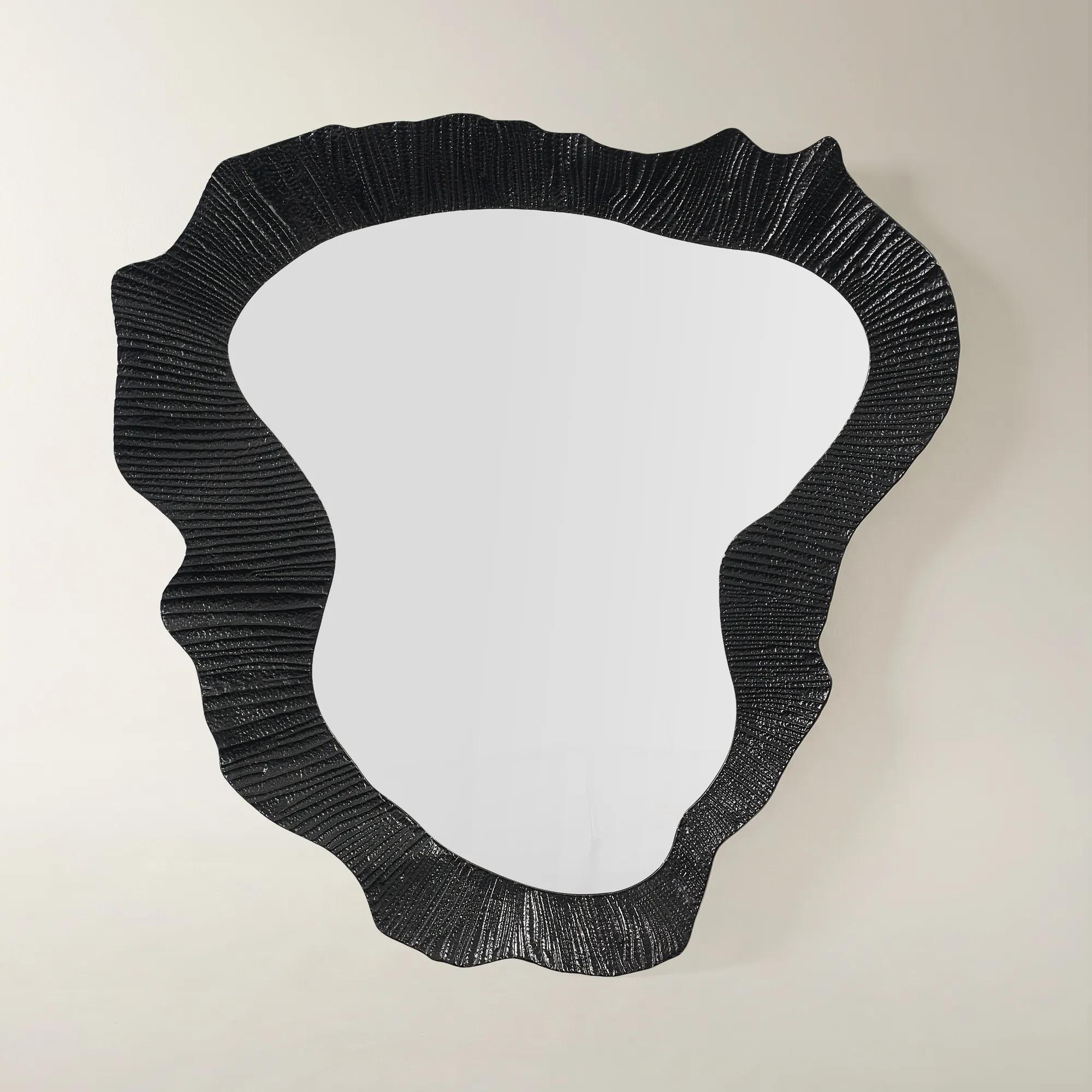 Cara Black Hand-Forged Iron Organic Shaped Wall Mirror 52.5" x 53"$1199
A hand-forged black iron frame and organic silhouette create a bold, sculptural statement for any room.
Add To Cart -
.jpeg?w=1200&h=1200)
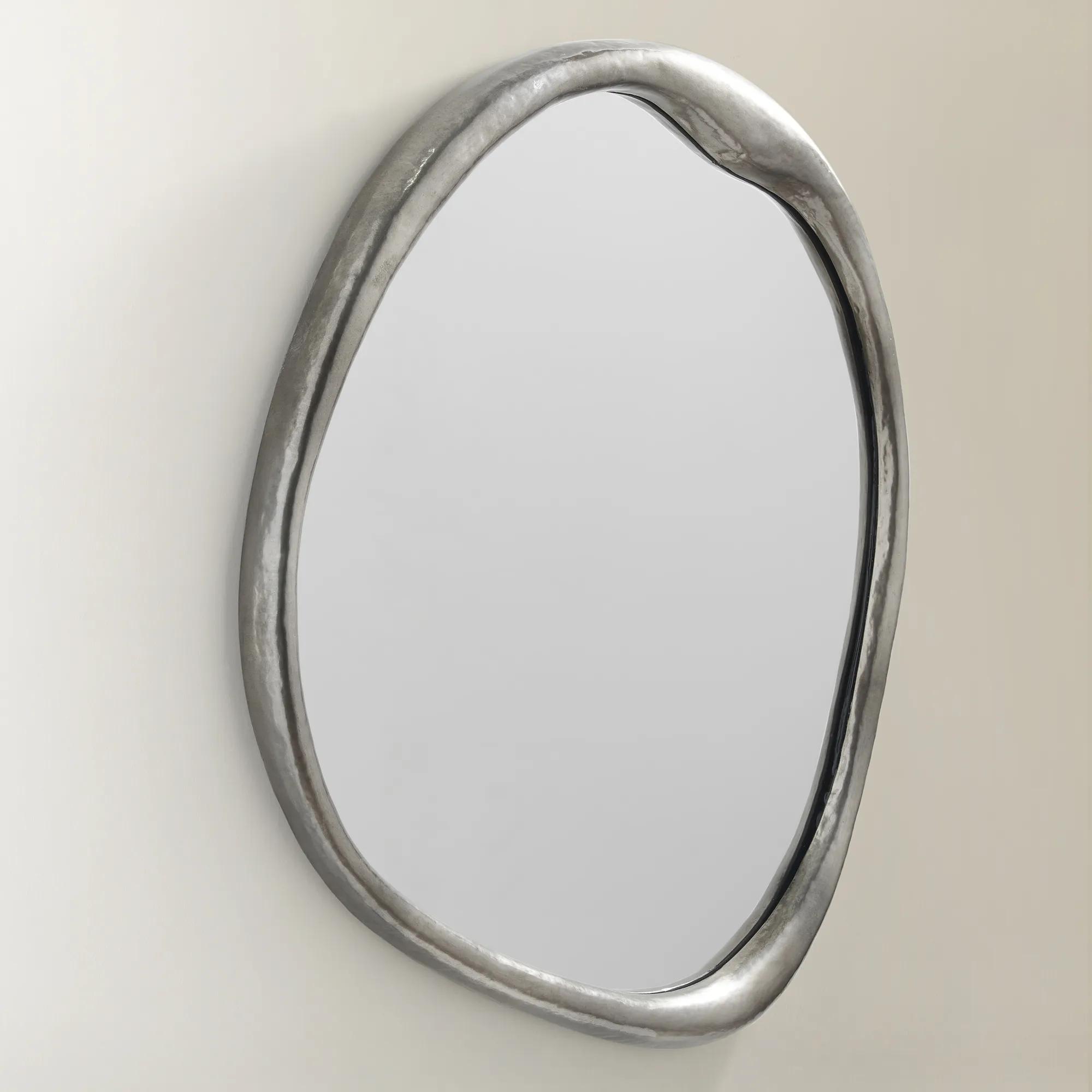 Organa Wall Mirror$599
An irregular silver iron-framed mirror that brings modern organic style and reflective depth to any room.
Add To Cart -
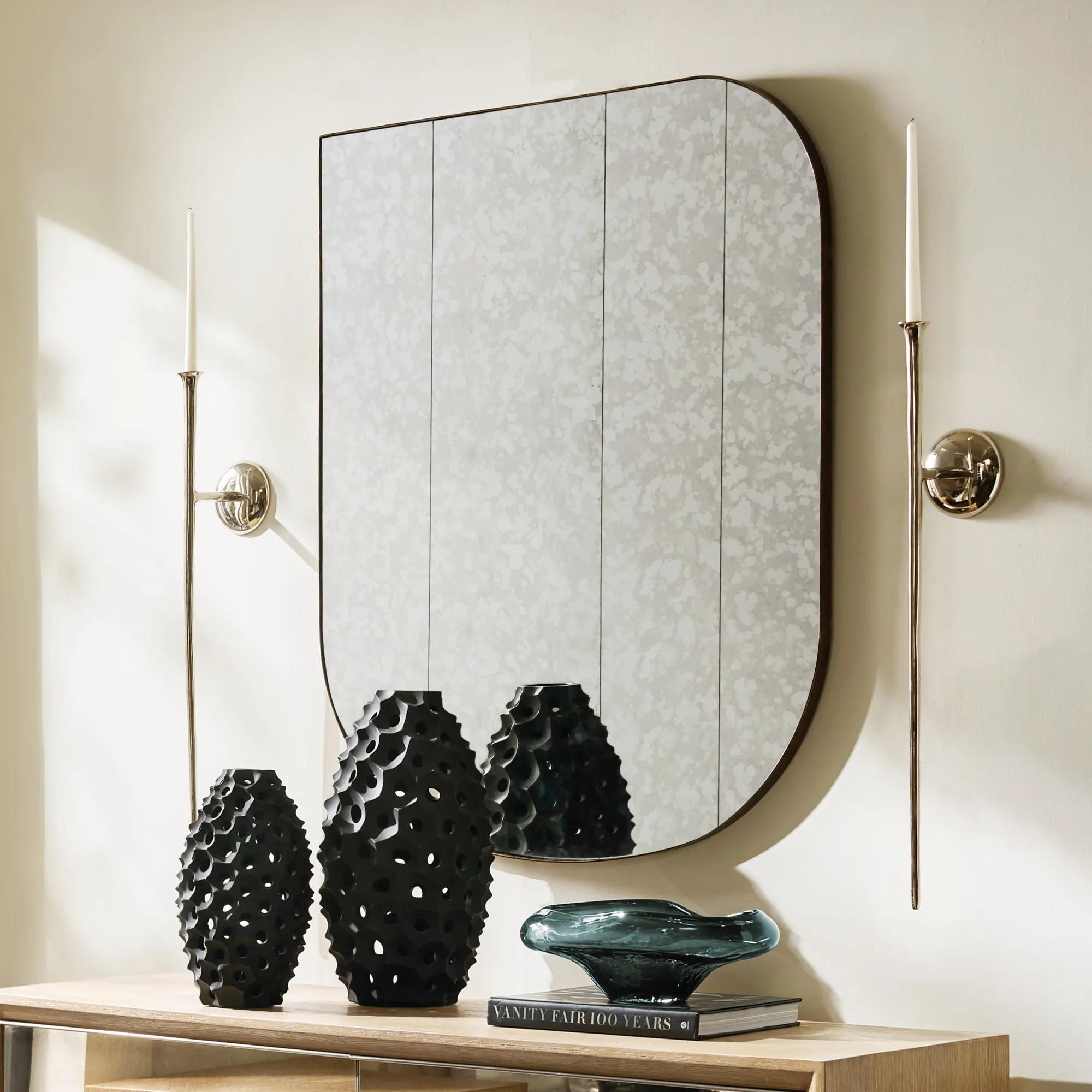
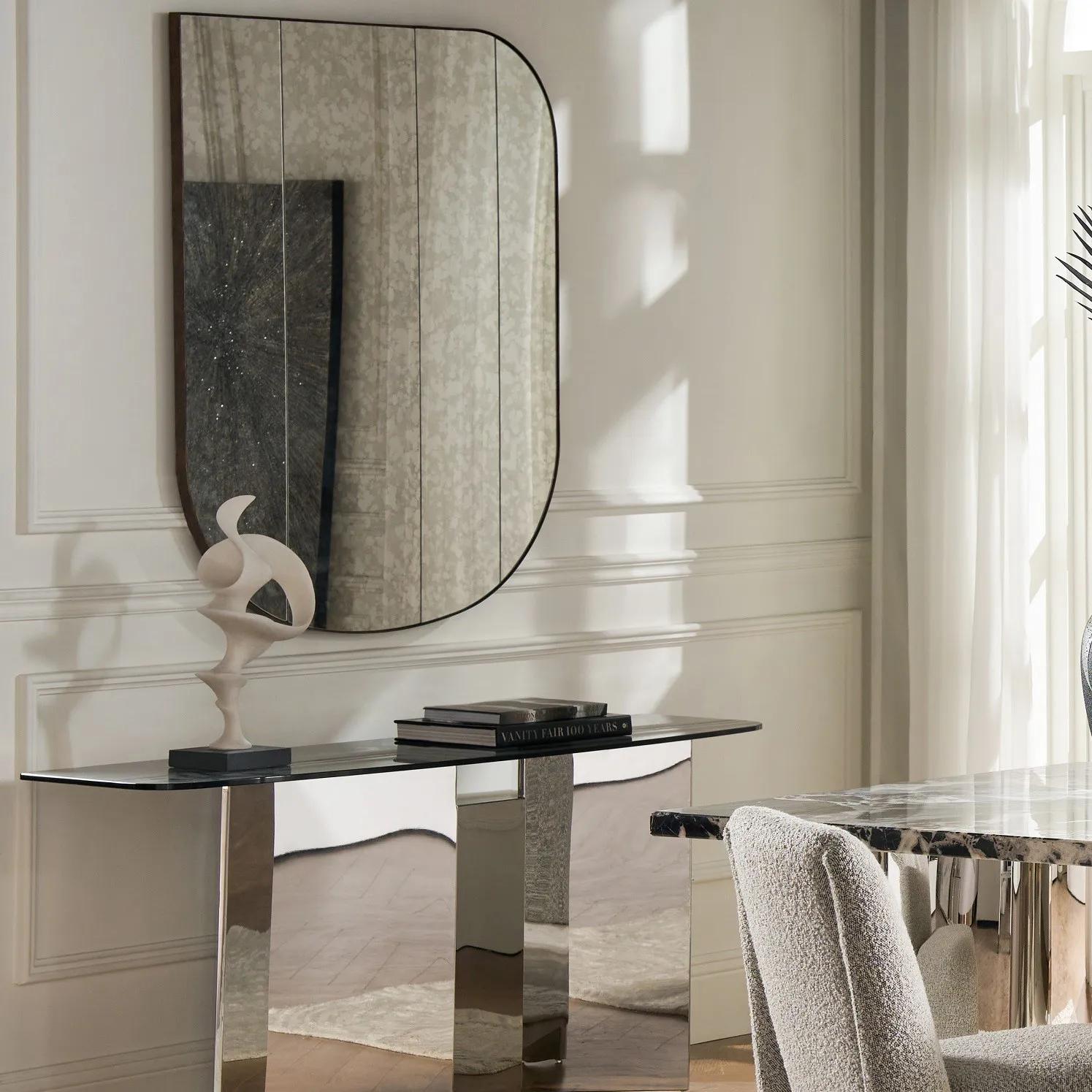 Angolo Wall Mirror$799
An antique-inspired wall mirror featuring a softly irregular shape and shimmering patina on iron and MDF.
Add To Cart -
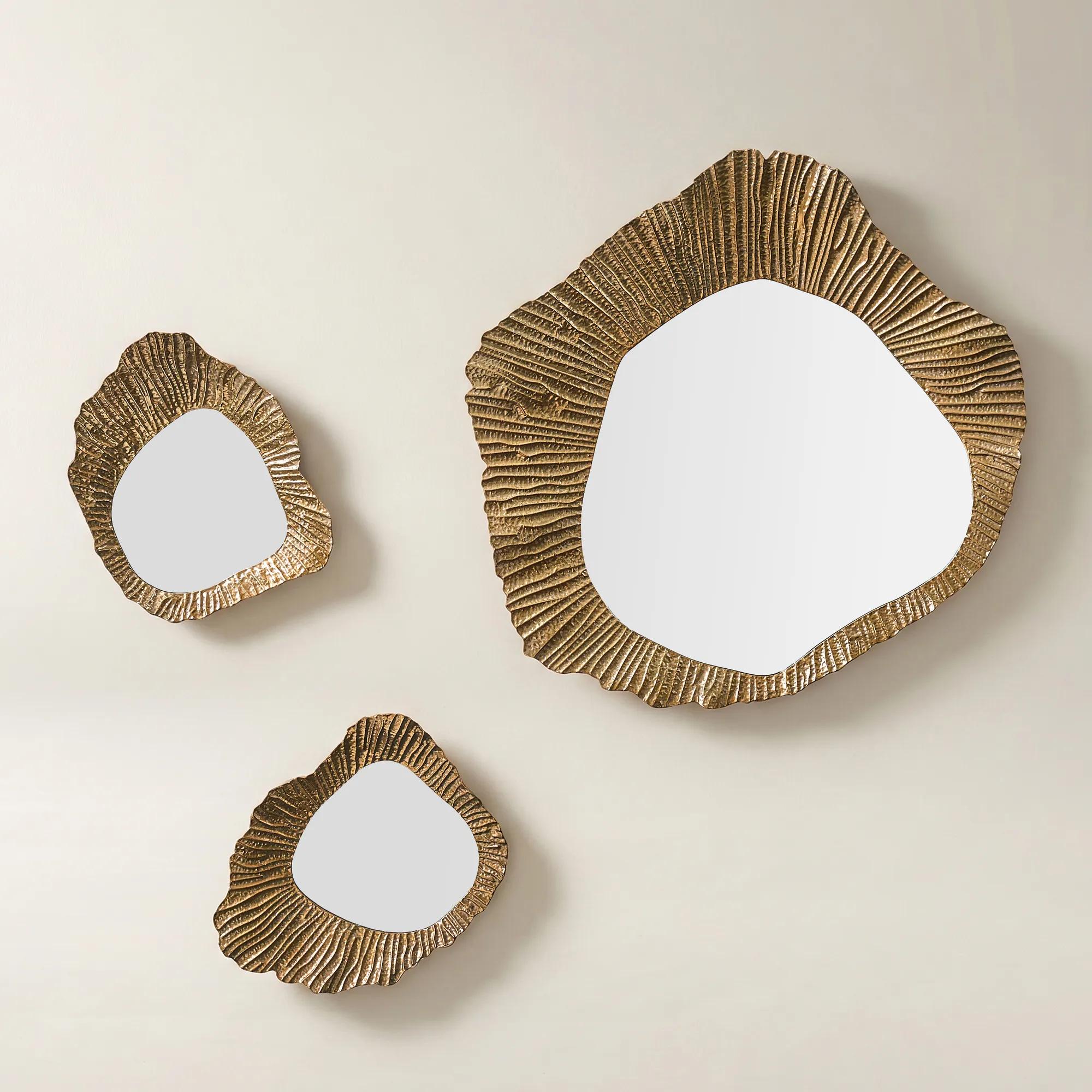 Cara Antique Gold Hand-Forged Iron Organic Shaped Wall Mirror Cluster Trio$1099
A set of three hand-forged iron mirrors in antiqued gold, featuring an organic, sculptural cluster design.
Add To Cart -
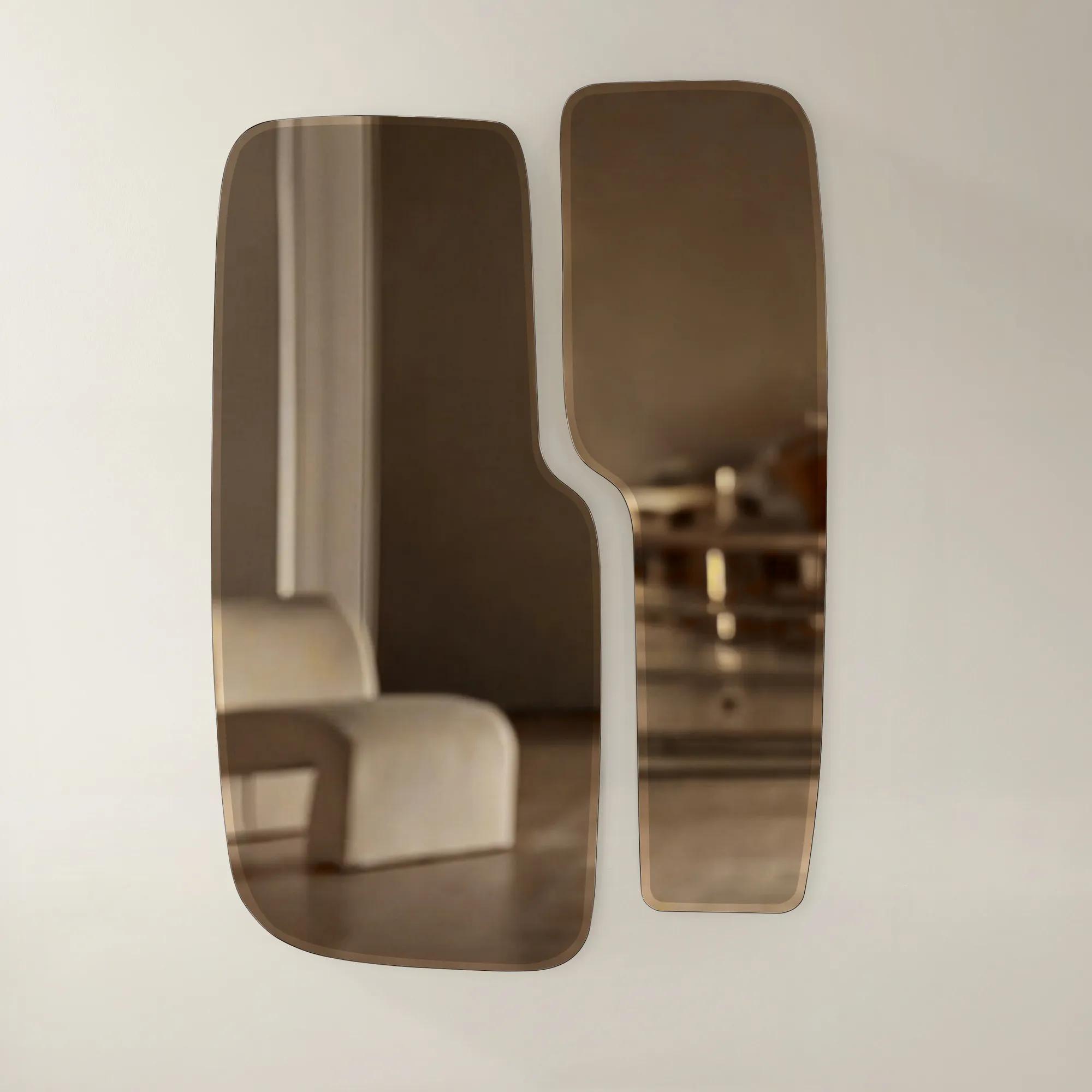 Puzzle 2-Piece Bronze Organic Shaped Wall Mirror 30" x 45"$499
A two-piece bronze wall mirror set featuring organic shapes for an artful, sculptural accent.
Add To Cart -
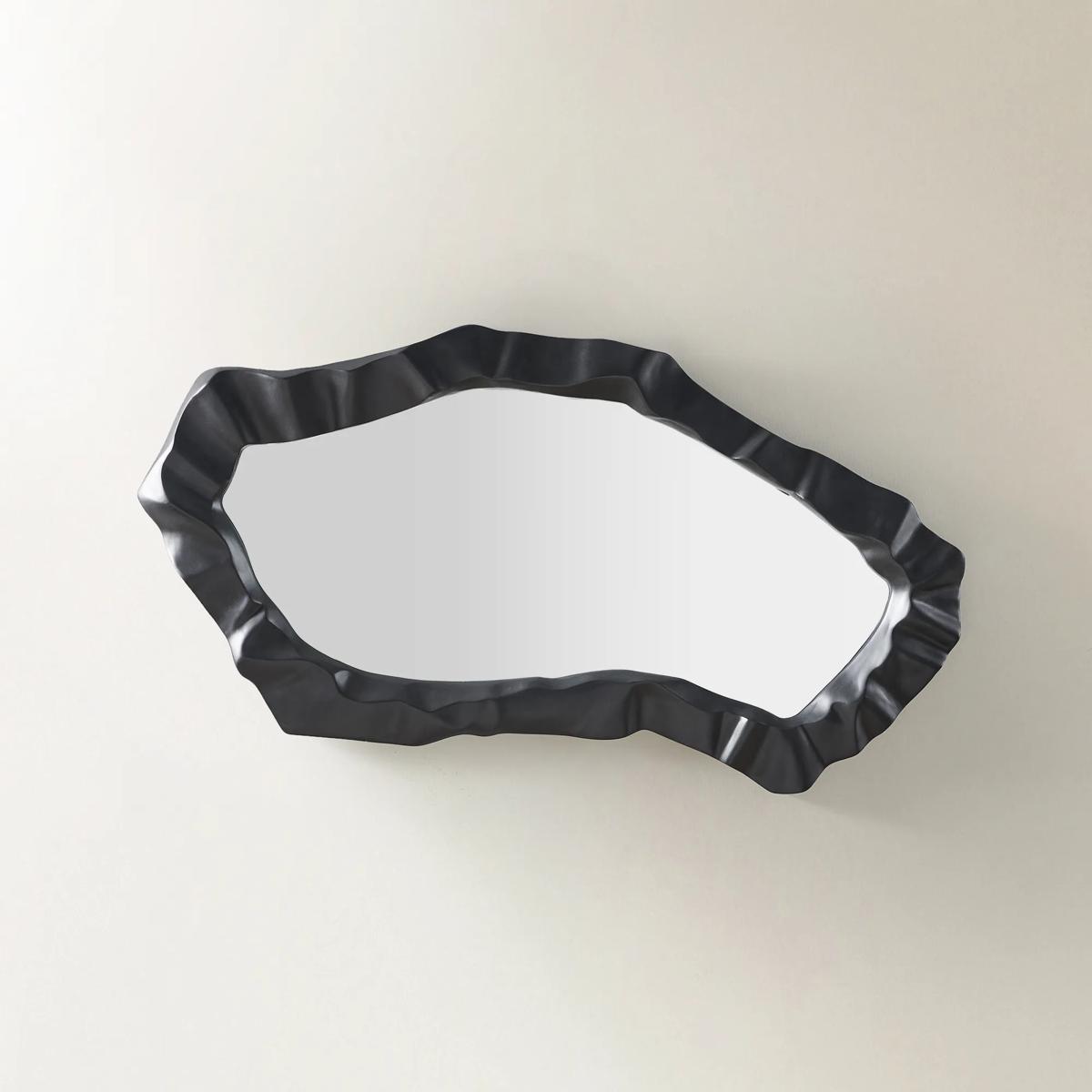
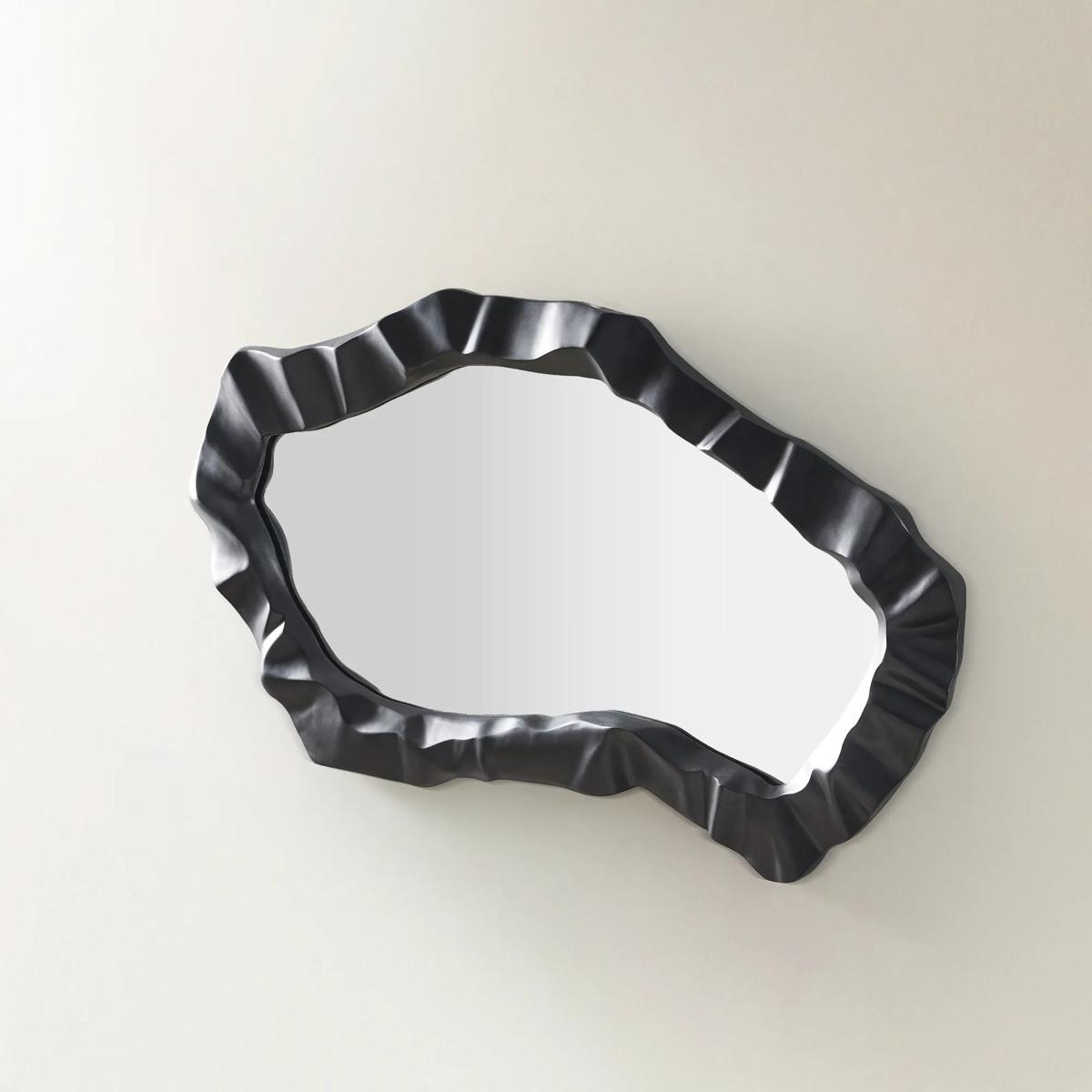 Islay Black Resin Organic Shaped Wall Mirror 44.75" x 23.75"$599
A sculptural black resin mirror featuring bold, asymmetrical curves and versatile vertical or horizontal hanging.
Add To Cart -
.jpeg?w=1200&h=1200)
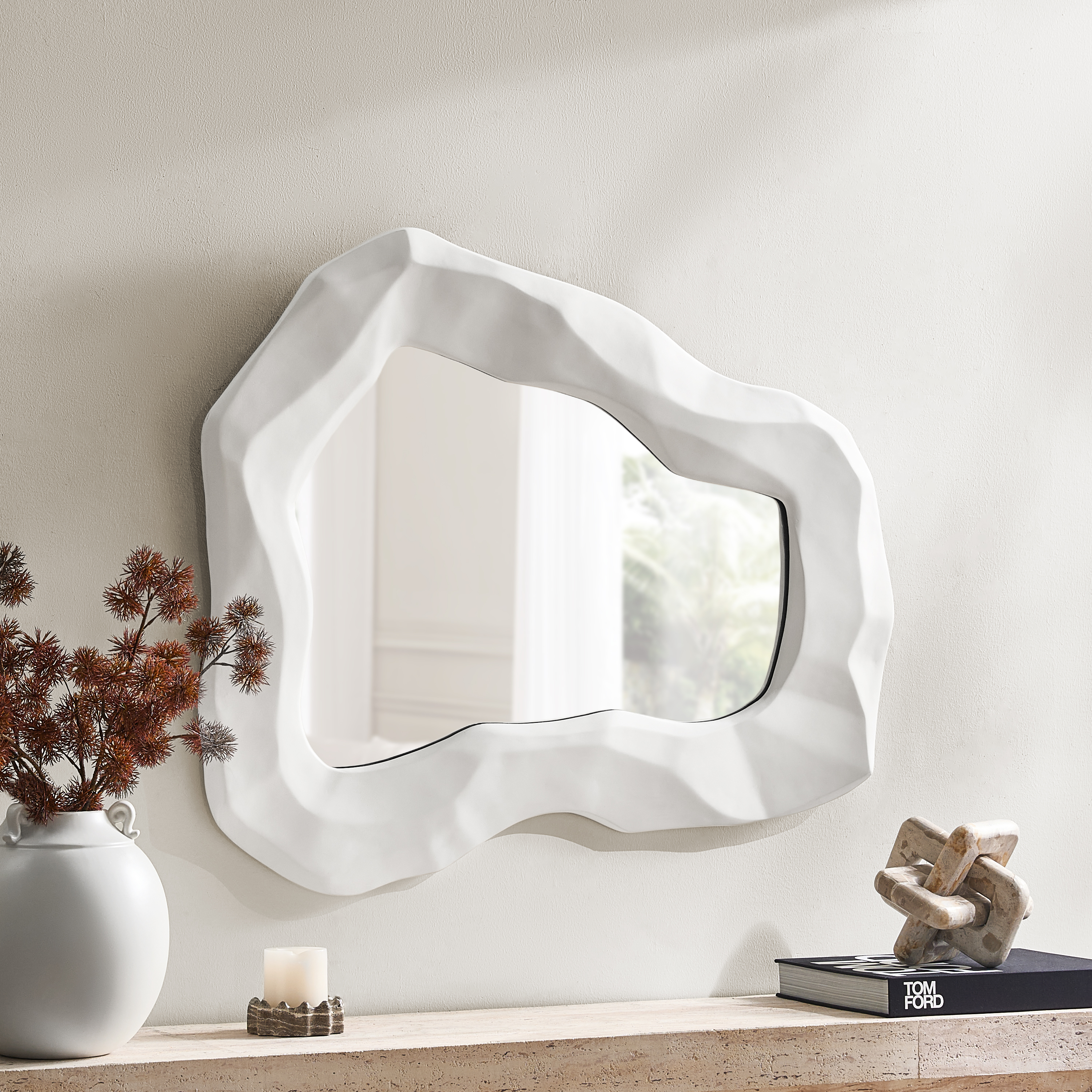 Islay Wall Mirror - White$549
A sculpted resin-framed mirror in matte white with an organic, asymmetrical silhouette for modern interiors.
Add To Cart -
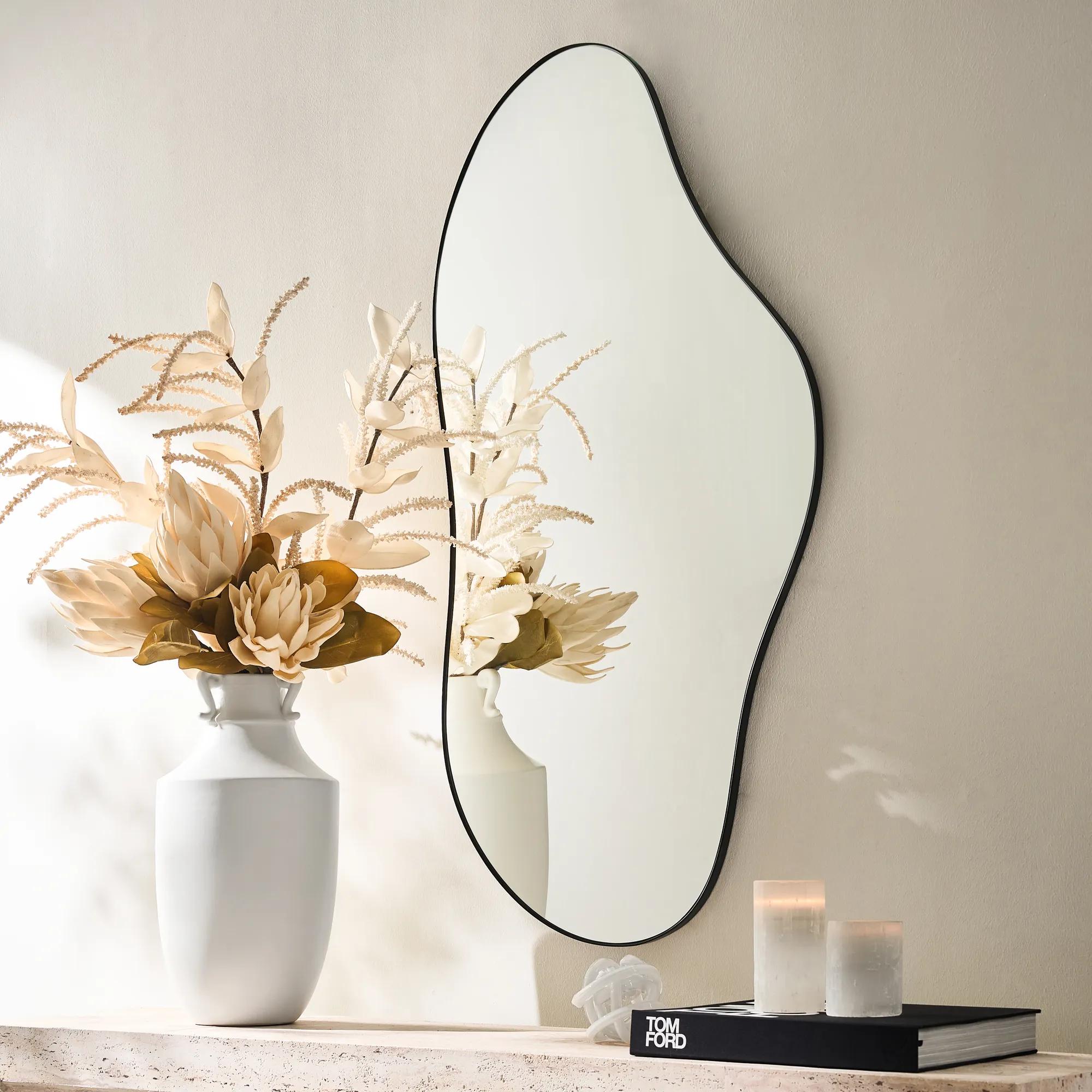
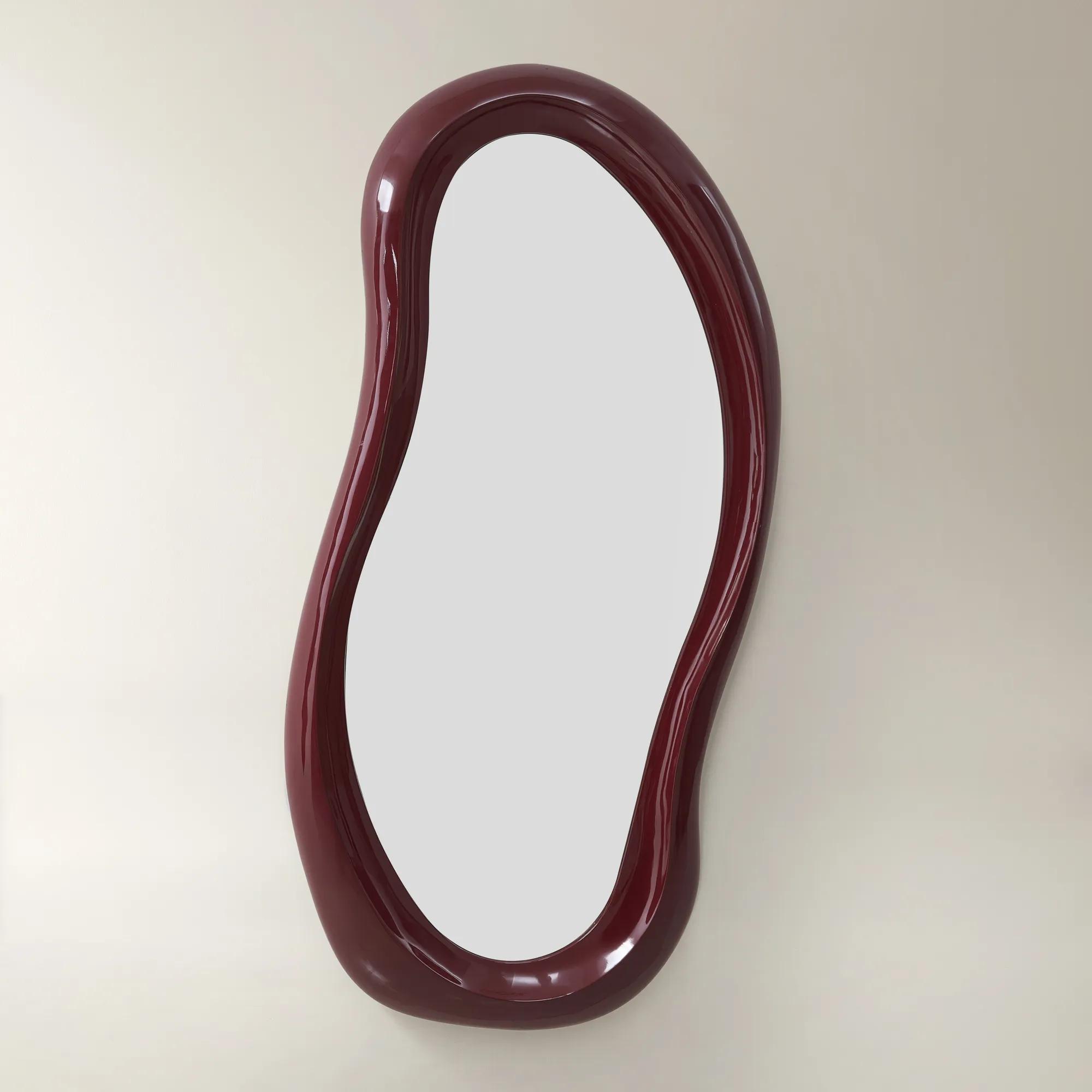
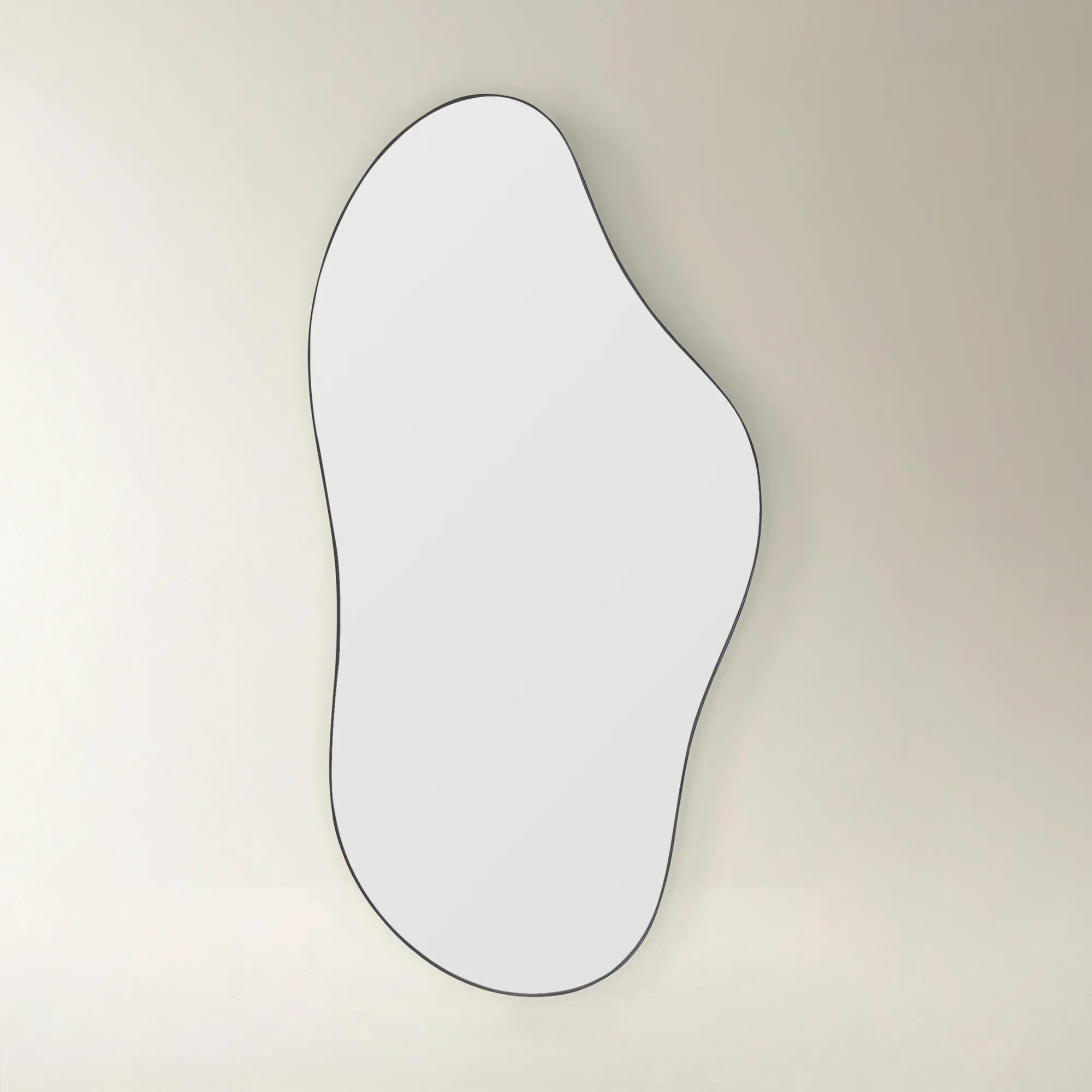 Puddle Wall Mirror$299
A freeform glass mirror with a black frame that adds playful sophistication to modern interiors.
Add To Cart -
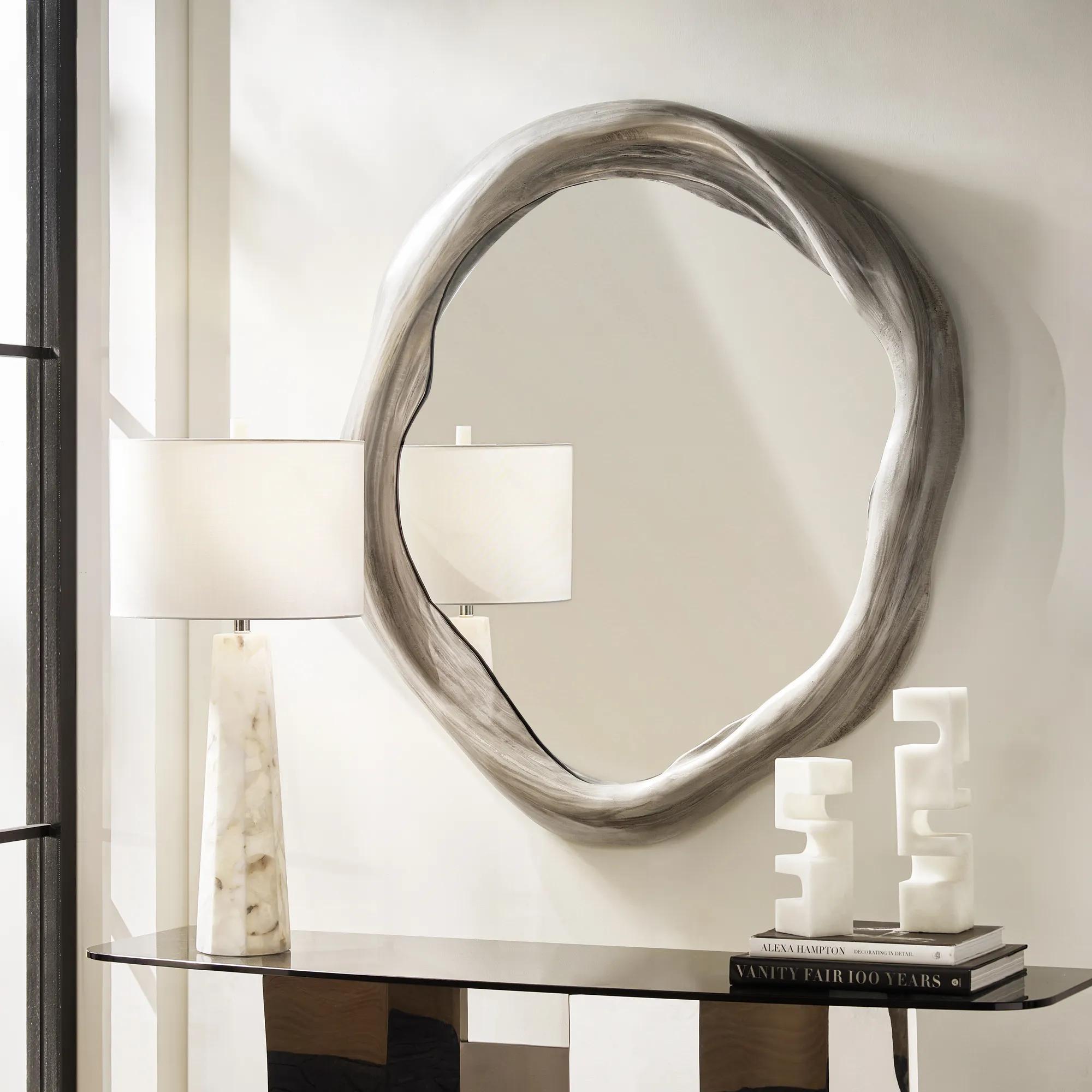
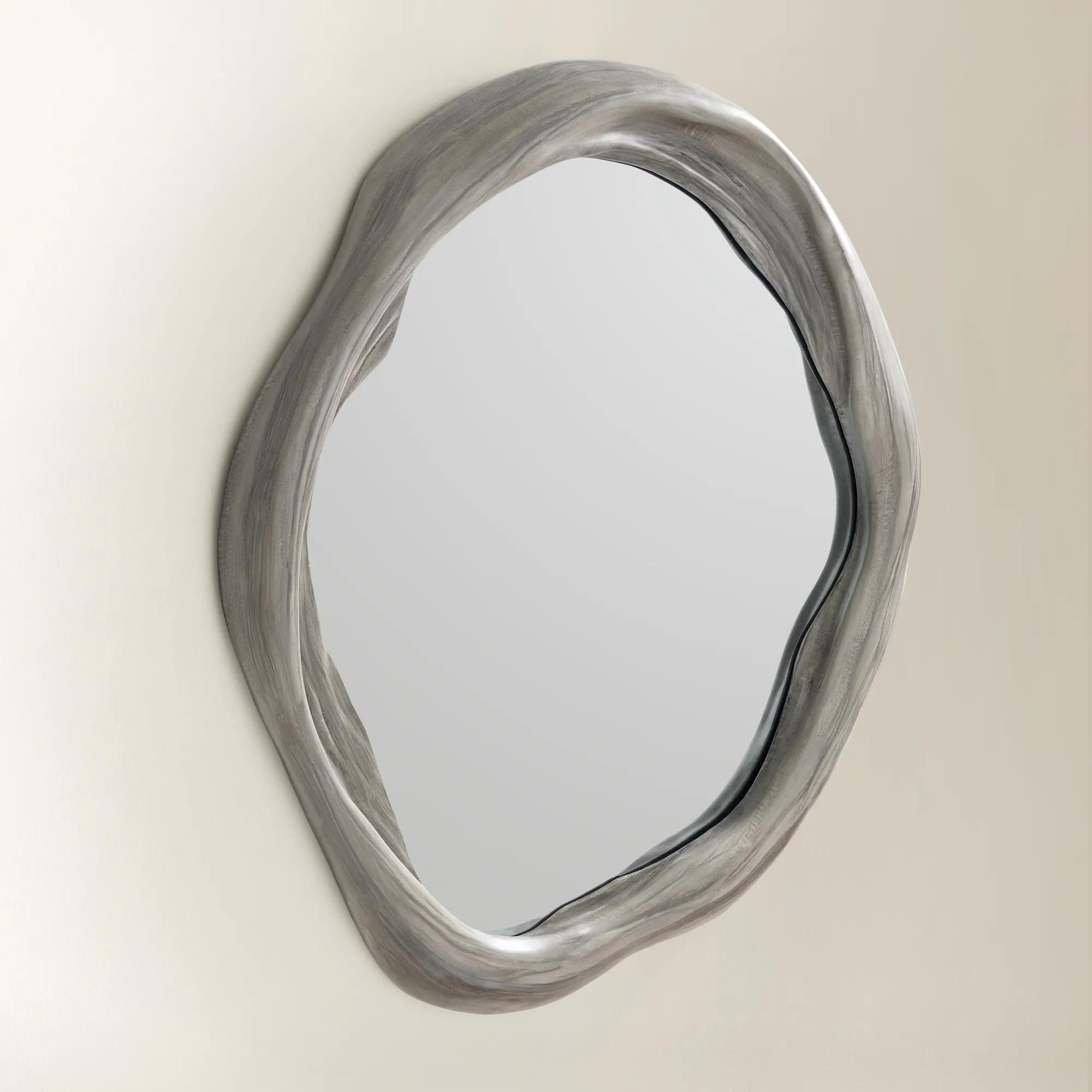 Dunes Wall Mirror$899
An organically shaped wall mirror with an artfully irregular gray frame, perfect for modern or minimalist spaces.
Add To Cart -
.jpeg?w=1200&h=1200) Cara Antique Gold Hand-Forged Iron Organic Shaped Wall Mirror 52.5" x 53"$1199
Cara Antique Gold Hand-Forged Iron Organic Shaped Wall Mirror 52.5" x 53"$1199A sculptural wall mirror featuring a hand-hammered iron frame with radiant gold and organic edges.
Add To Cart -
.jpeg?w=1200&h=1200) Oceano White Resin Round Wall Mirror 42.7" x 40.2"$699
Oceano White Resin Round Wall Mirror 42.7" x 40.2"$699A white wall mirror featuring an organic shape and sandy texture for a serene, coastal-inspired accent.
Add To Cart -
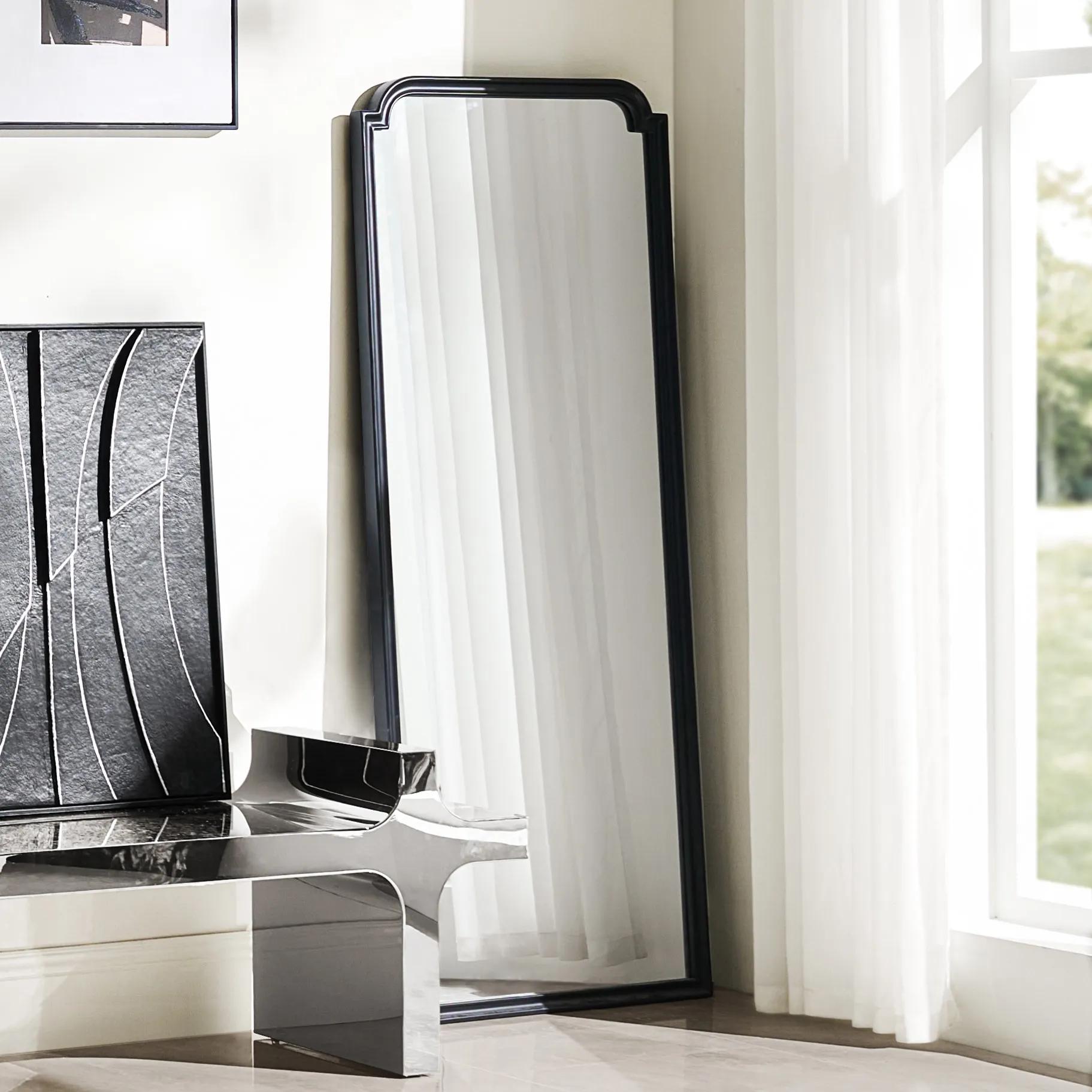
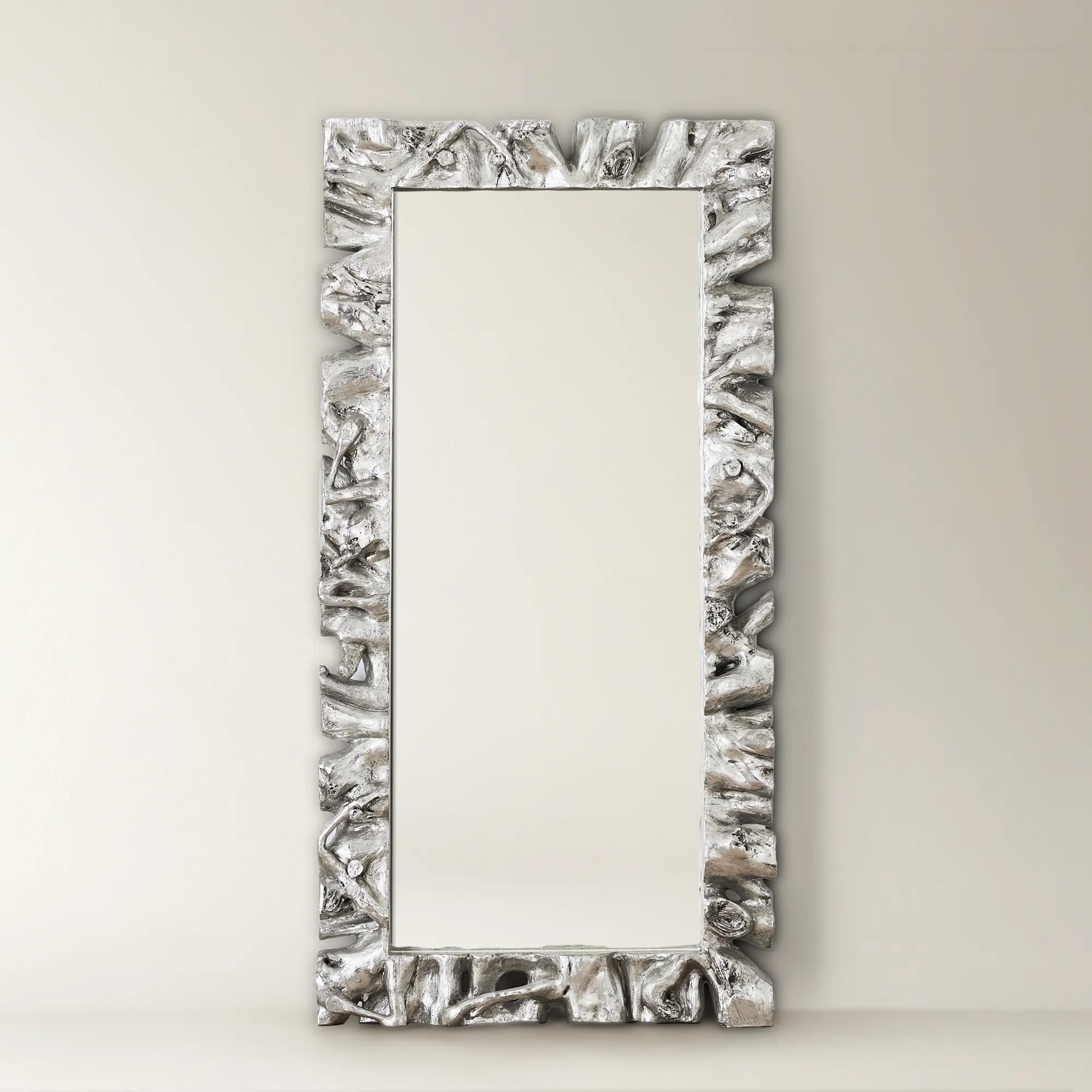 Sequoia Silver Resin Rectangular Floor Mirror 39'' x 78''$1399
A sculptural leaner mirror featuring acacia root-inspired fiber resin and a shimmering metallic leaf finish.
Add To Cart -
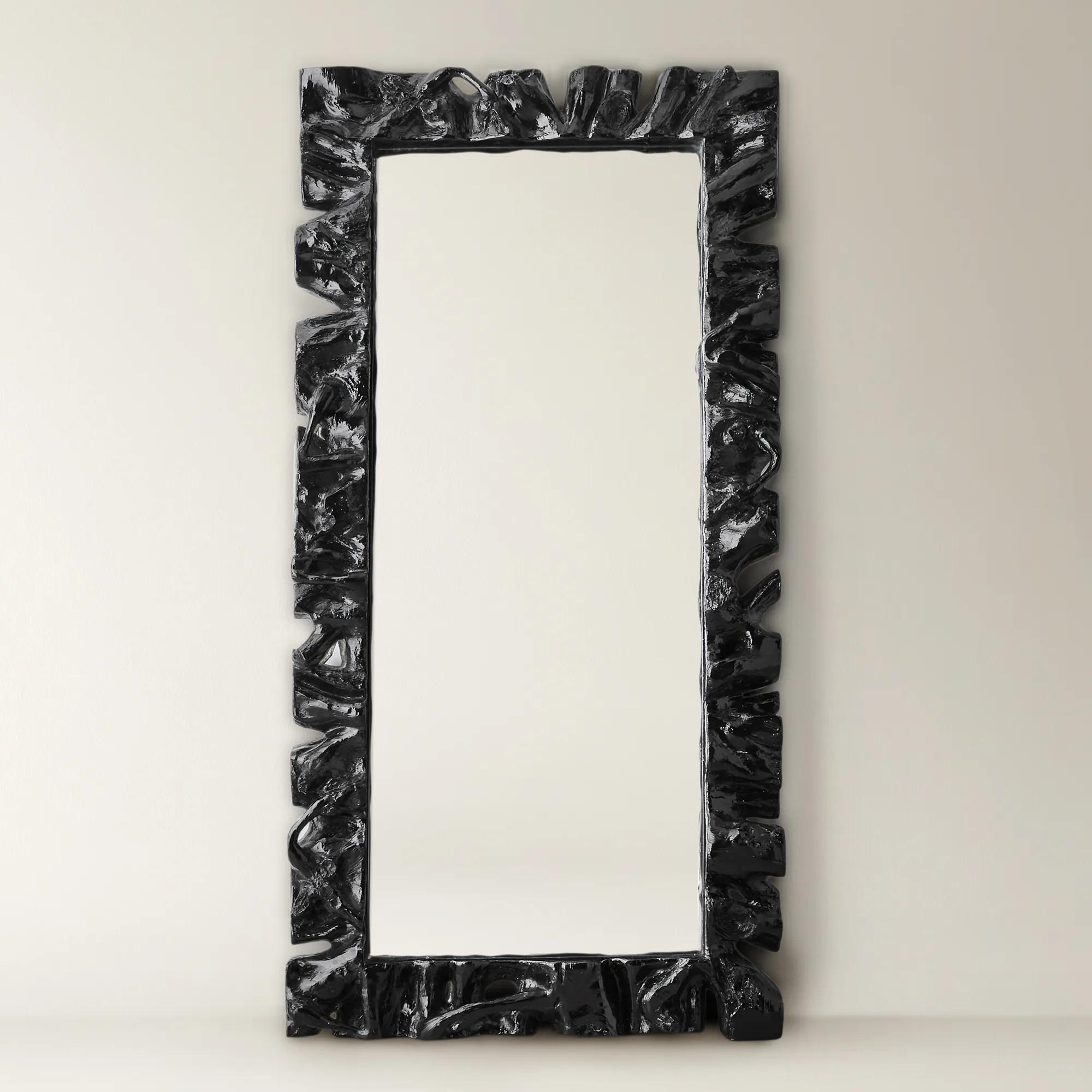
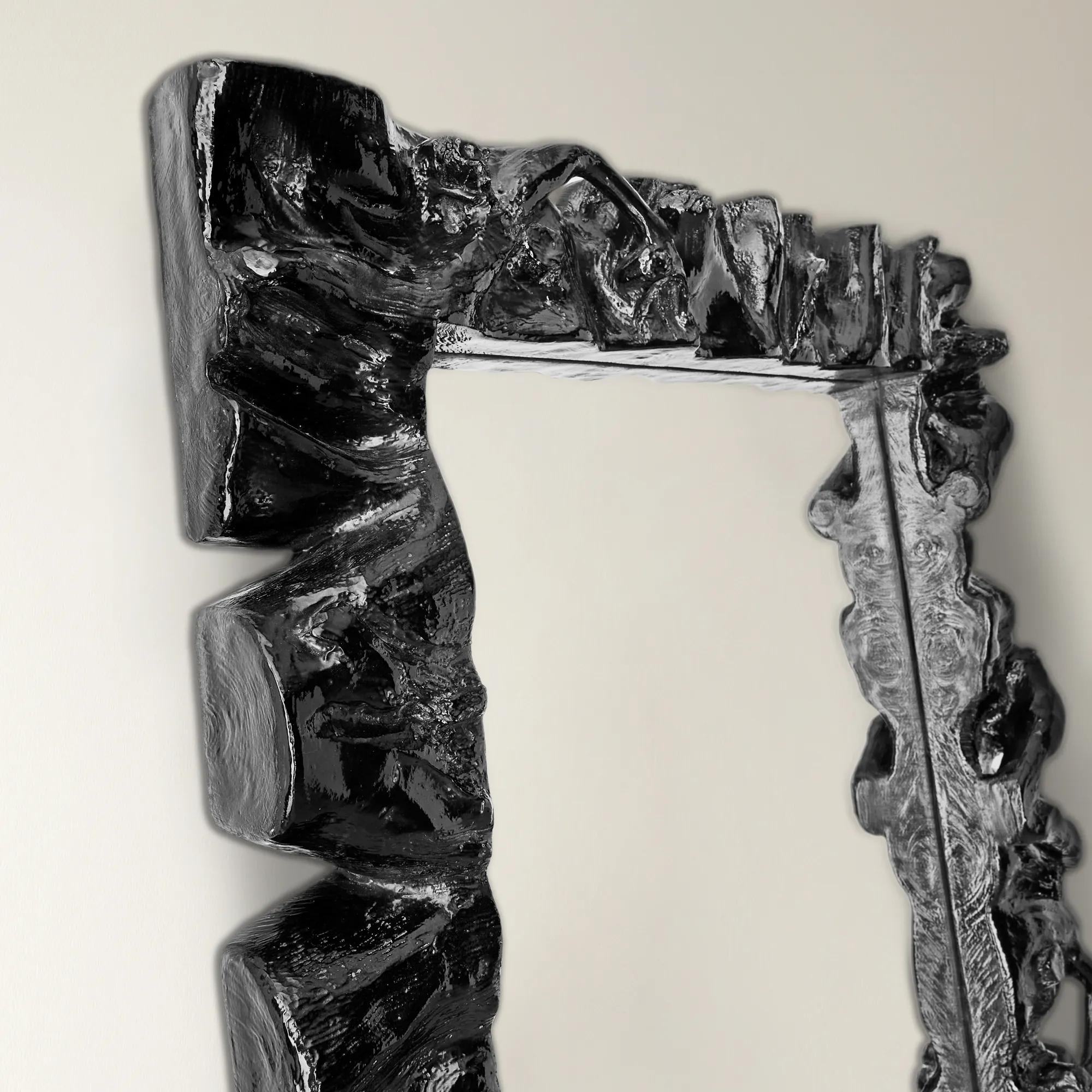 Sequoia Black Resin Rectangular Floor Mirror 39'' x 78''$1399
A sculptural floor mirror featuring acacia root-inspired fiber resin in a sleek black gel finish.
Add To Cart -
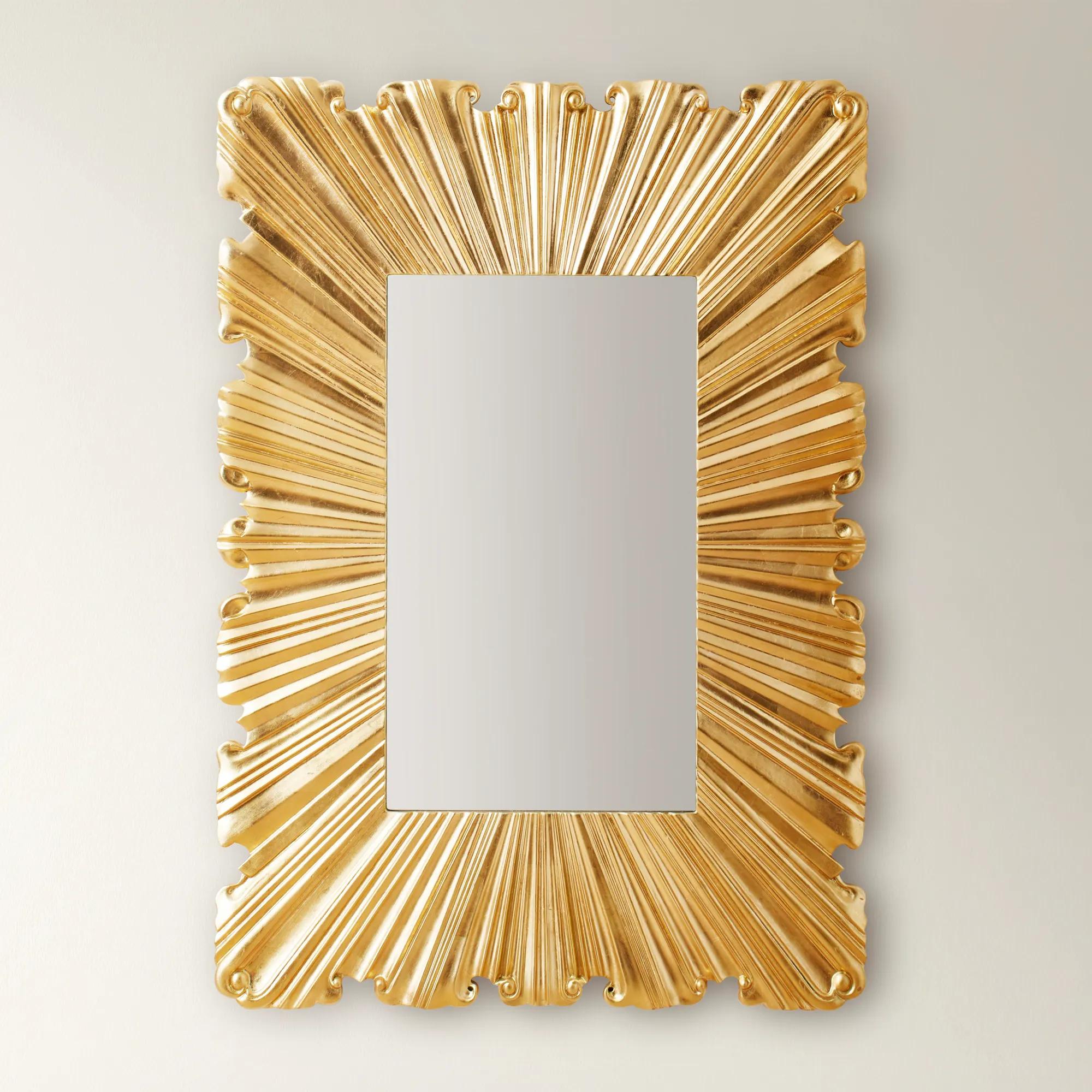 Metropolitan Gold Leaf Resin Rectangular Wall Mirror 27.5" x 39.5"$459
A sculptural wall mirror featuring a gold-finished polyurethane frame for a modern, elegant accent.
Add To Cart -
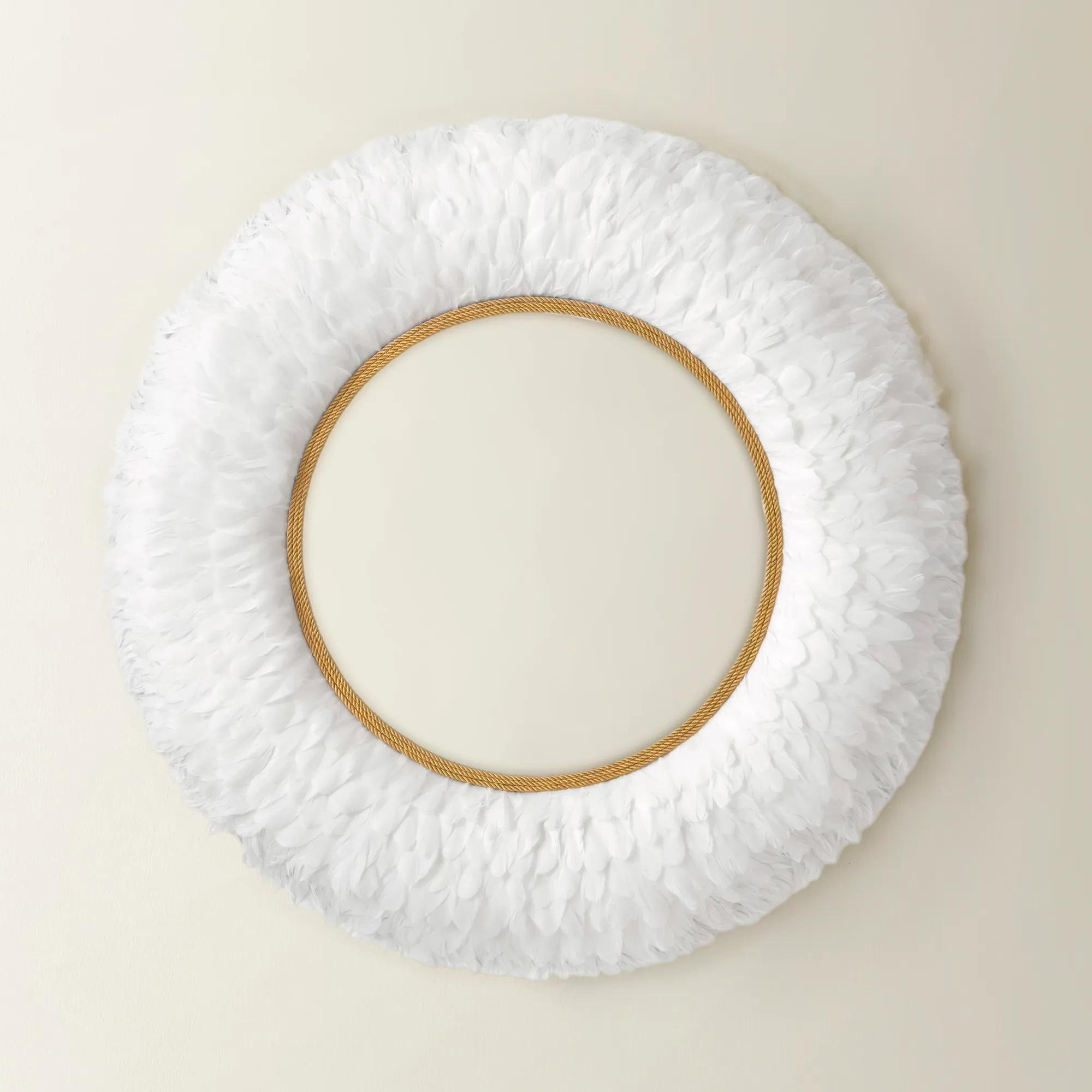
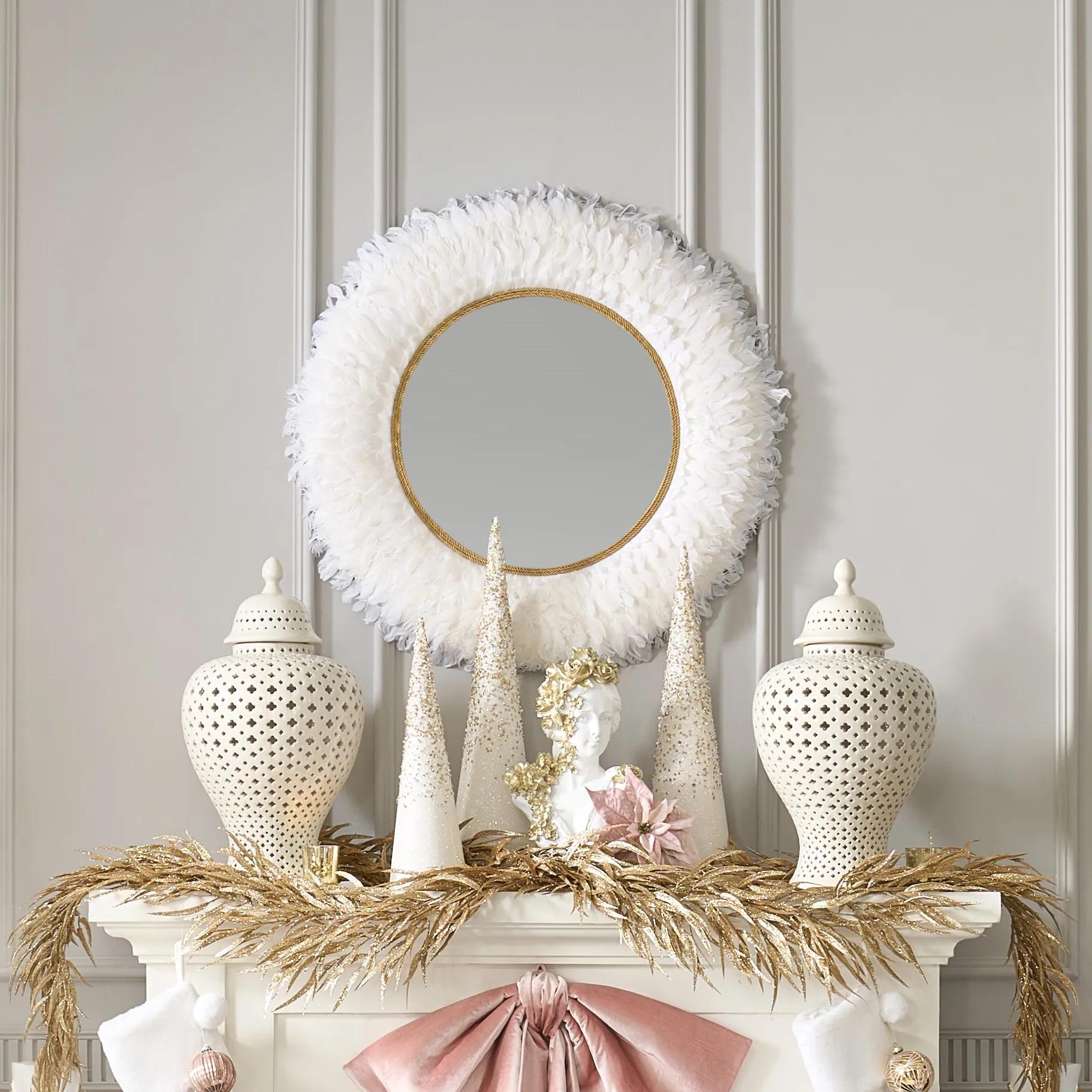 Nikki Chu - Daybreak Feather Mirror$499
A dramatic white feather-framed mirror accented with a gleaming gold inner border for added texture.
Add To Cart -
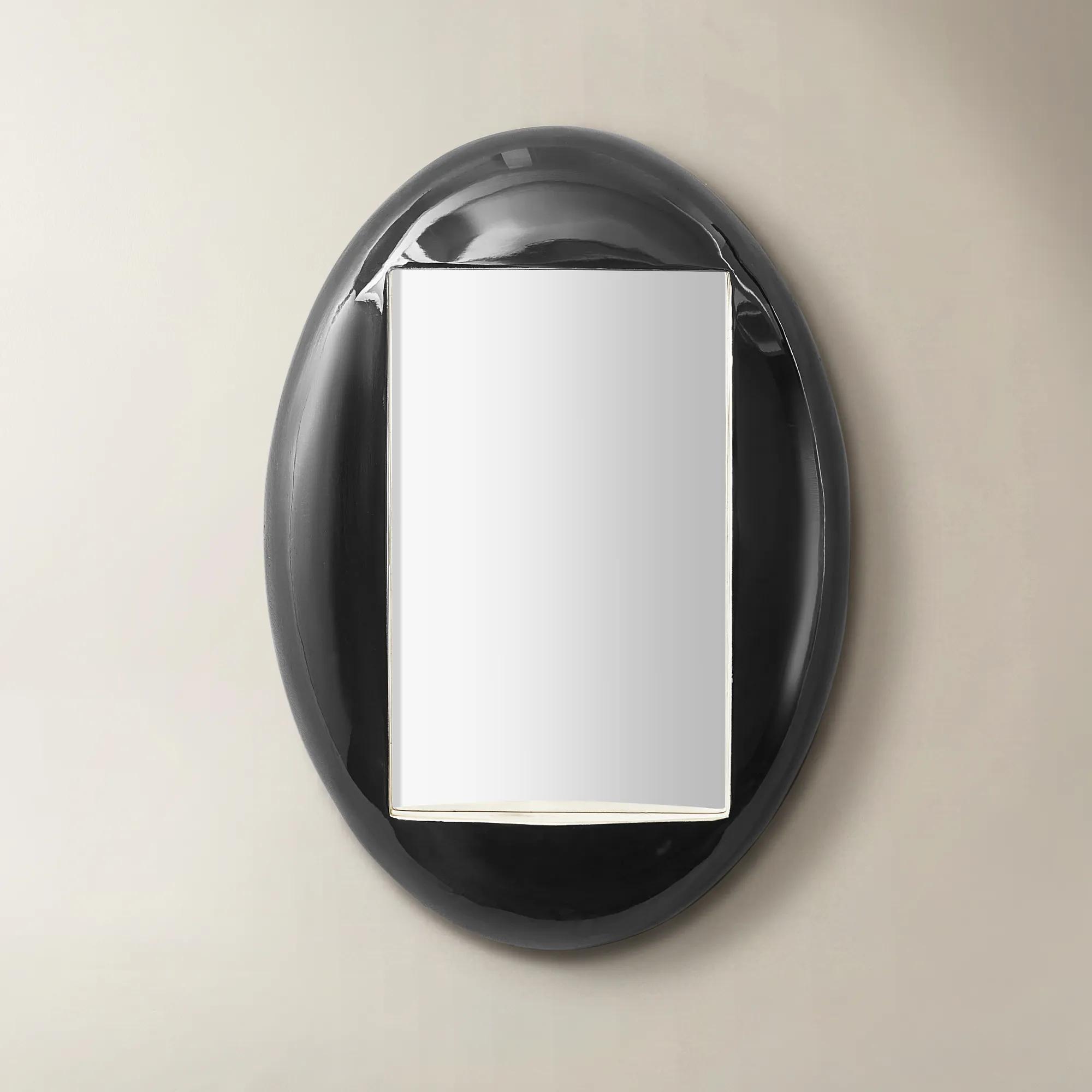 Tuxedo Black And Champagne High Gloss Resin Geometric Wall Mirror 28" x 20"$299
A geometric wall mirror with a black and champagne resin frame for bold, modern sophistication.
Add To Cart -
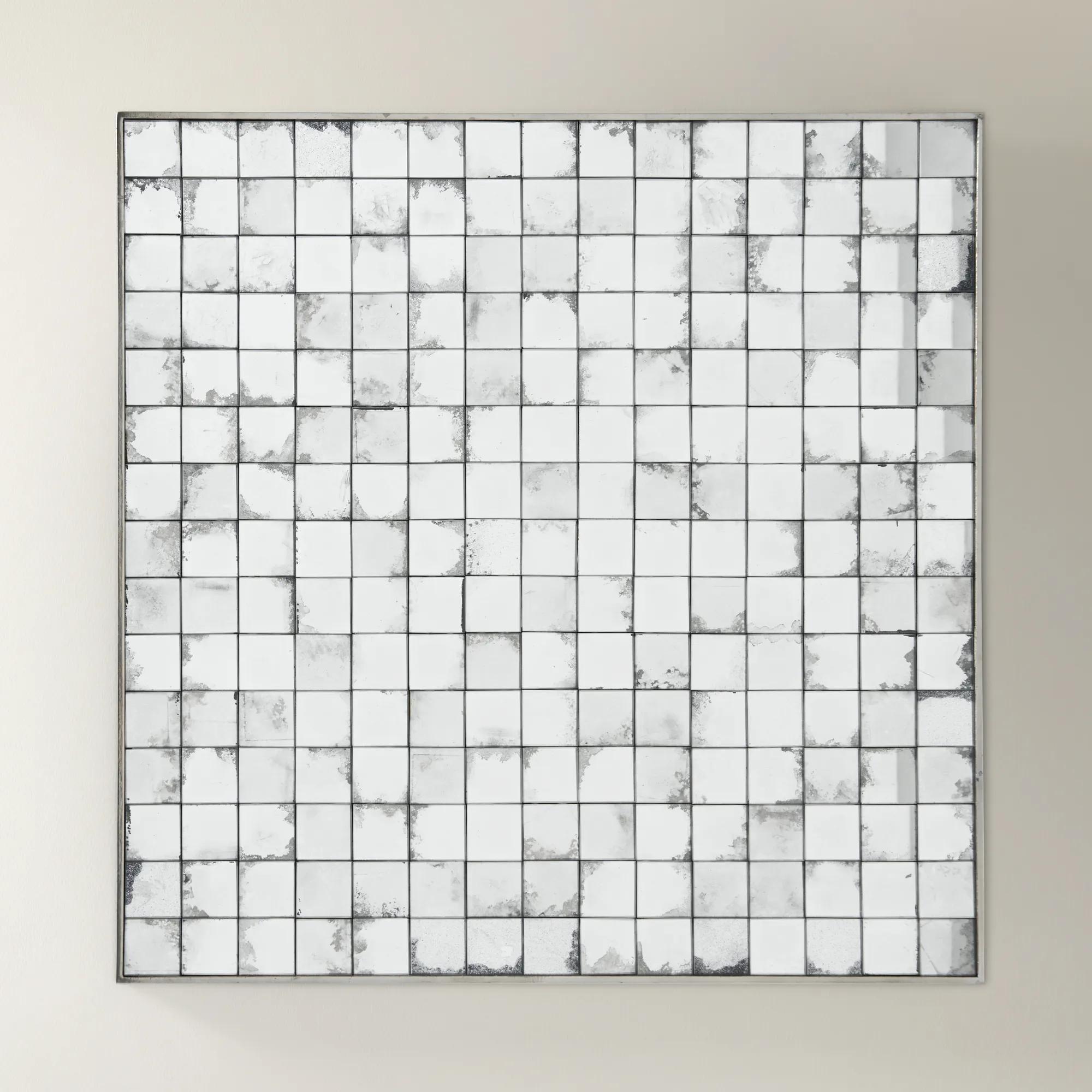
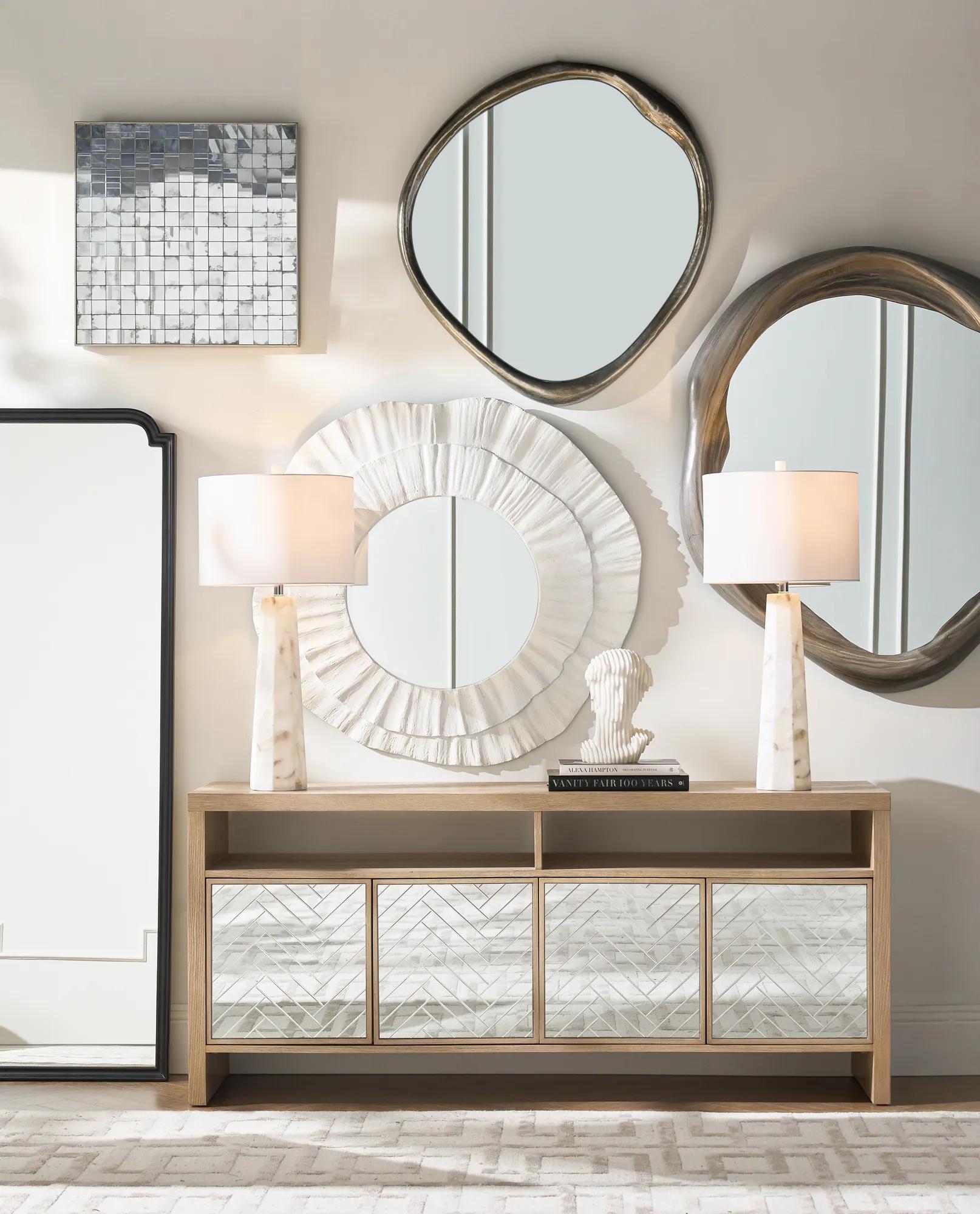 Futuro Wall Mirror$499
An antiqued silver mirror featuring aged glass tiles for a striking blend of vintage and modern style.
Add To Cart -
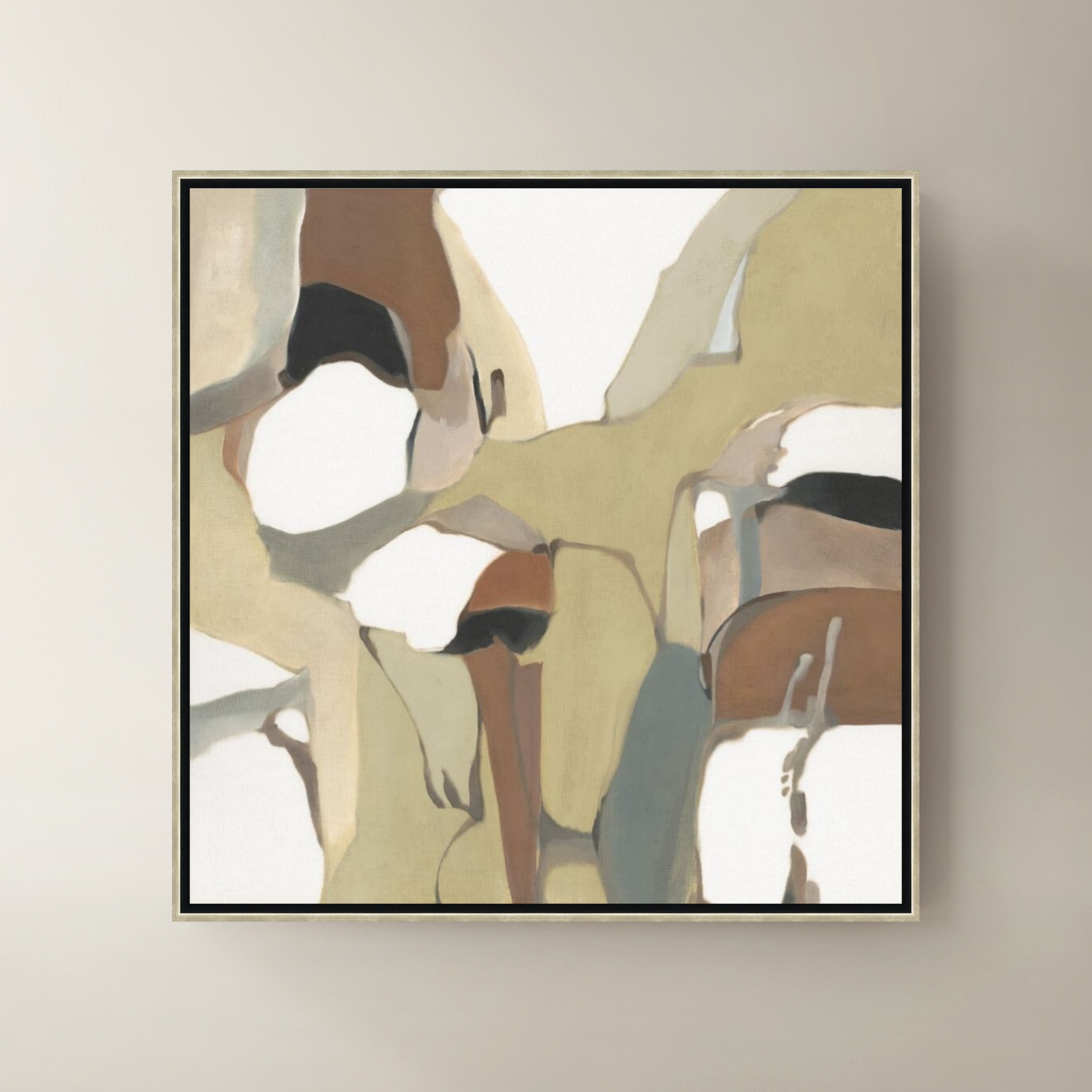
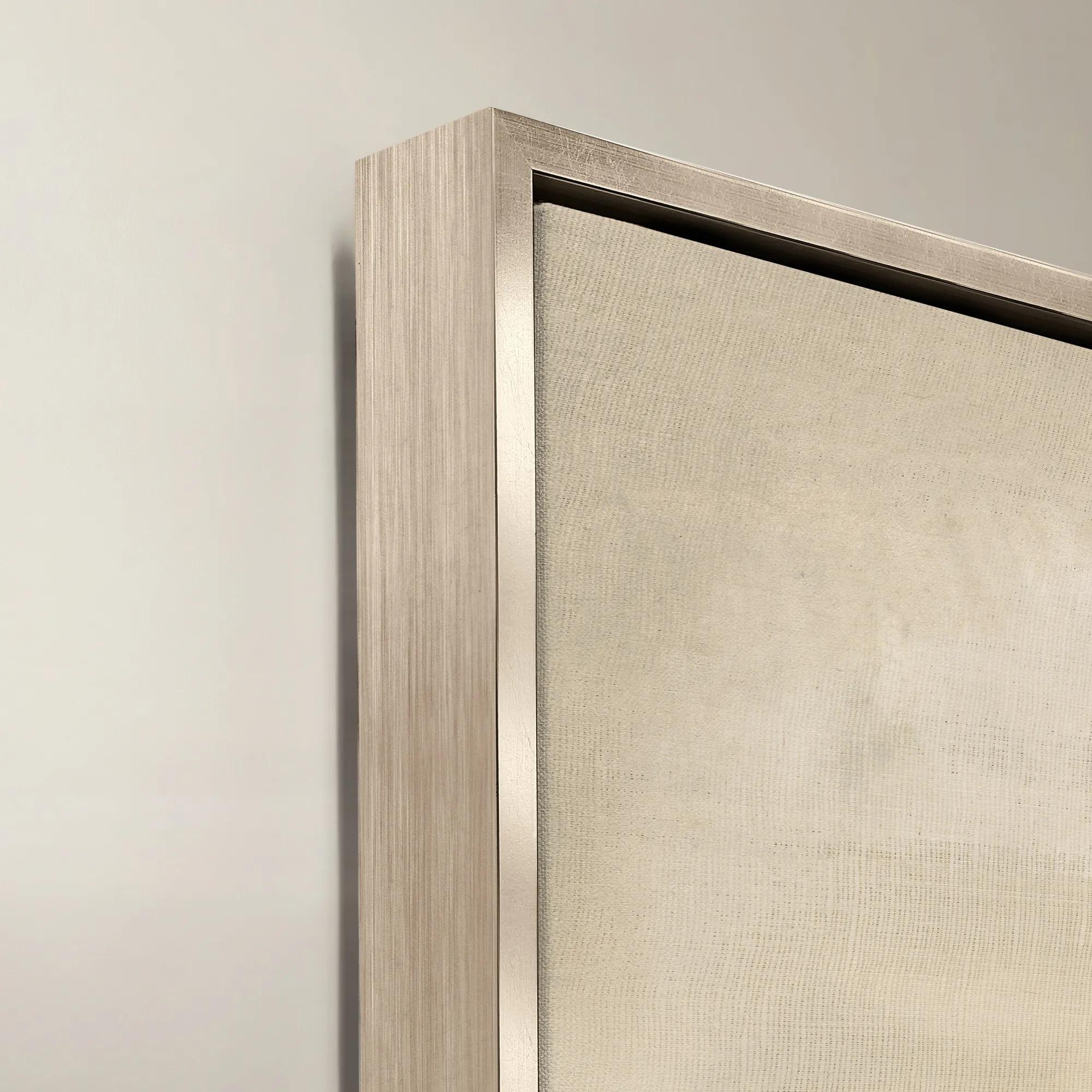 Organic Shape Framed Wall Art 47" x 47"$1099
A framed canvas artwork featuring an organic shape in rich brown tones.
Add To Cart -
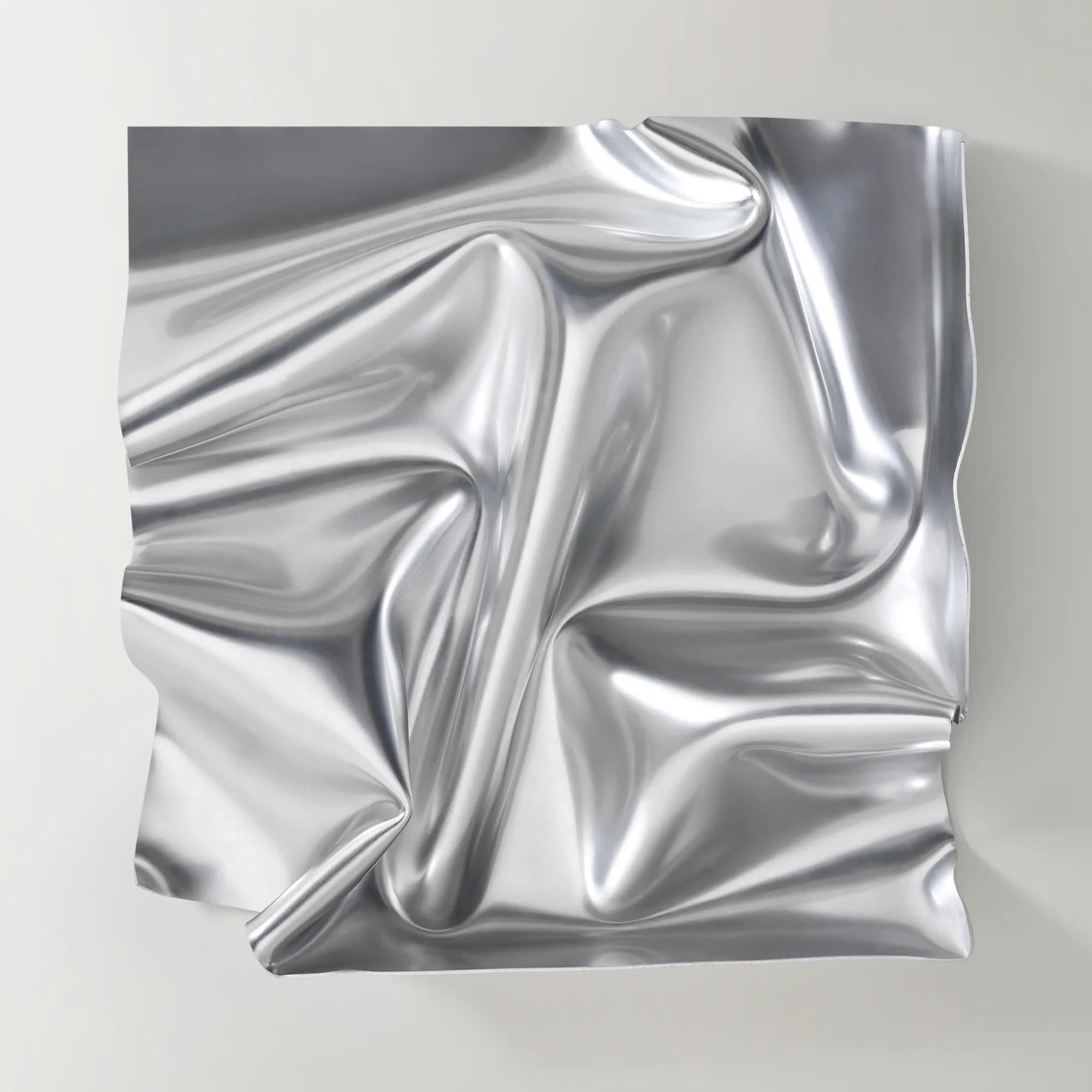
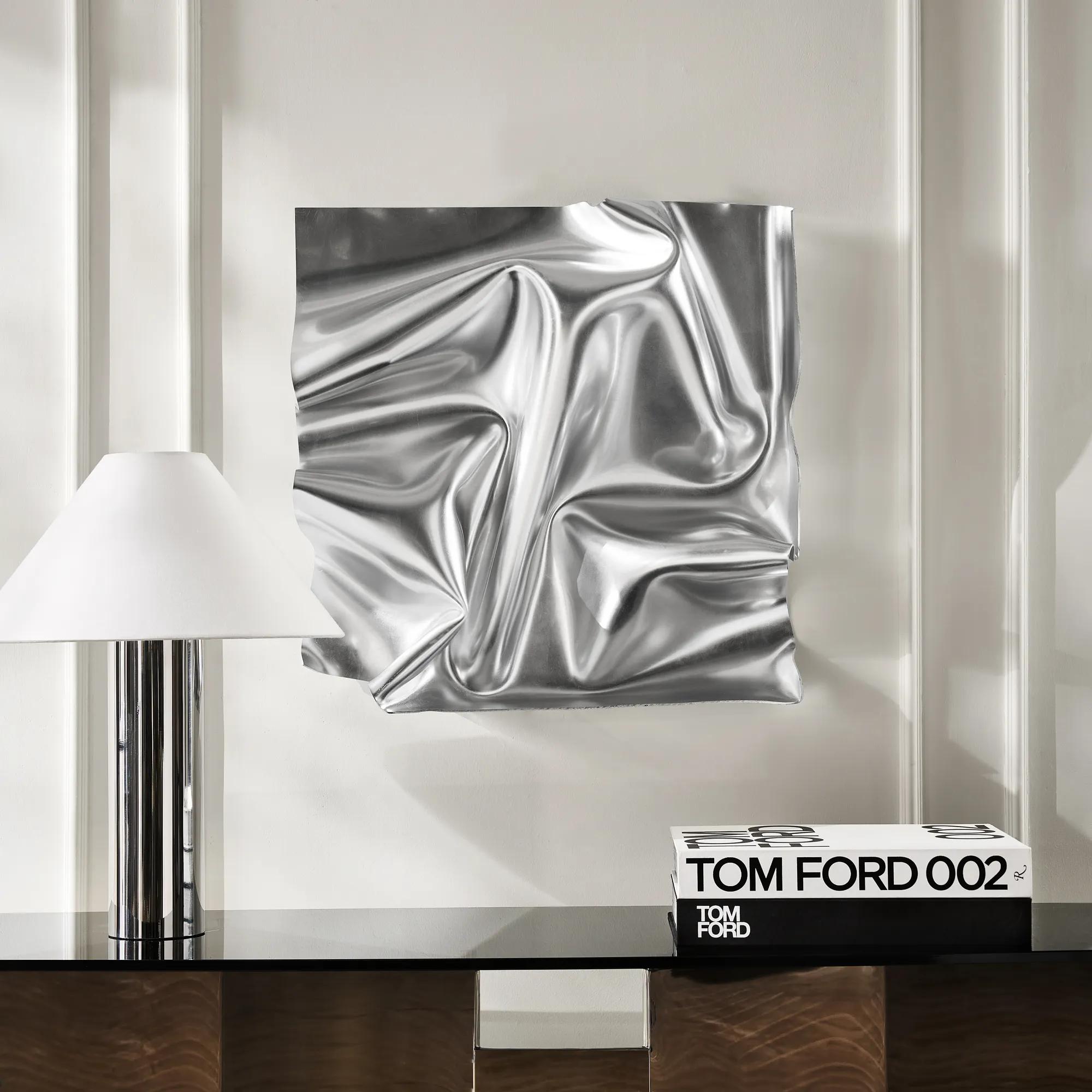 Surface Sculpted Silver Leaf Acrylic Wall Decor 23.6" x 23.6"$189
A striking acrylic wall piece featuring fluid, reflective silver shapes for dramatic, modern visual impact.
Add To Cart -
.jpeg?w=1200&h=1200) Celine White And Gold Resin Round Wall Mirror 46.5" x 38.5"$699
Celine White And Gold Resin Round Wall Mirror 46.5" x 38.5"$699A curvaceous wall mirror featuring a white and gold frame for a touch of modern glamour.
Add To Cart -
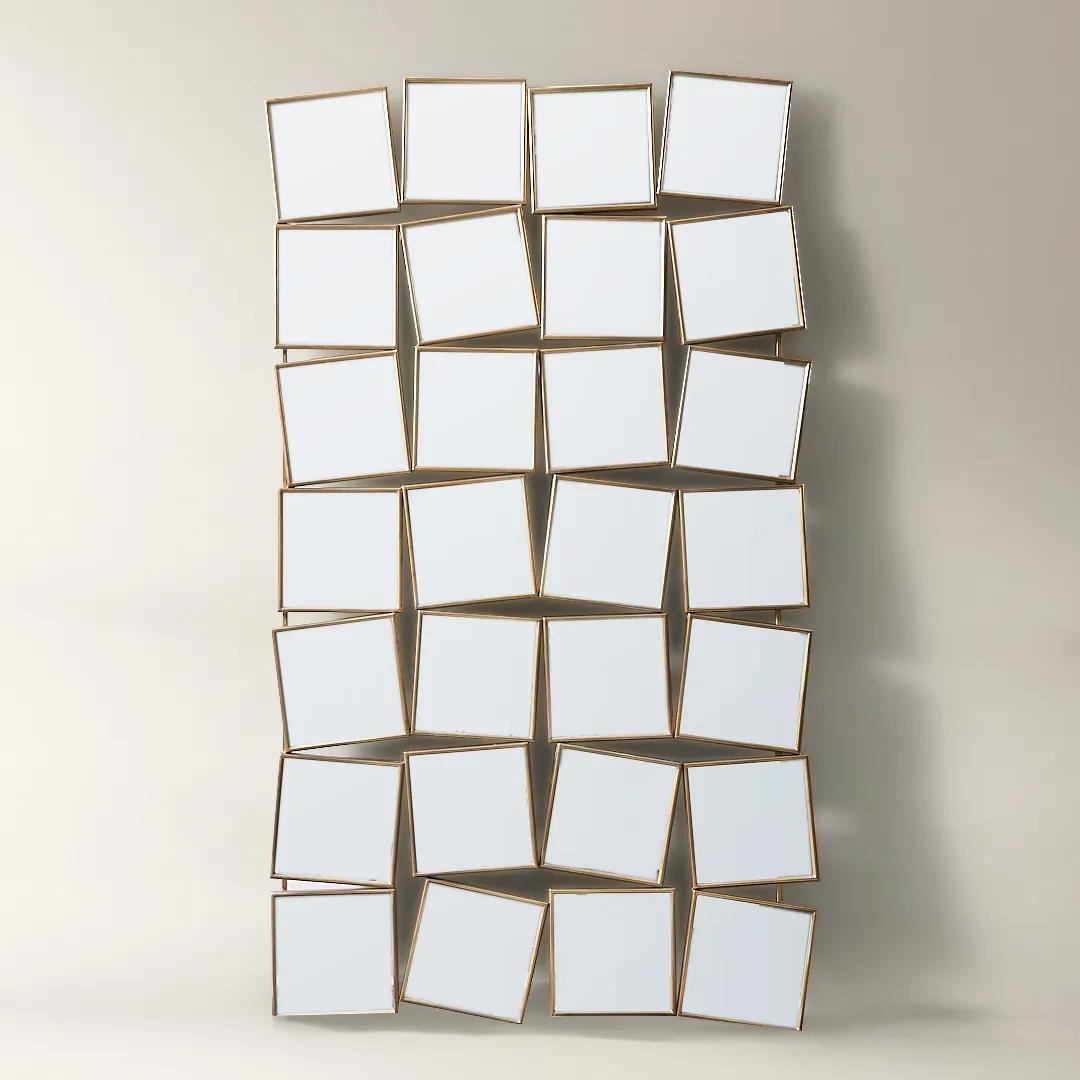 Newberry Gold Hand-Crafted Iron Floor Mirror 44.5" x 77"$1599
A sculptural mirror featuring hand-crafted gold iron panels for a multidimensional, luminous statement in any room.
Add To Cart -
.jpeg?w=1200&h=1200) Forrest Floor Mirror$1499
Forrest Floor Mirror$1499A sculptural floor mirror featuring a hand-finished dark green MDF frame for a bold, organic accent.
Add To Cart

Irregular Shape Wall Mirrors For Interiors
Irregular Shape Wall Mirrors for Interiors invite a sense of curated artistry, transforming blank walls into captivating focal points. These sculptural silhouettes break free from convention, reflecting not just light but personality—each curve and angle an ode to bold self-expression. With their unexpected forms, these mirrors elevate any space from ordinary to extraordinary, infusing rooms with a dynamic interplay of reflection and intrigue. For those who believe interiors should dazzle and delight, Irregular Shape Wall Mirrors for Interiors offer the ultimate opportunity to paint your home with dimension, drama, and unapologetic style.
Irregular shape wall mirrors bring reflection and sculptural presence together, using asymmetrical outlines instead of the familiar rectangle, circle, or evenly proportioned oval. Their appeal lies in that deliberate departure from symmetry: a sweeping curve, an unexpected indentation, or a rippling edge gives the wall a sense of movement before the reflection even comes into view. Cloudlike silhouettes lend softness to interiors with strong architectural lines, while elongated, stone-inspired forms introduce a more restrained, organic rhythm. Wavy wall mirrors have a bolder cadence, their contours creating a lively contrast against tailored upholstery, paneled walls, and crisp console tables. These decorative mirrors are especially expressive in rooms where furniture follows a structured arrangement. Above a low, linear sofa, an abstract silhouette interrupts the horizontal lines with an artful flourish; in an entryway, it gives a practical glance before departure the atmosphere of a dressing-room moment. The mirrored surface can also reflect daylight and create an impression of greater depth, particularly when it captures an open doorway, a window, or a thoughtfully composed corner rather than a crowded countertop. Unlike a framed print, its appearance changes with the room: pale morning light emphasizes the outline, while evening lamplight draws gleaming highlights across the glass. That changing character makes asymmetrical wall mirrors compelling for interiors that favor personal expression over rigid coordination. A softly rounded shape can temper a dramatic black wall, while a sharper, angular outline brings definition to a room layered in plush textiles. For a broader expression of reflective wall decor, Unique Design Wall Mirrors offer another perspective on the relationship between silhouette, finish, and visual impact. Whether the surrounding mood is polished and glamorous or warm and collected, an irregular mirror works best when its distinctive profile has enough breathing room to be appreciated. The result is a focal point that feels intentional without requiring every neighboring detail to match.
Materials and edge treatments give irregular wall mirrors much of their personality, influencing both their visual weight and their suitability for a particular space. A slender metal frame traces the silhouette with precision, allowing a gold-toned finish to read as a luminous accent or a dark finish to create a graphic boundary against pale paint. Wood framing brings visible texture and warmth, offering a rich counterpoint to glass, lacquered furniture, and smooth stone surfaces. Frameless designs place greater emphasis on the contour itself, while polished or beveled edges can catch light and give the outline added definition. These distinctions matter in a finished room: a substantial frame may hold its own against patterned wallpaper, whereas a fine edge can appear almost weightless above a delicate console. Overall dimensions deserve equal attention because an irregular outline does not occupy space as uniformly as a rectangle. The widest and tallest points establish whether the mirror fits, but the distribution of its curves determines how balanced it looks above furniture. A broad upper curve and narrow lower edge, for example, can feel visually different from the same dimensions arranged in reverse. A paper template on the wall makes those proportions easier to assess before installation, especially near sconces, door trim, or a sloped ceiling. Above a mantel or sideboard, visible wall space around the outermost edges lets the shape remain legible rather than merging into nearby objects. Intended use also affects the right proportions. An entryway mirror should place a useful area of reflection at a comfortable height, while a bedroom dressing mirror needs sufficient uninterrupted glass for the view desired. An irregular perimeter may reduce the usable reflective area compared with a rectangular mirror of similar overall size. For bathrooms, suitability depends on the stated moisture resistance of the frame, backing, and mounting components; a decorative wall mirror intended for dry living spaces should not automatically be treated as appropriate for a humid vanity area.
The most memorable arrangements give an irregular mirror something beautiful to reflect while respecting the everyday movement of the room. In a dining space, a position that captures chandelier light or a softly illuminated cabinet can deepen the evening atmosphere without adding another decorative object to the table. In a living room, reflecting a favorite artwork or a sweep of drapery brings color and texture into a second view. Direct reflections of exposed bulbs, television screens, or intense sunlight can be distracting, so the view from the sofa or dining chair matters as much as the view while standing. Smaller abstract mirrors can contribute to a gallery-style arrangement, with repeated frame tones creating cohesion among varied outlines; a larger silhouette often feels more commanding on its own. For renters, frequent redecorators, and anyone furnishing a first home, wall construction and installation requirements are important parts of that choice. Mirror weight, approved hanging orientation, and the supplied mounting system should be checked before placement, with fasteners selected for the wall type and load. Larger or heavier mirrors may require professional installation, and a wall-mounted design should not be assumed safe for freestanding or leaning use unless its manufacturer permits that arrangement. Long-term beauty depends on protecting both the reflective surface and its edges. A soft, lint-free cloth and a cleaner approved for the mirror help preserve clarity; applying cleaner to the cloth rather than spraying the surface directly reduces the chance of liquid collecting along the frame or backing. Abrasive pads, harsh chemicals, and persistent moisture can damage finishes or contribute to deterioration around the edges. Frames may need separate care according to their material, particularly where wood grain, painted surfaces, or decorative metal finishes are involved. With those practical details addressed, an asymmetrical mirror becomes a lasting part of a room’s visual identity. It can also make a considered housewarming or wedding gift for someone whose decorating taste is well understood, provided the dimensions and installation needs suit the recipient’s home. From a richly layered bedroom to a poised entry hall, its strongest contribution is the interplay of reflection, light, and an outline that refuses to disappear into the background.
FAQs
Irregular shape mirrors introduce an element of surprise and artistry, instantly elevating the mood of any space. Their unconventional forms catch and reflect light in unexpected ways, creating dynamic visual interest and a sense of movement. Whether placed in an entryway, living room, or bedroom, these mirrors add depth, drama, and a signature touch that transforms the ordinary into the extraordinary.
Irregular shape mirrors are remarkably versatile, complementing a wide range of design aesthetics. They add a sculptural edge to modern and contemporary spaces, bring playful contrast to minimalist rooms, and offer a touch of avant-garde glamour in eclectic or maximalist interiors. Their unique silhouettes can soften angular architecture or provide a bold accent in more traditional settings.
Absolutely. Irregular shape mirrors make unforgettable gifts for housewarmings, weddings, anniversaries, and milestone celebrations. Their distinctive design and artistic flair convey thoughtfulness and individuality, ensuring they become cherished statement pieces in the recipient’s home for years to come.
The fluid contours of irregular shape mirrors play beautifully with both natural and artificial light sources. They capture and scatter light across a room, enhancing brightness and creating captivating reflections. Placing them near a window can amplify daylight, while positioning them opposite a lamp or chandelier can multiply the glow and add ambiance after sunset.
Yes, irregular shape mirrors are stunning additions to gallery walls. Their unexpected outlines provide visual contrast among framed art and photographs, breaking up linear arrangements and adding dimension. Whether used as a singular focal point or mixed with other mirrors and artwork, they bring a sense of curated artistry to any wall display.