Warm Earth Tone Rugs
Warm Earth Tone Rugs
-
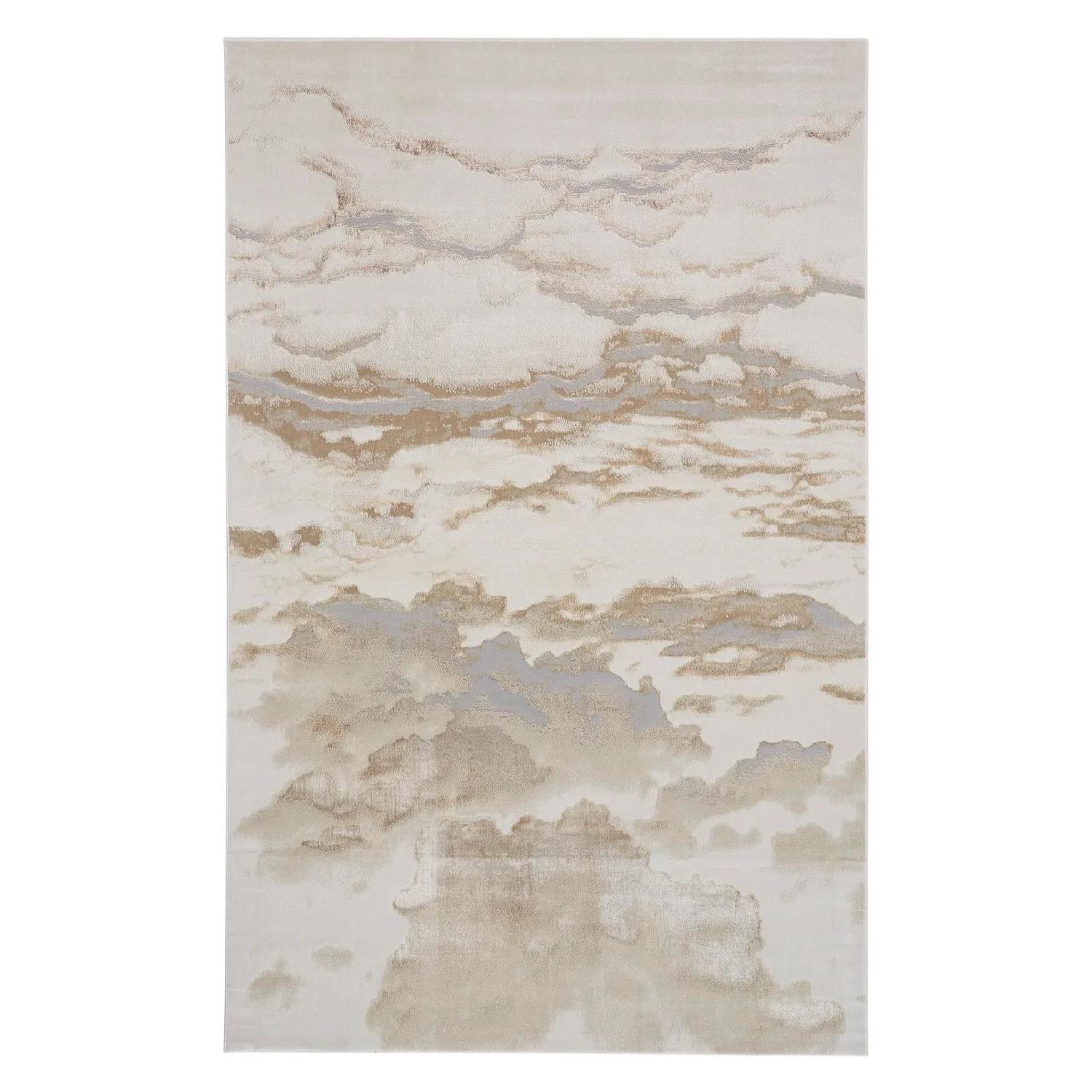
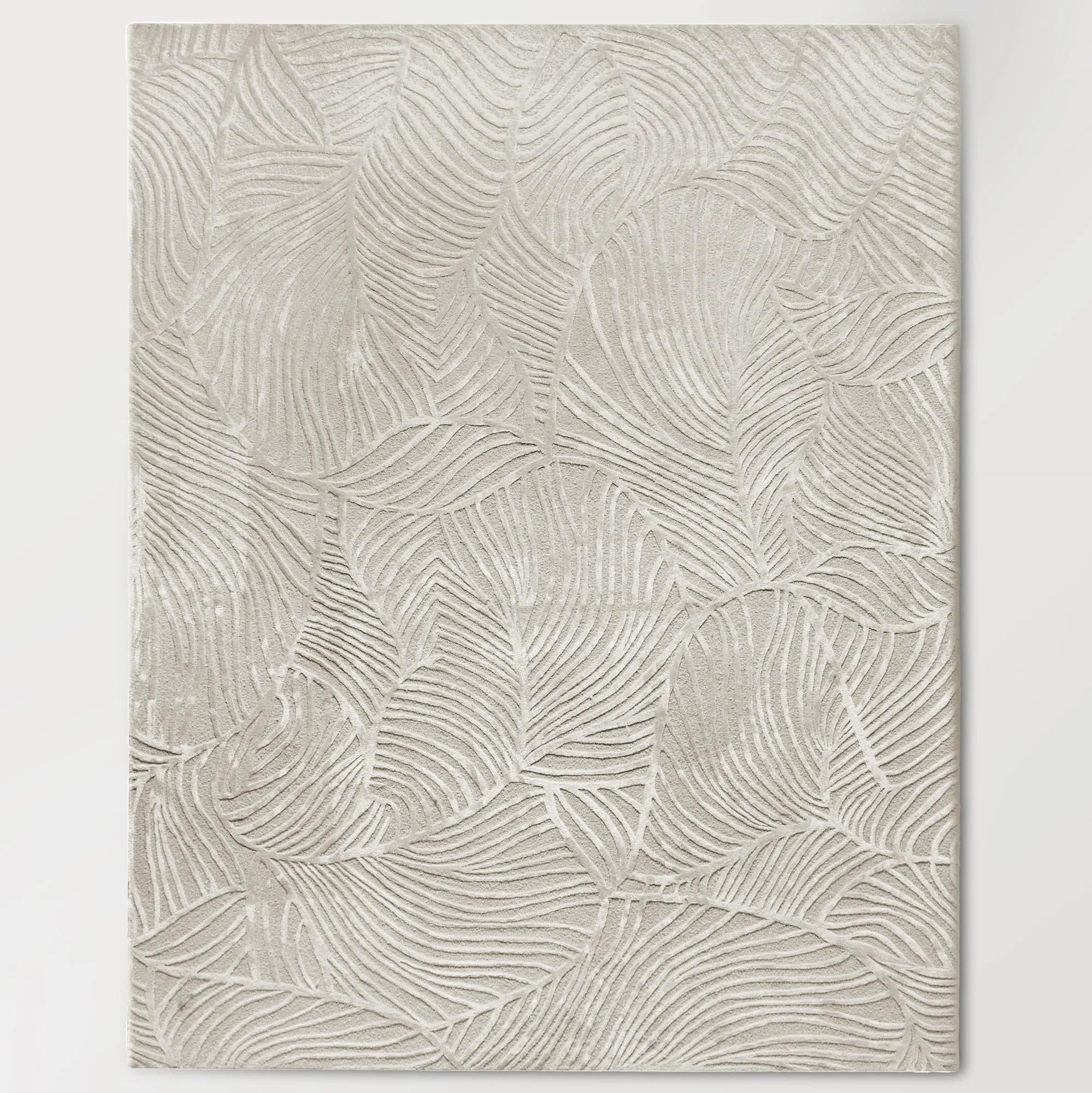
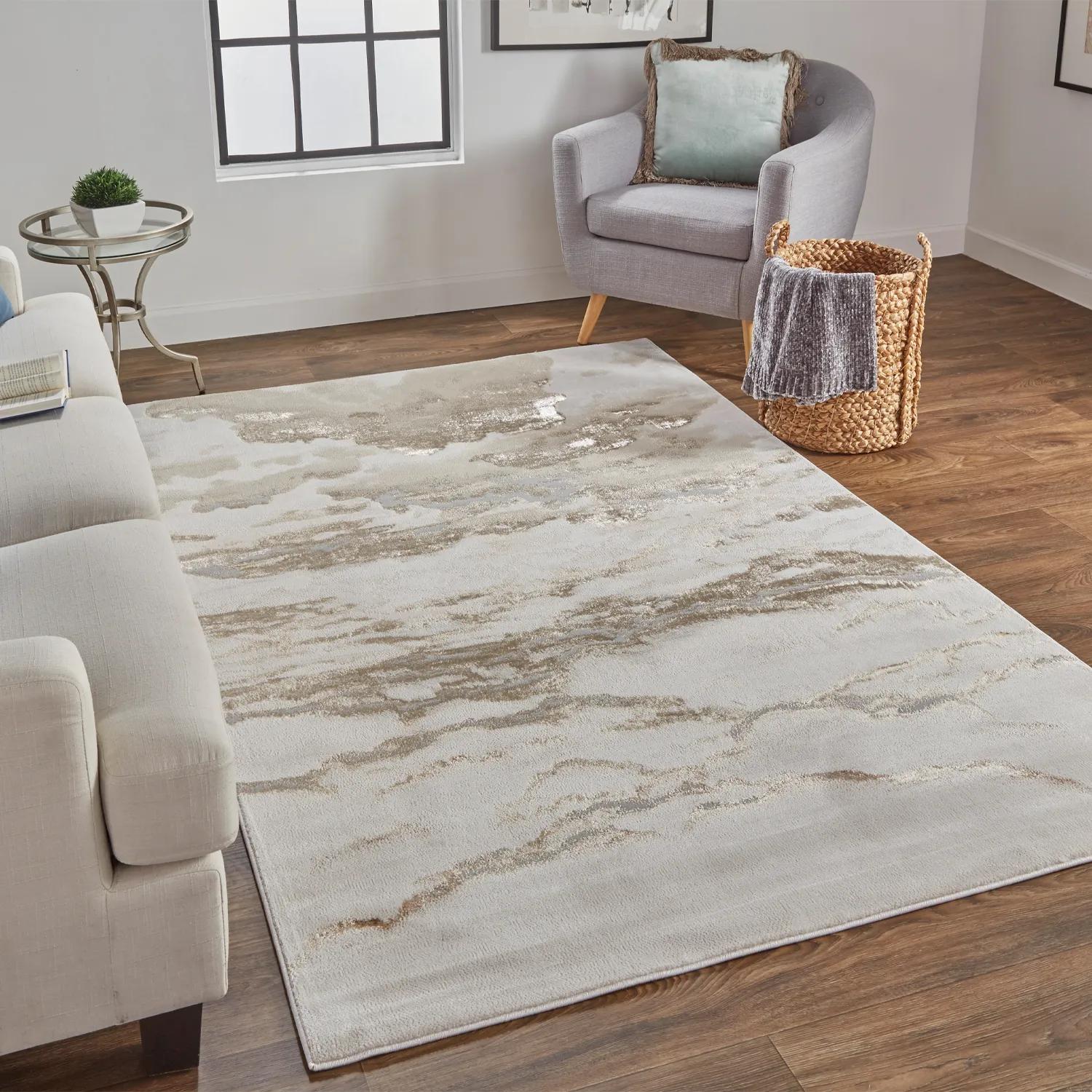 Tide Power-Loomed Beige/Gold/Ivory Rug$449
A machine-made rug in beige and gold, crafted from ultra-soft polyester and polypropylene for elegant appeal.
Add To Cart -
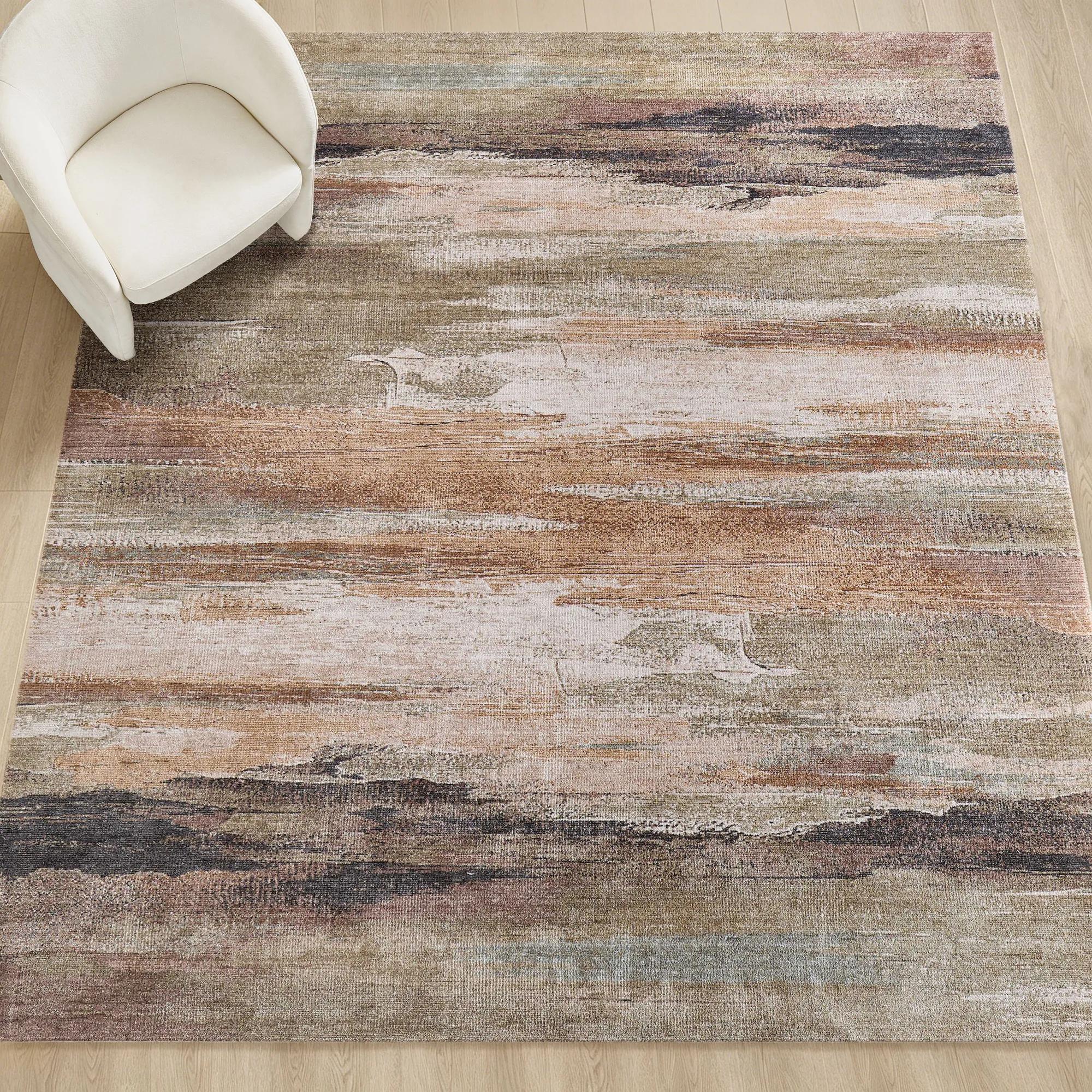
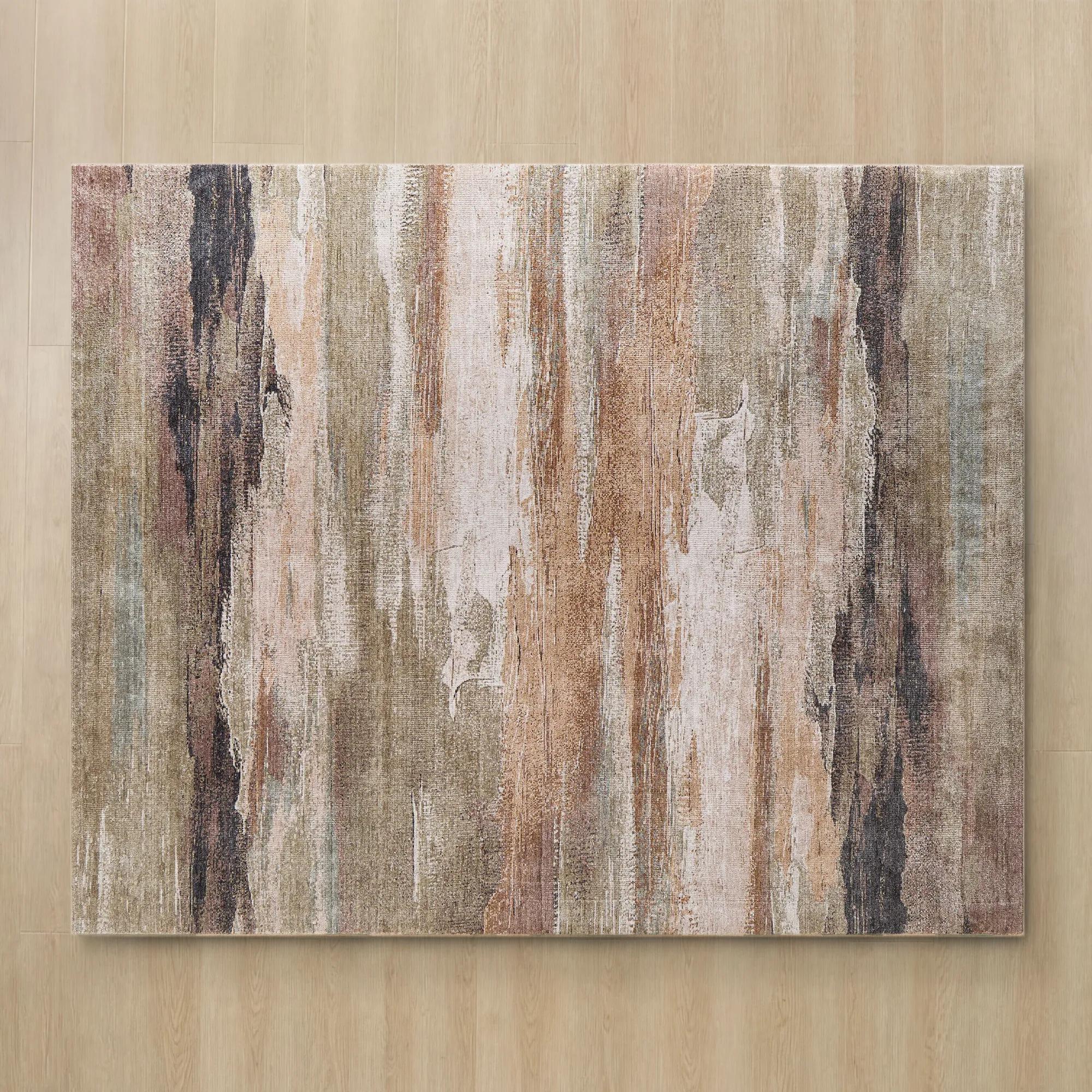 Sedona Rust/Beige/Moss Green/Charocal/Blue Performance Power Loomed Rug$1999
A power-loomed polyester rug featuring a rich abstract pattern in rust, beige, moss green, charcoal, and blue.
Add To Cart -
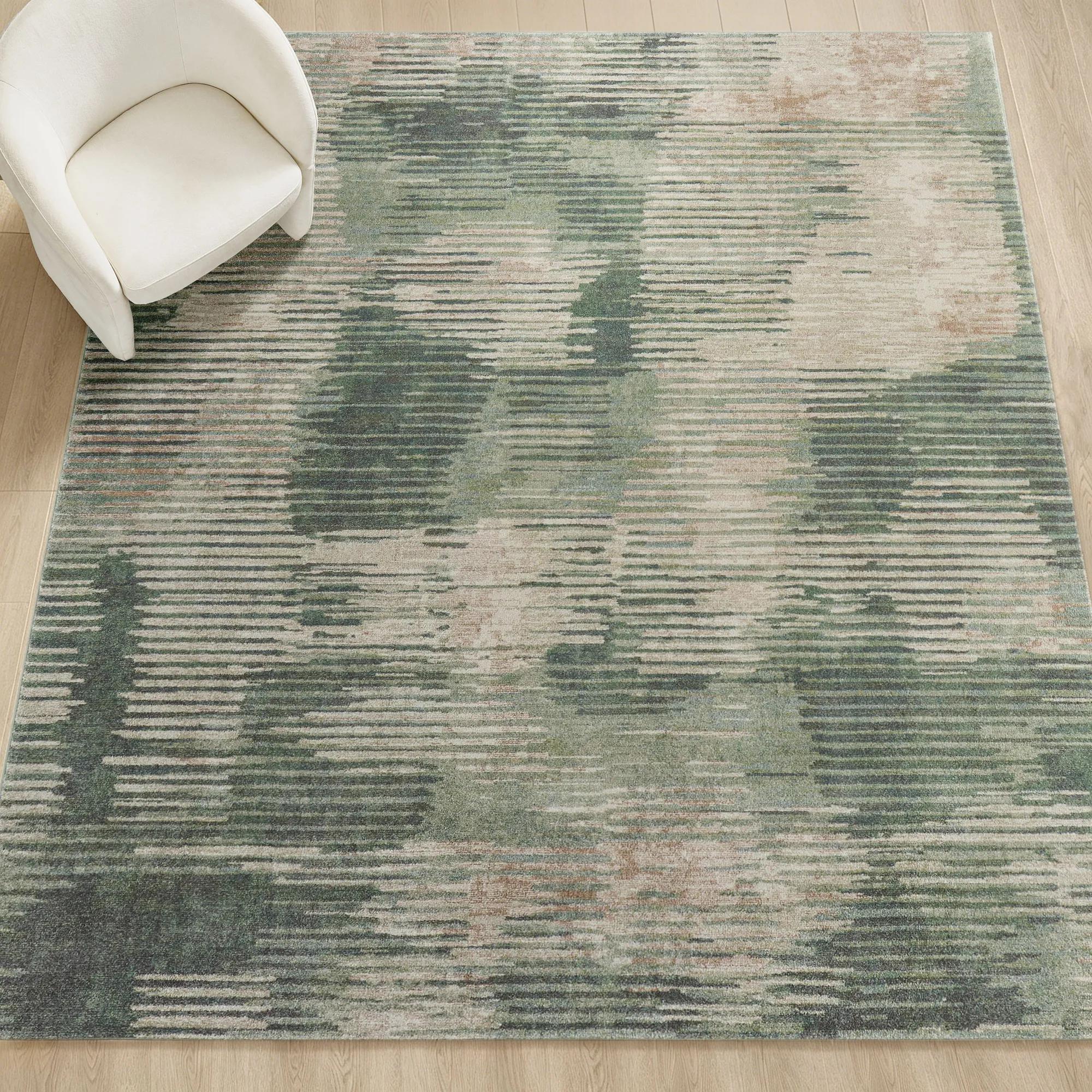
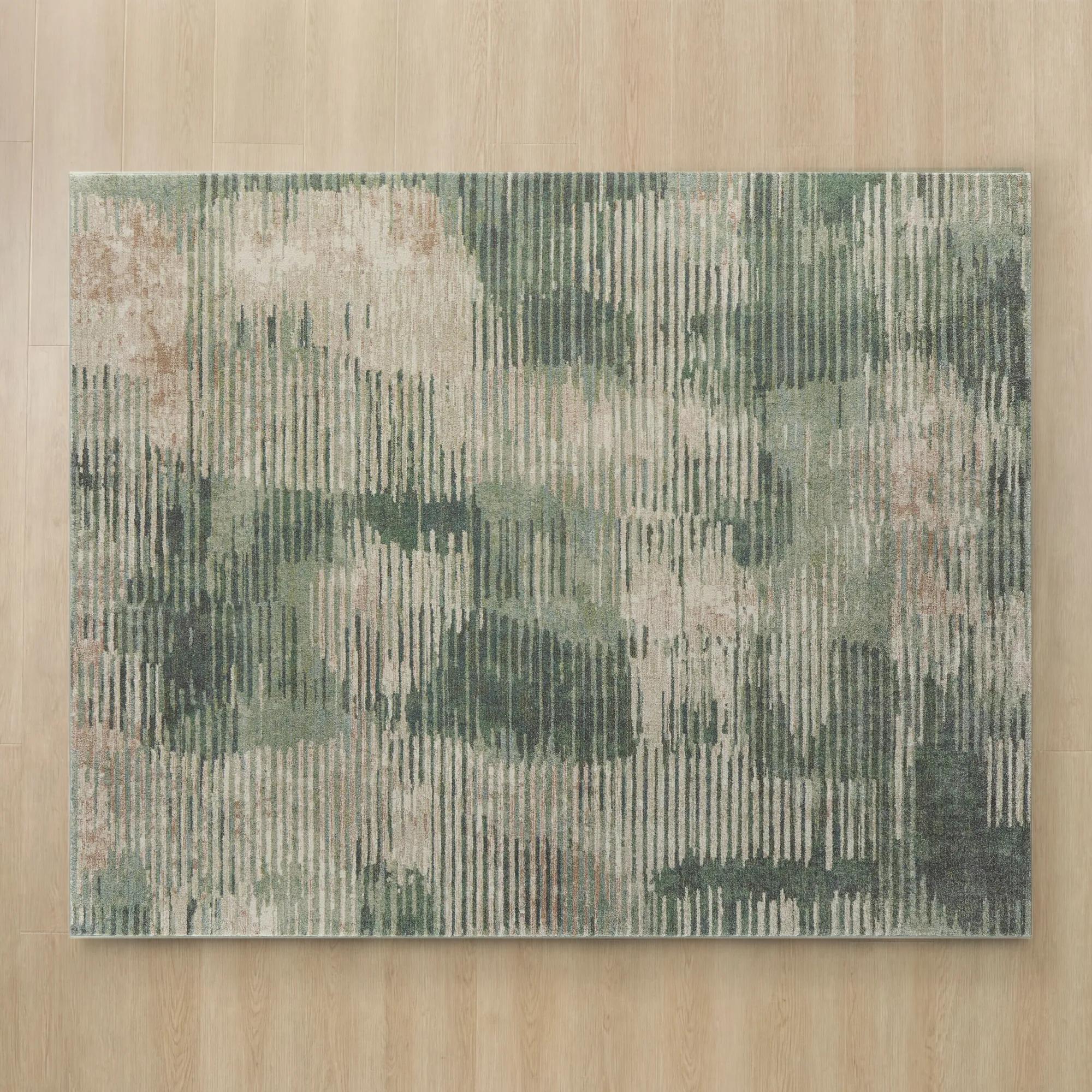 Sylvan Green/Beige Power Loomed Rug$689
A contemporary rug featuring a smoked olive green and beige organic pattern with a soft, power-loomed polypropylene pile.
Add To Cart -
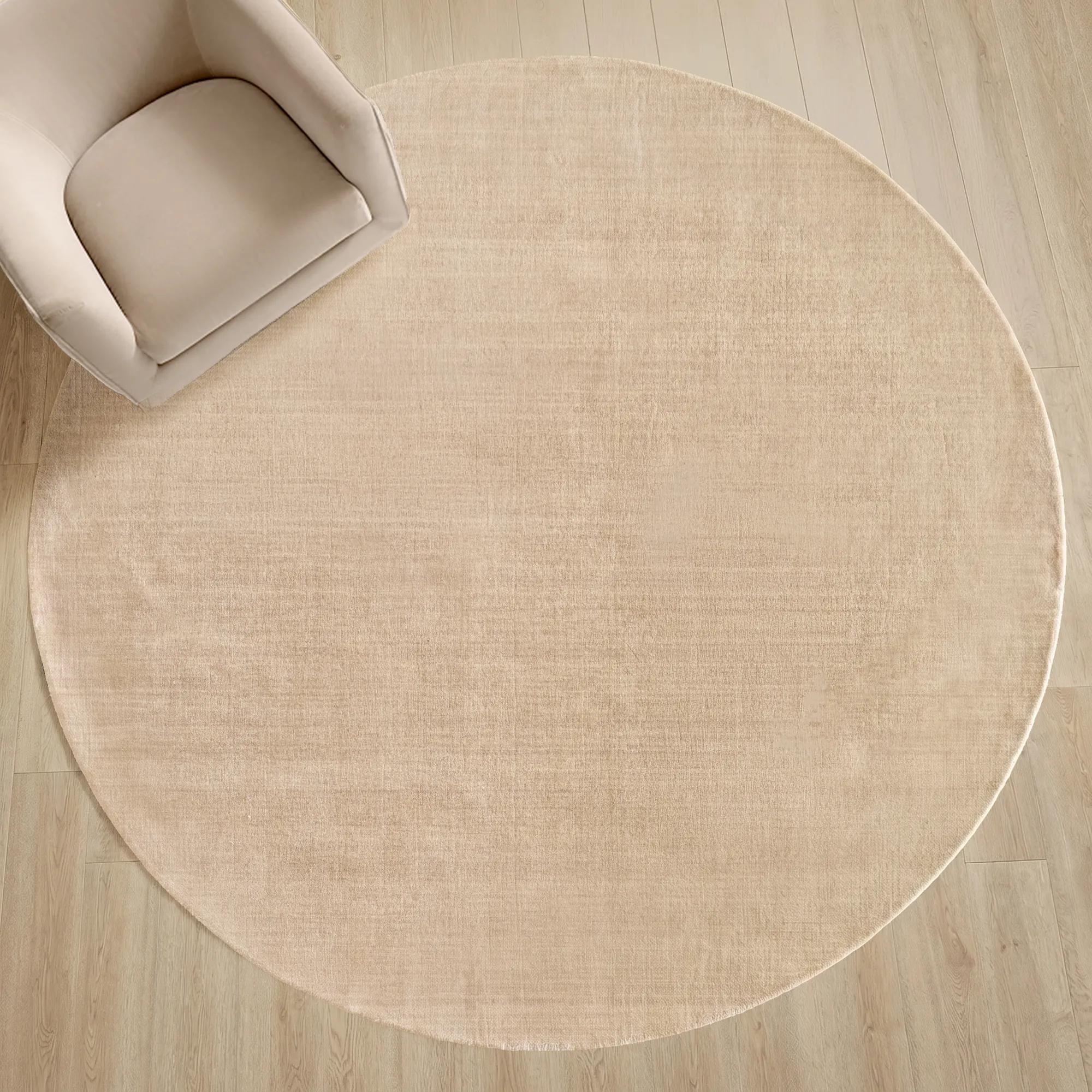 Juni Hand Woven Heathered Warm Beige Round Rug$1399
A handwoven round wool rug in heathered warm beige, offering refined texture and everyday durability.
Add To Cart -
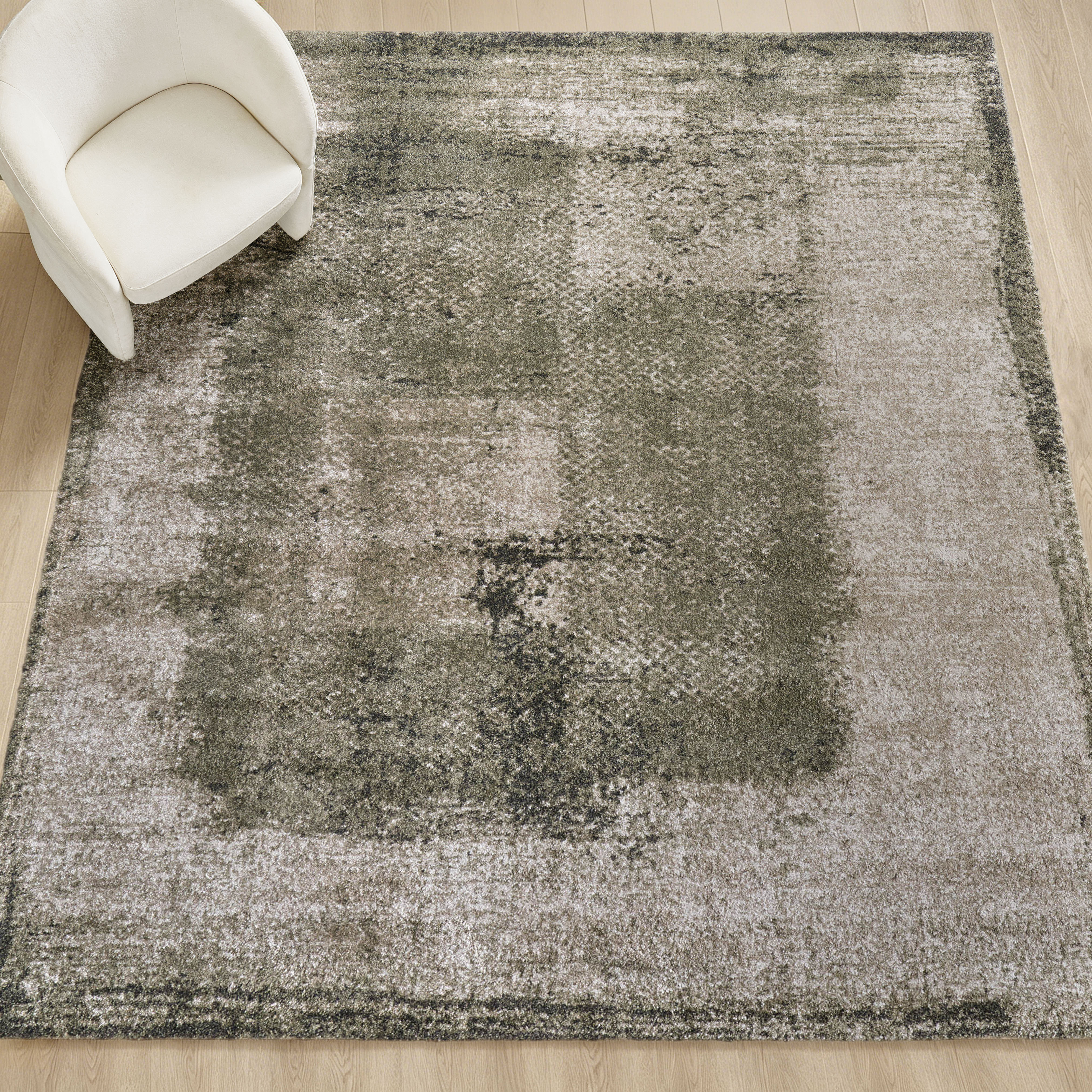
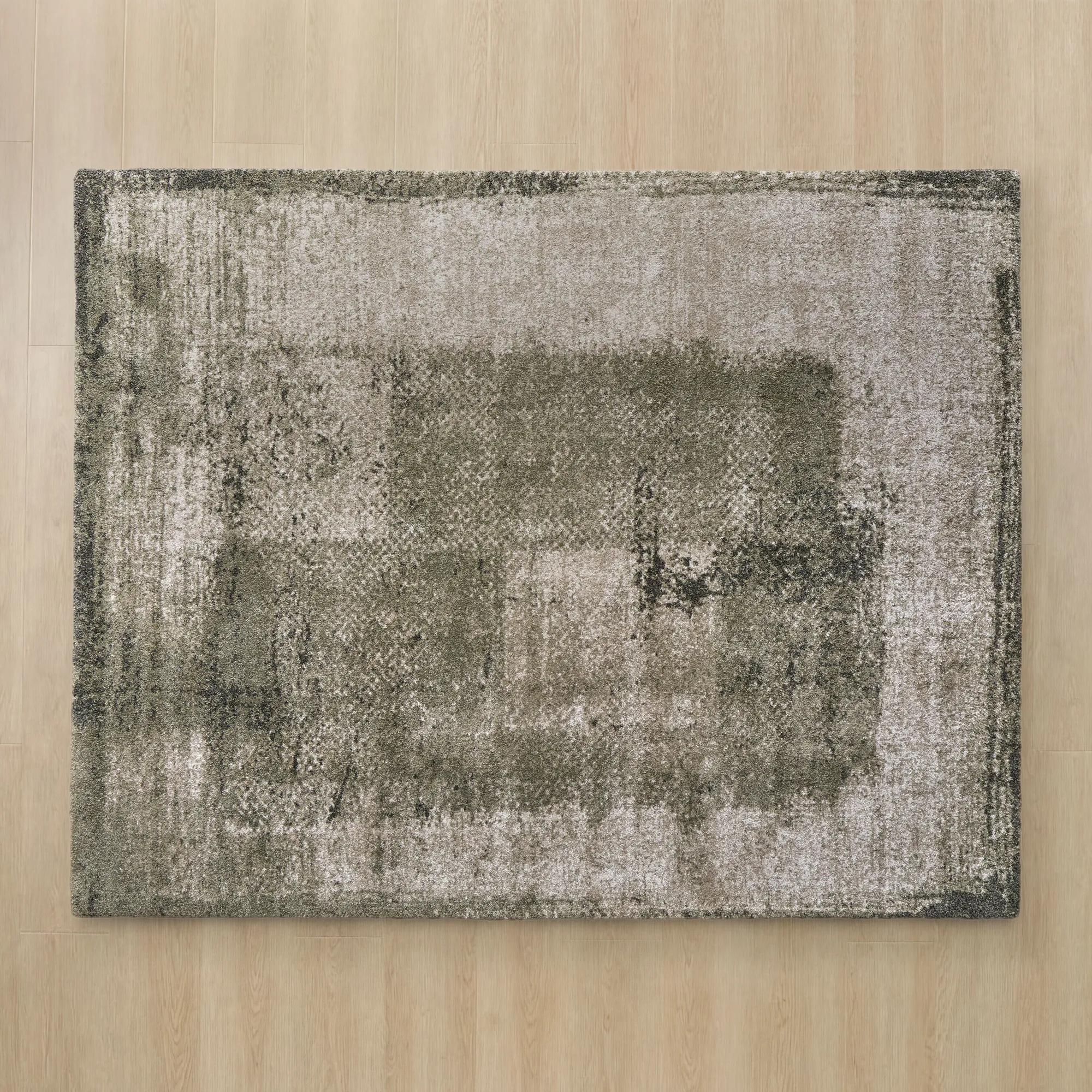 Irving Abstract Moss Green/Beige/Grey Performance Power Loomed Rug$849
An abstract rug in moss green, beige, and grey with plush, durable power-loomed polypropylene and polyester.
Add To Cart -
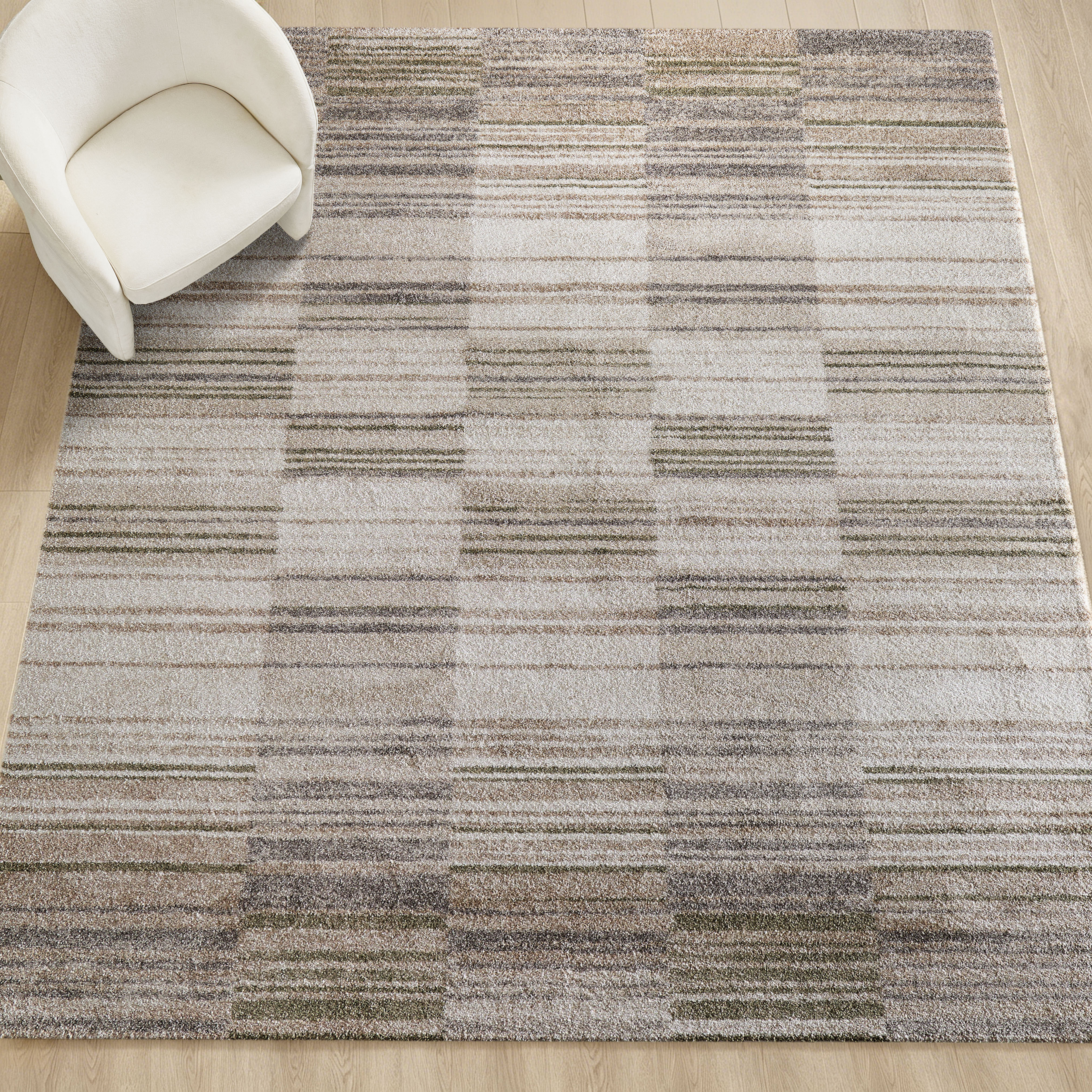
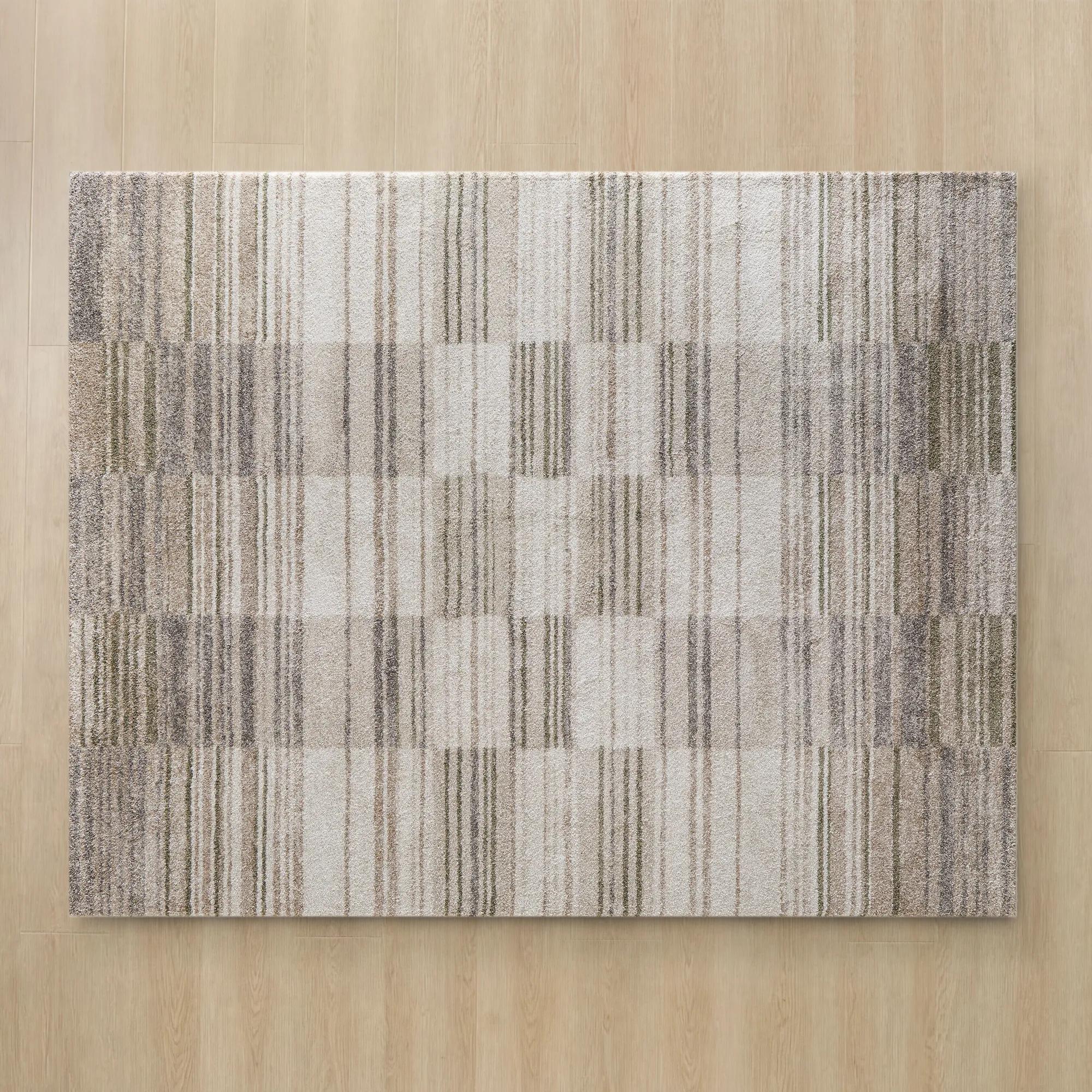 Checka Grey/Tan/Ivory/Soft Green Performance Power Loomed Rug$1649
A plush, power-loomed rug featuring a soft check pattern in grey, tan, ivory, and green.
Add To Cart -
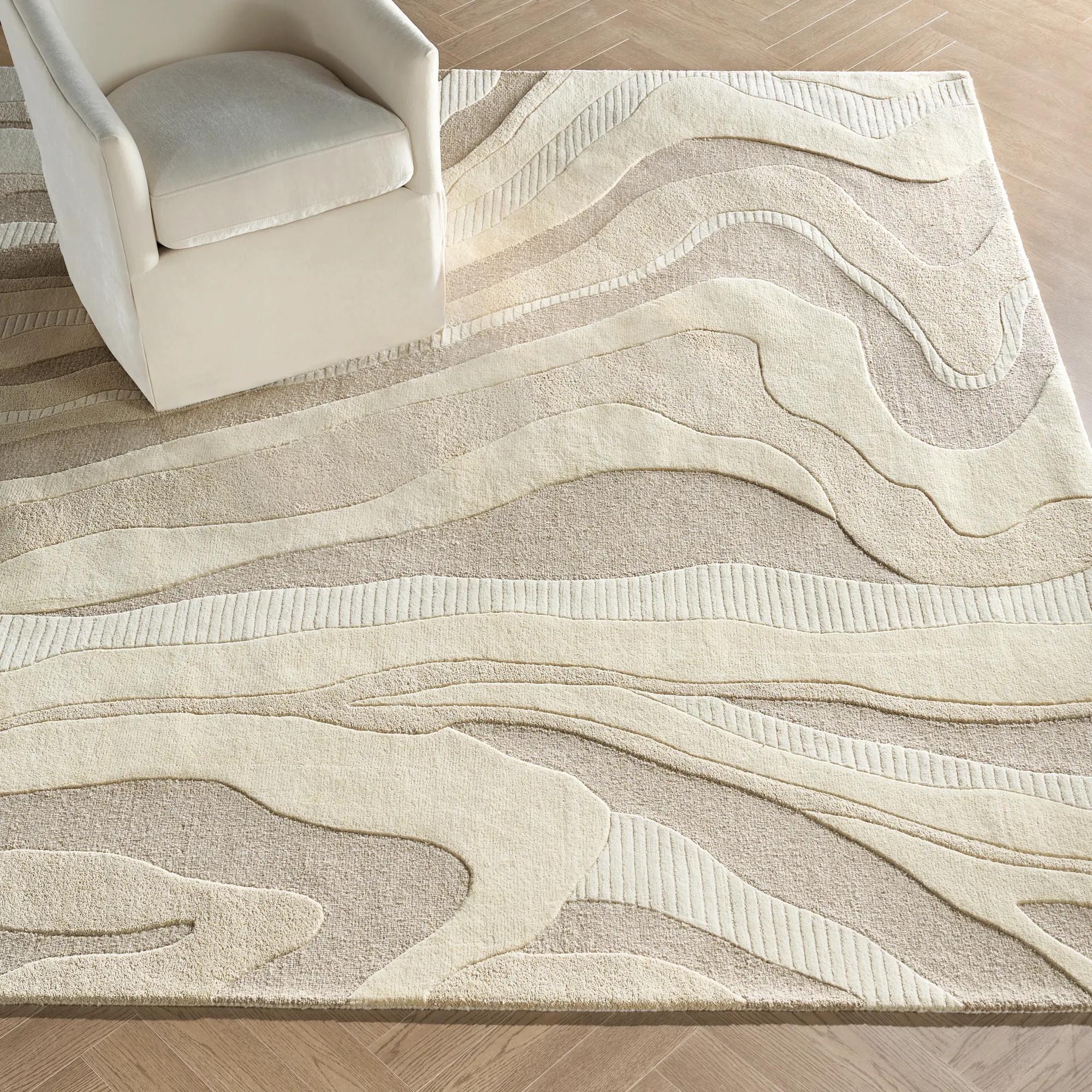 Kadence Hand-Tufted Ivory/Tan Wool Rug$1499
A hand-tufted wool rug featuring a multi-textured swirl design in ivory and tan for timeless elegance.
Add To Cart -
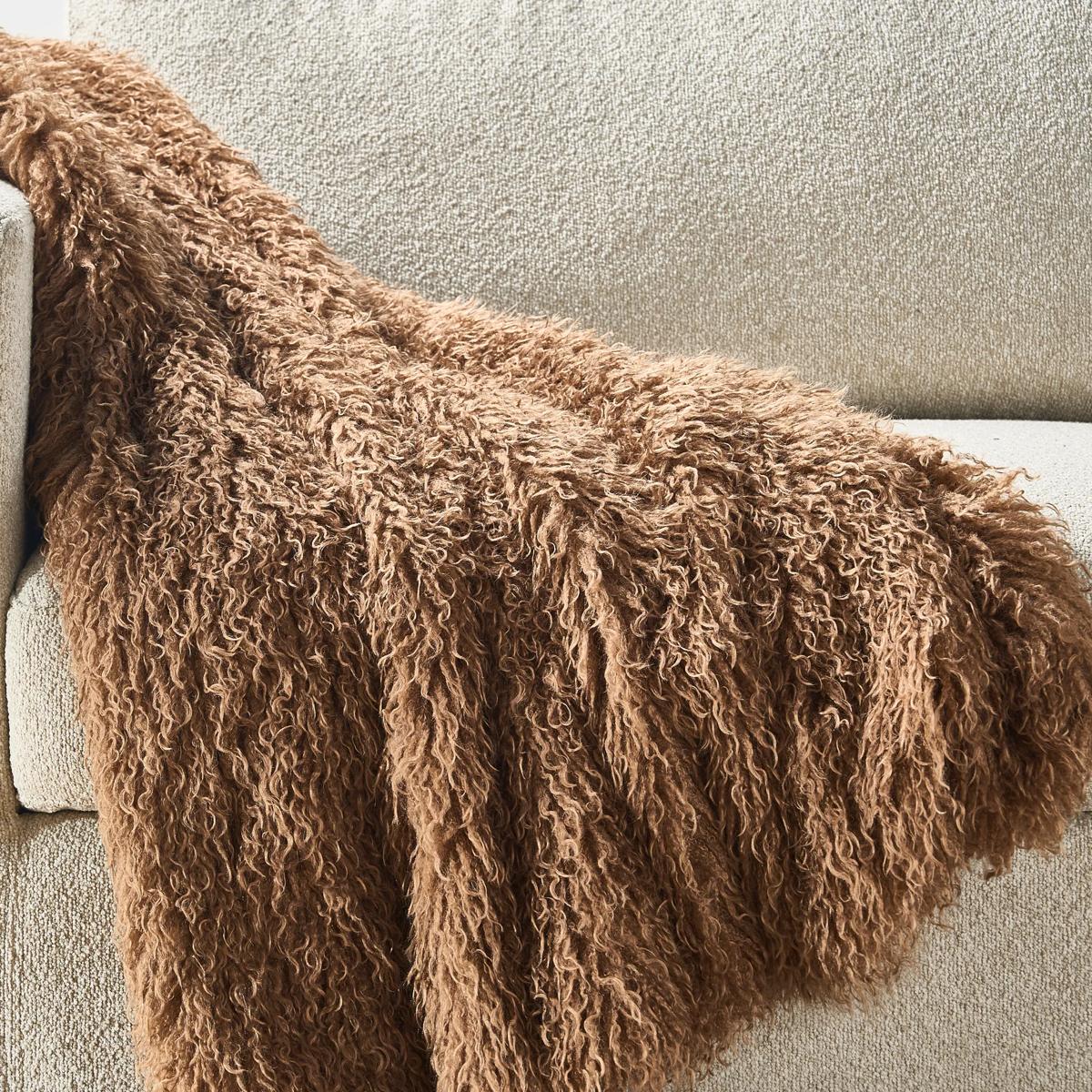 Micah Mocha Faux Mongolian Throw Blanket 50" x 60"$129
A plush mocha faux Mongolian fur throw with a velvety polyester back for cozy, stylish layering.
Add To Cart -
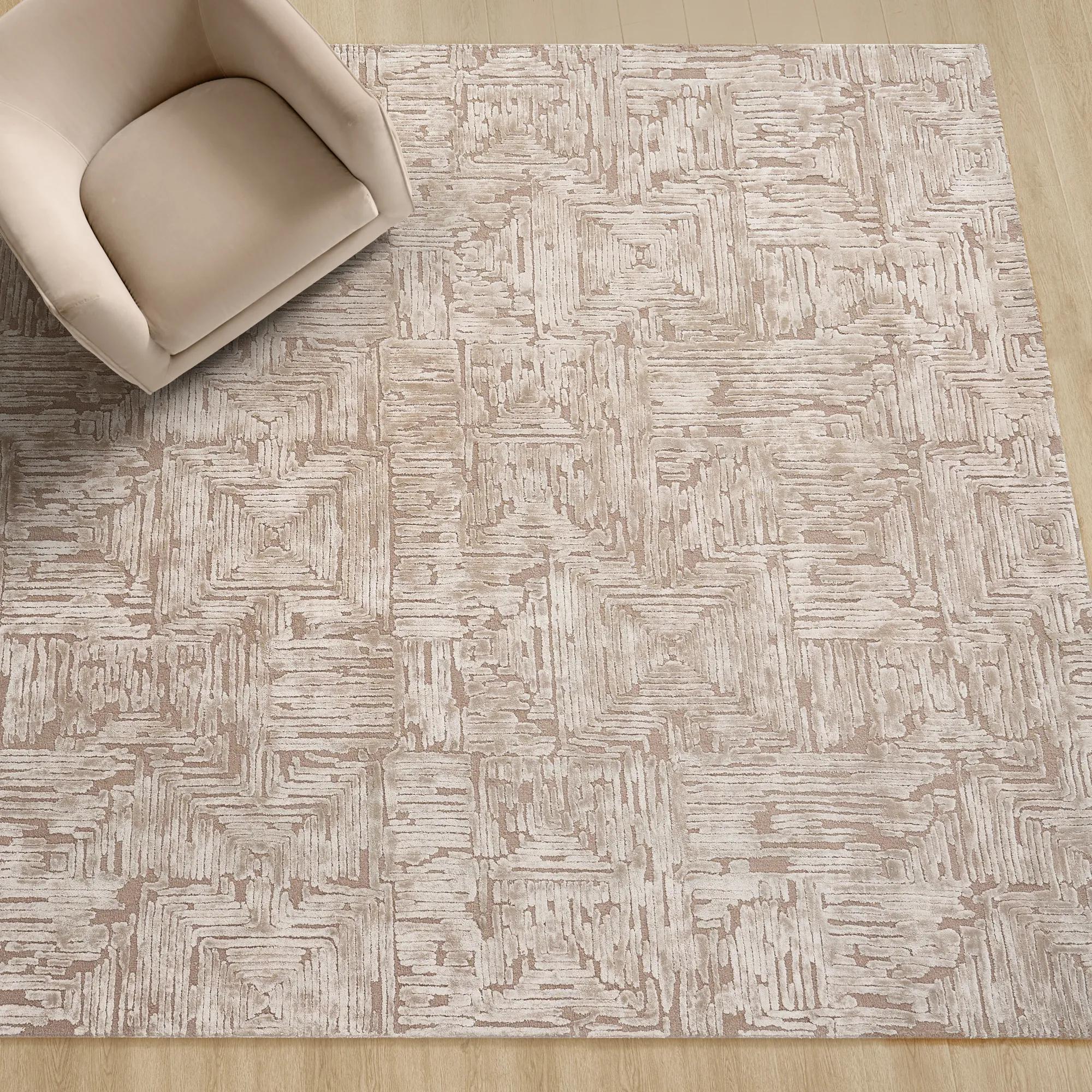
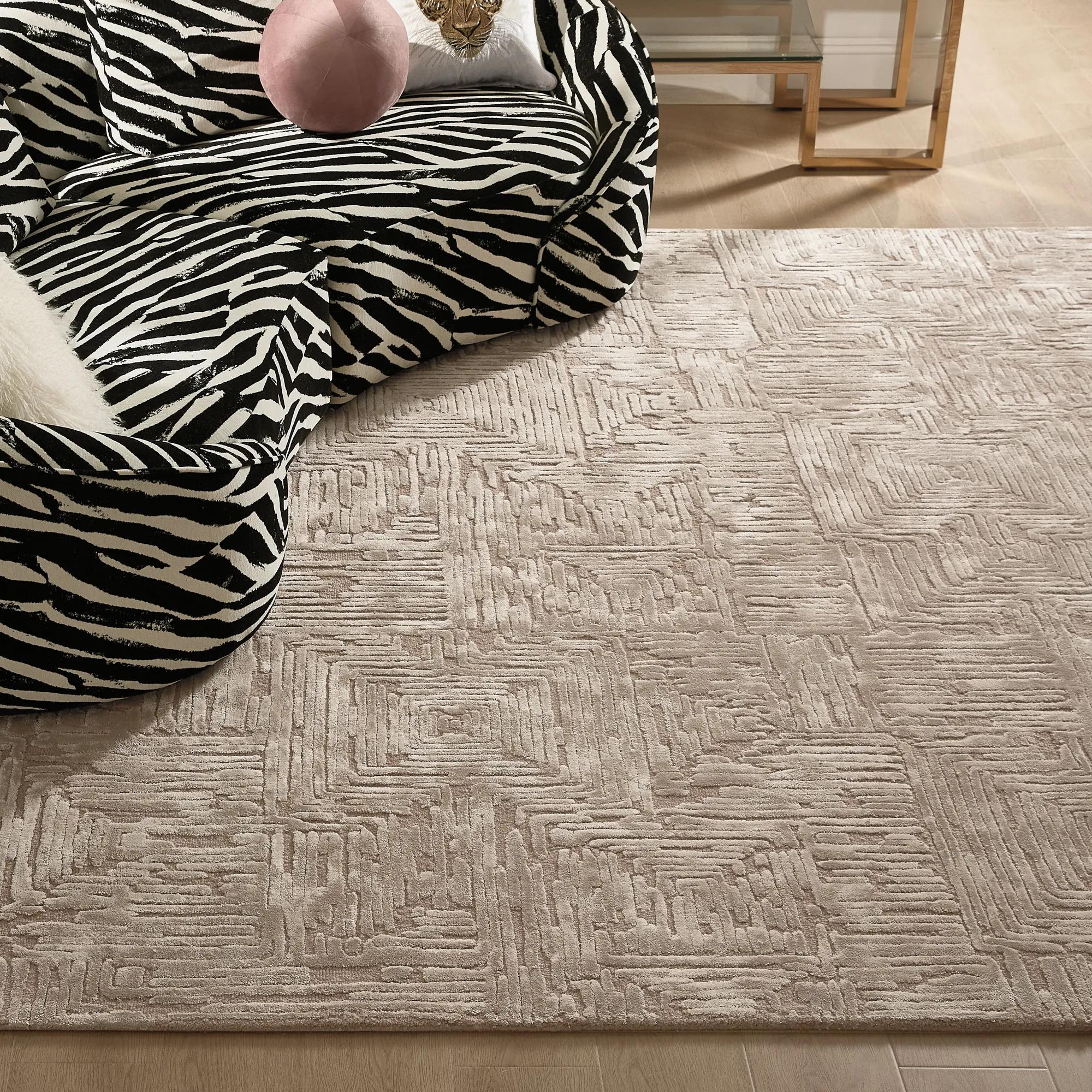 Andra Hand-Tufted Mocha Rose Viscose & Wool Dimensional Rugs$1499
A hand-tufted viscose and wool rug in mocha rose, featuring a dimensional geometric pattern and soft sheen.
Add To Cart -
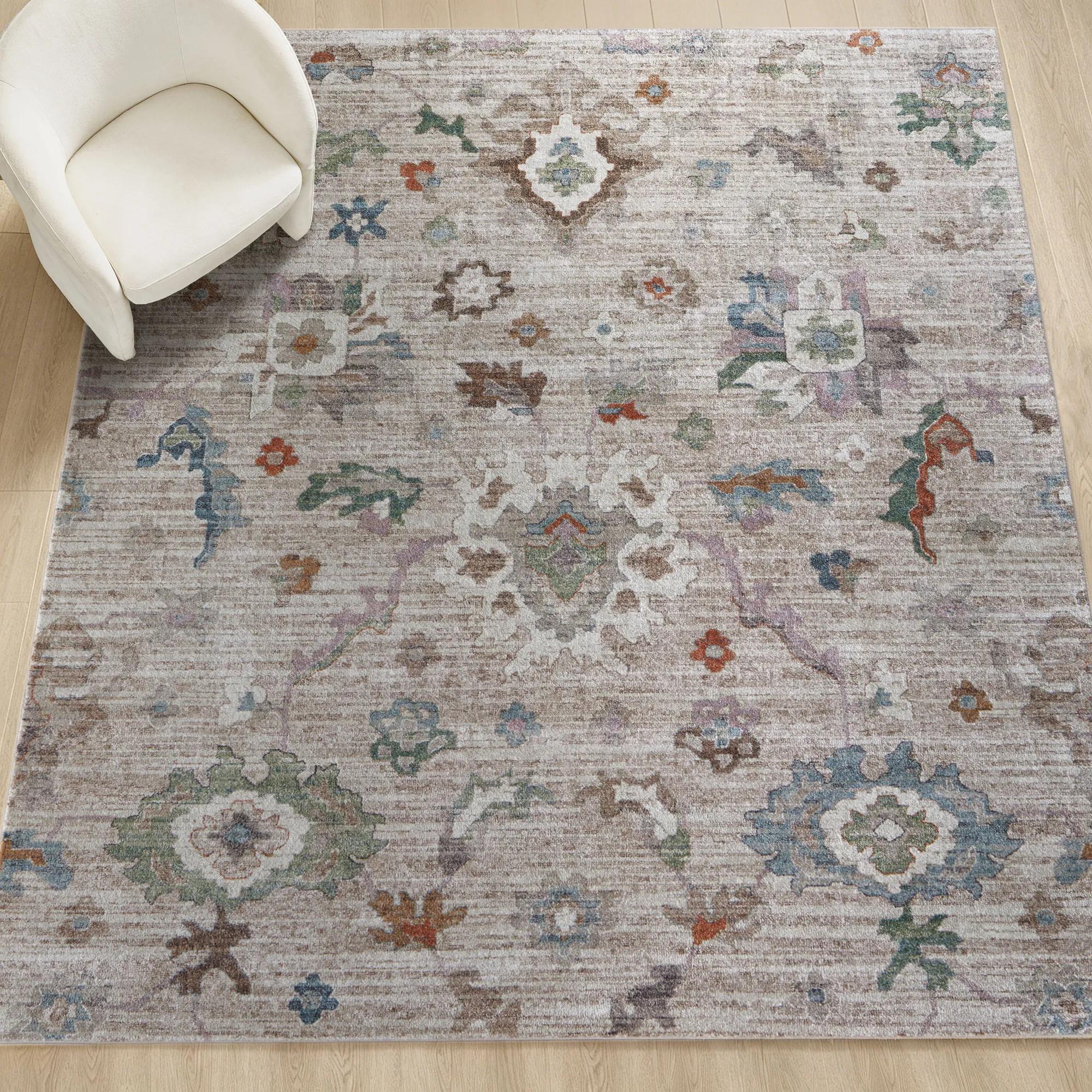
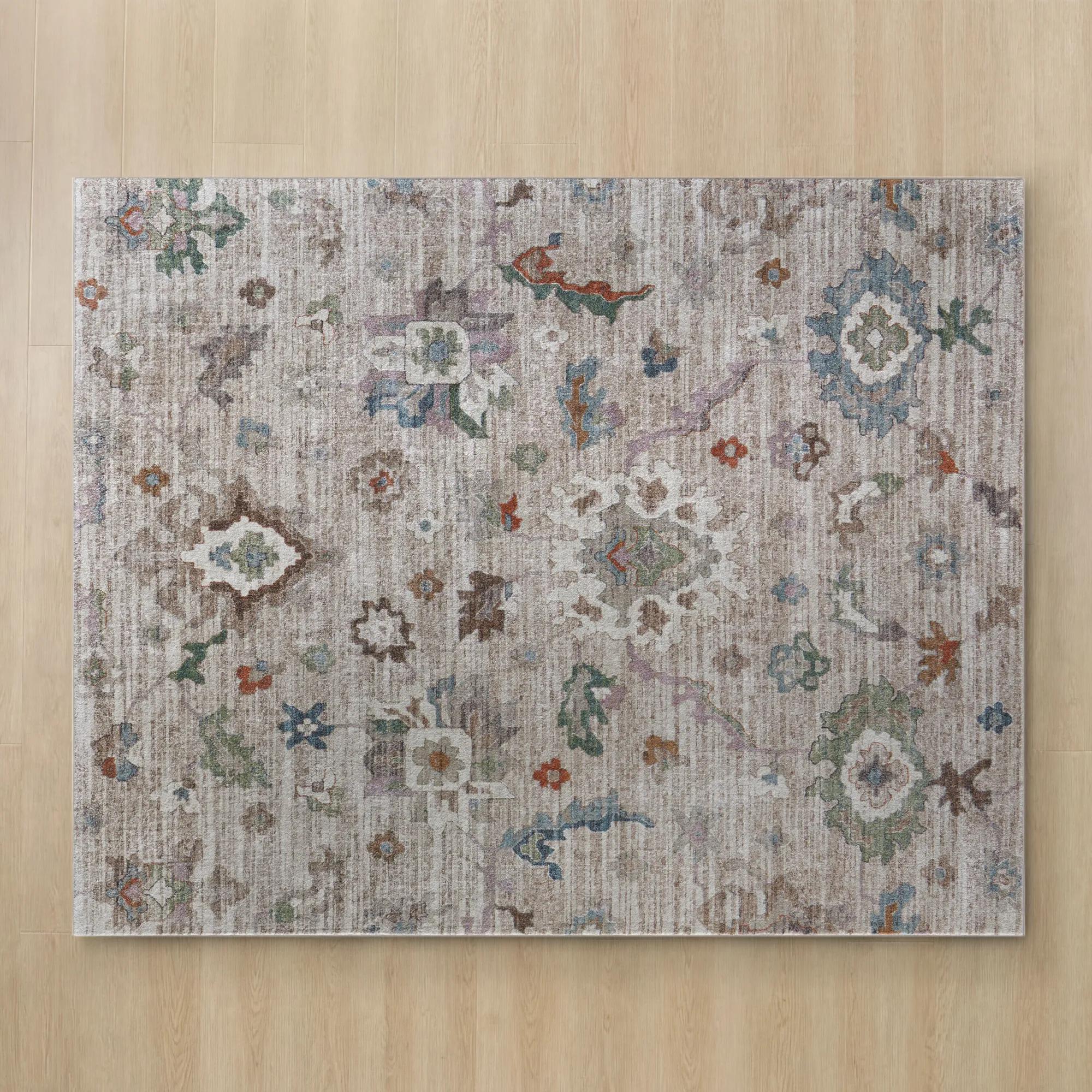 Ariella Floral Taupe/Ivory/Beige/Blue/Green Performance Power Loomed Rug$349
A Persian-inspired rug in taupe, ivory, beige, blue, and green with a plush, power-loomed polypropylene pile.
Add To Cart -
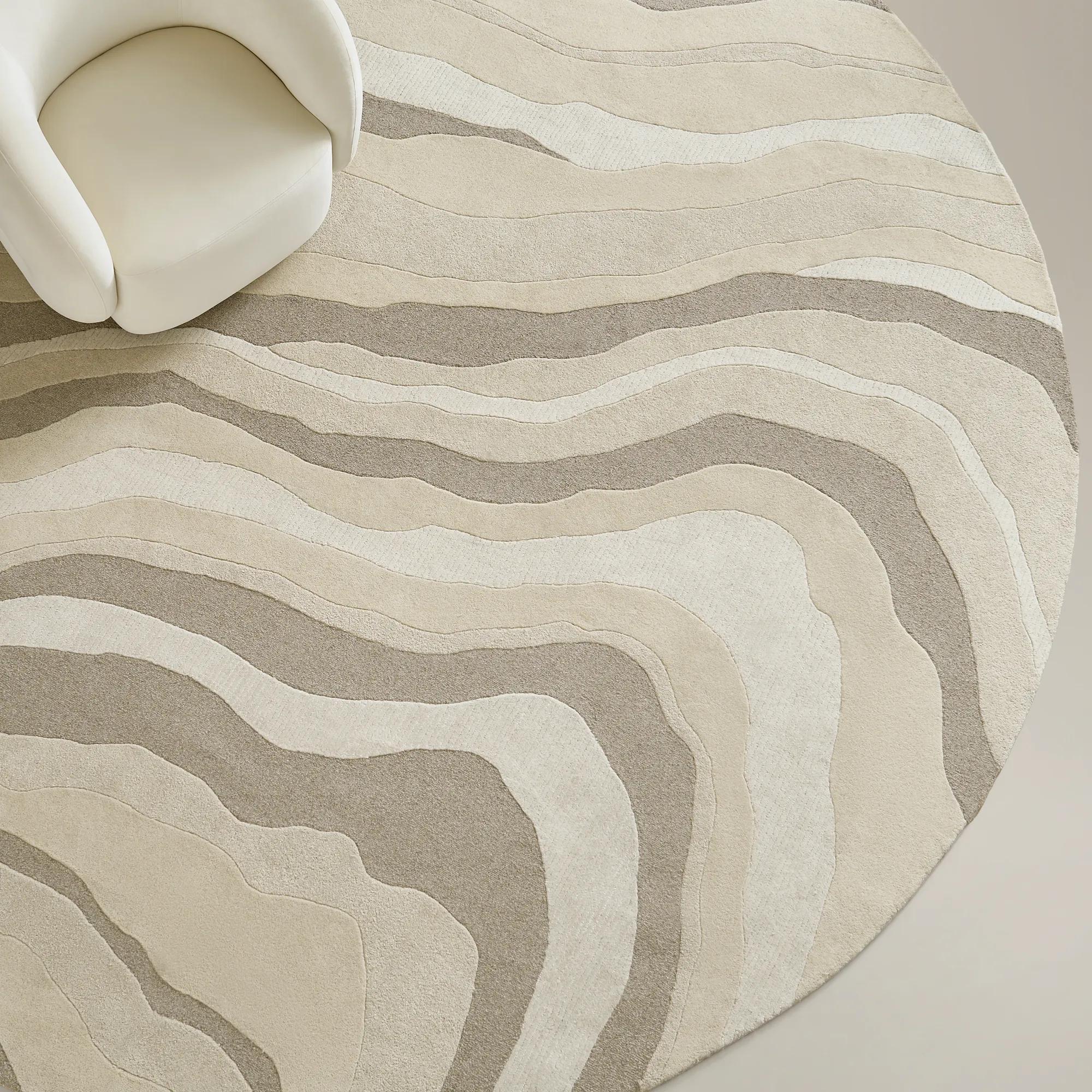 Kadence Hand-Tufted White/Ivory/Tan Wool Round Rug 12"$1799
A hand-tufted round rug in white, ivory, and tan, crafted from 100% wool for natural warmth.
Add To Cart -
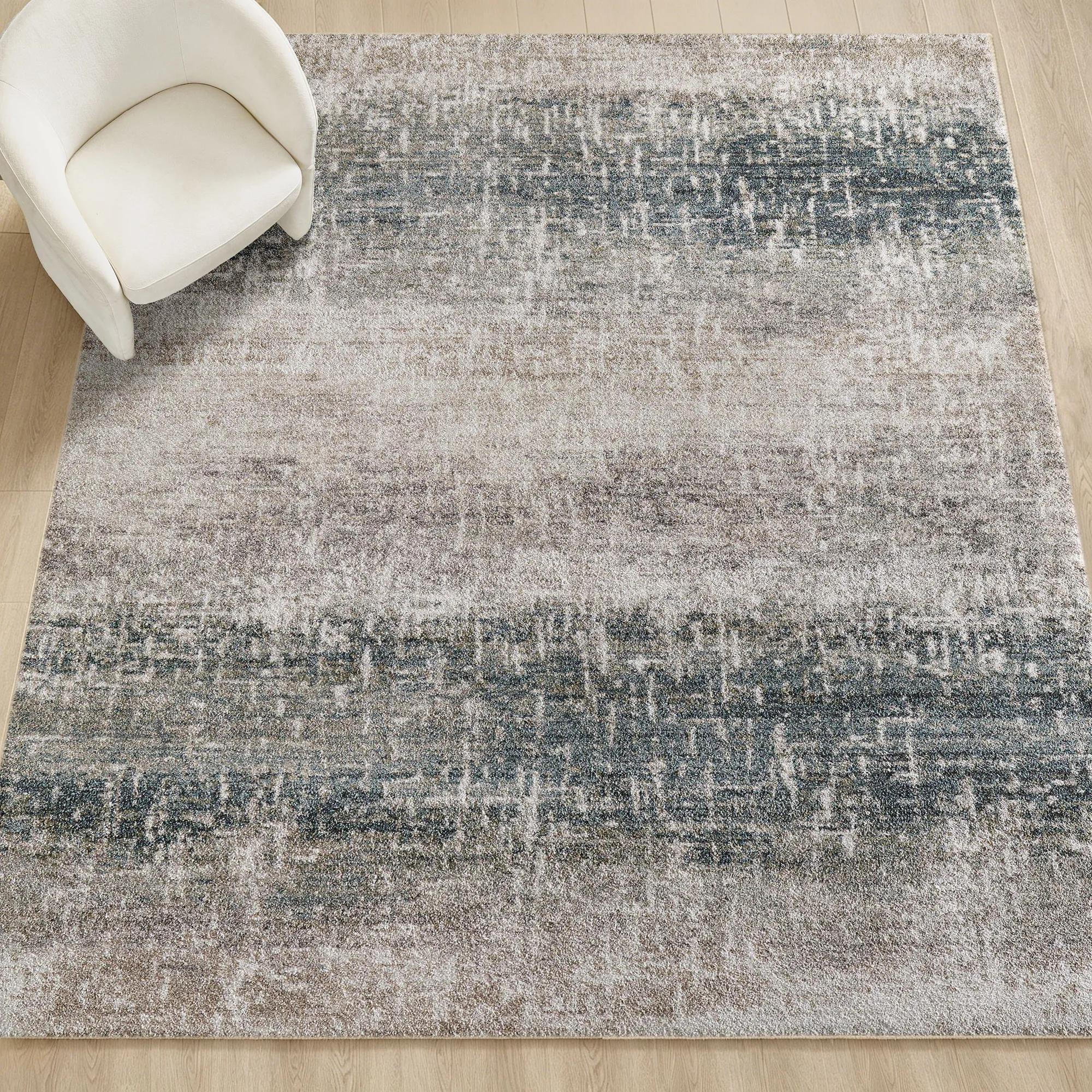
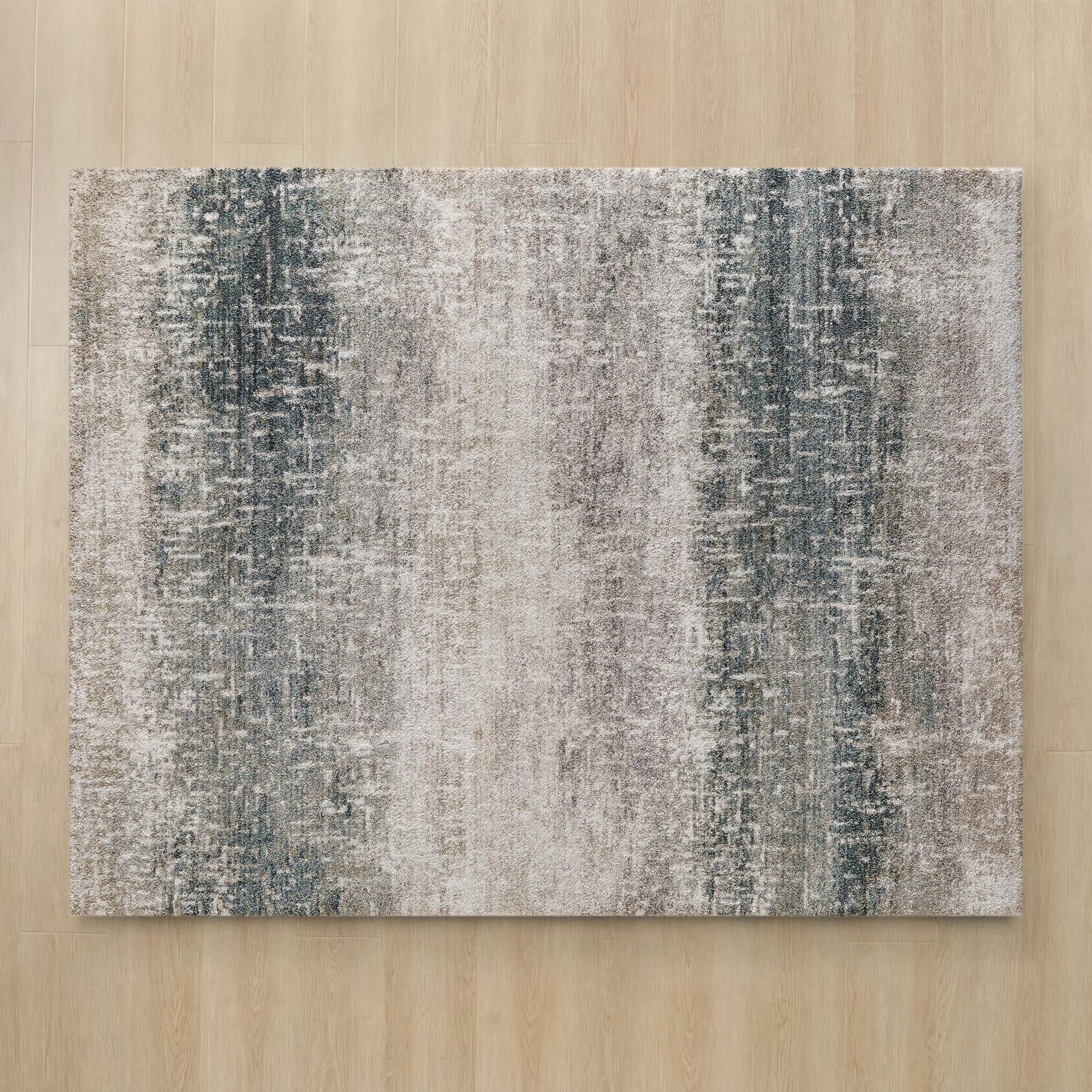 Collier Taupe/Grey/Blue/Green Performance Power Loomed Rug$1649
An abstract rug in taupe, grey, blue, and green with a plush pile and durable, easy-care blend.
Add To Cart -
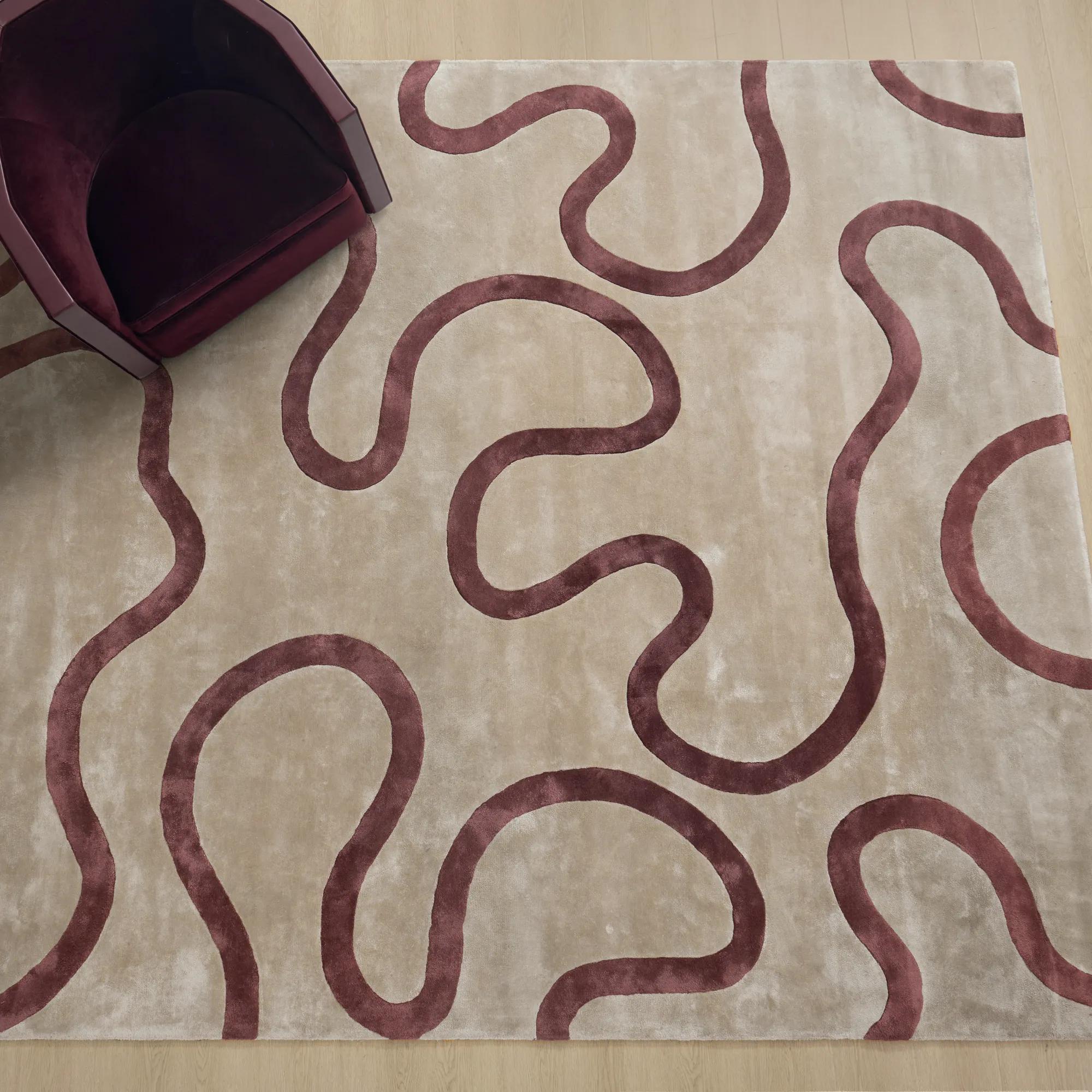 Seraphine Hand-Tufted Fig/Taupe Viscose Loop Rugs$1799
A hand-tufted wool rug featuring bold fig and taupe loops for a graphic, Deco-inspired statement.
Add To Cart -
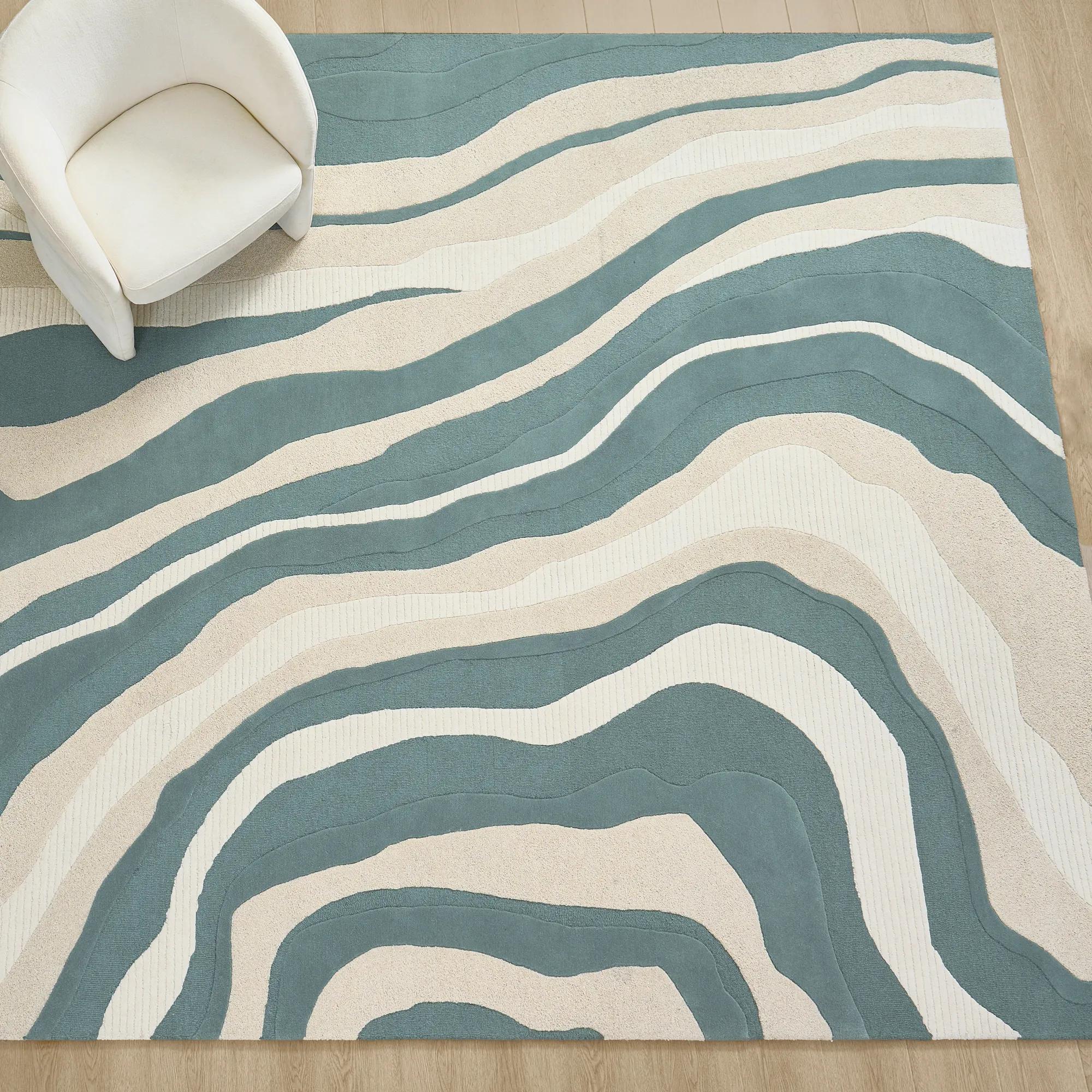 Kadence Hand-Tufted Sage Green/Ivory Wool Rugs$1499
A hand-tufted wool rug in deep sage green and ivory with a sculptural high-low abstract wave pattern.
Add To Cart -
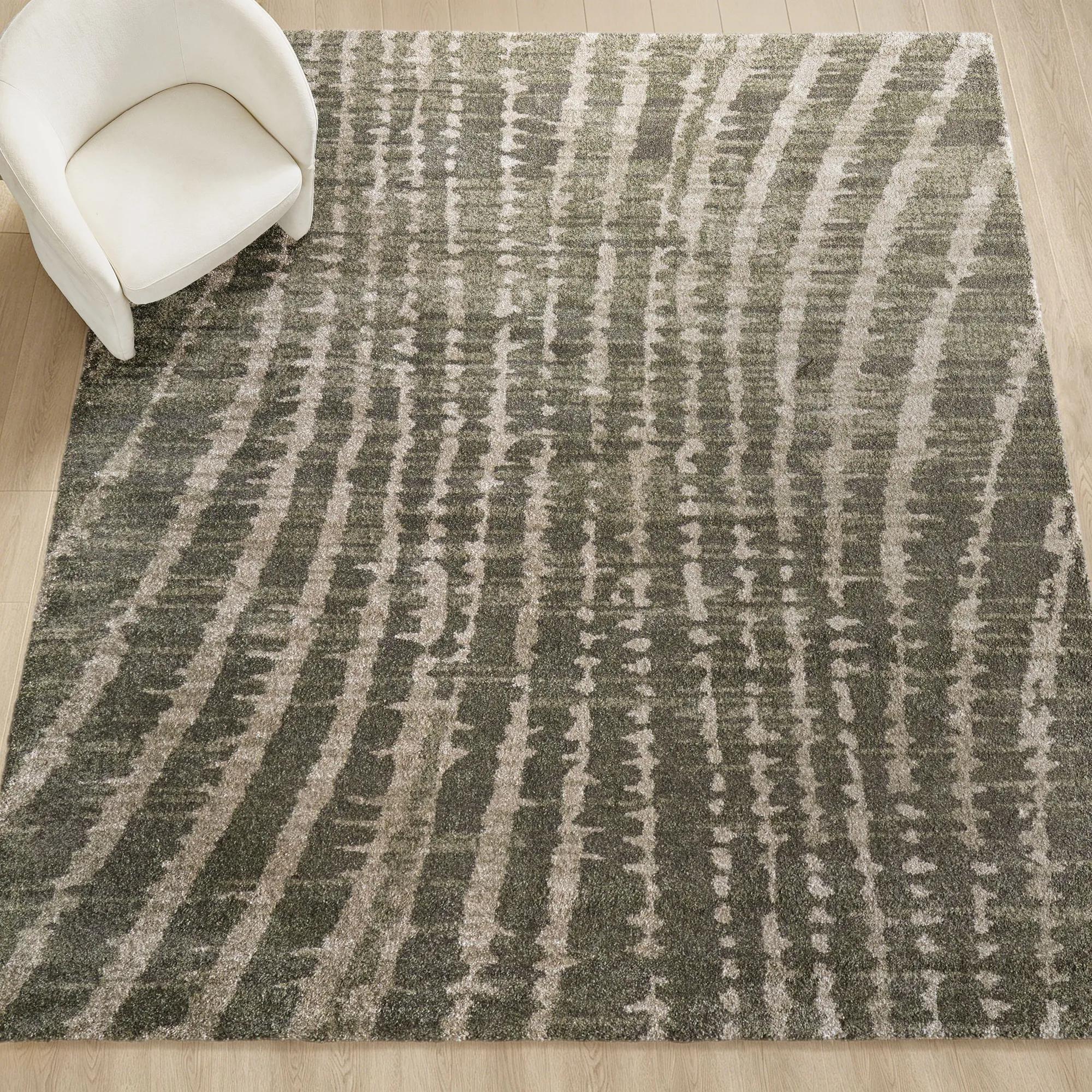
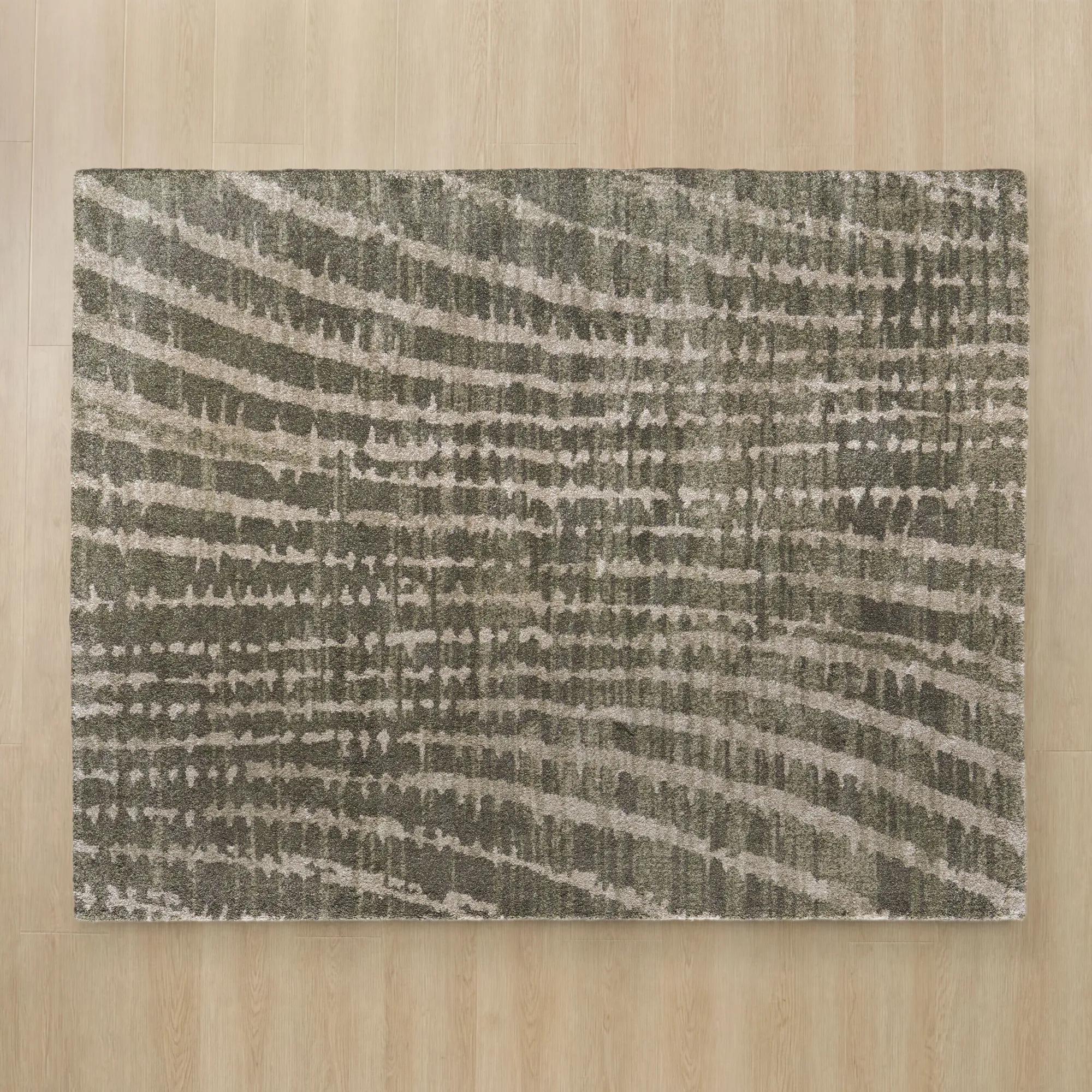 Tempo Green/Grey/Beige Performance Power Loomed Rug$399
An abstract charcoal grey and beige rug with plush cut pile and durable, stain-resistant polypropylene-polyester blend.
Add To Cart -
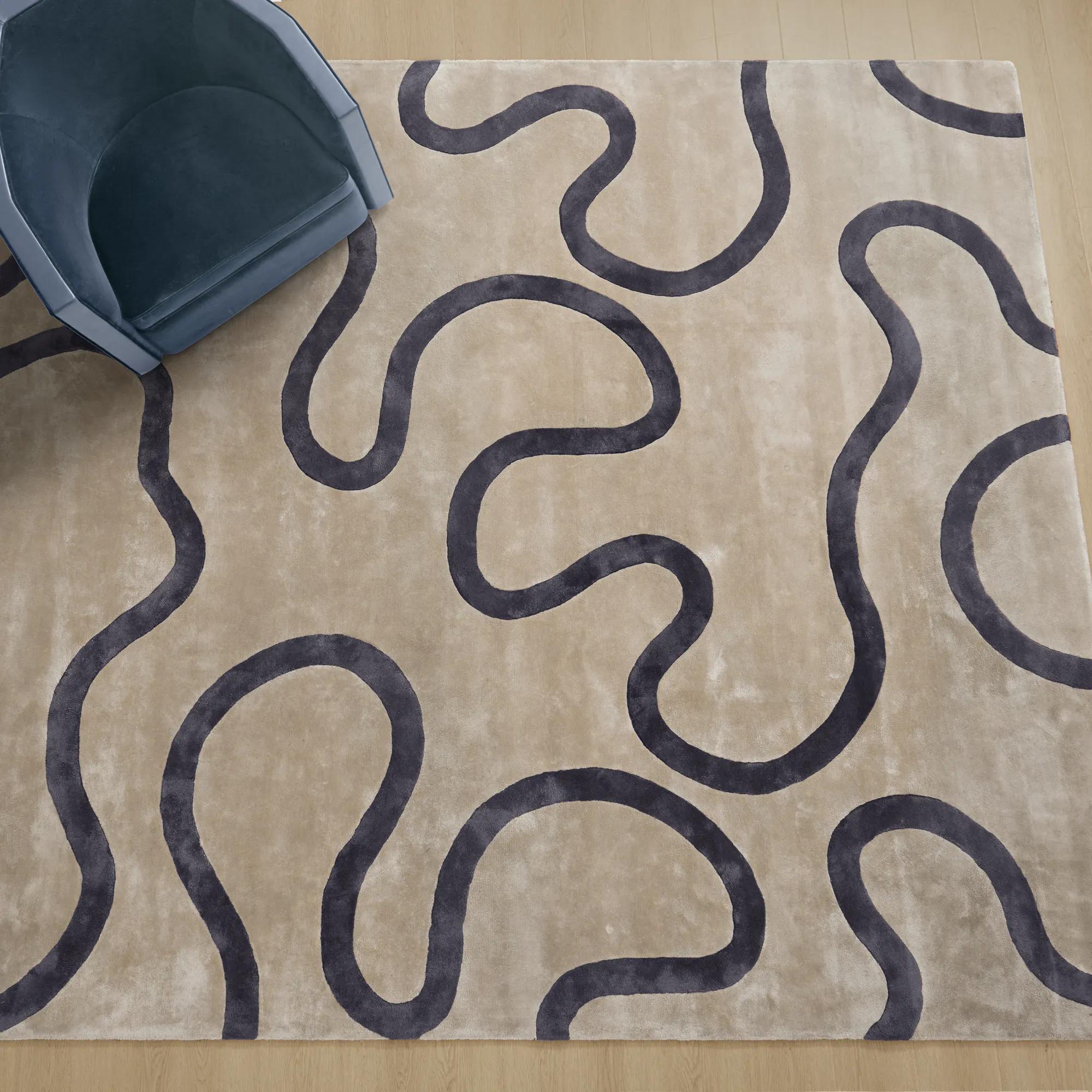 Seraphine Hand-Tufted Smoked Pearl/Taupe Viscose Loop Rugs$1799
A hand-tufted viscose rug in smoked pearl and taupe with bold Deco-inspired loop patterns and subtle sheen.
Add To Cart -
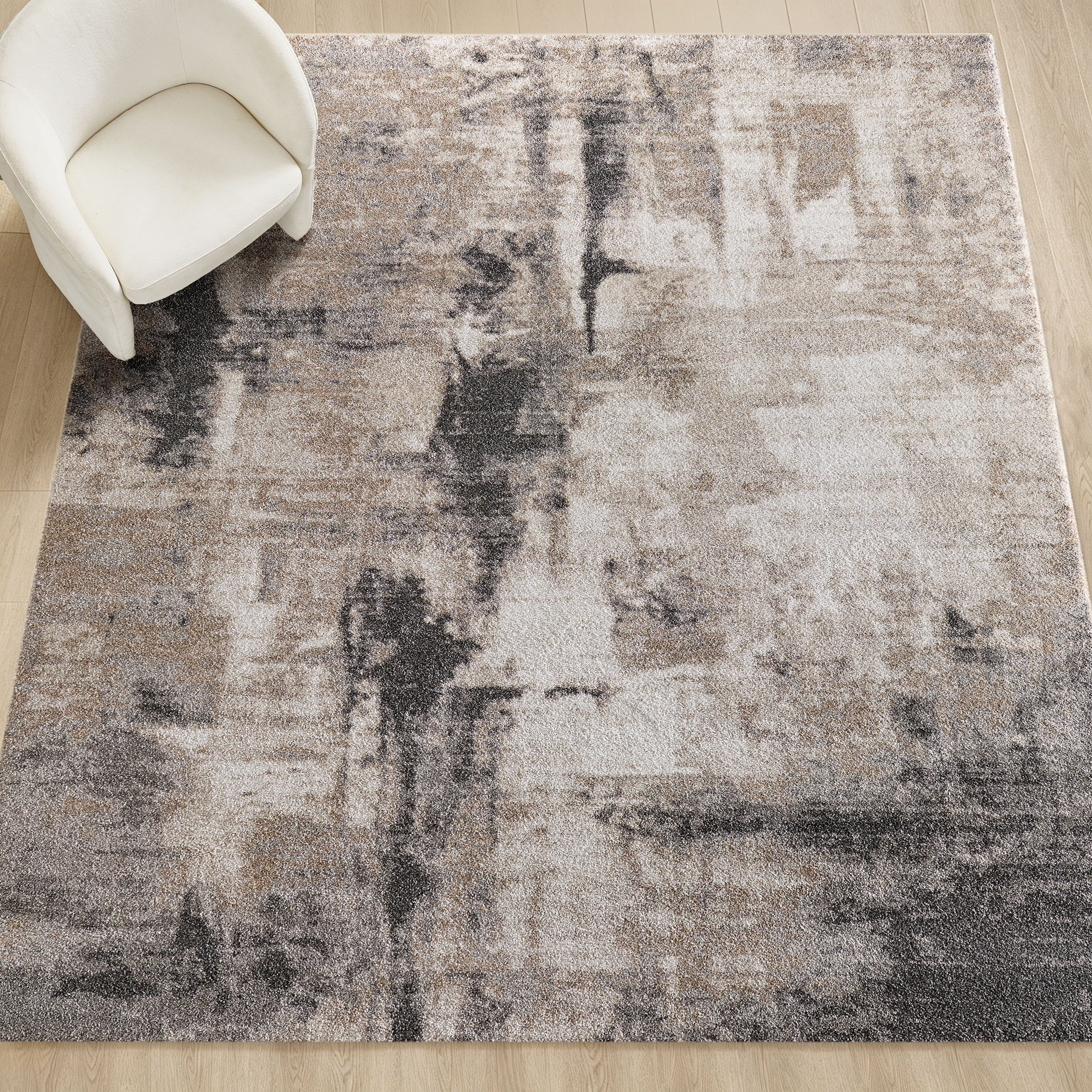
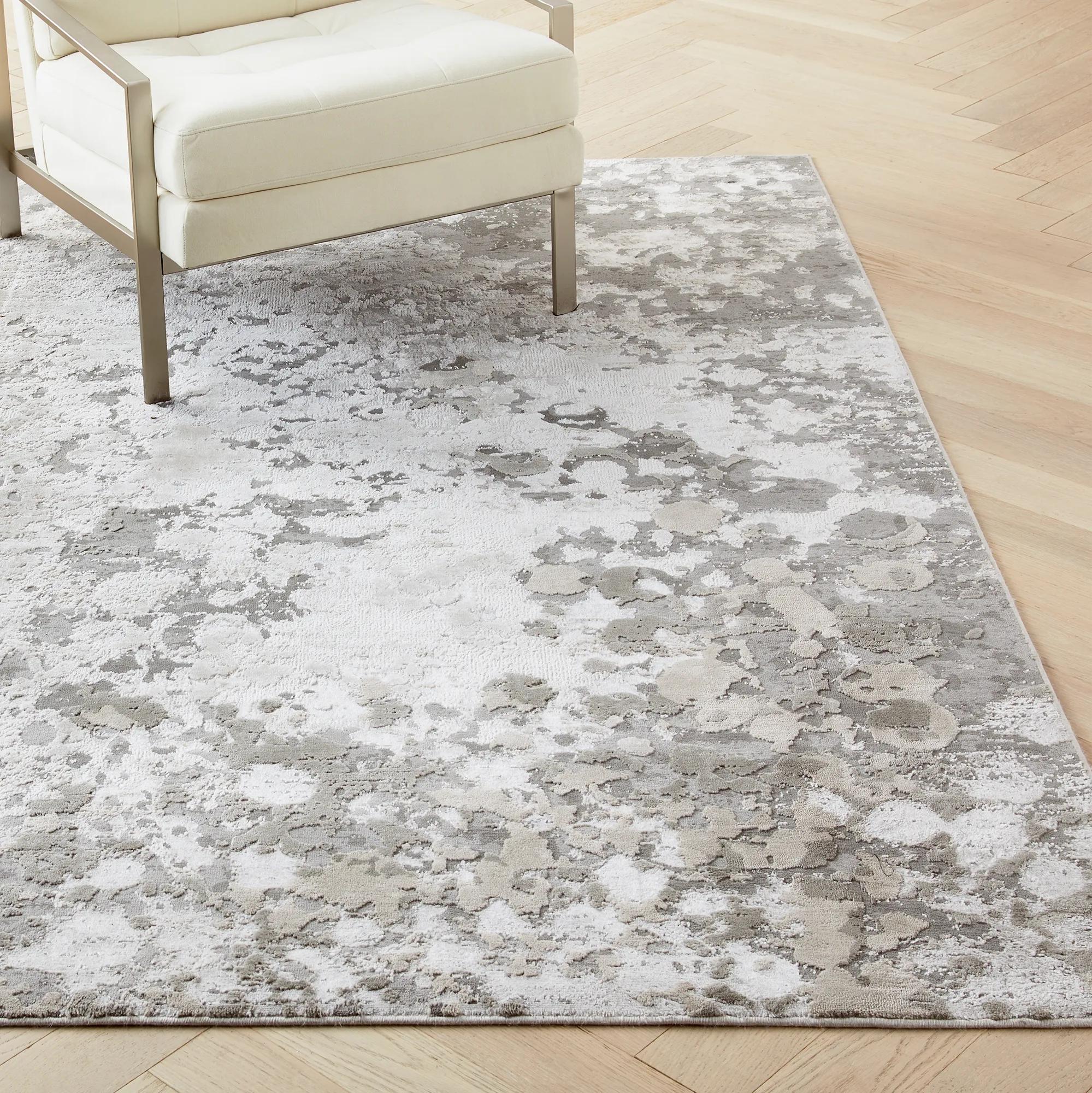
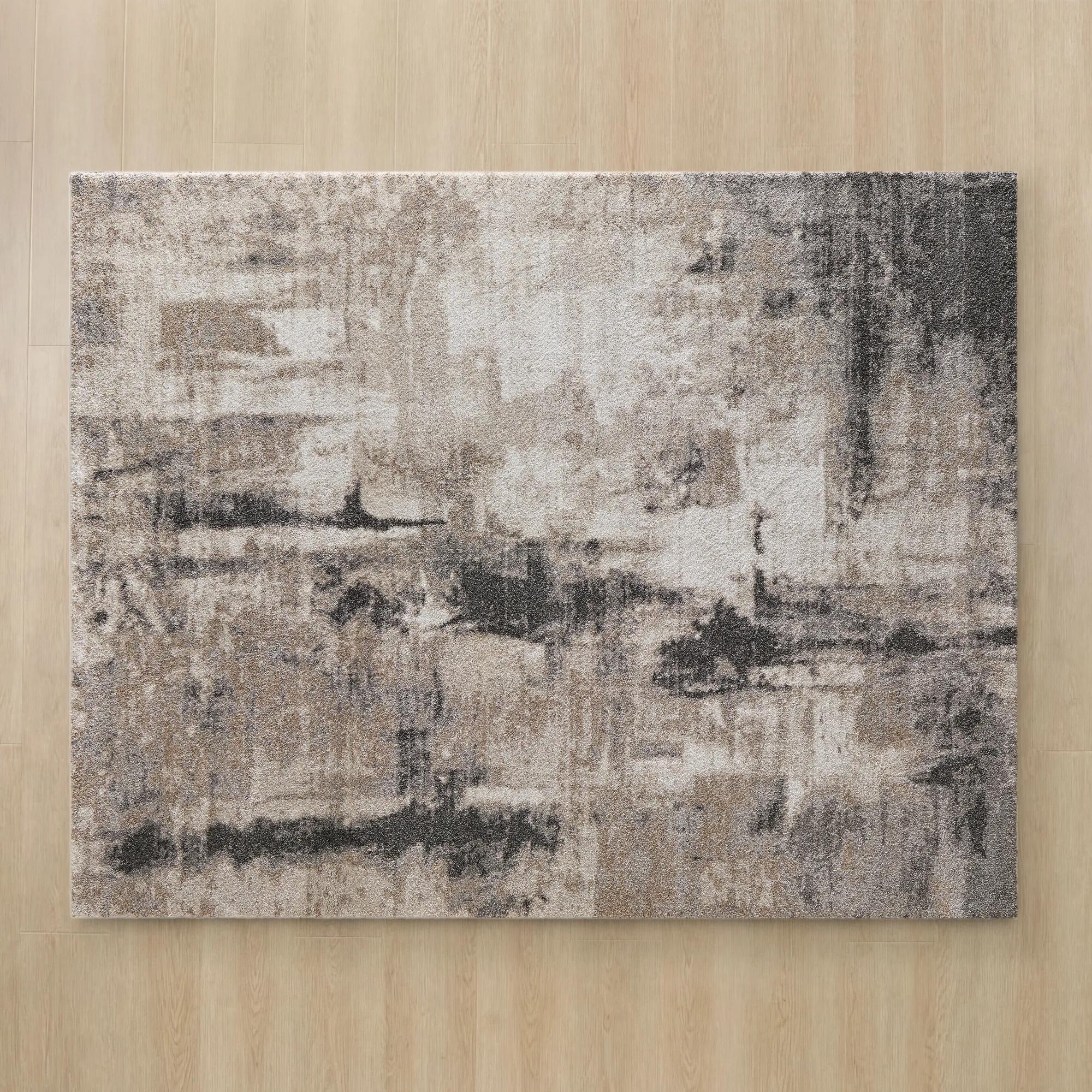 Atlas Abstract Grey/Taupe/Ivory/Charcoal Performance Power Loomed Rug$849
An abstract rug in grey, taupe, ivory, and charcoal with a plush, durable, and easy-care pile.
Add To Cart -
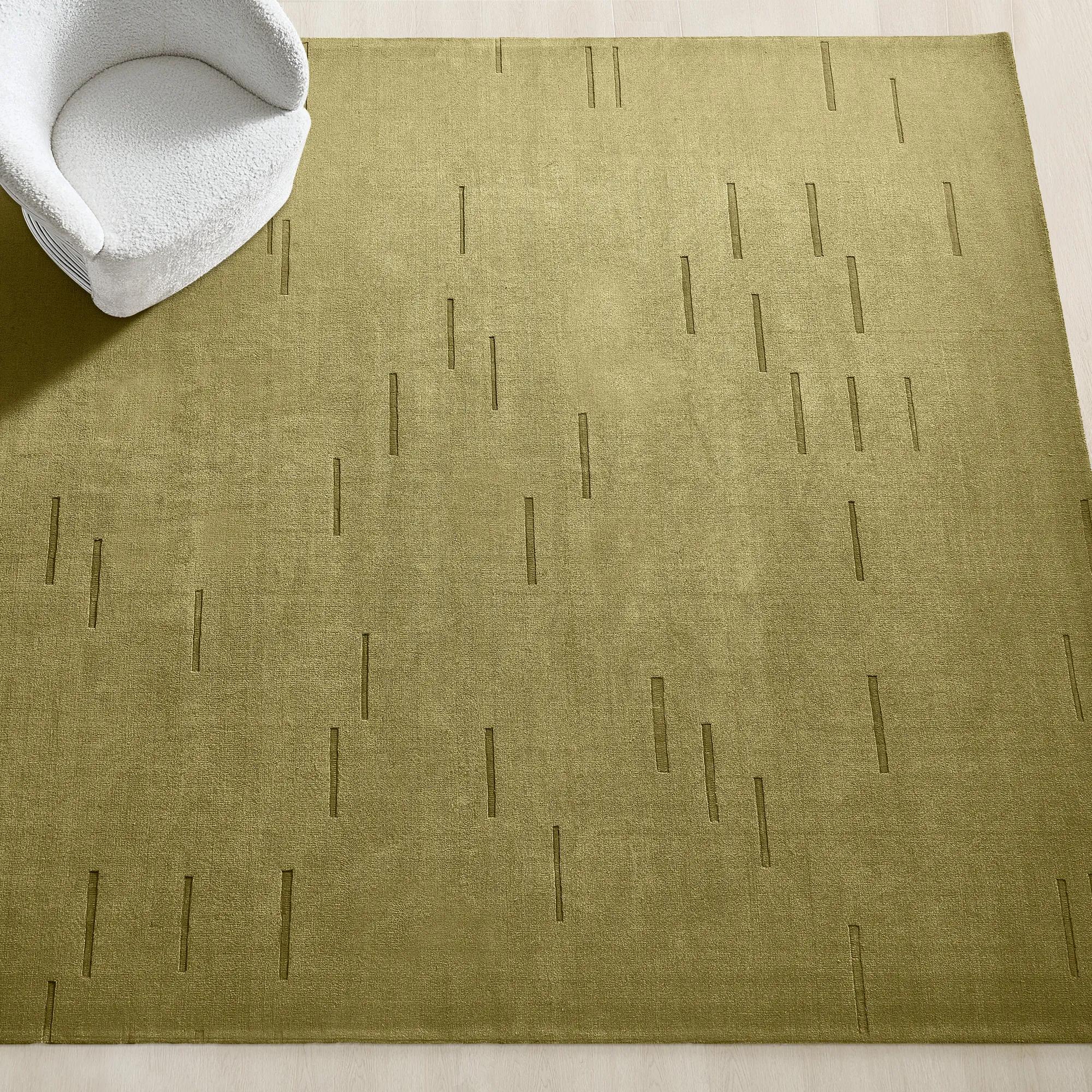
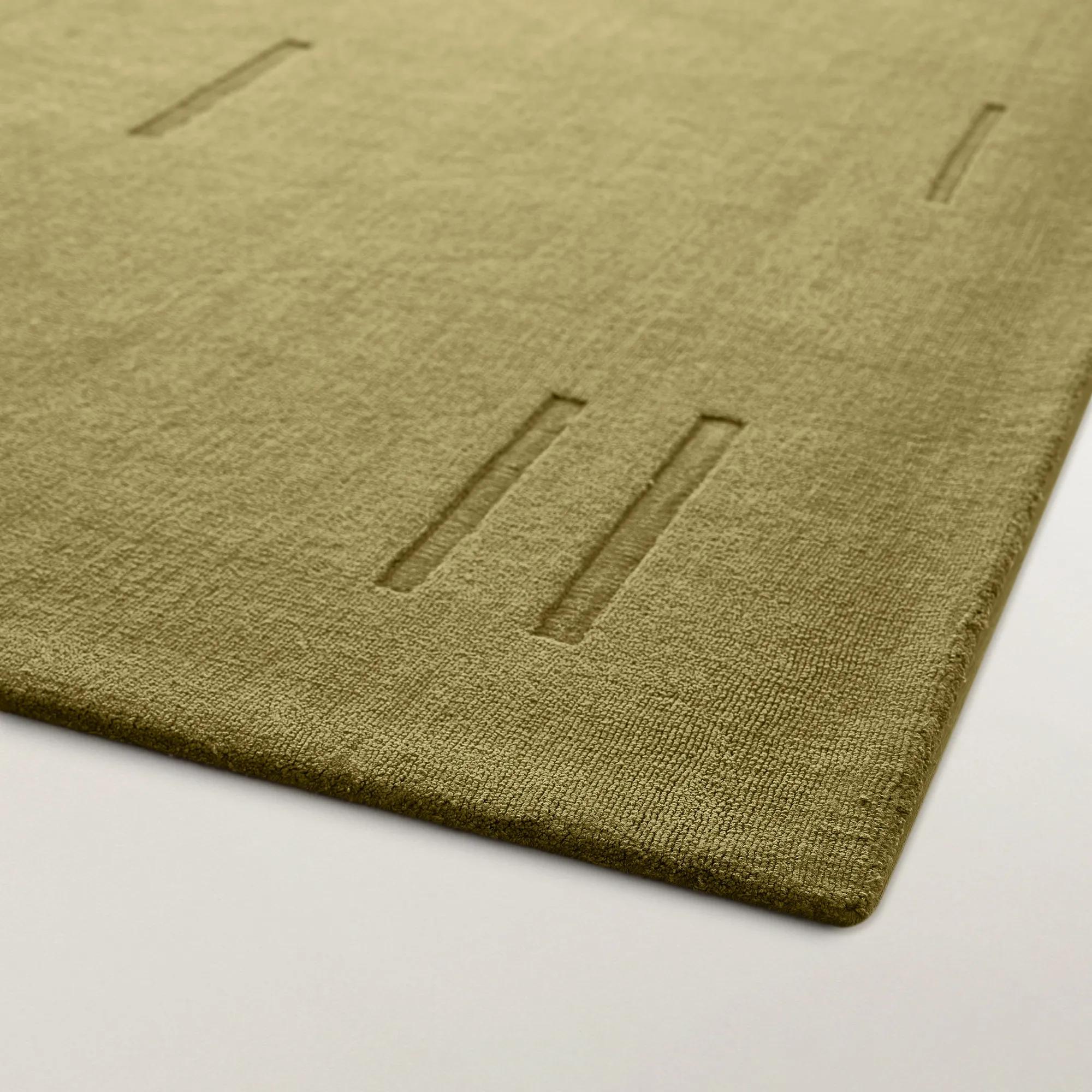 Lamita Muted Olive Green Wool Blend Rug$1299
A muted olive green wool-blend rug adding soft texture and understated warmth to modern interiors.
Add To Cart -
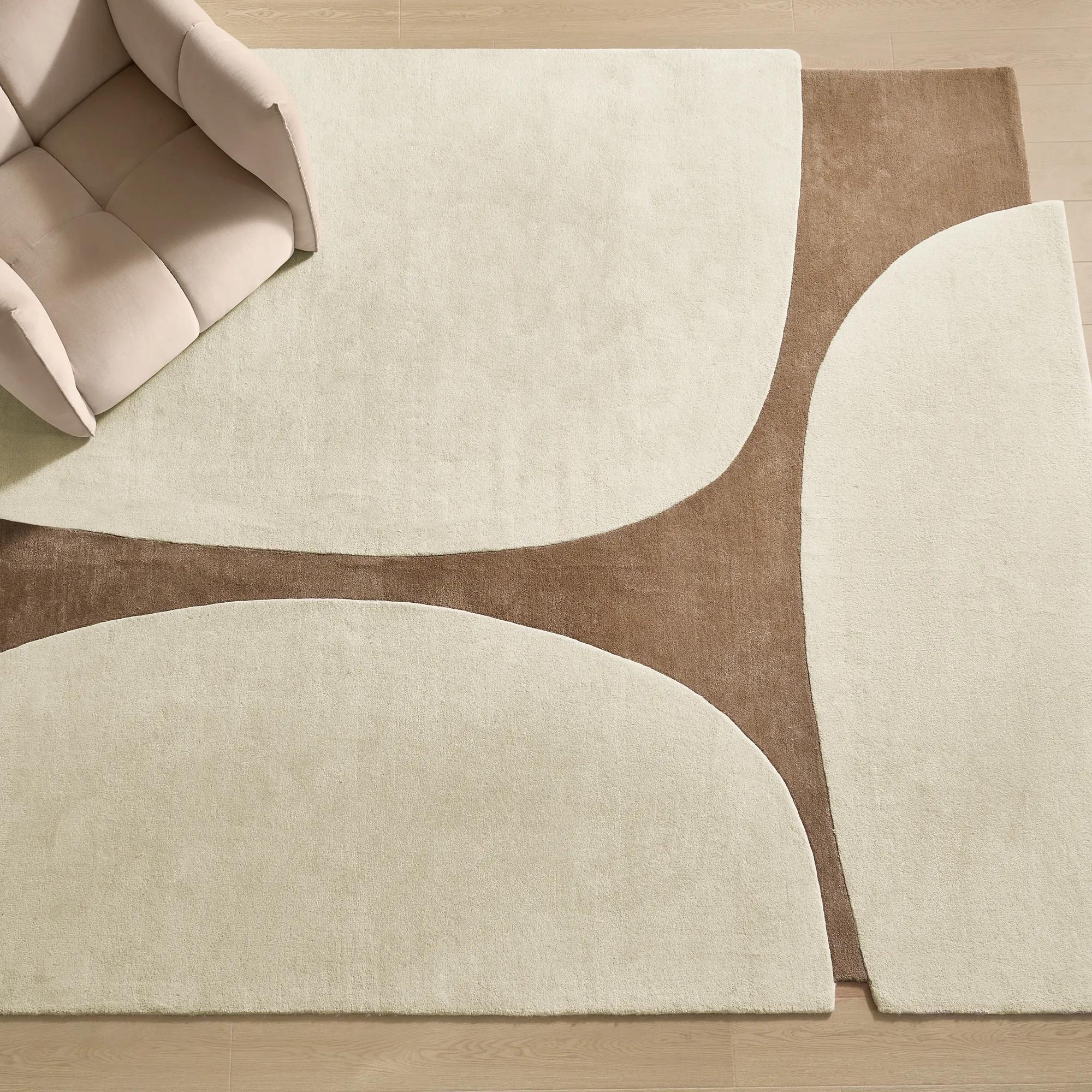
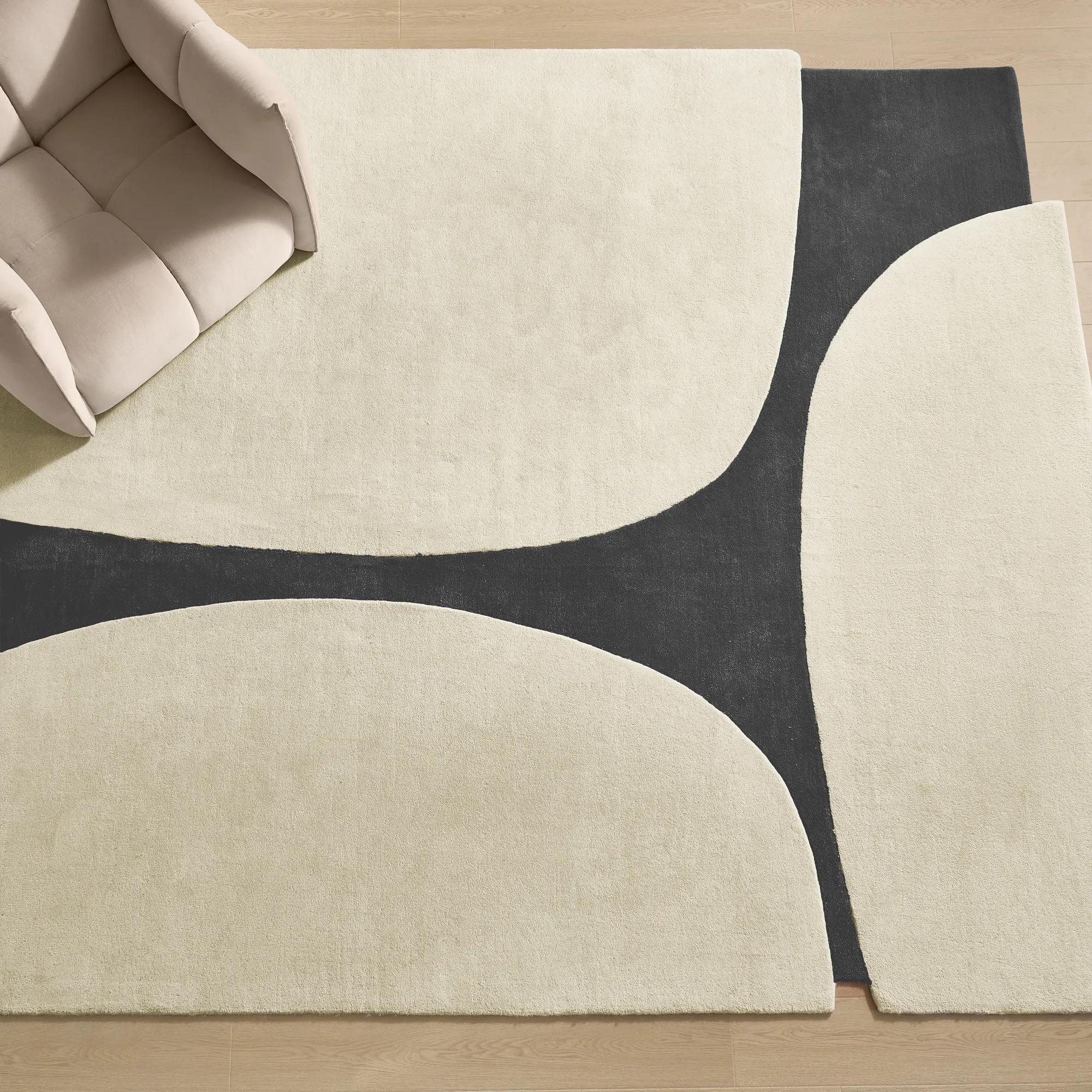 Contour Hand-Tufted Ivory/Charcoal Wool & Viscose Rugs$1499
An artfully shaped hand-tufted rug featuring high-low texture in warm ivory and charcoal wool-viscose blend.
Add To Cart -
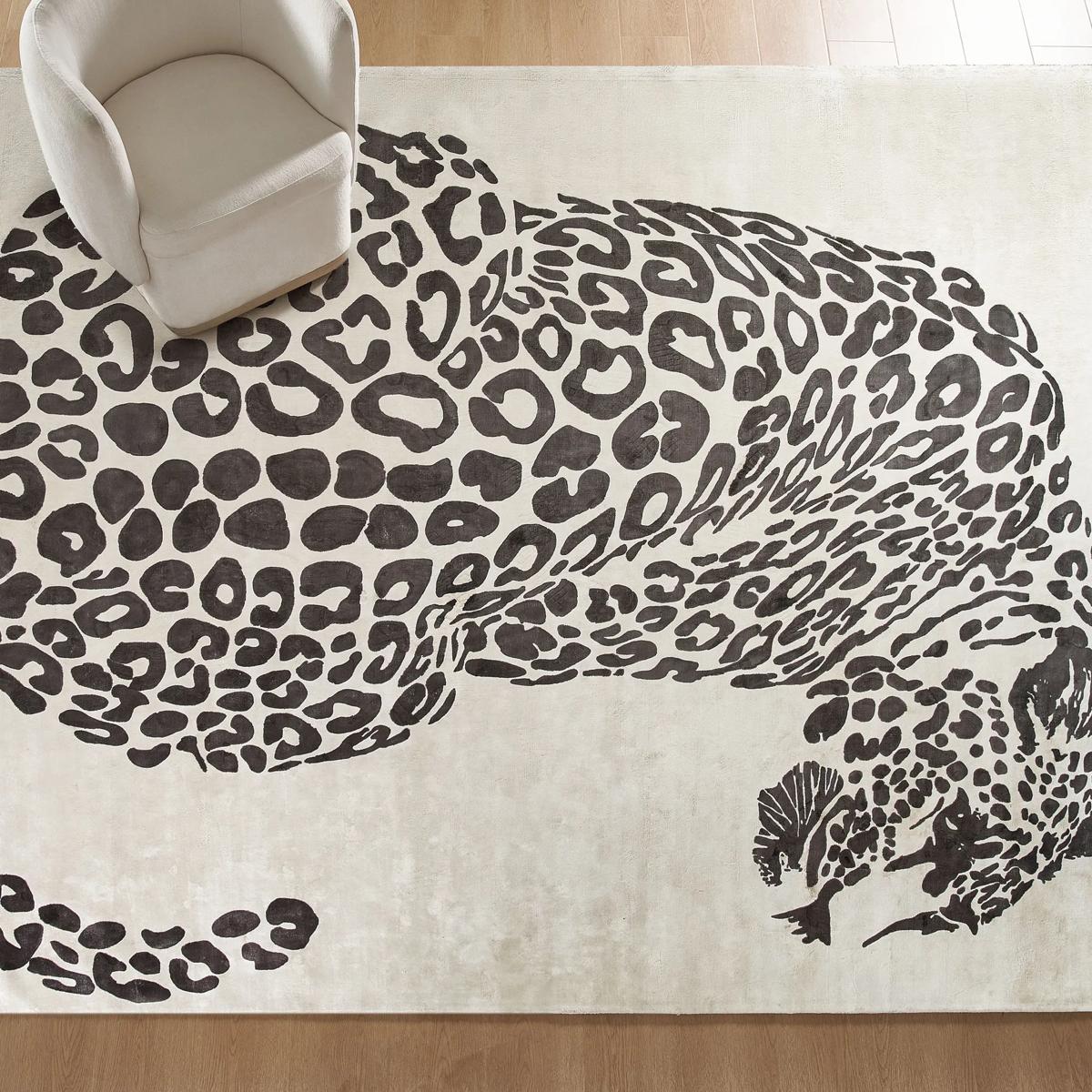
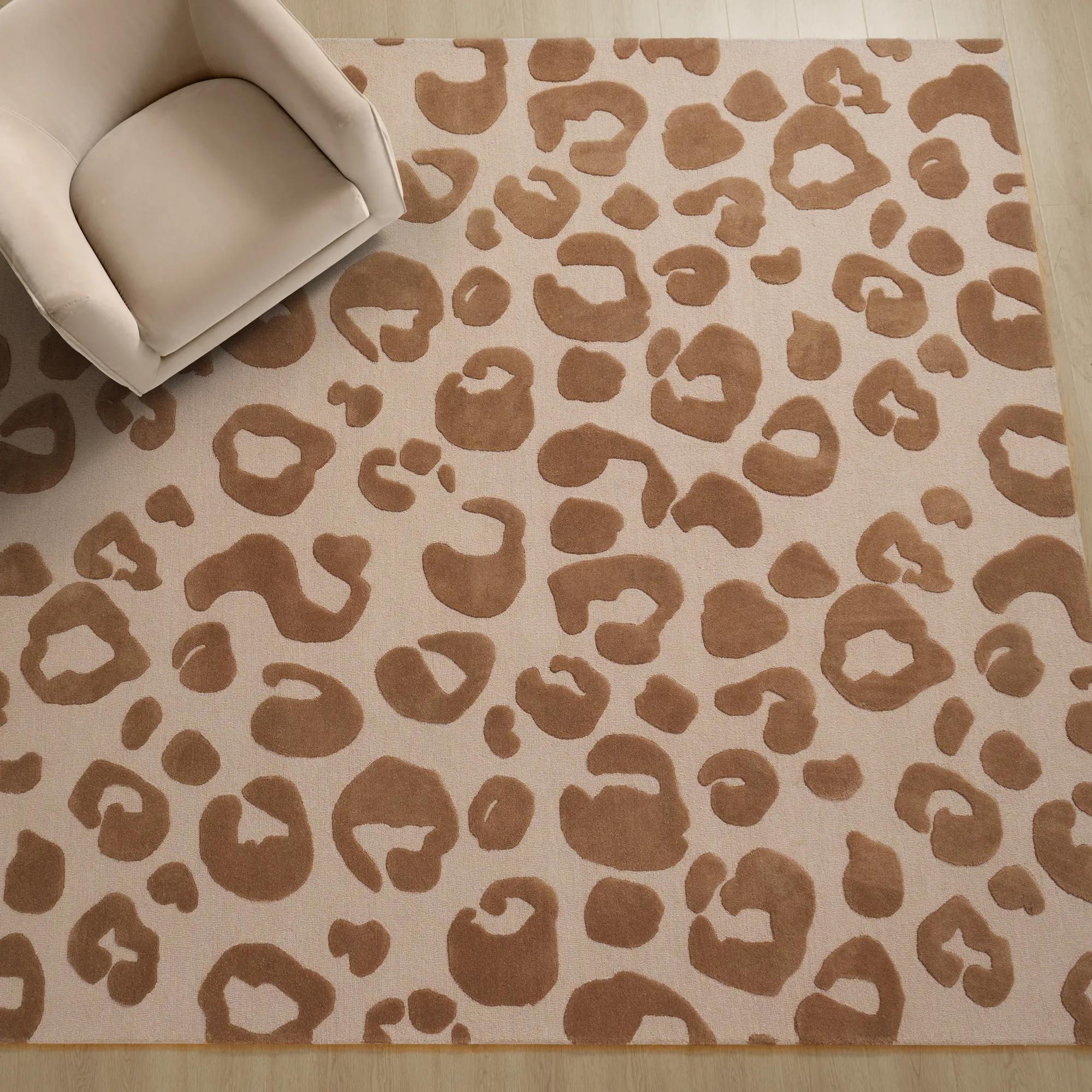 Pounce Hand-Tufted Tawny Brown Leopard Print Wool Rugs$999
A hand-tufted pure wool rug in tawny brown with a bold oversized leopard print and sculptural texture.
Add To Cart

Warm Earth Tone Rugs
Immerse your space in the captivating embrace of warm earth tone rugs—where every fiber whispers of sunbaked terracotta, burnished sienna, and golden ochre. These sumptuous foundations invite a sense of grounded elegance, infusing rooms with the effortless allure of natural beauty. Whether layered beneath a sculptural coffee table or anchoring a dramatic seating arrangement, warm earth tone rugs transform ordinary floors into artful canvases. Let your interiors bask in the rich hues and inviting textures that evoke both comfort and sophistication, creating a sanctuary that feels as timeless as it is bold.
Warm earth tone rugs bring terracotta, clay, ochre, camel, rust, warm olive, and rich brown into a room, creating a grounded foundation with remarkable depth. Their appeal lies in the way these nature-inspired colors balance visual richness with a sense of ease: a cinnamon-toned field can soften the presence of a sculptural coffee table, while golden tan and muted sienna give pale upholstery a more expressive backdrop. Earth tones are not limited to beige, nor do they require a rustic setting. Rendered in sweeping abstract patterns, precise geometry, or softly faded traditional motifs, they feel equally compelling beside polished metal, dark wood, curved seating, and luminous glass. A terracotta area rug can draw out the copper notes in a decorative object; a chocolate-and-ivory composition can lend definition to a room filled with soft neutrals. The result is color that feels intentional rather than insistent, with enough character to anchor a dramatic interior. Pattern and contrast shape that effect as much as the palette itself. Tonal designs create a quieter, layered impression, while pronounced borders and large-scale markings give the floor a distinct architectural presence. Subtle variations in yarn color can add movement without competing with artwork or richly textured pillows. For a seating area that needs cohesion, Living Room Earth Tone Rugs offer a focused expression of this palette, connecting sofas, accent chairs, and tables within a single visual frame. These colors also translate beautifully to bedrooms, dining rooms, home offices, and entryways, where the rug’s texture and proportions determine whether the mood feels enveloping, tailored, or gallery-like. Existing finishes matter: warm taupe can bridge creamy upholstery and walnut furniture, while ochre introduces a golden note beside charcoal. Viewing the color in the room’s own lighting helps reveal whether a brown leans red, a beige reads golden, or an olive has the muted depth the space needs. A successful pairing gives each surrounding material greater presence, allowing a gleaming table base or expressive wood grain to stand out against the rug’s grounded color.
Materials give warm earth tone area rugs their tactile personality, influencing comfort, surface definition, and everyday performance. Wool offers resilience and a substantial feel, with natural crimp that helps fibers recover from compression; depending on construction, some shedding is normal, particularly early in use. Its nuanced surface can make clay, caramel, and tobacco shades appear especially dimensional. Cotton often brings a softer, more relaxed hand to flatwoven designs, though its suitability for frequent use and washing depends on the individual rug’s construction and care label. Jute and sisal contribute pronounced natural texture and beautifully irregular color, lending a striking counterpoint to smooth upholstery and reflective accents. Their firmer feel is different from plush pile, and moisture sensitivity makes them less forgiving where spills are frequent. Synthetic fibers such as polypropylene and polyester can offer practical stain resistance and color clarity, making them useful considerations for active households, but fiber content alone does not establish whether a rug is machine washable or appropriate outdoors. Those uses require explicit care and performance guidance. Viscose and similar lustrous fibers create a light-catching finish that adds depth to earthy neutrals, although they can be sensitive to moisture and may be better suited to lower-traffic settings. Construction is equally consequential. Dense, low-pile rugs generally accommodate moving dining chairs and desk chairs more easily than deep, sumptuous pile, while a higher pile can bring inviting softness to the bedside or a sitting area intended for lingering. Flatweaves have a tailored profile that may work well near doors, provided there is enough clearance for both the rug and its pad. For homes with pets, a tightly constructed surface without prominent loops may help reduce snagging, though no rug is impervious to claws or accidents. In spaces where children play on the floor, softness, secure placement, and straightforward care deserve particular attention. A softly mottled rust-and-tan pattern can make everyday lint or minor marks less conspicuous than a uniform pale field, but pattern is a visual advantage, not a substitute for cleaning. The most satisfying choice combines the desired finish with a construction suited to the room’s actual rhythm.
Scale turns an earth tone rug from a decorative accent into an integral part of the room. In a living room, a generous rug that reaches beneath at least the front legs of the main seating pieces creates a more connected arrangement than a small rug floating beneath the coffee table. Common dimensions such as 8 by 10 feet or 9 by 12 feet can suit many seating groups, but the furniture footprint and walking paths should determine the final size. In a dining room, allowing approximately 24 to 30 inches of rug beyond each side of the table usually gives chairs room to remain on the surface when pulled out; larger chairs may need additional clearance. A bedroom rug feels more considered when it extends beyond the sides and foot of the bed, placing texture where bare feet naturally land rather than hiding most of the design beneath furniture. Runners can carry warm color through narrow spaces while leaving an even border of visible flooring. A compatible rug pad adds cushioning, helps limit shifting, and can reduce abrasion, provided it is suitable for both the rug backing and the floor finish. Day-to-day care preserves the richness that makes these palettes so appealing. Regular vacuuming with a setting appropriate to the fiber and construction removes abrasive grit; rotating the rug periodically helps distribute wear and light exposure. Spills are best blotted promptly with a clean, undyed cloth rather than rubbed, with any cleaning treatment checked against the manufacturer’s instructions and tested discreetly first. Saturating a stain can damage sensitive fibers or backing, and professional cleaning may be appropriate for delicate materials or persistent marks. Even earth colors can fade in sustained direct sunlight, so thoughtful placement matters. With the right proportions and care, a warm neutral rug becomes a lasting visual anchor: rust lends intensity to cream seating, camel enriches dark wood, and layered browns give metallic details a sumptuous setting. Color supplies the emotion; texture and fit make it feel at home.
FAQs
Warm earth tone rugs are remarkably versatile, complementing a wide range of design styles from modern and contemporary to bohemian, rustic, and even classic interiors. Their rich, organic palette adds depth to minimalist spaces, grounds eclectic decor, and enhances the layered textures of transitional rooms. Whether your aesthetic leans toward sleek sophistication or artfully collected comfort, earth toned rugs provide a harmonious foundation.
Earth toned rugs evoke a sense of warmth, tranquility, and understated luxury. Their natural hues—such as sienna, ochre, clay, and sand—invite relaxation and connection, making any space feel more welcoming and intimate. These colors are known to foster a calming atmosphere, ideal for living rooms, bedrooms, and cozy gathering spaces, especially during the colder months.
Yes, many earthy tone handcrafted rugs are designed with durability in mind, making them an excellent choice for high-traffic spaces like living rooms, hallways, and entryways. Their artisanal construction often results in dense weaves and resilient fibers that stand up beautifully to daily use, while their warm, variegated tones help to subtly disguise everyday wear.
Absolutely. Layering a warm earth tone rug over hardwood, tile, or even another rug adds dimension and visual interest to your space. This technique can help define areas within open floor plans and introduce a curated, designer-inspired look. Mix textures and patterns for added drama, or keep the palette cohesive for a more serene effect.
Earth tone rugs are a timeless and meaningful gift, perfect for housewarmings, weddings, or milestone celebrations. Their classic palette suits a variety of tastes and interiors, while the craftsmanship behind many handcrafted designs adds a personal, luxurious touch. Gifting a warm earth tone rug is a way to offer comfort, beauty, and a lasting piece of artistry for someone’s home.