Modern Earth Tone Rugs
Modern Earth Tone Rugs
-
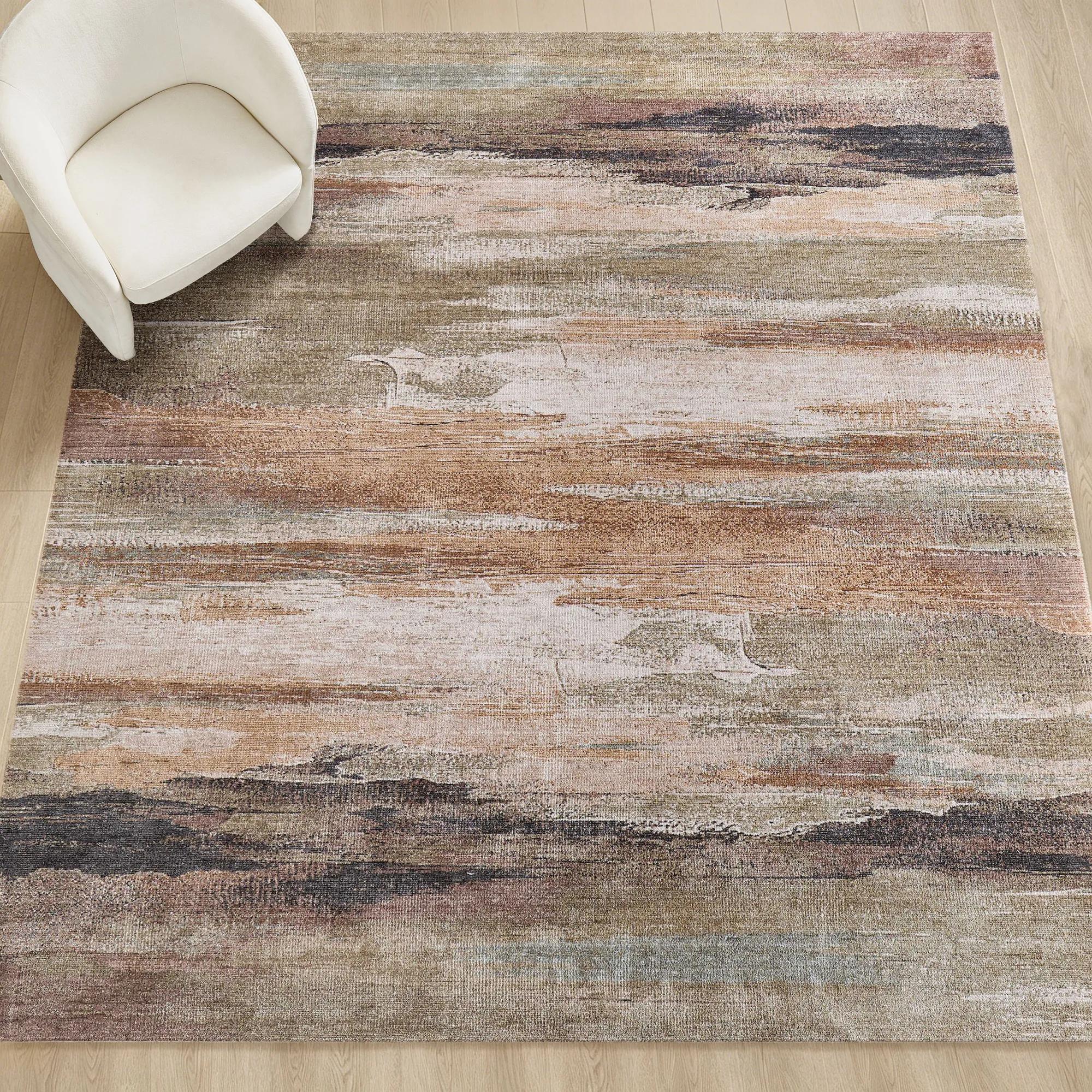
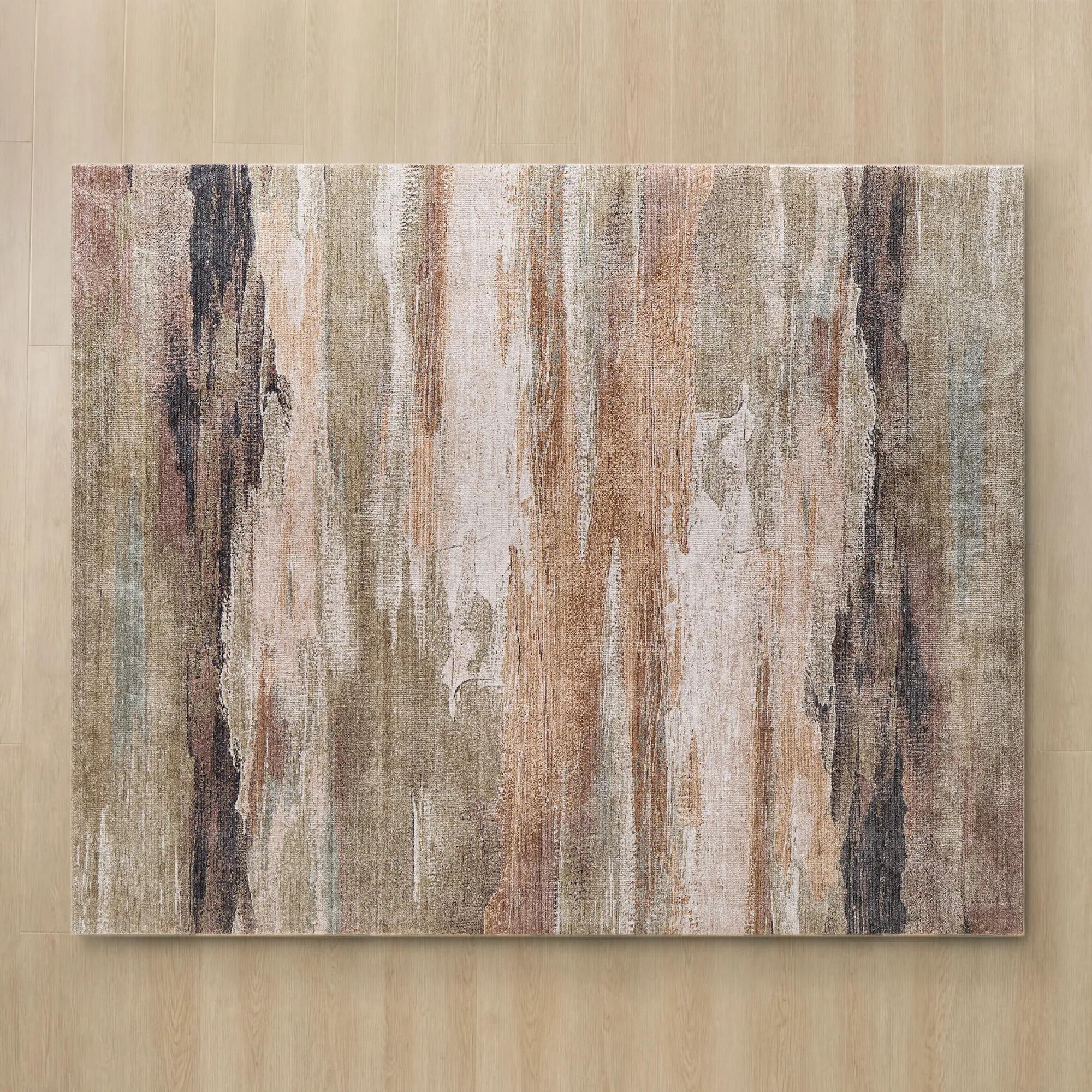 Sedona Rust/Beige/Moss Green/Charocal/Blue Performance Power Loomed Rug$599
A plush, power-loomed polyester rug featuring a rich abstract pattern in rust, beige, moss green, charcoal, and blue.
Add To Cart -
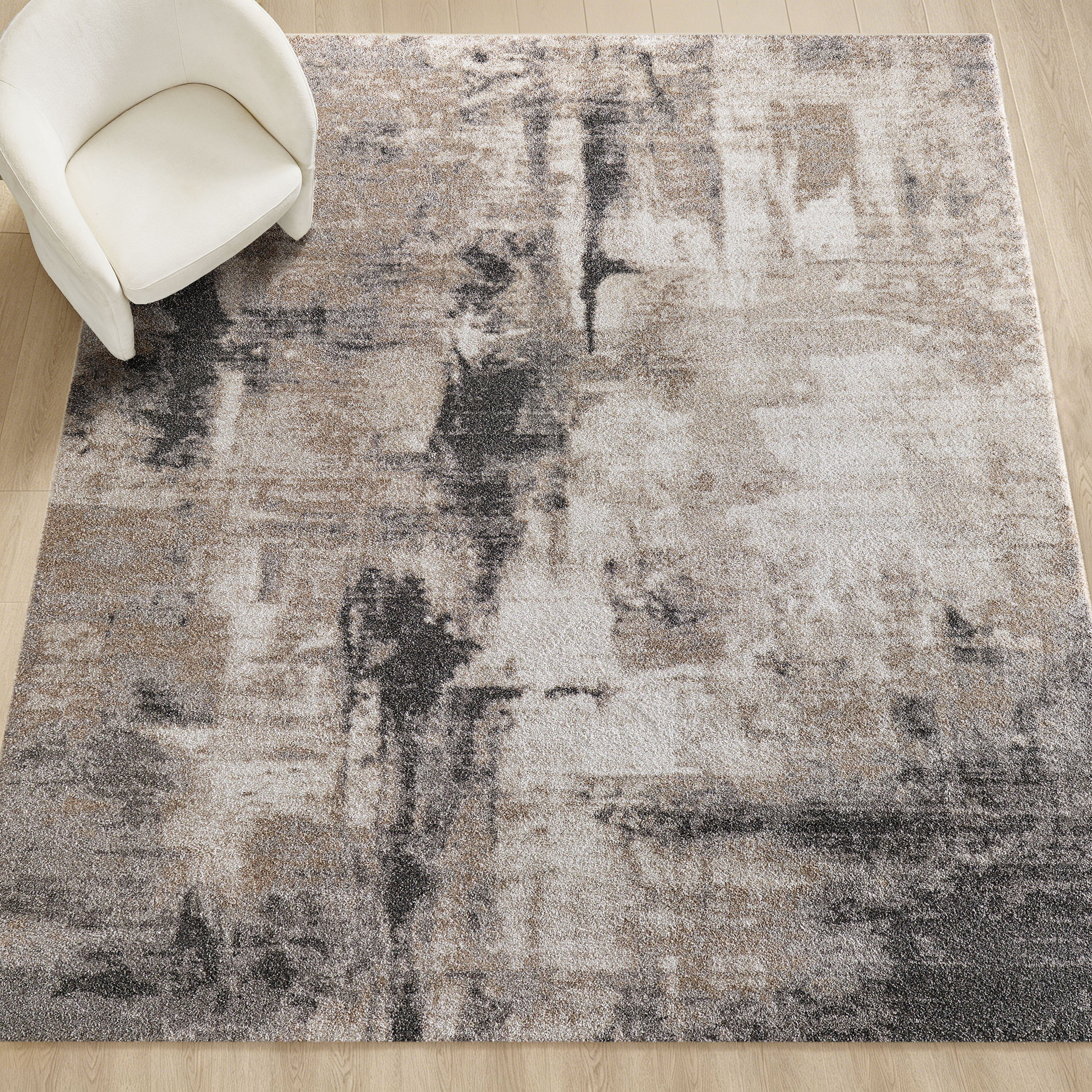
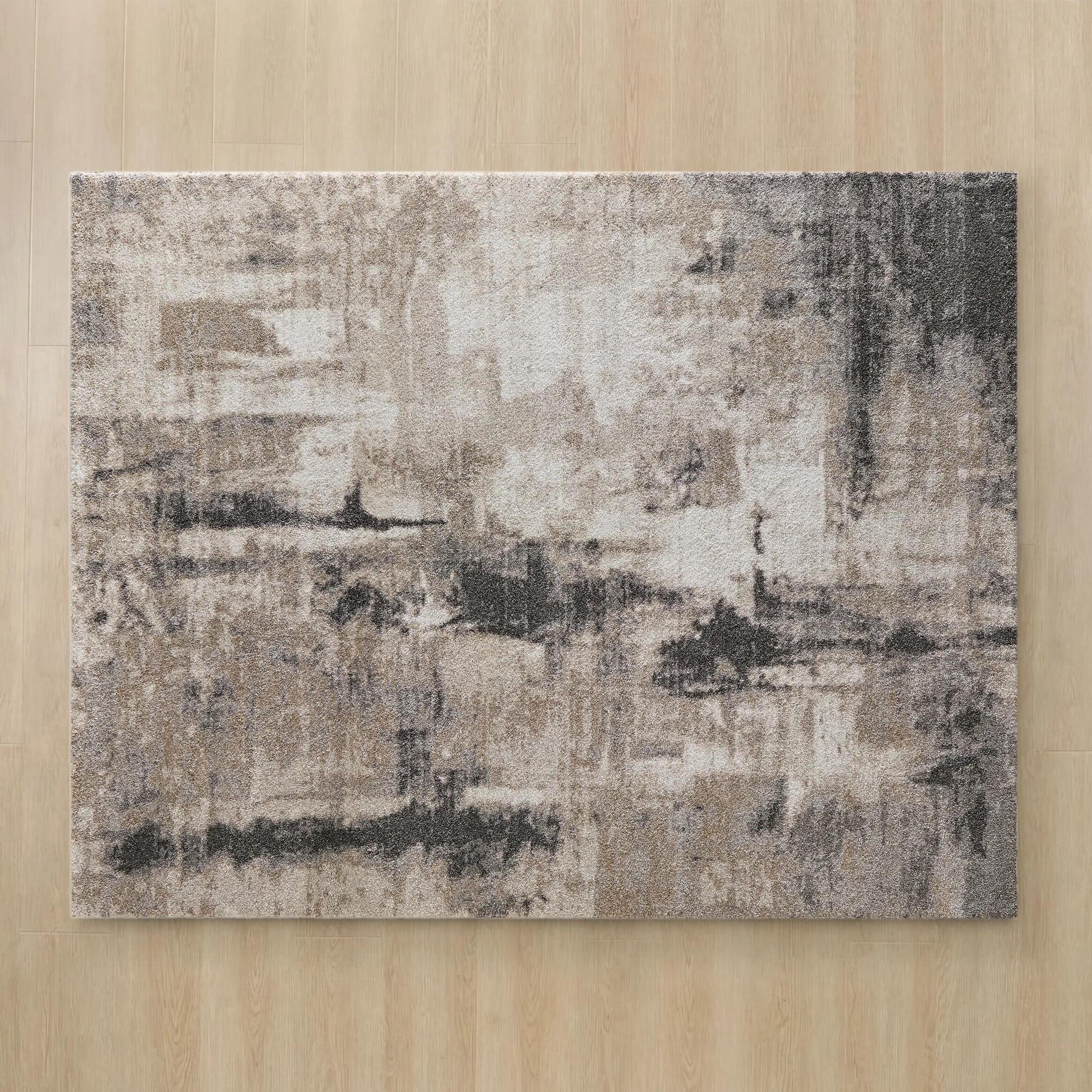 Atlas Abstract Grey/Taupe/Ivory/Charcoal Performance Power Loomed Rug$849
An abstract rug in grey, taupe, ivory, and charcoal with a plush, durable, and easy-care pile.
Add To Cart -
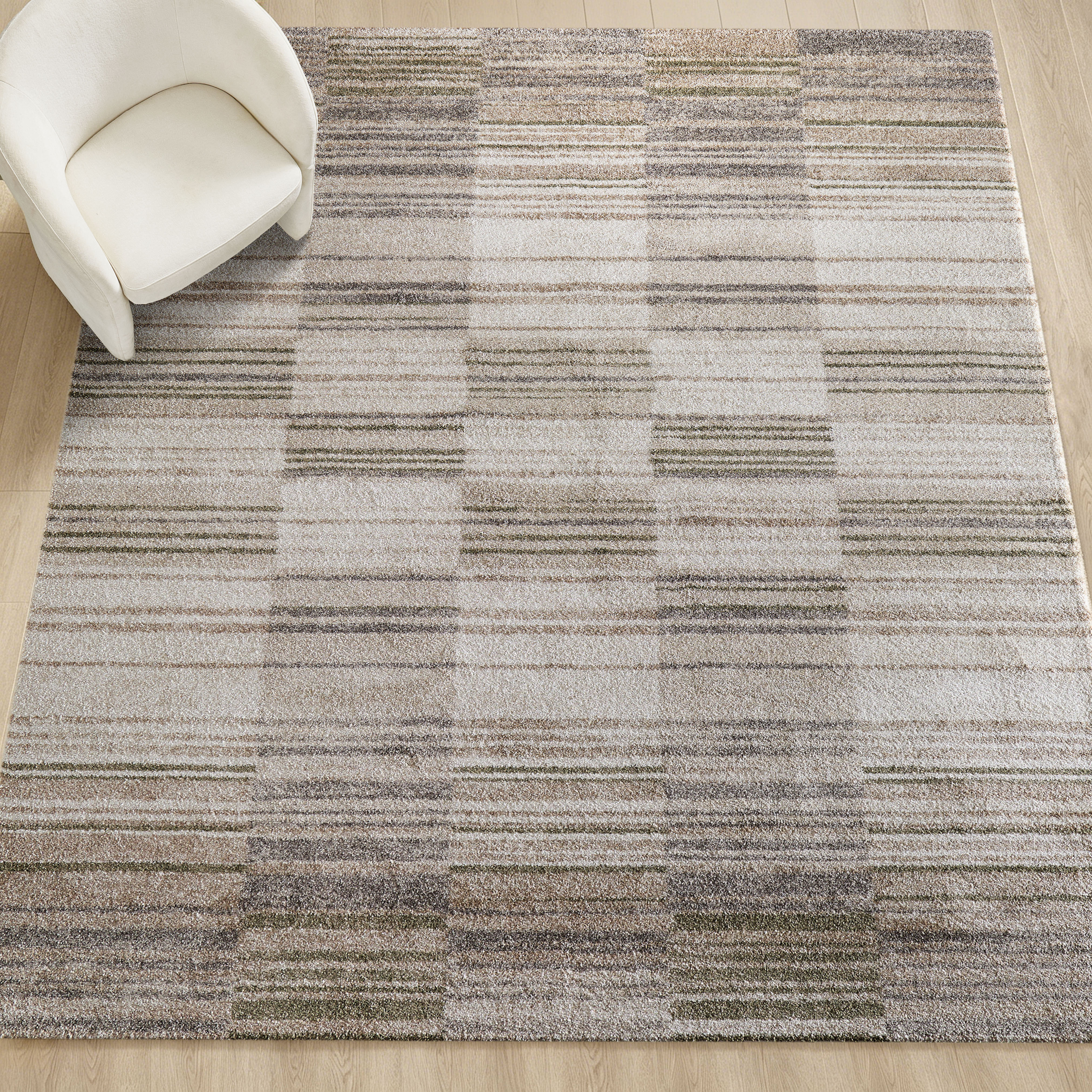
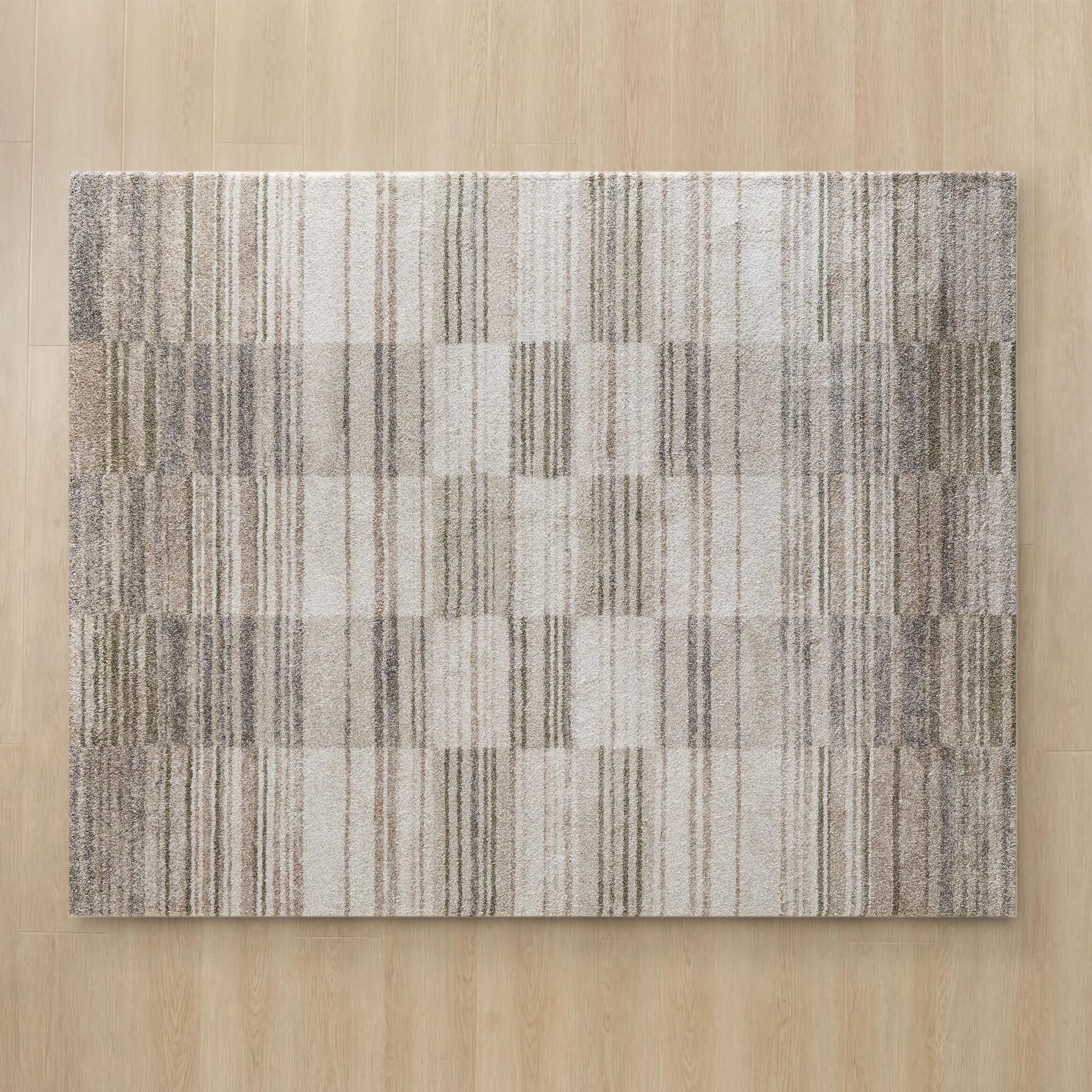 Checka Grey/Tan/Ivory/Soft Green Performance Power Loomed Rug$399
A plush, power-loomed rug featuring a soft check pattern in grey, tan, ivory, and green.
Add To Cart -
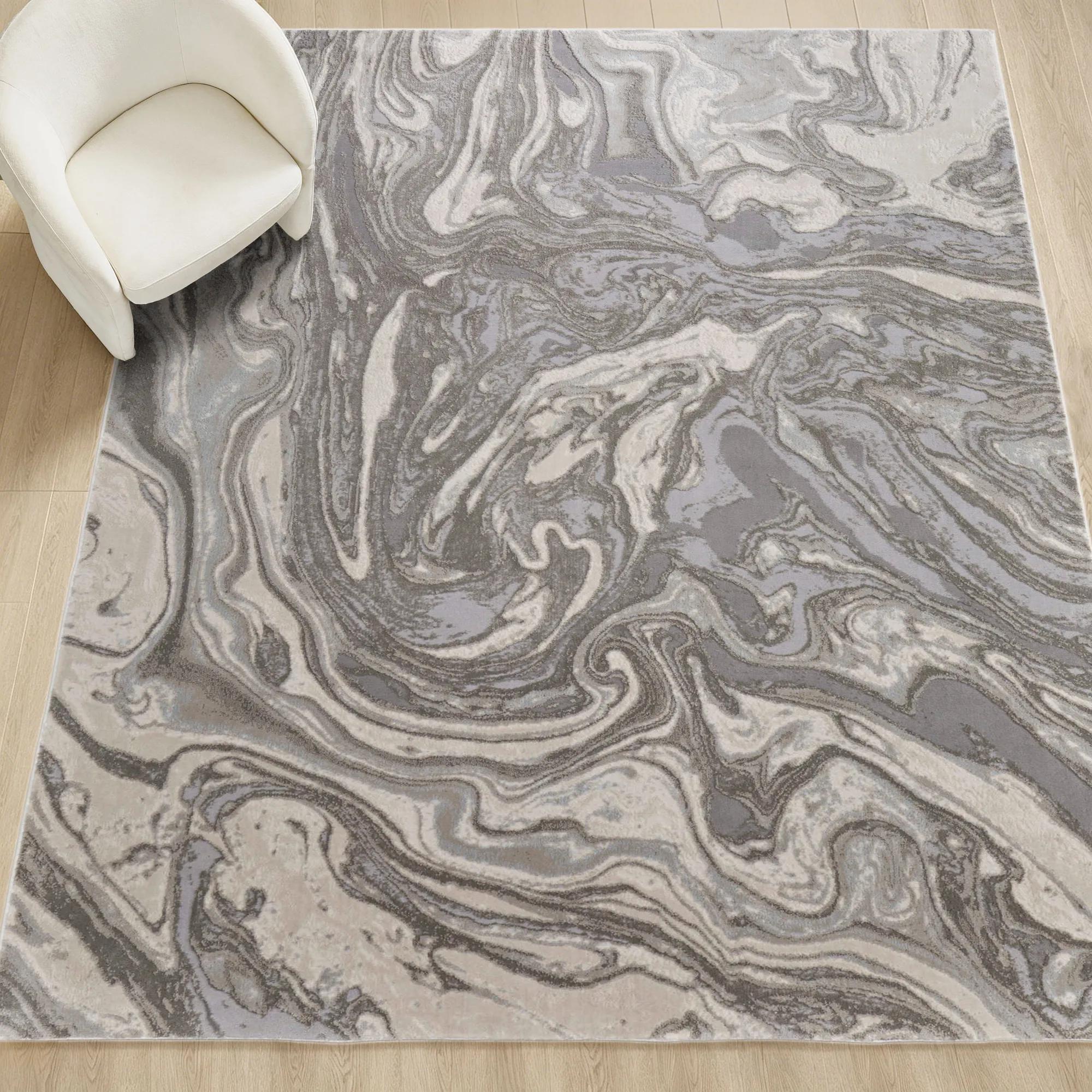
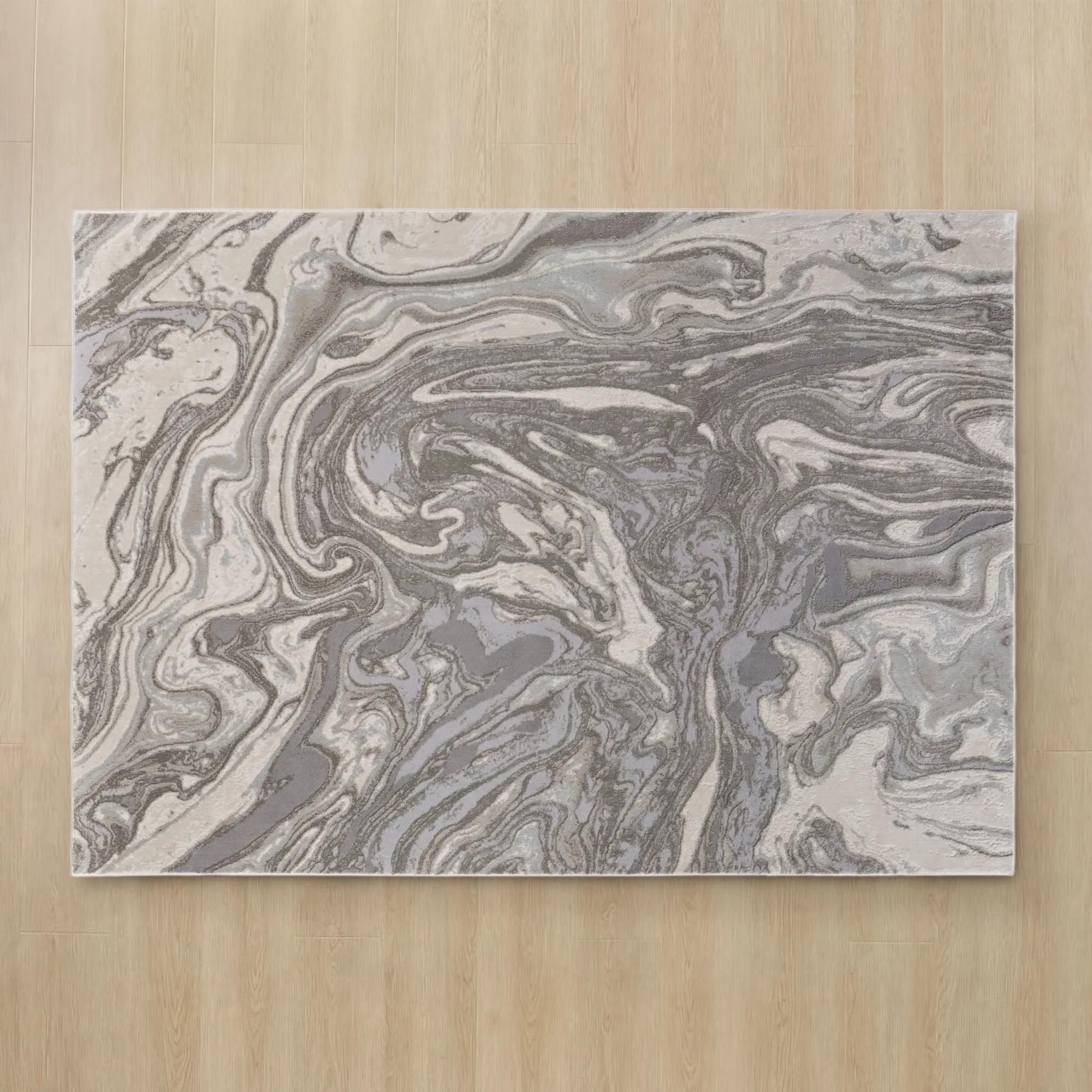 Marbre Marbled Grey/Taupe/Powder Blue Performance Power Loomed Rug$379
A softly marbled rug in grey, taupe, and powder blue with a textured, stain-resistant polypropylene blend.
Add To Cart -
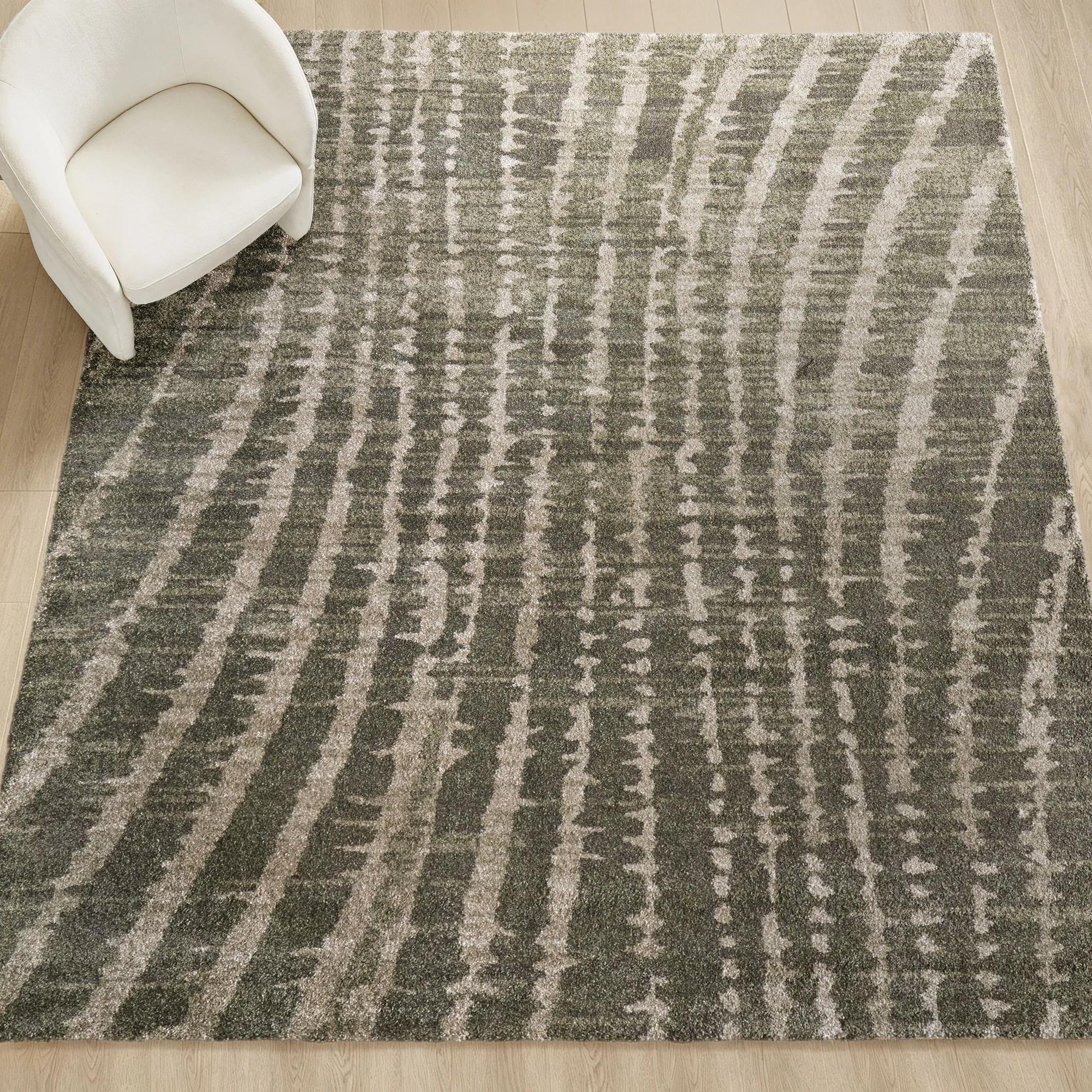
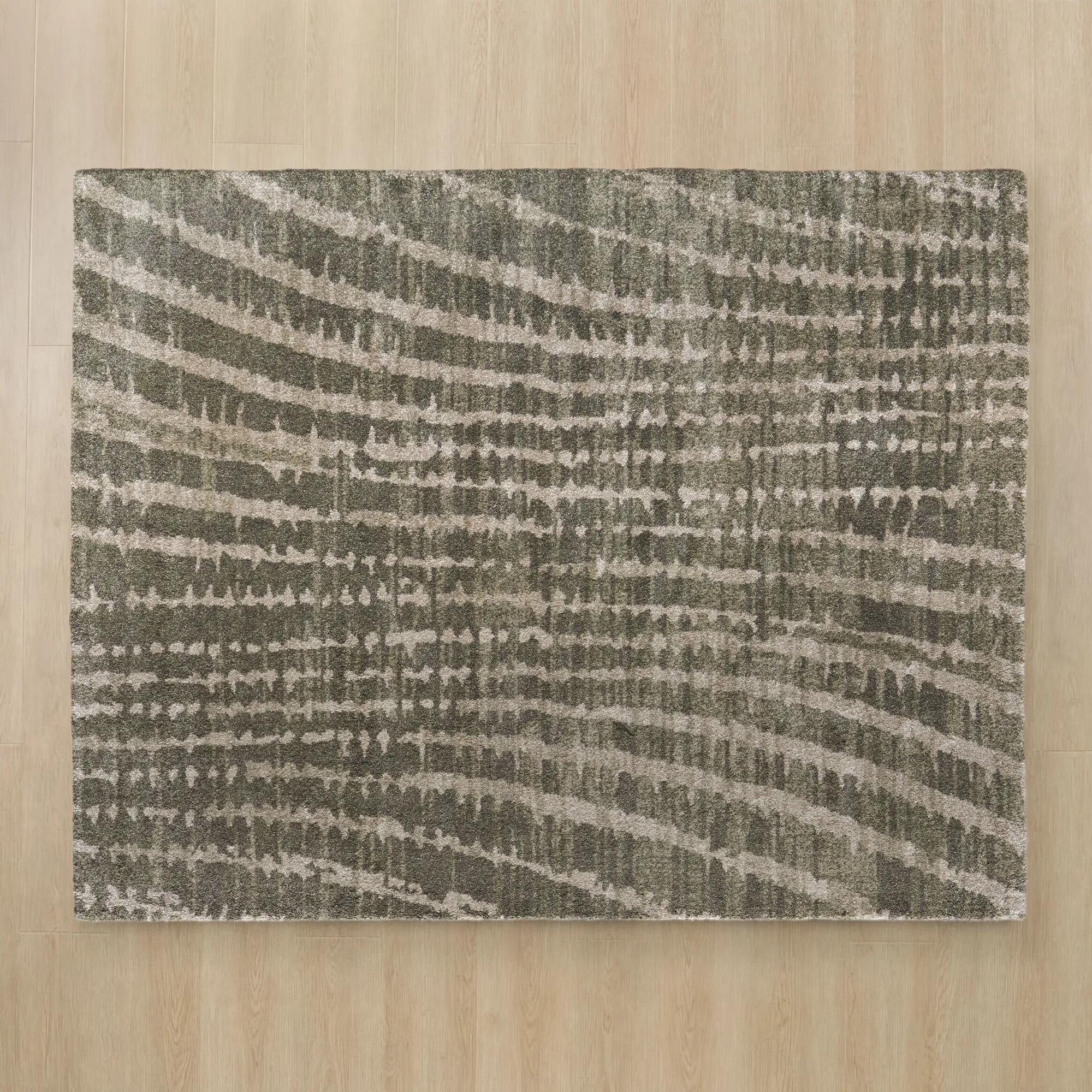 Tempo Green/Grey/Beige Performance Power Loomed Rug$1649
An abstract charcoal grey and beige rug with plush cut pile and durable, stain-resistant polypropylene-polyester construction.
Add To Cart -
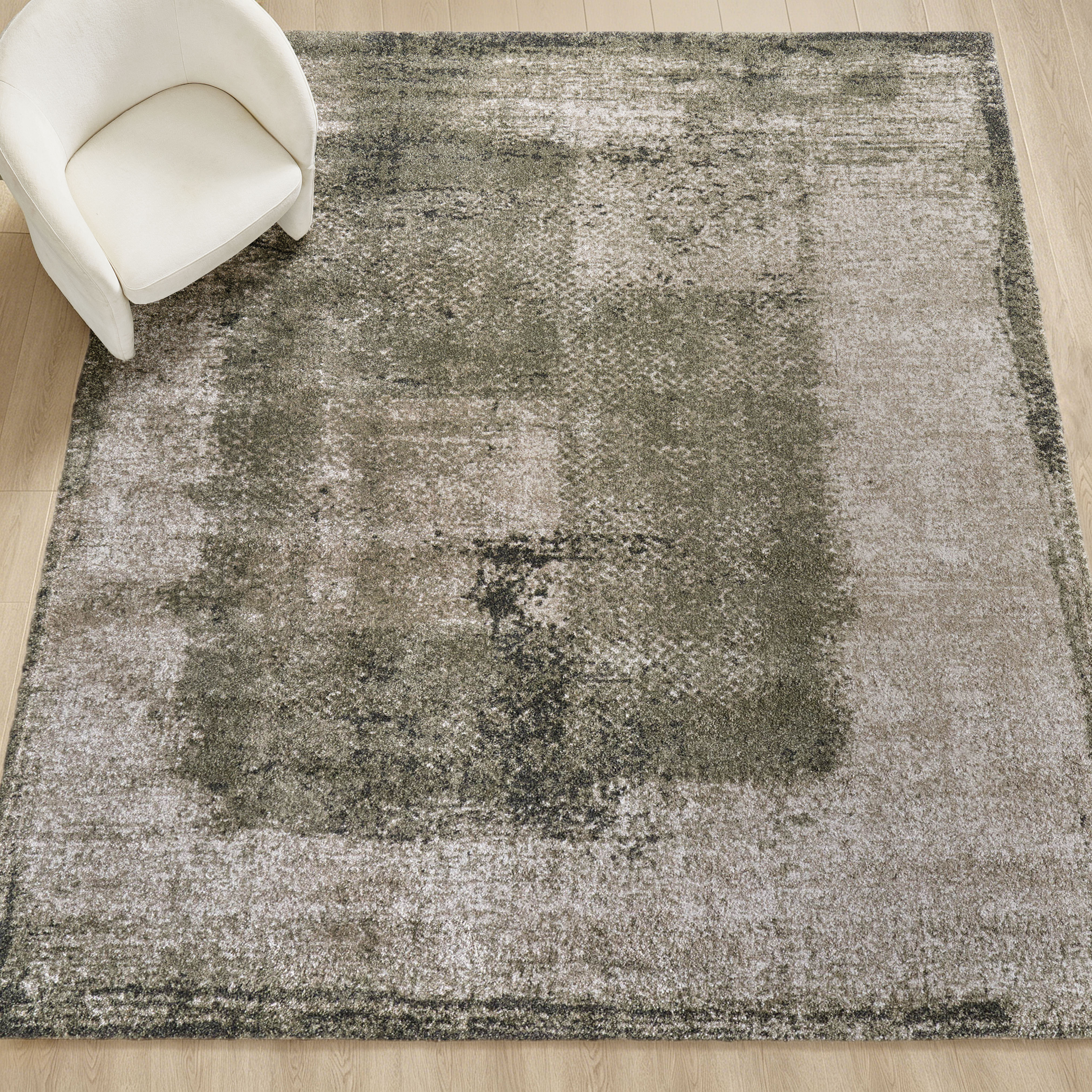
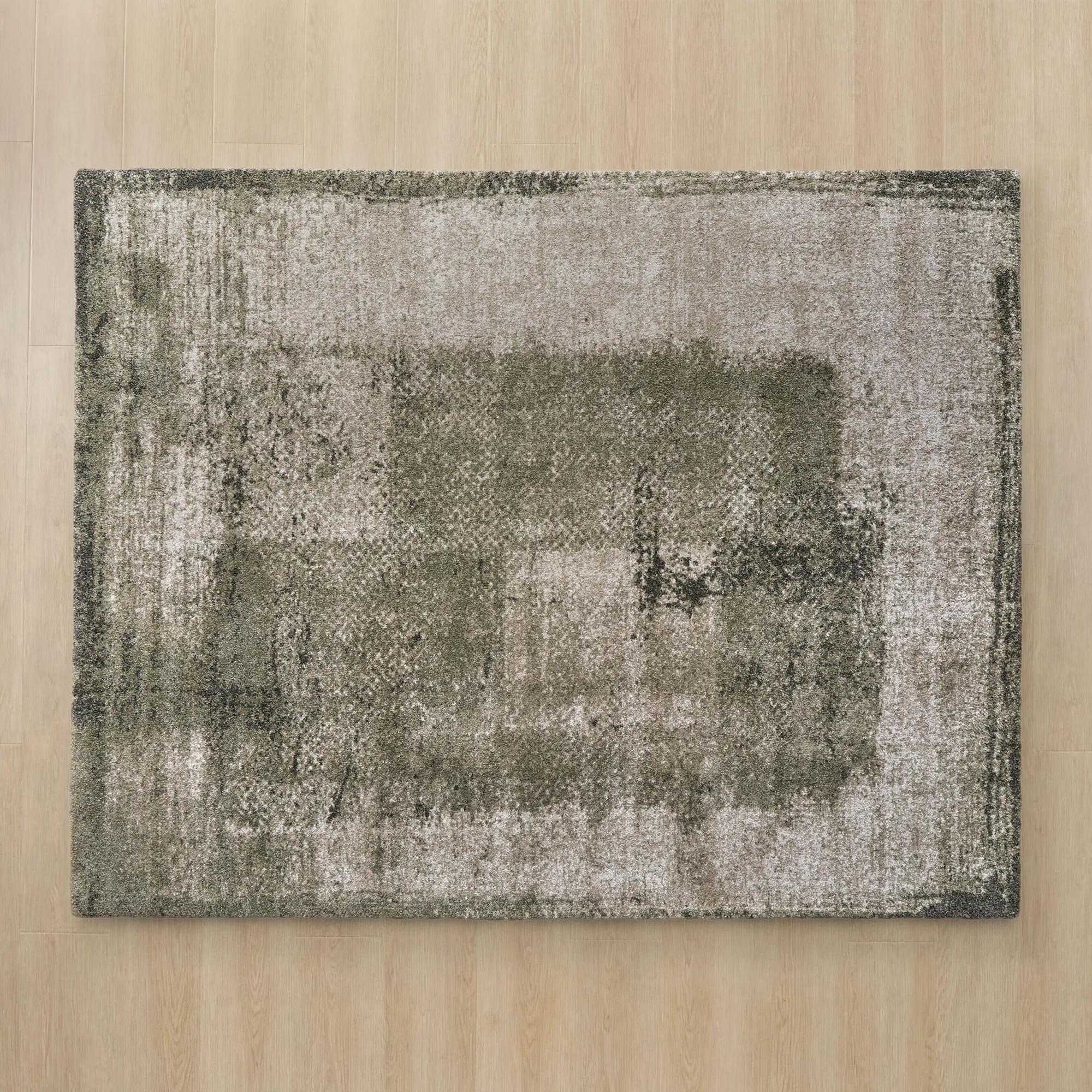 Irving Abstract Moss Green/Beige/Grey Performance Power Loomed Rug$849
An abstract rug in moss green, beige, and grey with plush, durable power-loomed polypropylene and polyester.
Add To Cart -
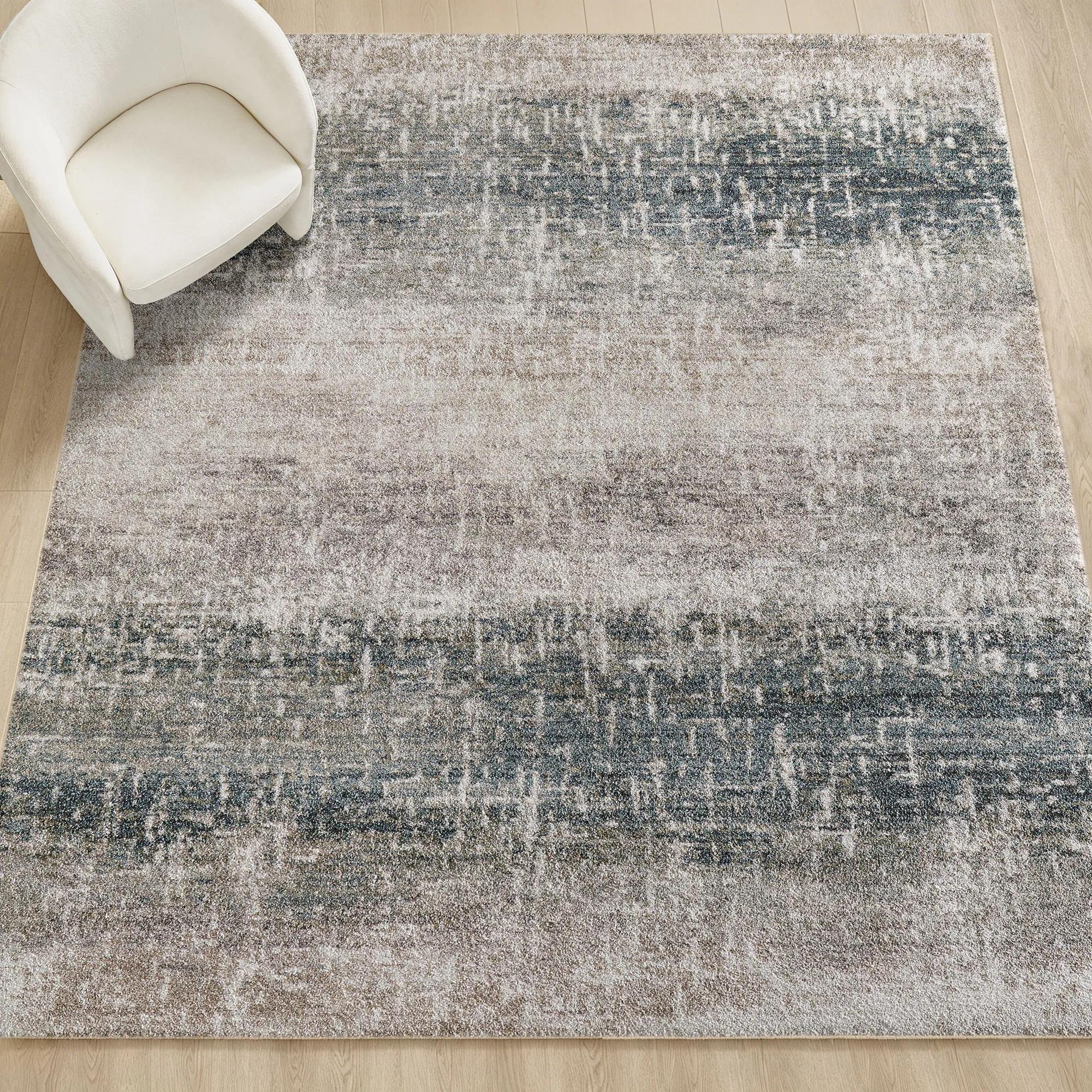
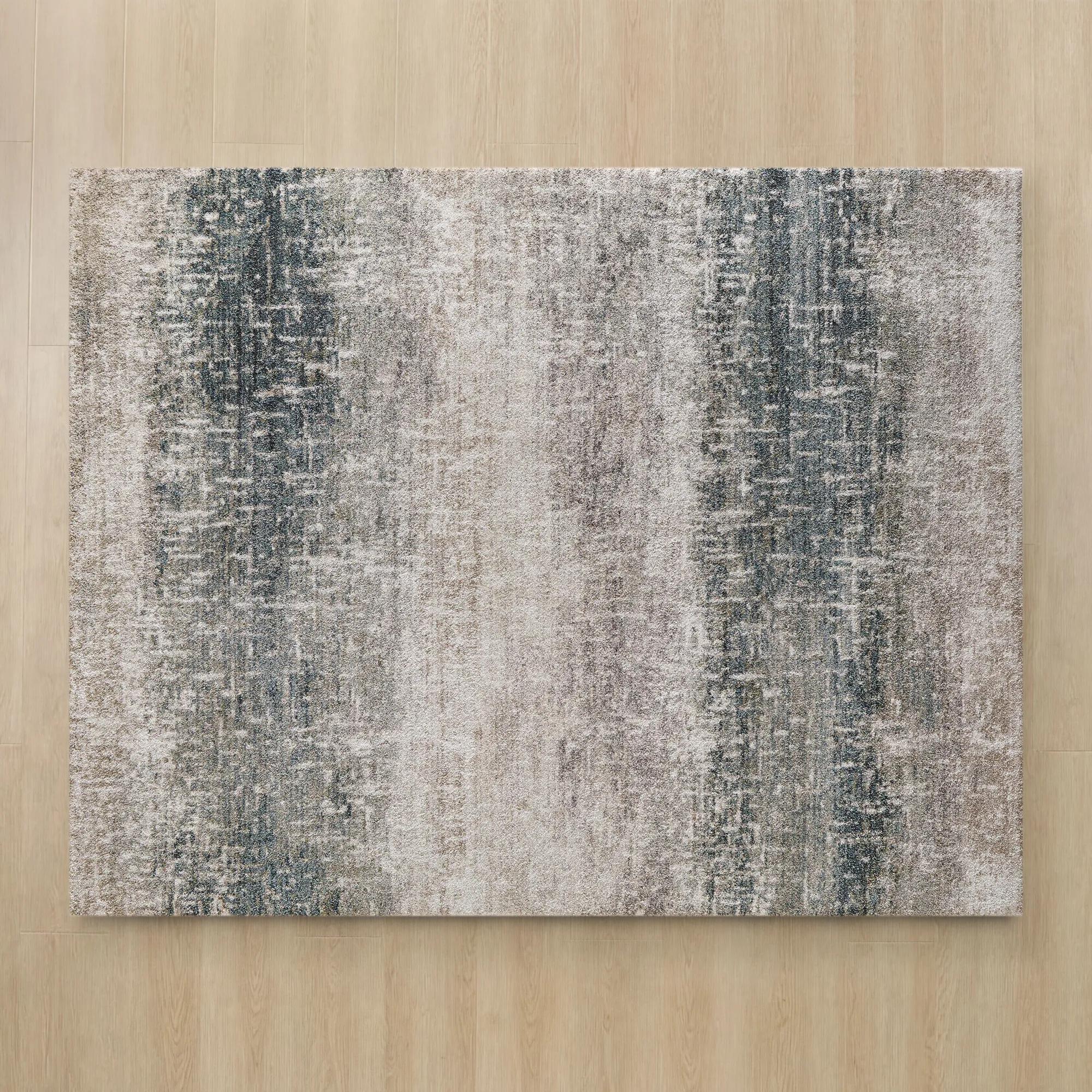 Collier Taupe/Grey/Blue/Green Performance Power Loomed Rug$1649
An abstract rug in taupe, grey, blue, and green with a plush pile and durable, easy-care blend.
Add To Cart -
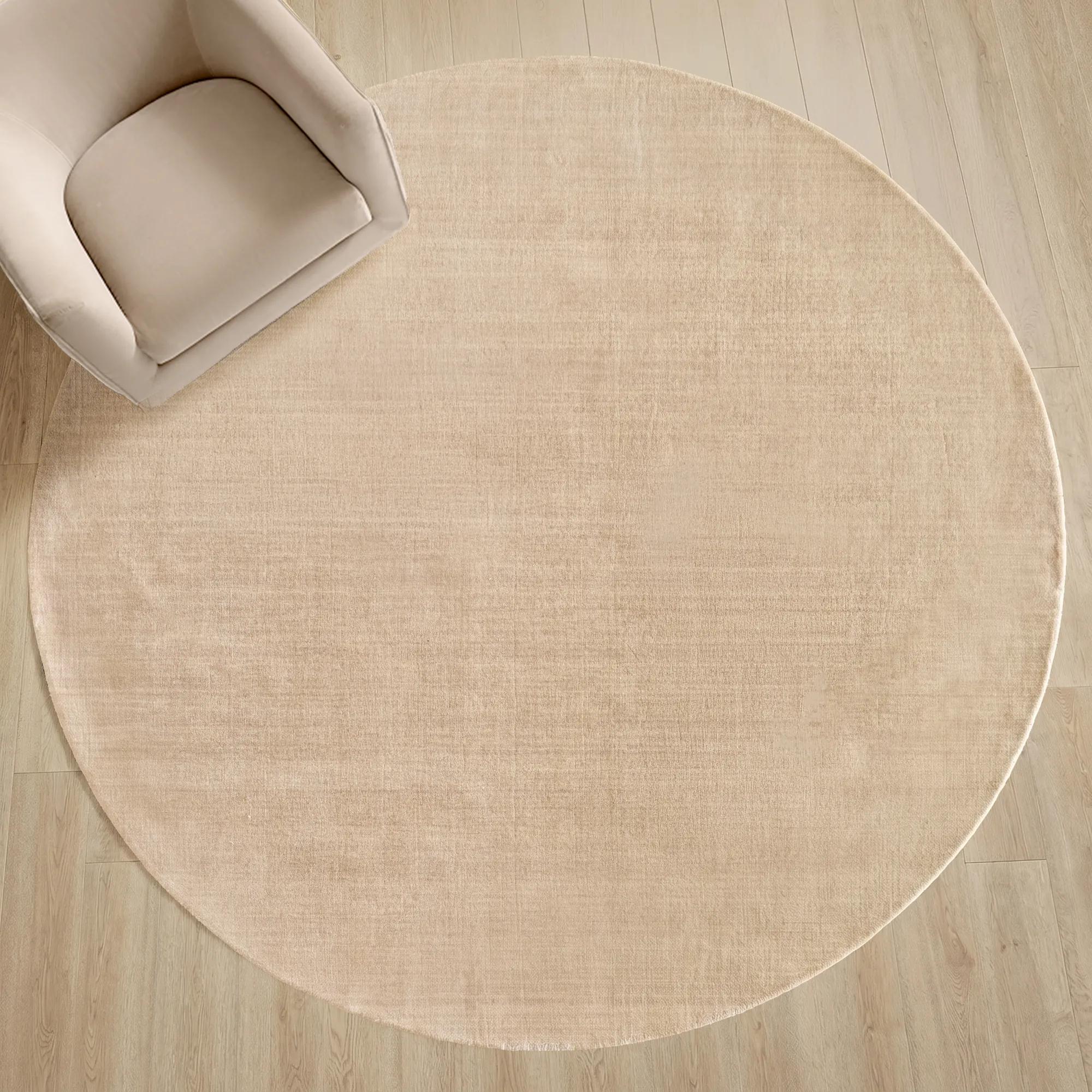 Juni Hand Woven Heathered Warm Beige Round Rug$1399
A handwoven round wool rug in heathered warm beige, offering refined texture and everyday durability.
Add To Cart -
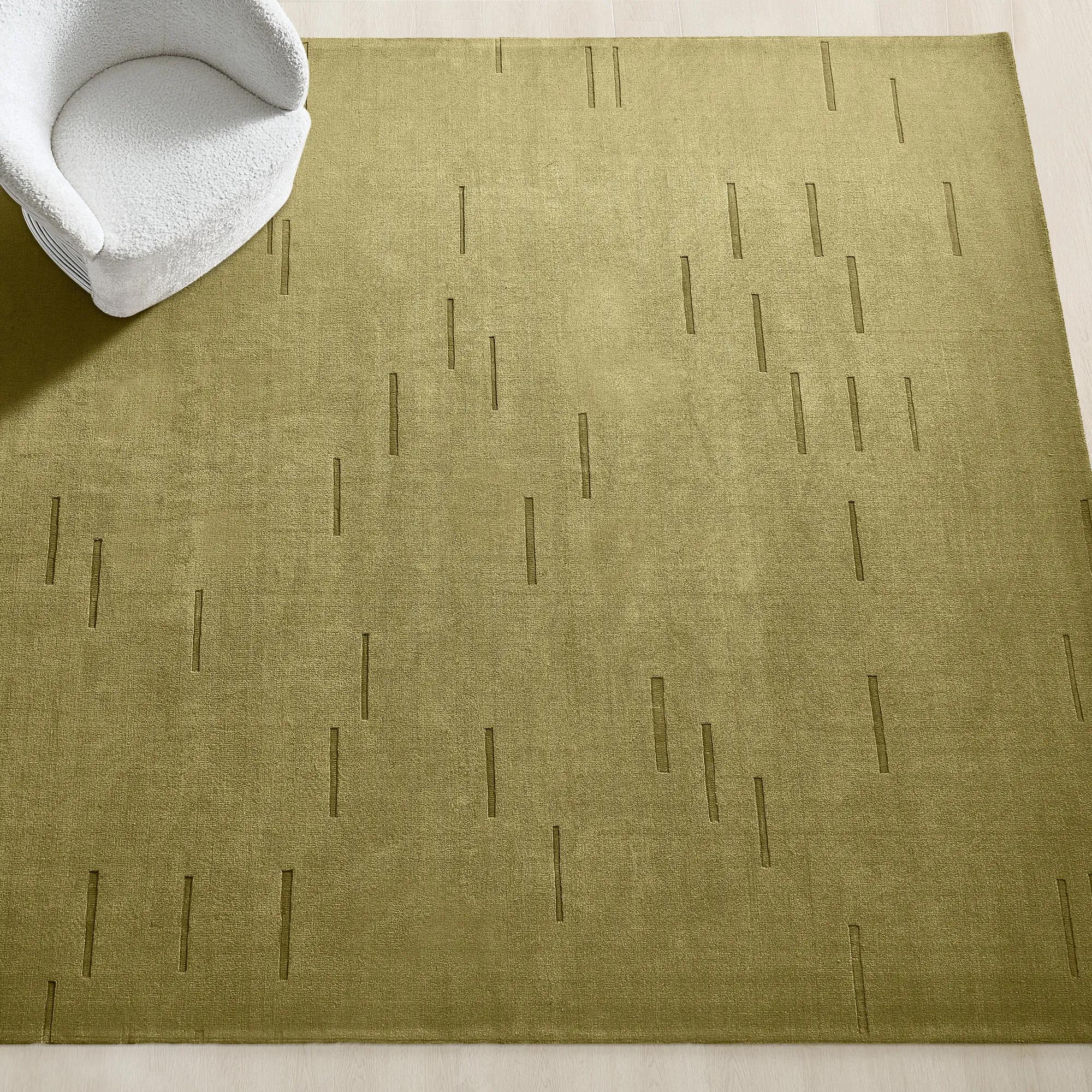
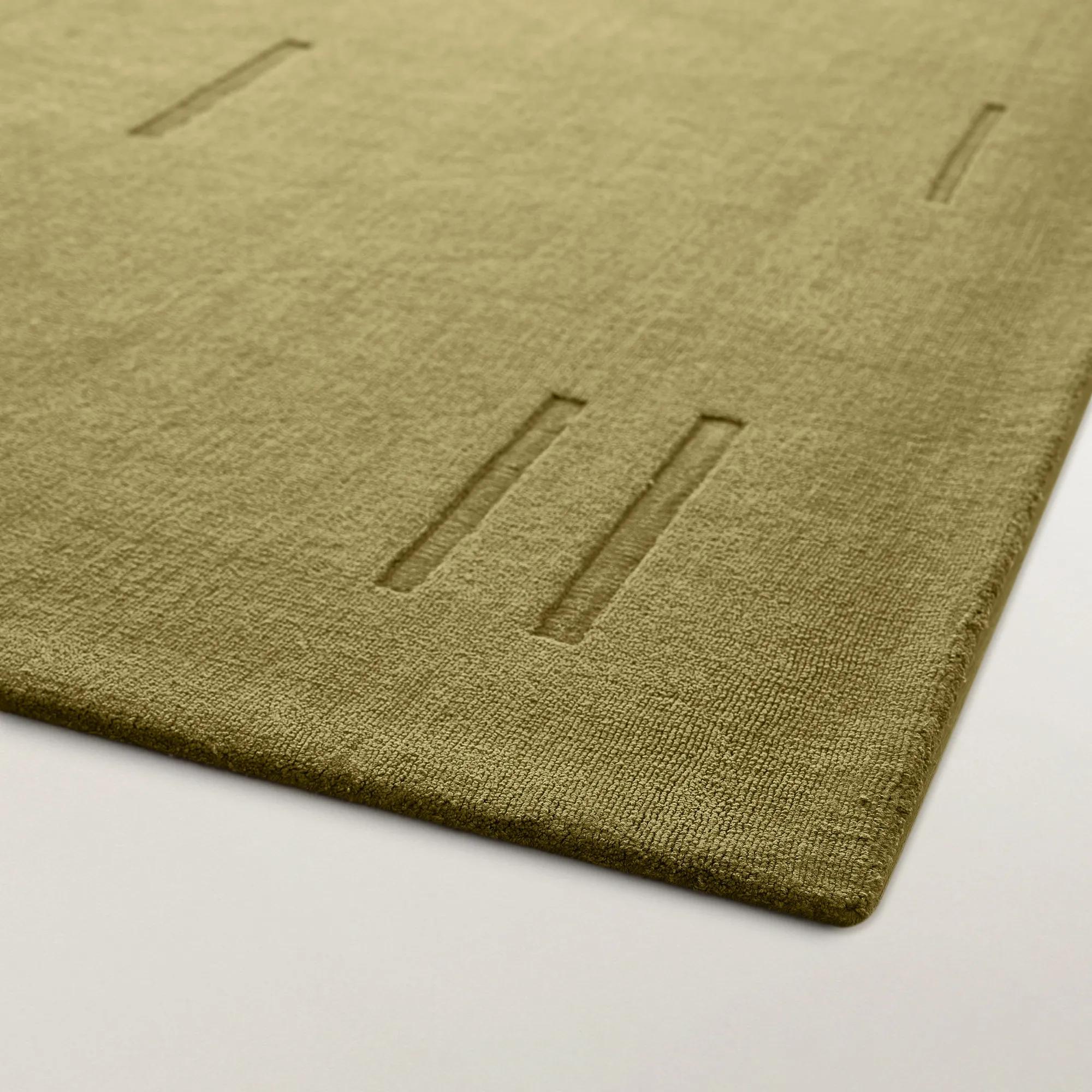 Lamita Muted Olive Green Wool Blend Rug$1299
A muted olive green wool-blend rug adding soft texture and understated warmth to modern interiors.
Add To Cart -
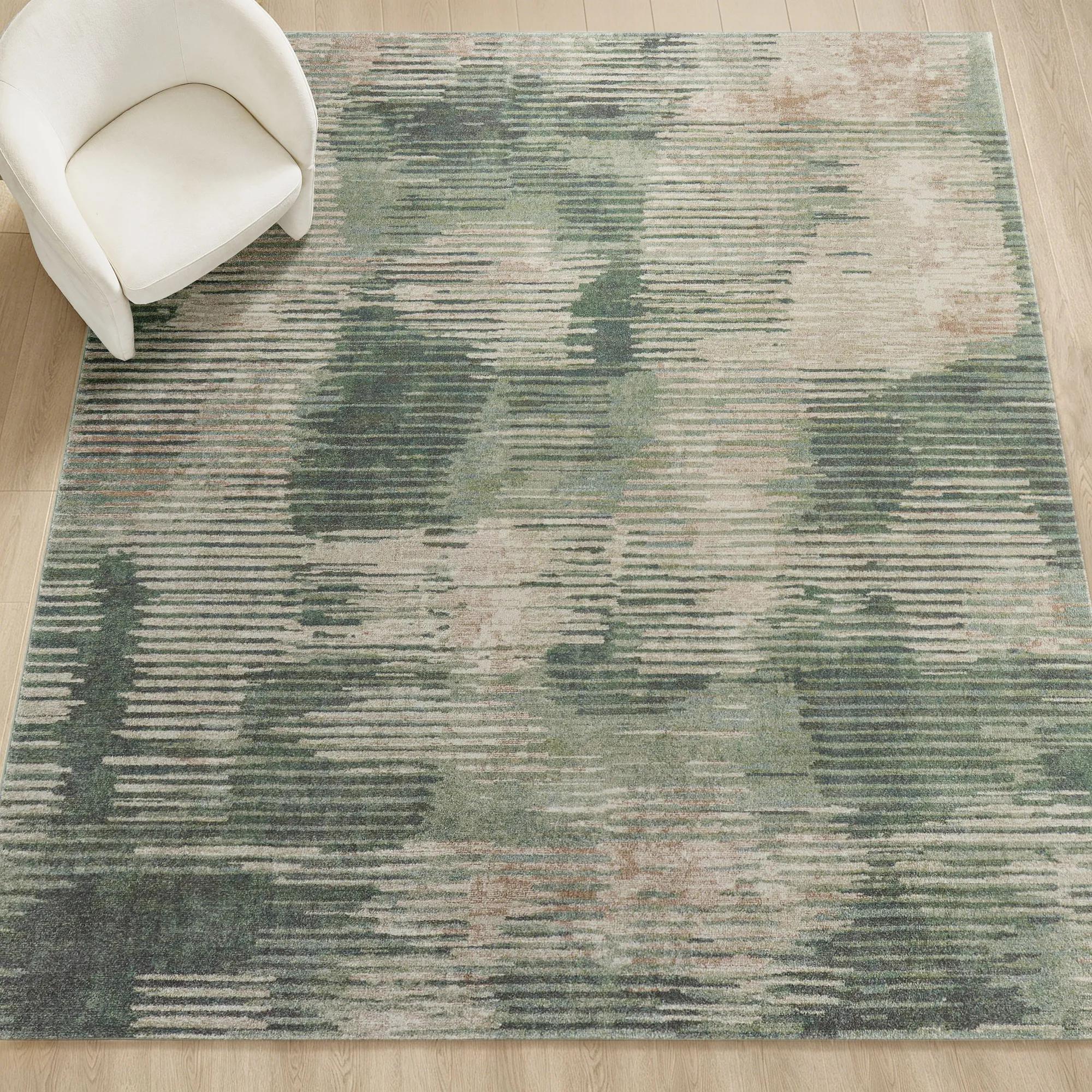
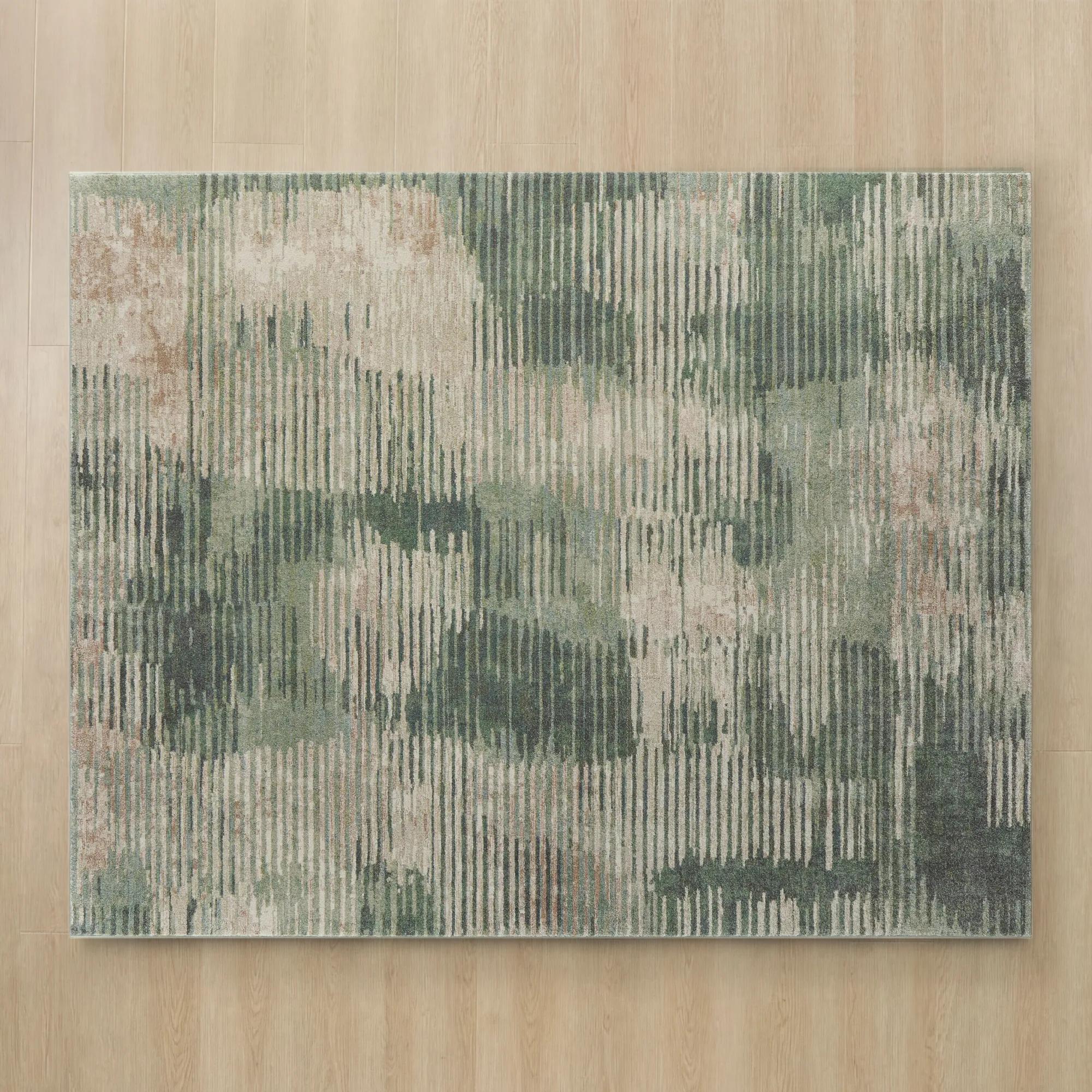 Sylvan Green/Beige Power Loomed Rug$1349
A power-loomed polypropylene rug featuring a contemporary organic pattern in smoked olive green and beige.
Add To Cart -
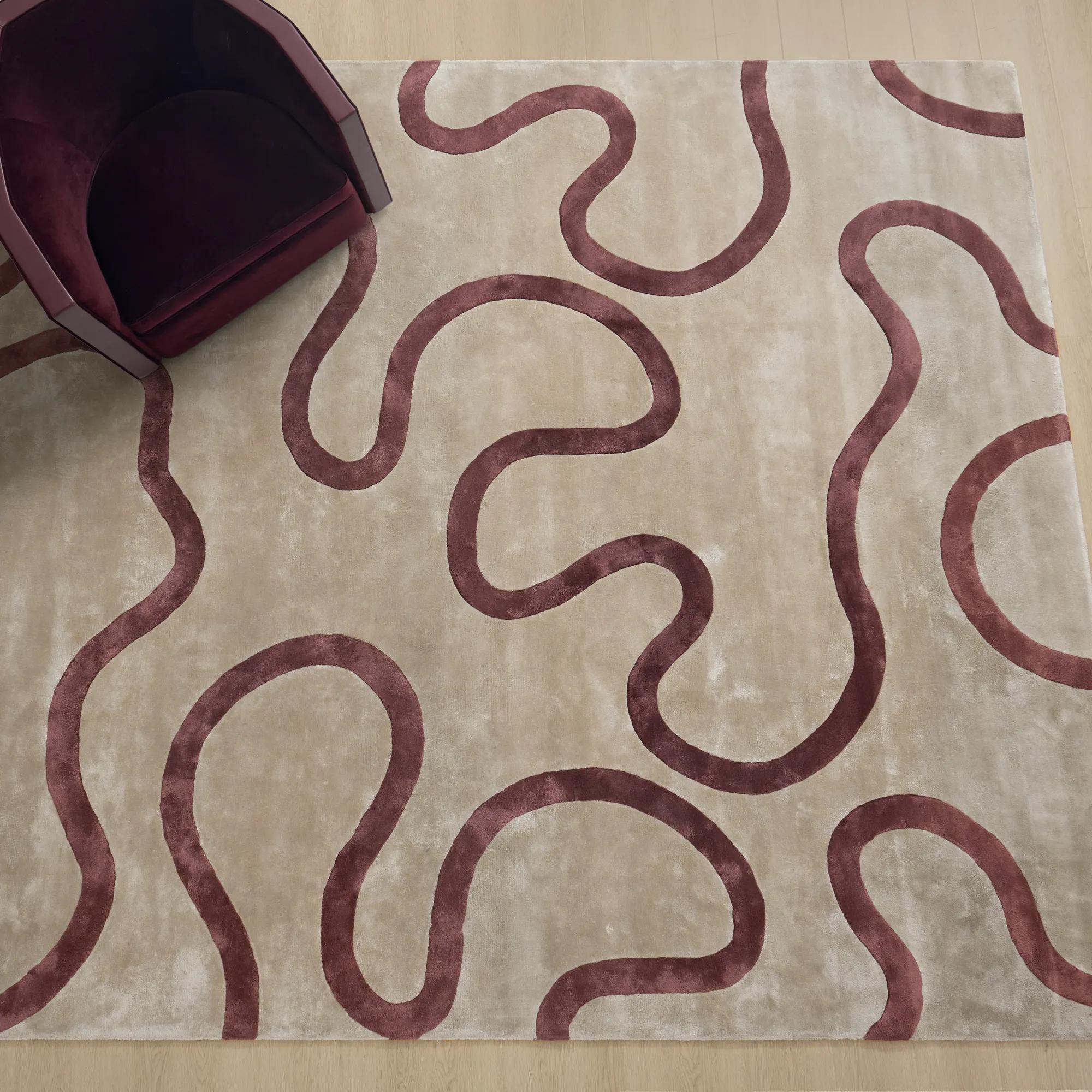 Seraphine Hand-Tufted Fig/Taupe Viscose Loop Rug$1199
A hand-tufted viscose rug with high-contrast loops in a polished fig and taupe palette.
Add To Cart -
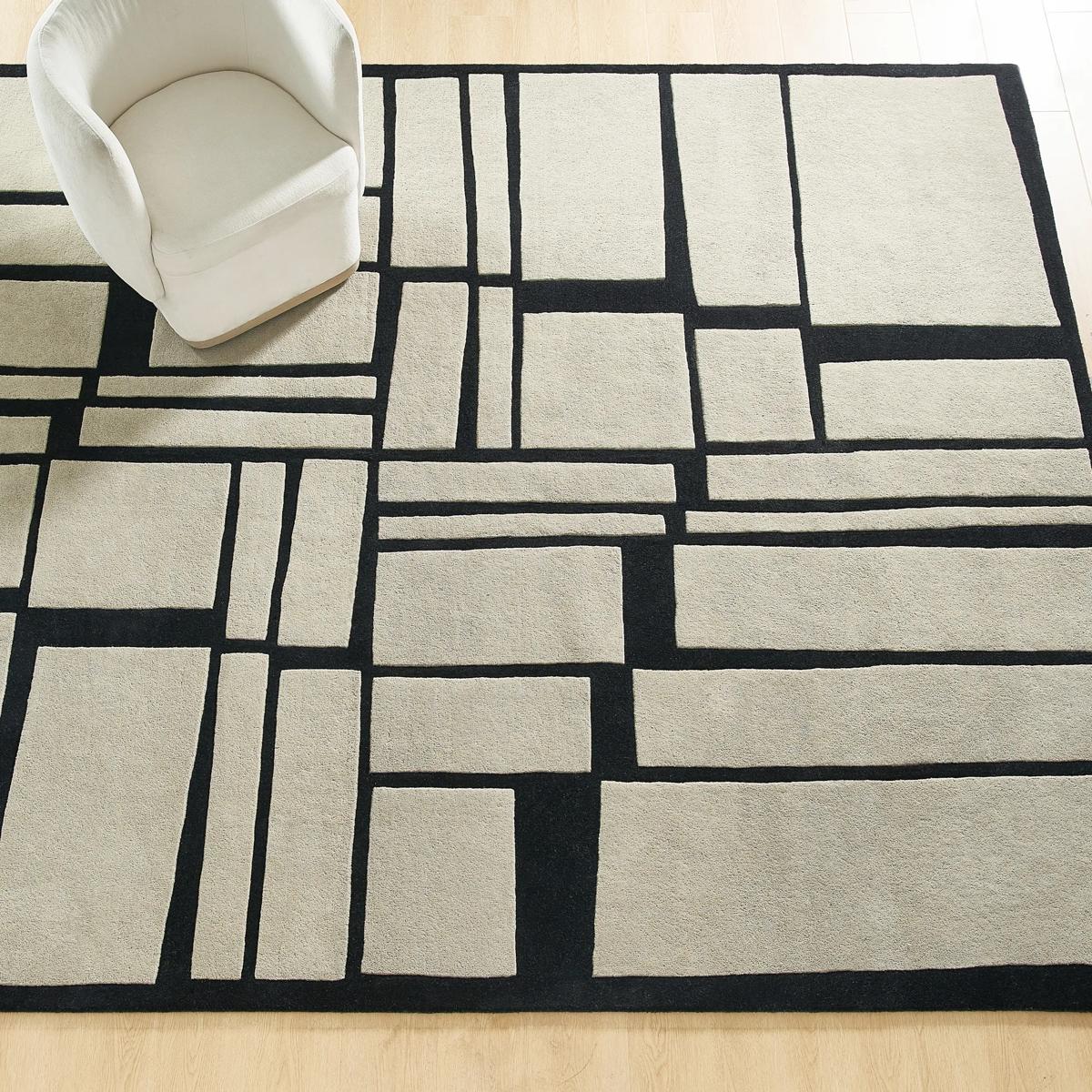 Novak Hand-Tufted Natural/Black Wool Rug$949
A hand-tufted wool rug featuring a bold black and natural grid design for modern, graphic appeal.
Add To Cart -
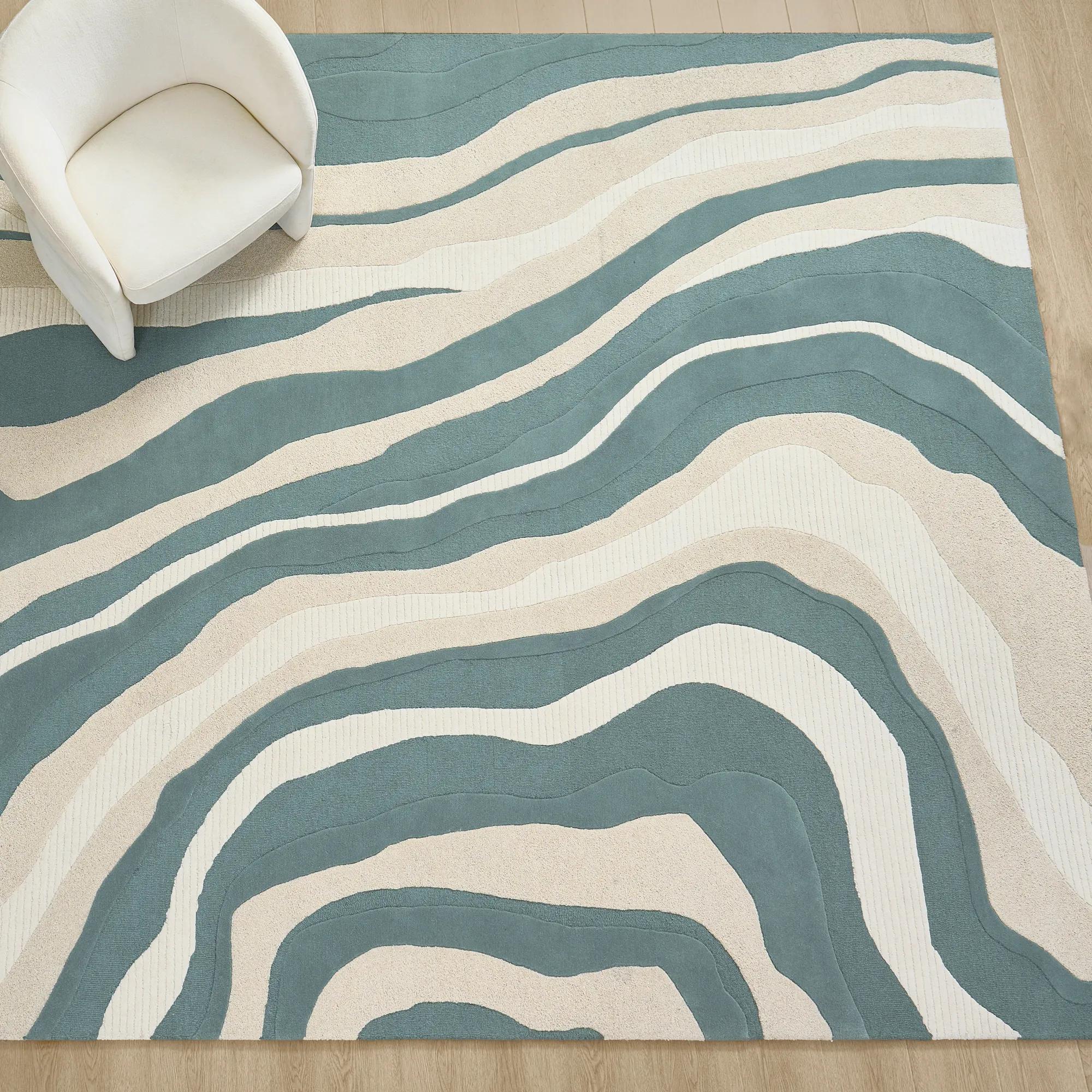 Kadence Hand-Tufted Sage Green/Ivory Wool Rug$1499
A hand-tufted wool rug with organic waves, sculptural high-low texture, and sage-ivory hues.
Add To Cart -
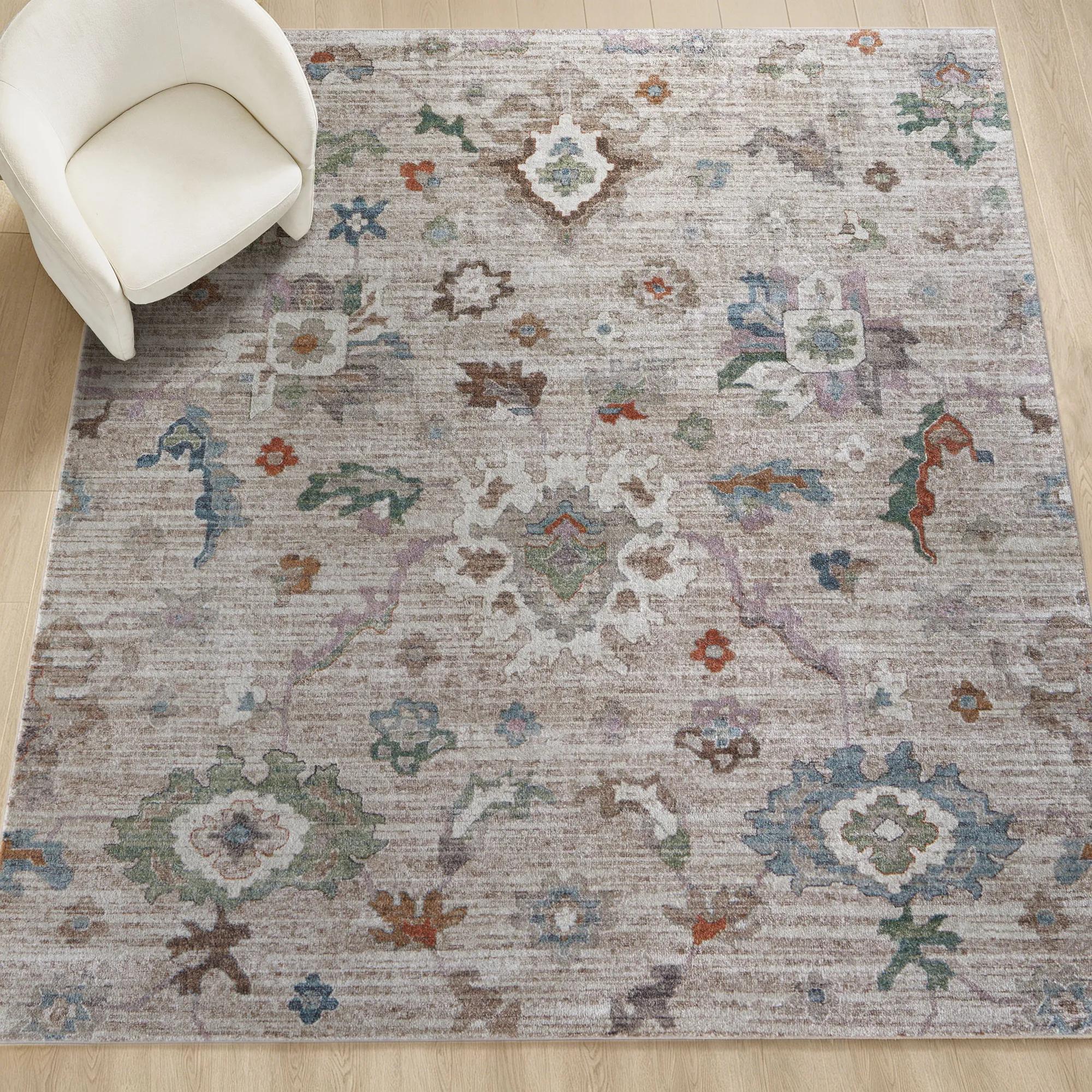
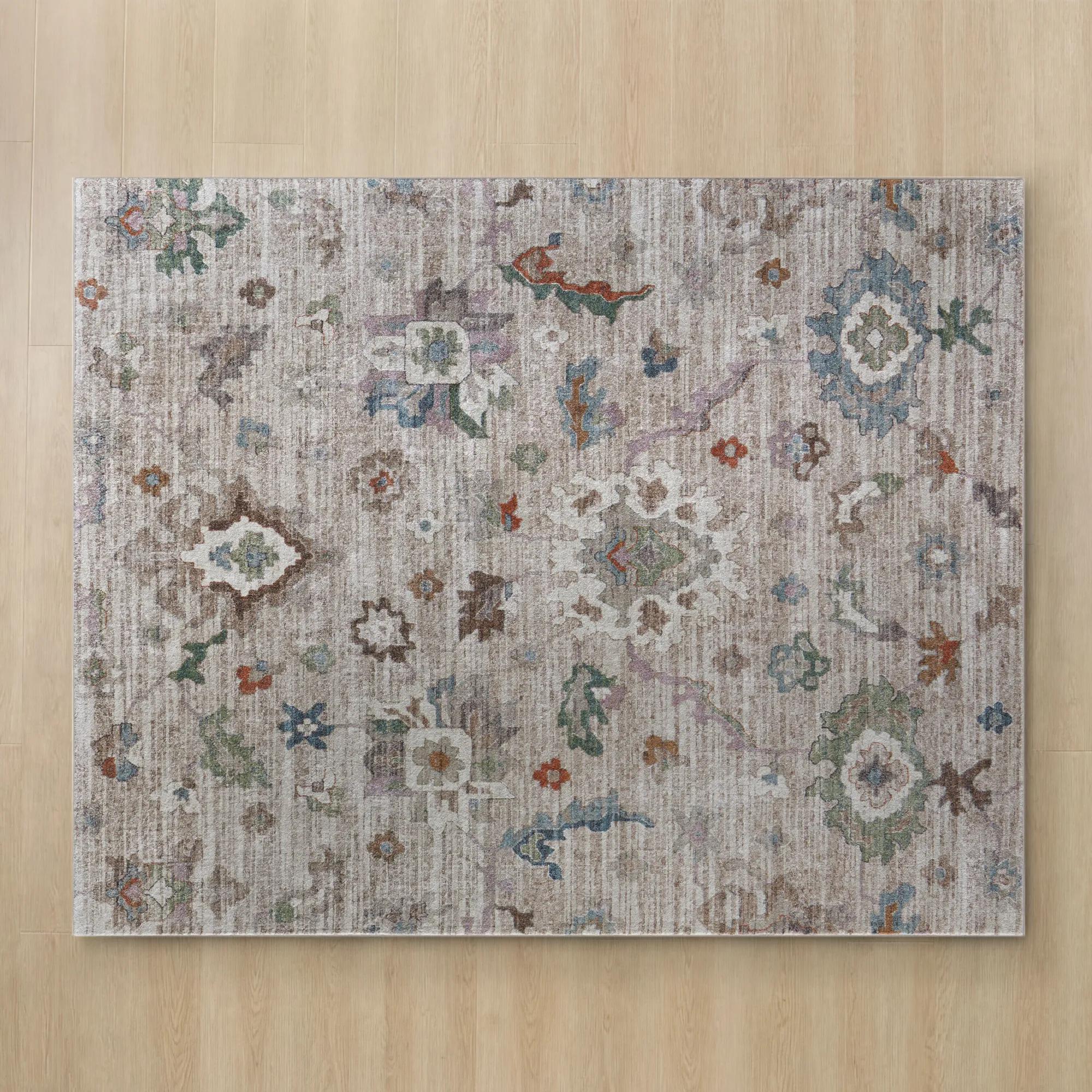 Ariella Floral Taupe/Ivory/Beige/Blue/Green Performance Power Loomed Rug$699
A Persian-inspired rug in taupe, ivory, beige, blue, and green with a plush, power-loomed polypropylene pile.
Add To Cart -
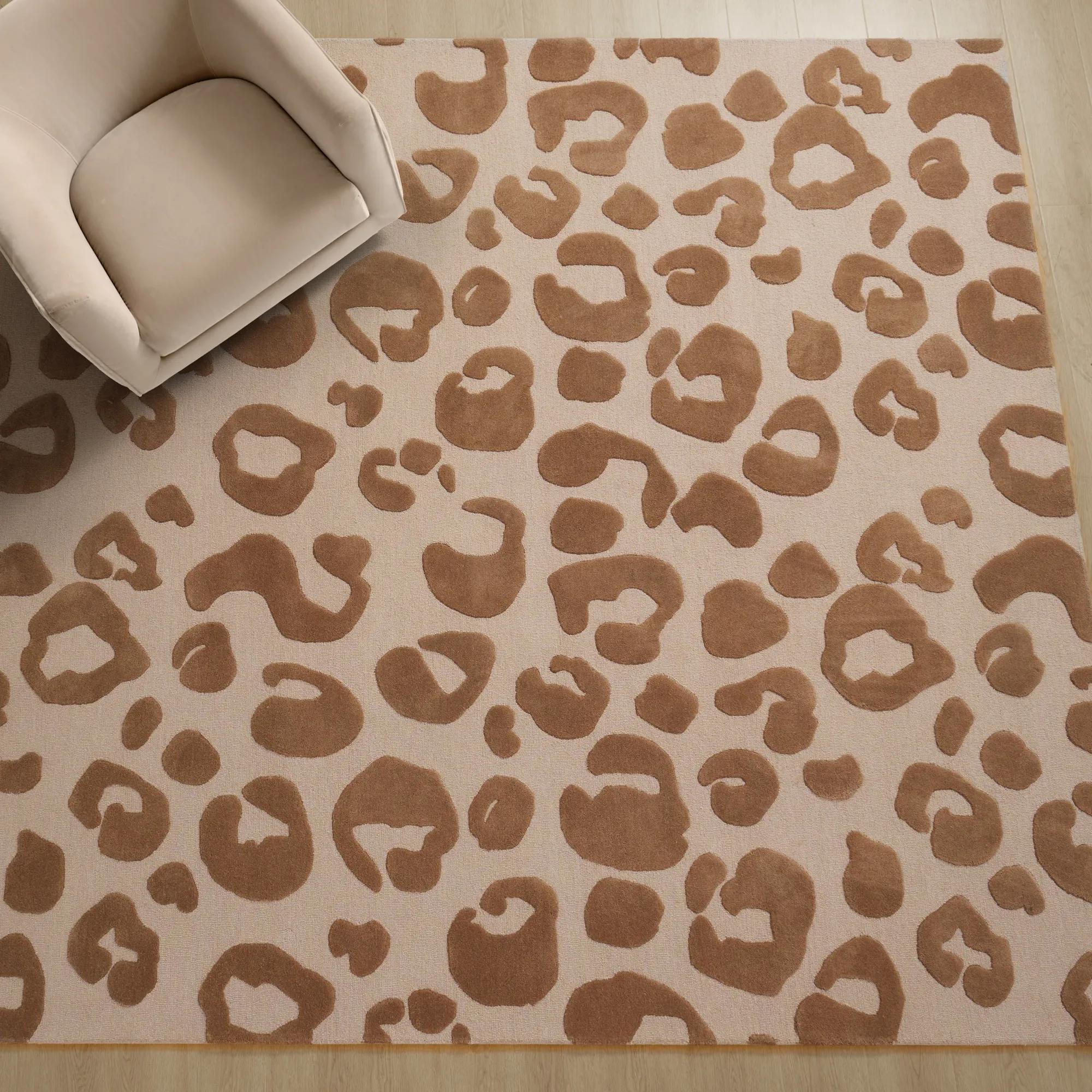 Pounce Hand-Tufted Tawny Brown Leopard Print Wool Rug$999
A hand-tufted wool rug with tawny brown leopard print, high-low texture, and loop-cut pile.
Add To Cart -
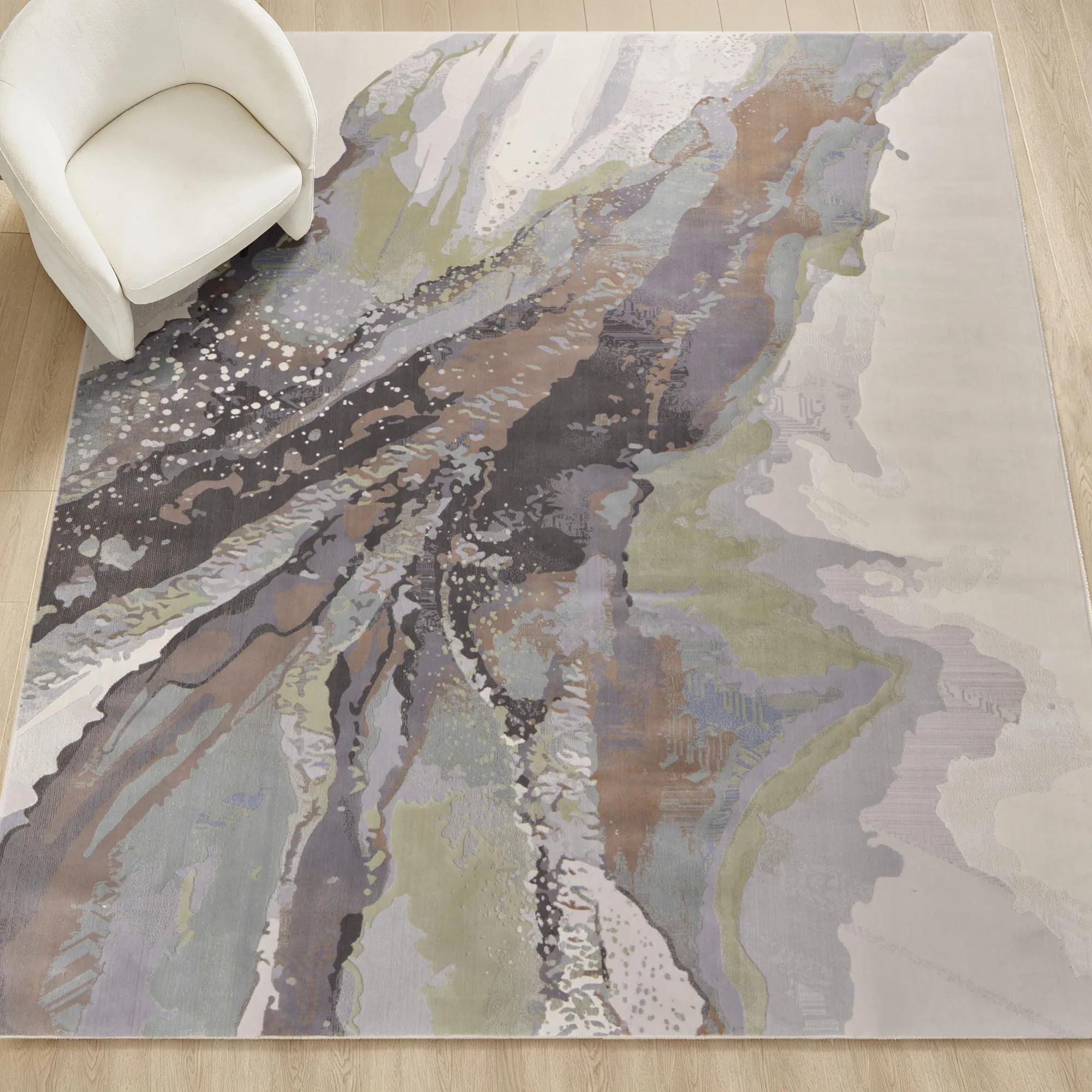
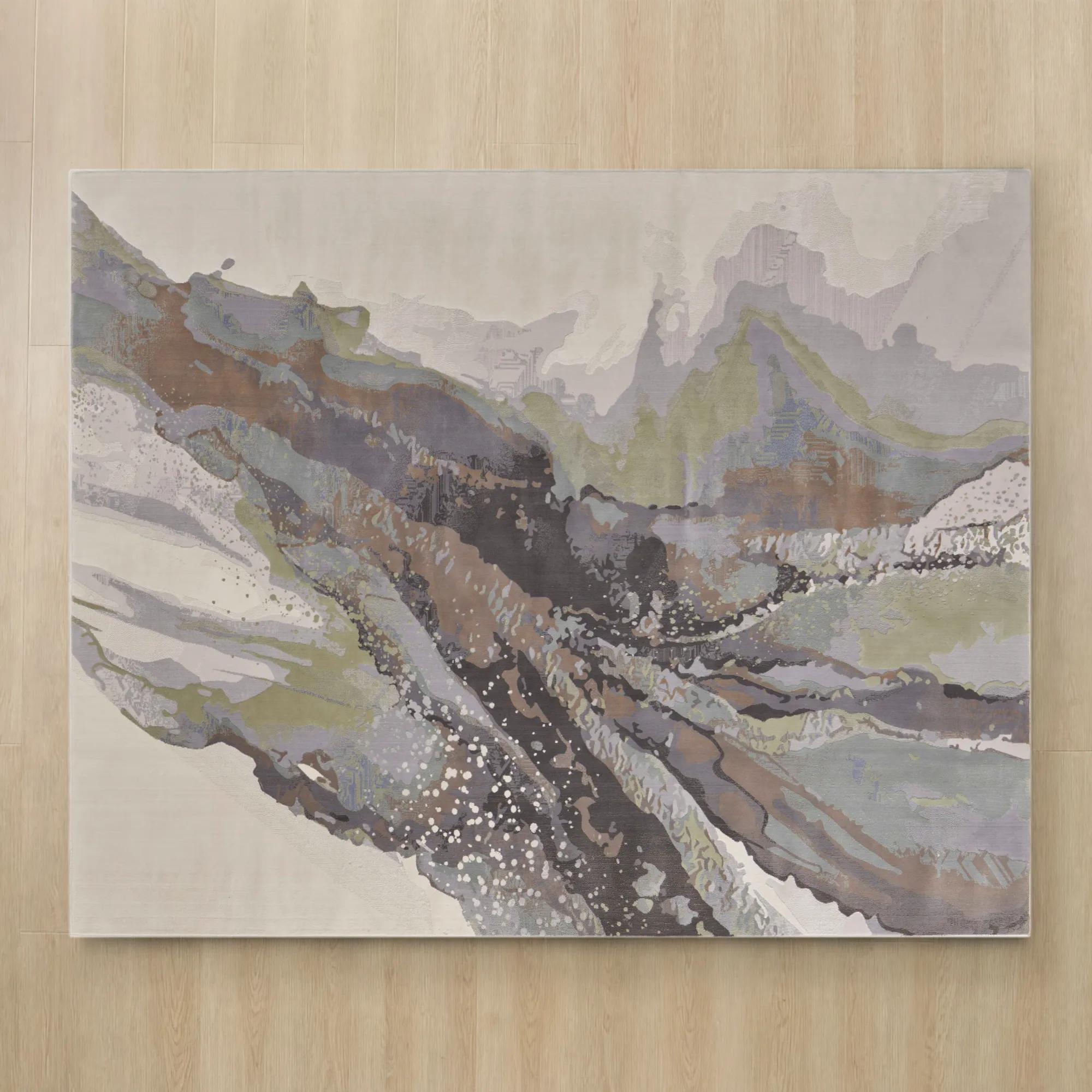 Nerissa Abstract Ivory/Grey/Blue/Green Performance Power Loomed Rug$449
An abstract rug in ivory, grey, blue, and green with a textured, stain-resistant polypropylene-polyester blend.
Add To Cart -
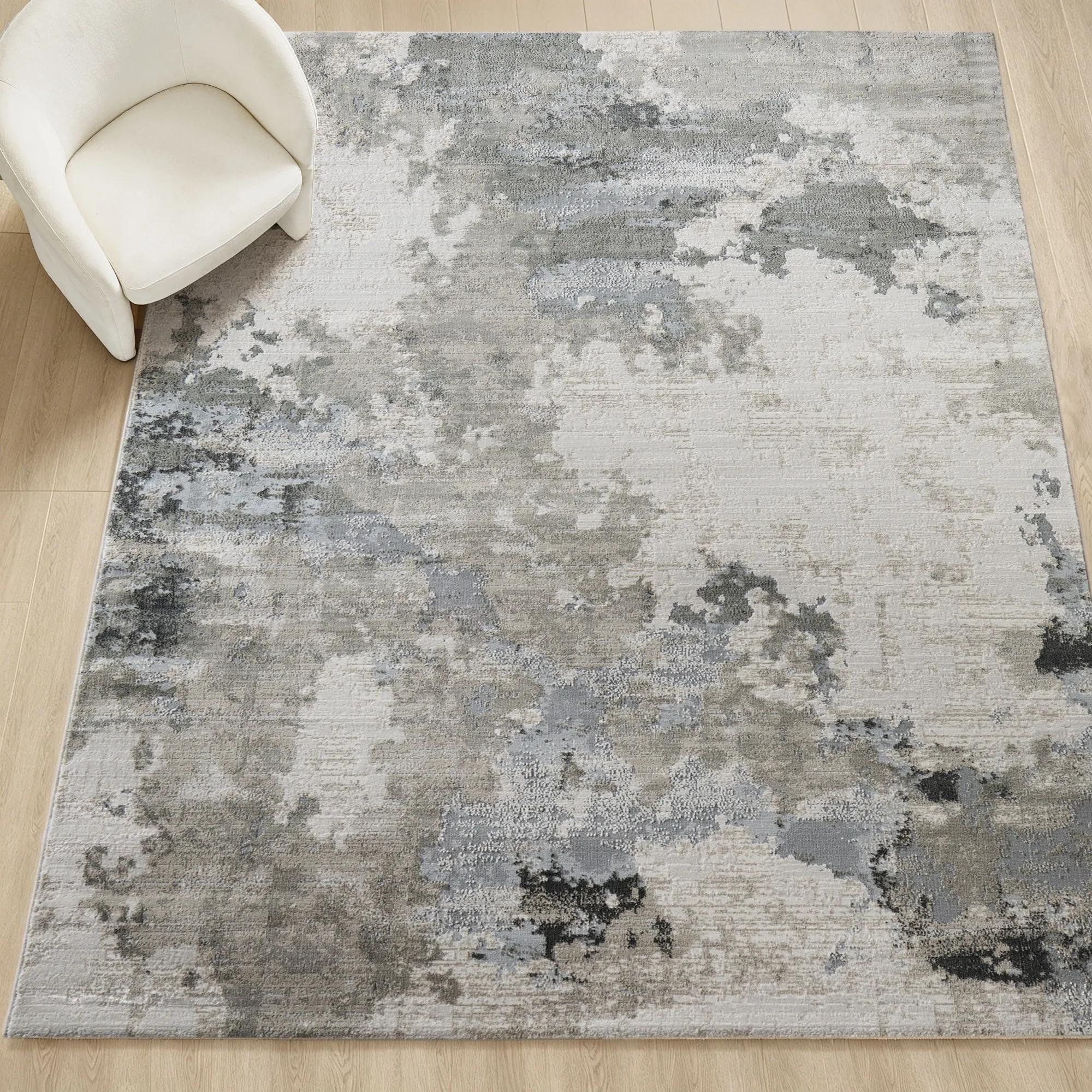 Alarion Abstract Grey/Muted Blue/Ivory Performance Power Loomed Rug$379
A power-loomed rug featuring a grey, muted blue, and ivory abstract pattern with stain-resistant durability.
Add To Cart -
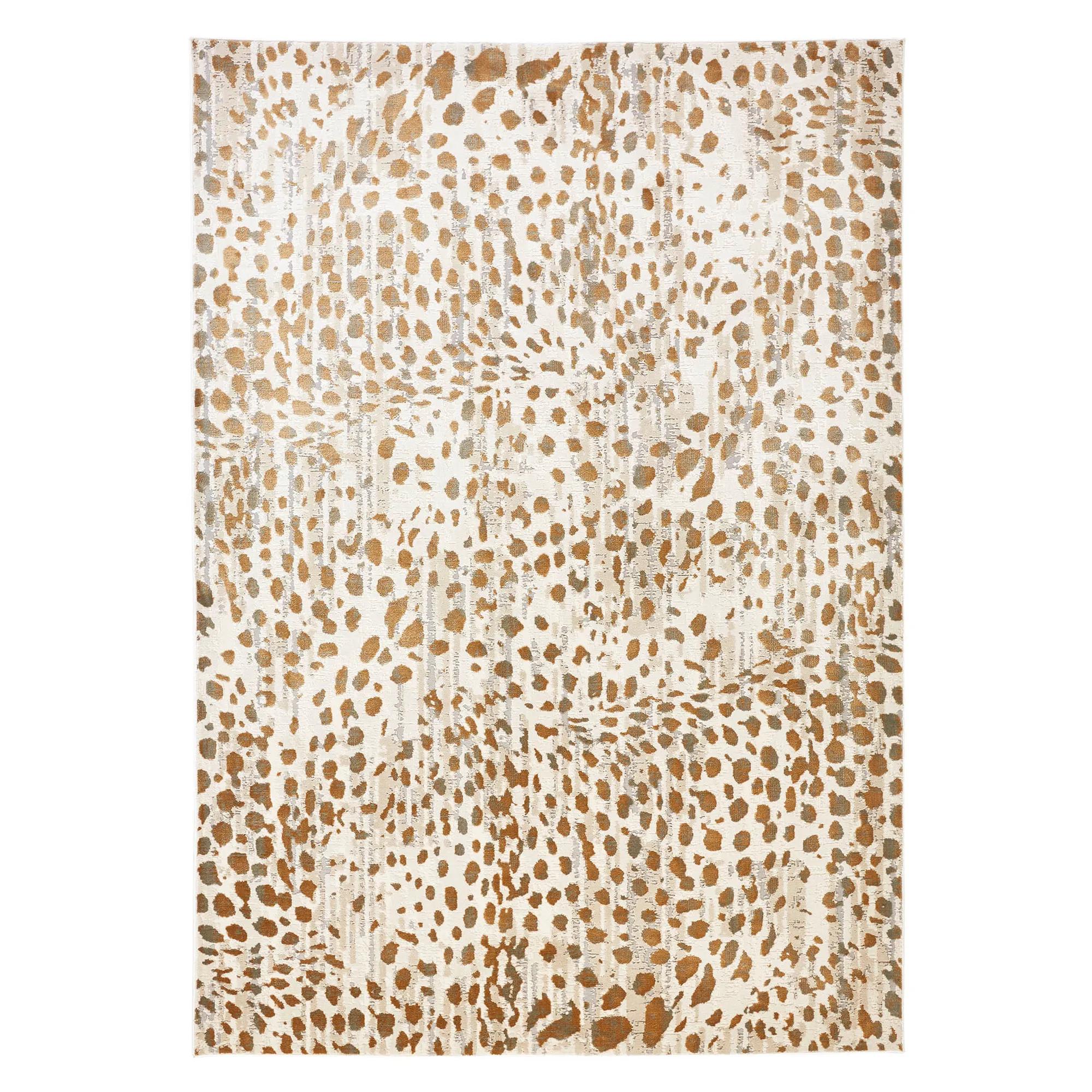
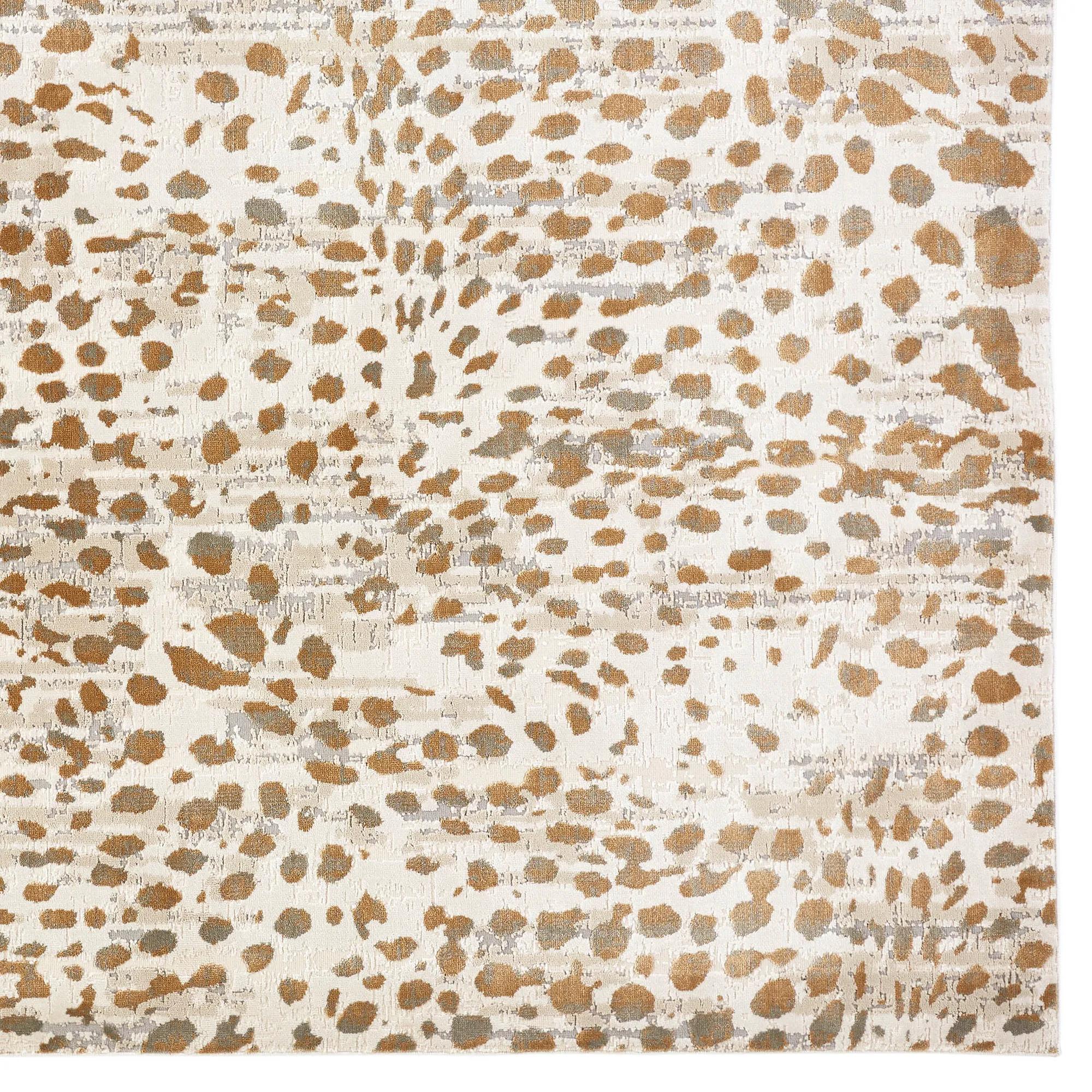 Amur Ivory/Natural Animal Print Power-Loomed Rug$399
A hand-tufted wool and viscose rug featuring a gold chain link design on neutral grey.
Add To Cart -
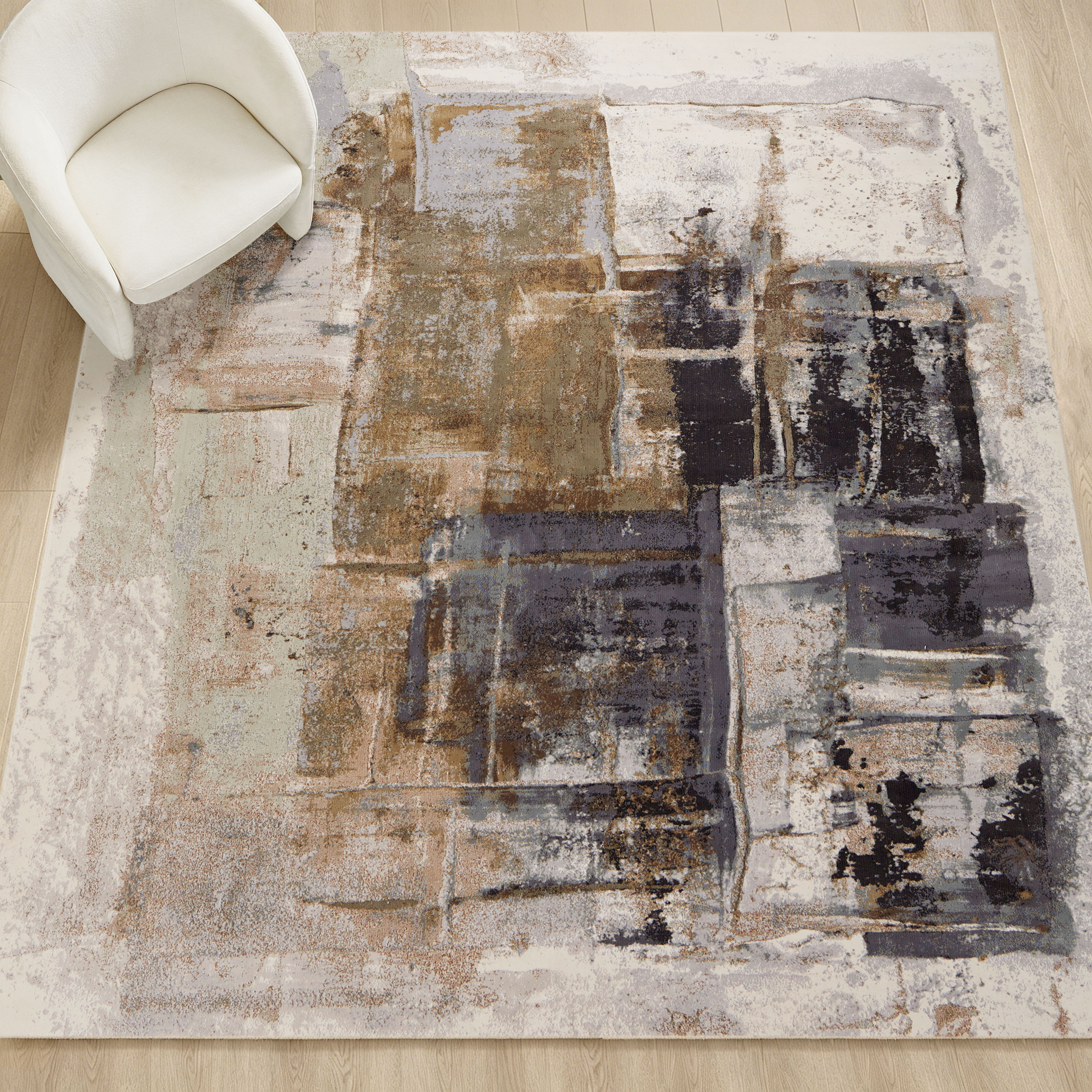
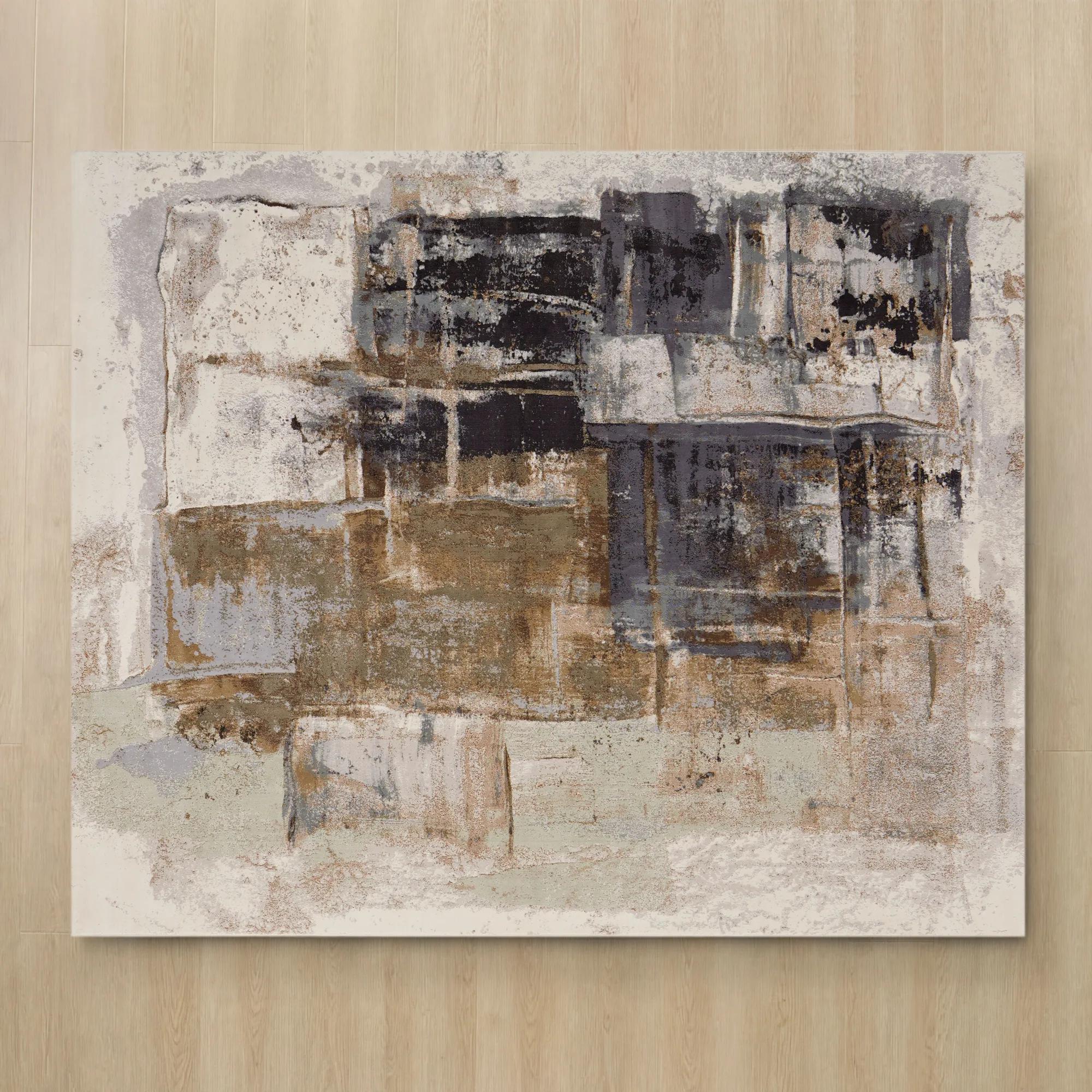 Gaia Abstract Grey/Charcoal/Ivory/Gold/Blue Performance Power Loomed Rug$1749
An abstract rug in grey, charcoal, ivory, gold, and blue with a soft, stain-resistant performance blend.
Add To Cart -
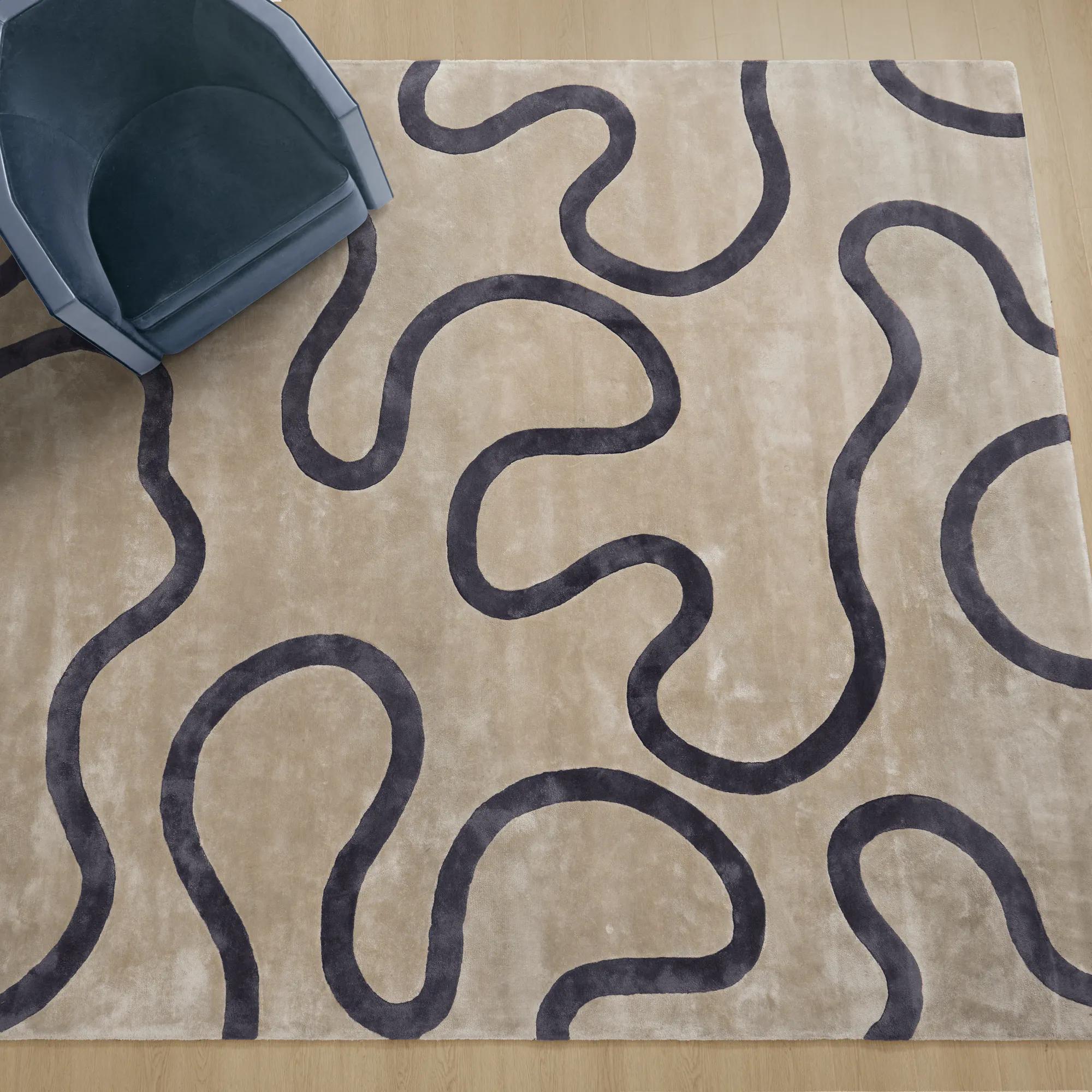 Seraphine Hand-Tufted Smoked Pearl/Taupe Viscose Loop Rug$599
A hand-tufted viscose rug in smoked pearl and taupe, featuring high-contrast loops and luminous sheen.
Add To Cart -
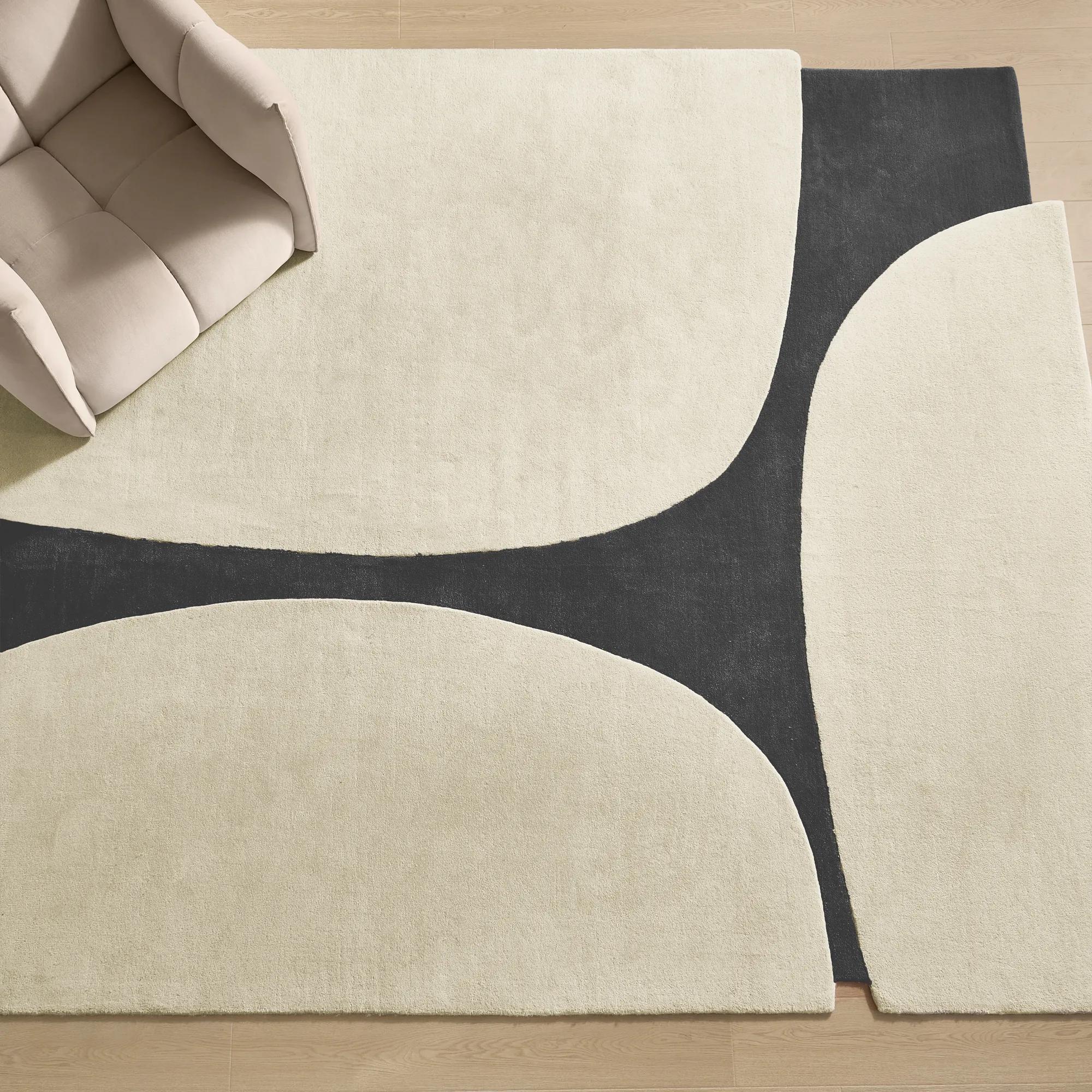 Contour Hand-Tufted Ivory/Charcoal Wool & Viscose Rug$1499
A hand-tufted wool-viscose rug with an organic edge, sculptural high-low texture, and ivory-charcoal pattern.
Add To Cart -
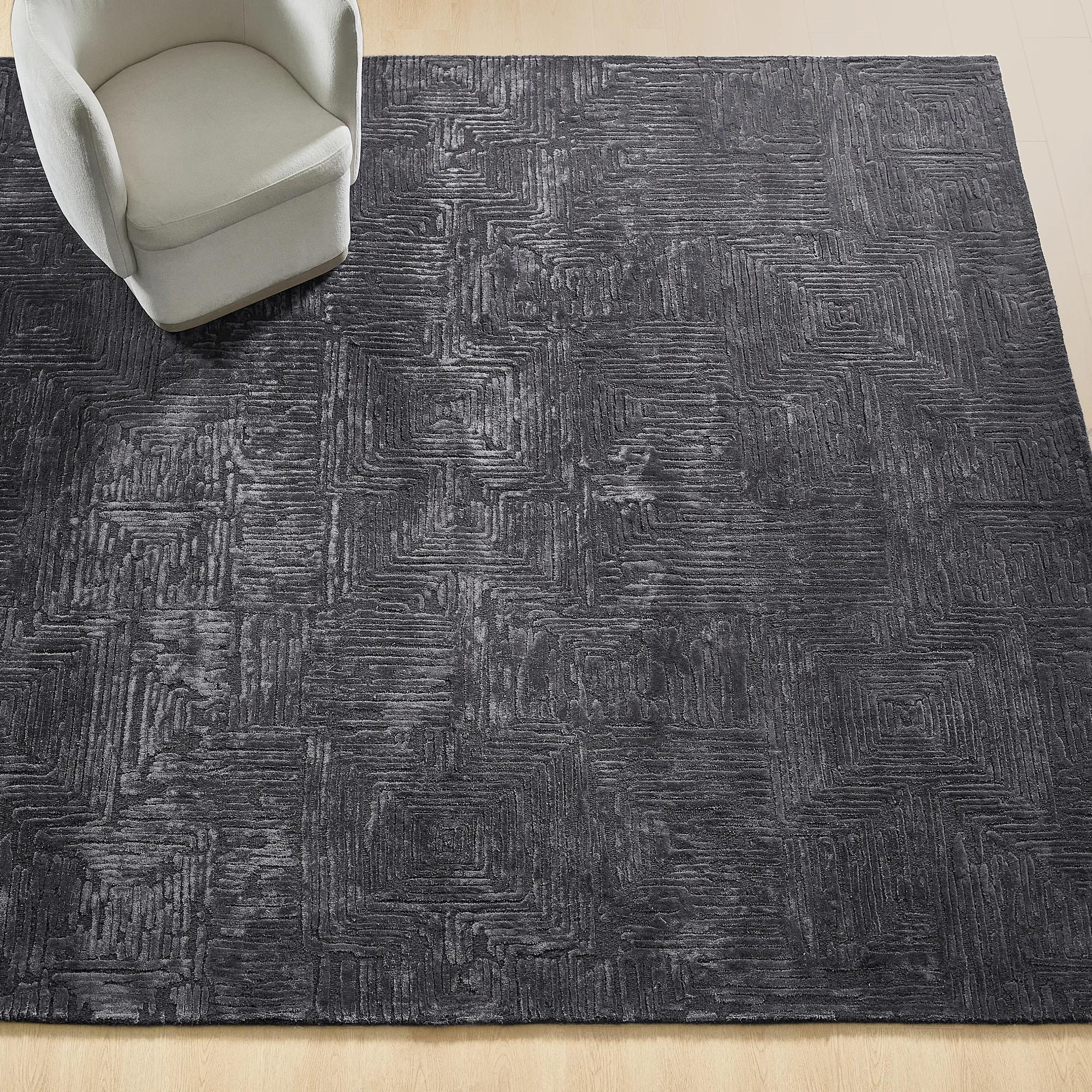
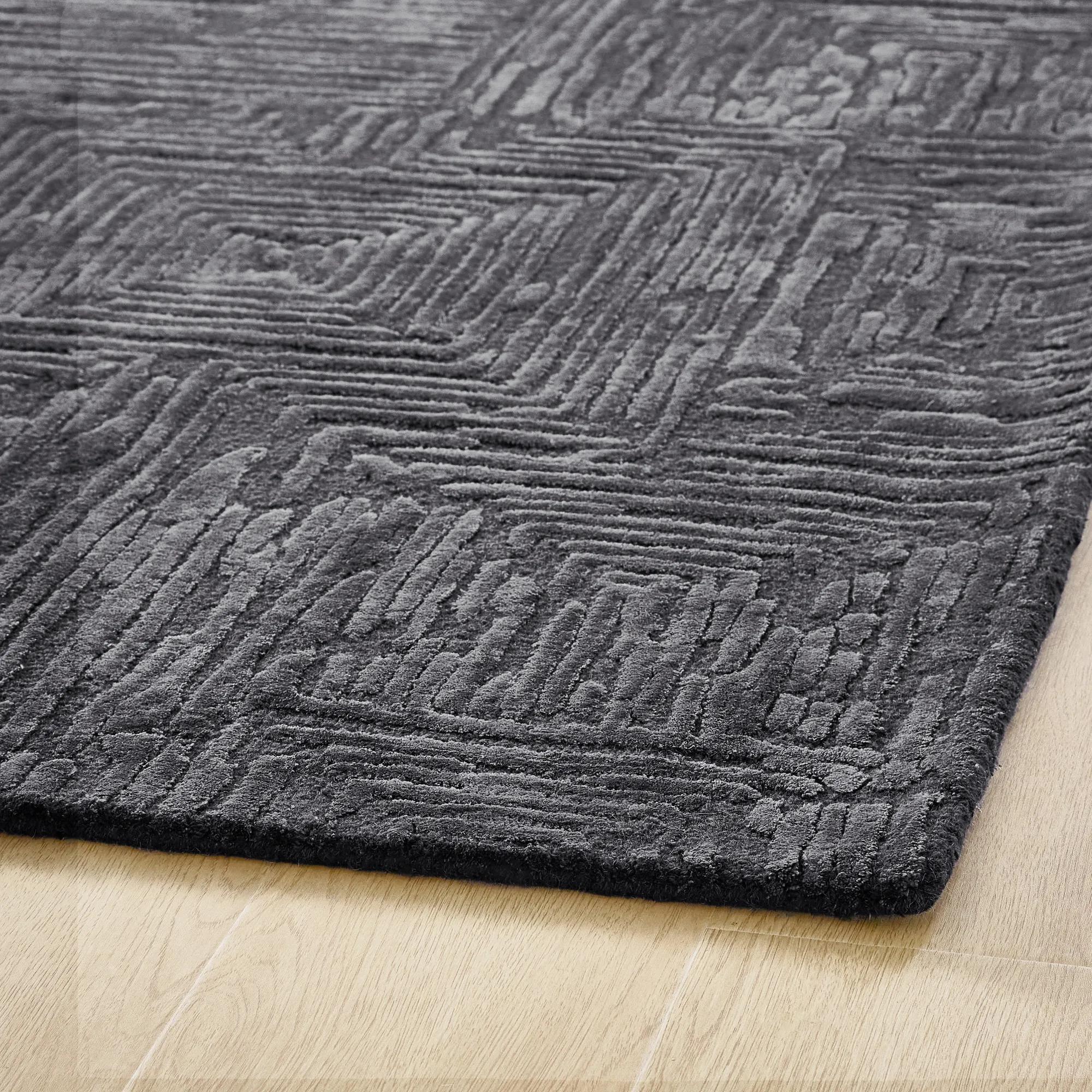 Andra Charcoal Hand-Tufted Wool Blend Dimensional Rug$1499
A hand-tufted viscose-wool rug in rich charcoal with a sculptural, dimensional pattern and plush texture.
Add To Cart -
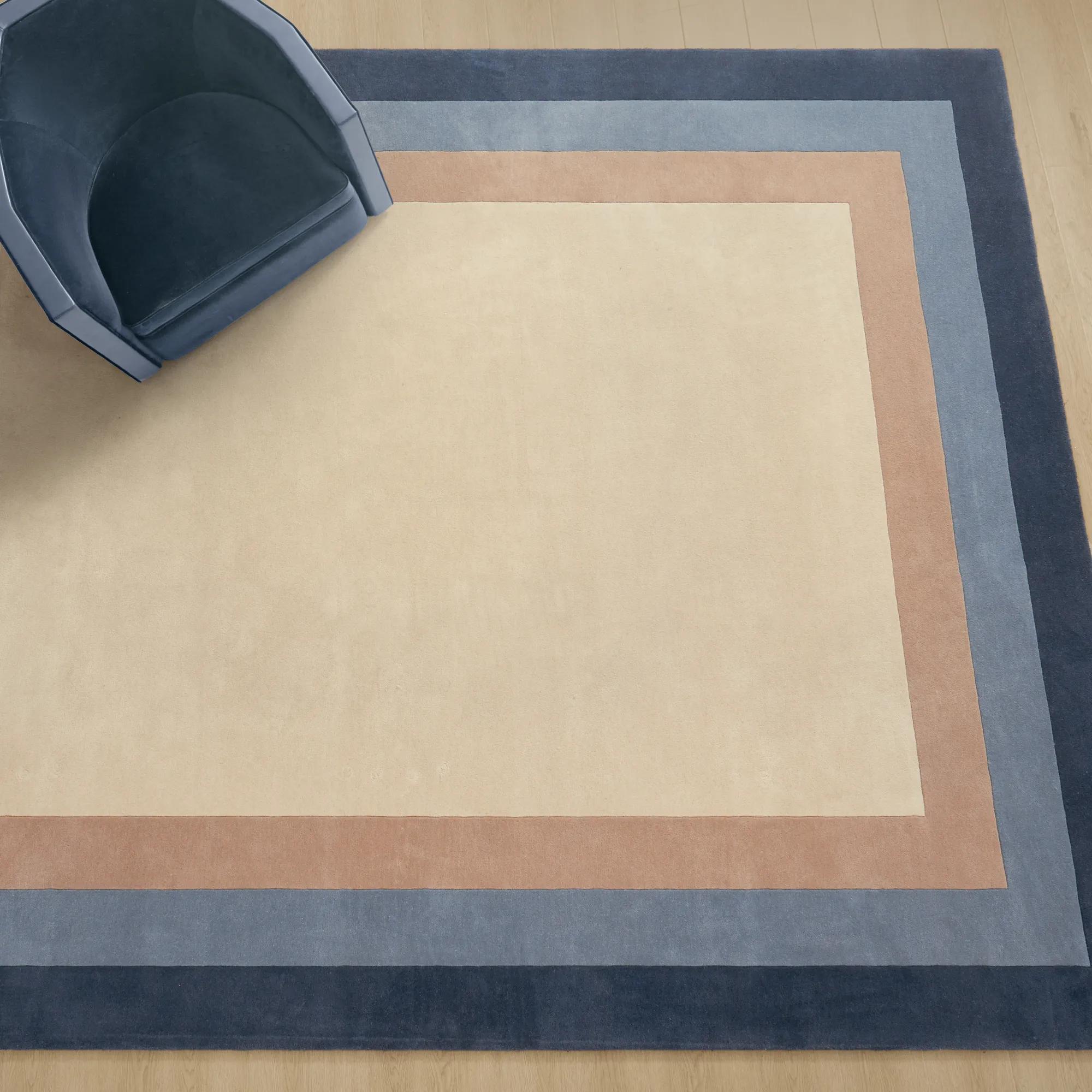 Bastien Hand-Tufted Blue/Taupe/Ivory Wool Border Rug$1499
A hand-tufted wool rug featuring a graphic blue, taupe, and warm ivory border with refined, substantial texture.
Add To Cart -
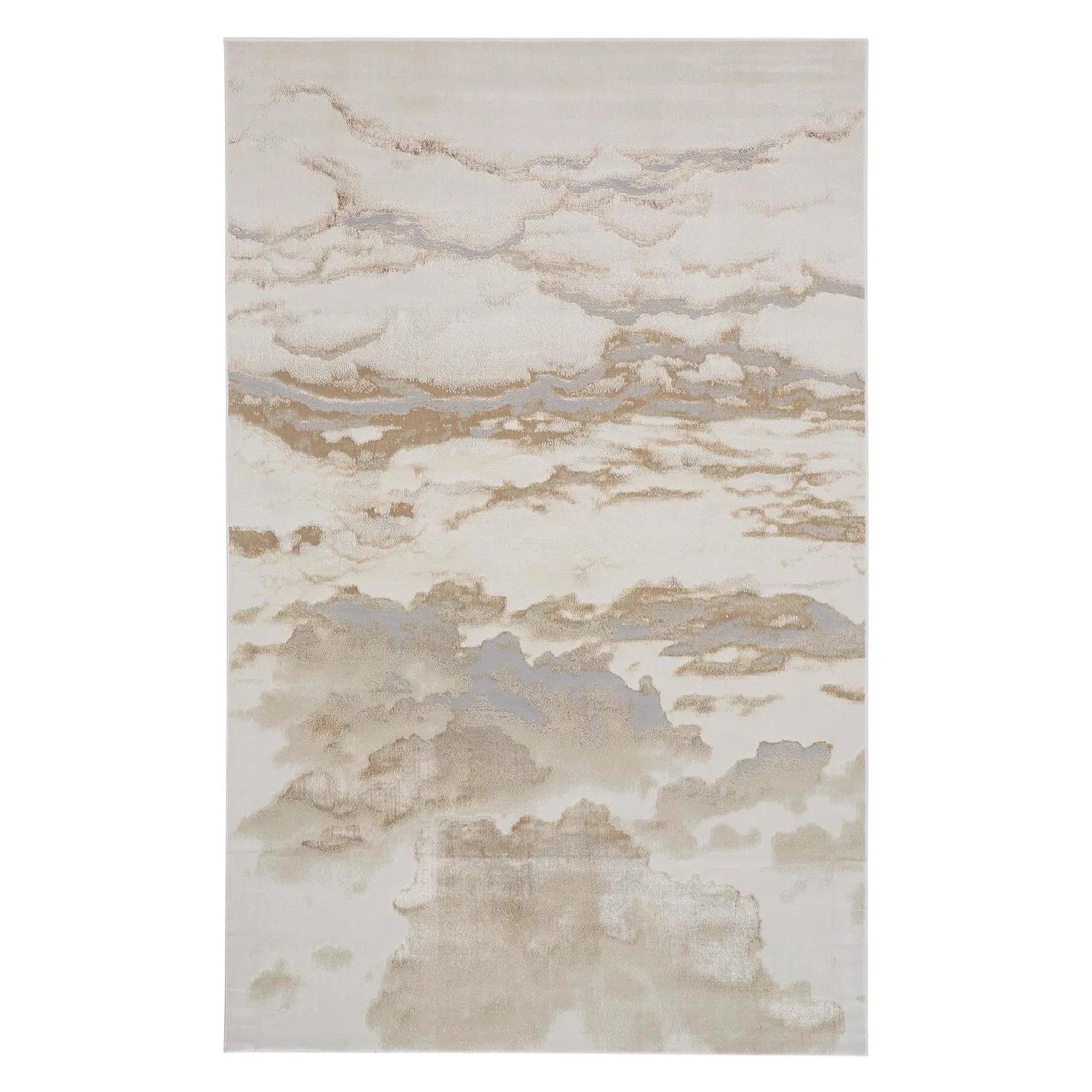
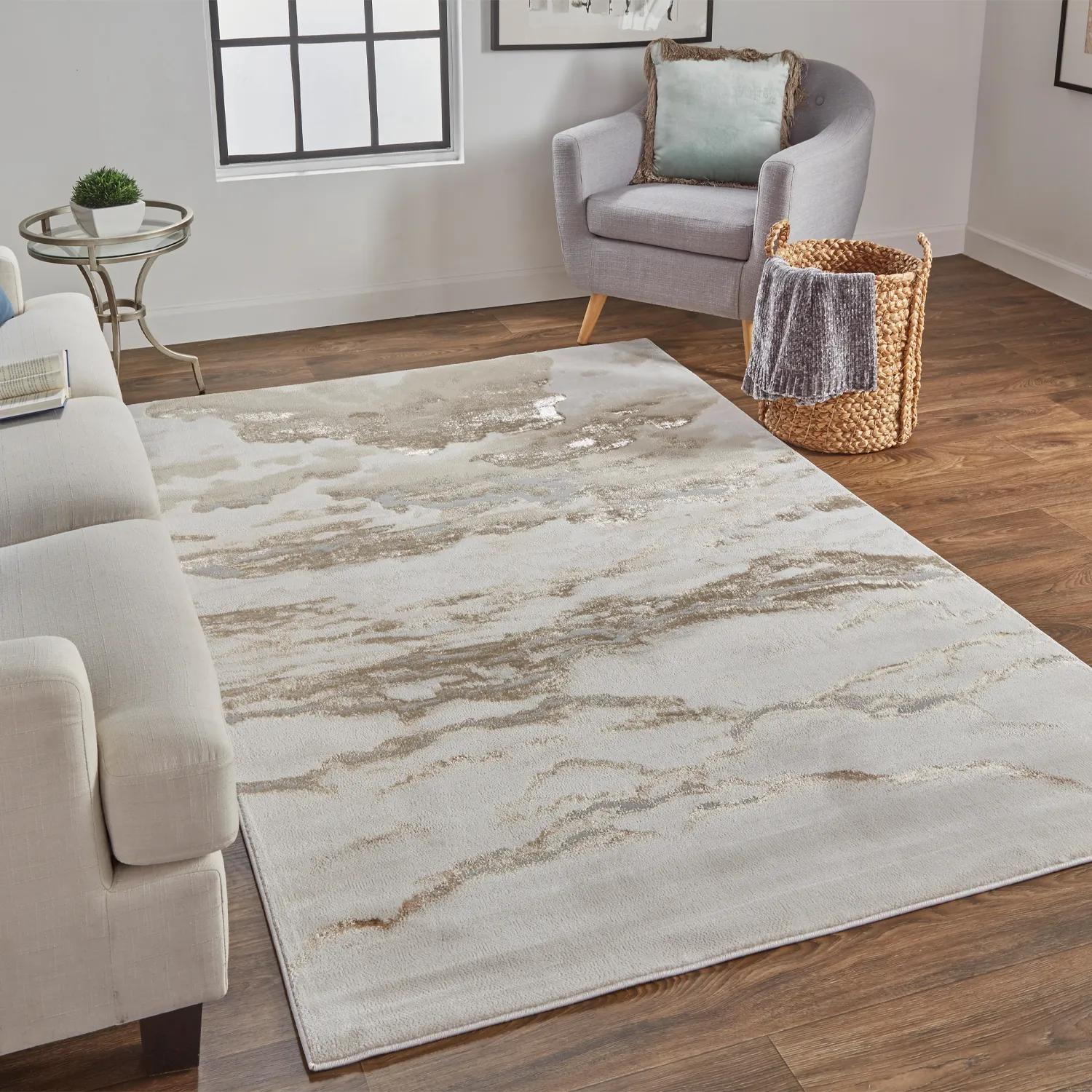 Tide Power-Loomed Beige/Gold/Ivory Rug$449
A machine-made rug in beige and gold, crafted from ultra-soft polyester and polypropylene for elegant appeal.
Add To Cart

Modern Earth Tone Rugs
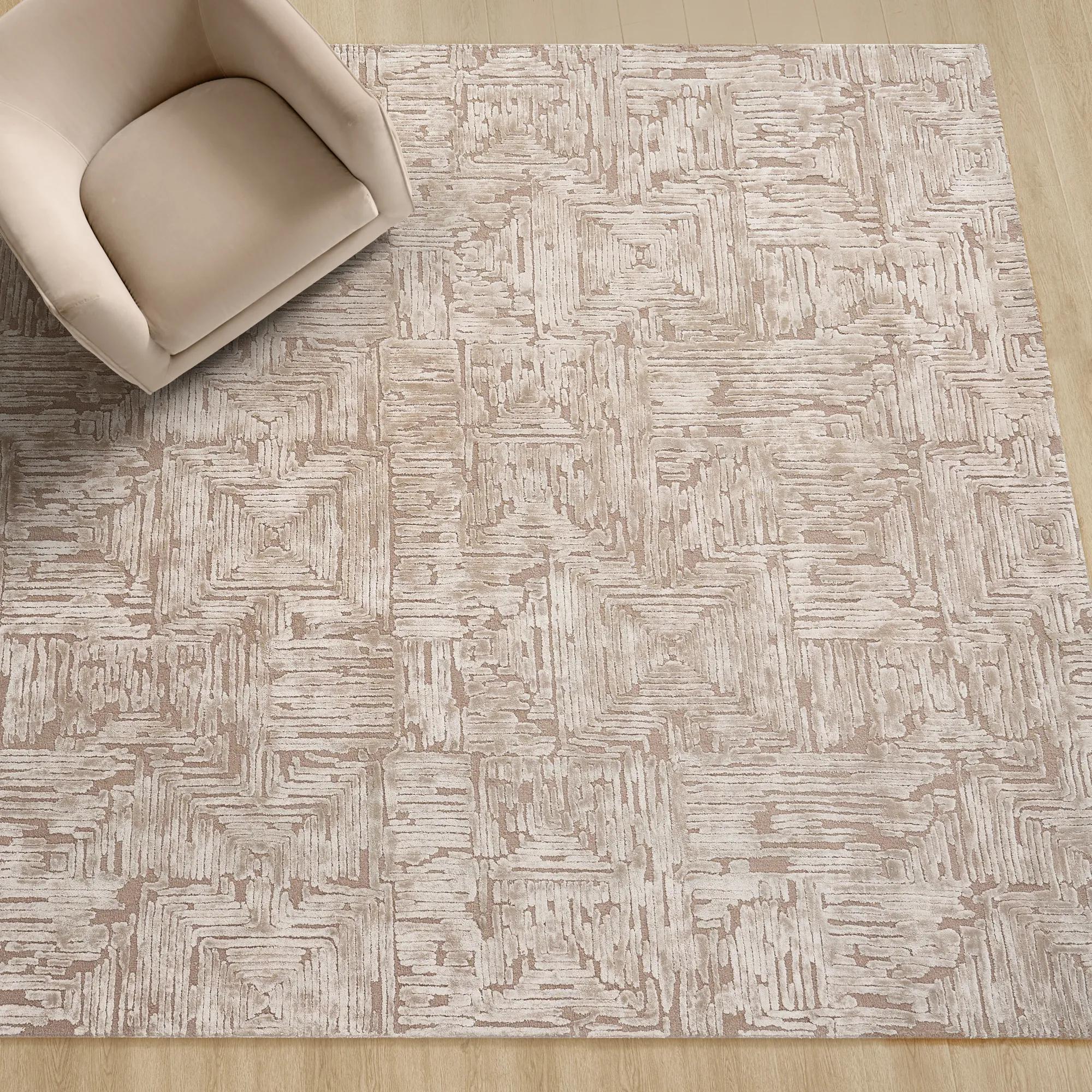
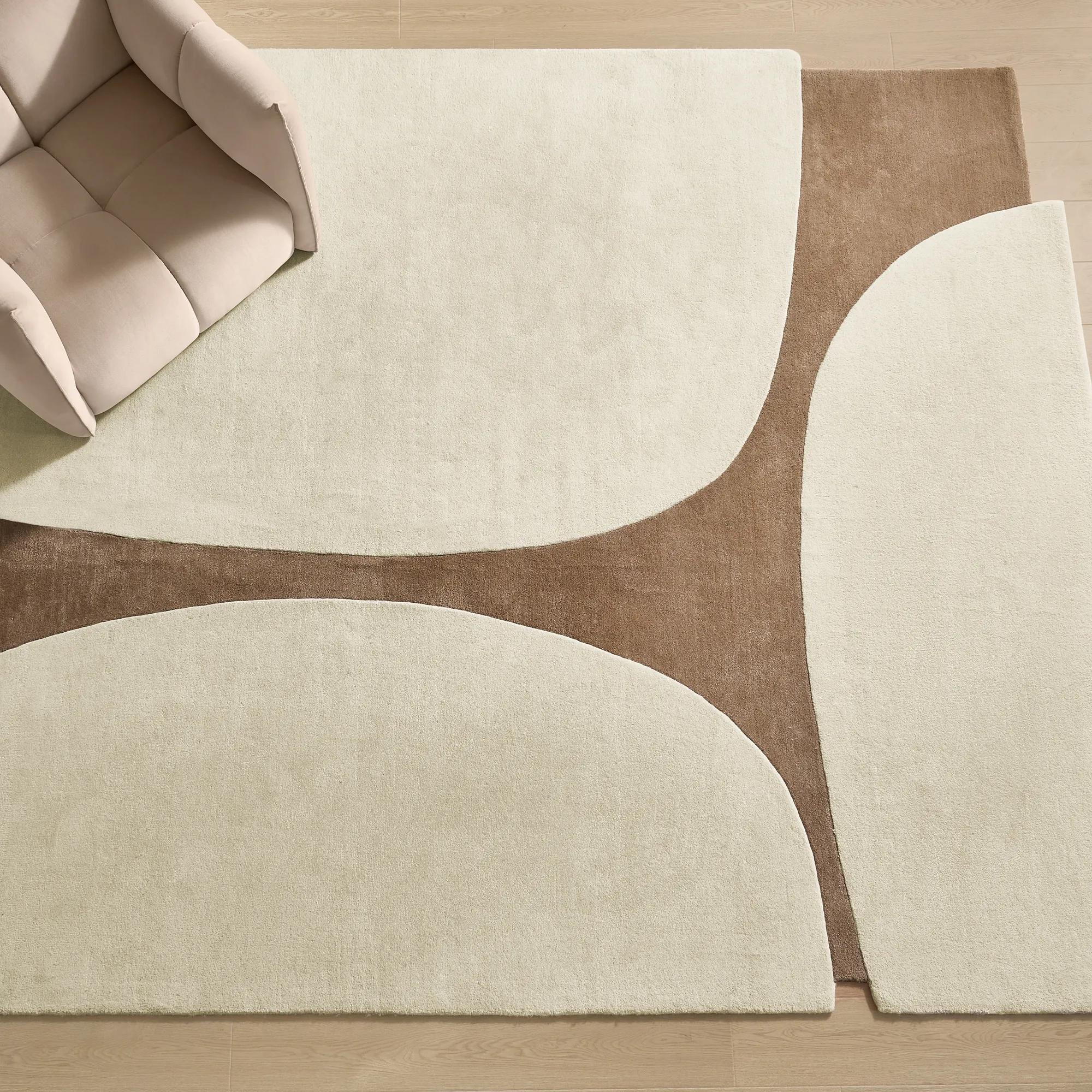
Modern earth tone rugs invite the outside in, layering your space with the effortless sophistication of nature’s palette. Think rich terracottas, moody olives, and sun-warmed taupes—each hue a brushstroke in your personal masterpiece. These rugs don’t merely ground a room; they sculpt an atmosphere, infusing every corner with warmth, depth, and organic allure. For those who crave interiors that feel curated yet connected to the world beyond their windows, modern earth tone rugs offer a foundation that is both timeless and daringly expressive. Paint your home boldly—let every step be a statement.
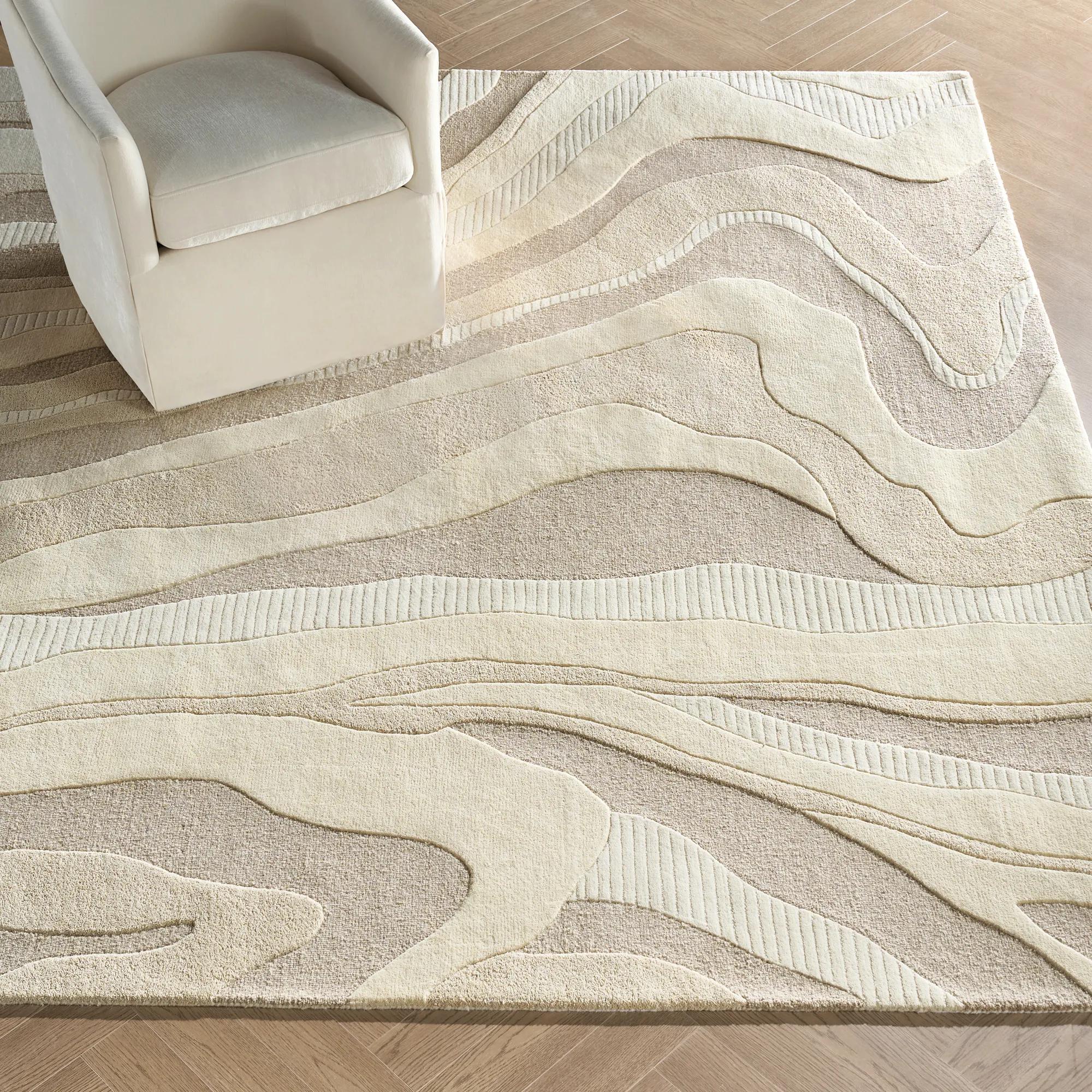
Modern earth tone rugs give contemporary interiors a grounded sense of luxury, pairing nature-inspired color with expressive pattern and inviting texture. Their palette reaches beyond beige into terracotta, clay, sand, taupe, olive, umber, and rich chocolate brown, with shades that can read quietly tonal or deeply dramatic. What makes these rugs modern is the treatment: abstract washes, oversized geometry, fluid lines, asymmetrical compositions, and sculpted surfaces bring an artistic perspective to familiar natural hues. A sweeping clay-colored motif can echo the movement of a painting, while a finely textured taupe field lets a curved sofa or gleaming cocktail table hold the spotlight. Earth tones are versatile, but they are not interchangeable. A golden camel shade emphasizes the richness of walnut furniture and brass accents; mushroom and gray-brown tones create a more restrained foundation beside polished stone and chrome. Olive introduces depth without the sharp contrast of a brighter green, while rust and cinnamon give cream upholstery a beautifully defined backdrop. In rooms with several wood finishes, a rug that combines lighter and darker browns can visually connect the furnishings rather than matching any single piece. Pattern also changes the atmosphere. Broad, softly blended shapes feel expansive beneath substantial furniture, while crisp linear designs lend structure to rounded silhouettes. A restrained palette leaves room for expressive accessories, from sculptural ceramics to oversized art, without making the floor disappear from the composition. Texture brings another layer of distinction: raised motifs catch light differently from a flat woven surface, and subtle variations in yarn can give a solid-colored rug surprising dimension. For interiors built around pale upholstery, glass, or lacquer, that tactile contrast keeps the room from feeling visually weightless. Whether the effect is serene and architectural or richly layered, modern earth tone area rugs establish a deliberate foundation for a home with personality.
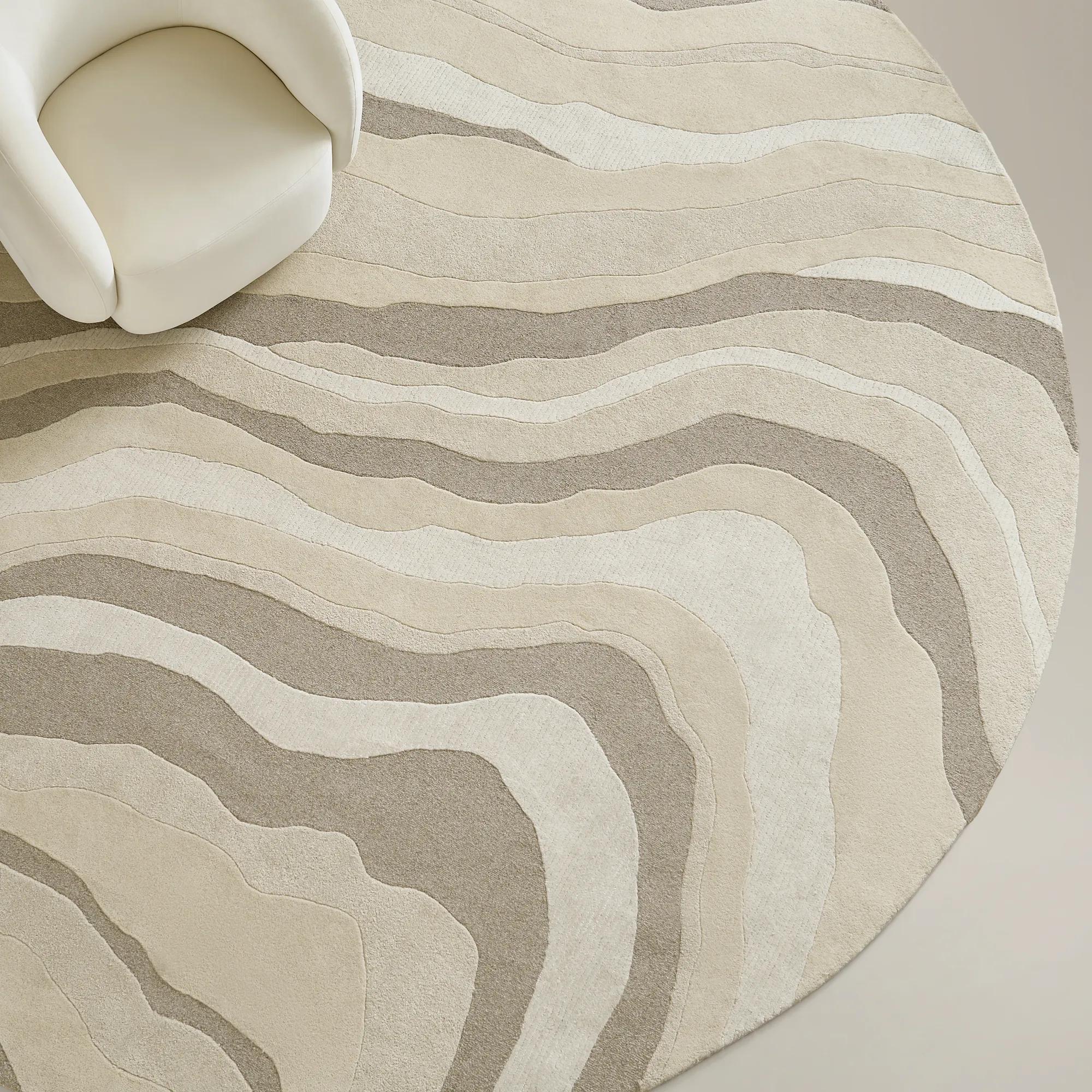
Scale gives that foundation its presence. In a seating area, a generously proportioned rug connects the sofa, accent chairs, and tables into a cohesive arrangement instead of leaving each piece visually adrift. An 8-by-10-foot or 9-by-12-foot rug may suit many living room layouts, but the furniture footprint and room dimensions matter more than the size label alone. Front furniture legs resting comfortably on the rug often create a balanced composition; larger rooms may accommodate the entire seating group within its borders. In shared gathering spaces, living room earth tone rugs bring color and texture beneath the places where conversation unfolds, making an open floor plan feel more intentionally composed. A darker border can frame pale seating, while an abstract pattern with softly shifting tones introduces movement beneath clean-lined furniture. Dining areas call for a different relationship between rug and furnishings: allowing approximately 24 to 30 inches beyond each side of the table helps keep chair legs on the rug when seats are pulled back, though larger chairs may need additional clearance. A low, even pile makes that movement smoother and helps dining furniture sit steadily. In a bedroom, an earth tone rug extending beyond the sides of the bed creates a softer landing and gives the bed a more substantial visual setting. Runners can introduce the same palette along a hallway or beside a bed where a larger rug would overwhelm the floor plan. Round shapes offer a striking counterpoint to angular furniture, particularly beneath a circular table or within a compact conversation area. Door swings, floor vents, and primary walking paths all influence the right proportions. A rug pad compatible with both the rug backing and the floor finish can help reduce shifting, add cushioning, and limit abrasion beneath the rug. Together, thoughtful dimensions and placement allow the design to feel generous without crowding the room.
Material and construction shape how modern earth tone rugs feel, wear, and respond to everyday life. Wool offers a resilient fiber with natural crimp, giving many rugs a substantial hand and helping the pile recover from compression; some shedding is normal, particularly with new wool rugs. Hand-knotted construction can produce intricate pattern and lasting structure, while hand-tufted designs often deliver a plush surface and pronounced texture. Neither technique alone guarantees durability, which also depends on fiber quality, density, backing, care, and the demands of the room. Flatwoven rugs have a lower profile that can suit dining spaces, hallways, and areas where doors need clearance. Synthetic fibers such as polypropylene and polyester can offer stain resistance and straightforward maintenance, although performance varies by construction and spills still need prompt attention. Viscose and similar lustrous fibers create a luminous surface with shifting color, but they can be sensitive to moisture and abrasion, making them better suited to lower-traffic settings where their sheen can remain the focus. Natural plant fibers such as jute bring a drier, organic texture, though they are generally less forgiving of damp conditions and liquid spills. For households with children or pets, dense low-pile designs can simplify routine cleaning, while loose loops or pronounced surface texture may be more vulnerable to claws and snagging. Machine-washable rugs can be useful where frequent cleaning is a priority, provided the care label, rug dimensions, and washing machine capacity support that method. Regular vacuuming with a setting appropriate to the fiber helps remove abrasive grit; delicate surfaces, fringe, and some wool constructions require a suction-only approach rather than an aggressive rotating brush. Blotting spills promptly, avoiding unapproved cleaners, and arranging professional cleaning when recommended help protect both color and texture. Occasional rotation can distribute foot traffic and light exposure more evenly. With these everyday considerations in harmony, an earth tone rug becomes more than a decorative layer: it brings tactile richness, visual balance, and an unmistakably personal point of view to the room.
FAQs
Modern earth tone rugs are remarkably versatile, harmonizing beautifully with a range of interior styles. They add organic warmth to contemporary spaces, ground eclectic rooms with their natural hues, and introduce subtle drama to minimalist settings. Whether your aesthetic leans mid-century, bohemian, or transitional, an earth tone area rug can unify your décor and create a cohesive, inviting atmosphere.
Earth tone area rugs evoke a sense of calm and sophistication, drawing inspiration from the natural world. Their rich, layered hues—think terracotta, olive, and taupe—bring warmth, depth, and a touch of artistry to any space. These rugs can soften modern lines, provide visual balance, and create a welcoming foundation that encourages relaxation and conversation.
Yes, many modern earth area rugs are designed with durability and easy maintenance in mind, making them ideal for busy households. Look for options crafted from resilient fibers or machine-washable materials, which can handle the demands of daily life while maintaining their luxurious appearance and tactile appeal.
Modern earth tone rugs are available in a range of premium materials, including hand-tufted wool, plush synthetics, and natural fibers. Wool rugs offer sumptuous texture and lasting resilience, while synthetic options provide easy care and vibrant color retention. The choice of material can influence the rug’s feel, durability, and overall aesthetic.
An abstract earth tone rug can serve as the artistic centerpiece of a room, drawing the eye and setting the tone for your entire décor. Position it beneath a sleek coffee table or let it define a seating area, allowing its painterly patterns and earthy hues to inspire the surrounding furnishings and accessories. Pair with metallic accents or sculptural lighting for a look that is both bold and harmonious.