Viscose Swirl Area Rugs
Viscose Swirl Area Rugs
-
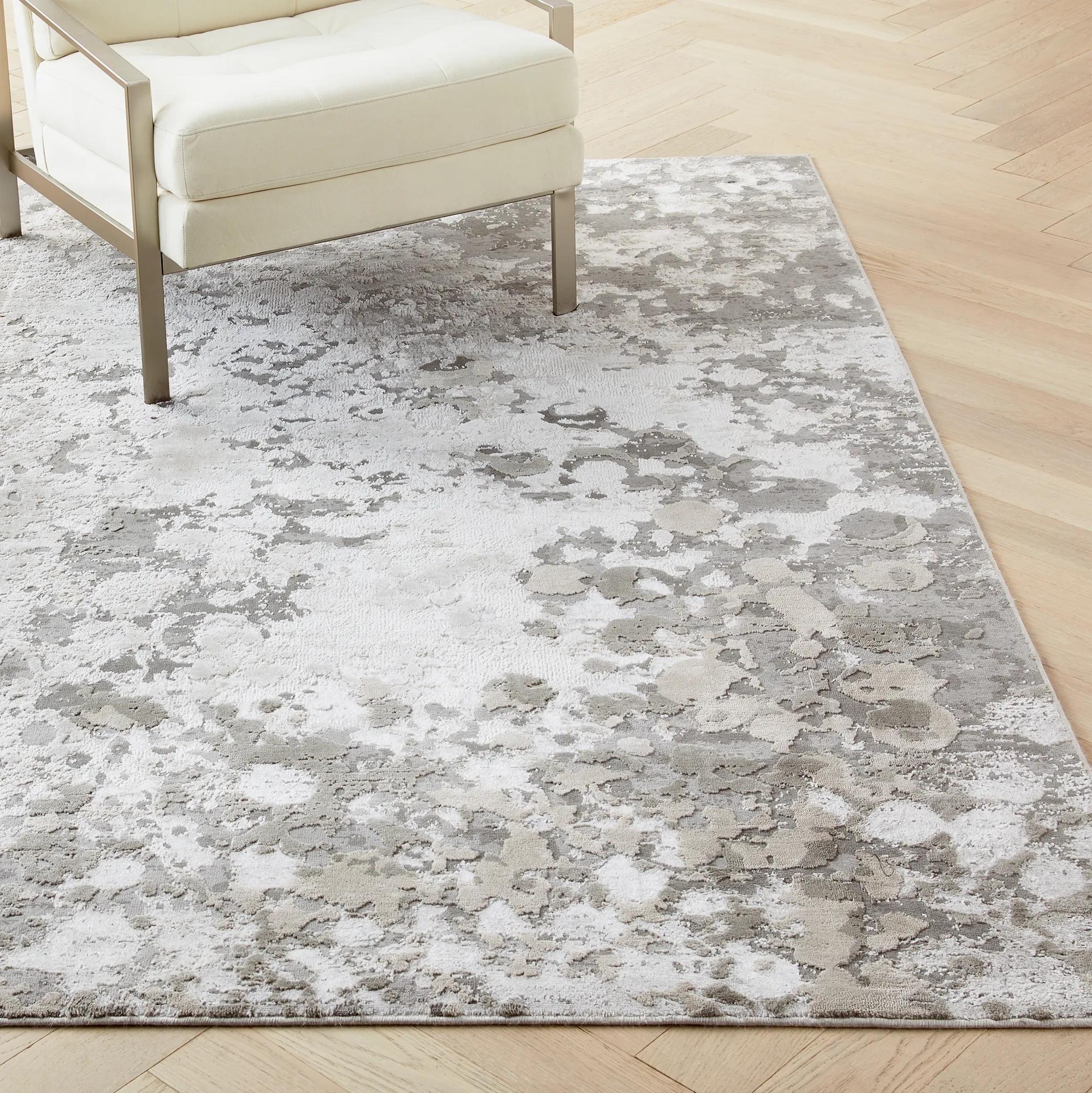
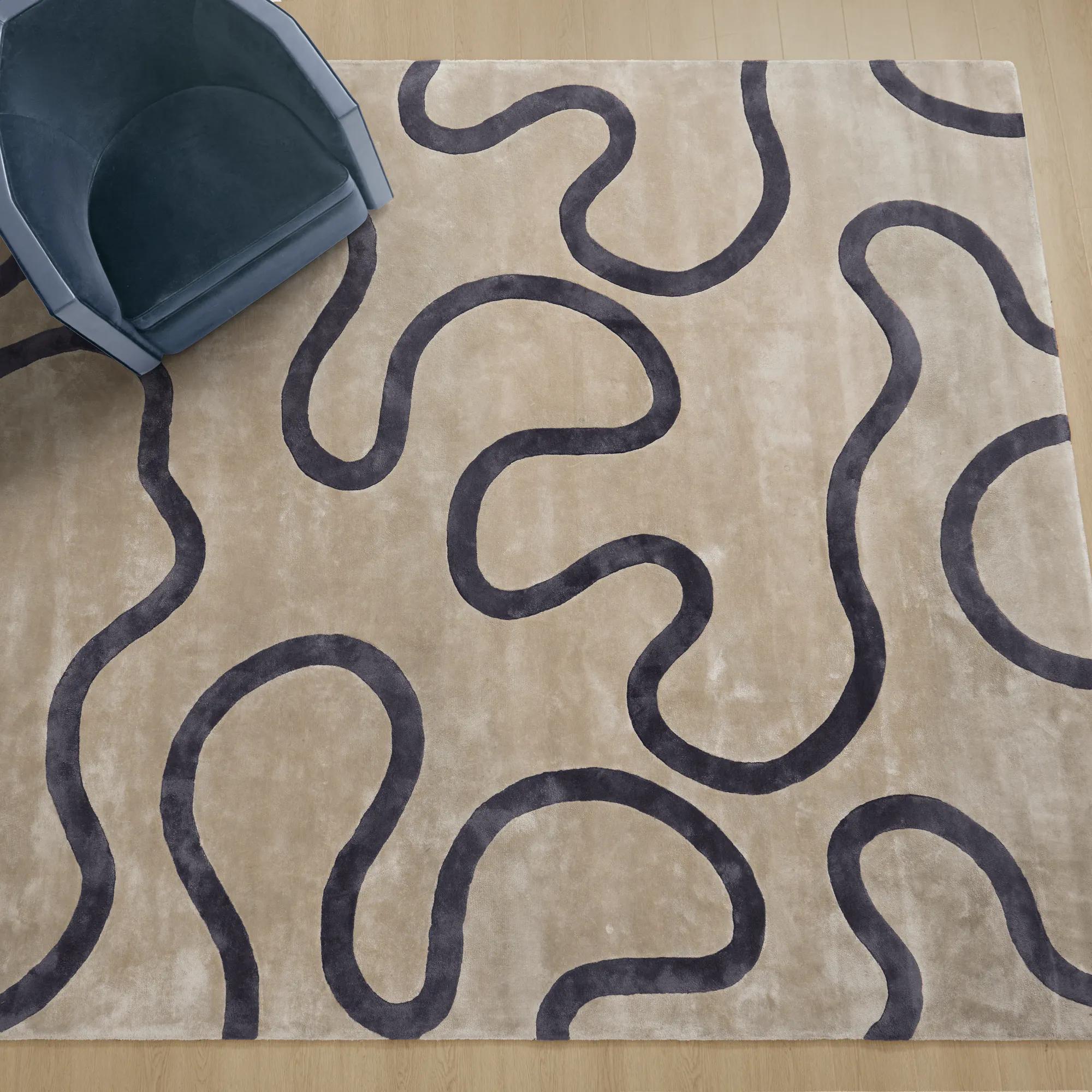 Seraphine Hand-Tufted Smoked Pearl/Taupe Viscose Loop Rug$599
A hand-tufted viscose rug in smoked pearl and taupe, featuring high-contrast loops and luminous sheen.
Add To Cart -
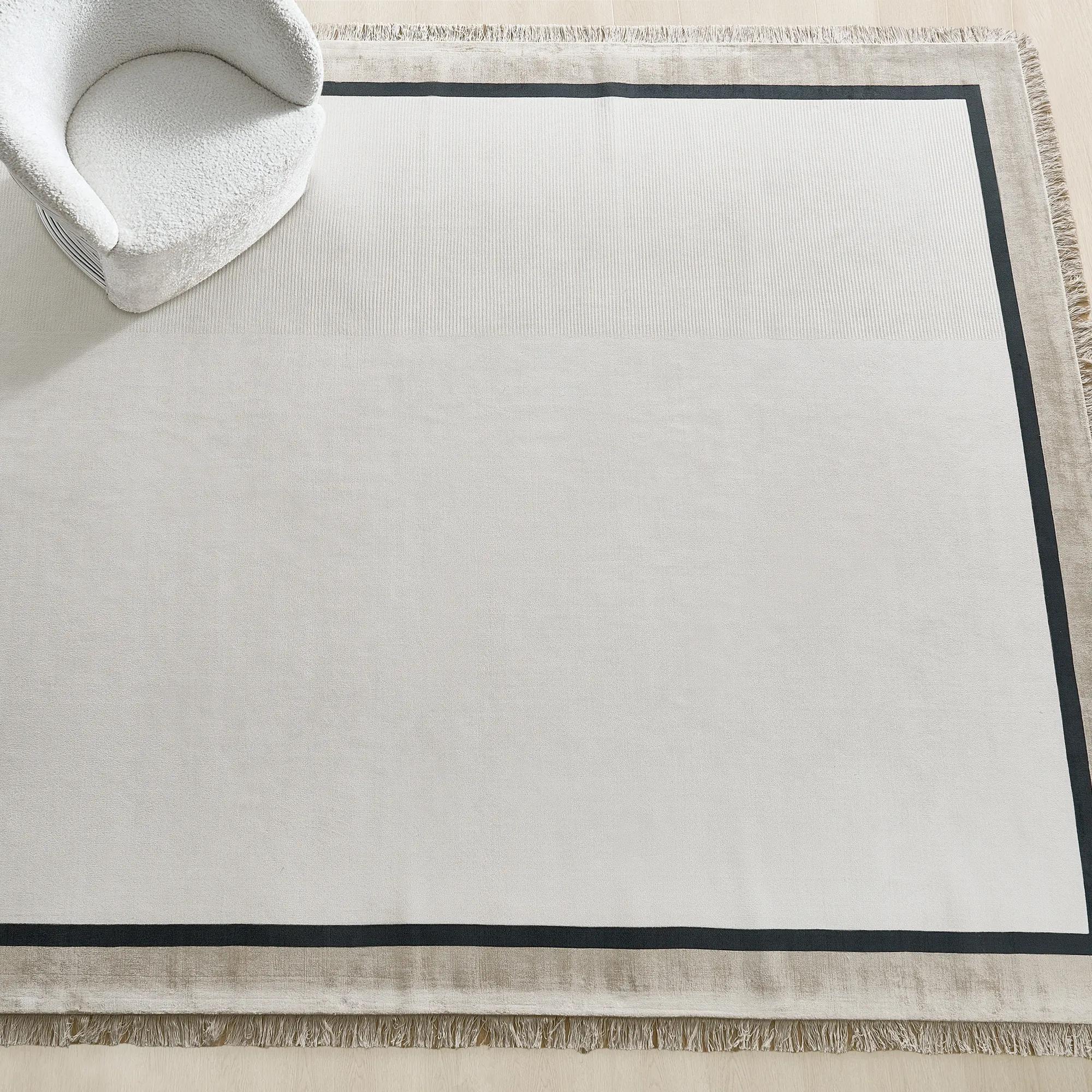
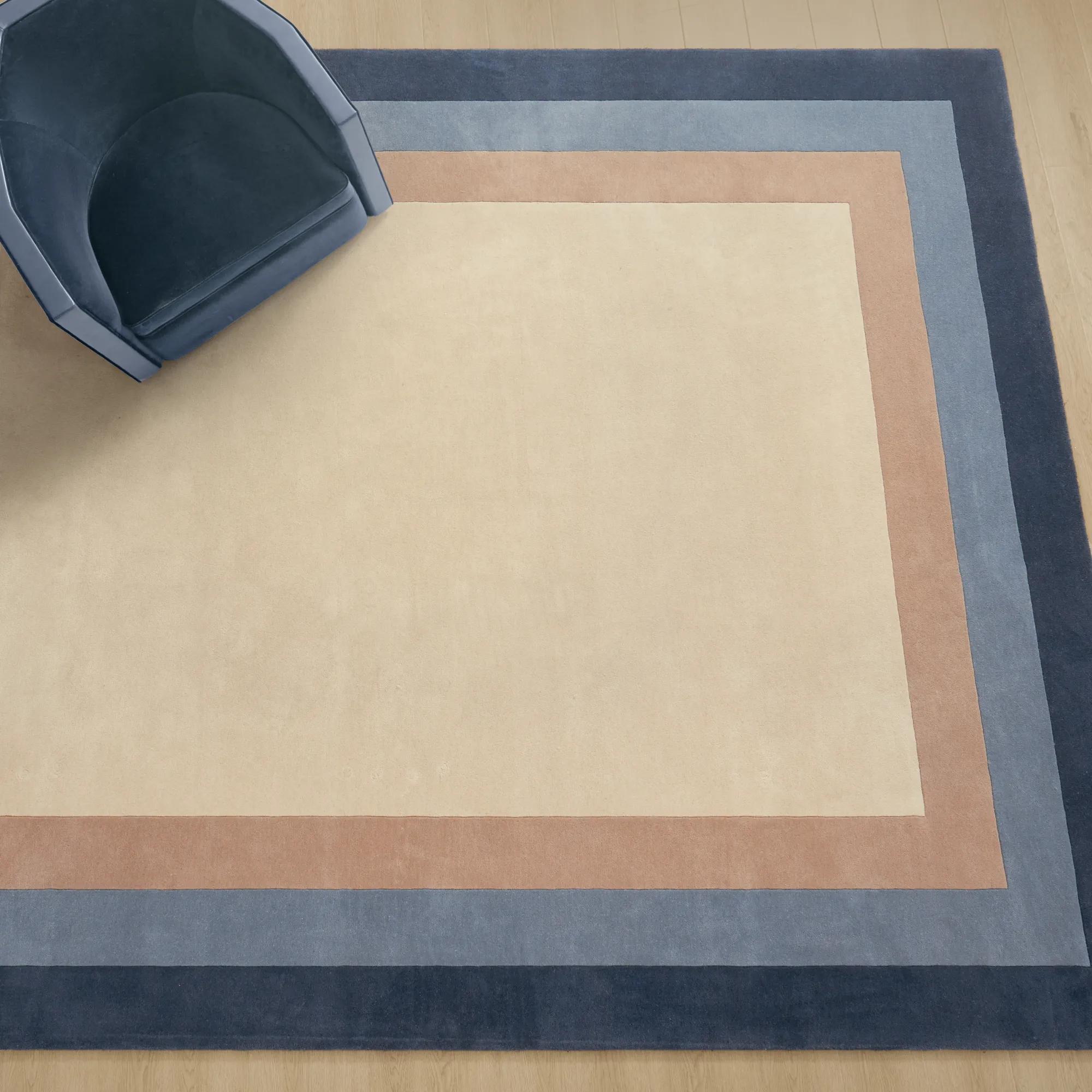
 Fiona Hand-Tufted Ivory/Beige/Black Border Fringe Rug$1099
A hand-tufted ivory, beige, and black rug featuring a framed border and decorative fringe.
Add To Cart -
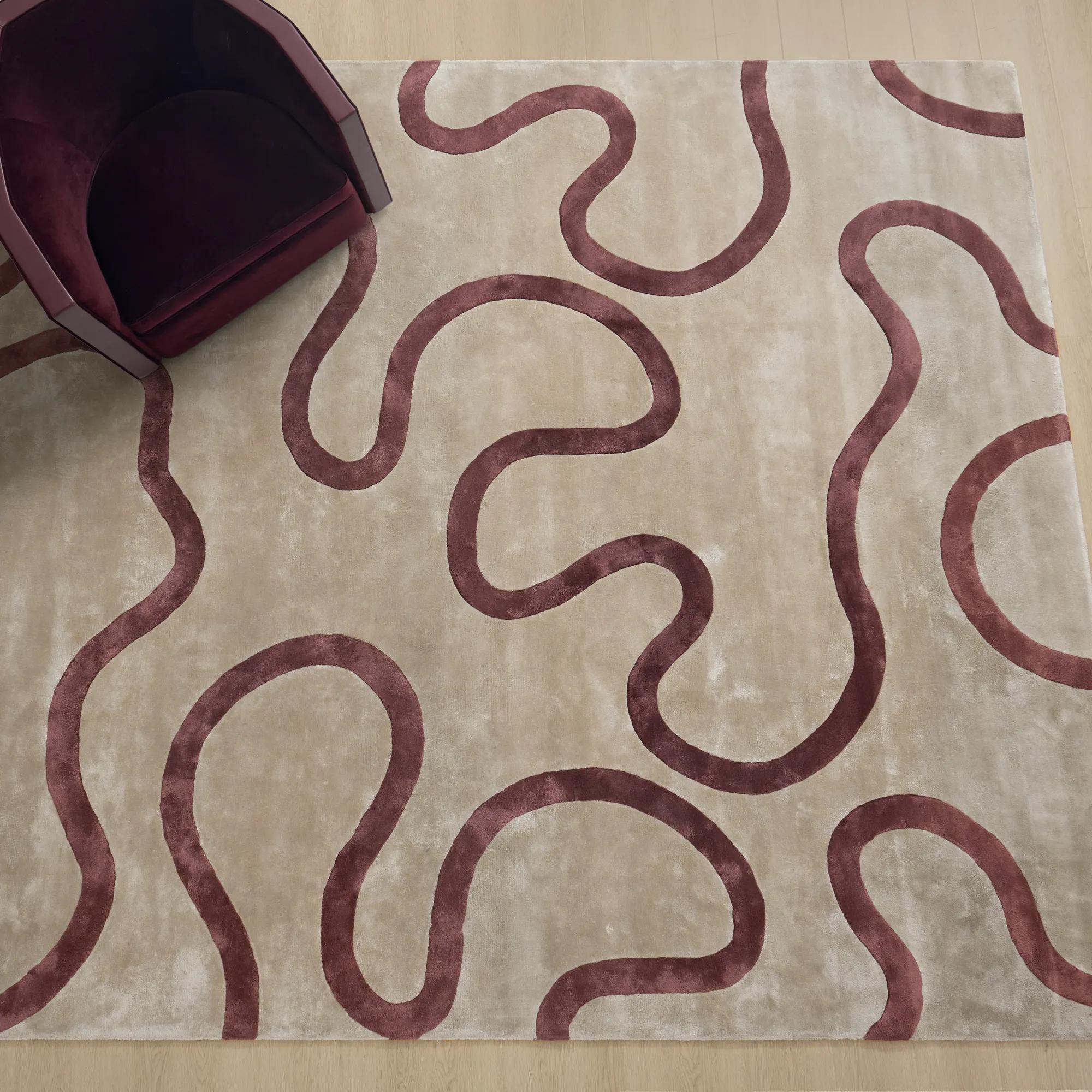 Seraphine Hand-Tufted Fig/Taupe Viscose Loop Rug$1199
A hand-tufted viscose rug with high-contrast loops in a polished fig and taupe palette.
Add To Cart -
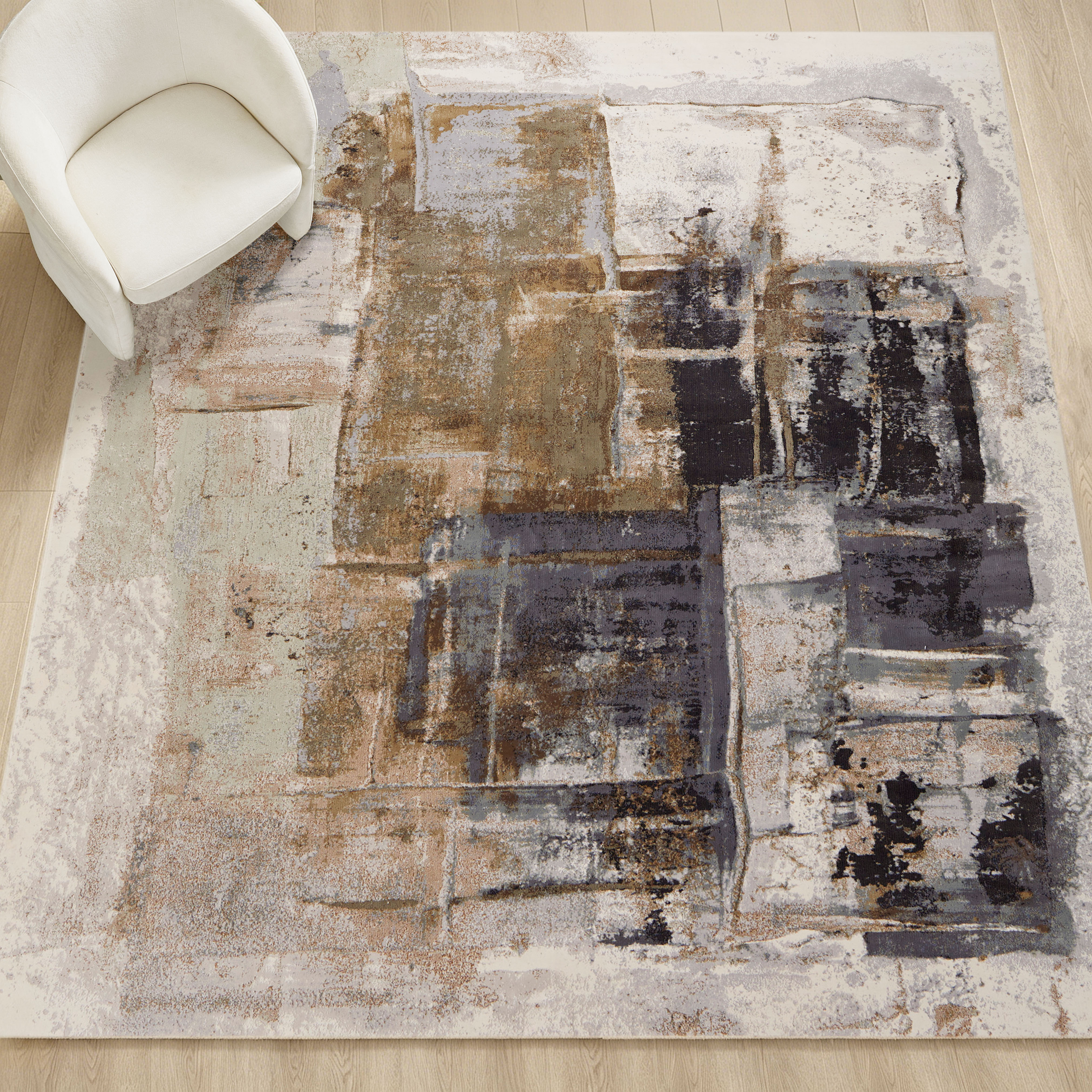
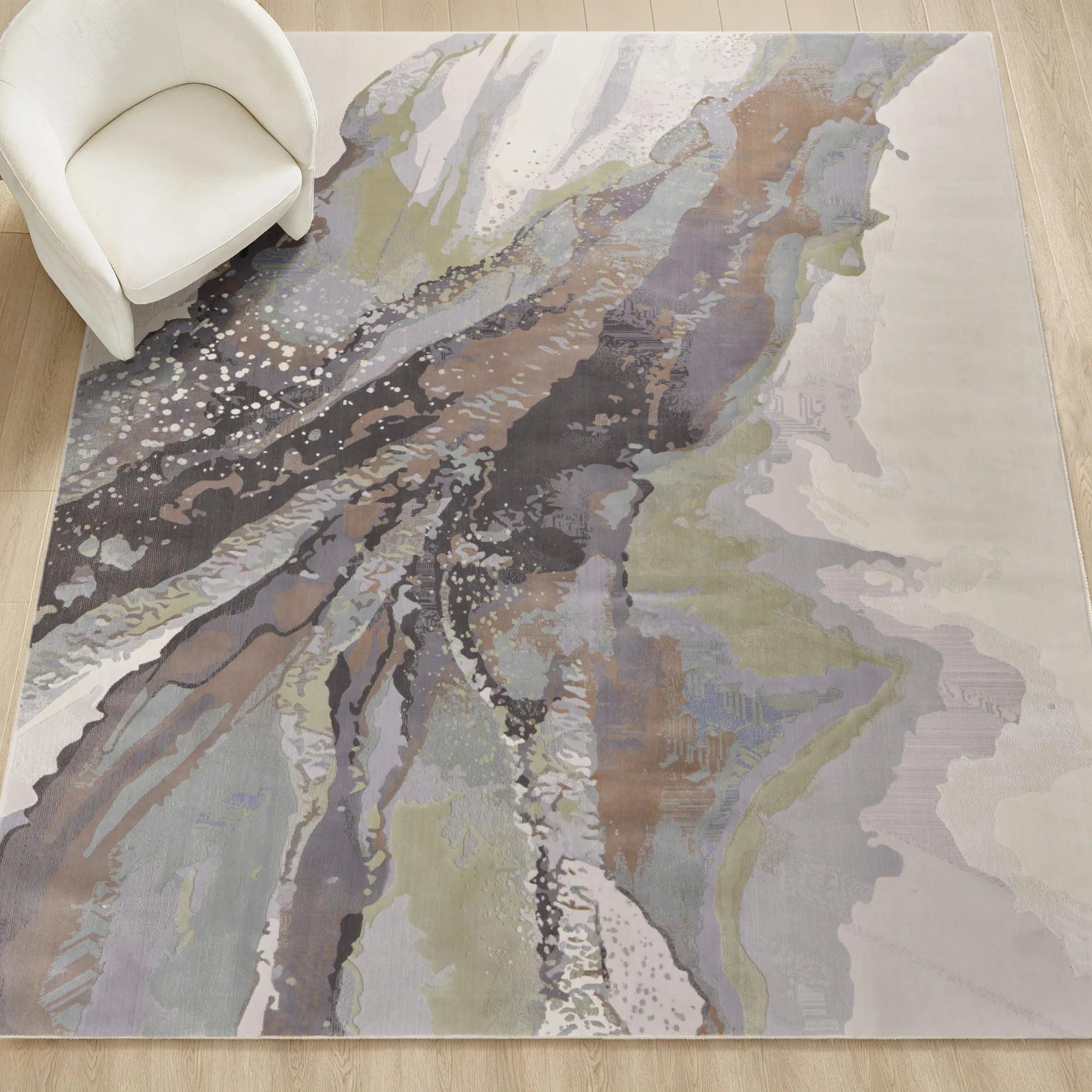
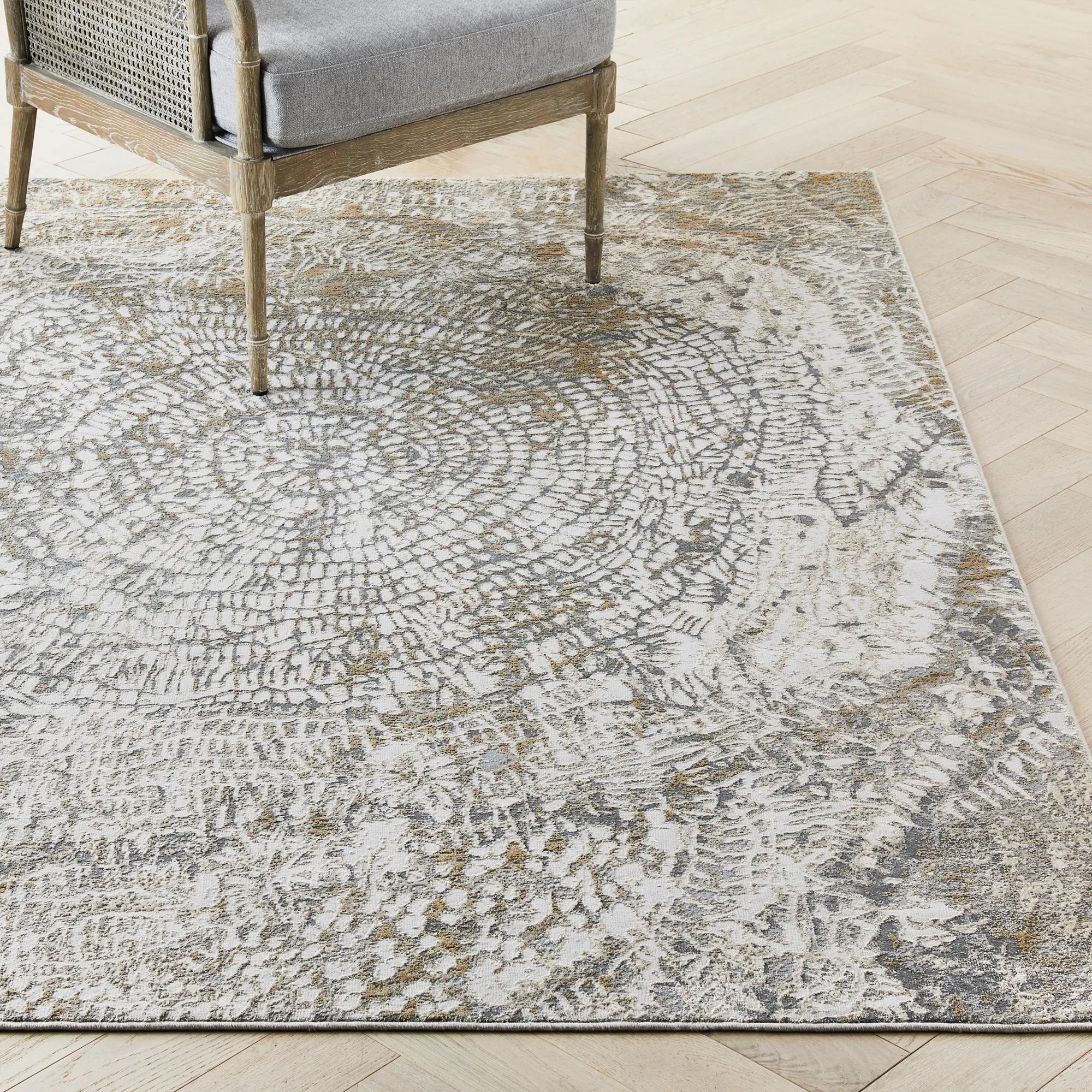 Nautilus Power-Loomed Silver/Grey/Natural Rug$449
A machine-woven ivory rug featuring subtle tree ring-inspired patterns in durable polypropylene and viscose.
Add To Cart -
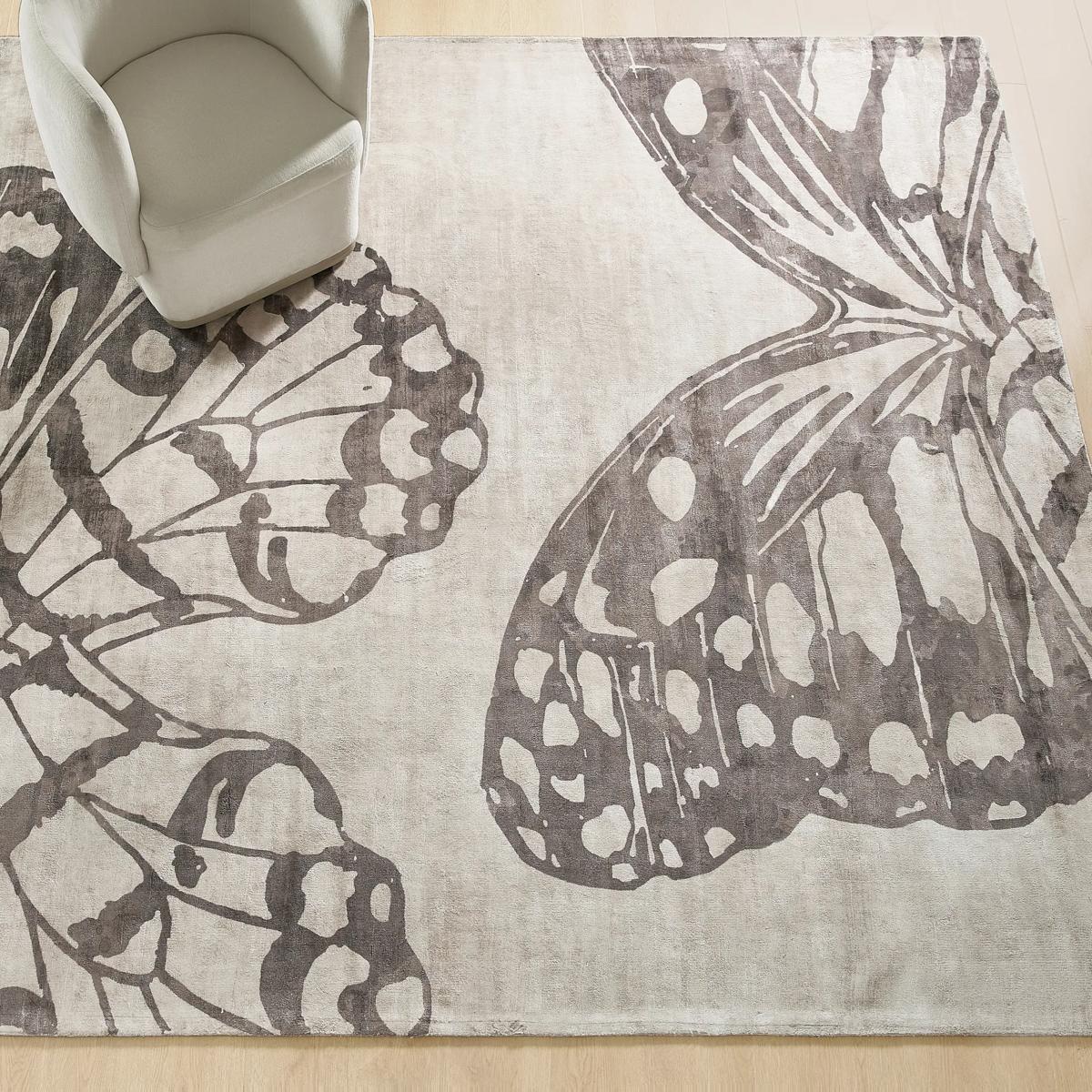
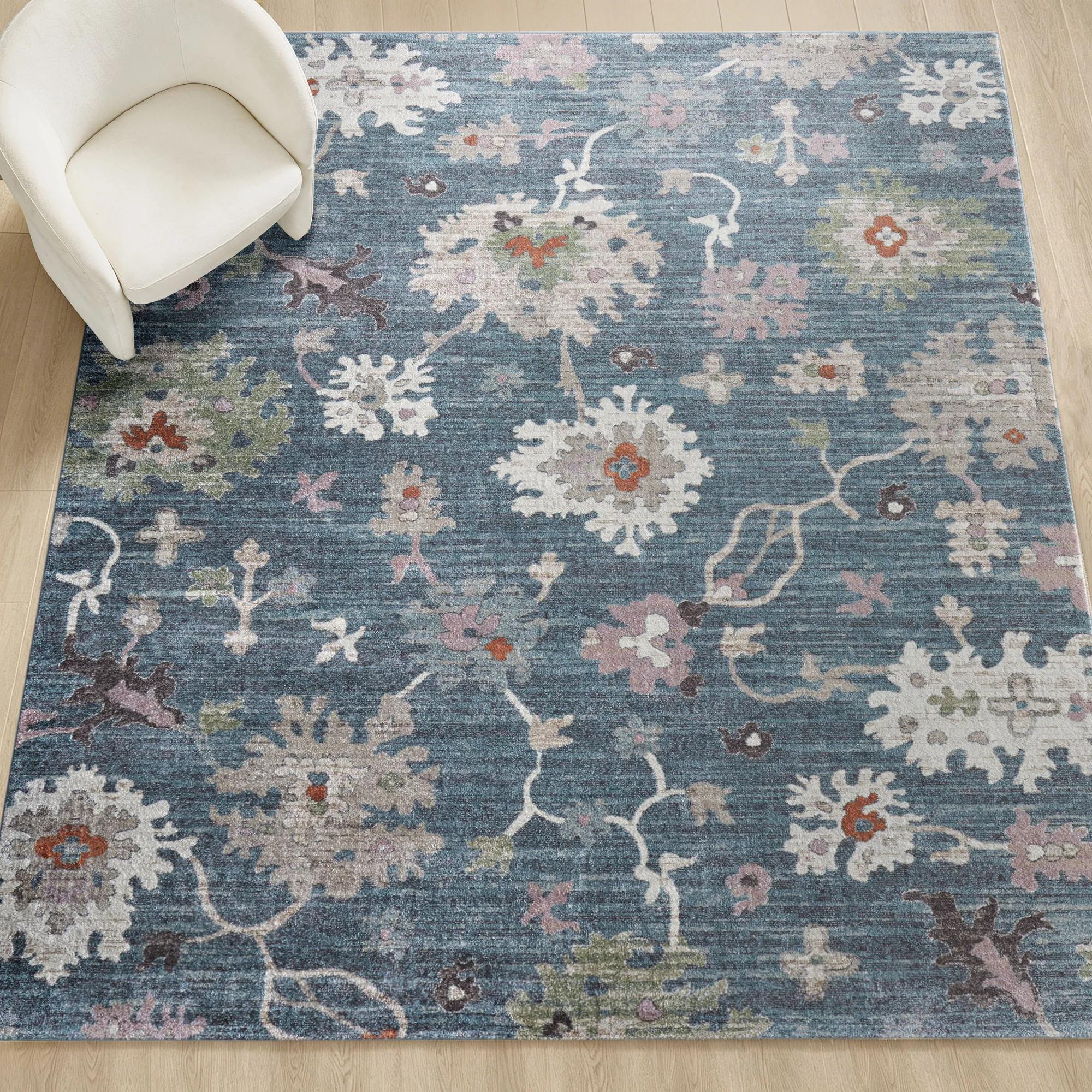
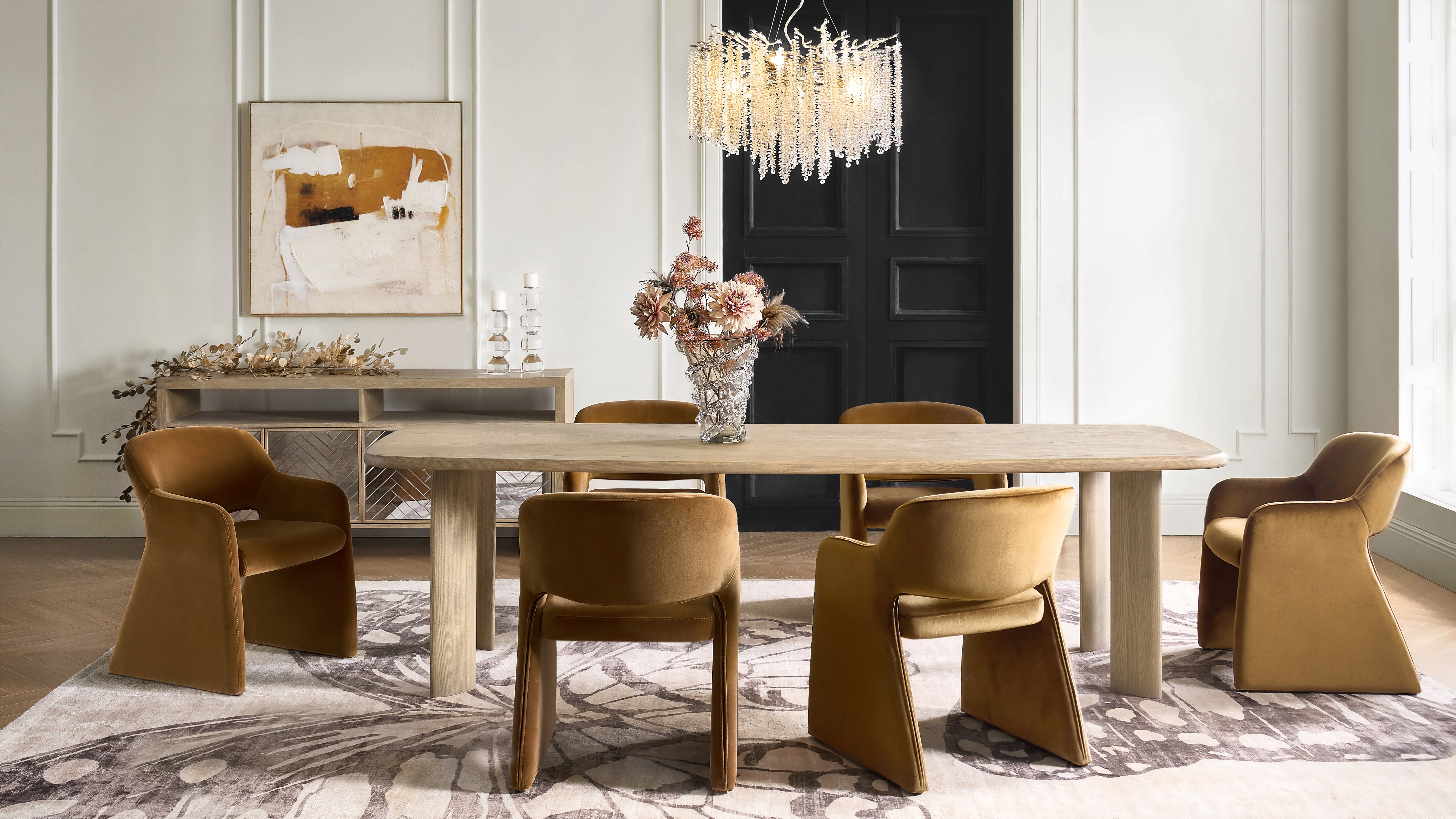 Mariposa Rug - Ivory/Dusty Mauve$999
A hand-loomed viscose rug featuring oversized butterfly motifs in soft ivory and dusty mauve tones.
Add To Cart -
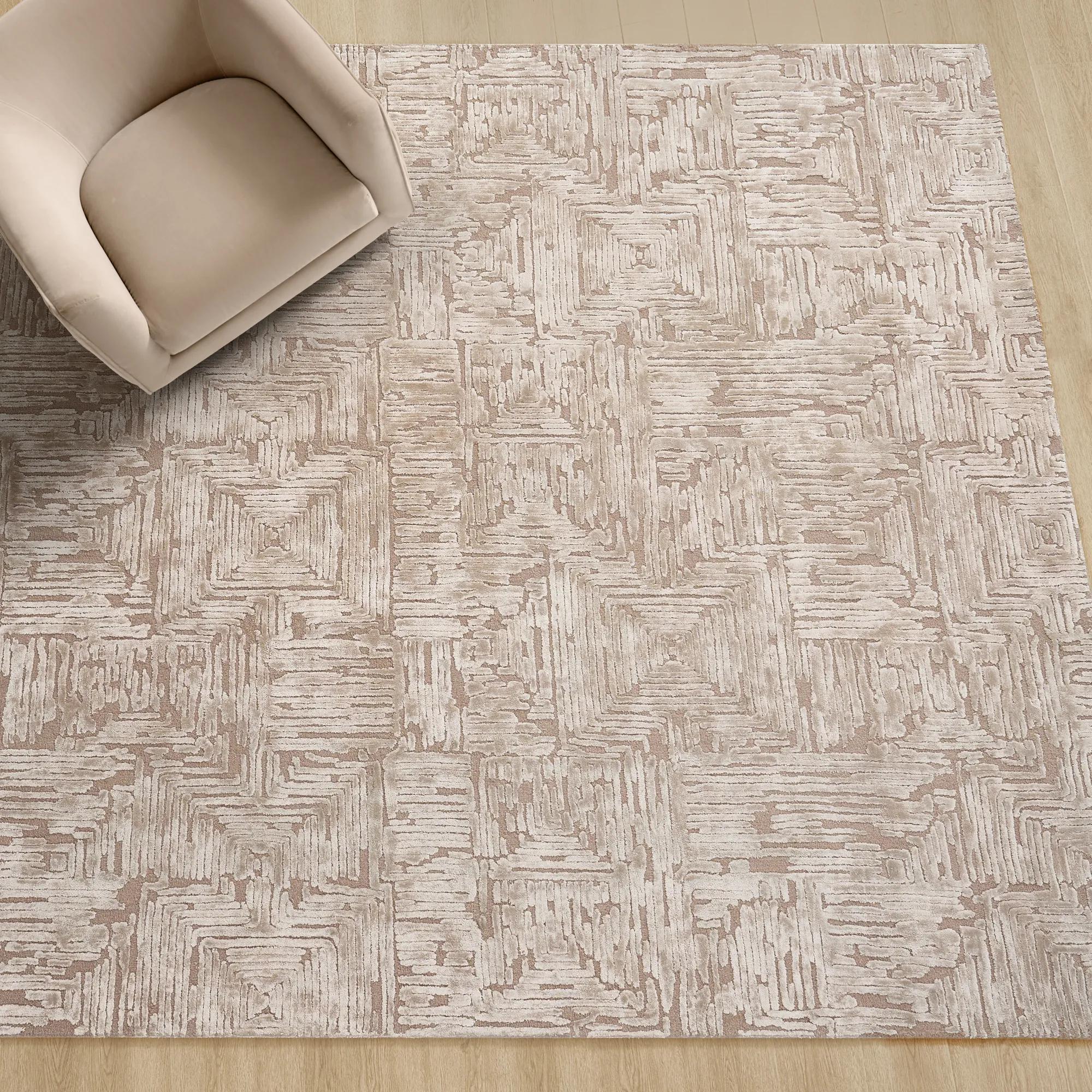
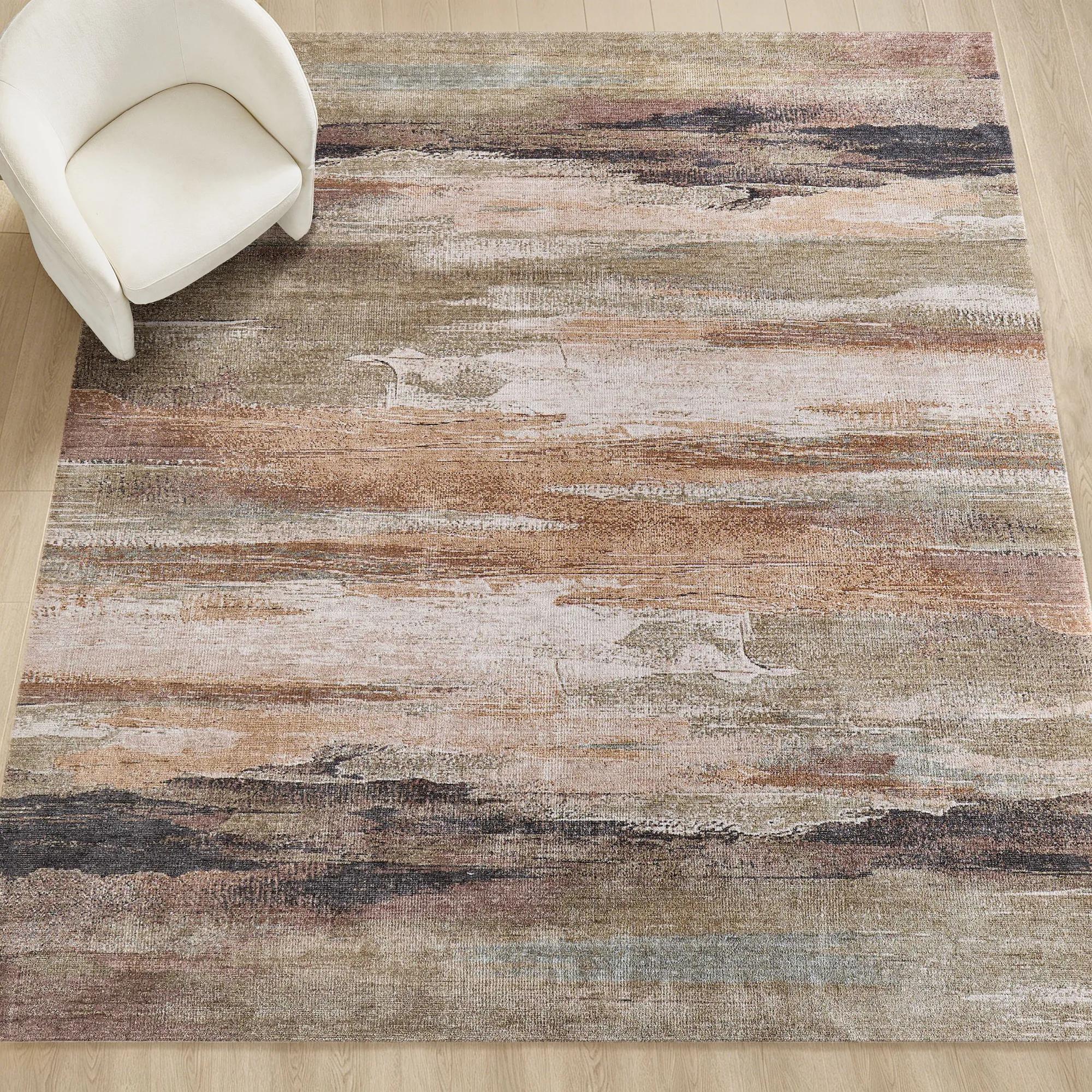
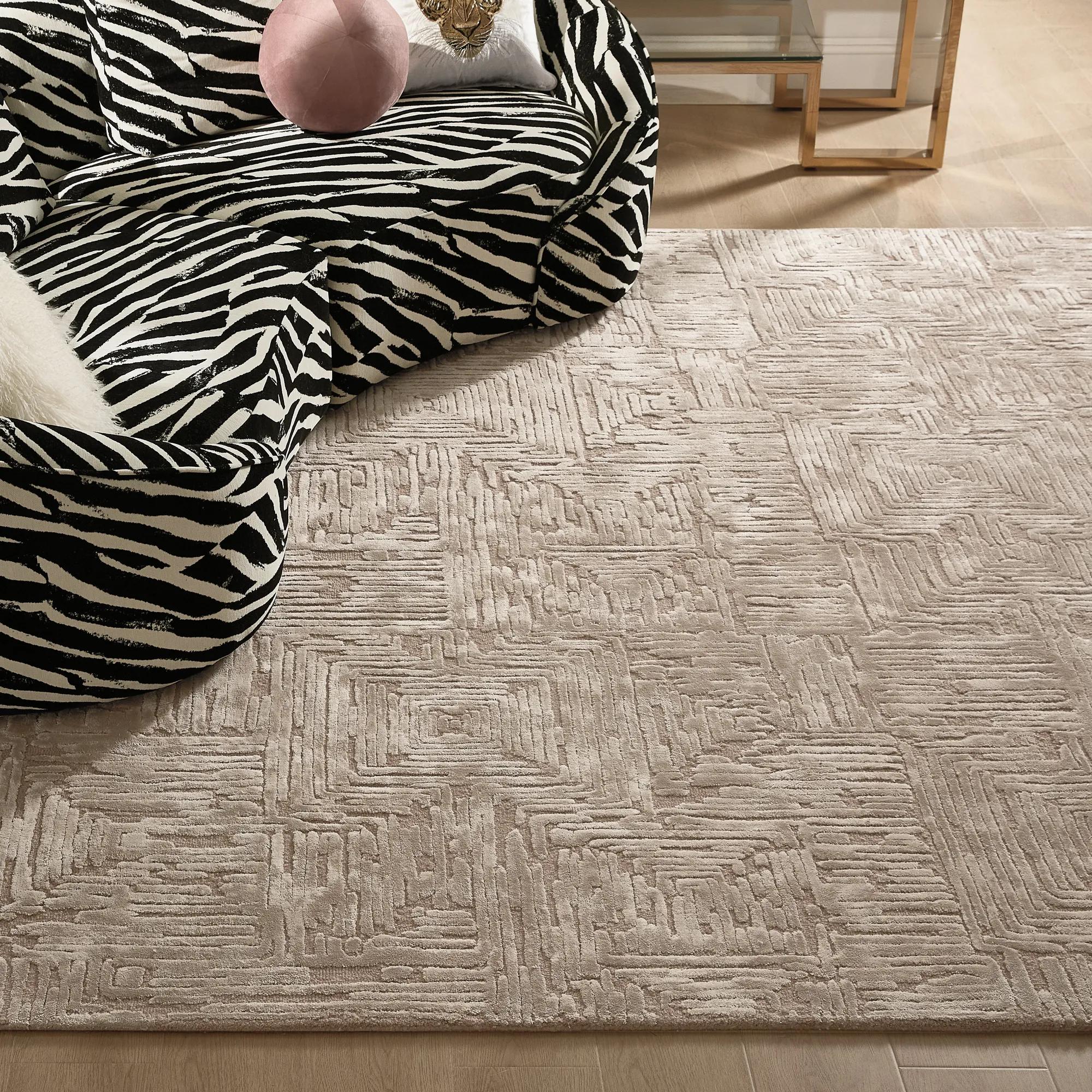 Andra Hand-Tufted Mocha Rose Viscose & Wool Dimensional Rug$1499
A hand-tufted mocha rose rug blending viscose and wool with dimensional broken geometric texture.
Add To Cart -
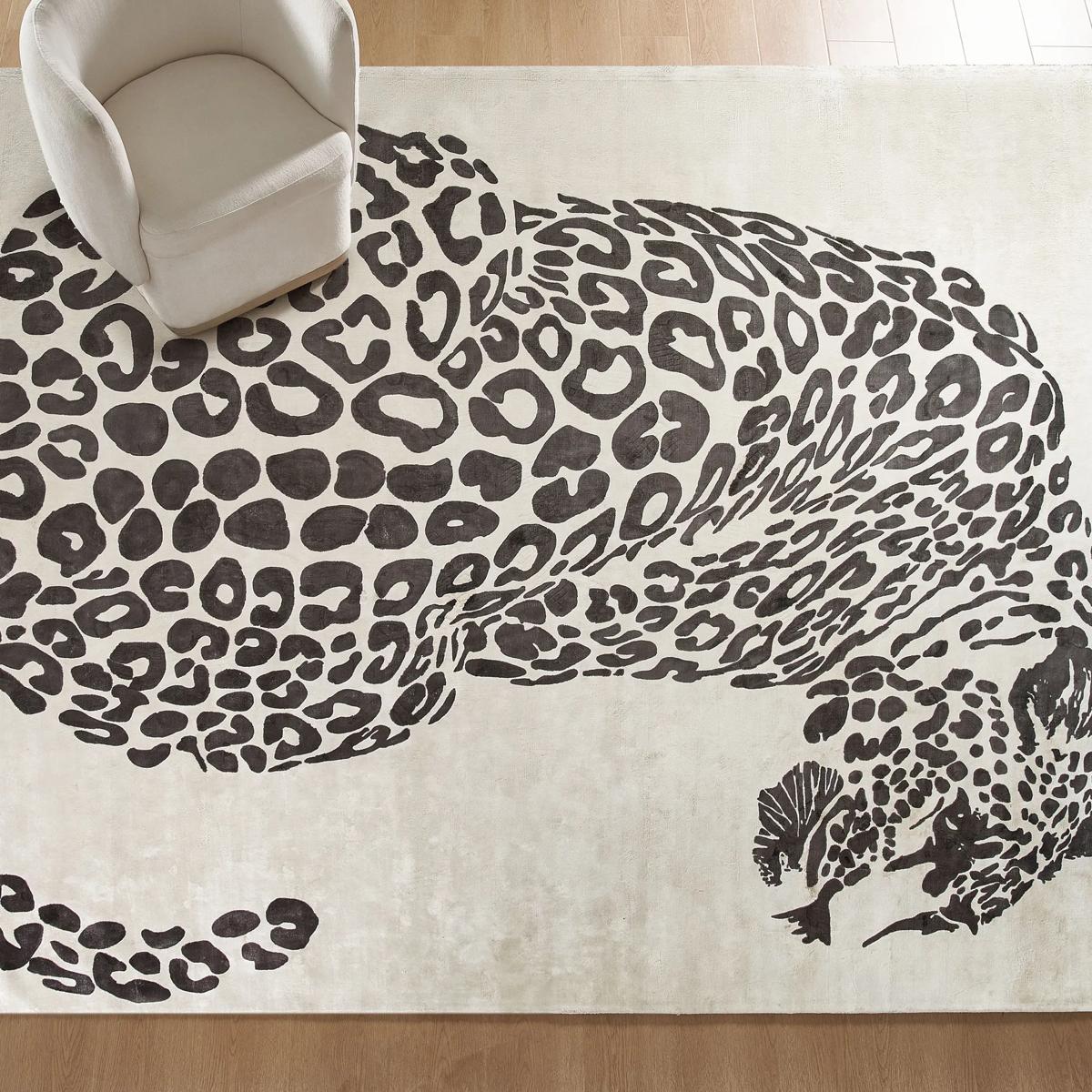 Pardus Leopard Hand-Loomed Ivory/Black Rug$1499
An ivory and black hand-loomed viscose rug featuring a bold leopard motif and silky smooth texture.
Add To Cart -
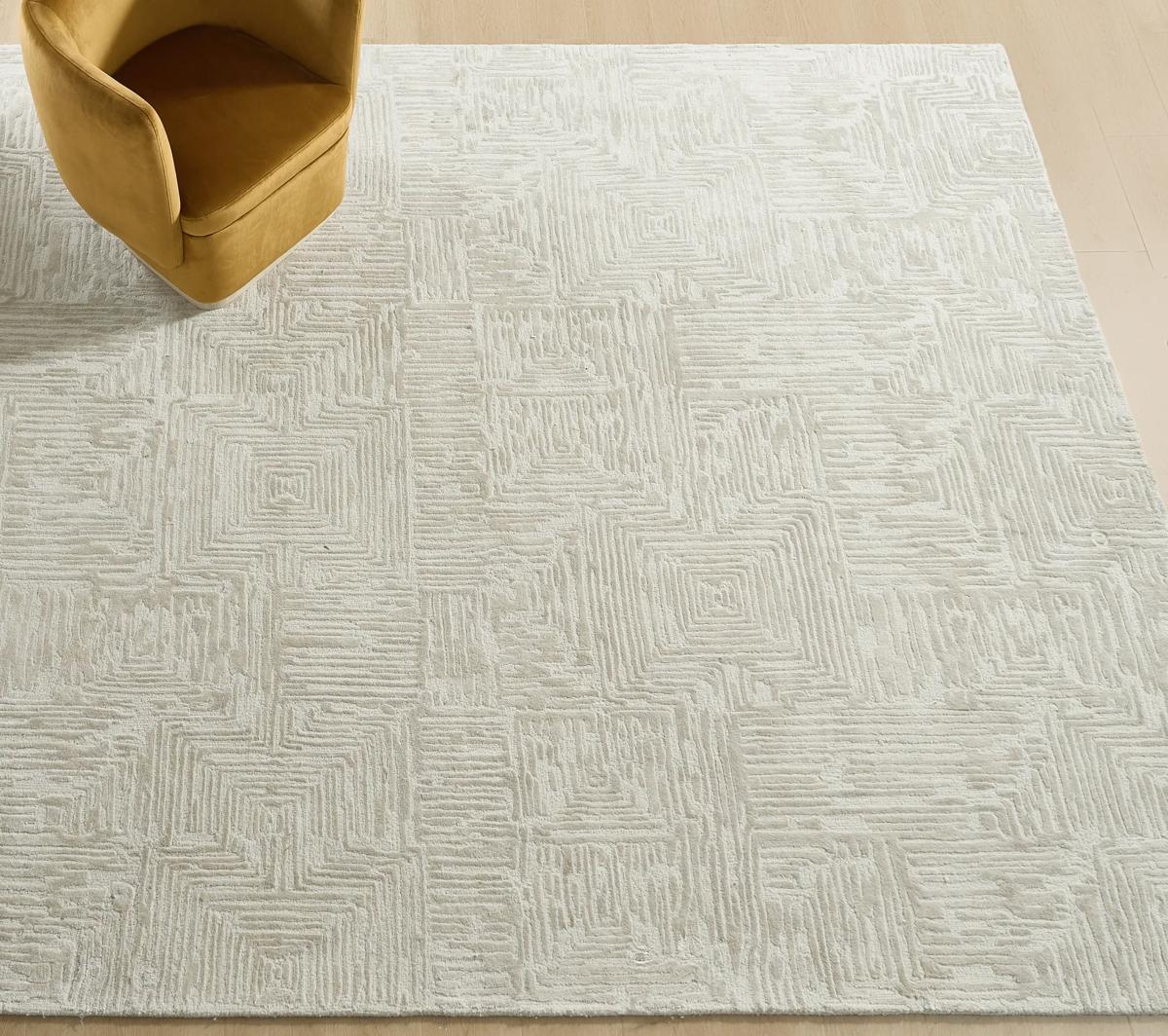 Andra Ivory Hand-Tufted Wool Blend Dimensional Rug$499
A hand-tufted ivory rug in a viscose-wool blend with raised textural detailing and subtle sheen.
Add To Cart -
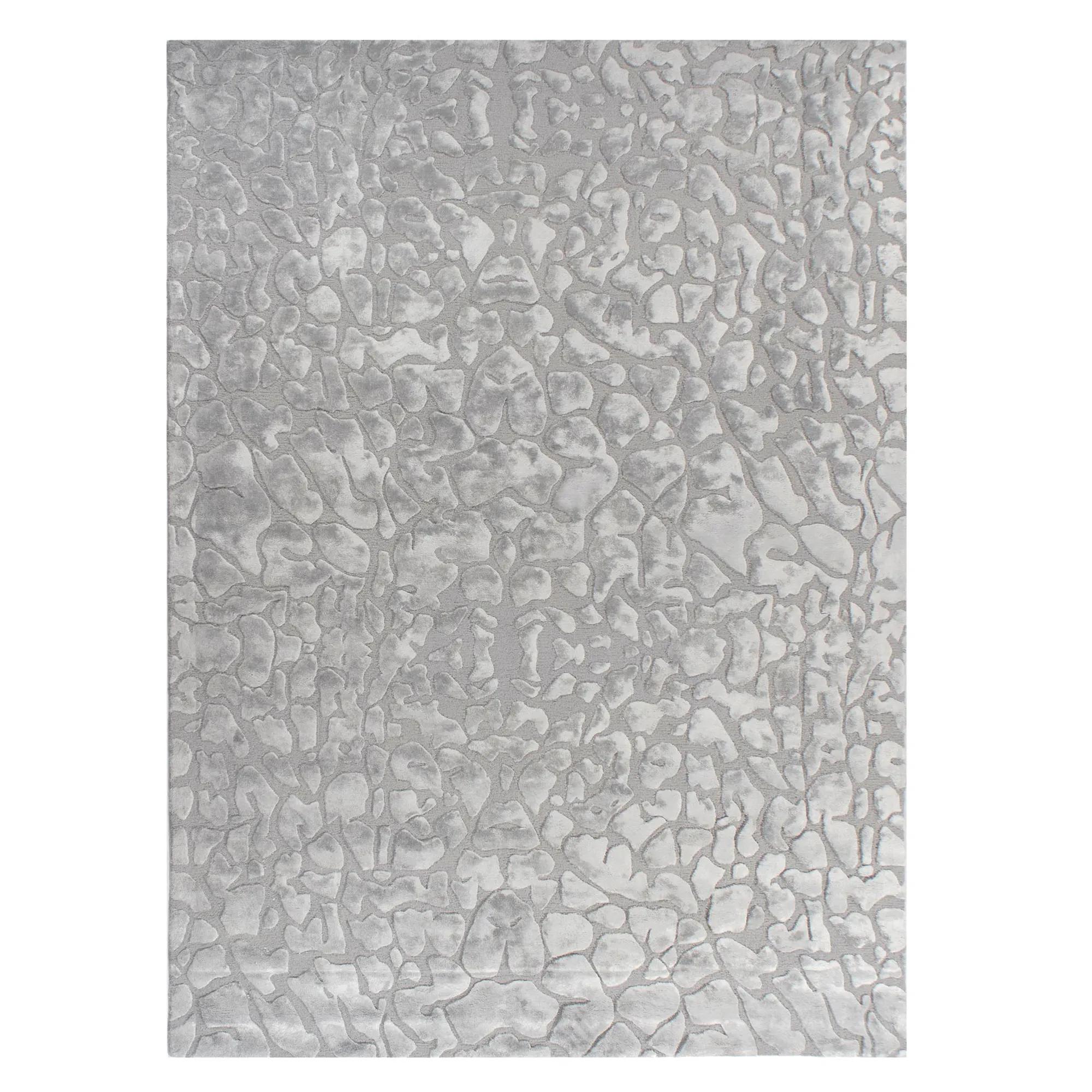
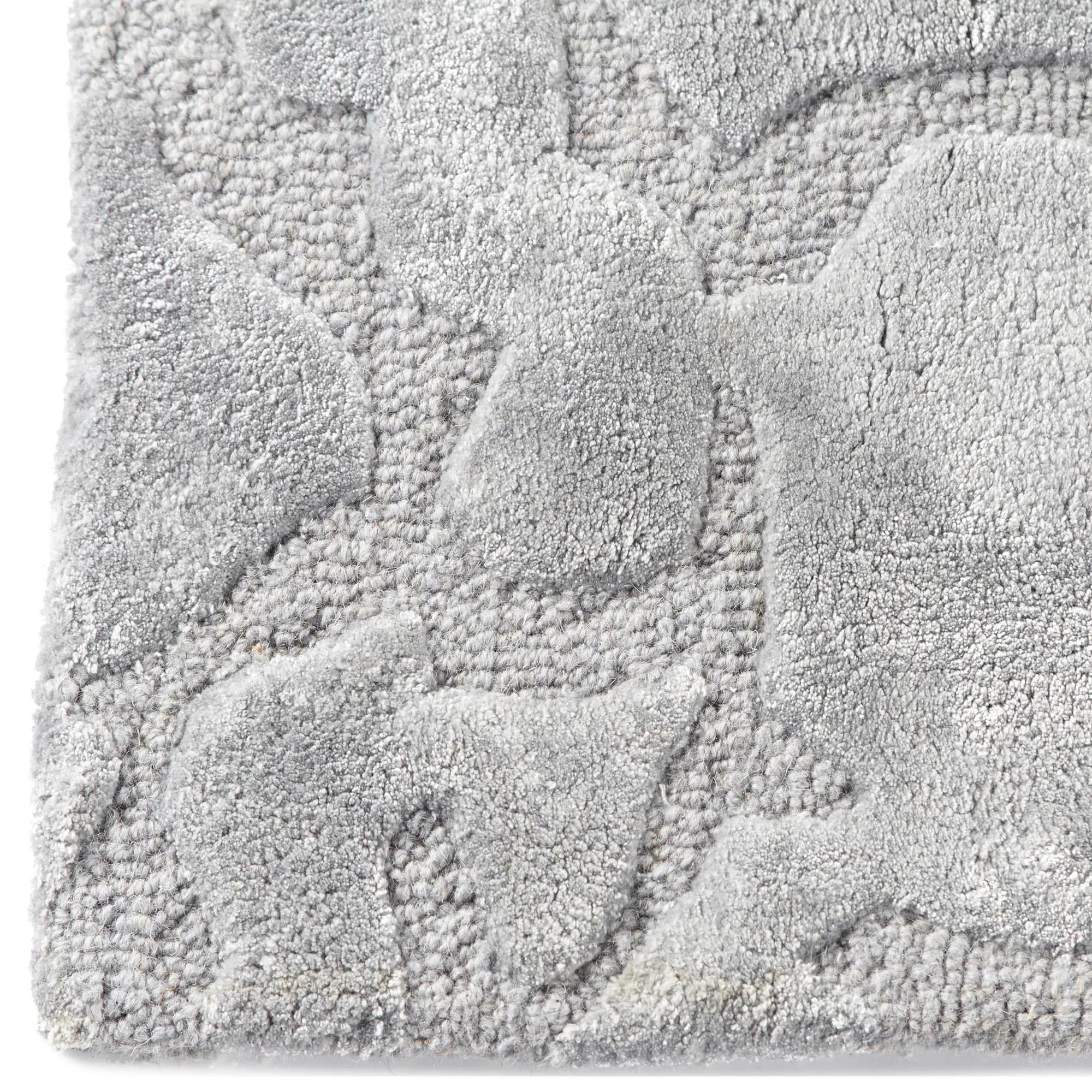 Nola Hand-Tufted Cool Grey Wool Blend Rug$849
A hand-tufted silver rug with contrasting pile heights, crafted from wool and viscose for plush texture.
Add To Cart -
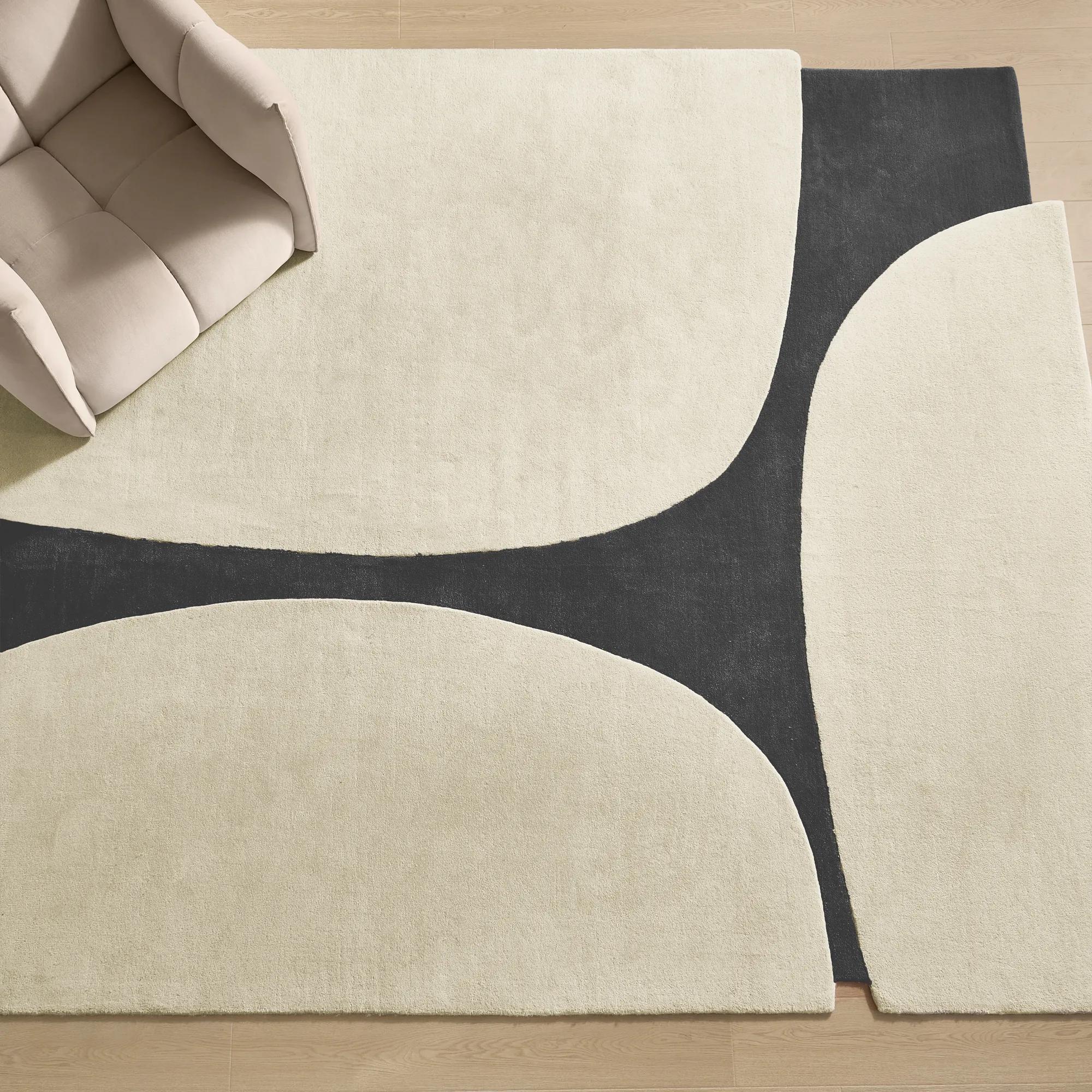 Contour Hand-Tufted Ivory/Charcoal Wool & Viscose Rug$499
A hand-tufted wool and viscose rug with an organic edge, high-low texture, and ivory-charcoal pattern.
Add To Cart -
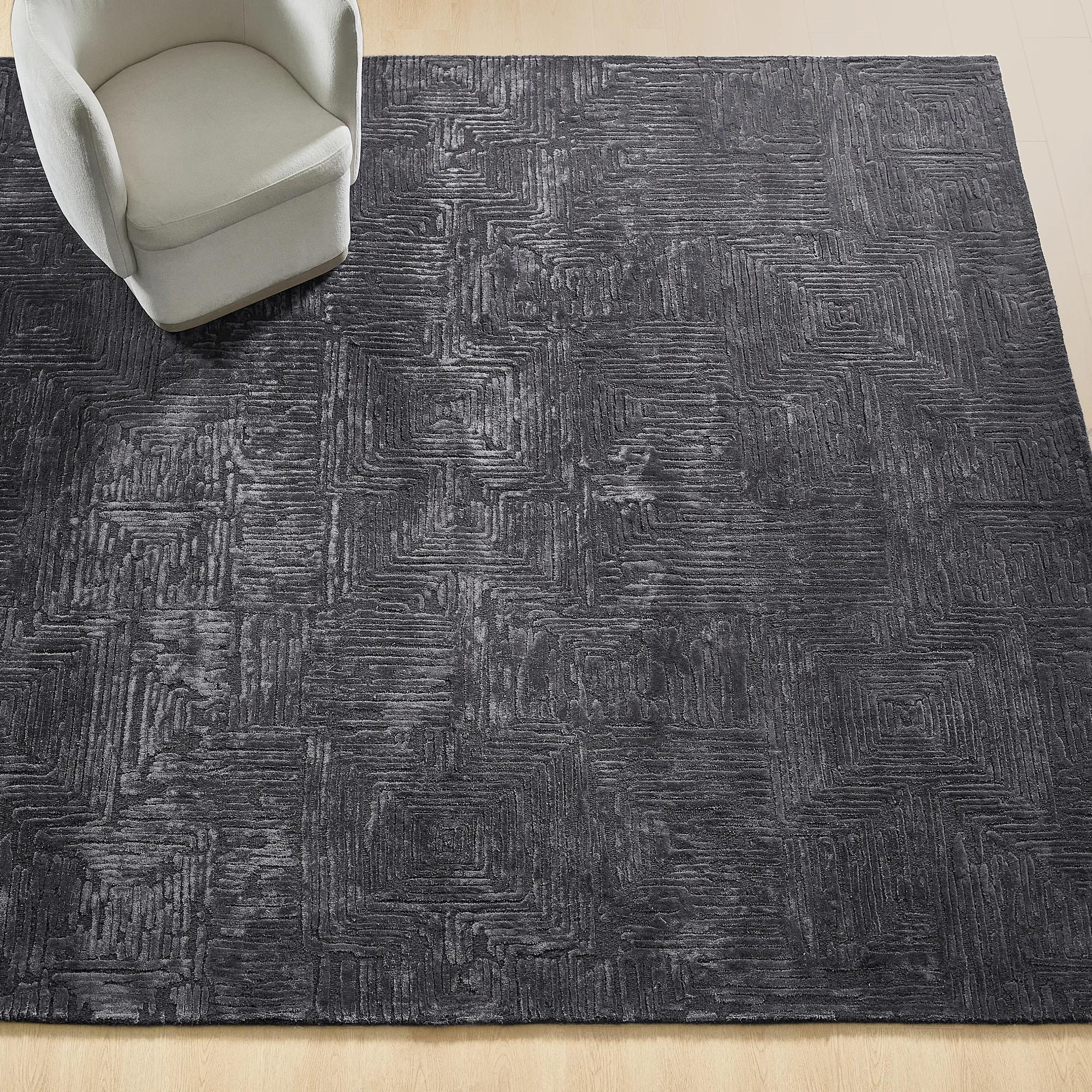
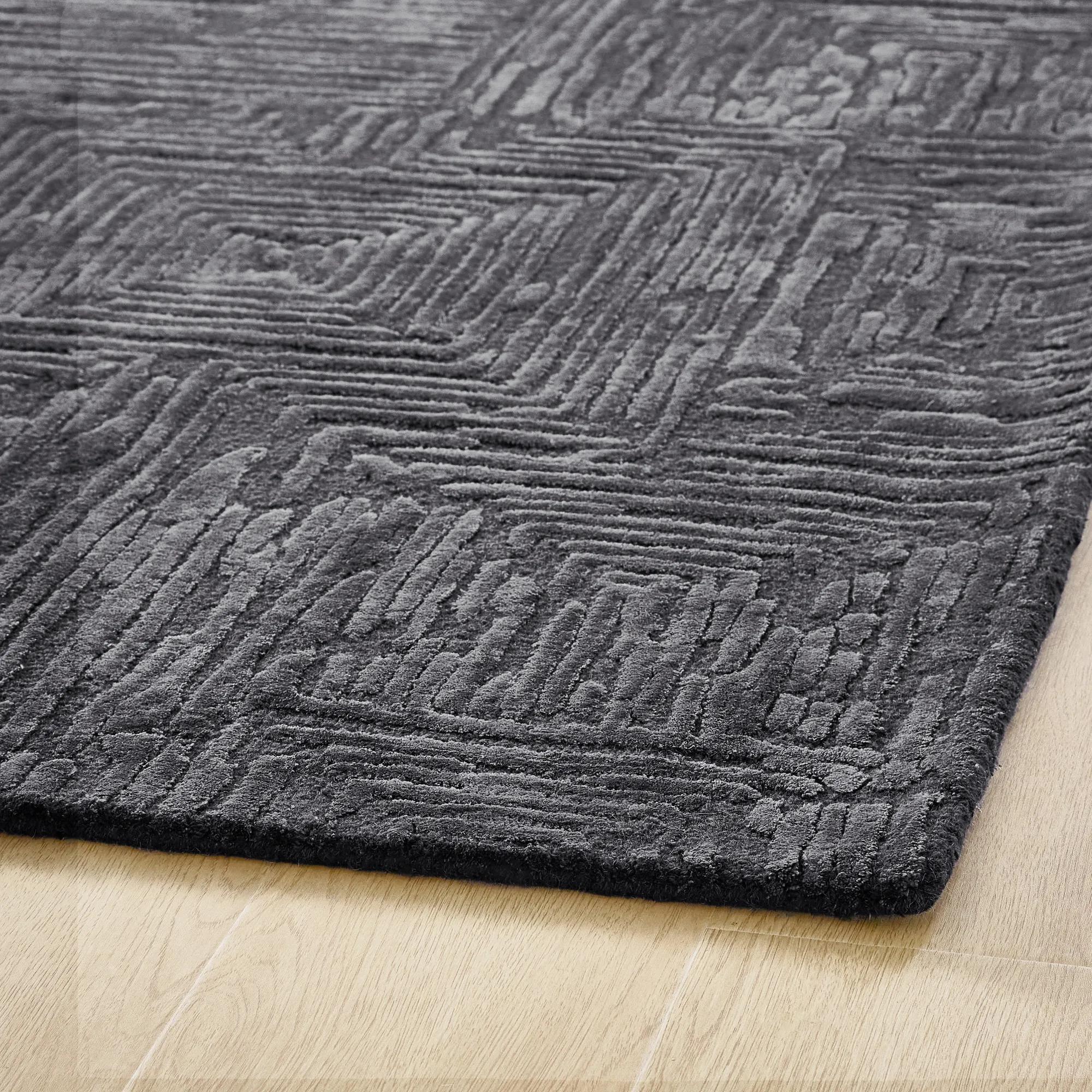 Andra Charcoal Hand-Tufted Wool Blend Dimensional Rug$1499
A hand-tufted viscose-wool rug in rich charcoal with a sculptural, dimensional pattern and plush texture.
Add To Cart -
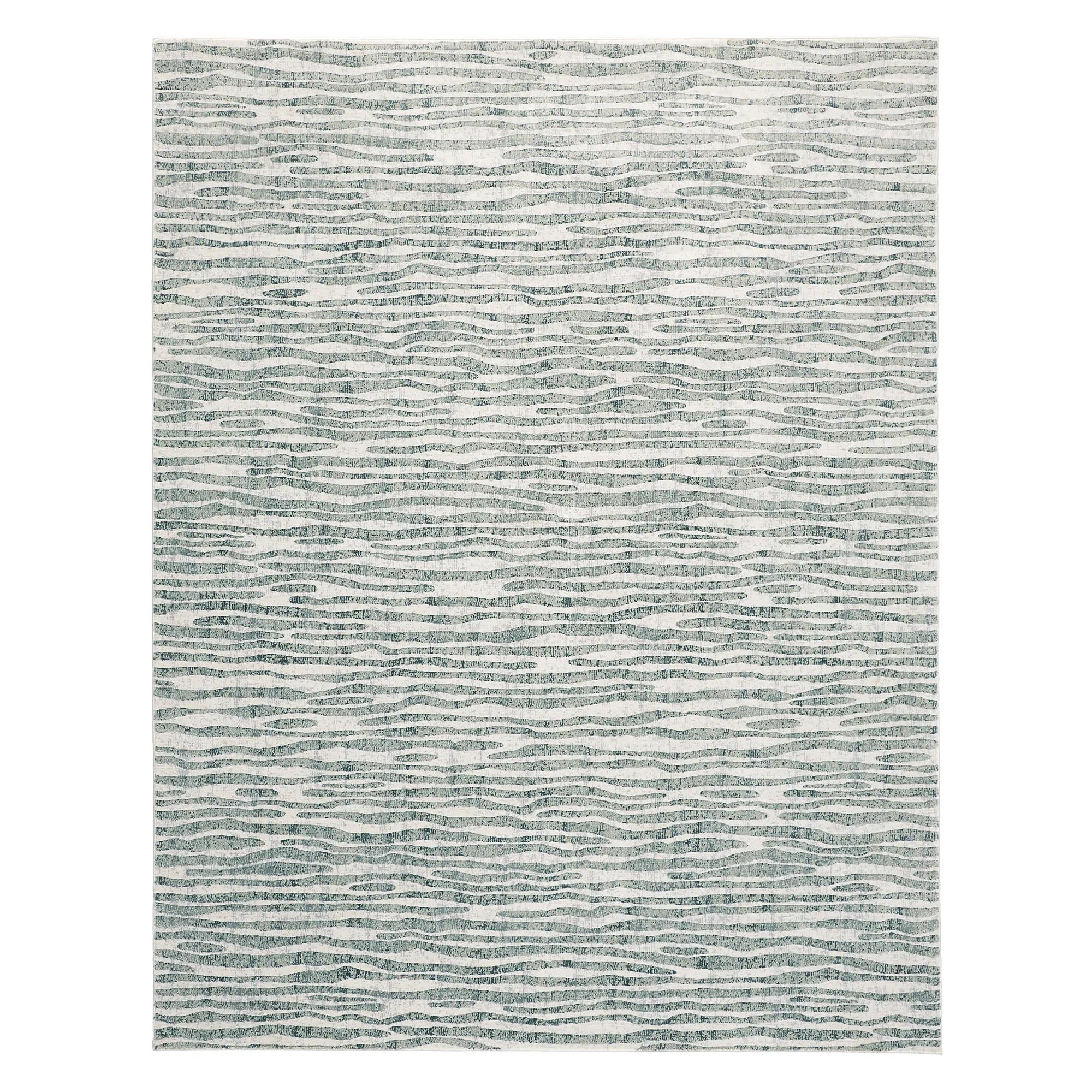 Samantha Power-Loomed Aqua/Grey Rug$719
A machine-woven rug featuring silvery-aqua and green accents on an ivory and grey polypropylene base.
Add To Cart -
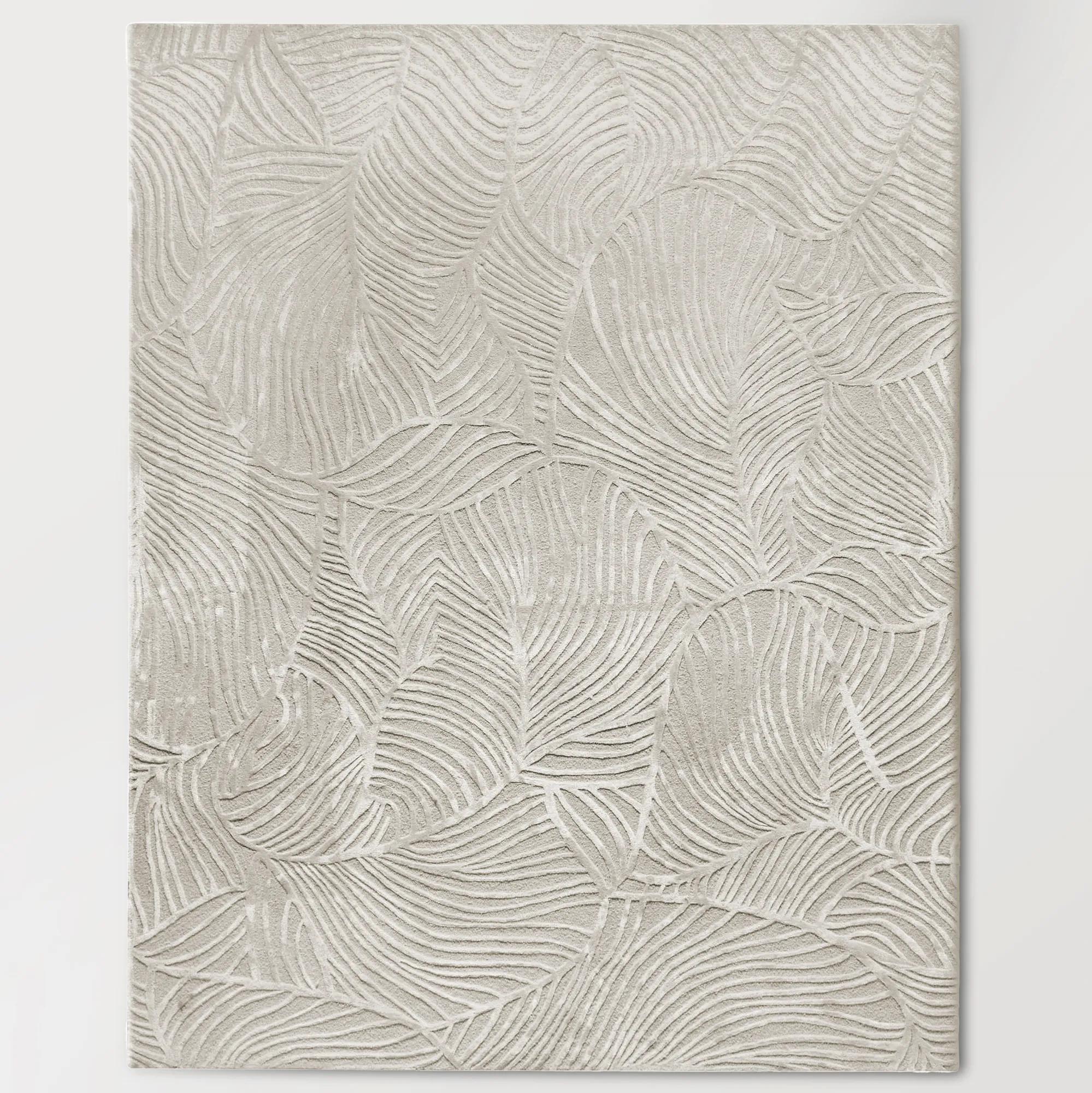 Palm Hand-Tufted Ivory Wool Blend Rug$1499
An ivory rug featuring a dynamic palm-leaf design with high-low pile in viscose and wool.
Add To Cart -
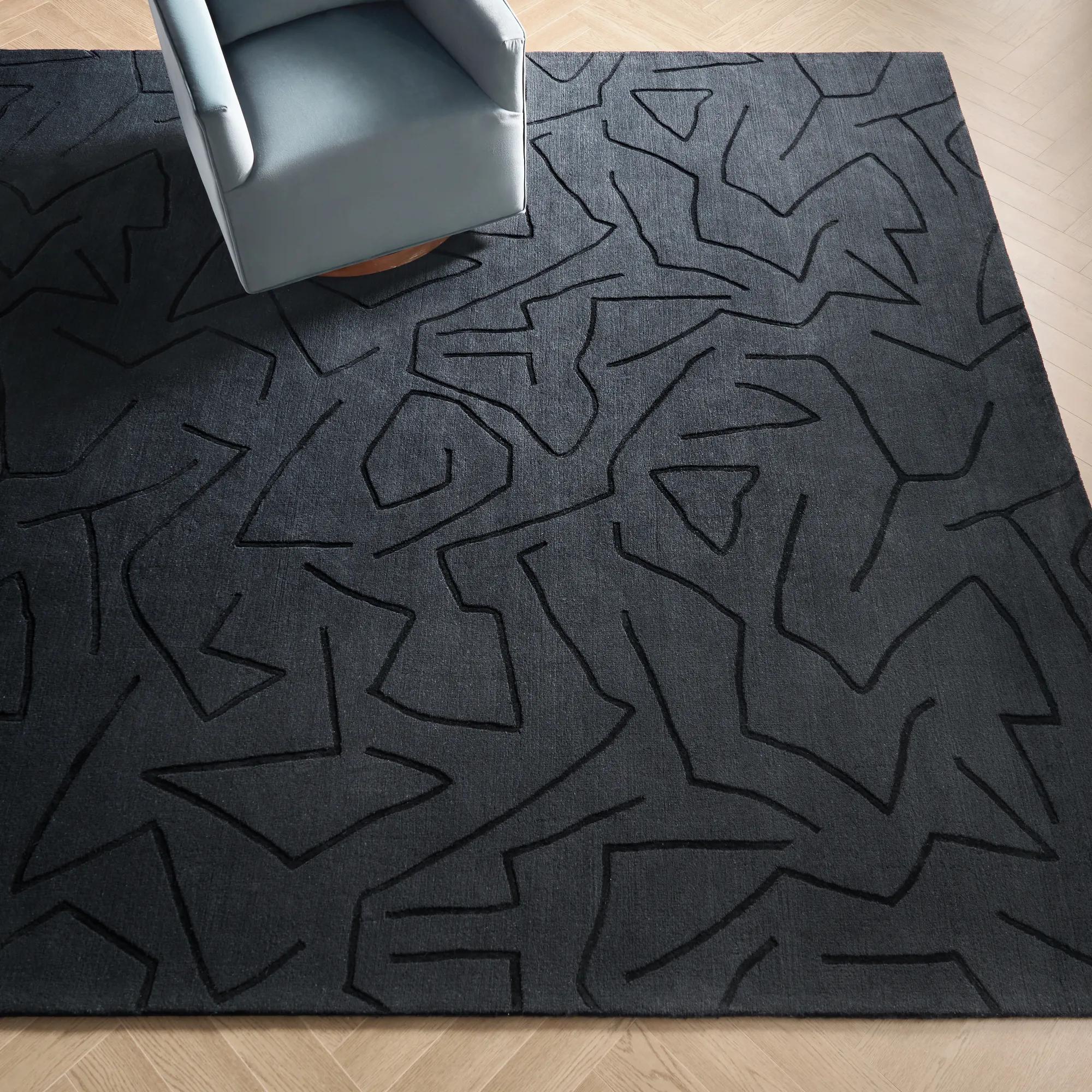 Carved Maze Rug$1999
A hand-loomed black rug crafted from wool and viscose, featuring an intricately carved, textured design.
Add To Cart -
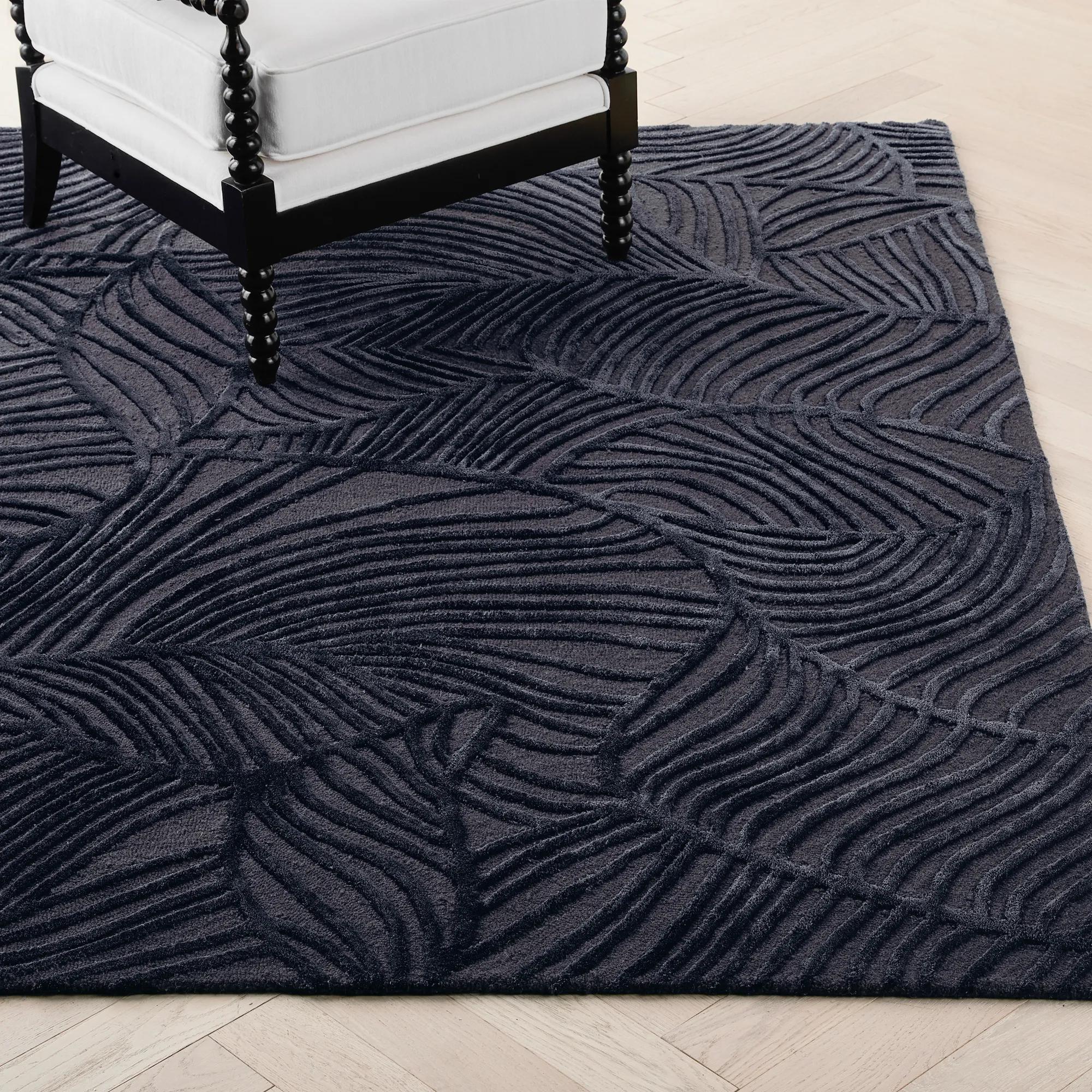
 Palm Rug - Charcoal$1499
A charcoal rug featuring a dynamic palm-leaf design with a textured high-low viscose and wool pile.
Add To Cart -
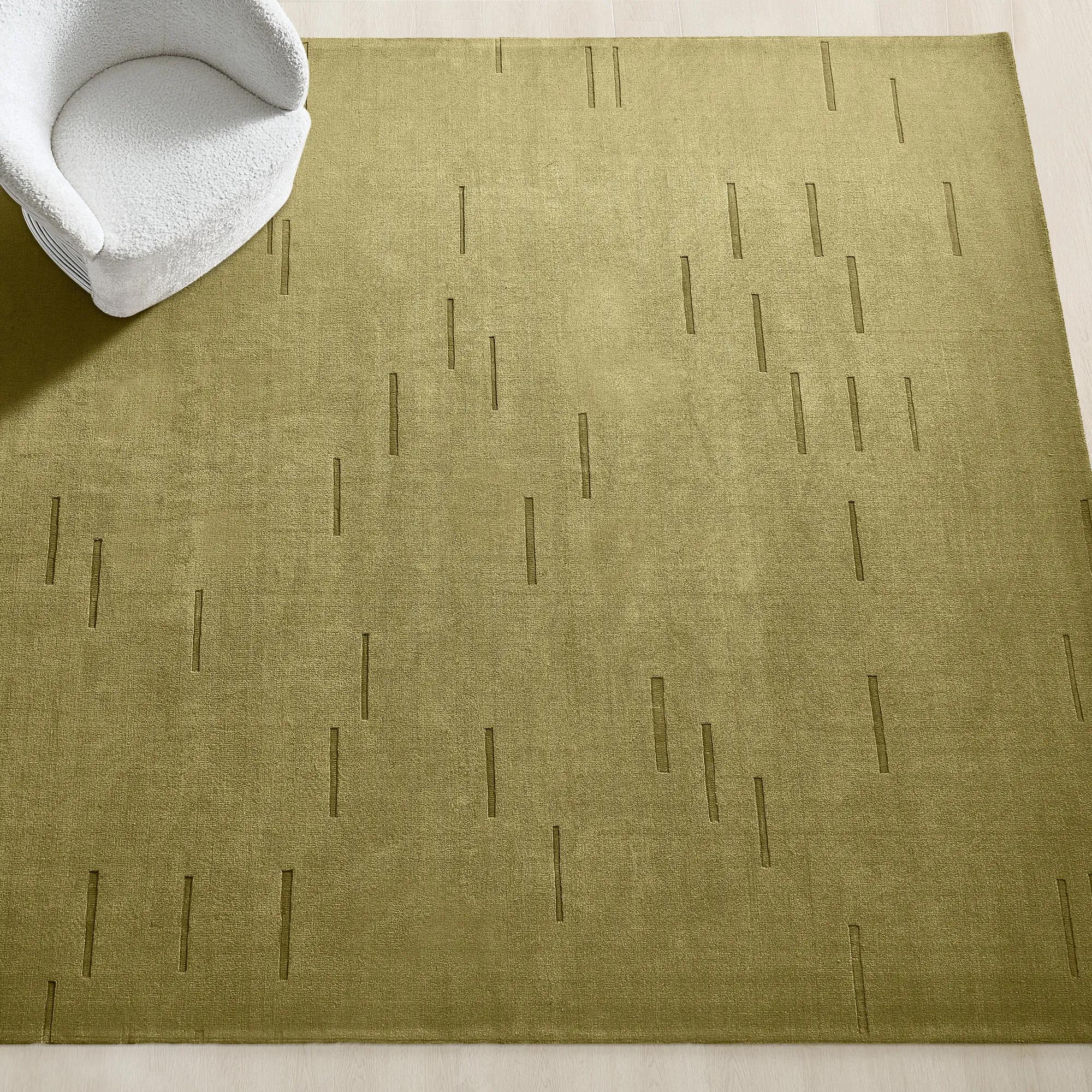
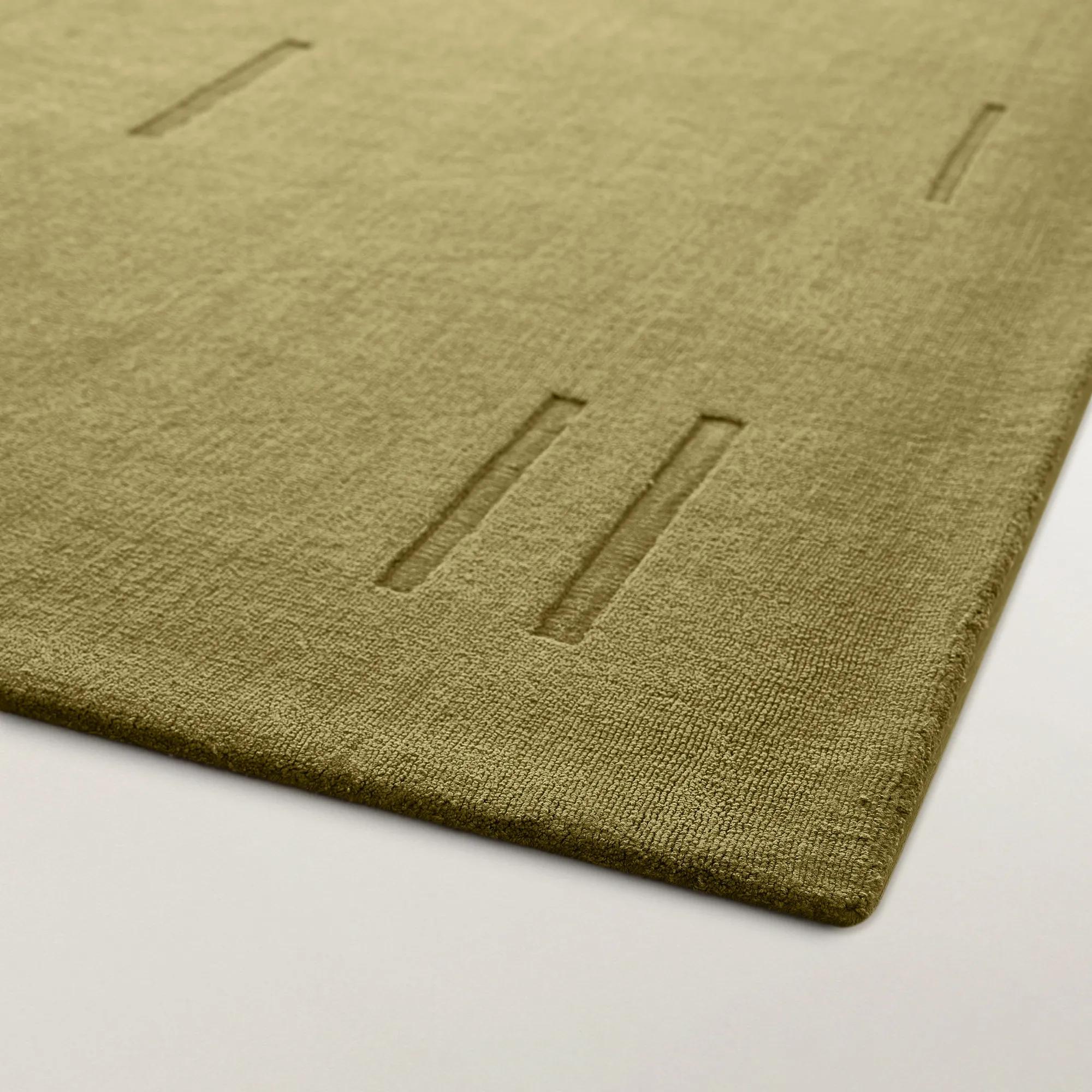 Lamita Muted Olive Green Wool Blend Rug$1299
A muted olive green wool-blend rug adding soft texture and understated warmth to modern interiors.
Add To Cart -
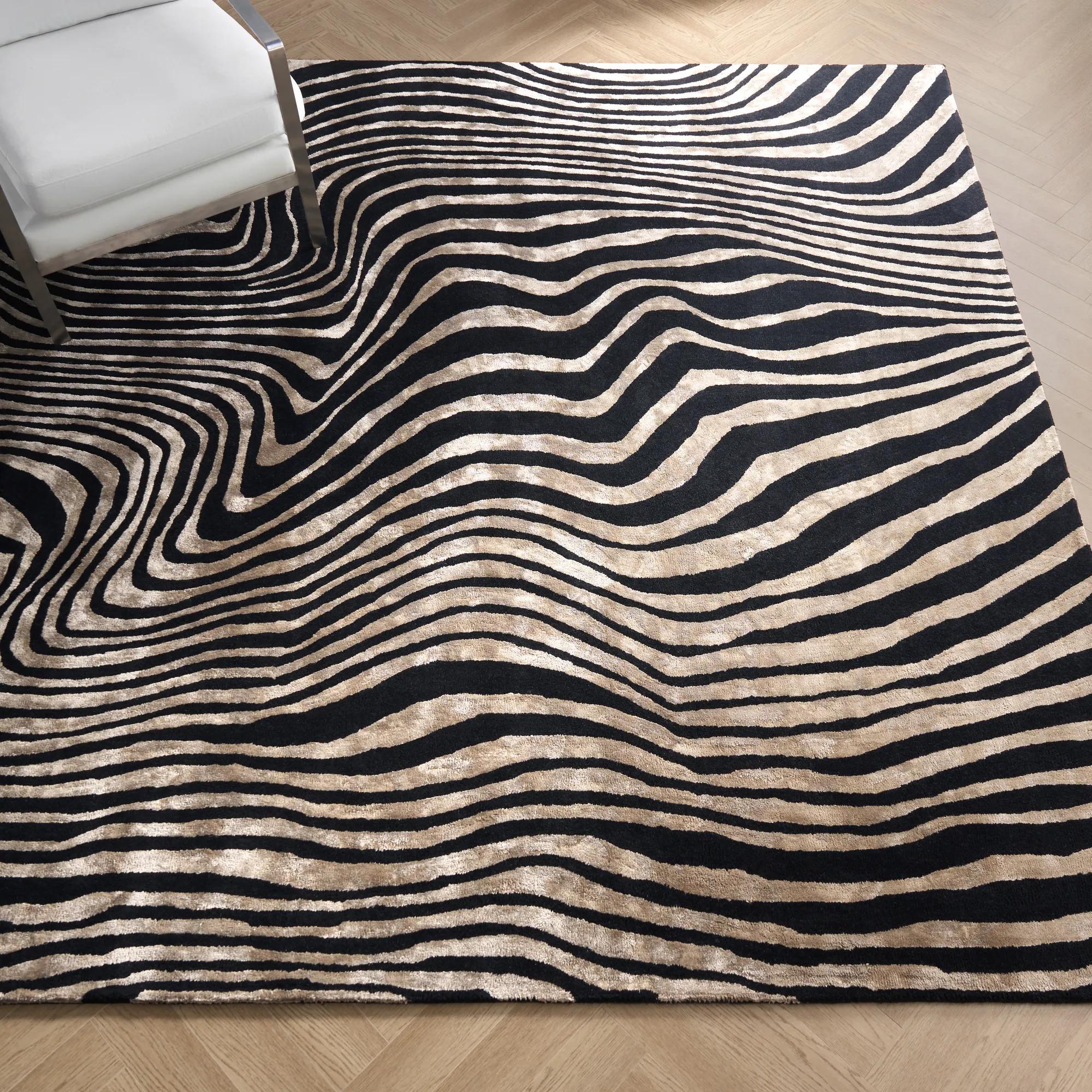
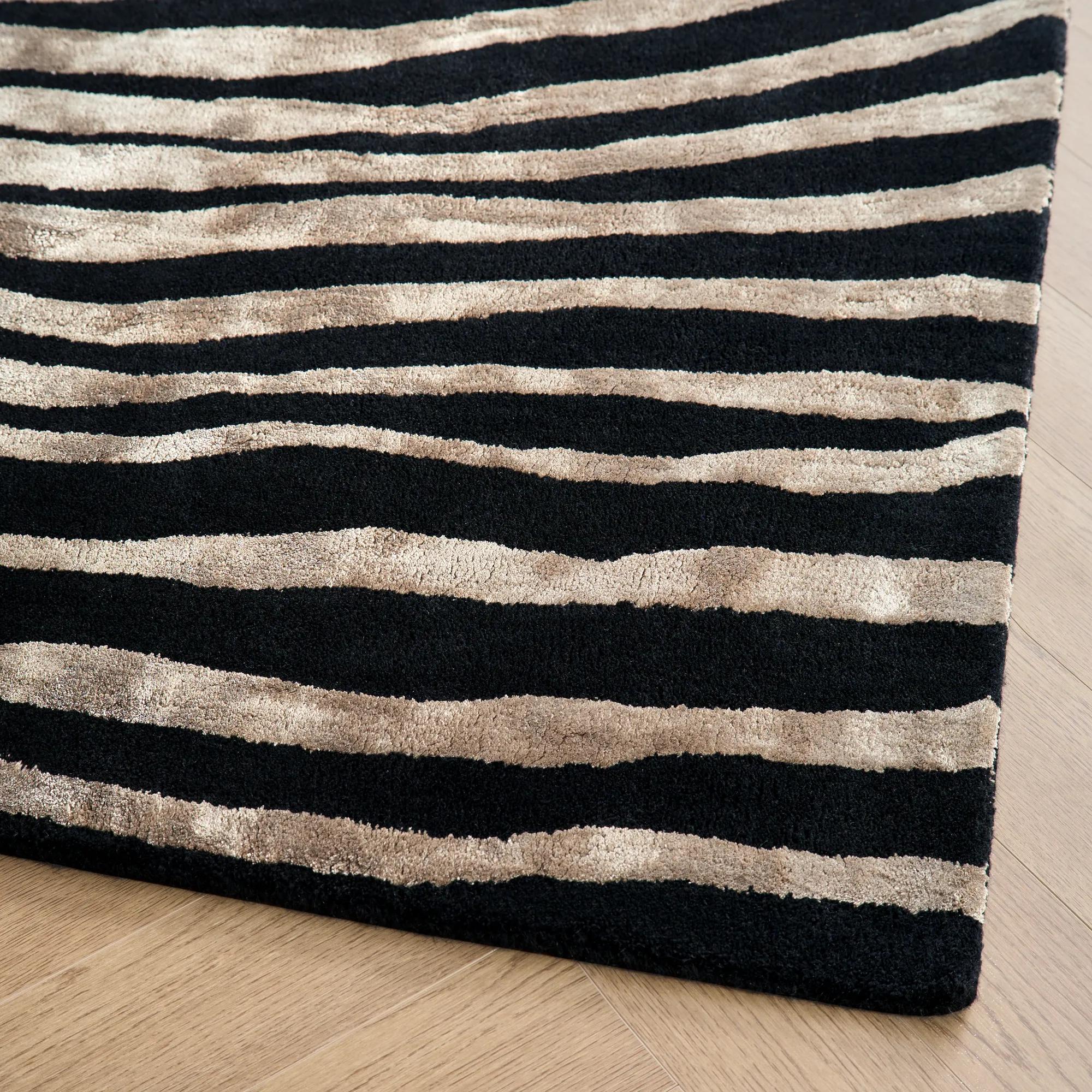 Abstract Zebra Hand-Tufted Black/Taupe Wool Blend Rug$1099
An artisan hand-tufted rug in black and taupe wool-viscose, featuring a striking abstract zebra pattern.
Add To Cart -
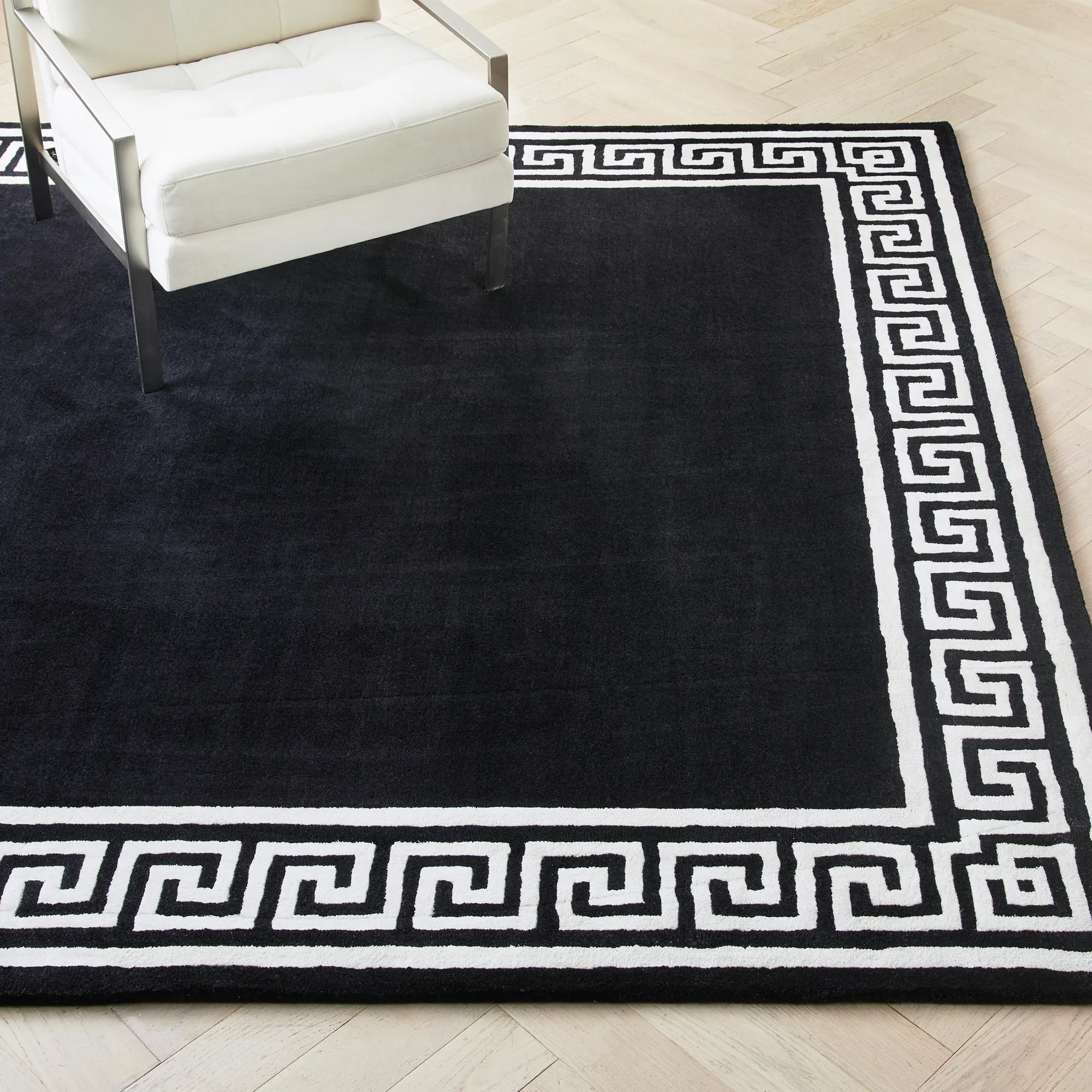
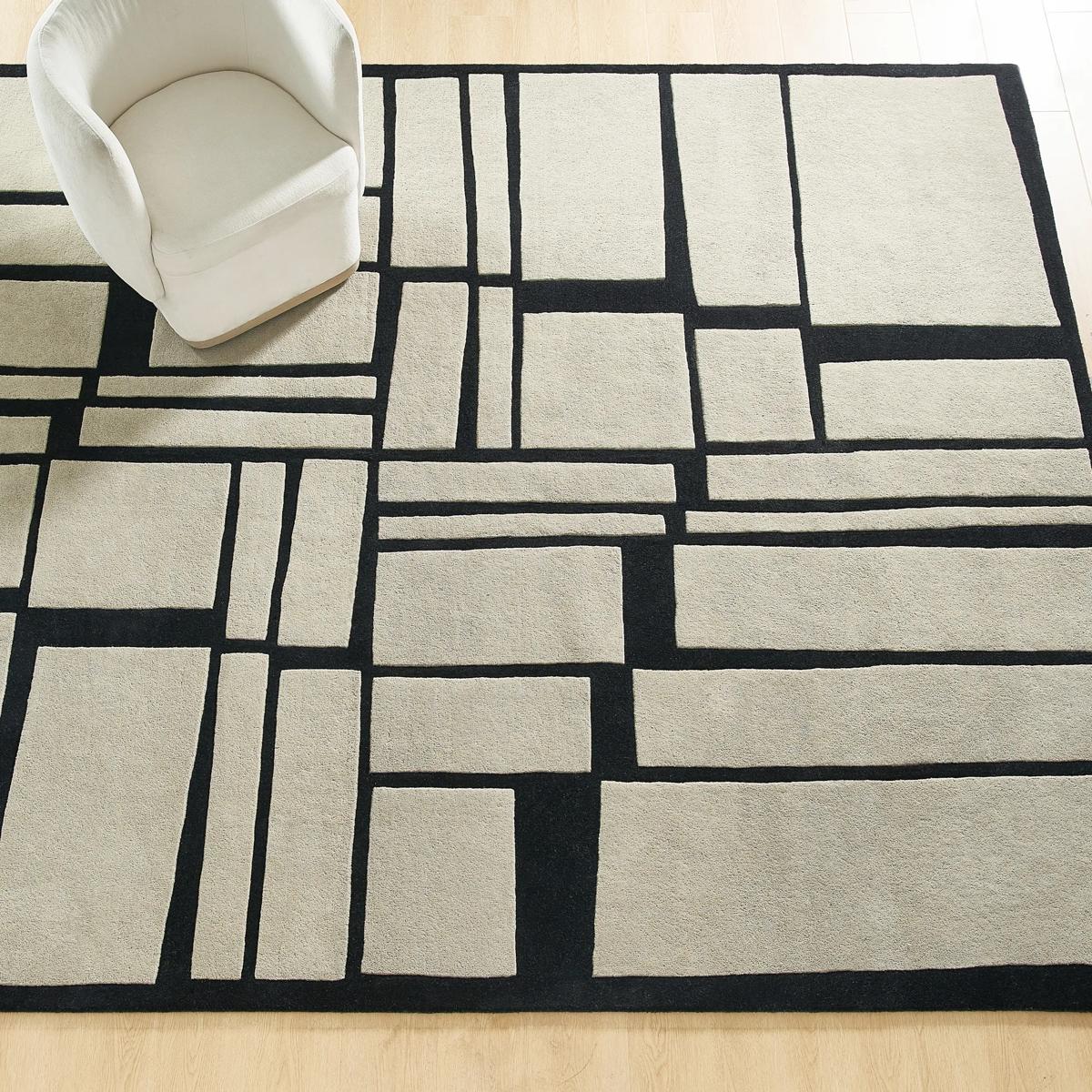
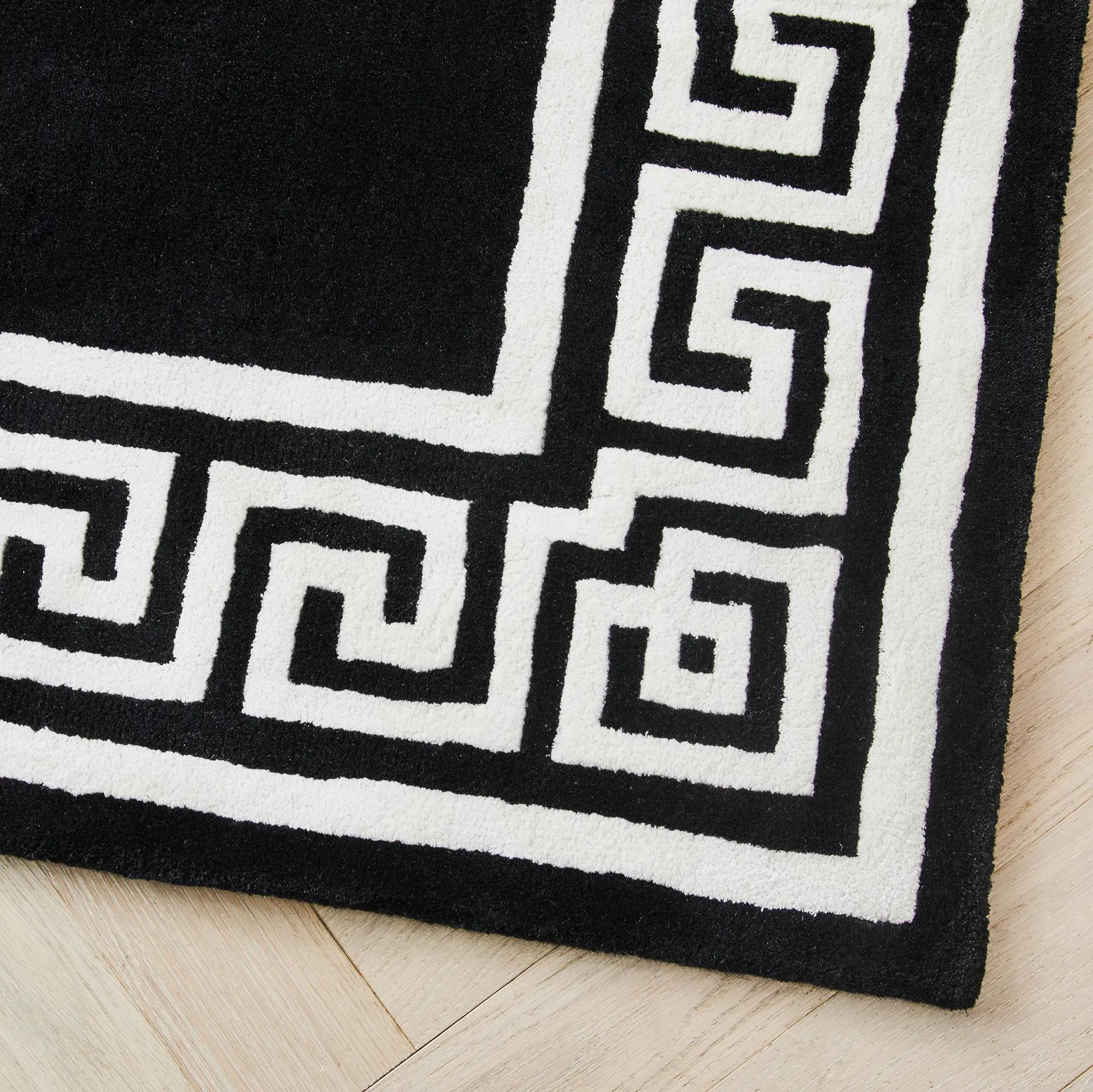 Greek Key Rug - Black/Ivory$1799
A hand-tufted black and ivory rug featuring a classic Greek key pattern in wool and viscose.
Add To Cart -
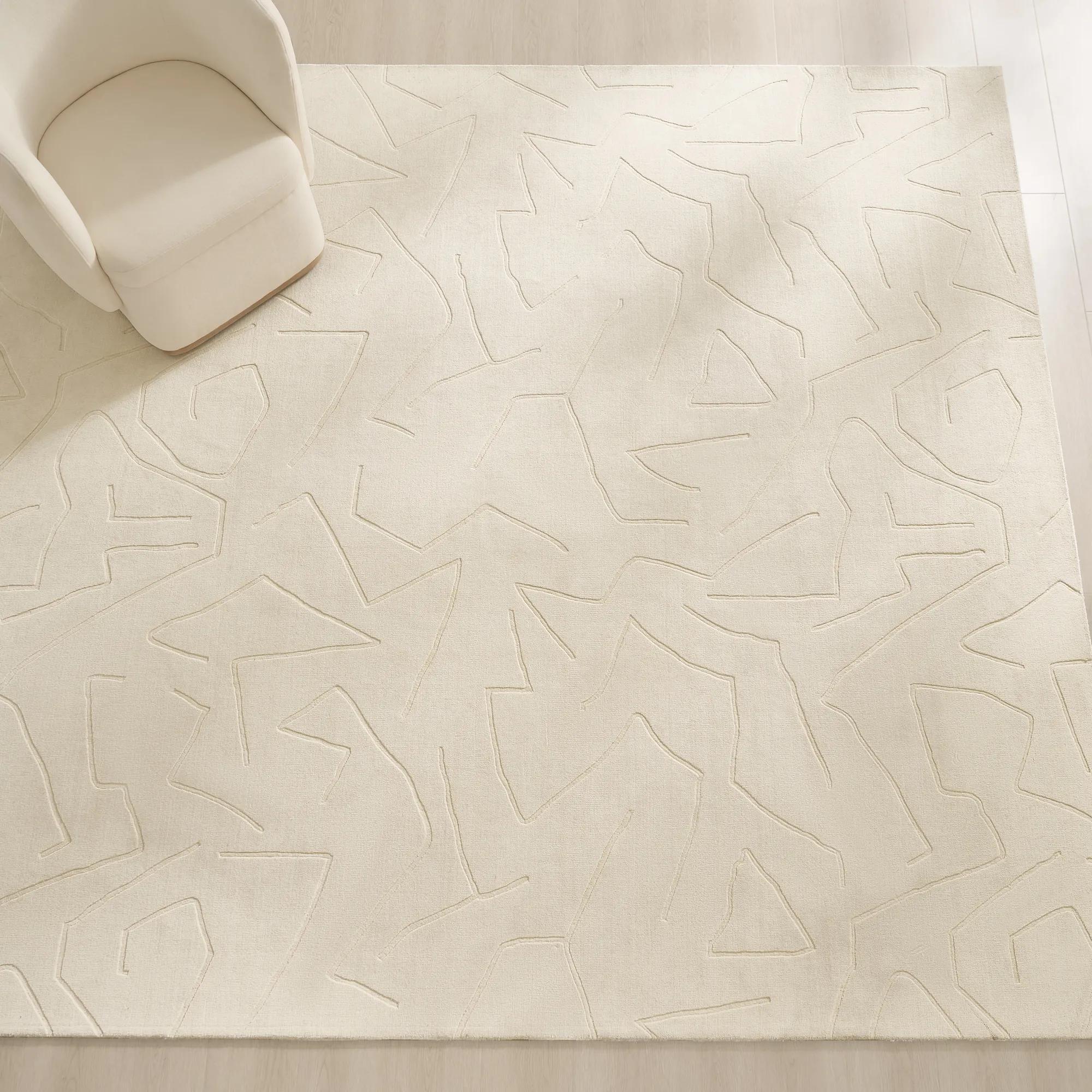 Carved Maze Ivory Hand-Loomed Wool Blend Rug$1399
A hand-loomed ivory wool-blend rug featuring a carved maze pattern for modern textural appeal.
Add To Cart -
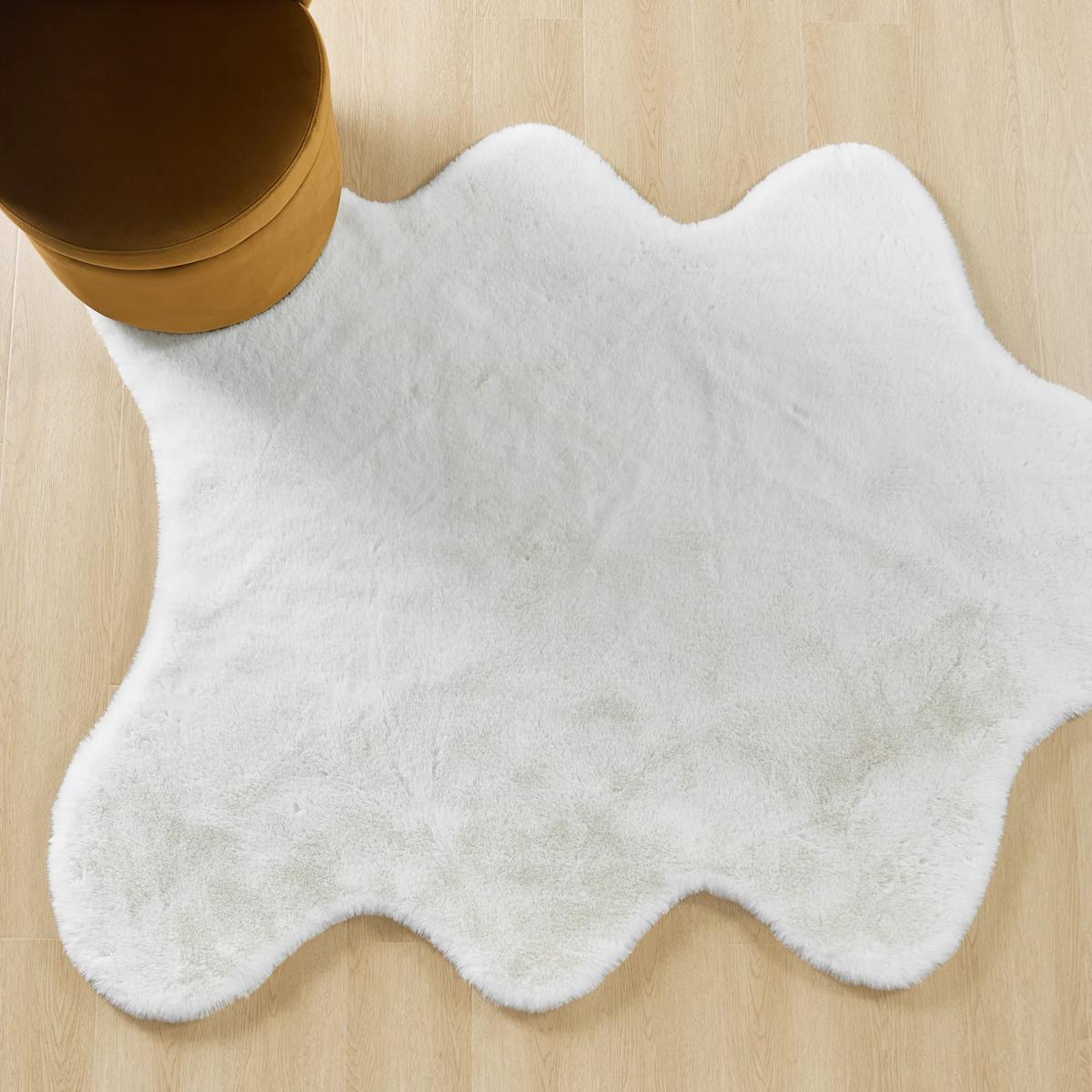
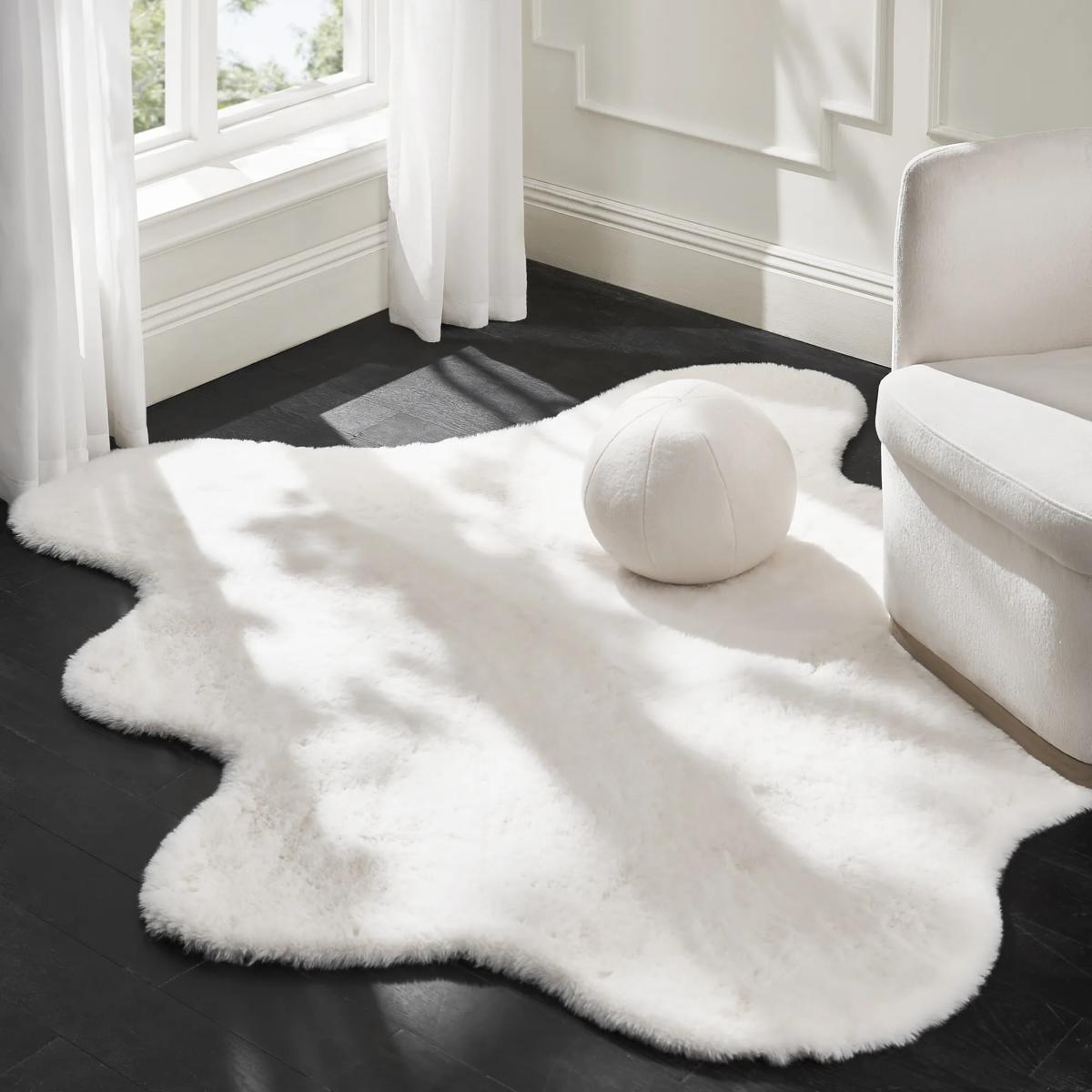 Odin Faux Fur White Shaped Rug 5' x 6'$249
A plush, cloud-shaped white rug with ultra-soft polyester pile and a practical non-slip backing.
Add To Cart -
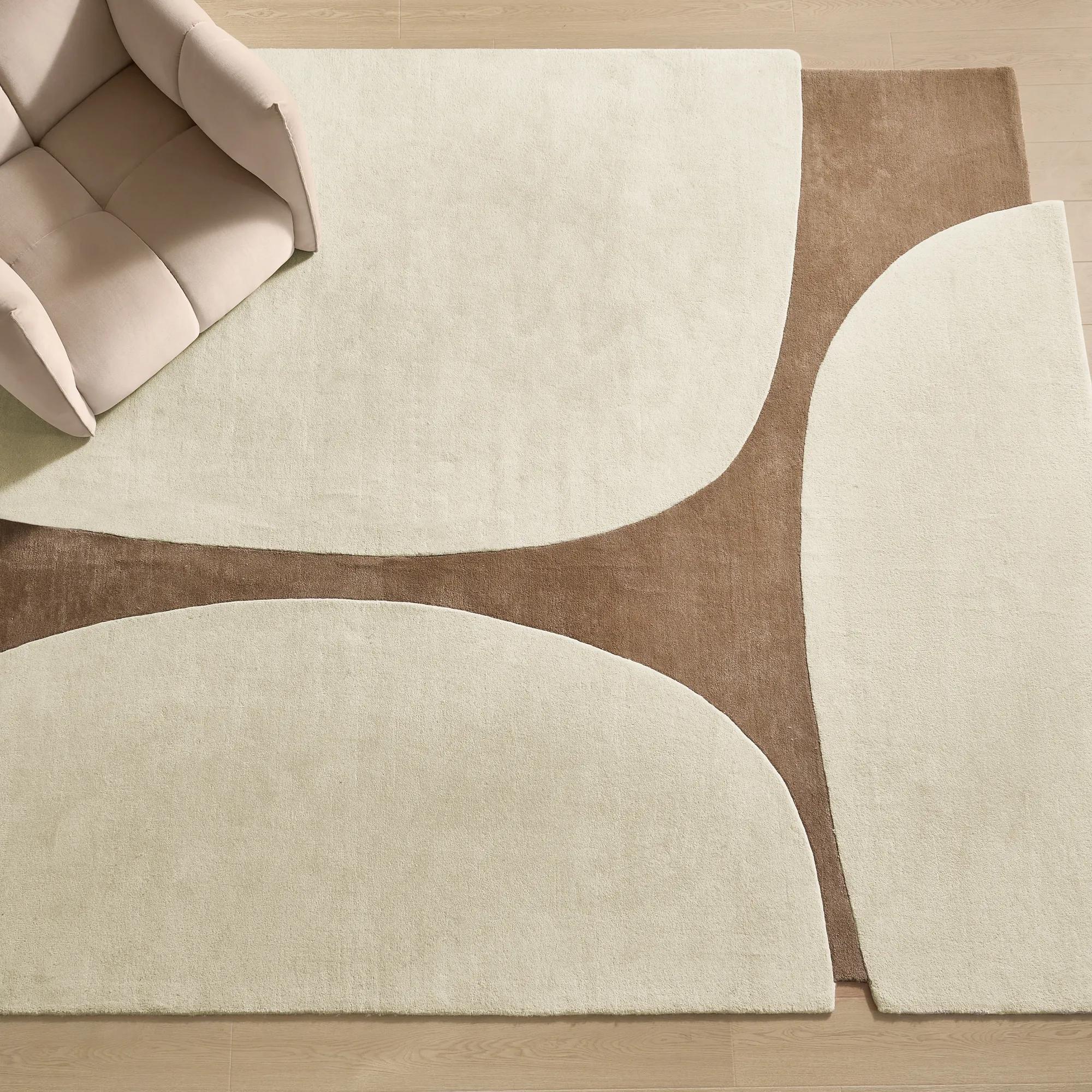
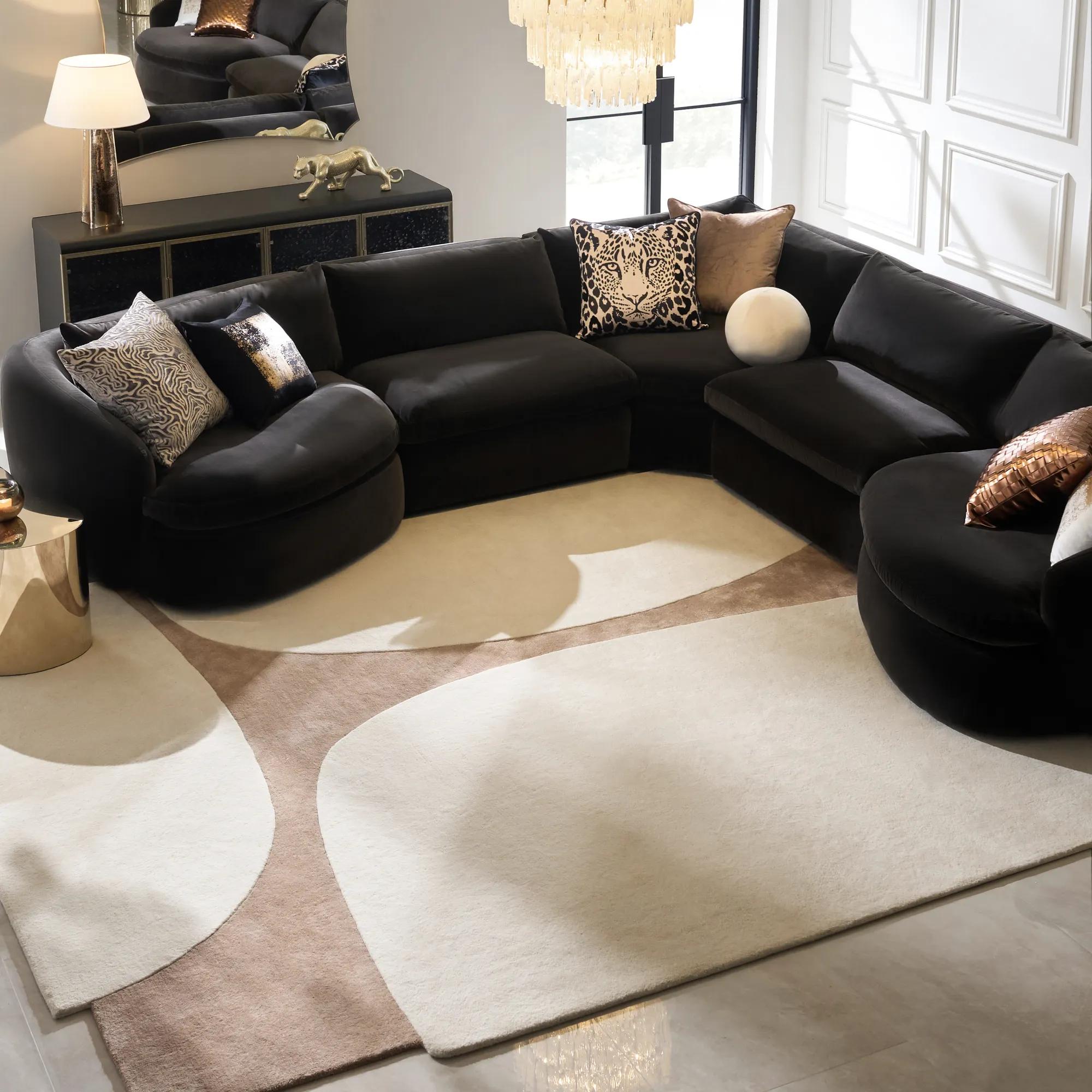 Contour Hand-Tufted Ivory/Ginger Root Wool Blend Rug$499
A hand-tufted wool rug blending ivory and ginger root tones for textured, modern warmth.
Add To Cart

Viscose Swirl Area Rugs
Viscose Swirl Area Rugs invite you to indulge in a world where artistry meets allure underfoot. Each piece transforms the floor into a gallery-worthy canvas, swirling with movement and luminous sheen. These rugs don’t simply anchor a room—they ignite it, setting the stage for conversation and creativity. Whether draped across a grand living space or accenting an intimate nook, Viscose Swirl Area Rugs infuse every moment with a sense of drama and luxurious intrigue, elevating your home into a masterpiece of texture and tone.
Viscose swirl area rugs combine a silky, light-reflecting surface with flowing patterns that bring movement and dimension to a room. Their appeal lies in the interplay between the fiber and the design: sweeping curves catch the light, tonal ribbons appear to drift across the floor, and subtle variations in pile direction can make the same rug look luminous from one angle and richly shaded from another. Viscose is a manufactured fiber made from regenerated cellulose, often derived from wood pulp, and is valued for its smooth feel and silk-like sheen. It is not silk, though its elegant luster creates a similarly polished impression beneath a sculptural coffee table or alongside a velvet sofa. Depending on the construction, a rug may feature viscose alone or combine it with other fibers; the fiber label provides the clearest picture of its composition and care requirements. Swirl patterns range from restrained, nearly monochromatic contours to more pronounced abstract gestures, giving the floor an expressive presence without the repetition of a traditional geometric motif. In a room with tailored upholstery and clean architectural lines, those curves introduce a welcome fluidity. Against curved seating, rounded tables, or sculptural accessories, they establish a graceful visual rhythm. Pale silver, ivory, and soft gray tones create an airy, reflective foundation, while deeper charcoal and contrasting shades lend definition to a dramatic seating arrangement. The effect depends as much on lighting and surrounding finishes as on color alone. Daylight reveals delicate shifts across the surface; thoughtfully placed lamps emphasize its lustrous texture after dark. Within the broader design vocabulary of Patterned Viscose Area Rugs, swirl designs offer a particularly fluid expression, balancing abstract artistry with a surface that feels sumptuous underfoot. They suit interiors where the floor deserves the same attention as a striking piece of wall art, yet still needs to connect the furniture into a cohesive composition.
Scale gives that artistry its place in the room. A swirl area rug should relate to the full furniture arrangement, not simply occupy the open space beneath a table. In a living room, a generous footprint that accommodates at least the front legs of the sofa and nearby chairs helps create a unified seating area, allowing the pattern to flow between pieces rather than appear isolated at the center. Leaving a visible border of flooring around the arrangement preserves definition and gives the rug room to make its statement. A smaller design can establish an intimate reading corner, especially when its curves remain visible beside an accent chair rather than disappearing entirely beneath it. In a bedroom, extending the rug beyond the sides and foot of the bed introduces a soft landing and reveals enough of the pattern to frame the furniture. Measuring the space and marking the proposed outline before choosing a size can clarify proportions, particularly around door swings, bedside tables, and narrow walkways. Pile height also matters: a lower profile may accommodate furniture and clearance needs more easily, while the tactile character of a denser surface adds another layer of softness. Construction varies, so thickness, backing, edge finish, and fiber content deserve attention alongside the design. A tonal swirl works beautifully when upholstery, pillows, or artwork already carry strong patterns; a more defined swirl can become the focal point in a room built around solid fabrics and sculptural silhouettes. For a balanced composition, repeat one shade from the rug in a nearby textile or decorative accent without matching every element. A compatible rug pad adds cushioning and helps reduce shifting, provided its material is suitable for both the rug backing and the flooring beneath it. These details allow the rug’s flowing lines to feel integrated into everyday living, whether the setting is a serene bedroom, a formal sitting room, or an elegantly appointed home office with limited foot traffic.
The refined surface of viscose rewards thoughtful placement and attentive care. Although soft and lustrous, viscose is generally less resilient than wool and is sensitive to moisture, making these rugs better suited to dry, lower-traffic spaces than busy entryways, kitchens, or areas exposed to frequent spills. A quiet sitting room used for conversation offers a different level of wear than the main route between a family room and an outdoor door. Households with young children or pets may prefer to reserve a viscose rug for a more controlled space, where muddy paws, accidents, and energetic play are less likely to affect its appearance. Dining areas also deserve consideration, since food and drink spills can be difficult to address without disturbing the finish. Blended fibers may change a rug’s performance, but a blend should not be assumed to eliminate viscose’s care sensitivities. Follow the manufacturer’s instructions for the specific construction, including any restrictions on vacuuming and cleaning. When permitted, gentle suction without a rotating brush is often preferable to aggressive brushing, which can disturb delicate fibers; fringes and bound edges need particular care. Occasional rotation can help distribute foot traffic and light exposure more evenly, while suitable furniture protectors may reduce concentrated pressure from narrow legs. Some shading is a natural result of changes in pile direction rather than a difference in color, an important distinction with highly reflective surfaces. If a spill occurs, promptly blot with a clean, dry, white cloth without rubbing, and seek advice from a professional experienced with viscose rugs. Avoid saturating the fibers or applying household cleaning solutions without approved guidance, as water and inappropriate treatments can leave discoloration, texture changes, or lasting marks. With the right setting and a care routine matched to its composition, a viscose swirl rug brings a distinctive balance of softness, sheen, and expressive movement to the home—a considered foundation for rooms designed to feel as captivating as they look.
FAQs
Viscose swirl area rugs captivate with their luminous sheen and dynamic swirling patterns, creating a sense of movement and depth that instantly elevates any room. The silk-like texture and shimmering finish bring a glamorous, artistic flair that transforms ordinary spaces into extraordinary showcases of personal style.
These rugs shine brightest in low-traffic areas such as bedrooms, formal living rooms, or intimate lounges, where their delicate fibers and luxurious finish can be admired and preserved. They are perfect for creating a focal point in spaces meant for relaxation, conversation, or artistic expression.
The swirling motifs add visual intrigue and a sense of fluidity, infusing the room with energy and sophistication. Depending on the color palette—whether soft neutrals or bold hues—the patterns can evoke tranquility, drama, or playful elegance, allowing you to set the perfect tone for your space.
Absolutely. A viscose swirl area rug makes a memorable and luxurious gift for design lovers, newlyweds, or anyone celebrating a new home. Their opulent texture and striking design offer a thoughtful way to mark significant milestones and add a touch of artistry to someone’s personal sanctuary.
To keep your rug looking radiant, vacuum gently without a beater bar, blot spills immediately with minimal moisture, and avoid placing the rug in direct sunlight or humid areas. For added resilience, consider wool-viscose blends, and always treat your rug with the attentive care it deserves to preserve its luminous appeal.