
Valentine's Date-Night Dinnerware
Valentine's Date-Night Dinnerware
-
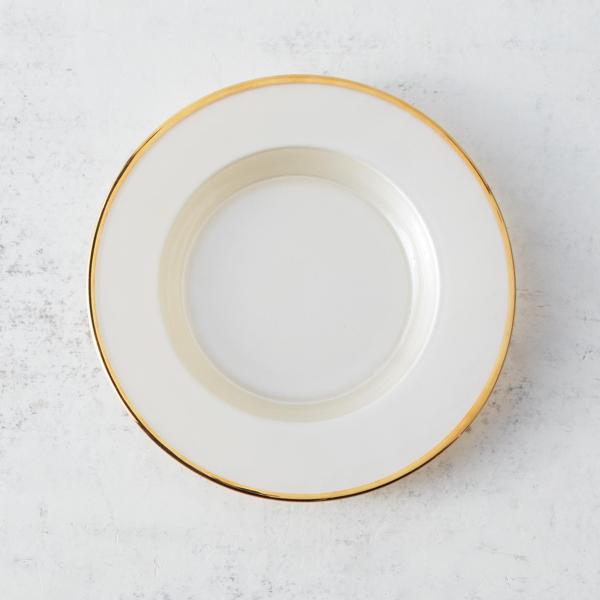
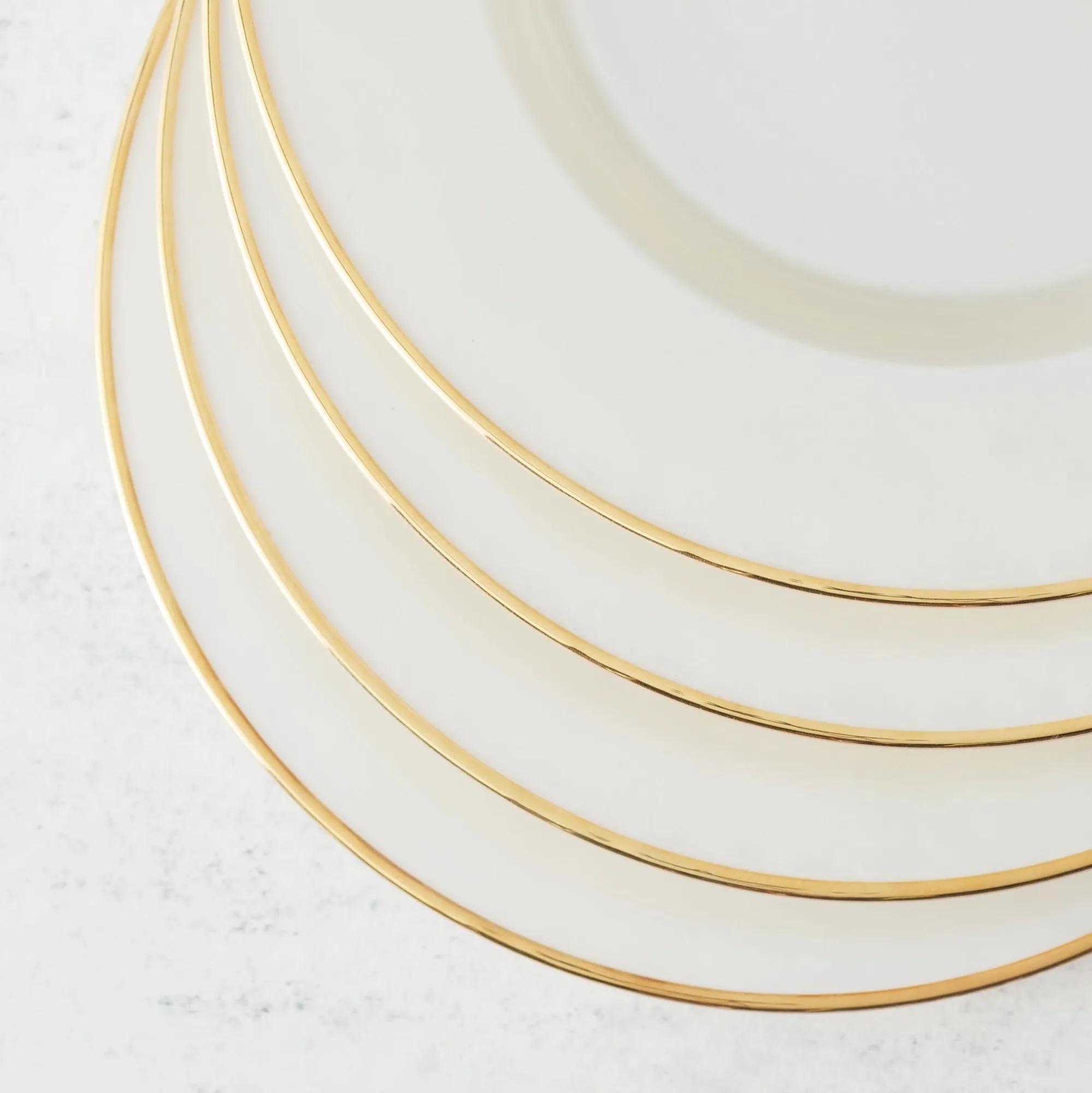 Paramount Dinnerware Sets$59.8
A sophisticated glass dinnerware set featuring a dreamy metallic finish in Alabaster, Champagne, or Gold.
Add To Cart -
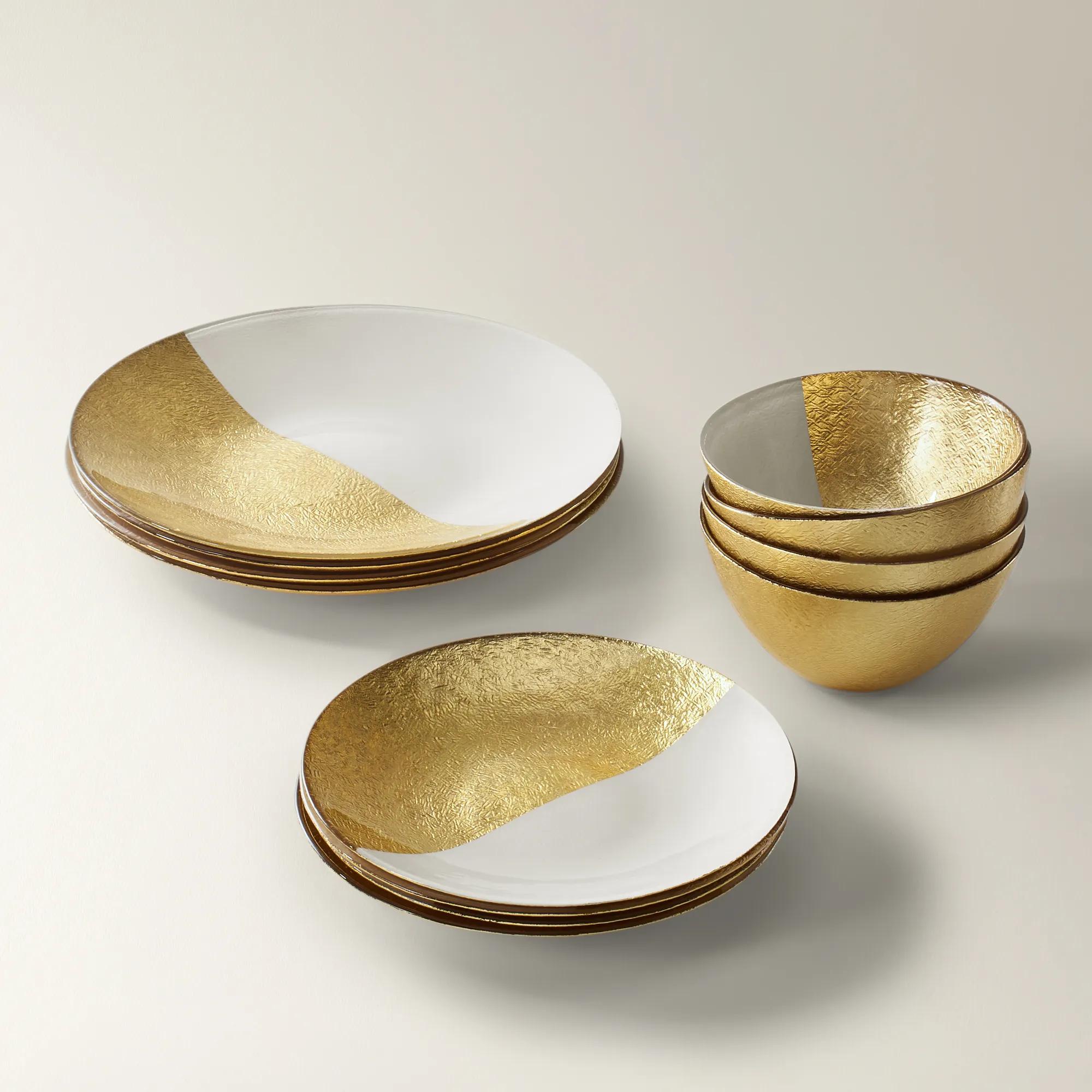
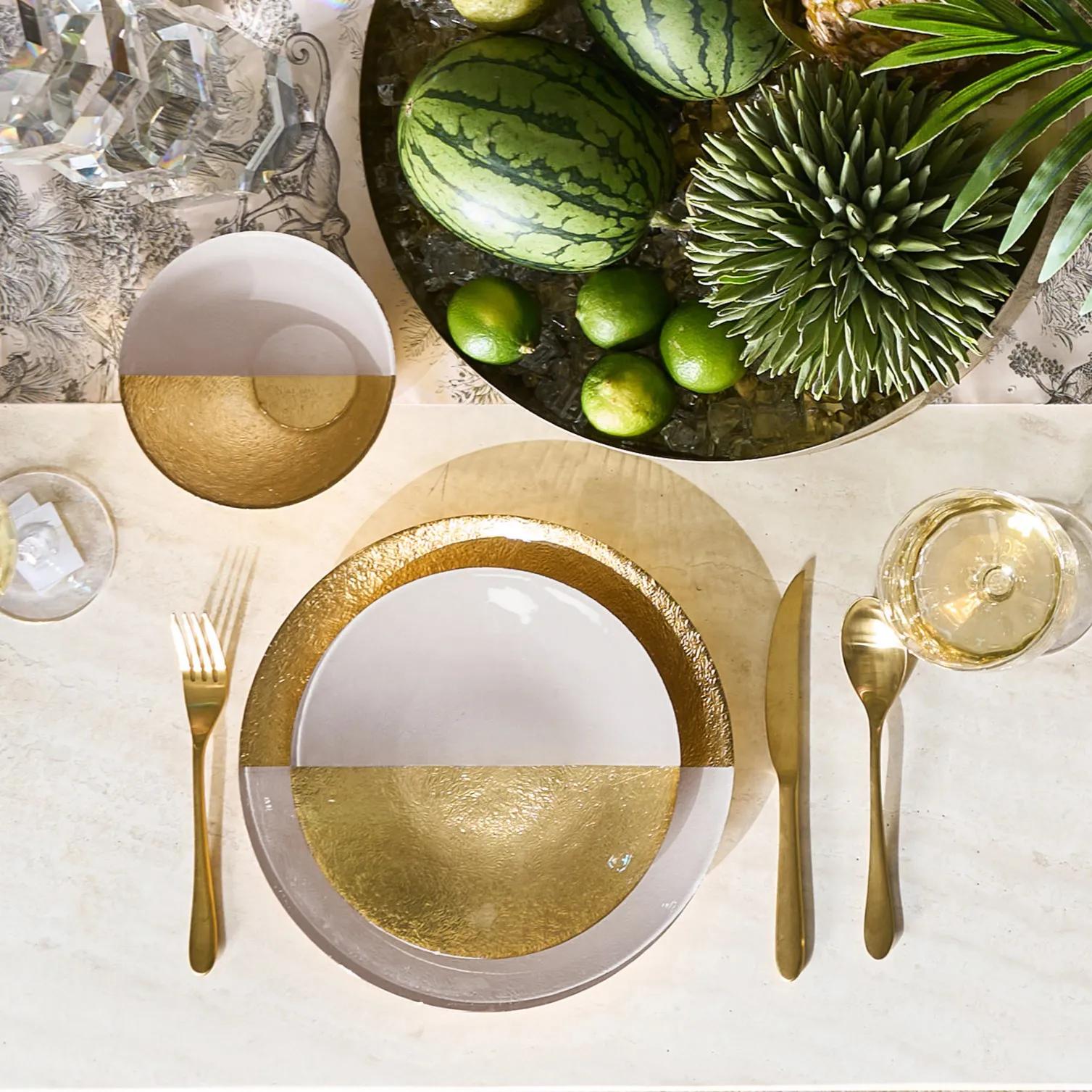 Gemini White and Gold Leaf Dinnerware Sets$79
A sophisticated glass dinnerware set featuring a sleek two-toned white and gold design.
Add To Cart -
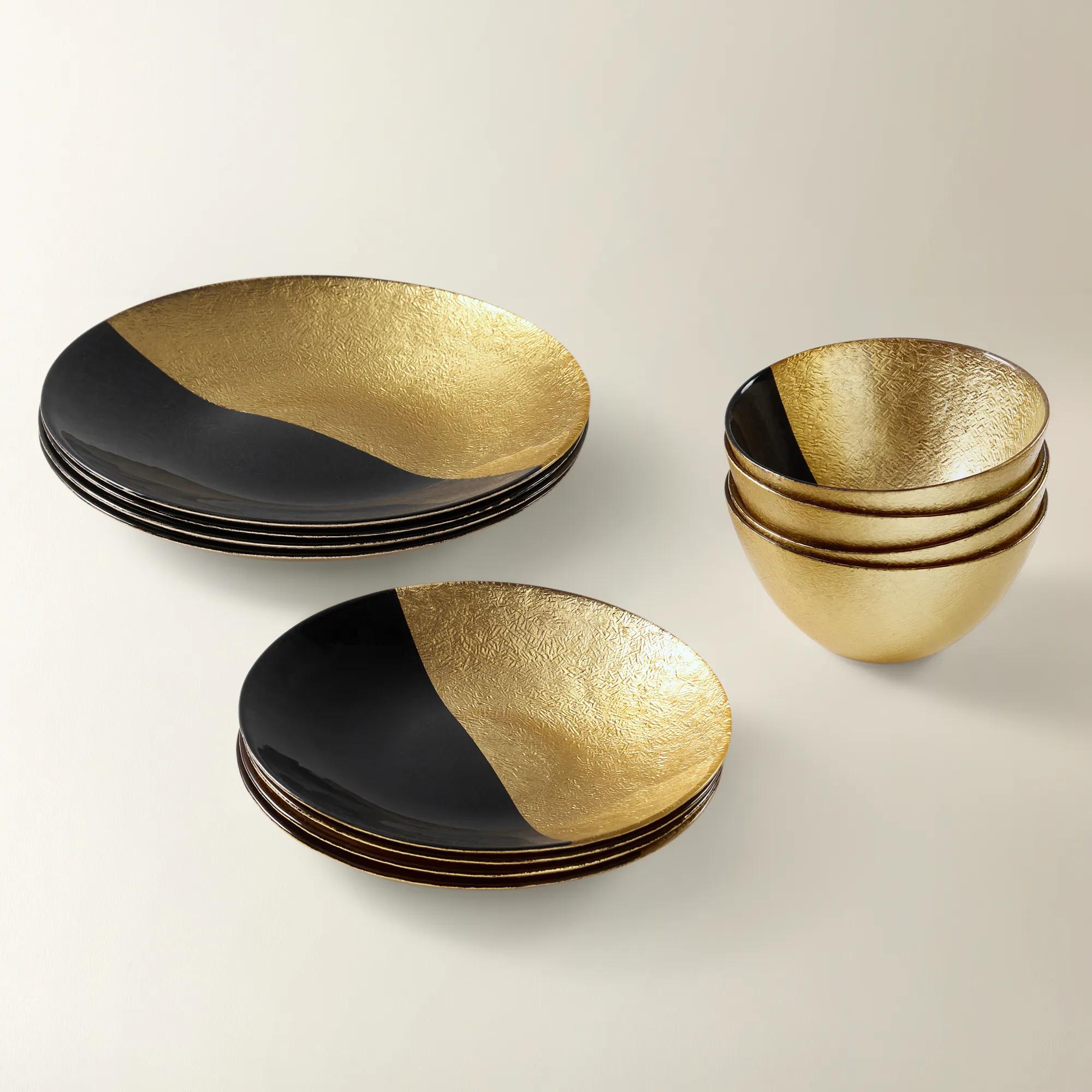 Gemini Black and Gold Leaf Dinnerware Sets$79
A striking set of black and gold glass dinnerware featuring modern two-toned elegance for any table.
Add To Cart

Valentine's Date-Night Dinnerware
Romantic dinnerware gives a Valentine's dinner at home its own sense of occasion. Let luminous finishes and expressive contrasts frame the meal, whether your vision is softly radiant or boldly dramatic. Choose pieces that complement your menu and personal style for a table that feels as considered as the evening itself.
Valentine’s date-night dinnerware brings a sense of occasion to the most personal table in the home: the one set for two. A luminous glaze, a sculpted edge, or a fine metallic border can give a familiar dining space an entirely different presence, turning a shared meal into something worth lingering over. The mood need not depend on heart motifs or an all-red palette. Ivory porcelain against deep burgundy linen feels rich and intimate, while blush plates paired with smoky glass create a softer expression of romance. Black dinnerware introduces a striking backdrop for colorful food; white leaves room for a dramatic napkin, gleaming flatware, or a single sculptural floral arrangement. For those drawn to expressive interiors, patterned rims and contrasting finishes make each place setting feel composed rather than simply matched. A more understated table can find its drama in shape: a broad rim framing a beautifully plated entrée, a gently irregular silhouette, or the subtle relief of a textured border. These details matter because dinnerware stays at the center of the evening, beneath every course and within reach throughout the conversation. Valentine’s dinner plates, salad plates, and dessert plates can work as a coordinated setting or as contrasting layers, with one decorative element carrying the visual emphasis. A richly detailed accent plate over a quieter dinner plate offers dimension without overwhelming the food. For a home-cooked pasta dinner, generous bowls bring a welcoming sense of abundance; for a carefully plated entrée, an open, flat surface gives each ingredient room. Even takeout feels considered when transferred to dinnerware chosen for the occasion. The most compelling settings reflect the people sharing the table, whether their taste runs toward polished symmetry, lavish ornament, or an artful combination of both. Romance comes through in those deliberate choices: the plate that makes a favorite dish look exceptional, the familiar color used in an unexpected way, and the attention given to an evening together.
Material gives date-night dinnerware much of its character, influencing its weight, finish, and suitability for meals beyond Valentine’s Day. Porcelain often offers a refined profile and a smooth surface that lets food and decorative details stand out. Bone china can combine a delicate appearance with strength, although the construction and finish of each piece still determine how it should be handled. Stoneware tends to feel more substantial in the hand, with glazes that can introduce depth, variation, and a distinctly tactile quality. Glass brings another visual language, from clear surfaces that reveal a layered place setting to colored or textured finishes that catch the light. None of these materials should be judged by appearance alone: a fine metallic edge, an applied decoration, or a specialty glaze may require different care from an otherwise similar plate. Manufacturer instructions remain the best reference for dishwasher use, microwave suitability, and exposure to heat; dinnerware with metallic decoration should stay out of the microwave. Gentle washing with nonabrasive tools helps protect decorative surfaces, and cushioned separators can reduce contact between embellished pieces in a stack. Durability also depends on everyday handling, including avoiding sudden temperature changes and protecting vulnerable rims from knocks. Scale deserves equal attention. An oversized dinner plate may look magnificent on a spacious dining table yet crowd a smaller round table once glasses, flatware, and serving dishes are in place. The usable center matters as much as the overall diameter, especially when a wide decorative rim reduces space for food. Shallow bowls suit sauced entrées, while deeper forms provide more containment for soups and generous pasta portions. Dessert plates give a final course its own moment without occupying the entire setting. Chargers offer another layer of color and texture, but their suitability for direct food contact should be confirmed rather than assumed. Cupboard depth, dishwasher clearance, and the weight of a full stack are practical considerations that help beautiful dinnerware remain a pleasure to use long after the occasion.
A romantic table feels most inviting when its decorative elements leave room for the meal itself. Dinnerware establishes the palette; linens, glassware, and candlelight give it atmosphere. A glossy plate against a softly woven napkin creates a contrast that feels rich without demanding more ornament, while a matte surface can make polished flatware appear especially luminous. Gold accents lend warmth to ivory, blush, garnet, and black, particularly when repeated sparingly across the setting. Alongside dinnerware, Valentine's Day Gold Candle Holders For Dining Tables can introduce height and a gleaming focal point without requiring every piece on the table to share a metallic finish. Candle placement should preserve a clear view across the table, with stable holders and ample distance from napkins, flowers, and other combustible decorations. Unscented candles allow the aroma of dinner to remain part of the experience. Low arrangements and a modest footprint for accessories leave comfortable space for passing a serving bowl or setting down a glass. For a small table, a richly textured plate and one distinctive accent can have more presence than several competing decorations. Dinnerware also makes a thoughtful Valentine’s gift for someone who enjoys entertaining, a couple establishing a home, or a partner who takes pleasure in making ordinary meals feel considered. A pair of place settings carries a personal sense of intention, while a coordinated selection of everyday shapes suits those who want beauty woven into their regular routines. Preferences matter here: comfortable weight, familiar proportions, storage space, and realistic care requirements make a gift feel attentive as well as luxurious. Designs that pair easily with existing white plates or favorite glassware offer flexibility for anniversaries, celebratory dinners, and evenings with no formal occasion at all. The enduring appeal of Valentine’s dinnerware lies in that balance of expression and use: distinctive enough to mark an intimate celebration, inviting enough to return to whenever dinner deserves a little more ceremony.
FAQs
Romance comes from a considered combination of color, finish, and presentation. Light-catching surfaces can bring luminosity to the table, while rich contrasts add drama. Choose a visual mood that feels personal rather than relying on a particular decorative motif.
No. A Valentine's table can feel intimate through a restrained palette or a bold pairing of light and dark. Metallic details offer another expressive direction, creating a celebratory setting without literal holiday motifs.
Yes. Give contrasting styles a common thread, such as a repeated color or finish. Let one design take the lead and use the other as an accent, keeping the combination intentional while allowing distinctive details to stand out.
Matching pieces create a unified presentation that lets the food and finish command attention. A layered combination introduces more visual contrast. Choose matching dinnerware for continuity, or combine complementary designs when you want the setting itself to make a stronger statement.
Choose colors and finishes you enjoy throughout your home rather than designs that depend on a holiday theme. Use fewer layers for a quieter evening, then bring coordinating pieces together whenever you want dinner to feel more celebratory.


