Valentine's Day Vases
Valentine's Day Vases
-
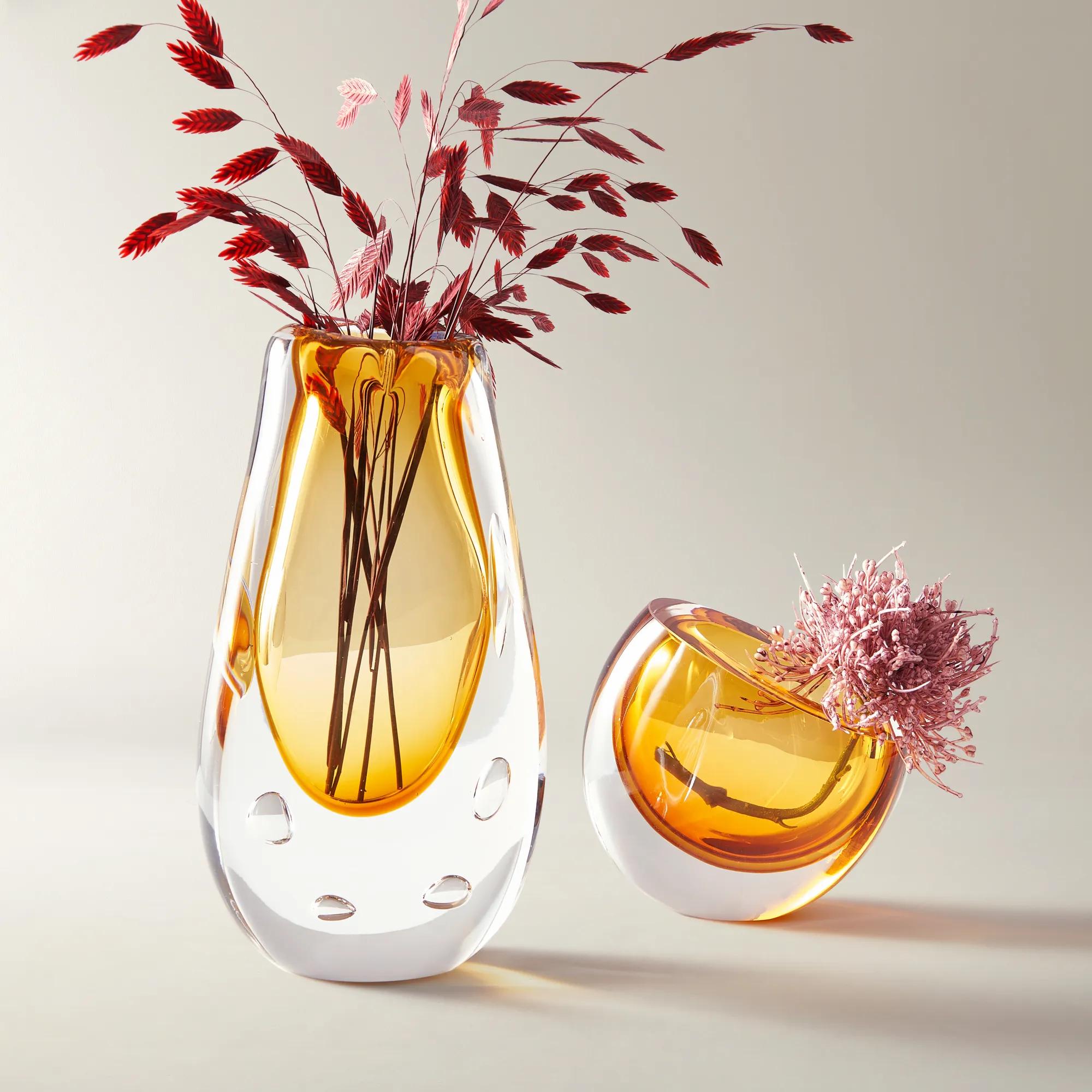
 Lucca Crystal Vase - Mirrored Amber$129
A geometric mirrored crystal glass vase in warm amber, reflecting light for a sculptural, modern statement.
Add To Cart -
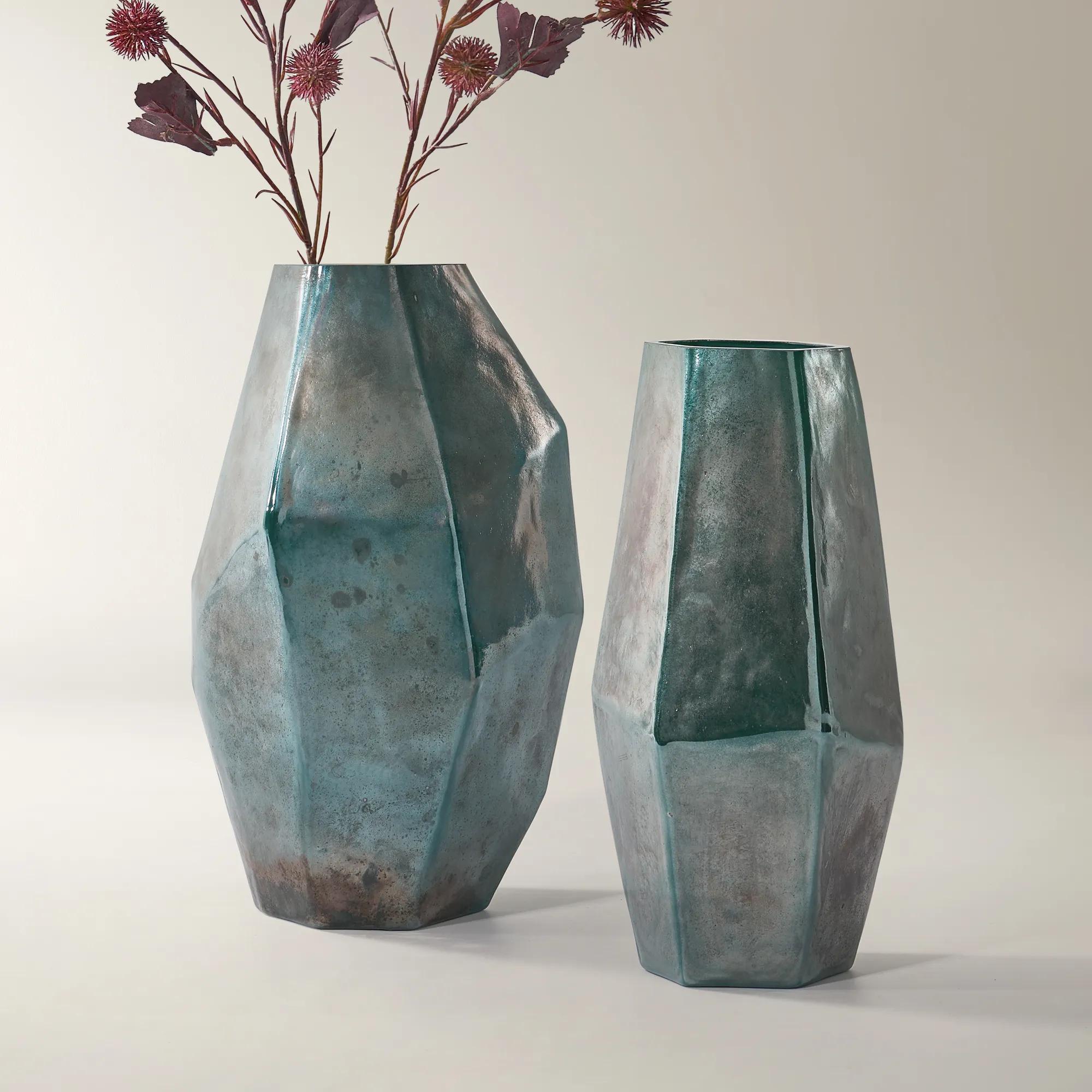
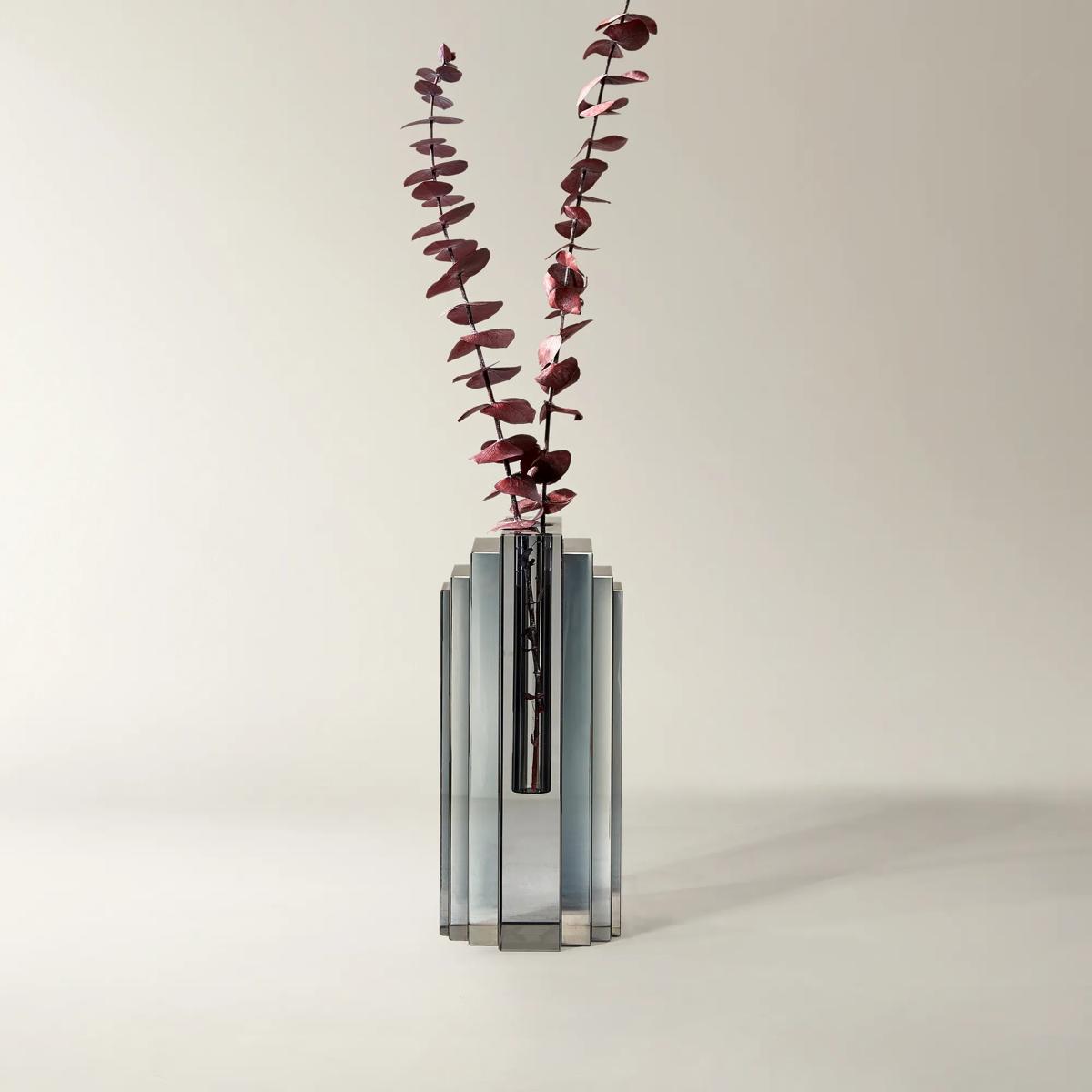 Lucca Crystal Vase - Mirrored Graphite$109
A mirrored graphite crystal vase with a multifaceted geometric design that reflects light for sculptural brilliance.
Add To Cart -
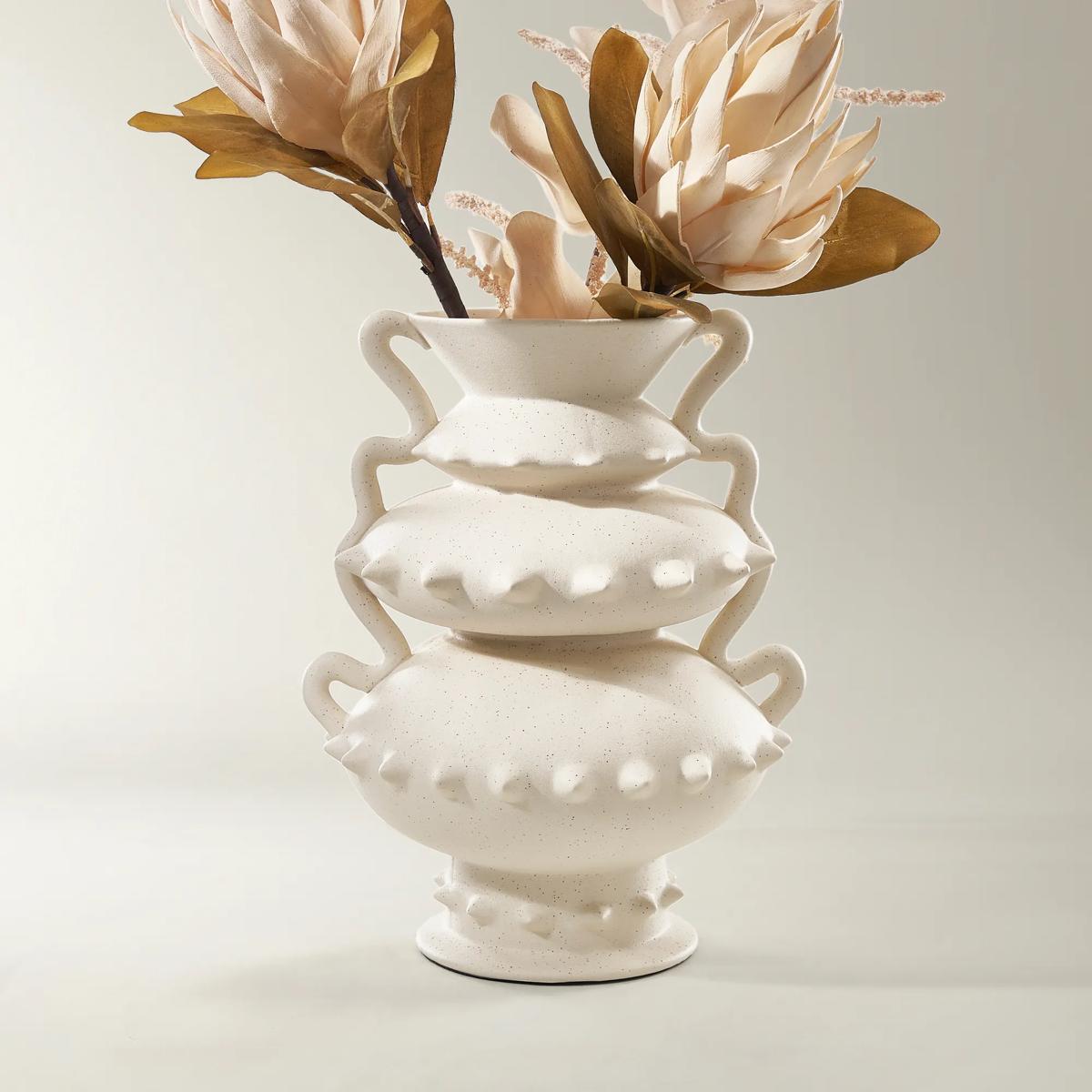 Savior Porcelain Vase - Ivory$189
An ivory porcelain vase featuring sculptural handles, tiered silhouette, and a matte, softly speckled finish.
Add To Cart -
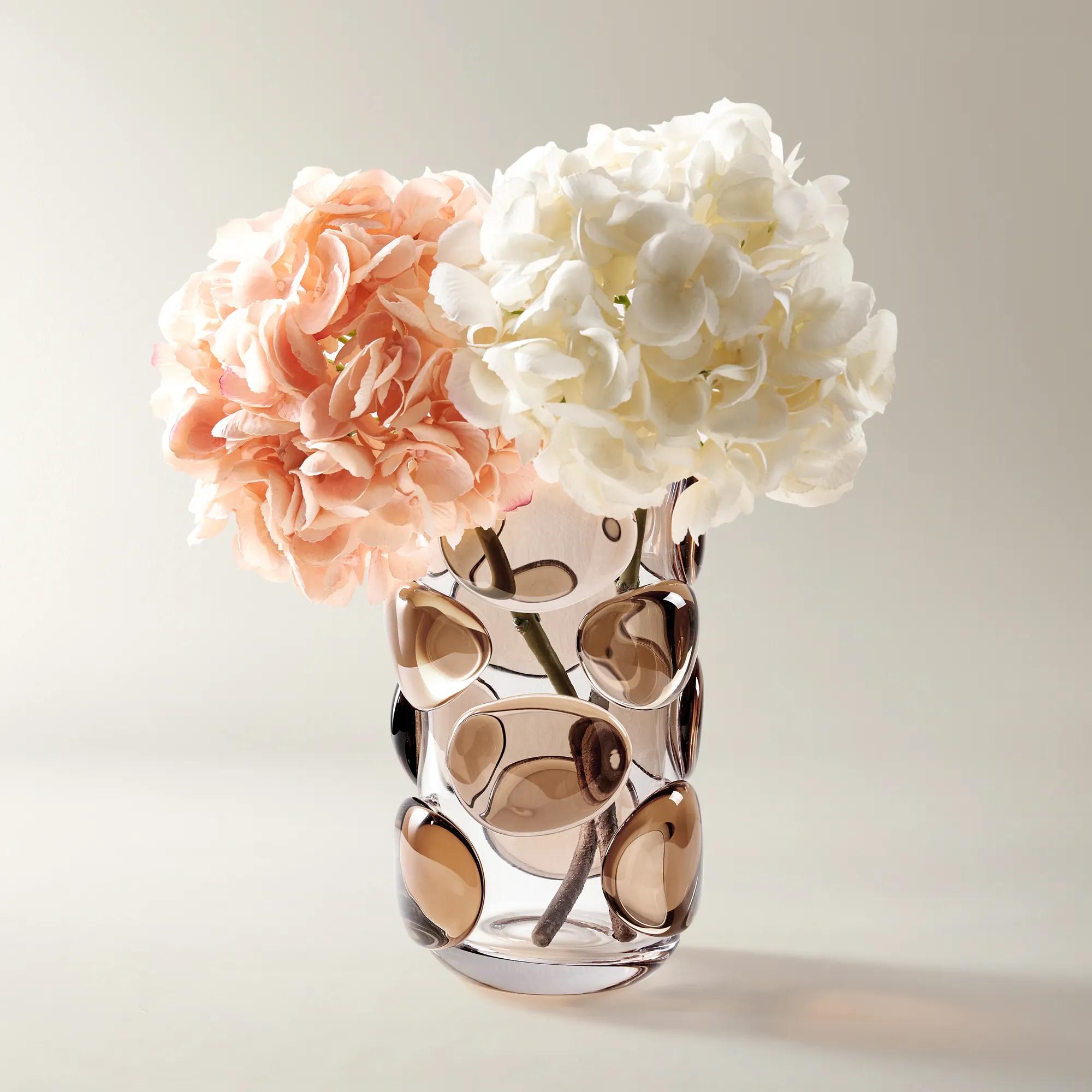
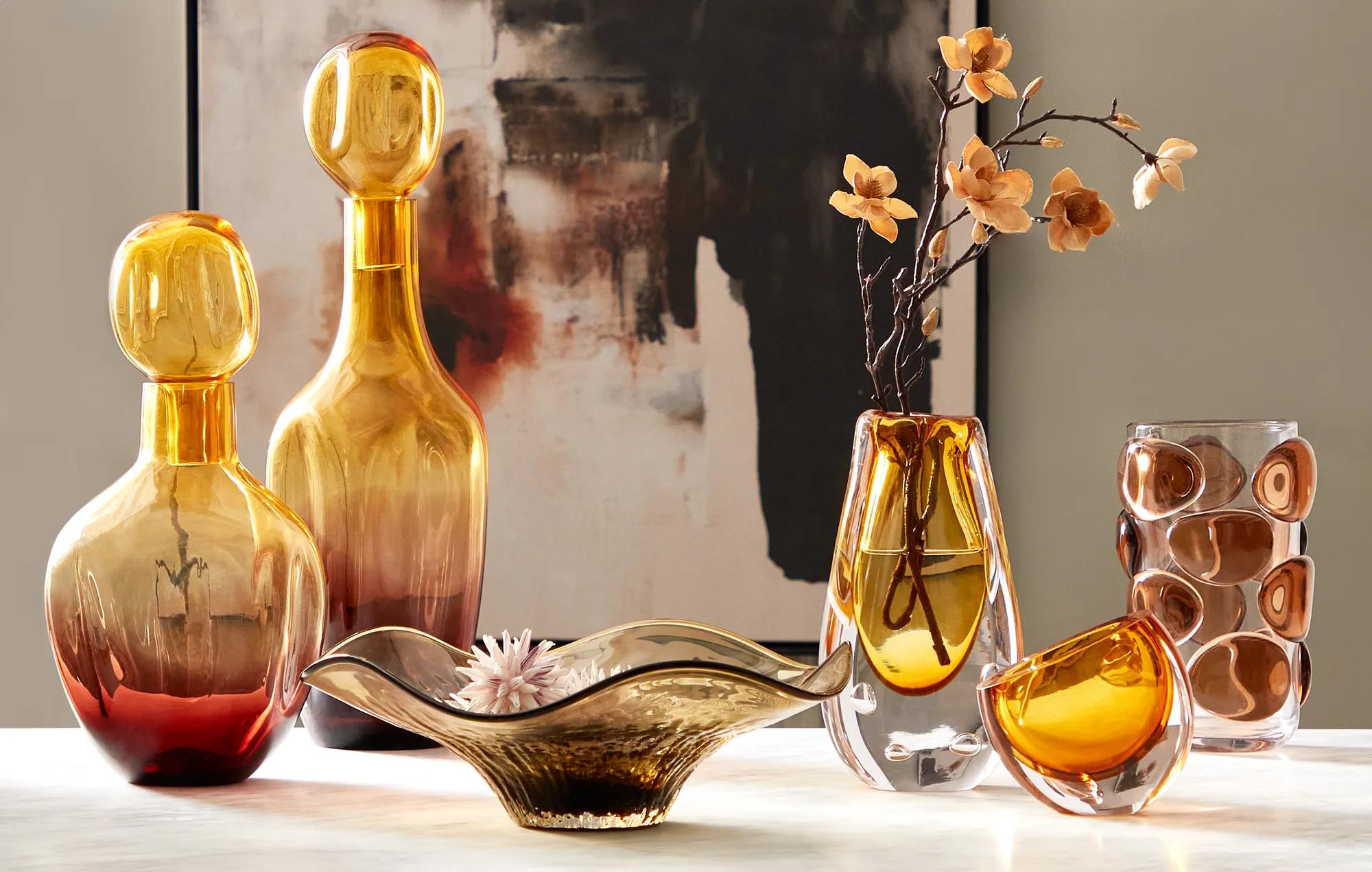 Nova Glass Vase - Small$149
An amber-toned, hand-blown glass vase featuring a sculptural bubble design for striking visual texture.
Add To Cart -
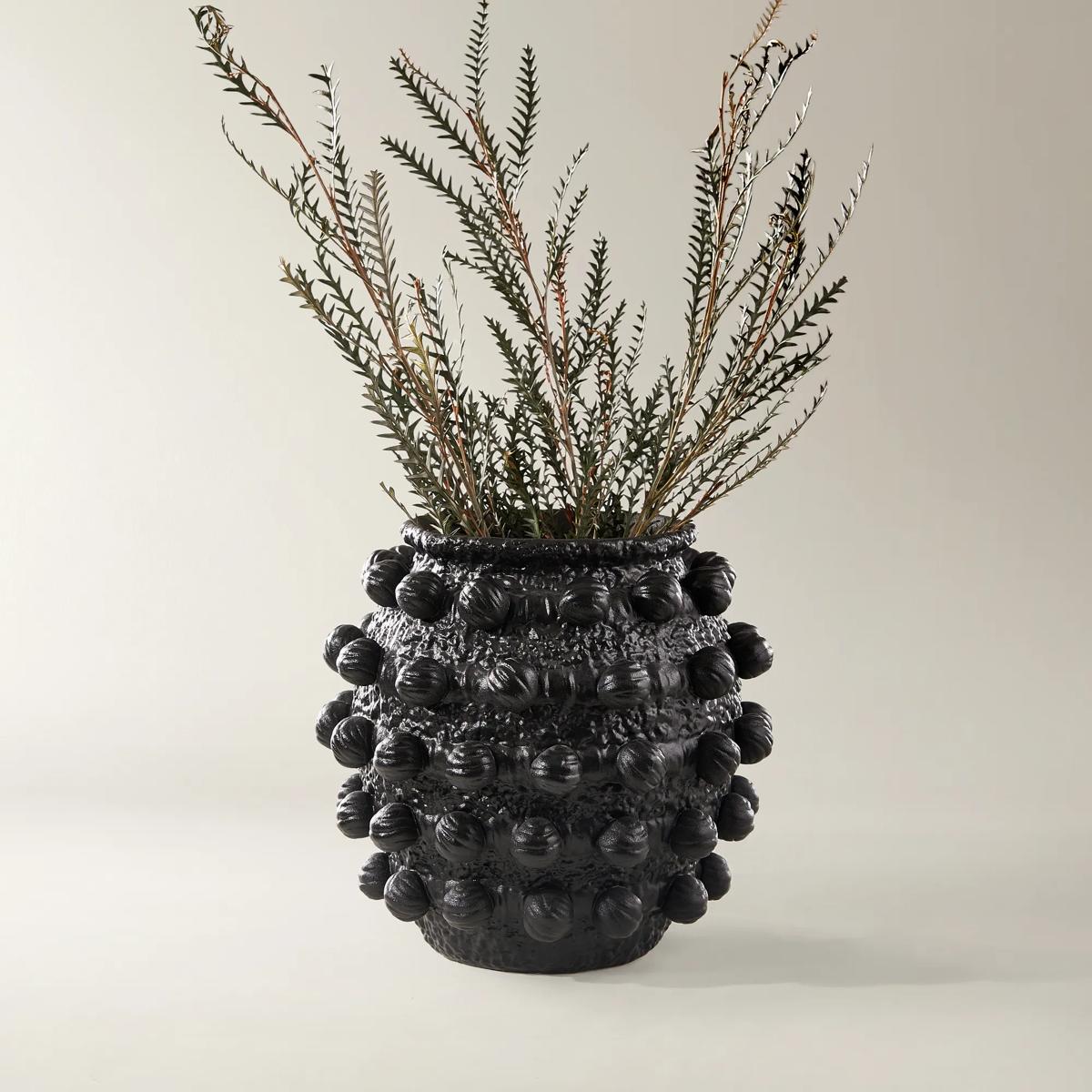
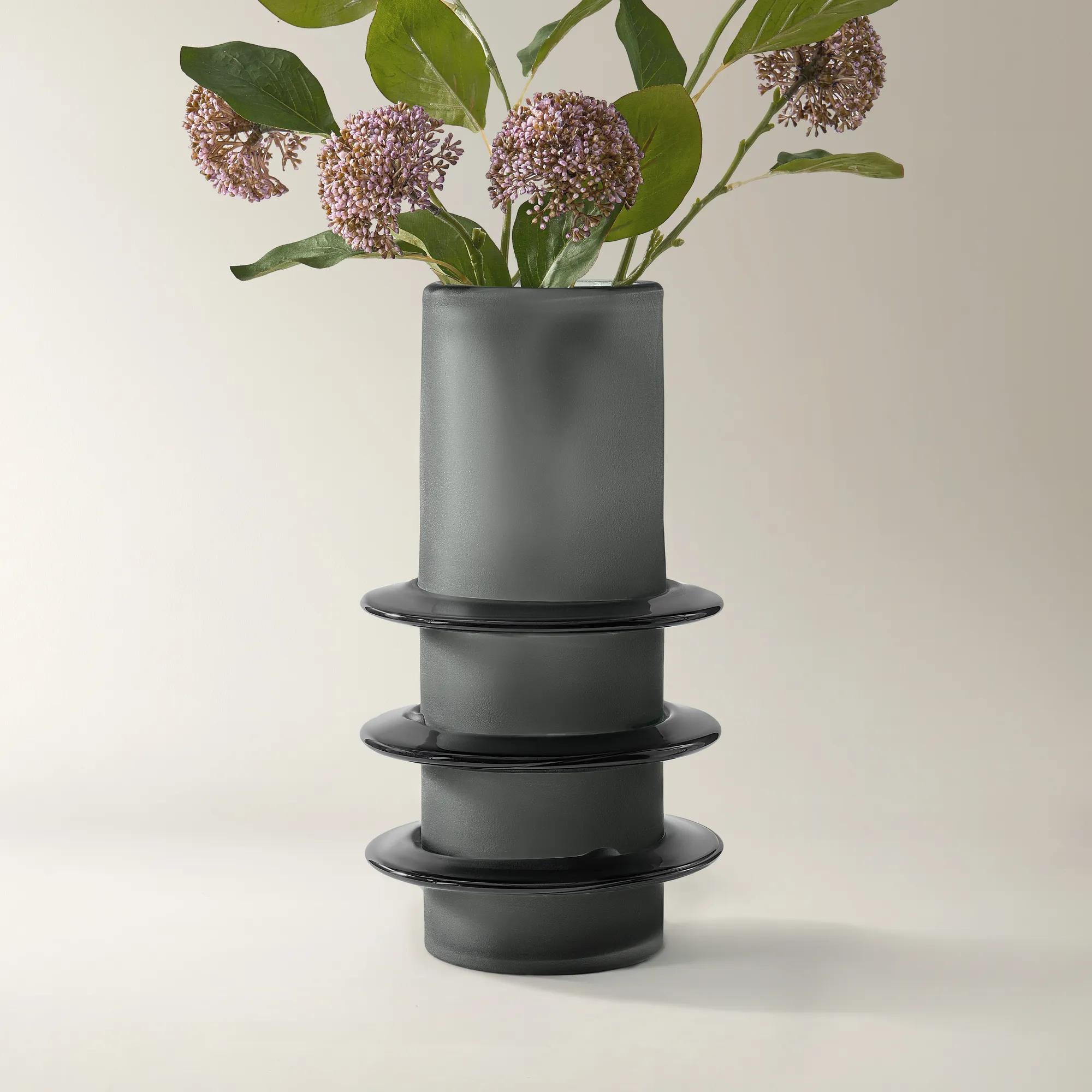
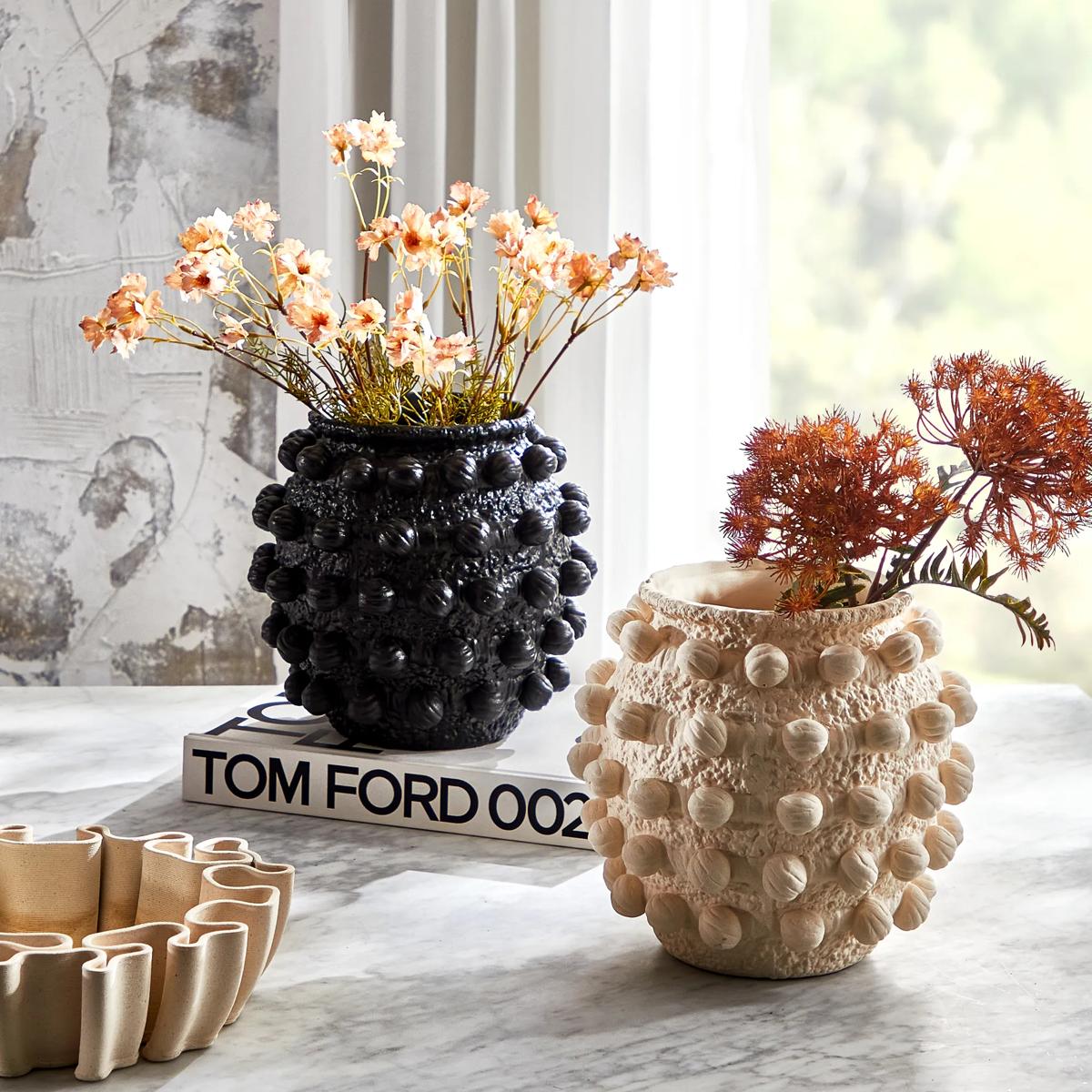 Pompa Vase - Black$119
A sculptural black porcelain vase featuring bold, rounded forms and a richly textured surface.
Add To Cart -
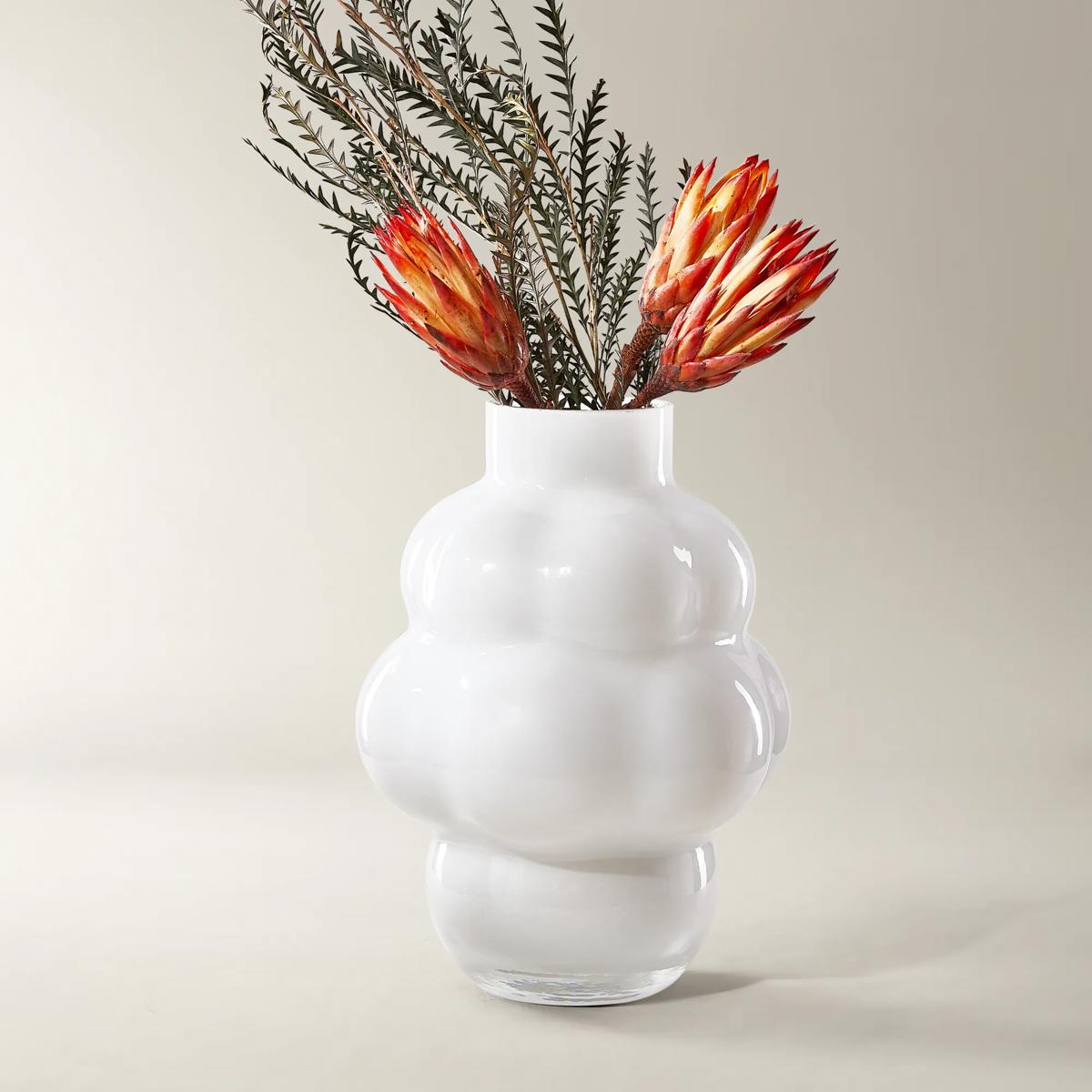 Cloud Glass Vase - White$129
A hand-blown glass vase in glossy opaque white with a sculptural, cloud-inspired silhouette.
Add To Cart -
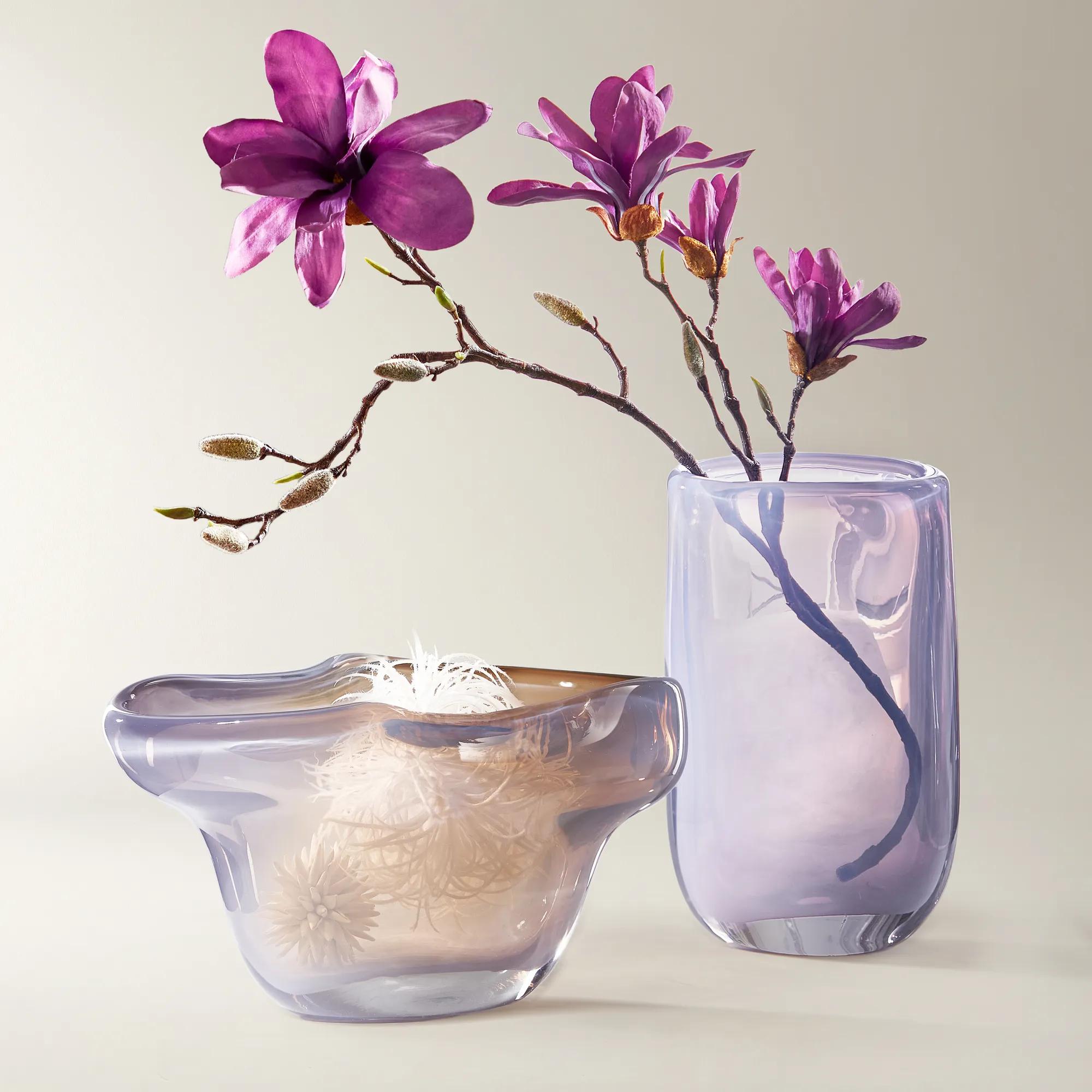
 Aura Collection$149
A hand-blown glass accent in dreamy lavender, showcasing fluid curves and modern sculptural artistry.
Add To Cart -
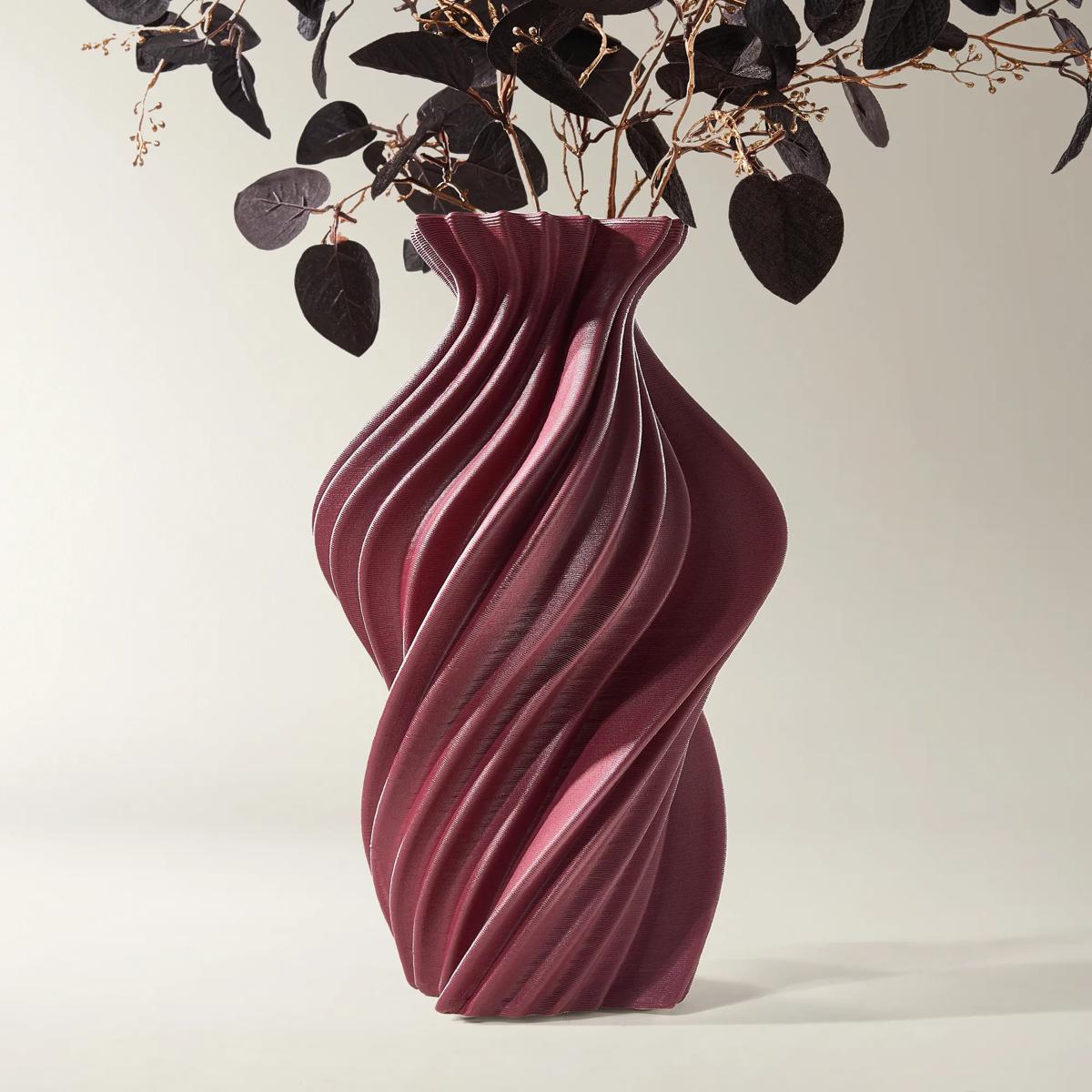
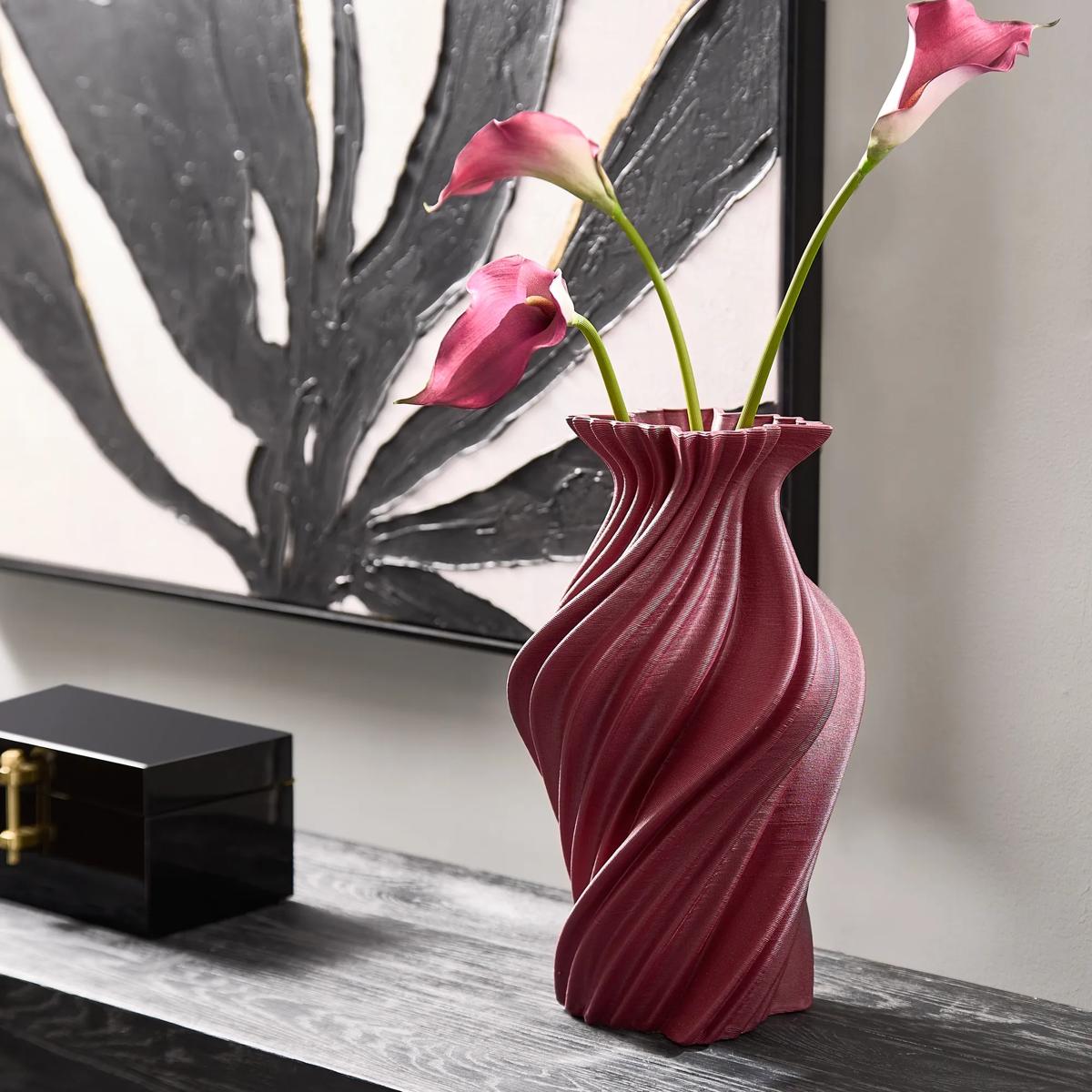 Flame Deep Red Porcelain Vase 16.25"$119
A sculptural porcelain vase in deep red with a dynamic, twisted silhouette inspired by flowing flames.
Add To Cart -
 Melt Glass Vase - Amethyst$99
An amethyst glass vase featuring a fluid, sculptural silhouette.
Add To Cart -

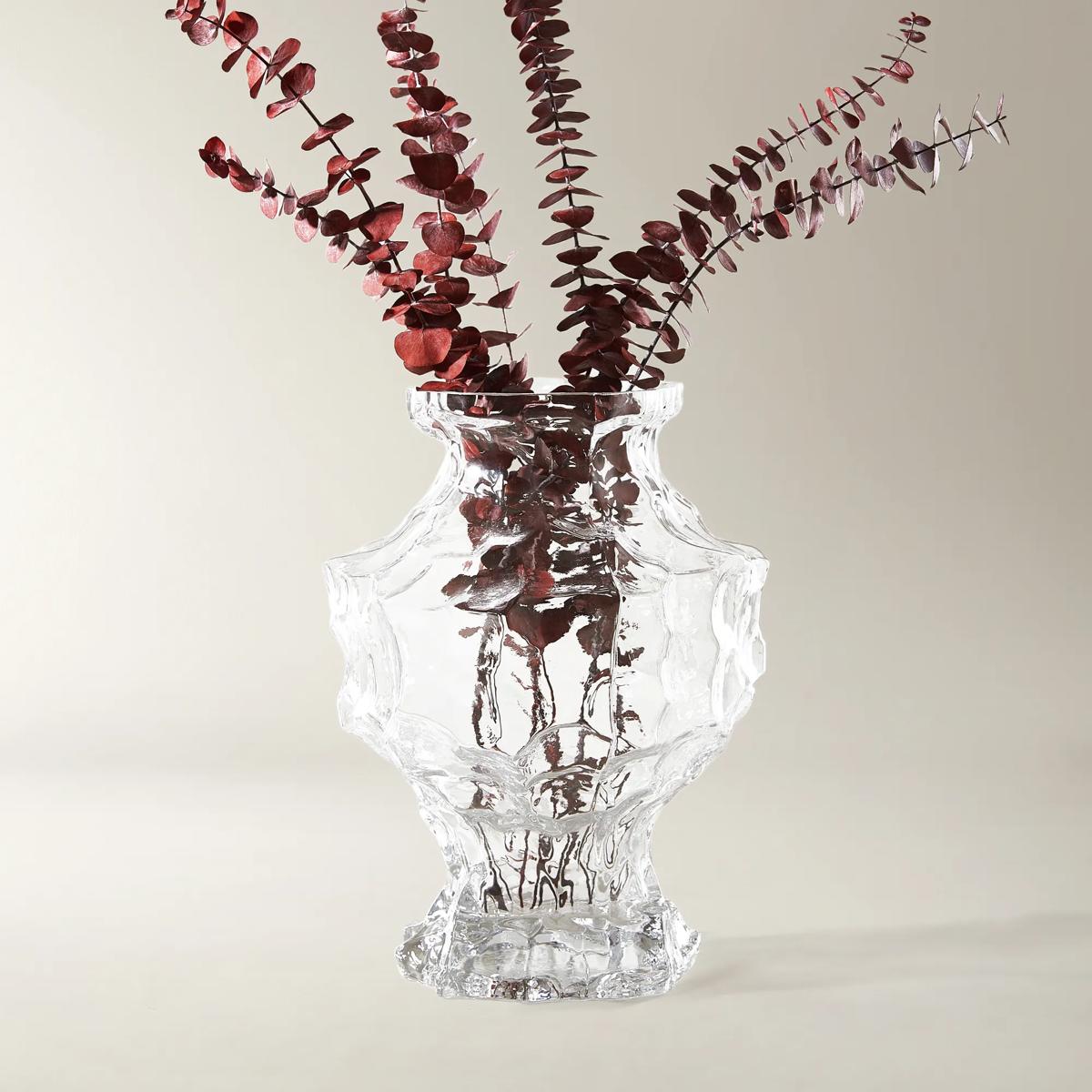
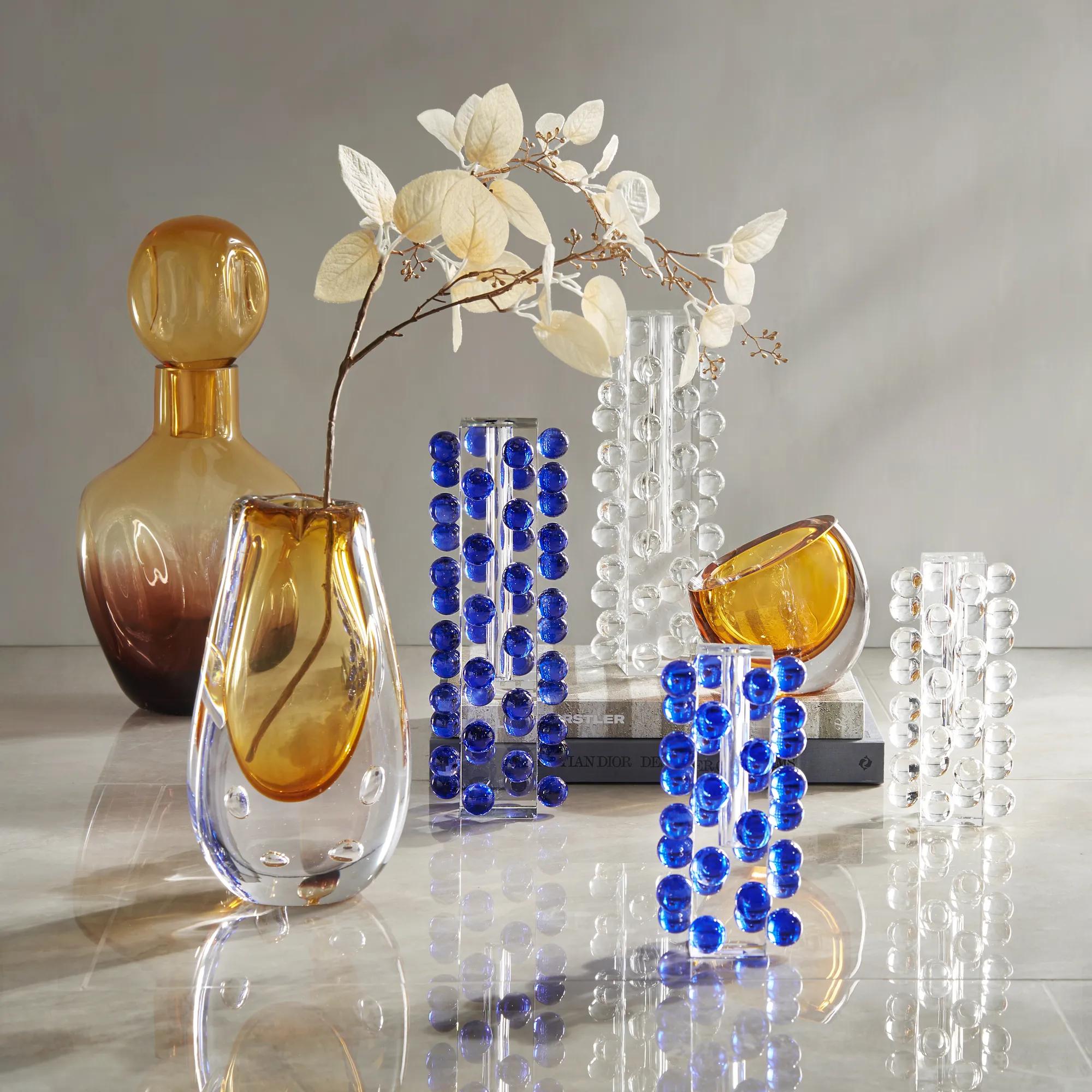 Belus Glass Vase$89
A hand-blown brown glass vase with an organic shape that beautifully plays with light and shadow.
Add To Cart

Valentine's Day Vases
Let romance take center stage with Valentine's Day vases that turn every gesture into a grand affair. Designed to capture the drama of love in full bloom, these vessels are more than mere accents—they are declarations of passion and artistry. Whether gracing an intimate dinner table or dazzling in a sunlit foyer, each vase invites you to celebrate devotion with sculptural silhouettes and luminous finishes. Elevate your floral arrangements and let your home revel in the poetry of Valentine's Day vases that enchant at first glance and linger long after the last petal falls.
Valentine’s Day vases are decorative vessels for romantic flower arrangements and expressive displays, ranging from delicate glass bud vases to sculptural ceramic forms that command attention even without stems. Their appeal lies in the meeting of flowers, color, and silhouette: a ruby-toned vessel intensifies the richness of red roses, while translucent glass lets the graceful curve of a tulip stem become part of the composition. Heart-shaped profiles make the occasion unmistakable, while rounded bowls, elongated cylinders, and softly curved silhouettes suggest romance with a more understated gesture. Ceramic ribbon details and dimensional surfaces can lend a vase the presence of a wrapped keepsake, especially when paired with a restrained arrangement that leaves the craftsmanship visible. Pink, red, and blush are familiar Valentine’s Day colors, but the palette can extend beautifully into ivory, plum, clear glass, and gleaming metallic accents. A pale vessel filled with burgundy blooms creates contrast without competing for attention; a richly colored vase holding white flowers gives the arrangement a crisp, almost graphic elegance. Clear glass offers another kind of drama, revealing stems and water beneath a lush crown of petals. These pieces suit intimate dinners, entryway displays, bedside arrangements, and expressive mantel compositions, with each setting calling for a different sense of scale. A single rose in a narrow-neck bud vase can feel deeply personal beside a place setting, while a generous vessel on a console turns a bouquet into an architectural focal point. Valentine's Day flower vases also give floral gifts a considered finish: the container becomes part of the gesture rather than a temporary holder. For someone who enjoys arranging flowers, collecting decorative objects, or refreshing a favorite corner of the home, a distinctive vase offers both immediate beauty and lasting usefulness. The most compelling compositions allow the vessel and flowers to share the spotlight, balancing the softness of petals with a shape, finish, or color that feels deliberate.
Material, proportion, and construction shape how a Valentine’s Day vase looks and how comfortably it serves its purpose. Glass brings luminosity to a display, particularly when its surface is ribbed, faceted, or tinted; those details catch surrounding light and give even a modest cluster of stems visual depth. Ceramic introduces a more substantial presence, with glossy glazes reflecting light and matte finishes emphasizing the vessel’s contours. Porcelain can offer a refined surface and crisp detailing, although delicate rims and applied embellishments require thoughtful handling. Metal vessels bring a lustrous accent to a romantic arrangement, but their suitability for fresh flowers depends on their construction and finish; some decorative pieces need a watertight liner rather than direct contact with water. Fresh arrangements require a vessel specifically intended to hold water, since decorative ceramics and sculptural containers are not necessarily watertight. Dried botanicals and faux flowers suit pieces intended for dry display, allowing an intricate silhouette or textured finish to remain the focus. The opening matters as much as the overall height. A narrow neck gathers a few stems into a graceful vertical arrangement, while a wider mouth accommodates fuller bouquets and flowers that spread outward. Long-stem roses need enough depth and support to remain balanced, and branching stems benefit from a stable base that can counter their reach. On a dining table, lower arrangements preserve conversation across the centerpiece; on an entry console, taller profiles can create a dramatic welcome without crowding everyday essentials. Placement also affects longevity. Glass and ceramic can chip or break if knocked against hard surfaces, and projecting decorative details may be more vulnerable than smooth-sided forms. A stable position away from table edges helps protect both the vessel and the surrounding furnishings. Gentle cleaning with a soft cloth preserves many decorative finishes, while fresh-flower vessels benefit from regular water changes and cleaning between arrangements. Care instructions should govern washing, soaking, and dishwasher use, particularly for painted surfaces, metallic decoration, and applied details. A protective pad beneath the base can help shield a finished tabletop from scratches or stray moisture without interrupting the display.
A vase given for Valentine’s Day can reflect the recipient’s taste as closely as the flowers themselves. For a partner drawn to expressive interiors, a sculptural form or saturated color can feel more personal than a conventional clear container. For a friend who favors luminous, layered rooms, textured glass or an ivory ceramic silhouette may complement the objects already gathered on a dresser or bookshelf. A parent, host, or flower enthusiast might appreciate a versatile shape that accommodates both a generous bouquet and a few stems gathered into a smaller arrangement. Considering the recipient’s space makes the gift more useful: a compact bud vase brings beauty to a bedside table or narrow shelf, while a broader statement vessel needs enough surface area to feel composed rather than crowded. Pairing the vase with flowers creates an immediately complete gift, but an empty sculptural vessel can be equally thoughtful when its form has the presence of an art object. At home, Valentine’s Day centerpieces can be lavish without becoming visually heavy. Several small vases spaced along a table let individual blooms stand out, leaving room for glassware, serving dishes, and the pleasures of a shared meal. A single substantial vase creates a different mood, concentrating color and texture into one memorable gesture. Along a mantel or console, a romantic vessel gains dimension beside a framed photograph, a mirrored tray, or pieces from Valentine's Day Sculptures, with varied heights allowing each element a distinct place in the composition. Repeating one finish or color connects the arrangement, while a contrasting shape keeps it from feeling overly matched. Beyond the occasion, these vases can hold fresh flowers, display dried stems, or stand alone as decorative accents. A heart-inspired contour may retain its romantic character, while a clear, ivory, or jewel-toned vessel readily joins other arrangements throughout the year. That lasting versatility gives the gift its quiet significance: long after the original bouquet has faded, the vase remains part of the room’s character, ready for another gathering of blooms or a beautifully unadorned moment.
FAQs
To evoke romance, cluster a variety of Valentine's Day vases in different heights and shapes along your dining table or mantel, filling them with lush blooms like roses, ranunculus, or tulips. Layer in candles and metallic accents to amplify the glow, and choose vases with reflective or colored finishes to catch the light and set a dreamy, intimate mood.
For a dramatic arrangement, opt for bold blooms such as velvety red roses, deep burgundy peonies, or magenta orchids. Pair these with trailing greenery or delicate filler flowers to add texture and dimension. The contrast of sumptuous flowers against a striking vase elevates the entire display, making it a true centerpiece.
Absolutely. The artistry and versatility of Valentine's Day vases make them exquisite gifts for anniversaries, birthdays, housewarmings, or as tokens of appreciation. Their elegant design ensures they remain timeless accents in any home, well beyond the holiday.
Incorporate Valentine's Day vases as focal points within a tablescape by pairing them with coordinating linens, candleholders, and decorative accents. Echo the vase’s colors or materials throughout the room to create a cohesive, curated look. Layering vases of varying sizes and shapes adds depth and visual interest to your space.
Popular materials include gleaming glass, lustrous ceramic, and metallic finishes. Glass vases offer a timeless, airy elegance; ceramics bring sculptural artistry and warmth; while metallics add a touch of glamour and reflect ambient light. Each material sets a distinct tone, allowing you to tailor the mood from classic romance to modern opulence.