Unique Modern Accent Chairs
Unique Modern Accent Chairs
-
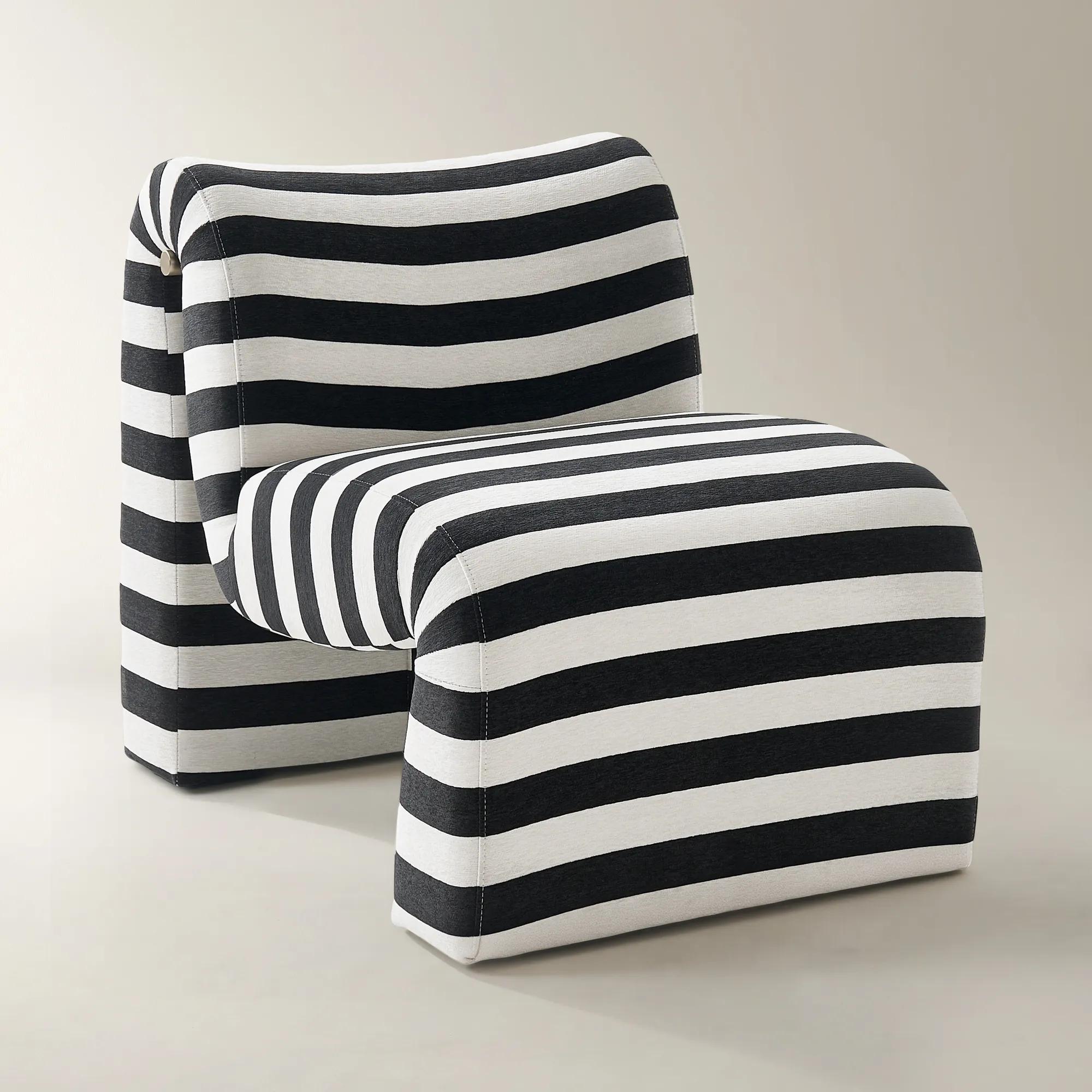 Cora Stripe Chenille Accent Chair$899
A bold black-and-white striped accent chair featuring water-repellent chenille and a gold stainless-steel inlay.
Add To Cart -
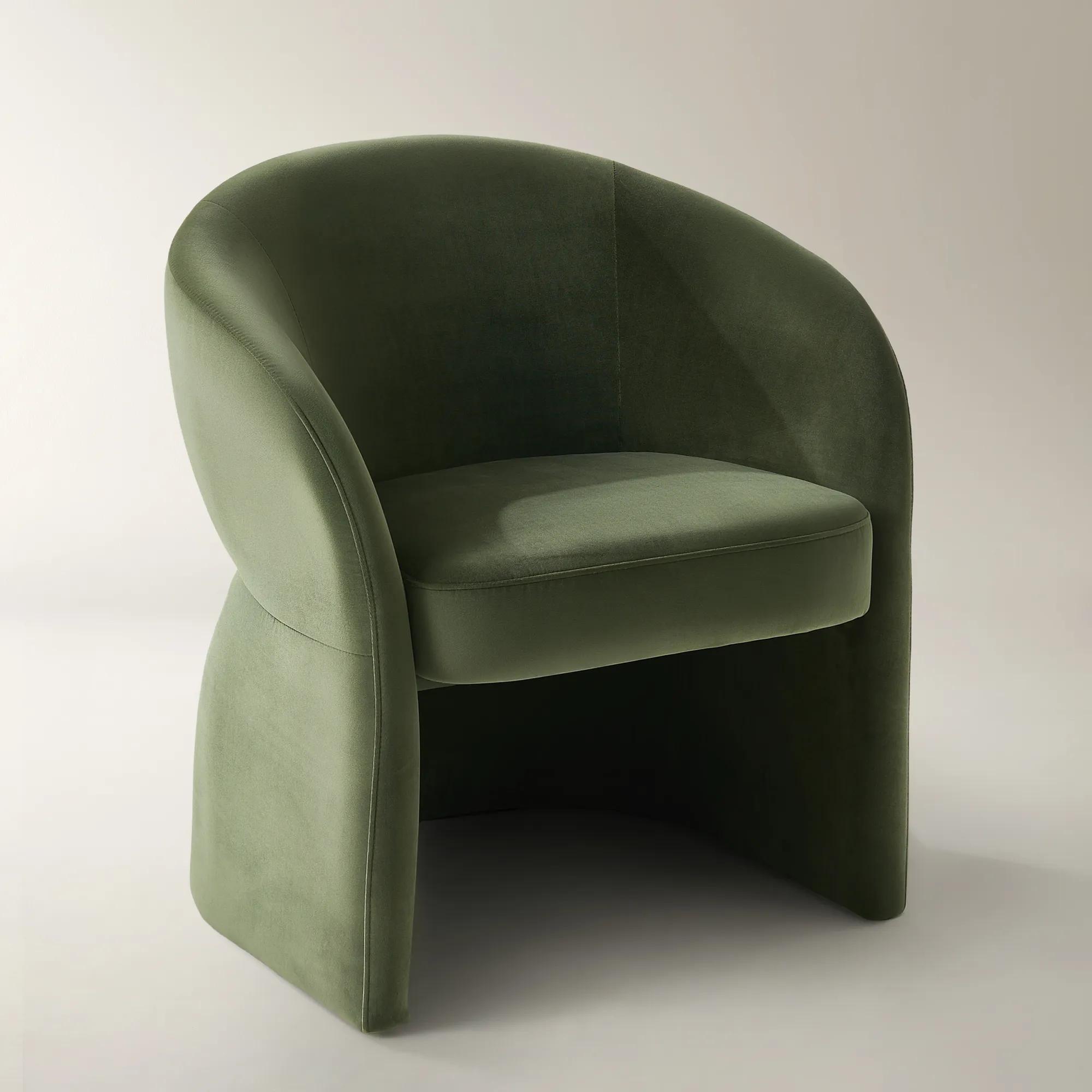
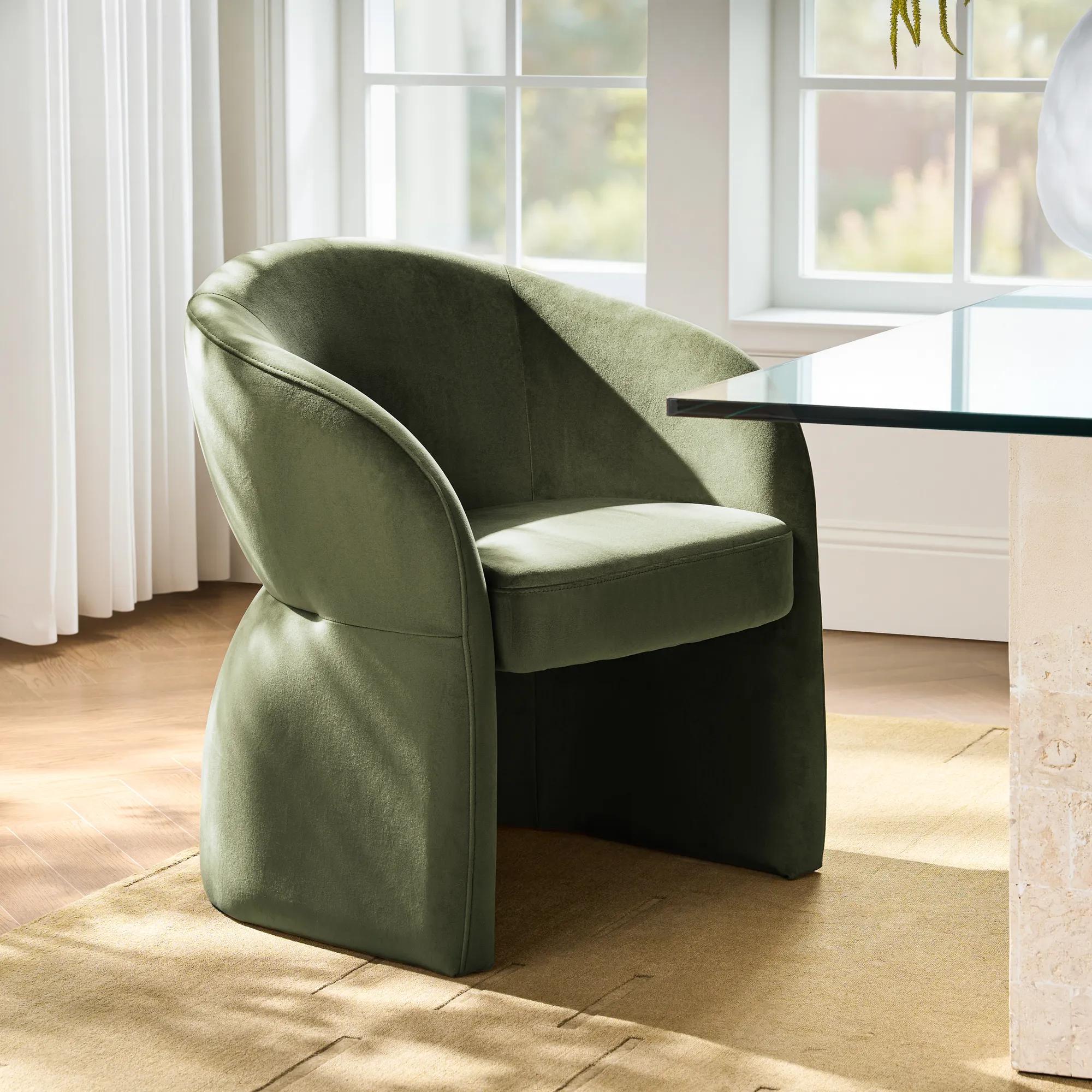 Sierra Jade Green Velvet Dining Chair$599
A sculptural accent chair in jade green velvet with gracefully arched arms and plush, supportive cushioning.
Add To Cart -
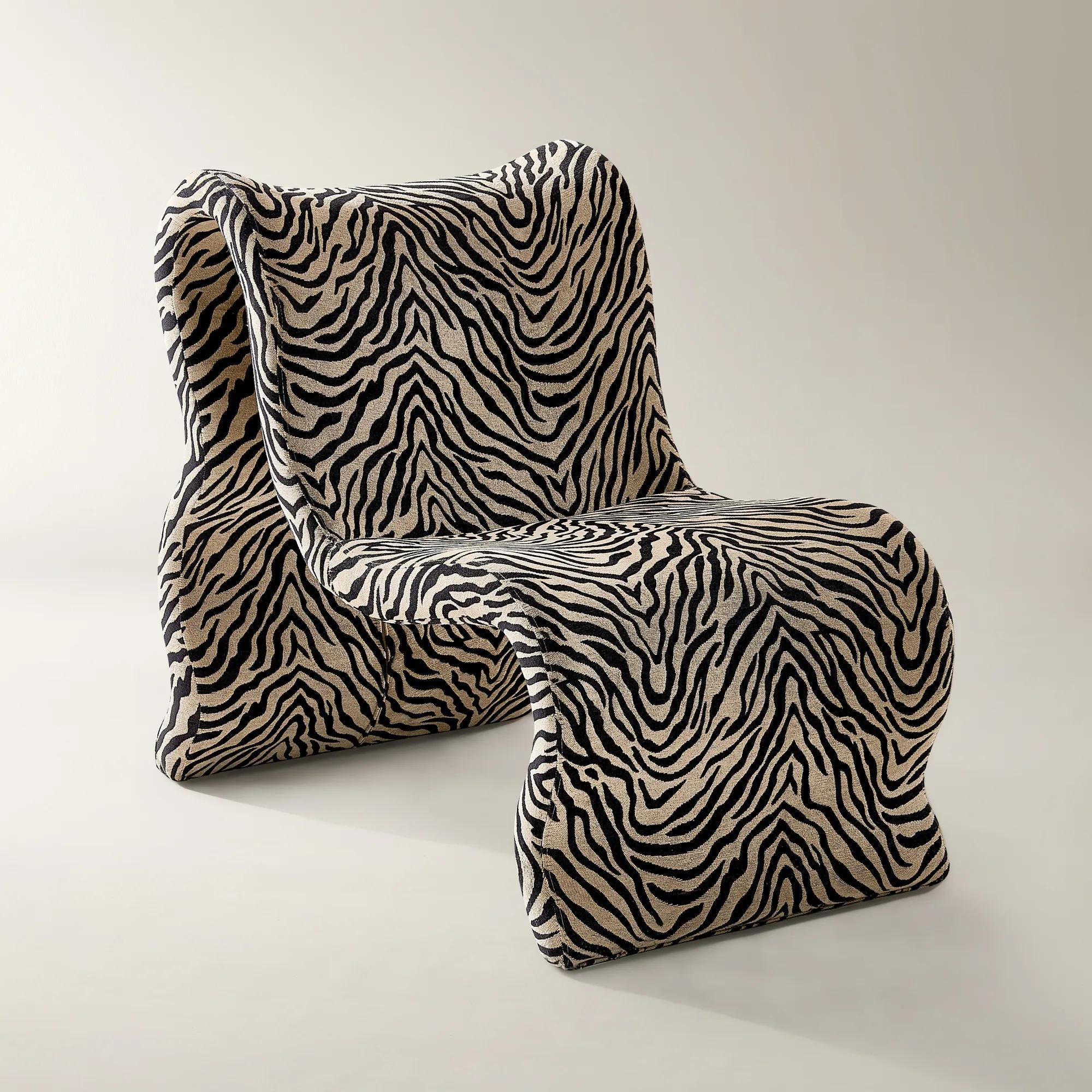
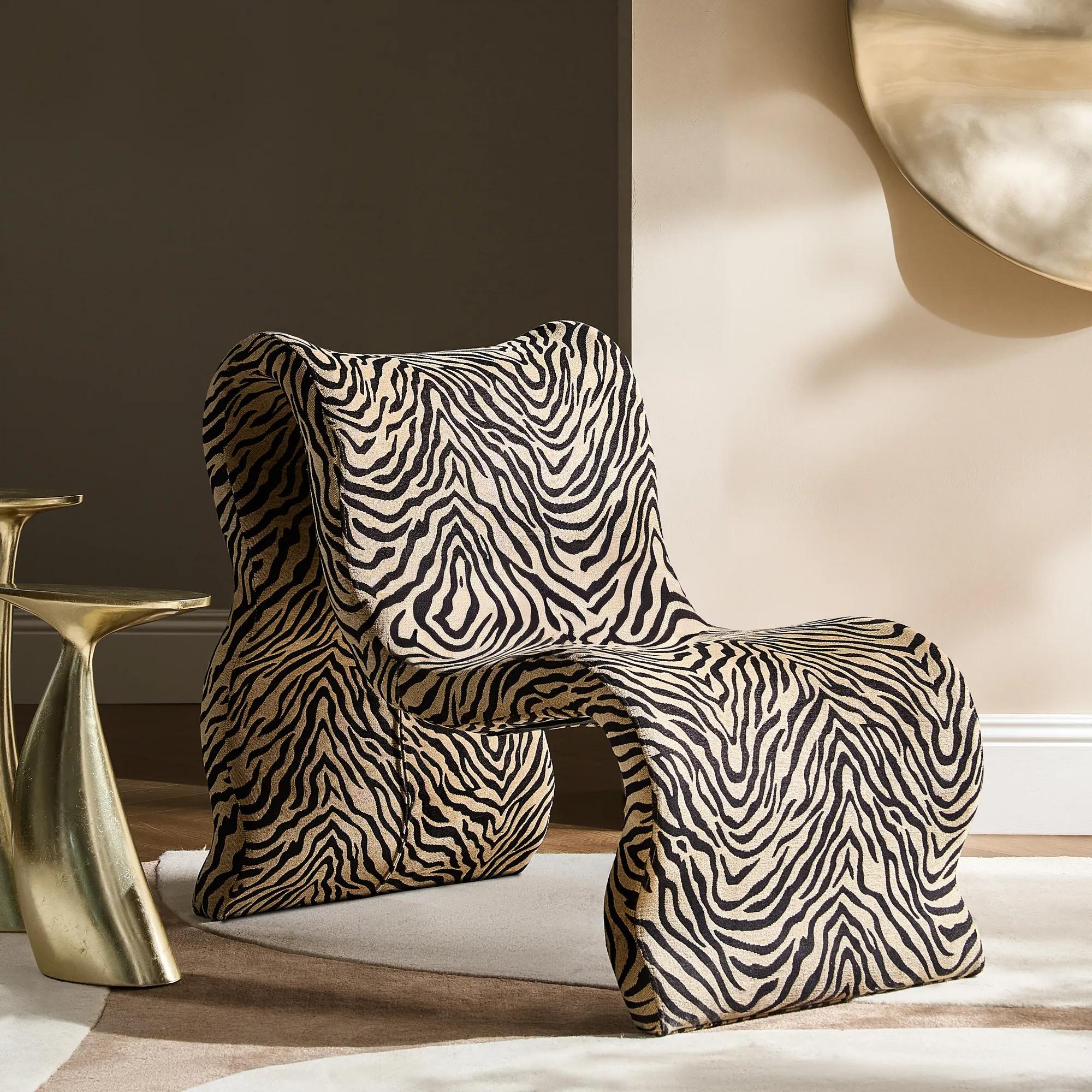 Romy Zebra Chenille Accent Chair$999
A sculptural accent chair featuring bold zebra-print chenille upholstery and a continuous wave-like silhouette.
Add To Cart -
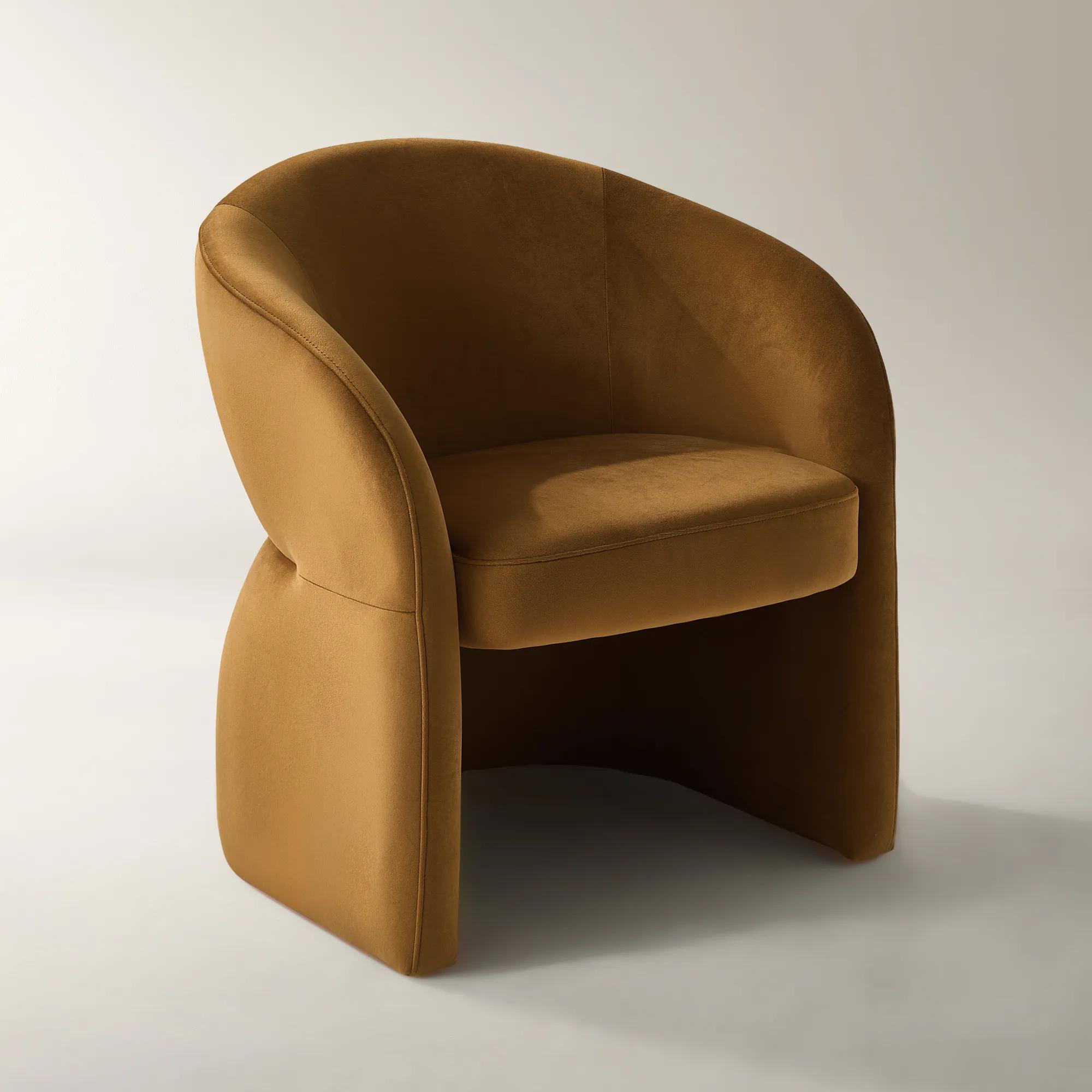
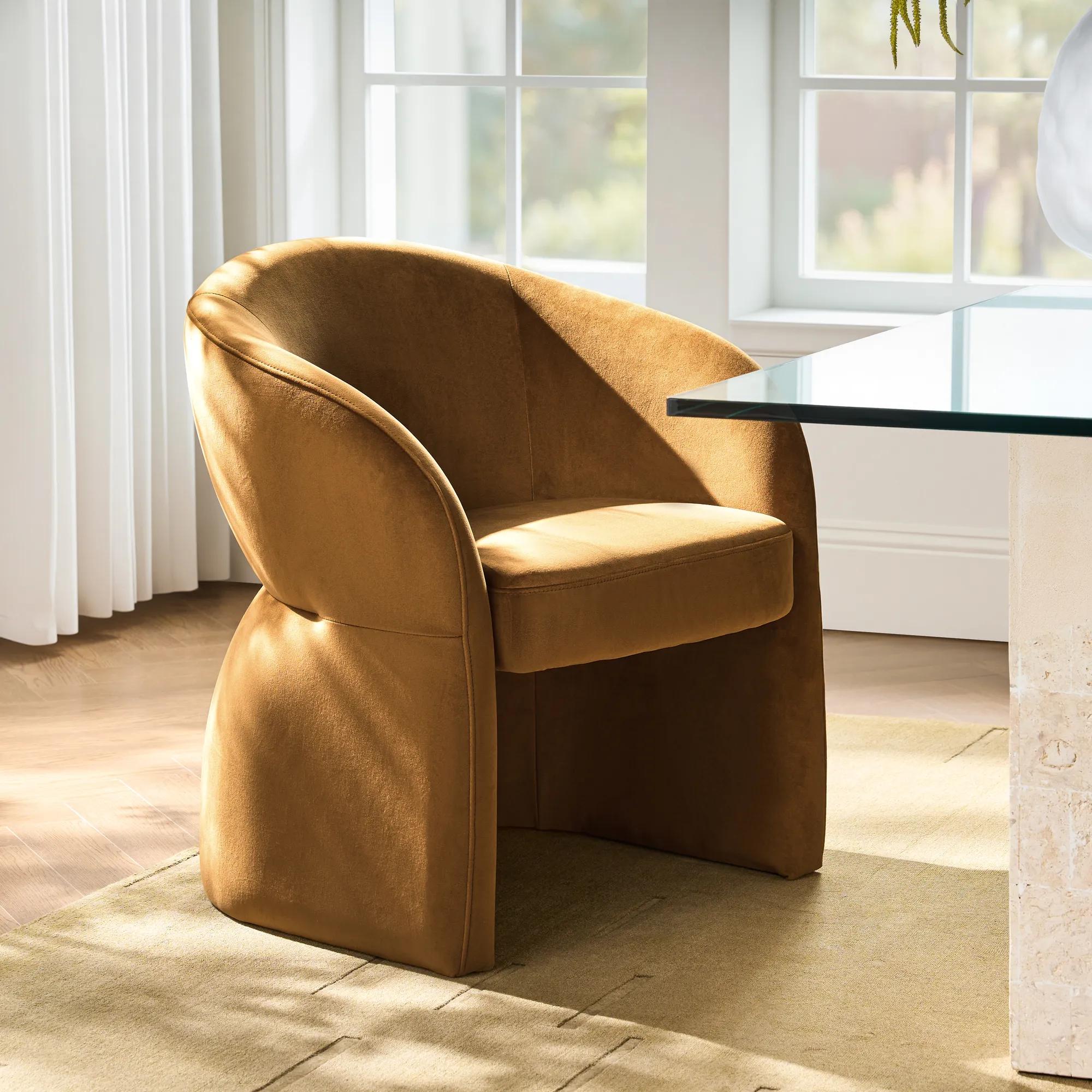 Sierra Roasted Pecan Velvet Dining Chair$599
A sculptural accent chair in roasted pecan velvet with arched arms, curved back, and plush cushioning.
Add To Cart -
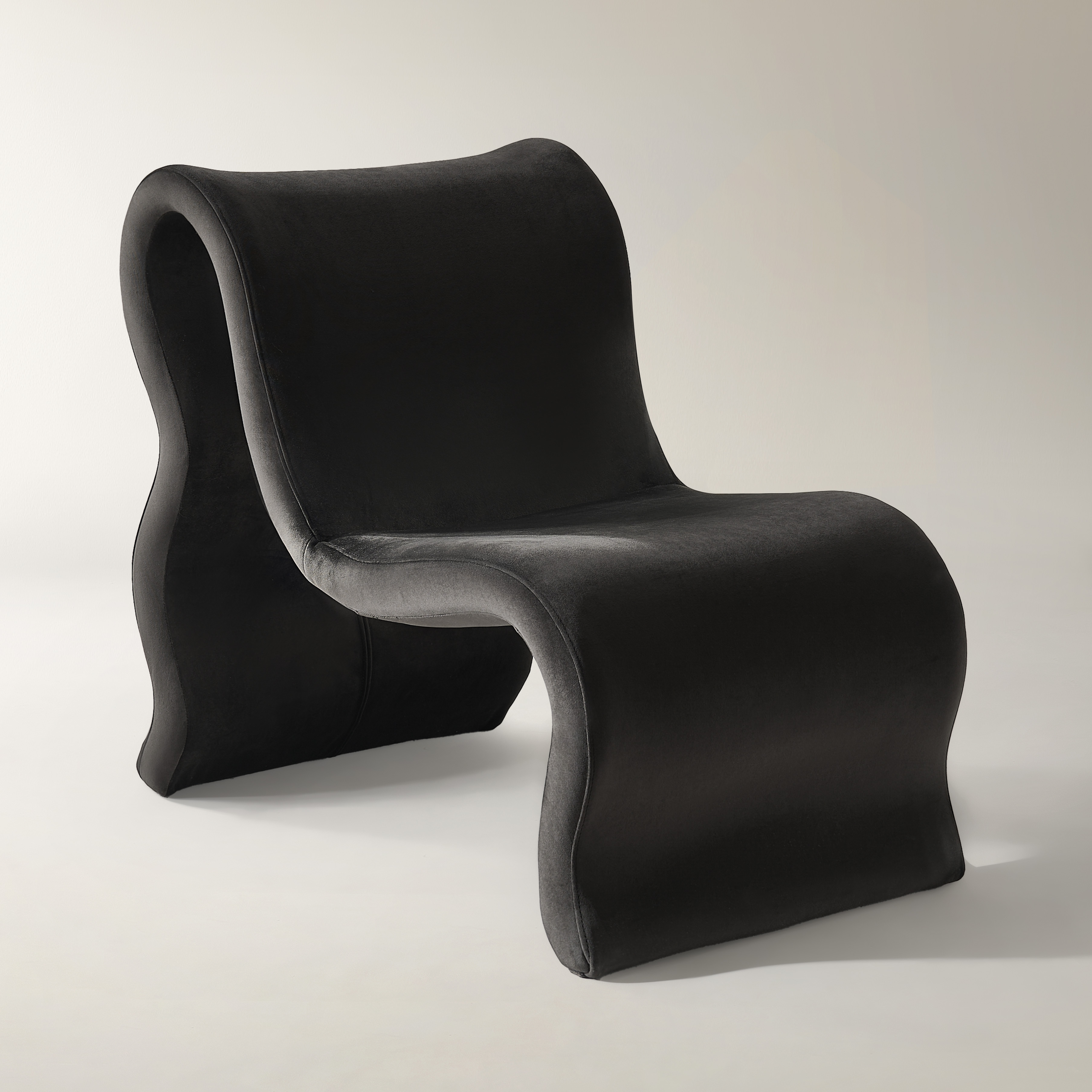 Romy Charcoal Velvet Accent Chair$999
A sculptural accent chair in charcoal velvet with a wave-like silhouette and full foam construction.
Add To Cart -

 Nia Lacquered Turtle Dove Faux Fur Accent Chair$899
A sculptural accent chair featuring a high-gloss sand-toned fiberglass frame and plush turtle dove faux fur upholstery.
Add To Cart -
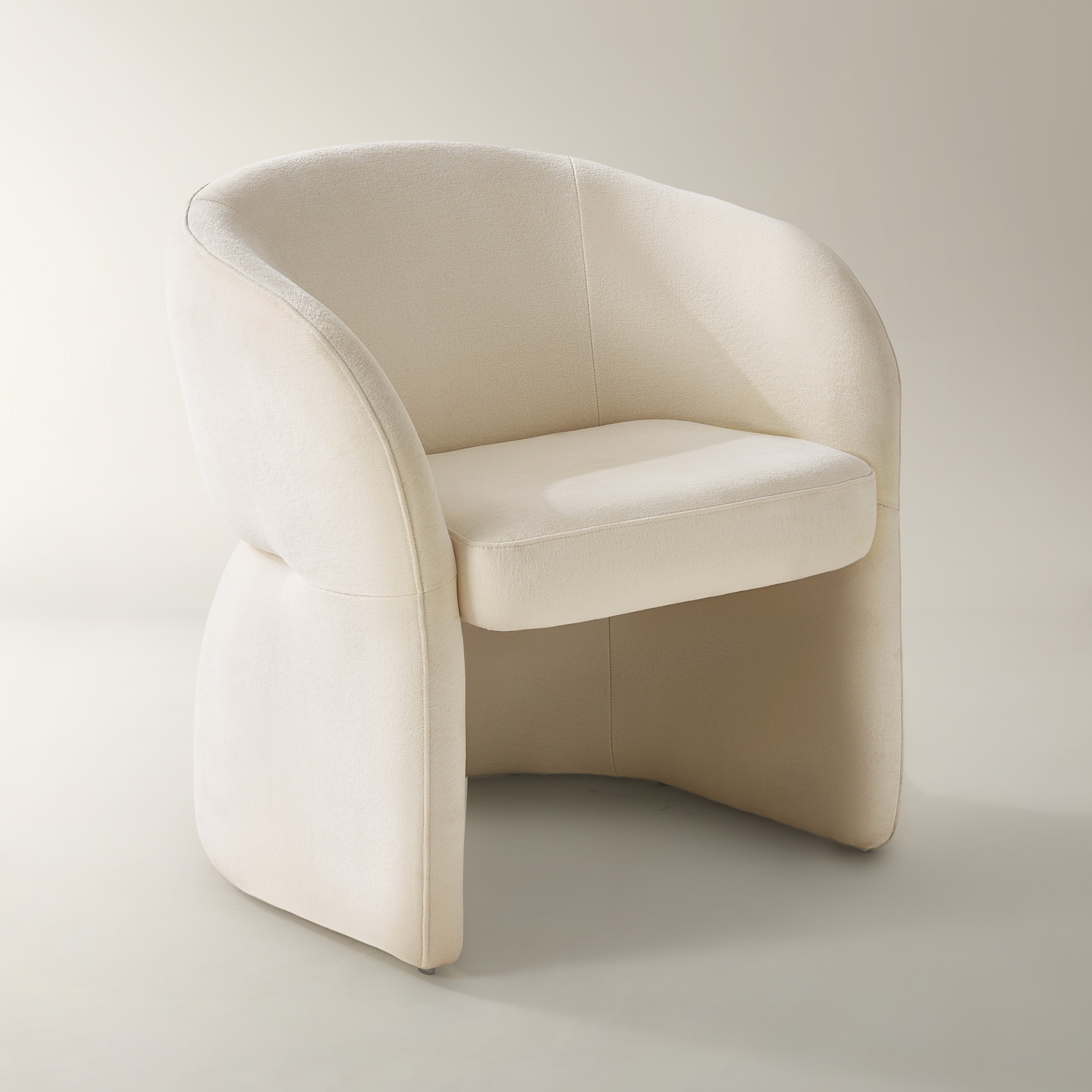
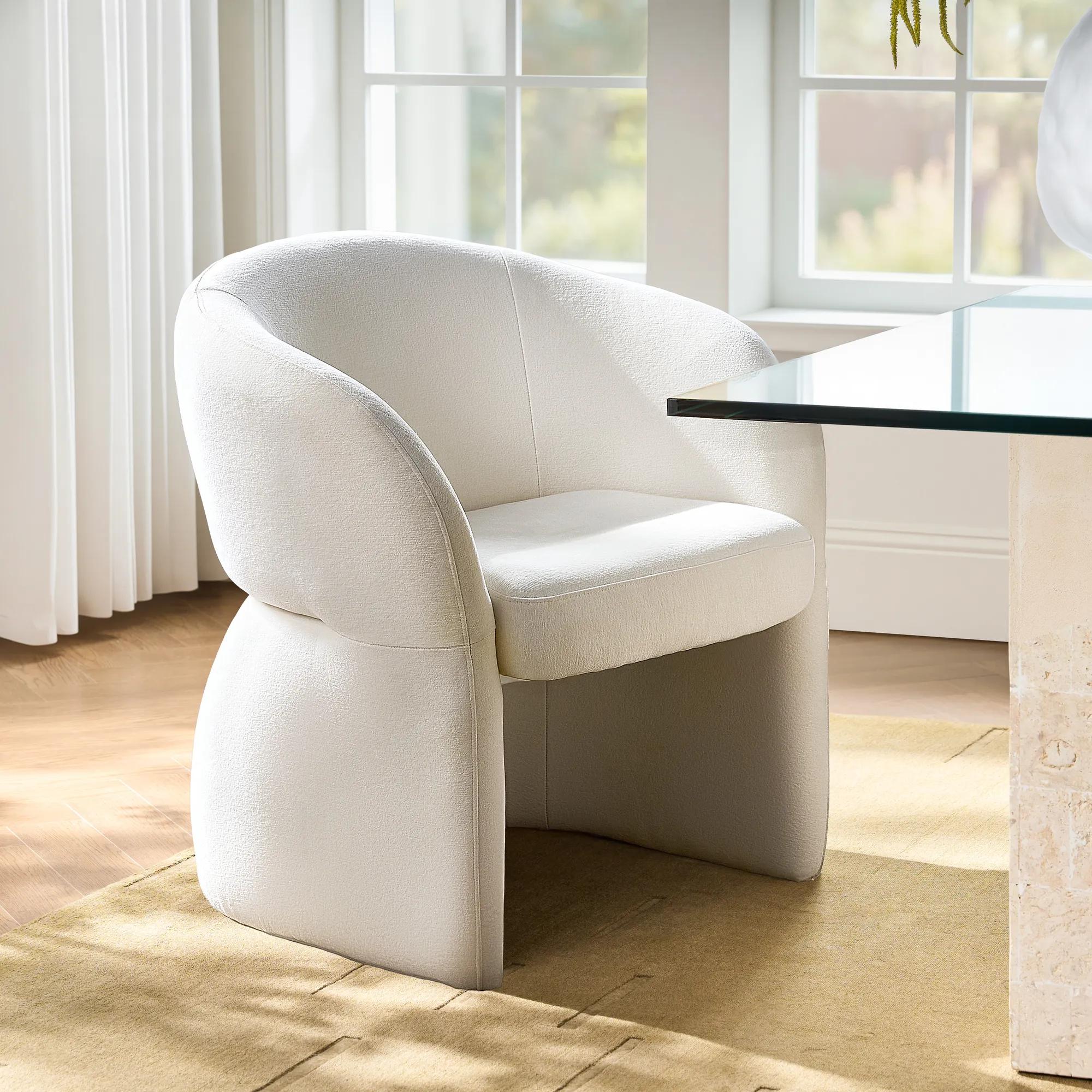 Sierra Oatmeal Velvet Dining Chair$599
An elegant accent chair in oatmeal velvet with gracefully arched arms, curved back, and plush cushioning.
Add To Cart -
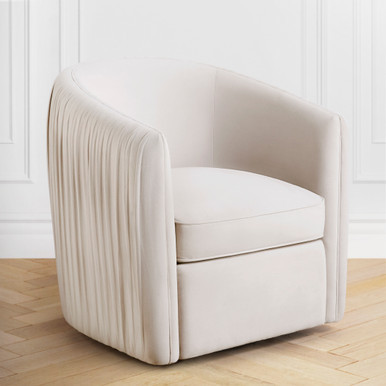
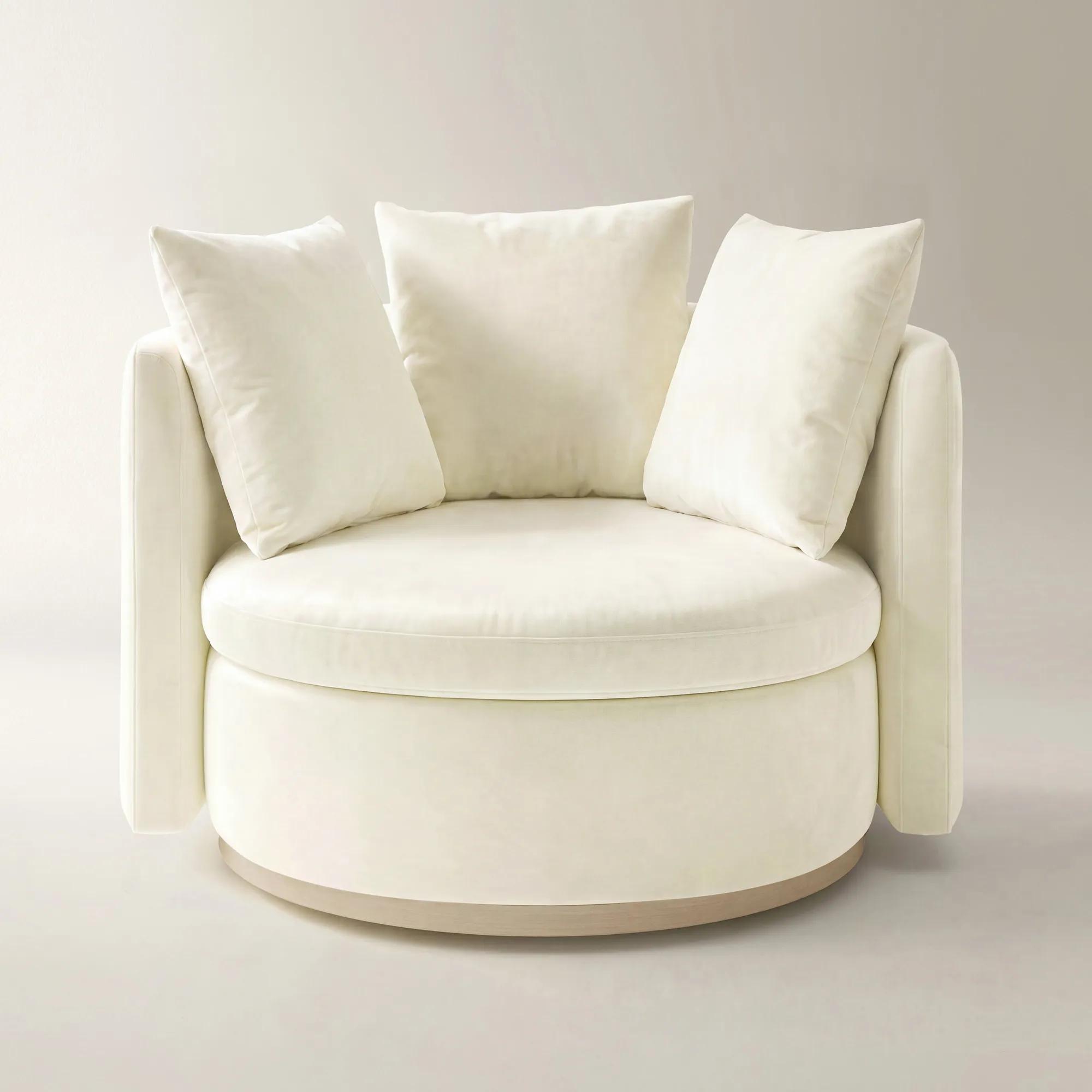
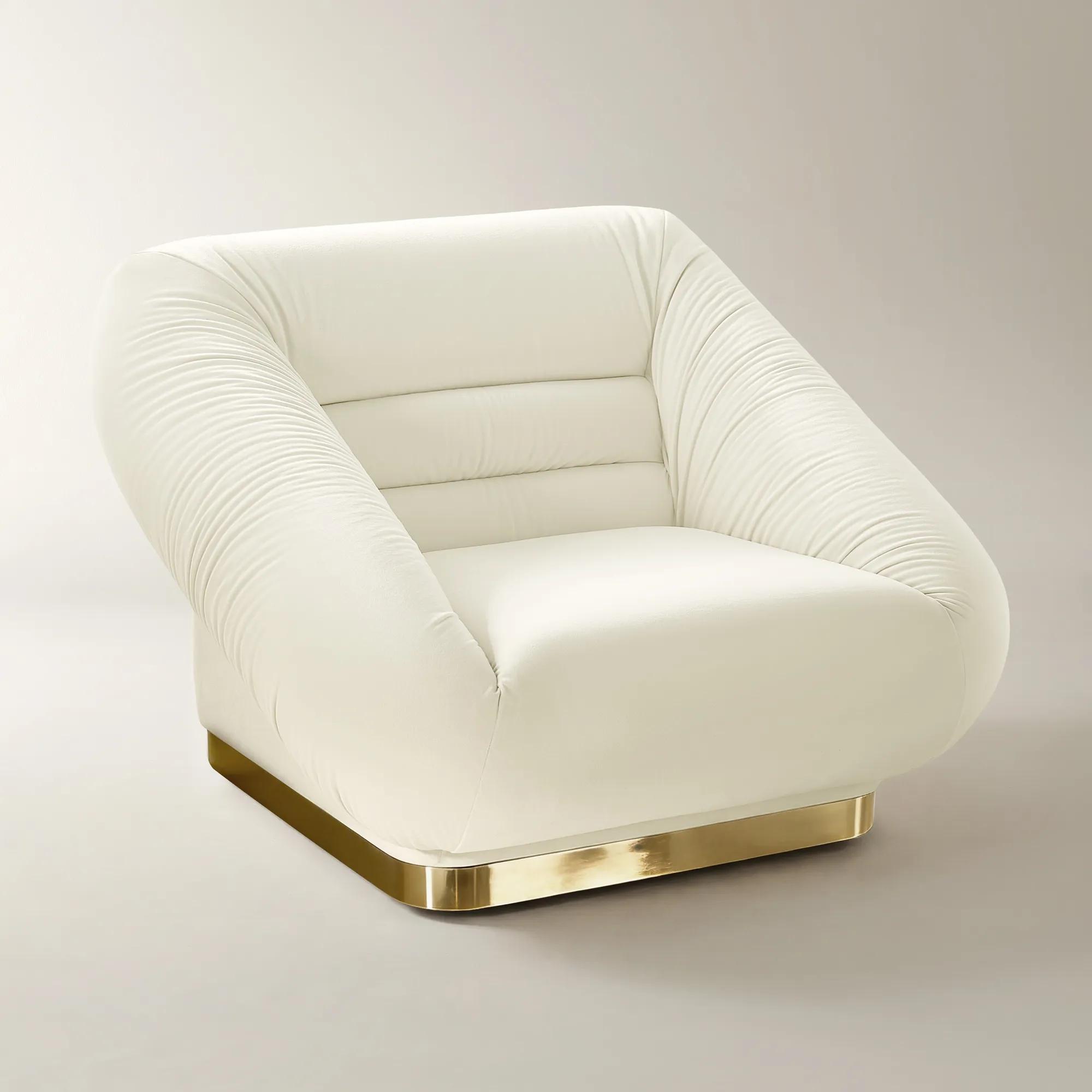 Dover Cloud Velvet Swivel Accent Chair$1299
A sculptural accent chair in cloud velvet with a gold-trimmed base and smooth 360° swivel function.
Add To Cart -
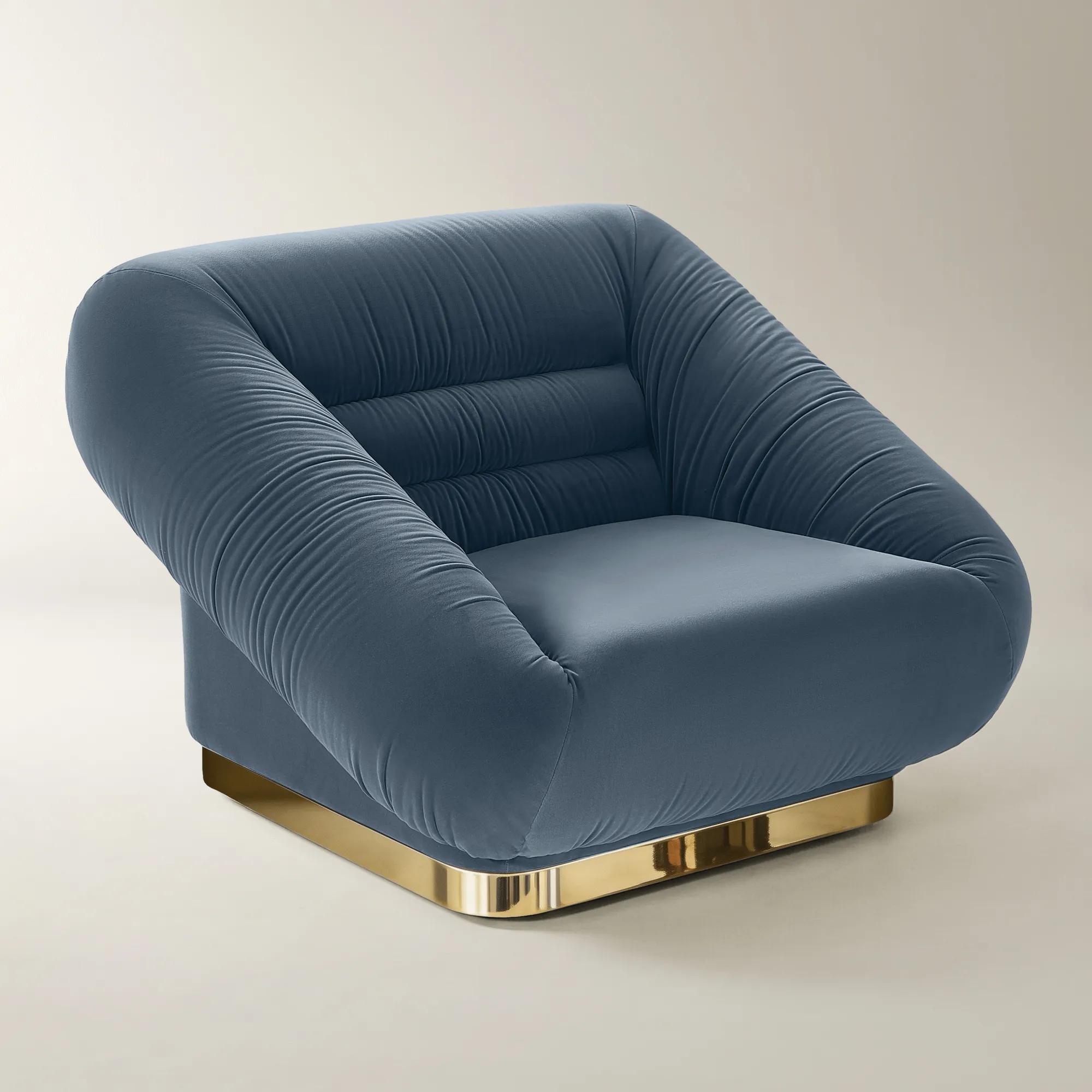 Dover Dusty Blue Velvet Swivel Accent Chair$1299
A sculptural blue velvet accent chair featuring soft gathered upholstery, gold-trimmed base, and smooth 360° swivel.
Add To Cart -
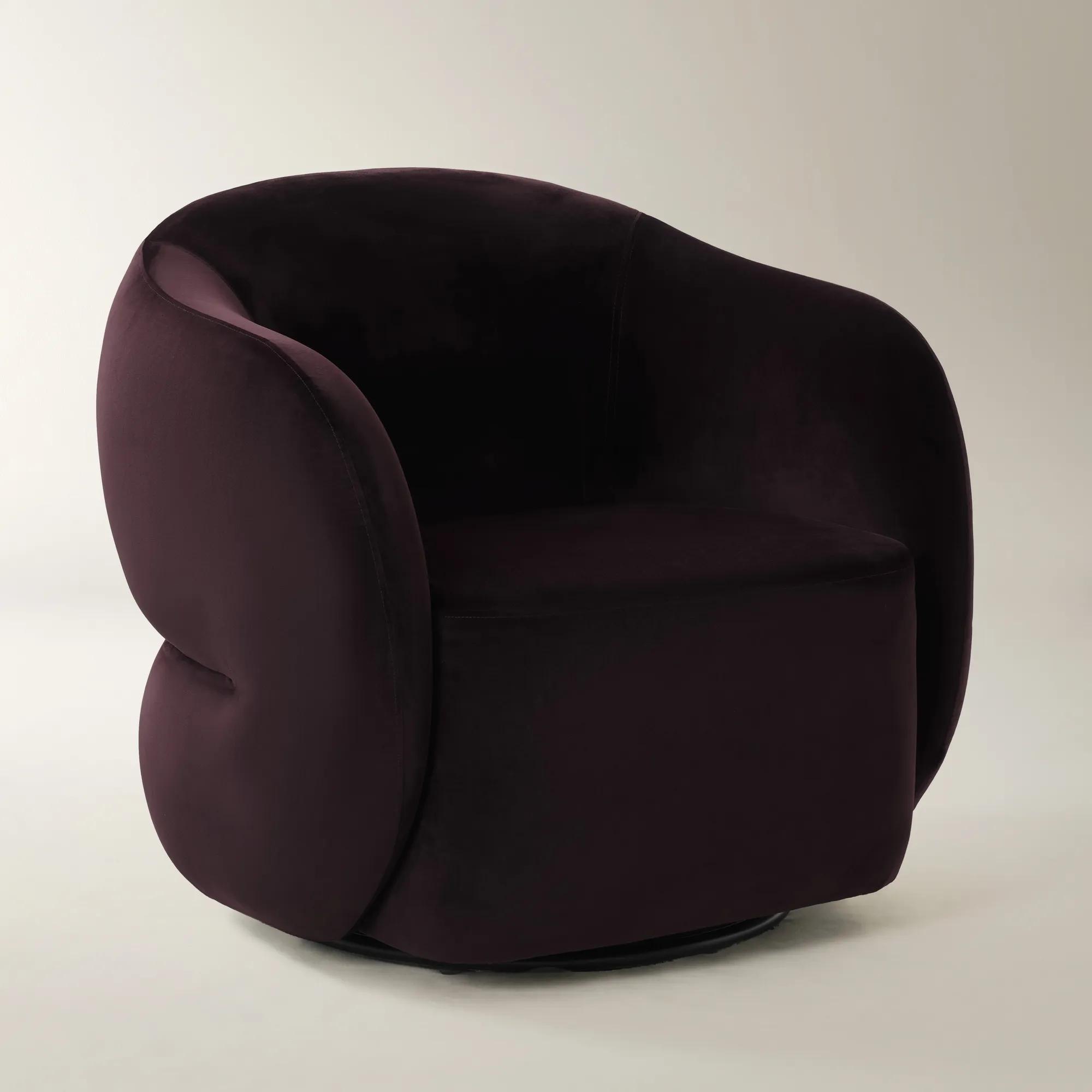 Sierra Fig Velvet Swivel Accent Chair$899
A modern accent chair in plush fig velvet with a wraparound back and smooth 360° swivel base.
Add To Cart -
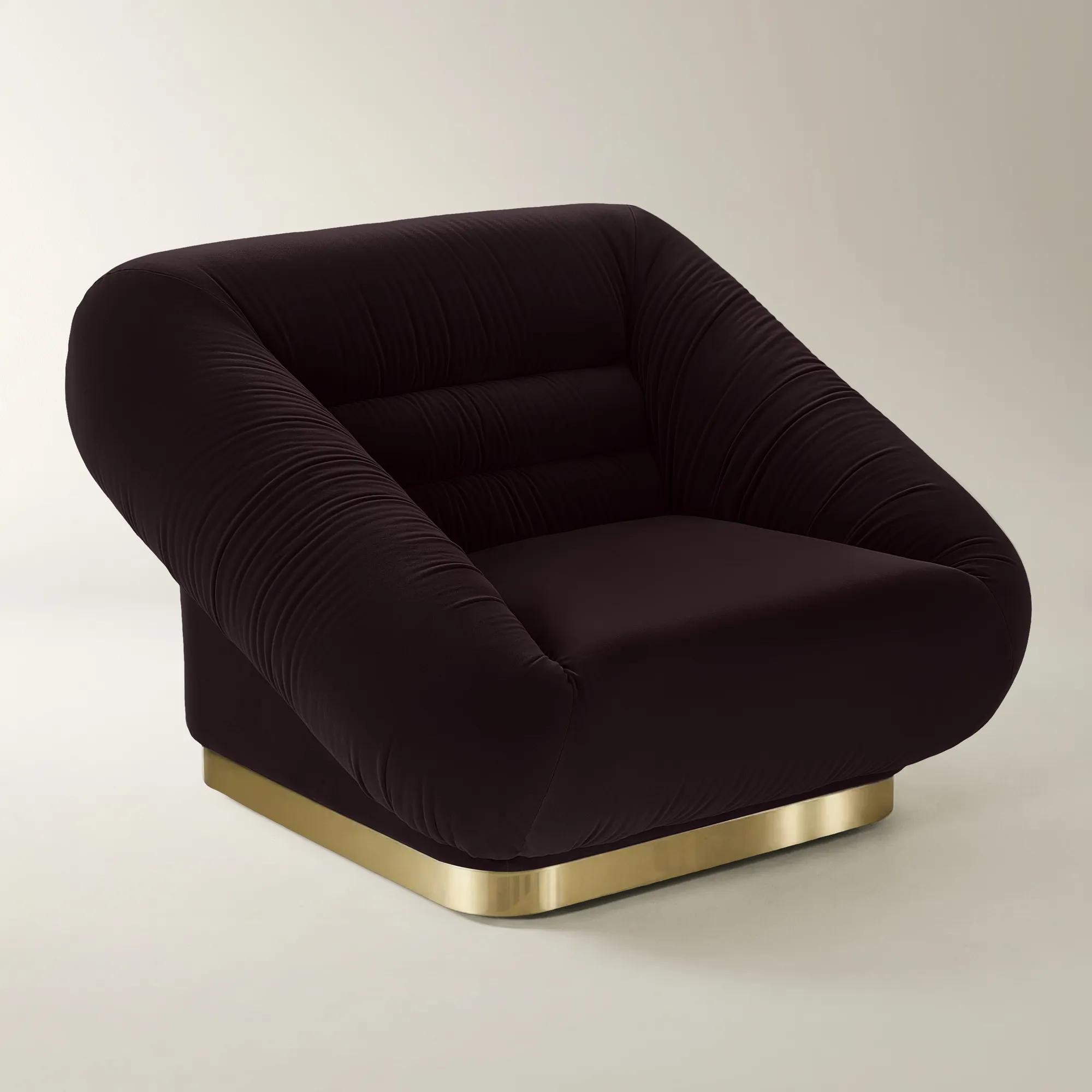 Dover Fig Velvet Swivel Accent Chair$1299
A sculptural fig velvet accent chair featuring soft gathered upholstery, gold-trimmed base, and smooth 360° swivel.
Add To Cart -
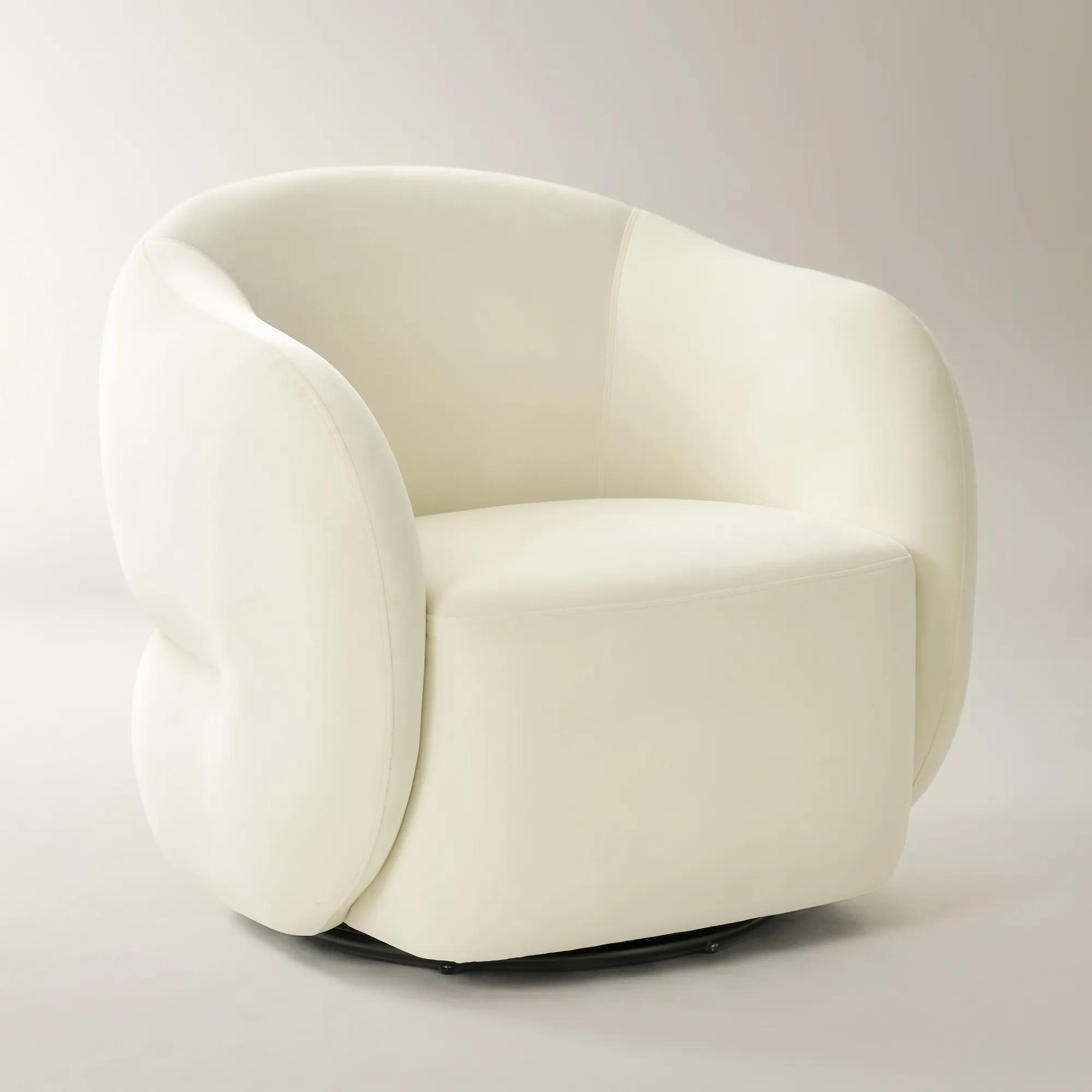
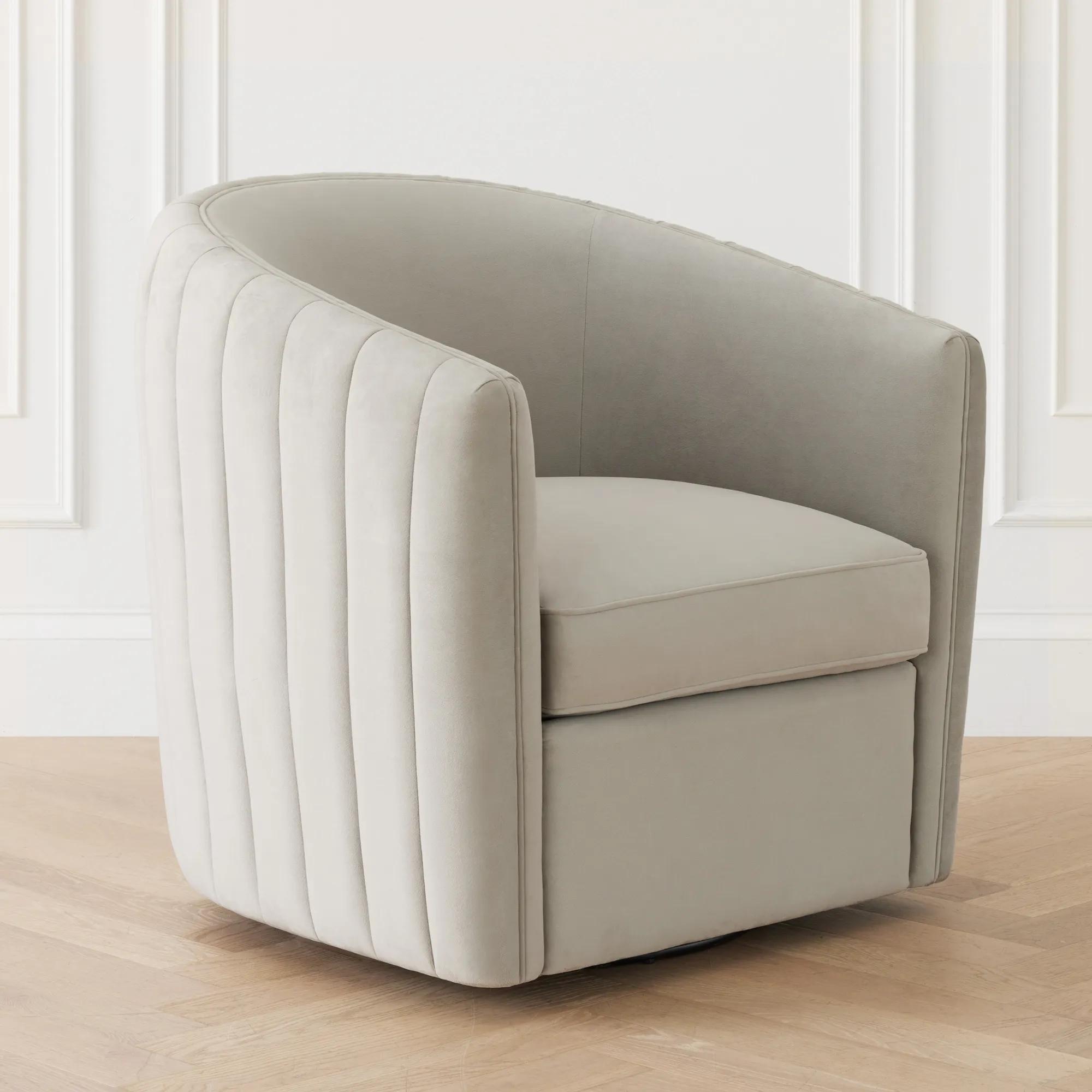
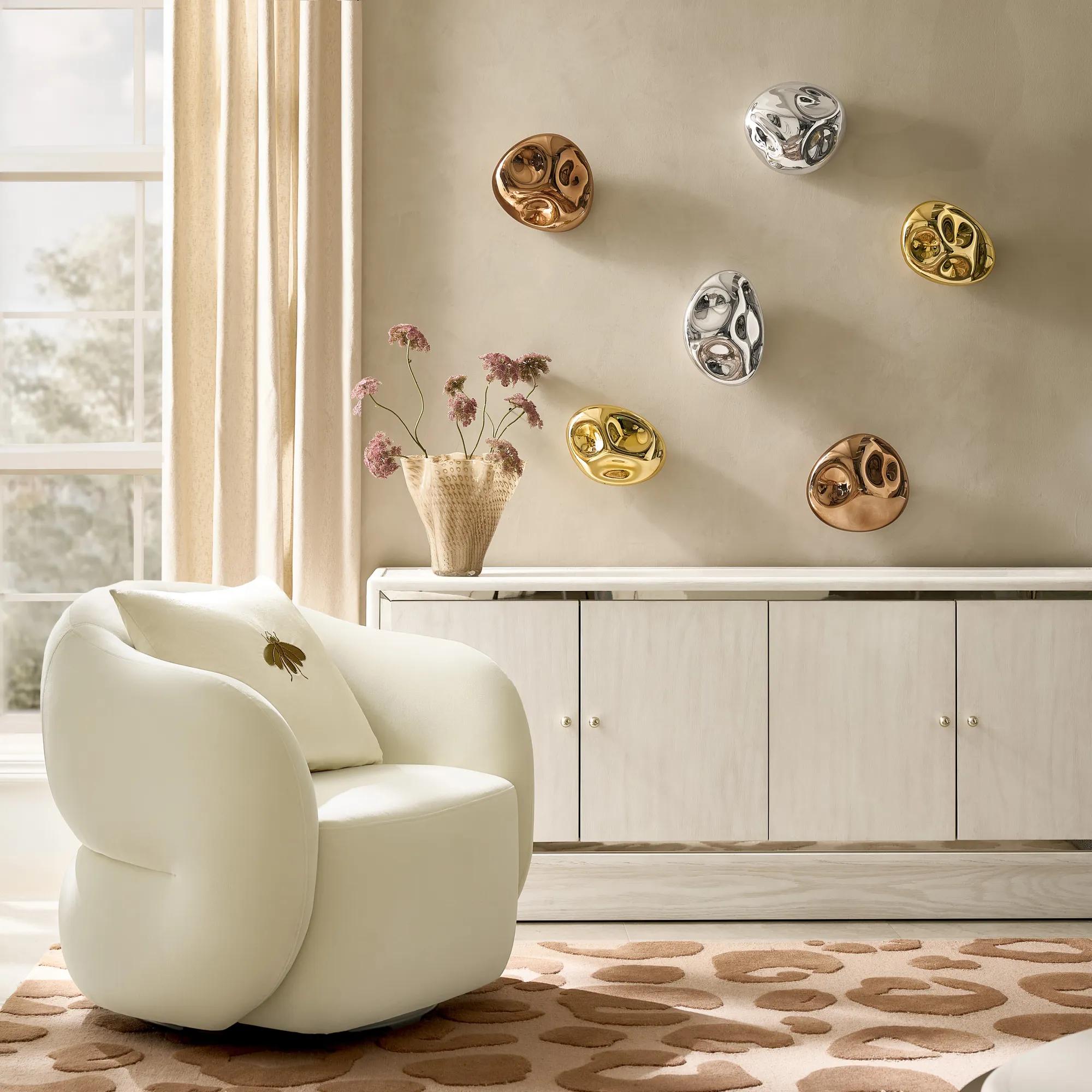 Sierra Cloud Velvet Swivel Accent Chair$899
A plush velvet accent chair featuring a wraparound back, fluid curves, and smooth 360° swivel base.
Add To Cart -
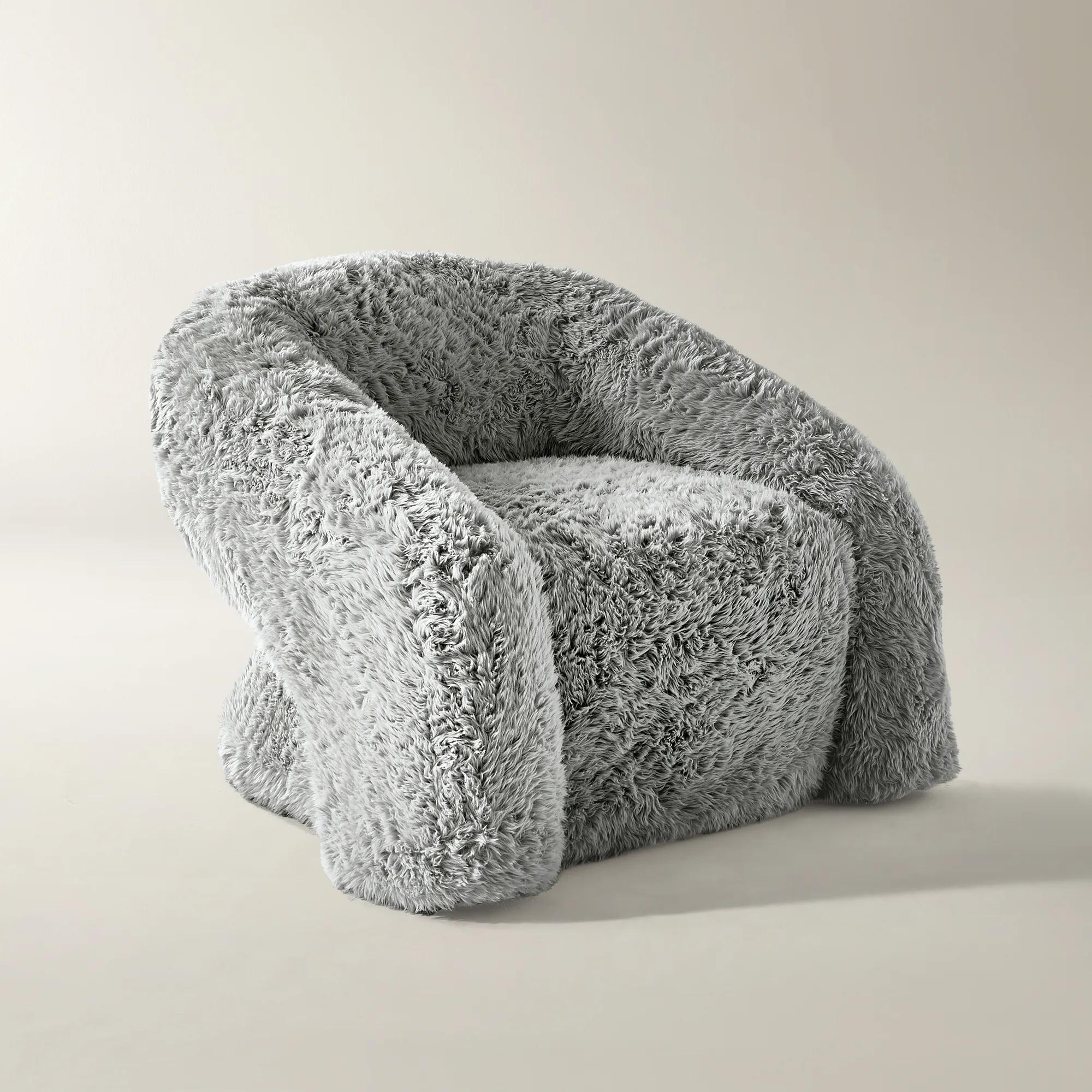
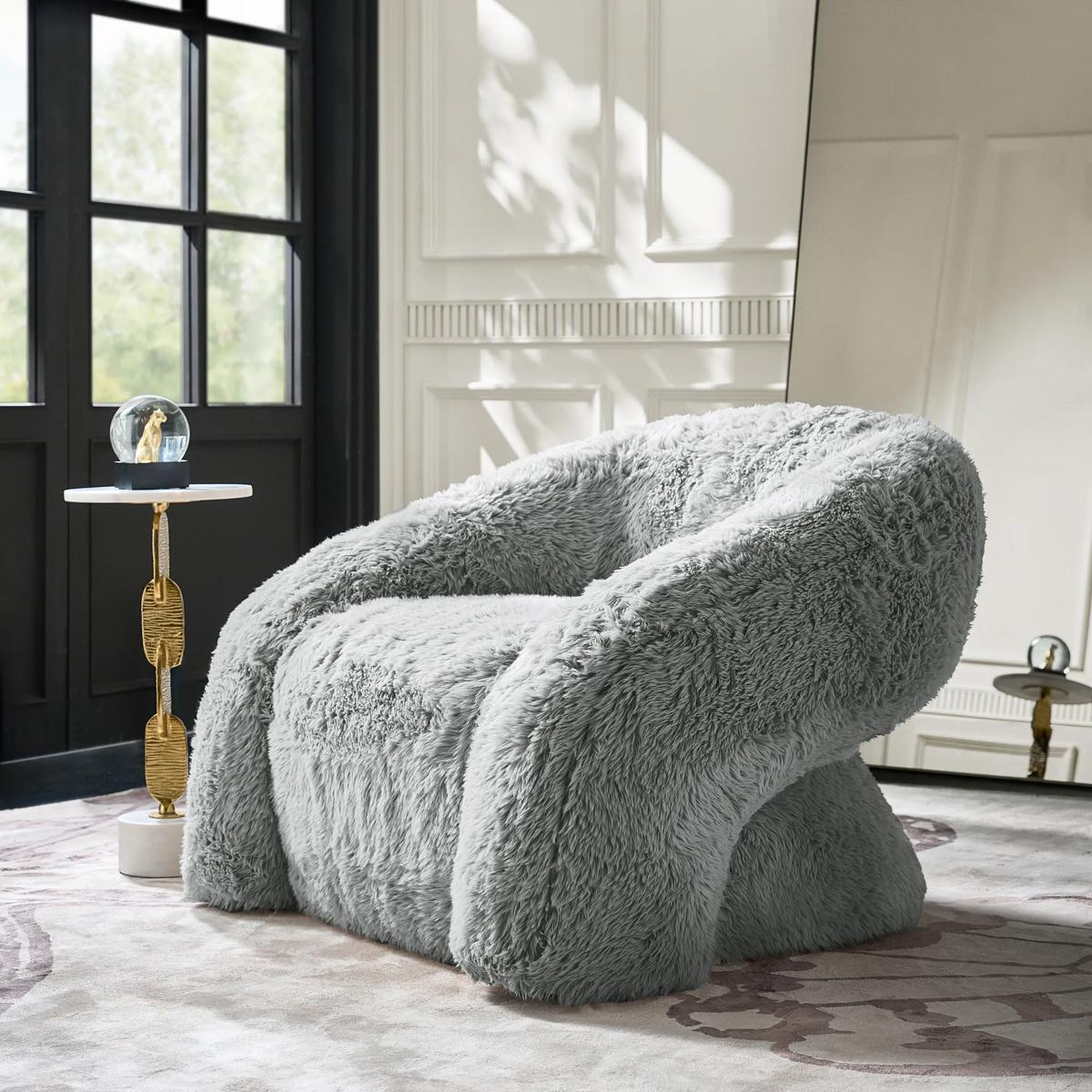 Misha Shadow Faux Fur Accent Chair$799
A cozy gray faux fur chair featuring high-resiliency foam and a sculptural, low-profile silhouette.
Add To Cart -
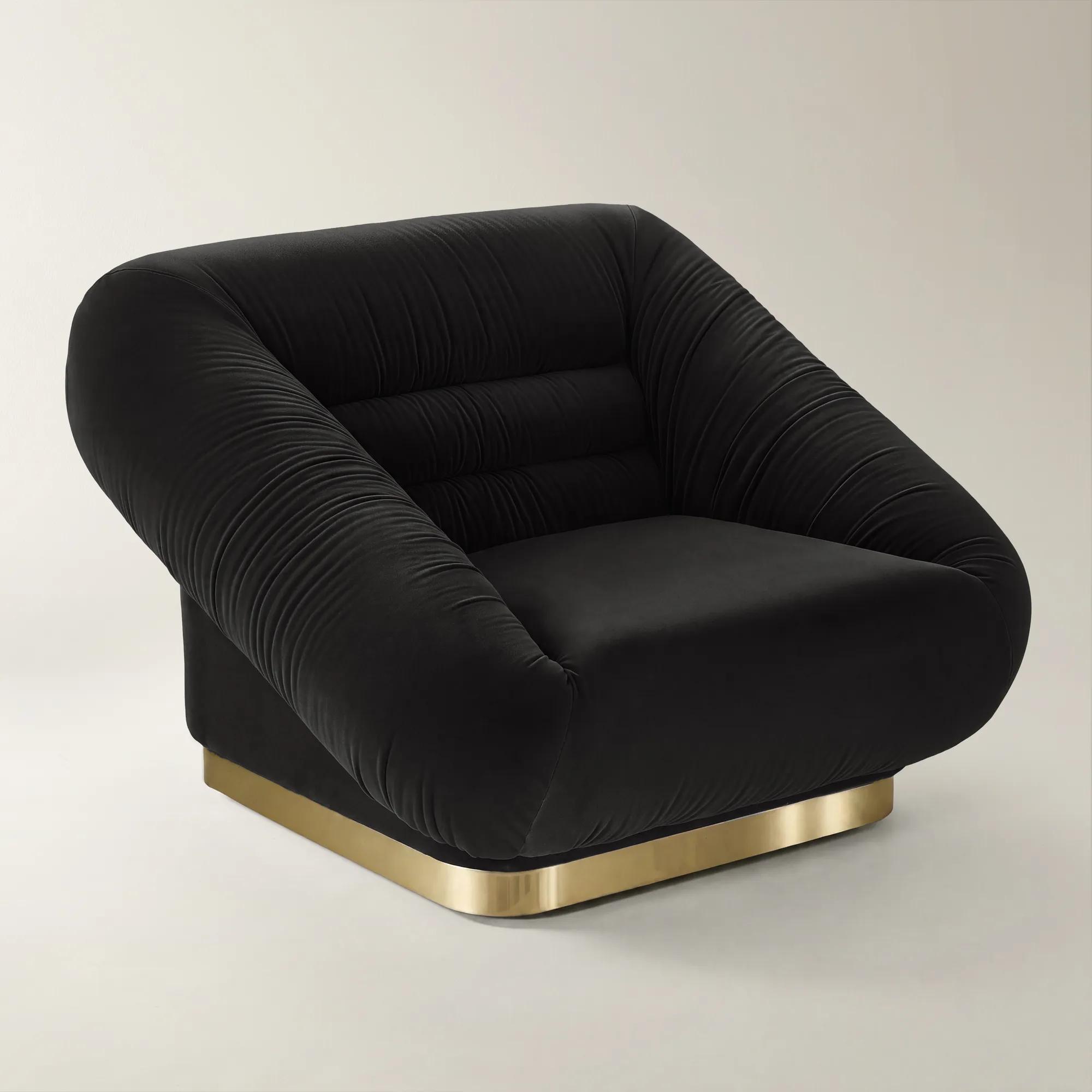
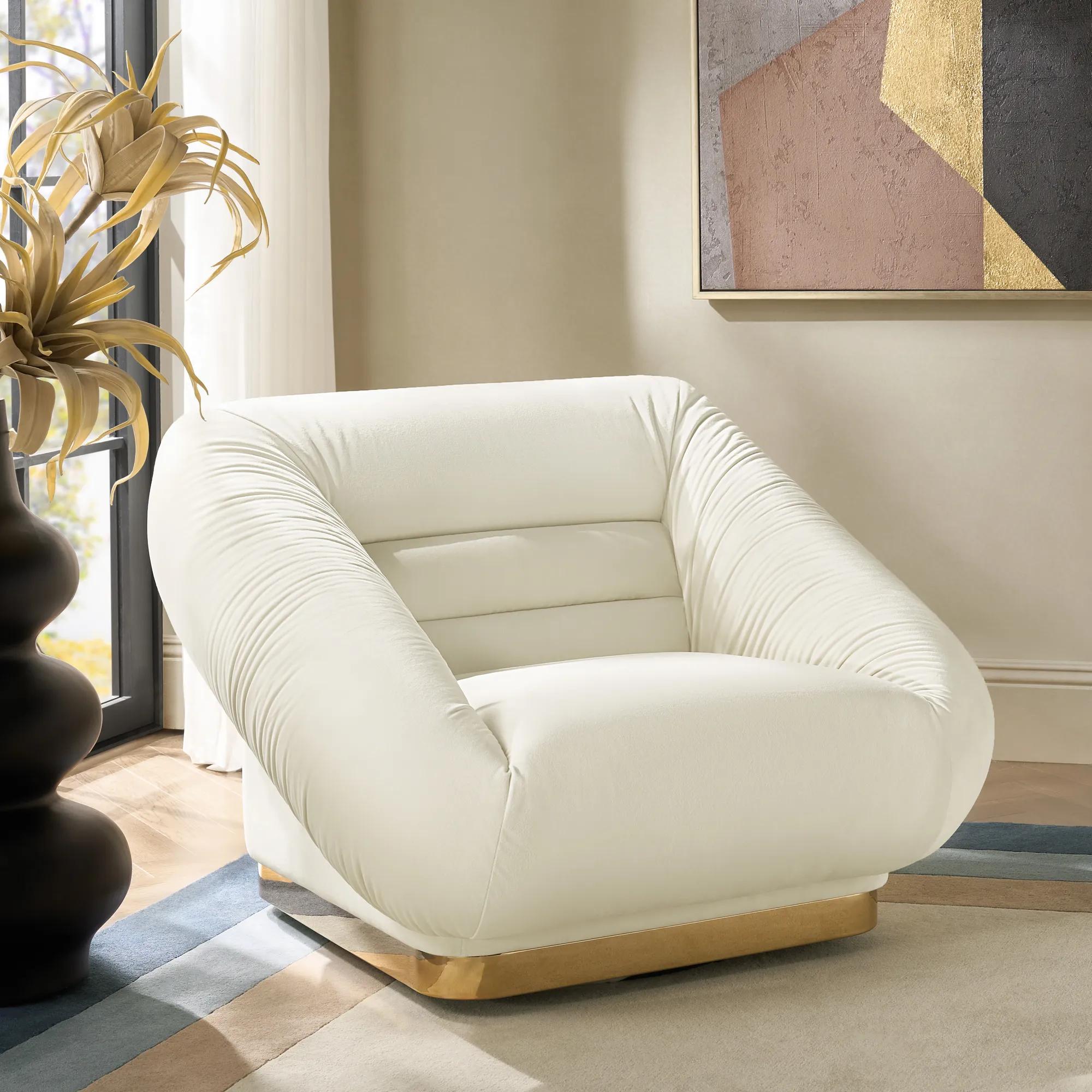 Dover Charcoal Velvet Swivel Accent Chair$1299
A sculptural charcoal velvet accent chair with gathered upholstery, a soft gold–finished stainless steel base, and smooth 360° swivel.
Add To Cart -
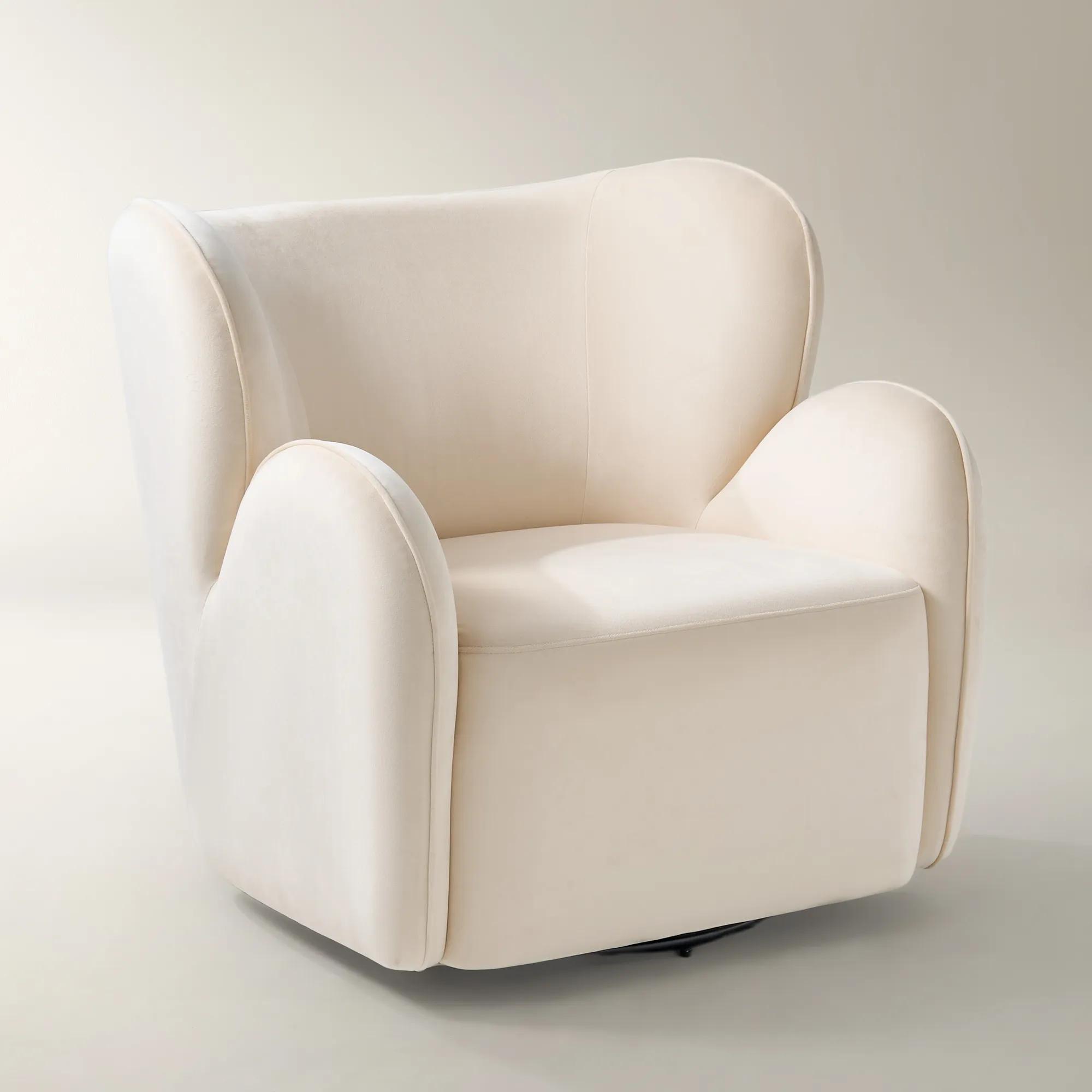
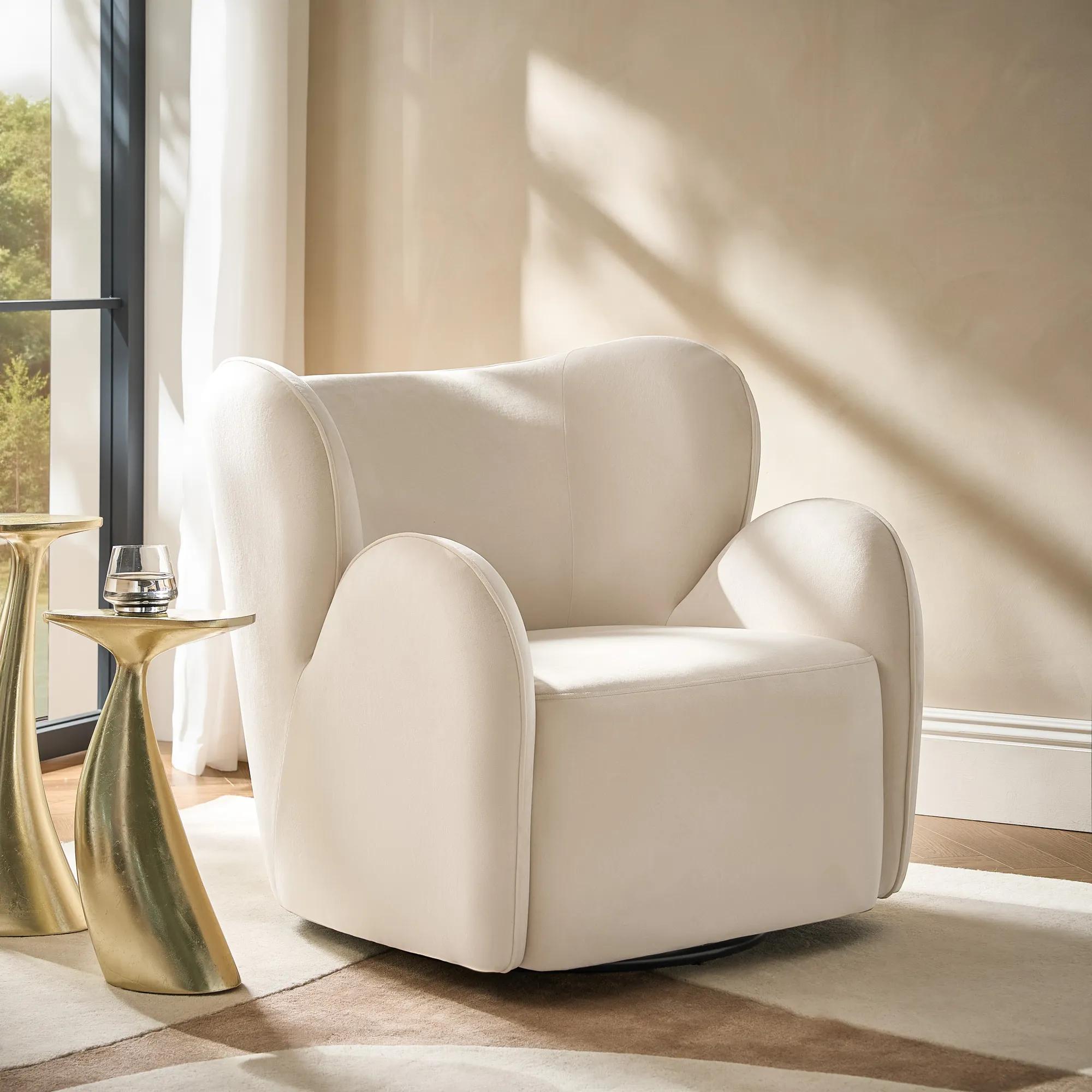 Ceres Ivory Velvet Swivel Accent Chair$799
An ivory velvet accent chair featuring a curved silhouette, 360° swivel, and plush, supportive cushioning.
Add To Cart -
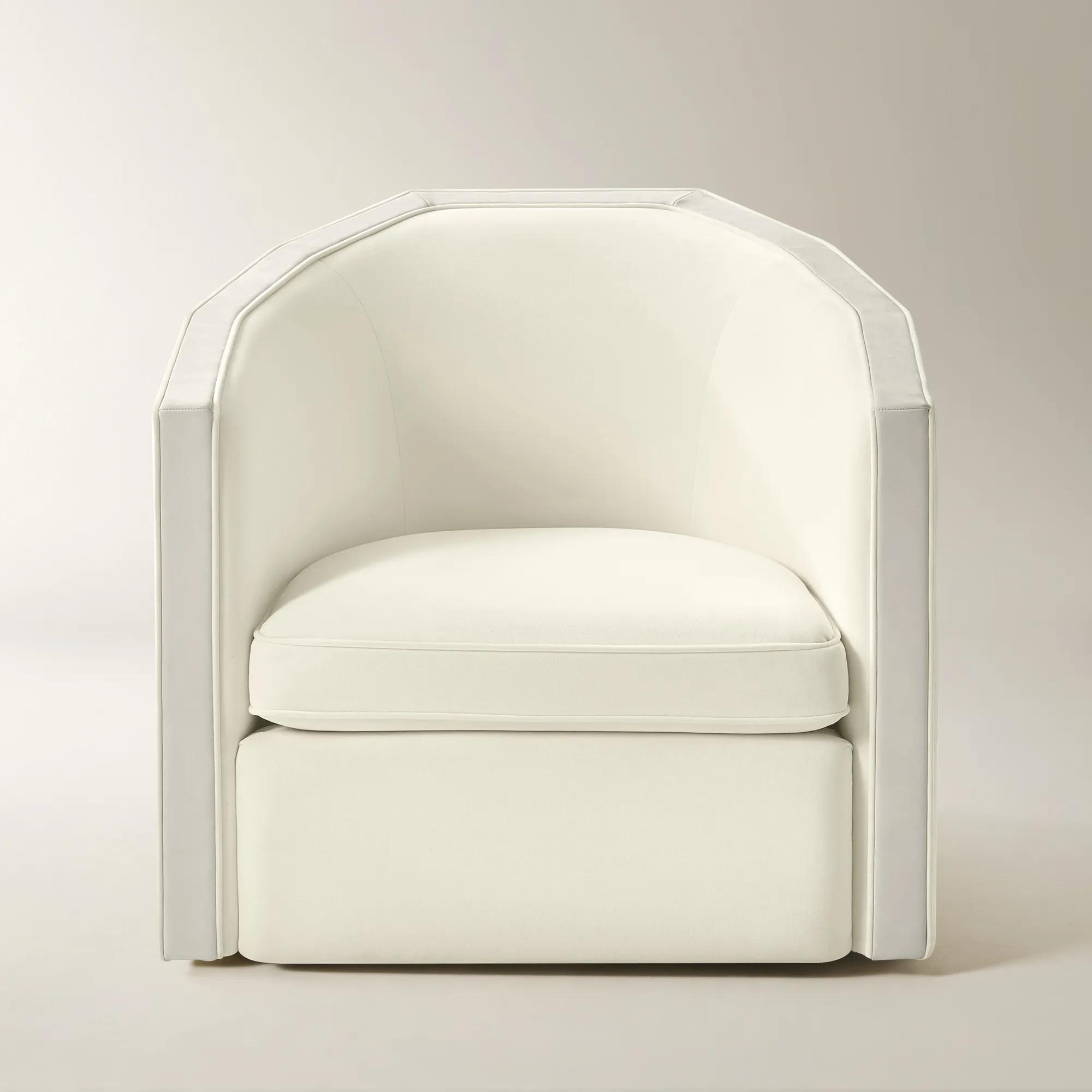 Vesper Cloud Velvet With Leather Swivel Accent Chair$999
A modern accent chair featuring cloud velvet upholstery, tonal leather trim, and a smooth 360° swivel base.
Add To Cart -
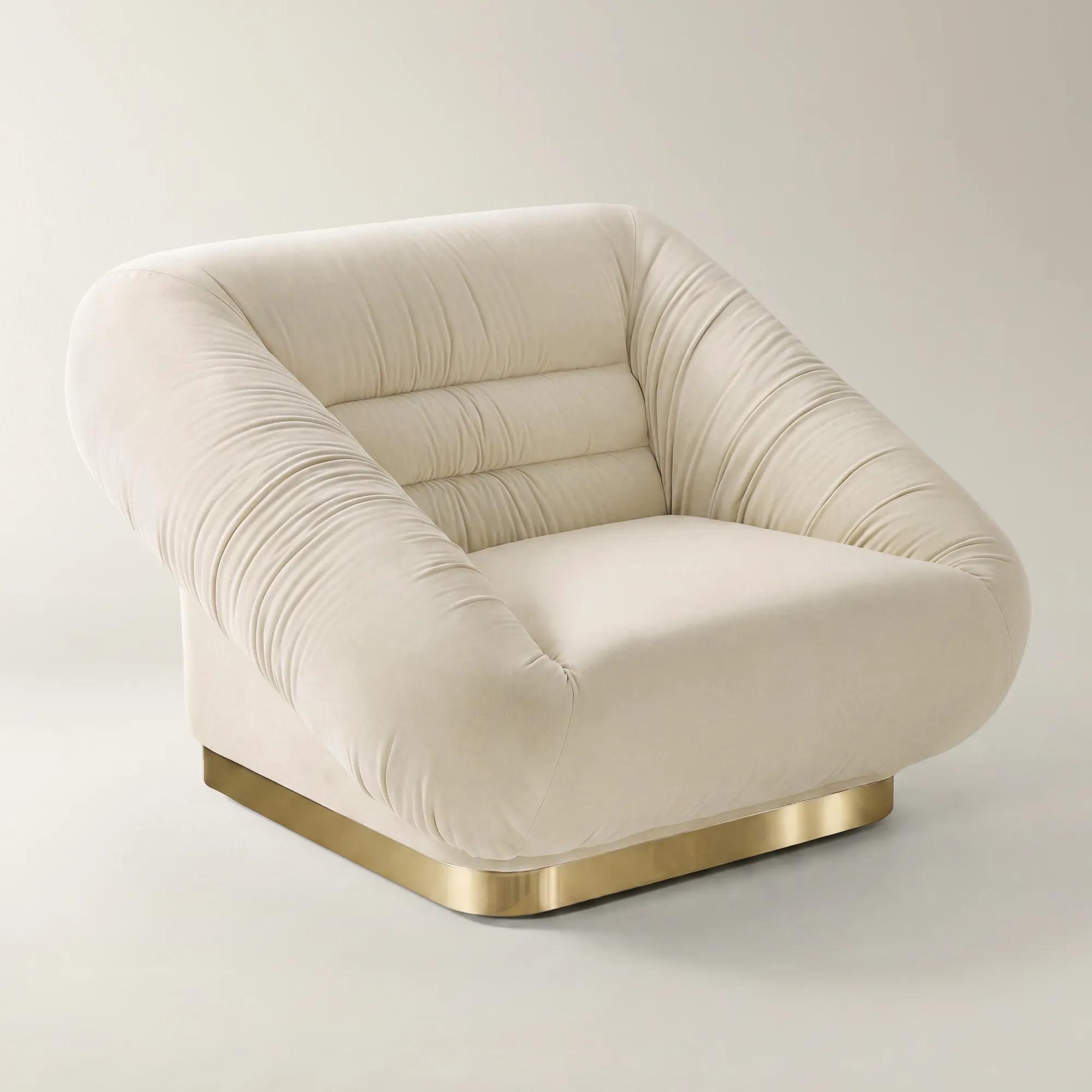
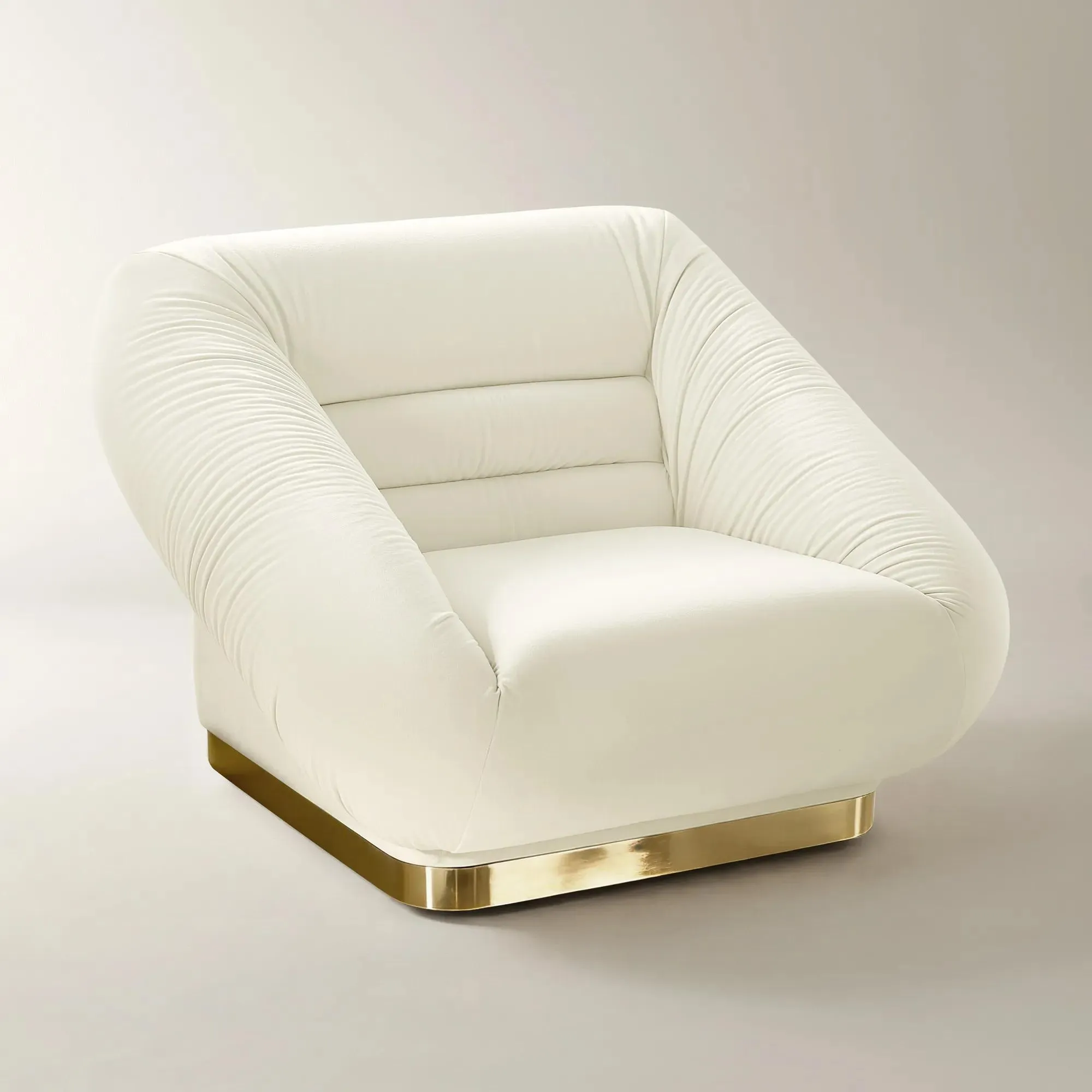 Dover Oatmeal Velvet Swivel Accent Chair$1299
A sculptural oatmeal velvet accent chair with gathered upholstery, a soft gold stainless steel base, and smooth 360-degree swivel functionality.
Add To Cart -
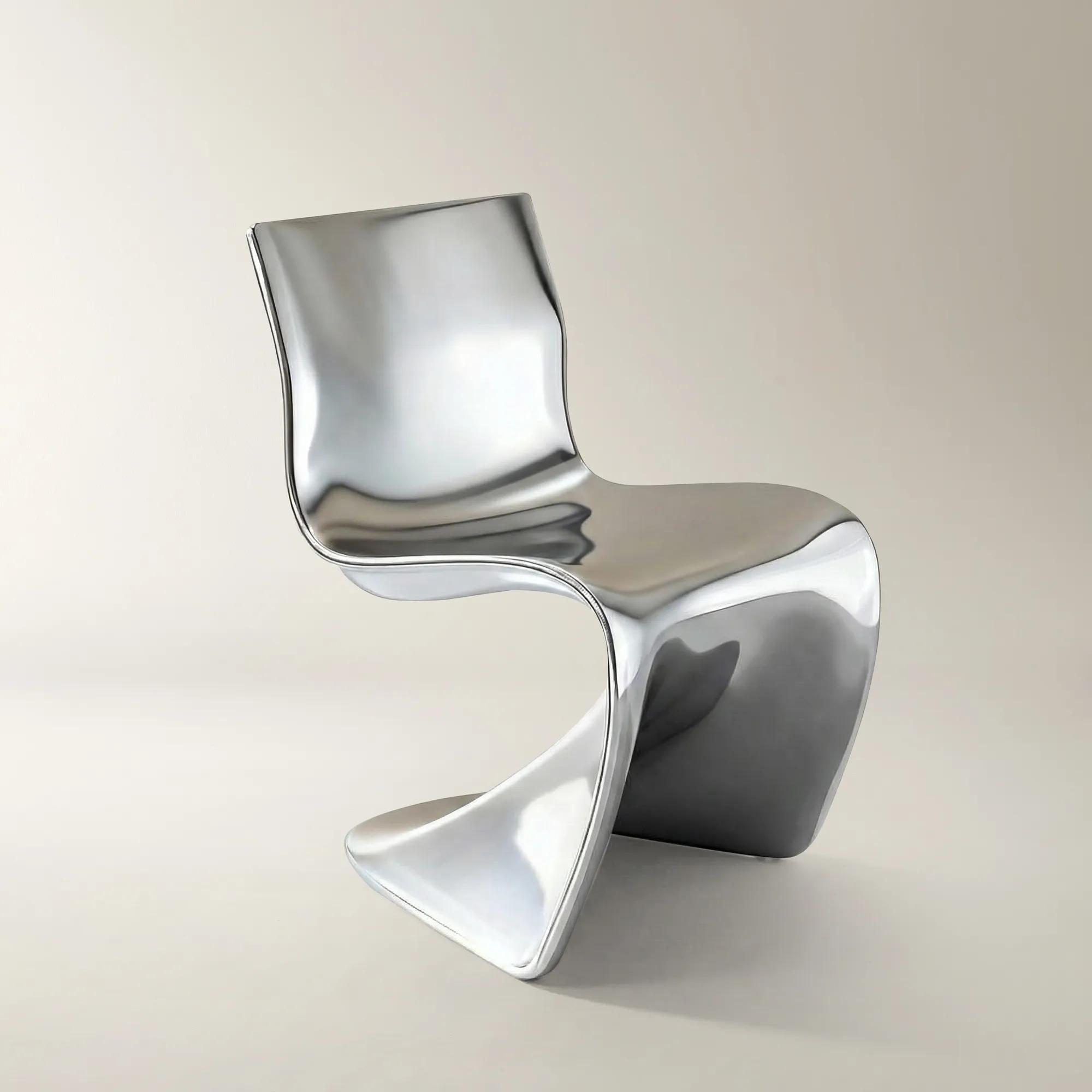
 Sasha Chrome Dining Chair$899
A sculptural accent chair crafted from polished chrome-finished fiberglass for a sleek, modern statement.
Add To Cart -
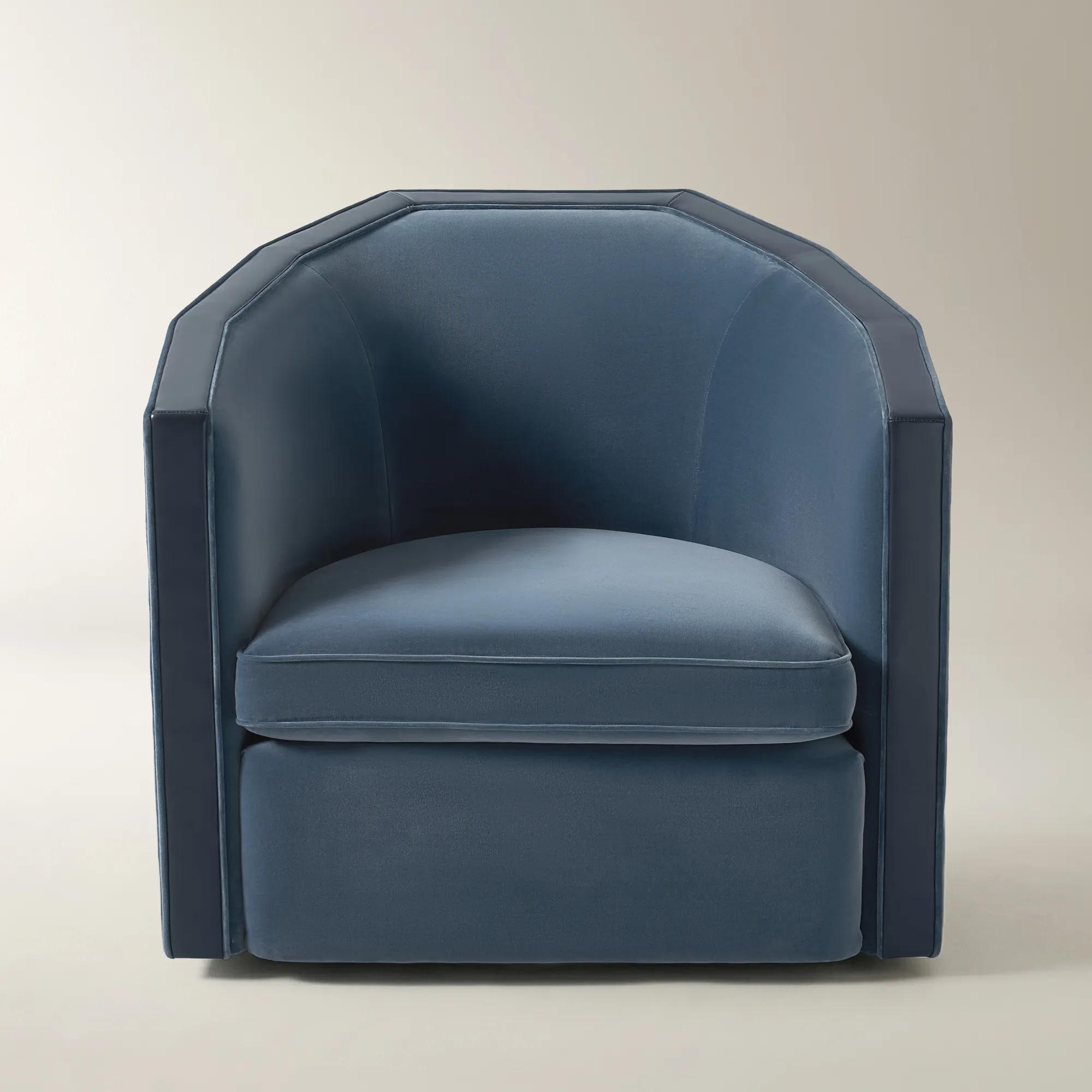 Vesper Dusty Blue Velvet With Leather Swivel Accent Chair$999
A modern accent chair in dusty blue velvet with tonal leather trim and a smooth 360-degree swivel base.
Add To Cart -
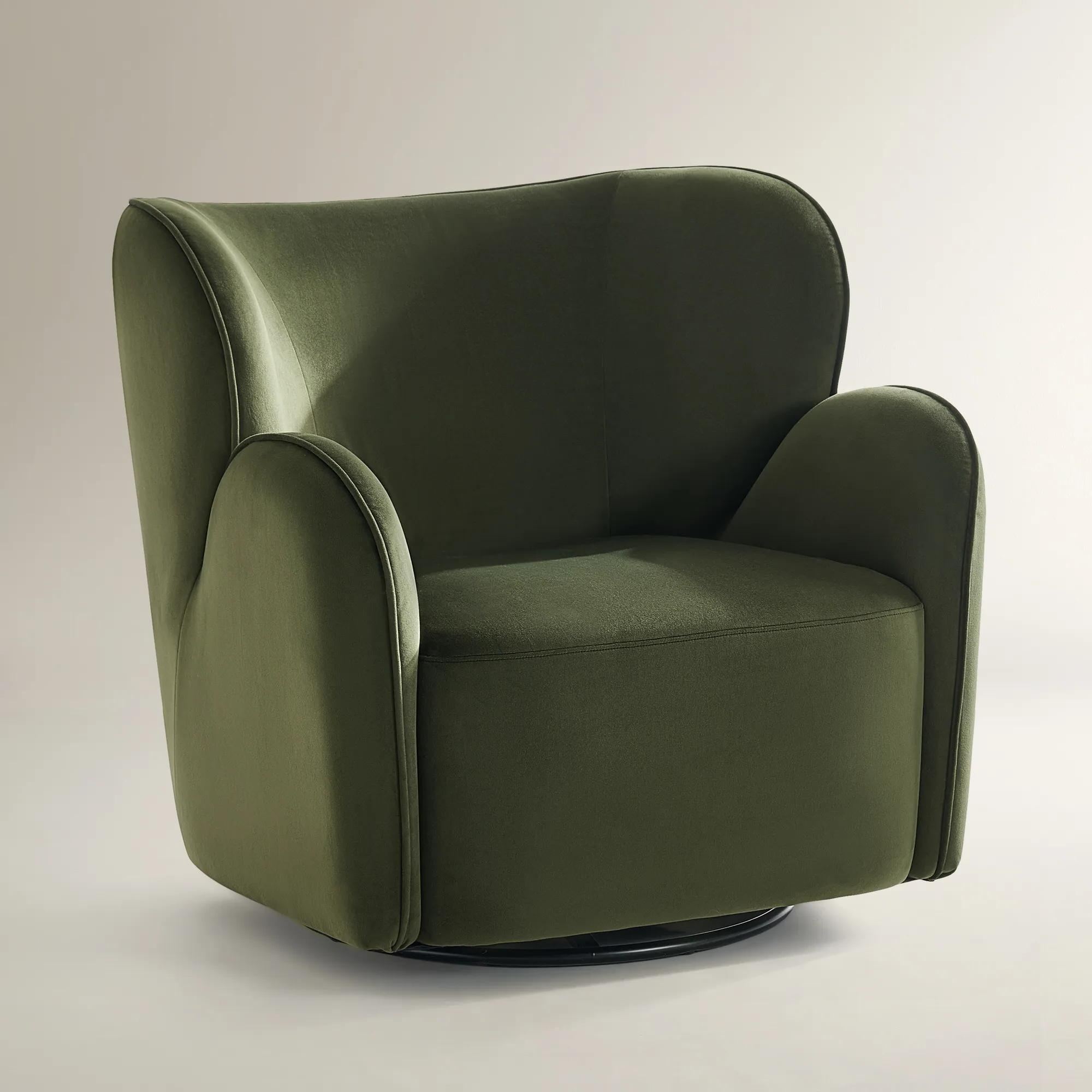
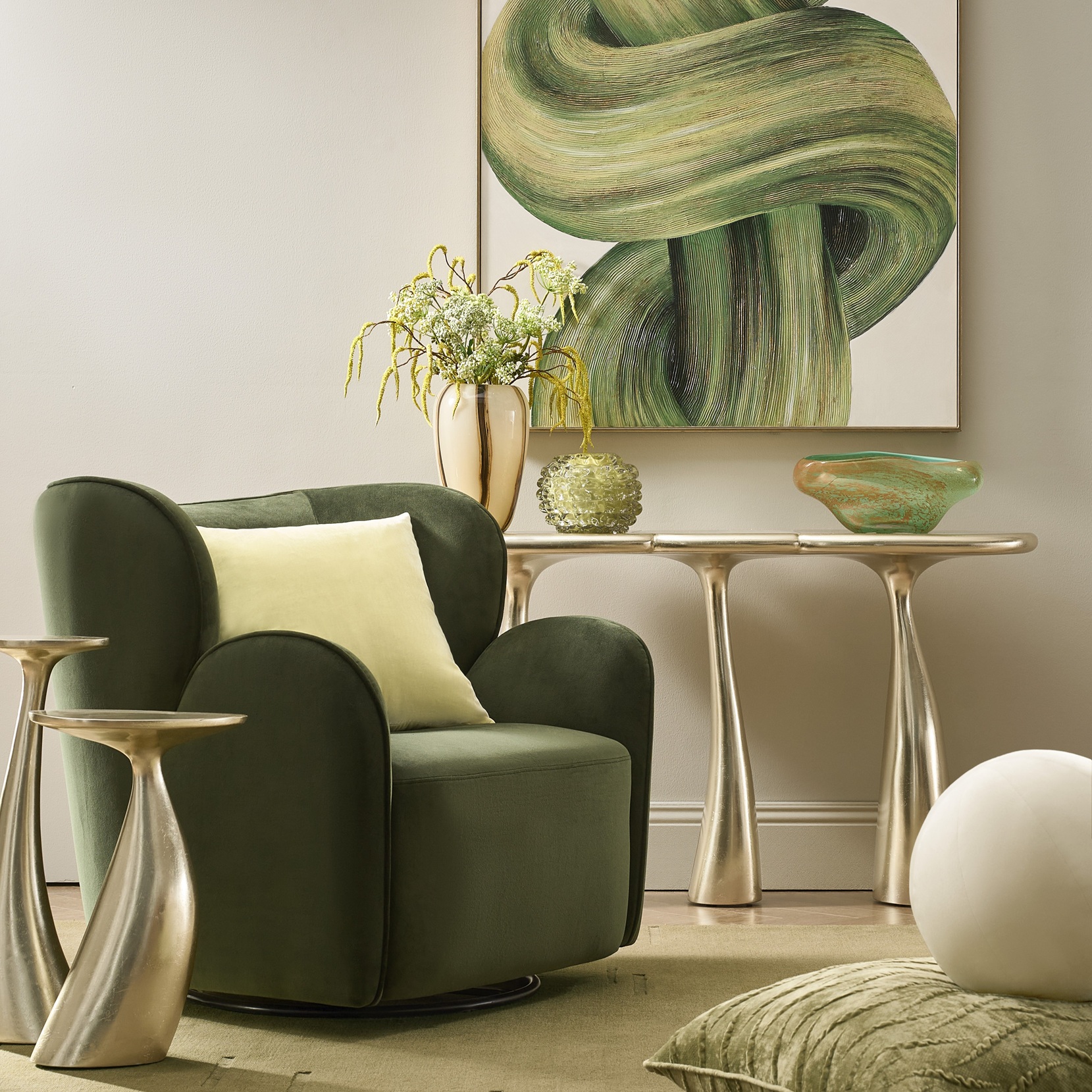 Ceres Jade Green Velvet Swivel Accent Chair$799
A plush jade green velvet chair with a curved silhouette, 360° swivel, and supportive foam cushioning.
Add To Cart -
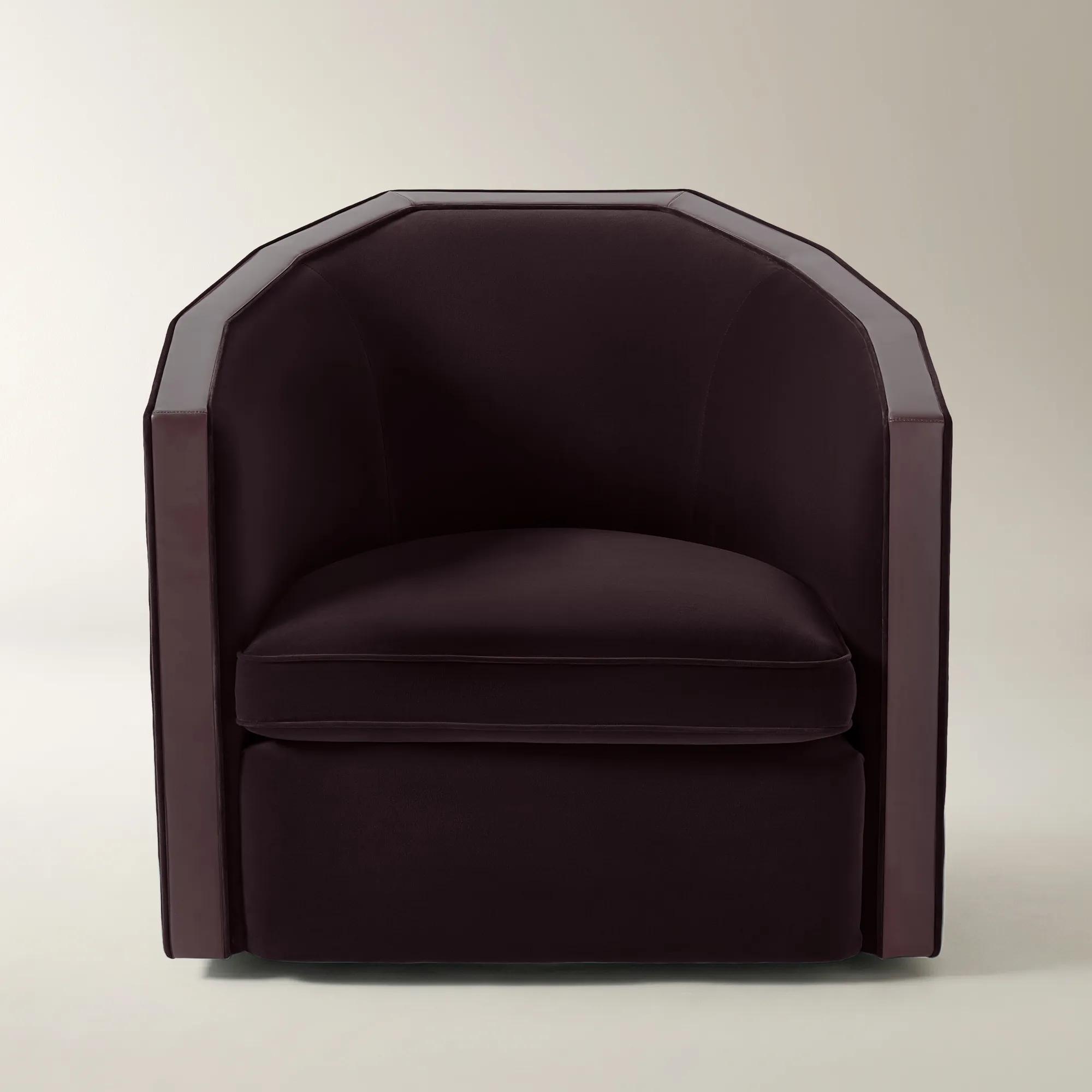
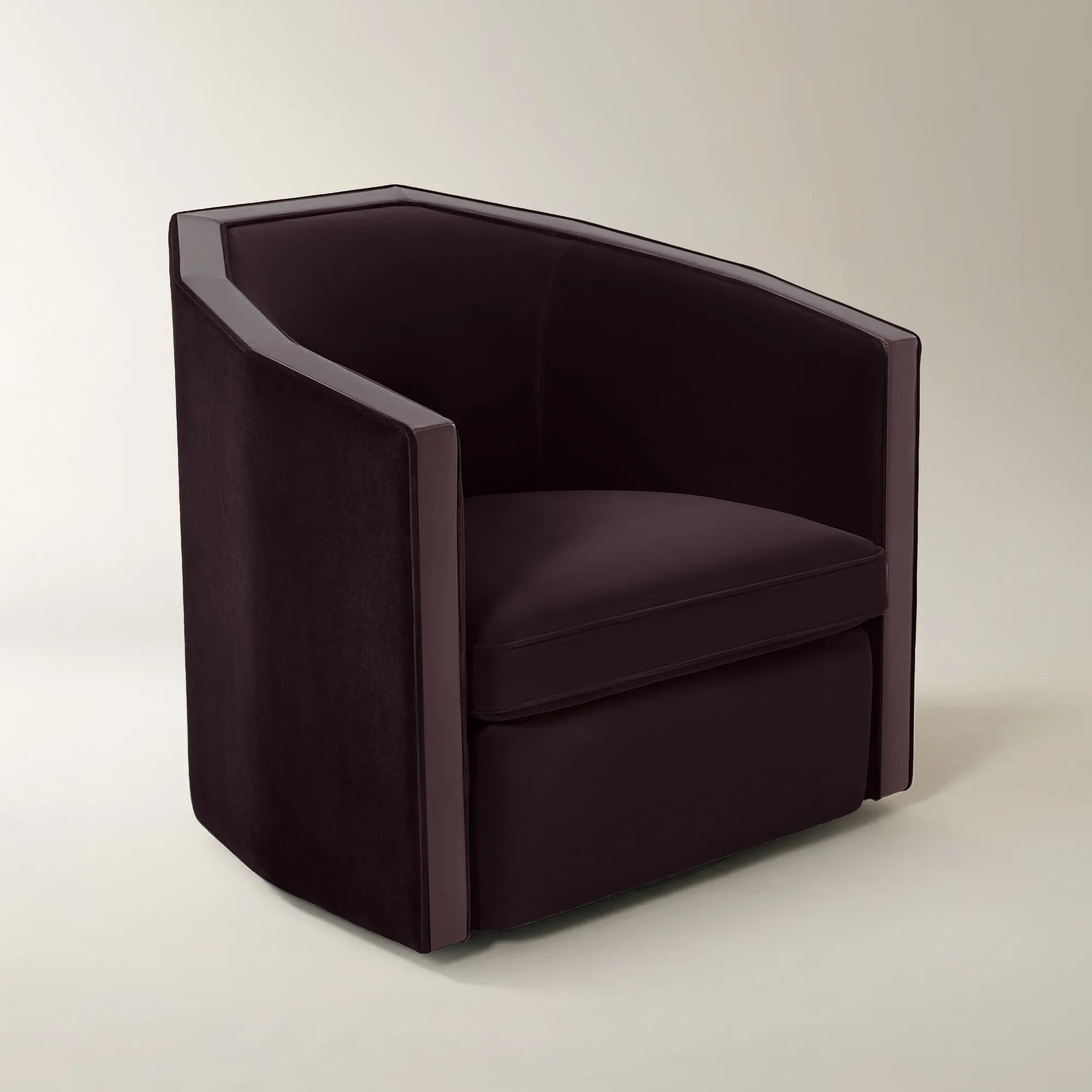 Vesper Fig Velvet With Leather Swivel Accent Chair$999
A modern accent chair featuring fig velvet upholstery, tonal leather trim, and a smooth 360° swivel base.
Add To Cart -
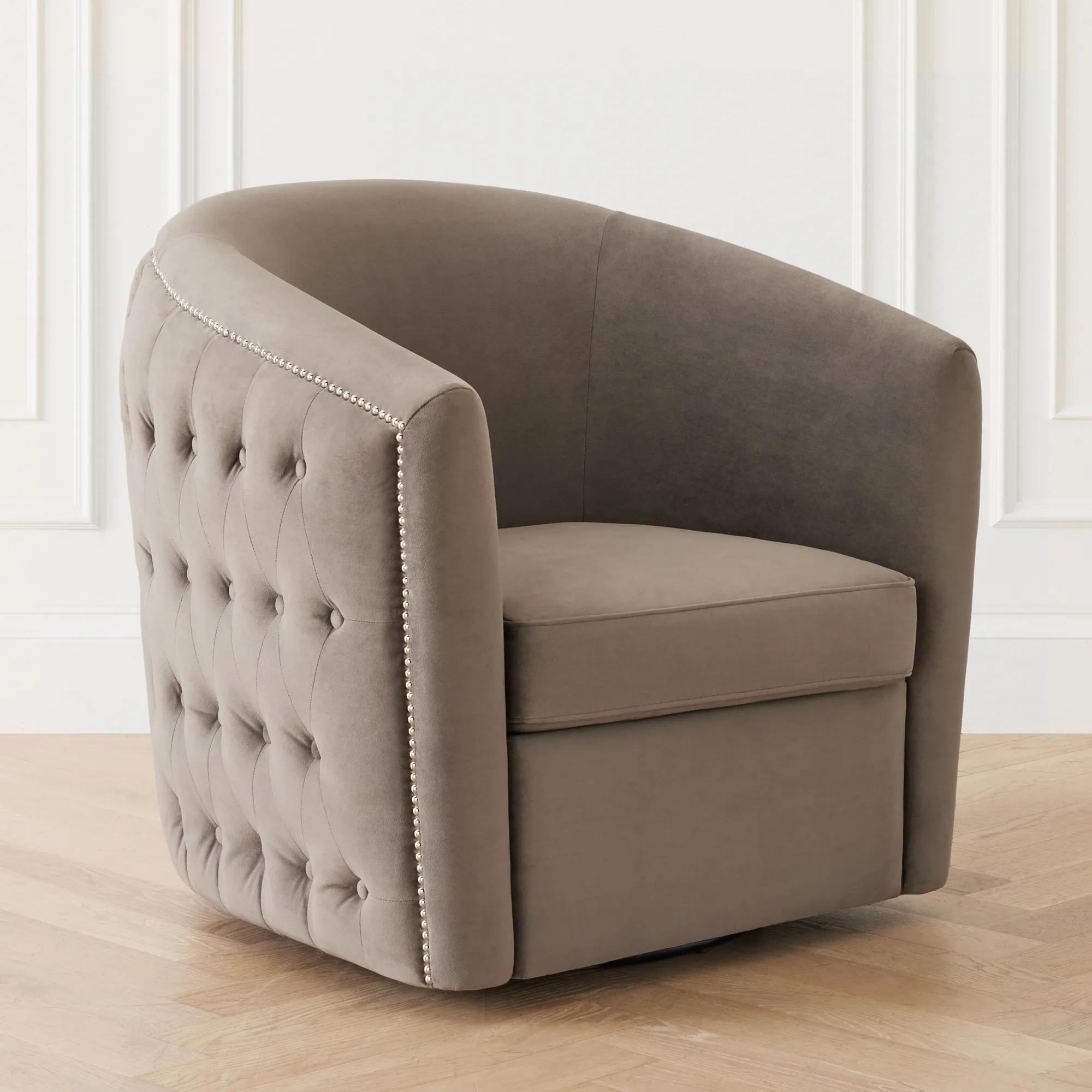
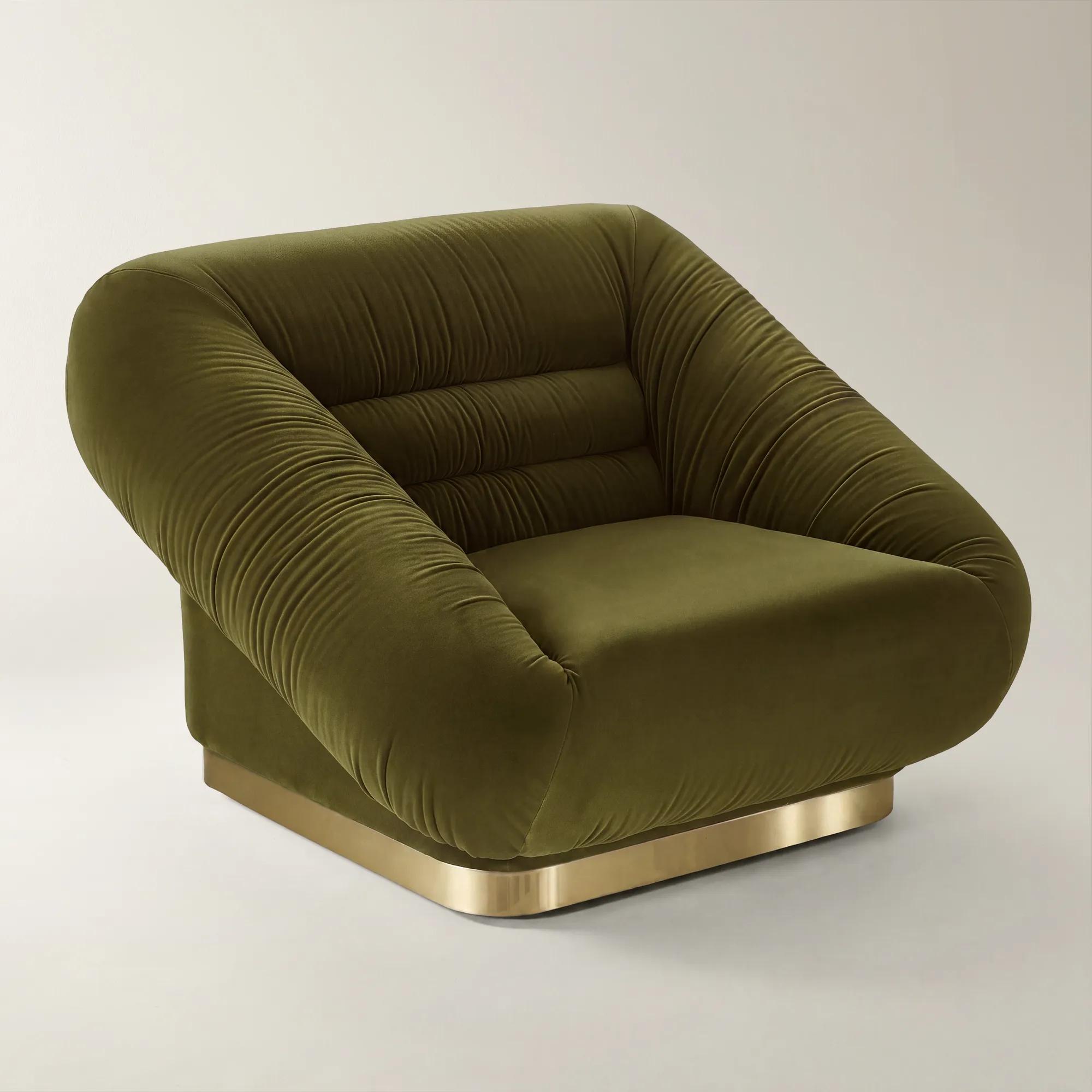 Dover Deep Olive Velvet Swivel Accent Chair$1299
A sculptural deep olive velvet chair with gathered upholstery, soft gold trim, and smooth 360-degree swivel functionality.
Add To Cart -
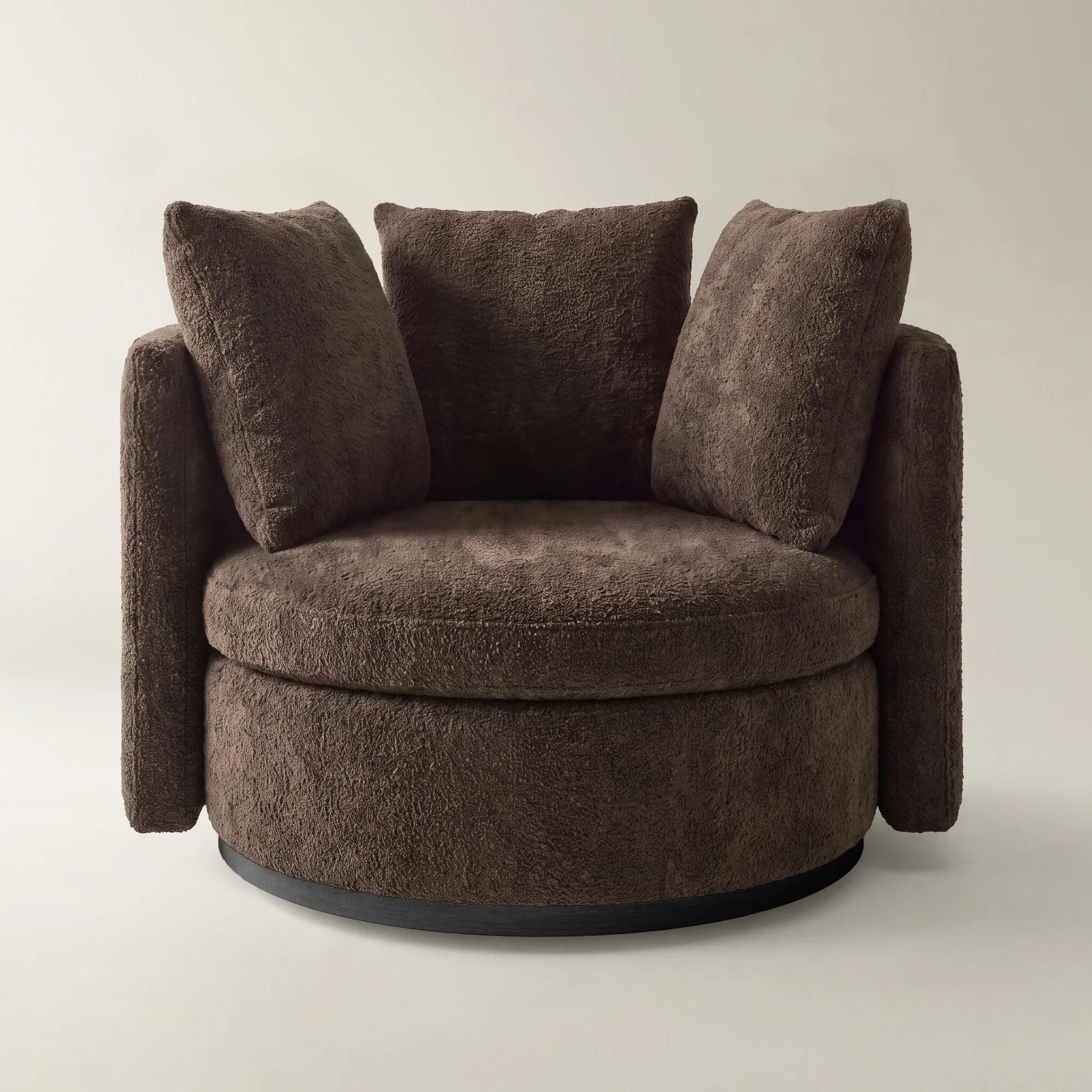
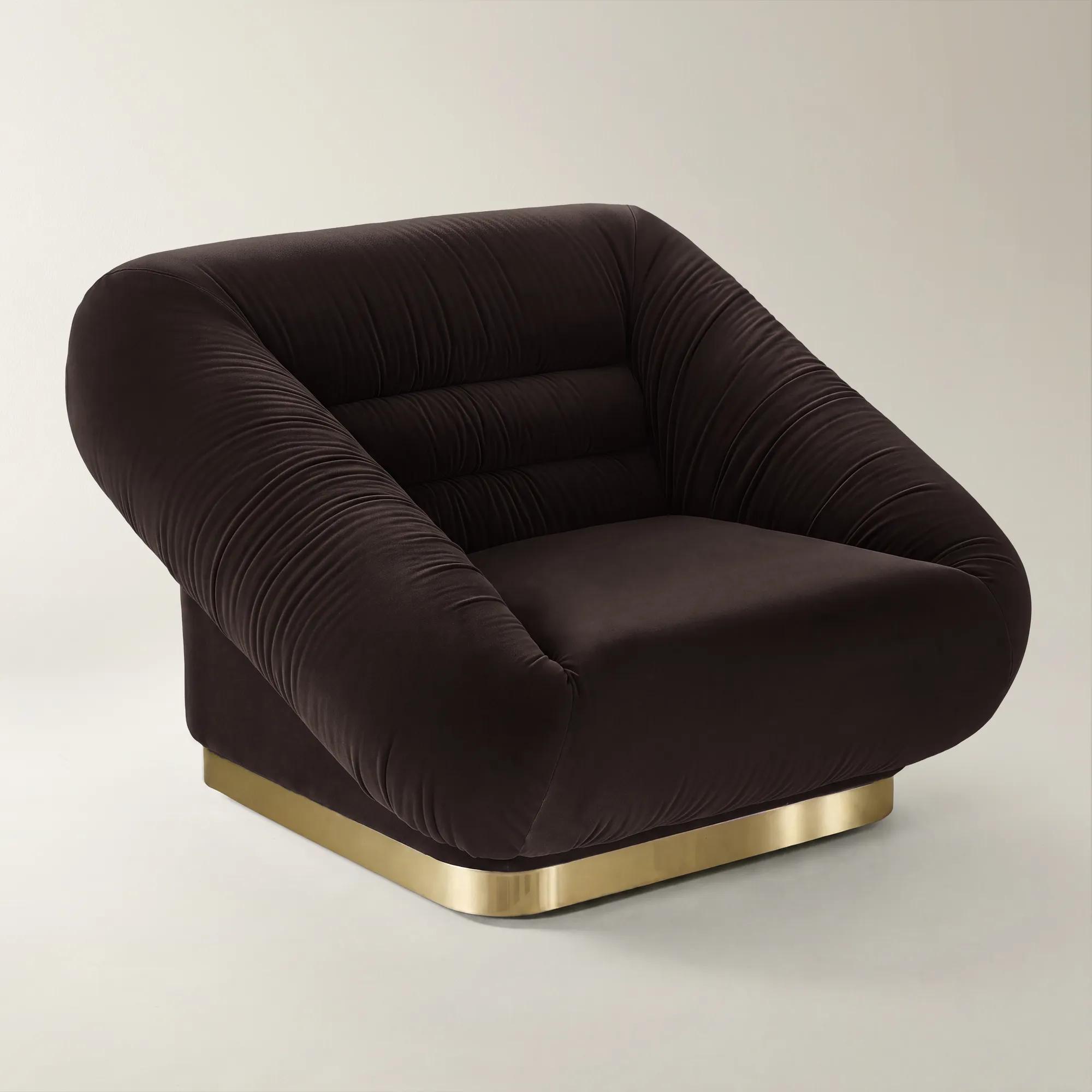 Dover Dark Chocolate Velvet Swivel Accent Chair$1299
A dark chocolate velvet accent chair with a sculptural silhouette, 360° swivel, and soft gold-finished trim.
Add To Cart -
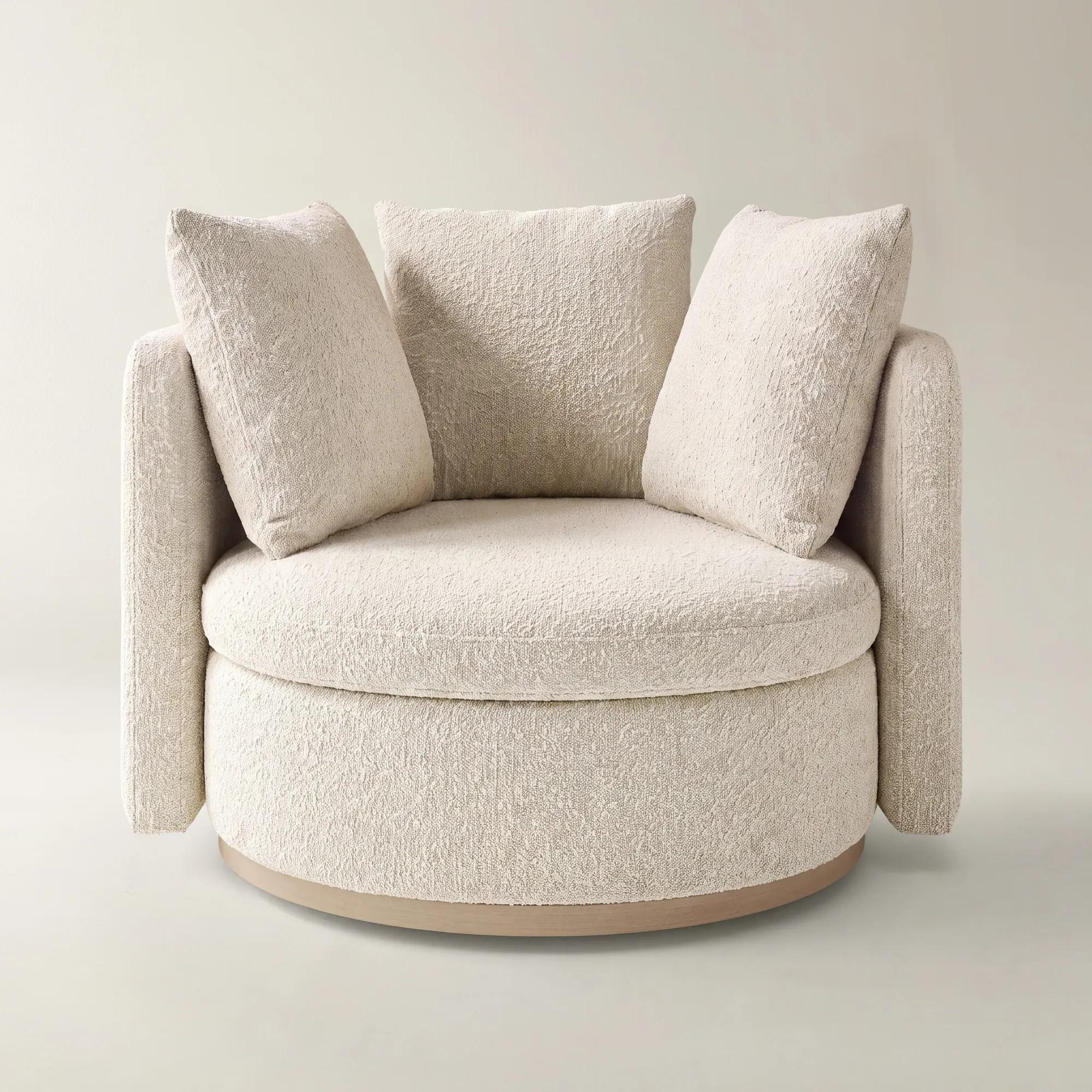
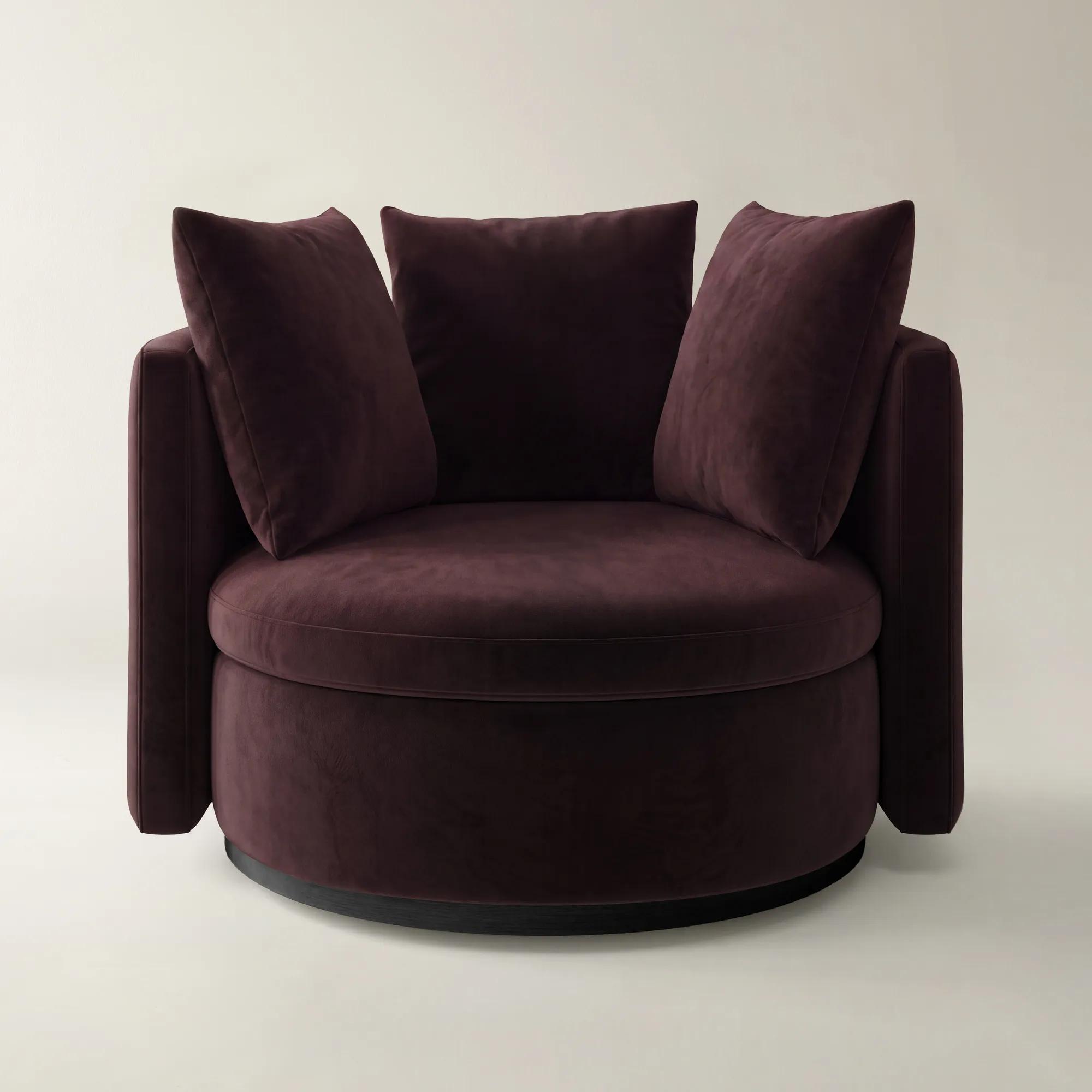
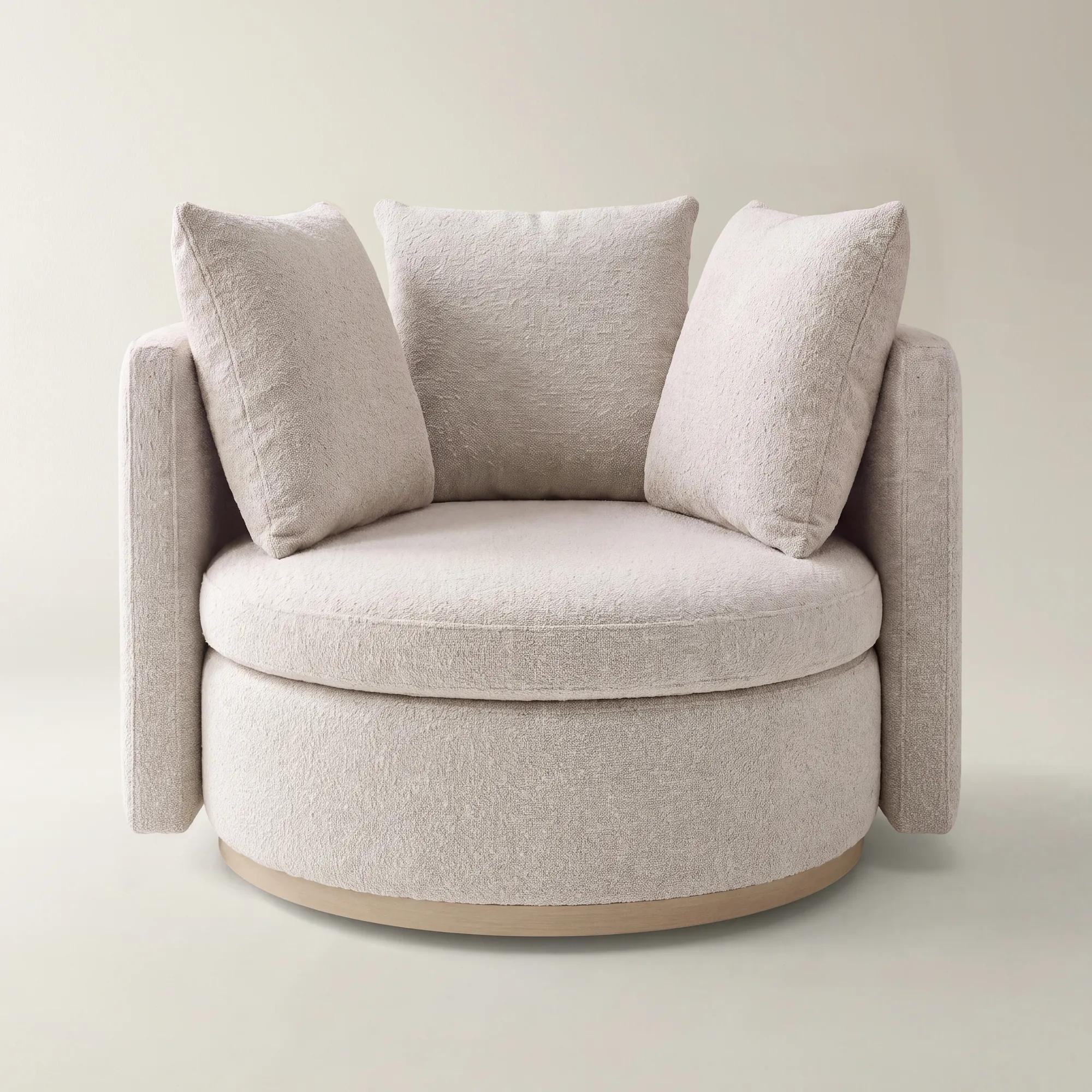
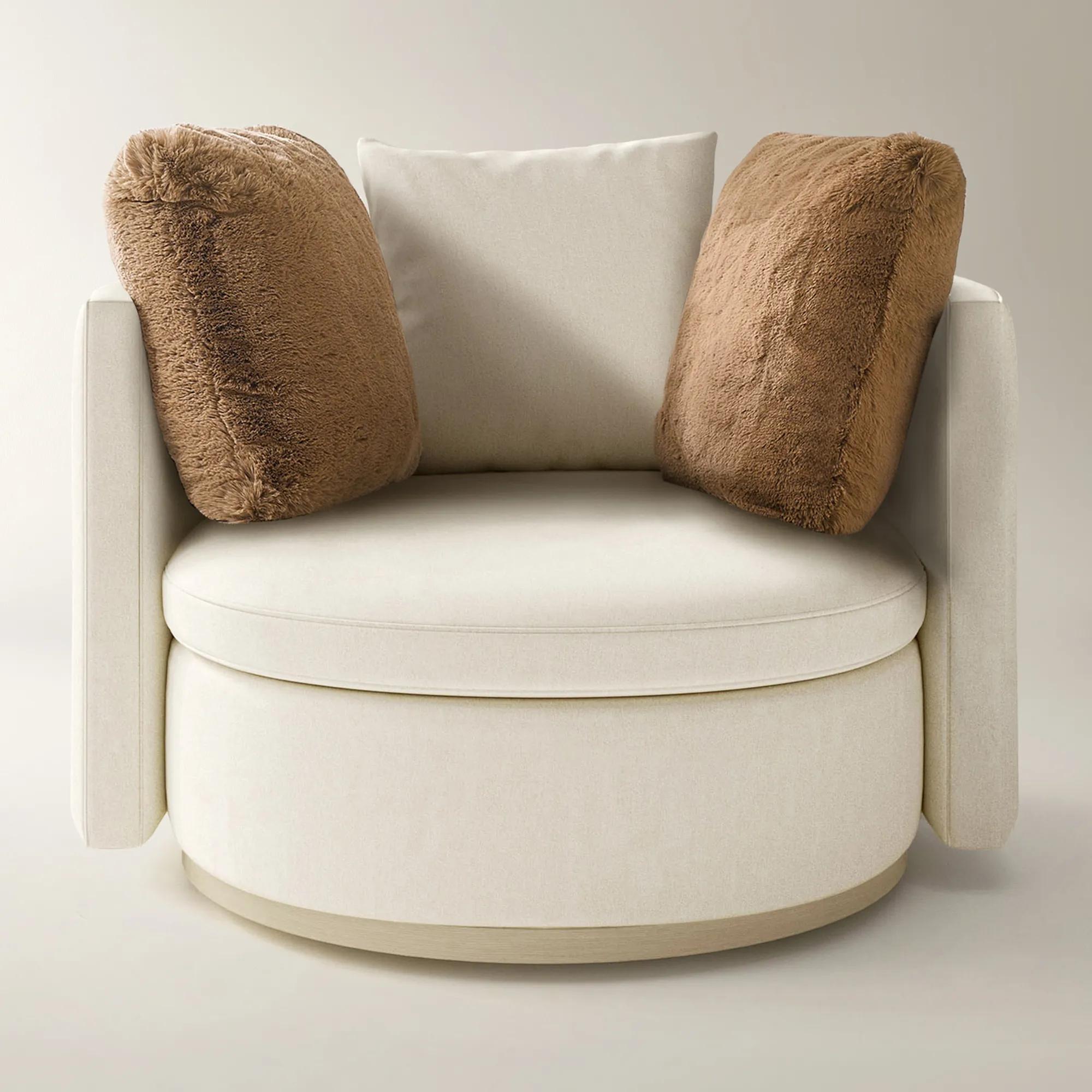 Stria Ivory Performance Boucle Swivel Accent Chair$1399
An ivory performance bouclé accent chair with enveloping curves, layered comfort, and a concealed 360-degree swivel.
Add To Cart

Unique Modern Accent Chairs
Unique Modern Accent Chairs are more than seating—they are sculptural statements, designed to transform the ordinary into the extraordinary. Each piece is a celebration of bold lines, unexpected silhouettes, and sumptuous textures, inviting you to curate a space that is unapologetically yours. Infuse your living room, bedroom, or entryway with a touch of drama and artistry; these accent chairs don’t just complement your décor—they command attention and spark conversation. Discover the power of design-forward seating that turns every moment at home into an experience worth savoring.
Unique modern accent chairs give a room a point of view, bringing expressive shape, inviting texture, and a deliberate note of contrast to the furniture that surrounds them. More than an additional seat, an accent chair can establish the mood of an entire arrangement: a rounded silhouette softens the geometry of a tailored sofa, an angular frame introduces architectural tension, and richly colored upholstery lends depth to a pale, luminous room. Their appeal lies in that balance of presence and purpose. A chair should be compelling from across the room and equally inviting when someone settles into it. Modern designs often draw their character from proportion rather than ornament, with sweeping arms, generous curves, slender supports, or a beautifully defined back creating the visual interest. Upholstery adds another dimension. Velvet catches light across its pile, giving even a single color subtle movement, while bouclé introduces a looped, tactile surface that feels especially expressive against polished stone or glass. Woven fabrics can offer quieter complexity through variations in yarn, and leather brings a distinctive surface that may develop character over time, depending on its finish. Wood frames add grain and warmth; metal details can sharpen a silhouette with a gleaming edge. These elements allow a statement chair to feel dramatic without requiring every surrounding piece to compete. In a living room anchored by a substantial sofa, a pair of open-frame chairs can preserve an airy sightline while completing the conversation area. Beside a bedroom window, a curved upholstered chair creates a place to pause that feels separate from the bed. A richly textured seat in an entryway offers a gracious place to put on shoes, provided its scale leaves the passage comfortably open. For another perspective on sculptural seating, Modern Designer Accent Chairs brings the relationship between distinctive form and a considered interior into focus. The strongest arrangements let the chair contribute something individual while sharing a color, finish, or contour with the larger room.
Scale determines whether that visual confidence translates into everyday comfort. A chair with an expansive seat and enveloping arms may be an irresistible destination for reading, but its overall width and depth matter as much as its silhouette. In a compact sitting area, a design with visible legs or a more open base can reveal more floor and feel less visually imposing, although its measured footprint still needs to suit the space. A low, deep seat invites a relaxed posture; a shallower seat with a more upright back may better suit conversation or anyone who prefers to sit with both feet planted. Seat height, arm placement, and cushion firmness influence how comfortably someone can settle in and stand again, making them particularly important in rooms shared by people with different needs. A chair intended for long stretches with a book benefits from supportive proportions and a nearby surface for a drink or reading glasses. A pair used primarily for entertaining may place greater emphasis on easy conversation, with seats angled toward one another rather than lined up against a wall. Swivel designs can connect adjoining areas, allowing a guest to turn between a sofa and another part of the room; they also need clearance around the full range of movement. Where a footrest or reclining function is part of the design, the extended dimensions deserve equal attention. Before selecting a substantial silhouette, measuring doorways, hallways, and tight turns helps ensure that the journey into the room is as considered as the final placement. Upholstery color also changes the experience of scale. A pale chair against a similarly toned wall can read as a continuous sculptural form, while a saturated hue creates a more pronounced focal point. Neither approach requires a matching suite. Repeating a subtle detail, such as a warm wood tone or the curve of a nearby table, creates cohesion while preserving the individuality that makes modern accent seating so compelling.
Materials and construction shape how an accent chair lives beyond its first impression. For a frequently used family room, upholstery suited to regular contact, supportive cushioning, and a well-constructed frame are practical foundations for lasting enjoyment. Fabric composition alone does not tell the whole story: weave, surface texture, care requirements, and any documented performance characteristics all contribute to suitability. A tightly woven upholstery may be more forgiving around pet claws than an open looped texture, while delicate surfaces can be better suited to a quieter bedroom or occasional sitting area. Performance fabrics vary, so stain resistance, cleaning methods, and other properties should be confirmed in the individual specifications rather than assumed. Leather likewise requires attention to its particular finish, as some surfaces show scratches and spills more readily than others. Cushion fill affects both the look and the sitting experience. Softer fills can create a relaxed, sumptuous profile and may need regular fluffing, while more structured cushions tend to maintain a tailored appearance with less reshaping. Frame construction, joinery, and stated weight capacity are useful details when evaluating a chair for its intended occupants and frequency of use. Care should follow the upholstery and furniture instructions, including any fabric cleaning code. Routine vacuuming with an appropriate upholstery attachment helps remove dust before it settles into textured surfaces, and prompt blotting, rather than rubbing, can help limit the spread of a spill. Direct sunlight may alter some fabrics, leathers, and wood finishes over time, so placement matters as much as maintenance. Felt protectors or other floor-appropriate pads can help protect the surface beneath the chair when compatible with its base. With those foundations considered, styling can remain beautifully restrained: a small pillow that supports rather than conceals the back, a throw folded to reveal the upholstery, or a sculptural side table within easy reach. For a first apartment, an established living room, or a personal reading retreat, a distinctive accent chair offers room for individual expression without requiring a complete redesign. Its lasting appeal comes from the meeting of visual drama and genuine usefulness—a seat that earns its place through both its character and the comfort it brings to daily life.
FAQs
Modern accent chairs stand apart through their daring silhouettes, innovative materials, and expressive design details. Unlike traditional chairs, which often favor classic lines and subdued colors, modern accent chairs embrace bold shapes, unexpected textures, and vibrant hues. These pieces are designed to be artful statements—think sculptural frames, luxurious fabrics, and striking finishes that transform any room into a gallery of personal style.
A modern accent chair can be the perfect way to infuse personality and drama into your space. Consider placing one in a reading nook, beside a fireplace, or as a focal point in your living room. Let the chair’s color or texture either complement your existing palette or offer a bold contrast for visual intrigue. Pair with a chic side table, a plush throw, or an artful rug to create a layered, inviting vignette that feels both cohesive and elevated.
Absolutely. A unique modern accent chair makes a memorable and luxurious gift for design lovers, newlyweds, or anyone setting up a new home. It’s a thoughtful way to celebrate milestones, offering both beauty and function. Choose a style that reflects the recipient’s personality—perhaps a velvet chair for someone who loves glamour, or a minimalist sculptural piece for the art enthusiast.
Modern accent chairs often feature a mix of sumptuous fabrics like velvet, boucle, or linen, paired with sleek metals, polished woods, or mirrored finishes. These materials are chosen not only for their tactile appeal but also for the way they catch the light and add dimension to a space. The interplay of different textures and finishes is what gives modern accent chairs their distinctive, luxurious character.
A modern accent chair acts as both a functional seat and a work of art, instantly elevating the mood and sophistication of any space. Its presence can introduce a sense of drama, warmth, or whimsy, depending on the design. Whether you’re aiming for a cozy retreat or a bold, gallery-inspired look, the right accent chair draws the eye and sets the tone, making every moment in the room feel more intentional and inspired.