Modern Contemporary Accent Chairs
Modern Contemporary Accent Chairs
-
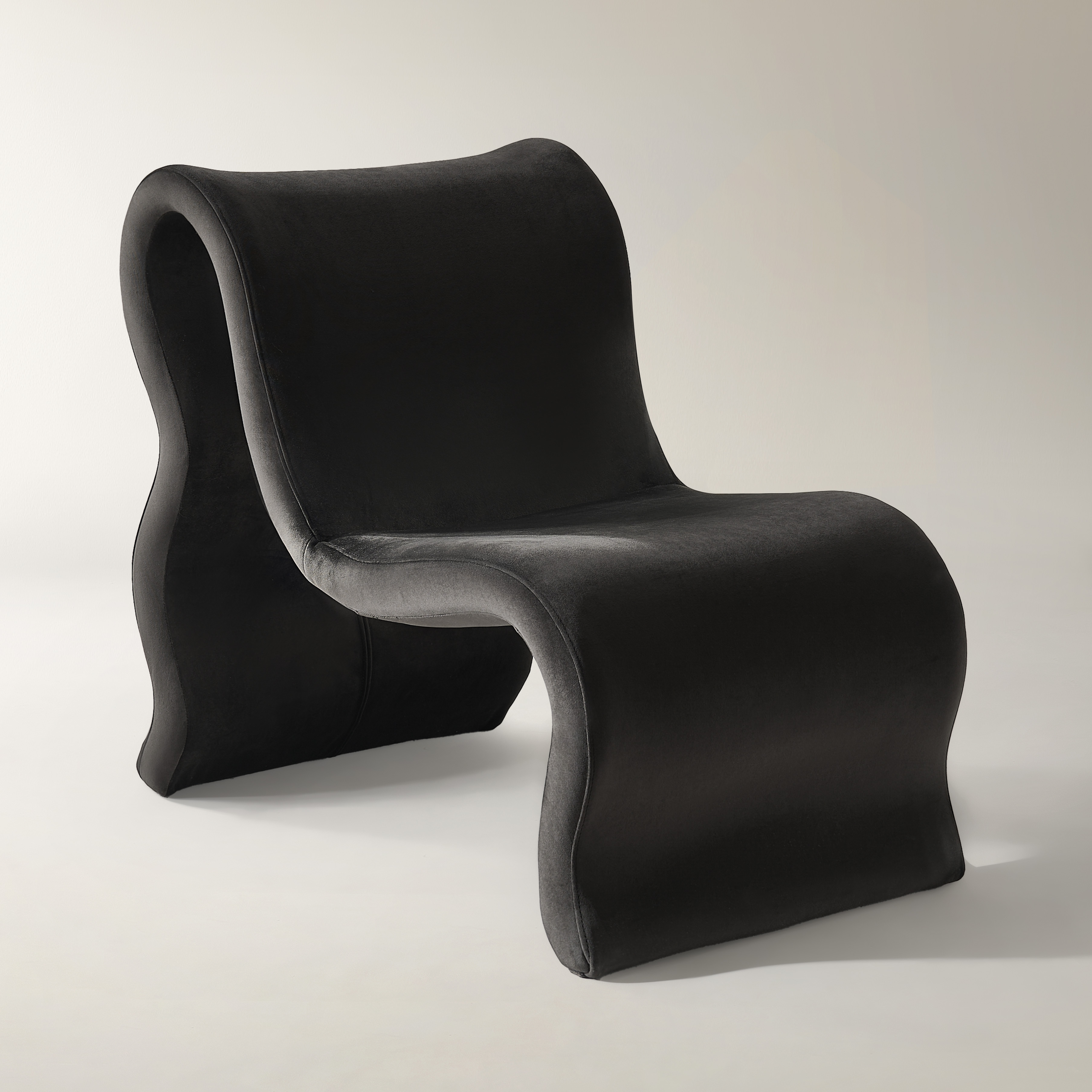 Romy Charcoal Velvet Accent Chair$999
A sculptural accent chair in charcoal velvet with a wave-like silhouette and full foam construction.
Add To Cart -

 Nia Lacquered Turtle Dove Faux Fur Accent Chair$899
A sculptural accent chair featuring a high-gloss sand-toned fiberglass frame and plush turtle dove faux fur upholstery.
Add To Cart -
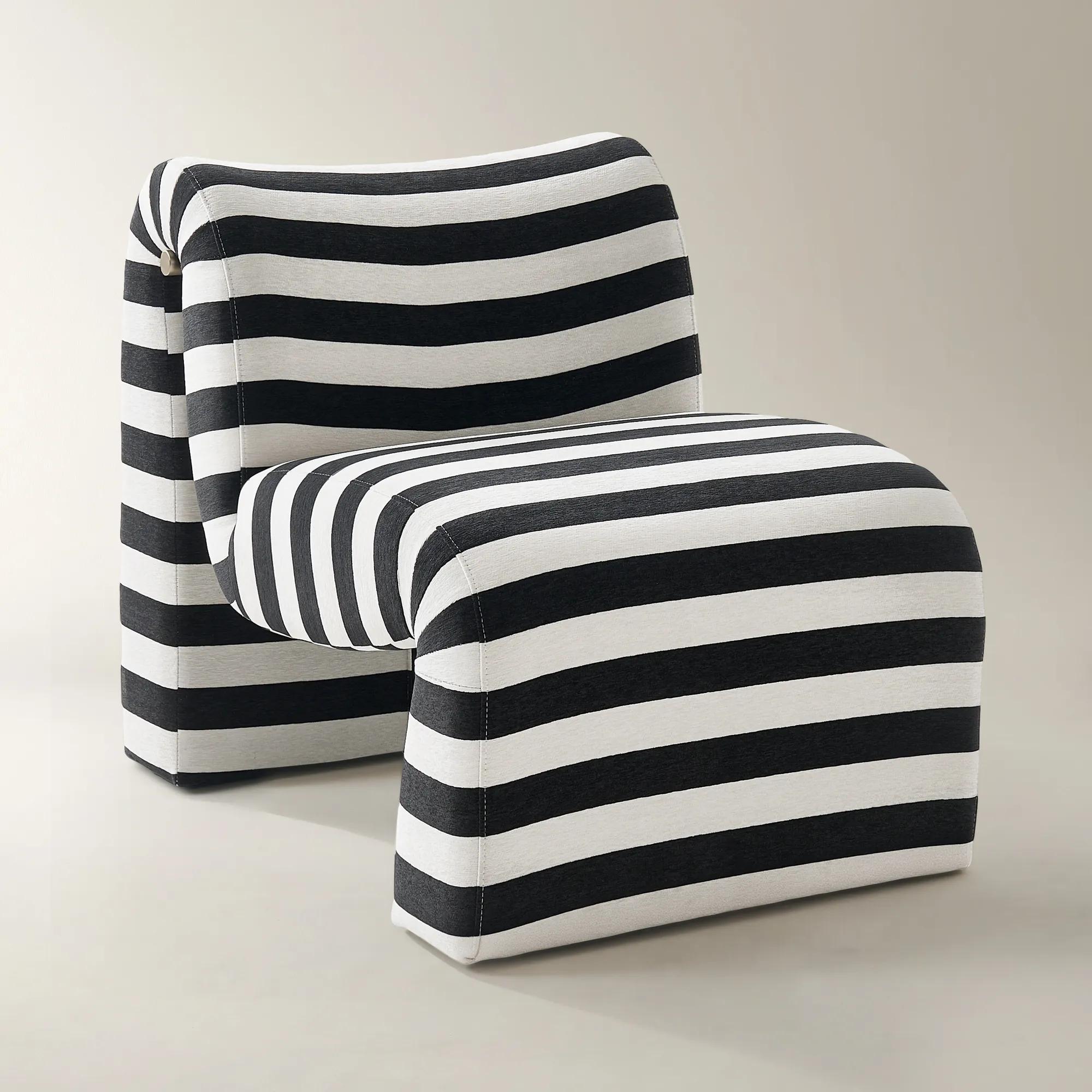 Cora Stripe Chenille Accent Chair$899
A bold black-and-white striped accent chair featuring water-repellent chenille and a gold stainless-steel inlay.
Add To Cart -
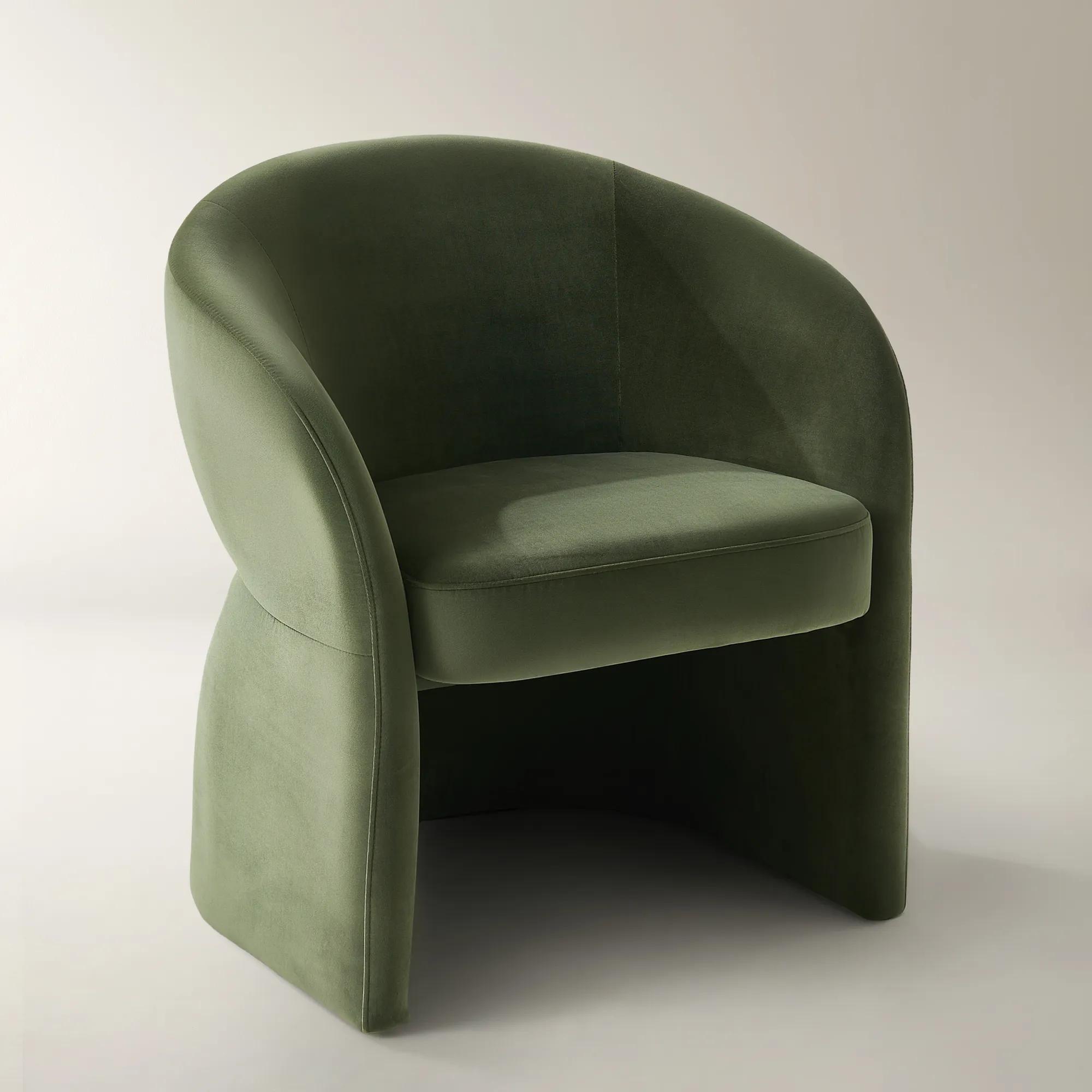
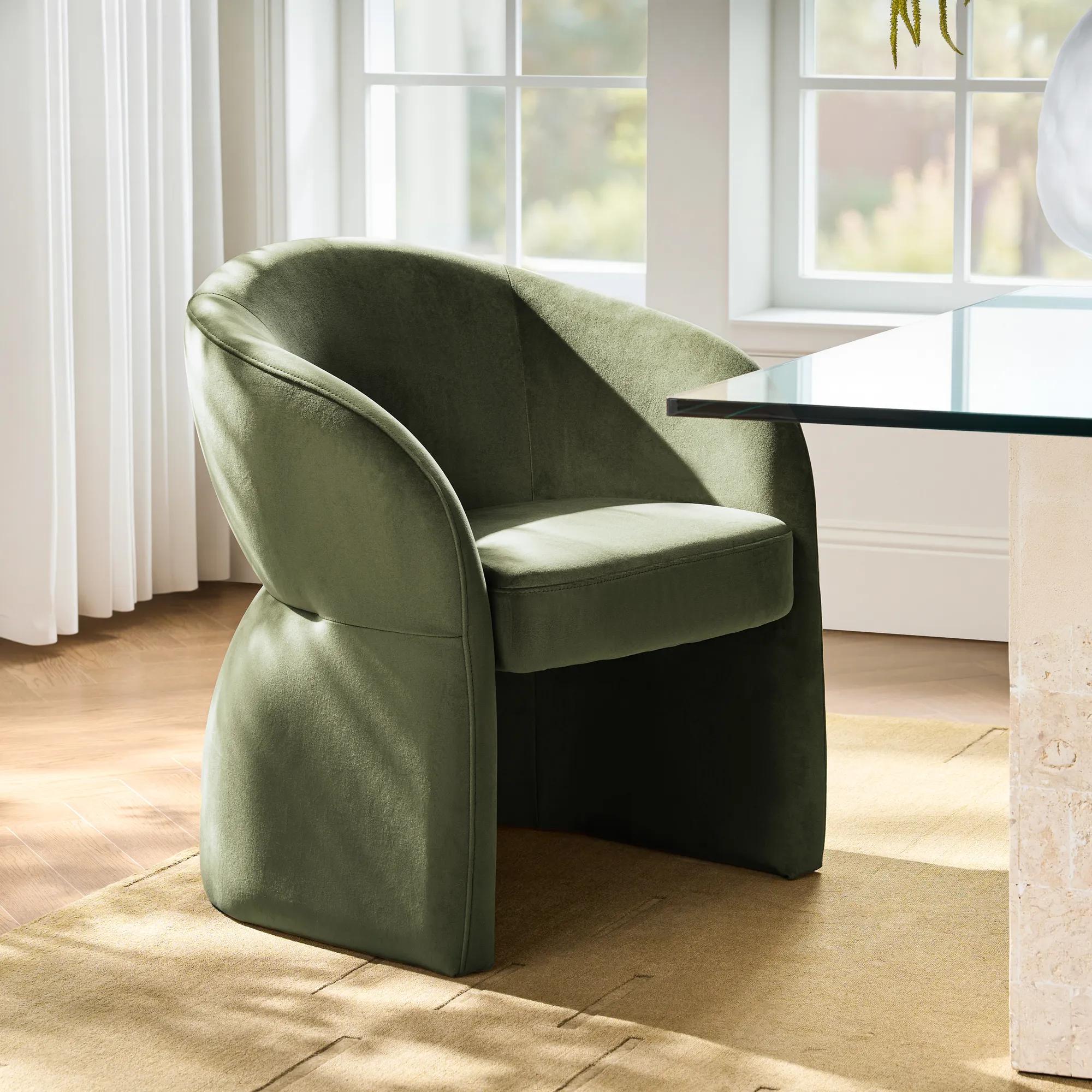 Sierra Jade Green Velvet Dining Chair$599
A sculptural accent chair in jade green velvet with gracefully arched arms and plush, supportive cushioning.
Add To Cart -
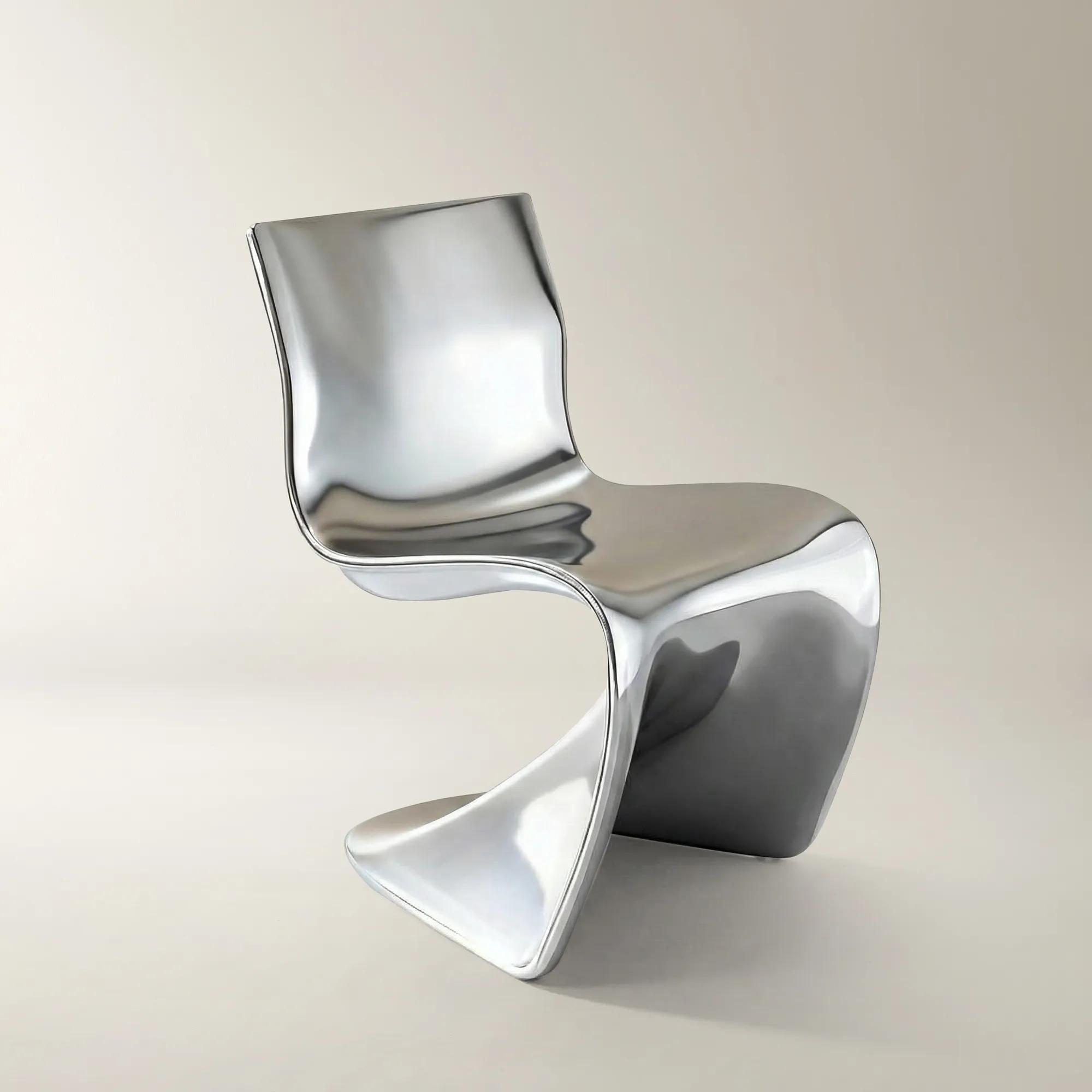
 Sasha Chrome Dining Chair$899
A sculptural accent chair crafted from polished chrome-finished fiberglass for a sleek, modern statement.
Add To Cart -
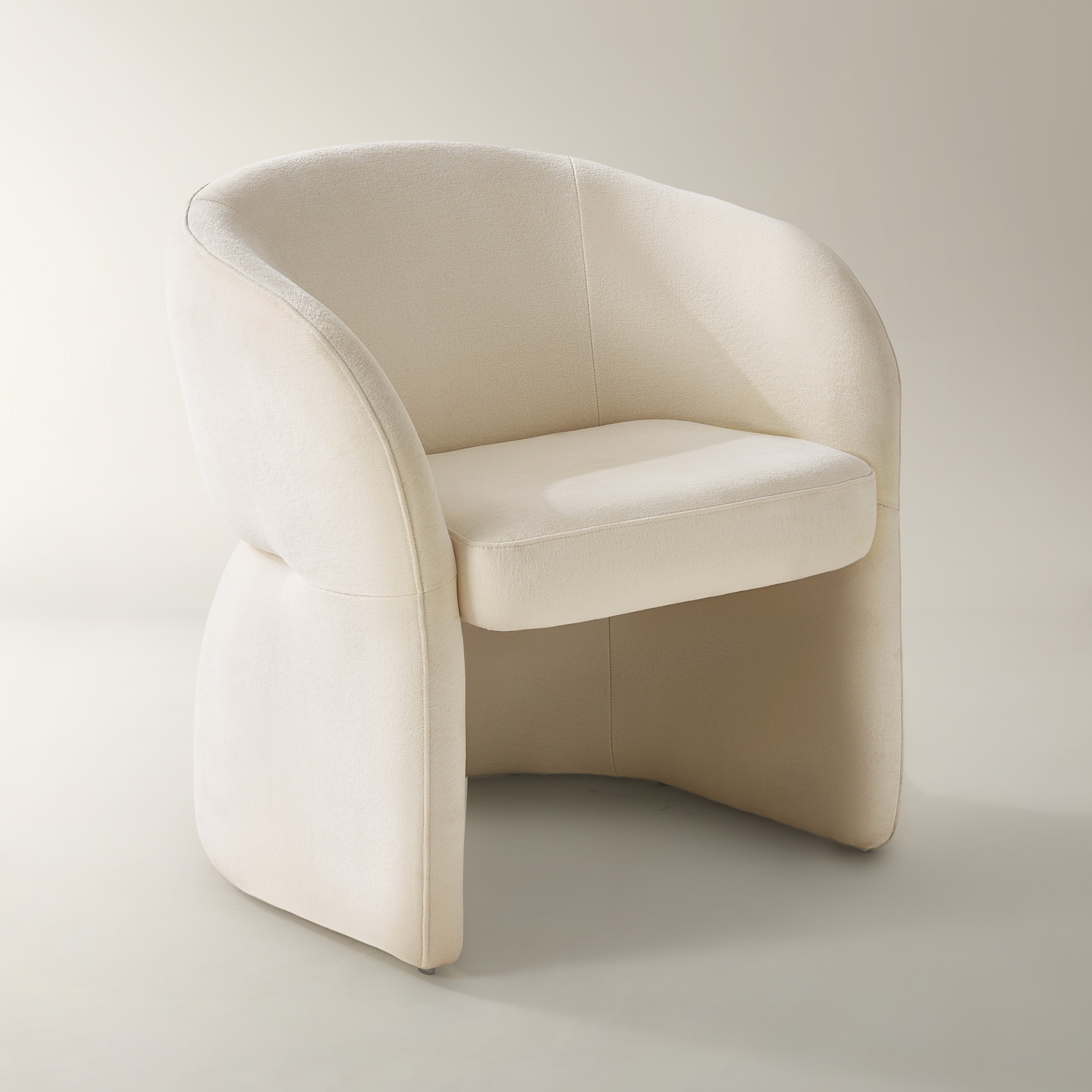
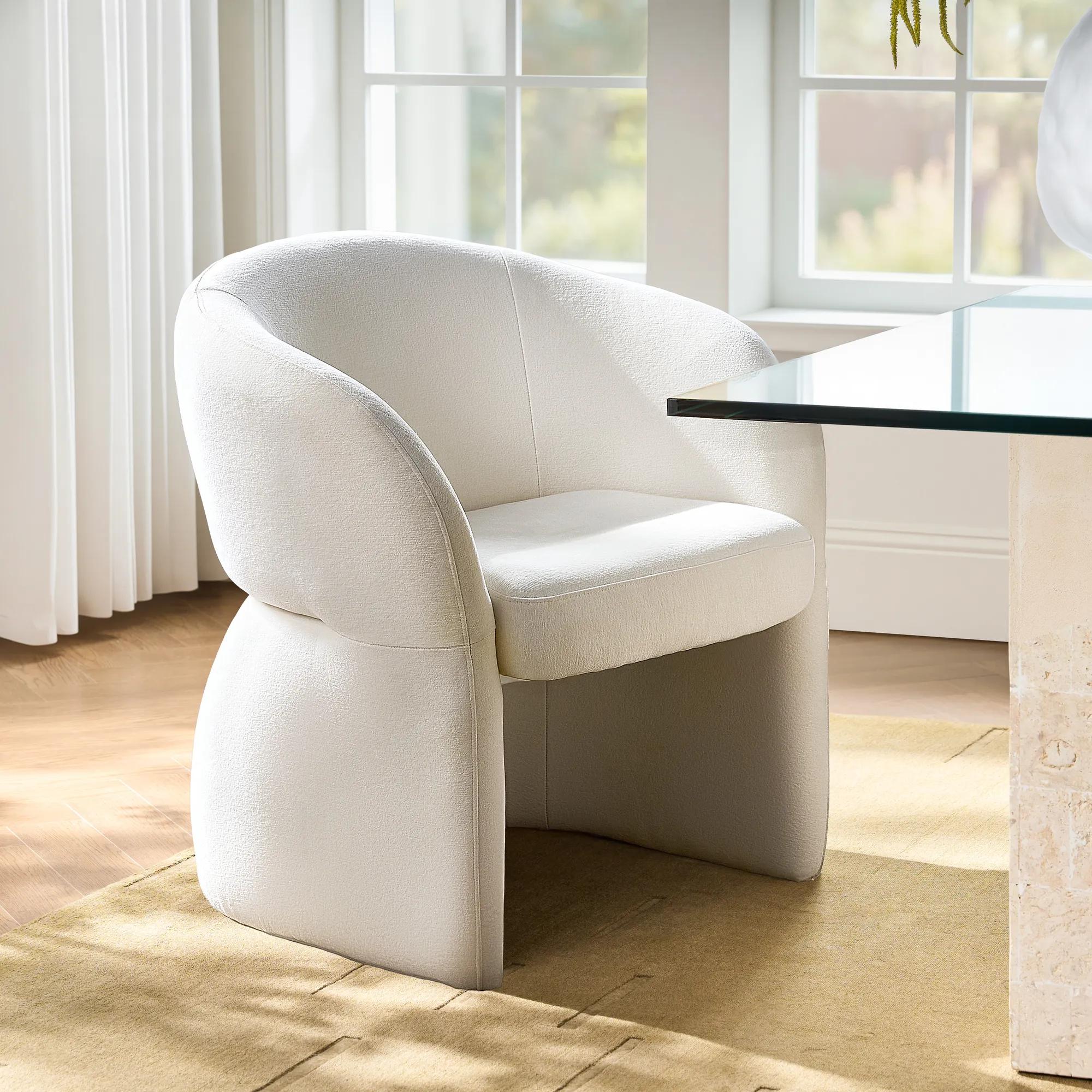 Sierra Oatmeal Velvet Dining Chair$599
An elegant accent chair in oatmeal velvet with gracefully arched arms, curved back, and plush cushioning.
Add To Cart -
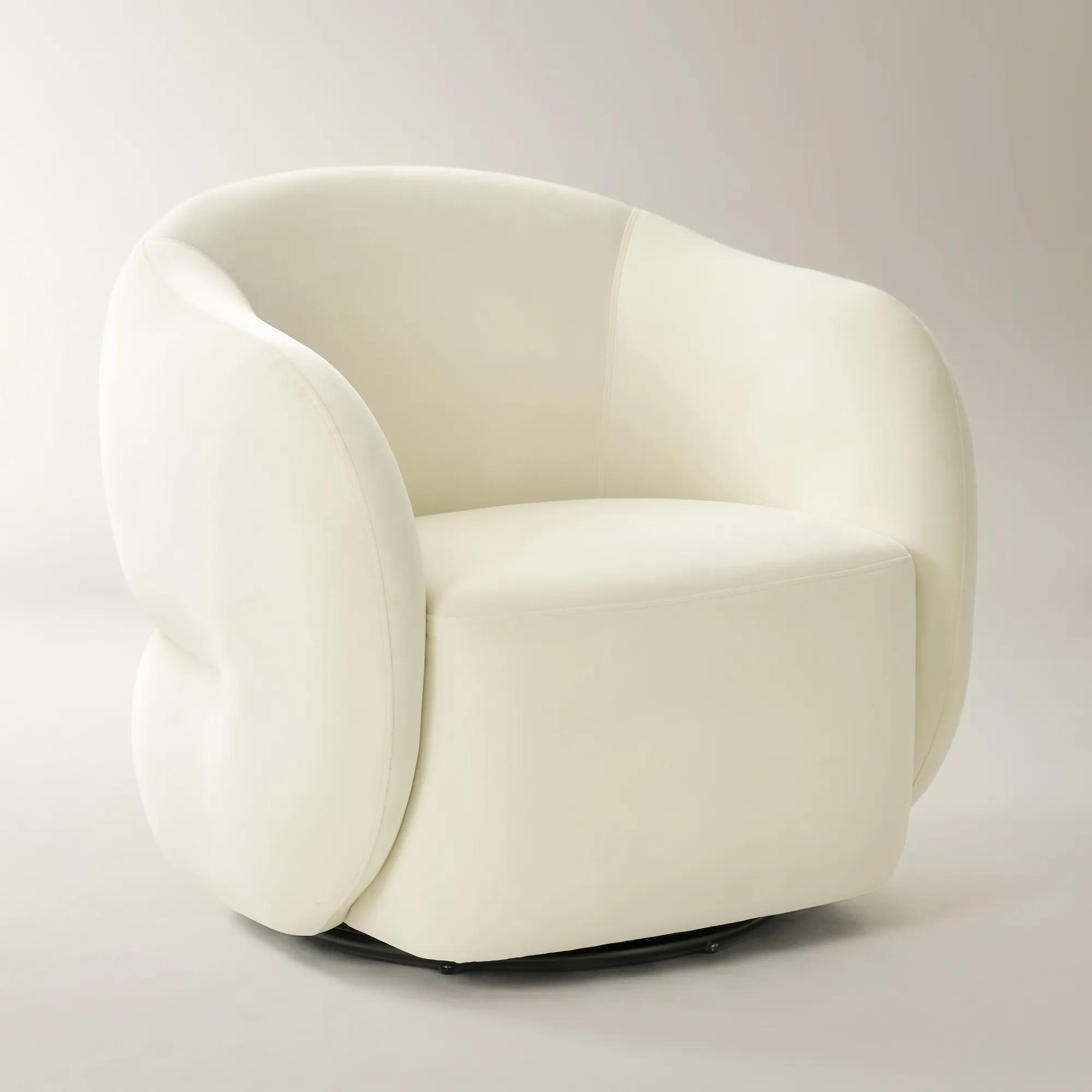
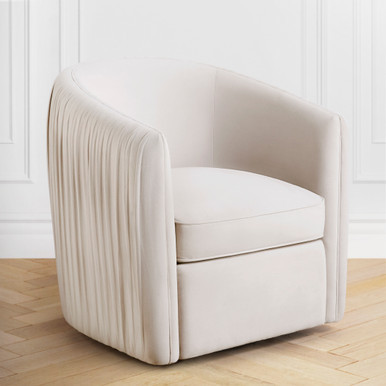
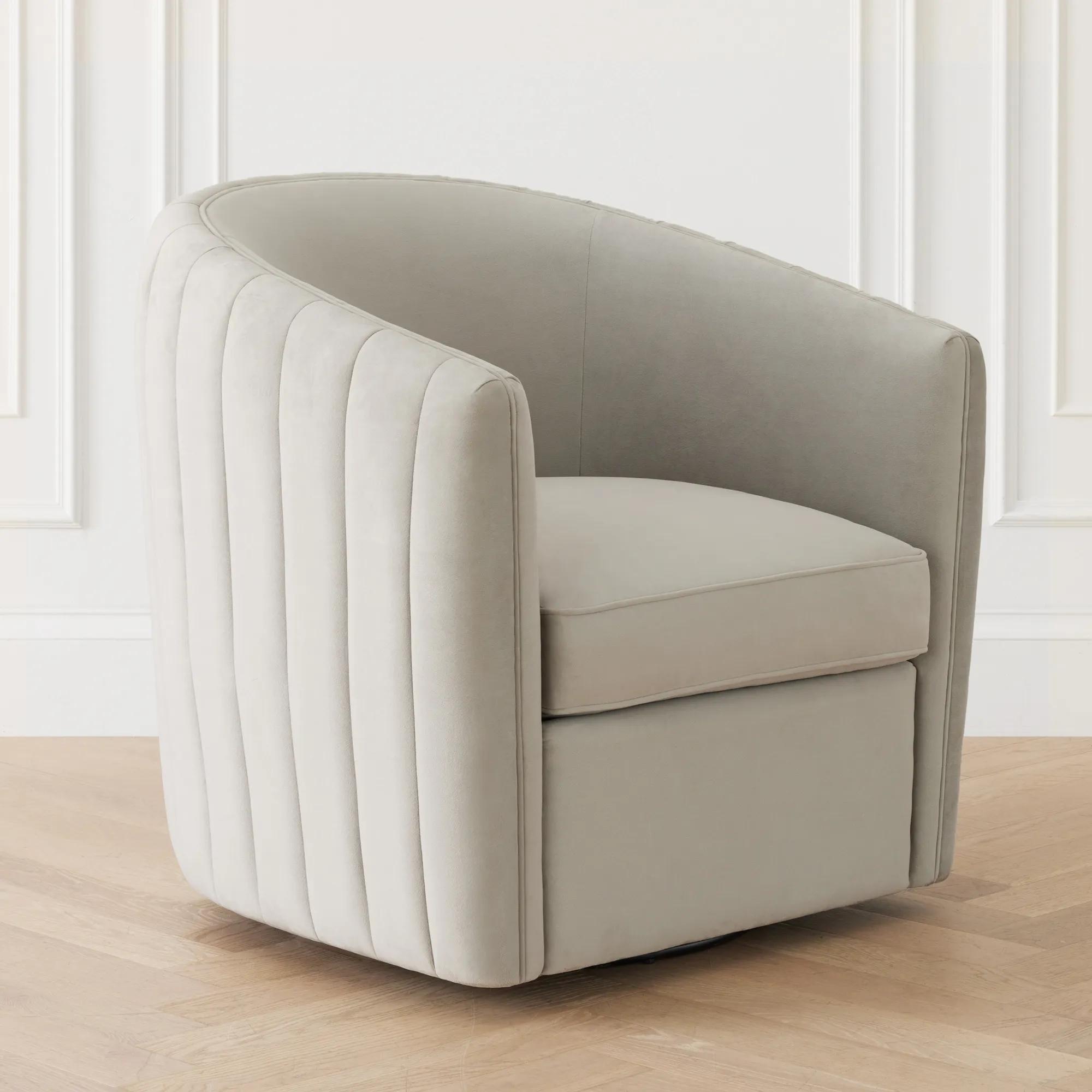
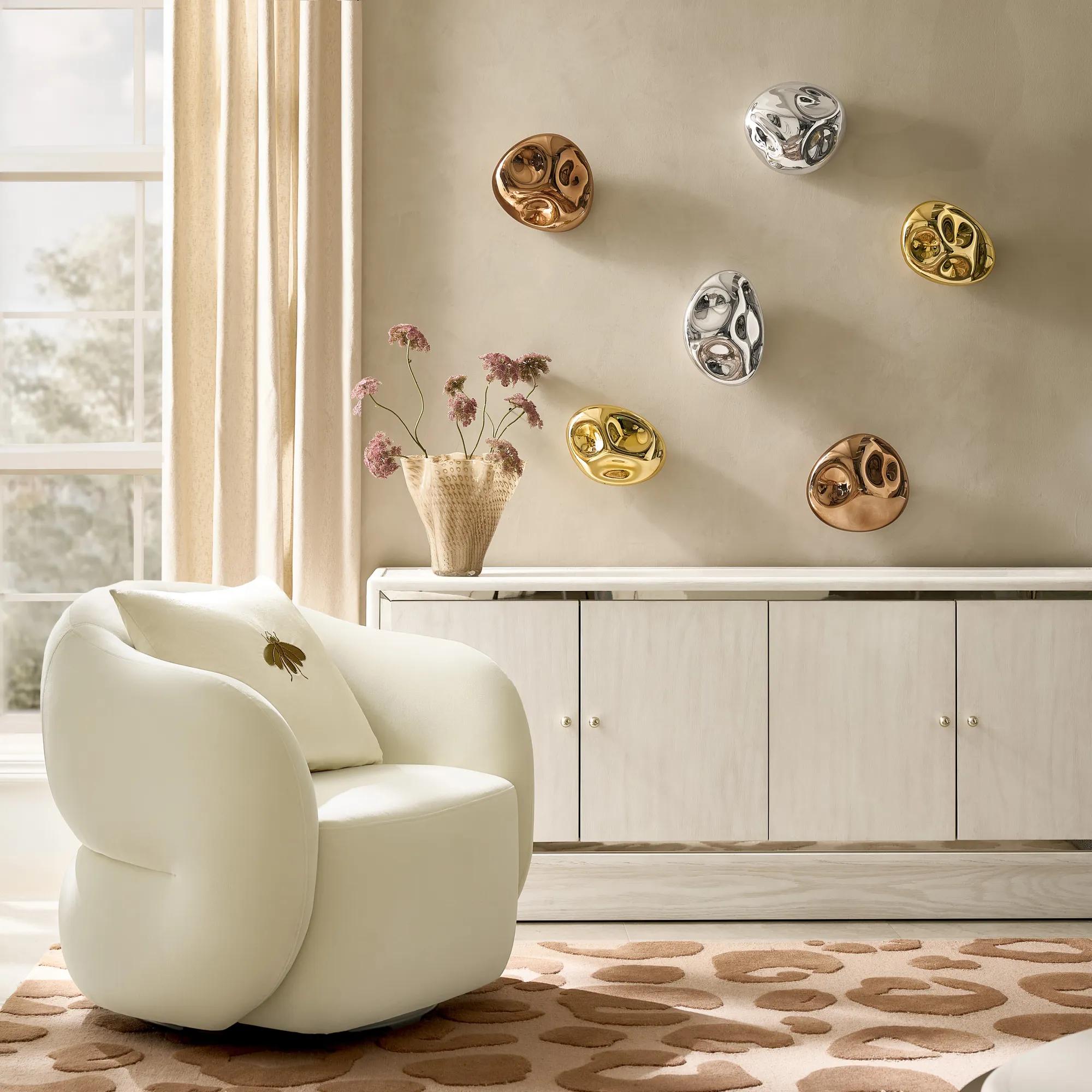 Sierra Cloud Velvet Swivel Accent Chair$899
A plush velvet accent chair featuring a wraparound back, fluid curves, and smooth 360° swivel base.
Add To Cart -
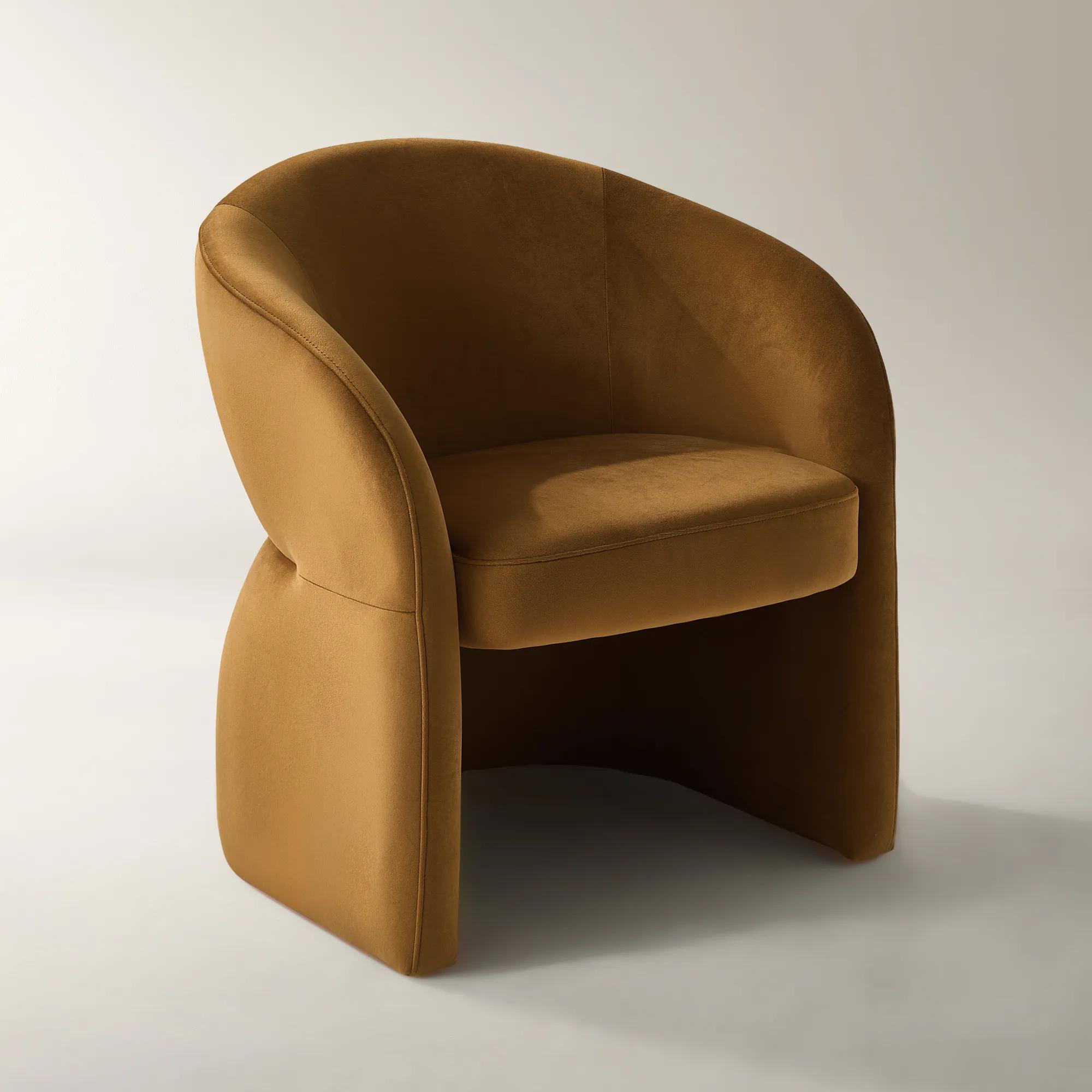
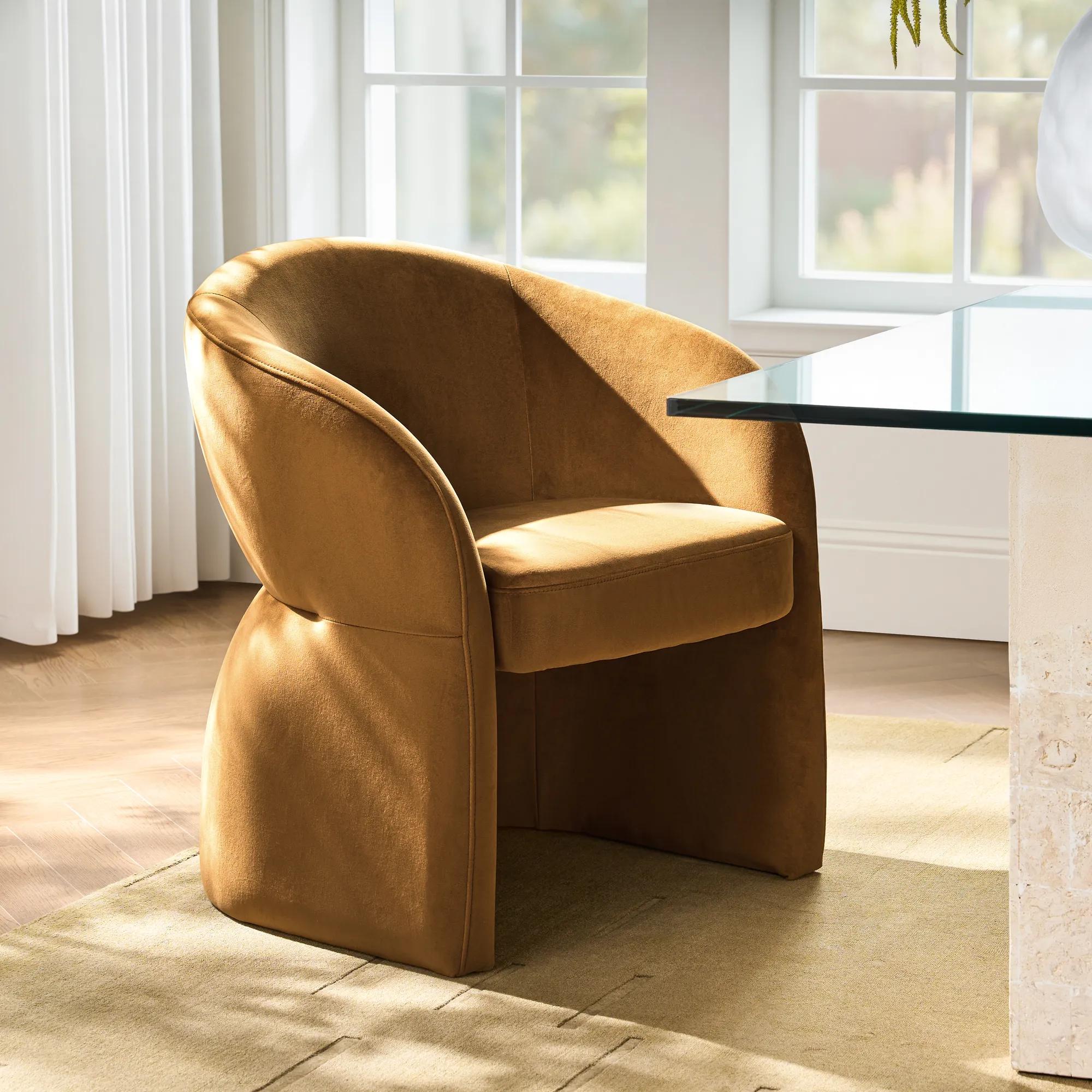 Sierra Roasted Pecan Velvet Dining Chair$599
A sculptural accent chair in roasted pecan velvet with arched arms, curved back, and plush cushioning.
Add To Cart -
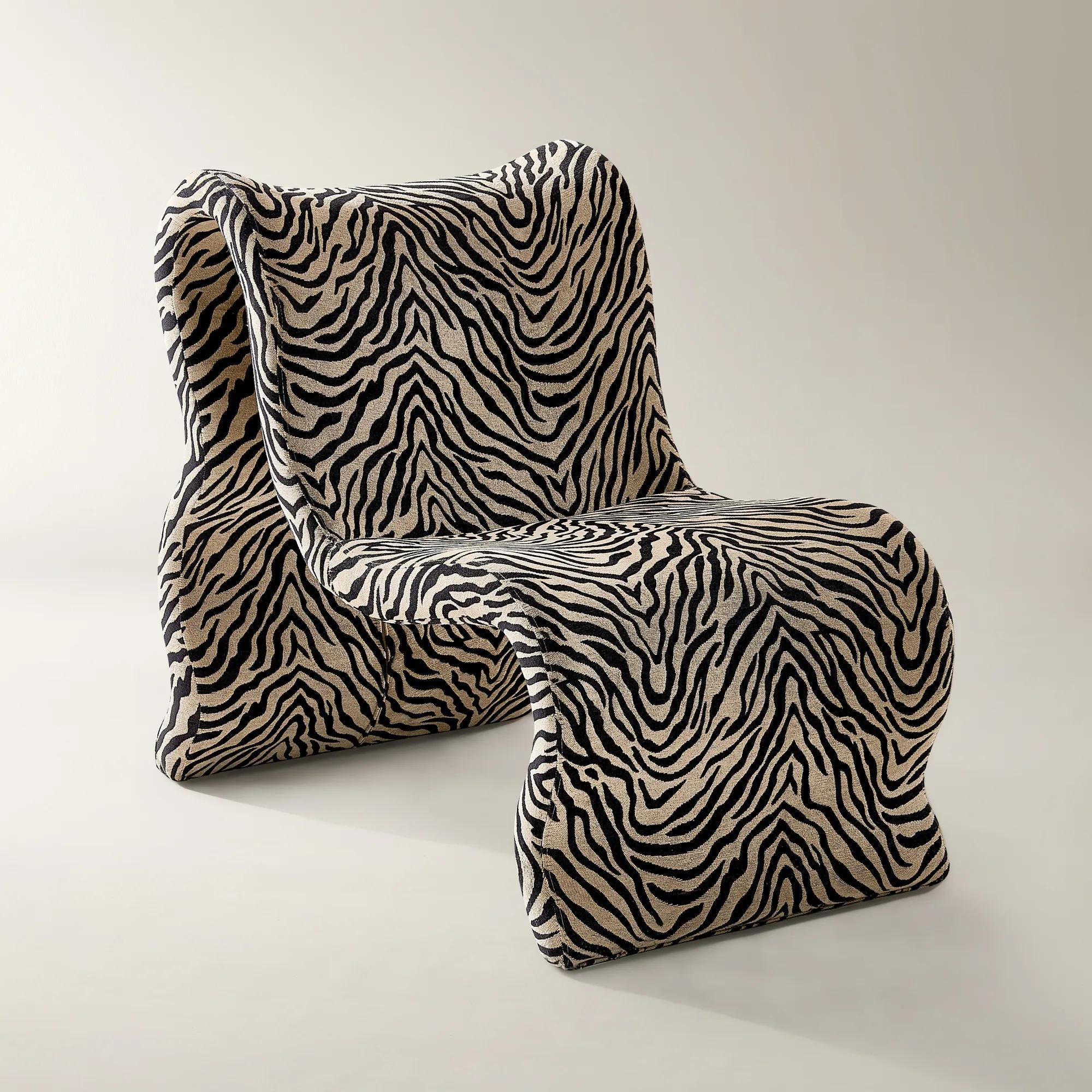
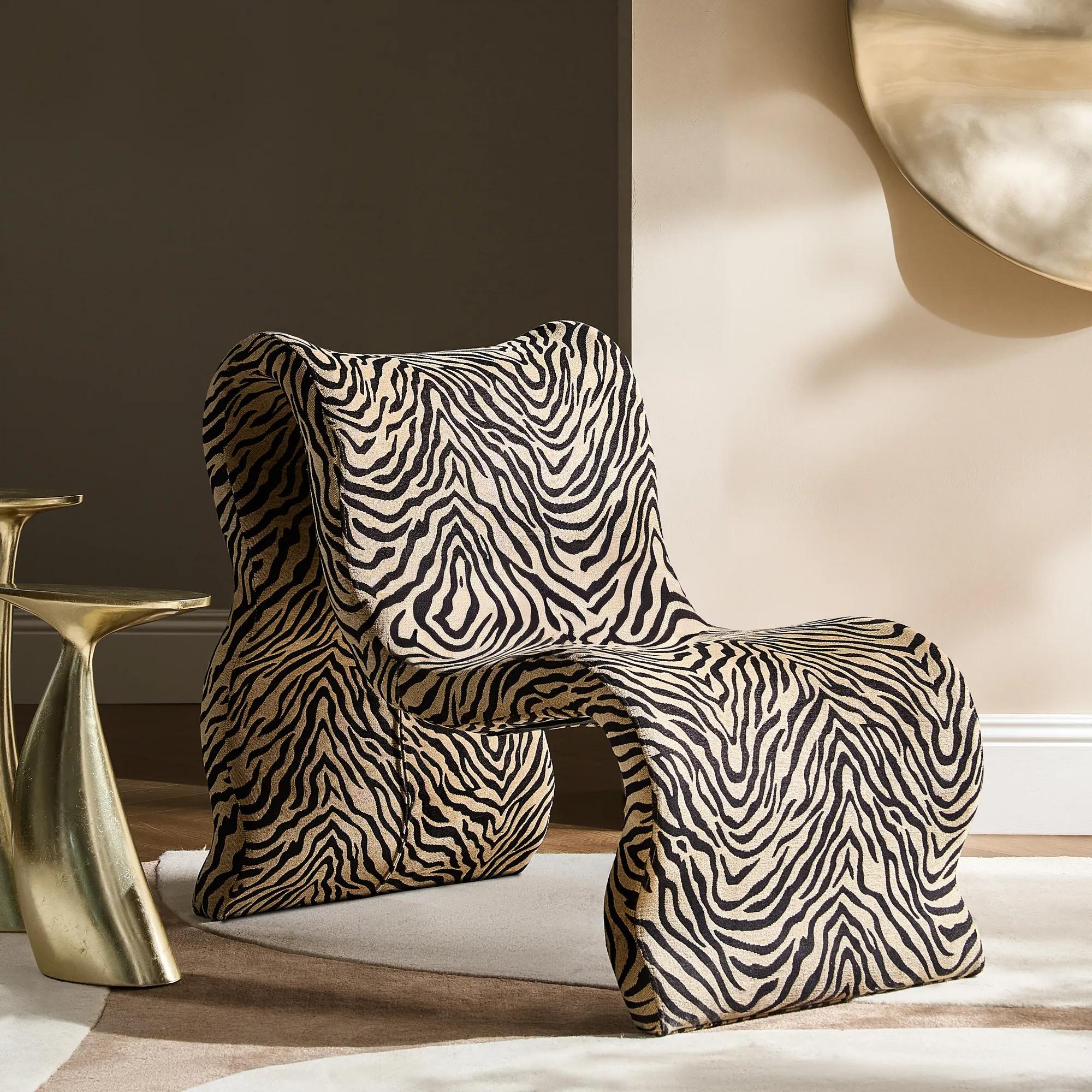 Romy Zebra Chenille Accent Chair$999
A sculptural accent chair featuring bold zebra-print chenille upholstery and a continuous wave-like silhouette.
Add To Cart -
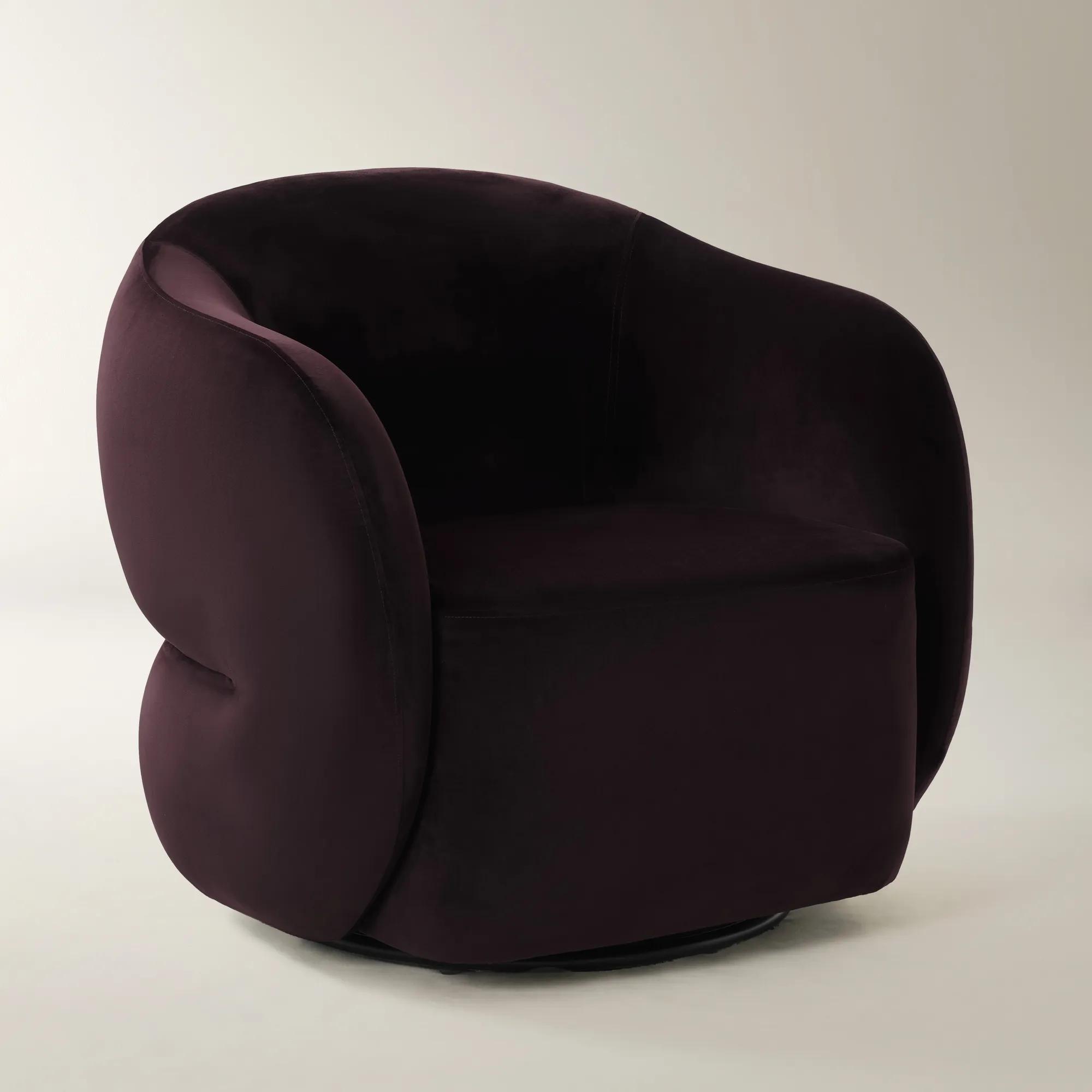 Sierra Fig Velvet Swivel Accent Chair$899
A modern accent chair in plush fig velvet with a wraparound back and smooth 360° swivel base.
Add To Cart -
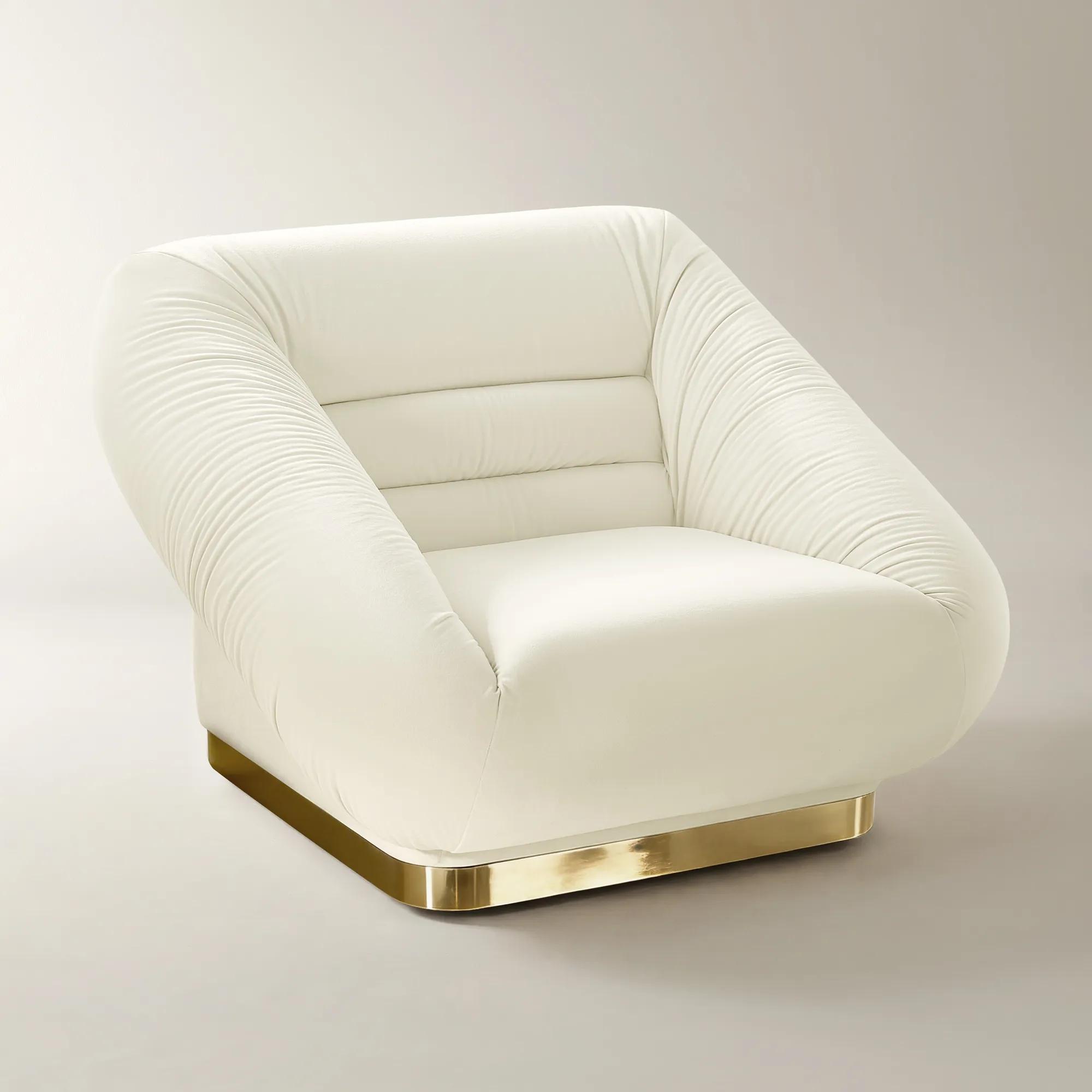 Dover Cloud Velvet Swivel Accent Chair$1299
A sculptural accent chair in cloud velvet with a gold-trimmed base and smooth 360° swivel function.
Add To Cart -
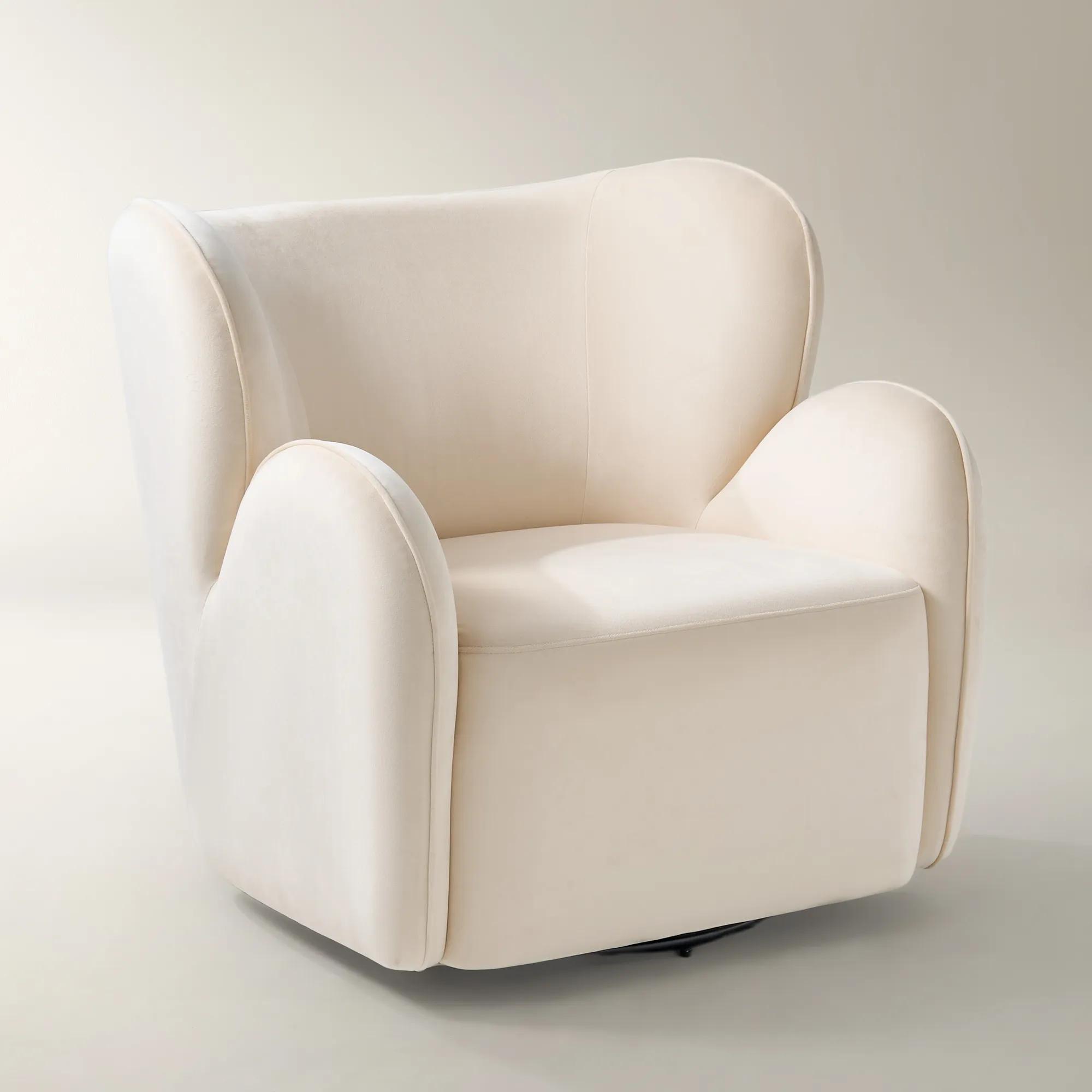
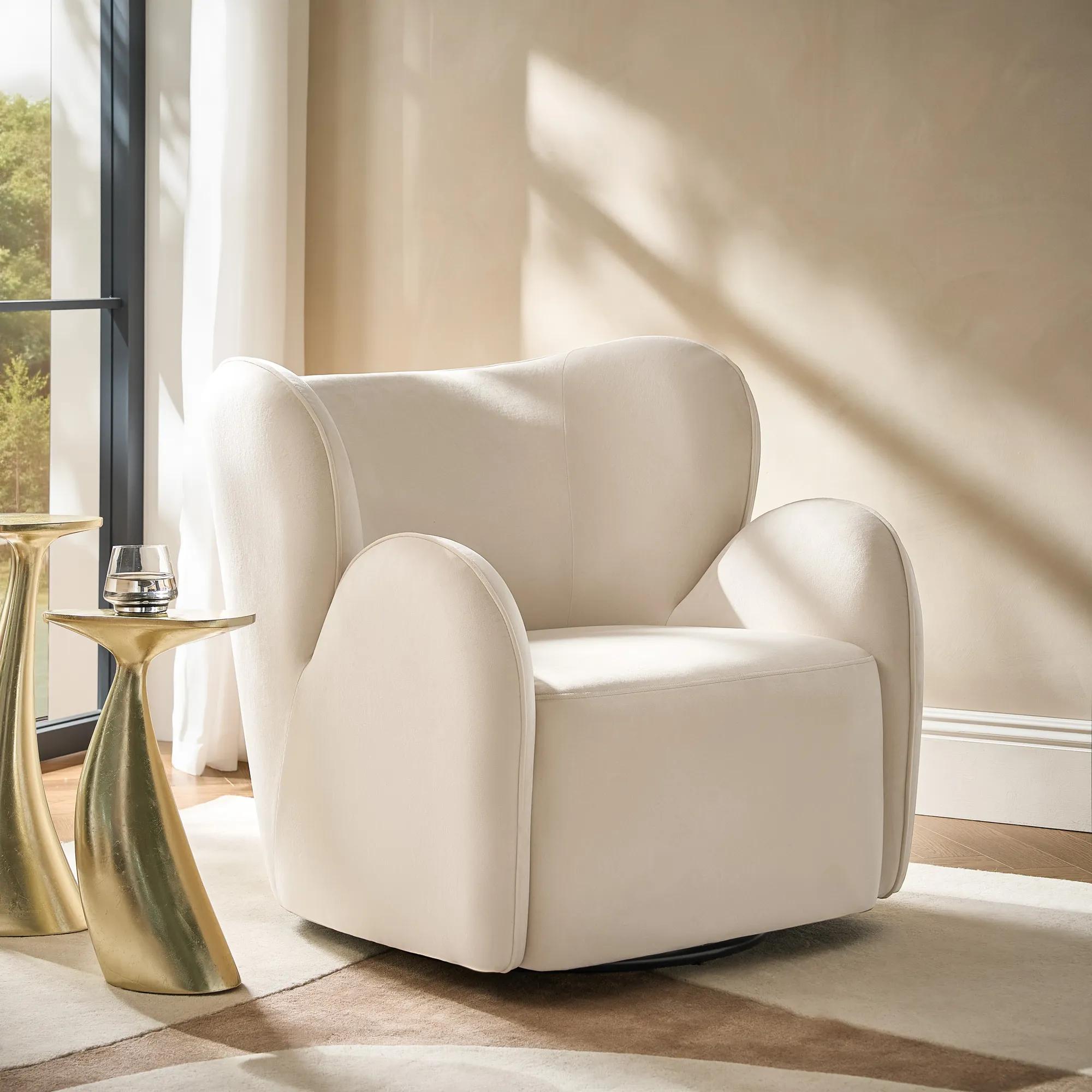 Ceres Ivory Velvet Swivel Accent Chair$799
An ivory velvet accent chair featuring a curved silhouette, 360° swivel, and plush, supportive cushioning.
Add To Cart -
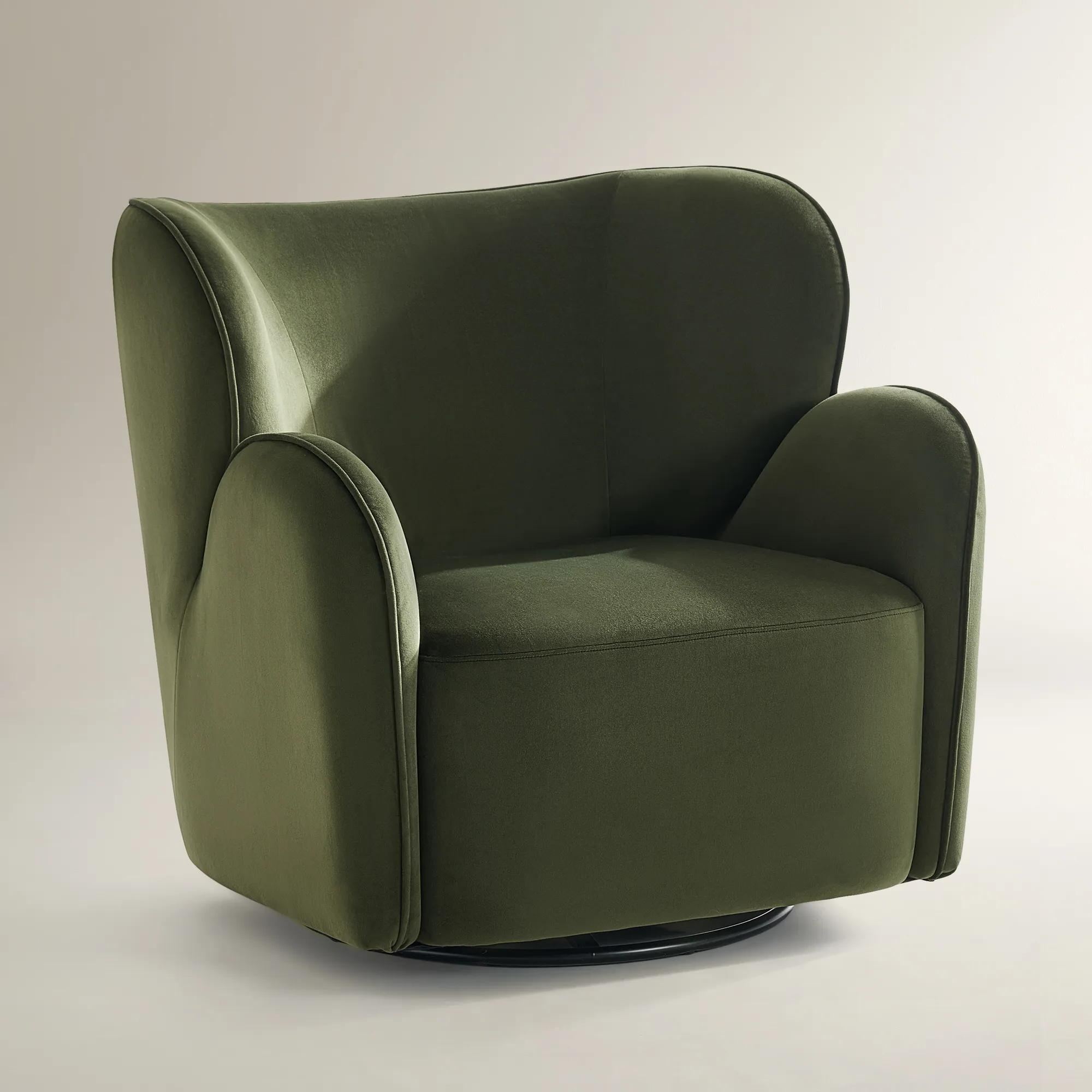
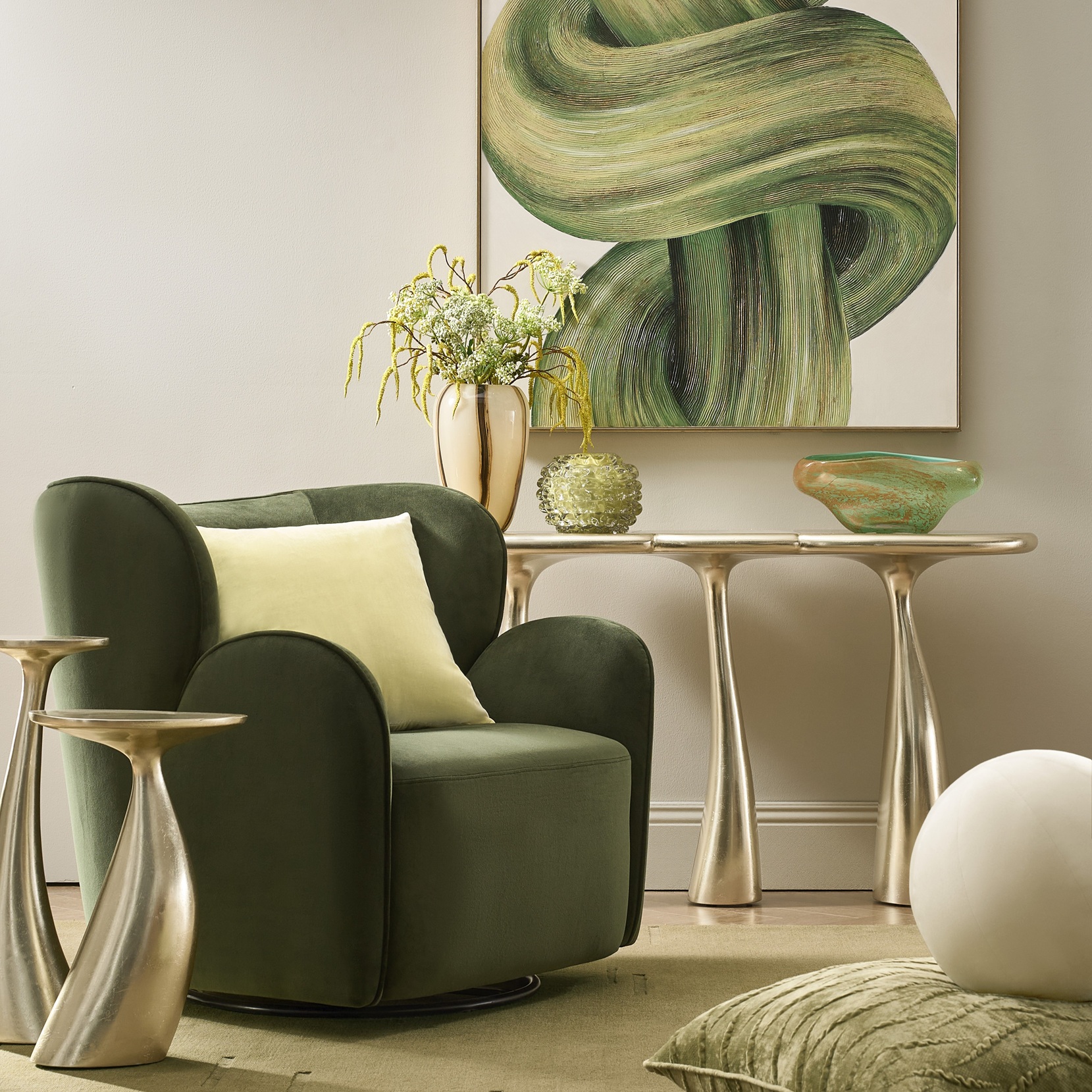 Ceres Jade Green Velvet Swivel Accent Chair$799
A plush jade green velvet chair with a curved silhouette, 360° swivel, and supportive foam cushioning.
Add To Cart -
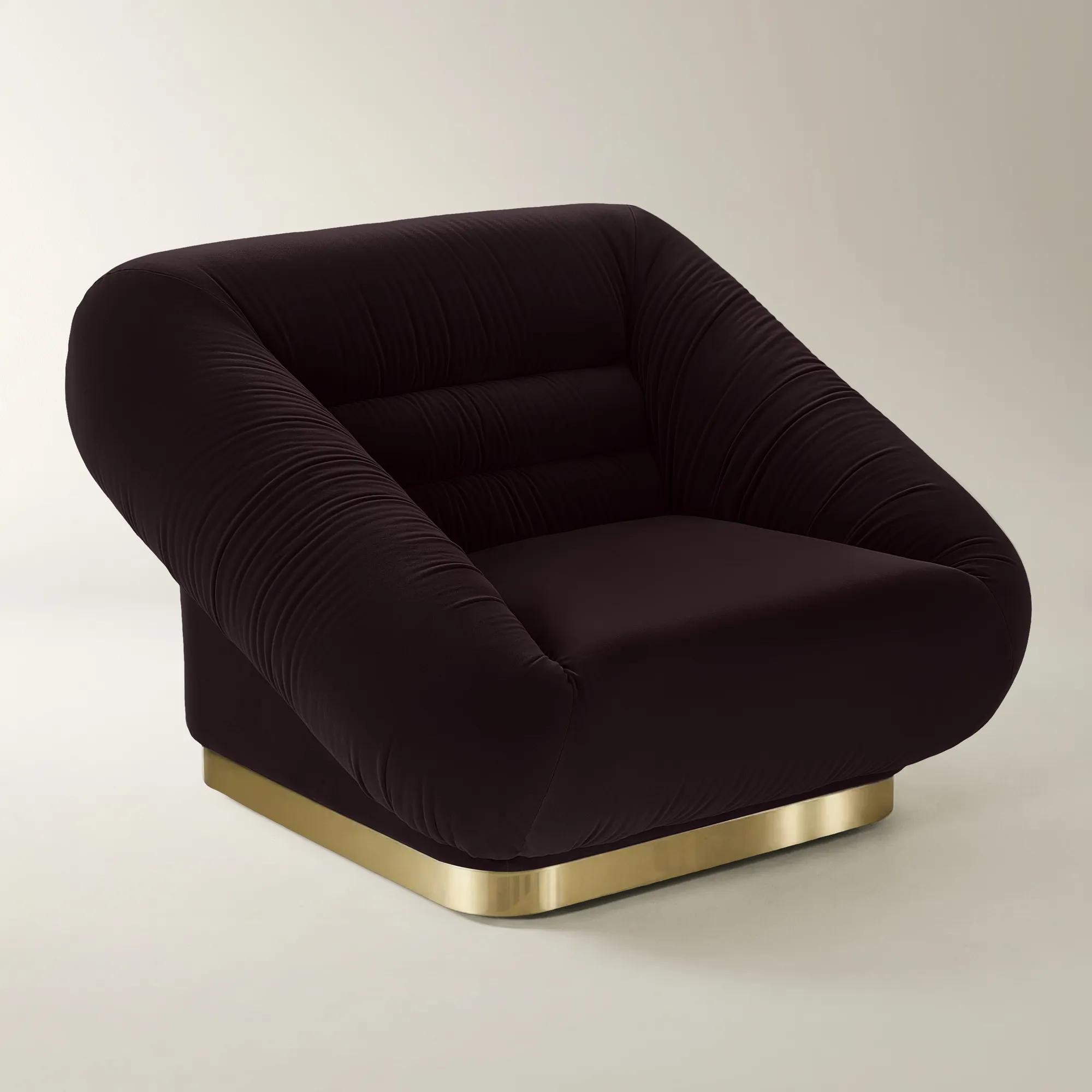 Dover Fig Velvet Swivel Accent Chair$1299
A sculptural fig velvet accent chair featuring soft gathered upholstery, gold-trimmed base, and smooth 360° swivel.
Add To Cart -
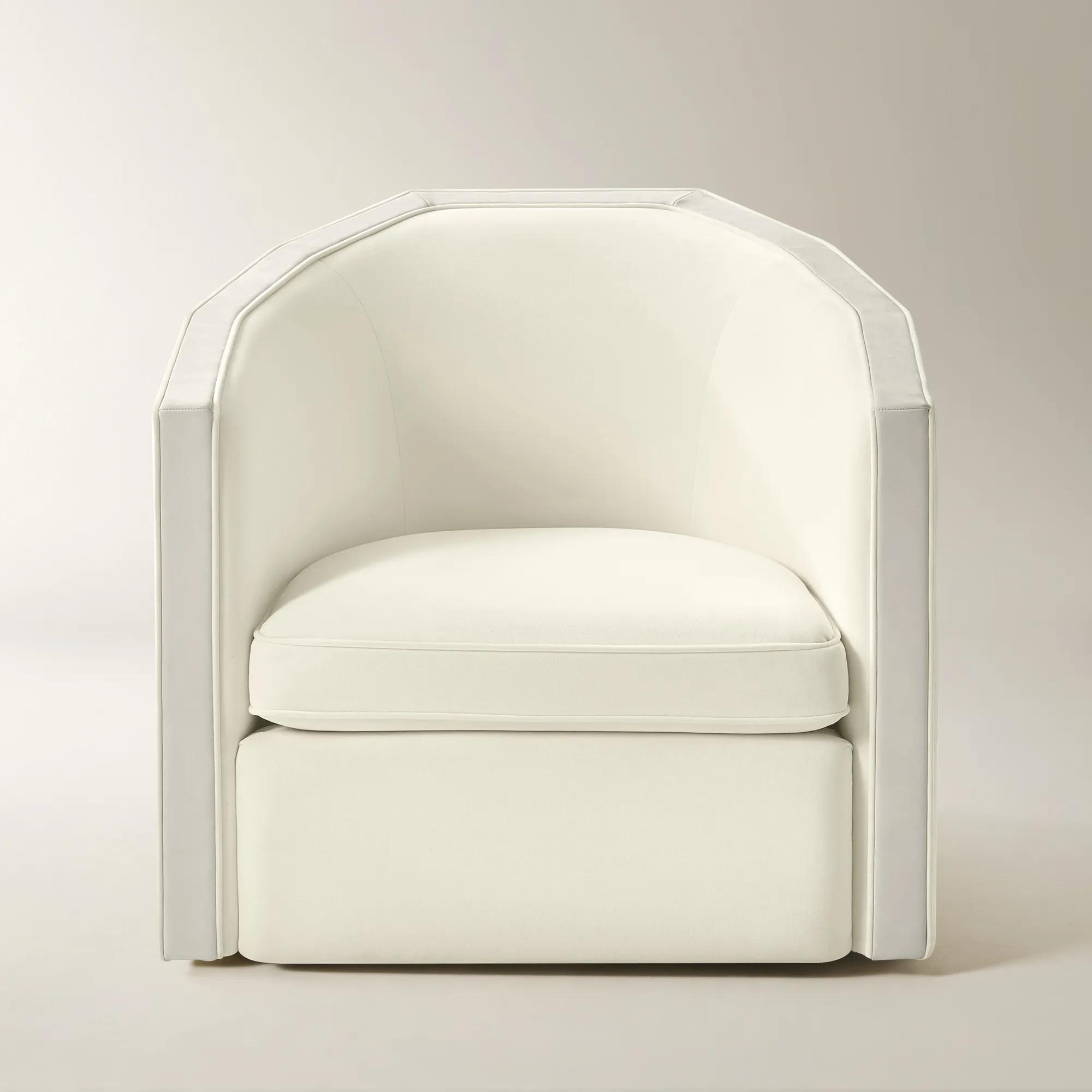 Vesper Cloud Velvet With Leather Swivel Accent Chair$999
A modern accent chair featuring cloud velvet upholstery, tonal leather trim, and a smooth 360° swivel base.
Add To Cart -
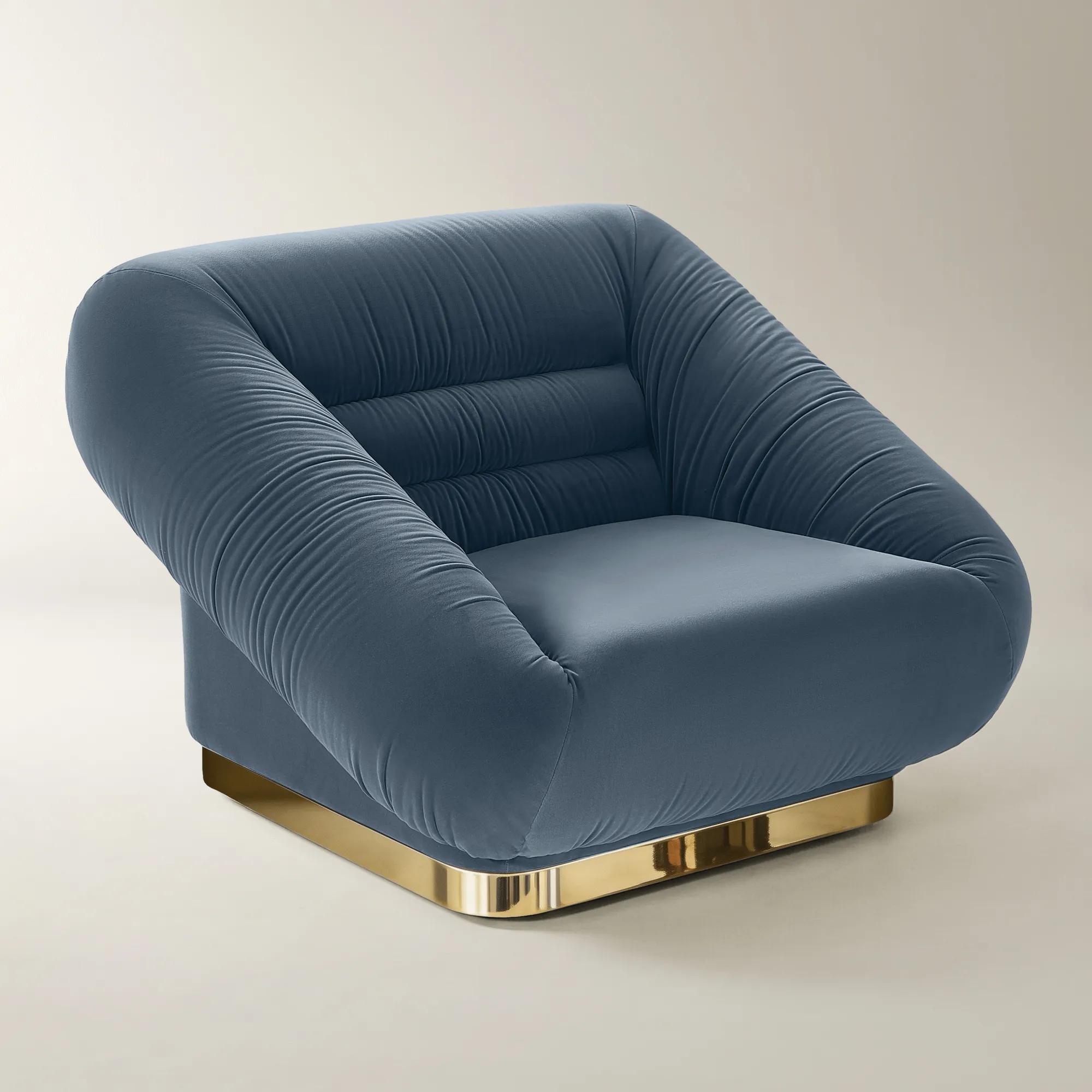 Dover Dusty Blue Velvet Swivel Accent Chair$1299
A sculptural blue velvet accent chair featuring soft gathered upholstery, gold-trimmed base, and smooth 360° swivel.
Add To Cart -
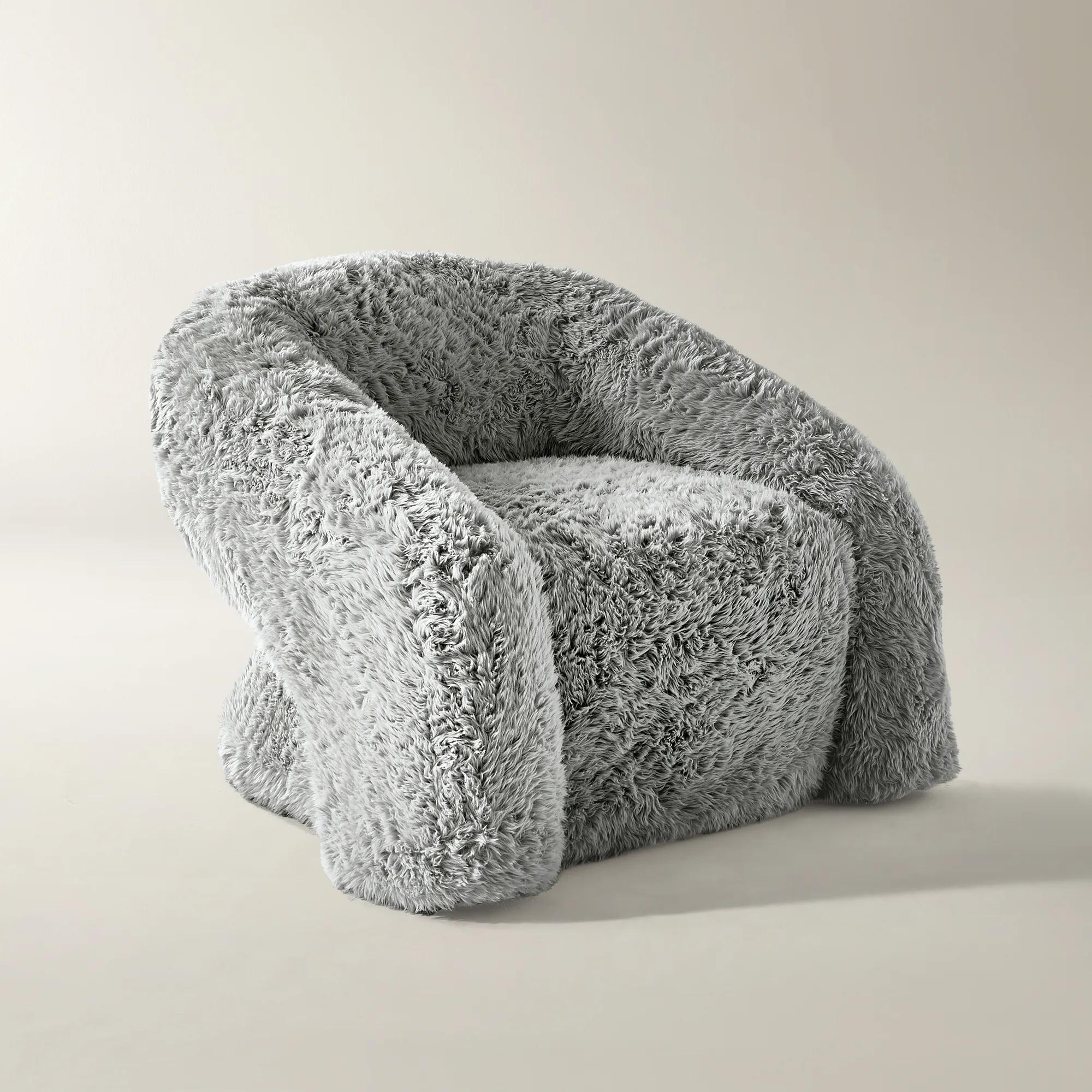
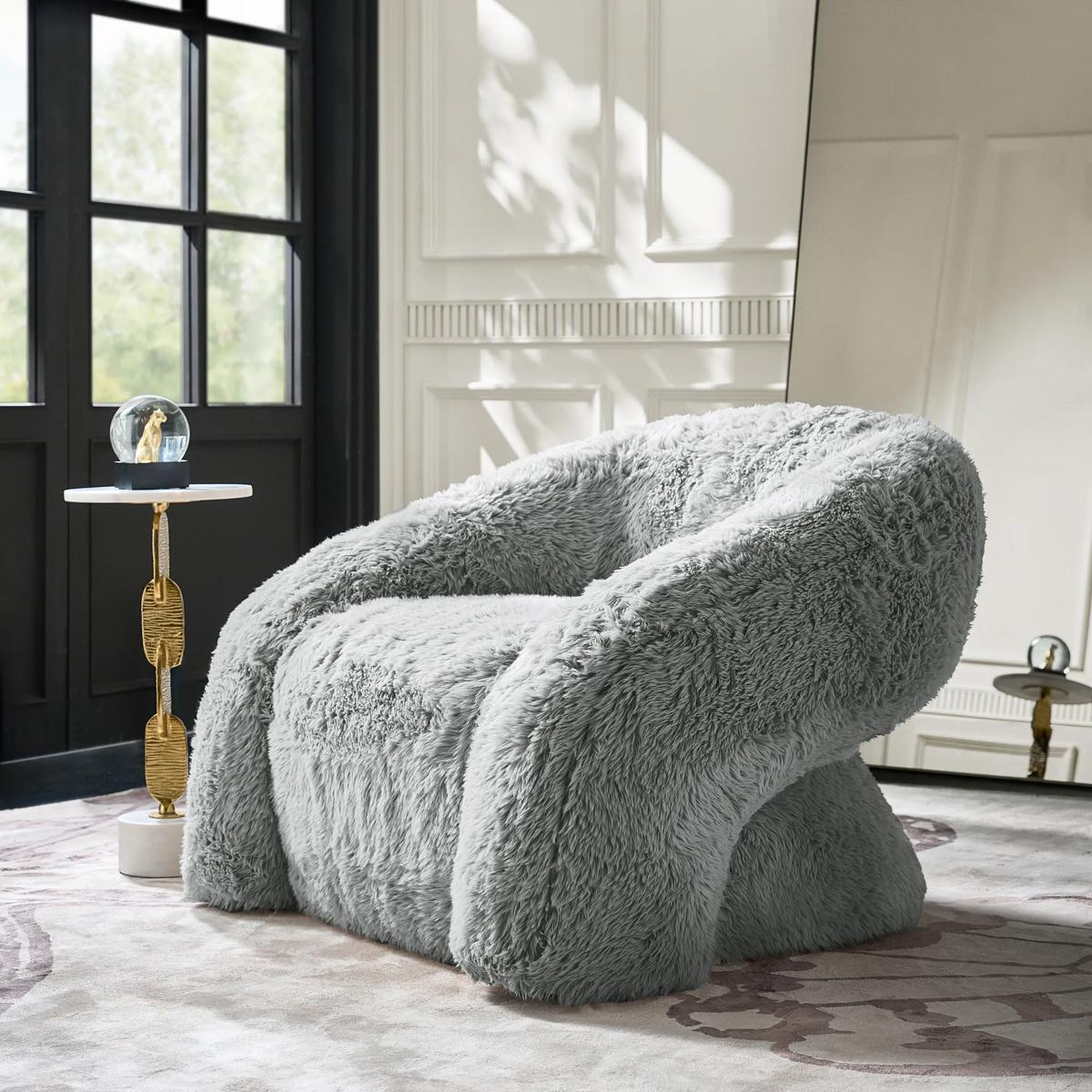 Misha Shadow Faux Fur Accent Chair$799
A cozy gray faux fur chair featuring high-resiliency foam and a sculptural, low-profile silhouette.
Add To Cart -
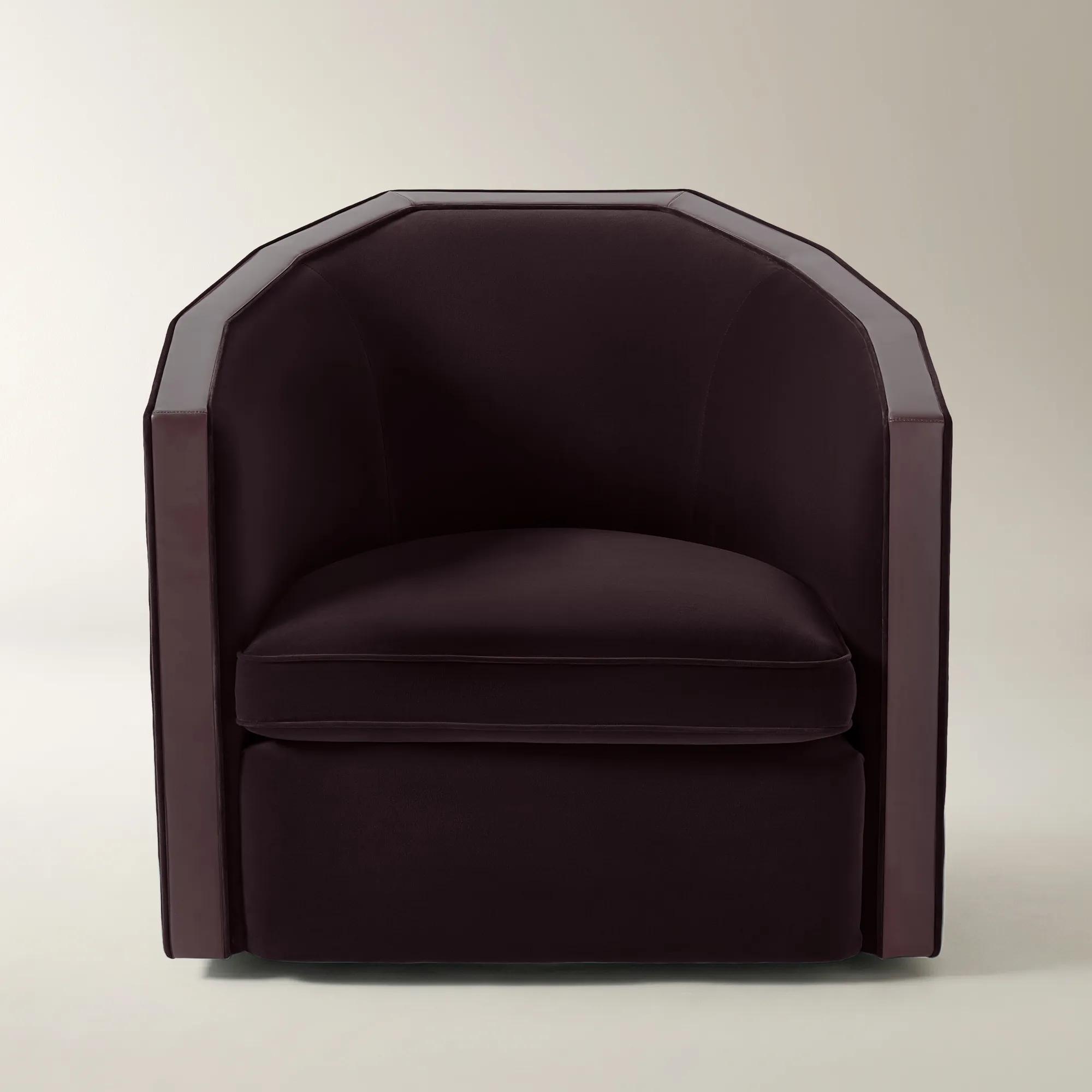
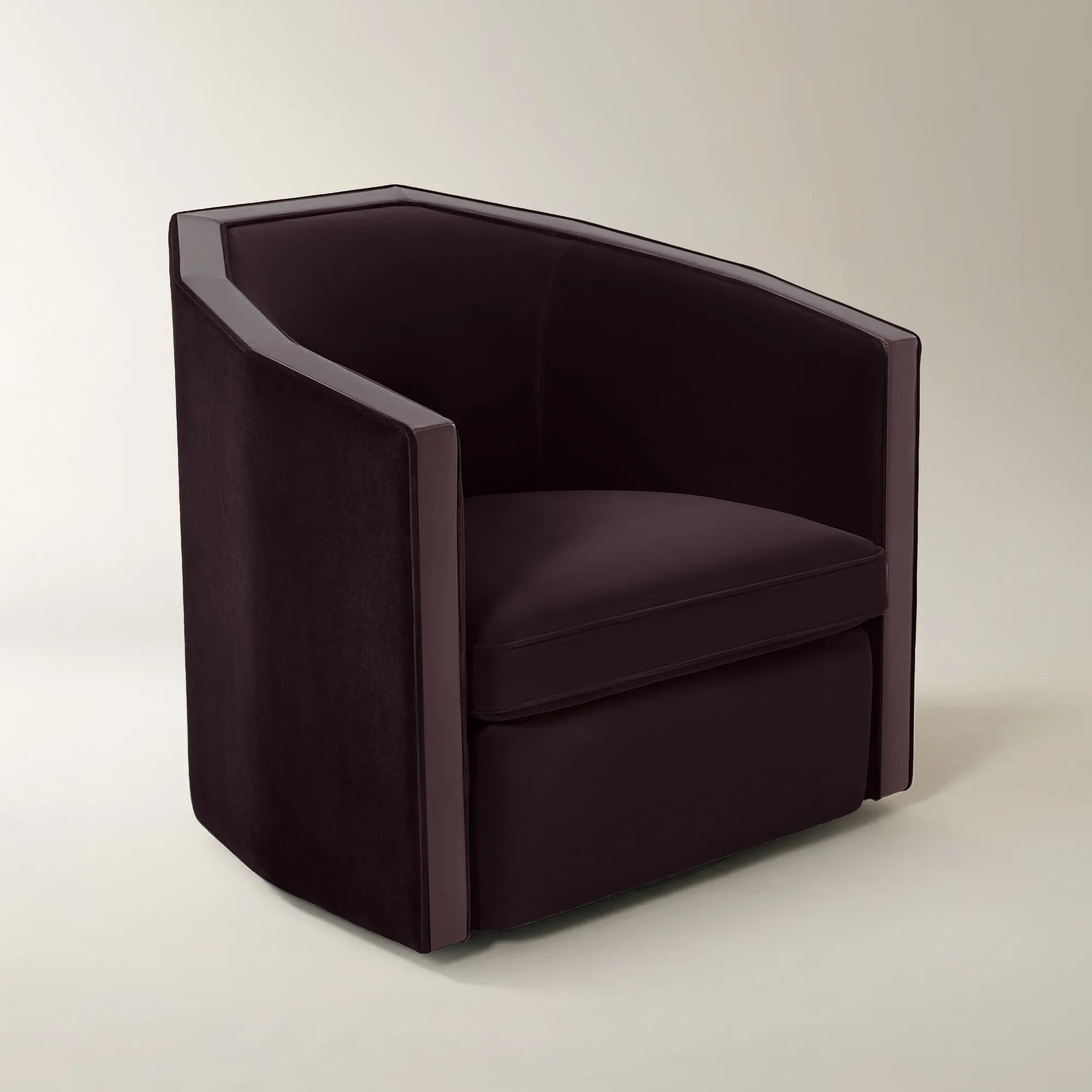 Vesper Fig Velvet With Leather Swivel Accent Chair$999
A modern accent chair featuring fig velvet upholstery, tonal leather trim, and a smooth 360° swivel base.
Add To Cart -
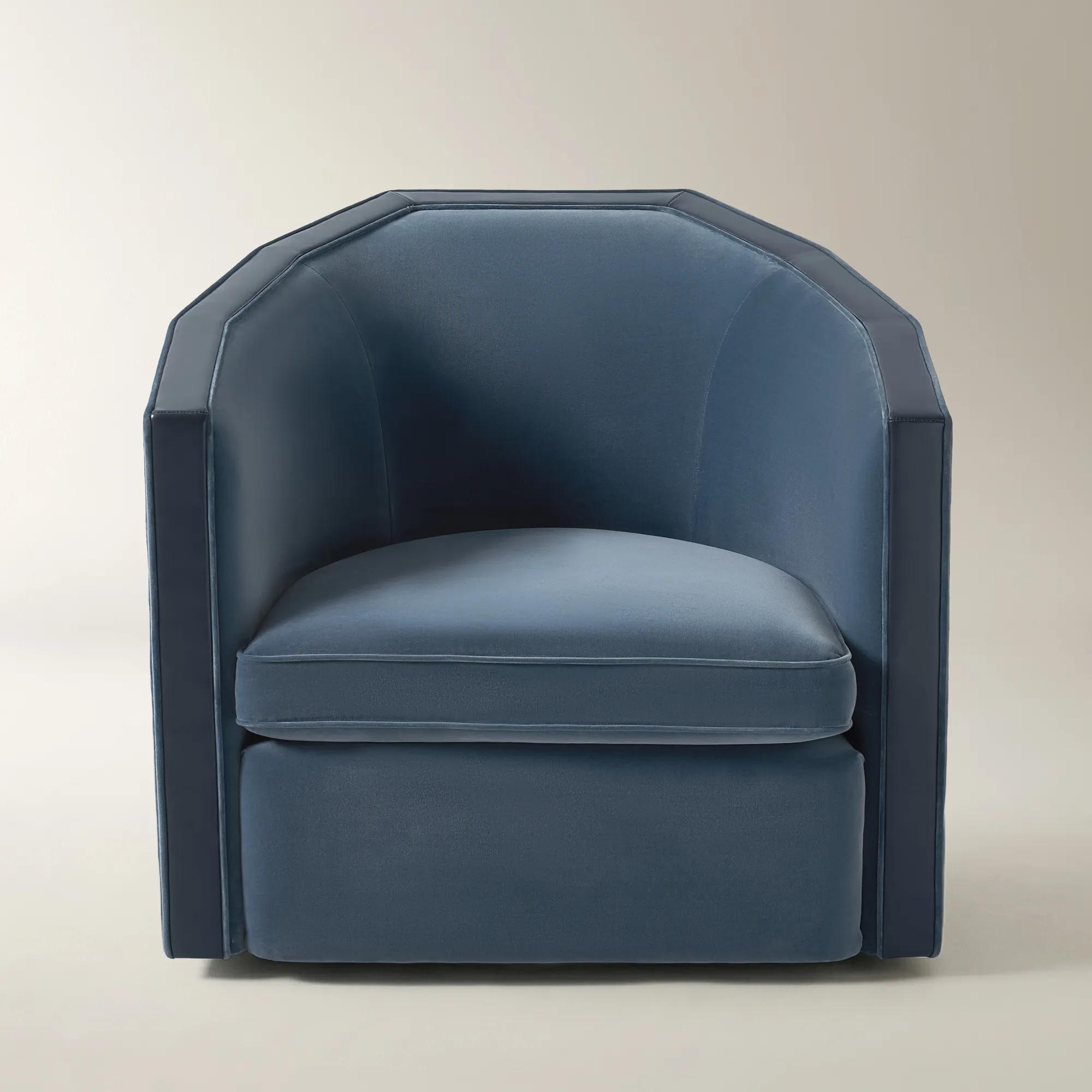 Vesper Dusty Blue Velvet With Leather Swivel Accent Chair$999
A modern accent chair in dusty blue velvet with tonal leather trim and a smooth 360-degree swivel base.
Add To Cart -
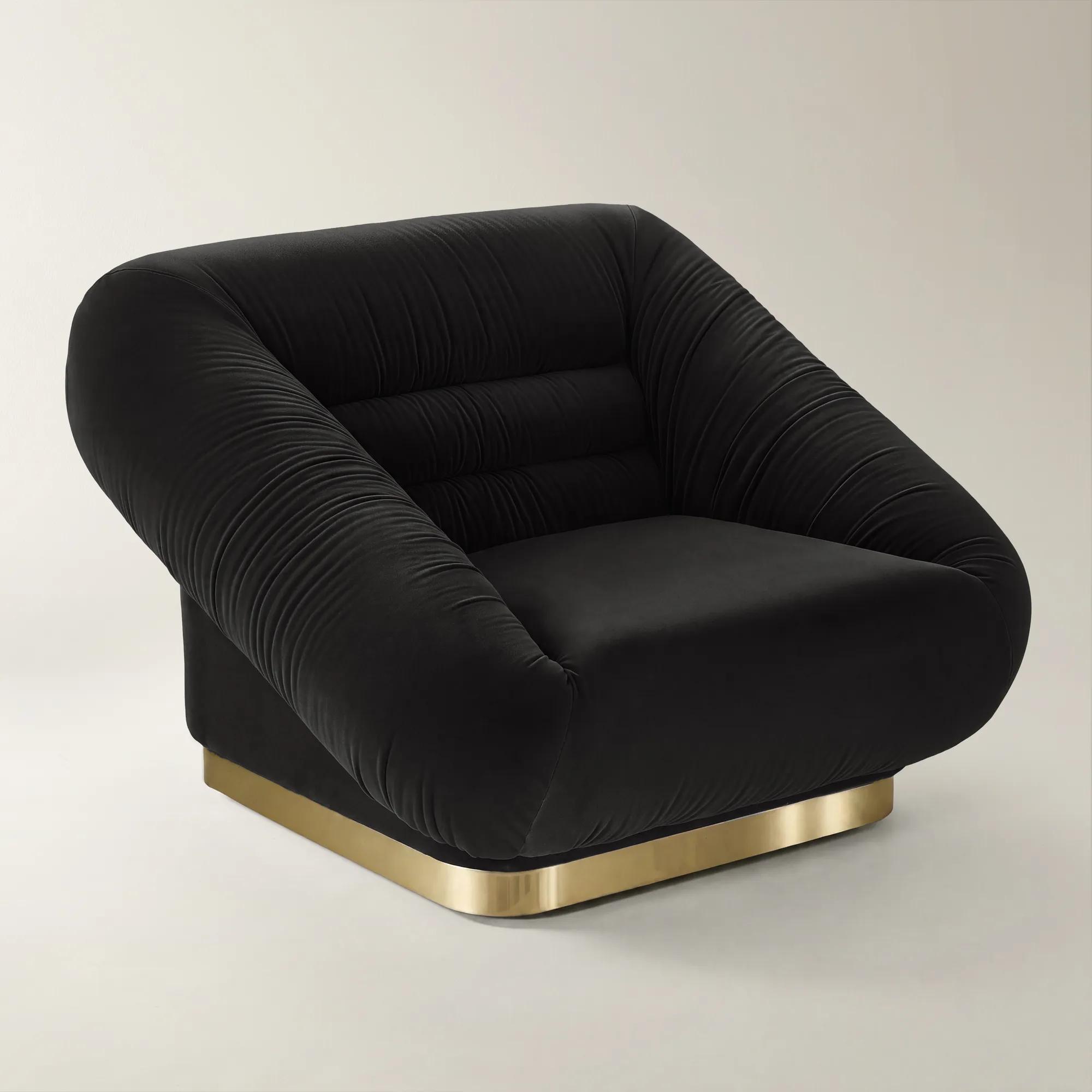
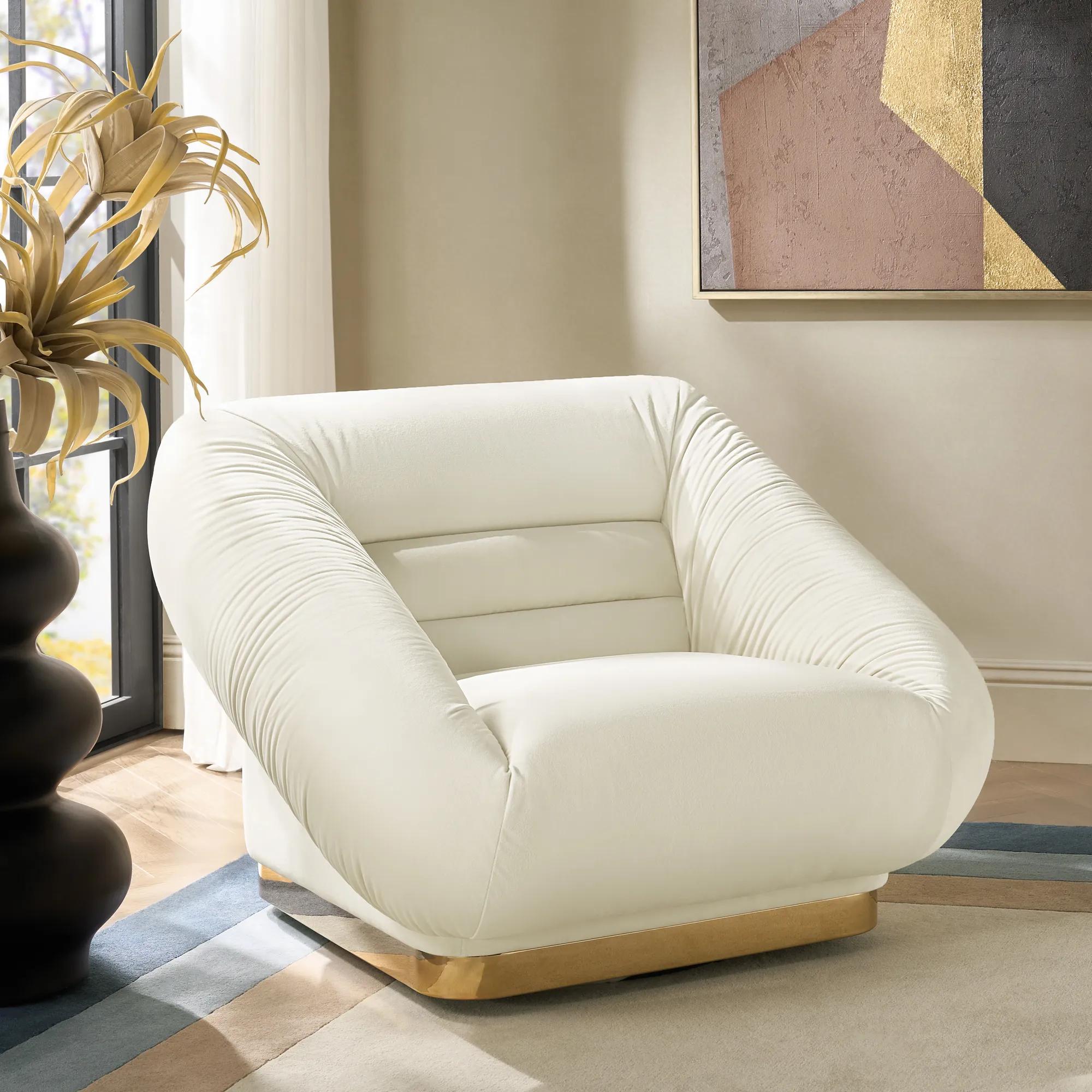 Dover Charcoal Velvet Swivel Accent Chair$1299
A sculptural charcoal velvet accent chair with gathered upholstery, a soft gold–finished stainless steel base, and smooth 360° swivel.
Add To Cart -
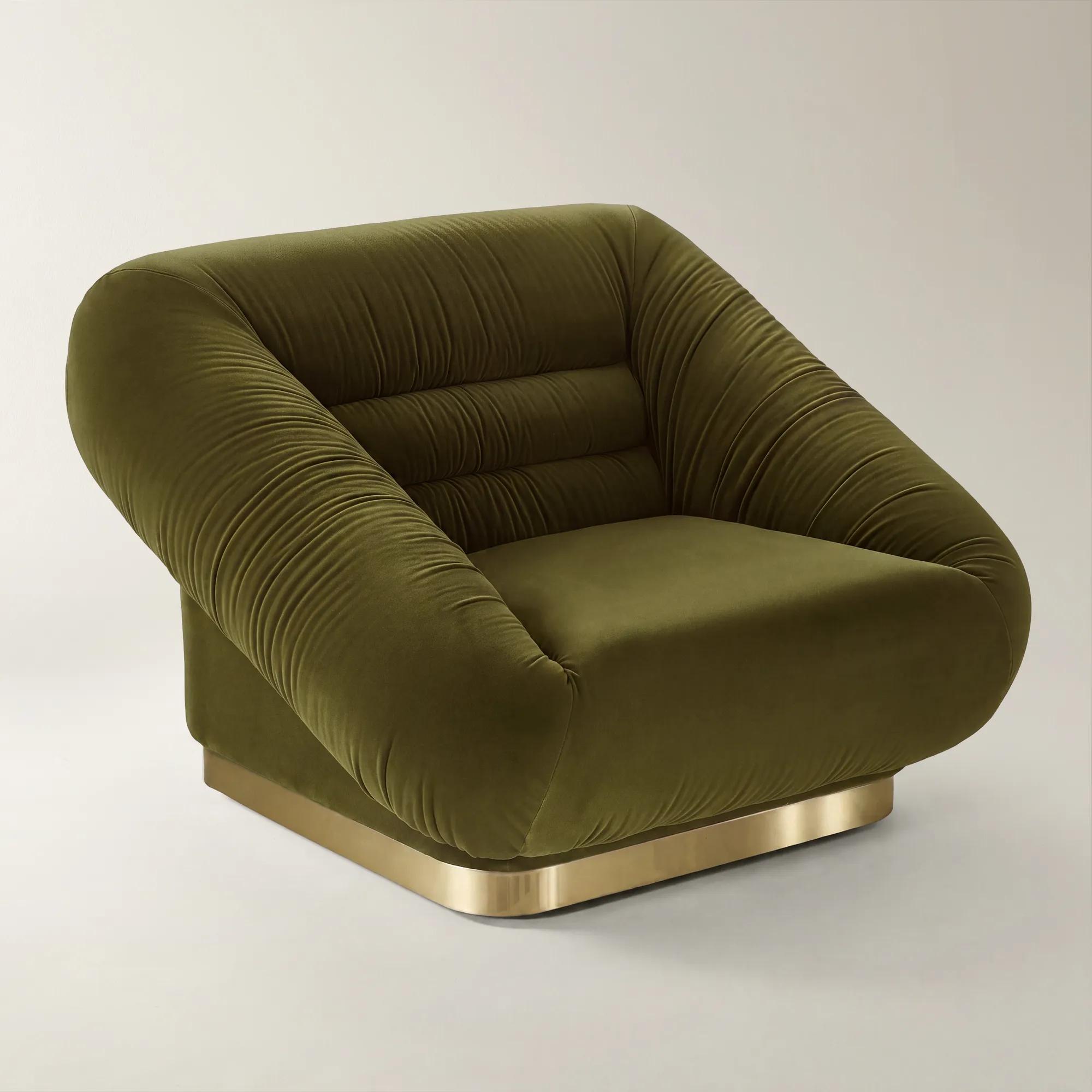
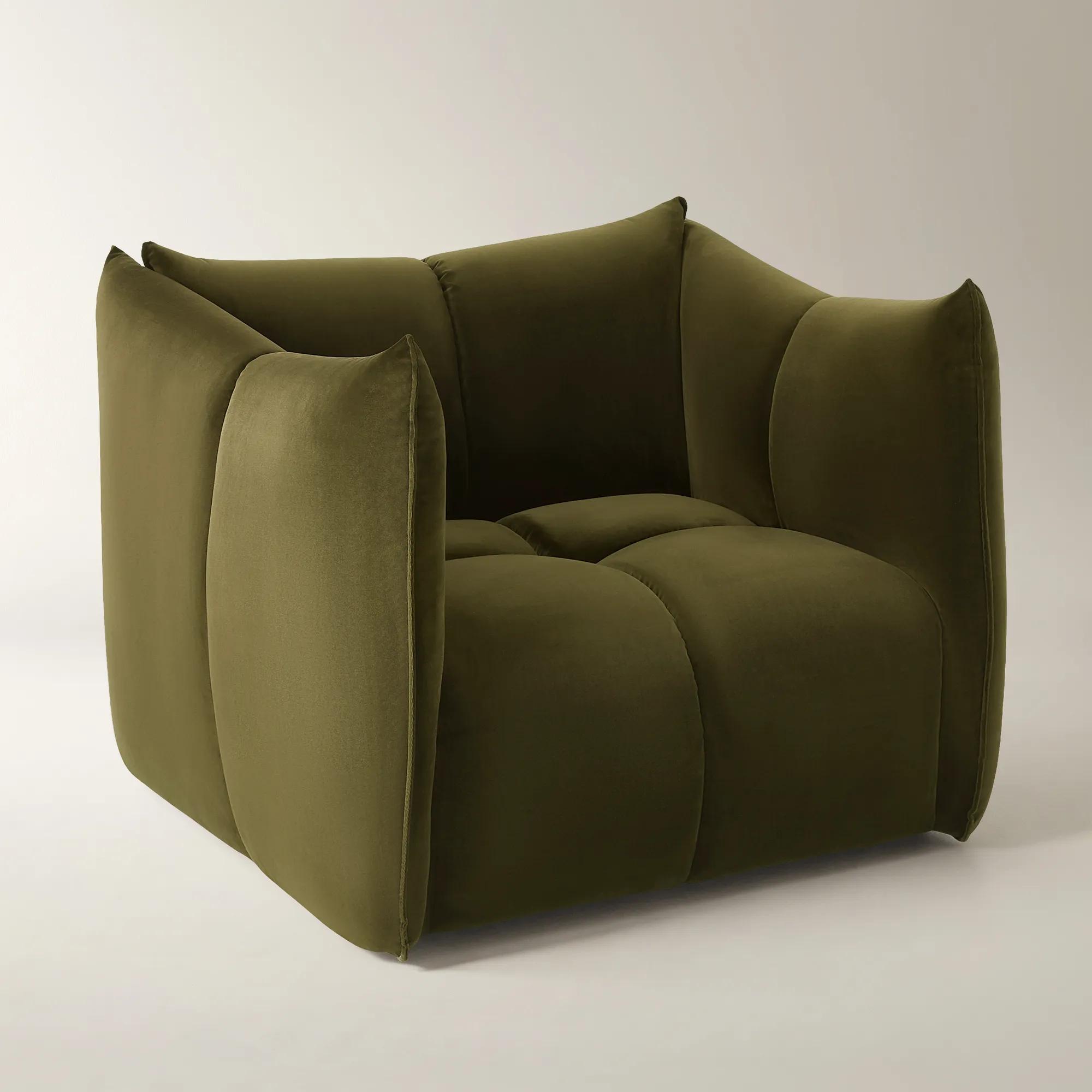
 Dover Deep Olive Velvet Swivel Accent Chair$1299
A sculptural deep olive velvet chair with gathered upholstery, soft gold trim, and smooth 360-degree swivel functionality.
Add To Cart -
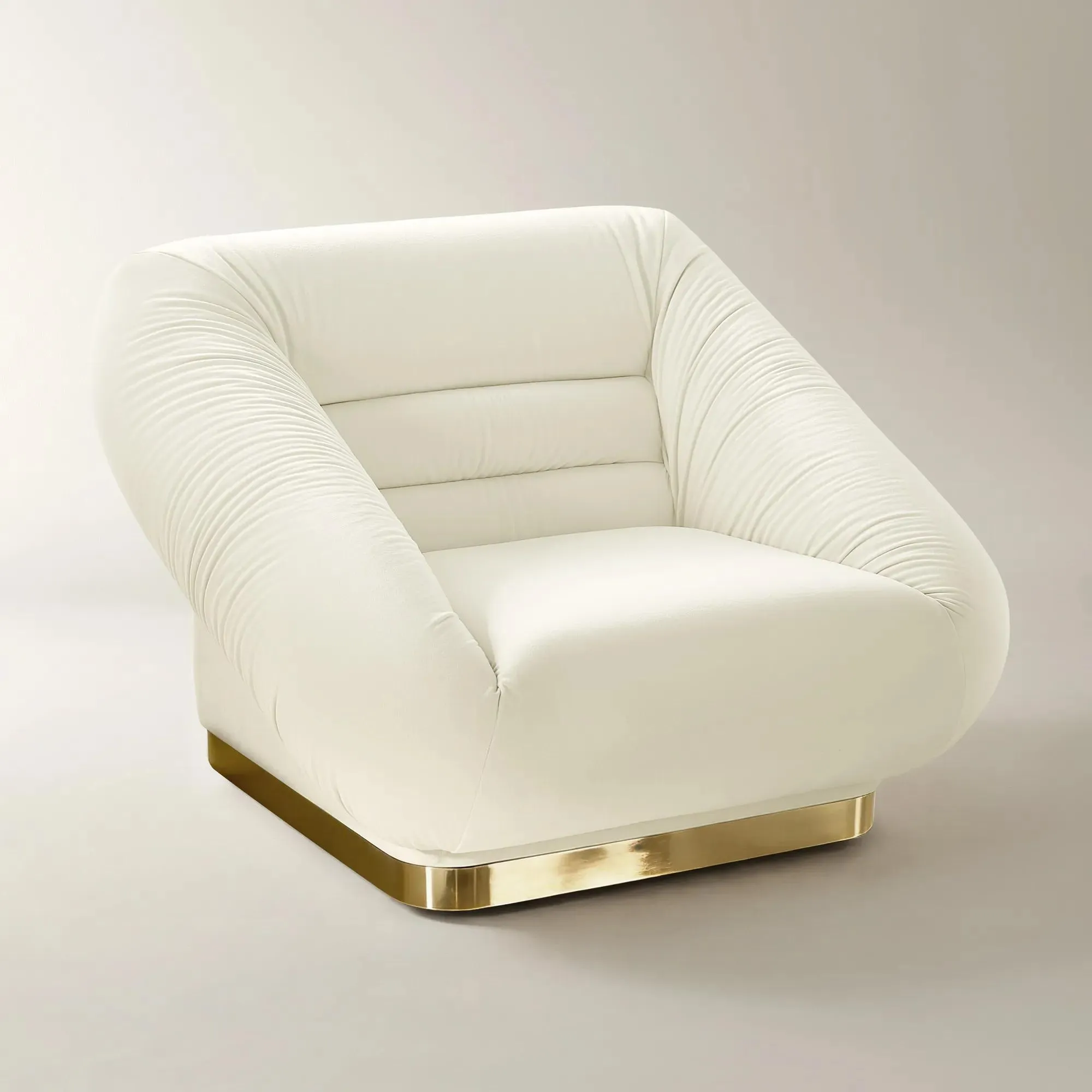
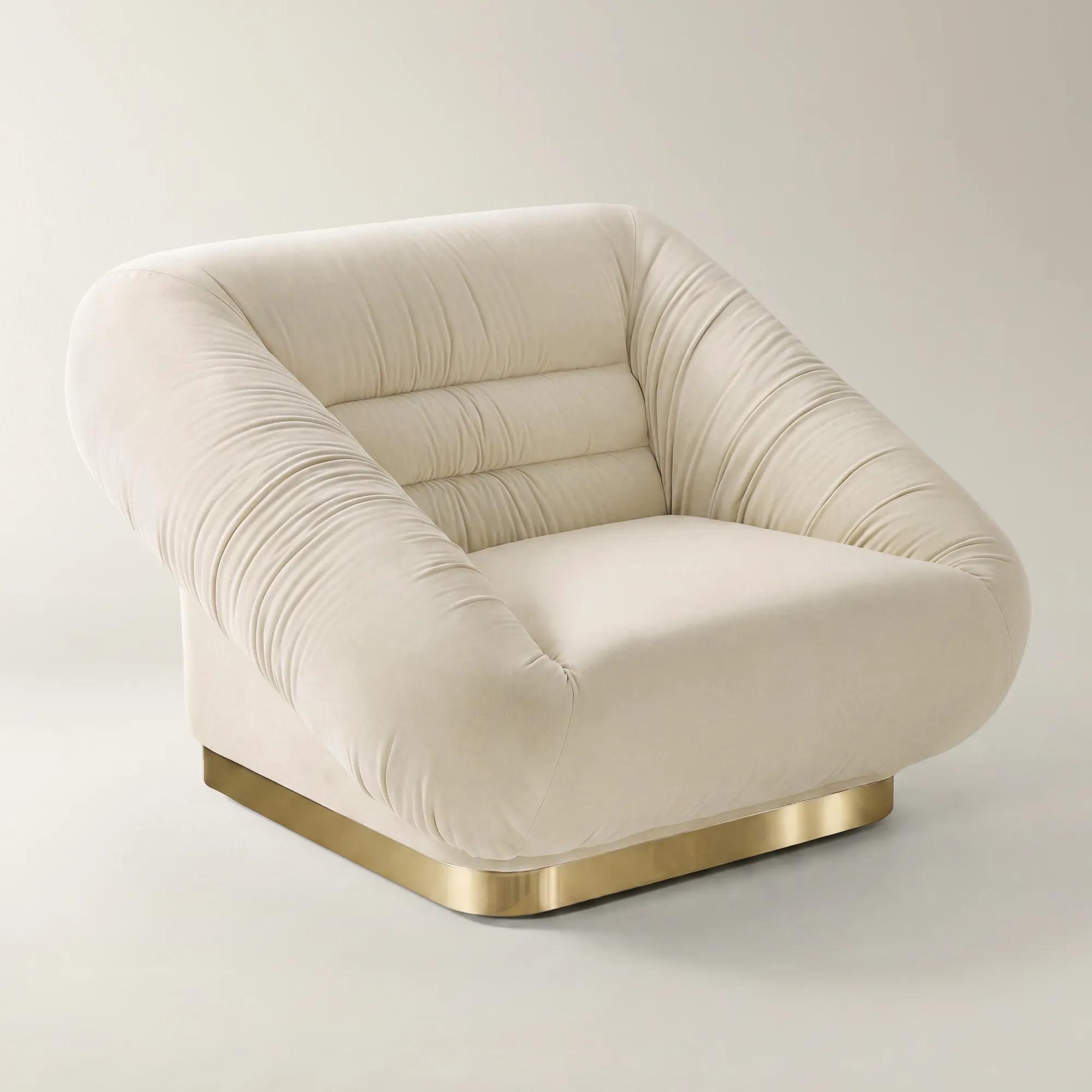 Dover Oatmeal Velvet Swivel Accent Chair$1299
A sculptural oatmeal velvet accent chair with gathered upholstery, a soft gold stainless steel base, and smooth 360-degree swivel functionality.
Add To Cart -
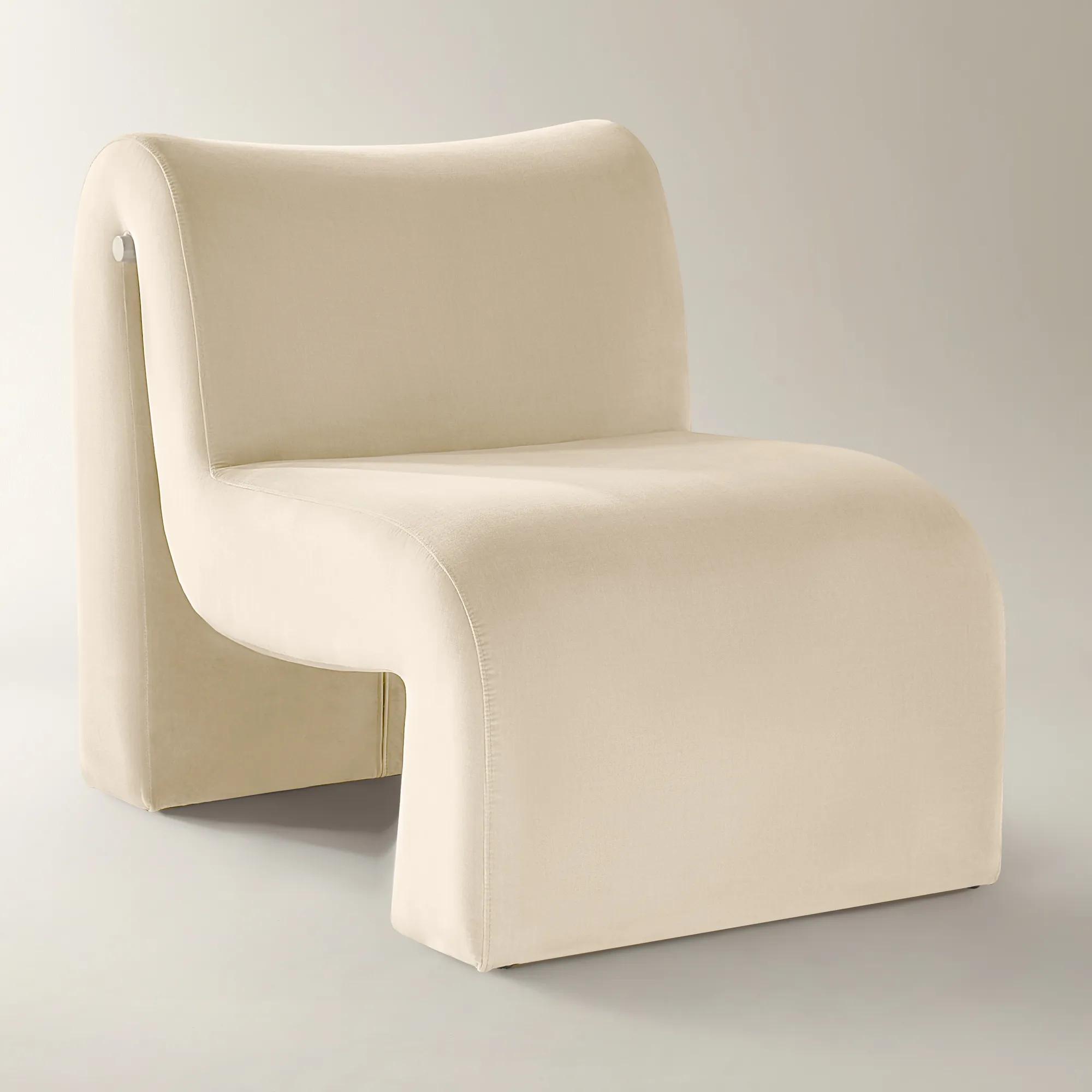 Cora Ivory Velvet Accent Chair$899
A sculpted ivory velvet chair featuring a continuous curved silhouette and a gold stainless-steel accent.
Add To Cart -
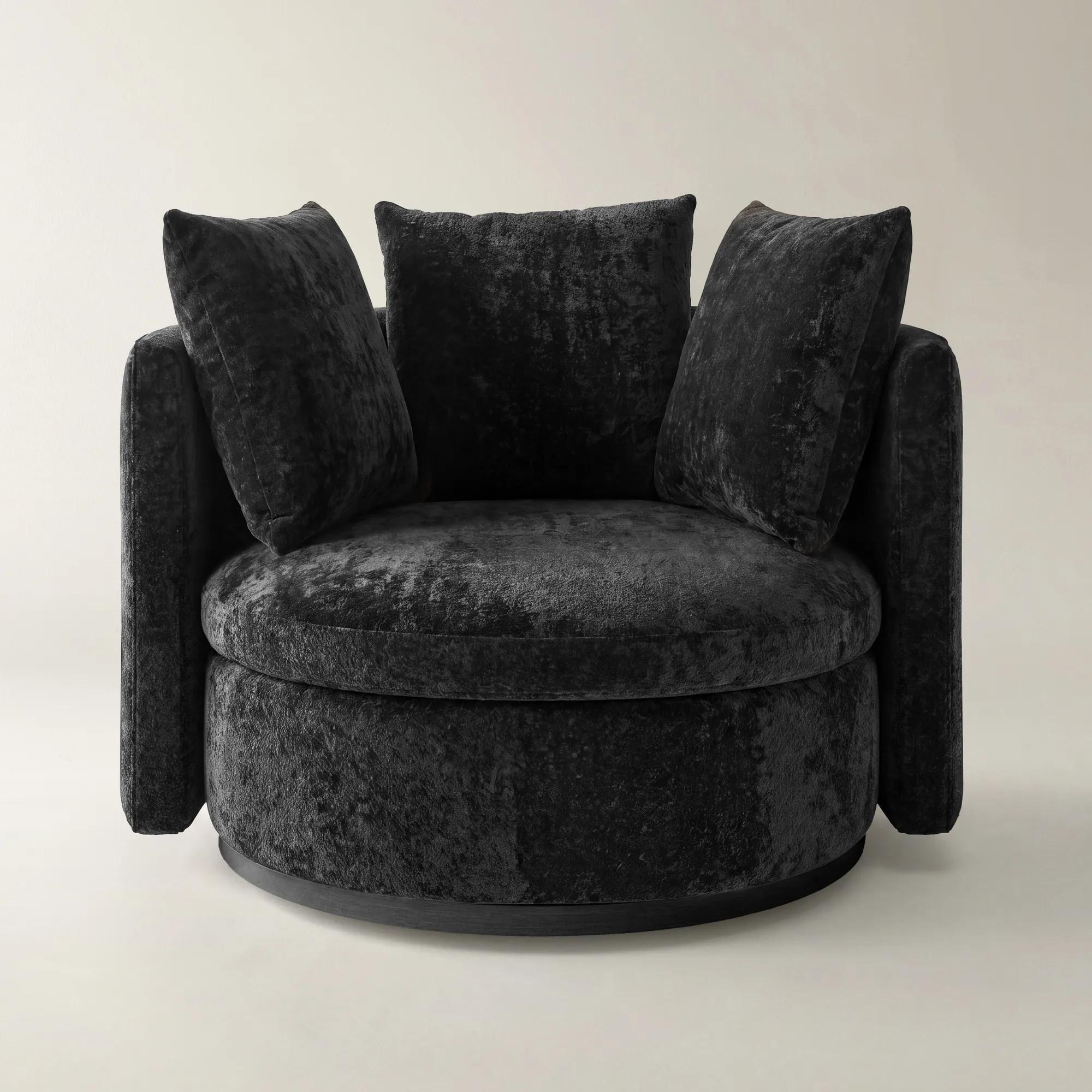
 Stria Black Chenille Swivel Accent Chair$1599
A black chenille accent chair with enveloping curves, foam-and-down comfort, and a concealed 360-degree swivel.
Add To Cart

Modern Contemporary Accent Chairs
Modern Contemporary Accent Chairs invite you to reimagine your living space as a gallery of bold expression and refined artistry. Each silhouette is a statement, sculpted to capture the essence of modern luxury while infusing your room with a sense of curated drama. From sleek lines to sumptuous textures, these accent chairs transform any corner into a captivating moment, balancing comfort with undeniable flair. Elevate your home’s narrative with pieces that celebrate individuality and turn everyday seating into an experience worthy of admiration.
Modern contemporary accent chairs bring expressive shape and inviting seating to living rooms, bedrooms, and conversation spaces. Their appeal lies in the balance between a purposeful silhouette and a distinctive point of view: a rounded back that softens an angular room, a sleek exposed frame that creates visual breathing room, or sumptuous upholstery that makes a quiet corner feel considered. Modern design often emphasizes clean geometry and restrained ornament, while contemporary design leaves room for evolving forms, tactile fabrics, and unexpected proportions. Together, those influences create accent seating that feels architectural without sacrificing warmth. A barrel chair wraps the seat in a continuous curve, creating an intimate place to settle with a book. A sculptural chair with an open back makes a different impression, revealing glimpses of the room beyond and presenting an intriguing profile from several angles. Swivel accent chairs introduce movement, making them especially useful in open living areas where seating may face a conversation, a television, or a view. Armless silhouettes can feel visually lighter, while generous upholstered arms give a chair a more enveloping presence. Each shape contributes something different to the room, whether the goal is a dramatic focal point or a graceful counterpoint to a substantial sofa. Color deepens that expression. Ivory and warm taupe allow curves and texture to take the lead; charcoal creates a crisp outline against pale walls; jewel tones lend upholstery a saturated, almost luminous richness. A single accent chair can introduce a new color without requiring an entirely new palette, while a pair can establish symmetry around a fireplace or low table. The most compelling arrangements give these chairs a deliberate relationship to the surrounding furnishings, repeating a metal finish, echoing a curve, or drawing a subtle tone from the artwork. Even the back deserves attention when a chair sits away from the wall, where its shape becomes part of the room’s architecture.
Upholstery and construction determine how an accent chair feels in everyday life as much as how it photographs. Velvet offers a rich interplay of light and shade, with a directional pile that can make the same color appear deeper or brighter across the seat and back. Bouclé brings a looped, dimensional surface that emphasizes rounded forms, while chenille offers a plush hand with a different visual texture. More tightly woven fabrics can create a tailored appearance, and leather introduces a smooth surface with character that depends on its finish and treatment. None of these material names alone establishes durability: fiber content, weave, upholstery testing, and the manufacturer’s care information provide a clearer picture of suitability for a frequently used living room or a quieter bedroom retreat. In homes with pets, looped textures may be vulnerable to snagging, and some velvet surfaces show pressure marks or changes in the nap. Performance upholstery, when specified, may offer particular resistance to stains or wear, but it should not be assumed to be spillproof or maintenance-free. Beneath the fabric, frame construction, joinery, seat suspension, and cushioning all contribute to support and longevity. Foam density and firmness describe different characteristics, so a dense cushion is not necessarily a hard one. A supportive upright back may suit conversation and reading, while a deeper seat invites a more relaxed posture. For someone who prefers sitting with feet resting on the floor, seat height and usable seat depth matter more than the chair’s dramatic outer dimensions. Exposed wood adds warmth and visible grain; polished or brushed metal can sharpen the silhouette with a gleaming or softly reflective edge. Each finish also brings its own care requirements. Routine attention generally includes gentle vacuuming with an appropriate upholstery attachment, prompt blotting rather than rubbing after spills, and cleaning methods matched to the upholstery code. Direct sunlight can alter some fabrics and finishes over time. Removable cushions are not automatically washable, and specialty upholstery may require professional care to preserve its texture and color.
Scale gives modern contemporary accent chairs their place in a room. Overall width, depth, and height establish the footprint, but arm height, seat dimensions, and the angle of the back determine how comfortably a chair works beside existing furniture. A low, expansive silhouette can look magnificent in a generous living area yet feel cumbersome beside a narrow walkway. A taller back creates a stronger vertical presence, especially against a broad wall or beside full-length drapery. Measuring doorways, hall turns, and stair clearances is just as important as measuring the intended corner, particularly for chairs with substantial fixed frames. In a seating arrangement, enough room to approach, sit, and stand keeps a striking composition comfortable to use. Swivel designs need additional clearance around their turning path so the back and arms do not brush a wall or neighboring table. A pair of contemporary accent chairs opposite a sofa can create a balanced conversation area, with a shared table offering a place for drinks without visually dividing the group. Angling a single chair toward the sofa makes it feel included rather than stranded at the edge of the room. In a bedroom, an upholstered chair beside a reading lamp can establish a retreat separate from the bed; in a home office, a distinctive guest chair introduces texture and a more residential atmosphere. An accent chair intended for occasional conversation serves a different purpose from ergonomic seating designed for extended desk work. For rooms that place special emphasis on artistic form, Modern Designer Accent Chairs offer a related direction for expressive seating. Styling can remain deliberate: a compact side table, a luminous lamp, and a pillow that supports rather than overwhelms the upholstery. A rug can connect the chair to the larger seating group, while contrasting textures give its outline greater definition. The result is seating with a clear role and an unmistakable presence—a place to pause, entertain, or read that also contributes shape, depth, and personality to the room.
FAQs
A modern contemporary accent chair is distinguished by its bold design, innovative materials, and striking silhouettes. These chairs often feature clean lines, sculptural shapes, and unexpected details—such as metallic finishes, luxe upholstery, or geometric patterns—that make them stand out as statement pieces in any room. They are crafted to blend comfort with artistry, offering both visual intrigue and a sense of luxury.
Integrating a modern contemporary accent chair into your décor is all about balance and contrast. Use the chair as a focal point in a neutral space, or pair it with complementary textures and colors to create a layered, curated look. Consider placing it in an entryway to greet guests with style, anchoring a reading nook, or using it to add a pop of color and personality to a living room or bedroom.
Absolutely. A modern contemporary accent chair is a thoughtful and memorable gift for design enthusiasts, new homeowners, or anyone celebrating a special milestone. Its timeless appeal and expressive design make it a cherished addition to any home, offering both function and artistic flair that will be appreciated for years to come.
Modern contemporary accent chairs often showcase a rich palette of materials, including plush velvets, buttery leathers, polished metals, and gleaming woods. These materials are chosen not only for their durability but also for their ability to capture light, create texture, and evoke a sense of luxury. The interplay of tactile and visual elements is a hallmark of contemporary design.
Selecting the perfect color or finish depends on your personal style and the atmosphere you wish to create. For bold drama, opt for jewel tones, high-gloss finishes, or metallic accents. For a more serene or sophisticated look, consider soft neutrals, matte textures, or classic monochromes. Let the chair reflect your personality and complement the existing palette of your space to achieve a harmonious yet striking effect.