Modern Designer Accent Chairs
Modern Designer Accent Chairs
-
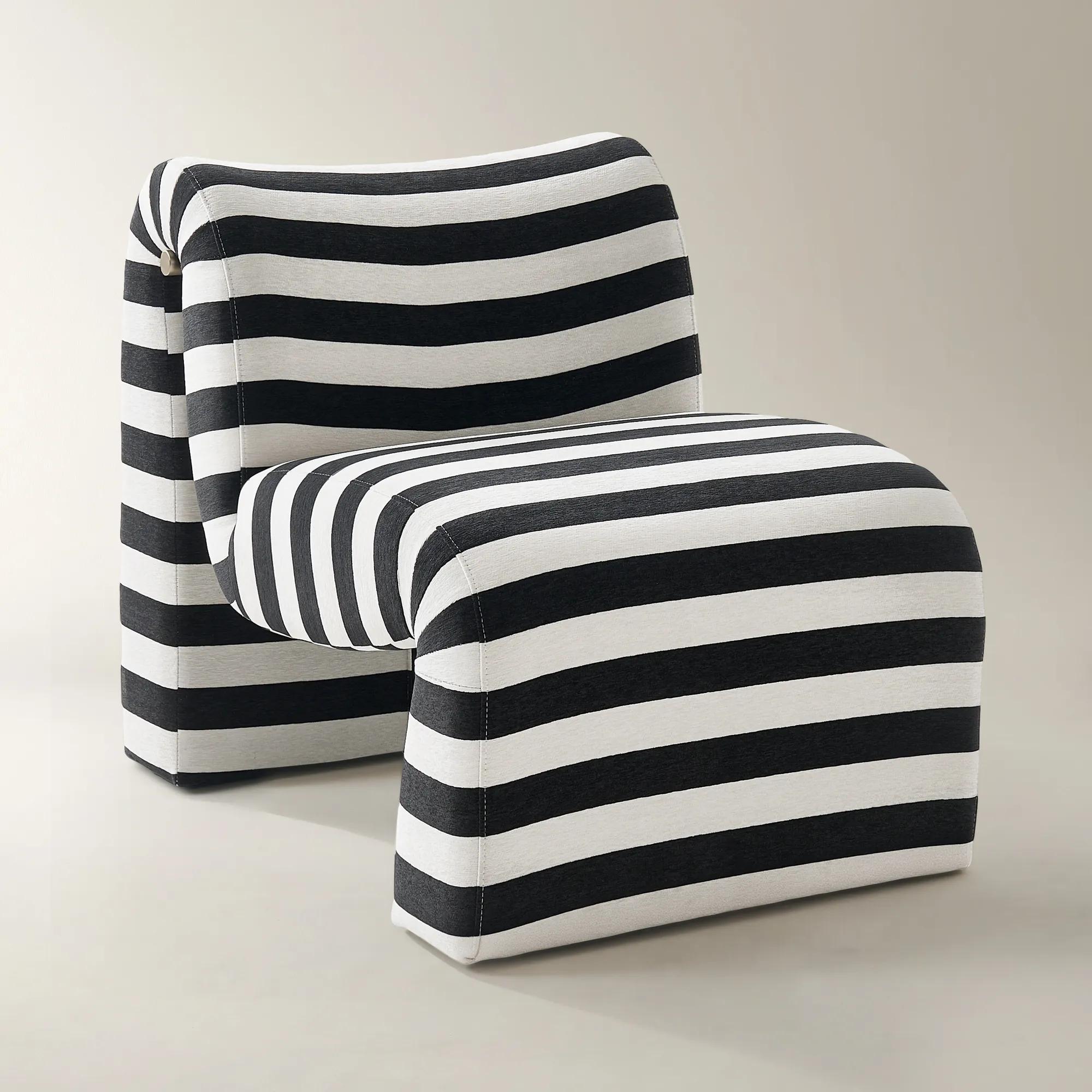 Cora Stripe Chenille Accent Chair$899
A bold black-and-white striped accent chair featuring water-repellent chenille and a gold stainless-steel inlay.
Add To Cart -

 Nia Lacquered Turtle Dove Faux Fur Accent Chair$899
A sculptural accent chair featuring a high-gloss sand-toned fiberglass frame and plush turtle dove faux fur upholstery.
Add To Cart -
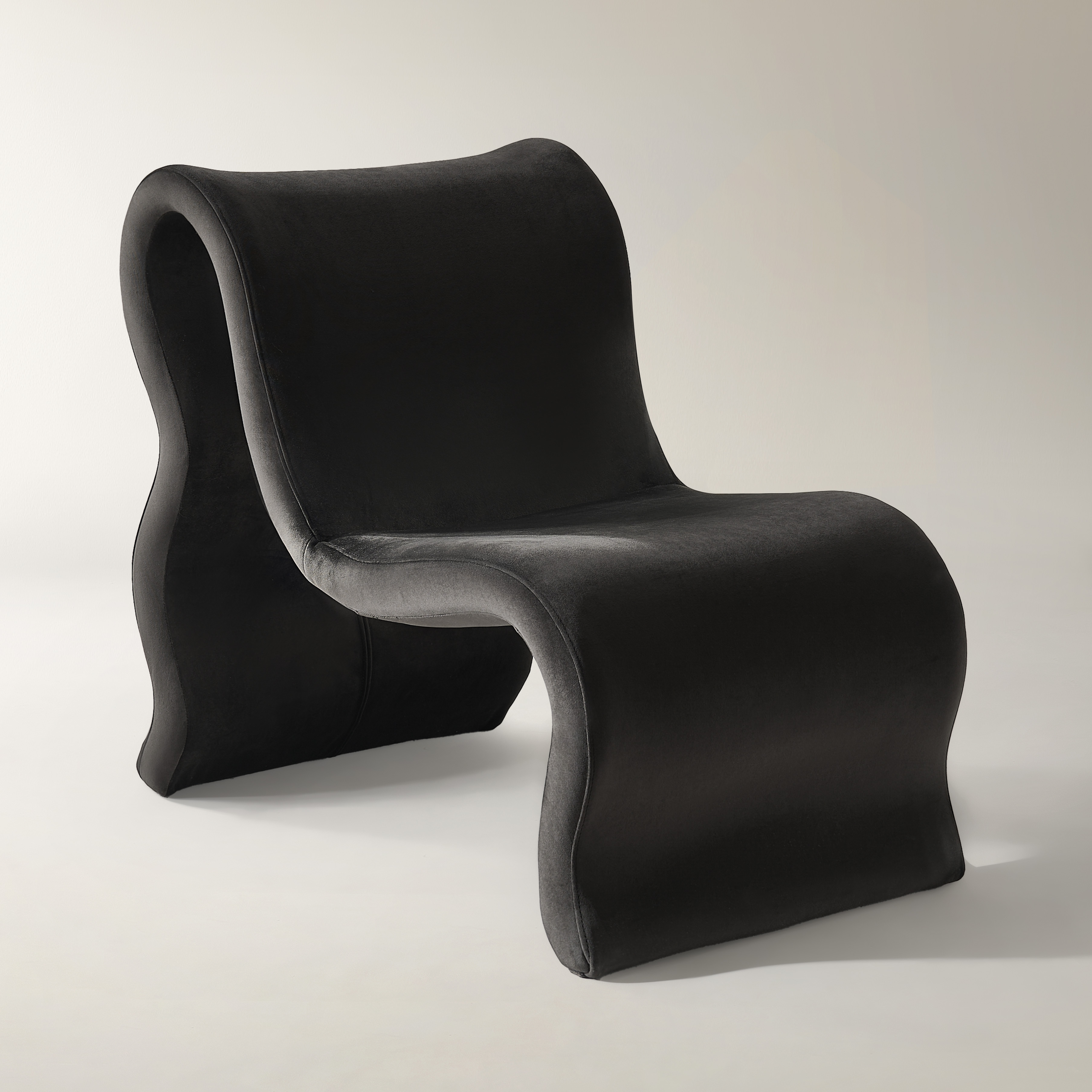 Romy Charcoal Velvet Accent Chair$999
A sculptural accent chair in charcoal velvet with a wave-like silhouette and full foam construction.
Add To Cart -
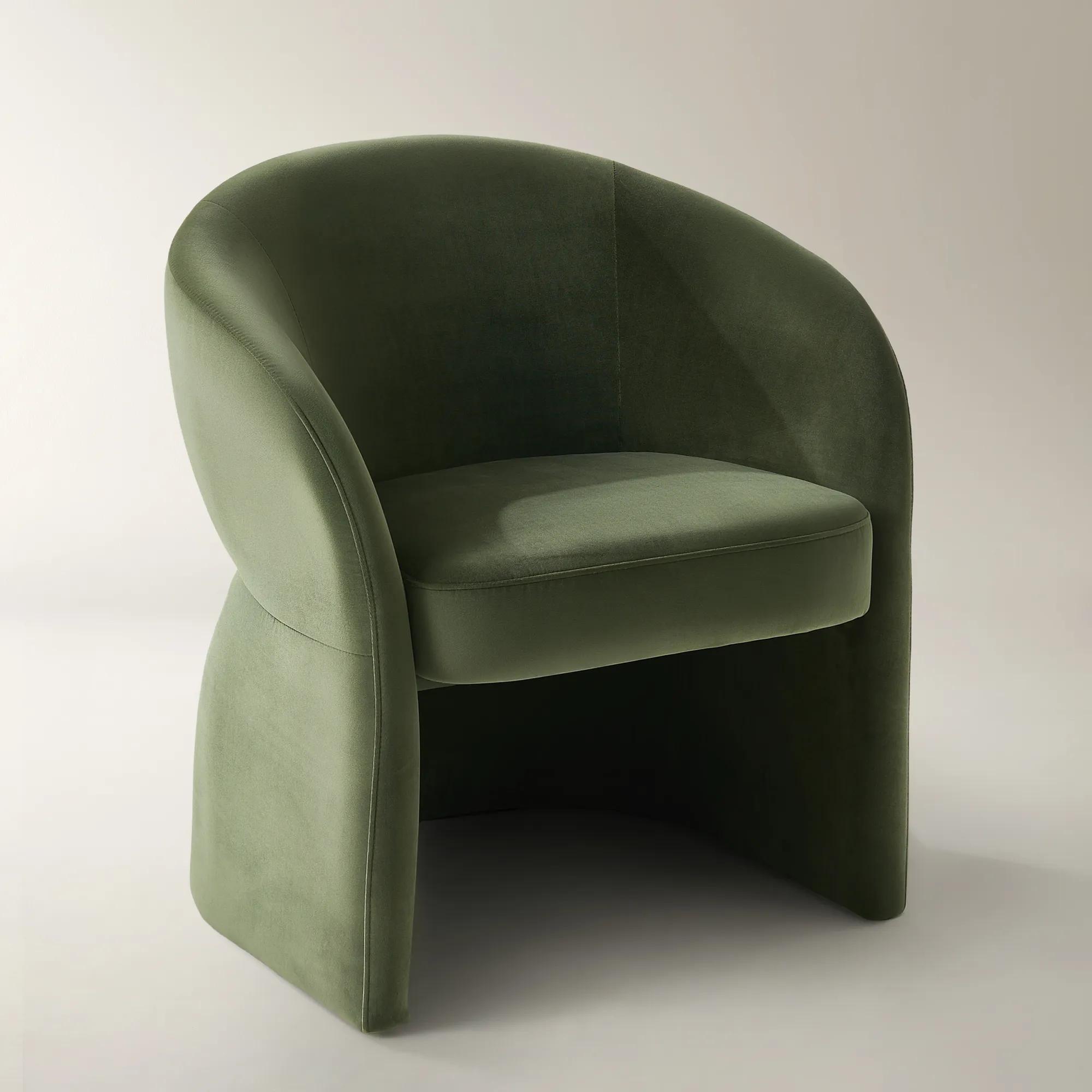
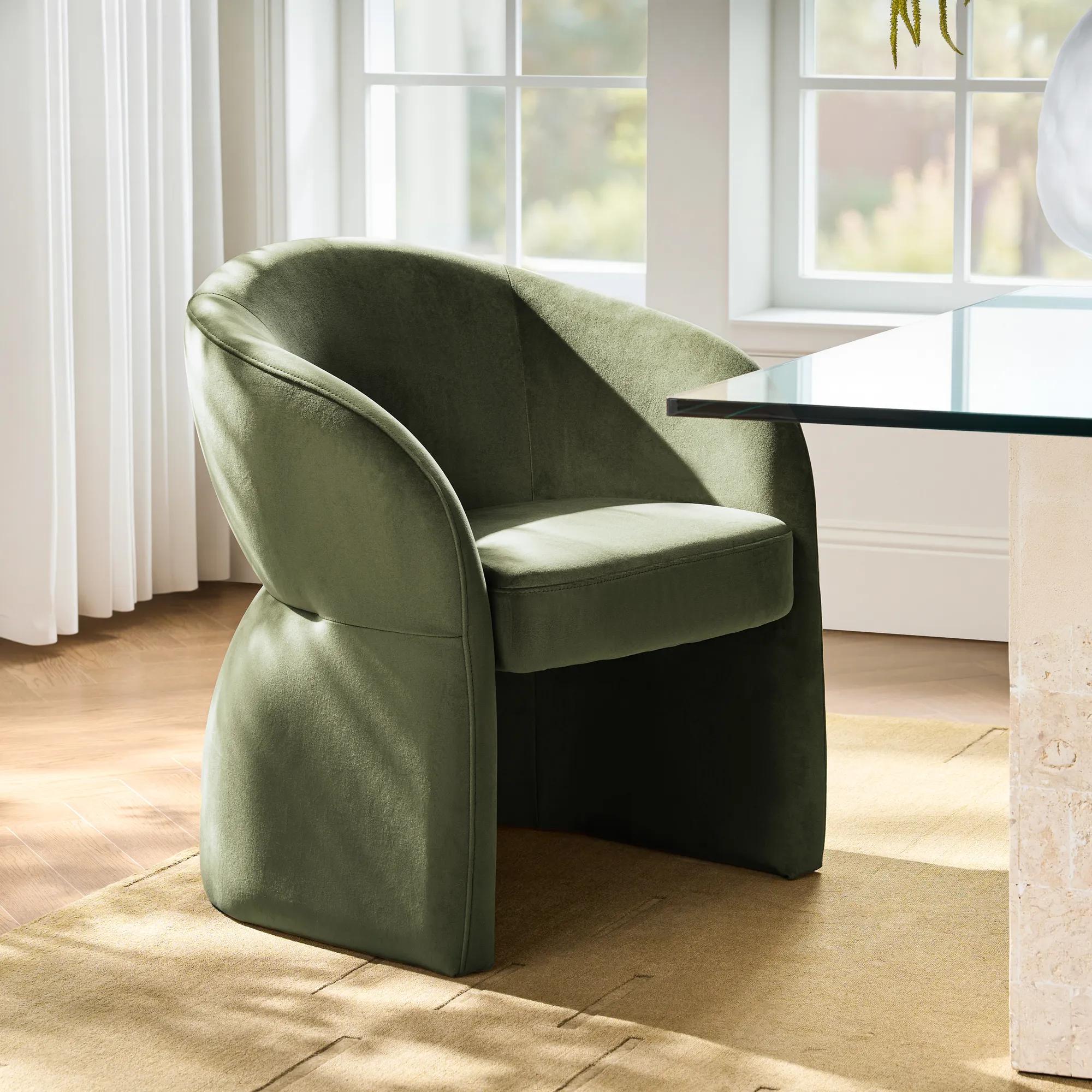 Sierra Jade Green Velvet Dining Chair$599
A sculptural accent chair in jade green velvet with gracefully arched arms and plush, supportive cushioning.
Add To Cart -
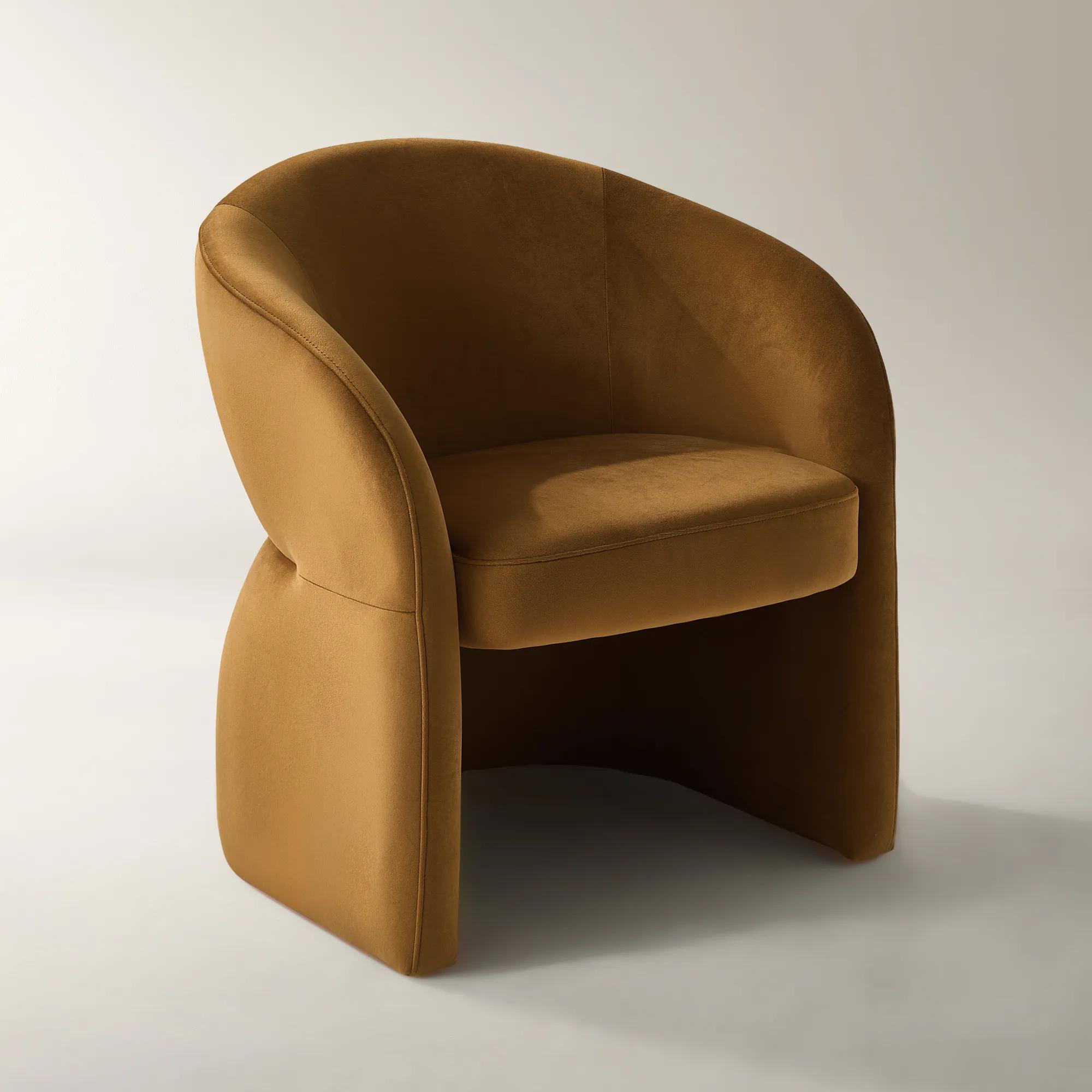
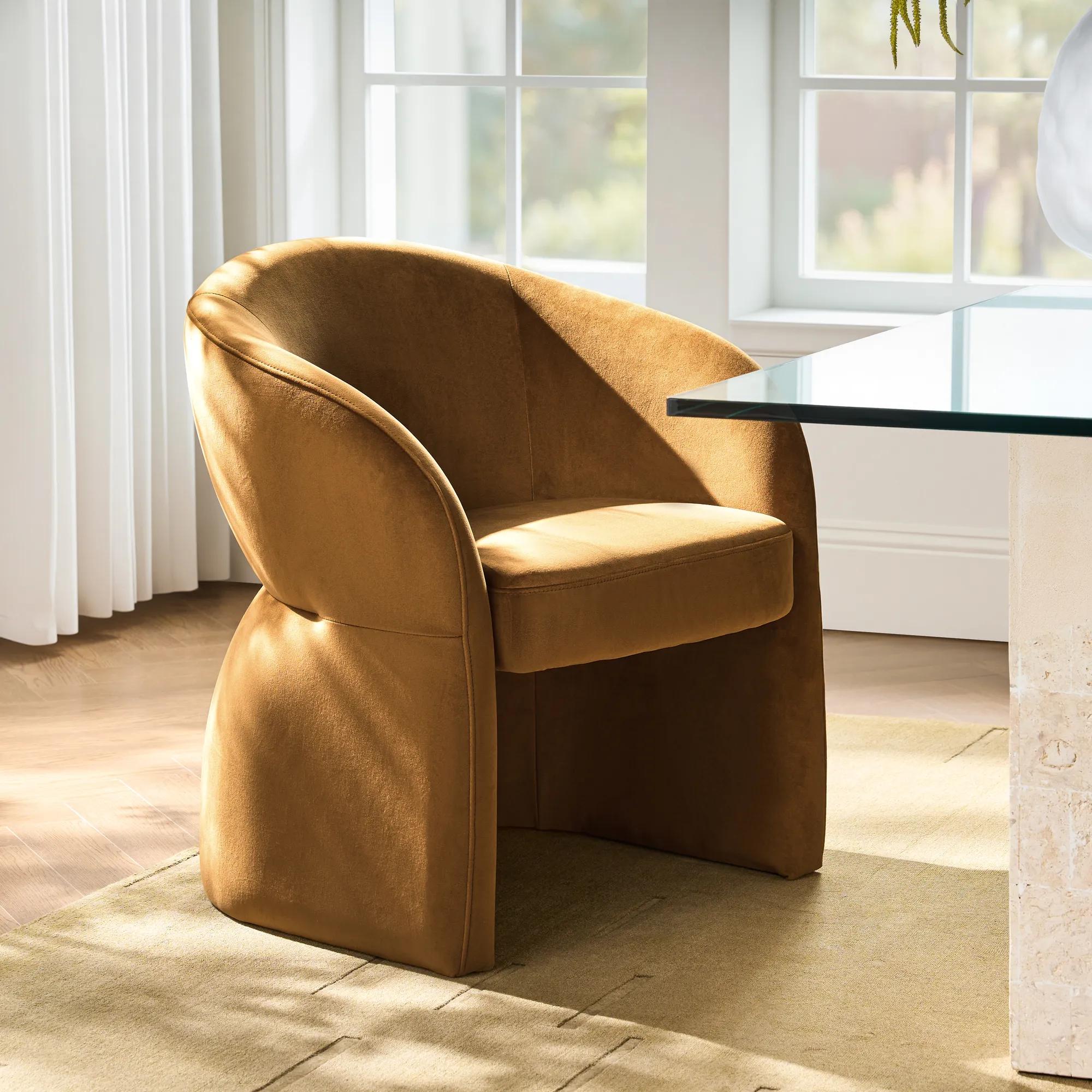 Sierra Roasted Pecan Velvet Dining Chair$599
A sculptural accent chair in roasted pecan velvet with arched arms, curved back, and plush cushioning.
Add To Cart -
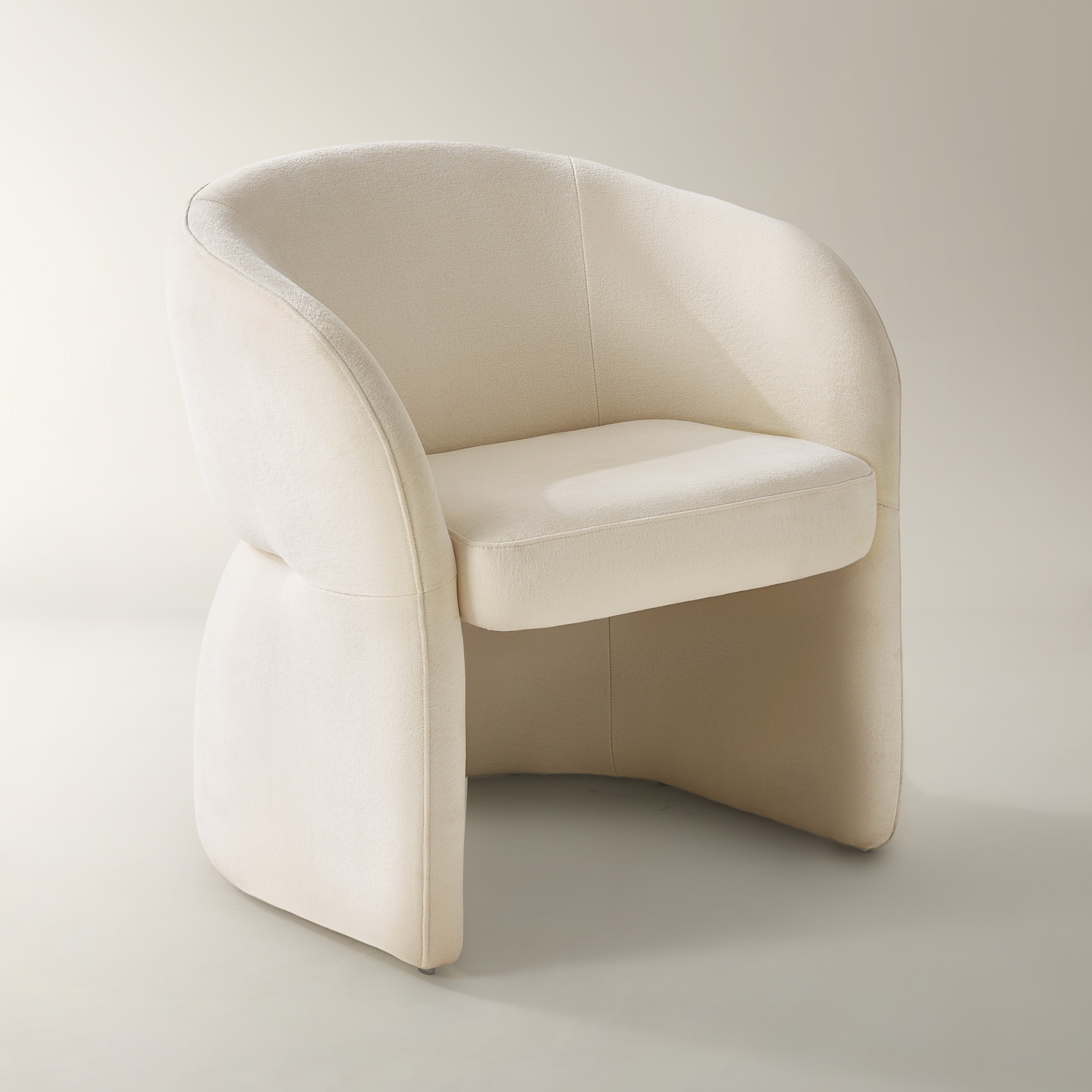
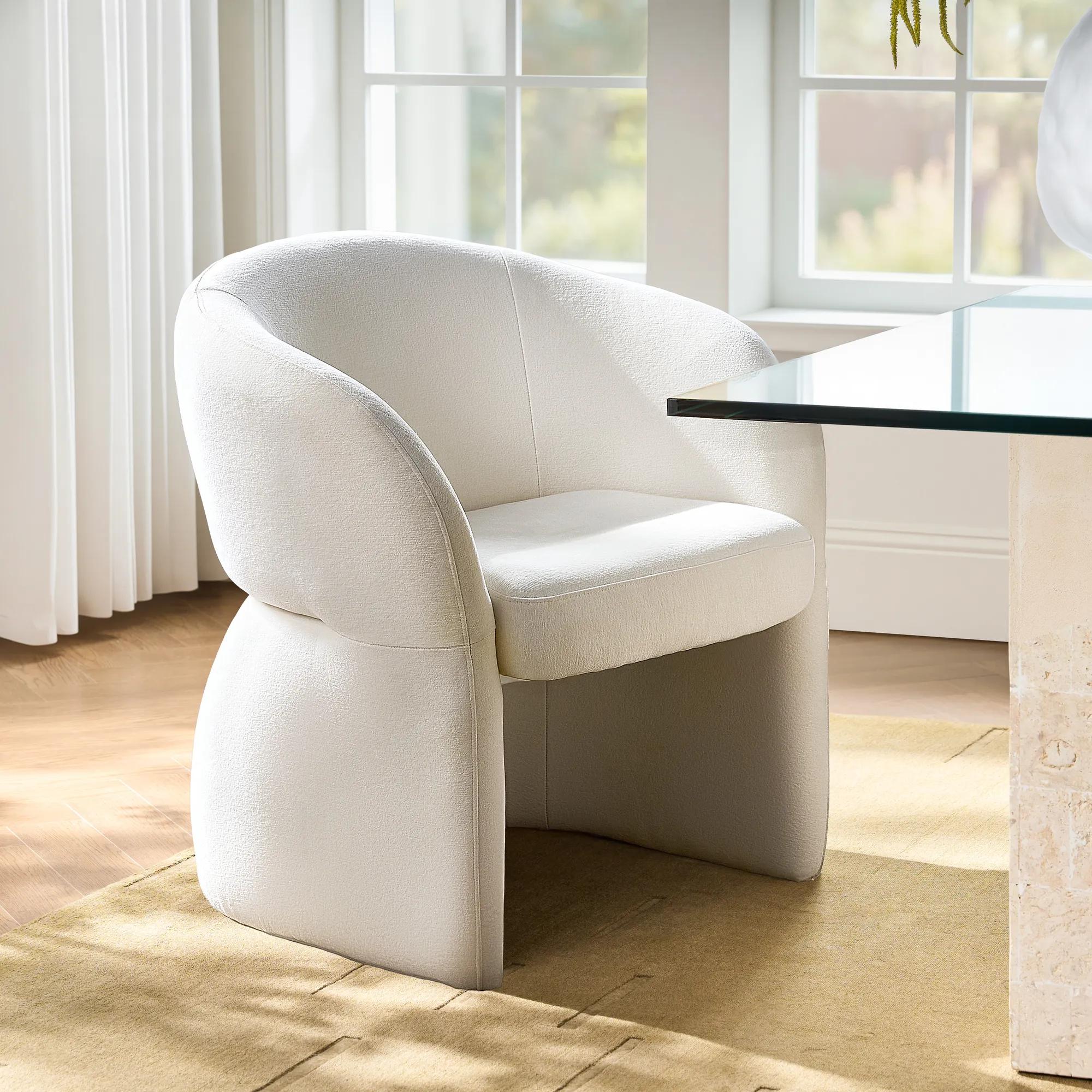 Sierra Oatmeal Velvet Dining Chair$599
An elegant accent chair in oatmeal velvet with gracefully arched arms, curved back, and plush cushioning.
Add To Cart -
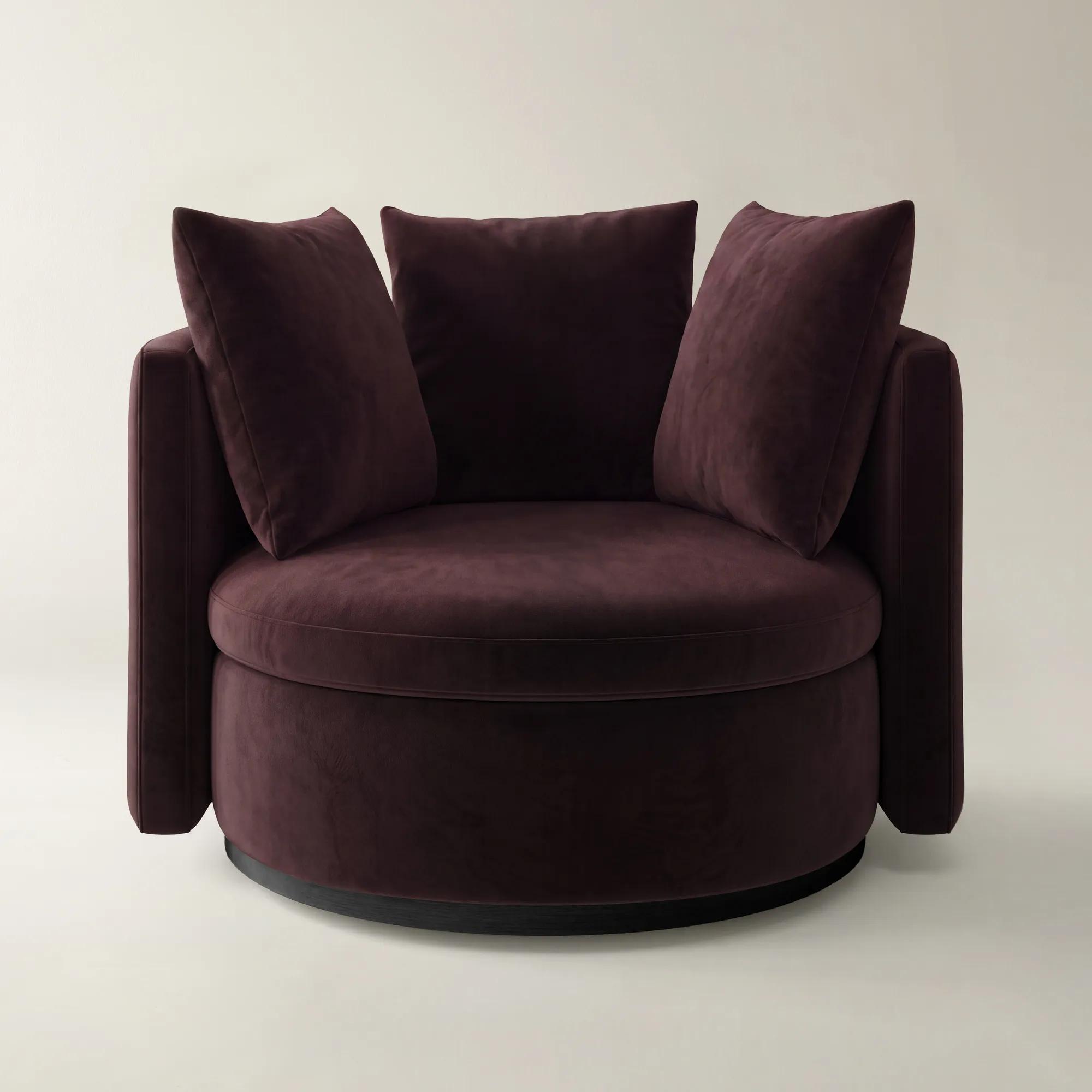
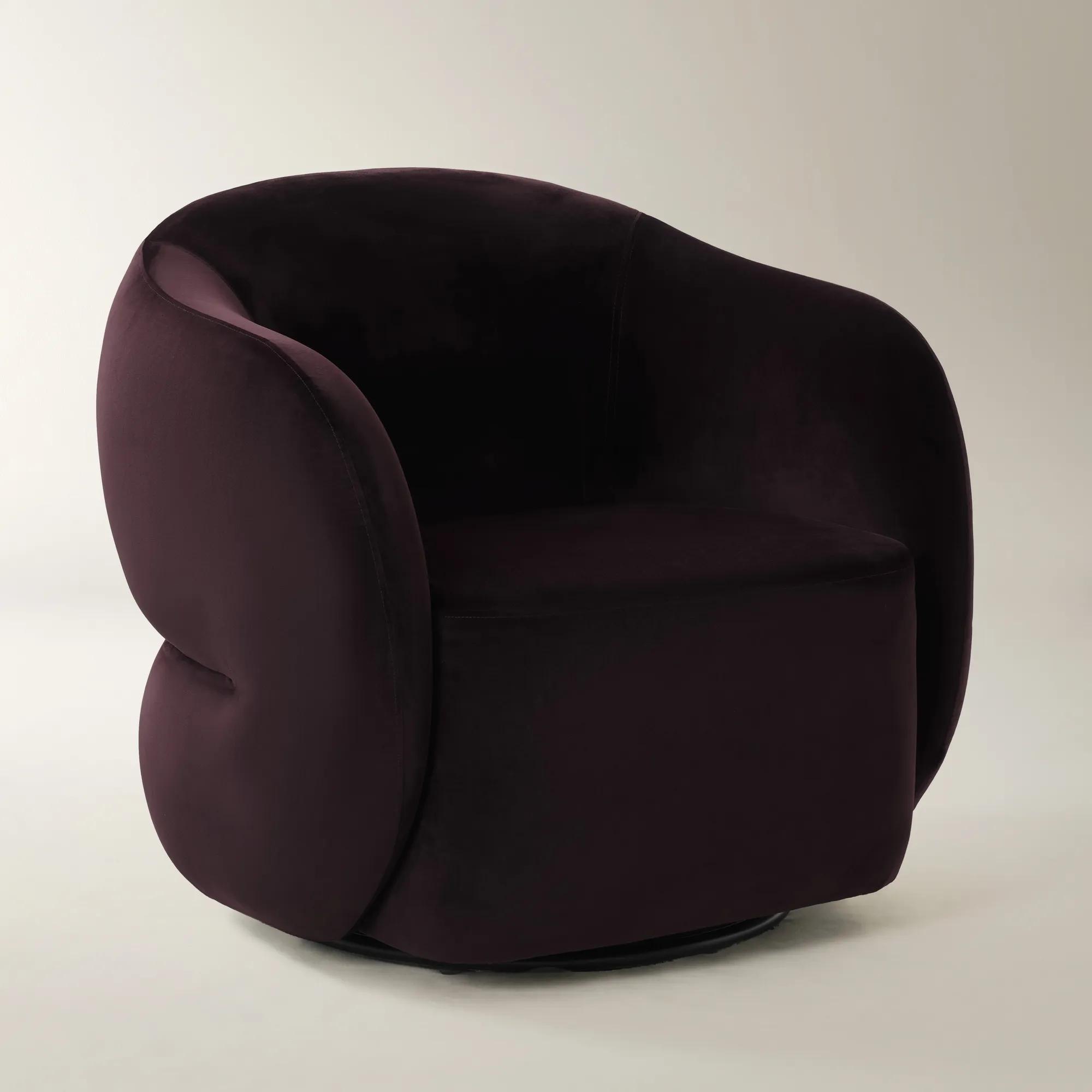 Sierra Fig Velvet Swivel Accent Chair$899
A modern accent chair in plush fig velvet with a wraparound back and smooth 360° swivel base.
Add To Cart -
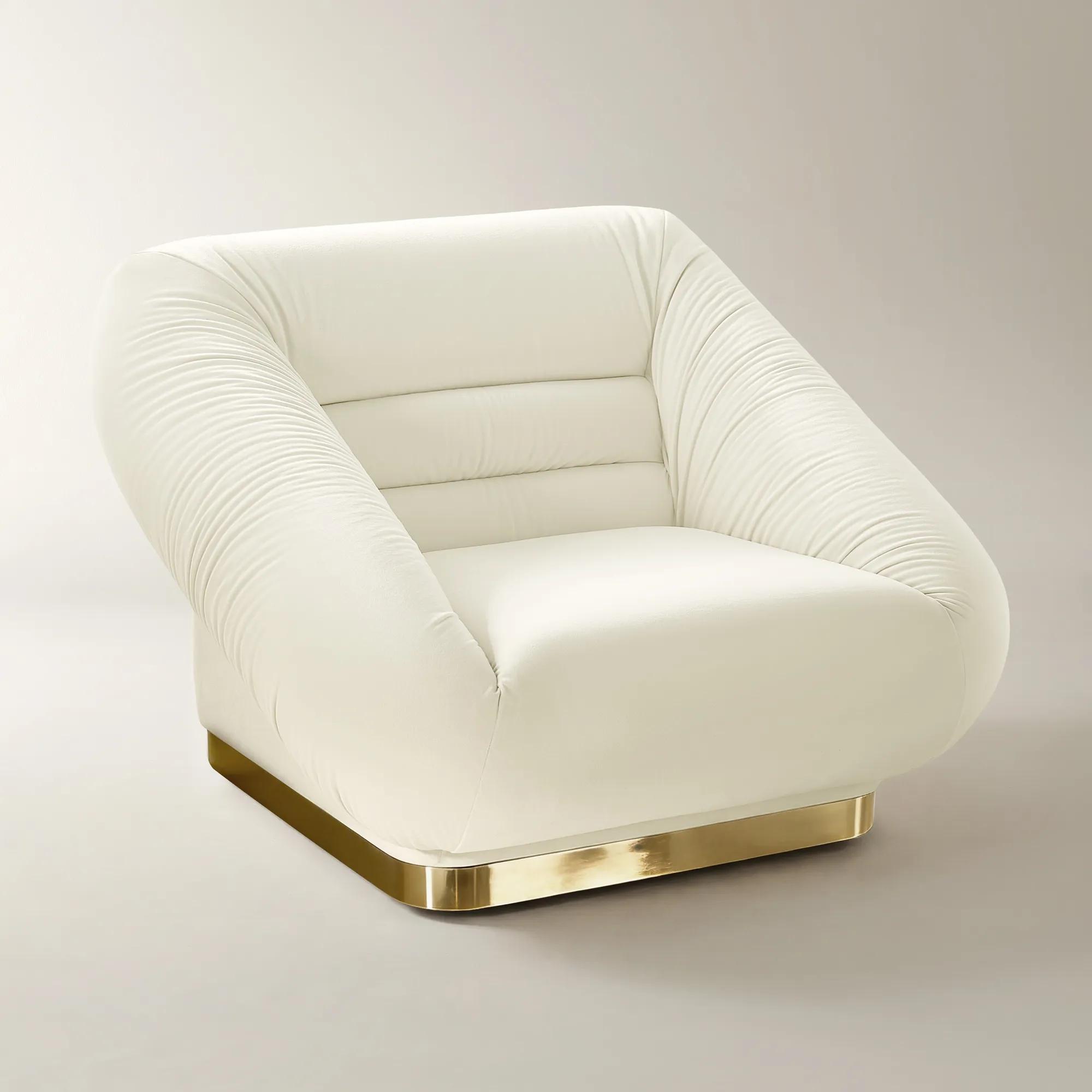 Dover Cloud Velvet Swivel Accent Chair$1299
A sculptural accent chair in cloud velvet with a gold-trimmed base and smooth 360° swivel function.
Add To Cart -
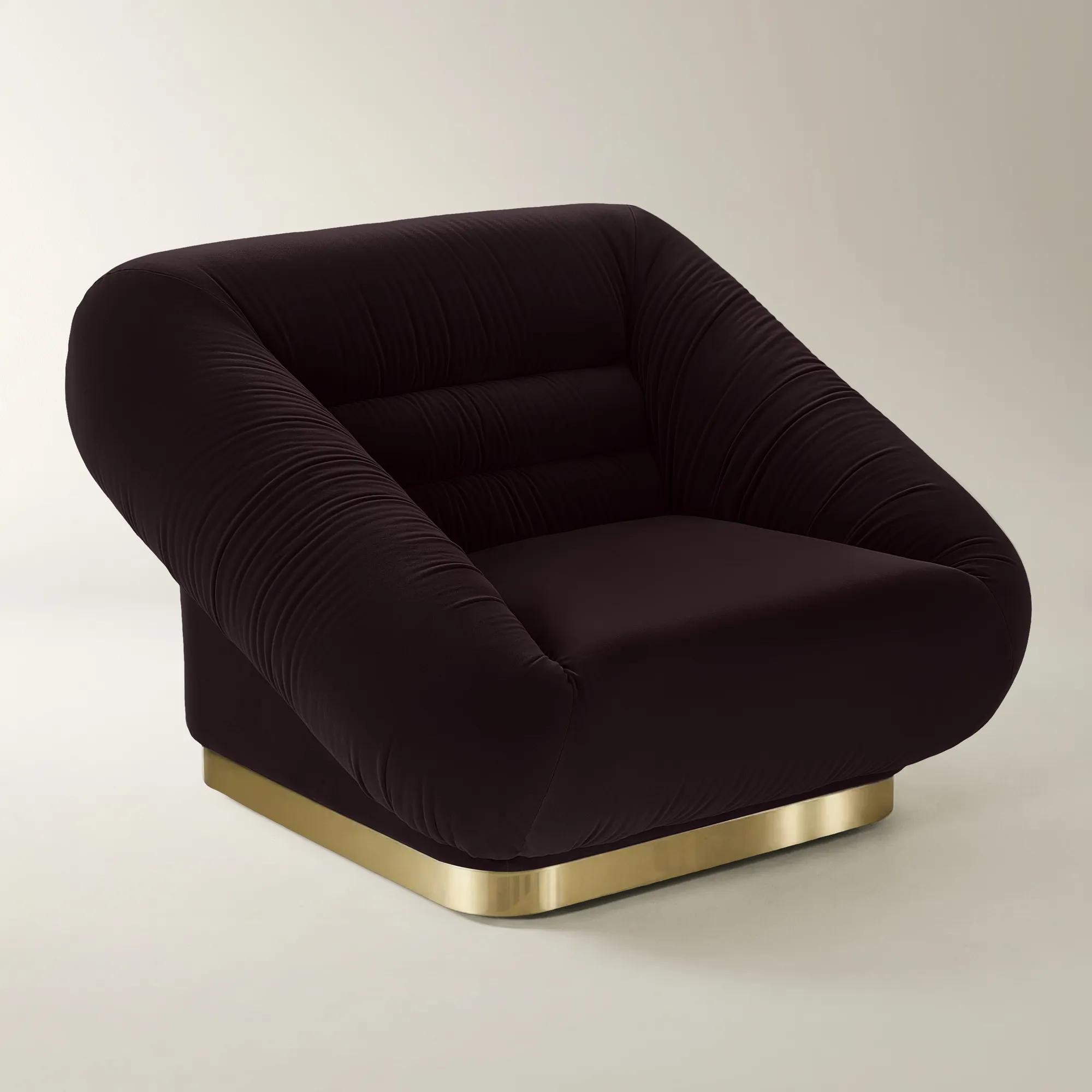 Dover Fig Velvet Swivel Accent Chair$1299
A sculptural fig velvet accent chair featuring soft gathered upholstery, gold-trimmed base, and smooth 360° swivel.
Add To Cart -
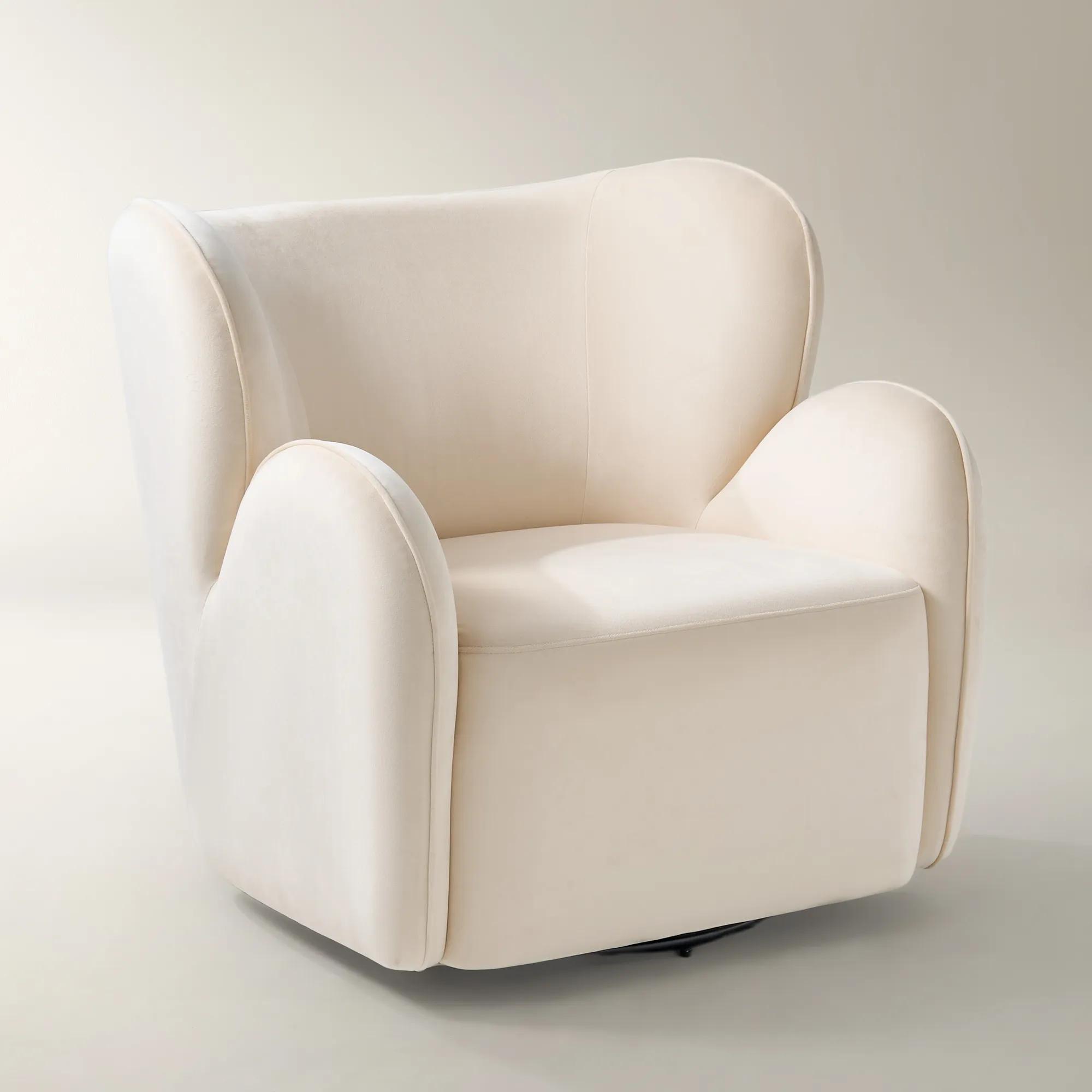
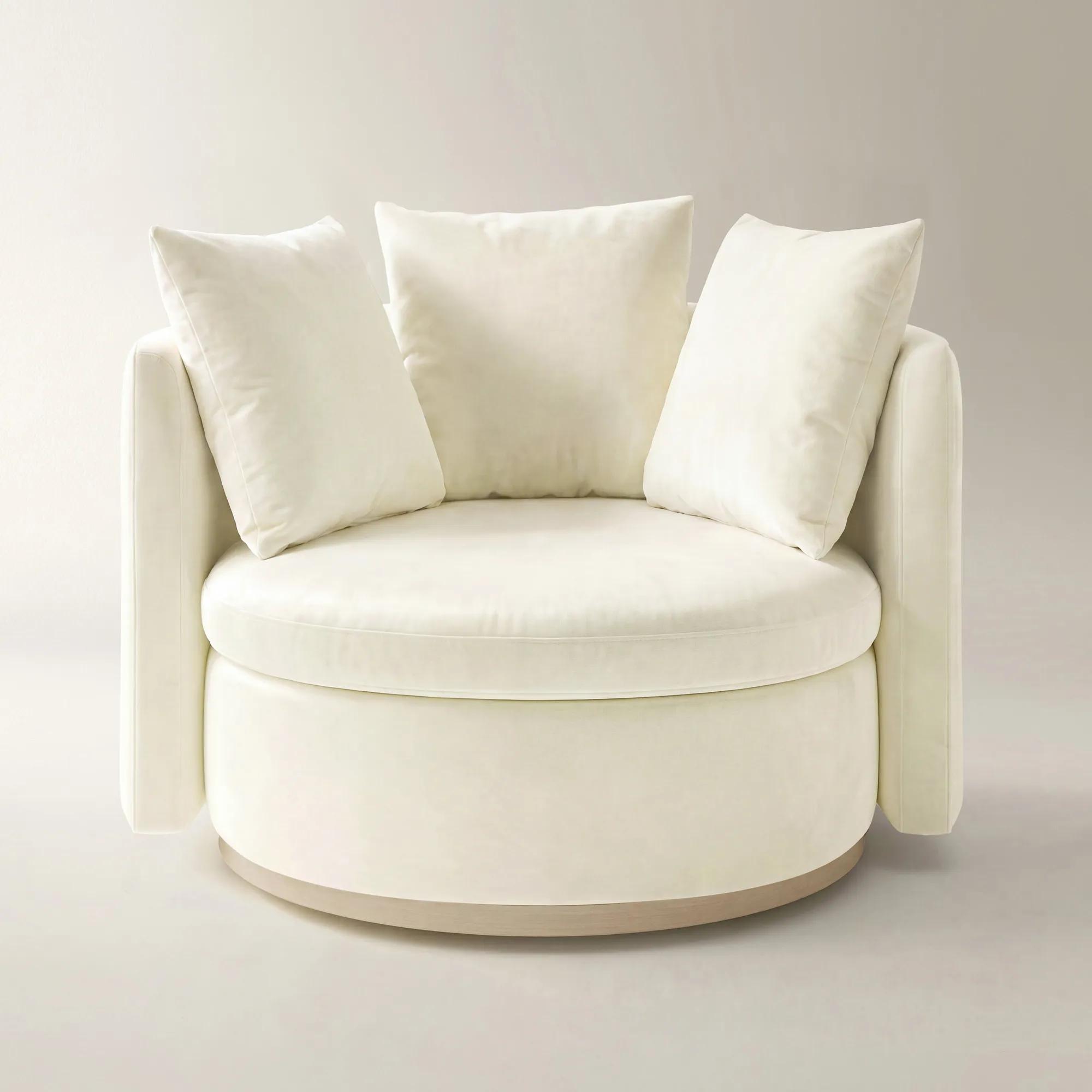
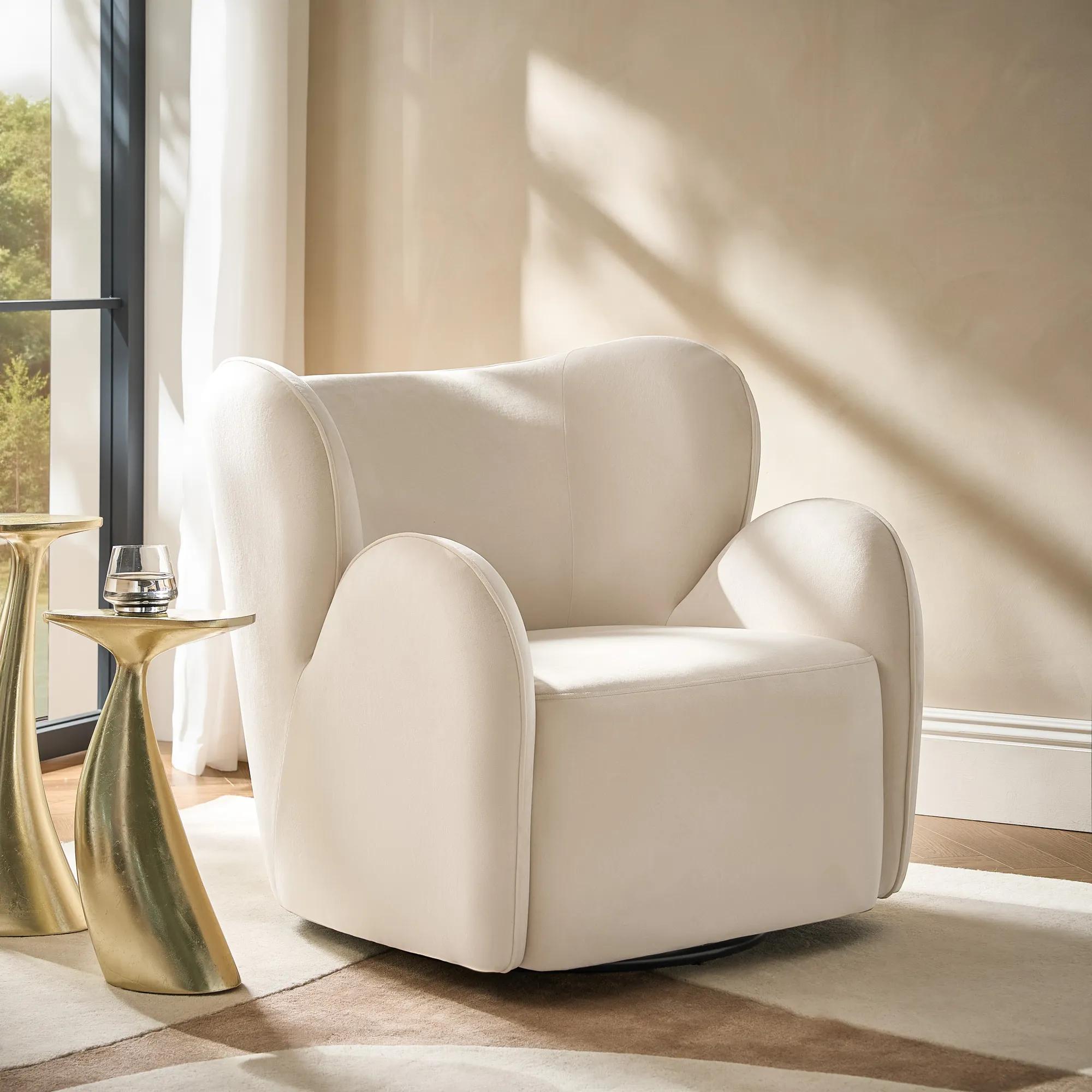 Ceres Ivory Velvet Swivel Accent Chair$799
An ivory velvet accent chair featuring a curved silhouette, 360° swivel, and plush, supportive cushioning.
Add To Cart -
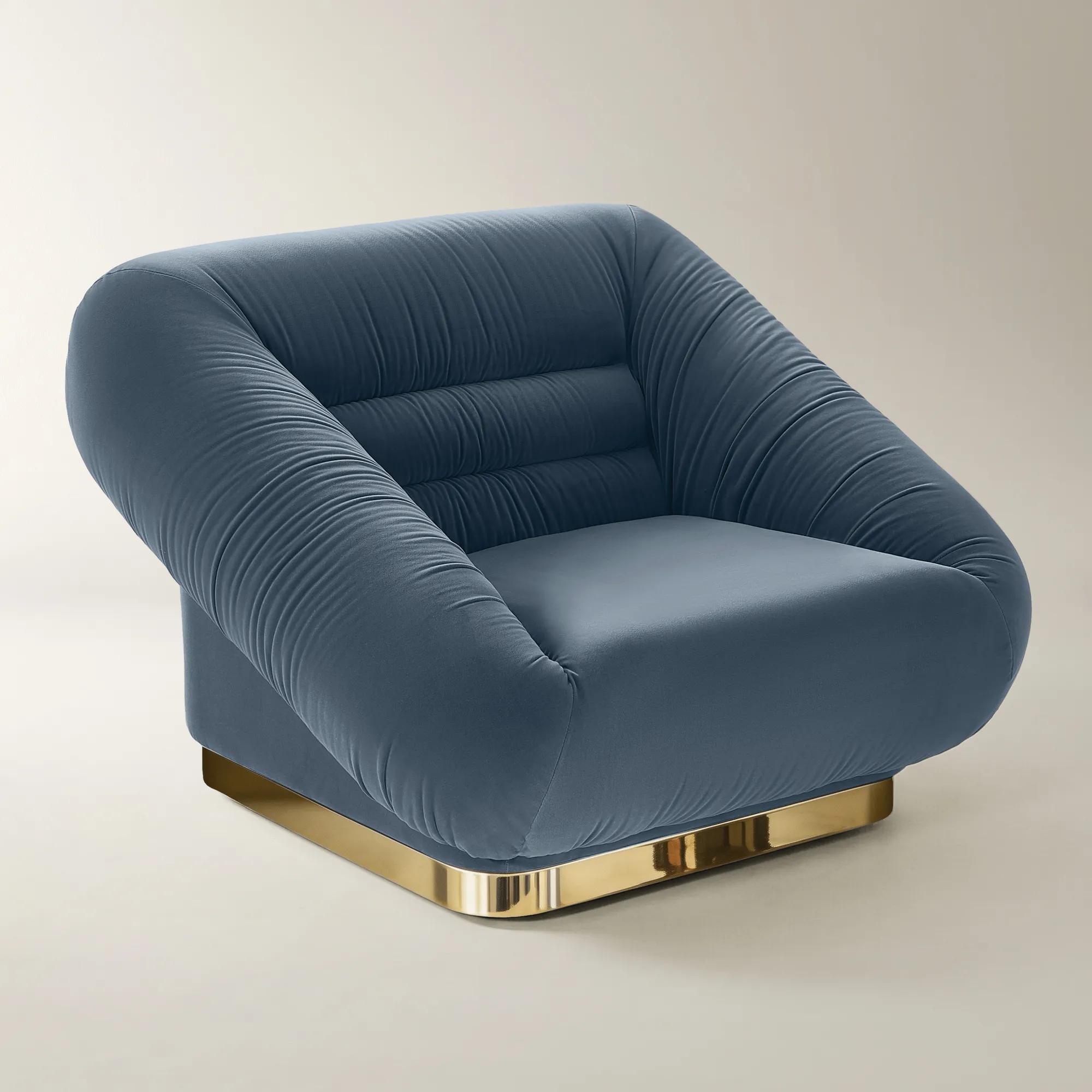 Dover Dusty Blue Velvet Swivel Accent Chair$1299
A sculptural blue velvet accent chair featuring soft gathered upholstery, gold-trimmed base, and smooth 360° swivel.
Add To Cart -
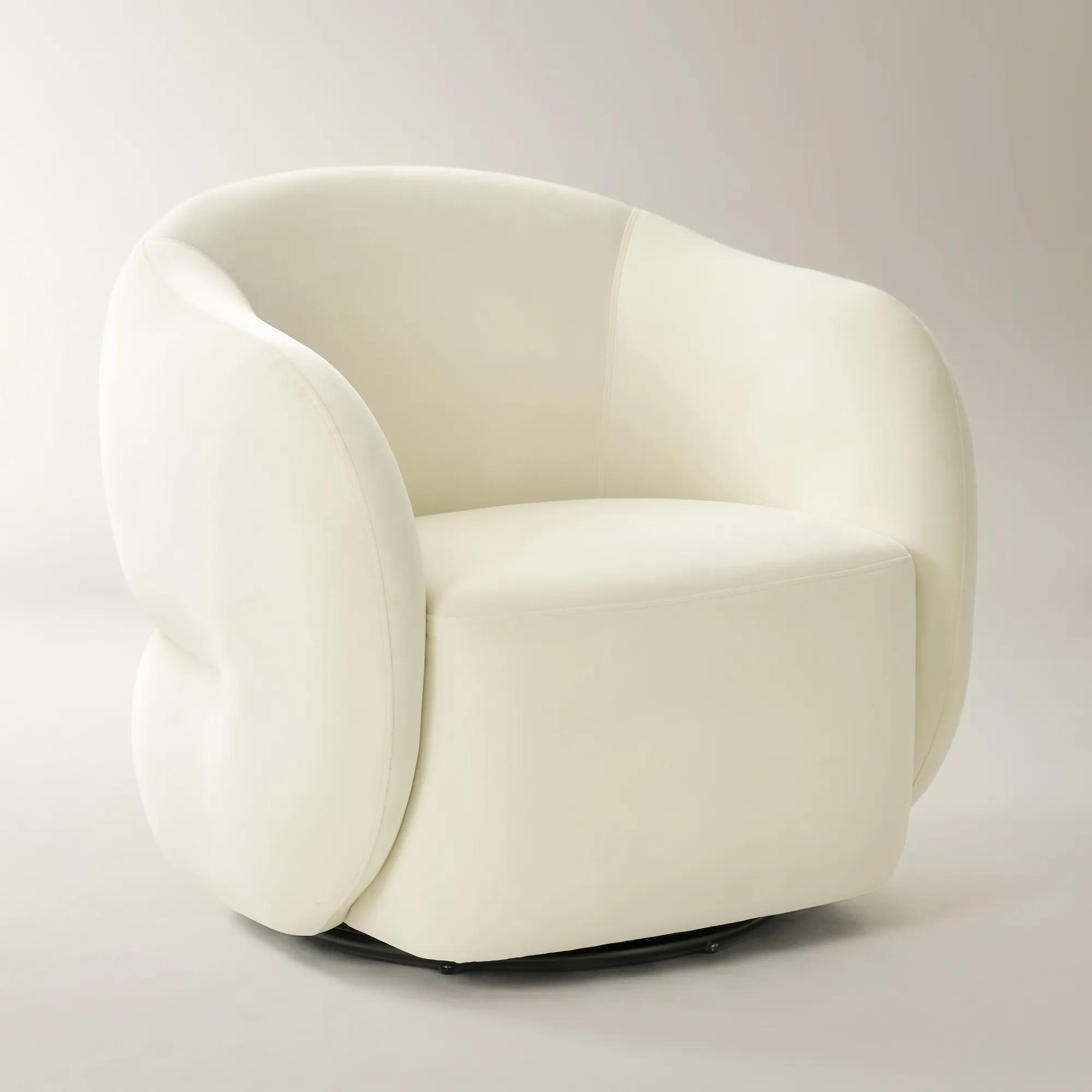
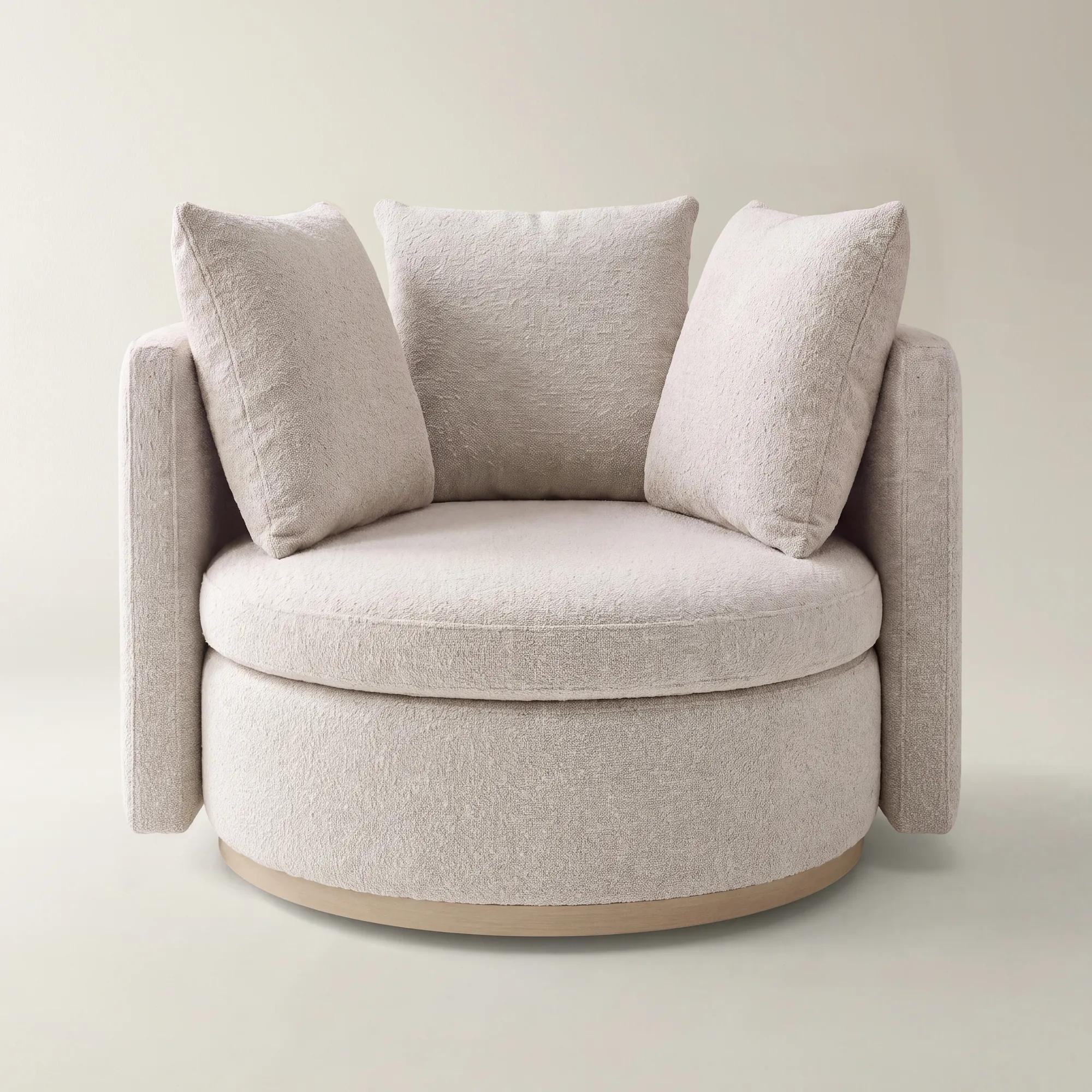
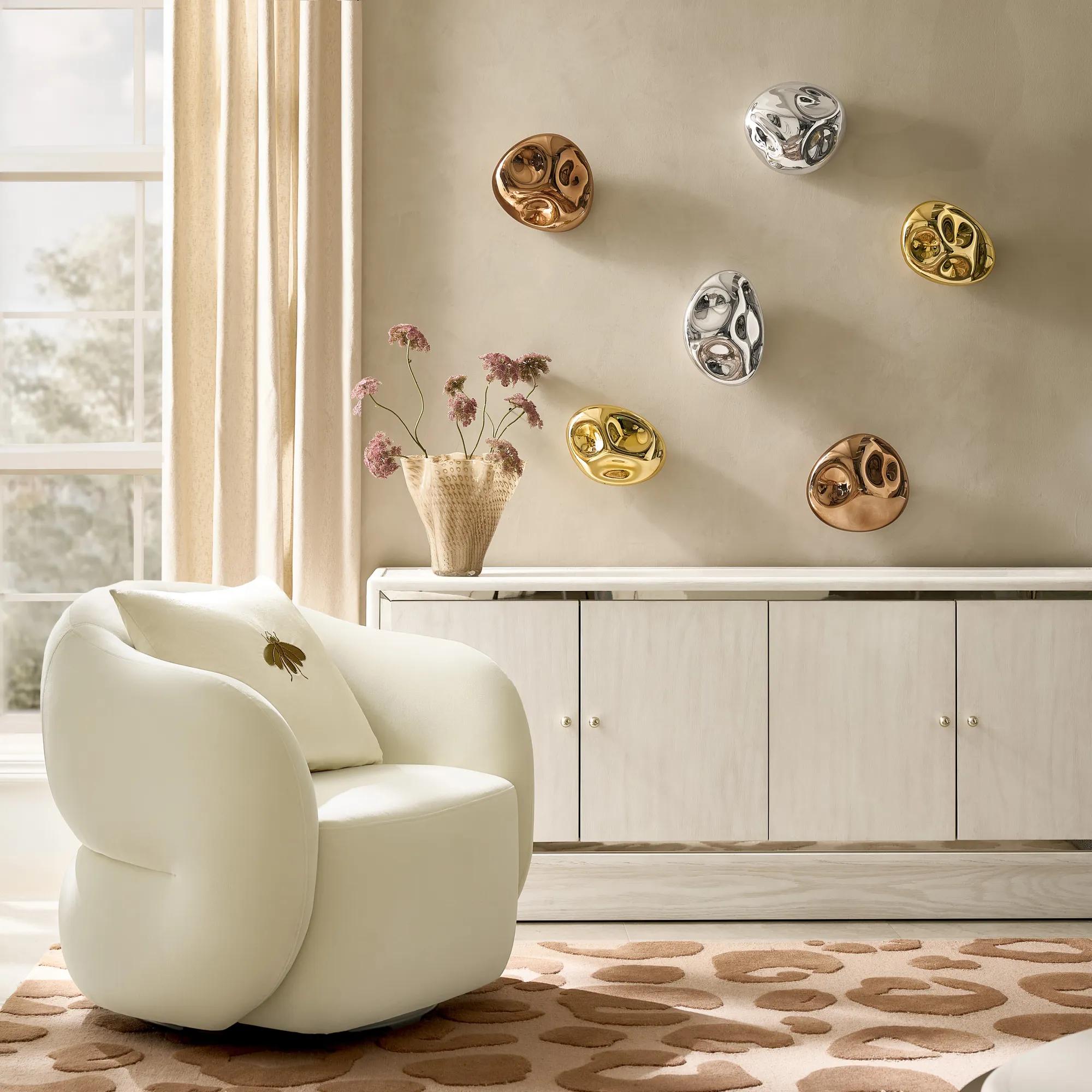 Sierra Cloud Velvet Swivel Accent Chair$899
A plush velvet accent chair featuring a wraparound back, fluid curves, and smooth 360° swivel base.
Add To Cart -
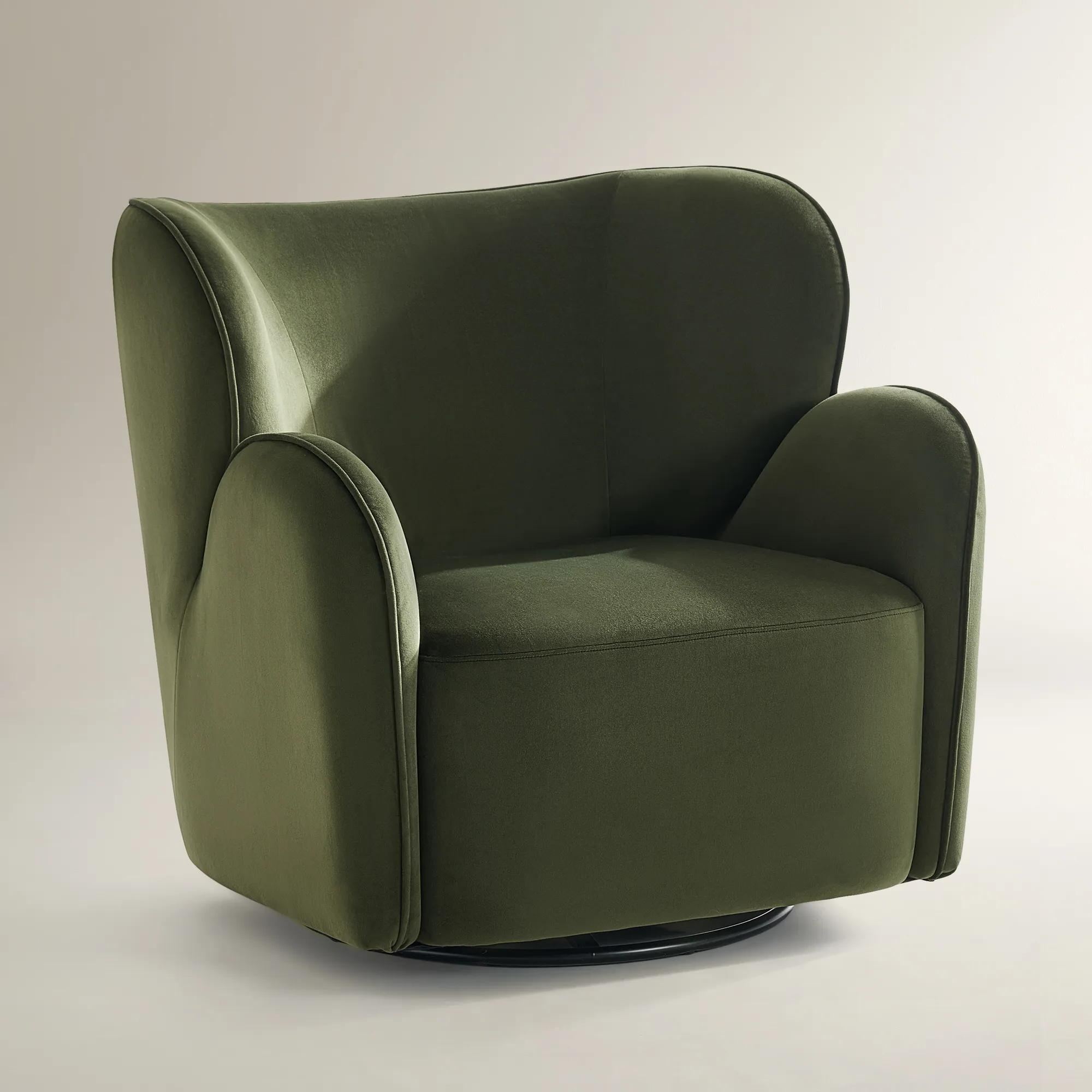
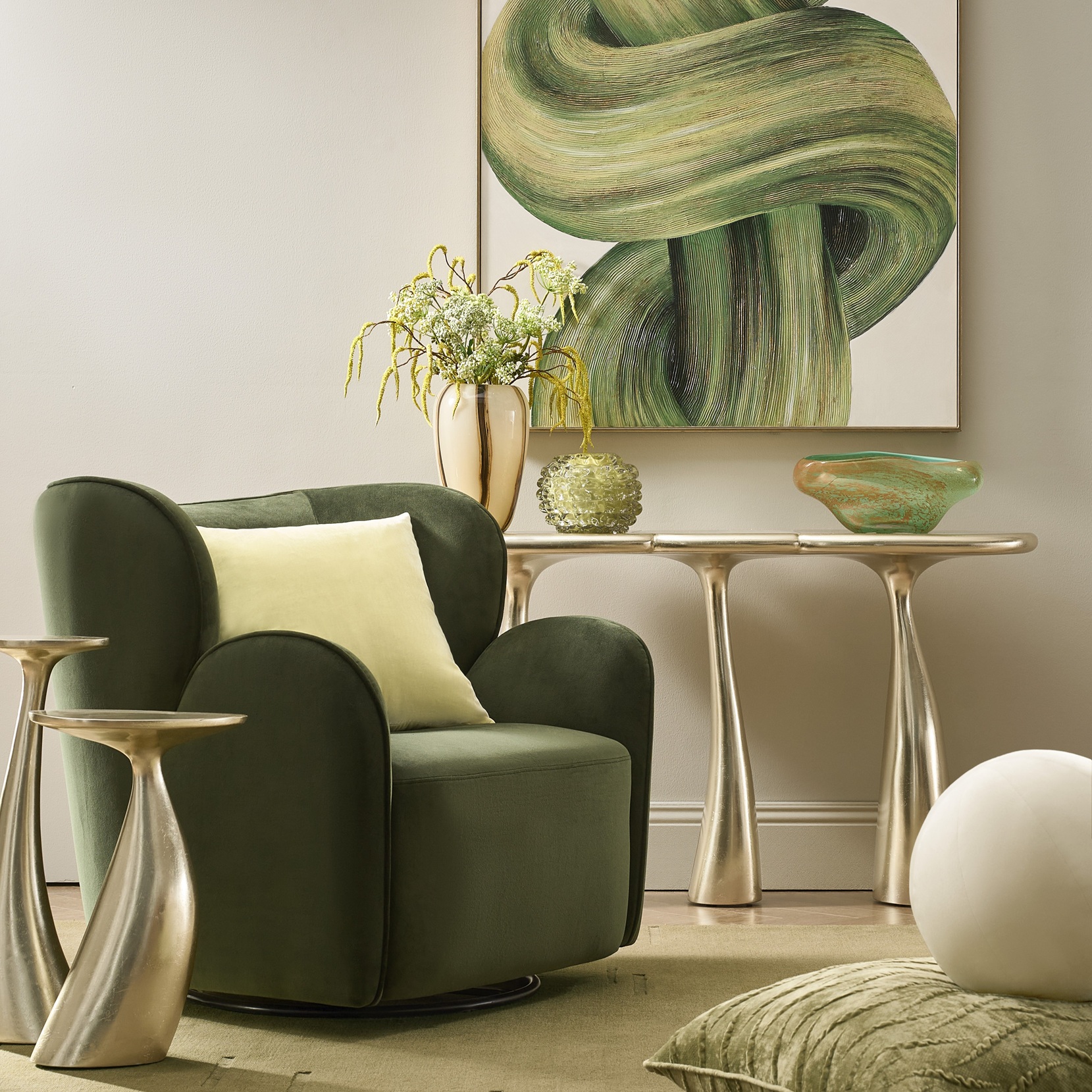 Ceres Jade Green Velvet Swivel Accent Chair$799
A plush jade green velvet chair with a curved silhouette, 360° swivel, and supportive foam cushioning.
Add To Cart -
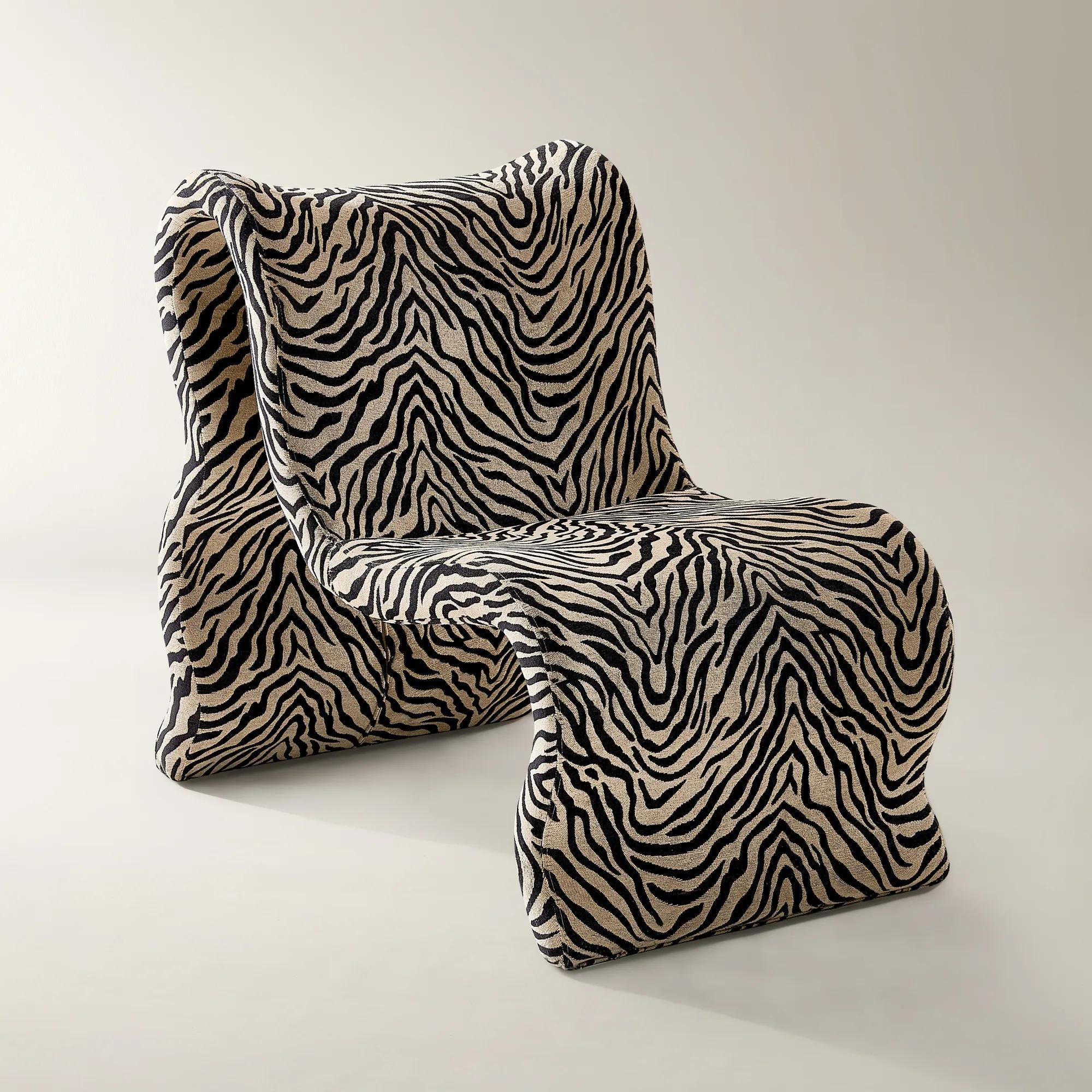
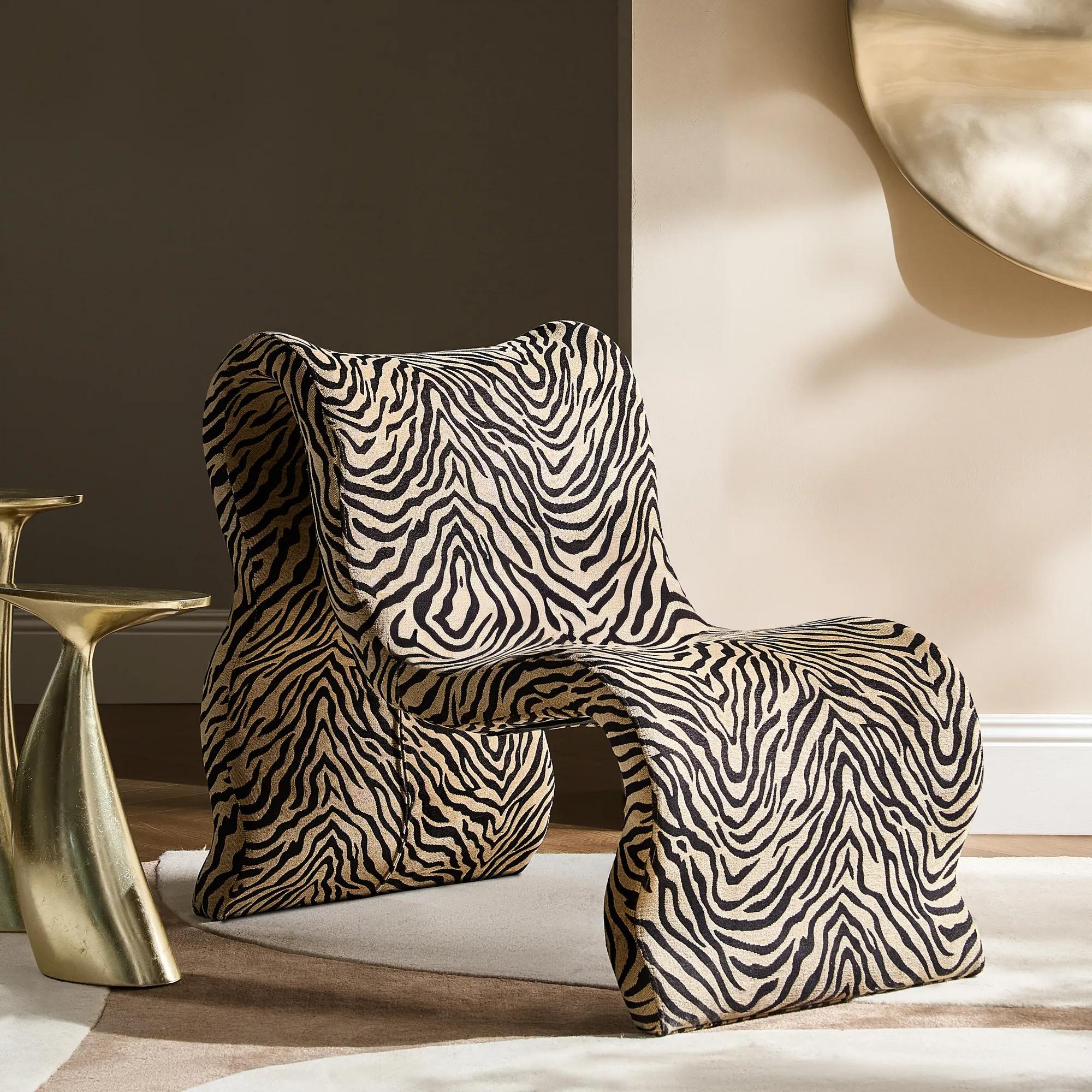 Romy Zebra Chenille Accent Chair$999
A sculptural accent chair featuring bold zebra-print chenille upholstery and a continuous wave-like silhouette.
Add To Cart -
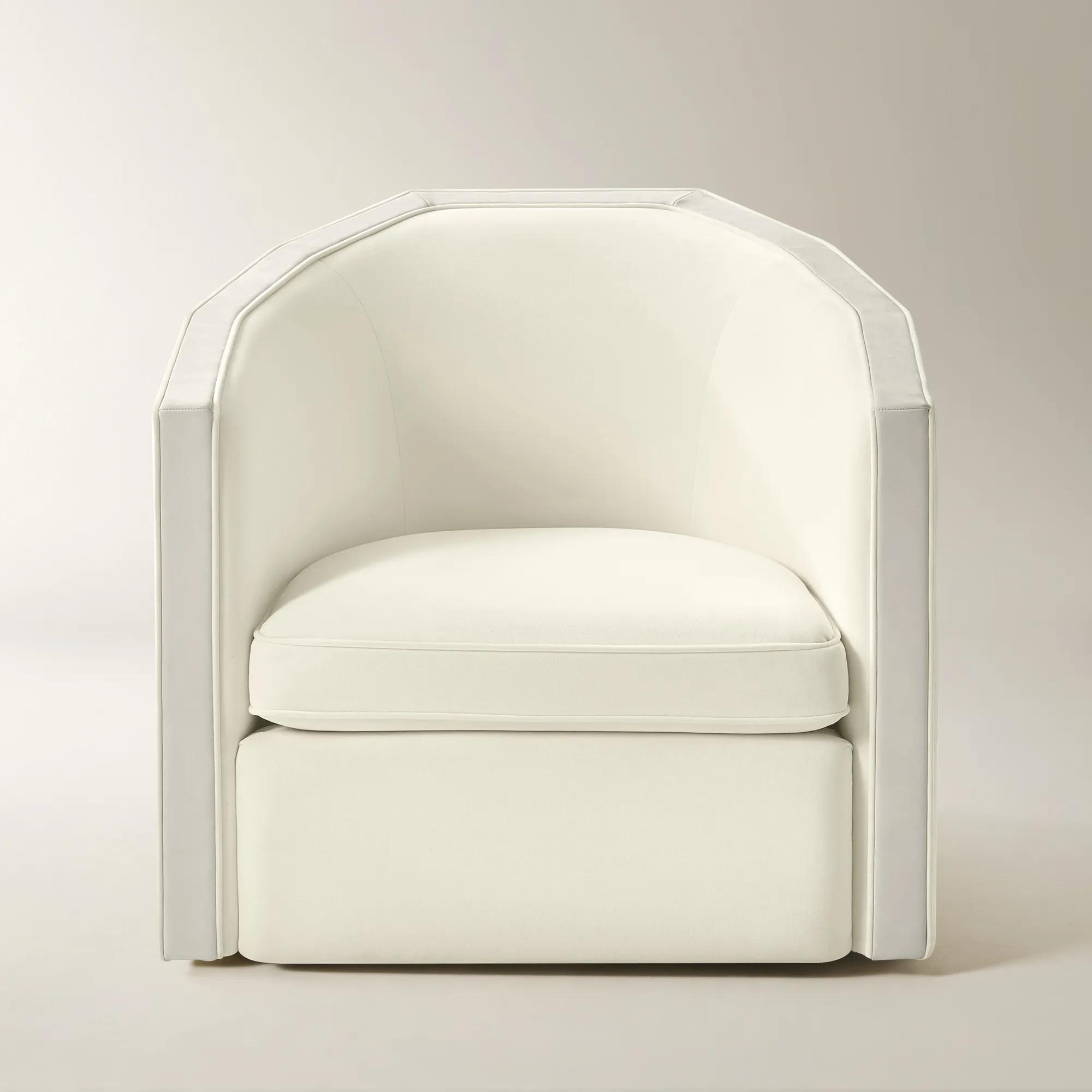 Vesper Cloud Velvet With Leather Swivel Accent Chair$999
A modern accent chair featuring cloud velvet upholstery, tonal leather trim, and a smooth 360° swivel base.
Add To Cart -
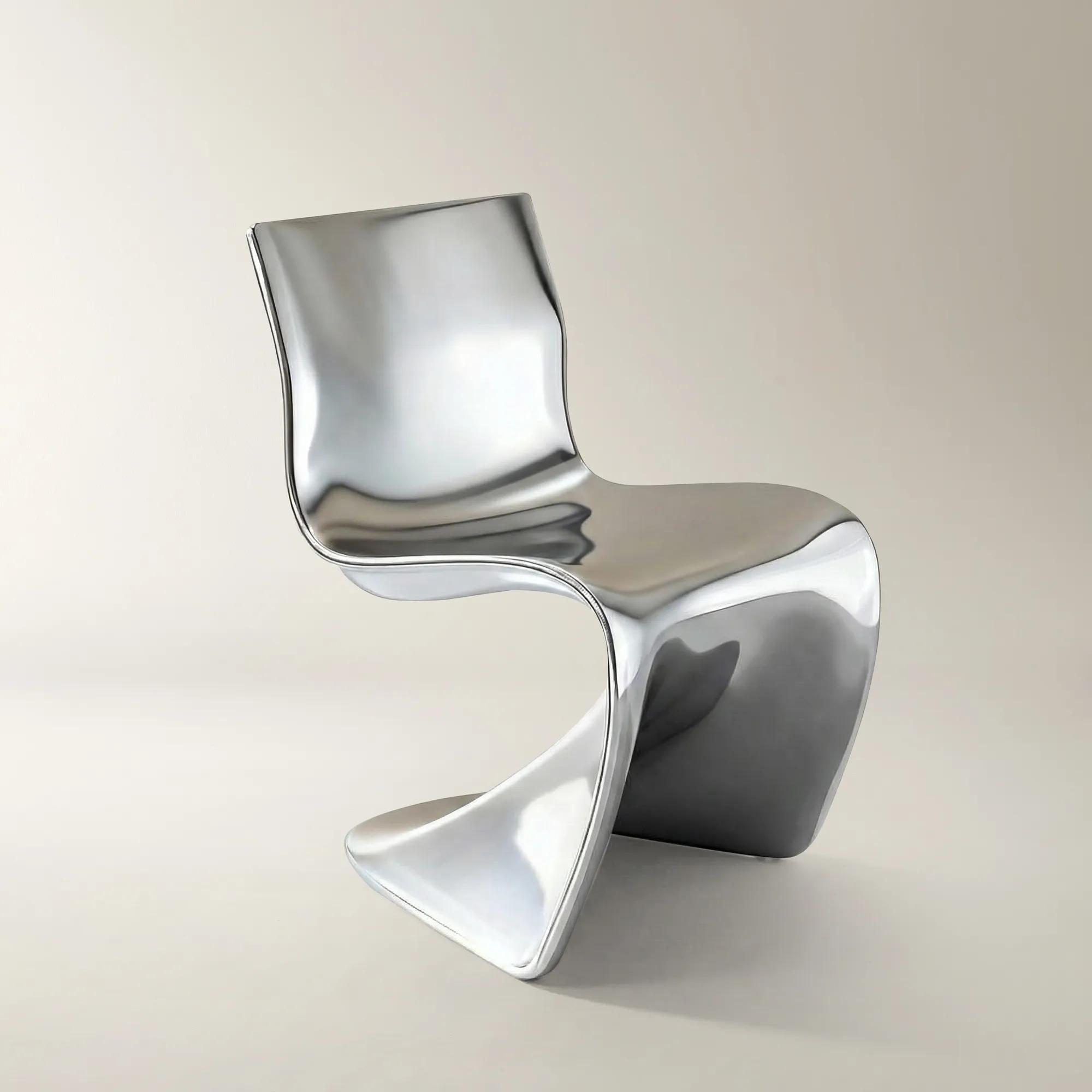
 Sasha Chrome Dining Chair$899
A sculptural accent chair crafted from polished chrome-finished fiberglass for a sleek, modern statement.
Add To Cart -
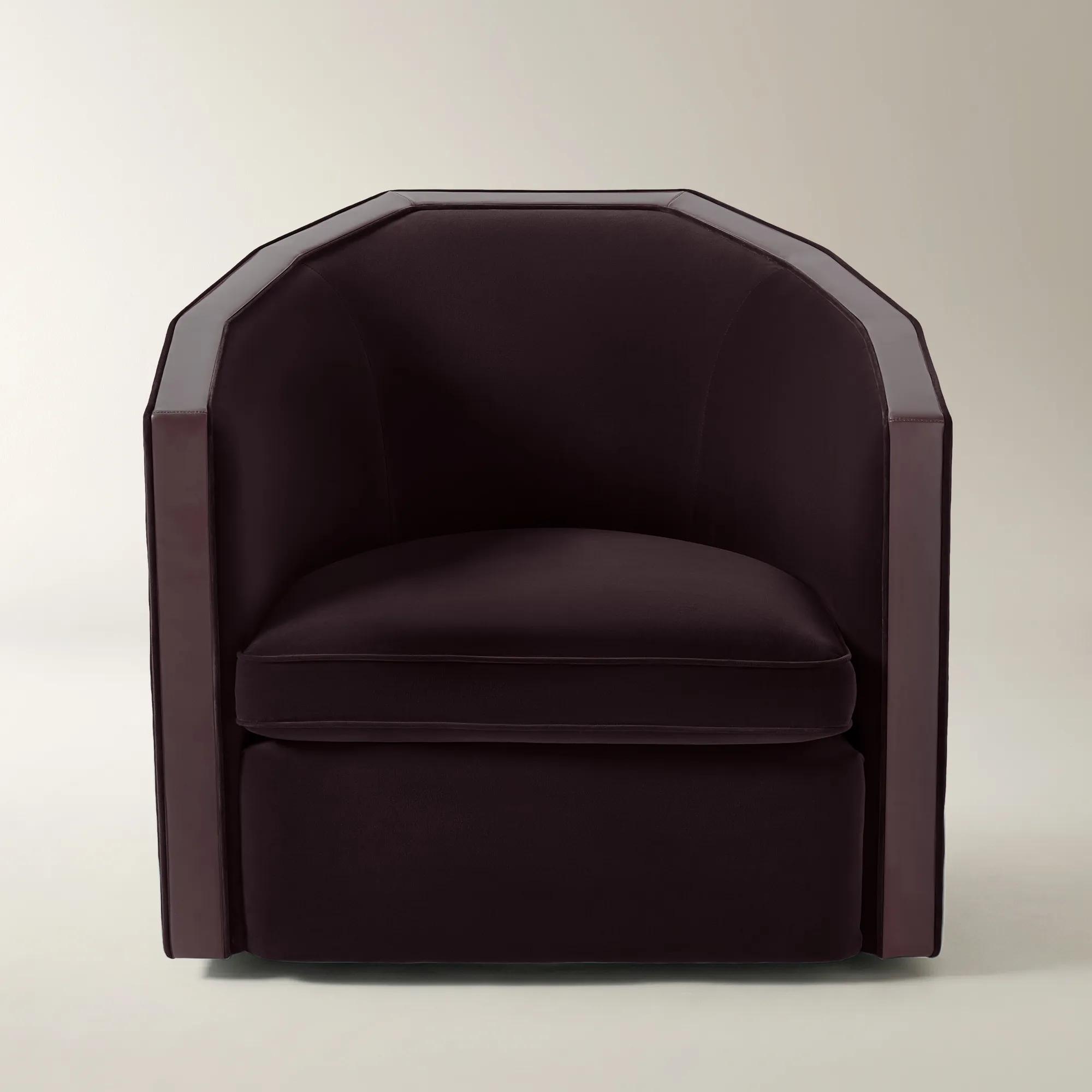
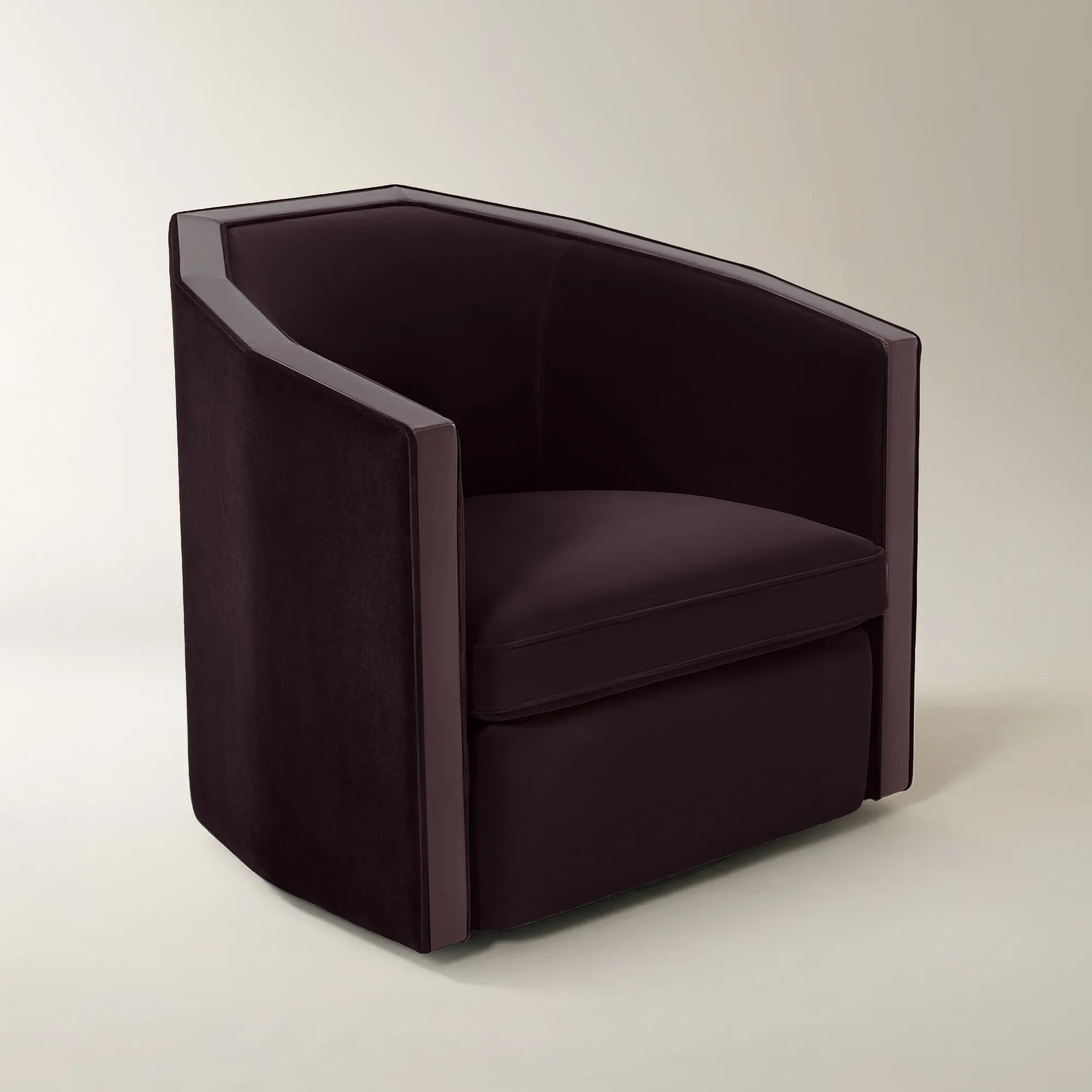 Vesper Fig Velvet With Leather Swivel Accent Chair$999
A modern accent chair featuring fig velvet upholstery, tonal leather trim, and a smooth 360° swivel base.
Add To Cart -
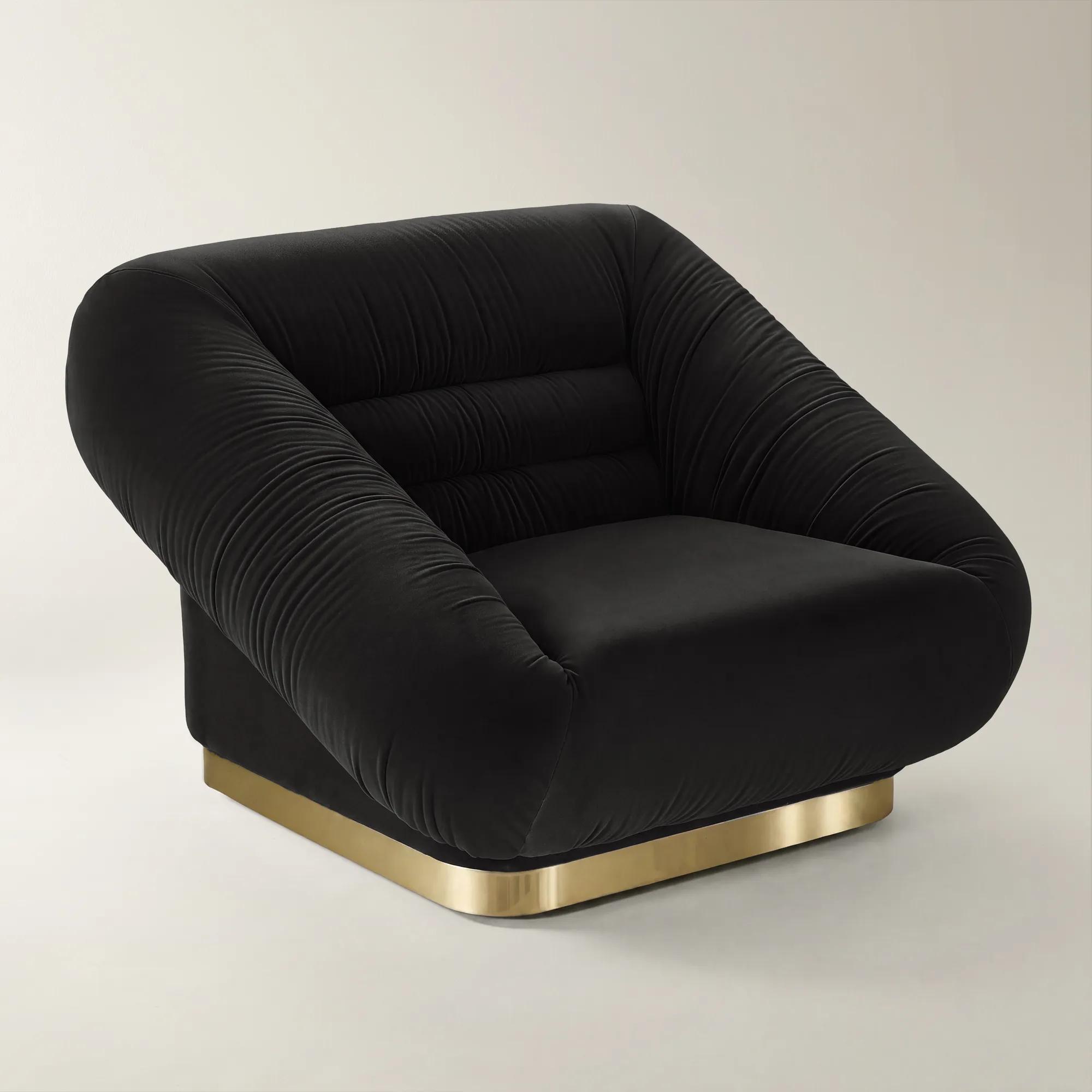
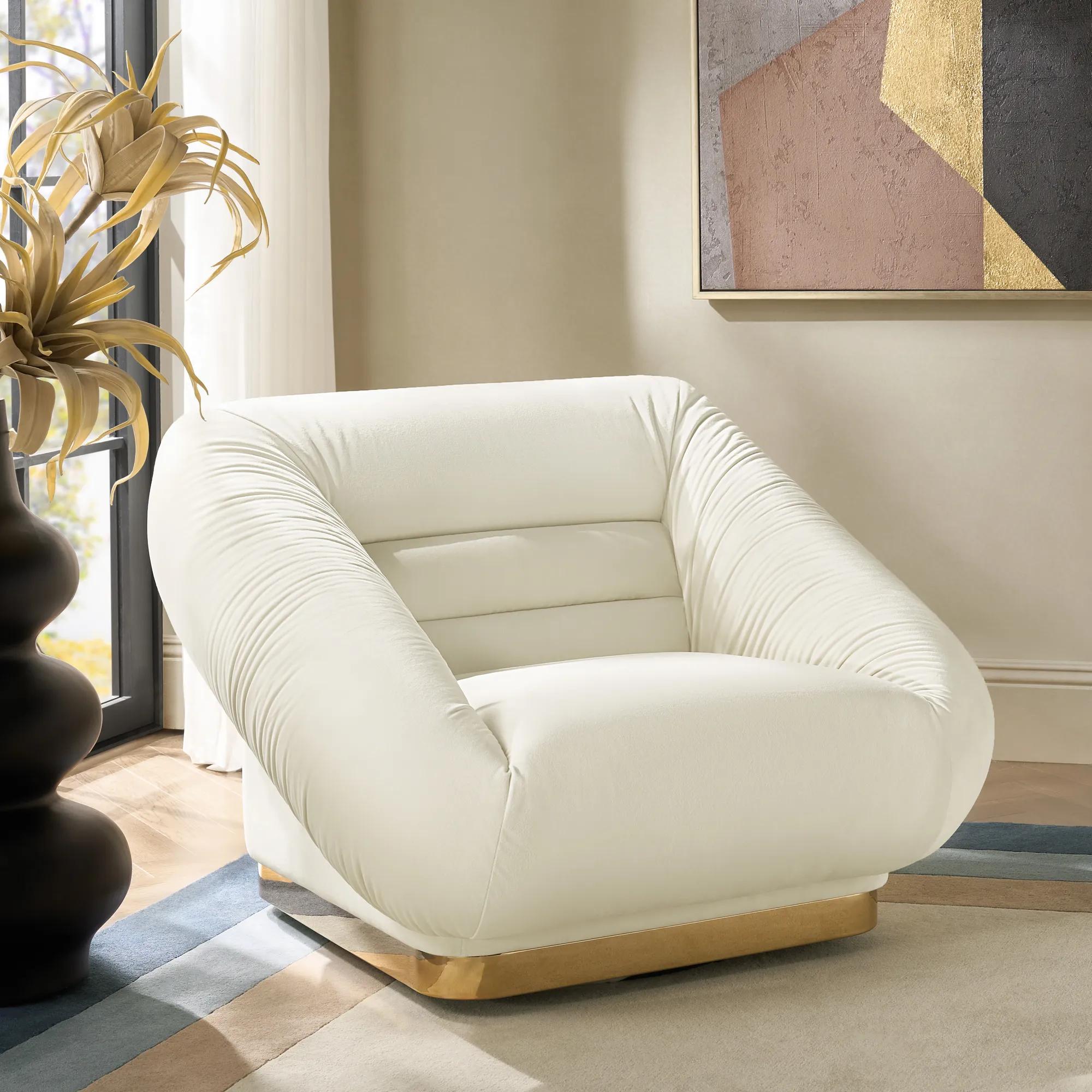 Dover Charcoal Velvet Swivel Accent Chair$1299
A sculptural charcoal velvet accent chair with gathered upholstery, a soft gold–finished stainless steel base, and smooth 360° swivel.
Add To Cart -
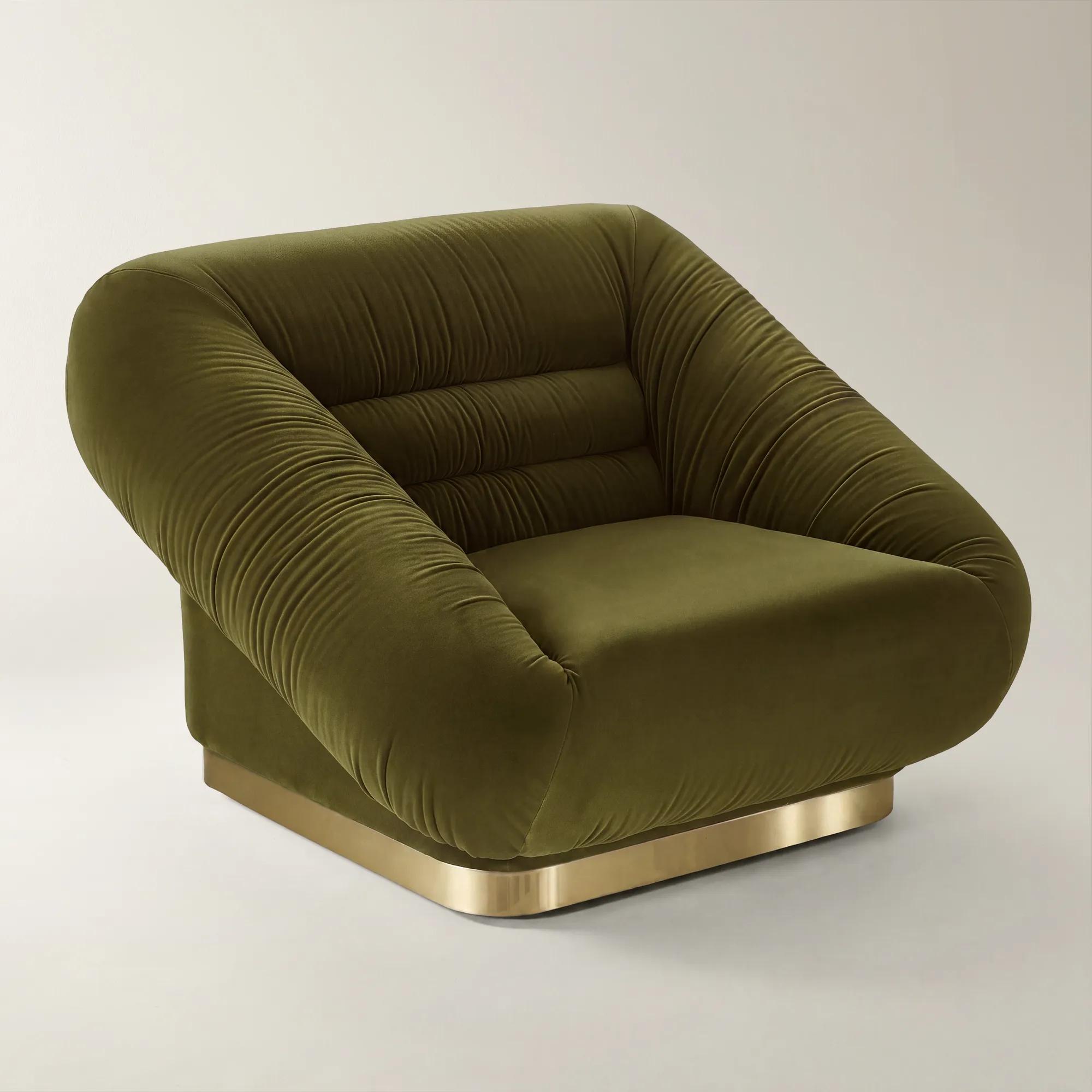
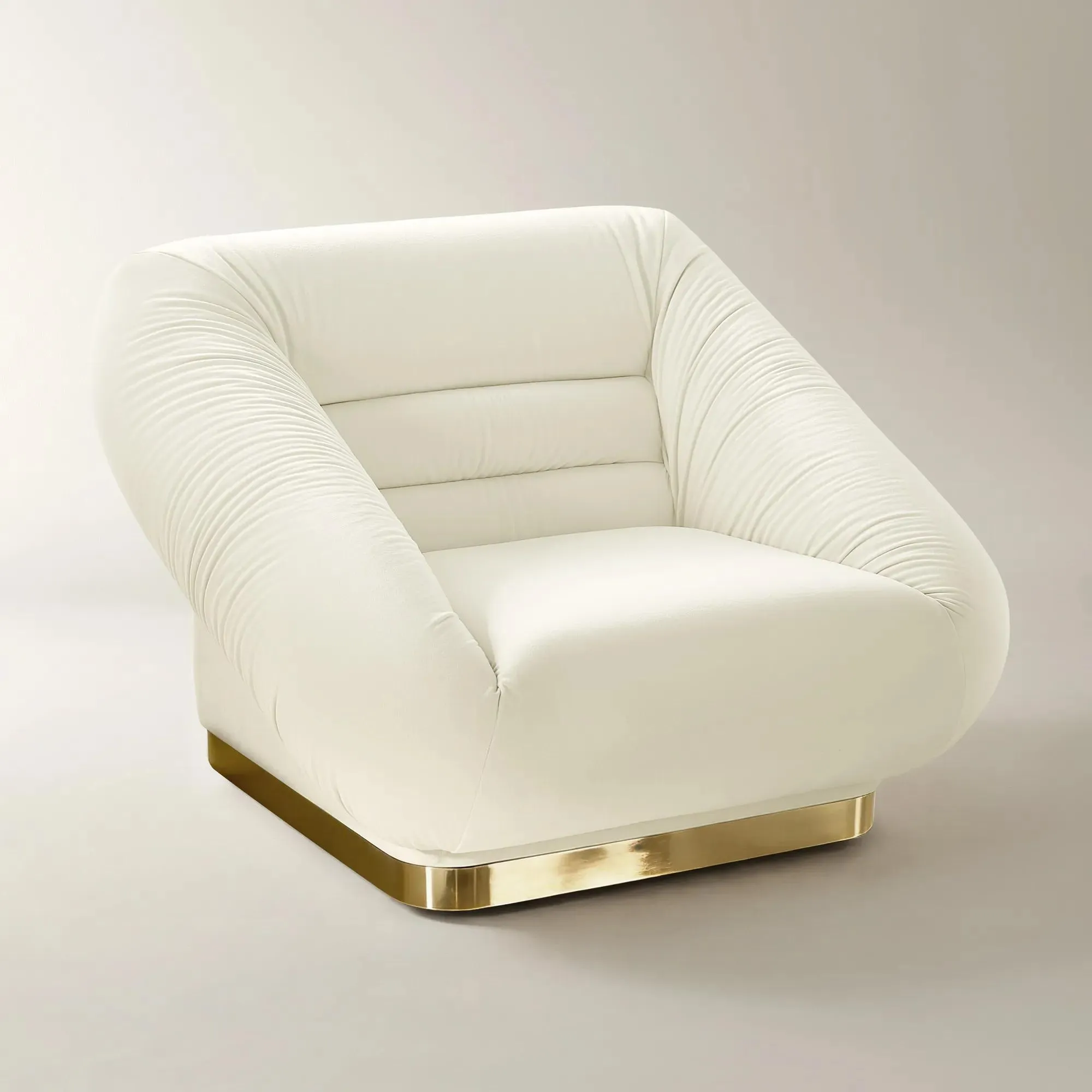 Dover Deep Olive Velvet Swivel Accent Chair$1299
A sculptural deep olive velvet chair with gathered upholstery, soft gold trim, and smooth 360-degree swivel functionality.
Add To Cart -
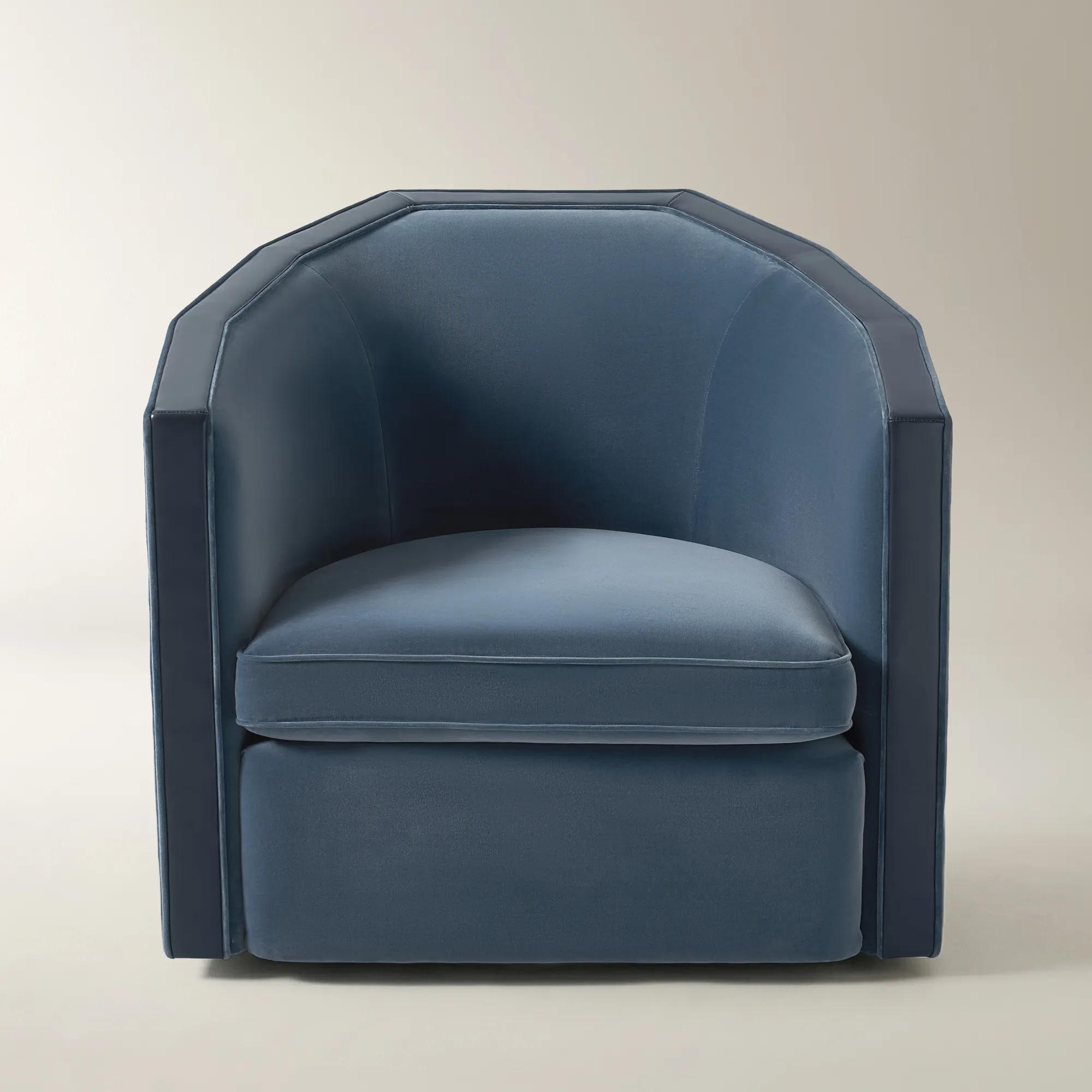 Vesper Dusty Blue Velvet With Leather Swivel Accent Chair$999
A modern accent chair in dusty blue velvet with tonal leather trim and a smooth 360-degree swivel base.
Add To Cart -
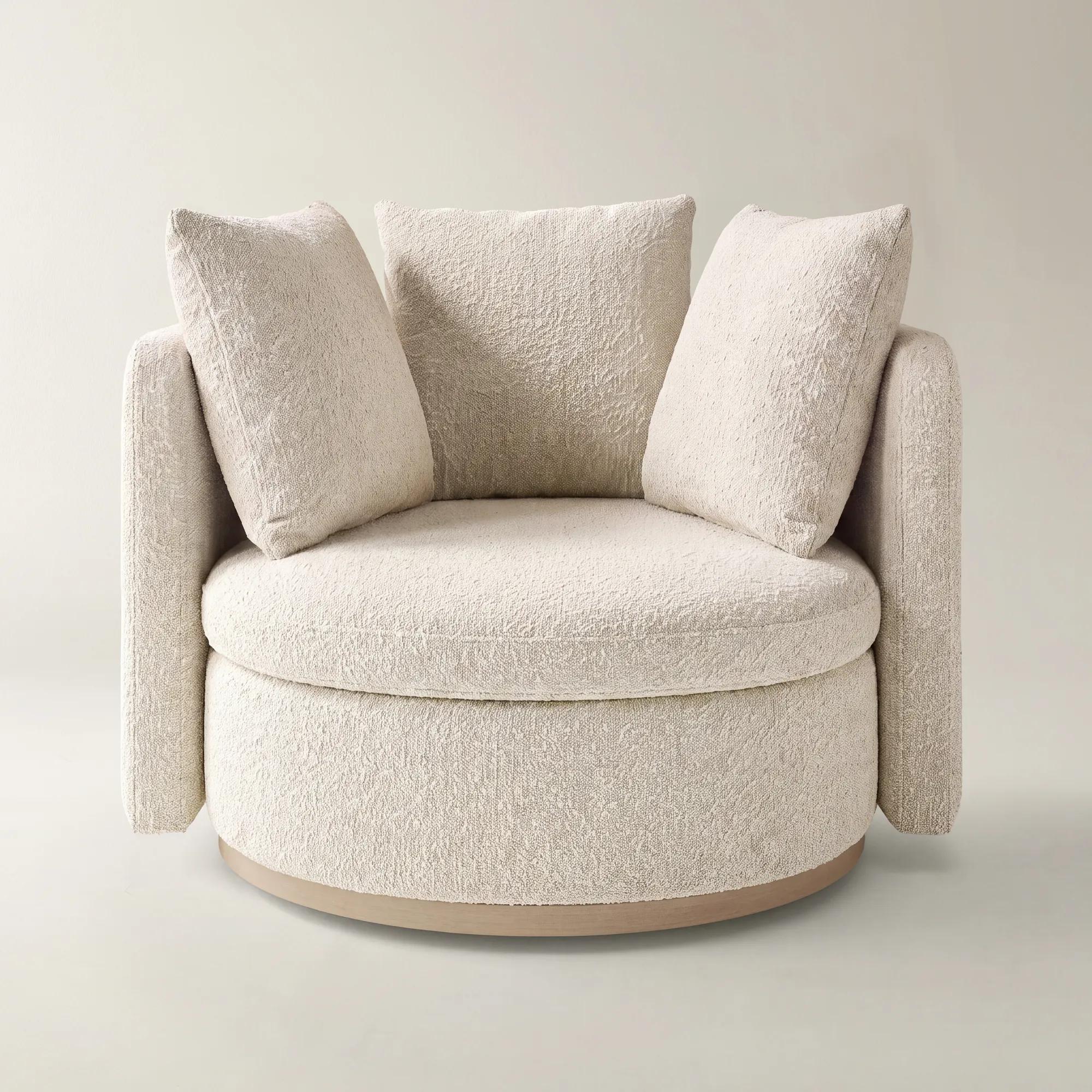
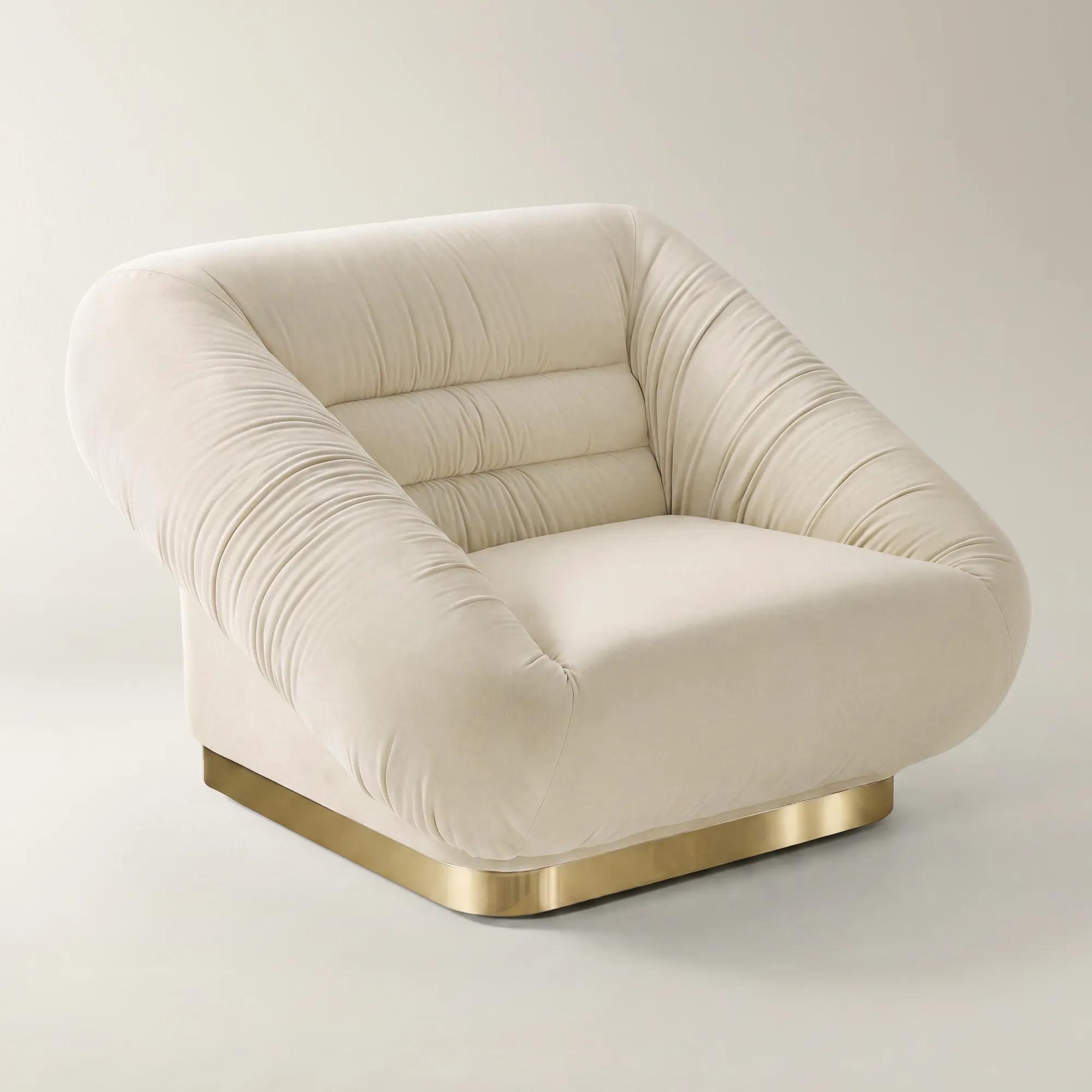 Dover Oatmeal Velvet Swivel Accent Chair$1299
A sculptural oatmeal velvet accent chair with gathered upholstery, a soft gold stainless steel base, and smooth 360-degree swivel functionality.
Add To Cart -
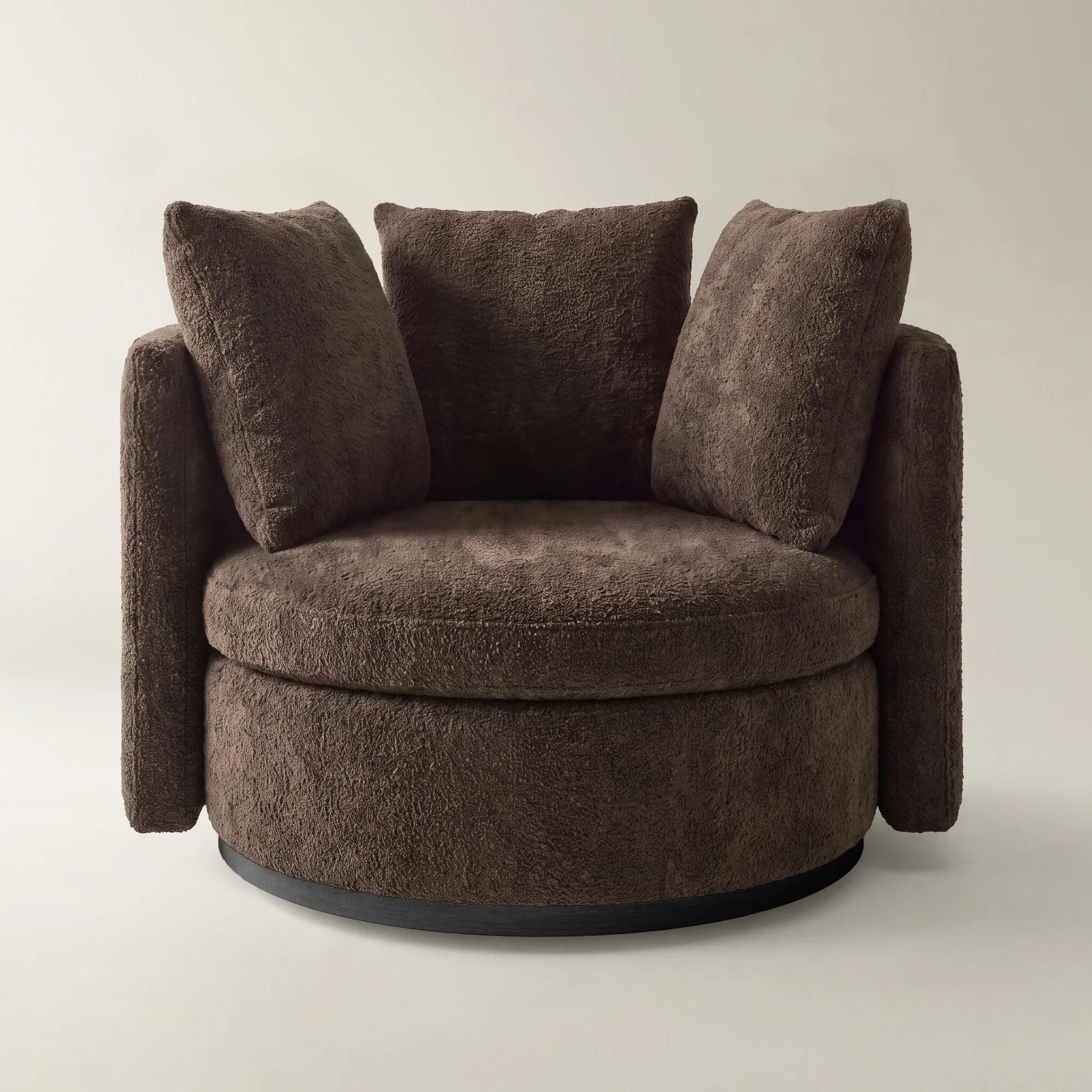
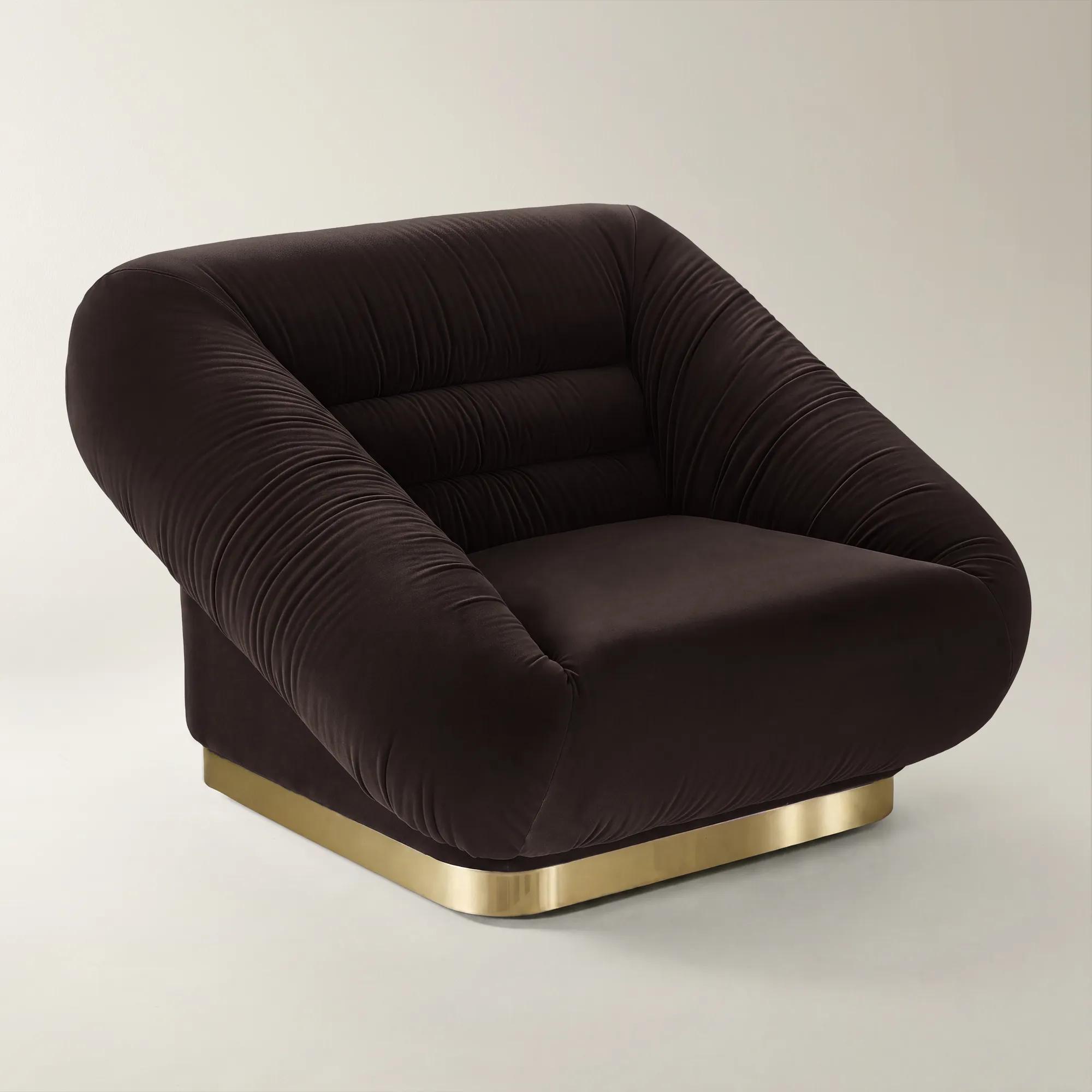 Dover Dark Chocolate Velvet Swivel Accent Chair$1299
A dark chocolate velvet accent chair with a sculptural silhouette, 360° swivel, and soft gold-finished trim.
Add To Cart -
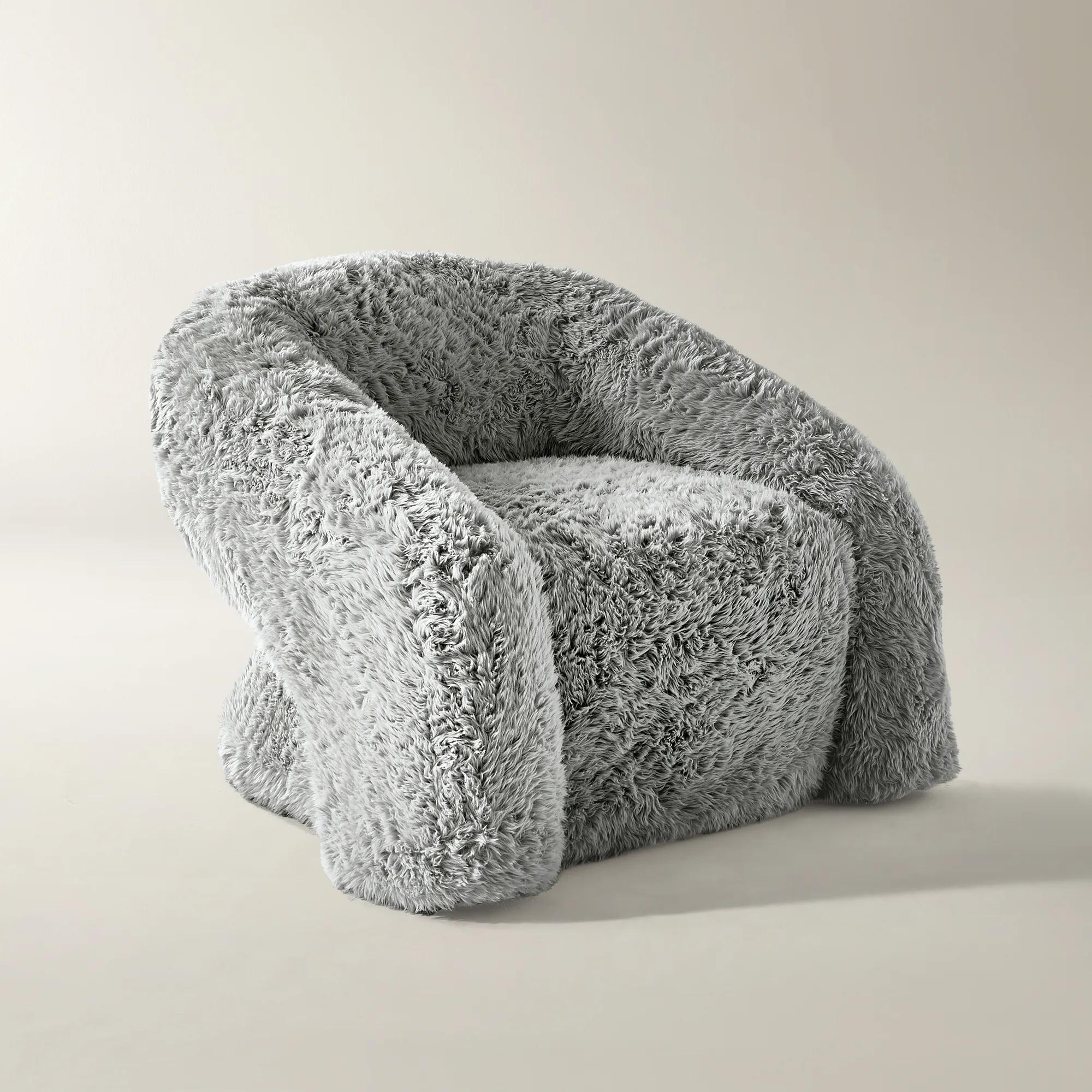
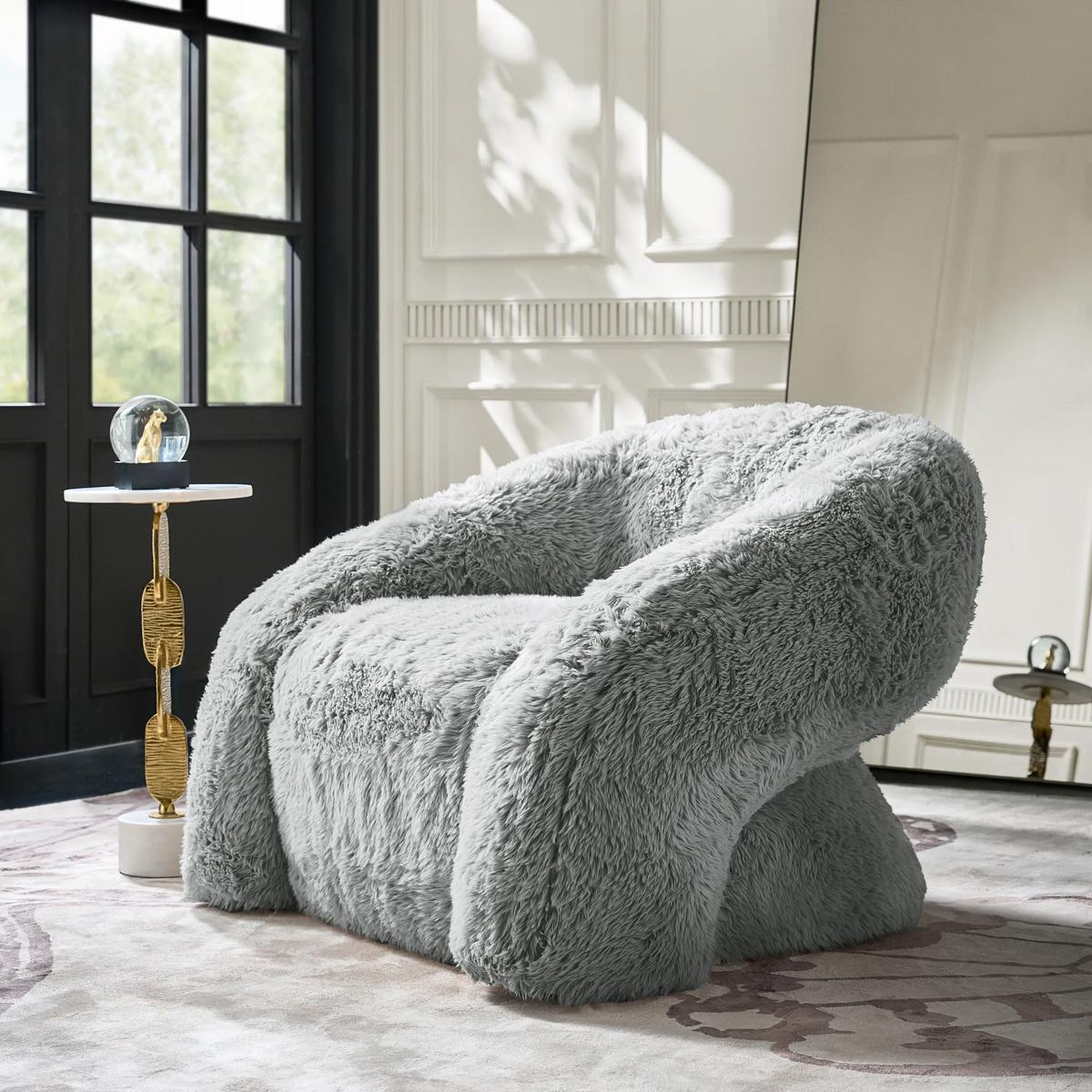 Misha Shadow Faux Fur Accent Chair$799
A cozy gray faux fur chair featuring high-resiliency foam and a sculptural, low-profile silhouette.
Add To Cart -
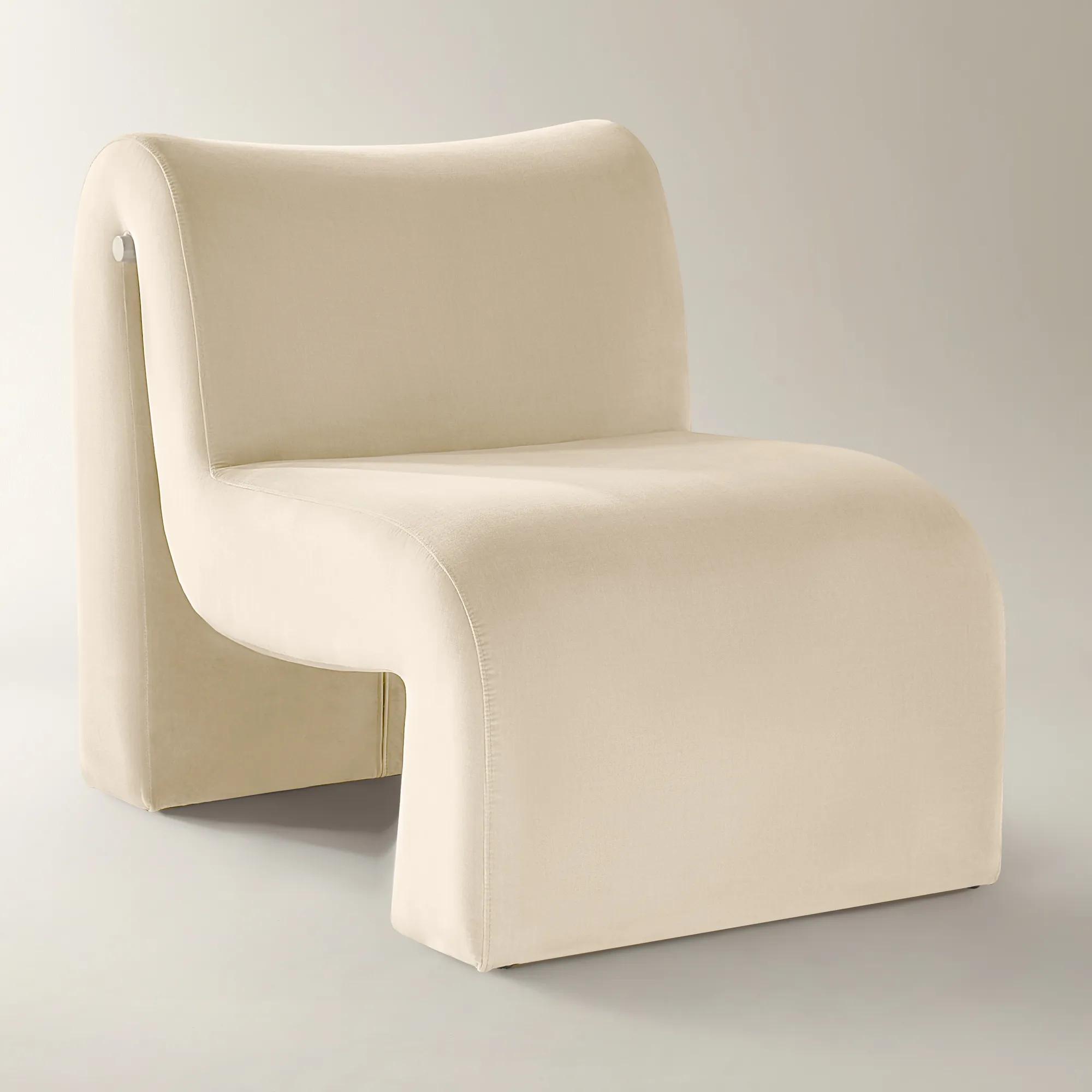 Cora Ivory Velvet Accent Chair$899
A sculpted ivory velvet chair featuring a continuous curved silhouette and a gold stainless-steel accent.
Add To Cart

Modern Designer Accent Chairs
Modern designer accent chairs are the exclamation points of a well-curated room—sculptural silhouettes that capture attention and invite admiration. Each piece is a bold gesture, blending artistry with comfort to transform ordinary seating into a statement of personal style. Whether you crave sumptuous velvet, sleek metallics, or daring lines, these accent chairs infuse your space with confidence and allure. Elevate every corner, create conversation, and let your home become a gallery of modern sophistication—because with modern designer accent chairs, every seat is a masterpiece waiting to be discovered.
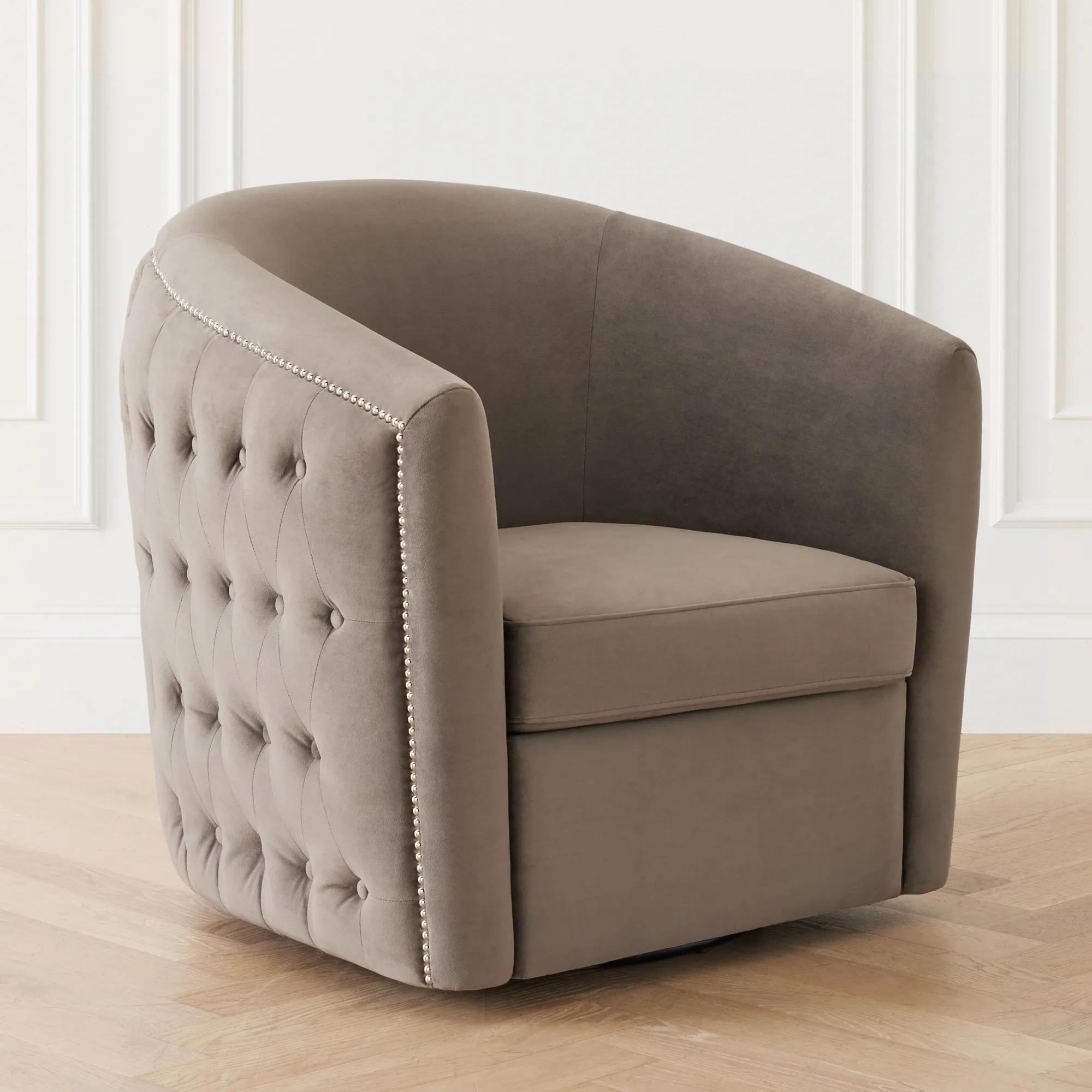
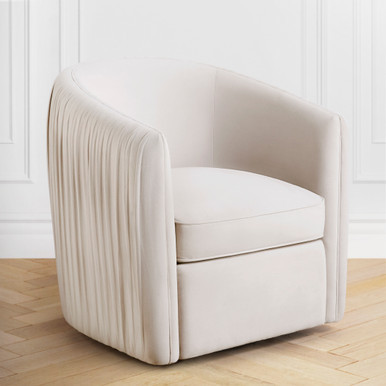
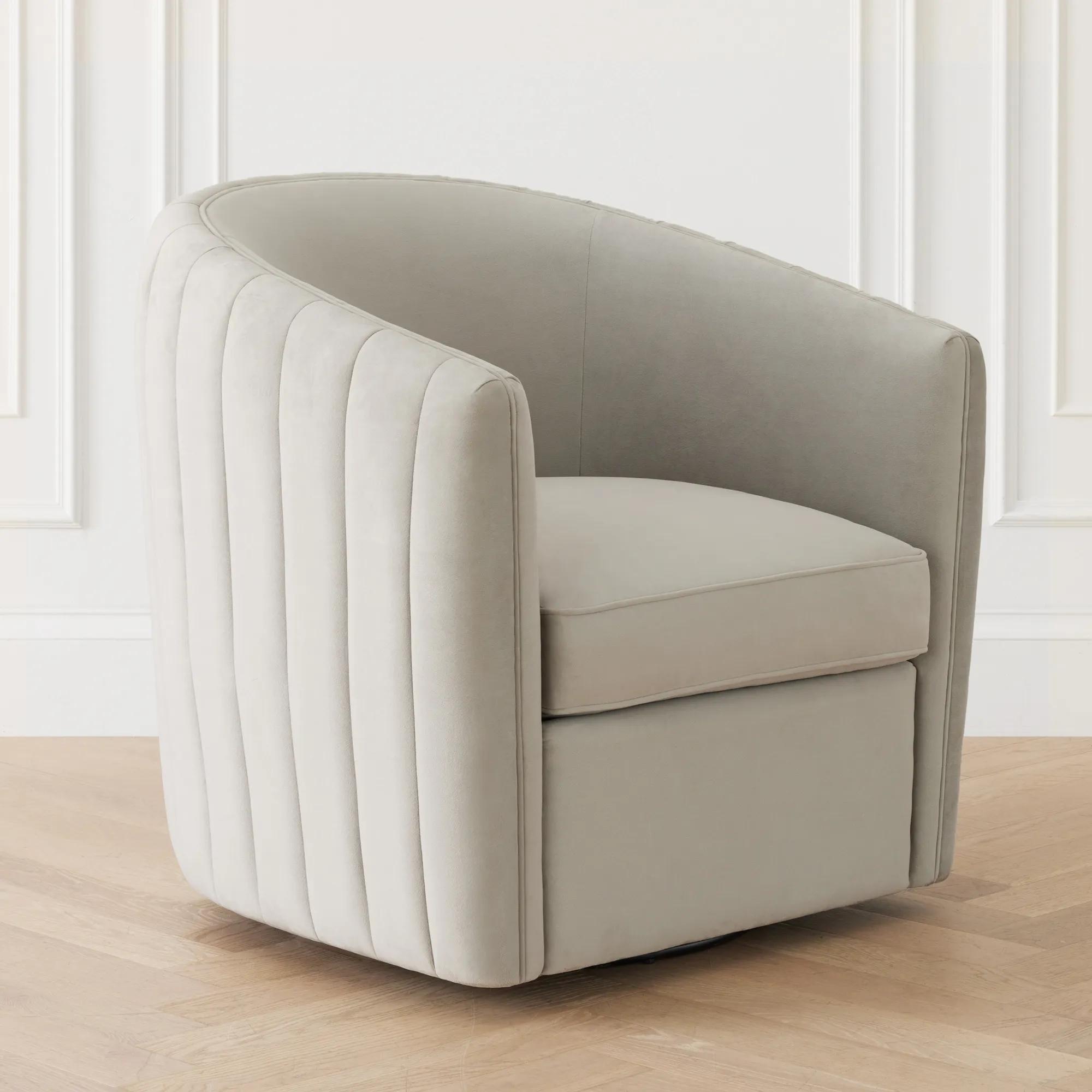
Modern designer accent chairs bring sculptural form, expressive materials, and inviting comfort to living rooms, bedrooms, and intimate conversation spaces. Unlike a sofa, which often establishes the room’s overall proportions, an accent chair can introduce a deliberate departure: a sweeping curve beside a tailored sectional, sumptuous velvet against pale stone, or a gleaming metal frame that catches the light from across the room. The defining quality is not ornament alone, but the relationship between silhouette, texture, and everyday use. Barrel chairs create an enveloping shape with a continuous back and arms, while wingback silhouettes lend height and presence to a seating arrangement. Low lounge chairs suggest relaxed evenings; upright armchairs feel poised for conversation. A swivel base adds flexibility in an open living area, allowing the sitter to turn between the sofa, a window, and a nearby gathering without repositioning the chair. These distinctions give contemporary accent seating a role beyond decoration. A single chair can transform an unused bedroom corner into a place to unwind, while a pair opposite a sofa brings structure to a room designed for entertaining. In a home office, an upholstered accent chair offers a welcoming seat for a guest or a change of setting between tasks, though it does not replace a task chair intended for extended desk work. Color shapes the experience just as decisively as form. Ivory, cream, and warm gray allow a distinctive profile to command attention quietly, while saturated blue, deep green, or a rich wine tone can become the room’s focal point. A chair need not match the sofa to belong beside it. Repeating one element, such as a rounded line, a wood tone, or a metallic finish, creates continuity without making the arrangement feel overly coordinated. For interiors built around personal expression, modern accent chairs offer a concentrated moment of drama: substantial enough to change the atmosphere, yet individual enough to reveal the taste of the person who lives there.
Material gives that silhouette its character, and each upholstery choice offers a different balance of touch, appearance, and maintenance. Velvet creates depth through its pile, shifting from luminous to shadowed as light moves across the surface. Its plush texture pairs beautifully with crisp architectural lines, though pressure marks and changes in nap are part of its visual behavior. Performance velvet may offer enhanced resistance to certain spills or wear, but the specific fabric specifications and cleaning instructions determine what that designation means; it should not be assumed to be stainproof. Bouclé brings a nubby, looped texture that softens angular furniture and gives neutral colors greater dimension. Those loops may be more susceptible to catching on jewelry or pet claws, making household habits as important as aesthetic preference. Chenille offers another tactile direction, with a soft surface and subtle variation that can give a generously upholstered chair a particularly inviting presence. Leather creates a smoother, more defined look, especially when paired with exposed wood or slender metal supports. Depending on its finish, leather may develop patina, show scratches, or require protection from direct sunlight and drying heat. For spaces centered on fabric texture and cushioned silhouettes, modern upholstered accent chairs bring particular emphasis to the interplay of tailored seams, padded arms, and expressive color. Beneath the upholstery, frame construction, supportive suspension, secure joinery, and cushion composition influence how a chair feels over time. Firmer cushioning tends to provide a more supported sit, while softer cushioning creates a more relaxed impression; neither alone establishes quality. Durability depends on the complete construction and whether the chair suits its intended frequency of use. Care is equally material-specific. Gentle vacuuming with an appropriate upholstery attachment helps remove dust, while prompt blotting rather than rubbing can limit the spread of a fresh spill. Cleaning codes should govern the use of water, solvents, or professional treatments, and any permitted cleaner should first be tested in an inconspicuous area. Thoughtful placement away from strong sunlight and heat sources helps preserve the richness of upholstery and exposed finishes.
Scale and fit determine whether a statement chair feels beautifully integrated or simply occupies space. Overall width and depth describe its footprint, but seat height, usable seat depth, arm height, and back angle shape the actual sitting experience. A deep seat may feel luxurious for someone who likes to curl up, yet leave a shorter sitter needing a supportive back pillow. A more upright chair with an accessible seat height and supportive arms may better suit someone who prefers an easier transition between sitting and standing. Beside a sofa, relatively similar seat heights help keep conversation comfortable, while the height of a nearby side table should make a drink or book easy to reach. In a compact living room, an open wood or metal frame can preserve sightlines, whereas a fully upholstered base creates a more grounded visual presence. Neither silhouette is inherently space-saving; the measurements still matter. Leaving clear walking paths and allowing adequate room for a swivel chair to rotate keeps an elegant arrangement comfortable in daily use. Doorways, stair turns, and elevator dimensions also deserve attention before a substantial chair becomes part of the room. In an open-plan setting, two chairs angled toward the sofa can define a conversation area without a solid visual barrier. Their backs remain visible from adjoining spaces, making the rear silhouette, seams, and finish part of the composition. A reading corner calls for a different balance: a supportive back, a well-positioned lamp, and a side table within easy reach, with an ottoman where the layout permits. During the cooler months, a softly draped throw adds warmth without concealing the chair’s distinctive lines. For households that entertain often, occasional chairs can provide welcoming extra seating while retaining a purposeful place between gatherings. For a quieter retreat, one generously proportioned chair may be enough to establish the mood. The most compelling modern designer accent chairs unite expressive design with these personal rhythms, bringing artistry to the room while remaining genuinely inviting when the evening settles in.
FAQs
Modern designer accent chairs are distinguished by their bold silhouettes, innovative materials, and expressive details. Unlike traditional styles that favor ornate carving or classic shapes, modern designs often feature clean lines, sculptural forms, and unexpected finishes—think gleaming metals, sumptuous velvet, or sleek leather. These chairs are crafted to stand out as statement pieces, infusing any space with a sense of artistry and contemporary sophistication.
Accent chairs are the ultimate tool for self-expression in interior design. Use them to introduce a burst of color, a dramatic pattern, or a unique shape that reflects your personal style. Position a striking chair in a reading nook, pair two across from a sofa for a balanced conversation area, or place one in an entryway to create a memorable first impression. The right accent chair transforms any corner into a curated, inviting vignette.
Absolutely. A modern designer accent chair makes a luxurious and thoughtful gift for housewarmings, weddings, or milestone celebrations. It’s a present that resonates with both beauty and function, offering the recipient a piece that elevates their home and serves as a lasting reminder of your generosity and taste.
Popular materials for modern accent chairs include plush velvets, rich leathers, performance fabrics, and tactile boucles. Frames are often crafted from gleaming metals, polished woods, or lacquered finishes, each contributing to the chair’s visual impact and durability. These materials are chosen not only for their aesthetics but also for their ability to create a sensory-rich, inviting seating experience.
Accent chairs are remarkably versatile and can add flair to virtually any room. Place one in a bedroom as a chic dressing chair, use a pair in a home office for a touch of sophistication, or add a sculptural seat to a hallway or reading nook for visual interest. Their adaptability allows you to create moments of comfort and style throughout your home, wherever a touch of artistry is desired.