Tempered Glass Accent Tables
Tempered Glass Accent Tables
-
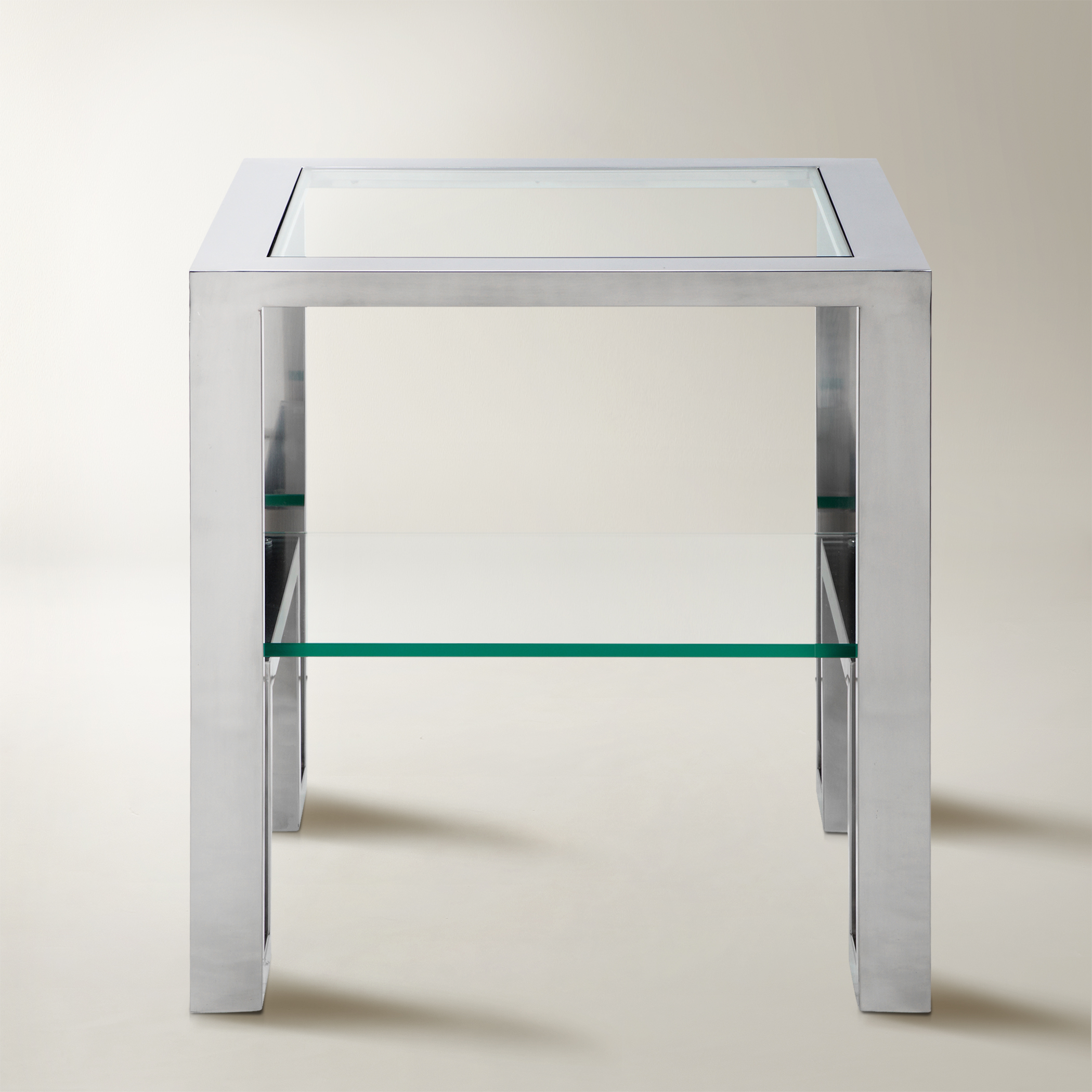
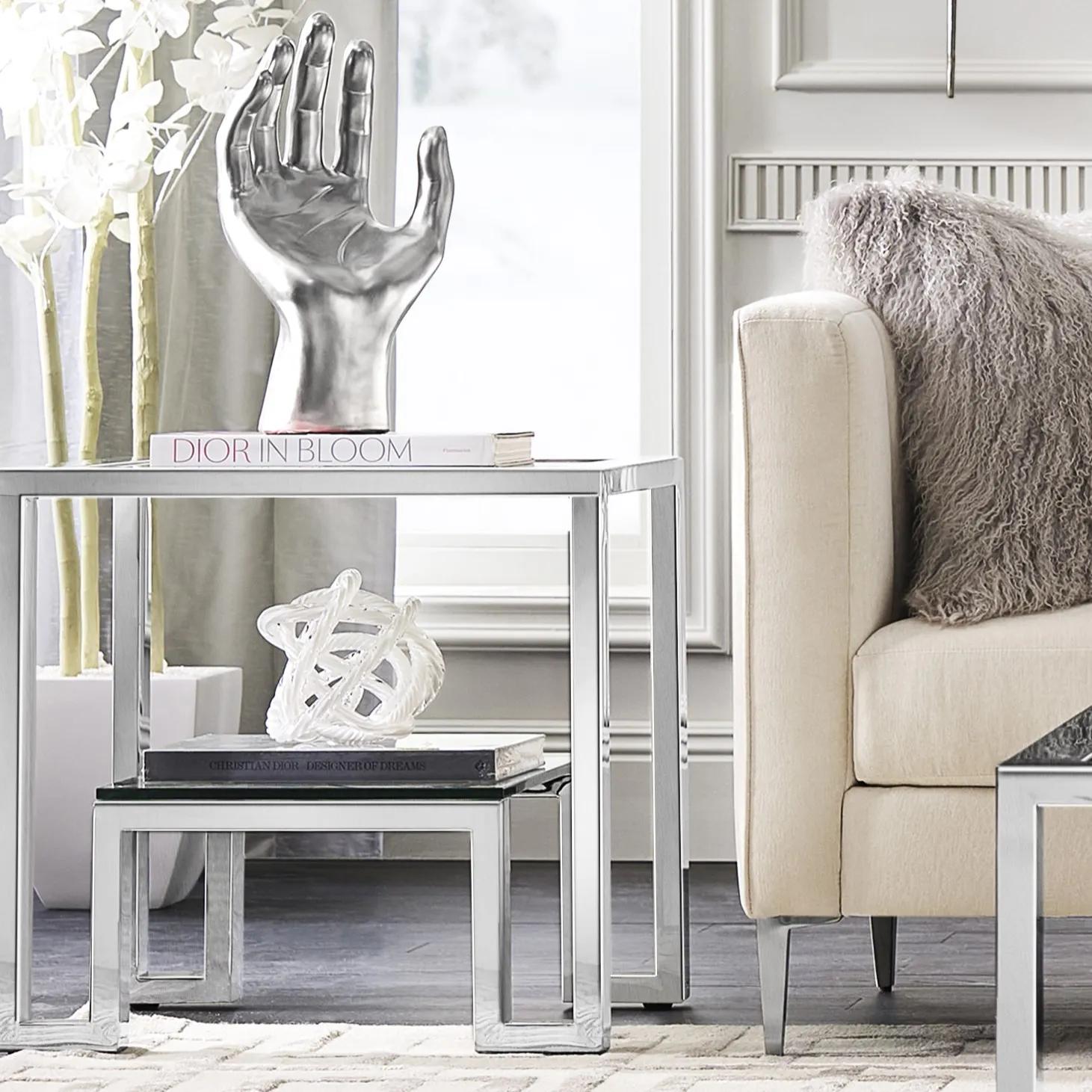 Duplicity Square Silver Stainless Steel End Table With Glass Top (24")$749
A modern end table featuring a stainless steel frame, tempered glass top, and floating bottom shelf.
Add To Cart -
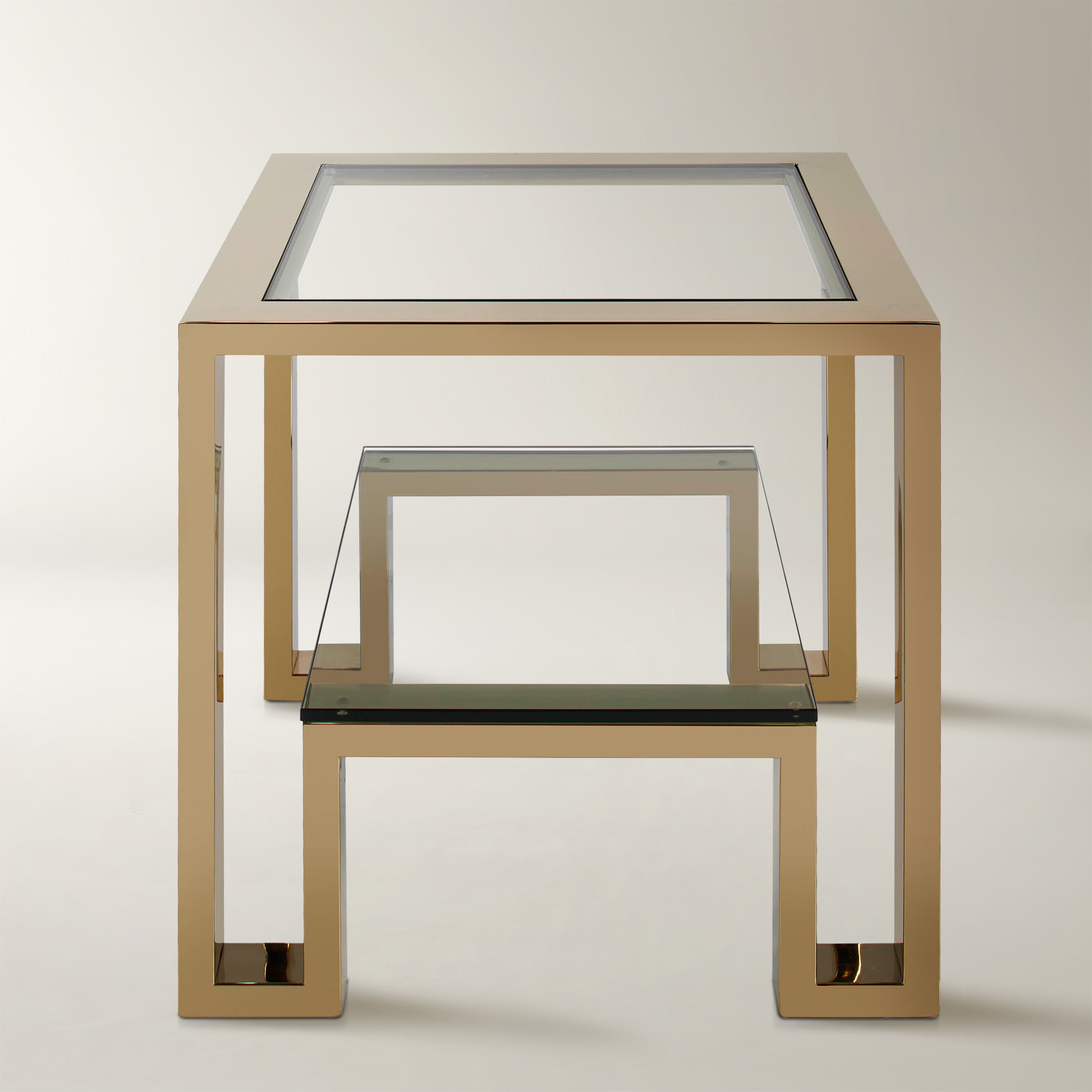 Duplicity Square Gold Stainless Steel End Table With Glass Top (24")$749
A modern end table crafted from stainless steel and tempered glass with a floating bottom shelf.
Add To Cart -
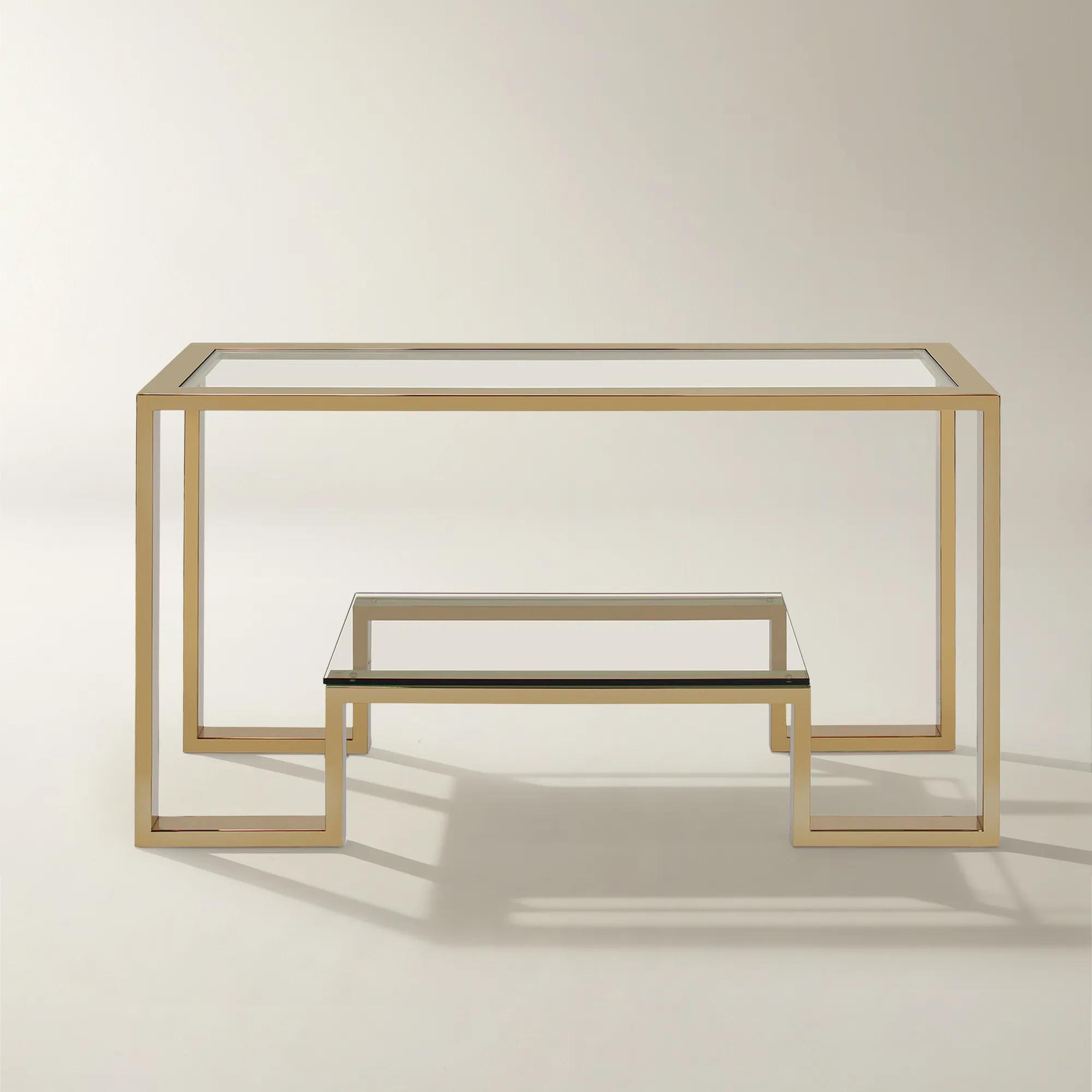
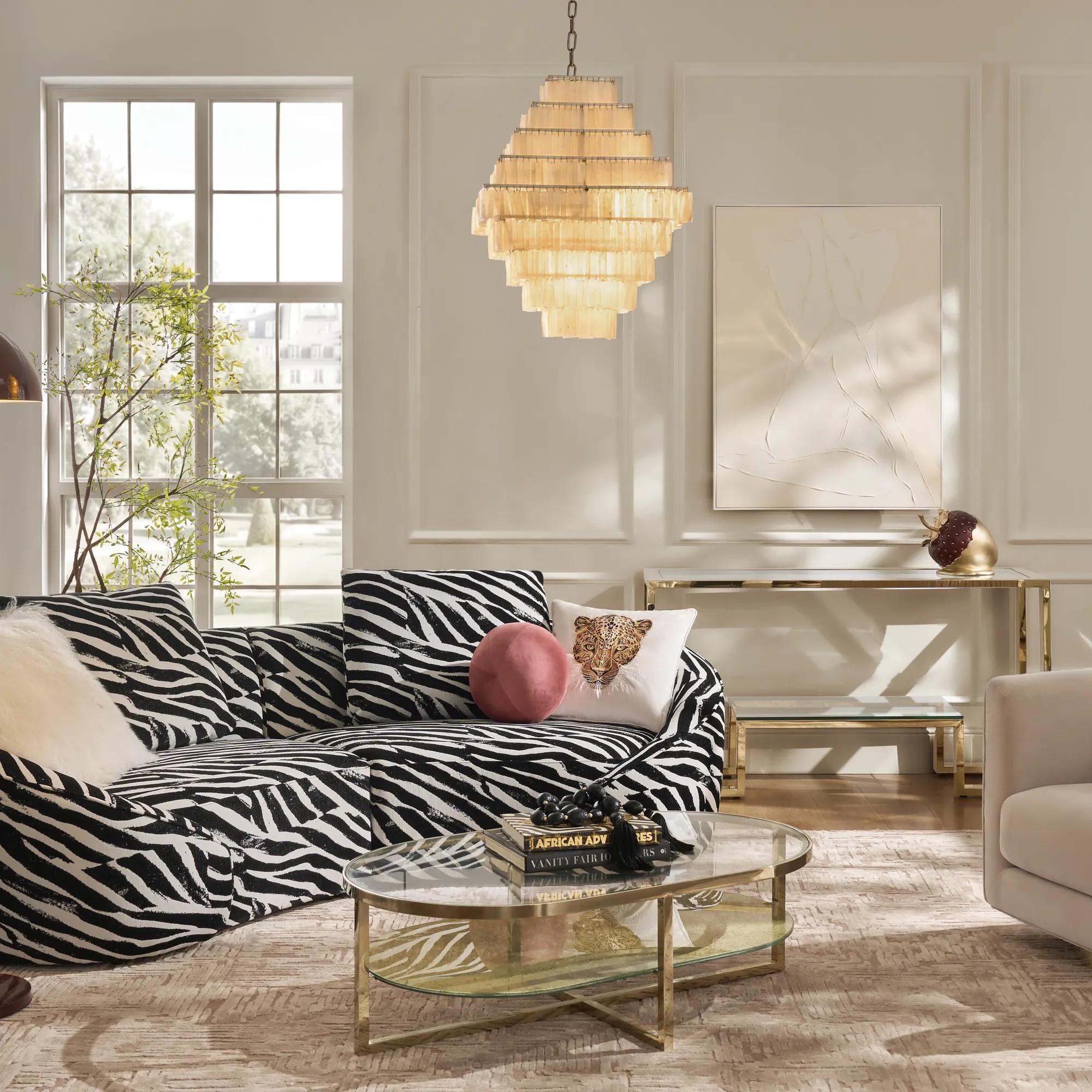 Duplicity Rectangular Gold Stainless Steel Console Table With Glass Top (59")$1399
A modern console table crafted from stainless steel and tempered glass with a floating bottom shelf.
Add To Cart -
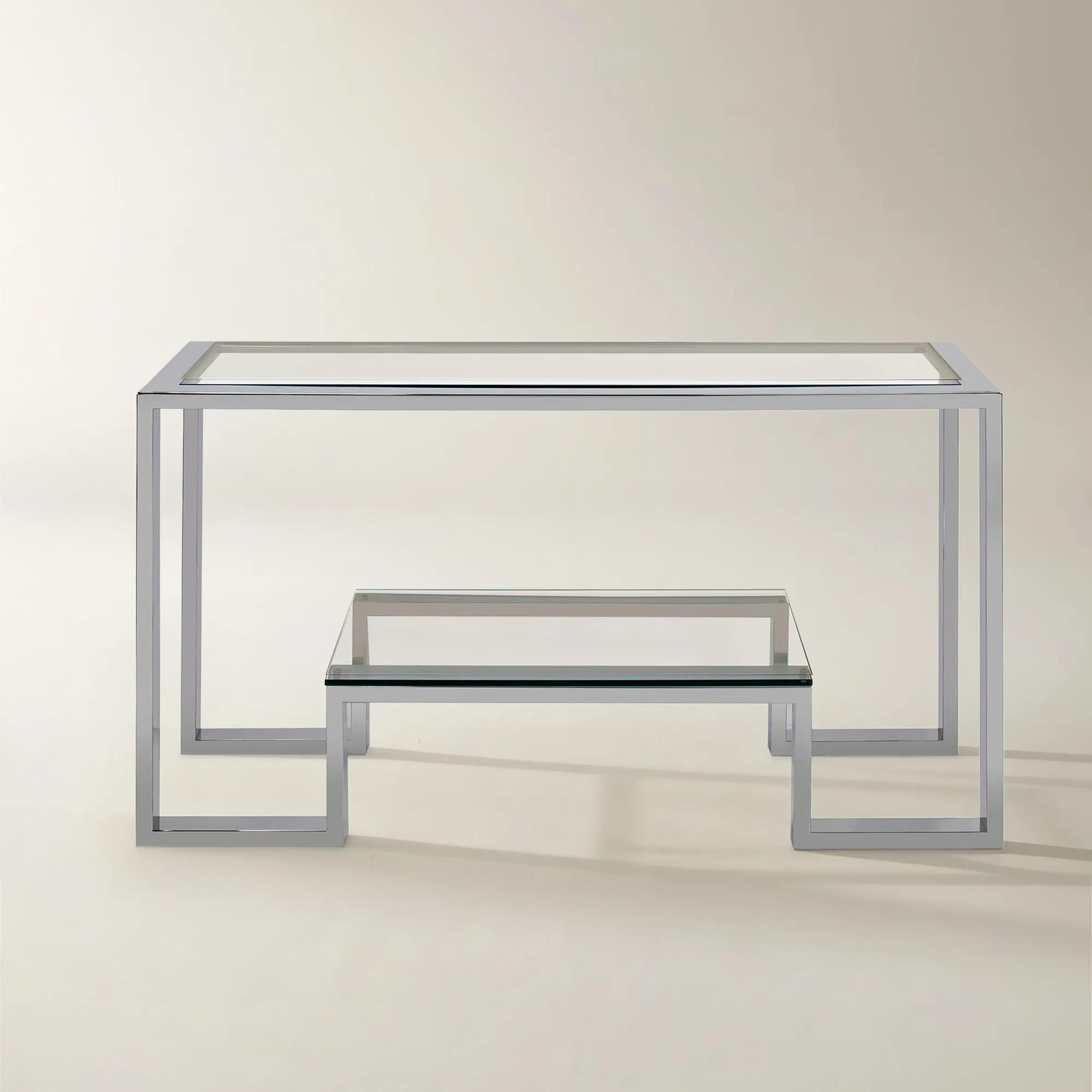
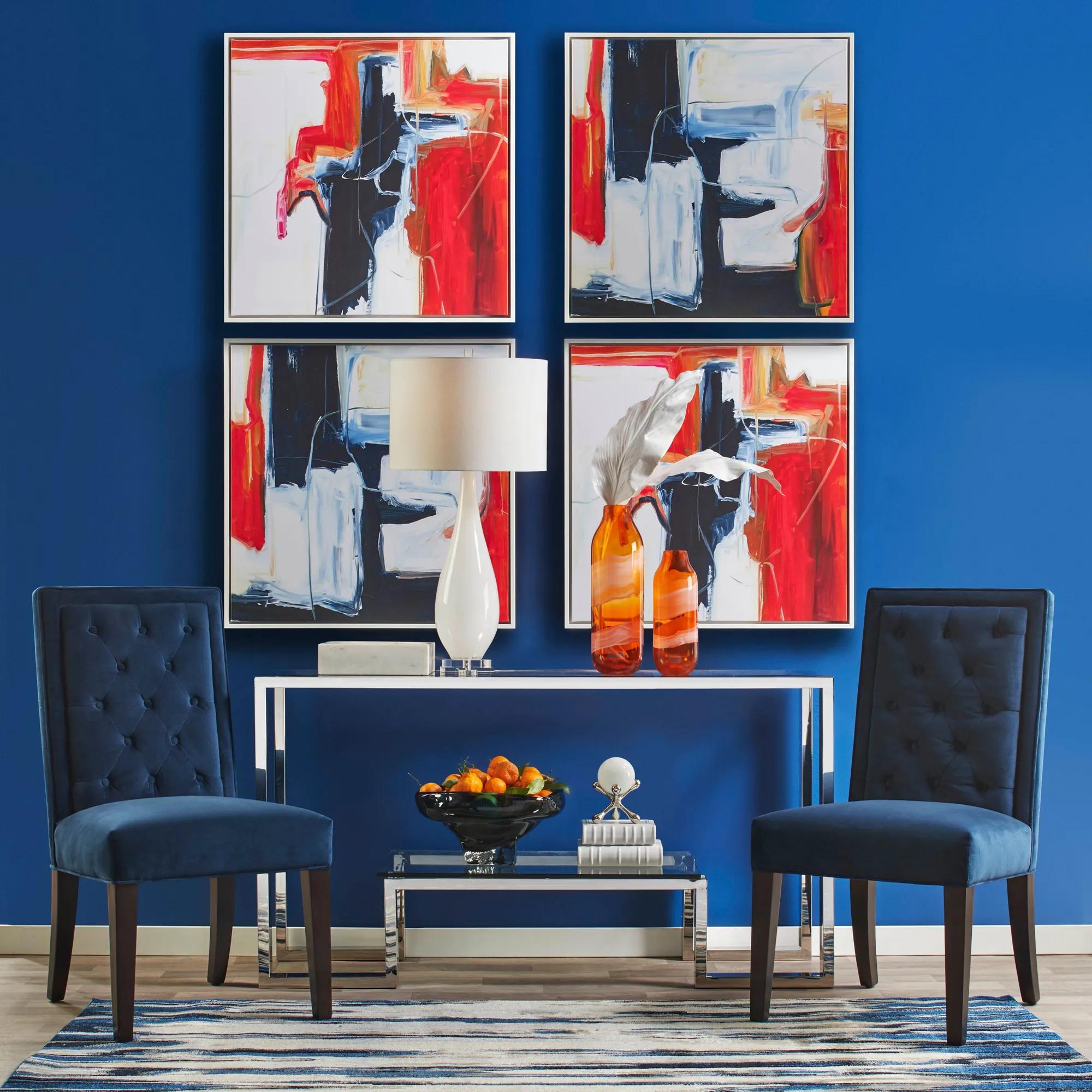 Duplicity Rectangular Silver Stainless Steel Console Table With Glass Top (59")$1399
A modern console table crafted from stainless steel and tempered glass with a floating bottom shelf.
Add To Cart -
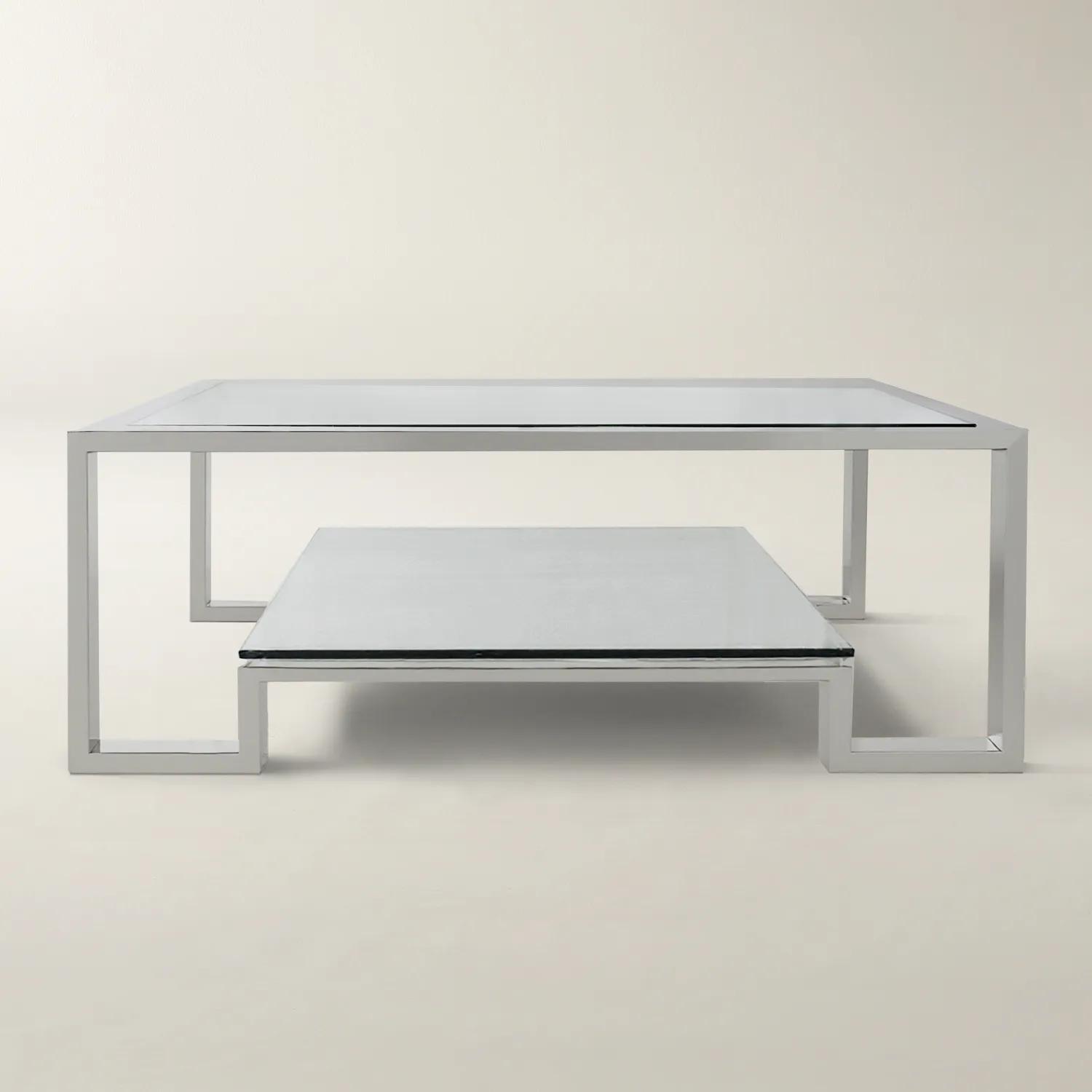
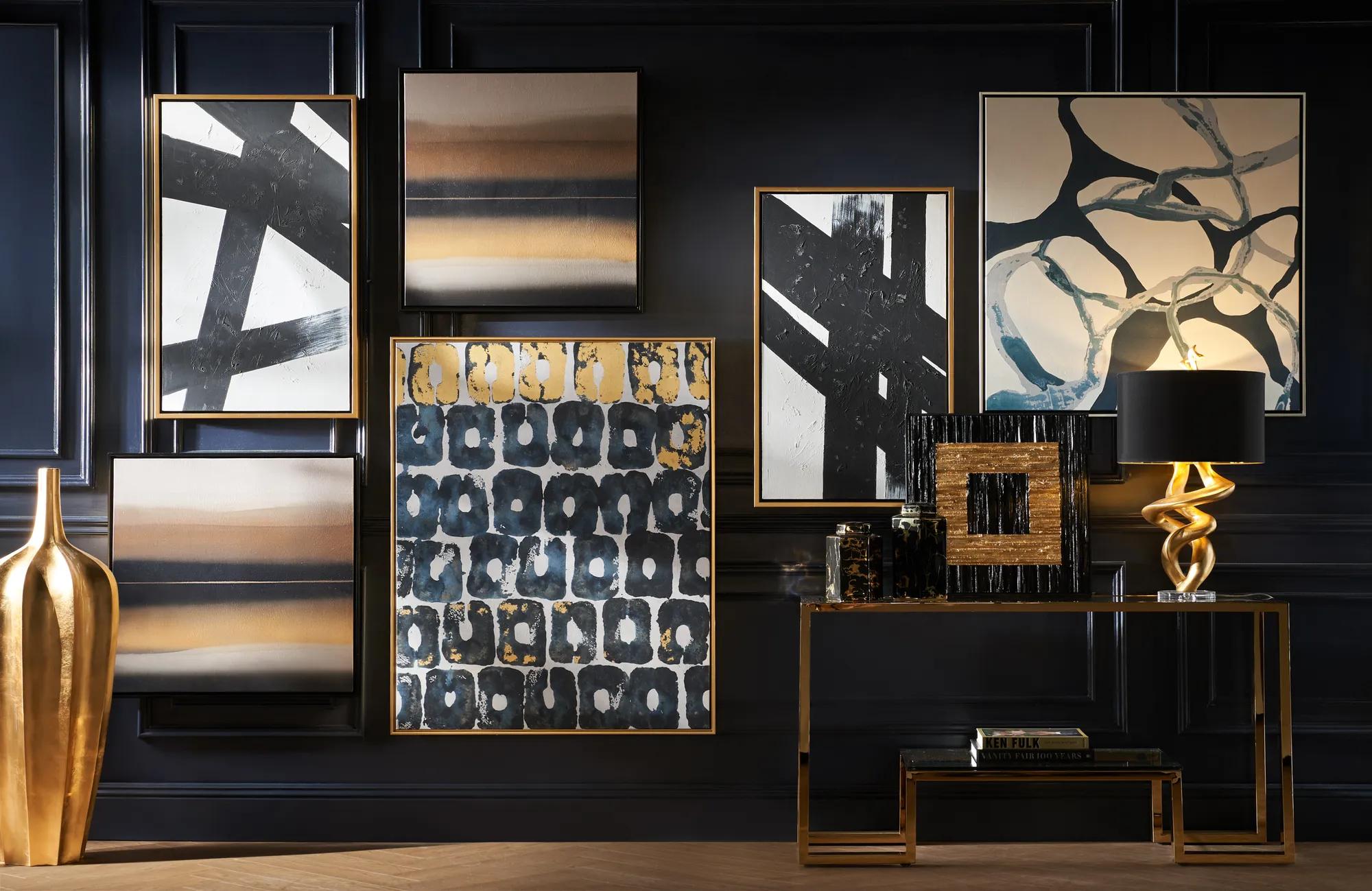 Duplicity Rectangular Silver Stainless Steel Coffee Table With Glass Top (50")$1399
A modern coffee table featuring a stainless steel frame, tempered glass top, and floating bottom shelf.
Add To Cart -
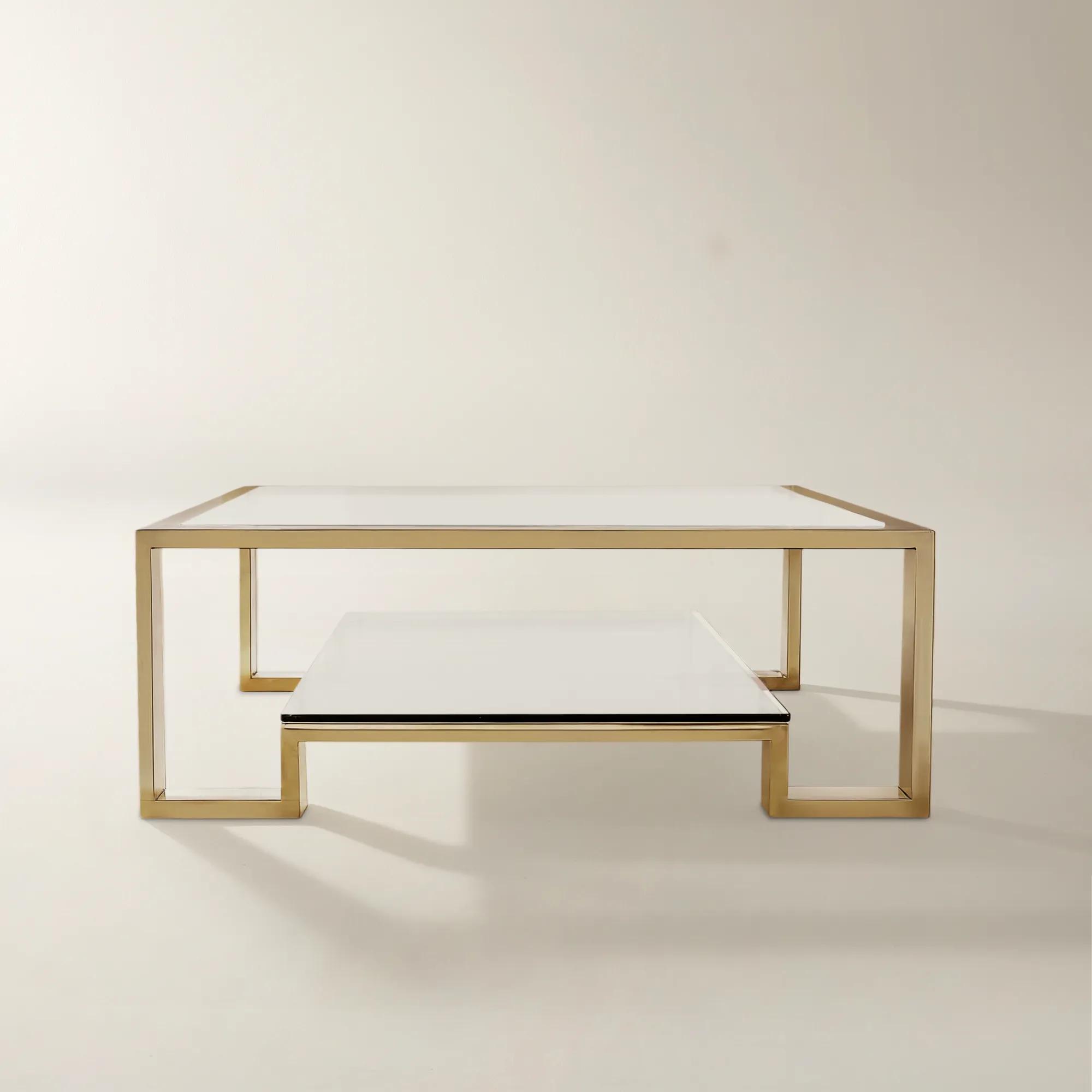 Duplicity Rectangular Gold Stainless Steel Coffee Table With Glass Top (50")$1399
A modern coffee table featuring a stainless steel frame, tempered glass top, and floating storage shelf.
Add To Cart -
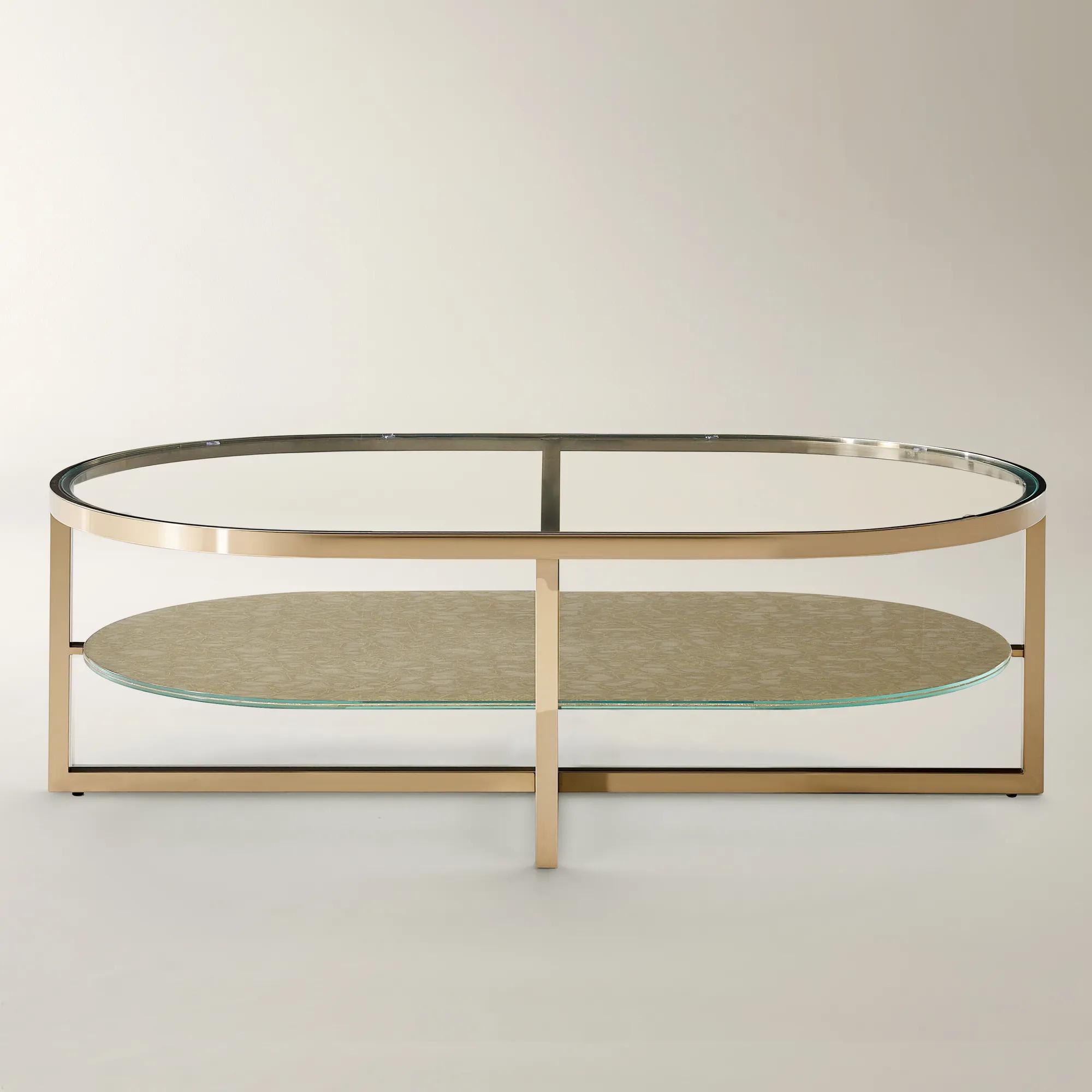
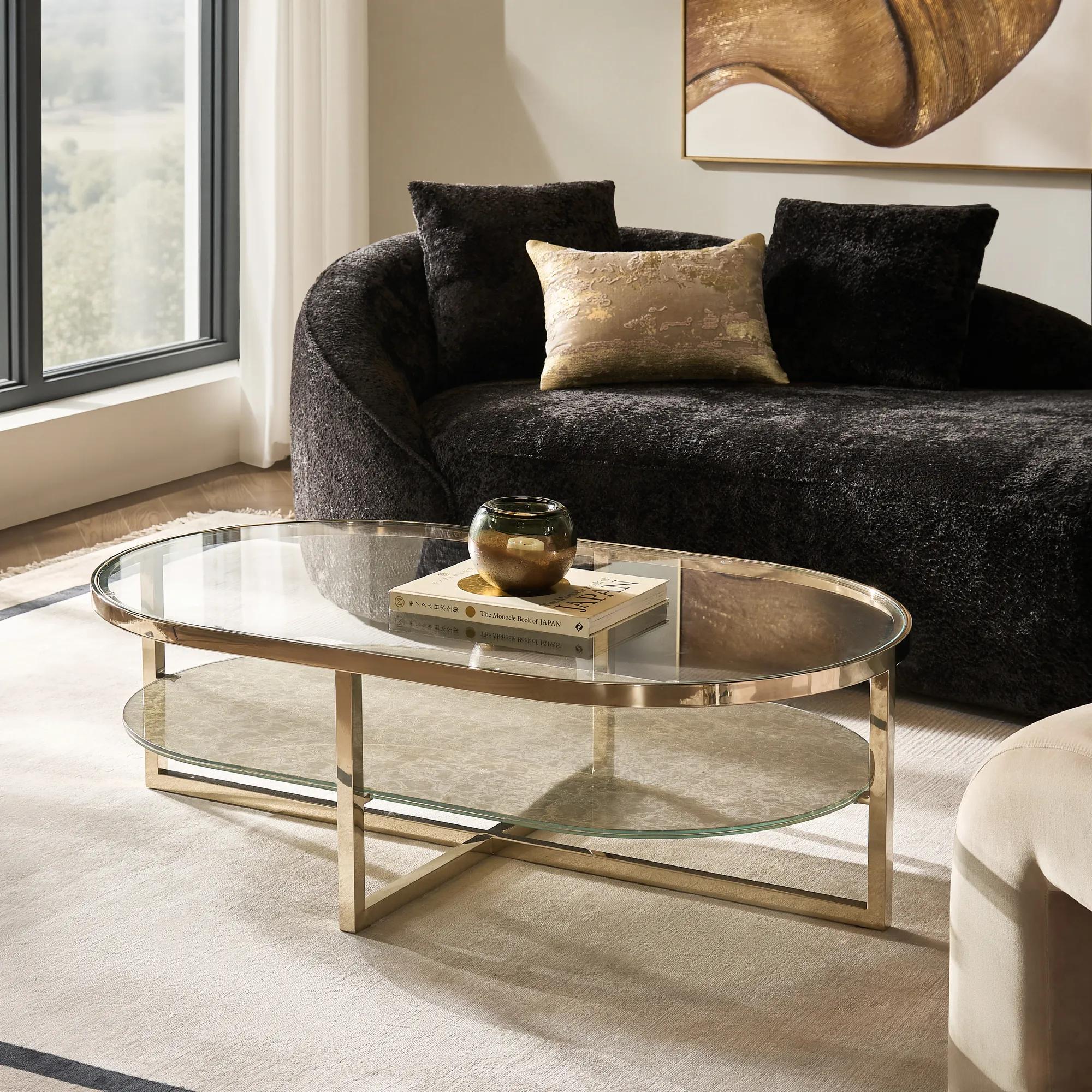 Duality Oval Fabric-Laminated Glass Coffee Table (47")$999
A modern oval coffee table featuring a tempered glass top, fabric-laminated shelf, and soft gold stainless steel frame.
Add To Cart -
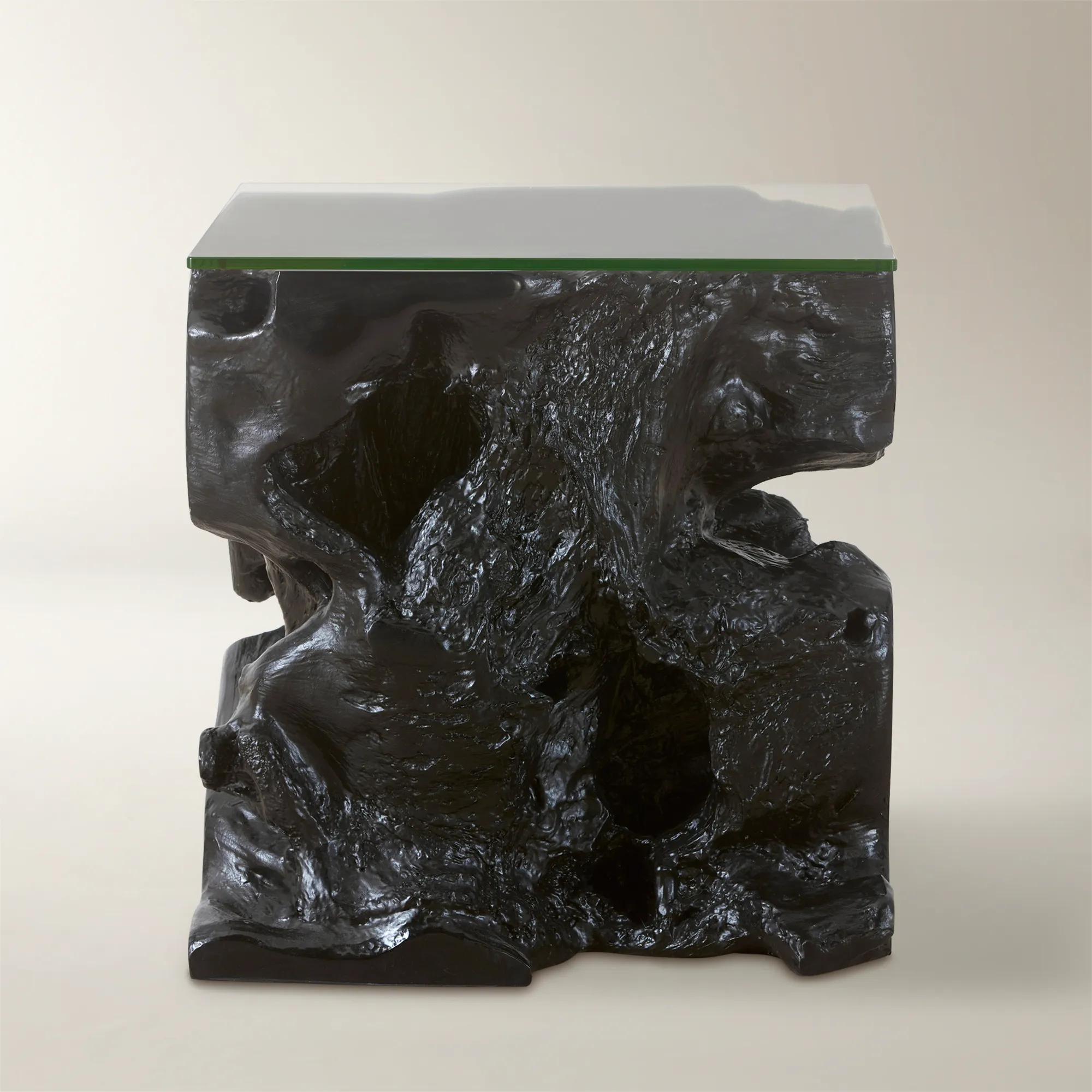 Sequoia Black Resin End Table With Glass Top (22")$999
A sculptural black resin and stone end table inspired by Acacia roots, suitable for indoor or outdoor use.
Add To Cart -
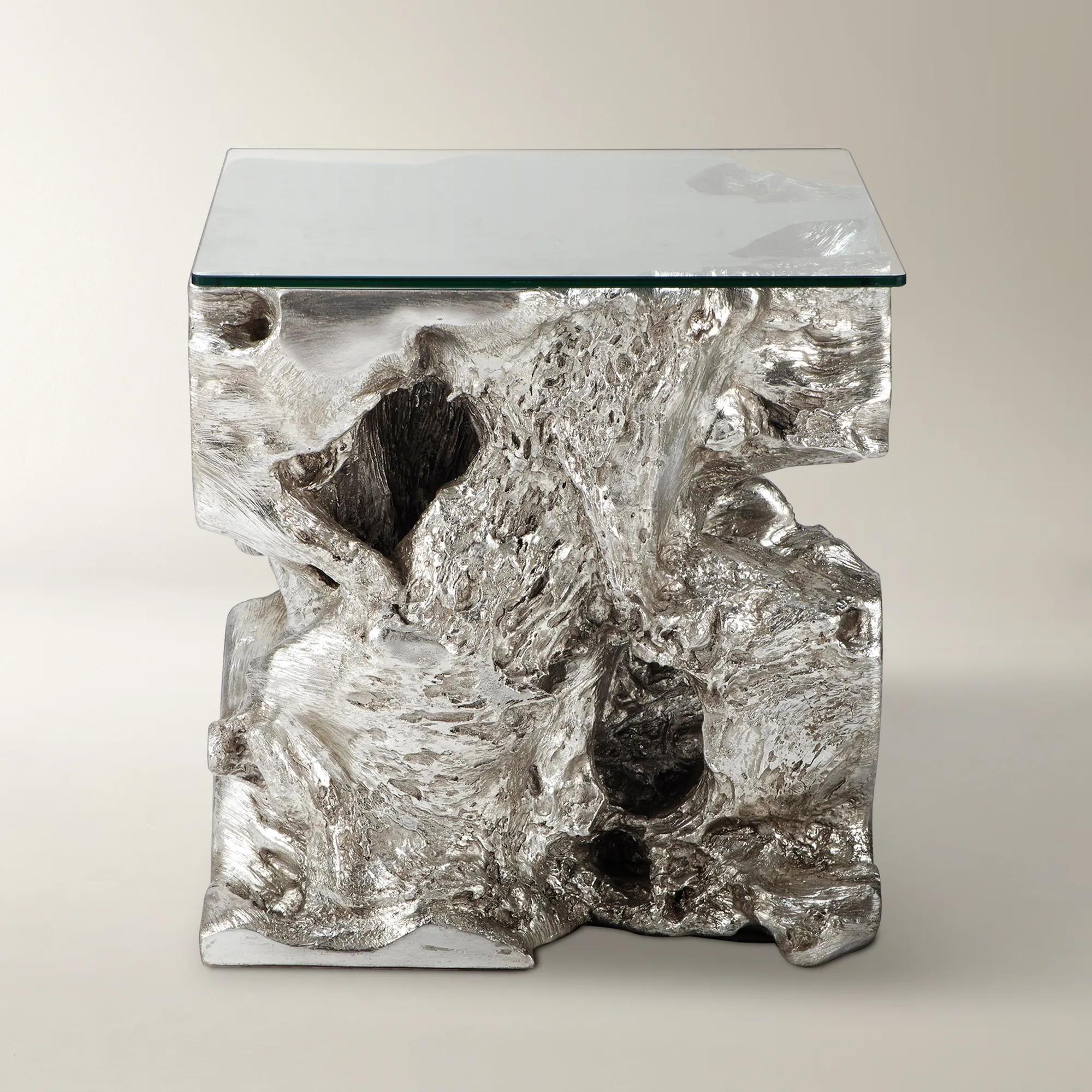 Sequoia Silver Resin End Table With Glass Top (22")$999
A sculptural end table featuring a silver leaf resin base and tempered glass top for modern elegance.
Add To Cart -
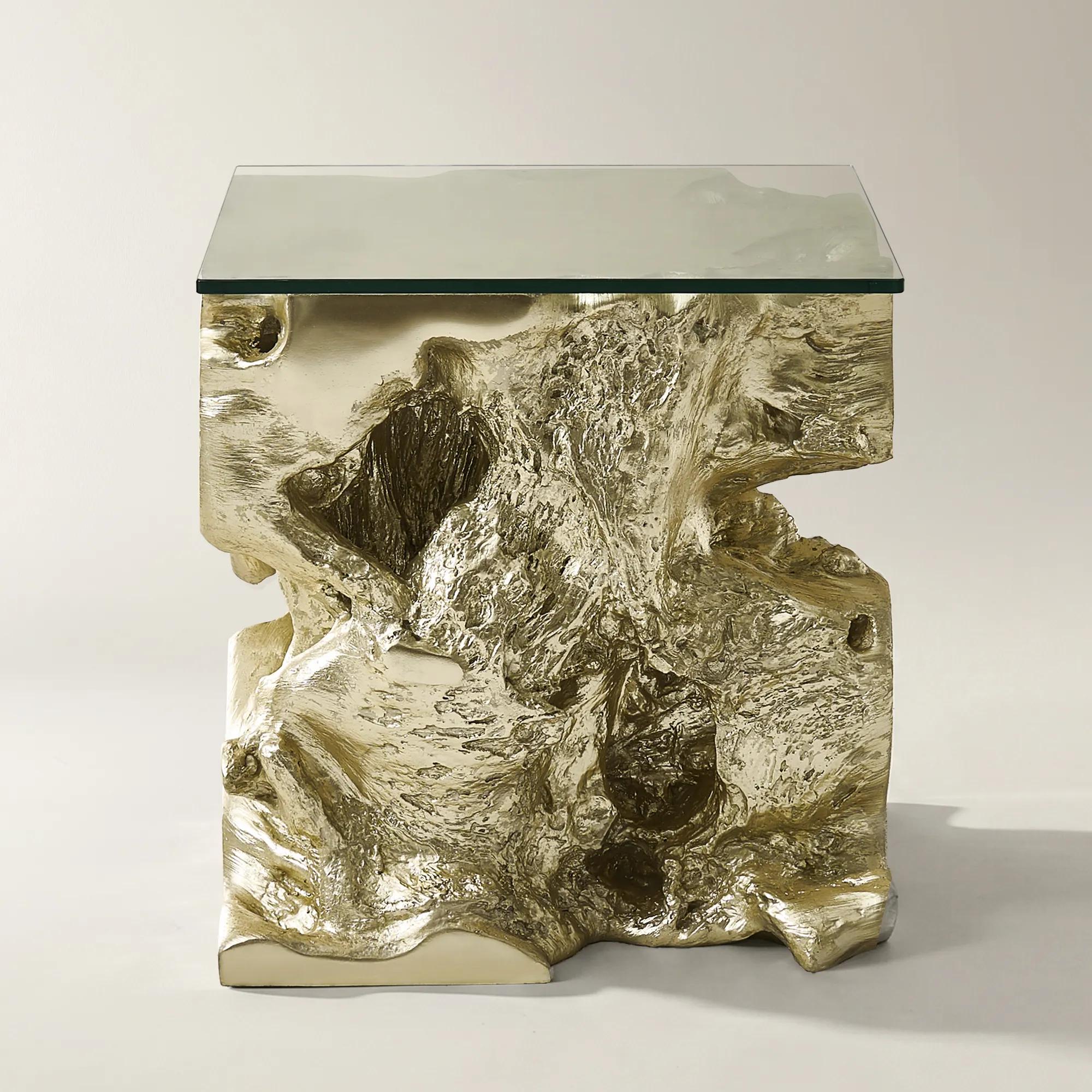 Sequoia Champagne Gold Resin End Table With Glass Top (22")$999
A sculptural resin end table with a champagne gold leaf finish and a clear tempered glass top.
Add To Cart -
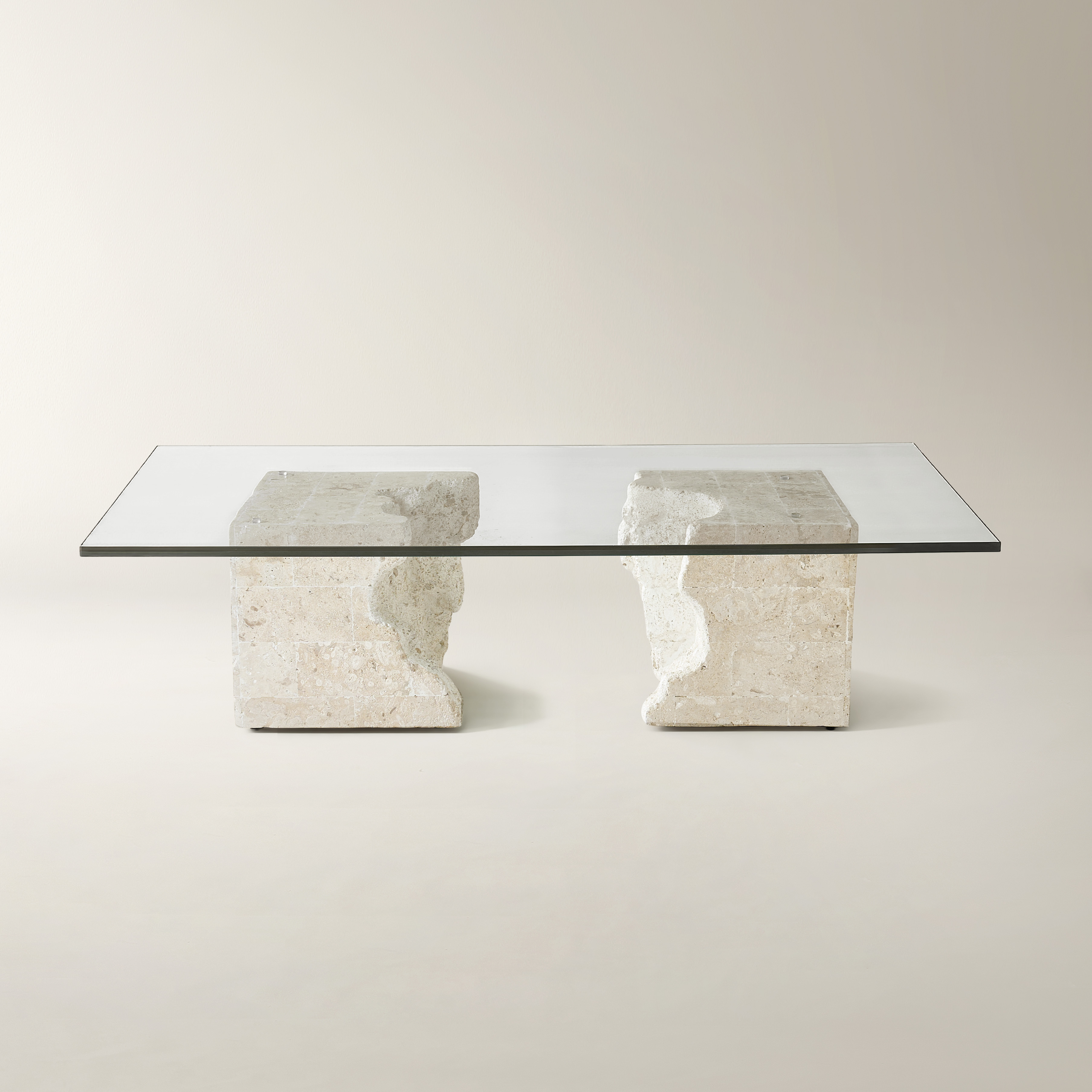 Cairo Rectangular Mactan Stone Coffee Table With Glass Top (63")$1899
A contemporary coffee table featuring a clear tempered glass top floating above hand-carved Mactan stone bases.
Add To Cart -
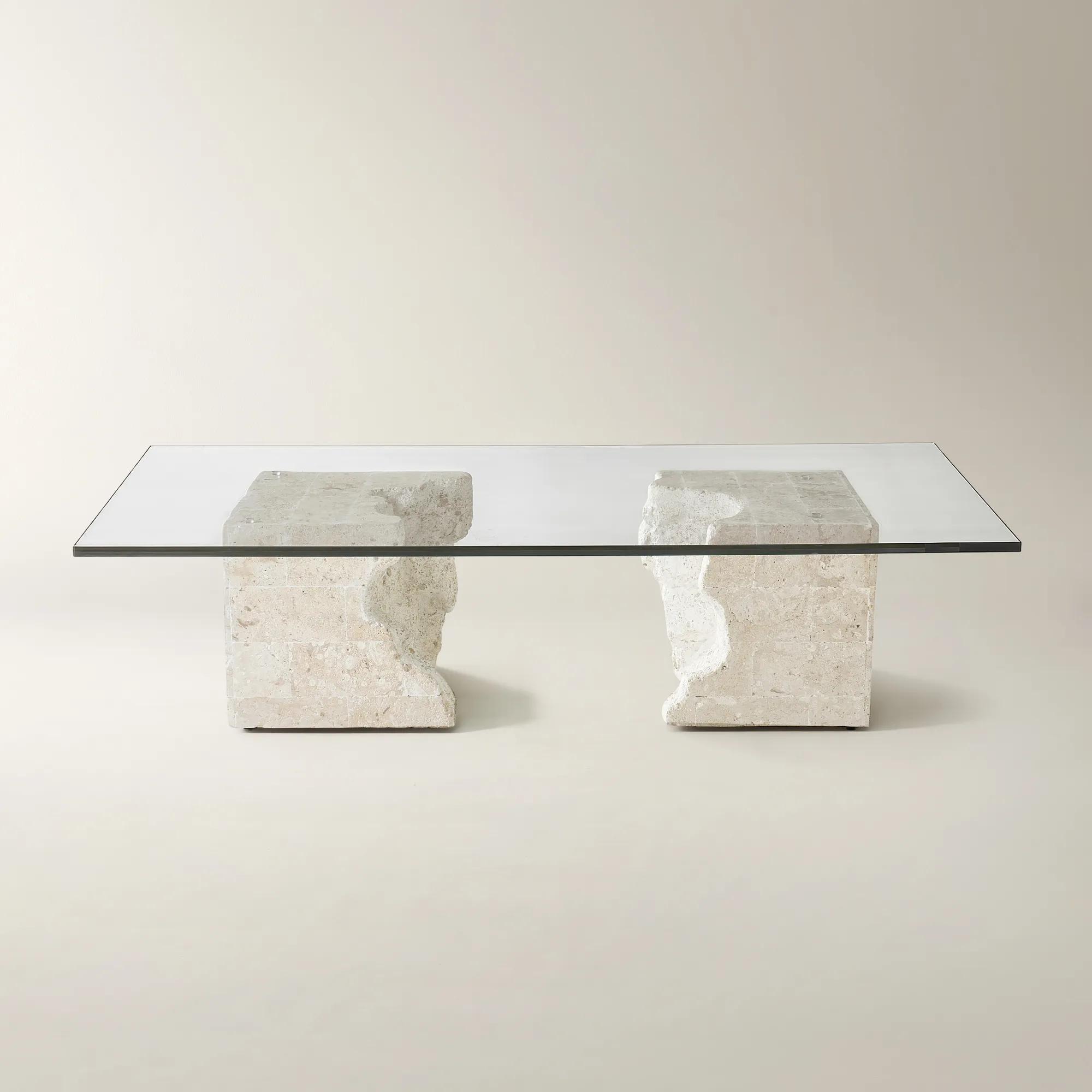 Cairo Rectangular Mactan Stone Coffee Table With Glass Top (70.87")$1999
A contemporary coffee table featuring a clear tempered glass top floating above hand-carved Mactan stone bases.
Add To Cart -
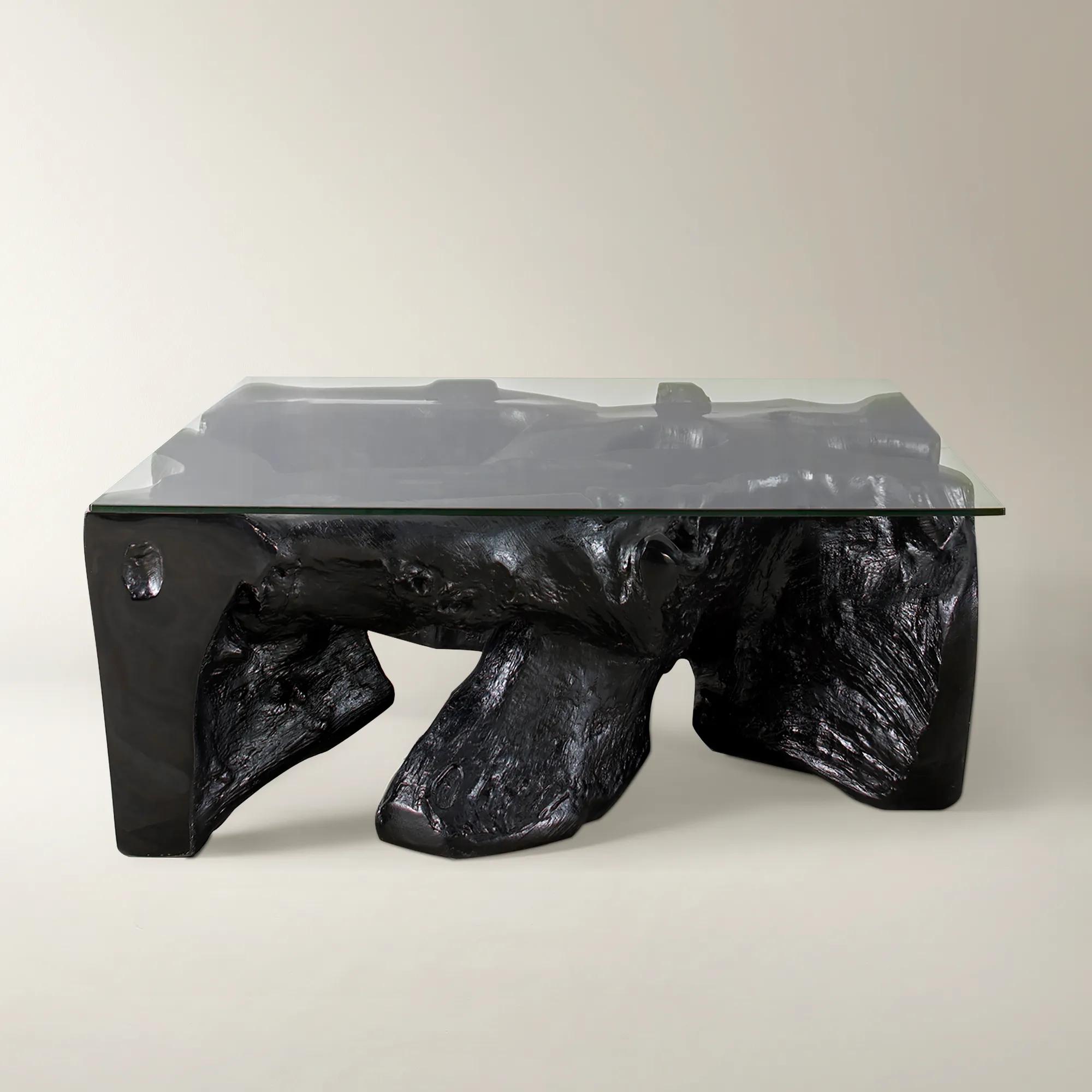
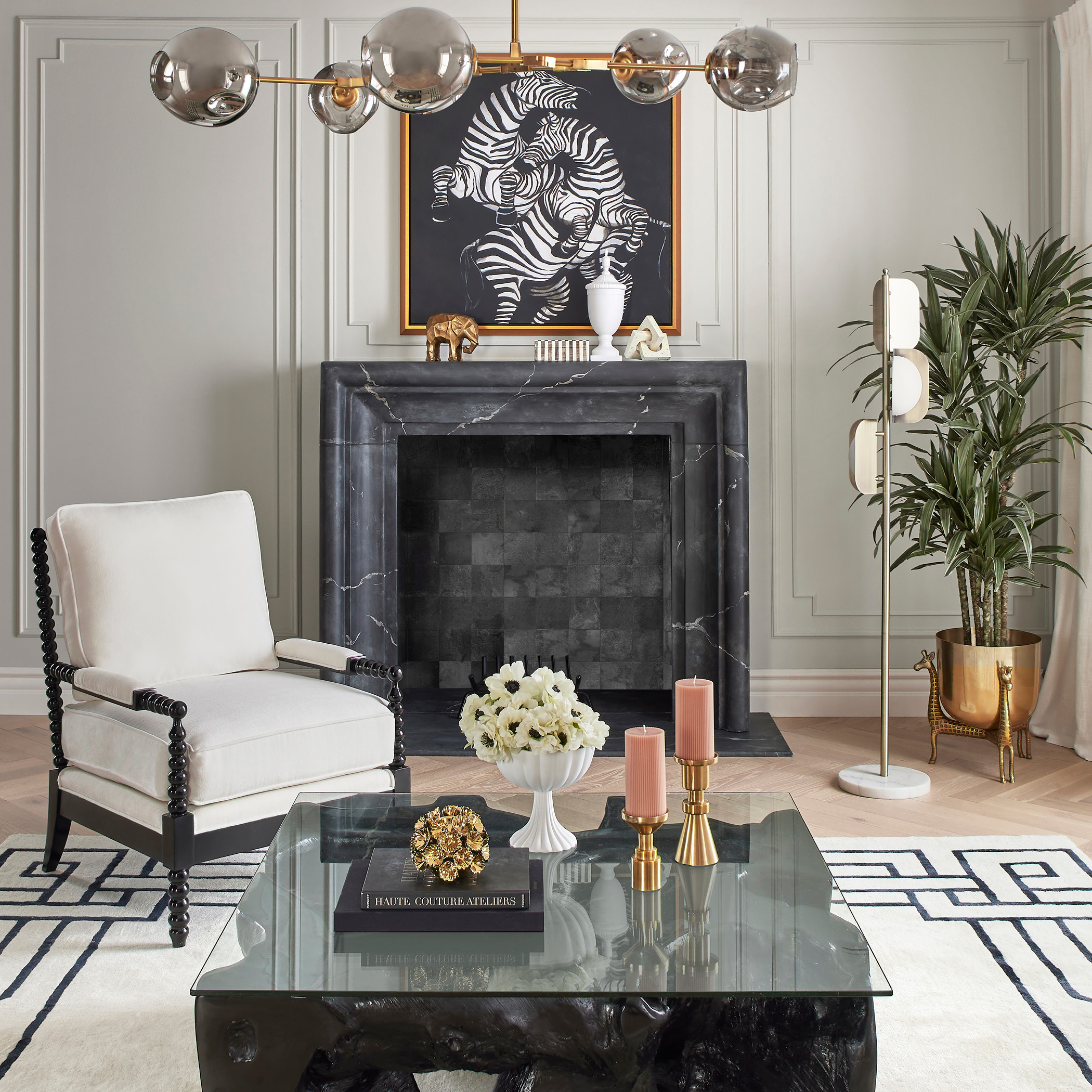 Sequoia Black Resin Coffee Table With Glass Top (44")$2299
A sculptural black coffee table crafted from resin and polished stone fragments for indoor or outdoor use.
Add To Cart -
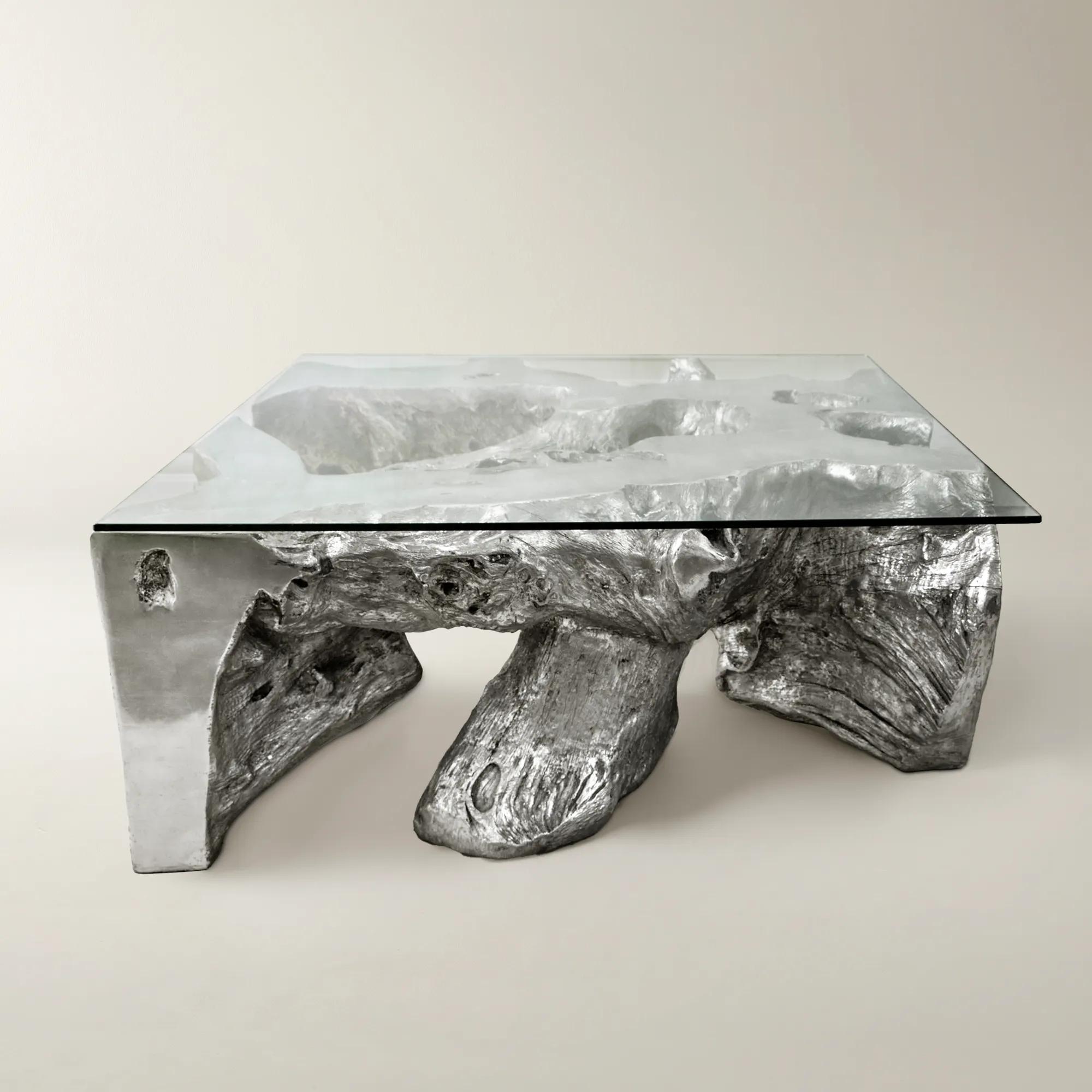 Sequoia Silver Resin Coffee Table With Glass Top (44")$2299
A sculptural coffee table featuring a hand-applied silver leaf resin base and a tempered glass top.
Add To Cart -
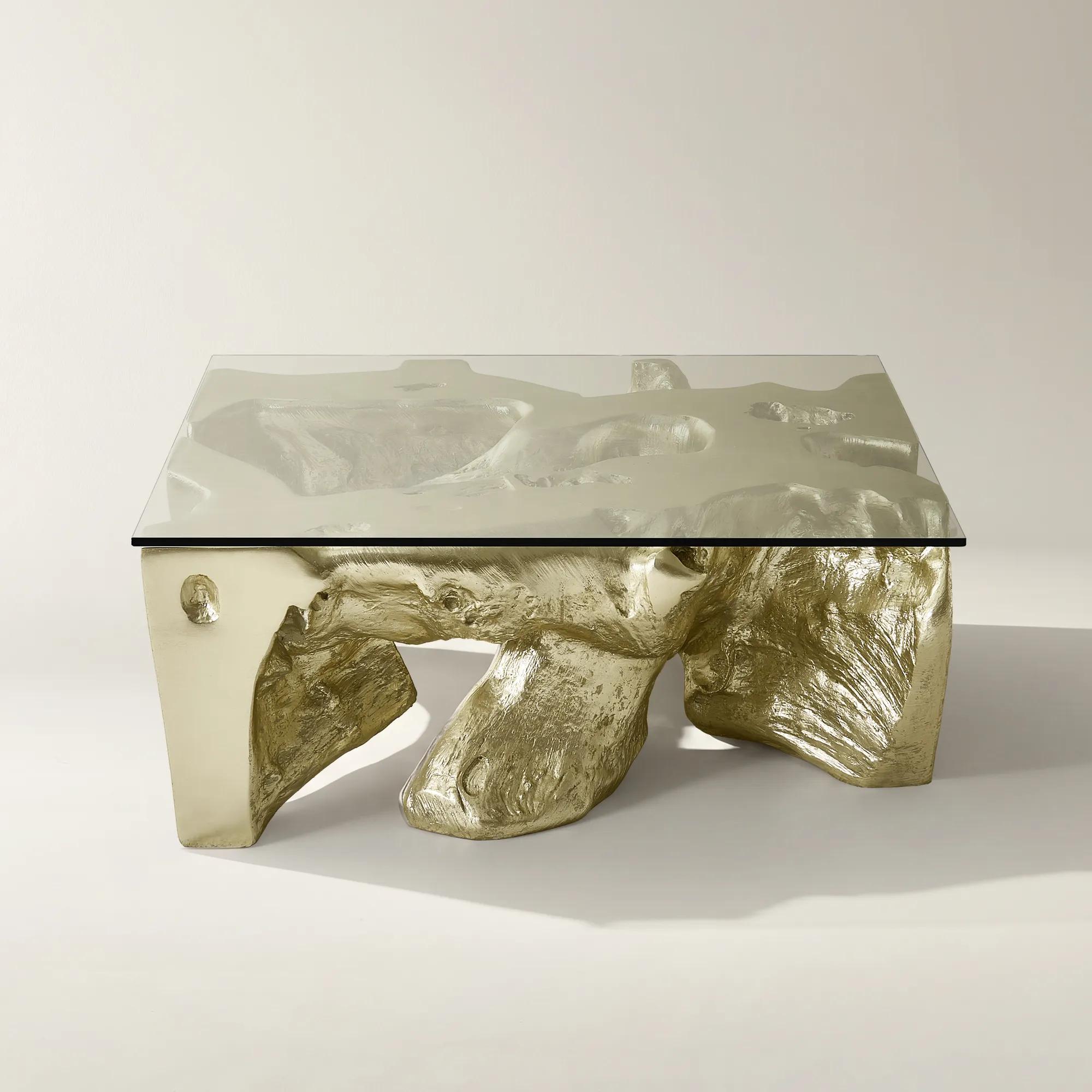 Sequoia Champagne Gold Resin Coffee Table With Glass Top (44")$2299
A sculptural resin coffee table with a champagne gold leaf finish and a clear tempered glass top.
Add To Cart -
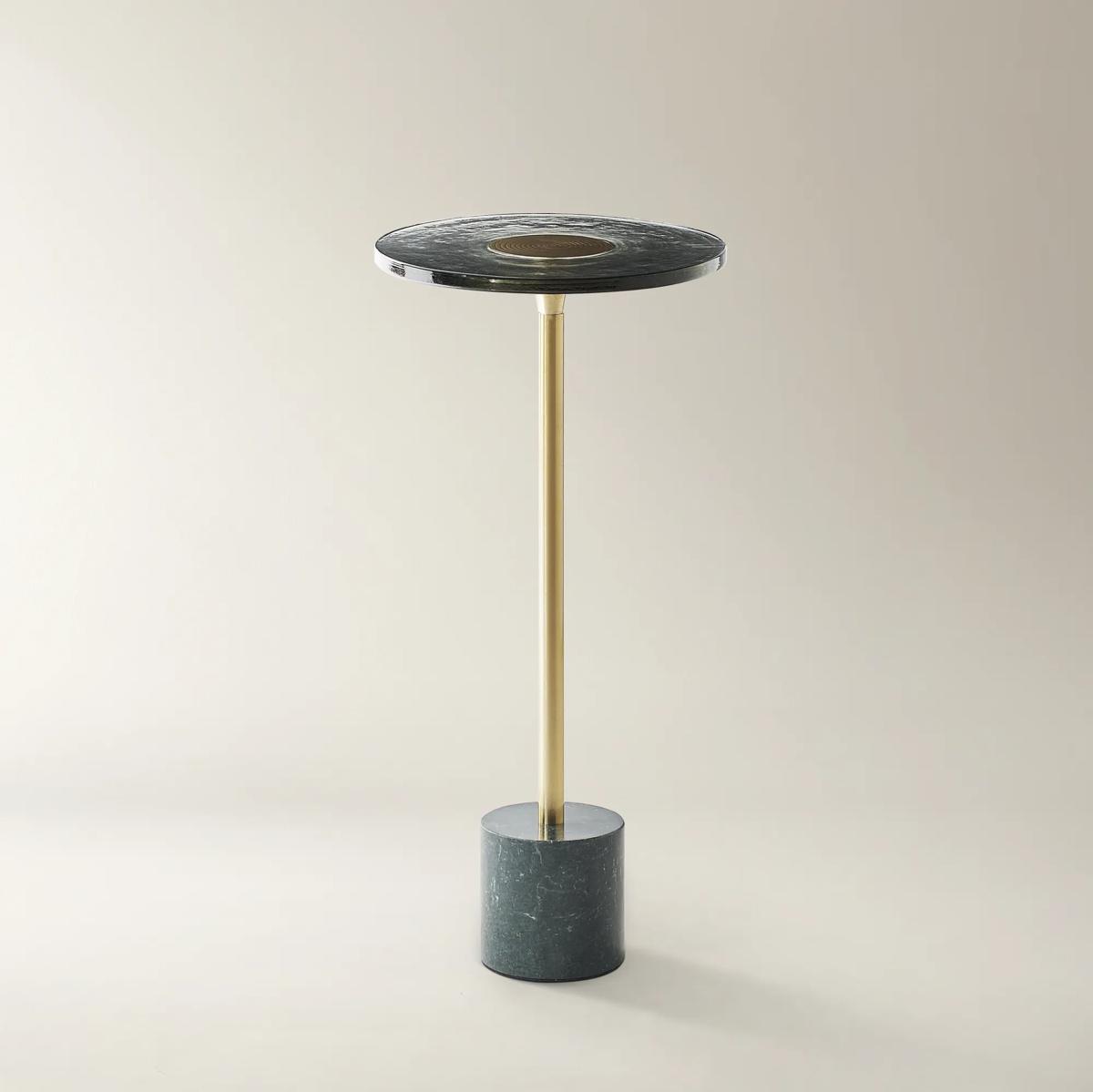
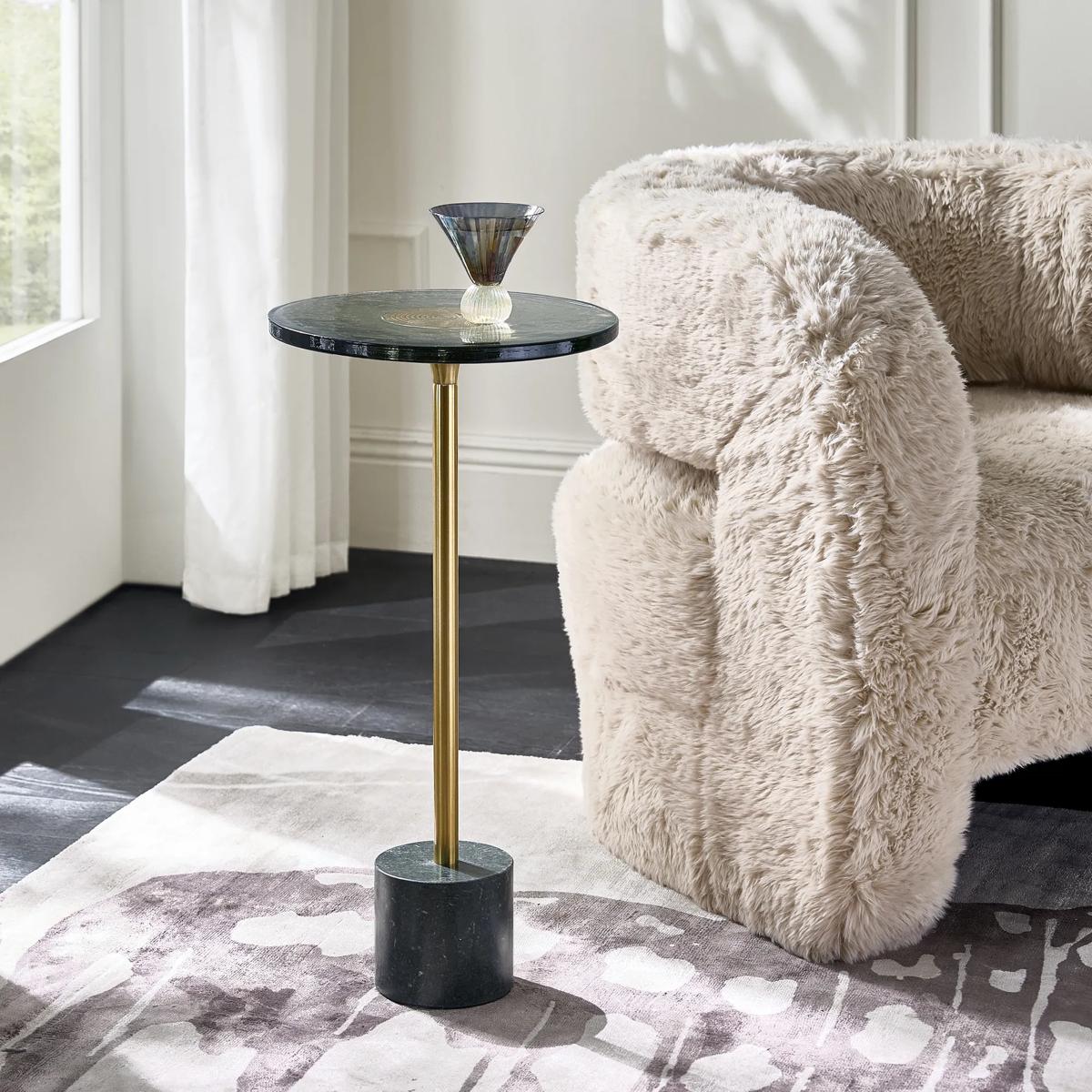 Seraphy Round Green Metal Side Table With Glass Top (13.75")$179
A modern side table featuring a green cast glass top, brass-finished post, and Indian green marble base.
Add To Cart -
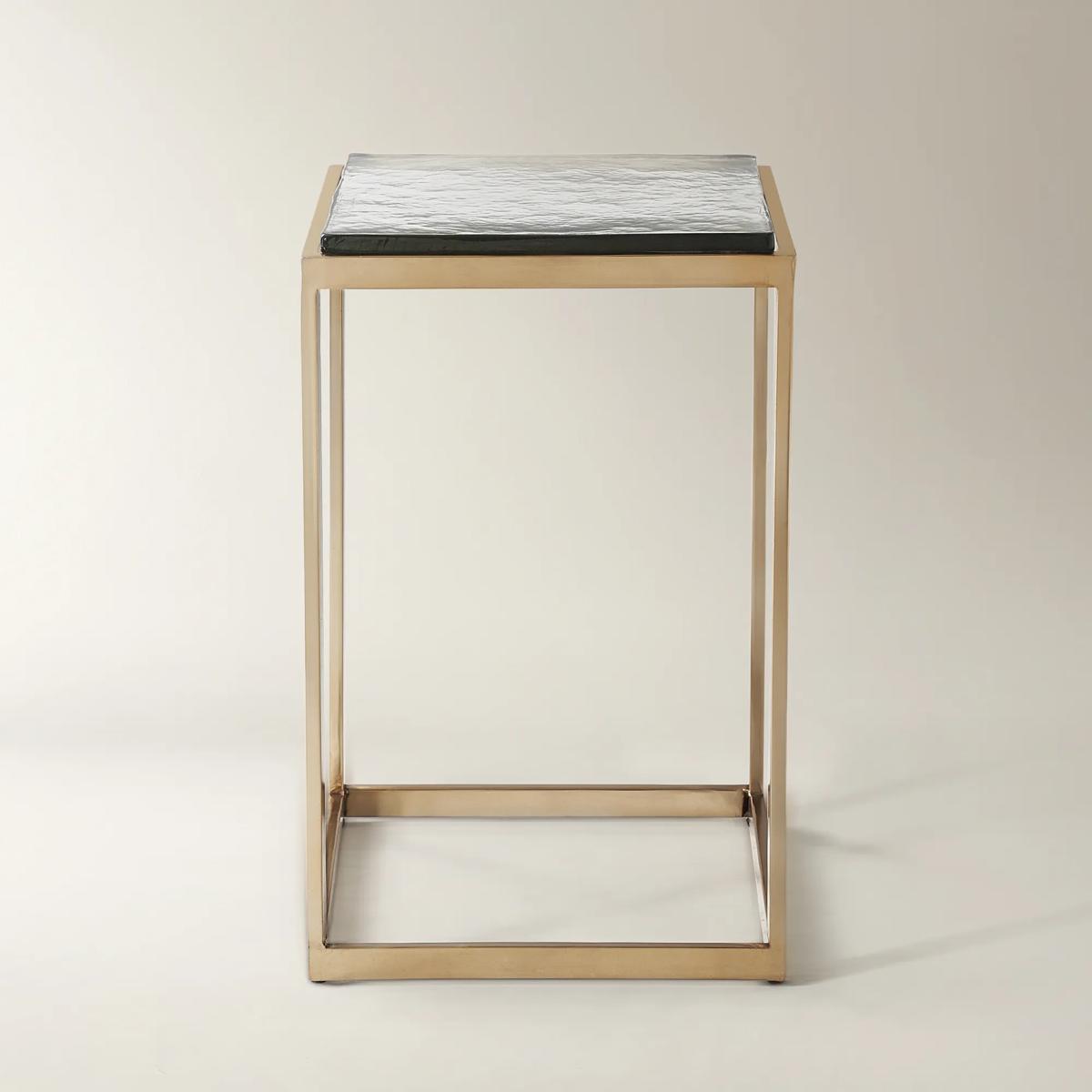
 Lyra Square Brass Metal Side Table With Glass Top (13.8")$239
A sculptural side table featuring a thick cast glass top and a lustrous brass-finished metal base.
Add To Cart -
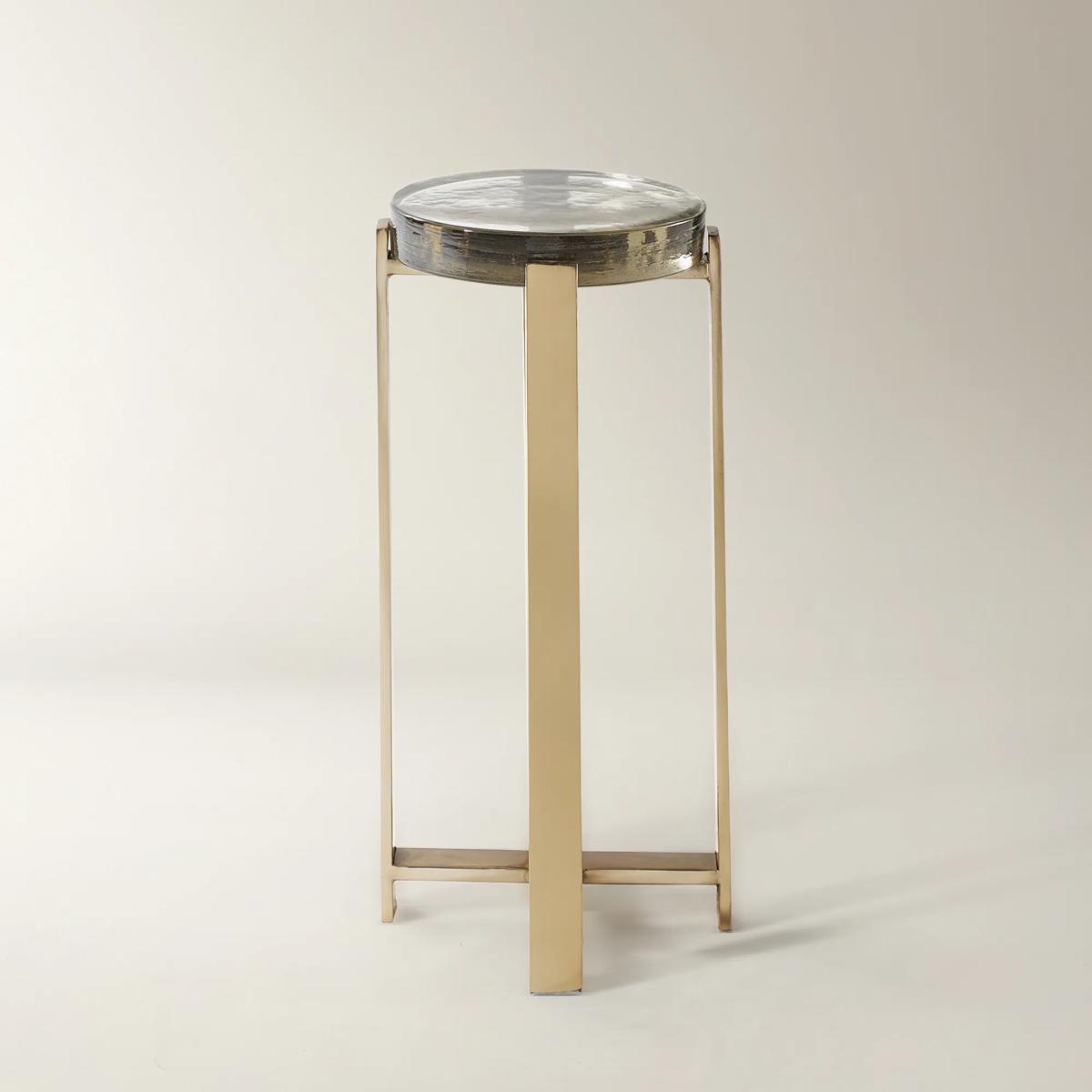
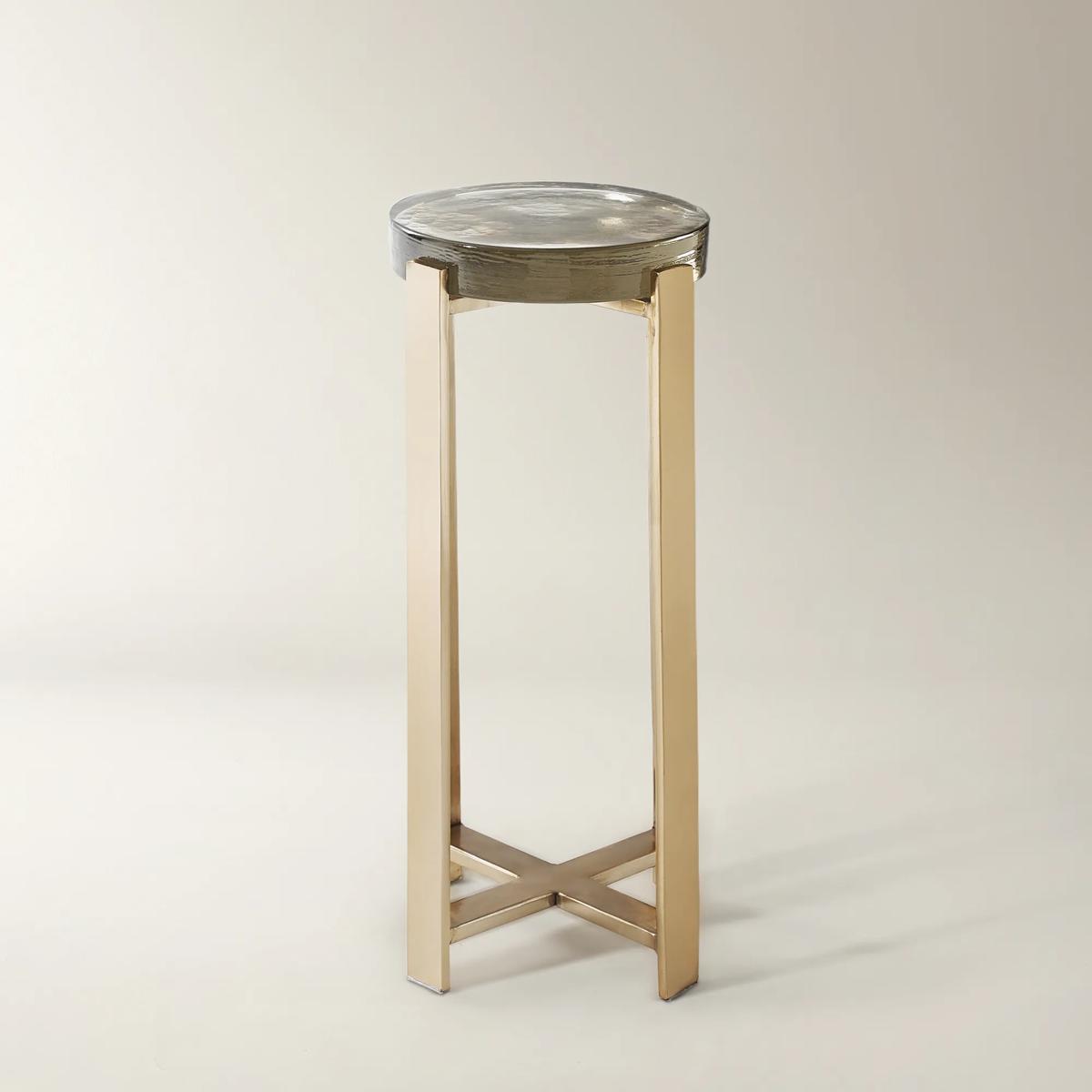 Lyra Round Brass Metal Side Table With Glass Top (10.75")$259
A sculptural side table featuring a thick cast glass top and lustrous brass-finished metal base.
Add To Cart

Tempered Glass Accent Tables
Tempered glass accent tables are the ultimate expression of modern glamour—where clarity meets artistry and every angle captures the light. These sculptural pieces invite intrigue, transforming ordinary corners into showcases of style and sophistication. Whether poised beside a daring velvet sofa or anchoring a dramatic entryway, each table becomes a stage for your most treasured objets d’art. With their gleaming surfaces and architectural silhouettes, tempered glass accent tables promise to elevate your space with an air of effortless luxury—proof that true brilliance lies in the details.
Tempered glass accent tables bring a distinctive balance to an interior: a surface with visual lightness, grounded by a frame that can be as restrained or expressive as the room demands. Designed to sit beside sofas, armchairs, and other seating, these smaller tables hold everyday essentials while giving decorative objects a beautifully defined stage. Clear glass allows the silhouette of a sculptural base, the pattern of a rug, or the sumptuous texture of nearby upholstery to remain visible, creating depth without adding a visually heavy block of furniture. In a living room layered with velvet, metallic accents, and expressive artwork, that transparency provides a deliberate pause between richer elements. A gleaming gold-tone frame lends warmth and a jewelry-like finish; polished silver-tone metal creates a crisp, luminous accent; black metal outlines the glass with graphic precision. Wood introduces a different sensibility, pairing its grain and warmth with the sleekness of the tabletop. These material combinations allow glass side tables to complement glamorous, contemporary, transitional, and Art Deco-inspired interiors without making every furnishing look alike. Round silhouettes soften arrangements dominated by straight-lined sofas and cabinetry, while square or rectangular tops echo architectural lines and sit neatly alongside seating. A compact table beside a reading chair creates a place for a beverage and a book; a more substantial accent table can support a table lamp and a carefully edited display, provided its dimensions and weight capacity suit the arrangement. Nesting designs offer separate surfaces that can be repositioned for conversation or entertaining, then gathered into a layered composition. Two-tier designs introduce another plane for books or decorative storage, although the transparency of glass means that whatever sits below becomes part of the overall presentation. The appeal is both practical and atmospheric: a useful landing place that preserves the view through the room, catches highlights along its edges, and gives familiar surroundings a more considered finish. For those who favor dramatic interiors, glass offers room for expression without requiring another opaque surface.
The defining material deserves as much attention as the silhouette. Tempered glass is glass that has been strengthened through a controlled heating and cooling process, making it more resistant to impact and thermal stress than comparable ordinary annealed glass. If it breaks, it generally fragments into small pieces rather than the long, sharp shards associated with untreated glass, but those fragments can still cause injury. Tempering does not make a tabletop unbreakable, scratchproof, or suitable for unrestricted heat exposure. Its lasting performance depends on the condition of the glass, the quality of its support, and how it is used. Thickness alone does not establish how much weight a table can hold; the base construction, attachment points, span of the glass, and manufacturer’s stated load limits all matter. A substantial-looking top should never be treated as a seat or step, and concentrated weight from a heavy stone sculpture may demand more support than an arrangement of lighter objects. Metal frames can provide slender, clearly defined support, while wood bases bring tactile contrast; either should sit level and hold the glass securely according to the design. Where glass rests on protective pads or fitted supports, those components help maintain the intended separation between the top and base and should remain correctly positioned. Polished edges contribute to a refined appearance, but edges and corners still deserve protection from knocks. Rounded shapes remove projecting corners from the layout, though they do not replace thoughtful placement in homes with children or energetic pets. Indoor accent tables also should not be assumed suitable for outdoor use simply because their tops are glass; frames, finishes, hardware, and protective components must all be rated for that setting. For everyday care, a soft microfiber cloth and a cleaner approved for the glass and surrounding materials help preserve clarity. Applying cleaner to the cloth rather than saturating the table helps keep moisture away from joints and finishes. Coasters, protective pads beneath decorative objects, and lifting accessories instead of dragging them protect the surface while keeping its luminous character intact.
A tempered glass accent table feels most polished when its proportions respond to the furniture around it. Beside a sofa, a tabletop close to the height of the arm generally makes a drink or reading glasses comfortable to reach, although the right relationship depends on the seat and the person using it. A deep lounge chair may call for a surface positioned slightly forward, while a narrow space between two chairs benefits from a compact footprint that leaves room for movement. Measuring the full base as well as the top is essential: an outward-sweeping leg or sculptural pedestal can occupy more floor space than the glass initially suggests. Clear surfaces preserve sightlines, but they still occupy physical space, so generous walking paths remain important. In a smaller sitting area, a transparent top allows an expressive rug to carry the composition without competing with a solid tabletop. In a larger room, a pair of accent tables can create balance across a sofa, or contrasting silhouettes can give separate seating moments their own character. A C-shaped design may bring a surface closer over a seat, provided its base fits beneath the furniture and the table is intended for that use. For a coordinated seating arrangement, tempered glass top coffee tables can extend the transparent material across the center of the room while accent tables provide convenient surfaces at its edges. Coordination need not mean repetition: a shared metal finish or complementary curve can connect different forms with greater subtlety. Styling benefits from the same restraint. A ceramic vessel gains definition against clear glass, a small stack of art books introduces color, and a sculptural lamp brings height without requiring a crowded display. Keep lamp cords thoughtfully routed and leave enough open surface for the table’s everyday purpose. For design-minded recipients furnishing a new home, an accent table can also make a considered housewarming gift when its scale, finish, and intended placement are known. Whether framing a favorite chair or lending sparkle beside a richly upholstered sofa, tempered glass brings utility into focus without allowing it to overshadow the room’s artistry.
FAQs
Tempered glass accent tables are remarkably versatile and can complement a wide range of interior styles. Their clean lines and reflective surfaces blend seamlessly with modern, contemporary, and transitional décor, while their clarity allows them to soften more ornate or eclectic spaces. Pair them with metallic accents for a glamorous look, or combine them with natural wood and plush textiles to create a sophisticated, layered effect.
A decorative glass table provides a luminous stage for self-expression. Adorn it with curated objects such as sculptural vases, art books, or a striking floral arrangement. Because glass accent tables offer visual lightness, you can experiment with bold colors, mixed materials, and statement pieces without overwhelming the space. Rotate your displays seasonally to keep your décor fresh and dynamic.
Yes, tempered glass accent tables are engineered for both beauty and durability, making them an excellent choice for high-traffic spaces like living rooms and entryways. Their resilience allows them to withstand daily use while maintaining their pristine, gleaming appearance, ensuring your space always feels polished and inviting.
Maintaining the luminous appeal of glass accent tables is simple. Regularly dust the surface with a soft cloth and use a gentle glass cleaner to remove fingerprints or smudges. Avoid abrasive materials that could scratch the glass. With minimal effort, your table will continue to reflect light and style throughout every season.
Absolutely. A tempered glass console table makes a striking first impression in any entryway. Its reflective surface catches natural and artificial light, while its elegant form provides a perfect platform for showcasing art, florals, or treasured décor. The result is an inviting and sophisticated entrance that sets the tone for your entire home.